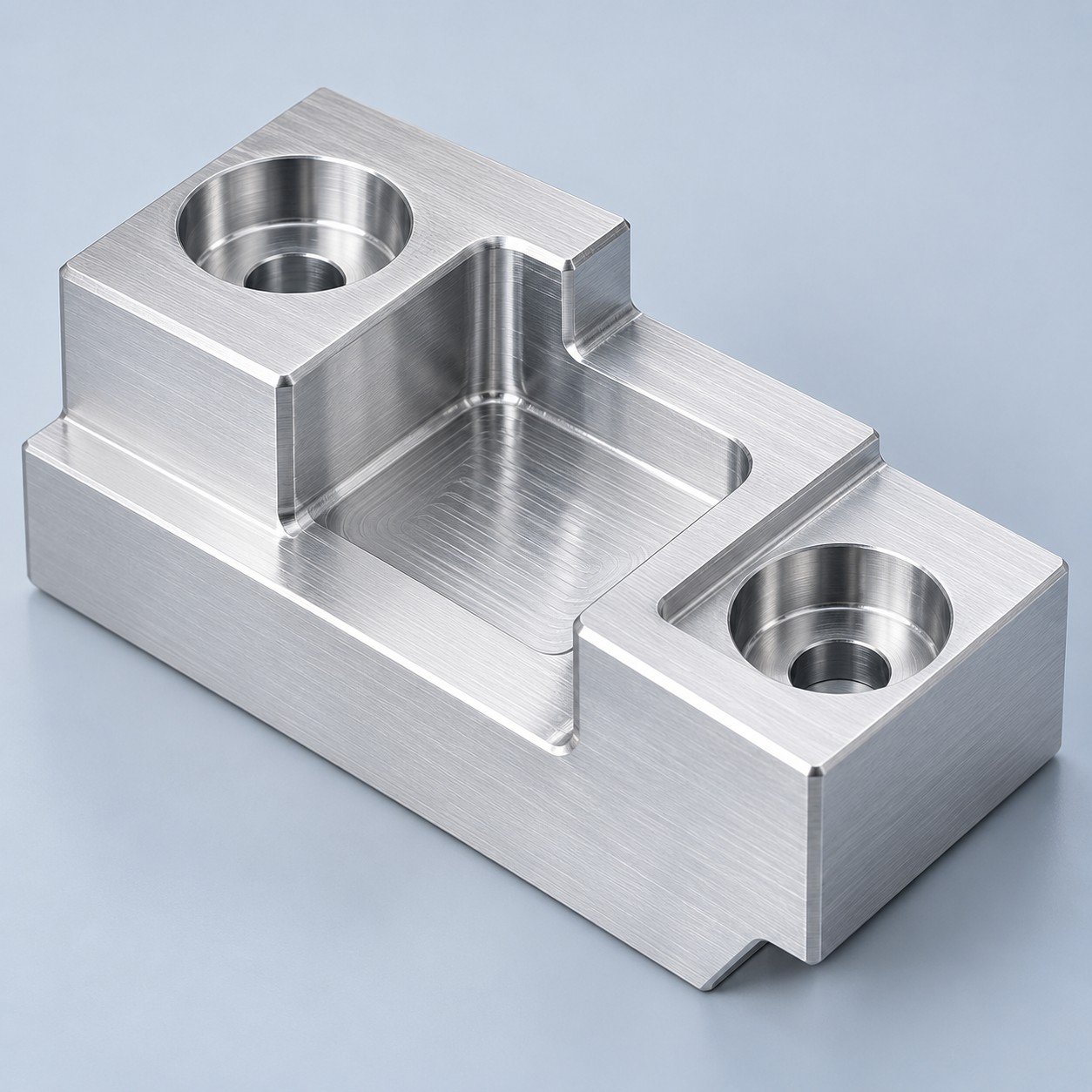
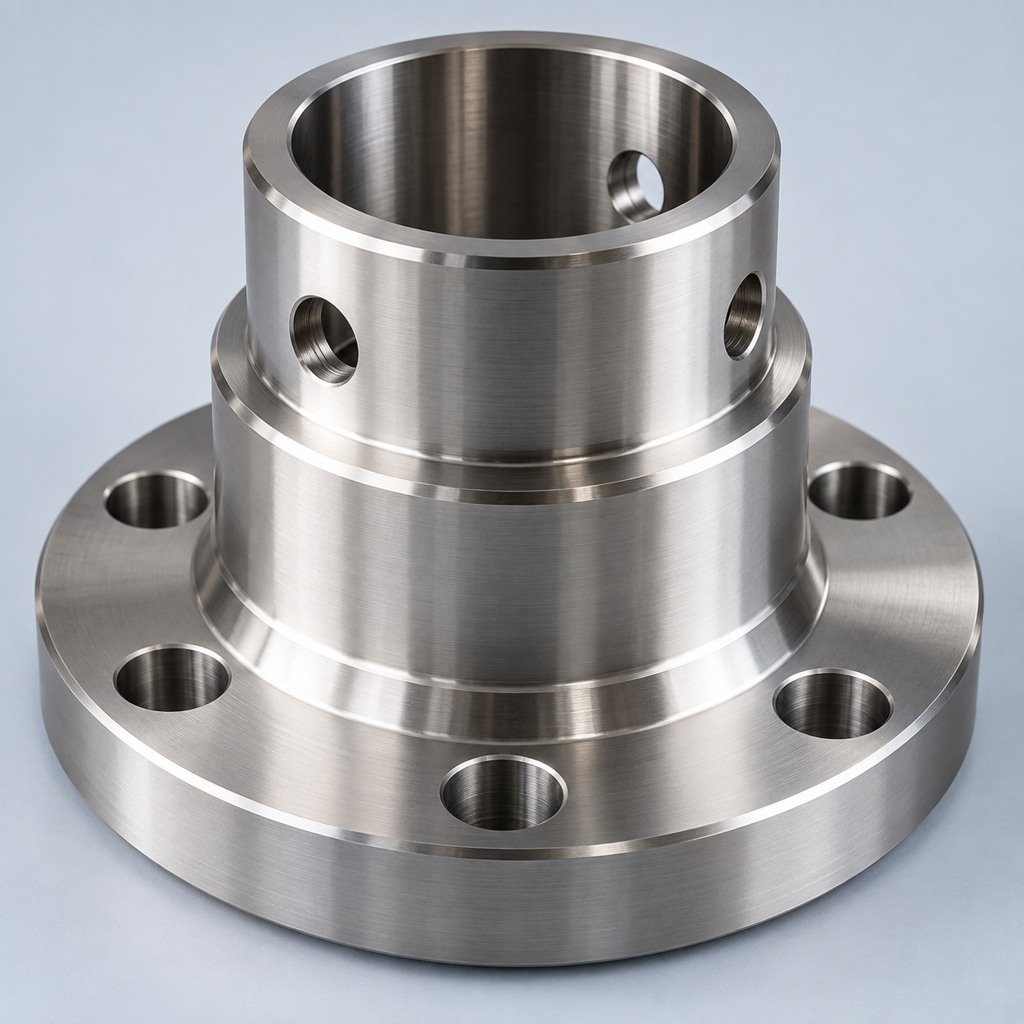
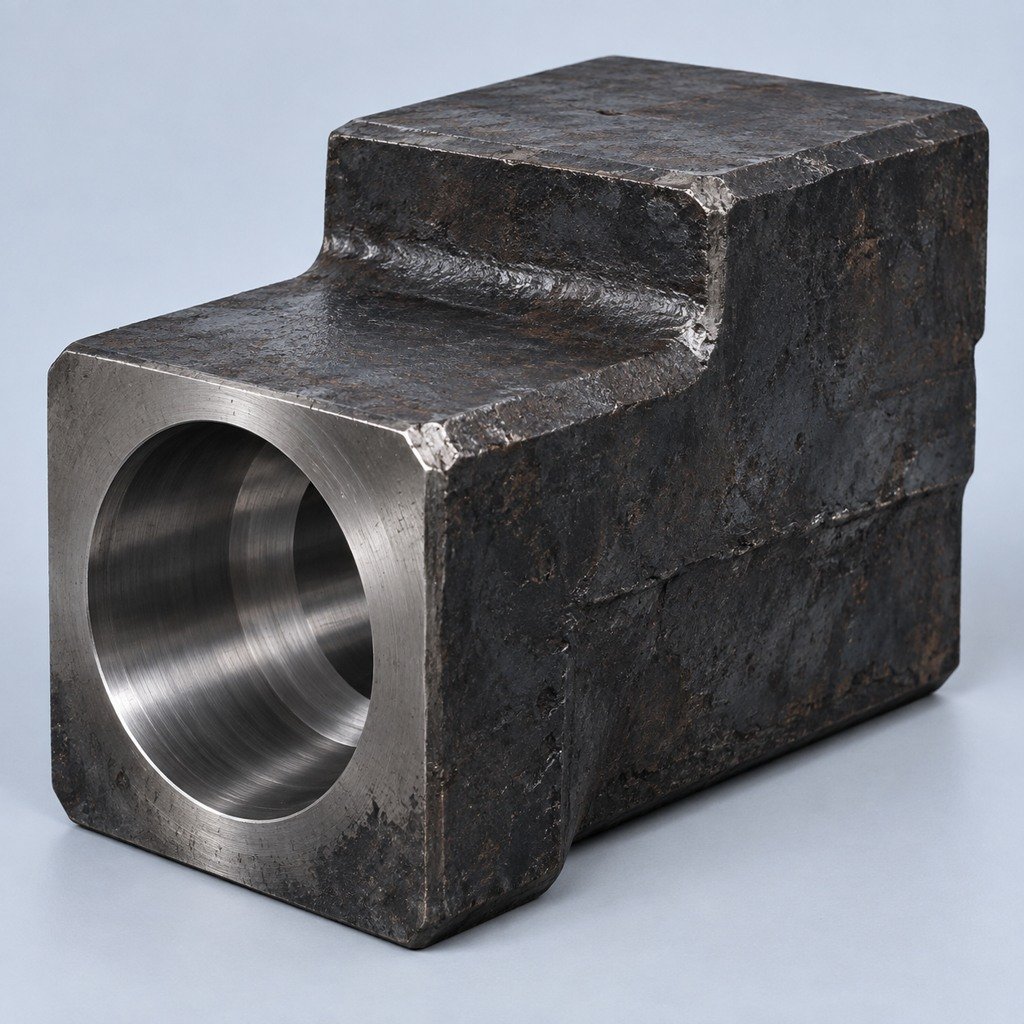
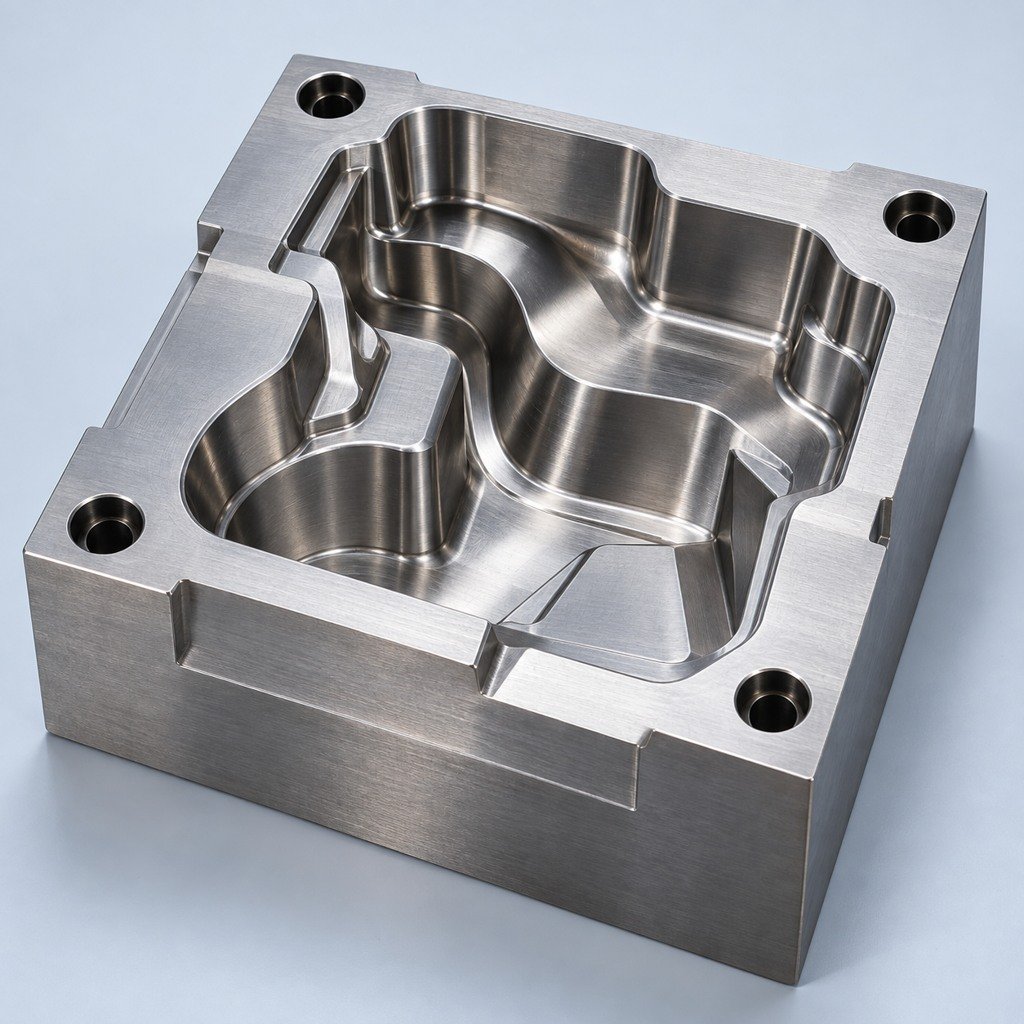
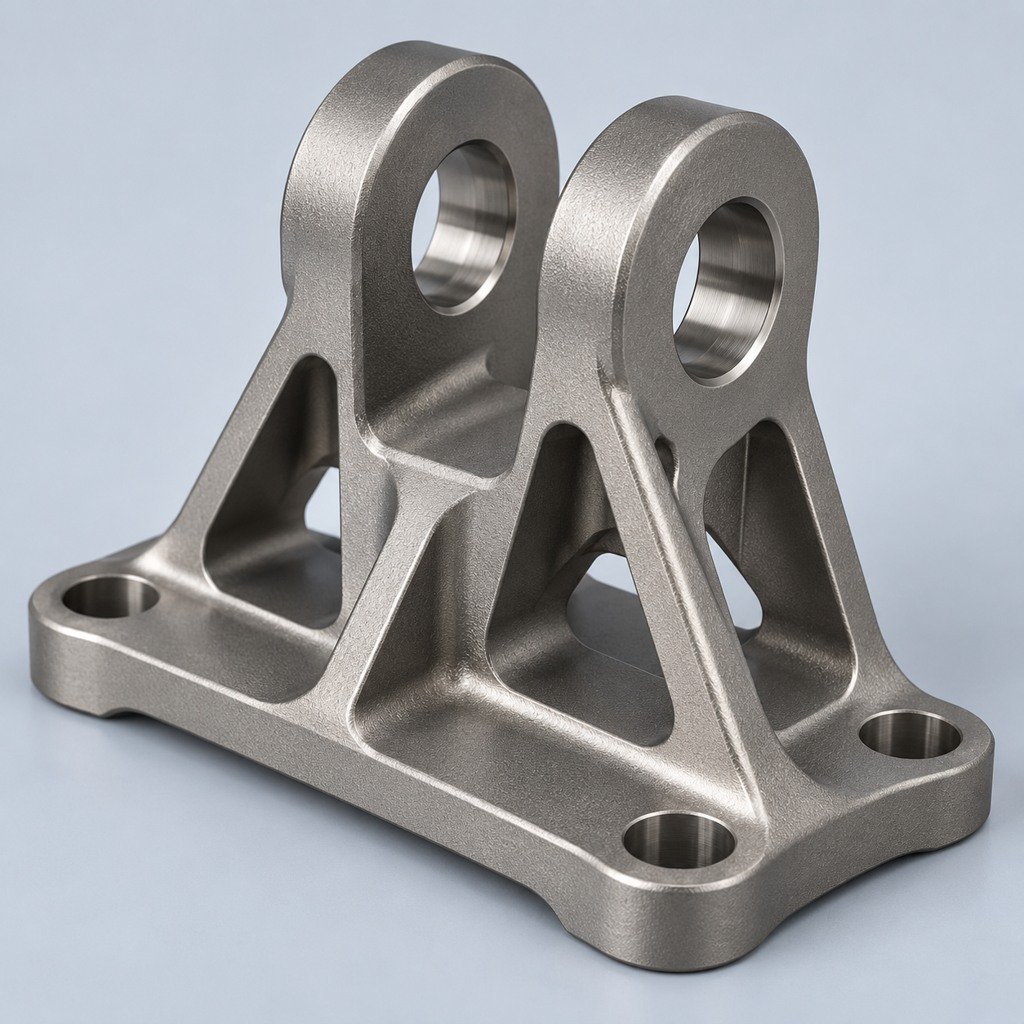
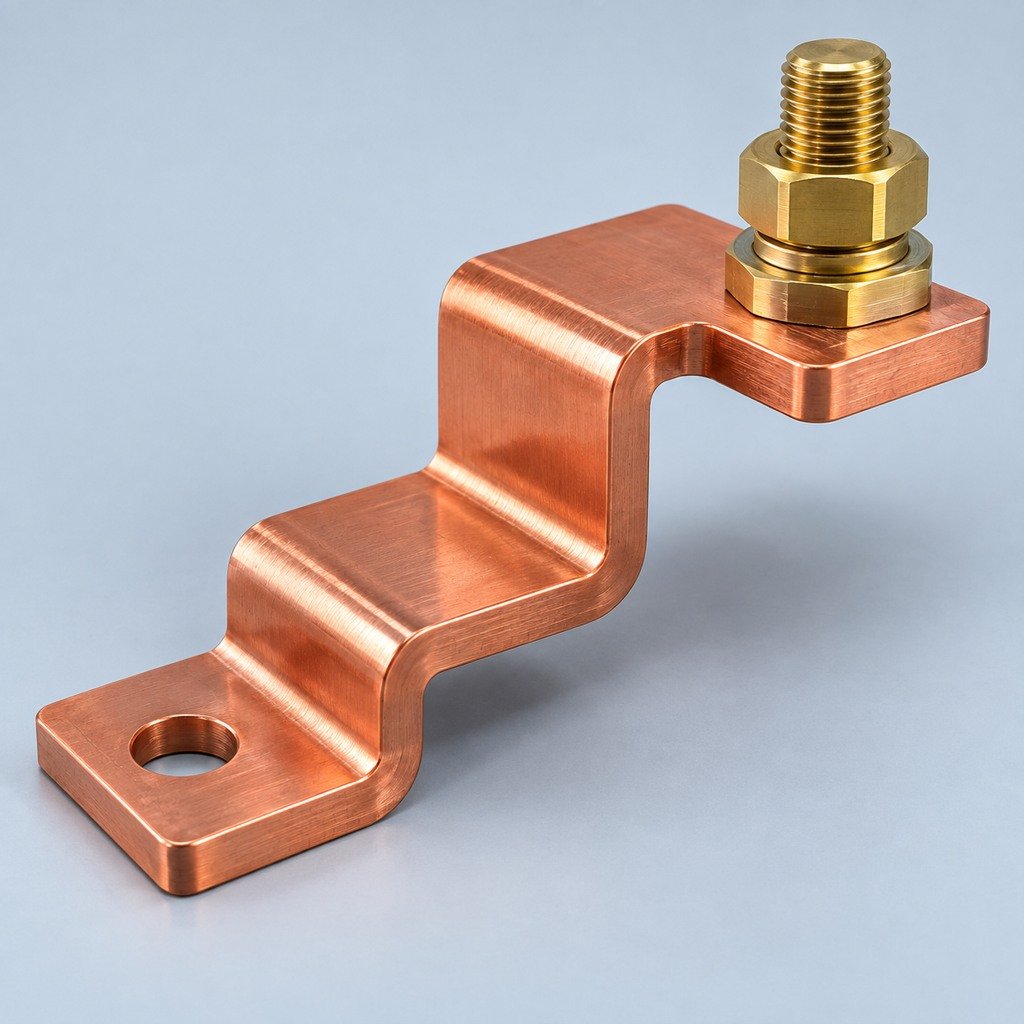
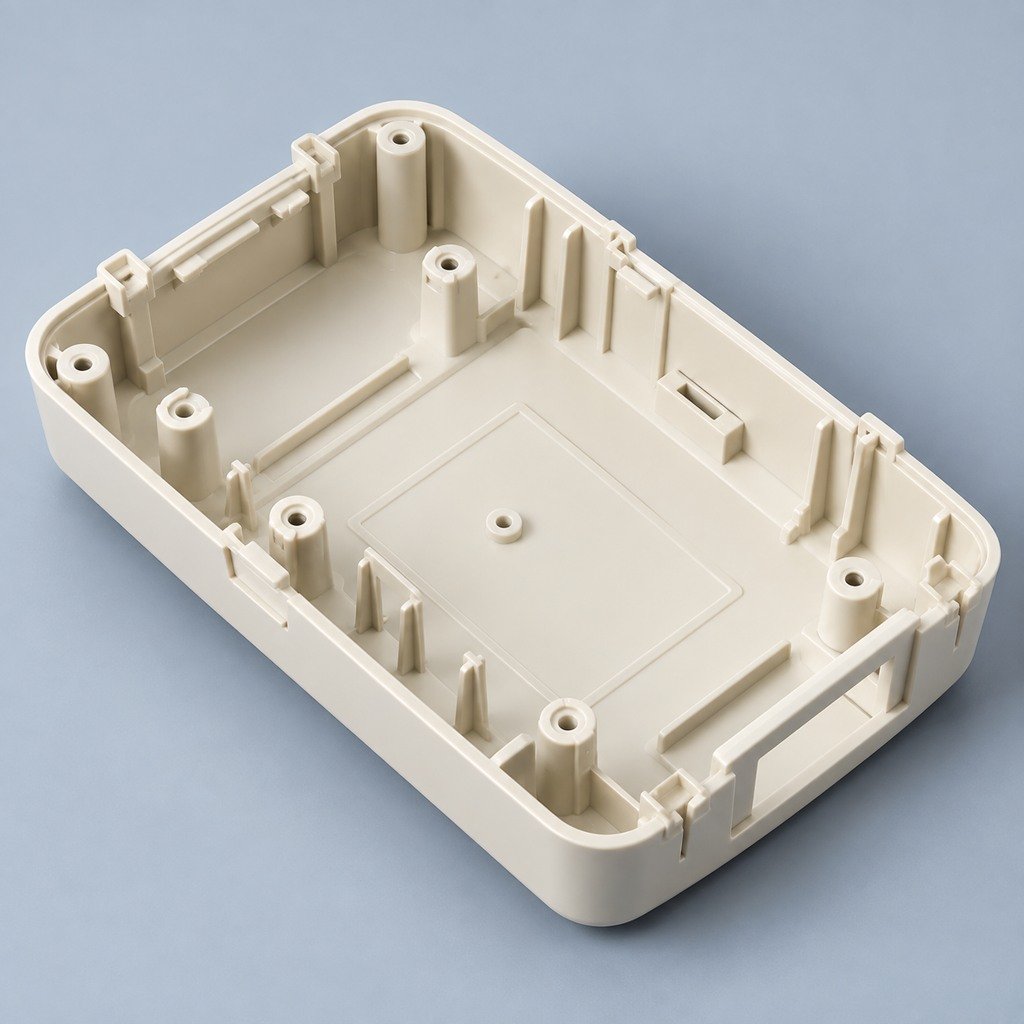
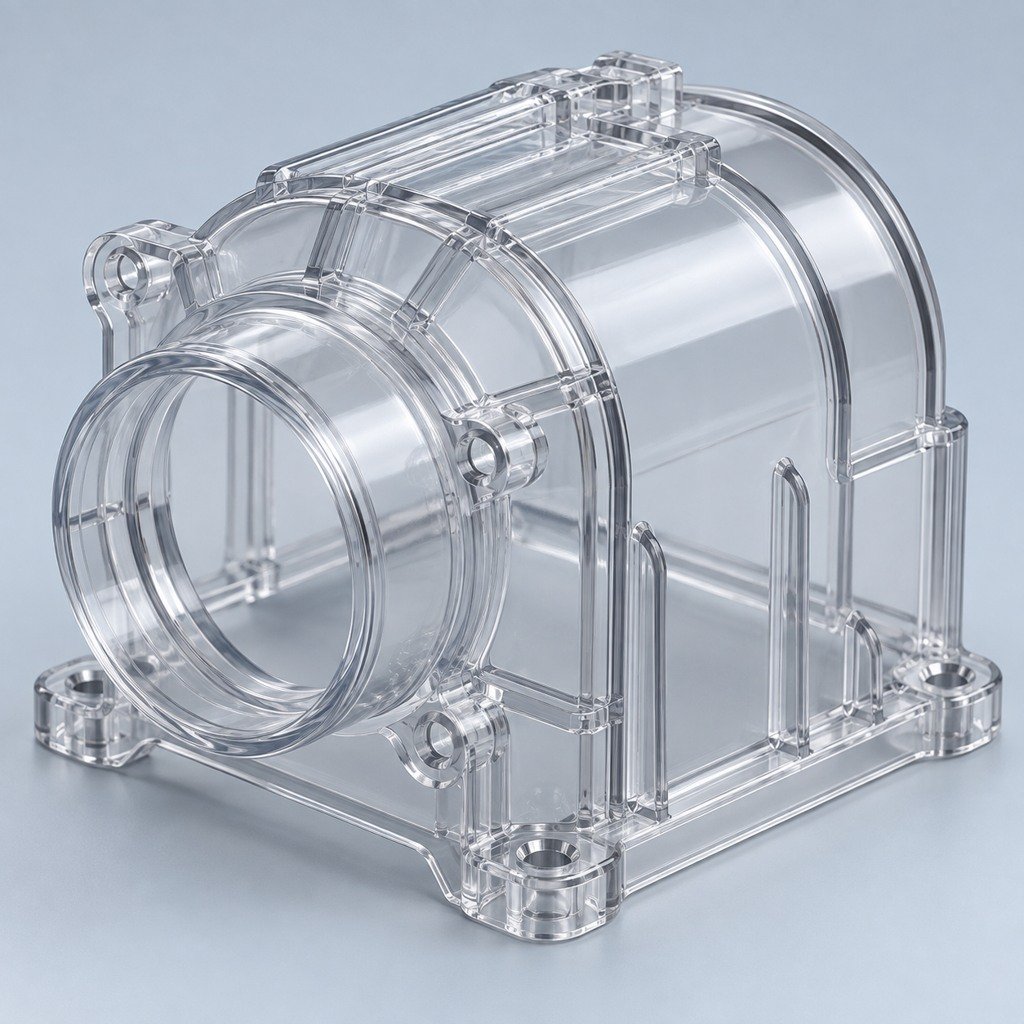
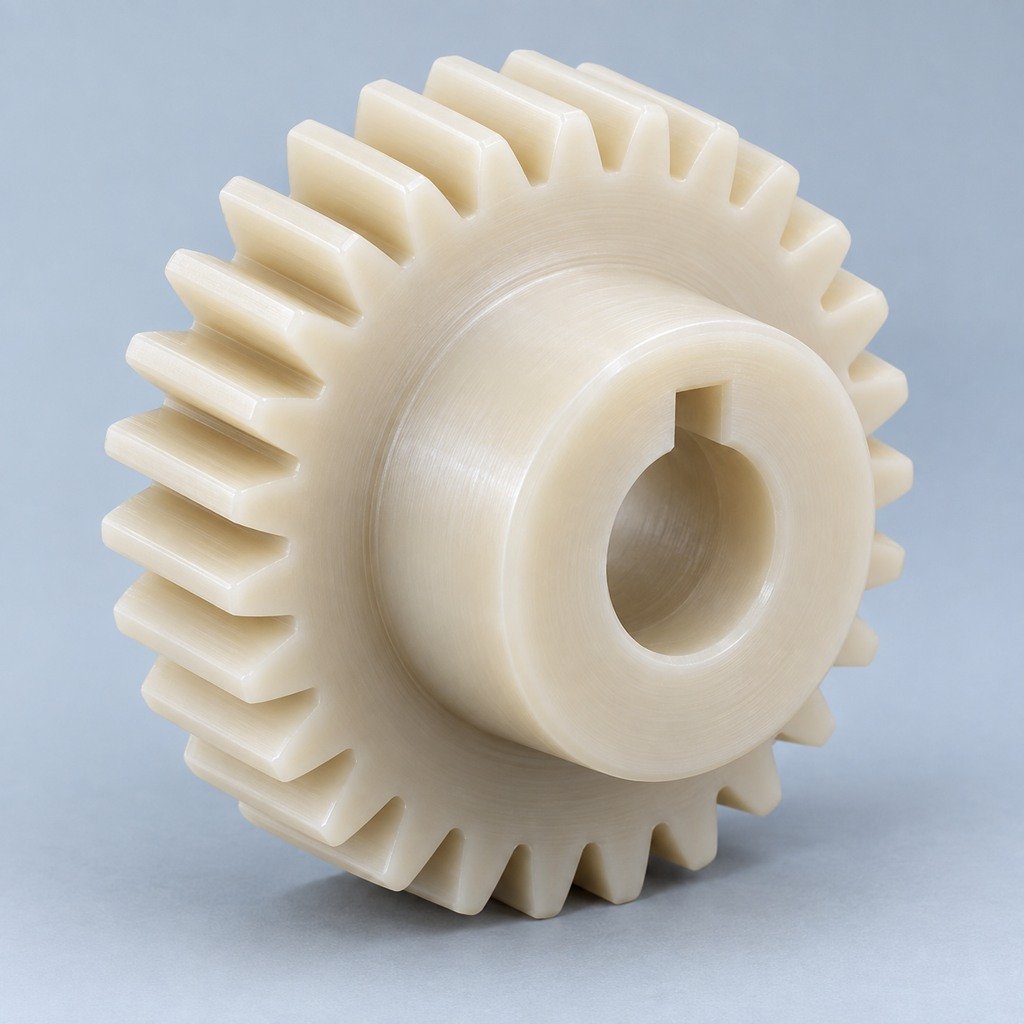
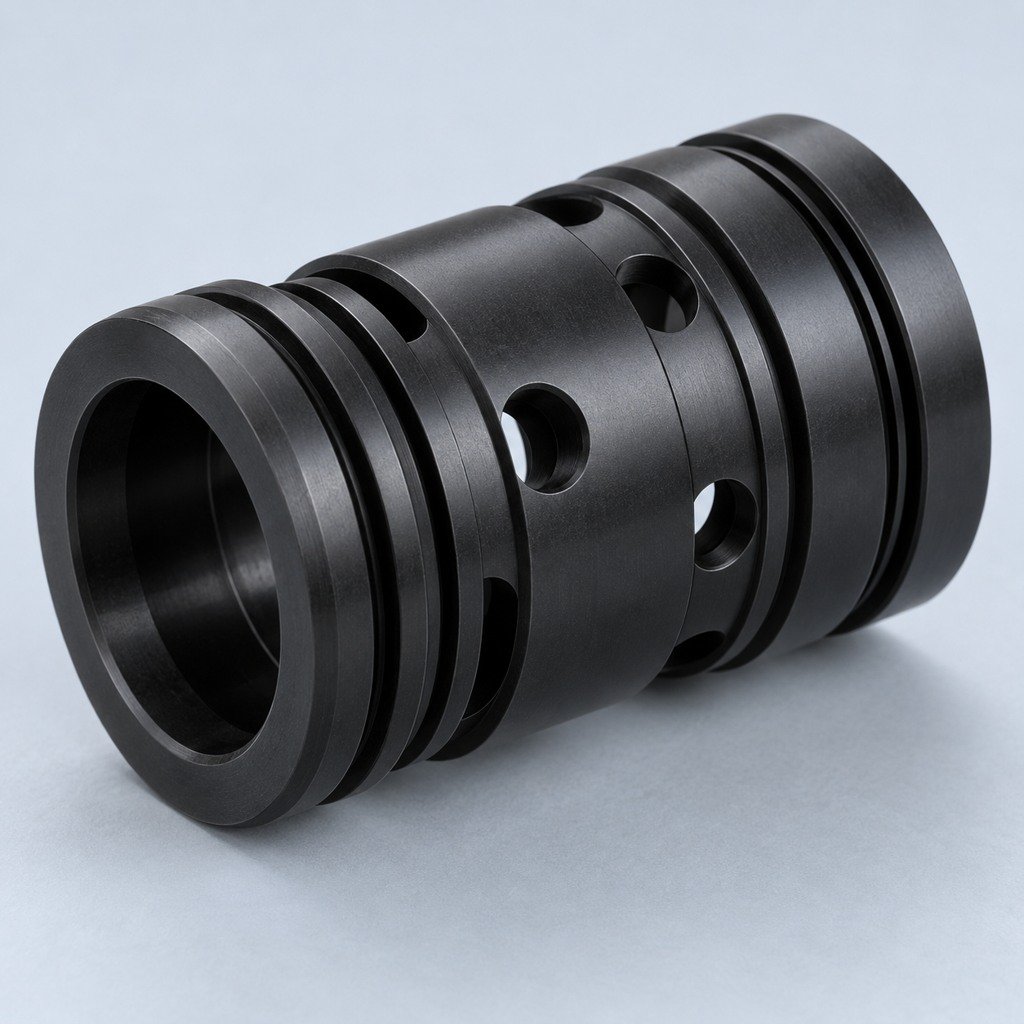
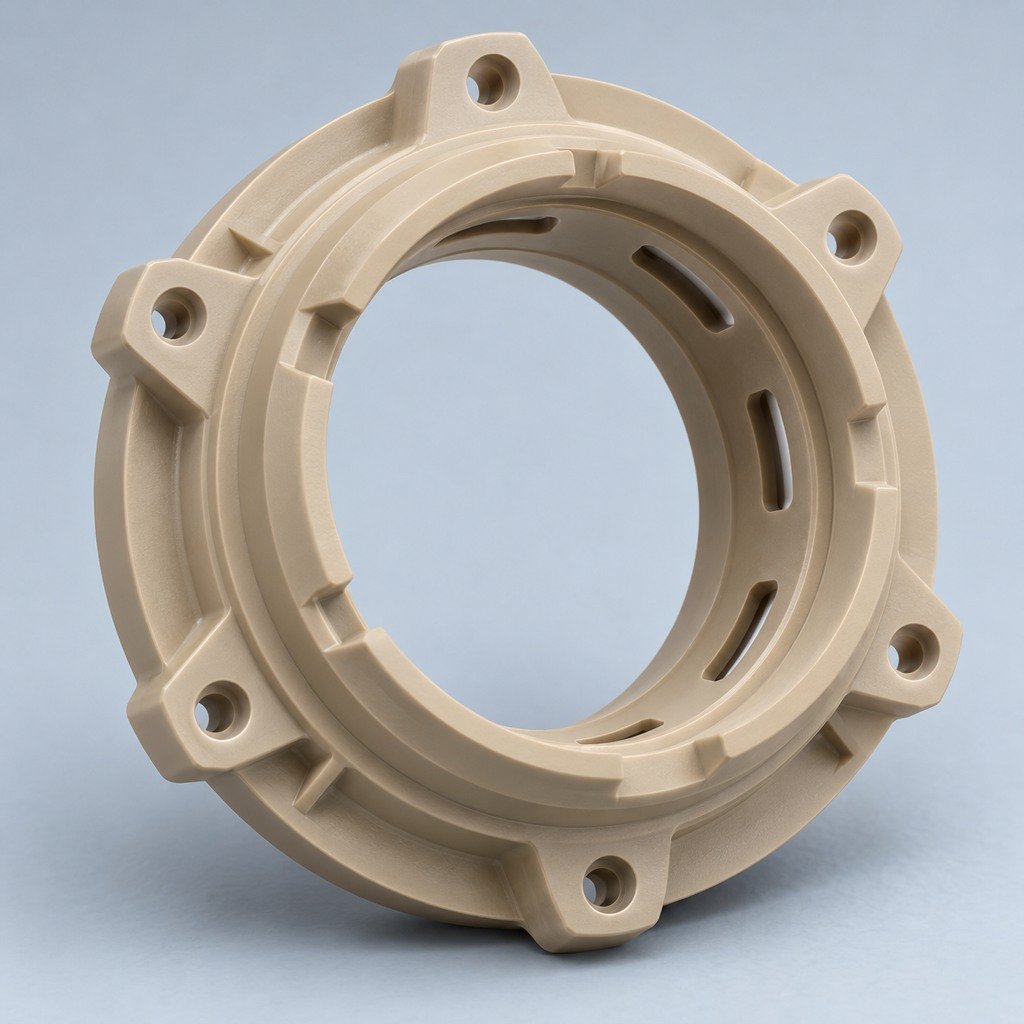
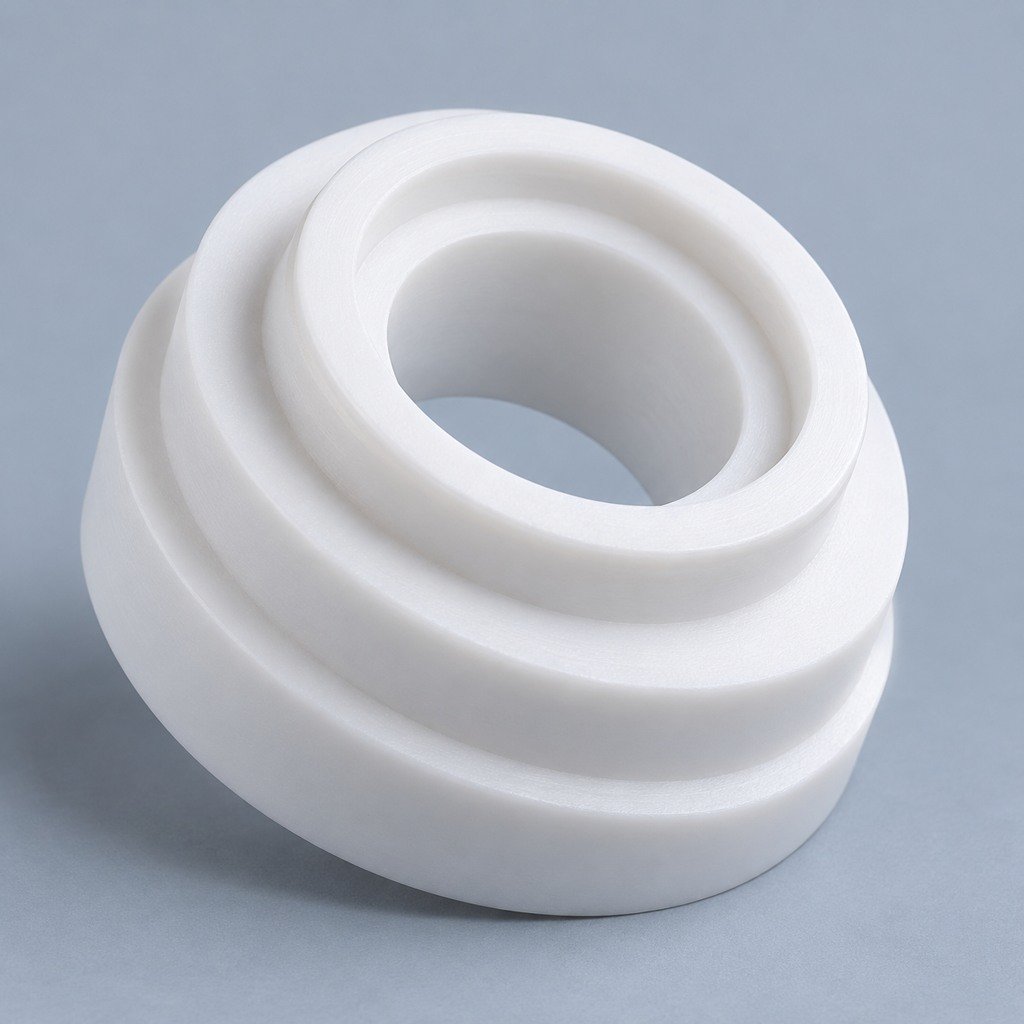
Compare function, process, finish and documentation before committing your design.
Start with what your part must do
Before choosing a familiar alloy, record the loads, operating temperature, contact surfaces, environment and expected life of your part. Identify which requirements are essential and which are preferences. A strong material can still be unsuitable when weight, corrosion, wear or dimensional stability drives the application.
Shortlist materials around your manufacturing process
For CNC machining materials, consider access to features, wall thickness, distortion risk and the condition of the supplied stock. Aluminum, stainless steel, engineering plastics and other material families have different processing considerations. For injection molding, evaluate the specific resin grade and the molded geometry together; a machined plastic prototype does not automatically demonstrate production molded performance.
Compare total part cost, not only stock price
Ask your manufacturing partner to review machining time, tooling, scrap, finishing, inspection and order quantity alongside raw material cost. If a lower-priced material needs extra operations or creates more rejected parts, the finished component may cost more. Compare quotations against the same drawing revision, finish and inspection requirements.
Specify grade, condition and verification
State the required grade, temper or heat treatment where applicable. Include functional tolerances and finish requirements on the drawing. If you need material certificates, lot traceability or particular compliance documents, identify these before requesting a quote so availability and scope can be confirmed.
Send a decision-ready brief
Share your CAD and drawing, target quantity, working environment, critical dimensions and any acceptable alternatives. Ask for the tradeoffs between two or three candidates rather than a universal best material. Final selection requires review against your application and verification plan.
Explore materials for your part · Discuss your manufacturing requirements