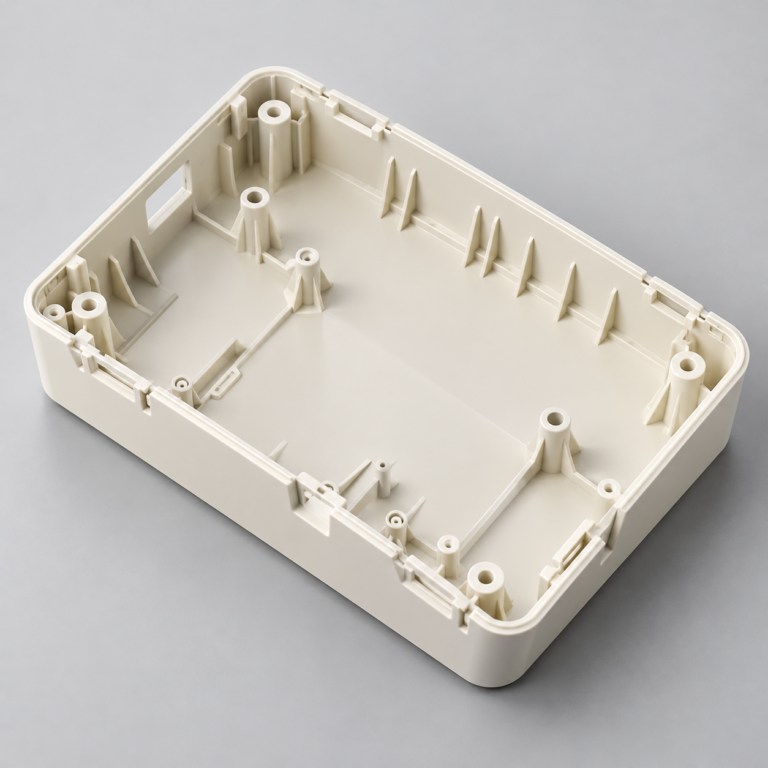
Injection Molding
Tooling and molding for your repeat plastic parts.
From prototype to production, coordinated manufacturing solutions for your custom parts.
View All Services →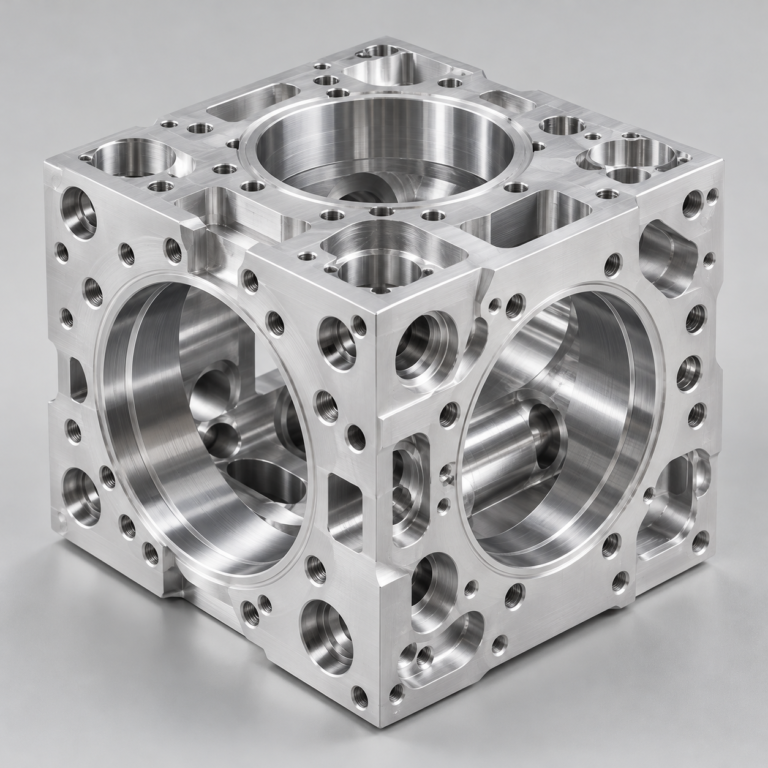
Precision parts for your tight tolerances and complex geometry.
Tooling and molding for your repeat plastic parts.
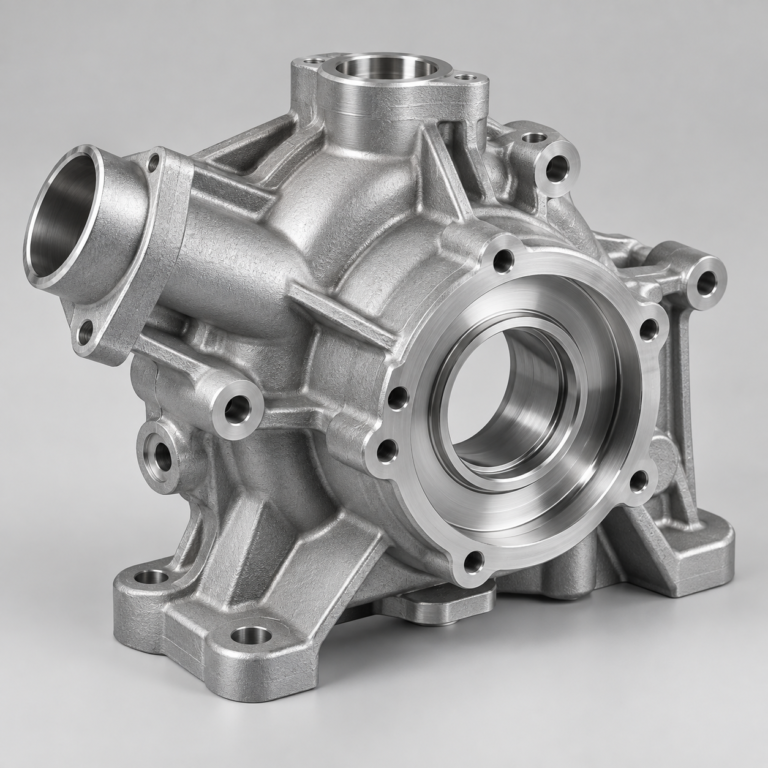
Metal casting options for your part and production volume.
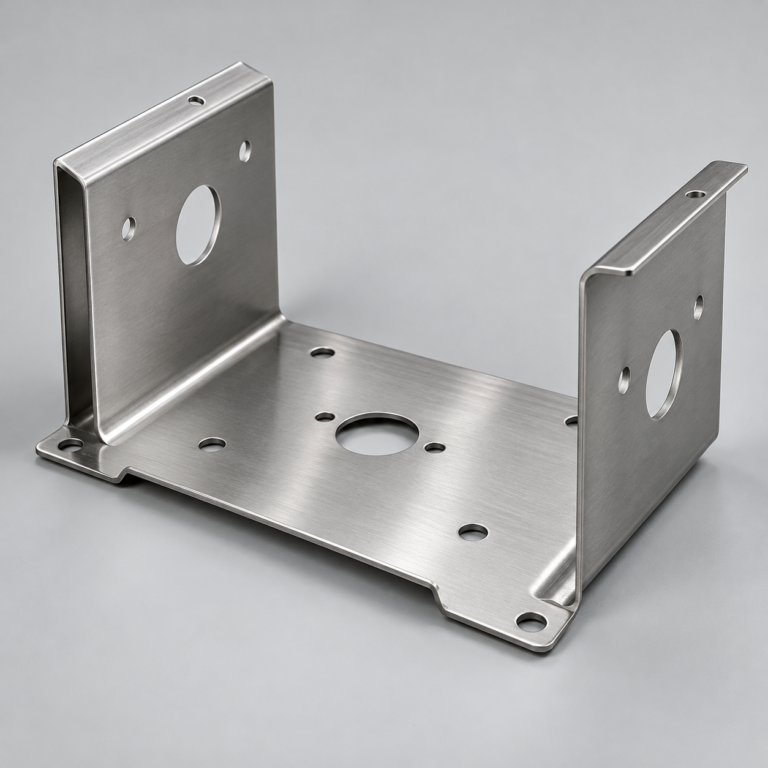
Cutting, forming and welding for your fabricated parts.
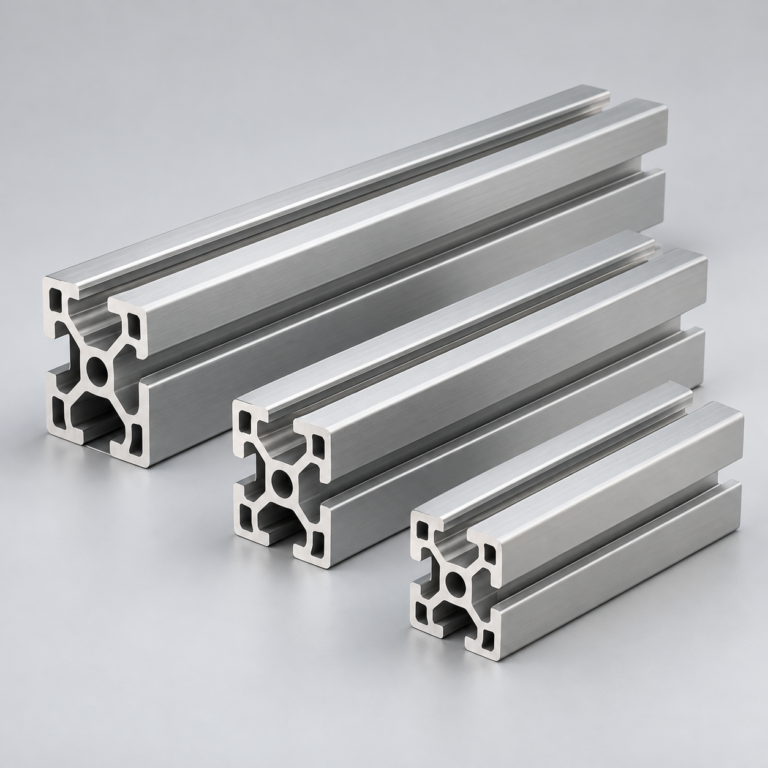
Custom profiles for your section, length and finish requirements.
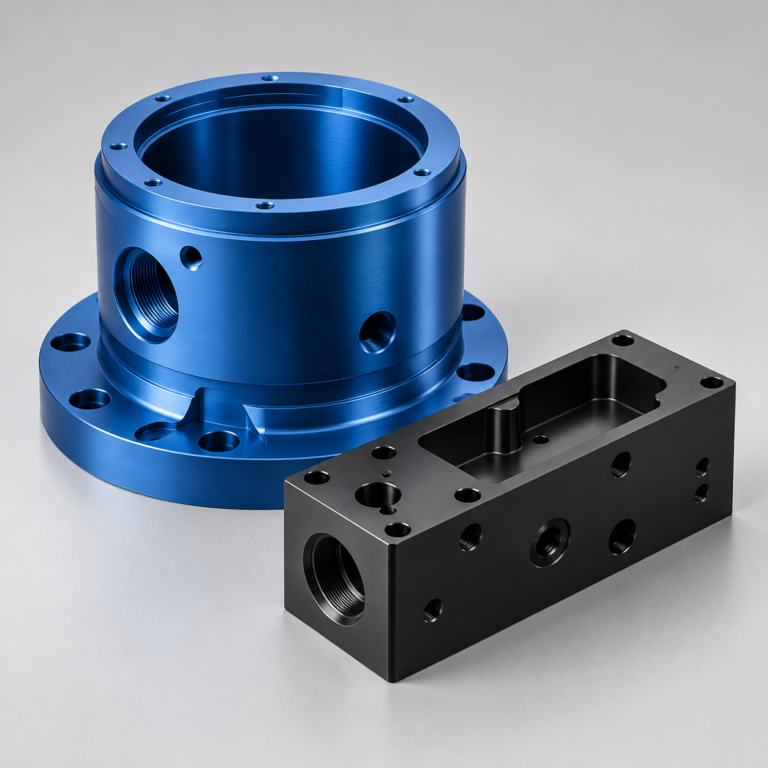
Finishes for your appearance, corrosion and wear requirements.
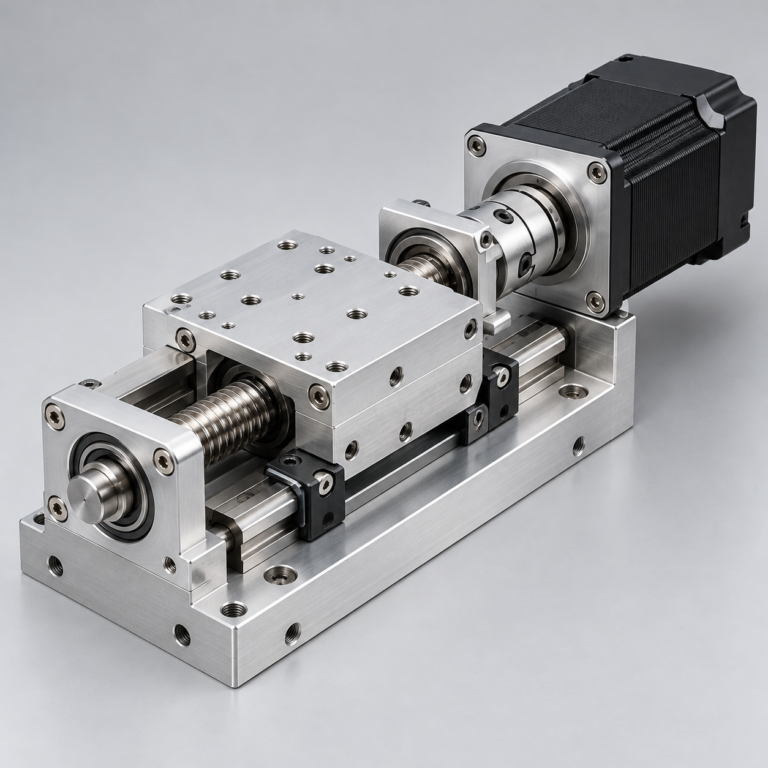
Sub-assemblies and final builds for your production program.
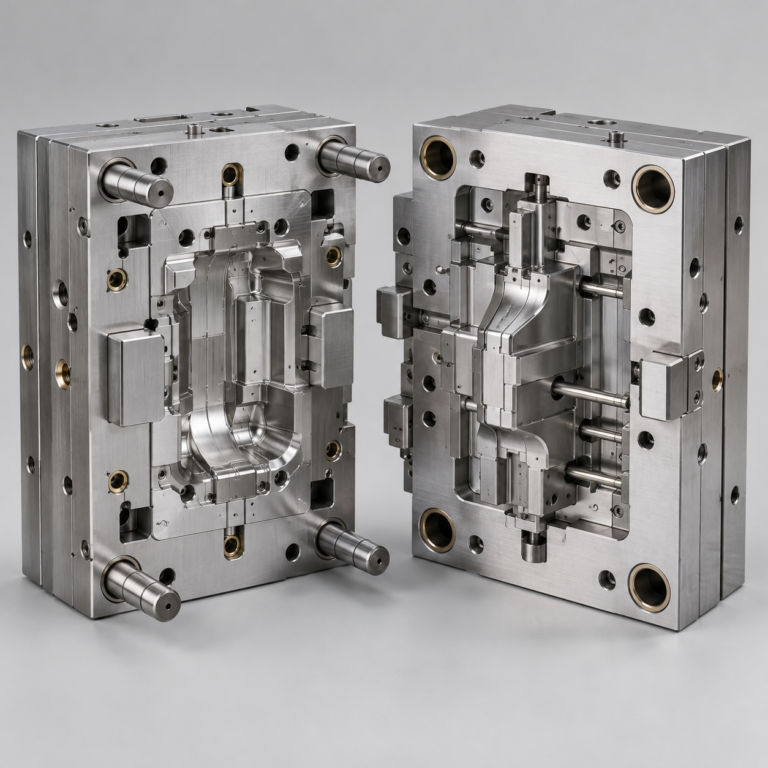
Production tooling built around your process and volume.
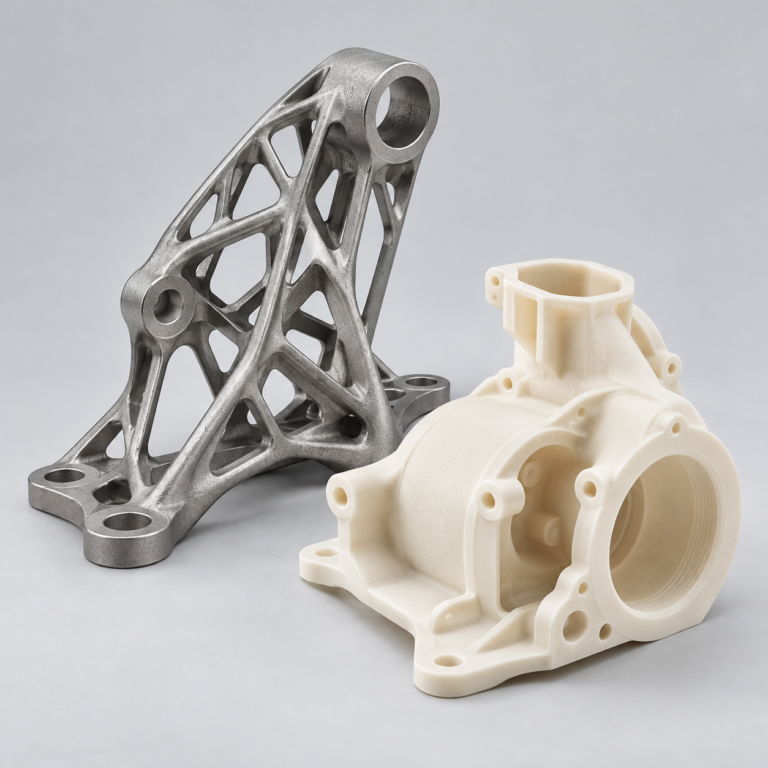
Prototype parts to check fit, function and design.
DFM, process planning and production support for your project.
Inspection, documentation, inventory and delivery planning for your program.
Choose air- or liquid-cooling components around your thermal and mechanical requirements.
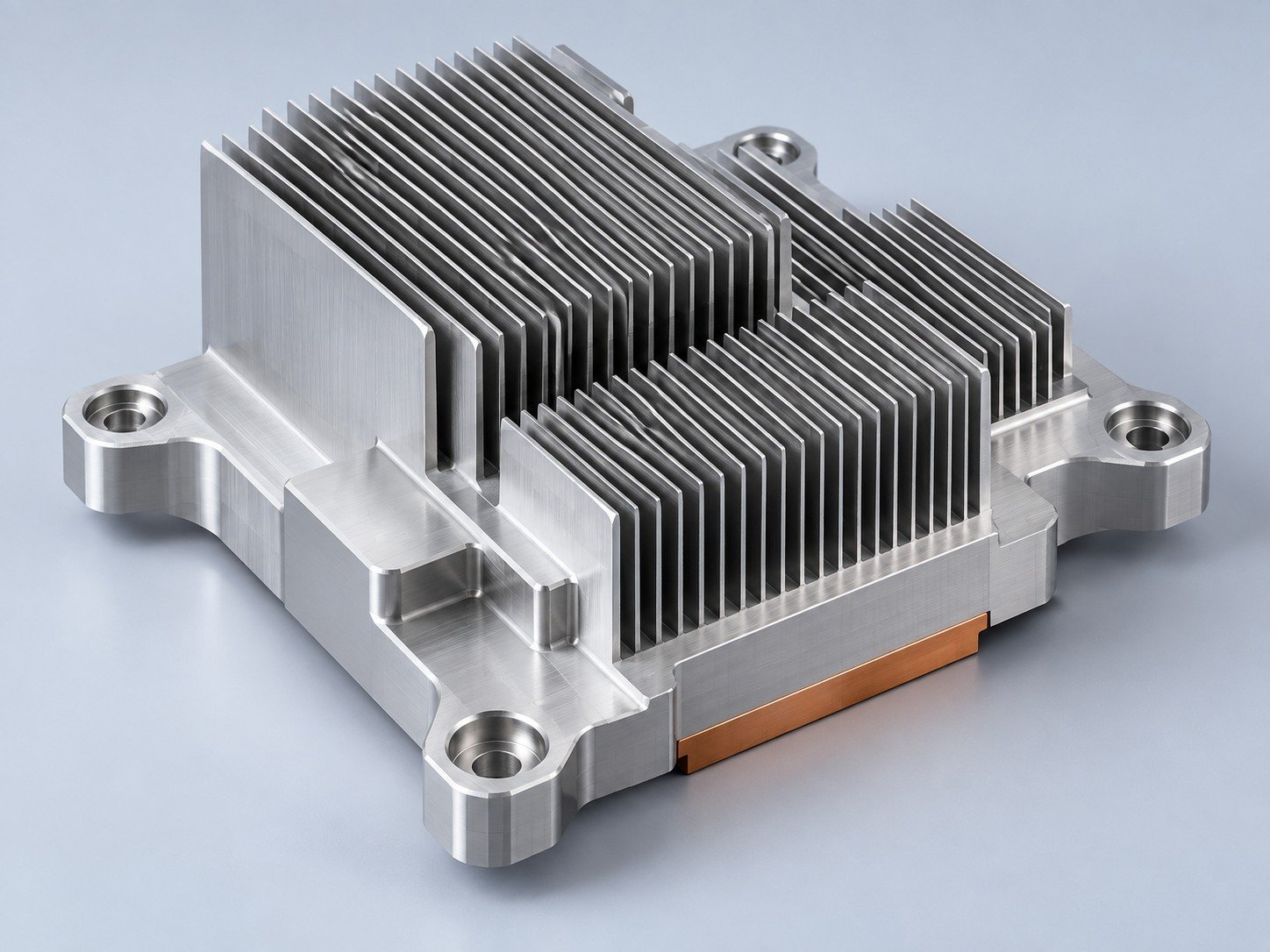
Manufacturing support for your cold plates, manifolds and cooling assemblies.
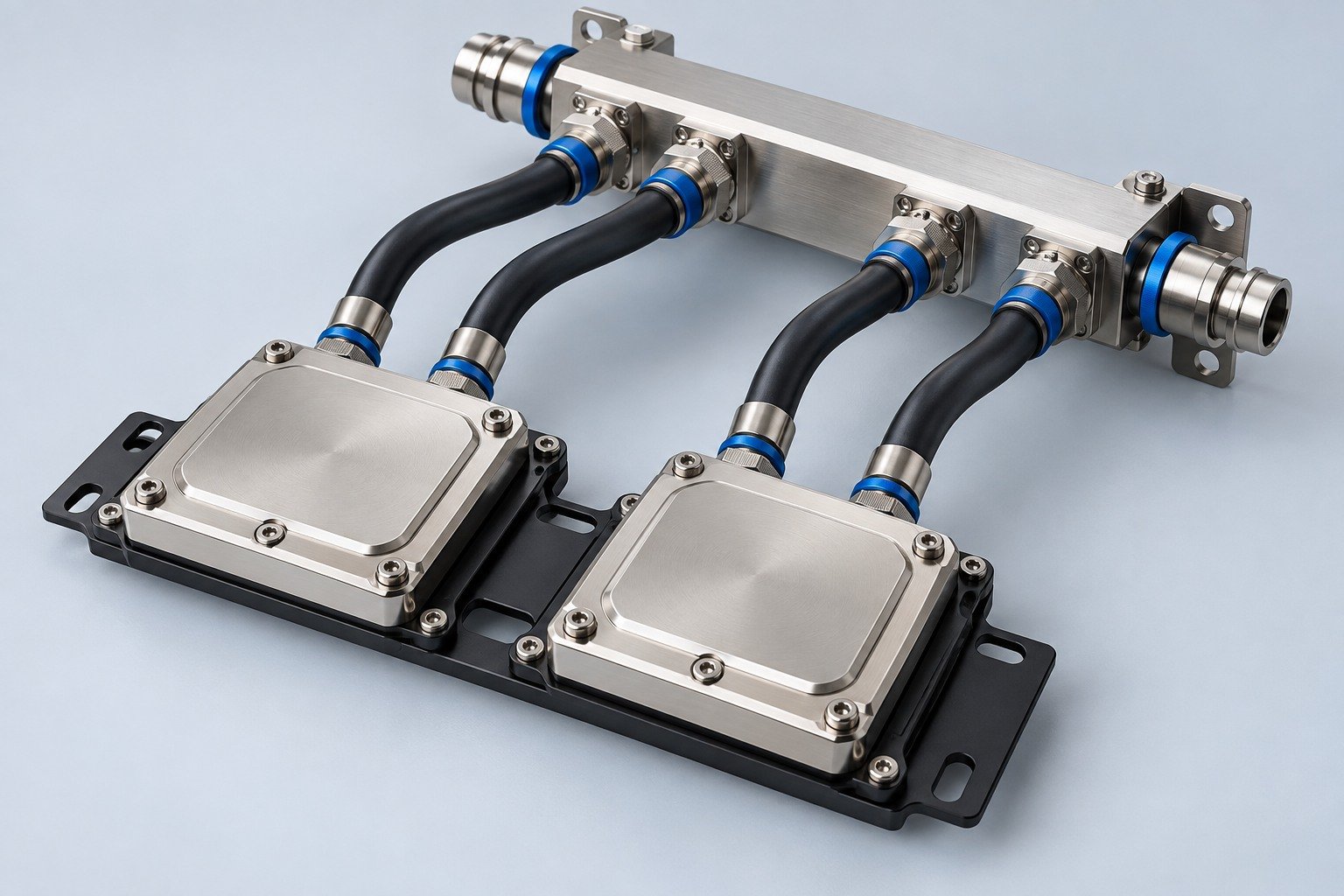
Find components for your power electronics, energy, laser and telecom application.
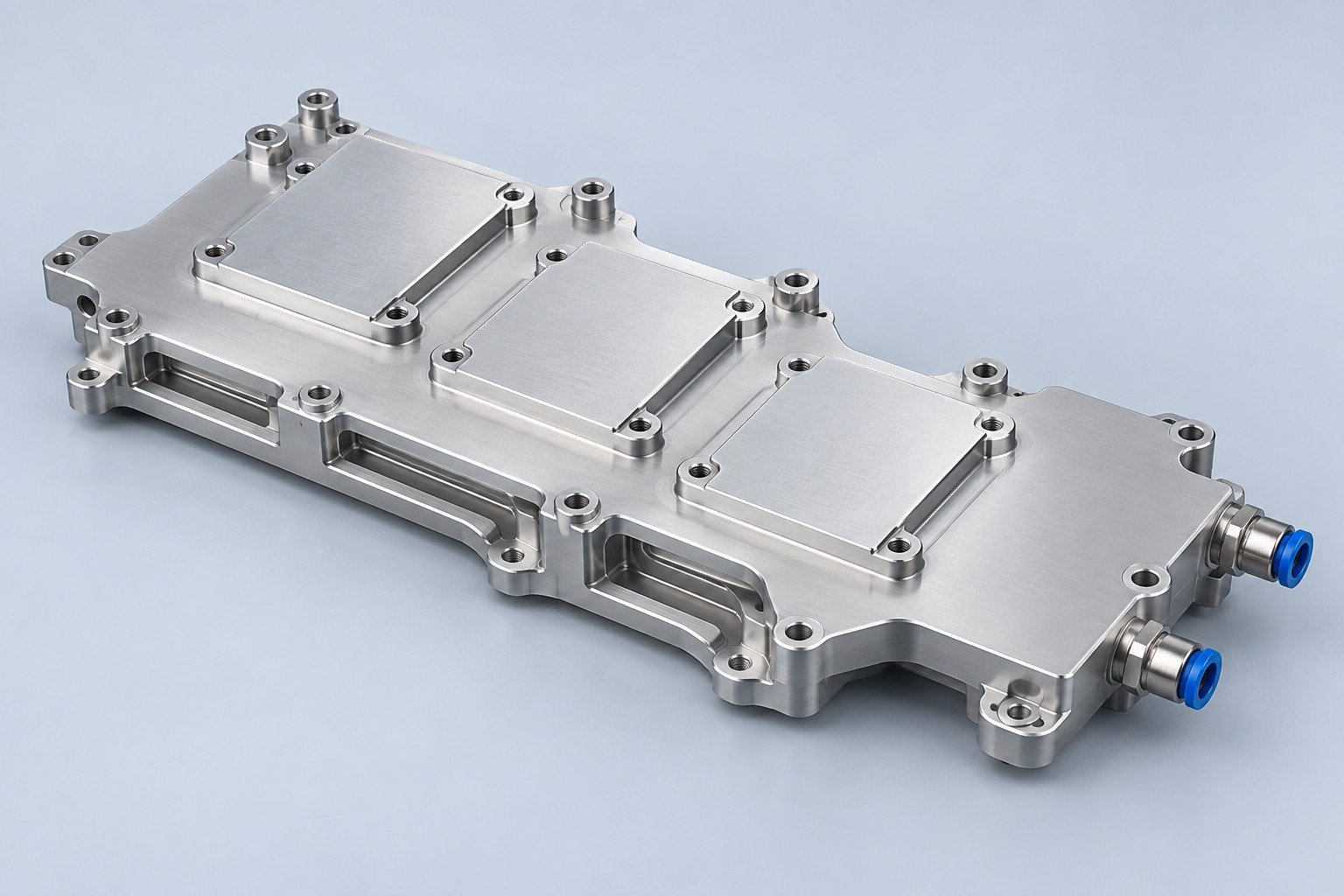
Components for your electronic systems.
Start with your functional and quality requirements.
Build around your operating environment.
From prototype to production, review material performance, manufacturability and cost for your part.
Review grade, temper and finish for your metal parts.
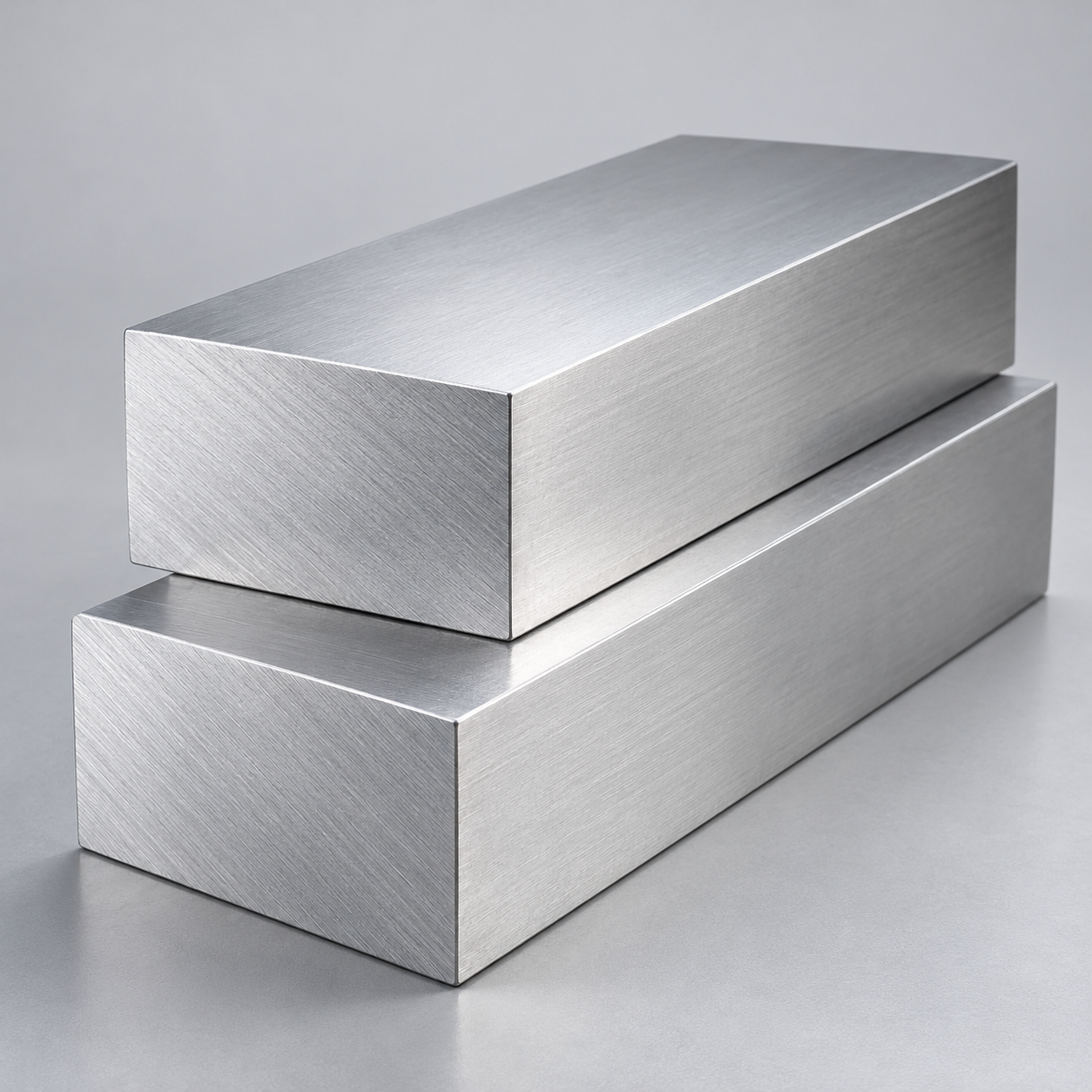 AluminumStrength, weight and machining›
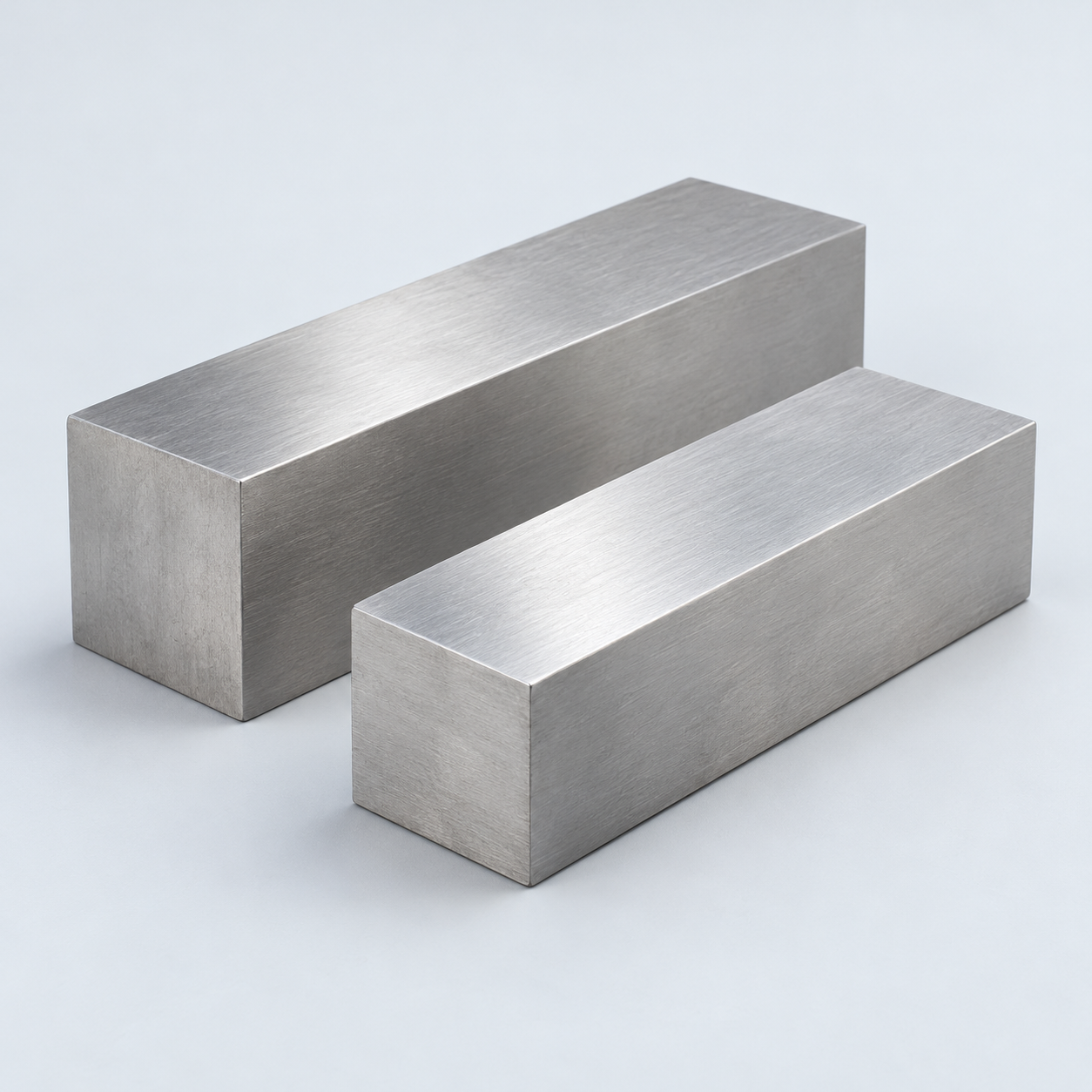 Stainless SteelCorrosion and finish requirements›
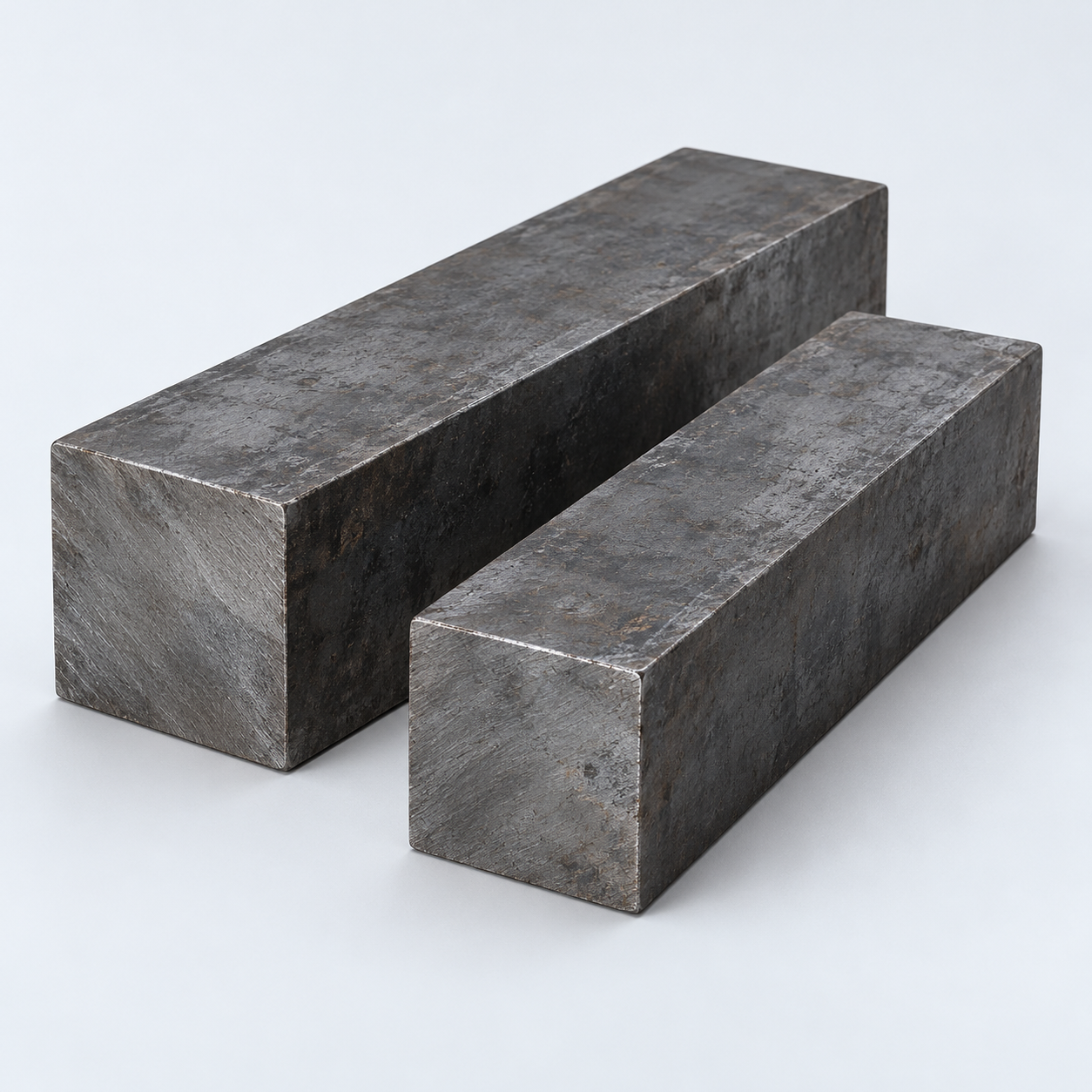 Carbon & Alloy SteelDiscuss grade and heat treatment›
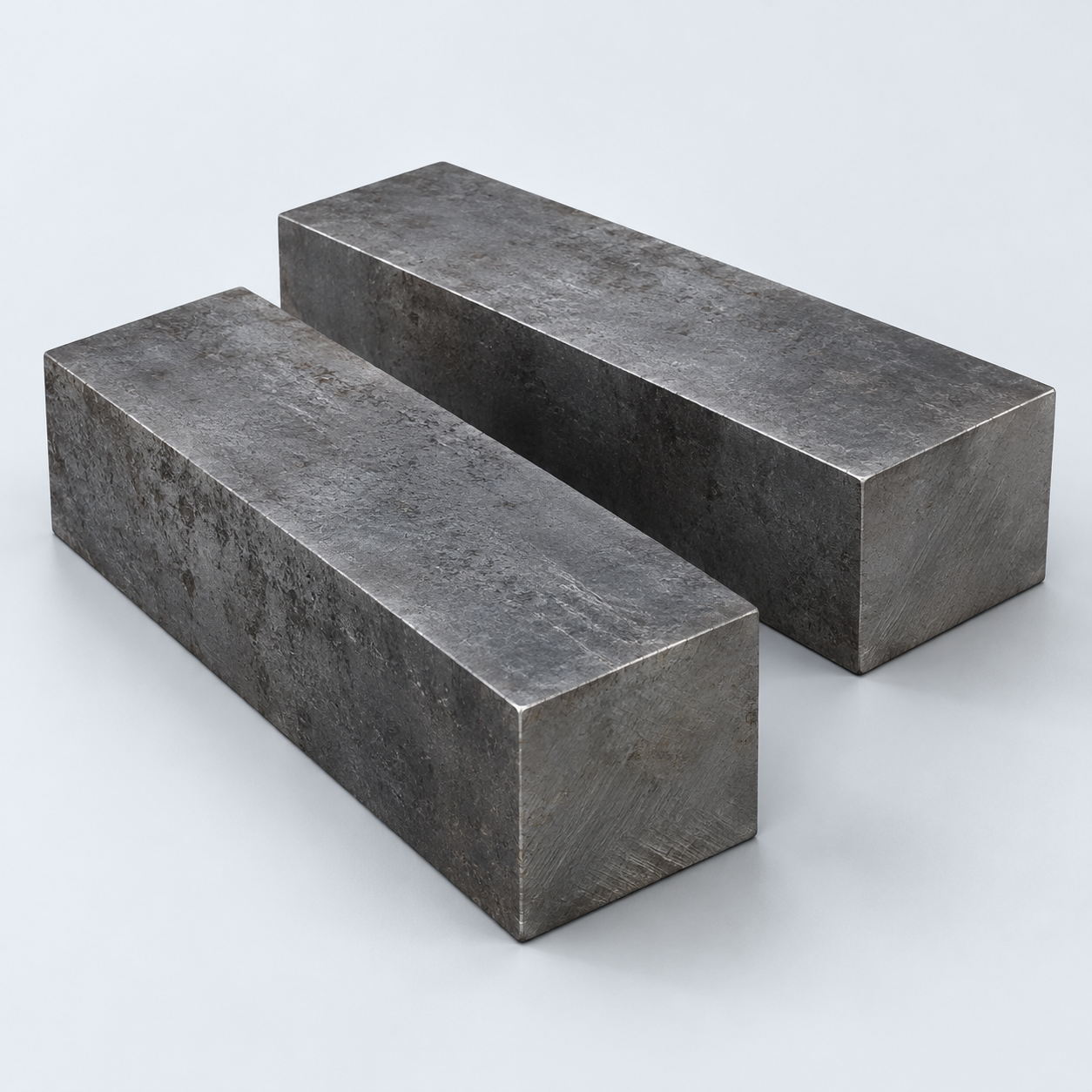 Tool SteelDiscuss tooling and wear needs›
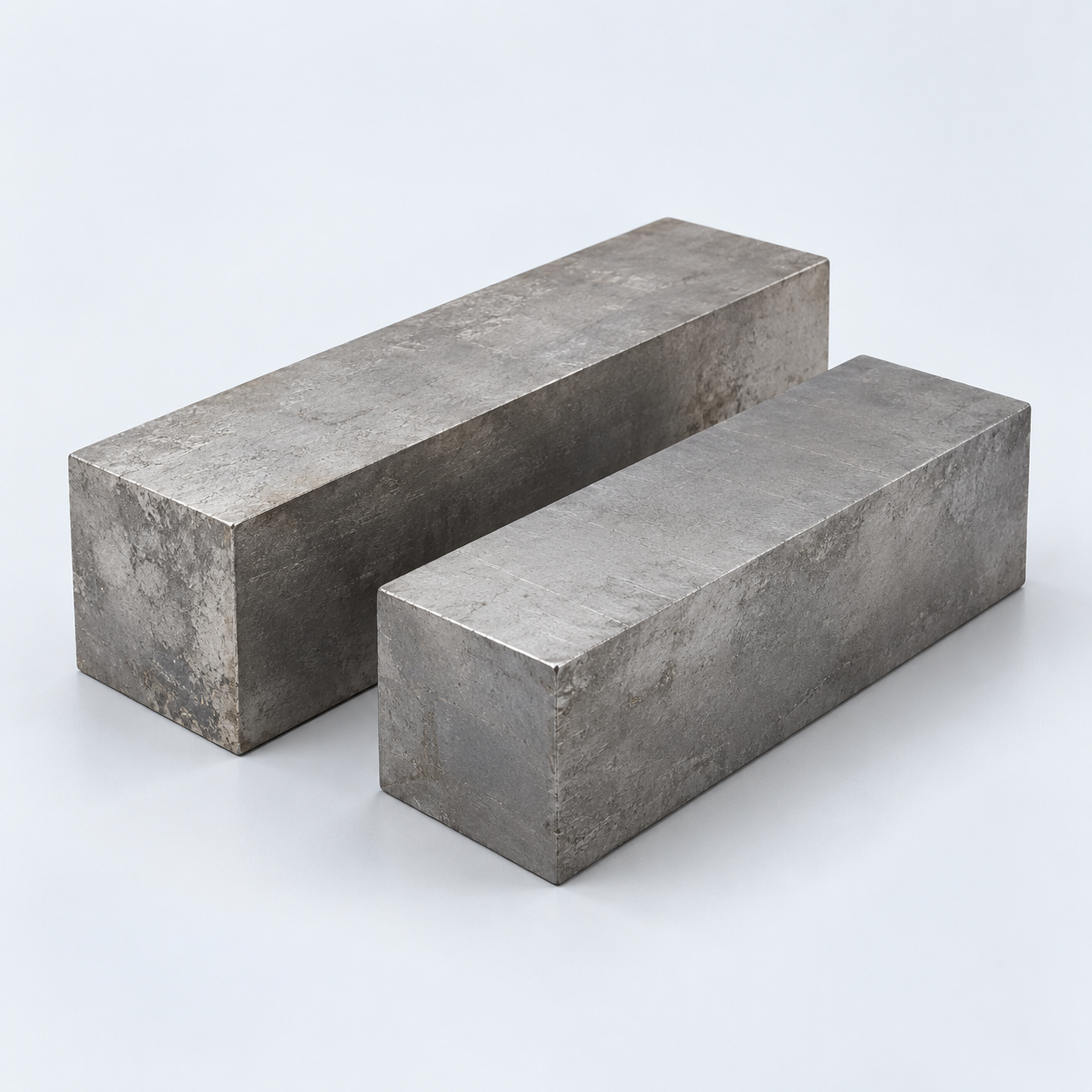 TitaniumReview grade and part geometry›
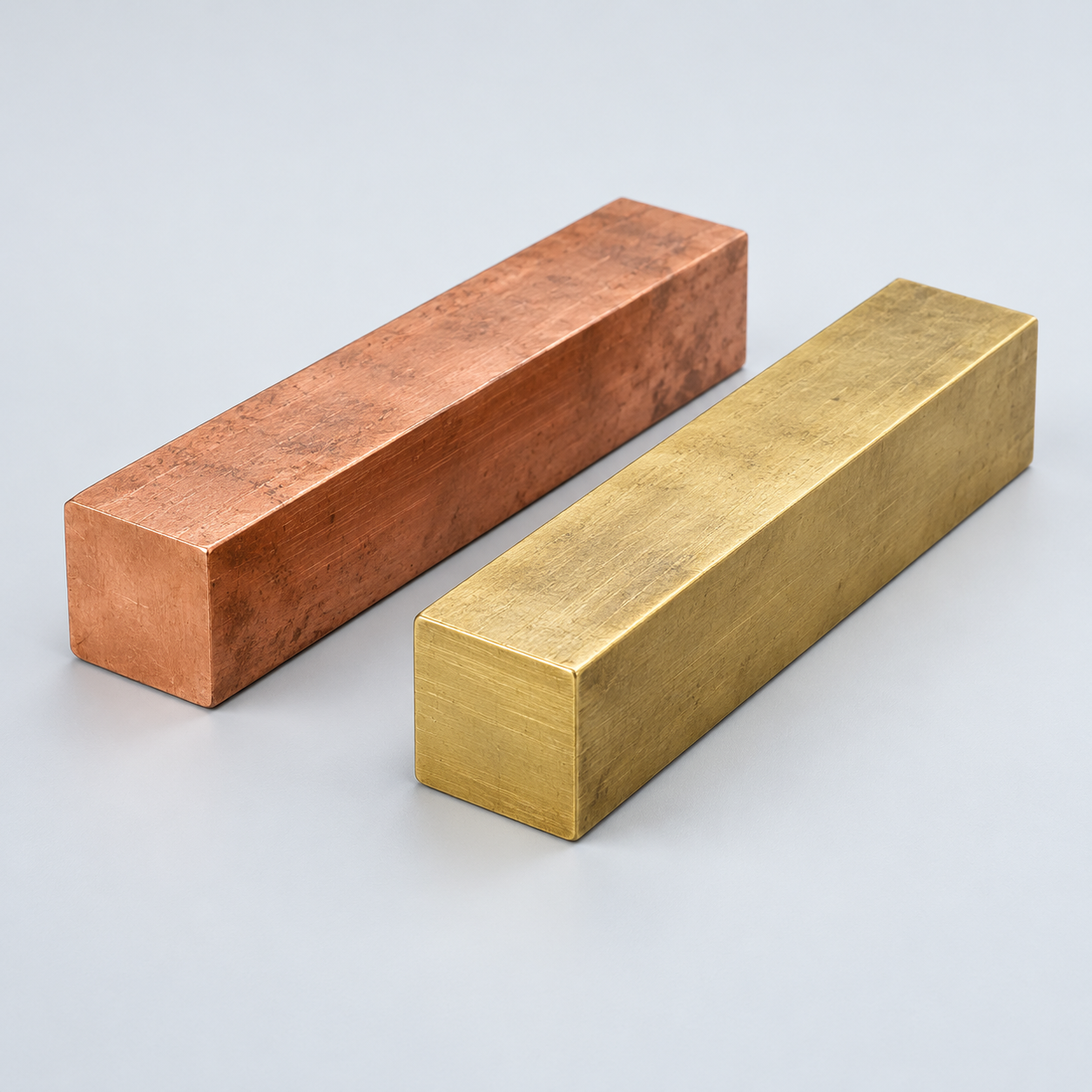 Copper & Brass & BronzeDiscuss conductivity and machining›
Match your polymer to function, process and environment.
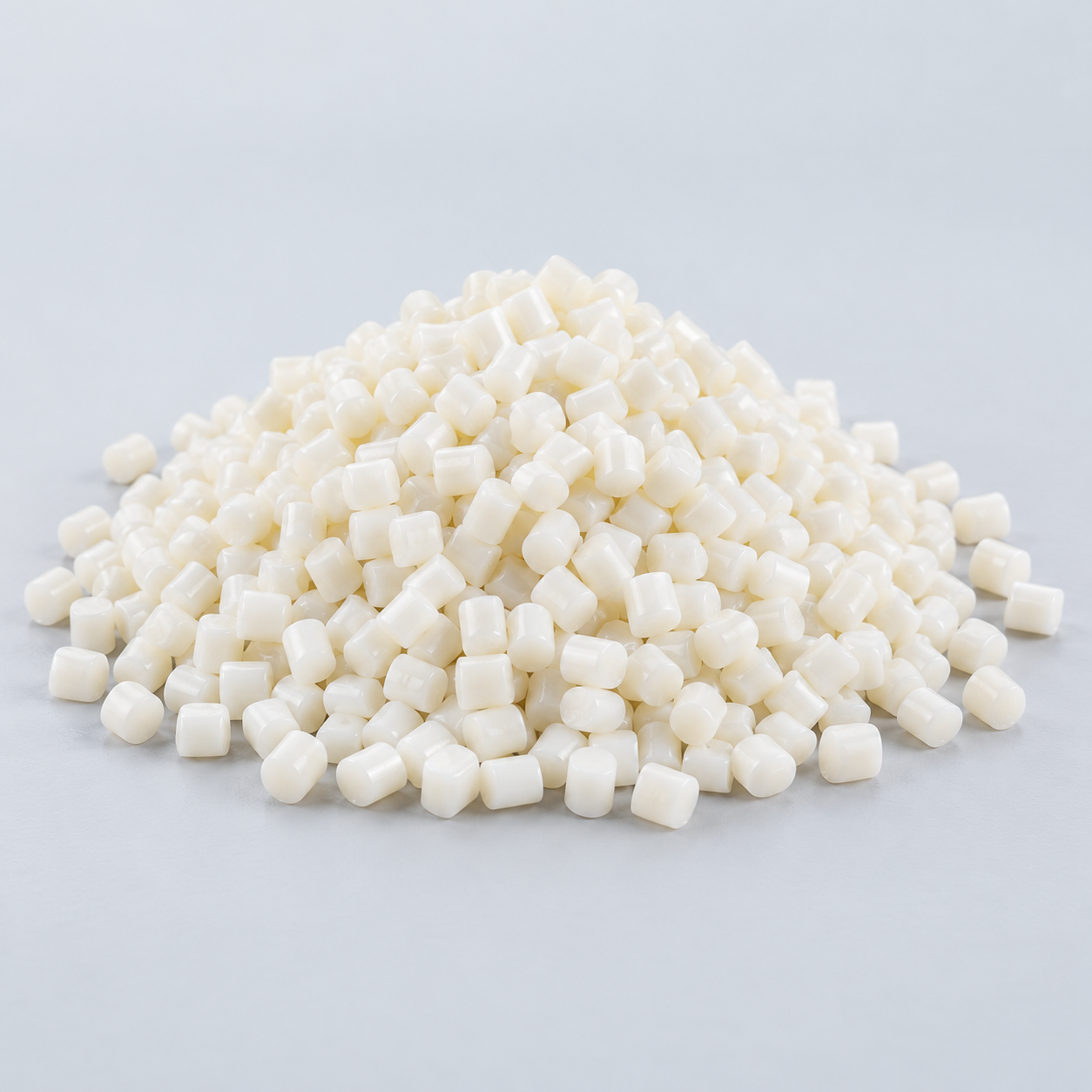 ABSReview enclosure and molding needs›
 Polycarbonate (PC)Discuss clarity and impact needs›
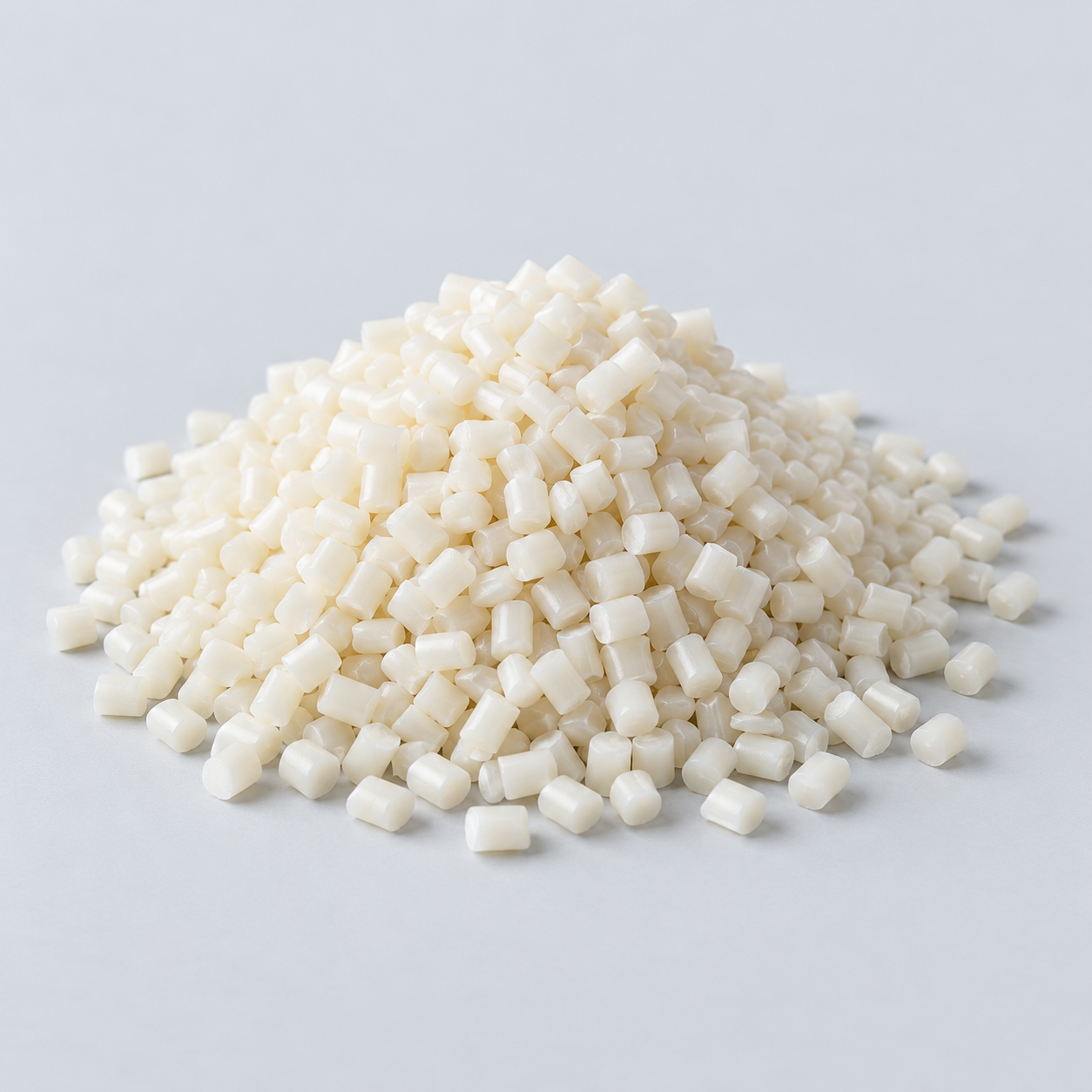 Nylon (PA)Review moisture and wear conditions›
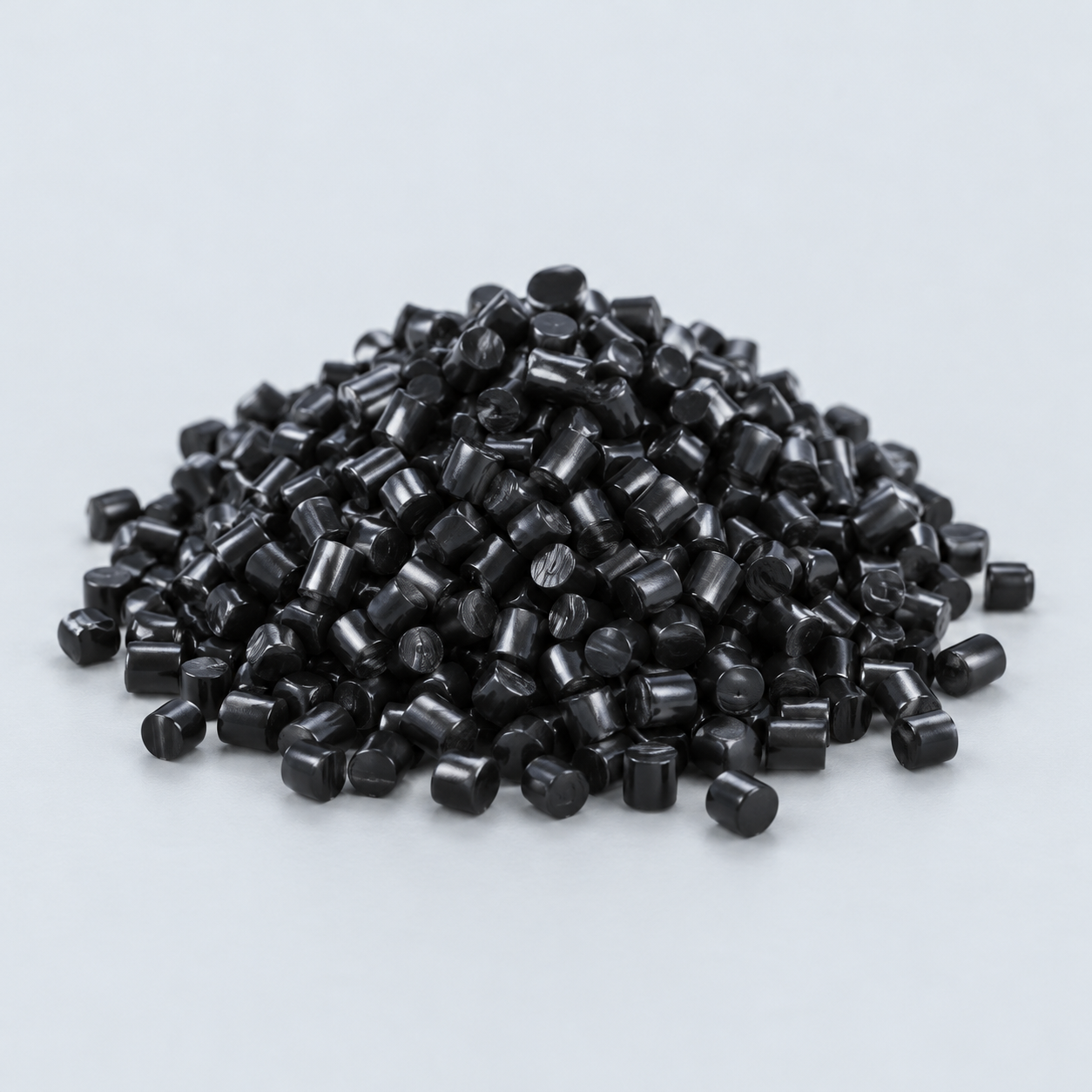 POM / AcetalReview fit and sliding features›
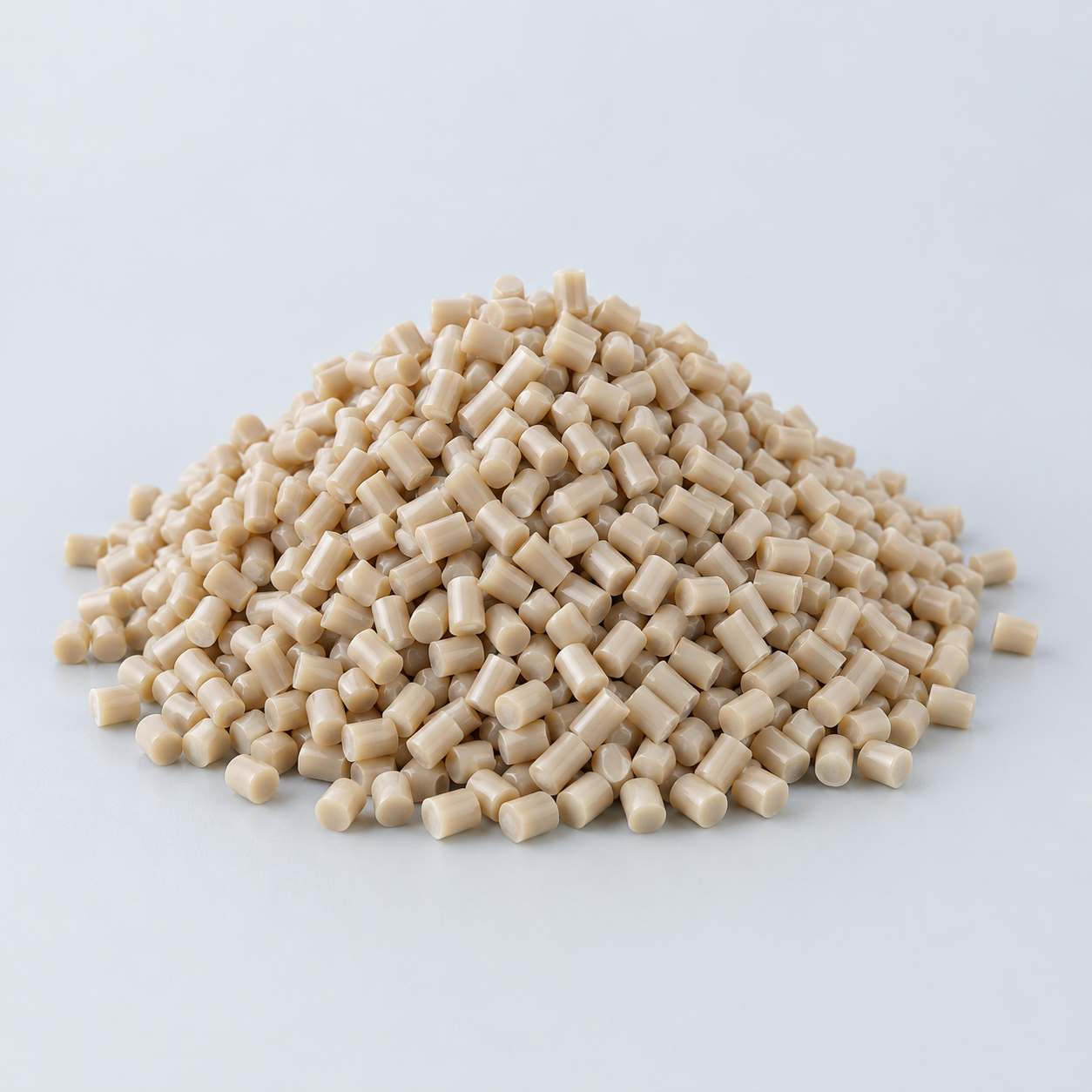 PEEKDiscuss operating conditions›
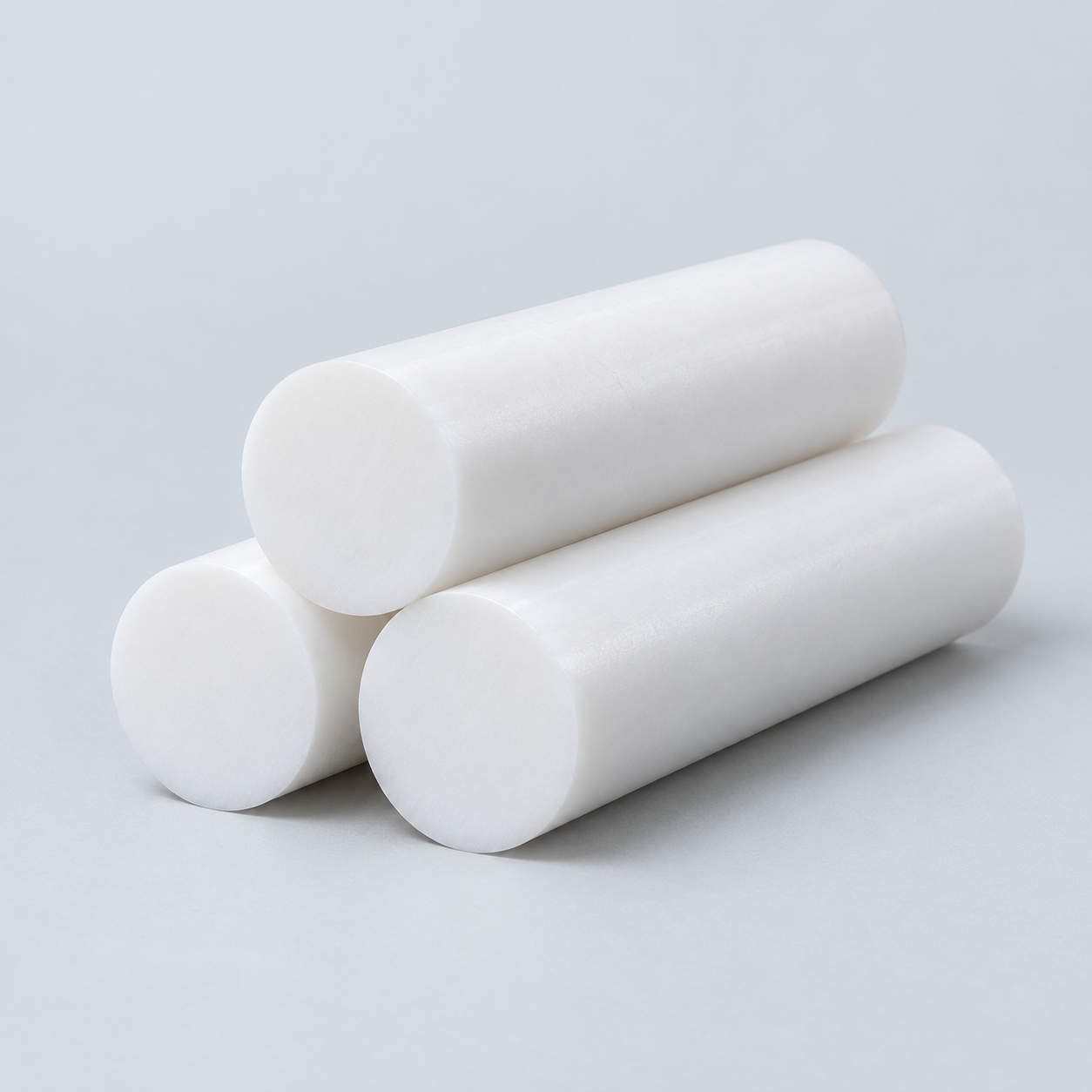 PTFEReview friction and chemical exposure›
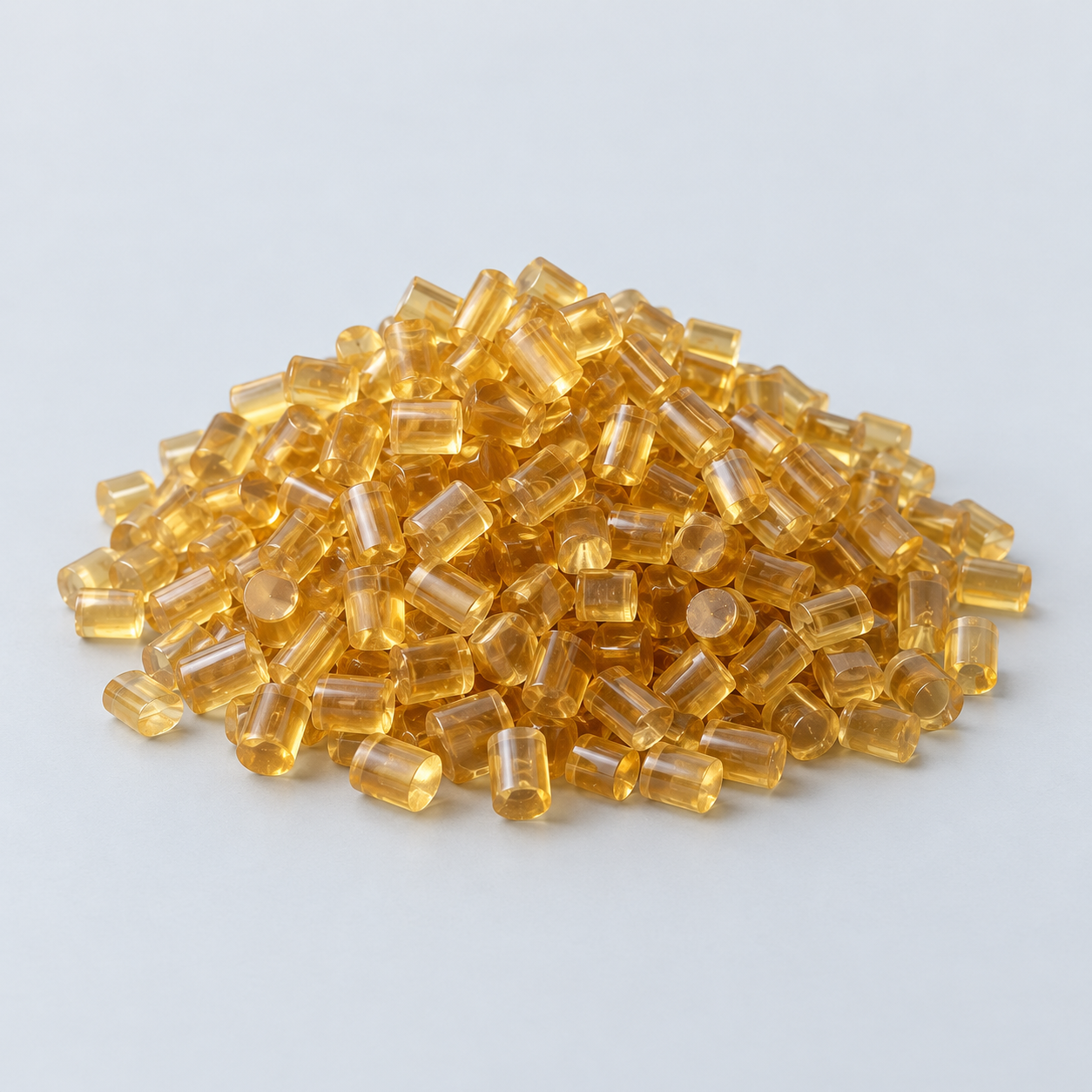 ULTEM / PEIDiscuss thermal and electrical needs›
Confirm grade availability and application requirements.
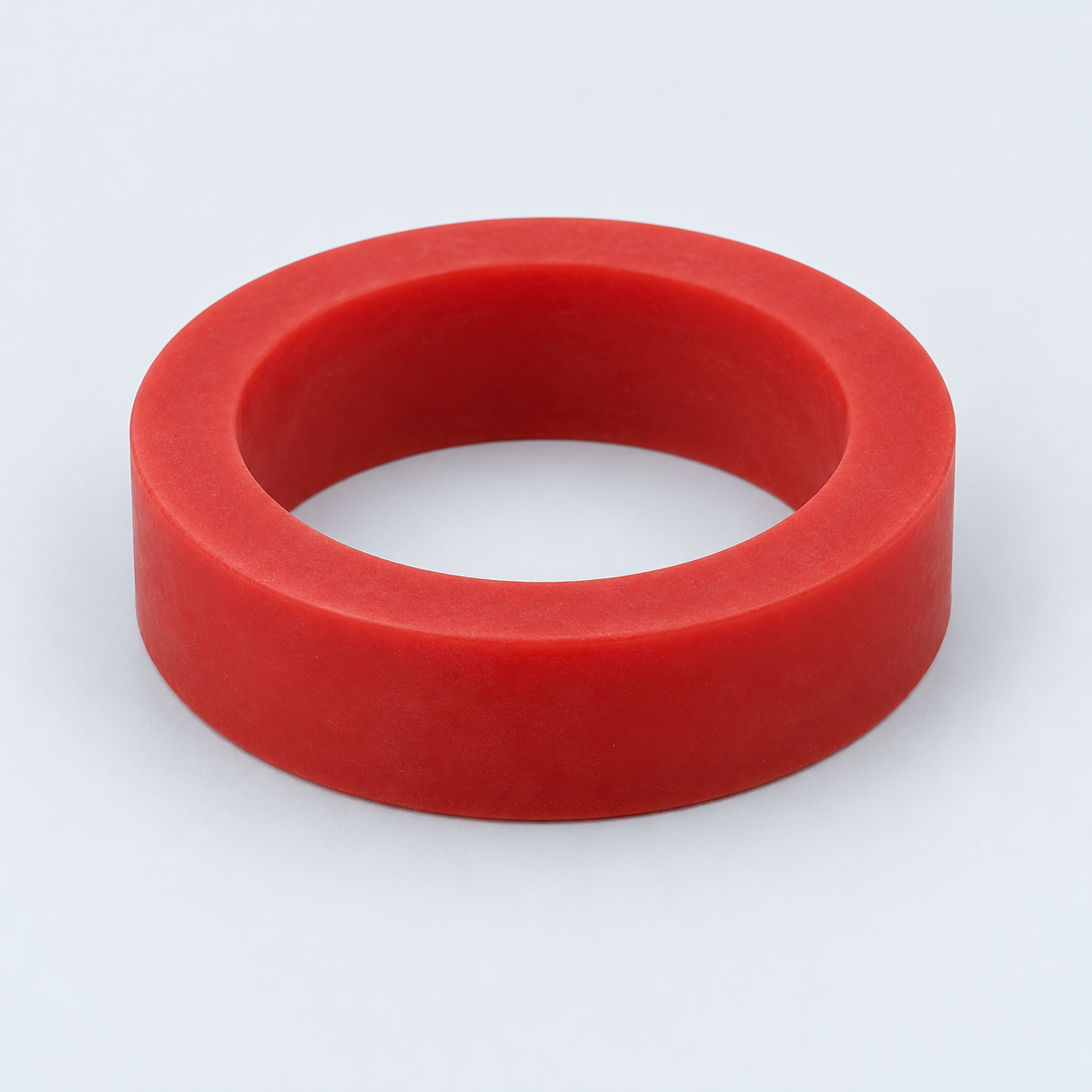 Silicone / LSRDiscuss flexible component needs›
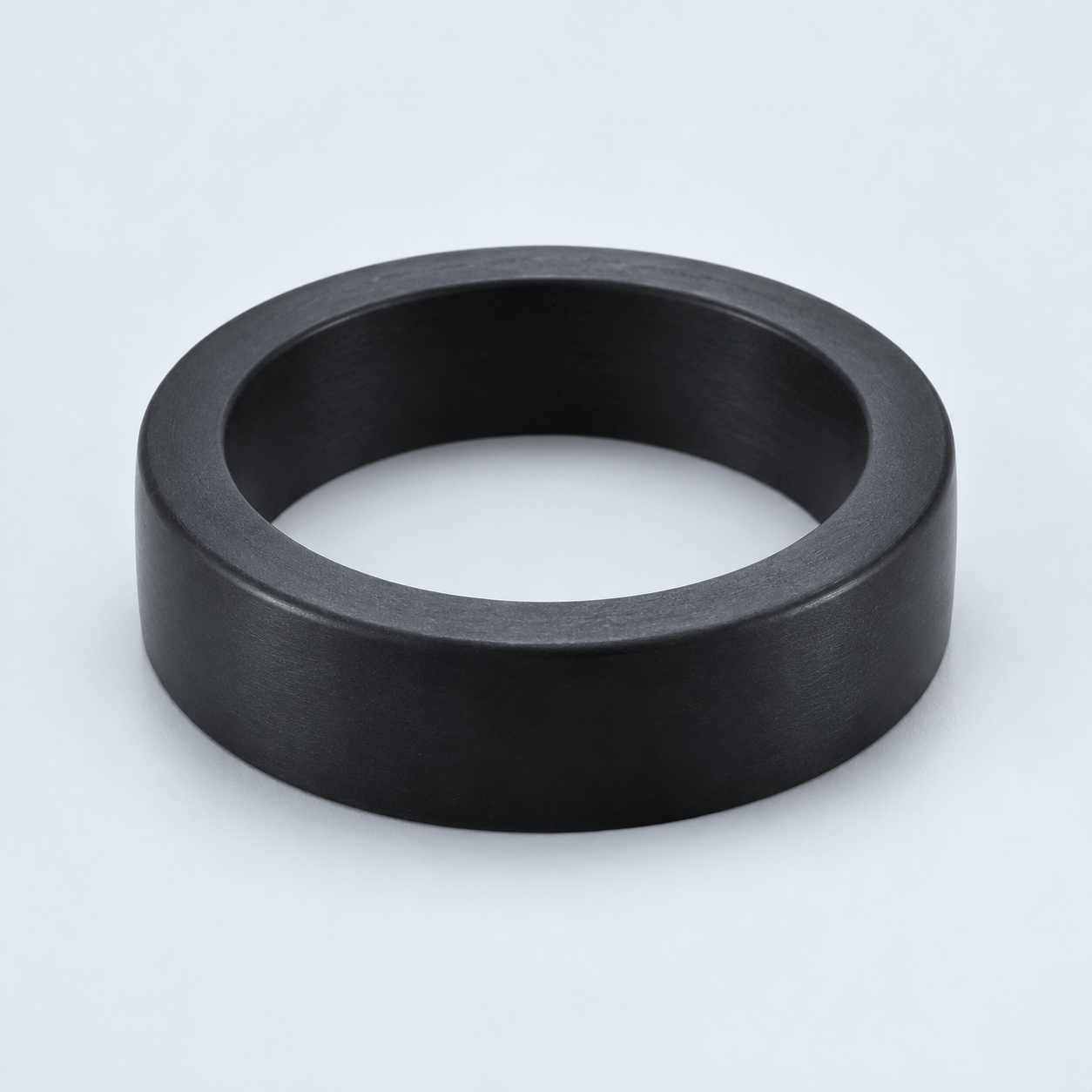 TPU / TPEReview flexibility and processing›
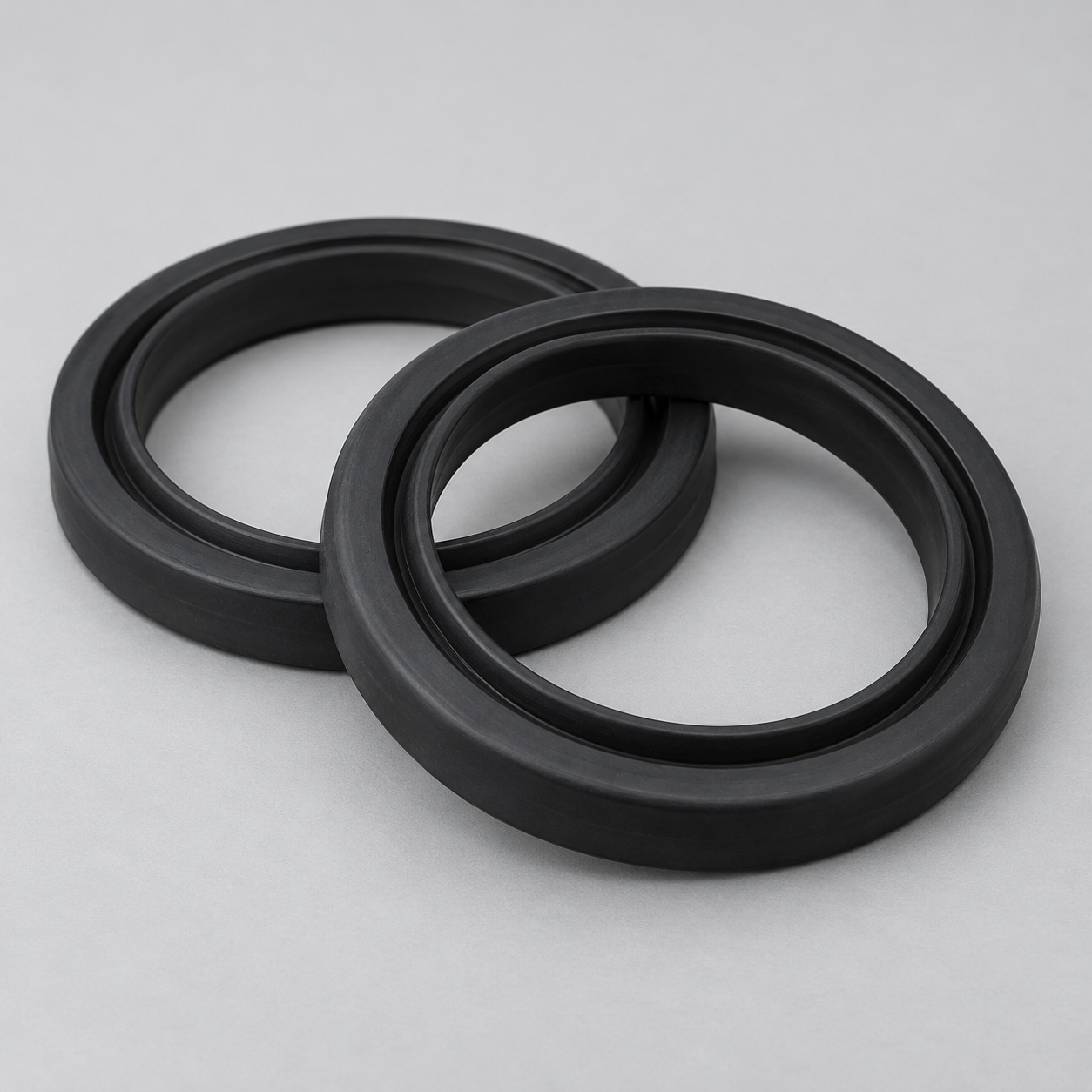 EPDMReview weathering and chemical exposure.›
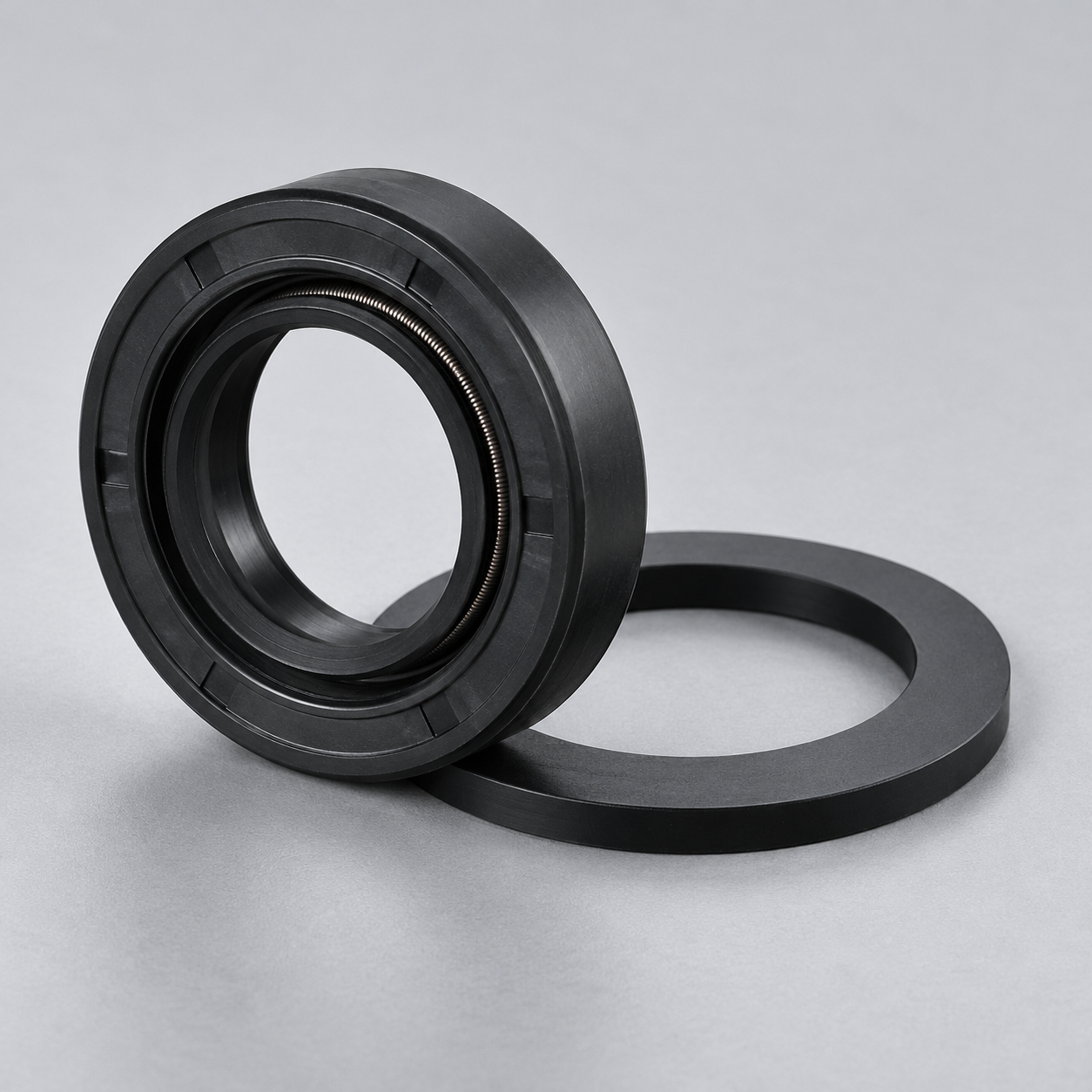 NBRReview oil and fuel exposure.›
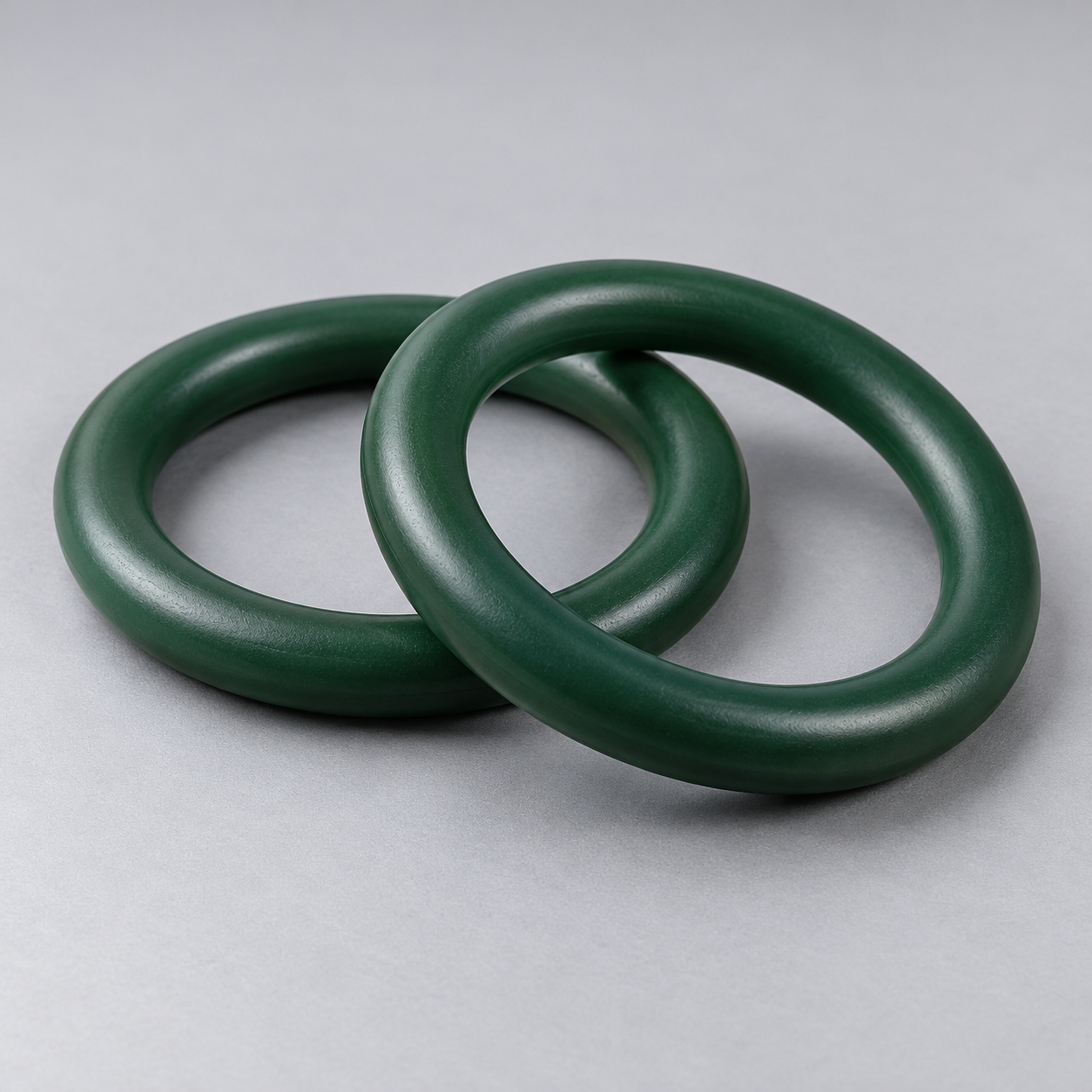 FKMReview temperature and chemical exposure.›
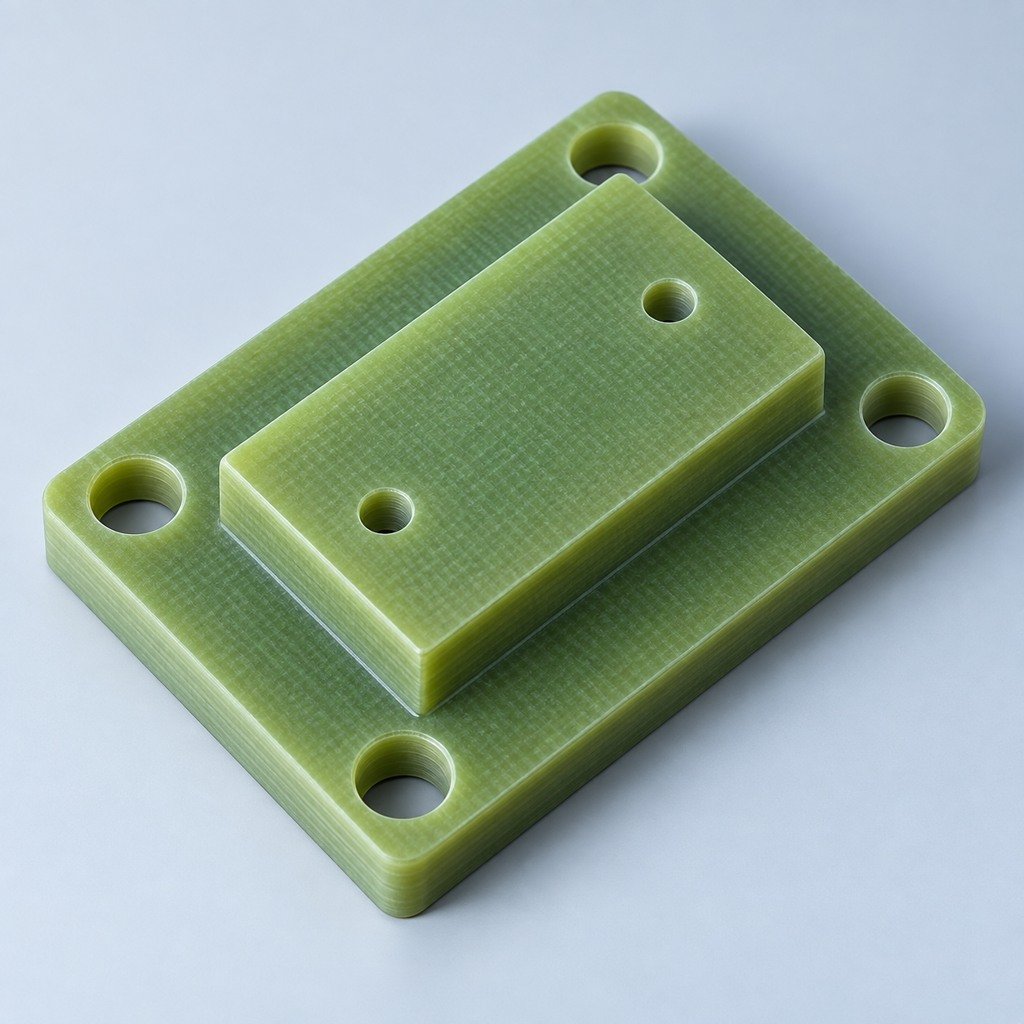 G10 / FR4Review insulation and laminate needs›
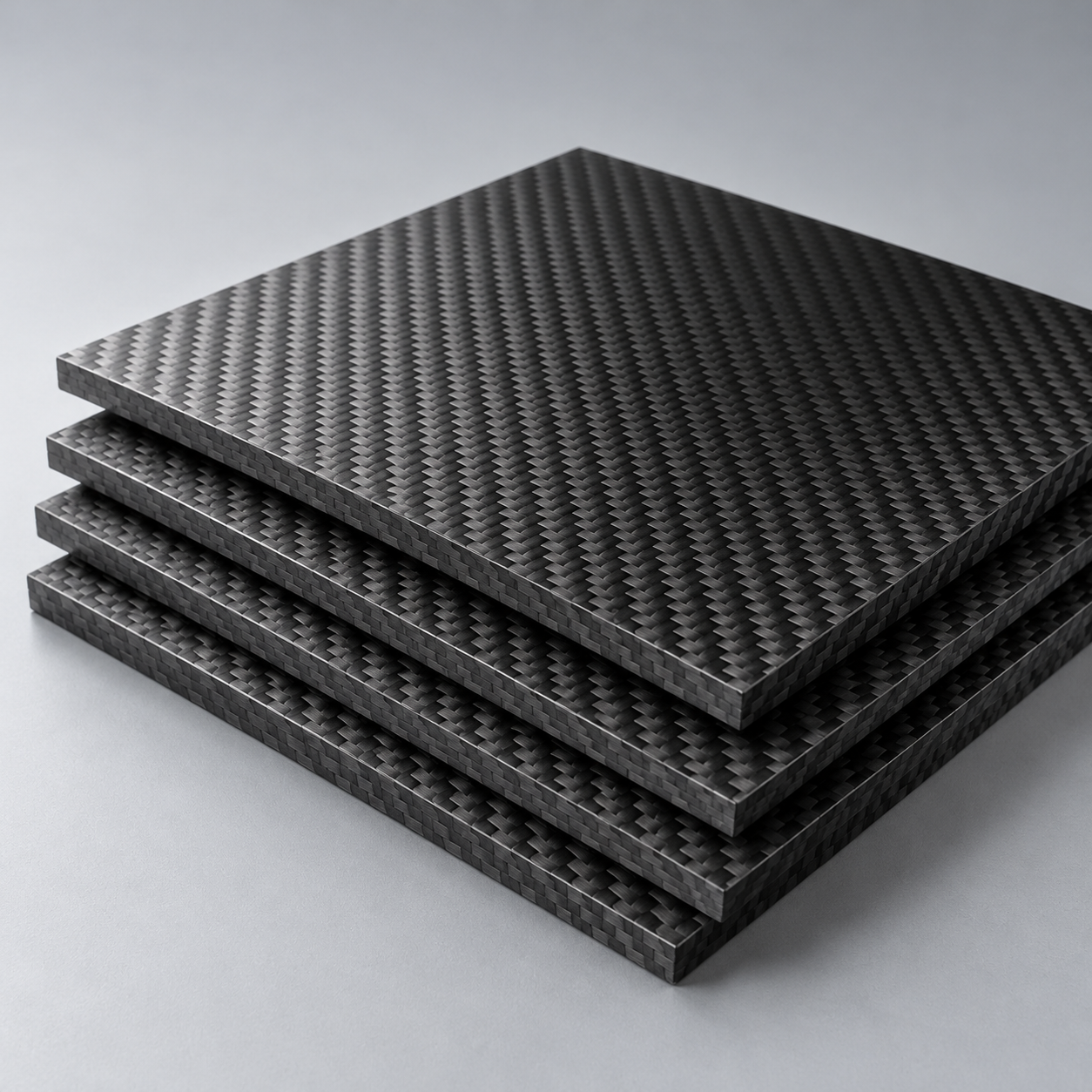 CompositesReview stiffness, weight and laminate.›Customer-Specified MaterialsConfirm your grade and requirements.›Other Specialty MaterialsDiscuss your application and grade.›
Practical guidance for your part geometry and material decisions.
Prepare your process, budget and sourcing questions.
Build your knowledge before production.
Learn who we are and how we operate.
Find our U.S. support team or start a conversation.
YOUR BASELINE. YOUR APPROVALS. YOUR REPEAT ORDER.
Use this manufacturing production launch checklist to connect the approved drawing, material, sample, packing and required records. Make unresolved decisions visible before production release.
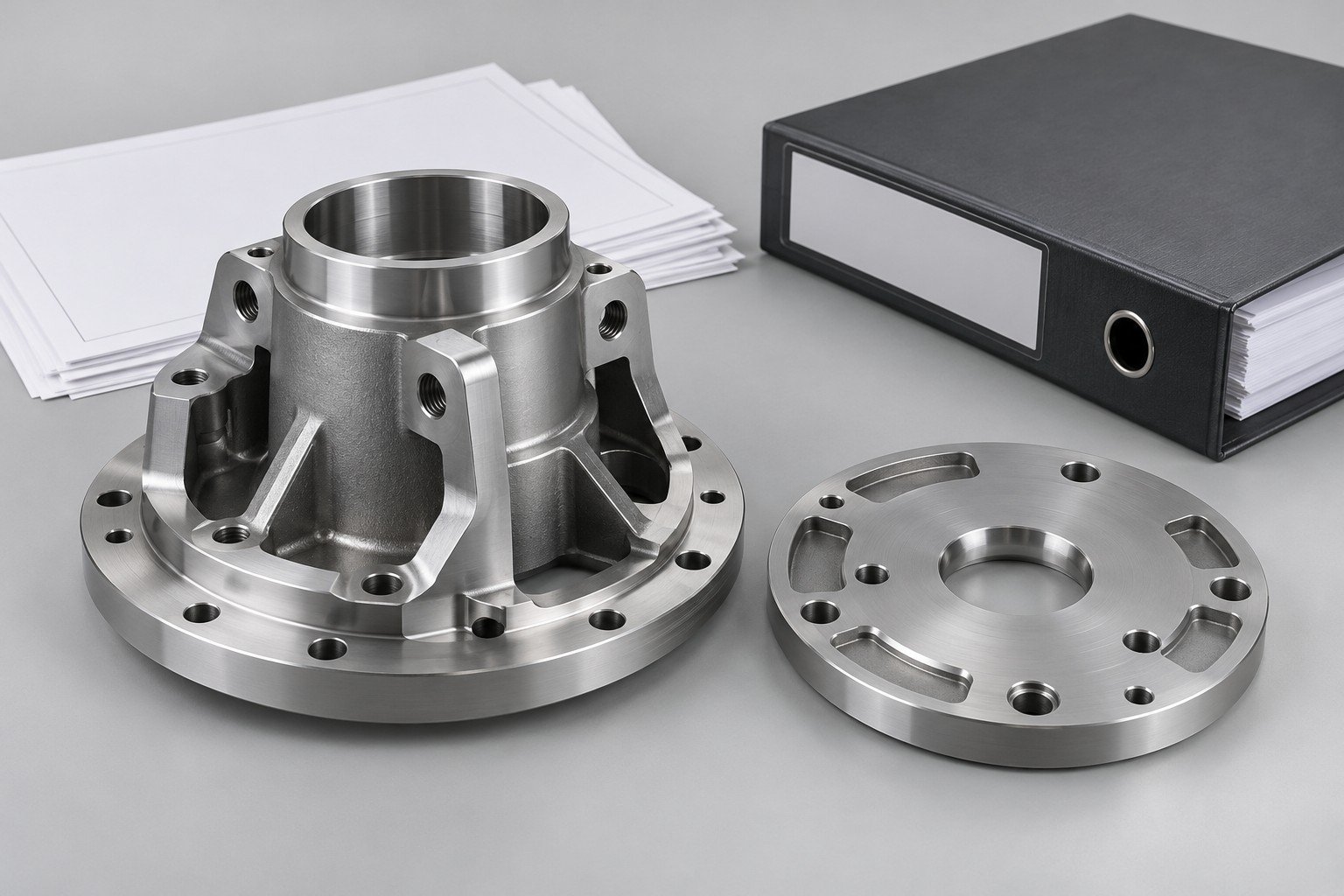
| Decision | Reference to agree | Approval question |
|---|---|---|
| Drawing | Current revision, units, critical dimensions and specified acceptance. | Identify the approved reference and decision owner. |
| Material & finish | Full grade, condition, treatment and protected surfaces. | Confirm permitted alternatives and required approval. |
| Sample | Agreed checks, results and unresolved limitations. | Confirm what the sample does and does not approve. |
| Packing | Protection, identification, handling and shipment scope. | Agree the required final packing condition. |
| Records | Required inspection/material records and format. | Confirm which evidence accompanies release. |
This is a planning comparison, not an audit result or evidence that your order is ready. The actual drawing, order requirements and approvals govern release.
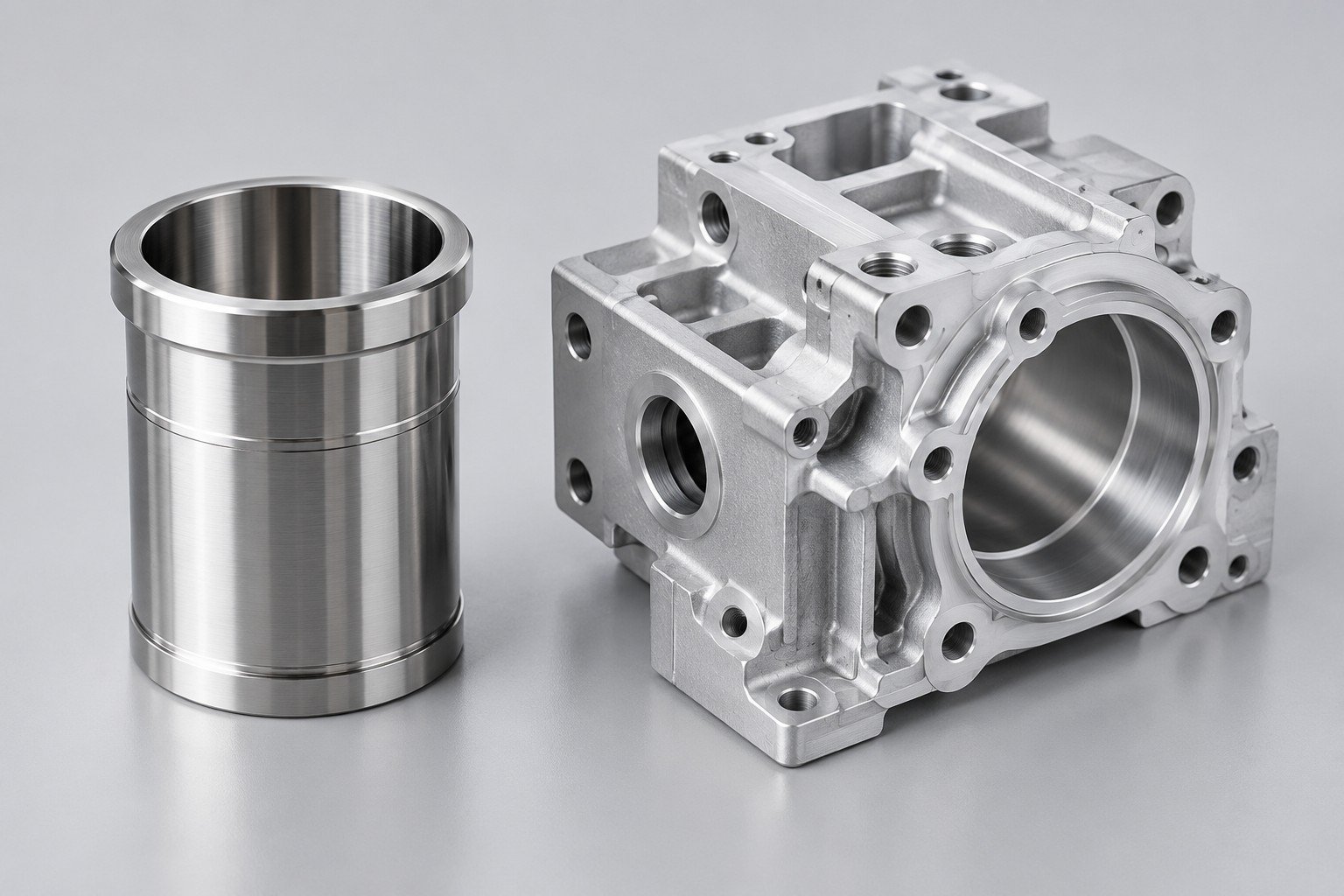
Identify which requirements the prototype or first sample was built to demonstrate. A fit-check concept, dimensional sample and validated application can have different approval scopes.
Identify the drawing revision, material, process and any intentional deviations.
Review the specified dimensions, interfaces, appearance and required records.
List unresolved items and separate application-level validation from component acceptance.
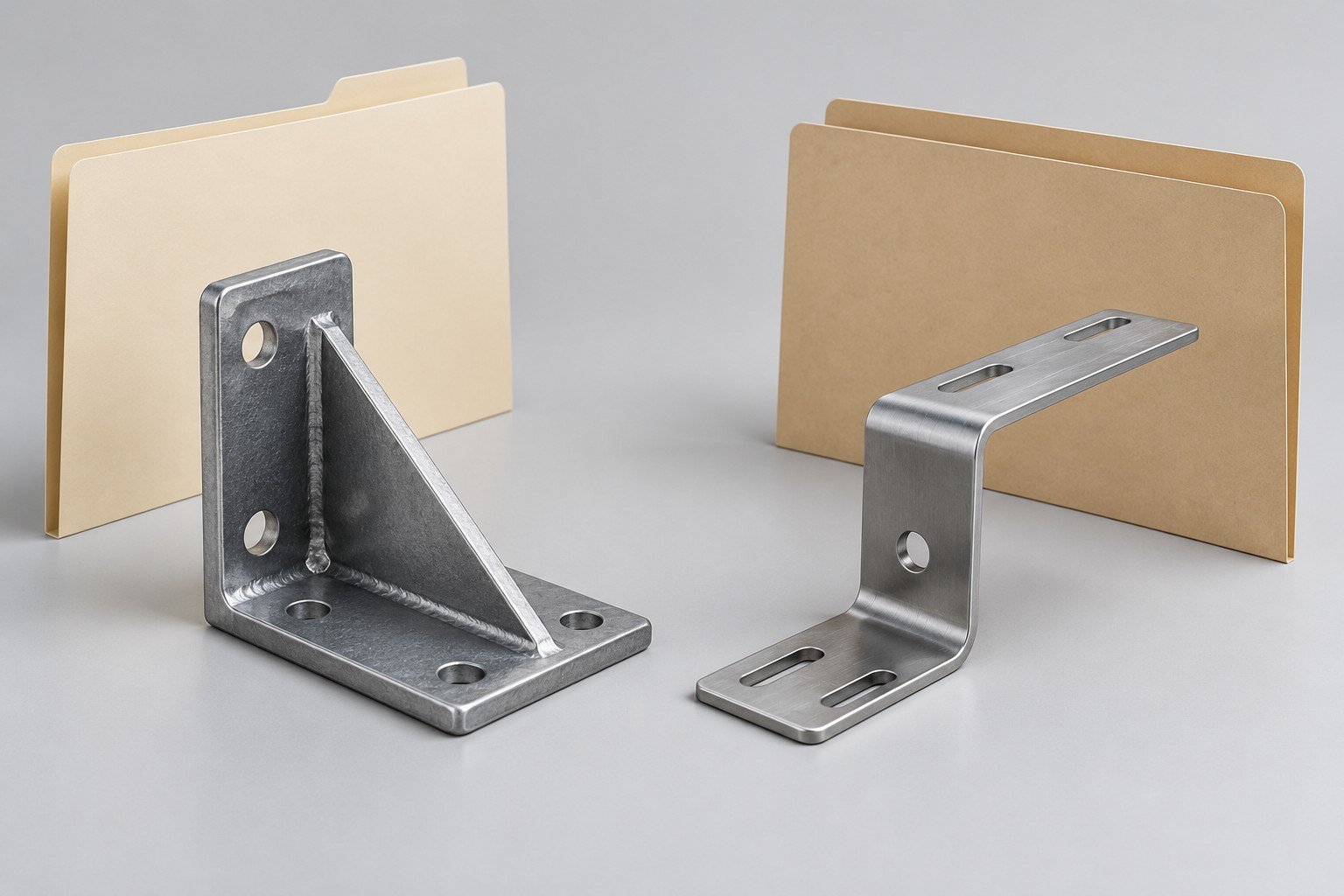
Record the affected drawing, material, process, quantity or acceptance requirement.
Identify affected parts, tooling, checks, records and delivery assumptions.
Confirm the required authority before implementing the revised baseline.
Make the approved revision and any disposition clear to each responsible party.
These are different illustrative design concepts, not approved interchangeable revisions or a documented cost-reduction case.
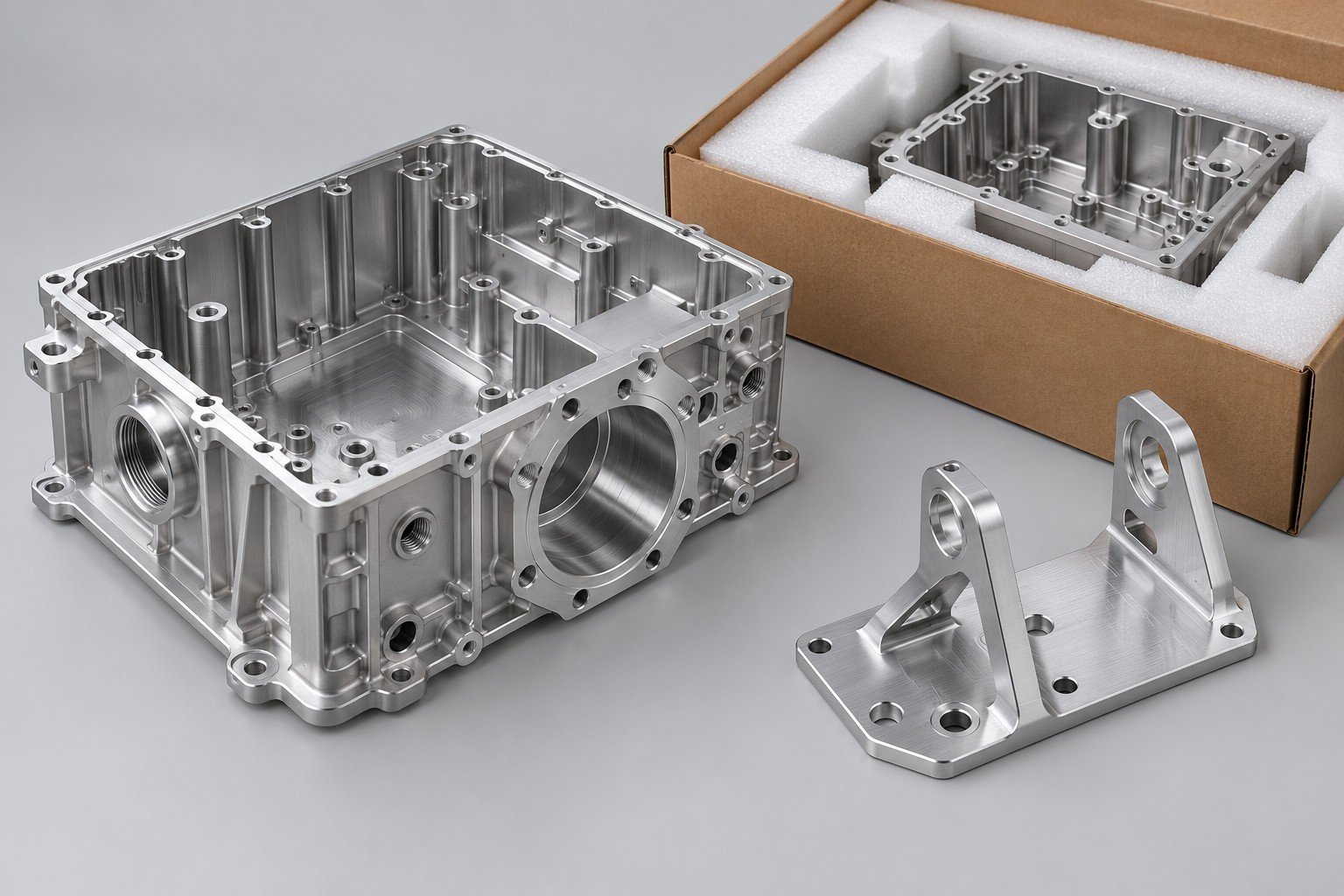
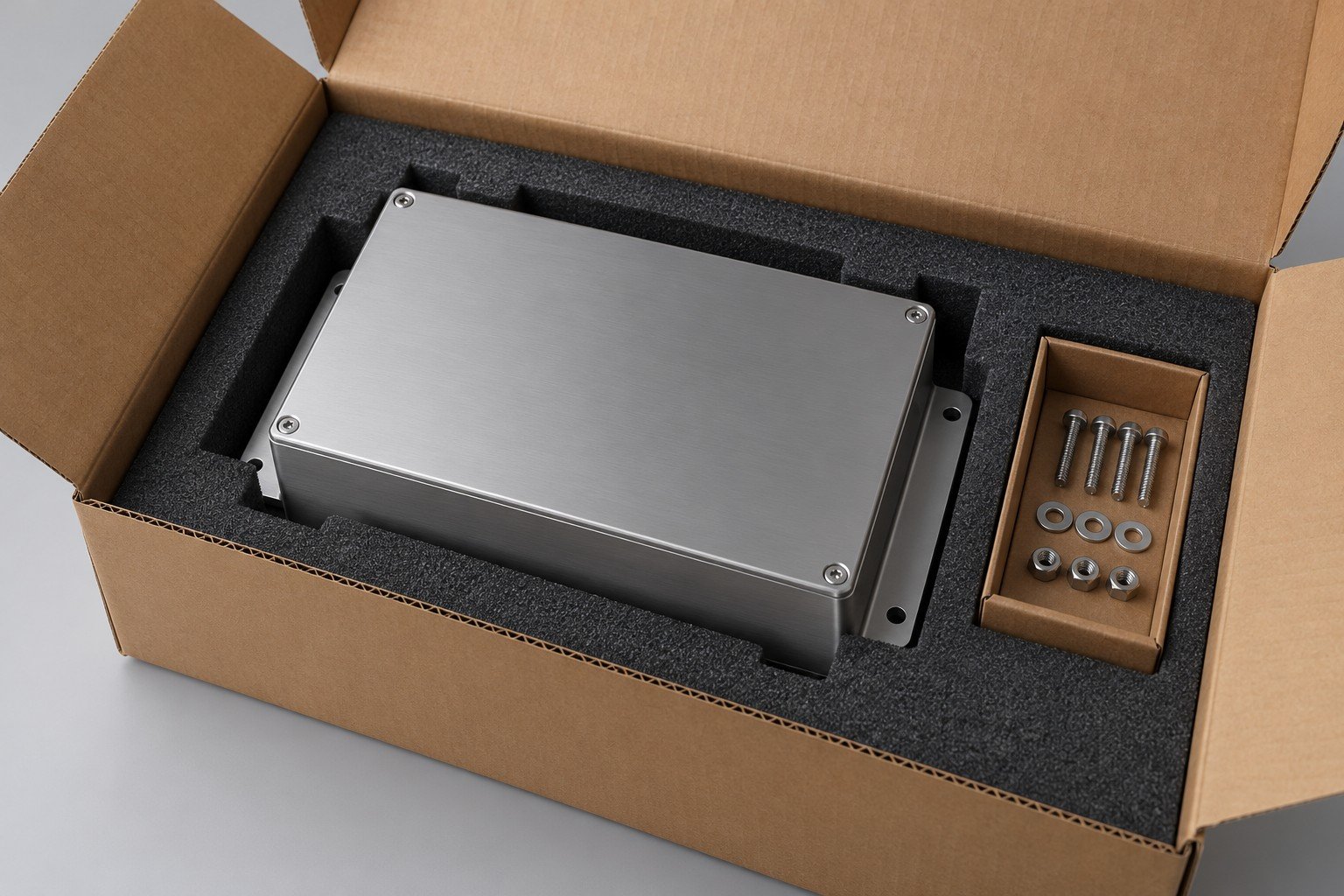
Connect packing to the part features and receiving process. Agree protection and identification rather than assuming a generic box meets your needs.
Identify contact faces, finished surfaces, threads and fragile features needing protection.
Agree part/revision identification, quantity grouping and required lot references.
Specify handling, cleanliness, moisture protection or other requirements for scope review. Confirm any special packing validation separately.
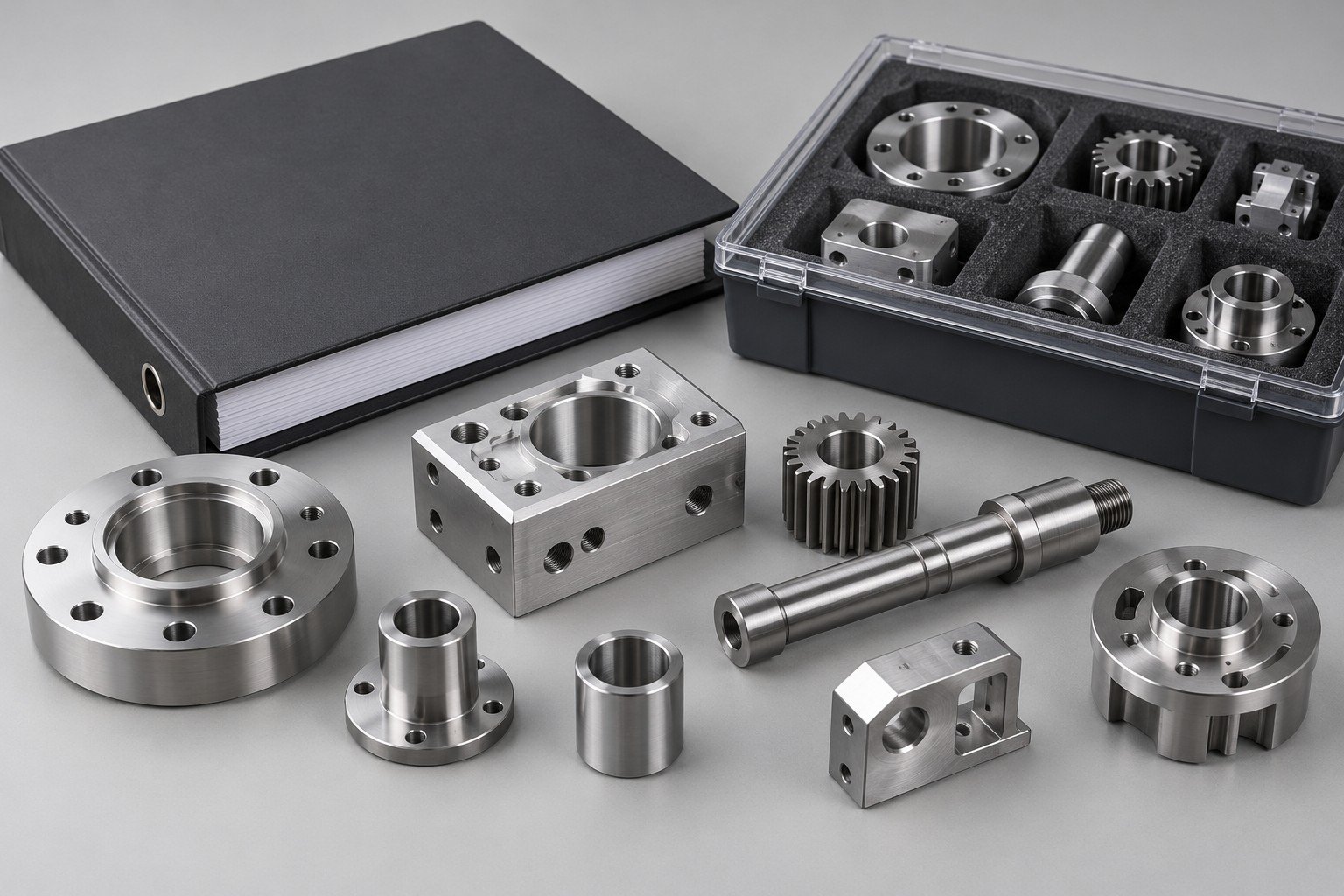
Agree the features, methods, sampling and record format that apply to your order.
Agree the certificate, grade/condition and traceability records required for the supplied product.
Identify who reviews the evidence, who authorizes release and how exceptions are handled.
Review quality documentation → · Review supplier responsibilities →
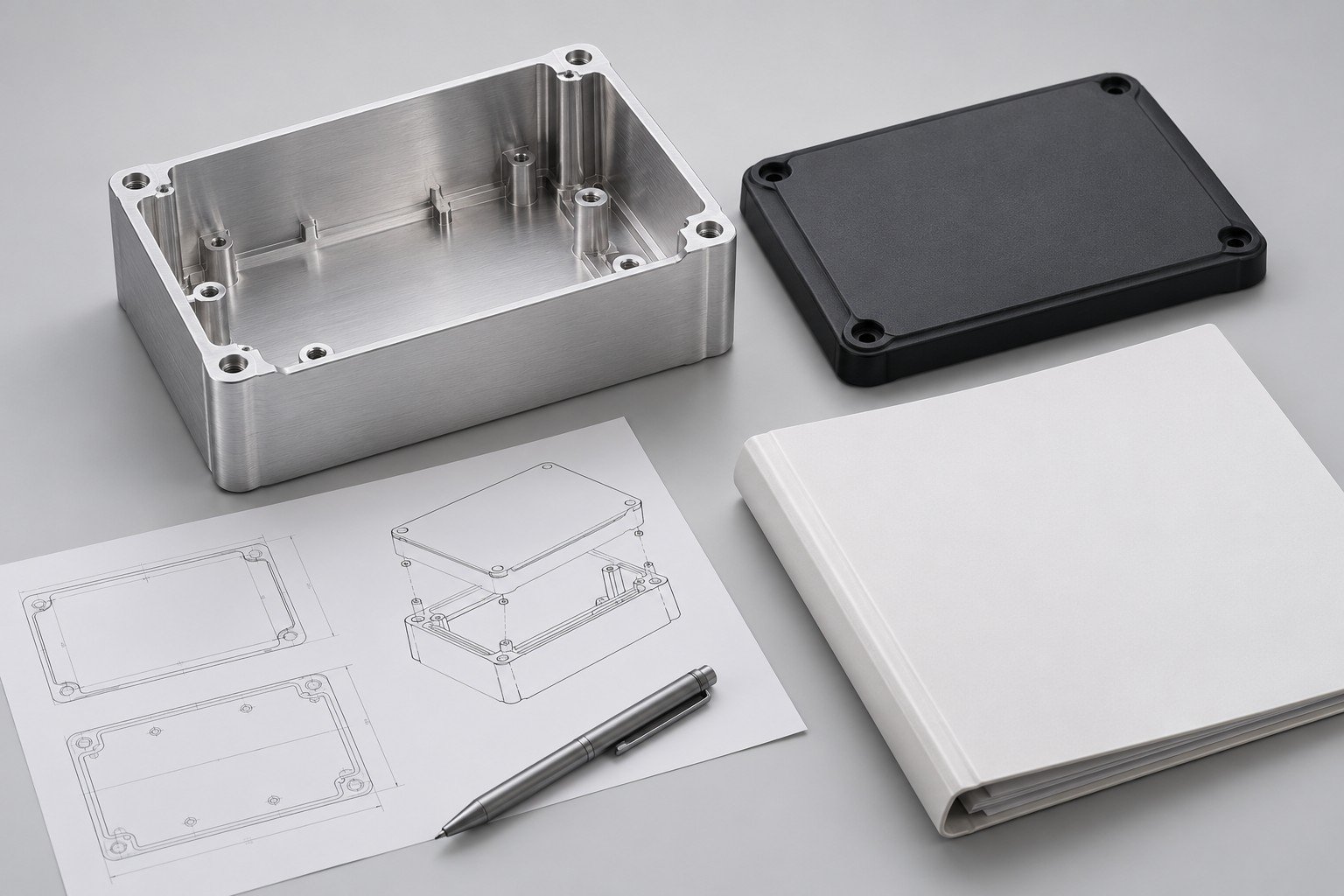
Agree the drawing baseline, material and finish, sample acceptance, required evidence, packing and approval responsibilities. Resolve remaining conditions before release.
No. Identify differences in material, geometry, process and required evidence and agree the production acceptance scope.
Identify the affected work and obtain the required approval. Review disposition, timing and commercial implications against the agreed order.
No. It organizes review questions. Readiness depends on your actual requirements, evidence and authorized decisions.
Compare prototype and production stages → · DFM Guides → · Prepare the order baseline →