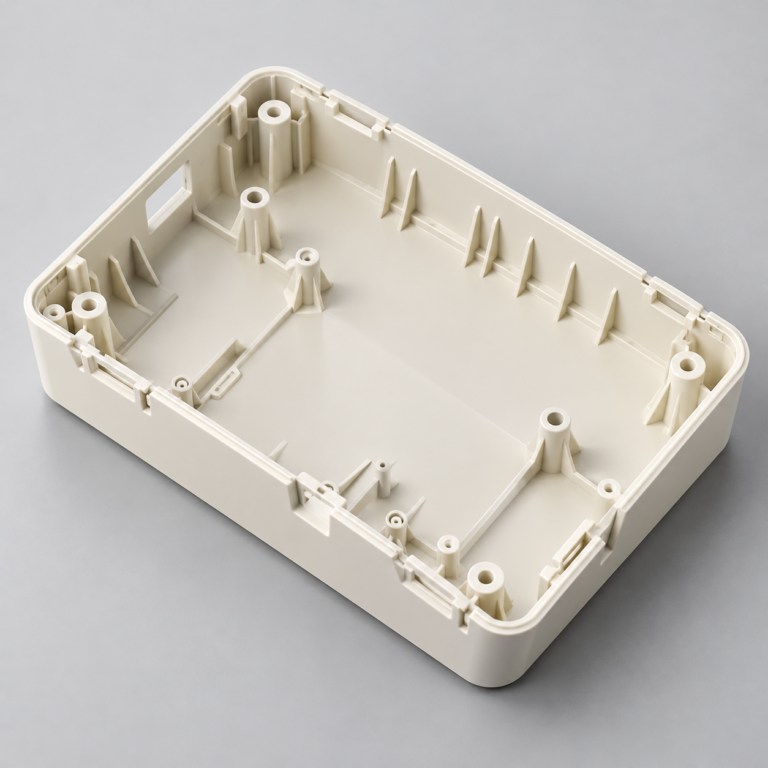
Injection Molding
Tooling and molding for your repeat plastic parts.
From prototype to production, coordinated manufacturing solutions for your custom parts.
View All Services →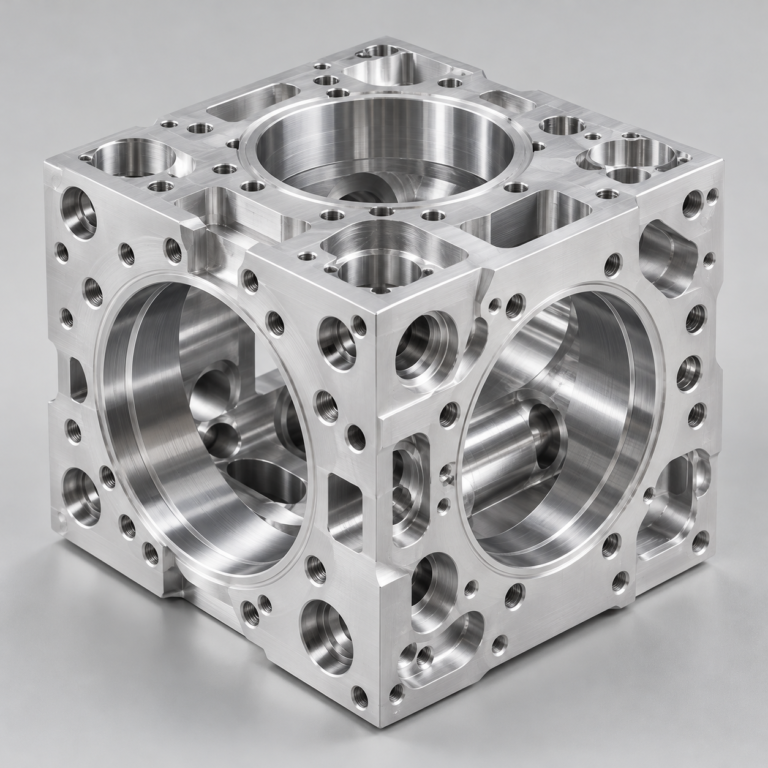
Precision parts for your tight tolerances and complex geometry.
Tooling and molding for your repeat plastic parts.
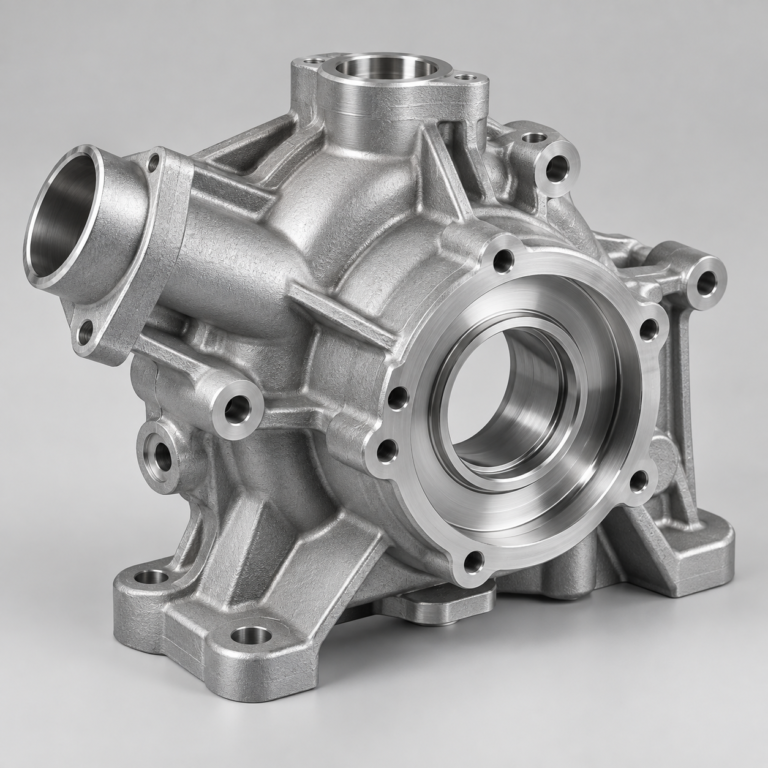
Metal casting options for your part and production volume.
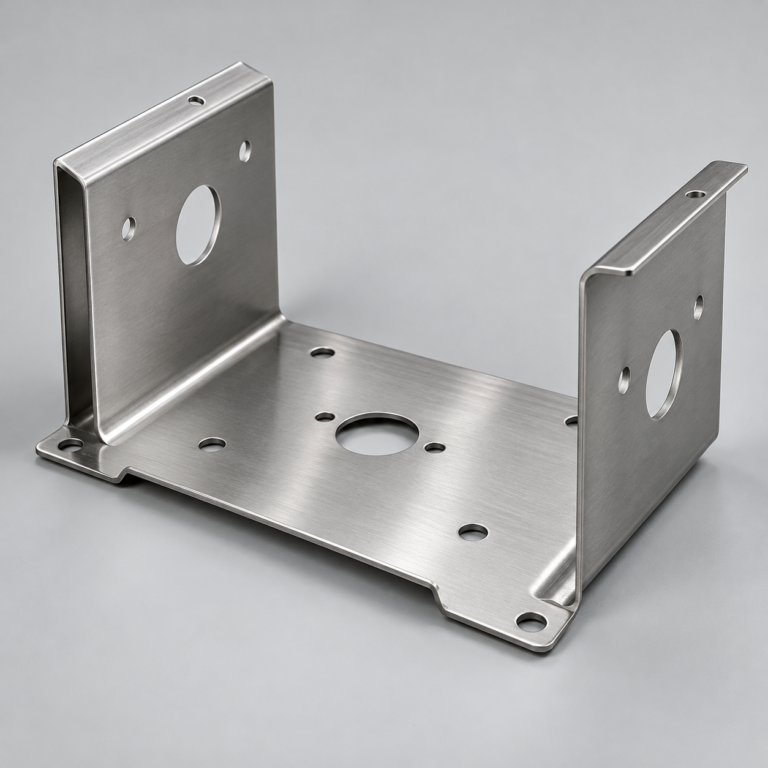
Cutting, forming and welding for your fabricated parts.
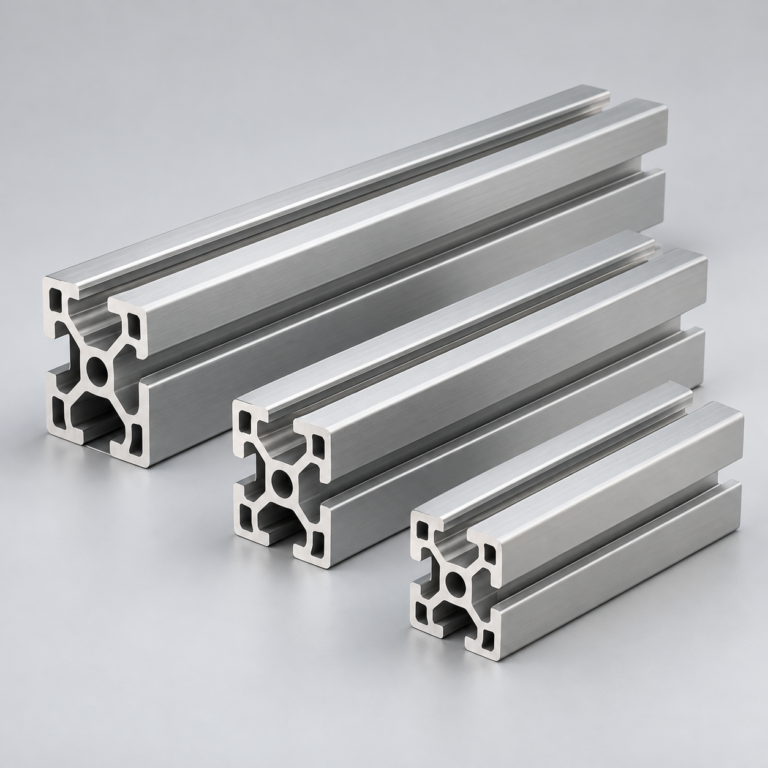
Custom profiles for your section, length and finish requirements.
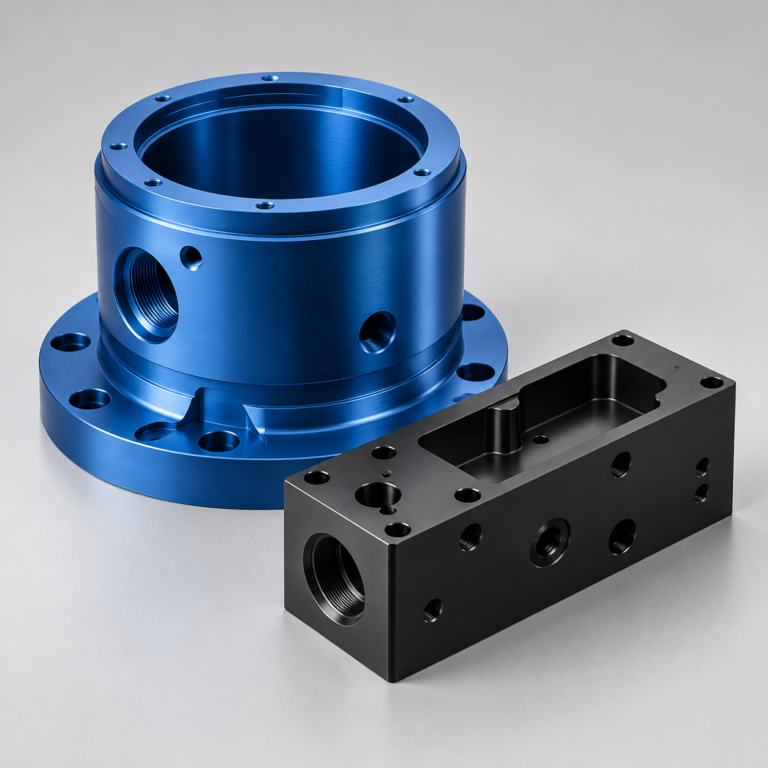
Finishes for your appearance, corrosion and wear requirements.
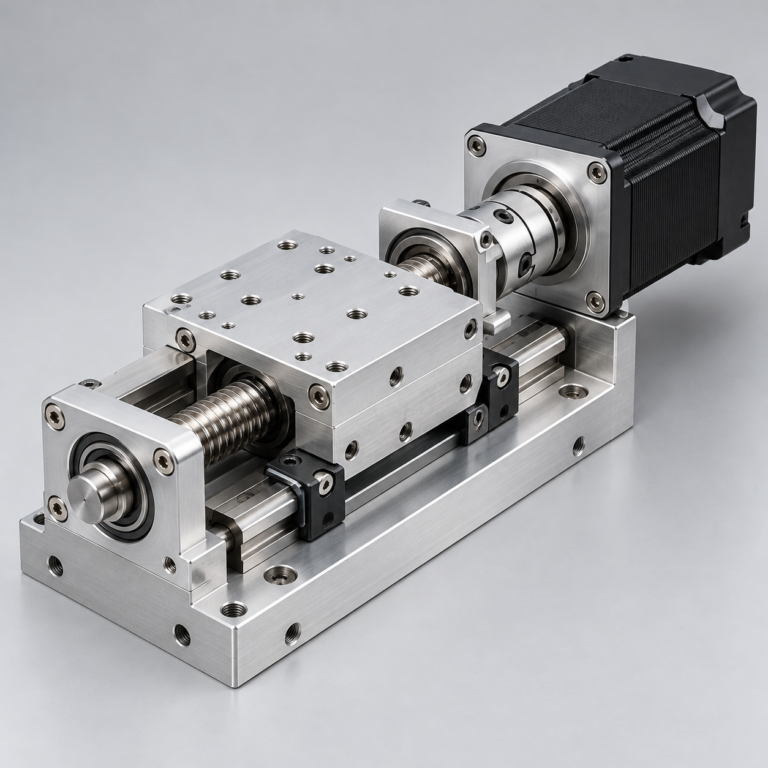
Sub-assemblies and final builds for your production program.
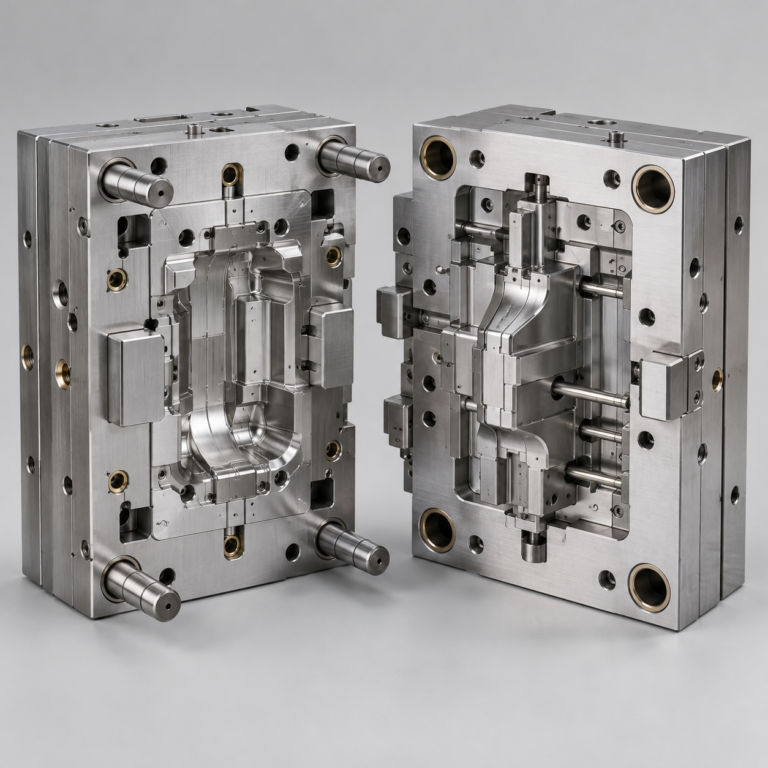
Production tooling built around your process and volume.
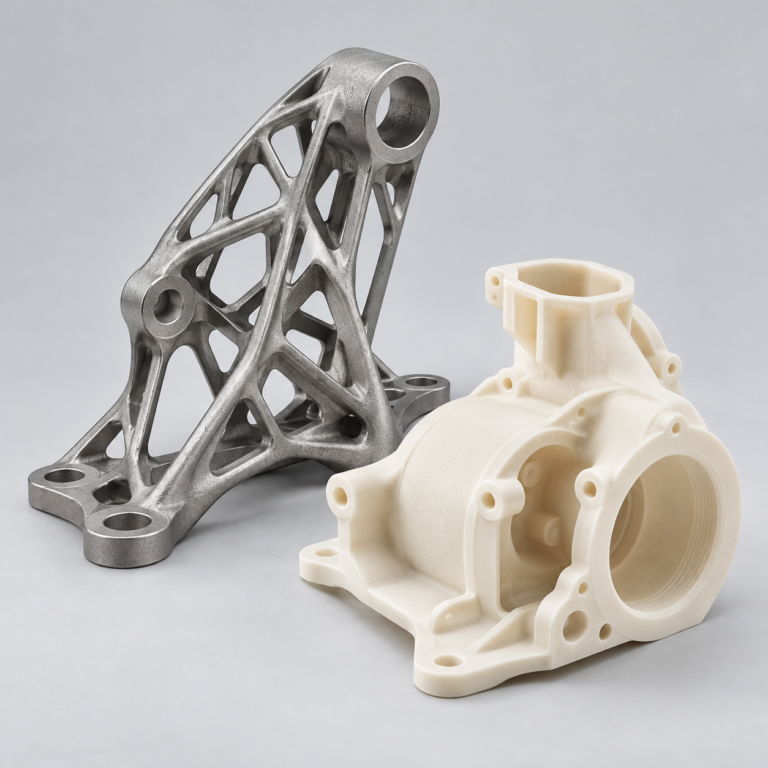
Prototype parts to check fit, function and design.
DFM, process planning and production support for your project.
Inspection, documentation, inventory and delivery planning for your program.
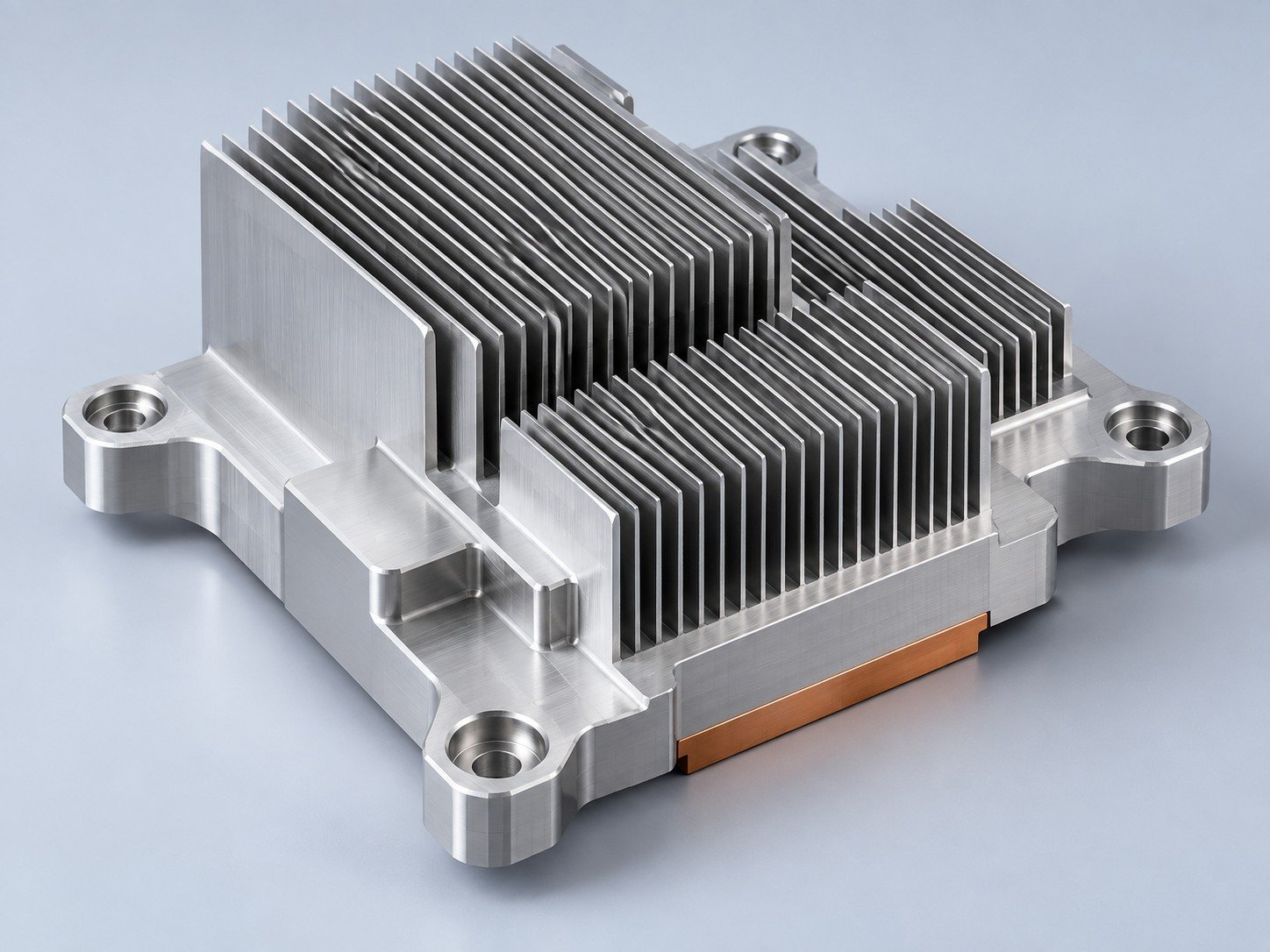
Choose air- or liquid-cooling components around your thermal and mechanical requirements.
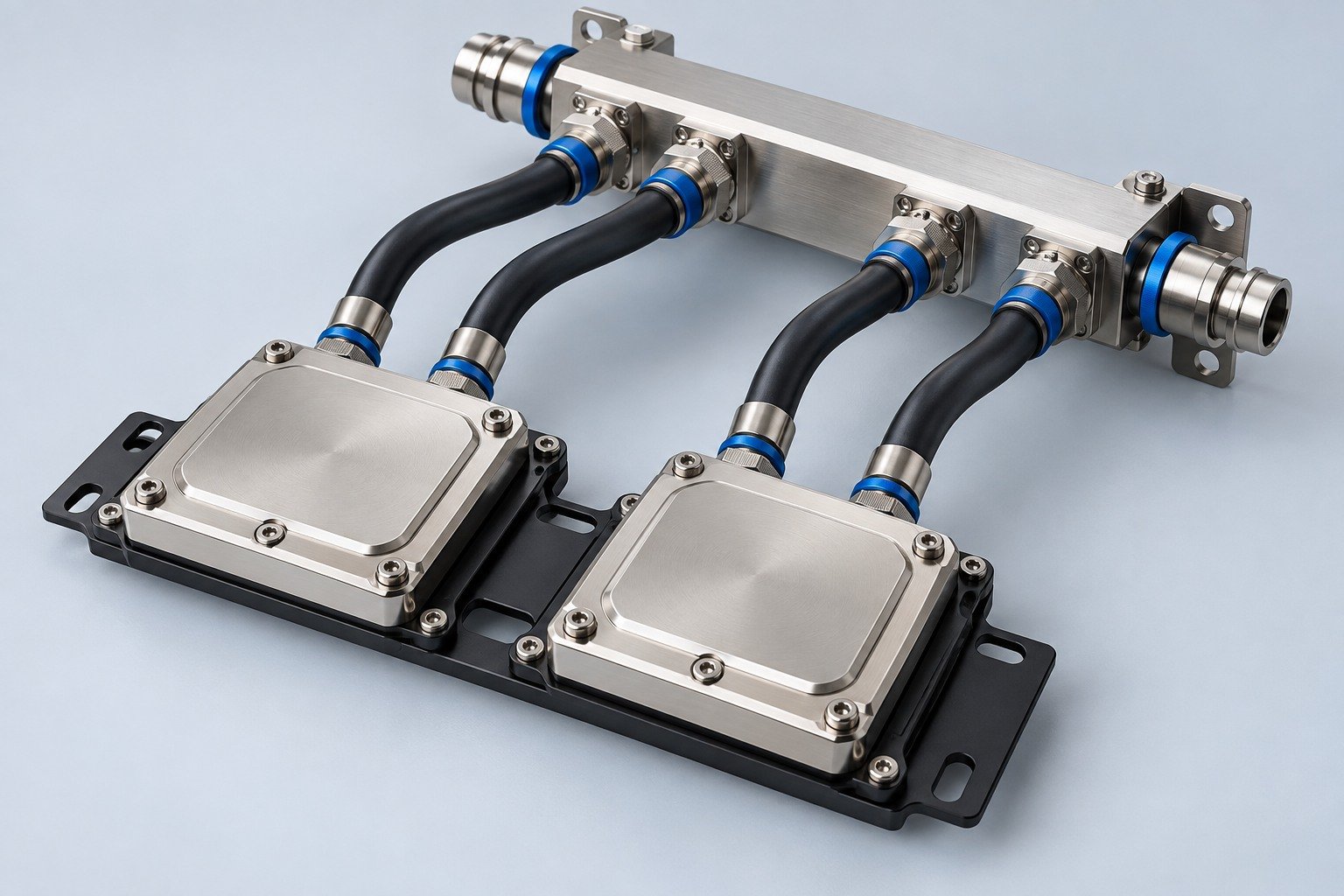
Manufacturing support for your cold plates, manifolds and cooling assemblies.
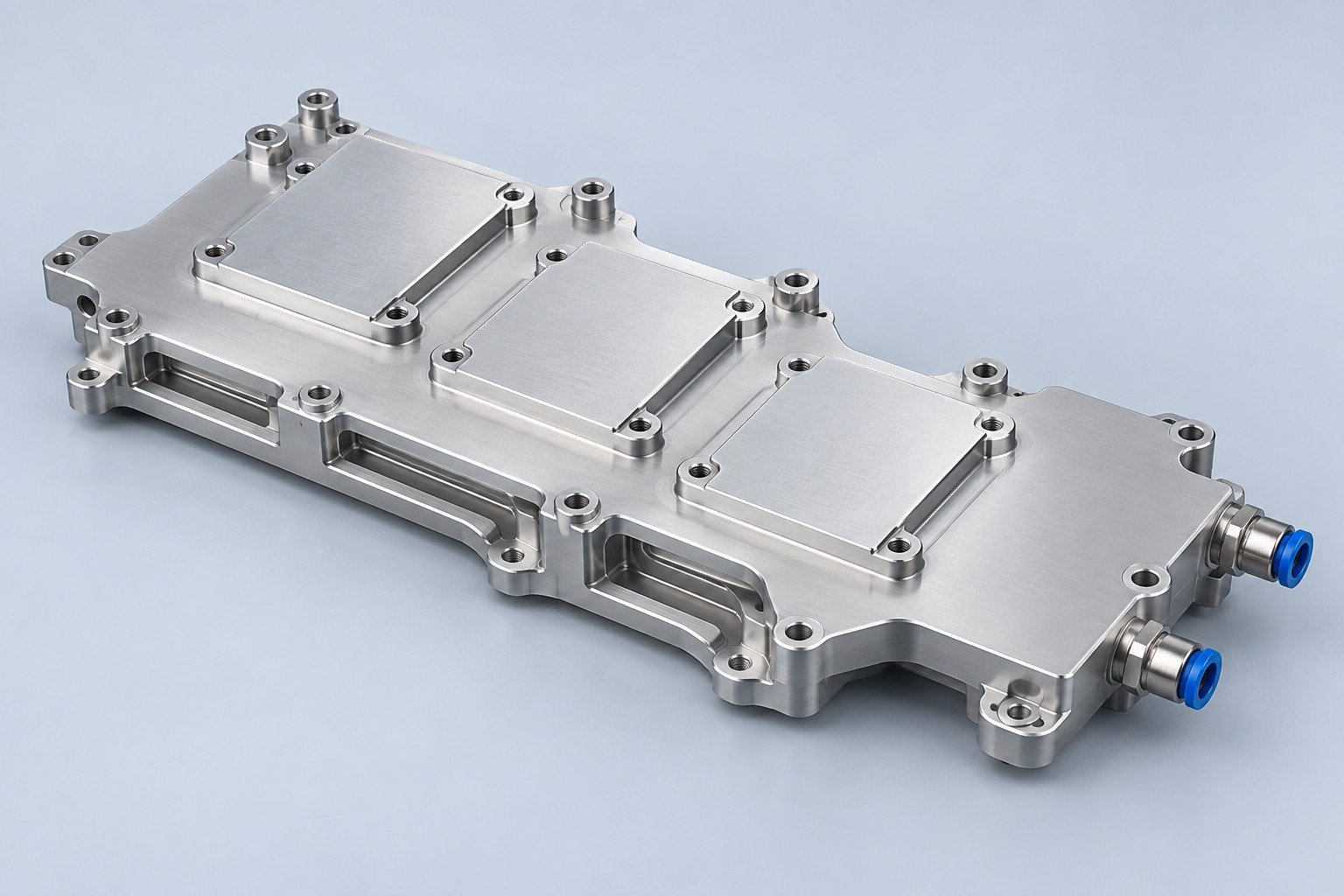
Find components for your power electronics, energy, laser and telecom application.
Components for your electronic systems.
Start with your functional and quality requirements.
Build around your operating environment.
From prototype to production, review material performance, manufacturability and cost for your part.
Review grade, temper and finish for your metal parts.
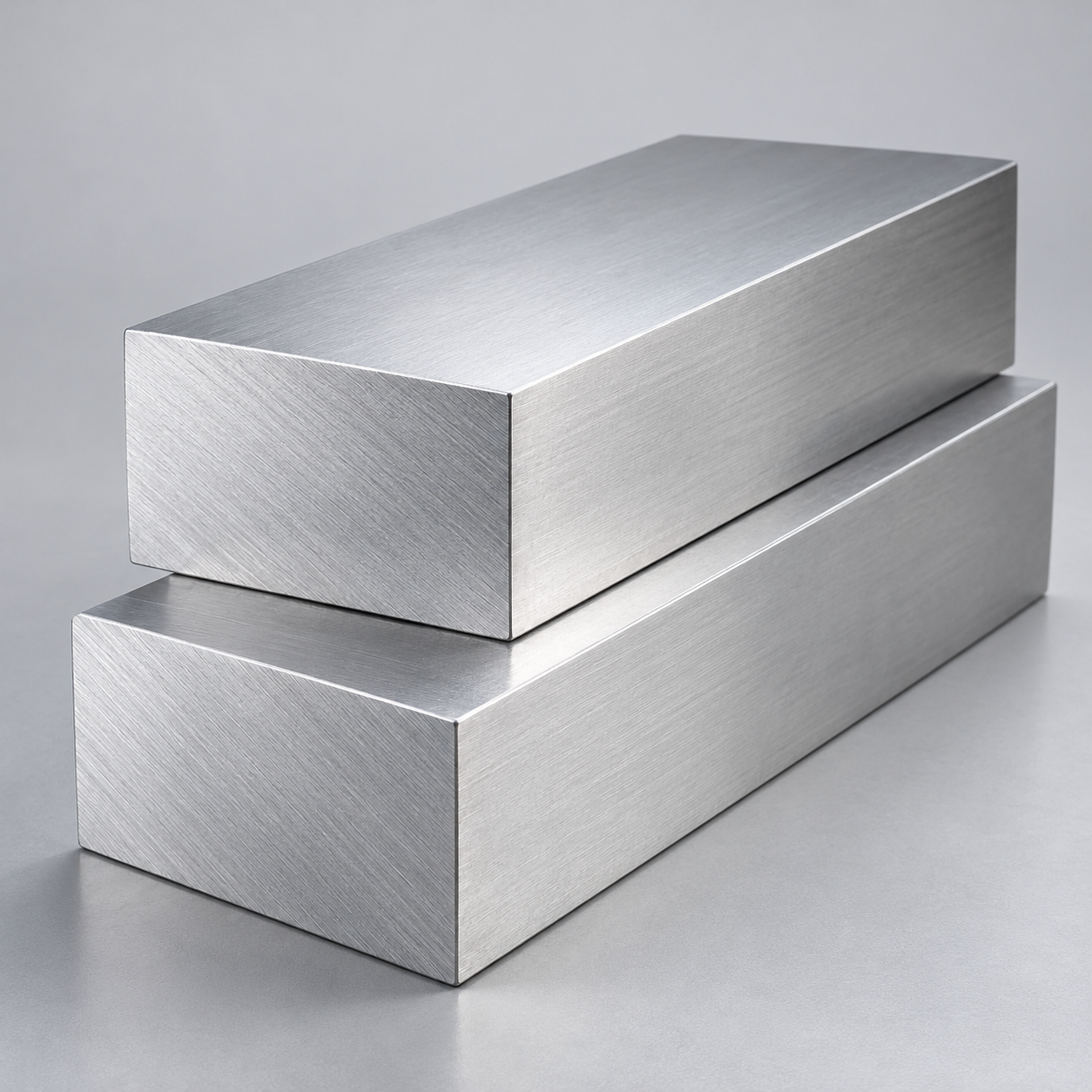 AluminumStrength, weight and machining›
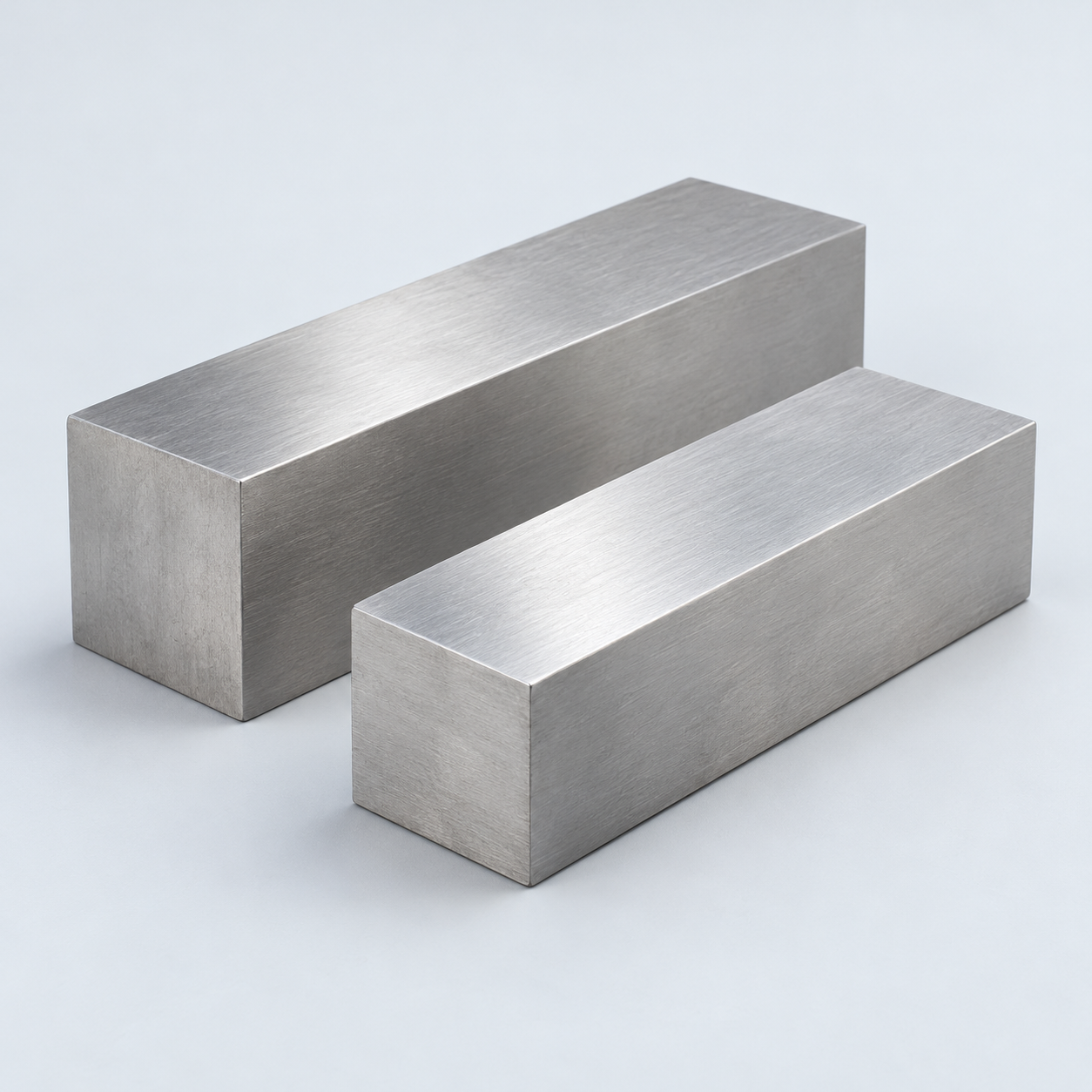 Stainless SteelCorrosion and finish requirements›
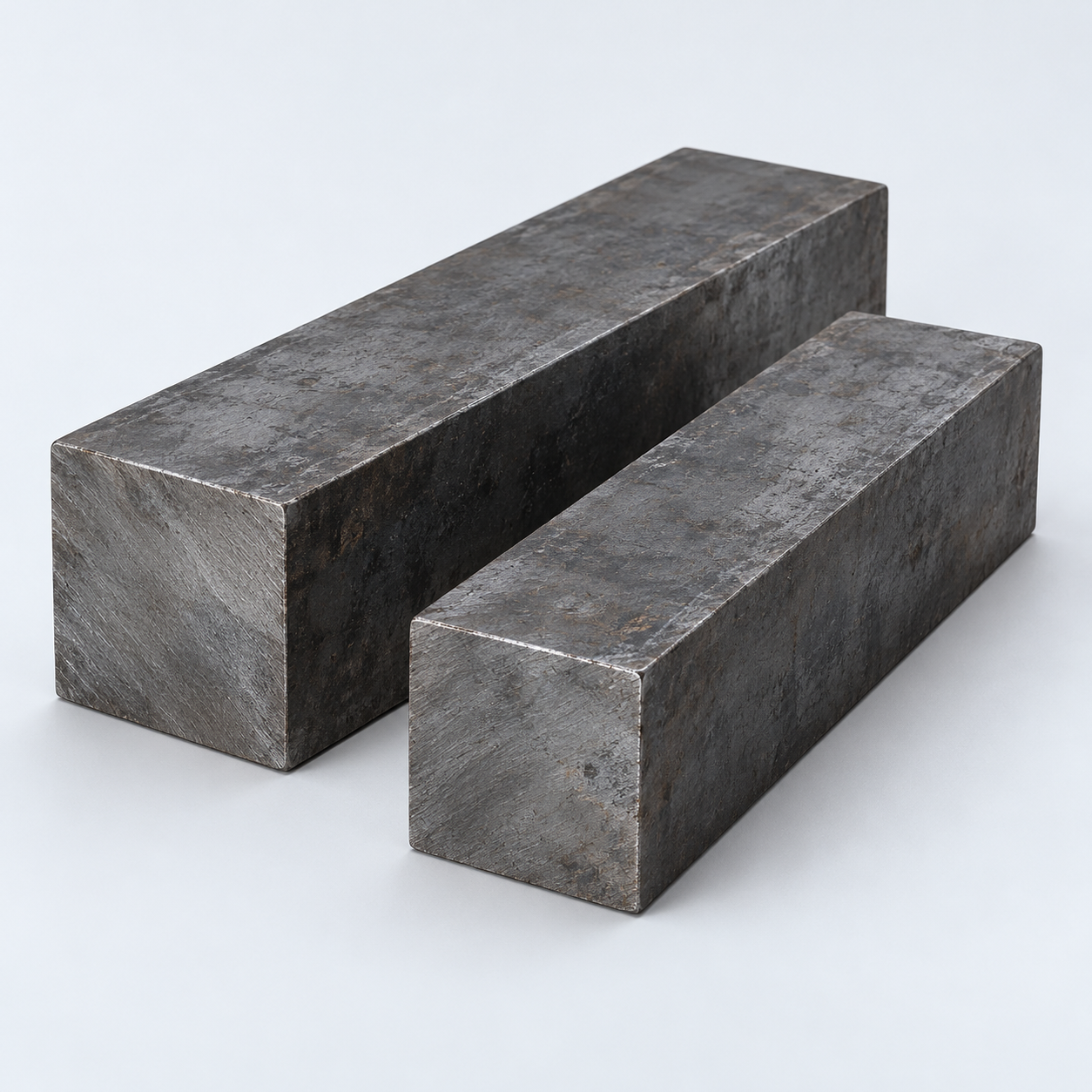 Carbon & Alloy SteelDiscuss grade and heat treatment›
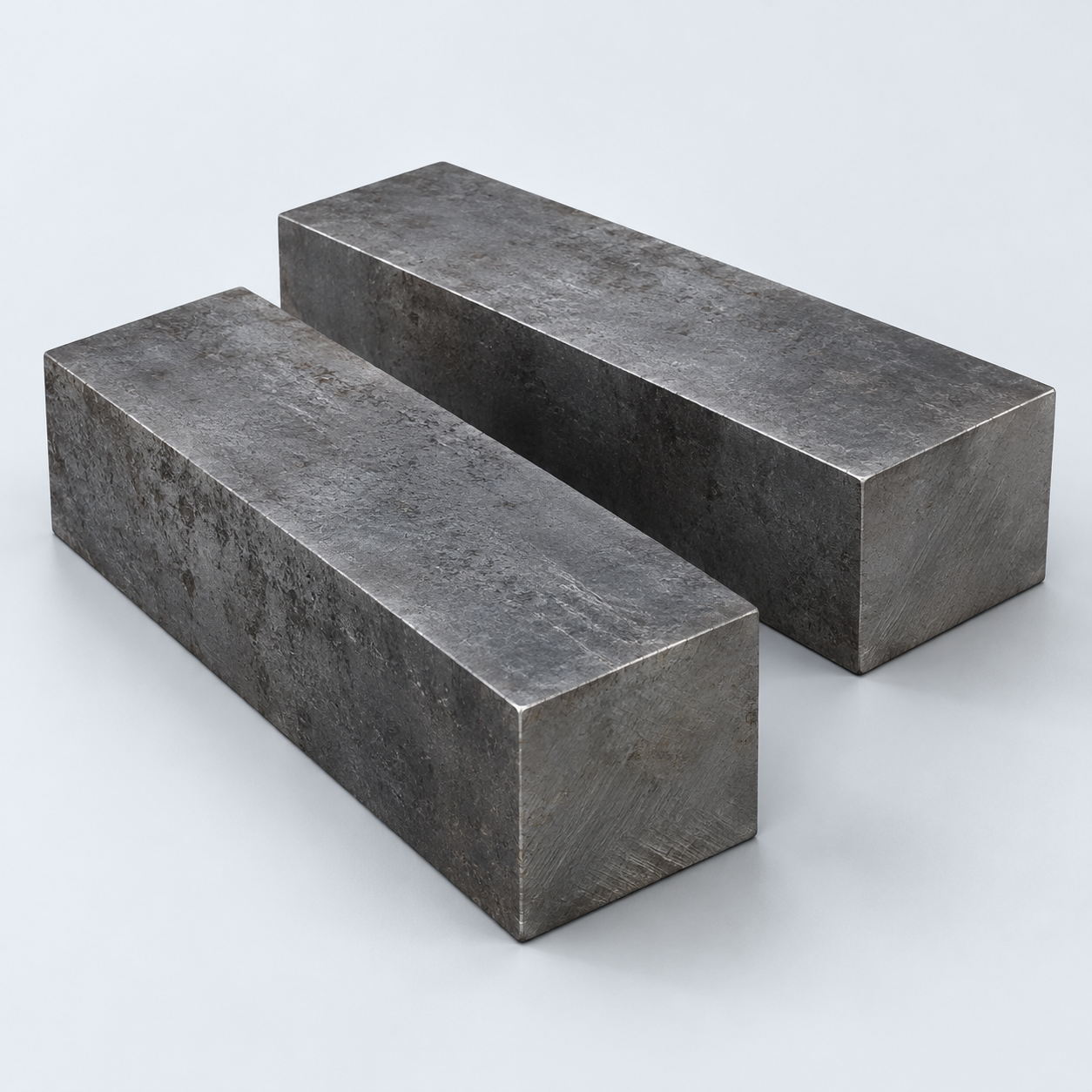 Tool SteelDiscuss tooling and wear needs›
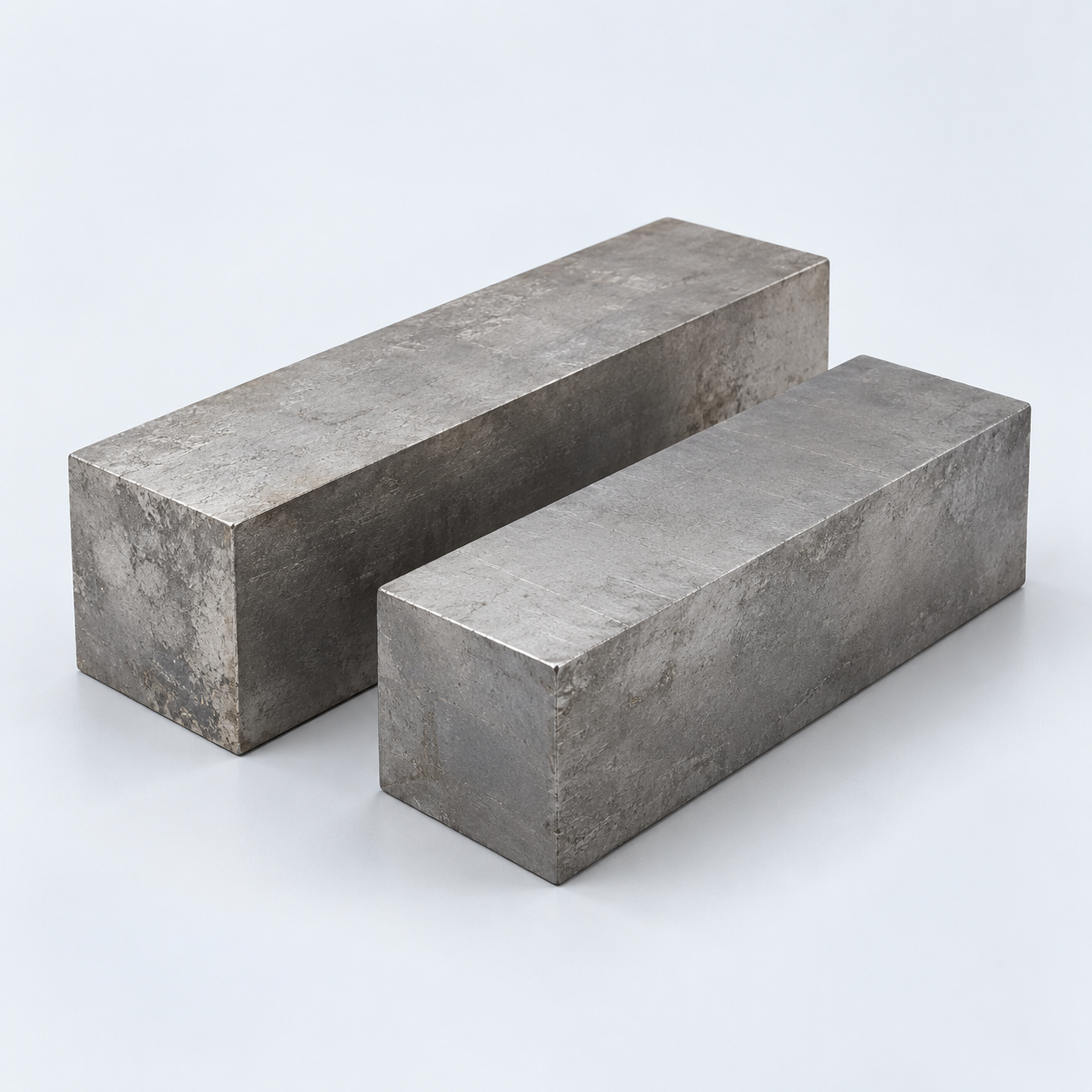 TitaniumReview grade and part geometry›
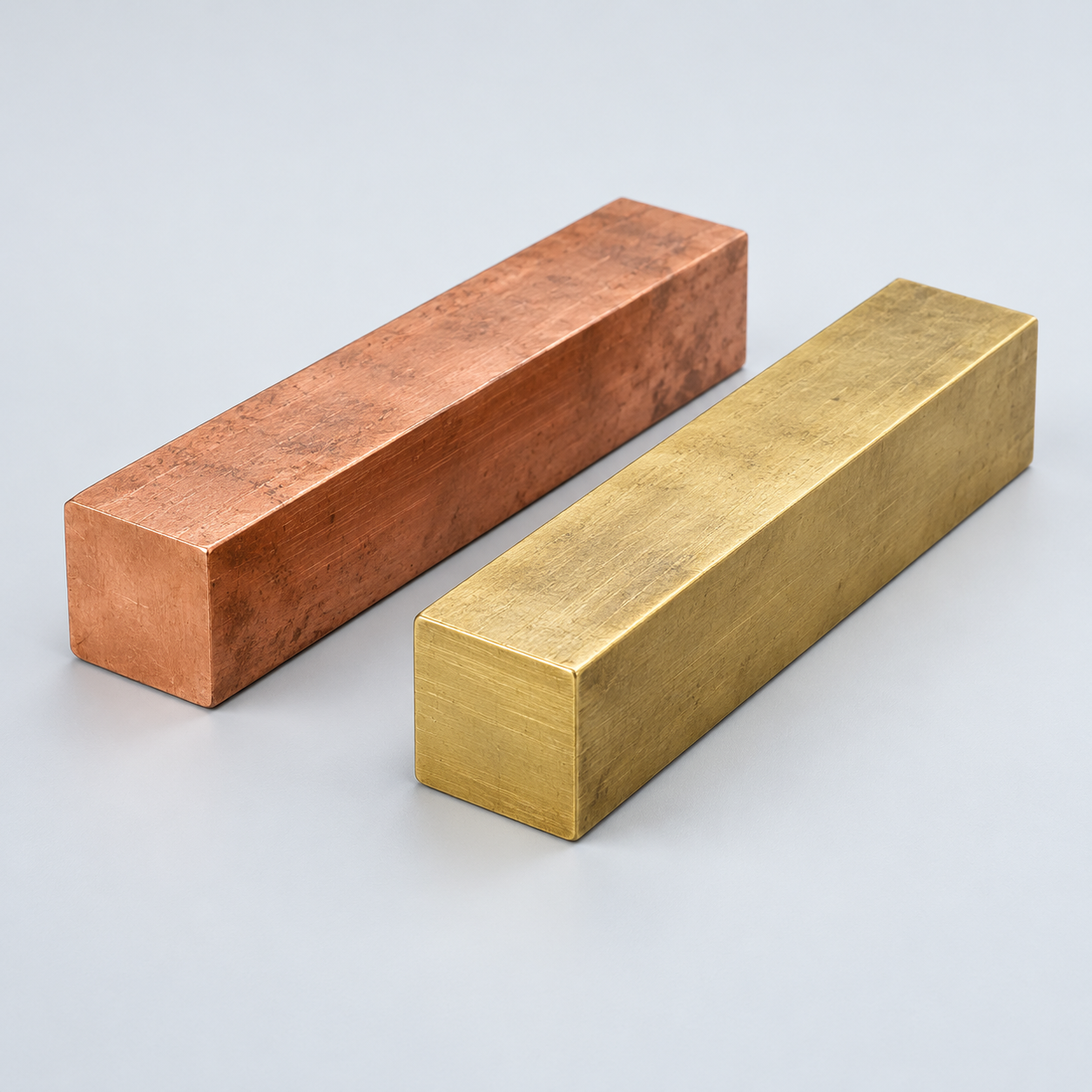 Copper & Brass & BronzeDiscuss conductivity and machining›
Match your polymer to function, process and environment.
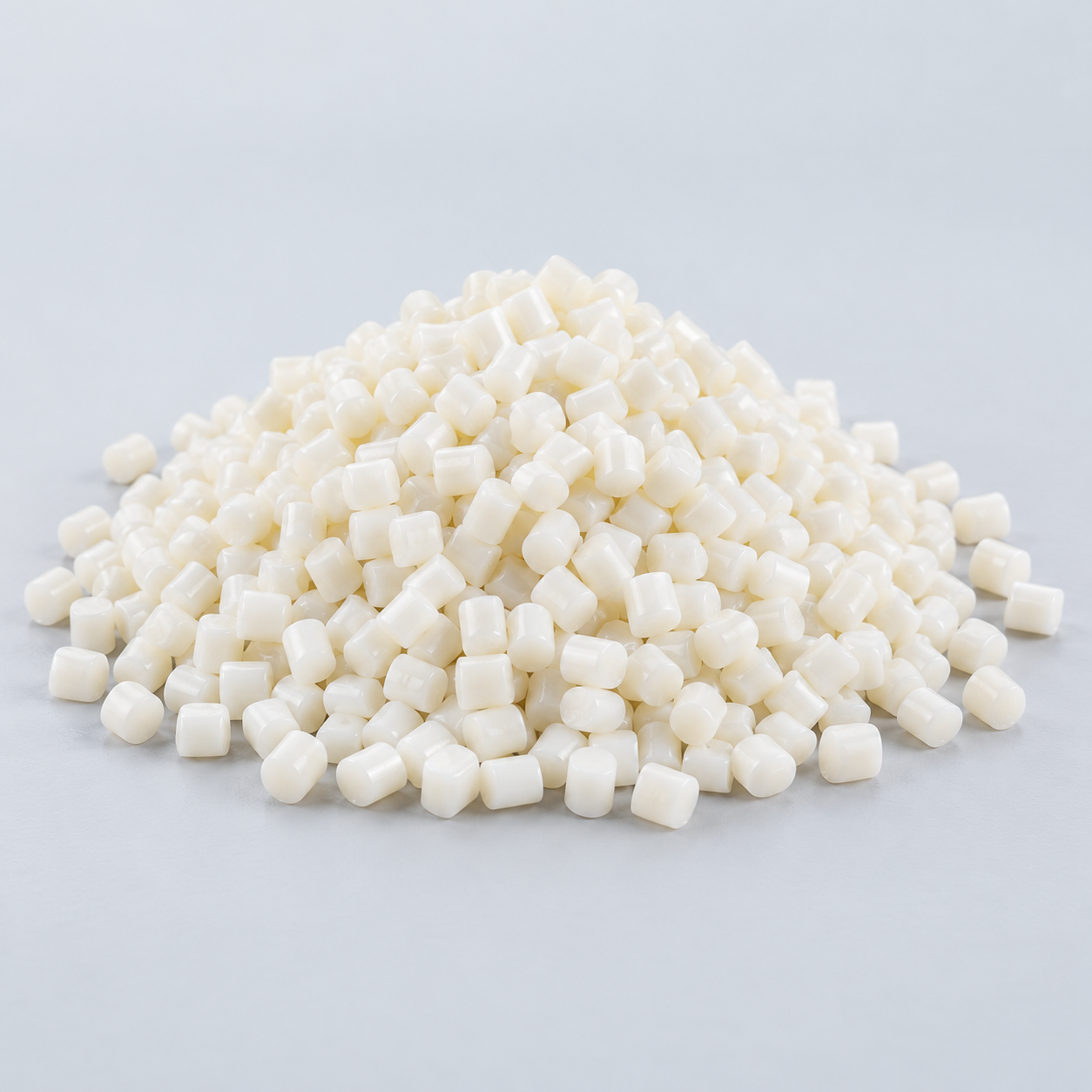 ABSReview enclosure and molding needs›
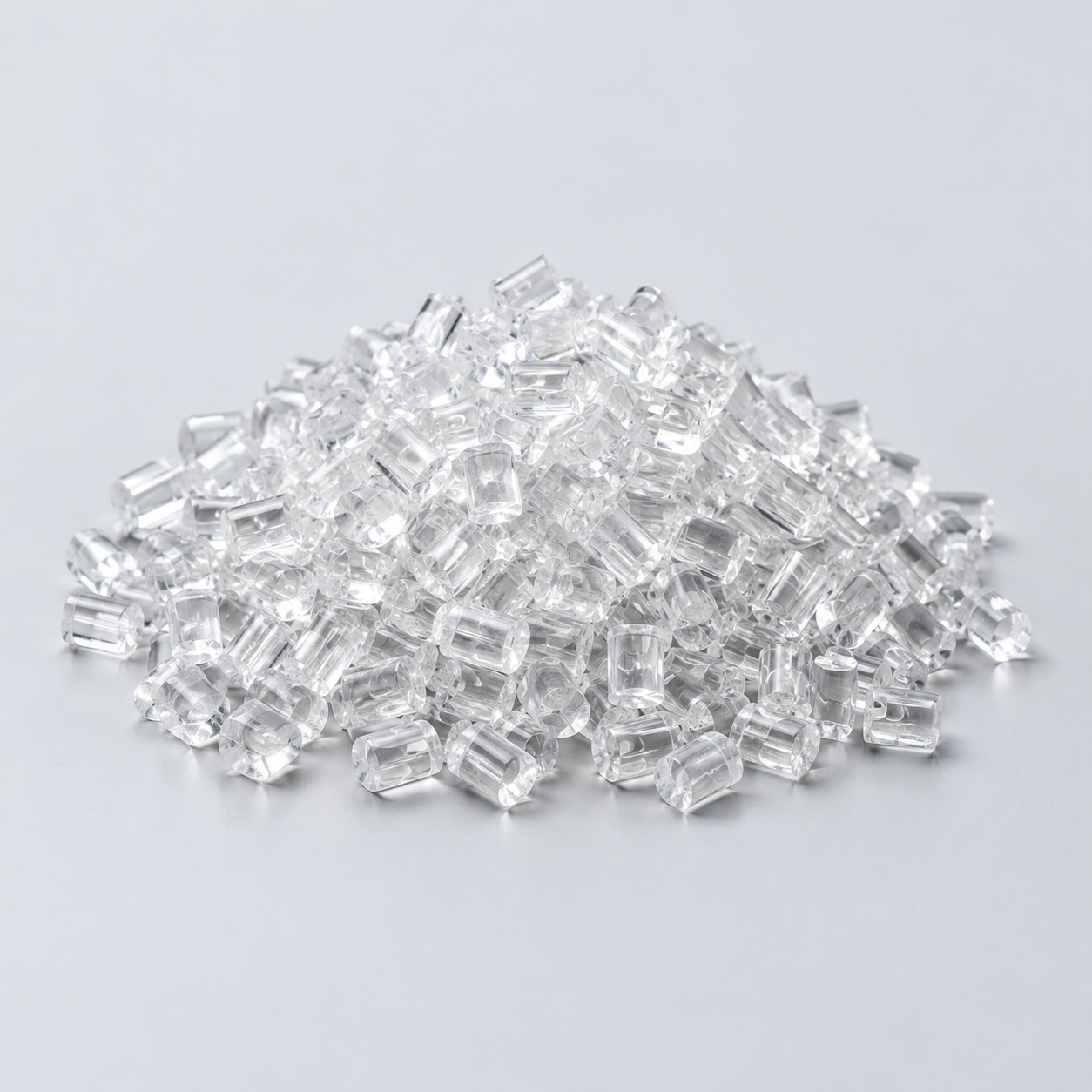 Polycarbonate (PC)Discuss clarity and impact needs›
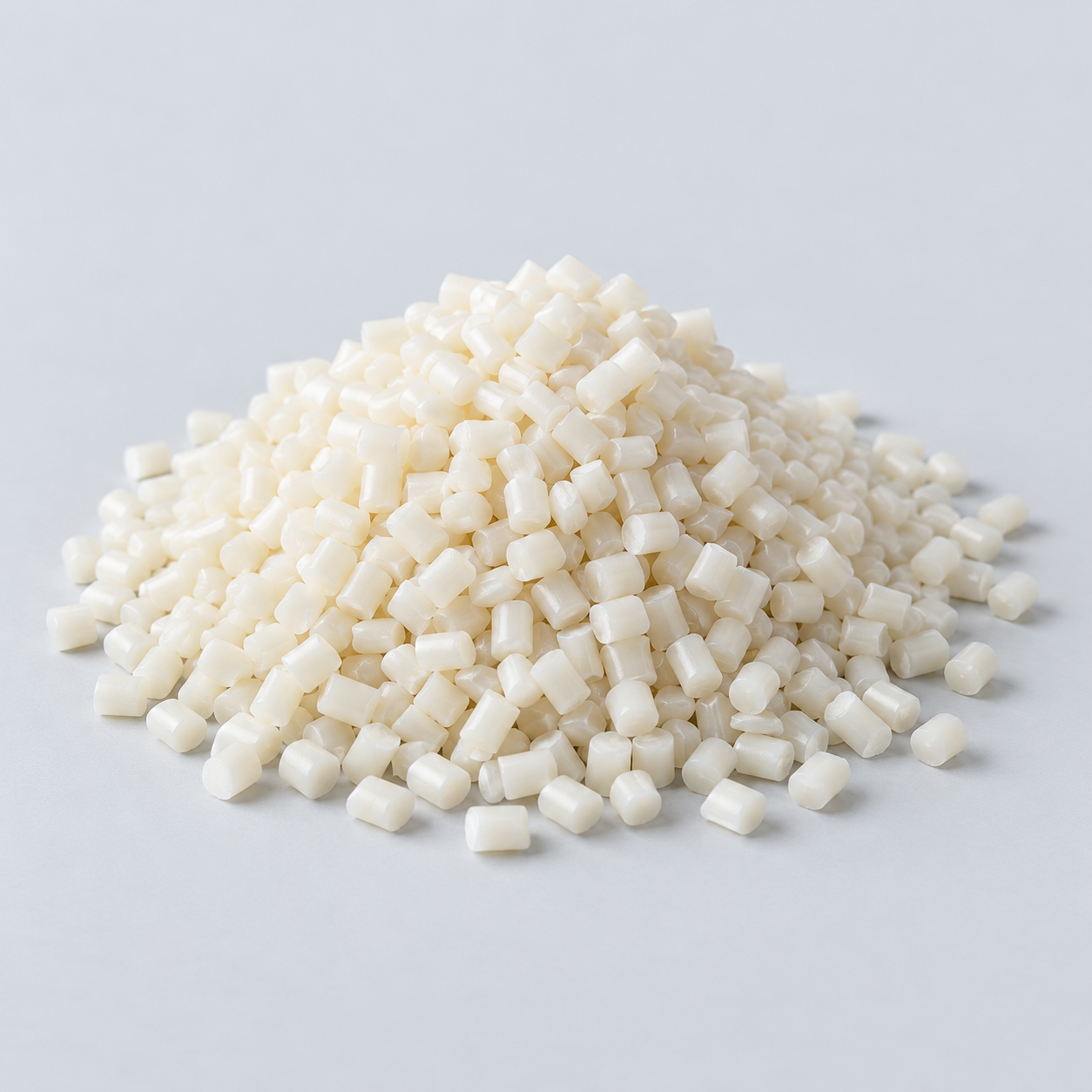 Nylon (PA)Review moisture and wear conditions›
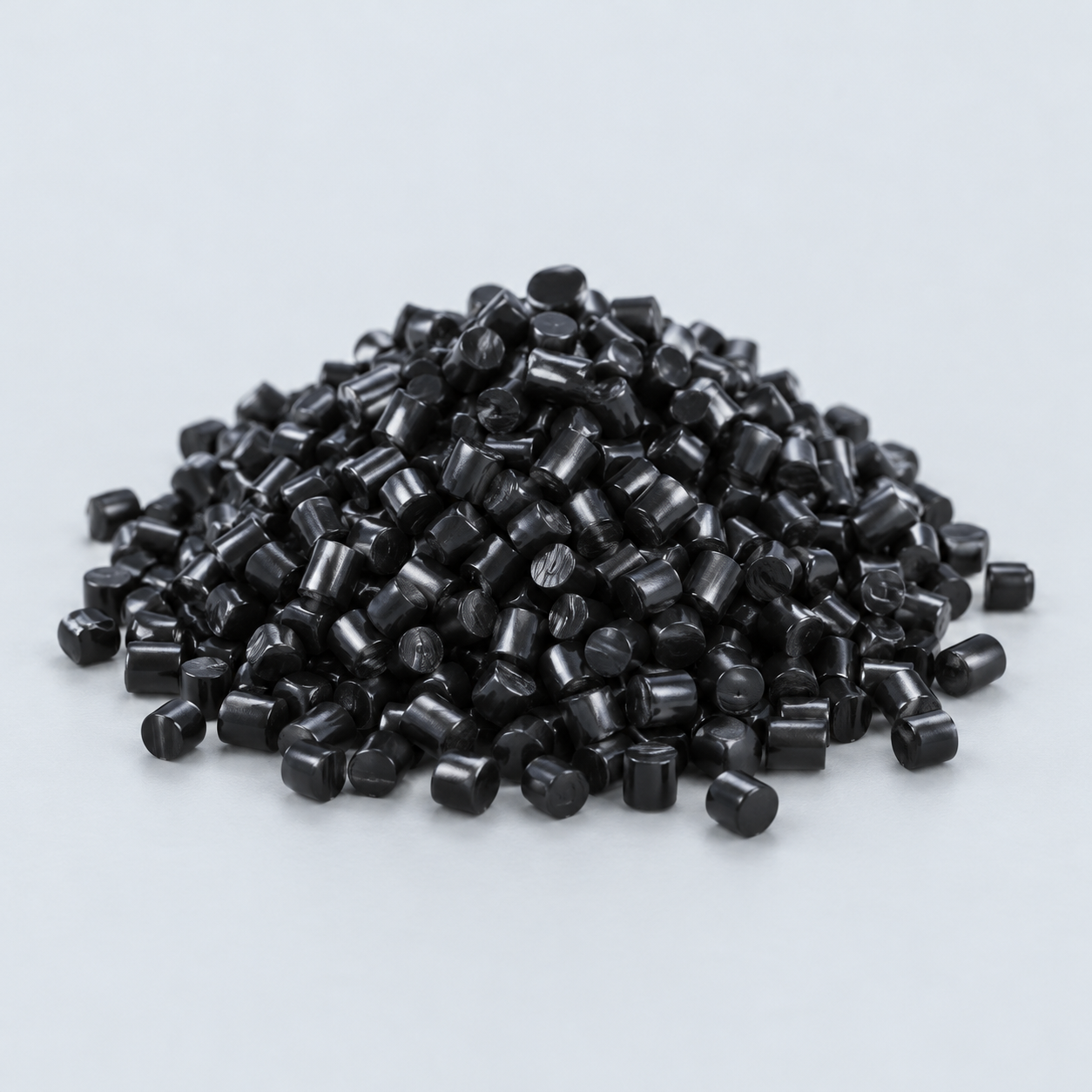 POM / AcetalReview fit and sliding features›
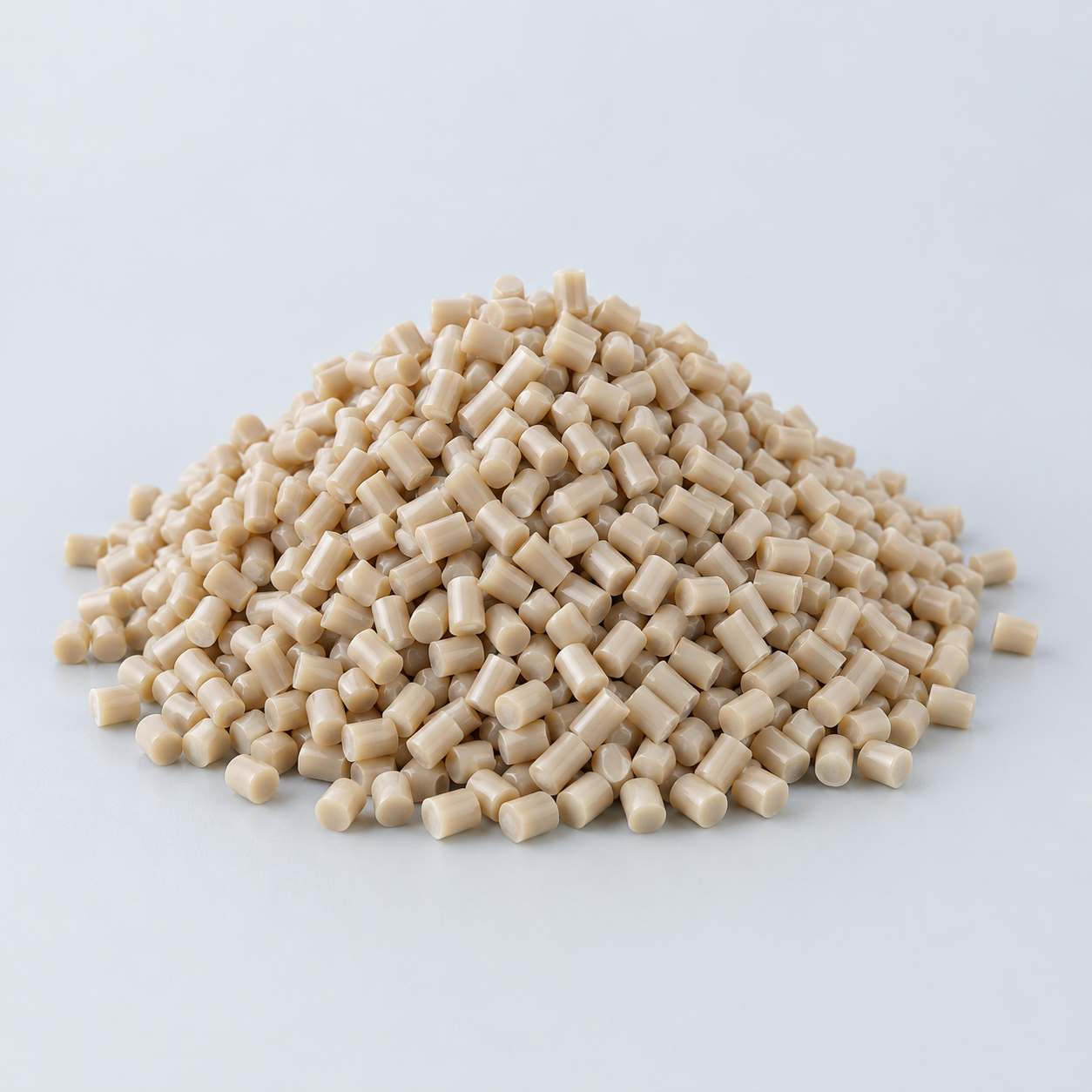 PEEKDiscuss operating conditions›
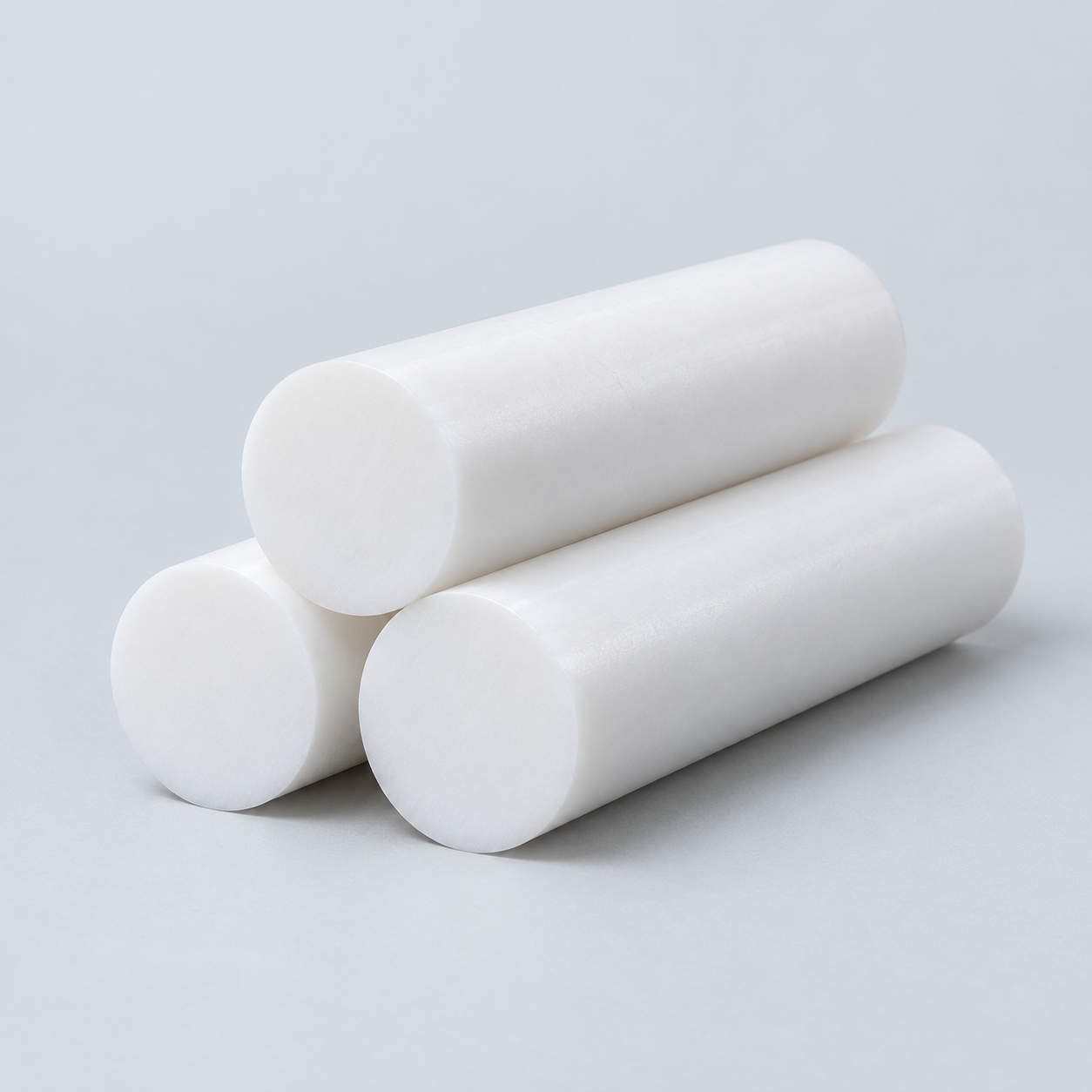 PTFEReview friction and chemical exposure›
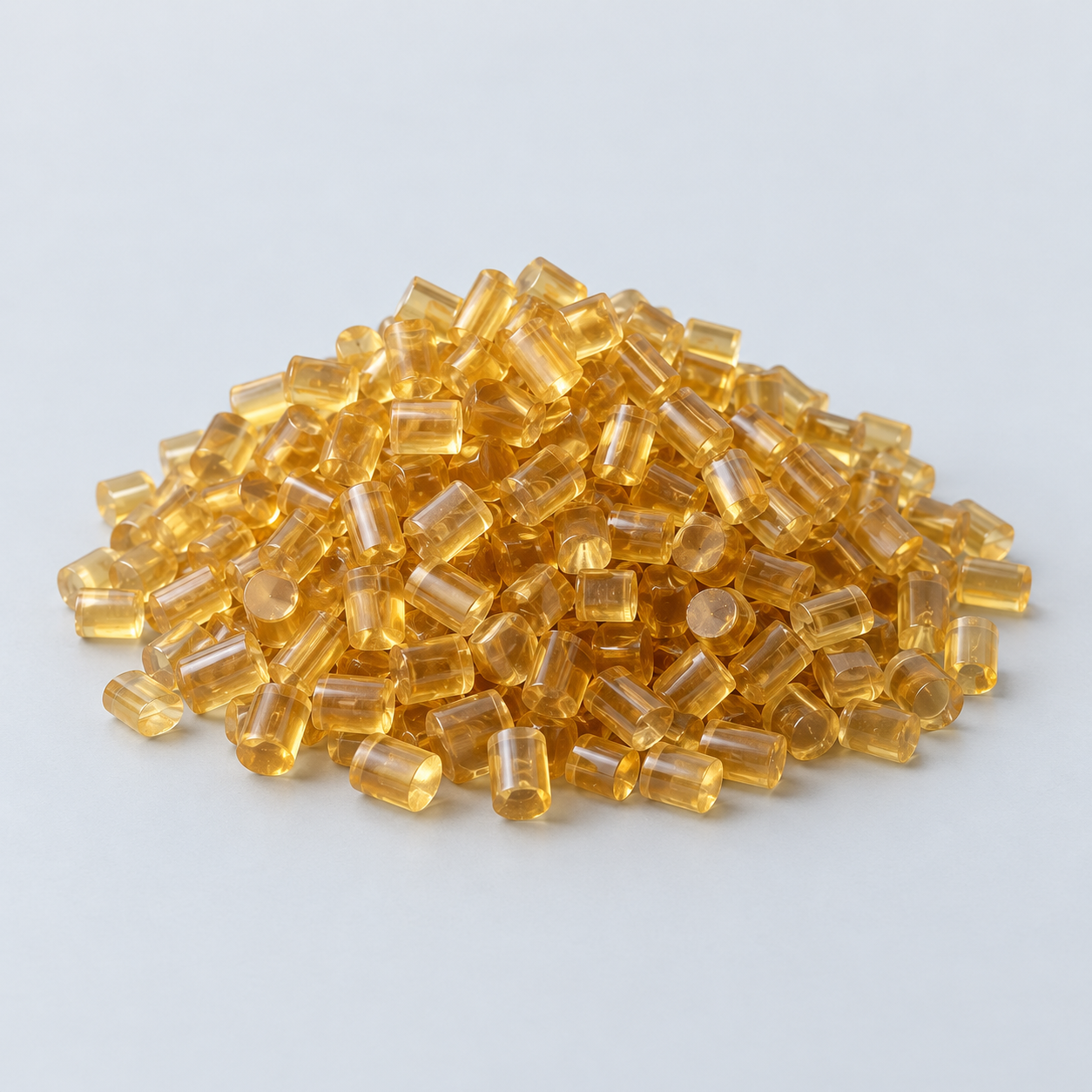 ULTEM / PEIDiscuss thermal and electrical needs›
Confirm grade availability and application requirements.
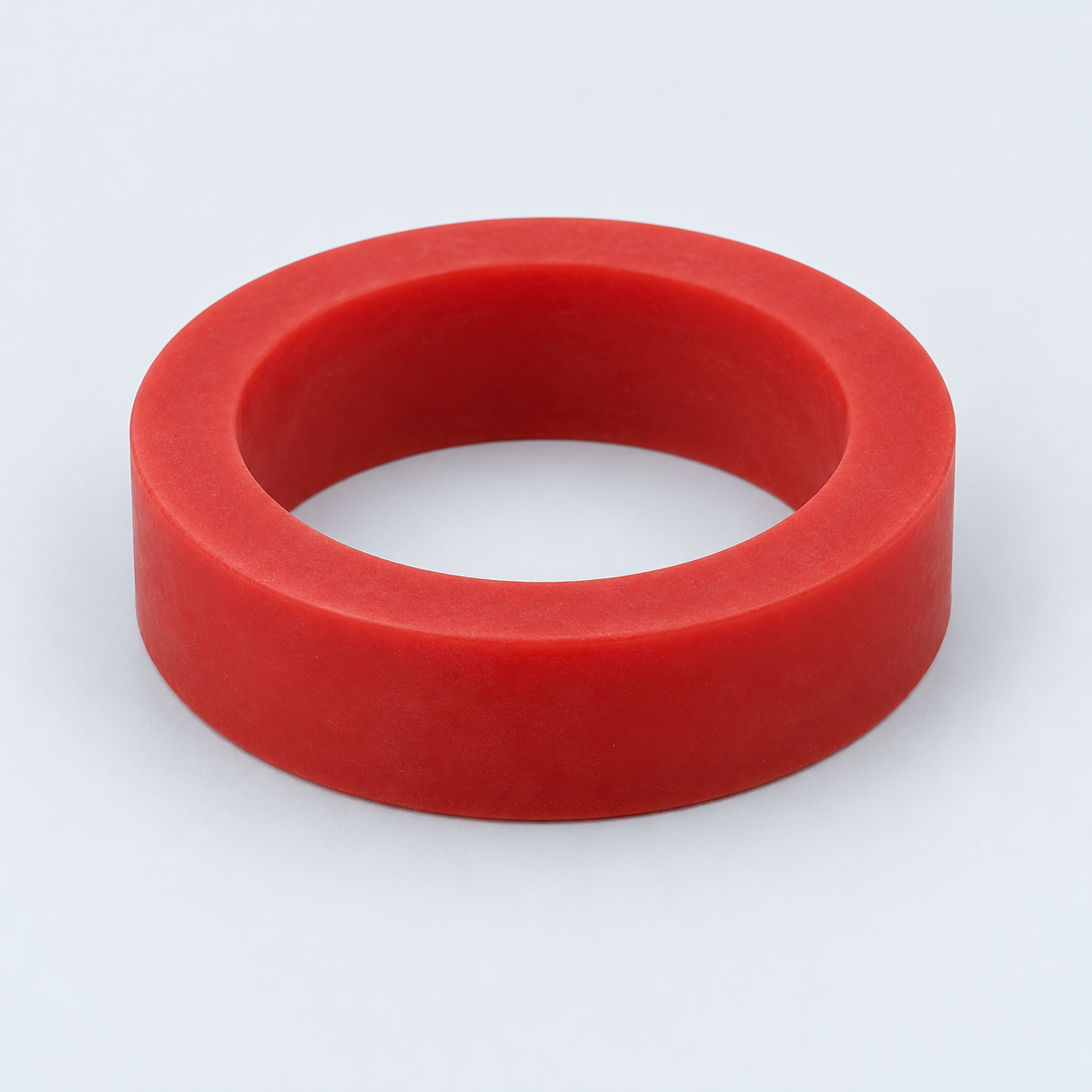 Silicone / LSRDiscuss flexible component needs›
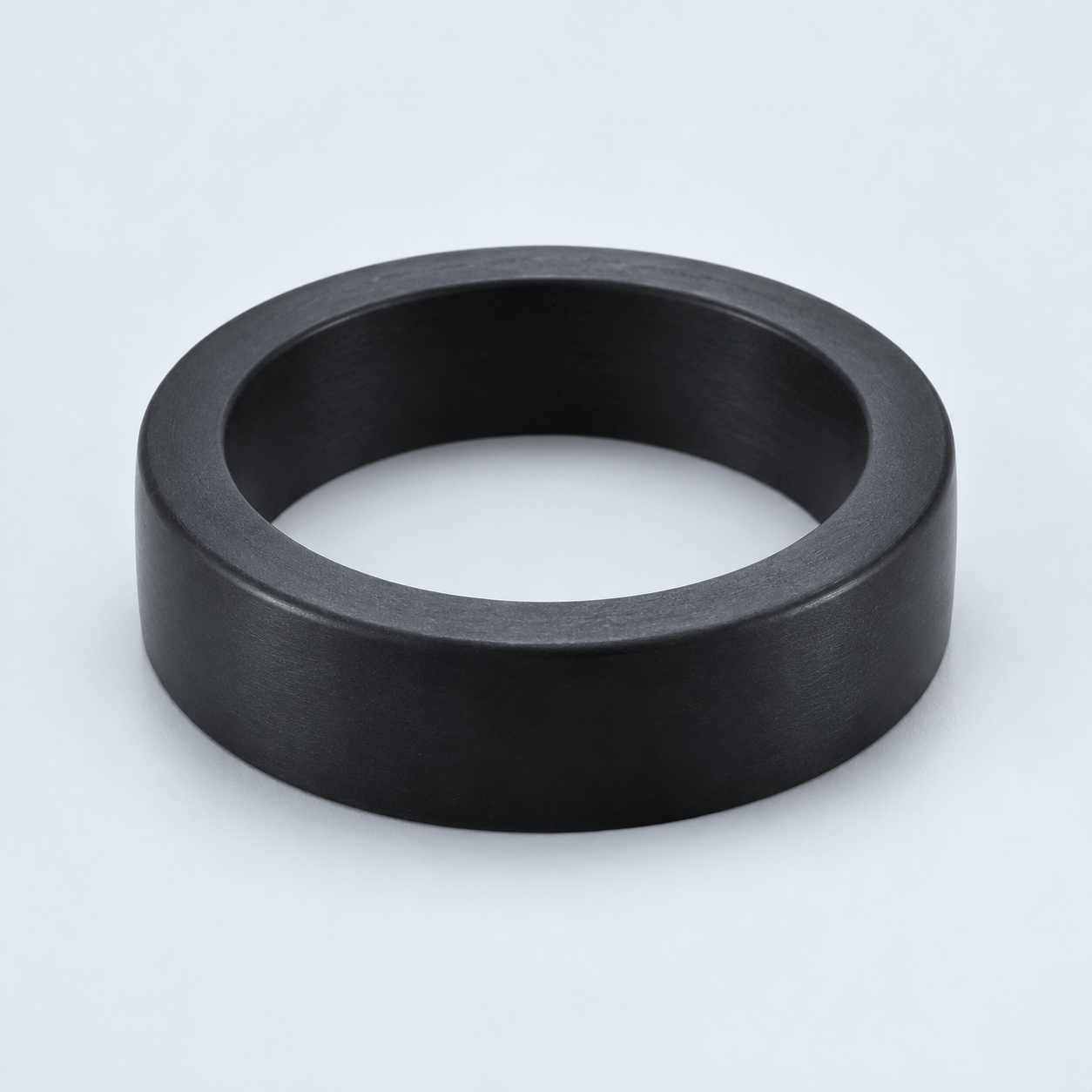 TPU / TPEReview flexibility and processing›
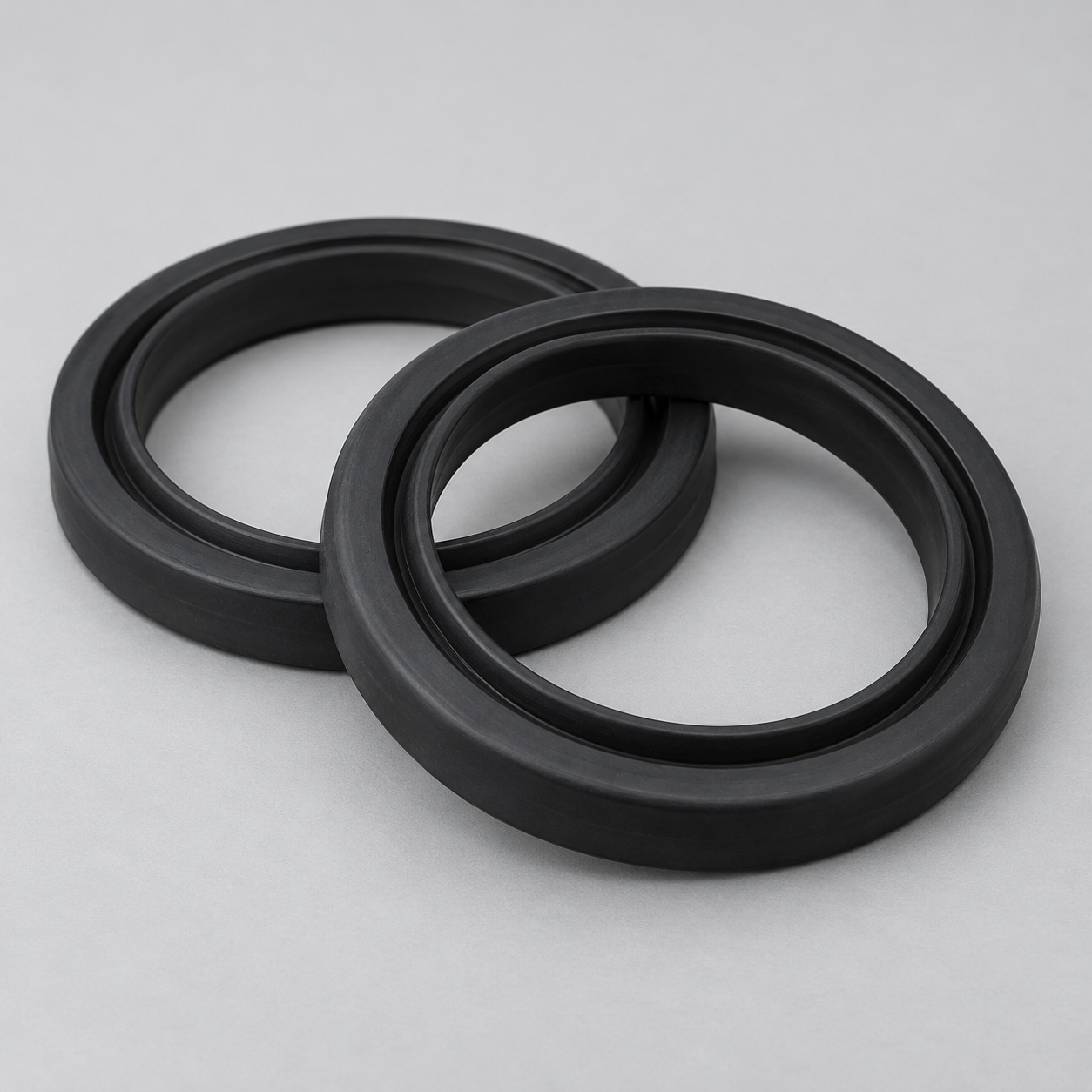 EPDMReview weathering and chemical exposure.›
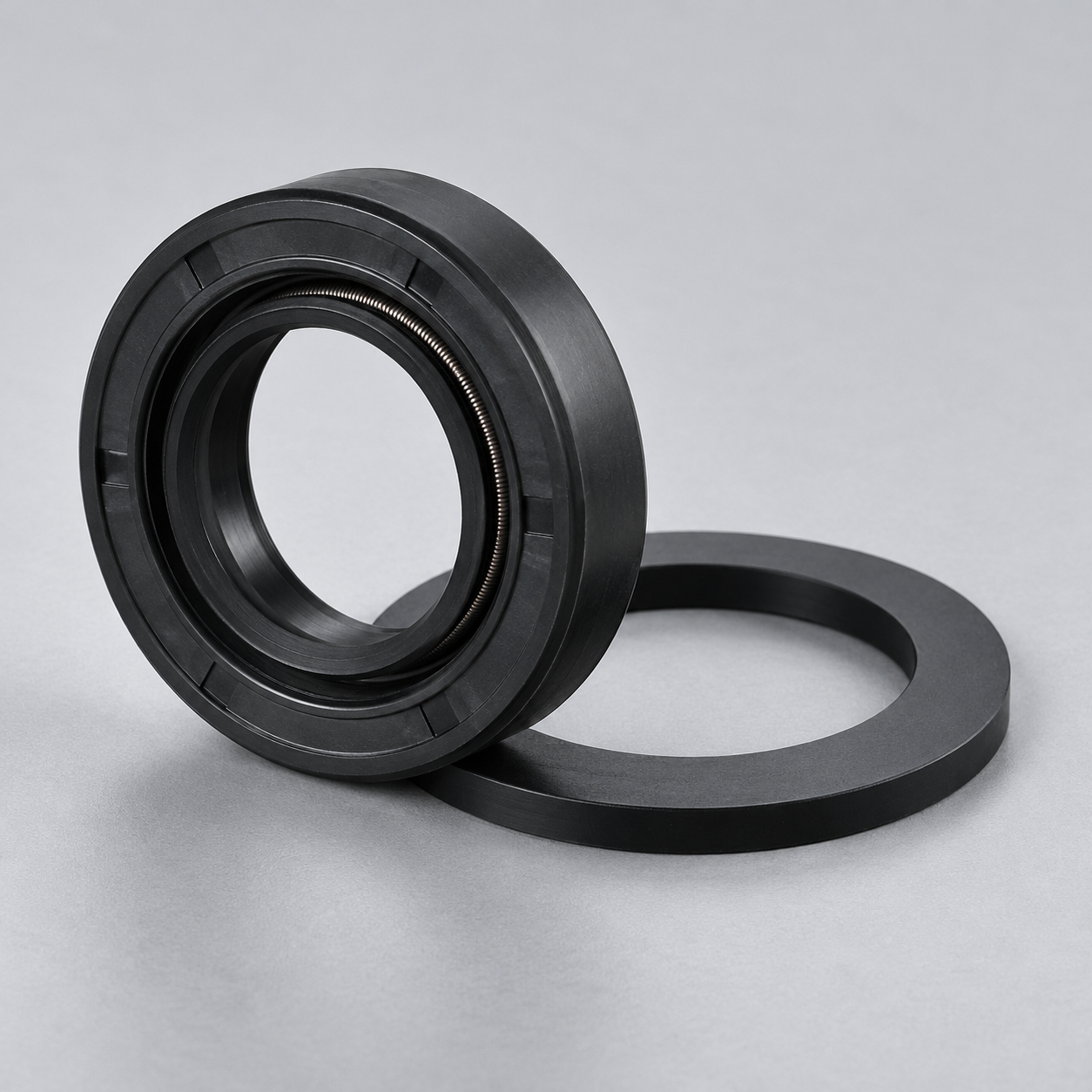 NBRReview oil and fuel exposure.›
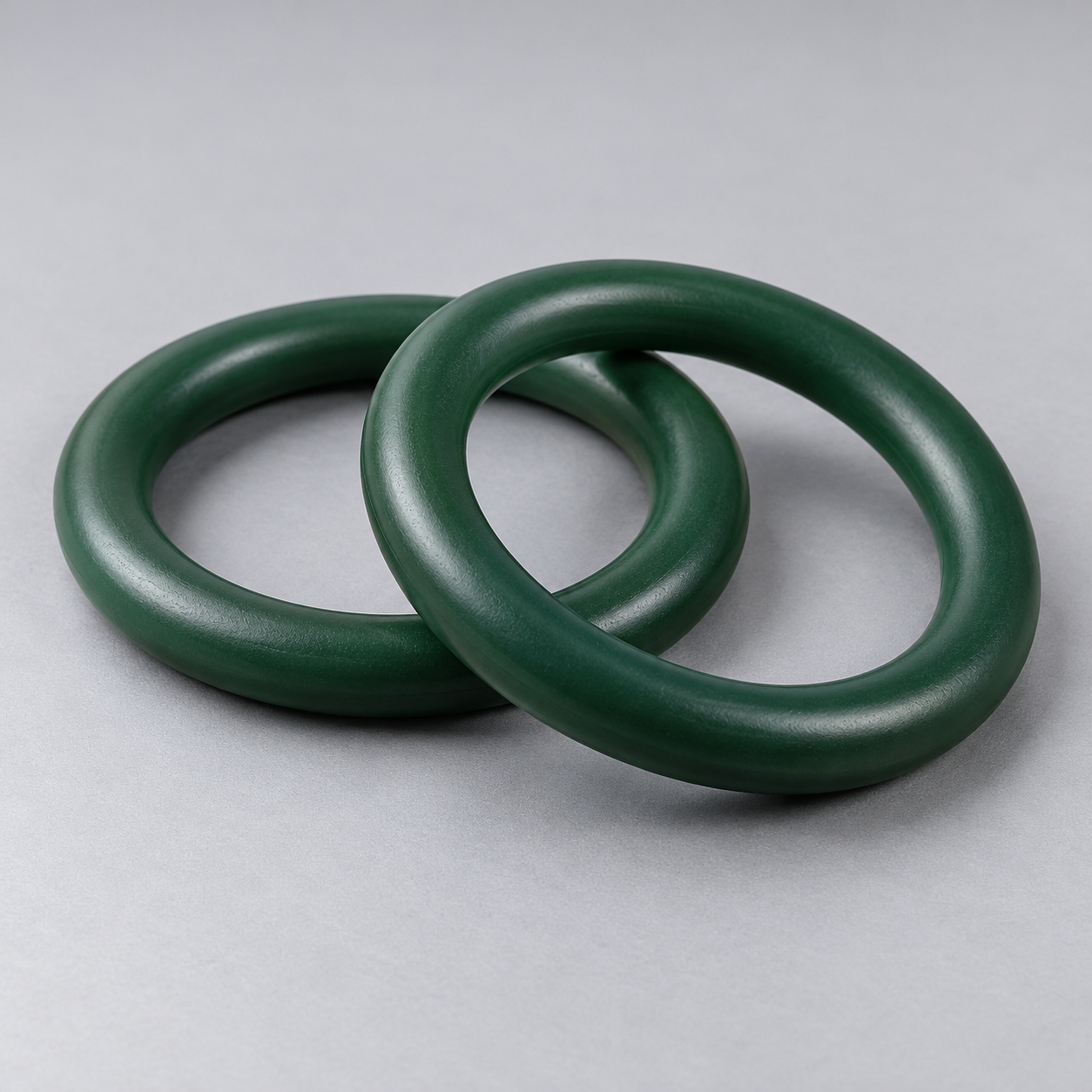 FKMReview temperature and chemical exposure.›
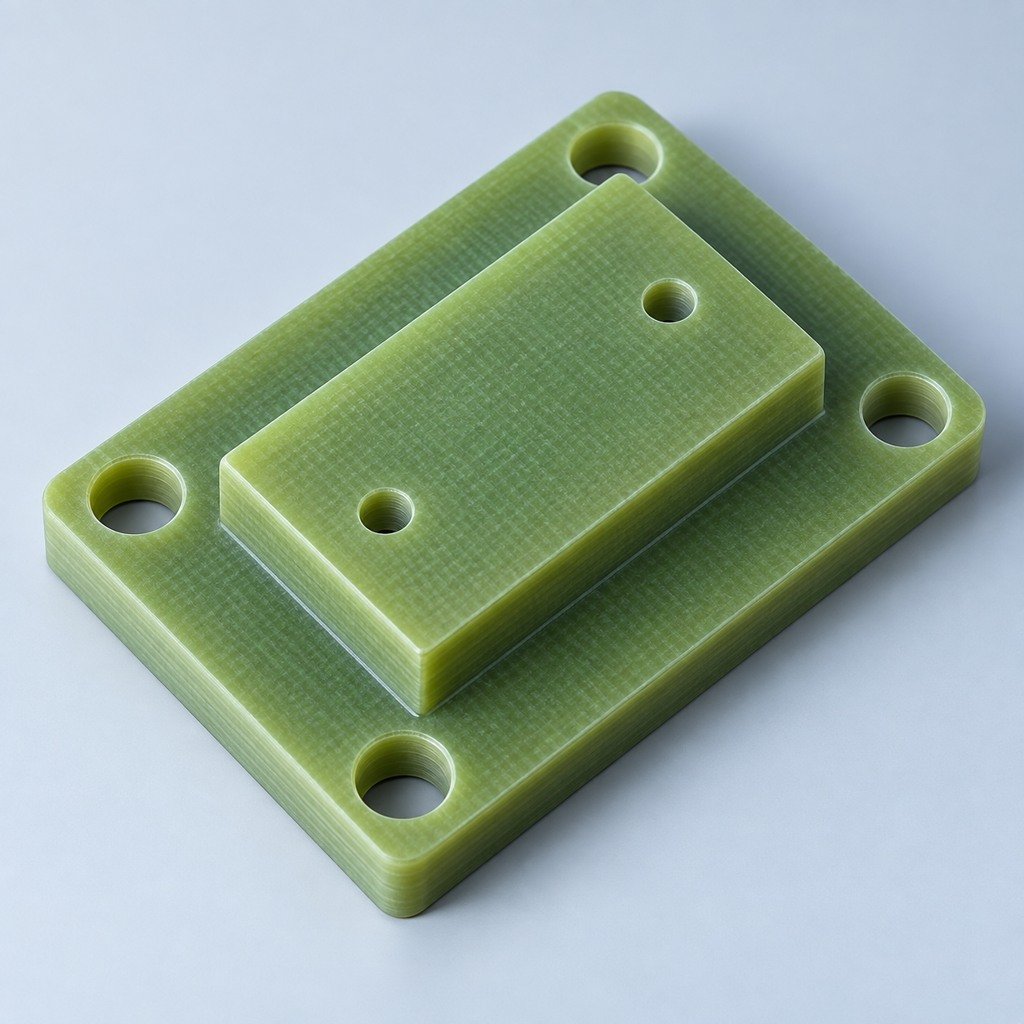 G10 / FR4Review insulation and laminate needs›
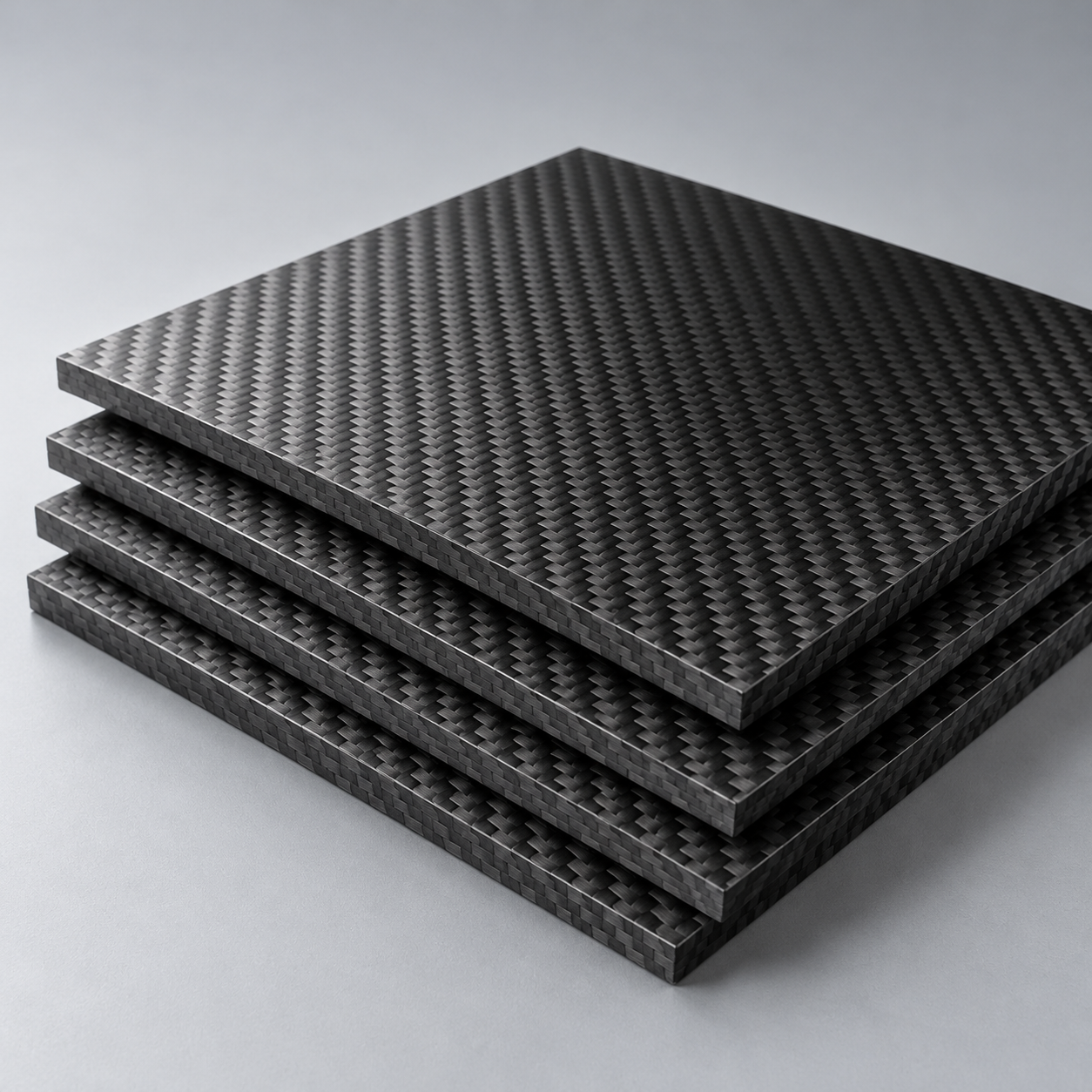 CompositesReview stiffness, weight and laminate.›Customer-Specified MaterialsConfirm your grade and requirements.›Other Specialty MaterialsDiscuss your application and grade.›
Practical guidance for your part geometry and material decisions.
Prepare your process, budget and sourcing questions.
Build your knowledge before production.
Learn who we are and how we operate.
Find our U.S. support team or start a conversation.
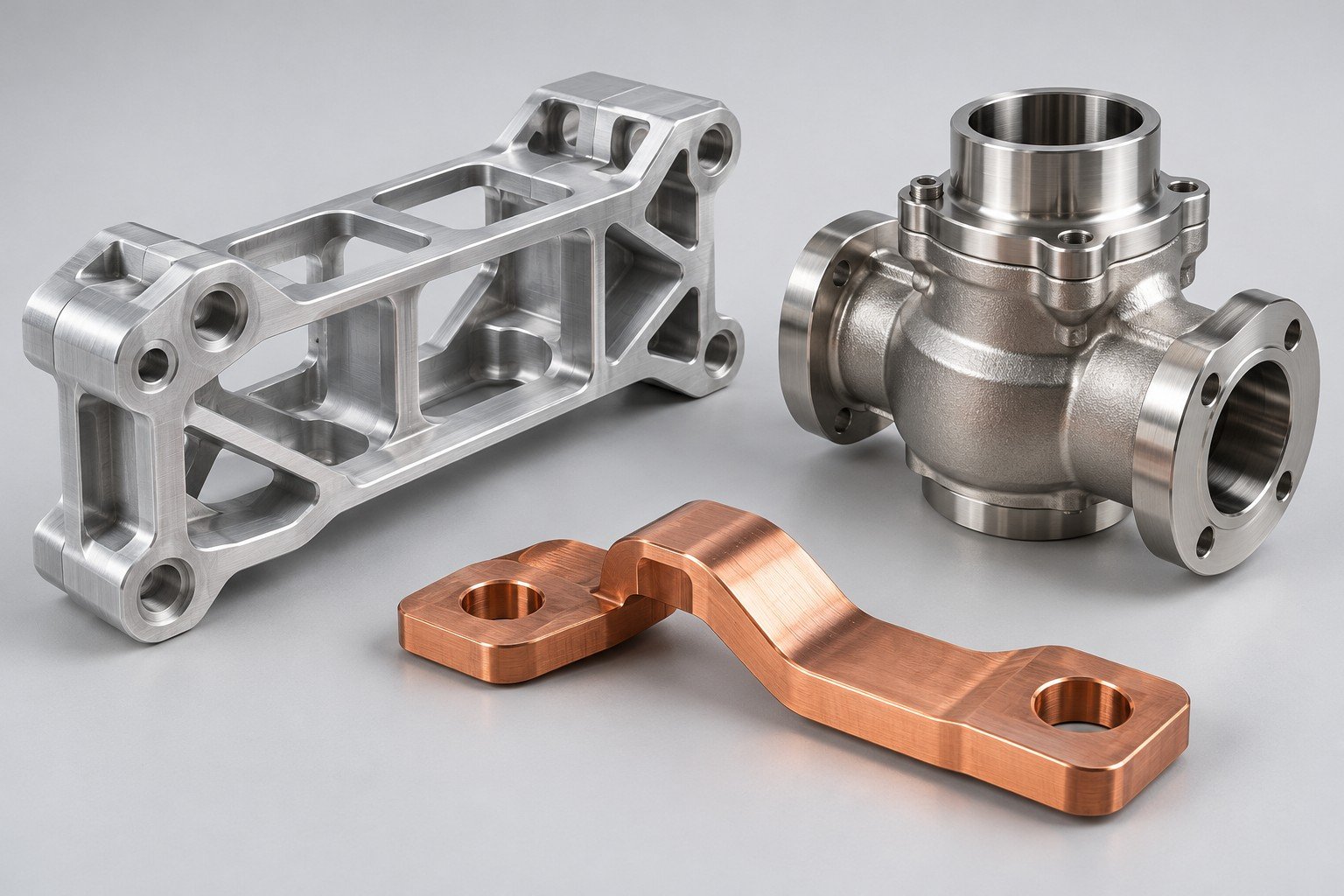
YOUR LOADS. YOUR ENVIRONMENT. YOUR MATERIAL RECORD.
For material selection for custom machined parts, compare function, grade, condition, process and required evidence together. A familiar material name does not define your finished part.
Identify stiffness, load paths, wear, contact and the critical dimensions that support your application.
State chemicals, moisture, temperature range and contact with other materials. Review the complete exposure.
Material selection: strength, weight and cost must be reviewed with geometry, stock availability, manufacturing route and inspection. A raw material price is not your finished-part quote.
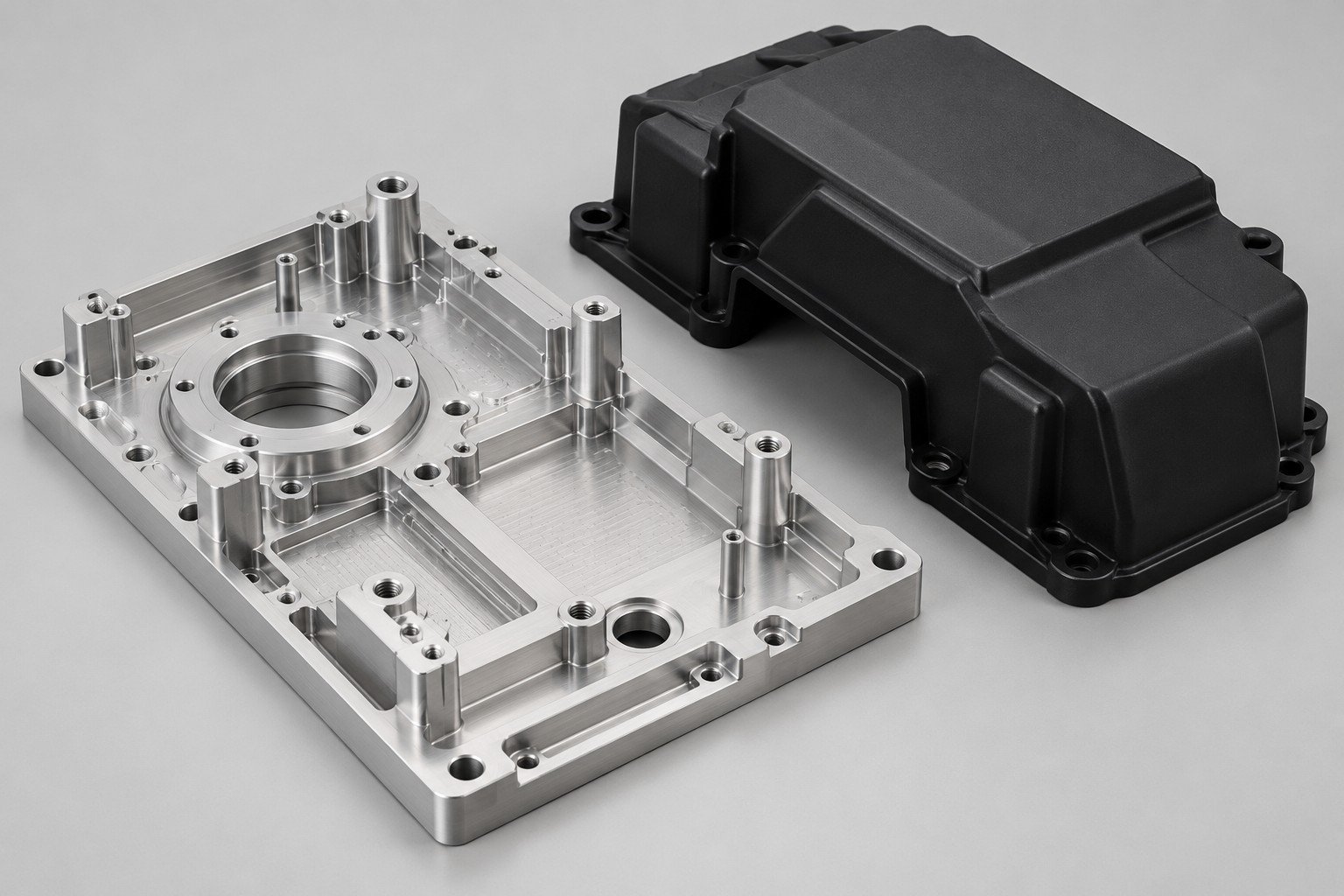
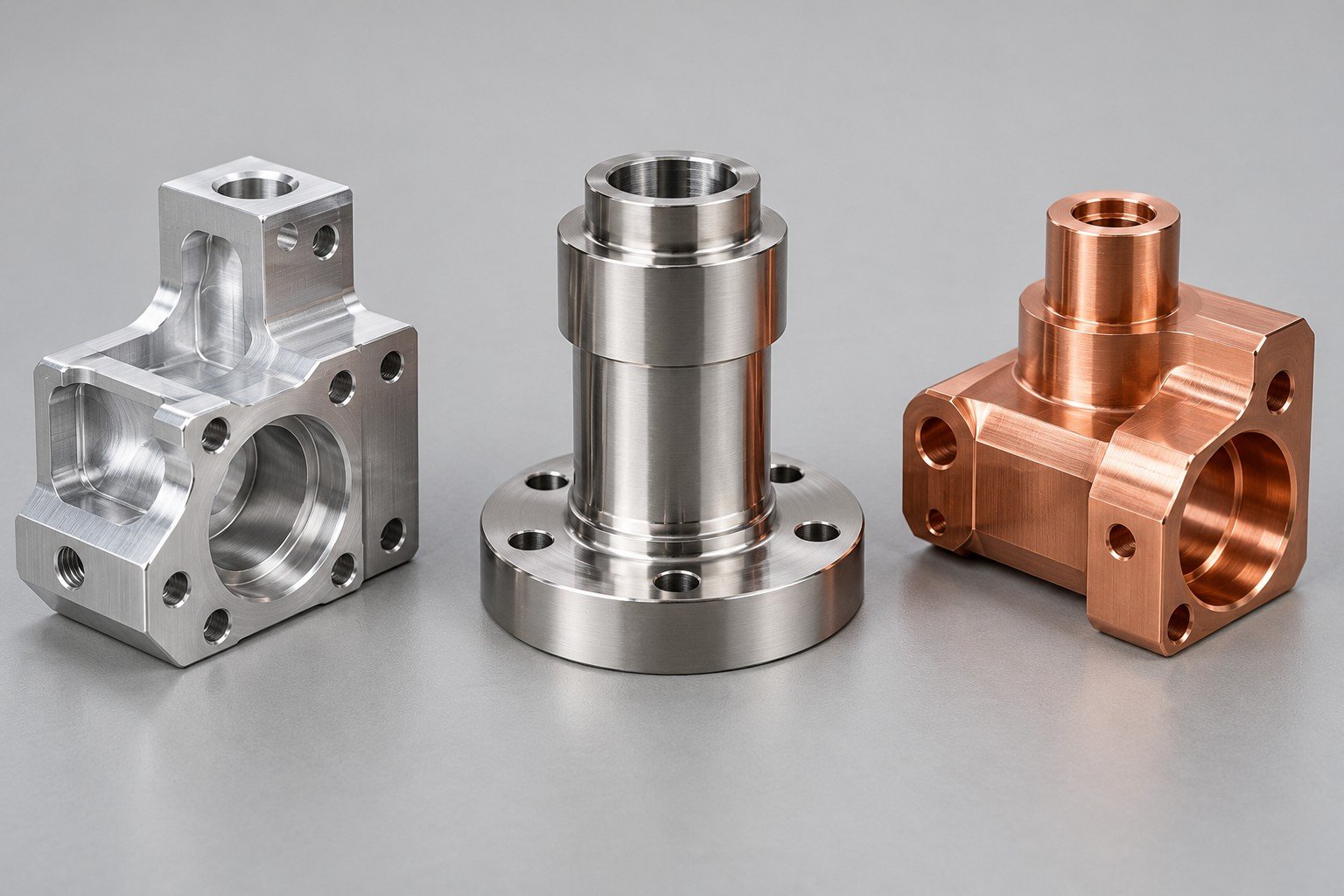
Assume an unrestrained 100 mm length and constant published mean coefficients. ΔL = α × 100 mm × 40 K. Zero baseline 0–0.10 mm.
6061 reference: 13.1 × 10⁻⁶/°F × 1.8 = 23.58 × 10⁻⁶/K. Annealed 316L sheet reference: 16.0 × 10⁻⁶/K. Both published mean ranges are 20–100°C. This assumed 20–60°C example uses those means as constants.
Material properties can change the questions you ask about a mating fit. This free-expansion example does not predict assembly clearance, stress, temperature distribution or an allowable service condition.
Primary references: Hydro 6061 data → · Uginox 316L data →. Published reference properties are not batch test results or a guarantee for a different product form. The photograph has no assigned dimensions.
European names help identify a material family or grade. They do not authorize substitution between standards, product forms or conditions.
Specify the full standard, grade, temper or condition, product form and required certificate. Keep composition limits, typical values and actual batch results distinct.
| Grade | European reference | Selected chemistry | Basis to review |
|---|---|---|---|
| 6061 | EN AW-6061 · AlMg1SiCu | Si 0.40–0.80; Mg 0.80–1.20; Cu 0.15–0.40 wt.% | Selected composition ranges from Hydro; confirm full specification and temper. |
| 316L | 1.4404 · X2CrNiMo17-12-2 | C 0.025; Cr 16.80; Ni 10.10; Mo 2.10 wt.% | Typical composition of the referenced Uginox grade, not universal purchasing limits. |
Selected elements only; omitted elements are not zero. The order specification and material certificate govern. Sources: Hydro composition limits → · Uginox typical composition →.
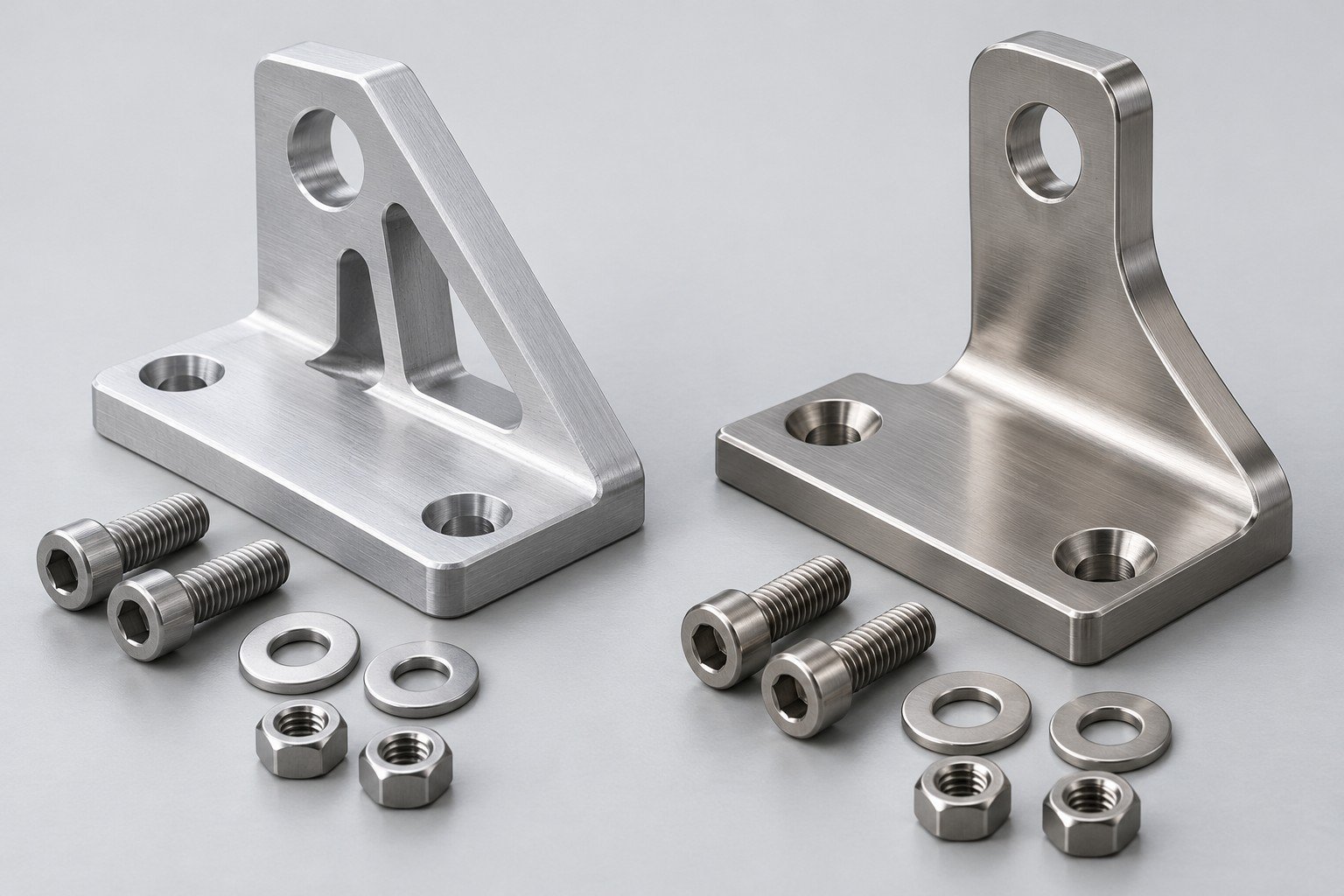
Compare standards, grade, condition, product form and any required records.
Assess function, joining, finish, corrosion, thermal behavior and inspection requirements.
Obtain required engineering and purchasing approval before changing the controlled order baseline.
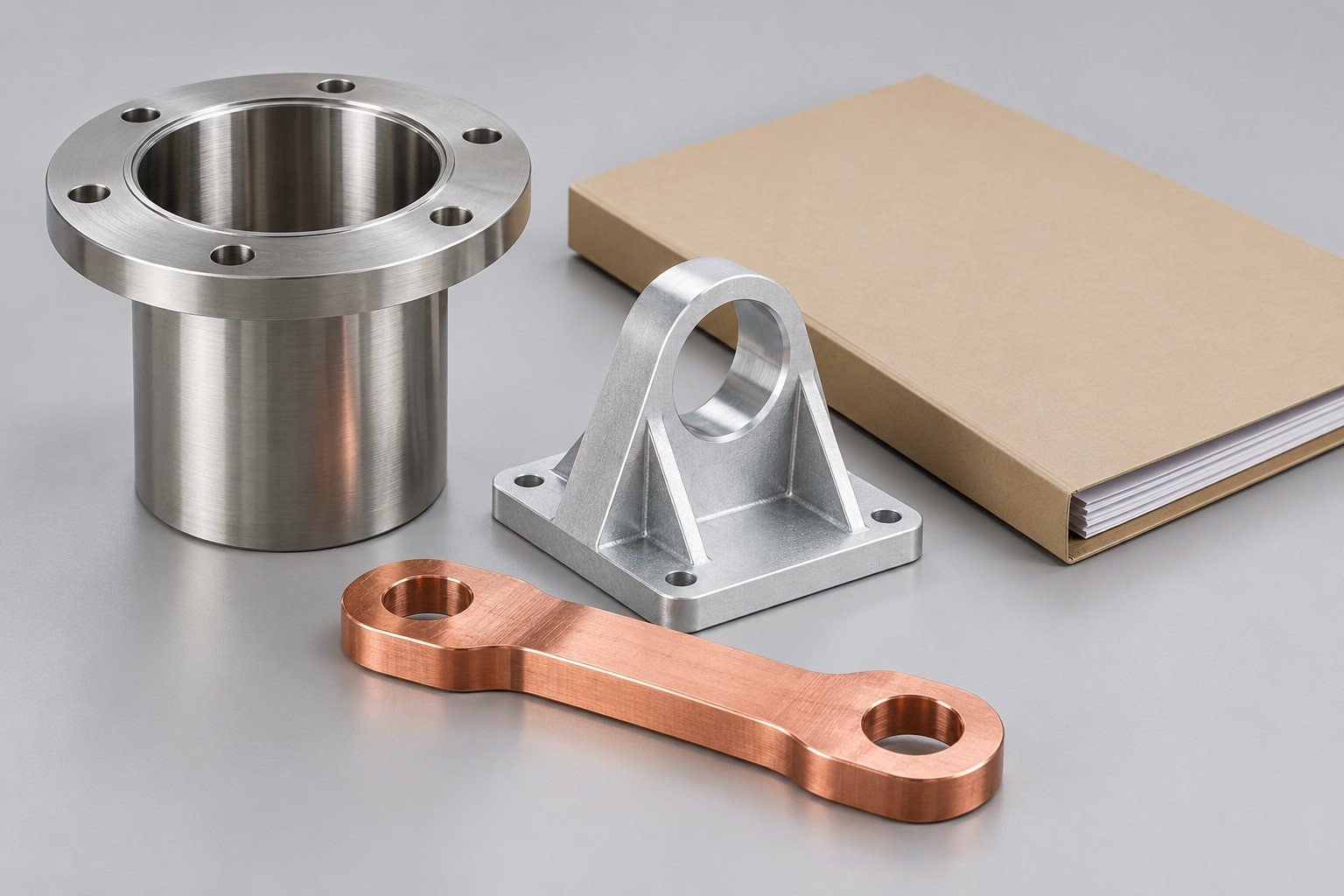
The brackets are different illustrative concepts, not an approved material substitution or an equal-strength comparison.
Review stock form, tool access, condition and the features that control final fit.
Review how geometry and process affect the available alloy, condition and required secondary operations.
Review the resulting condition, contact materials, coating compatibility and acceptance evidence. A starting-stock certificate does not describe every later operation.
Review material and process support → · Review surface finish selection →
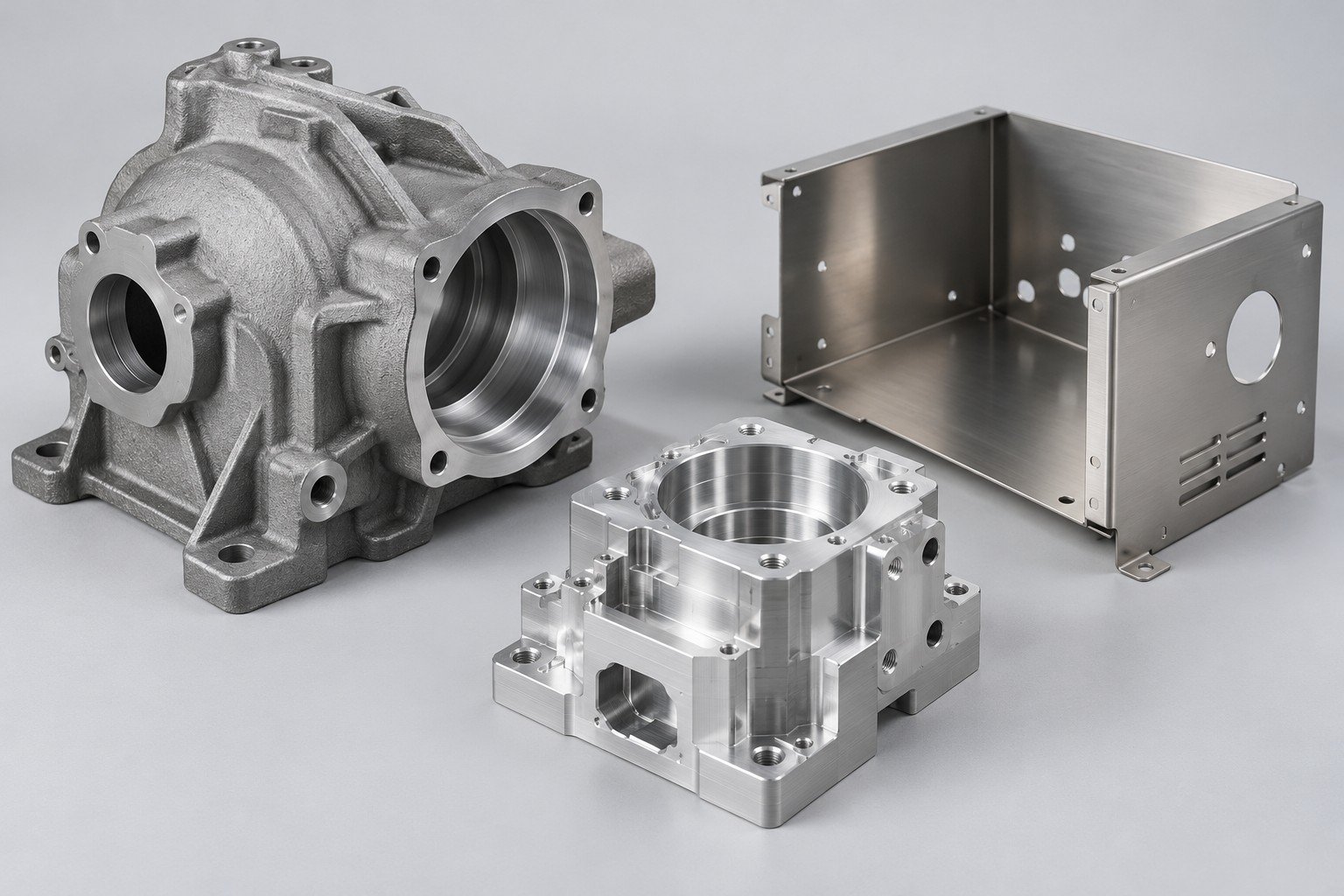
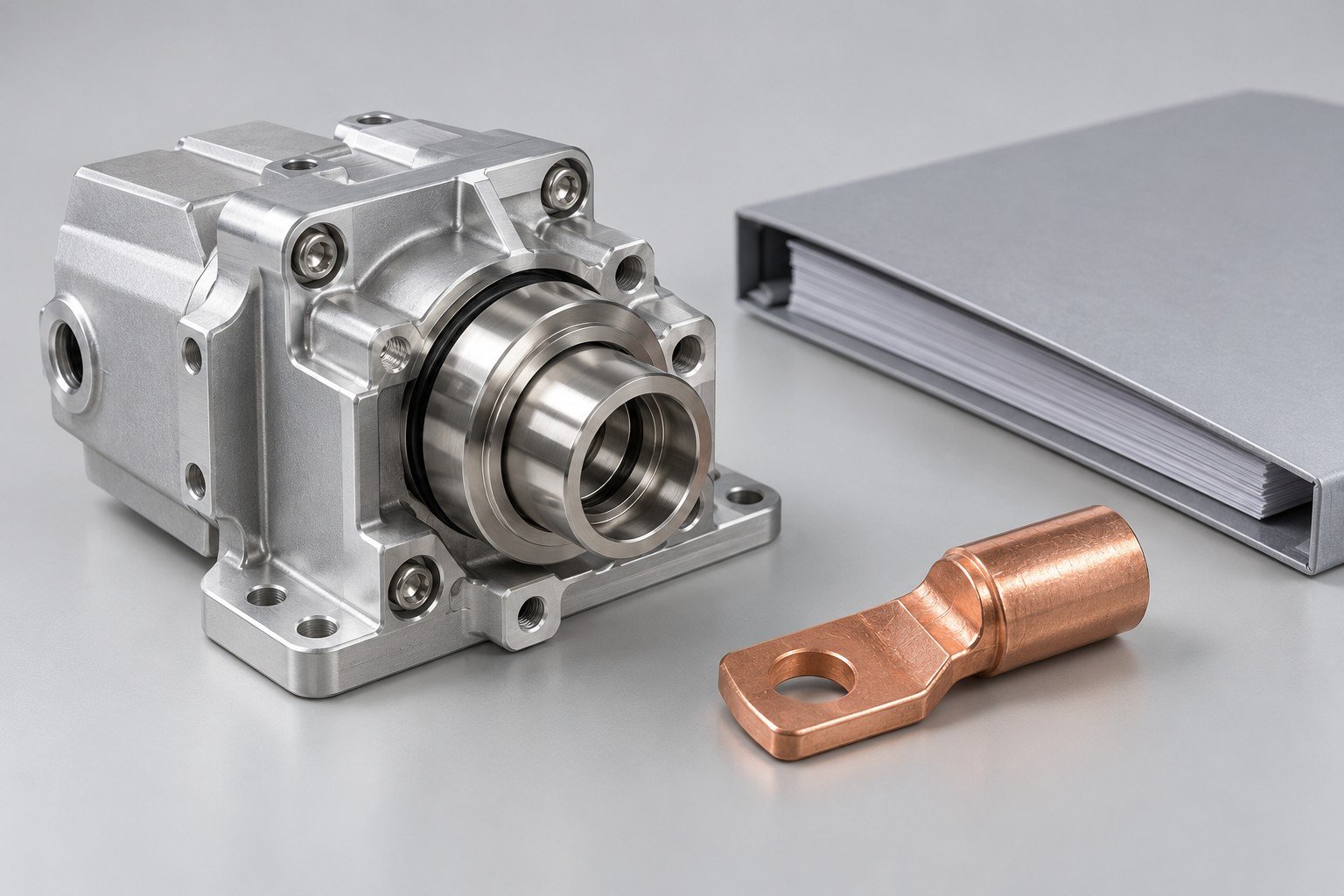
Send the full grade and standard, condition, product form, finish, critical requirements, quantity and required certificates. Identify any permitted alternatives and approval responsibility.
No. Compare the complete purchasing standards, product form, condition and acceptance requirements and obtain the required approval.
No. Typical reference data support discussion. Required material certificates and tests must be defined for the supplied product and order.
No. It is a simplified free-expansion calculation. Your assembly loads, temperature distribution, restraints and service requirements need their own engineering review.
Explore material families → · Connect material to design → · Prepare your quote baseline →