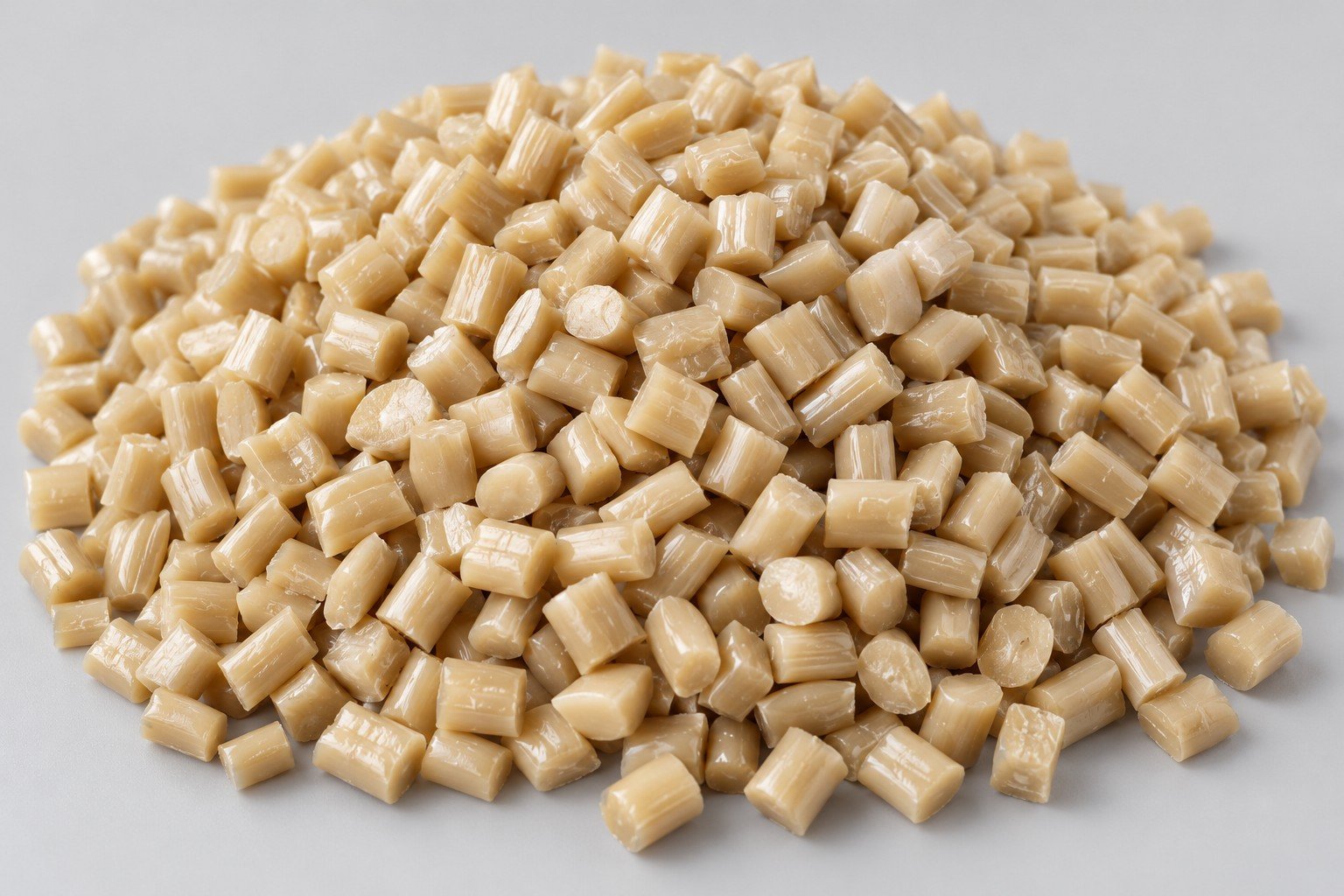
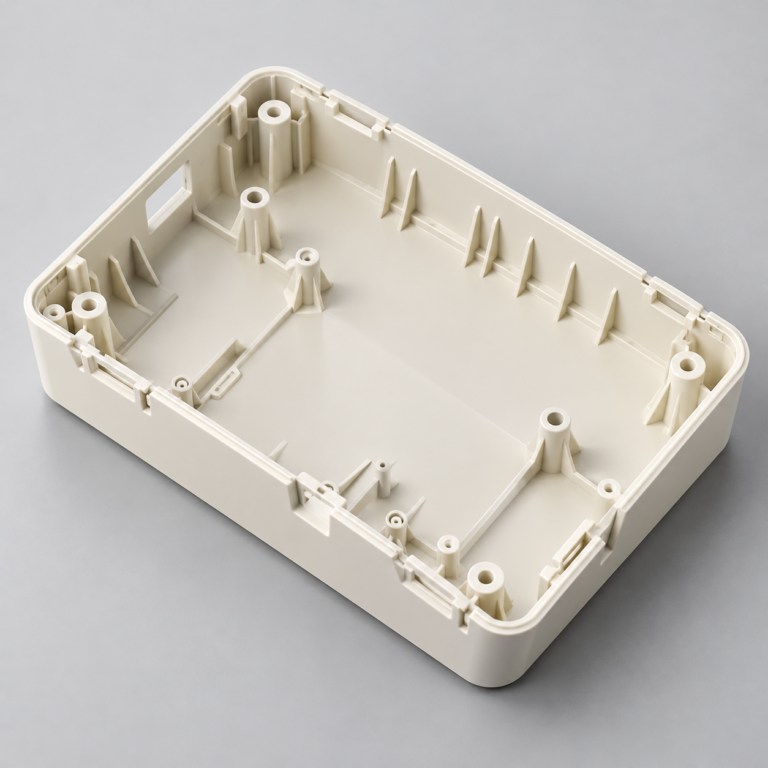
Injection Molding
Tooling and molding for your repeat plastic parts.
From prototype to production, coordinated manufacturing solutions for your custom parts.
View All Services →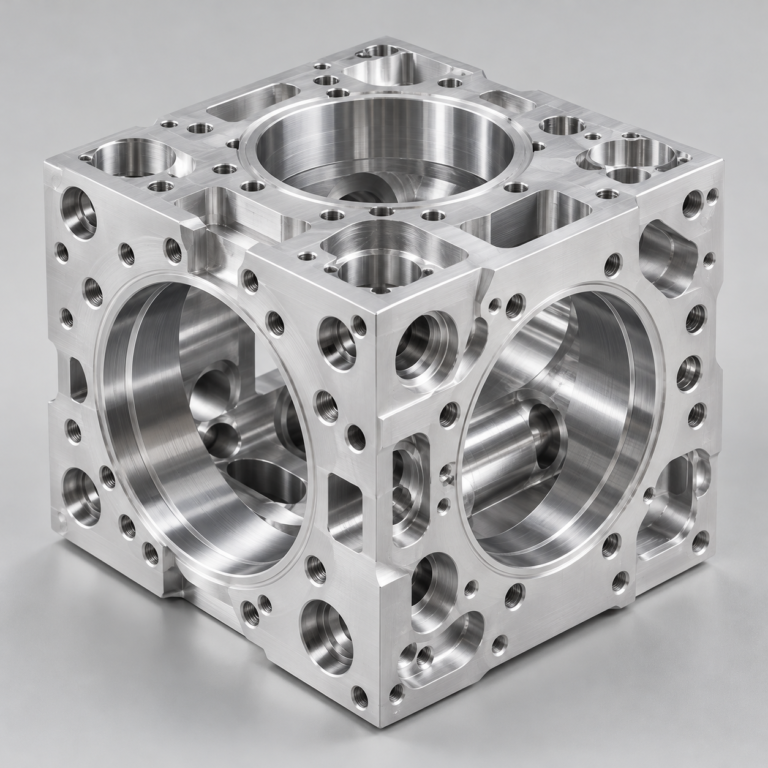
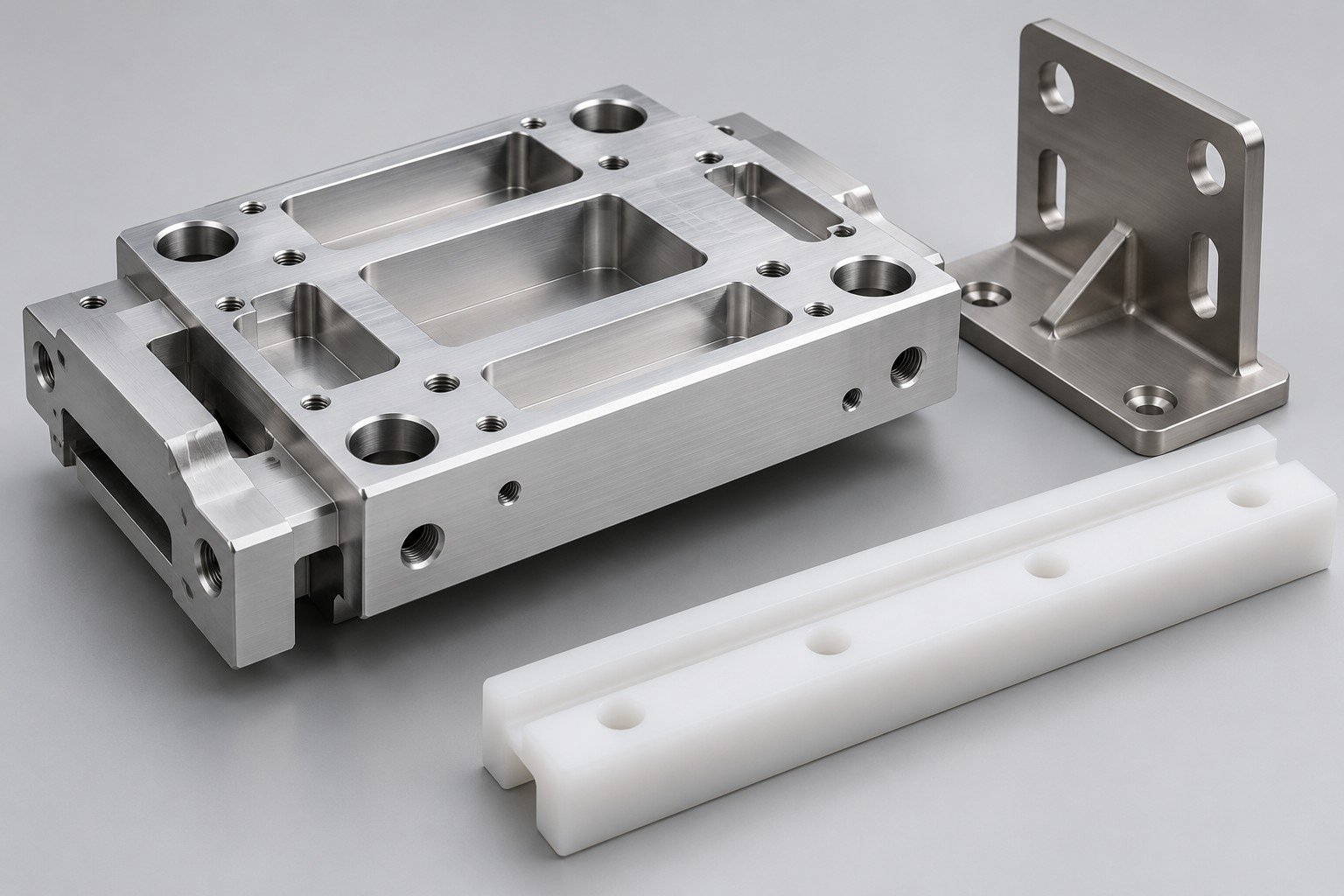
Precision parts for your tight tolerances and complex geometry.
Tooling and molding for your repeat plastic parts.
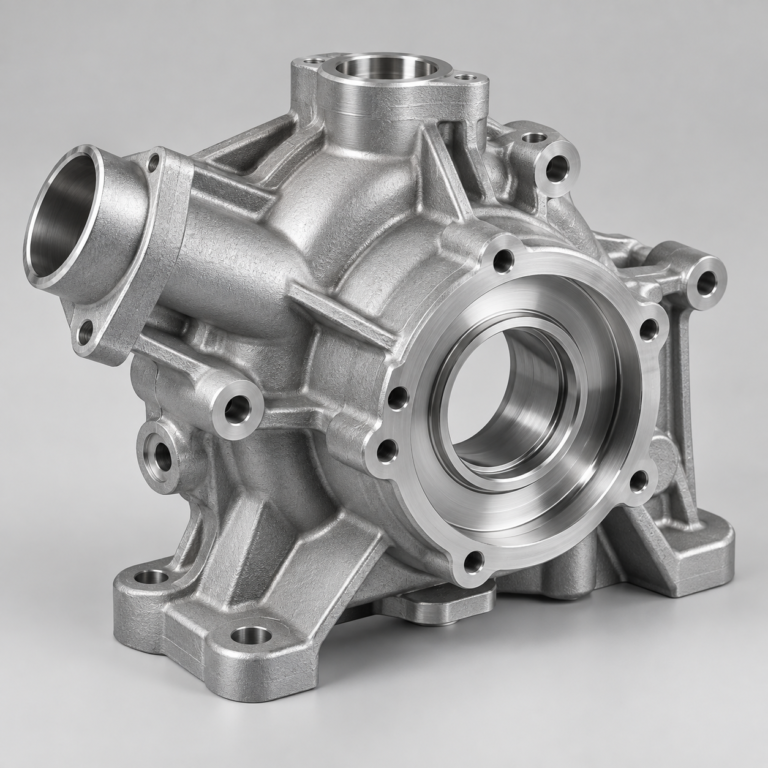
Metal casting options for your part and production volume.
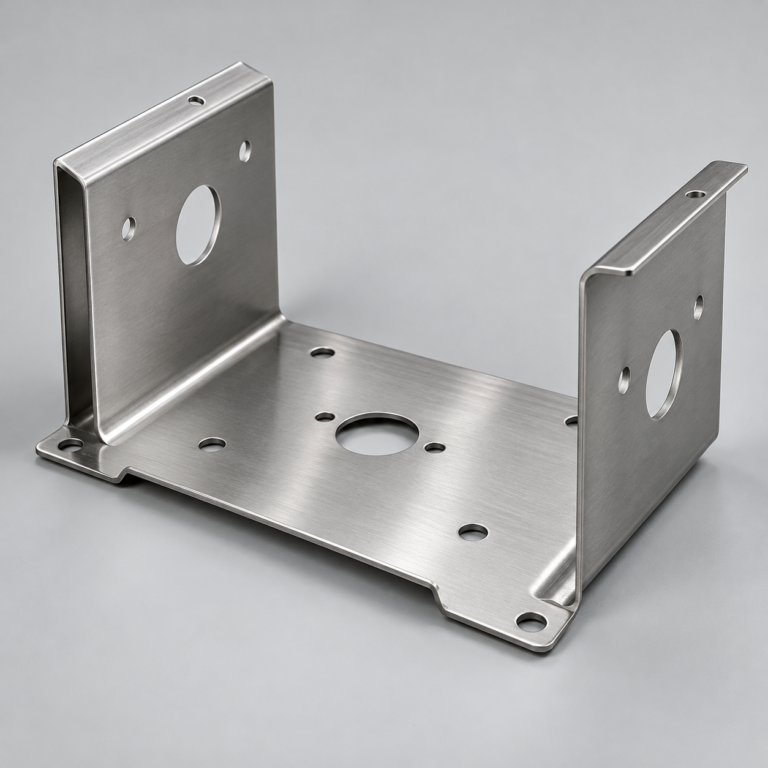
Cutting, forming and welding for your fabricated parts.
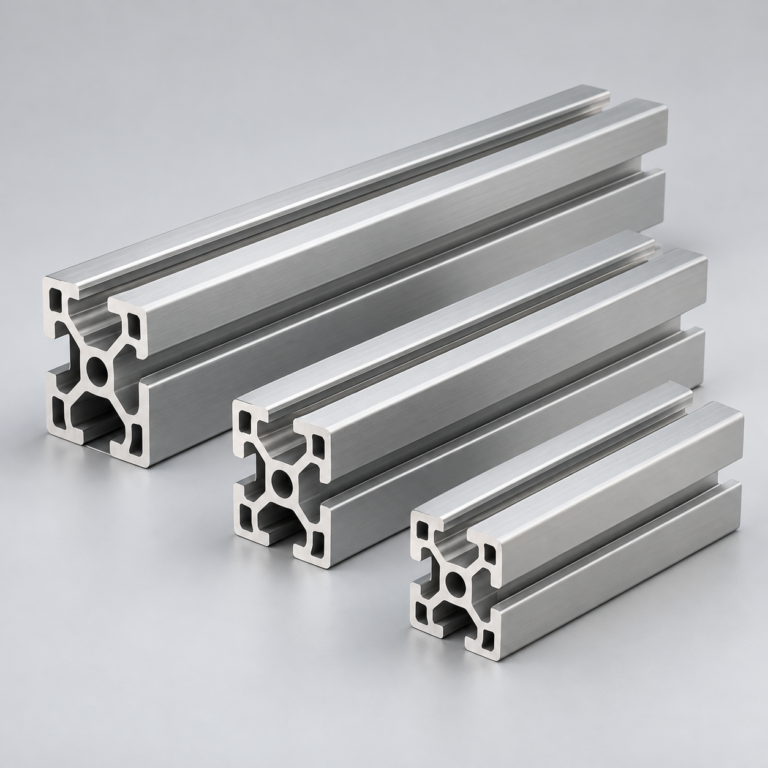
Custom profiles for your section, length and finish requirements.
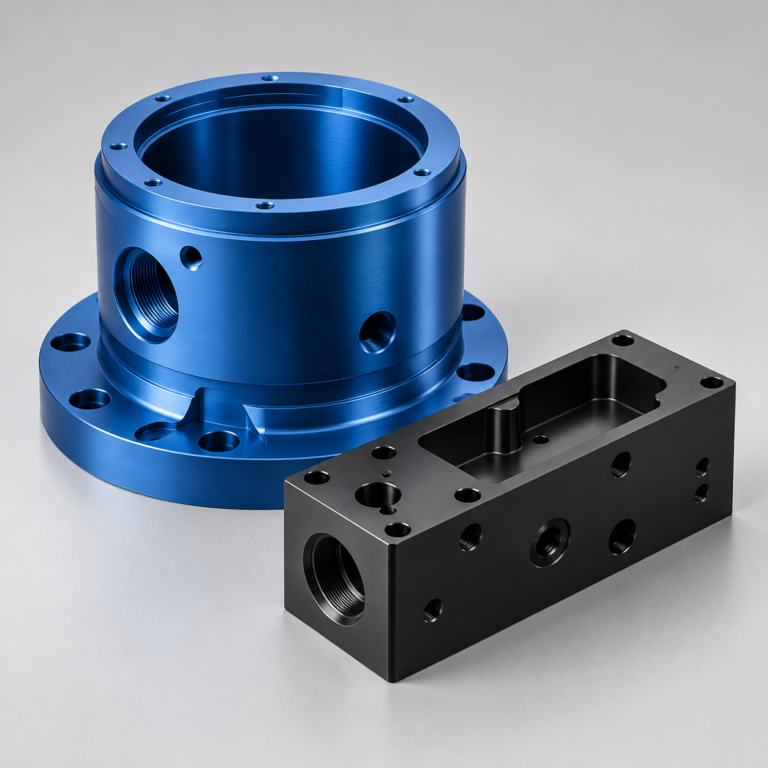
Finishes for your appearance, corrosion and wear requirements.
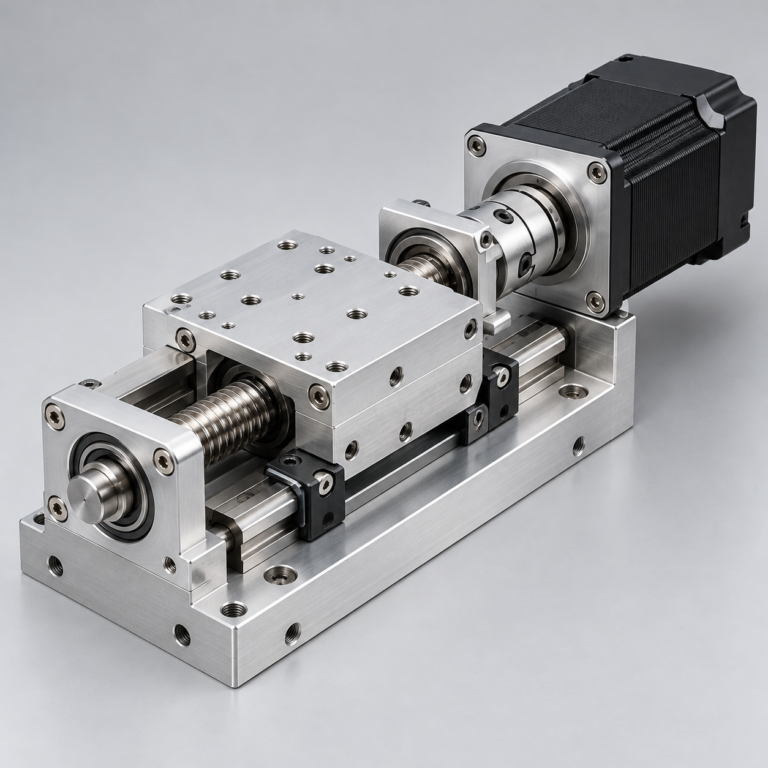
Sub-assemblies and final builds for your production program.
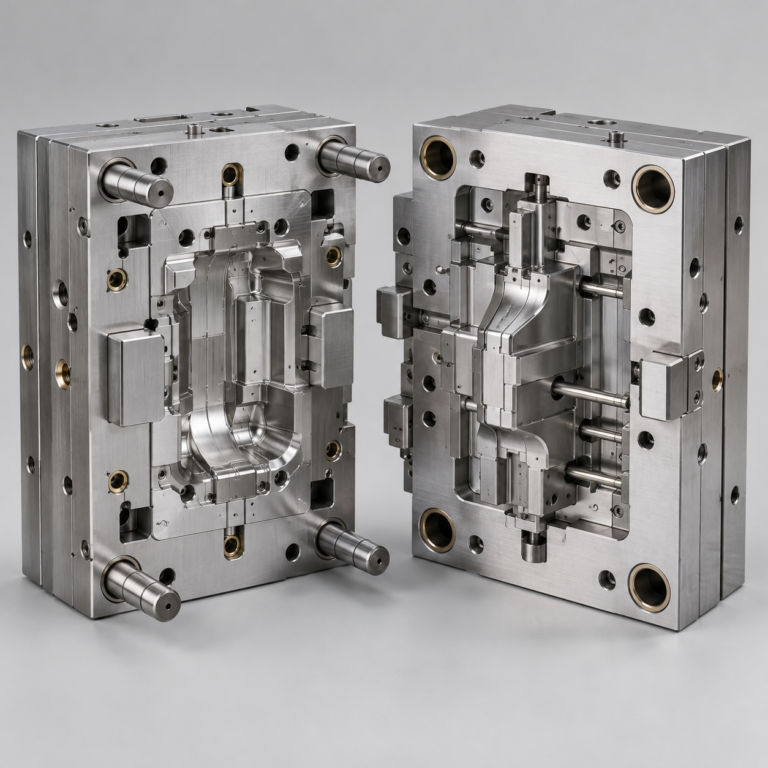
Production tooling built around your process and volume.
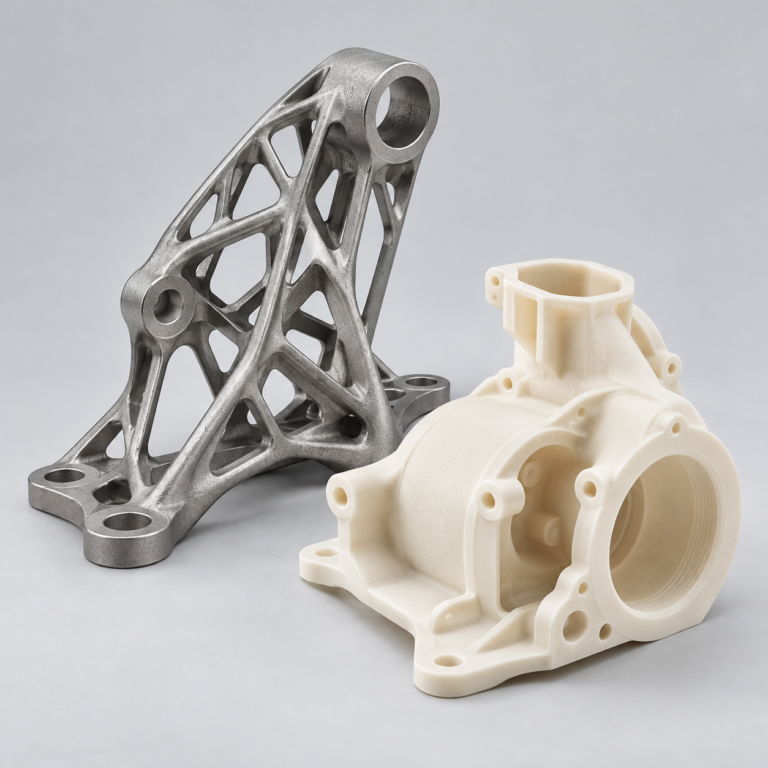
Prototype parts to check fit, function and design.
DFM, process planning and production support for your project.
Inspection, documentation, inventory and delivery planning for your program.
Choose air- or liquid-cooling components around your thermal and mechanical requirements.
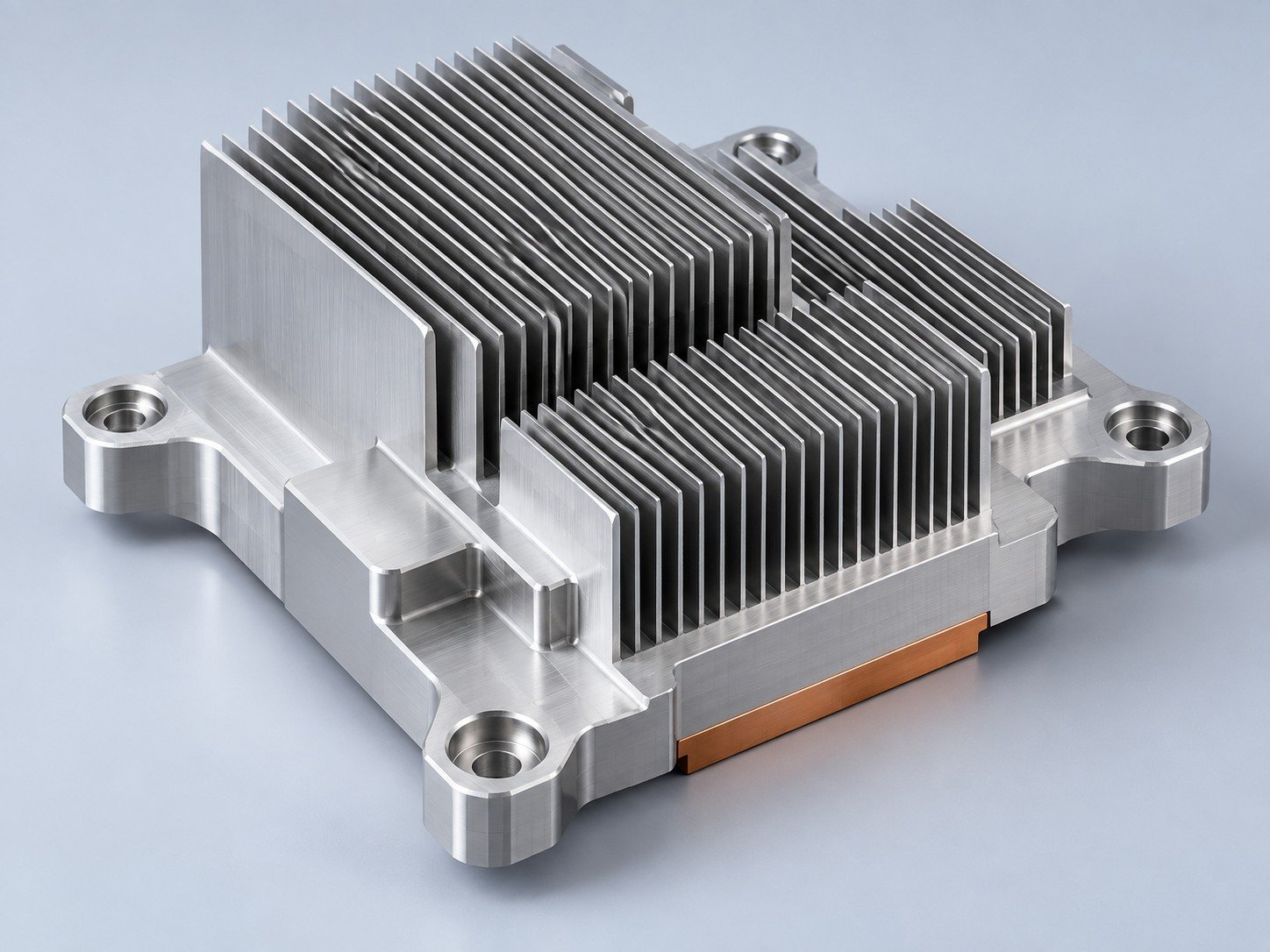
Manufacturing support for your cold plates, manifolds and cooling assemblies.
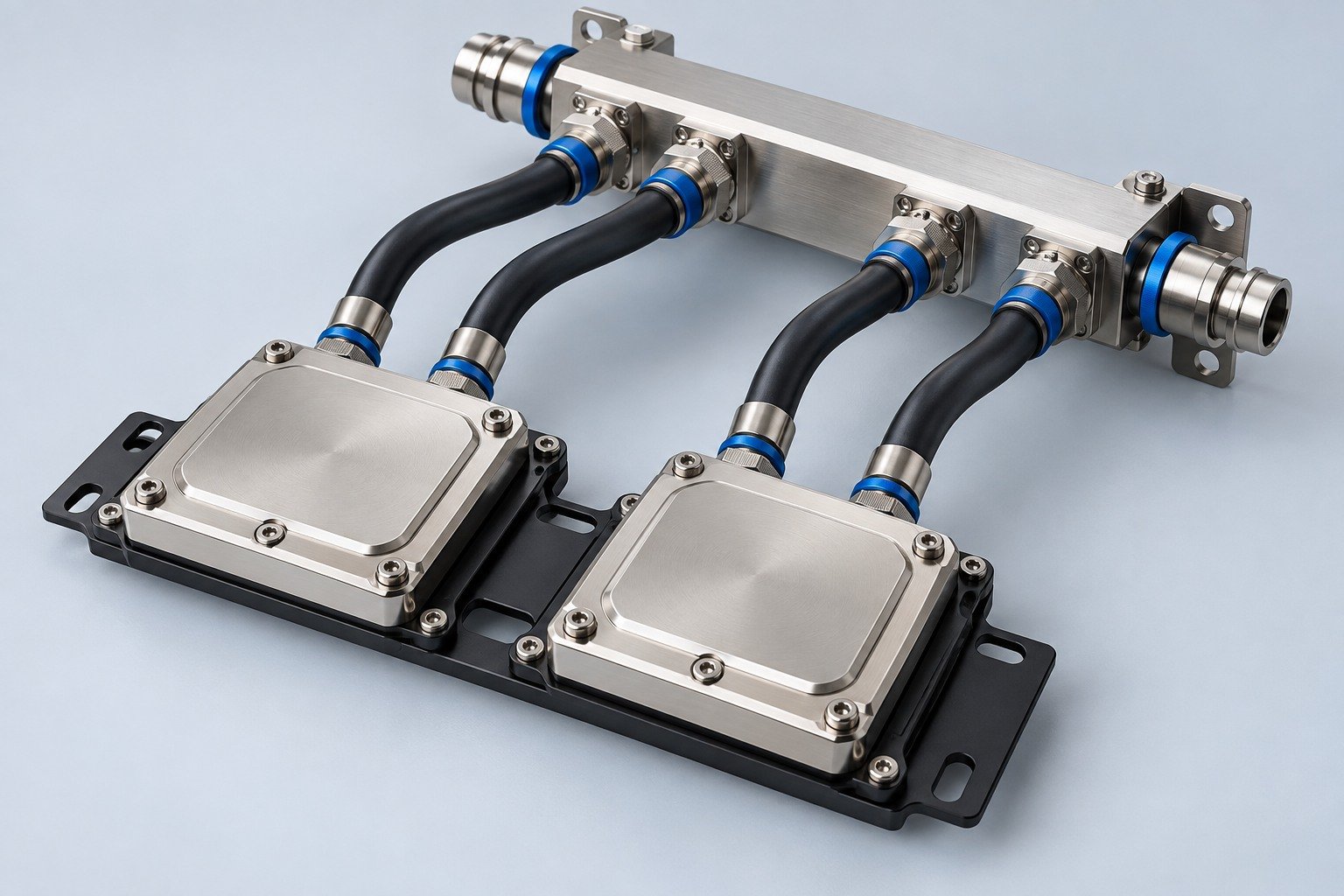
Find components for your power electronics, energy, laser and telecom application.
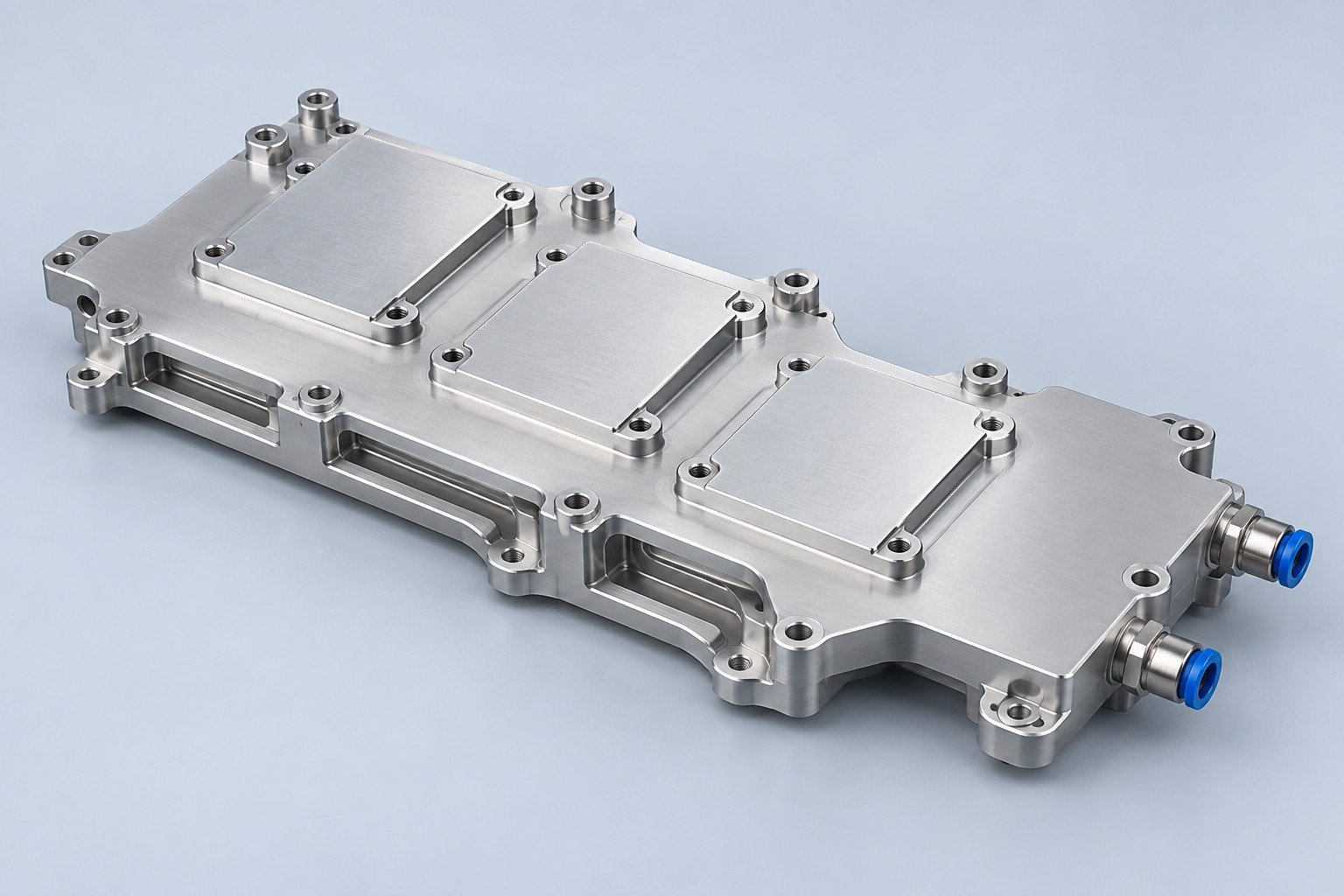
Components for your electronic systems.
Start with your functional and quality requirements.
Build around your operating environment.
From prototype to production, review material performance, manufacturability and cost for your part.
Review grade, temper and finish for your metal parts.
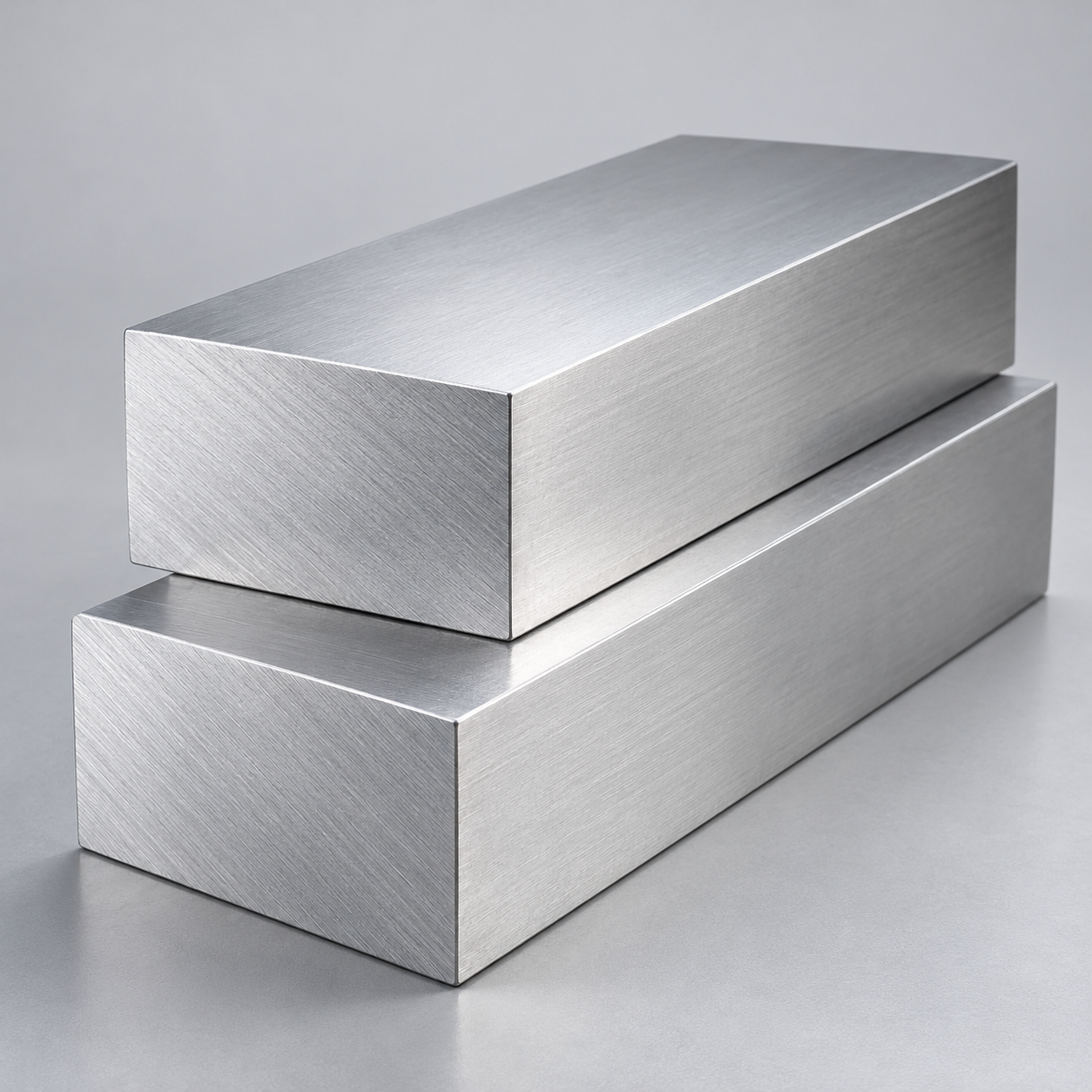 AluminumStrength, weight and machining›
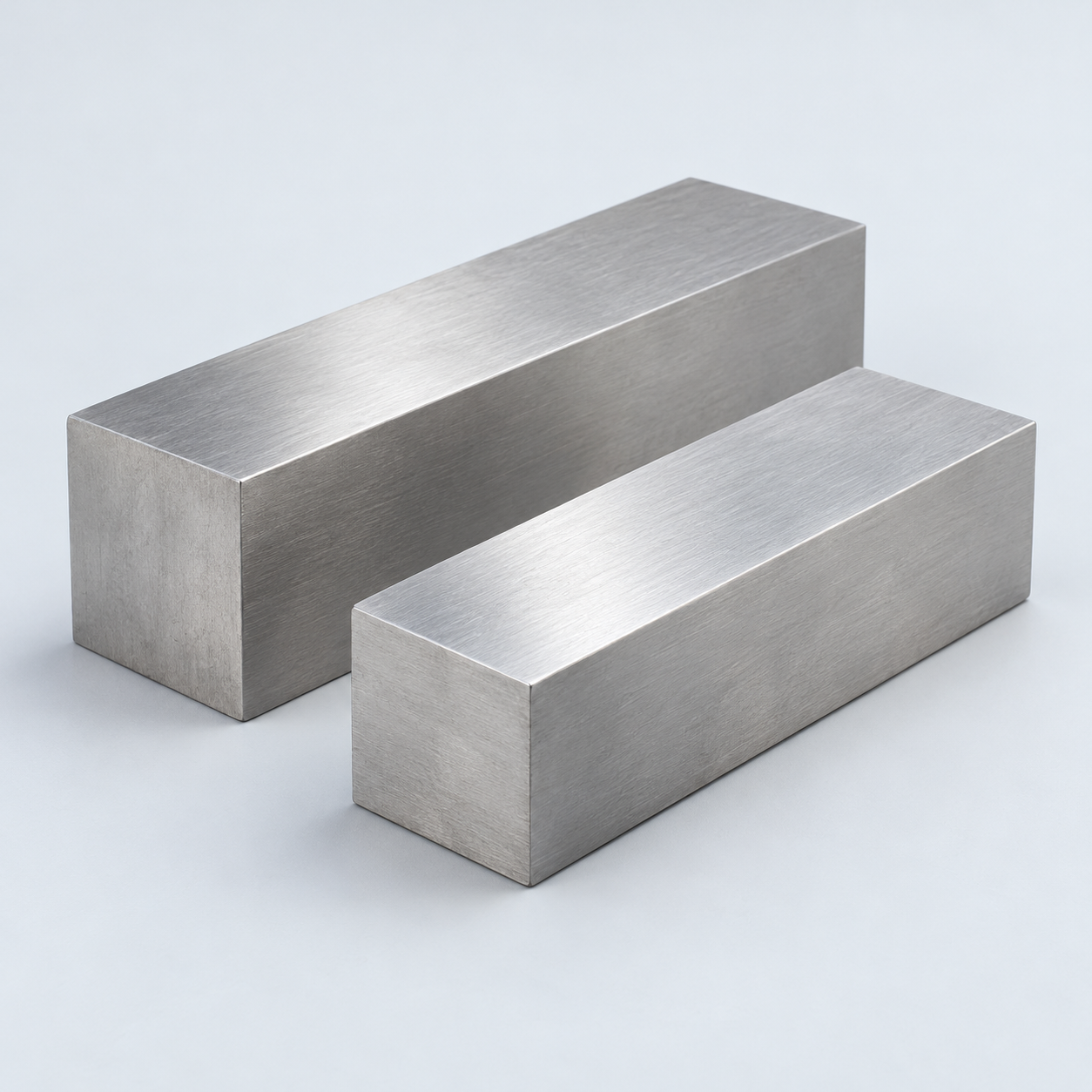 Stainless SteelCorrosion and finish requirements›
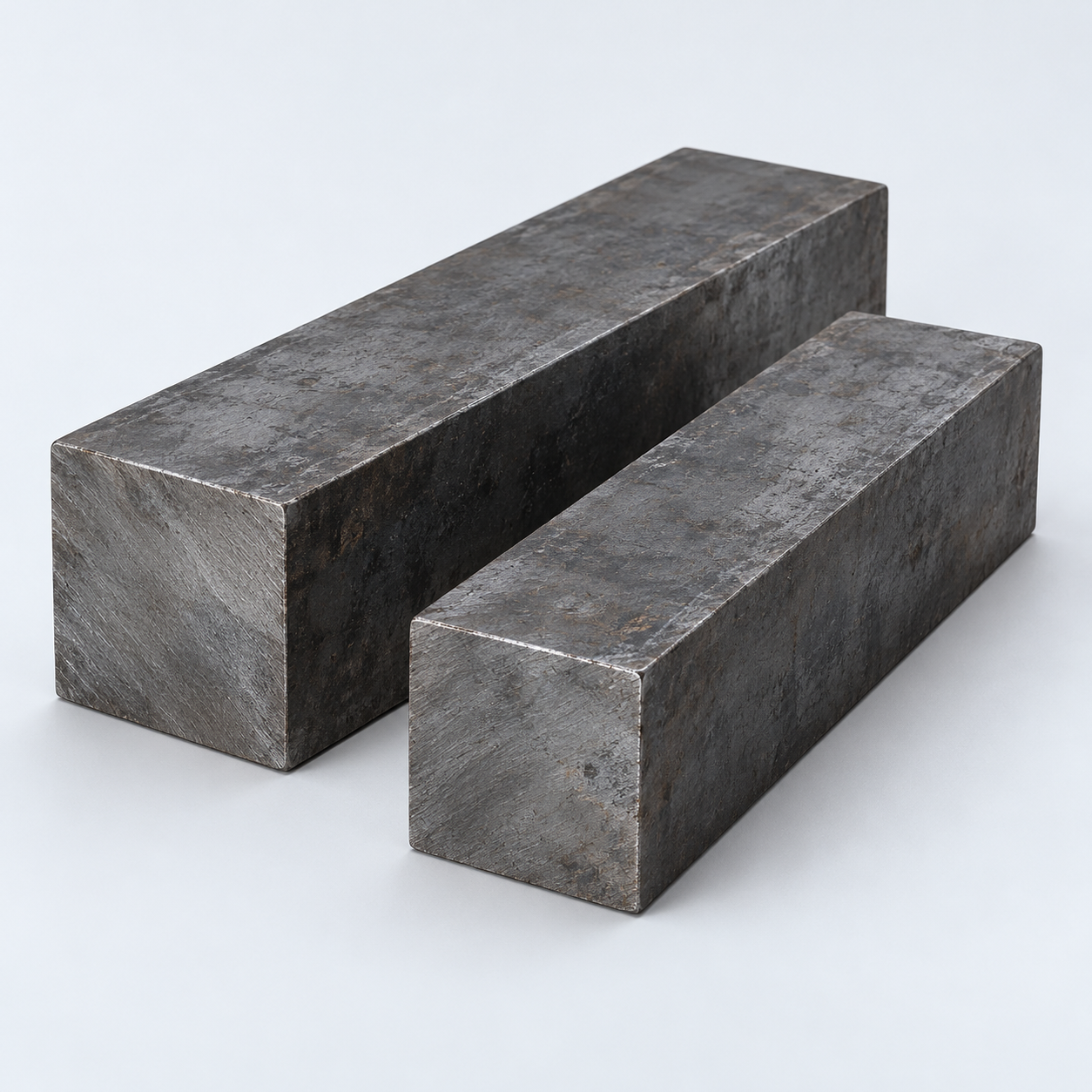 Carbon & Alloy SteelDiscuss grade and heat treatment›
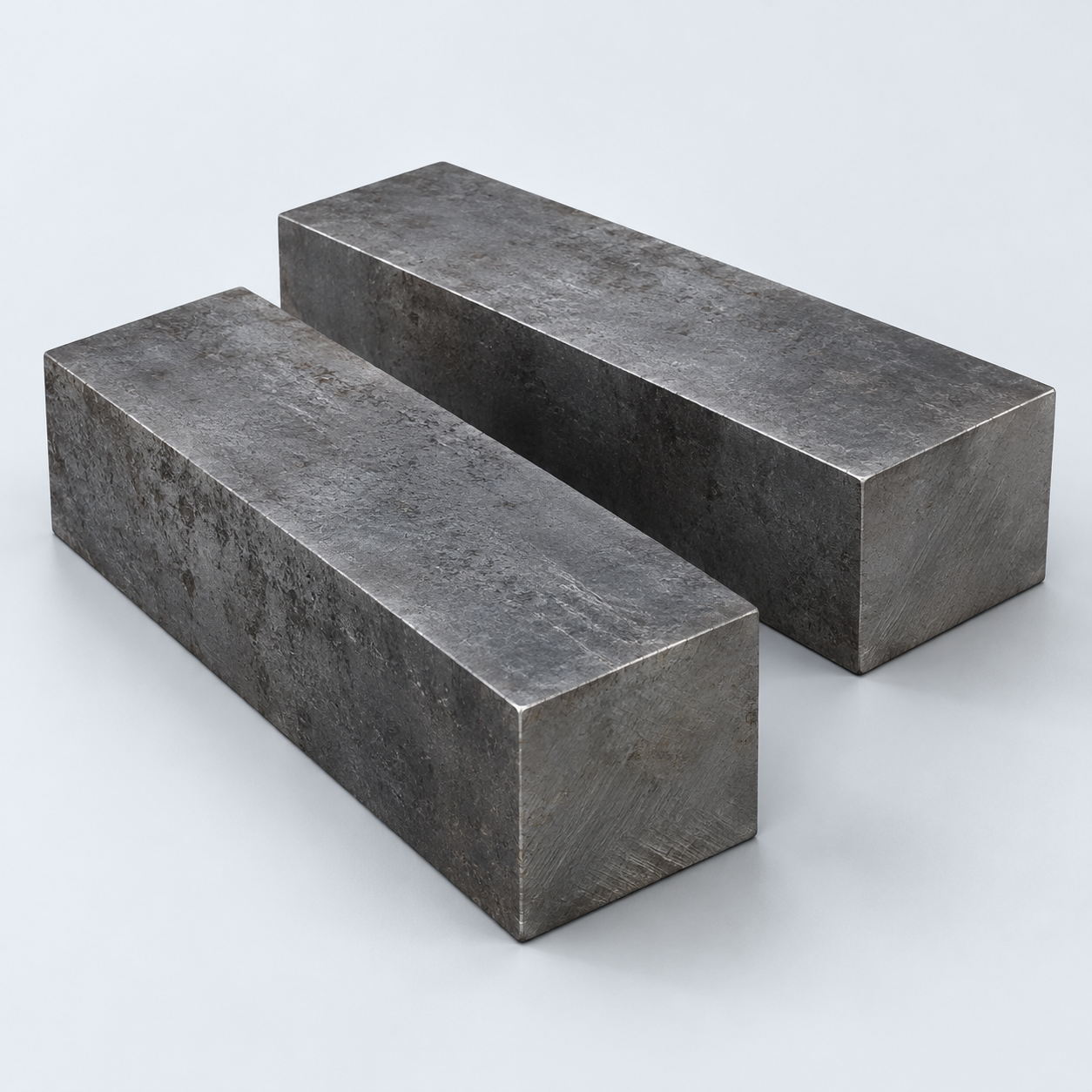 Tool SteelDiscuss tooling and wear needs›
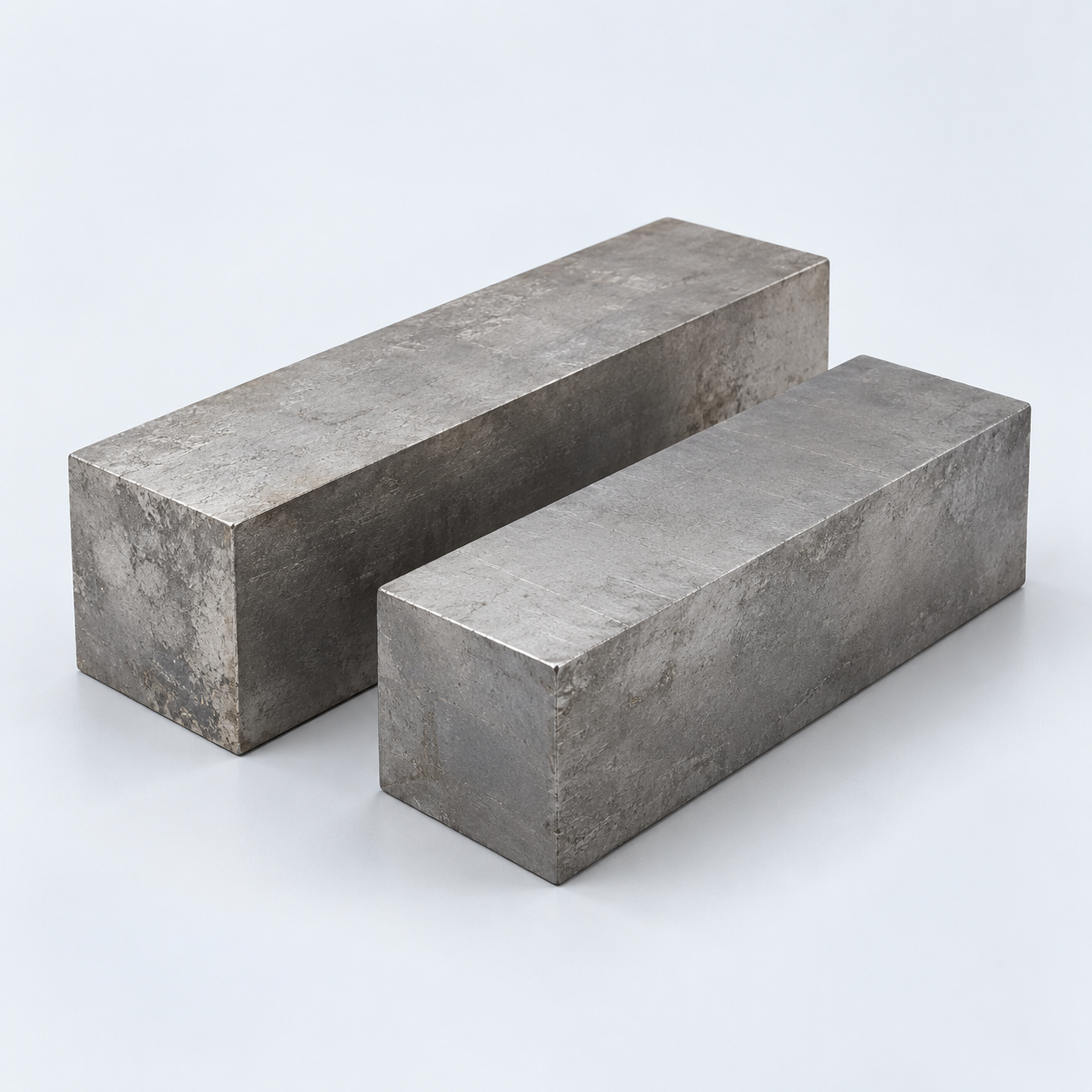 TitaniumReview grade and part geometry›
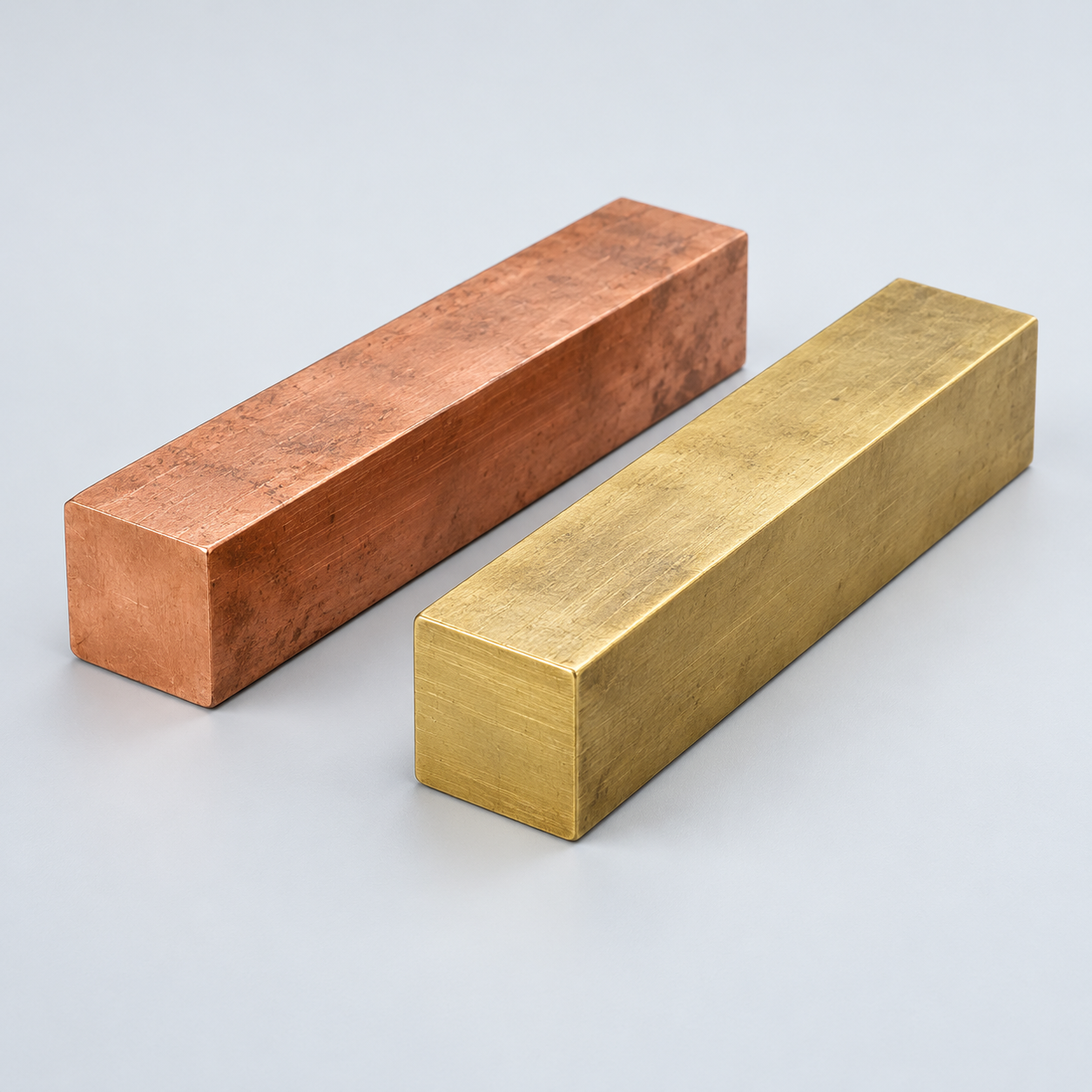 Copper & Brass & BronzeDiscuss conductivity and machining›
Match your polymer to function, process and environment.
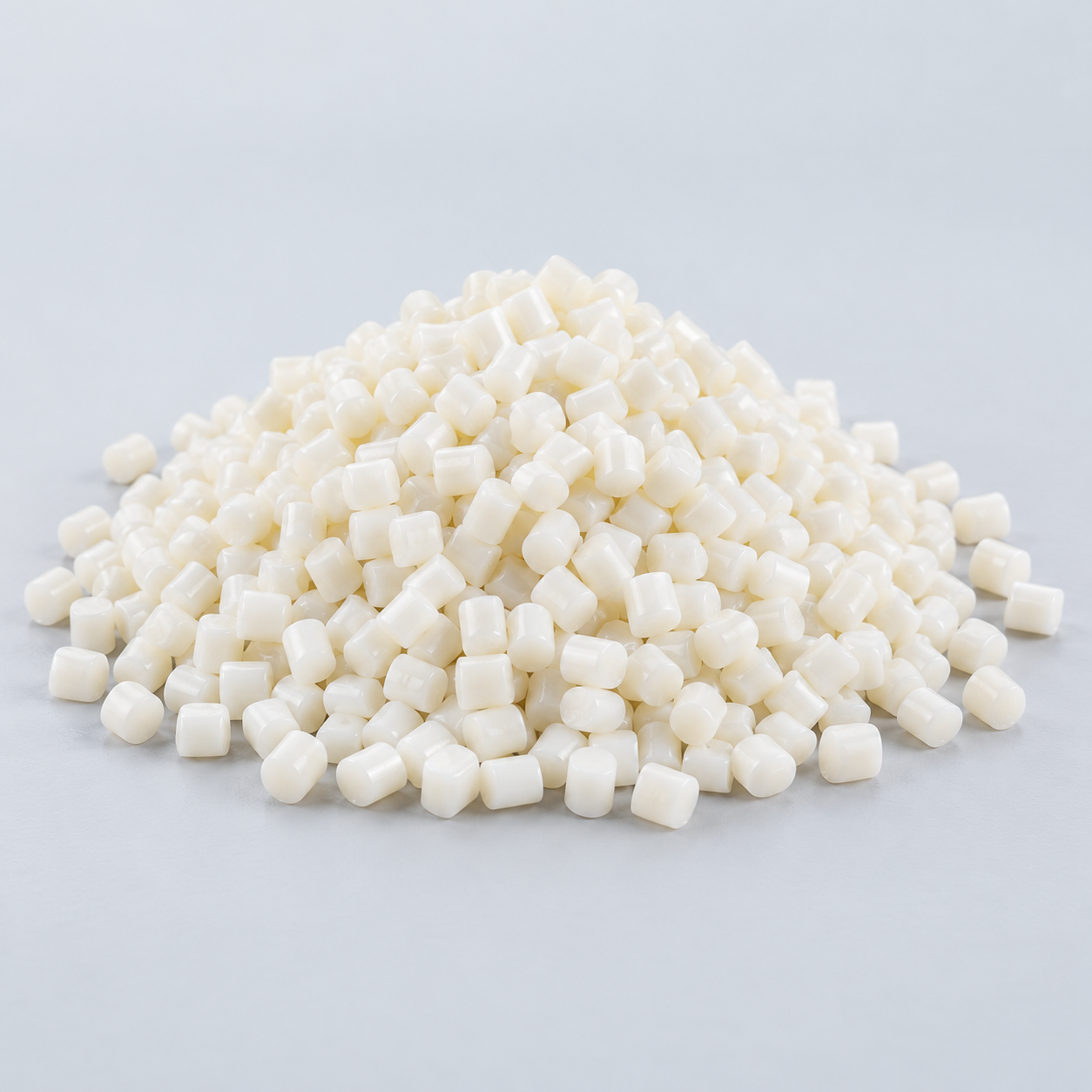 ABSReview enclosure and molding needs›
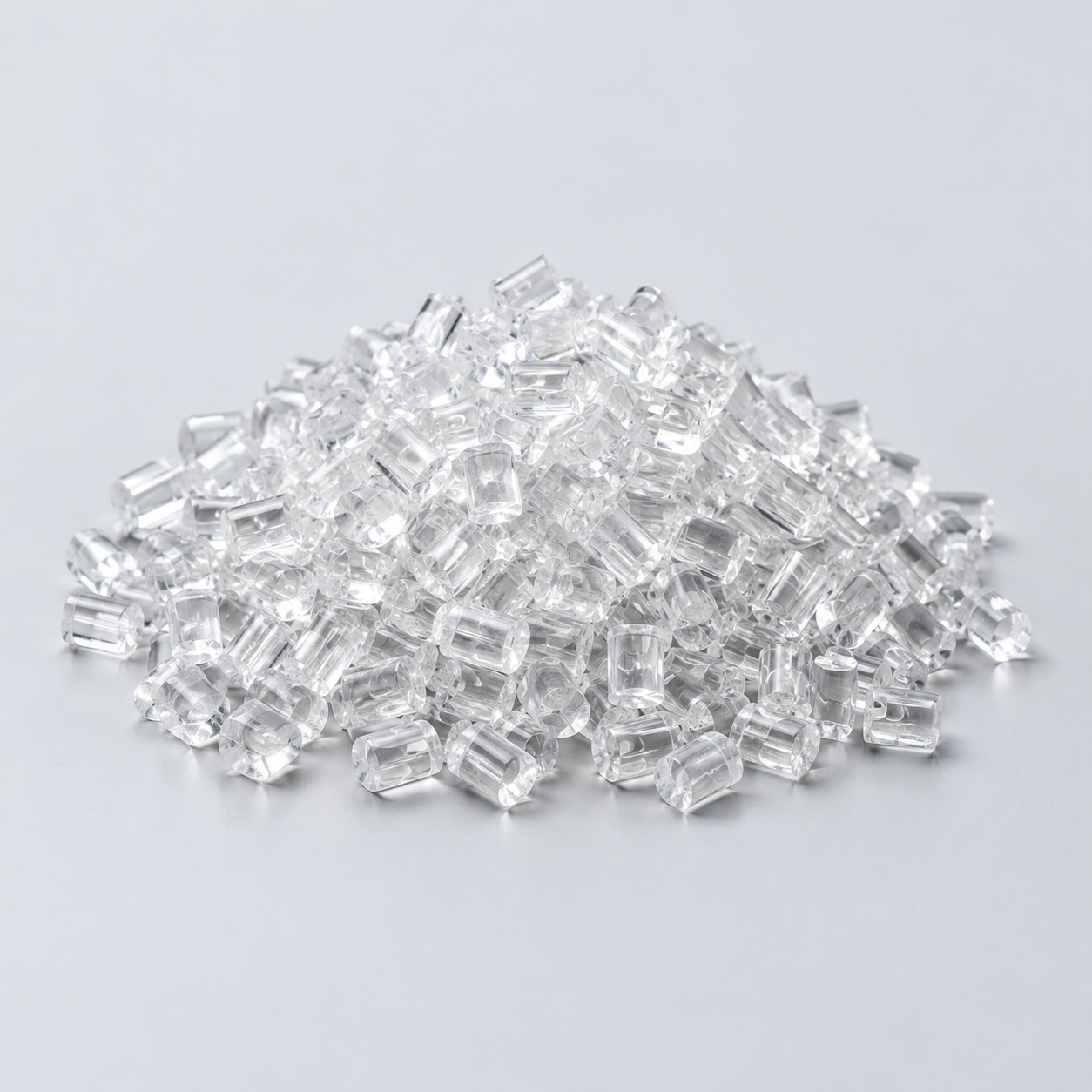 Polycarbonate (PC)Discuss clarity and impact needs›
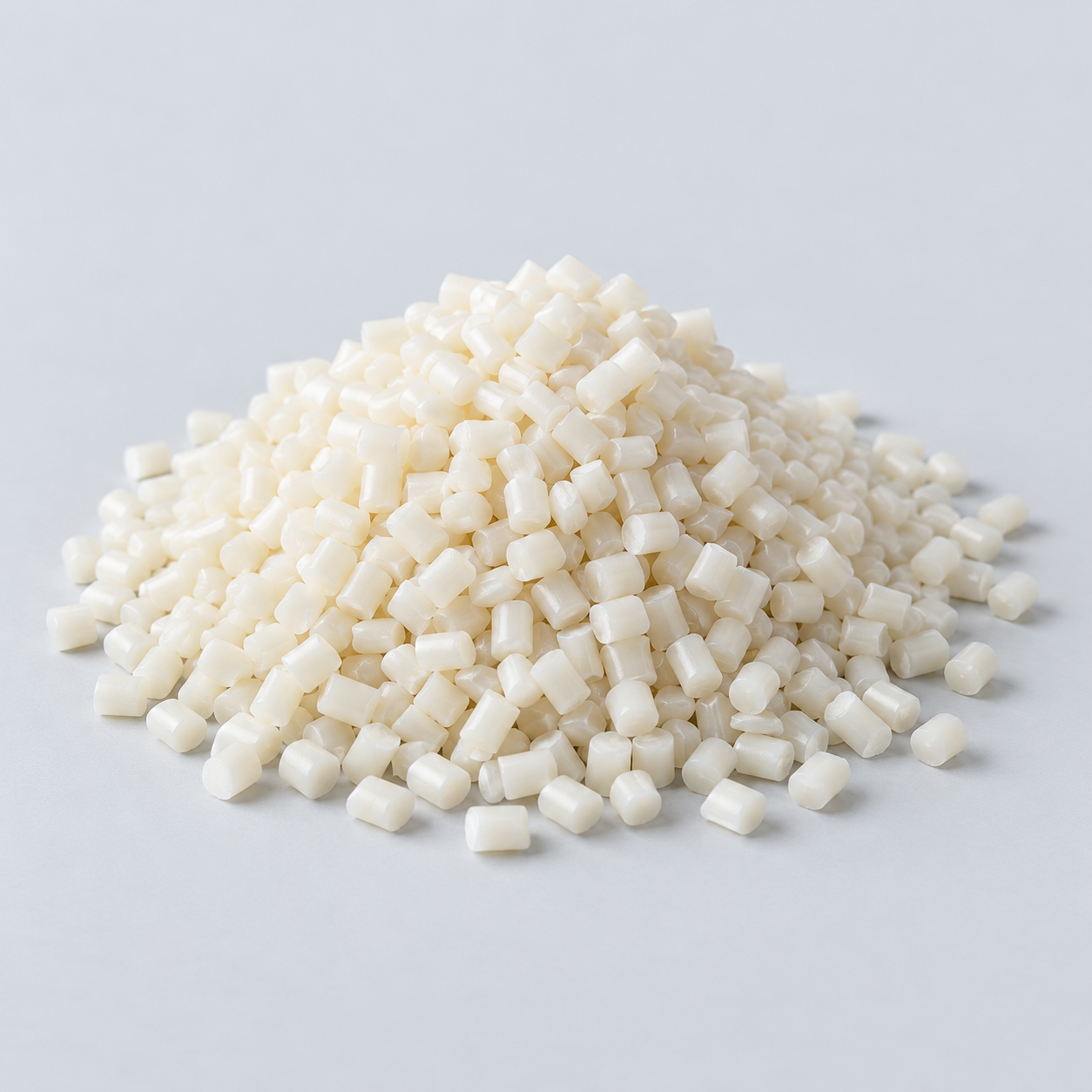 Nylon (PA)Review moisture and wear conditions›
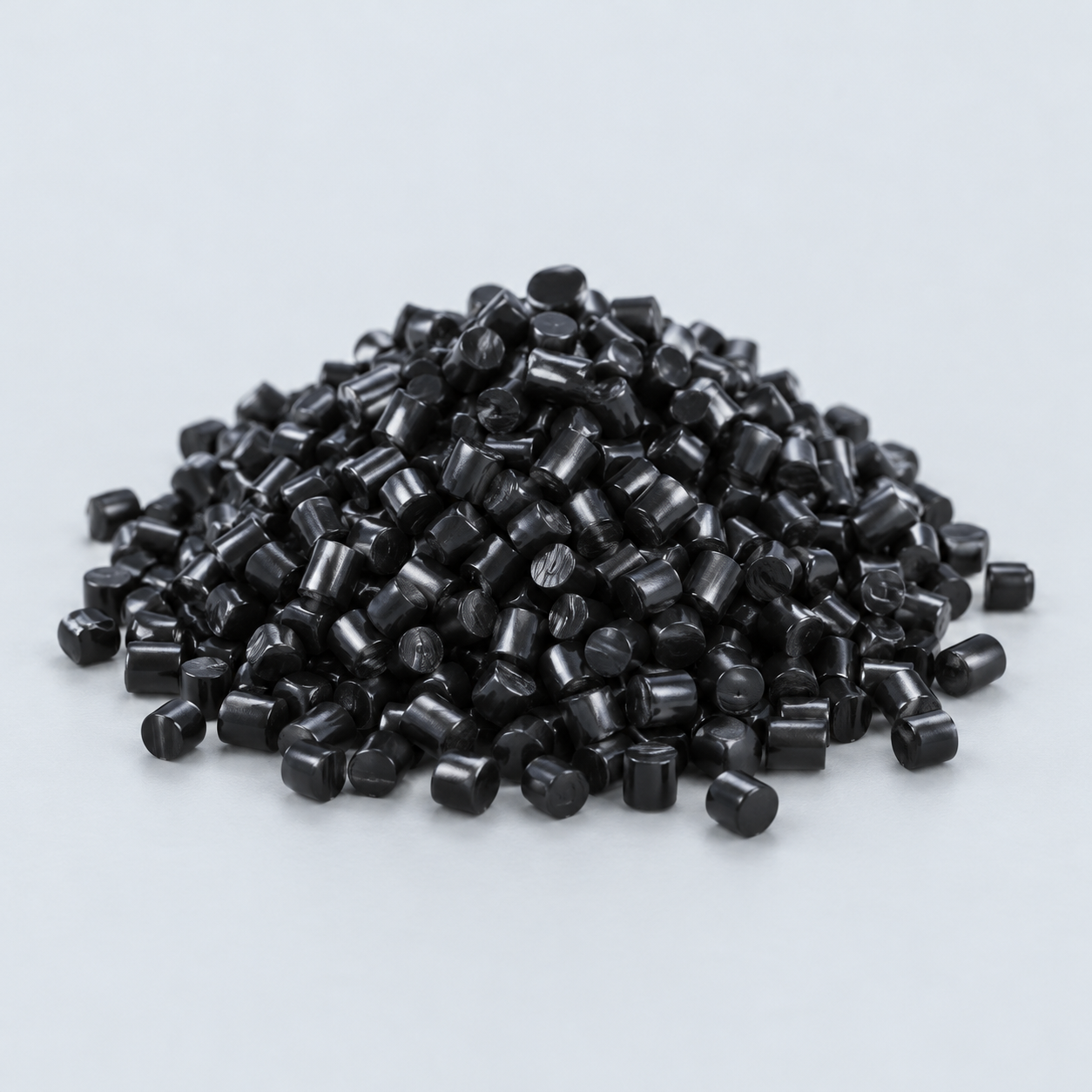 POM / AcetalReview fit and sliding features›
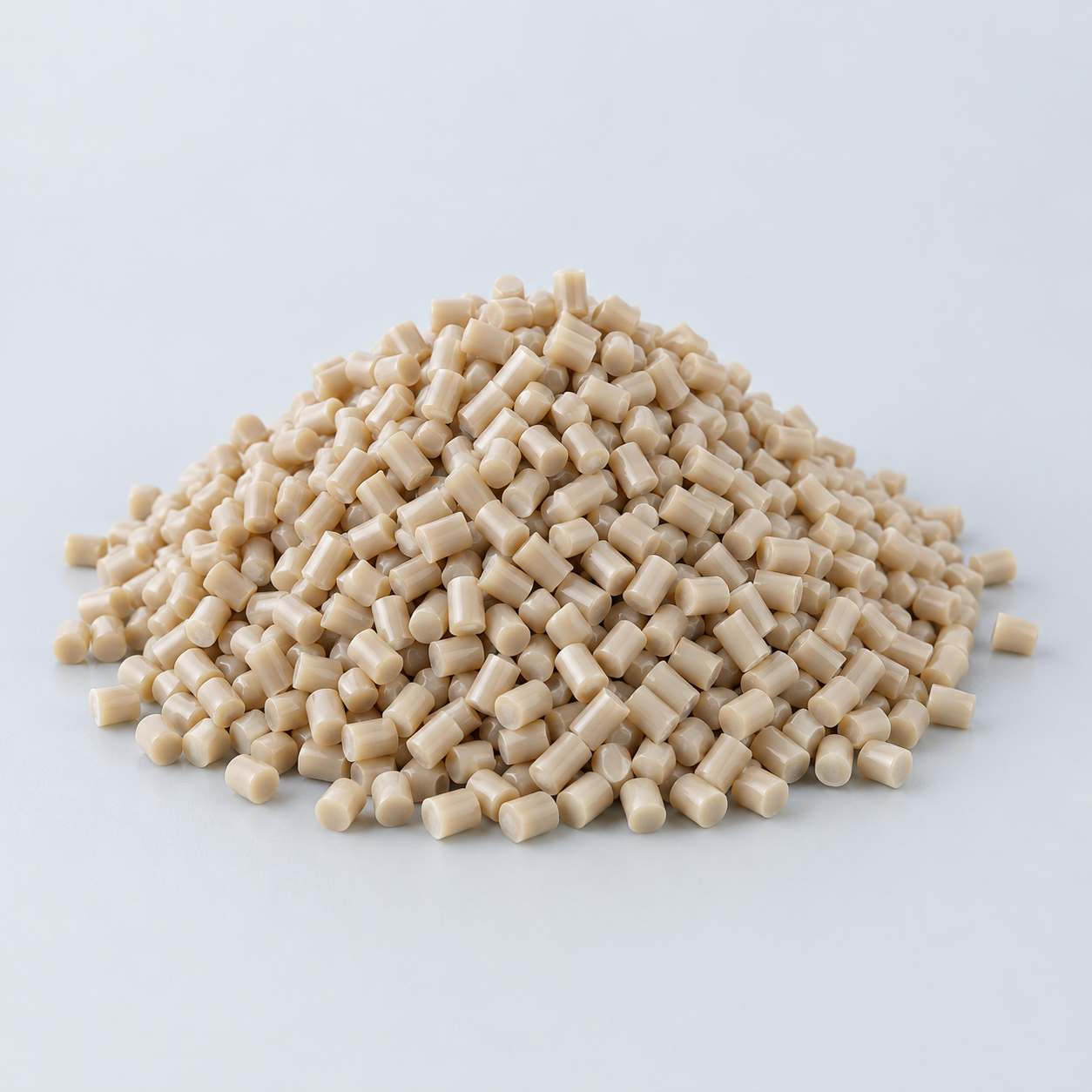 PEEKDiscuss operating conditions›
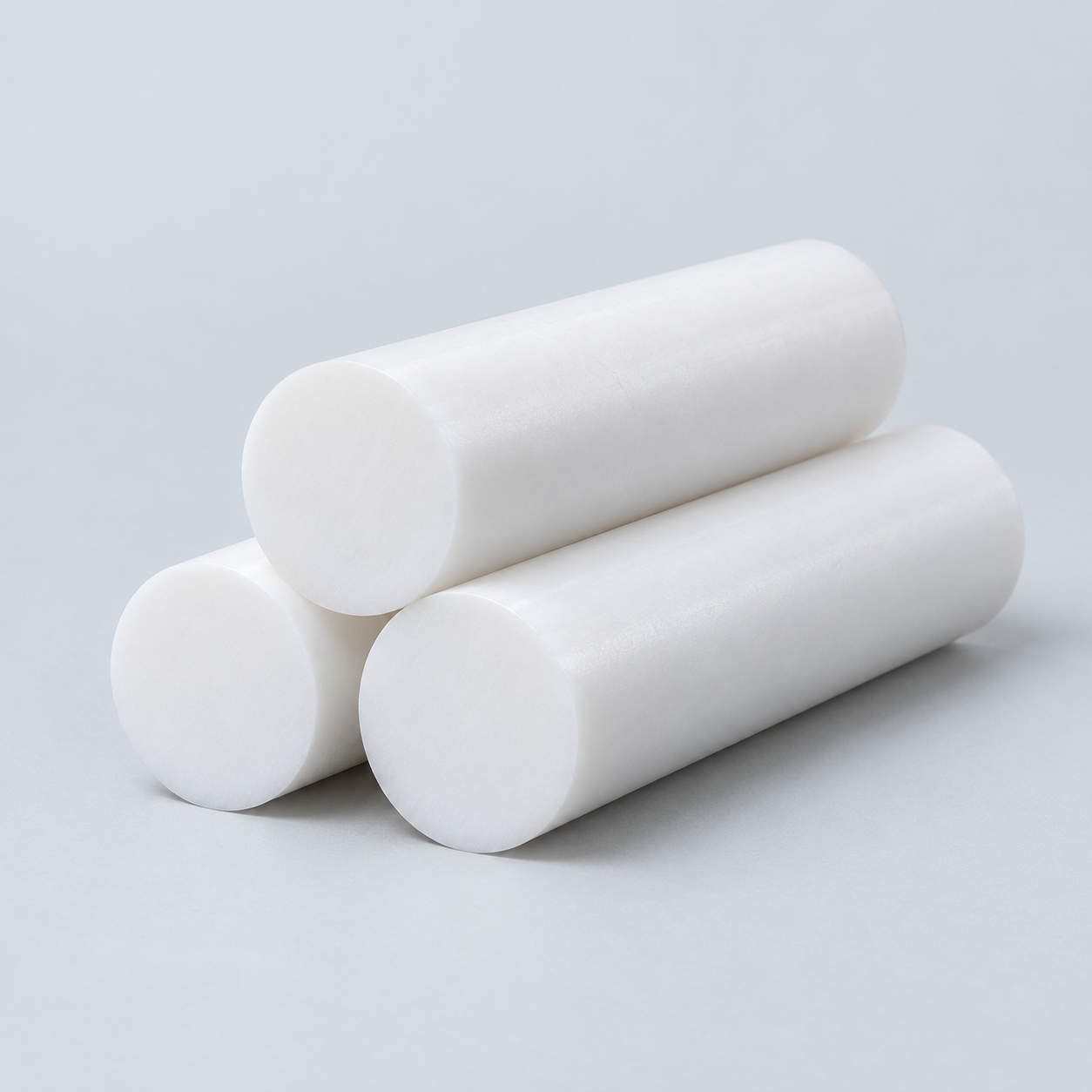 PTFEReview friction and chemical exposure›
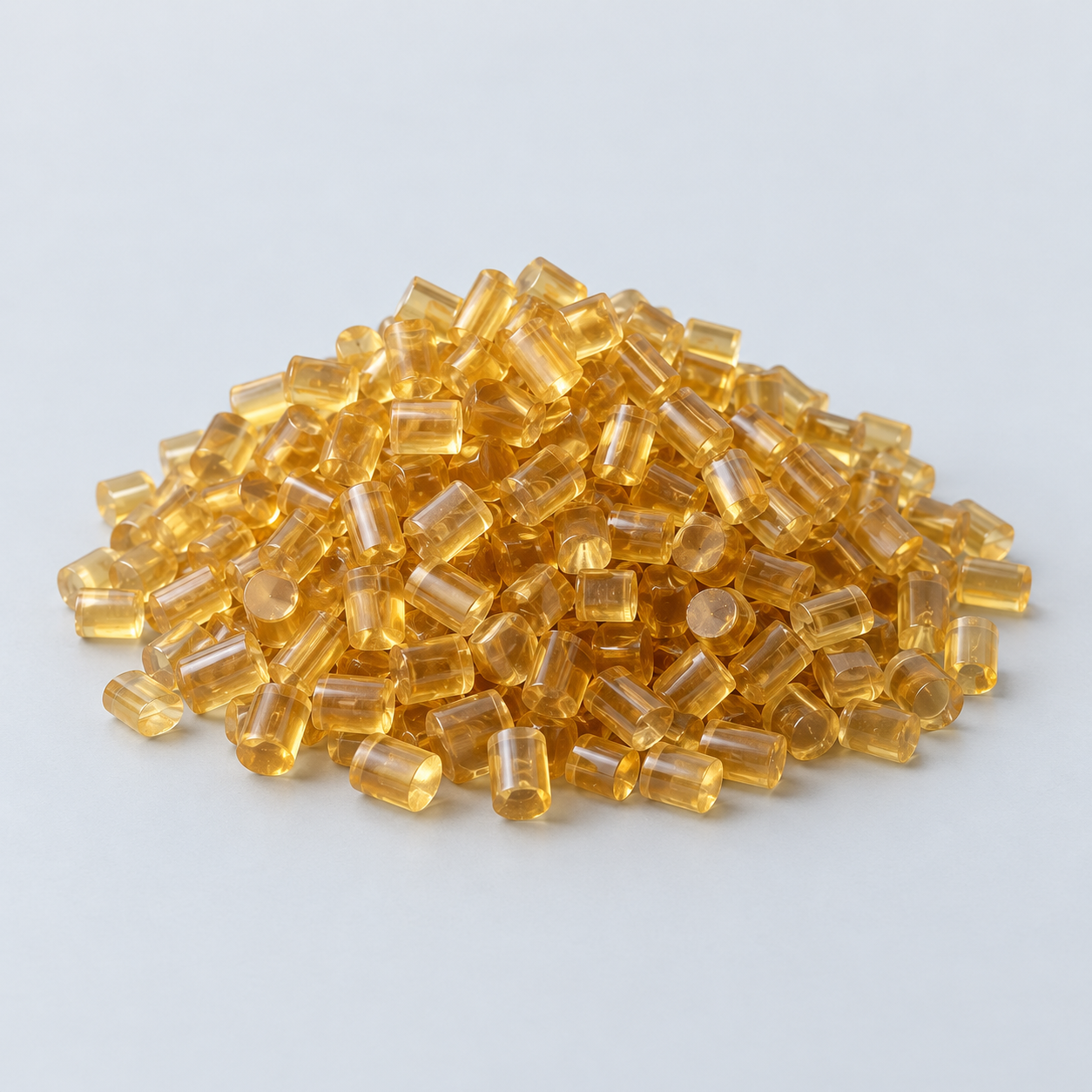 ULTEM / PEIDiscuss thermal and electrical needs›
Confirm grade availability and application requirements.
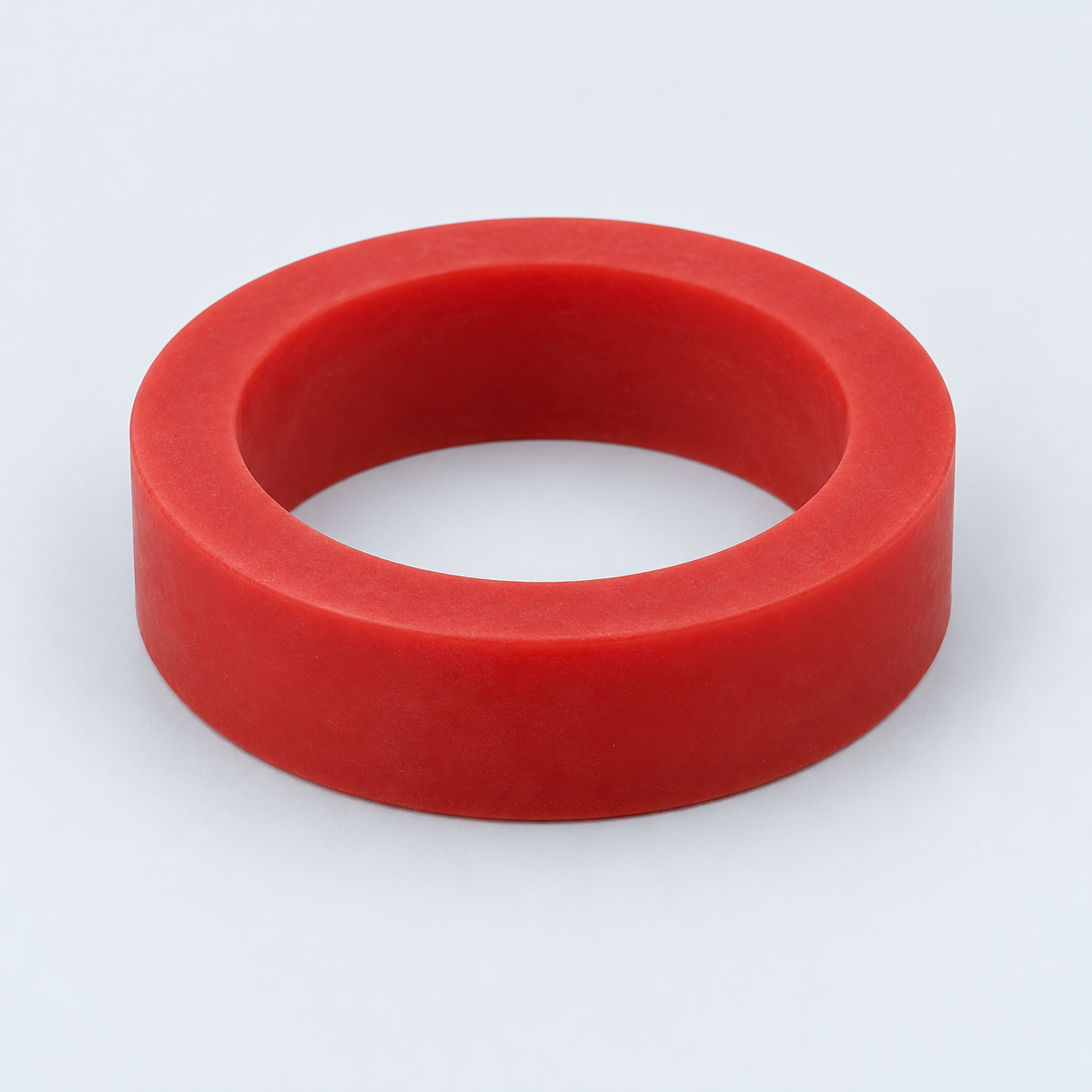 Silicone / LSRDiscuss flexible component needs›
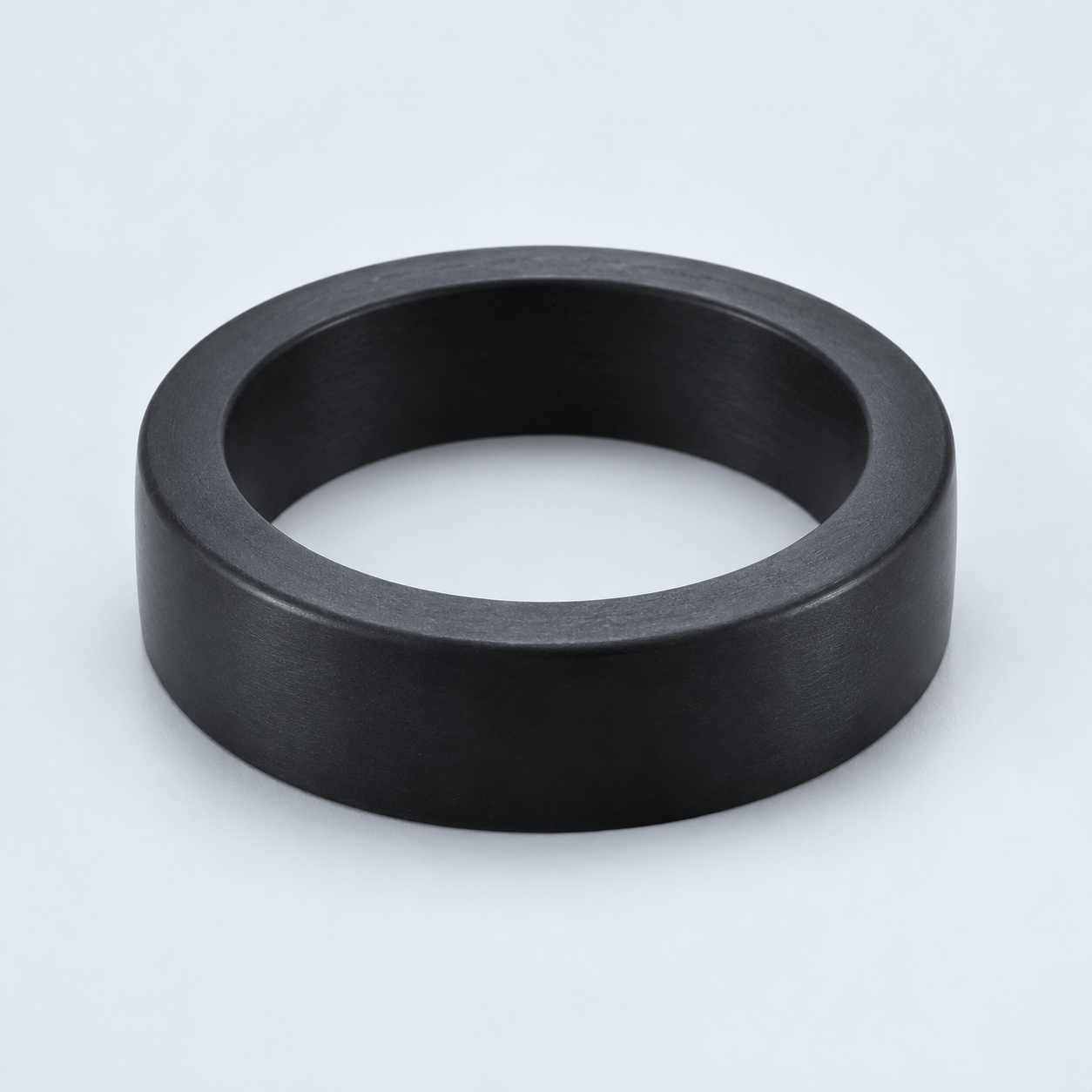 TPU / TPEReview flexibility and processing›
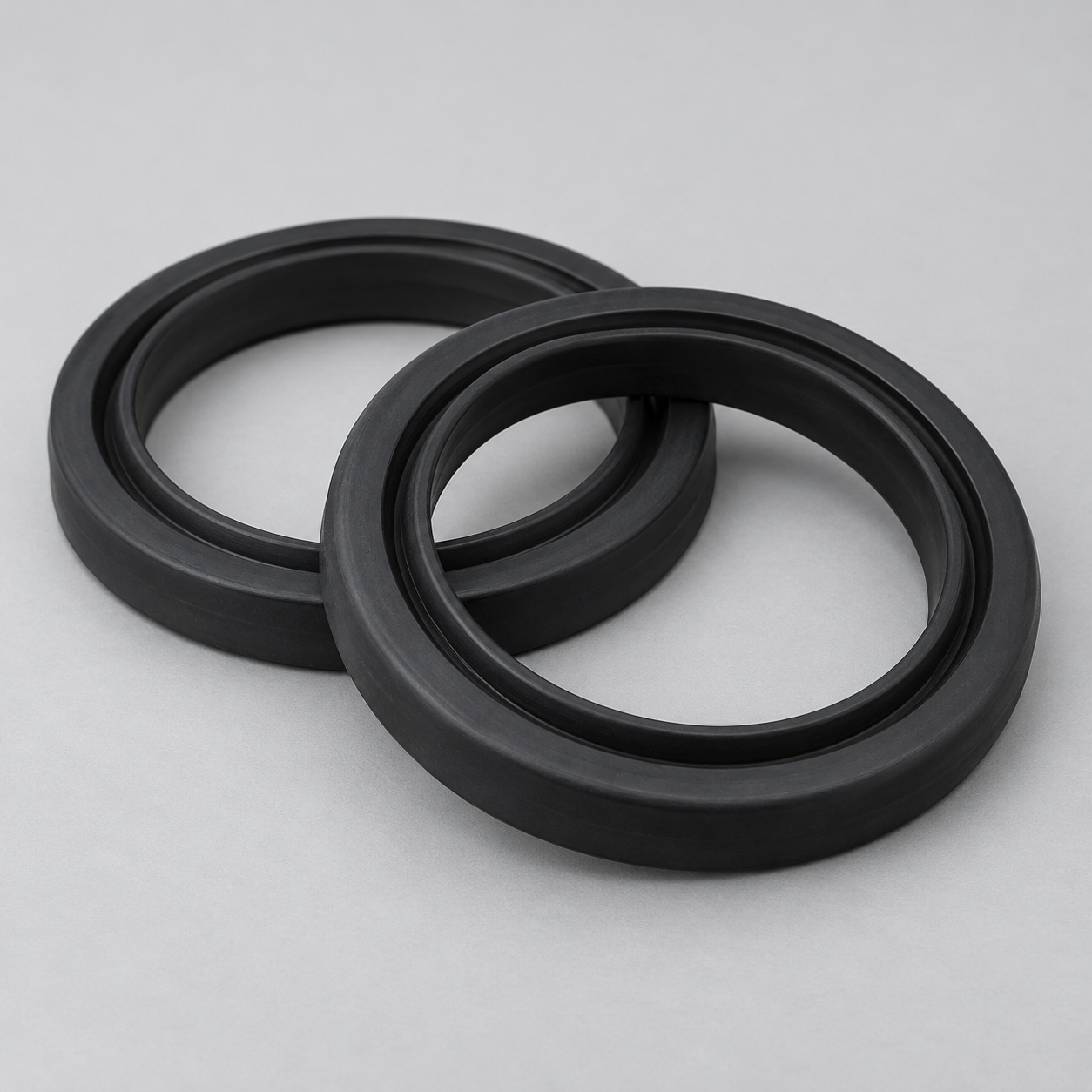 EPDMReview weathering and chemical exposure.›
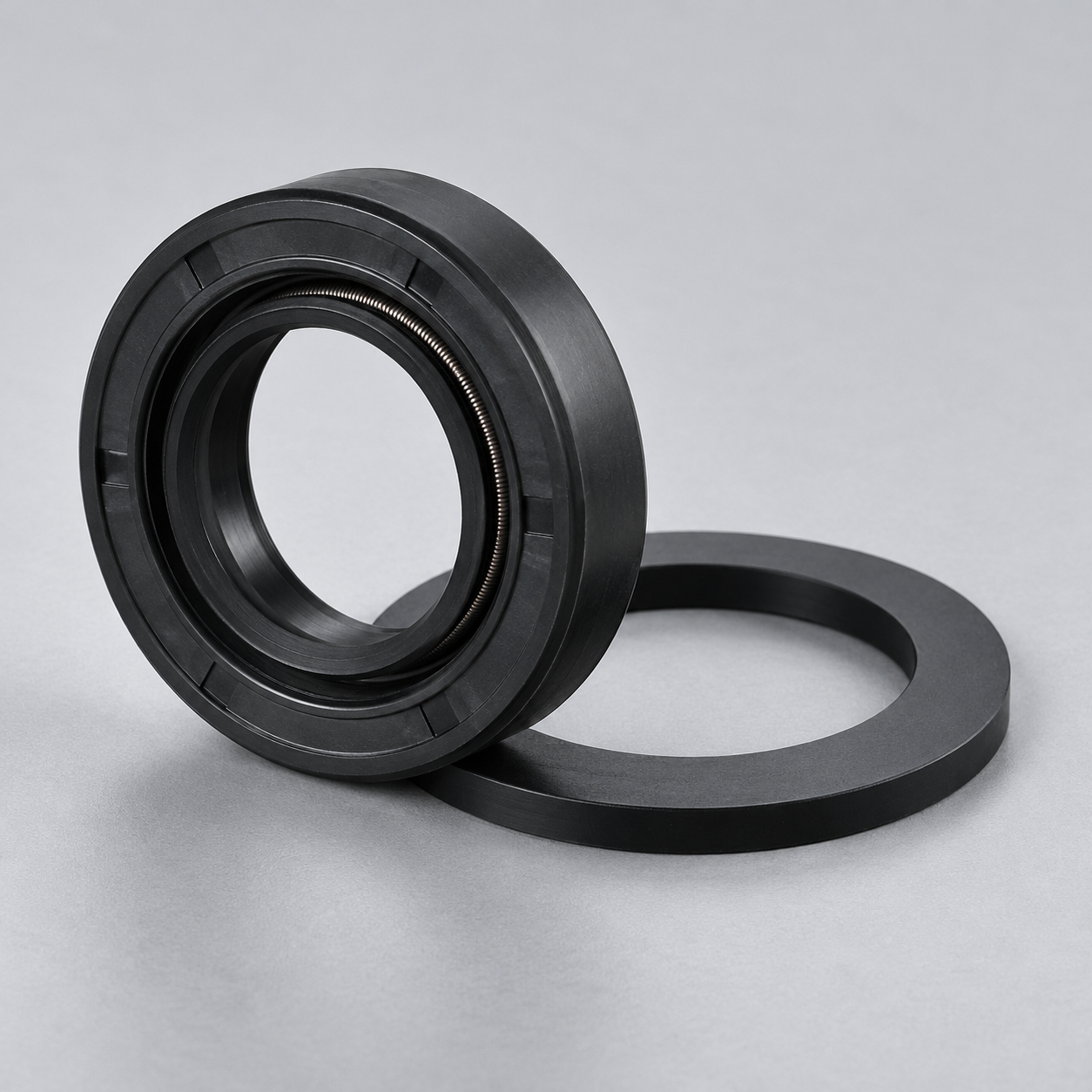 NBRReview oil and fuel exposure.›
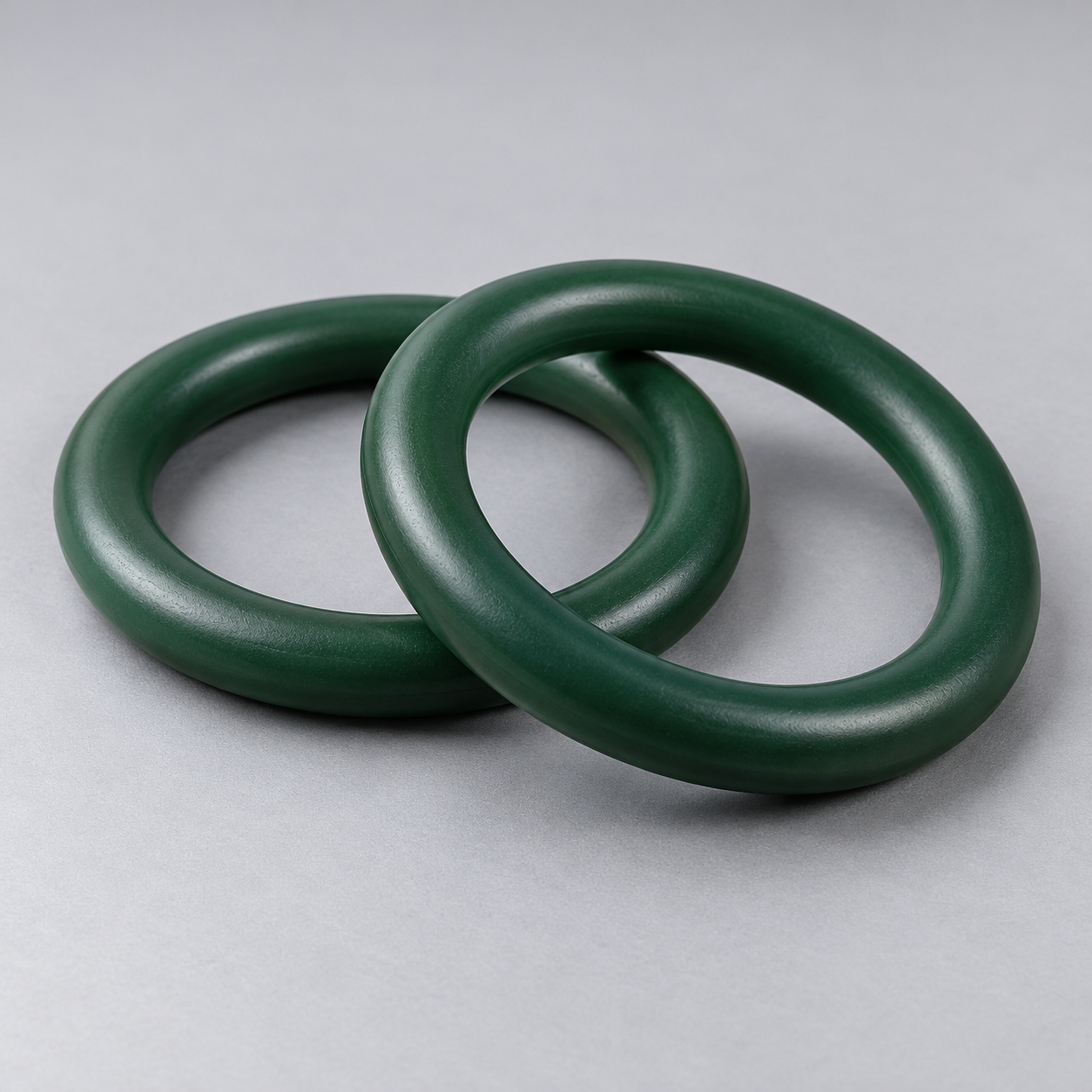 FKMReview temperature and chemical exposure.›
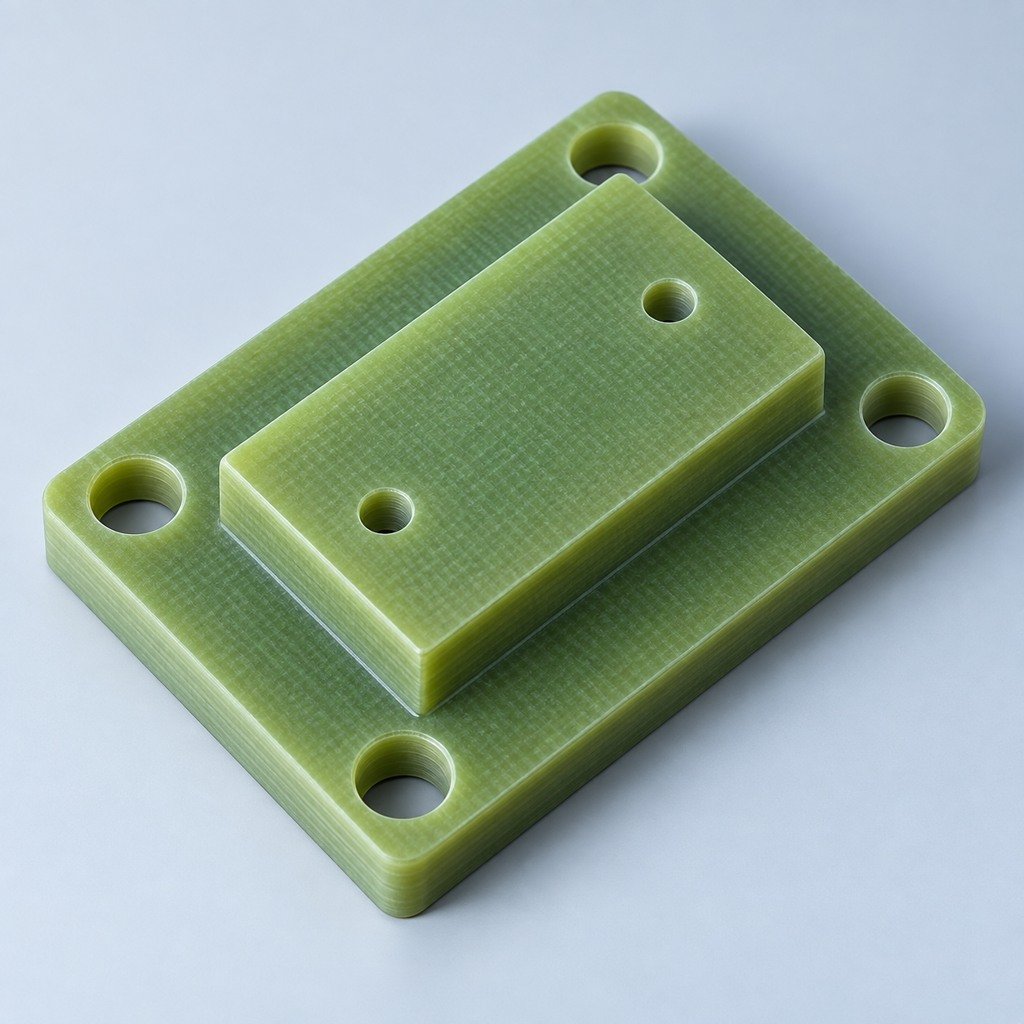 G10 / FR4Review insulation and laminate needs›
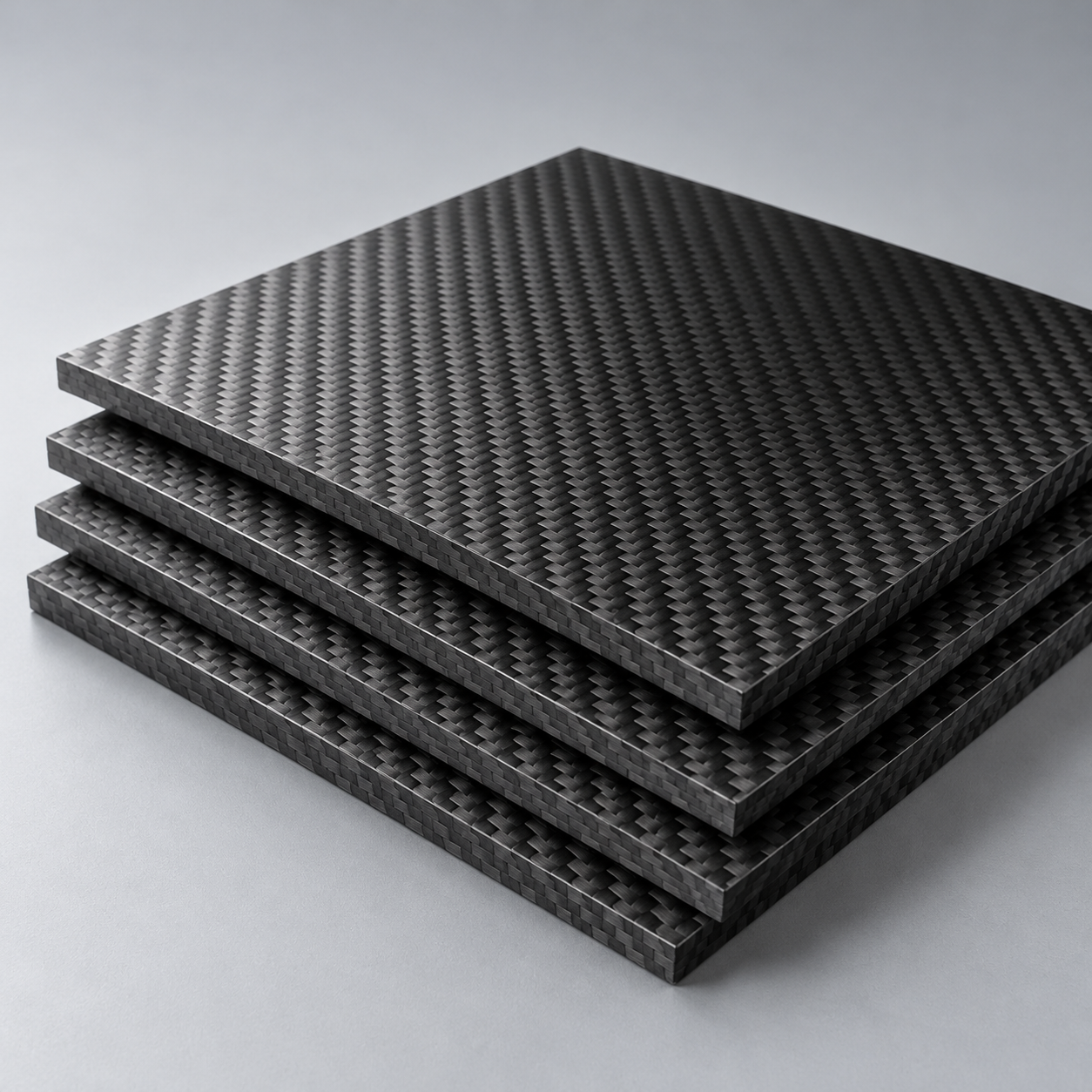 CompositesReview stiffness, weight and laminate.›Customer-Specified MaterialsConfirm your grade and requirements.›Other Specialty MaterialsDiscuss your application and grade.›
Practical guidance for your part geometry and material decisions.
Prepare your process, budget and sourcing questions.
Build your knowledge before production.
Learn who we are and how we operate.
Find our U.S. support team or start a conversation.
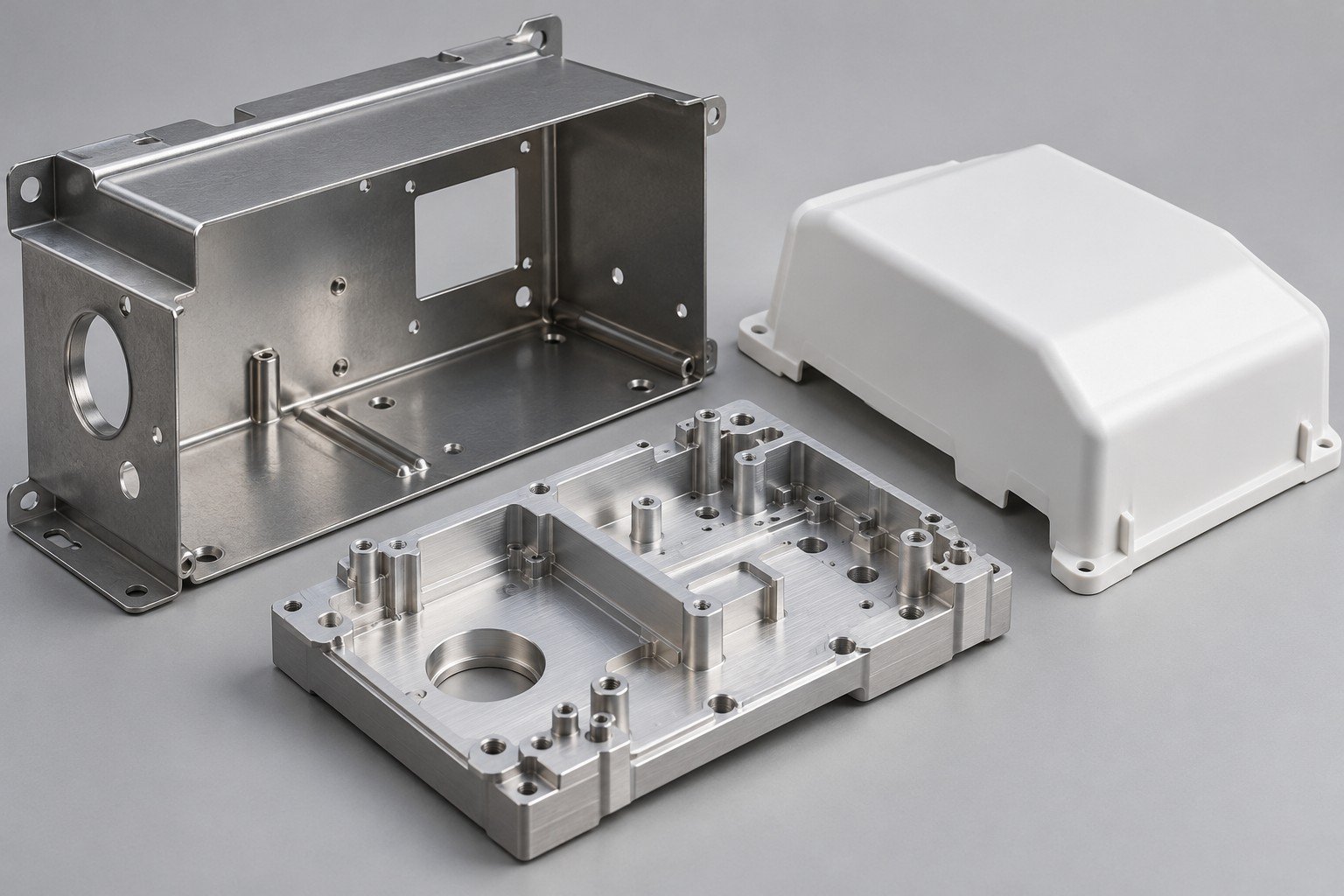
YOUR DRAWING. YOUR REVIEW QUESTIONS. YOUR APPROVED CHANGES.
Use a design for manufacturability review checklist to connect part function with tool access, material, assembly and inspection. Record proposed changes before your quote becomes the production baseline.
Start with the function and agreed process. A machining checklist, molded-part review and sheet-metal review ask different questions.
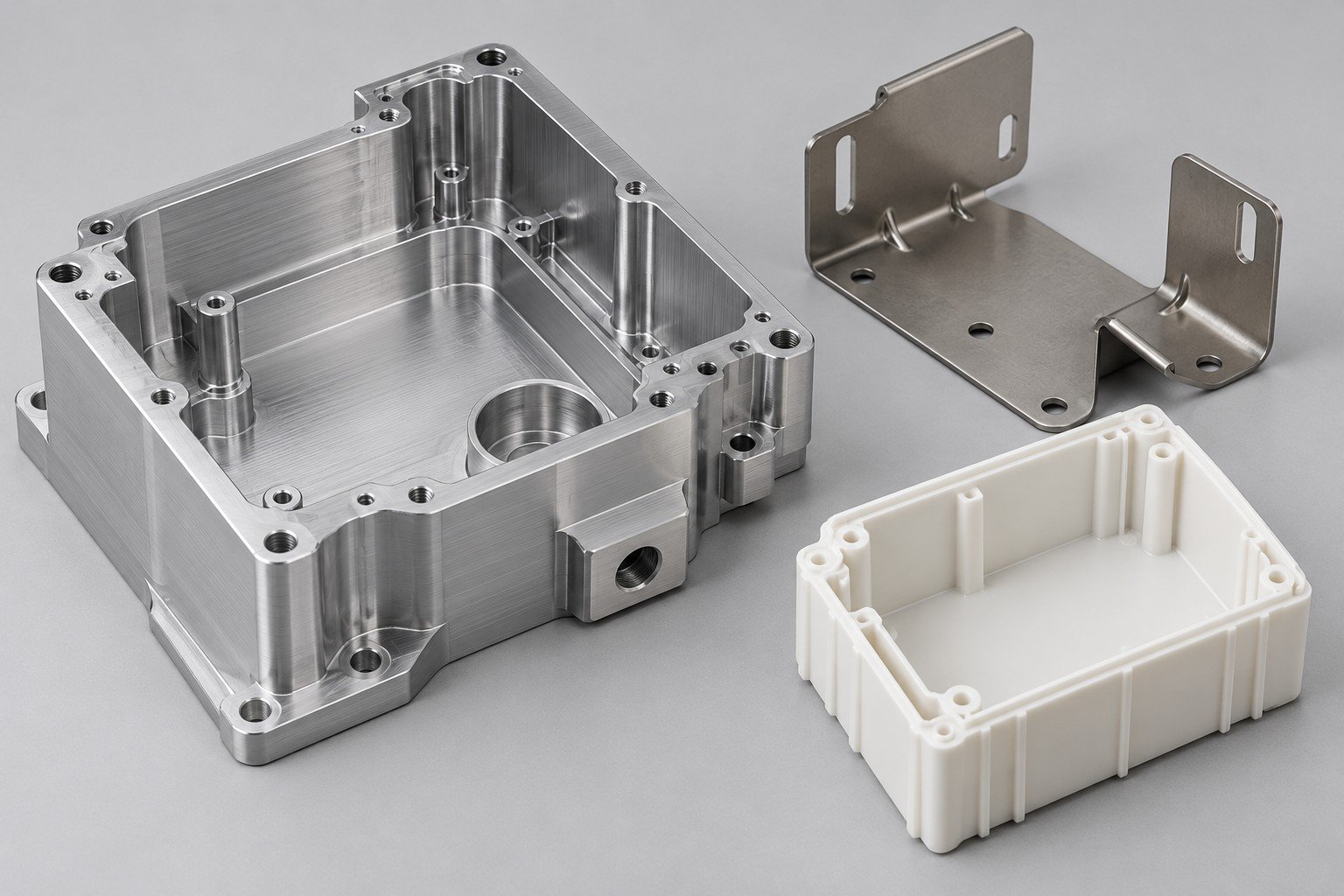
Review internal corners, deep pockets, reachable holes, workholding and the surfaces that control fit. Explore part design guidelines →
Review resin, wall transitions, draft, ribs, bosses and appearance zones. Confirm the tooling approach before release.
Review bend access, cutouts, hardware, joined features and the assembled envelope. Define the inspection condition.
Illustrative calculation: depth ÷ diameter, with assumed diameter D = 6 mm. Zero baseline 0–6.
These are arithmetic examples, not a machining capability, recommended reach, cycle time or price. Depth alone does not define cutting length, holder clearance or tool deflection.
Review the complete setup: accessible directions, tool and holder clearance, corner geometry, material and the critical surface. A larger ratio changes the review questions; this chart does not predict a manufacturing result.
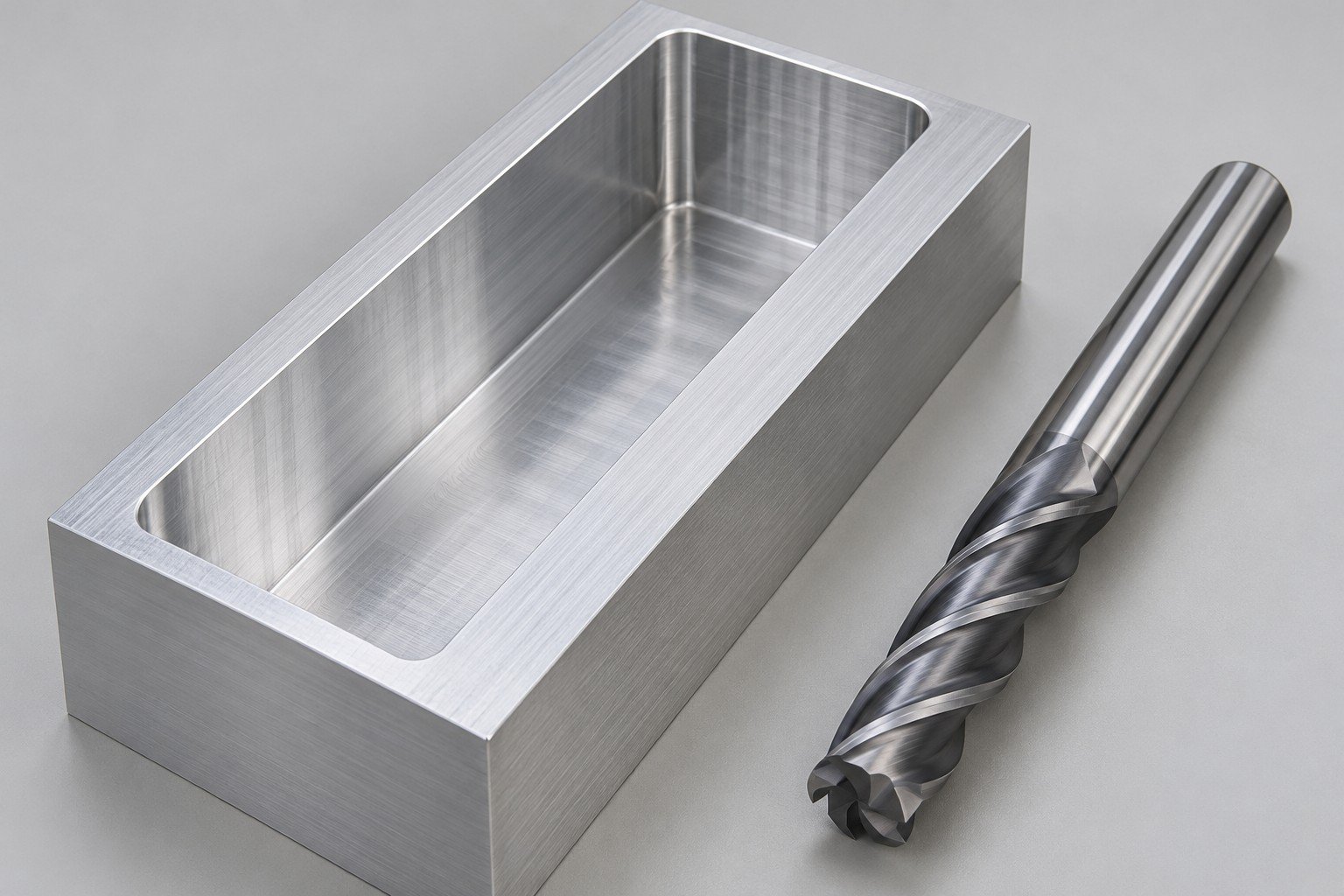
The concept photograph has no assigned dimensions. Background: Protolabs on complex features and tool access →. Supplier-specific capability limits are not transferred to LK MFG.
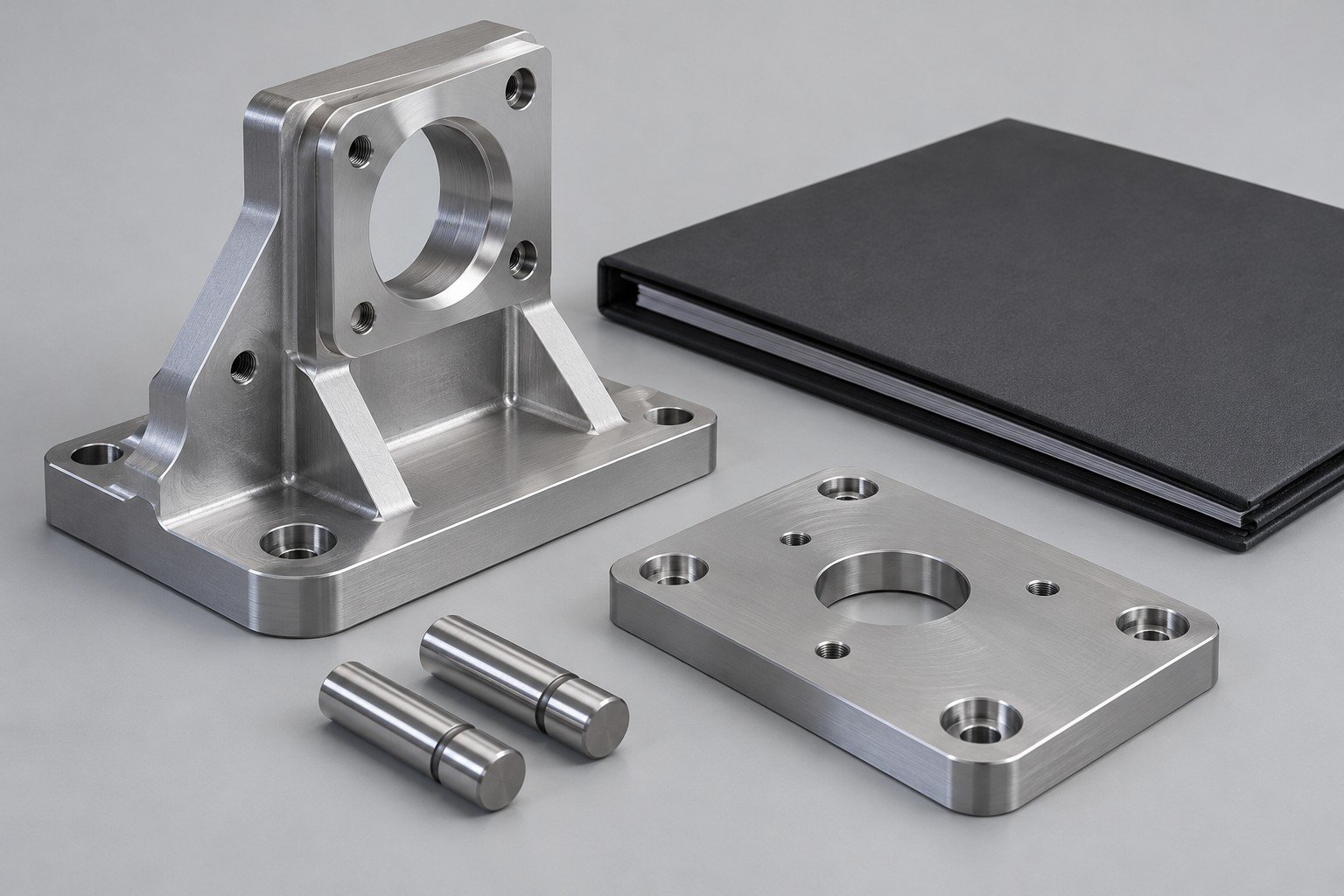
DFM feedback before manufacturing quote approval should identify the feature, the proposed change and the decision needed. A suggestion is not permission to change your drawing.
Refer to the drawing revision and a visible feature or controlled dimension.
Describe tool access, material, assembly or inspection concerns and the assumptions behind them.
Confirm the revised geometry, acceptance requirements and approval owner in a controlled revision.
Identify intended function, manufacturing route, initial quantity and approval responsibilities.
Resolve questions about geometry, grade, finish, joining and required records.
Agree what your sample must demonstrate and which checks belong to another validation activity.
Approve the drawing and acceptance baseline. Control later changes before repeat supply.
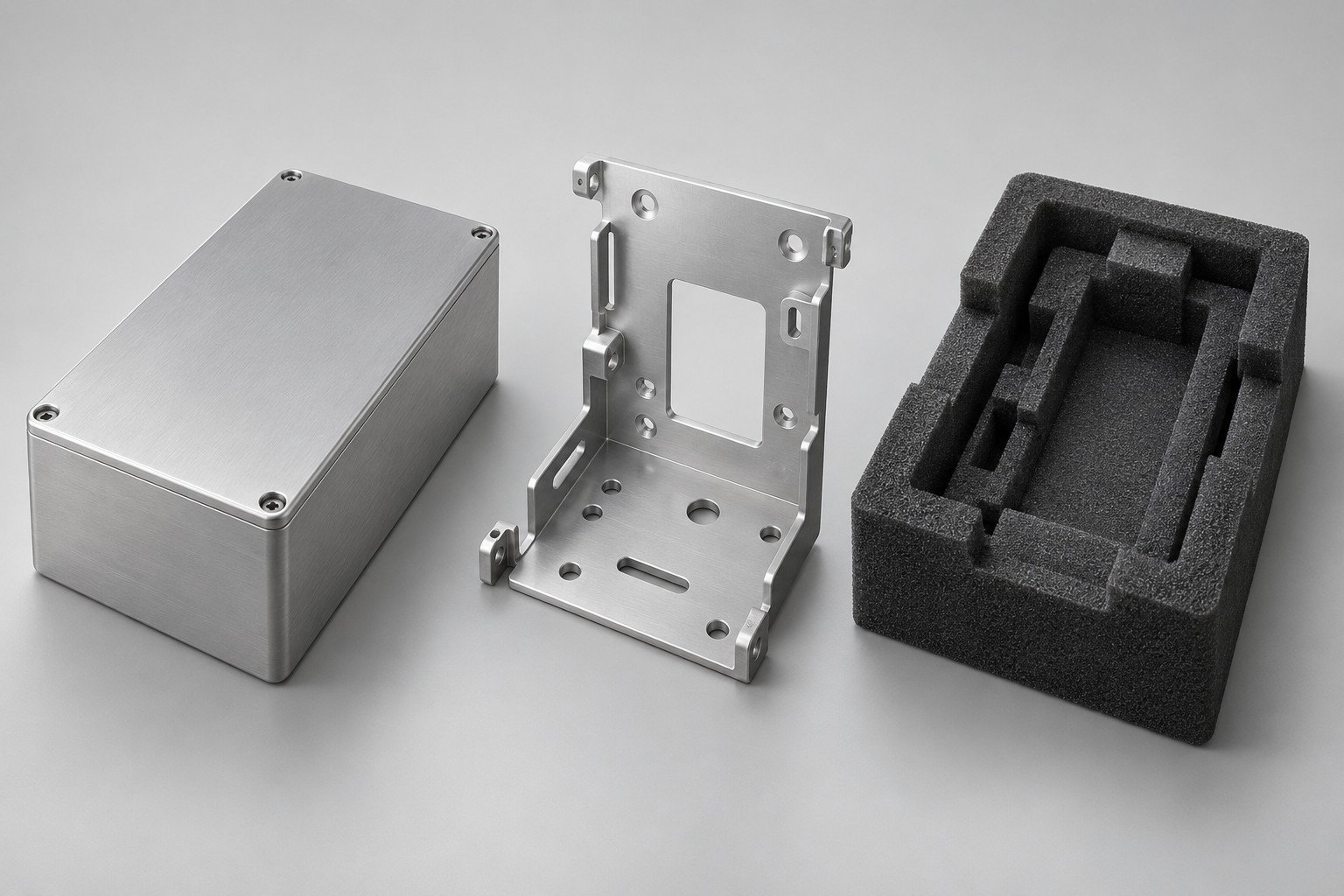
A dimensional sample does not establish system performance or regulatory approval. Define your application validation separately.
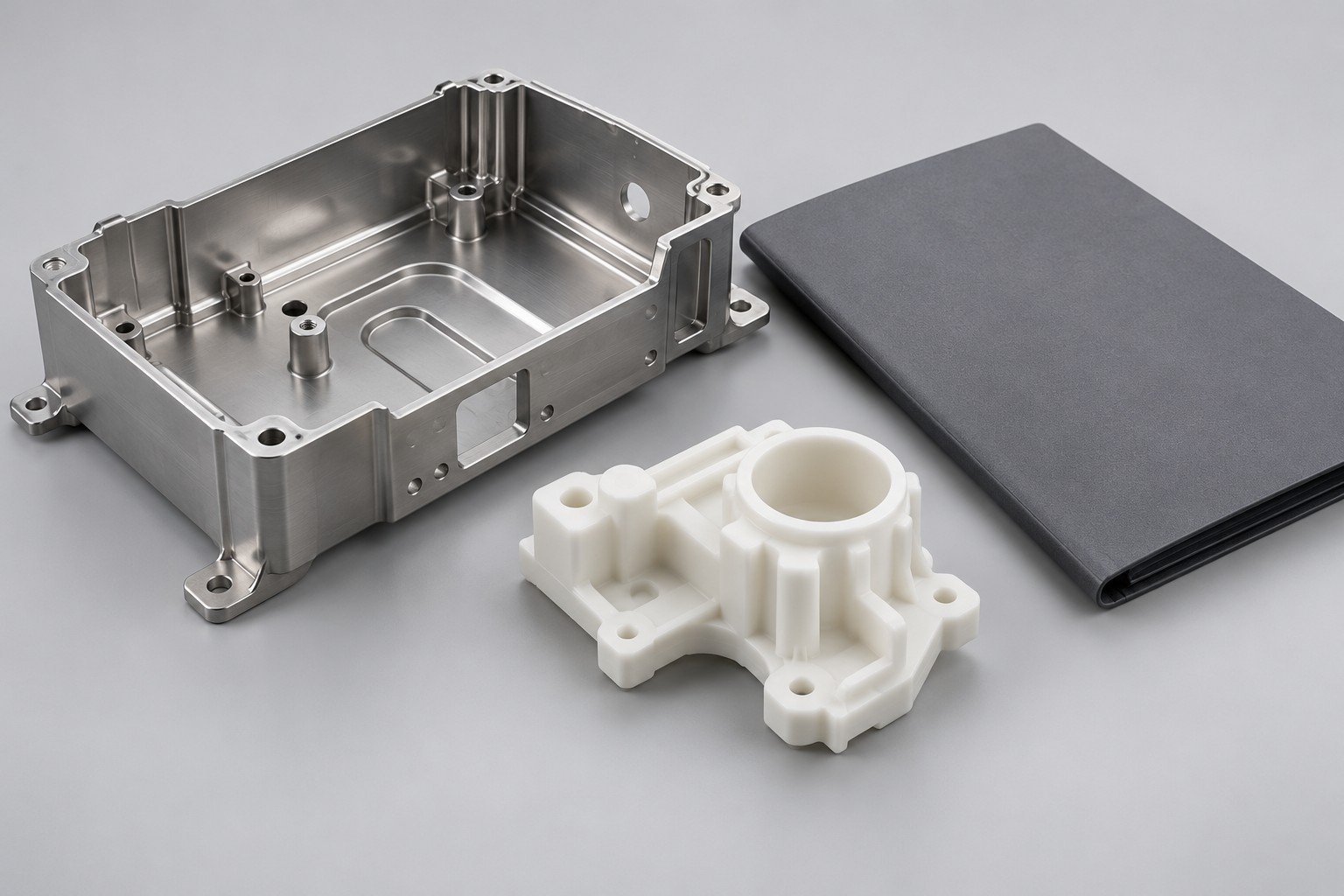
Review function, geometry, material, process, assembly and acceptance. The applicable checklist depends on your drawing and intended production route.
No. Record the proposed change and obtain the required approval before treating it as the manufacturing baseline.
Use the model for geometry and supply controlled dimensions, tolerances, material, finish, revision and acceptance requirements in the agreed specification.
No. Geometry, material, tooling, quantity, inspection and delivery scope affect the reviewed quote. Compare proposals against the same requirements.
Review process-specific part design questions. Explore design guidelines →
Connect the drawing to function and inspection. Explore tolerance and GD&T →
Organize files and requirements for supplier review. Use the RFQ checklist →