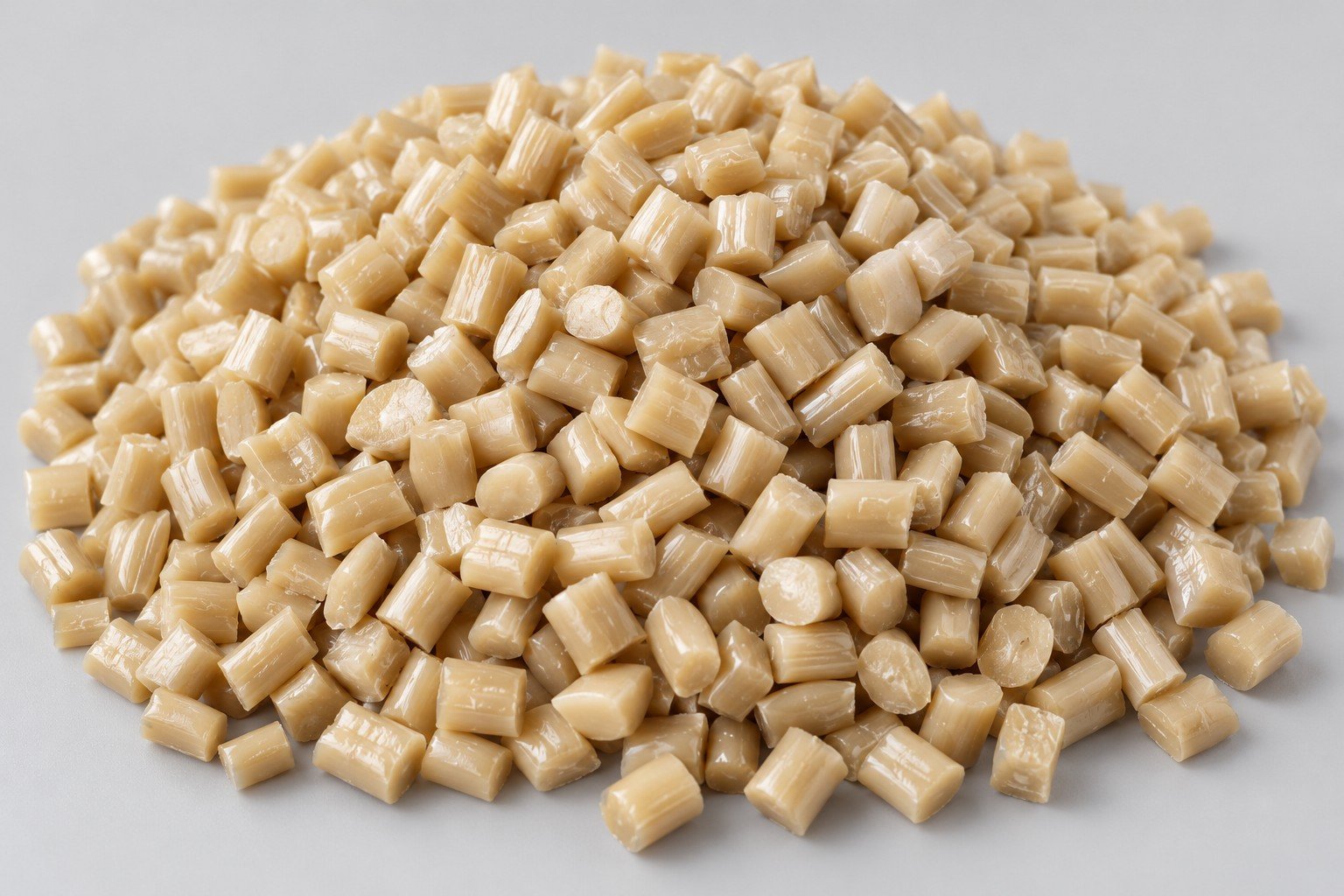
Injection Molding
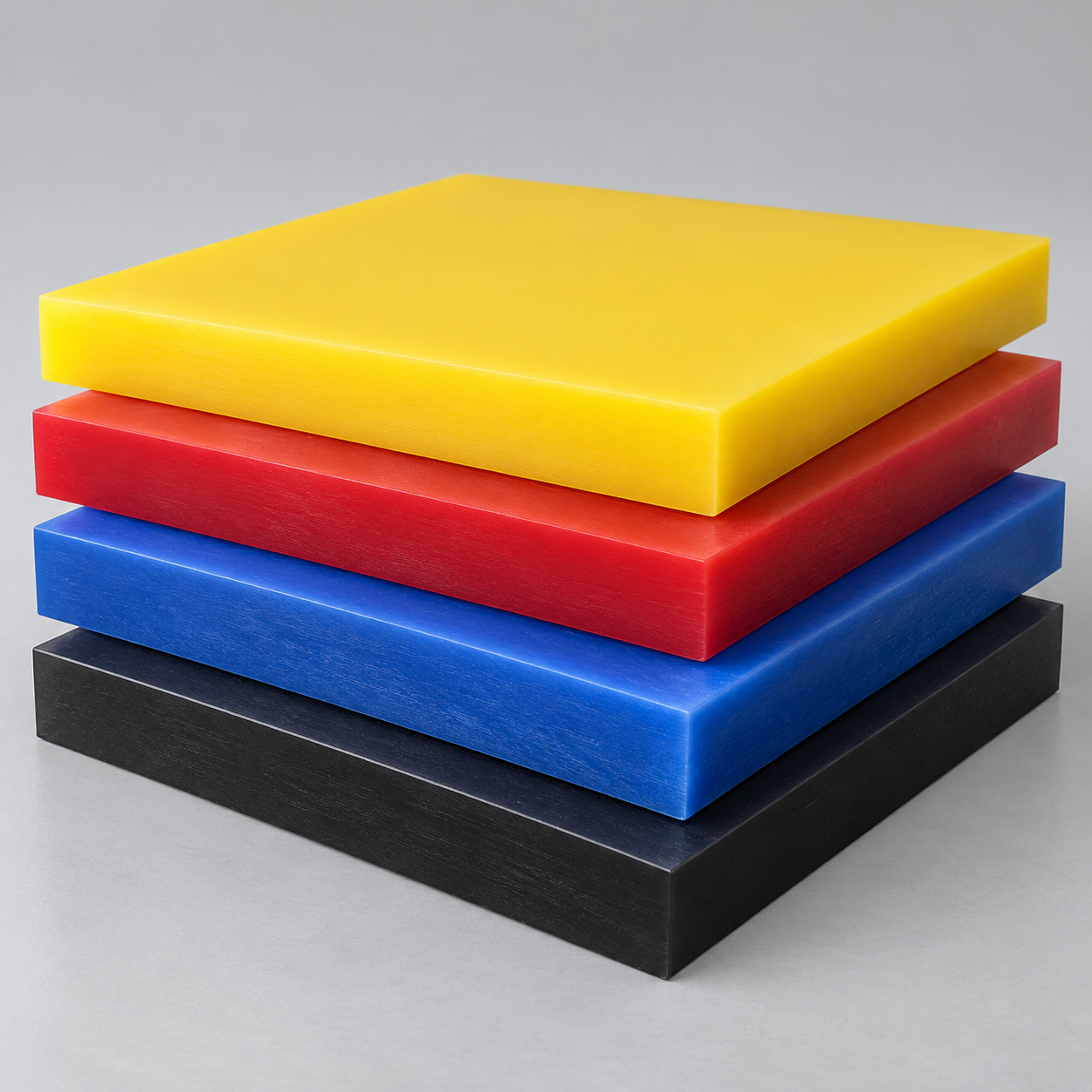
Tooling and molding for your repeat plastic parts.
From prototype to production, coordinated manufacturing solutions for your custom parts.
View All Services →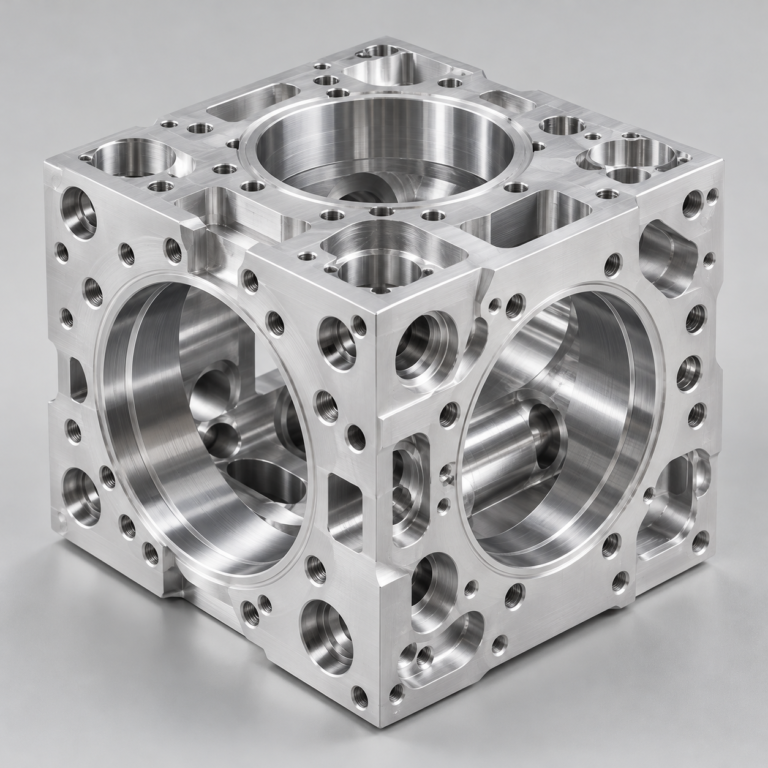
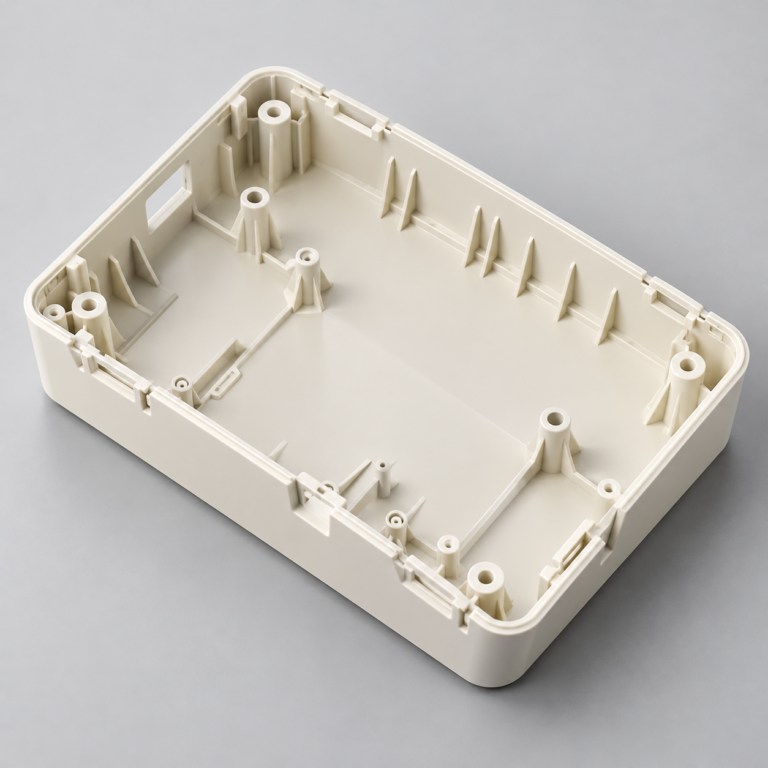
Precision parts for your tight tolerances and complex geometry.
Tooling and molding for your repeat plastic parts.
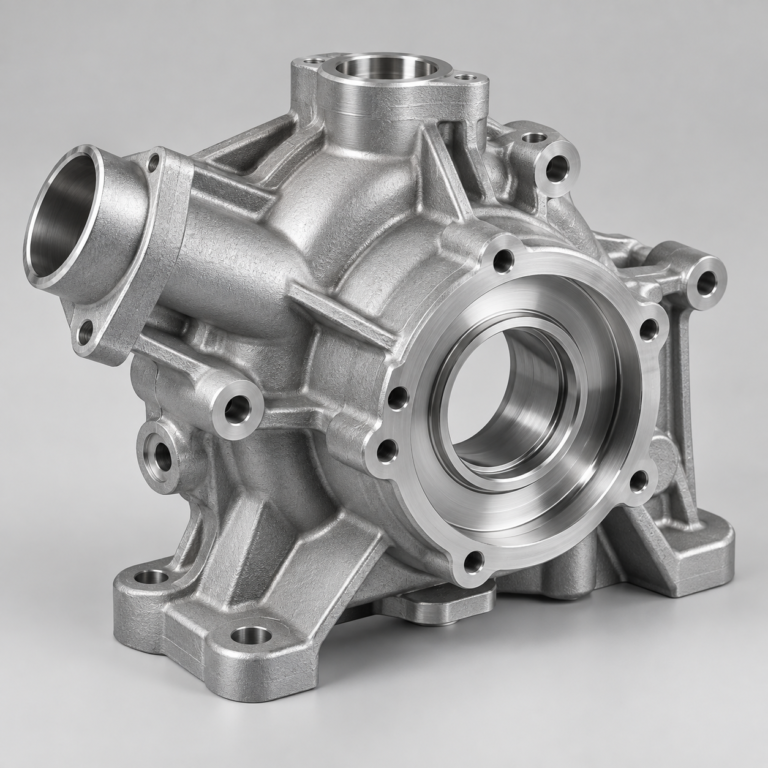
Metal casting options for your part and production volume.
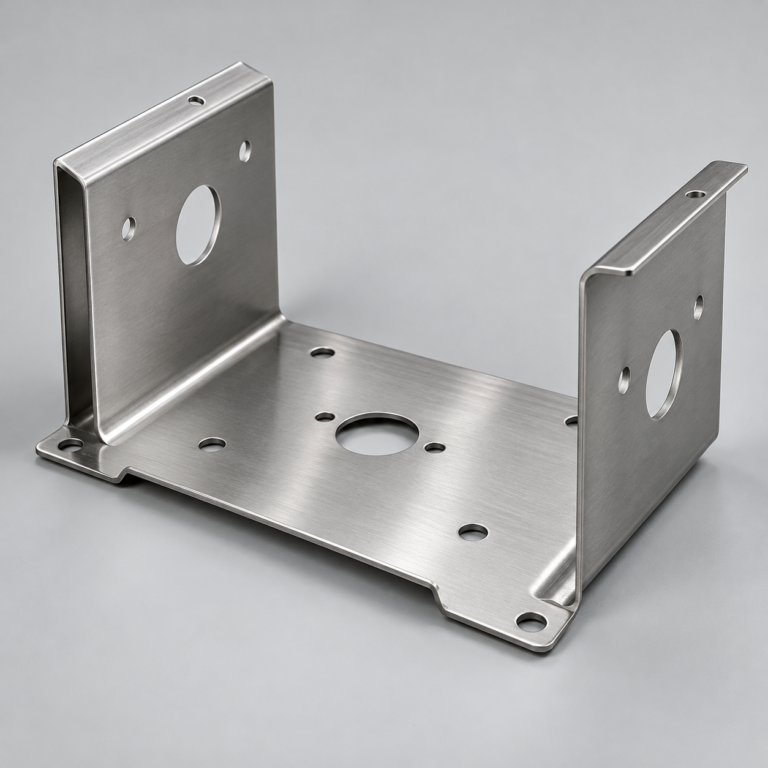
Cutting, forming and welding for your fabricated parts.
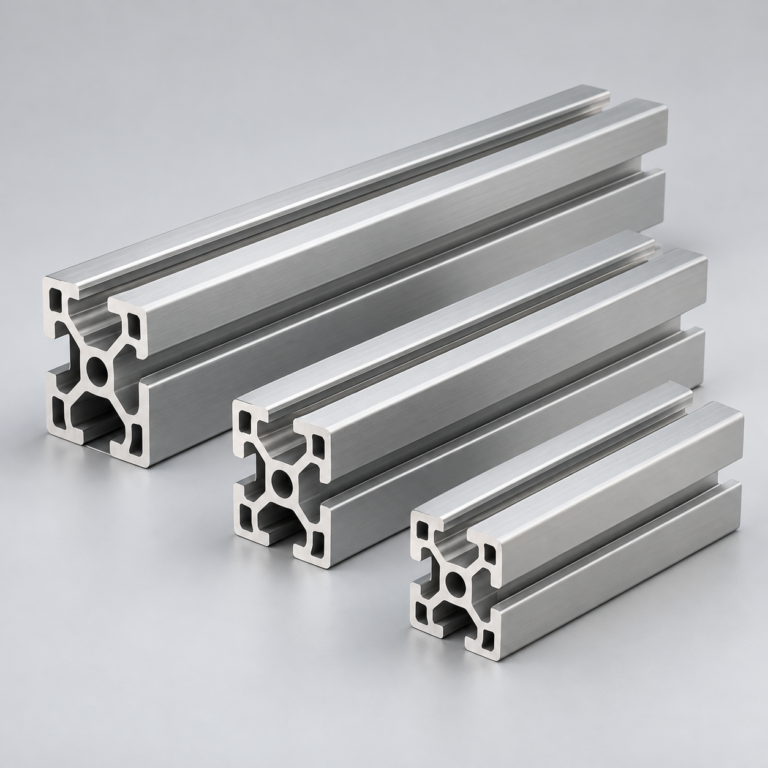
Custom profiles for your section, length and finish requirements.
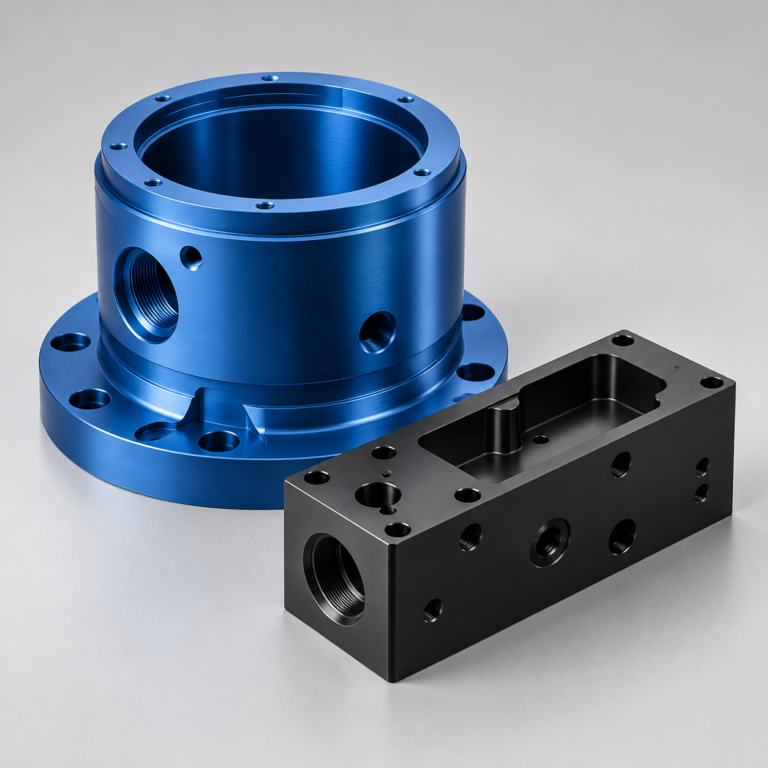
Finishes for your appearance, corrosion and wear requirements.
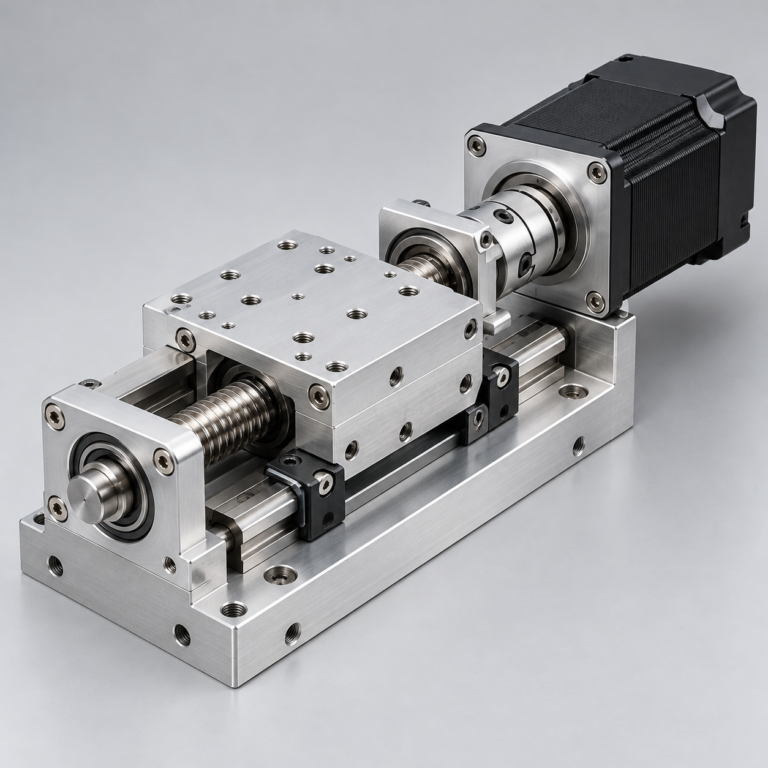
Sub-assemblies and final builds for your production program.
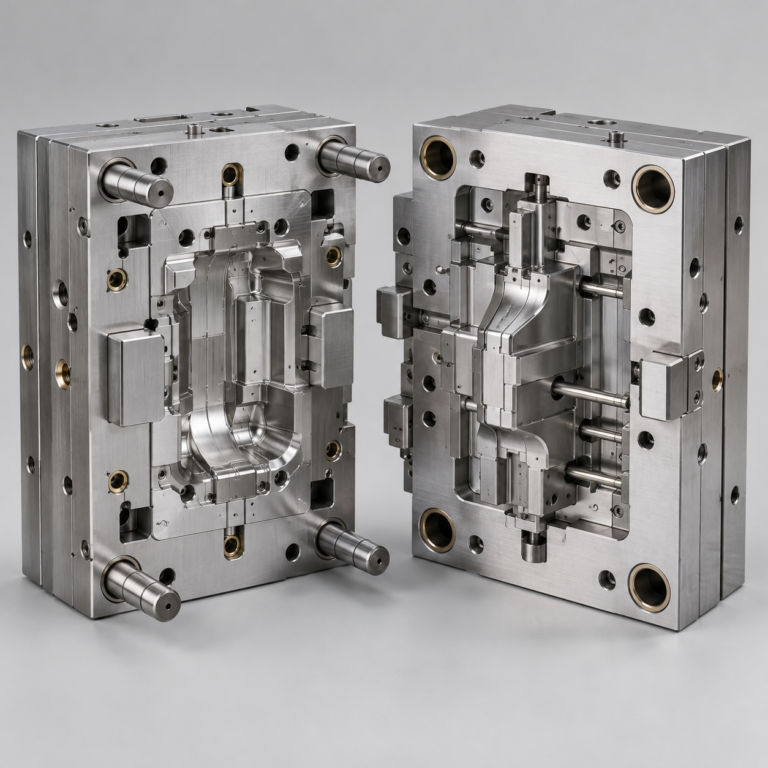
Production tooling built around your process and volume.
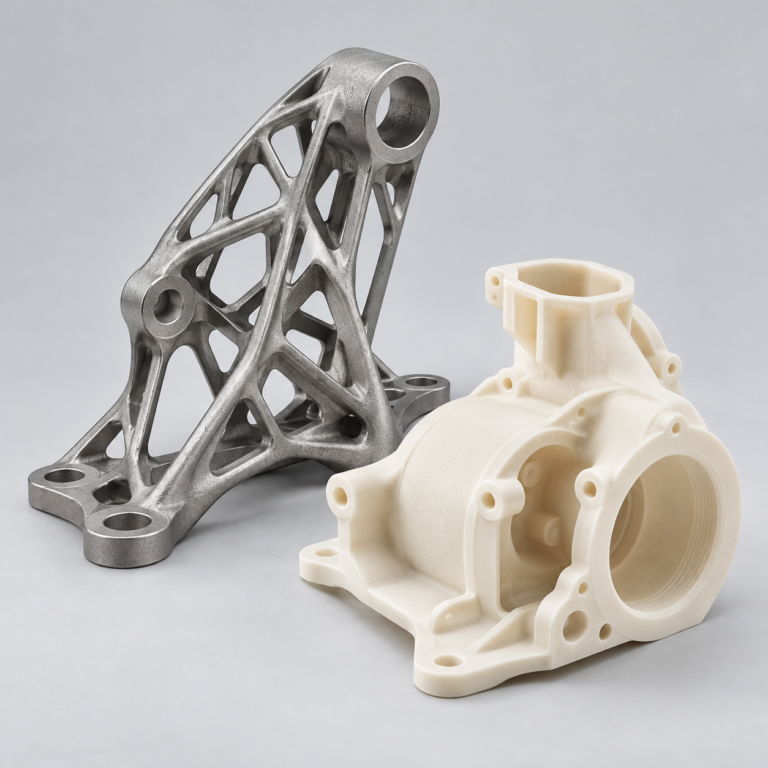
Prototype parts to check fit, function and design.
DFM, process planning and production support for your project.
Inspection, documentation, inventory and delivery planning for your program.
Choose air- or liquid-cooling components around your thermal and mechanical requirements.
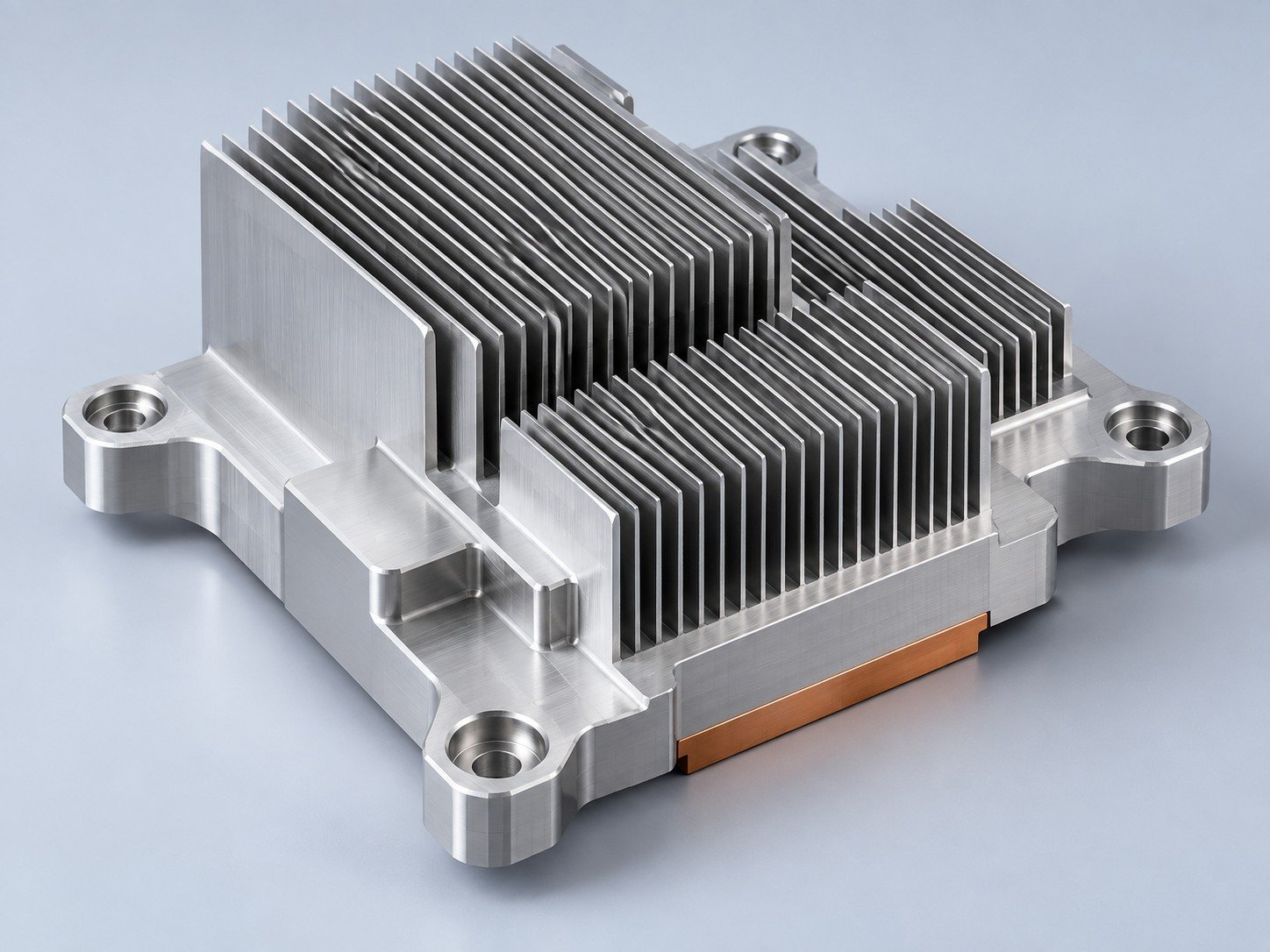
Manufacturing support for your cold plates, manifolds and cooling assemblies.
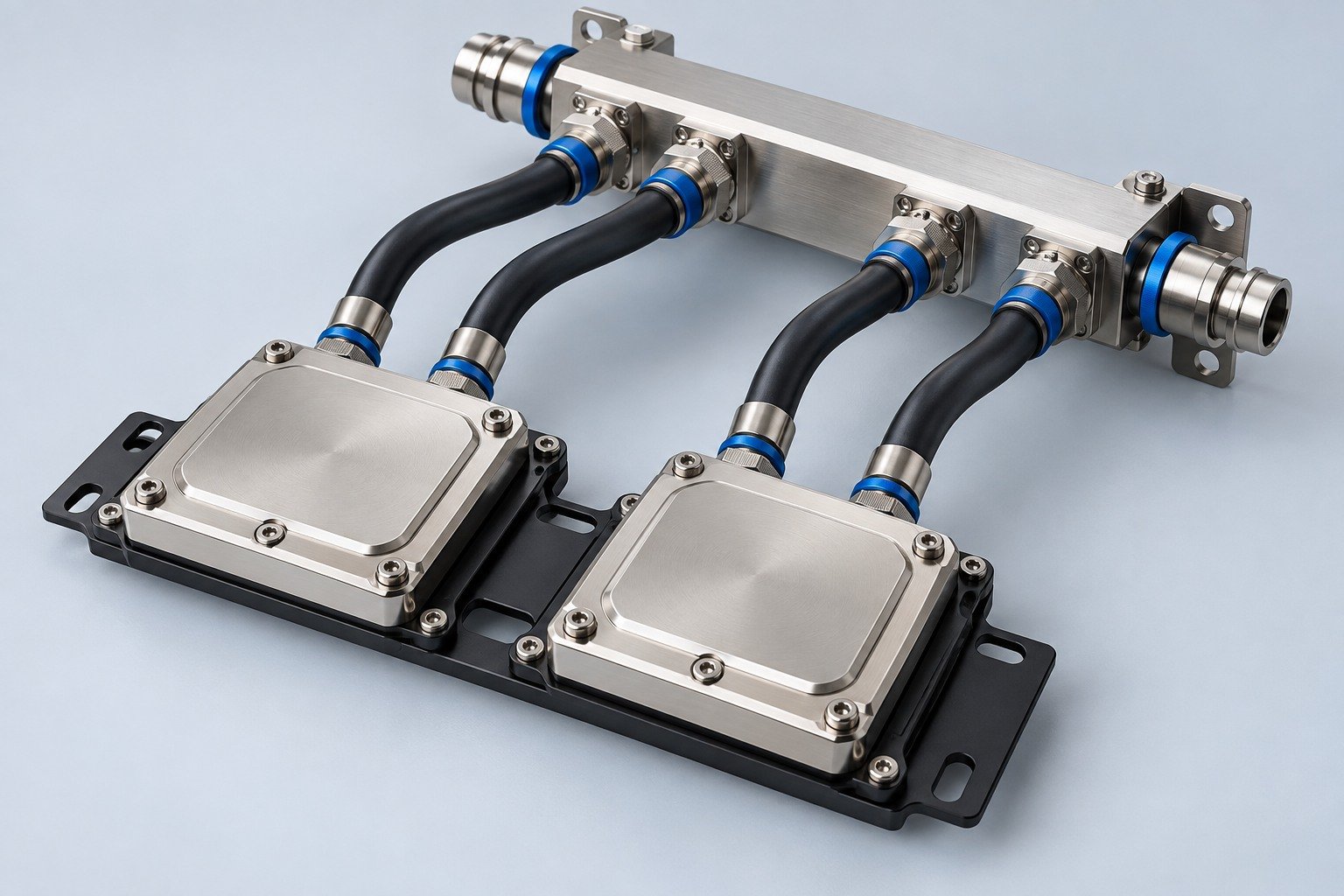
Find components for your power electronics, energy, laser and telecom application.
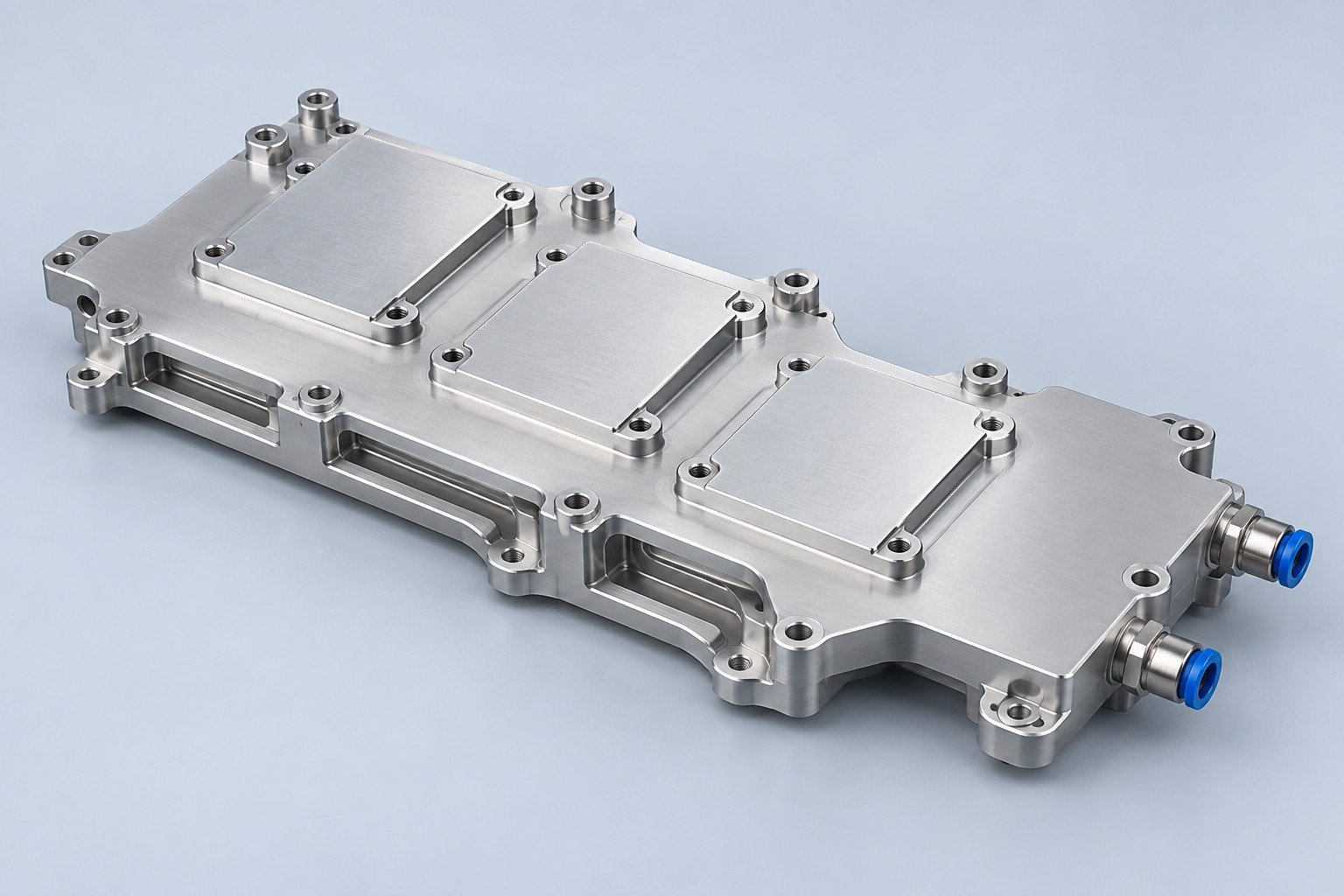
Components for your electronic systems.
Start with your functional and quality requirements.
Build around your operating environment.
From prototype to production, review material performance, manufacturability and cost for your part.
Review grade, temper and finish for your metal parts.
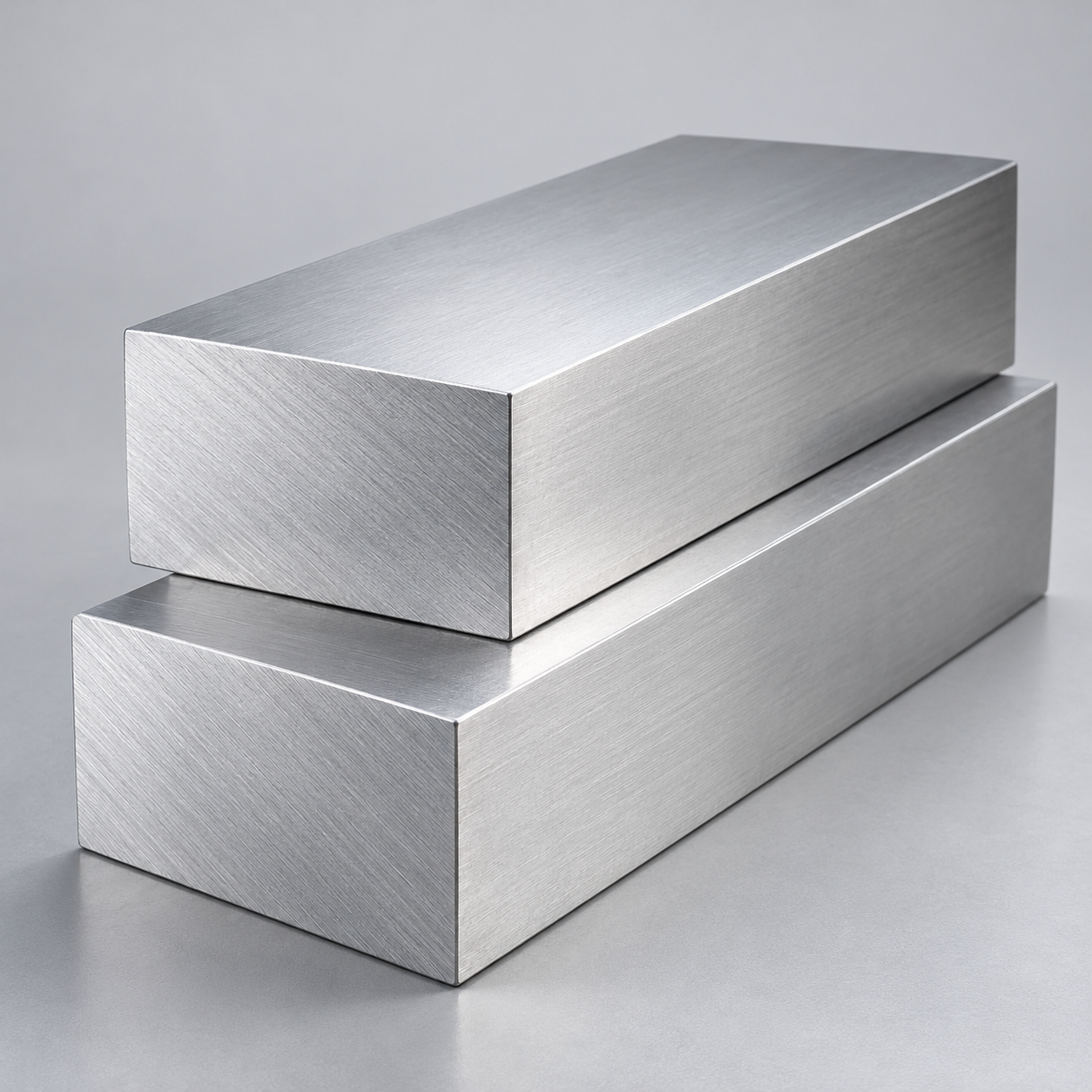 AluminumStrength, weight and machining›
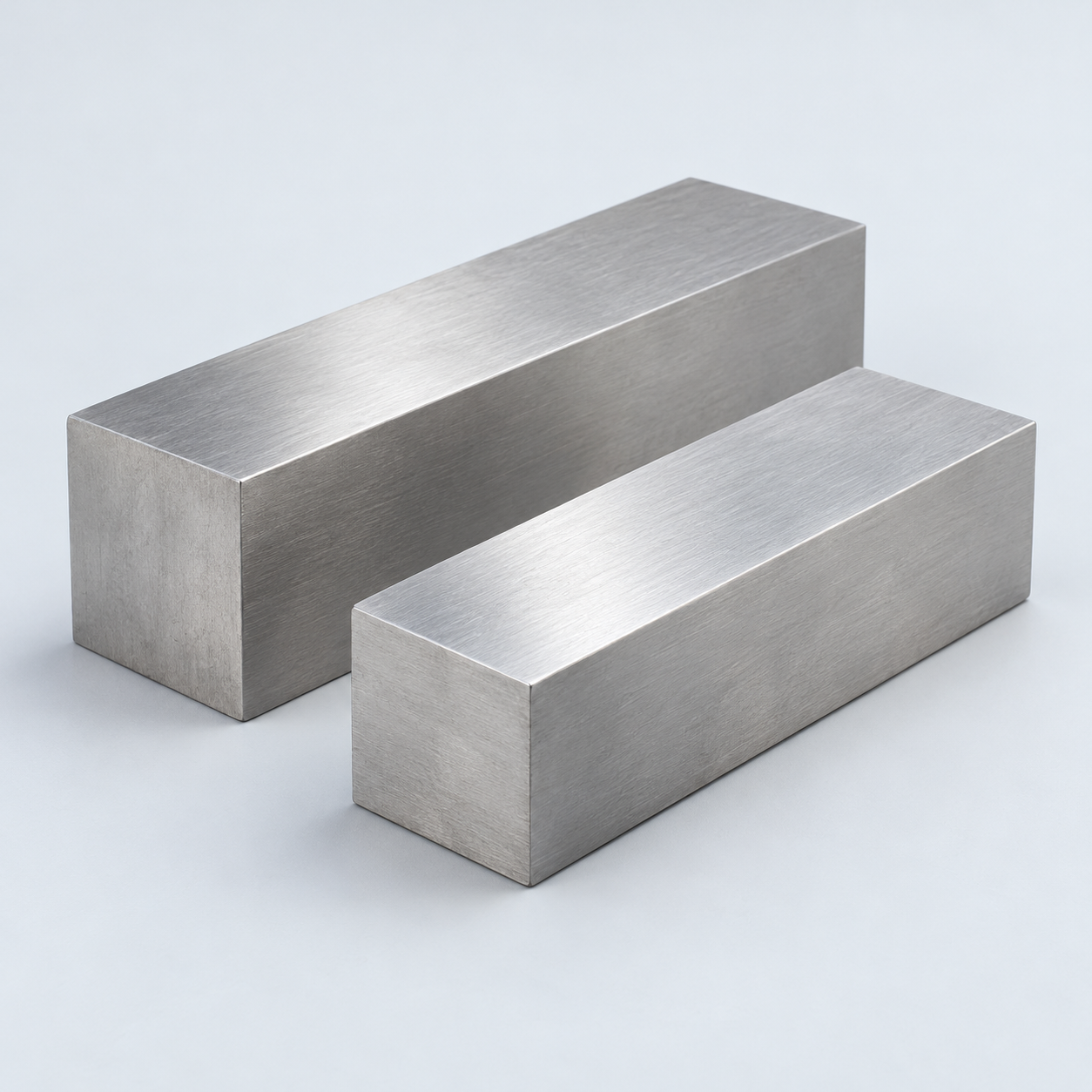 Stainless SteelCorrosion and finish requirements›
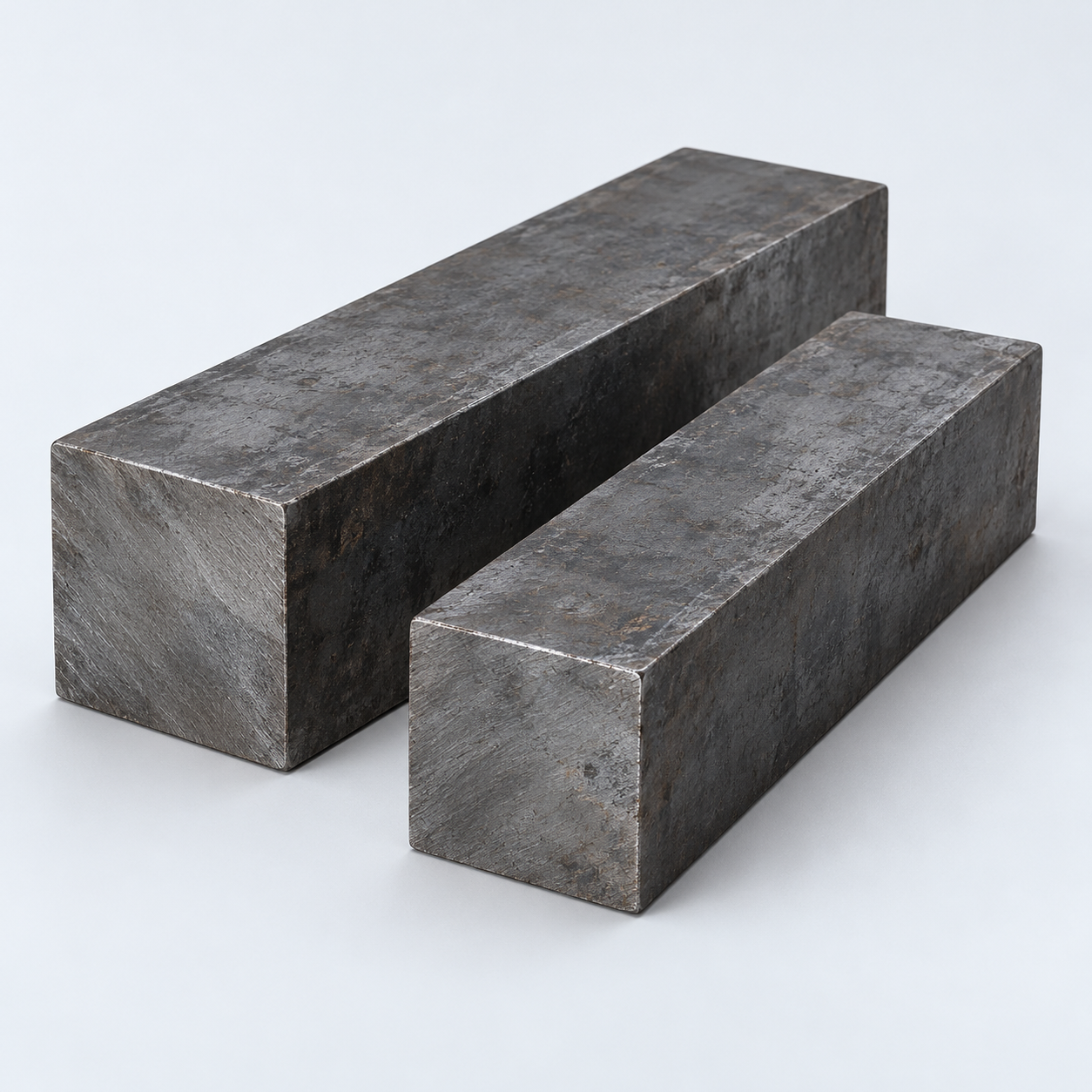 Carbon & Alloy SteelDiscuss grade and heat treatment›
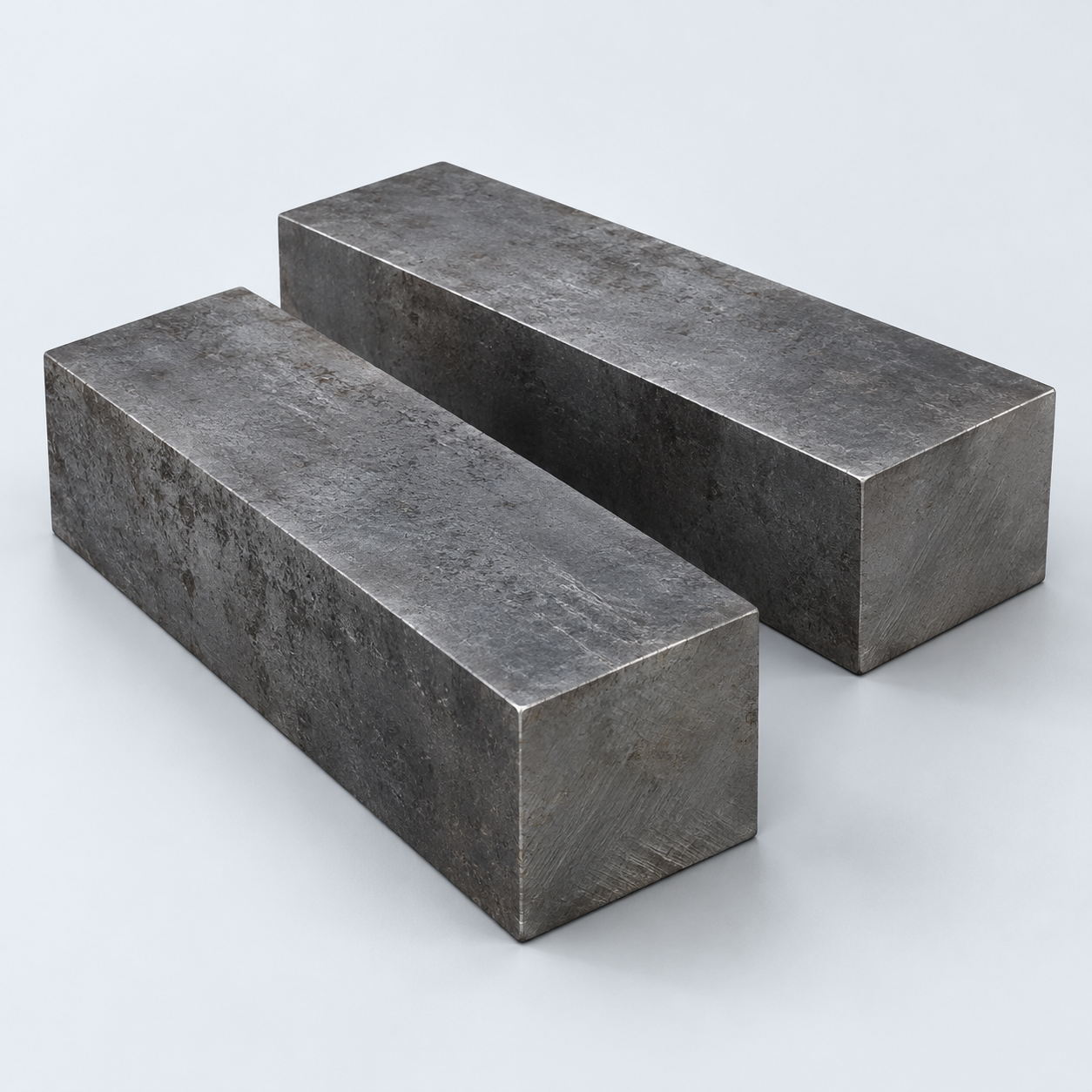 Tool SteelDiscuss tooling and wear needs›
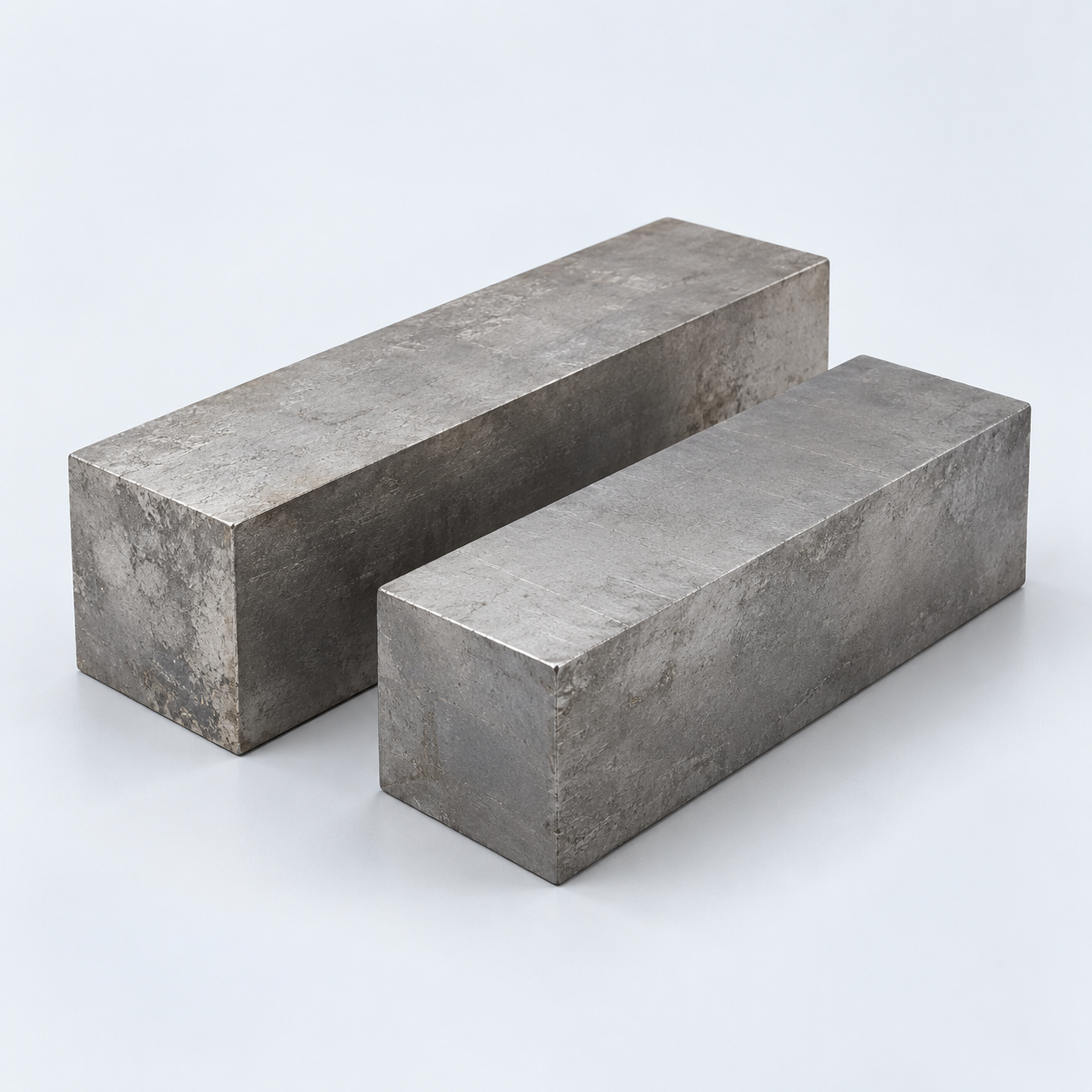 TitaniumReview grade and part geometry›
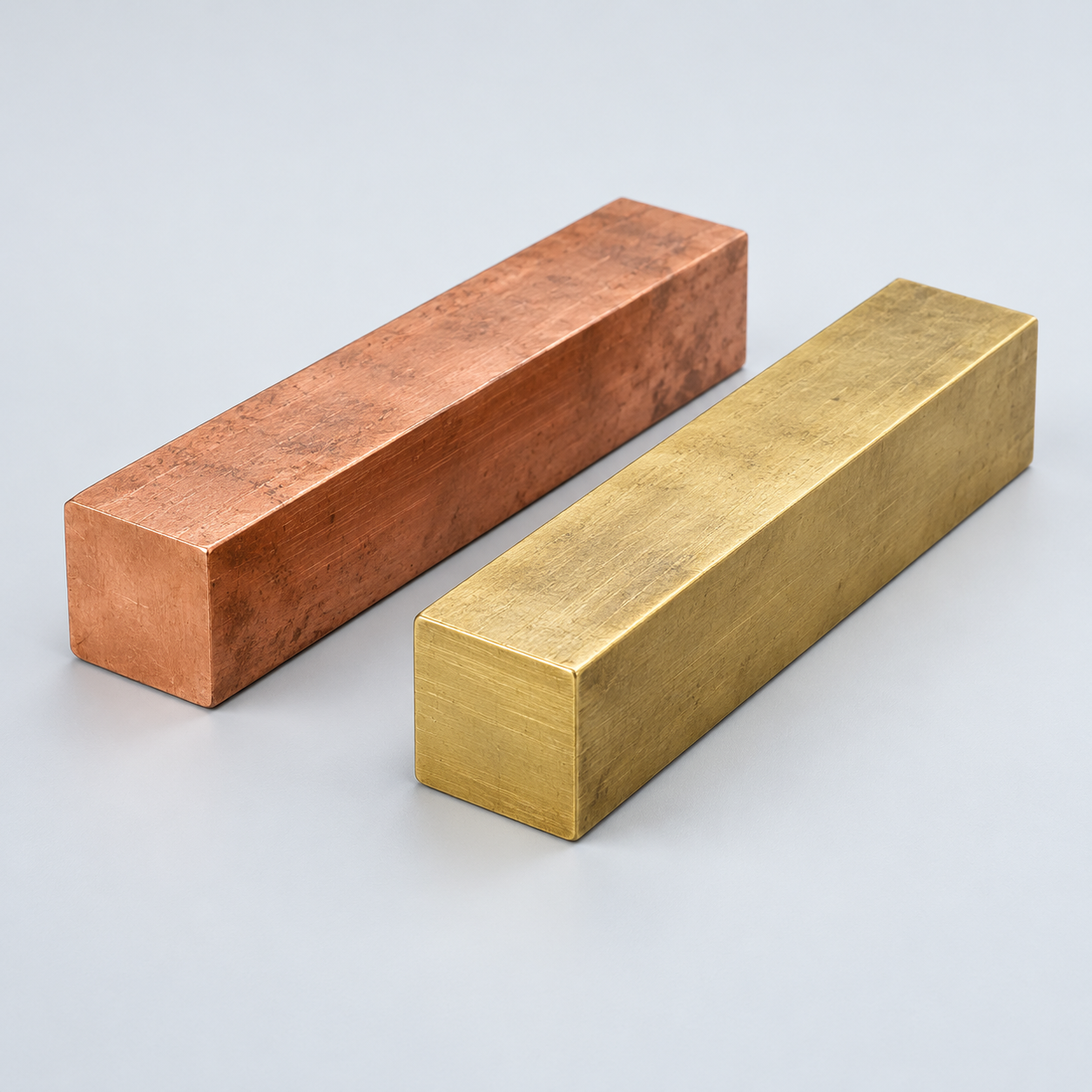 Copper & Brass & BronzeDiscuss conductivity and machining›
Match your polymer to function, process and environment.
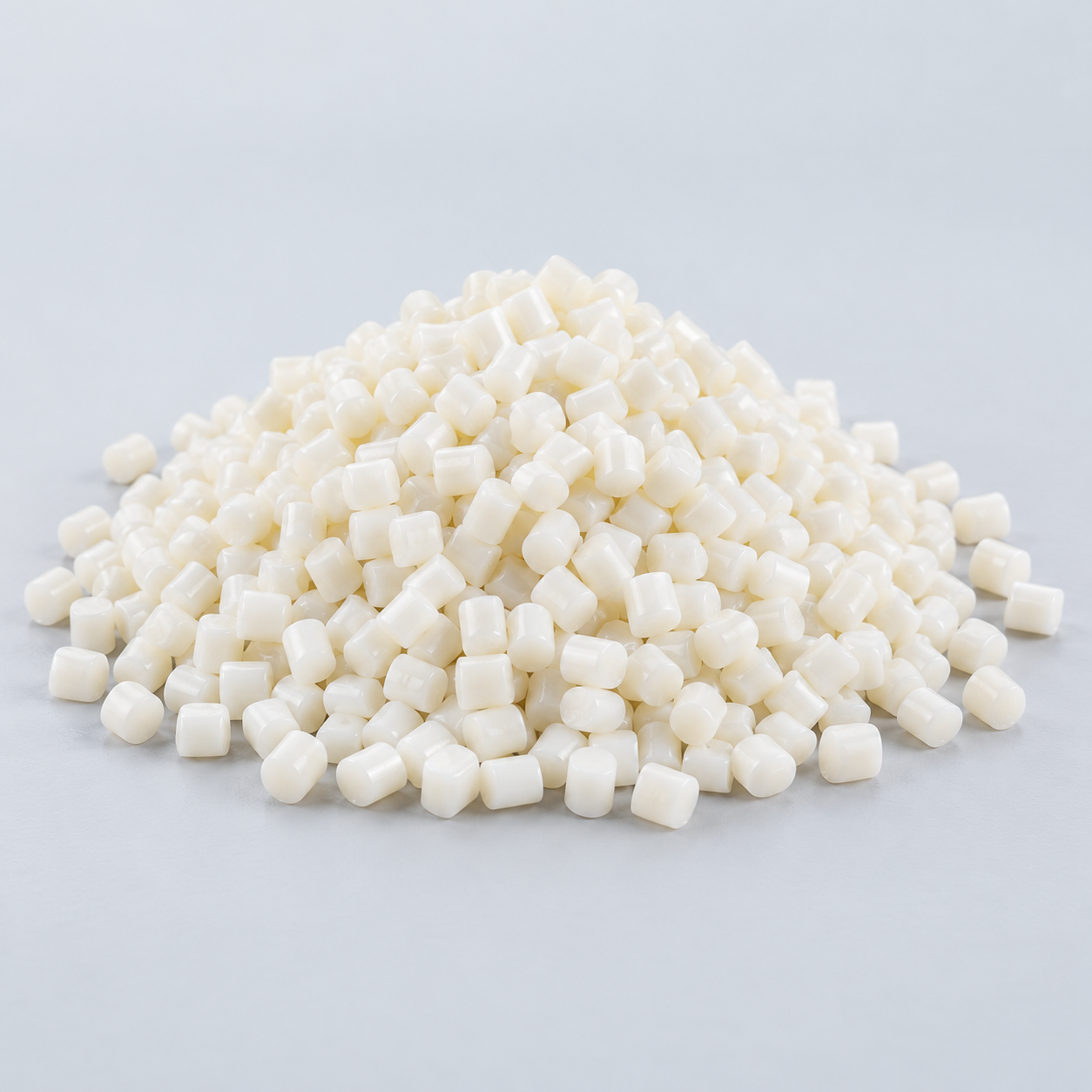 ABSReview enclosure and molding needs›
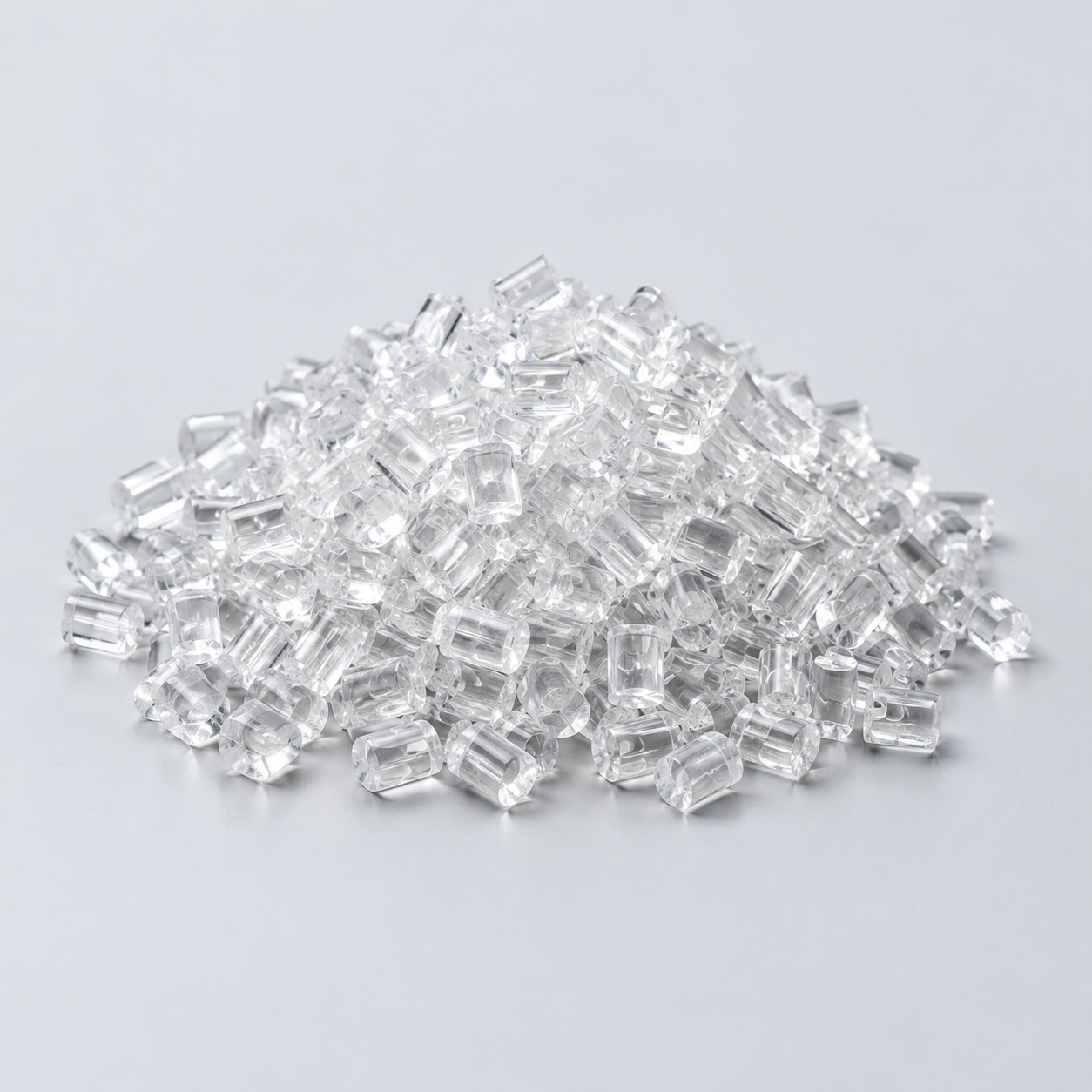 Polycarbonate (PC)Discuss clarity and impact needs›
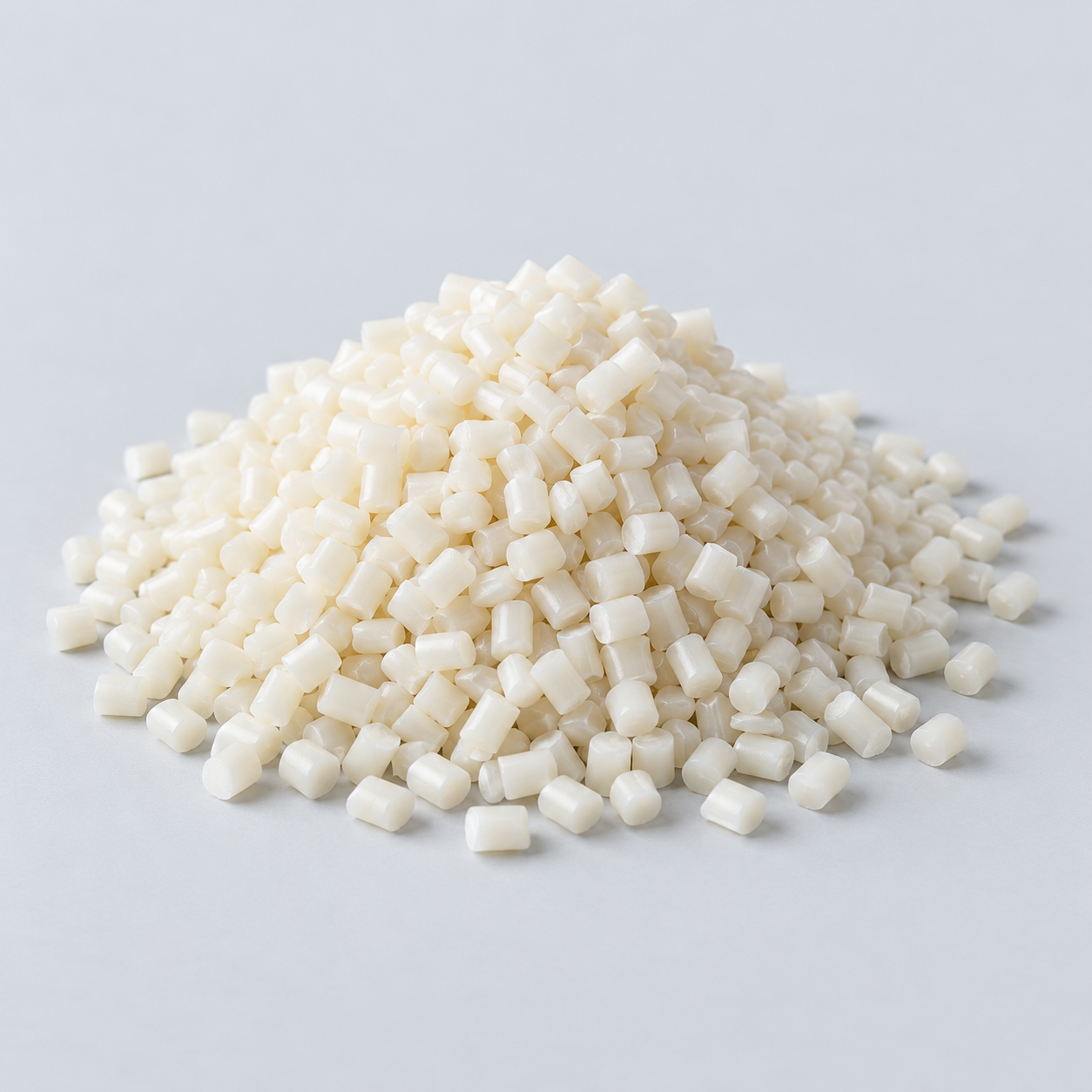 Nylon (PA)Review moisture and wear conditions›
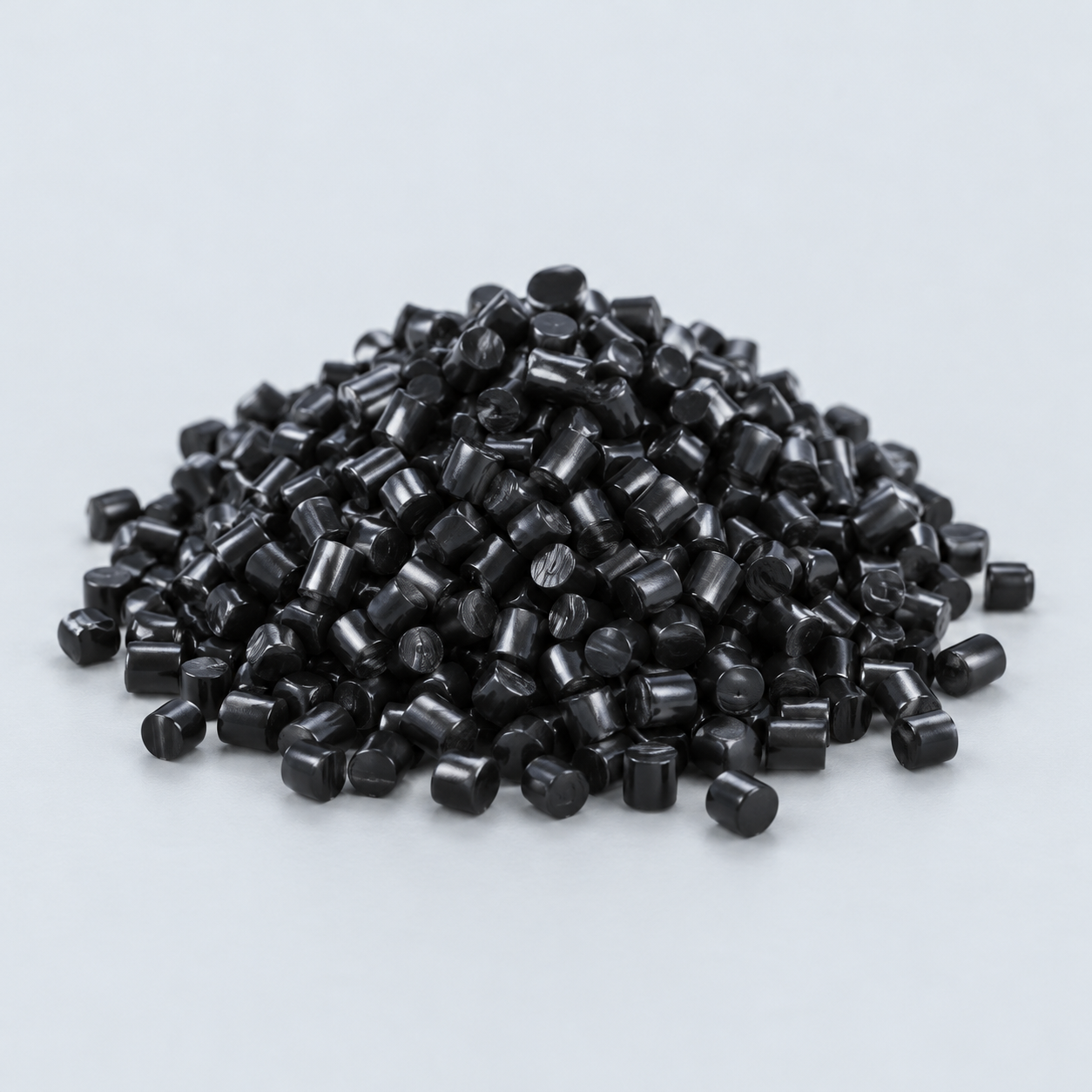 POM / AcetalReview fit and sliding features›
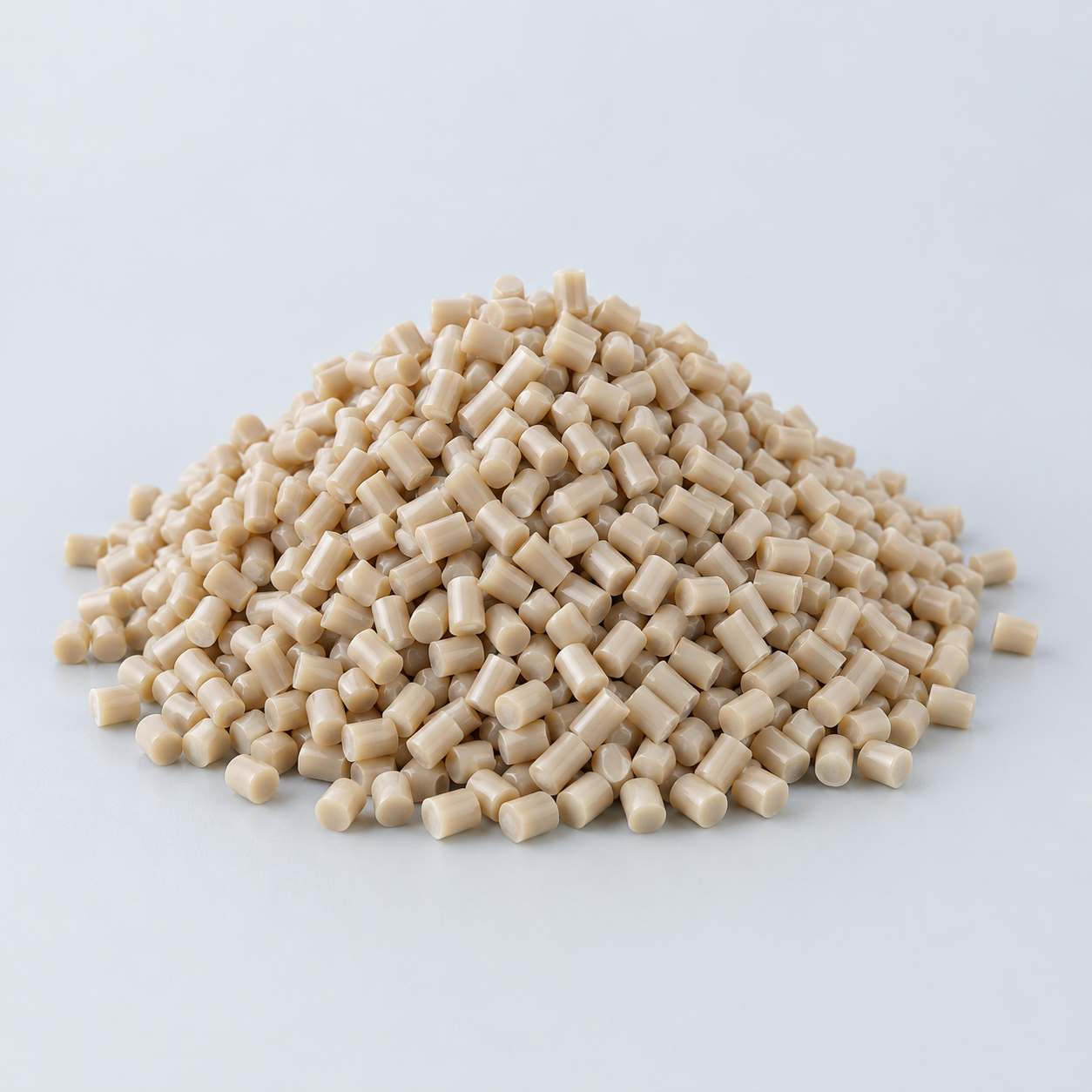 PEEKDiscuss operating conditions›
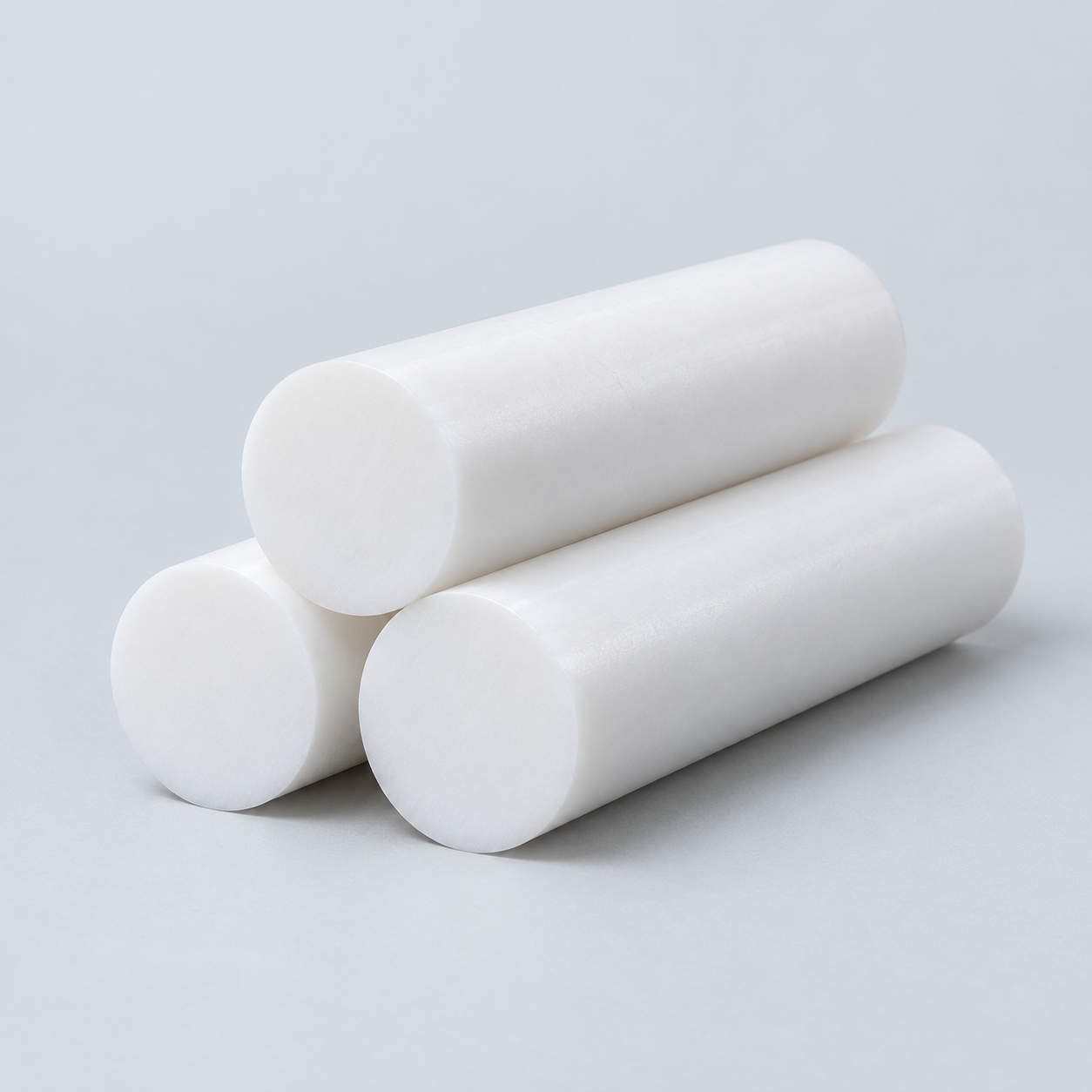 PTFEReview friction and chemical exposure›
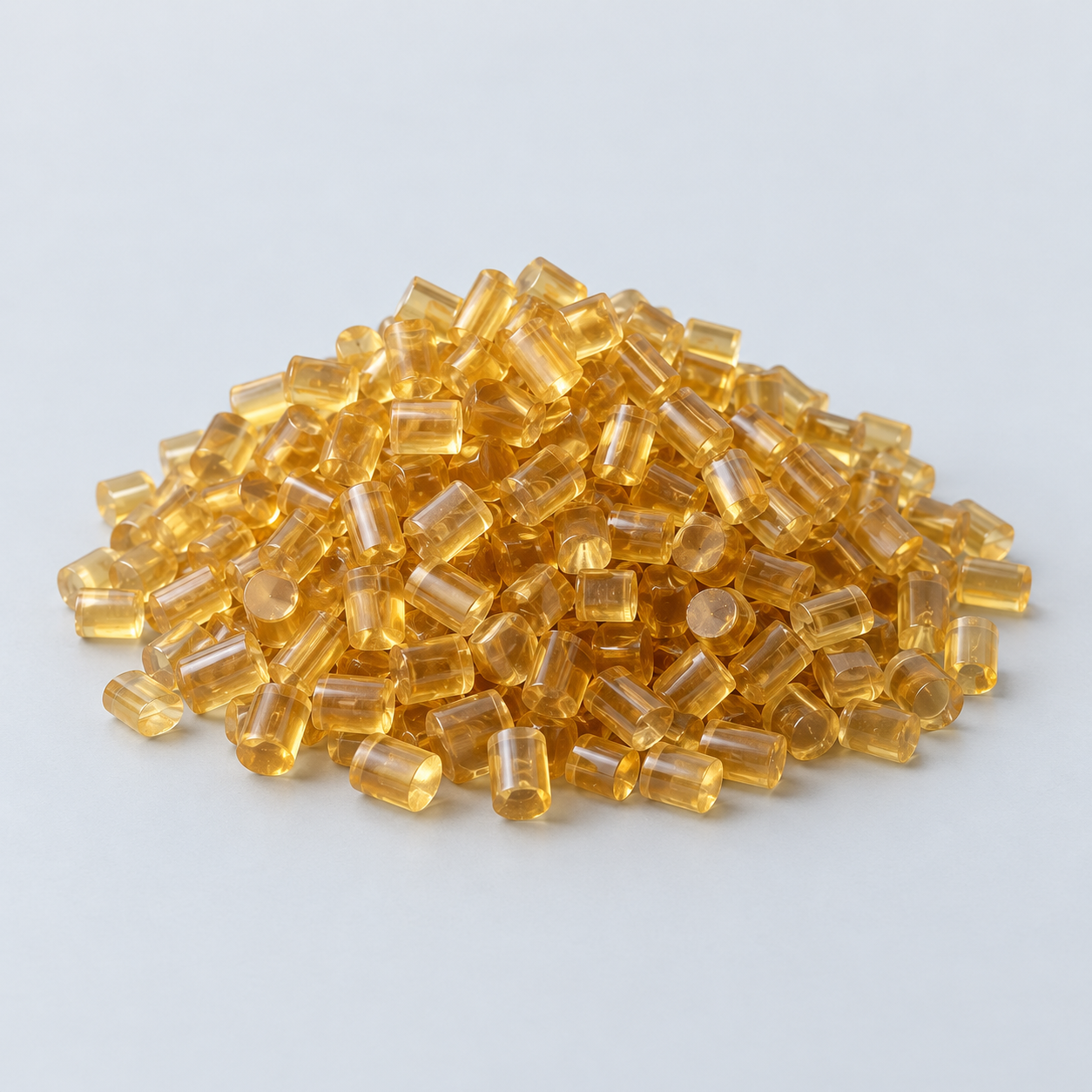 ULTEM / PEIDiscuss thermal and electrical needs›
Confirm grade availability and application requirements.
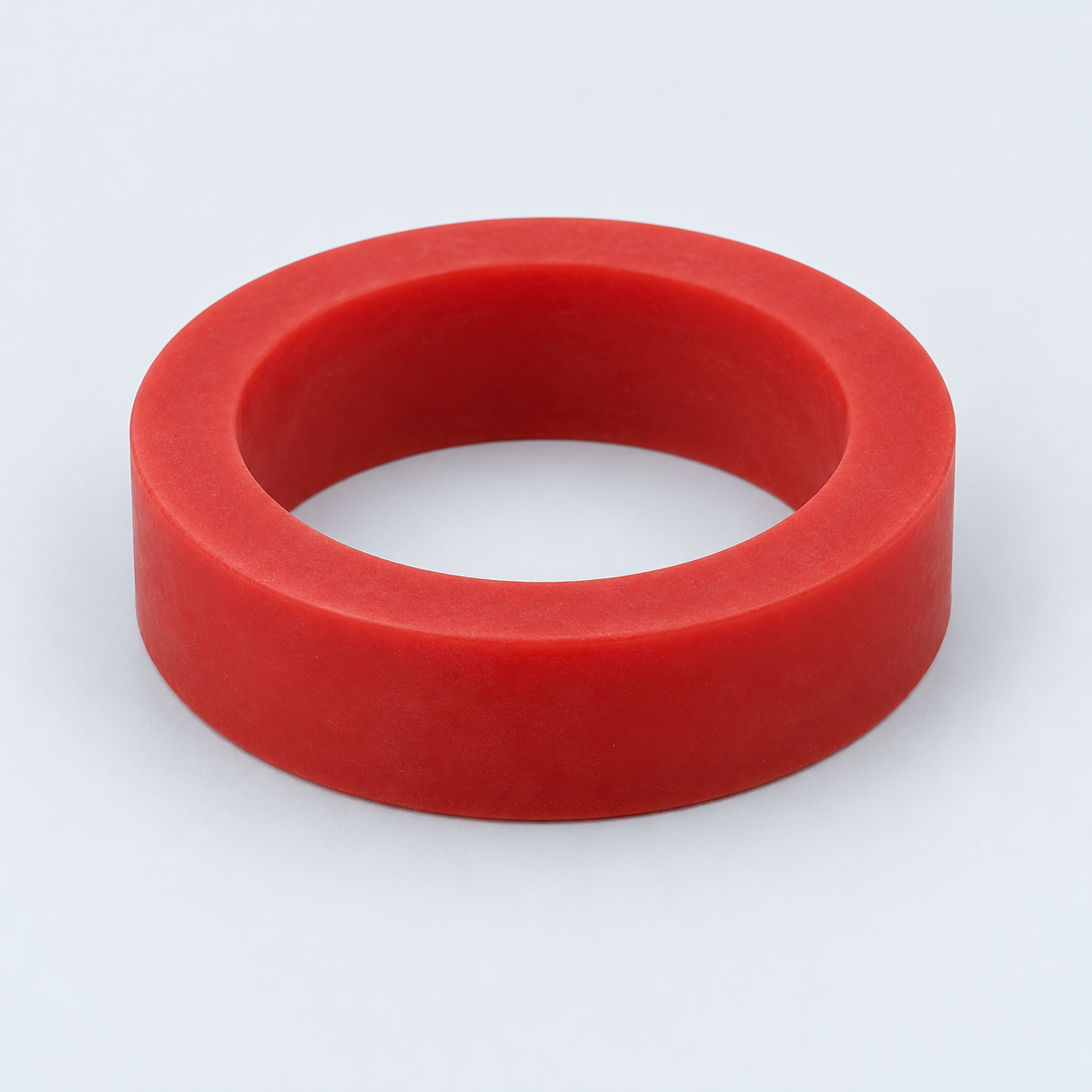 Silicone / LSRDiscuss flexible component needs›
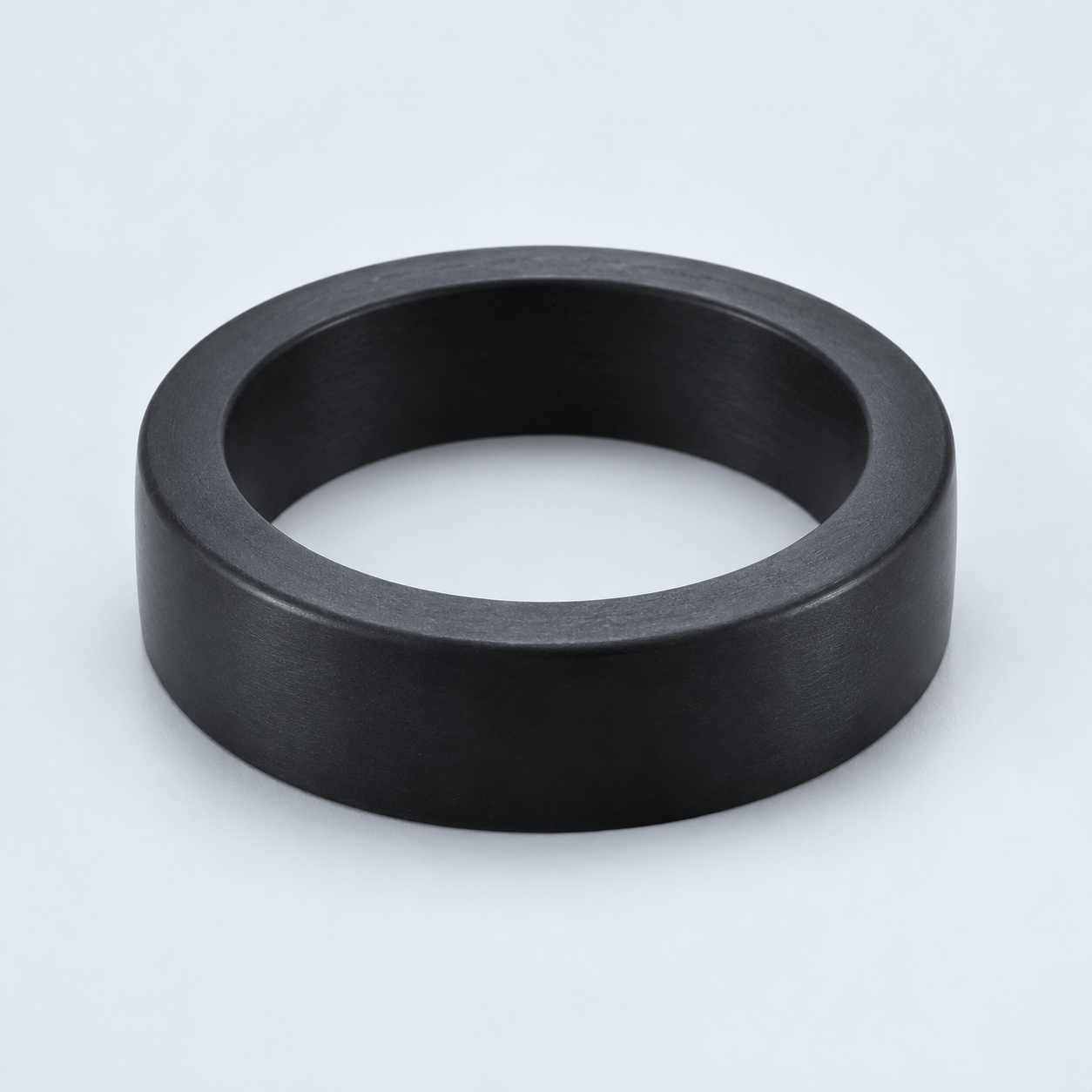 TPU / TPEReview flexibility and processing›
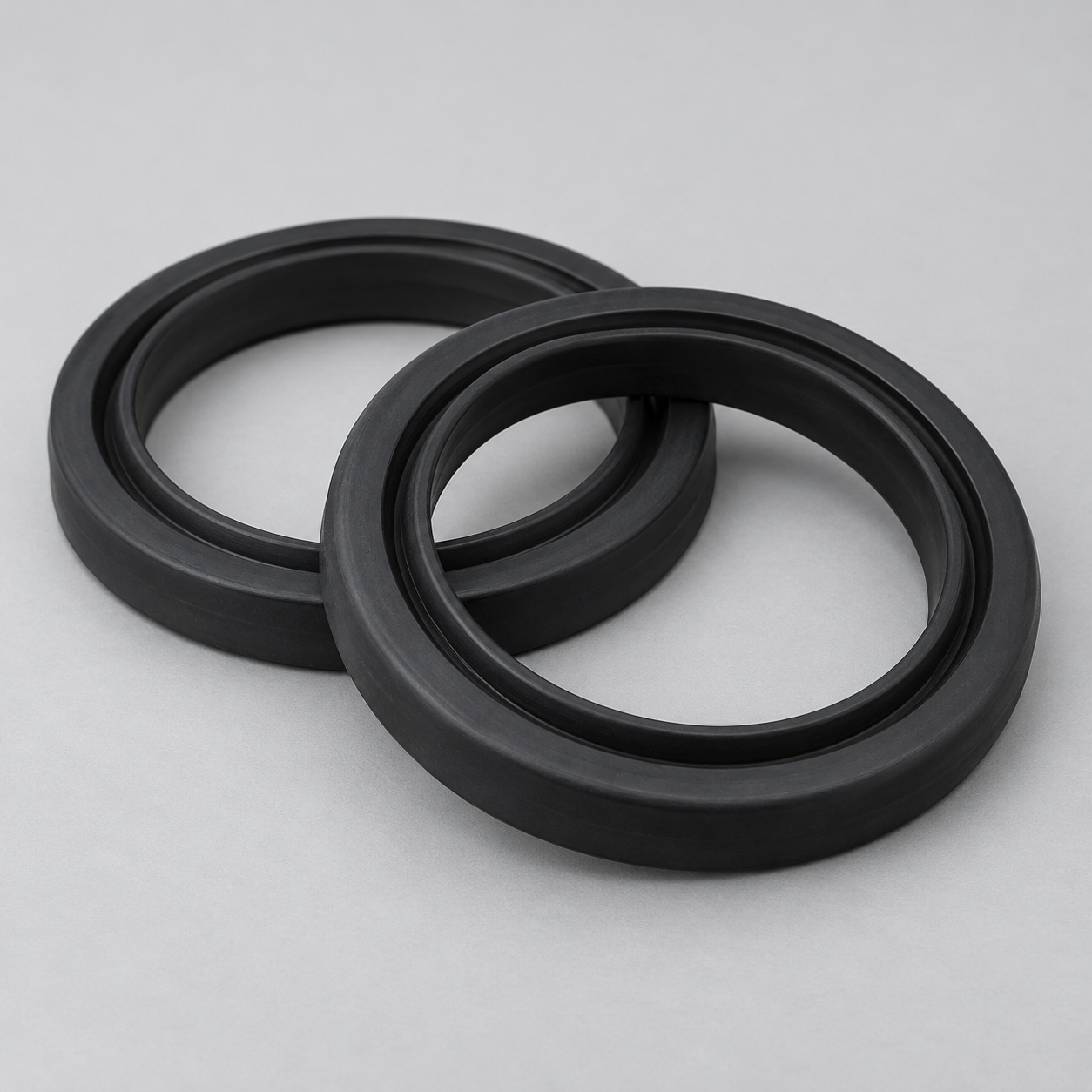 EPDMReview weathering and chemical exposure.›
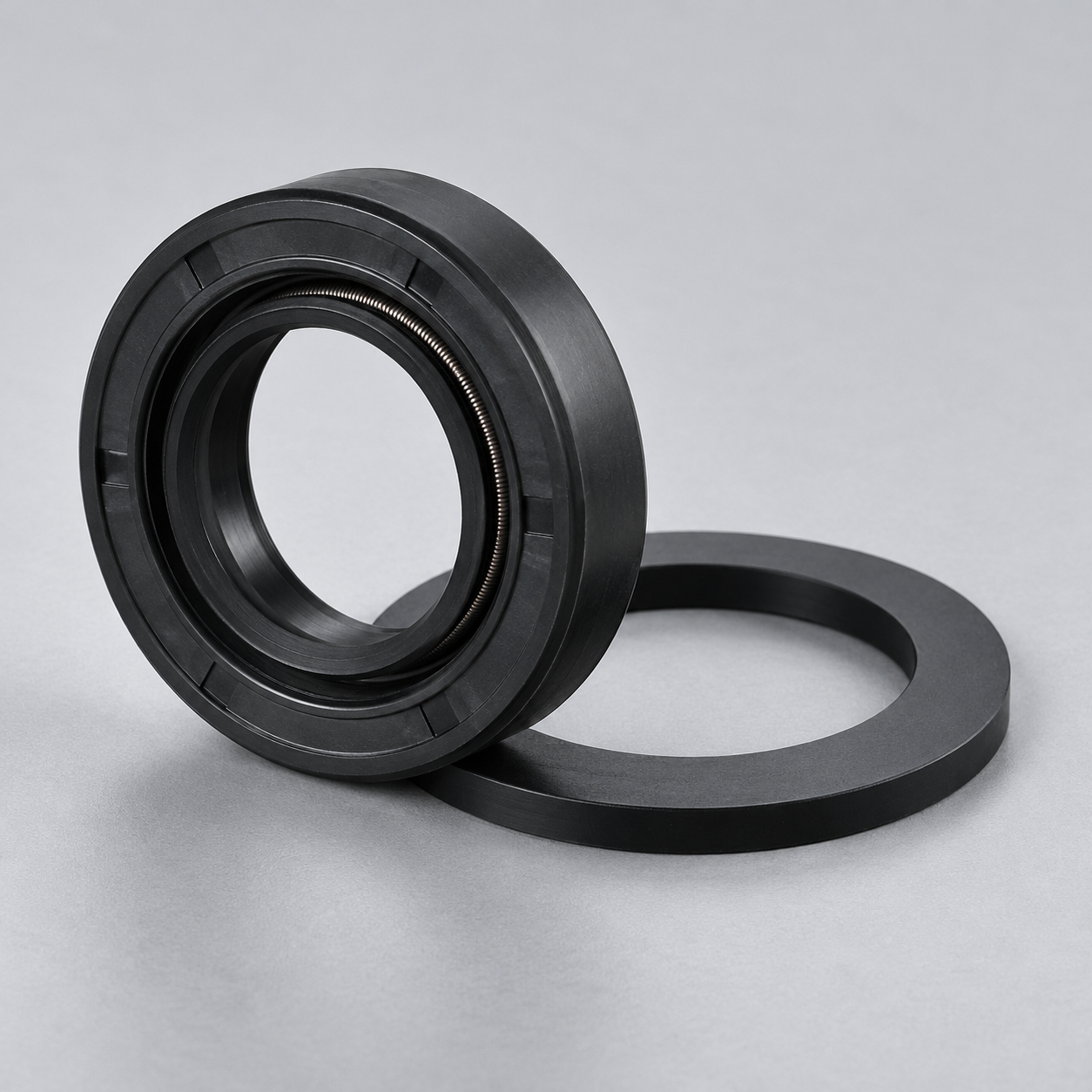 NBRReview oil and fuel exposure.›
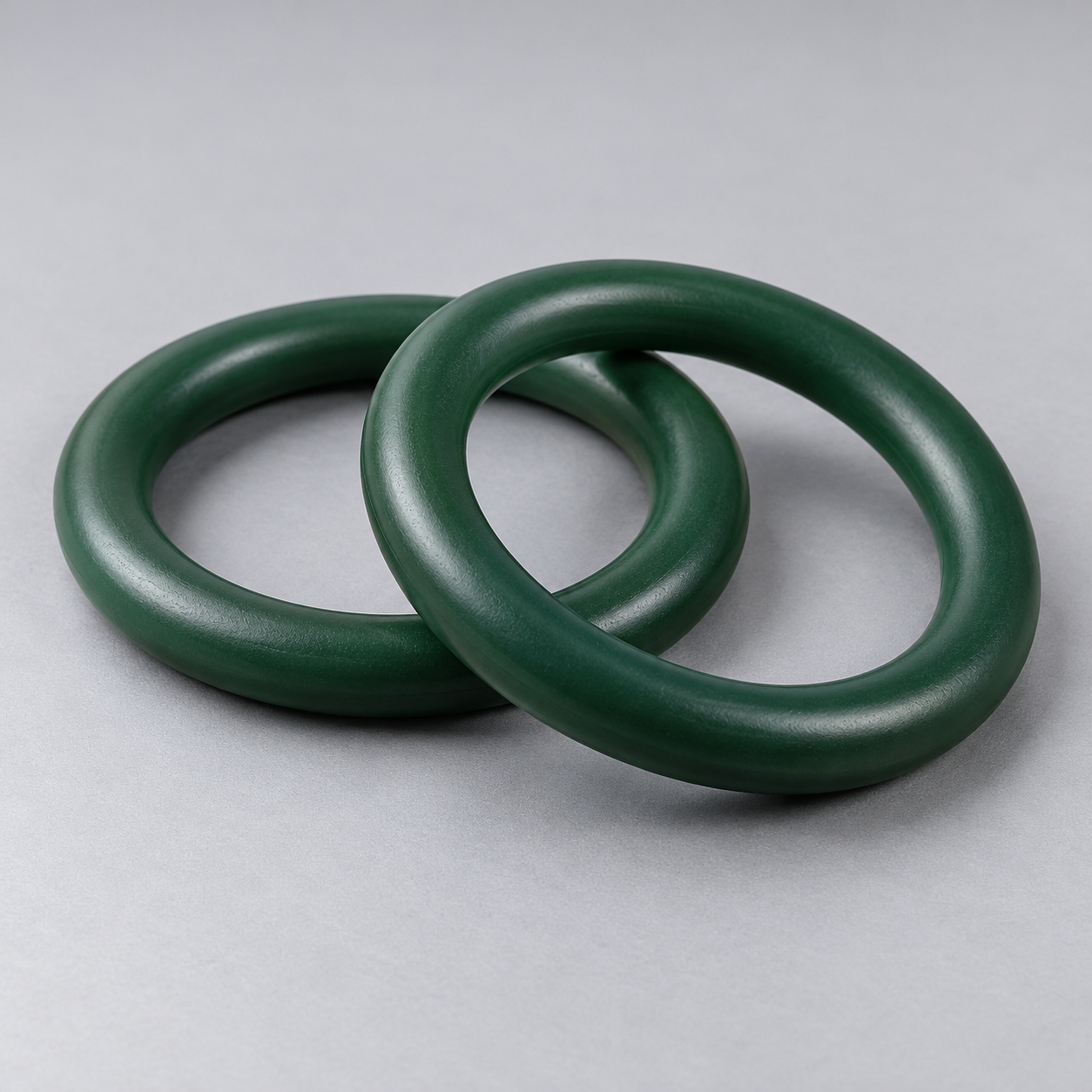 FKMReview temperature and chemical exposure.›
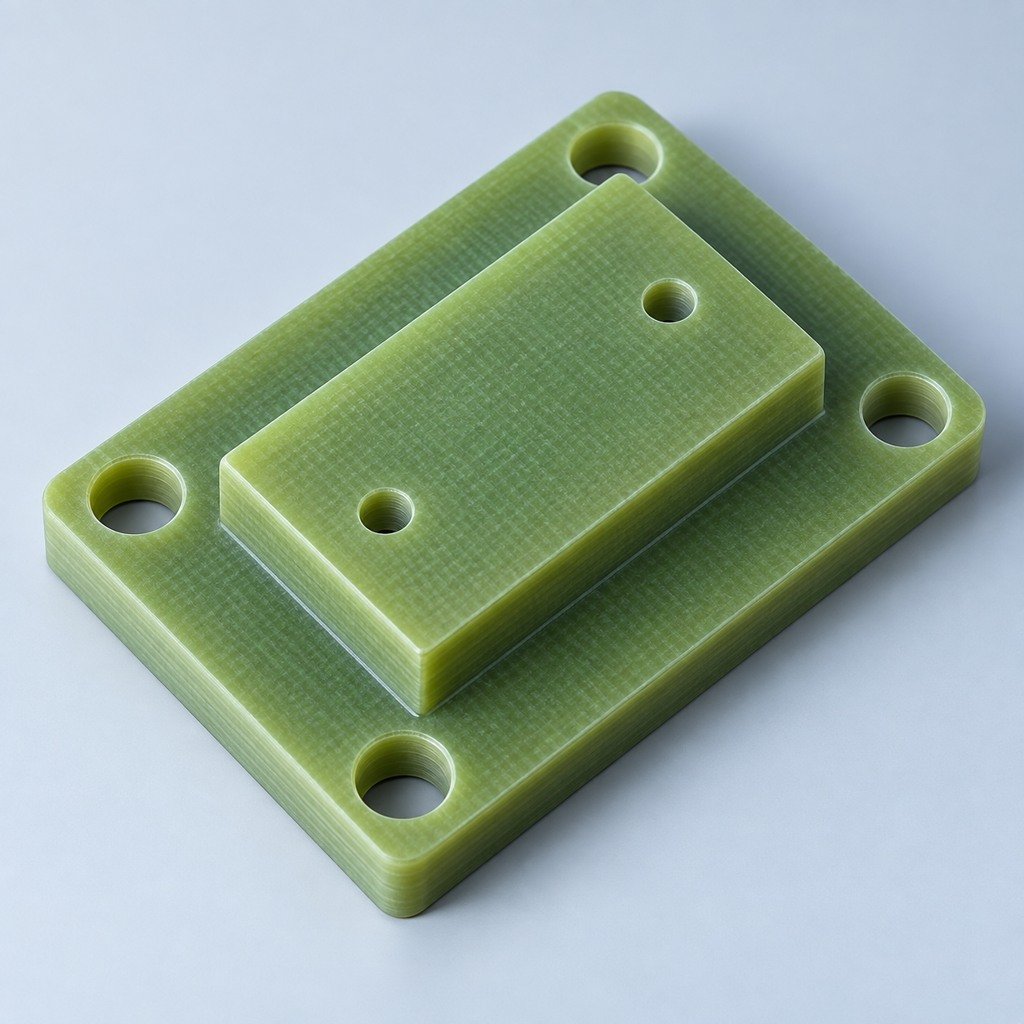 G10 / FR4Review insulation and laminate needs›
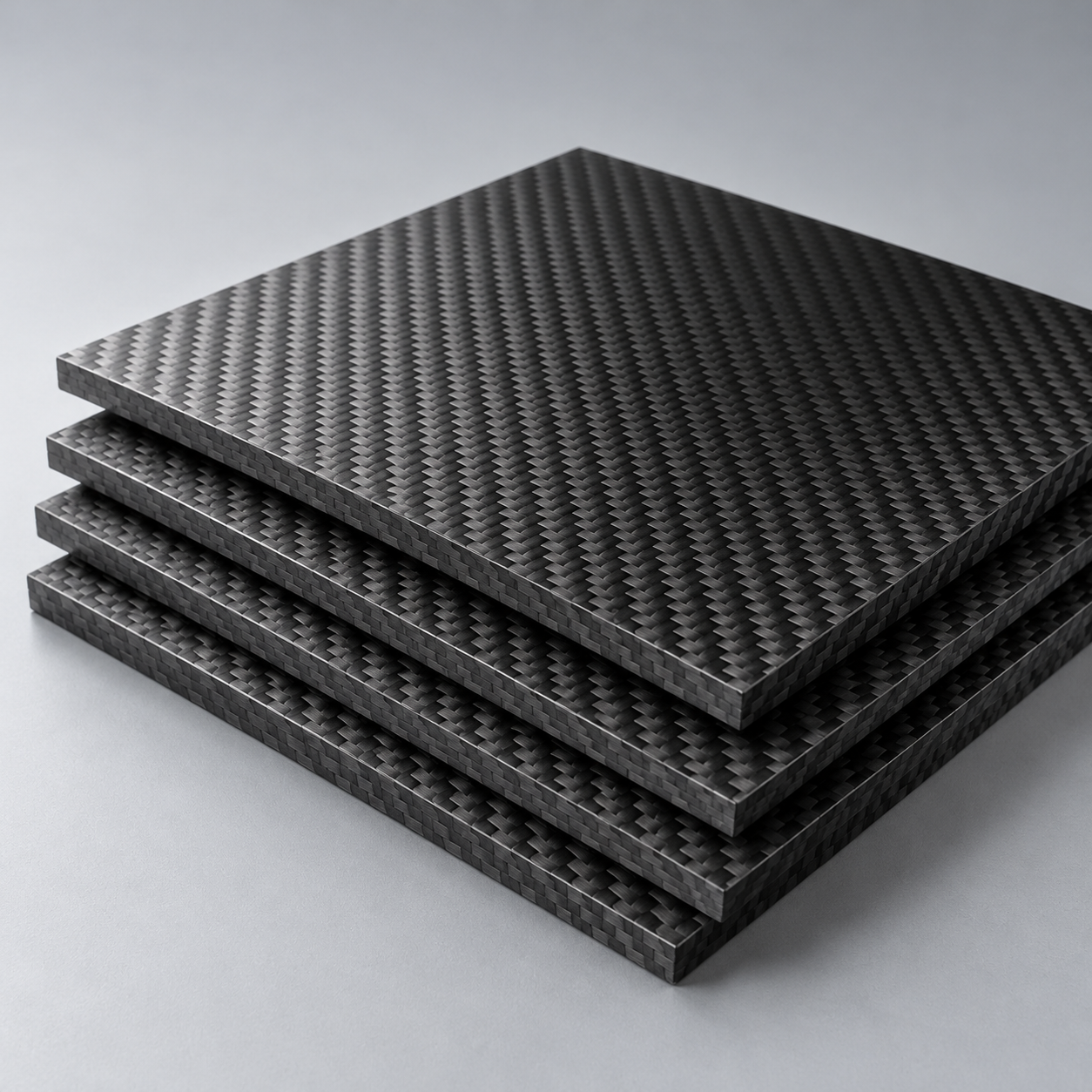 CompositesReview stiffness, weight and laminate.›Customer-Specified MaterialsConfirm your grade and requirements.›Other Specialty MaterialsDiscuss your application and grade.›
Practical guidance for your part geometry and material decisions.
Prepare your process, budget and sourcing questions.
Build your knowledge before production.
Learn who we are and how we operate.
Find our U.S. support team or start a conversation.
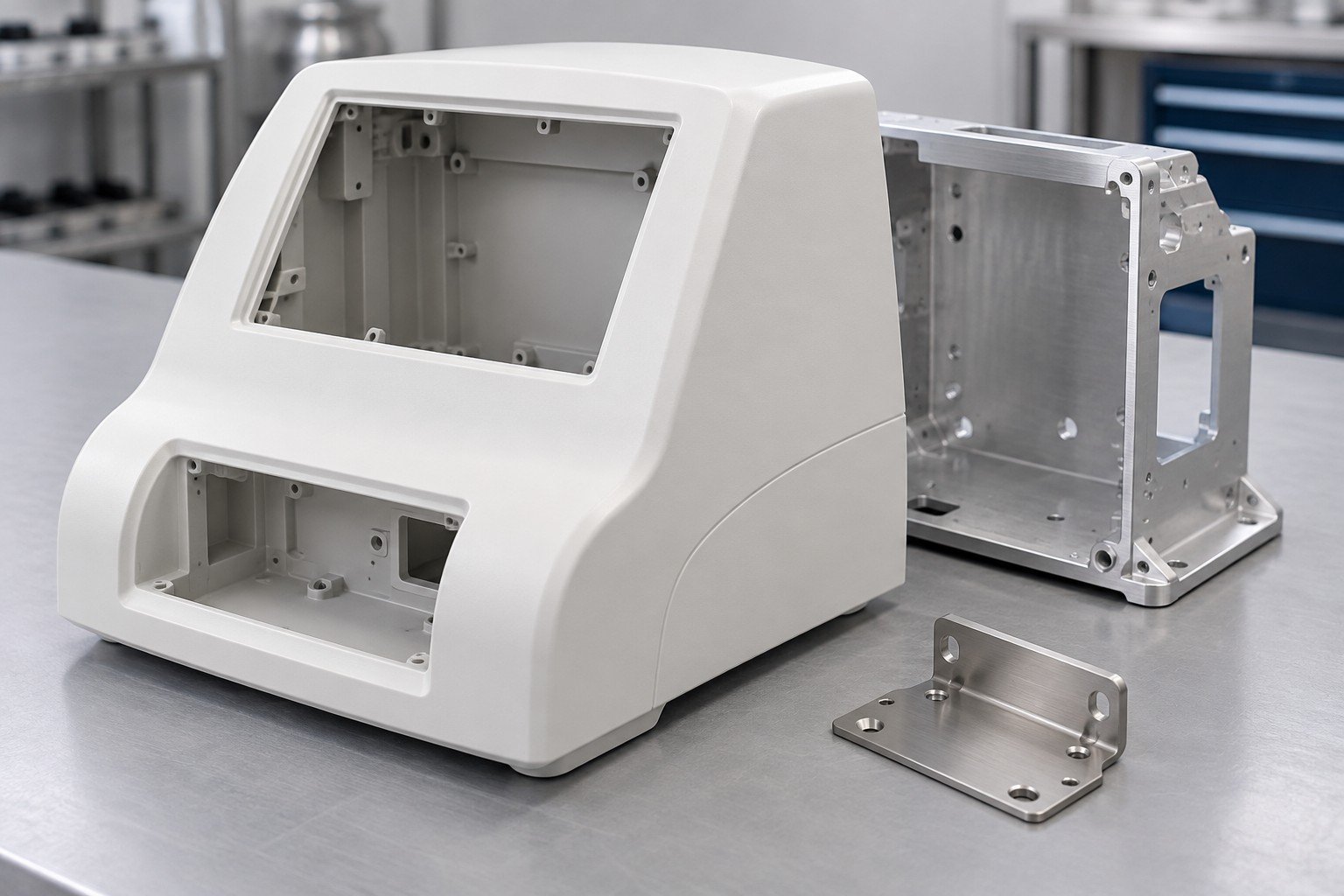
YOUR DRAWING. YOUR DEVICE INTERFACES. YOUR AGREED EVIDENCE.
For your medical equipment housing manufacturer review, connect the enclosure drawing to mounting, access and final-condition requirements. Confirm the component scope and supplier qualification for your project before production.
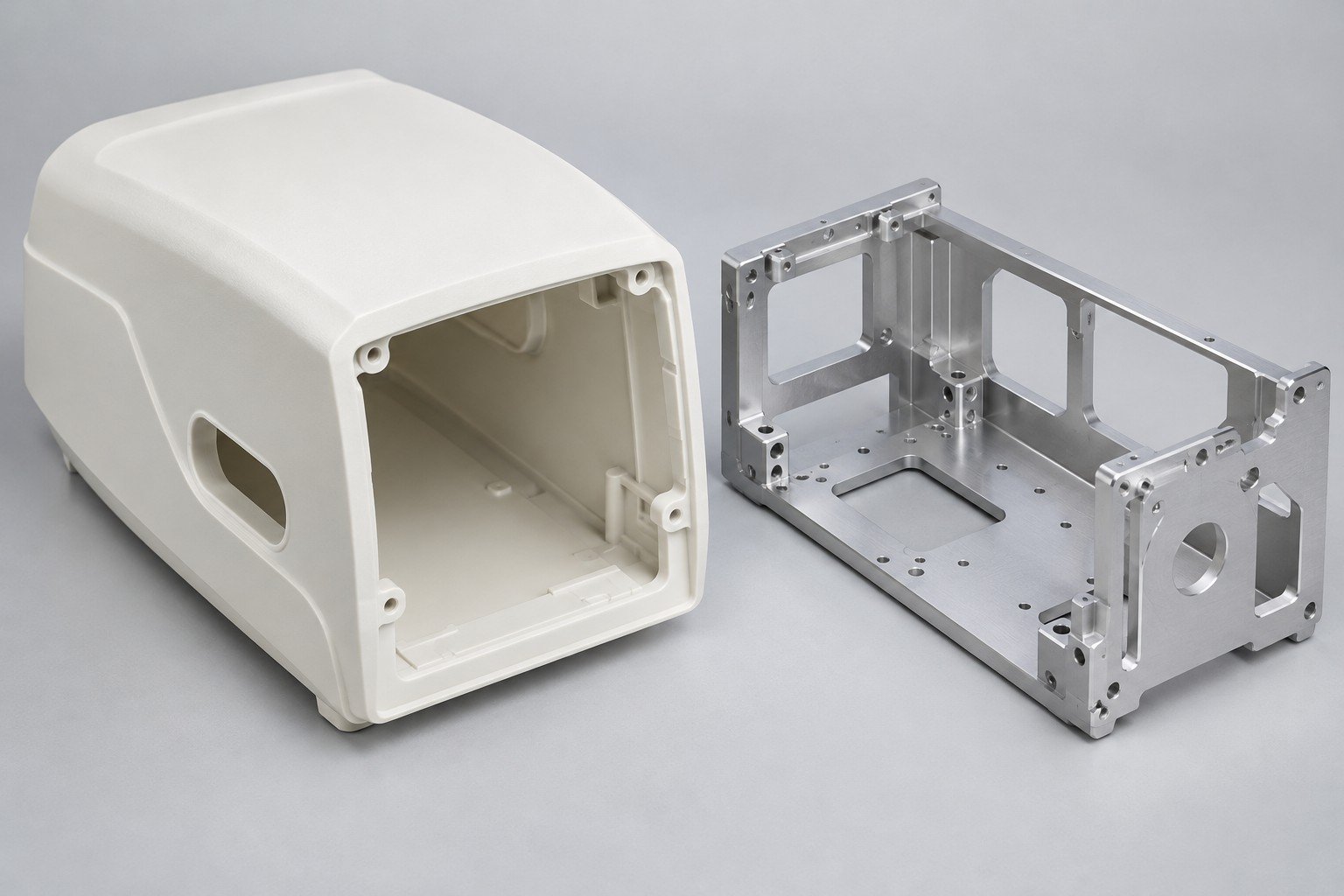
Share equipment covers, chassis, cable openings, mounting points and service access.
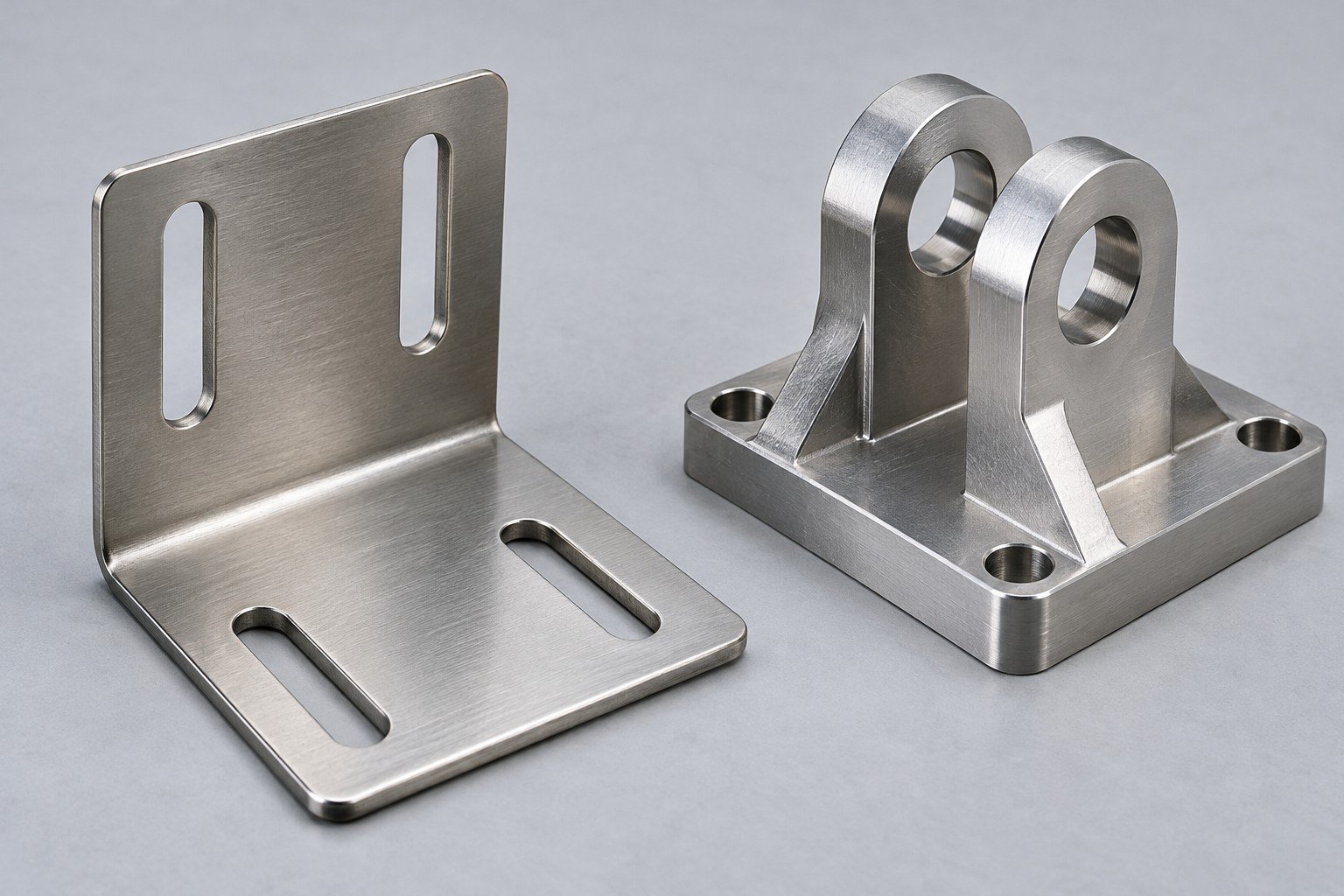
For custom medical equipment brackets, identify the attached components, load requirements and assembly datums.
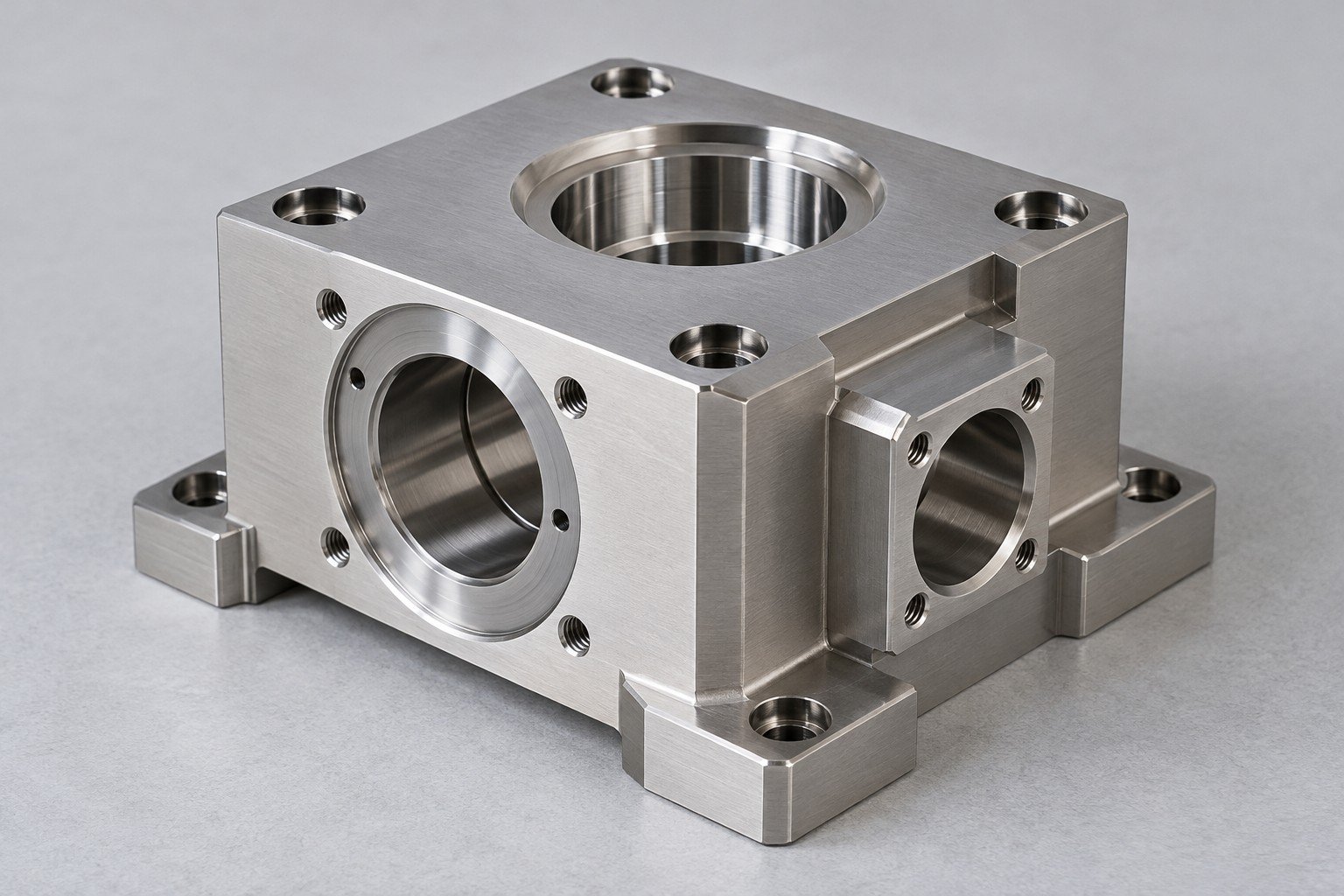
For medical device component CNC machining, specify bores, contact faces, threads and the required inspection condition.
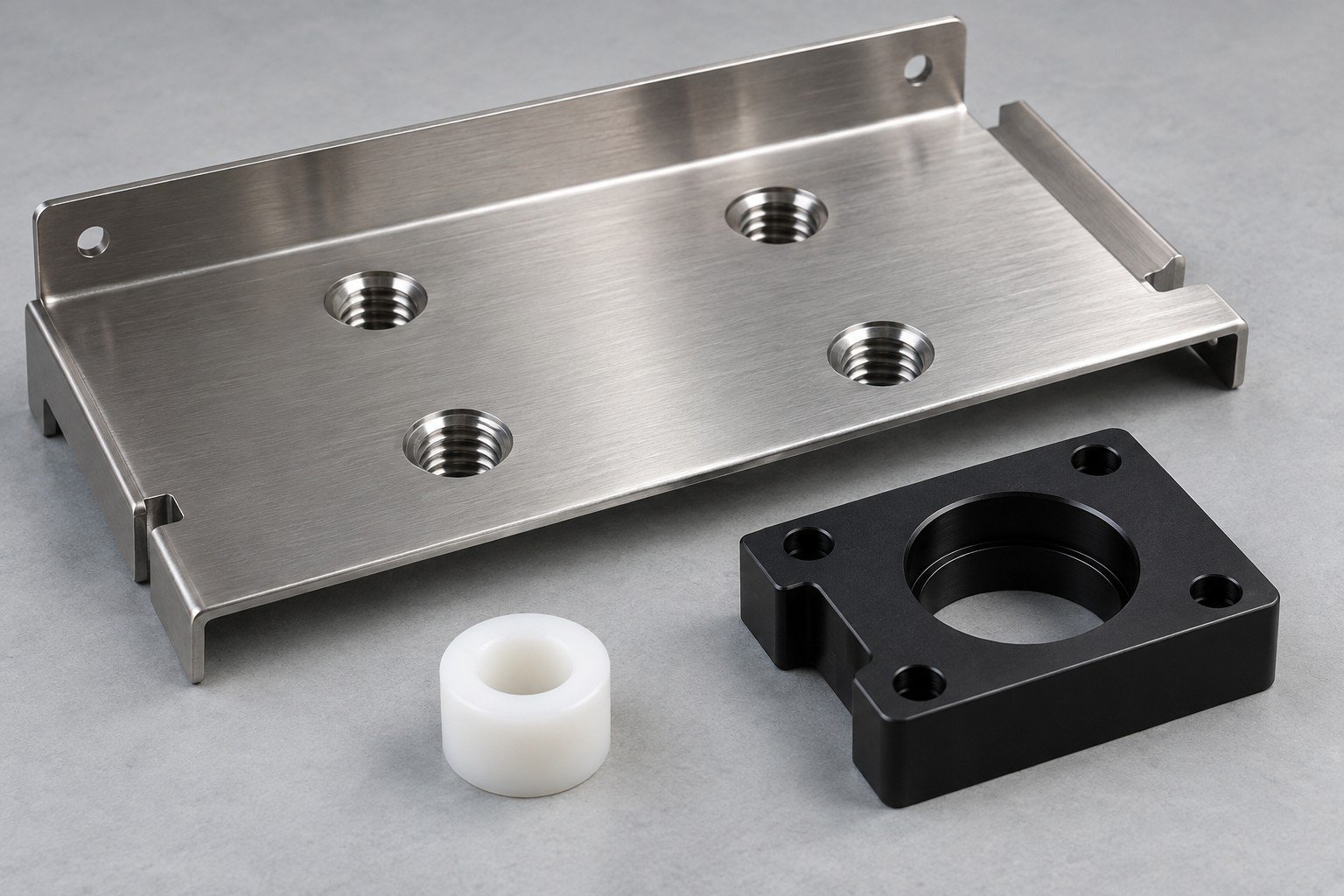
Illustrative equipment component concepts · manufacturing scope and project eligibility require review.
For medical device prototype machining, state which questions the sample must answer. A fit-check sample and a validated production component have different acceptance scopes.
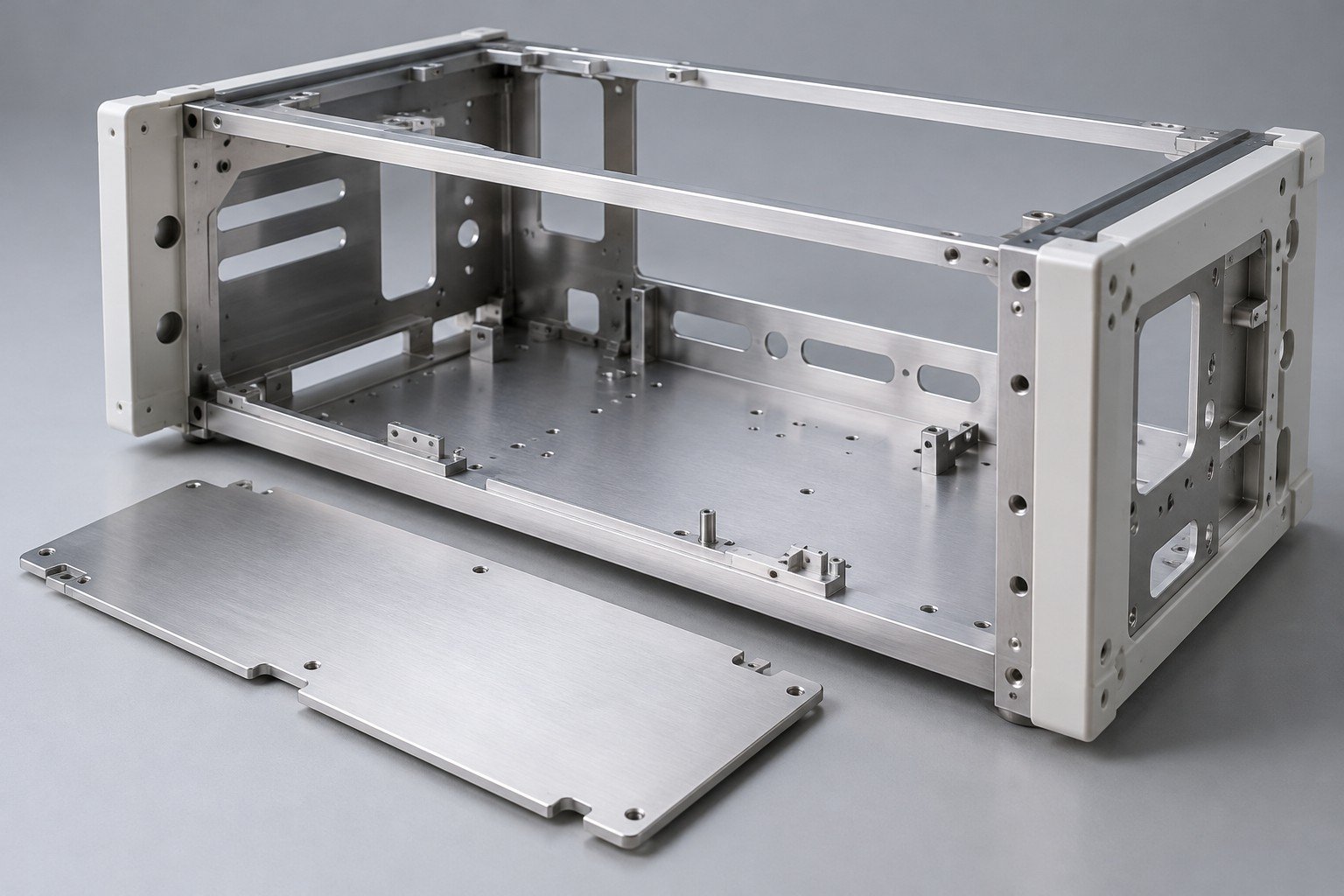
Identify the equipment location and any patient-contact or special-use requirements for eligibility review.
Show mounting faces, cable paths, adjacent parts and assembly access.
Specify the full grade, condition and required surface processing.
Name the evidence, decision owner and any required supplier qualification.
Review the assembled fit rather than treating each part as an isolated shape. Identify which dimensions locate the equipment and which surfaces remain visible or accessible.
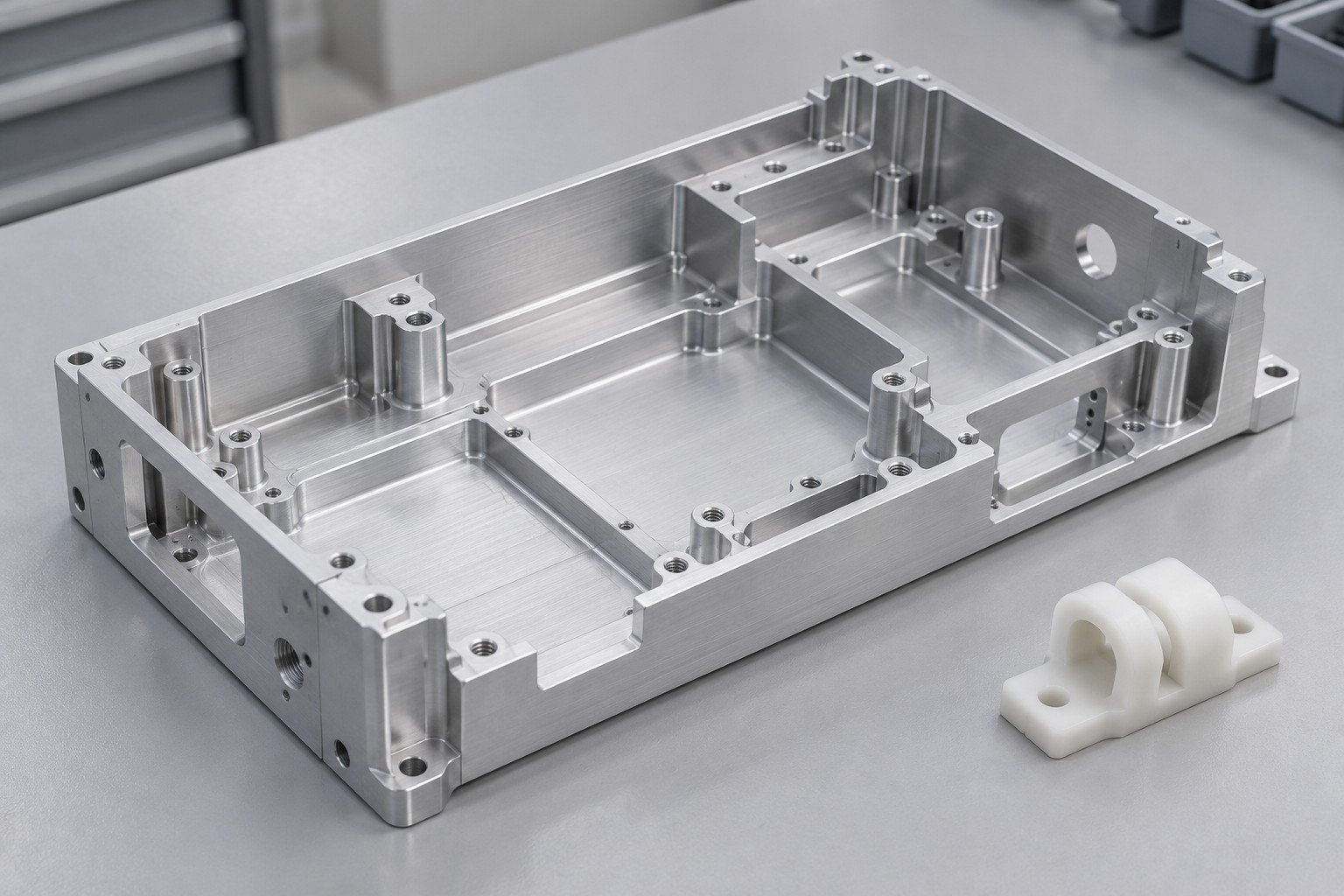
Each record answers a different purchasing or engineering question. This coverage matrix defines information to agree; it contains no invented test results, pass rates or certification claims.
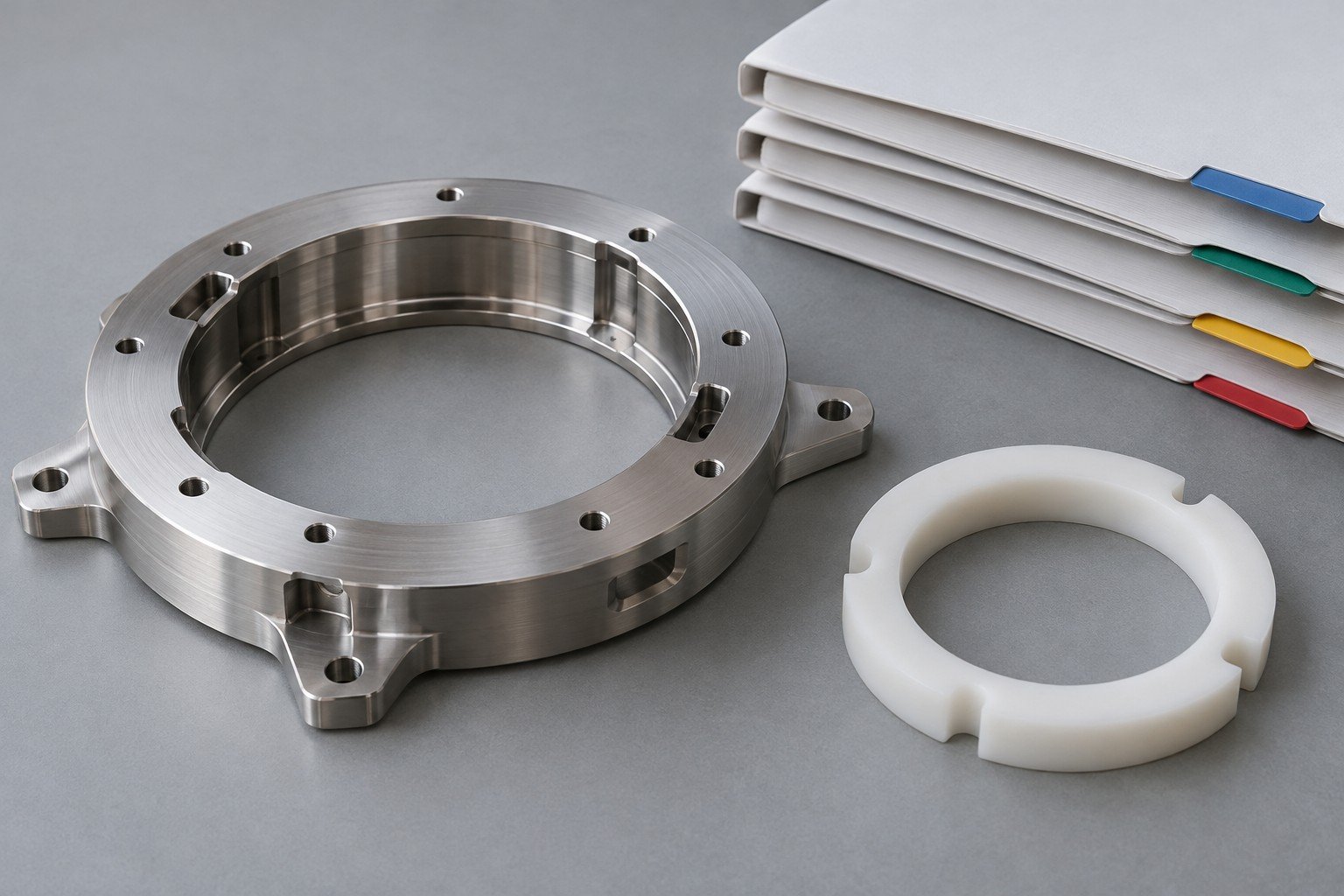
YOUR DOCUMENTATION REVIEW
| Your review question | Record to agree | Information to connect | What still needs separate approval |
|---|---|---|---|
| Was the correct design used? | Controlled drawing / revision | Part number, approved revision and agreed changes | Device design suitability and intended use |
| Was the specified material supplied? | Required material / lot evidence | Full specification, condition and agreed lot identity | Application-specific material suitability |
| Do the selected features meet the drawing? | Agreed dimensional / first-article record | Feature IDs, requirements, results, method and selected sampling | Performance outside the measured features |
| Is the part in its required final condition? | Specified process / final-release evidence | Finish or treatment identity, required checks and release reference | Cleaning, sterilization, biological or device-level validation where applicable |
Agree measurement access, fixture condition, equipment and reporting needs around the drawing. Measurement equipment contributes to uncertainty; a CMM photograph or instrument resolution alone is not evidence of conformity.
Connect the part record to the correct revision, sample and final condition. Agree acceptance and required qualifications with the responsible device team before repeat supply.
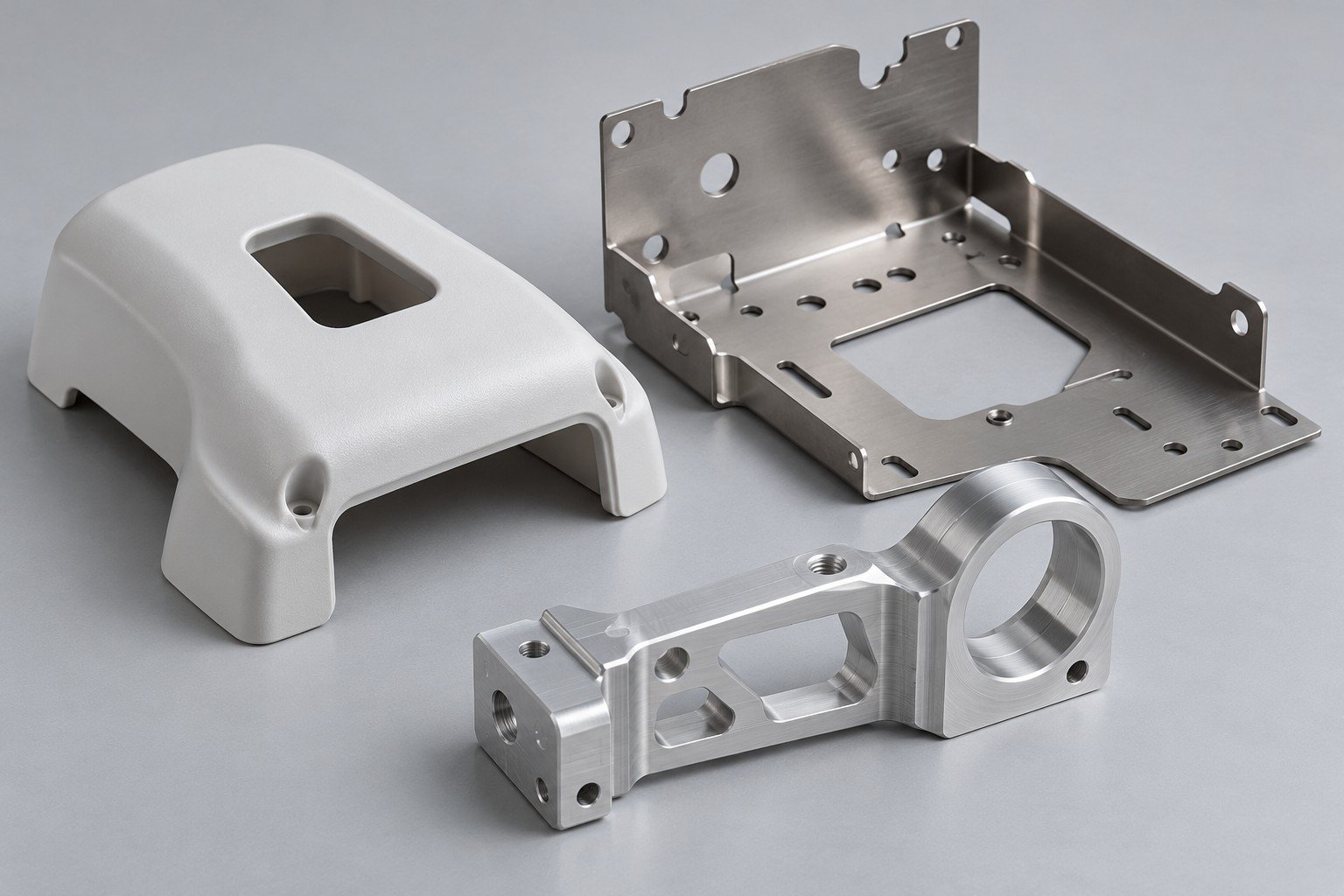
Review bores, datums and tool access.
Review bends, fasteners and assembled fit.
Review walls, openings and tooling requirements.
| Your part | Route to review | Before committing |
|---|---|---|
| Mounting frames, bores and contact faces | CNC machining | Tool access, datums, selected features and final-condition checks |
| Repeat polymer enclosure geometry | Injection molding | Resin identity, draft, wall geometry, inserts and cosmetic acceptance |
| Covers and formed mounting hardware | Sheet-metal fabrication | Bends, seams, edges, hardware and assembly access |
| Multi-part component groups | Mechanical assembly | Released component revisions, joining details and agreed checks |
Manufacturing route, economical quantities and delivery are reviewed from your drawing and scope; no universal production threshold or lead time is implied.
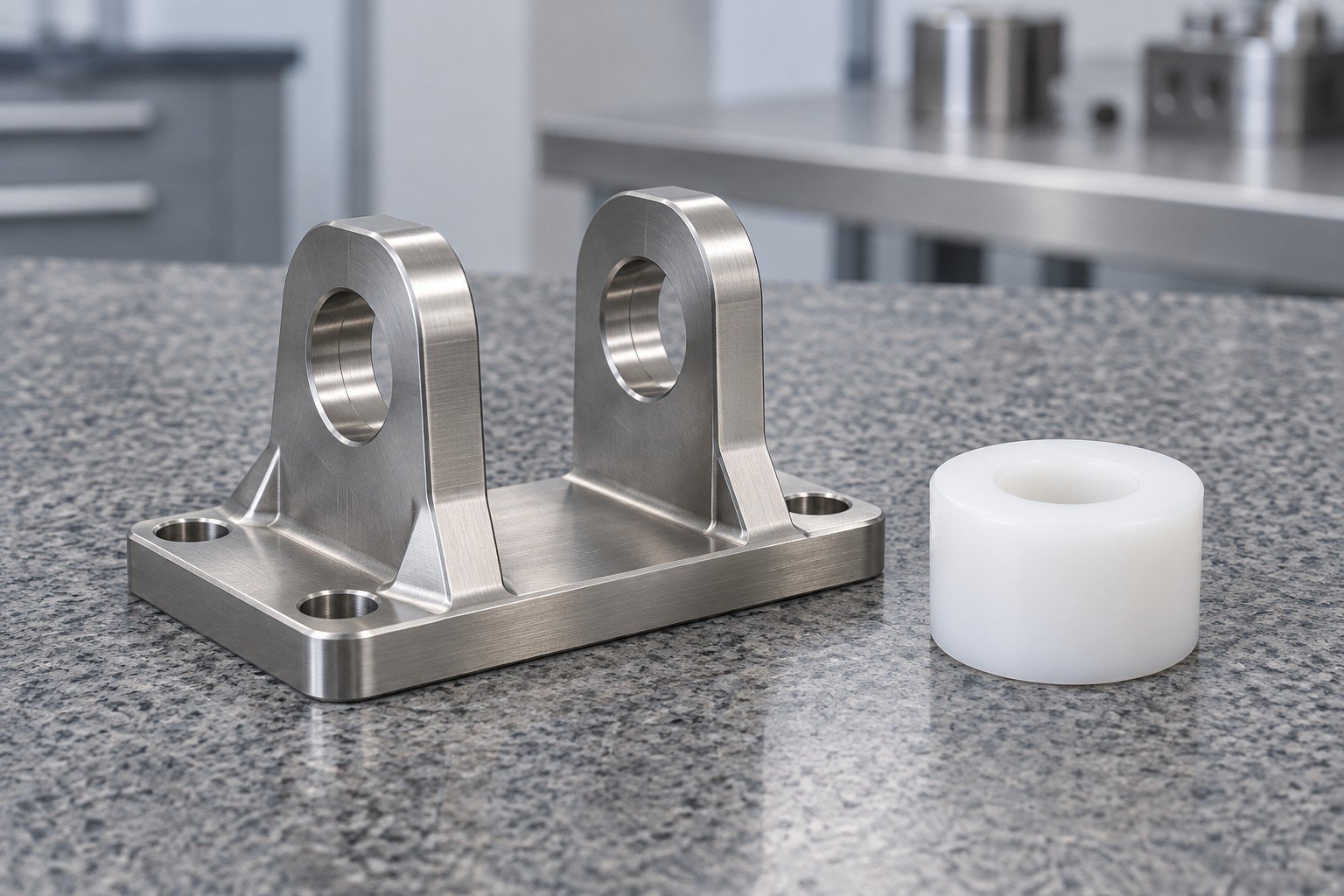
For medical equipment stainless steel components, identify the full material specification, product form, condition and required processing. A grade name alone does not establish suitability for the application.
Agree required lot references and supporting records.
Define specified finish, treatment, protected contacts and appearance zones.
State cleaning, protection and packaging requirements for scope review.
Confirm any special processing, intended-use or device-level validation separately.
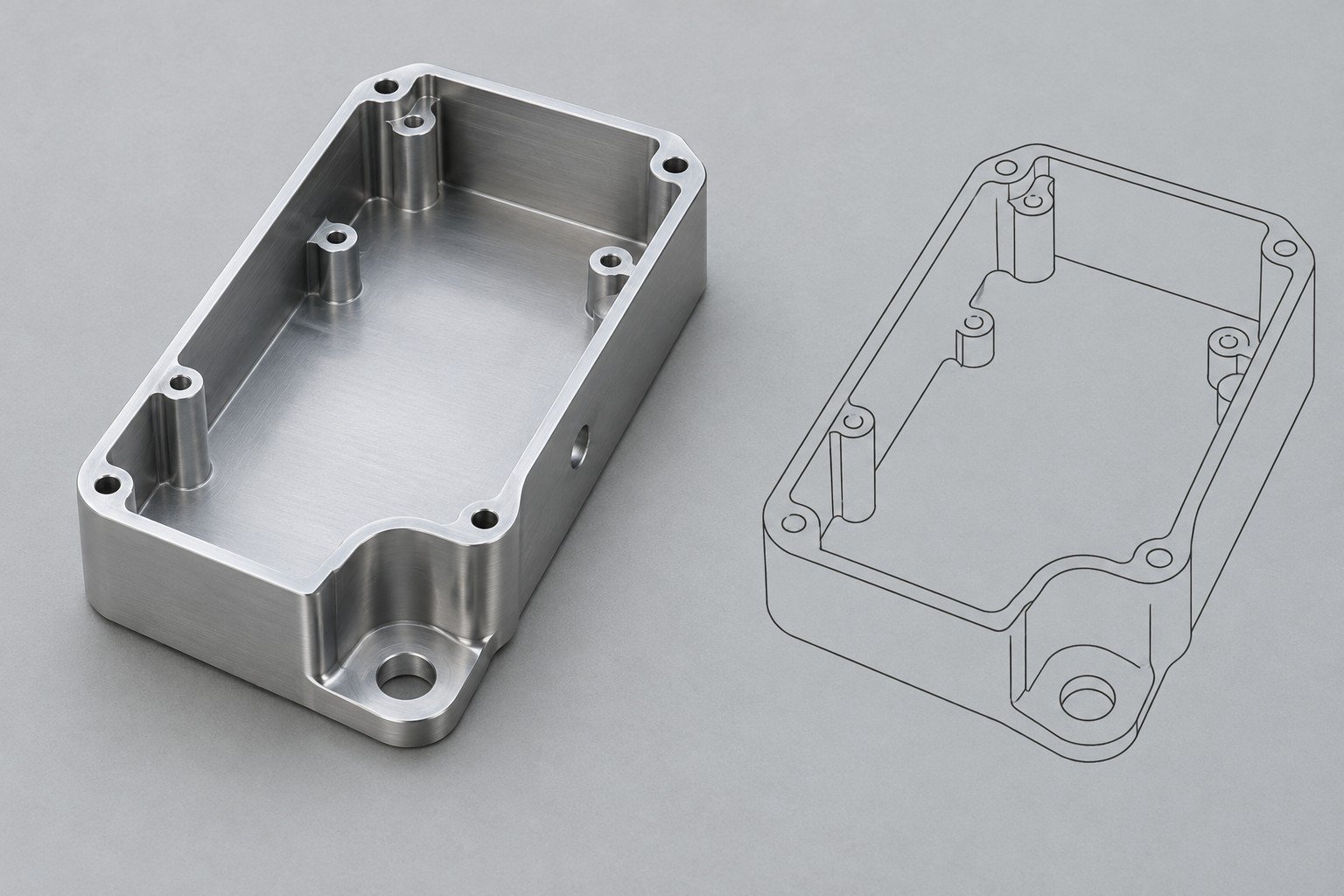
Confirm part function and project eligibility.
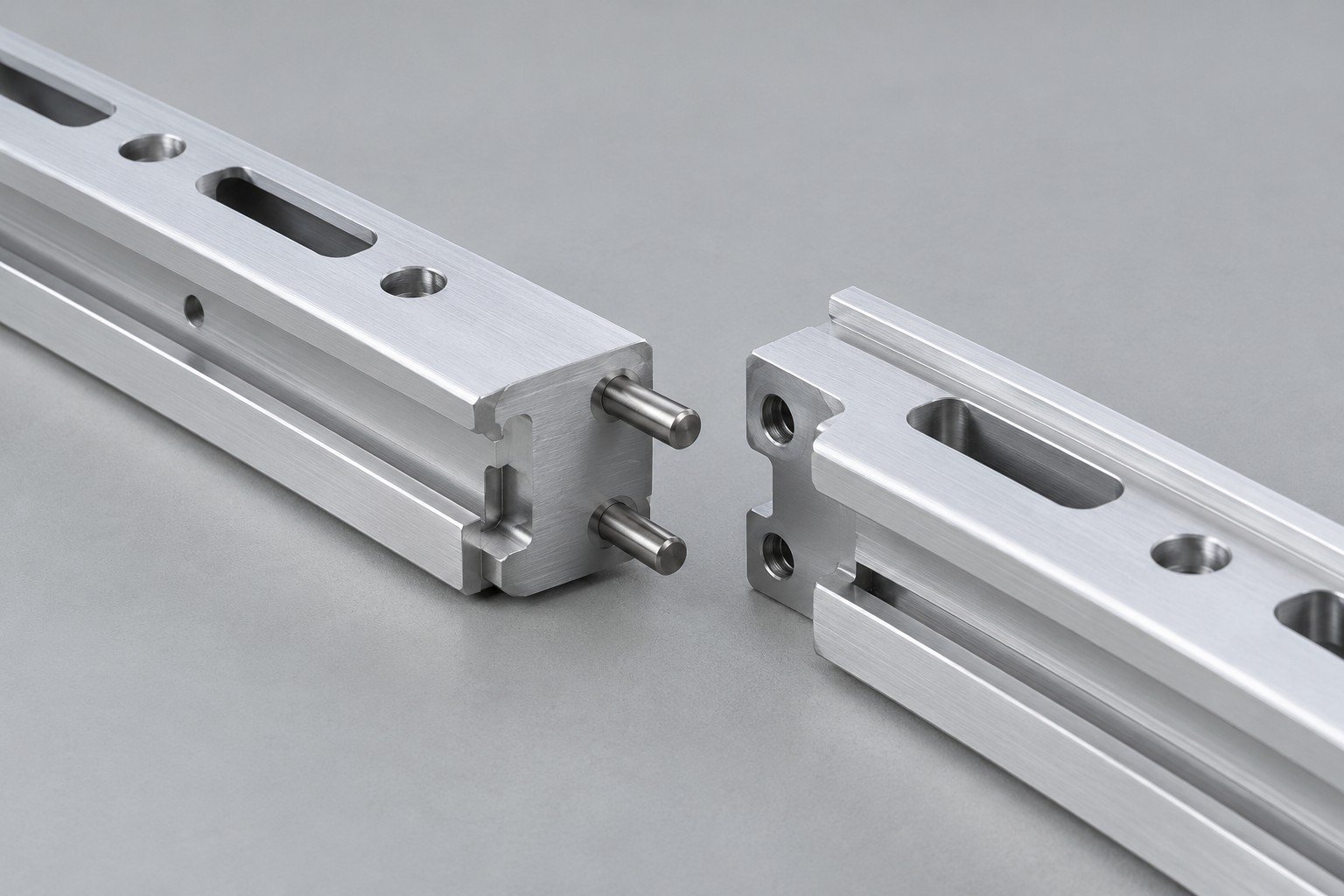
Resolve geometry, material and acceptance inputs.
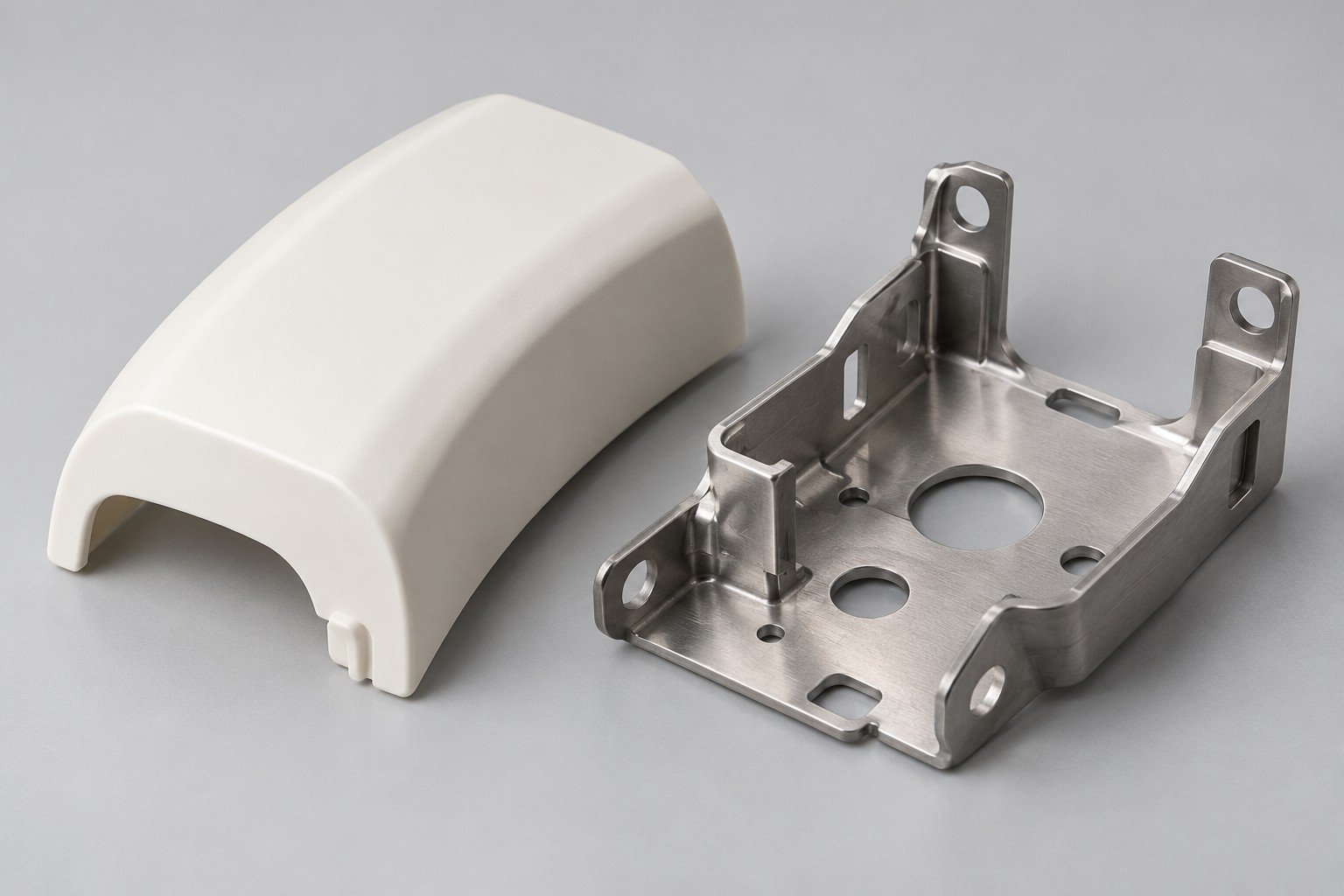
Build against the agreed revision and scope.
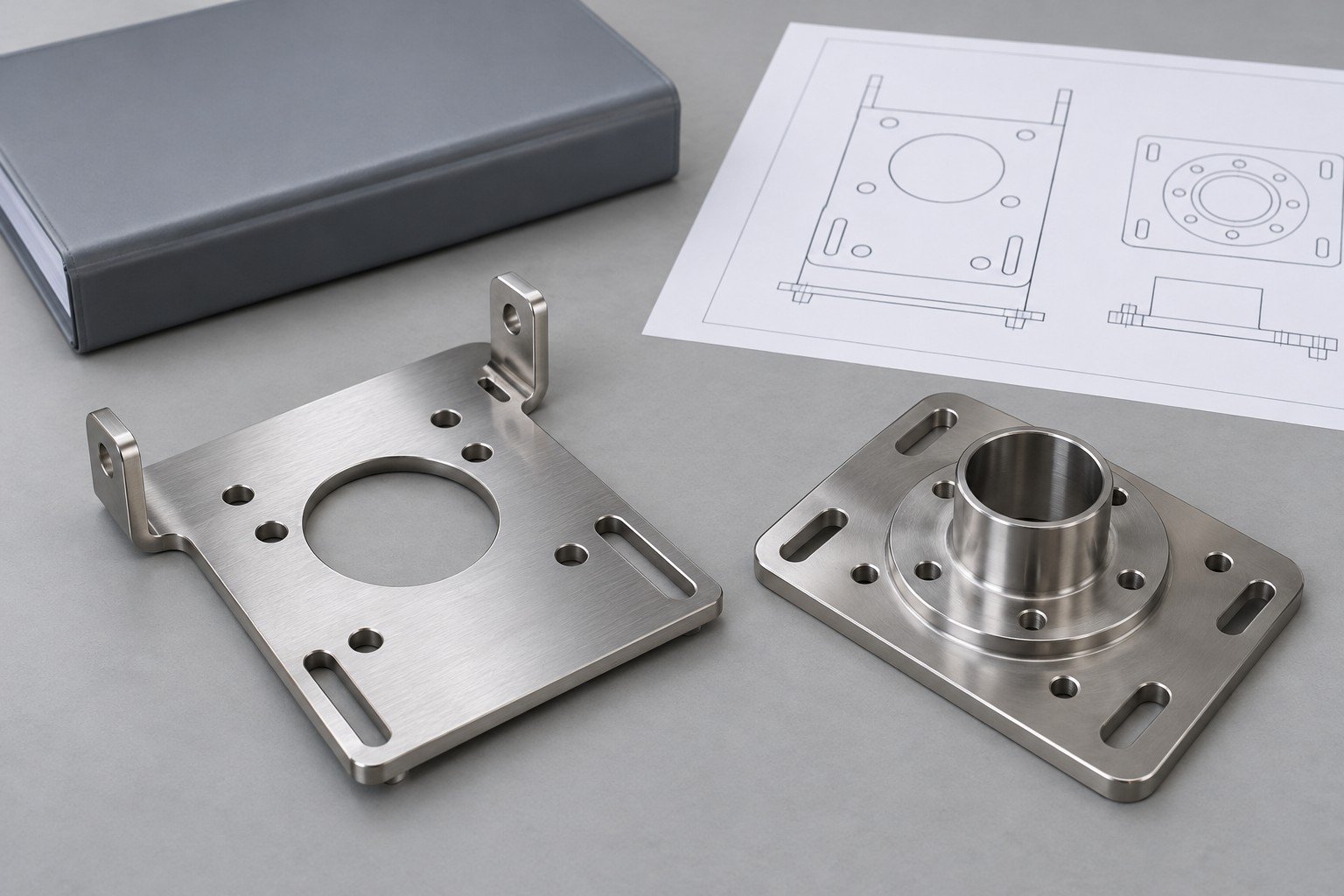
Review specified records and approval decisions.
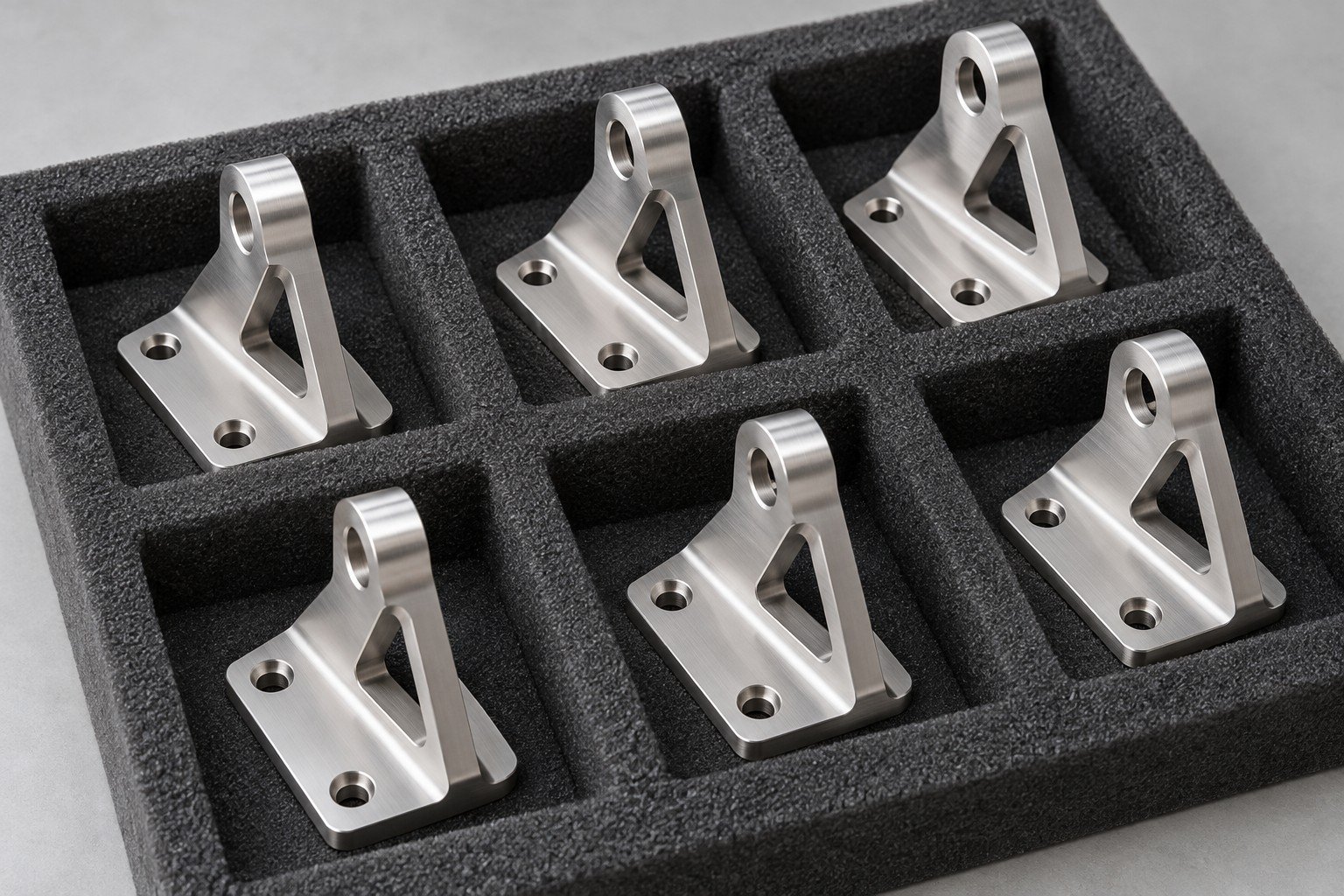
Confirm repeat requirements and change control.
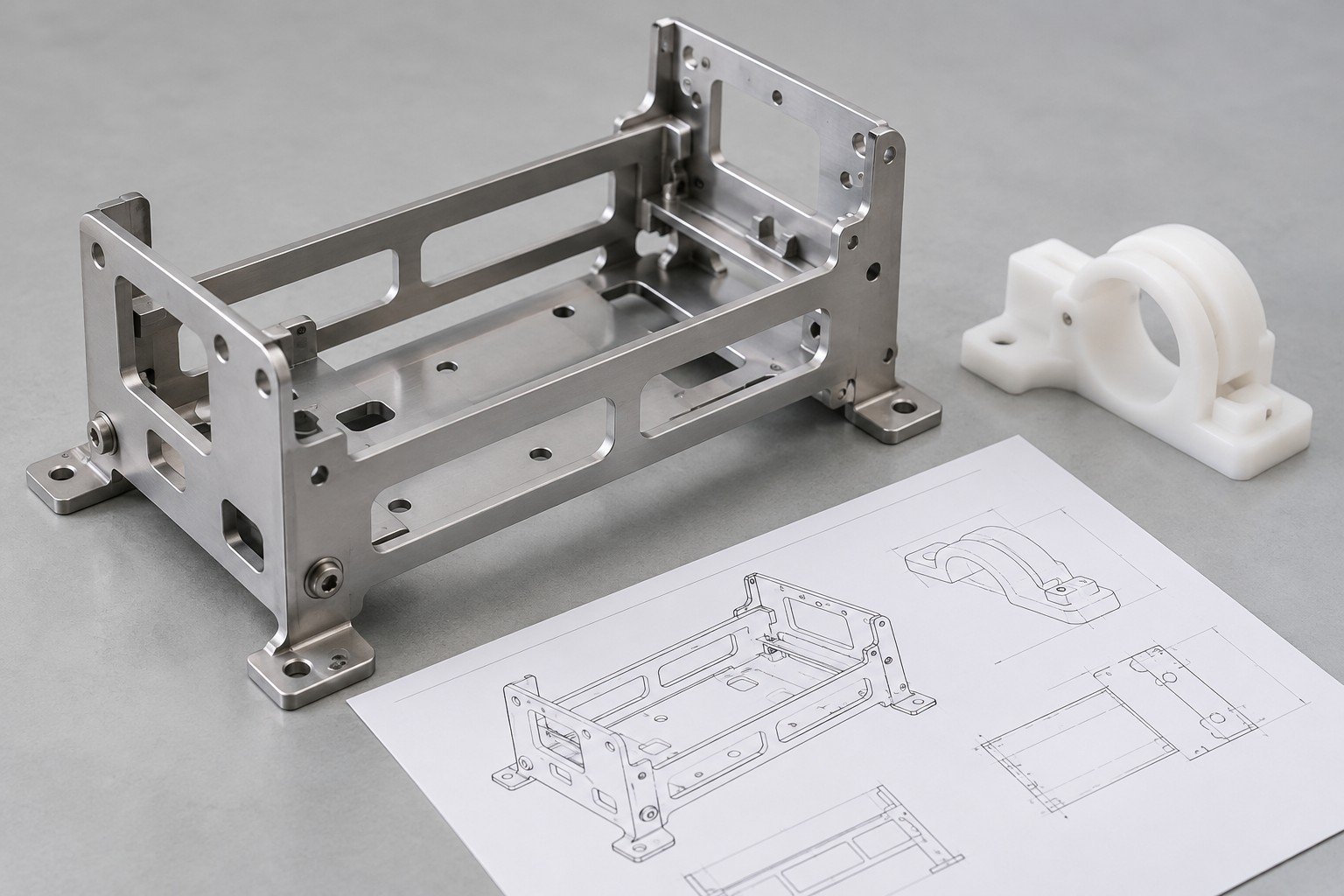
Agree the controlled drawing, material/lot evidence, selected dimensional or first-article records and specified process/release evidence for your order. The device team defines any additional qualification, validation and acceptance requirements.
No. A dimensional record covers the agreed measured features. Device function, intended use and any required validation or approval need their own defined scope.
Request current evidence for the actual supplying entity, manufacturing site and applicable scope. Confirm required qualifications before placing the order; this page does not establish ISO13485 certification or a sterile/implant manufacturing scope.
Provide the full material designation, product form, condition and any approved substitutions. Define finish and processing requirements with the responsible engineering team.