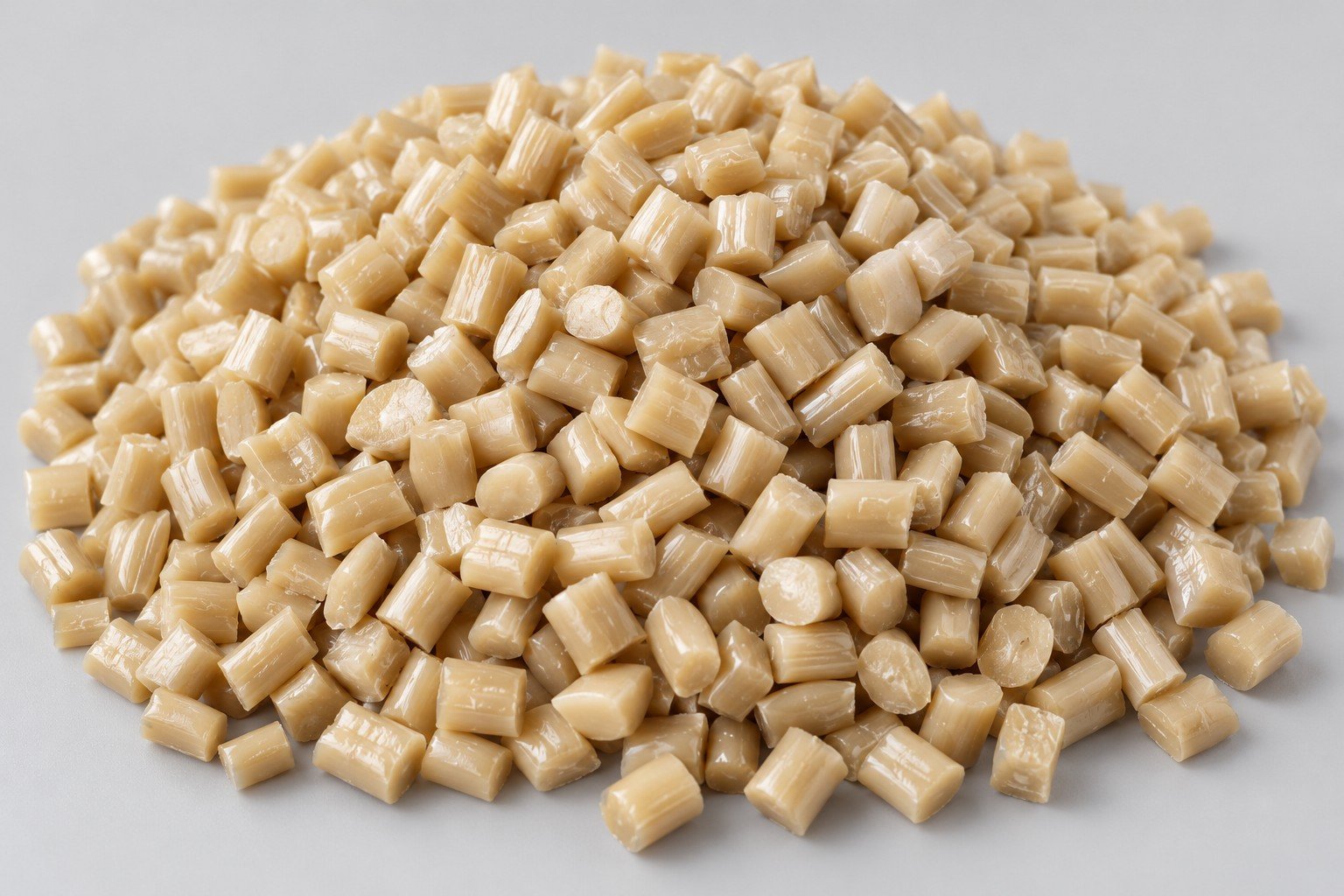
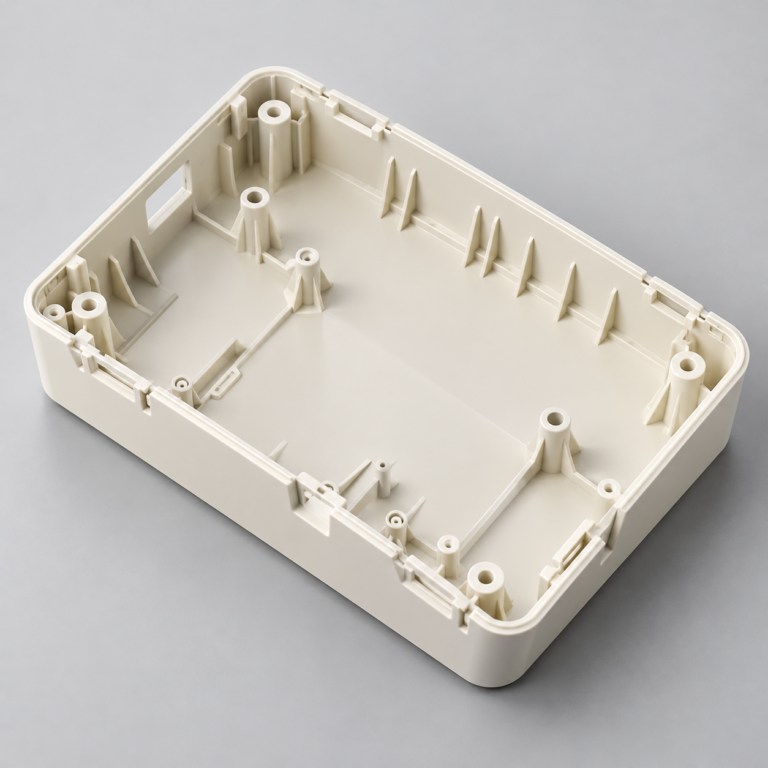
Injection Molding
Tooling and molding for your repeat plastic parts.
From prototype to production, coordinated manufacturing solutions for your custom parts.
View All Services →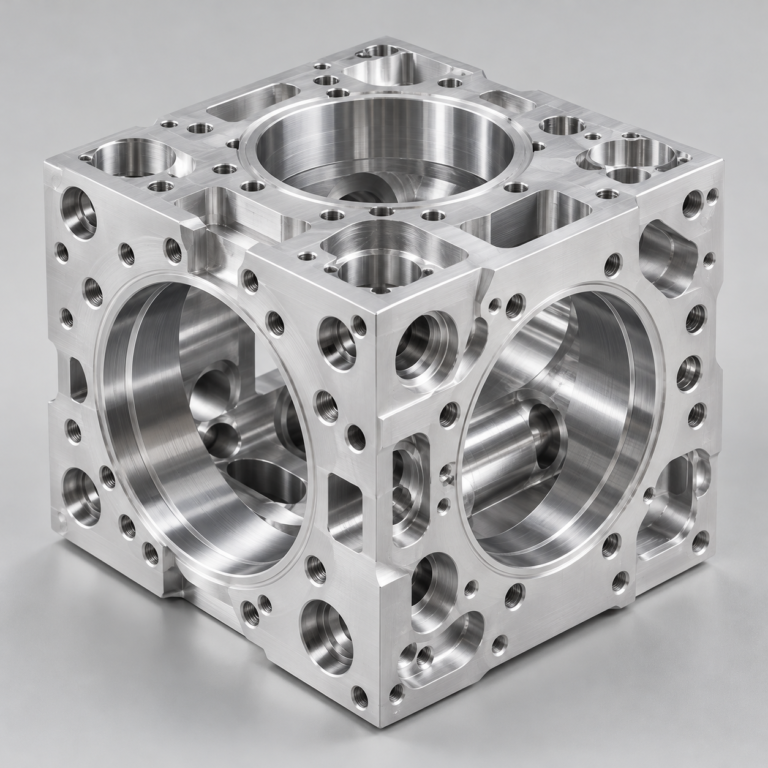
Precision parts for your tight tolerances and complex geometry.
Tooling and molding for your repeat plastic parts.
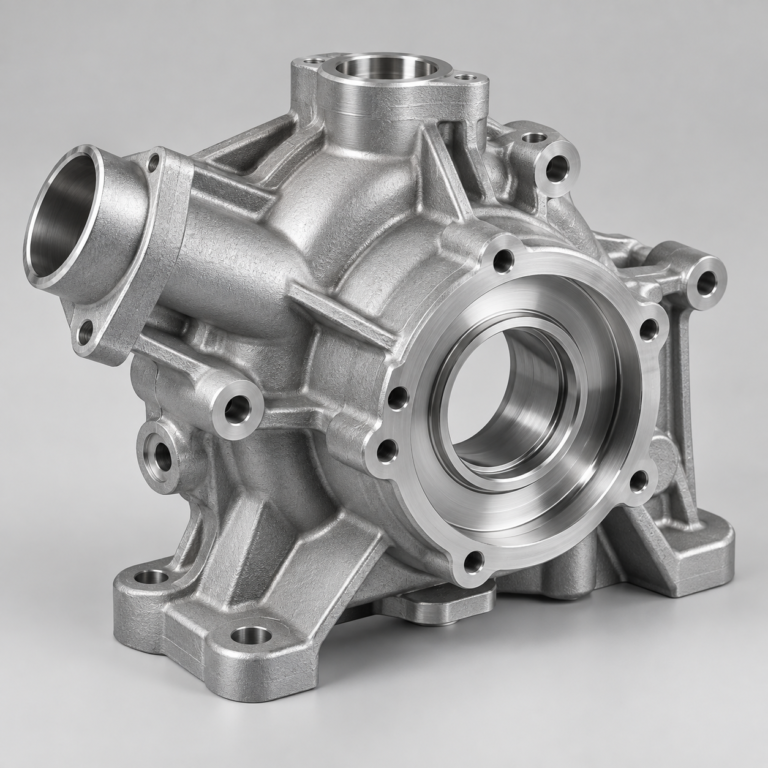
Metal casting options for your part and production volume.
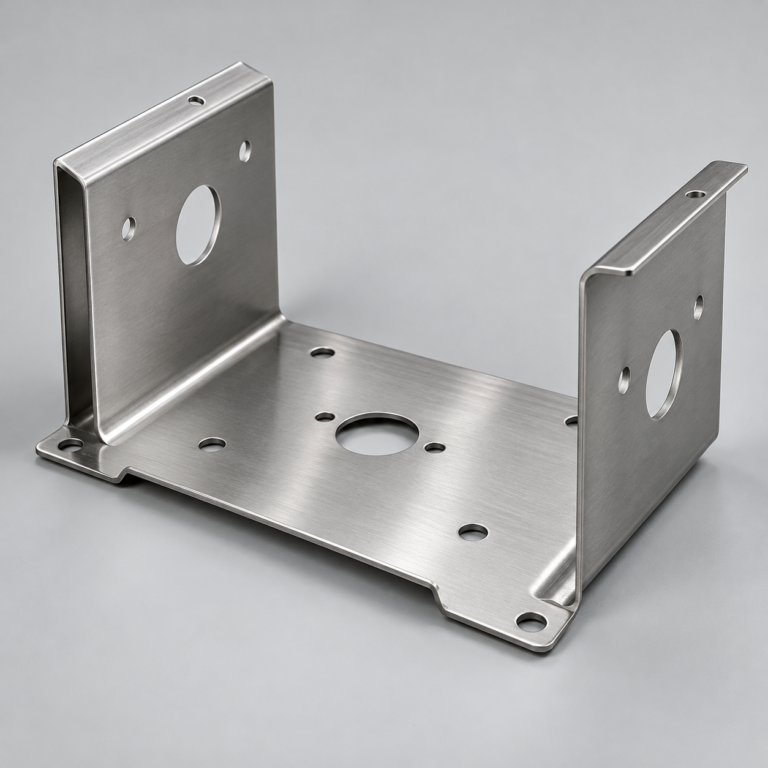
Cutting, forming and welding for your fabricated parts.
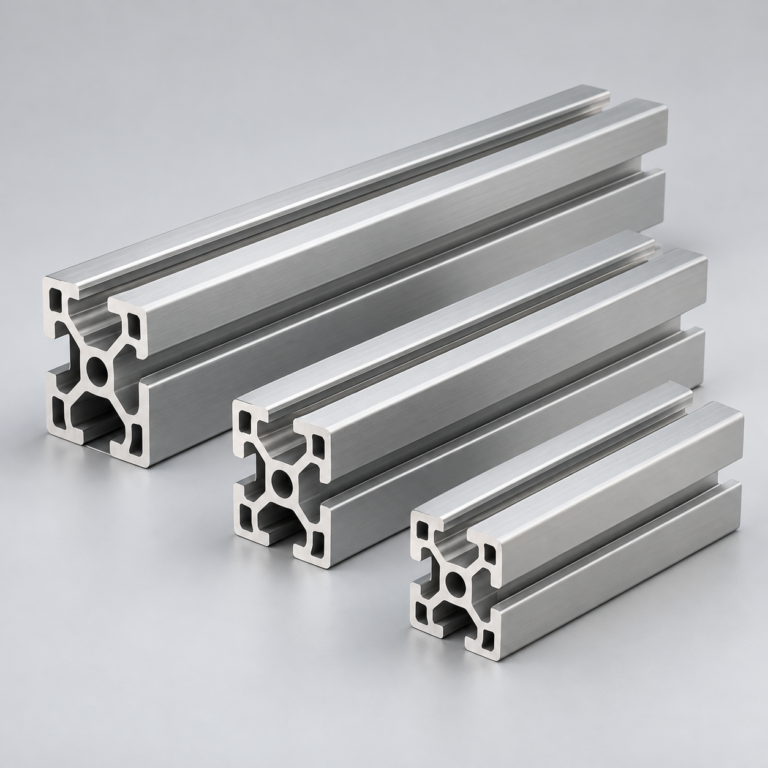
Custom profiles for your section, length and finish requirements.
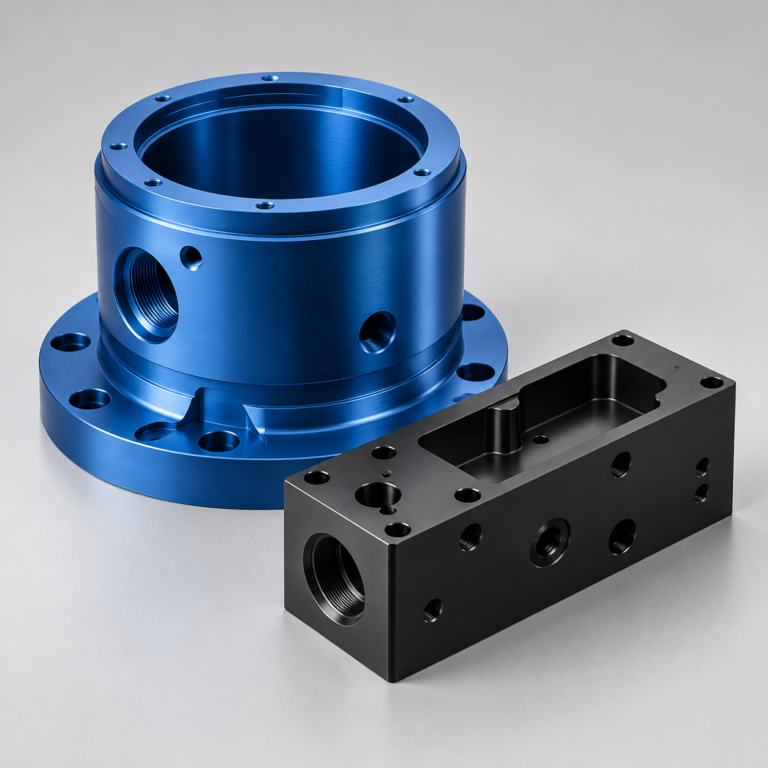
Finishes for your appearance, corrosion and wear requirements.
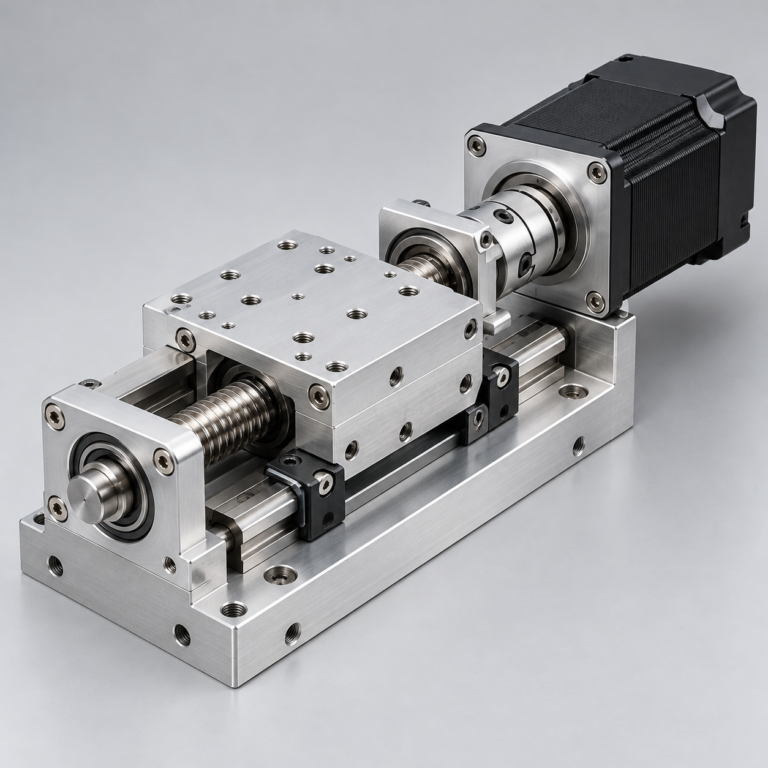
Sub-assemblies and final builds for your production program.
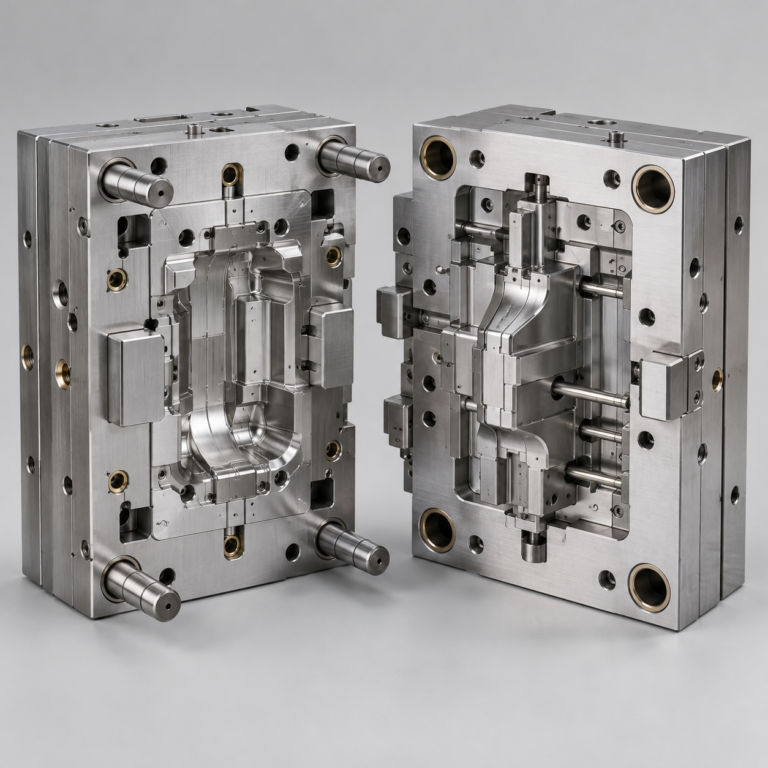
Production tooling built around your process and volume.
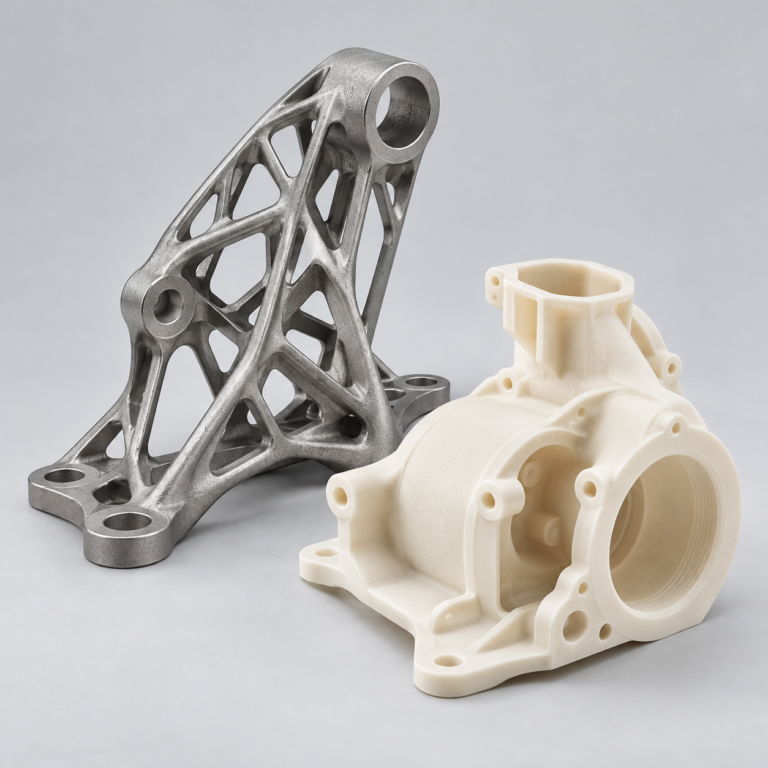
Prototype parts to check fit, function and design.
DFM, process planning and production support for your project.
Inspection, documentation, inventory and delivery planning for your program.
Choose air- or liquid-cooling components around your thermal and mechanical requirements.
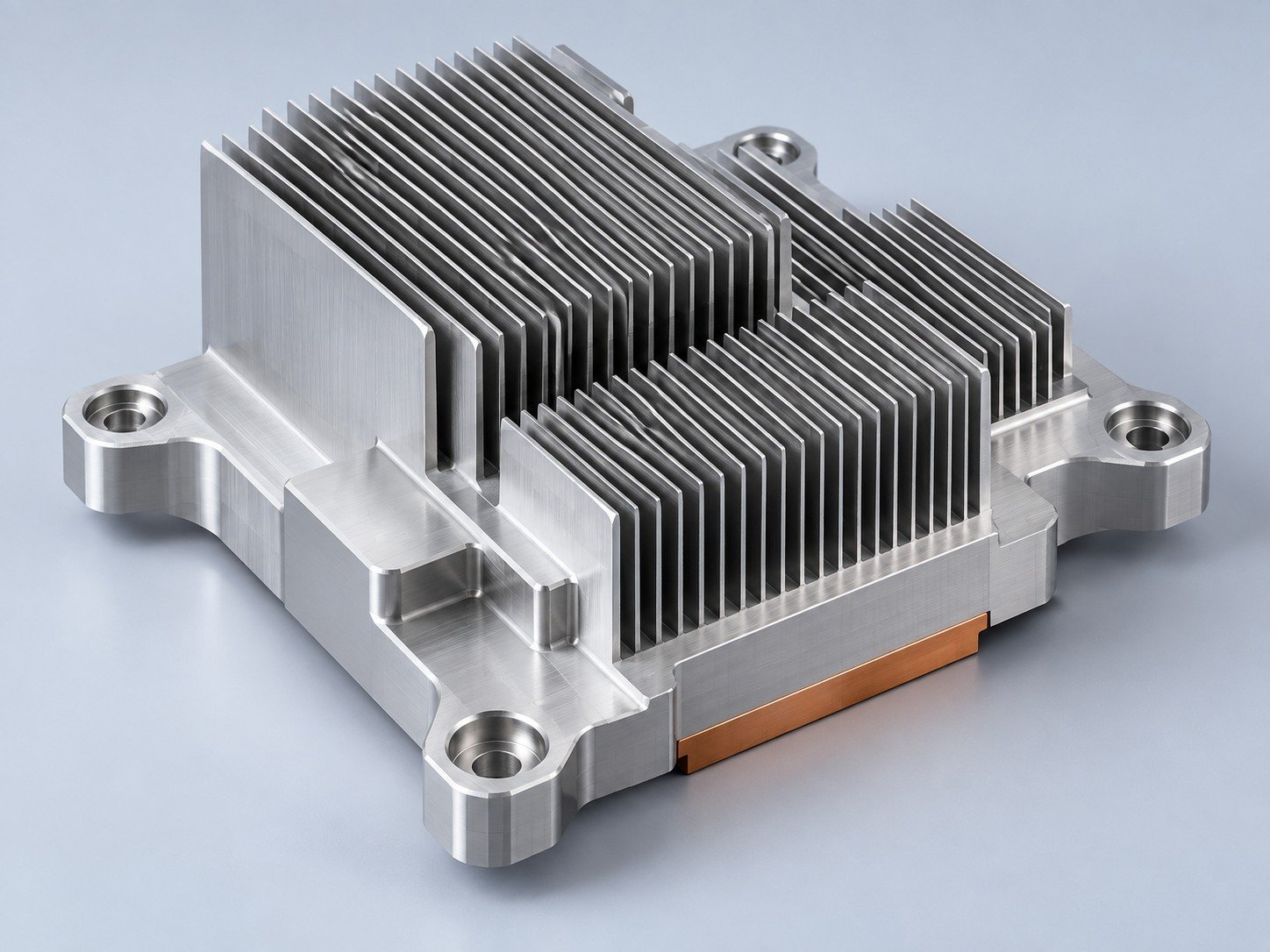
Manufacturing support for your cold plates, manifolds and cooling assemblies.
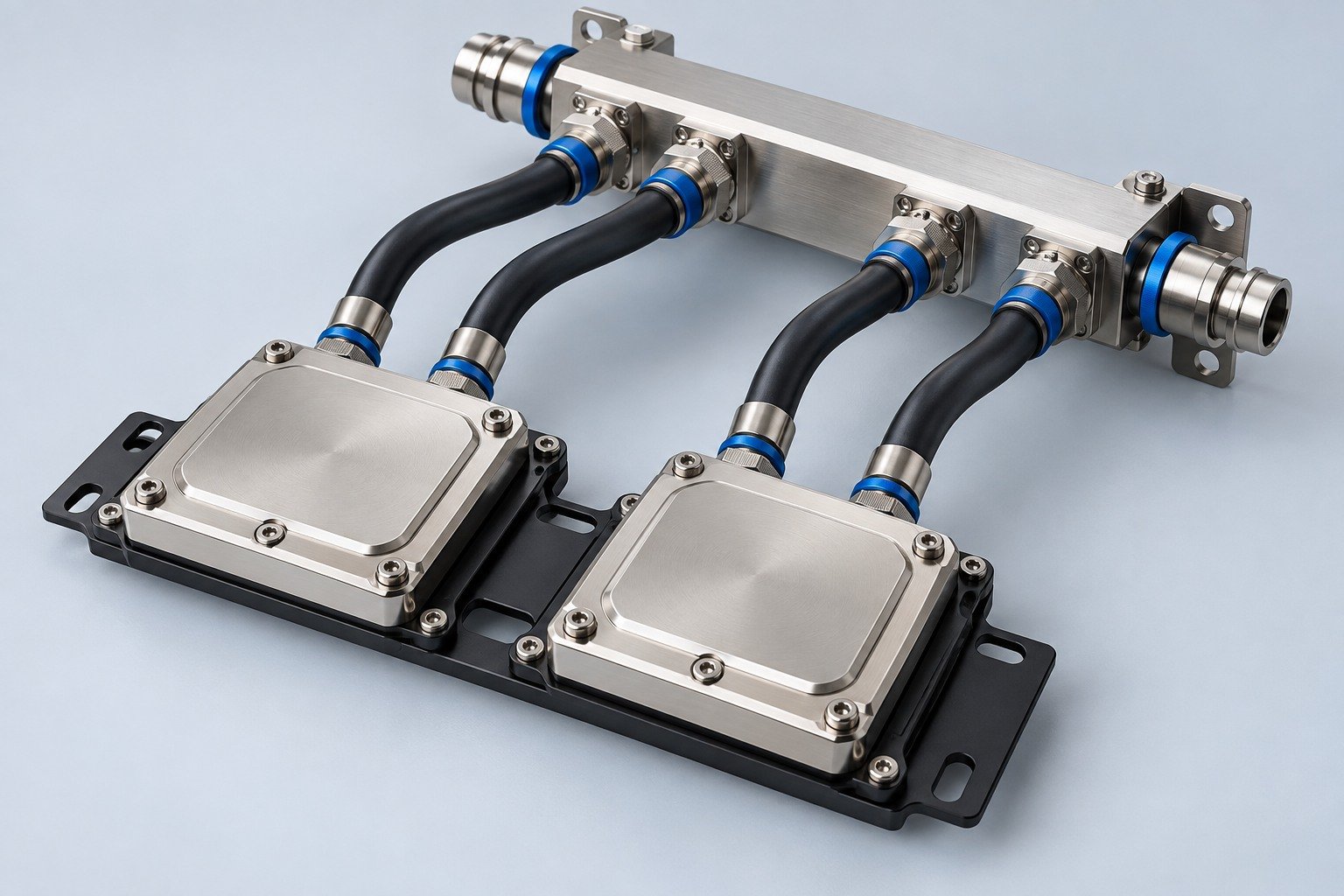
Find components for your power electronics, energy, laser and telecom application.
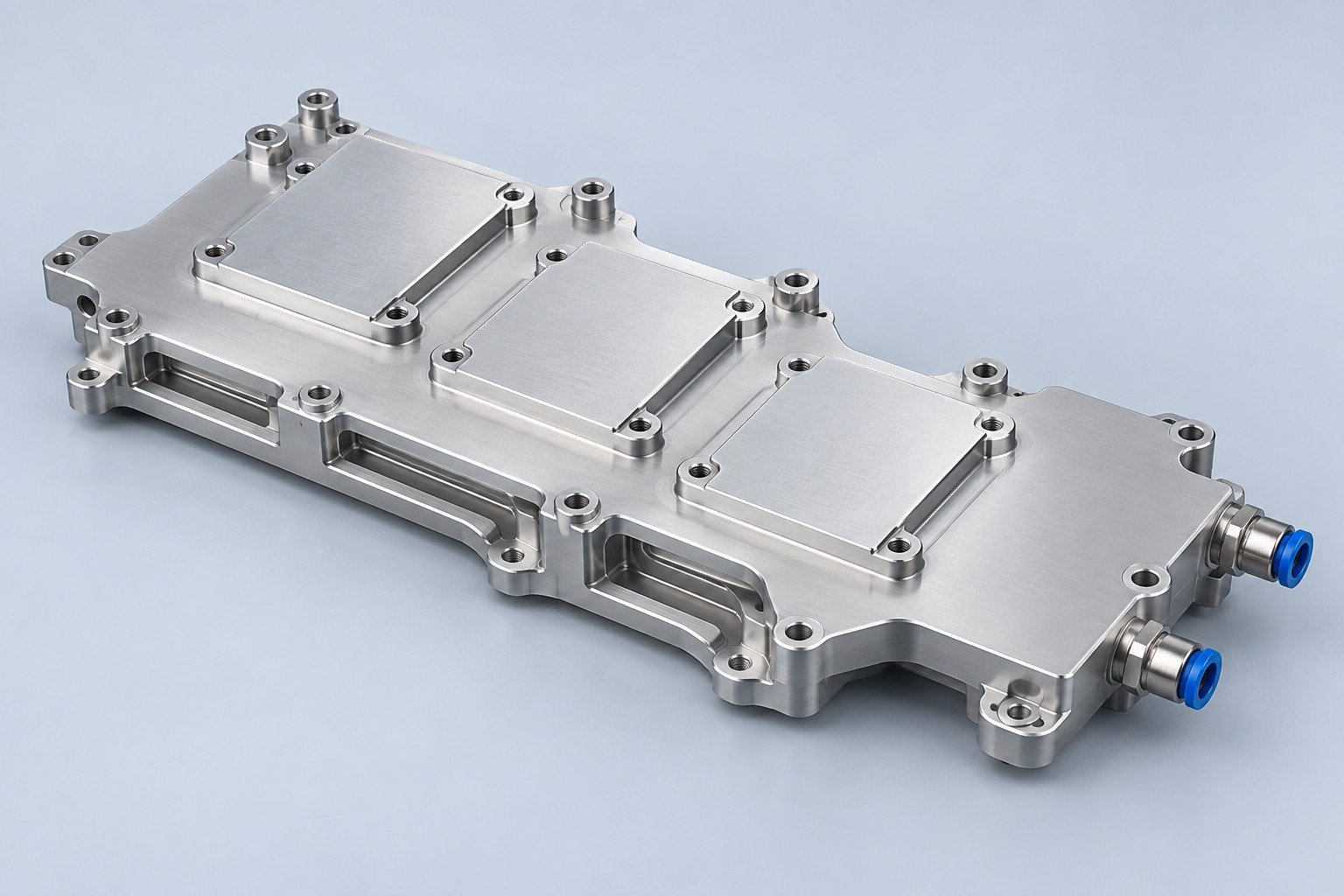
Components for your electronic systems.
Start with your functional and quality requirements.
Build around your operating environment.
From prototype to production, review material performance, manufacturability and cost for your part.
Review grade, temper and finish for your metal parts.
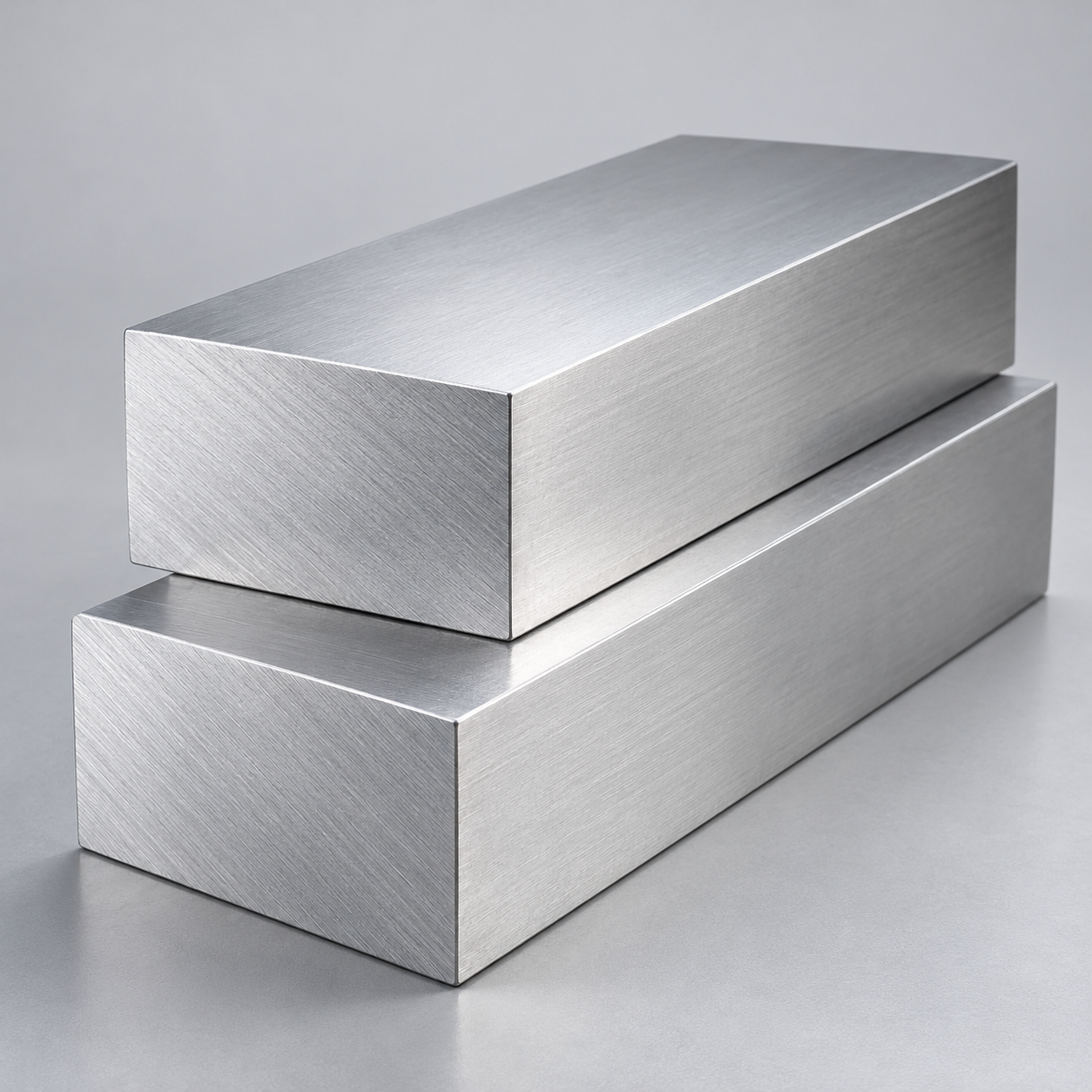 AluminumStrength, weight and machining›
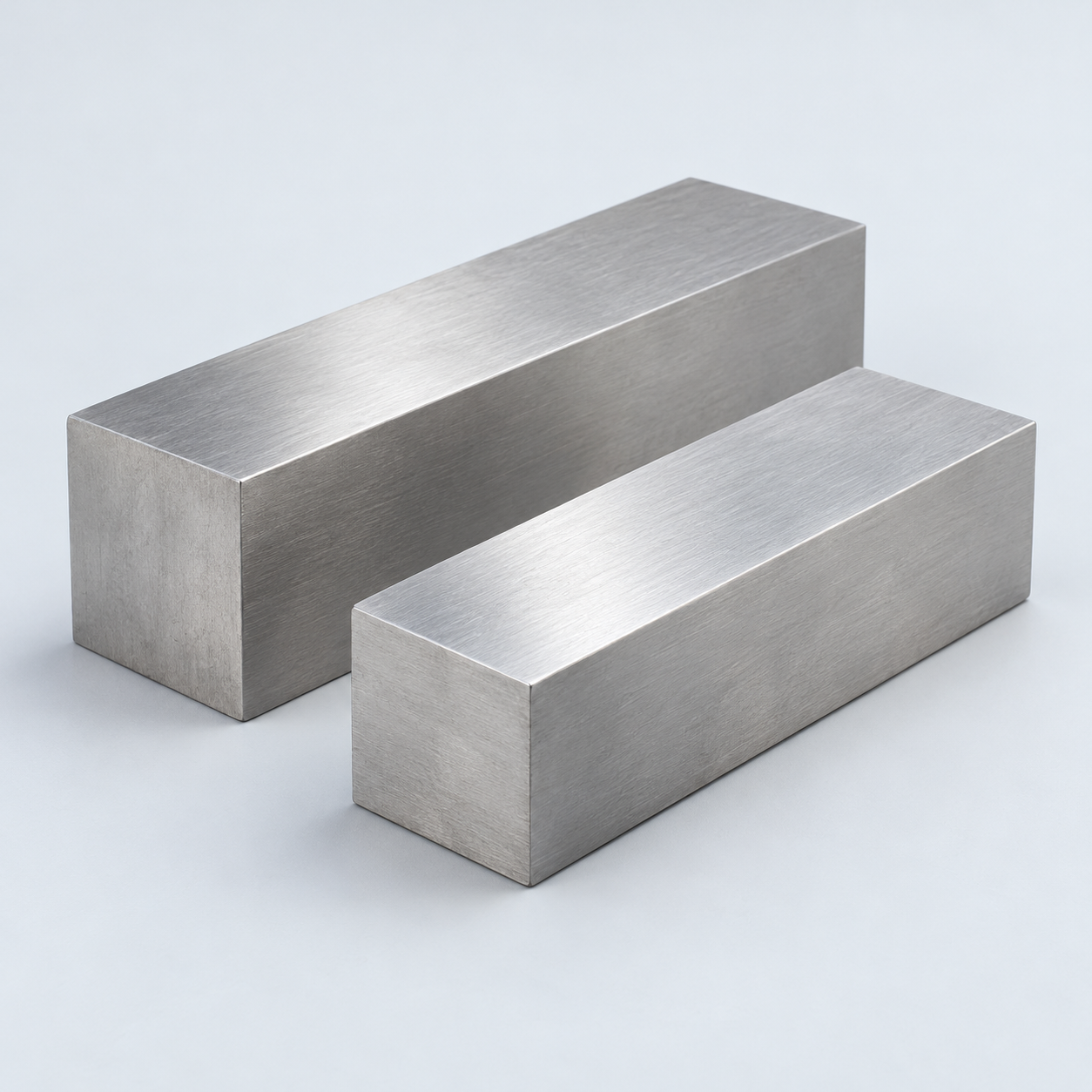 Stainless SteelCorrosion and finish requirements›
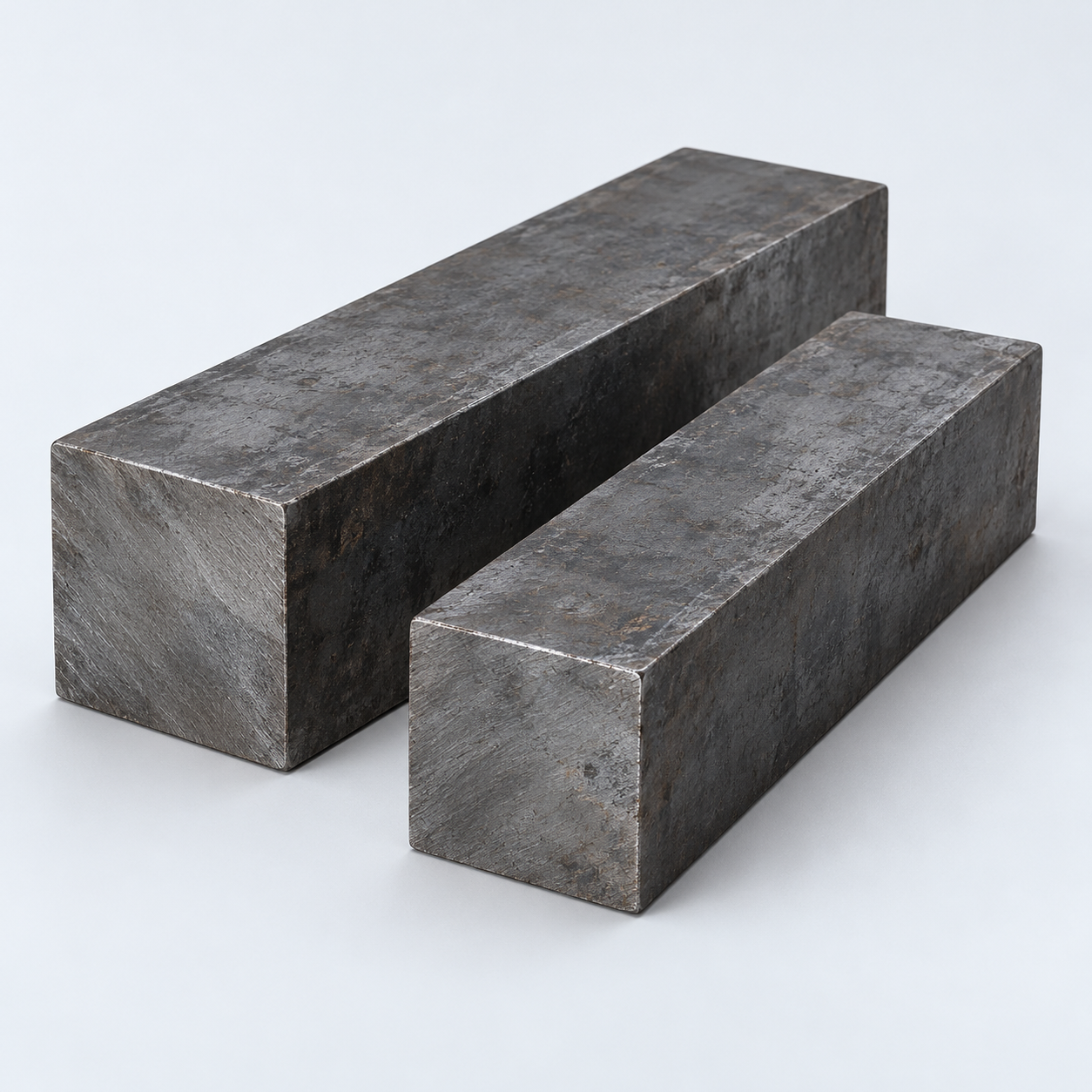 Carbon & Alloy SteelDiscuss grade and heat treatment›
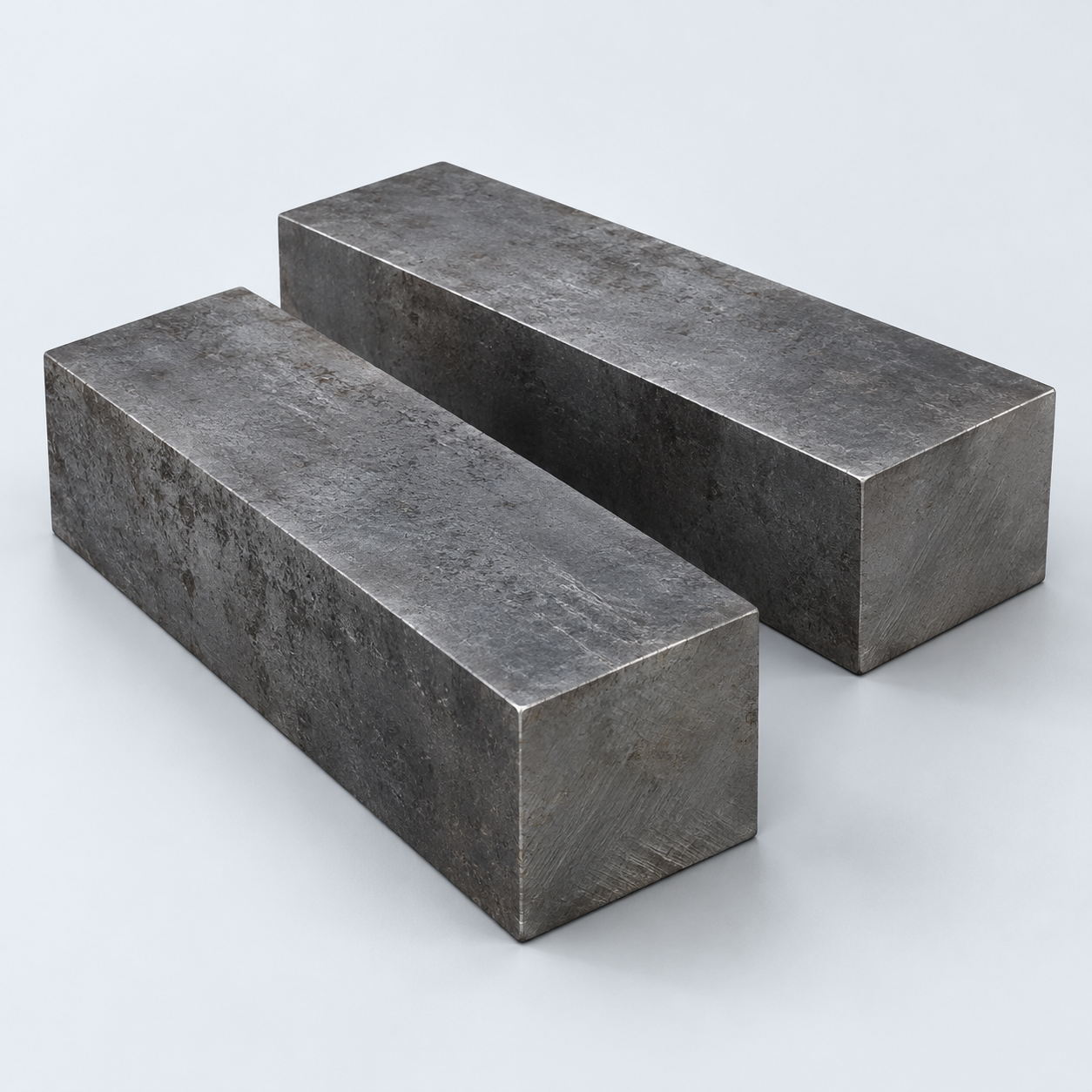 Tool SteelDiscuss tooling and wear needs›
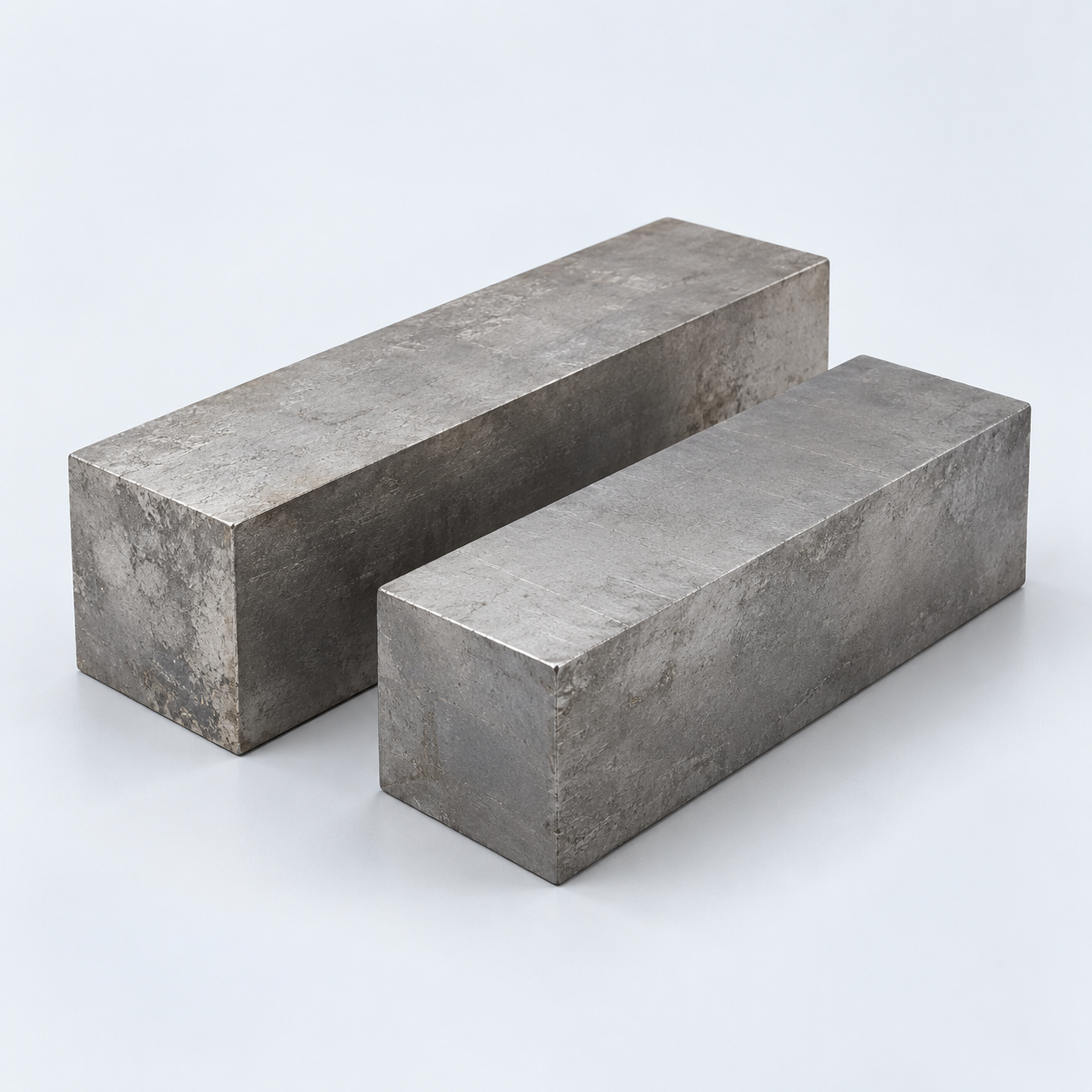 TitaniumReview grade and part geometry›
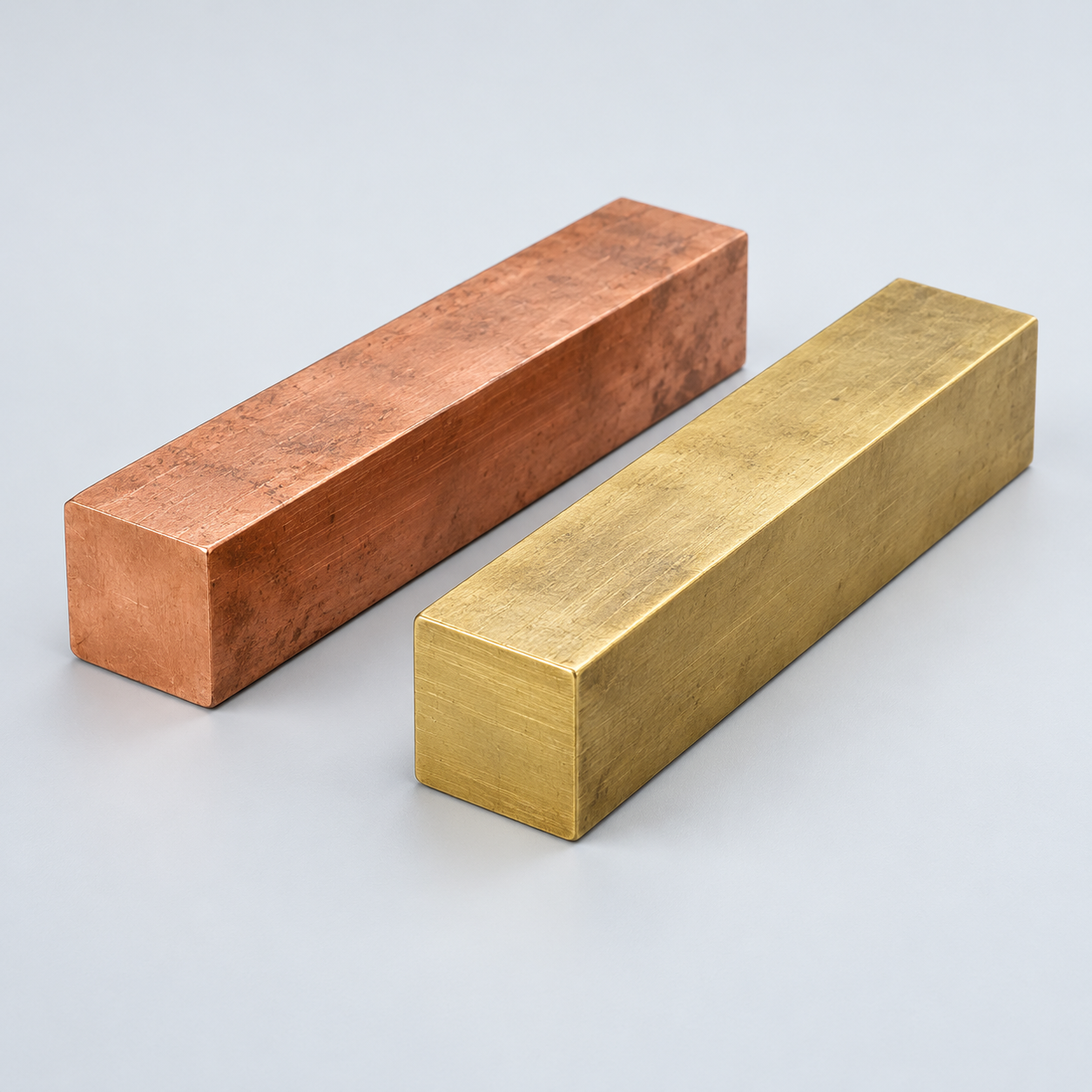 Copper & Brass & BronzeDiscuss conductivity and machining›
Match your polymer to function, process and environment.
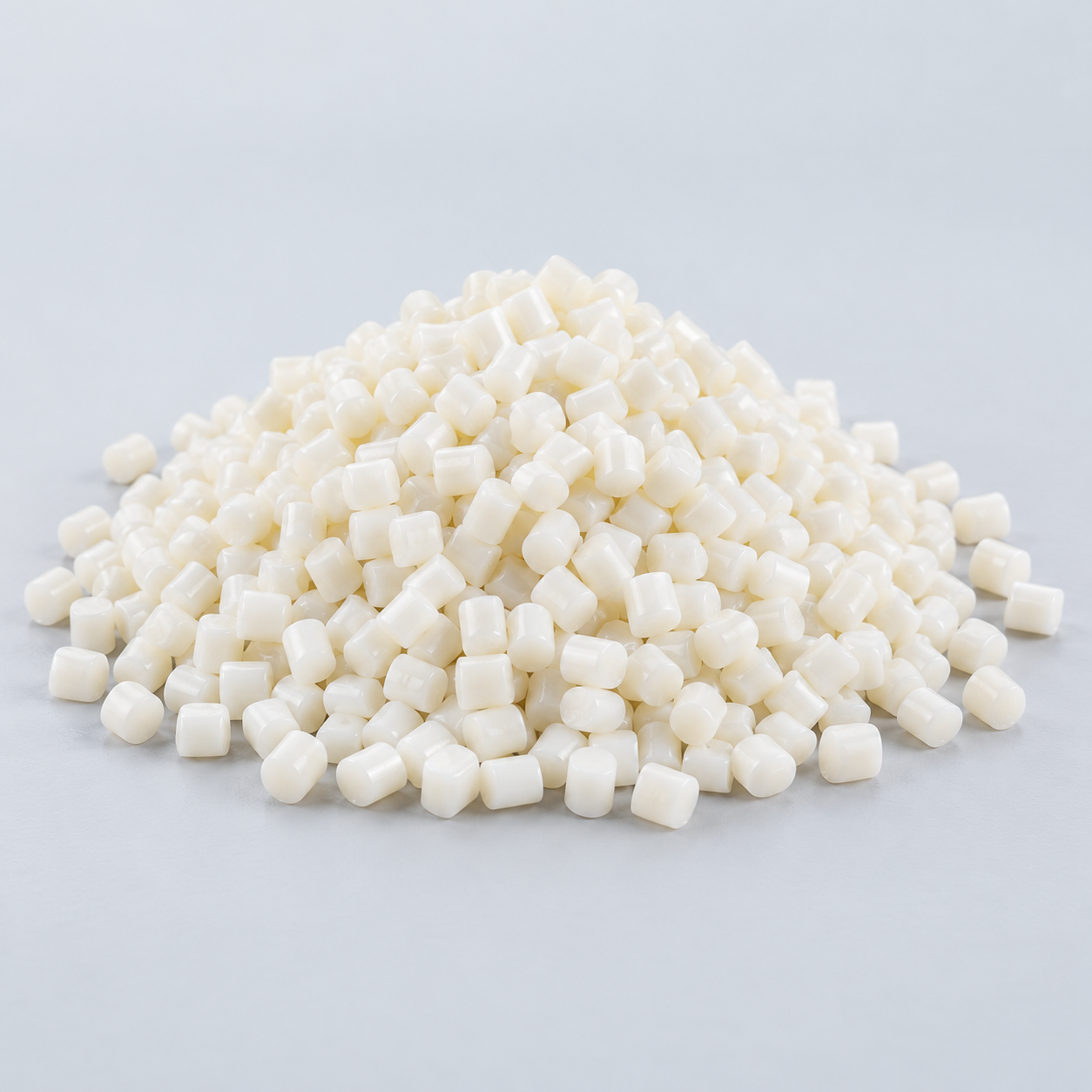 ABSReview enclosure and molding needs›
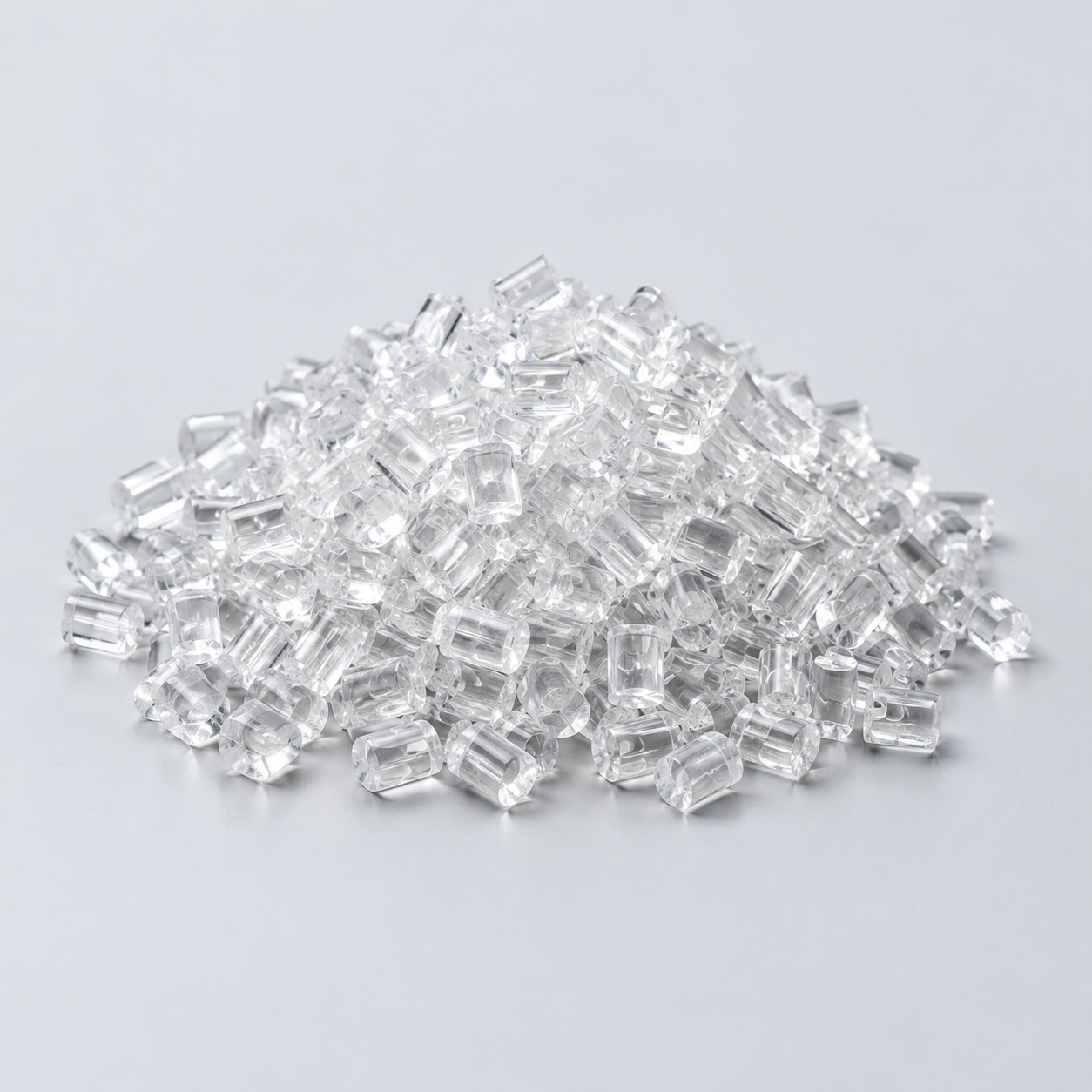 Polycarbonate (PC)Discuss clarity and impact needs›
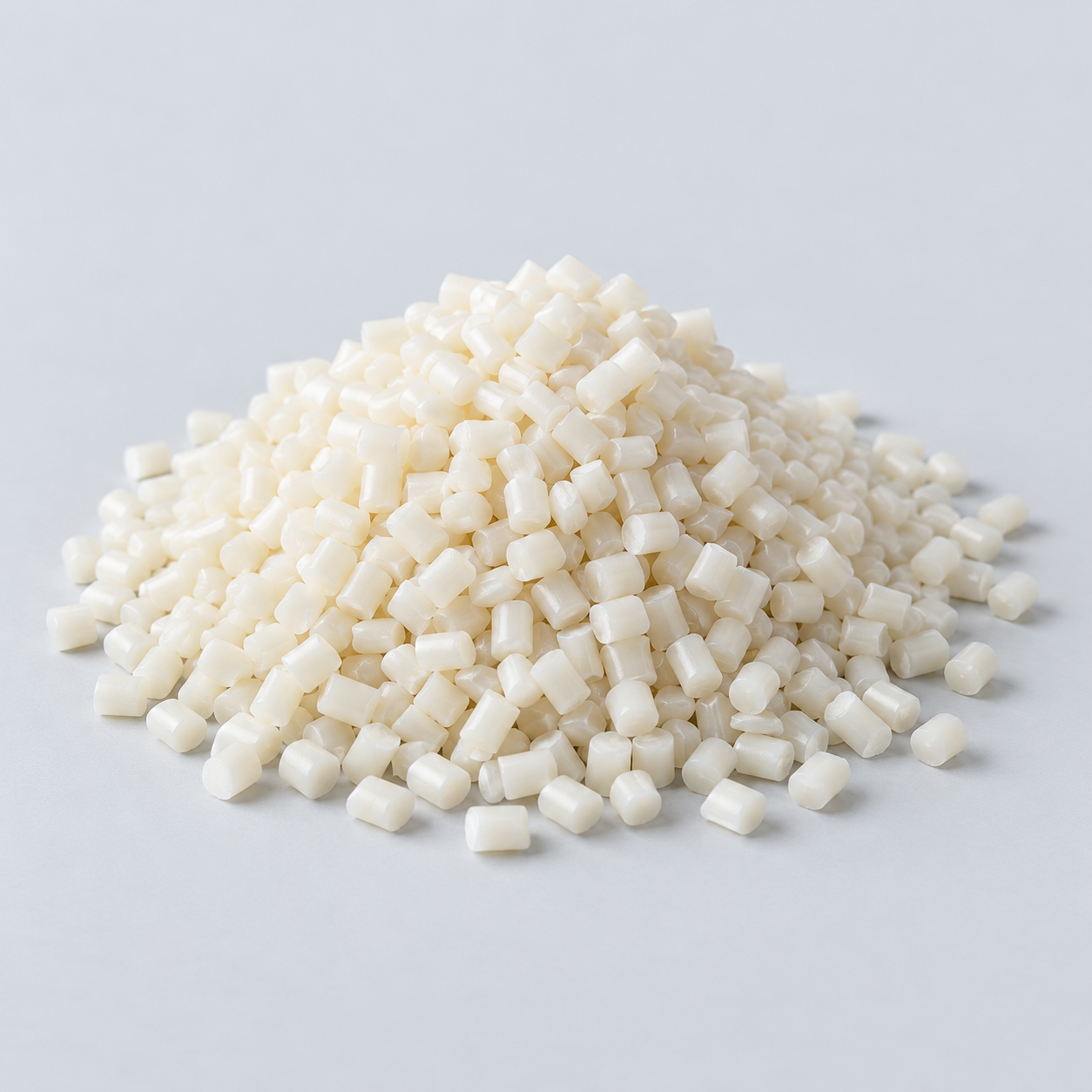 Nylon (PA)Review moisture and wear conditions›
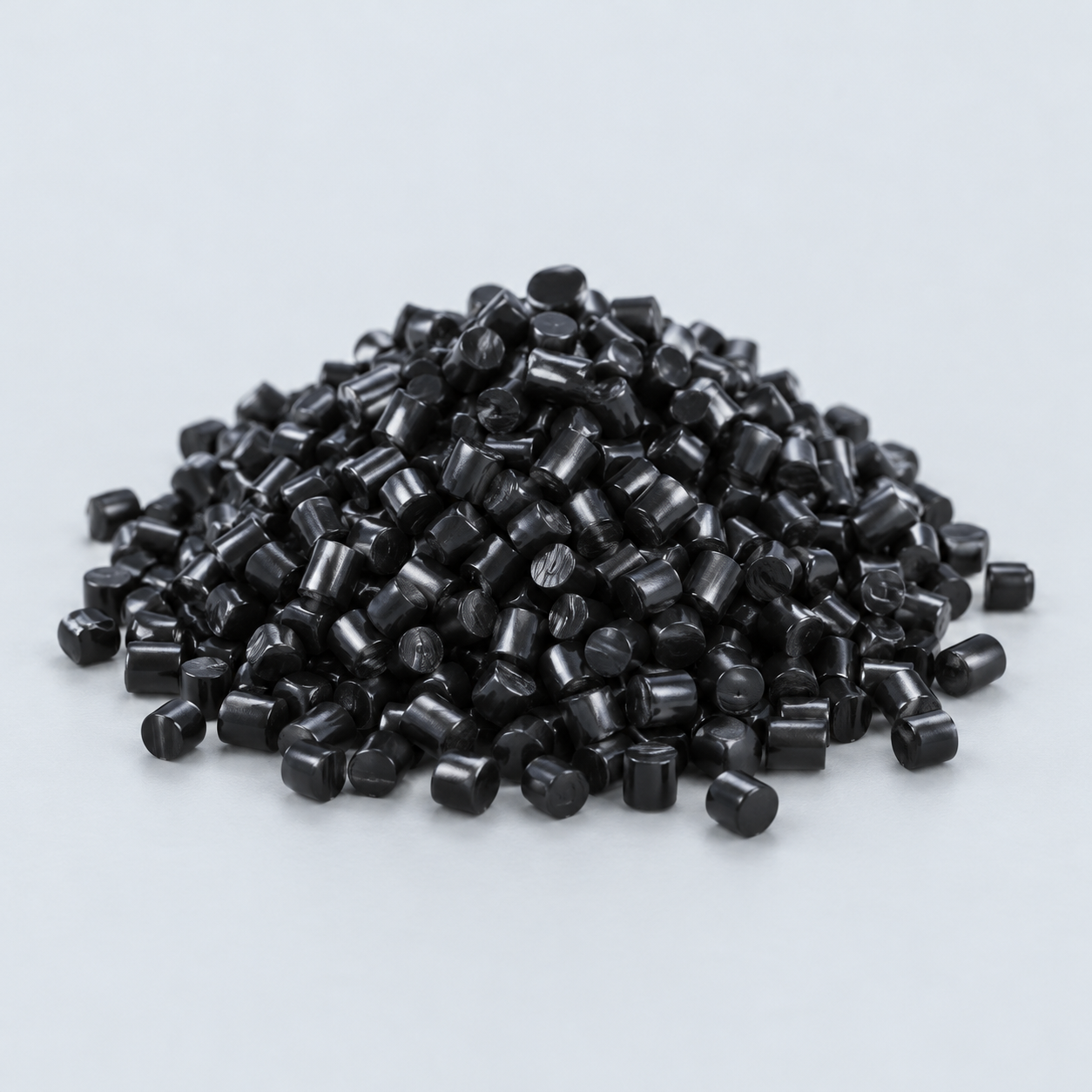 POM / AcetalReview fit and sliding features›
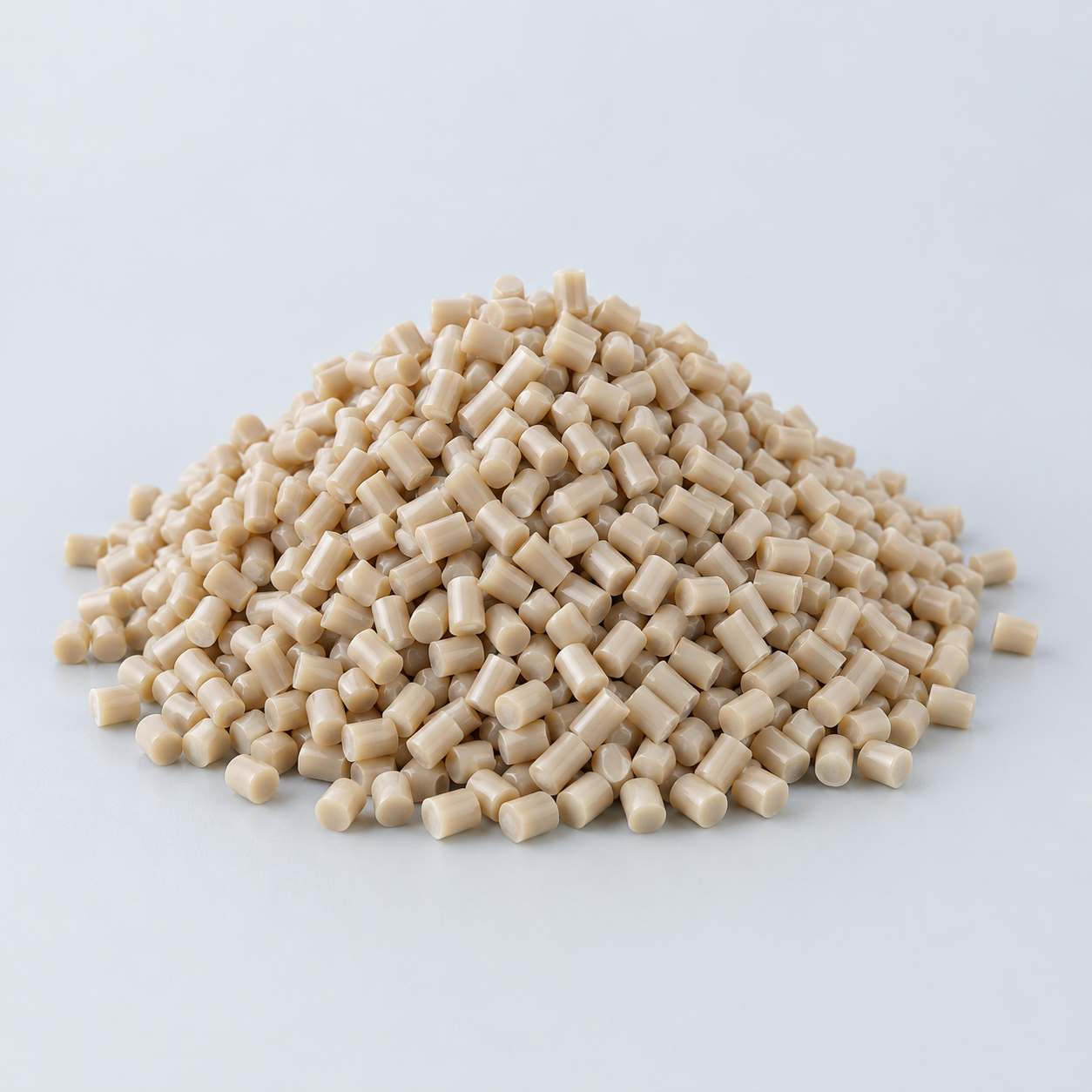 PEEKDiscuss operating conditions›
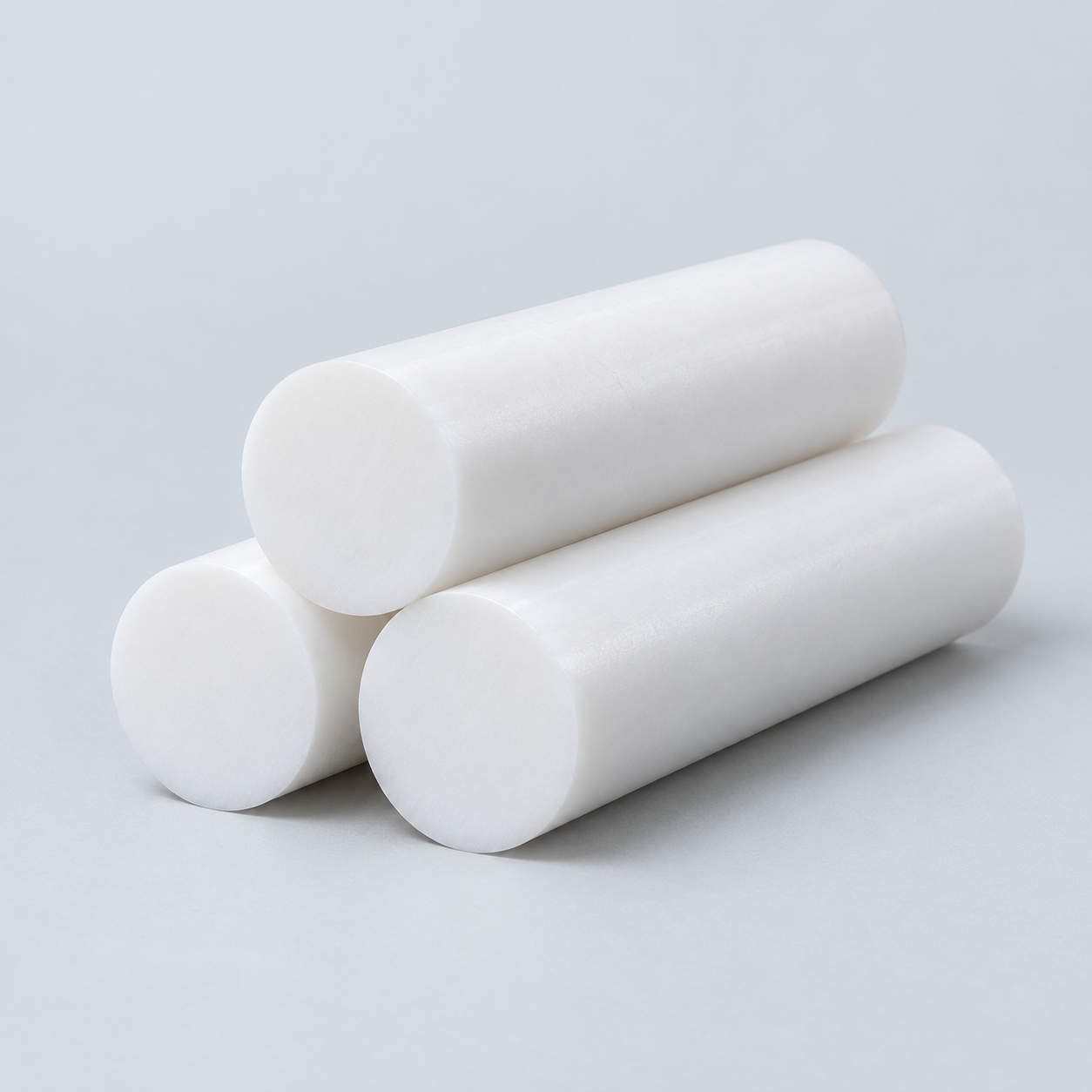 PTFEReview friction and chemical exposure›
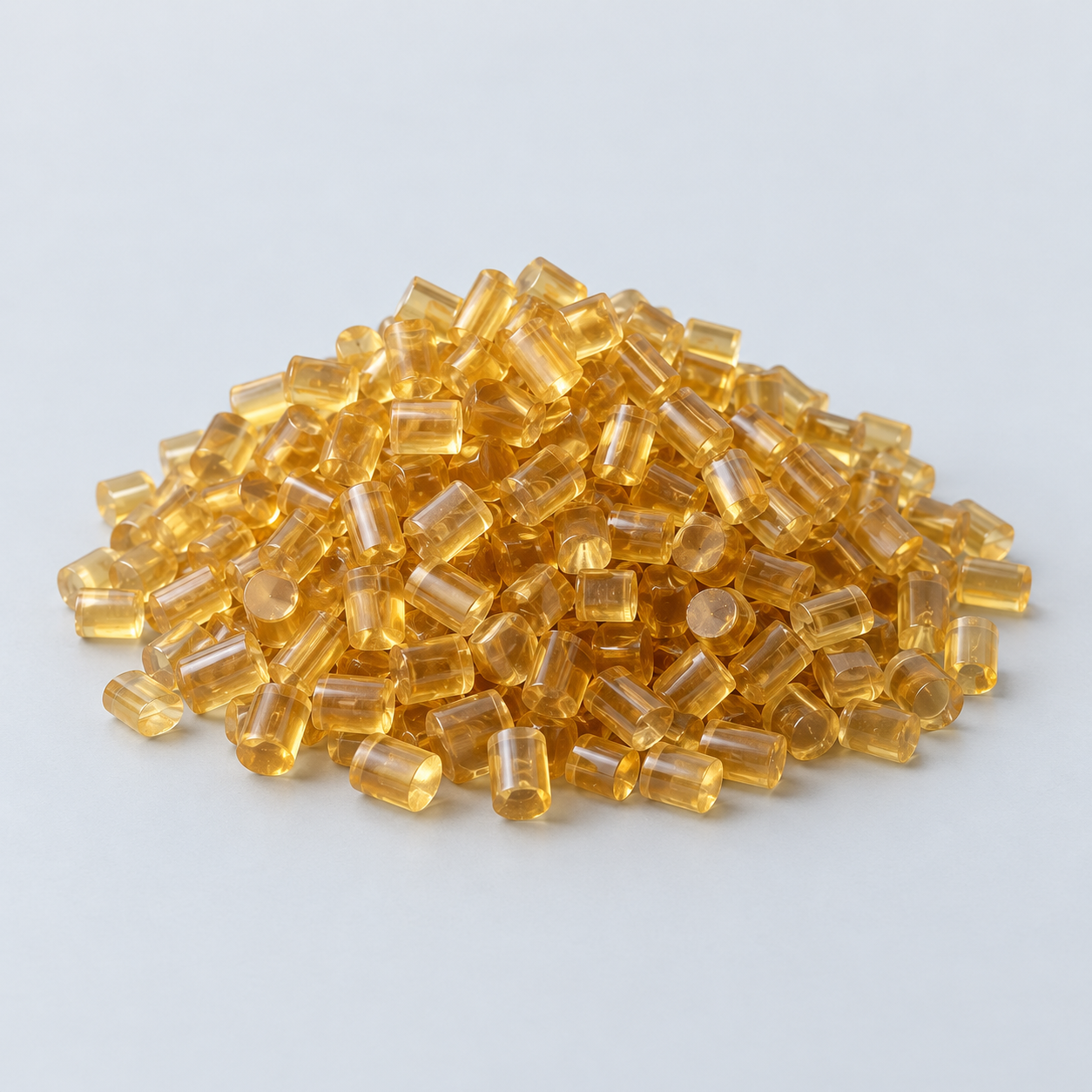 ULTEM / PEIDiscuss thermal and electrical needs›
Confirm grade availability and application requirements.
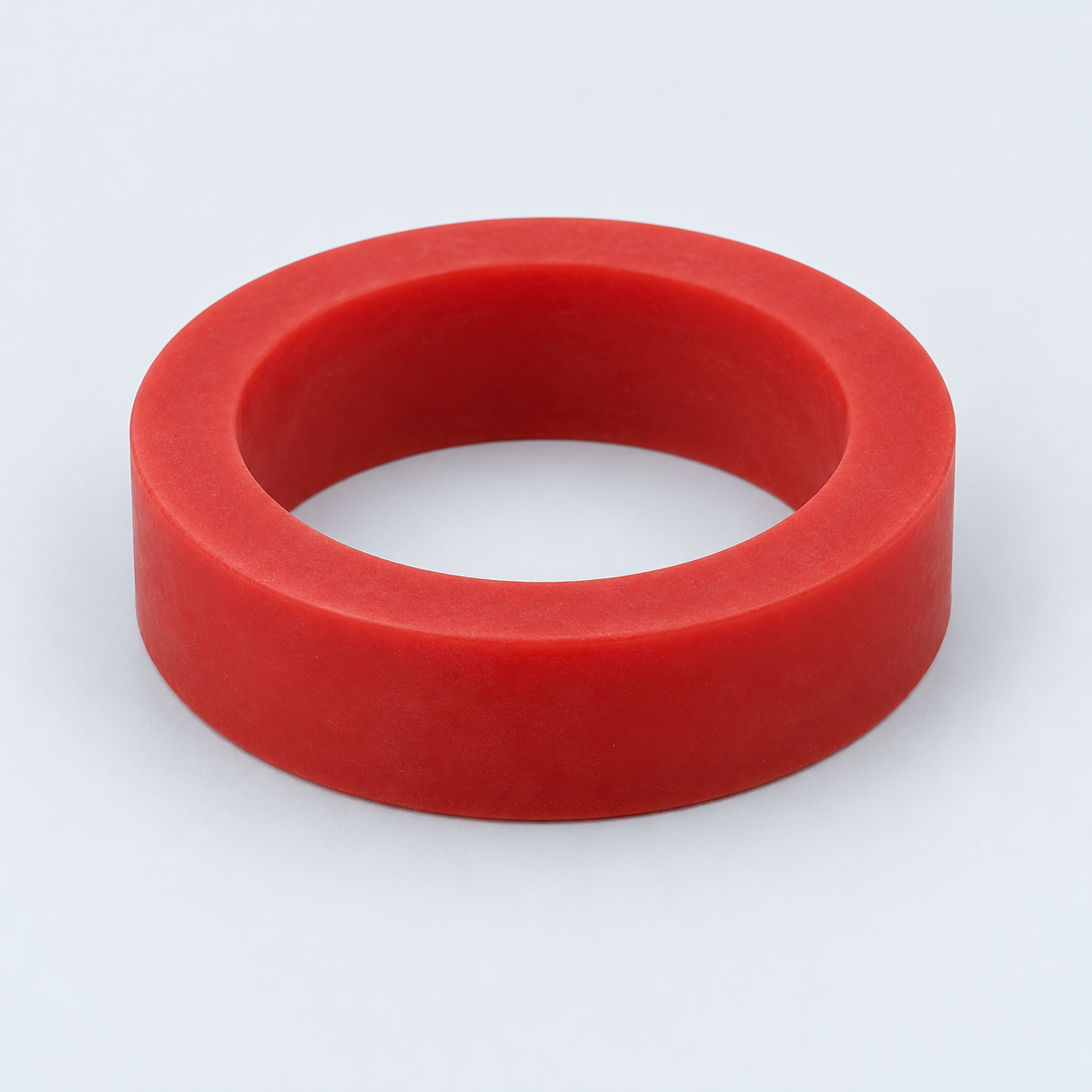 Silicone / LSRDiscuss flexible component needs›
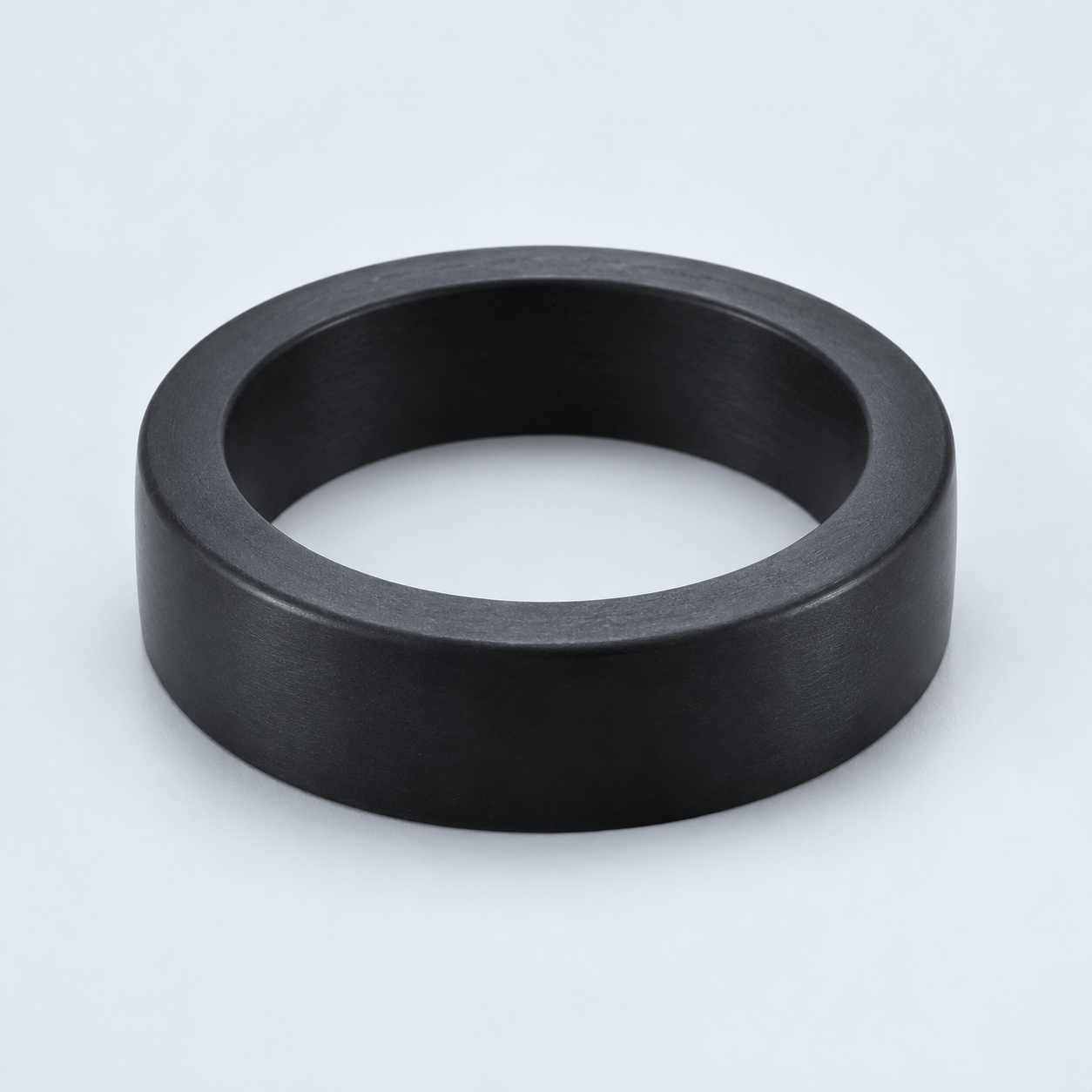 TPU / TPEReview flexibility and processing›
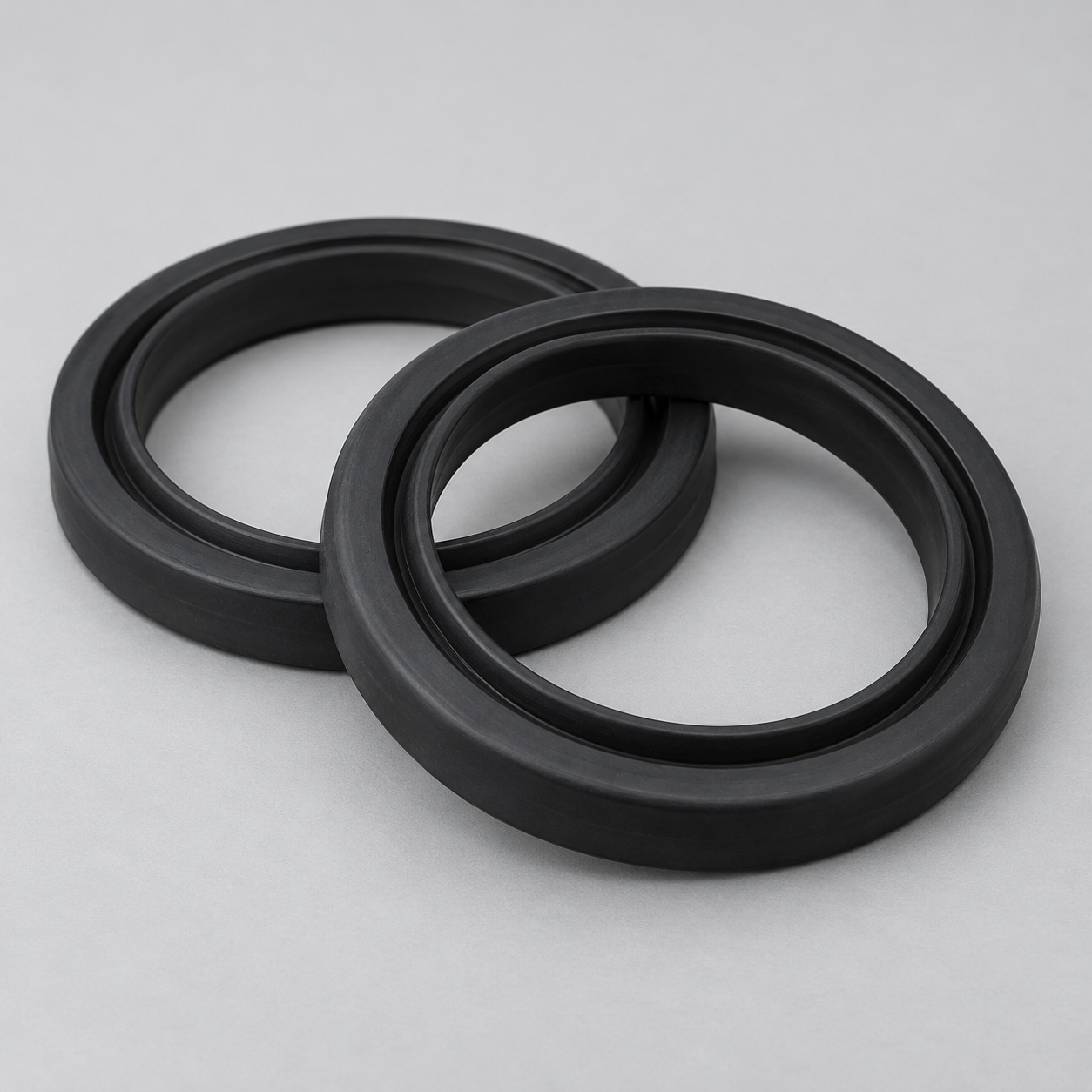 EPDMReview weathering and chemical exposure.›
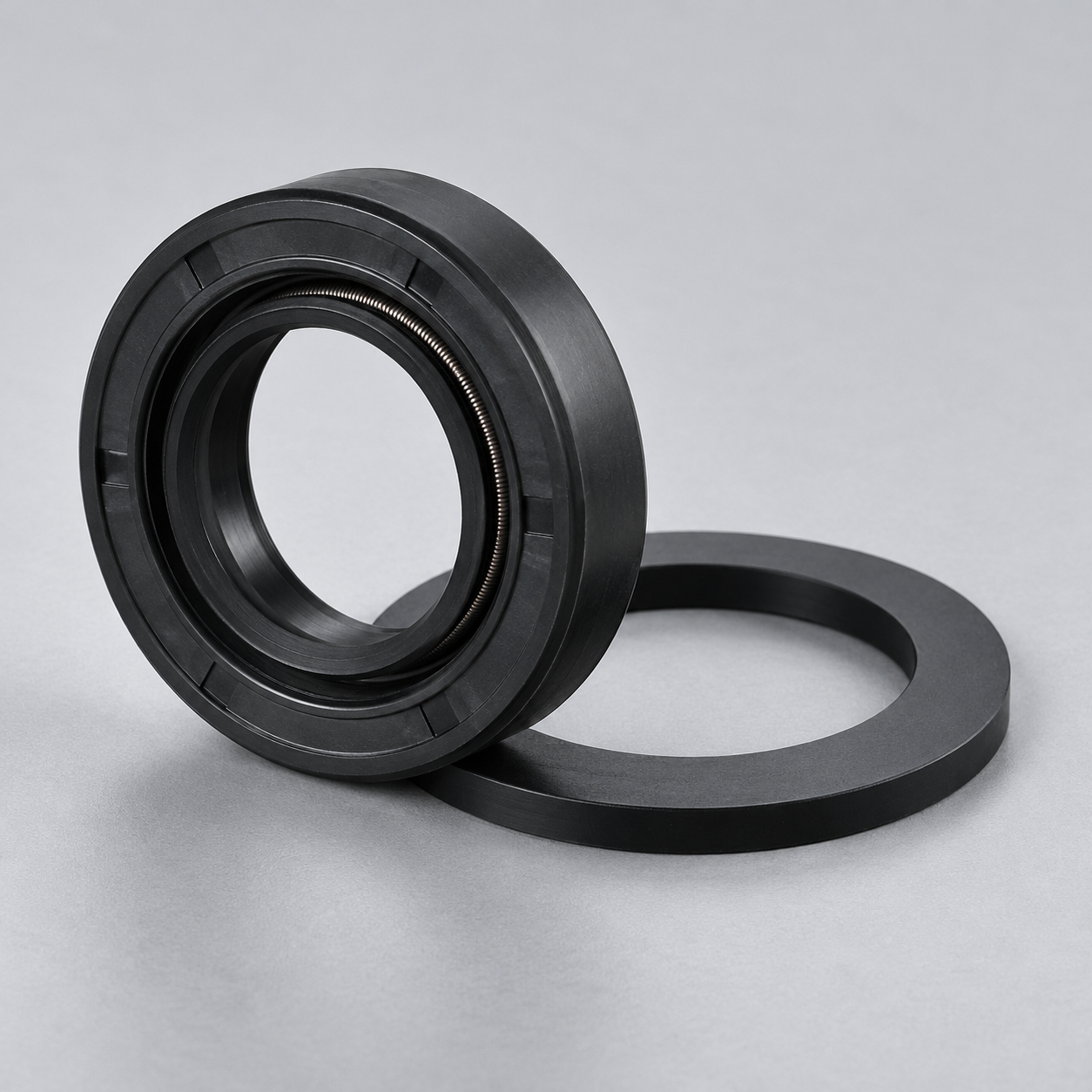 NBRReview oil and fuel exposure.›
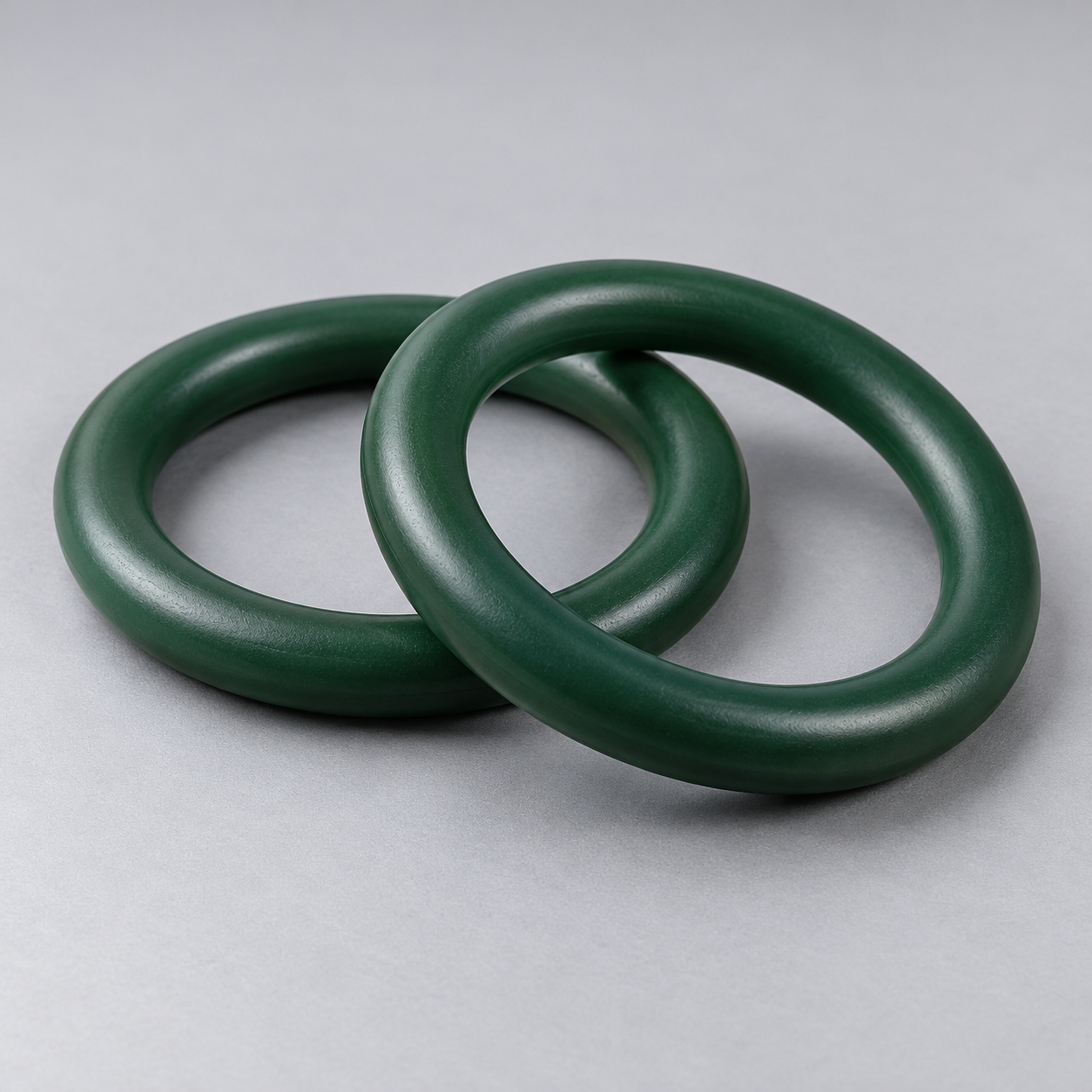 FKMReview temperature and chemical exposure.›
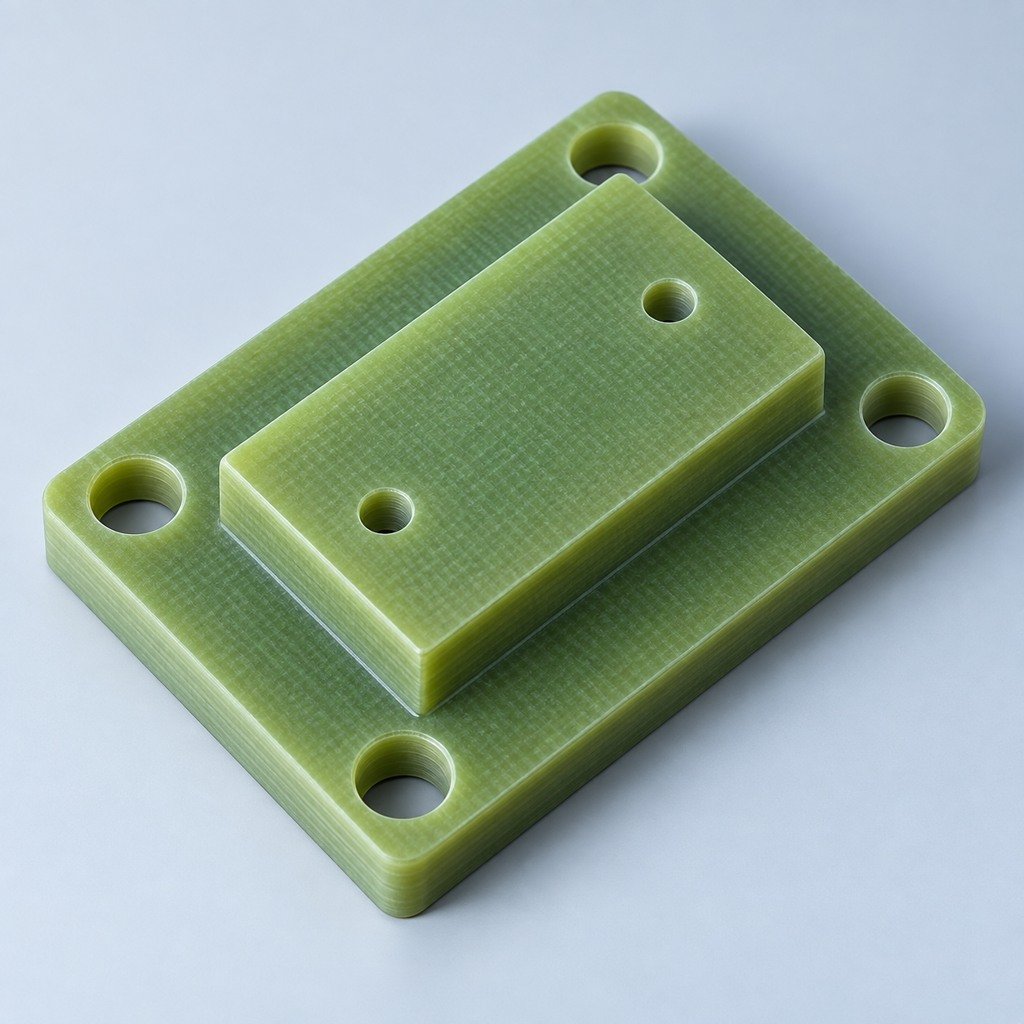 G10 / FR4Review insulation and laminate needs›
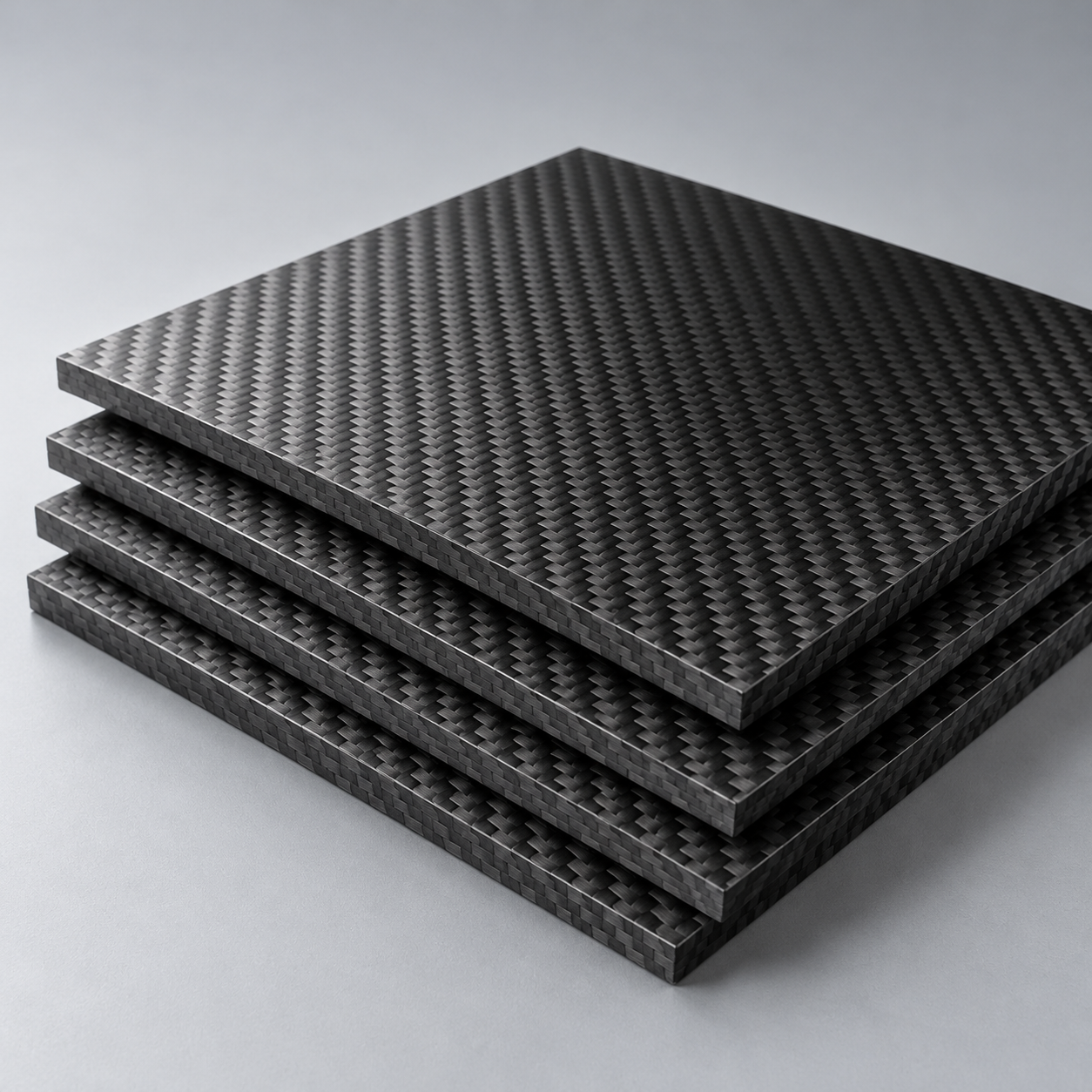 CompositesReview stiffness, weight and laminate.›Customer-Specified MaterialsConfirm your grade and requirements.›Other Specialty MaterialsDiscuss your application and grade.›
Practical guidance for your part geometry and material decisions.
Prepare your process, budget and sourcing questions.
Build your knowledge before production.
Learn who we are and how we operate.
Find our U.S. support team or start a conversation.
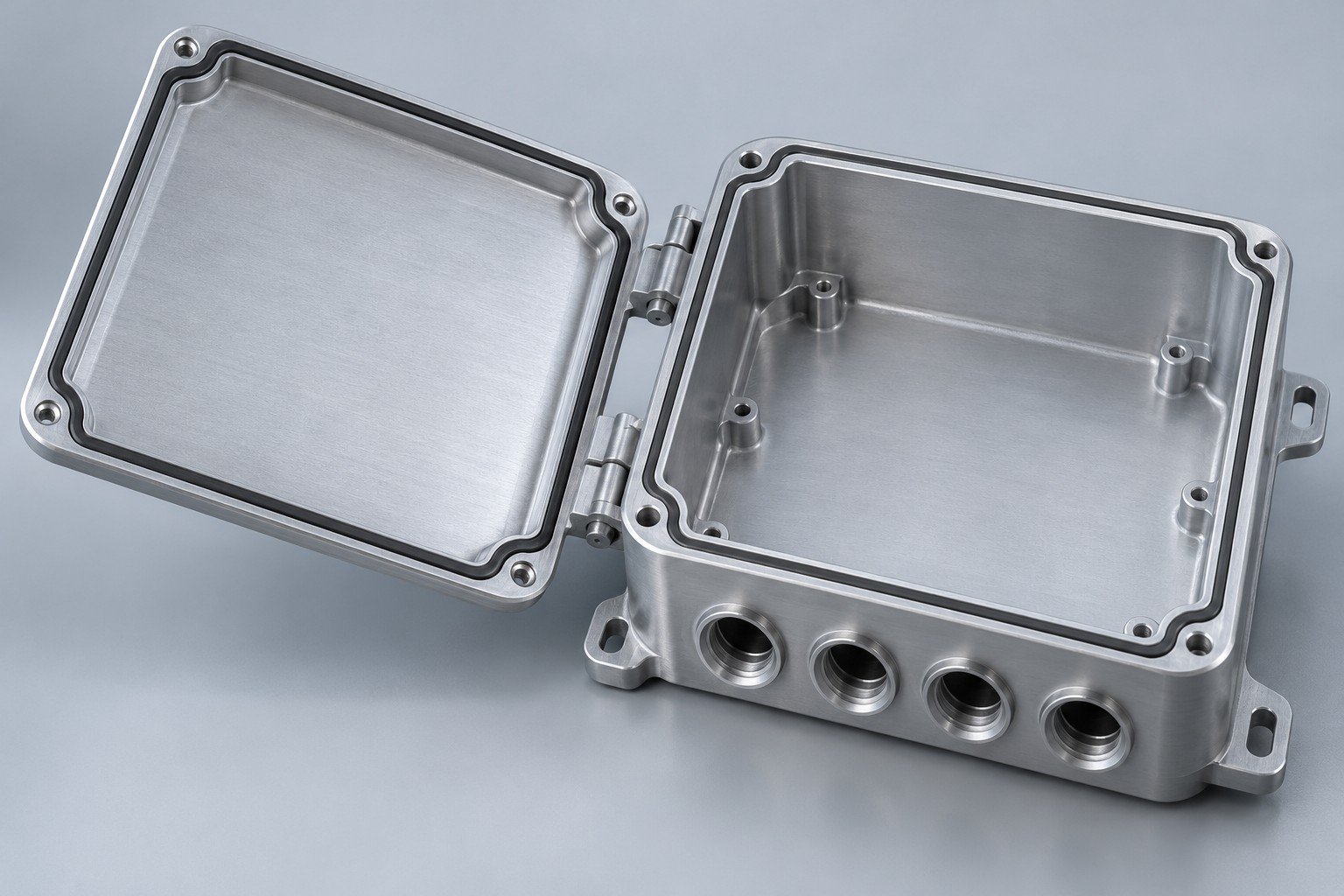
YOUR ENVIRONMENT. YOUR SEALING INTERFACES. YOUR INSTALLED FIT.
Define your custom networking equipment enclosures around the installed environment, cable entries and mounting interfaces. Agree the manufactured part and the assembled validation scope before choosing a route.
Indoor/outdoor exposure, temperature and nearby equipment.
Connector and gland geometry, access and routing.
Wall, pole, rack or equipment interfaces and fasteners.
Drawing checks, finish and any defined enclosure tests.
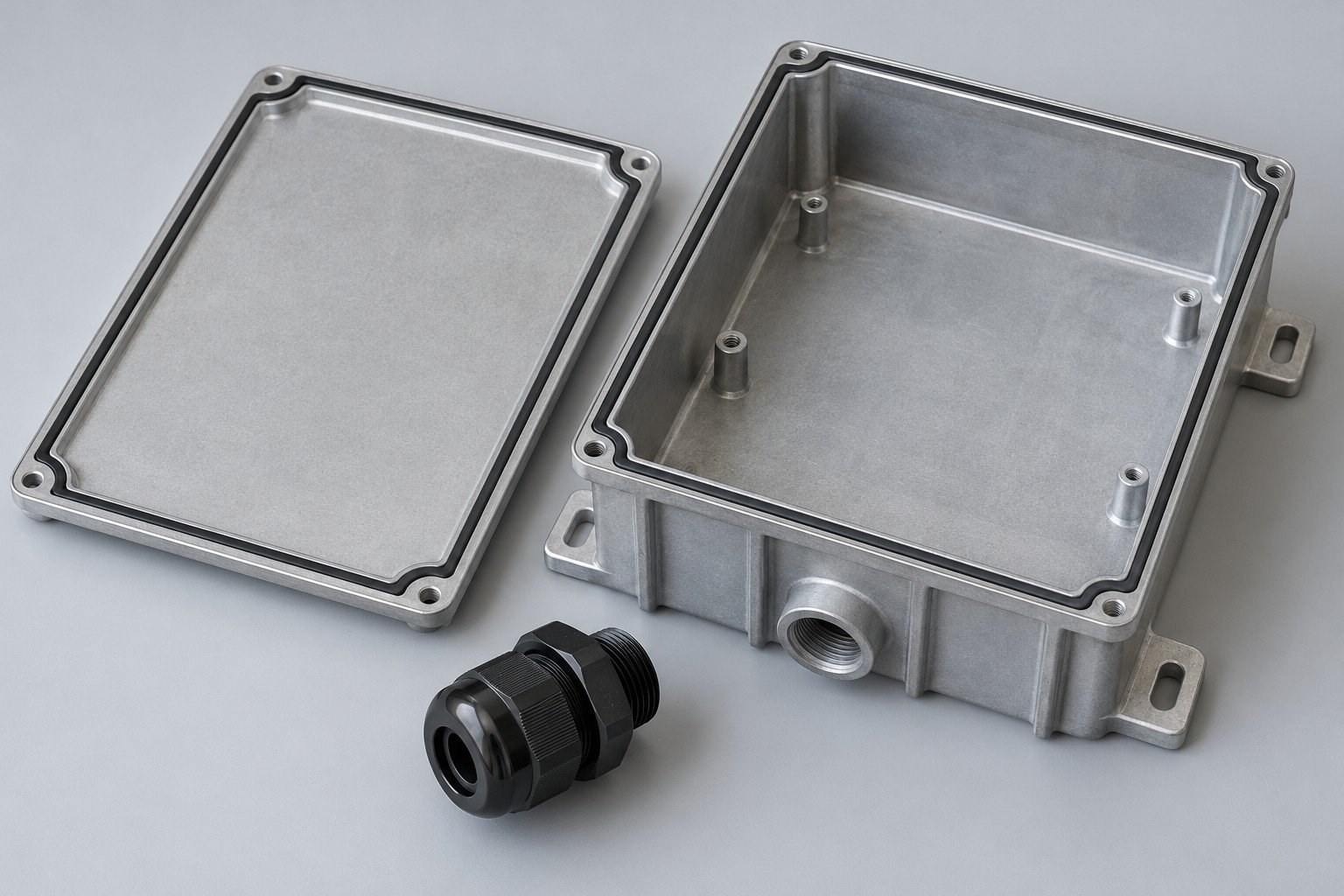
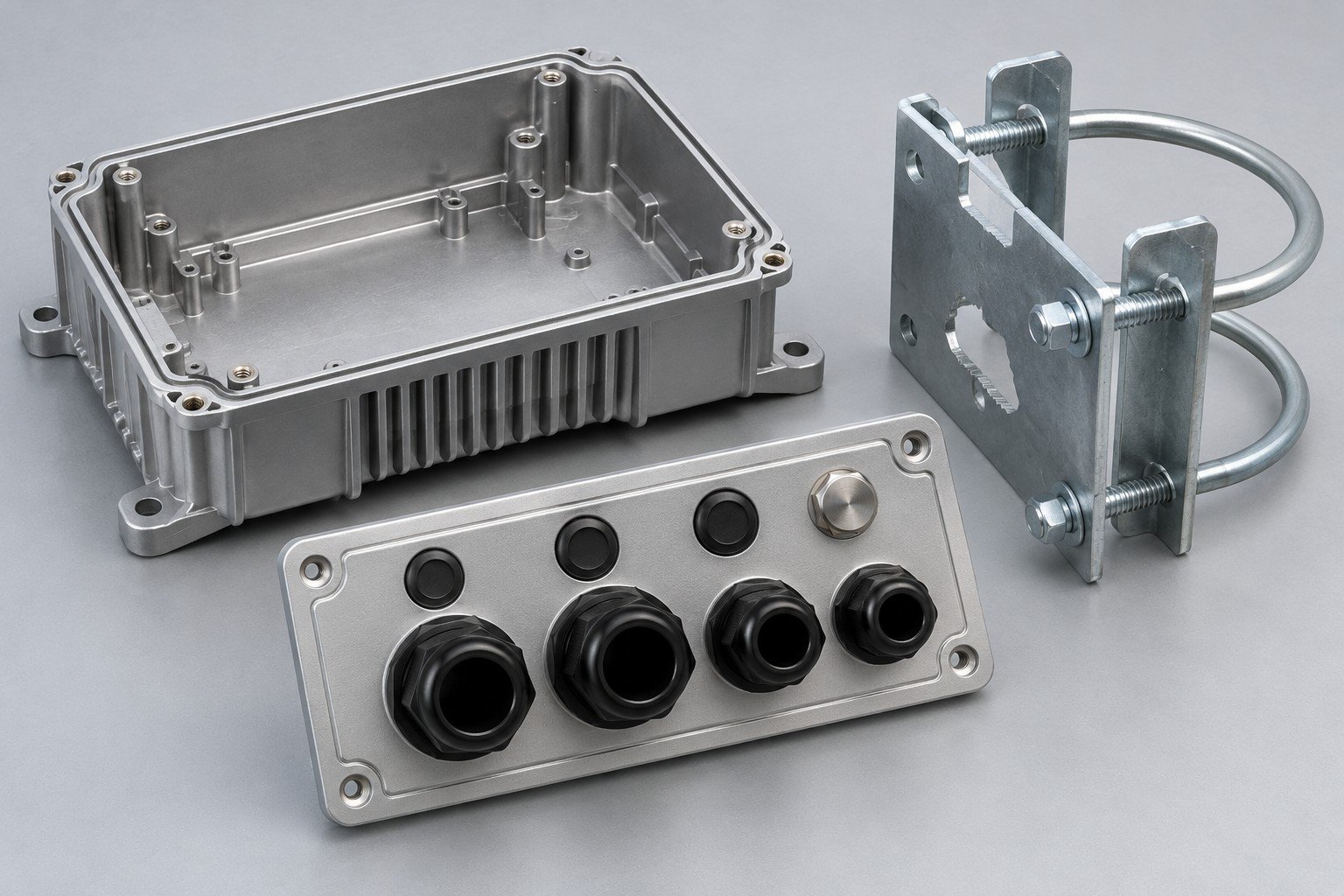
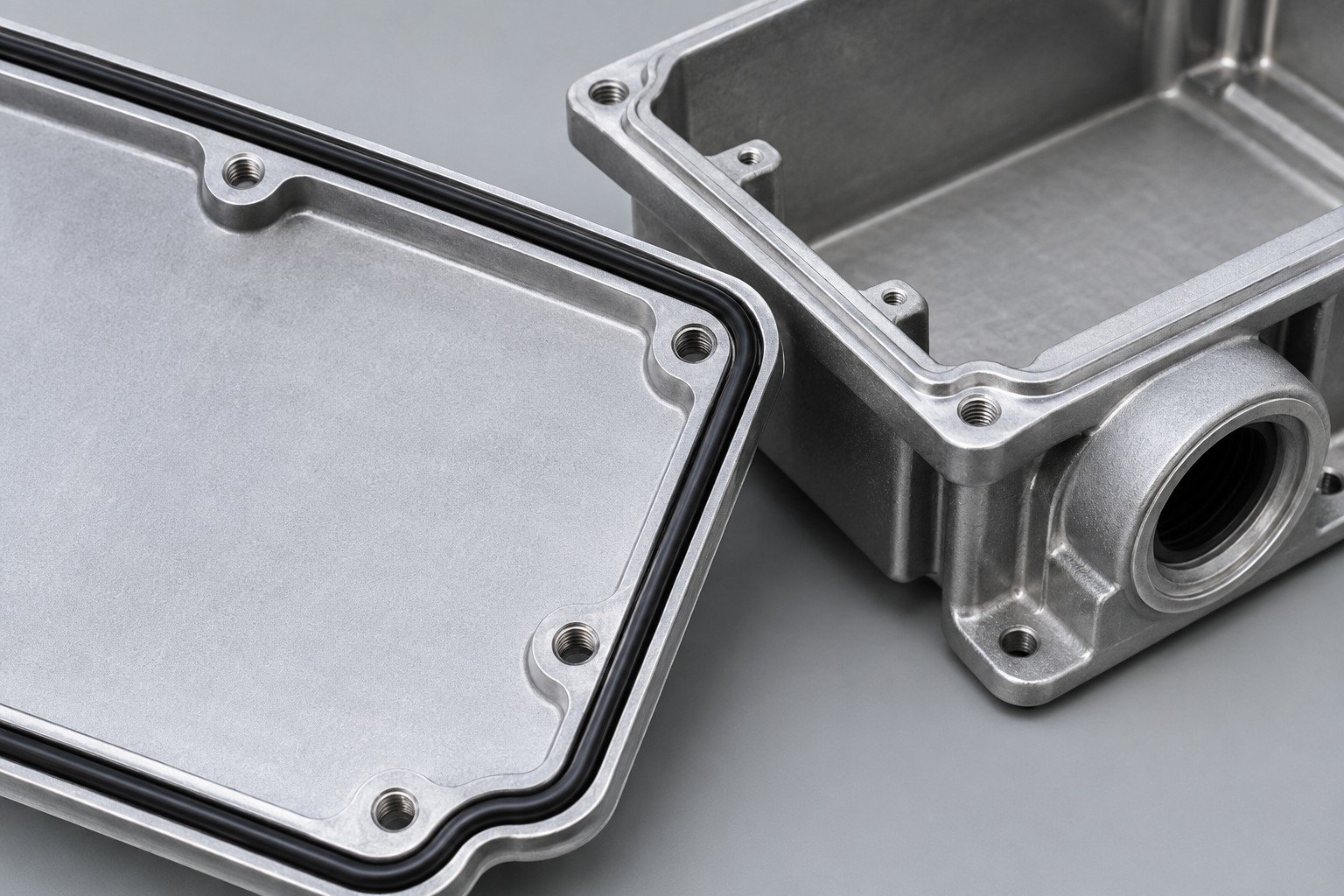
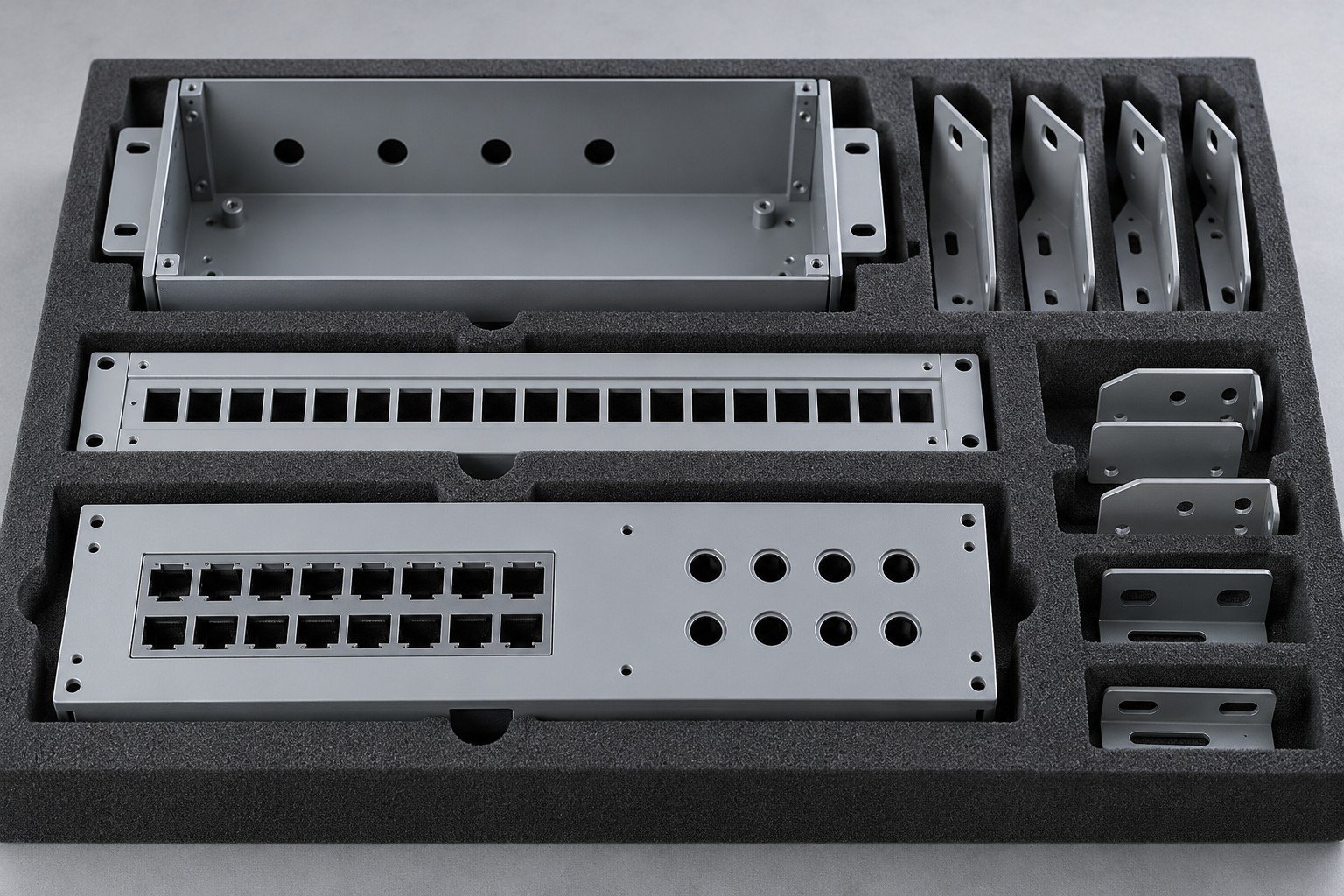
Review walls, lid fit, sealing lands and accessible assembly details.
Define hole geometry, mating connectors and gasket or gland interfaces.
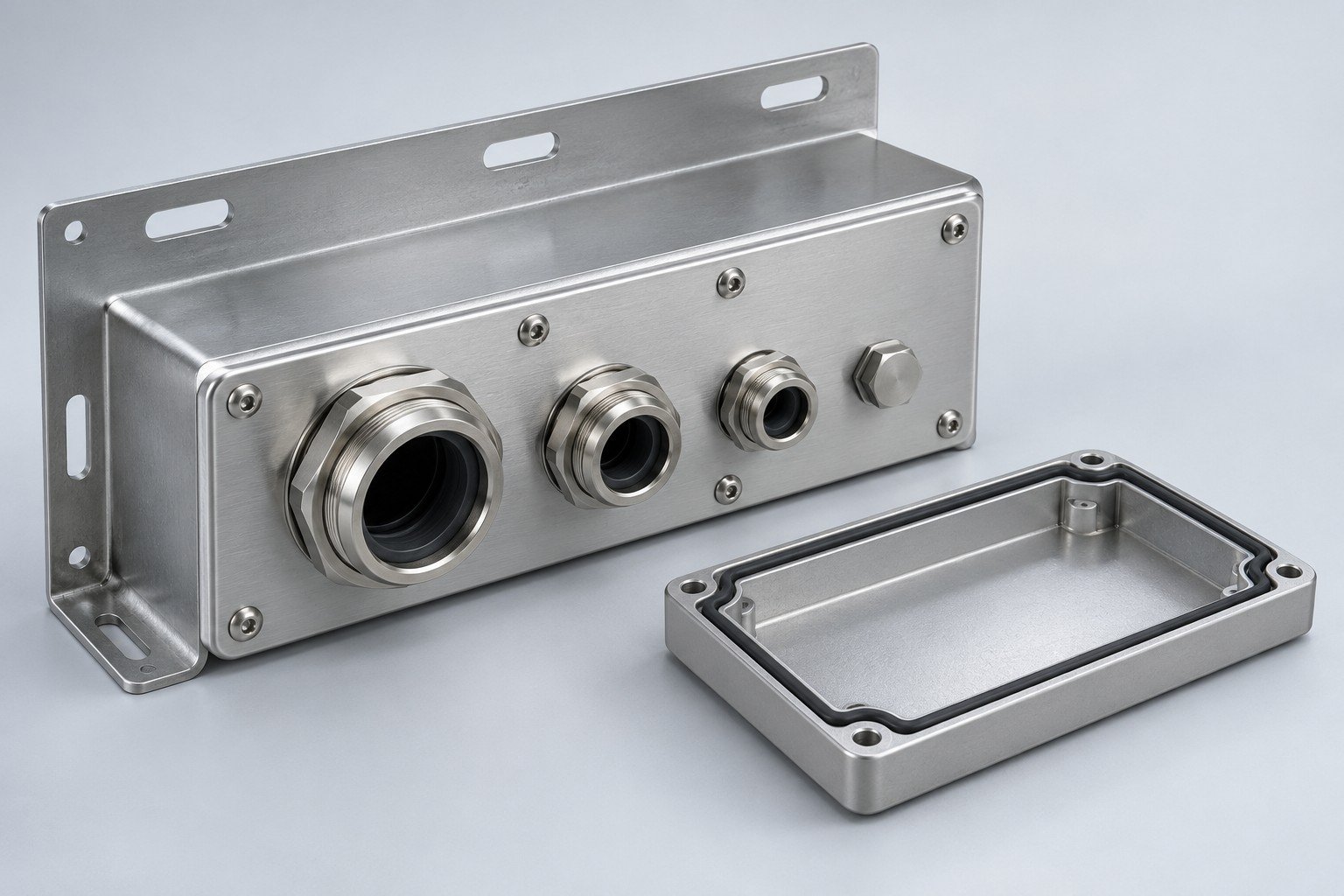
Review slotted brackets, fastener access, load interfaces and the final finish.
When assessing a telecommunications machined parts supplier, identify which dimensions control mounting and which support the sealing or connector assembly.
These code descriptions compare environmental protection categories. They are not LK MFG product ratings, test results or interchangeable NEMA classifications.
5 · Solids: dust-protected.
4 · Water: splashing water from any direction under the applicable test.
6 · Solids: dust-tight.
5 · Water: jetting water from any direction under the applicable test.
Digits are categories, not a linear performance scale. A code does not by itself establish corrosion resistance, EMC performance or suitability for a particular fluid. Define the assembled housing, ports, glands, gasket and fasteners that the test covers.
For telecom enclosure sheet metal fabrication, review formed seams, hardware and the finishing sequence together.
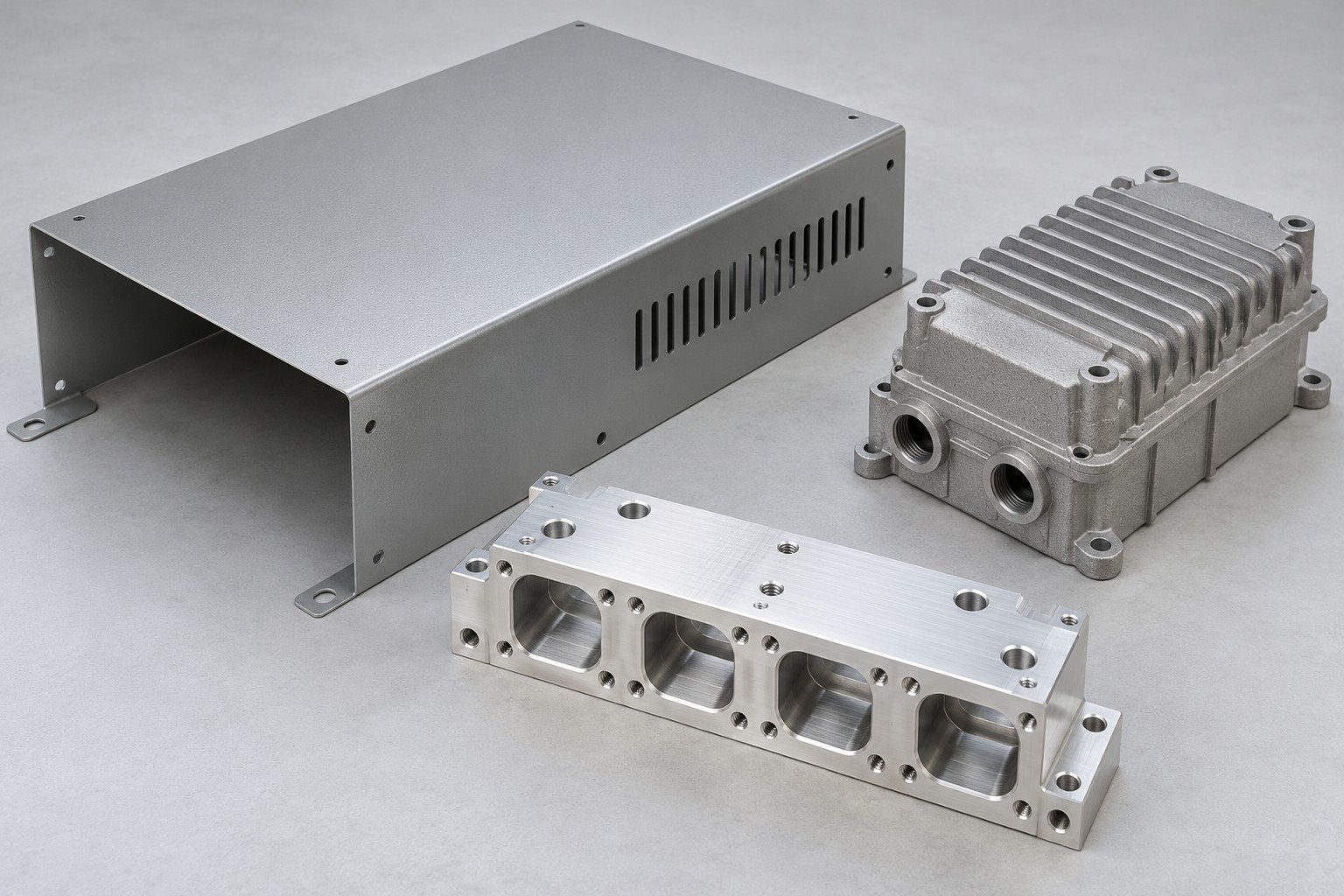
Review cable entries, seams and hardware with the required final condition before choosing the route.
| Part scope | Route to review | Your decision |
|---|---|---|
| Aluminum housings for networking equipment | CNC machining or casting with secondary features | Mating geometry, material, quantity and final condition |
| Covers, panels and brackets | Sheet cutting and forming | Bends, seams, edges, hardware and finish |
| Repeated section with machined ends | Extrusion plus secondary machining | Profile choice, cut length, end plates and interfaces |
| Multi-part mounting group | Joining and assembly | Fixture control, fastener plan and final mating checks |
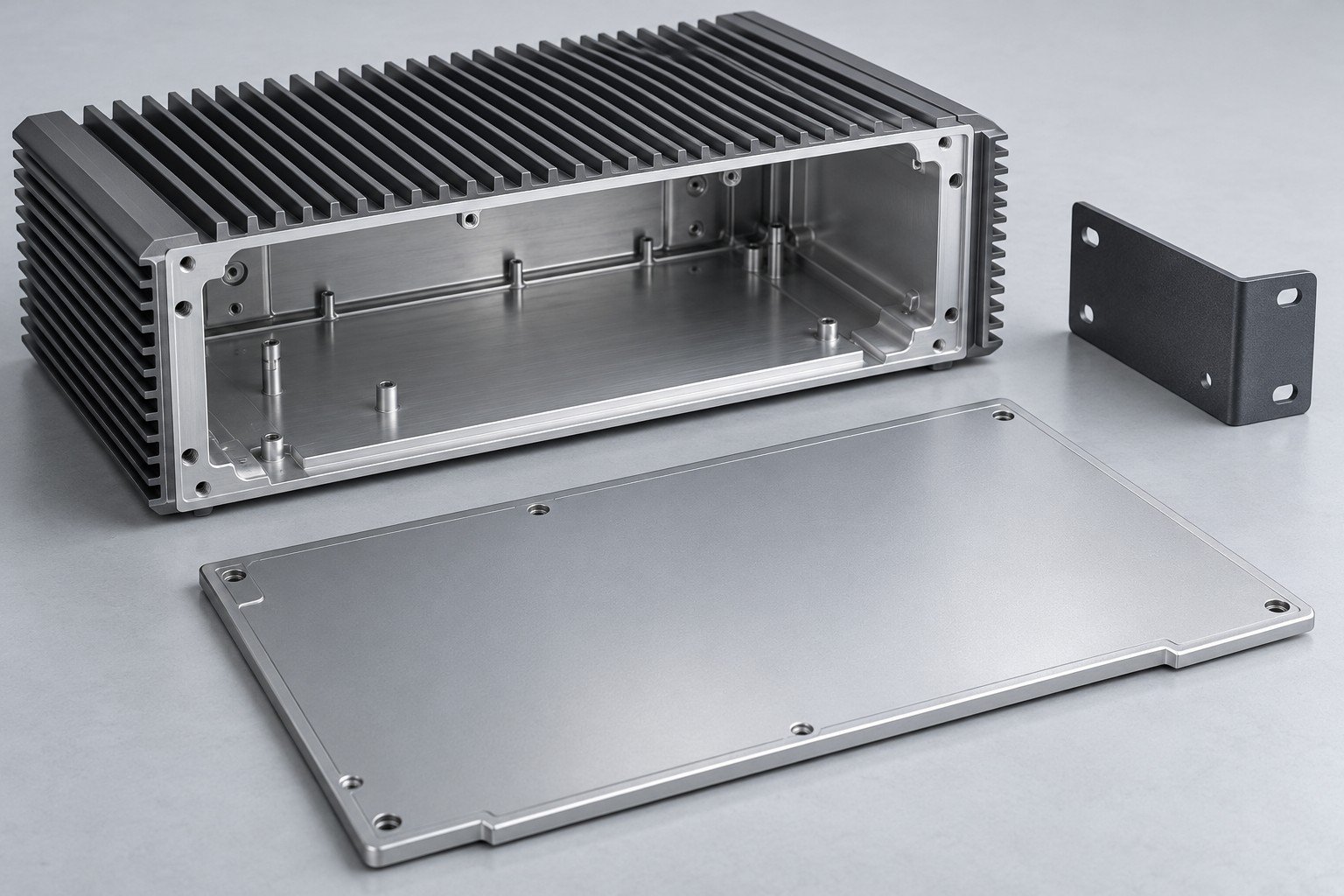
The actual route and test scope require project review; the image does not prove an ingress or corrosion rating.

Selected interfaces and sealing geometry against the released drawing.
Required records for grade, condition and specified finishing.
Defined gasket, gland, connector and fastener configuration.
Agreed standard, test conditions, acceptance and reporting owner.
Confirm drawing revision and actual application.
Review material, geometry and manufacturing sequence.
Build the agreed sample and check defined interfaces.
Record accepted features, finish and required evidence.
Coordinate repeat scope, packing and delivery requirements.
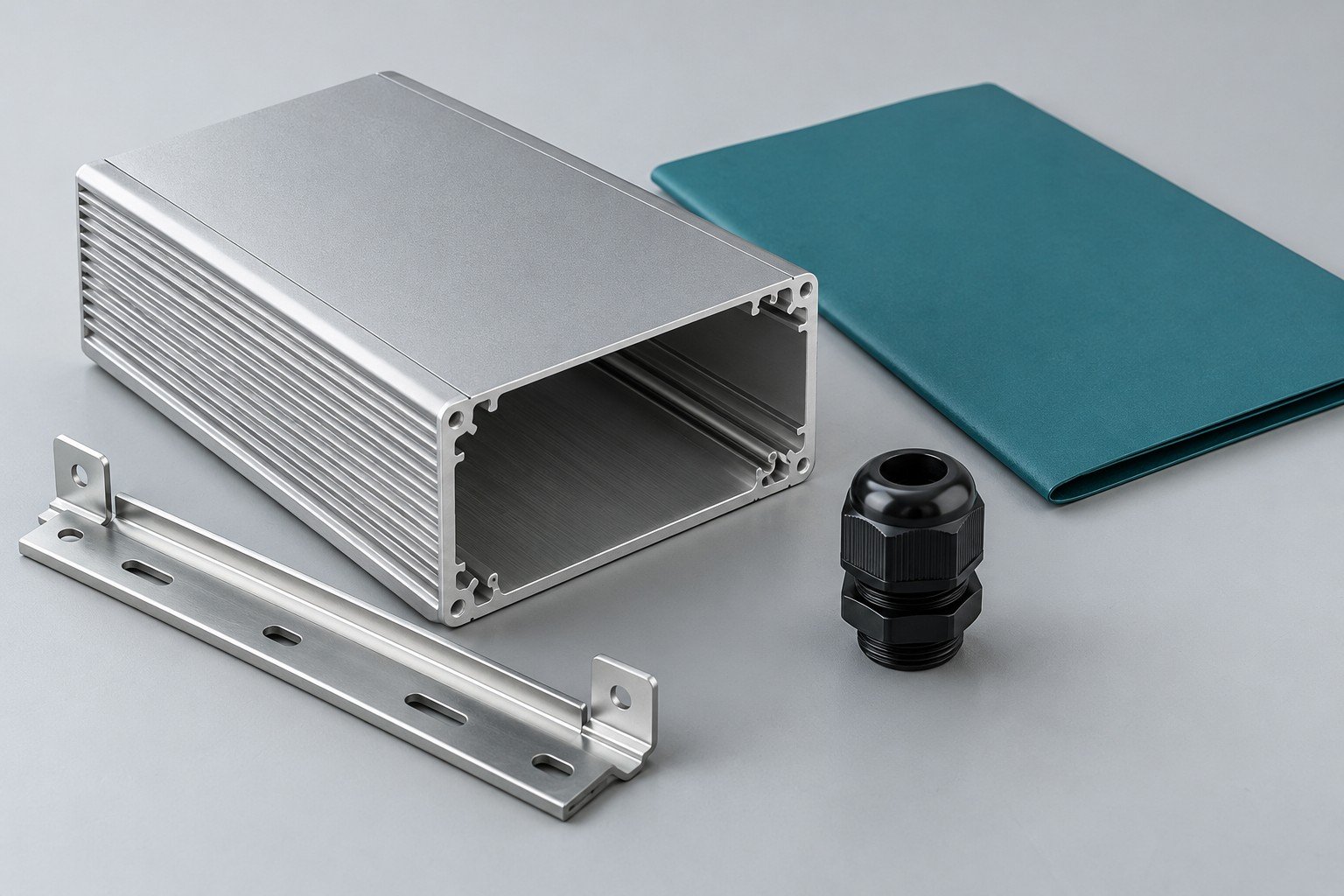
Describe the exposure, material combination, finish and intended service conditions. State the applicable test and acceptance criteria; do not treat an IP number as a corrosion specification.
No. The code concerns the tested enclosure configuration. Ports, glands, gaskets, fasteners and assembly condition must be included in your agreed validation scope.
Compare geometry, material, wall requirements, expected quantity, interfaces and finishing. Confirm the route from the released drawing rather than appearance alone.
Send CAD, drawing revision, installation details, environment, material/finish, mating ports and sealing parts, quantities and required checks.
Connect corrosion and appearance needs to the finish specification.
Explore finishes →