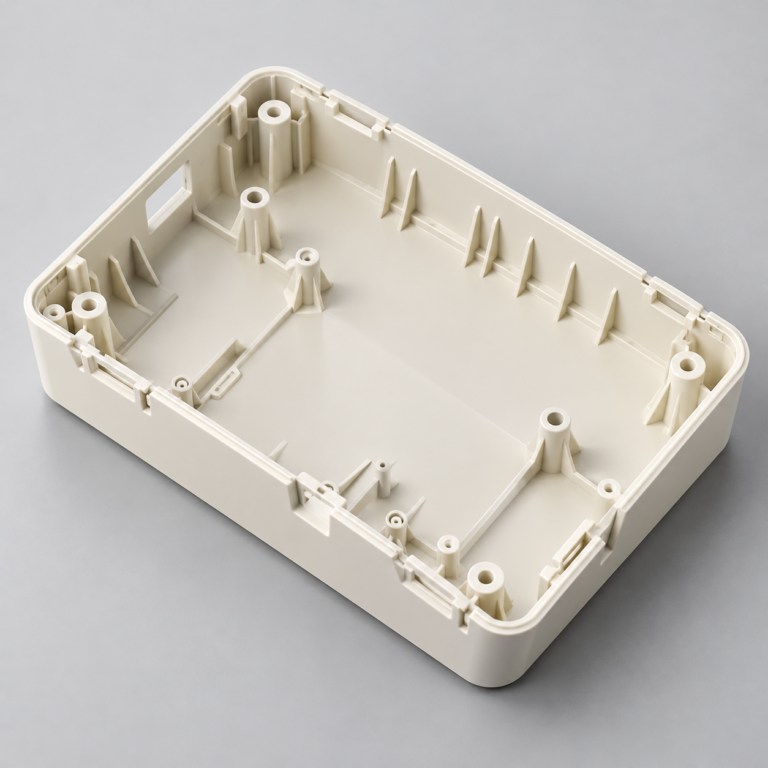
Spritzguss
Tooling and molding for your repeat plastic parts.
From prototype to production, coordinated manufacturing solutions for your custom parts.
Alle Dienste anzeigen →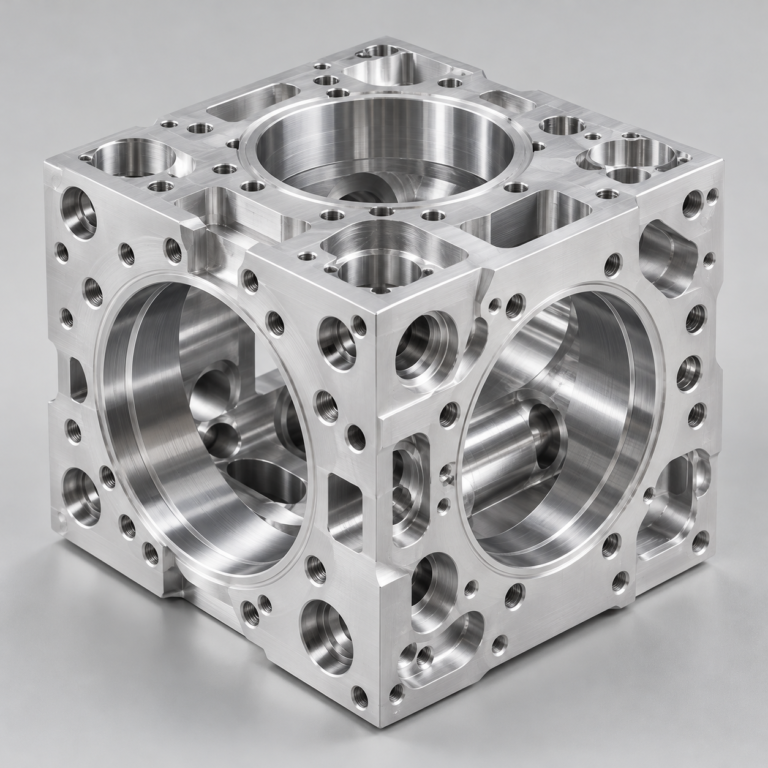
Precision parts for your tight tolerances and complex geometry.
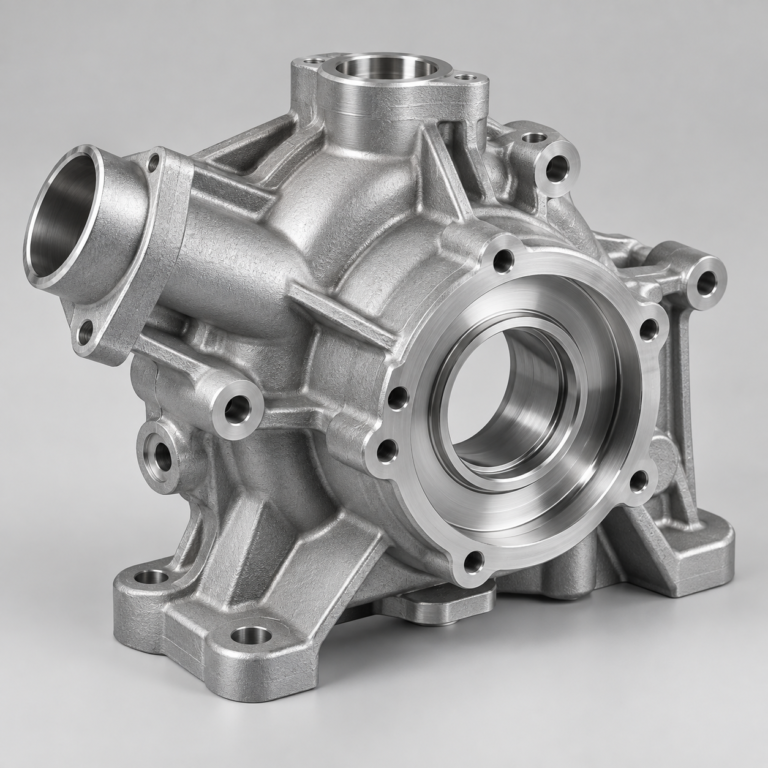
Tooling and molding for your repeat plastic parts.
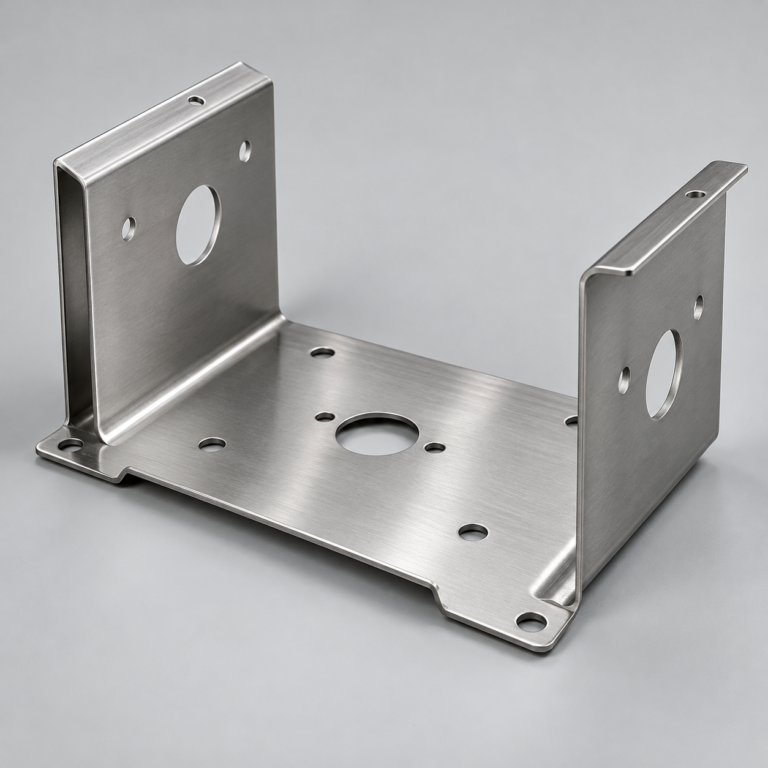
Cutting, forming and welding for your fabricated parts.
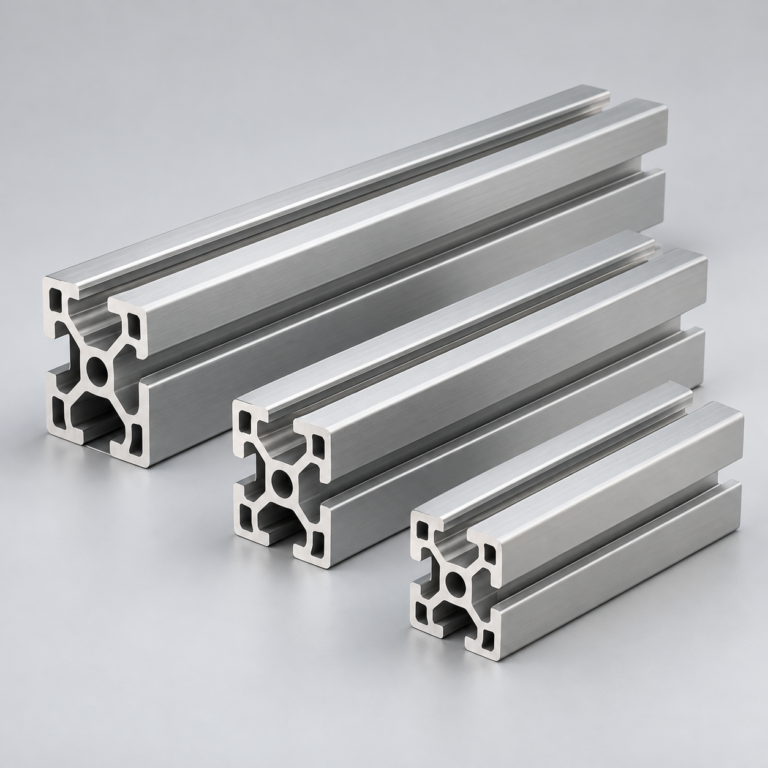
Custom profiles for your section, length and finish requirements.
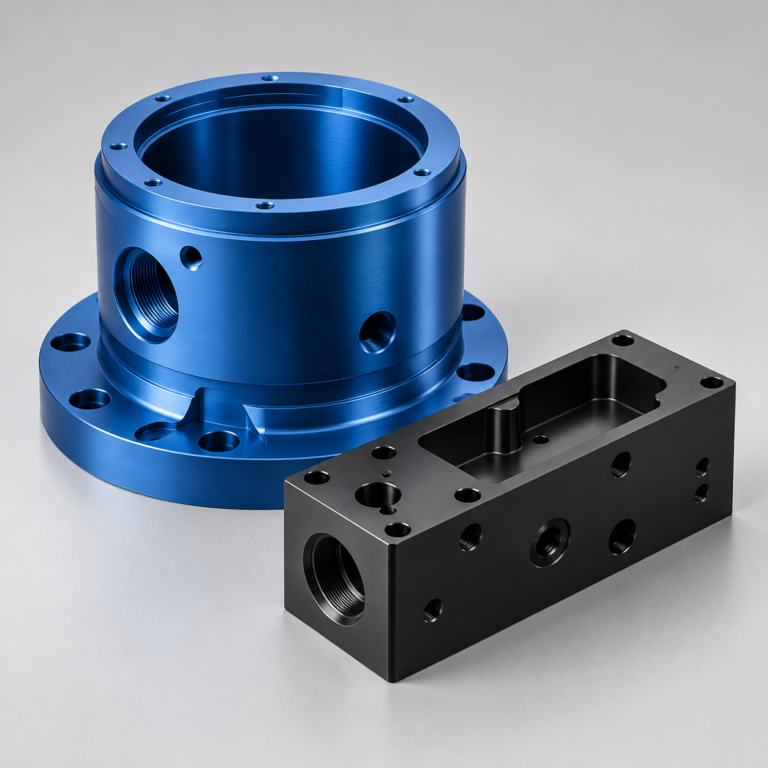
Finishes for your appearance, corrosion and wear requirements.
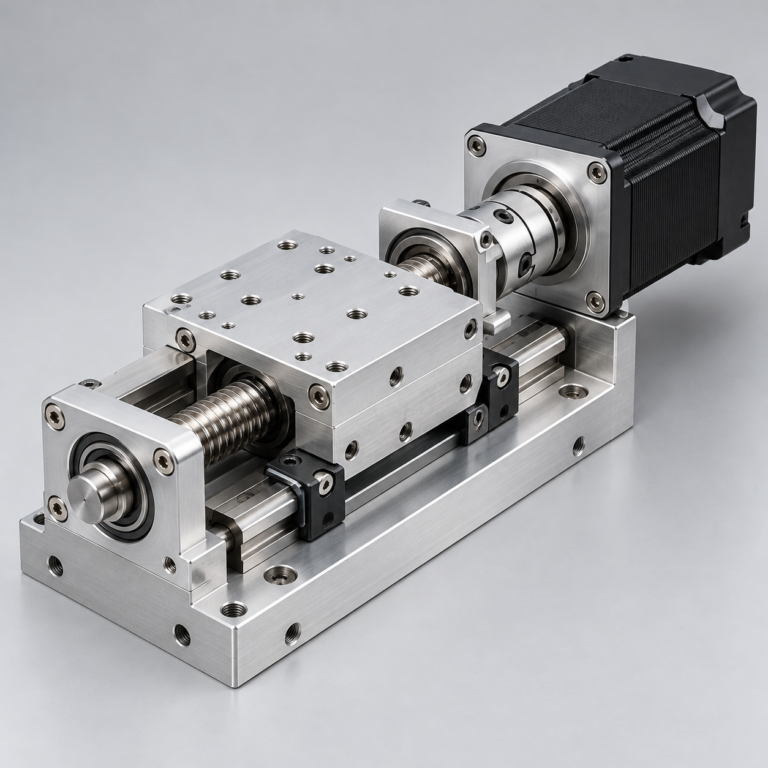
Sub-assemblies and final builds for your production program.
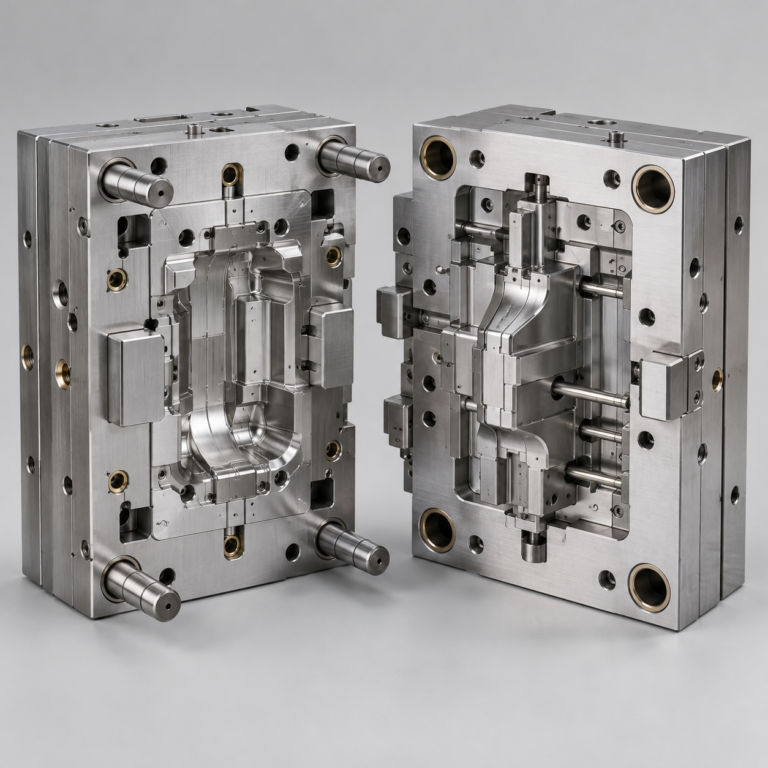
Production tooling built around your process and volume.
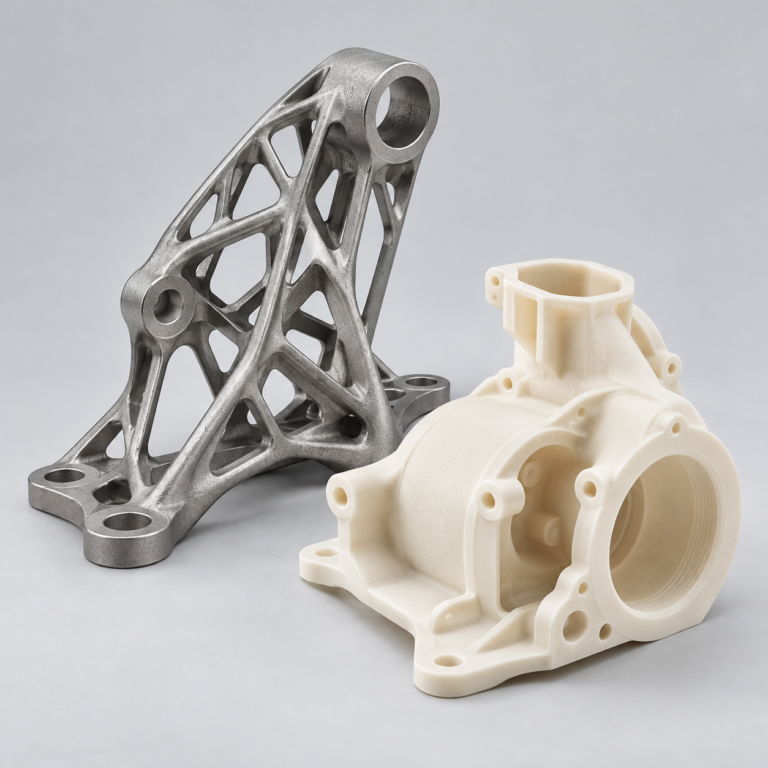
Prototype parts to check fit, function and design.
DFM, process planning and production support for your project.
Inspection, documentation, inventory and delivery planning for your program.
Choose air- or liquid-cooling components around your thermal and mechanical requirements.
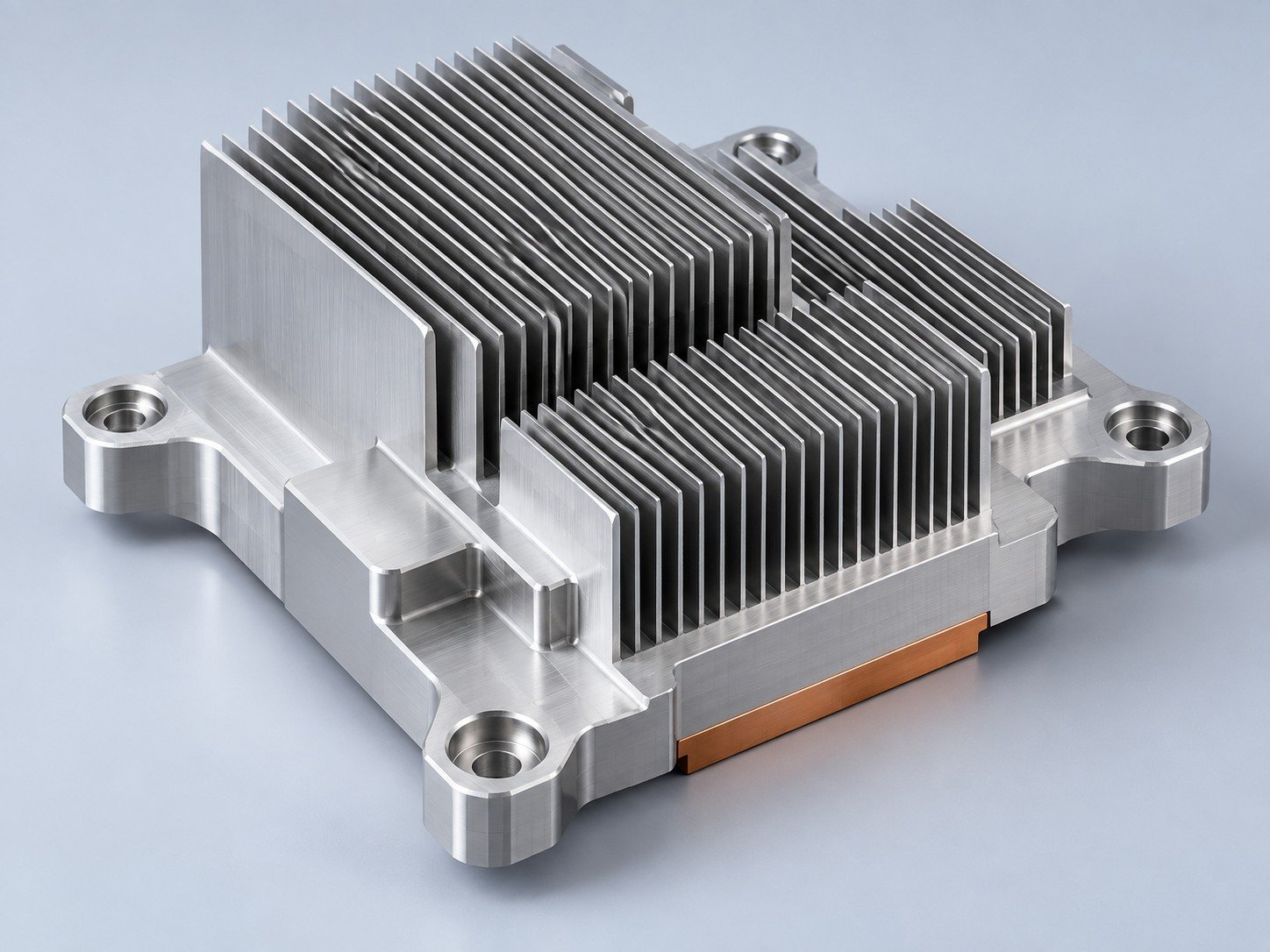
Manufacturing support for your cold plates, manifolds and cooling assemblies.
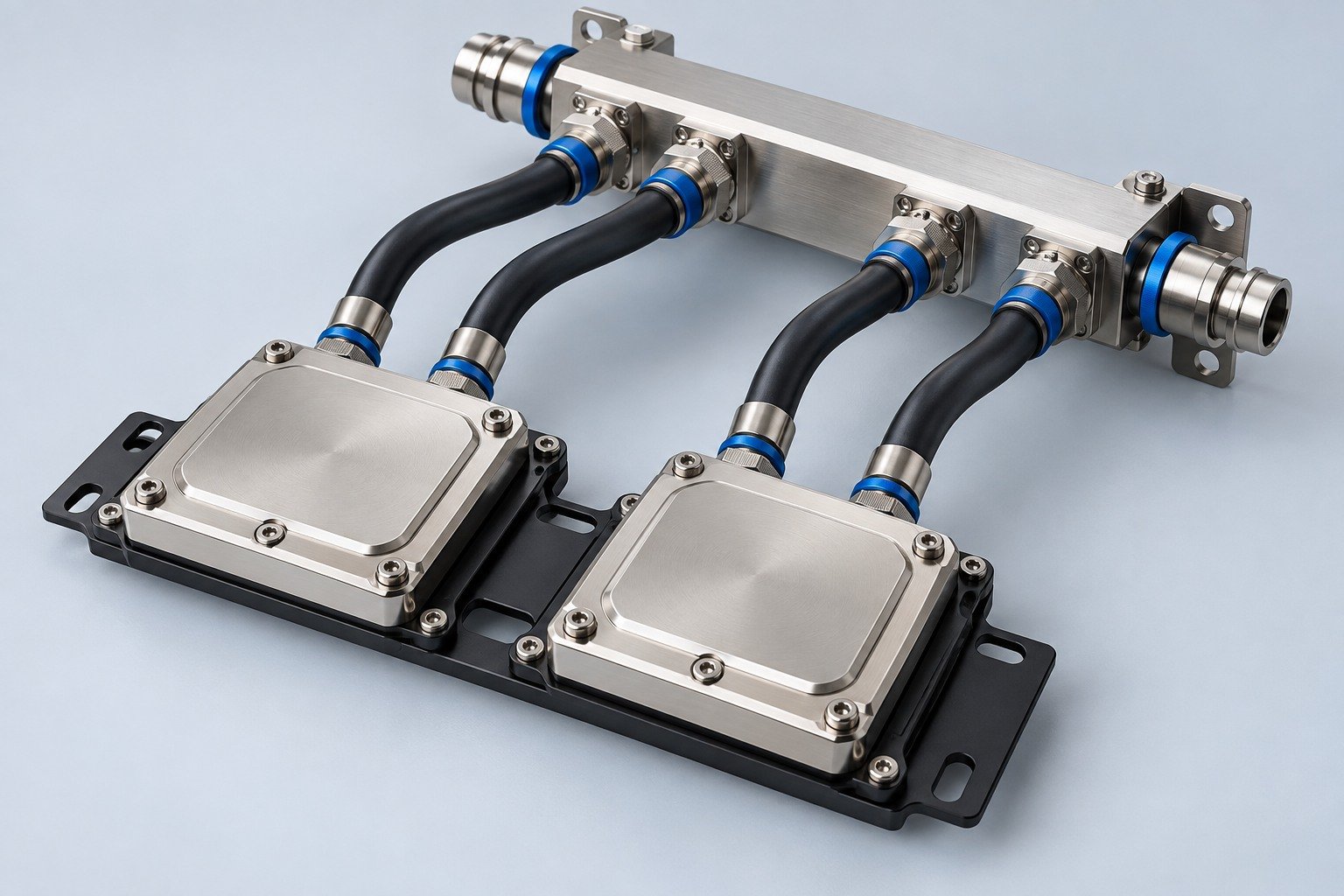
Find components for your power electronics, energy, laser and telecom application.
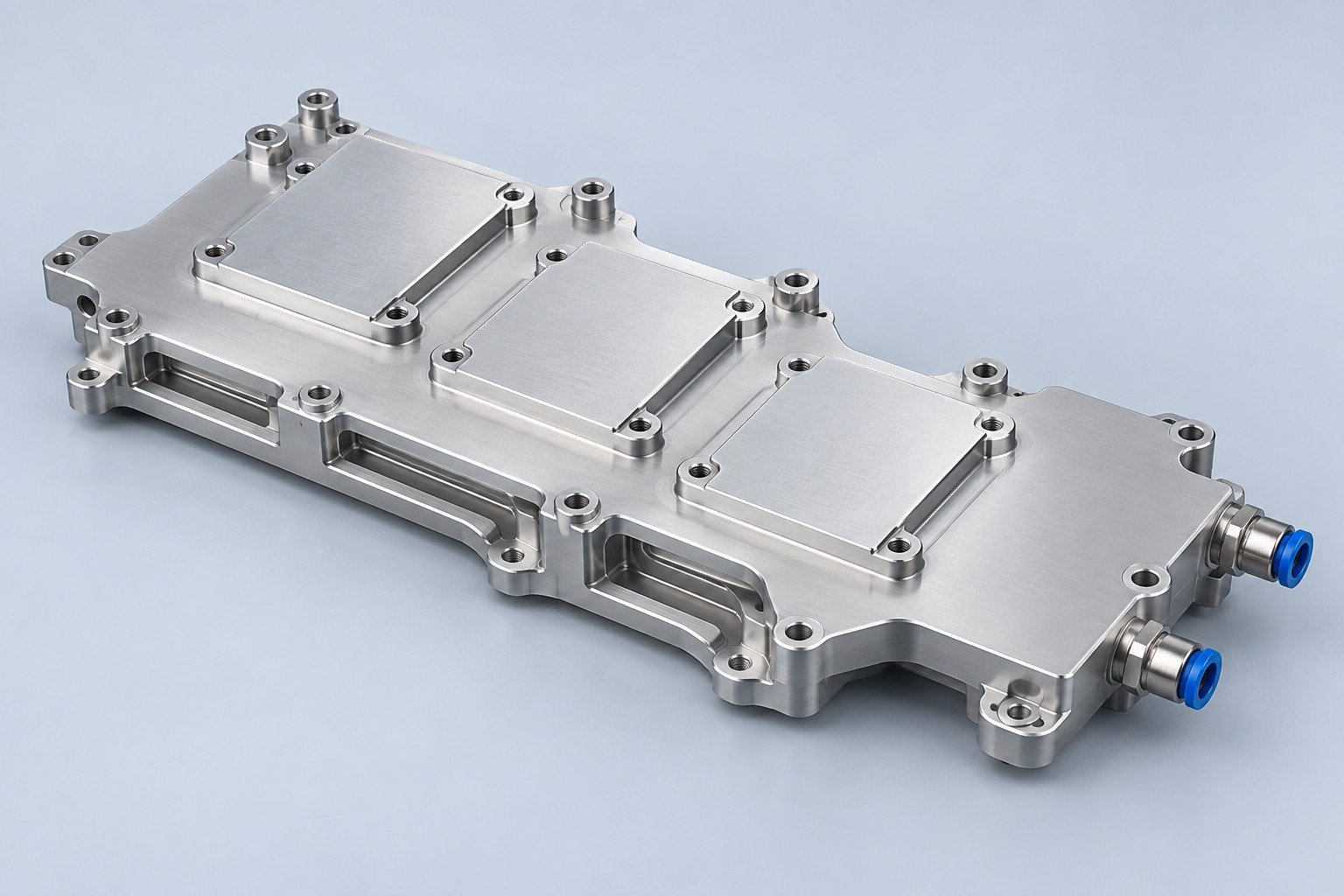
Components for your electronic systems.
Start with your functional and quality requirements.
Build around your operating environment.
From prototype to production, review material performance, manufacturability and cost for your part.
Review grade, temper and finish for your metal parts.
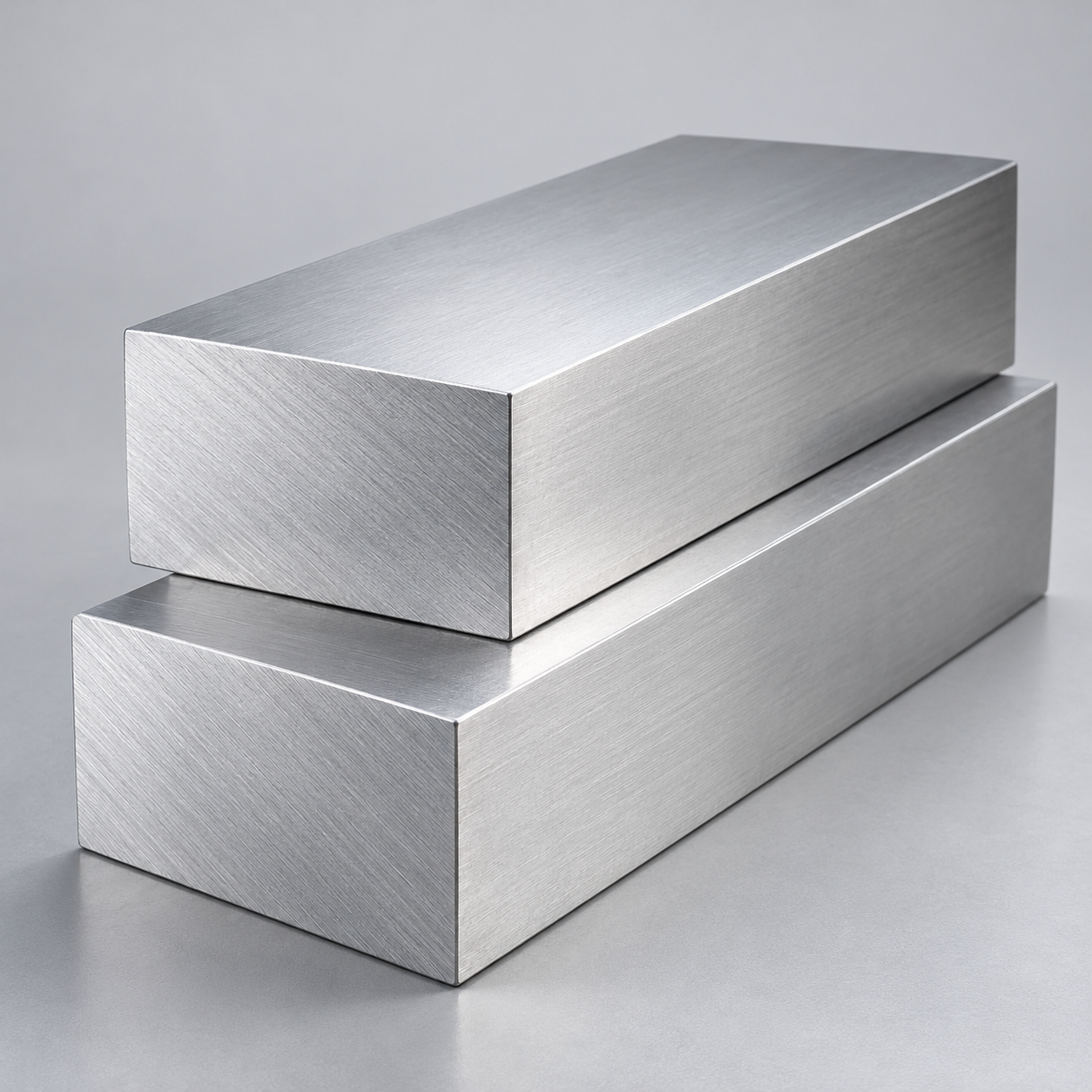 AluminiumStrength, weight and machining›
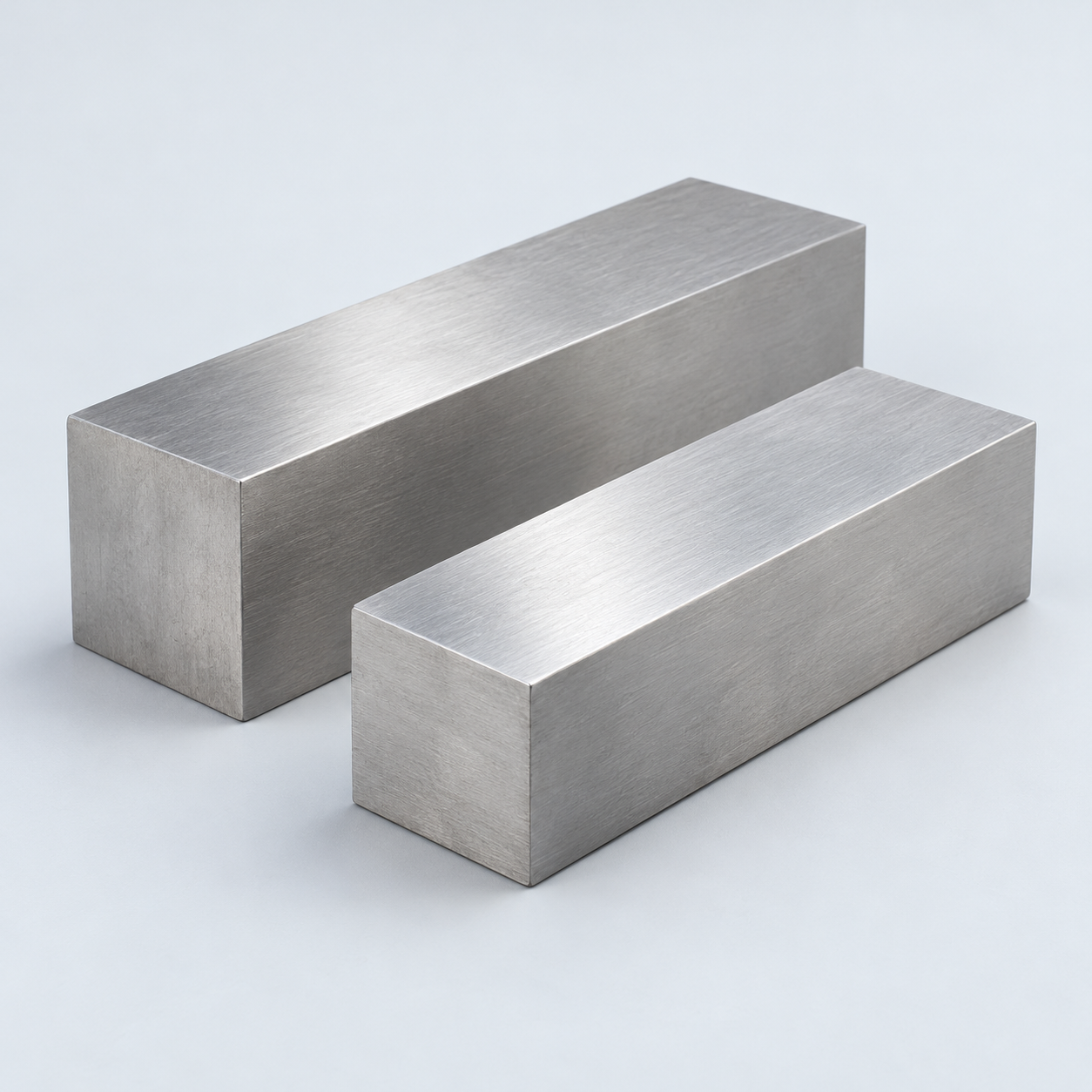 EdelstahlCorrosion and finish requirements›
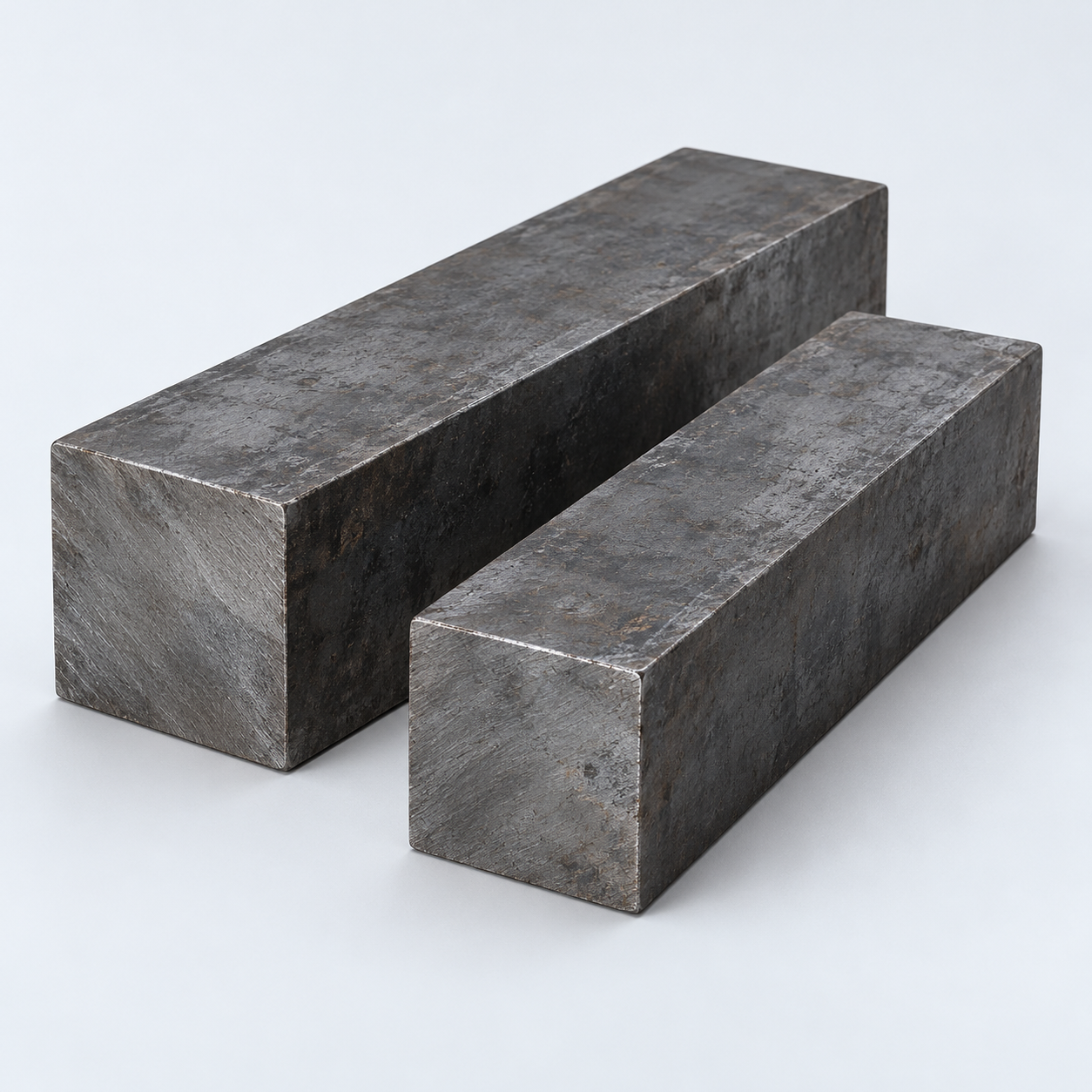 Carbon & Alloy SteelDiscuss grade and heat treatment›
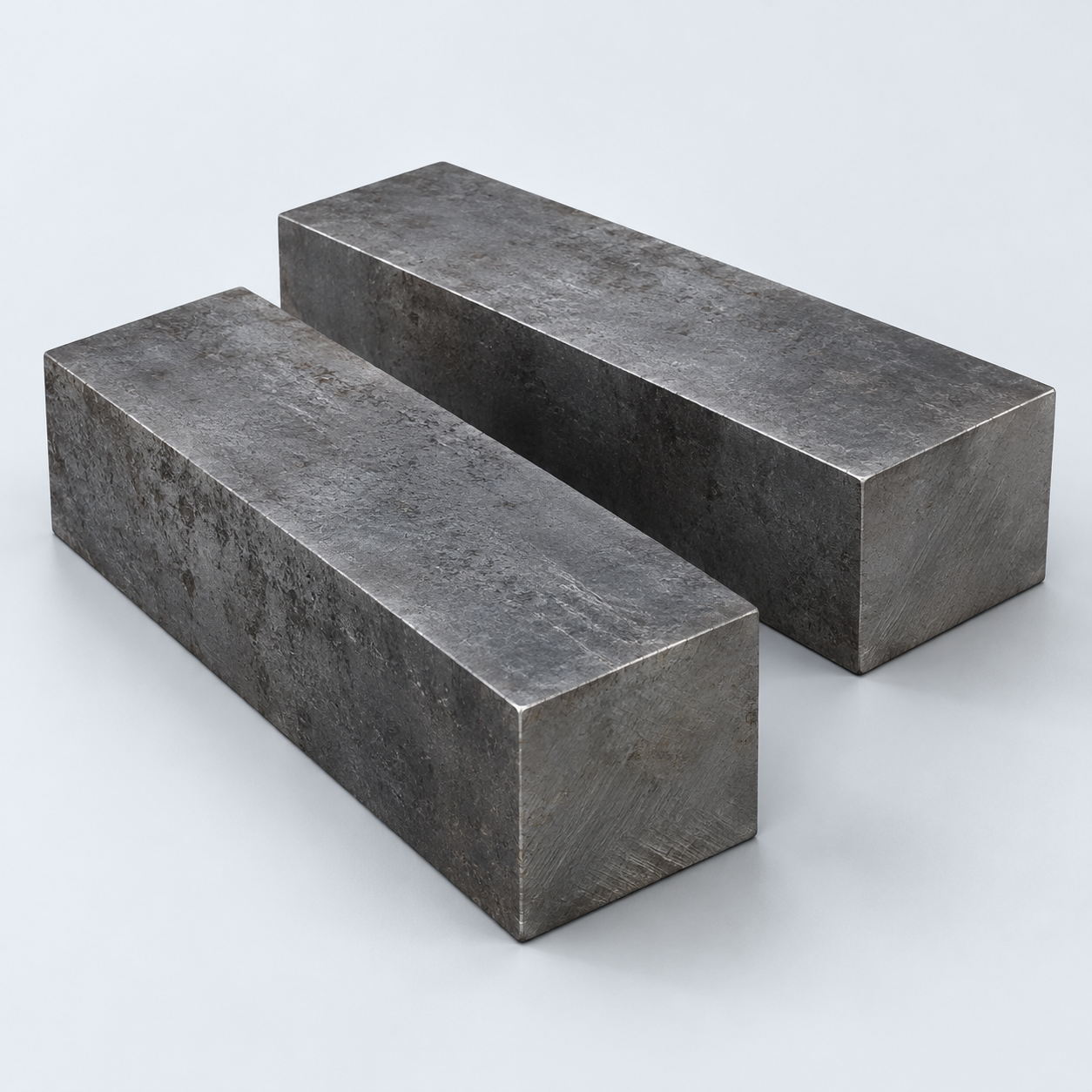 WerkzeugstahlDiscuss tooling and wear needs›
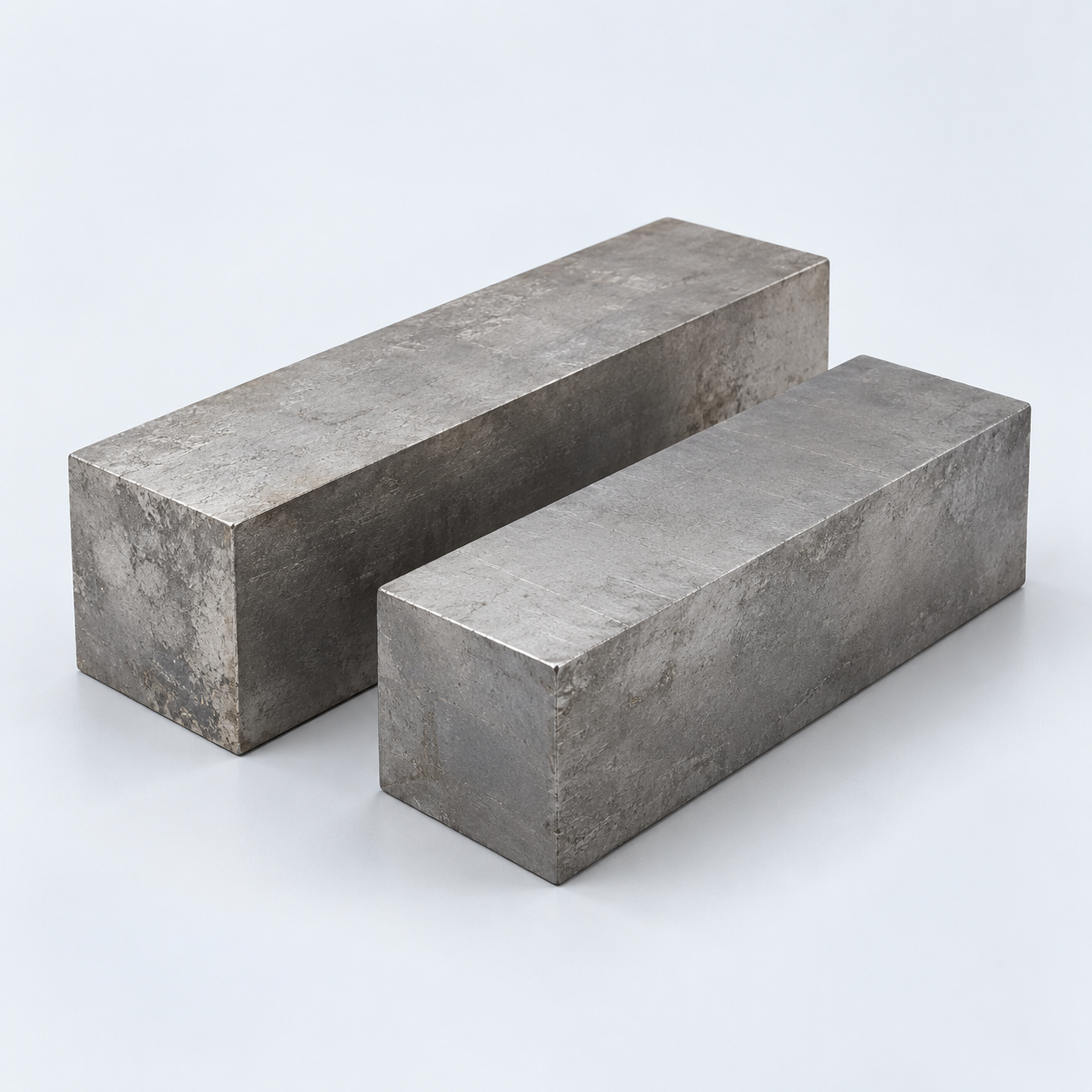 TitanReview grade and part geometry›
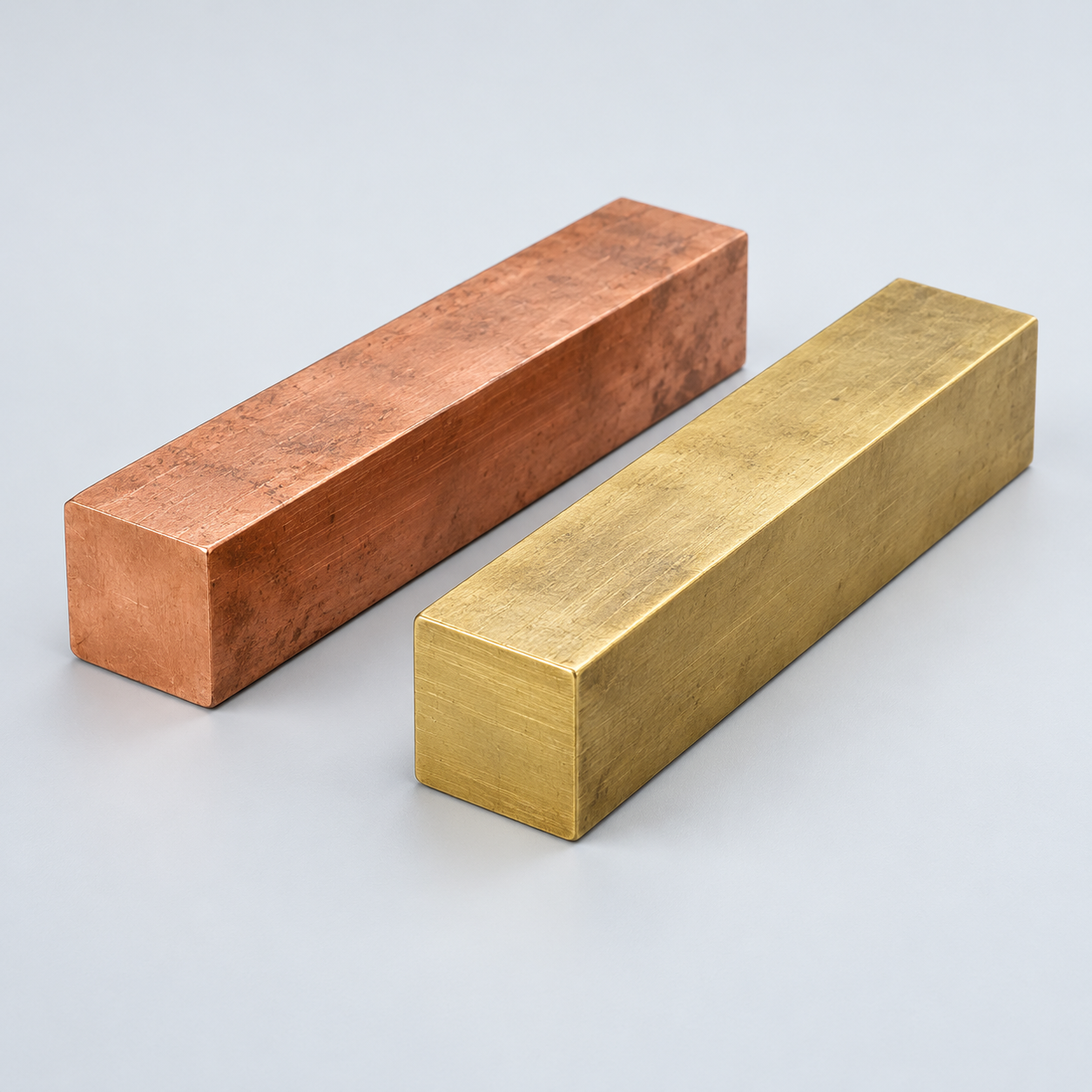 Copper & Brass & BronzeDiscuss conductivity and machining›
Match your polymer to function, process and environment.
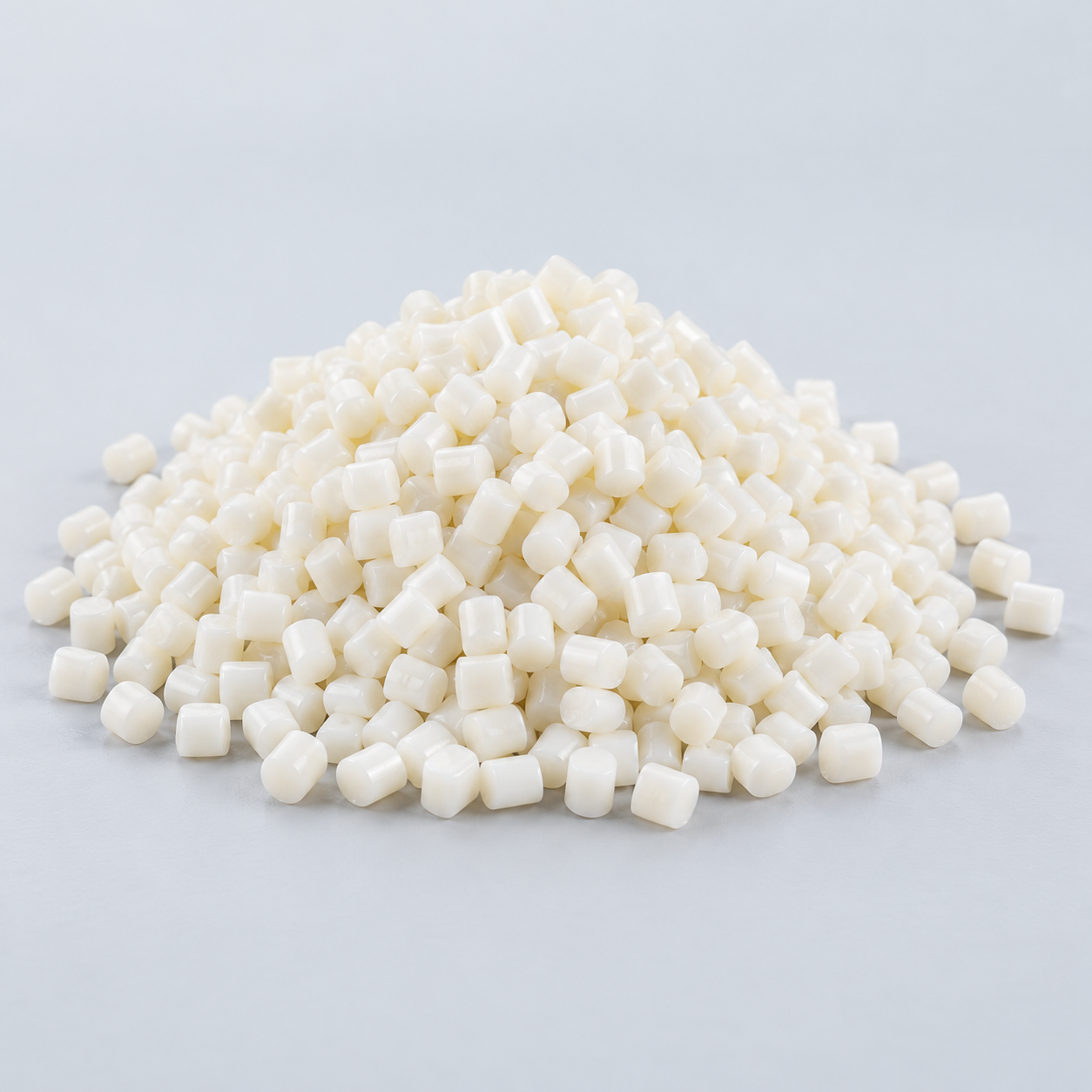 ABSReview enclosure and molding needs›
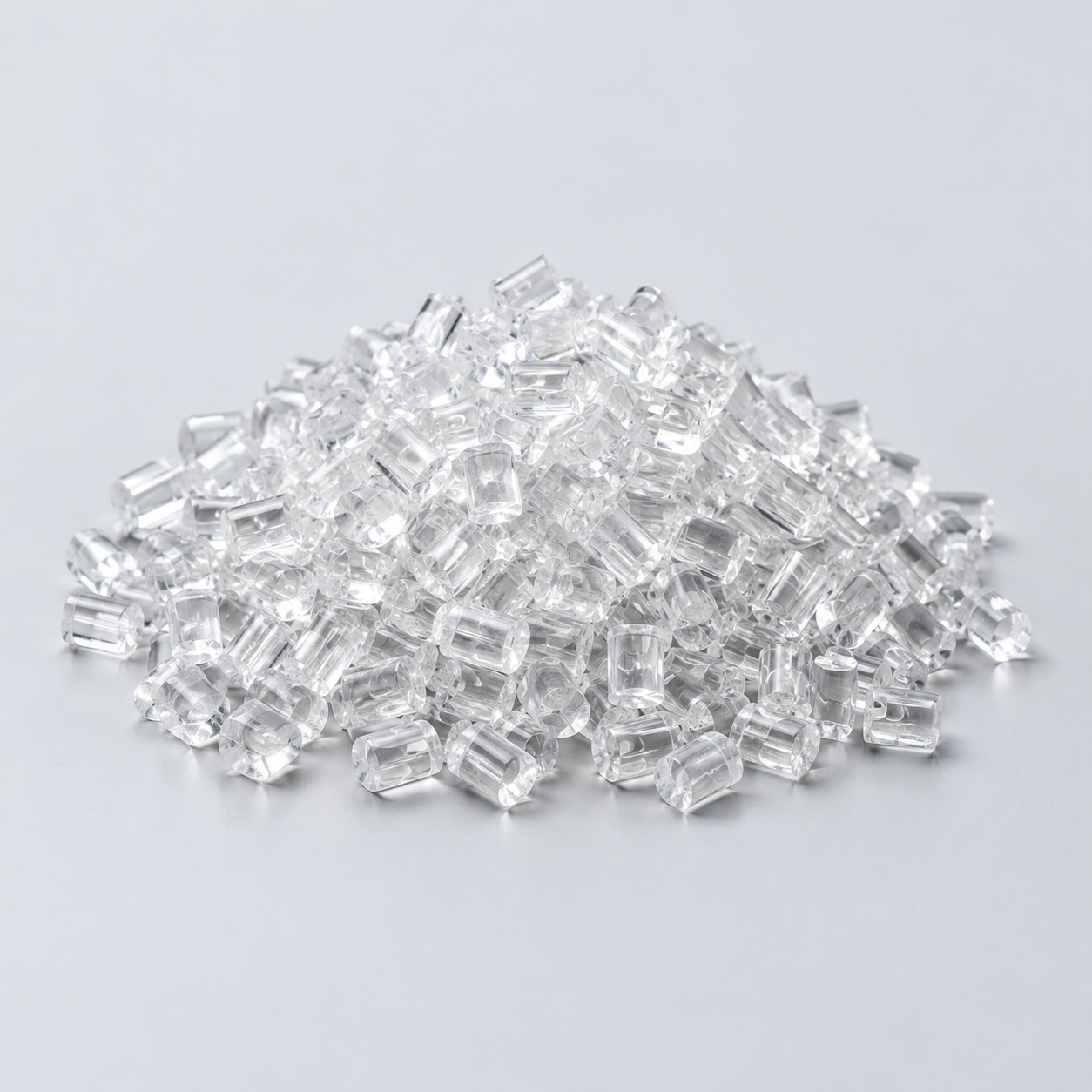 Polycarbonate (PC)Discuss clarity and impact needs›
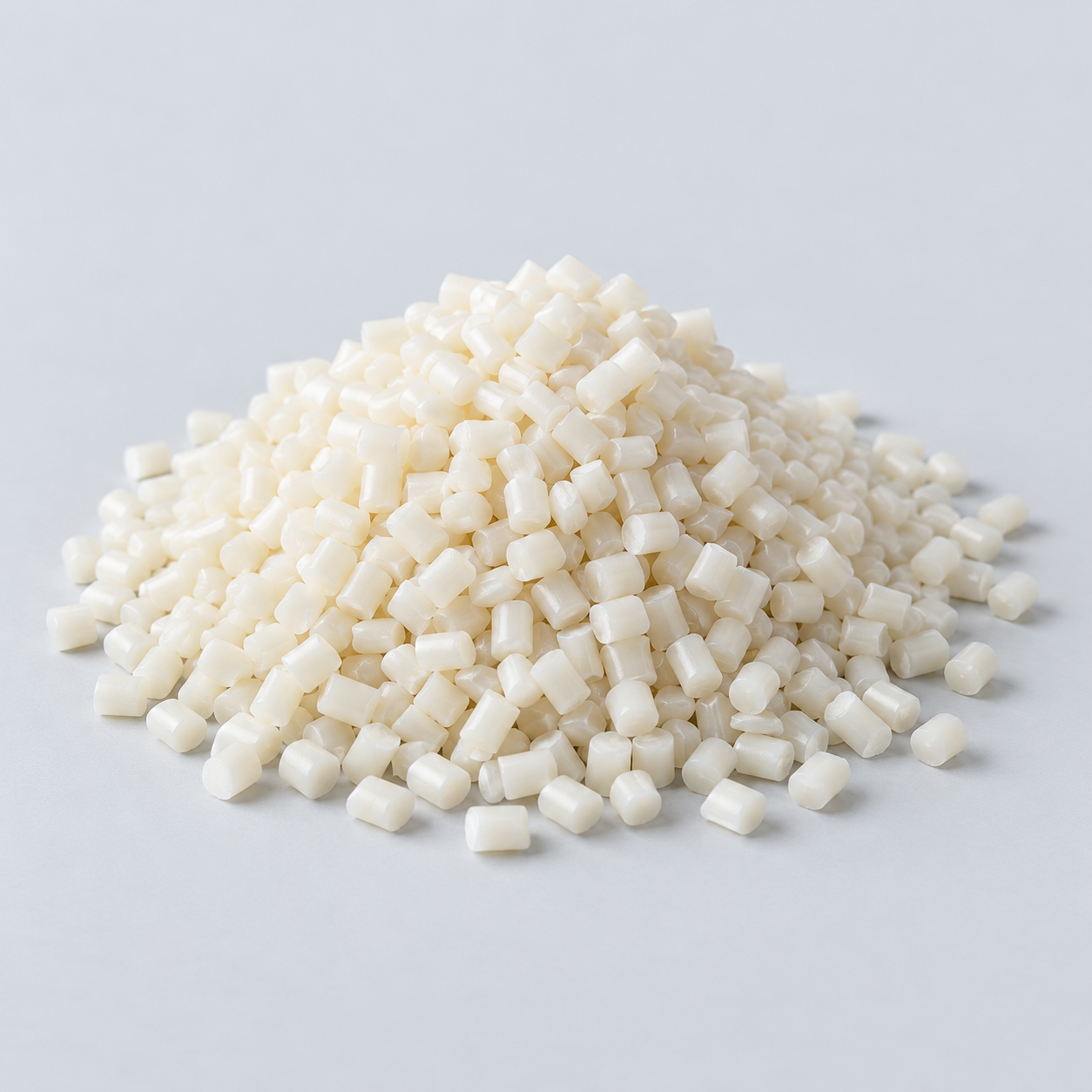 Nylon (PA)Review moisture and wear conditions›
 POM / AcetalReview fit and sliding features›
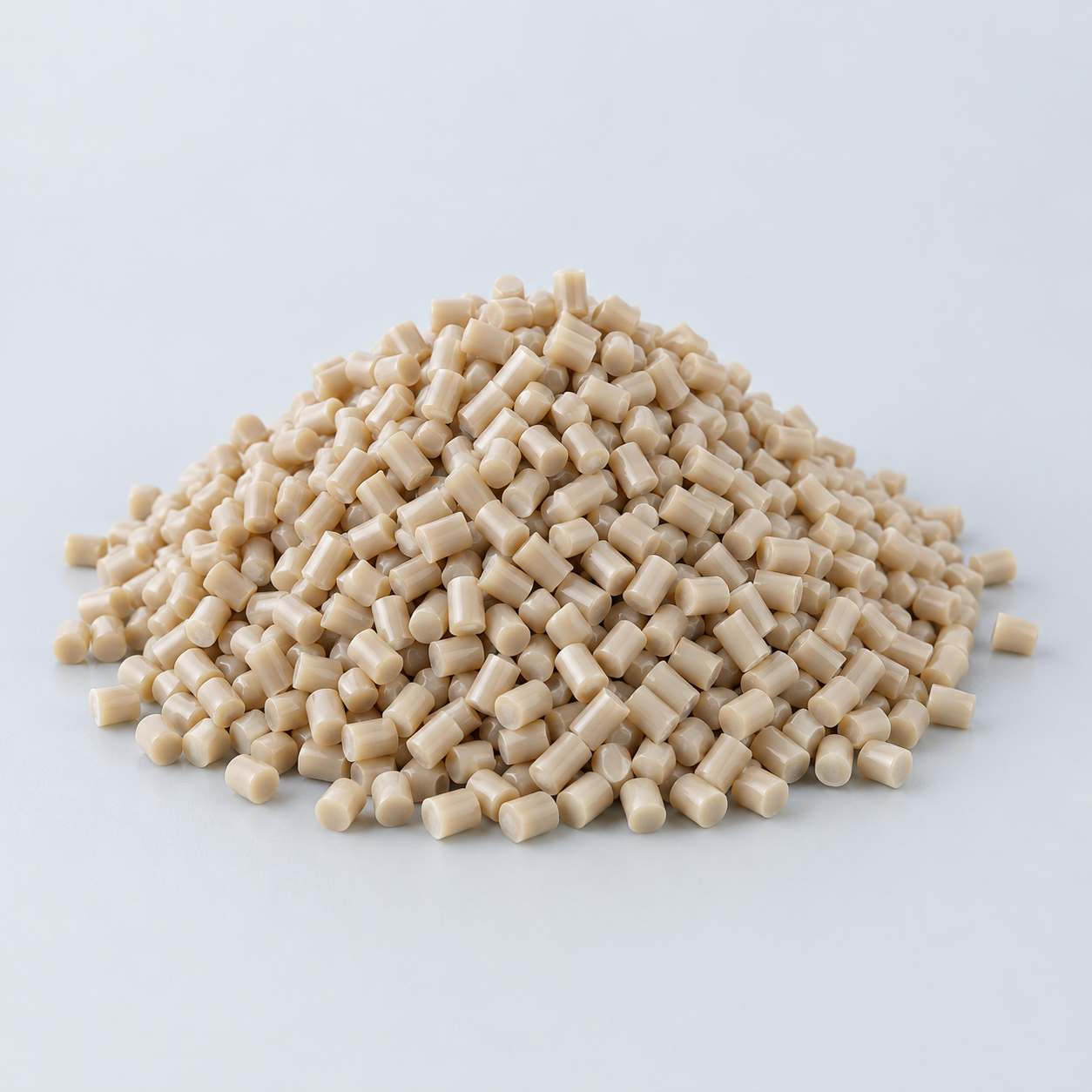 PEEKDiscuss operating conditions›
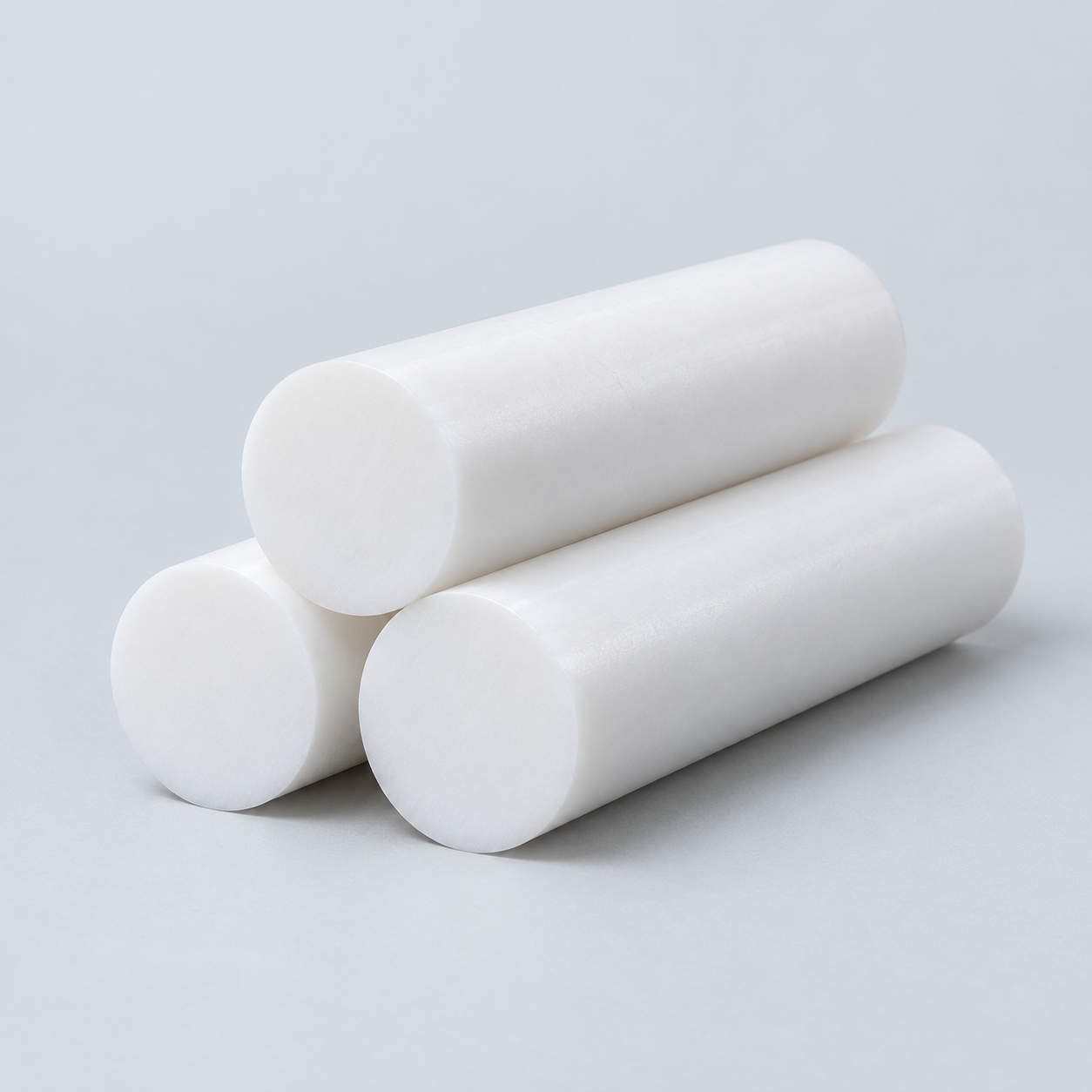 PTFEReview friction and chemical exposure›
 ULTEM / PEIDiscuss thermal and electrical needs›
Confirm grade availability and application requirements.
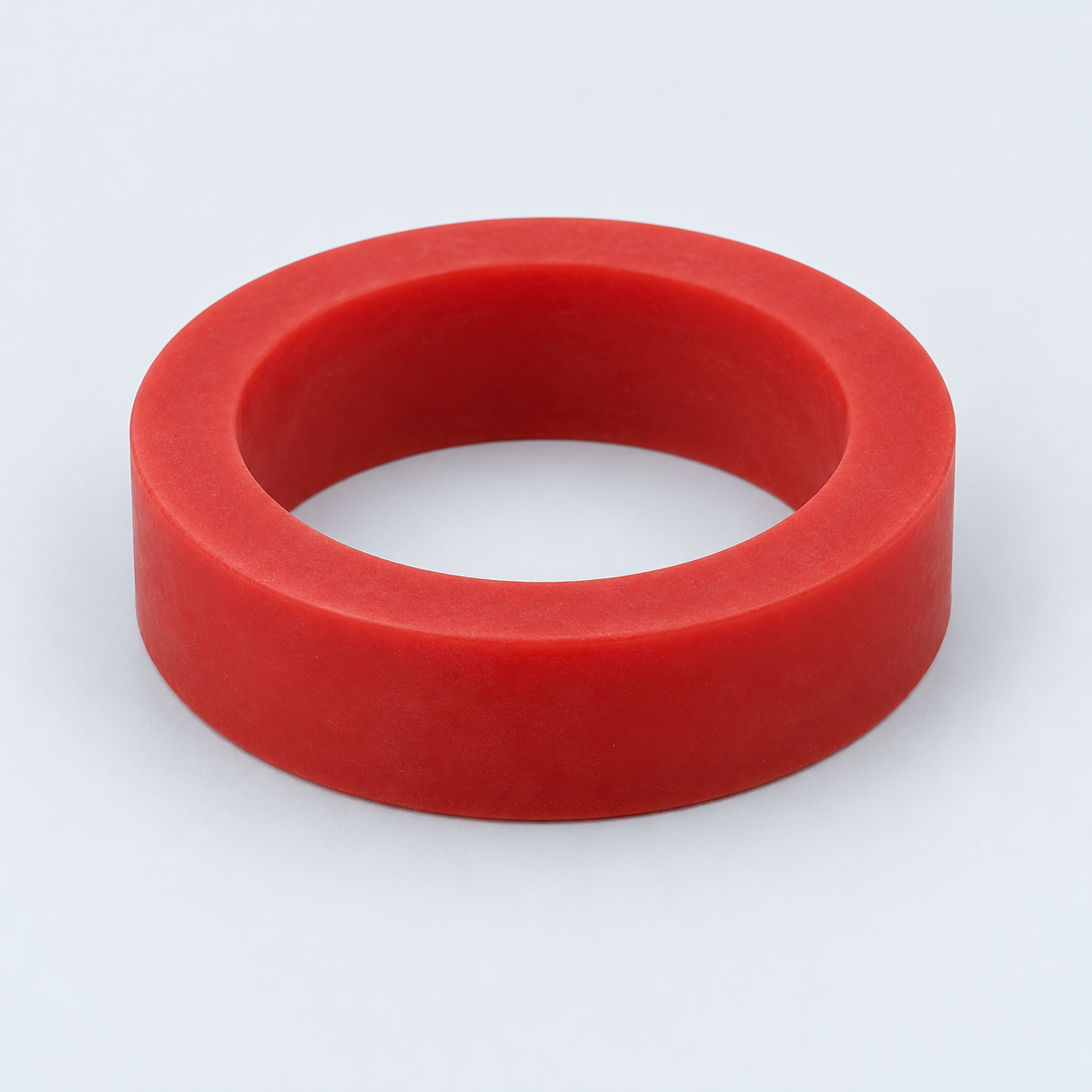 Silicone / LSRDiscuss flexible component needs›
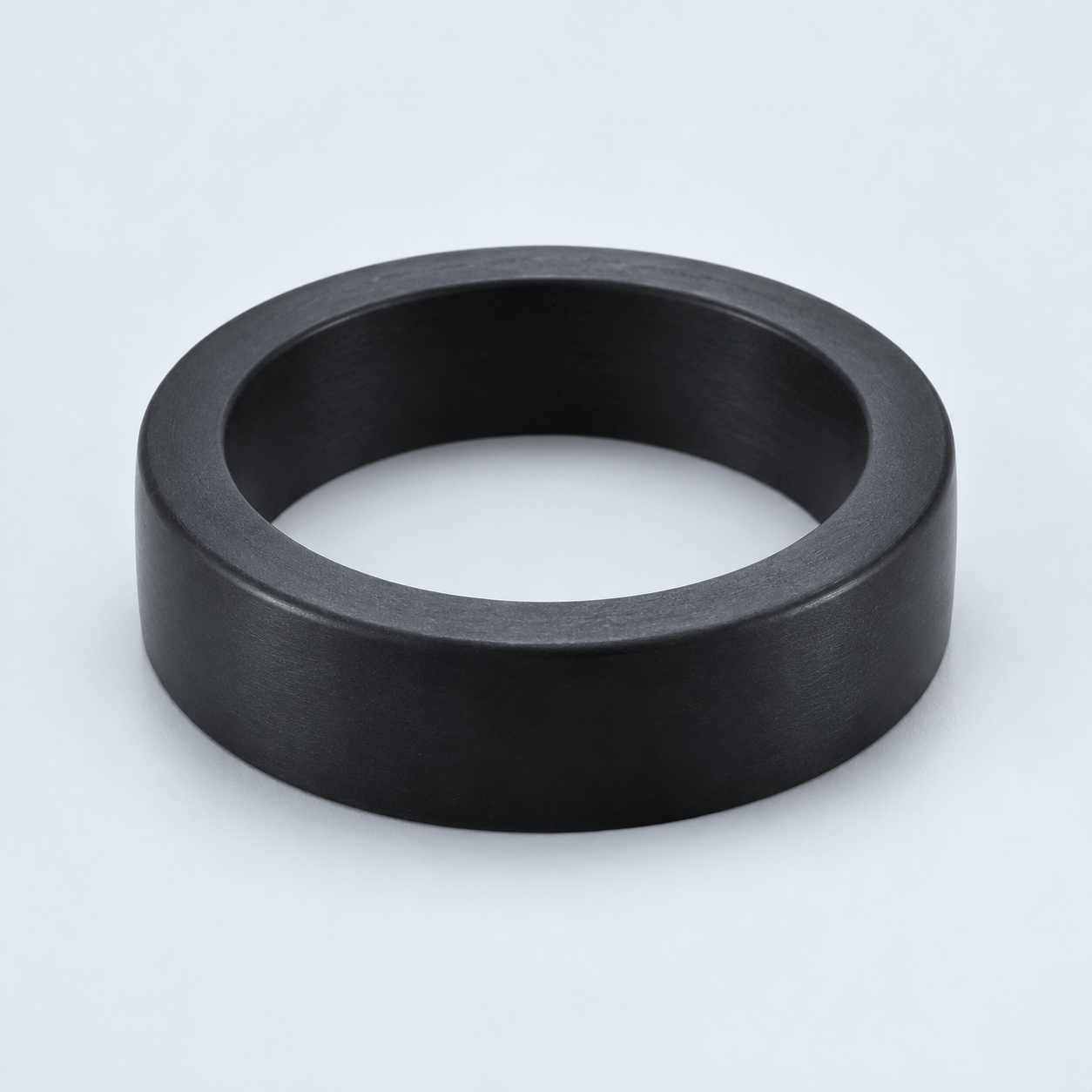 TPU / TPEReview flexibility and processing›
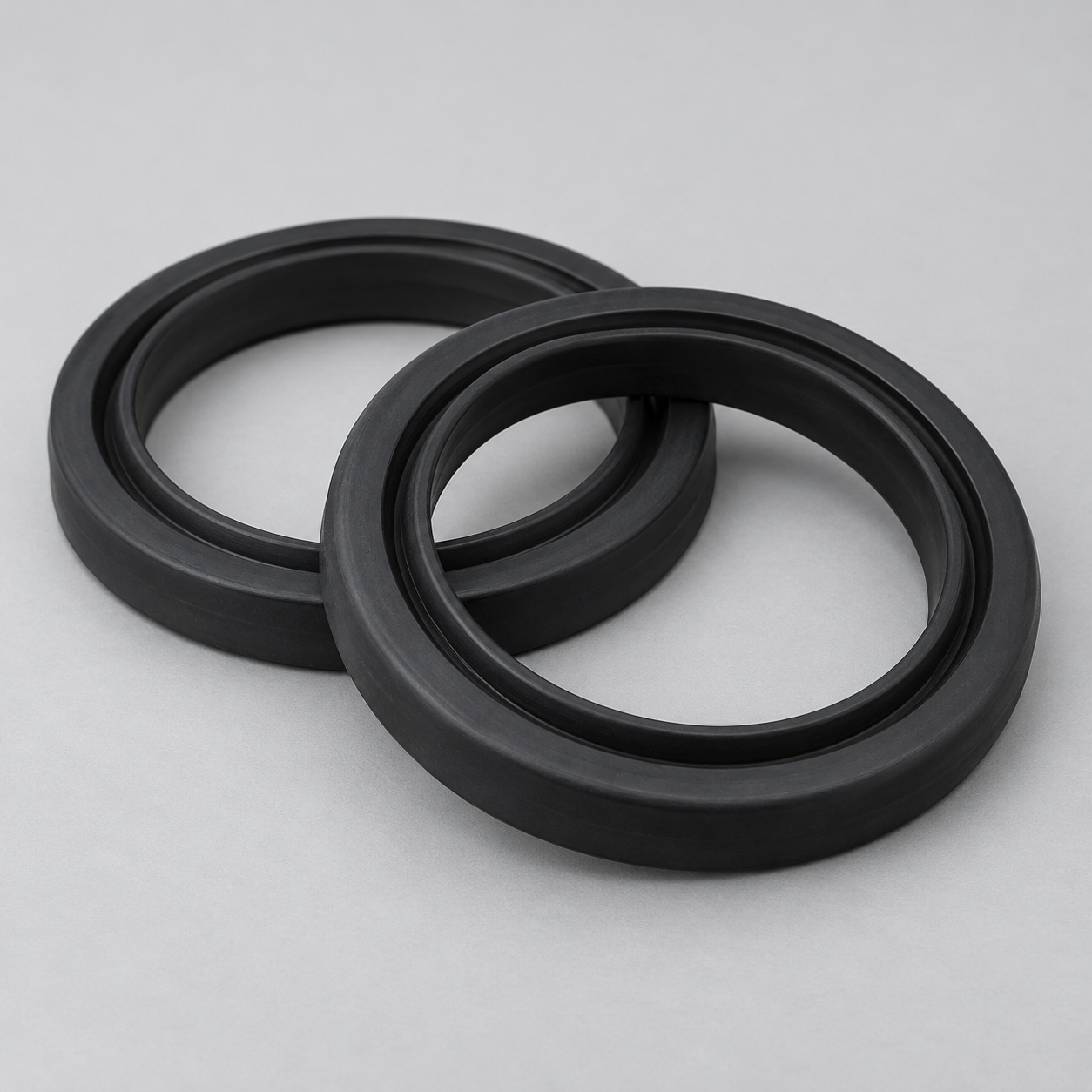 EPDMReview weathering and chemical exposure.›
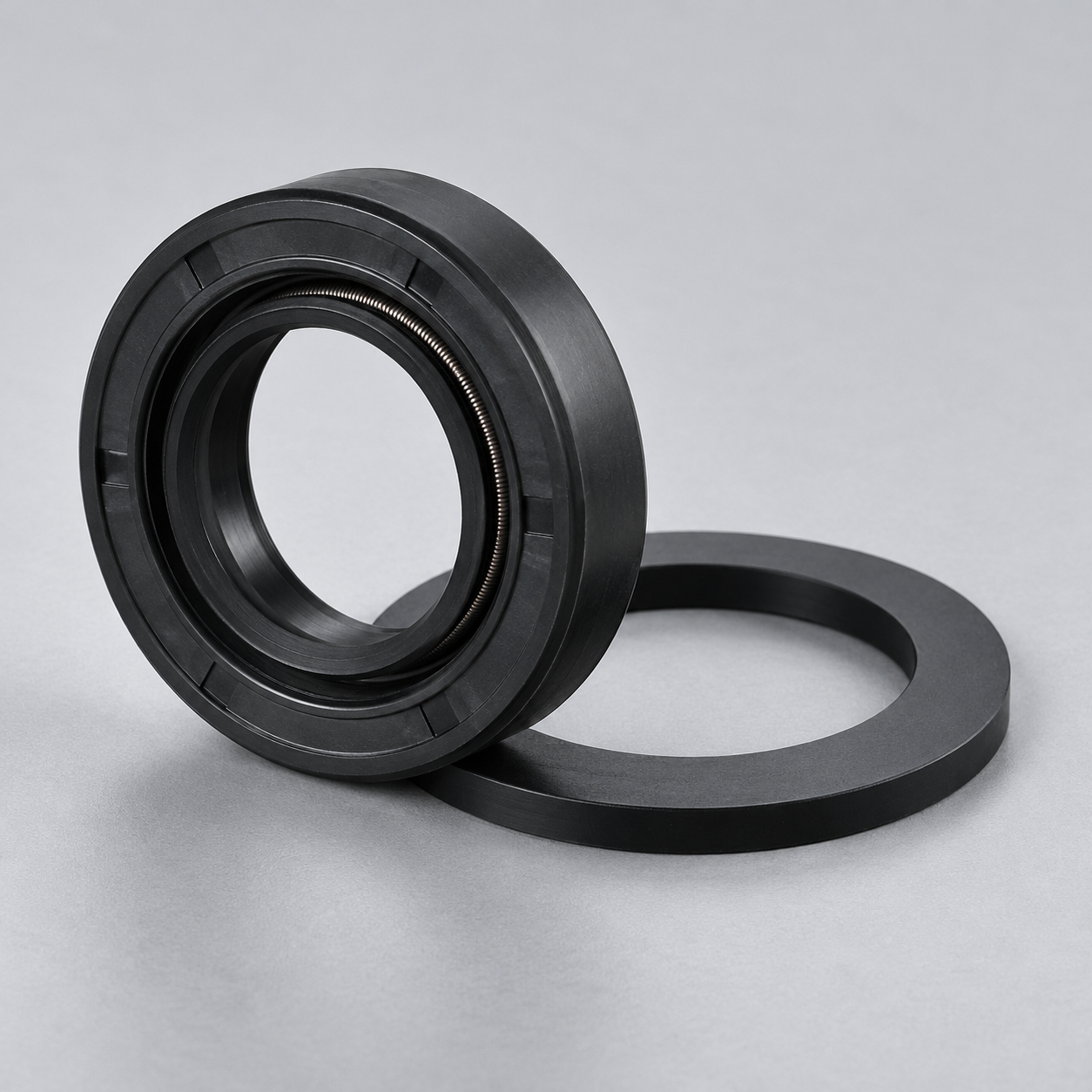 NBRReview oil and fuel exposure.›
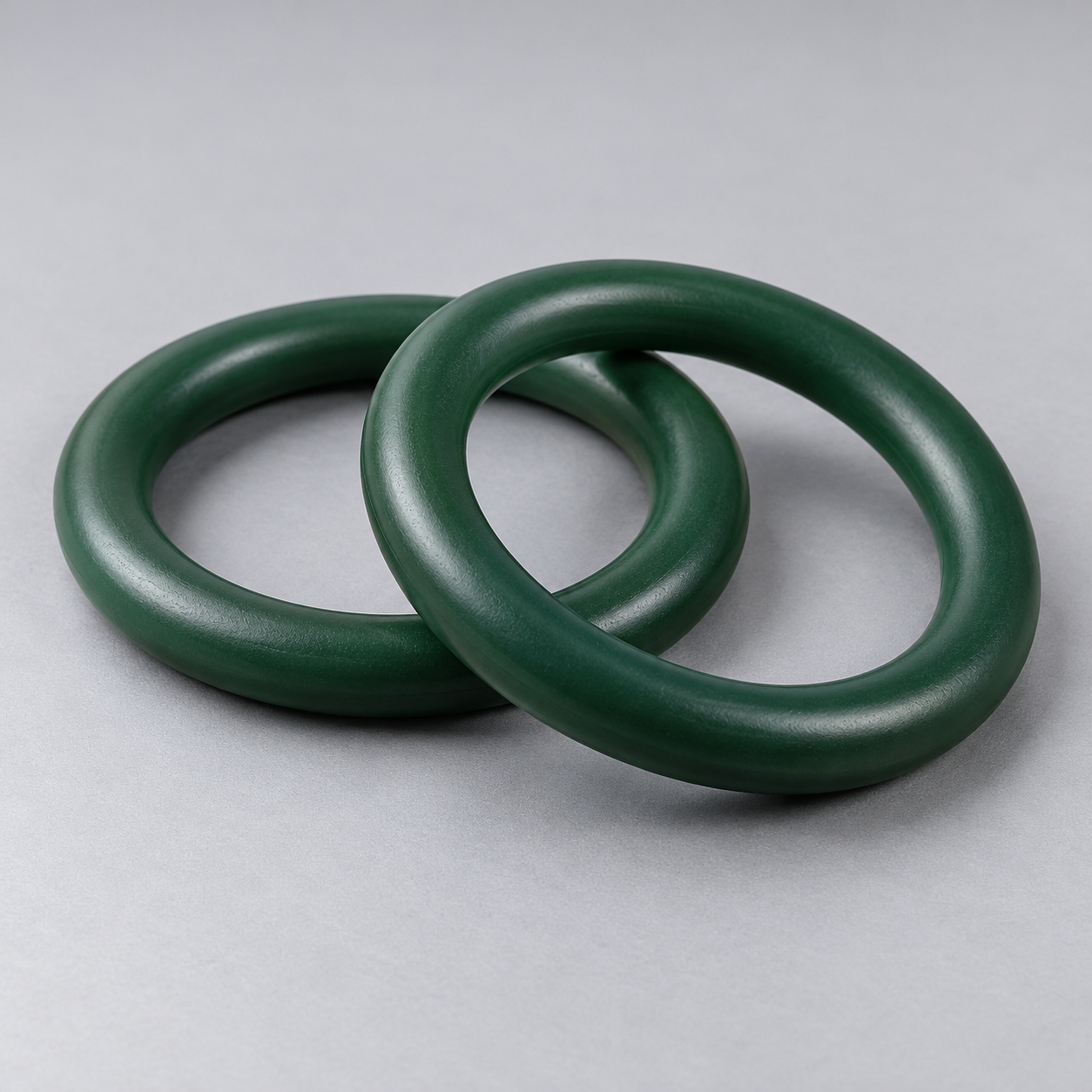 FKMReview temperature and chemical exposure.›
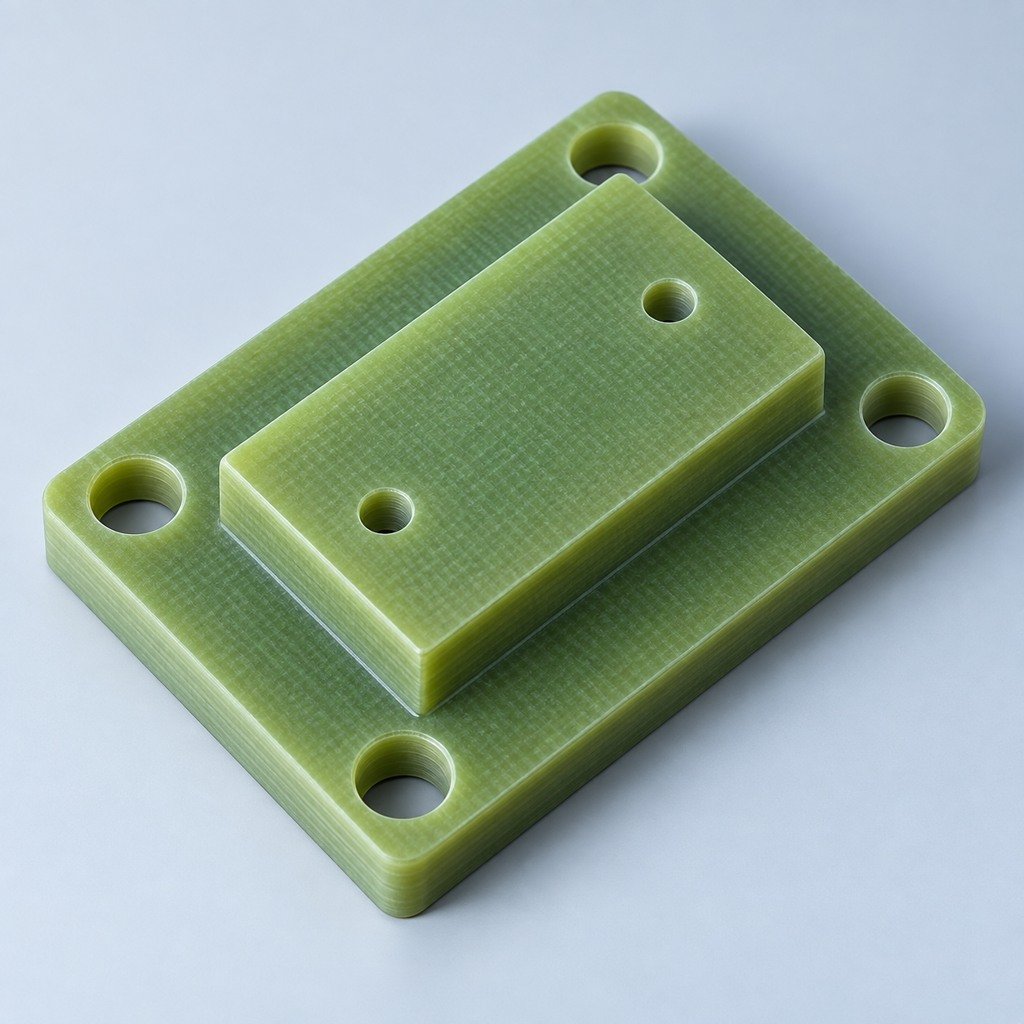 G10 / FR4Review insulation and laminate needs›
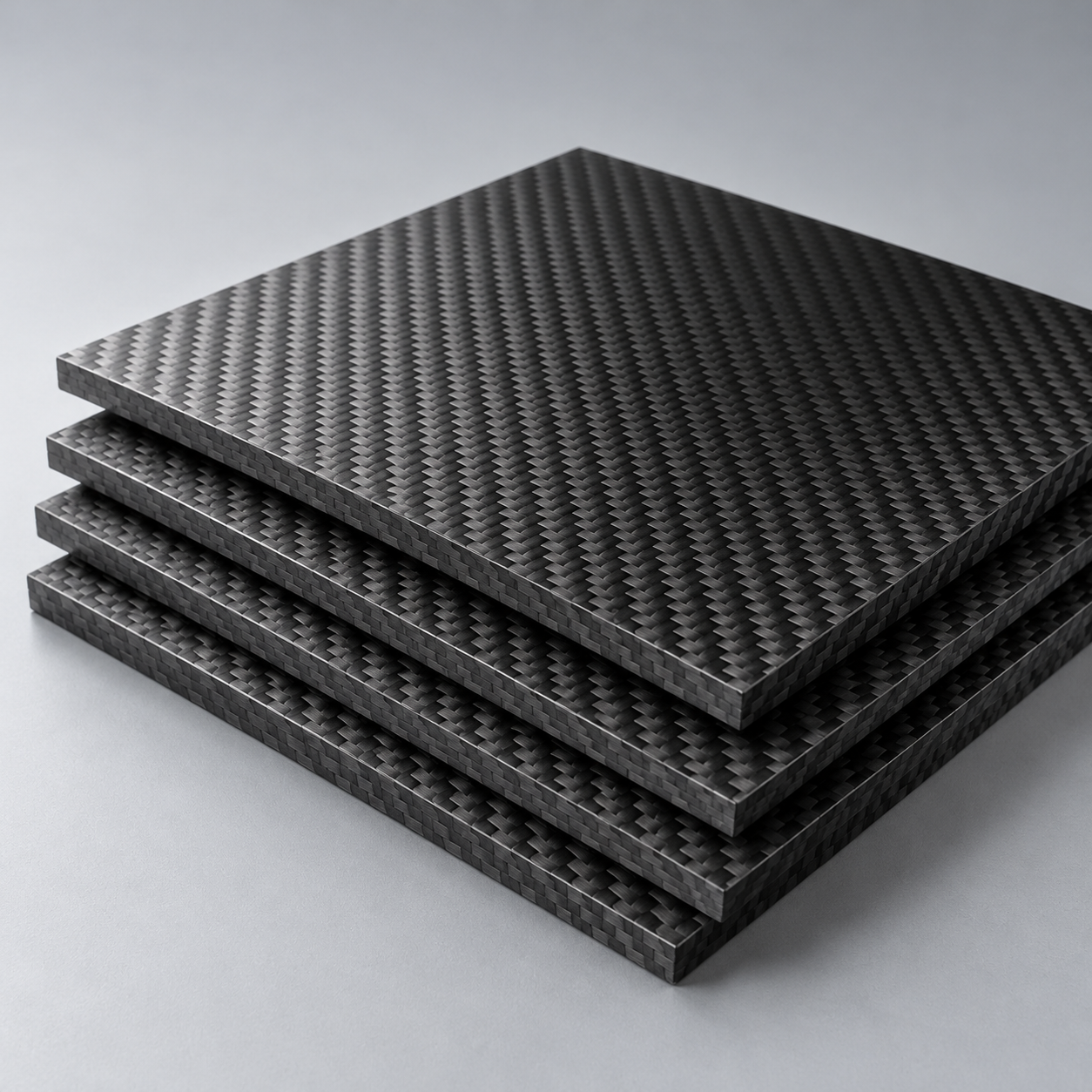 CompositesReview stiffness, weight and laminate.›Customer-Specified MaterialsConfirm your grade and requirements.›Other Specialty MaterialsDiscuss your application and grade.›
Practical guidance for your part geometry and material decisions.
Prepare your process, budget and sourcing questions.
Build your knowledge before production.
Learn who we are and how we operate.
Find our U.S. support team or start a conversation.
Vergleichen Sie Funktion, Fertigungsverfahren, Oberflächenbeschaffenheit und Dokumentation, bevor Sie sich auf ein Design festlegen.
Bevor Sie eine Ihnen bekannte Legierung wählen, erfassen Sie die Belastungen, die Betriebstemperatur, die Kontaktflächen, die Einsatzumgebung und die erwartete Lebensdauer des Bauteils. Unterscheiden Sie zwischen zwingenden Anforderungen und bloßen Präferenzen. Selbst ein hochfestes Material kann ungeeignet sein, wenn Faktoren wie Gewicht, Korrosion, Verschleiß oder Formstabilität für die Anwendung entscheidend sind.
Berücksichtigen Sie bei Materialien für die CNC-Bearbeitung die Zugänglichkeit zu den Bauteilmerkmalen, die Wandstärken, das Verzugsrisiko und den Zustand des Ausgangsmaterials. Aluminium, Edelstahl, technische Kunststoffe und andere Materialgruppen erfordern jeweils unterschiedliche Bearbeitungsansätze. Bewerten Sie beim Spritzguss die spezifische Kunststoffsorte und die Geometrie des Formteils gemeinsam; ein spanend hergestellter Kunststoff-Prototyp lässt nicht zwangsläufig Rückschlüsse auf die Eigenschaften des späteren Spritzgussteils zu.
Bitten Sie Ihren Fertigungspartner, neben den Rohmaterialkosten auch Bearbeitungszeit, Werkzeugkosten, Ausschuss, Nachbearbeitung, Qualitätsprüfung und Bestellmenge zu kalkulieren. Wenn ein günstigeres Material zusätzliche Arbeitsschritte erfordert oder zu mehr Ausschuss führt, können die Kosten für das fertige Bauteil letztlich höher ausfallen. Vergleichen Sie Angebote auf der Basis desselben Zeichnungsstands sowie identischer Anforderungen an Oberflächengüte und Prüfung.
Geben Sie die erforderliche Werkstoffgüte sowie – falls zutreffend – den Zustand oder die Wärmebehandlung an. Vermerken Sie funktionale Toleranzen und Anforderungen an die Oberflächenbeschaffenheit auf der Zeichnung. Wenn Sie Materialzeugnisse, Chargenrückverfolgbarkeit oder spezielle Konformitätsnachweise benötigen, klären Sie dies bereits vor der Angebotsanfrage, um Verfügbarkeit und Leistungsumfang sicherzustellen.
Stellen Sie CAD-Daten und Zeichnungen, die geplante Stückzahl, die Einsatzumgebung, kritische Abmessungen sowie mögliche Alternativen zur Verfügung. Fragen Sie nach den Vor- und Nachteilen verschiedener Materialkandidaten, anstatt nach dem „universell besten“ Material zu suchen. Die endgültige Auswahl muss anhand Ihrer Anwendung und Ihres Verifizierungsplans überprüft werden.
Informieren Sie sich über Materialien für Ihr Bauteil · Besprechen Sie Ihre Fertigungsanforderungen