Injection Molding
Tooling and molding for your repeat plastic parts.
From prototype to production, coordinated manufacturing solutions for your custom parts.
View All Services →
Precision parts for your tight tolerances and complex geometry.
Tooling and molding for your repeat plastic parts.
Metal casting options for your part and production volume.
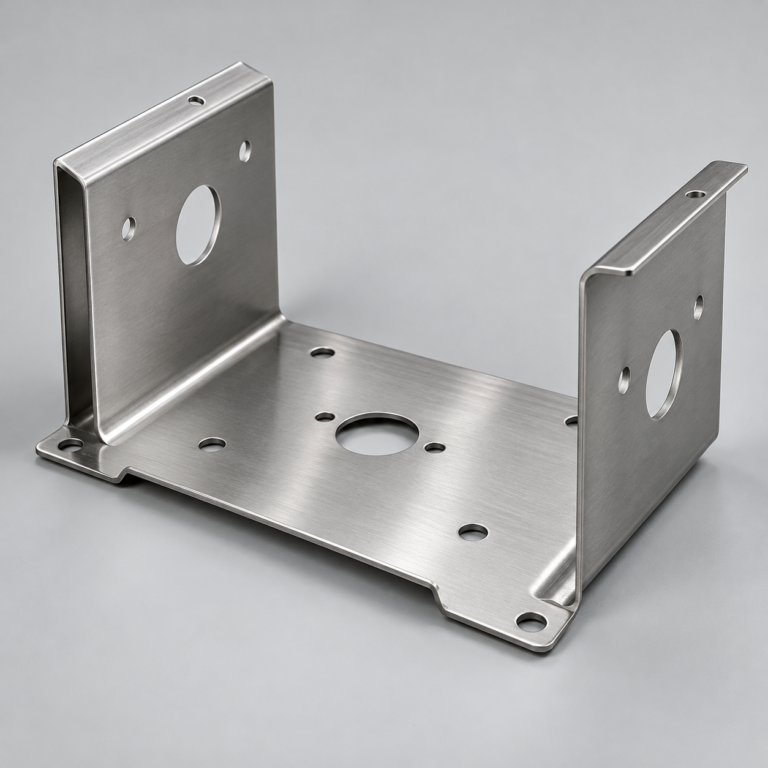
Cutting, forming and welding for your fabricated parts.
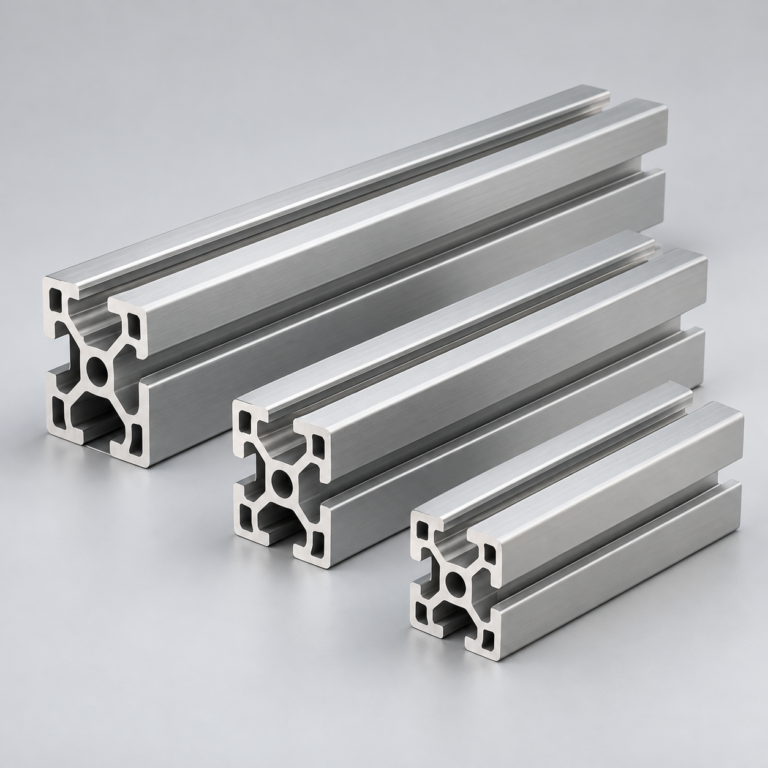
Custom profiles for your section, length and finish requirements.
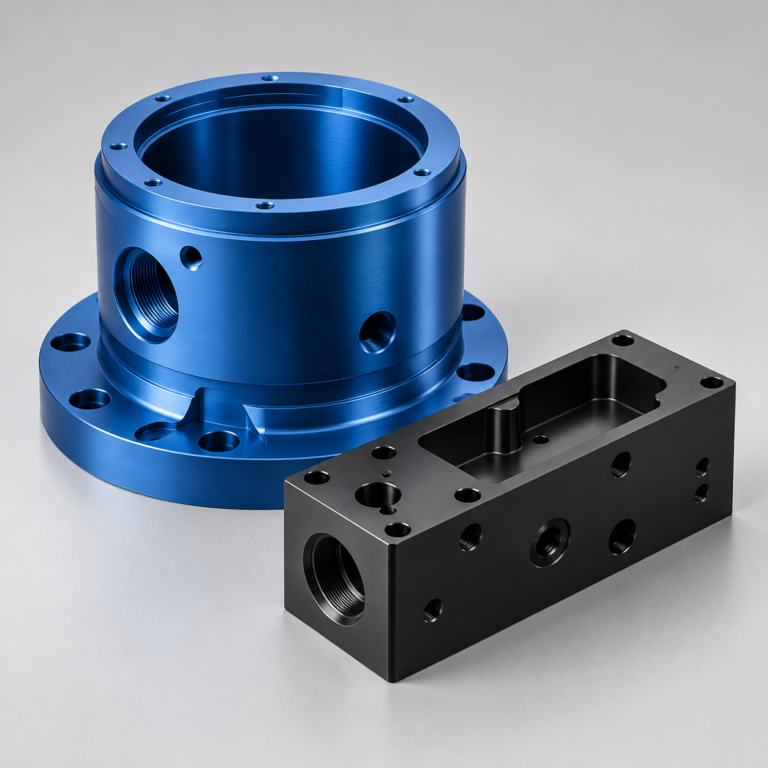
Finishes for your appearance, corrosion and wear requirements.
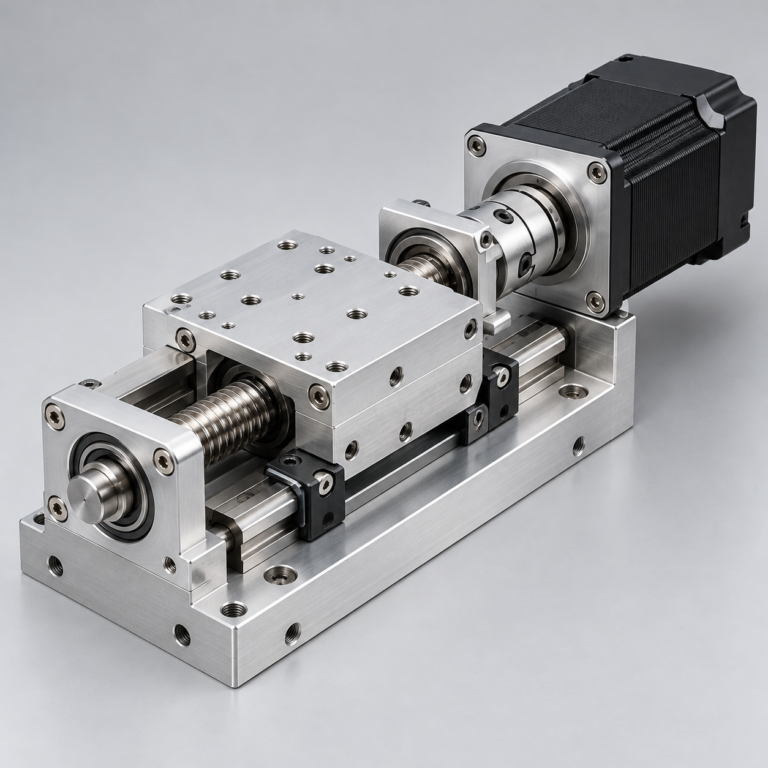
Sub-assemblies and final builds for your production program.
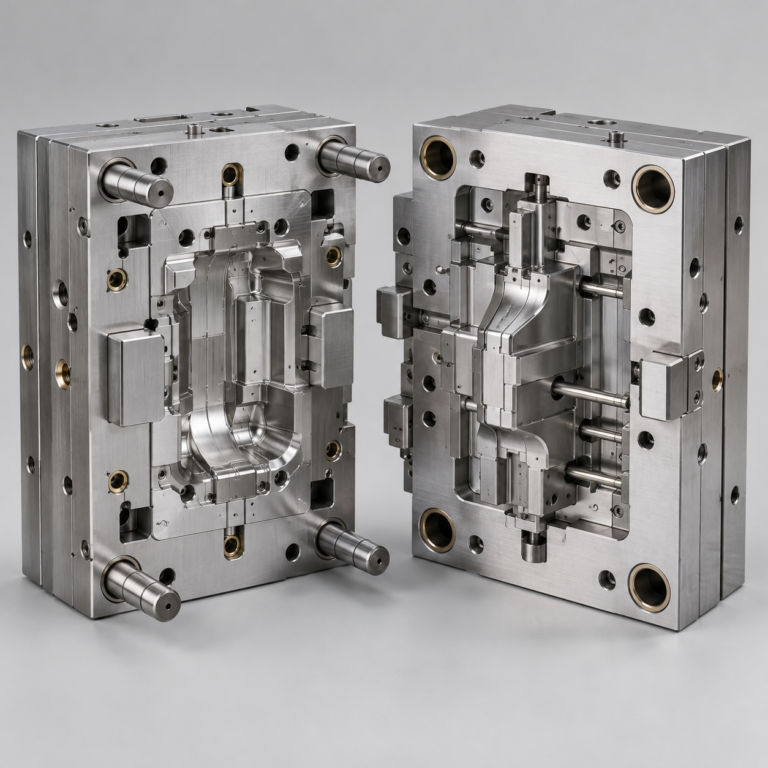
Production tooling built around your process and volume.
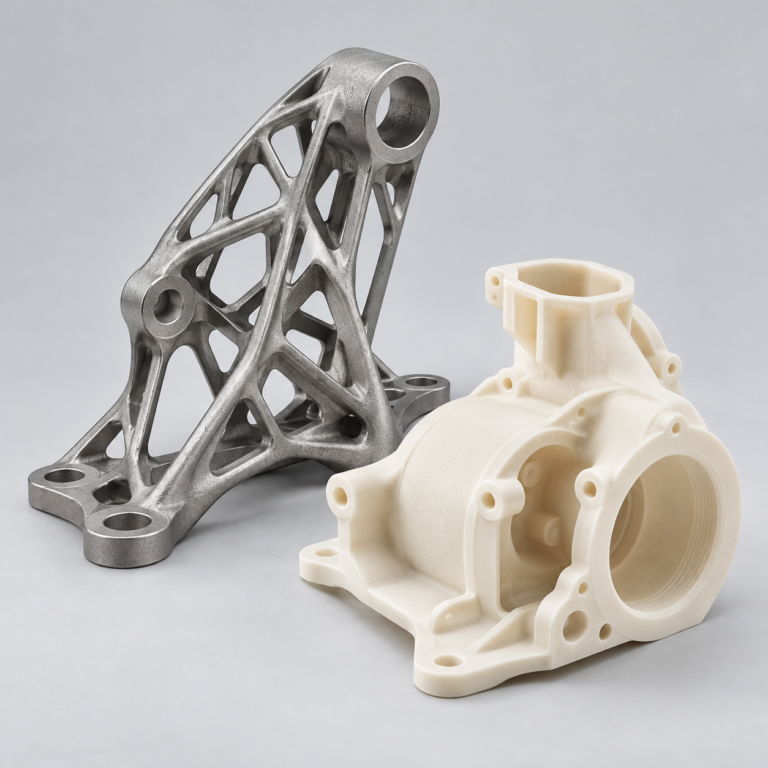
Prototype parts to check fit, function and design.
DFM, process planning and production support for your project.
Inspection, documentation, inventory and delivery planning for your program.
Choose air- or liquid-cooling components around your thermal and mechanical requirements.
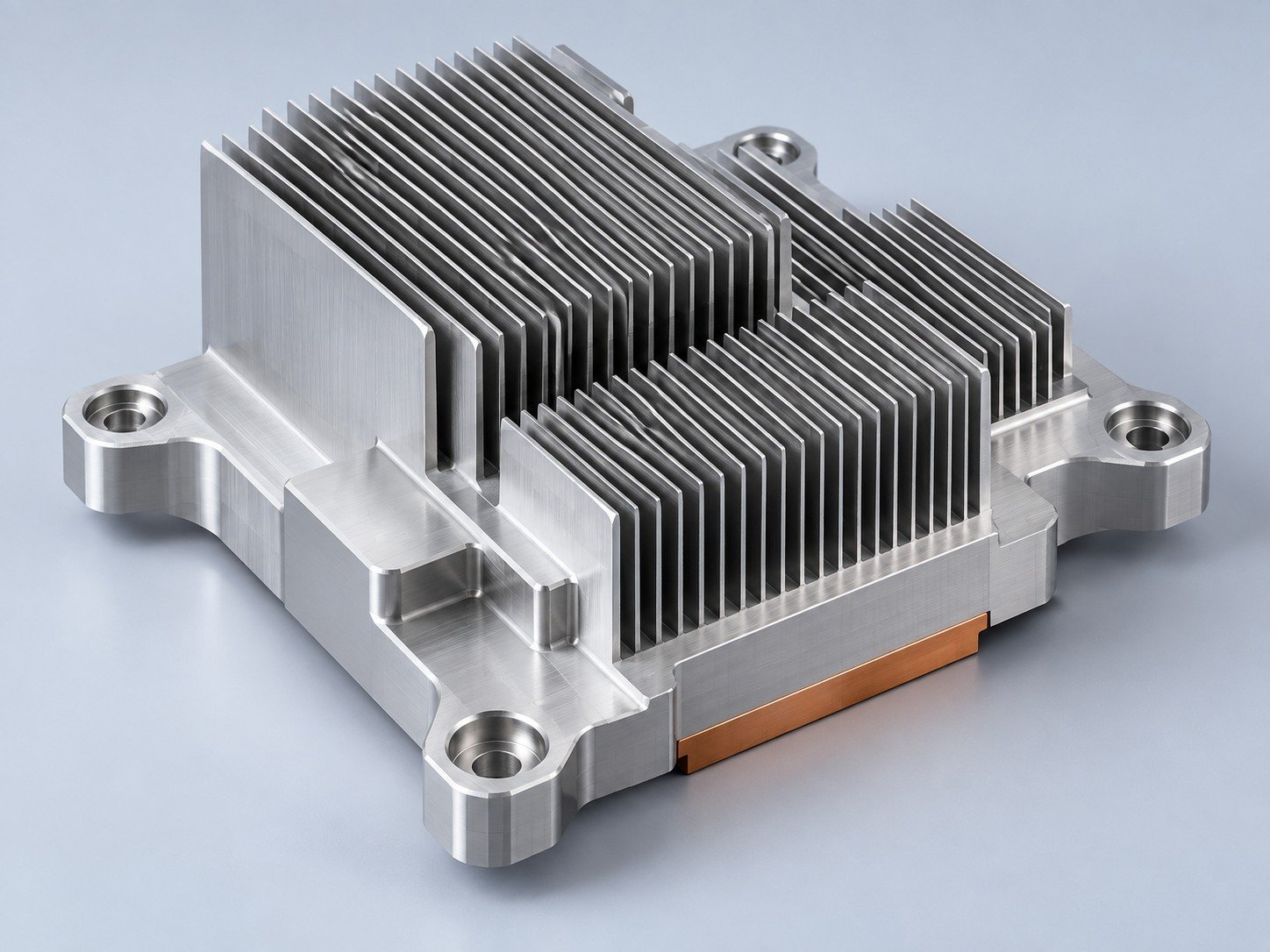
Manufacturing support for your cold plates, manifolds and cooling assemblies.
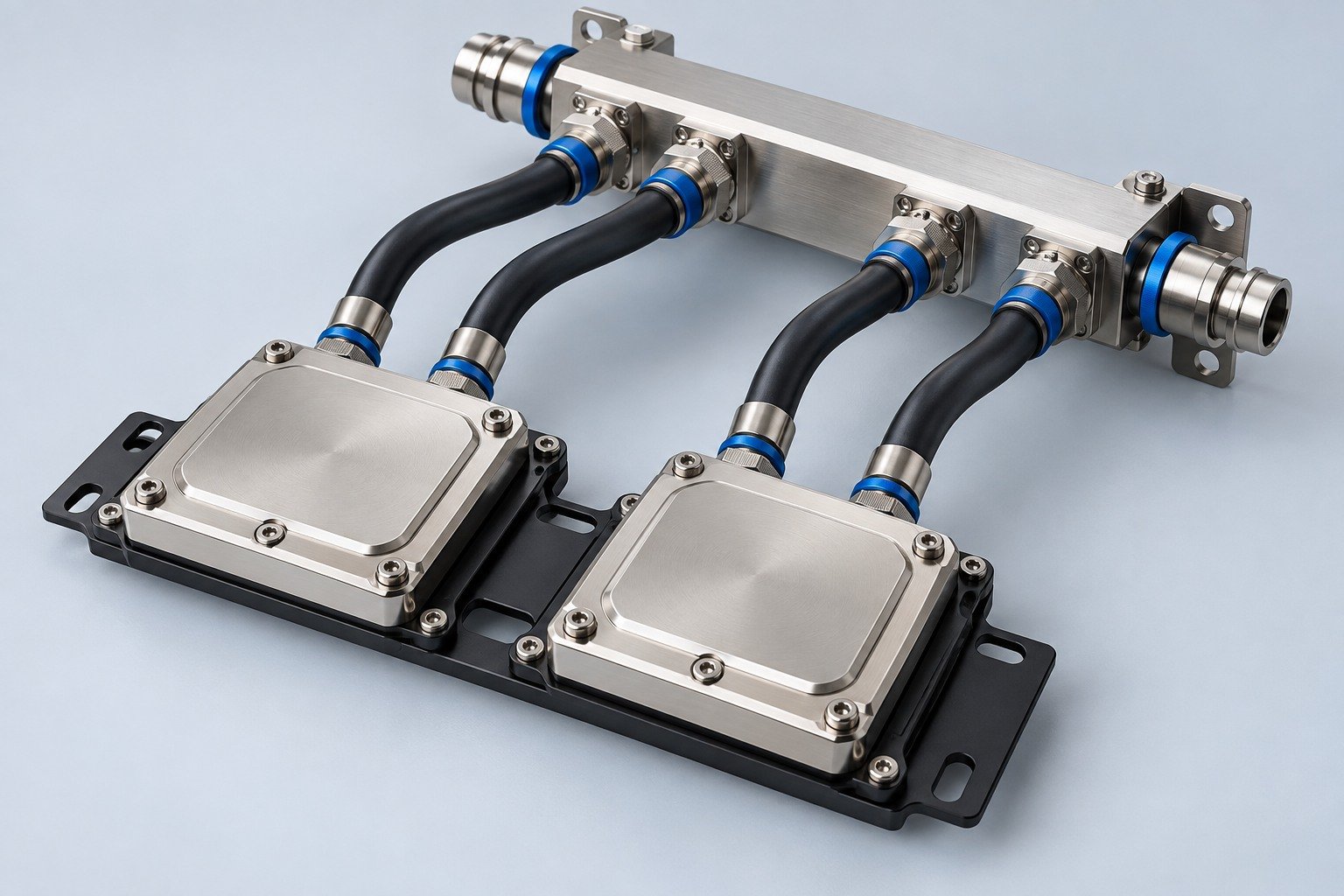
Find components for your power electronics, energy, laser and telecom application.
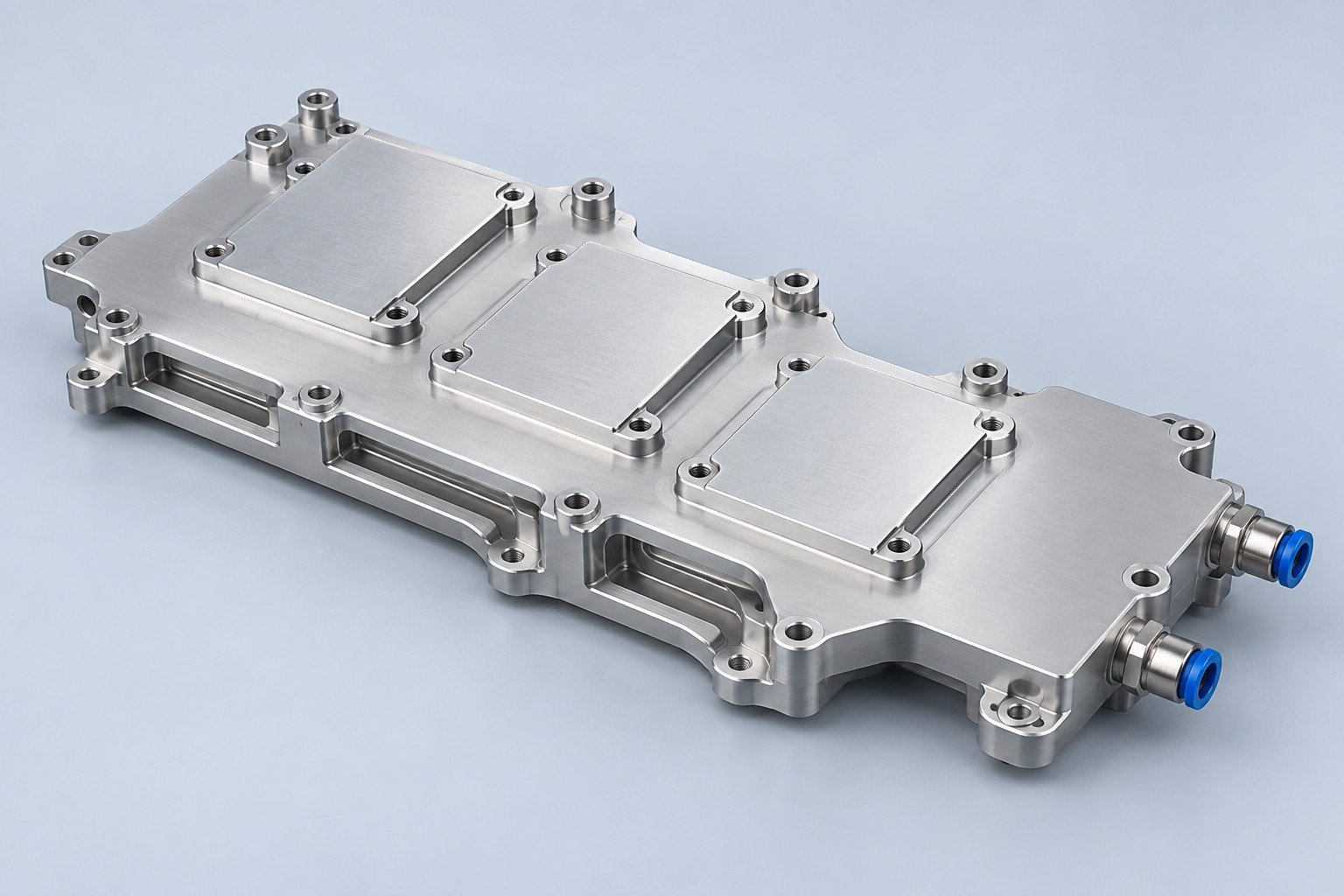
Components for your electronic systems.
Start with your functional and quality requirements.
Build around your operating environment.
From prototype to production, review material performance, manufacturability and cost for your part.
Review grade, temper and finish for your metal parts.
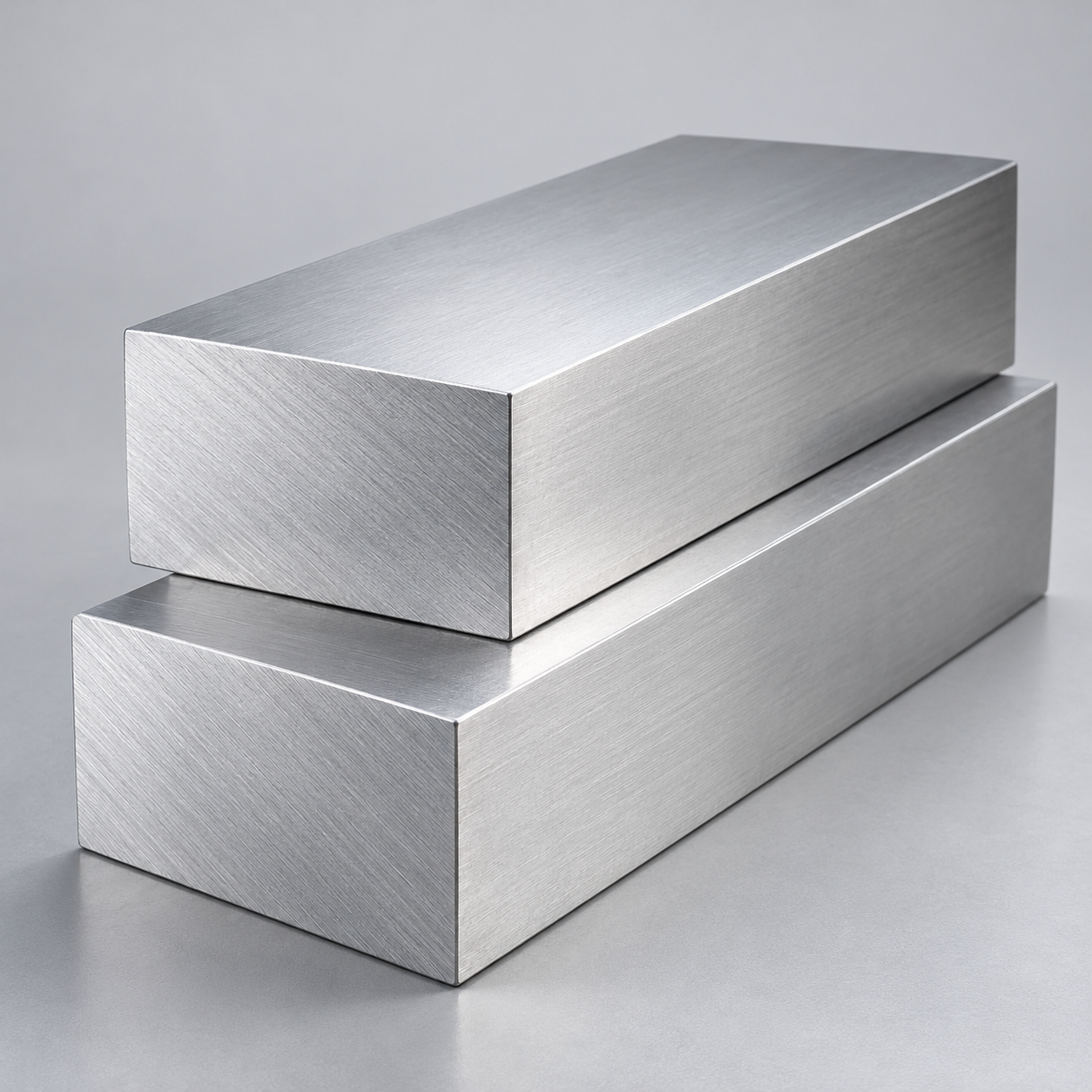 AluminumStrength, weight and machining›
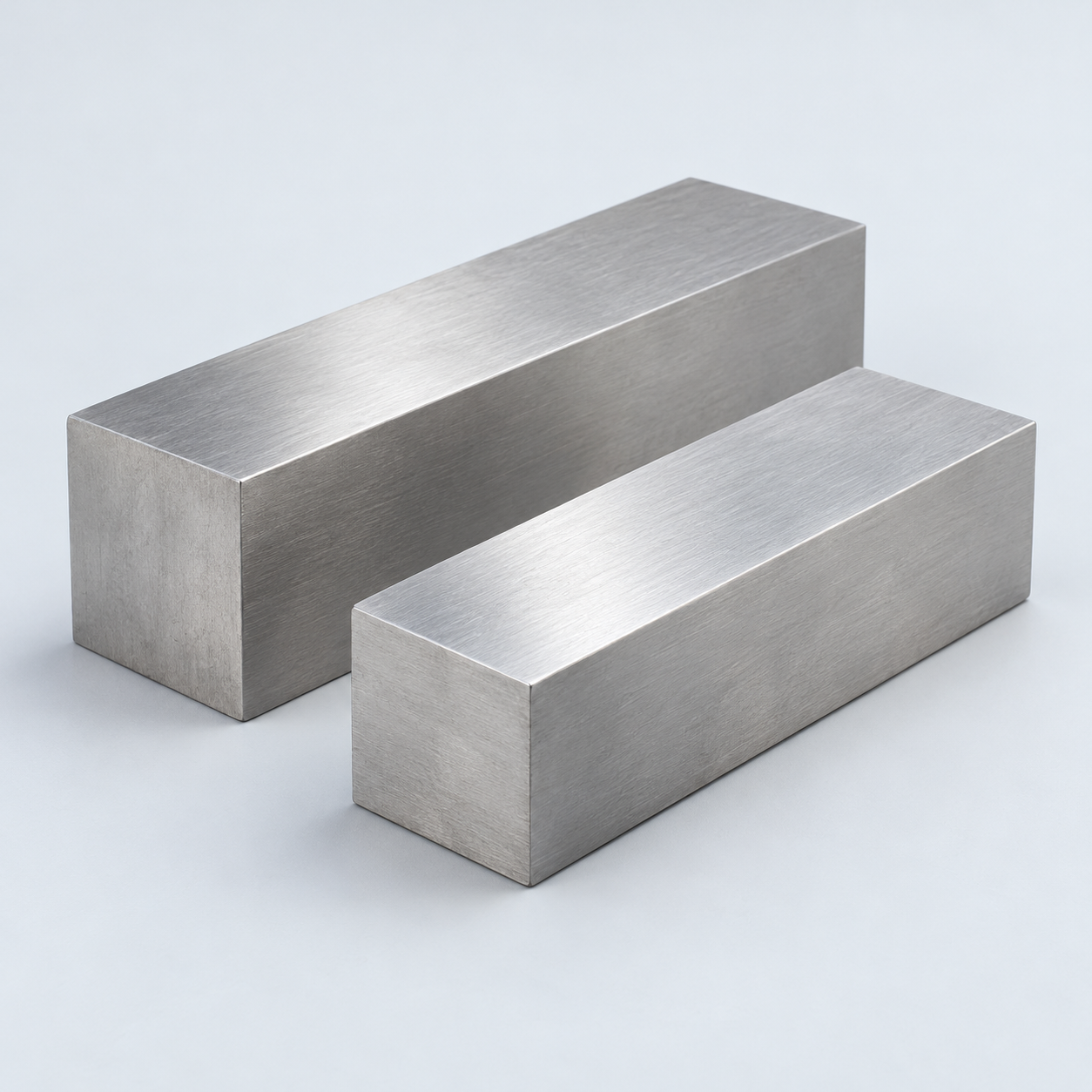 Stainless SteelCorrosion and finish requirements›
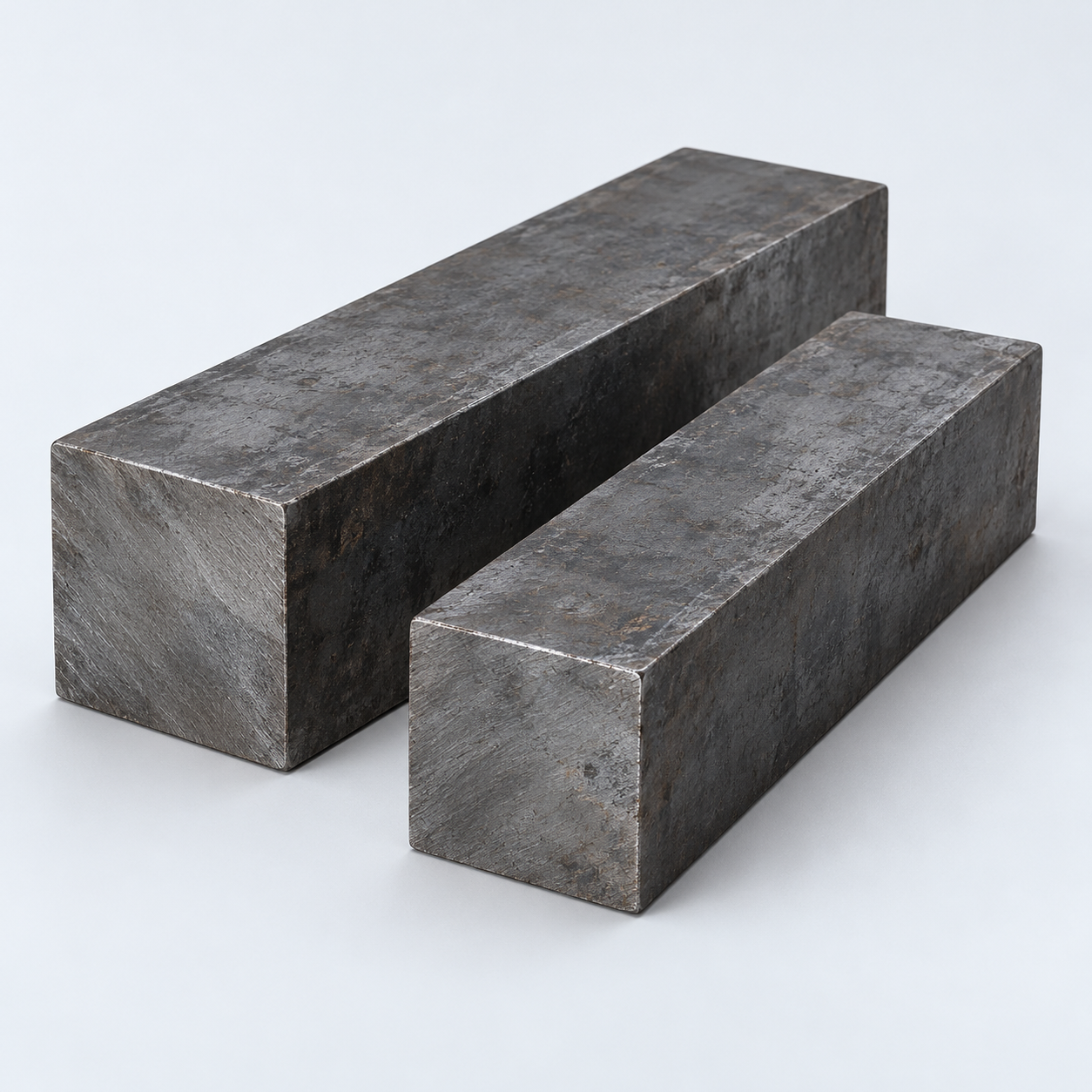 Carbon & Alloy SteelDiscuss grade and heat treatment›
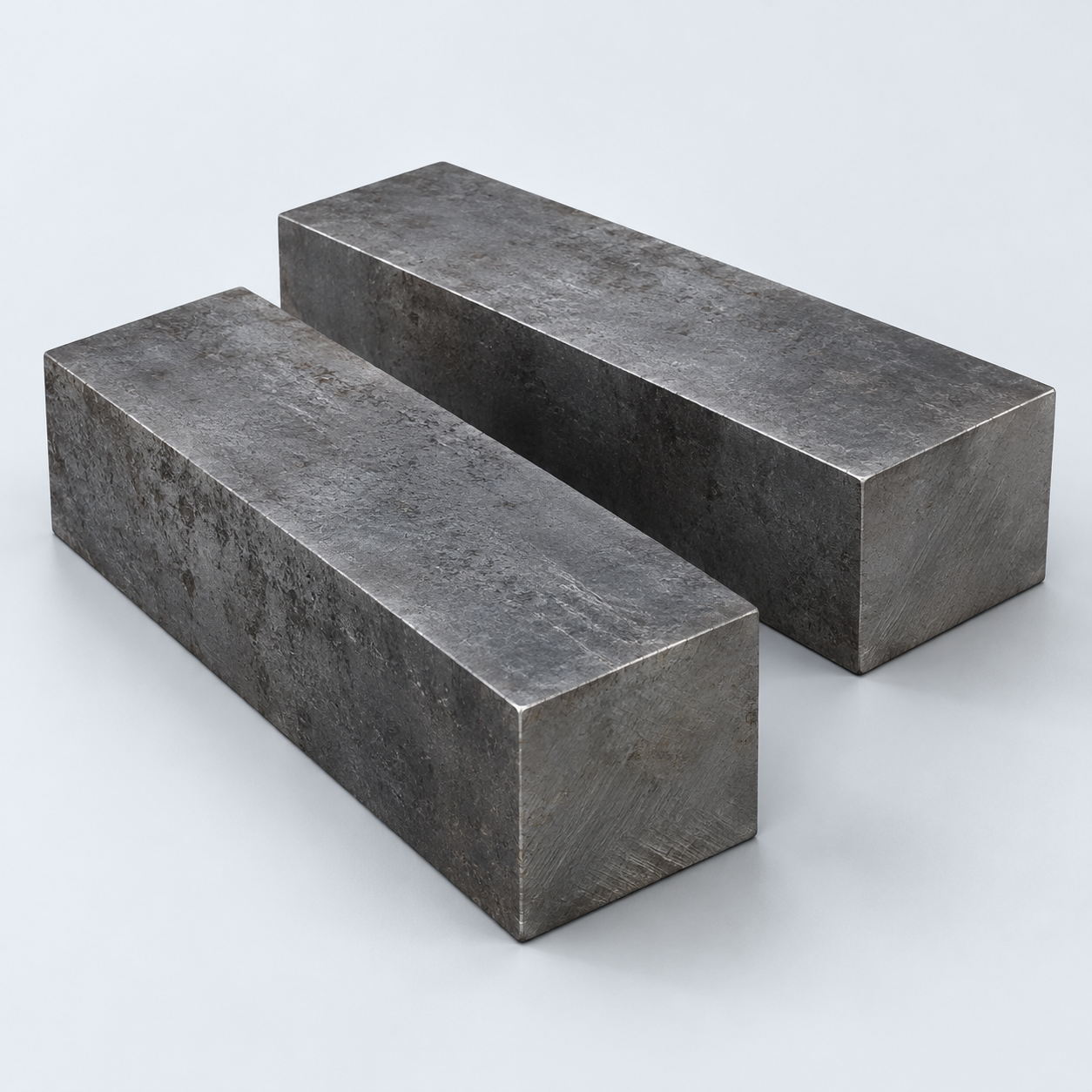 Tool SteelDiscuss tooling and wear needs›
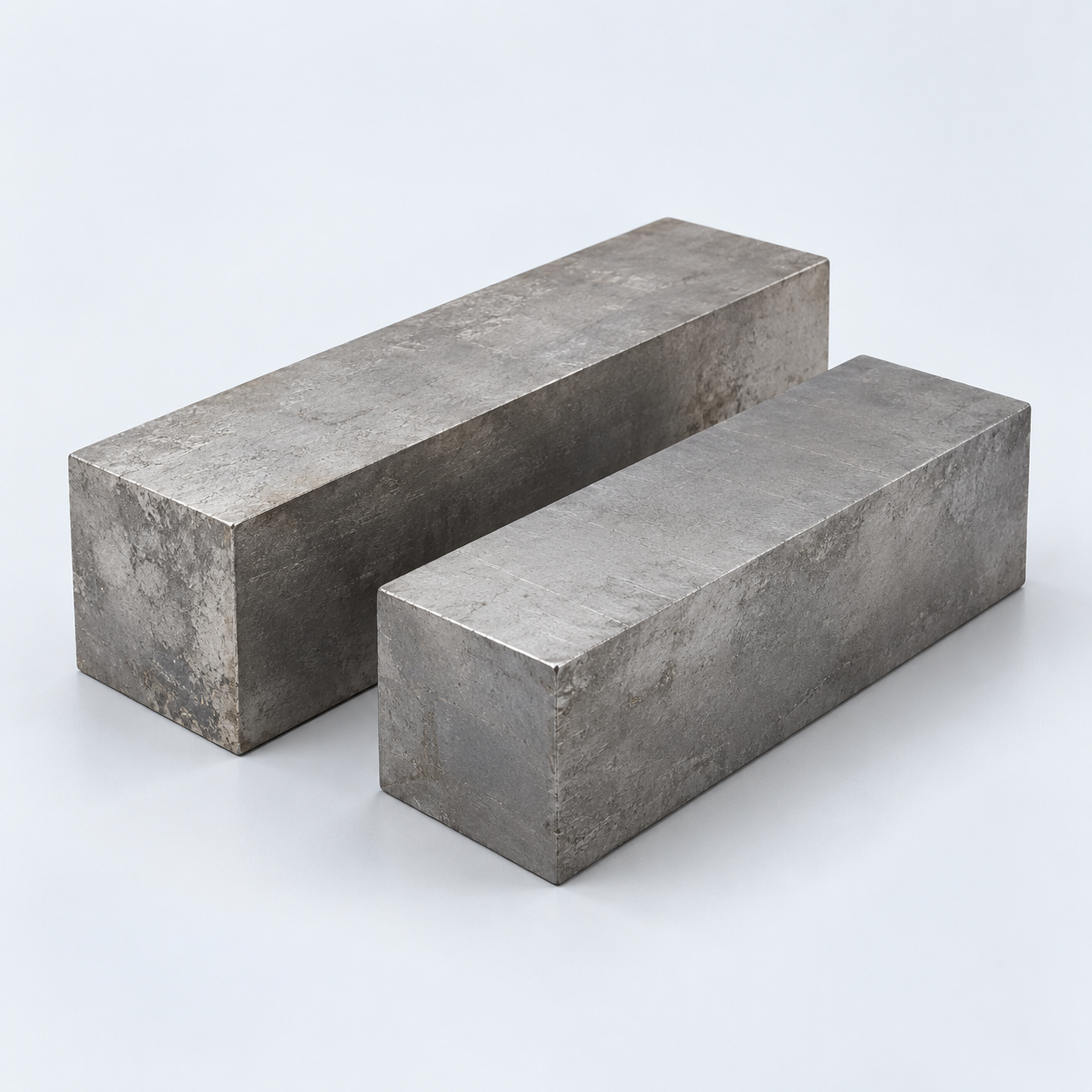 TitaniumReview grade and part geometry›
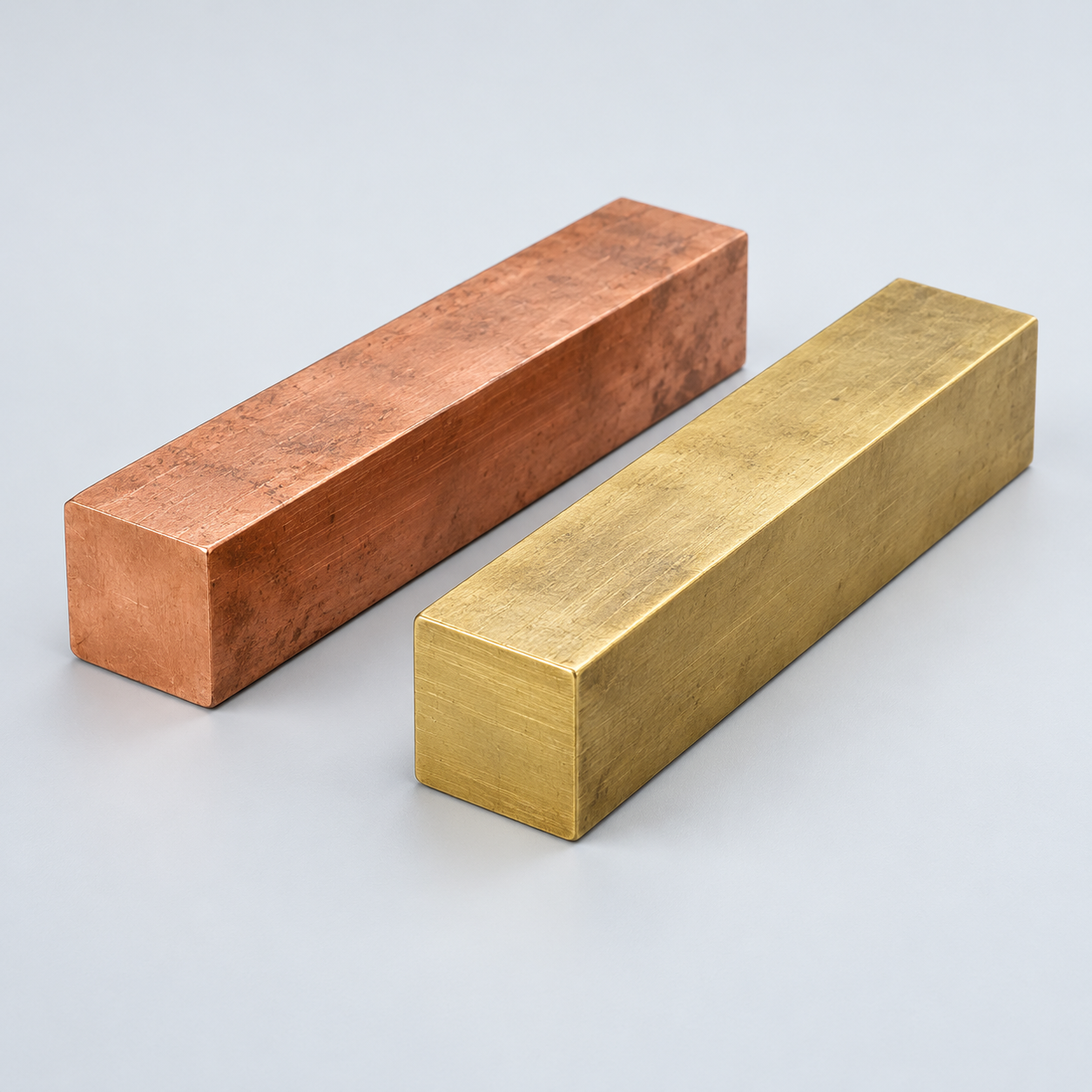 Copper & Brass & BronzeDiscuss conductivity and machining›
Match your polymer to function, process and environment.
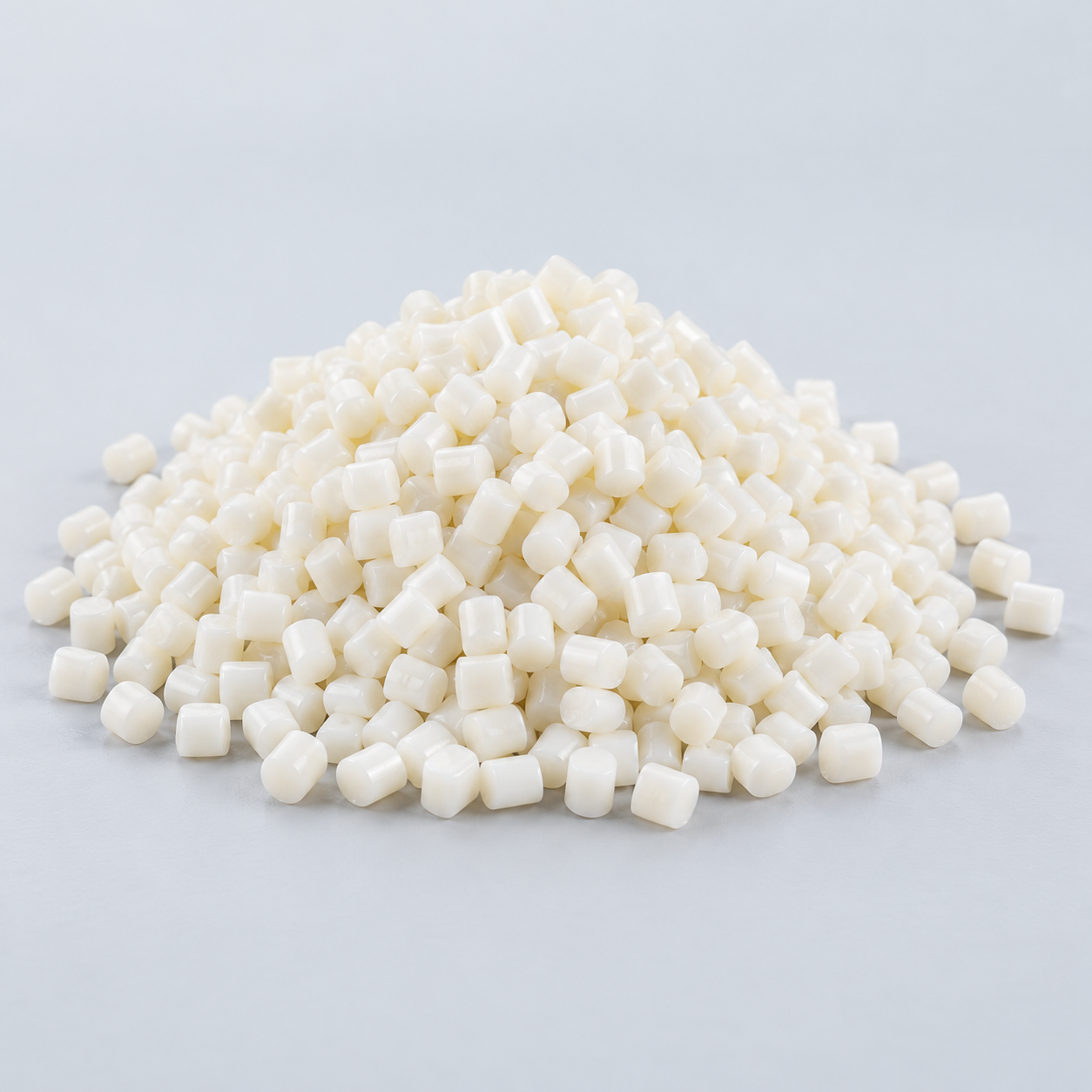 ABSReview enclosure and molding needs›
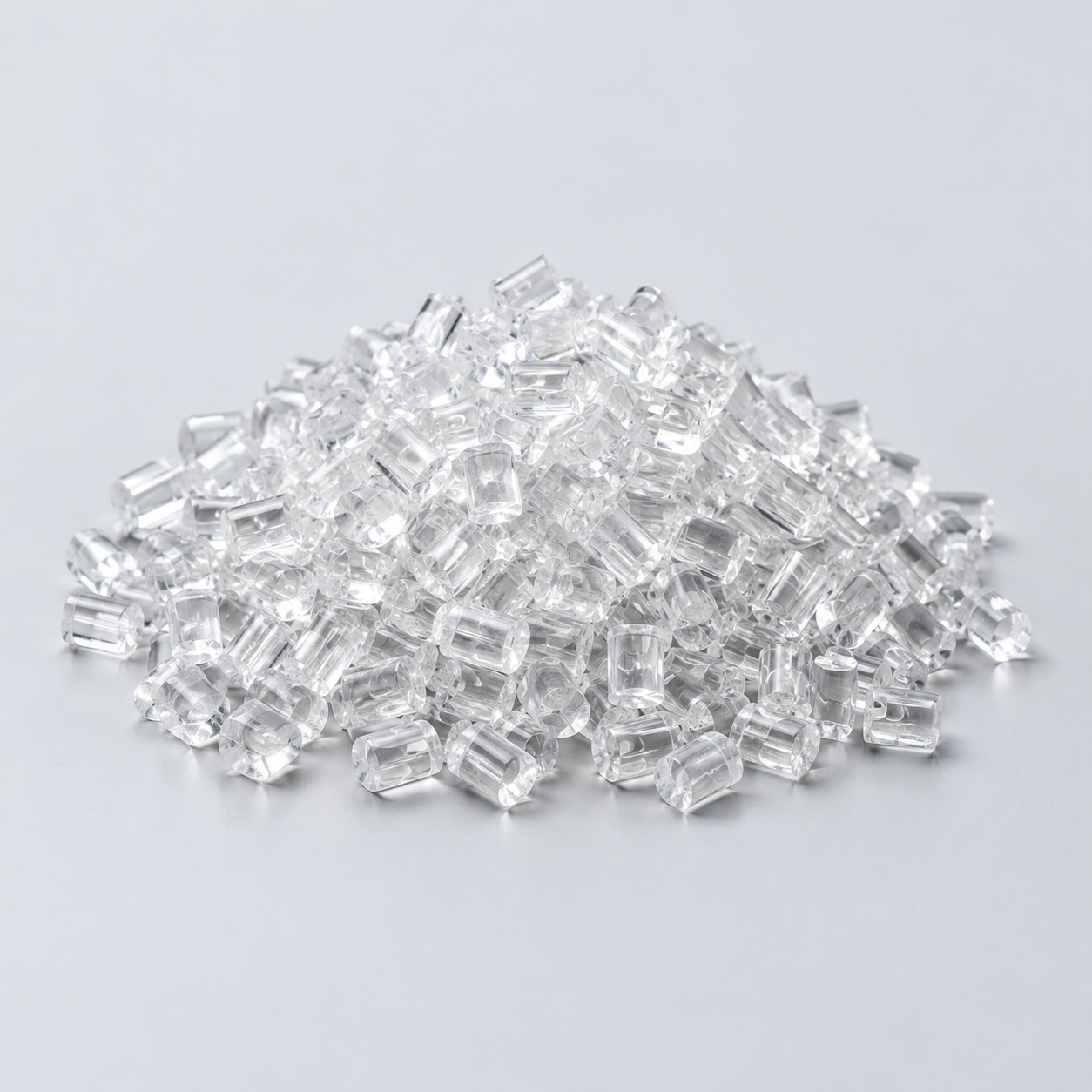 Polycarbonate (PC)Discuss clarity and impact needs›
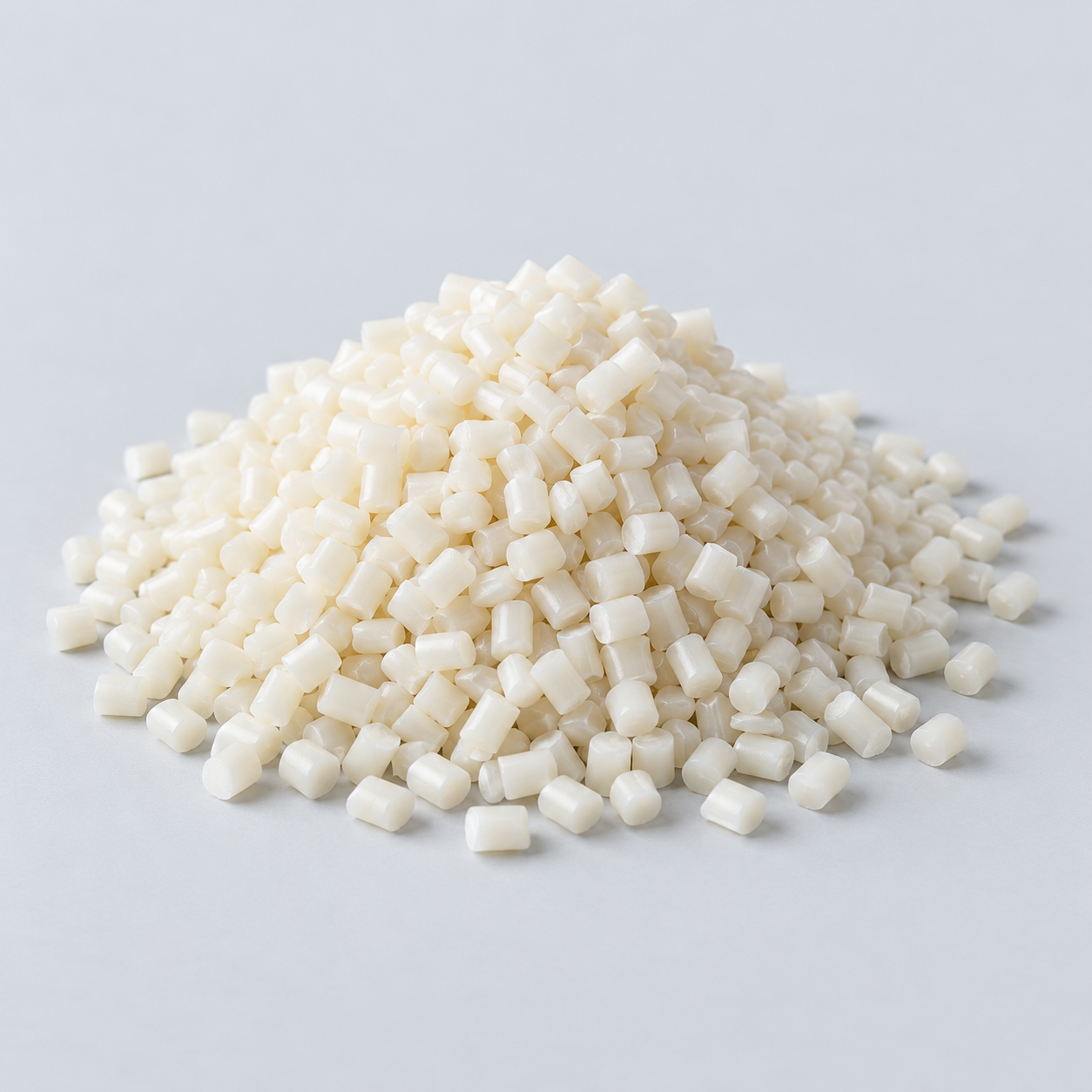 Nylon (PA)Review moisture and wear conditions›
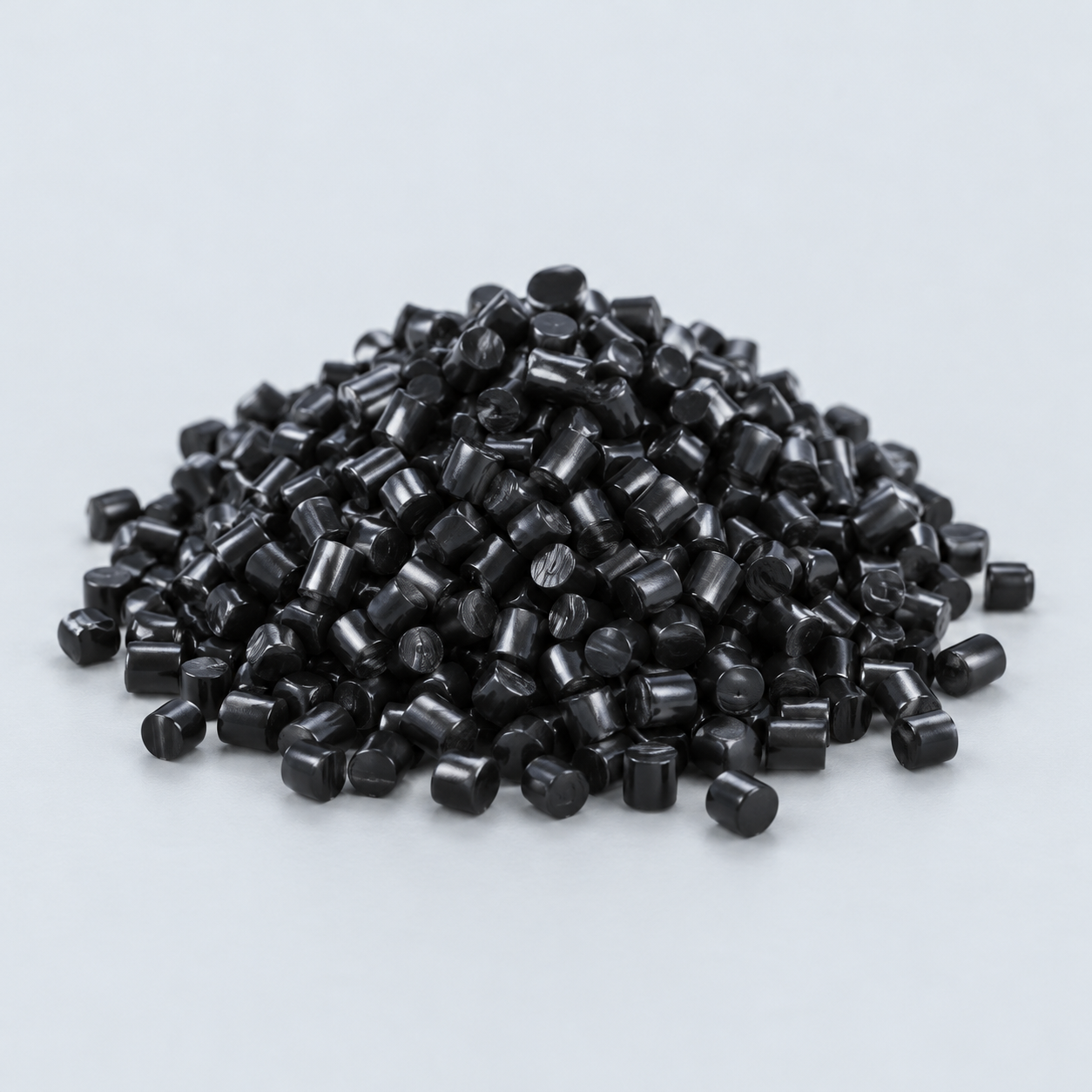 POM / AcetalReview fit and sliding features›
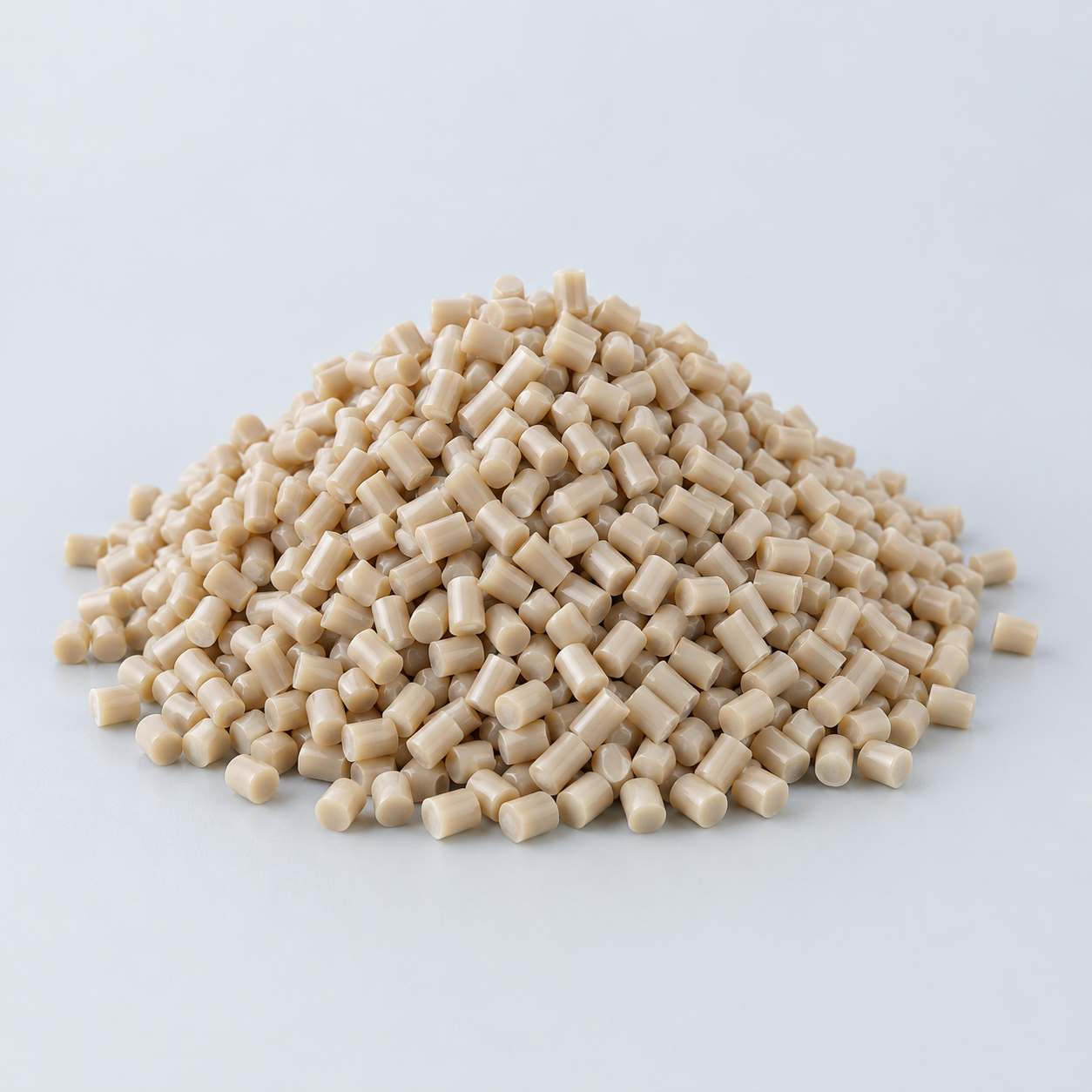 PEEKDiscuss operating conditions›
 PTFEReview friction and chemical exposure›
 ULTEM / PEIDiscuss thermal and electrical needs›
Confirm grade availability and application requirements.
 Silicone / LSRDiscuss flexible component needs›
 TPU / TPEReview flexibility and processing›
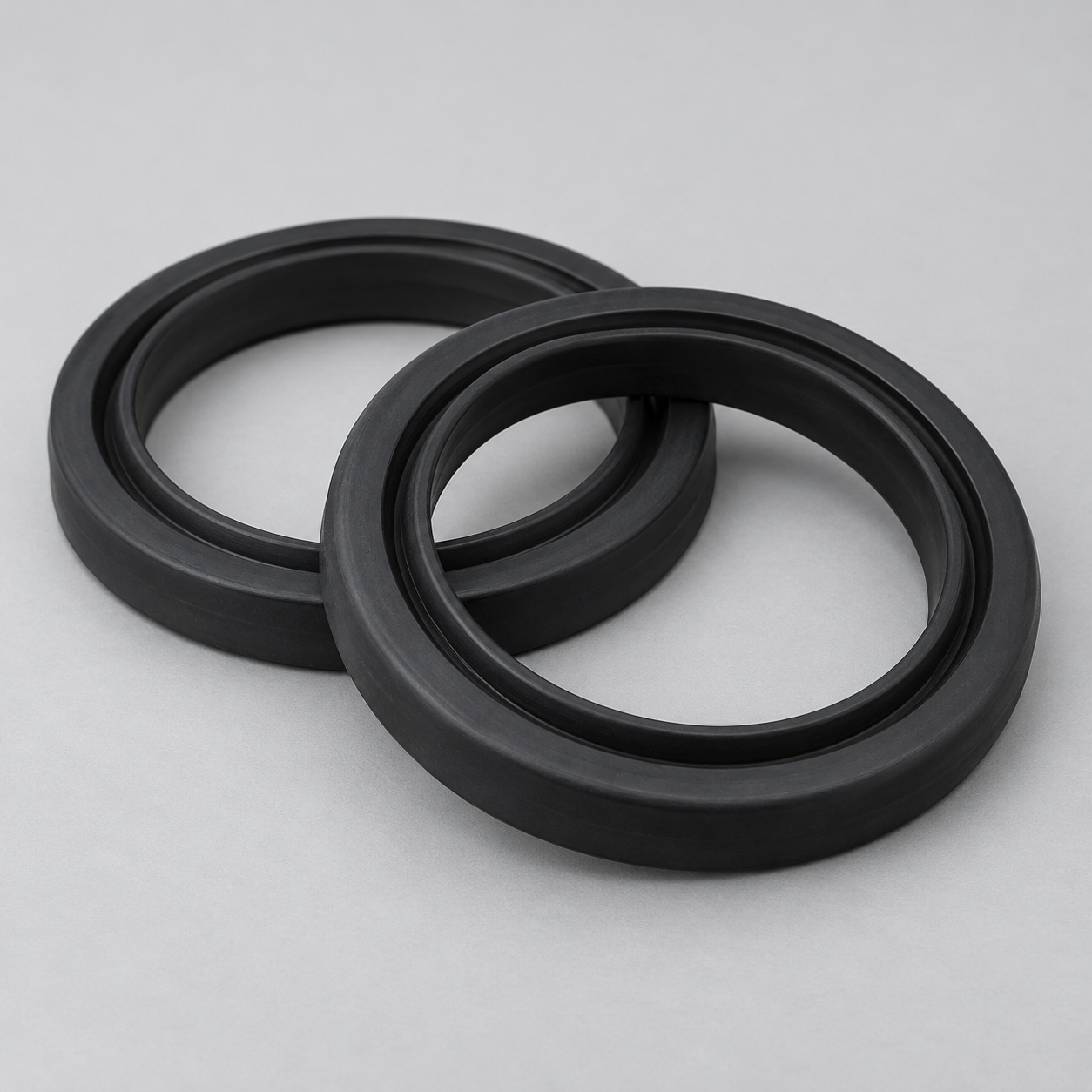 EPDMReview weathering and chemical exposure.›
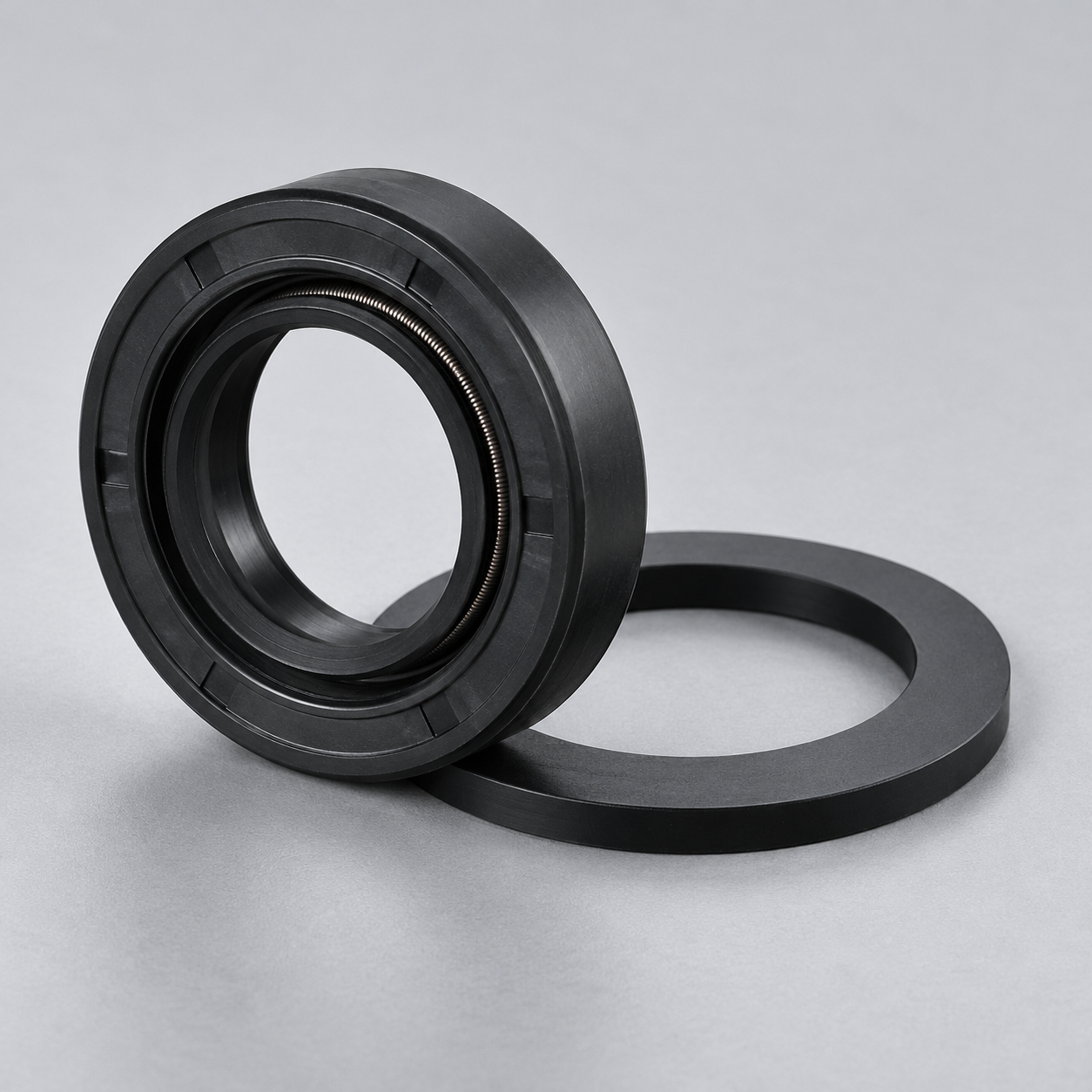 NBRReview oil and fuel exposure.›
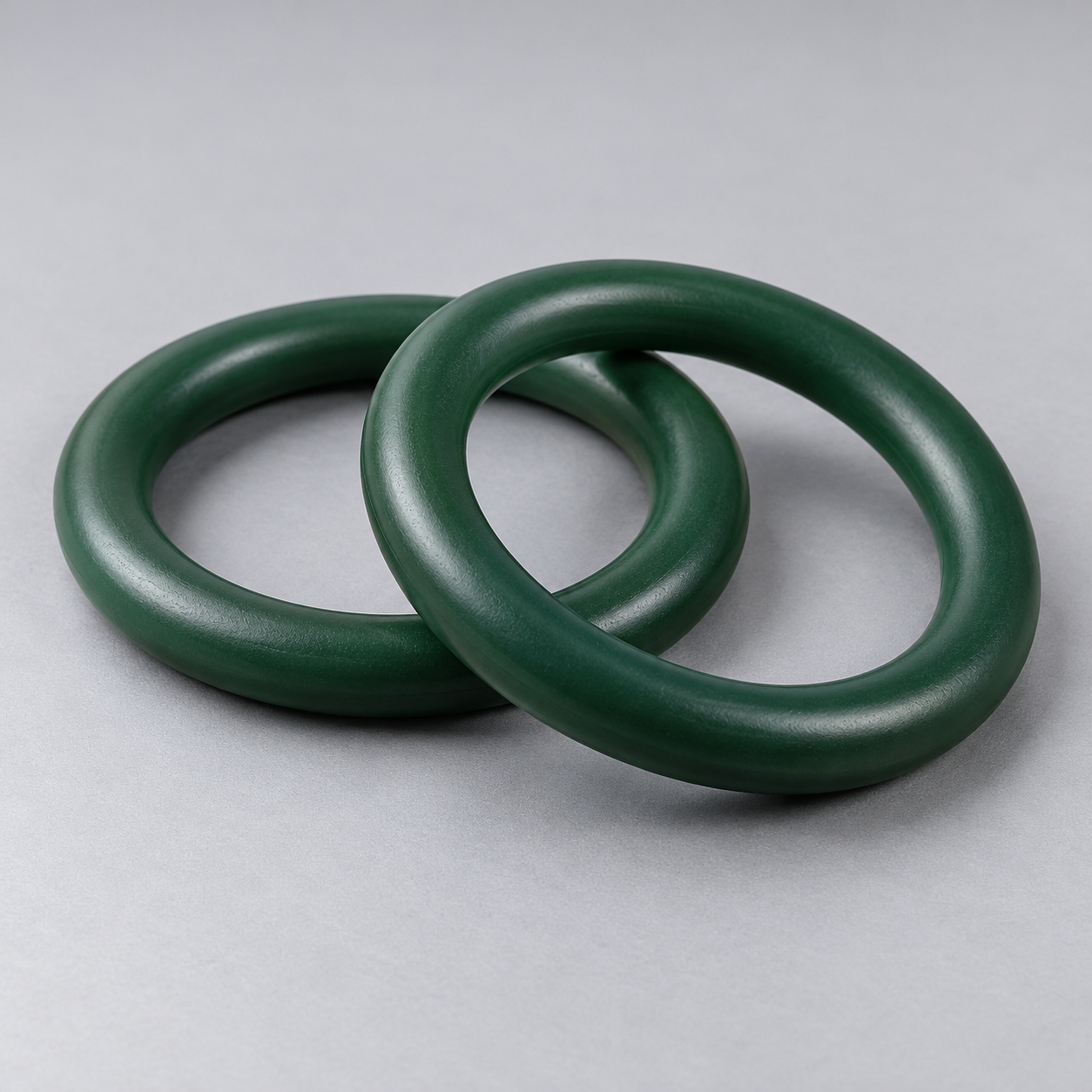 FKMReview temperature and chemical exposure.›
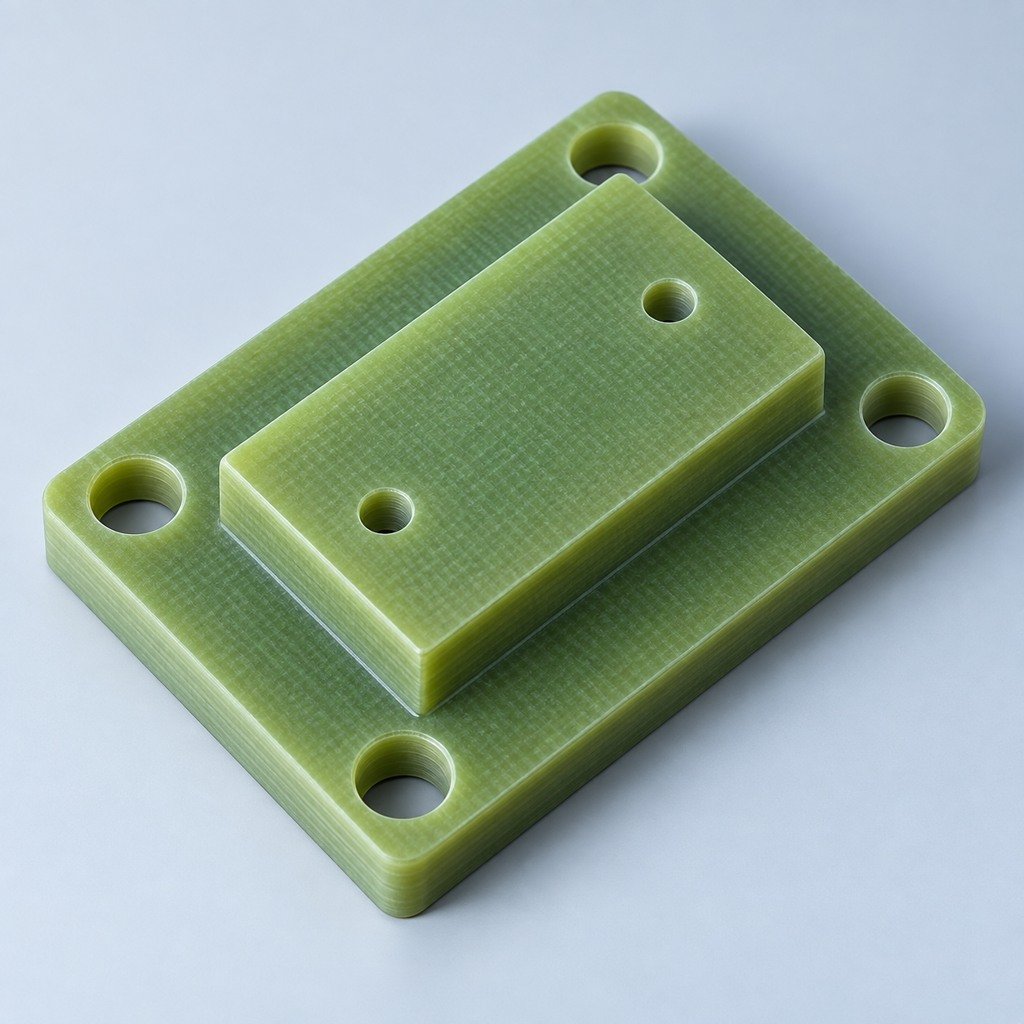 G10 / FR4Review insulation and laminate needs›
 CompositesReview stiffness, weight and laminate.›Customer-Specified MaterialsConfirm your grade and requirements.›Other Specialty MaterialsDiscuss your application and grade.›
Practical guidance for your part geometry and material decisions.
Prepare your process, budget and sourcing questions.
Build your knowledge before production.
Learn who we are and how we operate.
Find our U.S. support team or start a conversation.
YOUR EXACT GRADE. YOUR MATERIAL STATE. YOUR FINISHED FIT.
Review specialty material machining around your full material product, supplied state and drawing. For custom ceramic parts, MACOR, boron nitride or custom graphite parts, agree stock identity, critical edges, holes, use conditions and required inspection before comparing quotations.
Exact material acceptance, machining, grinding, firing and inspection availability require project confirmation. Supplier product references do not establish LK MFG qualifications or a finished-part guarantee.
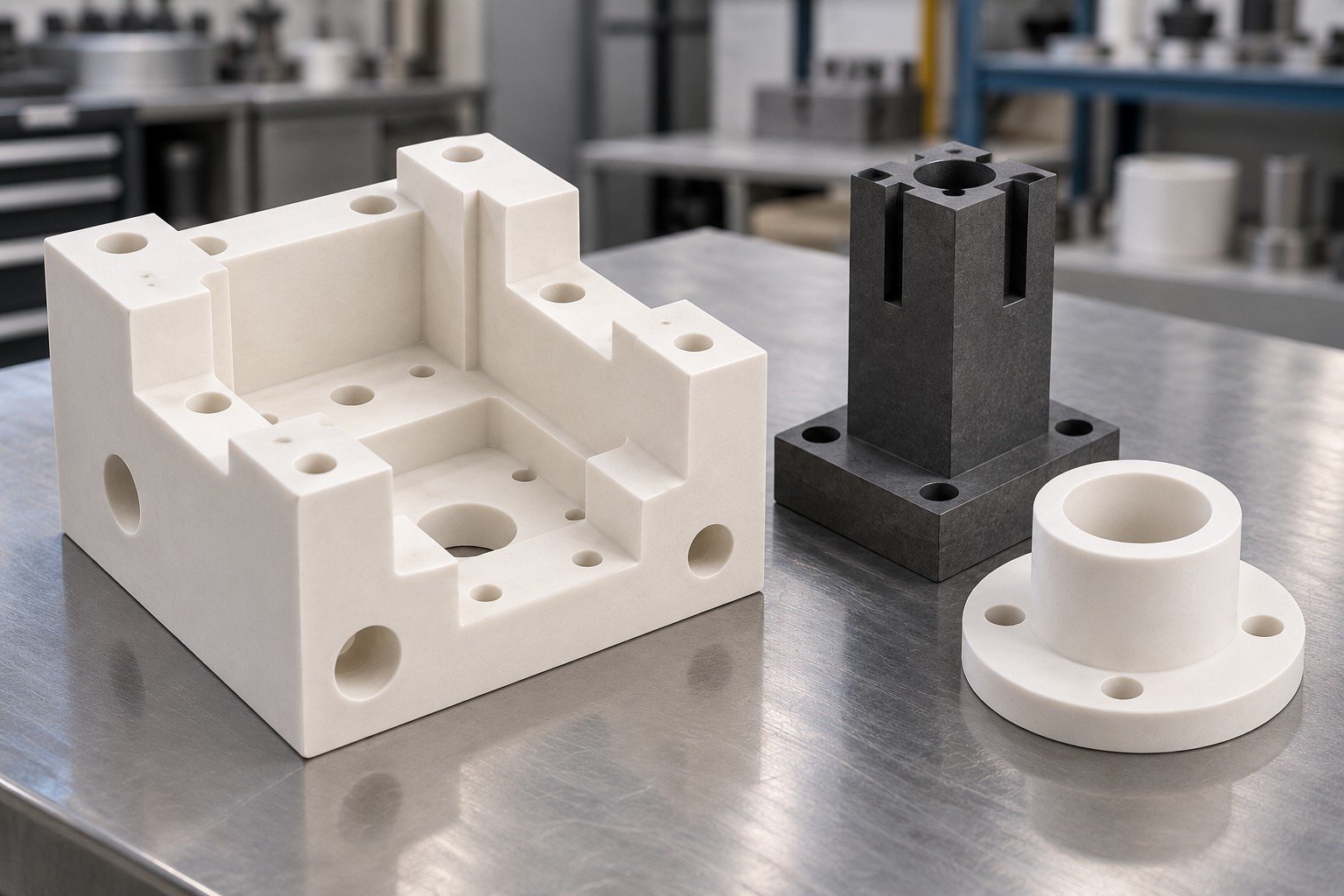
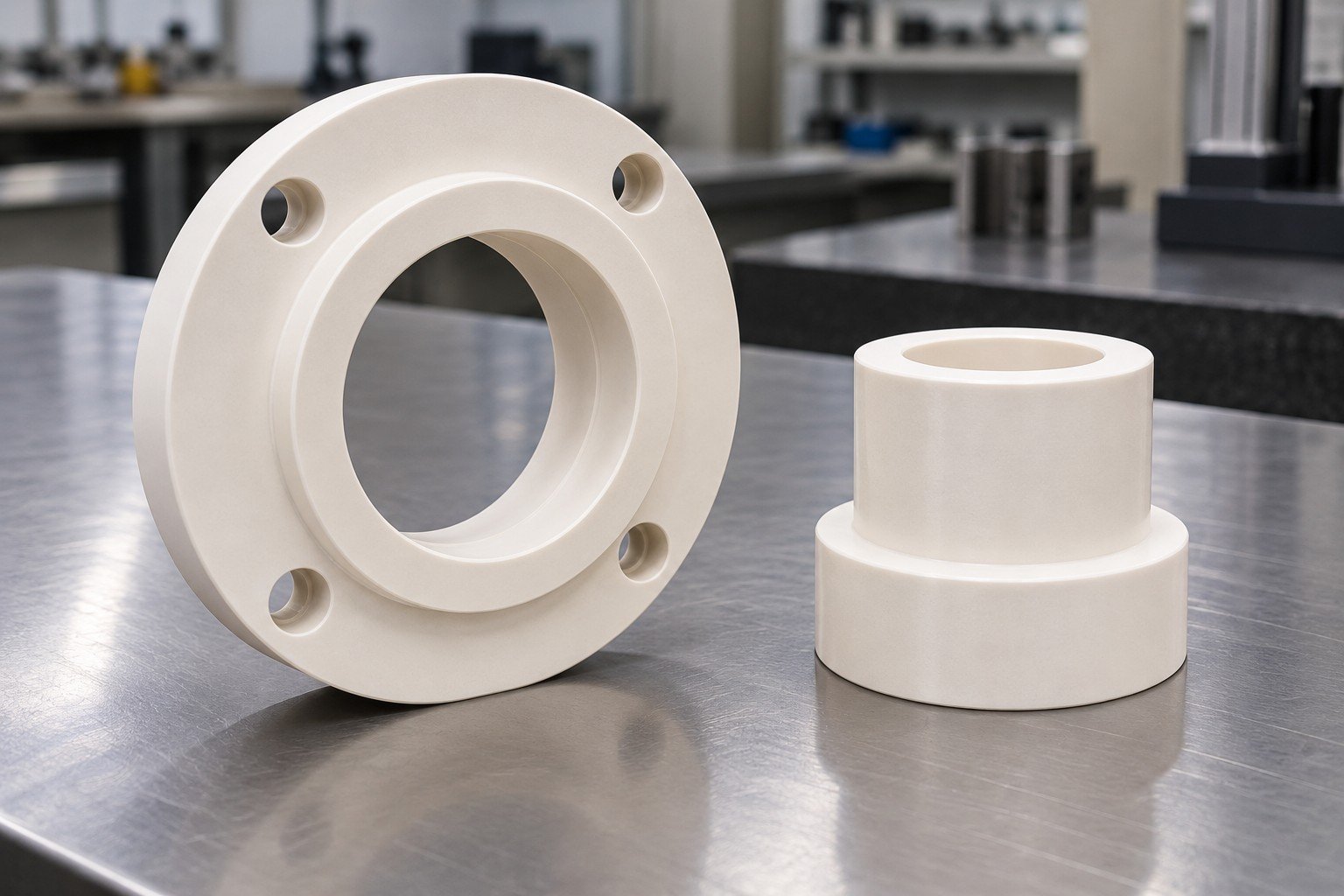
For alumina ceramic machining or zirconia machining, retain the full producer grade, supplied state and required dimensions. Fully fired technical ceramics require a different process review from machinable glass ceramics.
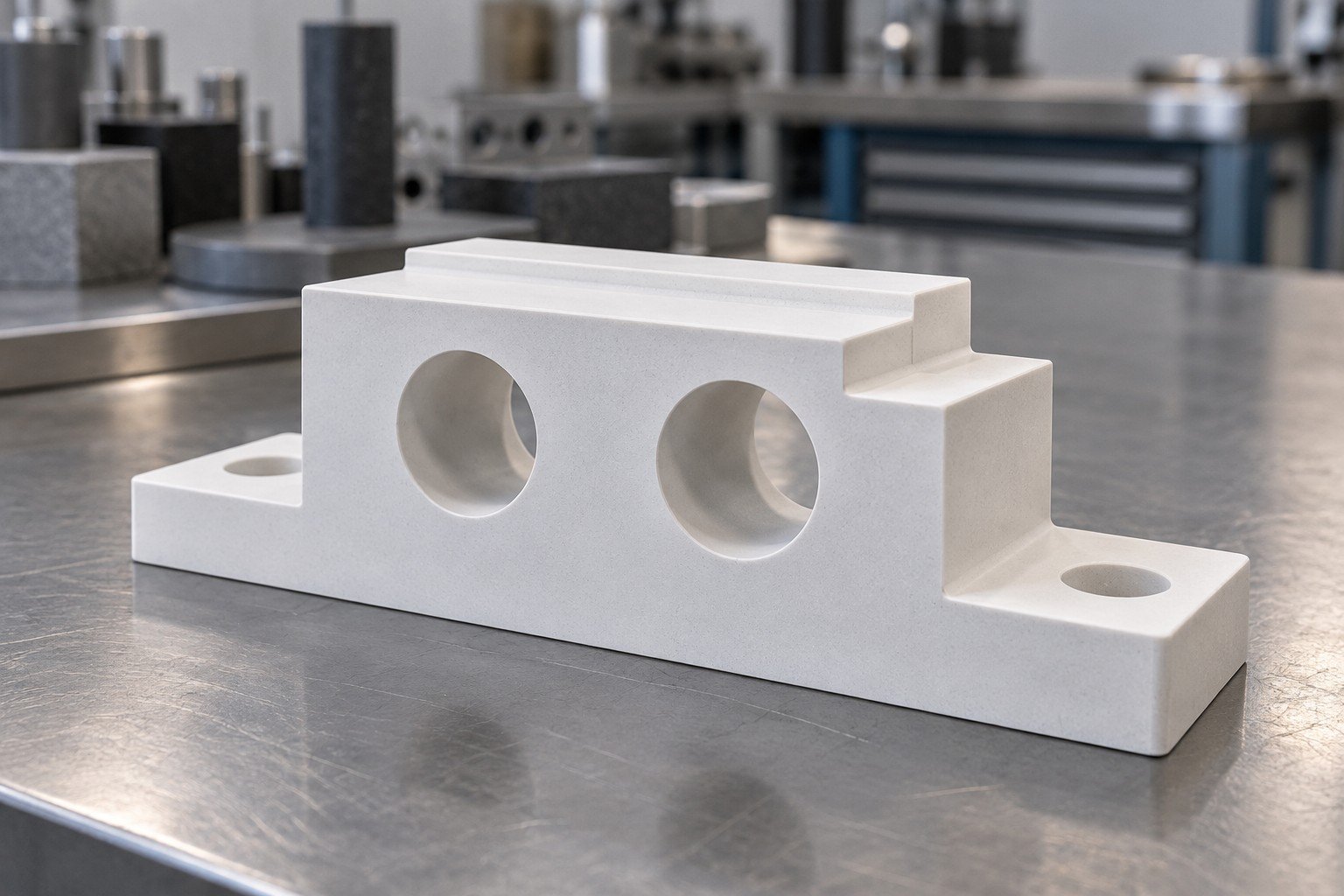
For MACOR machining, specify the Corning product, stock dimensions, finished geometry, edge condition and required evidence. Its machinability does not make other ceramic grades interchangeable.
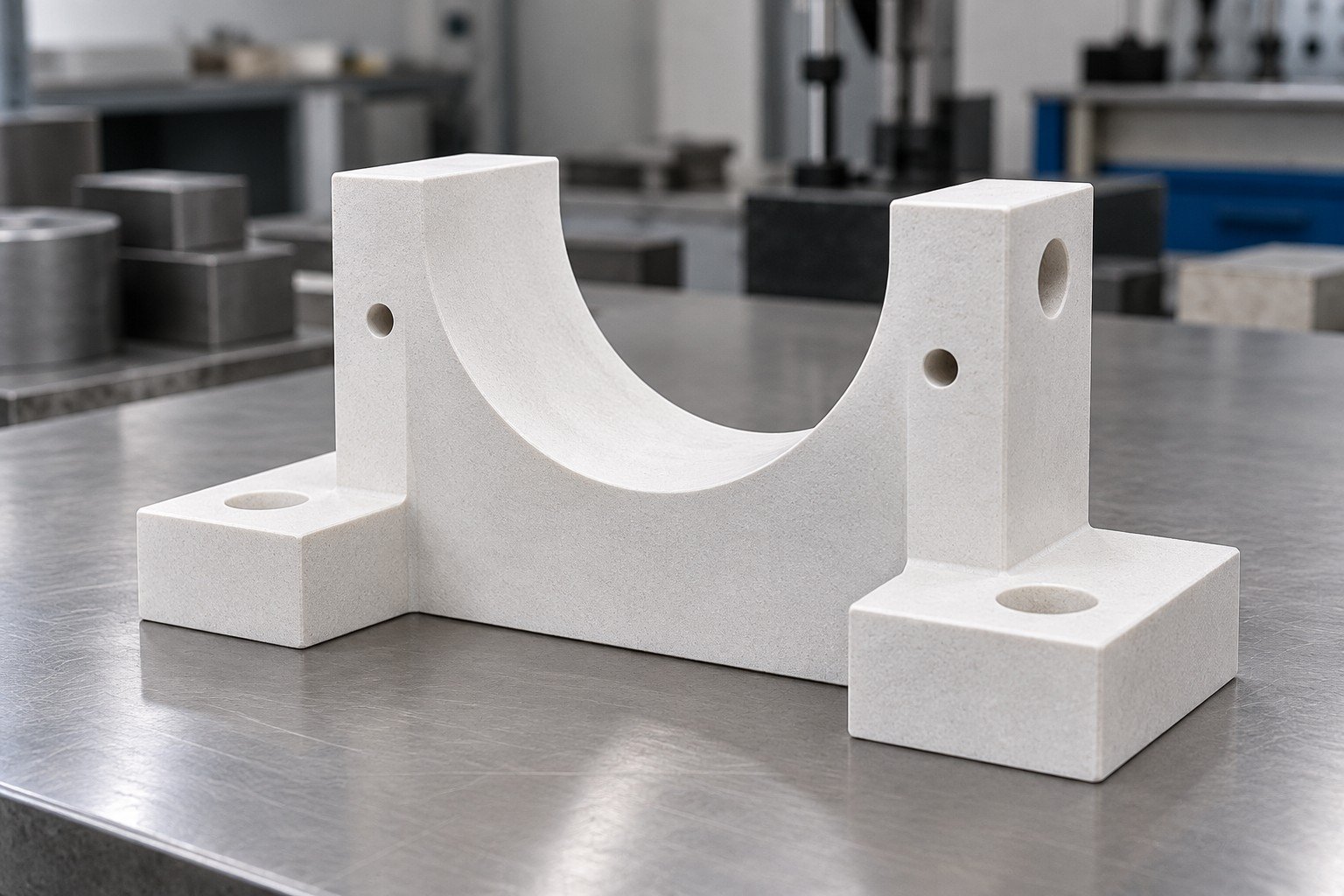
For boron nitride machining, retain full grade, binder or composition, stock form and intended environment. Aremco 502-1600 boron nitride is a specific product, not a designation for every BN material.
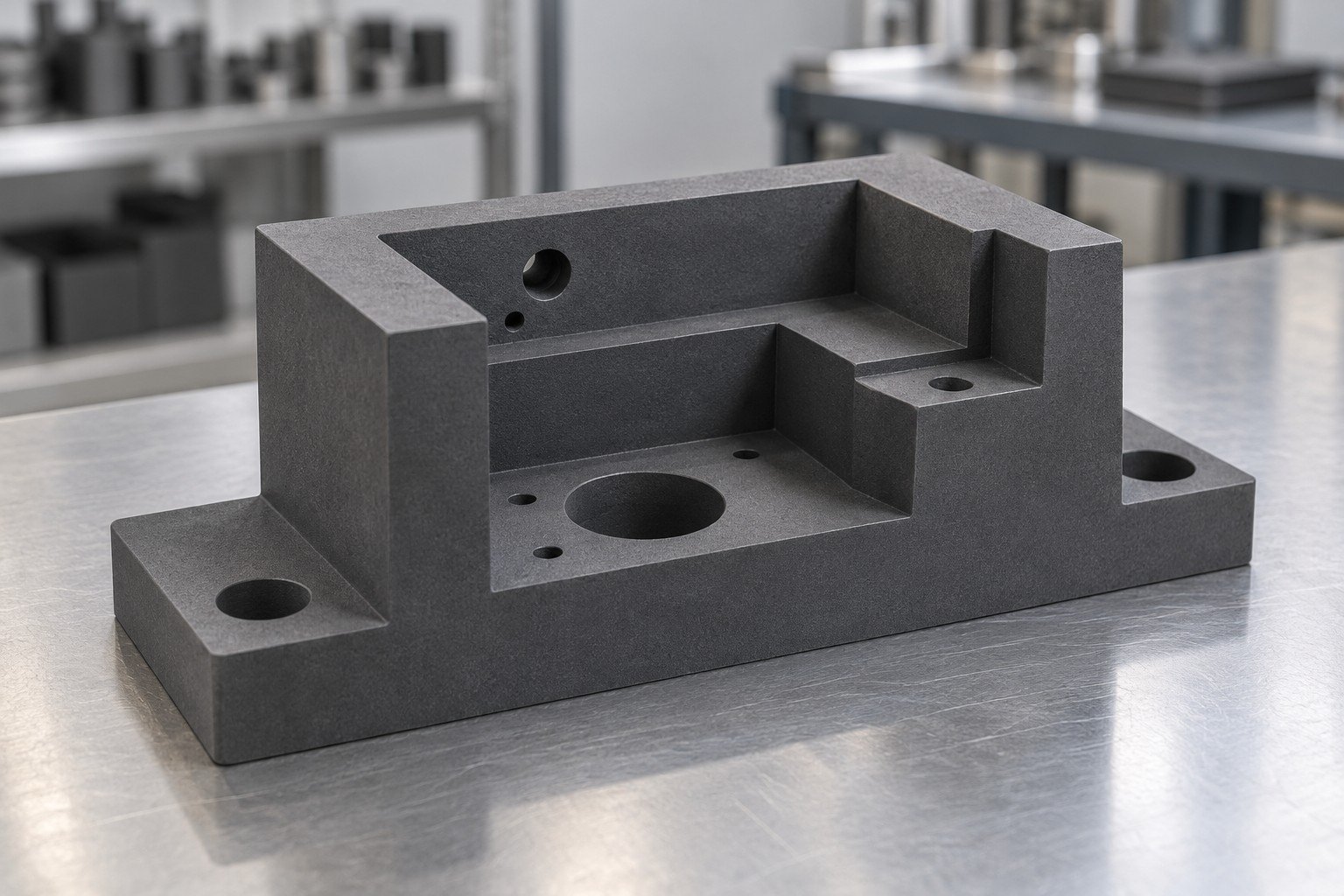
For custom graphite parts, identify the complete producer grade, stock form, grain structure, porosity and impregnation when relevant. Agree geometry, cleaning, handling and final evidence.
For a CoorsTek AD-995 custom parts quote, retain the complete product, stock dimensions, fired state, drawing, critical features and inspection scope. CoorsTek AD-995 alumina is a named producer grade; a nominal purity alone is not its full specification.
| Your decision | What to confirm |
|---|---|
| Material identity | Full producer product, composition, supplied state and lot |
| Stock and process | Actual dimensions, firing stage and agreed machining or grinding scope |
| Acceptance | Controlled drawing, edges, holes, approved sample and required tests |
Machinable glass ceramic, fully fired ceramic, partially fired alumina and graphite require distinct reviews.
| Your decision | What to confirm |
|---|---|
| Fully Fired or Finished Stock | Retain full grade, producer, supplied condition, actual dimensions and available records. Review grinding, machining, support and edge acceptance for the specific ceramic or graphite product; appearance does not establish machinability. |
| Green or Partially Fired Stock | Agree material identity, process responsibility, firing route, dimensional allowance and final inspection. Ceramic sintering shrinkage allowance must follow the actual product and validated process; no universal percentage is assumed. |
Retain the actual interface and operating environment.
| Your decision | What to confirm |
|---|---|
| Geometry | Holes, walls, radii, locating surfaces and edge breaks |
| Environment | Temperature, atmosphere, fluids, load and electrical or thermal requirements |
| Measurement | Final processing stage, support, critical dimensions and agreed method |
Supplier identity and finished-component acceptance serve different purposes.
| Your decision | What to confirm |
|---|---|
| Identity | Producer, full grade, supplied state, stock and lot |
| Drawing | Critical dimensions, holes, edges and inspection stage |
| Function | Approved sample and required material, electrical, thermal or assembly evidence |
Identify the complete zirconia product, composition or stabilization designation, supplied state, producer data and drawing. Agree machining or grinding scope for the actual grade rather than applying alumina or MACOR assumptions.
| Your decision | What to confirm |
|---|---|
| Material identity | Full producer product, composition, supplied state and lot |
| Stock and process | Actual dimensions, firing stage and agreed machining or grinding scope |
| Acceptance | Controlled drawing, edges, holes, approved sample and required tests |
Machinable glass ceramic, fully fired ceramic, partially fired alumina and graphite require distinct reviews.
| Your decision | What to confirm |
|---|---|
| Fully Fired or Finished Stock | Retain full grade, producer, supplied condition, actual dimensions and available records. Review grinding, machining, support and edge acceptance for the specific ceramic or graphite product; appearance does not establish machinability. |
| Green or Partially Fired Stock | Agree material identity, process responsibility, firing route, dimensional allowance and final inspection. Ceramic sintering shrinkage allowance must follow the actual product and validated process; no universal percentage is assumed. |
Retain the actual interface and operating environment.
| Your decision | What to confirm |
|---|---|
| Geometry | Holes, walls, radii, locating surfaces and edge breaks |
| Environment | Temperature, atmosphere, fluids, load and electrical or thermal requirements |
| Measurement | Final processing stage, support, critical dimensions and agreed method |
Supplier identity and finished-component acceptance serve different purposes.
| Your decision | What to confirm |
|---|---|
| Identity | Producer, full grade, supplied state, stock and lot |
| Drawing | Critical dimensions, holes, edges and inspection stage |
| Function | Approved sample and required material, electrical, thermal or assembly evidence |
For a MACOR custom parts quote, provide full stock form, dimensions, drawing, edge and hole requirements, quantities and intended exposure. Corning identifies MACOR as a machinable glass ceramic; it is not a generic fully fired alumina.
| Your decision | What to confirm |
|---|---|
| Material identity | Full producer product, composition, supplied state and lot |
| Stock and process | Actual dimensions, firing stage and agreed machining or grinding scope |
| Acceptance | Controlled drawing, edges, holes, approved sample and required tests |
Machinable glass ceramic, fully fired ceramic, partially fired alumina and graphite require distinct reviews.
| Your decision | What to confirm |
|---|---|
| Fully Fired or Finished Stock | Retain full grade, producer, supplied condition, actual dimensions and available records. Review grinding, machining, support and edge acceptance for the specific ceramic or graphite product; appearance does not establish machinability. |
| Green or Partially Fired Stock | Agree material identity, process responsibility, firing route, dimensional allowance and final inspection. Ceramic sintering shrinkage allowance must follow the actual product and validated process; no universal percentage is assumed. |
Retain the actual interface and operating environment.
| Your decision | What to confirm |
|---|---|
| Geometry | Holes, walls, radii, locating surfaces and edge breaks |
| Environment | Temperature, atmosphere, fluids, load and electrical or thermal requirements |
| Measurement | Final processing stage, support, critical dimensions and agreed method |
Supplier identity and finished-component acceptance serve different purposes.
| Your decision | What to confirm |
|---|---|
| Identity | Producer, full grade, supplied state, stock and lot |
| Drawing | Critical dimensions, holes, edges and inspection stage |
| Function | Approved sample and required material, electrical, thermal or assembly evidence |
For an Aremco 502-1400-BF custom parts quote, identify the bisque-fired alumina product and agree the full processing route, any subsequent firing, dimensional change and final inspection. This grade is alumina, not boron nitride.
| Your decision | What to confirm |
|---|---|
| Material identity | Full producer product, composition, supplied state and lot |
| Stock and process | Actual dimensions, firing stage and agreed machining or grinding scope |
| Acceptance | Controlled drawing, edges, holes, approved sample and required tests |
Machinable glass ceramic, fully fired ceramic, partially fired alumina and graphite require distinct reviews.
| Your decision | What to confirm |
|---|---|
| Fully Fired or Finished Stock | Retain full grade, producer, supplied condition, actual dimensions and available records. Review grinding, machining, support and edge acceptance for the specific ceramic or graphite product; appearance does not establish machinability. |
| Green or Partially Fired Stock | Agree material identity, process responsibility, firing route, dimensional allowance and final inspection. Ceramic sintering shrinkage allowance must follow the actual product and validated process; no universal percentage is assumed. |
Retain the actual interface and operating environment.
| Your decision | What to confirm |
|---|---|
| Geometry | Holes, walls, radii, locating surfaces and edge breaks |
| Environment | Temperature, atmosphere, fluids, load and electrical or thermal requirements |
| Measurement | Final processing stage, support, critical dimensions and agreed method |
Supplier identity and finished-component acceptance serve different purposes.
| Your decision | What to confirm |
|---|---|
| Identity | Producer, full grade, supplied state, stock and lot |
| Drawing | Critical dimensions, holes, edges and inspection stage |
| Function | Approved sample and required material, electrical, thermal or assembly evidence |
For an Aremco 502-1600 custom parts quote, retain the boron nitride product identity, current supplier data, stock dimensions, atmosphere, media and finished geometry. Do not transfer another ceramic product performance table to it.
| Your decision | What to confirm |
|---|---|
| Material identity | Full producer product, composition, supplied state and lot |
| Stock and process | Actual dimensions, firing stage and agreed machining or grinding scope |
| Acceptance | Controlled drawing, edges, holes, approved sample and required tests |
Machinable glass ceramic, fully fired ceramic, partially fired alumina and graphite require distinct reviews.
| Your decision | What to confirm |
|---|---|
| Fully Fired or Finished Stock | Retain full grade, producer, supplied condition, actual dimensions and available records. Review grinding, machining, support and edge acceptance for the specific ceramic or graphite product; appearance does not establish machinability. |
| Green or Partially Fired Stock | Agree material identity, process responsibility, firing route, dimensional allowance and final inspection. Ceramic sintering shrinkage allowance must follow the actual product and validated process; no universal percentage is assumed. |
Retain the actual interface and operating environment.
| Your decision | What to confirm |
|---|---|
| Geometry | Holes, walls, radii, locating surfaces and edge breaks |
| Environment | Temperature, atmosphere, fluids, load and electrical or thermal requirements |
| Measurement | Final processing stage, support, critical dimensions and agreed method |
Supplier identity and finished-component acceptance serve different purposes.
| Your decision | What to confirm |
|---|---|
| Identity | Producer, full grade, supplied state, stock and lot |
| Drawing | Critical dimensions, holes, edges and inspection stage |
| Function | Approved sample and required material, electrical, thermal or assembly evidence |
Retain the exact graphite producer and grade, manufacturing form, grain structure, porosity and any impregnation. Agree the actual blank, cleaning requirements and dimensional or functional acceptance before process planning.
| Your decision | What to confirm |
|---|---|
| Material identity | Full producer product, composition, supplied state and lot |
| Stock and process | Actual dimensions, firing stage and agreed machining or grinding scope |
| Acceptance | Controlled drawing, edges, holes, approved sample and required tests |
Machinable glass ceramic, fully fired ceramic, partially fired alumina and graphite require distinct reviews.
| Your decision | What to confirm |
|---|---|
| Fully Fired or Finished Stock | Retain full grade, producer, supplied condition, actual dimensions and available records. Review grinding, machining, support and edge acceptance for the specific ceramic or graphite product; appearance does not establish machinability. |
| Green or Partially Fired Stock | Agree material identity, process responsibility, firing route, dimensional allowance and final inspection. Ceramic sintering shrinkage allowance must follow the actual product and validated process; no universal percentage is assumed. |
Retain the actual interface and operating environment.
| Your decision | What to confirm |
|---|---|
| Geometry | Holes, walls, radii, locating surfaces and edge breaks |
| Environment | Temperature, atmosphere, fluids, load and electrical or thermal requirements |
| Measurement | Final processing stage, support, critical dimensions and agreed method |
Supplier identity and finished-component acceptance serve different purposes.
| Your decision | What to confirm |
|---|---|
| Identity | Producer, full grade, supplied state, stock and lot |
| Drawing | Critical dimensions, holes, edges and inspection stage |
| Function | Approved sample and required material, electrical, thermal or assembly evidence |
CoorsTek typical alumina density, g/cm³ · Manufacturer Alumina Typical Material Properties table
Typical supplier density values for the named products, not a machining tolerance, application approval or performance ranking. The web table does not state a measurement temperature; no condition is invented. Confirm current product data and the properties required for your part.
Supplier alumina table →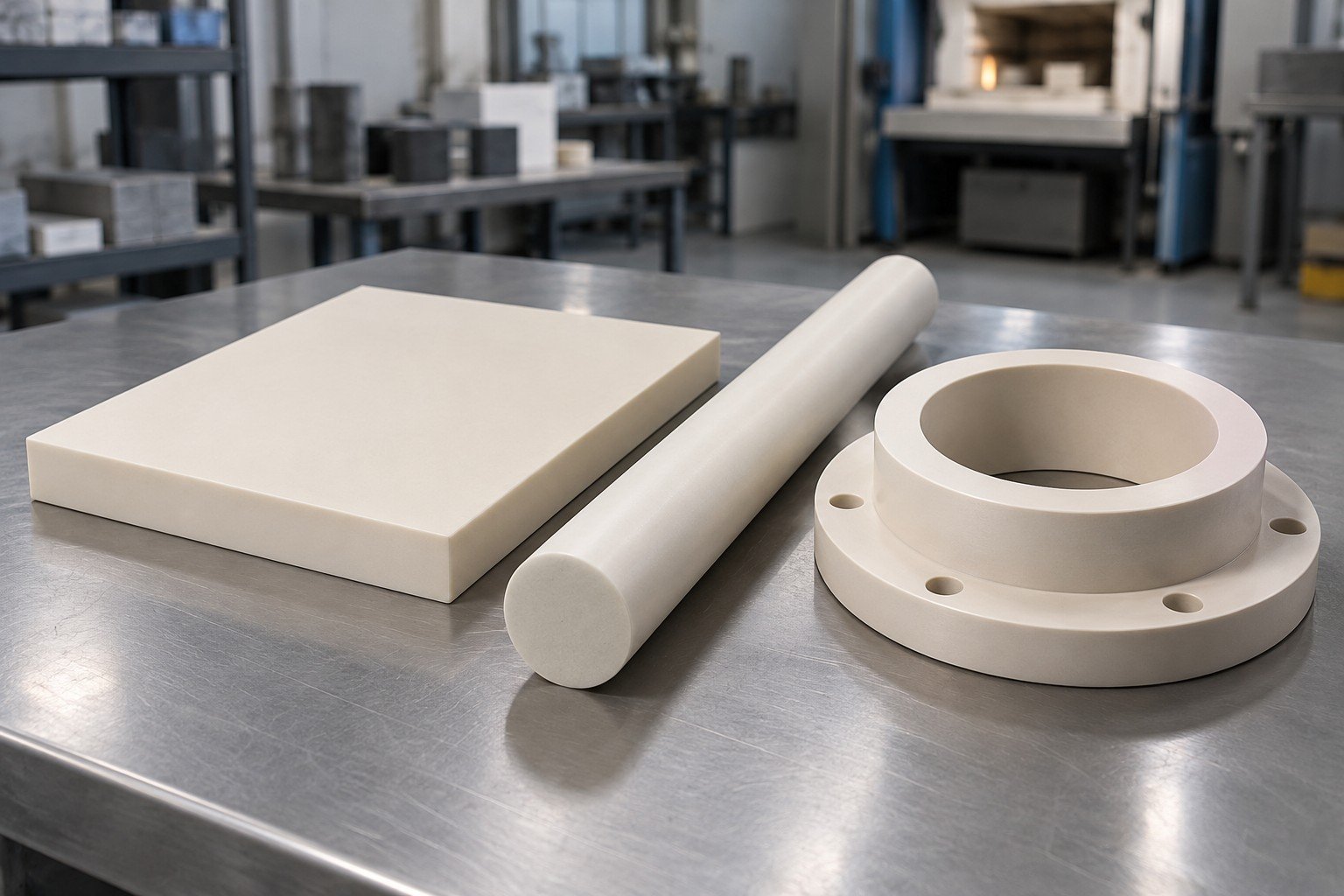
Retain full grade, producer, supplied condition, actual dimensions and available records. Review grinding, machining, support and edge acceptance for the specific ceramic or graphite product; appearance does not establish machinability.
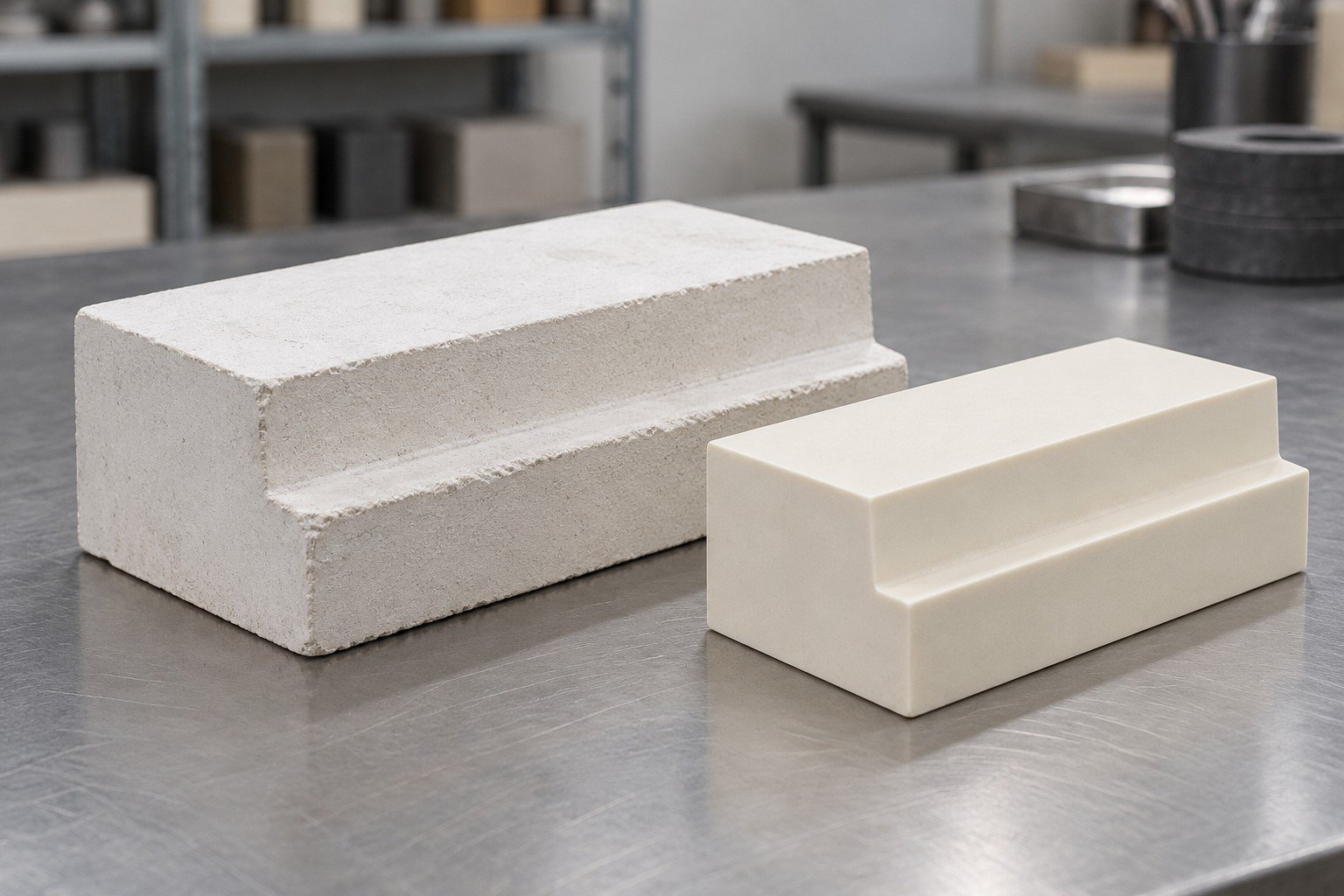
Agree material identity, process responsibility, firing route, dimensional allowance and final inspection. Ceramic sintering shrinkage allowance must follow the actual product and validated process; no universal percentage is assumed.
Keep the exact grade and green, bisque-fired or fully fired state. Aremco 502-1400-BF is bisque-fired alumina; 502-1600 is boron nitride. Review the actual process route and finished requirements separately.
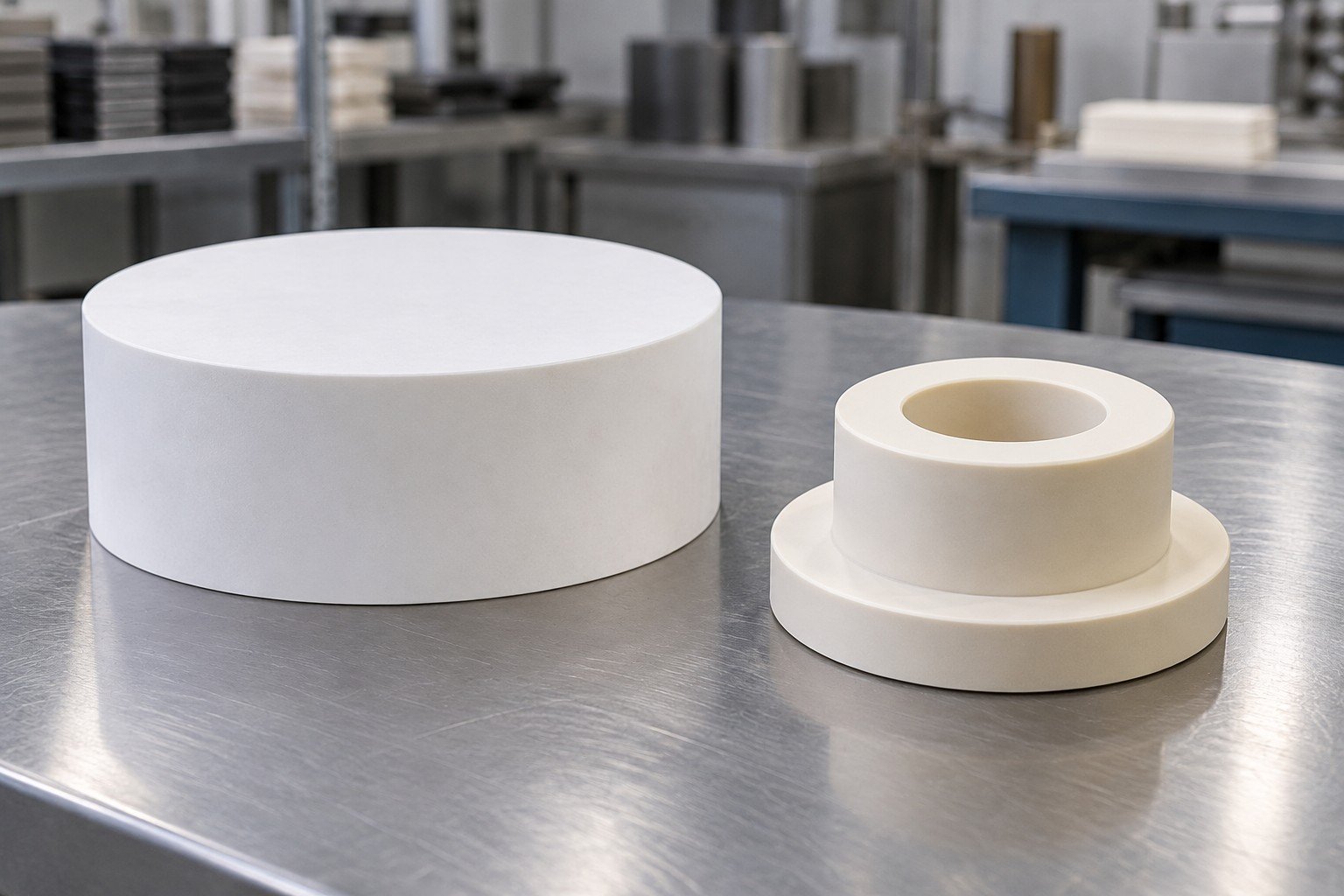
For ceramic edge chipping inspection, define permitted location, size, extent and inspection method on the controlled drawing. Agree edge breaks and approved samples where needed; a general smooth-edge statement is incomplete.
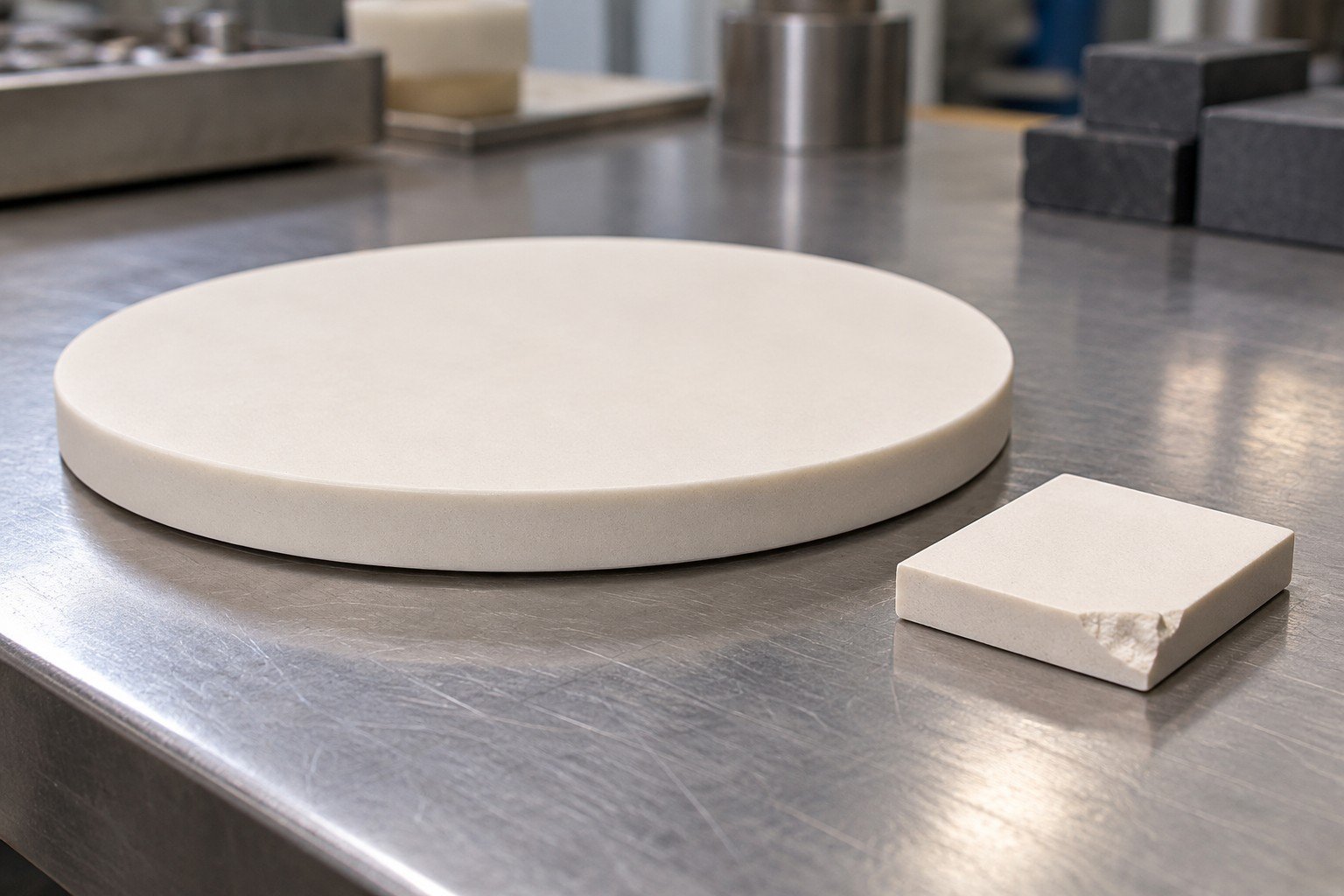
Specify hole diameter, position, wall thickness, radii and mating features. Review access, support and brittle-feature risk for the supplied grade and state, then agree final dimensional inspection.
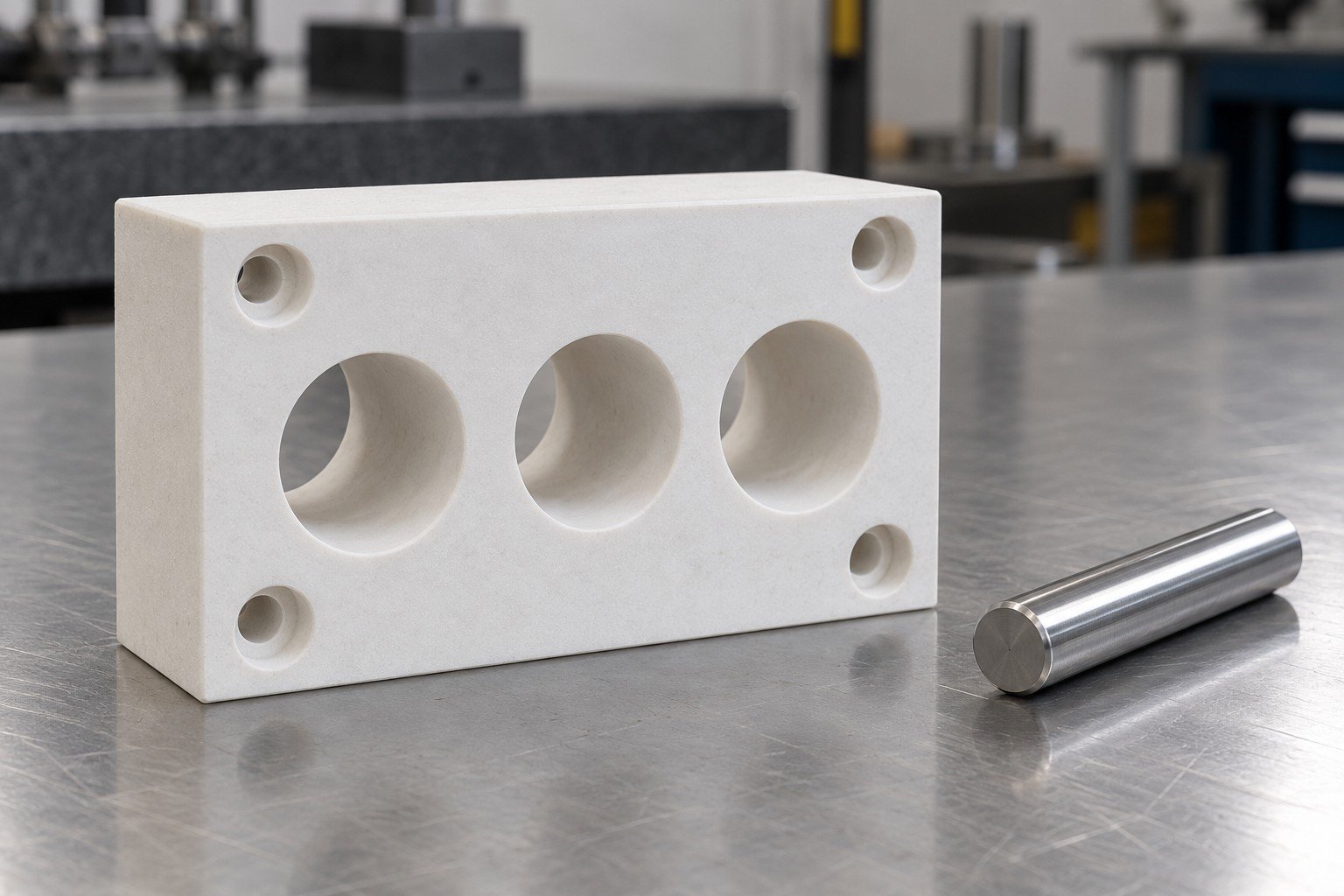
Separate pre-firing geometry from finished dimensions. Agree the supplier/process-specific ceramic sintering shrinkage allowance, reference axes, inspection stage and acceptance; no generic shrinkage factor is a finished-part guarantee.
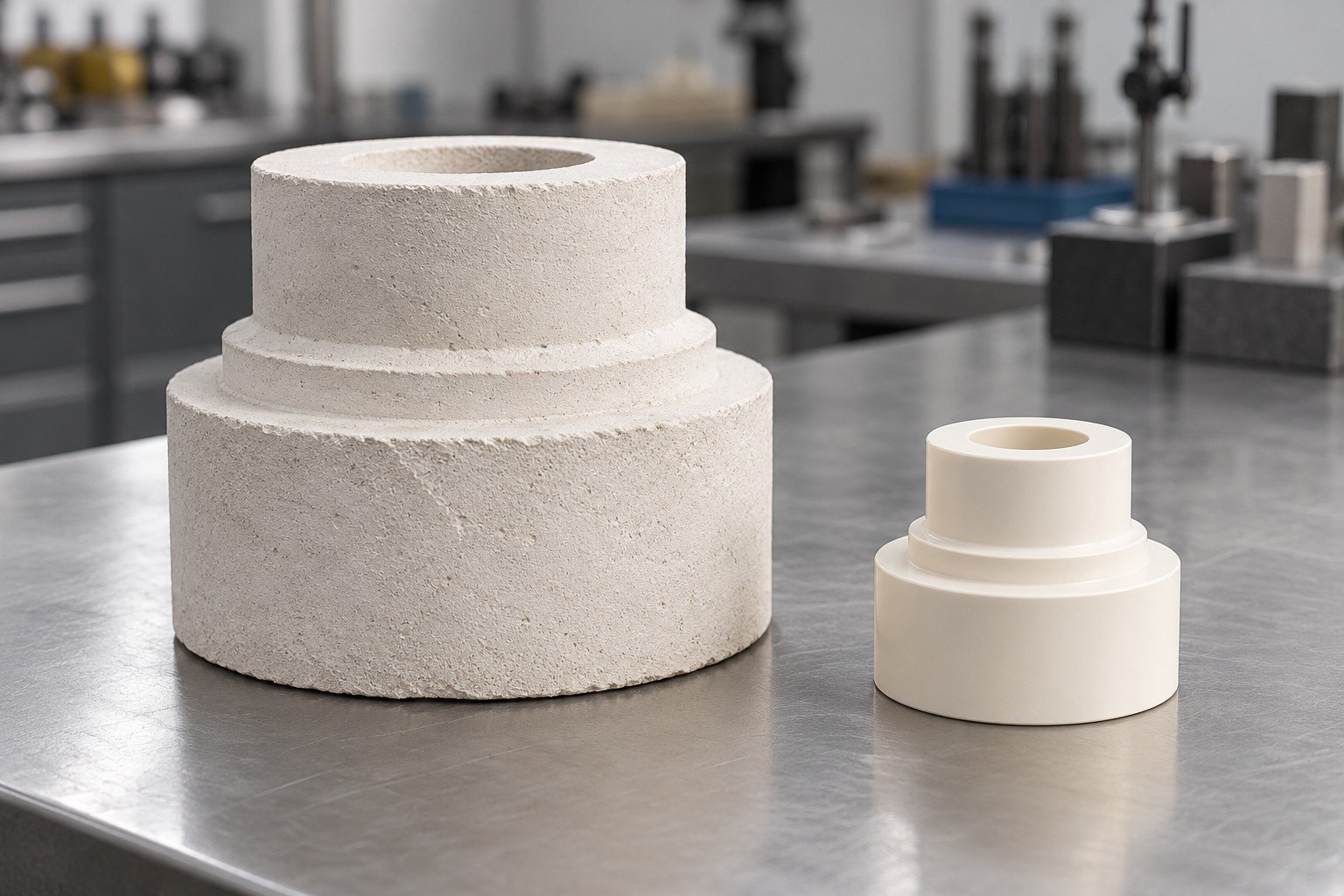
Provide actual temperature, atmosphere, fluids, electrical or thermal needs and load. Keep product-specific evidence and test conditions; a supplier maximum temperature or generic material family does not approve the application.
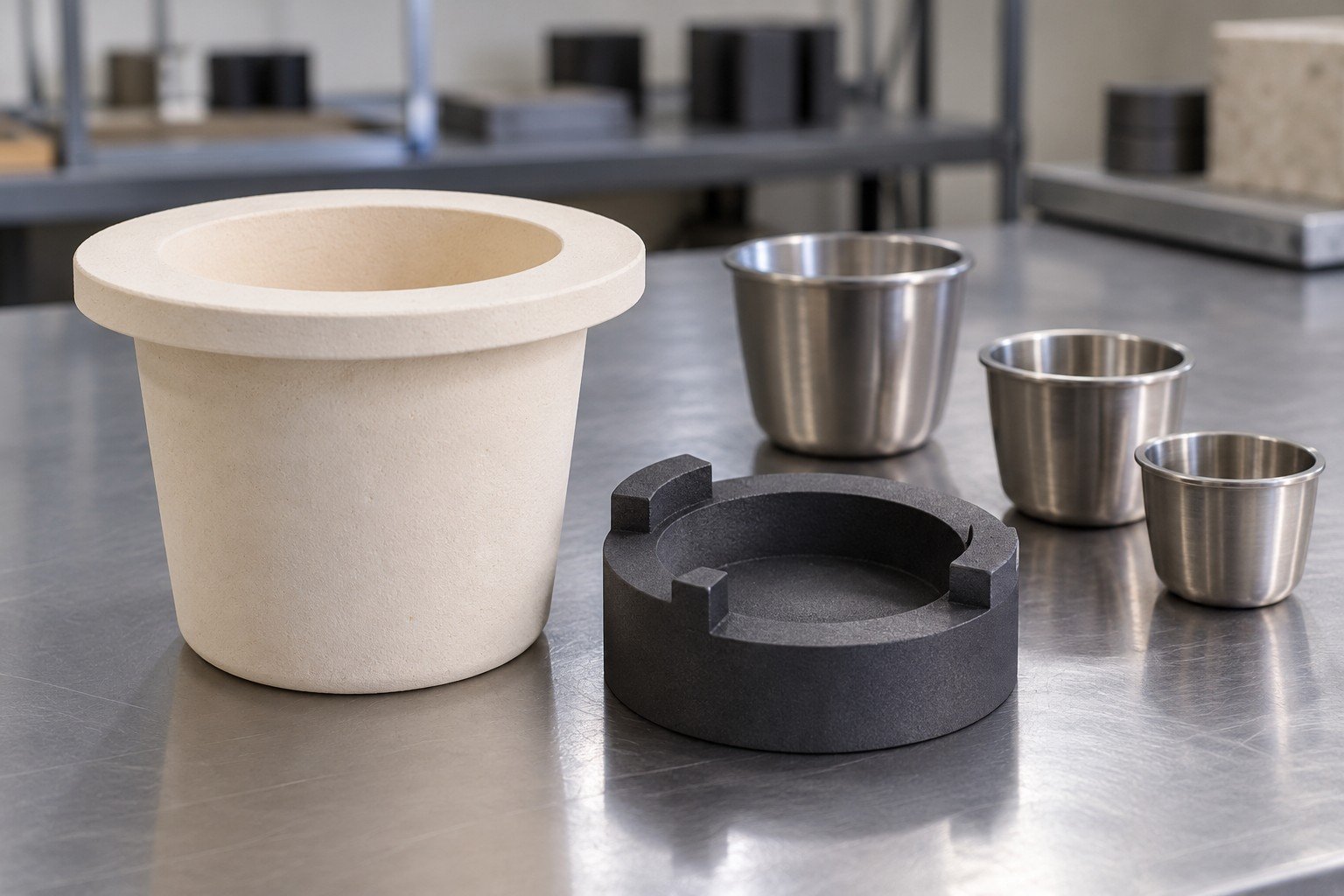
Retain producer, full grade, supplied state, lot and current technical information. Keep material identity, dimensions, edge acceptance and any specified functional or regulated requirements separate.
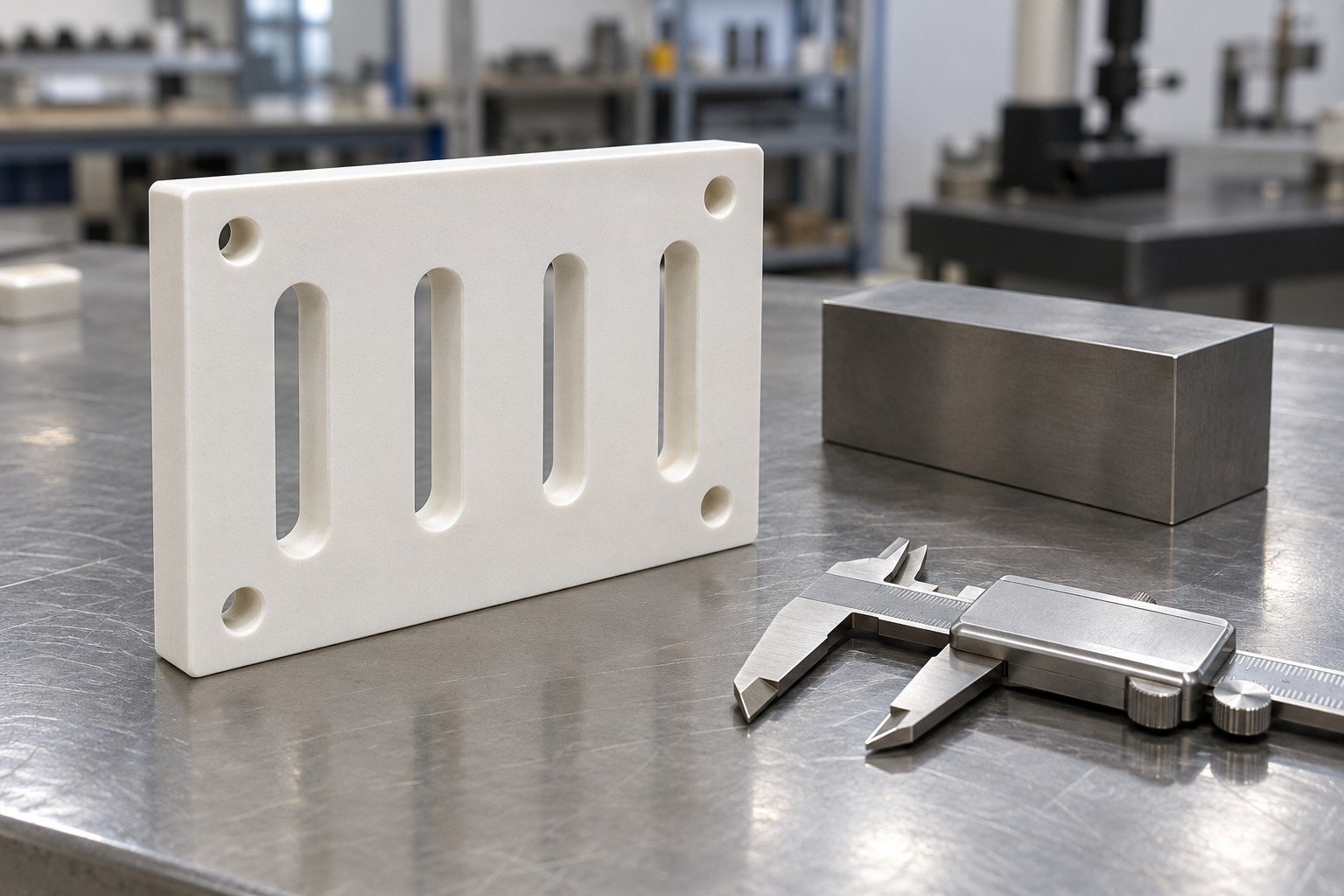
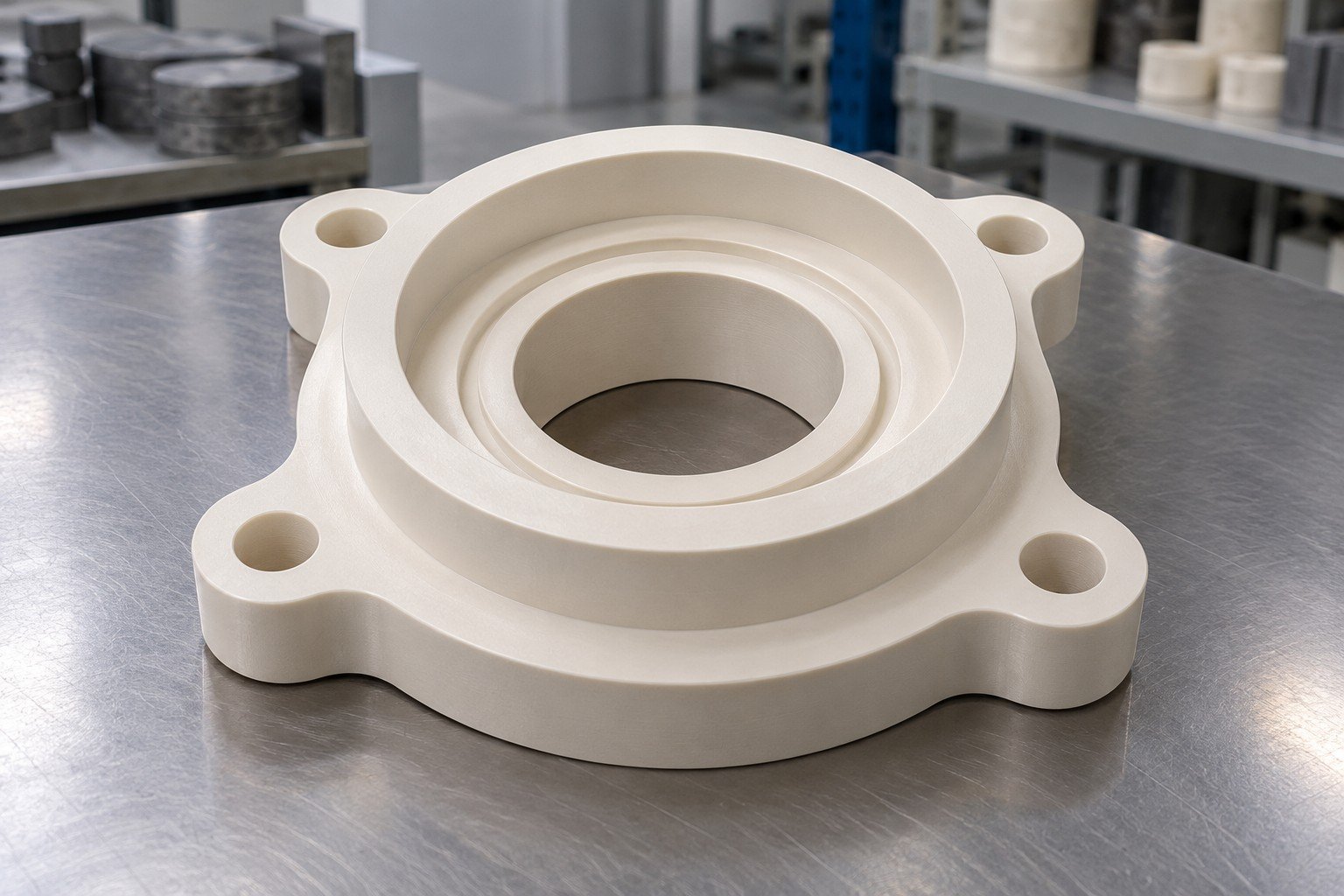
Agree actual grade, fired state, grinding or machining scope, critical surfaces and edge acceptance.
Review requirements ↓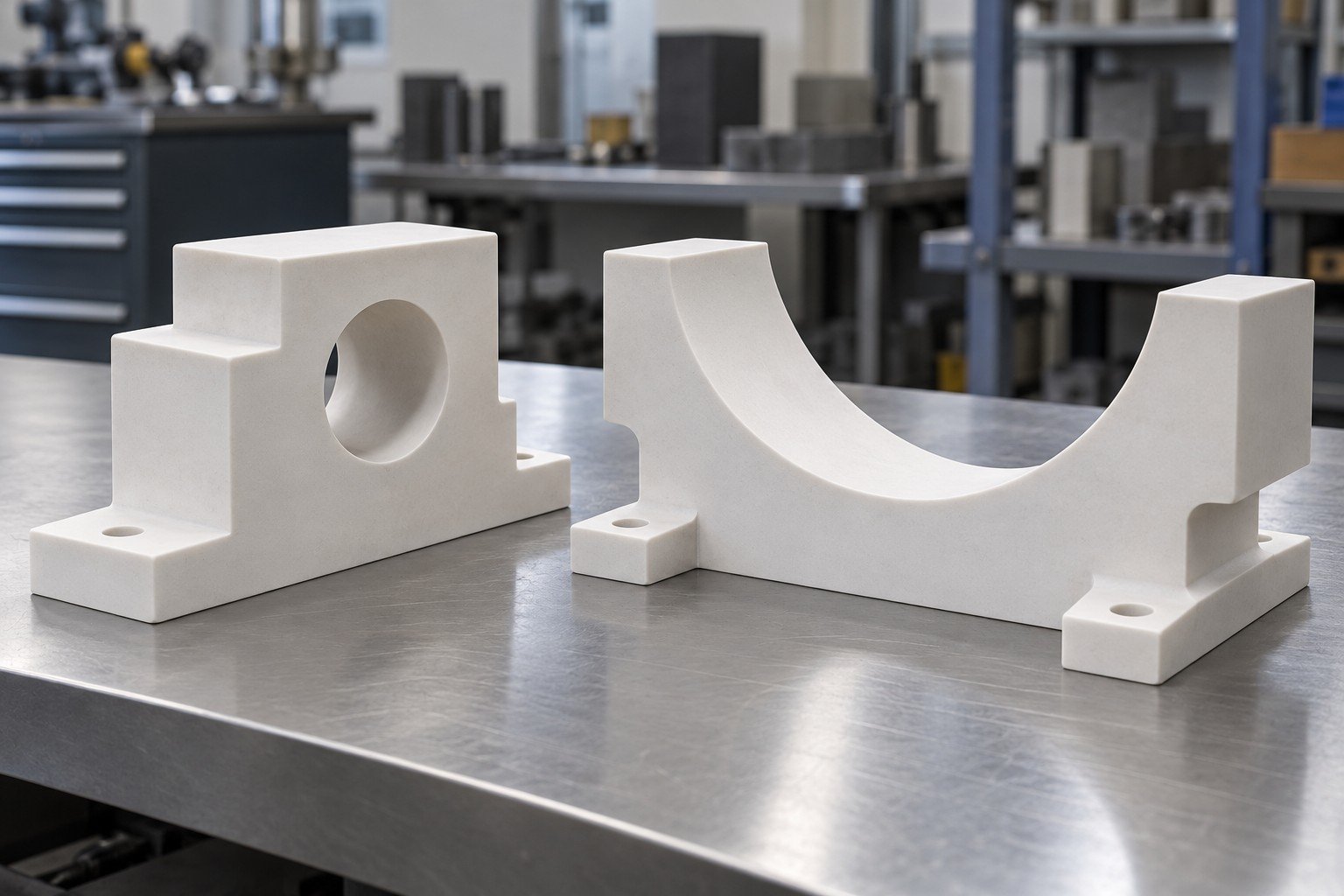
Review the exact glass ceramic, BN or graphite product, geometry, handling and inspection.
Review requirements ↓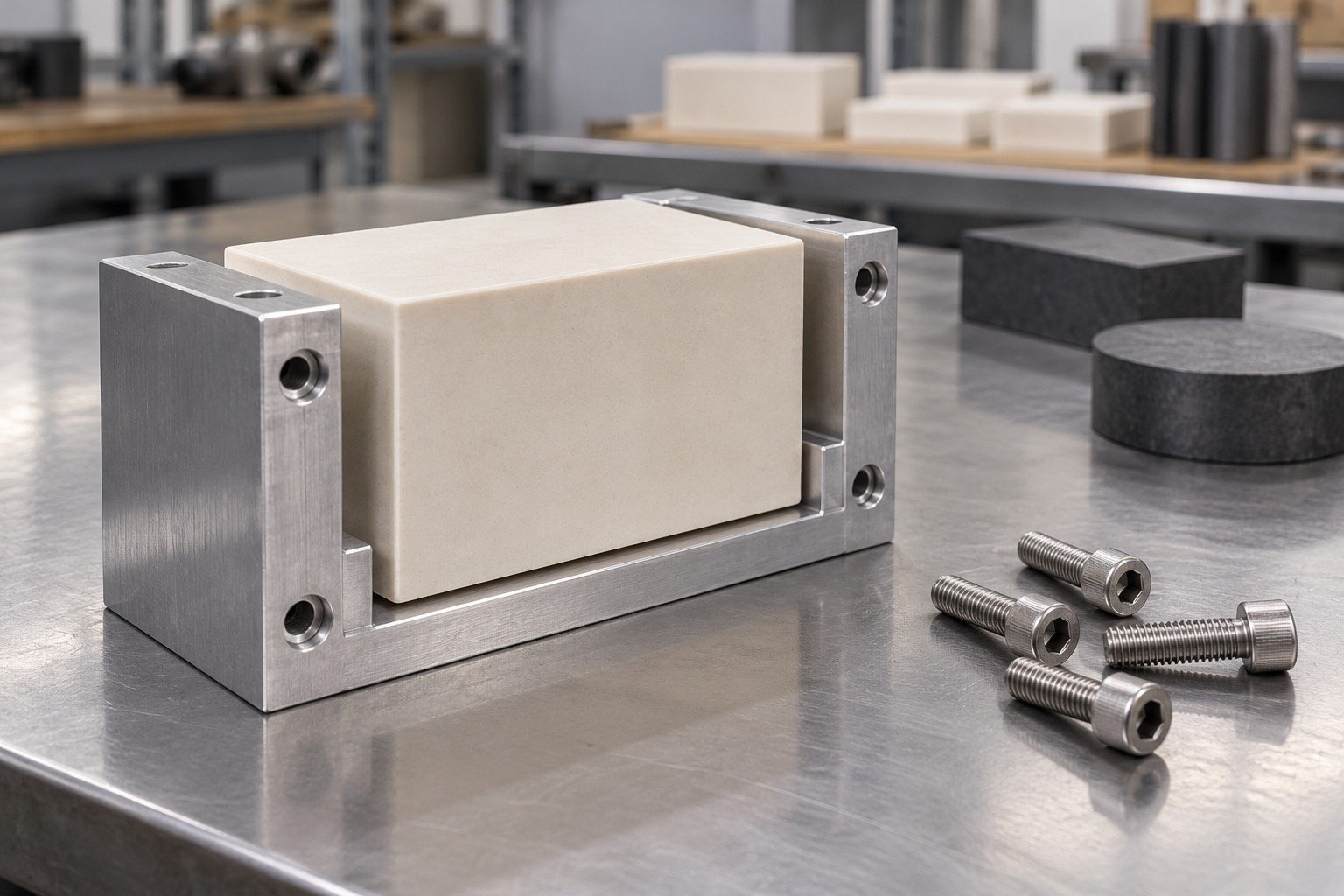
Agree what the sample verifies in material, state, geometry, environment and required tests.
Review requirements →Manufacturing and firing availability require project confirmation. Supplier product data do not establish company qualifications.
| Your check | Evidence to agree |
|---|---|
| 1 | Full producer grade, material state, stock dimensions, lot and current material evidence. |
| 2 | Controlled drawing, critical holes, wall and edge requirements, processing stage and measuring method. |
| 3 | Agreed sample, dimensional and edge records, plus any required material or functional test evidence. |
Exact product · Stock · Processing stage · Geometry · Quantity · Inspection · Delivery
Provide CAD and controlled drawing, exact producer grade, material state, actual stock, quantity, critical dimensions, edges and holes, use environment and required evidence. A ceramic machining quote also needs the agreed processing and final inspection stages.
Do not assume the same route. MACOR is a machinable glass ceramic; fully fired alumina needs its own grade-specific machining or grinding review. Confirm material state, geometry and available process before planning the part.
Define the permitted chip size, extent and location, edge-break geometry, inspection method and final stage on the controlled drawing. Agree samples where useful and keep edge acceptance separate from dimensional fit.
No. Retain producer and full product, supplied state, composition and relevant physical, electrical or thermal data. Similar nominal purity does not approve automatic substitution or establish identical processing.
Provide full producer grade, stock dimensions and form, grain structure, porosity, any impregnation, condition and available records. Agree cleaning, handling and required dimensional or functional evidence.
Identify missing information and agree suitable producer or material evidence before acceptance. A family name, color or photograph alone is insufficient to confirm the full grade or application requirements.
| Reference | What it does and does not identify |
|---|---|
| CoorsTek AD-995 / specified zirconia | Named alumina grade or complete zirconia product; retain producer data, supplied state and finished acceptance. |
| Corning MACOR | Machinable glass ceramic; not a generic equivalent to fully fired alumina. |
| Aremco 502-1400-BF | Bisque-fired 96% alumina in the supplier table; agree any subsequent firing and final dimensional scope. |
| Aremco 502-1600 | 99% boron nitride in the supplier table; retain the exact product and environment requirements. |
| Specialty graphite | Full producer grade, structure and any impregnation; generic black appearance does not identify it. |
Retain current supplier evidence rather than assuming a purity, family name or color approves a substitute.
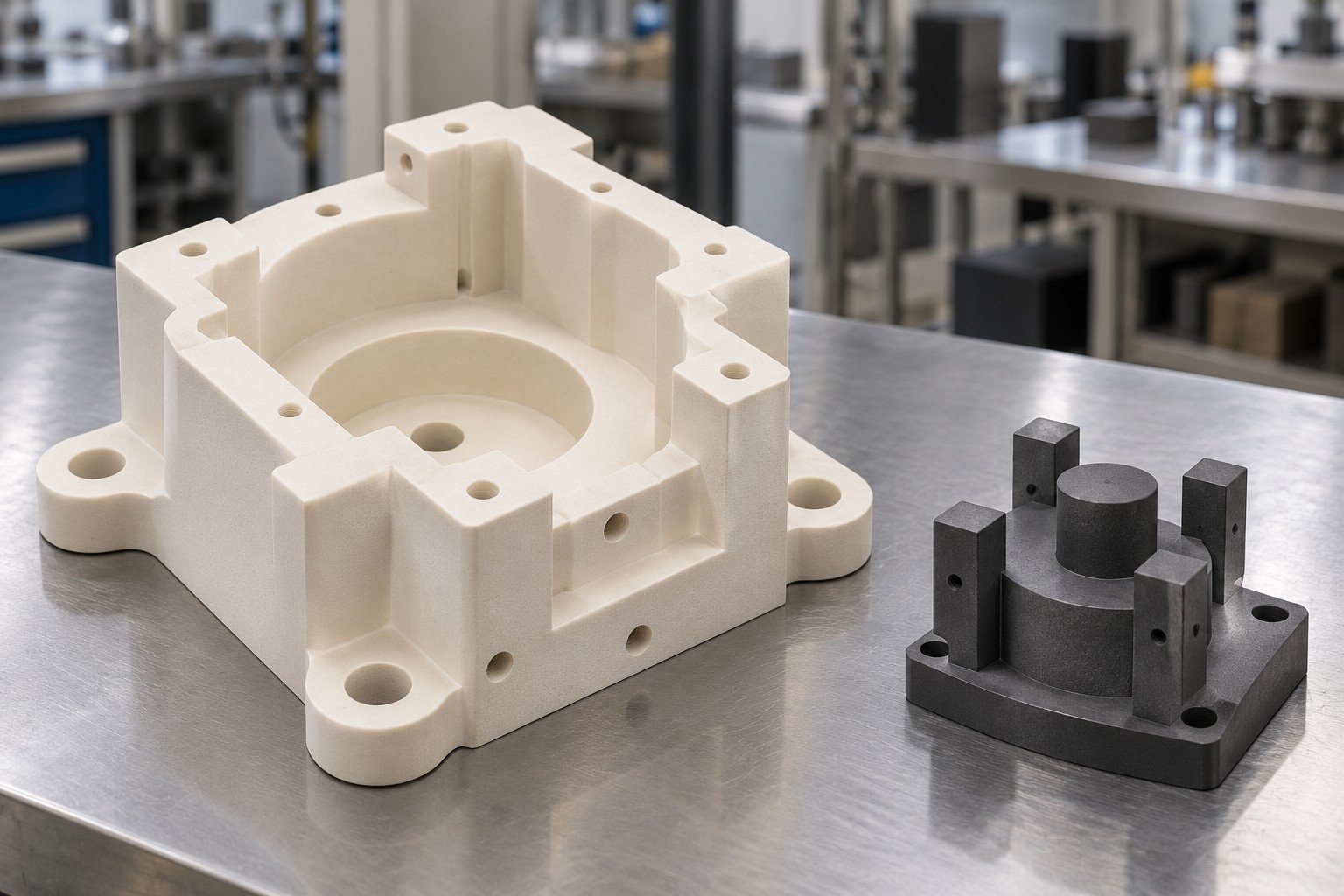
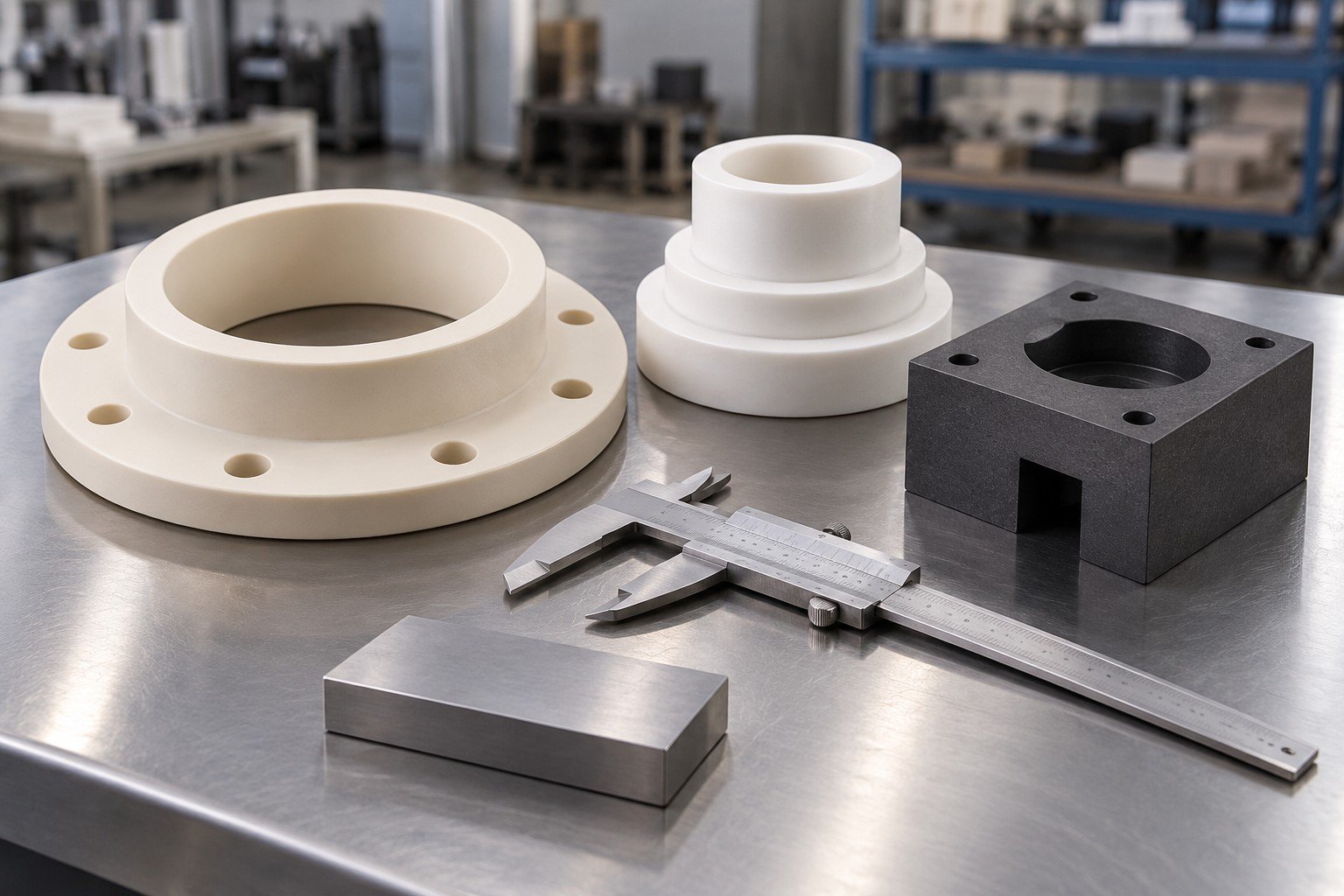
References: CoorsTek, Aremco, Corning and Toyo Tanso primary product information. Generated concepts illustrate geometry, not actual customer parts, grade identification or company manufacturing records.