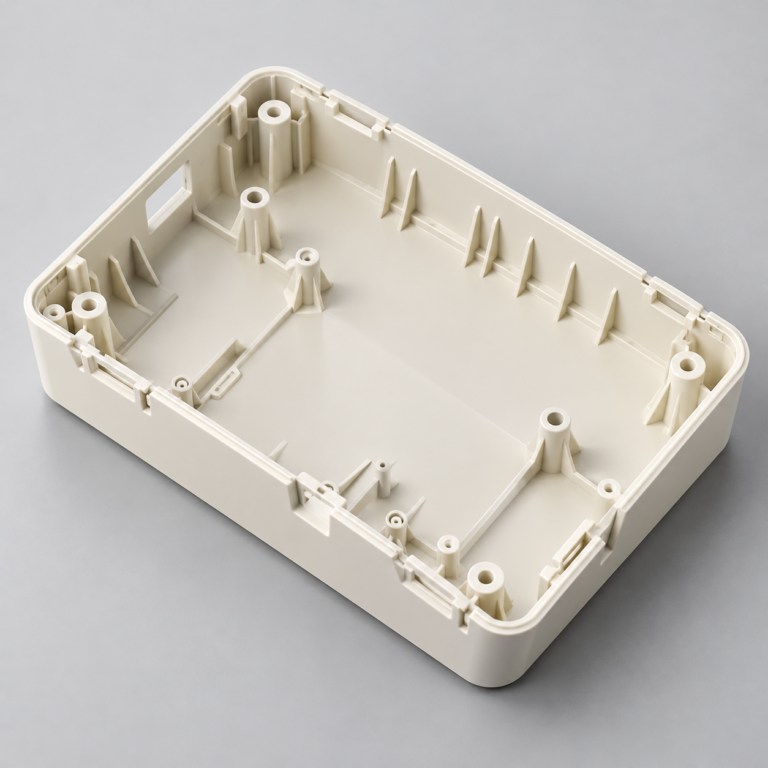
Injection Molding
Tooling and molding for your repeat plastic parts.
From prototype to production, coordinated manufacturing solutions for your custom parts.
View All Services →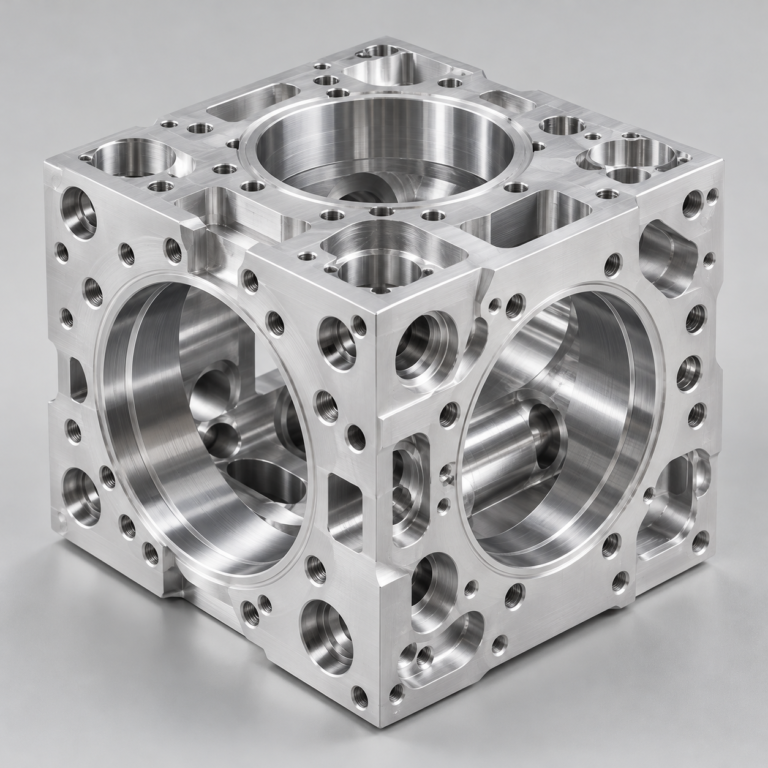
Precision parts for your tight tolerances and complex geometry.
Tooling and molding for your repeat plastic parts.
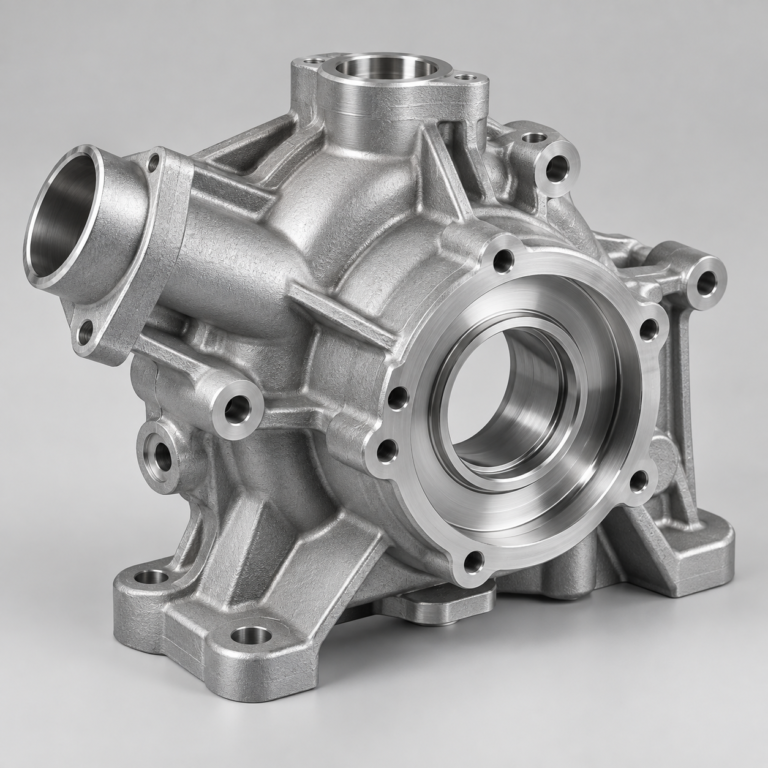
Metal casting options for your part and production volume.
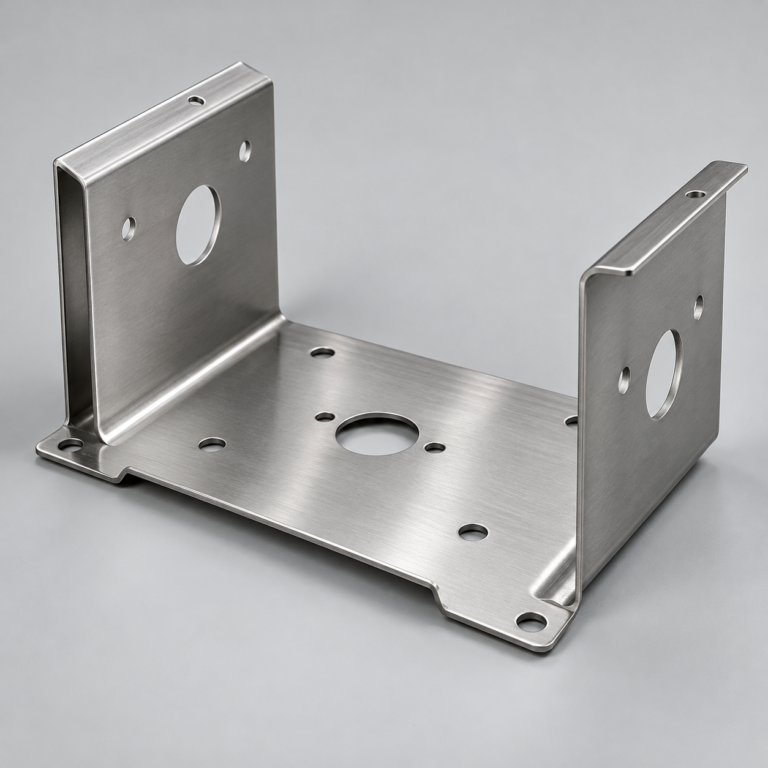
Cutting, forming and welding for your fabricated parts.
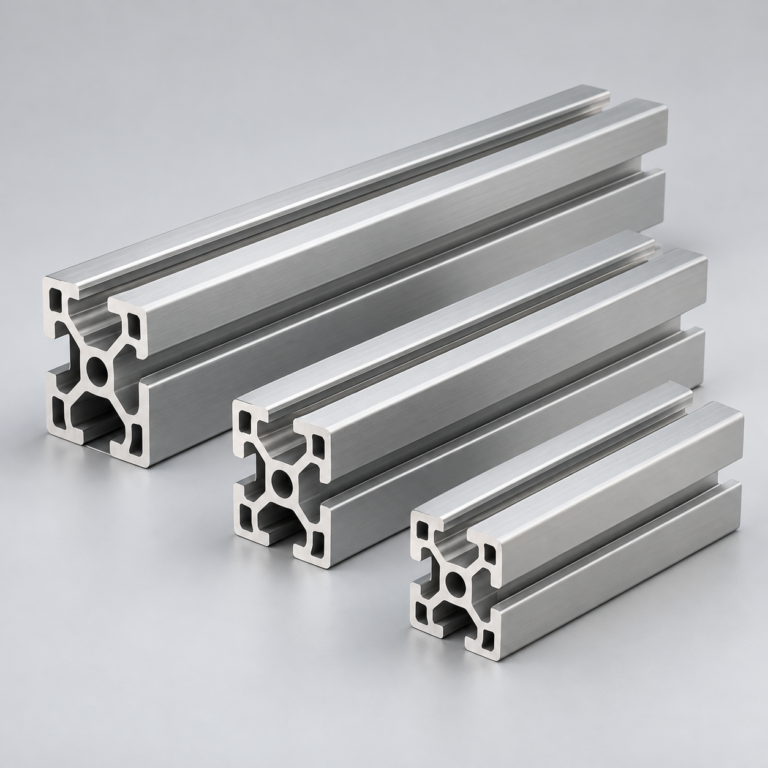
Custom profiles for your section, length and finish requirements.
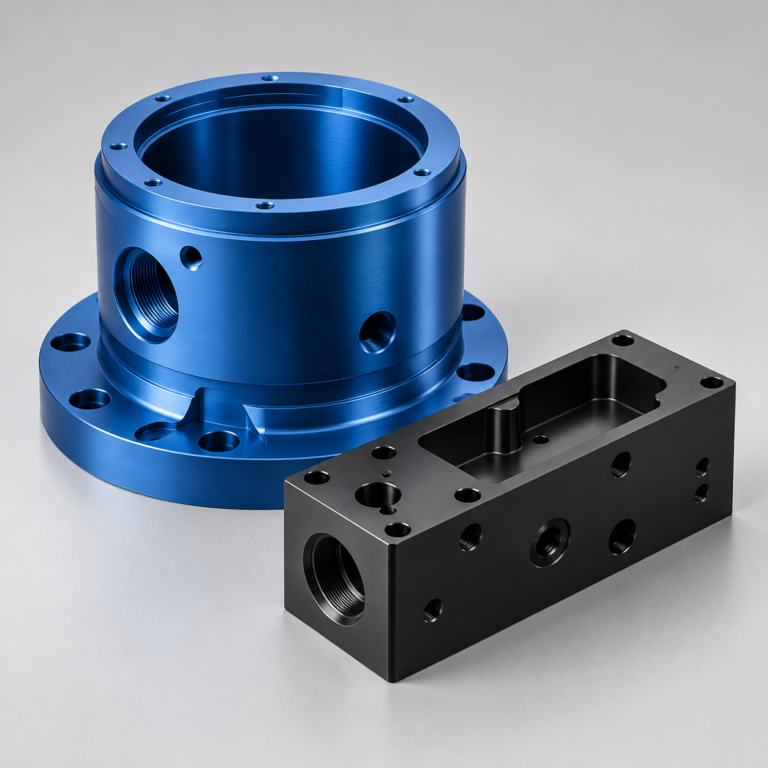
Finishes for your appearance, corrosion and wear requirements.
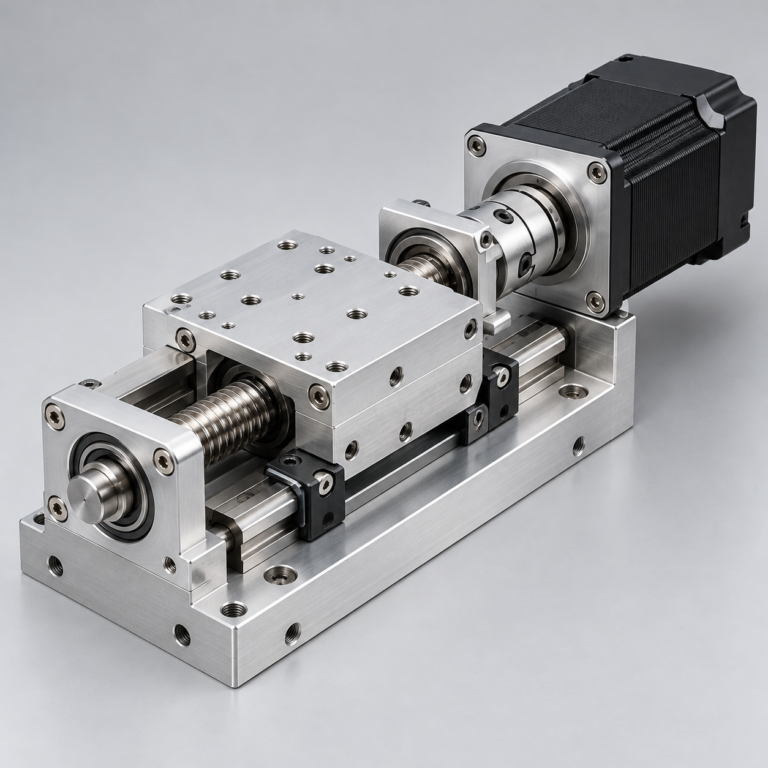
Sub-assemblies and final builds for your production program.
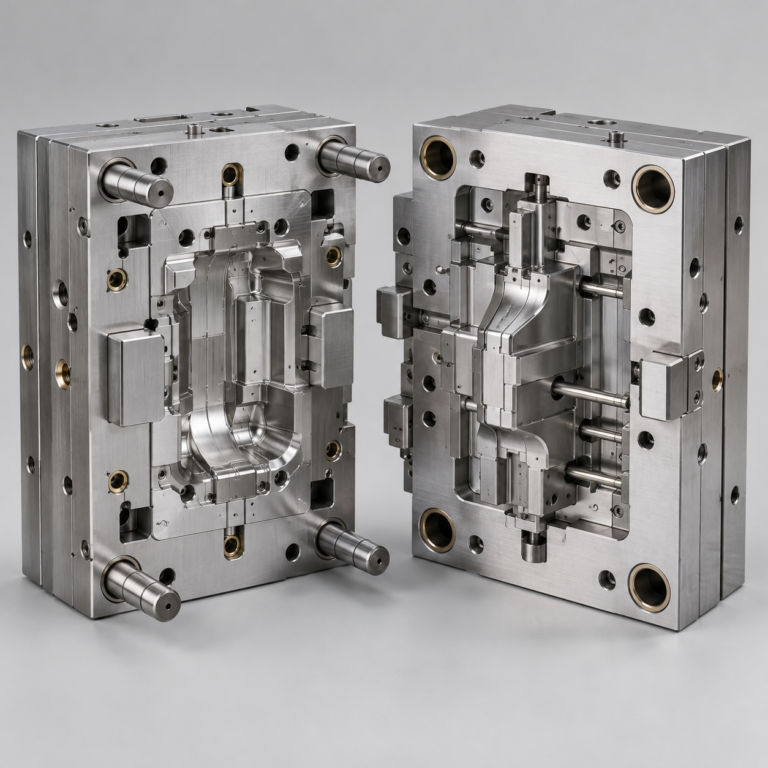
Production tooling built around your process and volume.
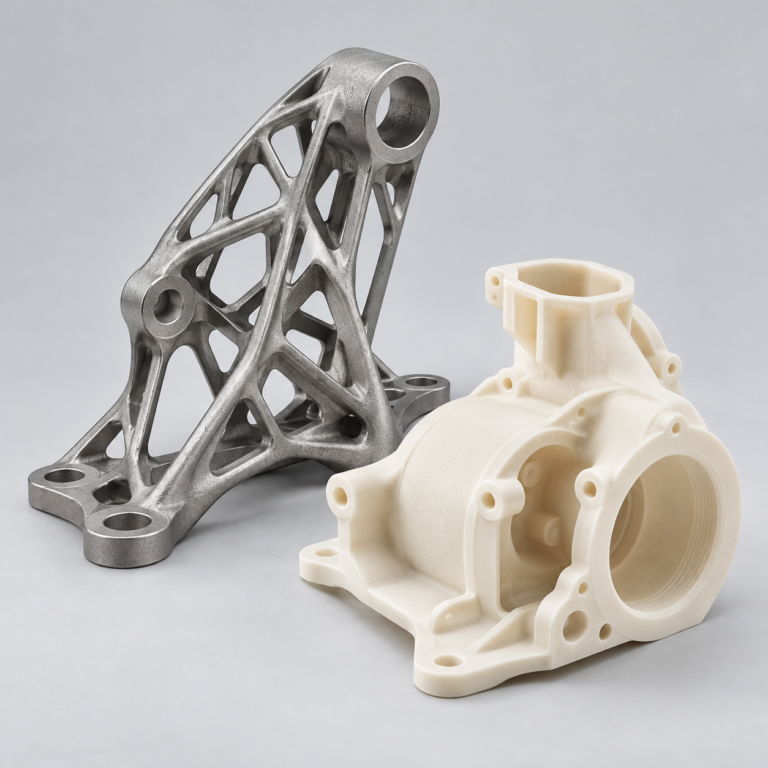
Prototype parts to check fit, function and design.
DFM, process planning and production support for your project.
Inspection, documentation, inventory and delivery planning for your program.
Choose air- or liquid-cooling components around your thermal and mechanical requirements.
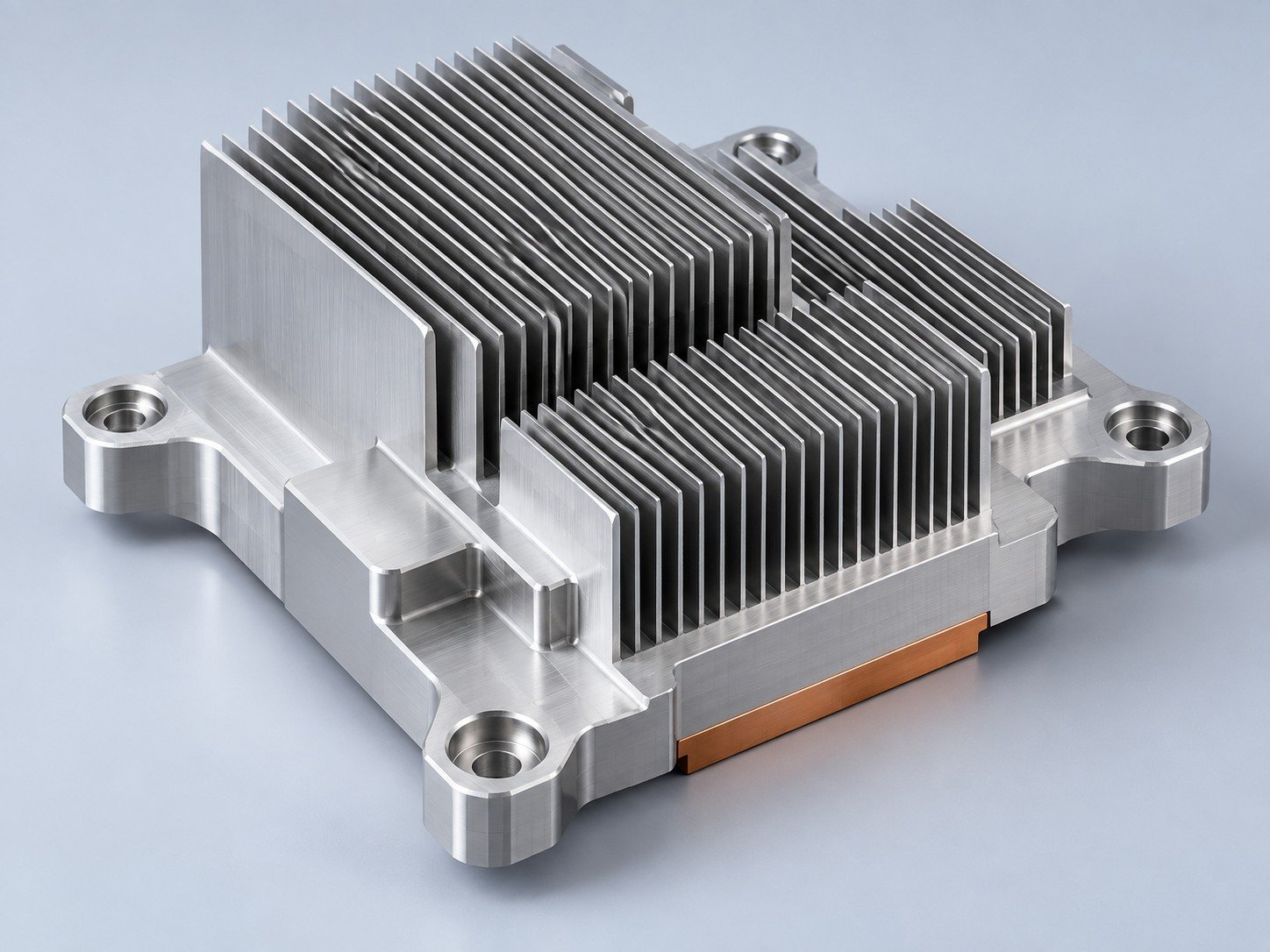
Manufacturing support for your cold plates, manifolds and cooling assemblies.
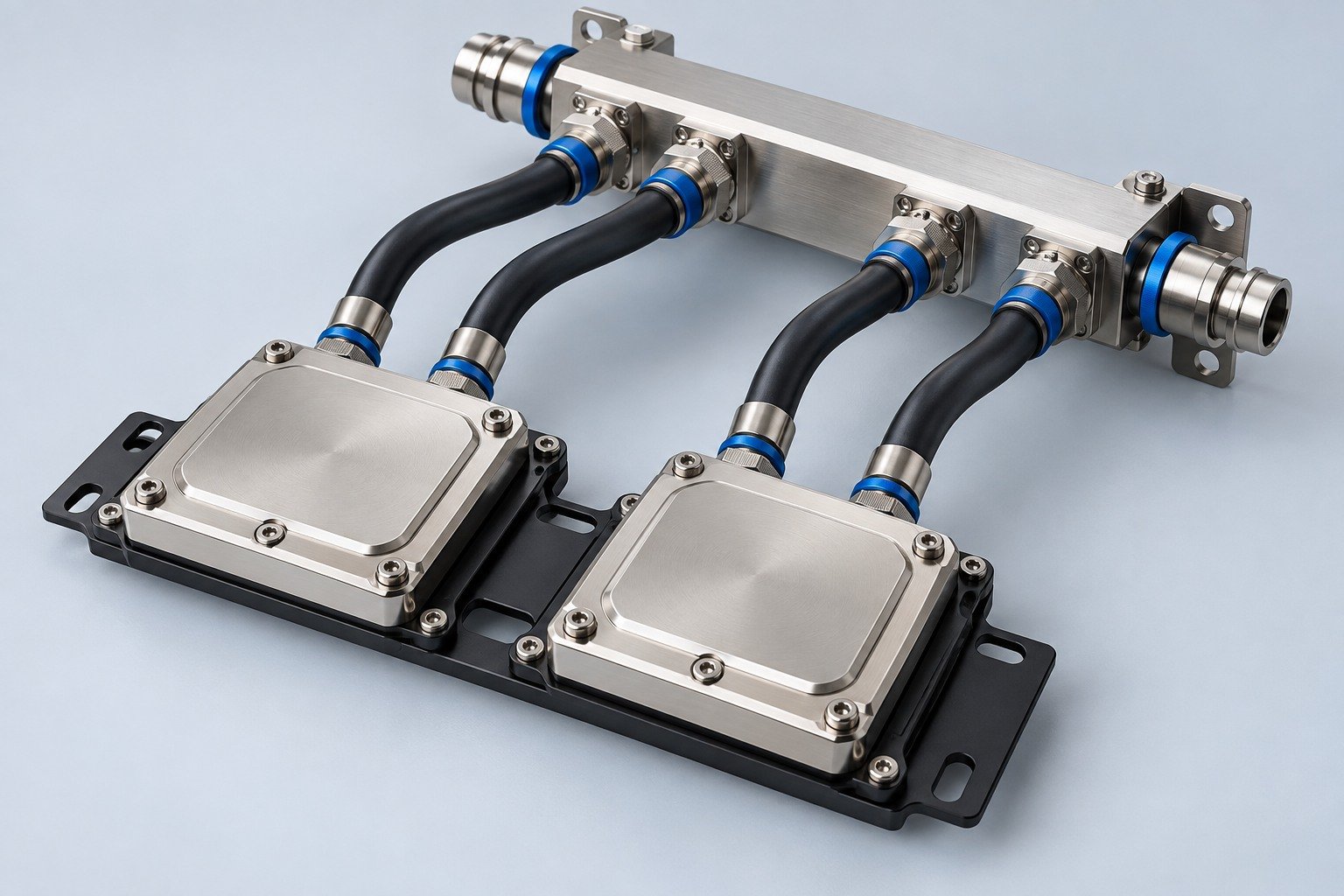
Find components for your power electronics, energy, laser and telecom application.
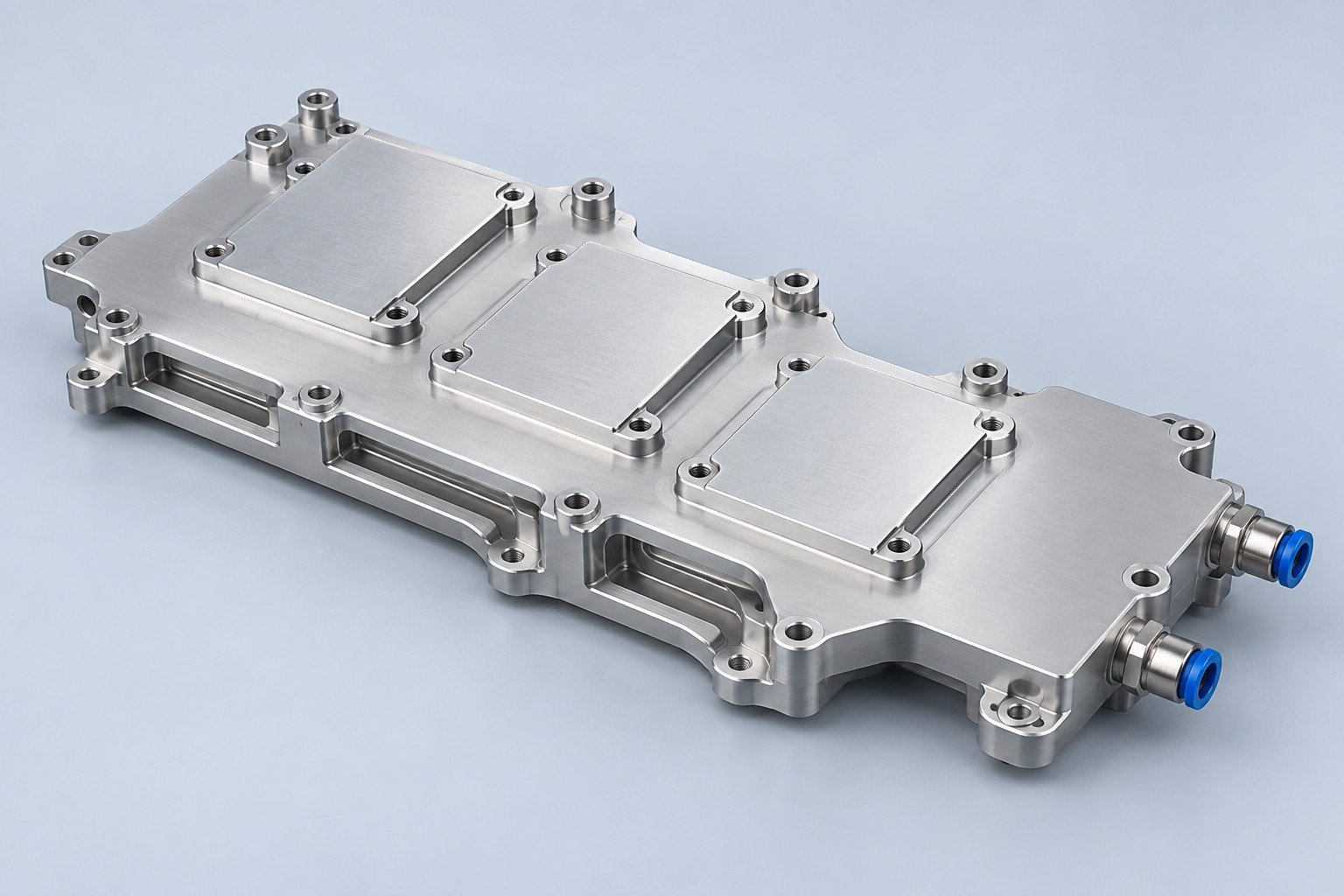
Components for your electronic systems.
Start with your functional and quality requirements.
Build around your operating environment.
From prototype to production, review material performance, manufacturability and cost for your part.
Review grade, temper and finish for your metal parts.
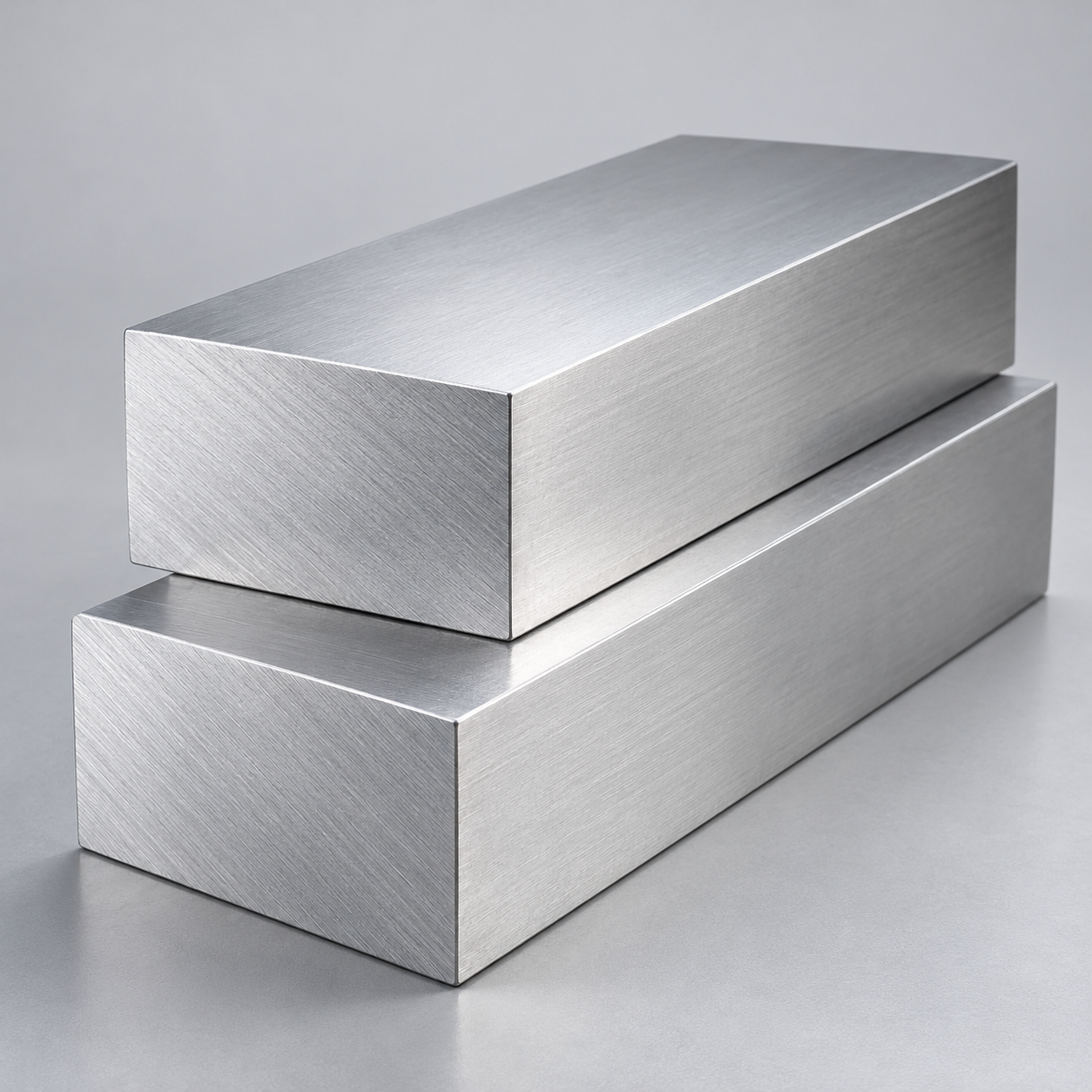 AluminumStrength, weight and machining›
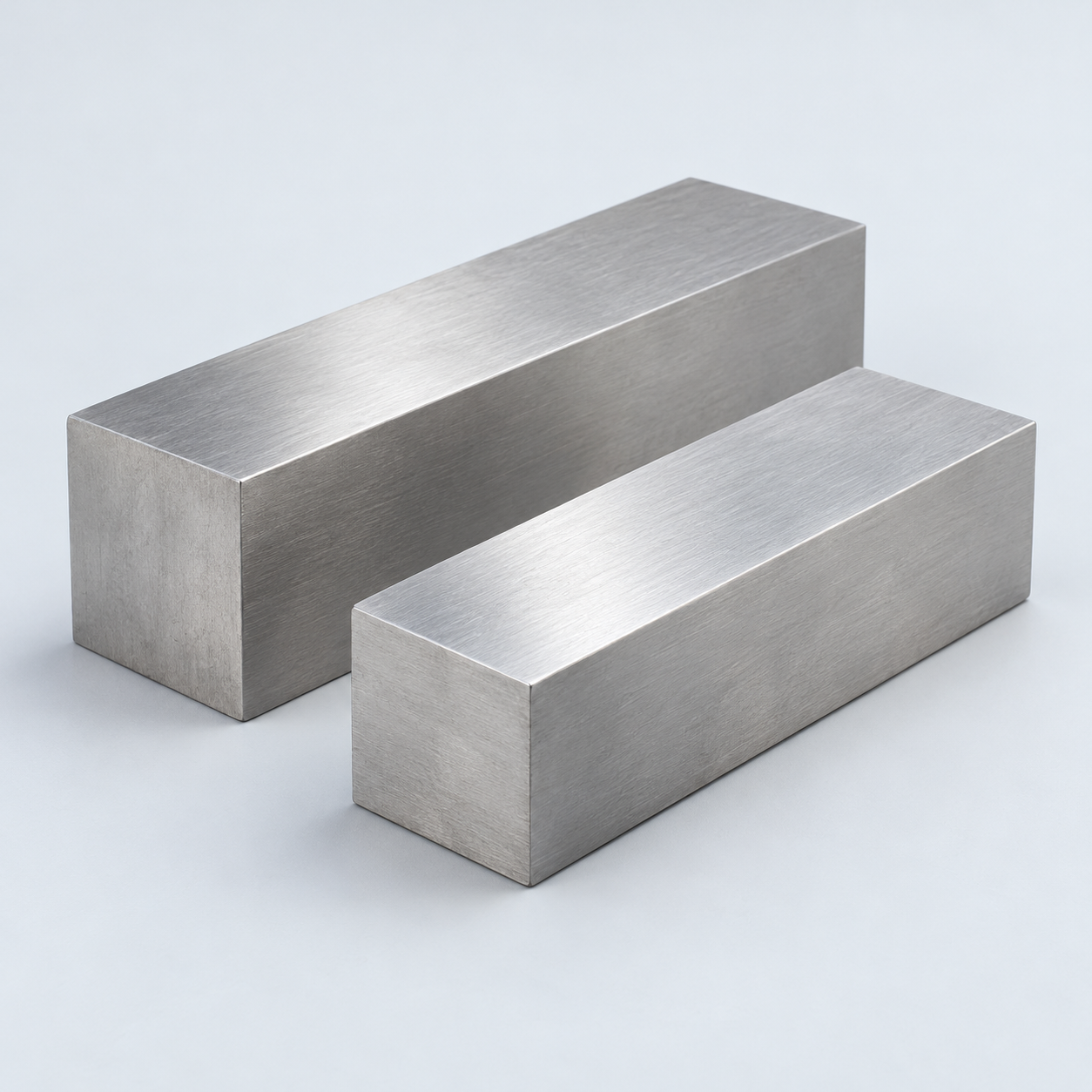 Stainless SteelCorrosion and finish requirements›
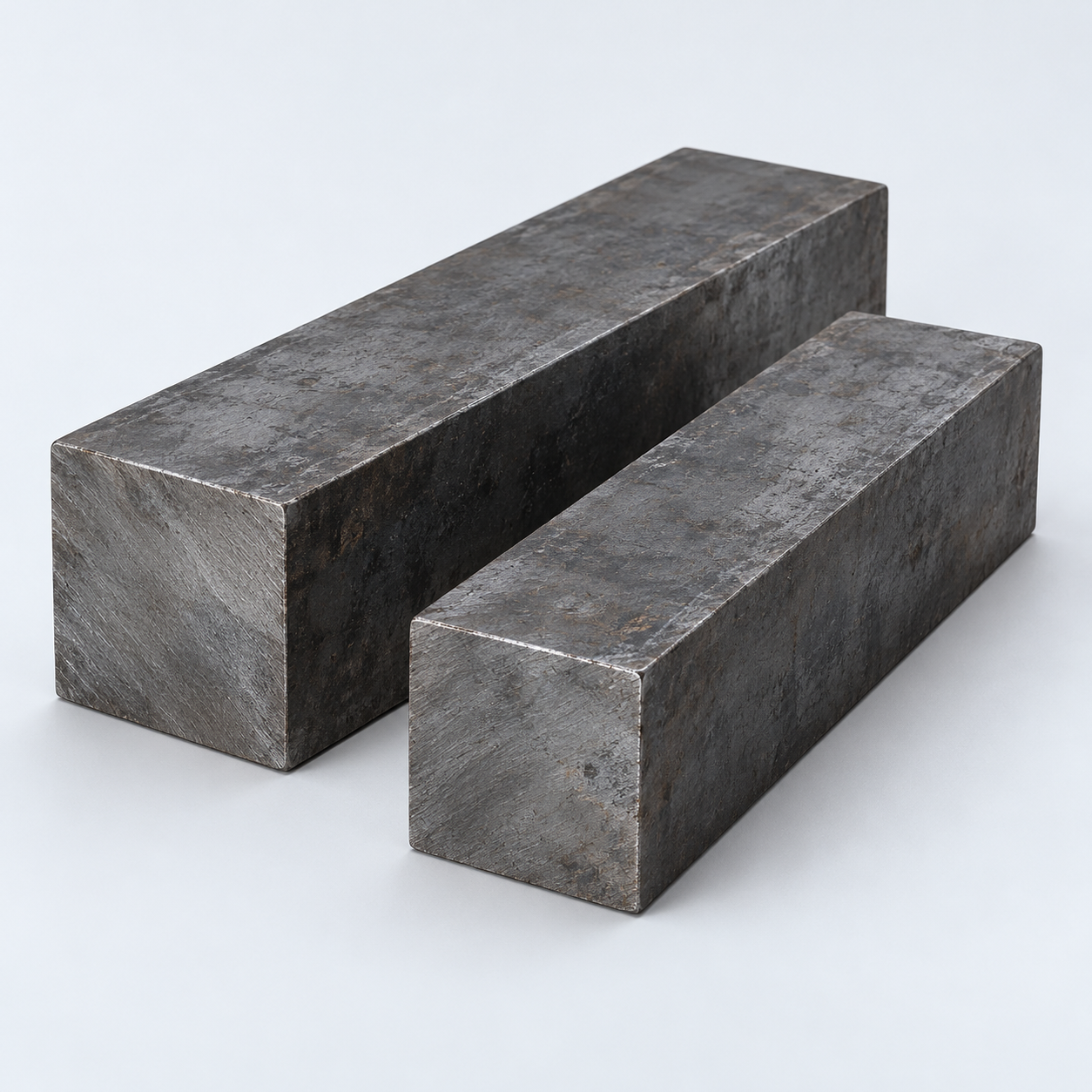 Carbon & Alloy SteelDiscuss grade and heat treatment›
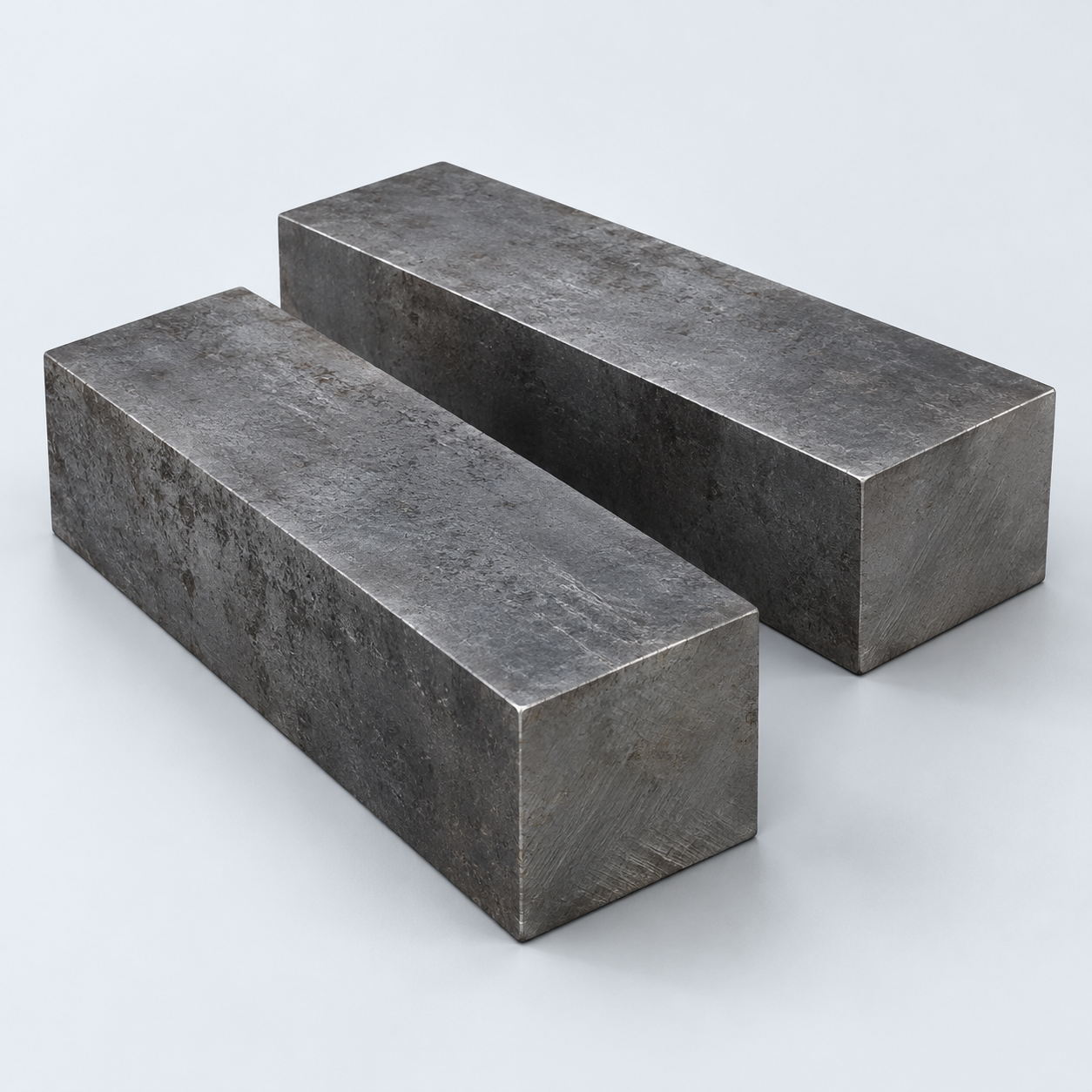 Tool SteelDiscuss tooling and wear needs›
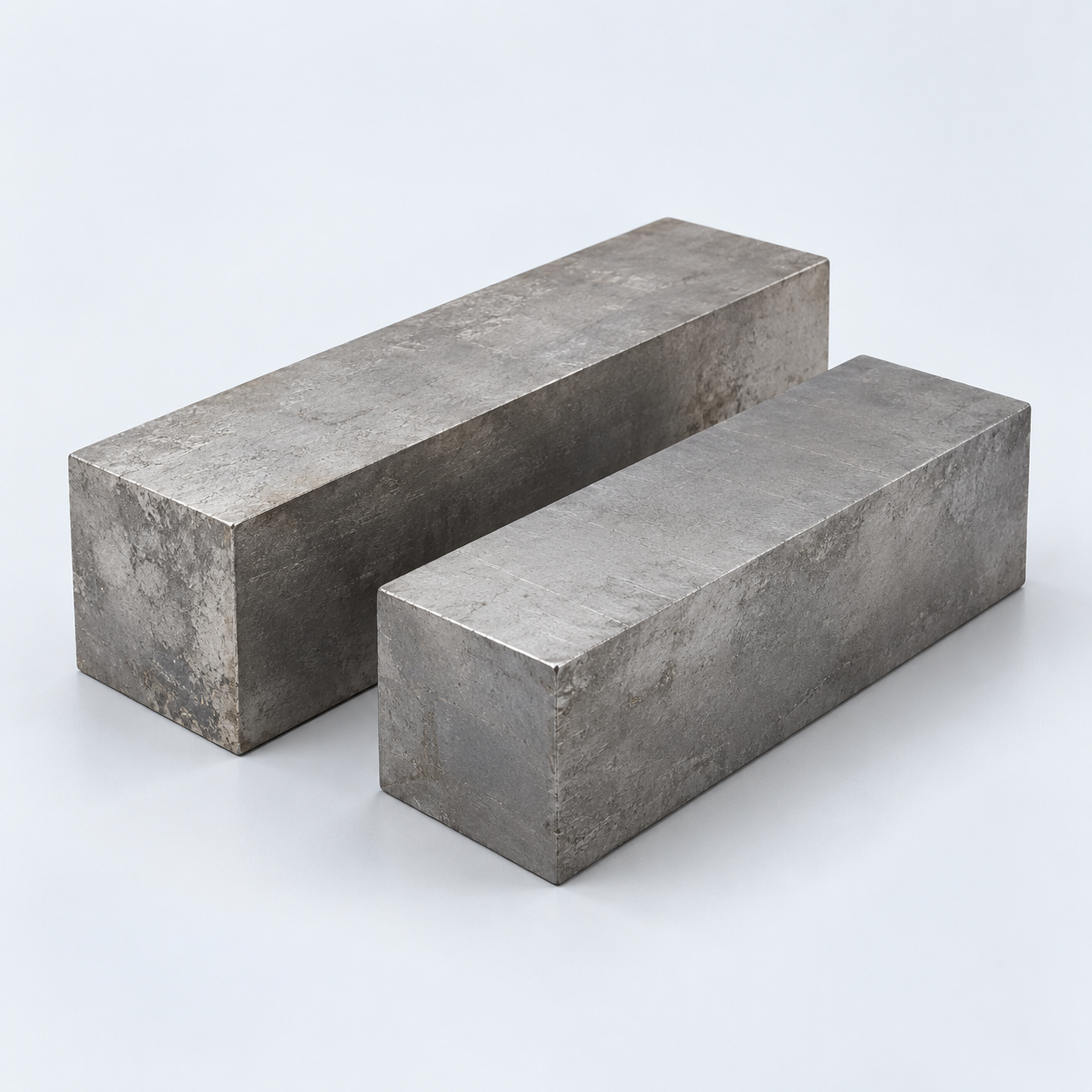 TitaniumReview grade and part geometry›
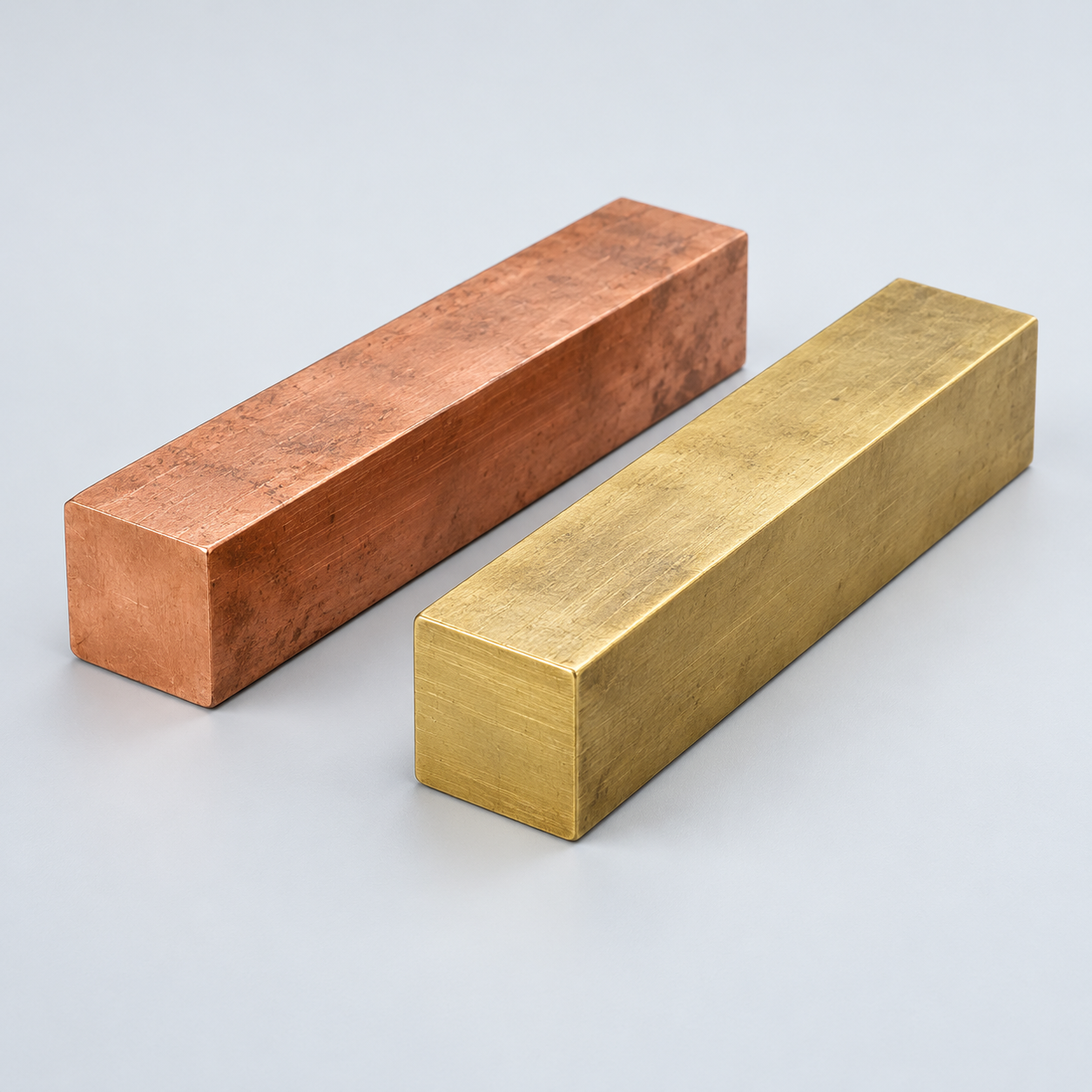 Copper & Brass & BronzeDiscuss conductivity and machining›
Match your polymer to function, process and environment.
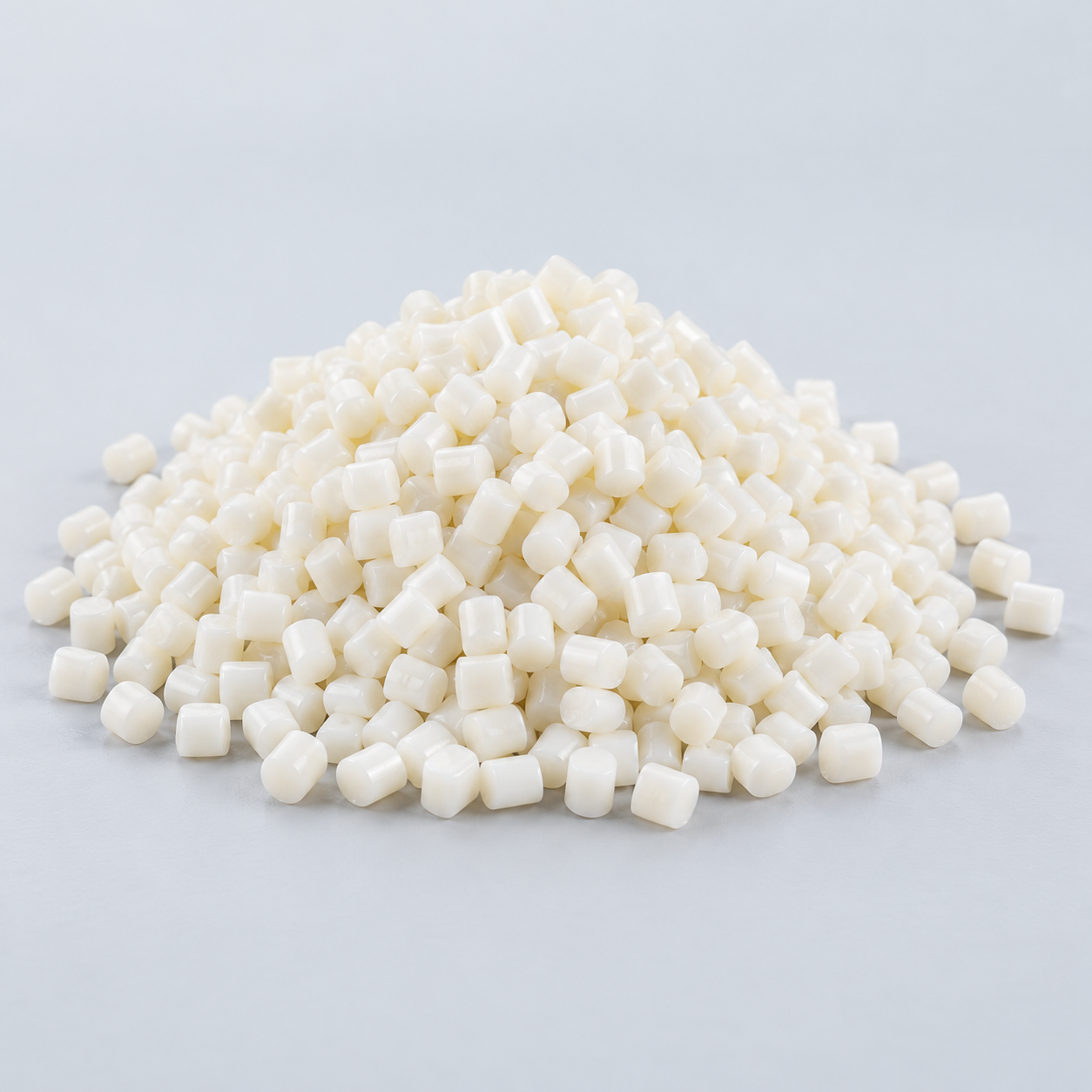 ABSReview enclosure and molding needs›
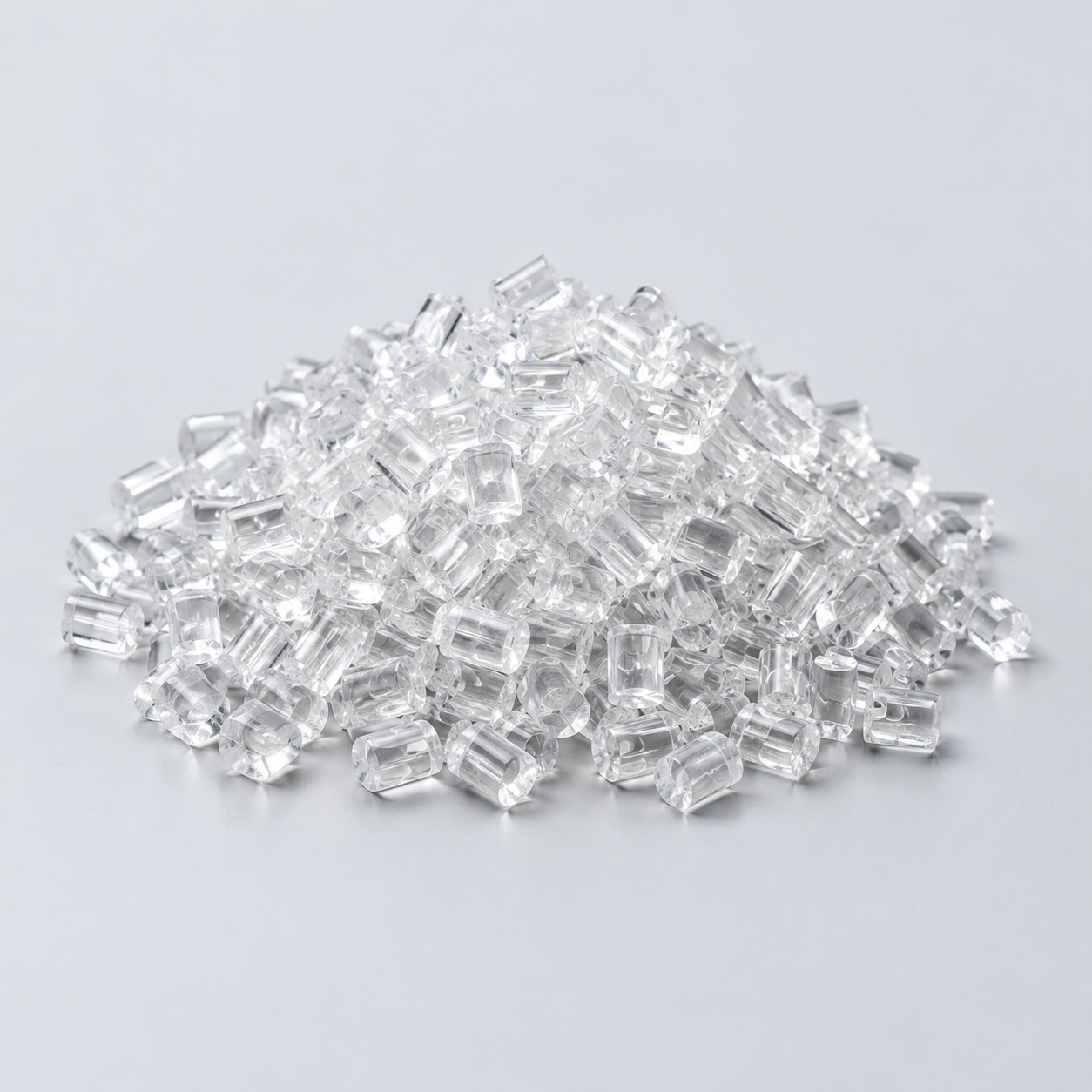 Polycarbonate (PC)Discuss clarity and impact needs›
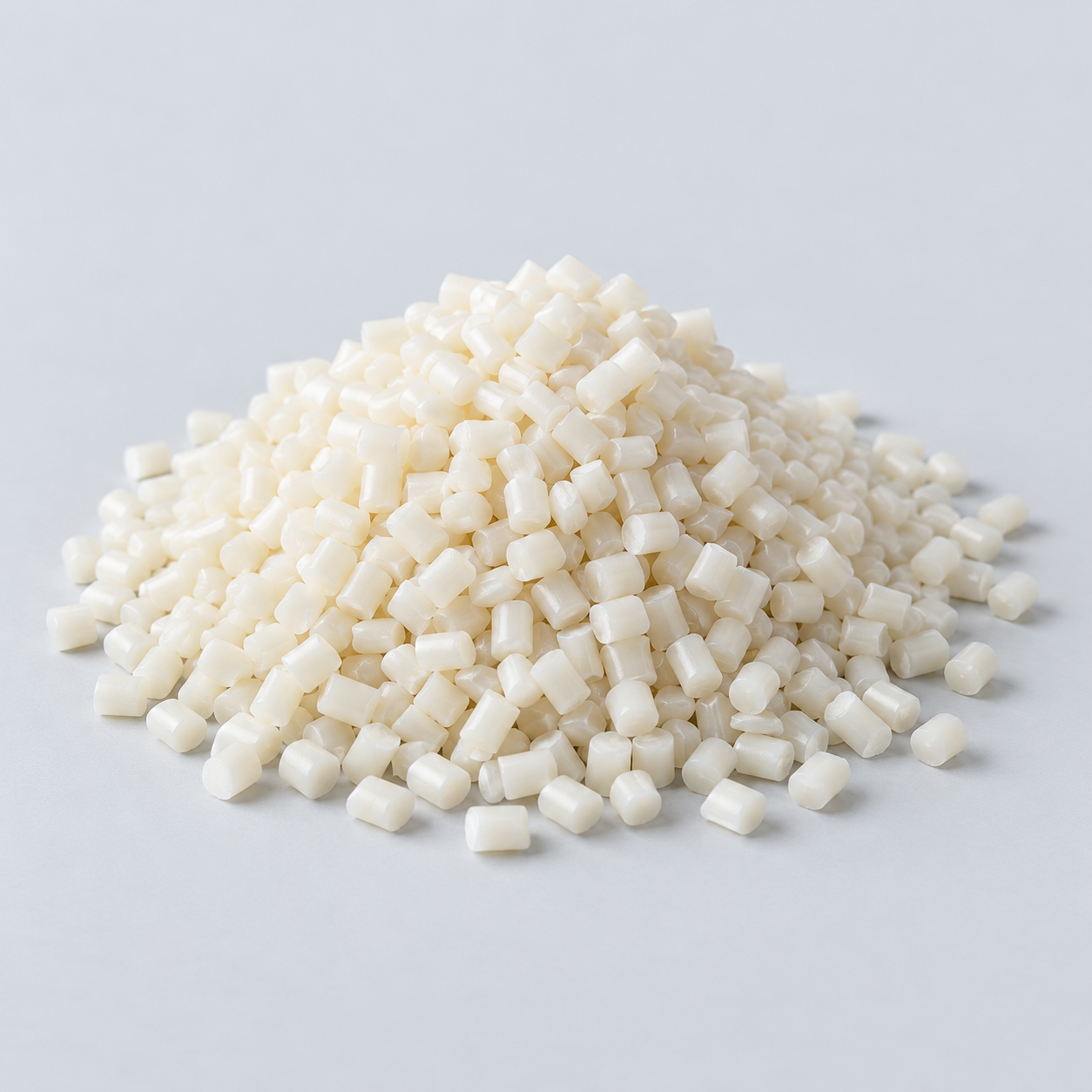 Nylon (PA)Review moisture and wear conditions›
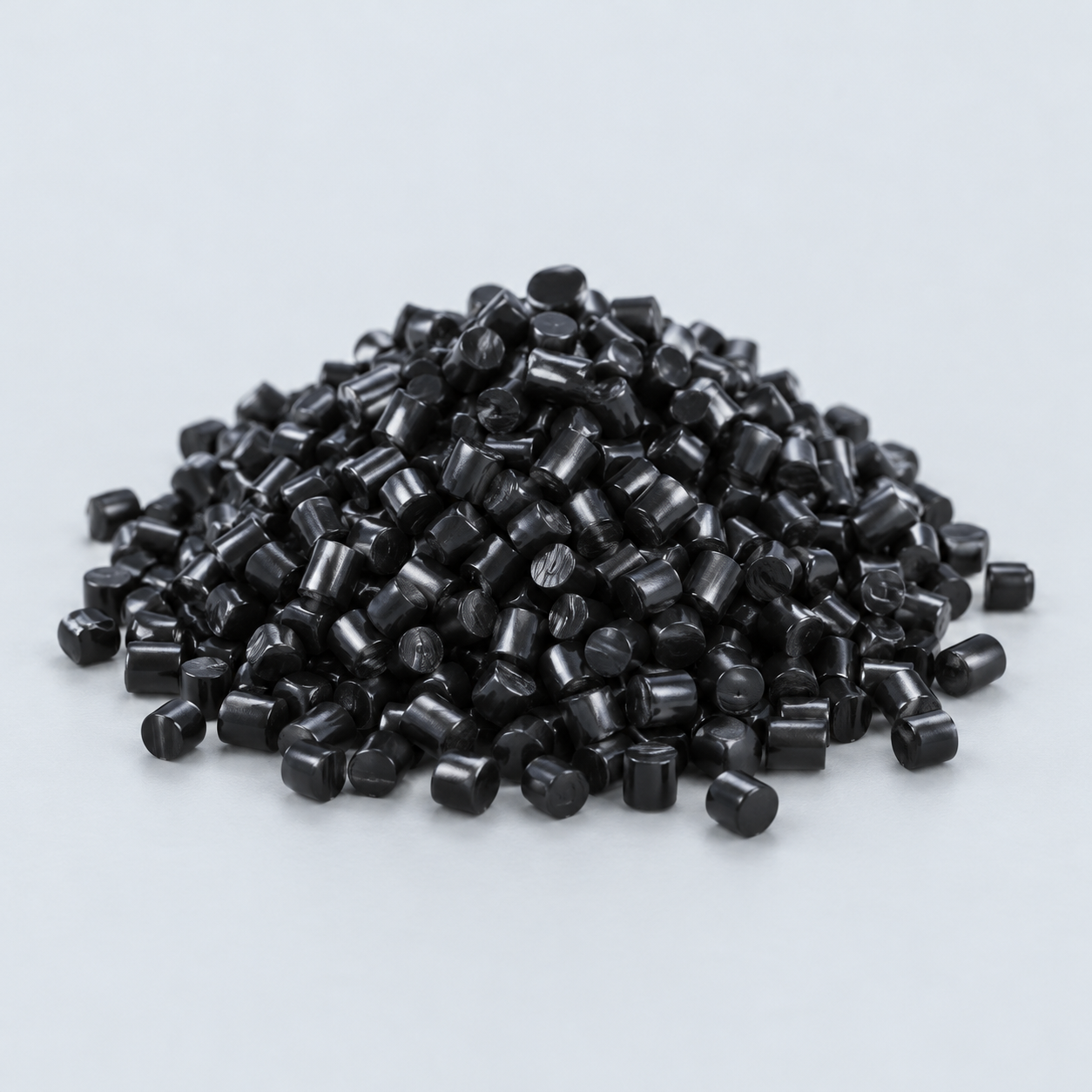 POM / AcetalReview fit and sliding features›
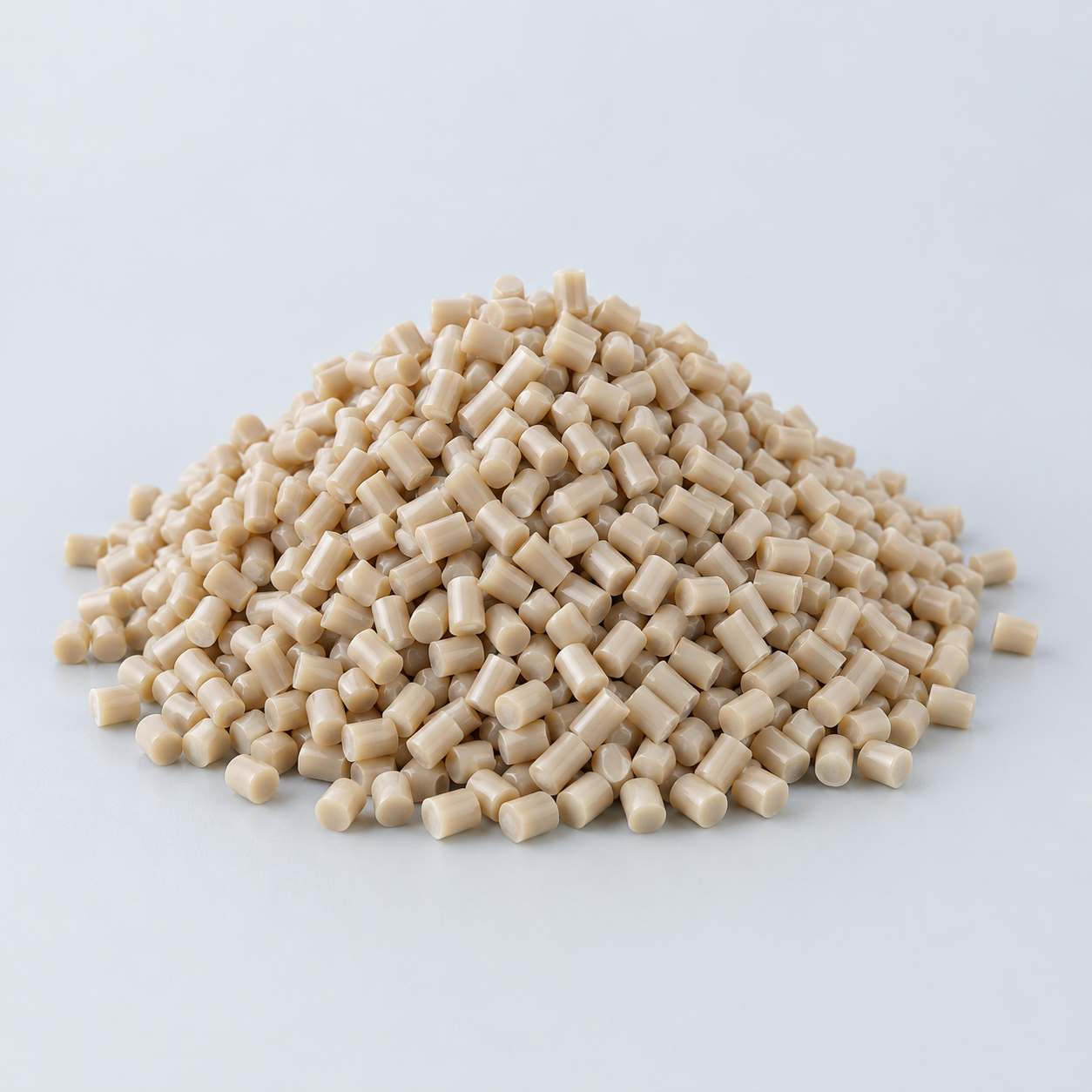 PEEKDiscuss operating conditions›
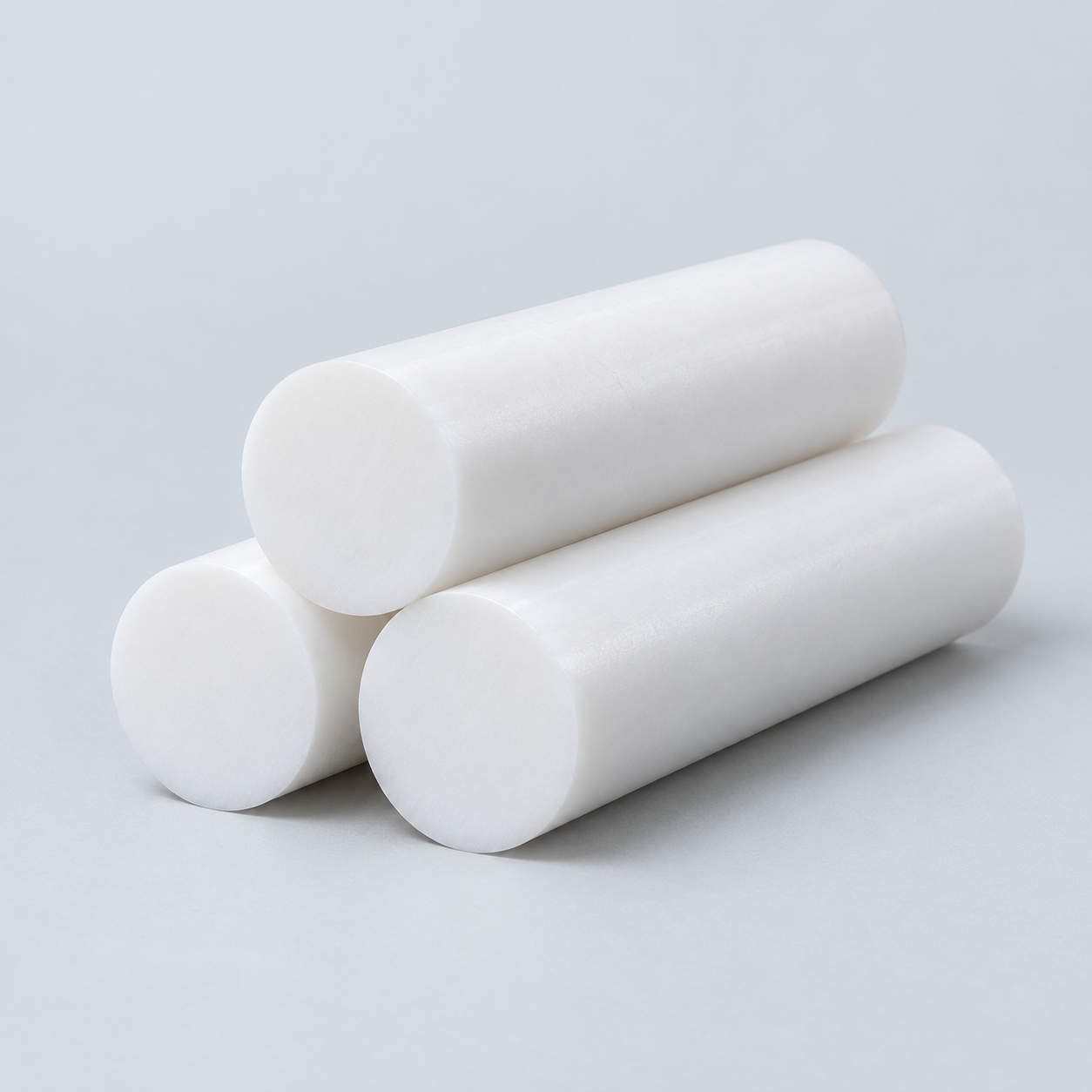 PTFEReview friction and chemical exposure›
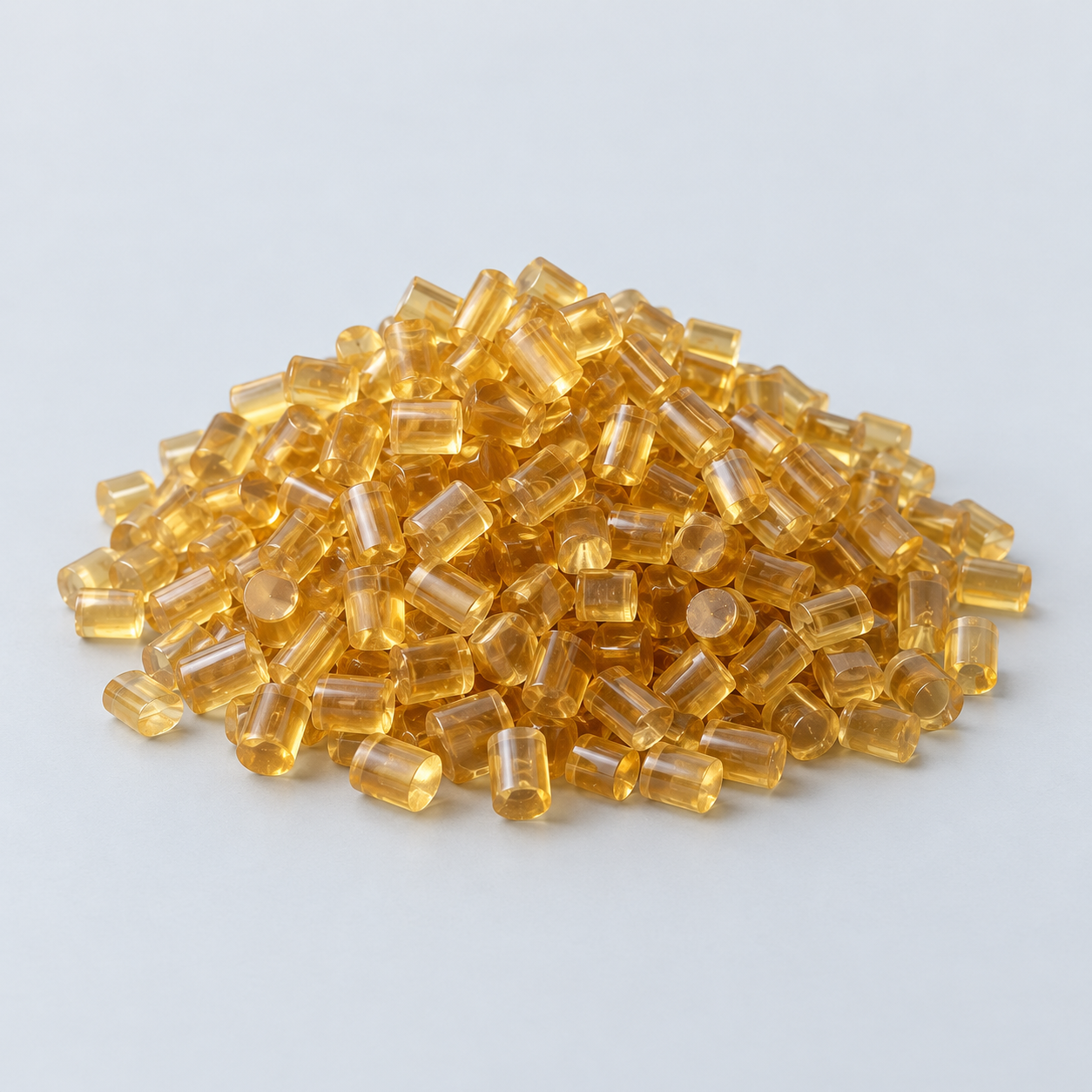 ULTEM / PEIDiscuss thermal and electrical needs›
Confirm grade availability and application requirements.
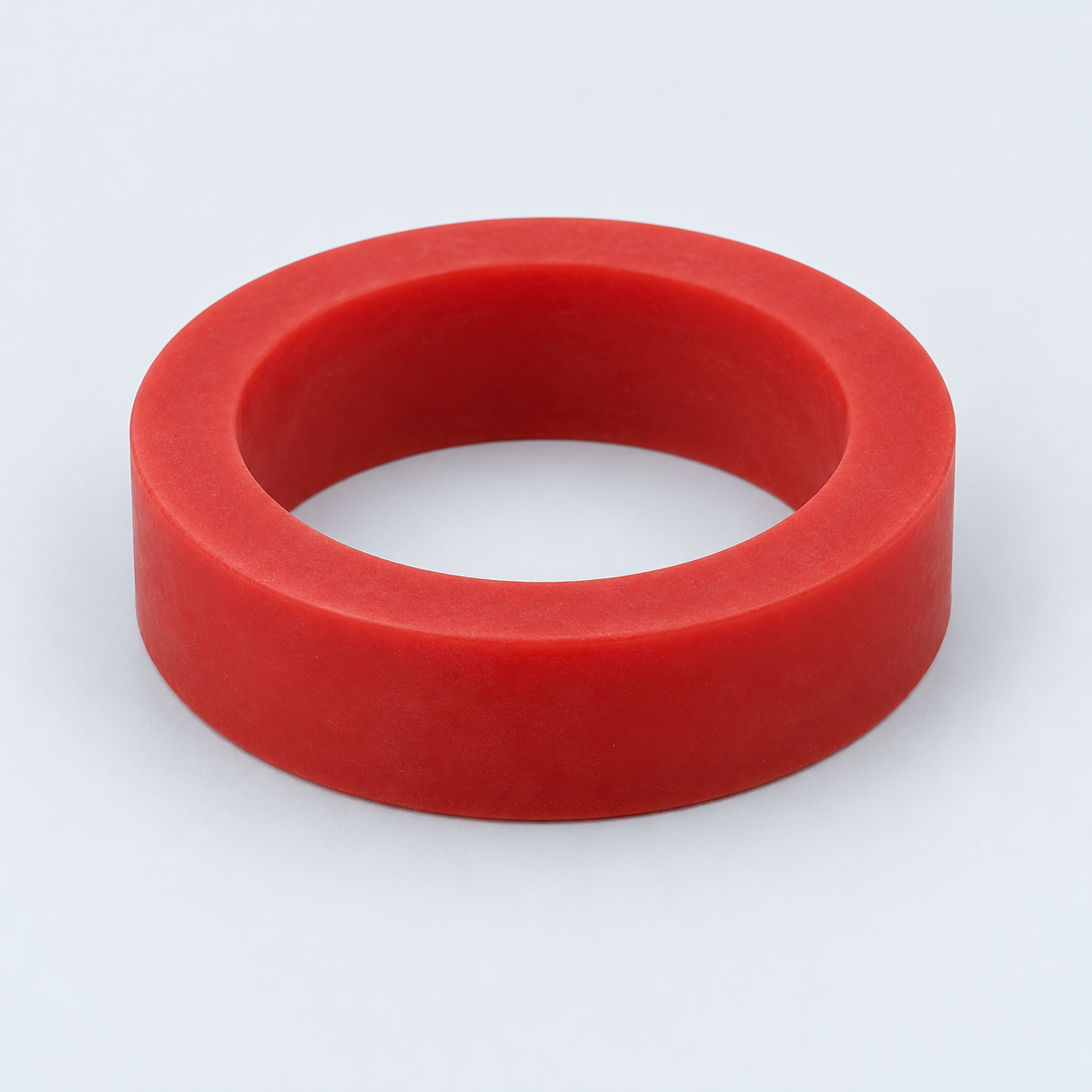 Silicone / LSRDiscuss flexible component needs›
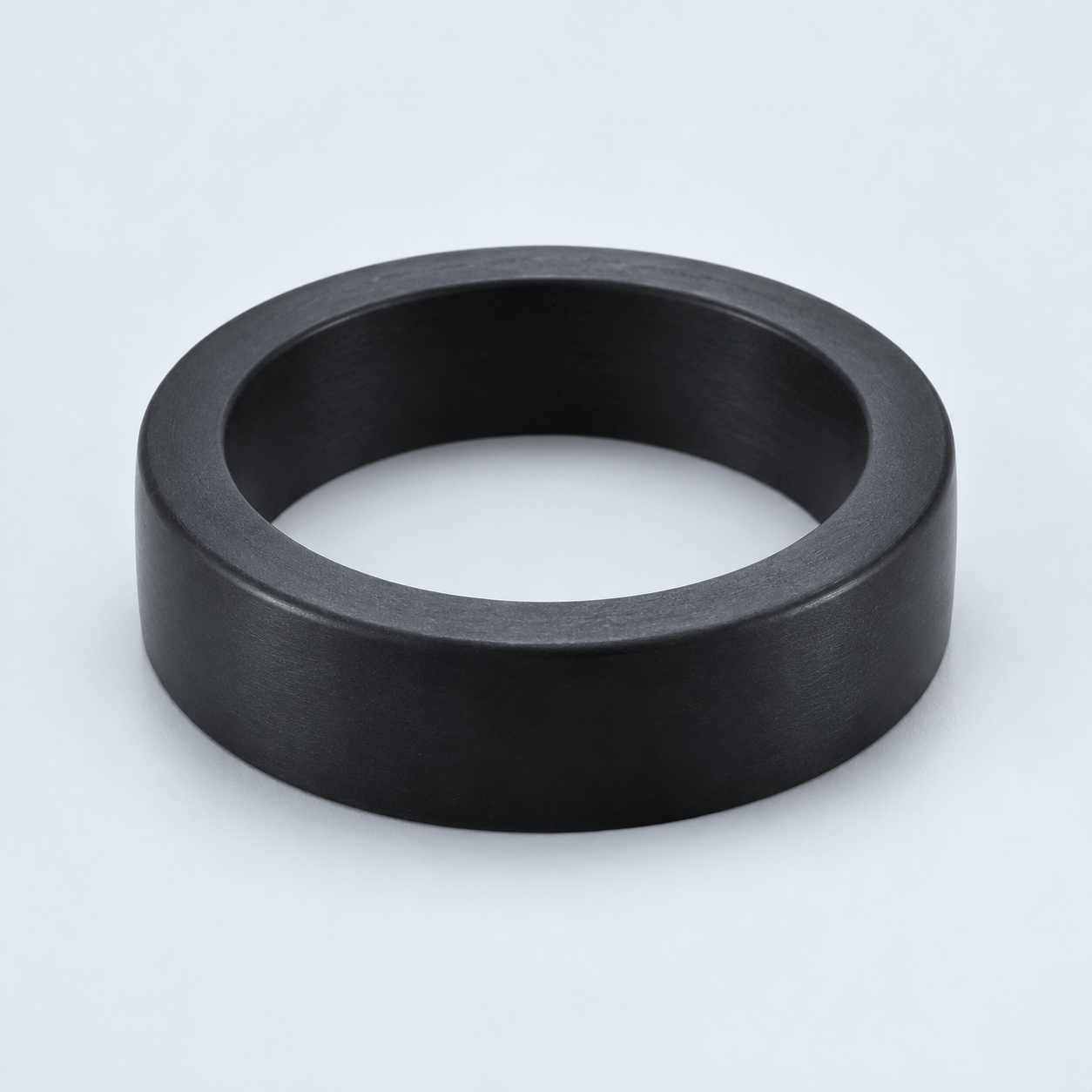 TPU / TPEReview flexibility and processing›
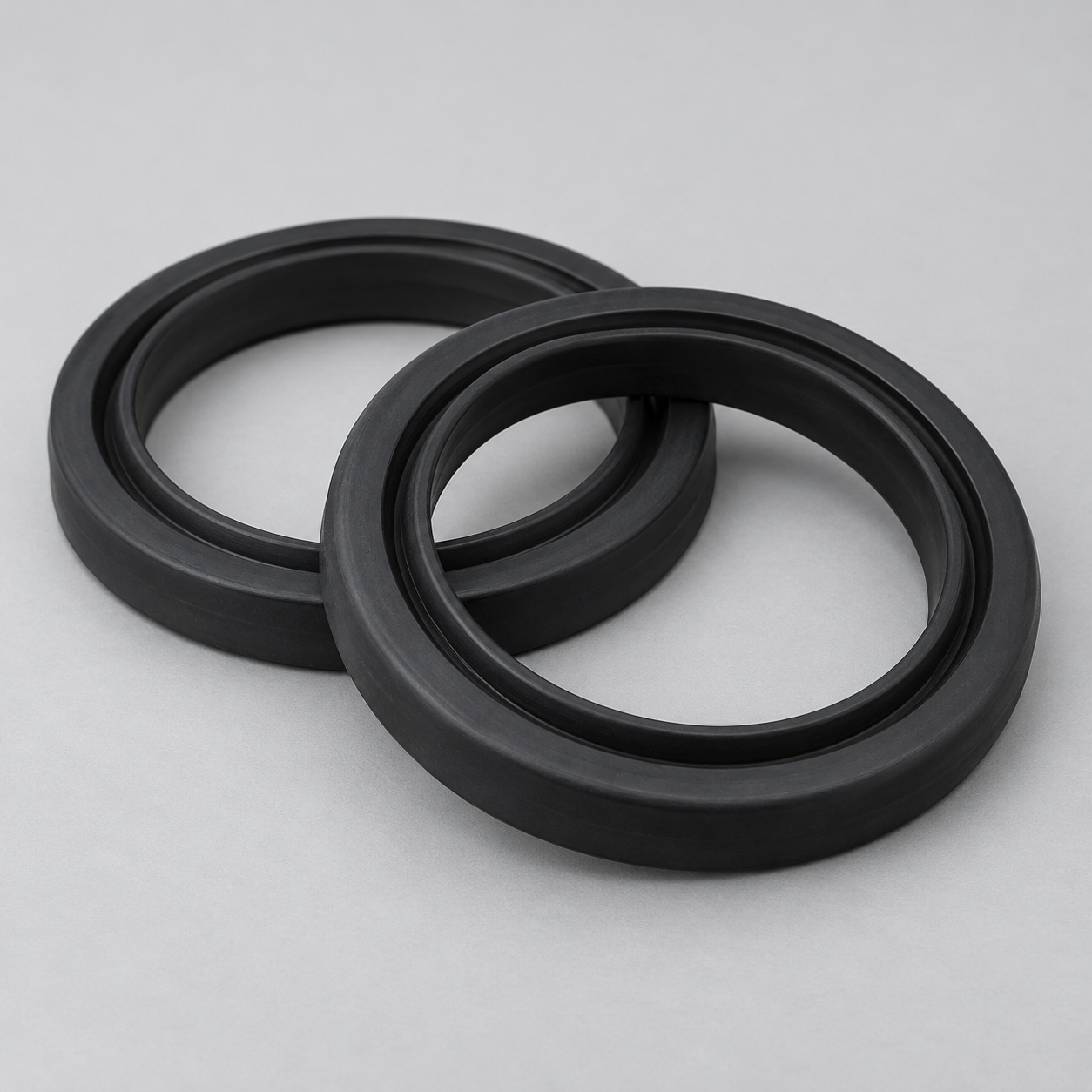 EPDMReview weathering and chemical exposure.›
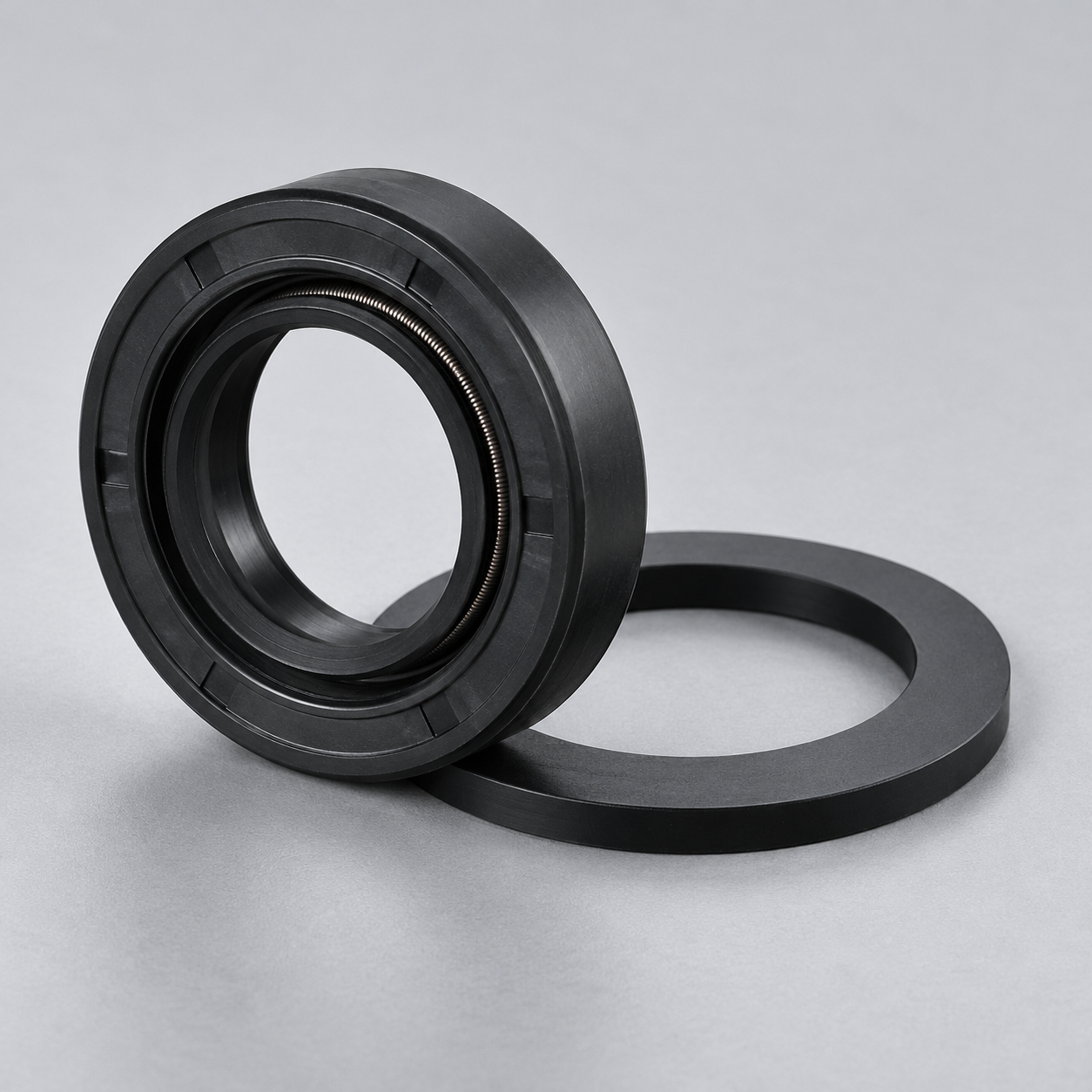 NBRReview oil and fuel exposure.›
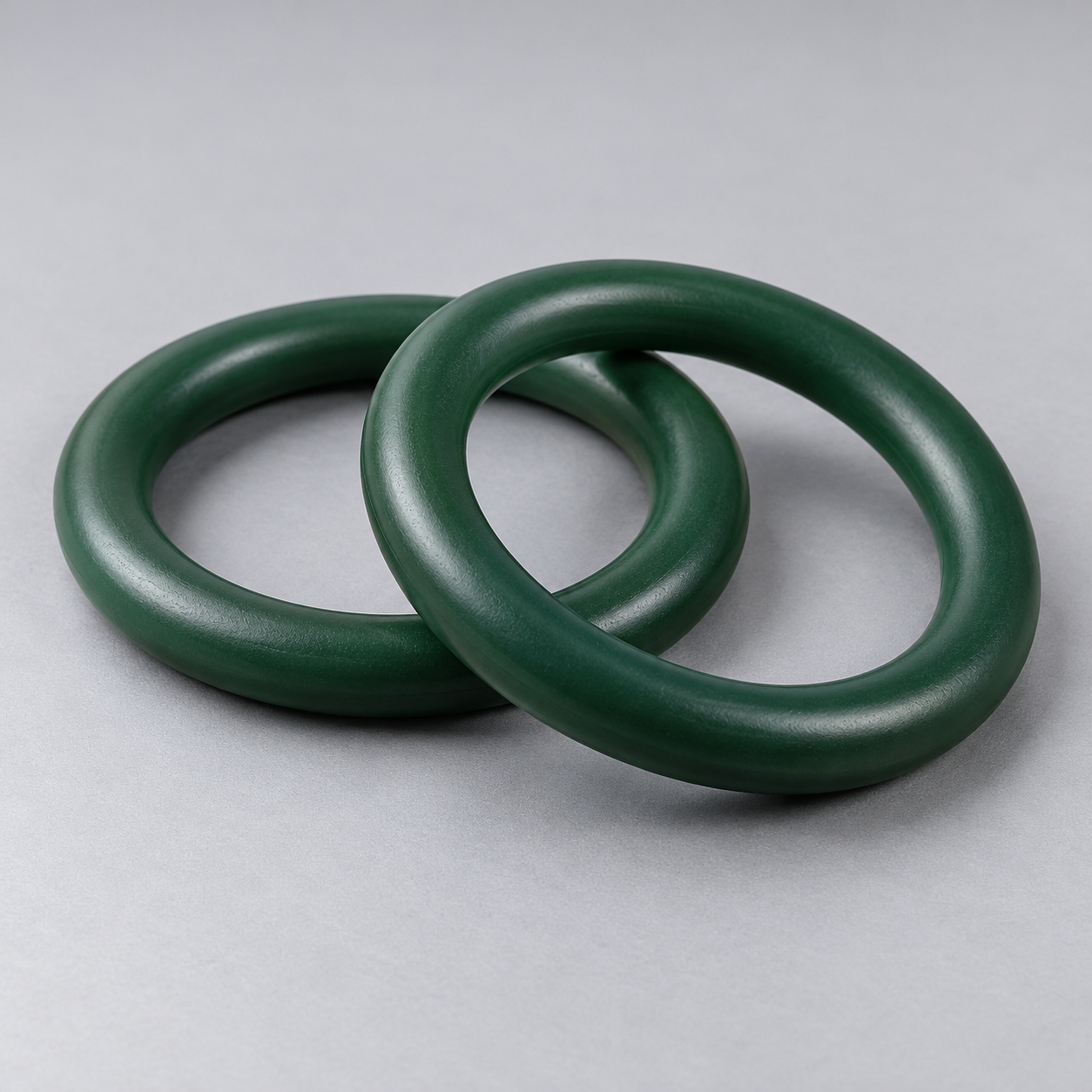 FKMReview temperature and chemical exposure.›
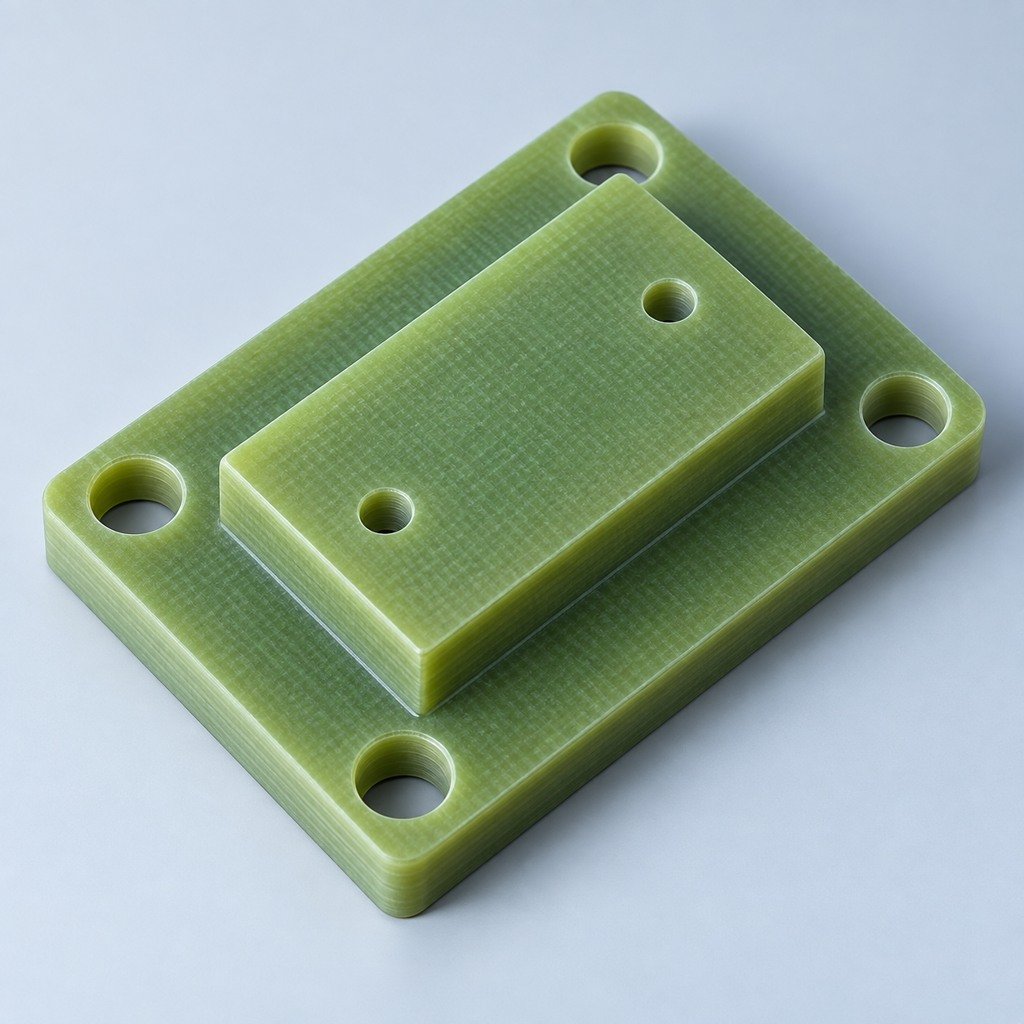 G10 / FR4Review insulation and laminate needs›
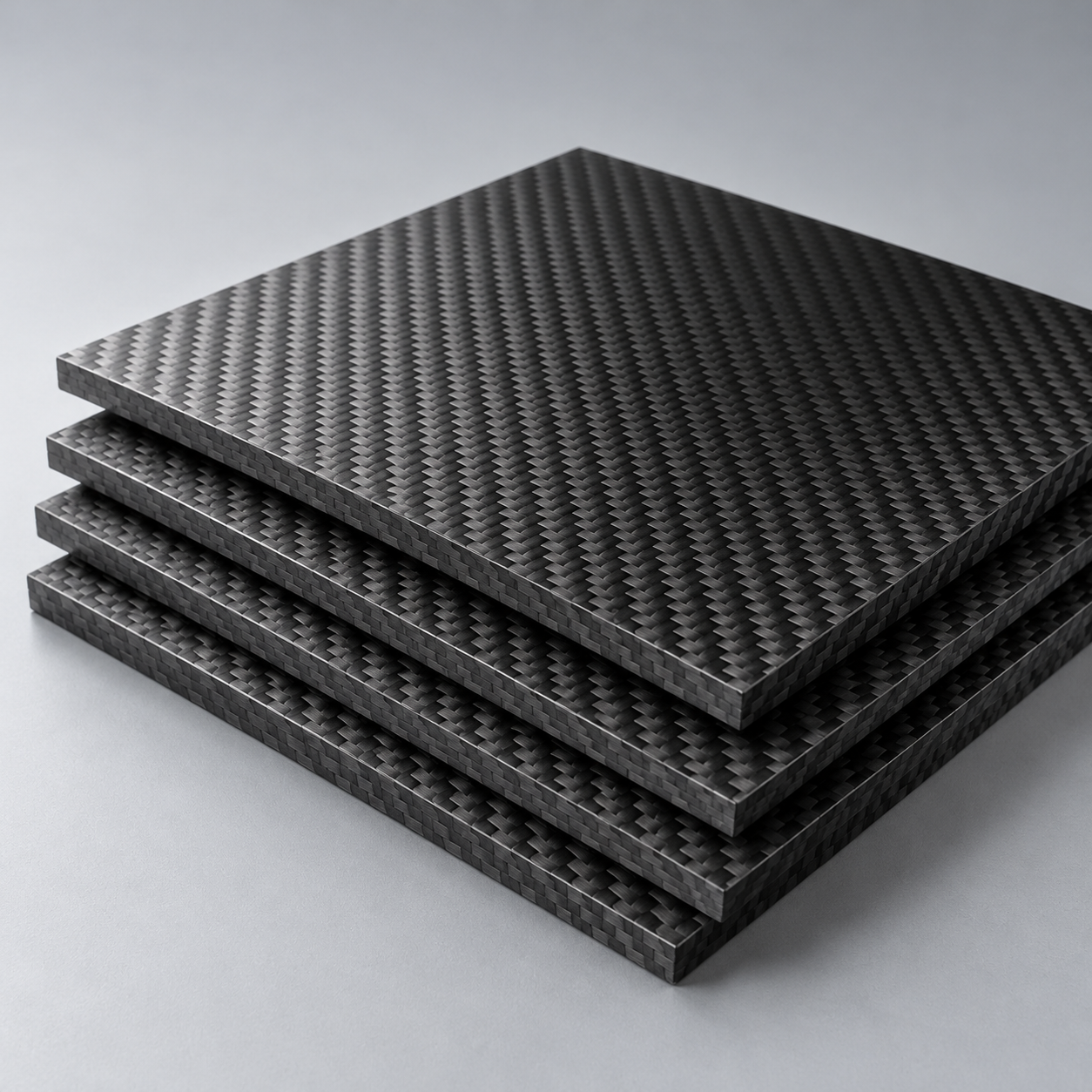 CompositesReview stiffness, weight and laminate.›Customer-Specified MaterialsConfirm your grade and requirements.›Other Specialty MaterialsDiscuss your application and grade.›
Practical guidance for your part geometry and material decisions.
Prepare your process, budget and sourcing questions.
Build your knowledge before production.
Learn who we are and how we operate.
Find our U.S. support team or start a conversation.

Connect your electrical contact, fluid connection or bearing geometry to the exact alloy and supplied condition. For your copper, brass and bronze machining inquiry, define final fits, surfaces and receiving evidence before cutting.
Choose the working requirement first, then review grade, stock form and final geometry. These are selection references; availability and manufacturing scope are confirmed with your quotation.
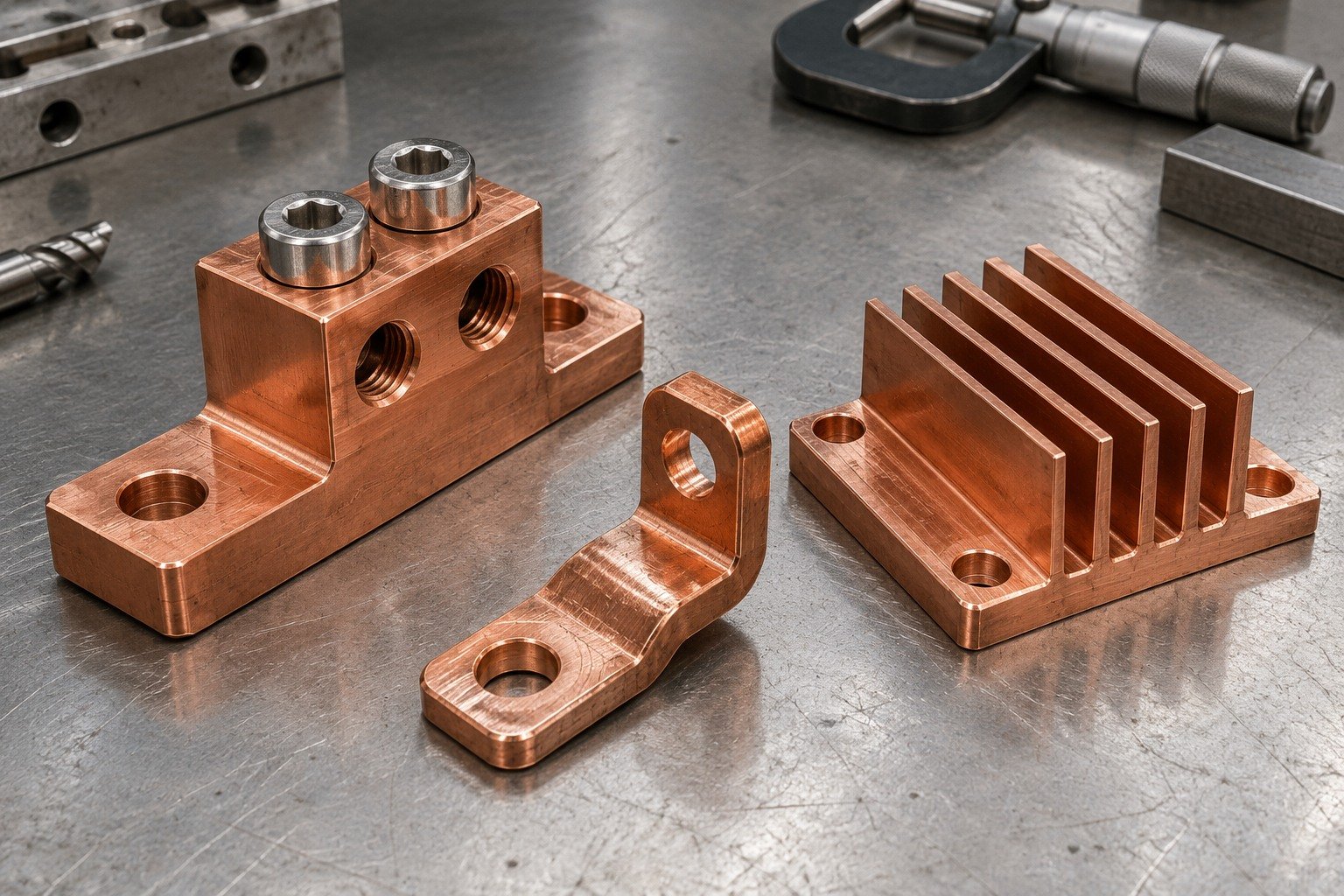
For your copper alloy material selection, define conductivity, temper and a clean functional contact surface.
Review Copper & Copper Alloys →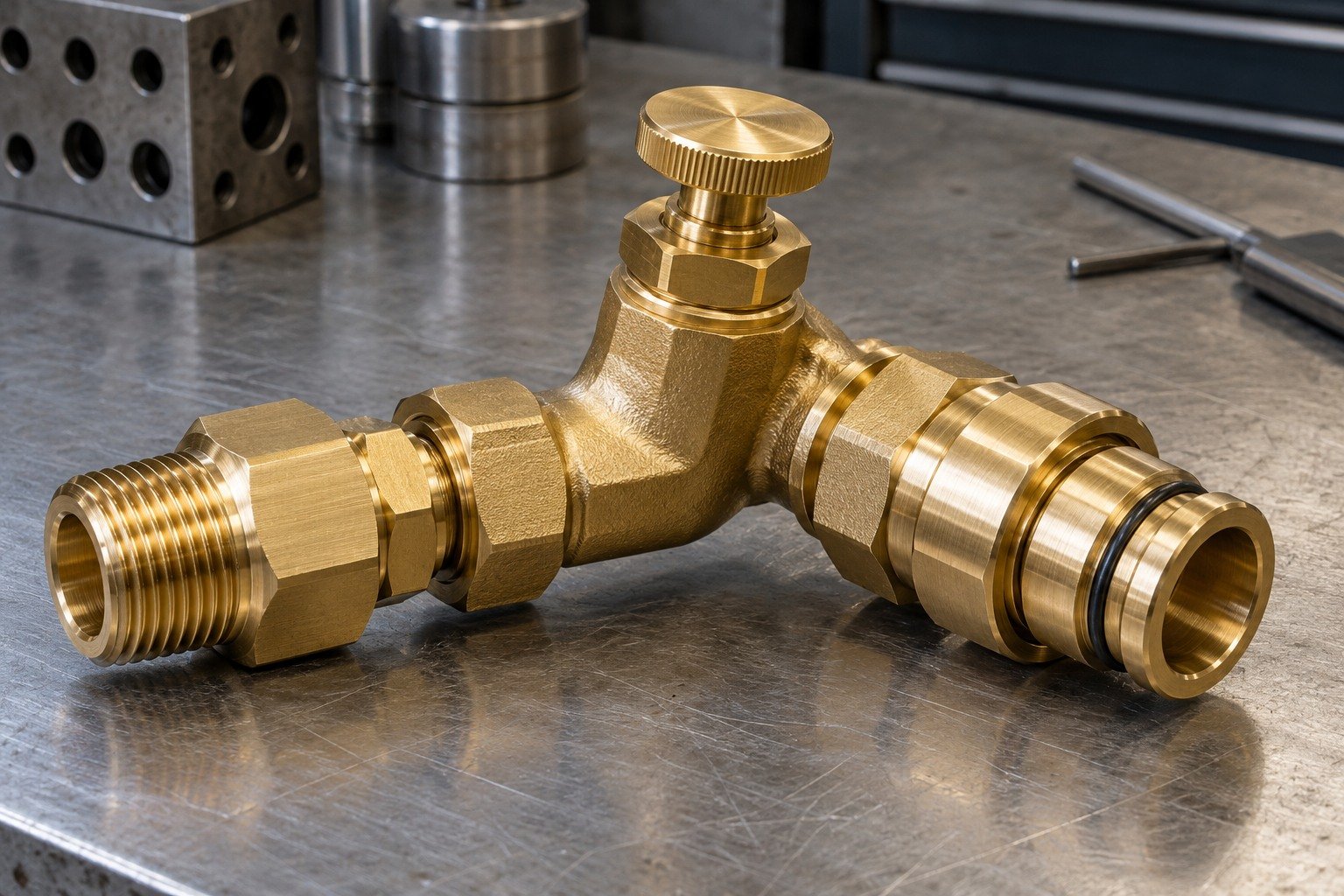
For your brass alloy material selection, separate free-cutting fittings, formed sheet parts and forged-body requirements before comparing cost.
Review Brass Alloys →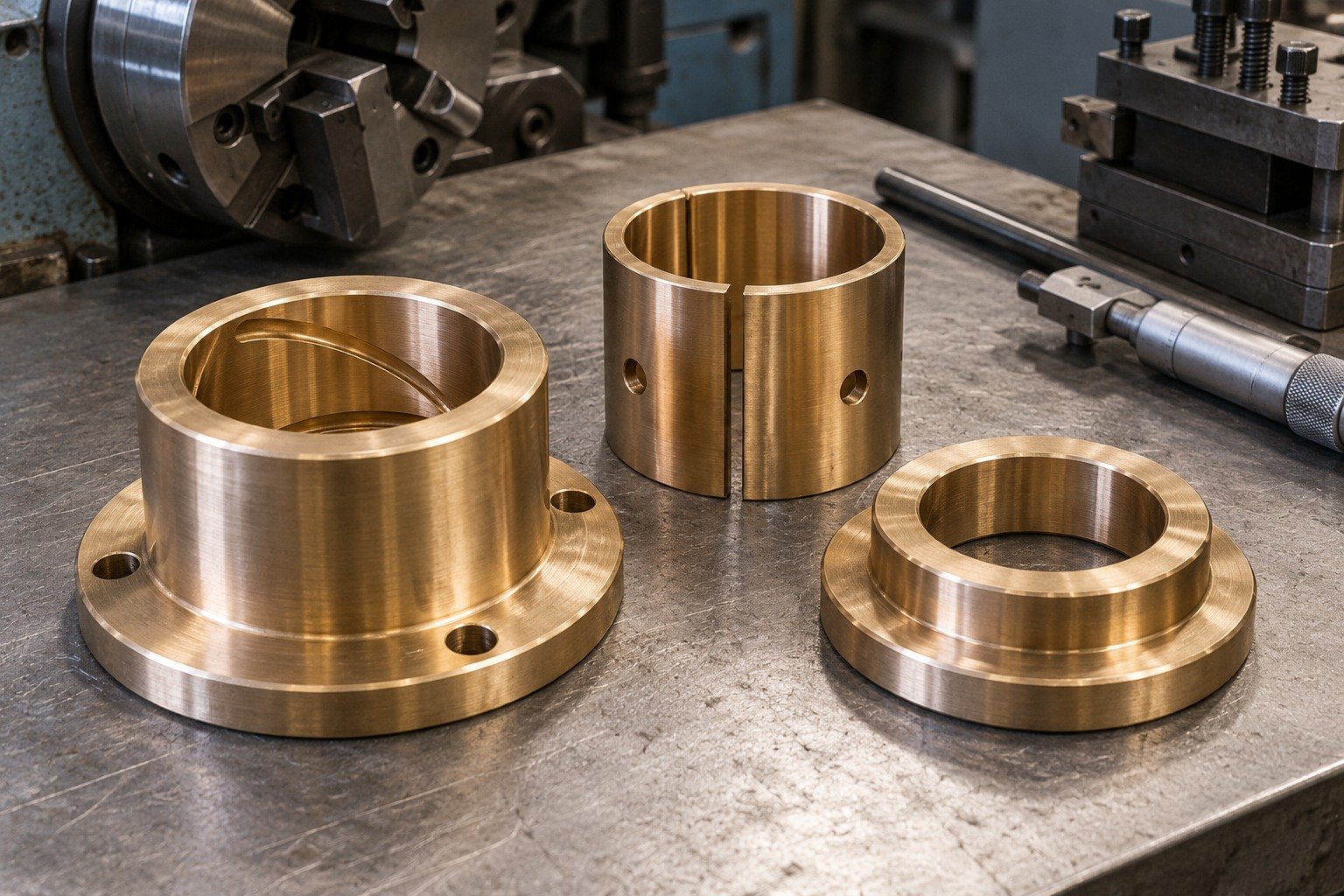
Start your bronze alloy selection for machined parts with mating geometry, load, movement and lubrication.
Review Bronze Alloys →Select a grade and review the decisions at each stage. Grade controls remain on this page; linked service pages open separately.
C11000 ETP Copper
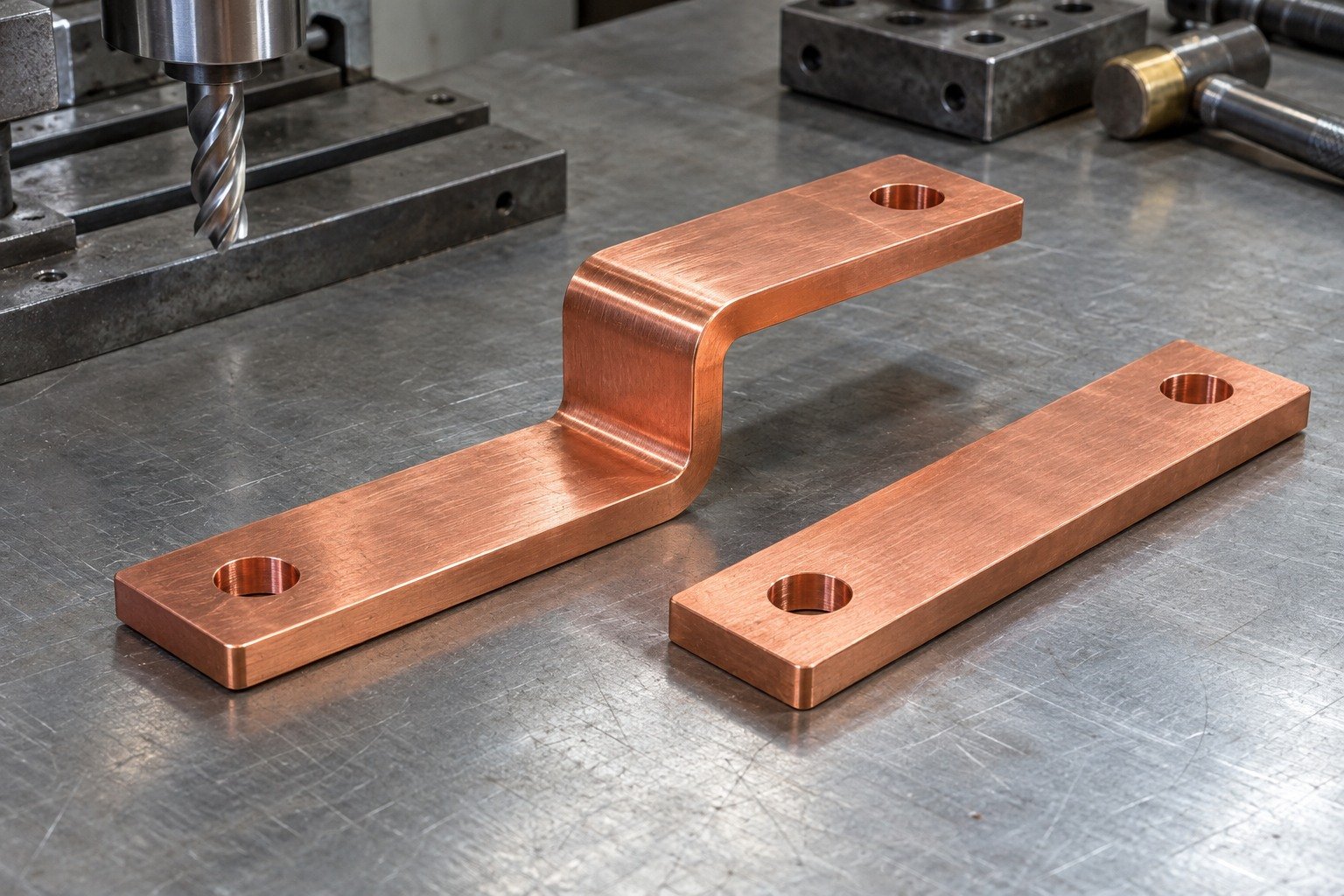
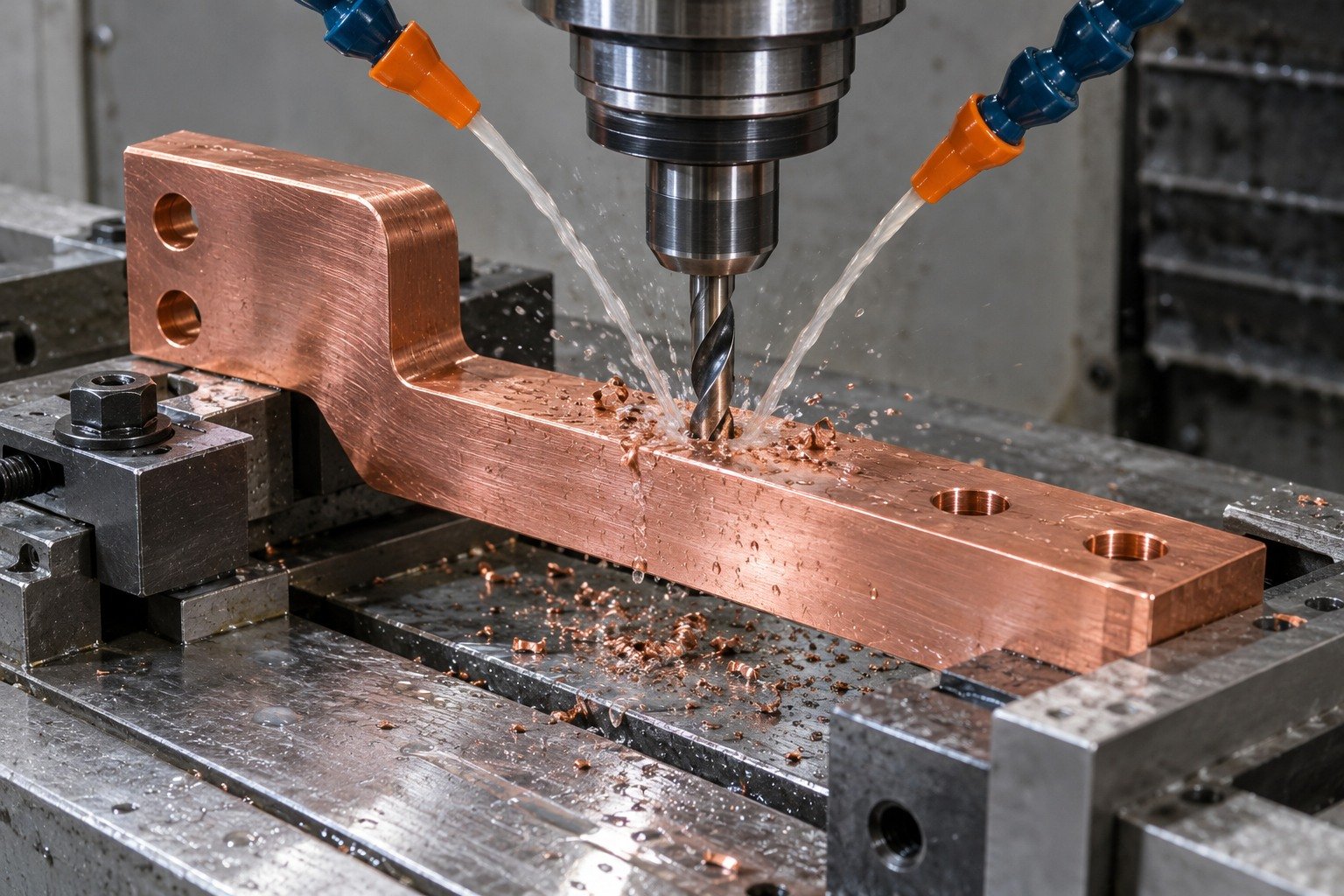
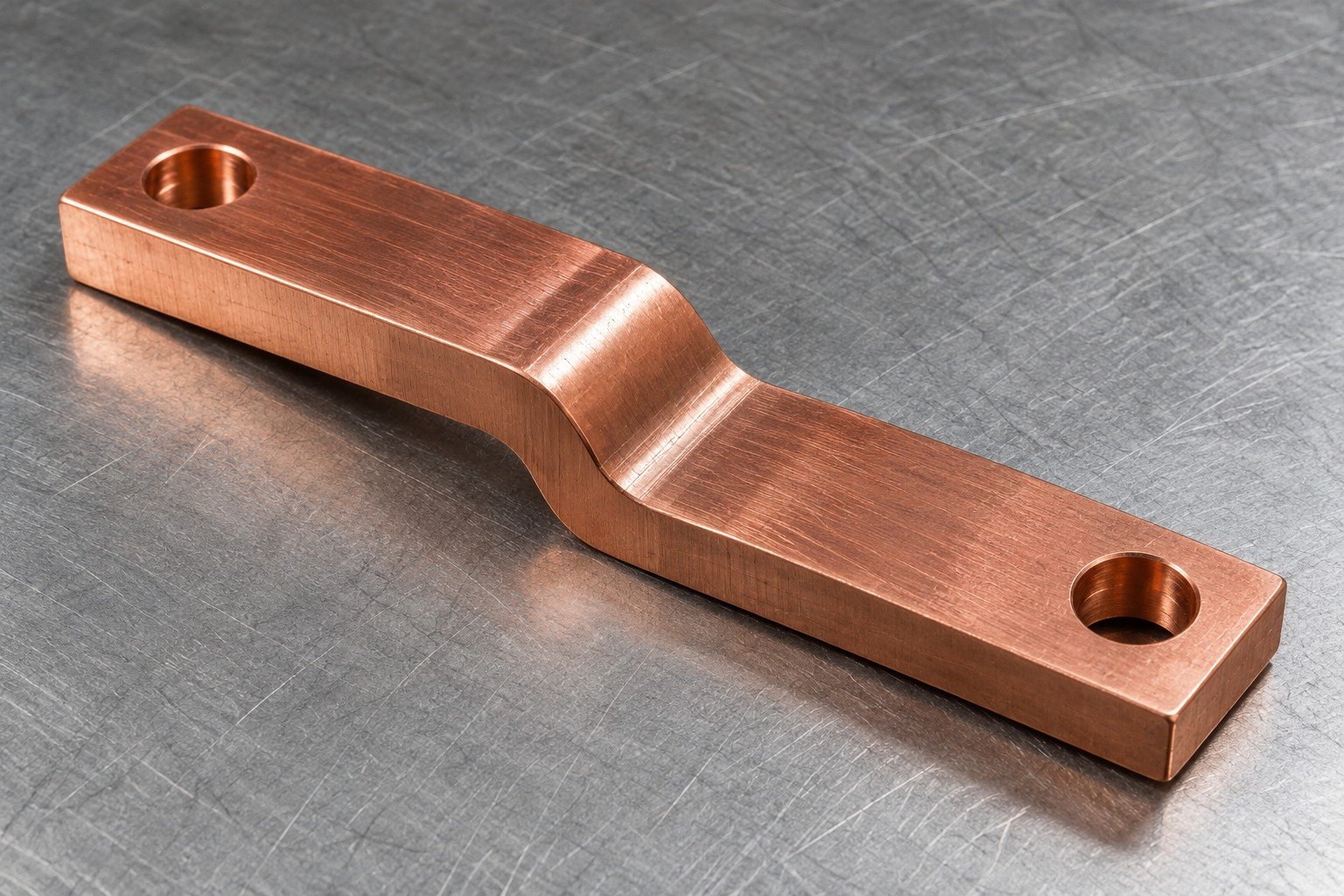
Electrical busbars and terminal geometry. Confirm temper, conductivity requirement and final contact finish.
C11000 ETP Copper
Define stock form, supplied condition, machining allowance and tool access for your drawing. Contact area, attachment holes and burr limits.
C11000 ETP Copper
Specify functional roughness, visible surfaces, edge condition, cleaning and protection. Confirm temper, conductivity requirement and final contact finish.

C11000 ETP Copper
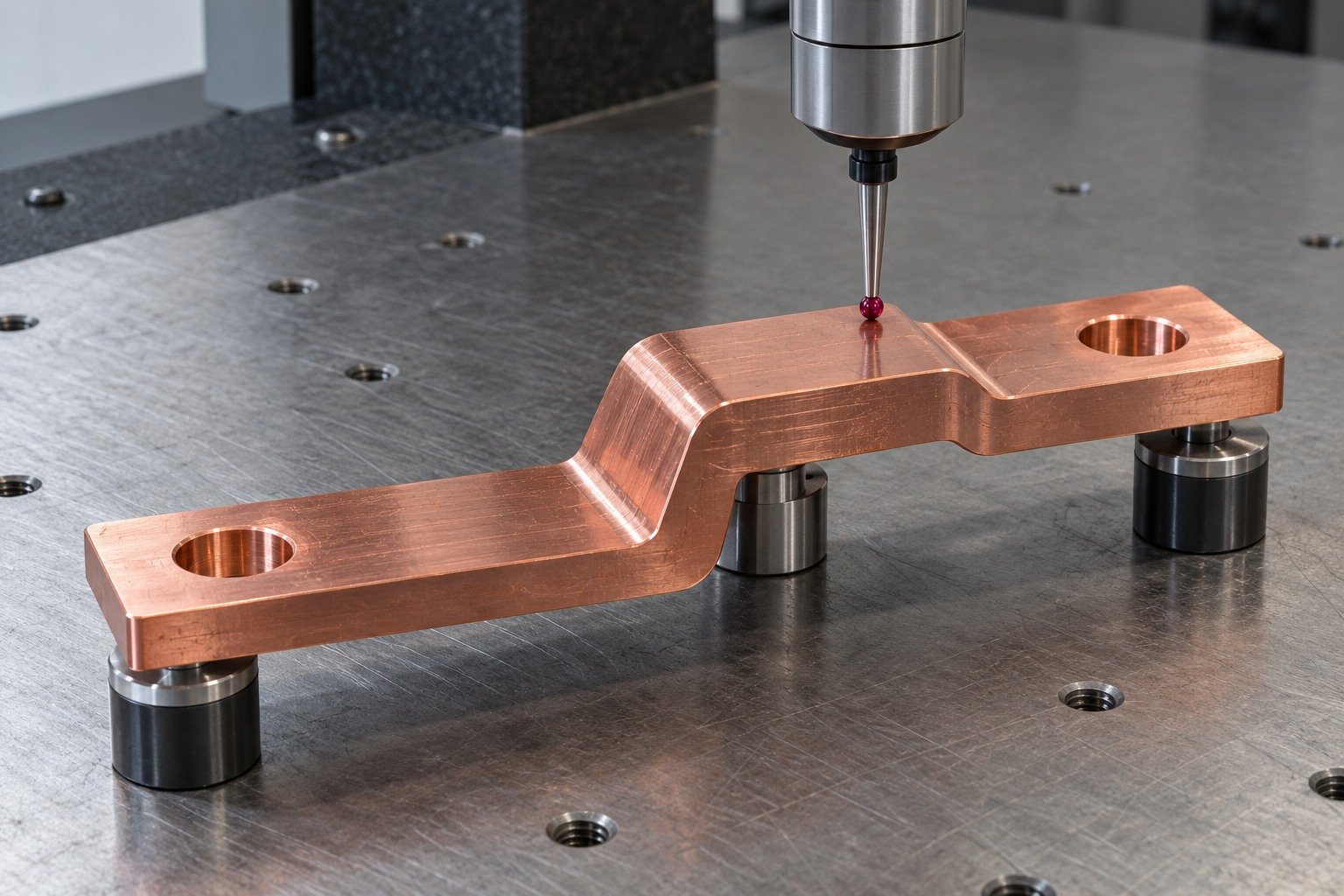
Agree material identity, first-sample acceptance and the controlled features on the finished part. Contact area, attachment holes and burr limits.
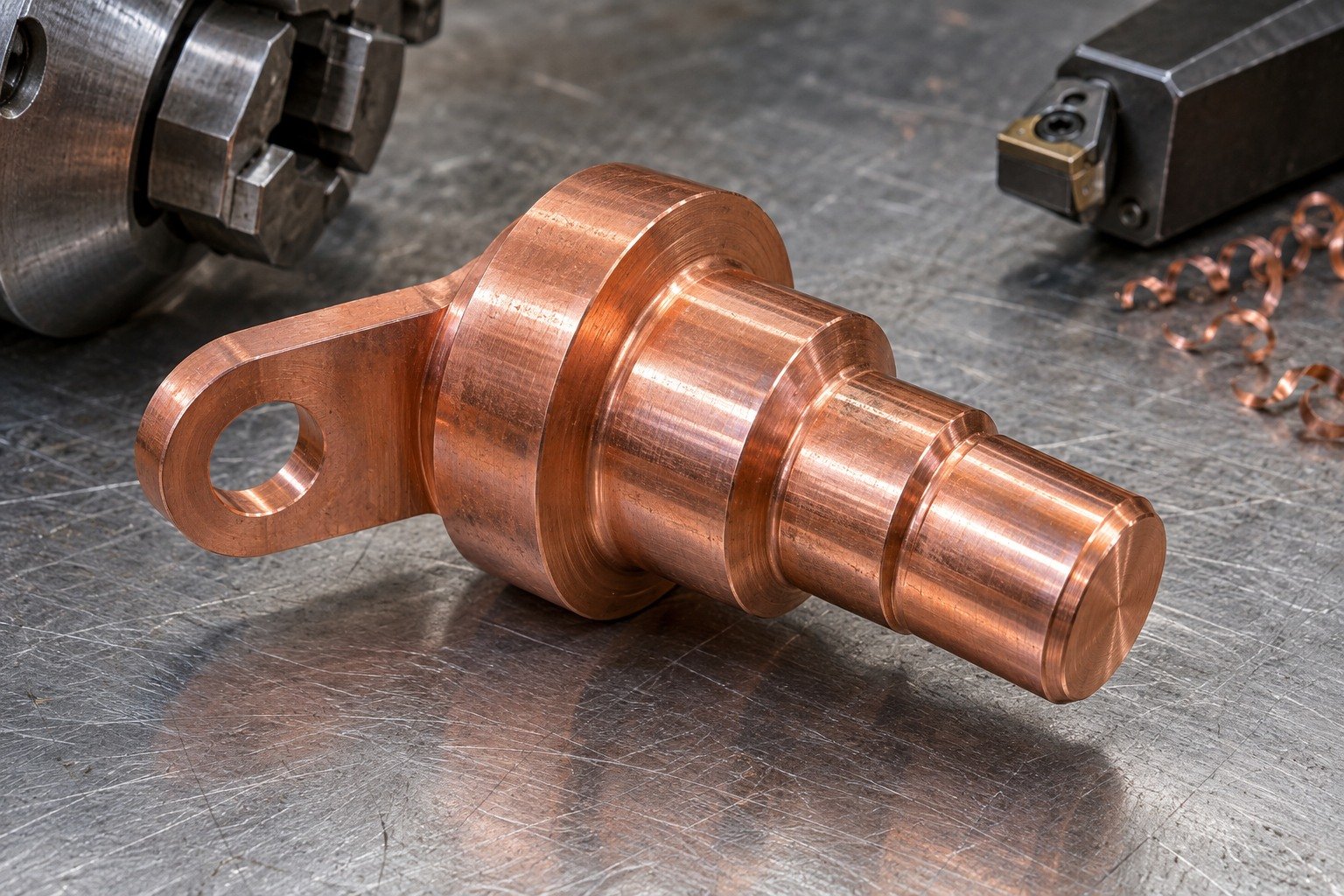
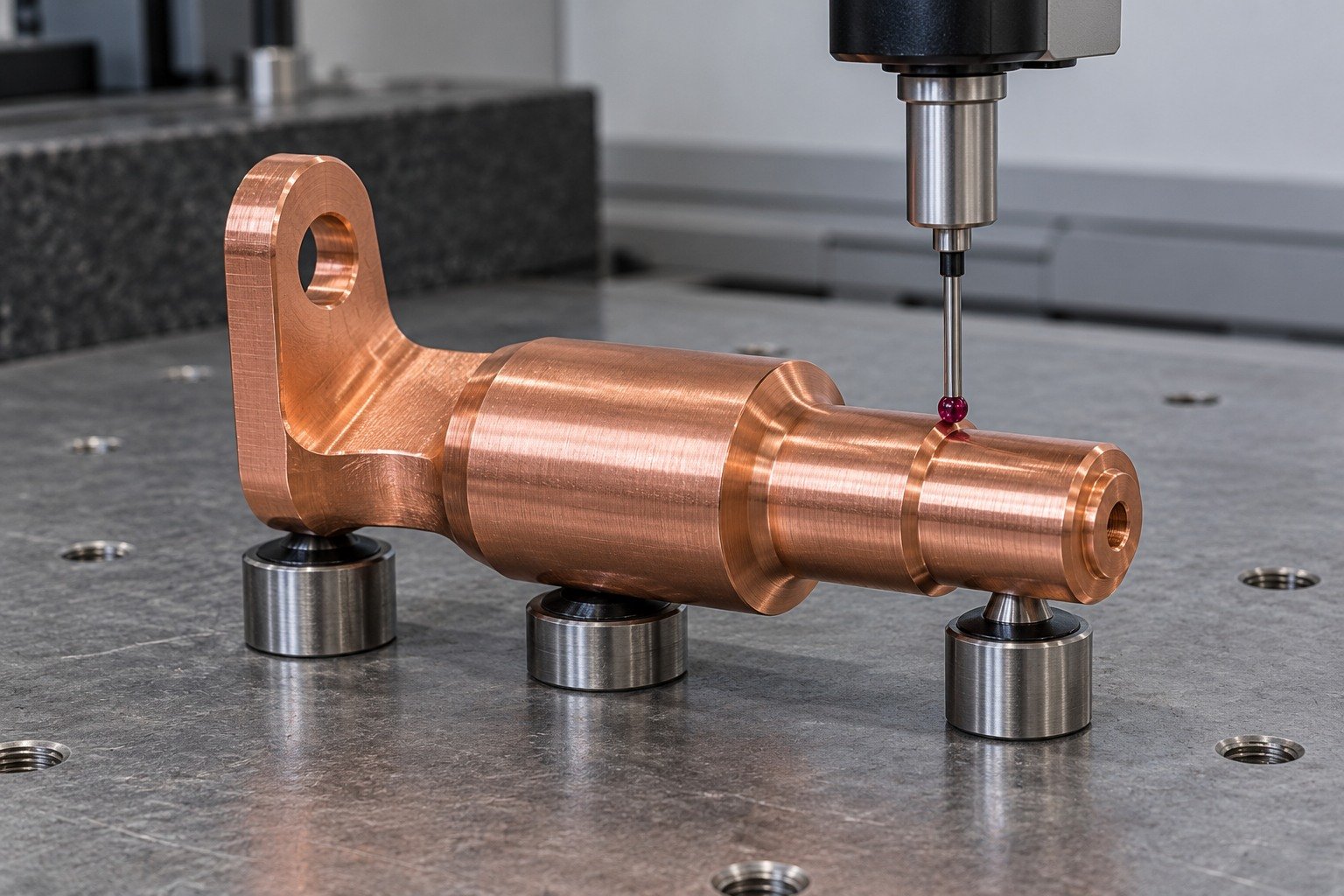
C10100 OFE Copper
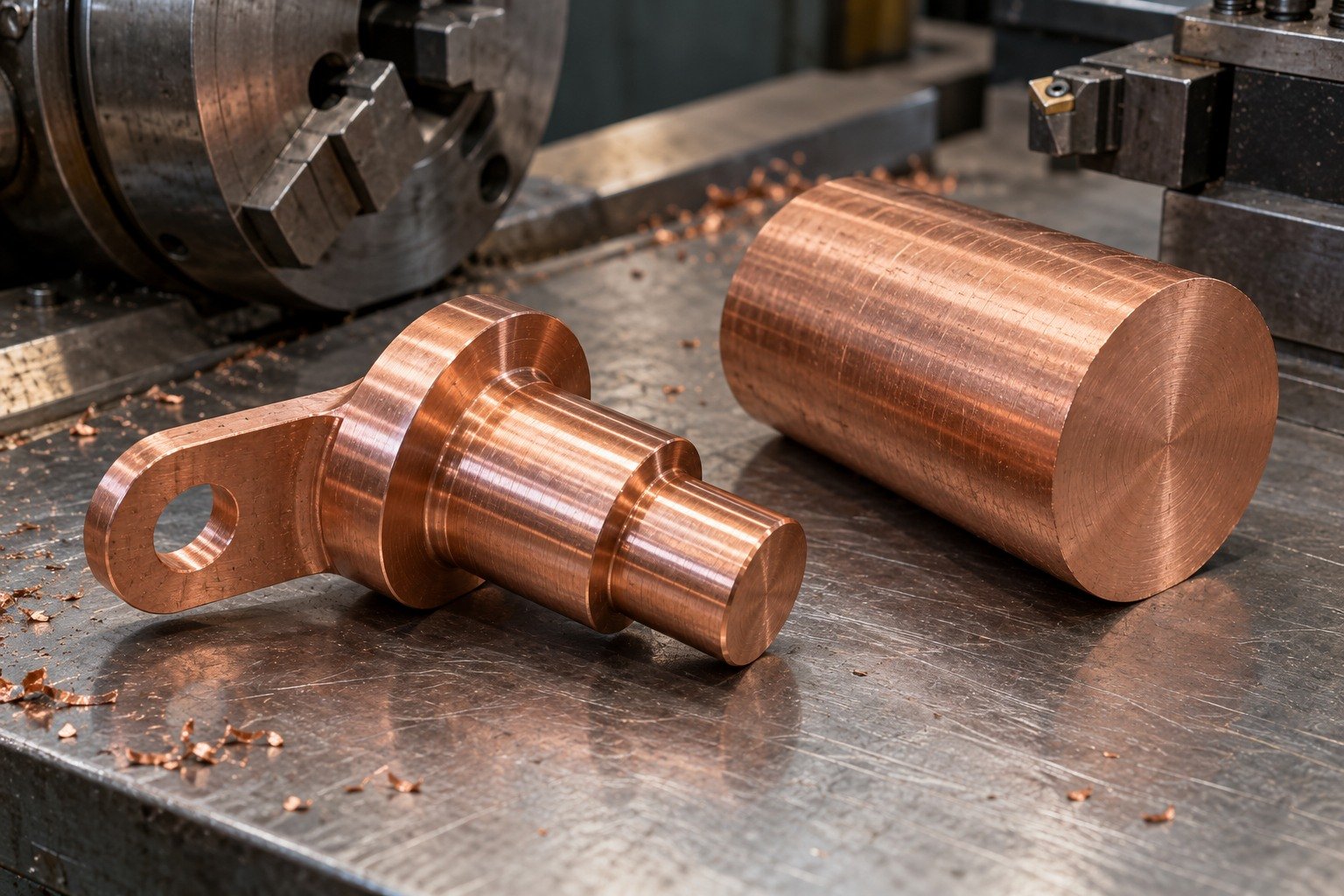
Electrical and thermal component review. Keep oxygen-free electronic material identity distinct from C11000.
C10100 OFE Copper
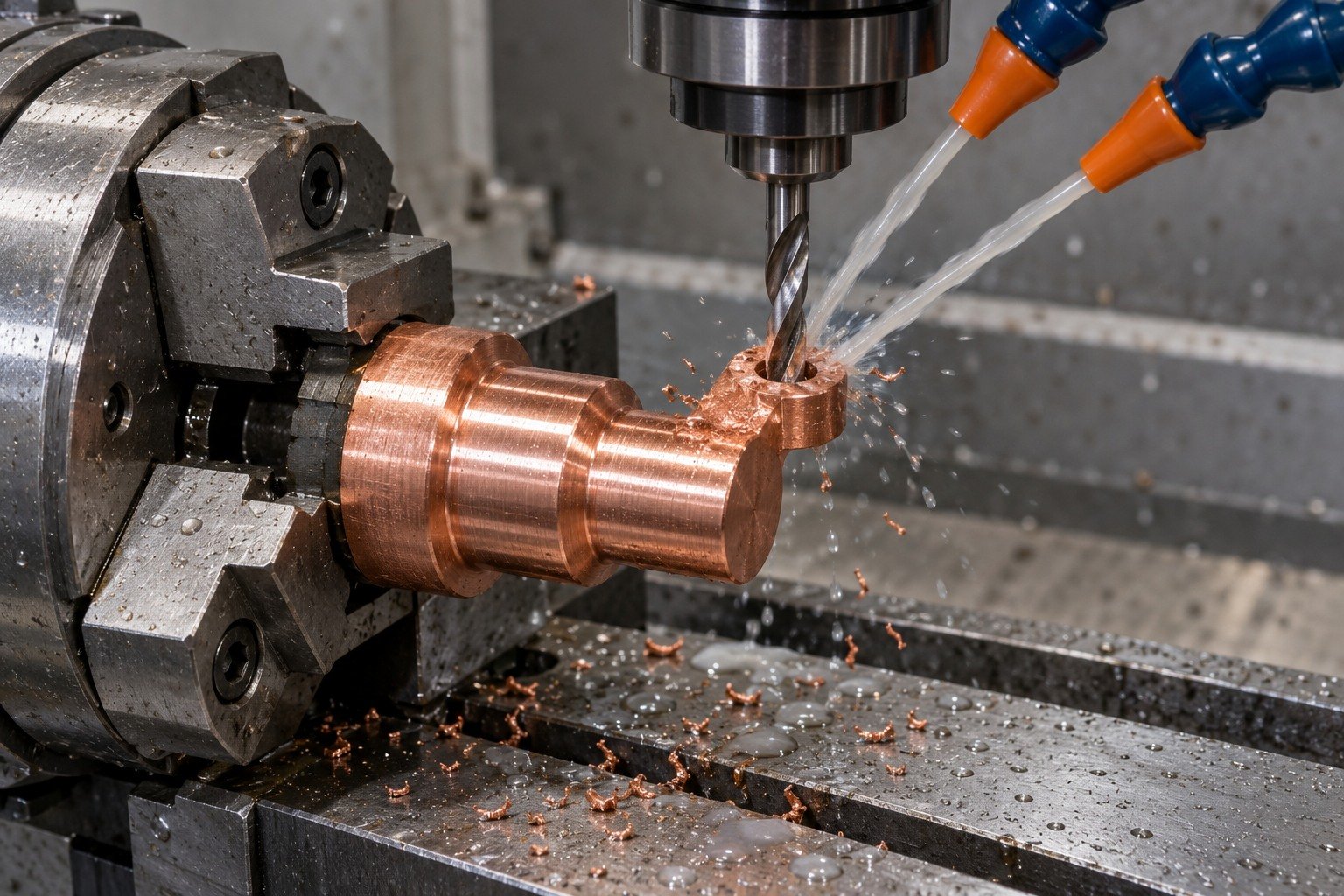
Define stock form, supplied condition, machining allowance and tool access for your drawing. Contact location, supported slender sections and cleanliness.
C10100 OFE Copper
Specify functional roughness, visible surfaces, edge condition, cleaning and protection. Keep oxygen-free electronic material identity distinct from C11000.
C10100 OFE Copper
Agree material identity, first-sample acceptance and the controlled features on the finished part. Contact location, supported slender sections and cleanliness.
C14500 Tellurium Copper
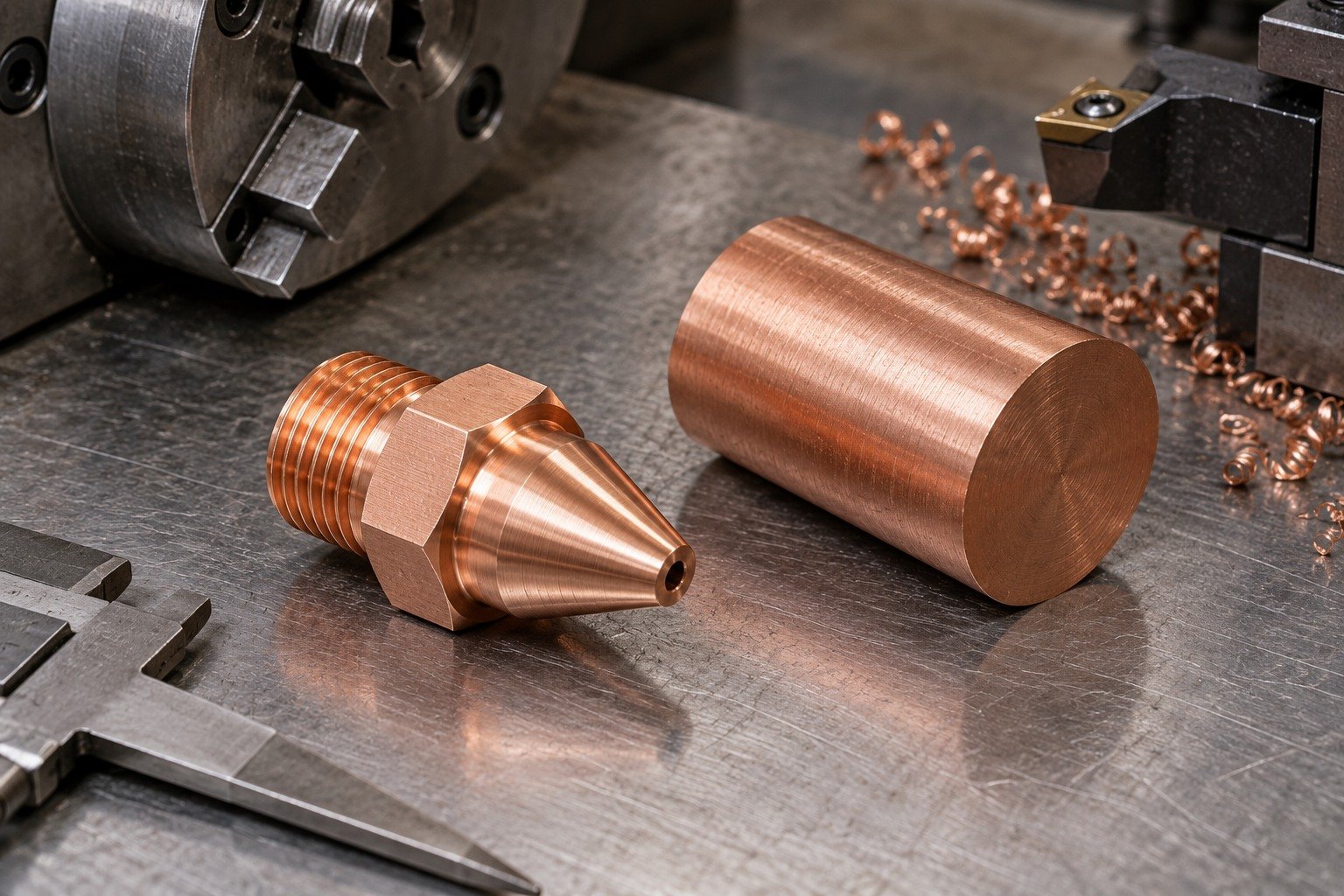
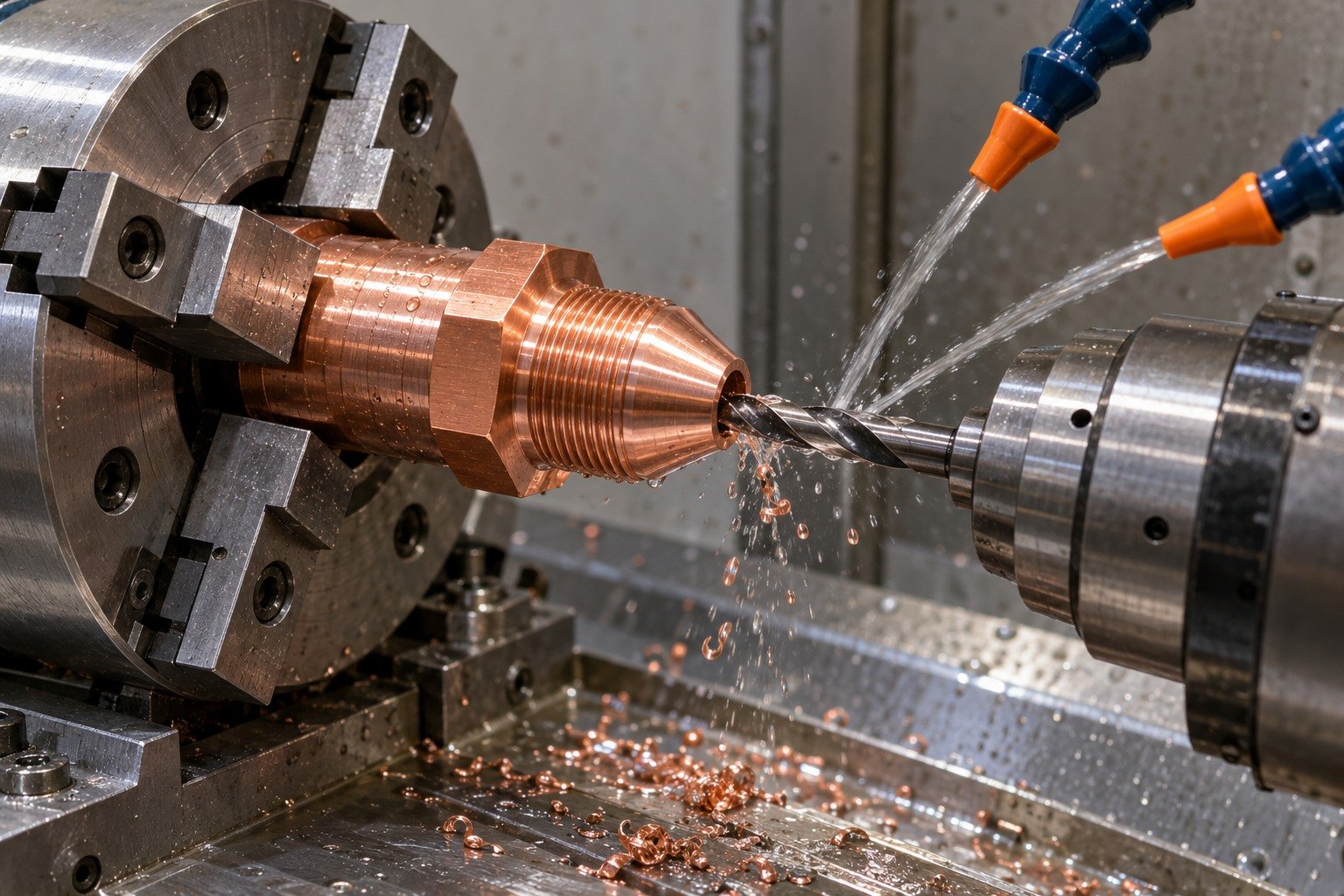
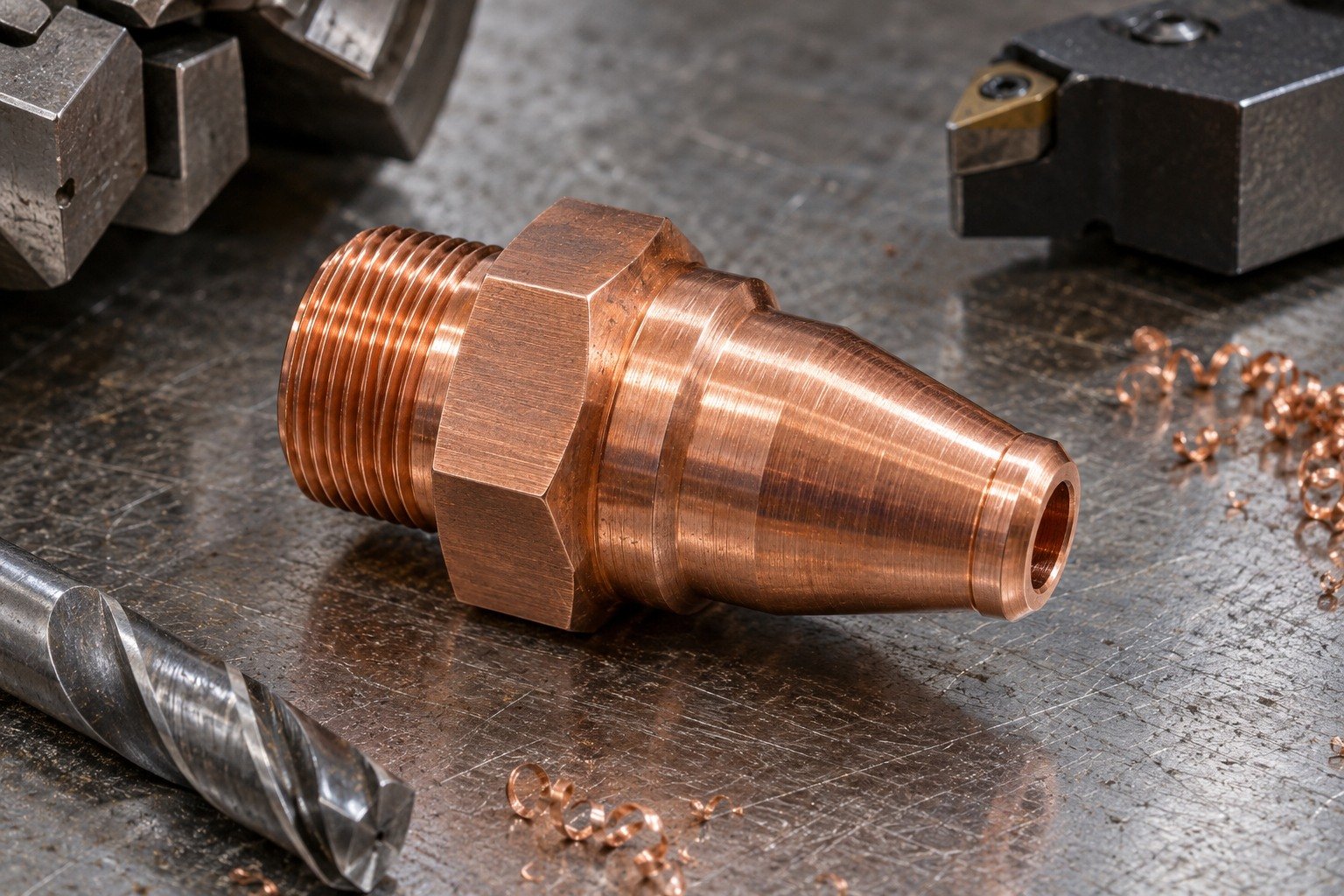
Turned contacts and nozzle-body geometry. Confirm the conductivity and material standard needed for your part.
C14500 Tellurium Copper
Define stock form, supplied condition, machining allowance and tool access for your drawing. Threads, sealing lands and cross-hole intersections.
C14500 Tellurium Copper
Specify functional roughness, visible surfaces, edge condition, cleaning and protection. Confirm the conductivity and material standard needed for your part.
C14500 Tellurium Copper
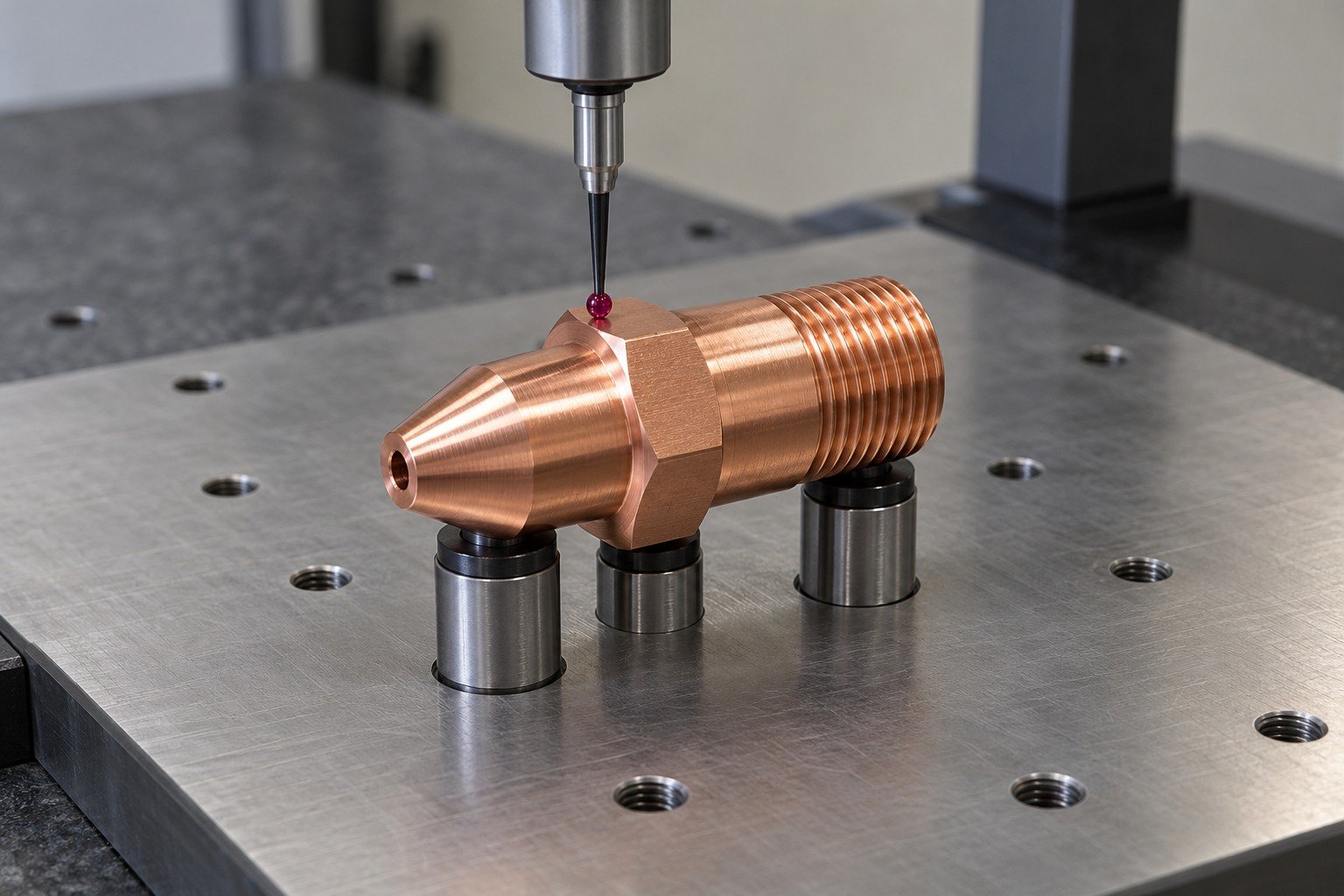
Agree material identity, first-sample acceptance and the controlled features on the finished part. Threads, sealing lands and cross-hole intersections.
C17200 Beryllium Copper
Contact sleeves and specified high-strength copper-alloy parts. Review the specified heat-treatment state and qualified handling route before quotation.

C17200 Beryllium Copper
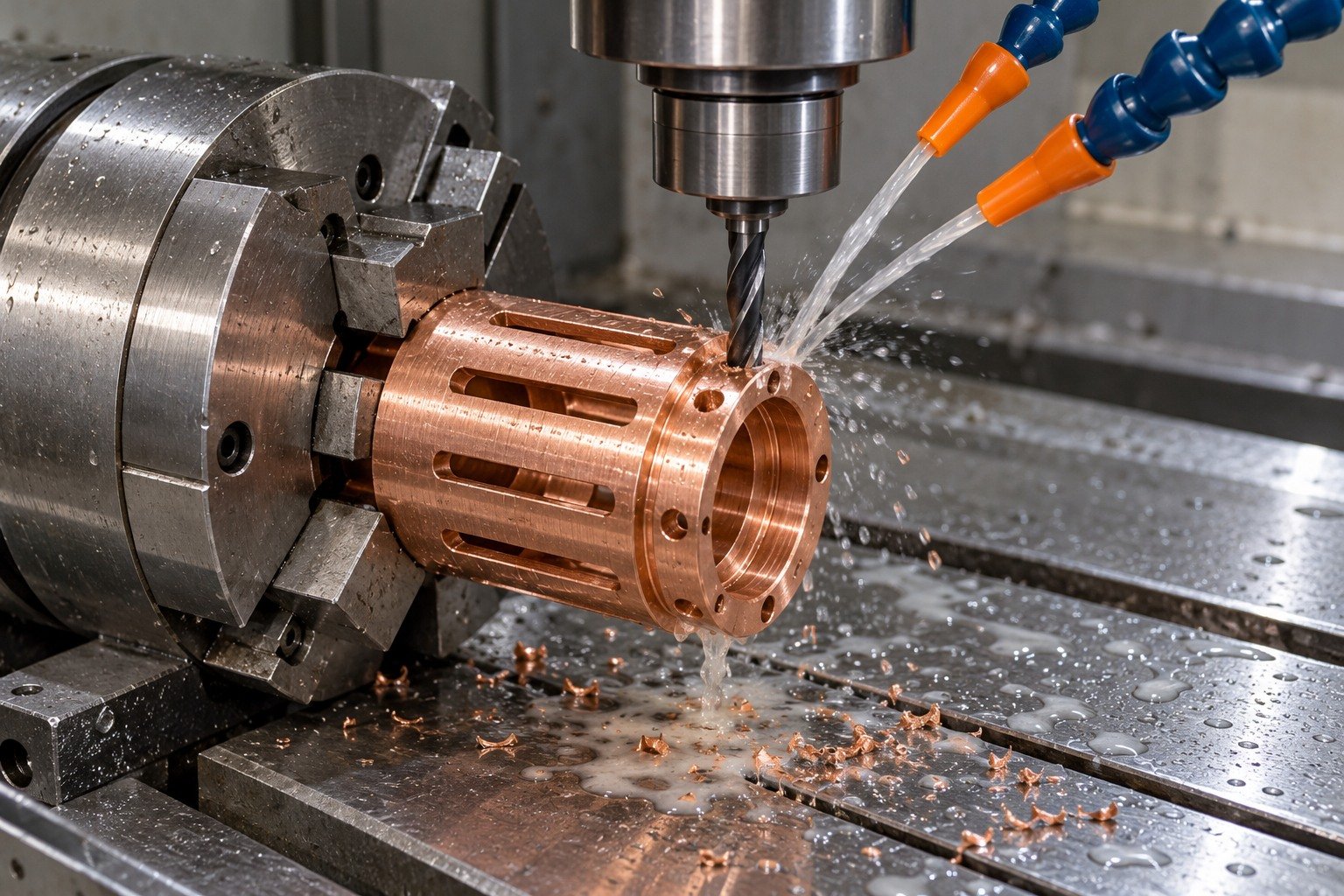
Define stock form, supplied condition, machining allowance and tool access for your drawing. Slot width, contact geometry and supplied or final condition.
C17200 Beryllium Copper
Specify functional roughness, visible surfaces, edge condition, cleaning and protection. Review the specified heat-treatment state and qualified handling route before quotation.

C17200 Beryllium Copper
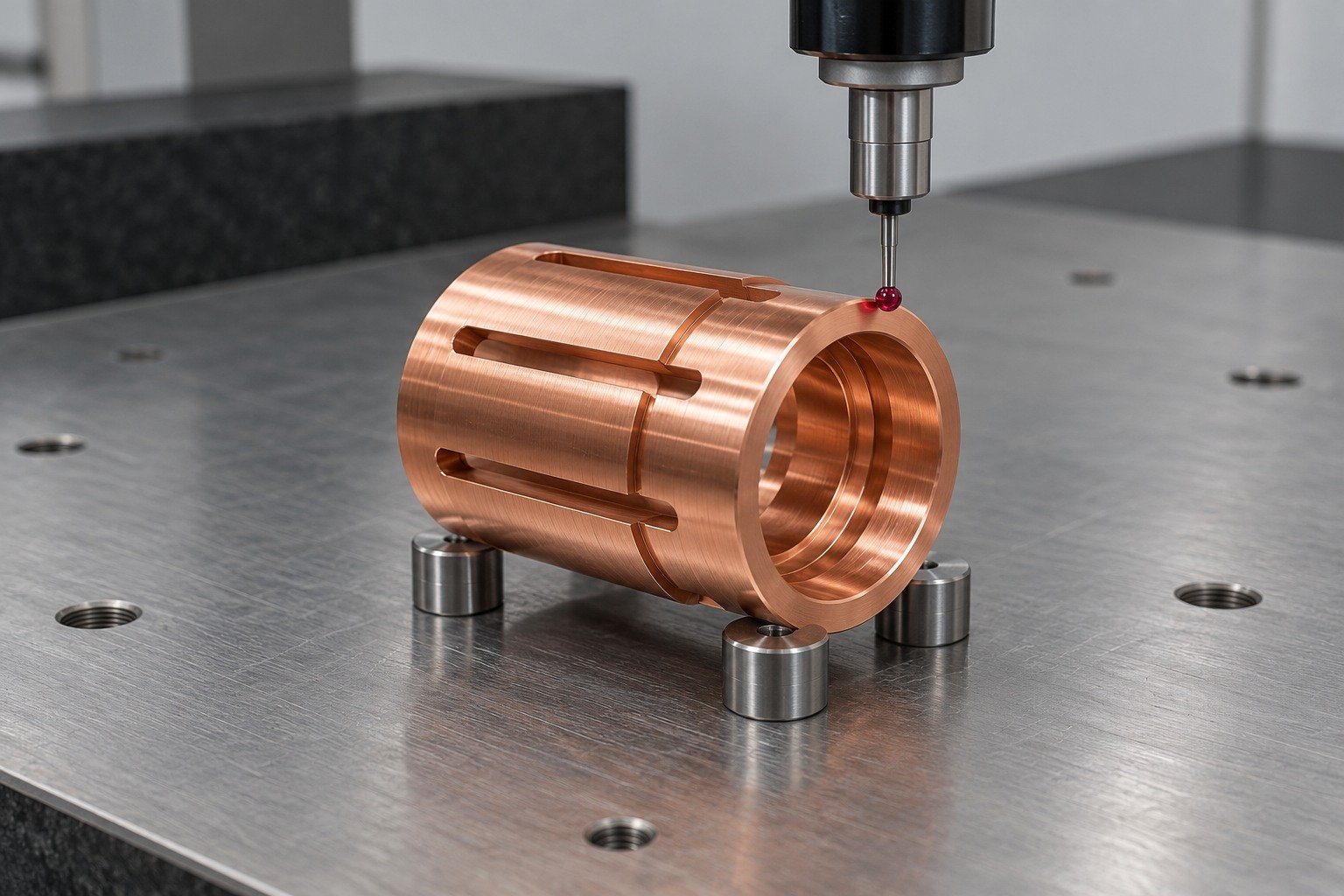
Agree material identity, first-sample acceptance and the controlled features on the finished part. Slot width, contact geometry and supplied or final condition.
C36000 Free-Cutting Brass
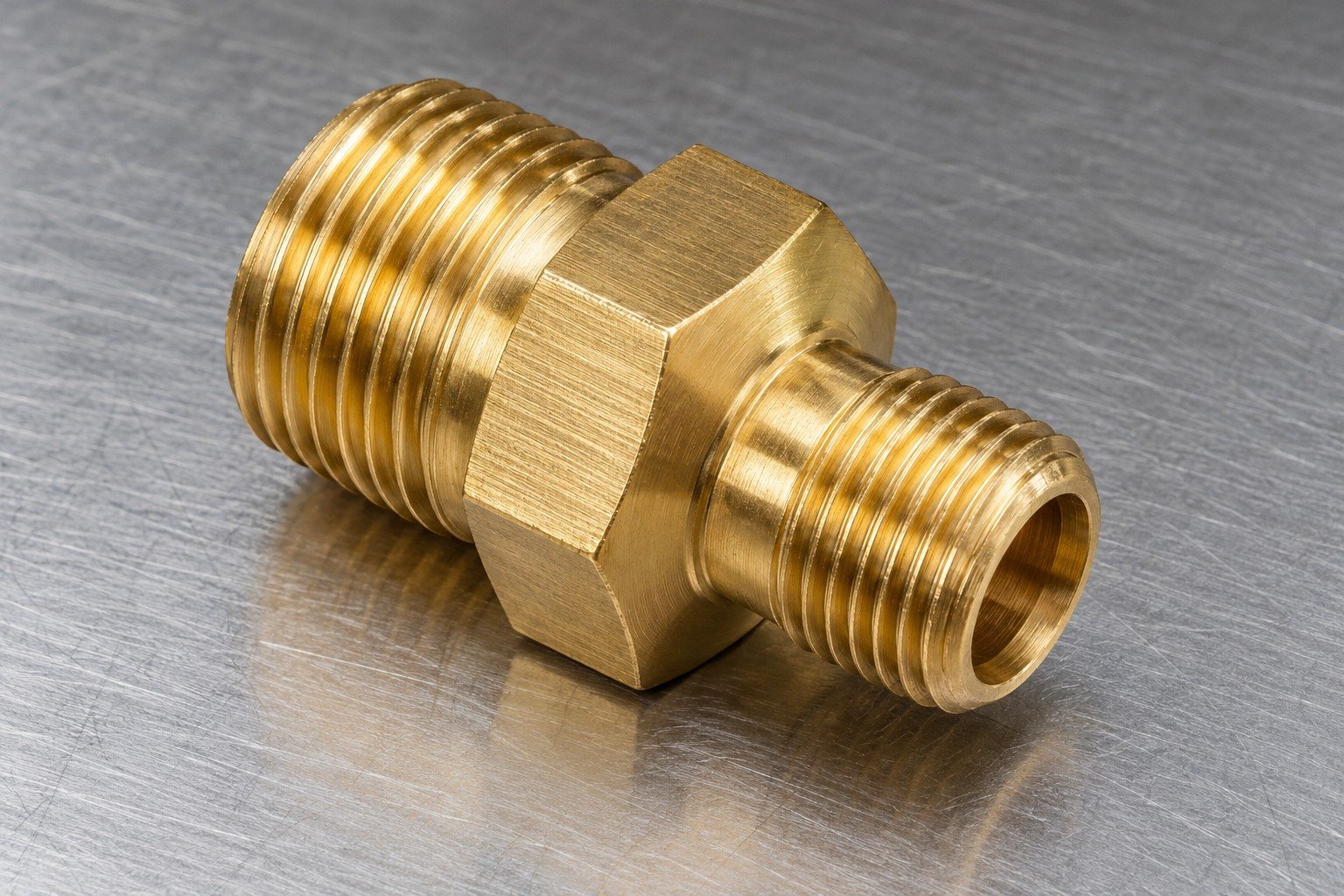
Threaded fittings and precision turned parts. Specify lead-content and end-use requirements; C36000 is a leaded grade.
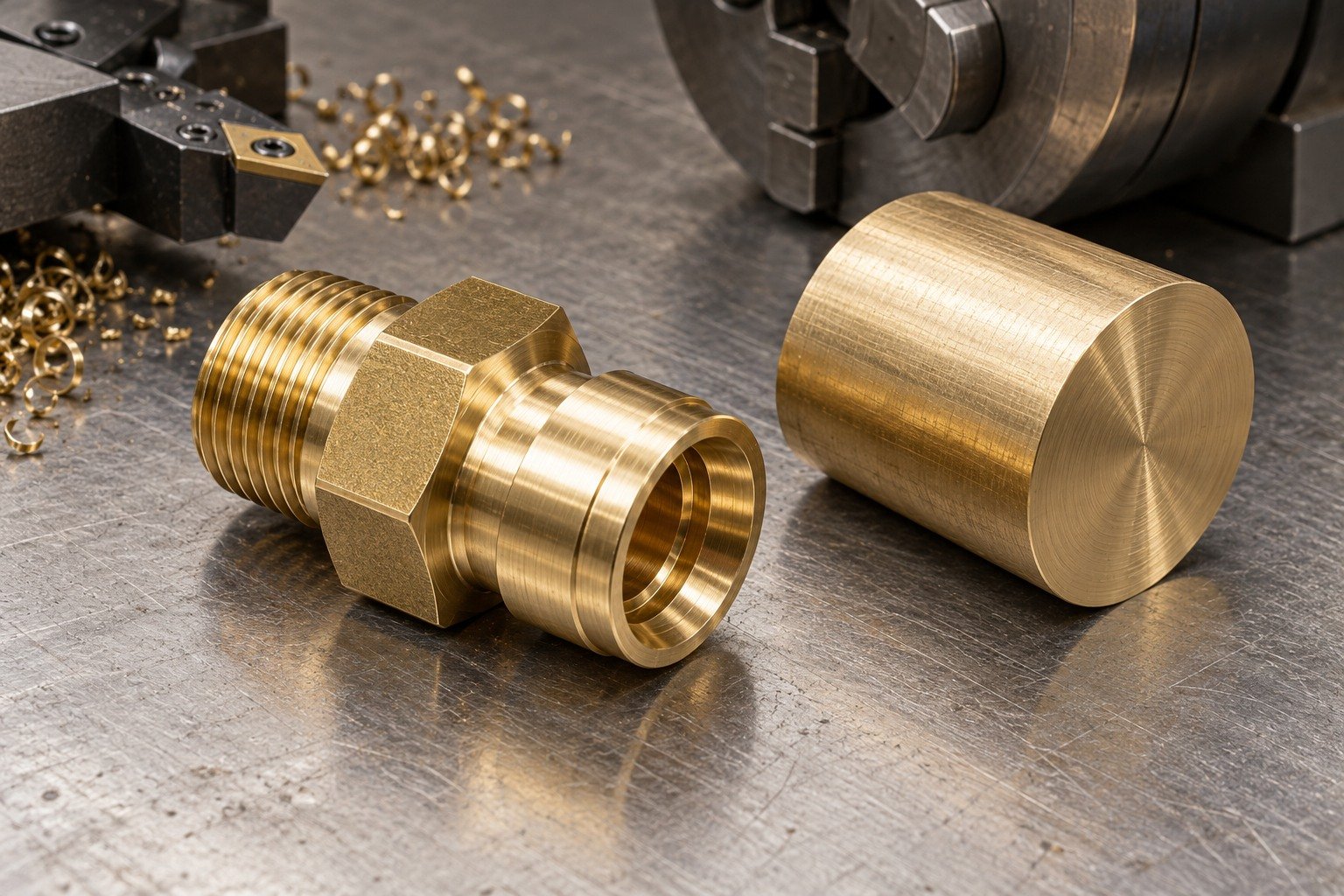
C36000 Free-Cutting Brass
Define stock form, supplied condition, machining allowance and tool access for your drawing. Thread class, sealing faces and bore intersections.
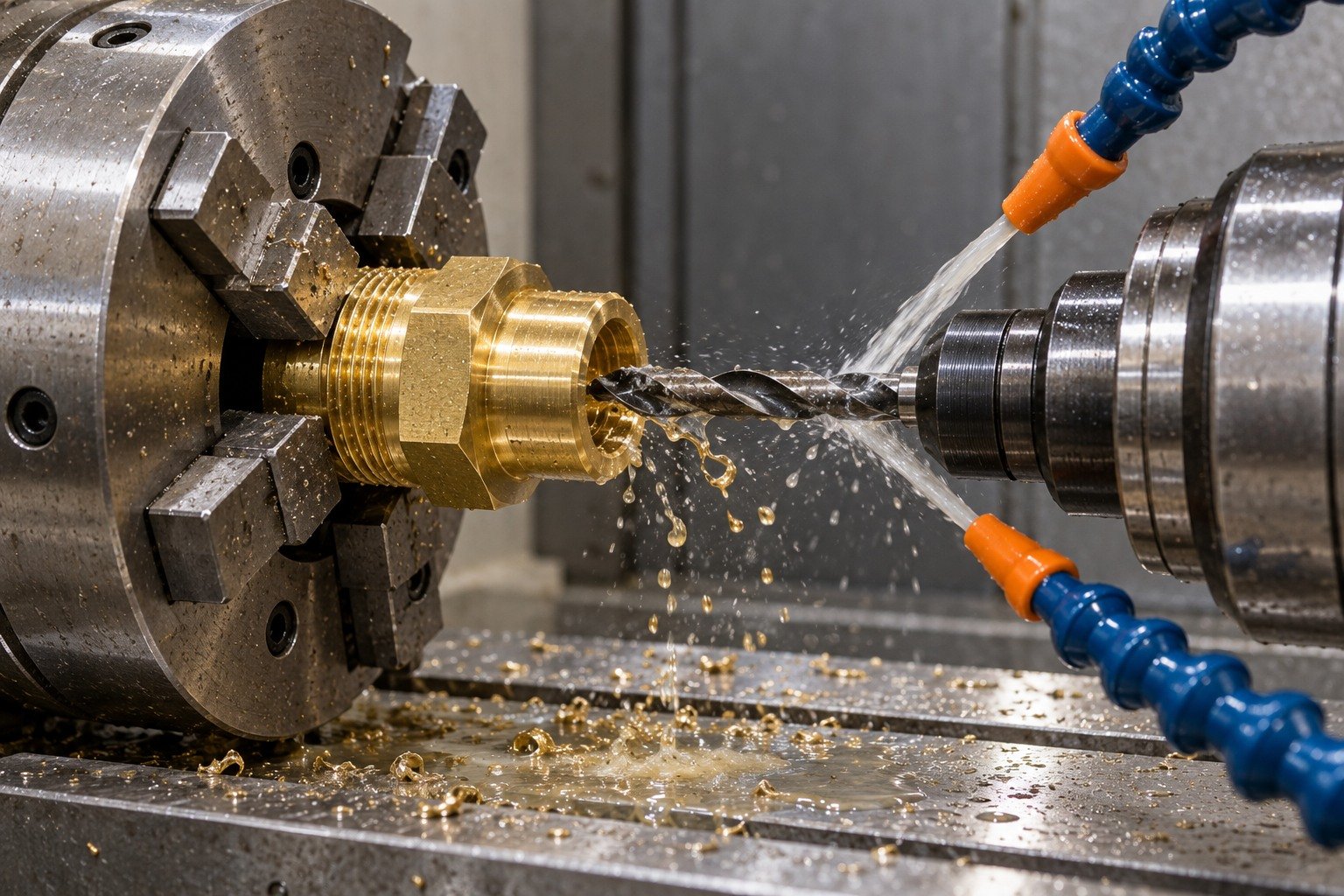
C36000 Free-Cutting Brass
Specify functional roughness, visible surfaces, edge condition, cleaning and protection. Specify lead-content and end-use requirements; C36000 is a leaded grade.

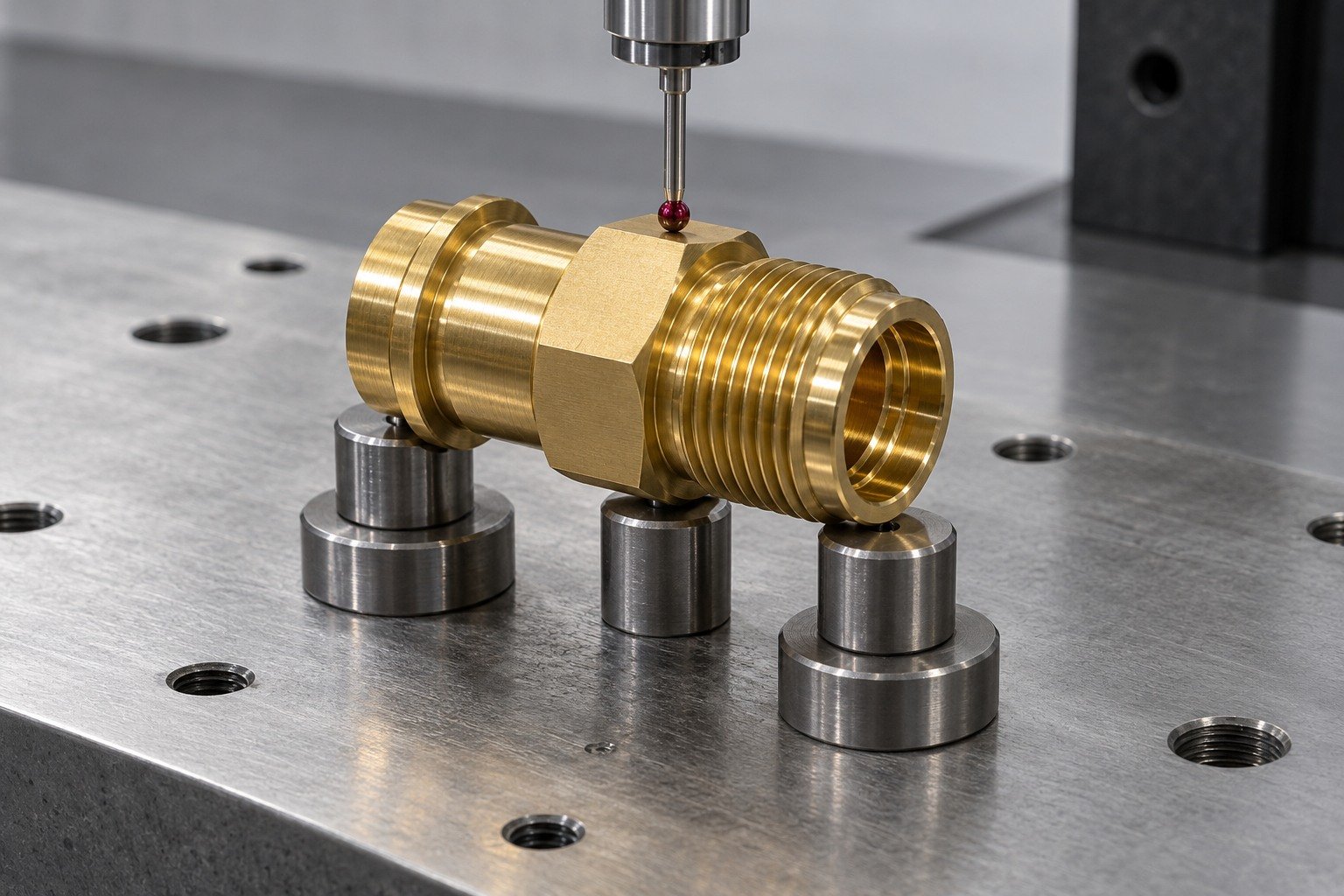
C36000 Free-Cutting Brass
Agree material identity, first-sample acceptance and the controlled features on the finished part. Thread class, sealing faces and bore intersections.
C26000 Cartridge Brass
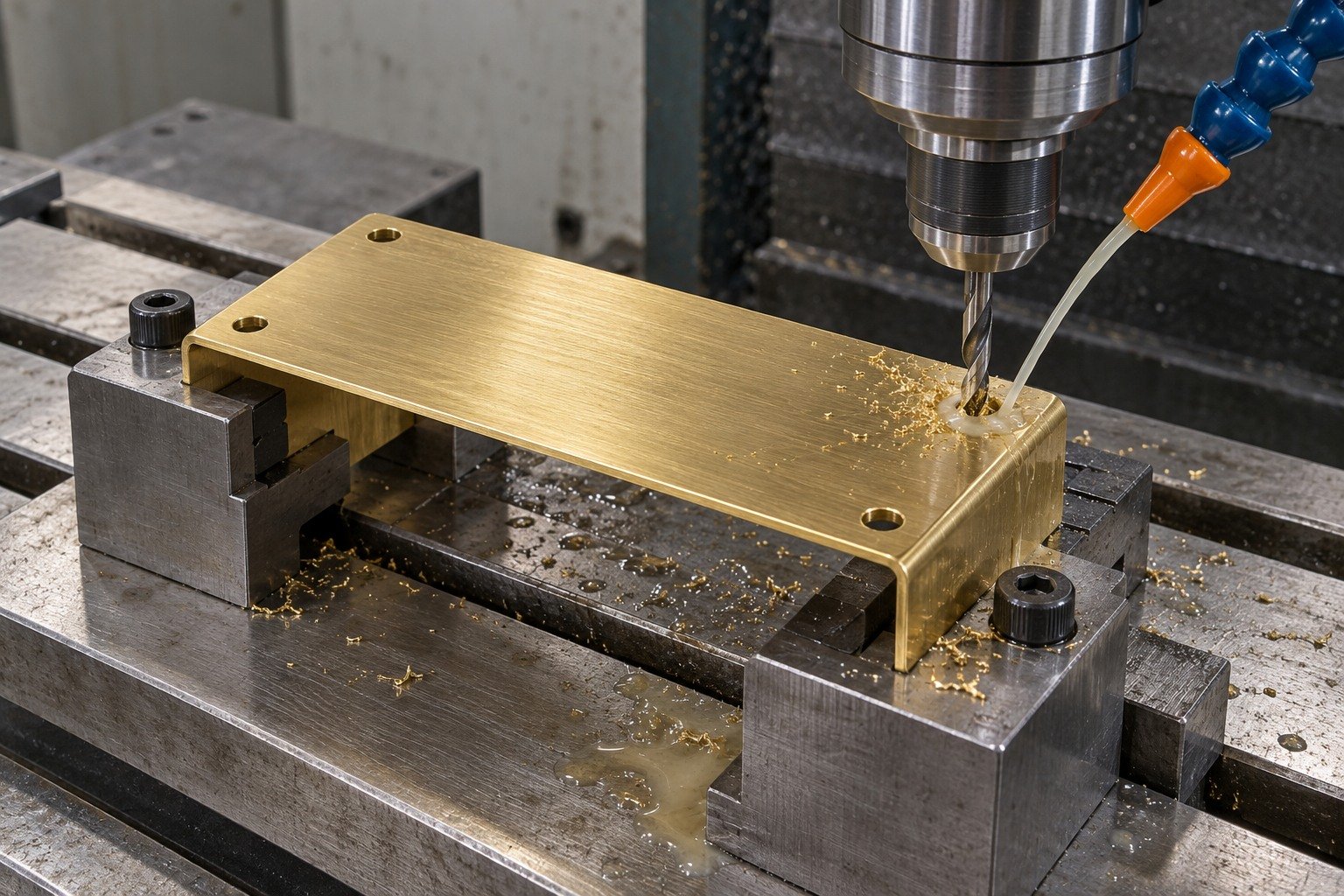
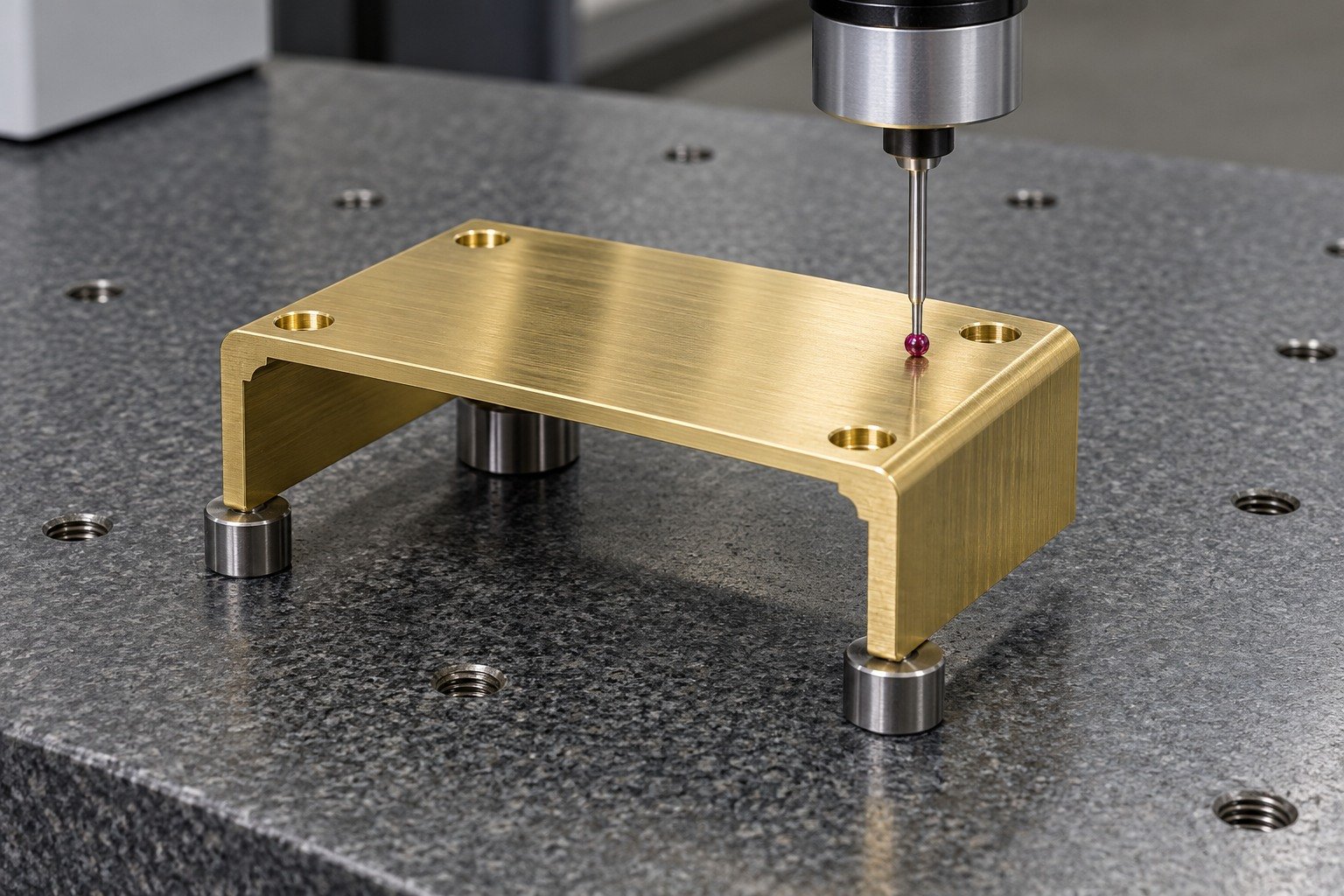
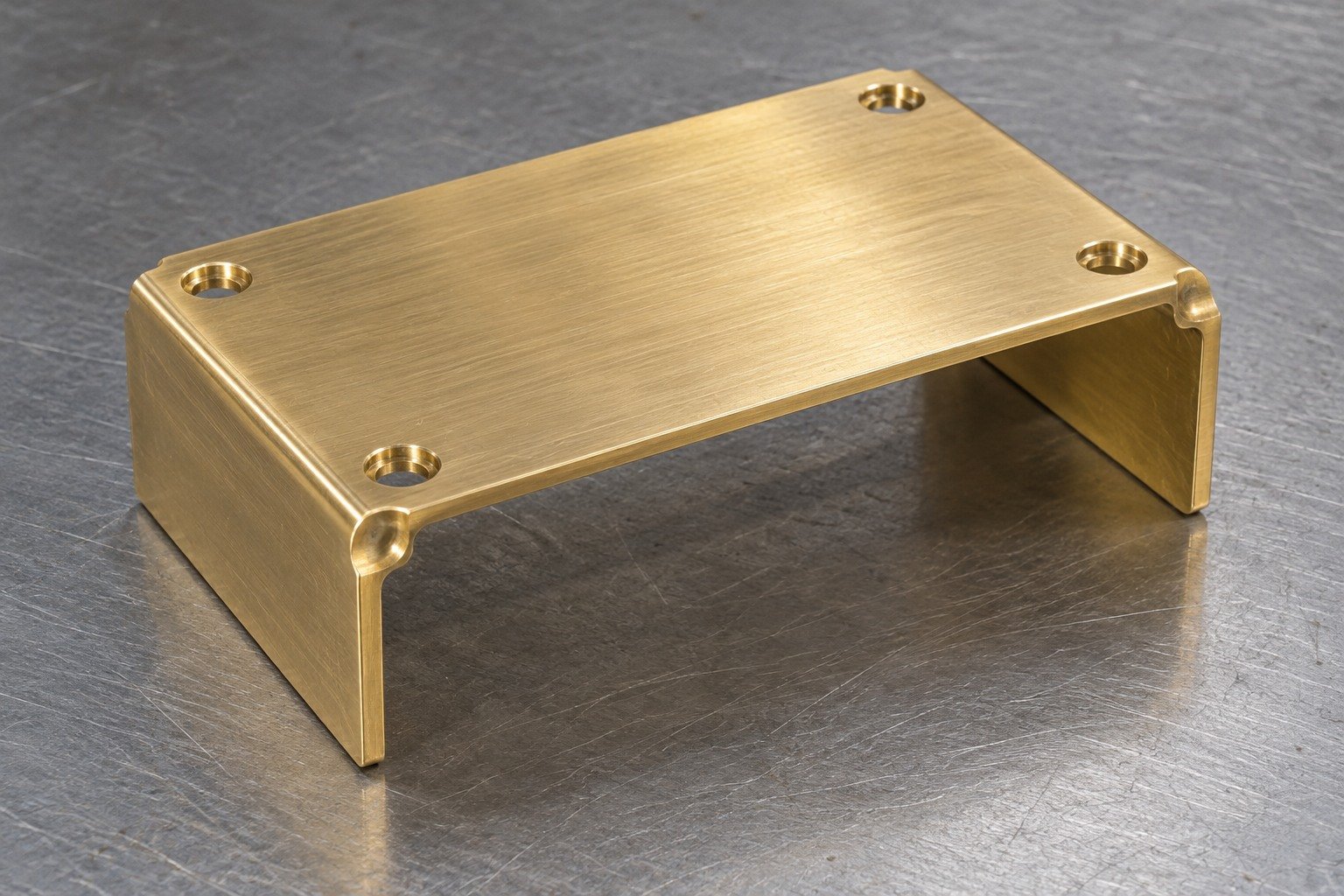
Formed covers and stamped-part inquiries. Agree sheet temper, thickness and forming route; do not treat it as free-cutting rod.
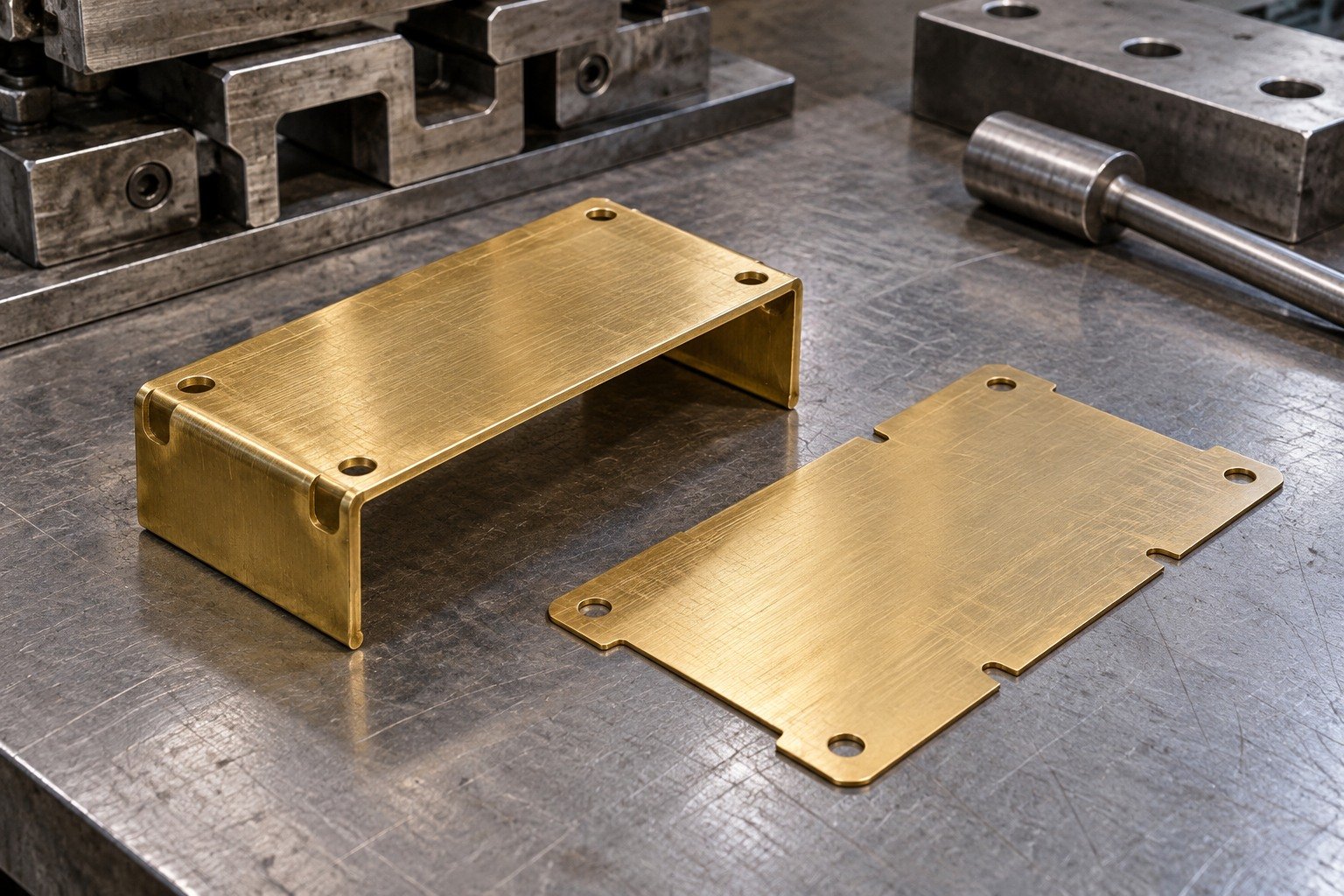
C26000 Cartridge Brass
Define stock form, supplied condition, machining allowance and tool access for your drawing. Bend direction, corner reliefs, holes and springback.
C26000 Cartridge Brass
Specify functional roughness, visible surfaces, edge condition, cleaning and protection. Agree sheet temper, thickness and forming route; do not treat it as free-cutting rod.

C26000 Cartridge Brass
Agree material identity, first-sample acceptance and the controlled features on the finished part. Bend direction, corner reliefs, holes and springback.
C37700 Forging Brass
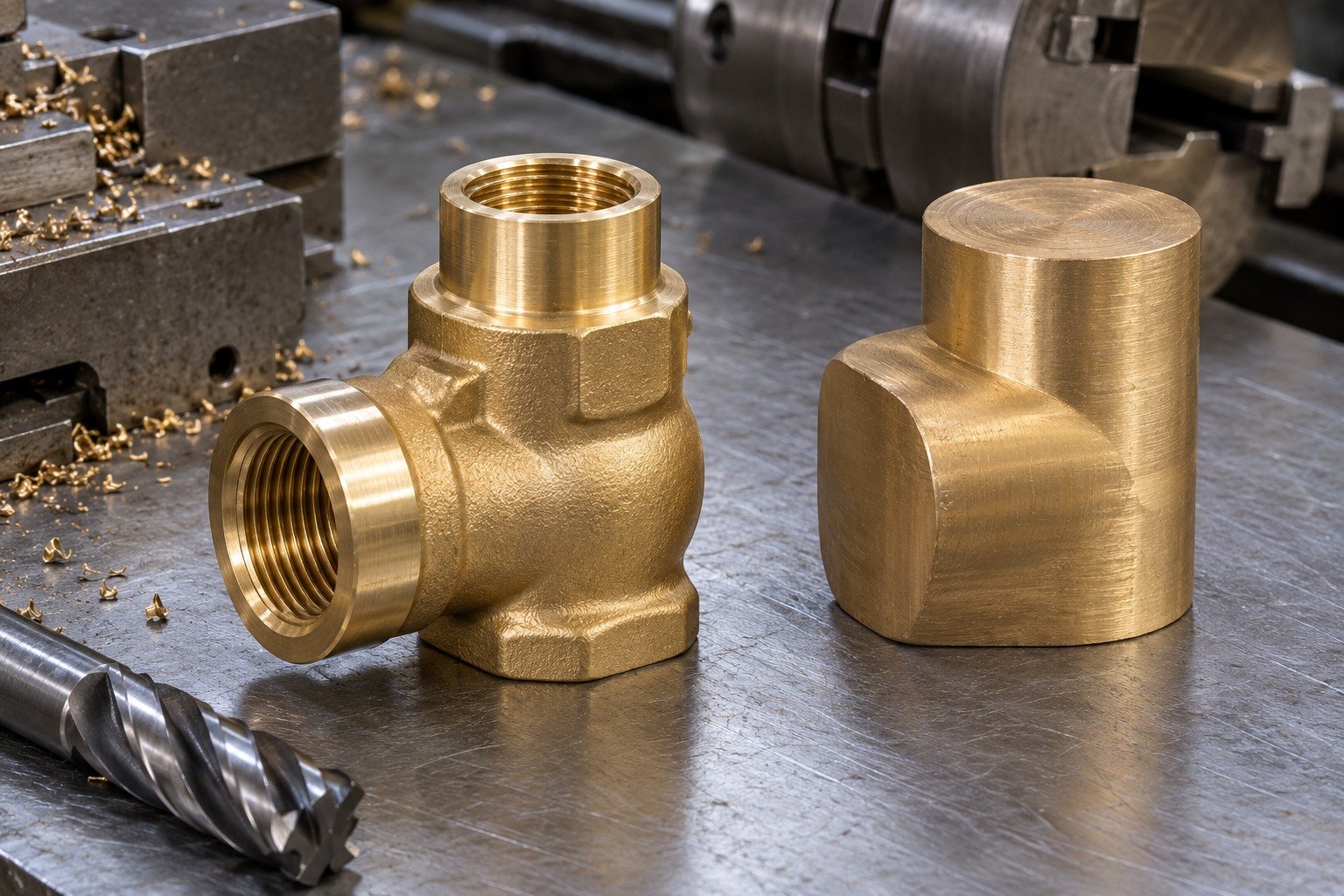
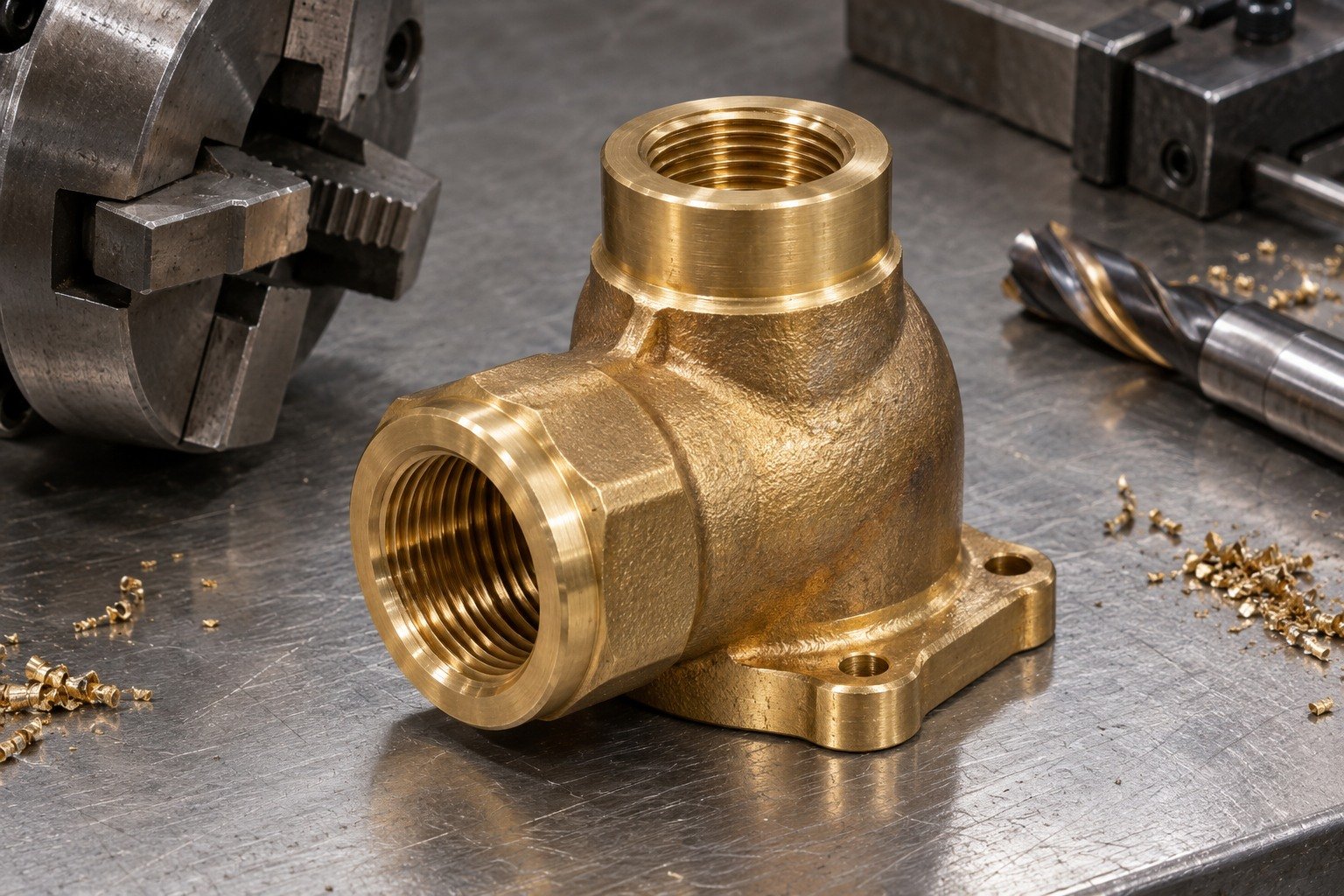
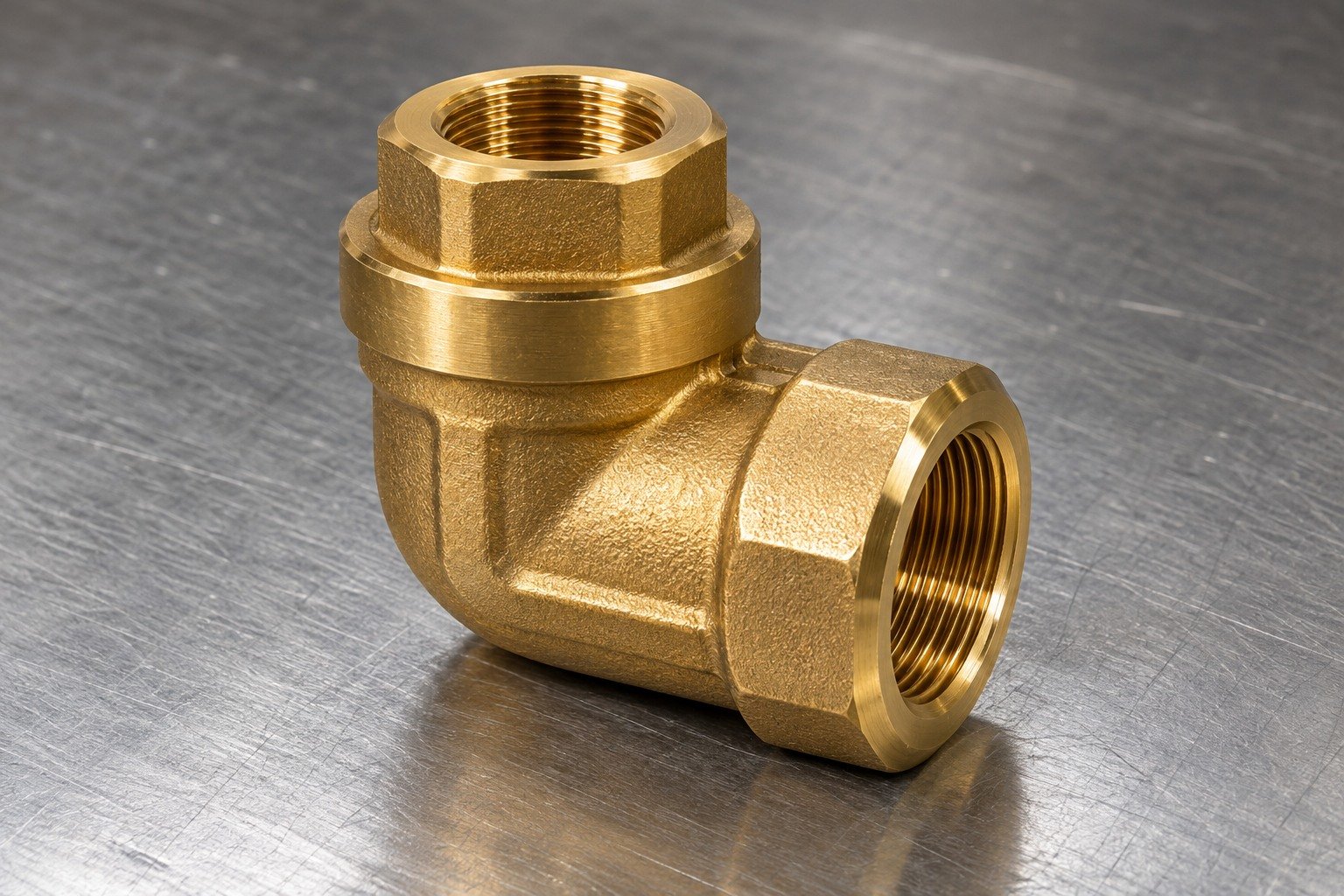
Forged-style valve bodies and machined connections. Review forging feasibility, final machining and pressure-test responsibility separately.
C37700 Forging Brass
Define stock form, supplied condition, machining allowance and tool access for your drawing. Forging stock, machining allowance and port relationships.

C37700 Forging Brass
Specify functional roughness, visible surfaces, edge condition, cleaning and protection. Review forging feasibility, final machining and pressure-test responsibility separately.
C37700 Forging Brass
Agree material identity, first-sample acceptance and the controlled features on the finished part. Forging stock, machining allowance and port relationships.
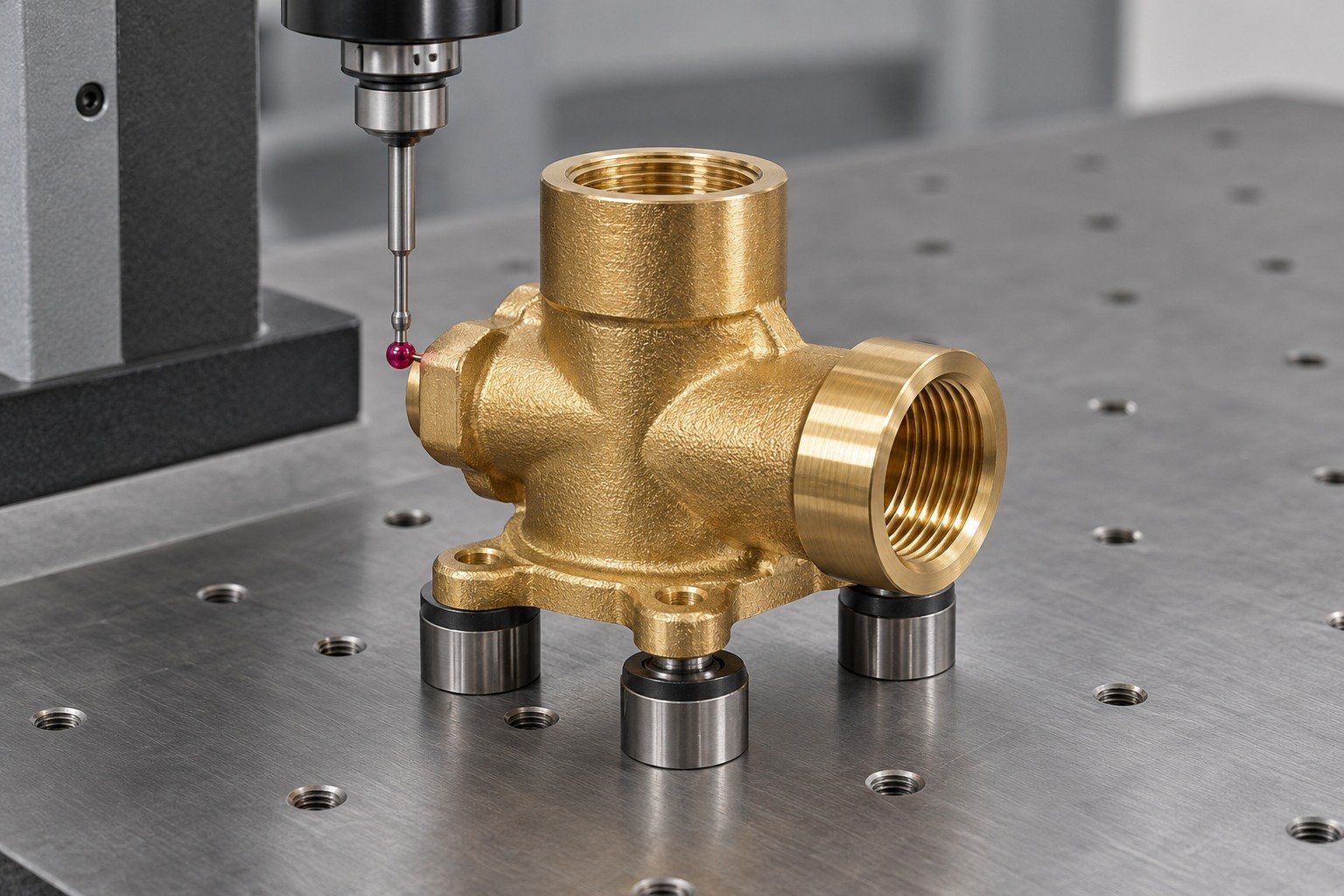
C69300 Silicon Brass
Specified low-lead fitting and connector inquiries. Confirm the actual composition and market requirement; alloy naming alone is not product approval.
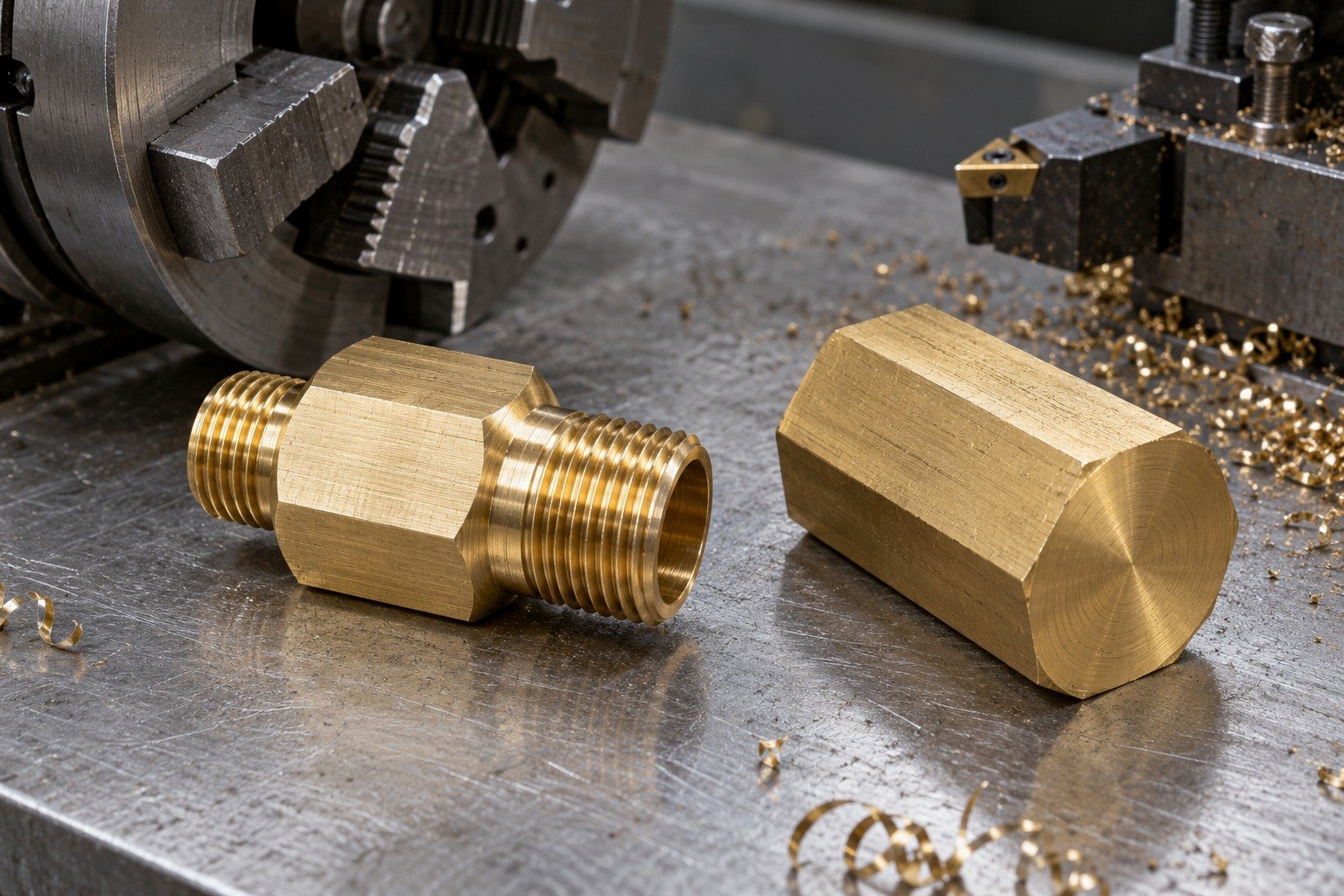
C69300 Silicon Brass
Define stock form, supplied condition, machining allowance and tool access for your drawing. Thread engagement, sealing geometry and required records.

C69300 Silicon Brass
Specify functional roughness, visible surfaces, edge condition, cleaning and protection. Confirm the actual composition and market requirement; alloy naming alone is not product approval.
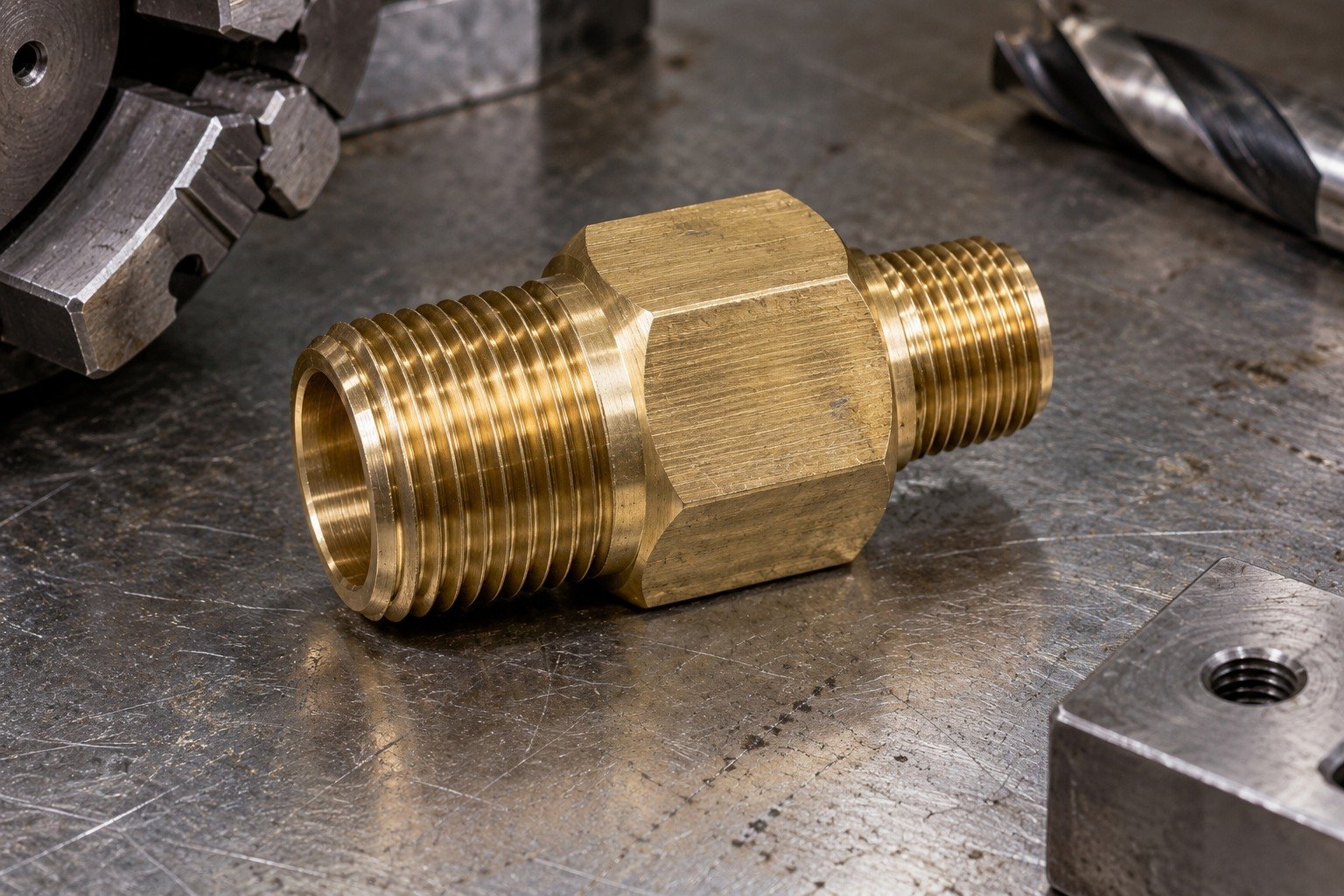
C69300 Silicon Brass
Agree material identity, first-sample acceptance and the controlled features on the finished part. Thread engagement, sealing geometry and required records.

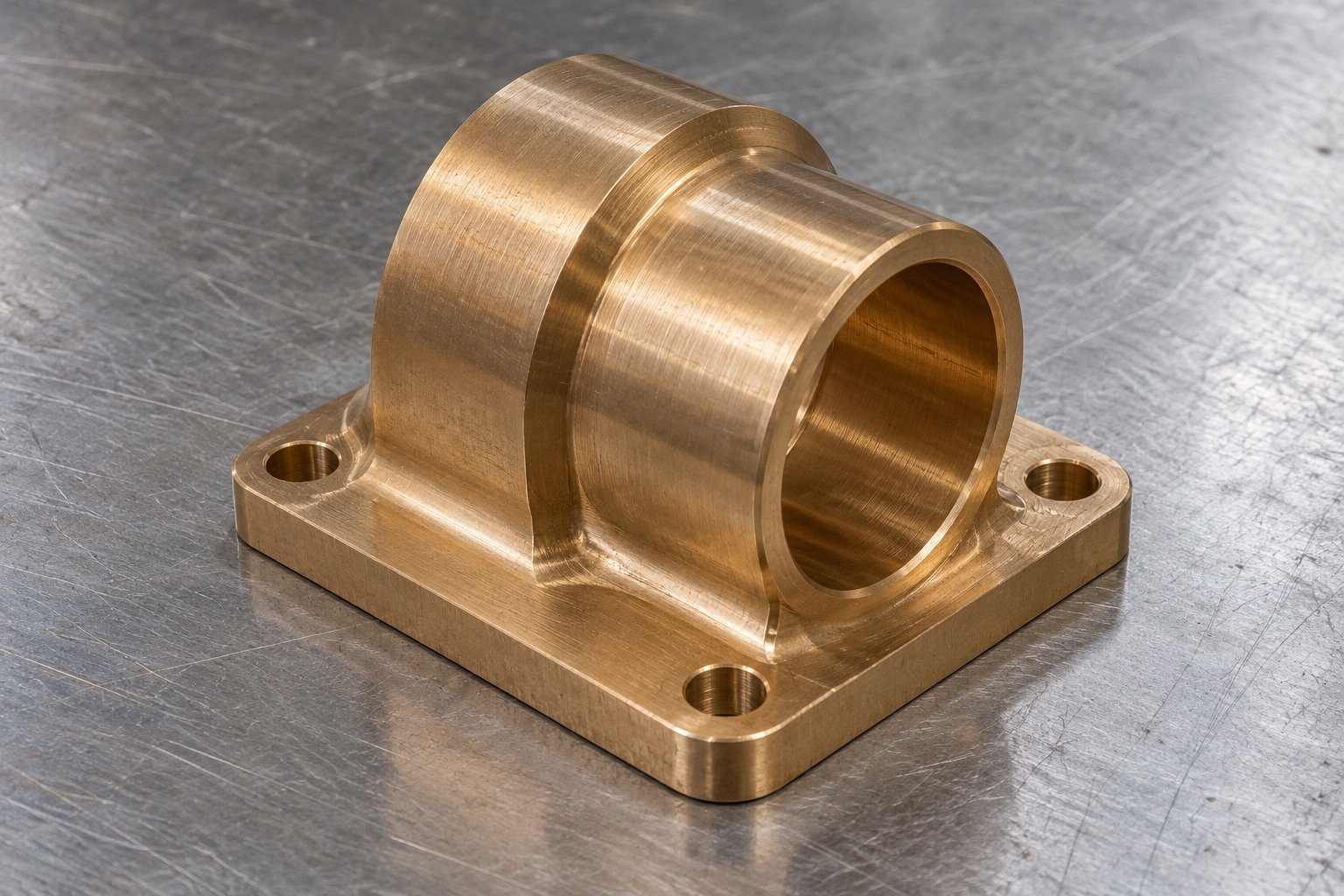
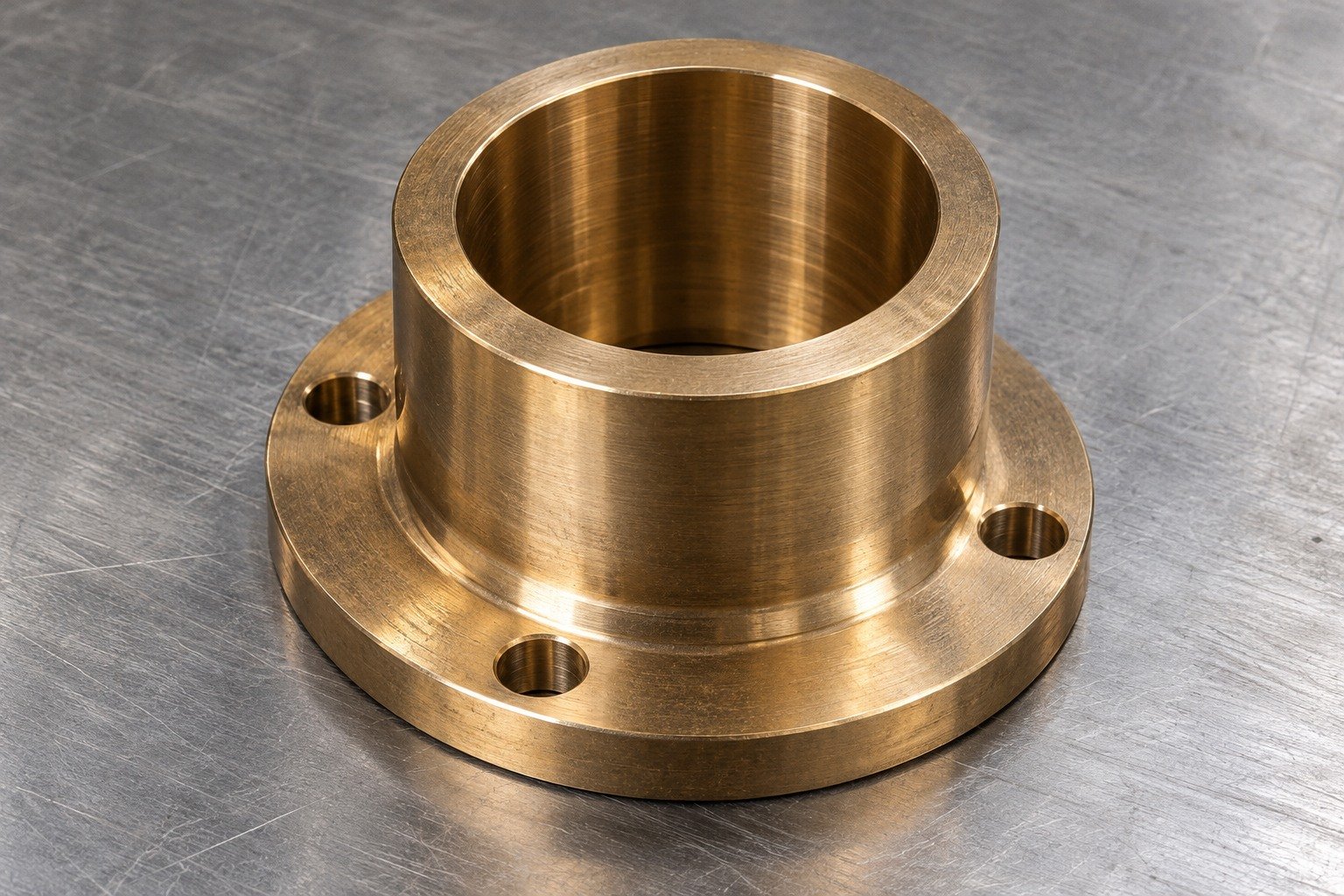
C93200 Bearing Bronze
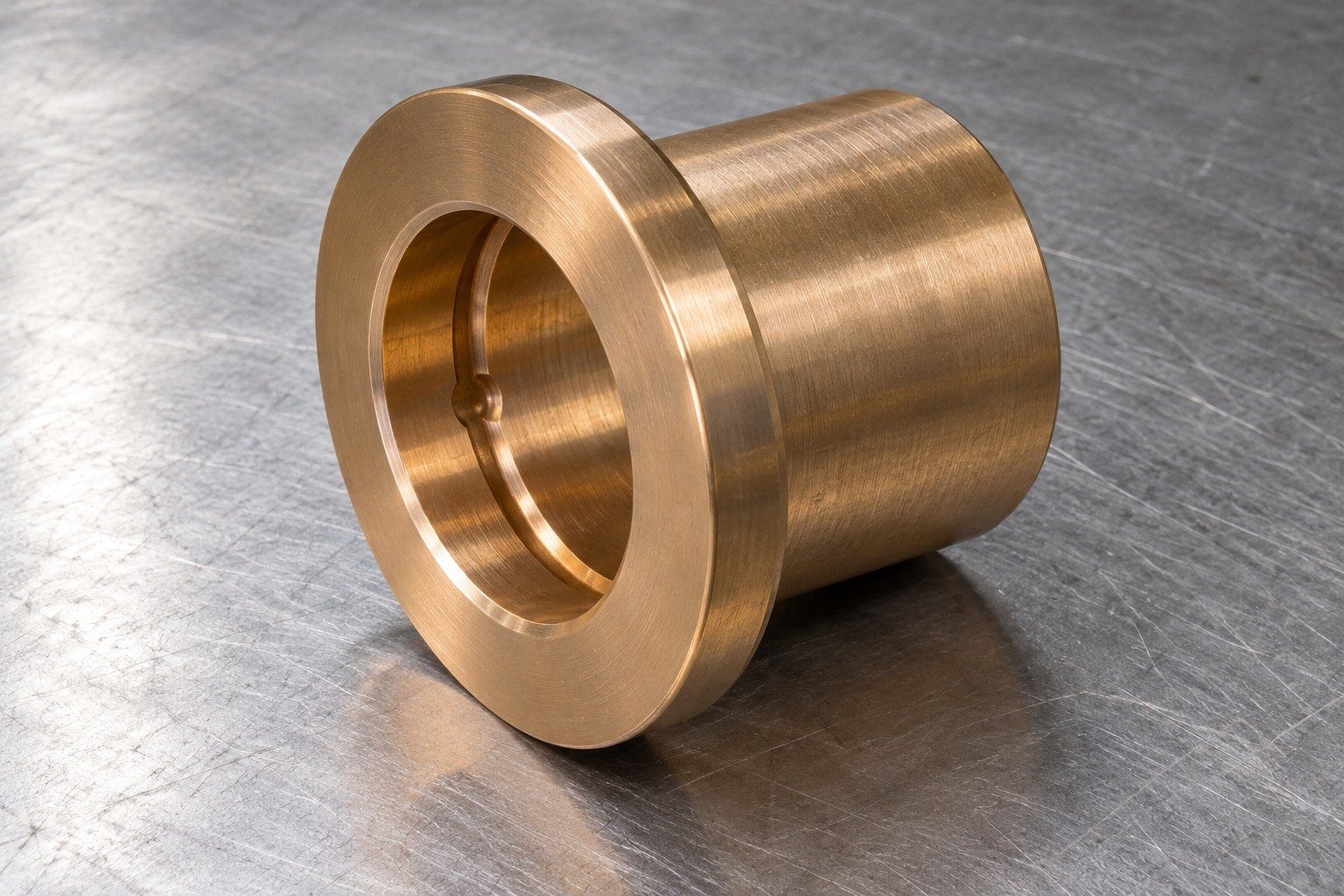
Flanged bushings and sliding-bearing geometry. Provide mating shaft, load, speed and lubrication; a grade name does not establish bearing life.

C93200 Bearing Bronze
Define stock form, supplied condition, machining allowance and tool access for your drawing. Running clearance, housing fit and lubrication grooves.

C93200 Bearing Bronze
Specify functional roughness, visible surfaces, edge condition, cleaning and protection. Provide mating shaft, load, speed and lubrication; a grade name does not establish bearing life.
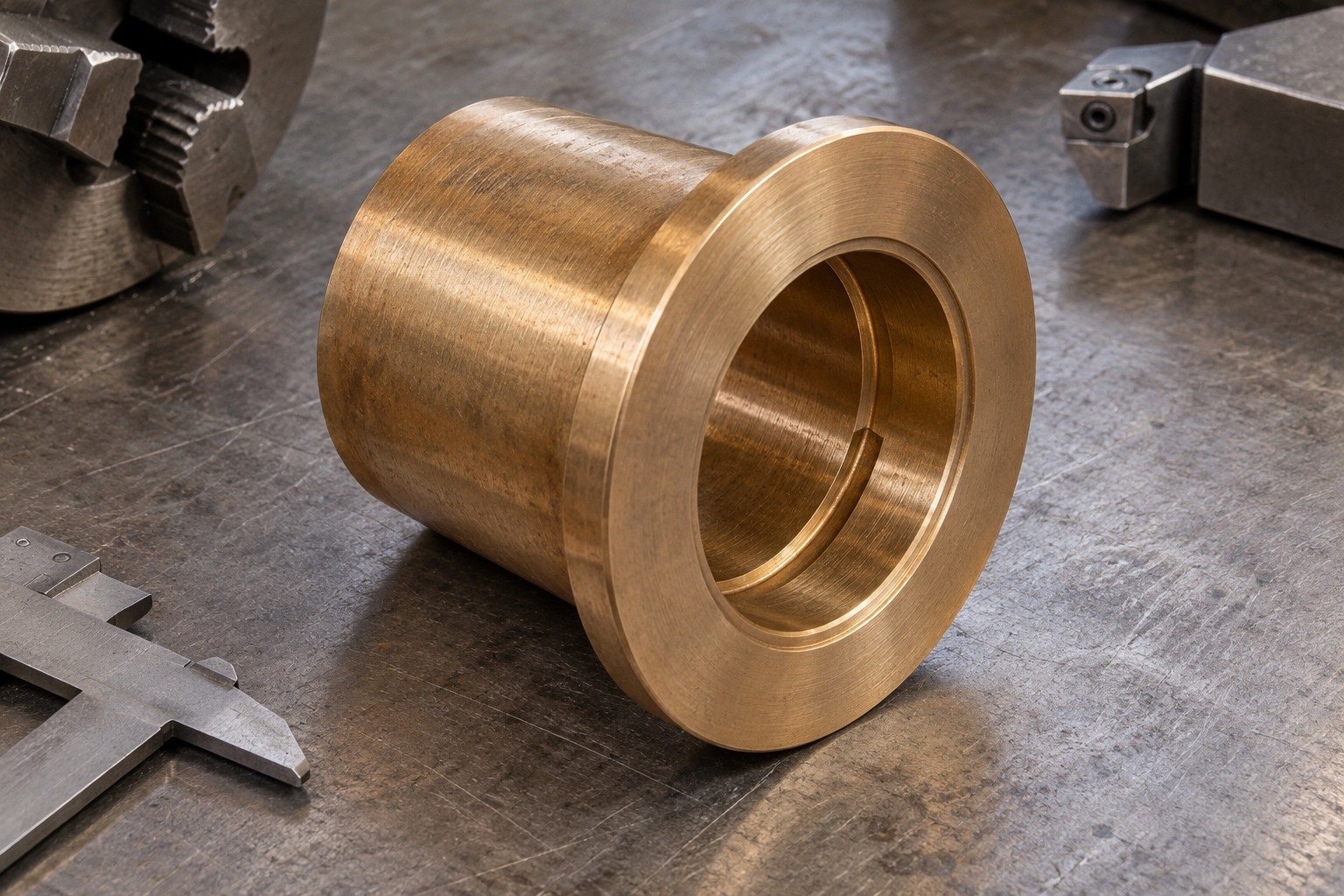
C93200 Bearing Bronze
Agree material identity, first-sample acceptance and the controlled features on the finished part. Running clearance, housing fit and lubrication grooves.
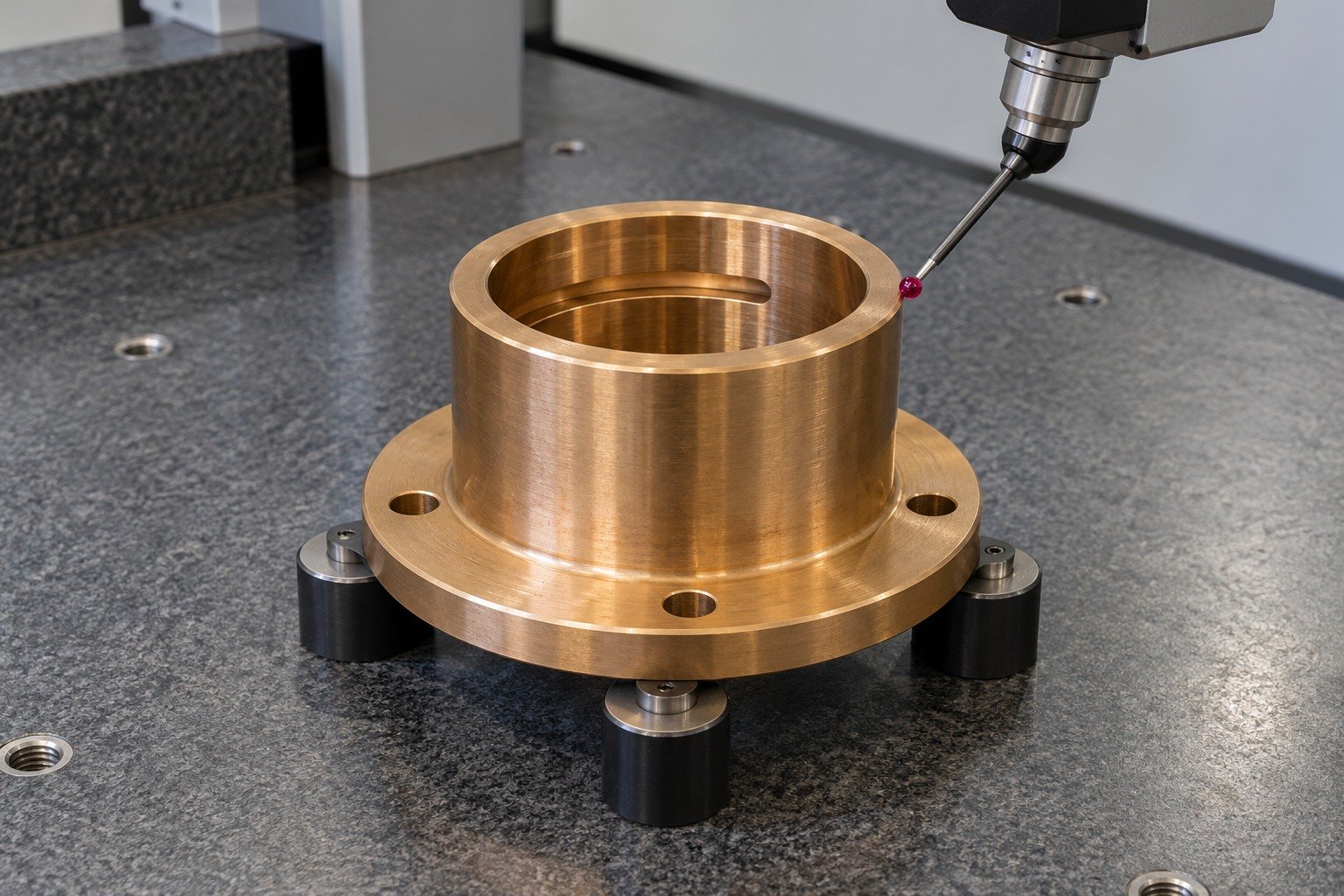
C95400 Aluminum Bronze
Loaded sleeves and wear-component geometry. Agree the exact casting or stock specification and supplied state.
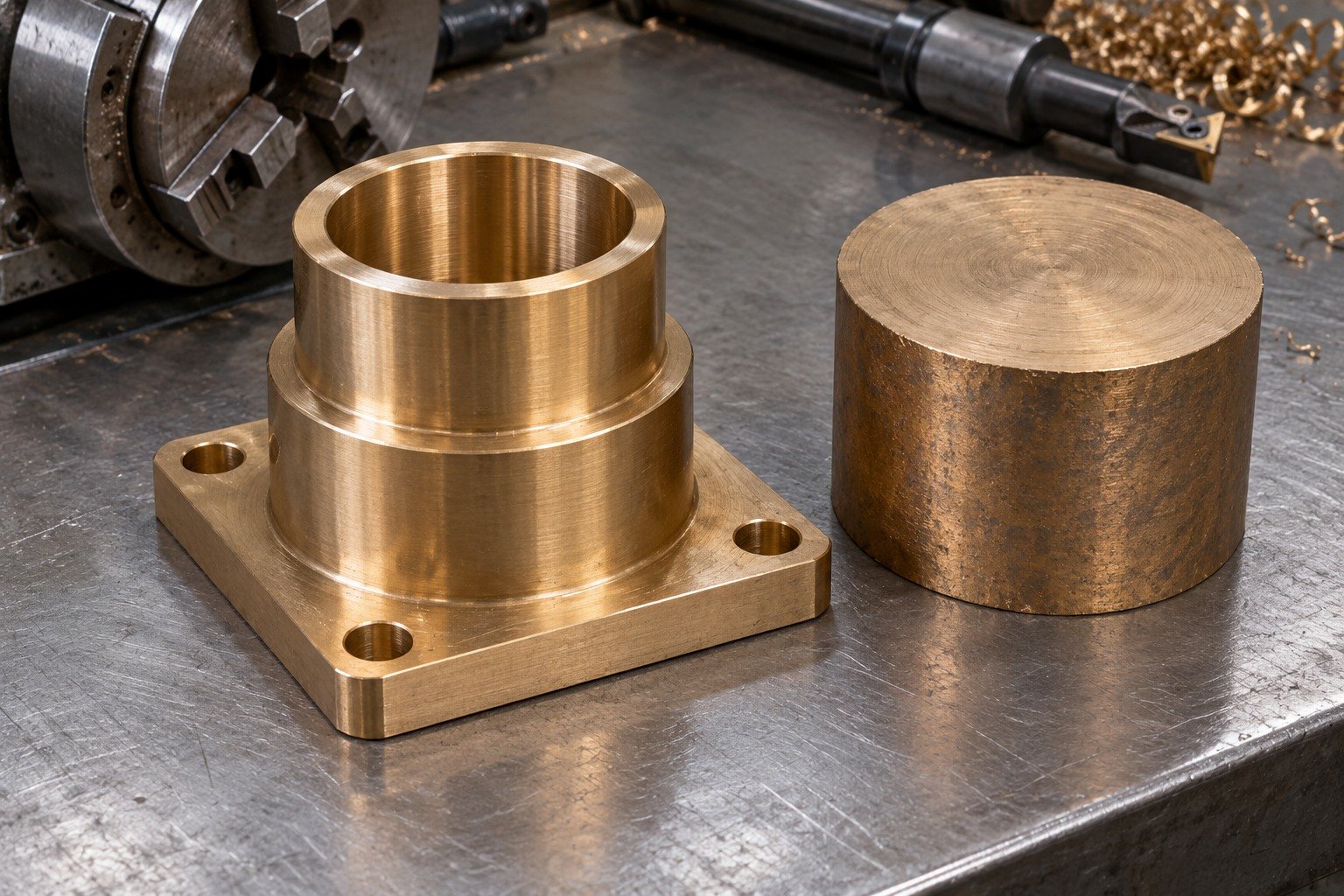
C95400 Aluminum Bronze
Define stock form, supplied condition, machining allowance and tool access for your drawing. Supported bores, shoulders and working contact.
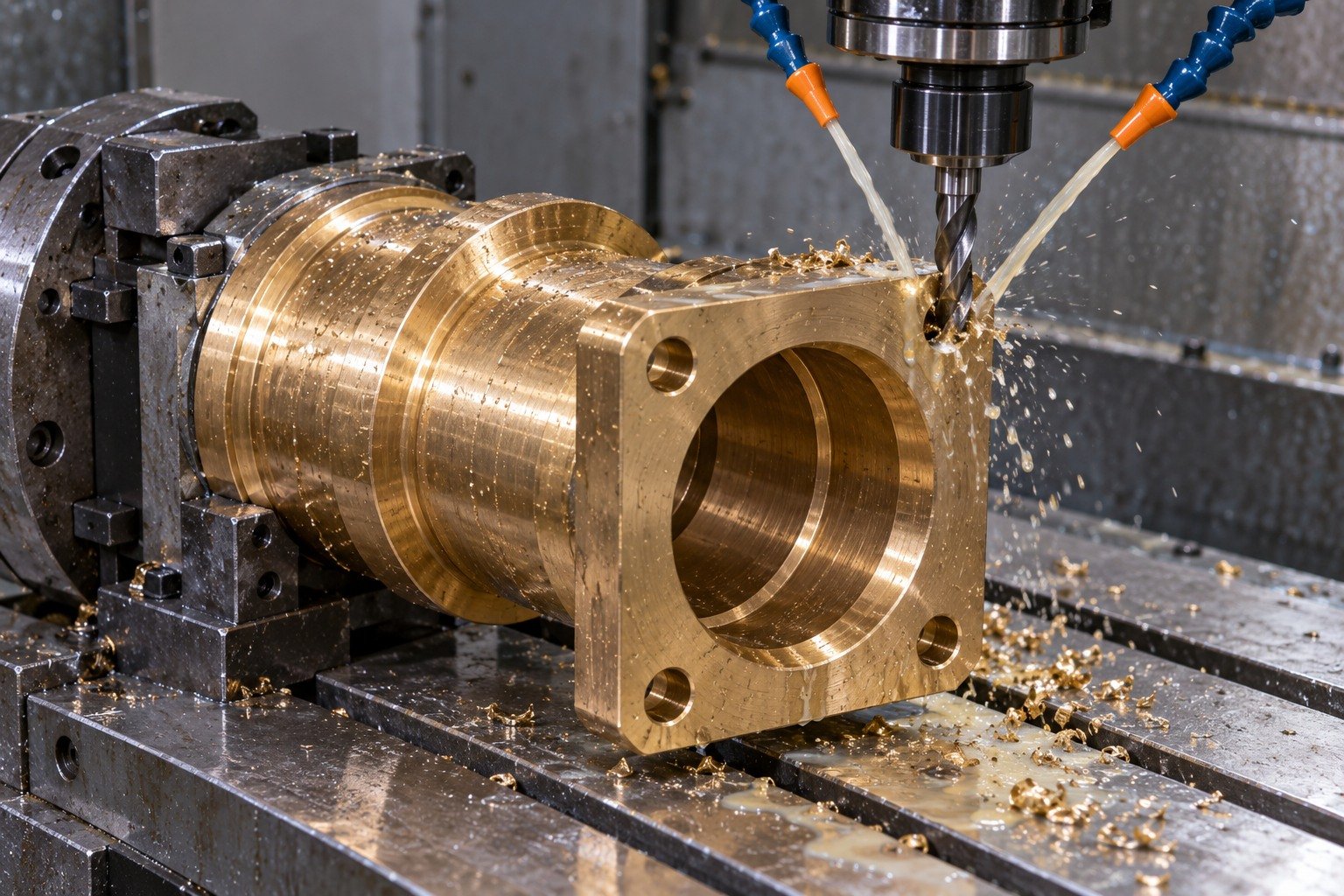
C95400 Aluminum Bronze
Specify functional roughness, visible surfaces, edge condition, cleaning and protection. Agree the exact casting or stock specification and supplied state.
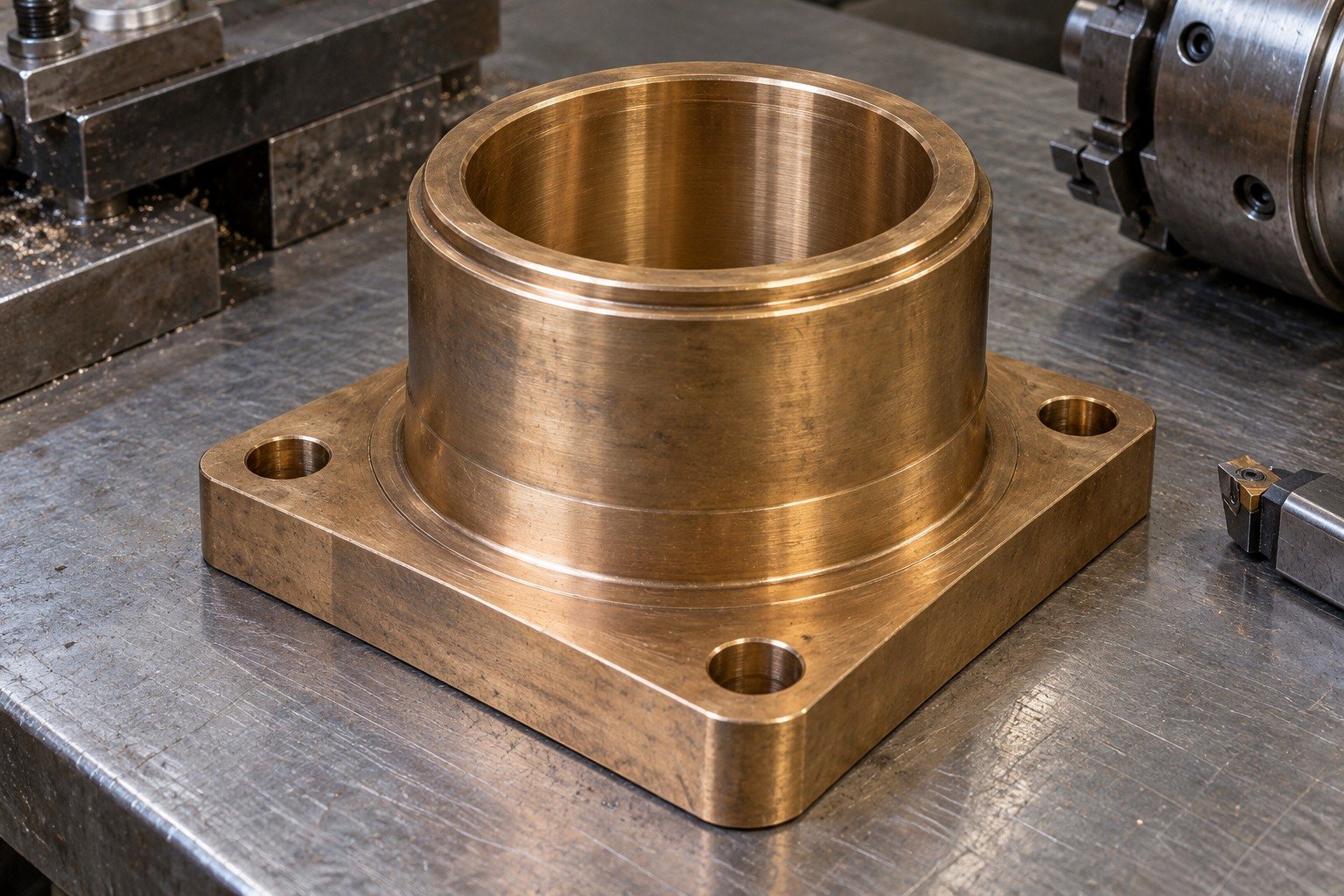
C95400 Aluminum Bronze
Agree material identity, first-sample acceptance and the controlled features on the finished part. Supported bores, shoulders and working contact.
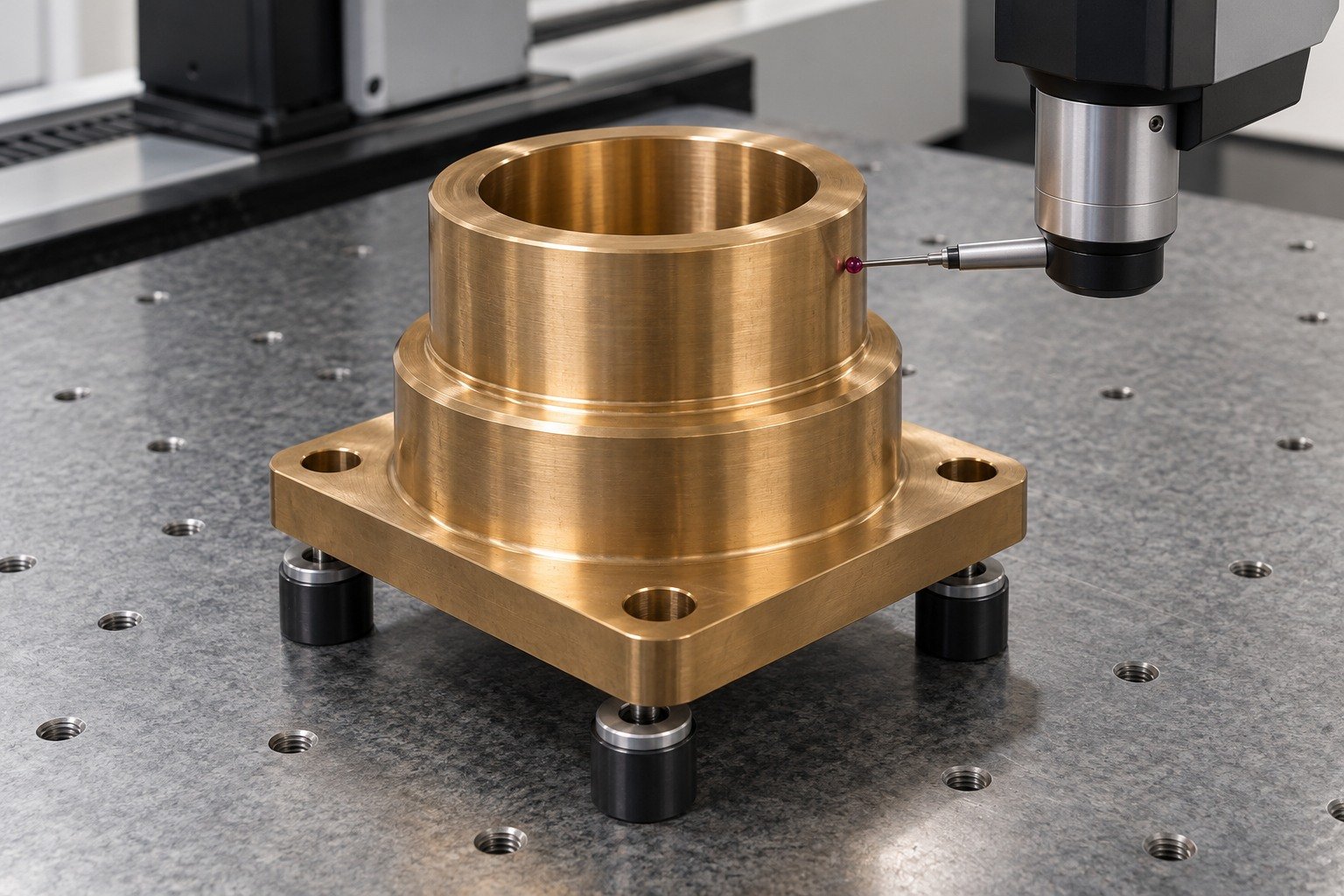
C51000 Phosphor Bronze
Formed contacts and strip-component inquiries. Specify strip temper and thickness; spring performance needs your actual design requirements.
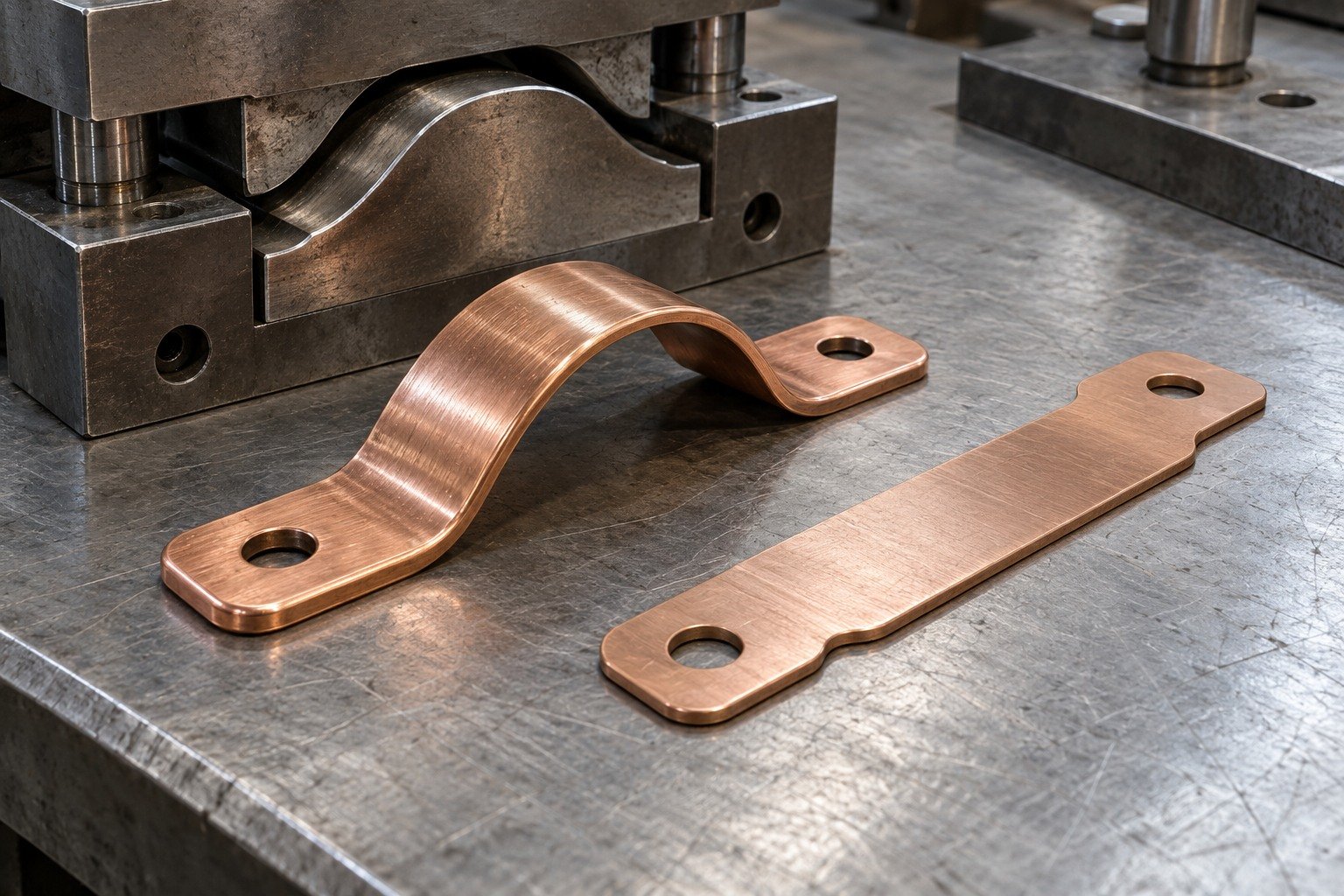
C51000 Phosphor Bronze
Define stock form, supplied condition, machining allowance and tool access for your drawing. Bend radius, pierced edges and controlled working profile.

C51000 Phosphor Bronze
Specify functional roughness, visible surfaces, edge condition, cleaning and protection. Specify strip temper and thickness; spring performance needs your actual design requirements.

C51000 Phosphor Bronze
Agree material identity, first-sample acceptance and the controlled features on the finished part. Bend radius, pierced edges and controlled working profile.
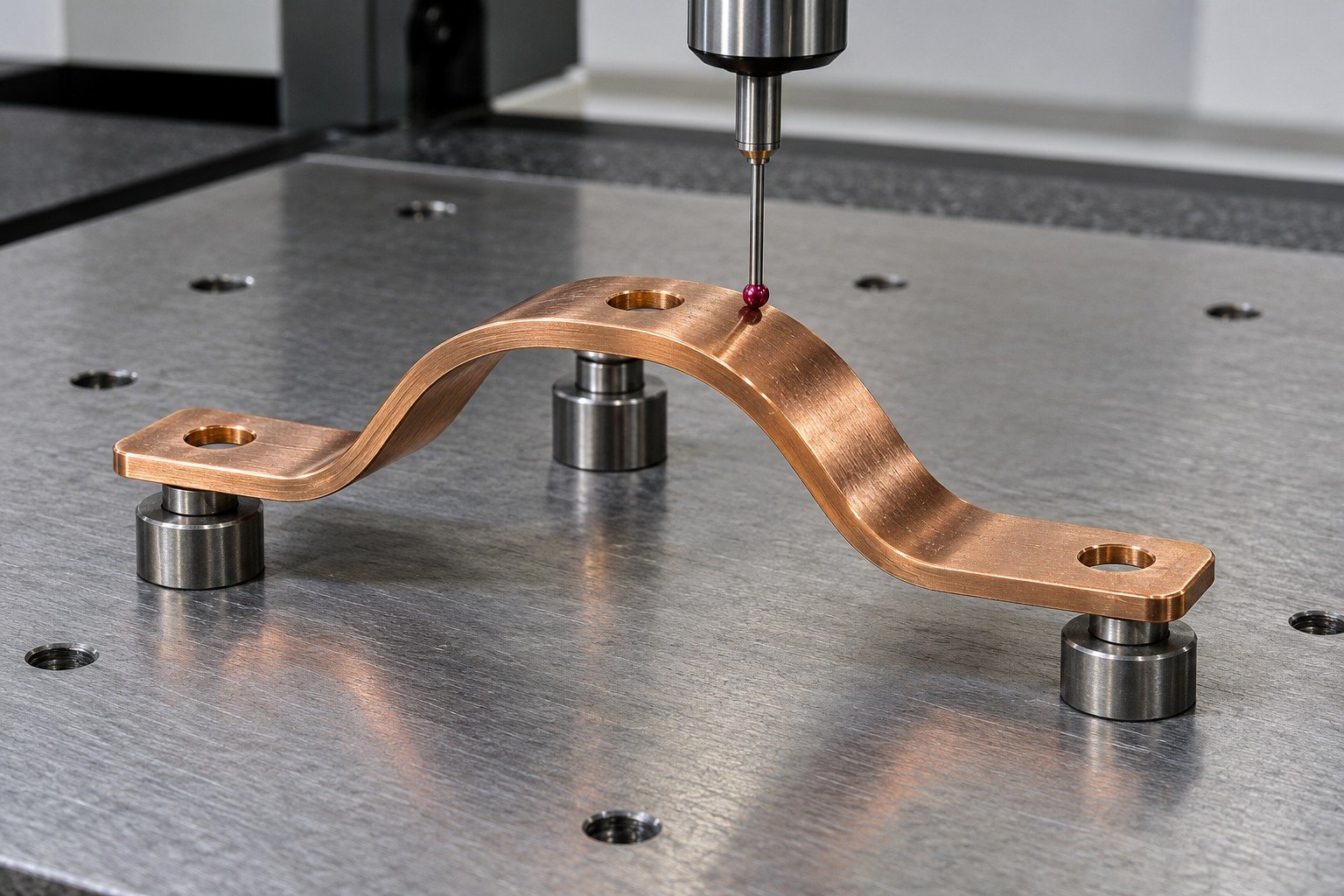
C63000 Nickel Aluminum Bronze
Carriers, sleeves and specified loaded components. Keep wrought product requirements distinct from similarly named cast bronzes.
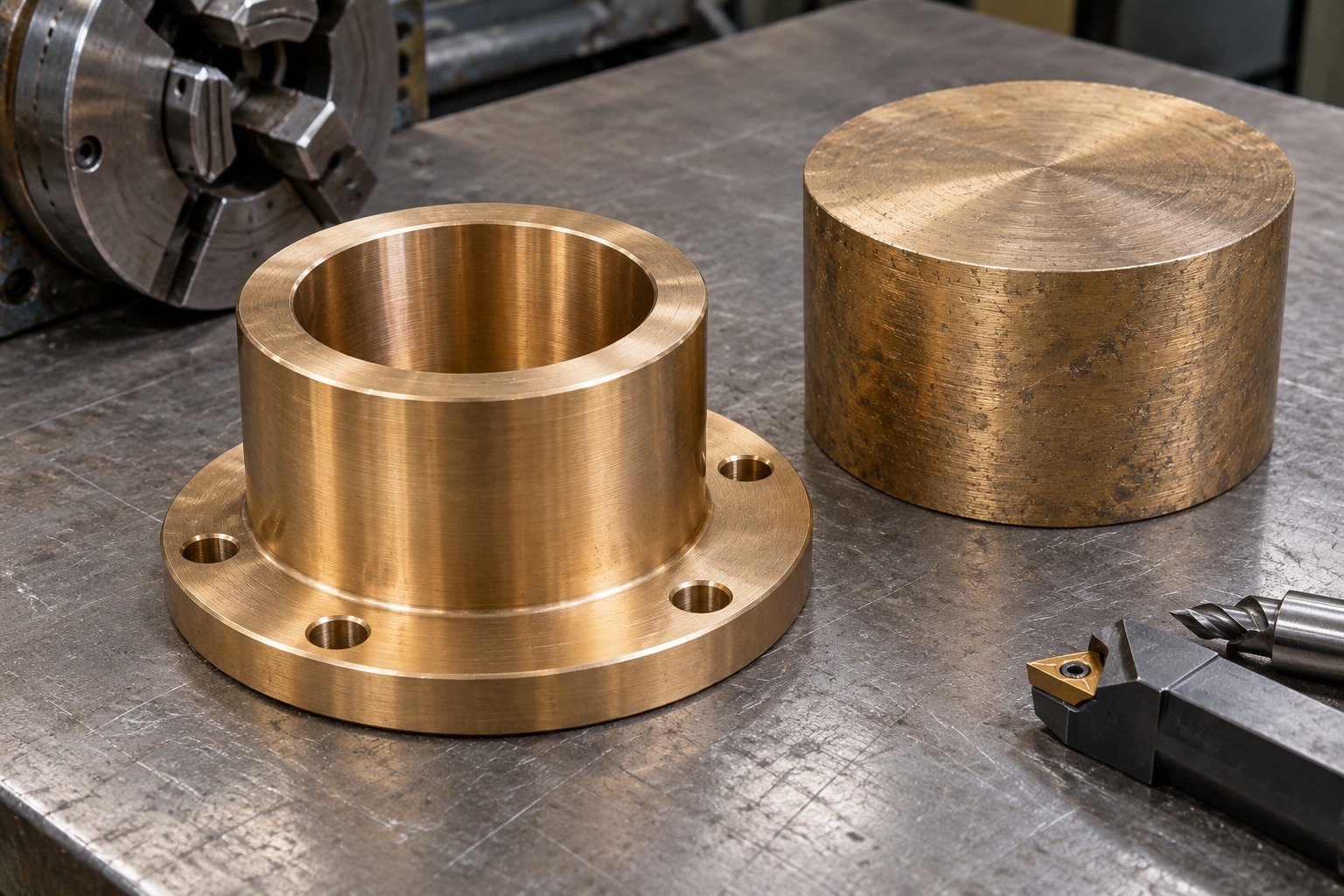
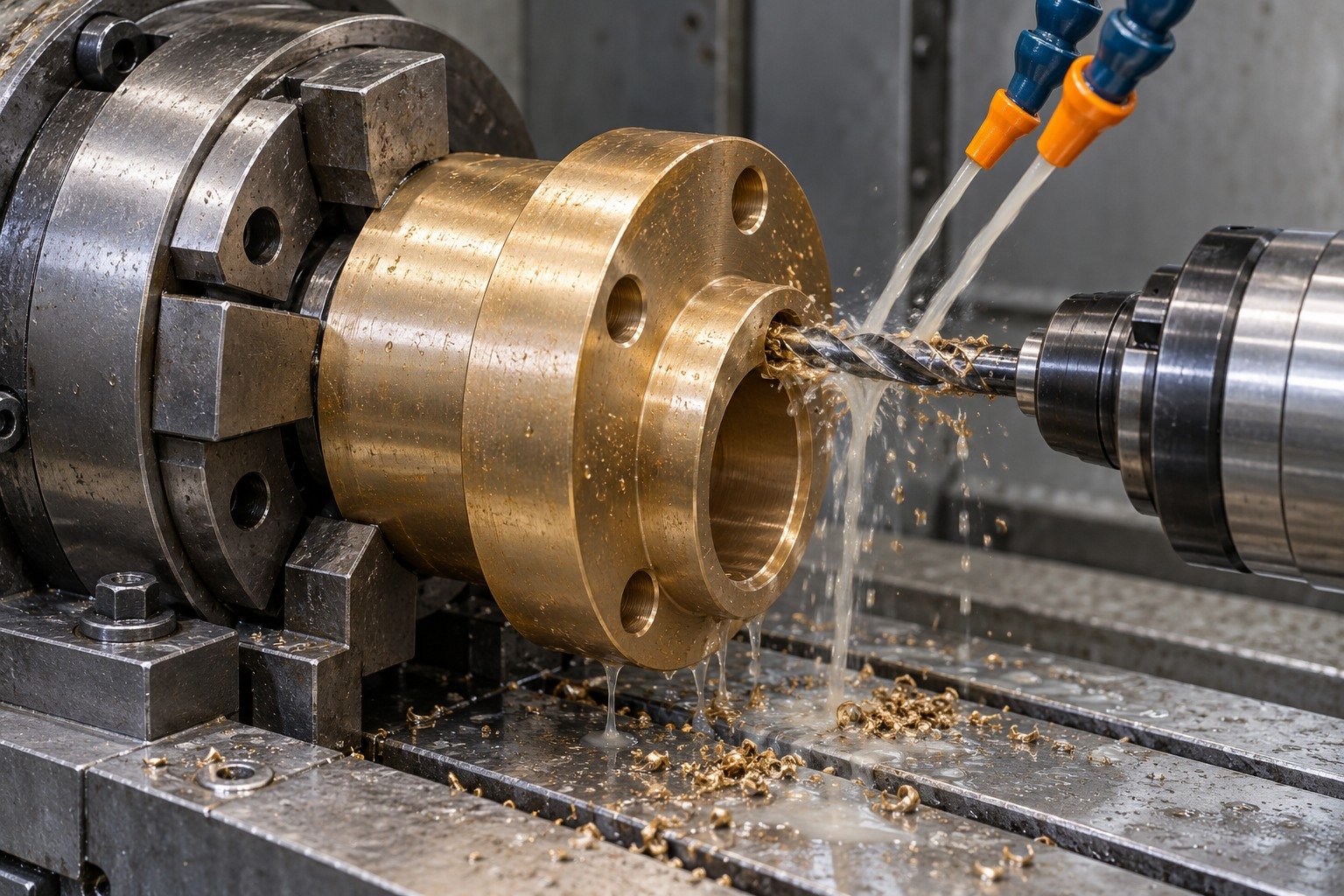
C63000 Nickel Aluminum Bronze
Define stock form, supplied condition, machining allowance and tool access for your drawing. Datum faces, bore relationships and mating geometry.
C63000 Nickel Aluminum Bronze
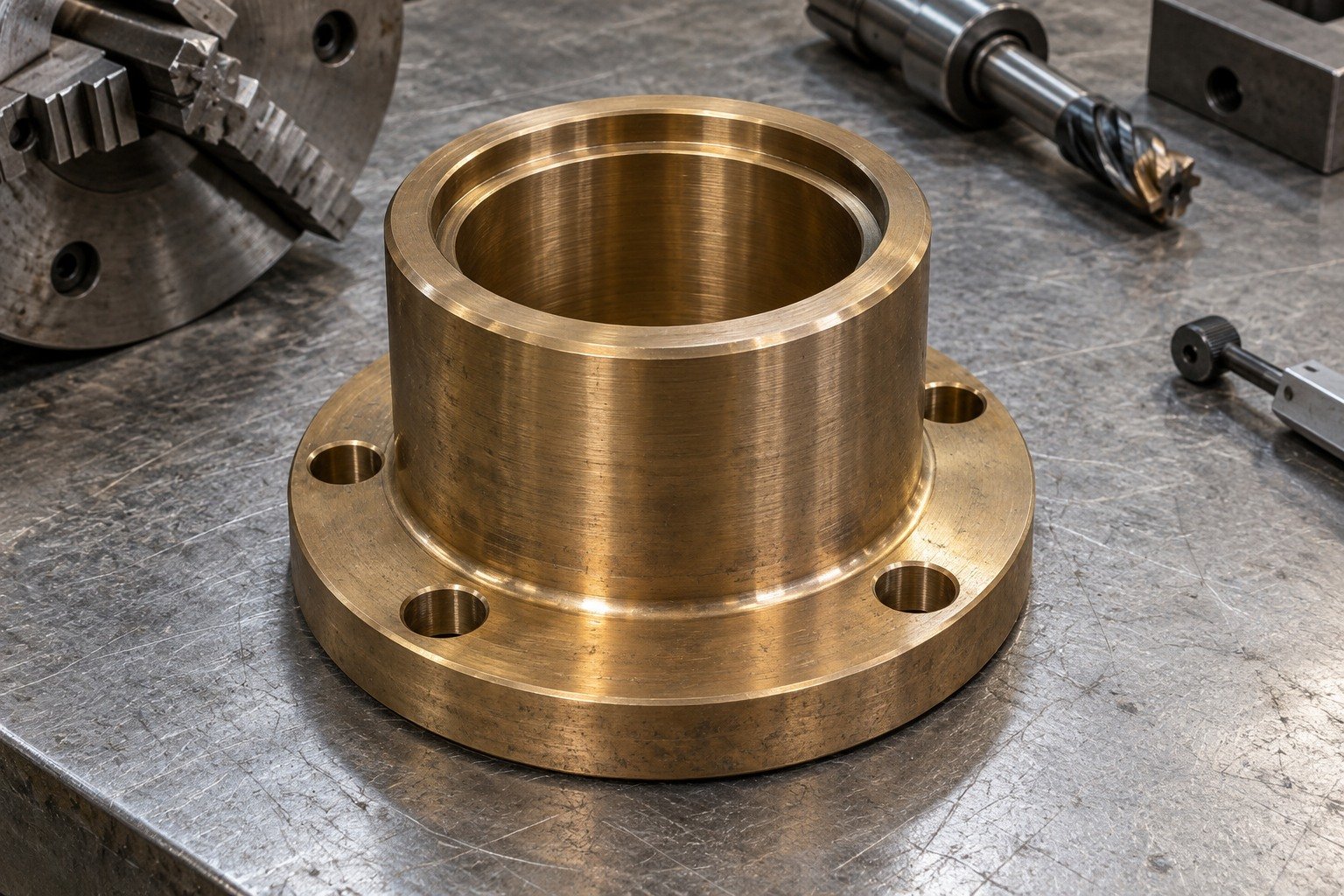
Specify functional roughness, visible surfaces, edge condition, cleaning and protection. Keep wrought product requirements distinct from similarly named cast bronzes.
C63000 Nickel Aluminum Bronze
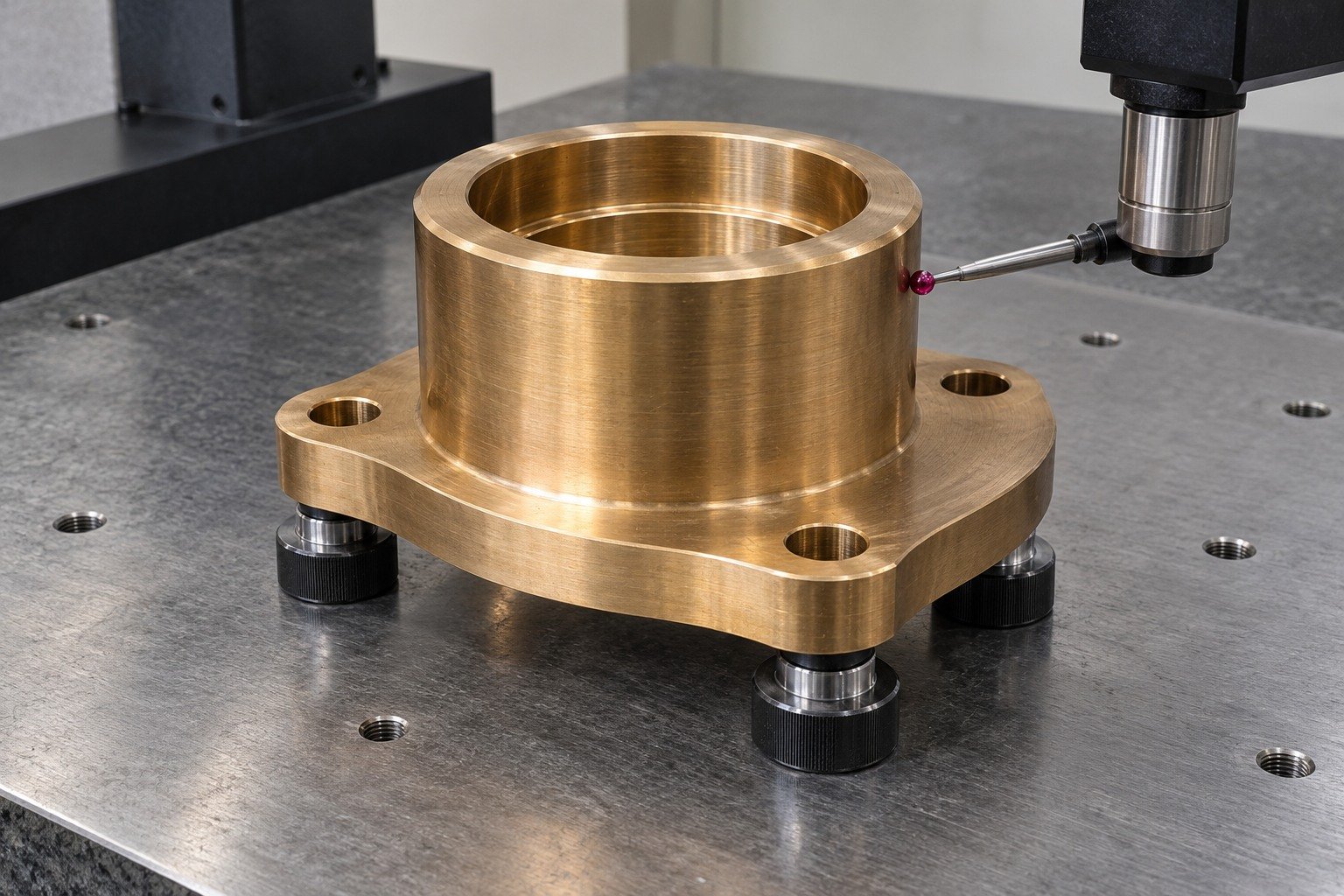
Agree material identity, first-sample acceptance and the controlled features on the finished part. Datum faces, bore relationships and mating geometry.
Open the grade-specific material review in a new tab. A listed grade is not a stock promise or an approved substitution.
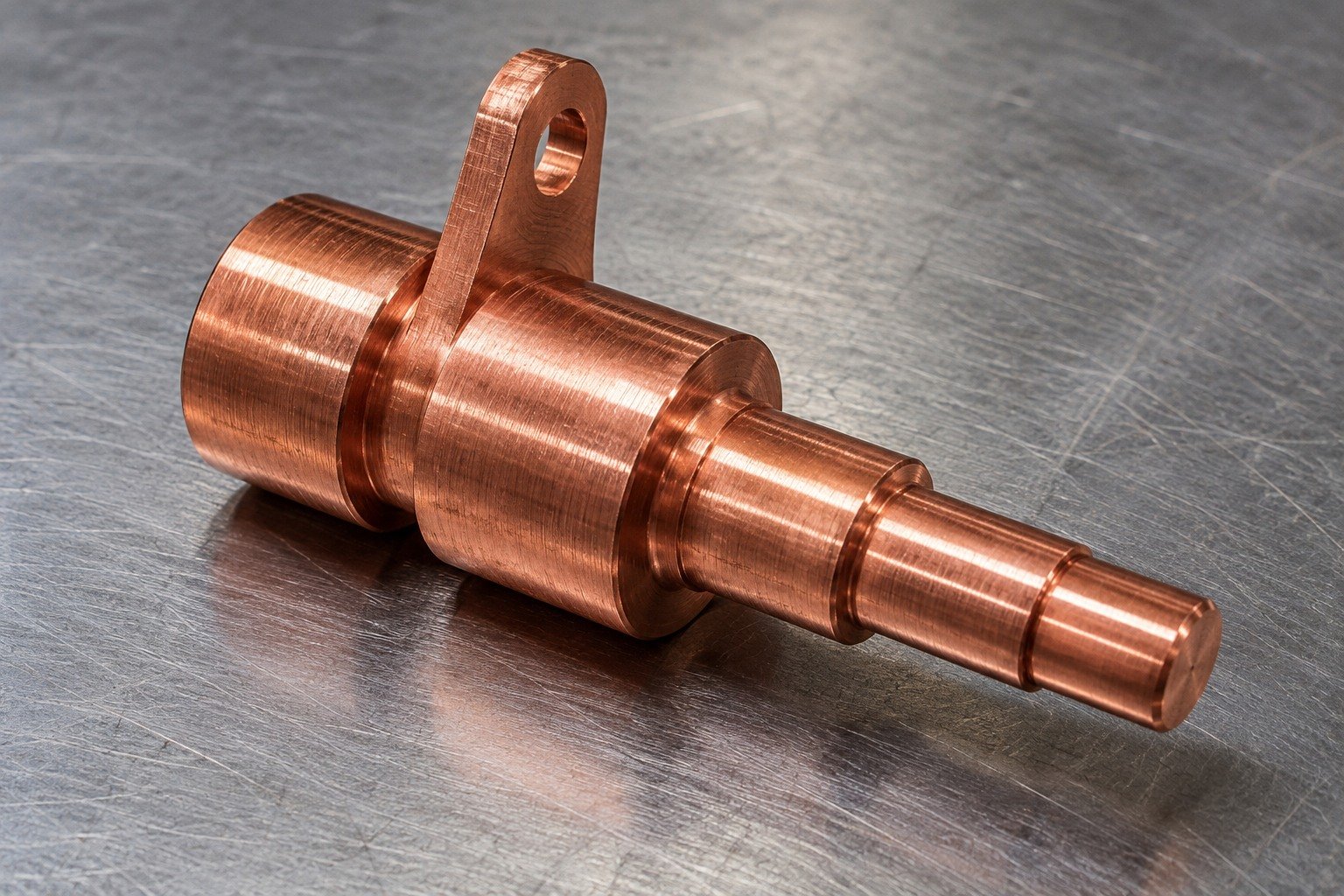
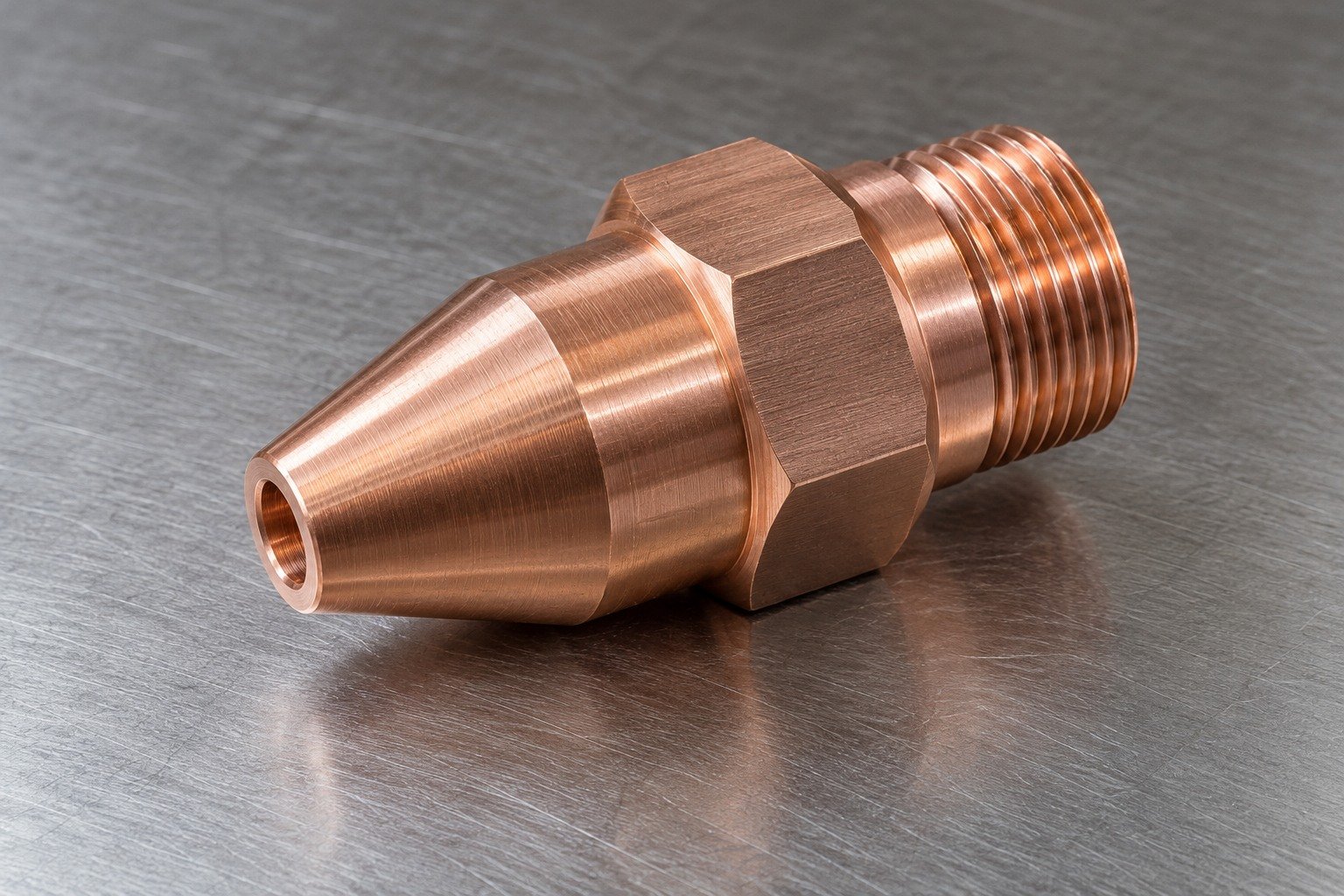
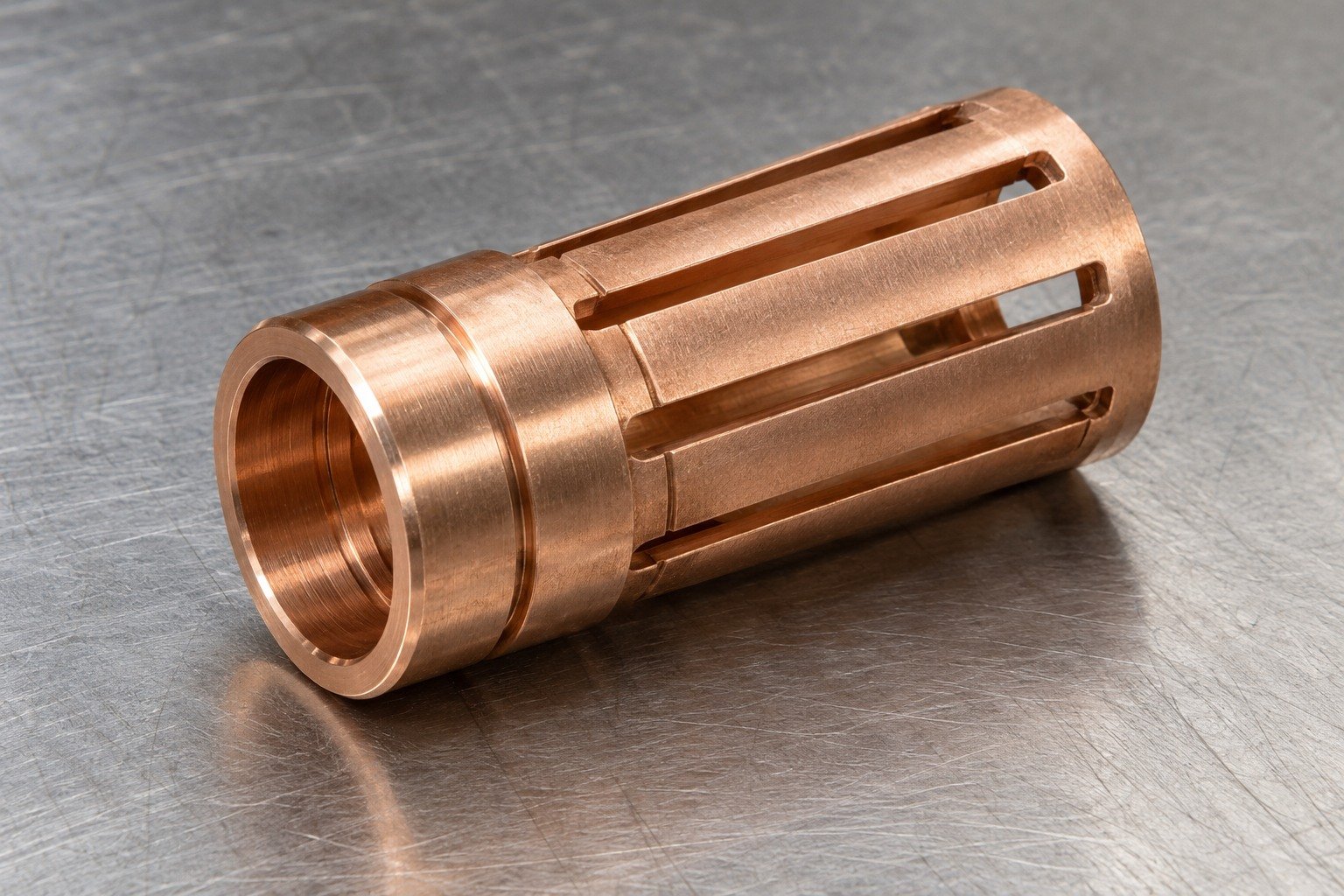
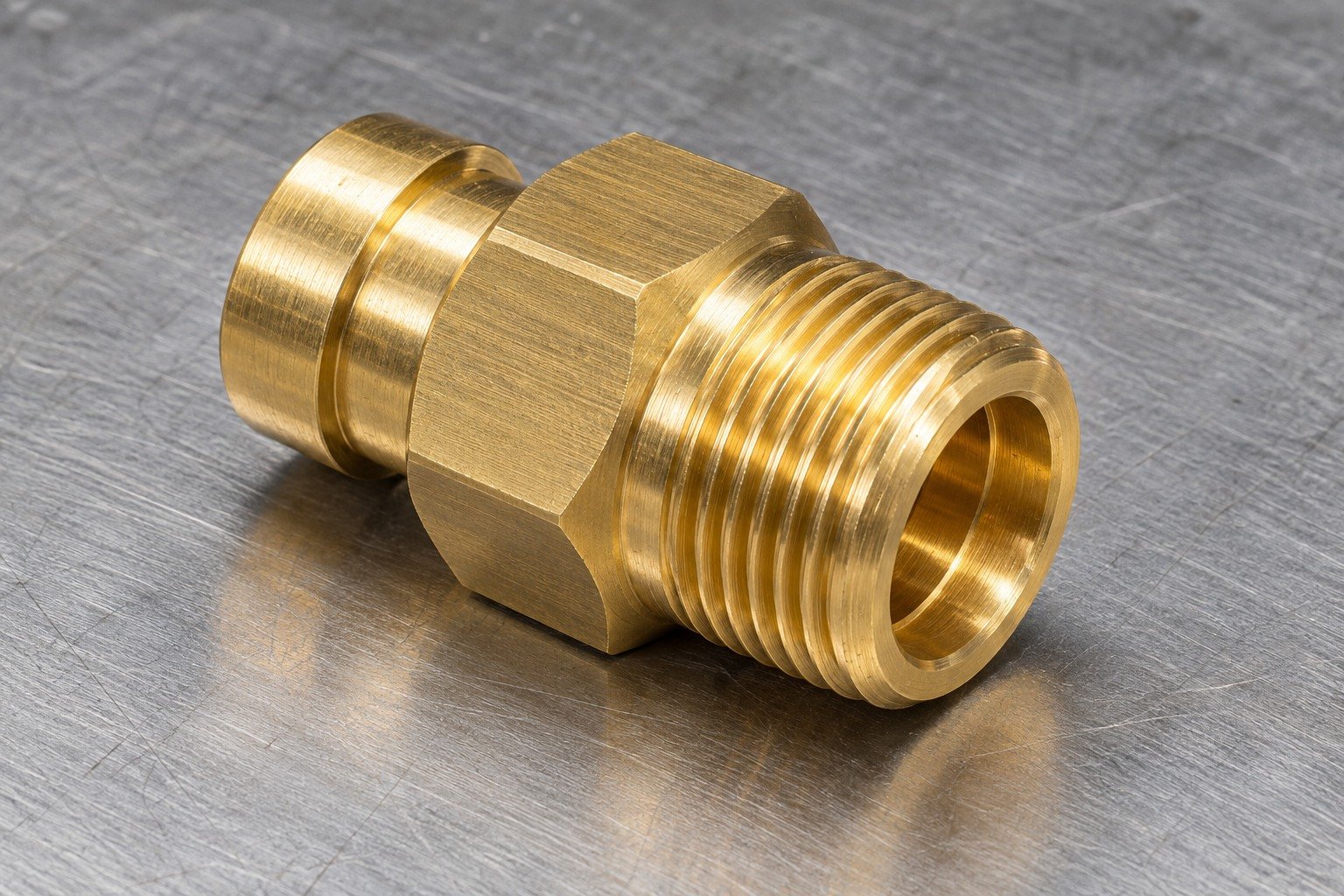

% IACS at 20°C (68°F). C11000 and C36000: annealed reference values, thyssenkrupp Materials NA. C93200: CDA cast-alloy reference. Values are selection data, not a lot report, contact-resistance result or part-performance guarantee. Actual conductivity depends on material and condition.
Specify current path, contact area, allowable temperature rise and required material conductivity.
Review chip control, burr acceptance, wall support and whether the part starts as rod, sheet or a forging.
Provide mating material, running clearance, load, speed and lubrication; do not choose a bushing by colour.
Identify fluid, temperature, lead-content limits and required documentation for the actual end use.
| Reference | Copper | Other selected elements | Use of this reference |
|---|---|---|---|
| C11000 / Cu-ETP | ≥99.90 | O ≤0.040 | Aurubis Cu-ETP reference; oxygen 400 ppm maximum. |
| C36000 | 60.0–63.0 | Pb 2.5–3.0; Fe ≤0.35; Zn remainder | Selected CDA C36000 chemistry; remaining requirements and ordered standard apply. |
| C93200 comparison: CC493K | 81.0–85.0, including Ni | Sn 6.0–8.0; Pb 5.0–8.0; Zn 2.0–5.0 | Alumeco EN CC493K reference; not a universal C93200 acceptance range. |
These selected reference limits do not replace the complete ordered standard or your material certificate. The European bronze reference is deliberately identified separately; cross-reference names do not guarantee identical chemistry or product requirements.
Sources: thyssenkrupp physical properties → CDA cast alloy conductivity → CDA C36000 → Aurubis Cu-ETP →
| UNS reference | European purchasing name | EN reference | What your order must resolve |
|---|---|---|---|
| C11000 | Cu-ETP | CW004A | Product form, temper, conductivity and surface requirement. |
| C36000 | CuZn36Pb3 | CW603N | Exact chemistry, lead limits, stock form and product standard. |
| C93200 | CuSn7Zn4Pb7-C / RG7 | CC493K | Casting route, complete composition and material acceptance. |
European source references: Bronmetal alloy selection → Busby C36000 → Alumeco CC493K →
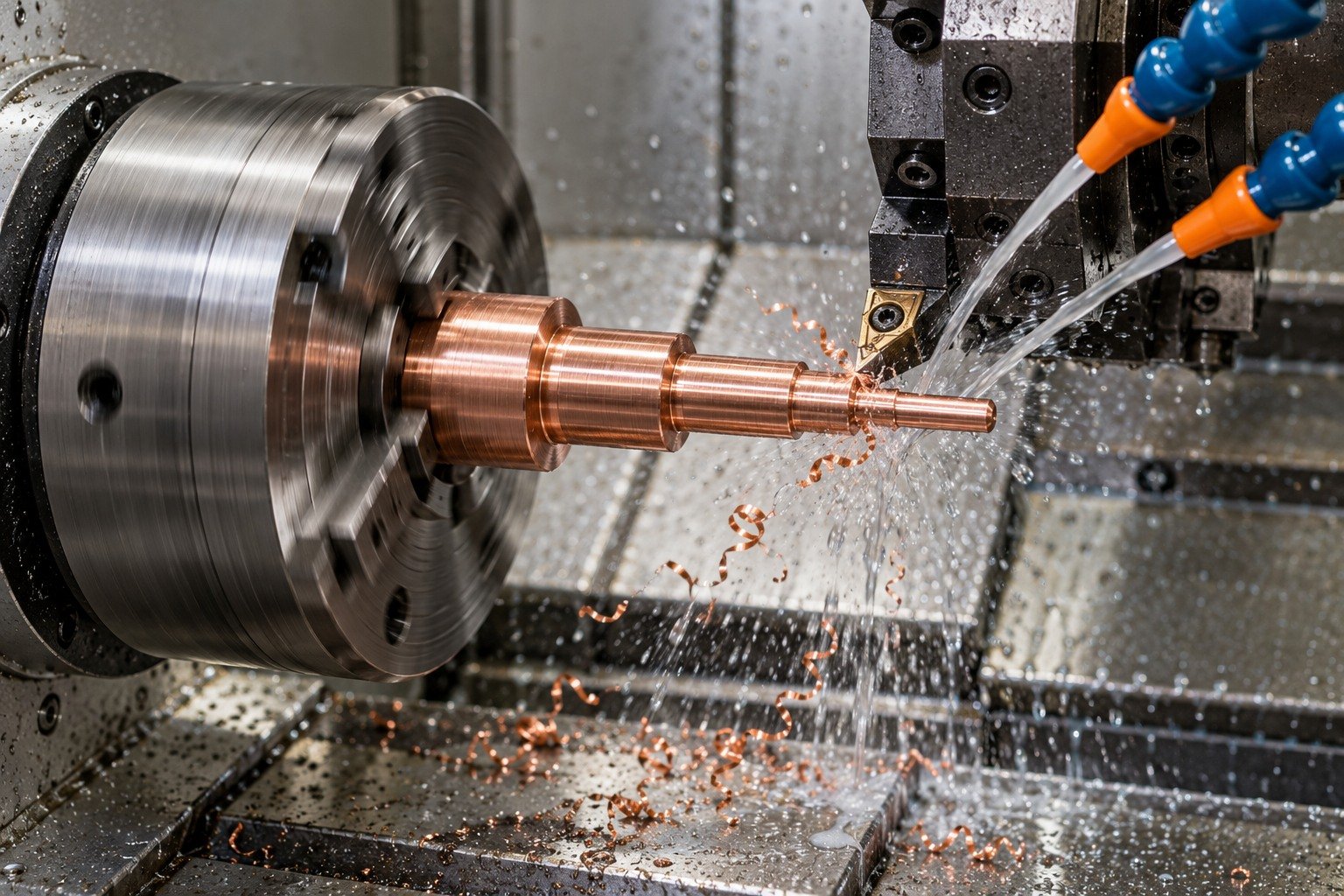
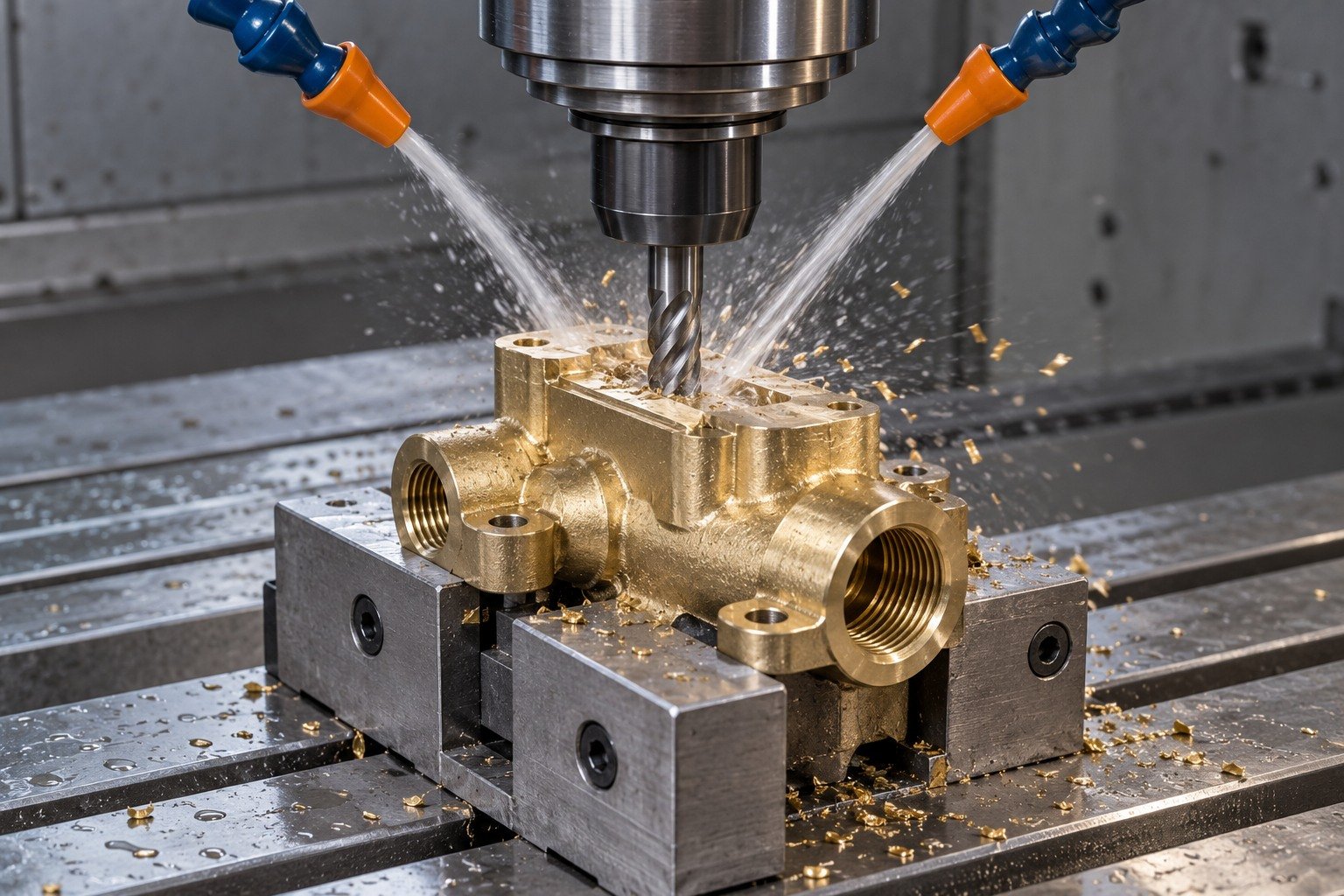
Agree the route around your drawing and exact supplied material. Process selection and availability are confirmed with your quotation.

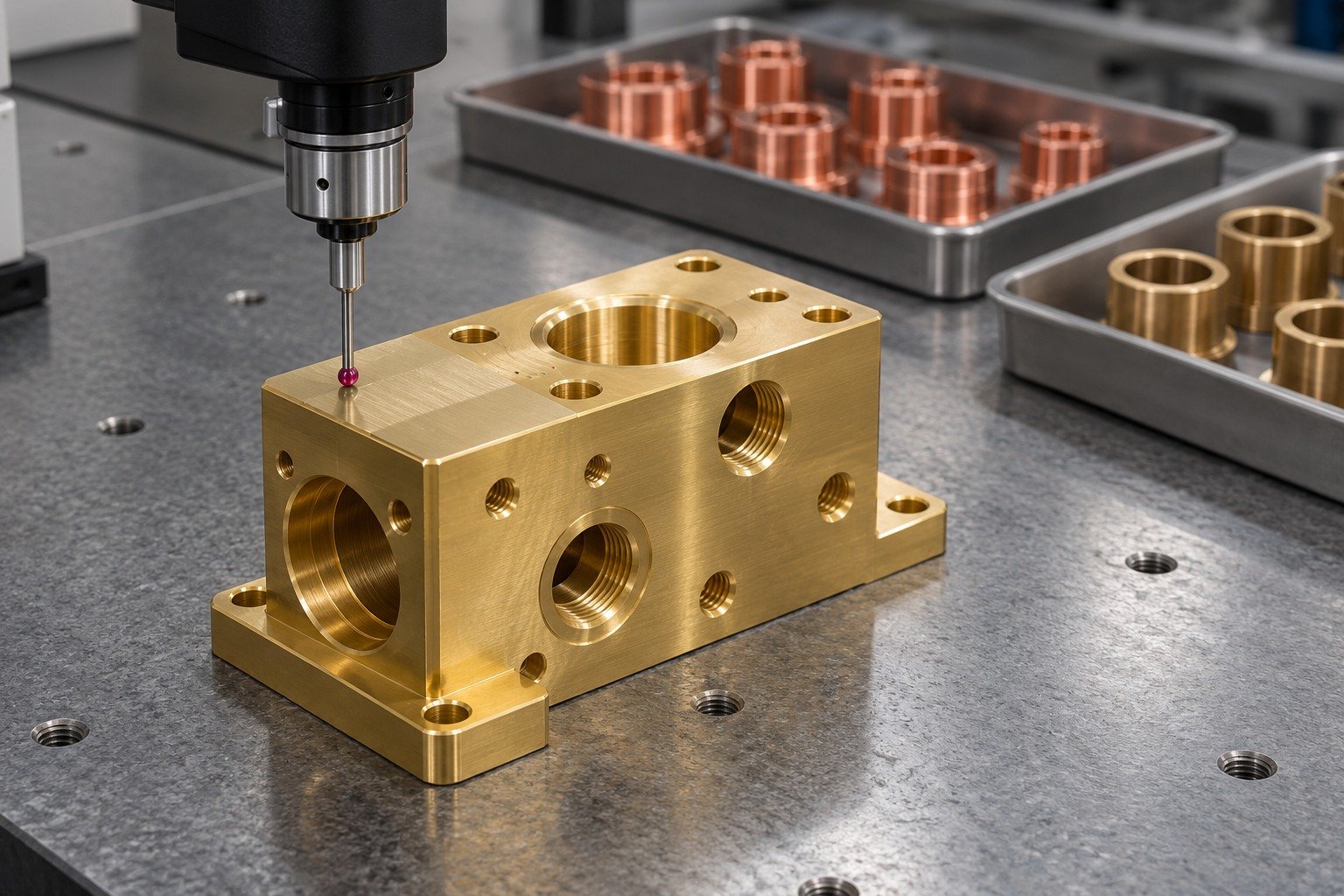
CAD, controlled revision, working datums and critical fits.
Exact UNS grade, product standard, stock form and supplied temper.
Trial quantity, repeat forecast and any required forming or forging stage.
Surface criteria, material documents, dimensional evidence and delivery needs.
Start with the actual grade. Copper materials often support electrical or thermal requirements, brasses cover different machining and forming needs, and bronzes include bearing, spring and loaded-component alloys. Names and colour alone do not define performance.
Compare your required conductivity, stock form, machining geometry and final surface. C145 tellurium copper is a different material; approve substitution against the actual electrical and purchasing requirements.
No. C17200 is beryllium copper. C14500 is tellurium copper. Keep the material identity, specified condition and qualified handling route clear before approving the quotation.
Do not assume interchangeability. C260 forming and stamping requirements differ from free-cutting C360 rod. Review chemistry, stock form, temper, final geometry and the actual manufacturing route.
Provide housing and shaft drawings, mating material, operating load, movement, temperature and lubrication. Review the exact bronze product form and final clearance before approving the material.
Specify the applicable end-use and market requirement, composition limits, document scope and any required product certification. A grade label alone does not approve a finished product for drinking water or another regulated application.
Agree the cleaning route, allowed visual appearance, handling, contact protection and packaging before production. Separate cosmetic colour from functional conductivity and mating-surface requirements.
Exact alloy and condition, usable stock, quantity, setups, supported geometry, burr removal, final surfaces and inspection records affect the quote. Compare the same drawing revision and receiving requirements.