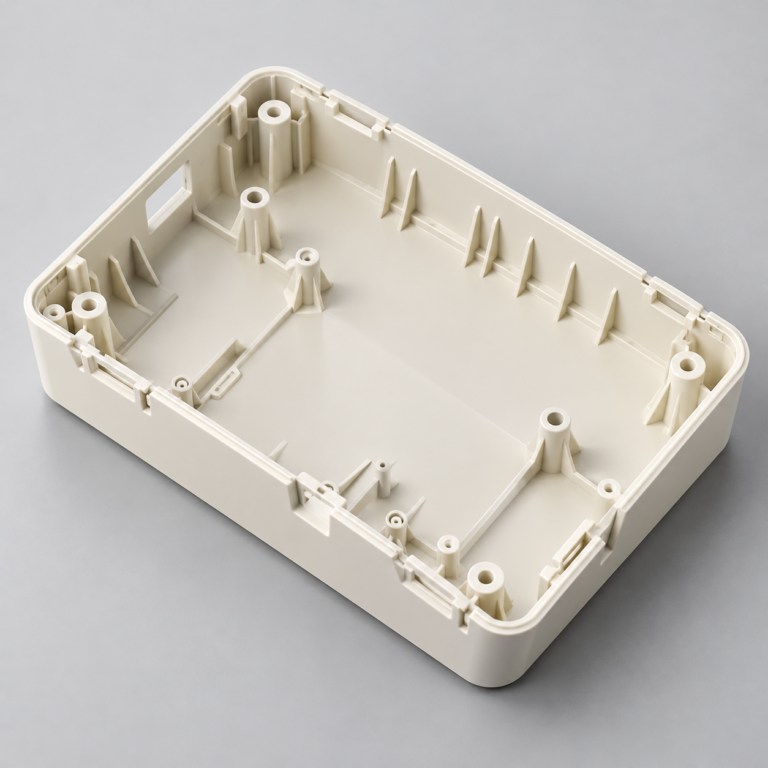
Injection Molding
Tooling and molding for your repeat plastic parts.
From prototype to production, coordinated manufacturing solutions for your custom parts.
View All Services →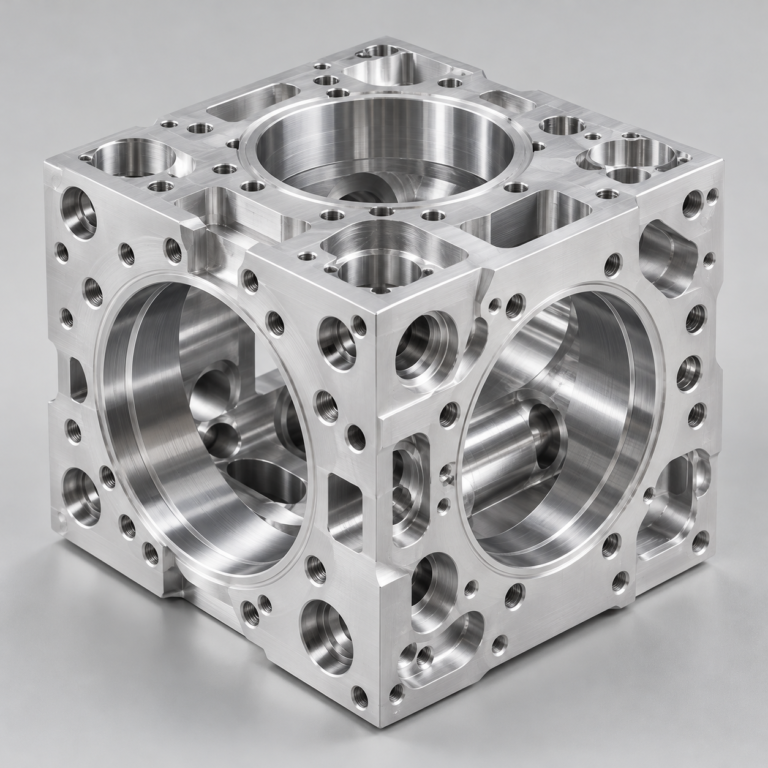
Precision parts for your tight tolerances and complex geometry.
Tooling and molding for your repeat plastic parts.
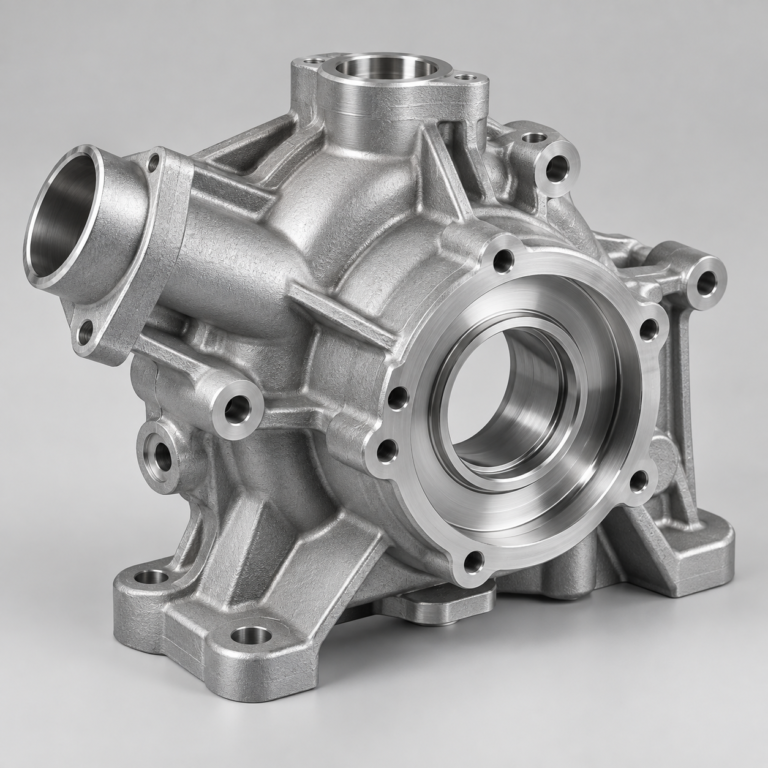
Metal casting options for your part and production volume.
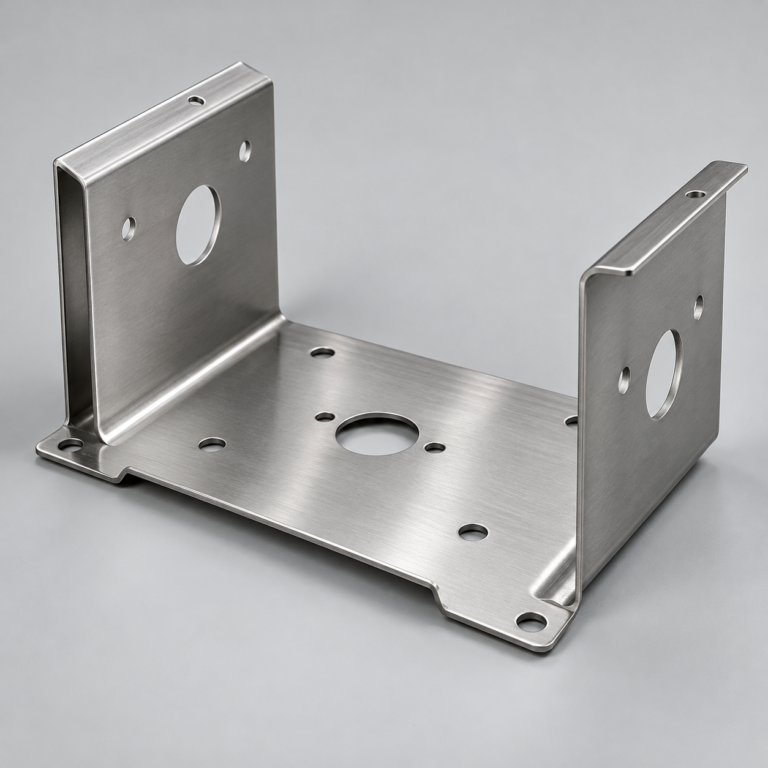
Cutting, forming and welding for your fabricated parts.
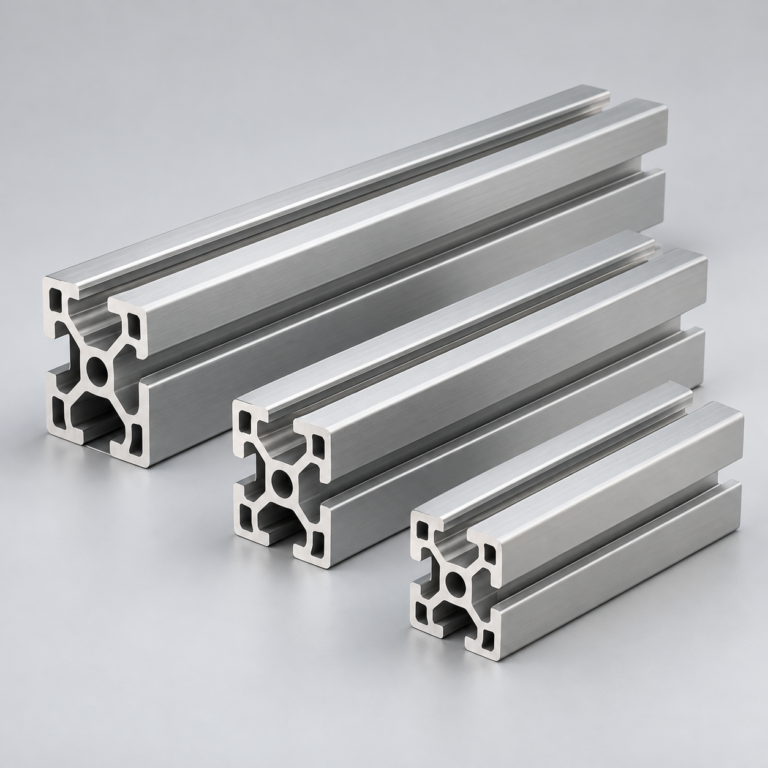
Custom profiles for your section, length and finish requirements.
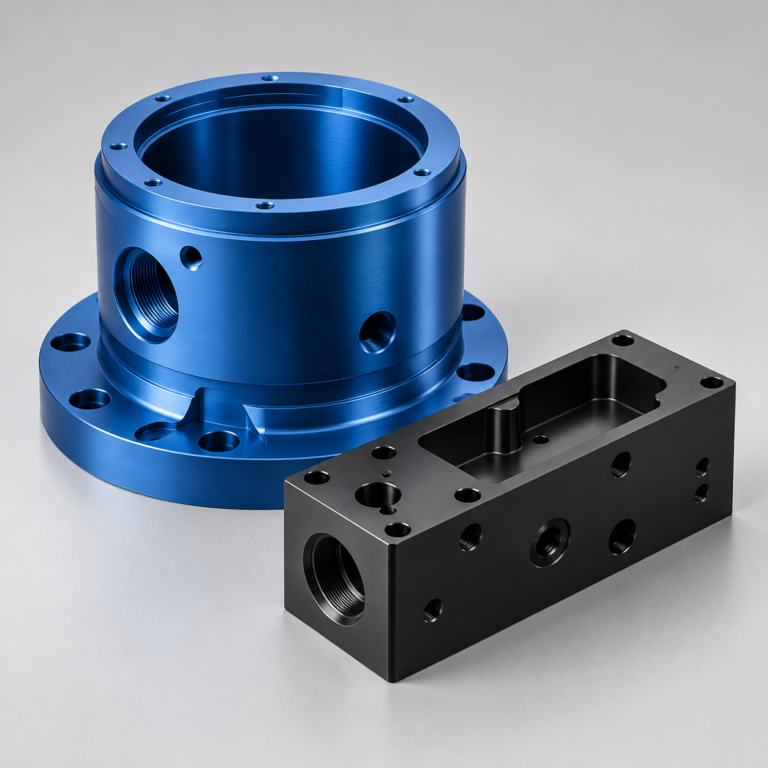
Finishes for your appearance, corrosion and wear requirements.
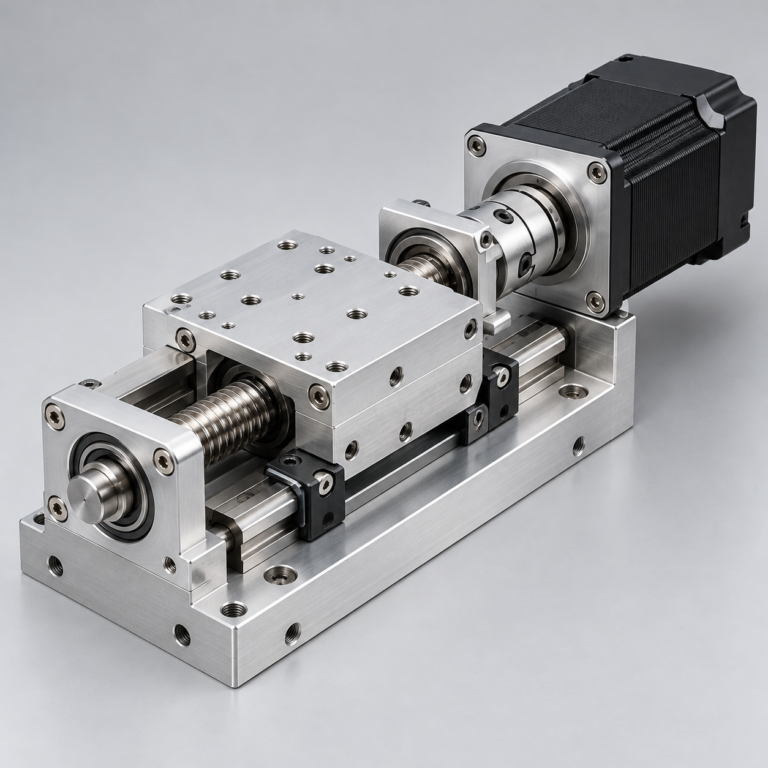
Sub-assemblies and final builds for your production program.
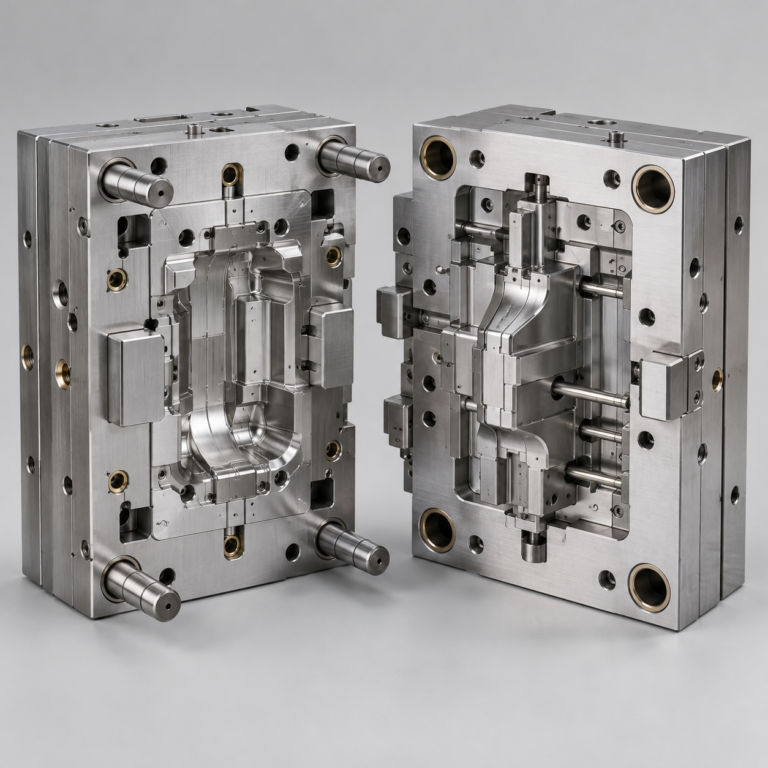
Production tooling built around your process and volume.
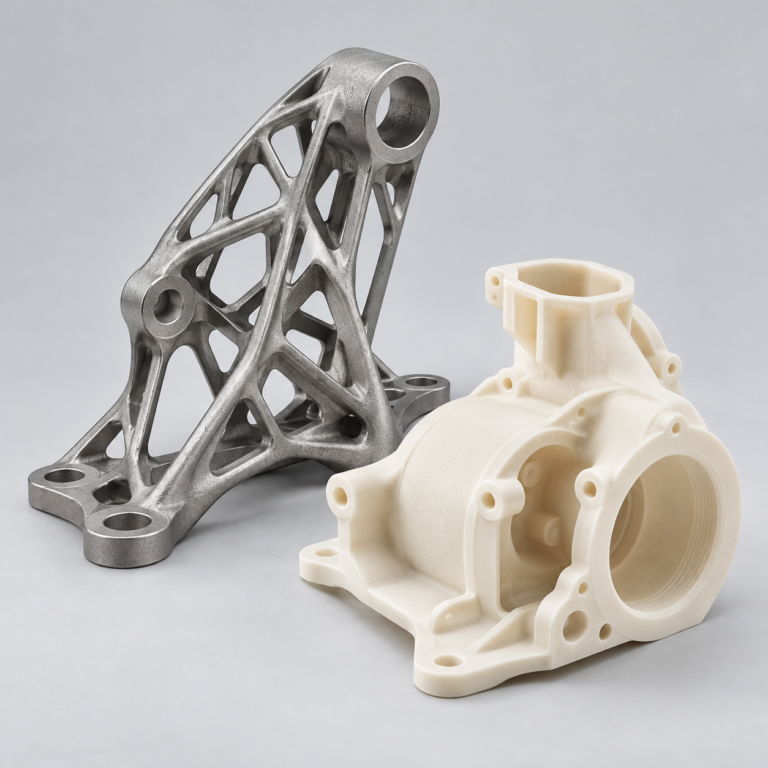
Prototype parts to check fit, function and design.
DFM, process planning and production support for your project.
Inspection, documentation, inventory and delivery planning for your program.
Choose air- or liquid-cooling components around your thermal and mechanical requirements.
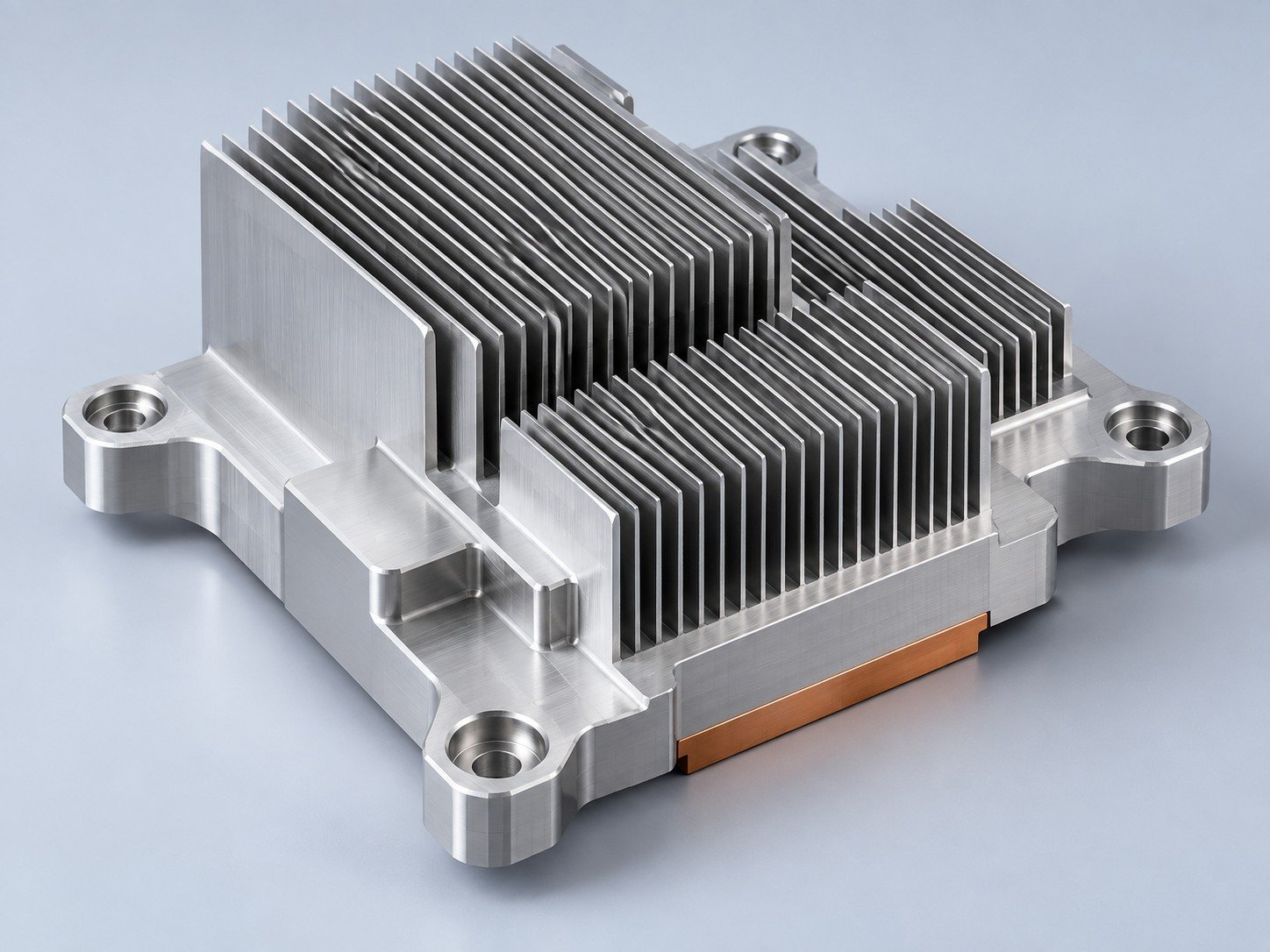
Manufacturing support for your cold plates, manifolds and cooling assemblies.
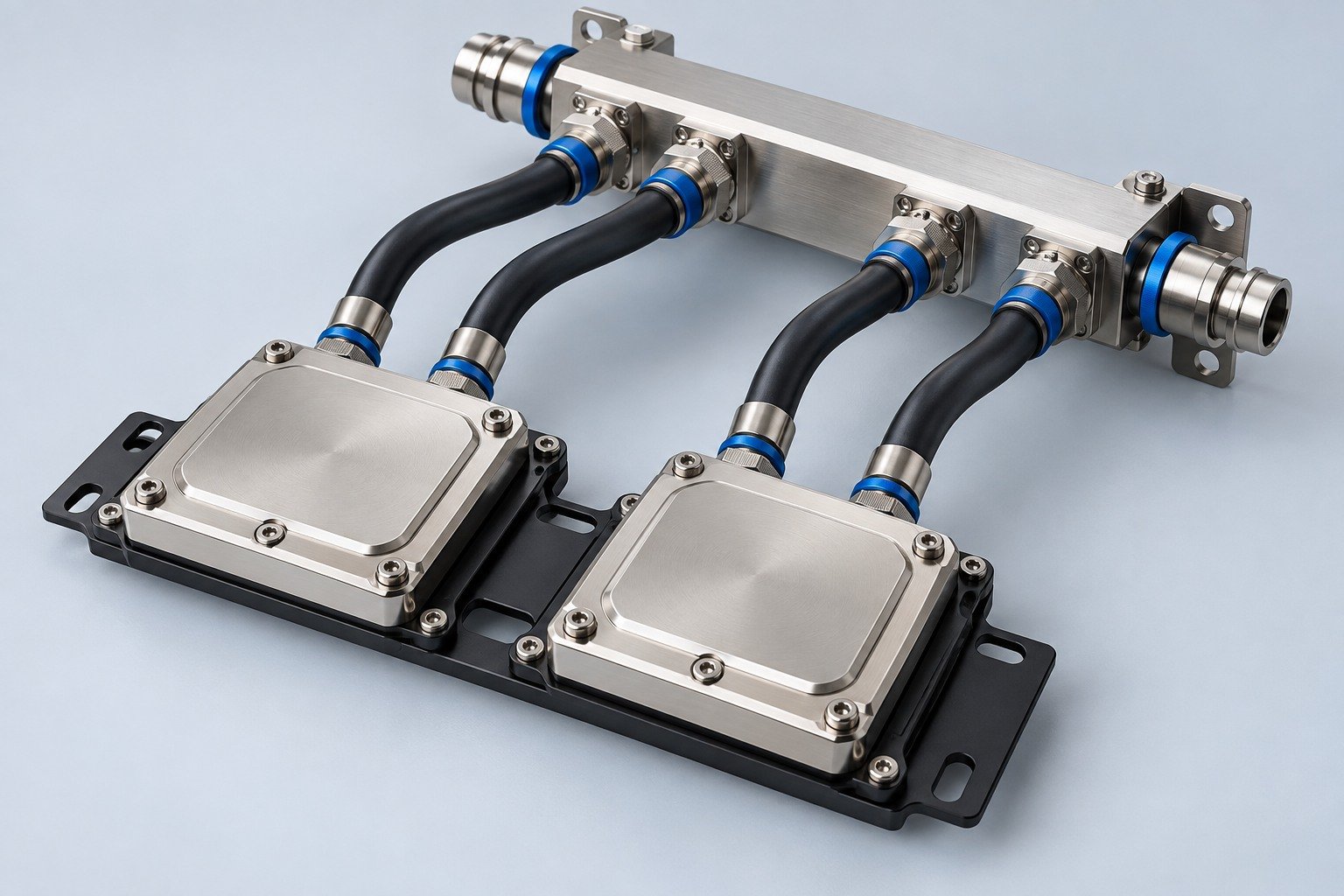
Find components for your power electronics, energy, laser and telecom application.
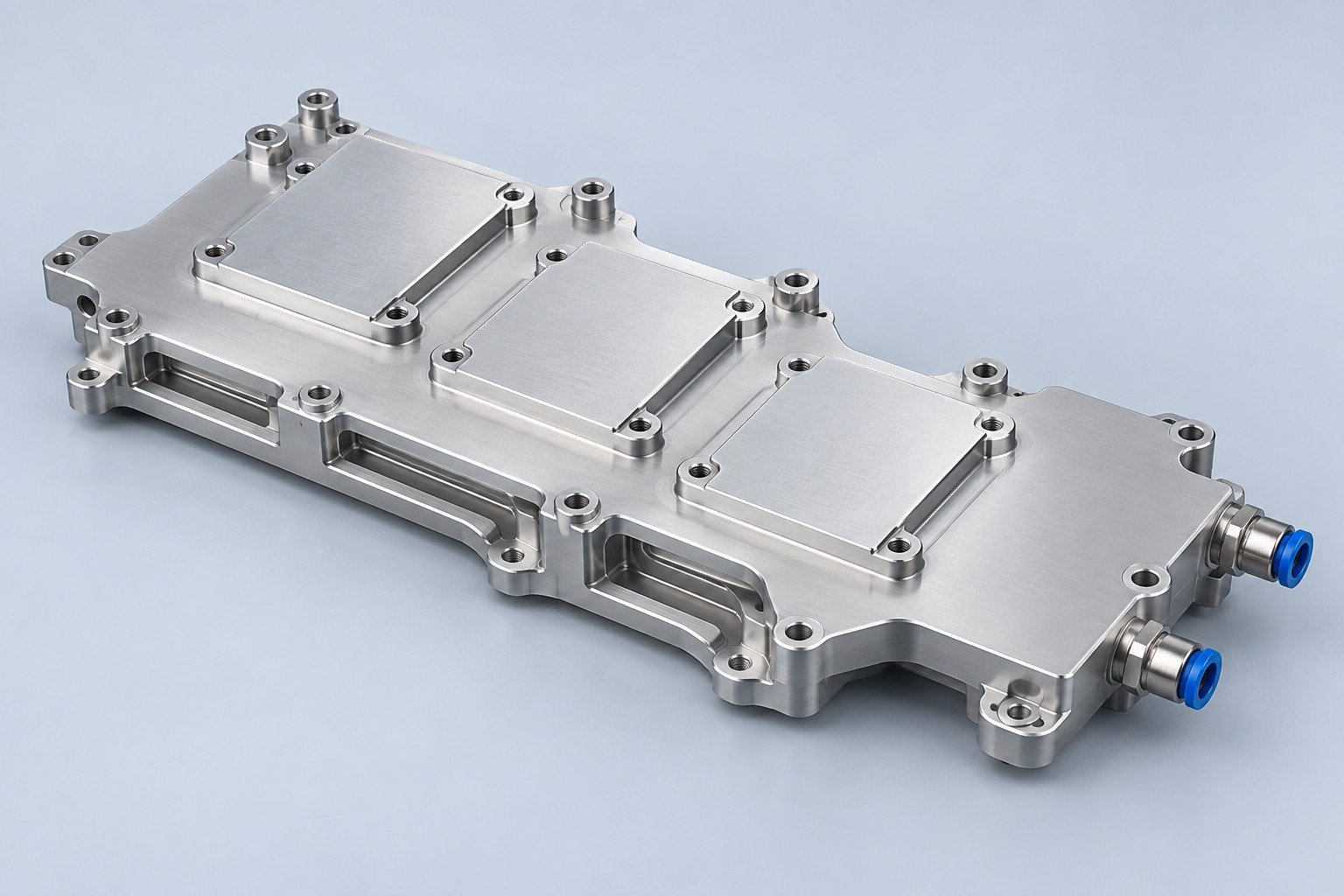
Components for your electronic systems.
Start with your functional and quality requirements.
Build around your operating environment.
From prototype to production, review material performance, manufacturability and cost for your part.
Review grade, temper and finish for your metal parts.
 AluminumStrength, weight and machining›
 Stainless SteelCorrosion and finish requirements›
 Carbon & Alloy SteelDiscuss grade and heat treatment›
 Tool SteelDiscuss tooling and wear needs›
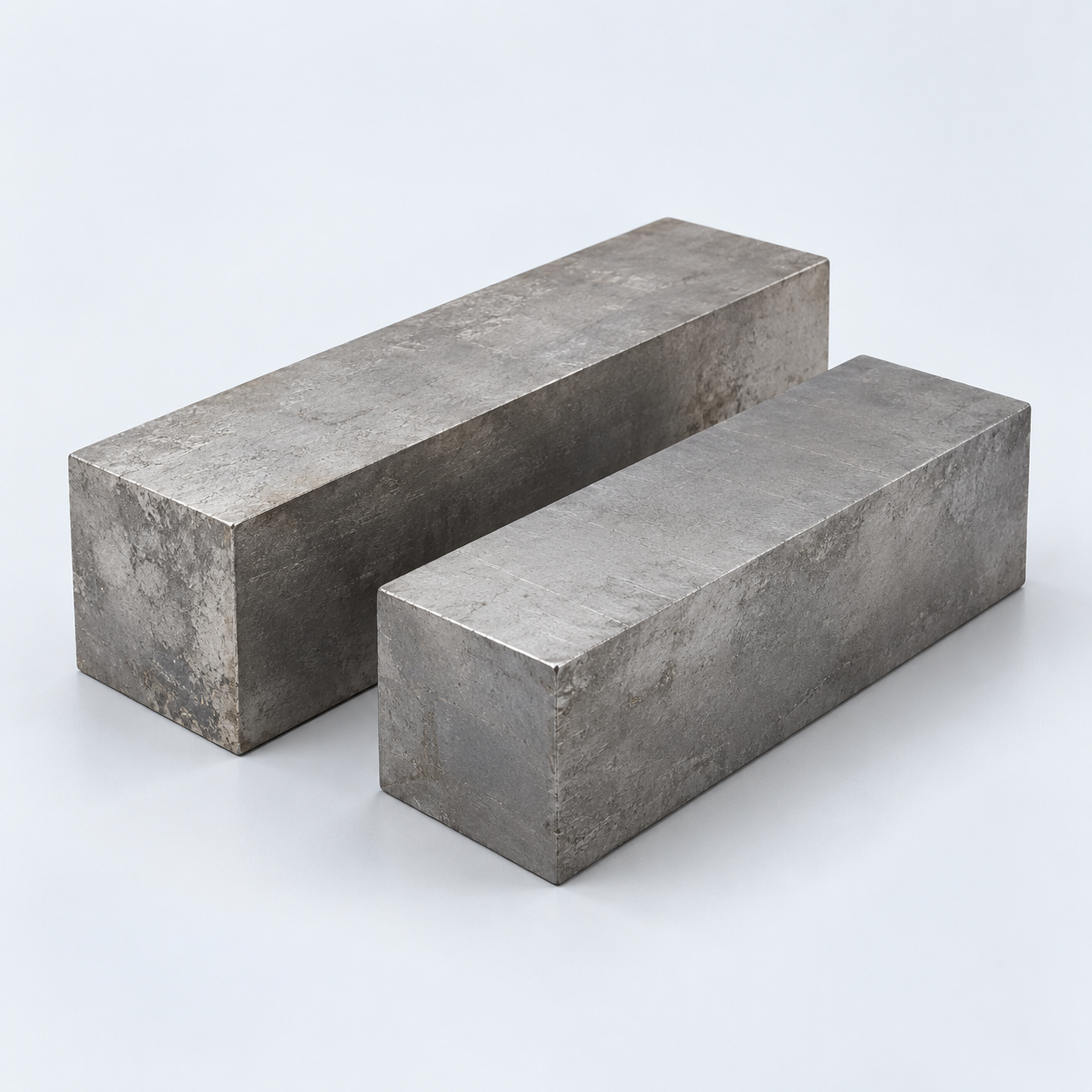 TitaniumReview grade and part geometry›
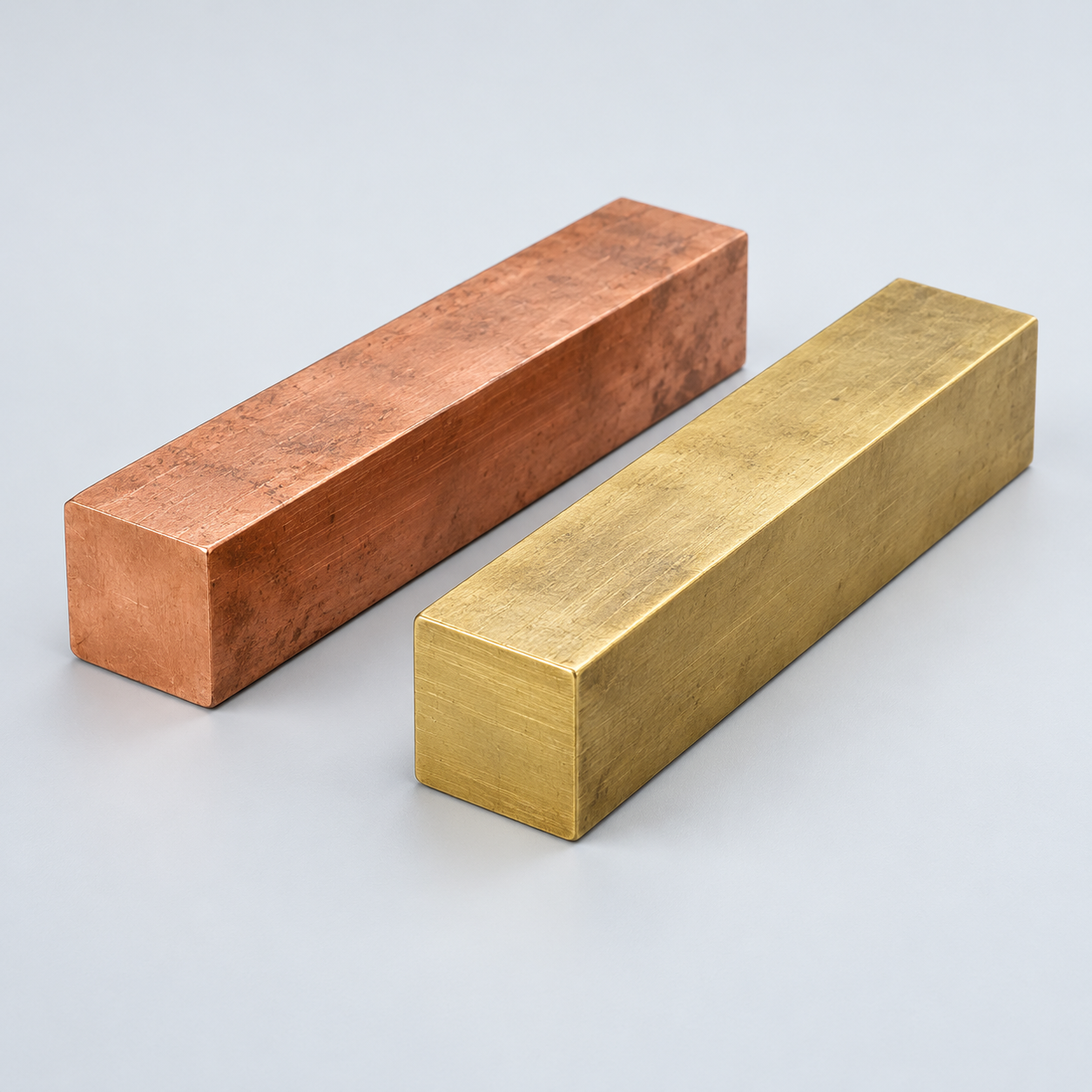 Copper & BrassDiscuss conductivity and machining›
Match your polymer to function, process and environment.
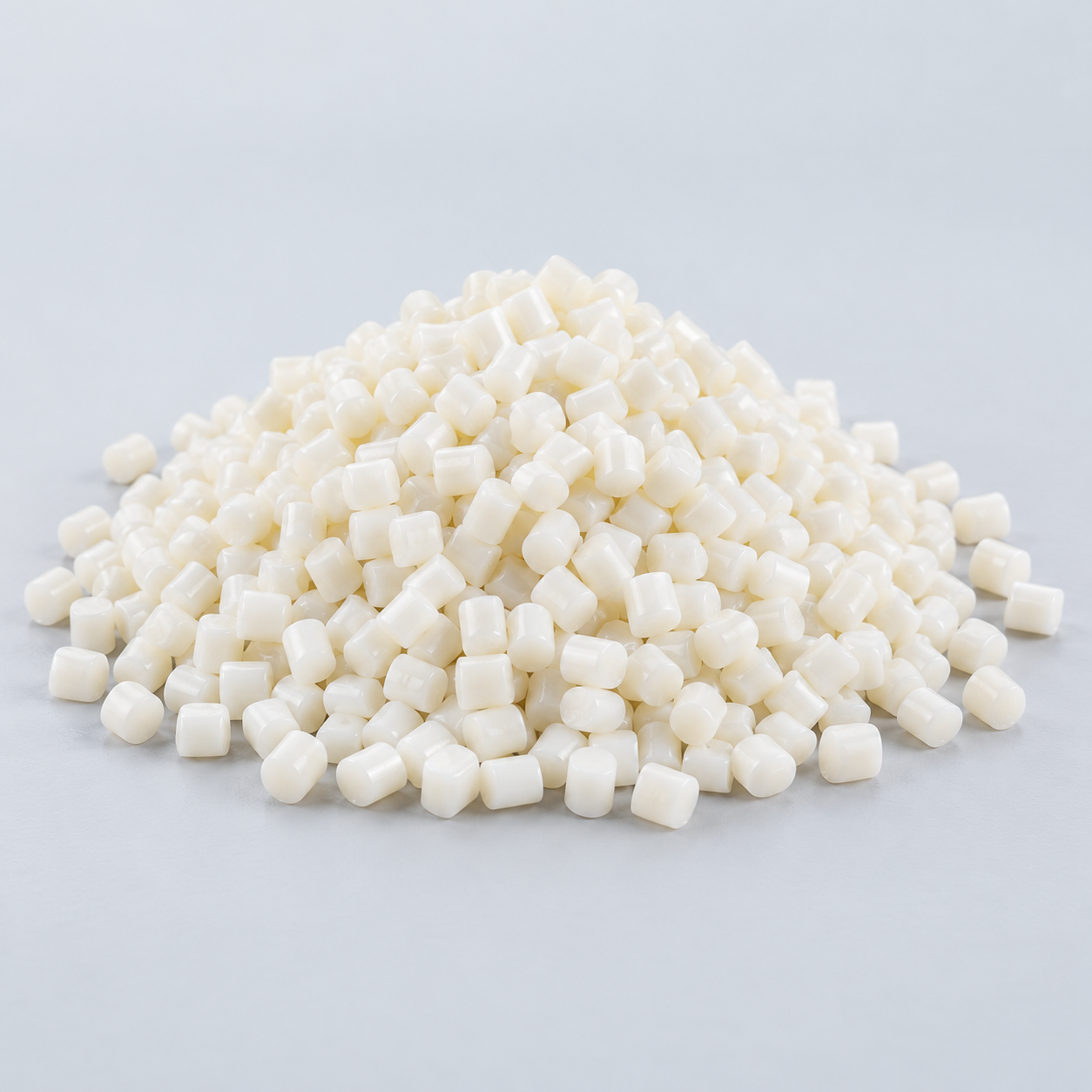 ABSReview enclosure and molding needs›
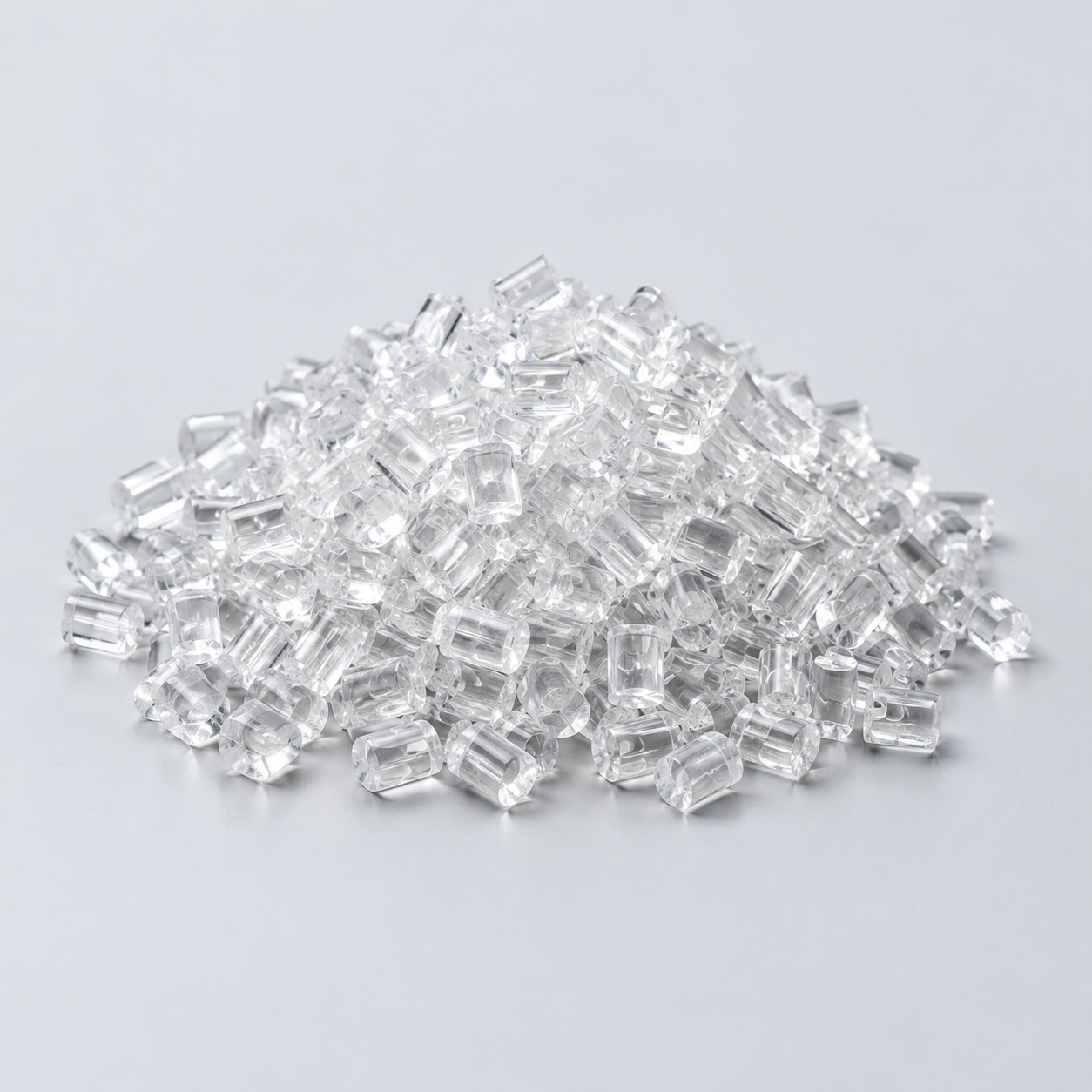 Polycarbonate (PC)Discuss clarity and impact needs›
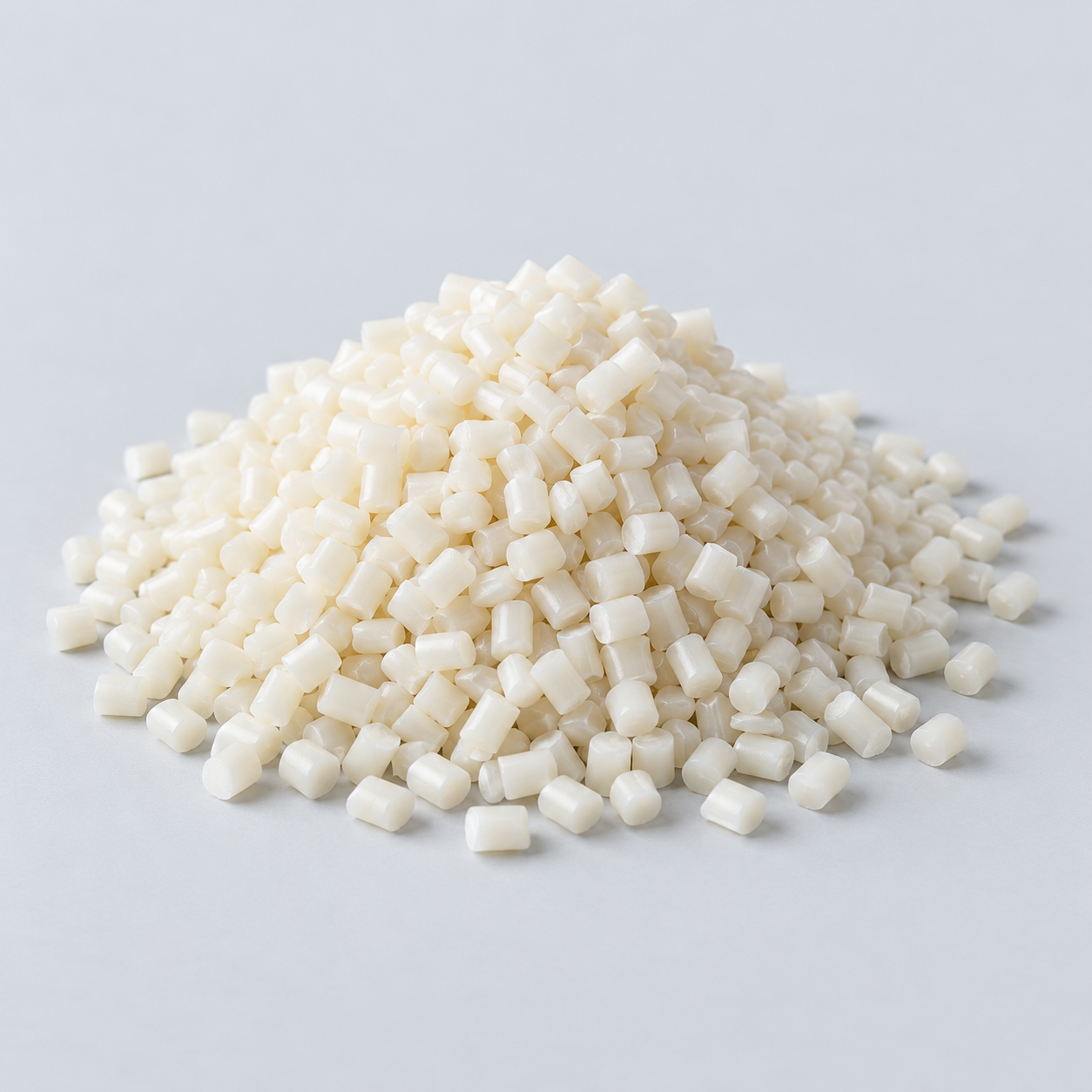 Nylon (PA)Review moisture and wear conditions›
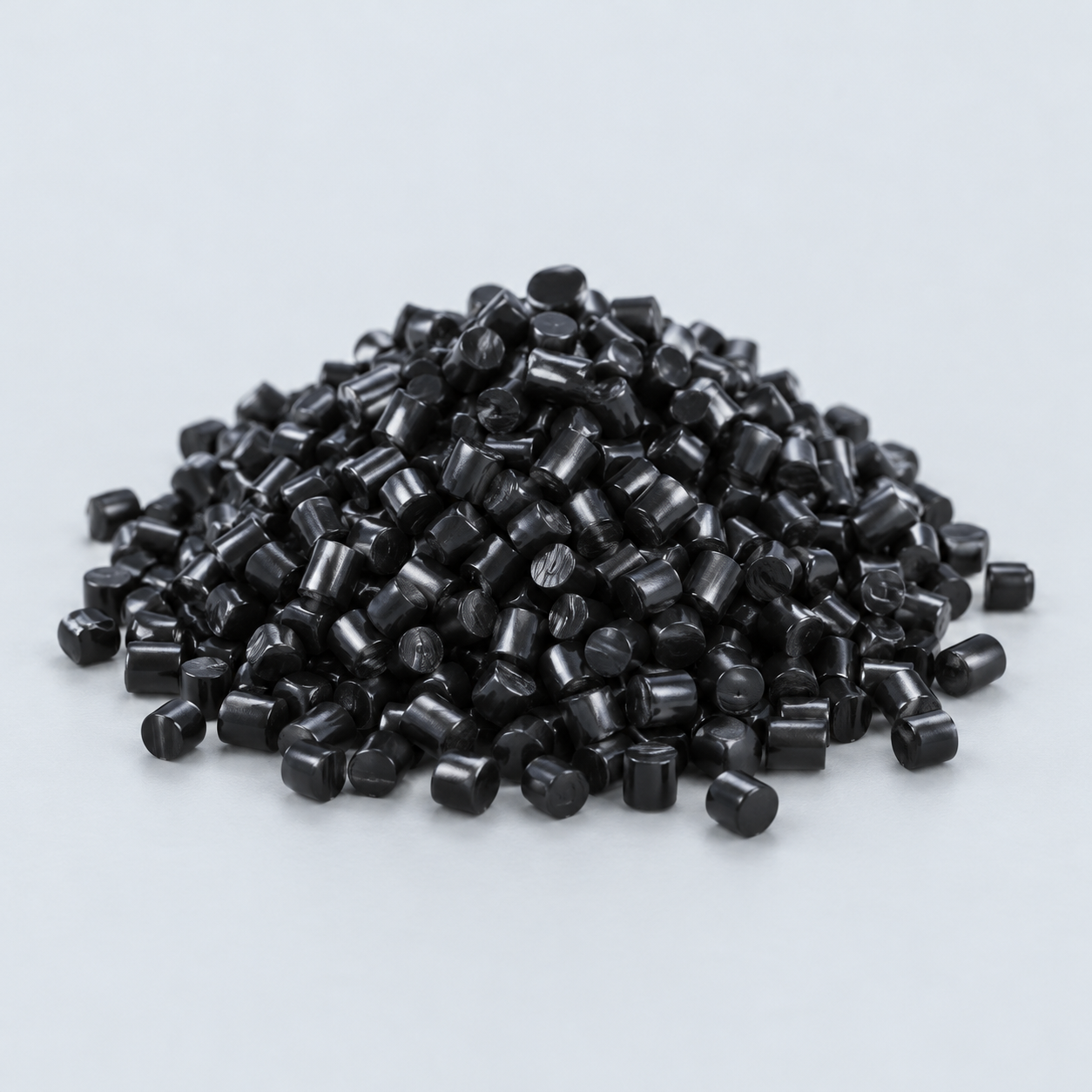 POM / AcetalReview fit and sliding features›
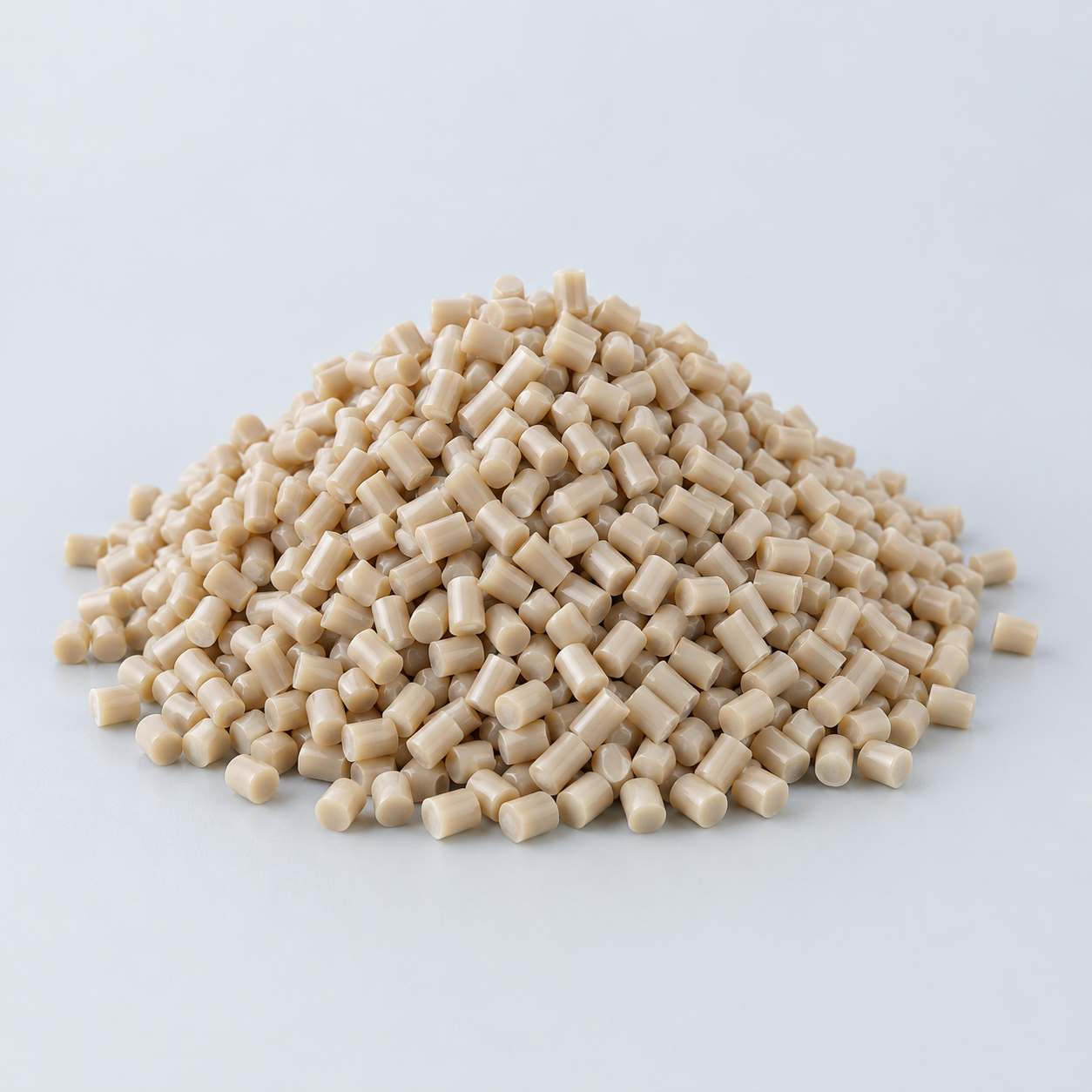 PEEKDiscuss operating conditions›
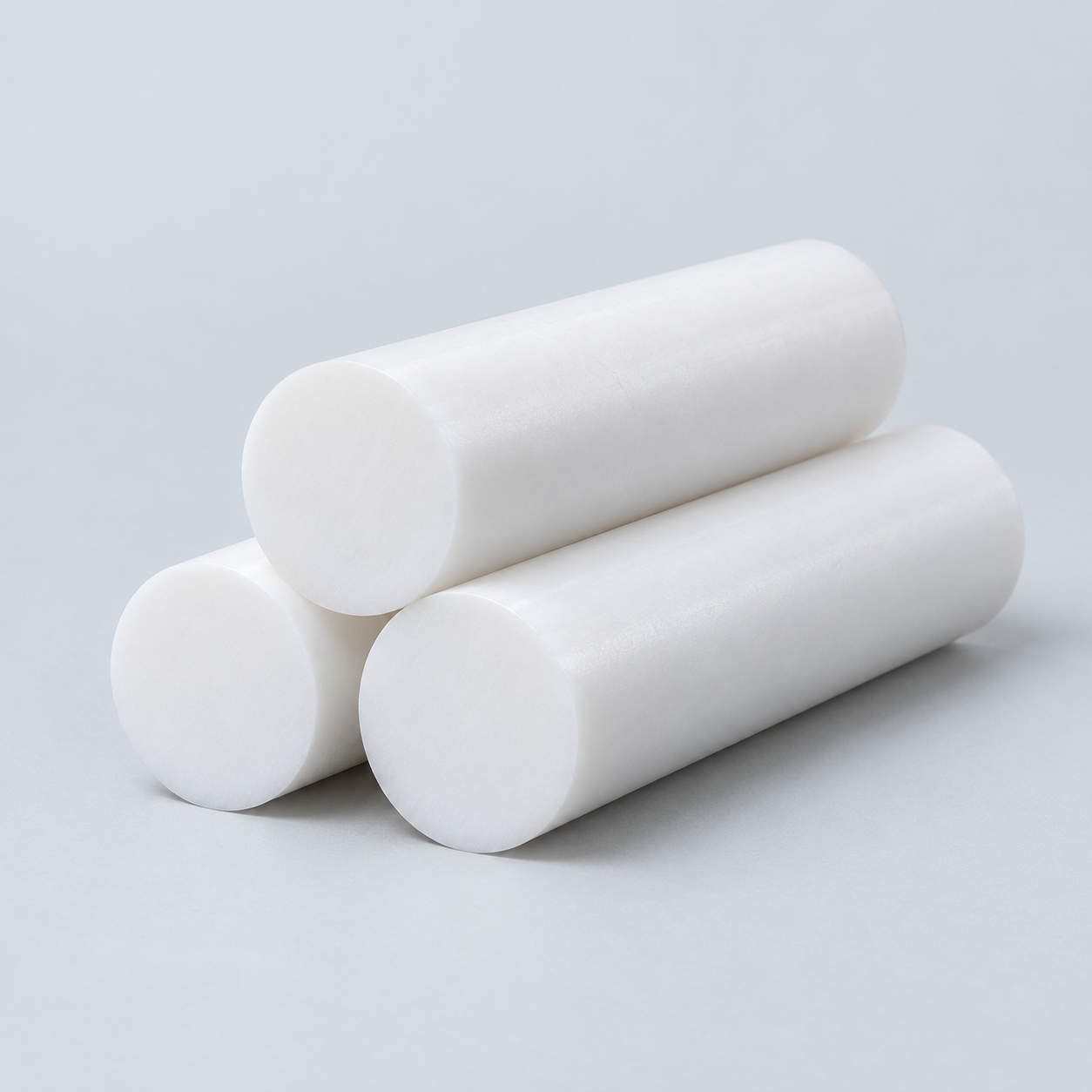 PTFEReview friction and chemical exposure›
 ULTEM / PEIDiscuss thermal and electrical needs›
Confirm grade availability and application requirements.
 Silicone / LSRDiscuss flexible component needs›
 TPU / TPEReview flexibility and processing›
 EPDMReview weathering and chemical exposure.›
 NBRReview oil and fuel exposure.›
 FKMReview temperature and chemical exposure.›
 G10 / FR4Review insulation and laminate needs›
 CompositesReview stiffness, weight and laminate.›Customer-Specified MaterialsConfirm your grade and requirements.›Other Specialty MaterialsDiscuss your application and grade.›
Practical guidance for your part geometry and material decisions.
Prepare your process, budget and sourcing questions.
Build your knowledge before production.
Learn who we are and how we operate.
Find our U.S. support team or start a conversation.
MATERIALS FOR YOUR NEXT BUILD
Choose Your Grade. Define Your Final Condition.
Plan your carbon steel machining, alloy steel components and fabrication around the load, geometry, heat treatment and finish. Confirm the grade, delivery condition and acceptance requirements before production.
Match your part and application.
Confirm supplied and final states.
Define key features and datums.
Agree receiving evidence.
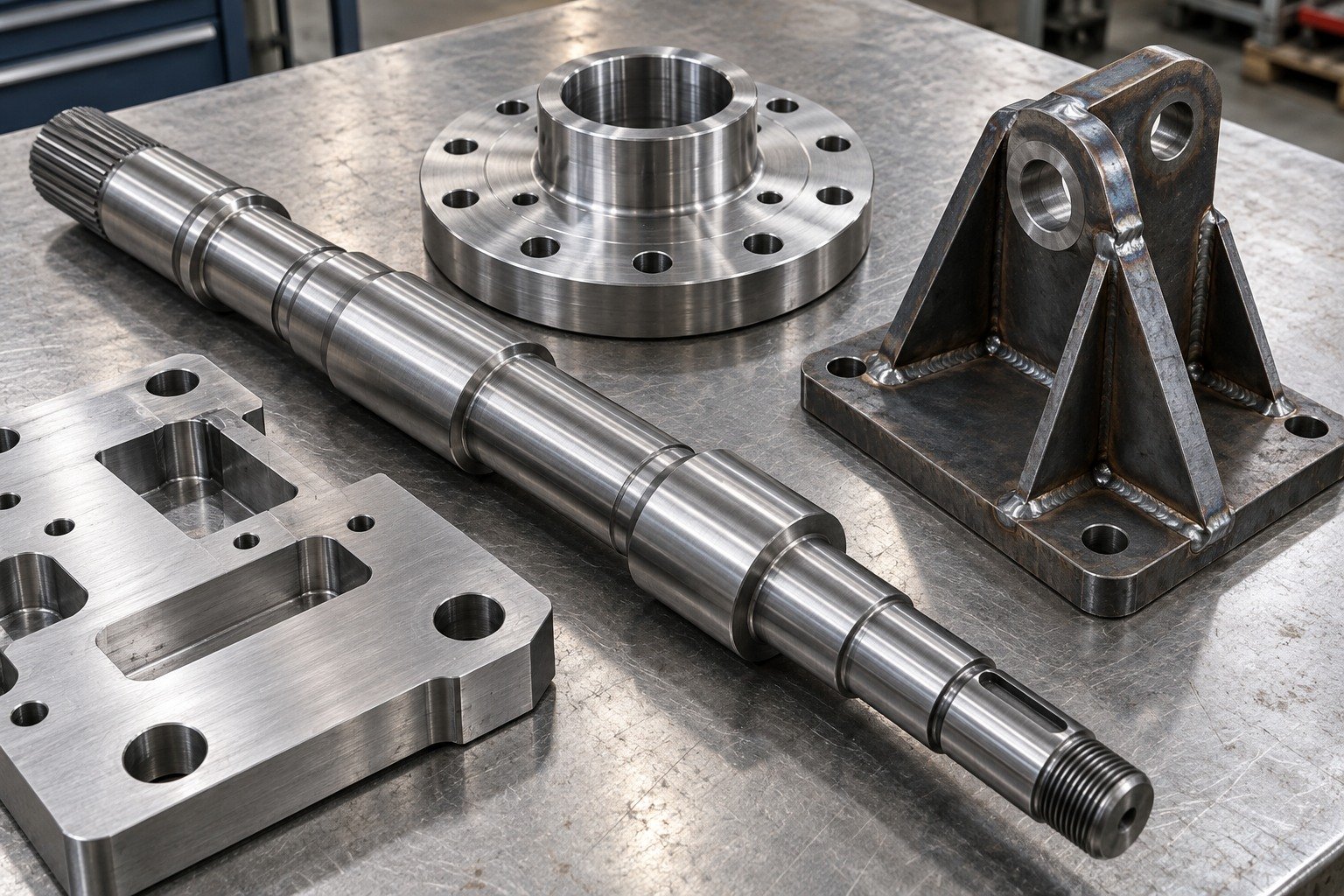
Start with your part and working conditions, not the grade number alone.
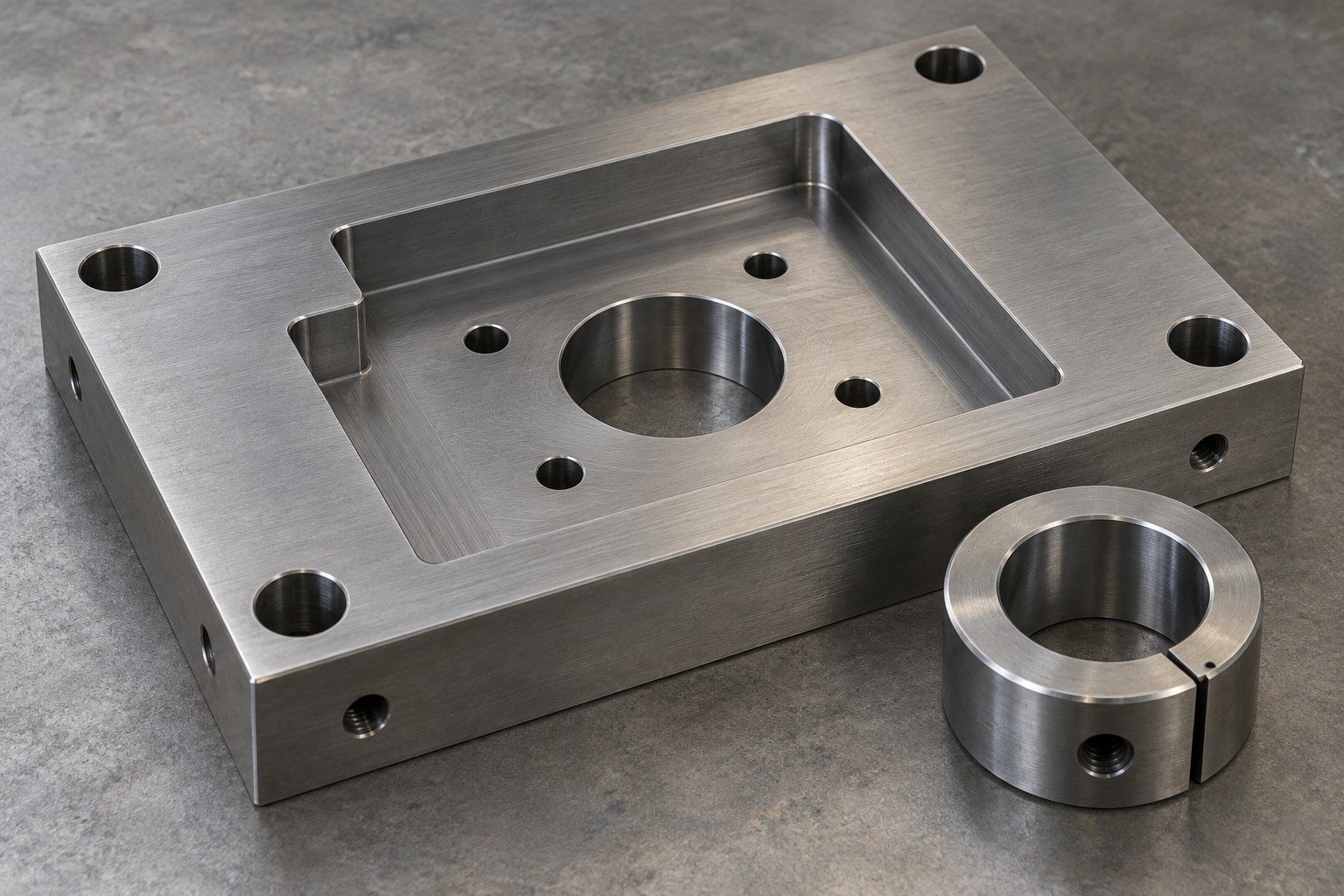
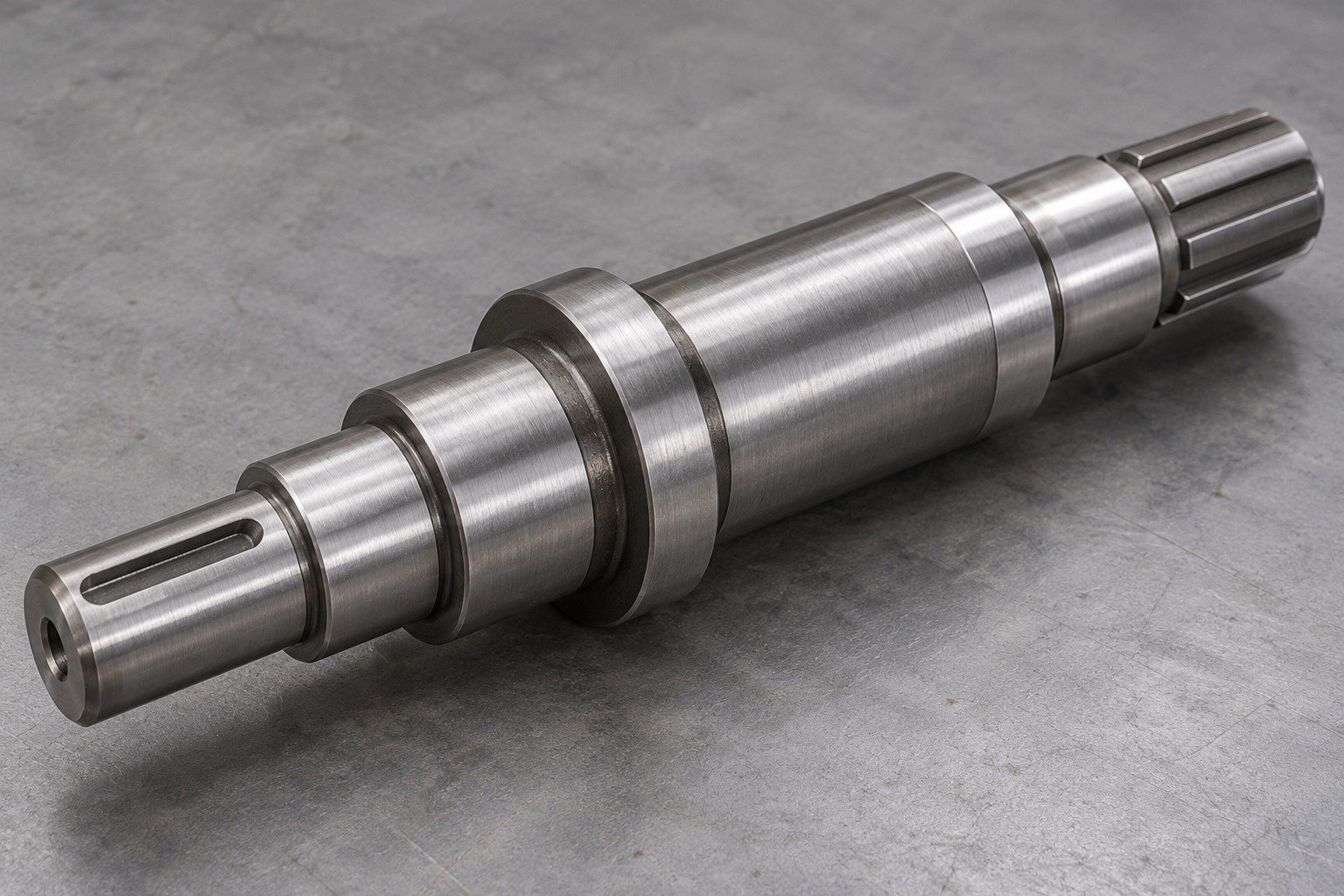
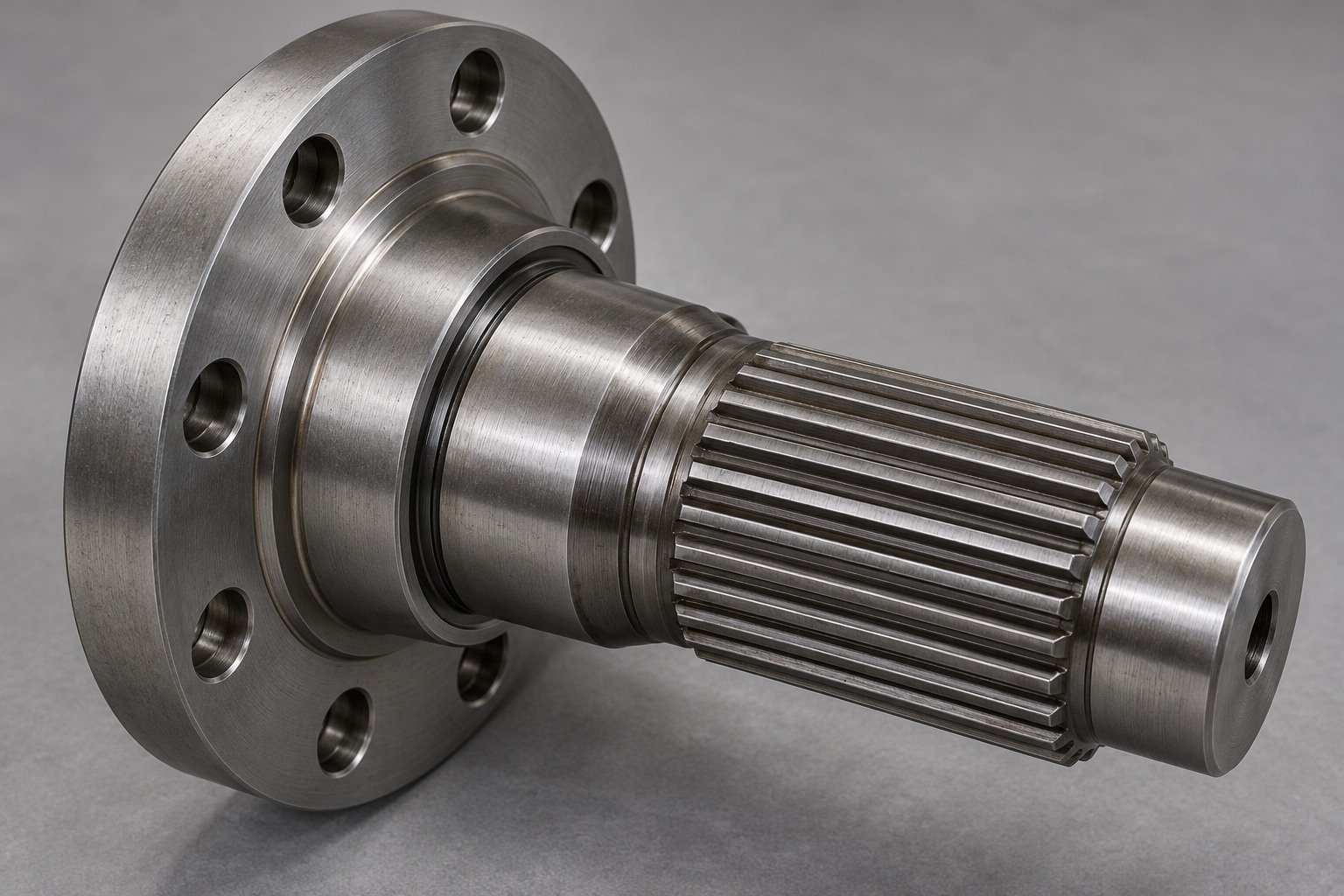
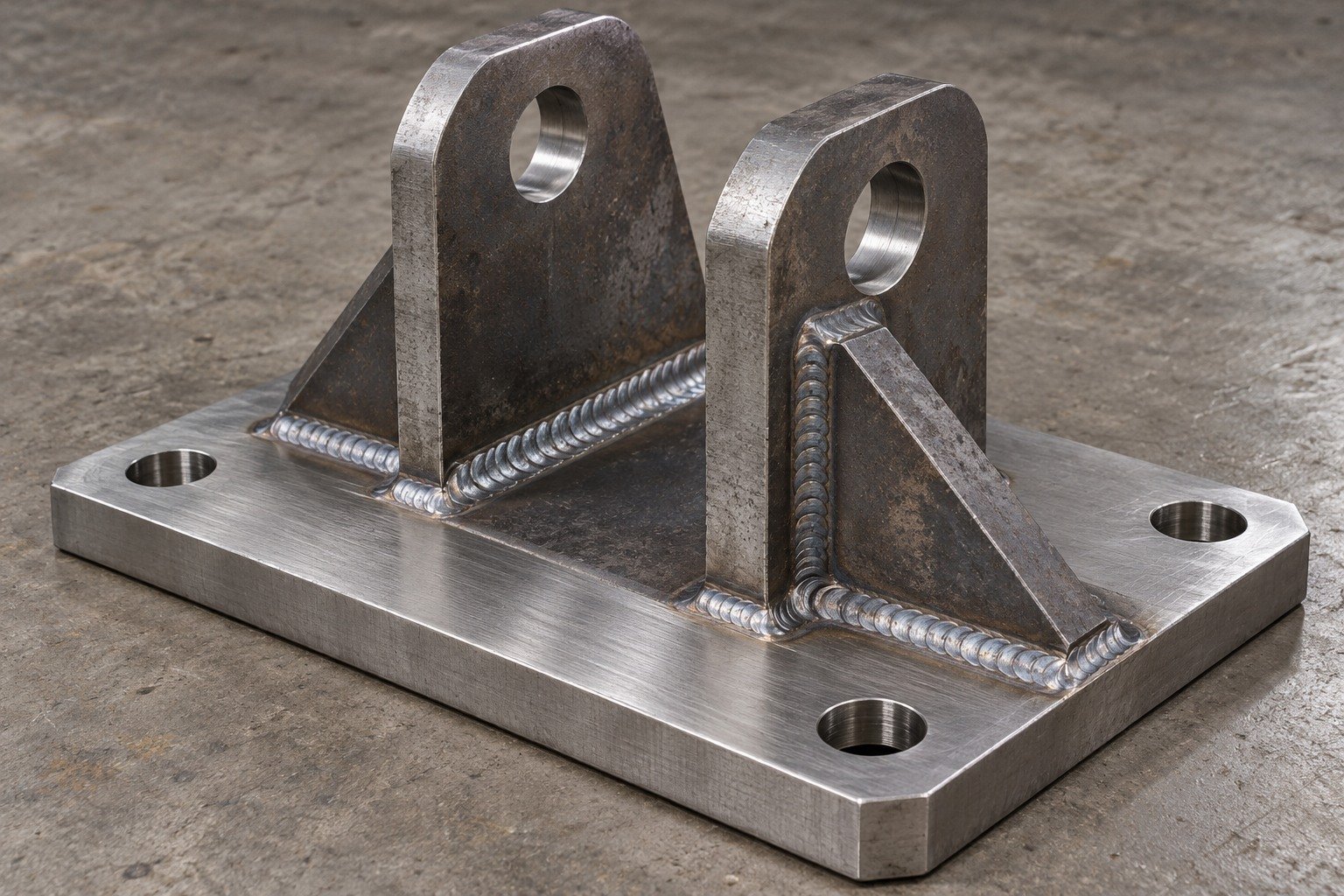
Grade availability and manufacturing scope are confirmed for your drawing.
Low-carbon steel
For your 1018 steel machining review, identify datum faces, bore fits and any welded or plated features. Cold-drawn and hot-rolled conditions must be specified separately.
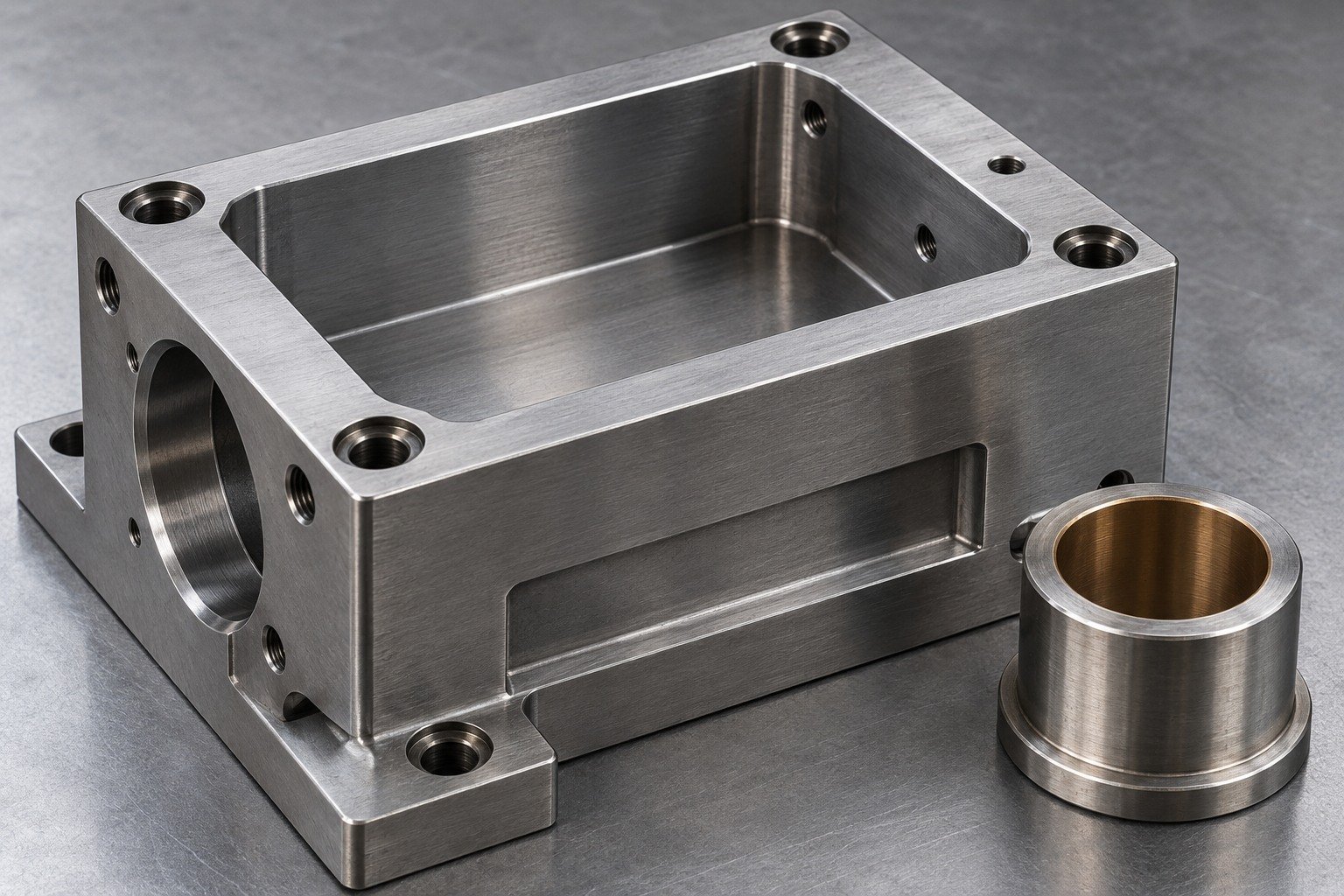
No universal EN substitute: compare the actual low-carbon steel specification.
Review tool access, datums, threads, burr removal and finish before choosing the setup. General machined blocks, collars and fixture parts.
Identify the functional datum scheme.
Agree setups and access to critical features.
Inspect in the specified final condition.
No universal EN substitute: compare the actual low-carbon steel specification.
State whether material is supplied cold drawn or hot rolled; do not assume one strength from the grade name.
No universal EN substitute: compare the actual low-carbon steel specification.
Protect functional bores and threads when specifying coating thickness.
Grade, product standard, lot and condition.
Datums, dimensions and inspection state.
Agree document type and scope at inquiry.
No universal EN substitute: compare the actual low-carbon steel specification.
Low-carbon steel
For your 1020 steel machining inquiry, define stock form, fit and joining requirements. Confirm permitted substitutes against the drawing.
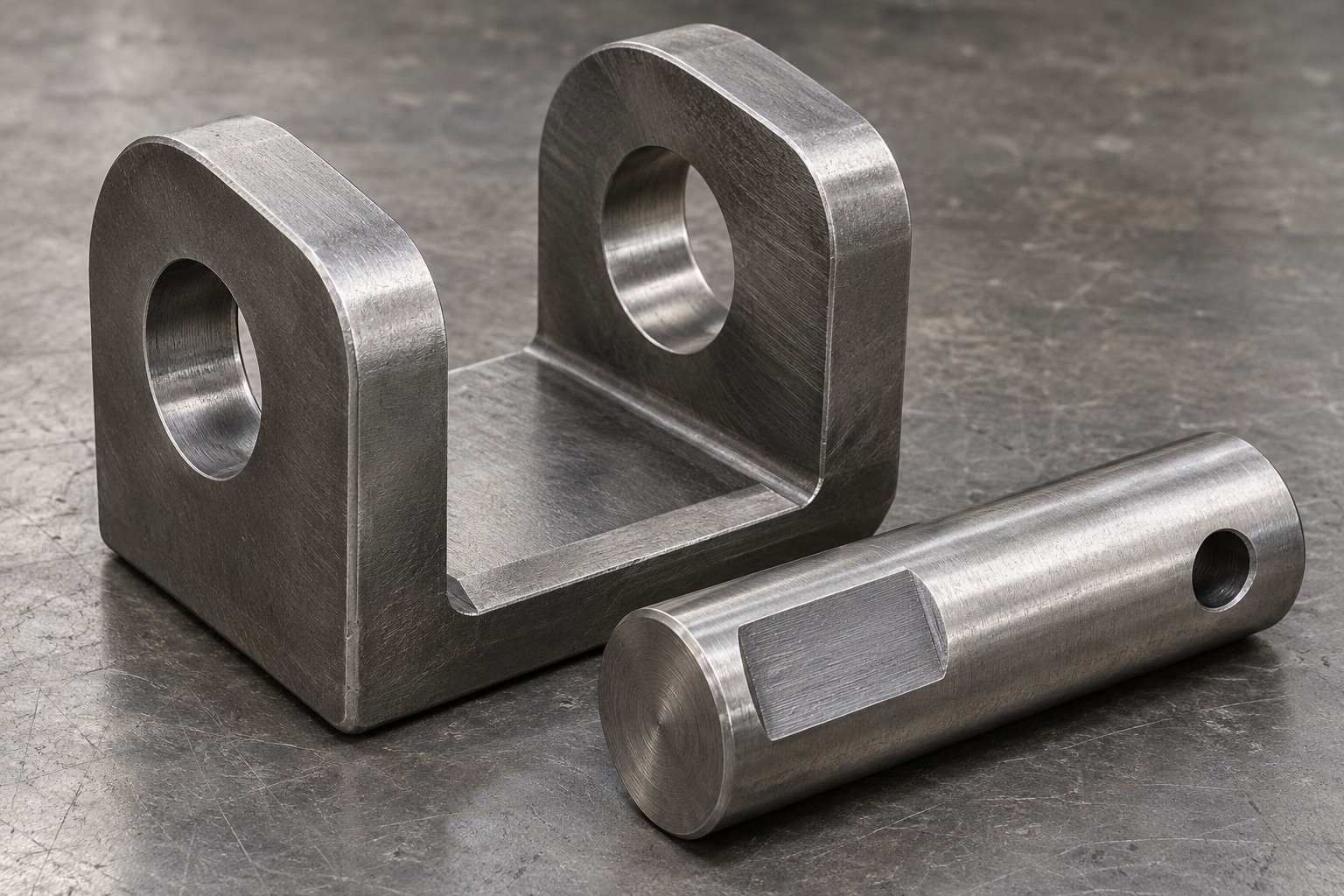
No automatic EN equivalence; compare specified chemistry and product form.
Review tool access, datums, threads, burr removal and finish before choosing the setup. Clevises, pins and general machined components.
Identify the functional datum scheme.
Agree setups and access to critical features.
Inspect in the specified final condition.
No automatic EN equivalence; compare specified chemistry and product form.
Specify the incoming state and any required treatment; do not infer finished properties from carbon content.
No automatic EN equivalence; compare specified chemistry and product form.
Identify surface protection, masked faces and dimensional acceptance after finishing.
Grade, product standard, lot and condition.
Datums, dimensions and inspection state.
Agree document type and scope at inquiry.
No automatic EN equivalence; compare specified chemistry and product form.
Medium-carbon steel
For your 1045 steel machining project, connect shaft journals, keyways and final hardness to the complete manufacturing sequence.
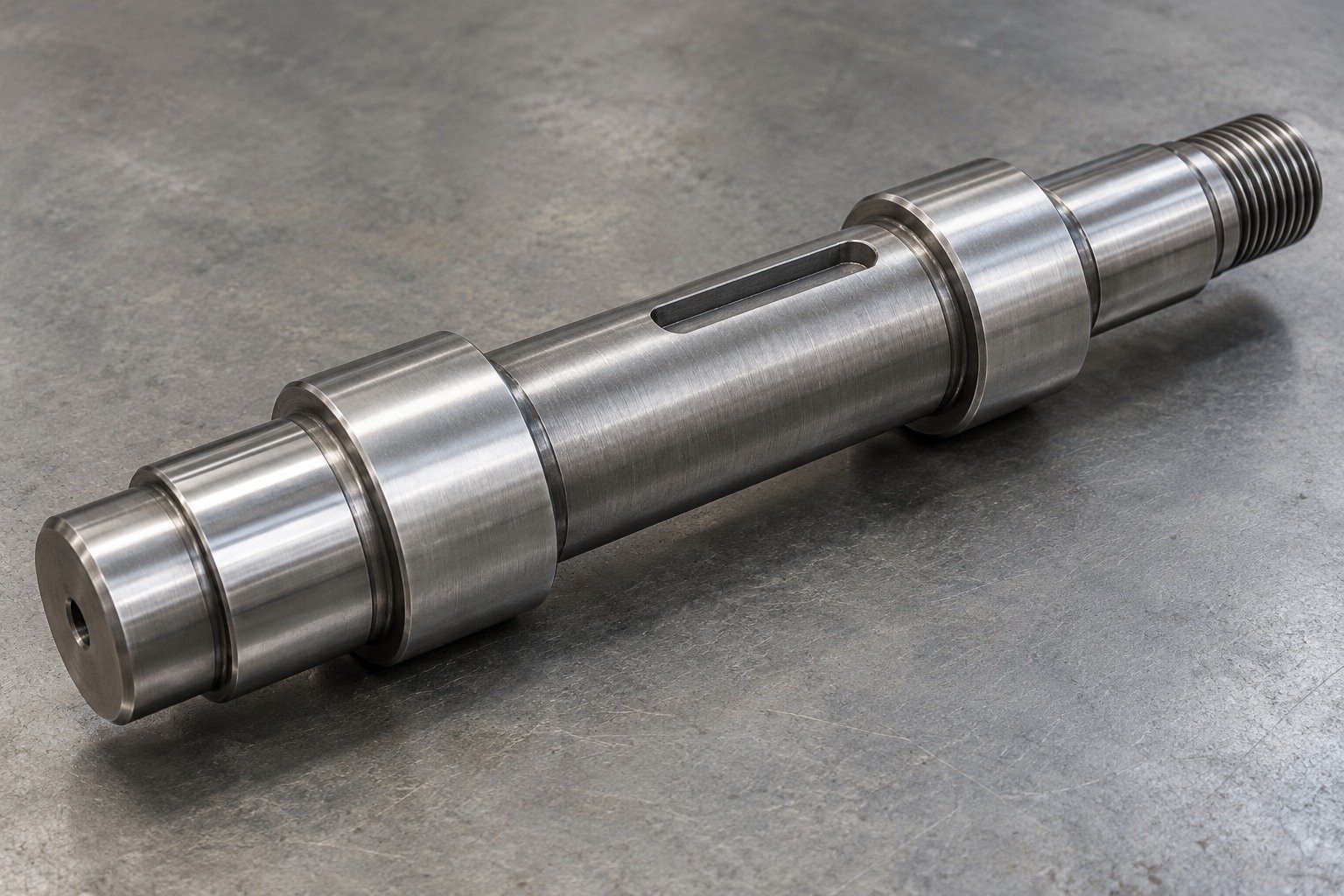
Compare C45 / C45E: EN 1.0503 / 1.1191 are similar-designation references, not blanket substitutes.
Review tool access, datums, threads, burr removal and finish before choosing the setup. Shafts, rollers and pins with defined final requirements.
Identify the functional datum scheme.
Agree setups and access to critical features.
Inspect in the specified final condition.
Compare C45 / C45E: EN 1.0503 / 1.1191 are similar-designation references, not blanket substitutes.
Identify hardening method, treatment locations, final hardness and machining allowance before release.
Compare C45 / C45E: EN 1.0503 / 1.1191 are similar-designation references, not blanket substitutes.
Mark ground journals, surface texture and protected areas for your final fit.
Grade, product standard, lot and condition.
Datums, dimensions and inspection state.
Agree document type and scope at inquiry.
Compare C45 / C45E: EN 1.0503 / 1.1191 are similar-designation references, not blanket substitutes.
Carbon structural steel
For your A36 steel machining and fabrication review, connect the plate thickness, joint details and mounting faces to the final assembly.
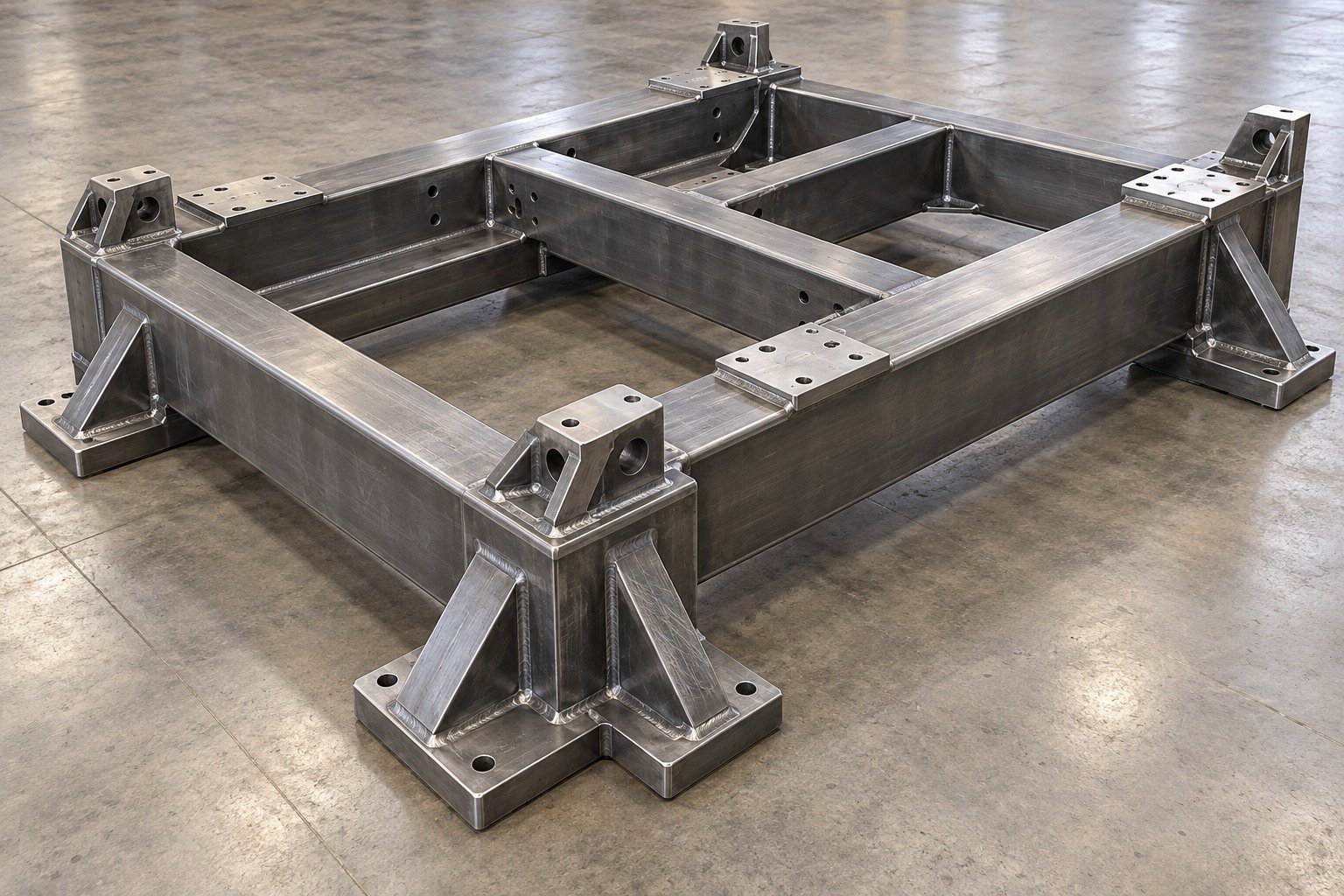
Review EN structural grades such as S235JR against the actual requirements; A36 is not automatically equivalent.
Review tool access, datums, threads, burr removal and finish before choosing the setup. Welded bases, gussets and support plates.
Identify the functional datum scheme.
Agree setups and access to critical features.
Inspect in the specified final condition.
Review EN structural grades such as S235JR against the actual requirements; A36 is not automatically equivalent.
A36 is a structural product specification. Any stress relief or other treatment requires project review.
Review EN structural grades such as S235JR against the actual requirements; A36 is not automatically equivalent.
Agree mill-scale removal, coating, mounting-pad protection and flatness in the finished assembly.
Grade, product standard, lot and condition.
Datums, dimensions and inspection state.
Agree document type and scope at inquiry.
Review EN structural grades such as S235JR against the actual requirements; A36 is not automatically equivalent.
Free-machining carbon steel
For your 1215 steel machining inquiry, define turned diameters, thread engagement, burr access and finish. Review joining requirements before selecting a free-machining grade.
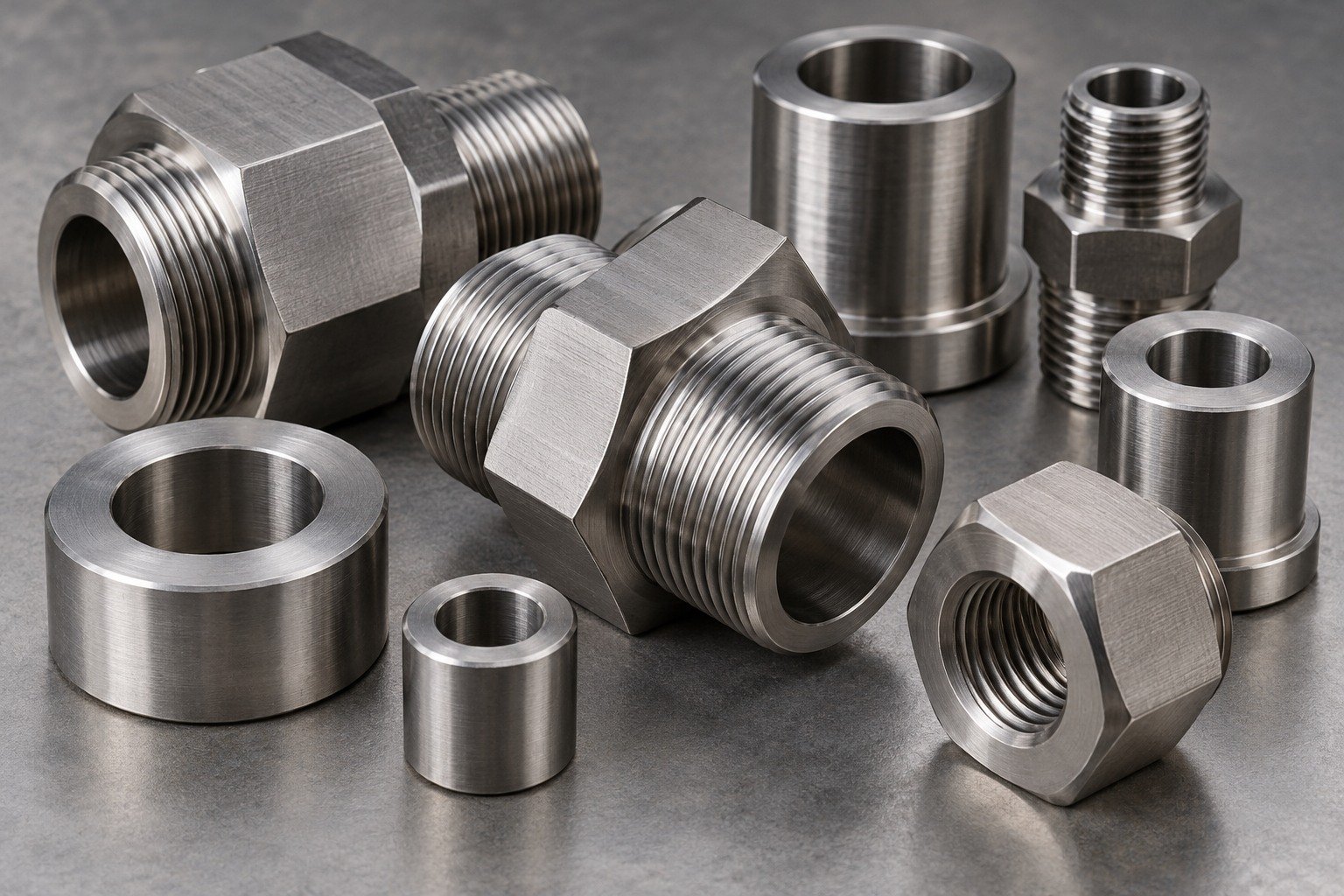
Compare free-cutting specifications individually; no universal EN substitute is stated.
Review tool access, datums, threads, burr removal and finish before choosing the setup. Turned spacers, threaded parts and bushings.
Identify the functional datum scheme.
Agree setups and access to critical features.
Inspect in the specified final condition.
Compare free-cutting specifications individually; no universal EN substitute is stated.
Do not select a heat-treatment route from machinability alone; agree the required final condition.
Compare free-cutting specifications individually; no universal EN substitute is stated.
Specify deburring and coating requirements at intersecting holes and thread runouts.
Grade, product standard, lot and condition.
Datums, dimensions and inspection state.
Agree document type and scope at inquiry.
Compare free-cutting specifications individually; no universal EN substitute is stated.
Leaded free-machining steel
For your 12L14 steel machining project, confirm the lead-containing grade is permitted for your application and market before reviewing turned features.
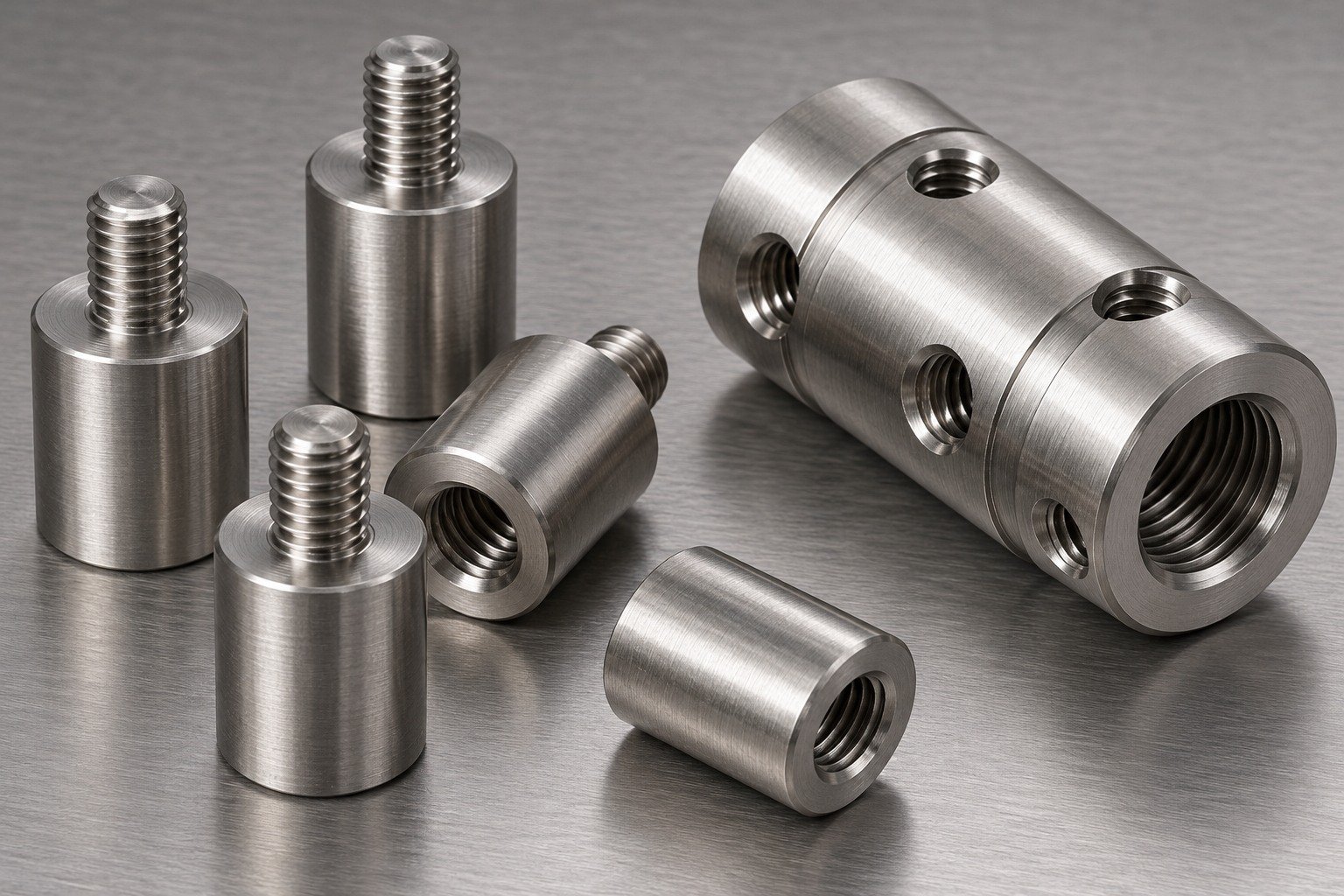
Review 11SMnPb30 / EN 1.0718 only as a candidate requiring specification and compliance checks.
Review tool access, datums, threads, burr removal and finish before choosing the setup. Precision turned sleeves and standoffs when material approval permits.
Identify the functional datum scheme.
Agree setups and access to critical features.
Inspect in the specified final condition.
Review 11SMnPb30 / EN 1.0718 only as a candidate requiring specification and compliance checks.
Confirm the complete specification and final condition; substitution and joining need review.
Review 11SMnPb30 / EN 1.0718 only as a candidate requiring specification and compliance checks.
Agree coating, cleaning and material declaration requirements before ordering.
Grade, product standard, lot and condition.
Datums, dimensions and inspection state.
Agree document type and scope at inquiry.
Review 11SMnPb30 / EN 1.0718 only as a candidate requiring specification and compliance checks.
Chromium-molybdenum alloy steel
For your 4130 steel machining review, identify tube or bar product form, wall thickness, joint geometry and the final condition.
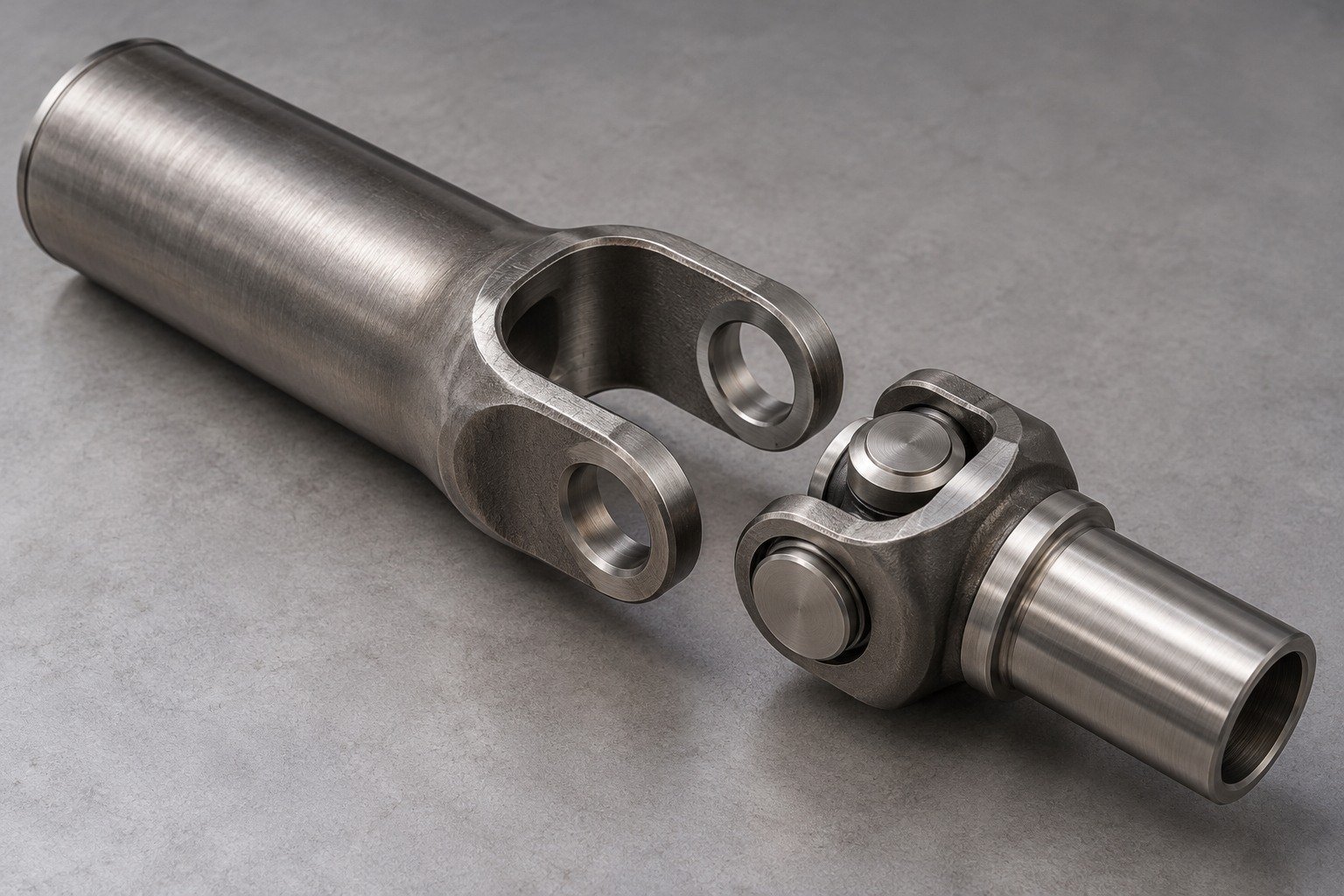
25CrMo4 / EN 1.7218 is a comparison candidate; verify chemistry, product standard and condition.
Review tool access, datums, threads, burr removal and finish before choosing the setup. Tubular components, fittings and machined yokes.
Identify the functional datum scheme.
Agree setups and access to critical features.
Inspect in the specified final condition.
25CrMo4 / EN 1.7218 is a comparison candidate; verify chemistry, product standard and condition.
Include the complete joining and thermal route in your dimensional acceptance plan.
25CrMo4 / EN 1.7218 is a comparison candidate; verify chemistry, product standard and condition.
Review access for cleaning and surface protection around joints and internal passages.
Grade, product standard, lot and condition.
Datums, dimensions and inspection state.
Agree document type and scope at inquiry.
25CrMo4 / EN 1.7218 is a comparison candidate; verify chemistry, product standard and condition.
Chromium-molybdenum alloy steel
For your 4140 steel machining inquiry, separate annealed, prehardened and quenched-and-tempered stock. Mark critical shoulders, threads and bearing journals.
Compare 42CrMo4 / EN 1.7225. Only specified variants meet SAE 4140; a similar name does not approve substitution.
Review tool access, datums, threads, burr removal and finish before choosing the setup. Drive shafts, coupling hubs and loaded mechanical components.
Identify the functional datum scheme.
Agree setups and access to critical features.
Inspect in the specified final condition.
Compare 42CrMo4 / EN 1.7225. Only specified variants meet SAE 4140; a similar name does not approve substitution.
Plan your 4140 condition before cutting. Agree incoming material state, heat-treatment route and final inspection stage.
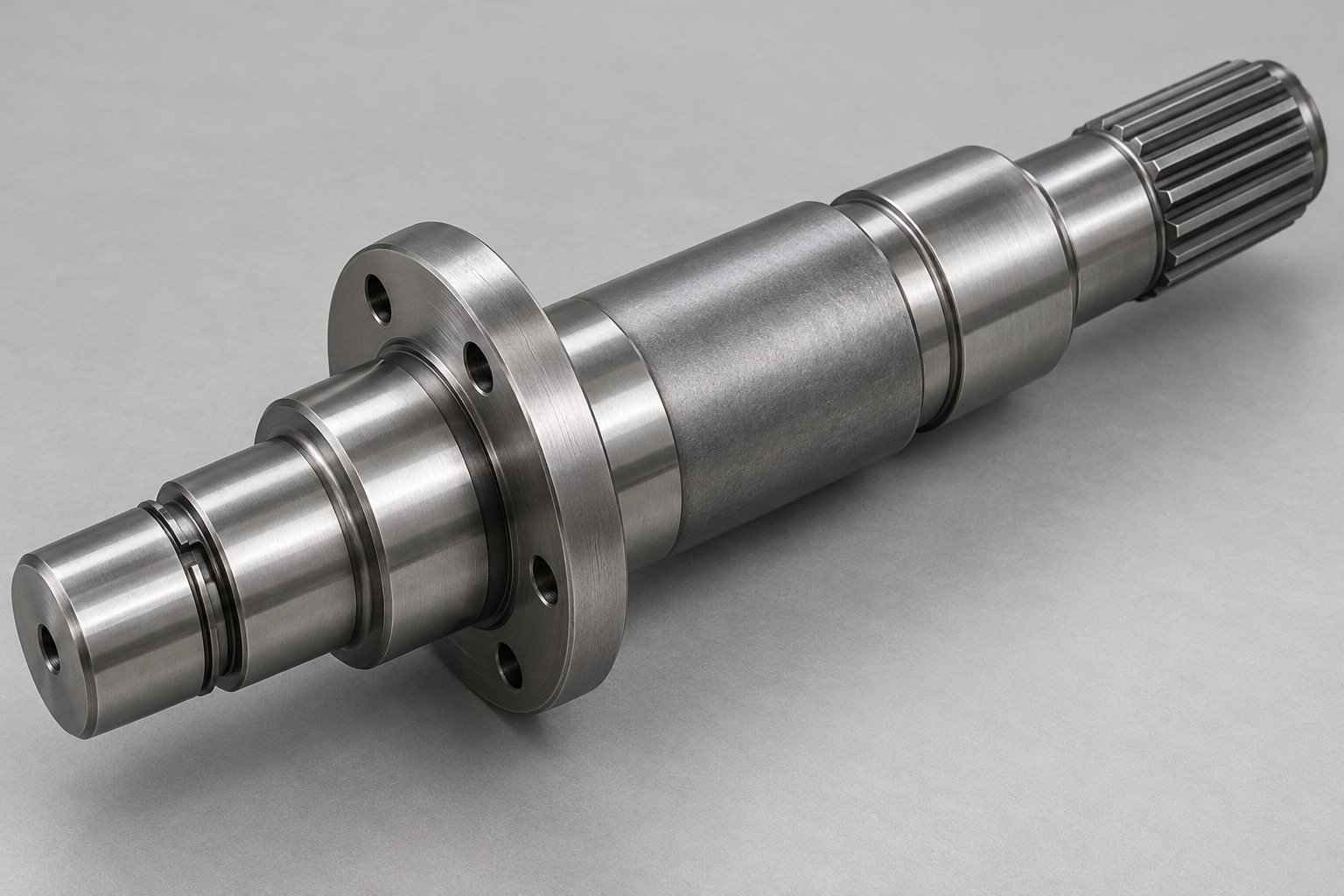
Compare 42CrMo4 / EN 1.7225. Only specified variants meet SAE 4140; a similar name does not approve substitution.
Confirm final grinding or machining allowance, surface protection and inspection records.
Grade, product standard, lot and condition.
Datums, dimensions and inspection state.
Agree document type and scope at inquiry.
Compare 42CrMo4 / EN 1.7225. Only specified variants meet SAE 4140; a similar name does not approve substitution.
Nickel-chromium-molybdenum alloy steel
For your 4340 steel machining review, identify load-related features, generous shoulder transitions and the delivery and final conditions.
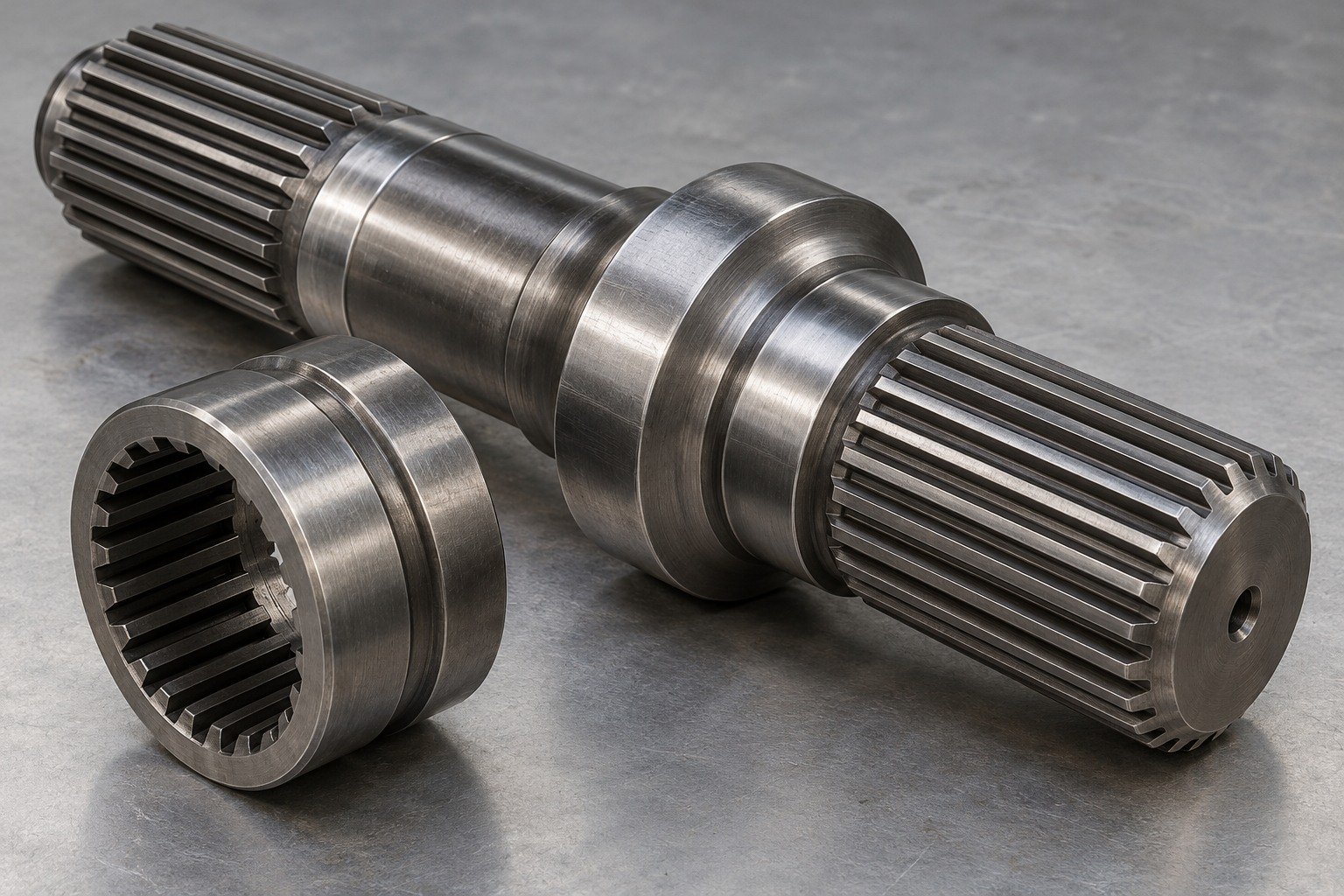
34CrNiMo6 / EN 1.6582 is a comparison candidate, not a direct equivalent.
Review tool access, datums, threads, burr removal and finish before choosing the setup. Axles, shafts and mechanical components with specified heat-treatment requirements.
Identify the functional datum scheme.
Agree setups and access to critical features.
Inspect in the specified final condition.
34CrNiMo6 / EN 1.6582 is a comparison candidate, not a direct equivalent.
Keep the required condition, section size, hardness and acceptance method on the same release.
34CrNiMo6 / EN 1.6582 is a comparison candidate, not a direct equivalent.
Agree grinding allowance, surface condition and final dimensional records for critical journals.
Grade, product standard, lot and condition.
Datums, dimensions and inspection state.
Agree document type and scope at inquiry.
34CrNiMo6 / EN 1.6582 is a comparison candidate, not a direct equivalent.
Case-hardening alloy steel
For your 8620 steel machining project, identify functional case-hardened surfaces and separate them from the core and noncritical geometry.
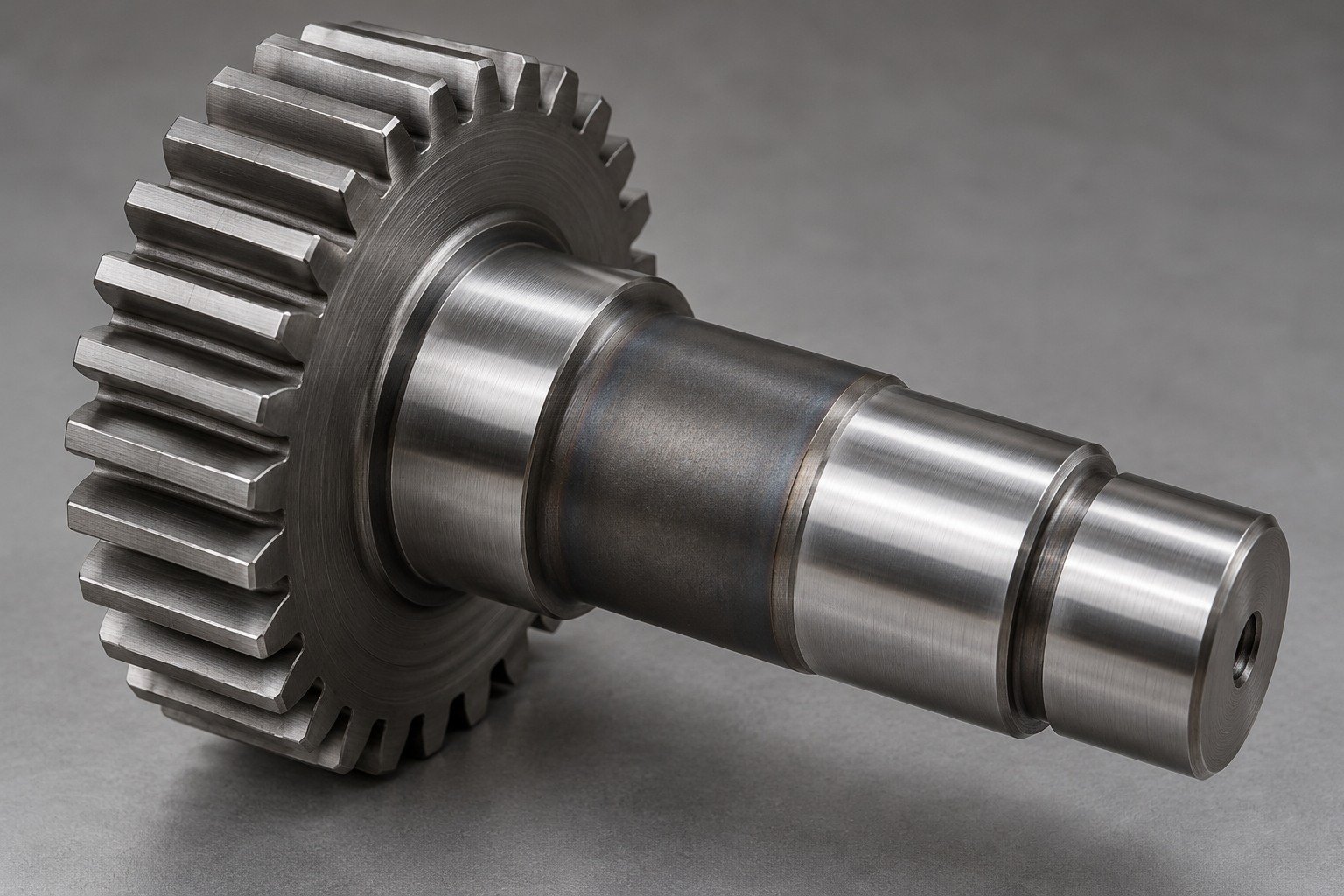
Review European case-hardening grades individually; 16MnCr5 is not automatically interchangeable with 8620.
Review tool access, datums, threads, burr removal and finish before choosing the setup. Gears, pins and components with specified case requirements.
Identify the functional datum scheme.
Agree setups and access to critical features.
Inspect in the specified final condition.
Review European case-hardening grades individually; 16MnCr5 is not automatically interchangeable with 8620.
Specify case depth, hardness, test locations, masking and final finishing sequence when carburizing is required.
Review European case-hardening grades individually; 16MnCr5 is not automatically interchangeable with 8620.
Agree stock allowance and final inspection after the complete treatment and finishing route.
Grade, product standard, lot and condition.
Datums, dimensions and inspection state.
Agree document type and scope at inquiry.
Review European case-hardening grades individually; 16MnCr5 is not automatically interchangeable with 8620.
Sequence depends on your grade, geometry and specification. No single hardness or tolerance applies to every part.
Grade, product form and supplied condition.
Required condition and dimensional change.
Final fits, surface protection and acceptance.
Heat treatment is included only when agreed for your project.
| Decision | Your requirement |
|---|---|
| Material identity | Grade + specification + delivery condition |
| Manufacturing | Machining, joining and treatment scope |
| Acceptance | Dimensions, finish and agreed records |
Use chemistry to understand a grade choice. Your material certificate confirms the actual lot; these producer references are not LK test results.
Mass percentage · common axis 0–0.60%
Higher carbon content is not a finished-part strength rating.
| Reference | C % | Mn % | Cr % | Mo % |
|---|---|---|---|---|
| 1018 | 0.15–0.20 | 0.60–0.90 | — | — |
| 4140 | 0.38–0.43 | 0.75–1.00 | 0.80–1.10 | 0.15–0.25 |
| C45 · EN ISO 683-1 | 0.42–0.50 | 0.50–0.80 | ≤0.40 | ≤0.10 |
Selected mass-percent limits. “—” means no value shown in the cited selected-element table, not zero. C45 data is the EN ISO 683-1 reference variant; it is not a relabeled 1045 certificate. Other elements and product requirements also apply.
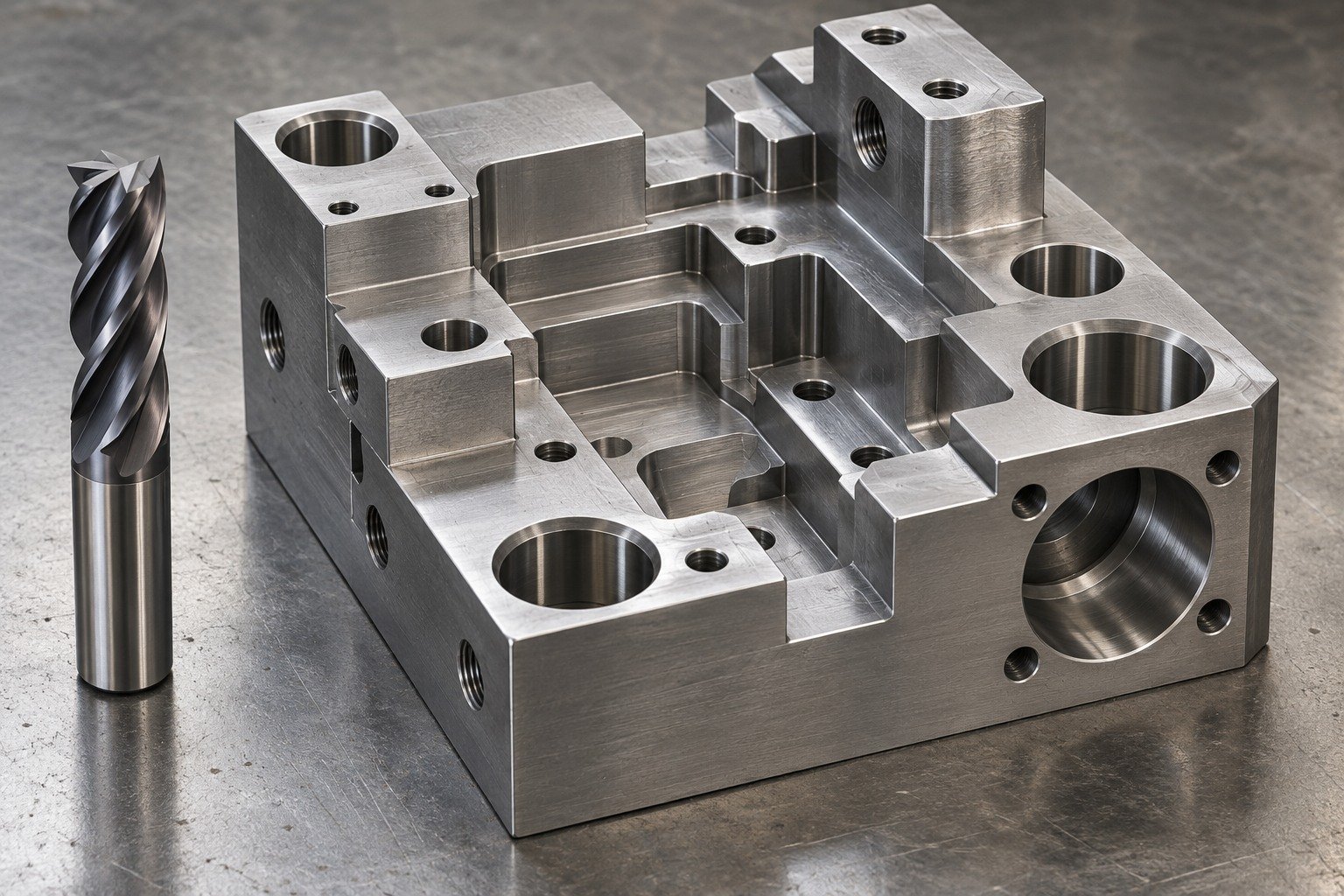
Document scope and test requirements are agreed with your quotation. Keep the material record connected to the finished component.
Explore Quality Assurance →
View Other Steel Material Details →
Do not see your grade above? Use these groups to describe your requirement. Availability, process suitability and documentation need project review.
For your 1117 steel machining or 1144 steel machining inquiry, state the complete specification. 1144 does not by itself specify a branded stress-relieved product.
Review thickness, forming, joining and coating. Name the required product specification rather than “mild steel” alone.
Specify tube type, wall, seam and condition. DOM describes a manufacturing route; it is not a standalone alloy designation.
For your 52100 steel machining review, define the supplied and final states. Compare EN 100Cr6 / 1.3505 by specification.
For your 9310 steel machining project, identify case depth, core requirements and final finishing. EN 1.6587 identifies 18CrNiMo7-6, not an automatic 9310 replacement.
Send your actual European grade and product standard. We review manufacturing suitability without translating a name into an unapproved substitute.
100Cr6 reference ↗ · 18CrNiMo7-6 reference ↗ · 16MnCr5 reference ↗
Confirm any substitution against your drawing, material standard, delivery condition and required performance before approval. Similar European and US names do not establish interchangeability.
When your design requires a defined condition, hardness, case or mechanical properties. State the requirement and final acceptance stage; agree the sequence before machining.
Send the grade, full material standard, product form, condition and drawing. Use the Other Carbon & Alloy Steel section to identify the relevant group.
Compare the same stock form, condition, geometry, setups, treatment, finish, quantity and inspection scope. A raw-material price does not define your finished-part quotation.
No. A36 is a carbon structural steel product specification; 1018 is a low-carbon grade designation. Product form, chemistry, properties and acceptance requirements need a separate comparison.
Include the symbolic name, material number, product standard and delivery condition. For example, a 42CrMo4 reference must still be reviewed against your specified 4140 requirements.
Need stainless steel? Explore the separate material category →