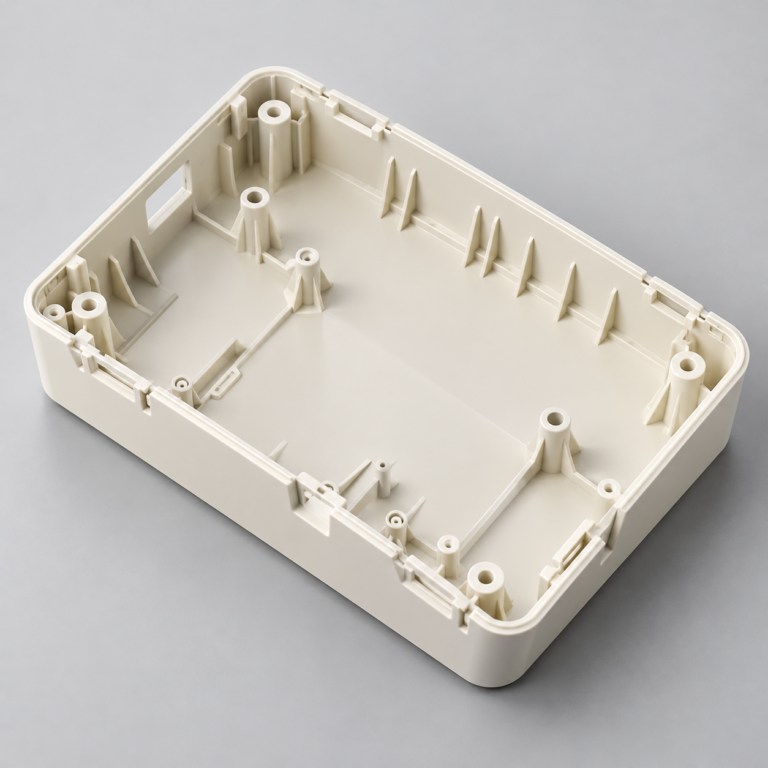
Injection Molding
Tooling and molding for your repeat plastic parts.
From prototype to production, coordinated manufacturing solutions for your custom parts.
View All Services →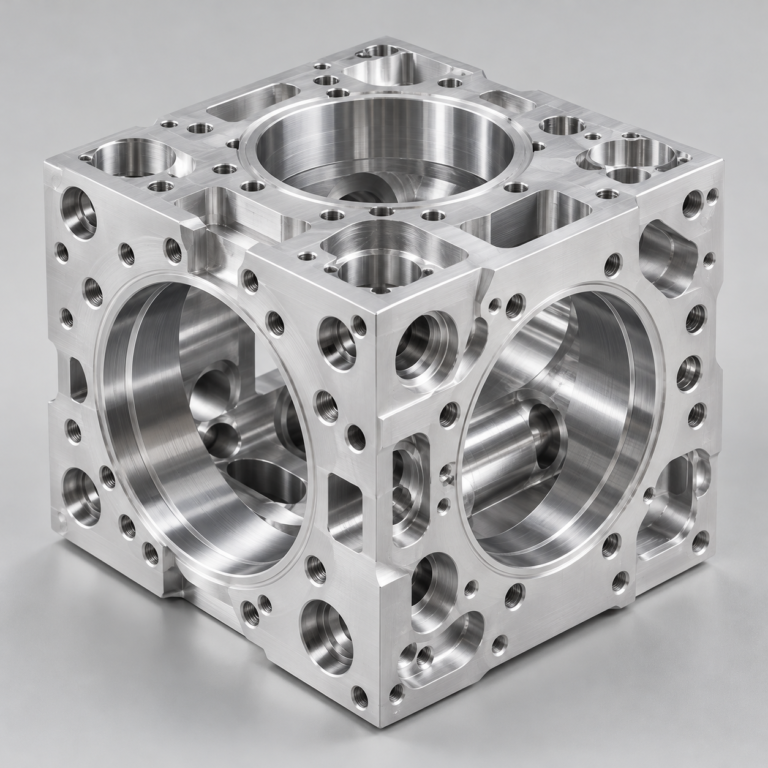
Precision parts for your tight tolerances and complex geometry.
Tooling and molding for your repeat plastic parts.
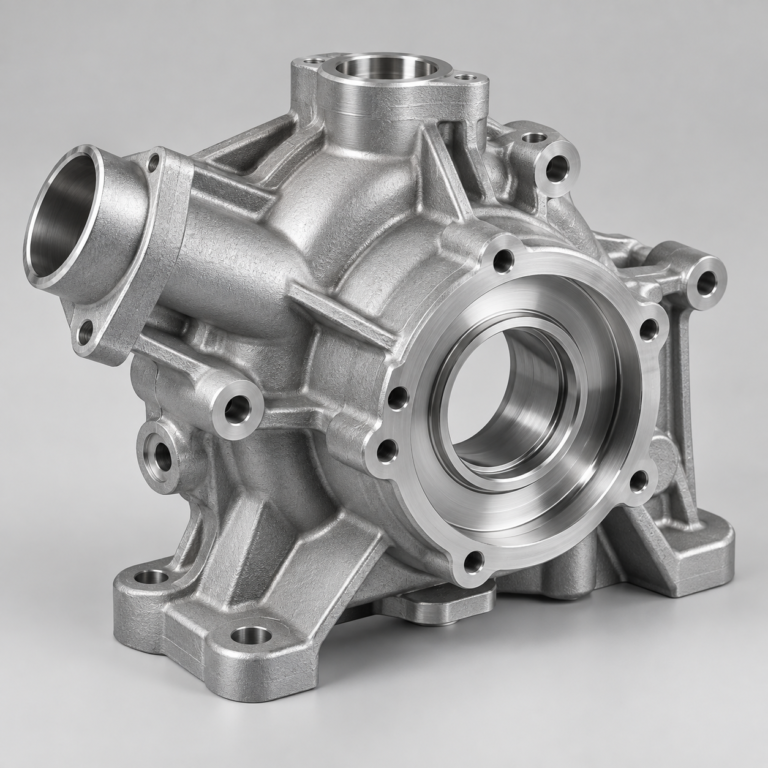
Metal casting options for your part and production volume.
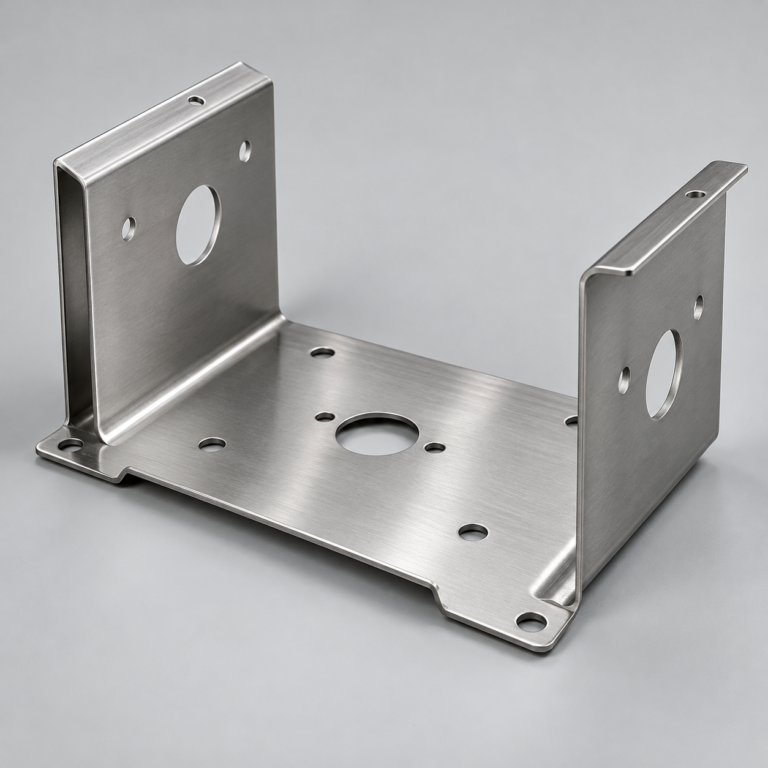
Cutting, forming and welding for your fabricated parts.
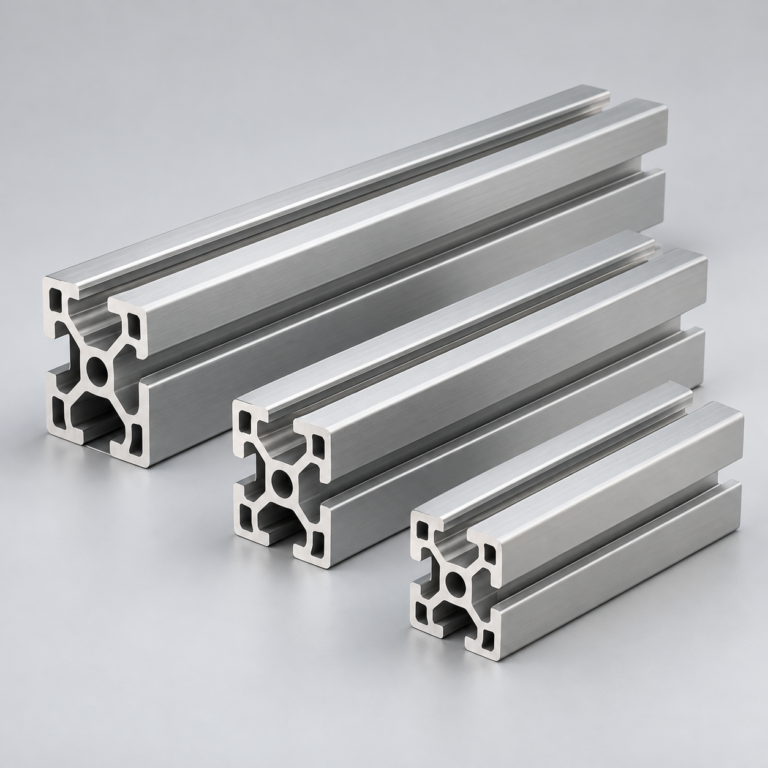
Custom profiles for your section, length and finish requirements.
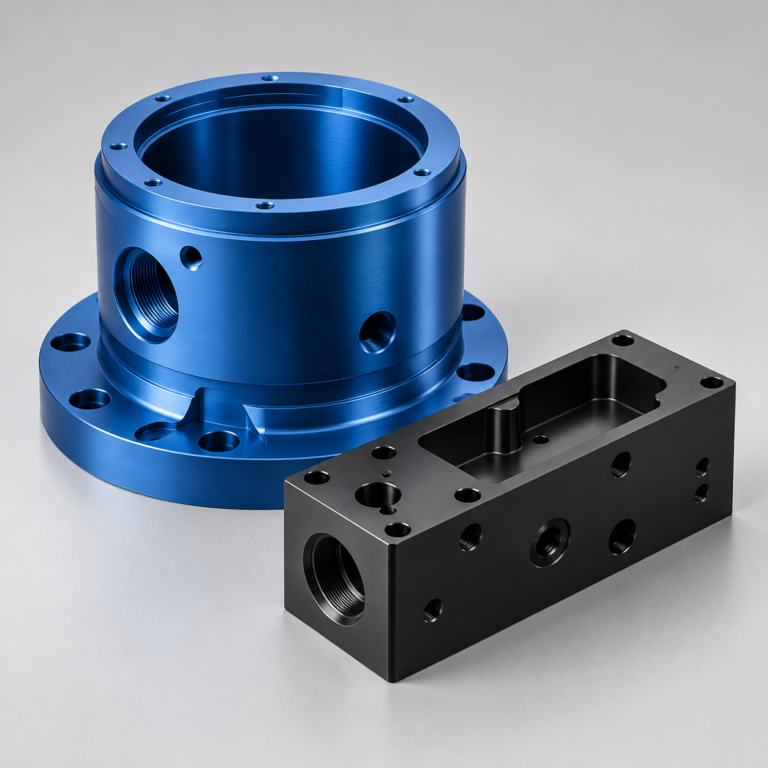
Finishes for your appearance, corrosion and wear requirements.

Sub-assemblies and final builds for your production program.

Production tooling built around your process and volume.
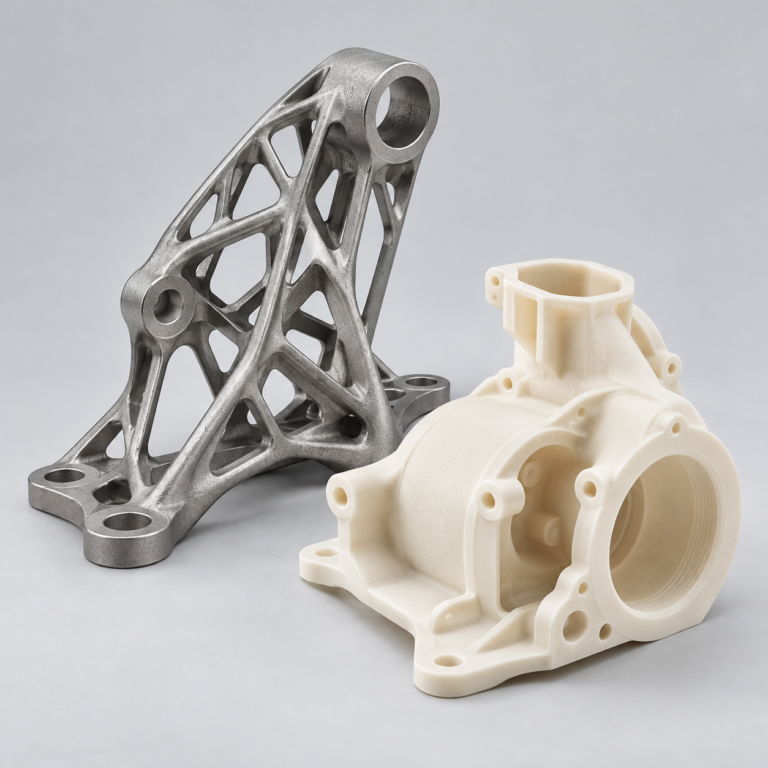
Prototype parts to check fit, function and design.
DFM, process planning and production support for your project.
Inspection, documentation, inventory and delivery planning for your program.
Choose air- or liquid-cooling components around your thermal and mechanical requirements.
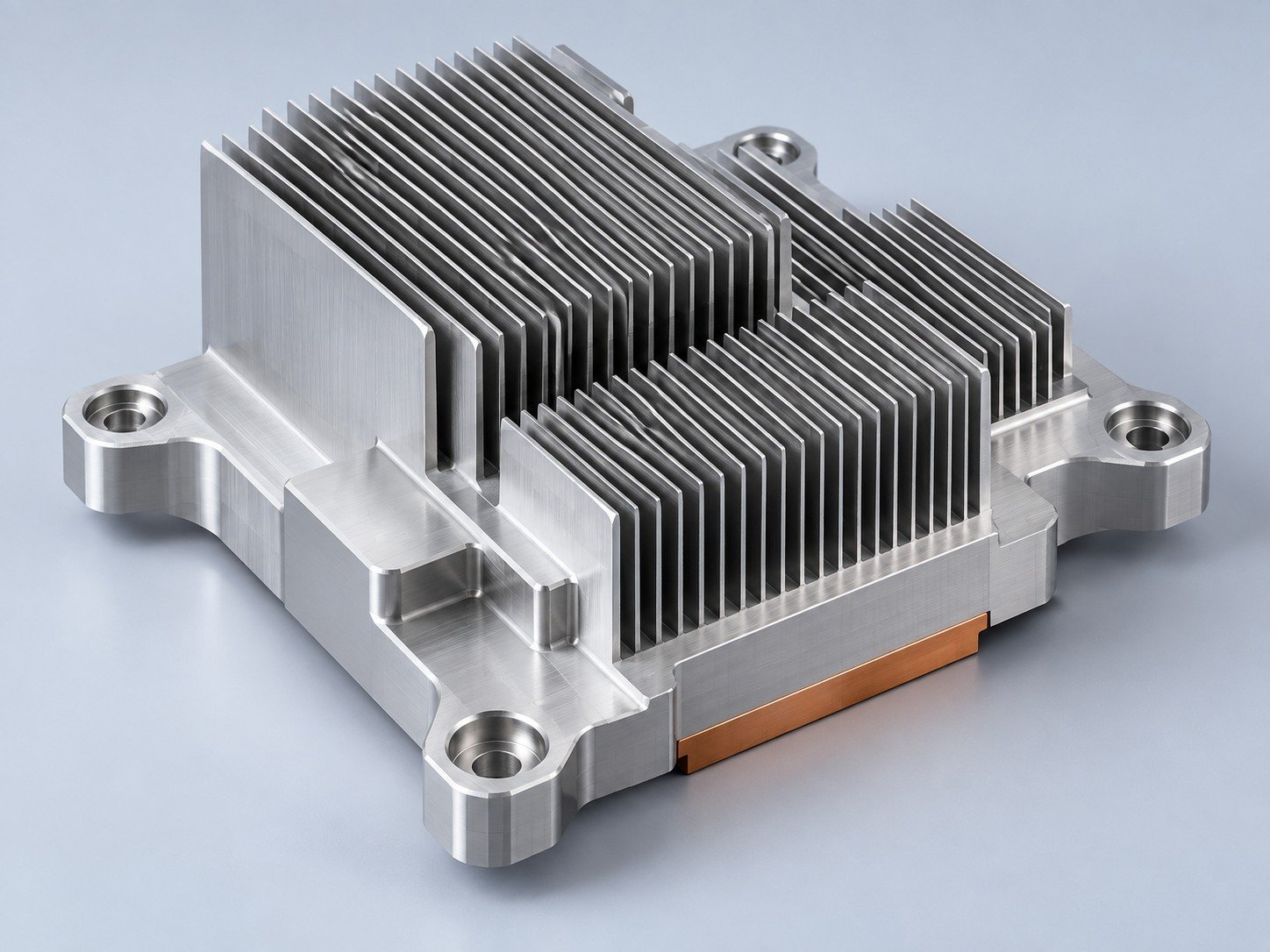
Manufacturing support for your cold plates, manifolds and cooling assemblies.
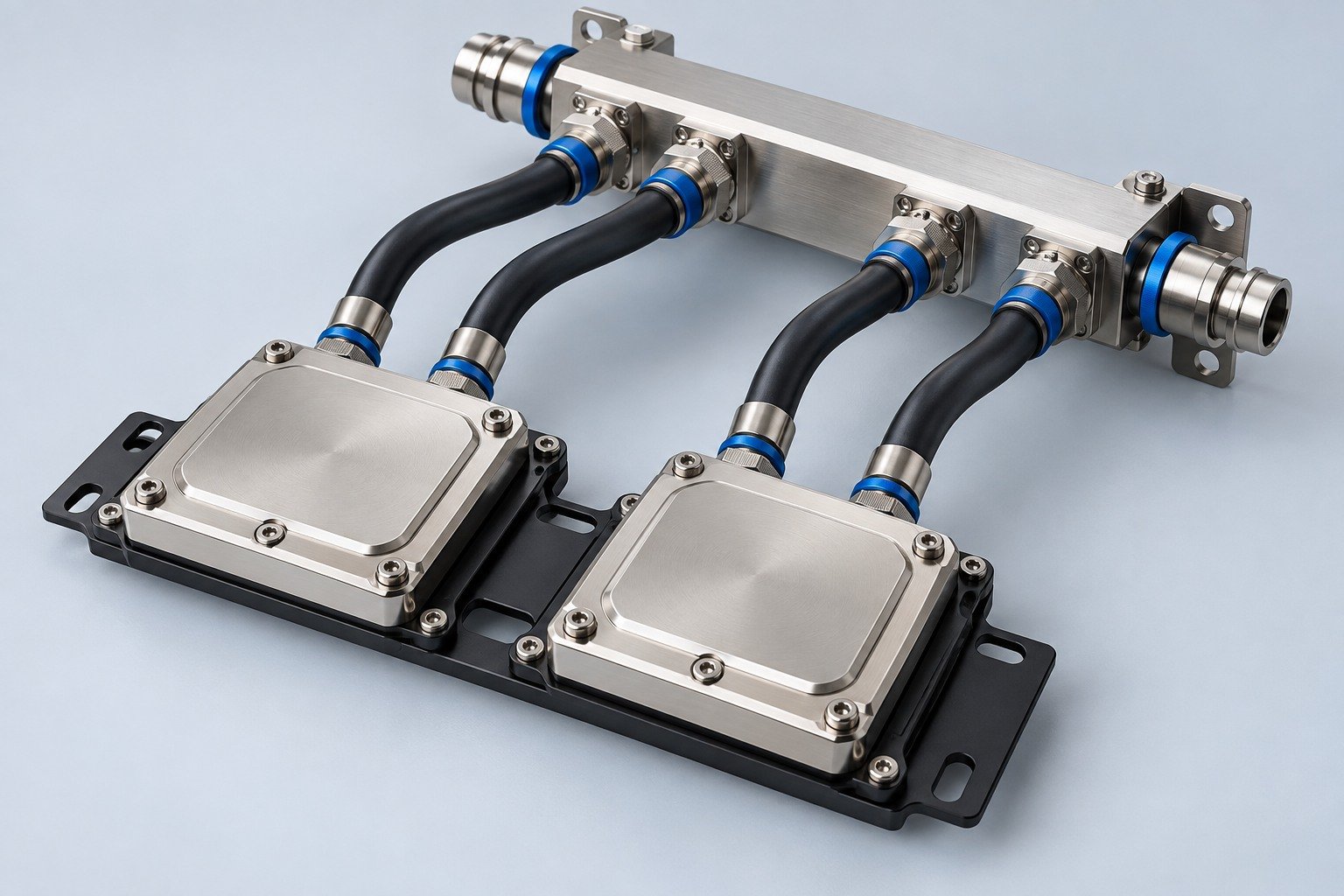
Find components for your power electronics, energy, laser and telecom application.
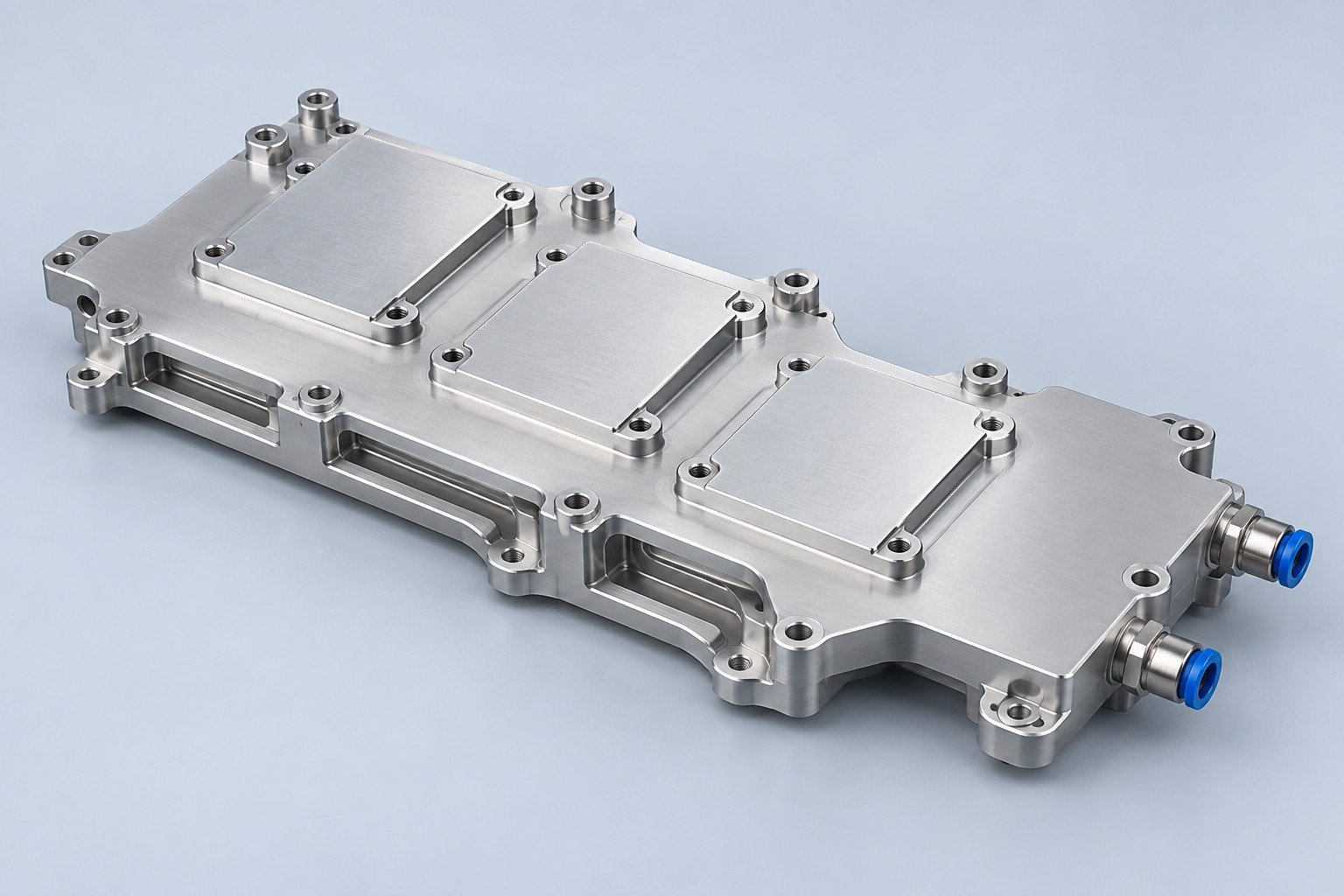
Components for your electronic systems.
Start with your functional and quality requirements.
Build around your operating environment.
From prototype to production, review material performance, manufacturability and cost for your part.
Review grade, temper and finish for your metal parts.
 AluminumStrength, weight and machining›
 Stainless SteelCorrosion and finish requirements›
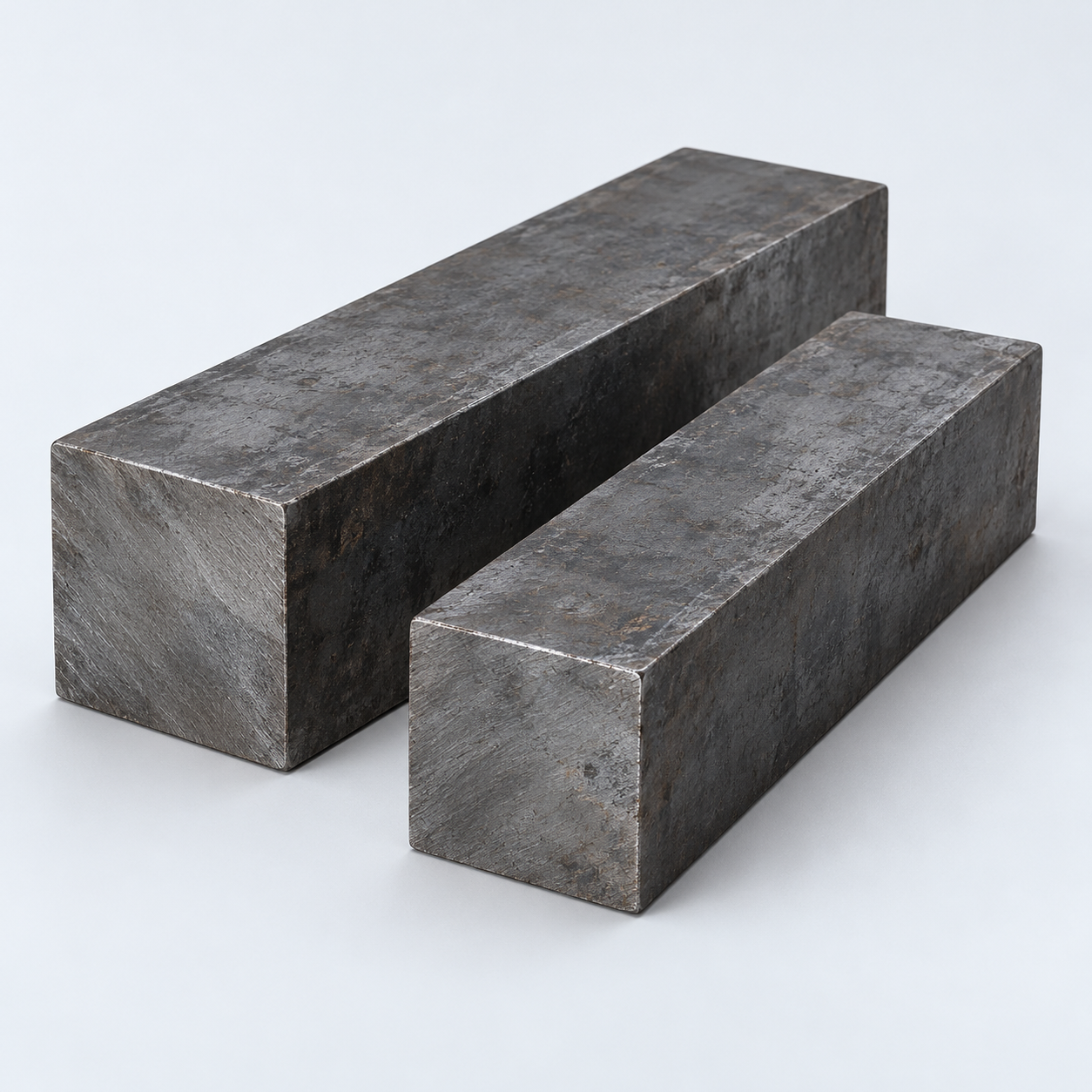 Carbon & Alloy SteelDiscuss grade and heat treatment›
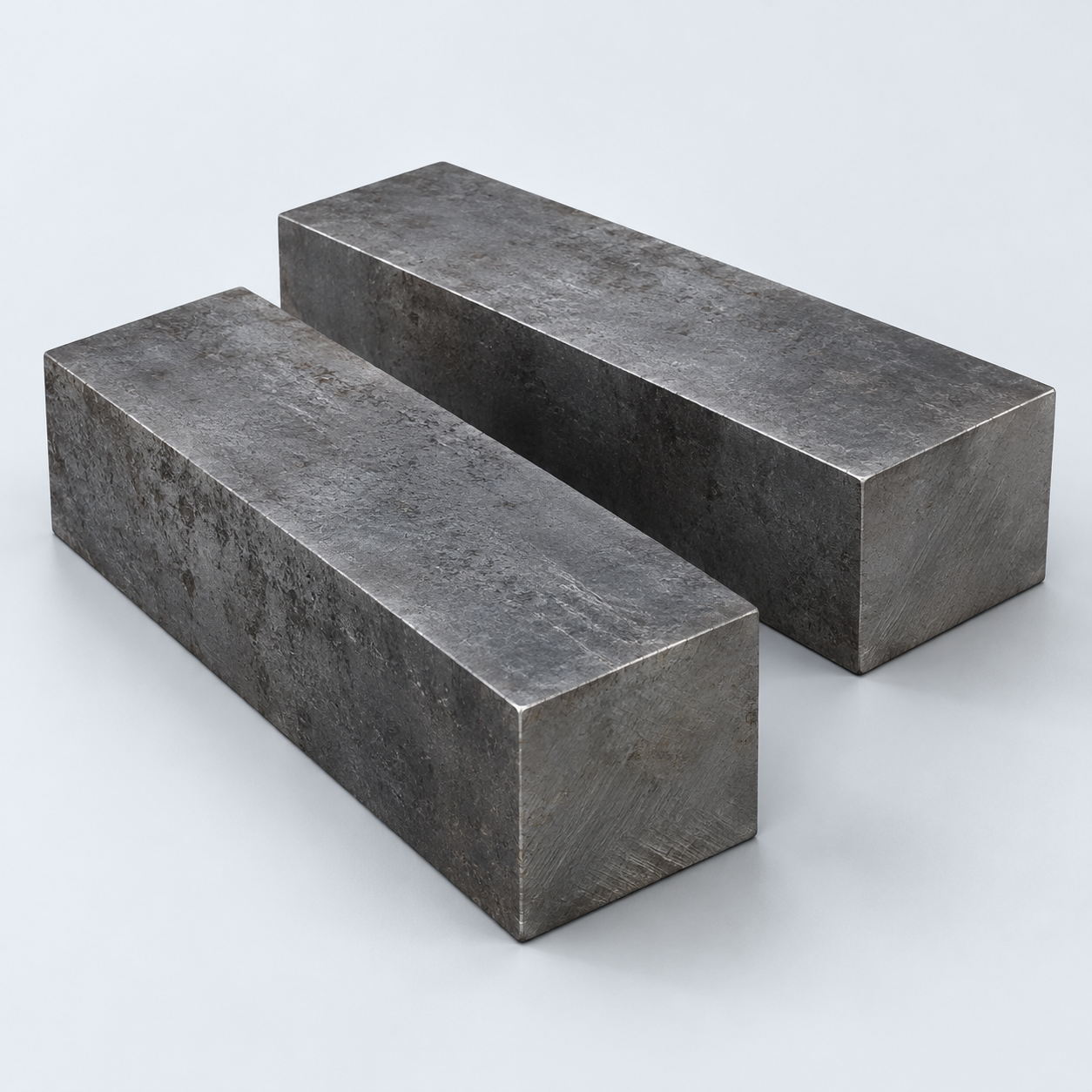 Tool SteelDiscuss tooling and wear needs›
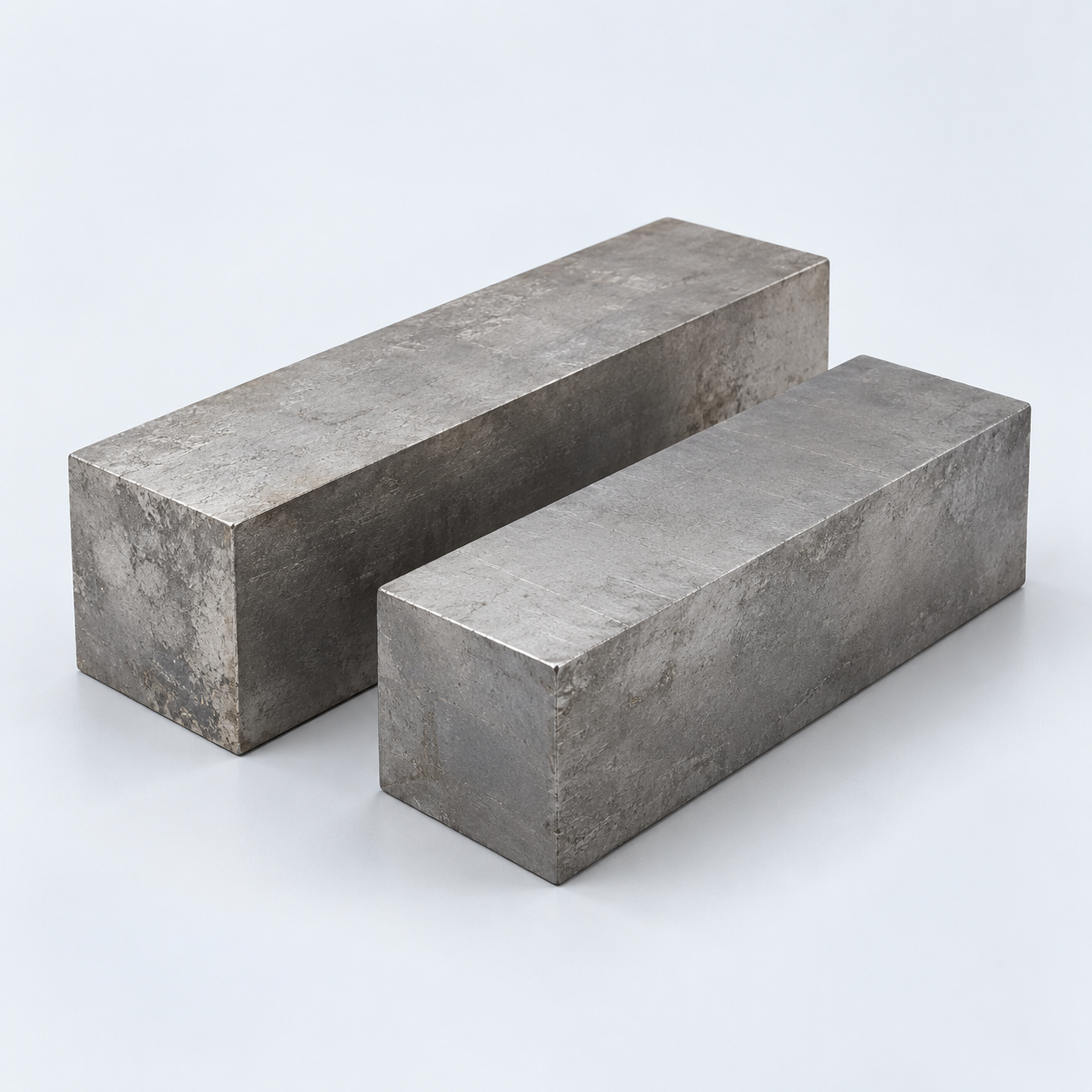 TitaniumReview grade and part geometry›
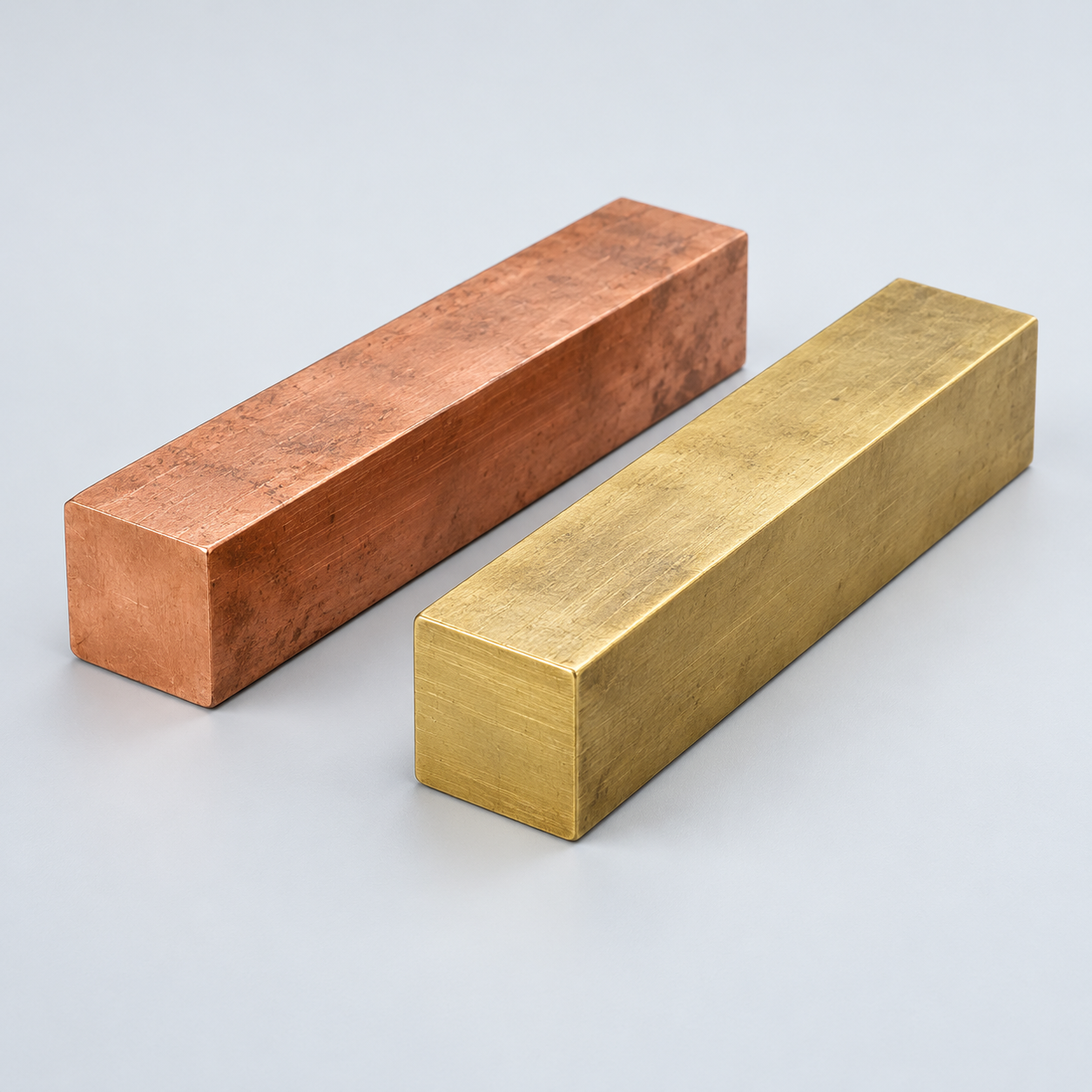 Copper & Brass & BronzeDiscuss conductivity and machining›
Match your polymer to function, process and environment.
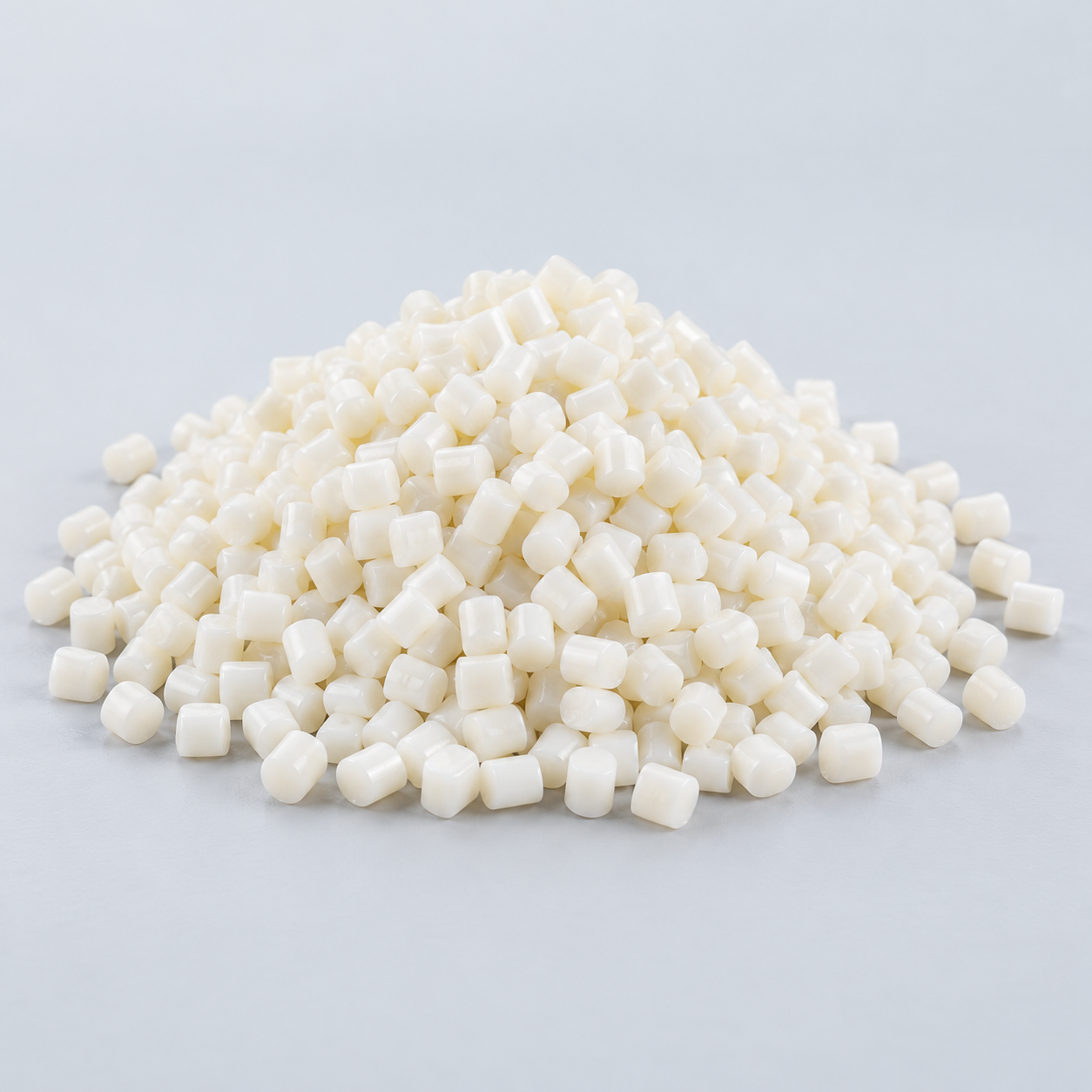 ABSReview enclosure and molding needs›
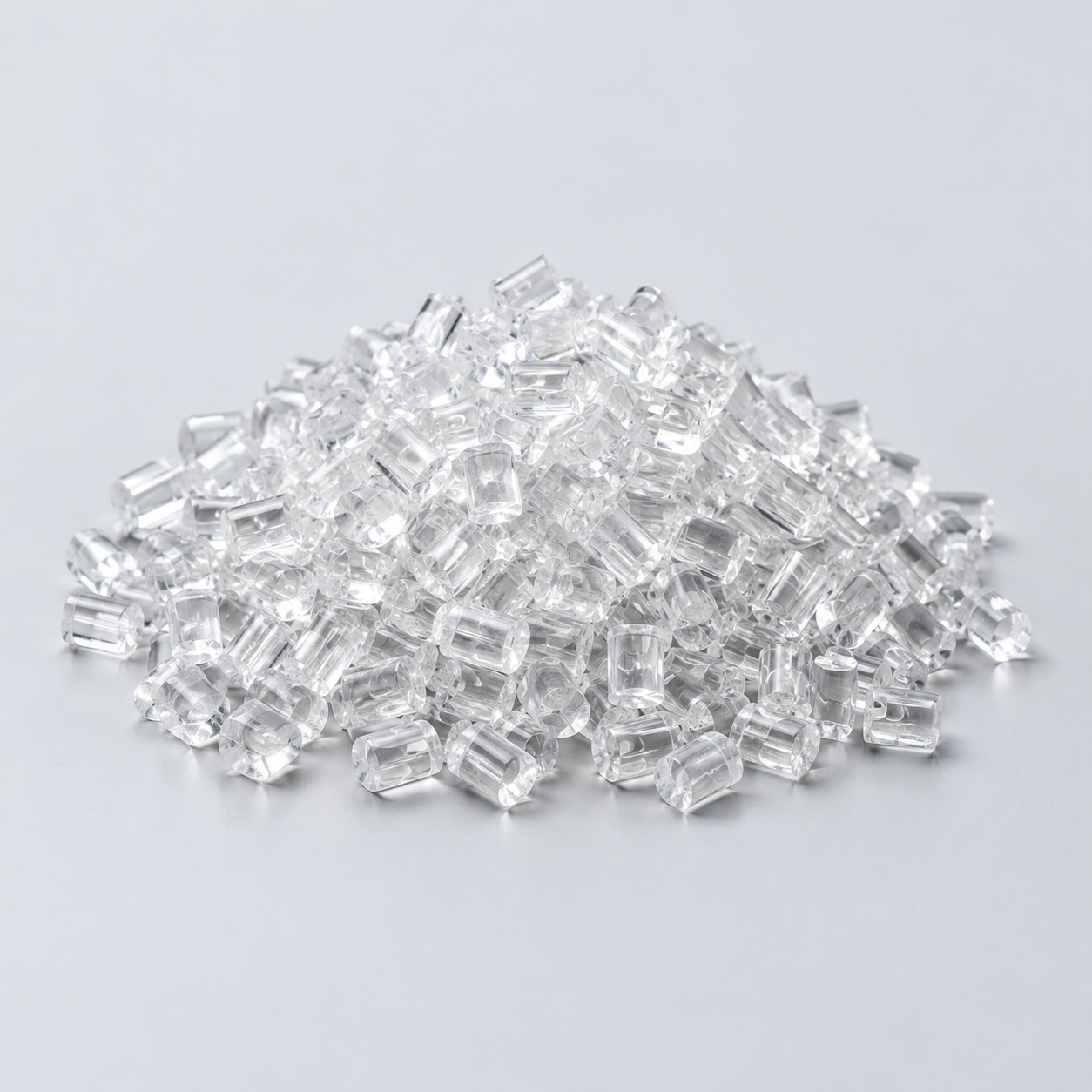 Polycarbonate (PC)Discuss clarity and impact needs›
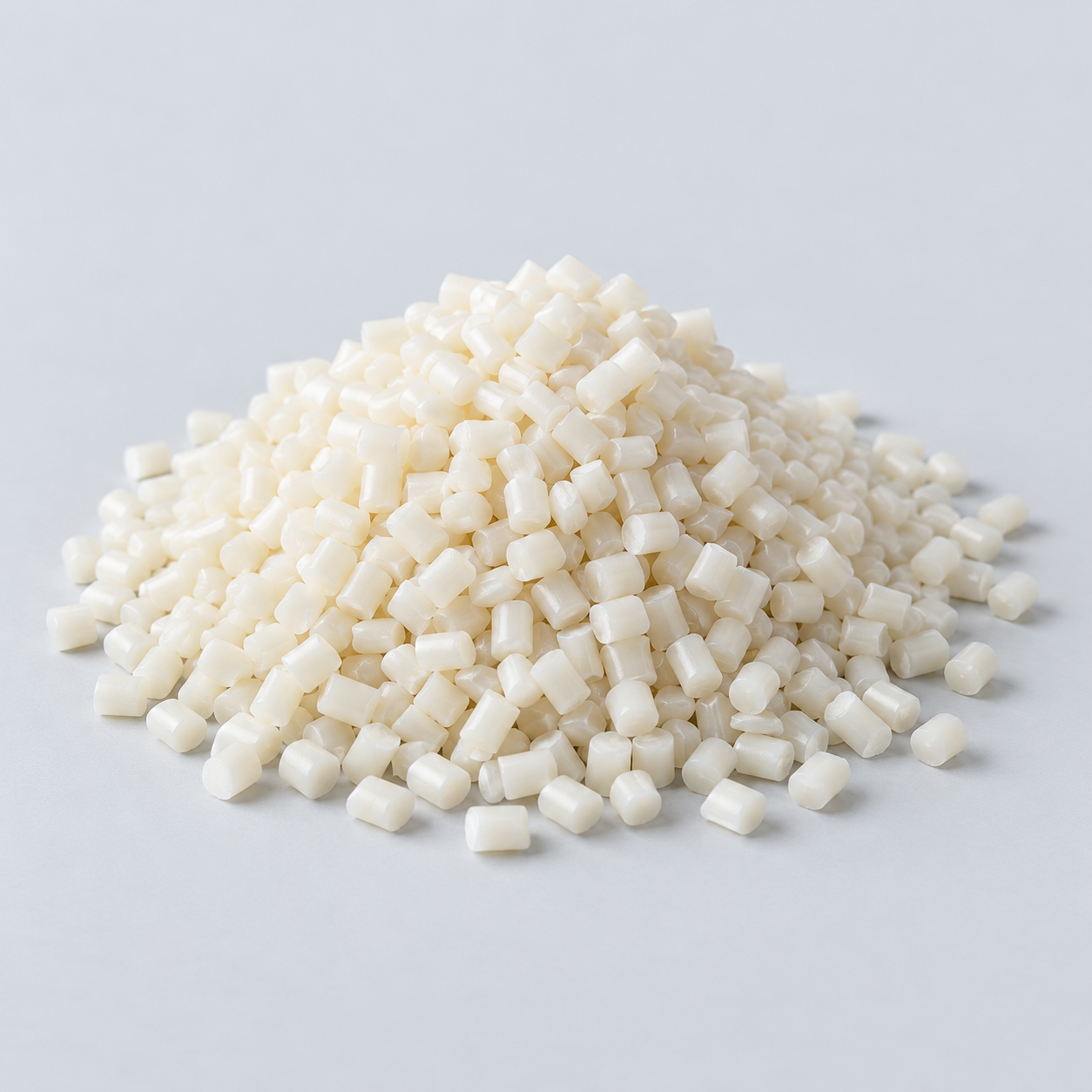 Nylon (PA)Review moisture and wear conditions›
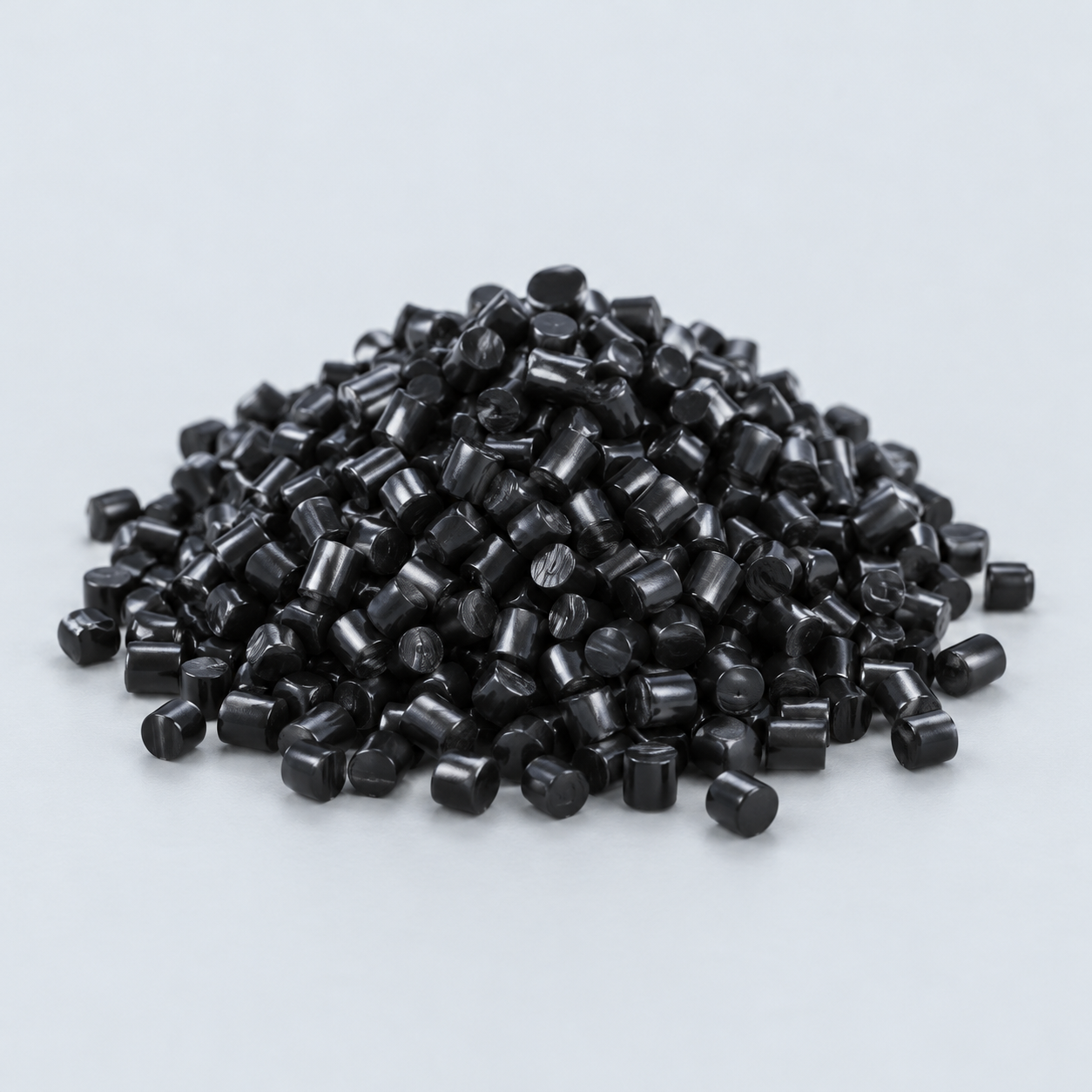 POM / AcetalReview fit and sliding features›
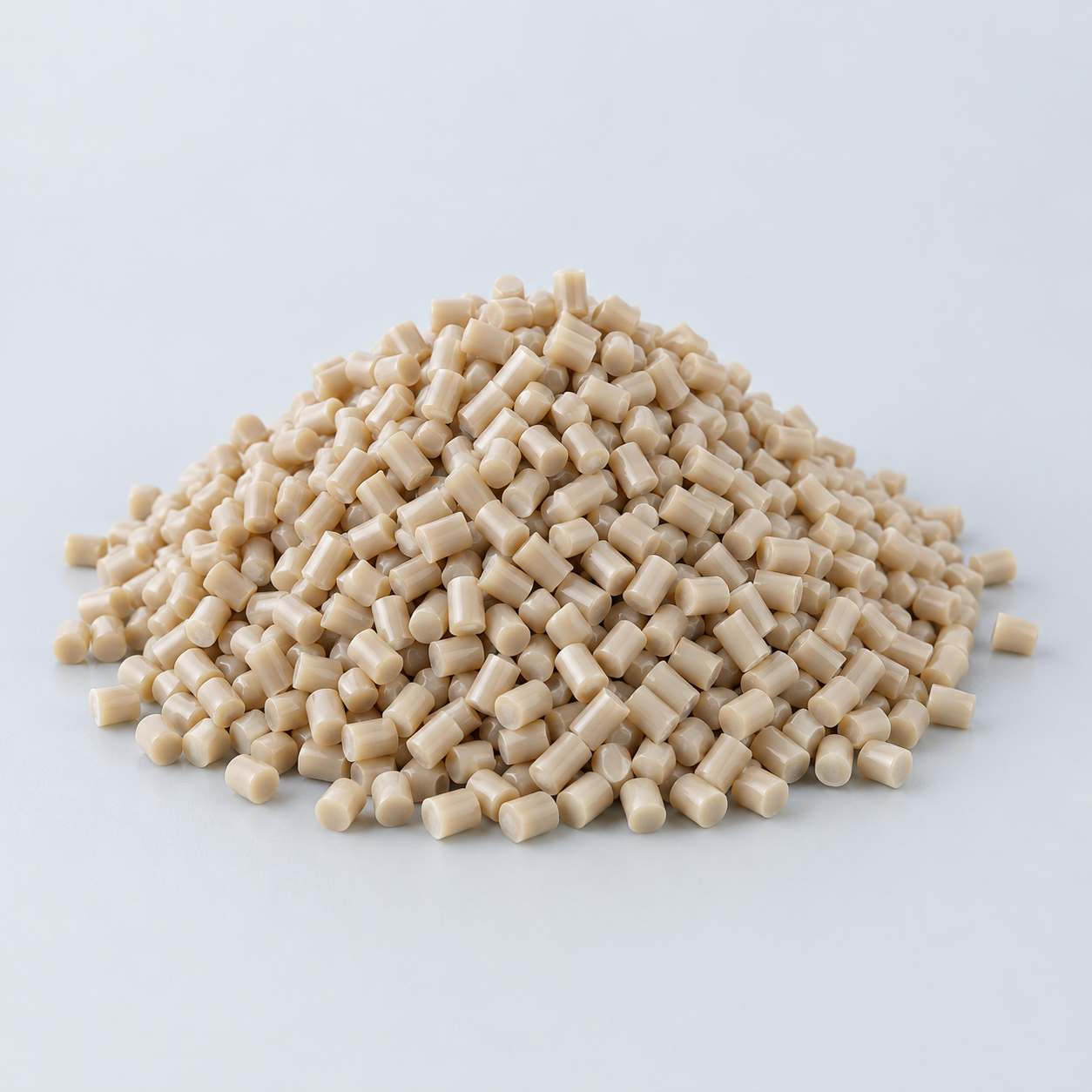 PEEKDiscuss operating conditions›
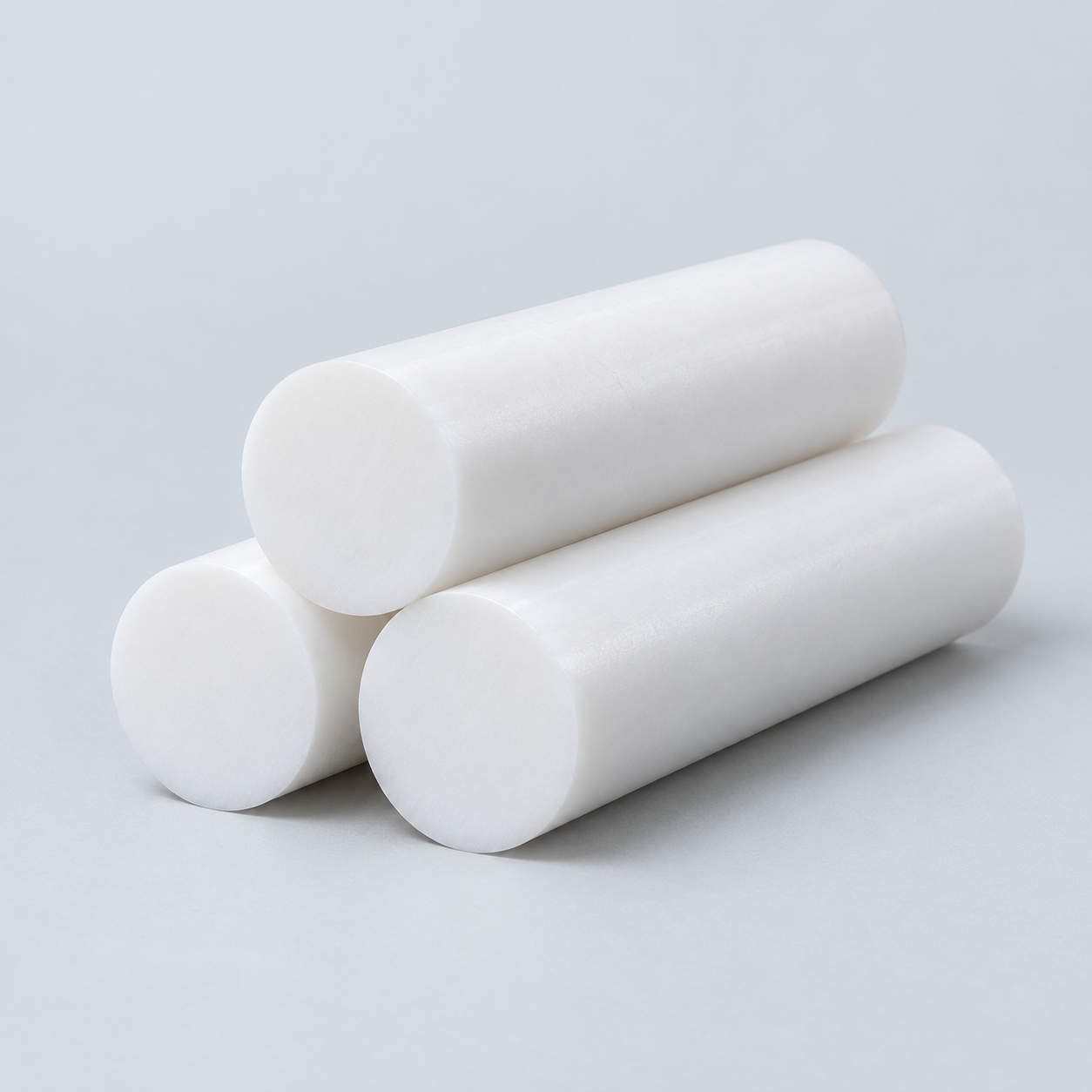 PTFEReview friction and chemical exposure›
 ULTEM / PEIDiscuss thermal and electrical needs›
Confirm grade availability and application requirements.
 Silicone / LSRDiscuss flexible component needs›
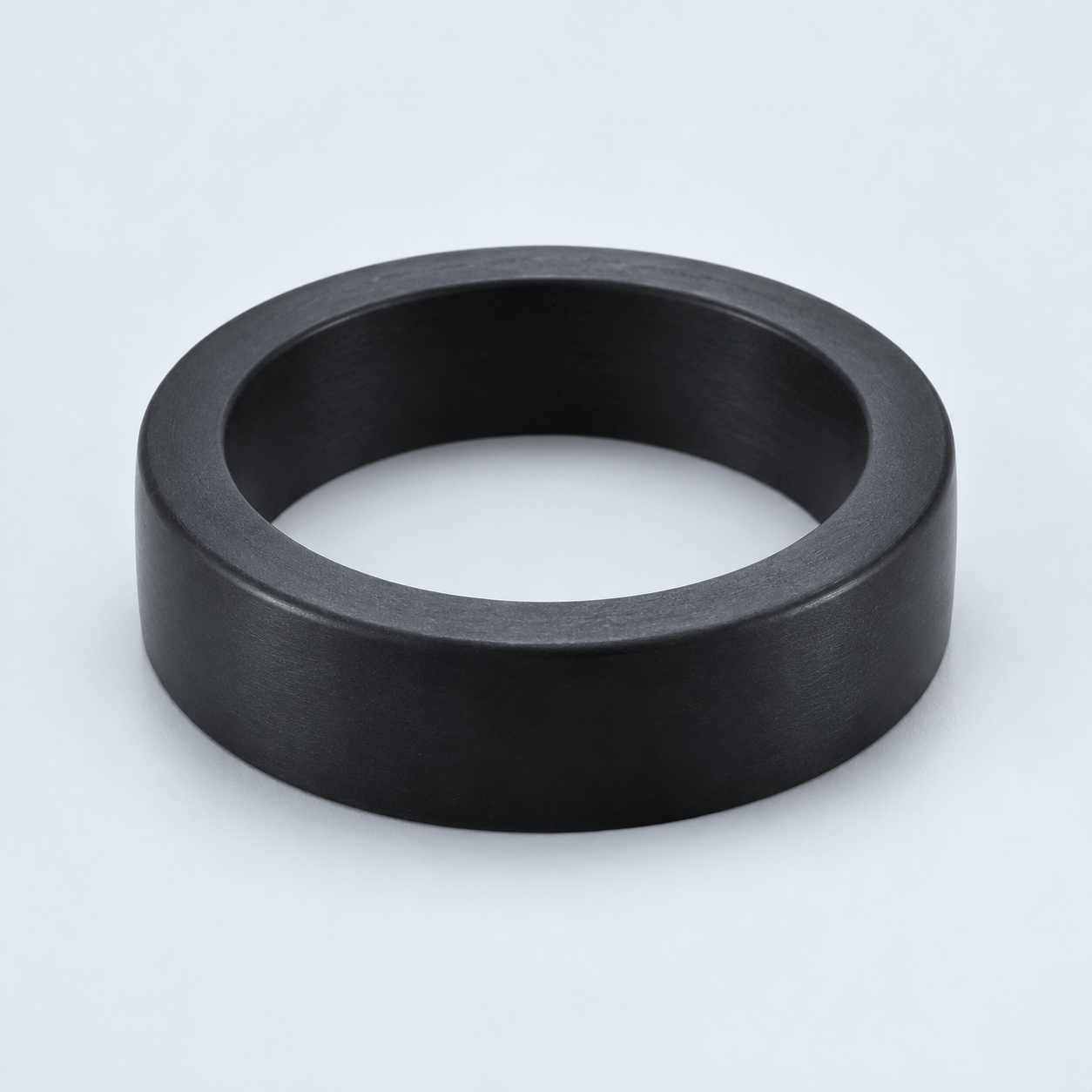 TPU / TPEReview flexibility and processing›
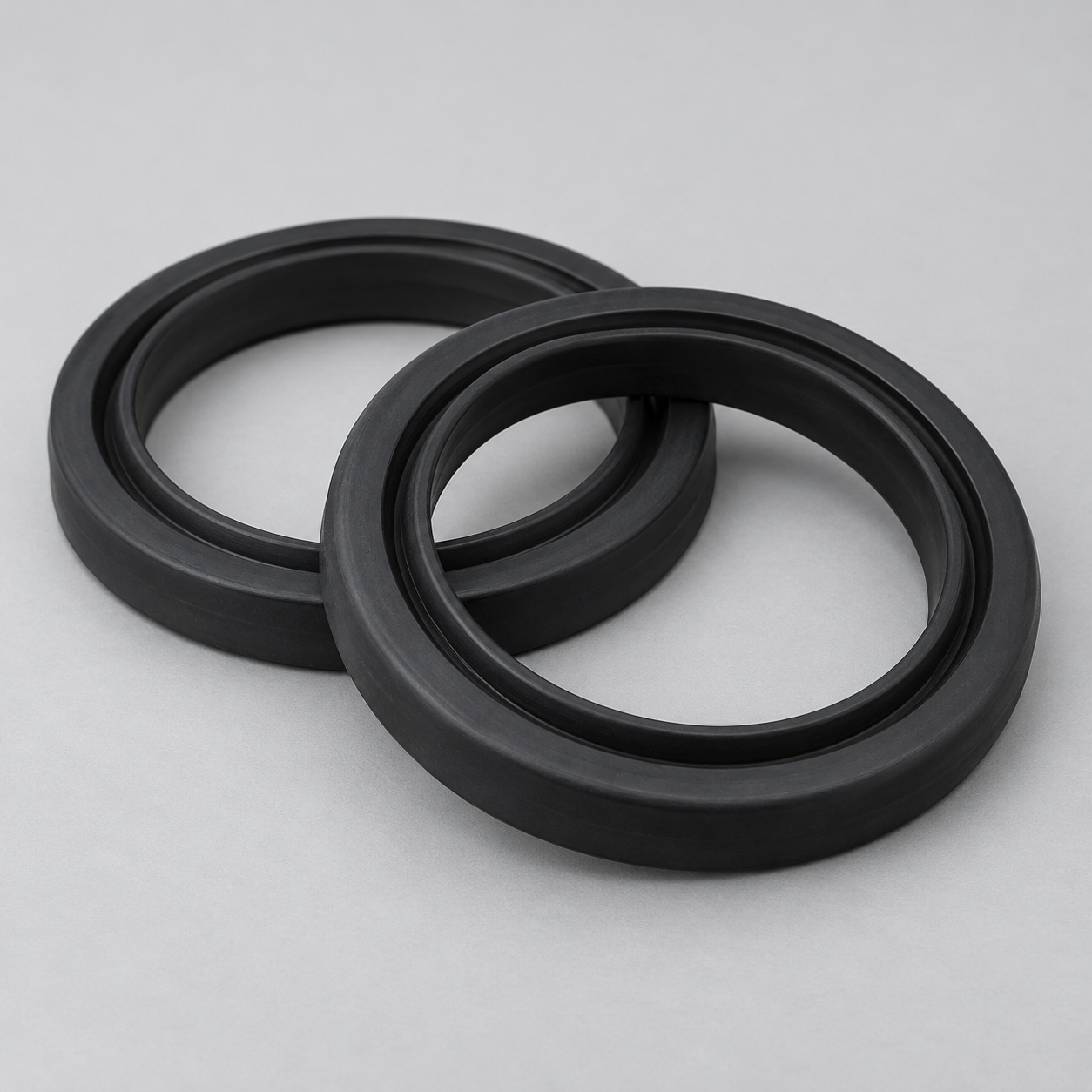 EPDMReview weathering and chemical exposure.›
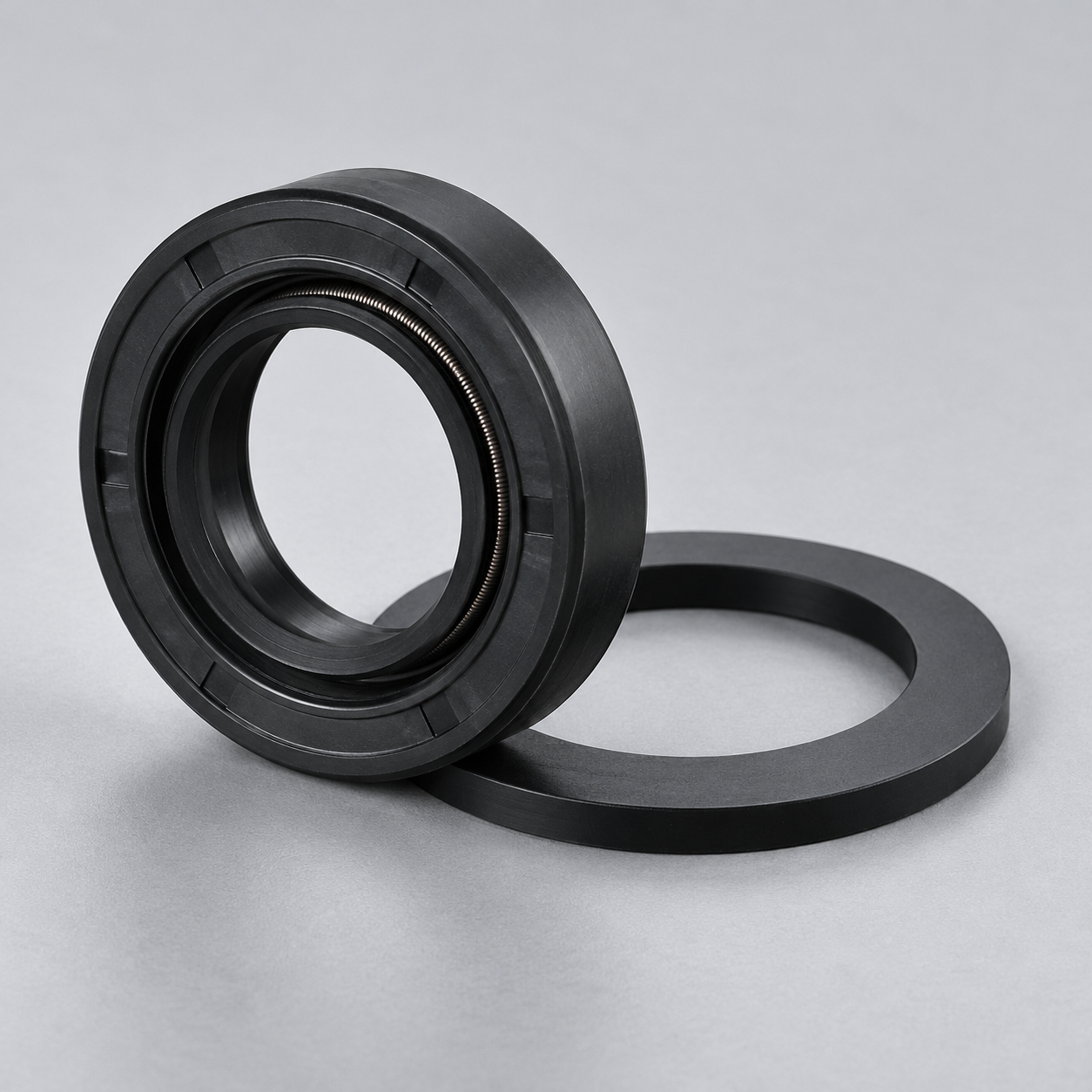 NBRReview oil and fuel exposure.›
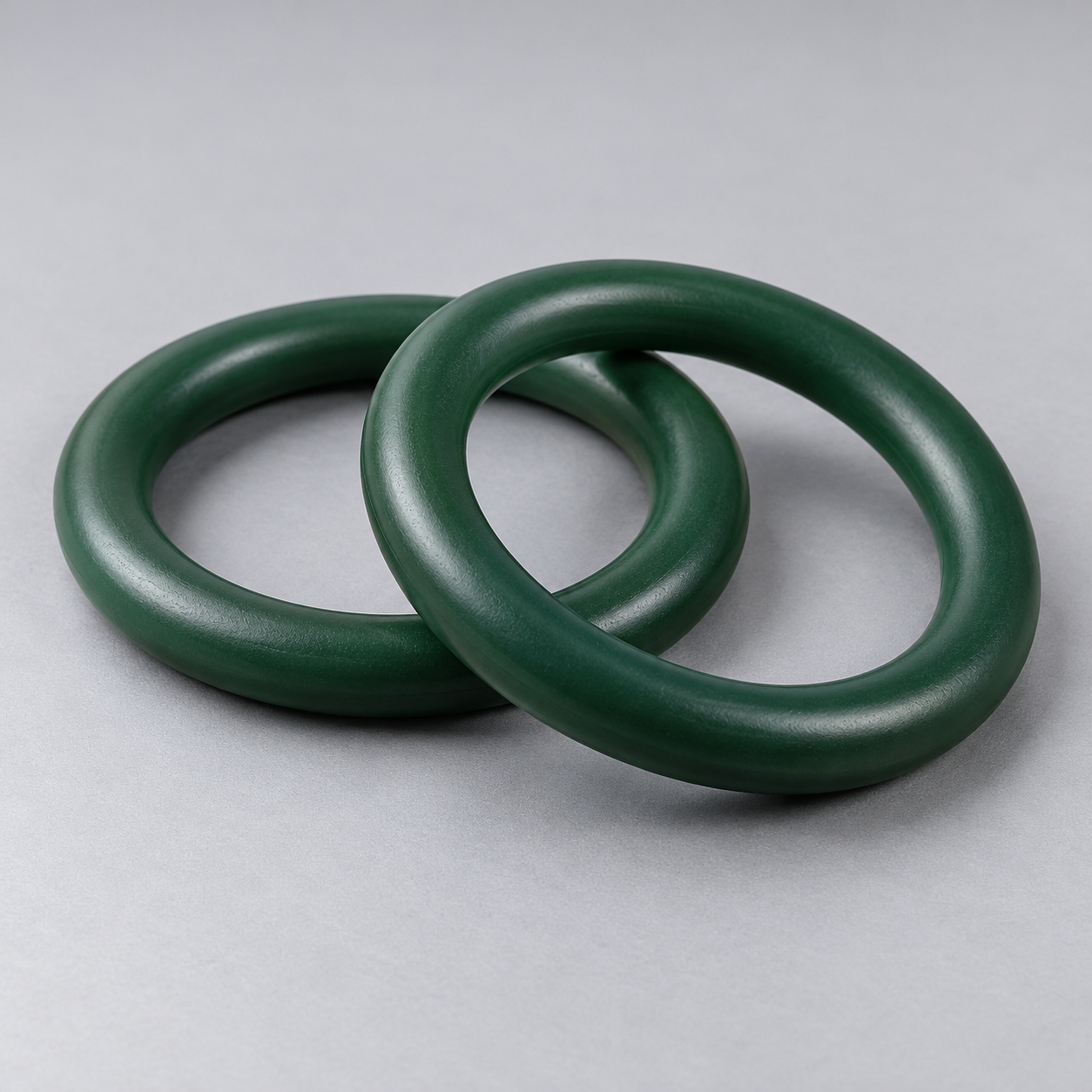 FKMReview temperature and chemical exposure.›
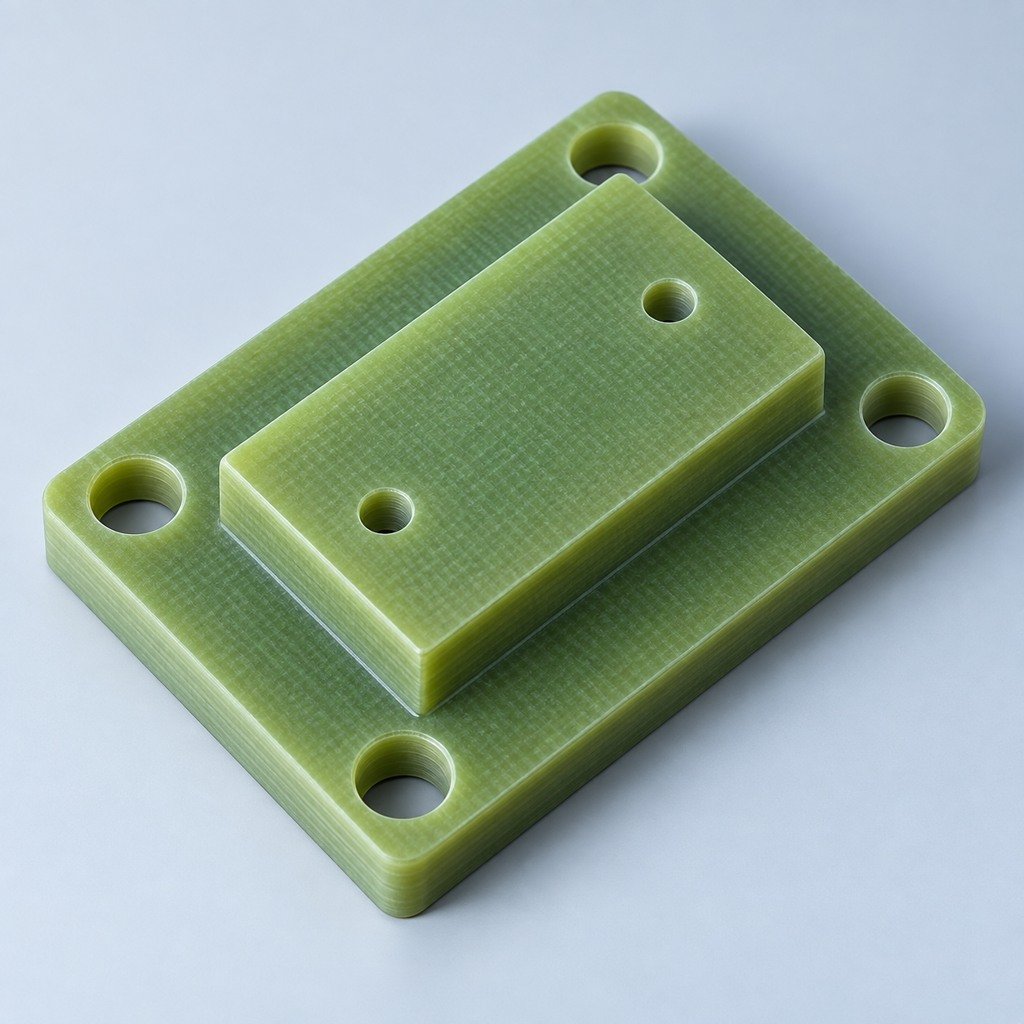 G10 / FR4Review insulation and laminate needs›
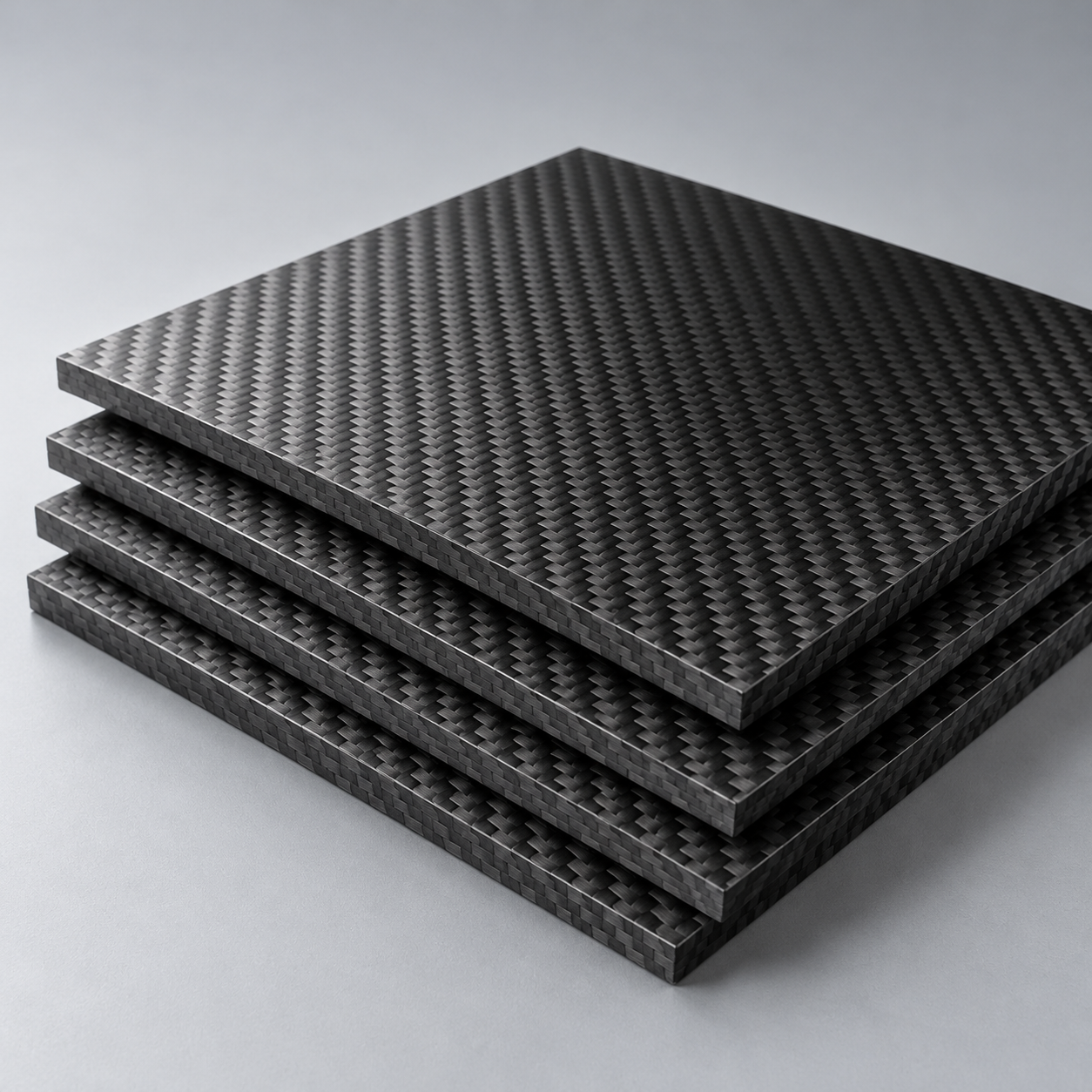 CompositesReview stiffness, weight and laminate.›Customer-Specified MaterialsConfirm your grade and requirements.›Other Specialty MaterialsDiscuss your application and grade.›
Practical guidance for your part geometry and material decisions.
Prepare your process, budget and sourcing questions.
Build your knowledge before production.
Learn who we are and how we operate.
Find our U.S. support team or start a conversation.
YOUR GRADE. YOUR ROUTE. YOUR FINISHED FIT.
Review your magnesium machining or casting project around the exact grade, product form and protective finish. Define loads, temperature and final-fit requirements before committing stock or tooling.
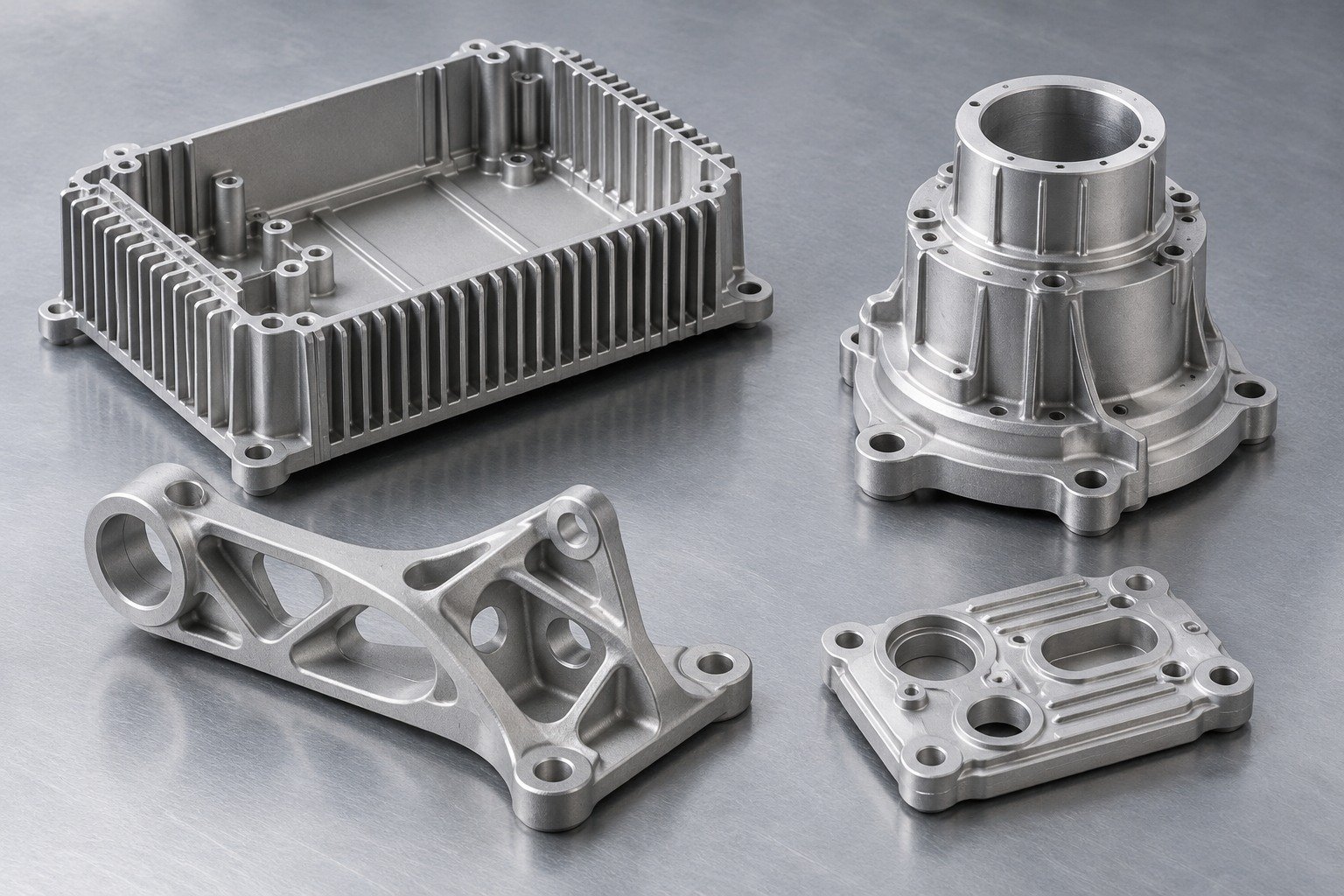
Start with your part and product form, not the alloy name alone. These are selection references; LK material availability and process scope require project review.
For your housing or cover, review cast ribs, bosses, machining allowances and the protective finish before tooling.
| Your reference | What to define |
|---|---|
| Alloy family | Magnesium–aluminum–zinc |
| Process reference | High-pressure die casting |
| Confirm on your drawing | Full suffix, product specification and finished dimensions |
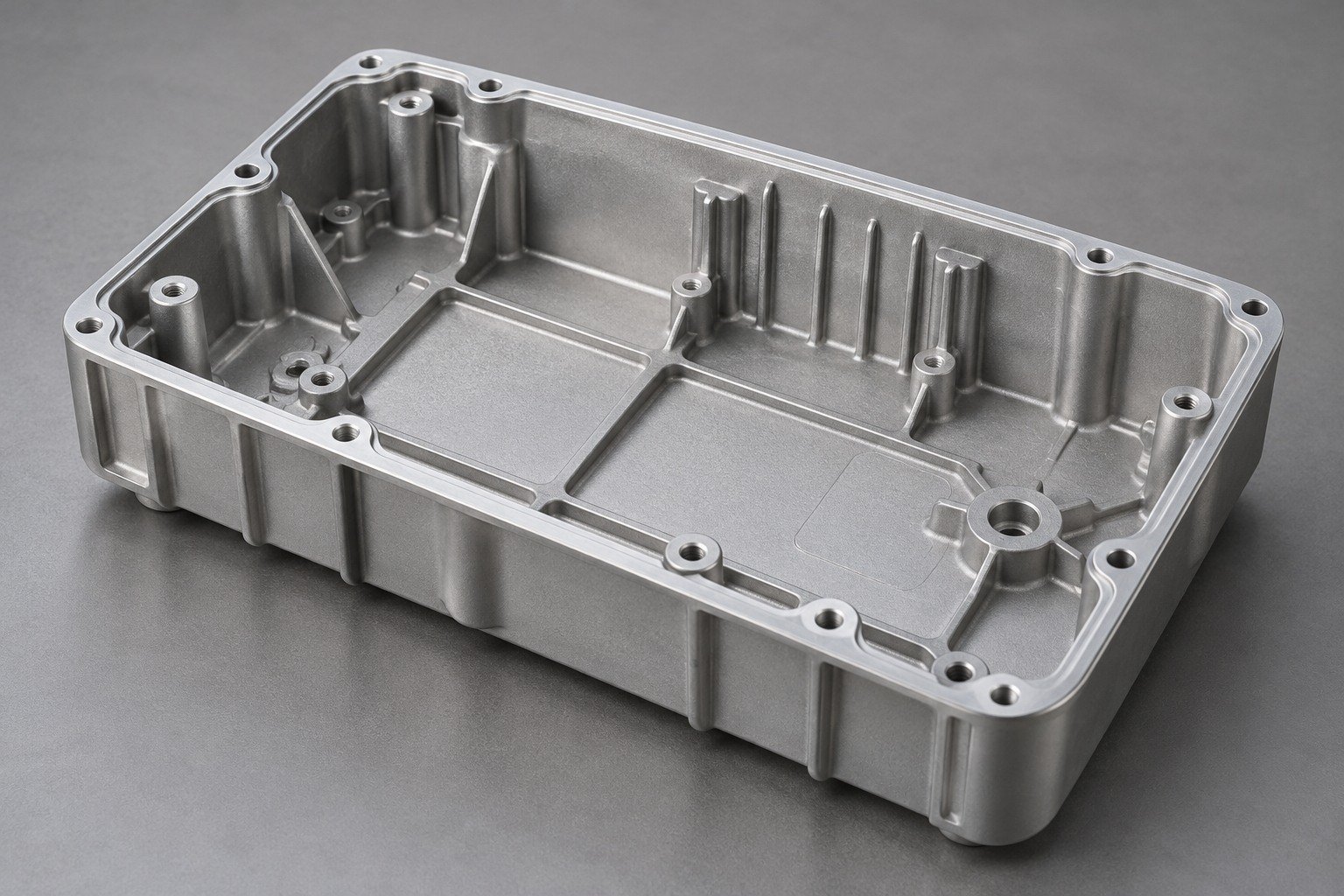
For AZ91D die casting, define the controlled drawing, cast datum scheme and surfaces that need secondary machining.
| Your reference | What to define |
|---|---|
| Your product form | High-pressure die casting |
| Your condition | Ordered temper, heat treatment and material certificate |
| Your first sample | Geometry, critical features and agreed test route |
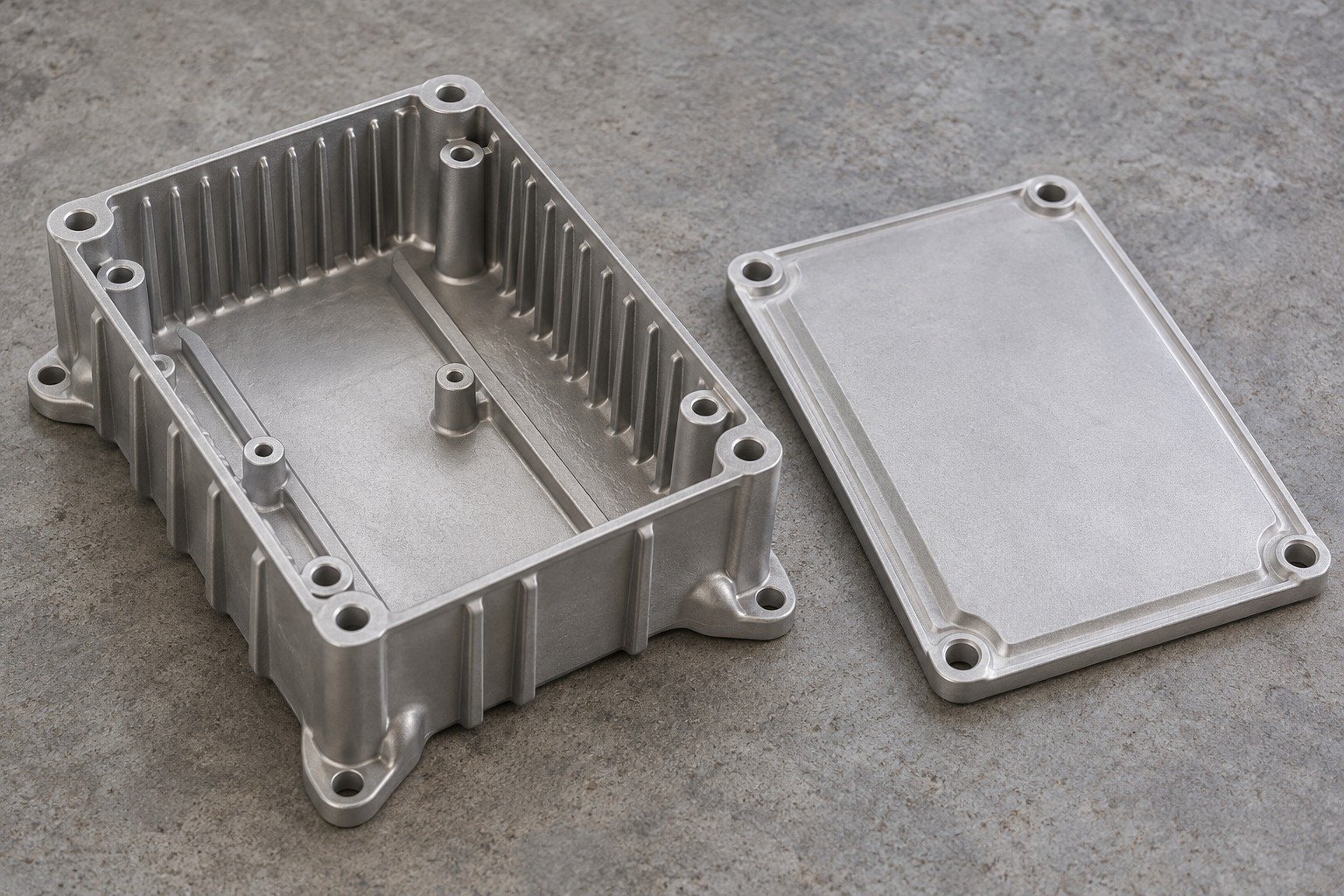
Plan your coating and mating interfaces together. For AZ91D surface treatment, agree compatible preparation, masked contact lands and dimensions after finishing.
| Your reference | What to define |
|---|---|
| Exposure | Moisture, chemicals, temperature and storage duration |
| Contacts | Mating metals, isolation and electrical contact requirements |
| Final fit | Coating build, threads, gasket lands and finished bores |

Tie your receiving evidence to the actual material lot and drawing. An illustrative image or published material value is not an inspection result.
| Your reference | What to define |
|---|---|
| Material identity | Exact grade, specification revision, product form and lot |
| Dimensions | Controlled features, sampling and final measurement condition |
| Functional tests | Separate load, corrosion or leak criteria when specified |

For your loaded carrier or bracket, review strength and ductility alongside the actual service load and permitted deformation.
| Your reference | What to define |
|---|---|
| Alloy family | Magnesium–aluminum–manganese |
| Process reference | High-pressure die casting |
| Confirm on your drawing | Full suffix, product specification and finished dimensions |
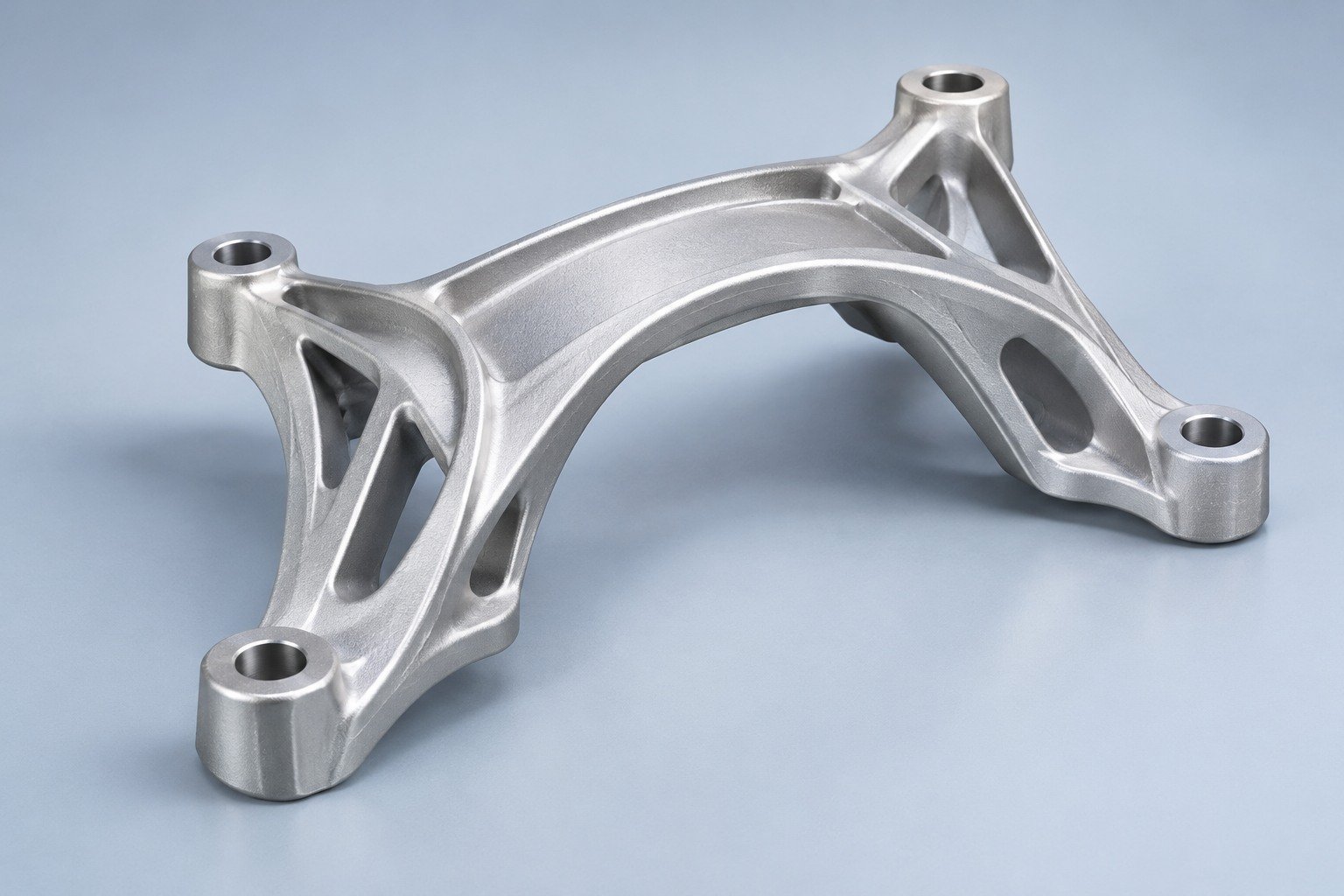
For AM60B die casting services, agree tooling, sample scope and any required part-level validation with your drawing.
| Your reference | What to define |
|---|---|
| Your product form | High-pressure die casting |
| Your condition | Ordered temper, heat treatment and material certificate |
| Your first sample | Geometry, critical features and agreed test route |
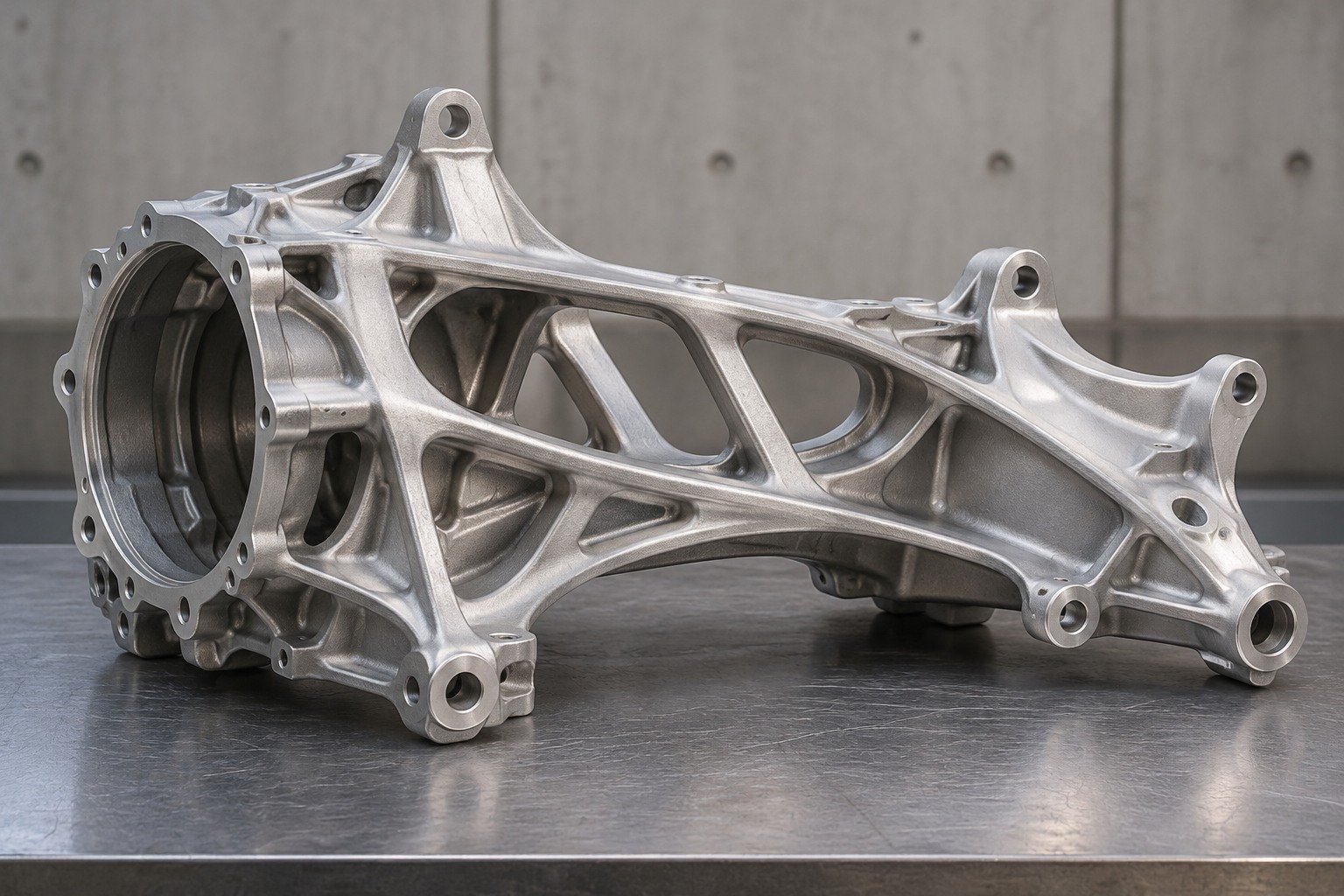
Plan your coating and mating interfaces together. For AM60B surface treatment, agree compatible preparation, masked contact lands and dimensions after finishing.
| Your reference | What to define |
|---|---|
| Exposure | Moisture, chemicals, temperature and storage duration |
| Contacts | Mating metals, isolation and electrical contact requirements |
| Final fit | Coating build, threads, gasket lands and finished bores |

Tie your receiving evidence to the actual material lot and drawing. An illustrative image or published material value is not an inspection result.
| Your reference | What to define |
|---|---|
| Material identity | Exact grade, specification revision, product form and lot |
| Dimensions | Controlled features, sampling and final measurement condition |
| Functional tests | Separate load, corrosion or leak criteria when specified |
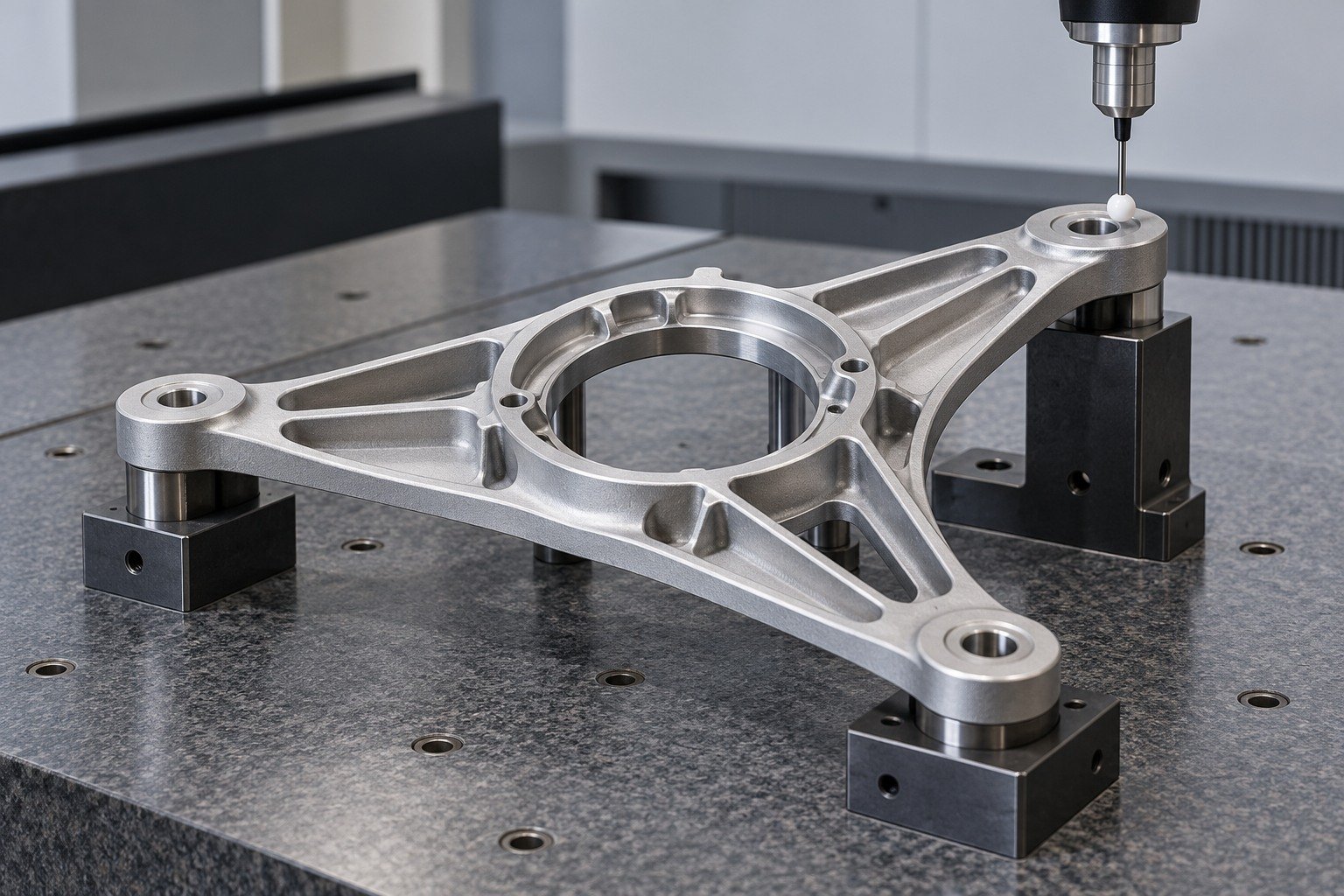
For your contoured support, compare the ductility and strength trade-off with AM60B. Obtain drawing approval before changing alloy.
| Your reference | What to define |
|---|---|
| Alloy family | Magnesium–aluminum–manganese |
| Process reference | High-pressure die casting |
| Confirm on your drawing | Full suffix, product specification and finished dimensions |
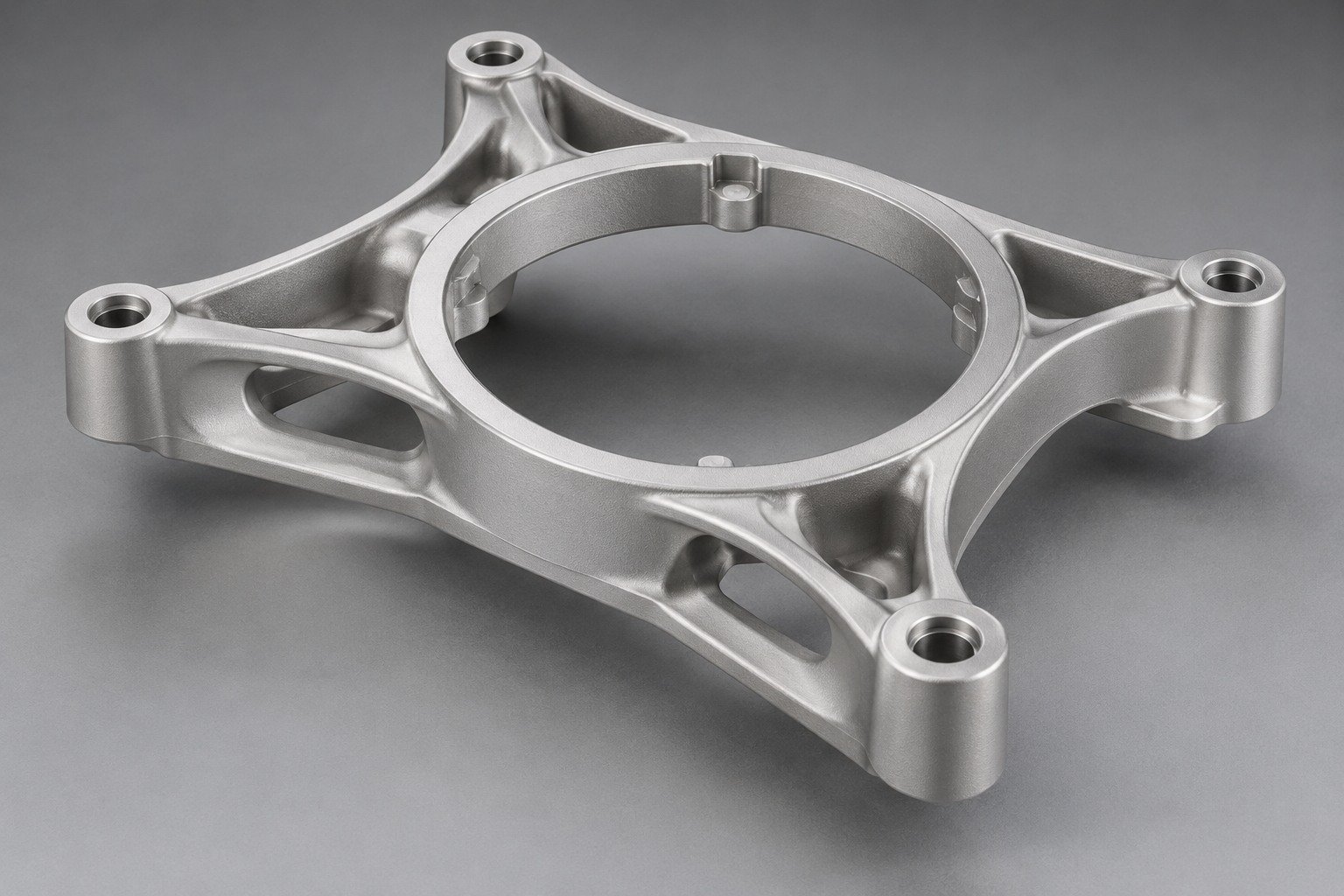
For AM50A custom parts, distinguish a dimensional prototype from a casting made by the intended production route.
| Your reference | What to define |
|---|---|
| Your product form | High-pressure die casting |
| Your condition | Ordered temper, heat treatment and material certificate |
| Your first sample | Geometry, critical features and agreed test route |
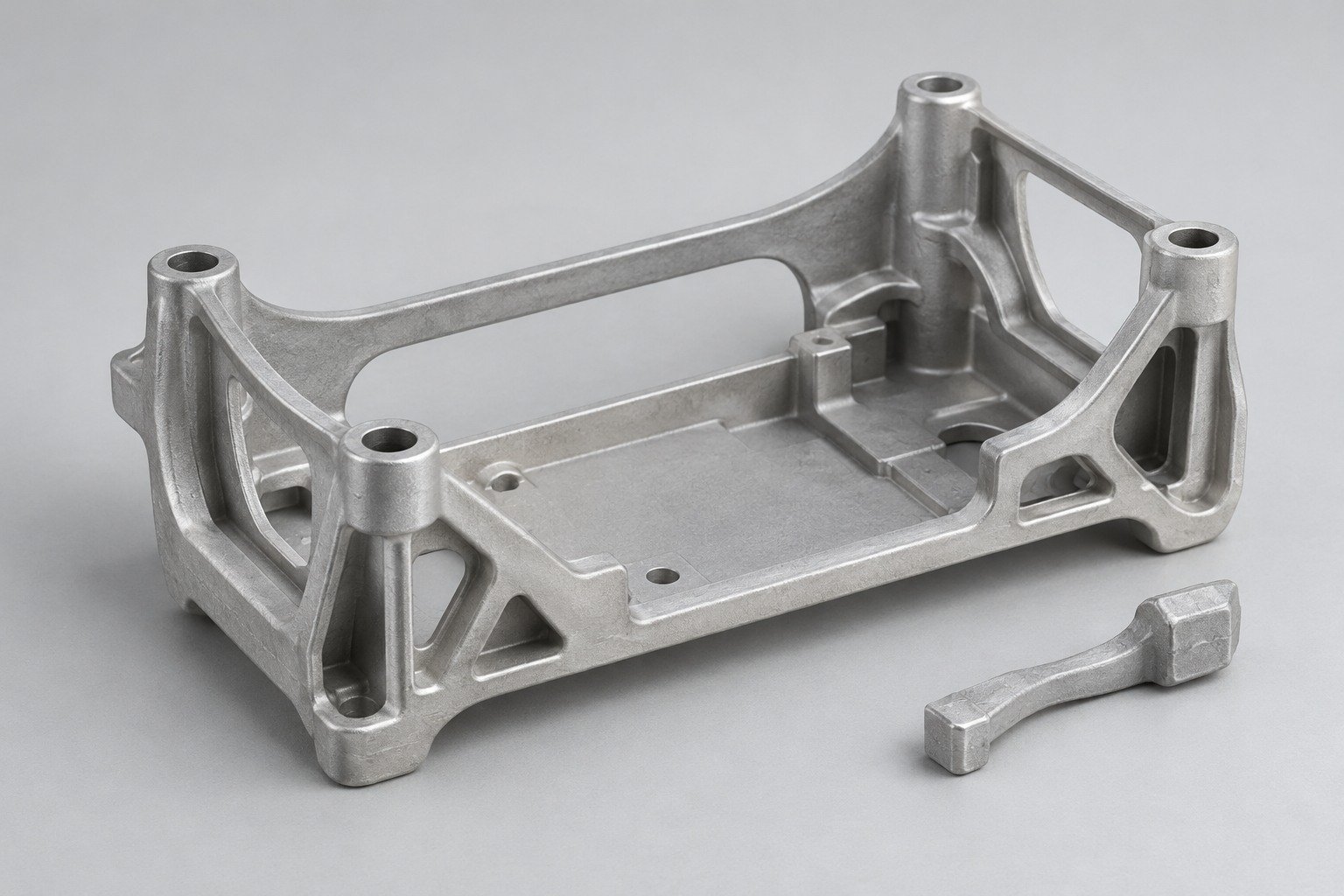
Plan your coating and mating interfaces together. For AM50A surface treatment, agree compatible preparation, masked contact lands and dimensions after finishing.
| Your reference | What to define |
|---|---|
| Exposure | Moisture, chemicals, temperature and storage duration |
| Contacts | Mating metals, isolation and electrical contact requirements |
| Final fit | Coating build, threads, gasket lands and finished bores |
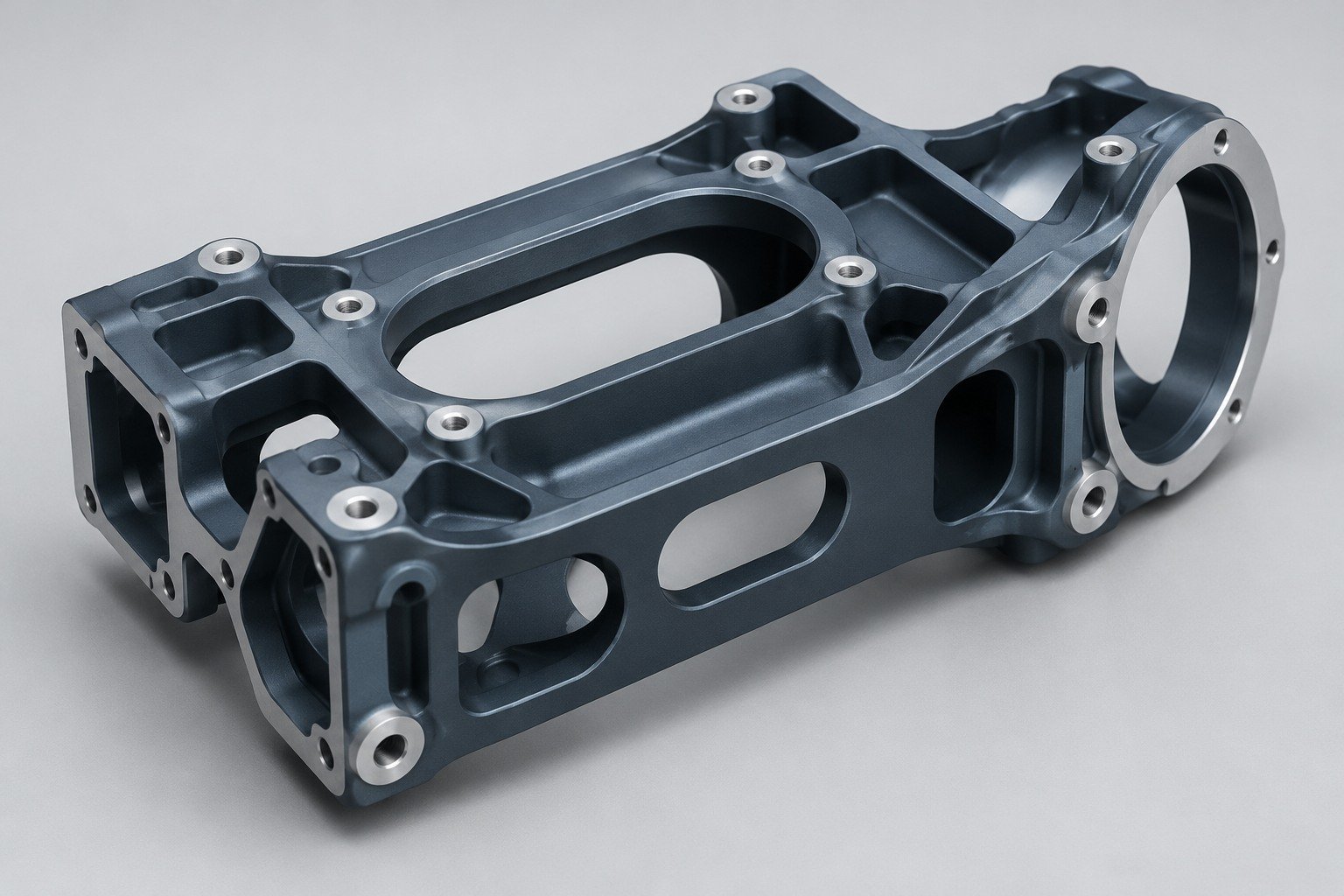
Tie your receiving evidence to the actual material lot and drawing. An illustrative image or published material value is not an inspection result.
| Your reference | What to define |
|---|---|
| Material identity | Exact grade, specification revision, product form and lot |
| Dimensions | Controlled features, sampling and final measurement condition |
| Functional tests | Separate load, corrosion or leak criteria when specified |

For your pocketed plate or profile, define stock form, delivery condition, grain direction and final dimensions before machining.
| Your reference | What to define |
|---|---|
| Alloy family | Magnesium–aluminum–zinc |
| Process reference | Rolled sheet/plate or extruded stock |
| Confirm on your drawing | Full suffix, product specification and finished dimensions |
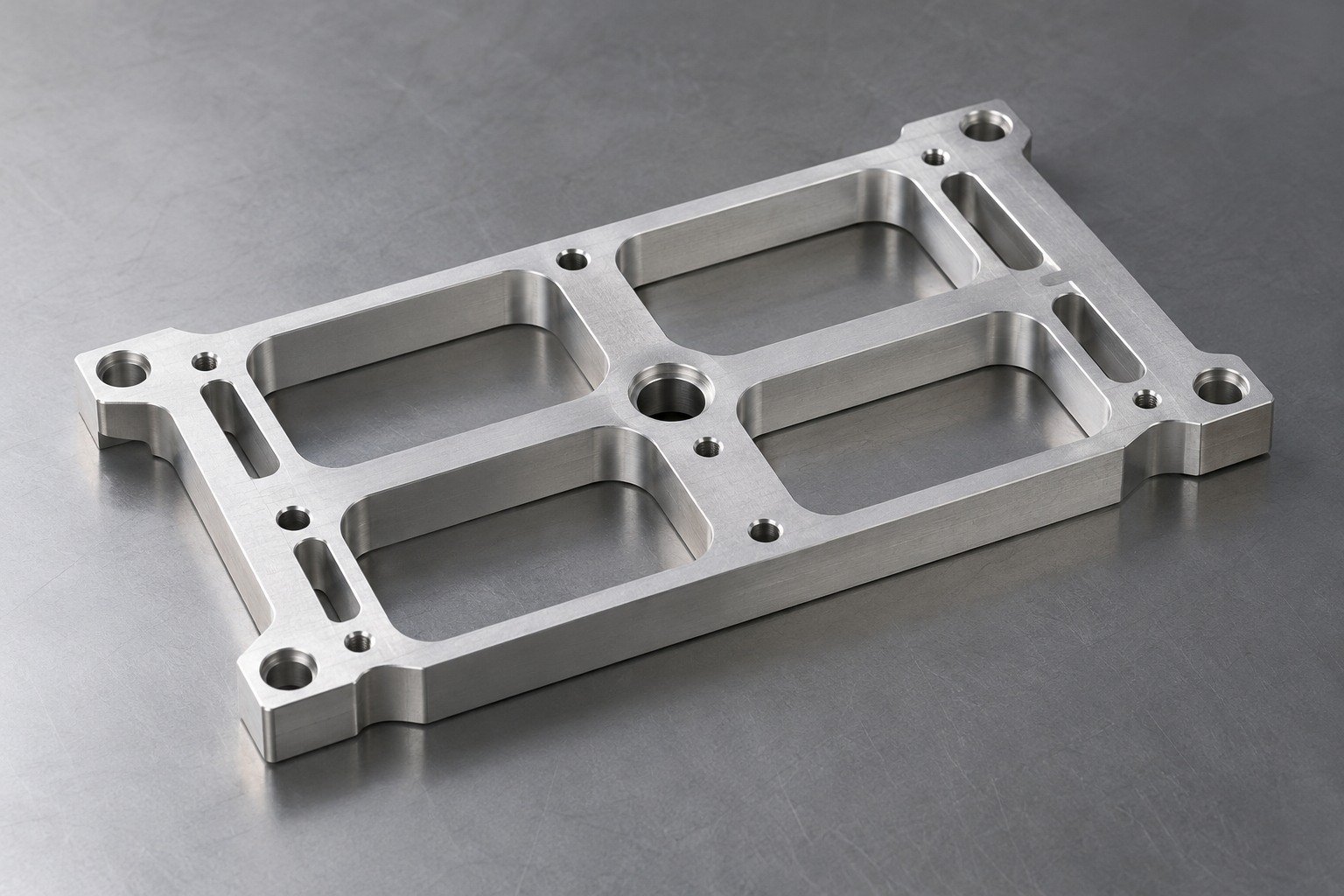
For AZ31B CNC machining, specify plate, bar or profile and the exact temper. Data from one stock form or condition must not be applied to another.
| Your reference | What to define |
|---|---|
| Your product form | Rolled sheet/plate or extruded stock |
| Your condition | Ordered temper, heat treatment and material certificate |
| Your first sample | Geometry, critical features and agreed test route |
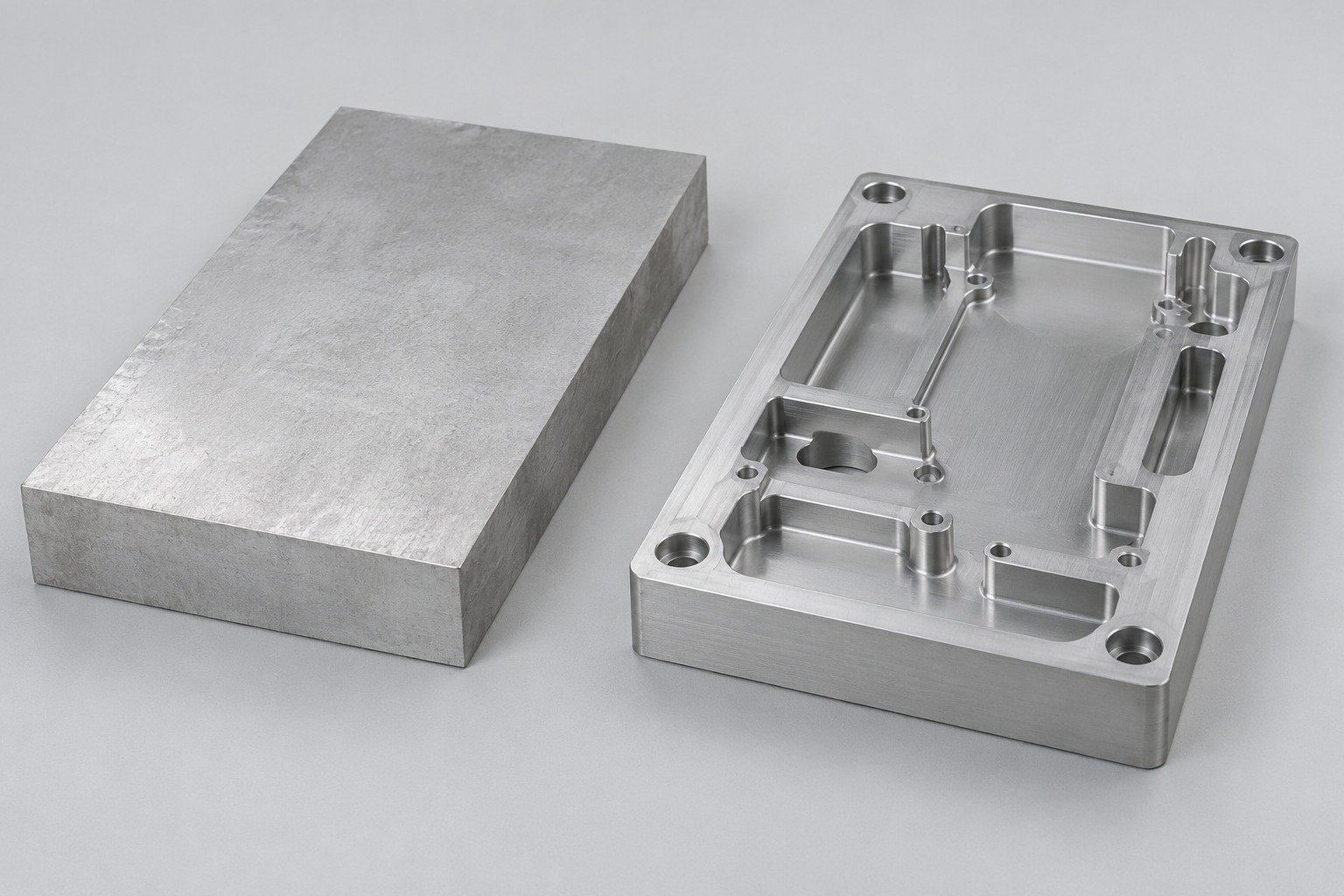
Plan your coating and mating interfaces together. For AZ31B surface treatment, agree compatible preparation, masked contact lands and dimensions after finishing.
| Your reference | What to define |
|---|---|
| Exposure | Moisture, chemicals, temperature and storage duration |
| Contacts | Mating metals, isolation and electrical contact requirements |
| Final fit | Coating build, threads, gasket lands and finished bores |

Tie your receiving evidence to the actual material lot and drawing. An illustrative image or published material value is not an inspection result.
| Your reference | What to define |
|---|---|
| Material identity | Exact grade, specification revision, product form and lot |
| Dimensions | Controlled features, sampling and final measurement condition |
| Functional tests | Separate load, corrosion or leak criteria when specified |
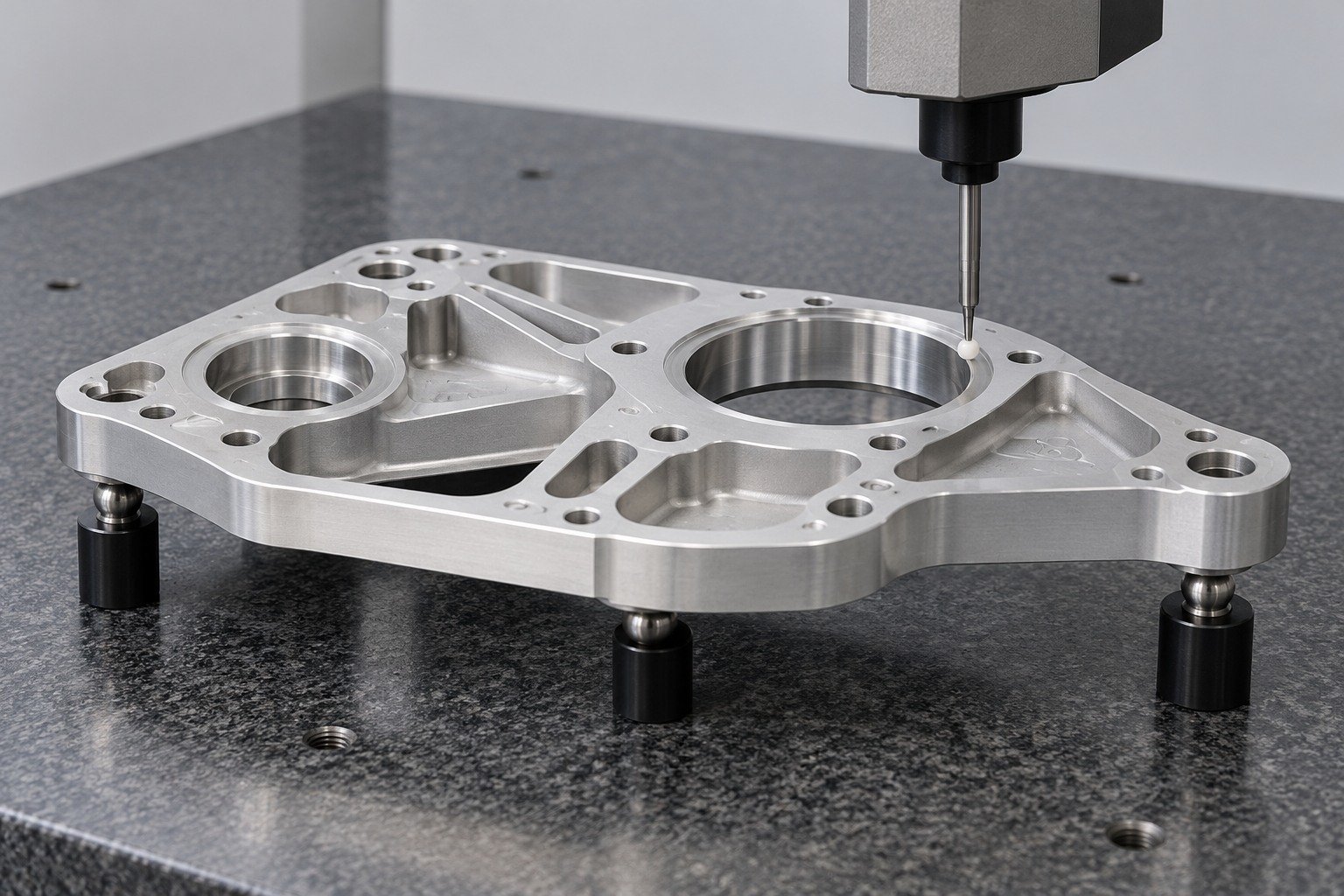
Die-cast references help you compare material trade-offs. AZ31B wrought-stock data stays separate because stock form and temper change the comparison.
Common scale: 0–300 MPa
Common scale: 0–12 %
Source: NADCA Product Specification Standards for Die Castings, 2015, magnesium alloy properties, p. 3-22. Typical as-cast test-specimen values, not design allowables or guaranteed finished-part performance. Casting section, process and test conditions affect results.
Read the source data →8 additional grades grouped by product route. This 12-grade selection guide does not confirm LK stock, availability or manufacturing capability for every grade.
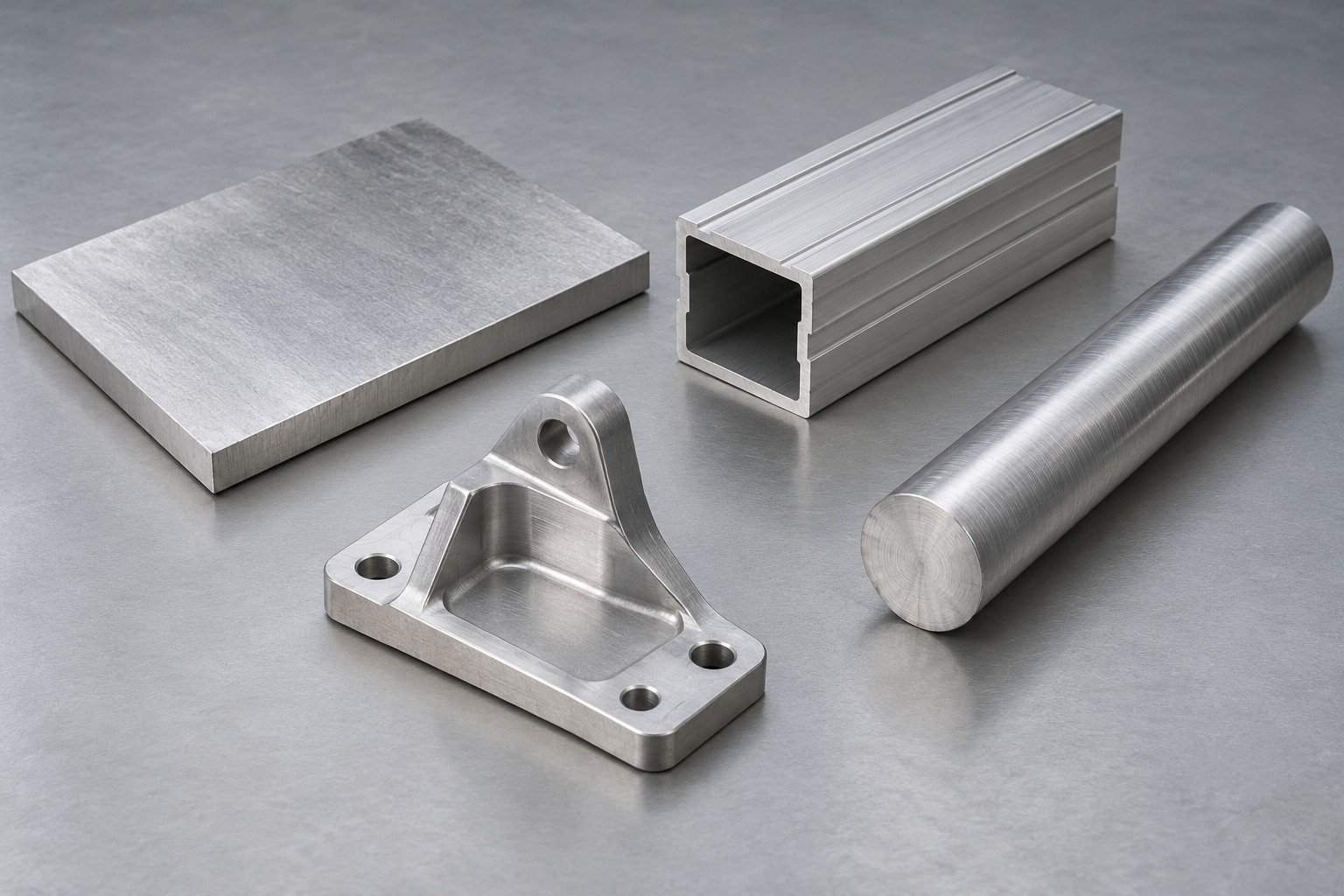
Review your extruded bar or profile, section size, delivery condition and direction.
Review your extrusion or forging feedstock and agreed heat-treatment condition.
Confirm the exact wrought stock form, temper and joining requirements.
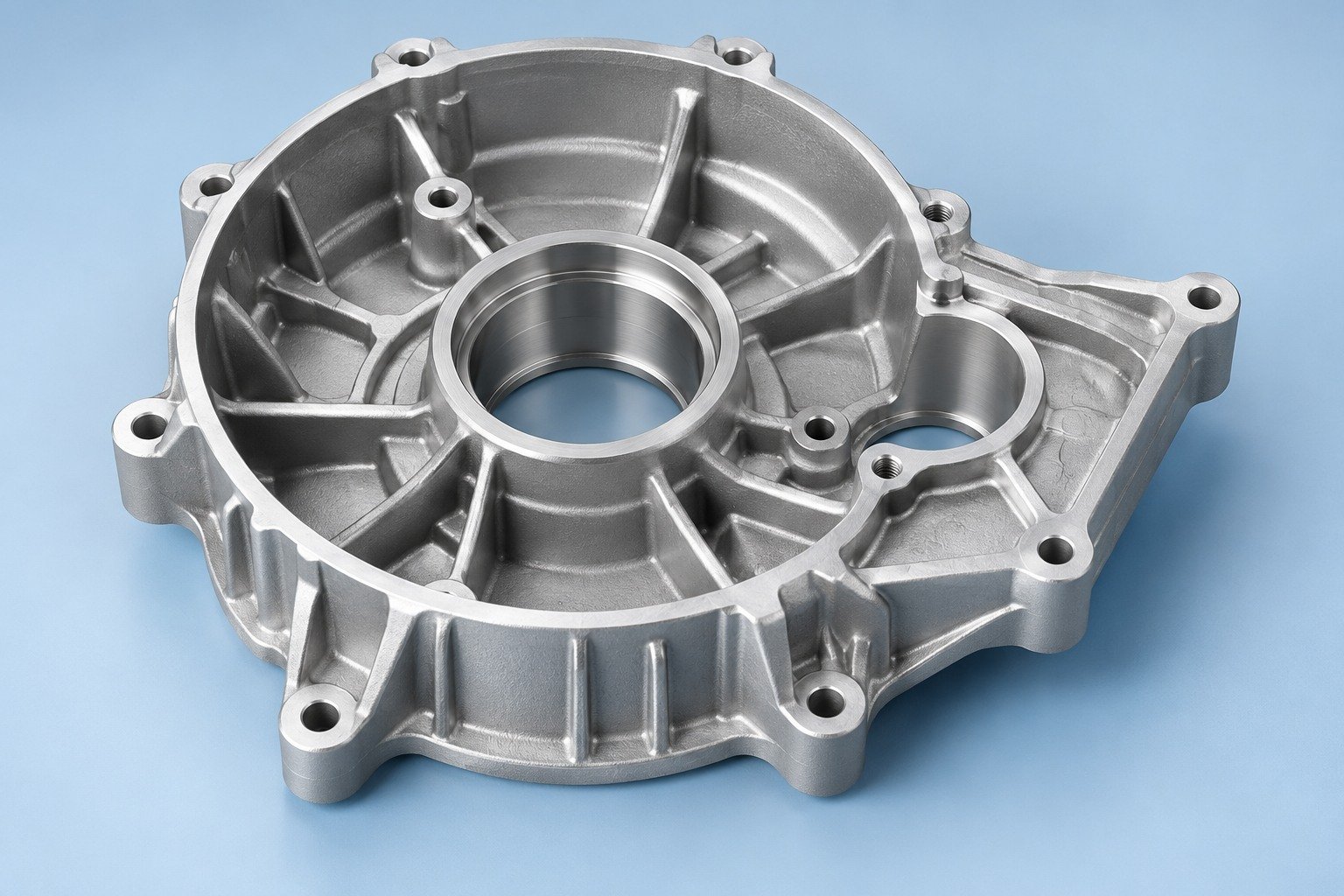
Specify AE44-2 or AE44-4 formulation and your temperature, load and duration.
Review the precise material specification and your sustained service load.
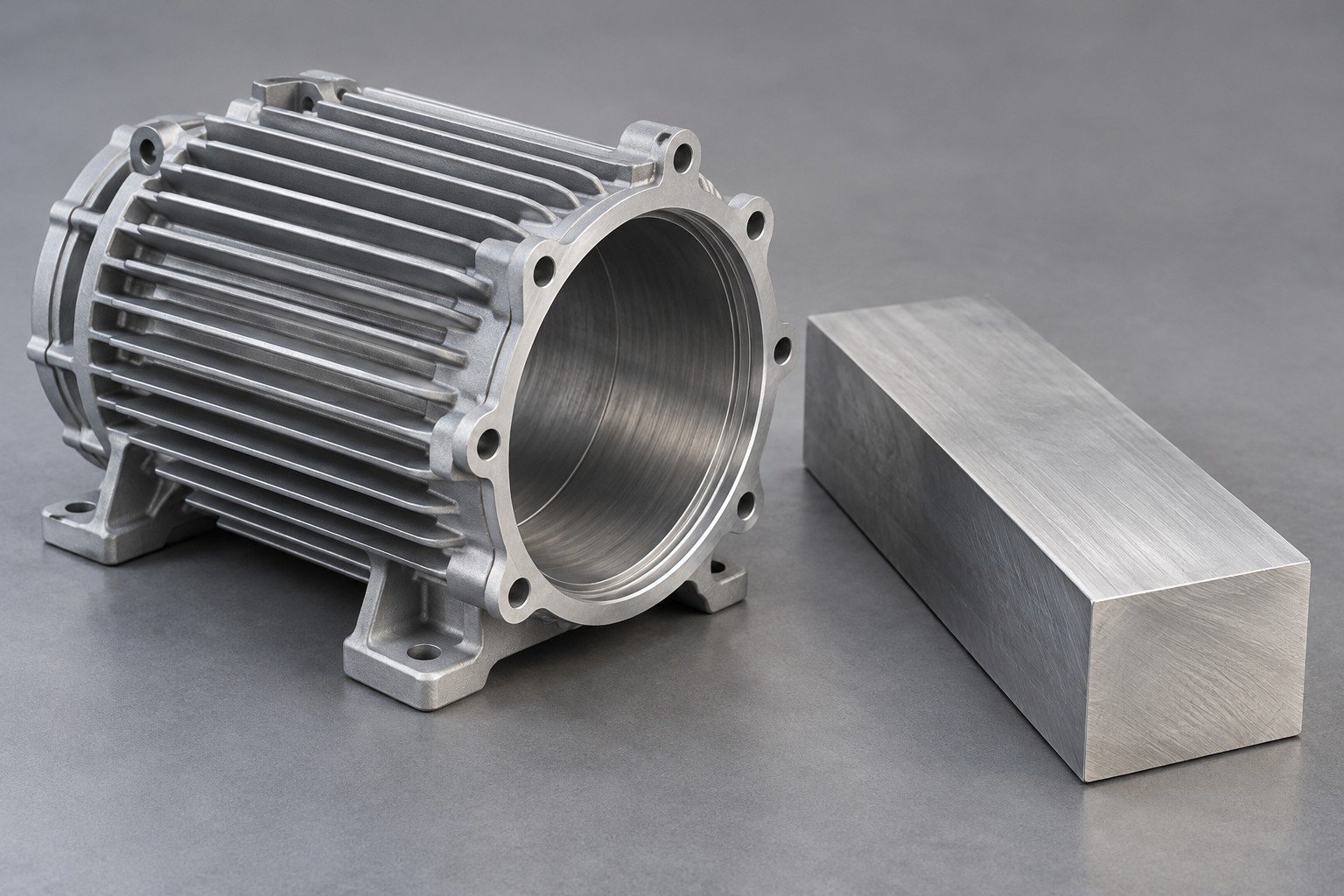
Casting grade. Define casting specification and heat-treatment state.
Wrought grade. RotaMag 43 supplier reference; keep separate from WE43B.
Casting route. Elektron RZ5 / ZE41A supplier reference and delivery state.
For AZ61A machining, AZ80A machining, ZK60A machining or WE43 machining enquiries, include the full suffix and product form. Specialty supply, safe processing, coating and qualification are reviewed before a quotation is confirmed.
| Grade | Reference names | What must be confirmed |
|---|---|---|
| AZ91D | ISO-MgAl9Zn1(A) | IMS ingot reference; verify the ordered casting or ingot specification. |
| AM60B | ISO-MgAl6Mn | IMS ingot reference; retain suffix and ordered product specification. |
| AM50A | ISO-MgAl5Mn | IMS ingot reference; retain suffix and ordered product specification. |
| AZ31B / AZ61A / AZ80A | AZ31 / AZ61 / AZ80 series | Keep the complete suffix, wrought stock form and temper on your order. |
| WE43B | Elektron WE43B | Supplier casting-grade product reference. |
| WE43C | Elektron RotaMag 43 | Supplier identifies ASTM WE43C; wrought product. |
| ZE41A | Elektron RZ5 / ZE41A | Supplier casting reference; confirm specification and delivery state. |
EN 1753 covers magnesium alloy ingots and castings, not every wrought plate, bar or profile. Reference names do not authorize substitution.
CHEMISTRY BEFORE SUBSTITUTION
Selected ranges in weight percent: AZ91D is based on die-cast part chemistry; AM60B and AM50A are producer ingot references in this source. Keep these product scopes separate. Use the complete ordered specification for impurity limits, product scope and revision; request evidence tied to your actual lot.
Keep AZ31B and specialty alloy chemistry in their own product specifications. A matching alloy family alone does not establish equivalence.
| Grade | Al wt.% | Zn wt.% | Mn wt.% | Base |
|---|---|---|---|---|
| AZ91D | 8.3–9.7 | 0.35–1.0 | 0.15–0.50 | Mg balance |
| AM60B | 5.5–6.5 | ≤0.22 | 0.24–0.60 | Mg balance |
| AM50A | 4.4–5.4 | ≤0.22 | 0.26–0.60 | Mg balance |
Selected NADCA 2015 magnesium chemistry reference, p. 3-21. This is a reference table, not your material analysis report.
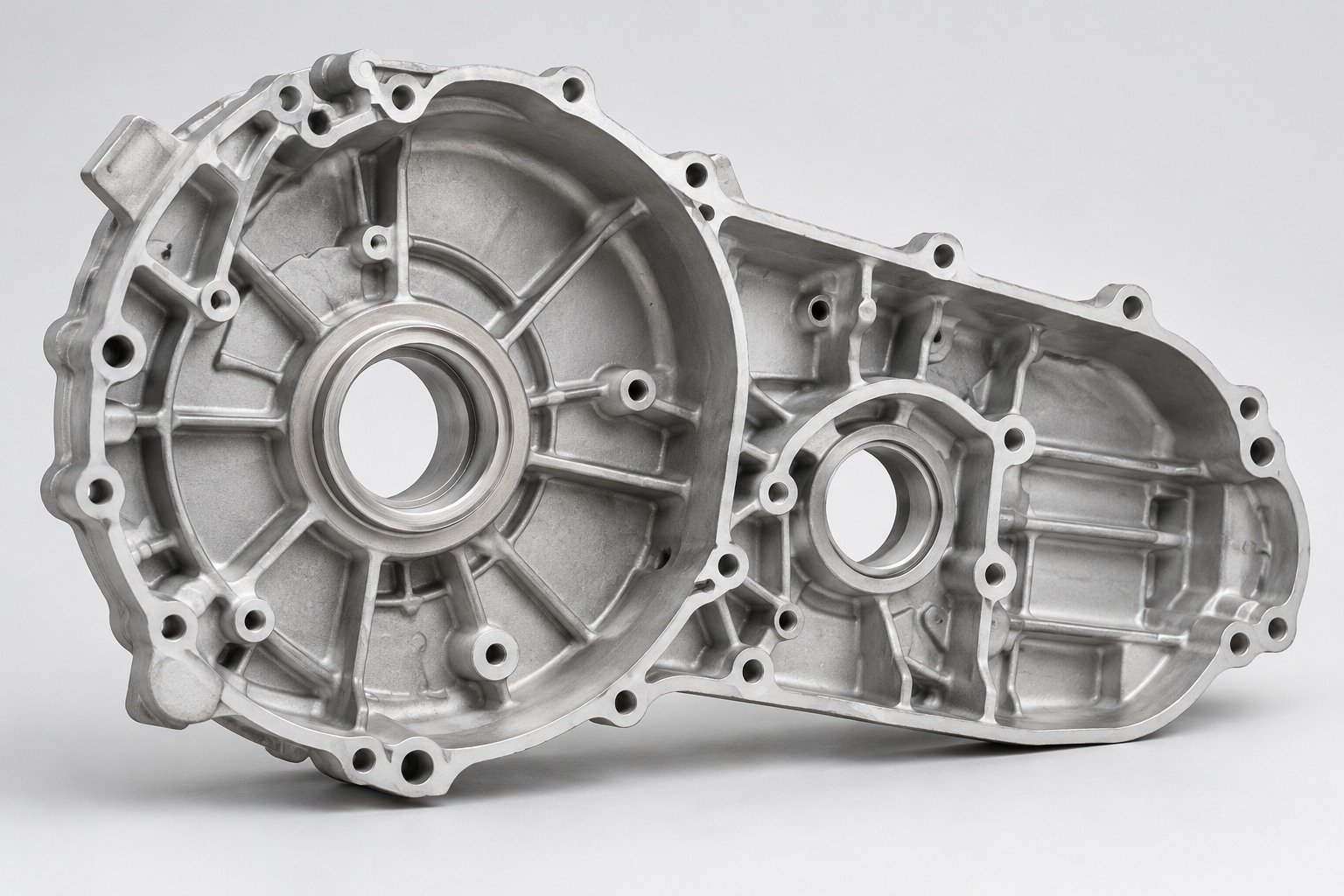
For your AZ91D, AM60B or AM50A casting, agree tooling, cast features, first sample and critical interfaces.
Review casting options →
For your AZ31B stock or secondary machining, confirm datums, allowances, threads and final bores.
Explore machining →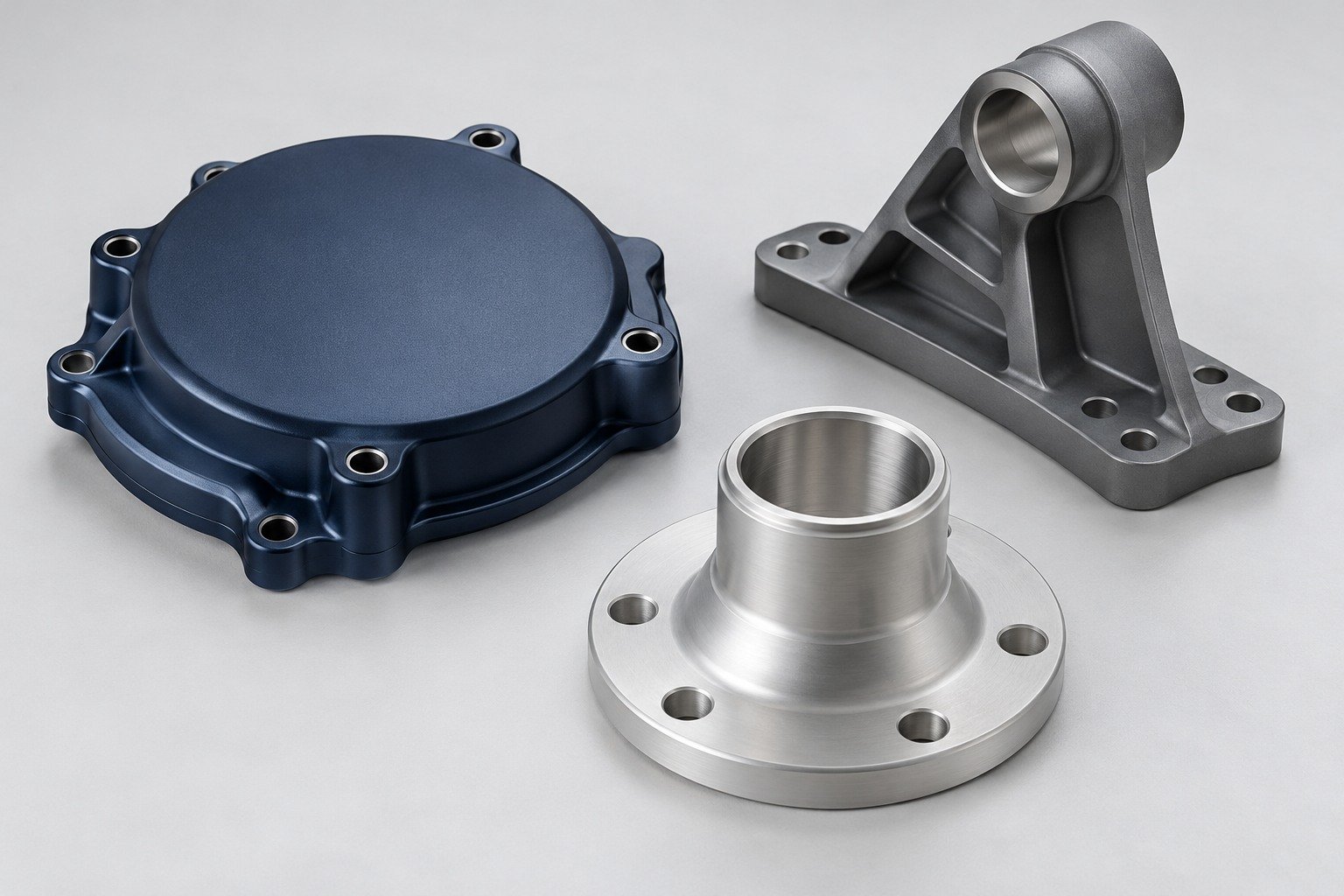
Agree coating, mating-metal isolation, masking and dimensions after the full finish route.
Review finishing →Project suitability, safe processing, coating availability and inspection scope require confirmation.
Concept imagery is not proof of material identity, LK capacity or an accepted inspection result.
No automatic substitution is established. AZ31B commonly describes wrought sheet, plate or extruded stock; AZ91D is a casting grade. Confirm product form, specification, condition and the part requirements with your drawing authority.
Keep them separate. The Luxfer WE43B reference is a casting alloy. RotaMag 43 is identified as ASTM WE43C wrought material. Use the product-specific datasheet and delivery condition.
Provide exposure, mating metals, contact areas and required appearance. Agree a compatible protection system, isolation, masked surfaces and acceptance method. A generic salt-spray hour claim does not define your whole assembly.
A prototype can help assess geometry and assembly, but a different stock or process does not reproduce casting properties. Agree the intended trial purpose and the production-route sample needed for final acceptance.
This guide lists AZ61A, AZ80A, ZK60A, AE44, AJ62, WE43B, WE43C and ZE41A. Send the complete specification, form and condition. Availability and LK processing scope are confirmed during project review.
Geometry, product form, order quantity, tooling, safe processing, secondary machining, finish and required records affect scope and price. Compare quotes against the same drawing and acceptance requirements.