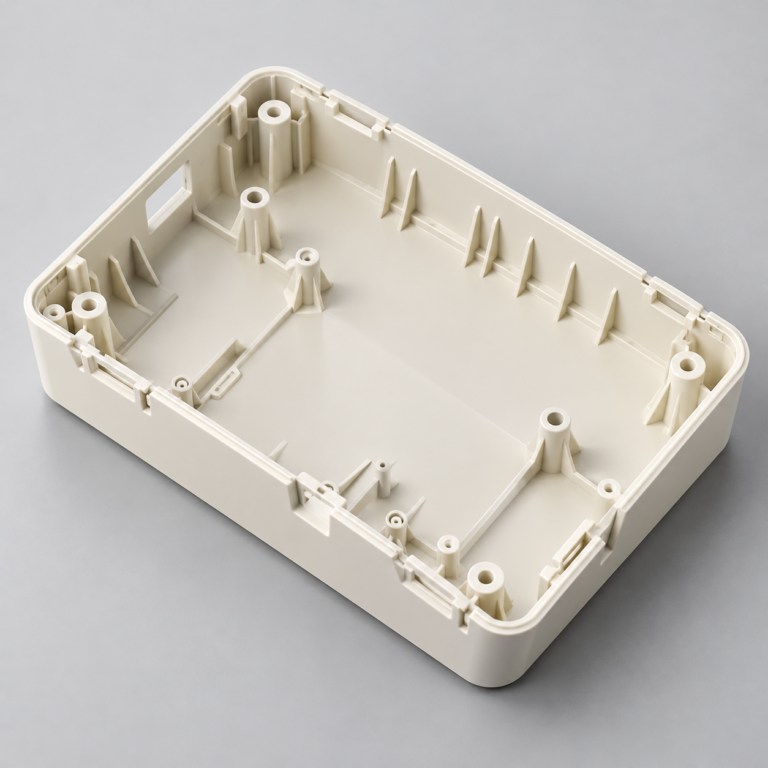
Injection Molding
Tooling and molding for your repeat plastic parts.
From prototype to production, coordinated manufacturing solutions for your custom parts.
View All Services →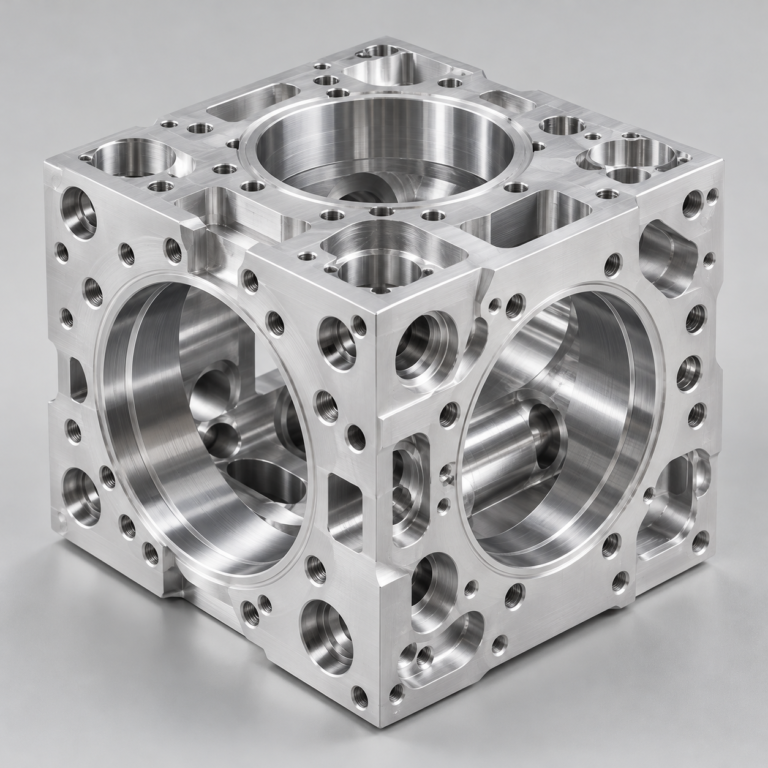
Precision parts for your tight tolerances and complex geometry.
Tooling and molding for your repeat plastic parts.
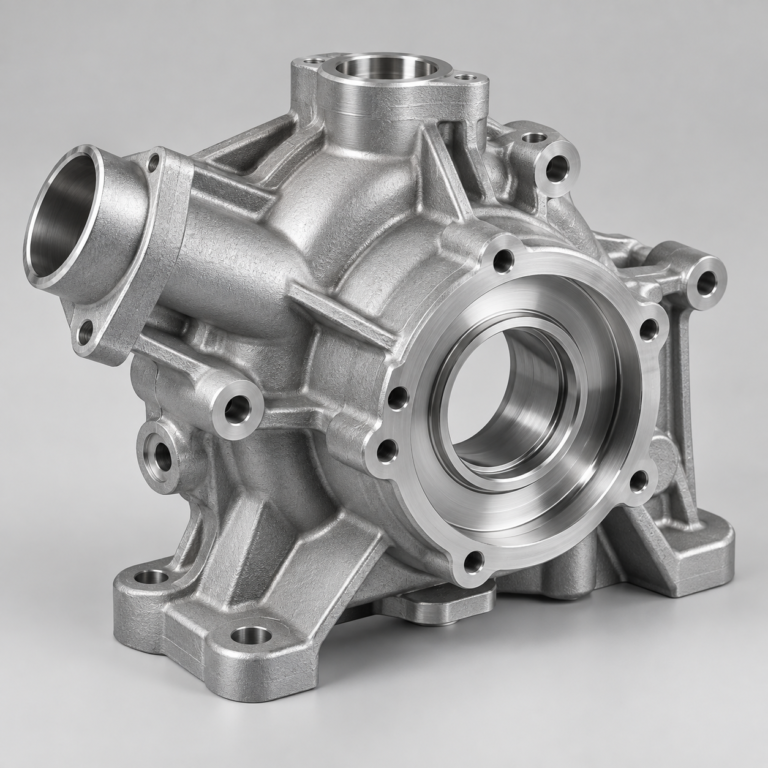
Metal casting options for your part and production volume.
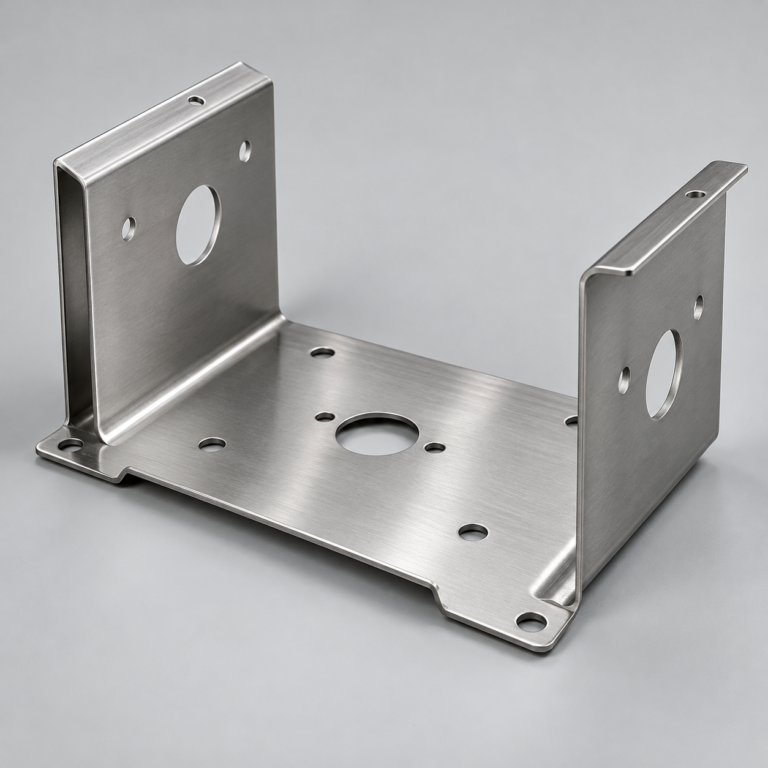
Cutting, forming and welding for your fabricated parts.
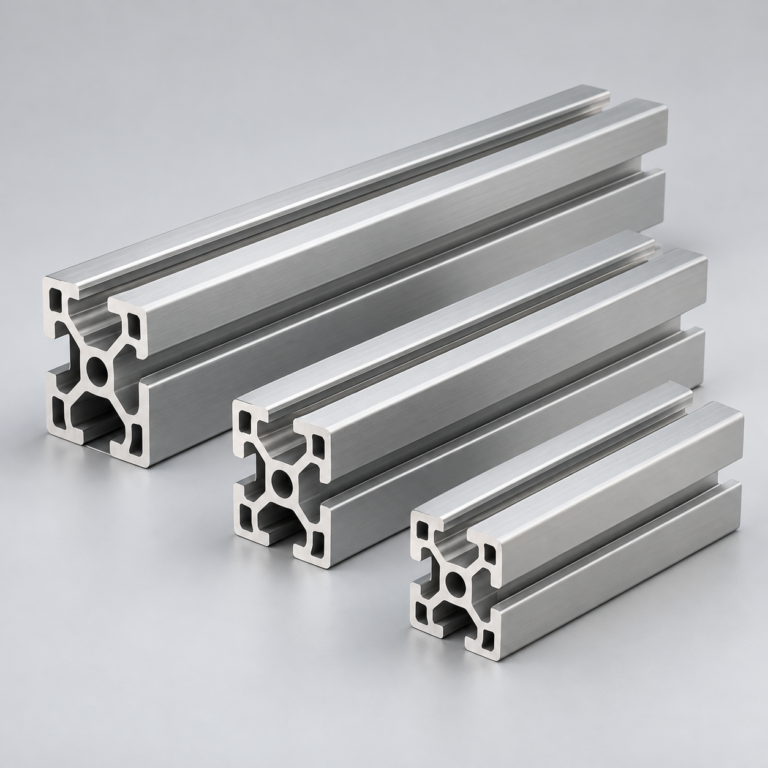
Custom profiles for your section, length and finish requirements.
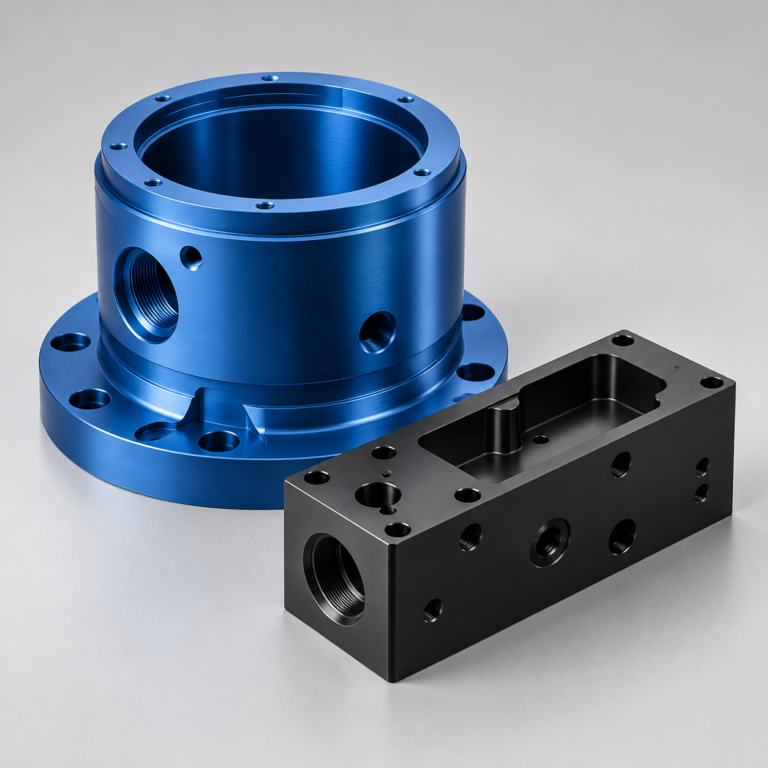
Finishes for your appearance, corrosion and wear requirements.
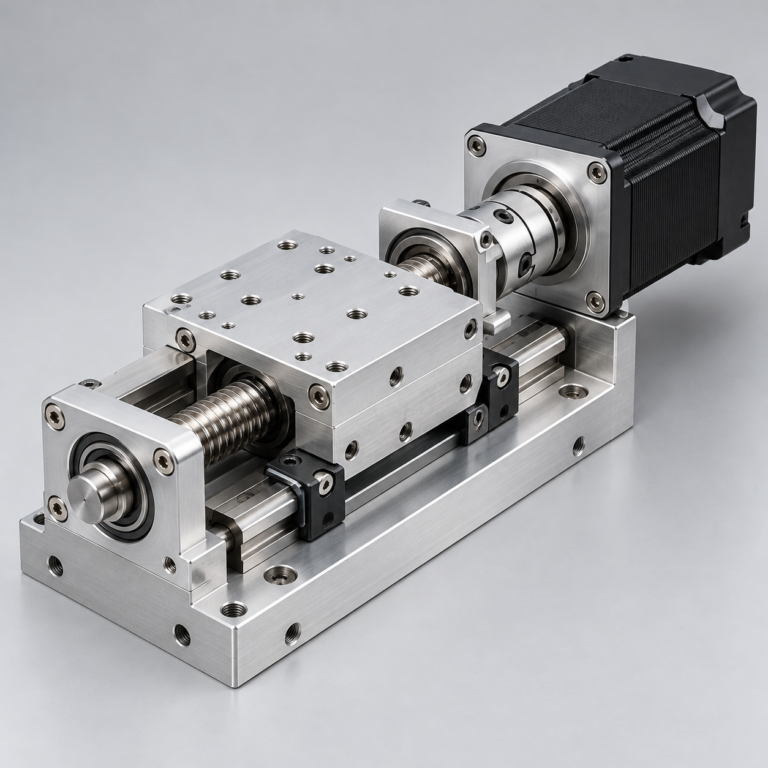
Sub-assemblies and final builds for your production program.
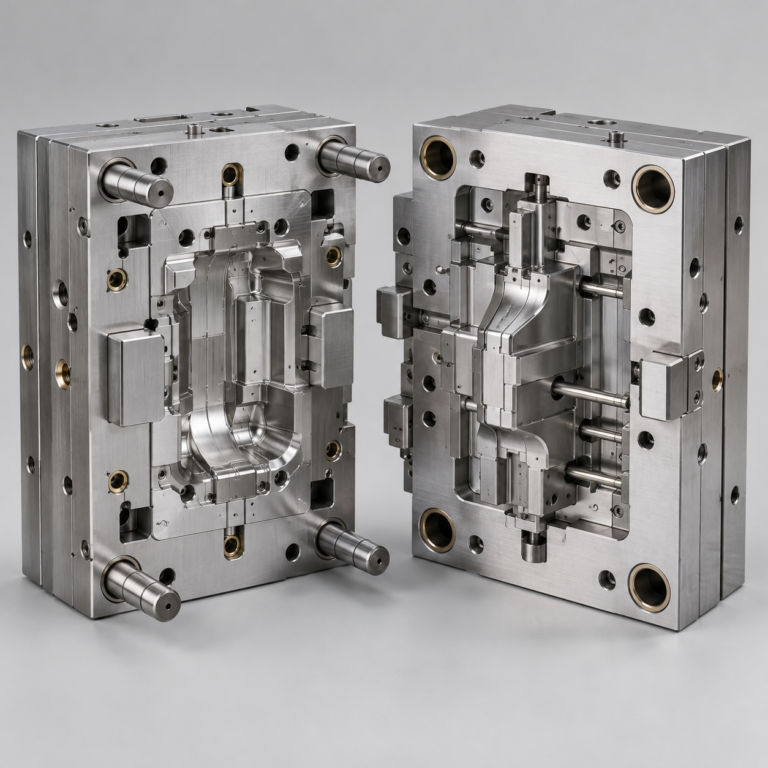
Production tooling built around your process and volume.
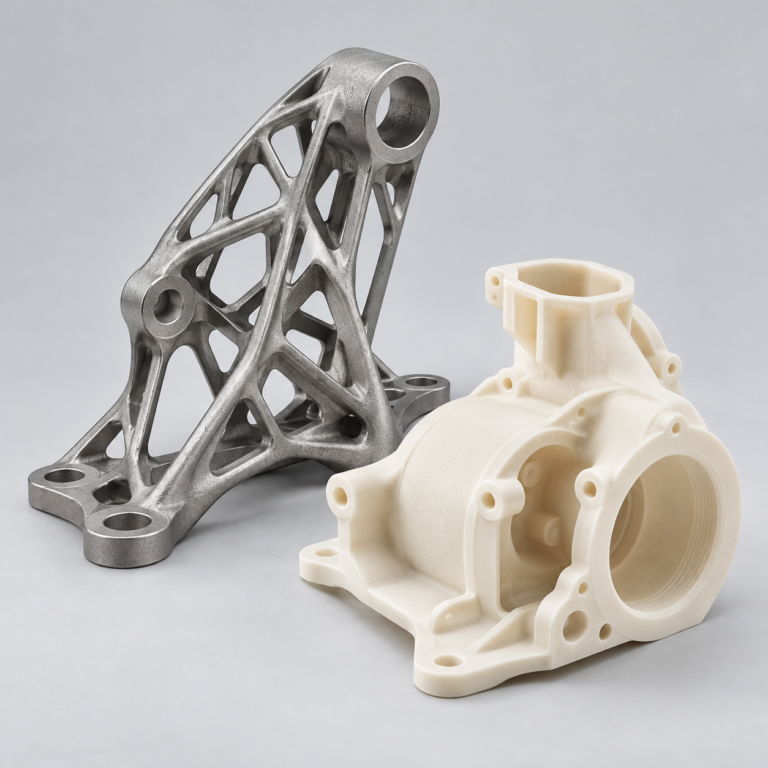
Prototype parts to check fit, function and design.
DFM, process planning and production support for your project.
Inspection, documentation, inventory and delivery planning for your program.
Choose air- or liquid-cooling components around your thermal and mechanical requirements.
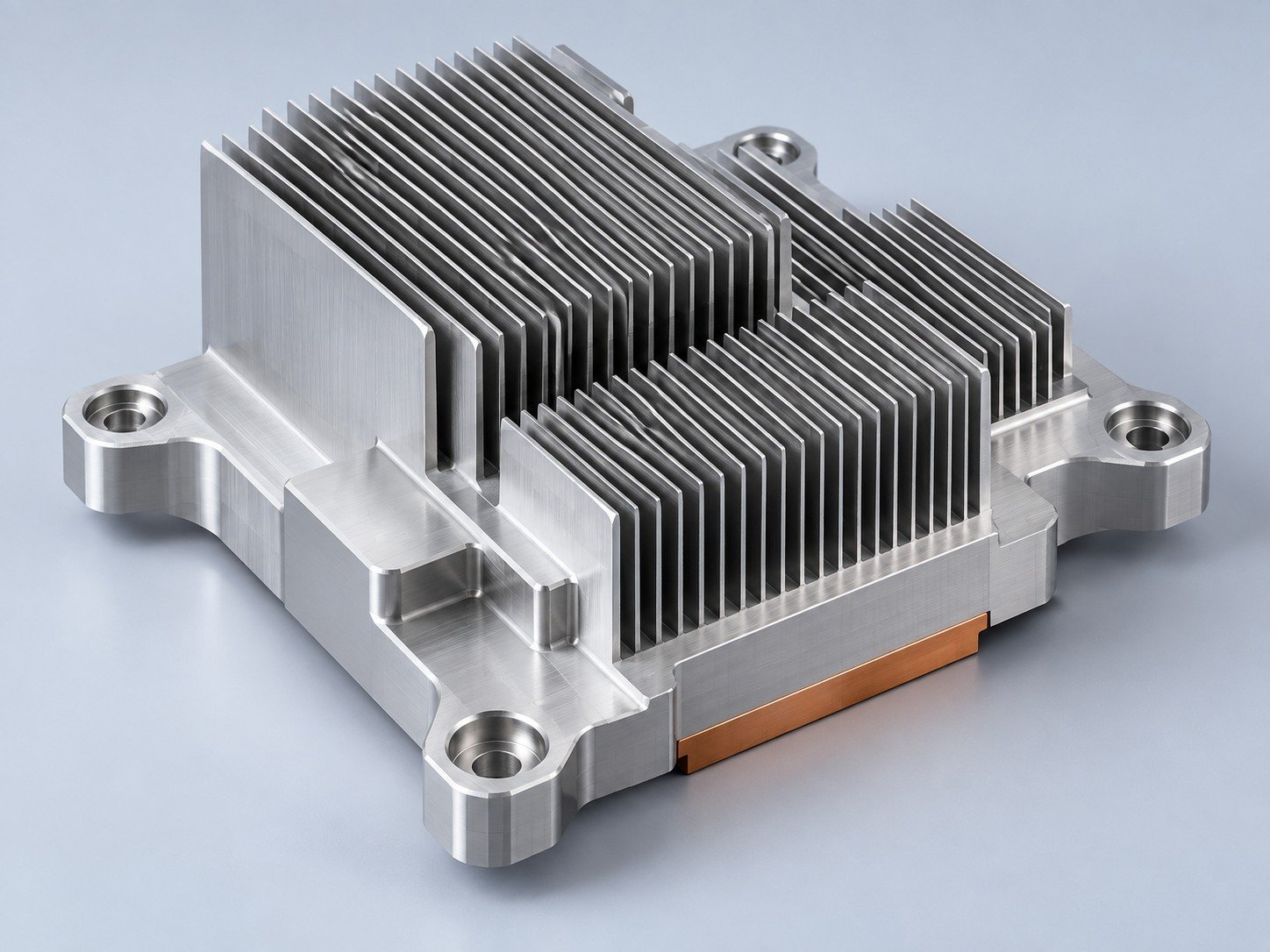
Manufacturing support for your cold plates, manifolds and cooling assemblies.
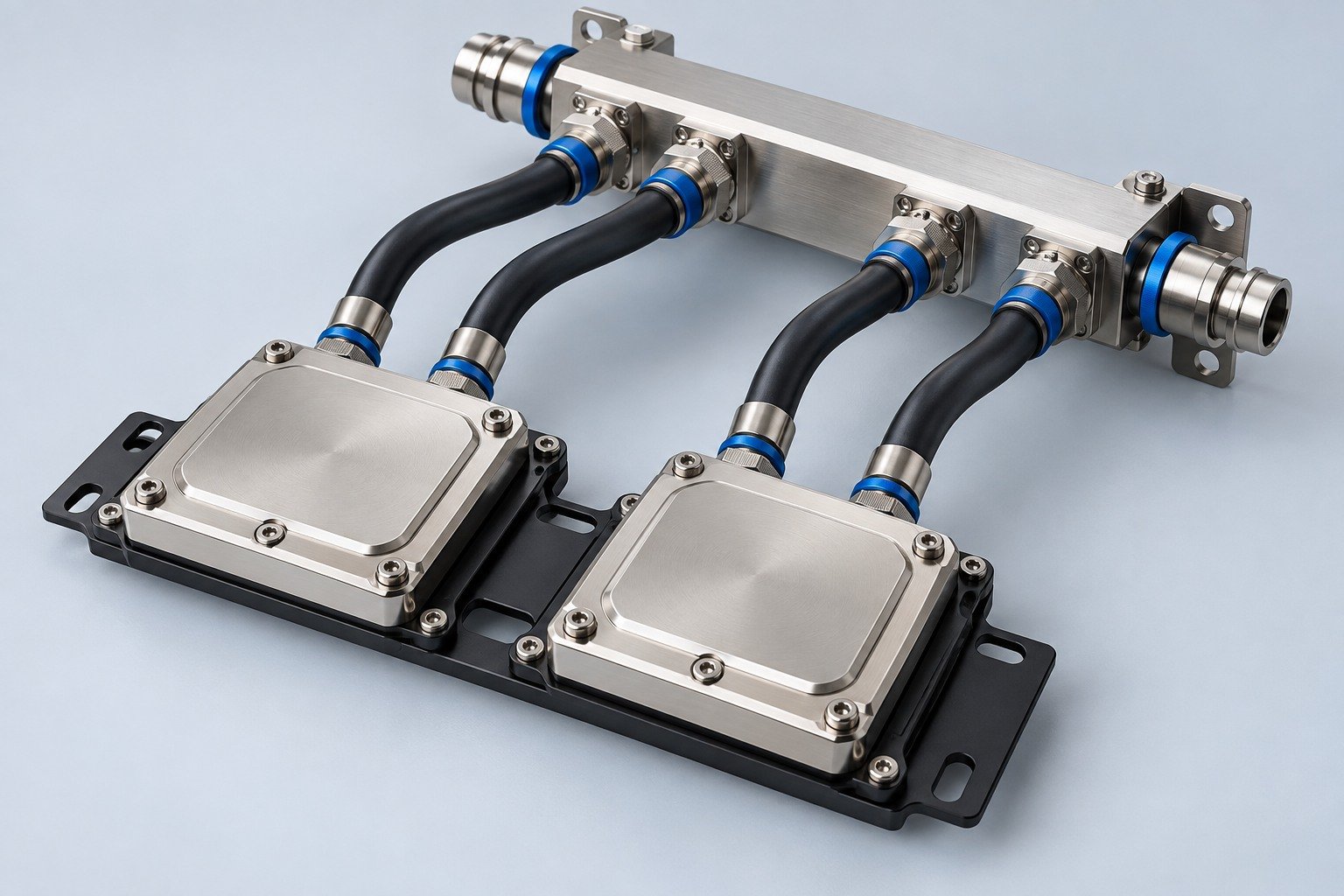
Find components for your power electronics, energy, laser and telecom application.
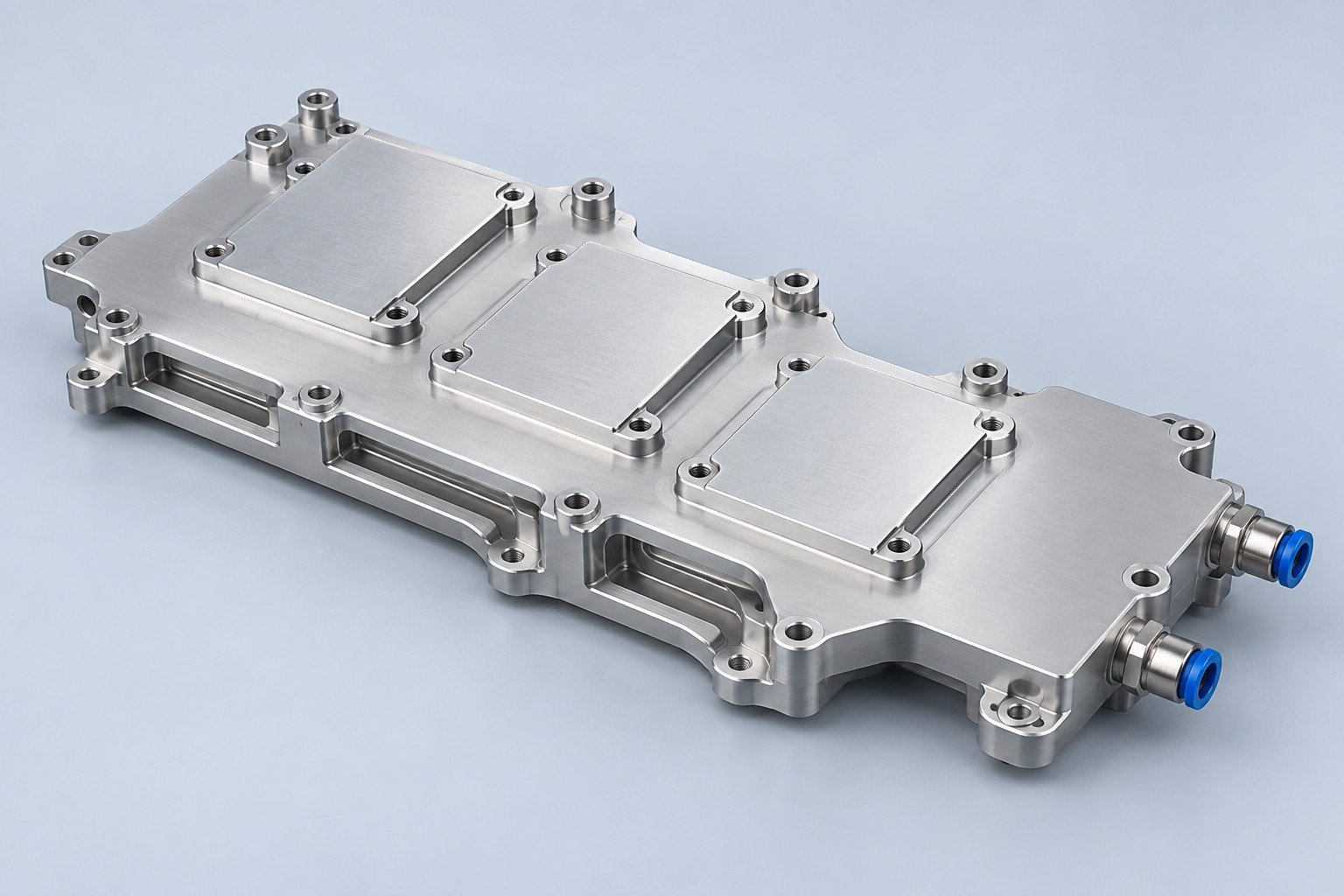
Components for your electronic systems.
Start with your functional and quality requirements.
Build around your operating environment.
From prototype to production, review material performance, manufacturability and cost for your part.
Review grade, temper and finish for your metal parts.
 AluminumStrength, weight and machining›
 Stainless SteelCorrosion and finish requirements›
 Carbon & Alloy SteelDiscuss grade and heat treatment›
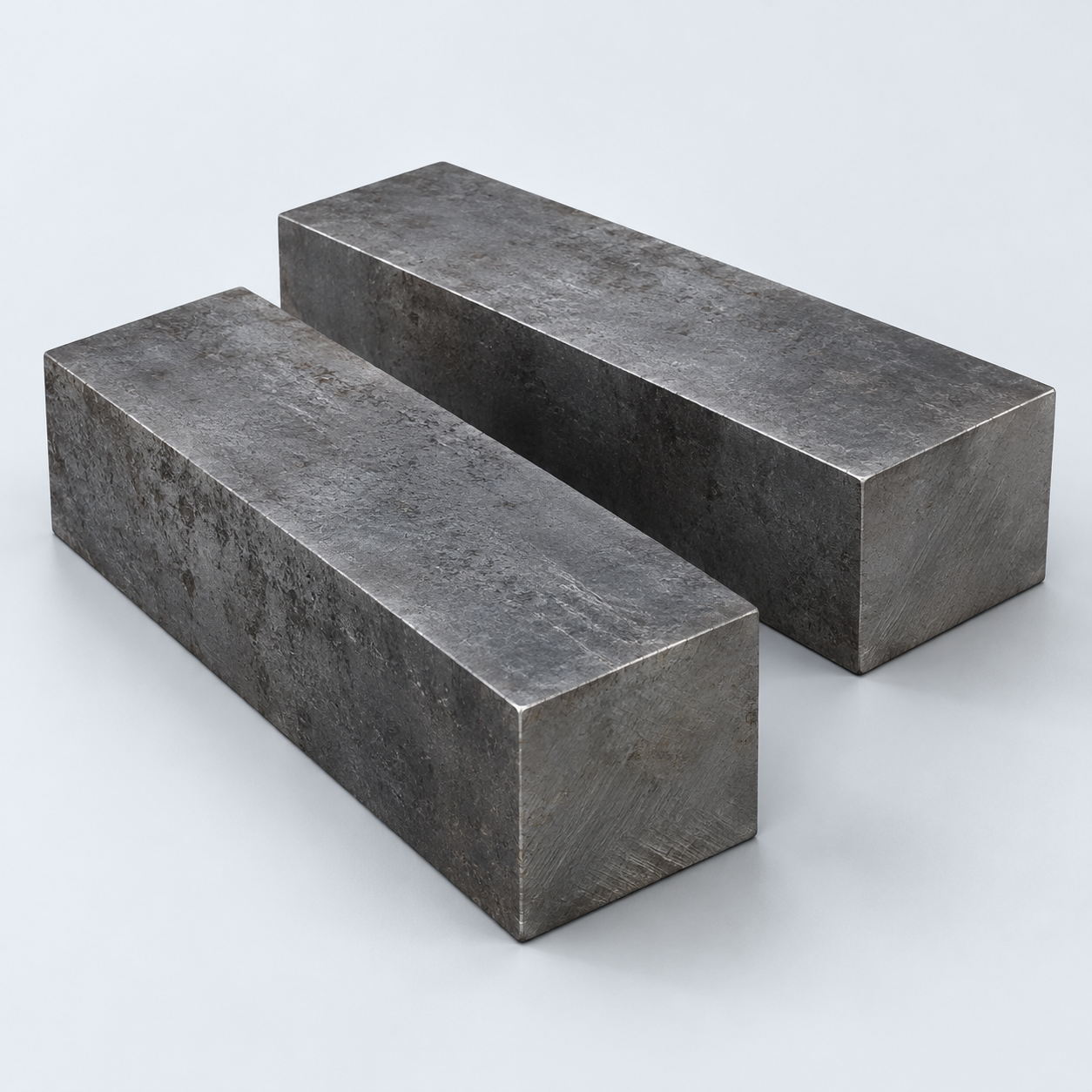 Tool SteelDiscuss tooling and wear needs›
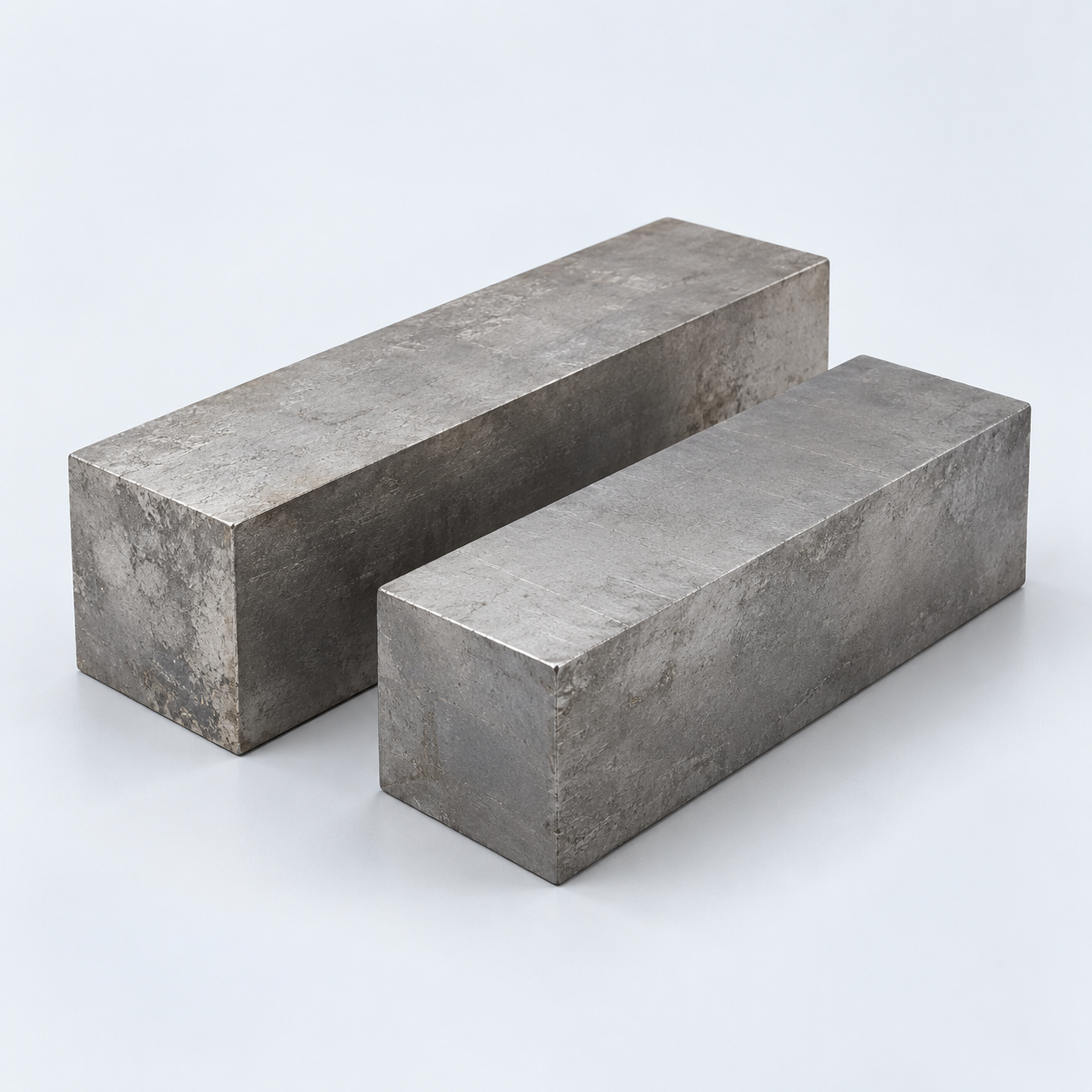 TitaniumReview grade and part geometry›
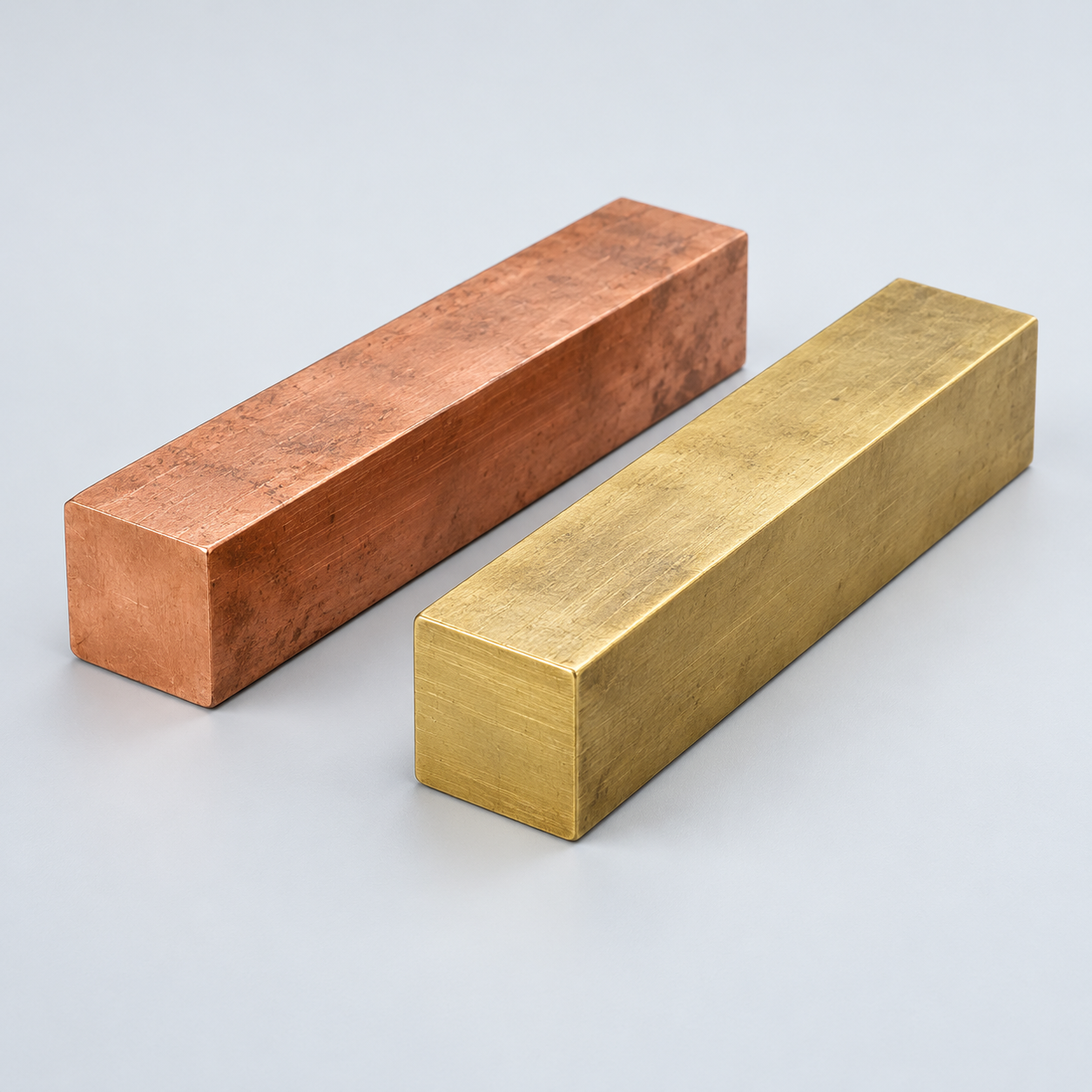 Copper & BrassDiscuss conductivity and machining›
Match your polymer to function, process and environment.
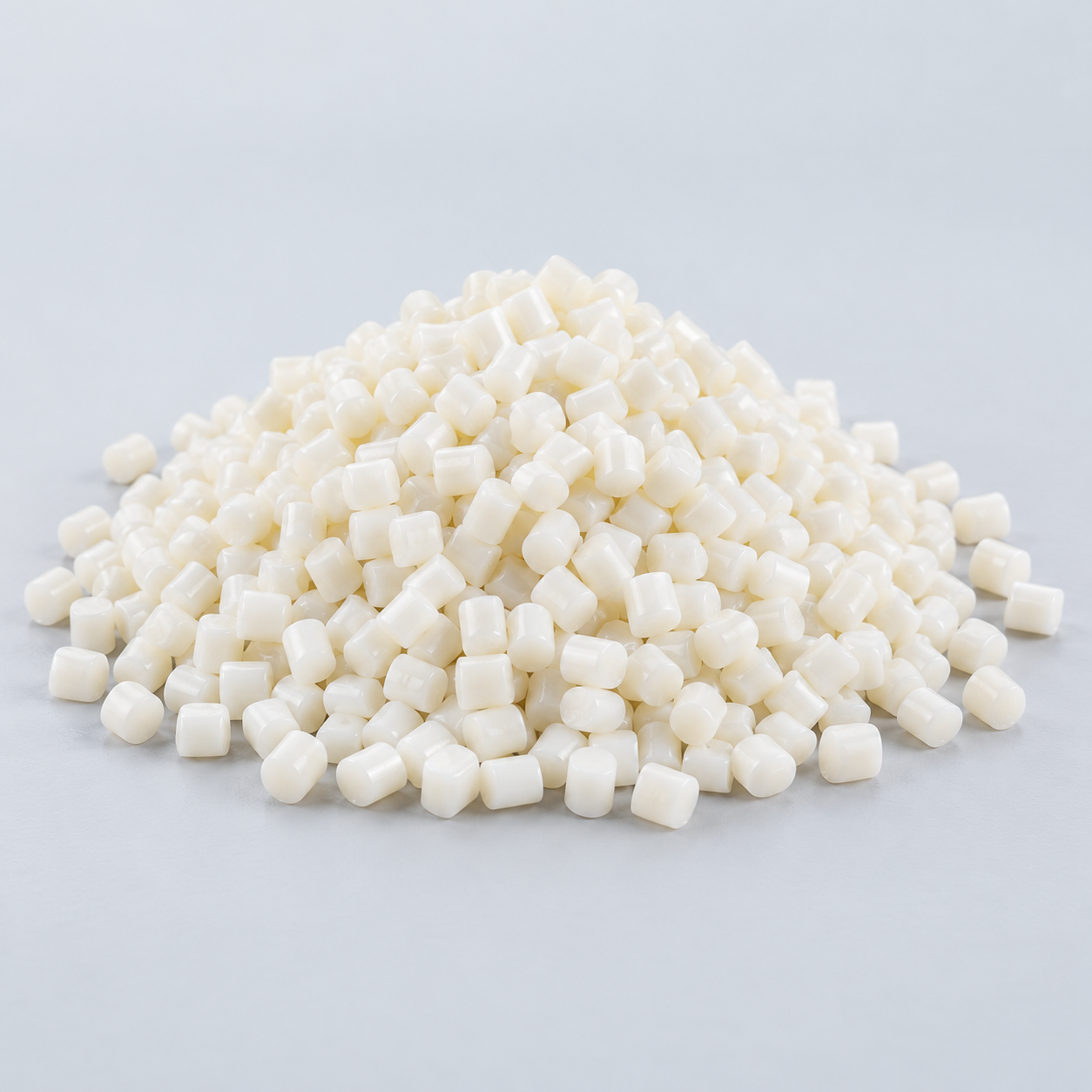 ABSReview enclosure and molding needs›
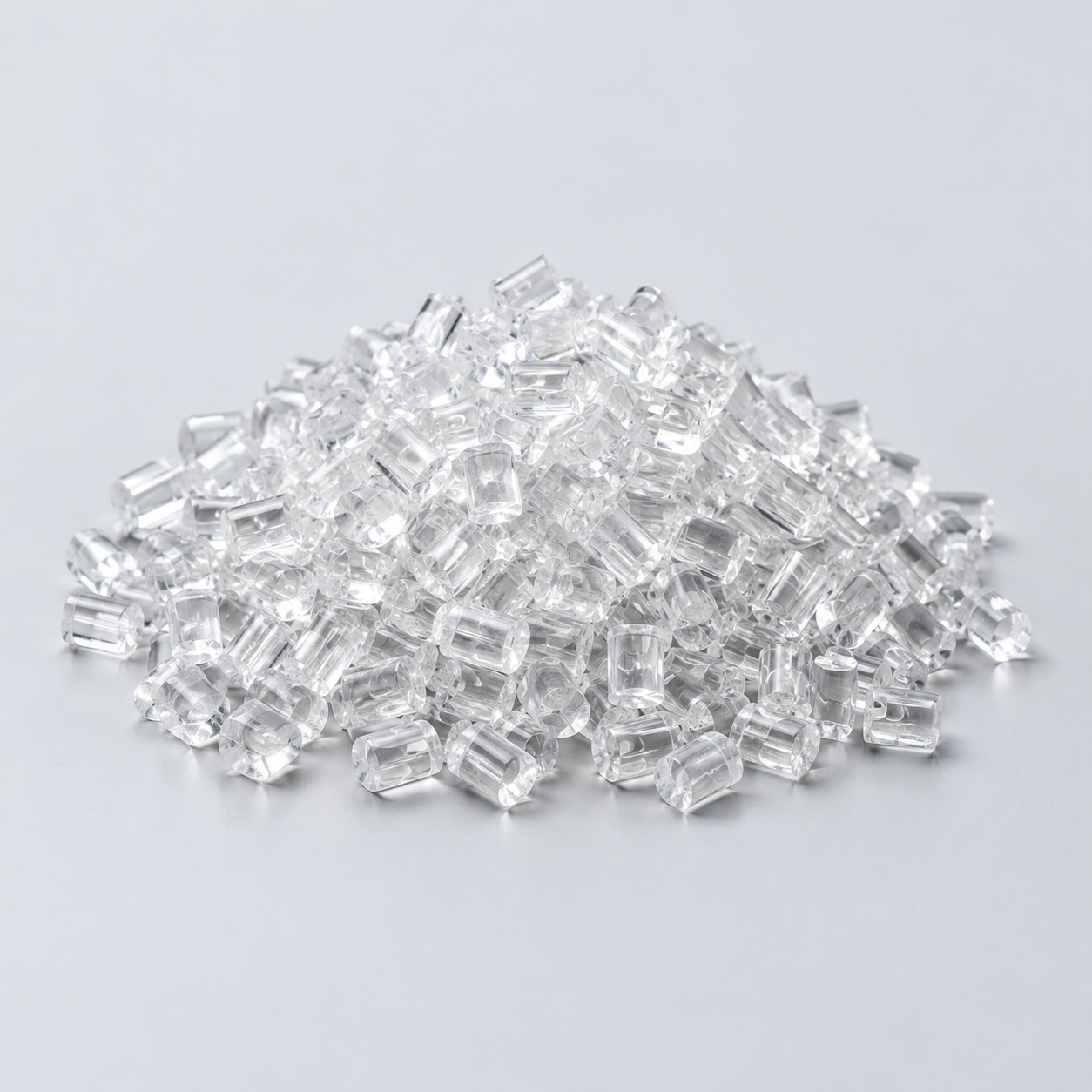 Polycarbonate (PC)Discuss clarity and impact needs›
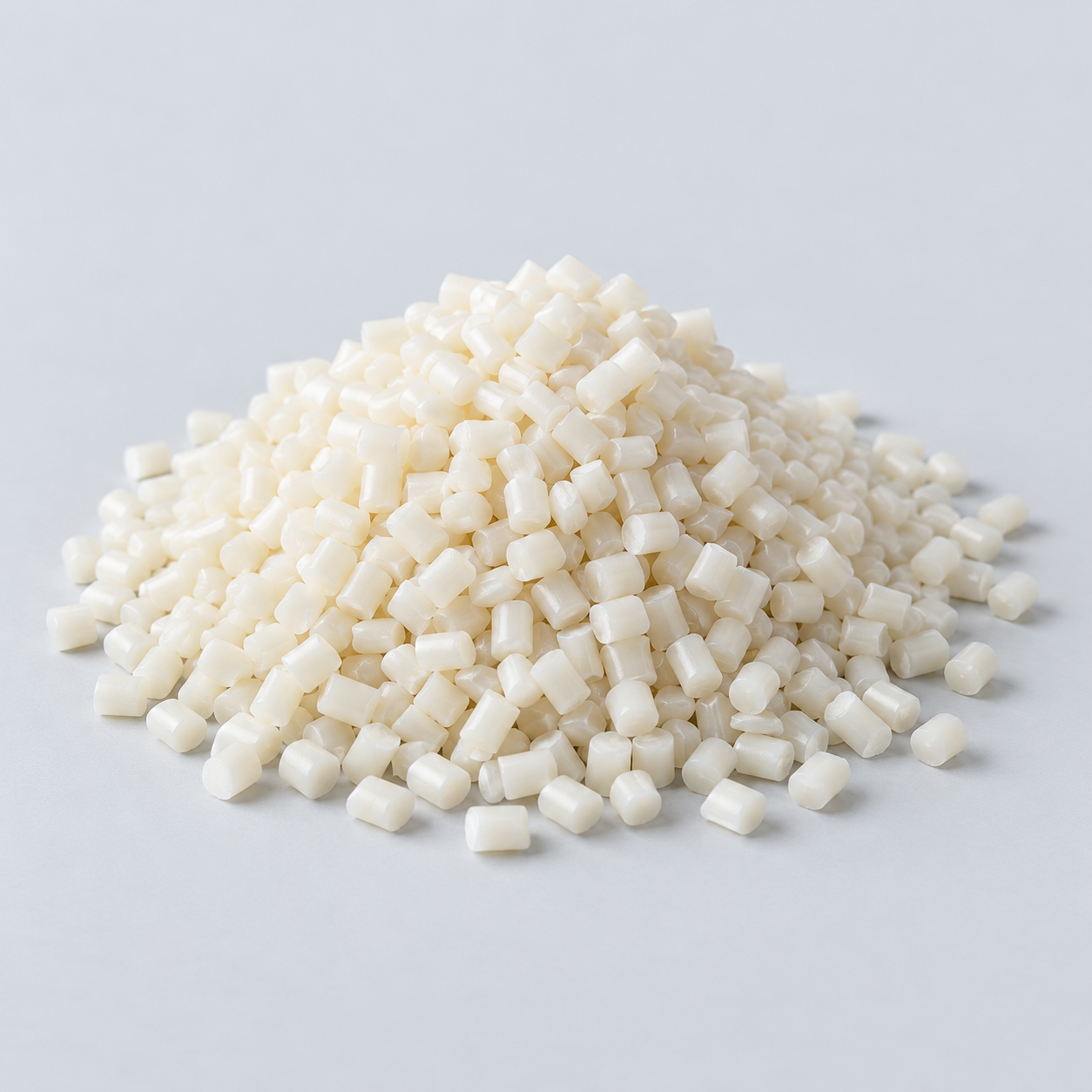 Nylon (PA)Review moisture and wear conditions›
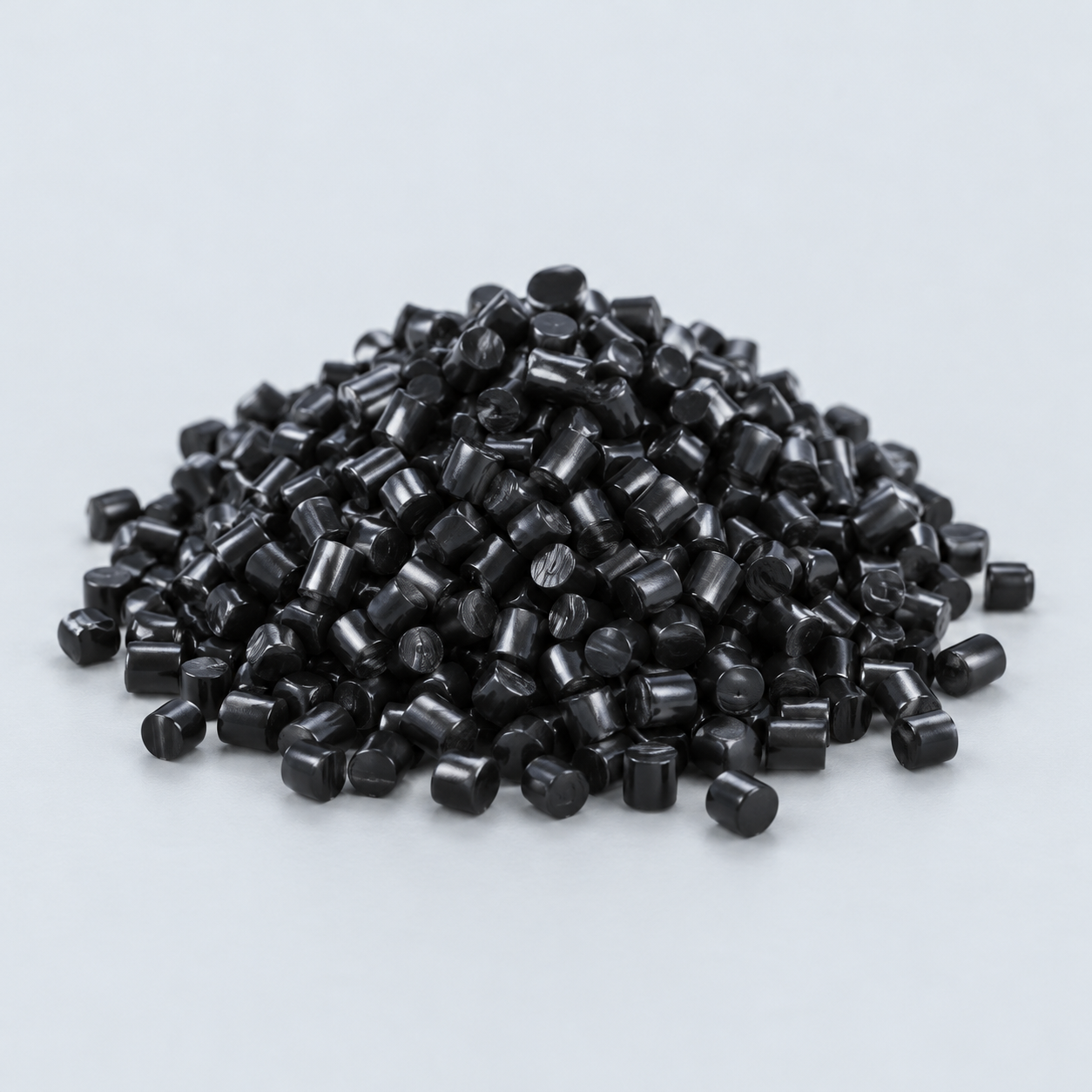 POM / AcetalReview fit and sliding features›
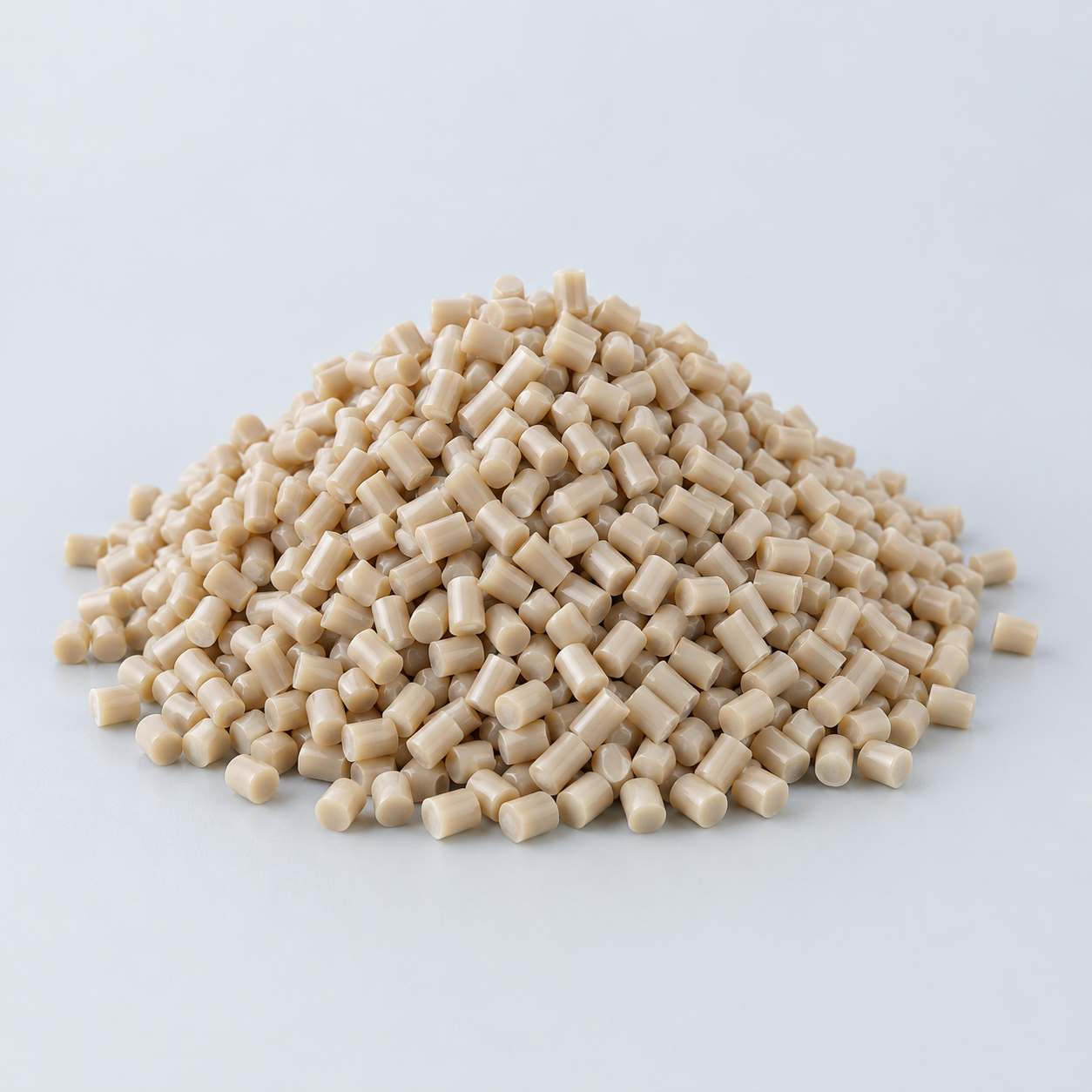 PEEKDiscuss operating conditions›
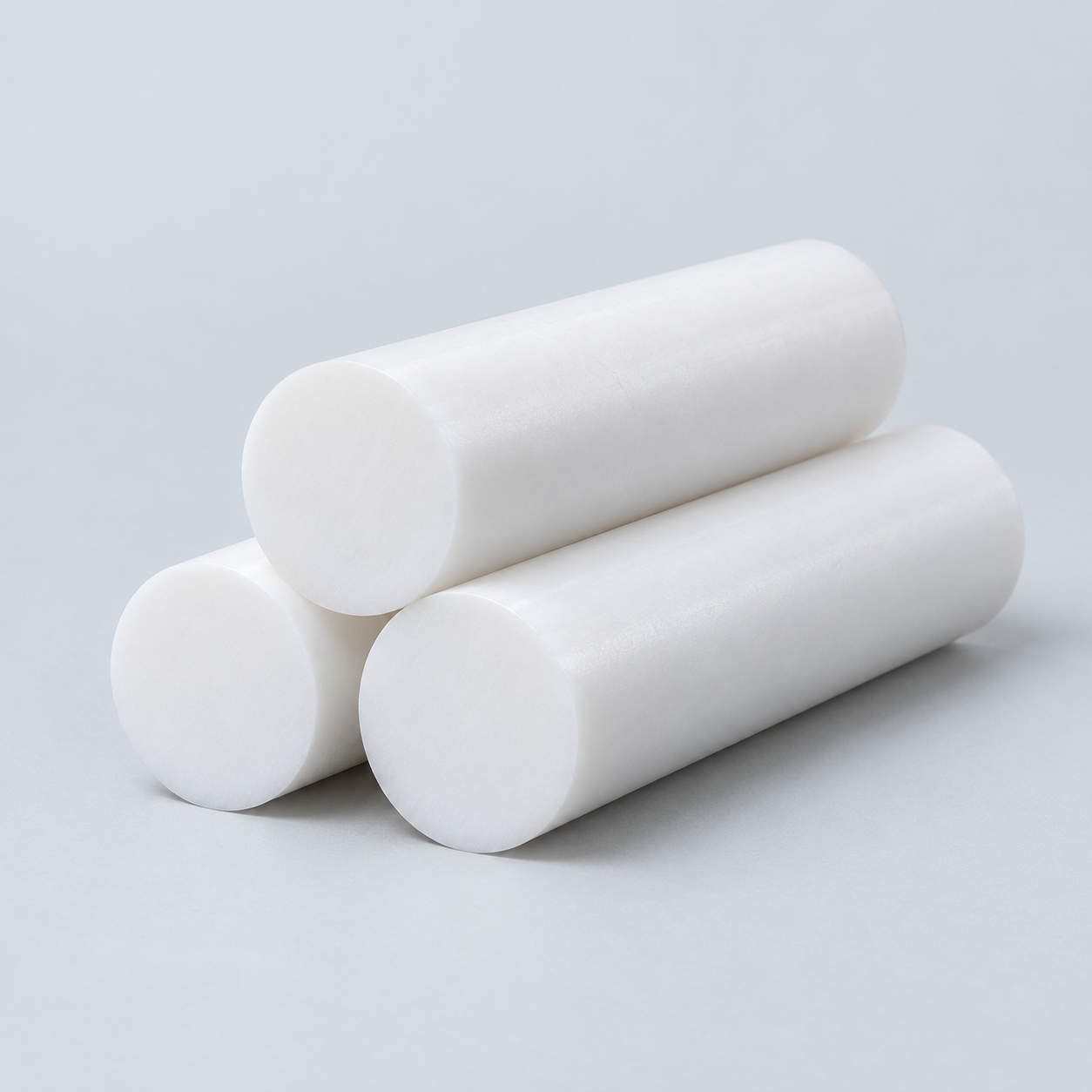 PTFEReview friction and chemical exposure›
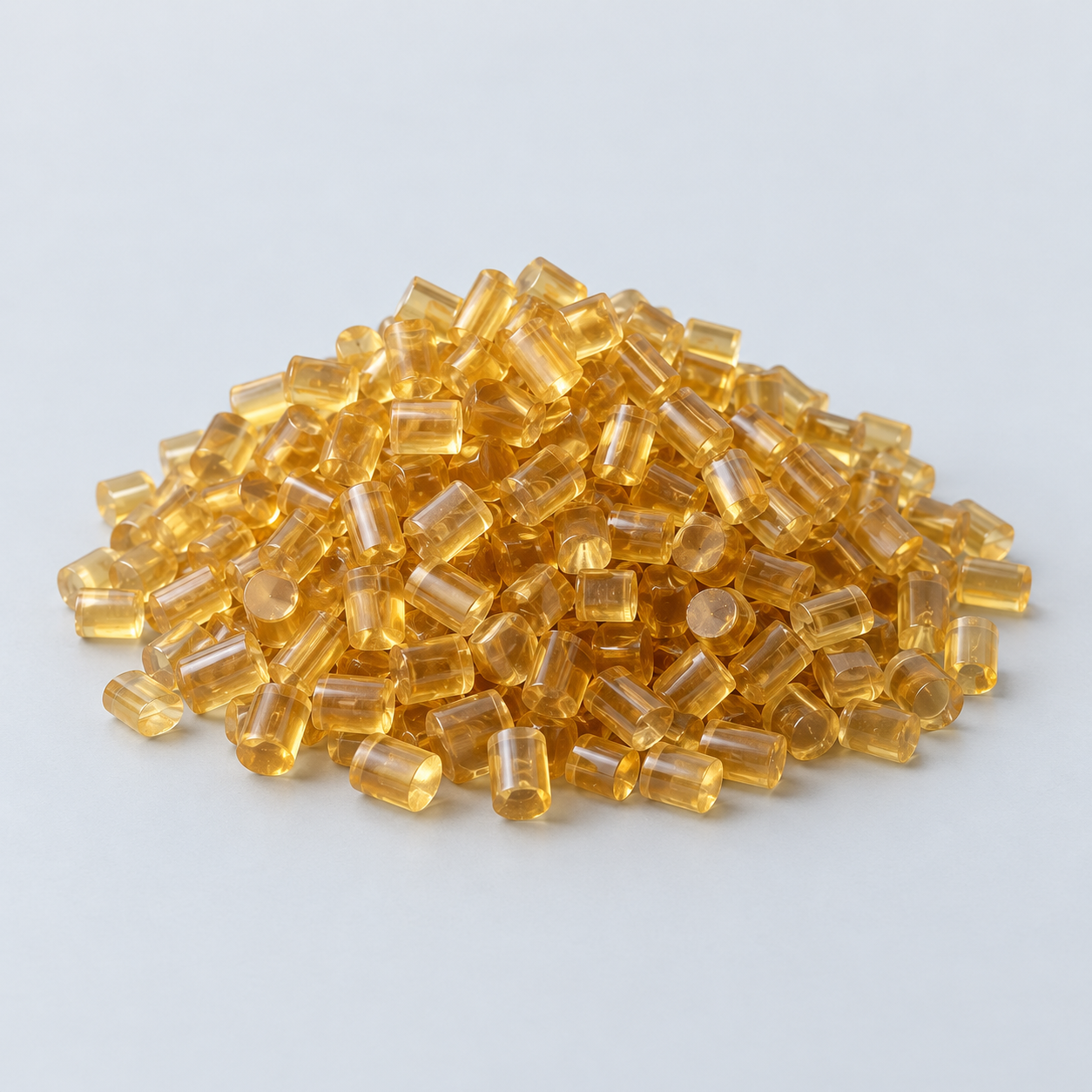 ULTEM / PEIDiscuss thermal and electrical needs›
Confirm grade availability and application requirements.
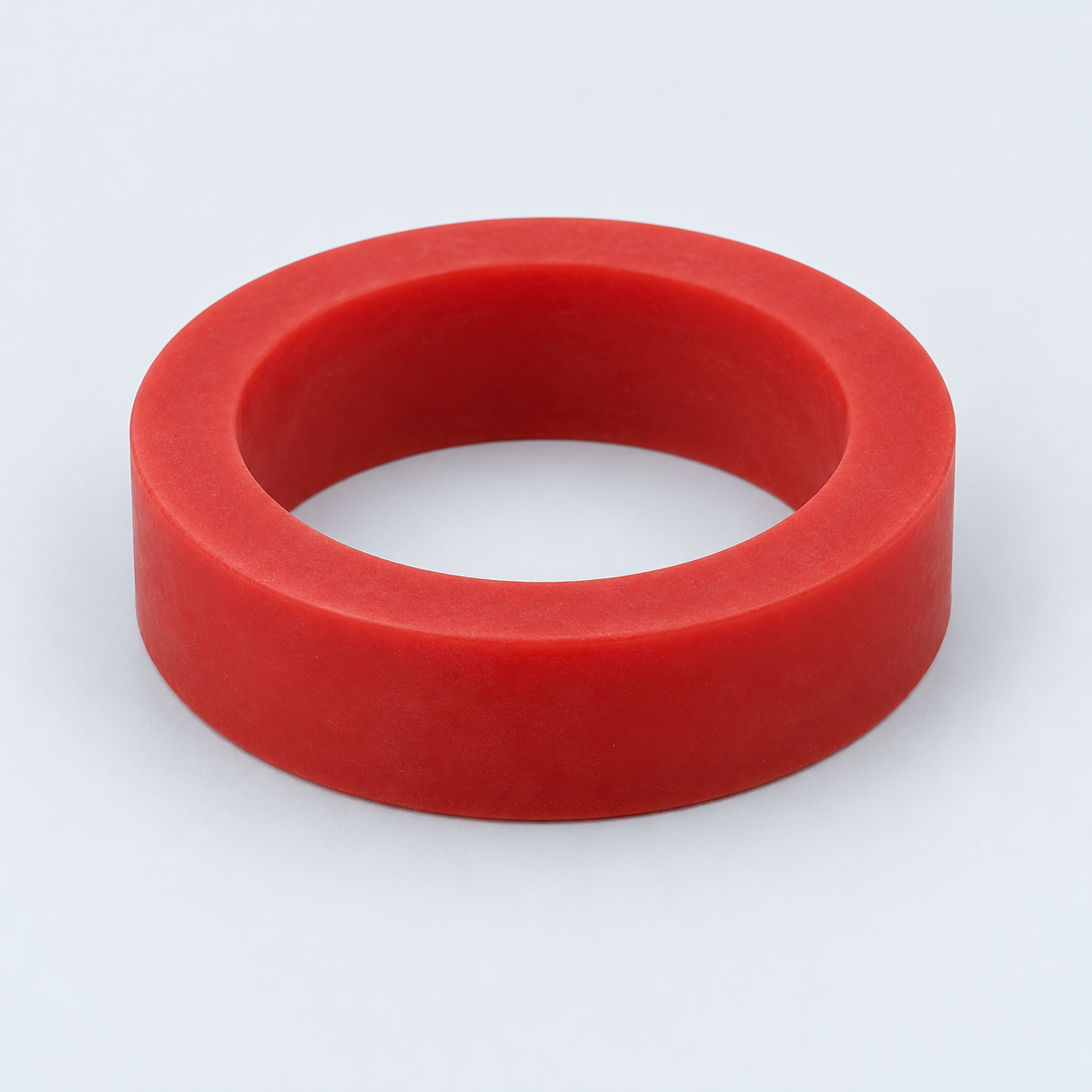 Silicone / LSRDiscuss flexible component needs›
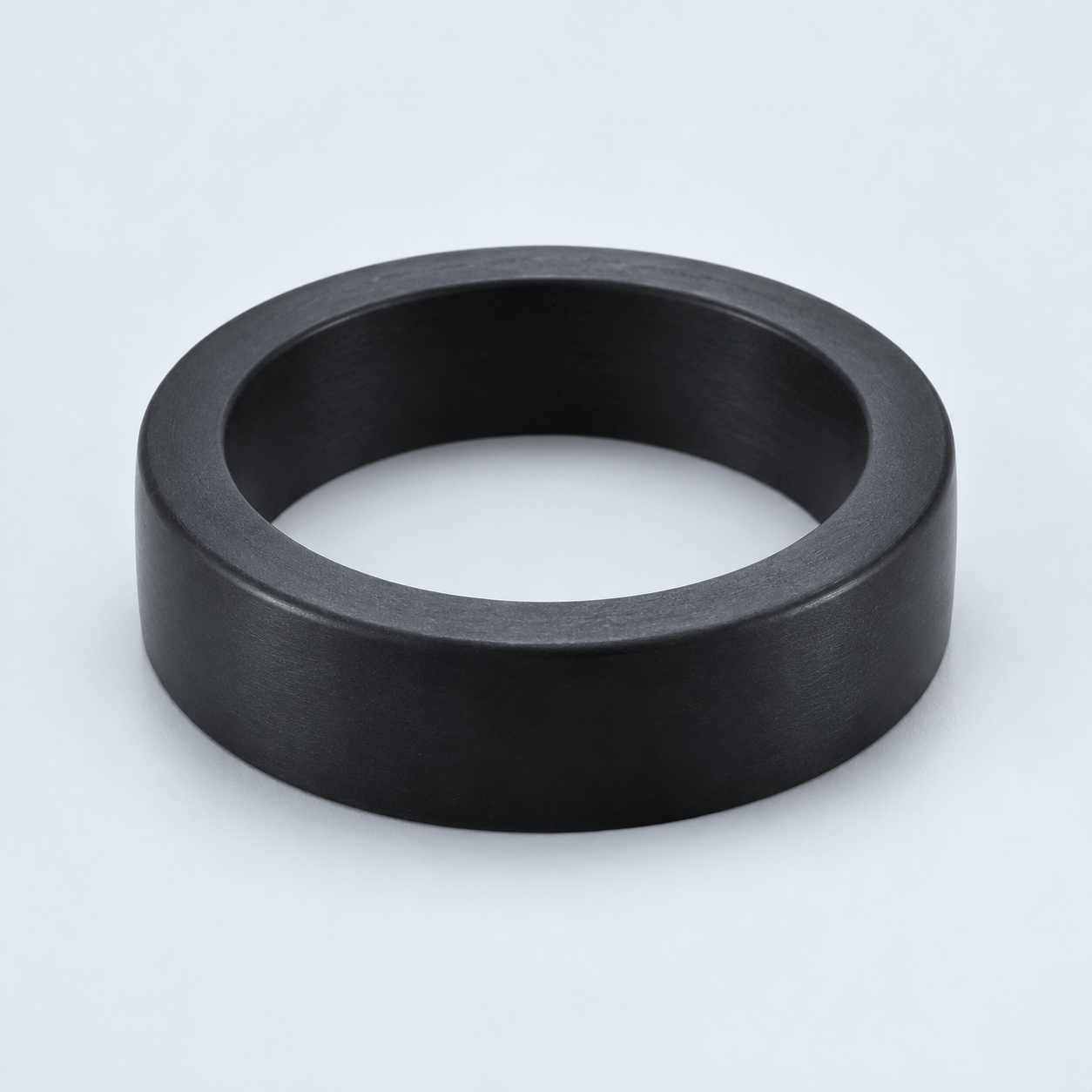 TPU / TPEReview flexibility and processing›
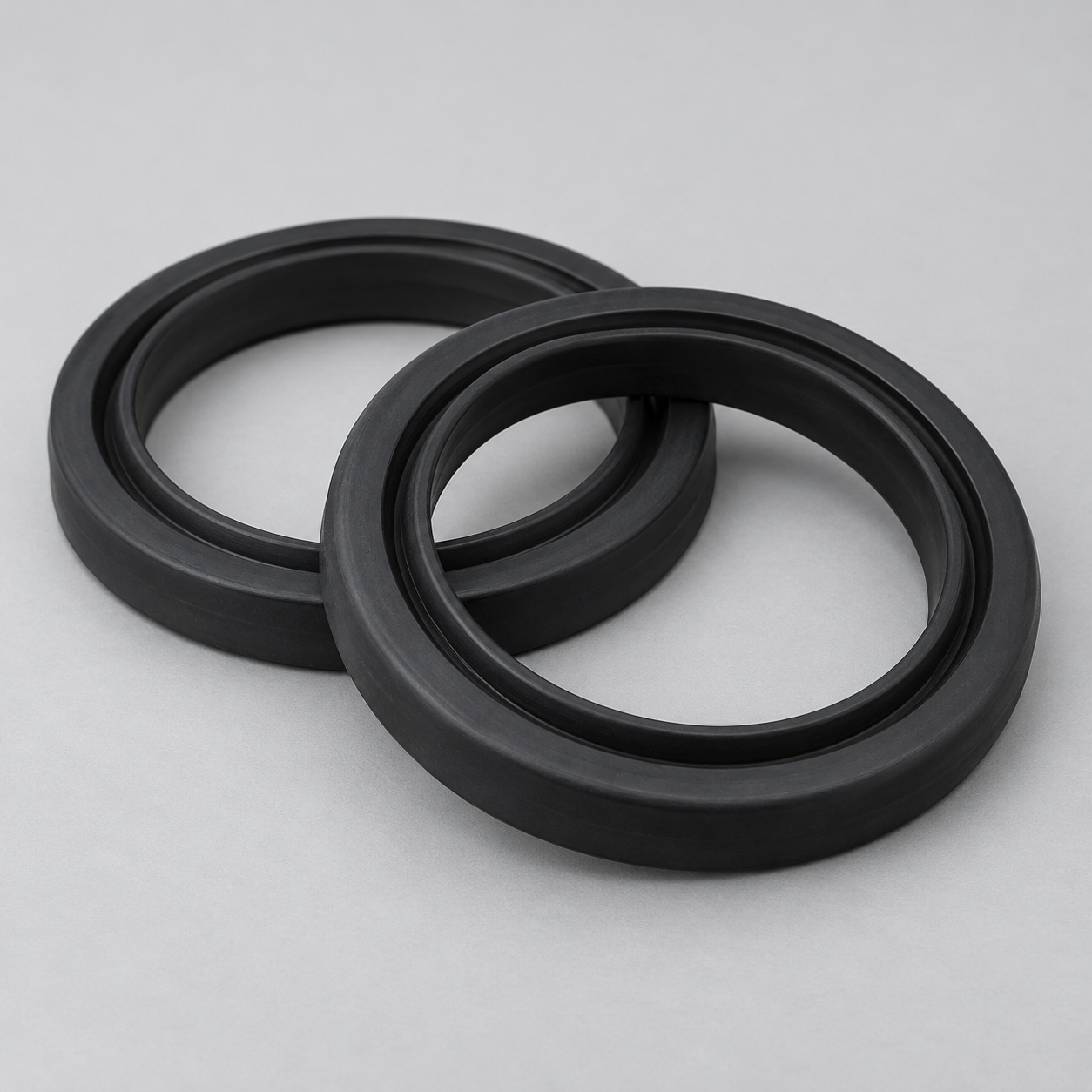 EPDMReview weathering and chemical exposure.›
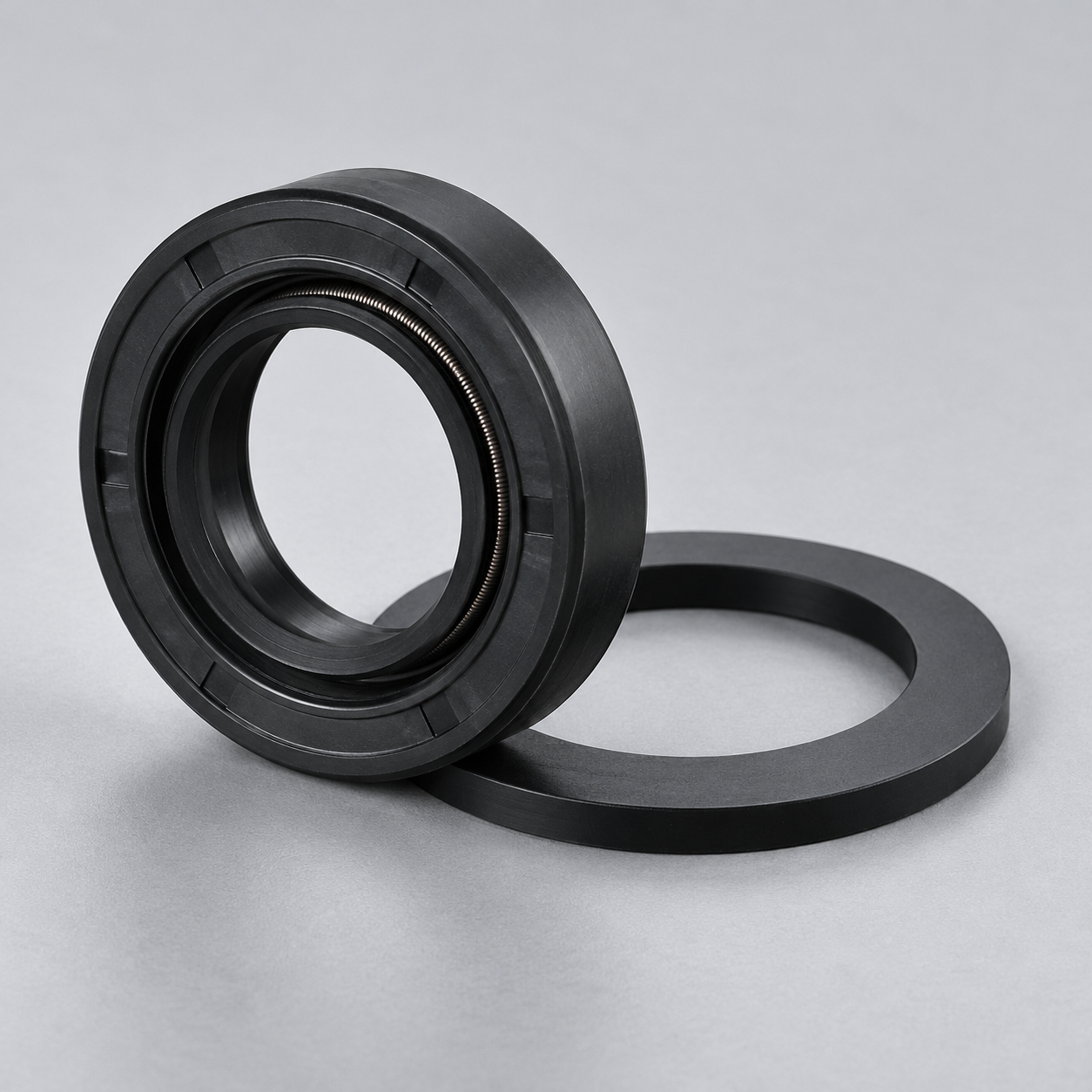 NBRReview oil and fuel exposure.›
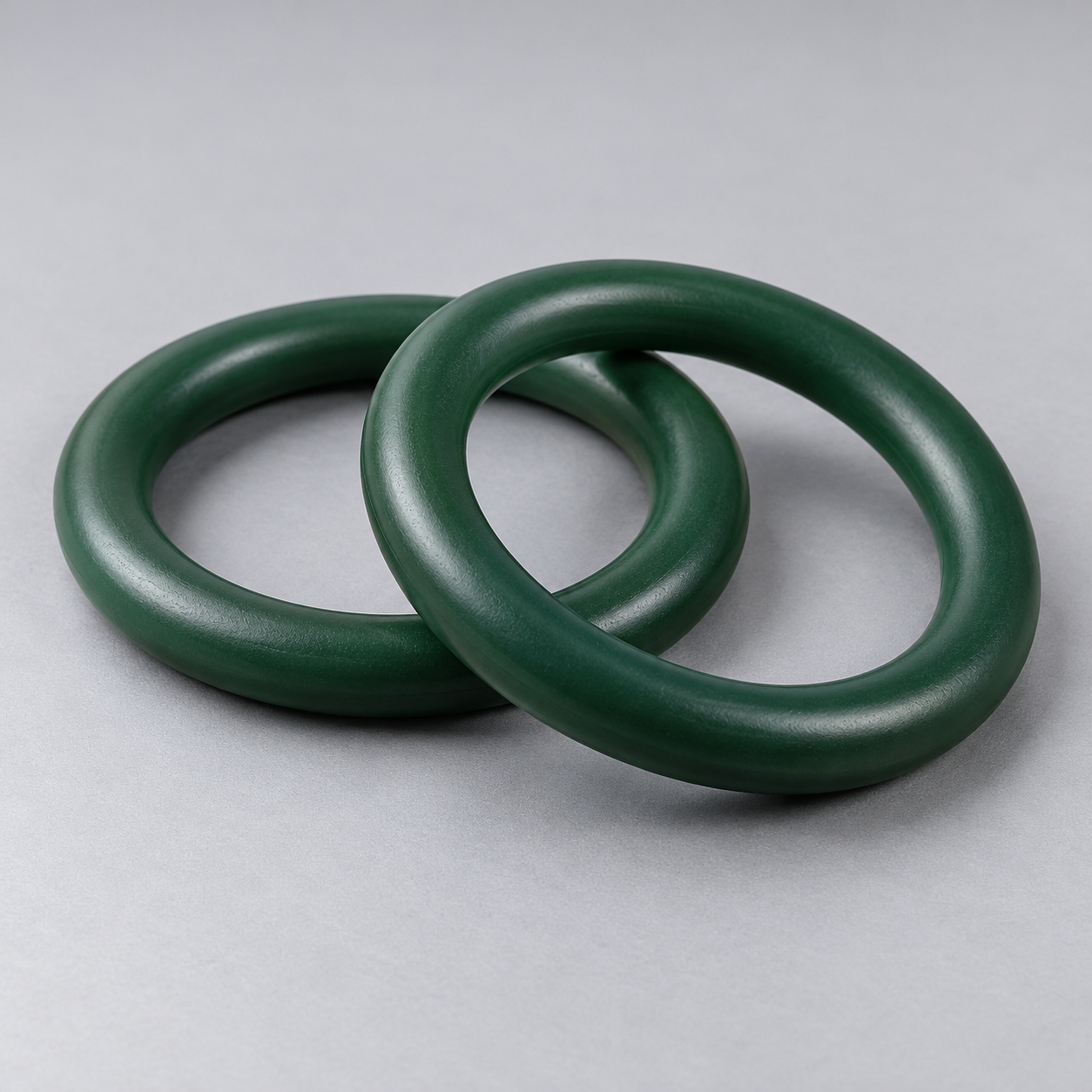 FKMReview temperature and chemical exposure.›
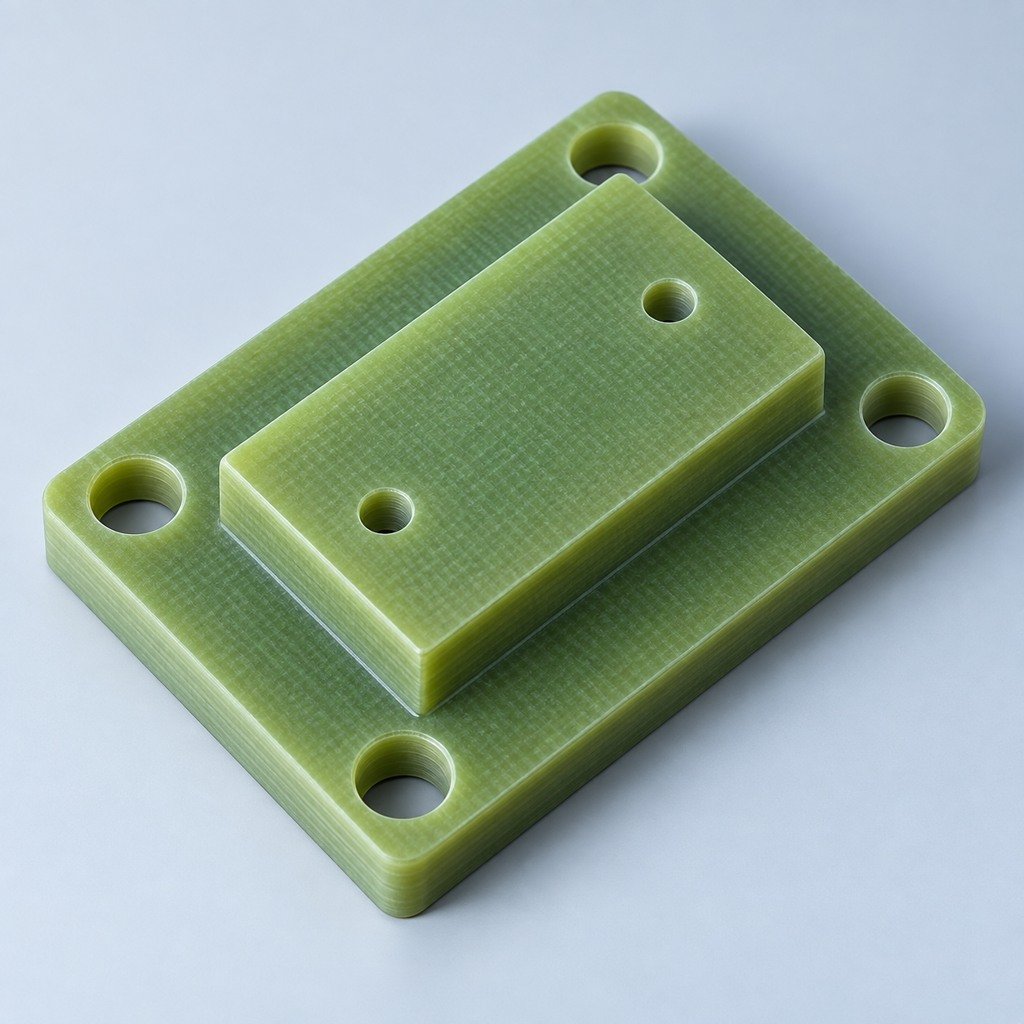 G10 / FR4Review insulation and laminate needs›
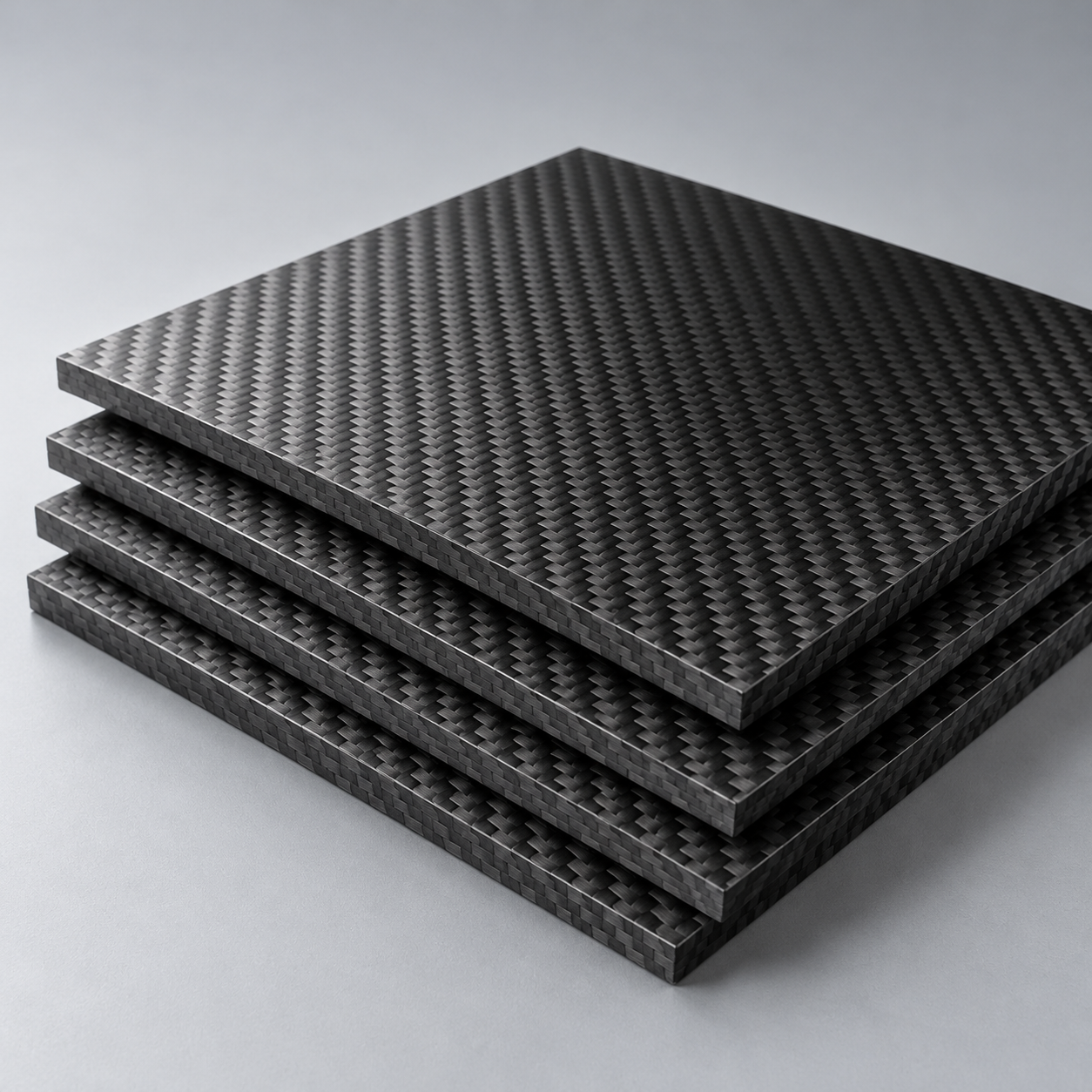 CompositesReview stiffness, weight and laminate.›Customer-Specified MaterialsConfirm your grade and requirements.›Other Specialty MaterialsDiscuss your application and grade.›
Practical guidance for your part geometry and material decisions.
Prepare your process, budget and sourcing questions.
Build your knowledge before production.
Learn who we are and how we operate.
Find our U.S. support team or start a conversation.
Bring your drawing, material and finish requirements together in one review. Plan the ground surfaces that control your fit, movement and assembly.
2D drawing · Material & hardness · Quantity · Required date
Dallas-area support · Manufacturing in China · Scope confirmed with your drawing
Precision grinding uses abrasive wheels to finish critical dimensions, geometry and surface texture. Start with the features that matter to your part.
Bearing seats and mating diameters
Functional surfaces and specified texture
Agreed acceptance and repeat-order control
Compare 4 common methods. Availability and the suitable route are confirmed during your drawing review.
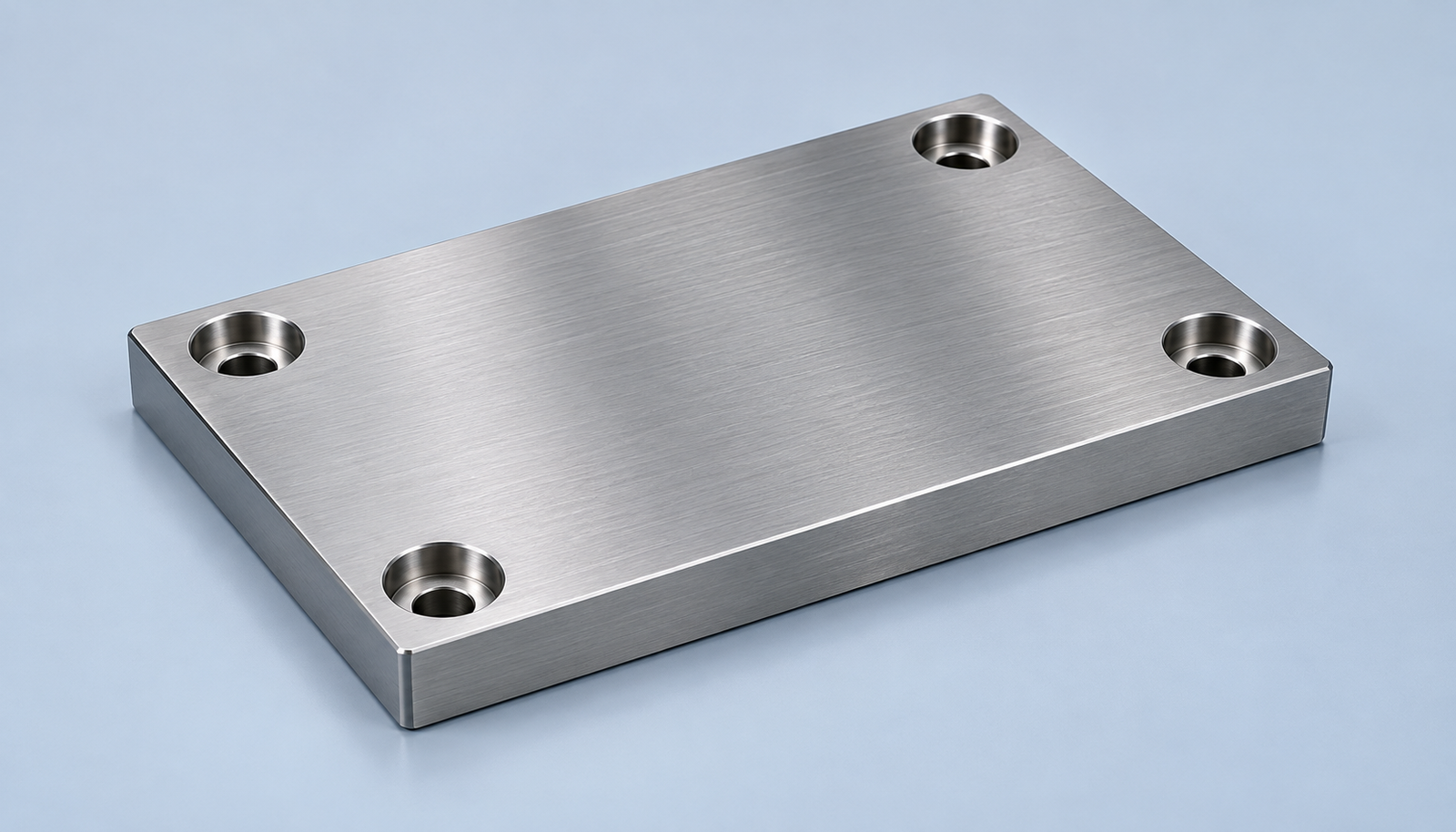
For your flat mating faces.
Flatness · Parallelism · Surface finish
Mark the functional faces and datum references. Thin plates, interrupted faces and clamping can change the route.
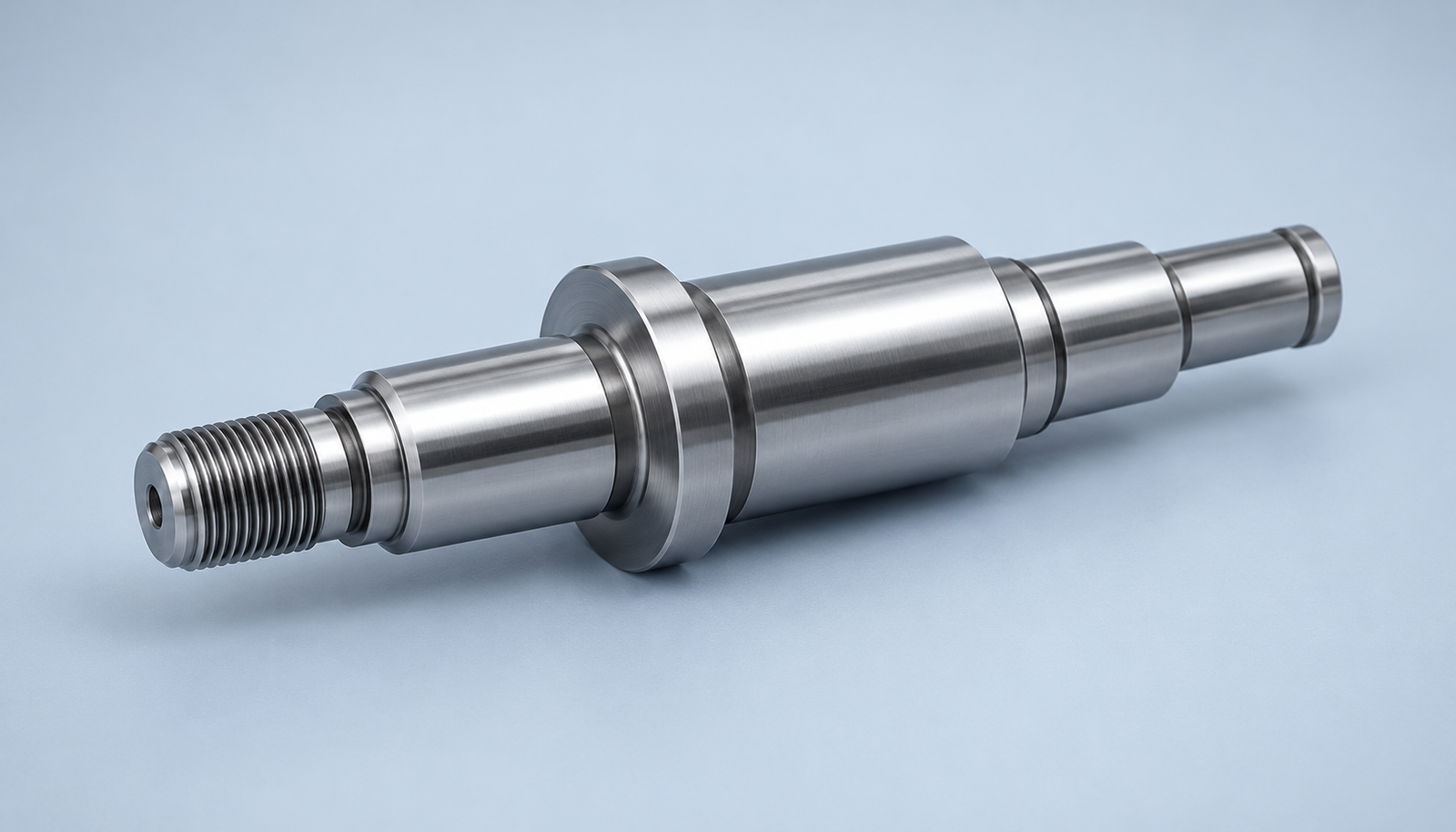
For your shafts and journals.
Outside diameter · Roundness · Runout
Identify each bearing seat, shoulder and runout datum. Include center or workholding access for your precision shaft grinding review.
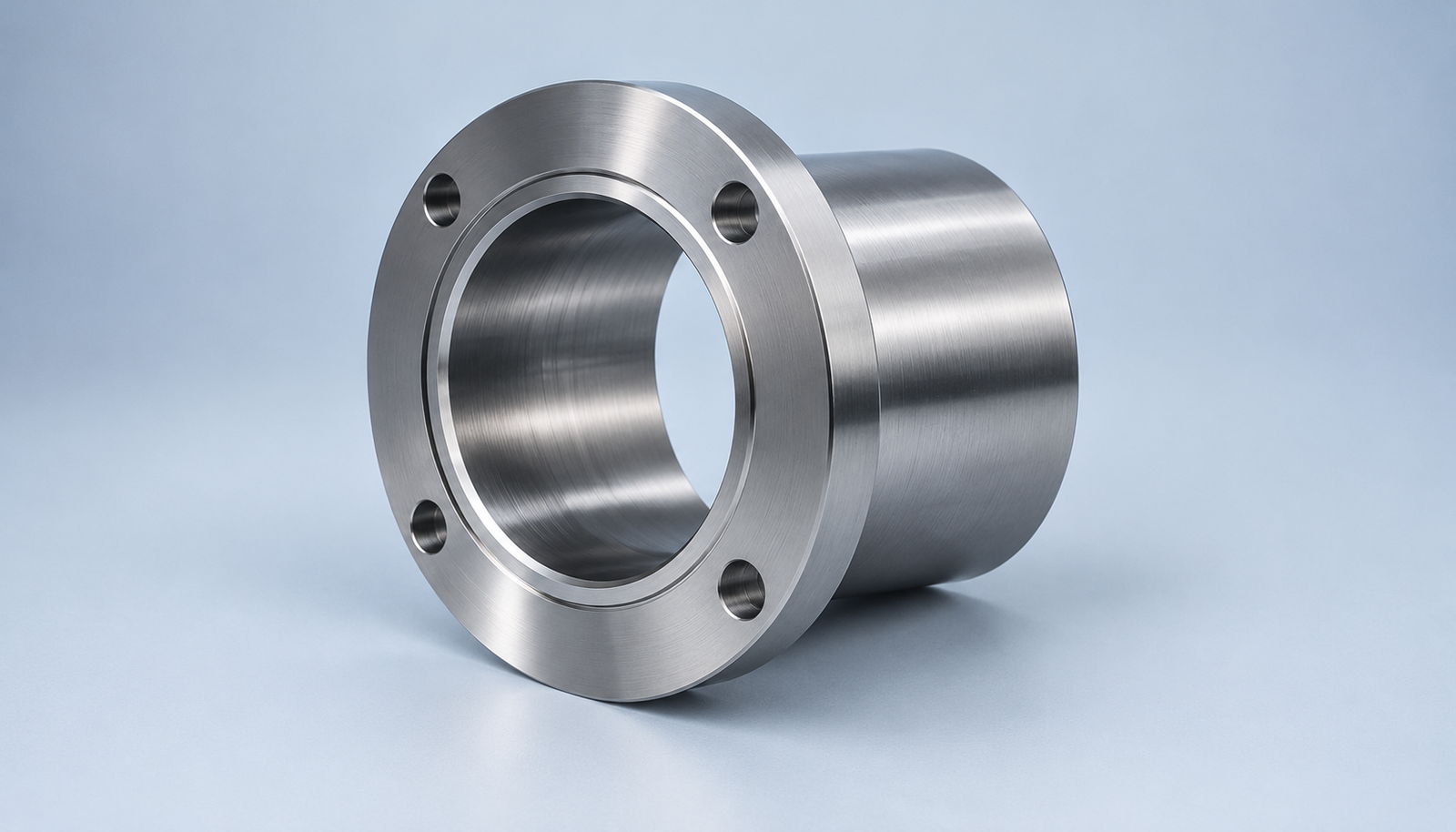
For your bores and sleeves.
Bore size · Geometry · Fit
Send bore diameter, depth and shoulder details. Wheel access and slender tooling can limit internal grinding services.
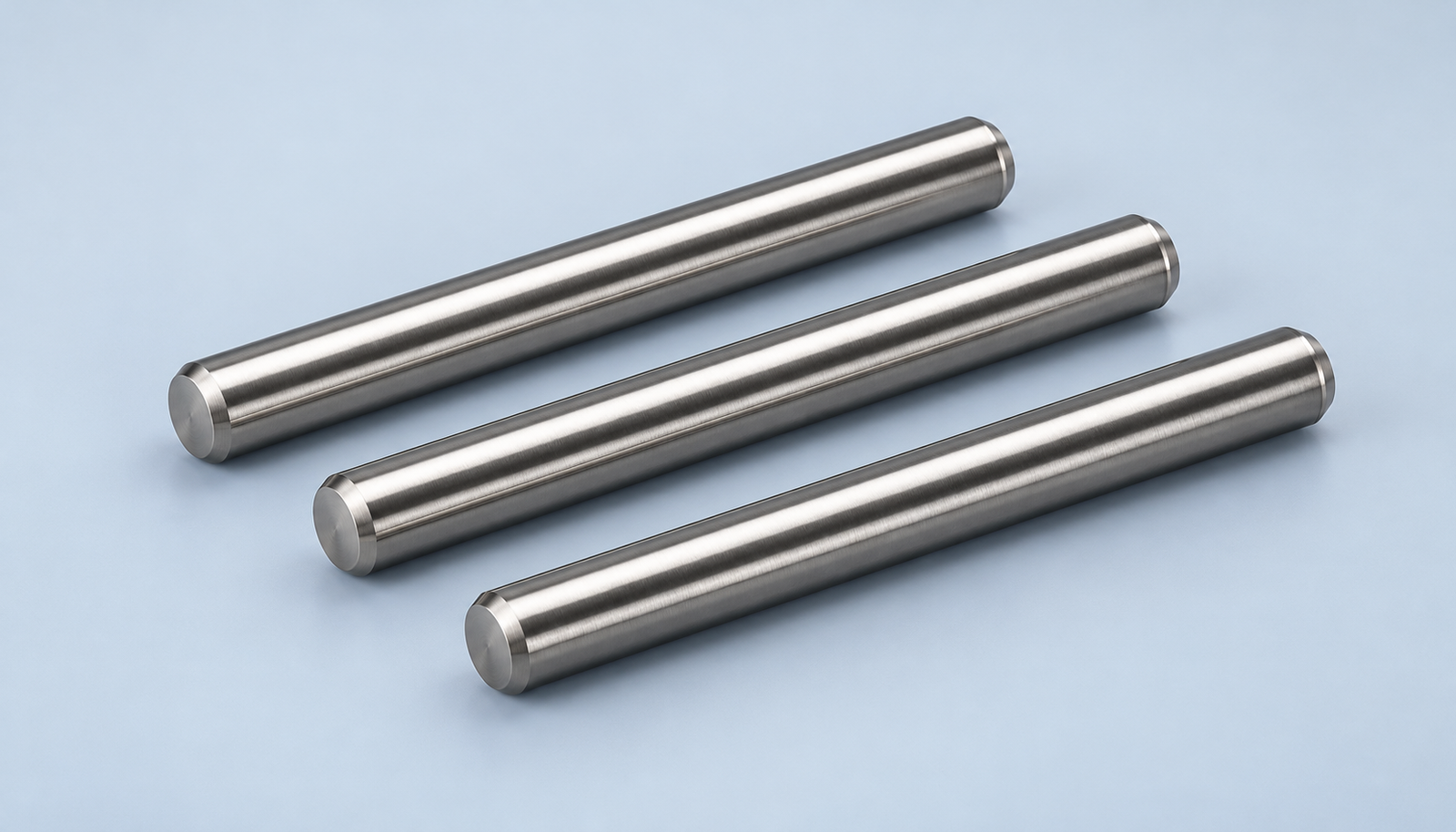
For your suitable round parts.
Pins · Straight rods · Repeat quantities
Send diameter, length and batch quantity. Through-feed centerless grinding services suit accessible round profiles; shoulders need route review.
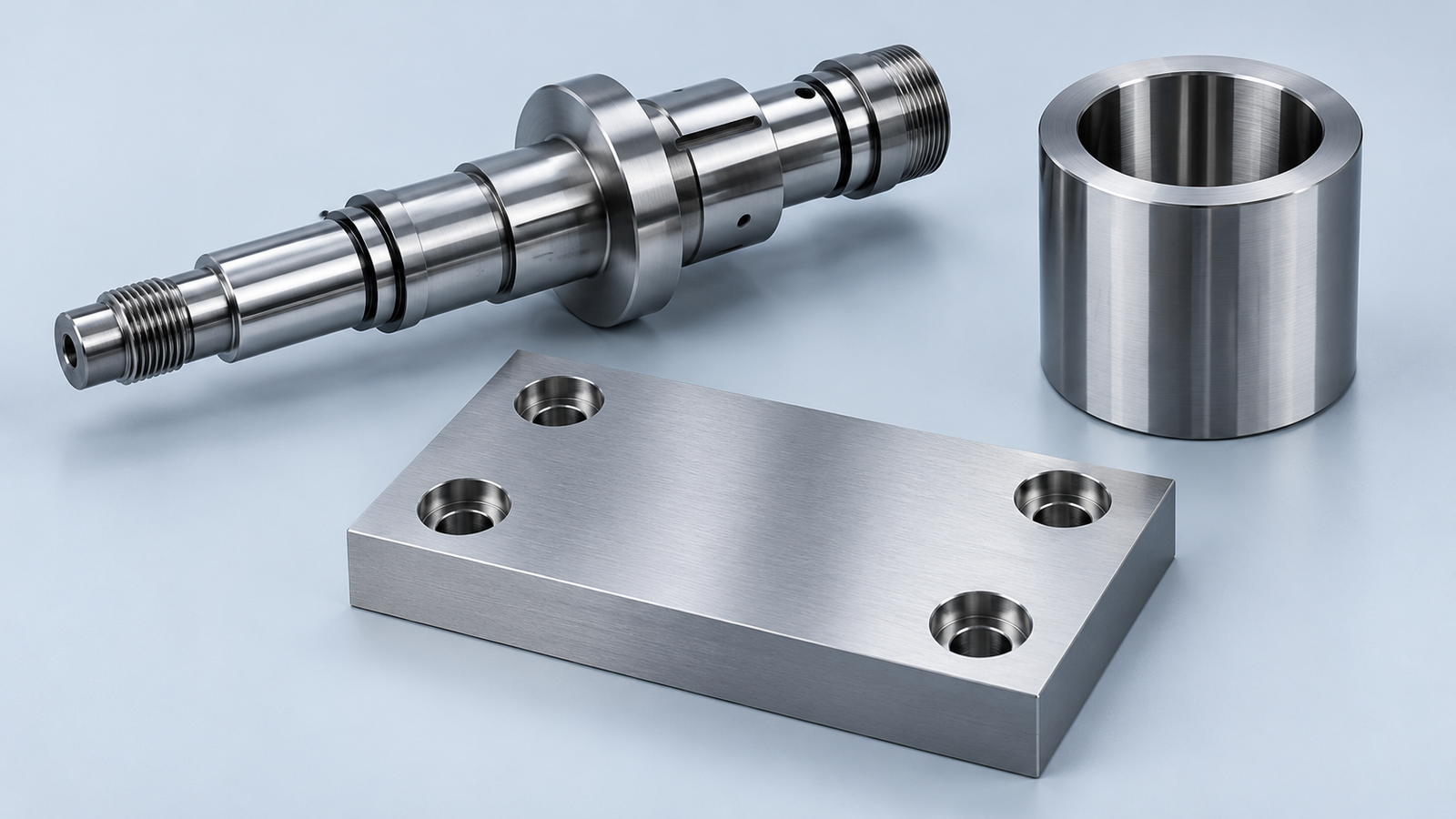
Illustrative part examples, not customer parts. Your geometry, material and quantity guide process selection.
Define the target. Confirm feasibility and inspection before production.
| Your requirement | What to specify |
|---|---|
| Size & fit | Final dimensions, tolerance and datums |
| Geometric control | Flatness, roundness, parallelism or runout |
| Surface finish | Required parameter and unit, such as Ra |
| Material condition | Grade, hardness and heat-treatment state |
| Grinding allowance | Incoming size and stock to remove |
| Inspection scope | Methods, sampling and required records |
Drawing example, not a capability claim: Ra 0.8 µm is approximately 32 µin. State the unit and measurement conditions; Ra alone does not define waviness, flatness or a sealing requirement.
Share your alloy, hardness and incoming condition. Review grinding stock and manufacturing sequence before final sizing. Precision grinding stainless steel requires grade-specific wheel and coolant planning; material suitability is reviewed per project.
*When required by your specification. Heat treatment can change geometry. Agree final hardness, distortion allowance and the surfaces ground last.
Agree measurements and datum references. Use suitable dimensional and form methods.
Confirm roughness parameter, unit and evaluation conditions. CMM measurements alone do not verify surface roughness.
Set document format and sampling at quotation.
Report availability and scope are agreed with your quote.
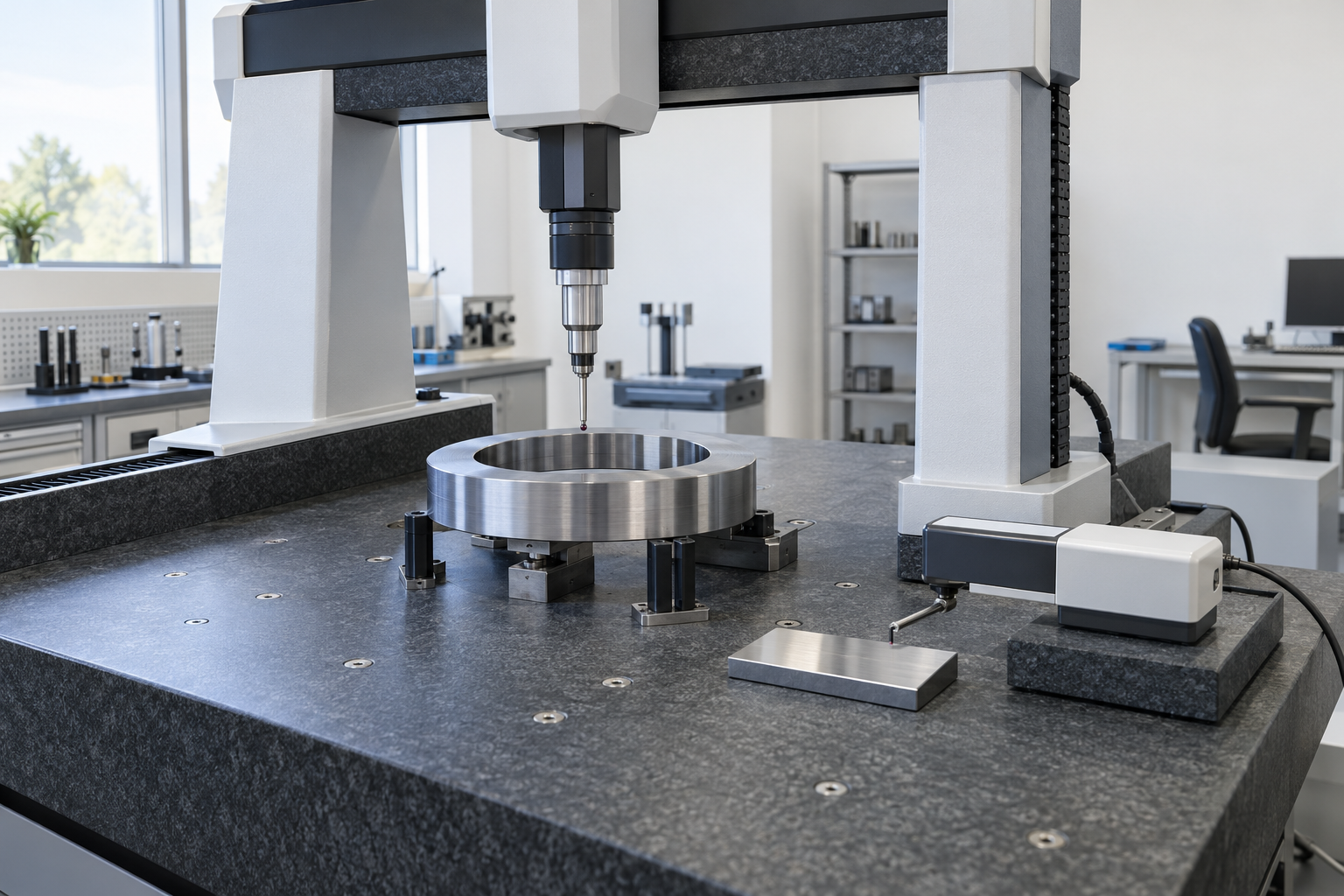
Illustrative metrology concept, not a photograph of LK MFG equipment.
Tell us whether you need grinding only or a complete manufactured part. Avoid grinding every surface when only specific fits require it. Project route and delivery timing are confirmed in your quotation.
Your material, geometry and inspection needs determine feasibility. Mark the critical requirements on your drawing for review before production. No blanket tolerance or Ra value applies to every part.
Use surface grinding for flat functional faces, OD grinding for external journals, and ID grinding for bores. Centerless grinding may suit repeat round parts. Access, datums, shoulders and quantity decide the reviewed route.
Yes, post-heat-treatment grinding can be reviewed to finish critical surfaces. Specify the final hardness, material condition, expected distortion and grinding allowance before the sequence is approved.
Review CNC grinding services when your geometry, repeat quantities or controlled finish require a programmable route. CNC control does not remove material, access or inspection limits. Compare machining alone before adding grinding.
Request precision grinding and machining in the same drawing review. Identify what is supplied, what must be machined first and the features ground last; your quotation confirms the coordinated scope.
Request a dimensional report, FAI, roughness record, material certificate or CoC at RFQ. Agree the report format, sample quantity and availability before ordering. Documentation does not imply an unverified certification.
Tolerance, hardness, incoming stock, workholding, batch quantity and inspection influence grinding cost and lead time. Send the required arrival date and delivery location. Confirm the project schedule in the quote instead of relying on a generic turnaround.