Injection Molding
Tooling and molding for your repeat plastic parts.
From prototype to production, coordinated manufacturing solutions for your custom parts.
View All Services →
Precision parts for your tight tolerances and complex geometry.
Tooling and molding for your repeat plastic parts.
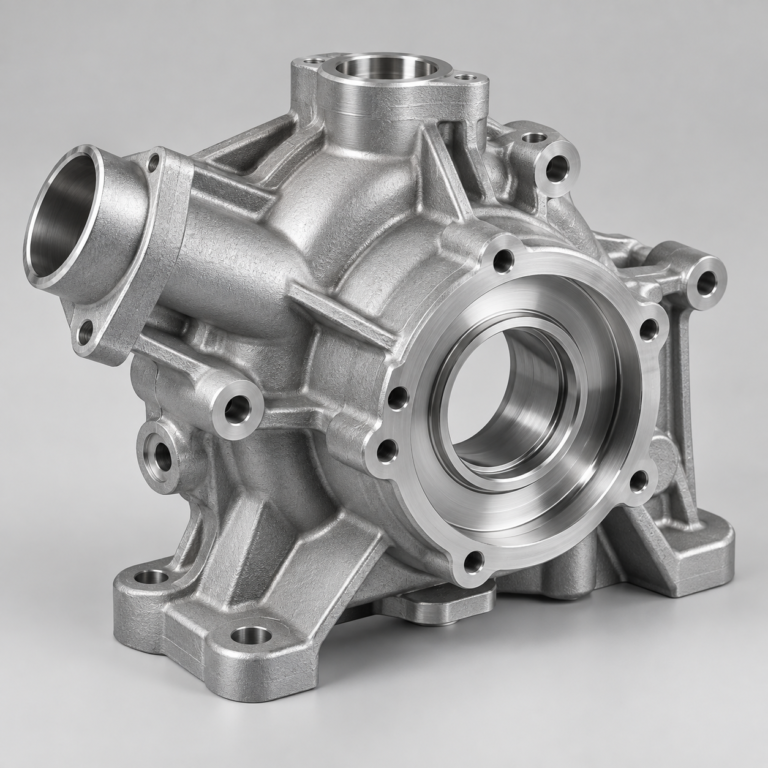
Metal casting options for your part and production volume.
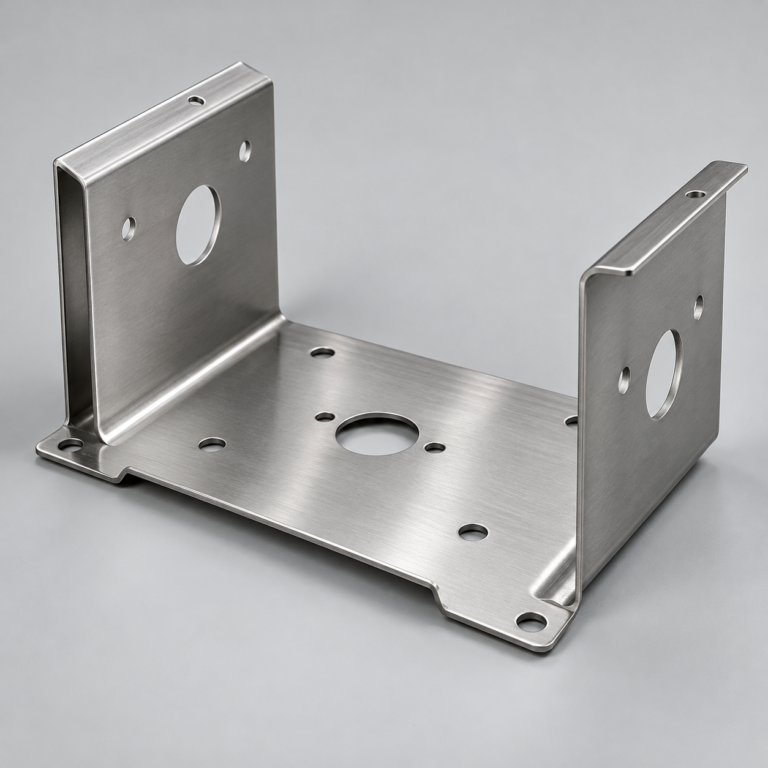
Cutting, forming and welding for your fabricated parts.
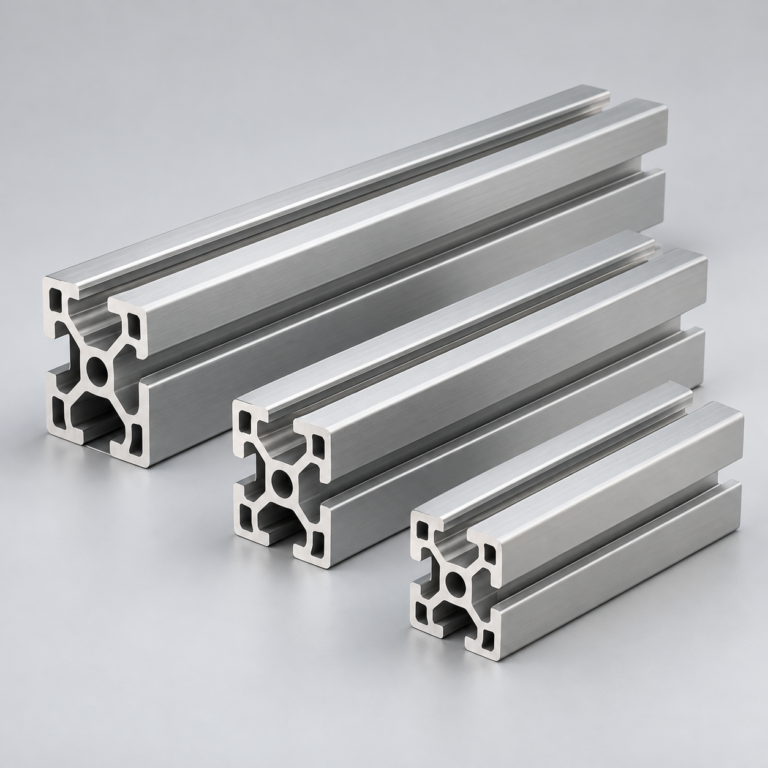
Custom profiles for your section, length and finish requirements.
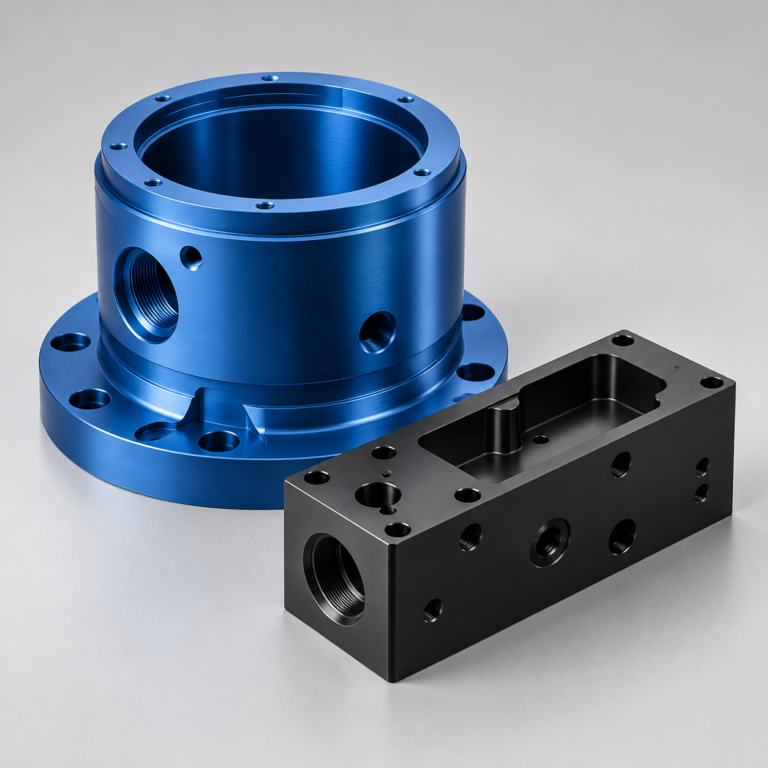
Finishes for your appearance, corrosion and wear requirements.

Sub-assemblies and final builds for your production program.

Production tooling built around your process and volume.
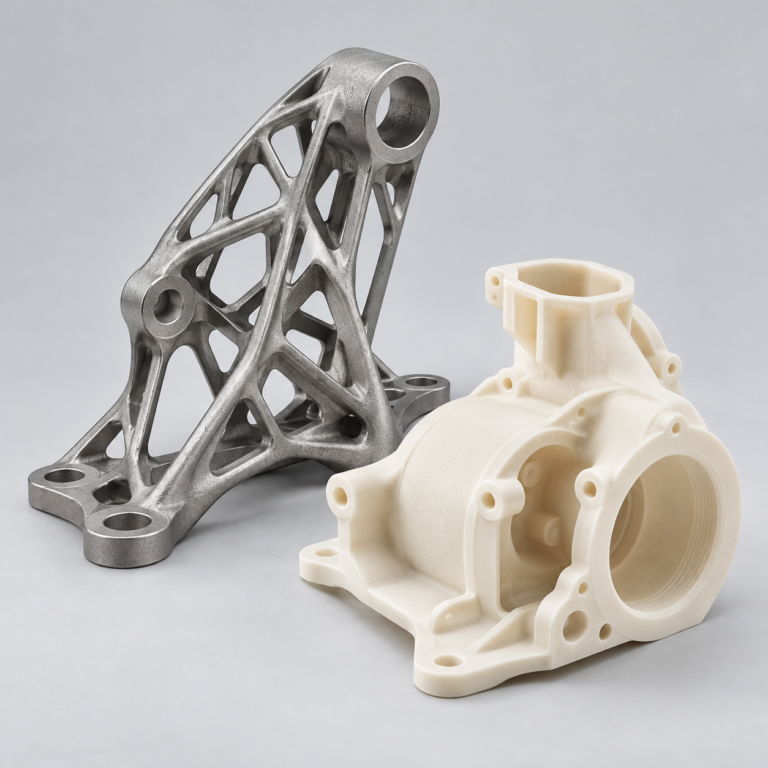
Prototype parts to check fit, function and design.
DFM, process planning and production support for your project.
Inspection, documentation, inventory and delivery planning for your program.
Choose air- or liquid-cooling components around your thermal and mechanical requirements.
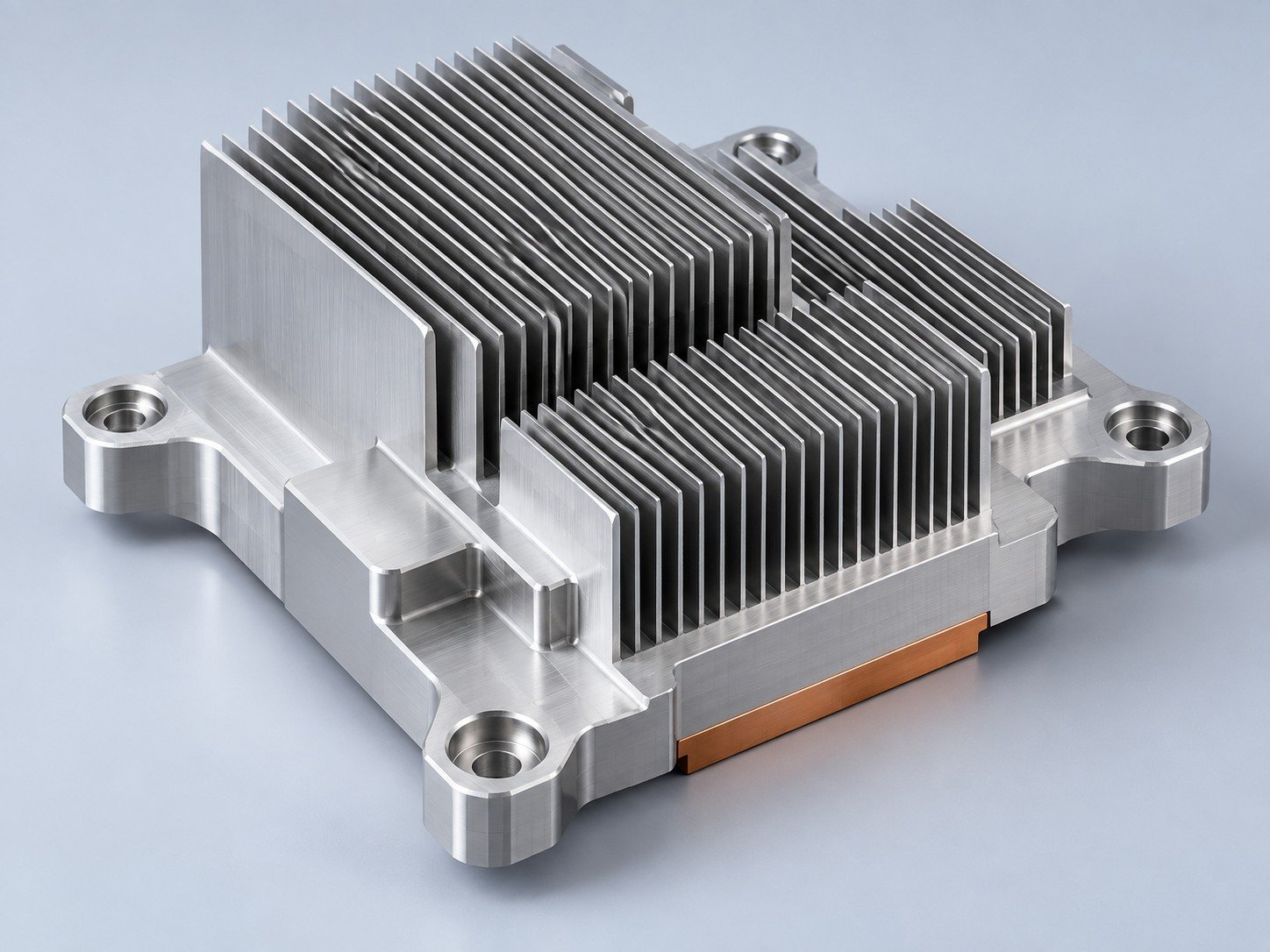
Manufacturing support for your cold plates, manifolds and cooling assemblies.
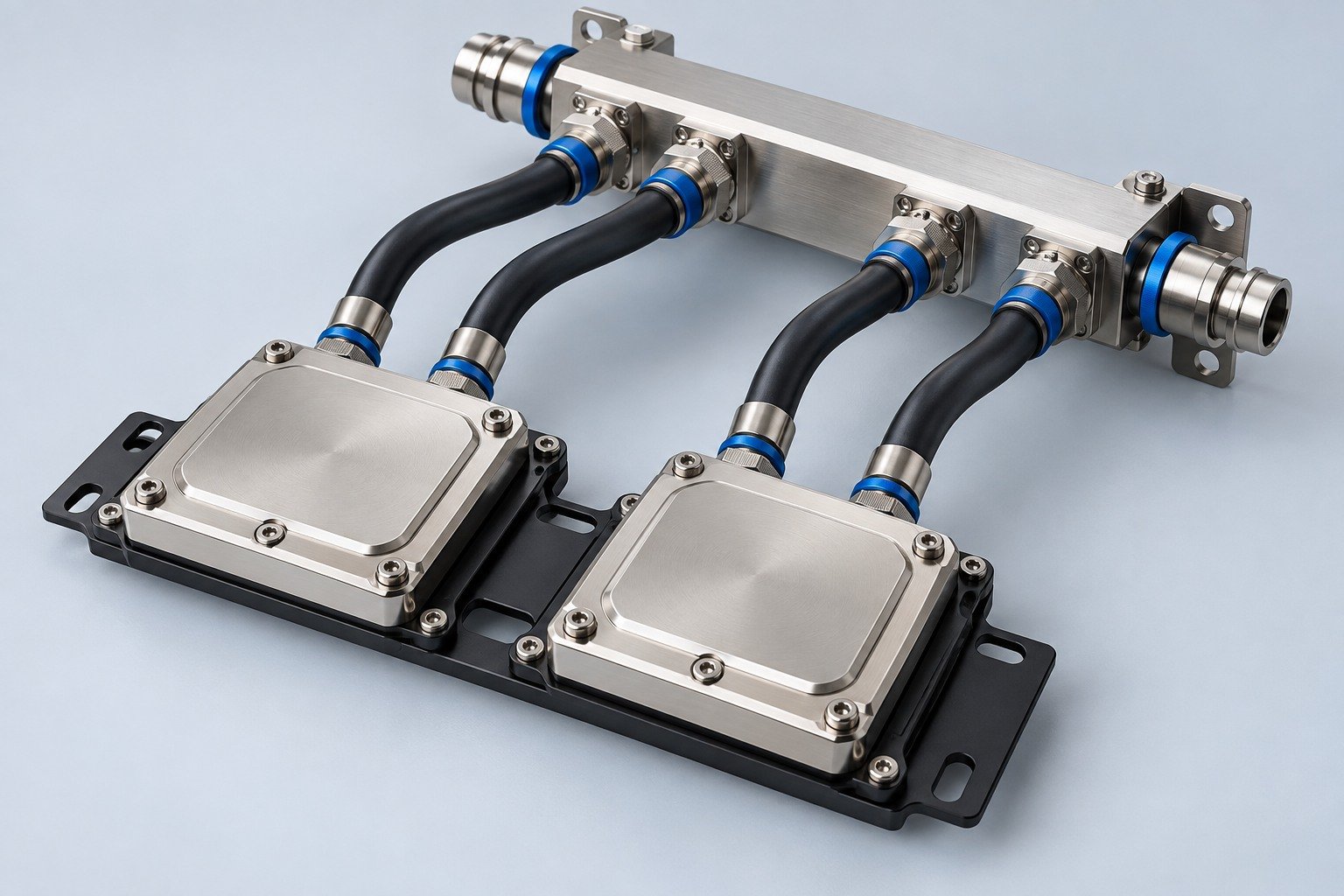
Find components for your power electronics, energy, laser and telecom application.
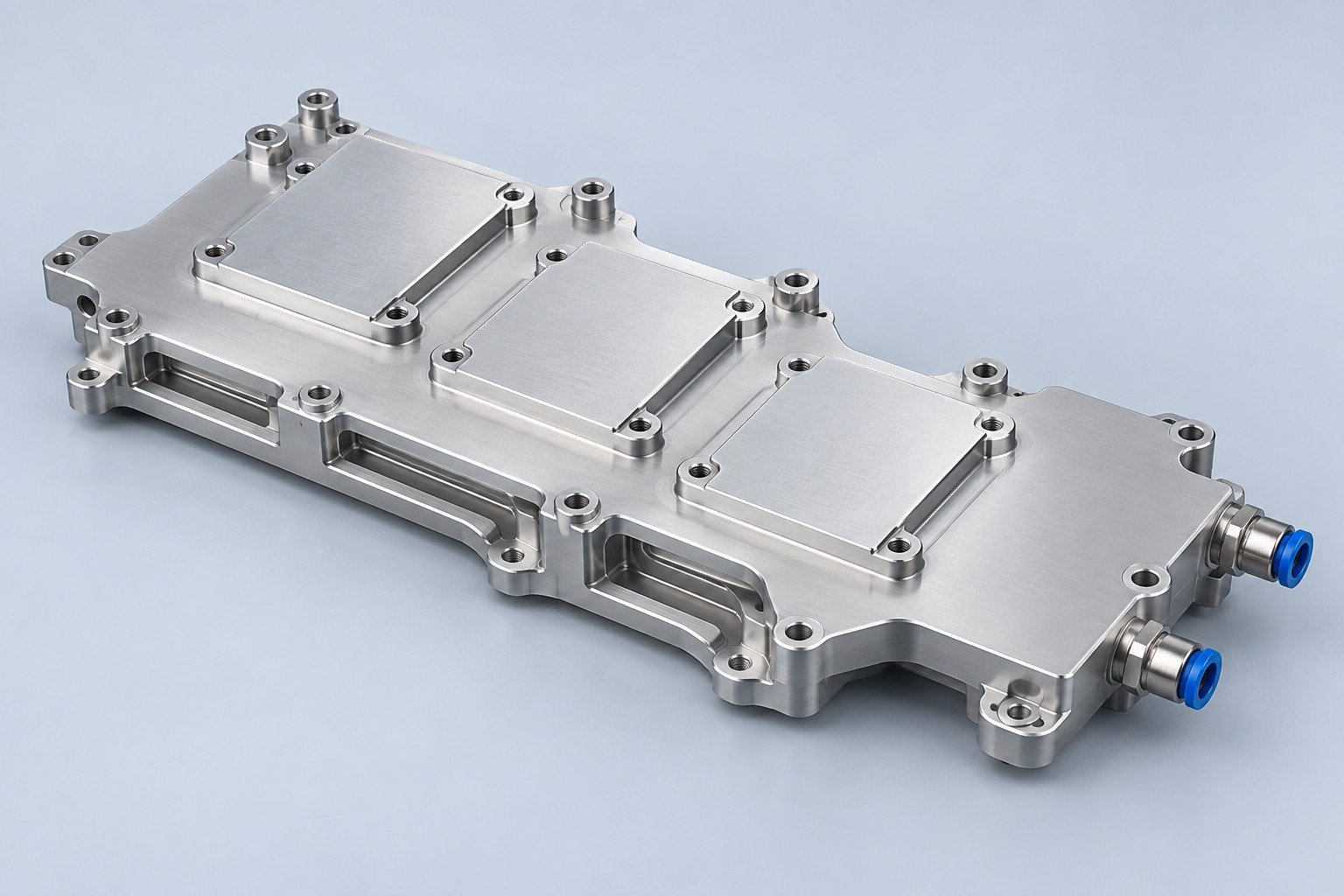
Components for your electronic systems.
Start with your functional and quality requirements.
Build around your operating environment.
From prototype to production, review material performance, manufacturability and cost for your part.
Review grade, temper and finish for your metal parts.
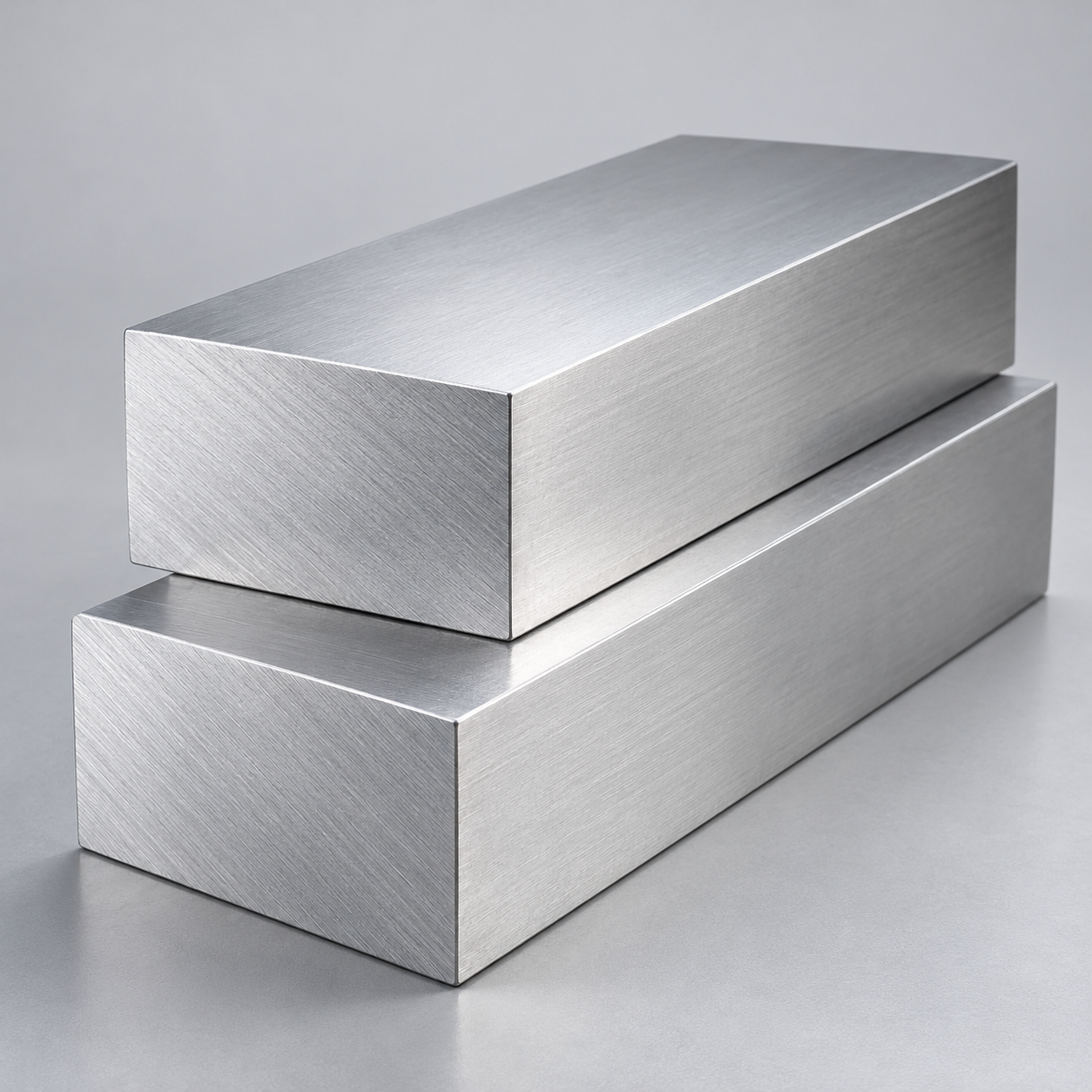 AluminumStrength, weight and machining›
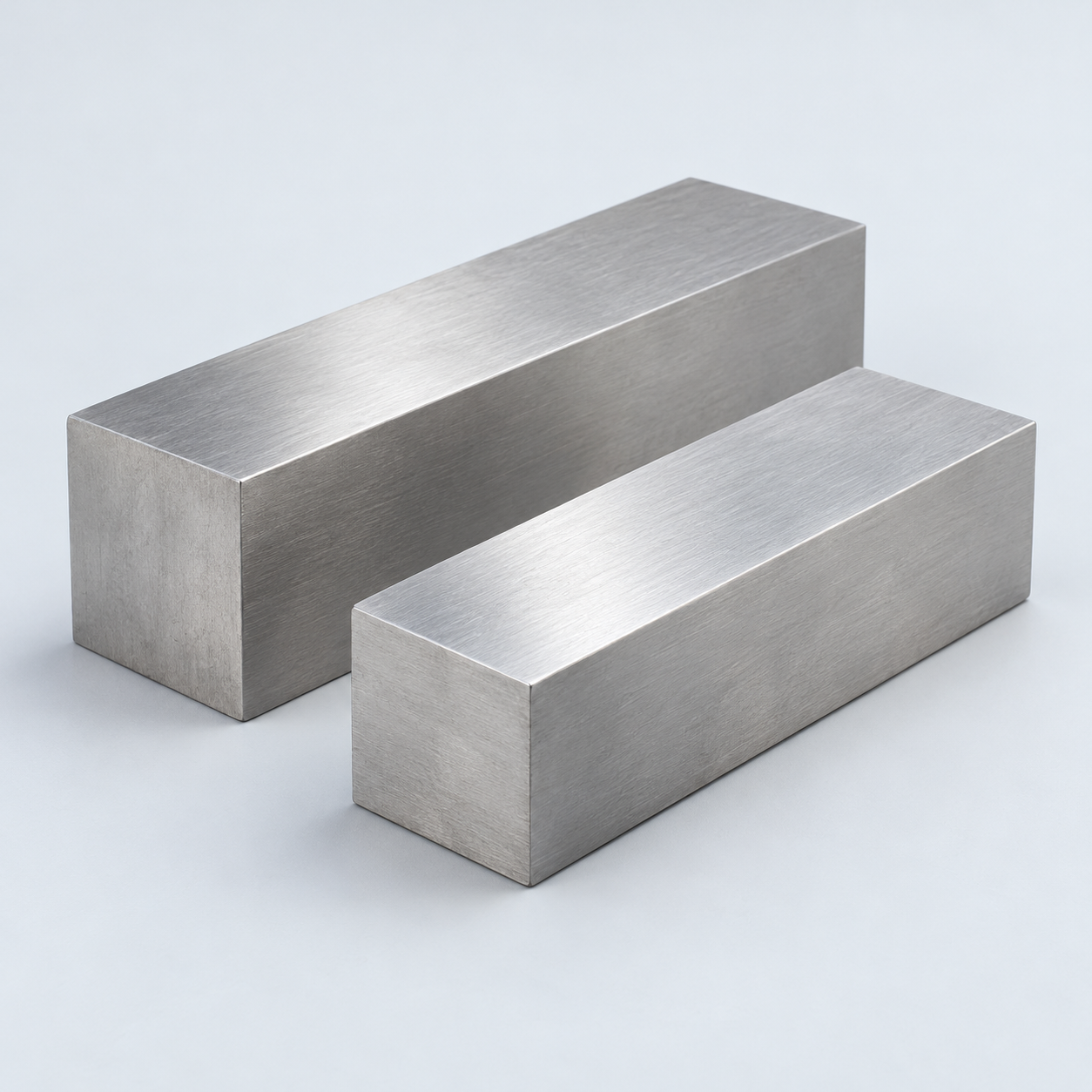 Stainless SteelCorrosion and finish requirements›
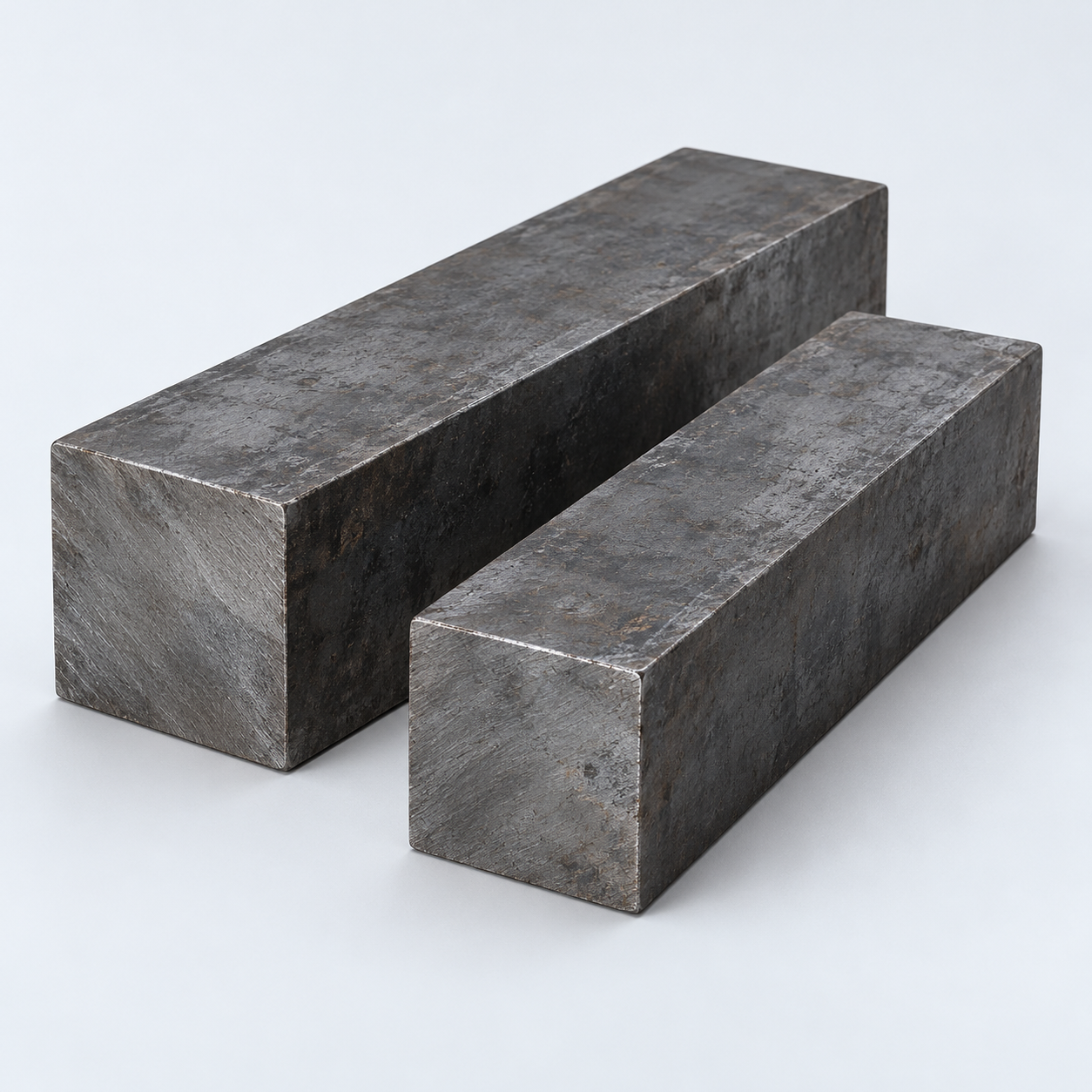 Carbon & Alloy SteelDiscuss grade and heat treatment›
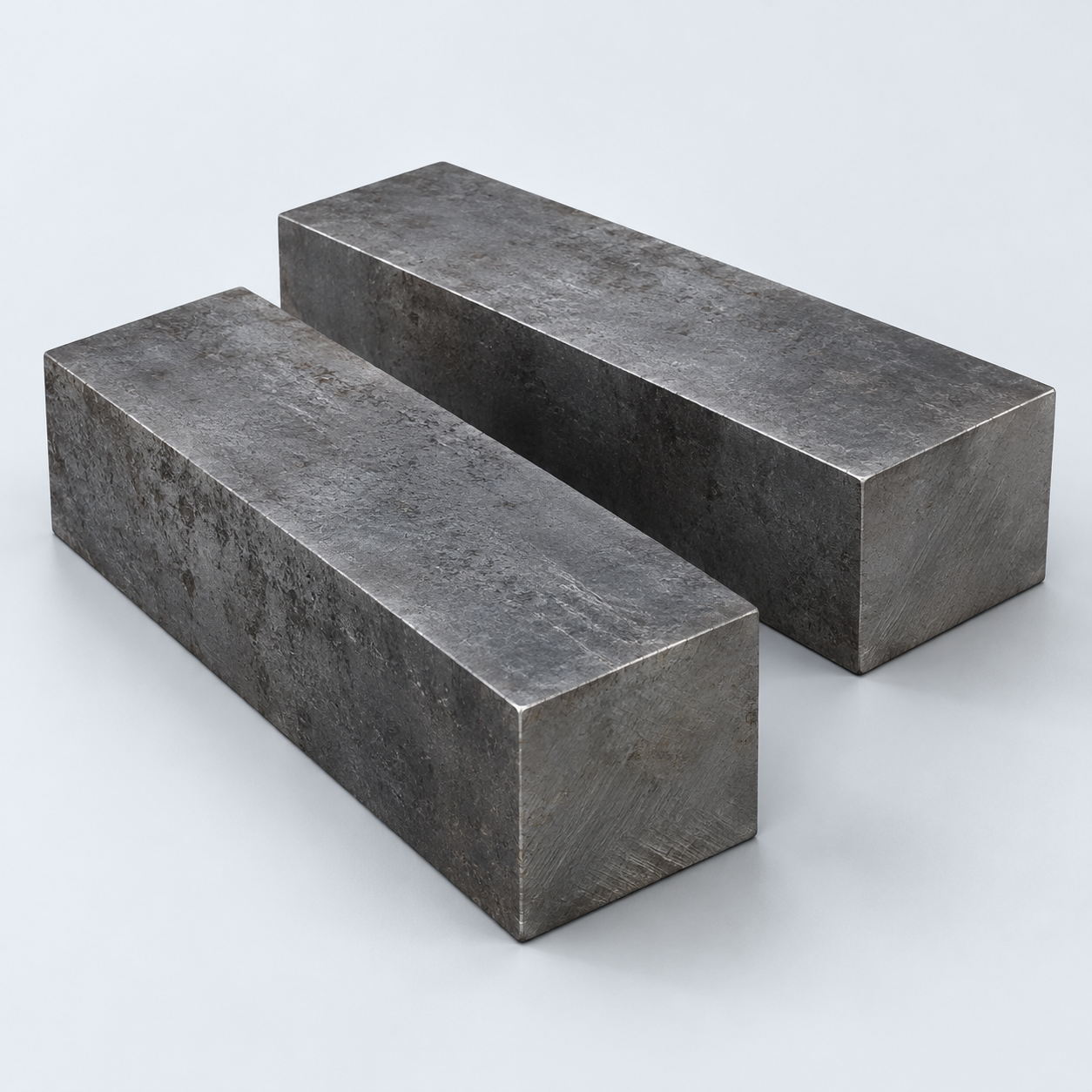 Tool SteelDiscuss tooling and wear needs›
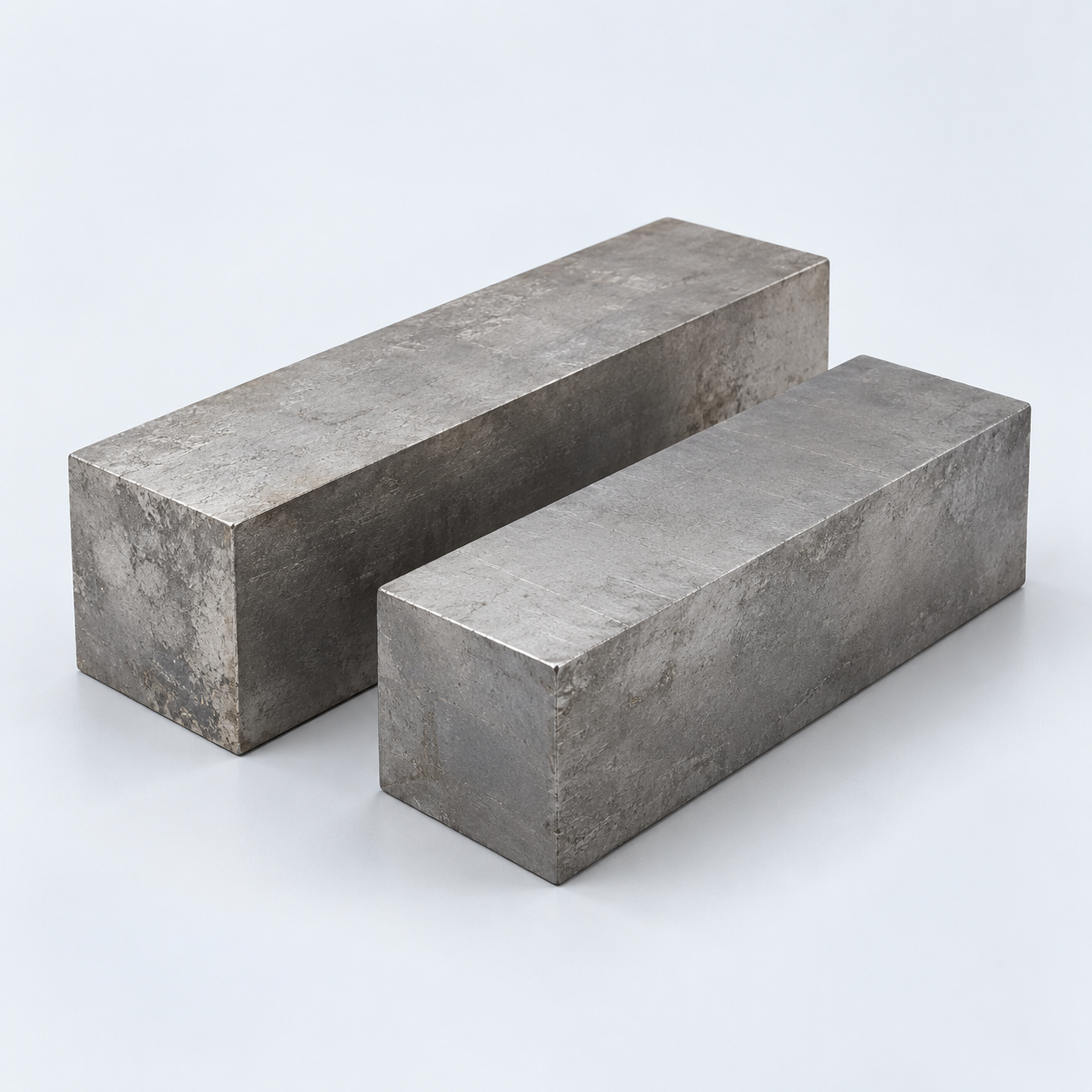 TitaniumReview grade and part geometry›
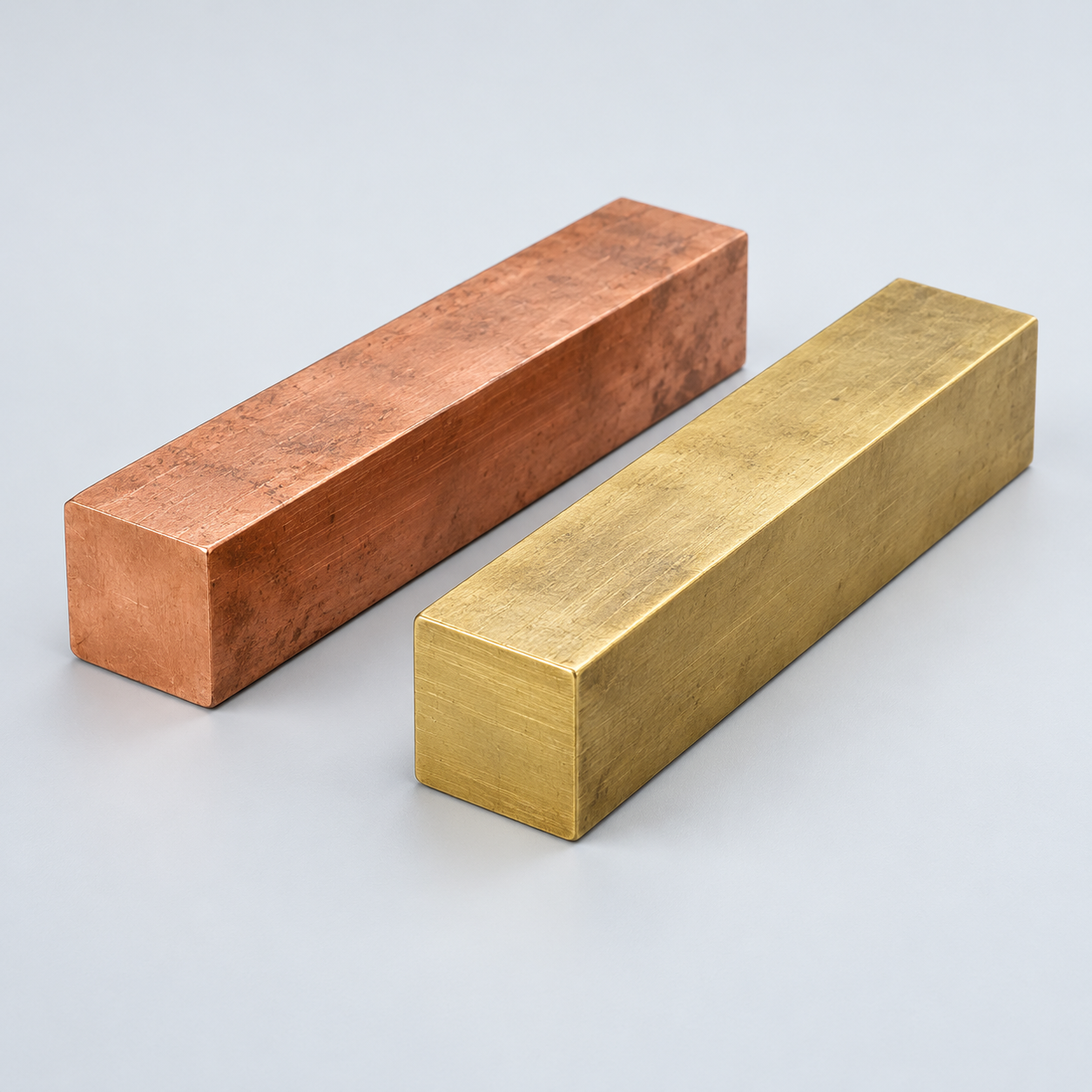 Copper & Brass & BronzeDiscuss conductivity and machining›
Match your polymer to function, process and environment.
 ABSReview enclosure and molding needs›
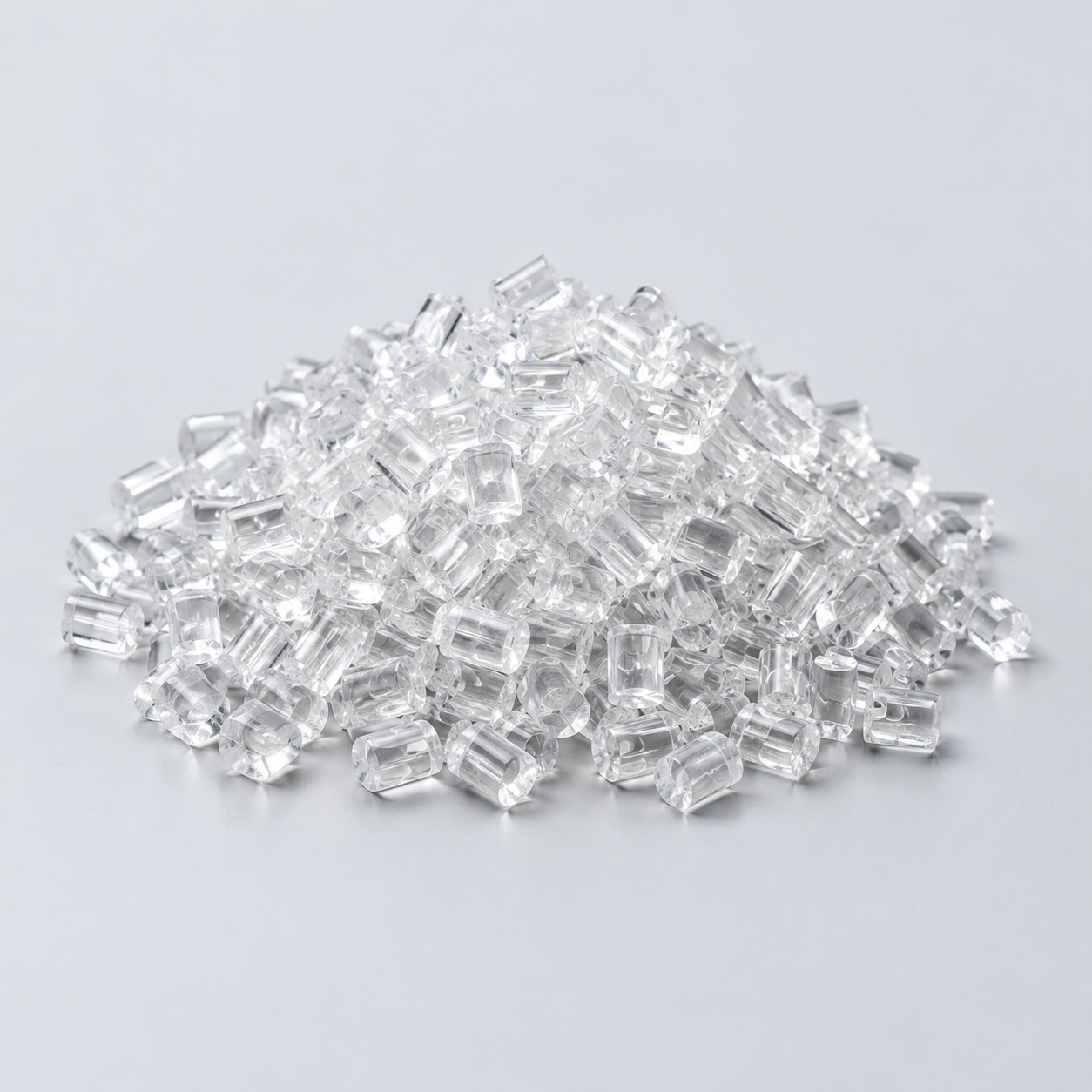 Polycarbonate (PC)Discuss clarity and impact needs›
 Nylon (PA)Review moisture and wear conditions›
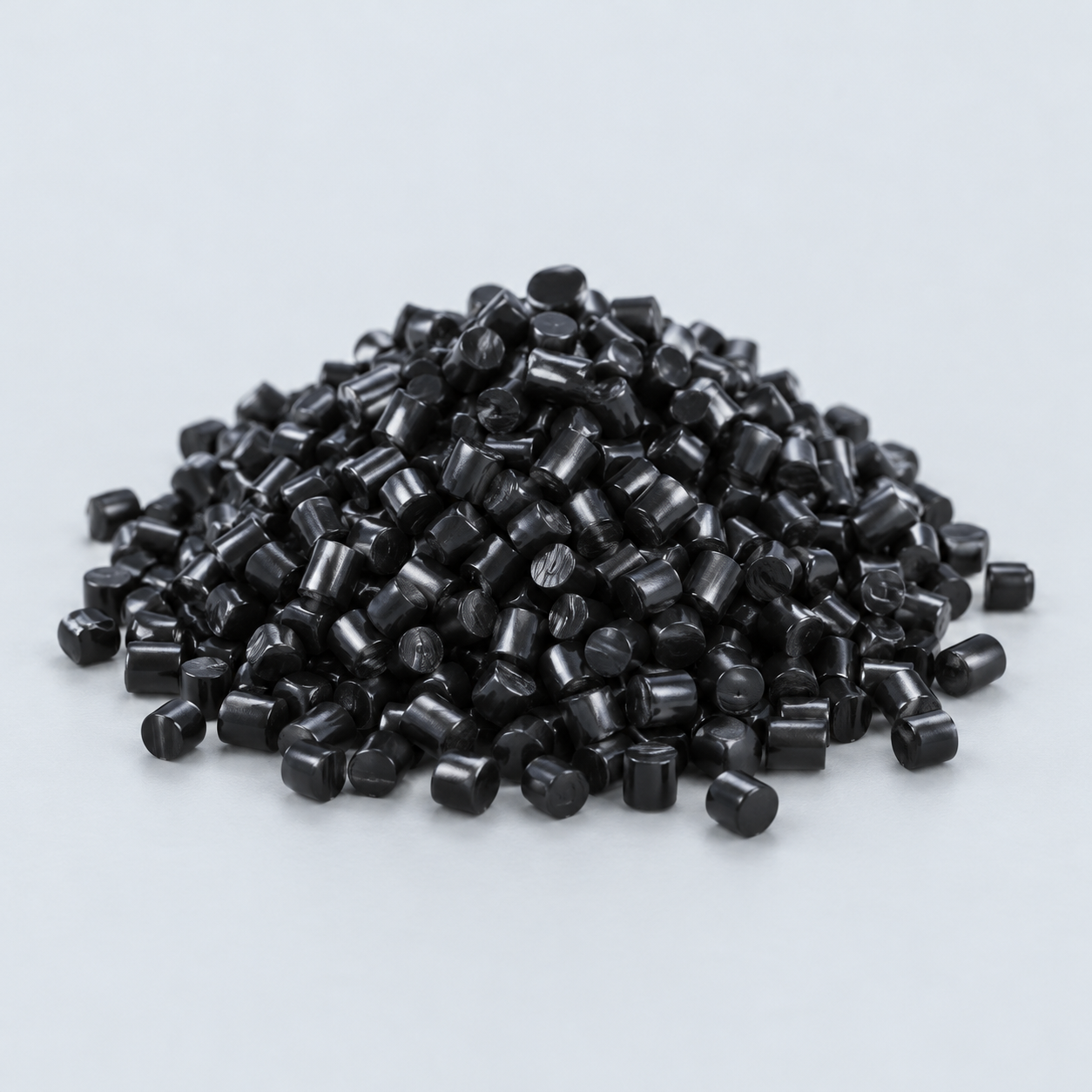 POM / AcetalReview fit and sliding features›
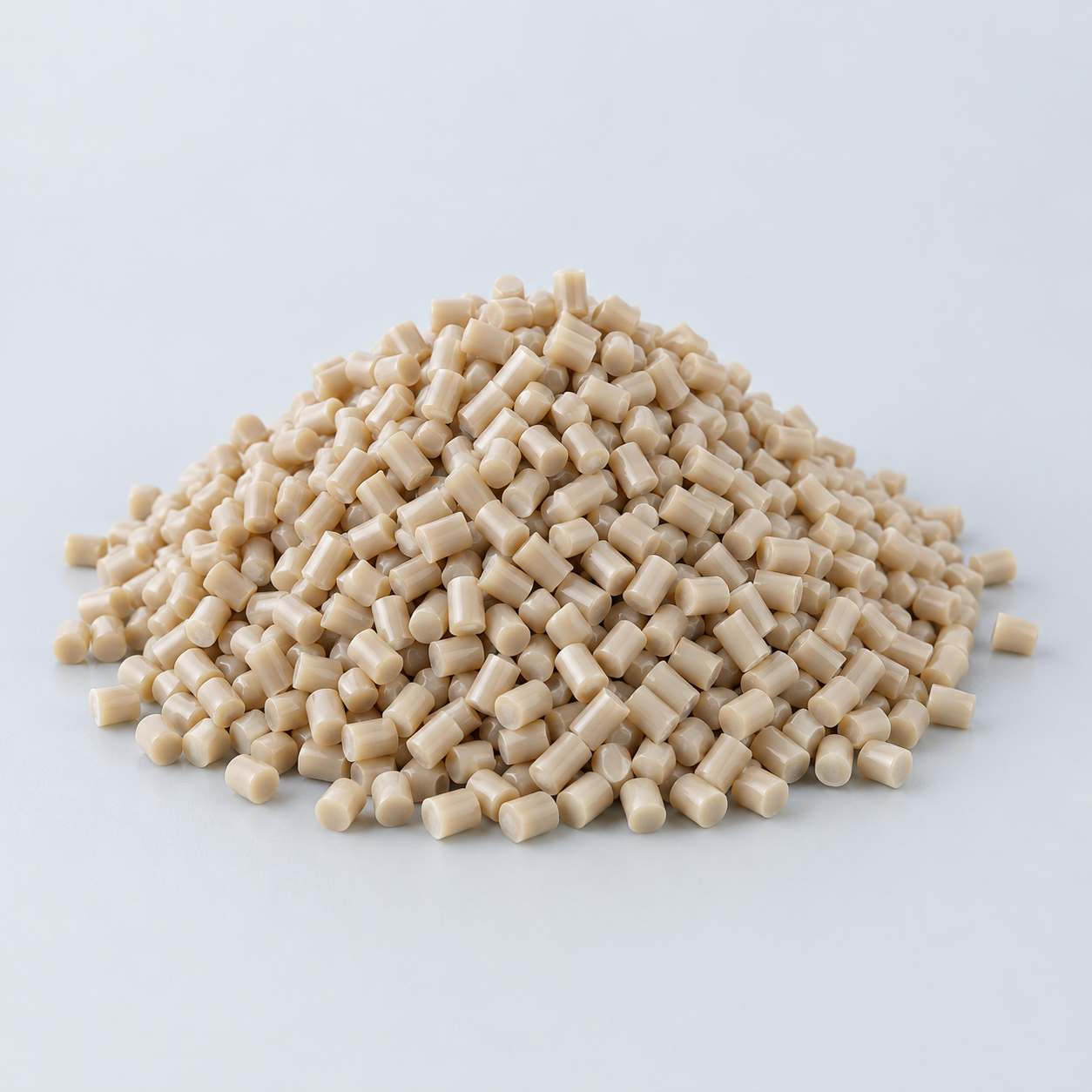 PEEKDiscuss operating conditions›
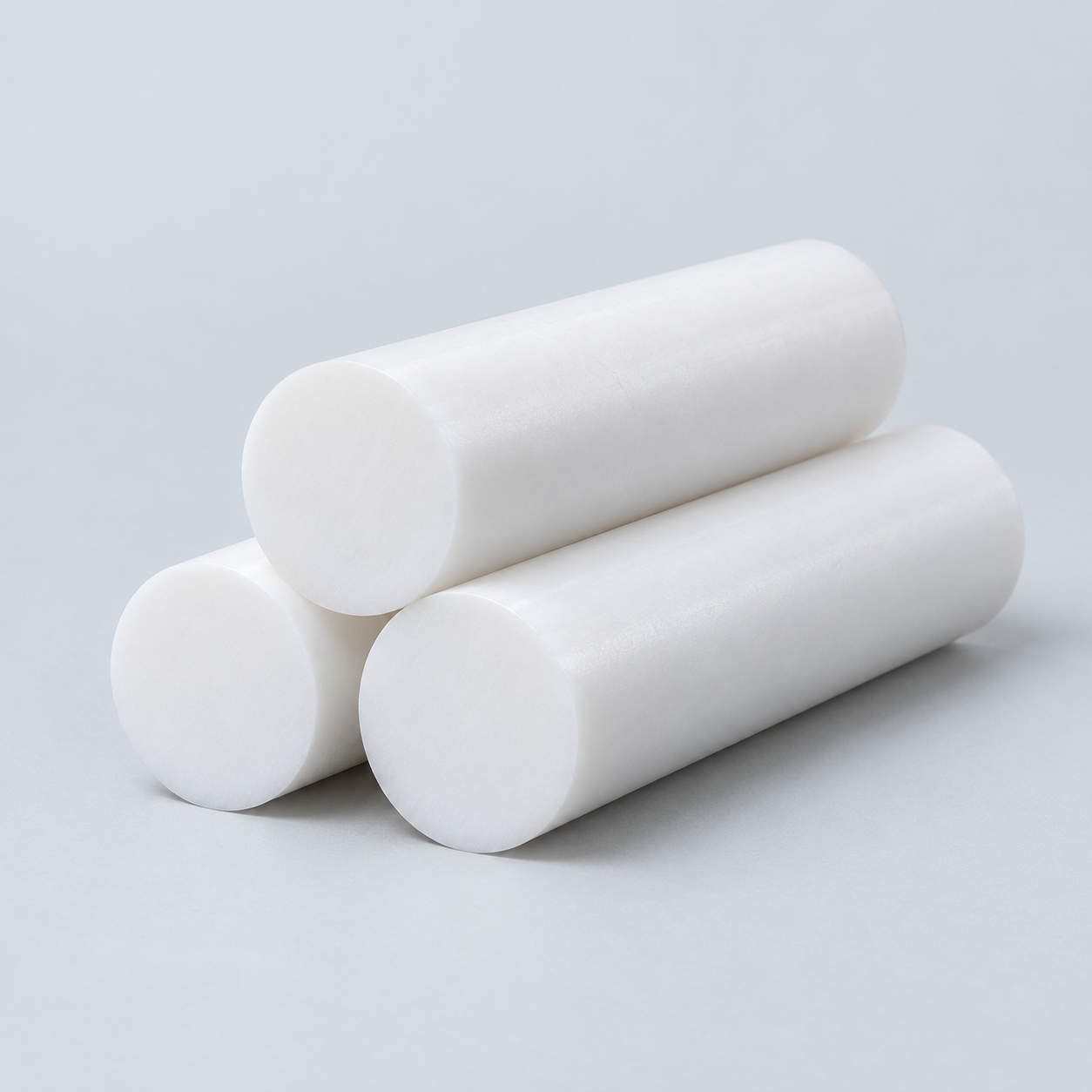 PTFEReview friction and chemical exposure›
 ULTEM / PEIDiscuss thermal and electrical needs›
Confirm grade availability and application requirements.
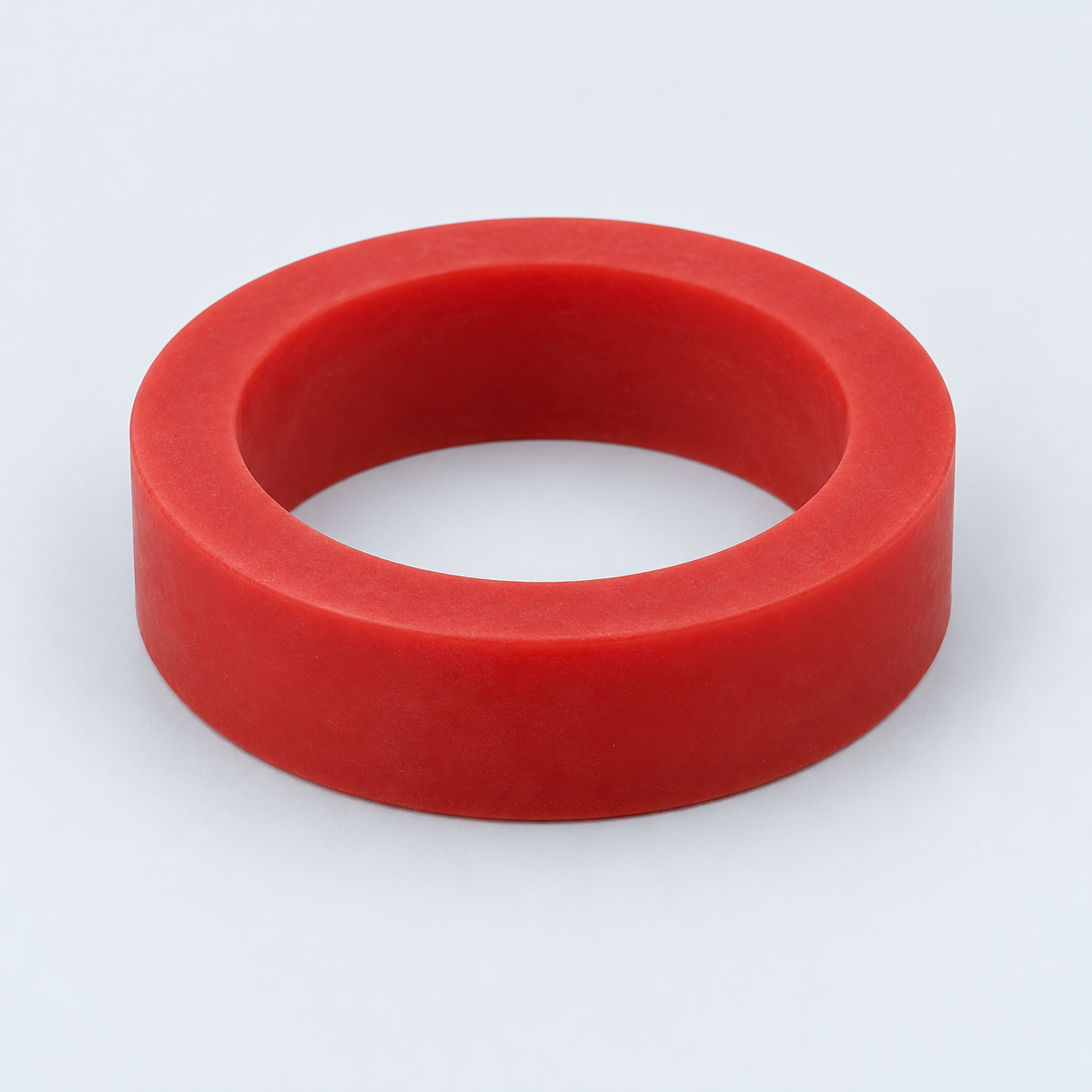 Silicone / LSRDiscuss flexible component needs›
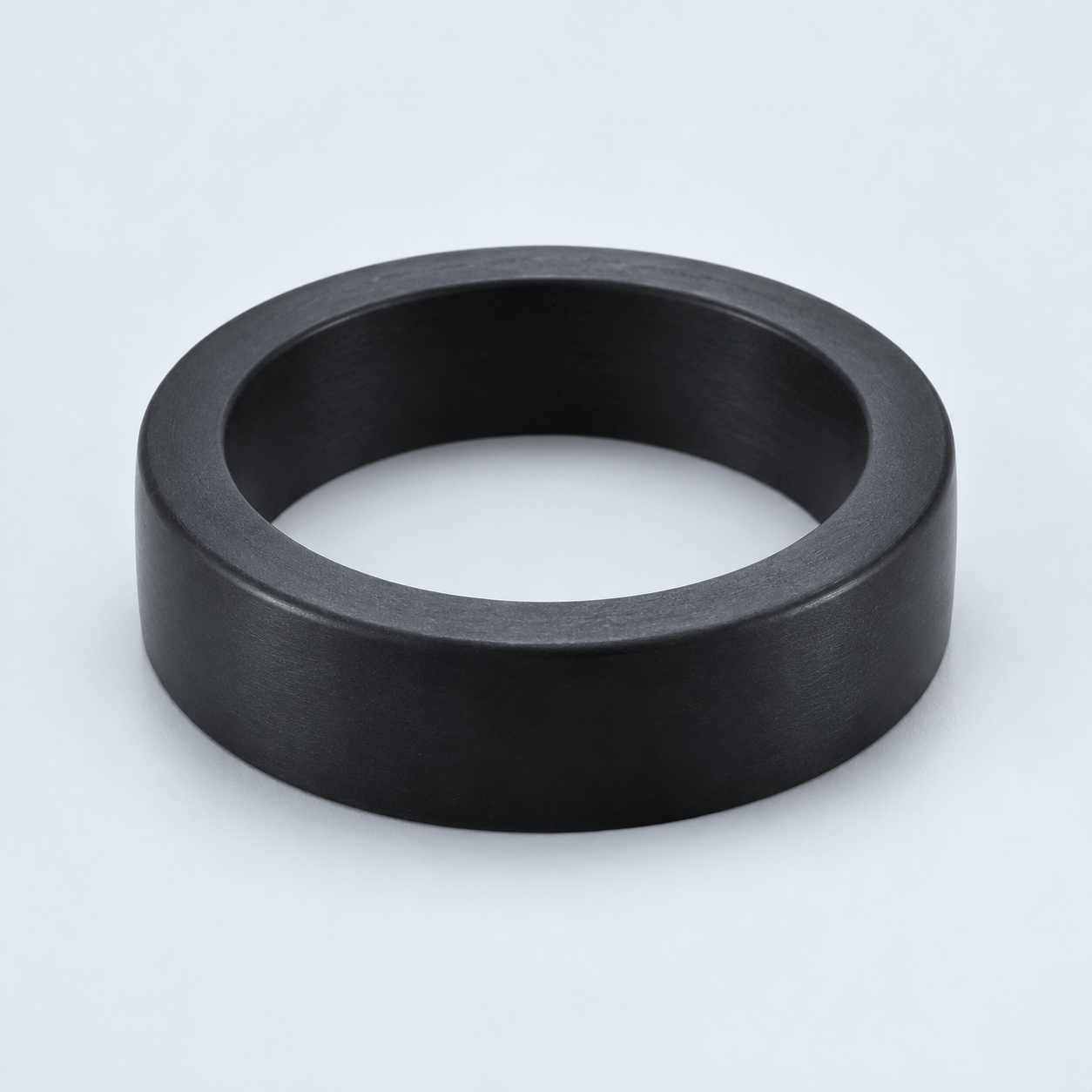 TPU / TPEReview flexibility and processing›
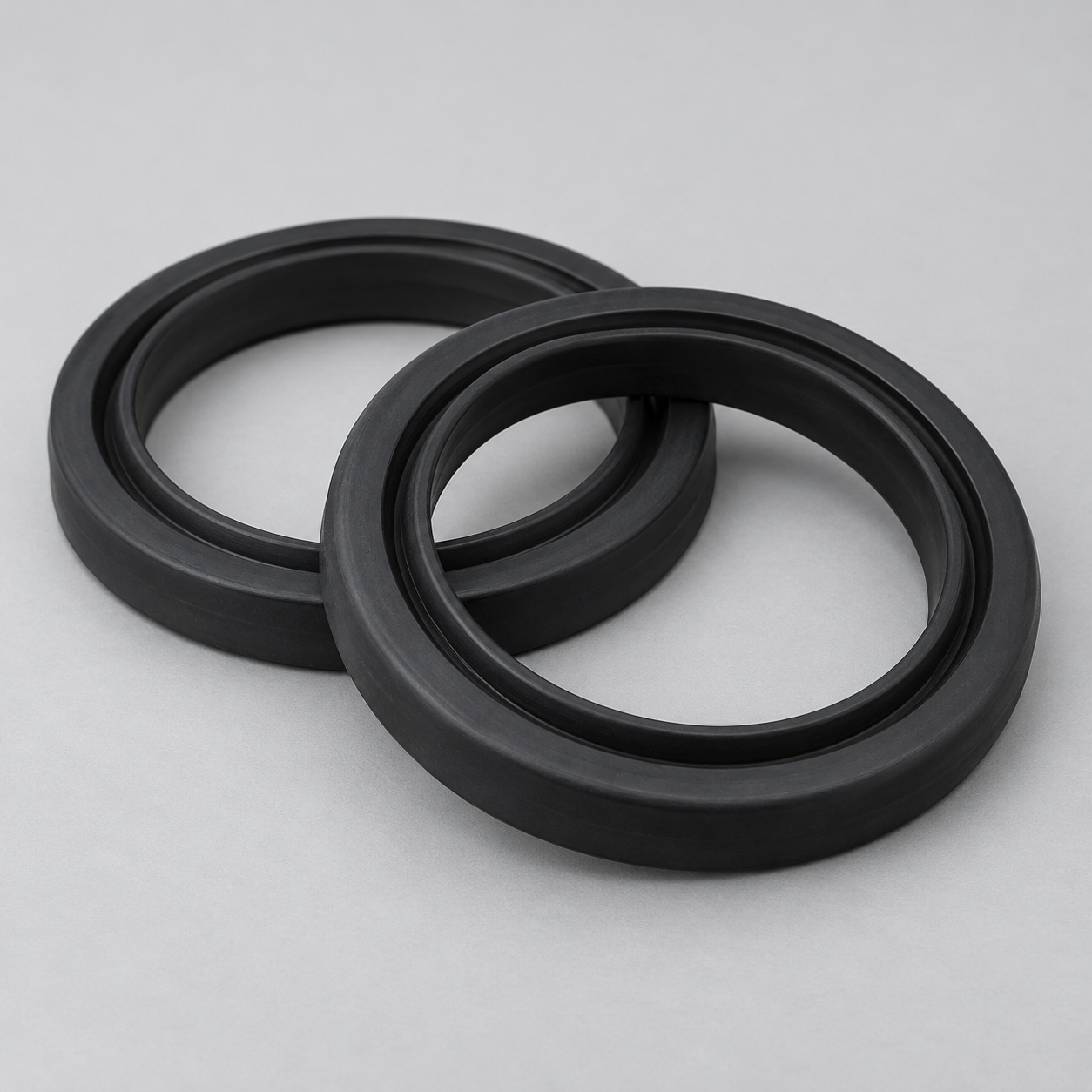 EPDMReview weathering and chemical exposure.›
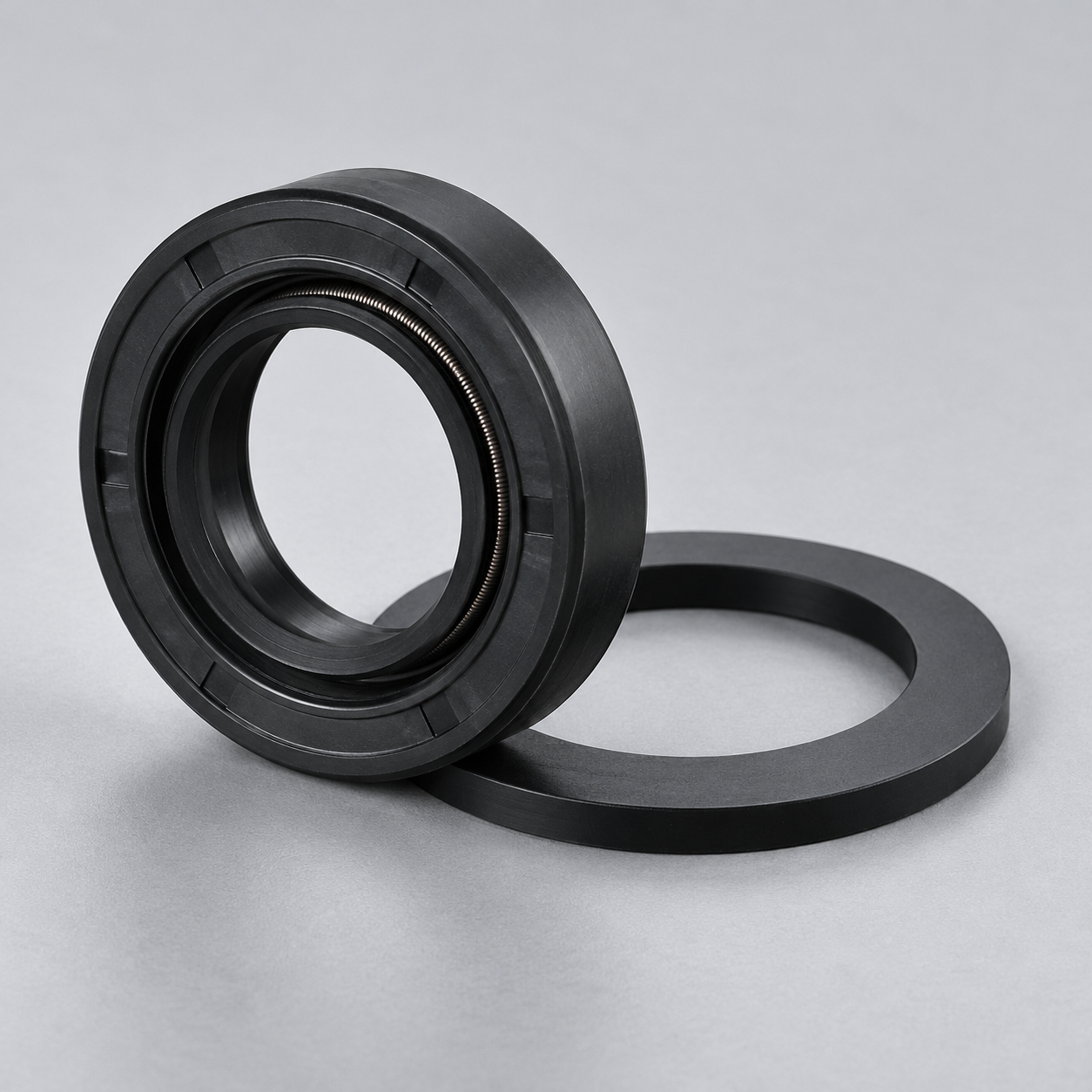 NBRReview oil and fuel exposure.›
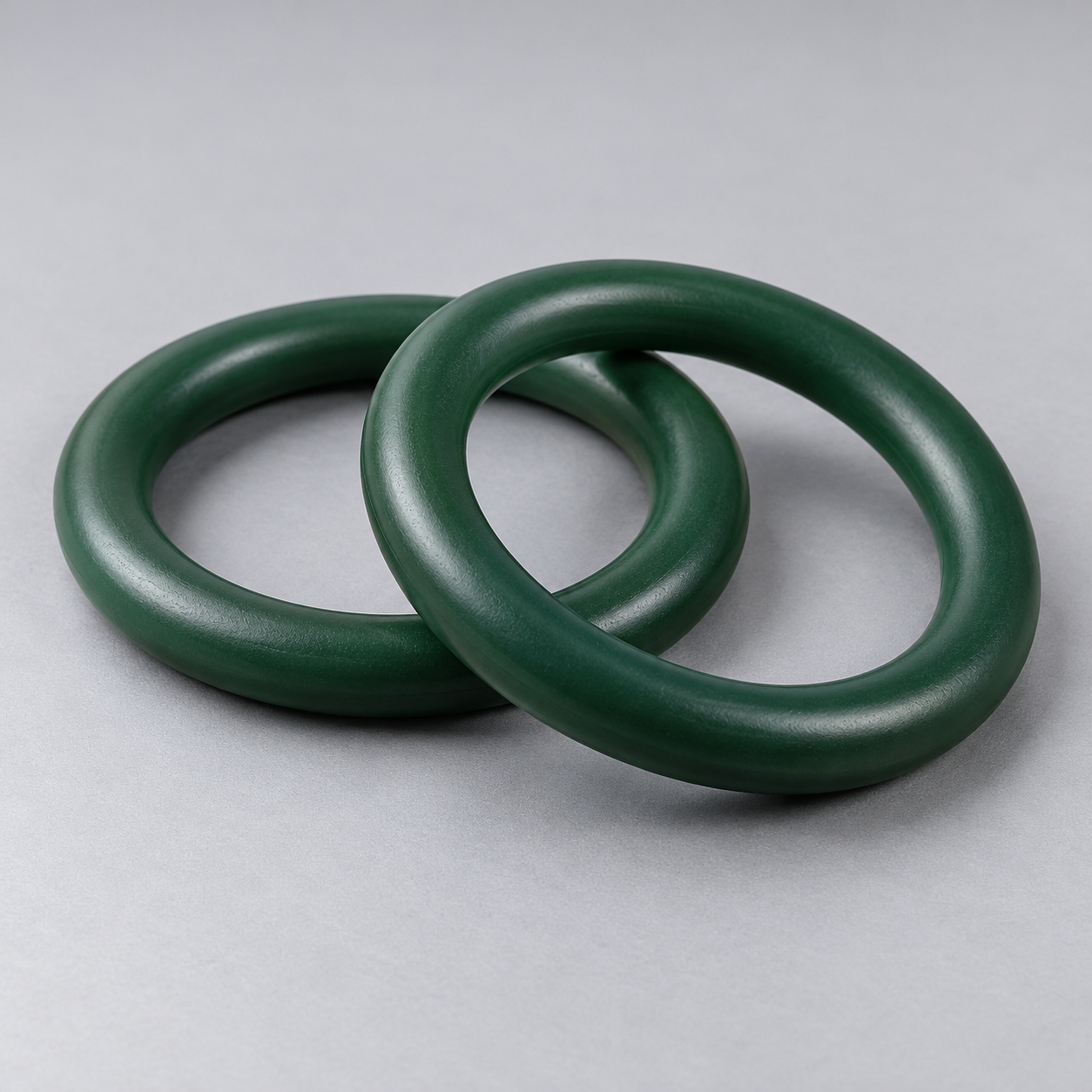 FKMReview temperature and chemical exposure.›
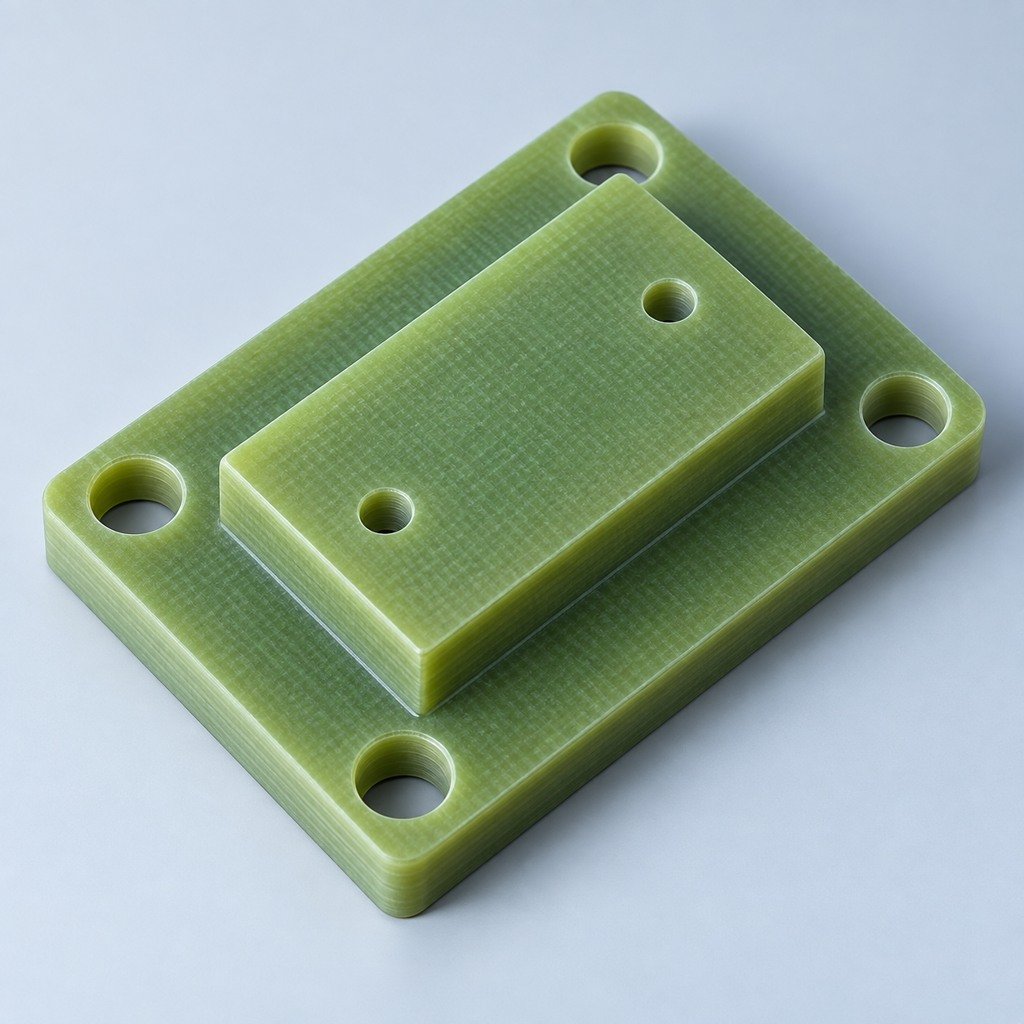 G10 / FR4Review insulation and laminate needs›
 CompositesReview stiffness, weight and laminate.›Customer-Specified MaterialsConfirm your grade and requirements.›Other Specialty MaterialsDiscuss your application and grade.›
Practical guidance for your part geometry and material decisions.
Prepare your process, budget and sourcing questions.
Build your knowledge before production.
Learn who we are and how we operate.
Find our U.S. support team or start a conversation.
YOUR GRADE. YOUR HEAT & LOAD. YOUR FINISHED FIT.
Your PEI CNC machining or molding review starts with the full product, stock or resin route, and operating conditions. Define the load, temperature, mating features and evidence your custom ULTEM parts need before production.
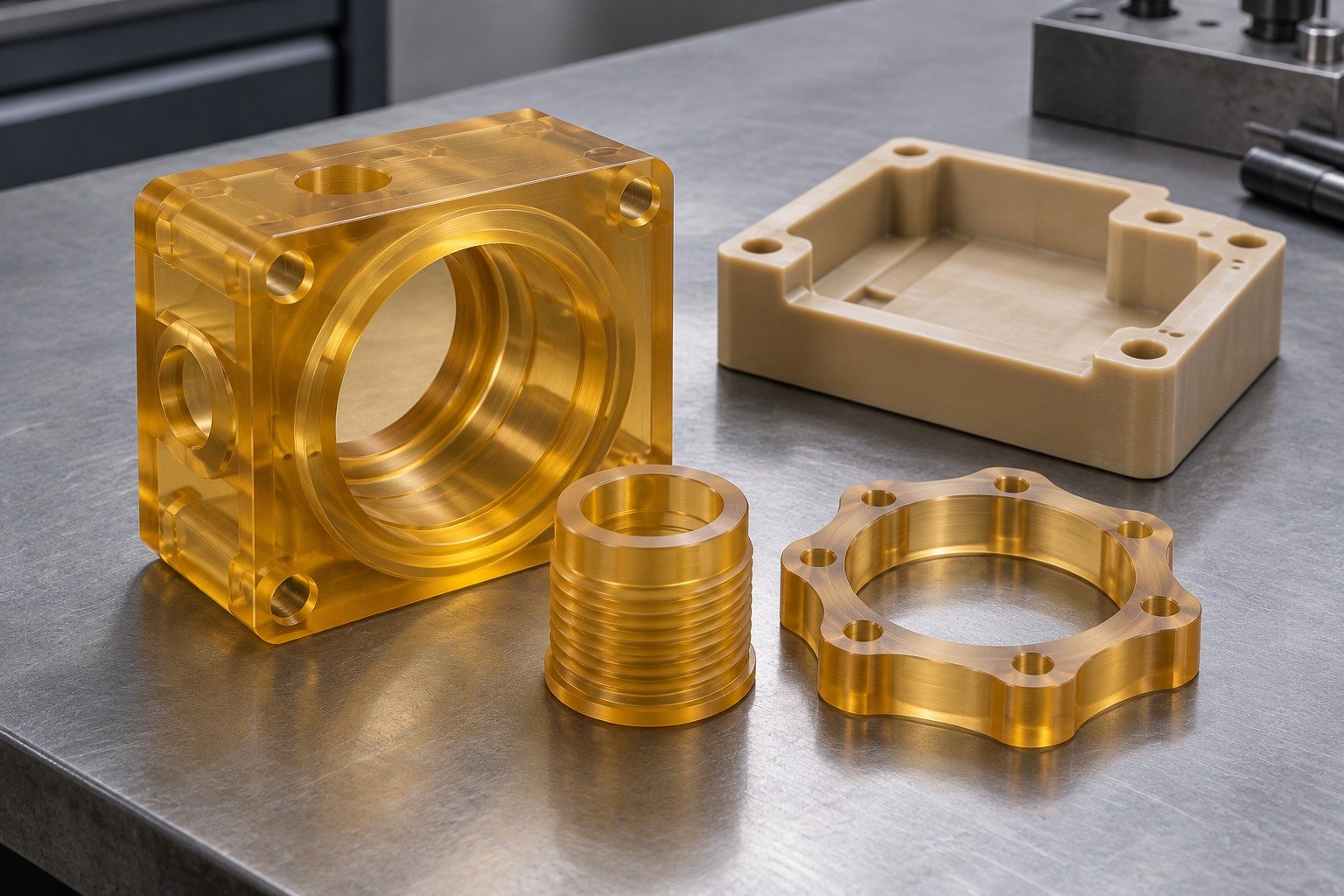
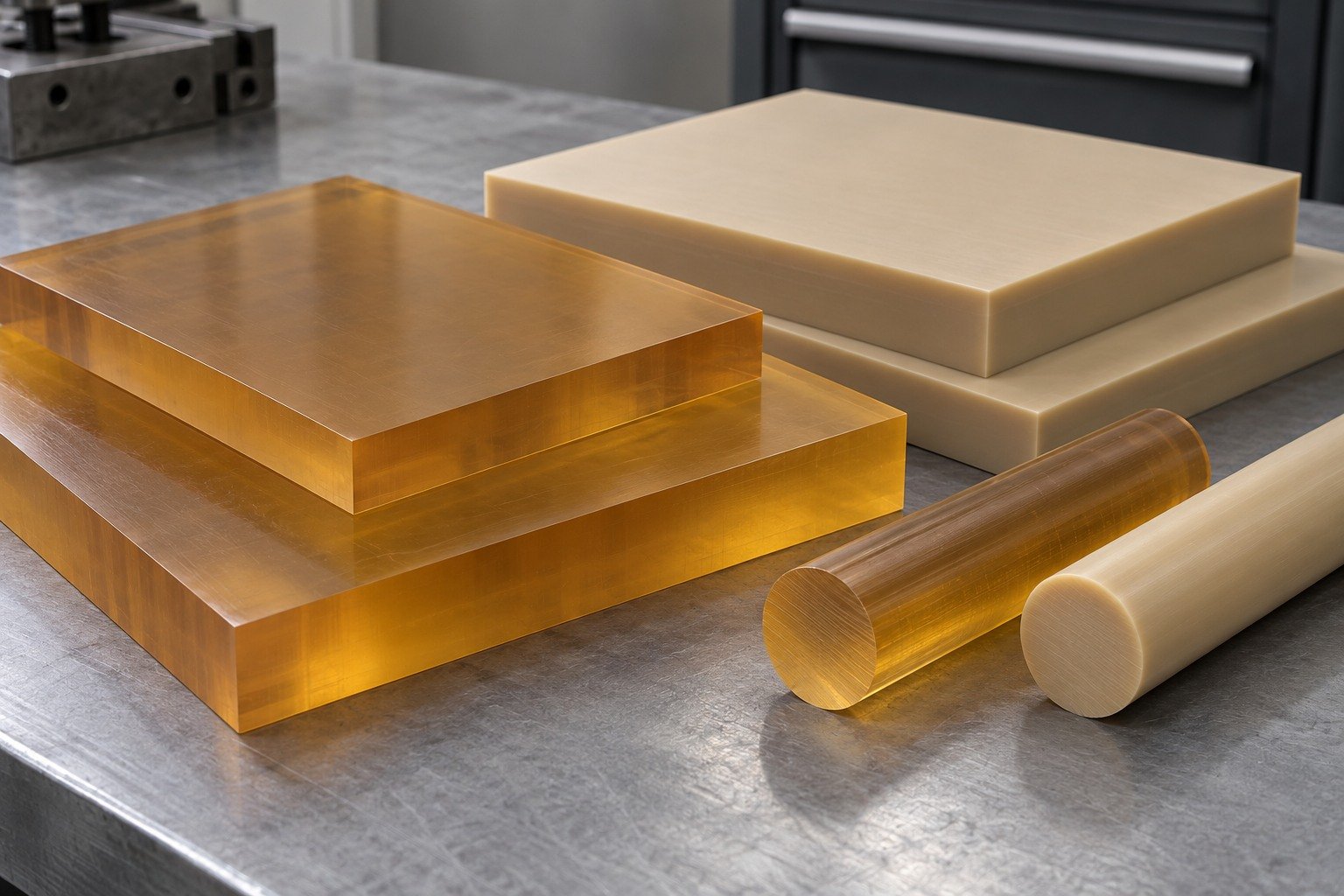
For your PEI prototype machining review, specify the stock manufacturer, product, color and lot. Confirm the applicable stock-product data.

Identify the complete PEI resin grade and approve the molded sample. Resin data do not identify unspecified CNC stock.
4 starting points. Confirm the complete product, not the family name alone.
For your ULTEM 1000 machining review, identify the actual stock product and lot; a resin family name alone is incomplete.
| Manufacturer | Ensinger |
|---|---|
| Material | Unfilled PEI |
| Purchasing form | CNC stock product |
| Your approval | Full grade, color, lot and final fit |
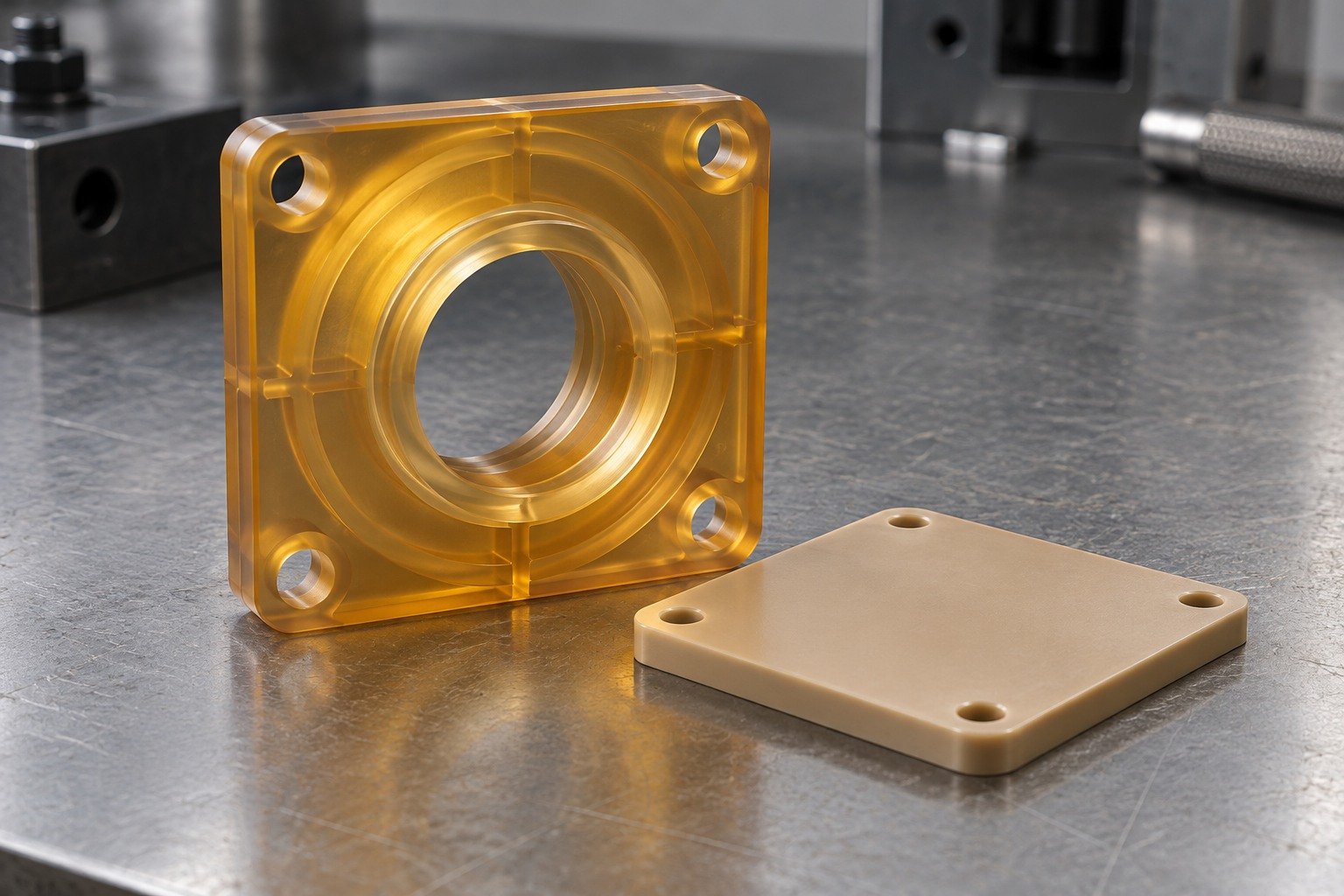
Your PEI material properties review must retain the product form, specimen condition and test method. Do not transfer resin data to stock shapes or finished parts.
| Your reinforcement | Unfilled product; confirm exact grade |
|---|---|
| Your service | Temperature, duration, load and exposure |
| Your comparison | Same product form, test and measurement state |
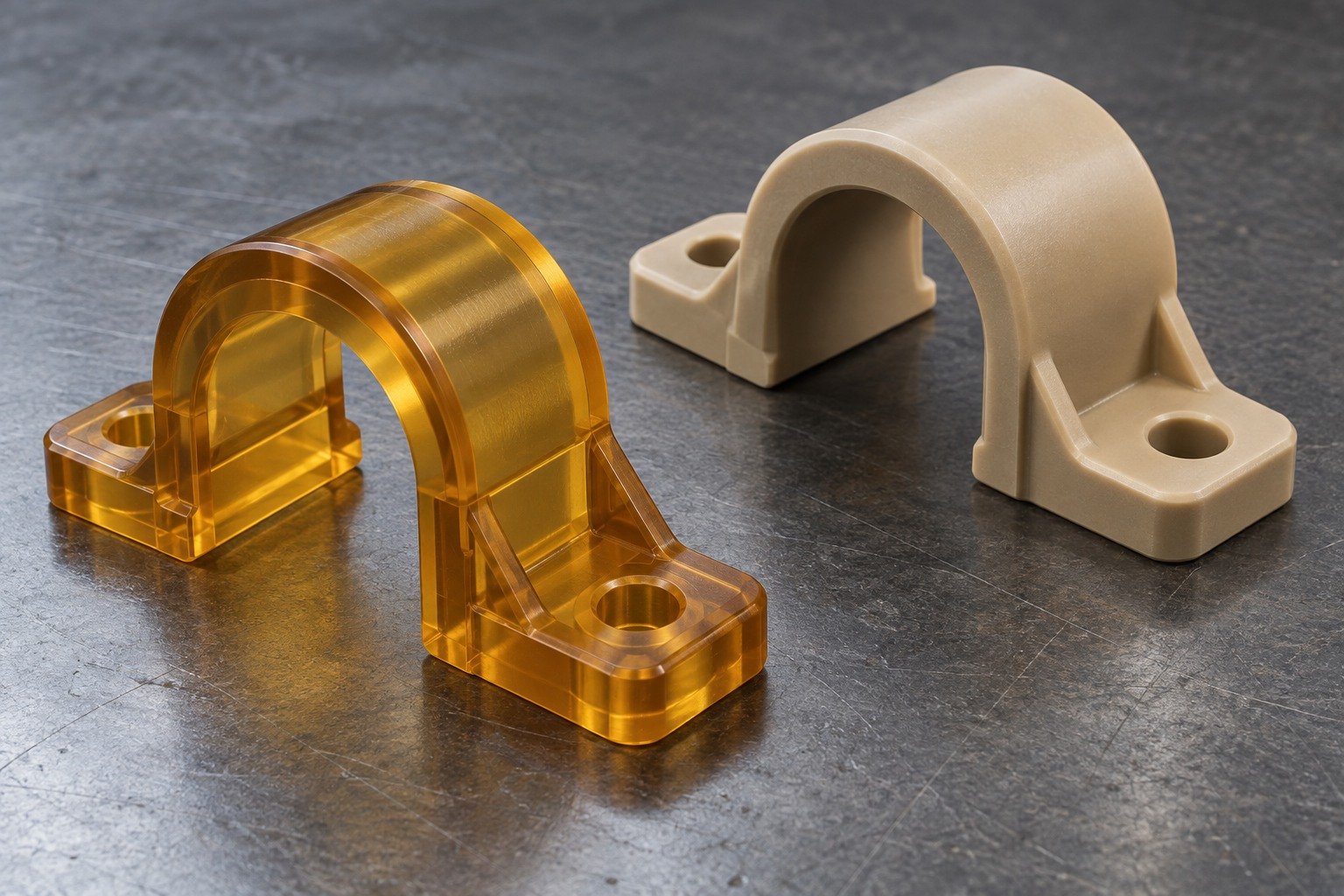
Your PEI dimensional stability review connects stock condition, material removal, assembly stress and the final measurement state. Confirm your critical dimensions after all specified operations.
| Your features | Bores, narrow slots and mounting datums |
|---|---|
| Your route | Stock and machining sequence |
| Your finish | Visible faces, edge condition and mating lands |

For your PEI stock shape material traceability or resin review, retain manufacturer identity, full product name, color and lot. A family label alone does not establish brand origin or regulatory approval.
| Your identity | Source records for the actual delivered material |
|---|---|
| Your acceptance | Dimensions, appearance and agreed tests |
| Your shipment | Packing, lot and requested receiving evidence |
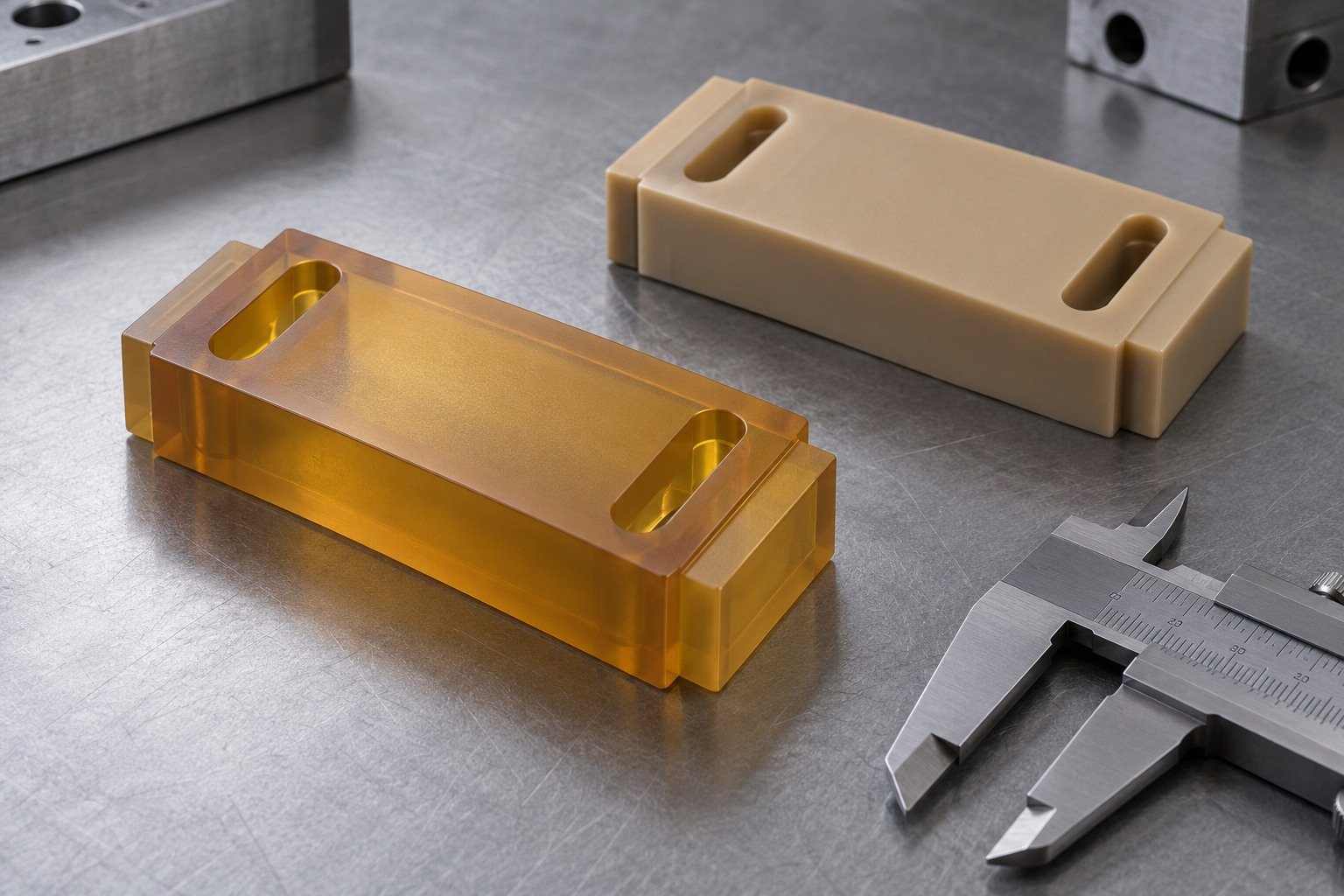
For your glass filled PEI machining review, agree reinforcement, fiber direction, accepted edges and mating surfaces.
| Manufacturer | Ensinger |
|---|---|
| Material | 30% glass-fiber-reinforced PEI |
| Purchasing form | CNC stock product |
| Your approval | Full grade, color, lot and final fit |

Your PEI material properties review must retain the product form, specimen condition and test method. Do not transfer resin data to stock shapes or finished parts.
| Your reinforcement | 30% glass fiber; review direction and edges |
|---|---|
| Your service | Temperature, duration, load and exposure |
| Your comparison | Same product form, test and measurement state |

Your PEI dimensional stability review connects stock condition, material removal, assembly stress and the final measurement state. Confirm your critical dimensions after all specified operations.
| Your features | Bores, narrow slots and mounting datums |
|---|---|
| Your route | Stock and machining sequence |
| Your finish | Visible faces, edge condition and mating lands |
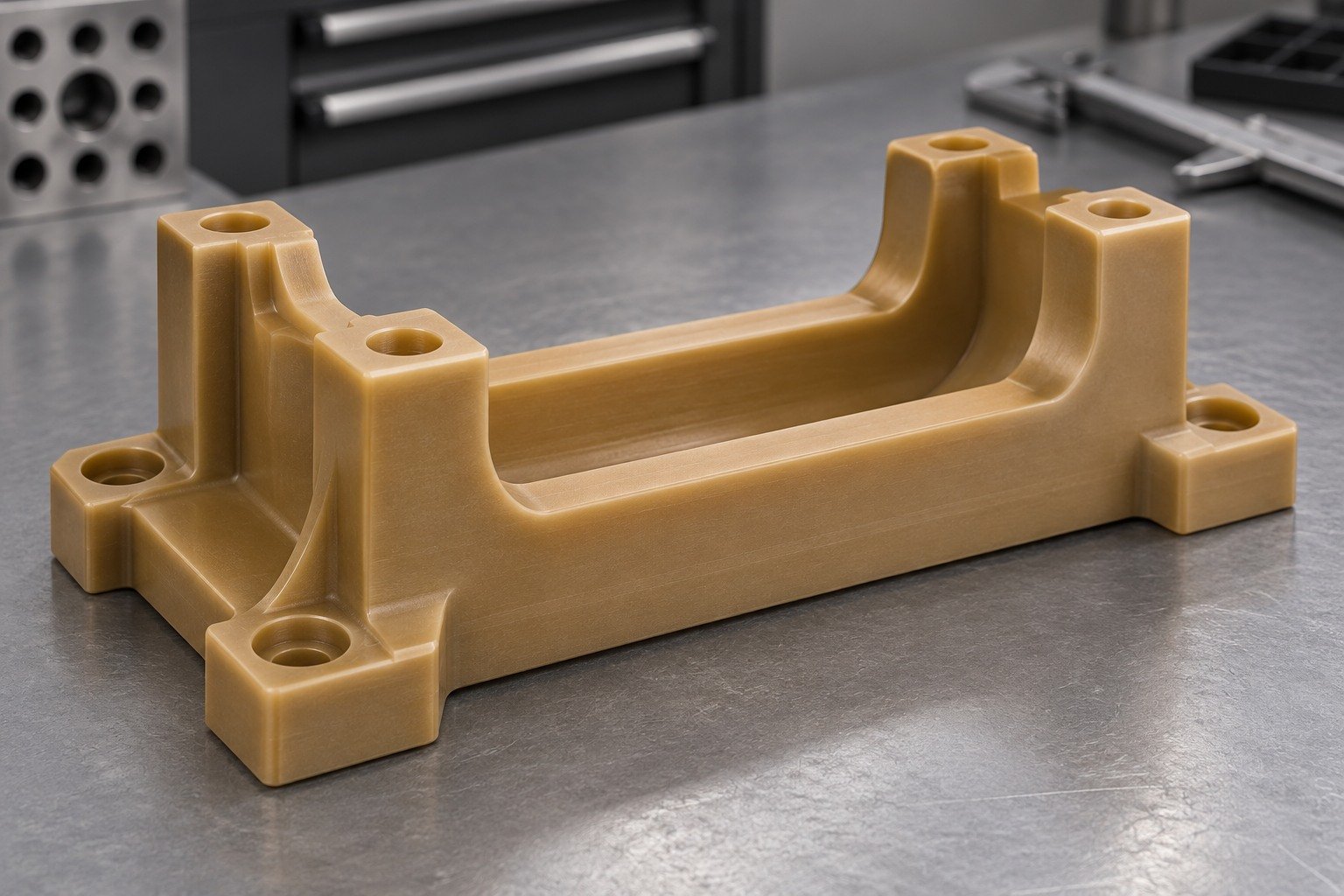
For your PEI stock shape material traceability or resin review, retain manufacturer identity, full product name, color and lot. A family label alone does not establish brand origin or regulatory approval.
| Your identity | Source records for the actual delivered material |
|---|---|
| Your acceptance | Dimensions, appearance and agreed tests |
| Your shipment | Packing, lot and requested receiving evidence |
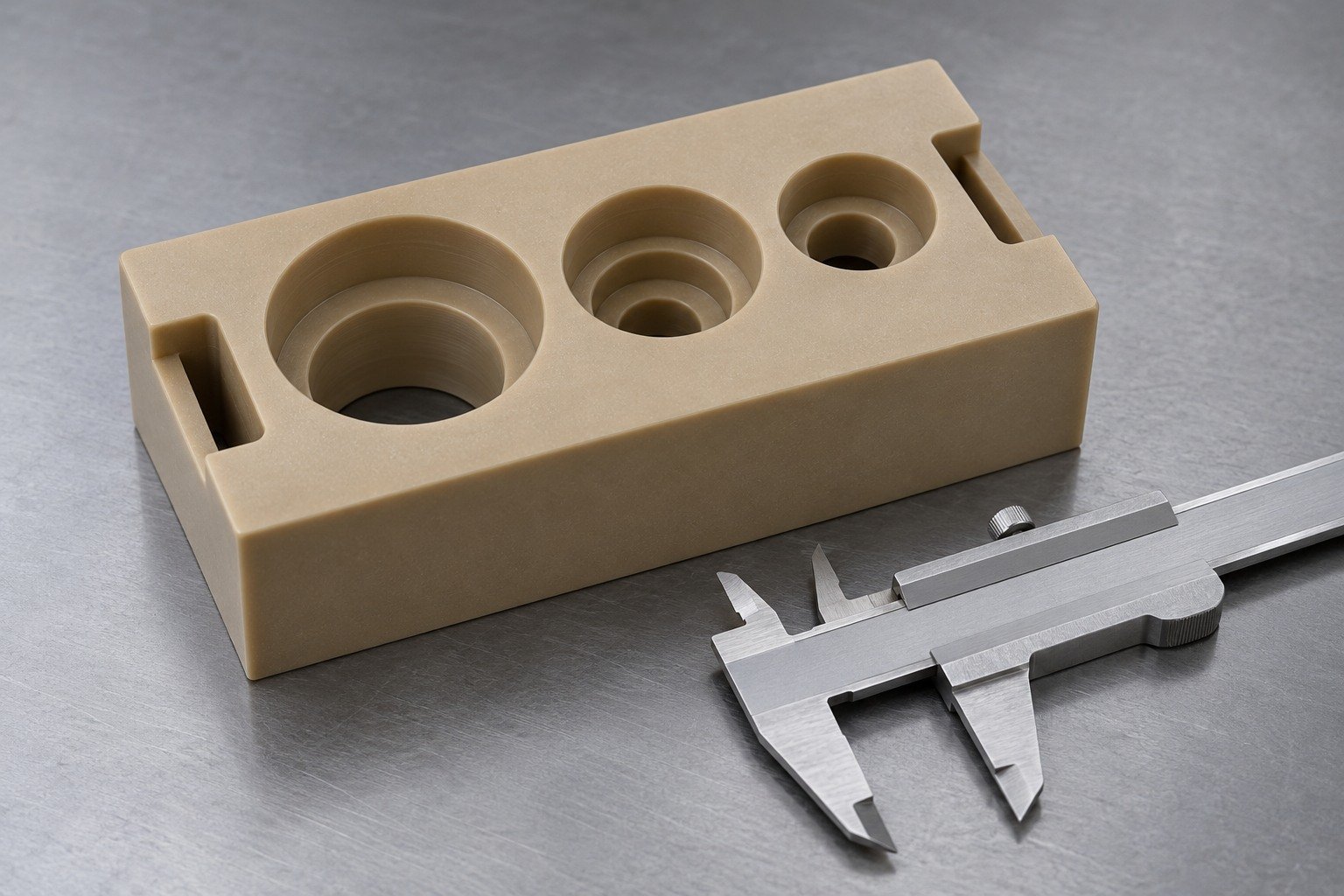
For your ULTEM injection molding quote, define the full resin grade, color, geometry and approved sample.
| Manufacturer | SABIC |
|---|---|
| Material | Unfilled PEI |
| Purchasing form | Molding resin |
| Your approval | Full grade, color, lot and final fit |

Your PEI material properties review must retain the product form, specimen condition and test method. Do not transfer resin data to stock shapes or finished parts.
| Your reinforcement | Unfilled product; confirm exact grade |
|---|---|
| Your service | Temperature, duration, load and exposure |
| Your comparison | Same product form, test and measurement state |
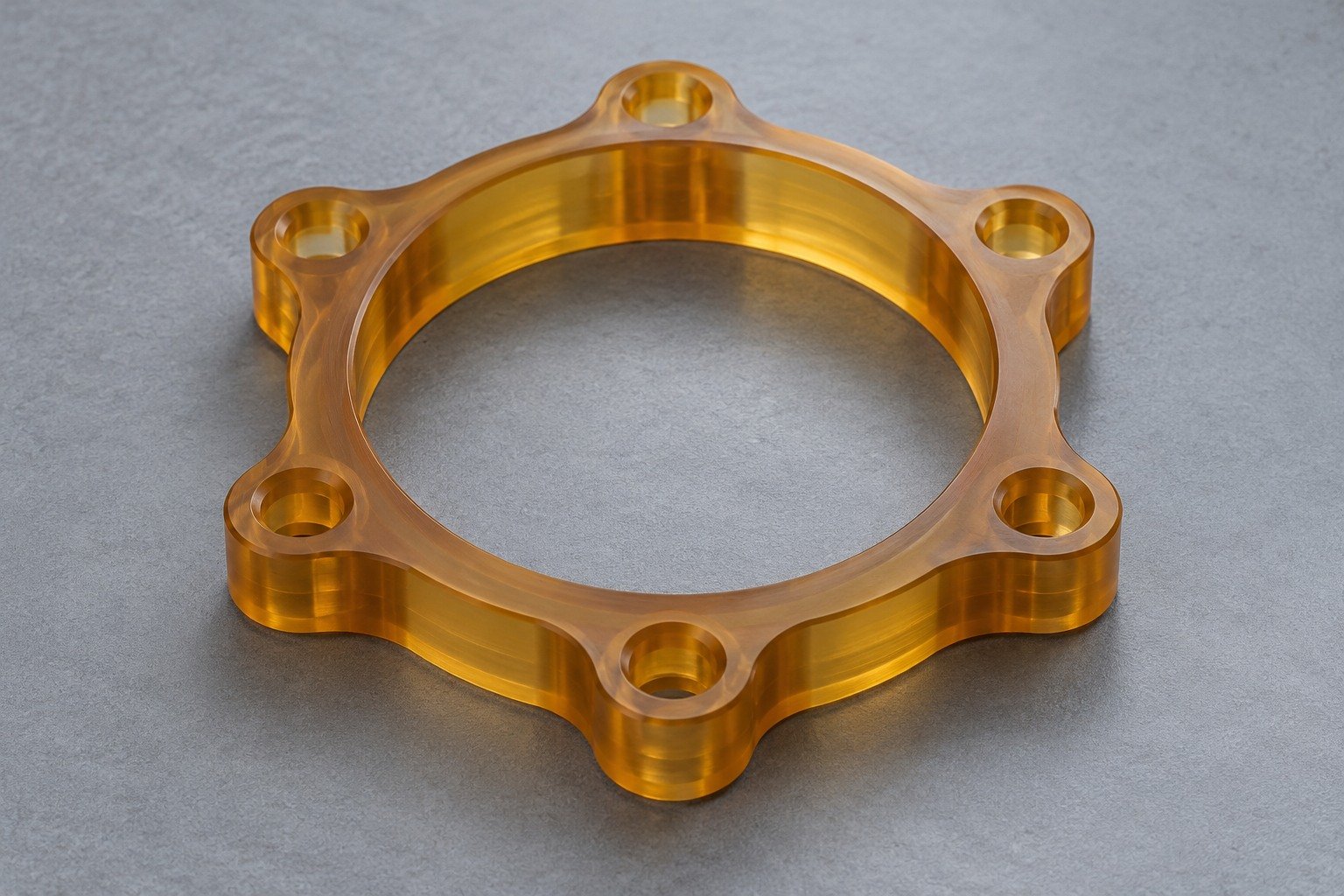
Your PEI dimensional stability review connects stock condition, material removal, assembly stress and the final measurement state. Confirm your critical dimensions after all specified operations.
| Your features | Bores, narrow slots and mounting datums |
|---|---|
| Your route | Tooling, resin handling and sample approval |
| Your finish | Visible faces, edge condition and mating lands |
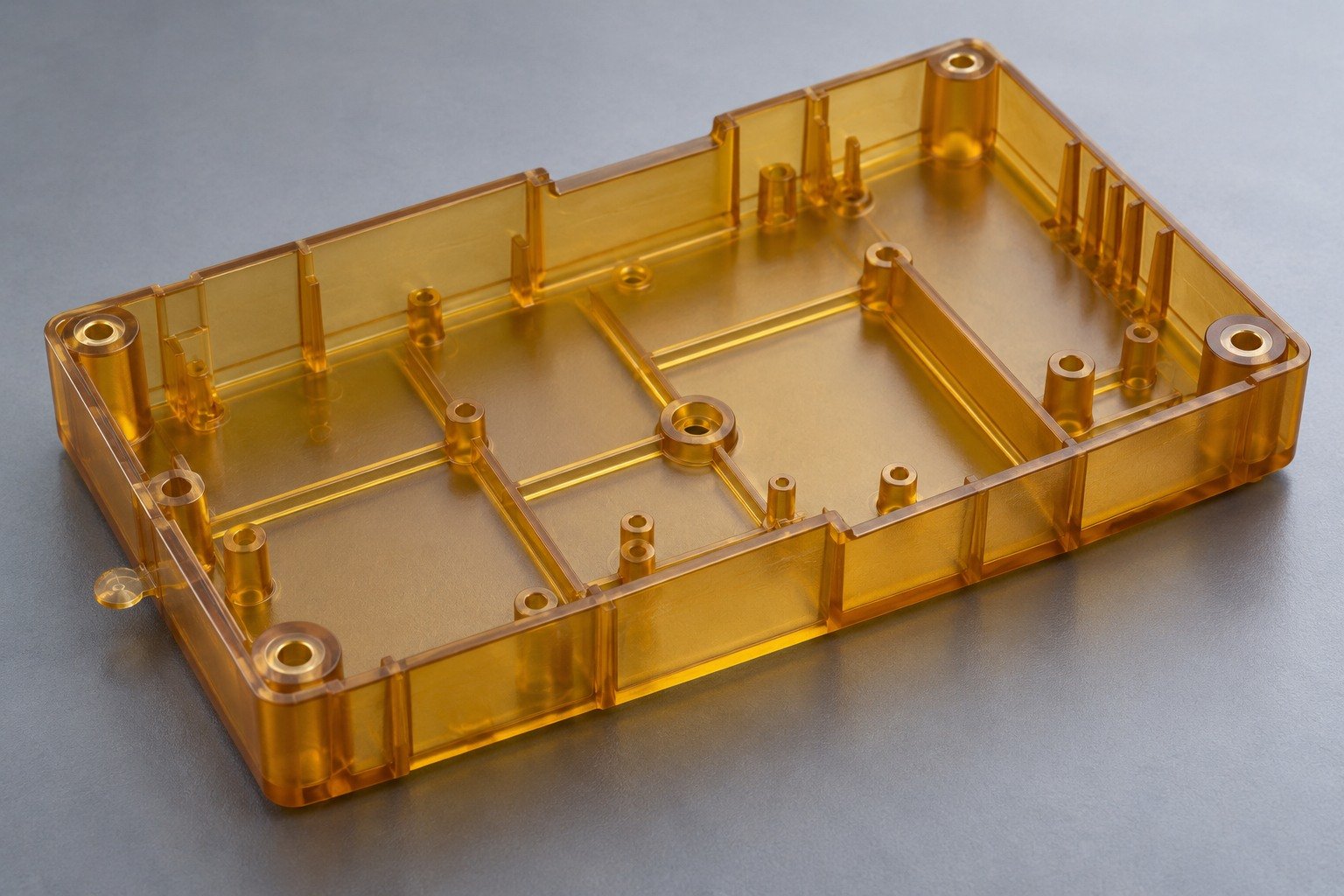
For your PEI stock shape material traceability or resin review, retain manufacturer identity, full product name, color and lot. A family label alone does not establish brand origin or regulatory approval.
| Your identity | Source records for the actual delivered material |
|---|---|
| Your acceptance | Dimensions, appearance and agreed tests |
| Your shipment | Packing, lot and requested receiving evidence |
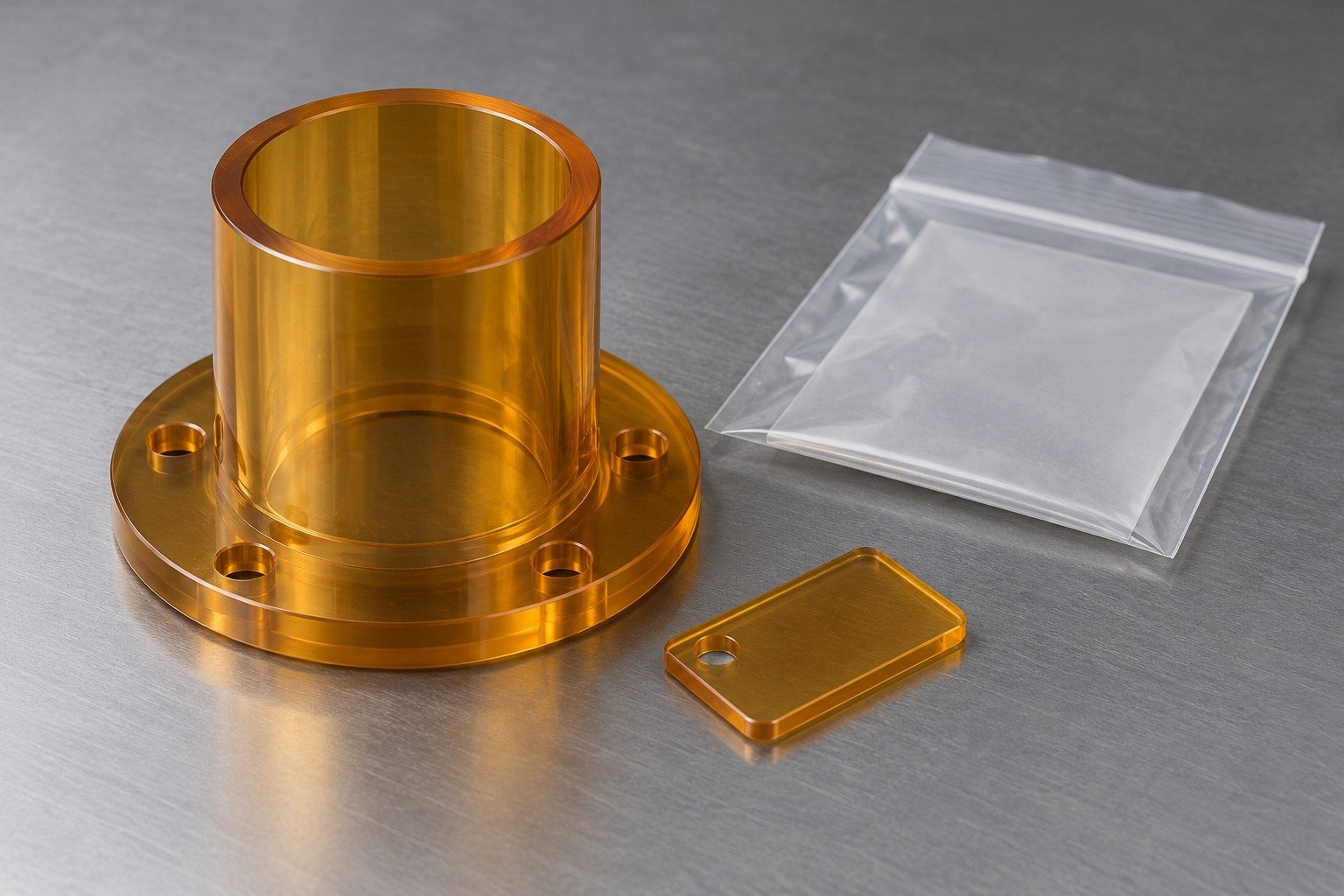
For your ULTEM 2300 machining or molding review, distinguish the reinforced resin identity from the actual stock product and finished-part requirements.
| Manufacturer | SABIC |
|---|---|
| Material | 30% glass-fiber-reinforced PEI |
| Purchasing form | Molding resin |
| Your approval | Full grade, color, lot and final fit |
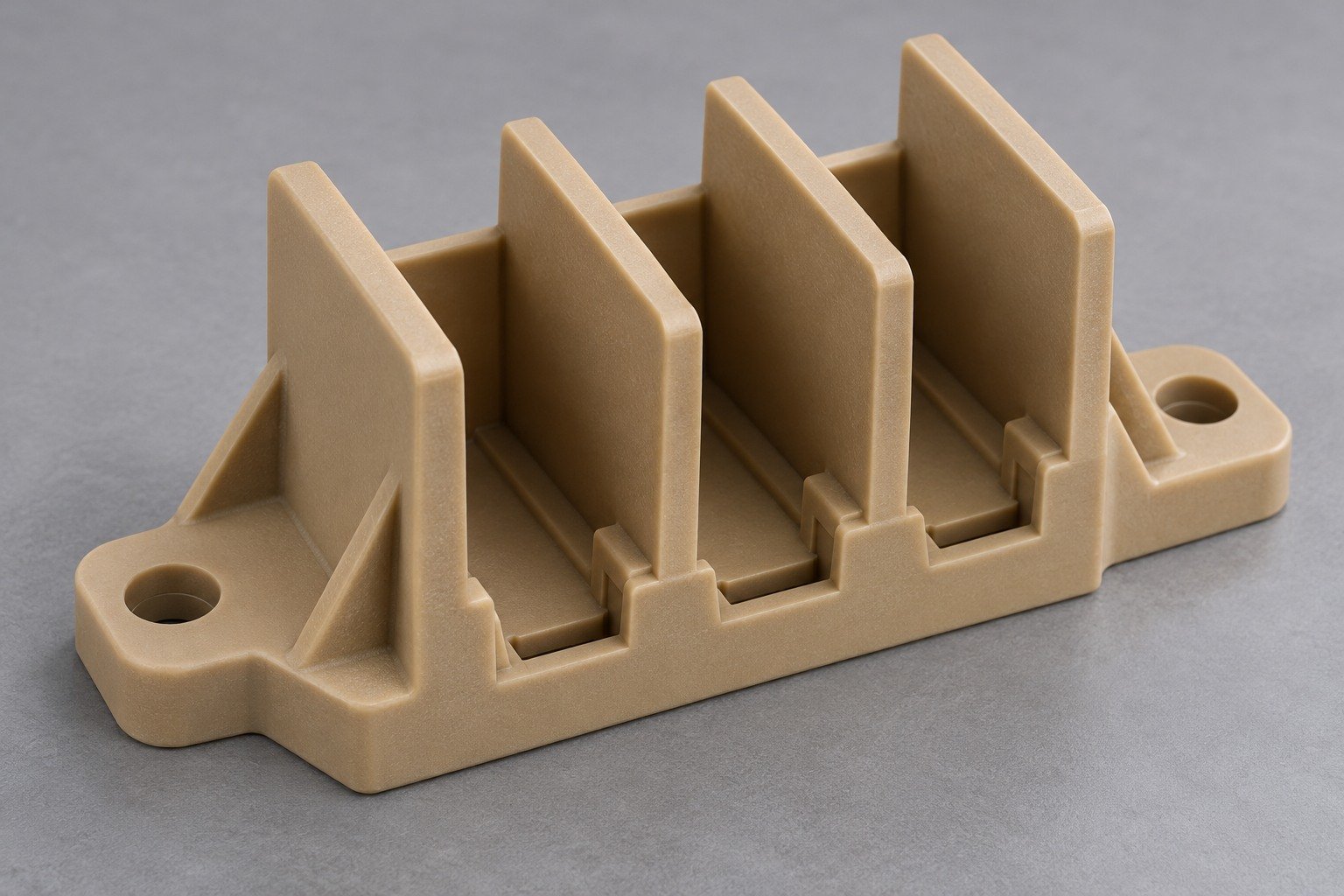
Your PEI material properties review must retain the product form, specimen condition and test method. Do not transfer resin data to stock shapes or finished parts.
| Your reinforcement | 30% glass fiber; review direction and edges |
|---|---|
| Your service | Temperature, duration, load and exposure |
| Your comparison | Same product form, test and measurement state |
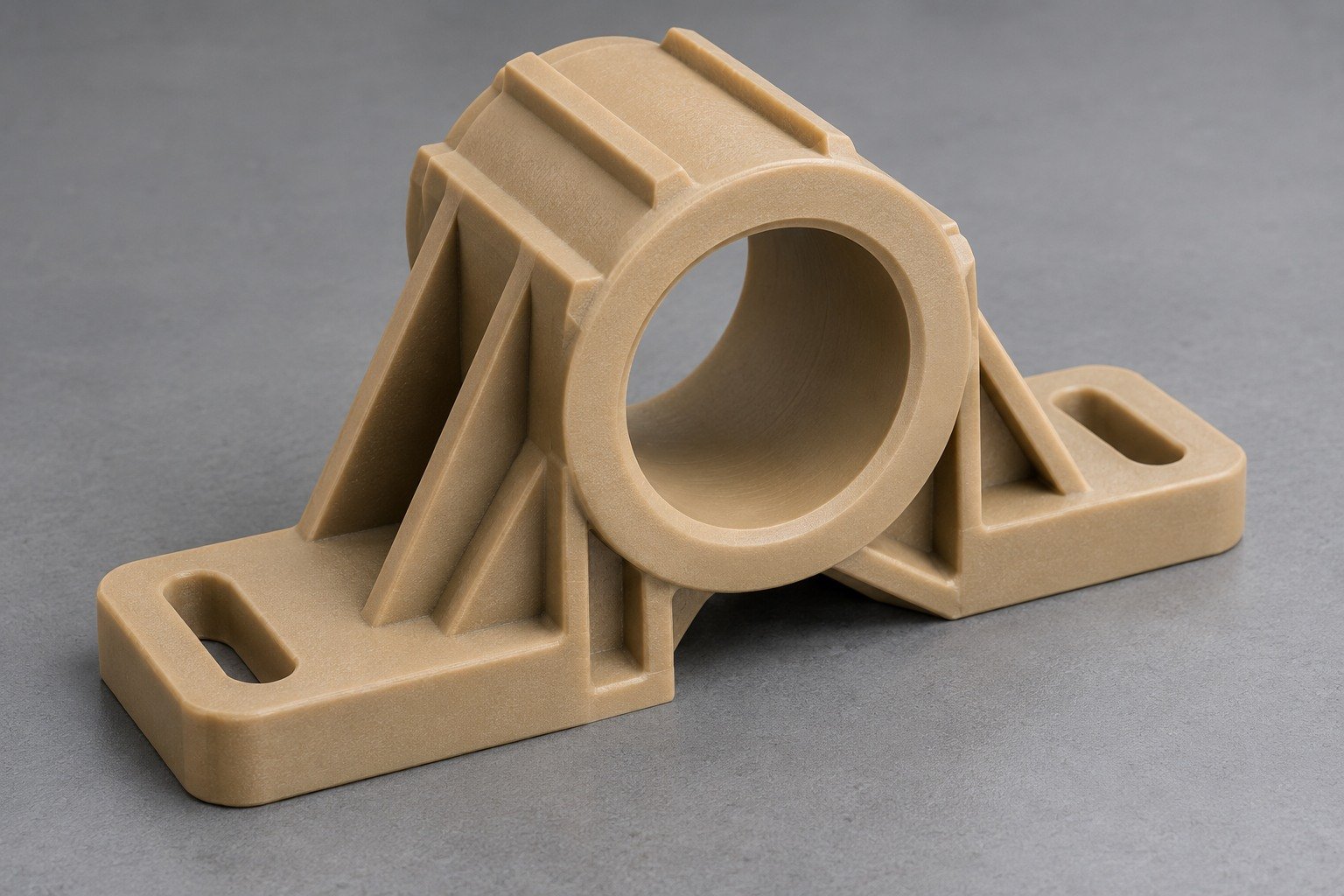
Your PEI dimensional stability review connects stock condition, material removal, assembly stress and the final measurement state. Confirm your critical dimensions after all specified operations.
| Your features | Bores, narrow slots and mounting datums |
|---|---|
| Your route | Tooling, resin handling and sample approval |
| Your finish | Visible faces, edge condition and mating lands |
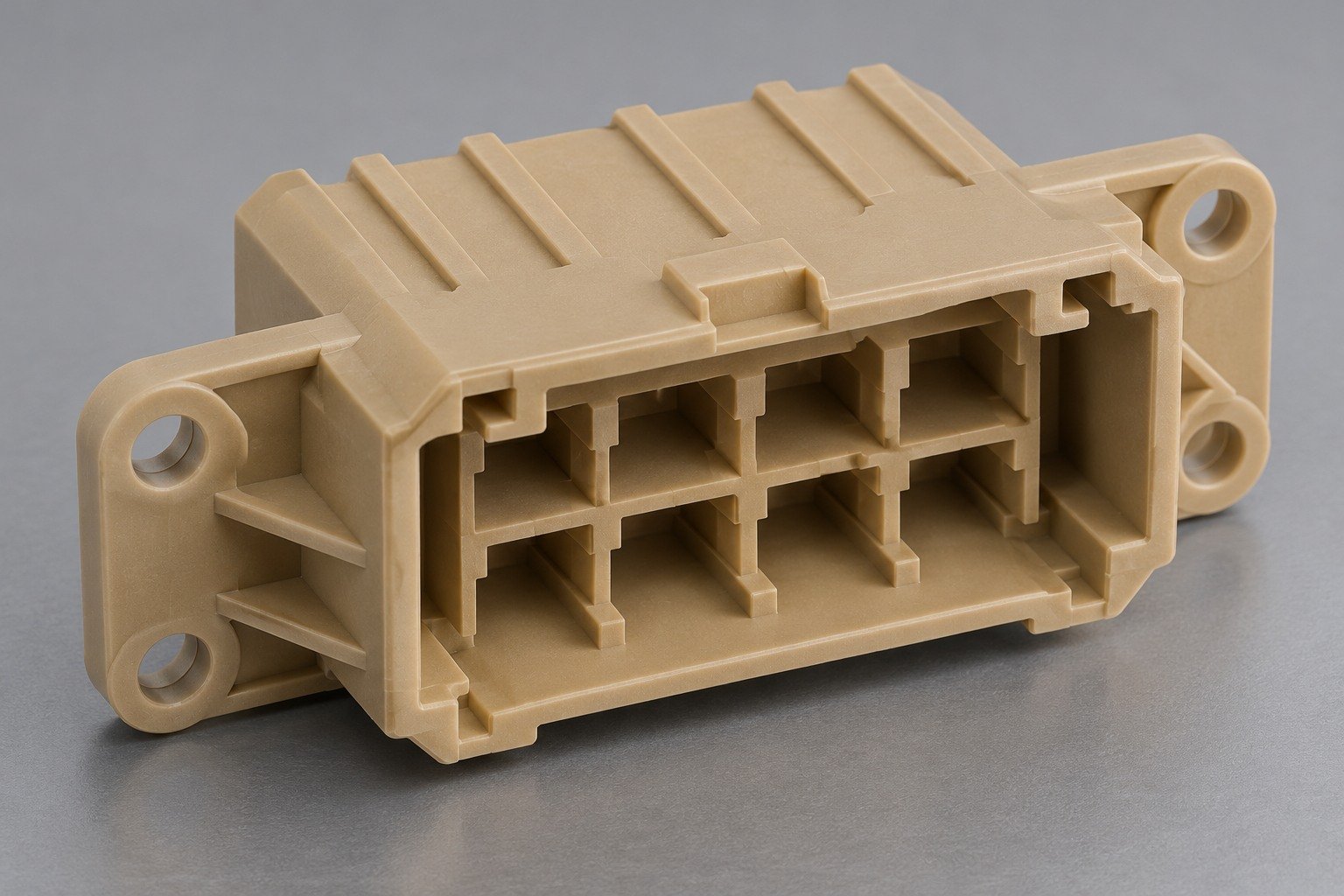
For your PEI stock shape material traceability or resin review, retain manufacturer identity, full product name, color and lot. A family label alone does not establish brand origin or regulatory approval.
| Your identity | Source records for the actual delivered material |
|---|---|
| Your acceptance | Dimensions, appearance and agreed tests |
| Your shipment | Packing, lot and requested receiving evidence |

2 Duratron PEI stock products from the same manufacturer. These are not SABIC molding-resin values.
MPa · 1 mm/min · type 1B specimens · dry material at 23°C
0 ─── 2,000 ─── 4,000 ─── 6,000 MPa
Review your full product and finished geometry.
Review direction, edge quality and mating surfaces.
Temperature, duration, mechanical load and exposure matter together.
Source: MCG Advanced Materials September 2026 product sheets. Indicative comparison values for dry stock specimens, not guaranteed specification limits or design allowables. Do not transfer them to TECAPEI, ULTEM resin or your finished part. U1000 data → · U2300 data →
8 additional products. Stock and resin names are separate purchasing specifications; availability is reviewed for your drawing.
Unfilled · CNC stock
10% GF · CNC stock
20% GF · CNC stock
30% GF · CNC stock
Improved flow · unfilled resin
10% GF · molding resin
20% GF · molding resin
40% GF · molding resin
ULTEM printing products require their own material, orientation and process records. Printed prototypes do not establish molded or machined-part performance.
| Polymer identity | PEI · polyetherimide, an amorphous thermoplastic. ULTEM is a SABIC trademark, not the generic name of every PEI stock product. |
|---|---|
| Formulation | Unfilled or specified glass-fiber reinforcement. Grade-specific additives differ; there is no universal fixed elemental wt.% table for all PEI. |
| European purchasing names | TECAPEI and Duratron PEI stock products; ULTEM resin products. Retain the full manufacturer product, reinforcement, color, form and lot. |
| Reference is not equivalence | Do not substitute based on the family name. No blanket EN metal-style equivalent number is assigned here. |
Review your part and actual service conditions before choosing a filled or unfilled product.
Define the conditions your finished part must withstand. Do not use glass transition temperature, Tg, as the operating limit.
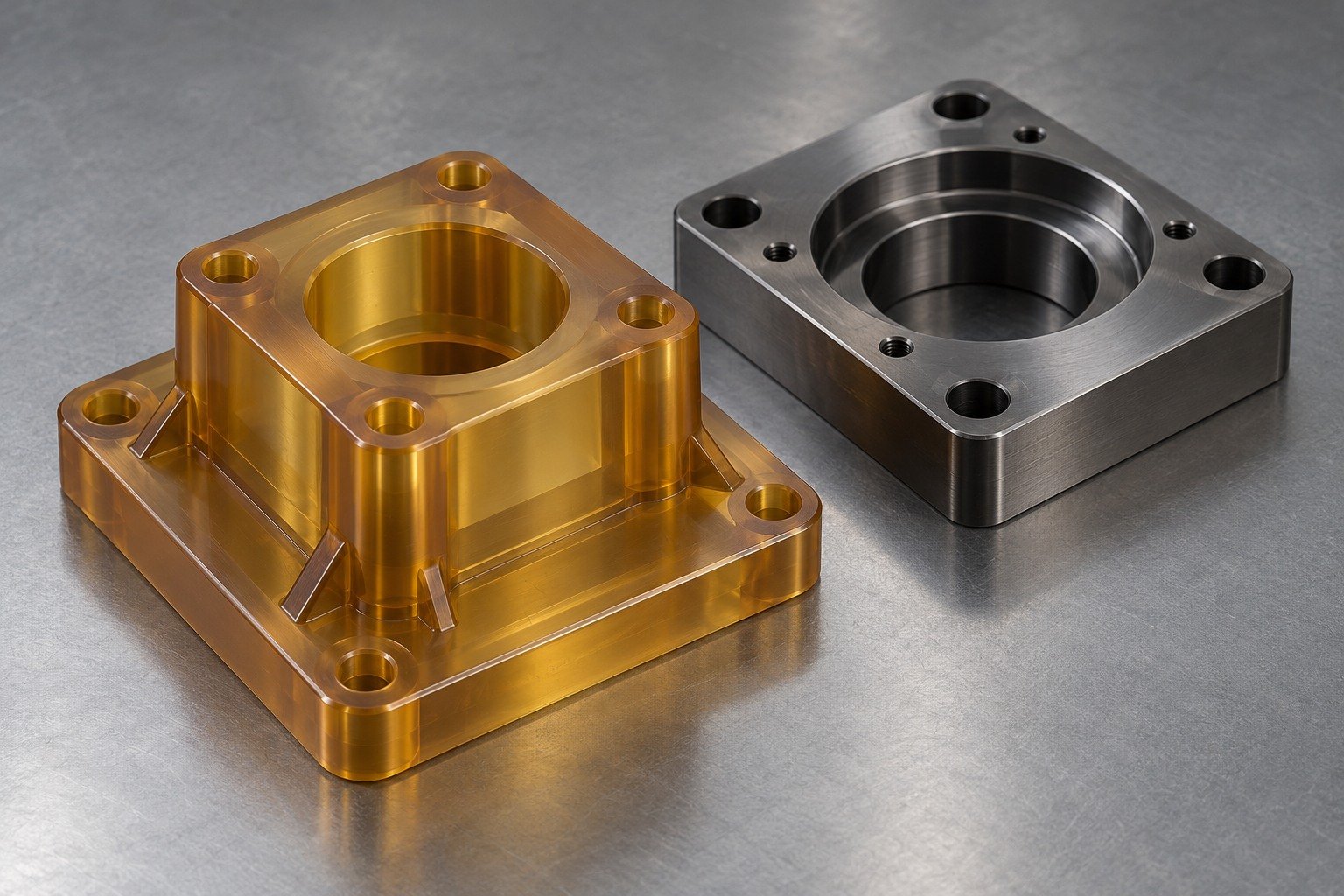
For your PEI annealing review, assess stock condition, removal volume, geometry and the application. Do not apply a generic heat-treatment recipe.
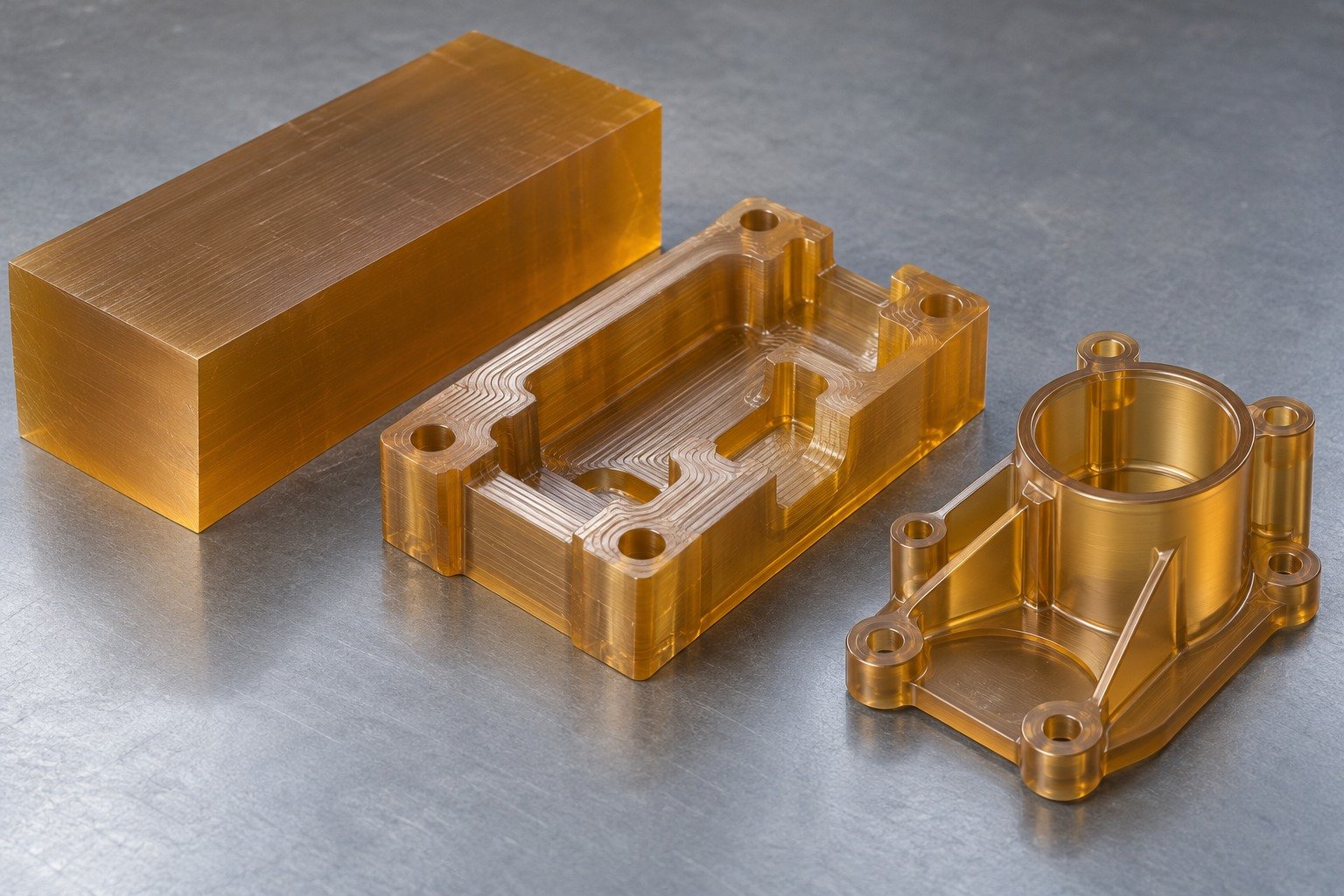
Glass reinforcement can affect directional behavior, edge quality and visible finish. Review the actual product and accepted surfaces.
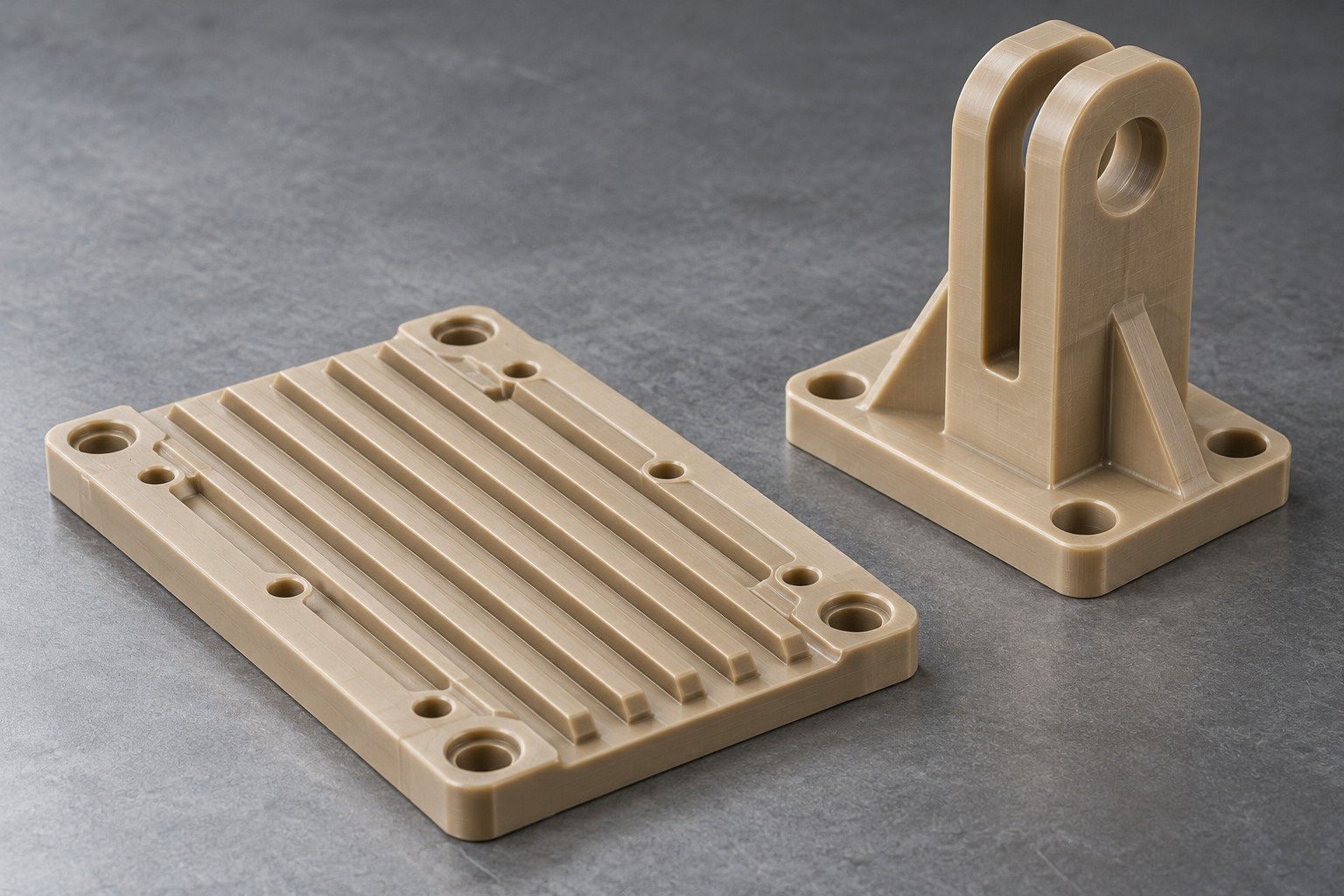
For micro slot milling in ULTEM parts, provide slot width, depth, access and measurement method. Your ULTEM machining tolerances are reviewed on the drawing.
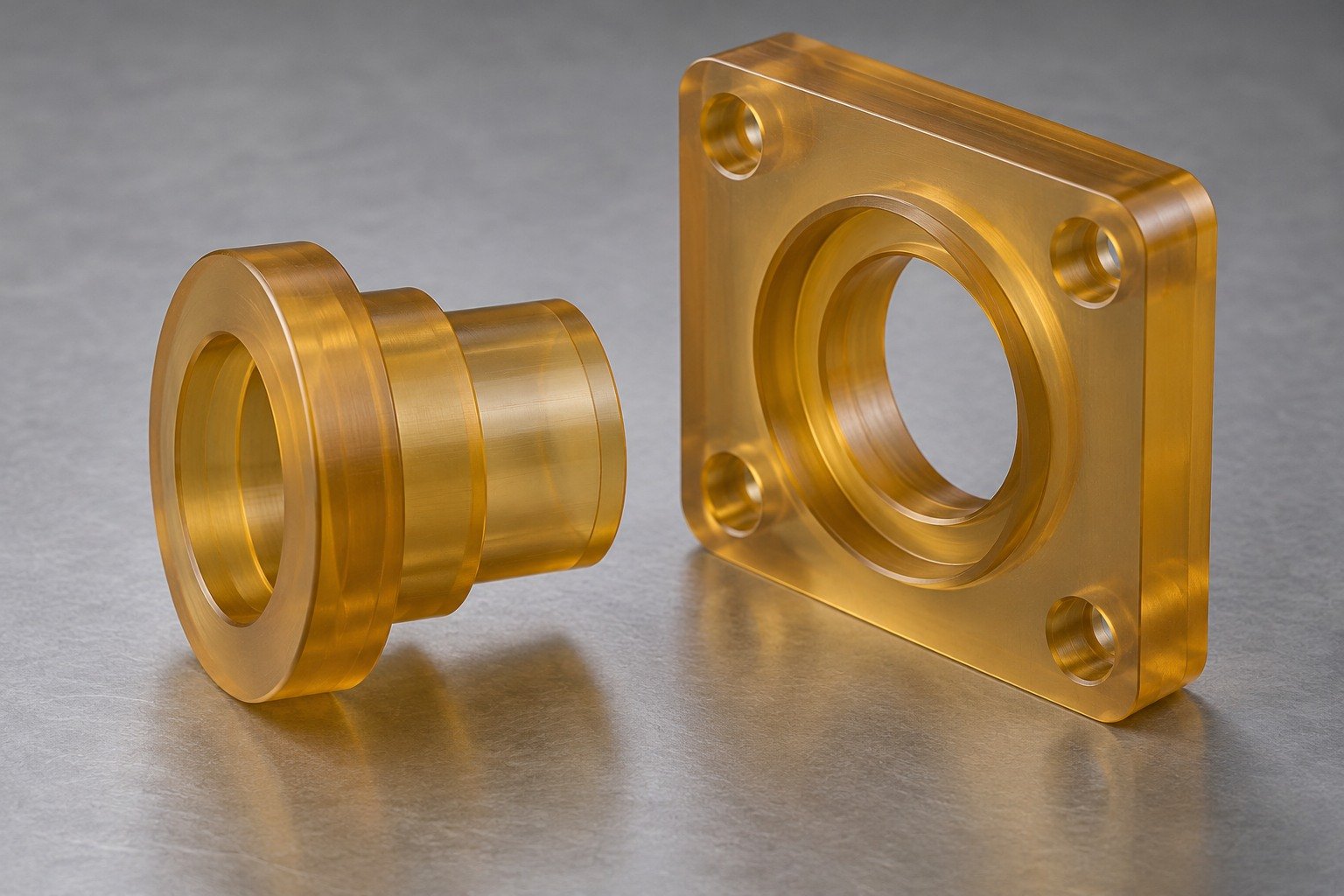
For your ULTEM stress cracking review, identify chemicals, concentration, temperature, contact time and installed stress before bonding or cleaning.

For nickel plated ULTEM finish machining, review coating thickness, protected faces and a sample before approving any cut through a coating. Suitability and capability require project review.

Your specification determines the stock, manufacturing route and acceptance plan.
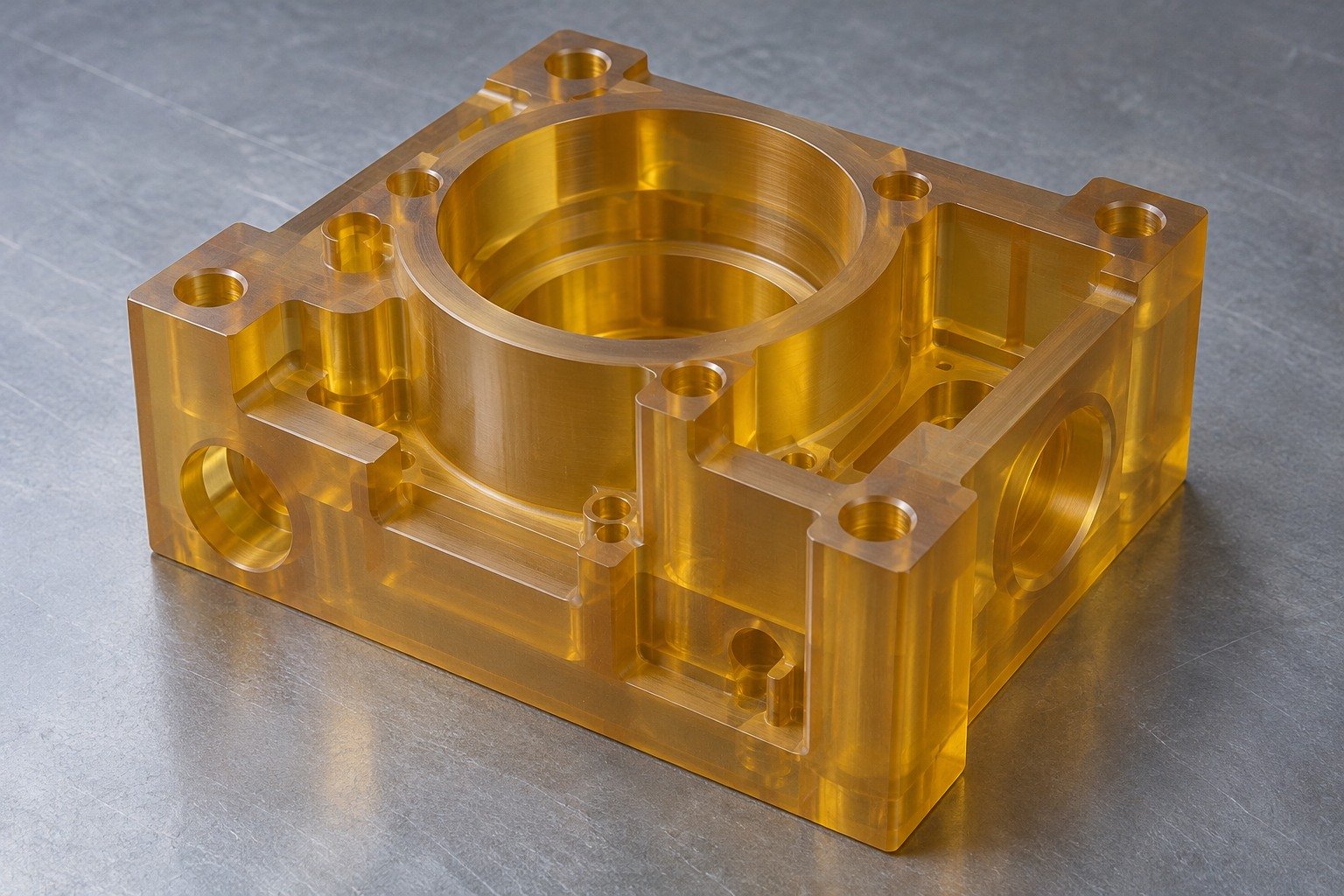
Your ULTEM CNC machining review connects stock, geometry, critical fits and accepted finish.
Explore cnc machining →
For your approved PEI resin, review tooling, handling and sample requirements.
Explore injection molding →
Agree surface marks, visible faces and final dimensions after your complete route.
Explore appearance & fit →Full product, manufacturer, color and lot.
Datums, inspection state and agreed methods.
Applicable documents, tests and sample approval.
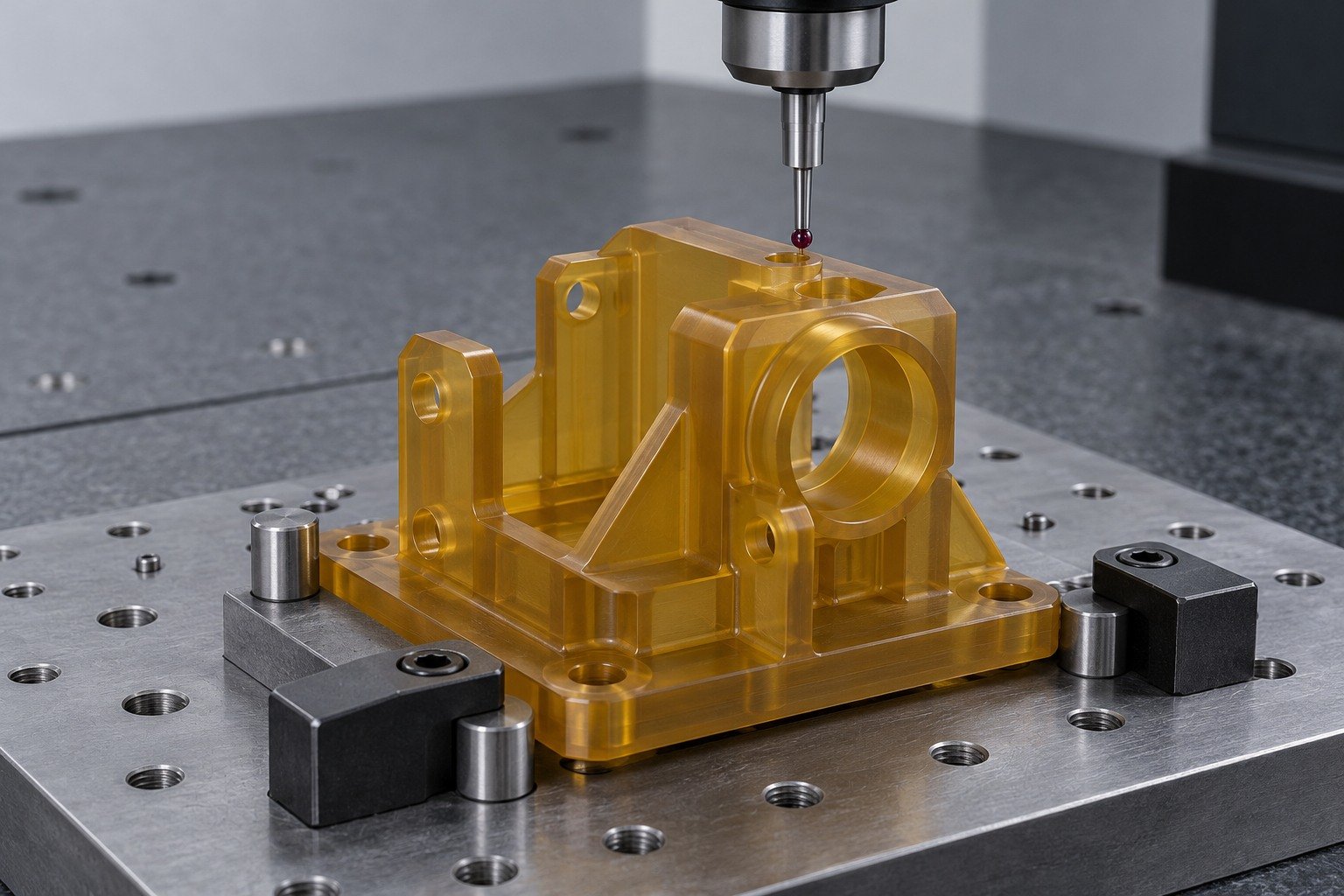
Compare the same material, drawing and acceptance scope.
Not automatically. Your ULTEM 1000 vs 2300 review must distinguish unfilled and glass-filled material, the actual stock or resin product, direction, appearance and final requirements. Approve alternatives before manufacture.
No. For your ULTEM material review, request the stock manufacturer, full product and lot evidence. Brand identity, polymer family and finished-part acceptance are separate records.
No. Review temperature with duration, mechanical load, chemical exposure and the full product data. A glass-transition number is not a guaranteed operating limit for your assembly.
No. Confirm the material, reinforcement, process and orientation. PEI prototypes require their own acceptance plan; a printing grade does not identify your stock or injection-molding resin.
No. Review the exact product, color, thickness and current recognition scope. A material listing is not approval of your finished device or assembly.
For your ULTEM machining services or ULTEM machining quote, provide CAD, controlled drawing, product identity, order quantities, critical fits, finish and inspection scope. Stock, setup, removal volume, coating and reports affect the comparison.
Engineering Plastics → · PEEK → · Quality Assurance →
ULTEM is a SABIC trademark. PEI is the polymer family. Product availability and manufacturing scope require confirmation. Generated component and inspection concepts are not actual customer parts, documentary factory photographs or material certification.