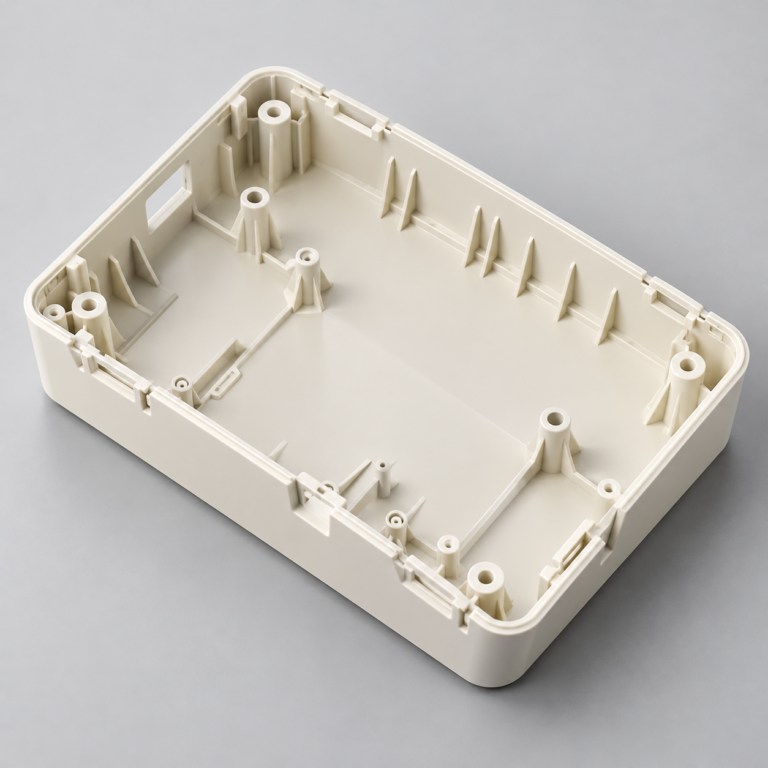
Injection Molding
Tooling and molding for your repeat plastic parts.
From prototype to production, coordinated manufacturing solutions for your custom parts.
View All Services →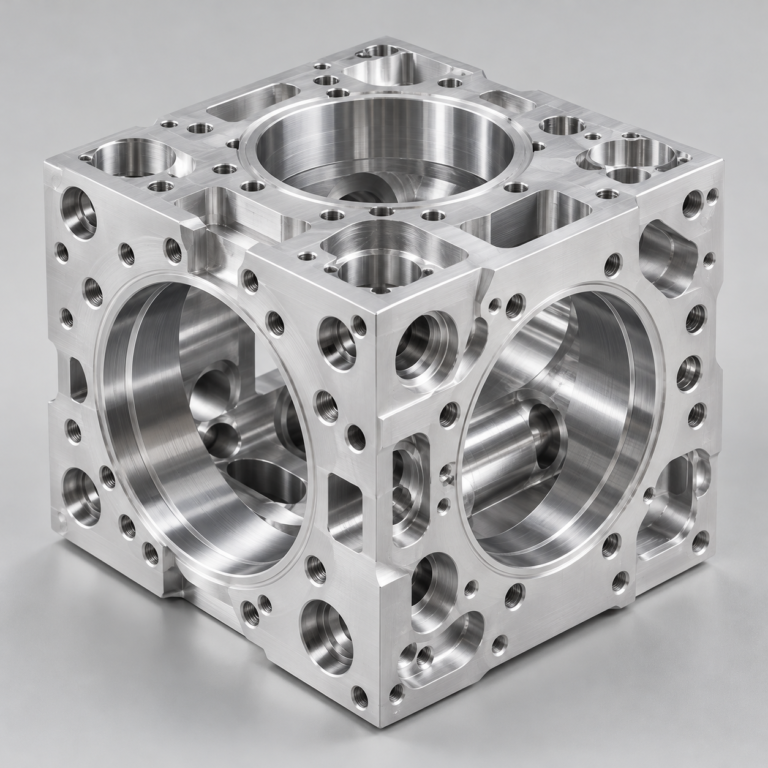
Precision parts for your tight tolerances and complex geometry.
Tooling and molding for your repeat plastic parts.
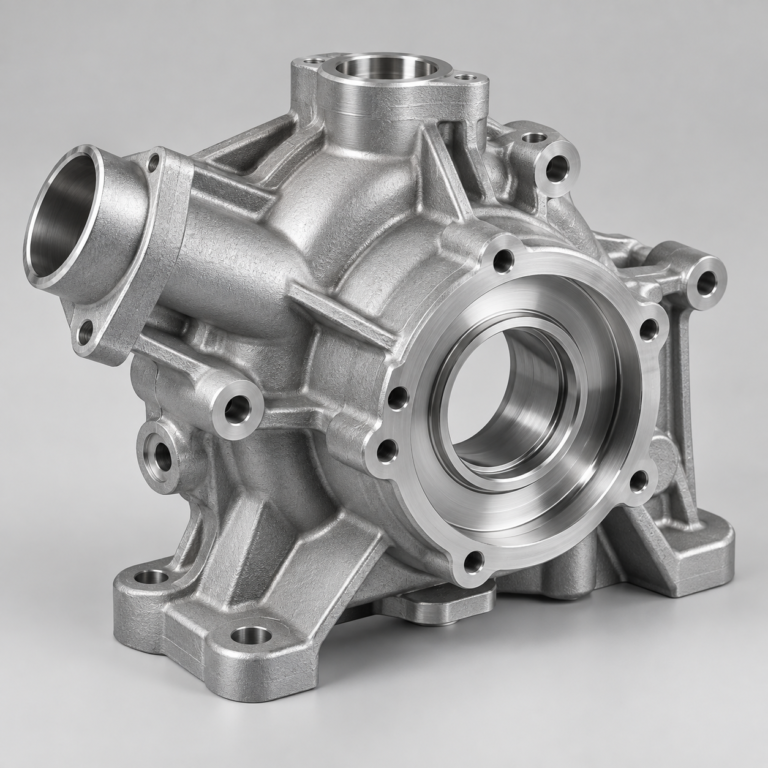
Metal casting options for your part and production volume.
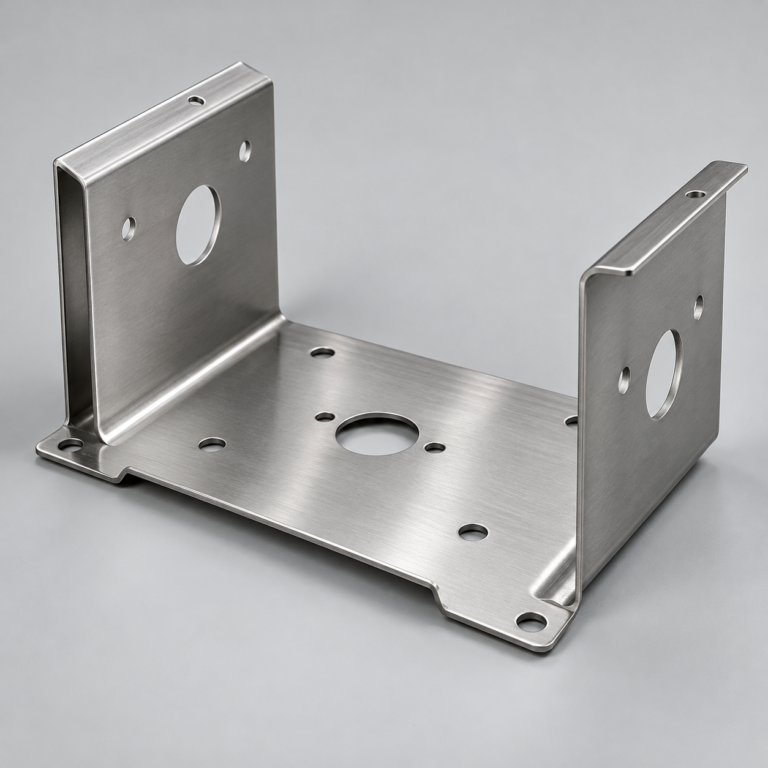
Cutting, forming and welding for your fabricated parts.
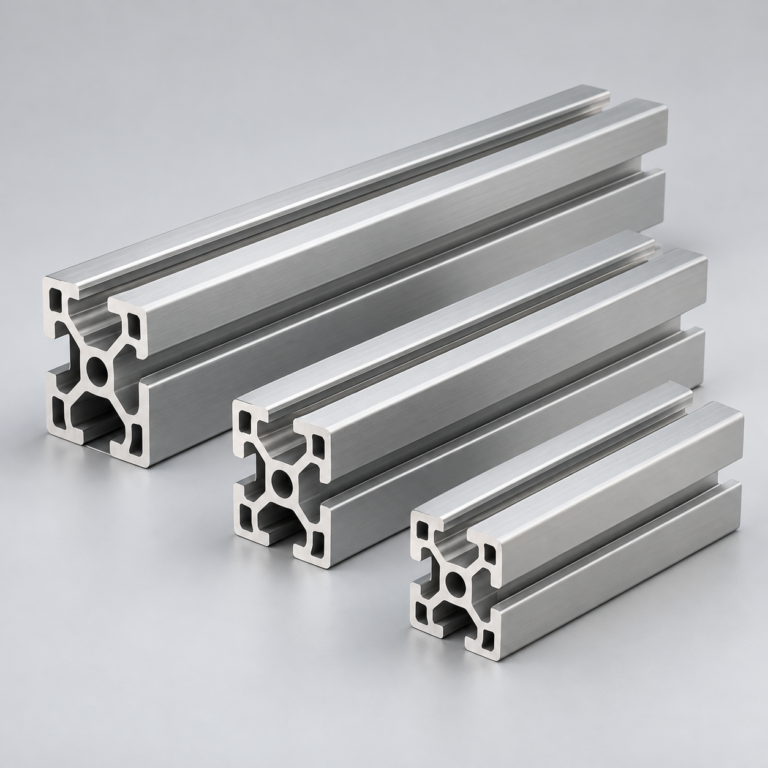
Custom profiles for your section, length and finish requirements.
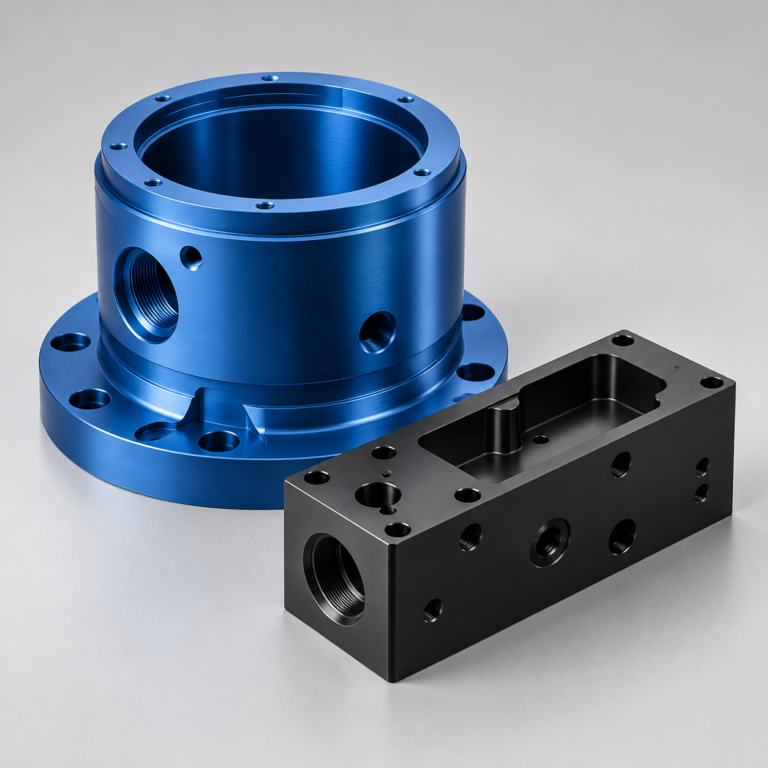
Finishes for your appearance, corrosion and wear requirements.

Sub-assemblies and final builds for your production program.
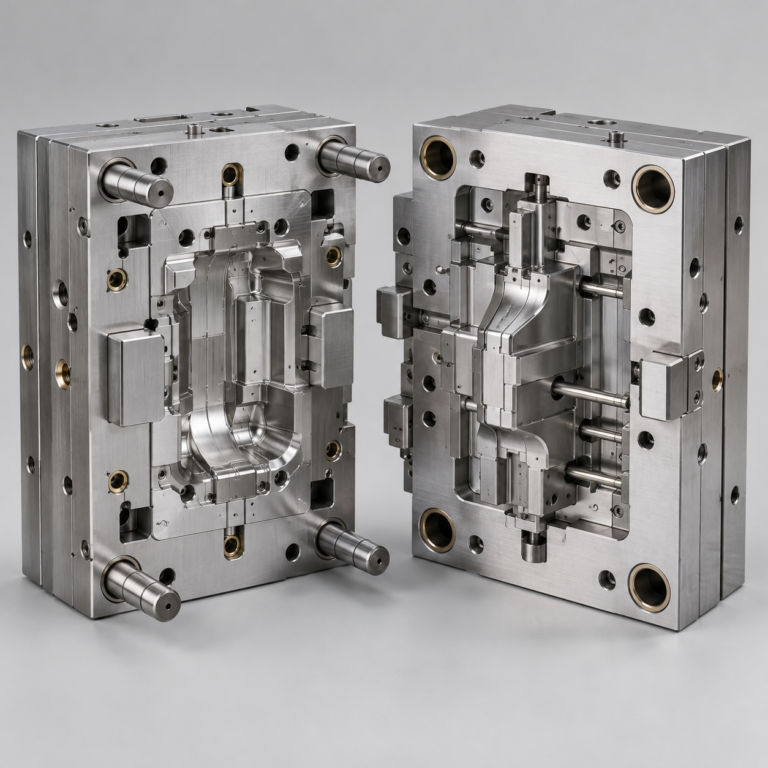
Production tooling built around your process and volume.
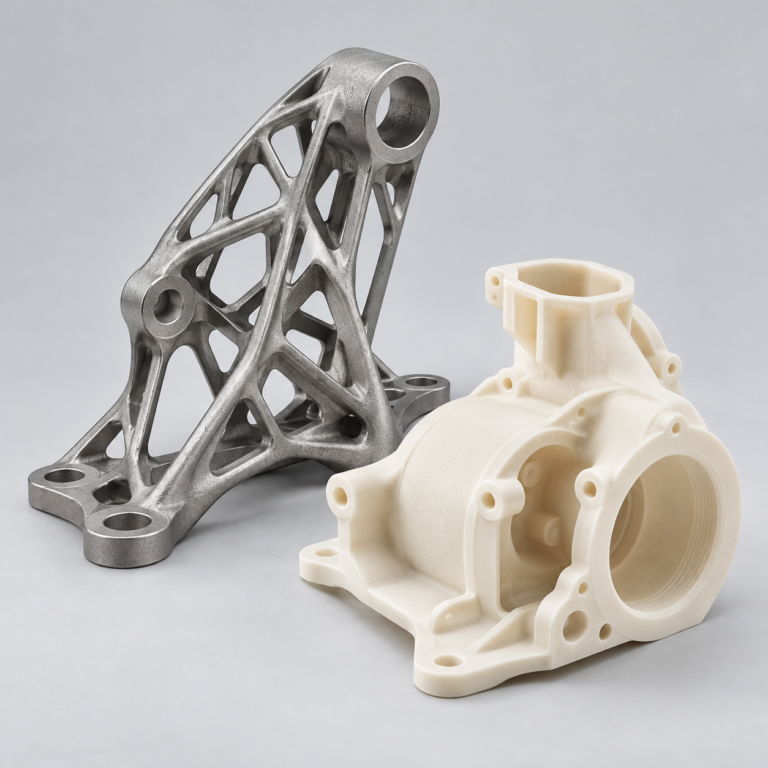
Prototype parts to check fit, function and design.
DFM, process planning and production support for your project.
Inspection, documentation, inventory and delivery planning for your program.
Choose air- or liquid-cooling components around your thermal and mechanical requirements.
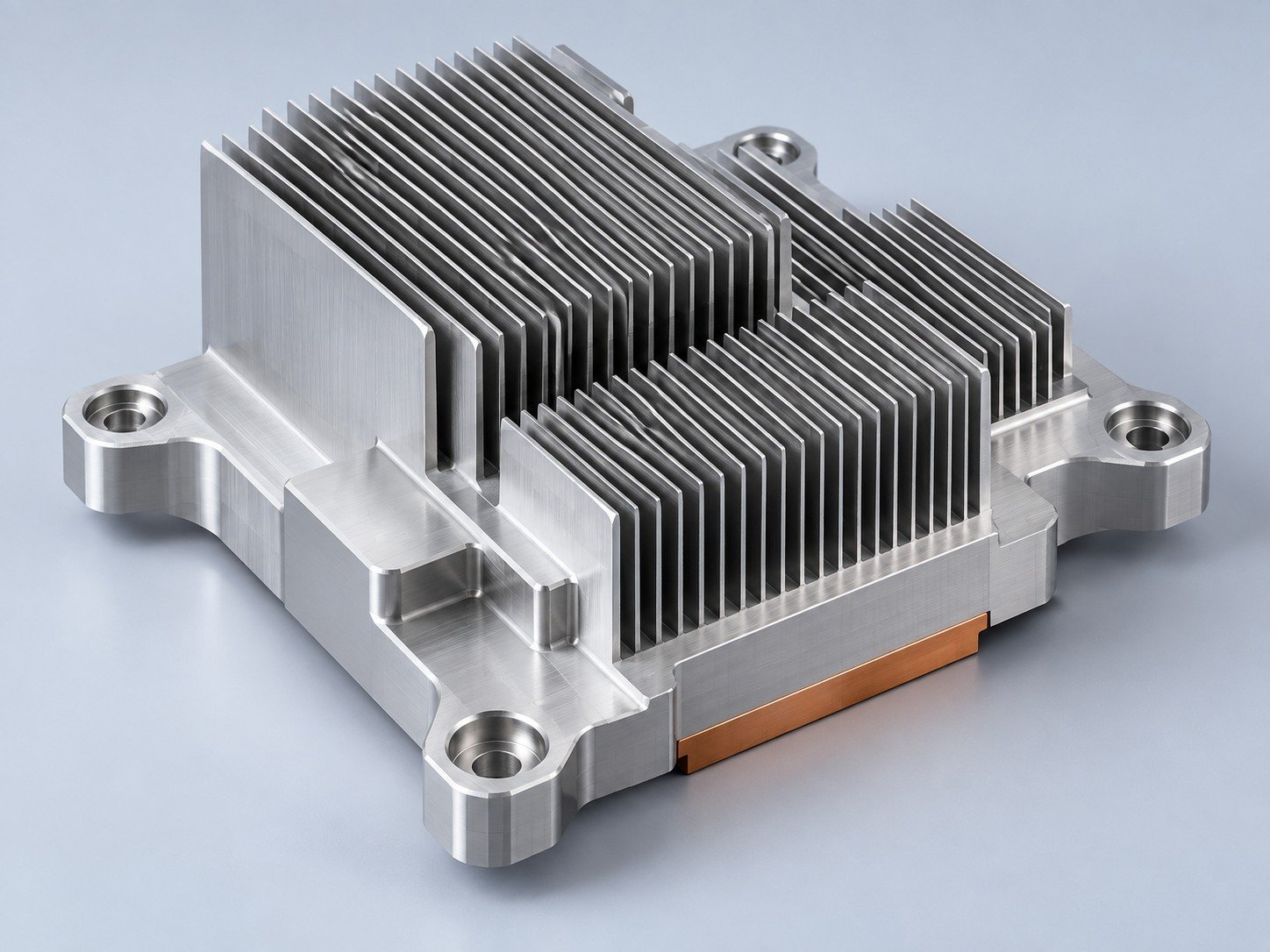
Manufacturing support for your cold plates, manifolds and cooling assemblies.
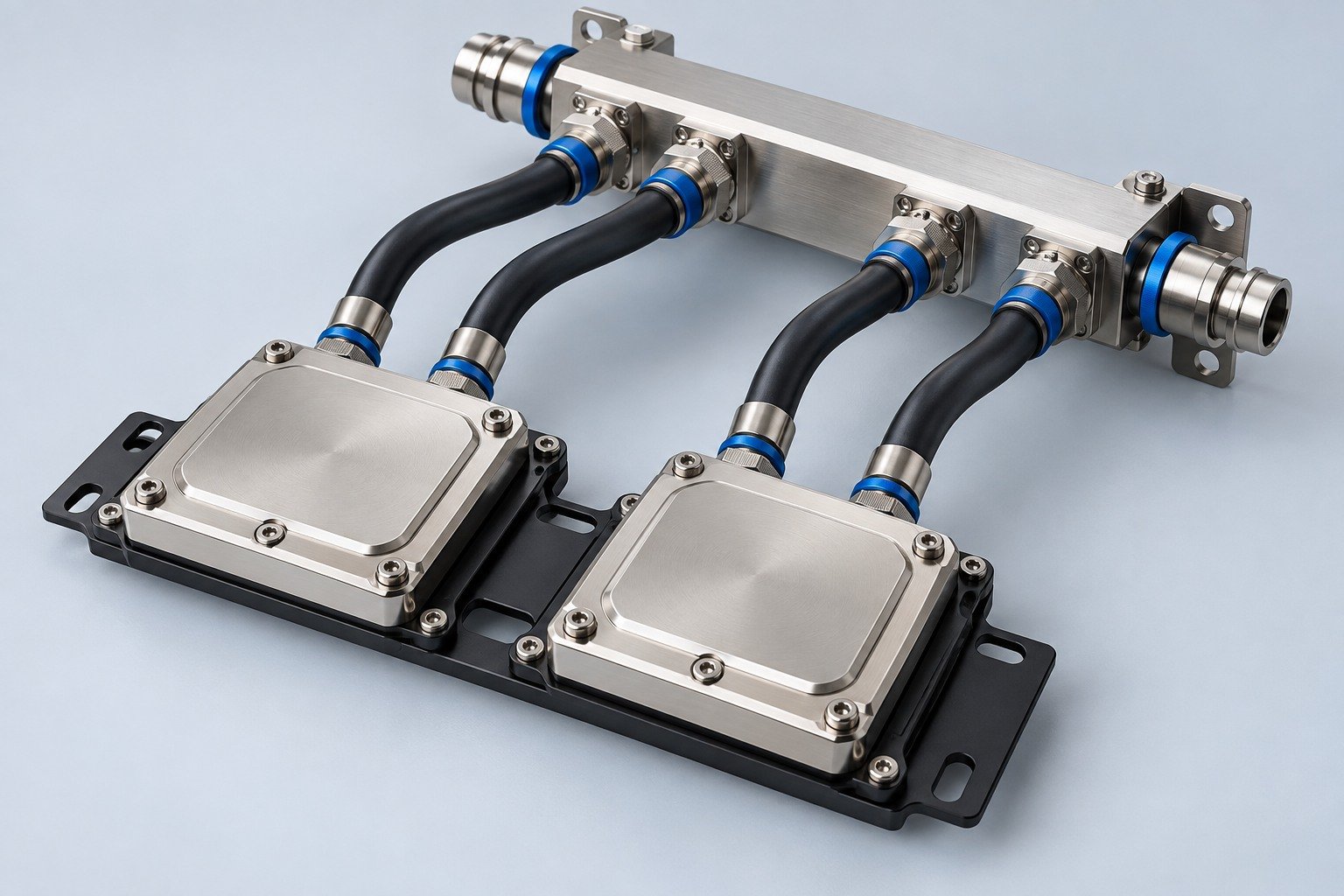
Find components for your power electronics, energy, laser and telecom application.
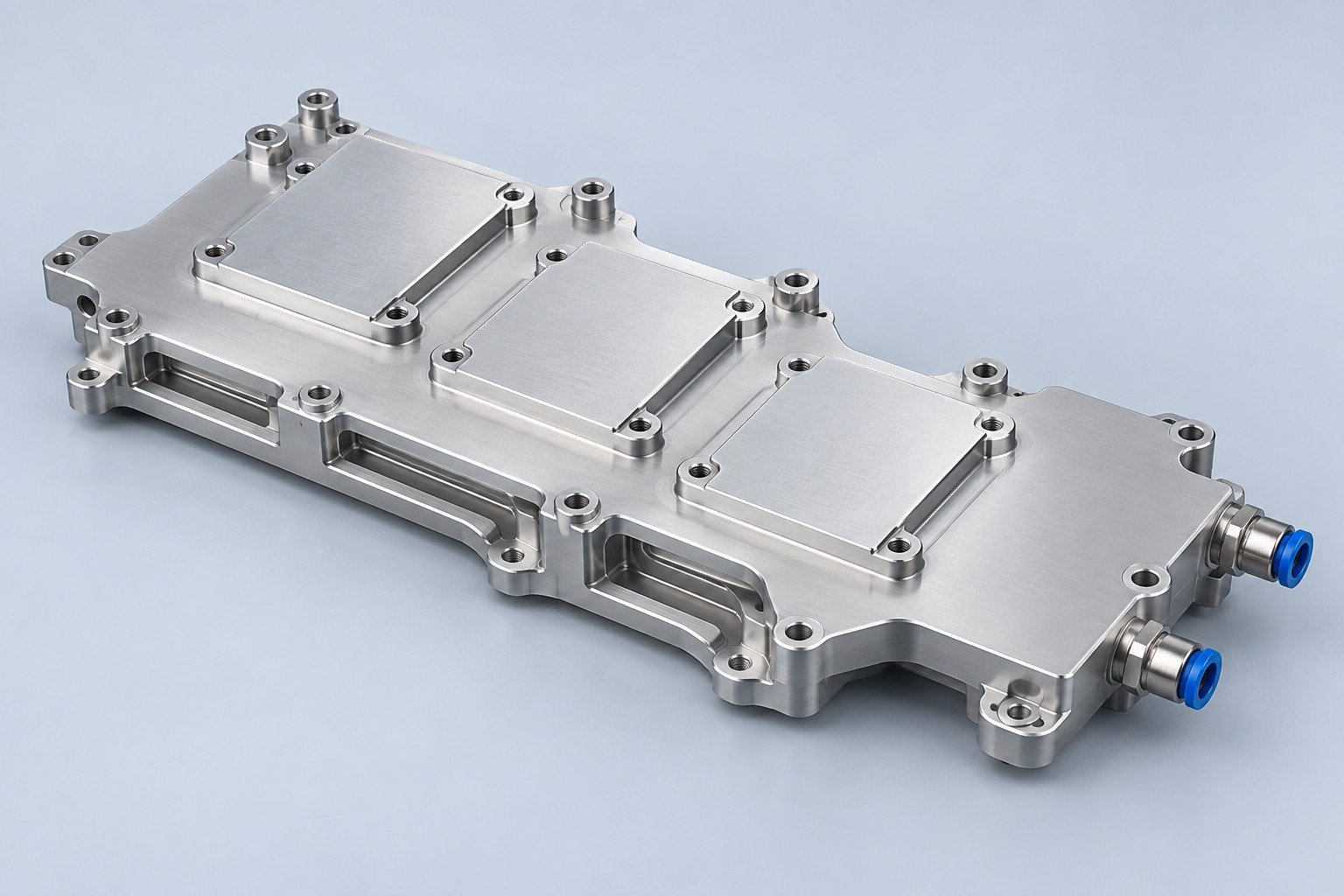
Components for your electronic systems.
Start with your functional and quality requirements.
Build around your operating environment.
From prototype to production, review material performance, manufacturability and cost for your part.
Review grade, temper and finish for your metal parts.
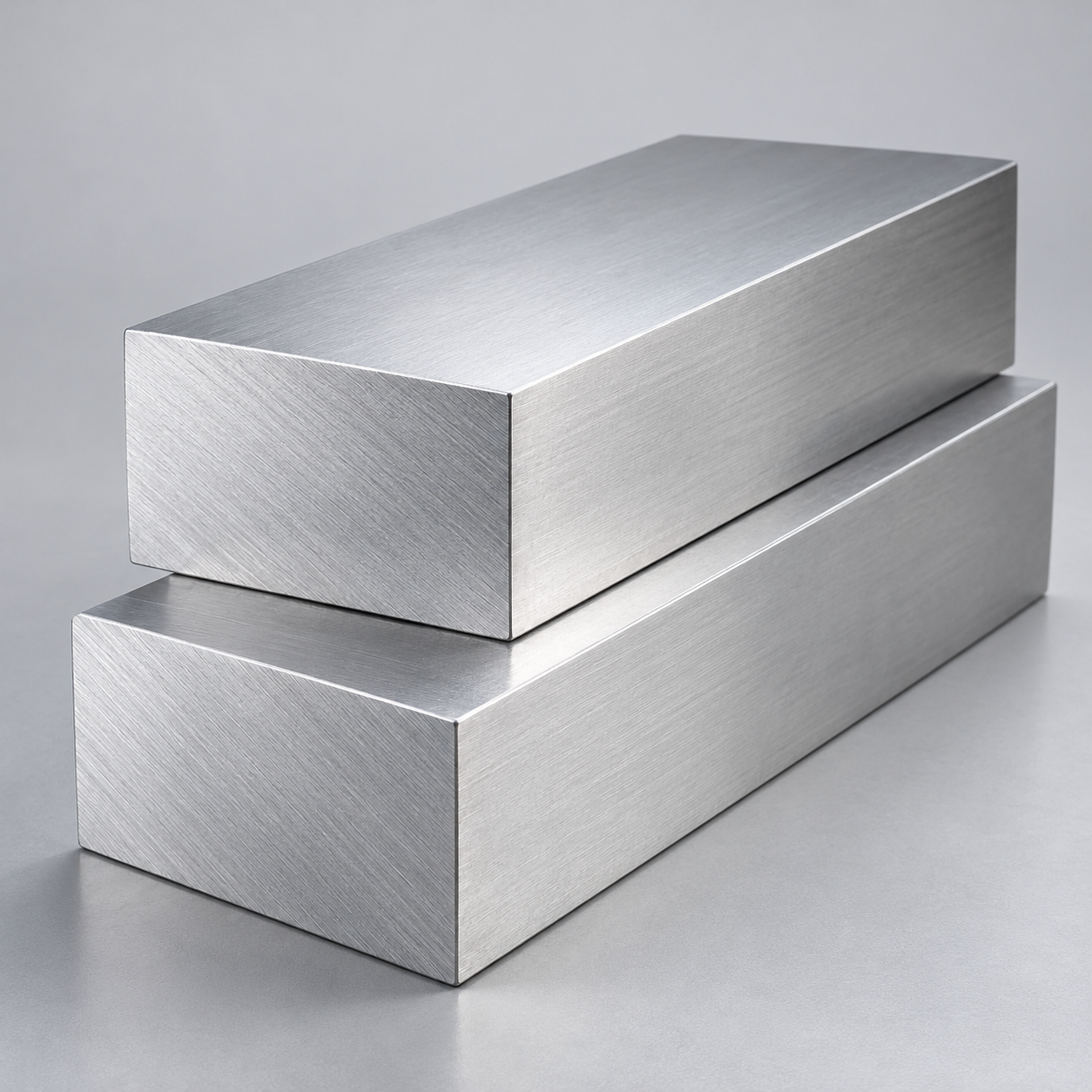 AluminumStrength, weight and machining›
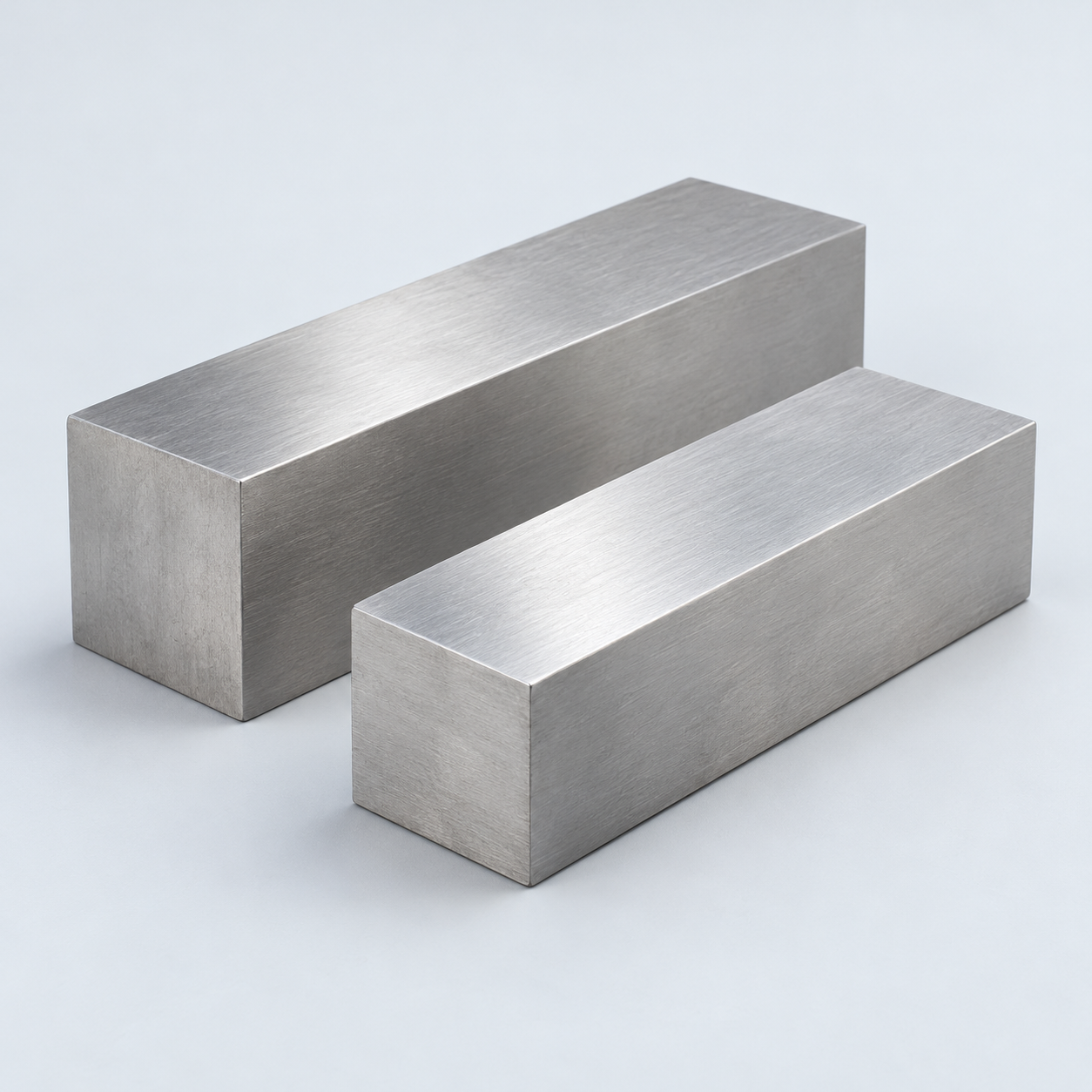 Stainless SteelCorrosion and finish requirements›
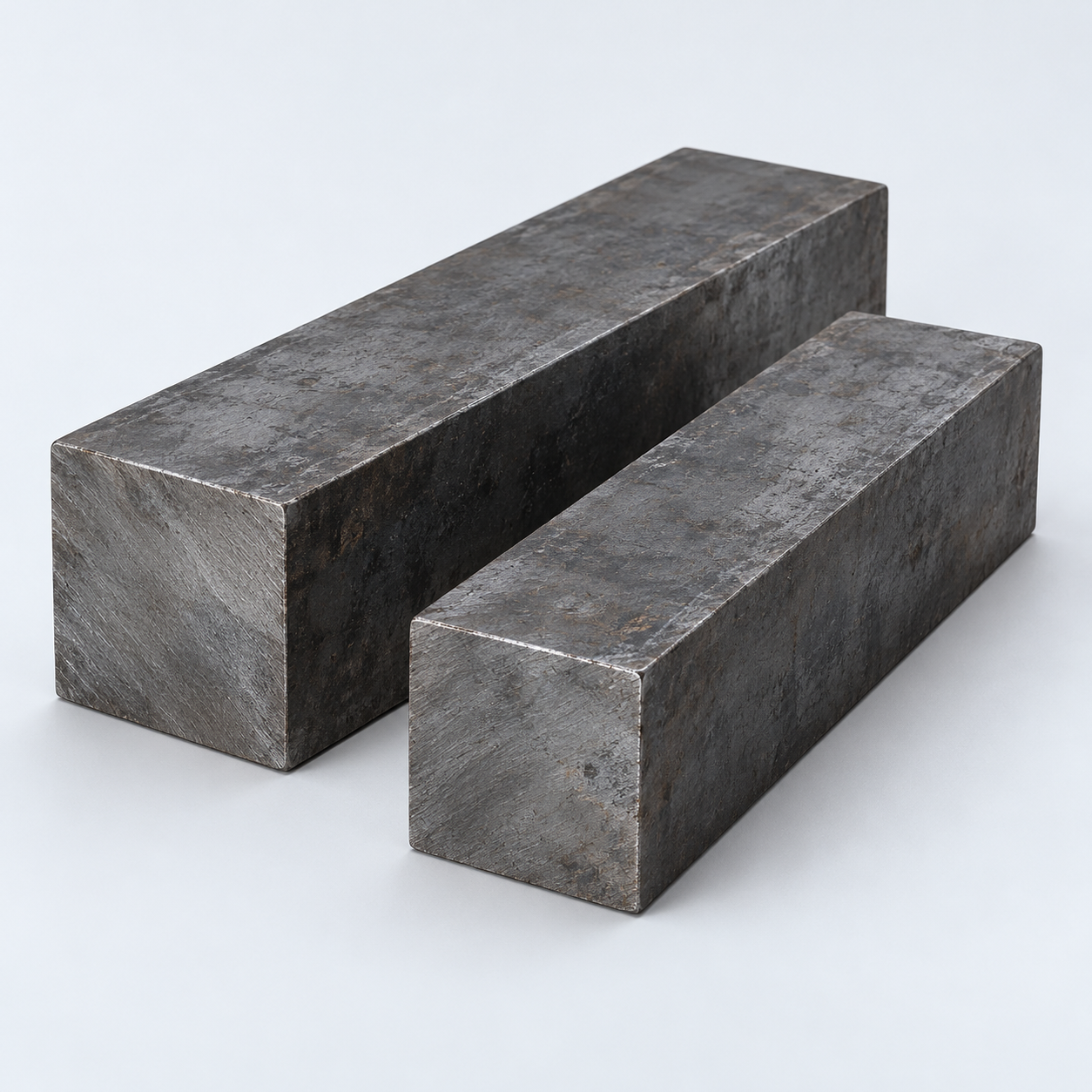 Carbon & Alloy SteelDiscuss grade and heat treatment›
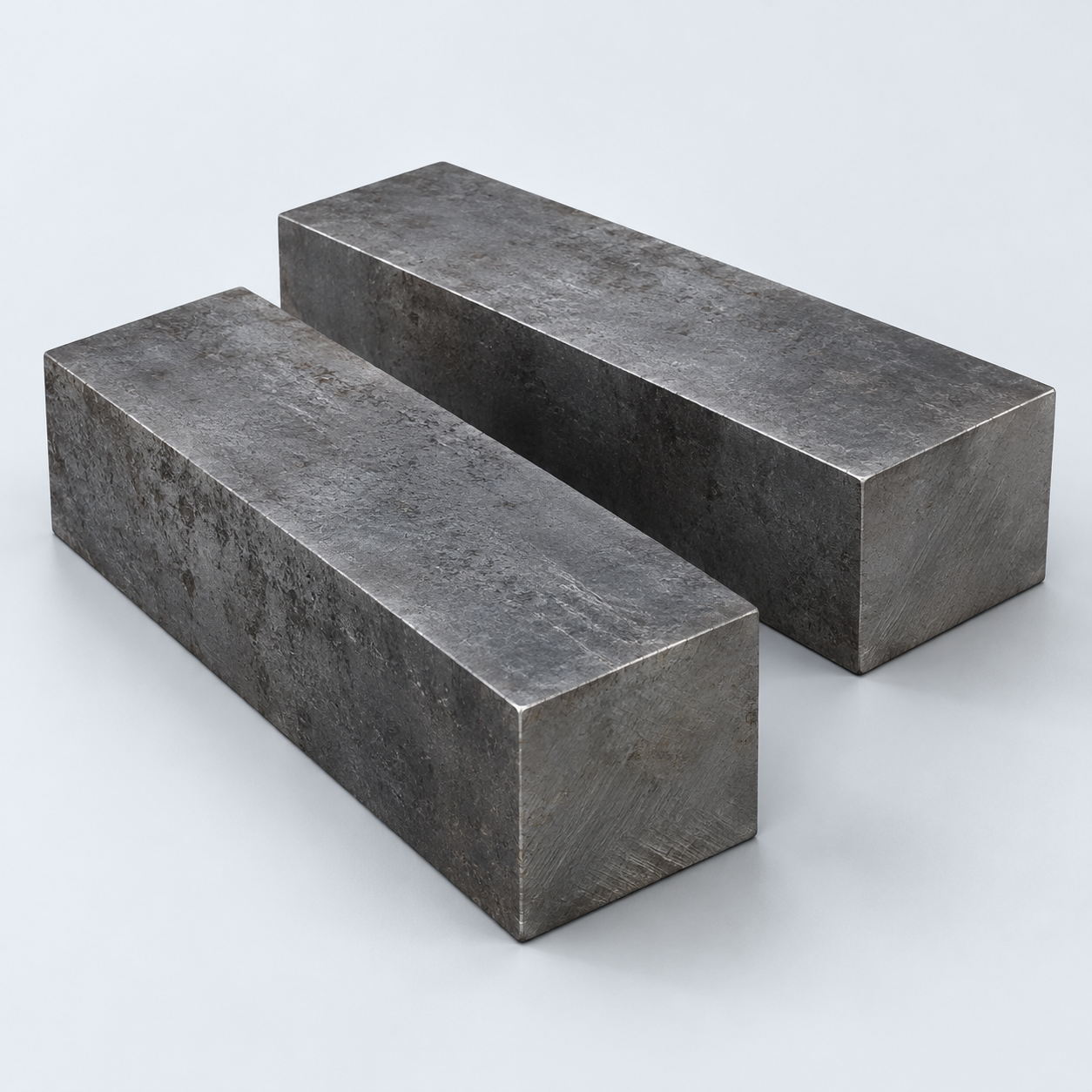 Tool SteelDiscuss tooling and wear needs›
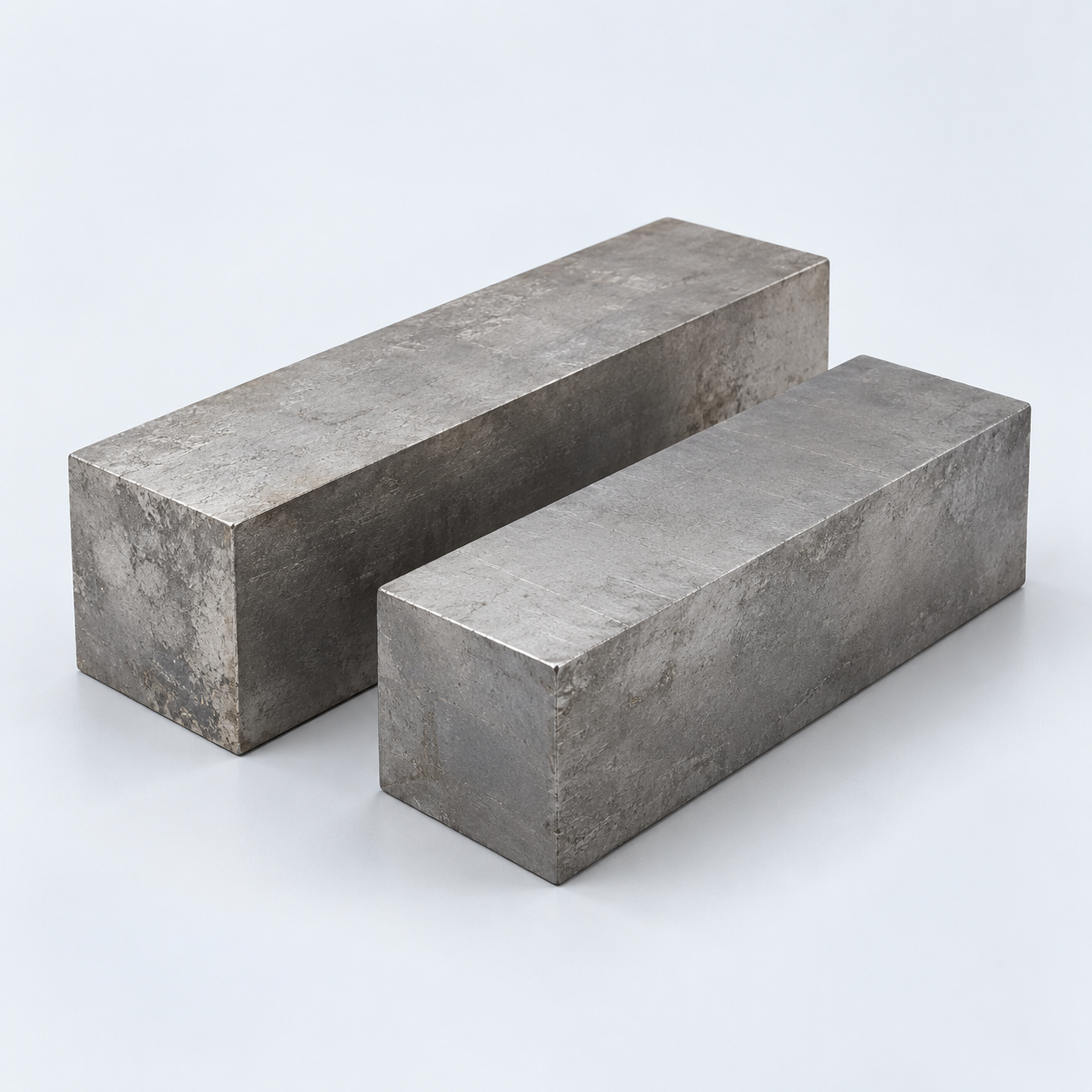 TitaniumReview grade and part geometry›
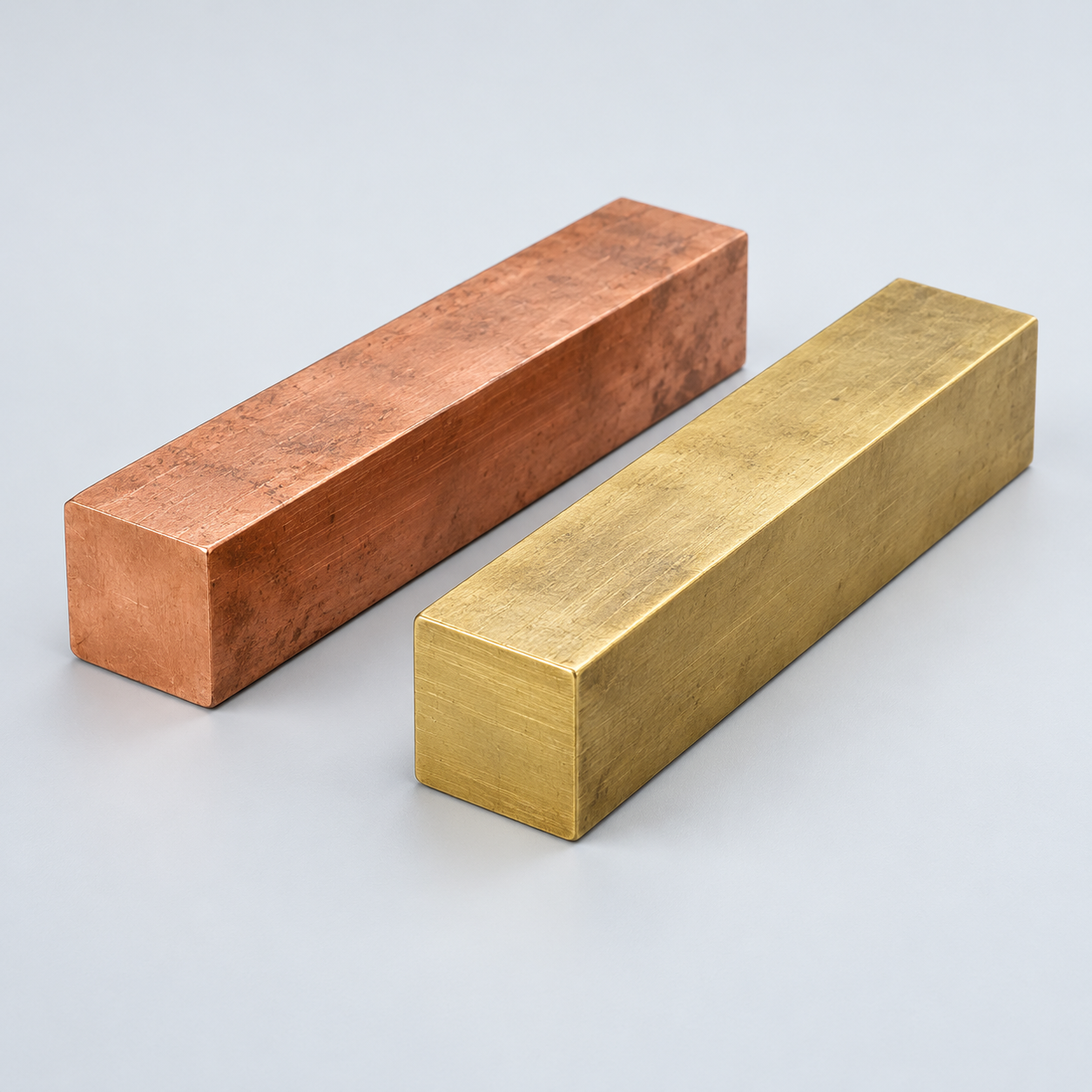 Copper & Brass & BronzeDiscuss conductivity and machining›
Match your polymer to function, process and environment.
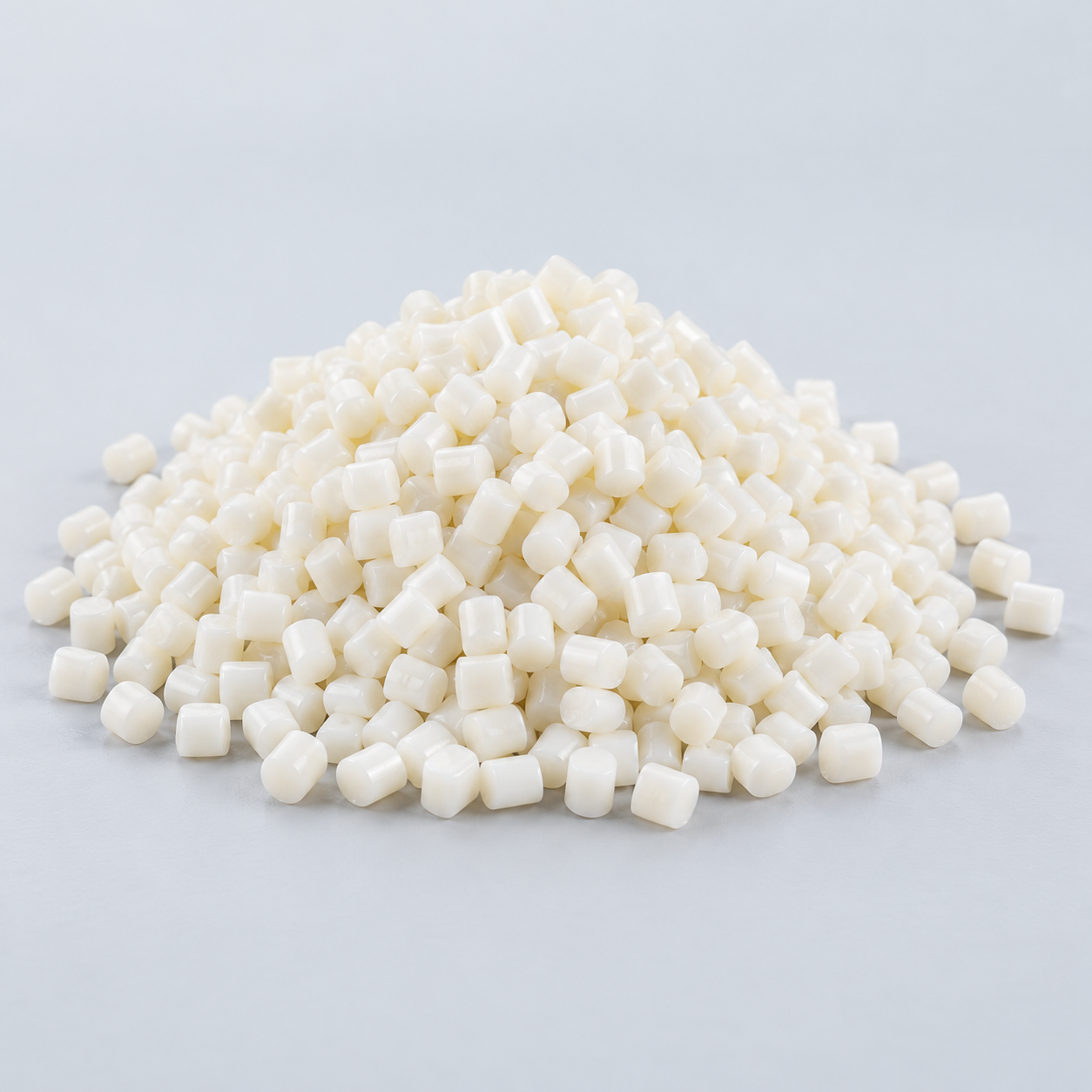 ABSReview enclosure and molding needs›
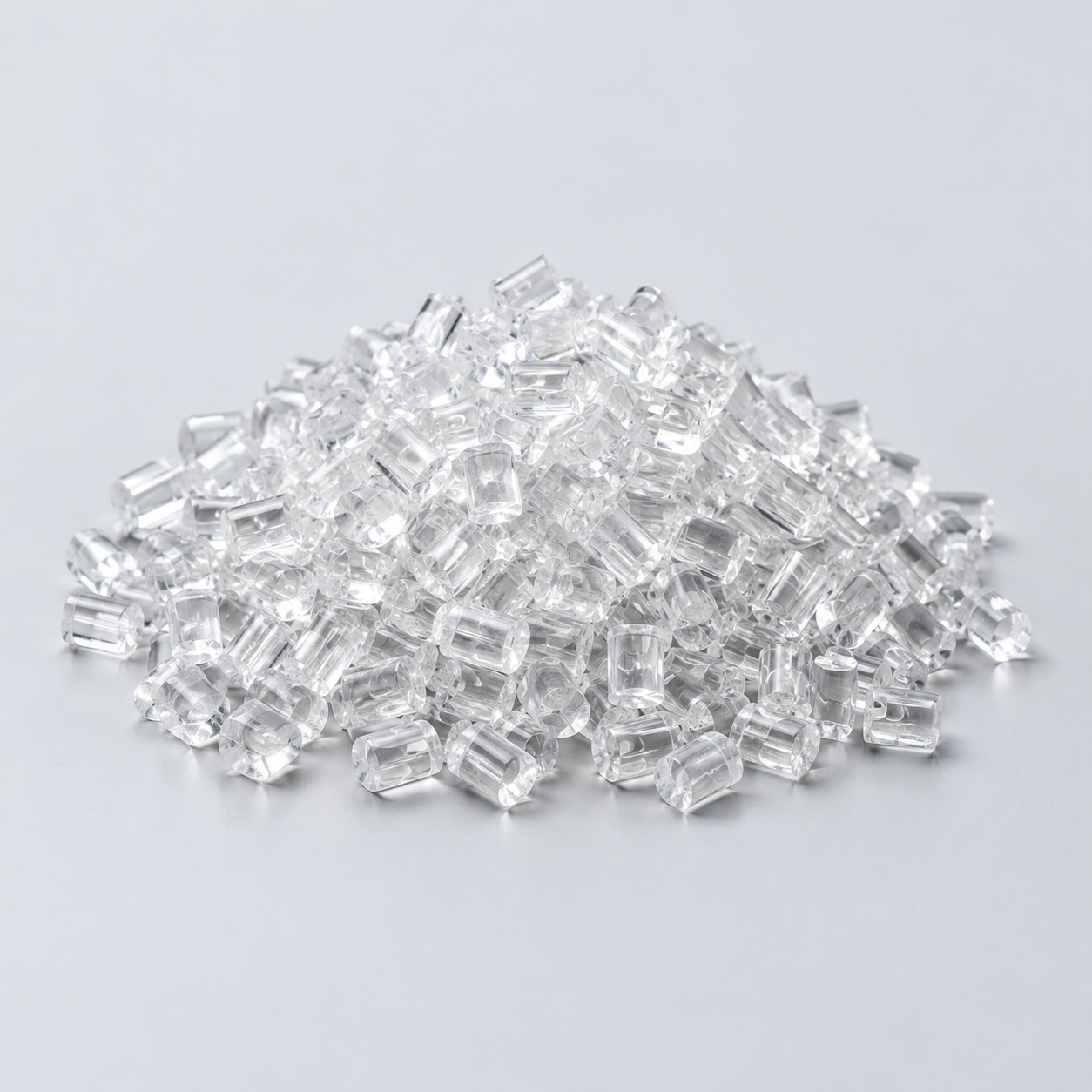 Polycarbonate (PC)Discuss clarity and impact needs›
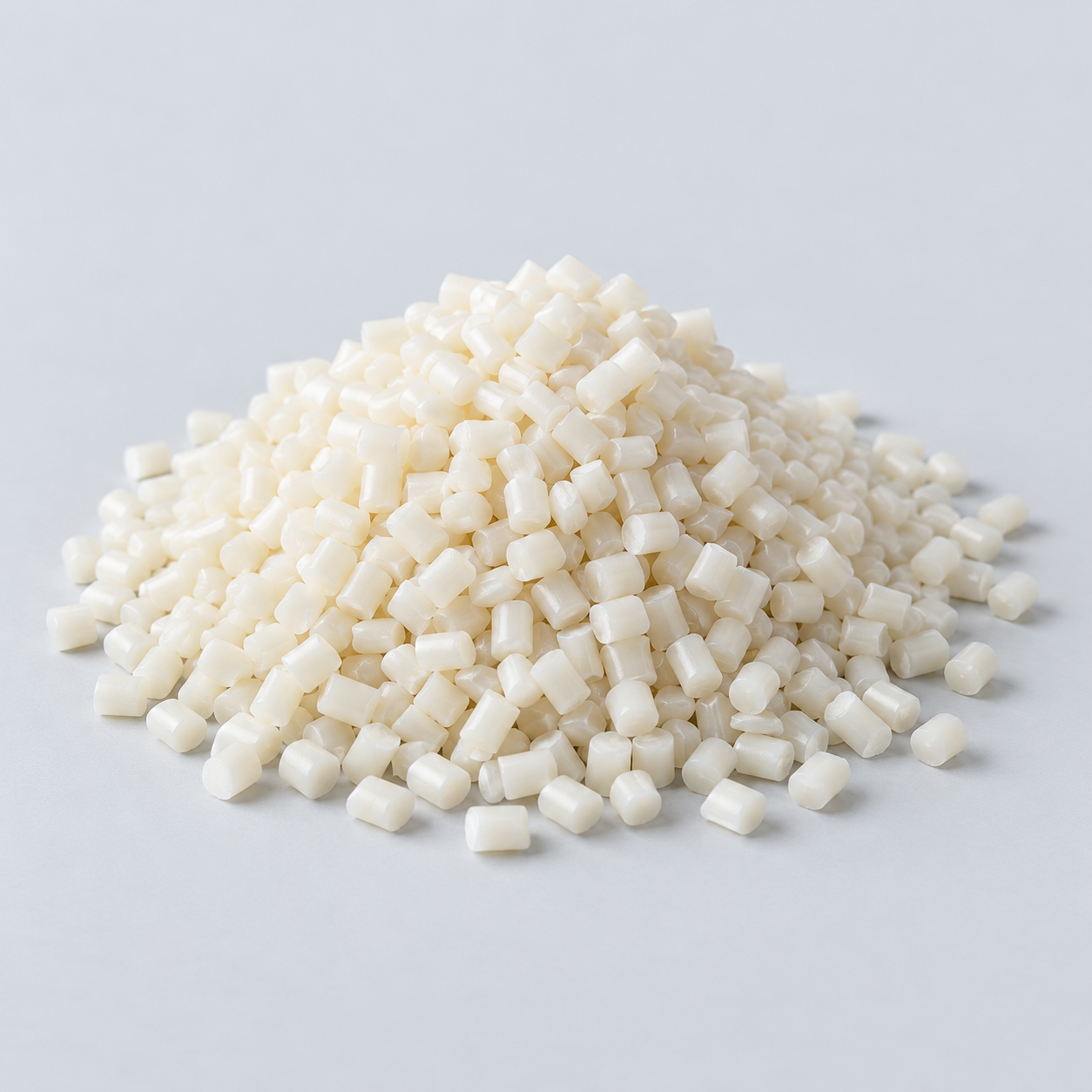 Nylon (PA)Review moisture and wear conditions›
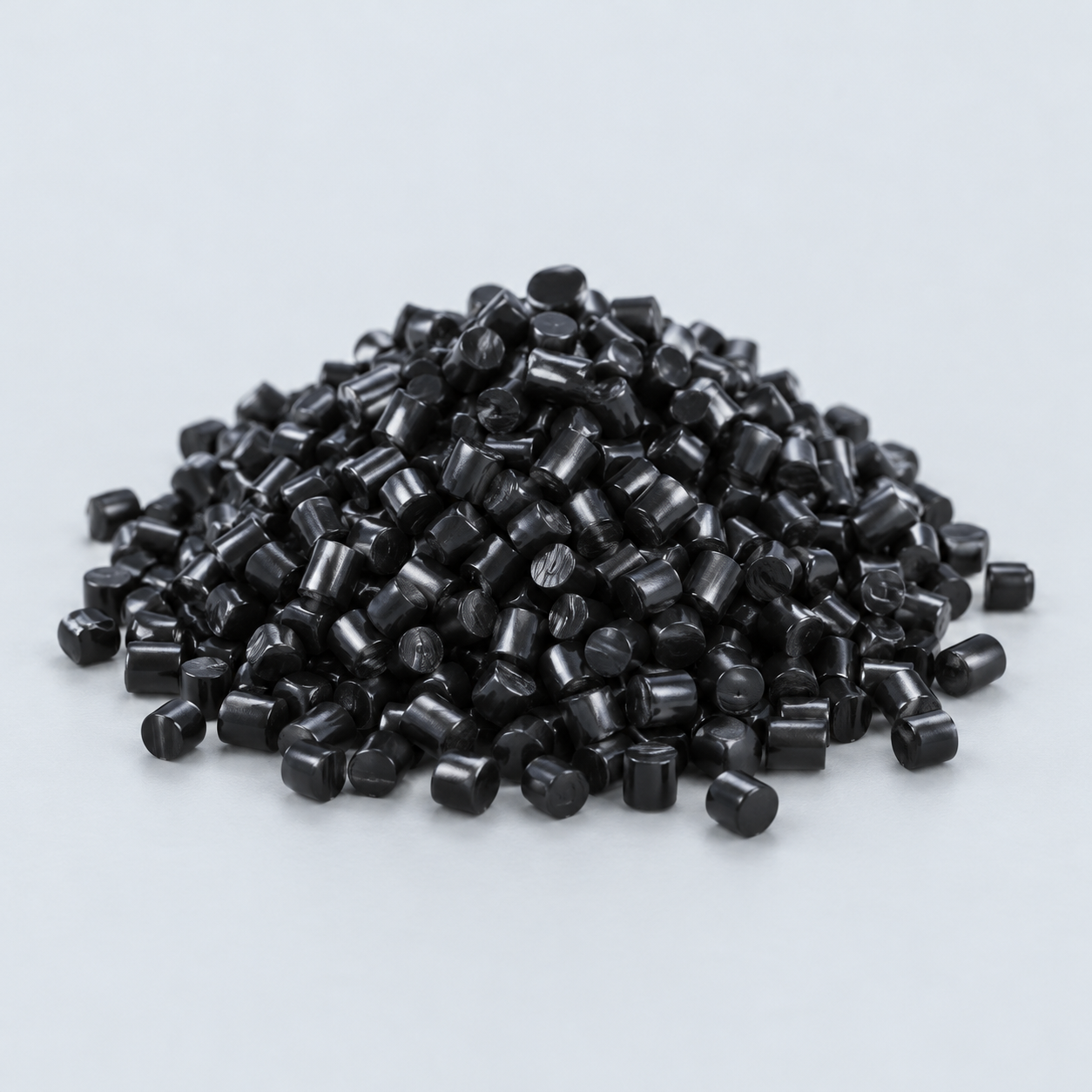 POM / AcetalReview fit and sliding features›
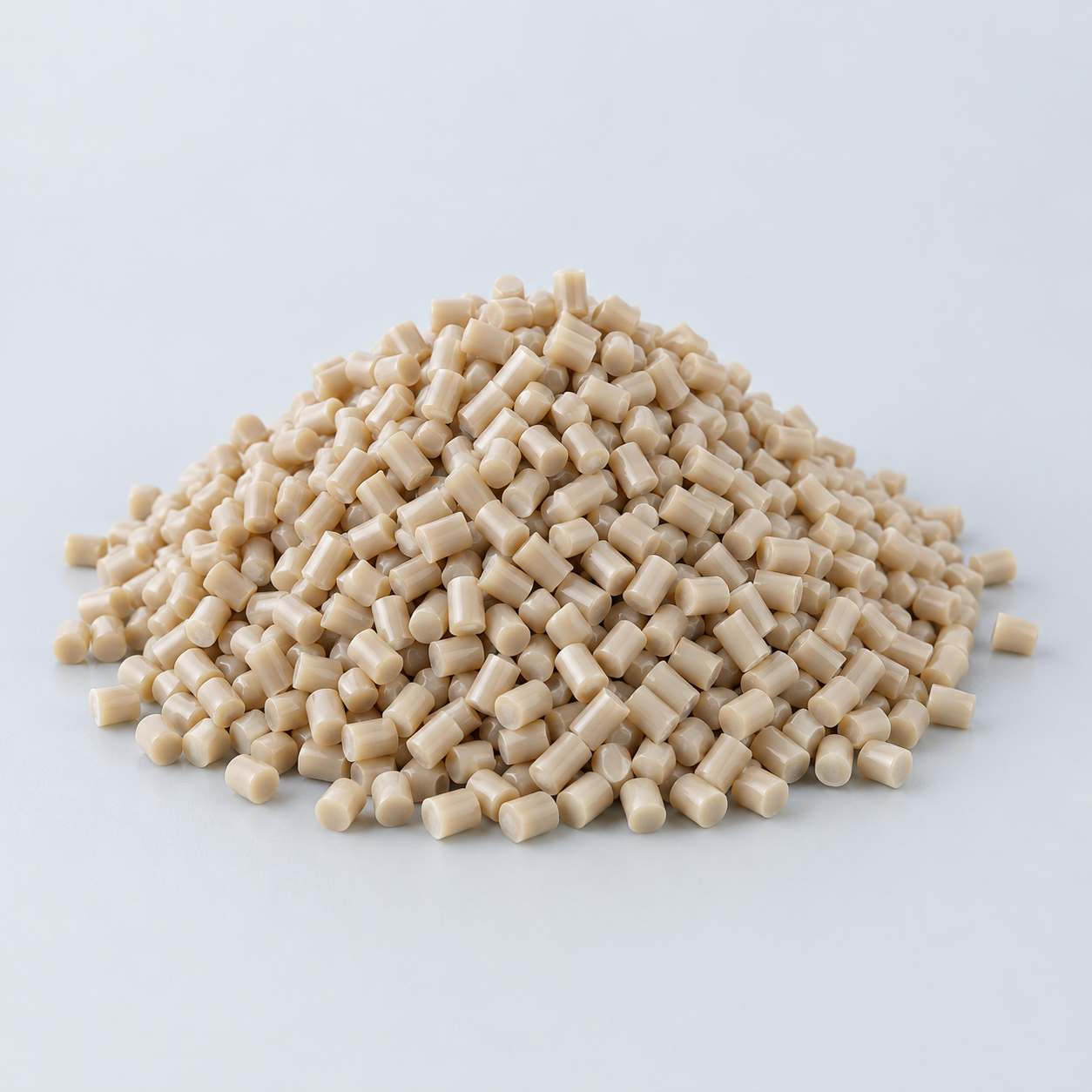 PEEKDiscuss operating conditions›
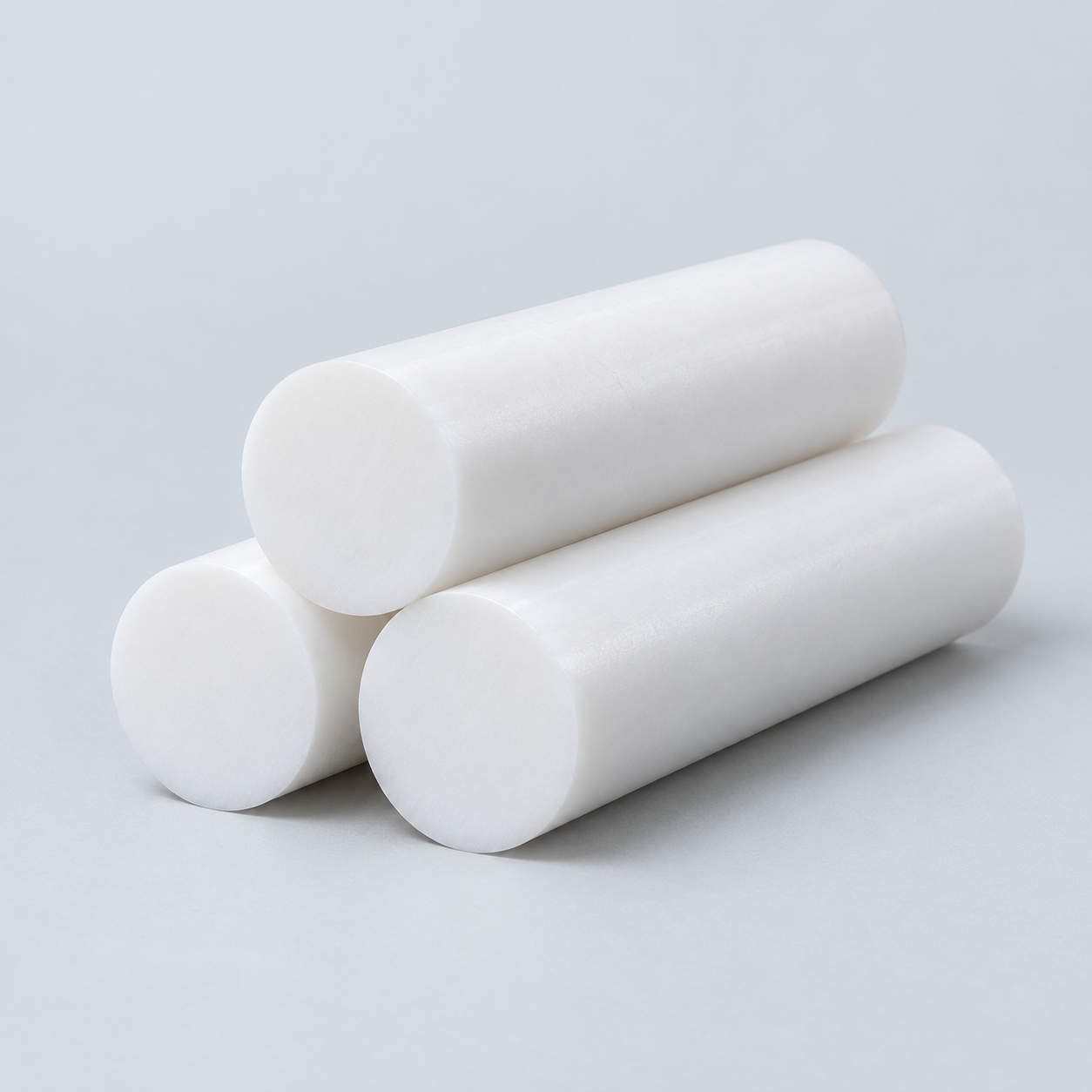 PTFEReview friction and chemical exposure›
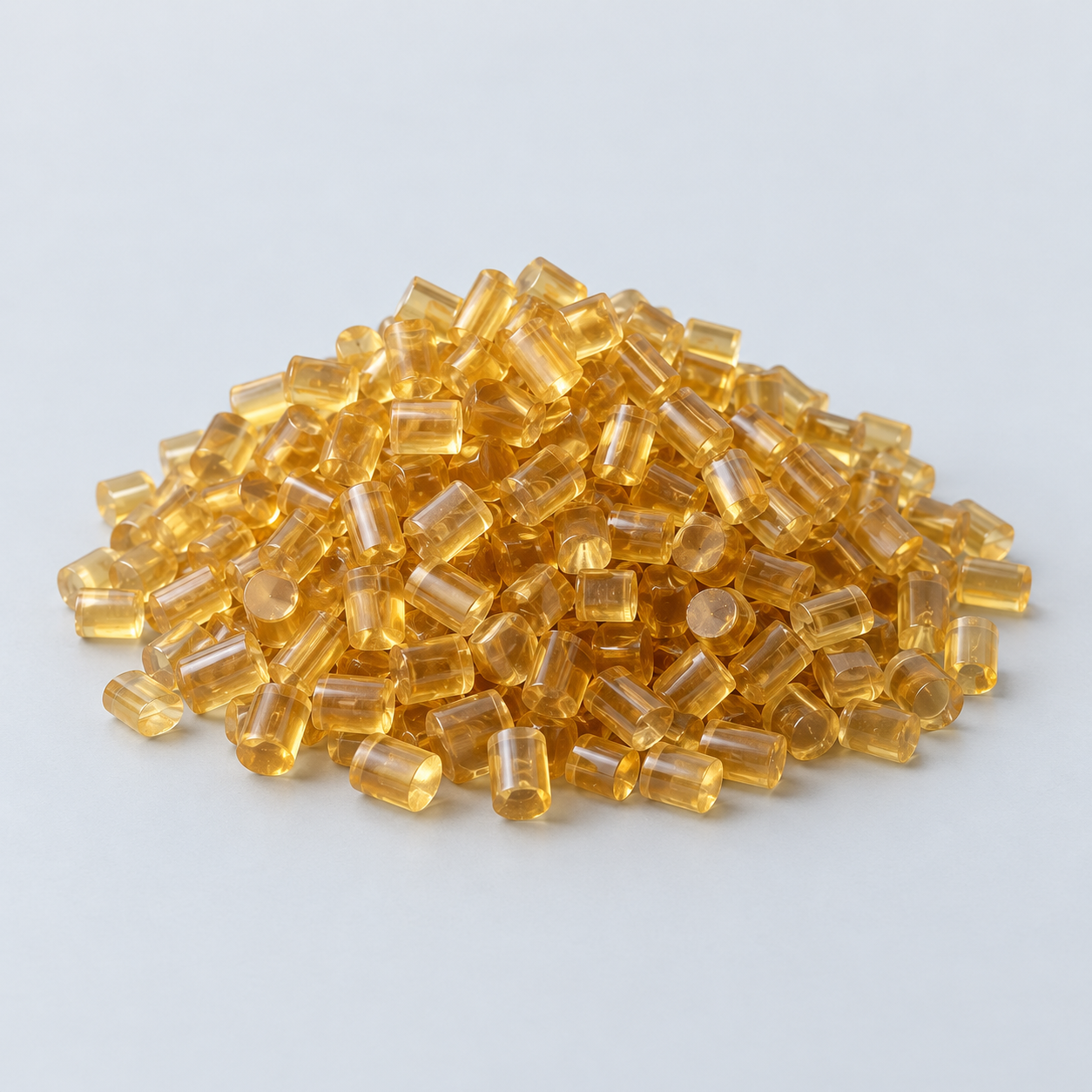 ULTEM / PEIDiscuss thermal and electrical needs›
Confirm grade availability and application requirements.
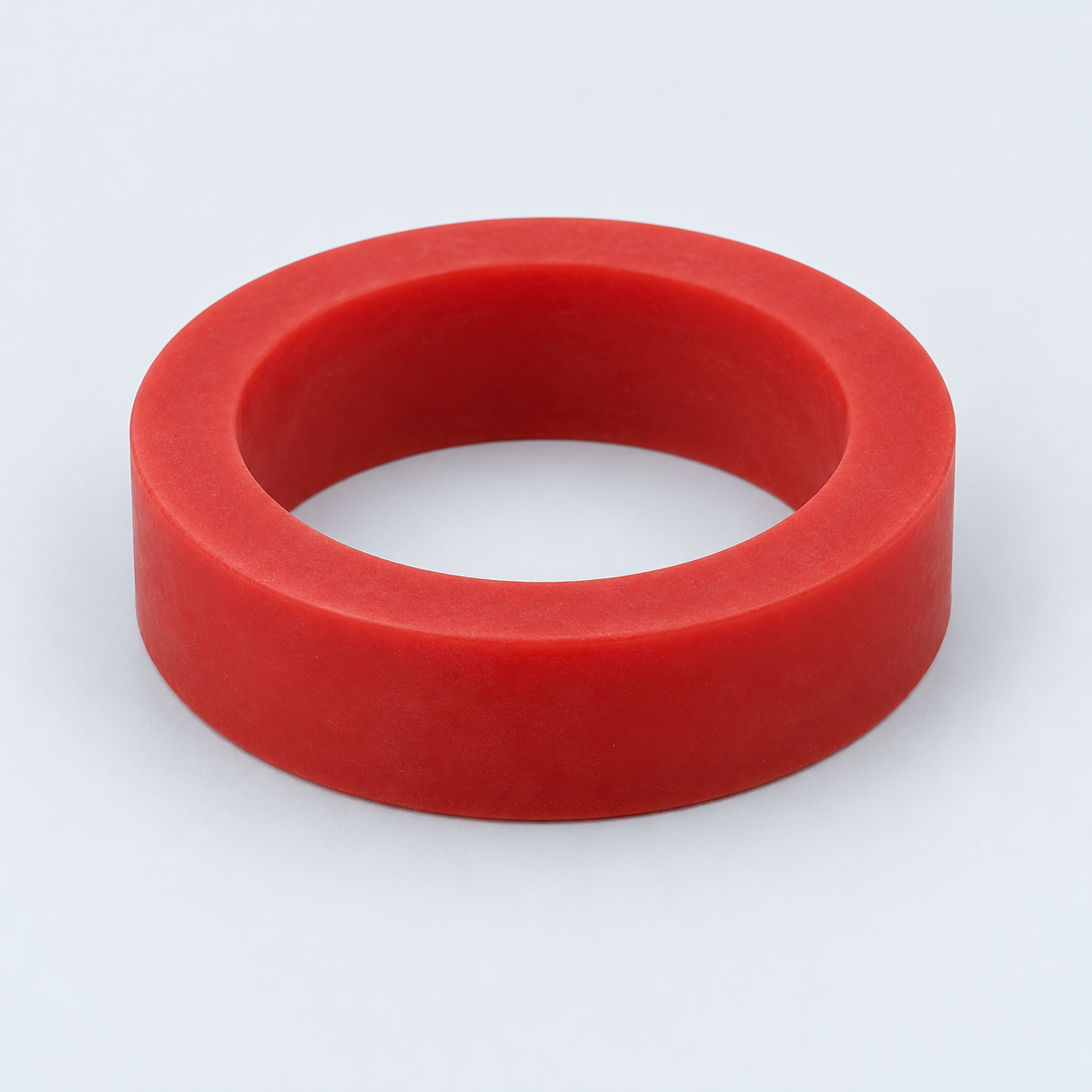 Silicone / LSRDiscuss flexible component needs›
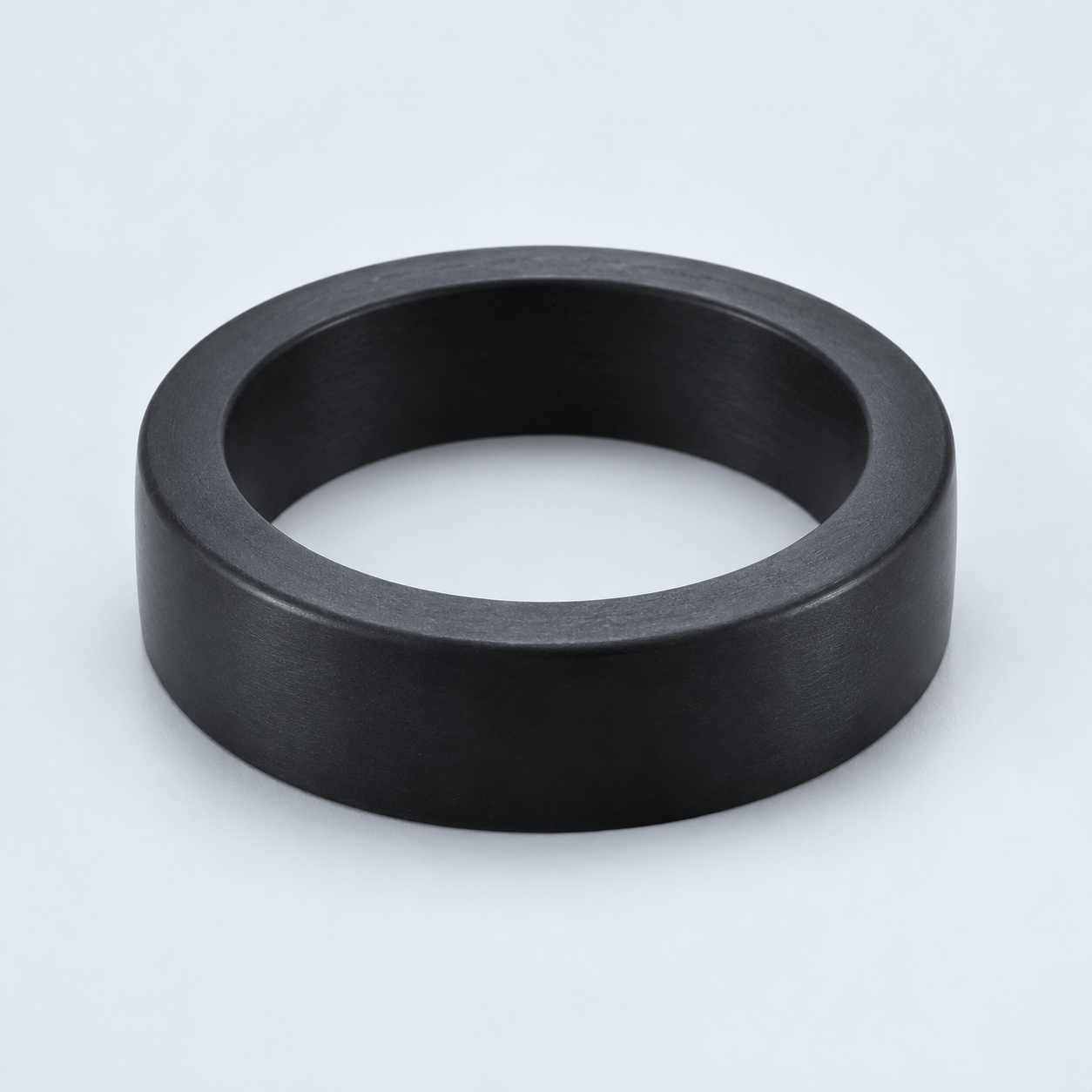 TPU / TPEReview flexibility and processing›
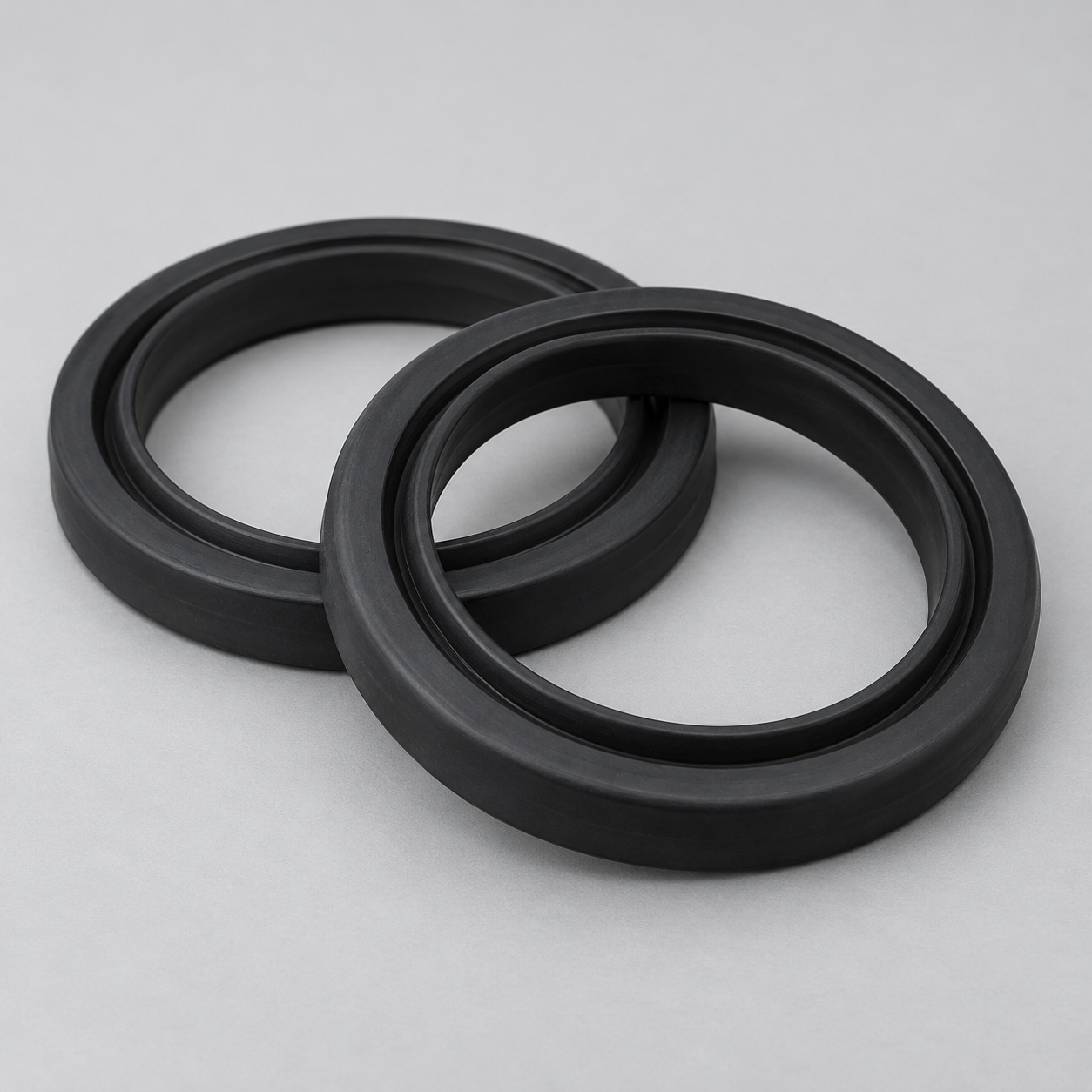 EPDMReview weathering and chemical exposure.›
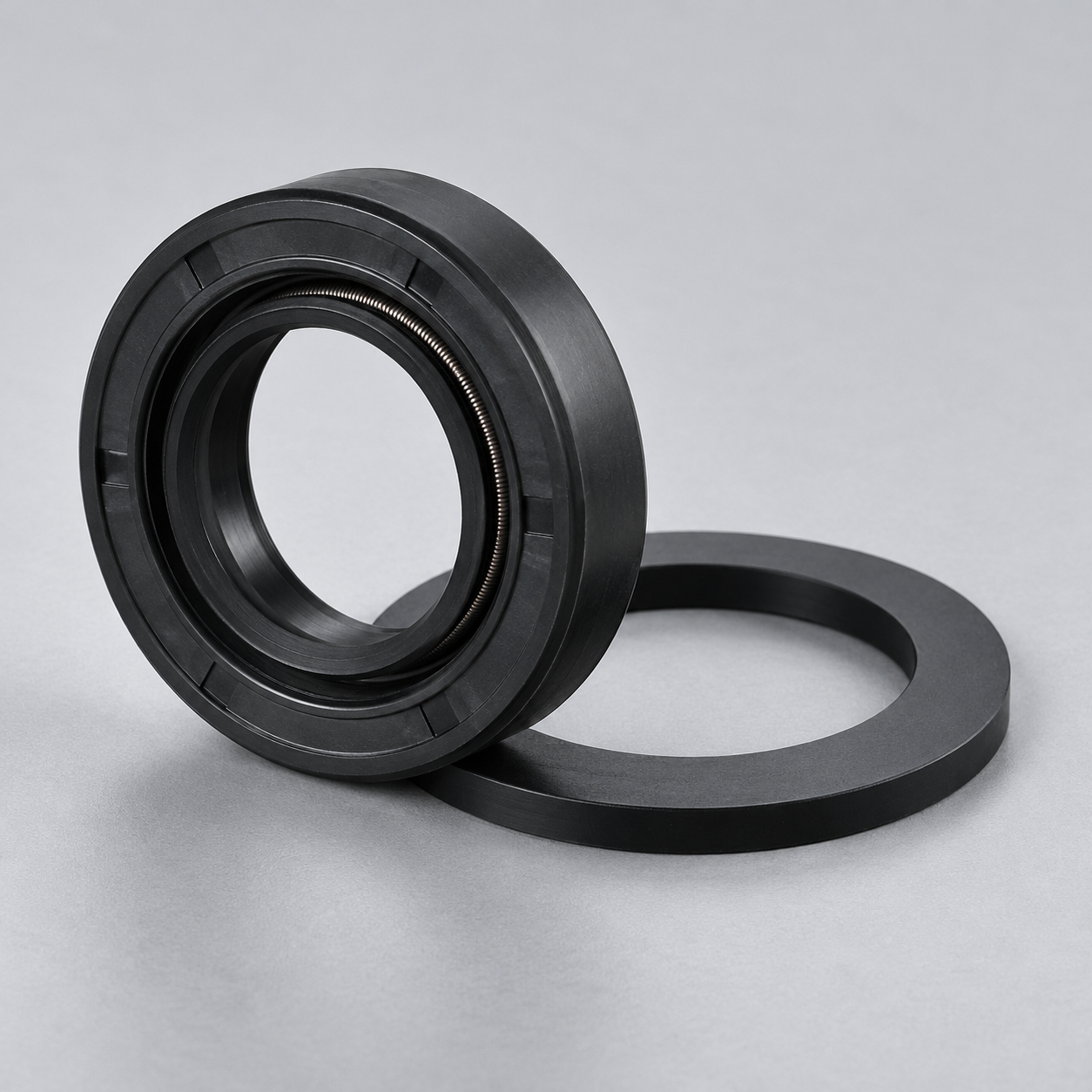 NBRReview oil and fuel exposure.›
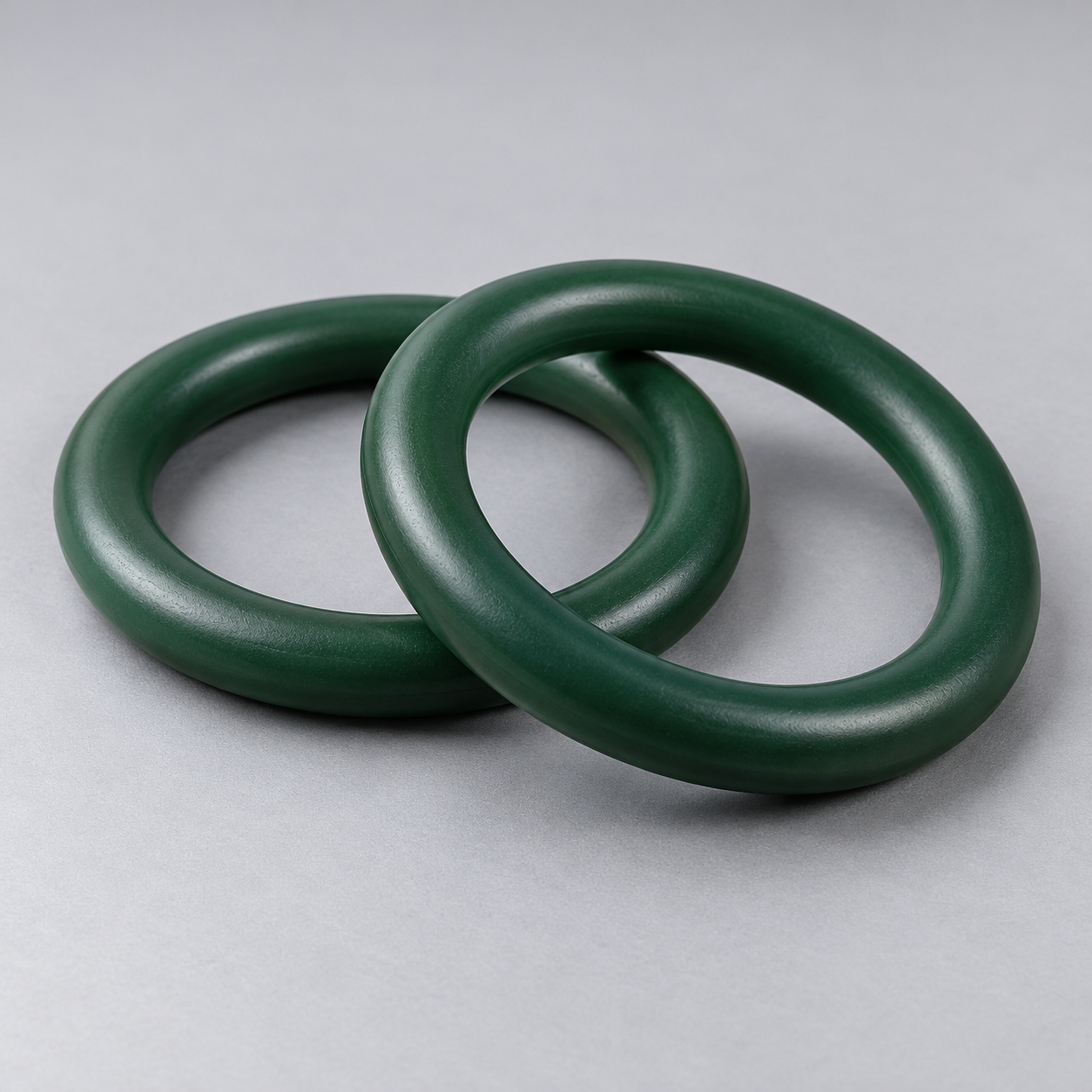 FKMReview temperature and chemical exposure.›
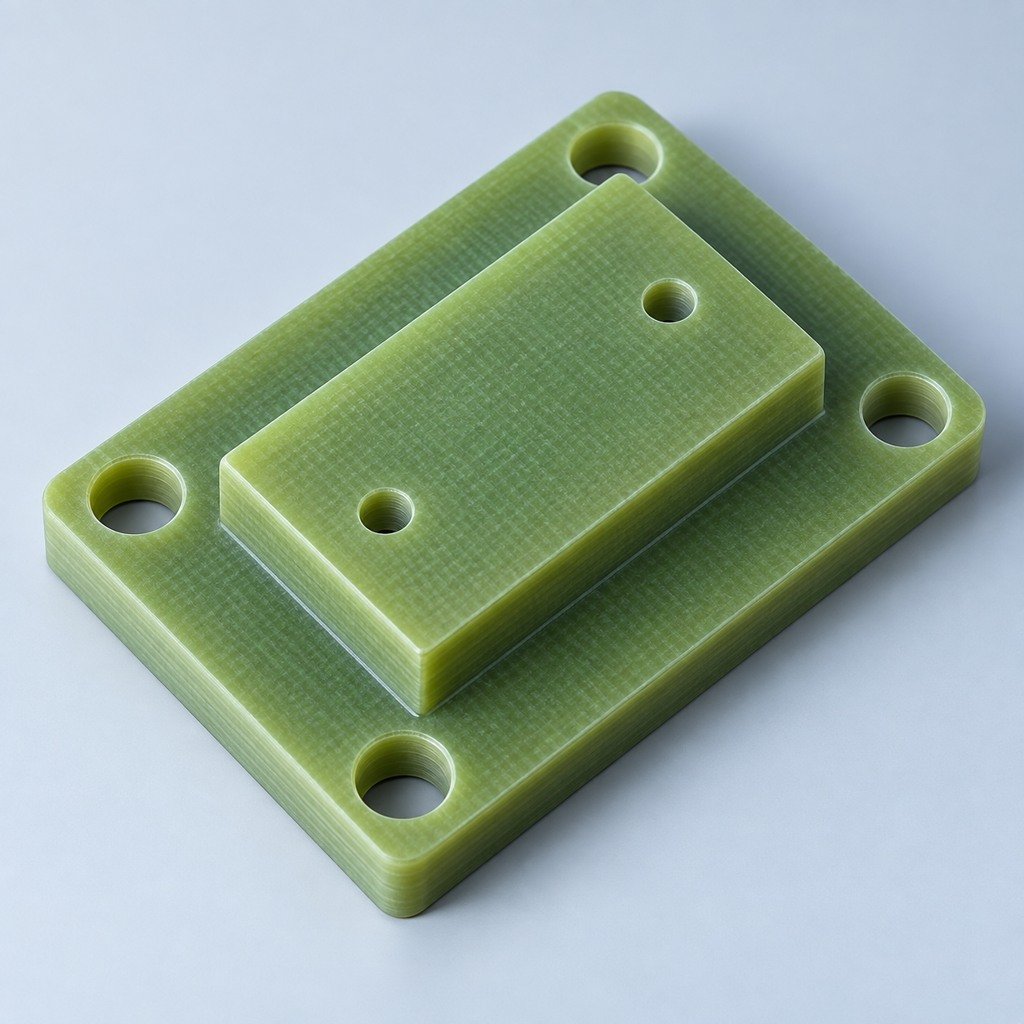 G10 / FR4Review insulation and laminate needs›
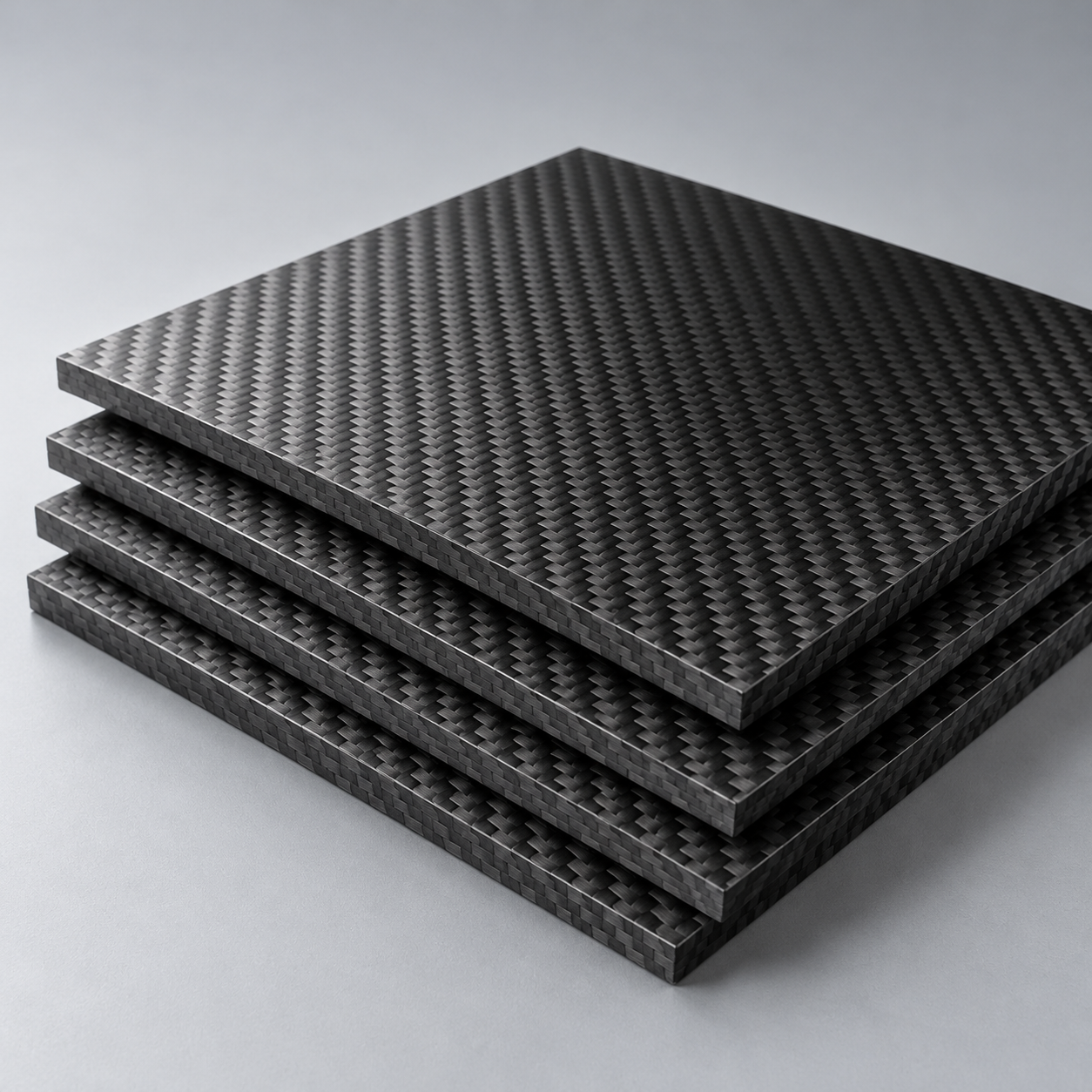 CompositesReview stiffness, weight and laminate.›Customer-Specified MaterialsConfirm your grade and requirements.›Other Specialty MaterialsDiscuss your application and grade.›
Practical guidance for your part geometry and material decisions.
Prepare your process, budget and sourcing questions.
Build your knowledge before production.
Learn who we are and how we operate.
Find our U.S. support team or start a conversation.
YOUR MATERIAL. YOUR INTERFACES. YOUR ACCEPTANCE.
For your AM60B machining project, connect the cast load path to the bores, mounting faces and coating that determine assembly fit. Confirm the actual casting and acceptance route before changing material.
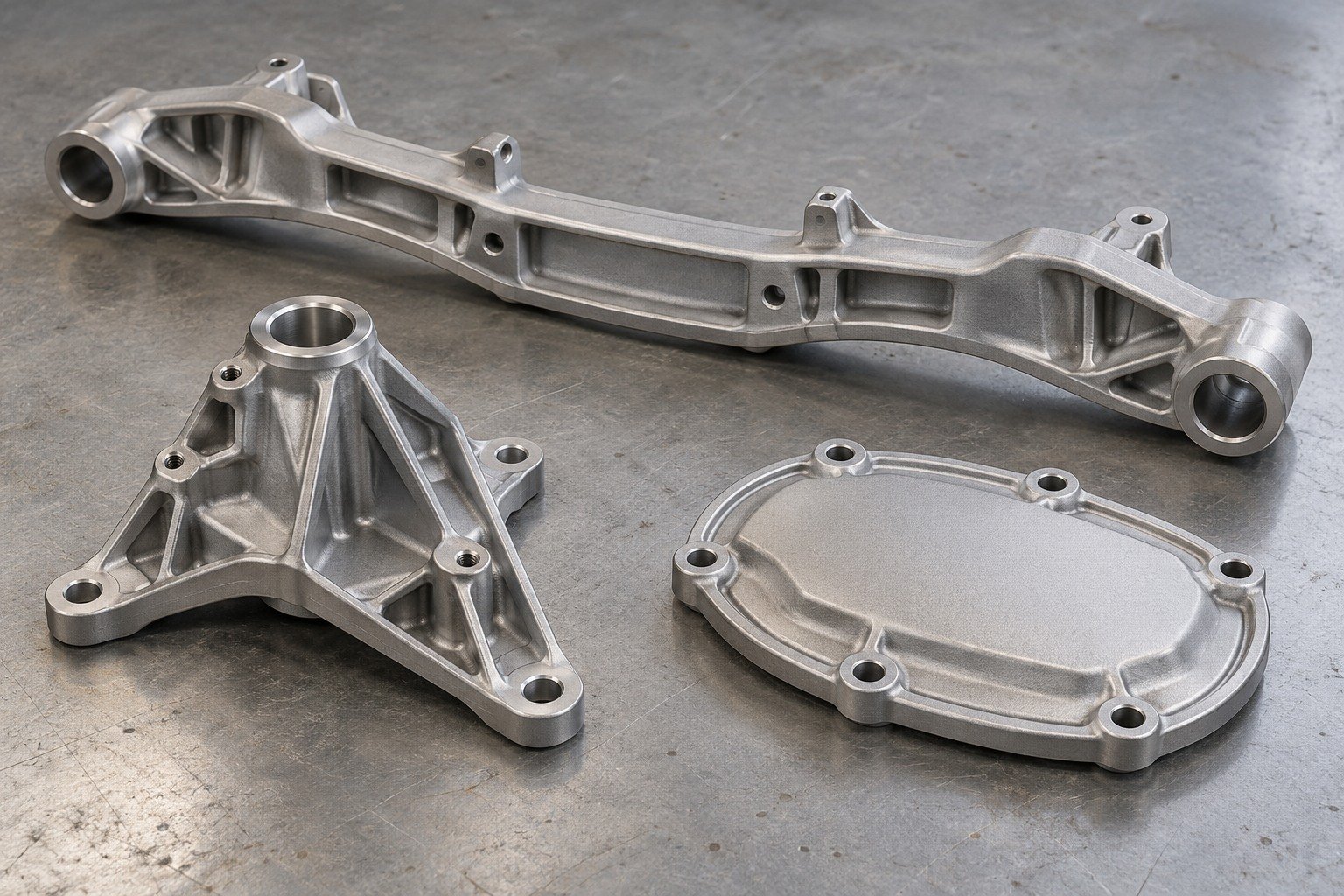
COMPOSITION AND PRODUCT SCOPE
Selected NADCA 2015 producer ingot reference, p. 3-21. This is not a complete cast-part specification or a lot analysis.
For your material analysis report, agree the complete element list, ordered limits, method and lot identity. The reference table is not a test of the illustrated component.
| Selected element | wt.% reference |
|---|---|
| Al | 5.5–6.5 |
| Zn | ≤0.22 |
| Mn | 0.24–0.60 |
| Mg | Balance |
4 review topics connect the material to your drawing. Keep the delivered product and receiving criteria explicit.
AM60B energy absorption cannot be approved from an alloy label. For your AM60B automotive structural parts, define deformation, load direction, test fixture and receiving evidence. AM60B elongation values describe the stated test specimens, not a guaranteed crash result.
| Your reference | What to define |
|---|---|
| Your material | Magnesium–aluminum–manganese die-casting alloy |
| Your route | Die casting + secondary machining |
| Your drawing | Critical interfaces, allowable deformation and final fit |
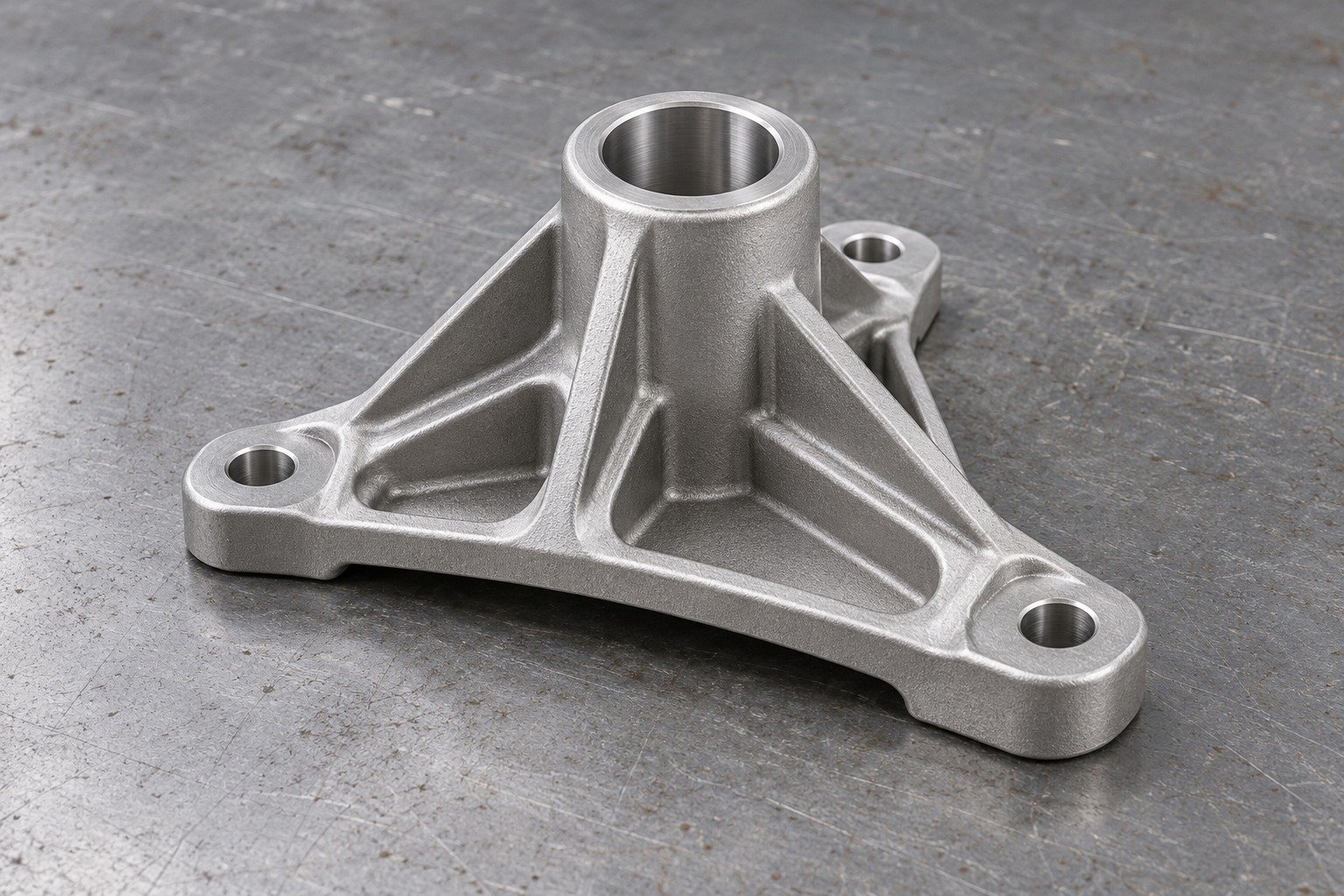
For your AM60B prototype parts, distinguish a geometric fit sample from production-route validation. Confirm the casting process, machining allowance, support and inspection state. Do not assume a machined billet reproduces die-cast properties.
| Your reference | What to define |
|---|---|
| Incoming condition | Specification, product form, lot and usable allowance |
| Working features | Datums, cutter access, bores, threads and accepted edges |
| Your approval | First sample in the agreed measurement state |
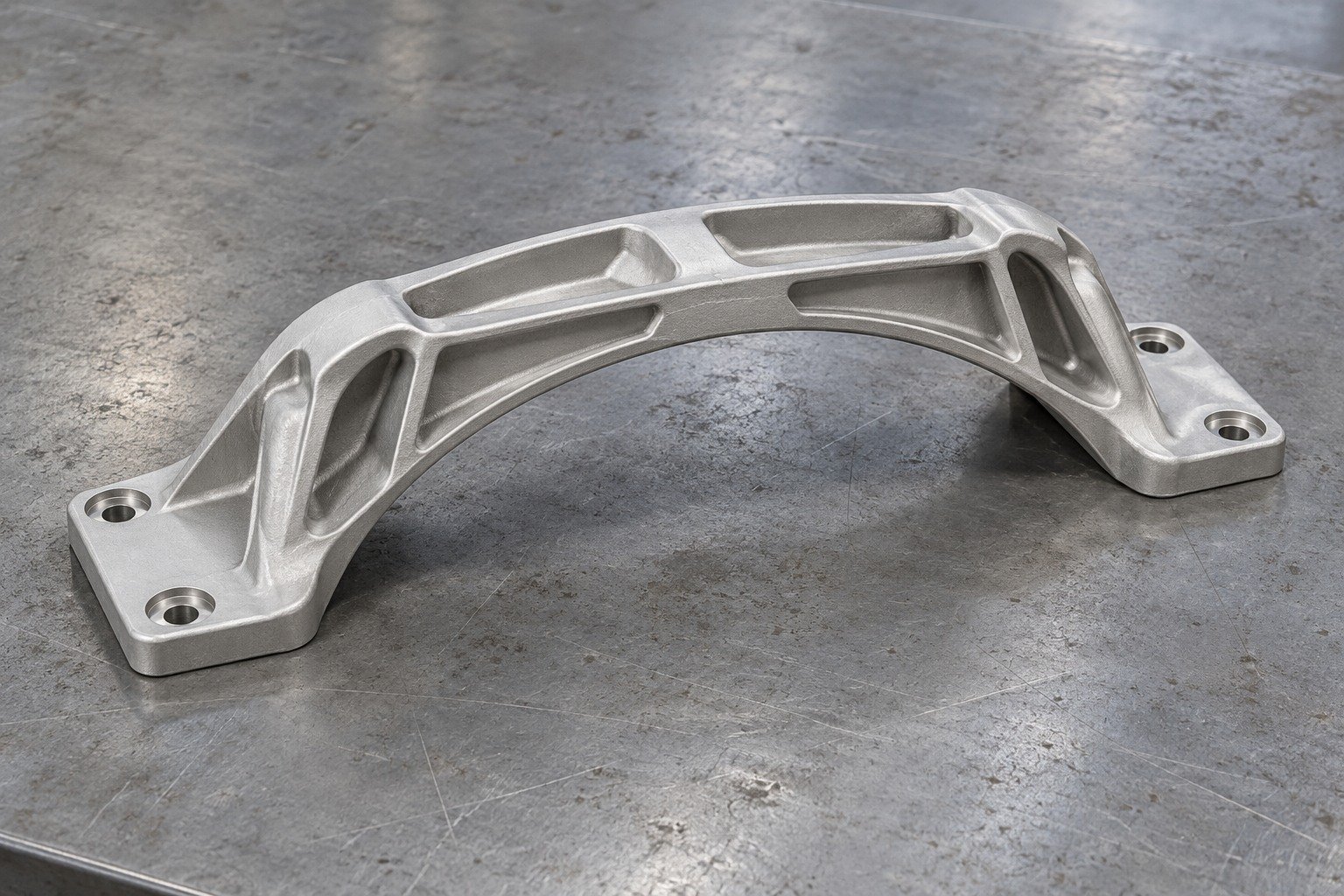
For your AM60B surface treatment, review exposure and mating metals before choosing a protection system. Define masked contact lands, thread coverage, gasket surfaces and dimensions after finishing.
| Your reference | What to define |
|---|---|
| Your environment | Moisture, chemicals, storage, temperature and duration |
| Your assembly | Contact materials, isolation and electrical requirements |
| Your final fit | Coating build, masked lands and measurement condition |
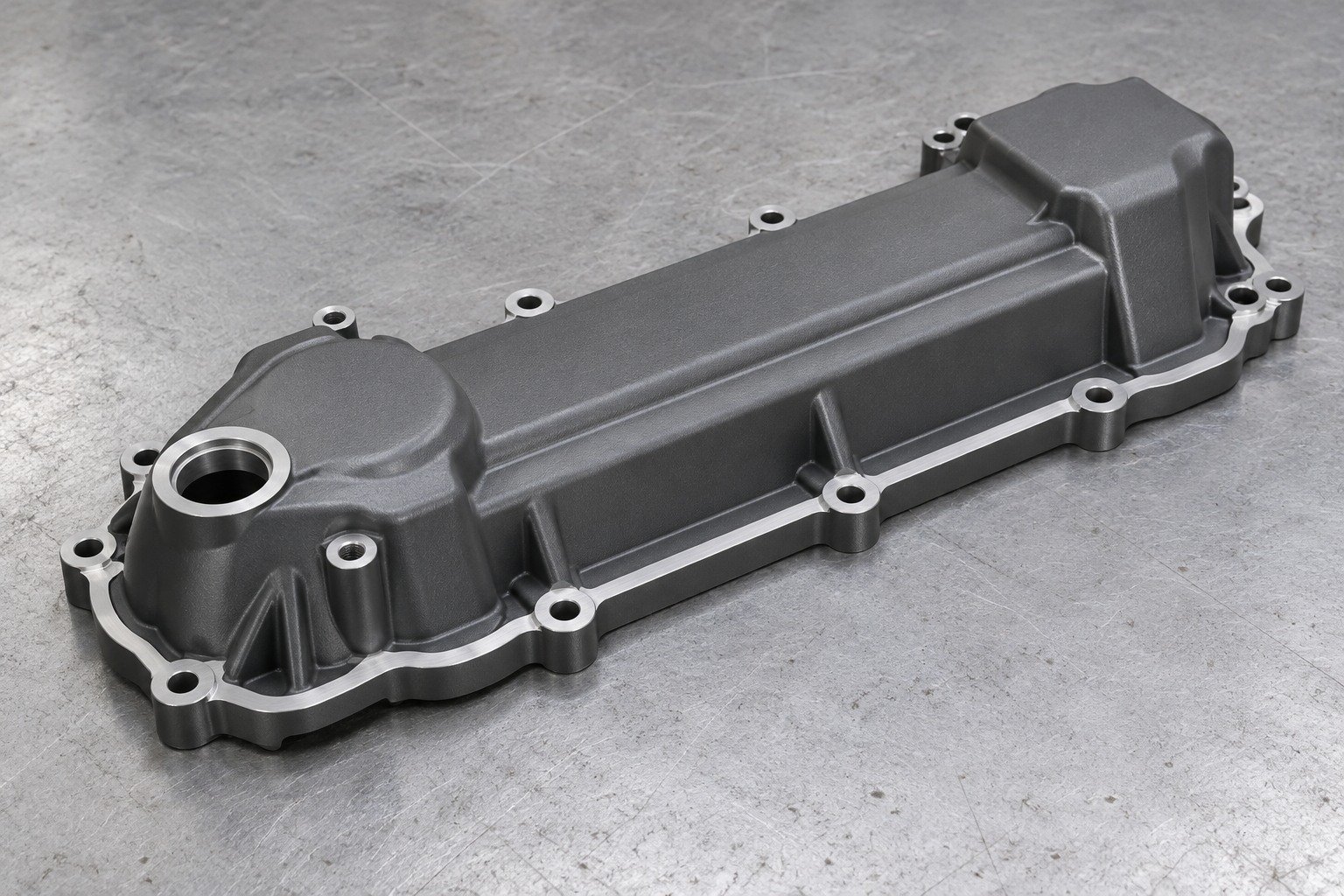
Link material identity to your controlled drawing and the finished measurement state. Dimensional inspection does not establish corrosion life, energy absorption or pressure integrity.
| Your reference | What to define |
|---|---|
| Material & lot | Full callout and material-lot evidence |
| Dimensional records | Critical features, agreed methods and sampling |
| Functional evidence | Separate load, leak or finish test when specified |
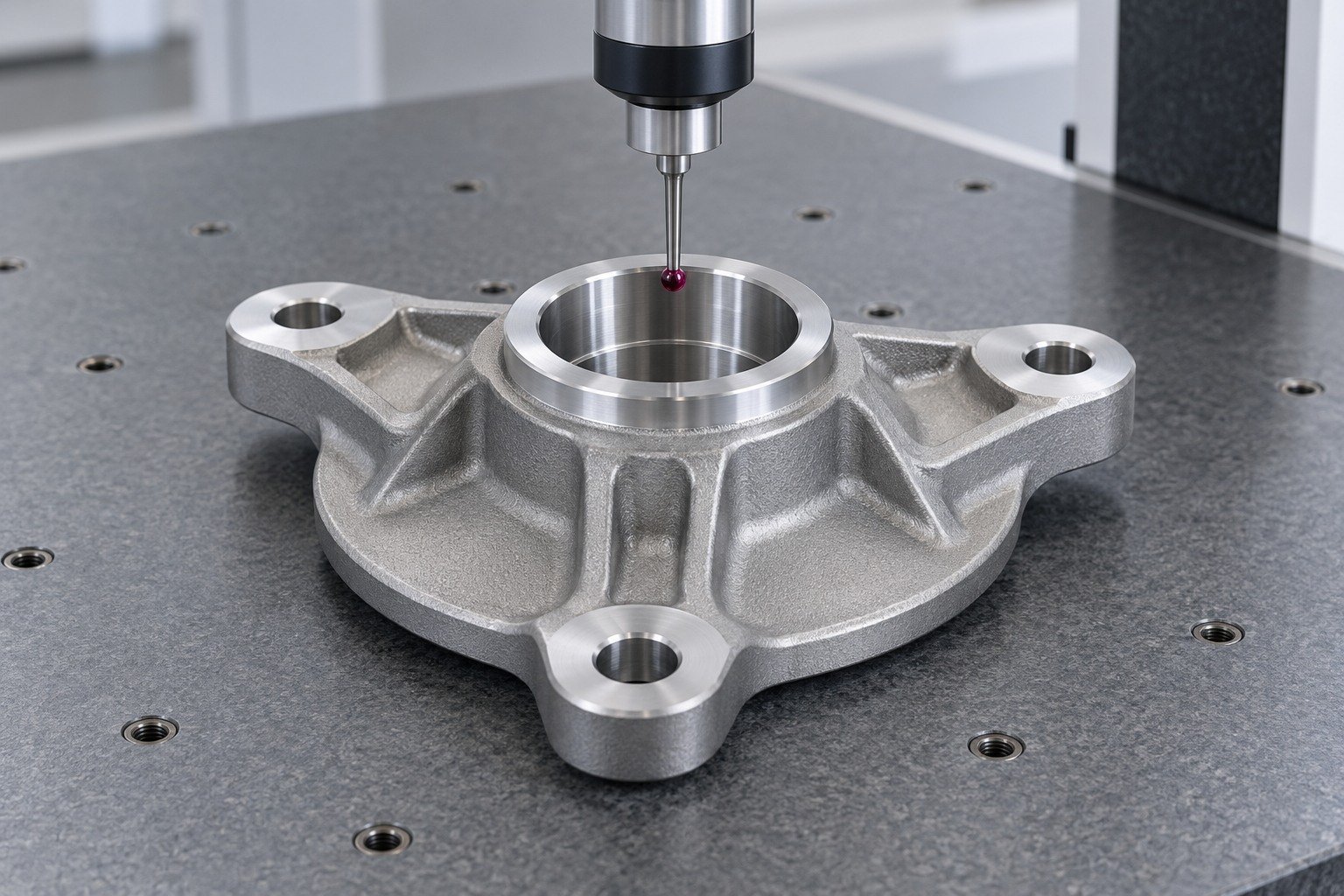
Compare the stated dataset before judging your own part. Material properties are not a completed material analysis report.
Common scale: 0–250
Common scale: 0–12
NADCA 2015, p. 3-22: separately die-cast test-specimen references, not design allowables or finished-part guarantees. Casting geometry, process and test conditions change results. Range bars show the published elongation interval.
Read technical reference →| Reference | Your approval boundary |
|---|---|
| AM60B | Retain the complete grade and suffix |
| ISO-MgAl6Mn | ISO-MB21230 |
| AM60 | Reference family / historical name only |
IMS lists this symbol and number for ingots. NADCA 2015 lists AM60 in its EN 1753/1997 cross-reference. Retain the B suffix and current product specification. AM60A is not automatically approved in its place.
IMS product designation scope → Product-specific reference →Keep supply, sample purpose and coating acceptance in the same drawing review.
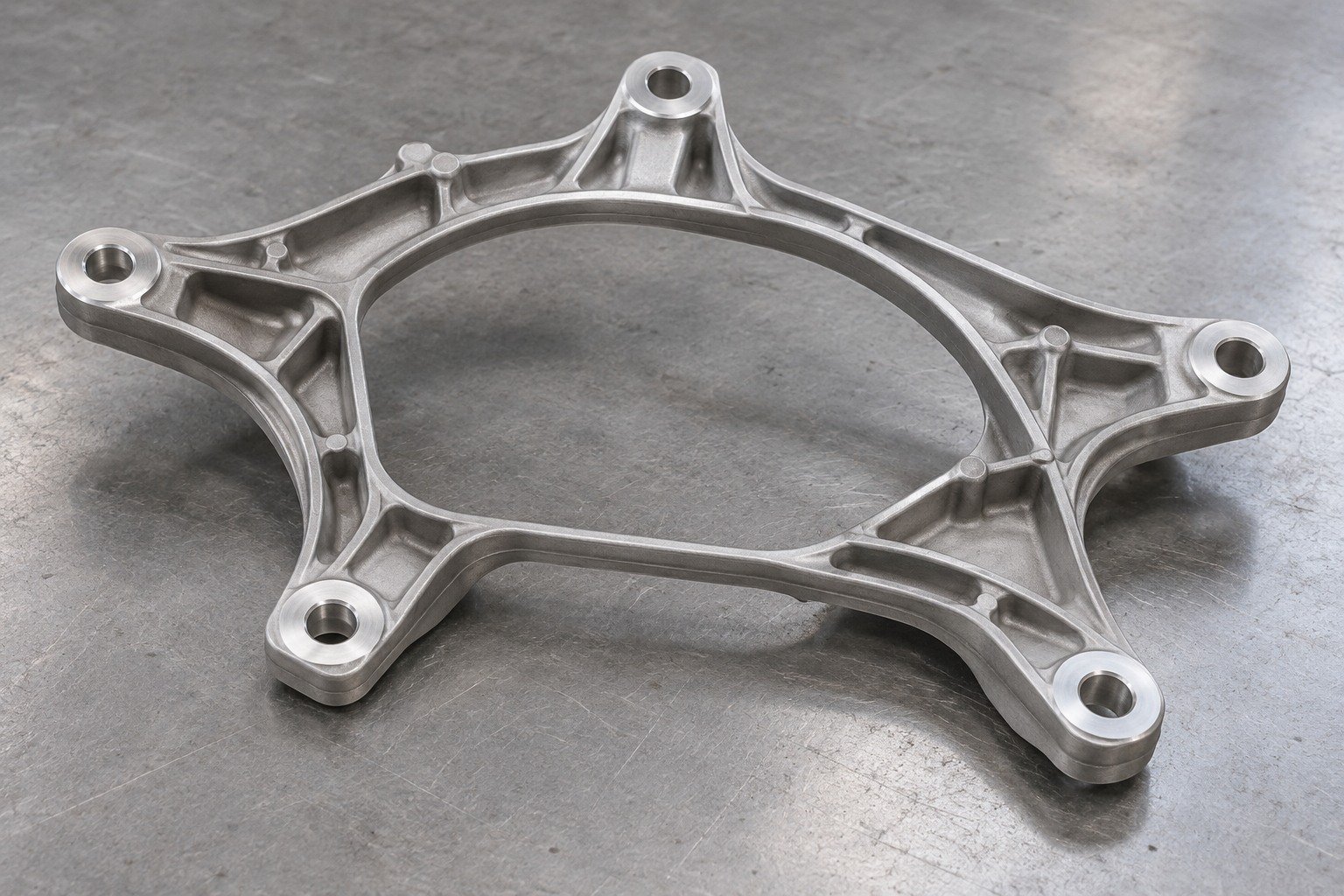
Confirm AM60B supplier scope: raw material, cast blank or finished component. Availability and certificates are reviewed for your specific order.
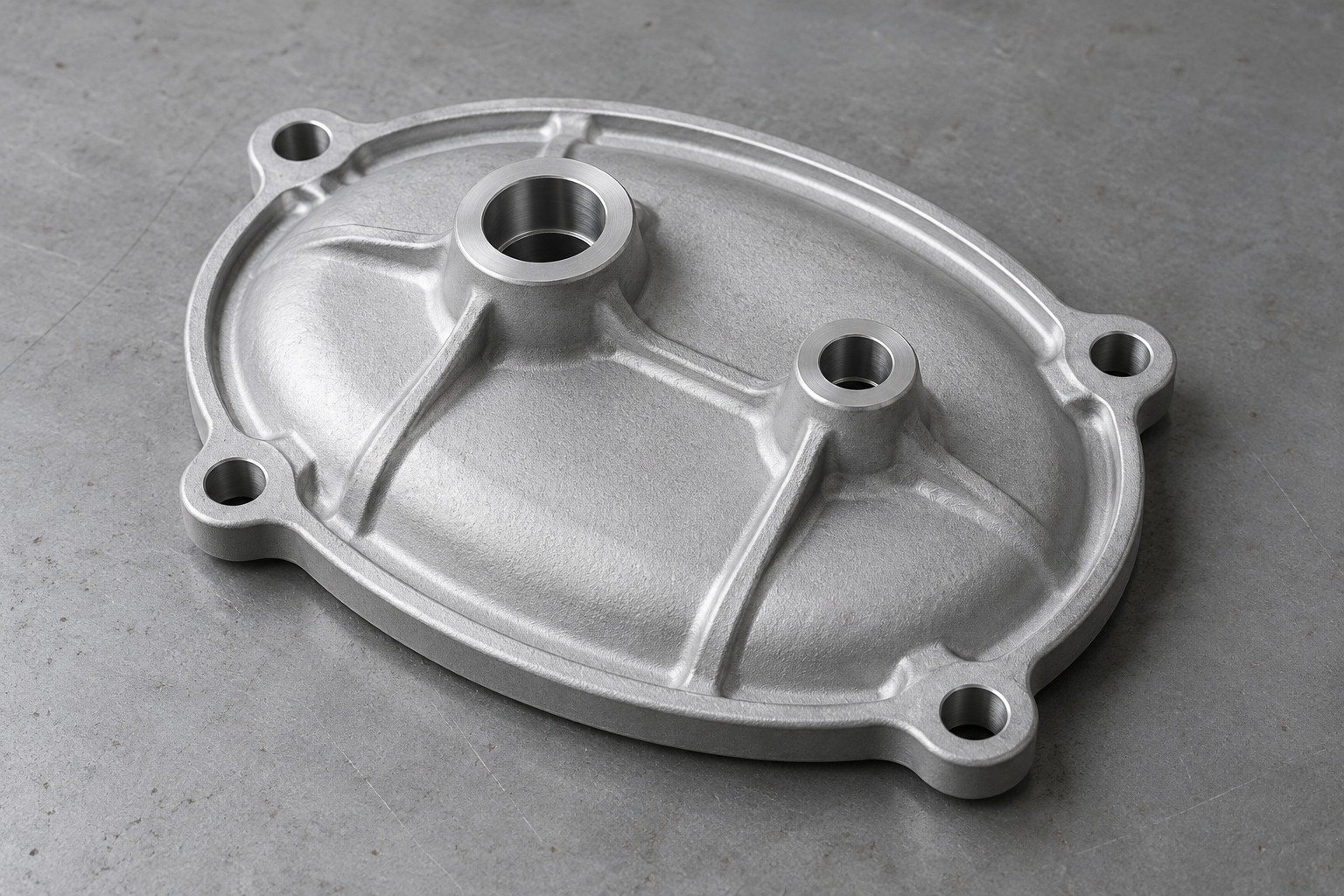
Agree geometry, mating features and test purpose. A successful fit check alone does not validate production properties.
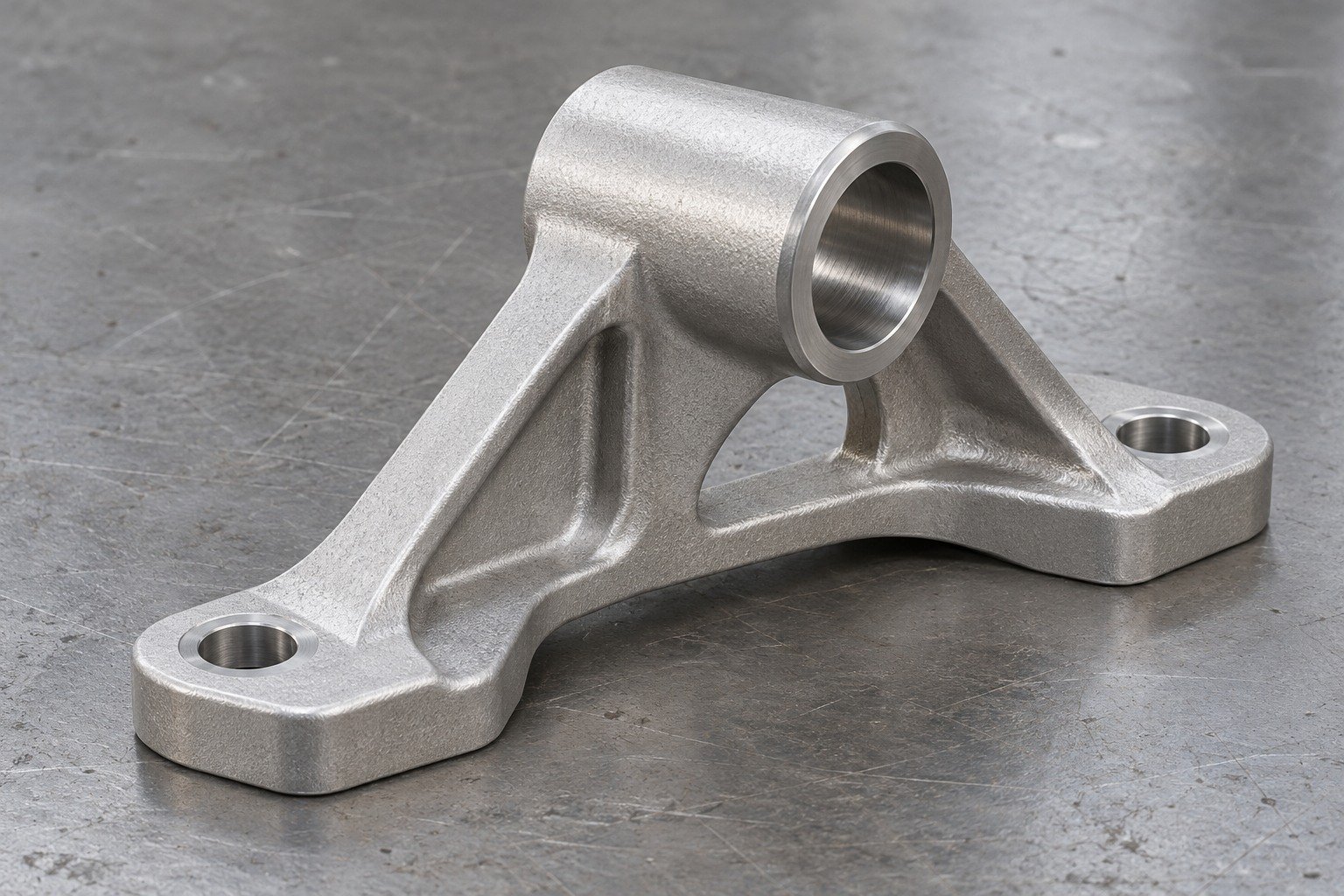
Define the complete protection system, visible faces, masked lands and receiving inspection in the final state.
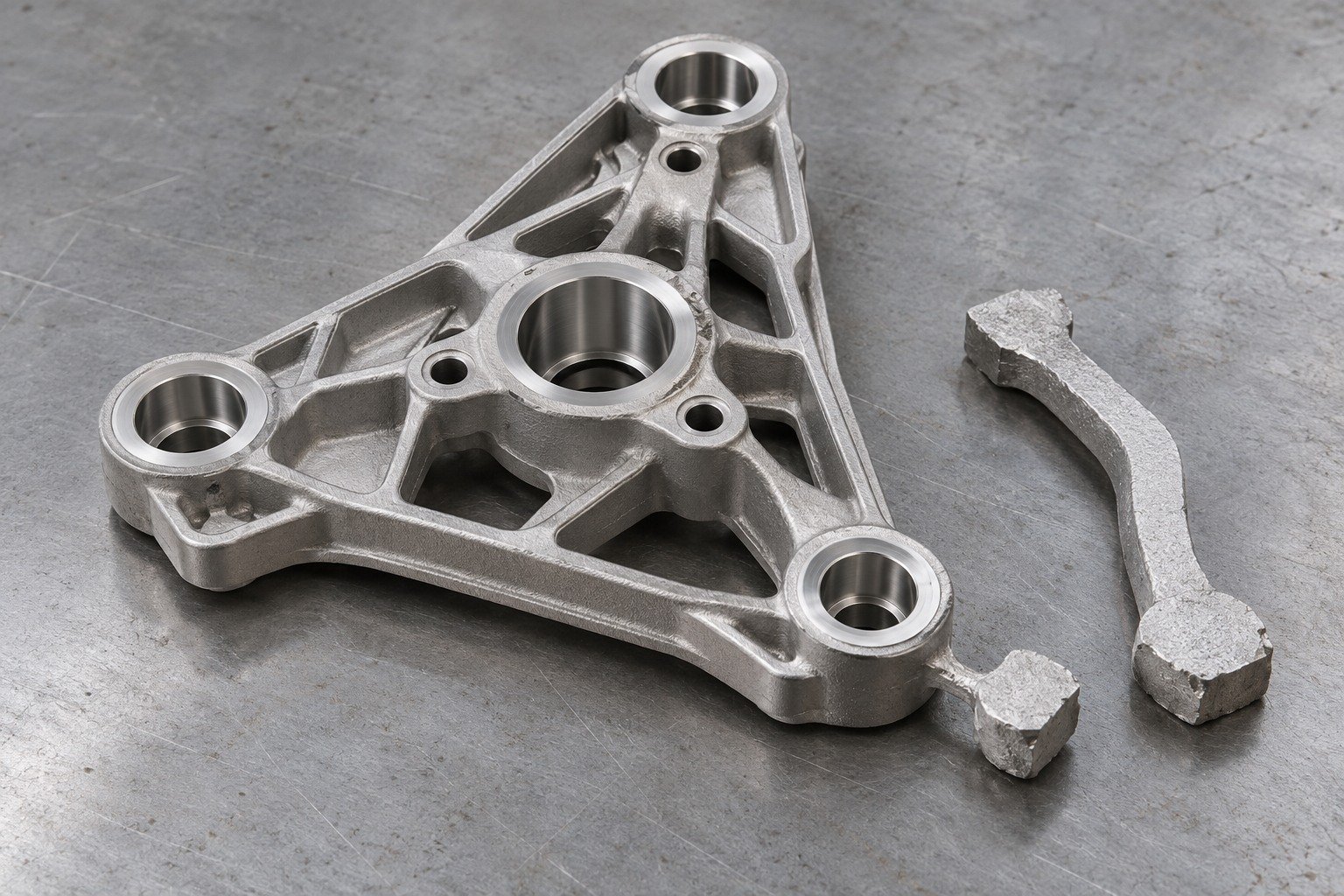
Confirm your casting process, draft, ribs, machining allowance and trial purpose.
Explore casting →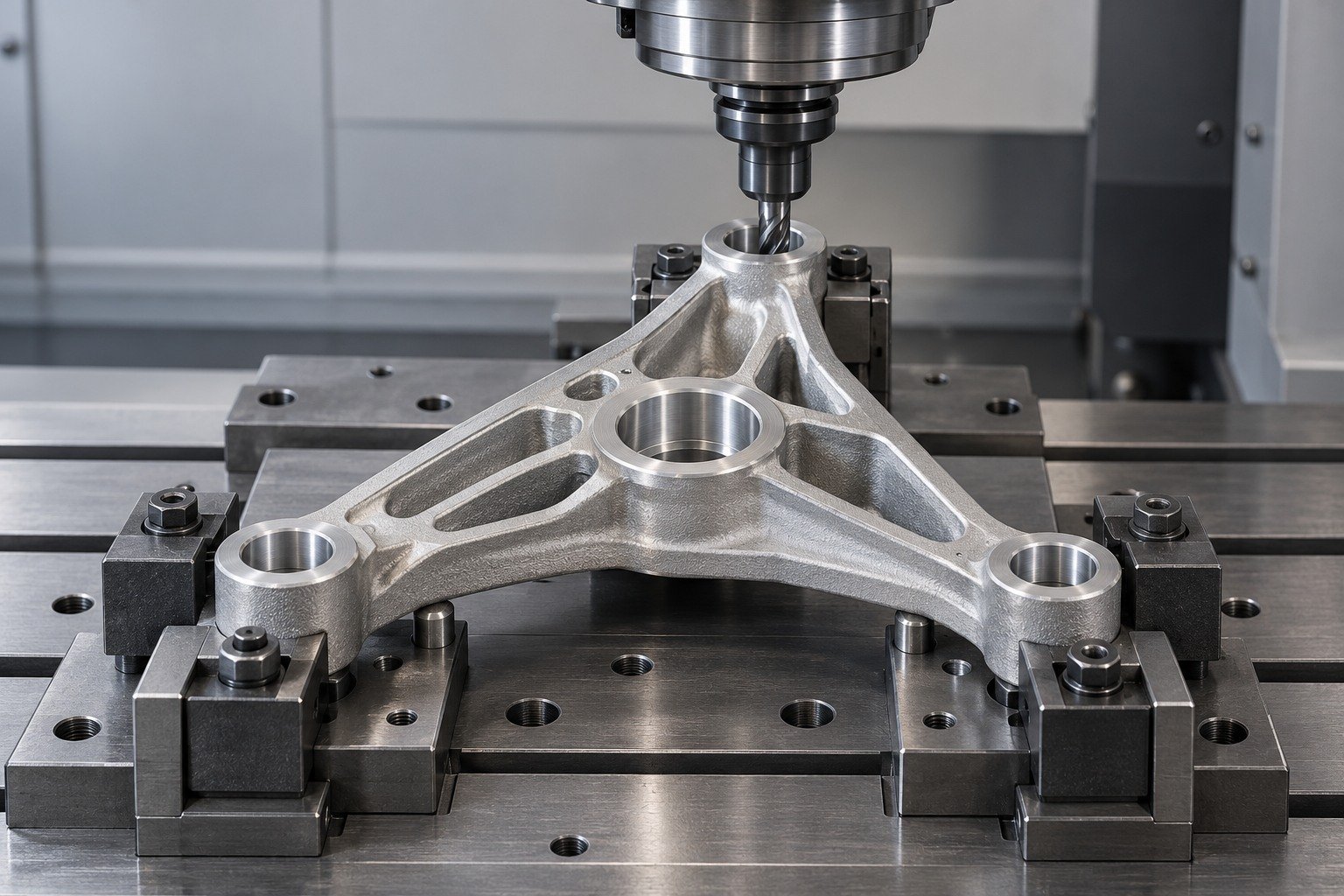
Define your datum support, tool access, bores, threads and accepted edges. Processing suitability is reviewed for the actual material.
Explore CNC machining →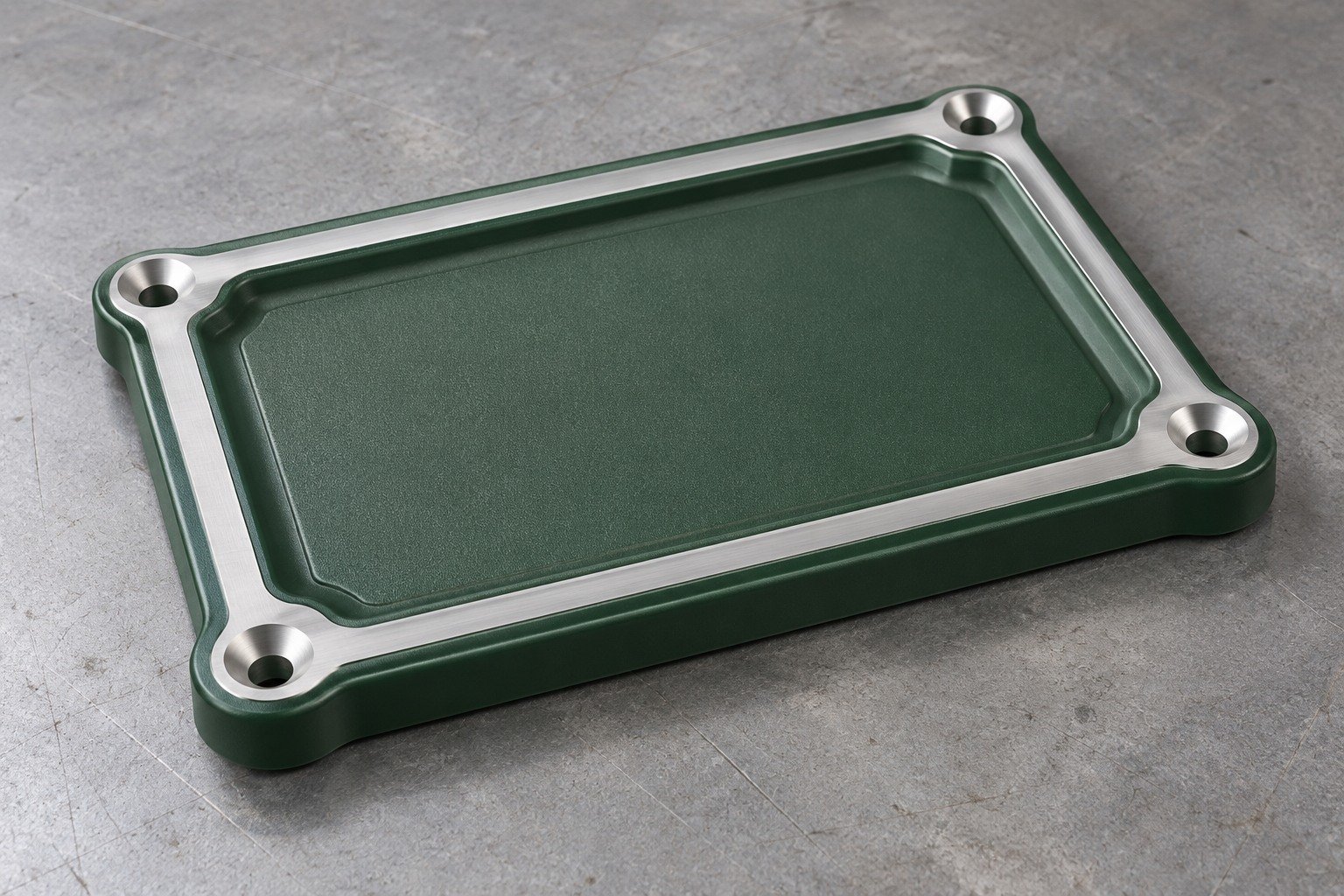
Agree compatible preparation, coating, isolation, masks and dimensions after the full finish route.
Review surface protection →Safe processing and material compatibility require project review. This page is not an operating recipe, coolant selection or emergency instruction.
Concept images are not proof of material identity, company capacity or accepted inspection results.
Magnesium–aluminum–manganese die-casting alloy. Select the exact product specification and final condition around your drawing; the family name alone is not purchasing acceptance.
Review stock allowance, datum support, cutter access, bores, threads, accepted edges and the final coating. Machining may expose subsurface porosity; agree any separate integrity test.
Send controlled CAD and drawing, full material and product specification, route and delivery state, quantities, finish, critical fits and inspection needs. Tooling, trial and repeat demand should be separated.
Quantity, tooling, available material, process route and inspection scope determine the reviewed commercial basis. No fixed MOQ or delivery promise is assigned here.
Define exposure, temperature, duration and mating metals. Review a compatible preparation and coating system, isolation, masked lands and dimensions after finishing. AM60B corrosion resistance is not a universal coating-life guarantee.
Obtain drawing-authority approval after comparing complete product specifications, delivery states, service conditions and finished acceptance. Similar names do not establish equivalence.
Material sourcing, geometry, usable stock, tooling, secondary machining, protection system, quantities and required records change the reviewed price. Compare the same drawing revision and acceptance scope.
No. Published reference values describe their stated product and test basis. Your receiving evidence needs actual material-lot identity, agreed dimensional records and any separately specified functional tests.