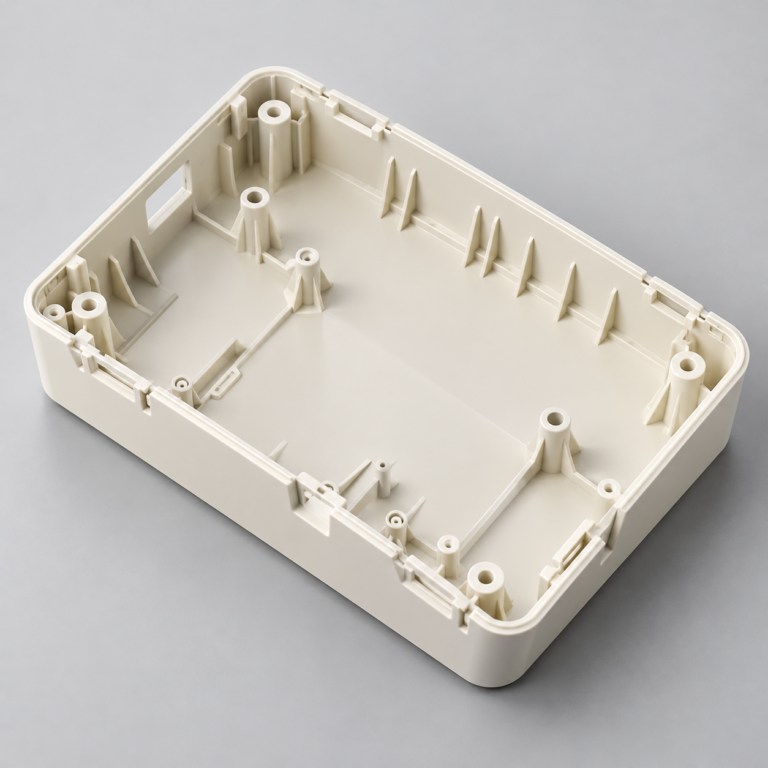
Injection Molding
Tooling and molding for your repeat plastic parts.
From prototype to production, coordinated manufacturing solutions for your custom parts.
View All Services →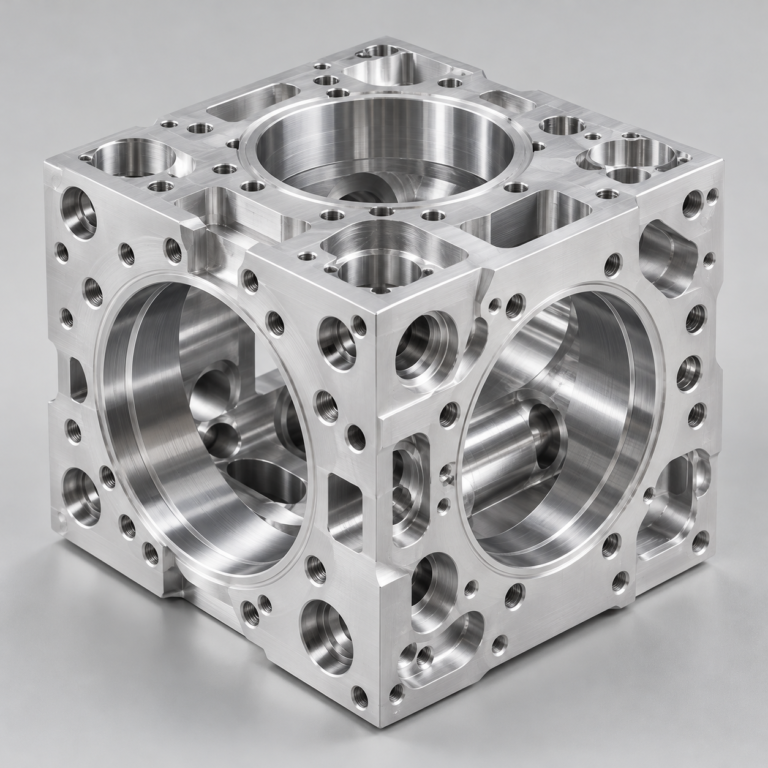
Precision parts for your tight tolerances and complex geometry.
Tooling and molding for your repeat plastic parts.
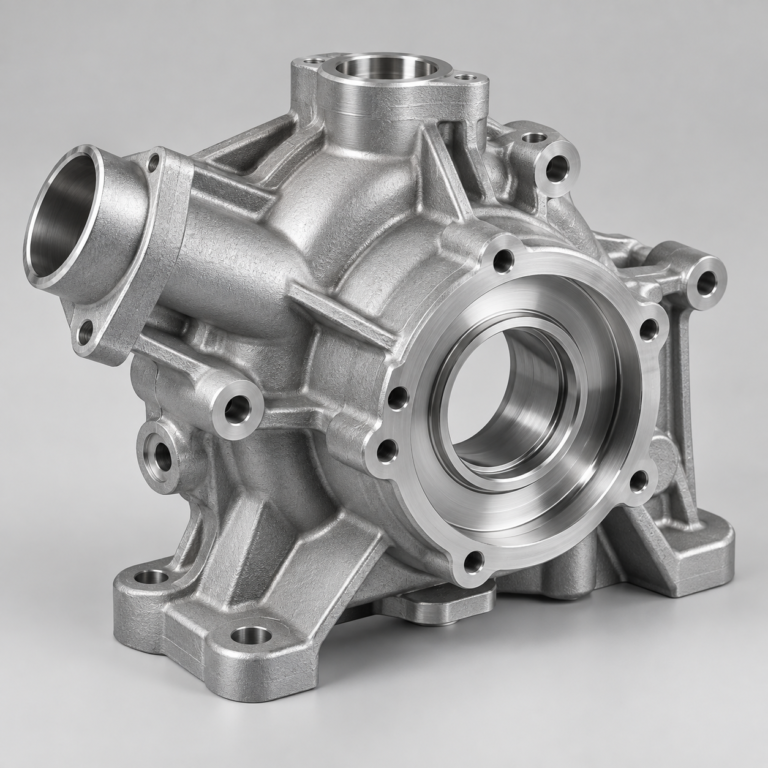
Metal casting options for your part and production volume.
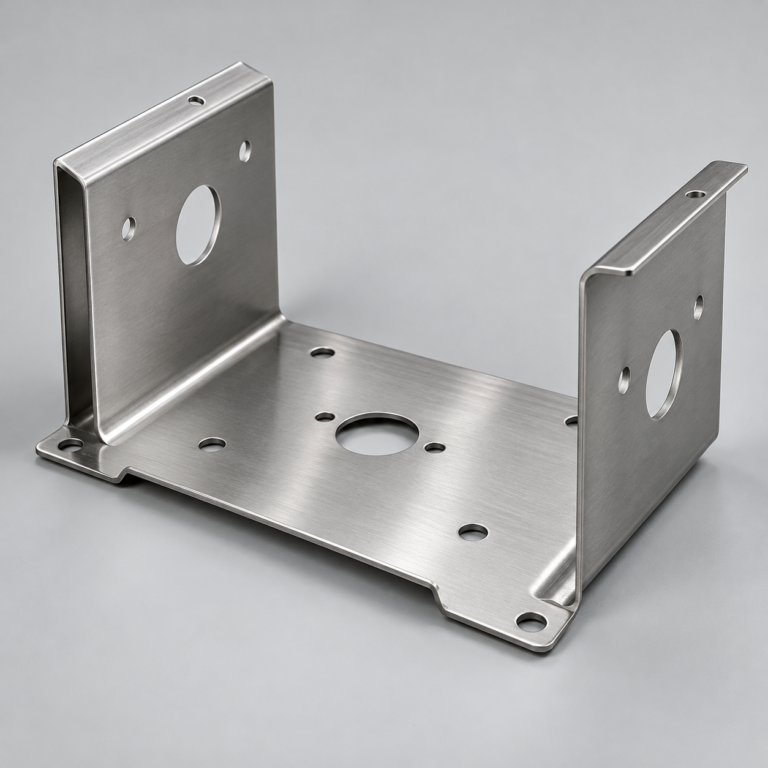
Cutting, forming and welding for your fabricated parts.
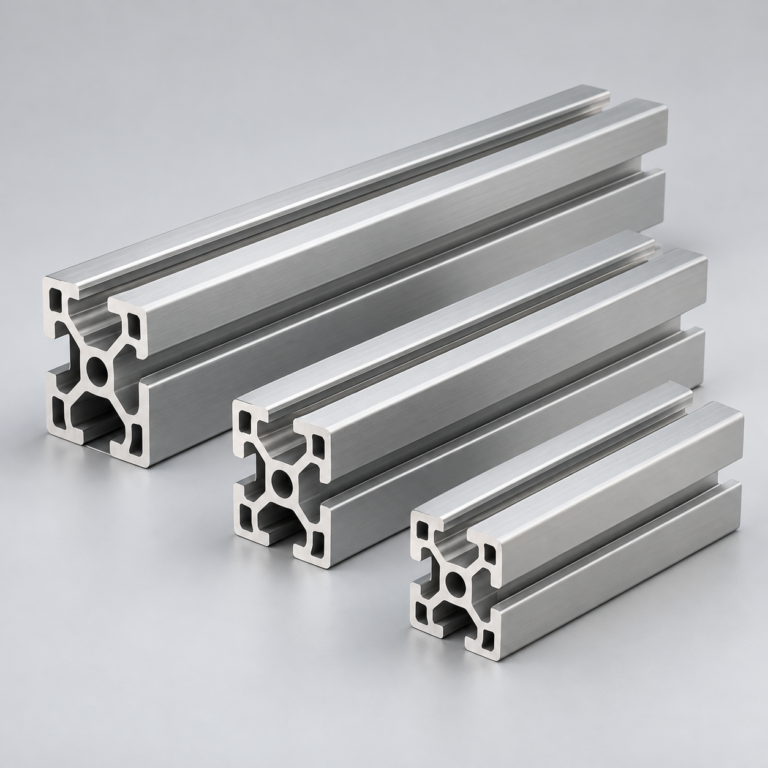
Custom profiles for your section, length and finish requirements.
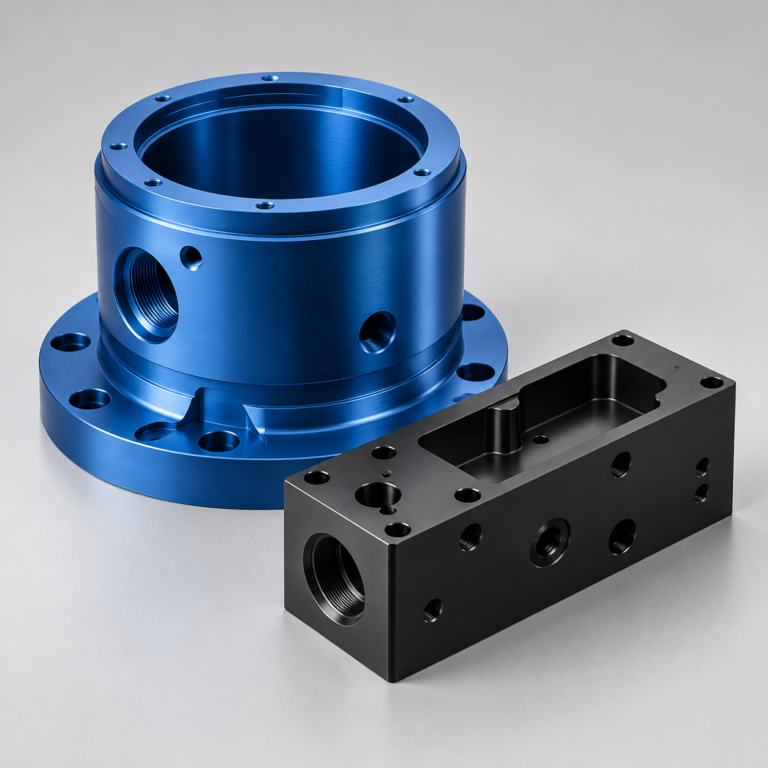
Finishes for your appearance, corrosion and wear requirements.
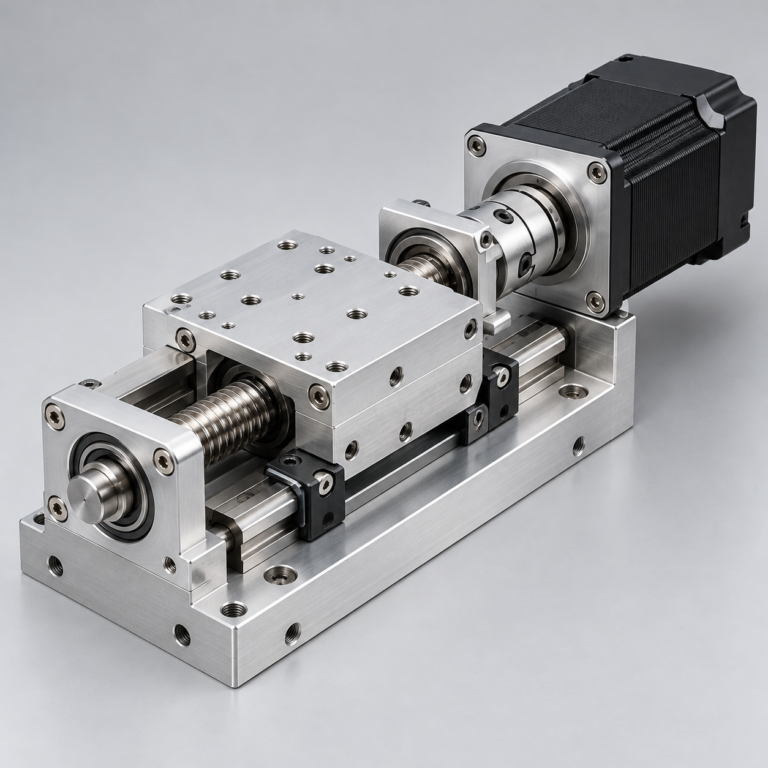
Sub-assemblies and final builds for your production program.
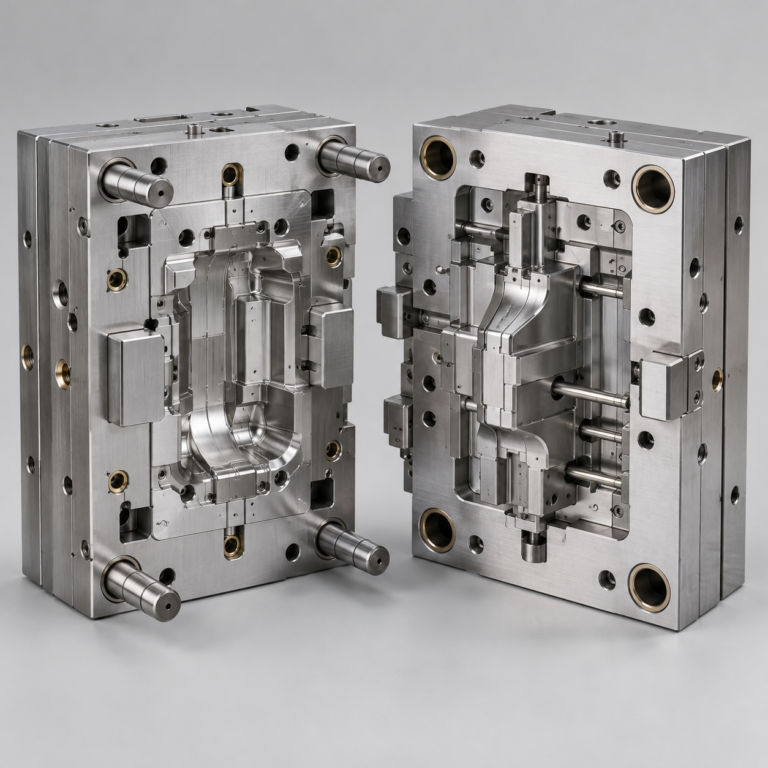
Production tooling built around your process and volume.
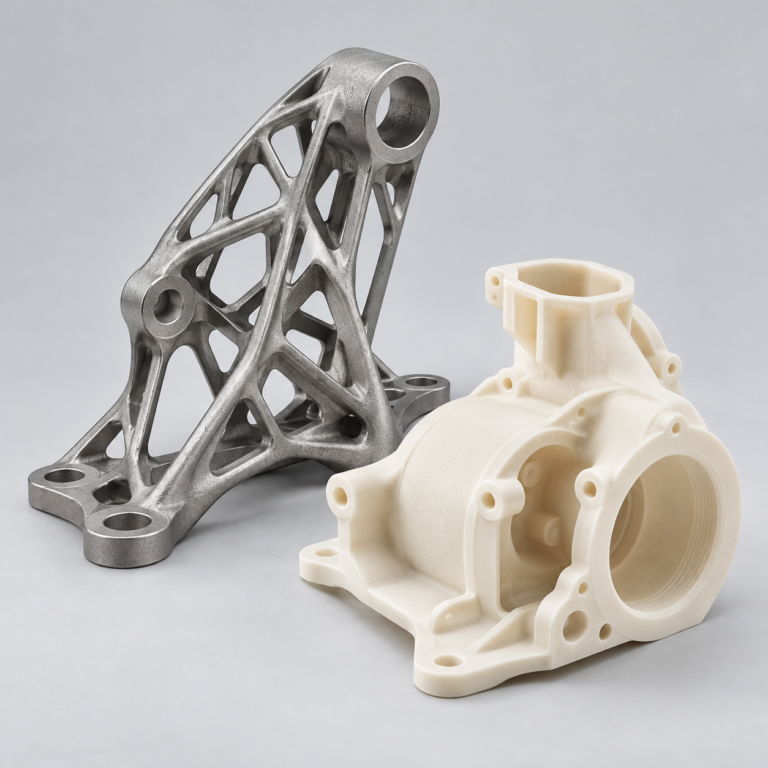
Prototype parts to check fit, function and design.
DFM, process planning and production support for your project.
Inspection, documentation, inventory and delivery planning for your program.
Choose air- or liquid-cooling components around your thermal and mechanical requirements.
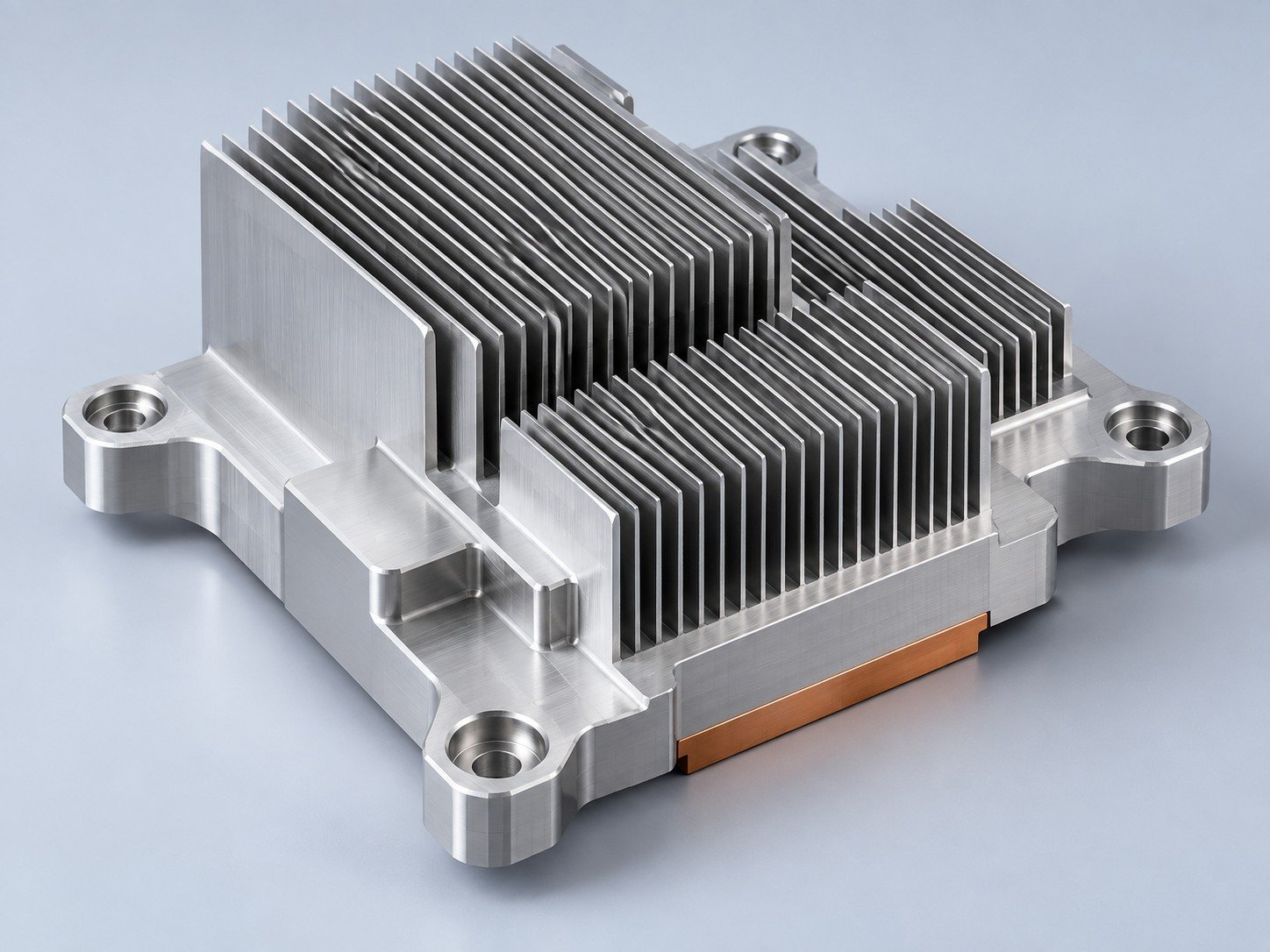
Manufacturing support for your cold plates, manifolds and cooling assemblies.
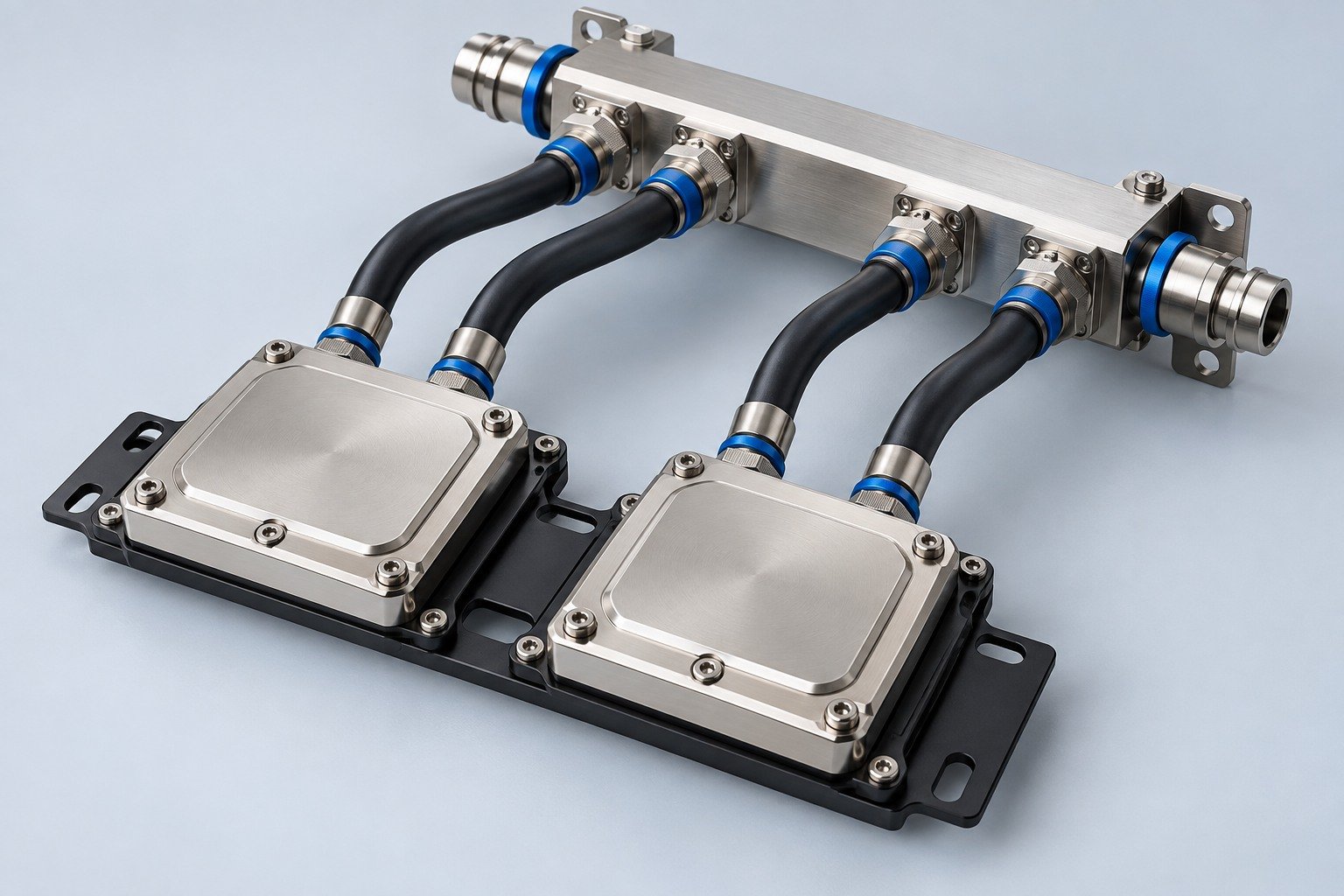
Find components for your power electronics, energy, laser and telecom application.
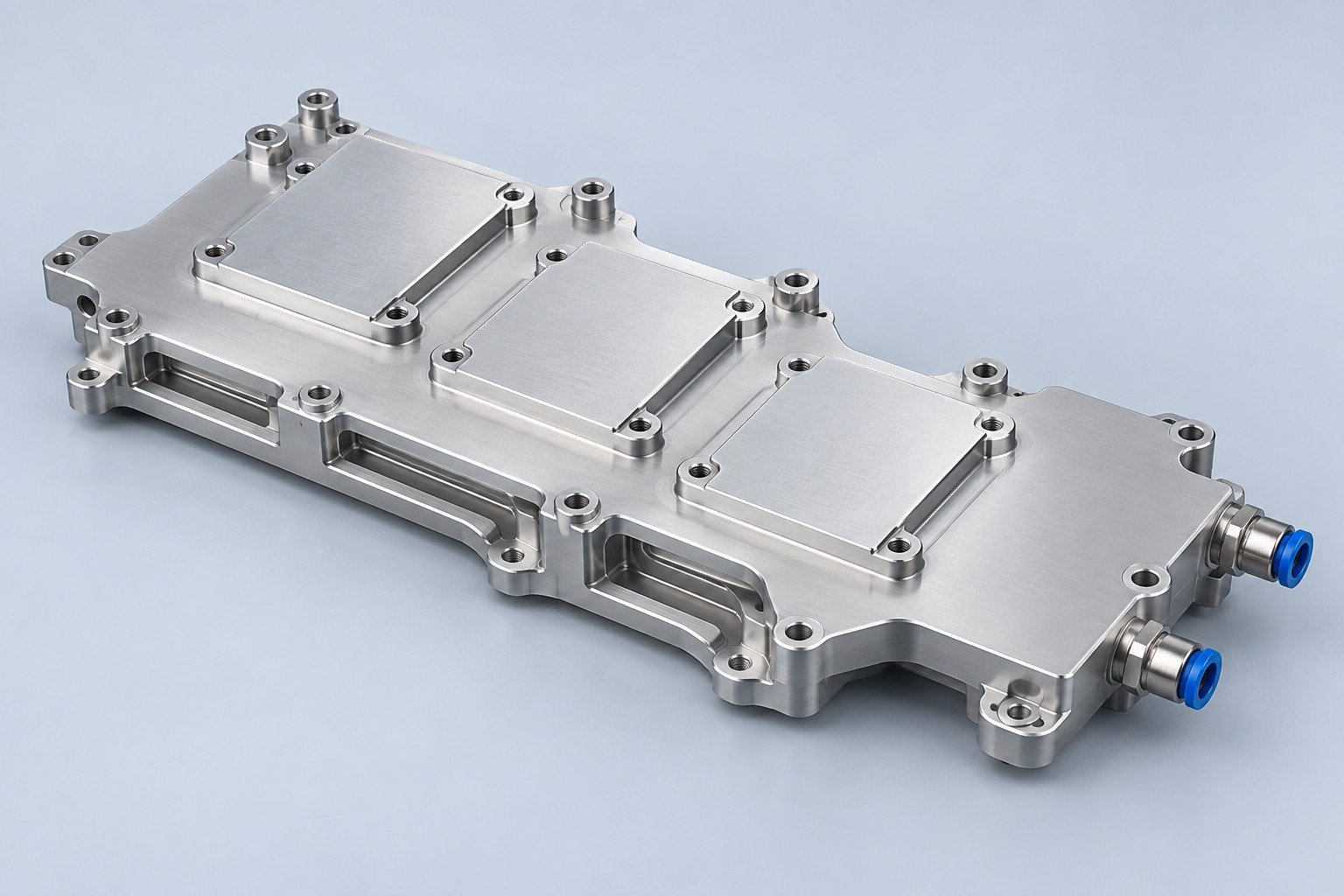
Components for your electronic systems.
Start with your functional and quality requirements.
Build around your operating environment.
From prototype to production, review material performance, manufacturability and cost for your part.
Review grade, temper and finish for your metal parts.
 AluminumStrength, weight and machining›
 Stainless SteelCorrosion and finish requirements›
 Carbon & Alloy SteelDiscuss grade and heat treatment›
 Tool SteelDiscuss tooling and wear needs›
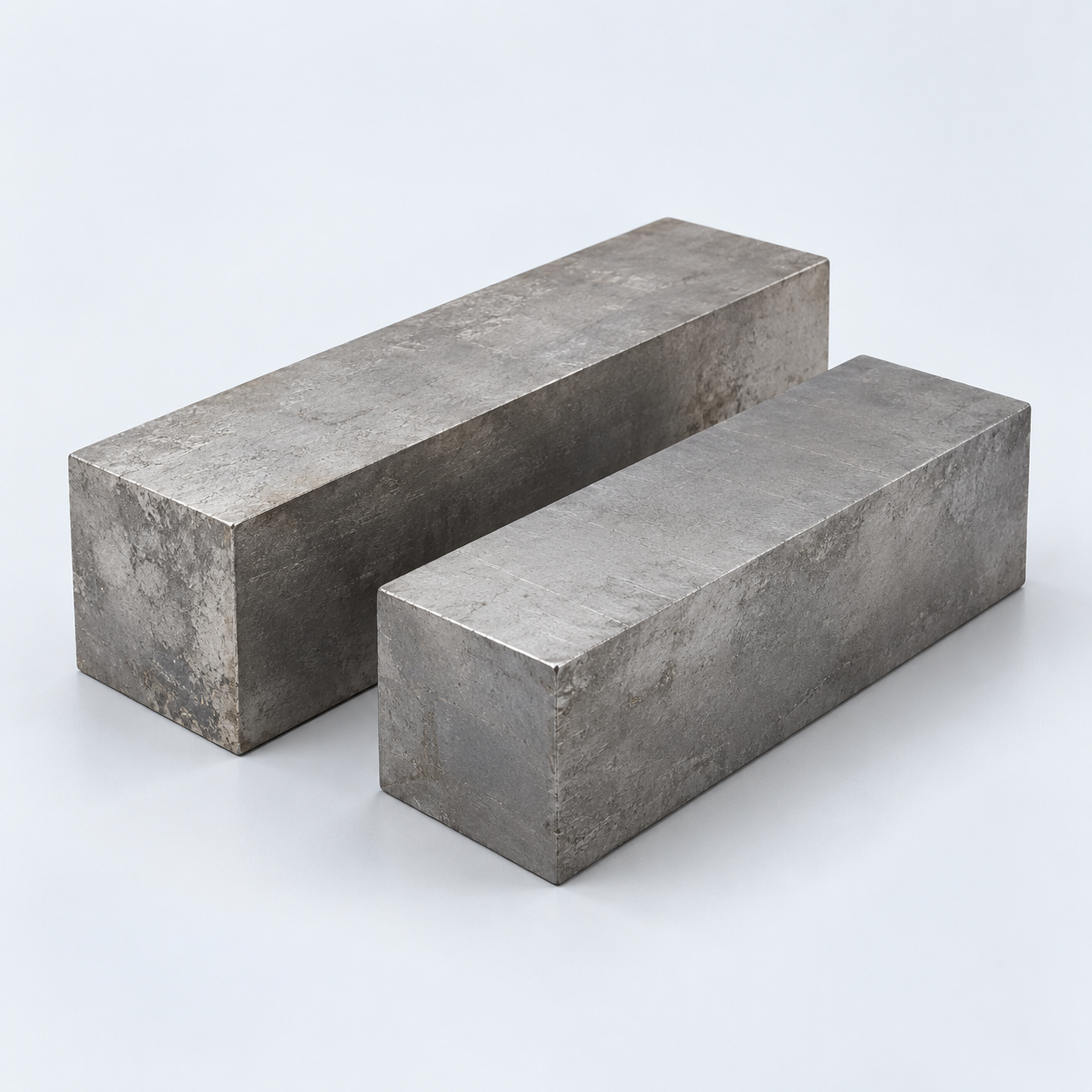 TitaniumReview grade and part geometry›
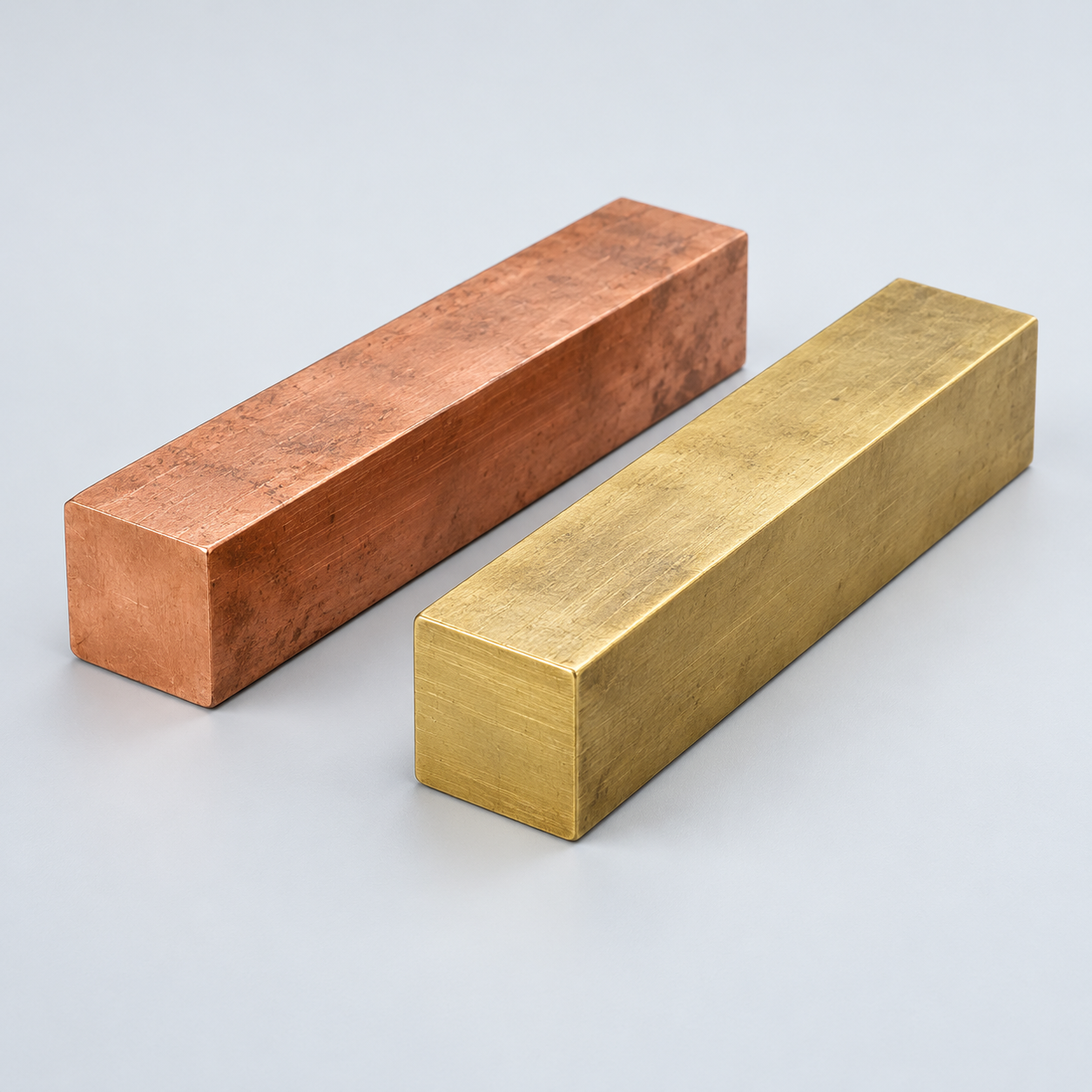 Copper & BrassDiscuss conductivity and machining›
Match your polymer to function, process and environment.
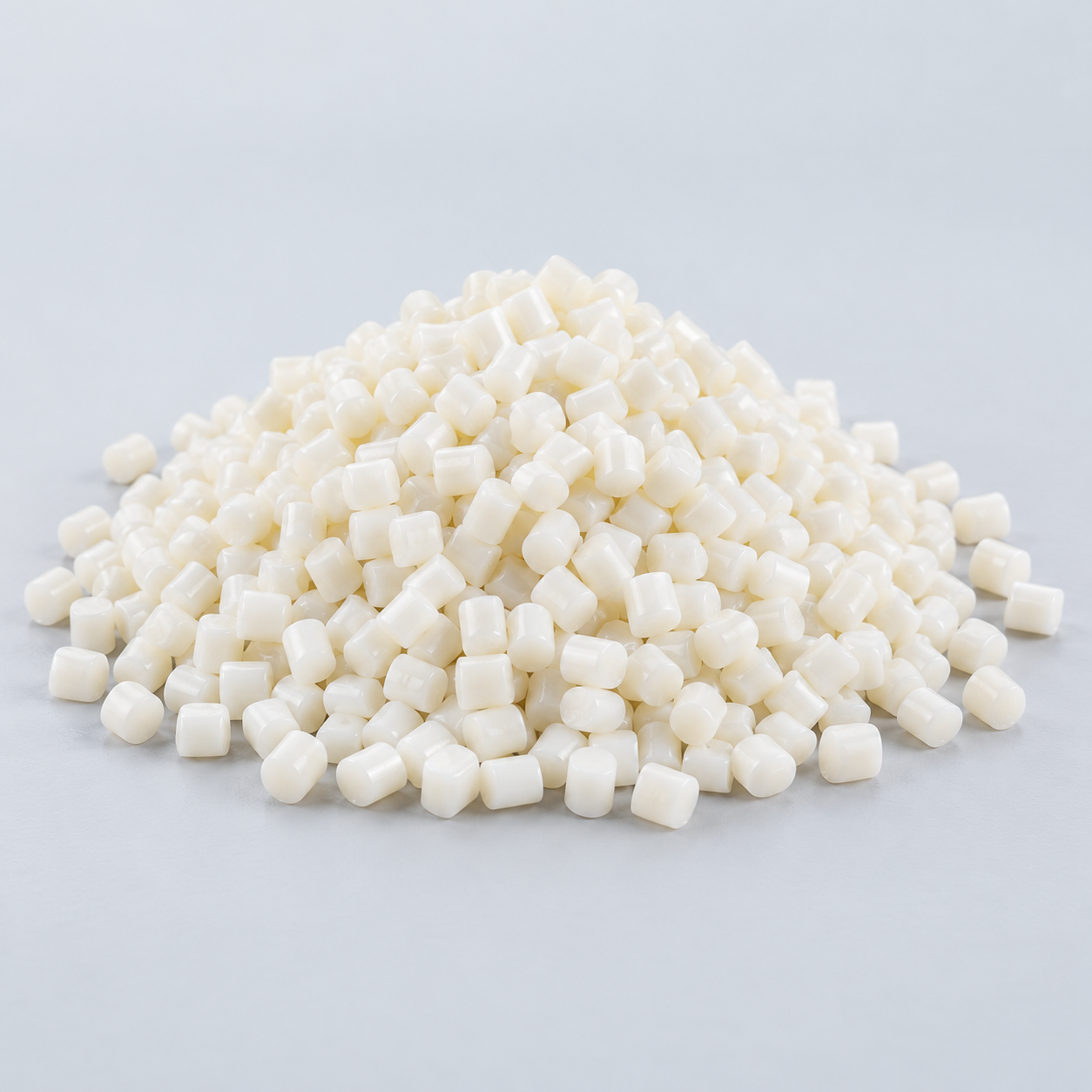 ABSReview enclosure and molding needs›
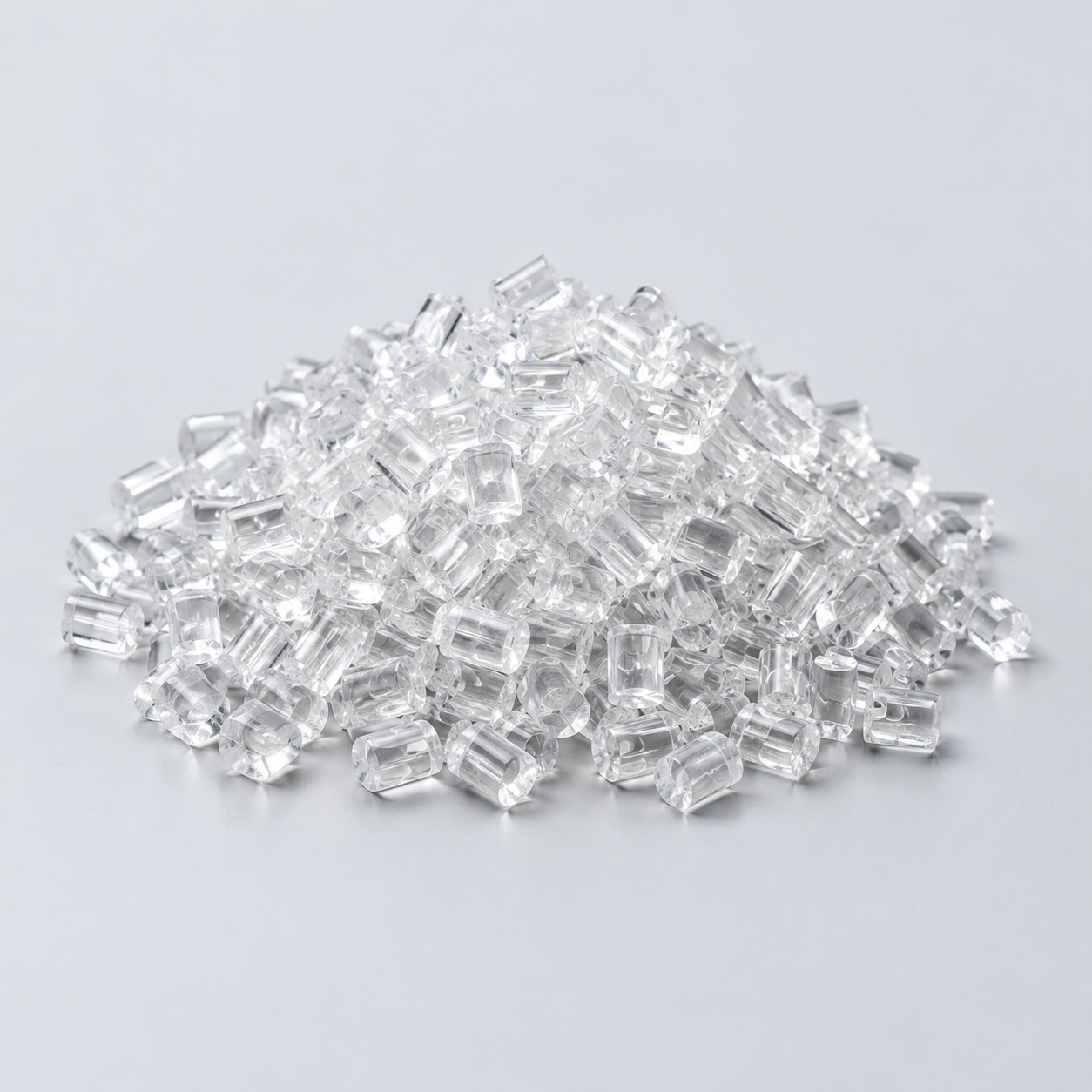 Polycarbonate (PC)Discuss clarity and impact needs›
 Nylon (PA)Review moisture and wear conditions›
 POM / AcetalReview fit and sliding features›
 PEEKDiscuss operating conditions›
 PTFEReview friction and chemical exposure›
 ULTEM / PEIDiscuss thermal and electrical needs›
Confirm grade availability and application requirements.
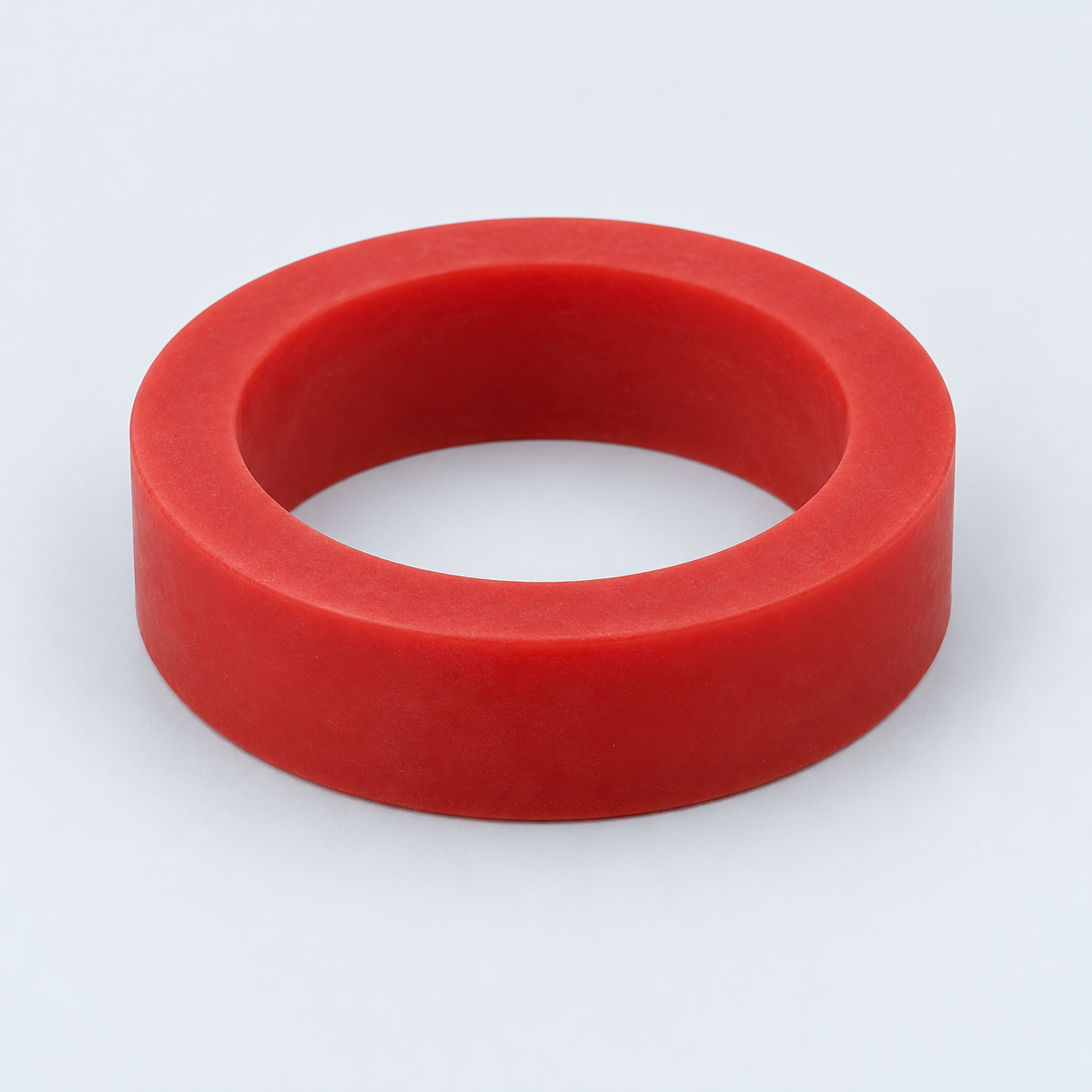 Silicone / LSRDiscuss flexible component needs›
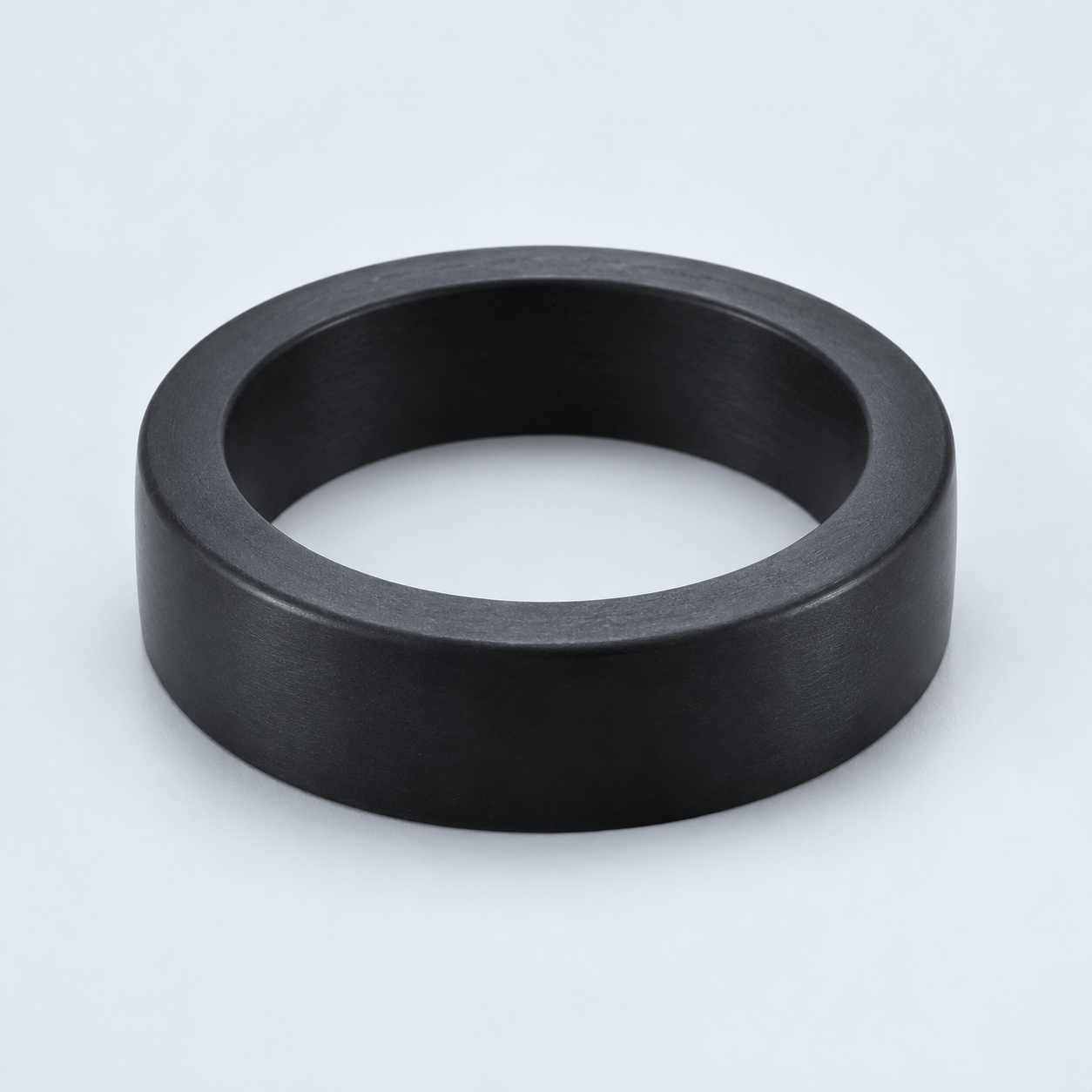 TPU / TPEReview flexibility and processing›
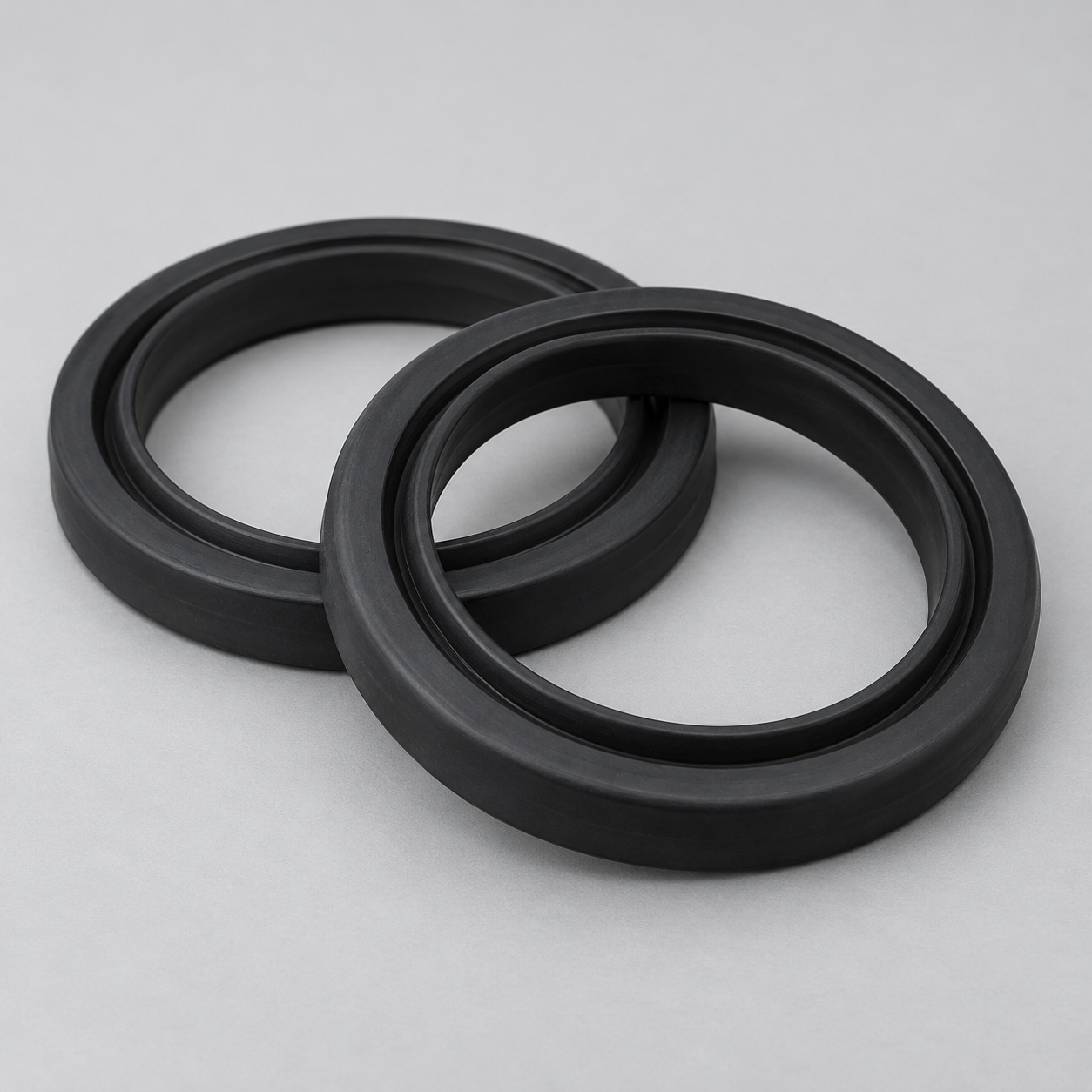 EPDMReview weathering and chemical exposure.›
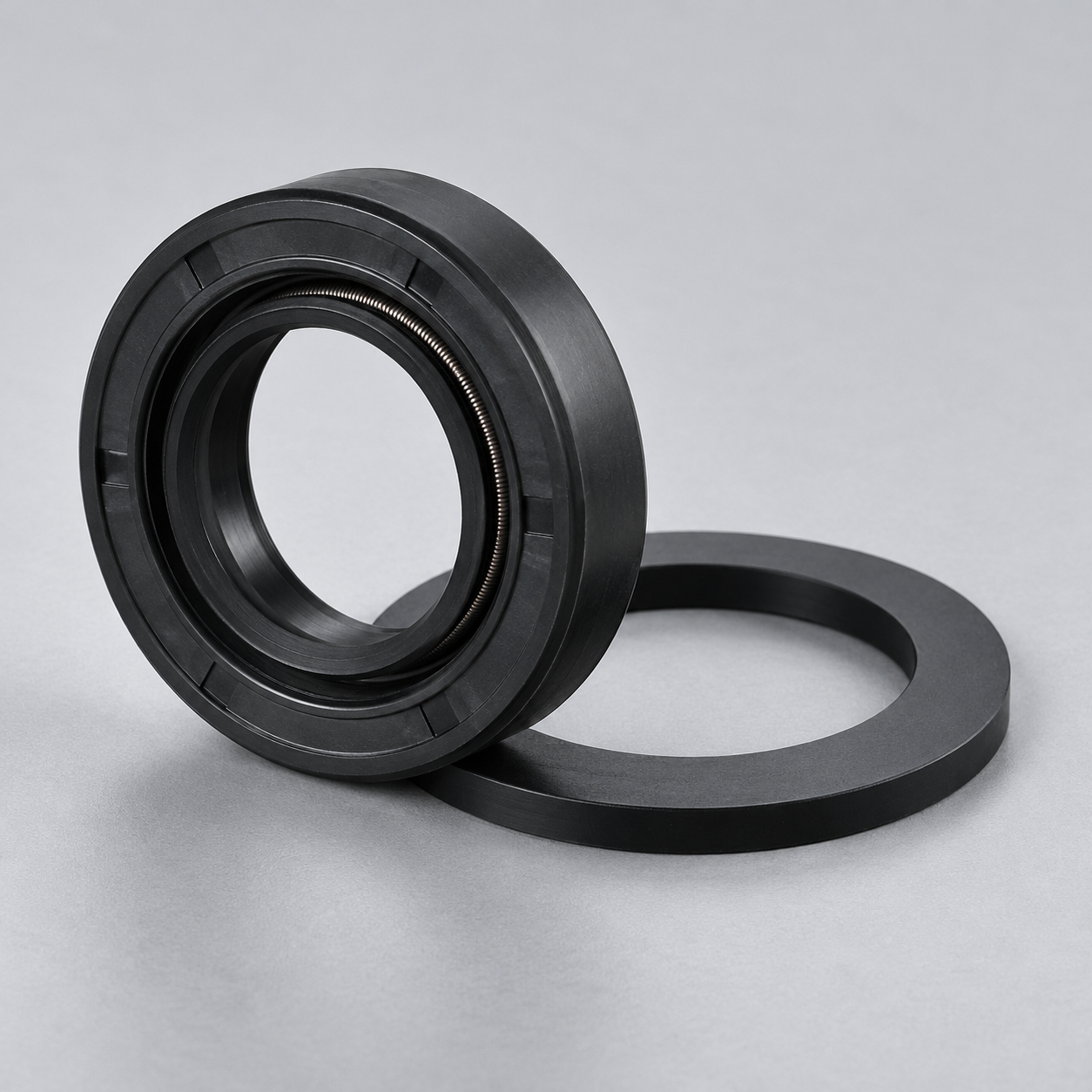 NBRReview oil and fuel exposure.›
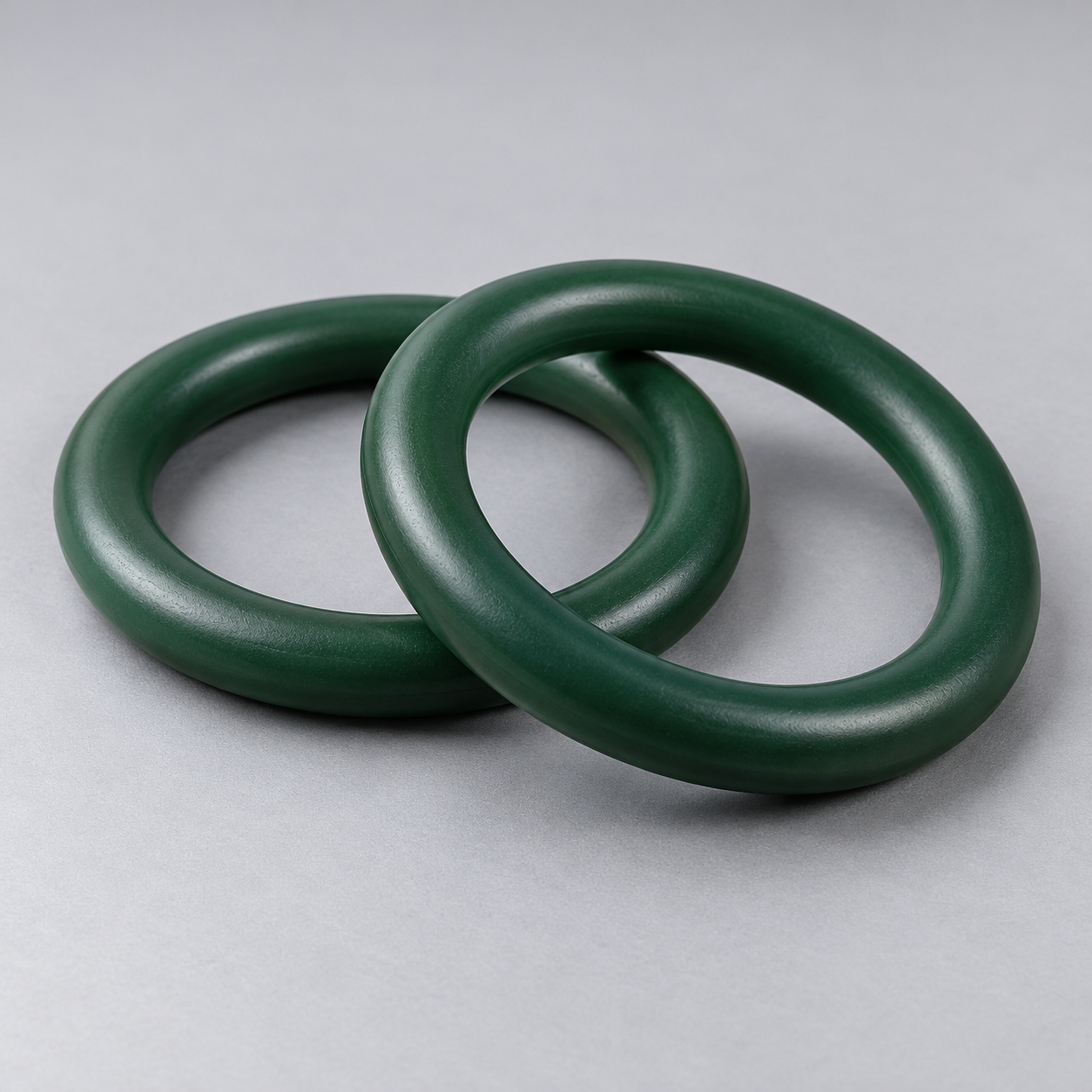 FKMReview temperature and chemical exposure.›
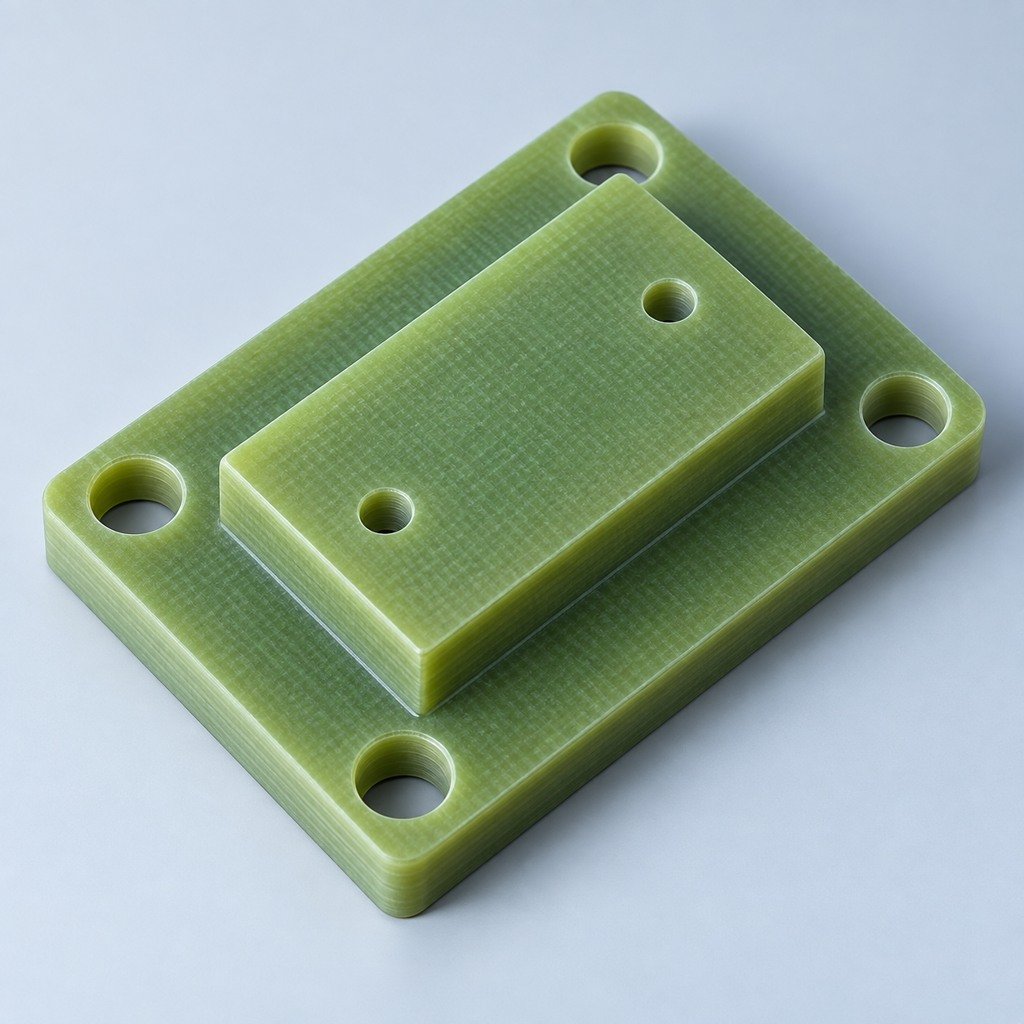 G10 / FR4Review insulation and laminate needs›
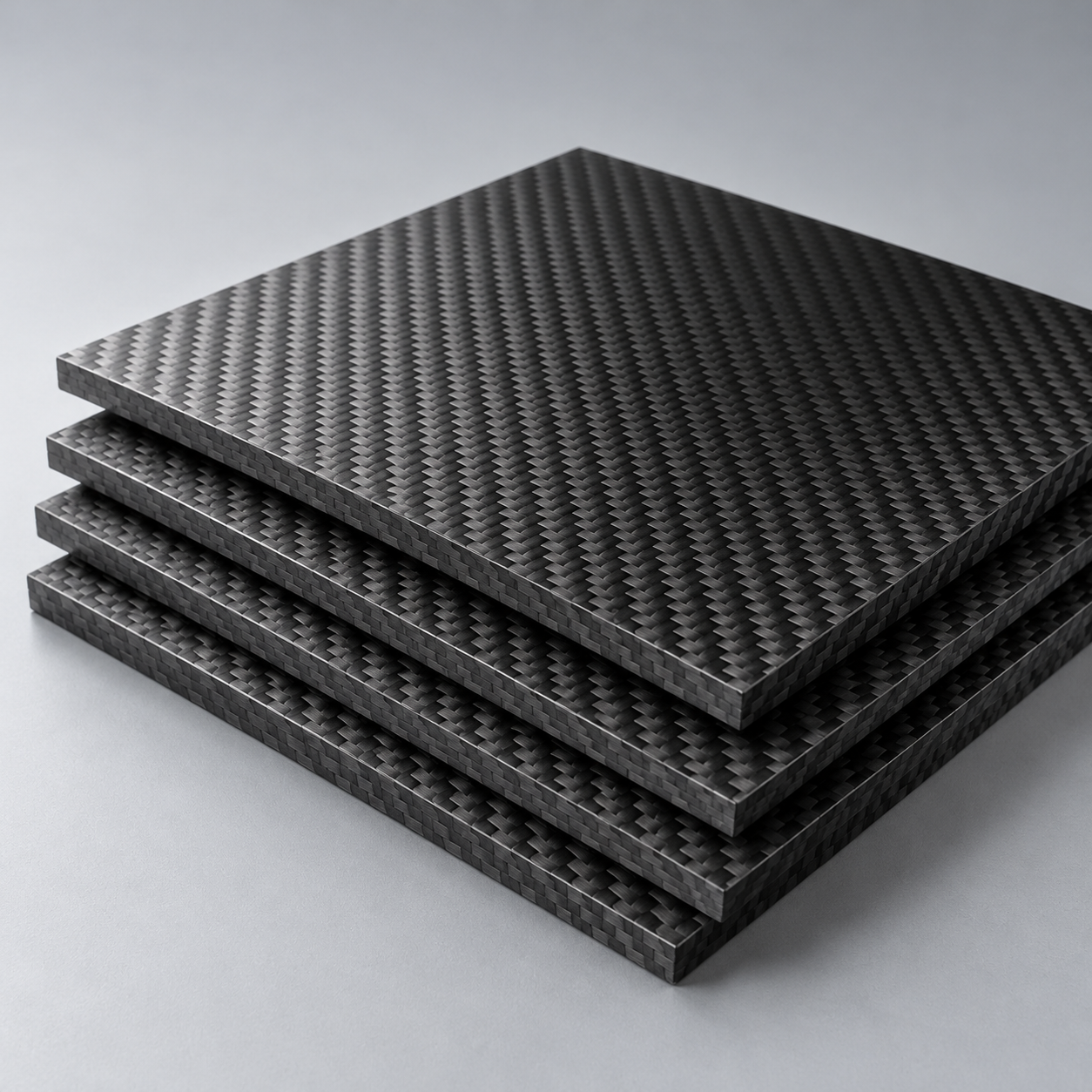 CompositesReview stiffness, weight and laminate.›Customer-Specified MaterialsConfirm your grade and requirements.›Other Specialty MaterialsDiscuss your application and grade.›
Practical guidance for your part geometry and material decisions.
Prepare your process, budget and sourcing questions.
Build your knowledge before production.
Learn who we are and how we operate.
Find our U.S. support team or start a conversation.
YOUR GRADE · YOUR FIT · YOUR FINISH
Choose Your Grade. Define Your Fit and Finish.
Review your stainless steel material, working environment and manufacturing route together. Specify the delivery condition, critical dimensions and surface requirements before your part enters production.
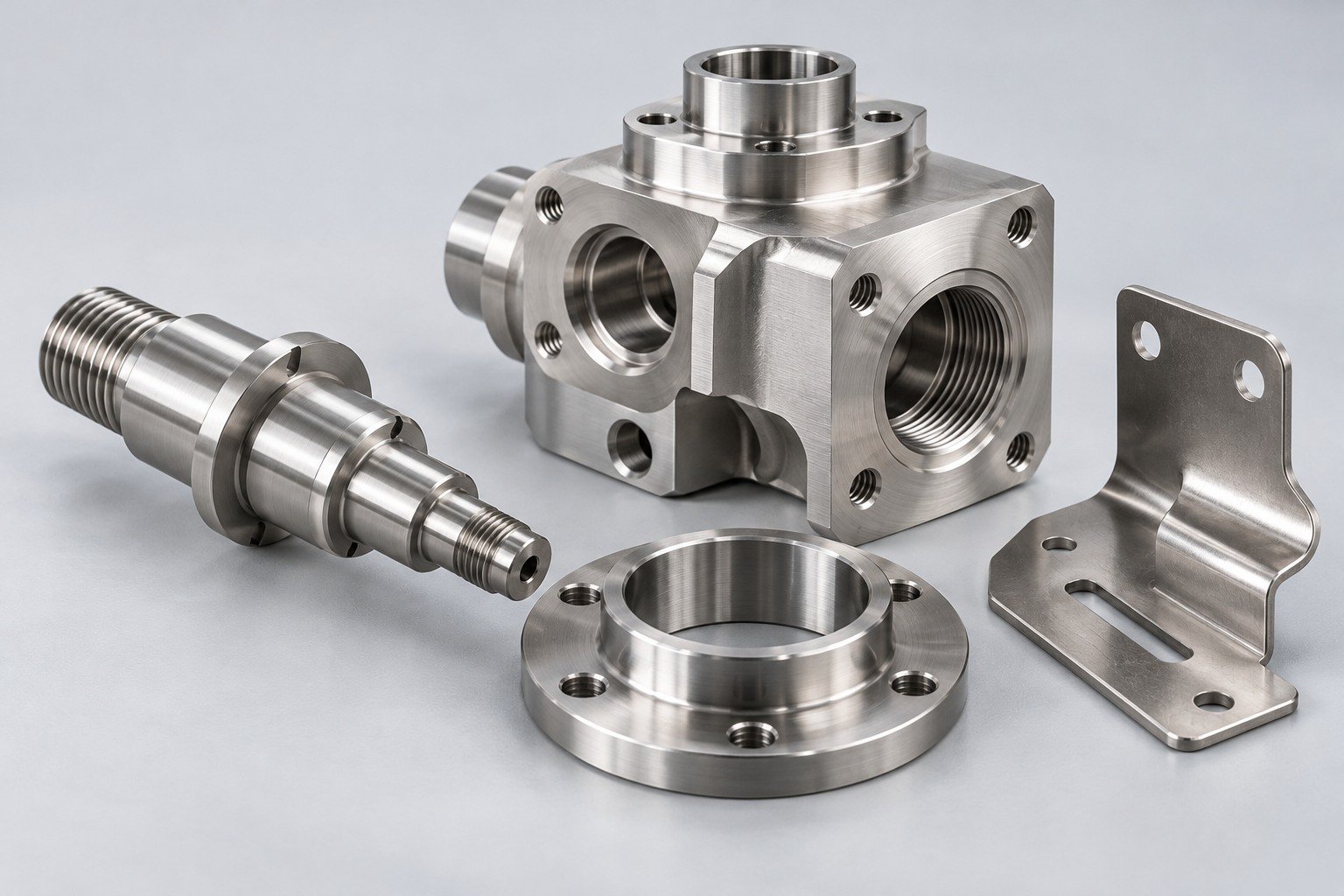
Start with your part requirements. Family names describe material behavior; they do not confirm stock or substitute approval.
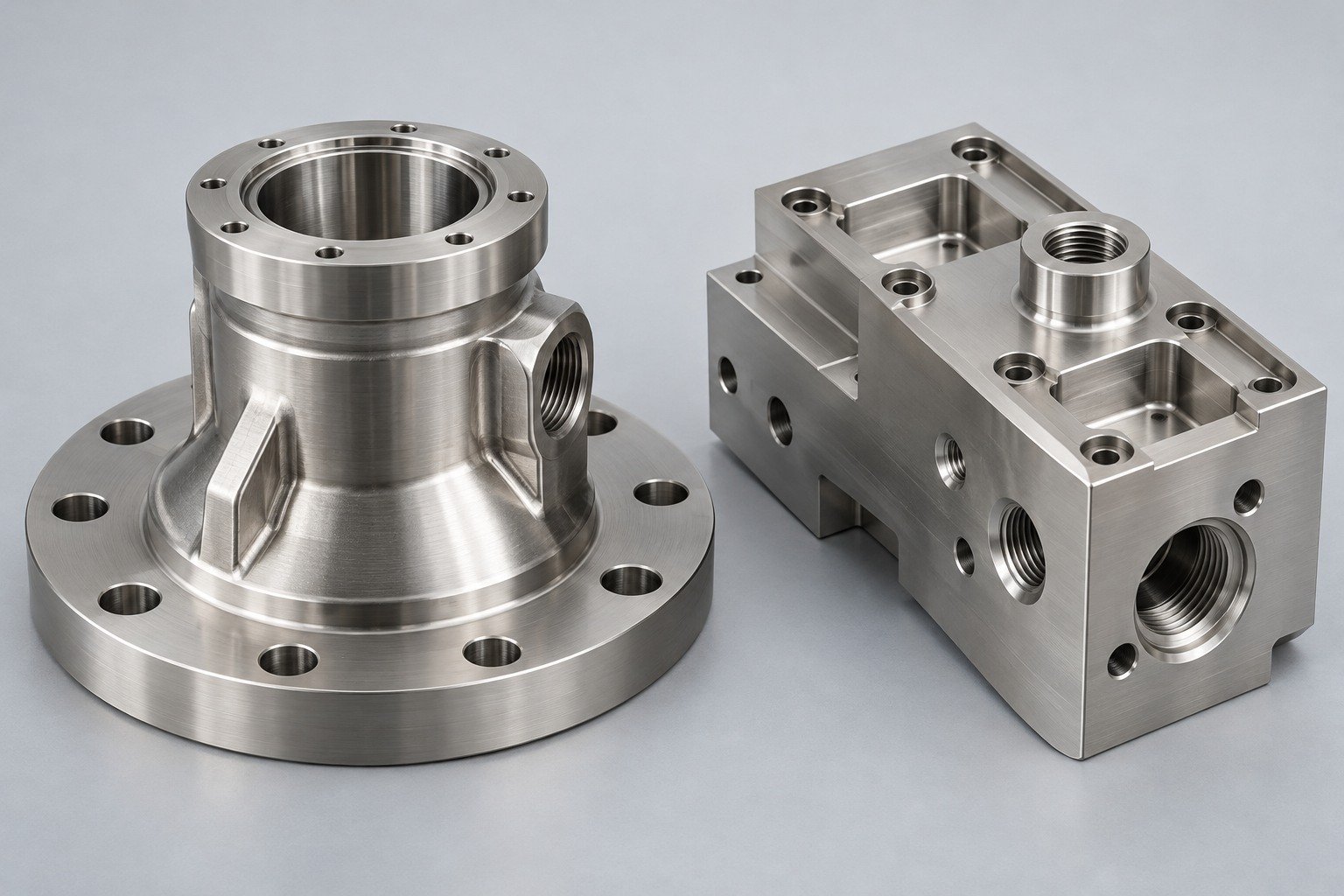
Compare corrosion exposure, forming and machining needs.
Explore grades →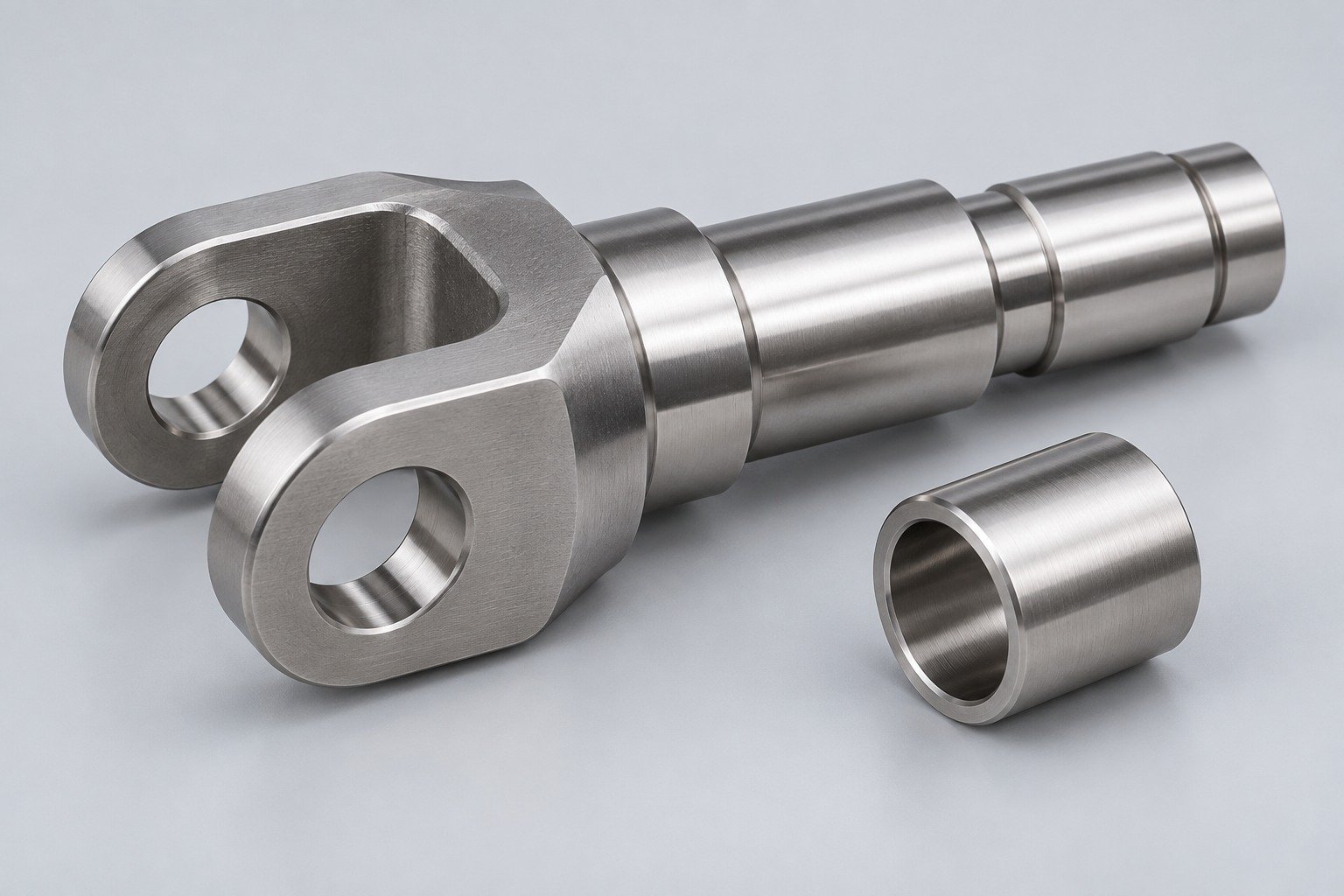
Keep heat-treatment condition and final acceptance explicit.
Explore grades →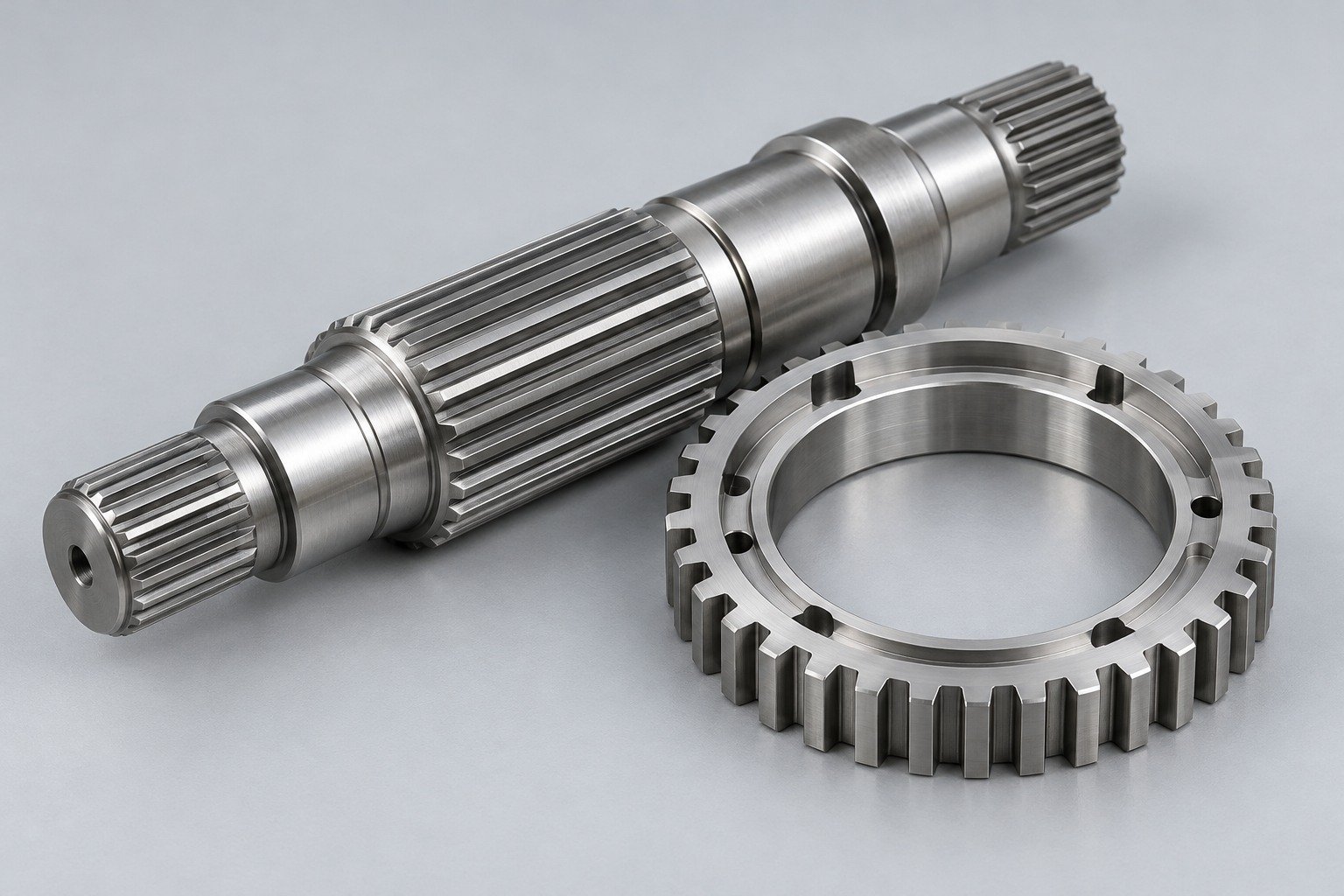
Balance hardening, wear-related needs and corrosion exposure.
Explore grades →
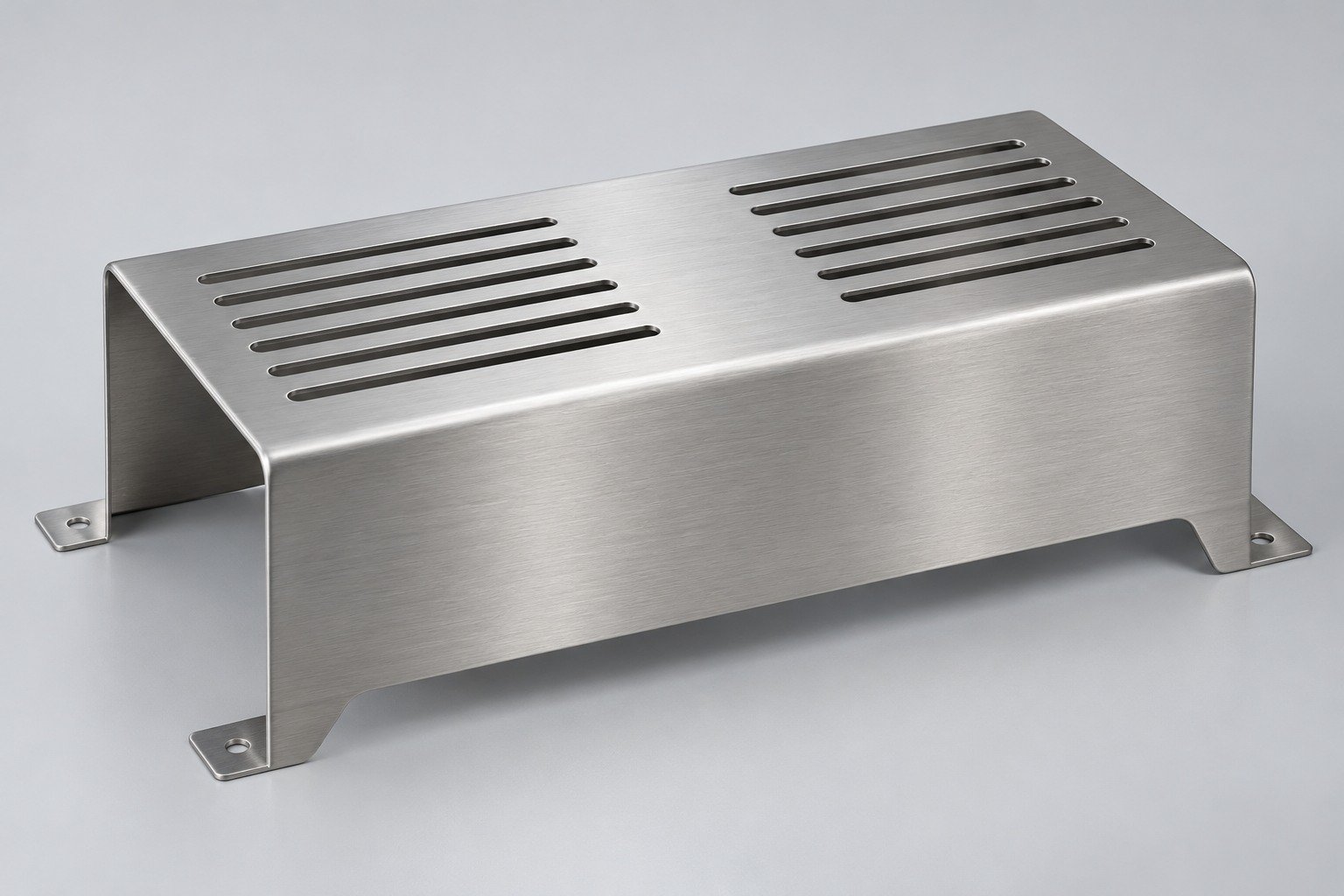
All component images are illustrative concepts. Appearance does not identify an alloy. Stainless steel family reference →
Compare 10 grade groups covering 12 named grades. European identifiers are navigation aids; verify specification, product form and condition on the material record.
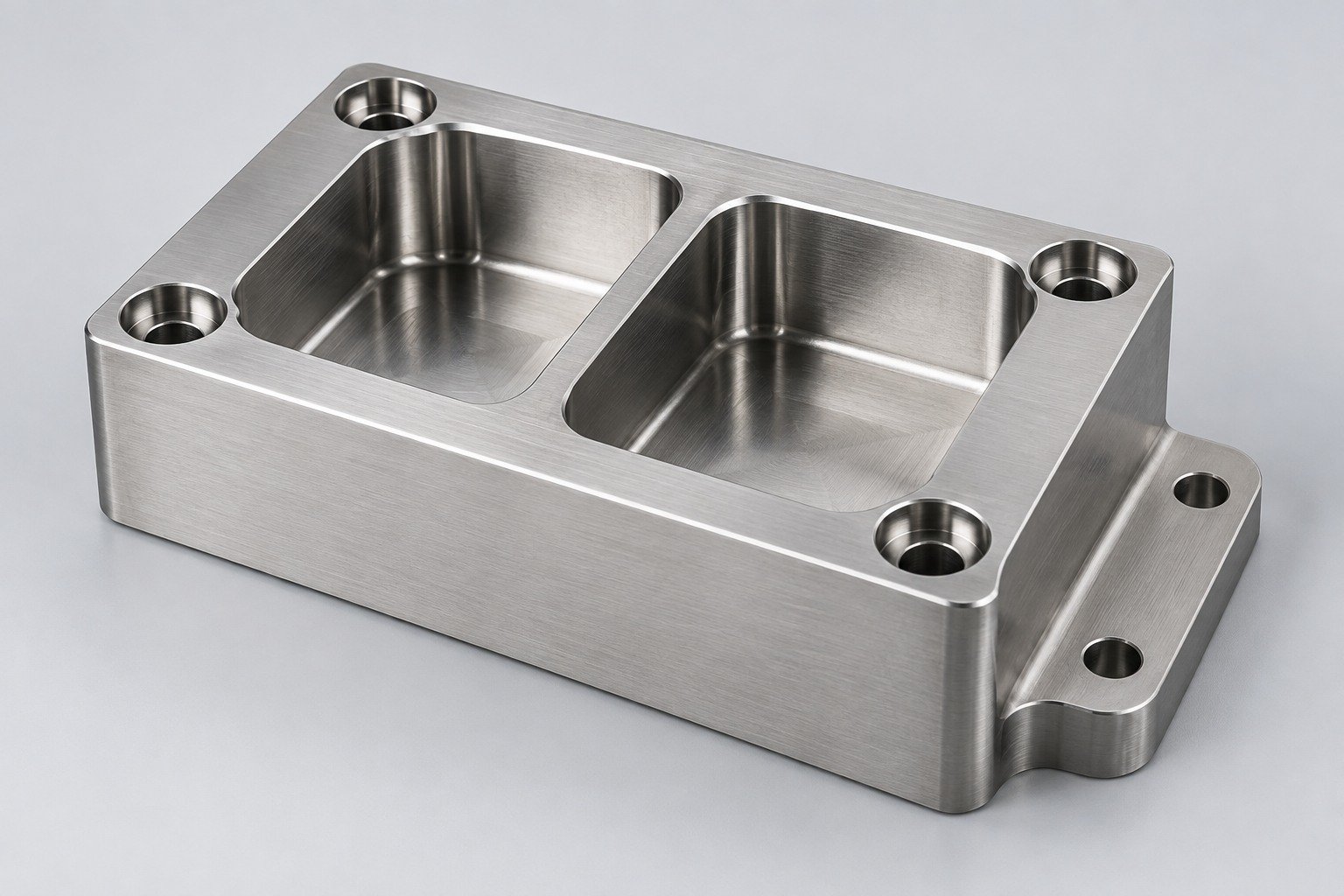
General equipment parts, formed brackets and welded housings. Confirm whether the low-carbon grade is required.
View 304 material guide →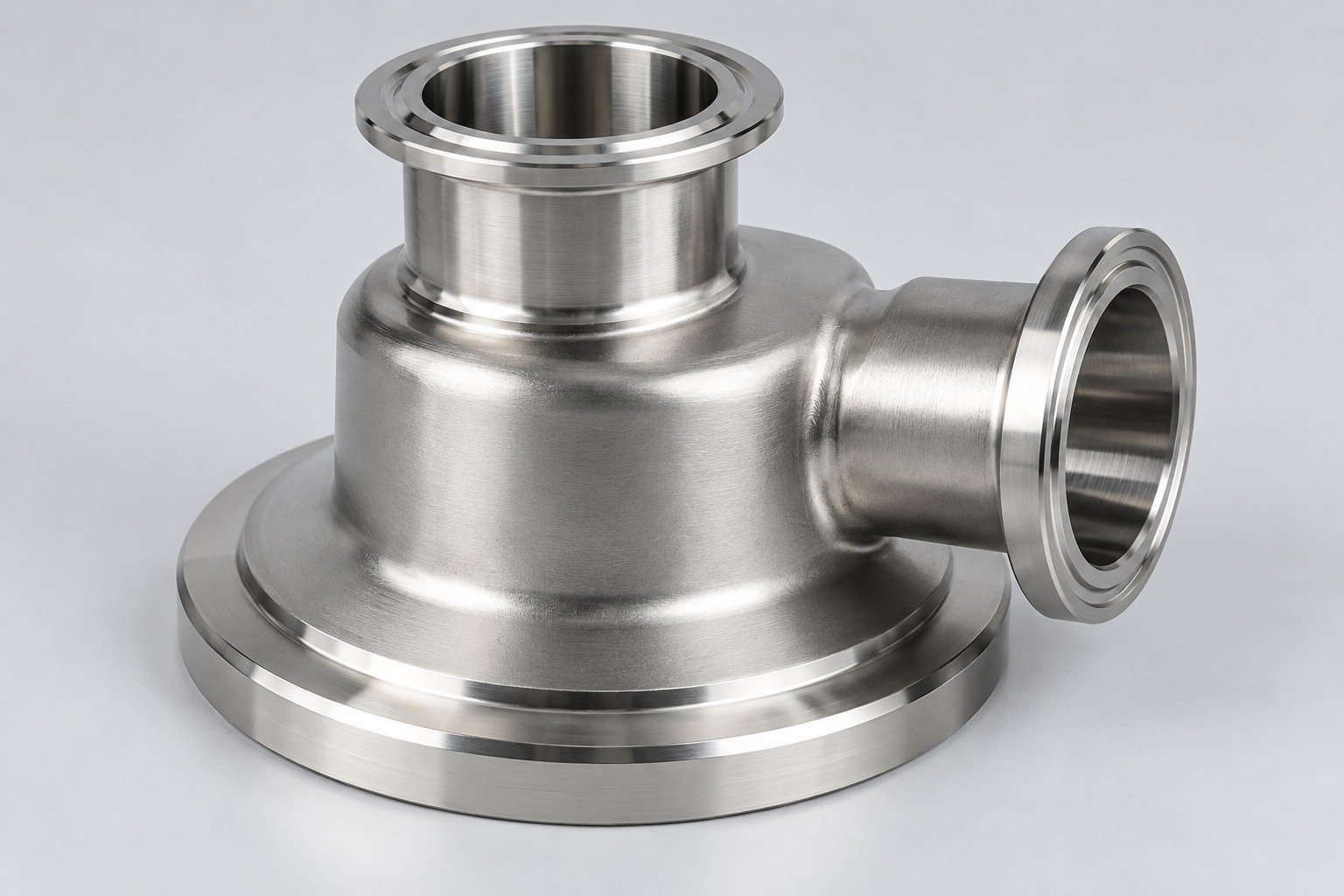
Review fluid, chlorides, cleaning and temperature. 316L does not guarantee suitability for every marine exposure.
View 316 material guide →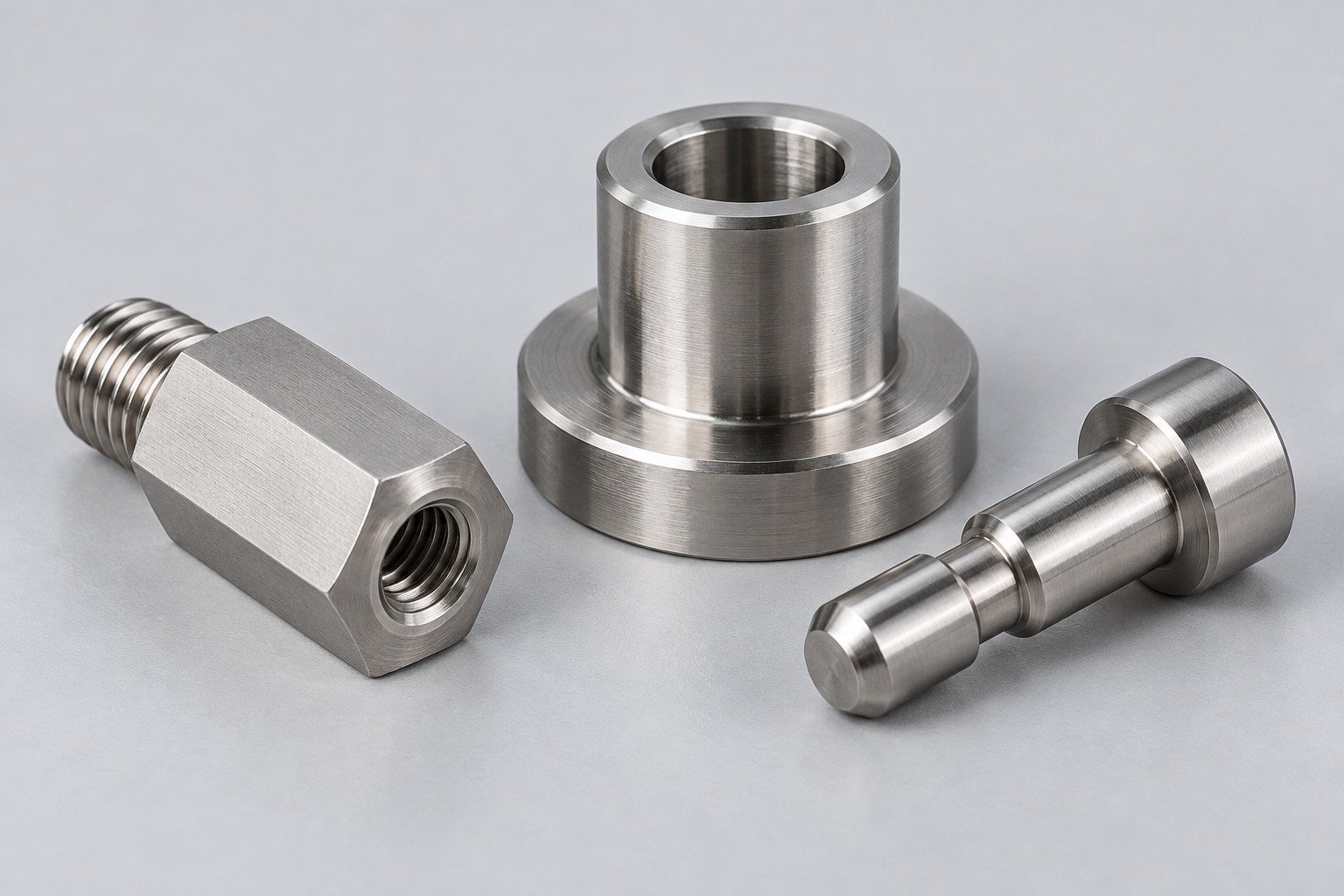
For your 303 stainless steel CNC machining, review threaded parts, bushings, exposure and joining before substitution.
View 303 material guide →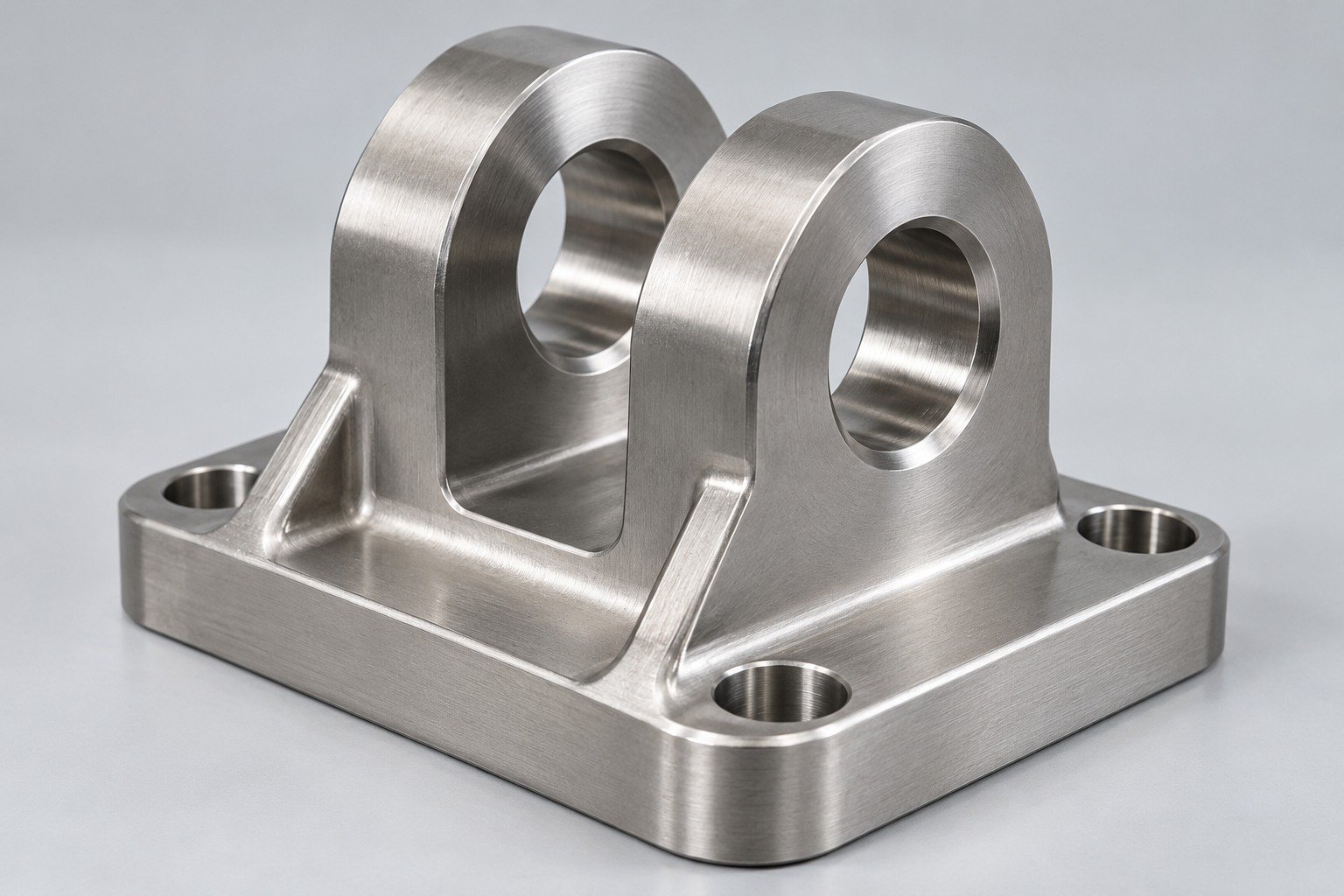
Define delivery and aging condition for your strength, hardness and final dimensional acceptance.
View 17-4 PH material guide →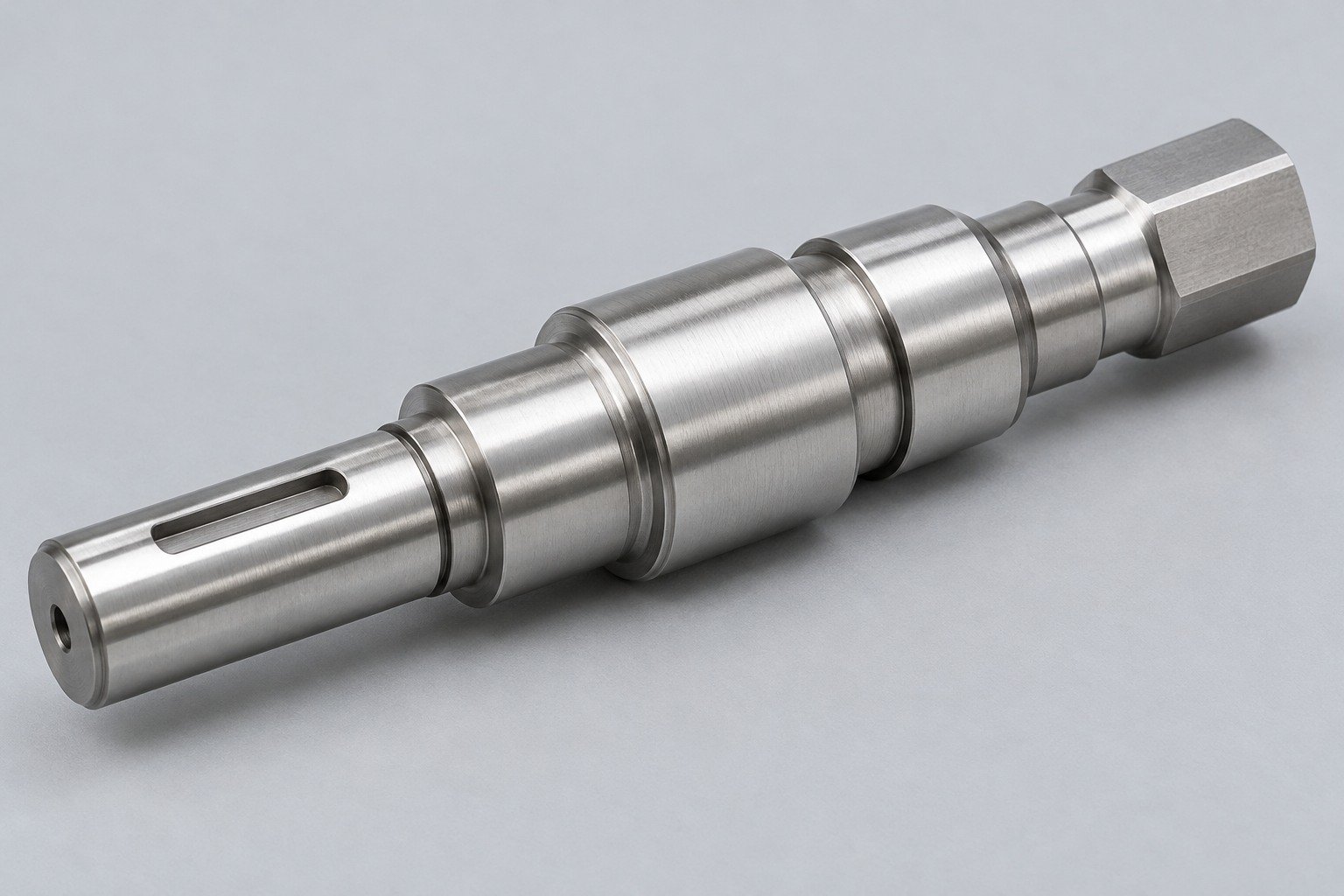
For shafts and turned features, confirm heat treatment and corrosion requirements together.
View 416 material guide →
For 420 stainless steel CNC machining, specify the full material standard, hardness and finishing sequence.
View 420 material guide →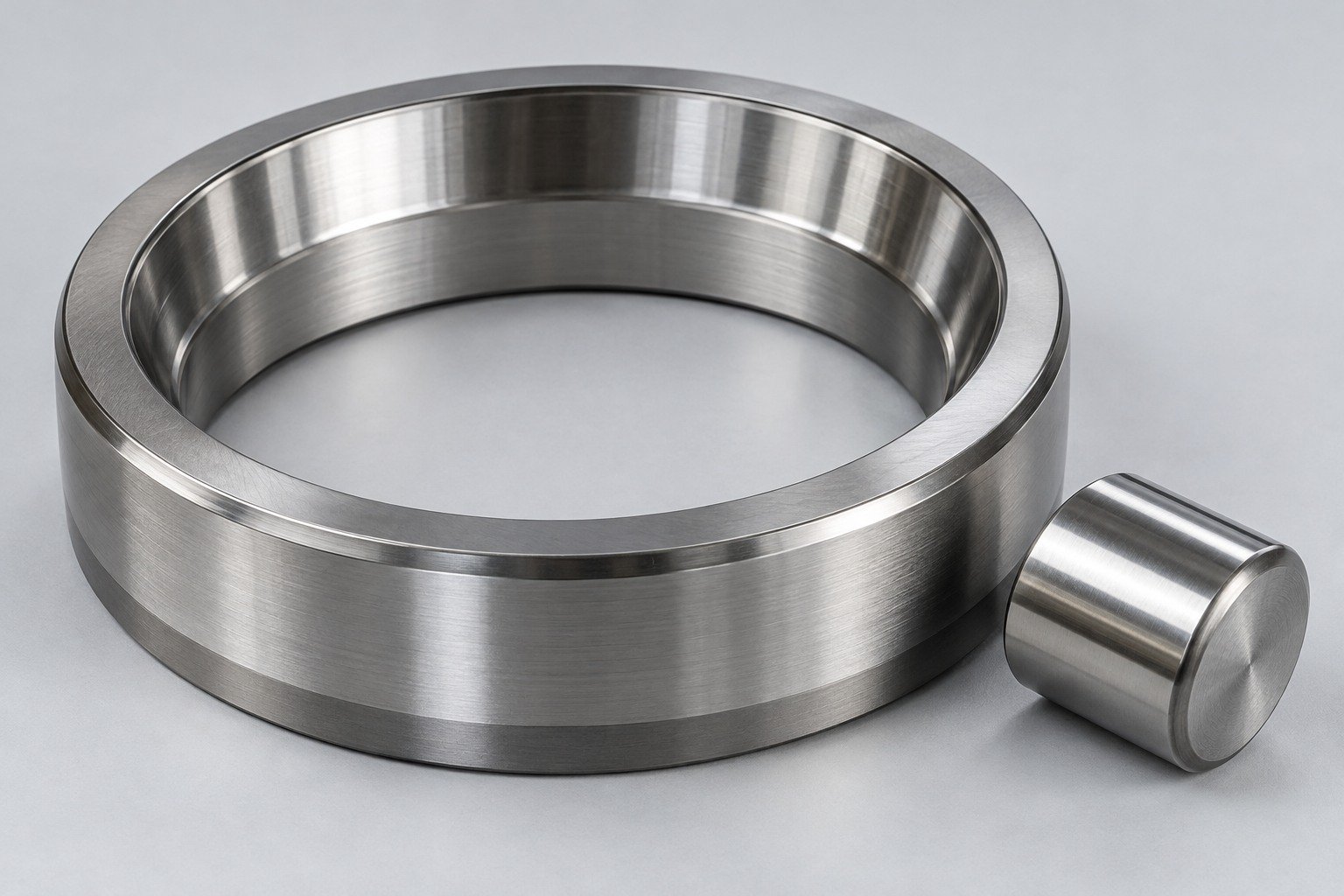
Review heat-treated condition and final grinding or finishing for wear-related parts.
View 440C material guide →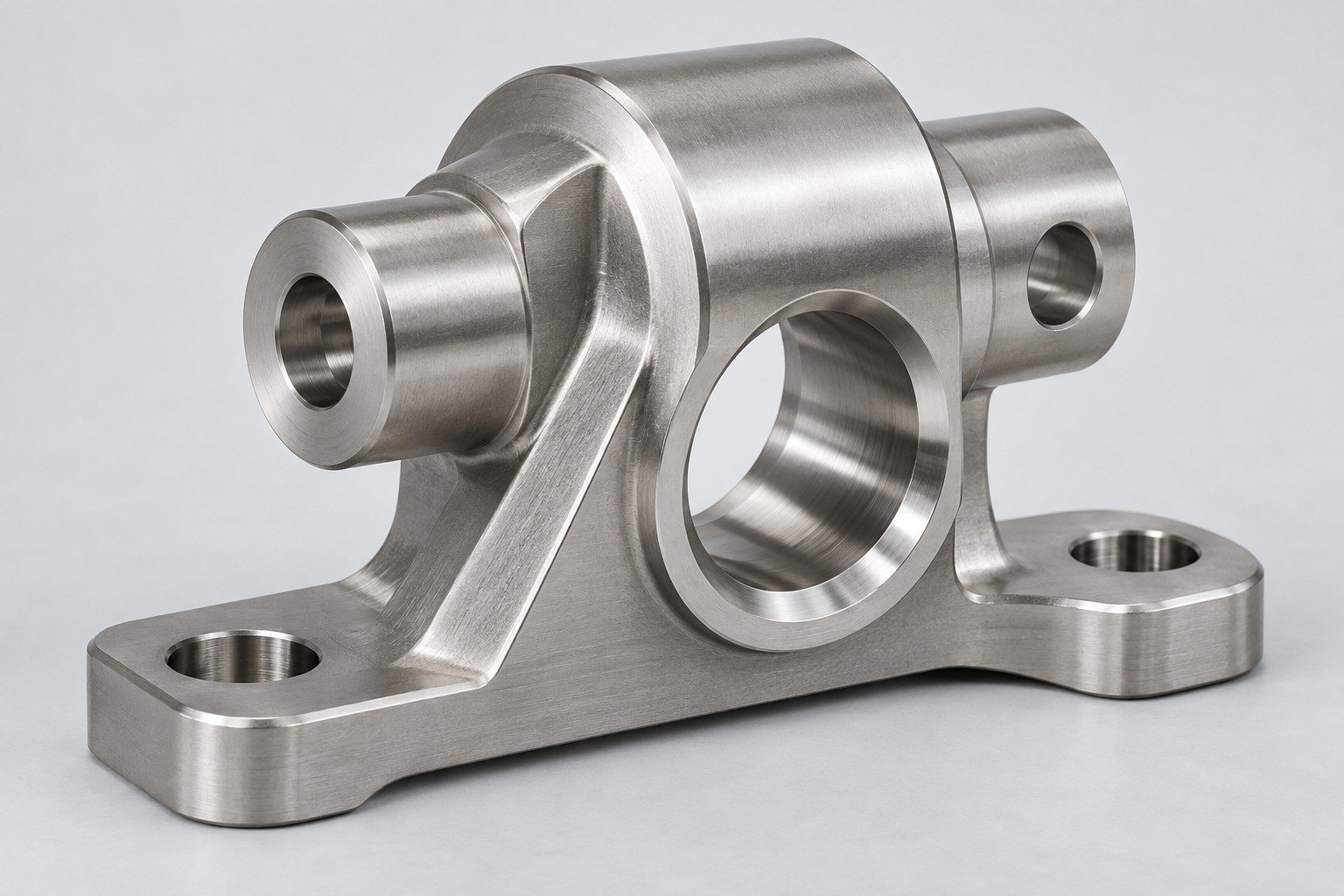
Identify the specified condition, properties and evidence for your mechanical component.
View 15-5 PH material guide →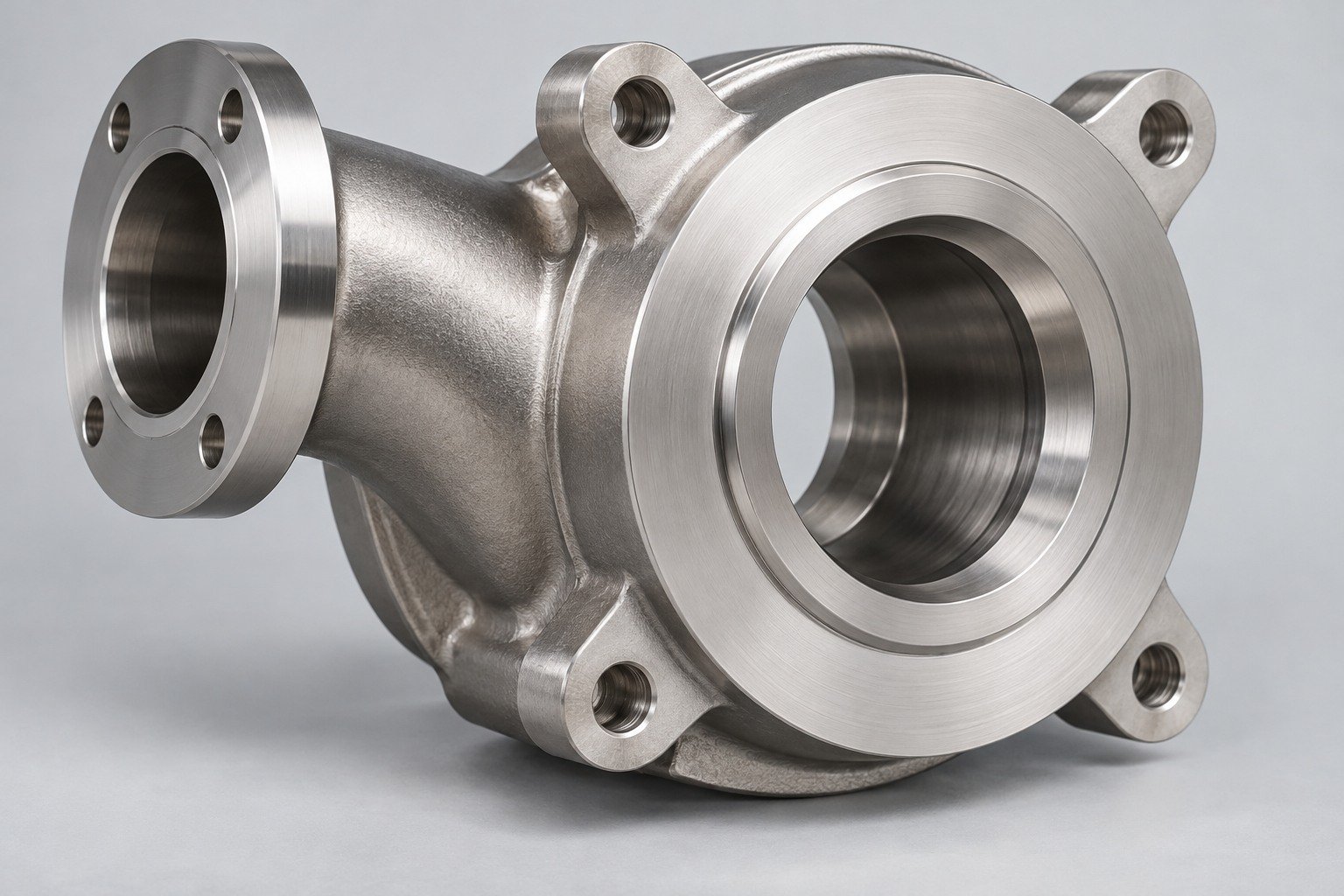
Confirm UNS designation, product specification and fabrication controls for your environment.
View 2205 Duplex material guide →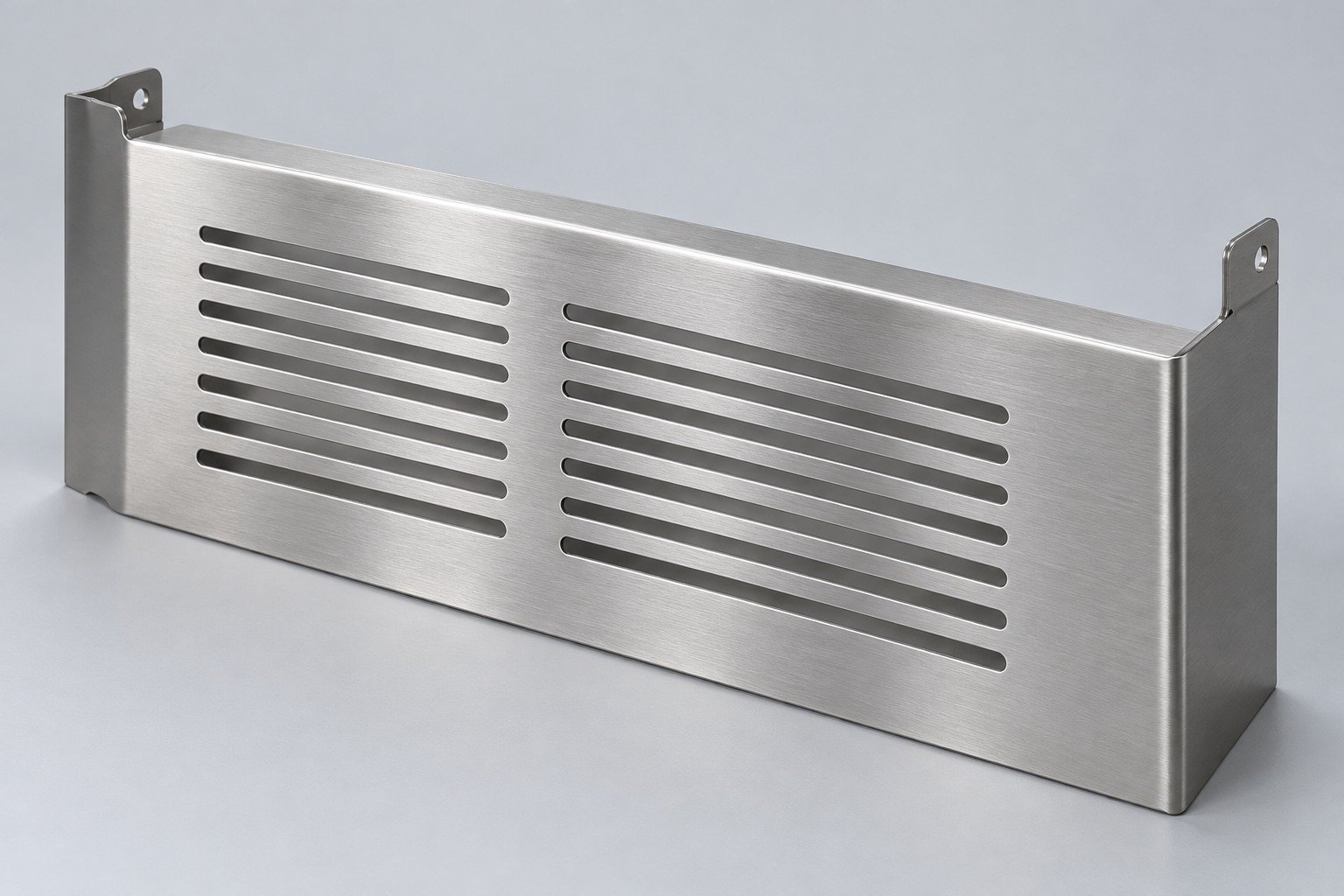
Evaluate sheet-metal forming, visible finish and environmental suitability.
View 430 material guide →Other Stainless Grades: 410, 440C, 321, 904L & 2507 →
Photos are illustrative component concepts, not material test reports. *420-family EN grades have different carbon variants; confirm your full specification. European names are navigation aids, not substitution approval.
Stainless steel material selection connects the exposure, loads, manufacturing route and acceptance condition. Compare machinable stainless steel grades on the same product and condition basis.
Name the contact medium, concentration, temperature, cleaning and retained moisture. “Stainless” is not a corrosion guarantee.
Separate annealed material from cold-worked or heat-treated conditions. Read the property specification before comparing strength.
For CNC stainless steel parts, review chip removal, tool access, threads and any welding in the complete route.
Compare the same material form, geometry, finish, quantity and evidence scope. Grade price alone does not define part cost.
Approve any grade or condition change against your drawing. Similar names are not automatic interchangeability.
Stainless steel machining properties vary with grade, condition, section size and process. Use this guide for selection discussion, not design allowables.
Supplier bar reference · 20°C · MPa
REFERENCE DATA, NOT A BATCH TEST REPORT
These two supplier bar references share a 205 MPa minimum 0.2% proof strength. Choosing 316L should therefore address the actual service requirement, rather than assuming the name always means higher strength.
| Reference bar | Rp0.2 min. | Tensile range |
|---|---|---|
| Sanmac® 304/304L | 205 MPa | 515–680 MPa |
| Sanmac® 316/316L | 205 MPa | 515–690 MPa |
Alleima supplier-specific bar data in the stated annealed conditions. Size and specification scope apply. These are not LK test results, all-grade limits or finished-part guarantees.
Alleima Sanmac® bar reference · mass %
These are selected nominal supplier values, not the complete chemistry specification. The cited 316/316L reference also lists 2.1% nominal molybdenum. Confirm the actual grade limits and your lot certificate for purchasing.
| Reference | Cr | Ni | Mo |
|---|---|---|---|
| Sanmac®304/304L | 18.5 | 8.5 | Not listed in source nominal table |
| Sanmac®316/316L | 17 | 10 | 2.1 |
Same supplier datasheets linked above. Selected elements do not sum to100%; no residual percentage is inferred. Not a batch chemical analysis or universal grade limit.
For your stainless steel machining materials, define the finished geometry before choosing milling, turning or fabrication. Project suitability and supply scope need review.

Stainless steel milling services start with datum access, pockets, hole relationships and finish requirements. CNC Milling →
Stainless steel turning services connect shoulders, bores, threads and runout to your inspection references. CNC Turning →
For custom stainless steel fabrication, confirm gauge, bend direction, grain, hardware and visible faces. Sheet Metal Fabrication →
Review joint design, distortion control, cleaning and final dimensions for the assembled part. Welding & Fabrication →
Make your drawing easier to quote and inspect by identifying the feature that controls assembly.
Define the thread standard, depth, engagement and final coating or cleaning condition. Confirm burr access and inspection method.
DFM & Drawing Review →Relate material removal and workholding to the final wall. Specify critical relationships rather than applying tight tolerances everywhere.
DFM & Drawing Review →Identify depth, entry, intersections and chip-removal access. Discuss a suitable drilling and deburring sequence.
DFM & Drawing Review →Mark bearing lands, runout references, straightness and the condition in which dimensions must pass.
DFM & Drawing Review →Connect any heat treatment or welding to the final machining, cleaning and inspection stages.
DFM & Drawing Review →For corrosion resistant machined parts, connect the alloy to your service conditions and agreed finish. A polished appearance alone does not establish corrosion performance.
Link the grade, standard and delivery condition to the agreed material certificate or record. Traceability →
Identify datums, fits and final acceptance state. Inspection Equipment →
Specify grain direction, polish, cleaning and any passivation requirements for review. Brushing & Polishing →
Agree inspection scope, exceptions, identification and packing. Quality Documentation →
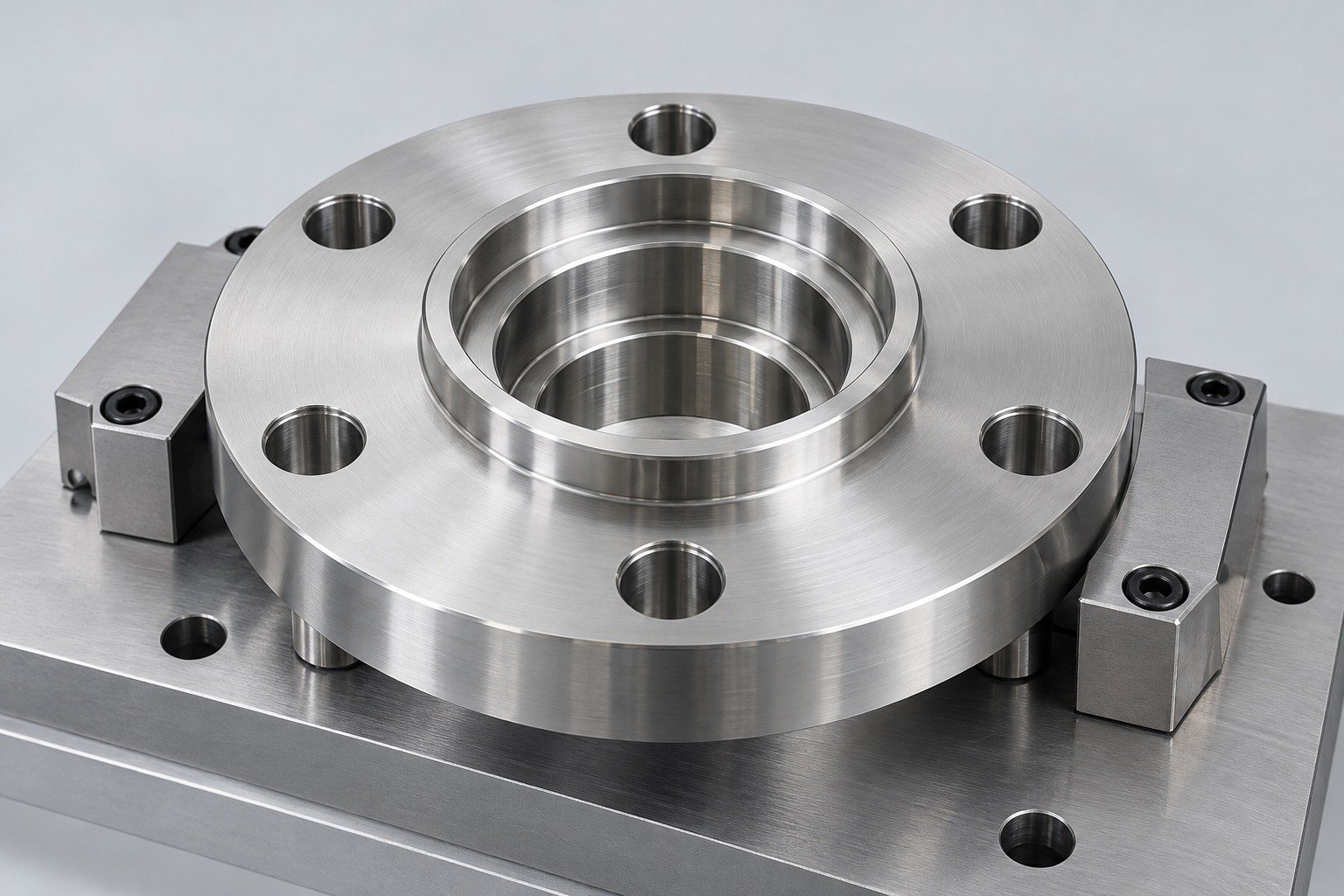
Review machining features together with corrosion exposure and joining. The free-machining grade should not replace a specified 304 component without approval.
Start with the actual contact medium, temperature, cleaning and finished geometry. Compare exact grade, product form and condition before choosing the machining route.
The low-carbon designation matters to welding-related material selection. Confirm the full specification and welding route; do not change the grade only from an abbreviation.
Discuss machining stages, actual hardness, aging condition and the final inspection state. State the condition on your drawing before a route is agreed.
Stock form, material removal, setup access, thread and hole details, finish, quantity and evidence scope affect your finished-part quotation.
Identify the certificate type, grade, standard and traceability requirement at inquiry. Confirm the available documentation scope for your project before ordering.
A grade name does not establish product qualification, cleanliness, biocompatibility or application approval. State the required standards and verification scope explicitly.
Tolerance feasibility depends on geometry, size, condition, workholding and measurement. Mark the dimensions that control your fit for a project-specific review.
When comparing stainless steel machining services, keep the same finished-part scope. Send these inputs so your team can resolve open requirements before quotation.
Revision-controlled drawing and a3D model when available.
Exact grade, product specification and permitted substitutes.
Delivery state, hardness and any heat-treatment requirement.
Trial quantity, repeat demand and release schedule.
Critical datums, tolerances, visible faces and surface needs.
Material identity, inspection, cleanliness and packing scope.
For your stainless steel machined parts manufacturer review, compare the proposed route and evidence against your drawing. Confirm any proposed substitution before production.