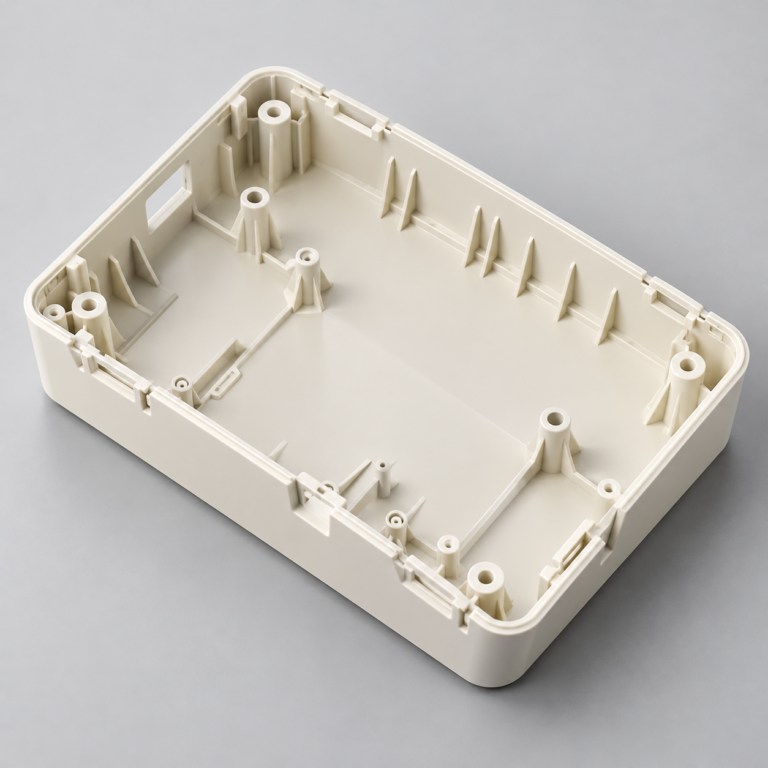
Injection Molding
Tooling and molding for your repeat plastic parts.
From prototype to production, coordinated manufacturing solutions for your custom parts.
View All Services →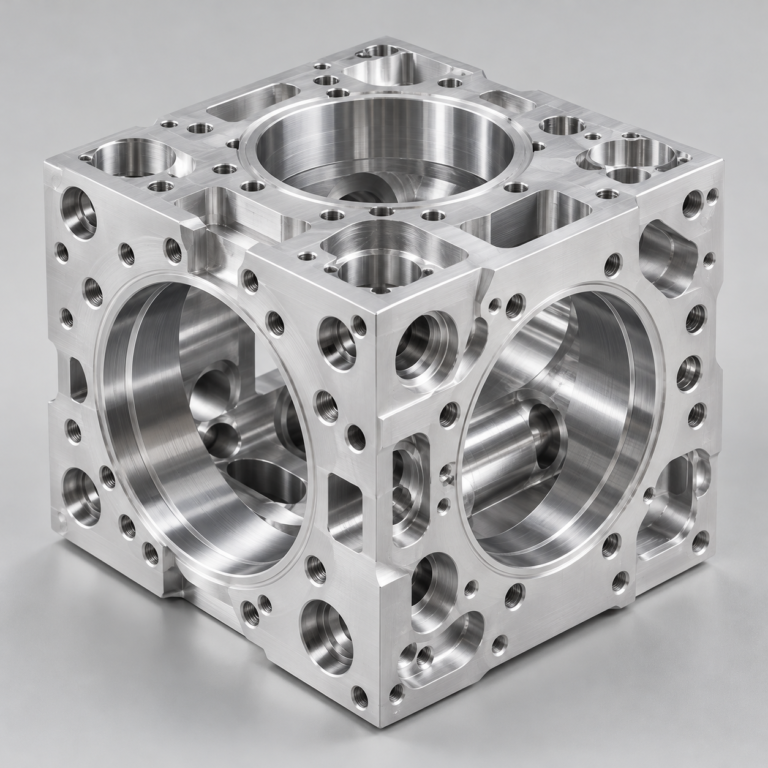
Precision parts for your tight tolerances and complex geometry.
Tooling and molding for your repeat plastic parts.
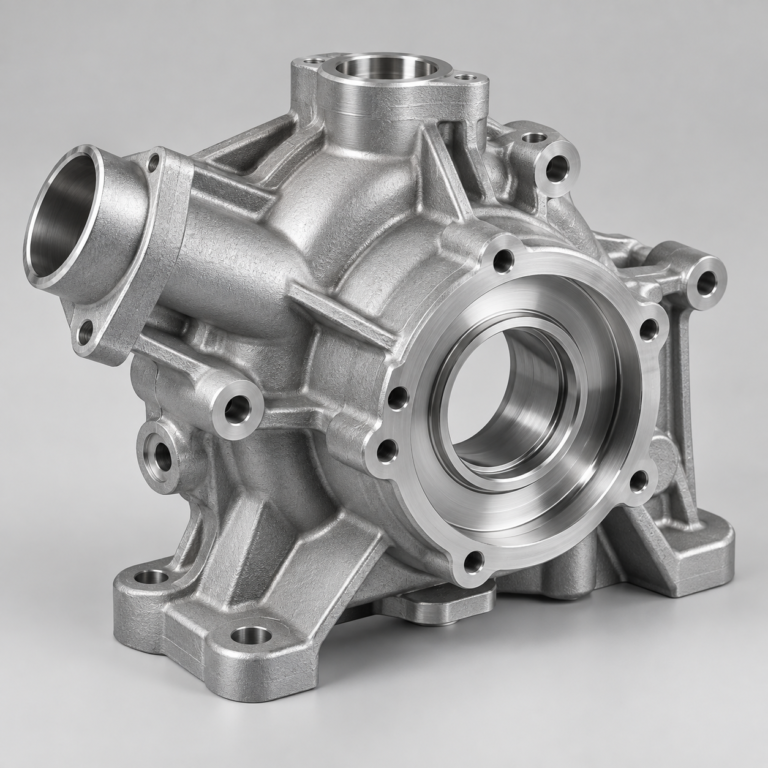
Metal casting options for your part and production volume.
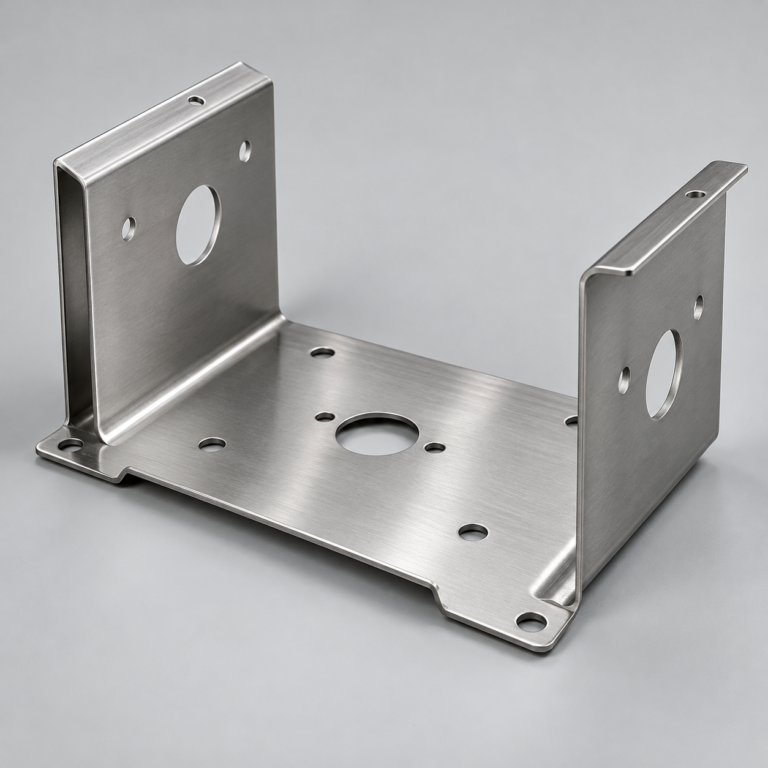
Cutting, forming and welding for your fabricated parts.
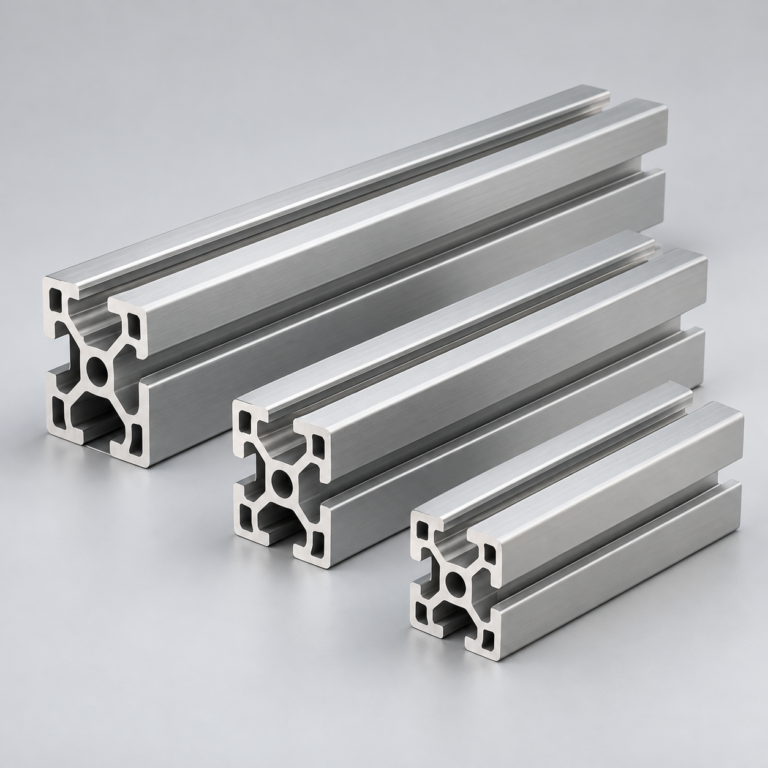
Custom profiles for your section, length and finish requirements.
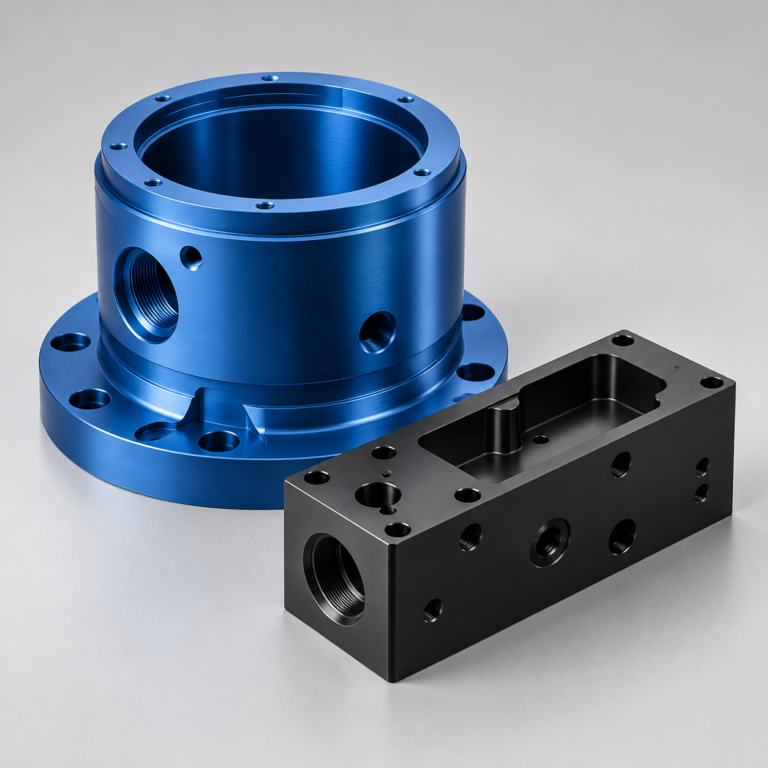
Finishes for your appearance, corrosion and wear requirements.
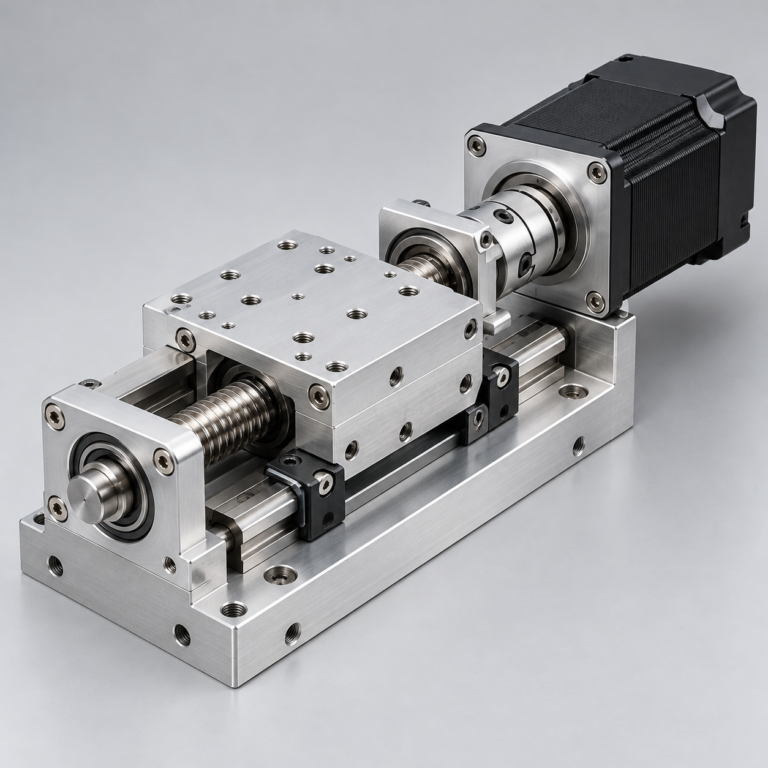
Sub-assemblies and final builds for your production program.
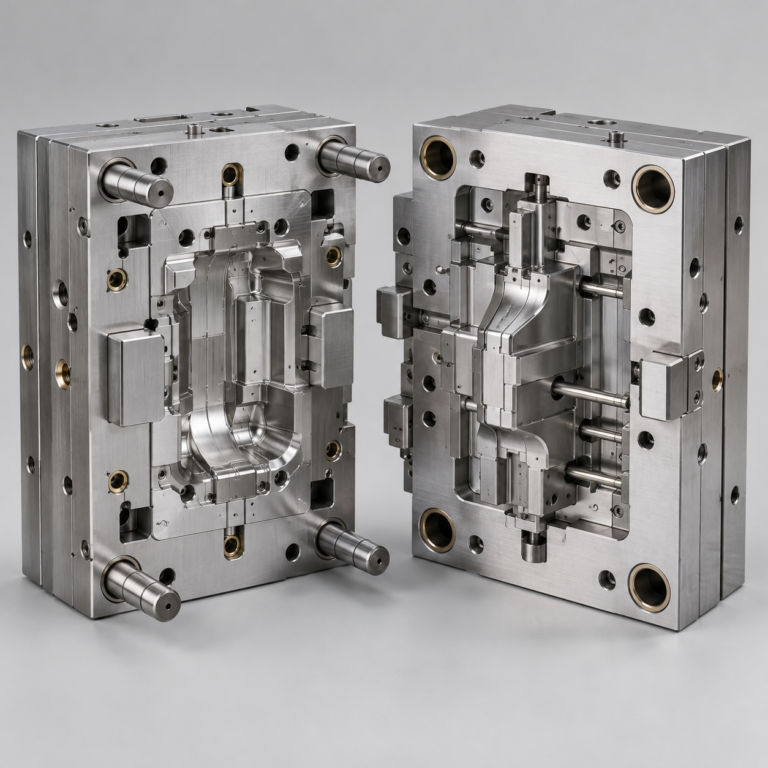
Production tooling built around your process and volume.
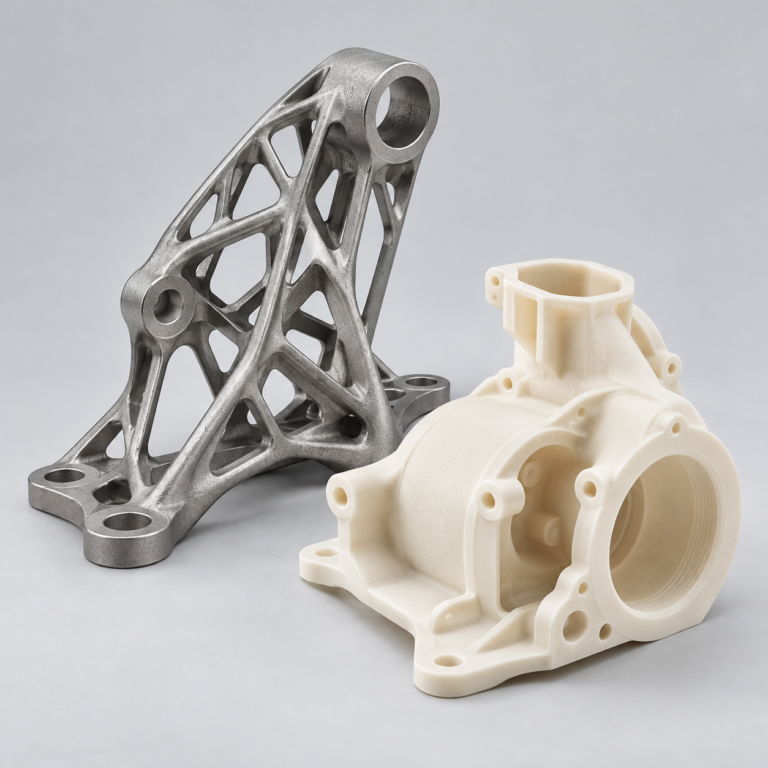
Prototype parts to check fit, function and design.
DFM, process planning and production support for your project.
Inspection, documentation, inventory and delivery planning for your program.
Choose air- or liquid-cooling components around your thermal and mechanical requirements.
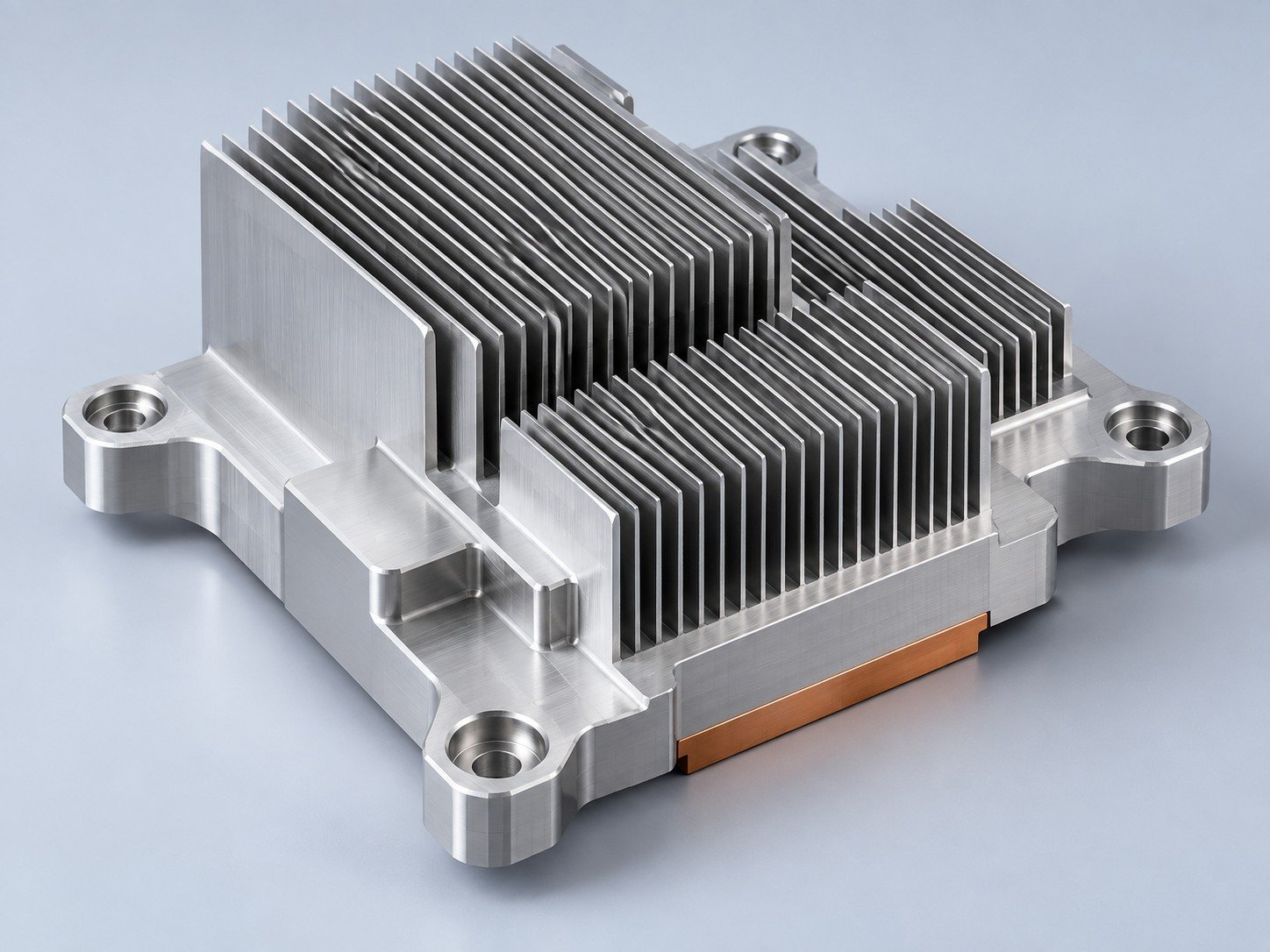
Manufacturing support for your cold plates, manifolds and cooling assemblies.
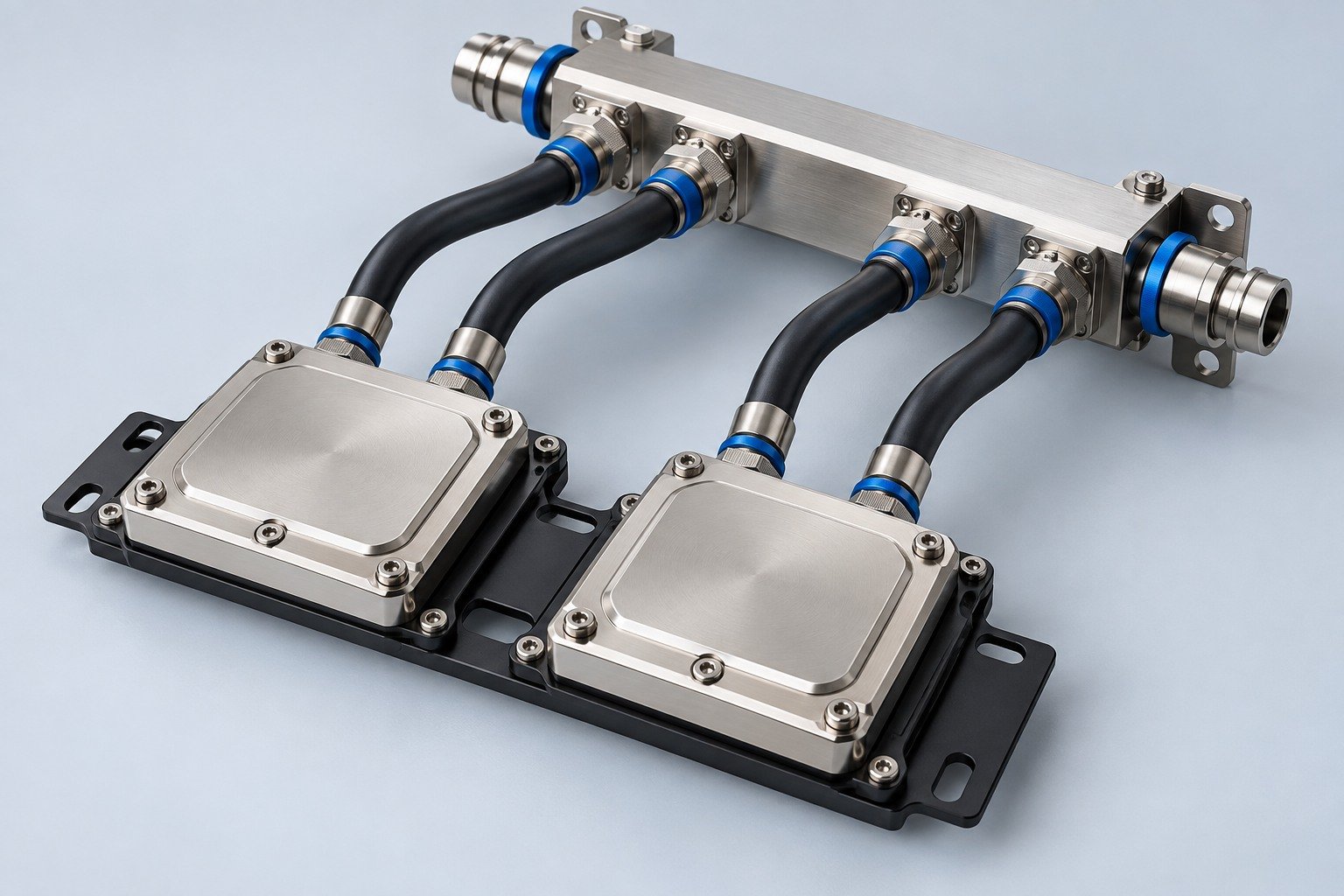
Find components for your power electronics, energy, laser and telecom application.
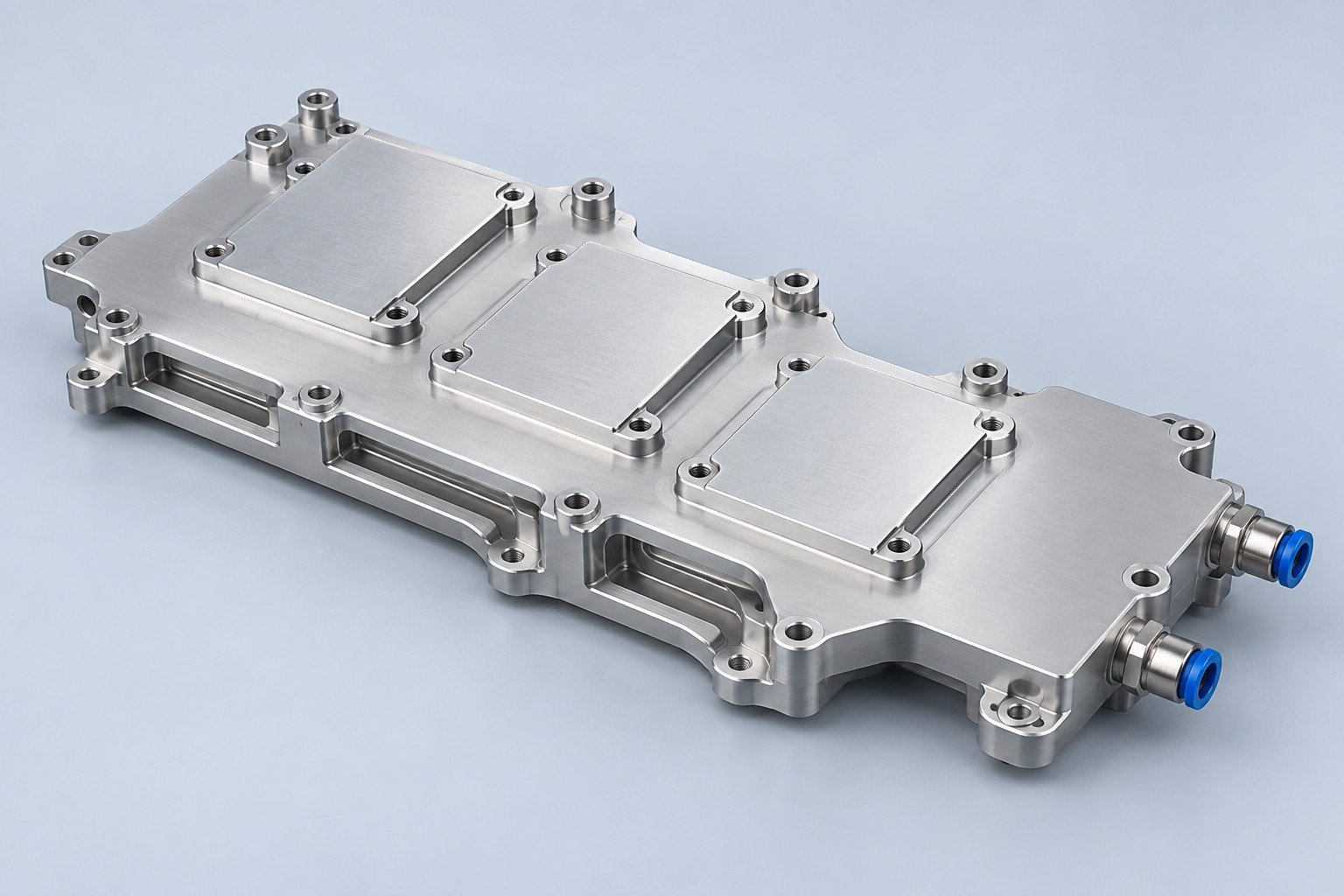
Components for your electronic systems.
Start with your functional and quality requirements.
Build around your operating environment.
From prototype to production, review material performance, manufacturability and cost for your part.
Review grade, temper and finish for your metal parts.
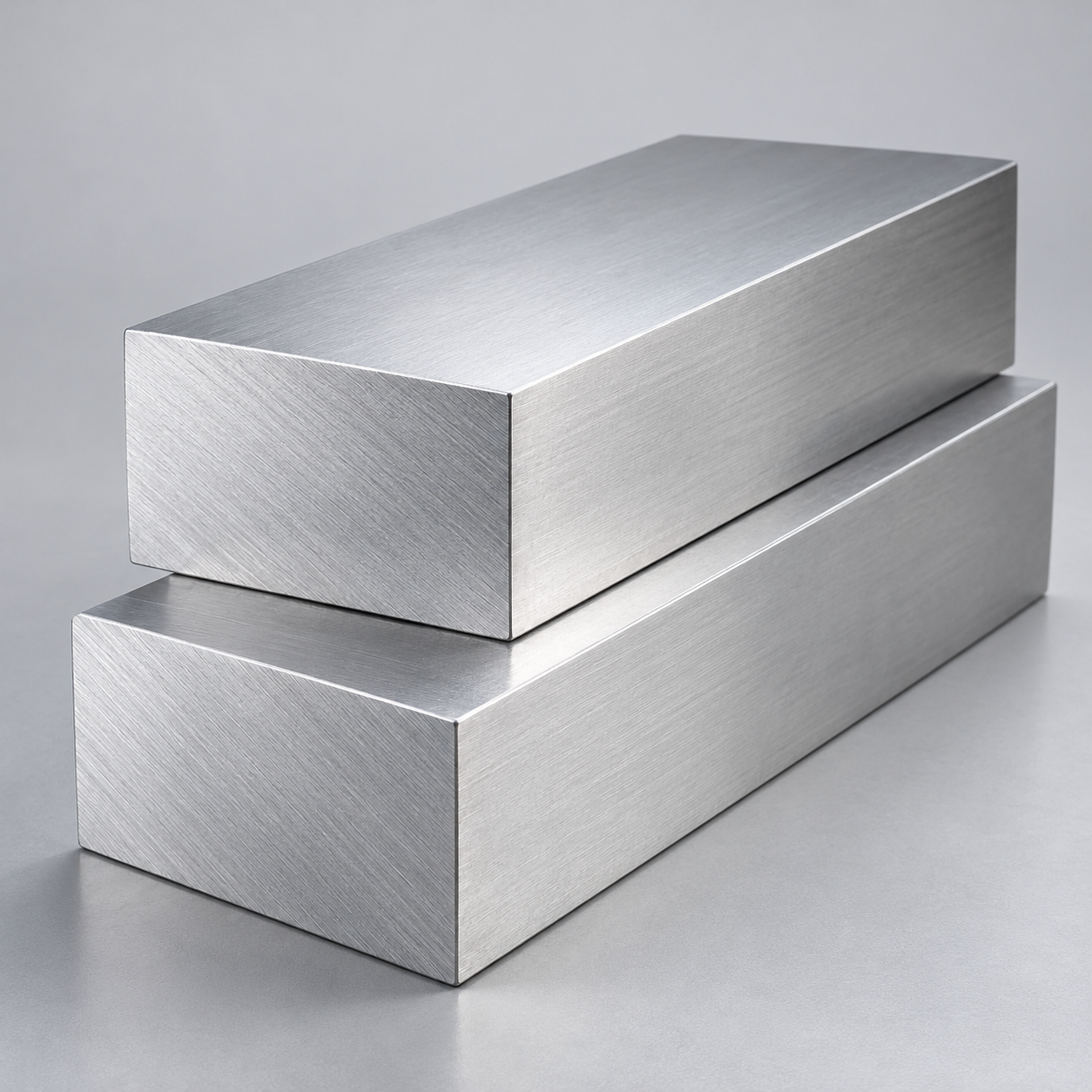 AluminumStrength, weight and machining›
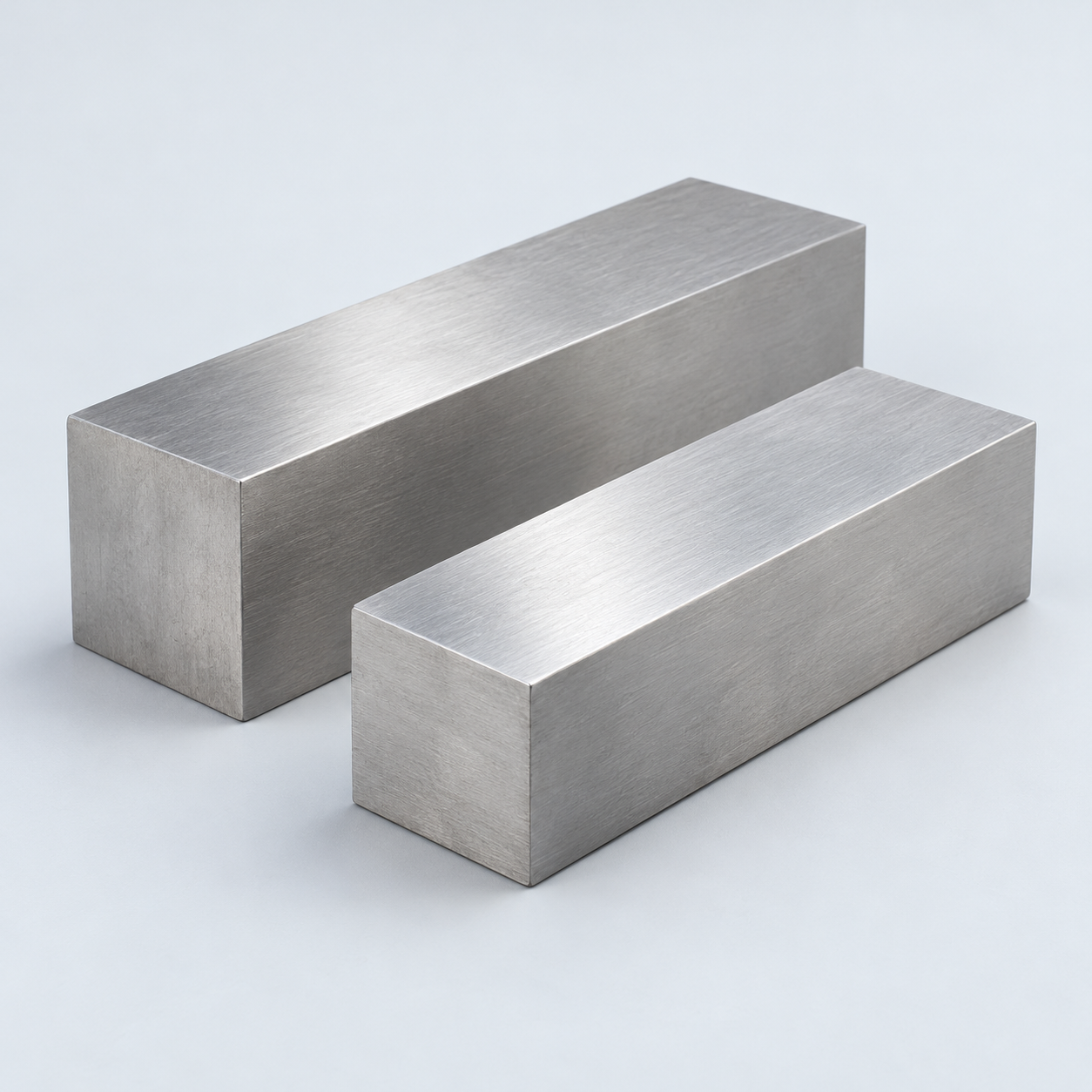 Stainless SteelCorrosion and finish requirements›
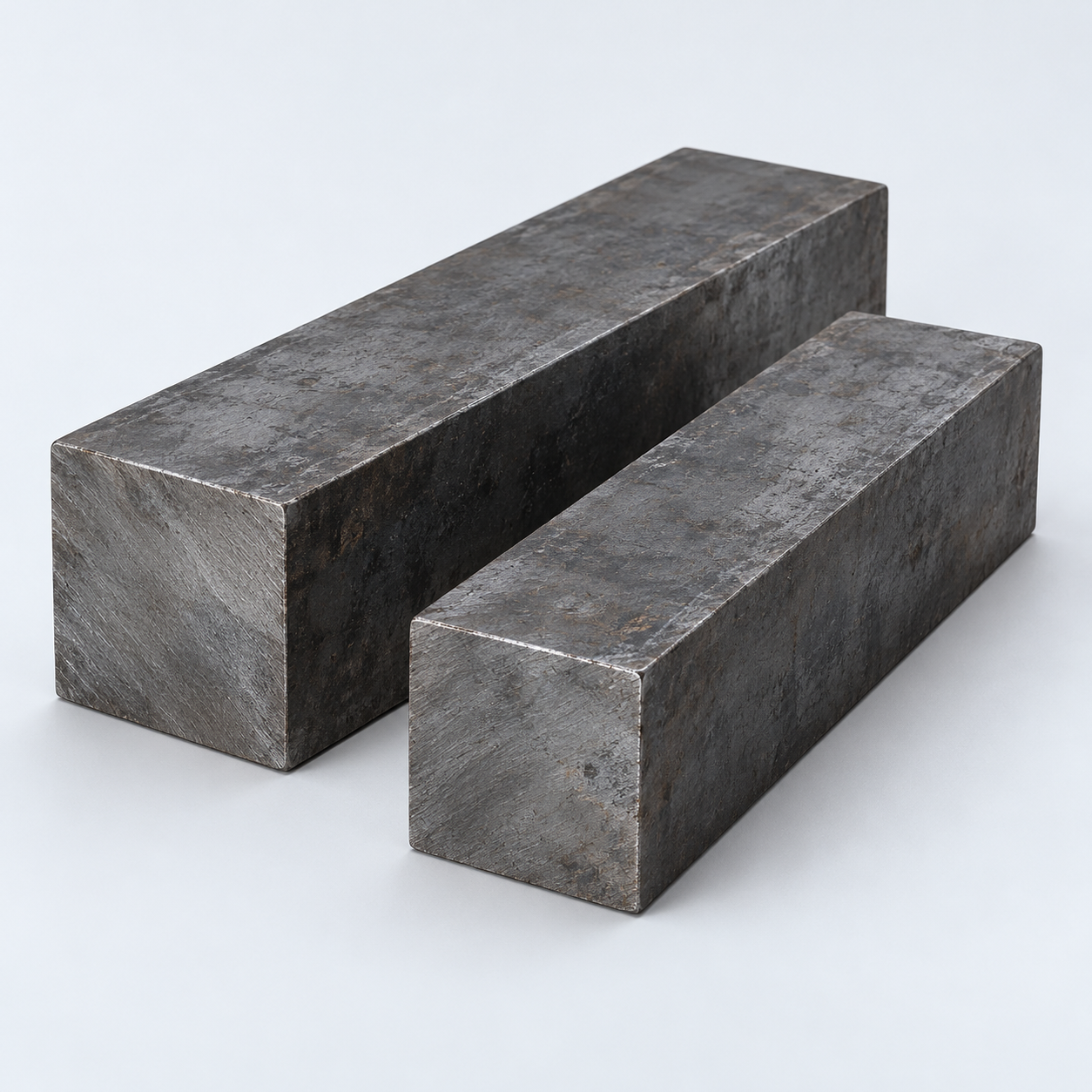 Carbon & Alloy SteelDiscuss grade and heat treatment›
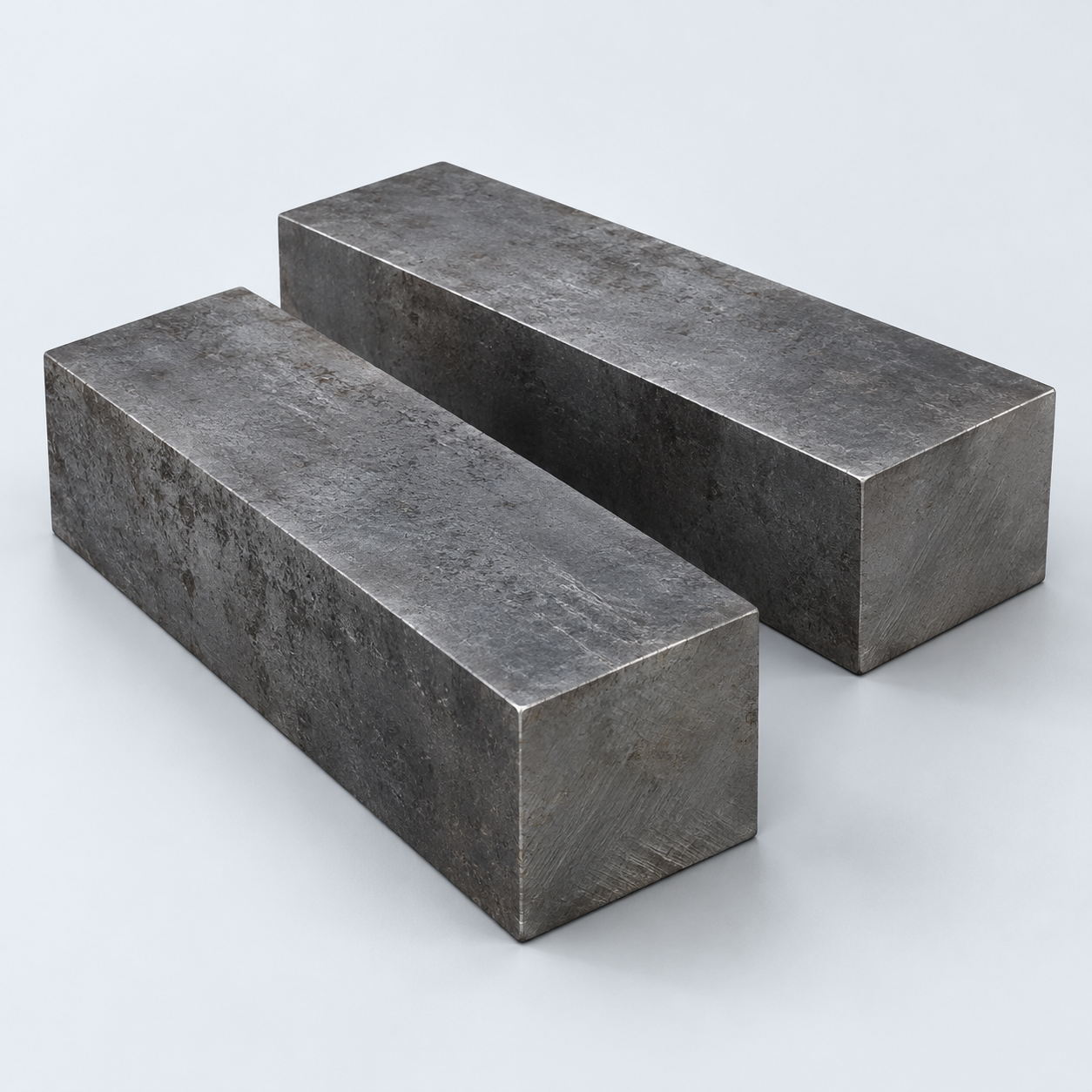 Tool SteelDiscuss tooling and wear needs›
 TitaniumReview grade and part geometry›
 Copper & Brass & BronzeDiscuss conductivity and machining›
Match your polymer to function, process and environment.
 ABSReview enclosure and molding needs›
 Polycarbonate (PC)Discuss clarity and impact needs›
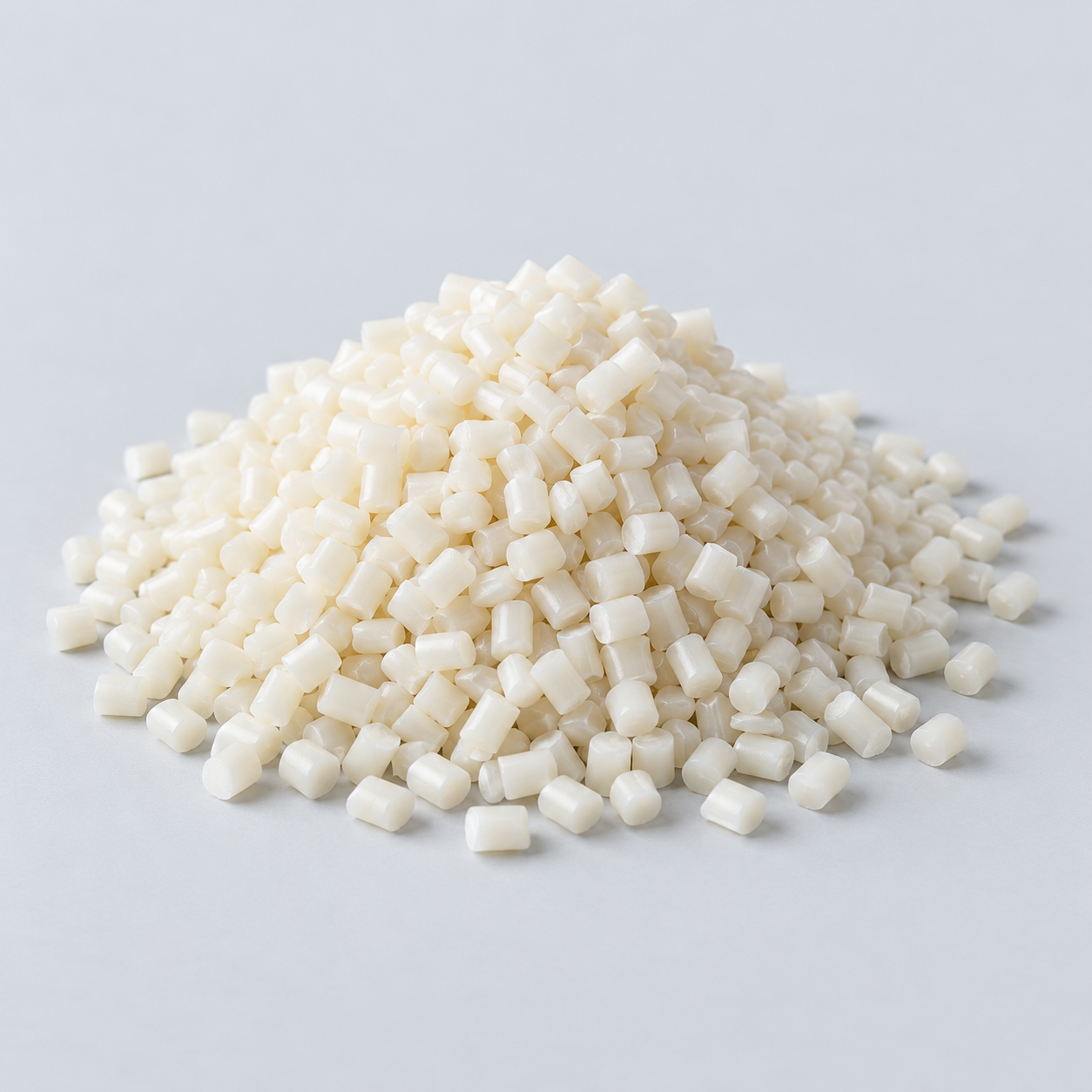 Nylon (PA)Review moisture and wear conditions›
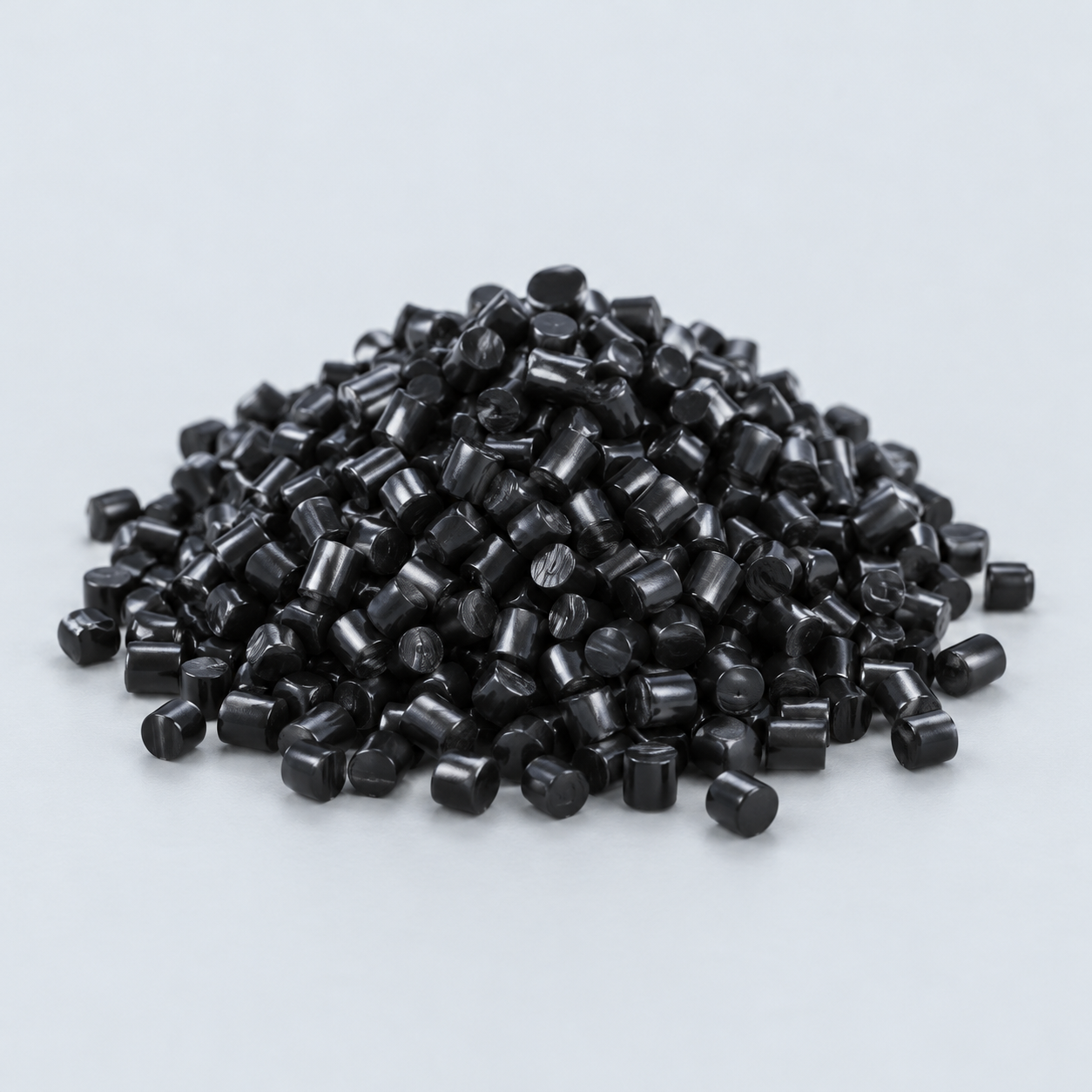 POM / AcetalReview fit and sliding features›
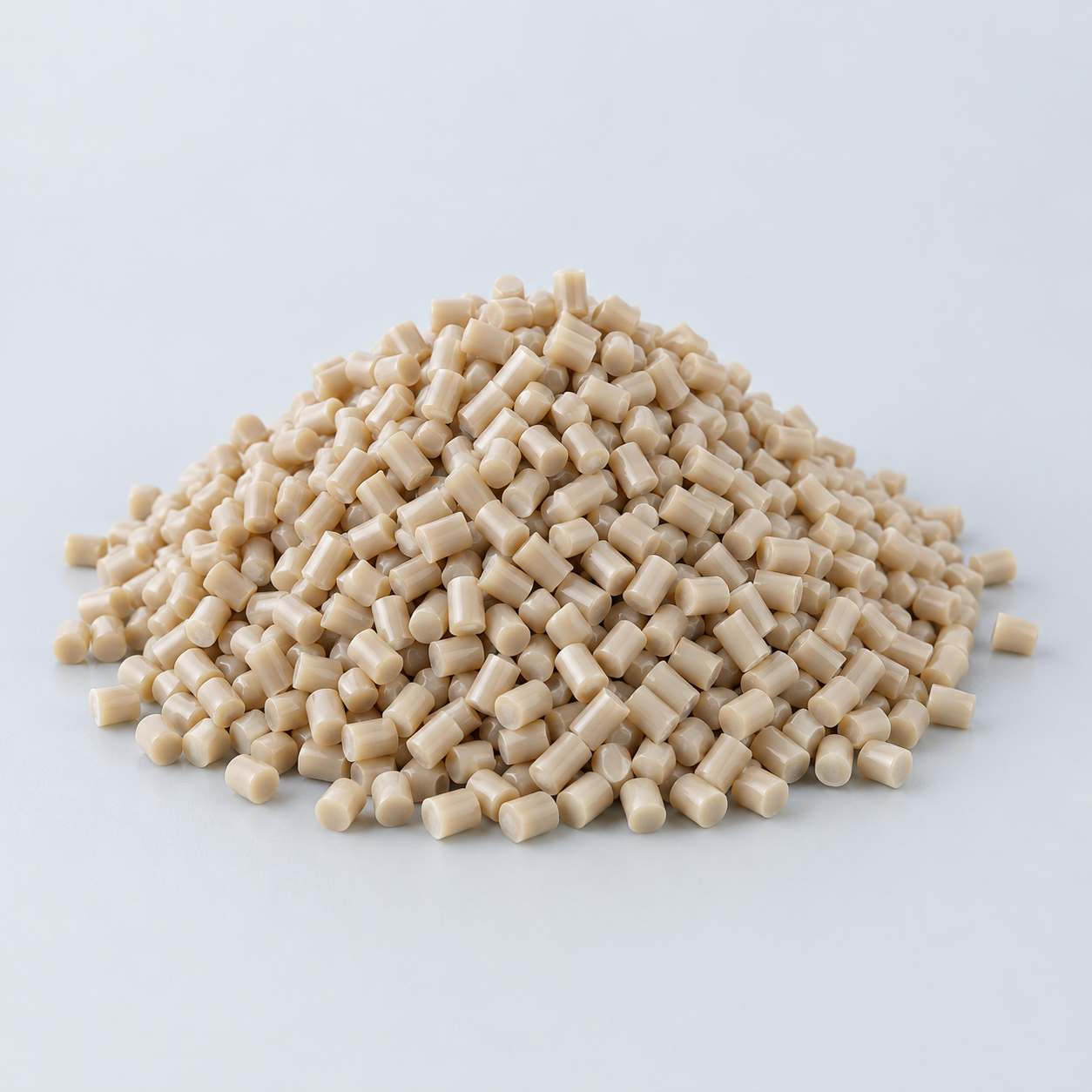 PEEKDiscuss operating conditions›
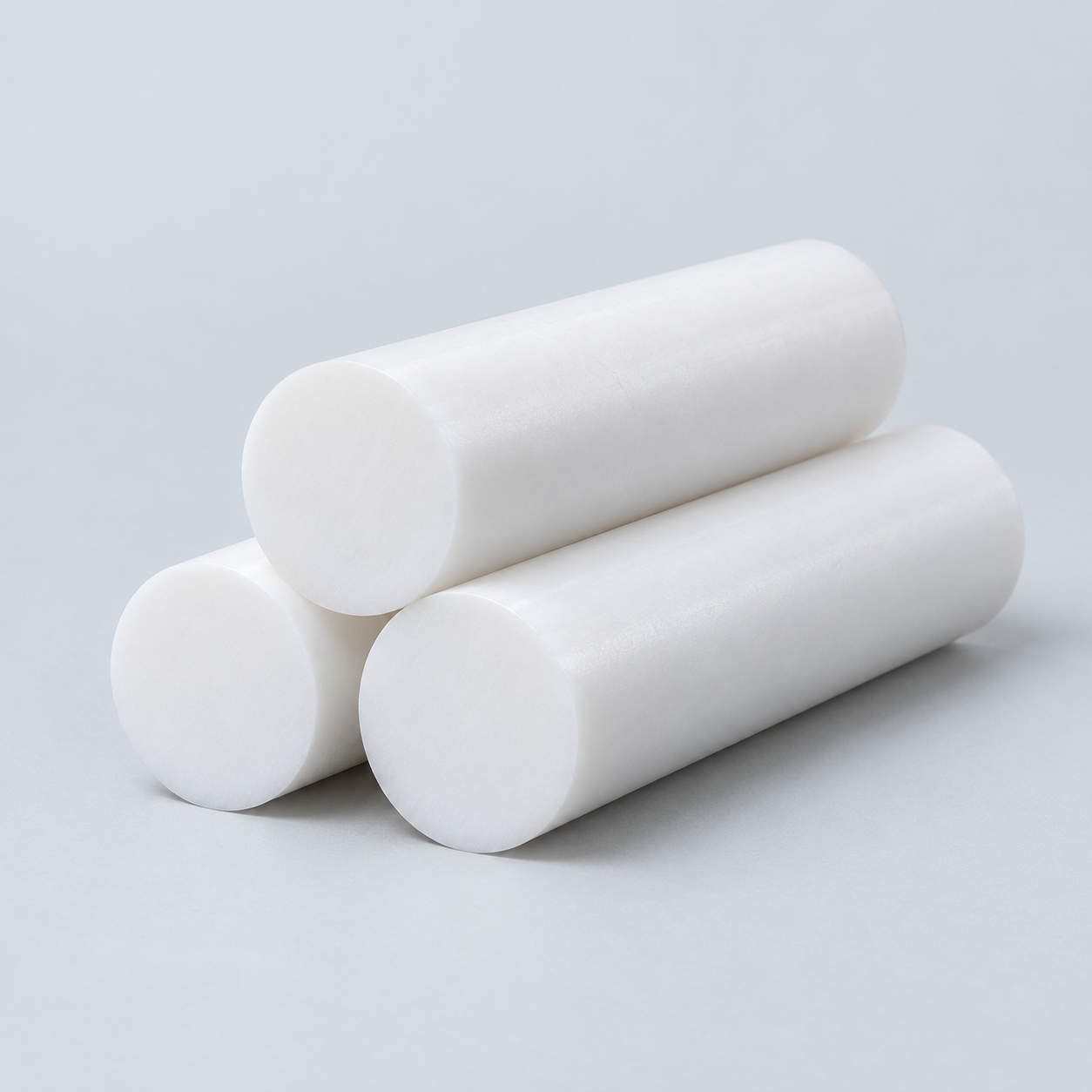 PTFEReview friction and chemical exposure›
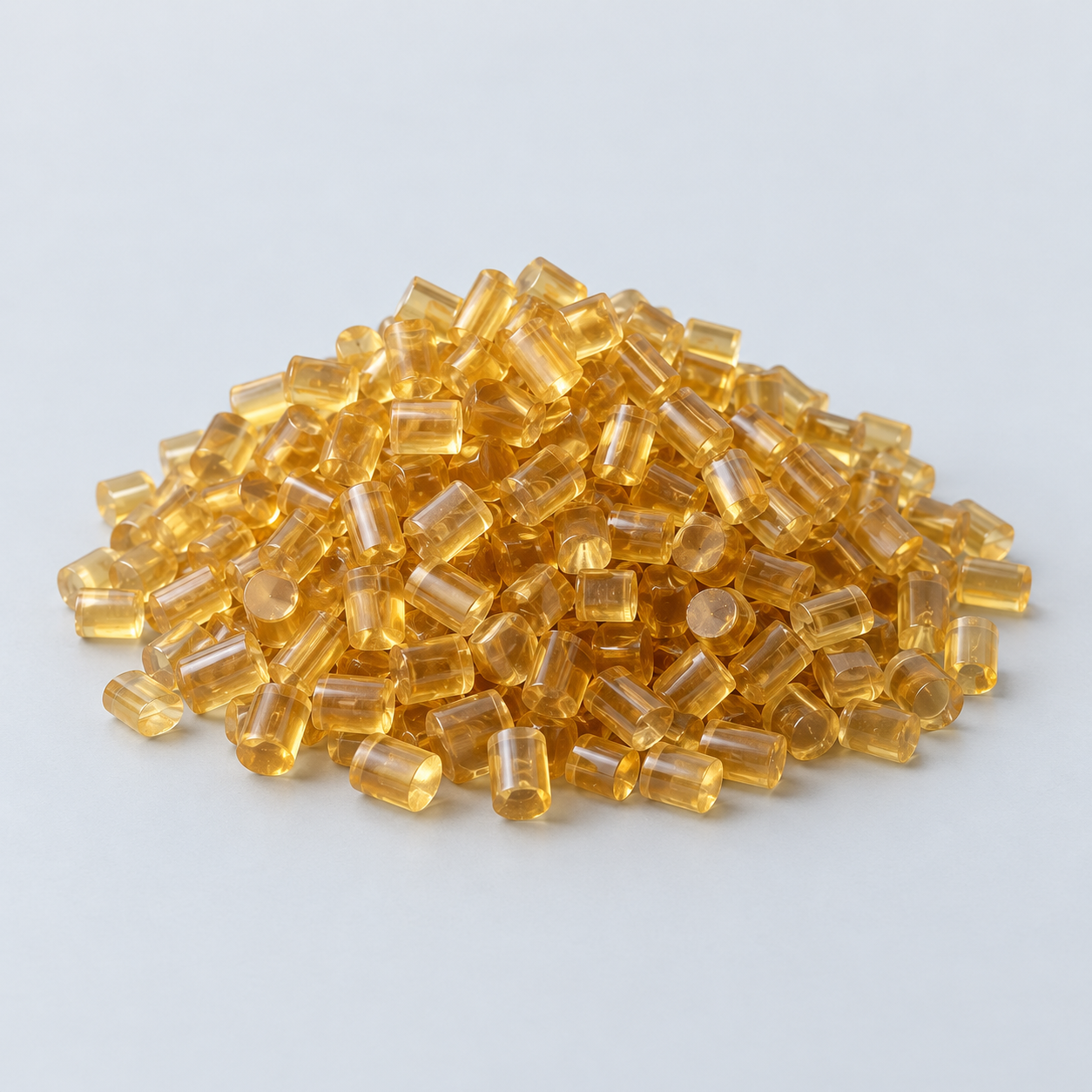 ULTEM / PEIDiscuss thermal and electrical needs›
Confirm grade availability and application requirements.
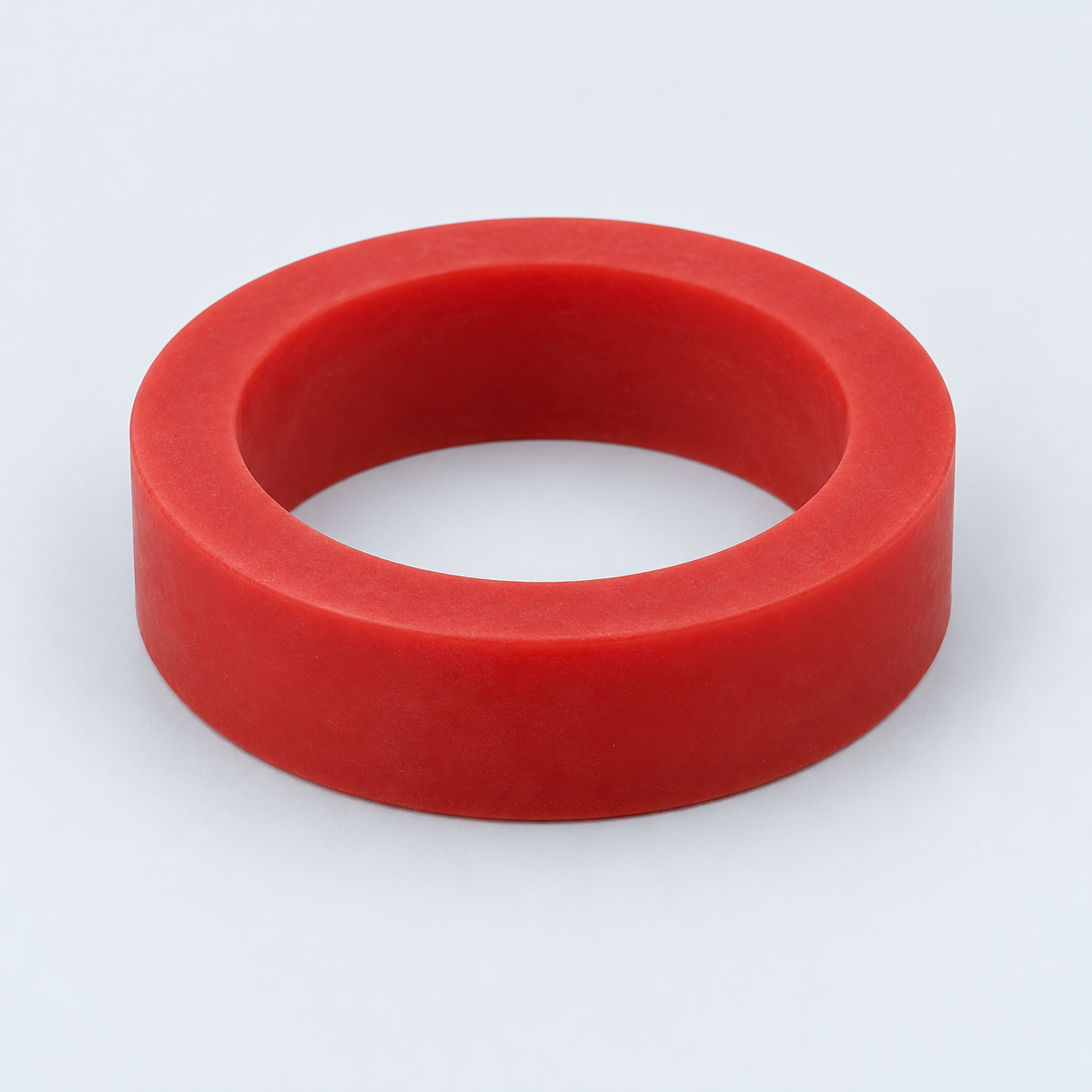 Silicone / LSRDiscuss flexible component needs›
 TPU / TPEReview flexibility and processing›
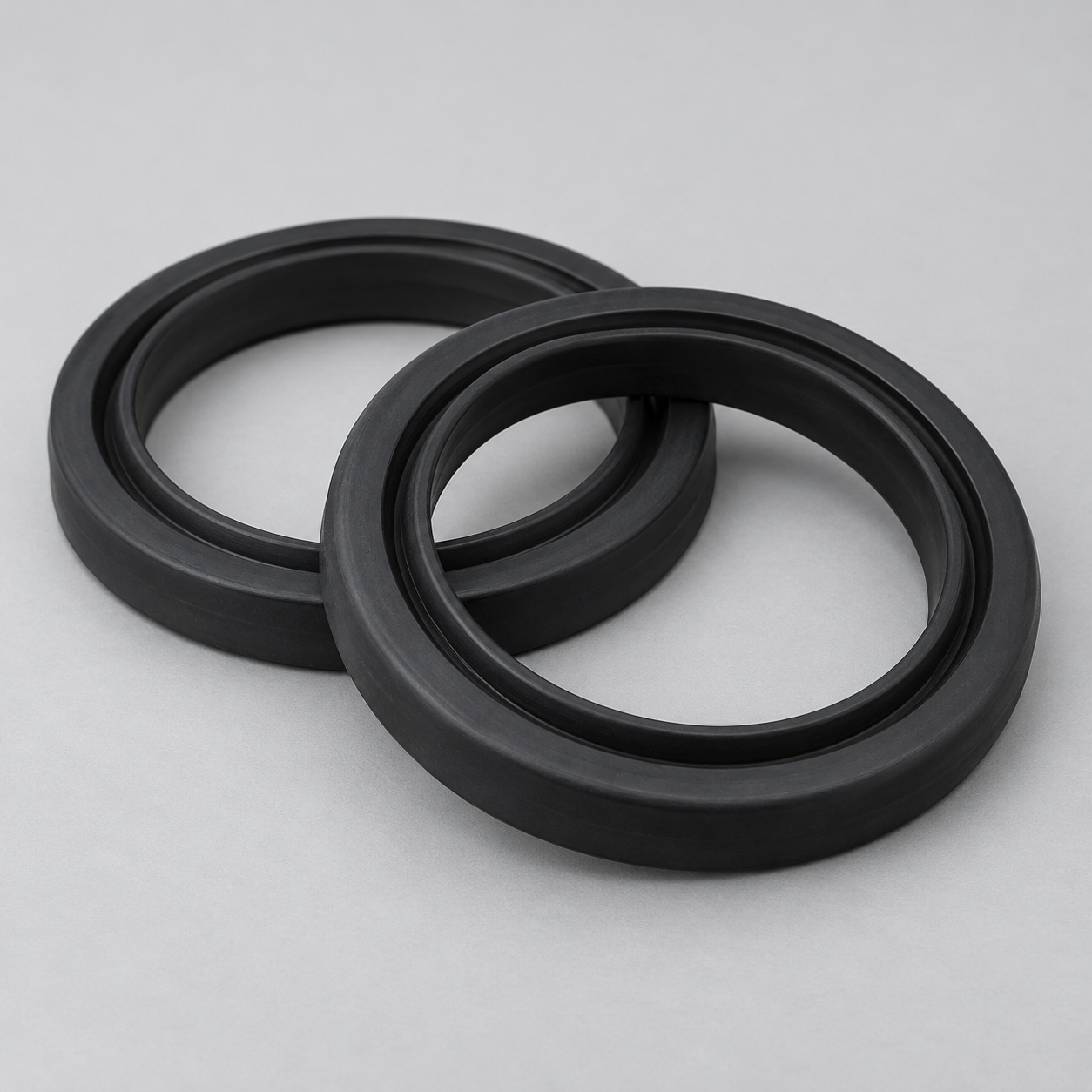 EPDMReview weathering and chemical exposure.›
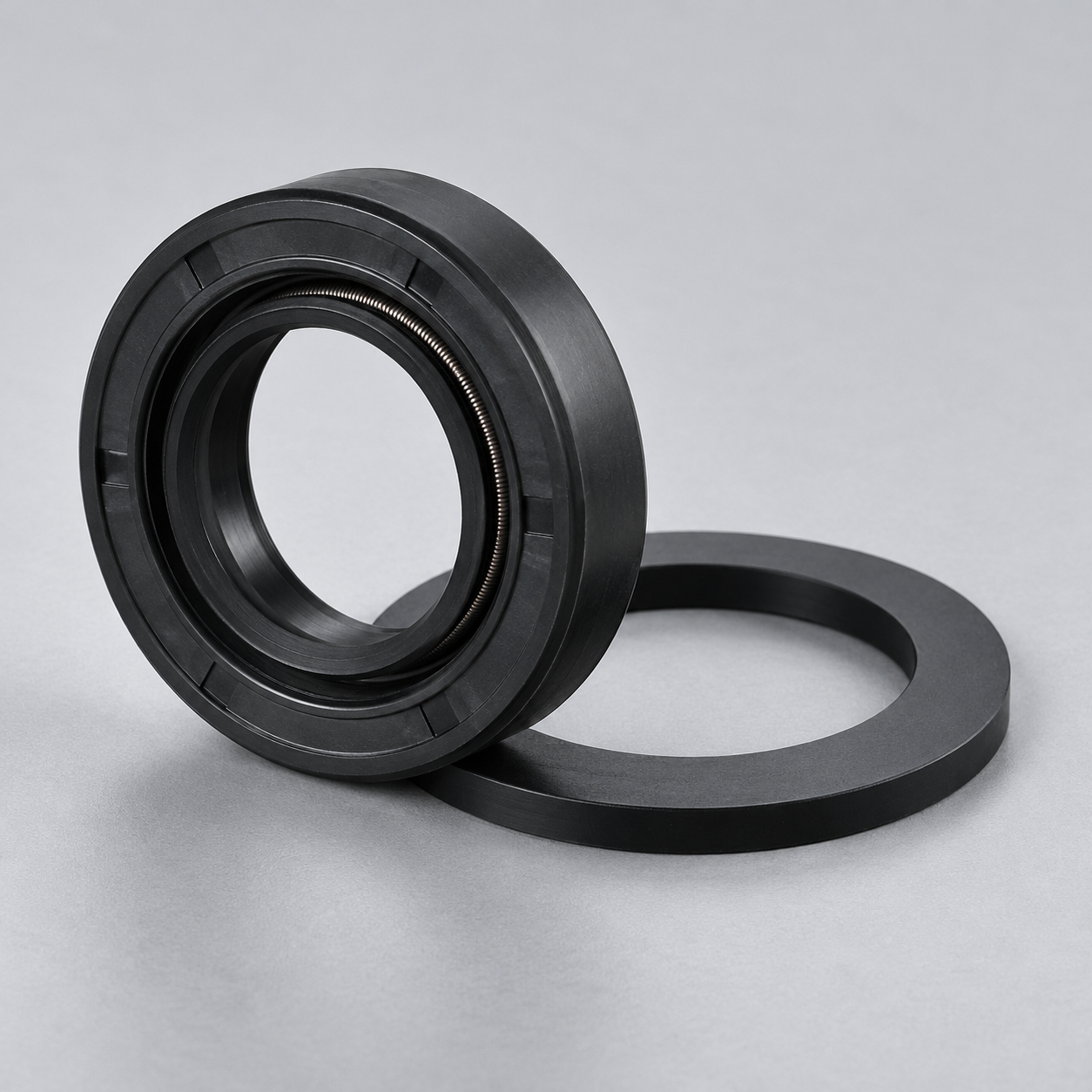 NBRReview oil and fuel exposure.›
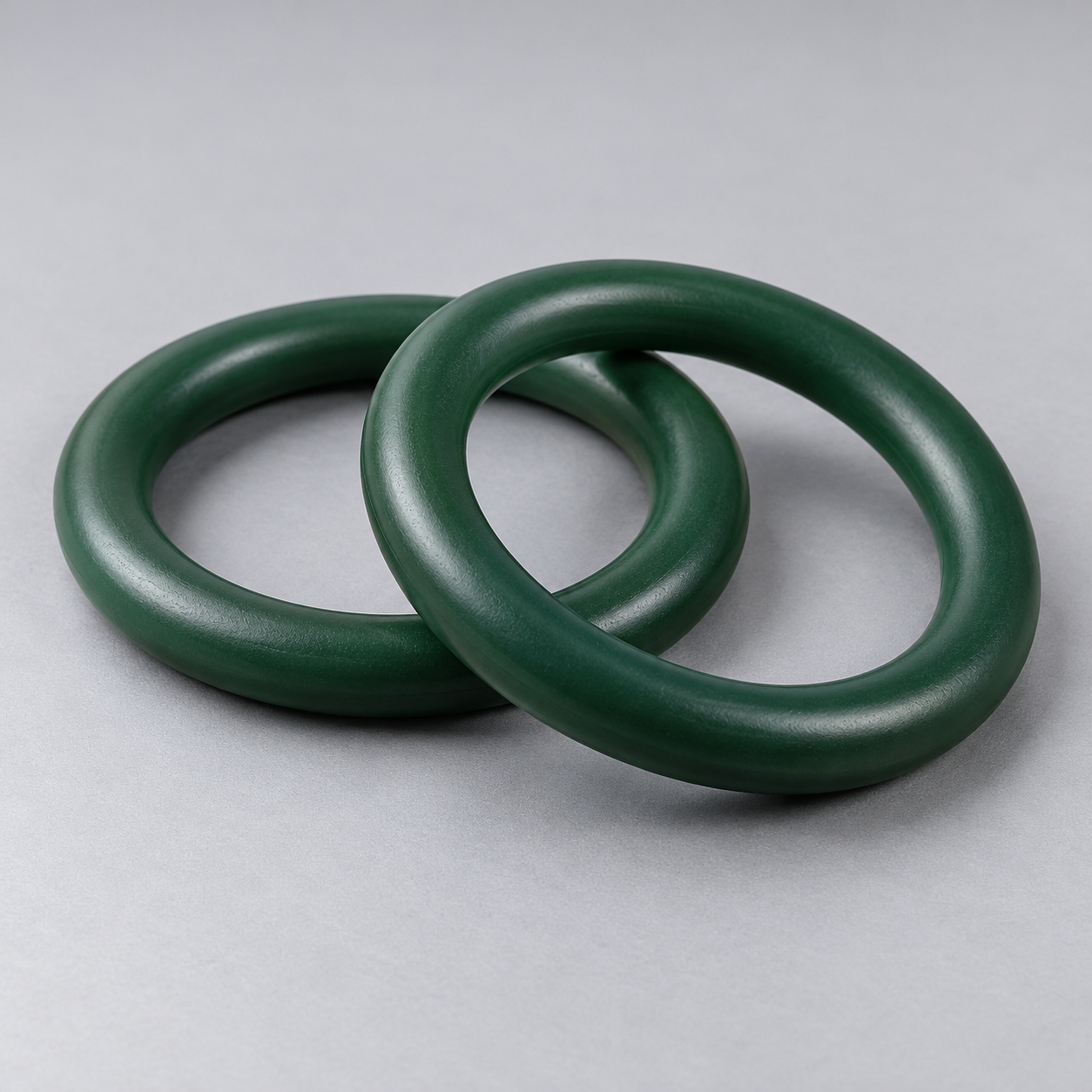 FKMReview temperature and chemical exposure.›
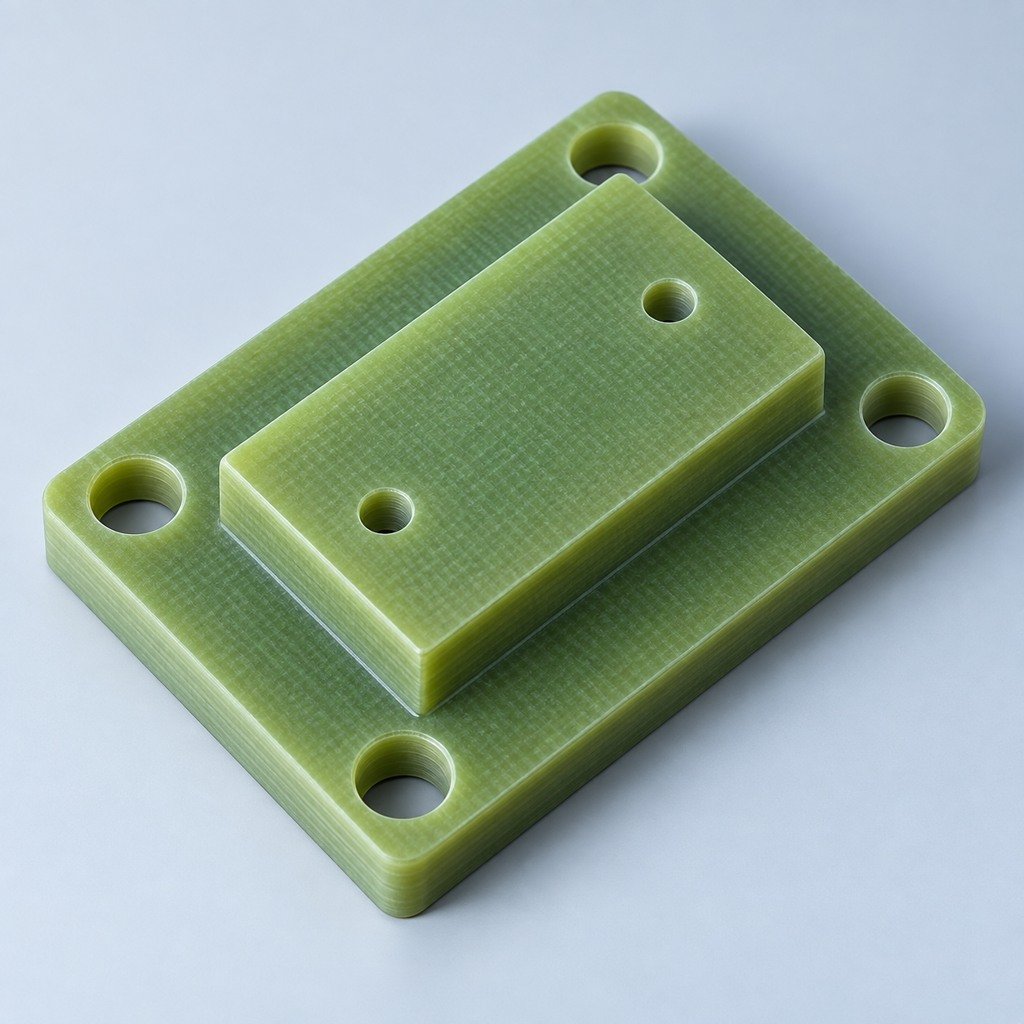 G10 / FR4Review insulation and laminate needs›
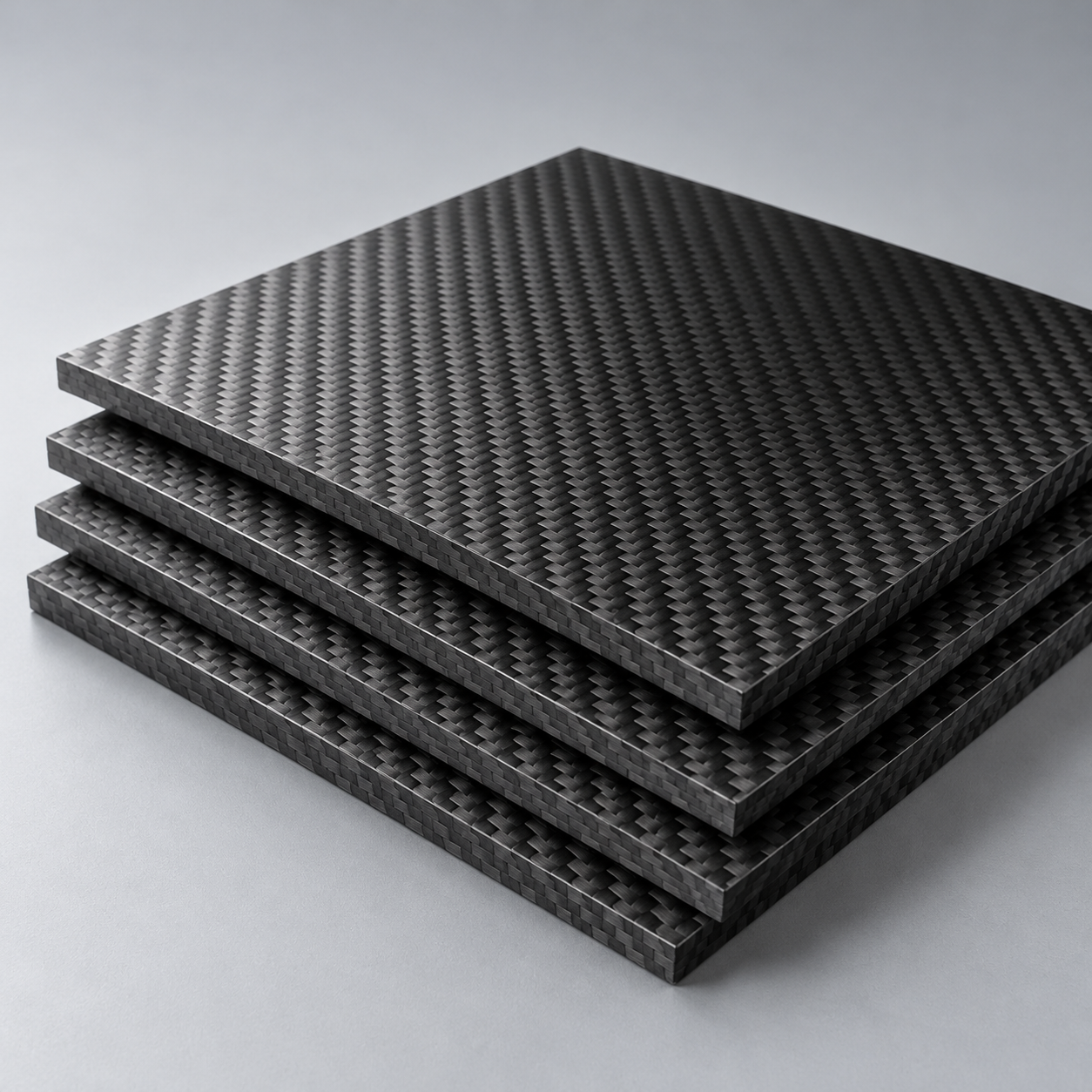 CompositesReview stiffness, weight and laminate.›Customer-Specified MaterialsConfirm your grade and requirements.›Other Specialty MaterialsDiscuss your application and grade.›
Practical guidance for your part geometry and material decisions.
Prepare your process, budget and sourcing questions.
Build your knowledge before production.
Learn who we are and how we operate.
Find our U.S. support team or start a conversation.
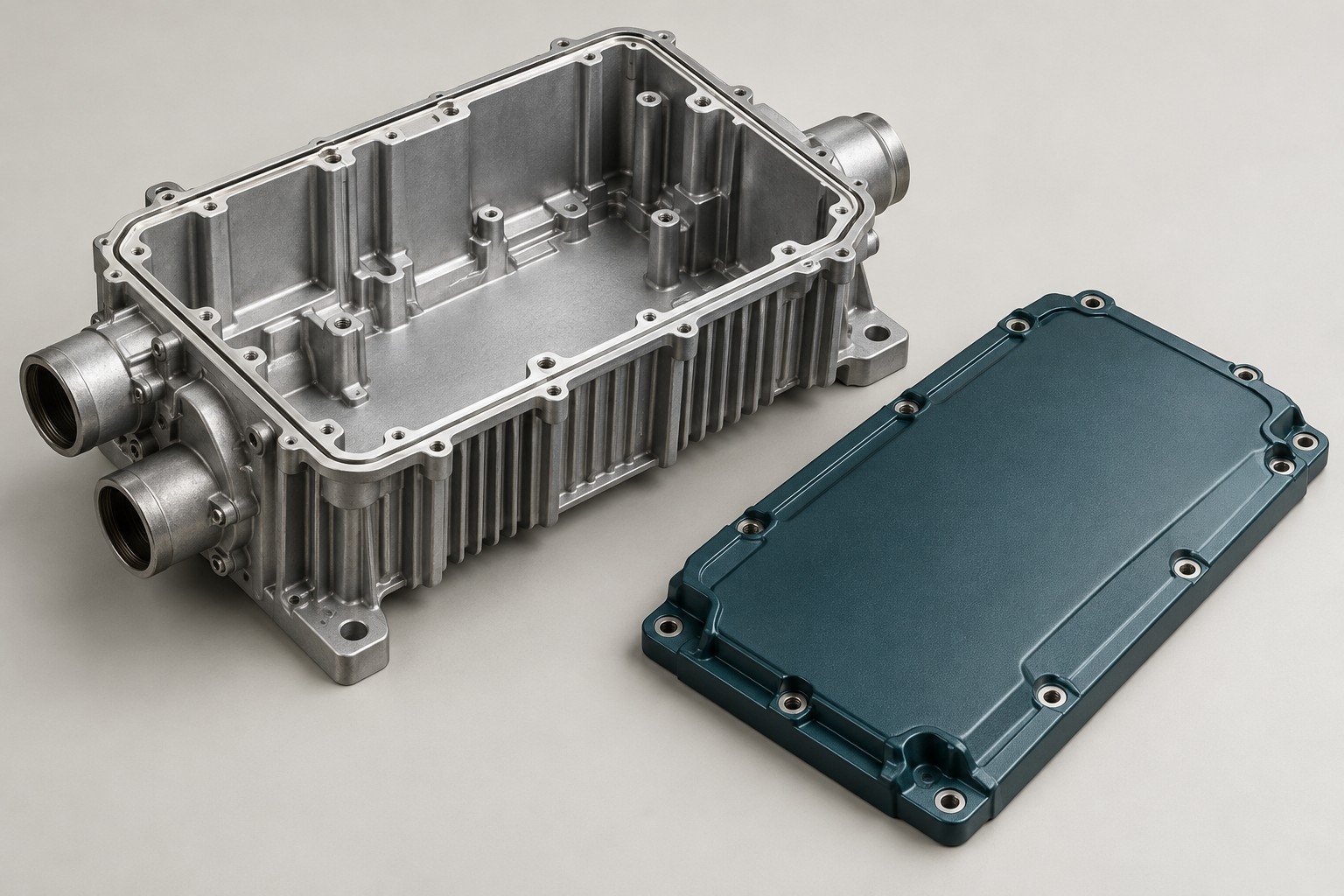
FILL YOUR FEATURES · CONTROL YOUR FINISHED INTERFACES
Review A383 die casting services around the ribs, bosses and cavities your assembly needs. Connect the cast geometry to machining, protective finish and acceptance before committing to a die.
For custom A383 die cast parts, send the controlled drawing, expected quantities and critical surfaces together.
For A383 thin wall die casting, review flow length, local transitions, filling and ejection. A universal minimum wall does not describe every component.
For A383 precision die casting, define which dimensions remain cast and which need machining. Agree datums and acceptance in the supplied finish.
When selecting an A383 die casting manufacturer or A383 die casting supplier, compare the same tool scope, drawing revision and verification requirements.
The A383 aluminum alloy is an Al-Si-Cu casting material. A383 aluminium is an alternate spelling; the purchase order still needs the exact alloy designation and product standard.
| A383 reference | Typical value |
|---|---|
| Ultimate tensile strength | 310 MPa |
| Yield strength | 152 MPa |
| Elongation | 3.5% |
| Brinell hardness | 75 HB |
| Density | 2.74 g/cm³ |
Eastern Alloys publishes these typical die-cast values. Actual component properties depend on the casting and test conditions. Typical numbers are not design allowables.
Alloy supplier reference →TYPICAL AS-CAST REFERENCE
Use the die-cast row when reviewing your A383 aluminum composition. Ingot limits and finished-casting limits are different purchasing references.
| Element · wt% | A383 die-cast reference | Your purchasing check |
|---|---|---|
| Silicon · Si | 9.5–11.5 | Retain the specified alloy identity |
| Copper · Cu | 2.0–3.0 | Review complete chemistry before substitution |
| Iron · Fe | ≤1.30 | Do not replace with the ingot limit |
| Manganese · Mn | ≤0.50 | Check the governing specification |
| Magnesium · Mg | ≤0.10 | Confirm the exact registered grade |
| Nickel · Ni | ≤0.30 | Include required certificate scope |
| Zinc · Zn | ≤3.0 | Retain lot linkage |
| Tin · Sn | ≤0.15 | Agree any additional residual limits |
| Aluminum · Al | Balance | Use the complete contractual specification |
Selected published die-cast chemistry from Eastern Alloys. Not a delivered-lot chemical analysis or a reproduction of the full product standard.
Chemistry source →YOUR TOOL + YOUR FILLING PATH
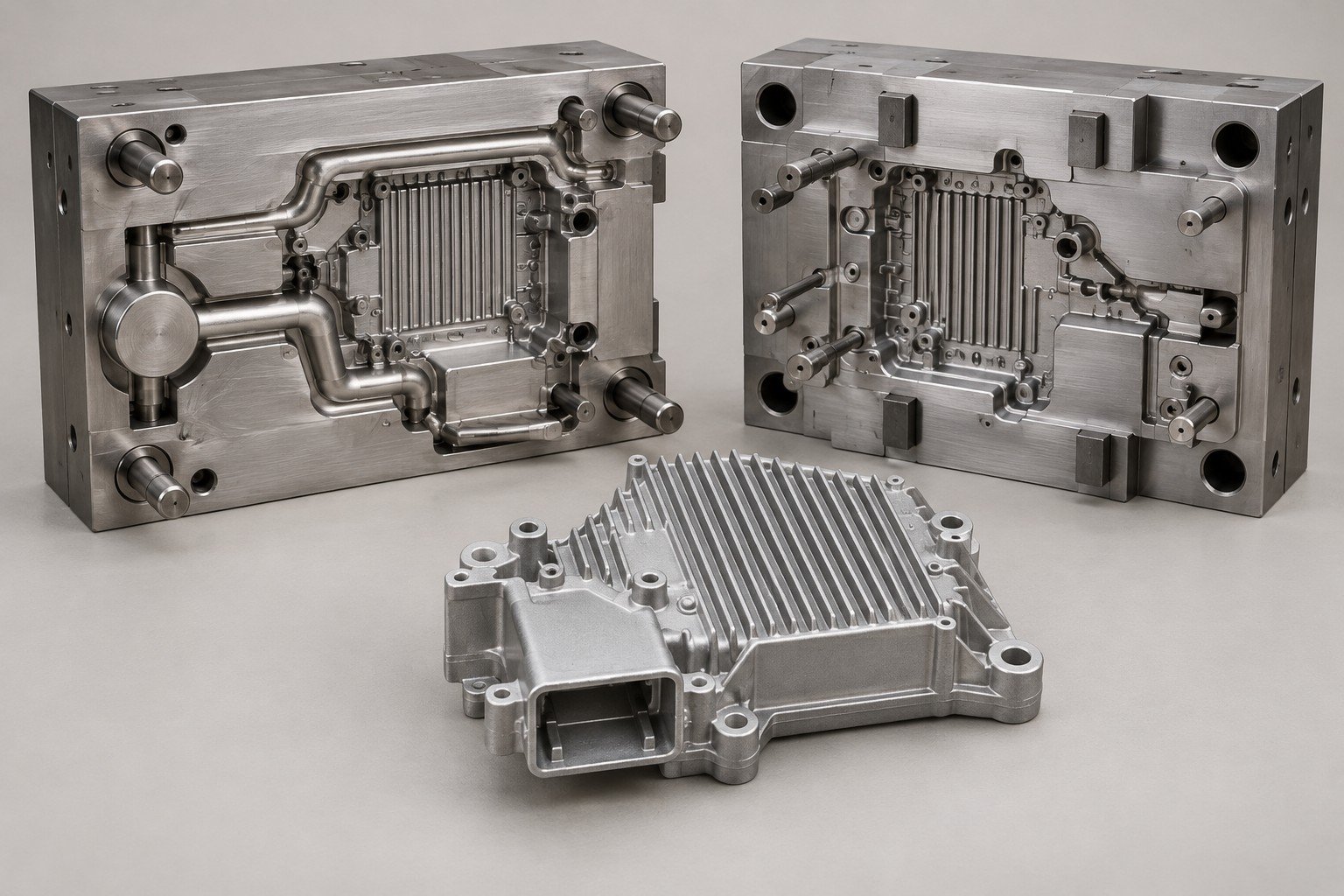
A383 aluminum die casting is worth reviewing when intricate geometry makes filling a central design decision. The A383 alloy name cannot correct an unsuitable gate, vent or local wall transition.
Review metal flow, venting and difficult-to-fill features.
Agree draft, parting lines, side actions and ejector locations.
Retain stock and access for your final machined surfaces.
Compare filling-sensitive geometry with the mechanical, environmental and finish requirements. The small difference in typical tensile values is not a universal winner.
Similar application families do not establish identical chemistry or automatic interchangeability. Review the actual standard and allowable limits.
Confirm stock identity, tool/process effects, drawings and verification before changing the specified material.
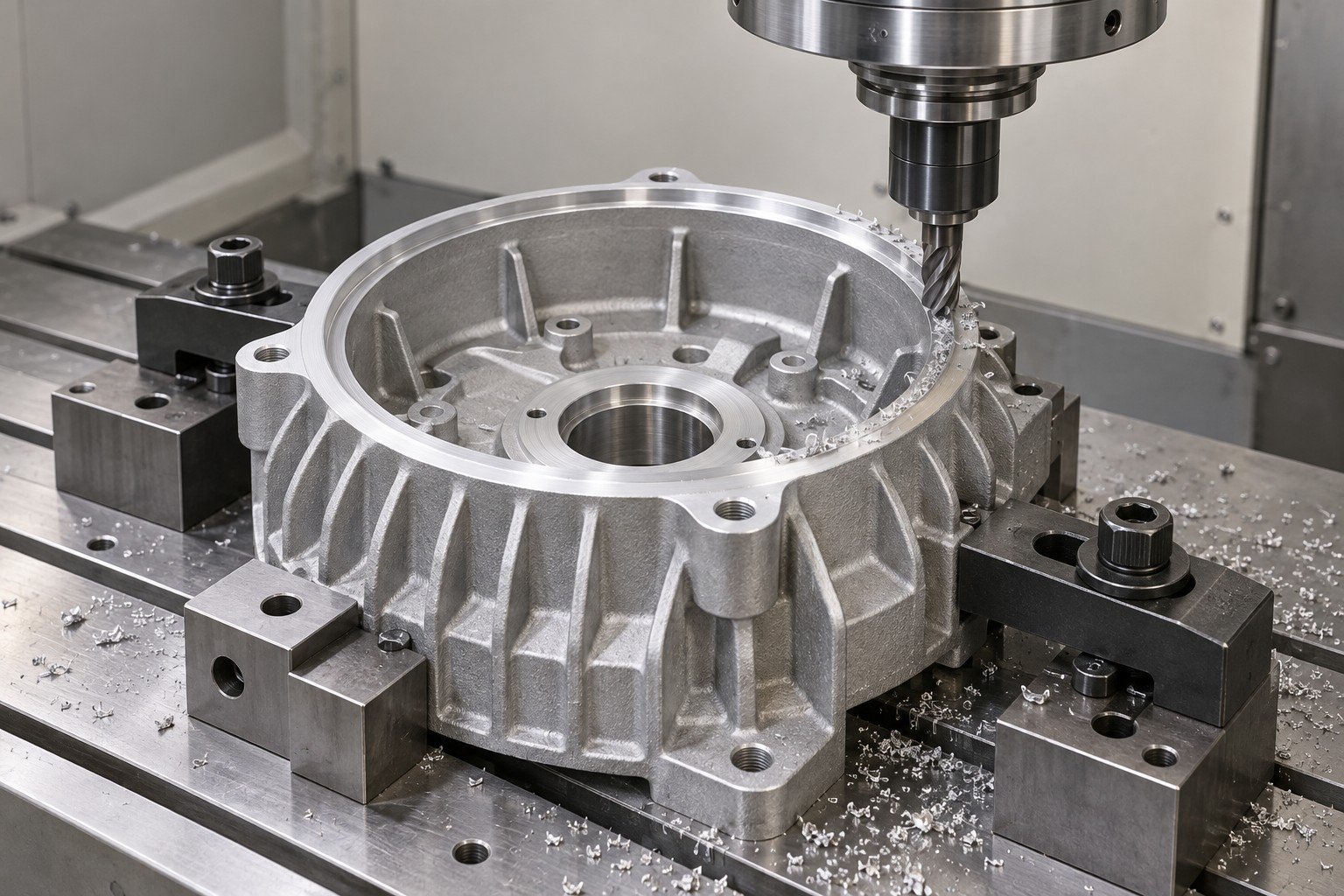
A383 machining services should start with your casting datum scheme and finished-part requirements. Define machining allowance, support and the surfaces inspected after unclamping.
For your A383 aluminum casting parts, separate the cast envelope from the bearing fits, sealing faces and threaded features that need secondary work.
Confirm incoming casting condition and any internal-quality acceptance.
Check exposed features and dimensions in the specified finishing state.
Avoid treating abrupt thickness changes as a material-only issue.
Review intersections, feeding-sensitive masses and die opening.
Define cast cores, drilling allowance, tool access and thread requirements.
Keep agreed parting lines, ejector marks and finishing access on the drawing.
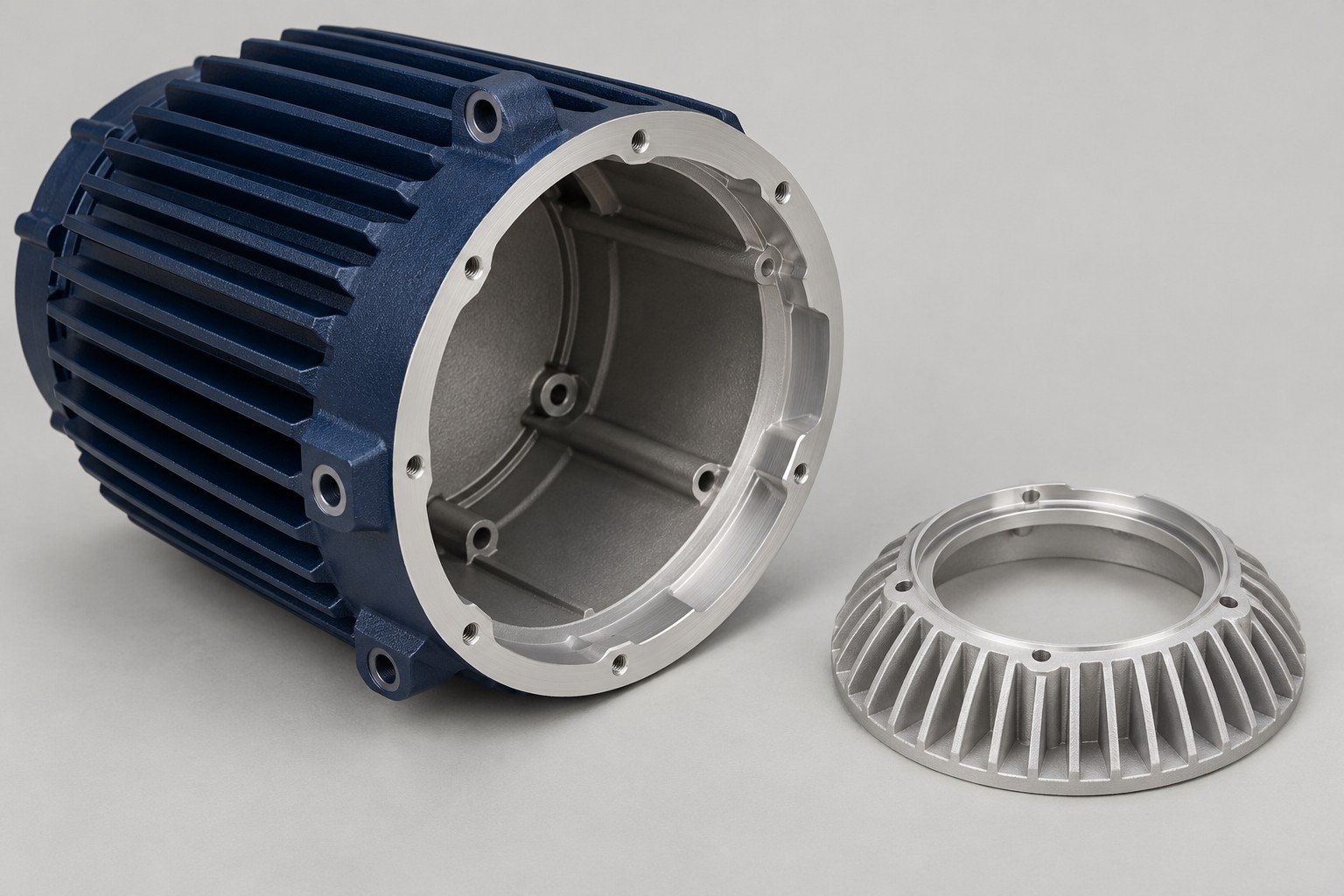
VISIBLE FACES + FUNCTIONAL MASKING
A383 powder coating needs agreed preparation, color, gloss, masks and handling protection. Approve the actual casting surface rather than a sample made from an unrelated wrought alloy.
For A383 anodizing, review appearance and function separately. High-silicon cast surfaces can respond differently from wrought aluminum; a decorative appearance needs sample approval.
Name the show faces and acceptable surface condition.
Define uncoated sealing faces, bearing seats, contacts and threads.
Which bores, mounting faces and alignment relationships control the assembly?
Which gasket surfaces, cable entries and appearance faces need inspection?
What thermal interface, finish and system verification does your lighting design require?
Which program-specific validation, traceability and release documents apply?
Illustrative application scenarios. Material selection alone does not establish a thermal rating, leak classification or automotive qualification.
Your A383 die casting tooling scope should identify cavities, core actions, trials, ownership, maintenance and engineering-change responsibility.
Freeze the drawing revision, alloy and acceptance requirements.
Agree die opening, gates, vents, cores and trimming.
Review cast geometry, surfaces and the agreed test evidence.
Approve the machined and finished part baseline for repeat supply.
Exact grade and agreed chemistry/lot identification.
Controlled drawing and critical-feature measurement scope.
Defined visual criteria and any specified NDT or leak test.
Approved sample, exceptions, finish and packing instructions.
Agree methods, locations, limits and available records for your actual project. General process descriptions are not inspection evidence.
Quality documentation →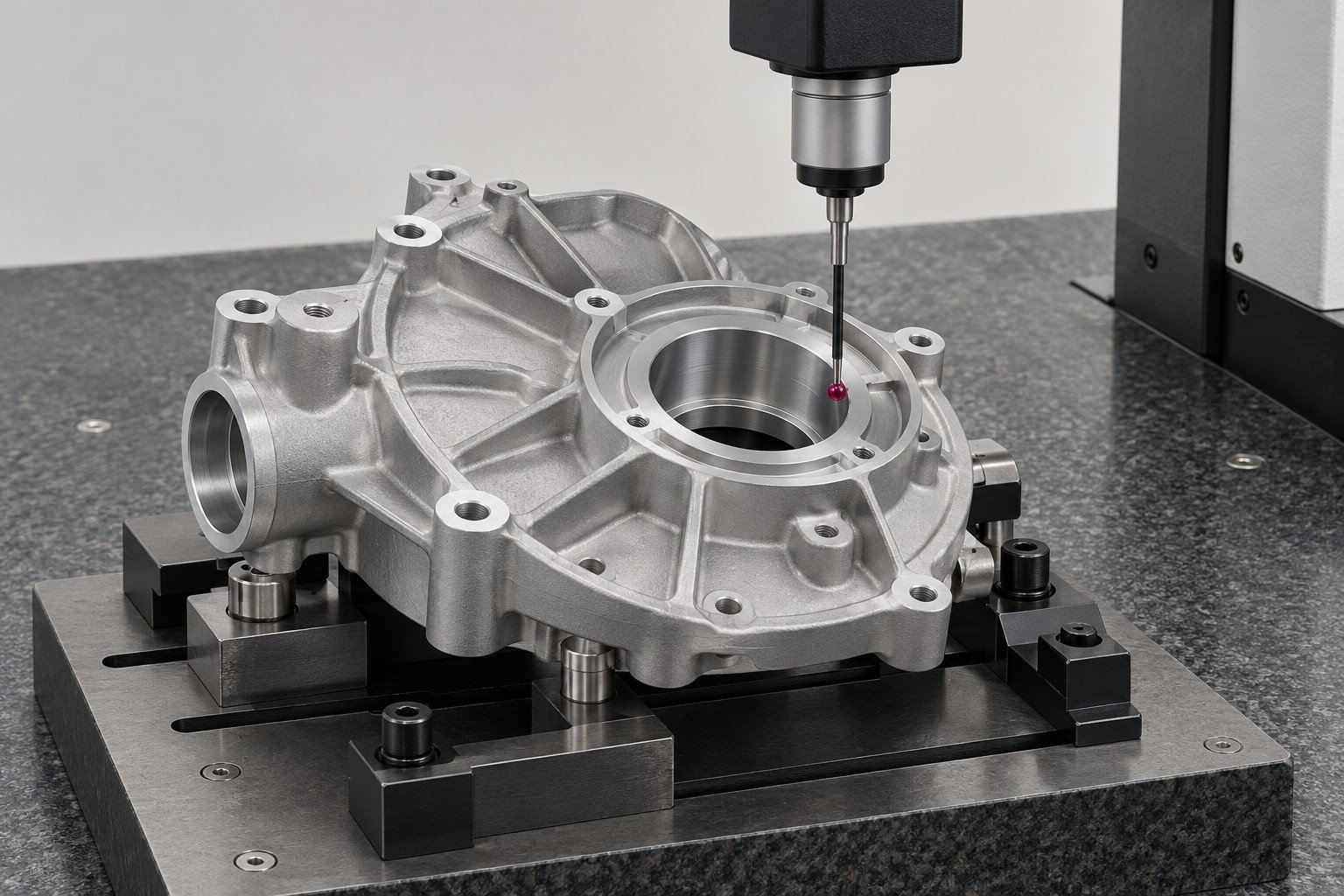
For an A383 aluminum ASTM B85 callout, confirm the complete alloy designation, applicable B85/B85M edition and any extra test or acceptance requirements. NADCA tables identify the registered alloy as 383.0; commercial A383 wording should not replace the full contractual designation.
For OEM A383 die casting, retain controlled drawings and approval responsibility for any material or process change.
ASTM die-casting standard scope →Cavities, core actions, trials and ownership.
Filling path, trimming, walls and local features.
Datums, bores, faces, threads and inspection.
Preparation, masks, color and appearance approval.
Trial/repeat quantities, records and packaging.
Your A383 aluminum die casting quote needs CAD, a controlled drawing, exact material, quantities, critical features, finish and acceptance requirements. An alloy price alone is not a finished-part quotation.
A383 is commercial wording for a silicon-copper aluminum die casting alloy. Retain the full registered designation and product specification when buying your part.
Secondary machining can be planned for bores, sealing faces and threads. Agree casting allowance, datums, support and final inspection conditions.
Review the intended function and approve appearance on a representative casting. Do not assume the finish will match wrought aluminum.
Tooling, geometry, quantities, machining, finish and verification determine the supplied-part quote.
No universal wall follows from the alloy name. Flow length, local geometry, die design and validation control the actual requirement.
Only after review of the complete chemistry, product standard, application and design approval. Similar cross-reference names are not substitution permission.
No. It shows published typical separately die-cast specimen data, not a test report for your delivered casting.
Define the medium, pressure, method, location and acceptance limit for the actual component. An alloy designation does not establish a universal leak rating.