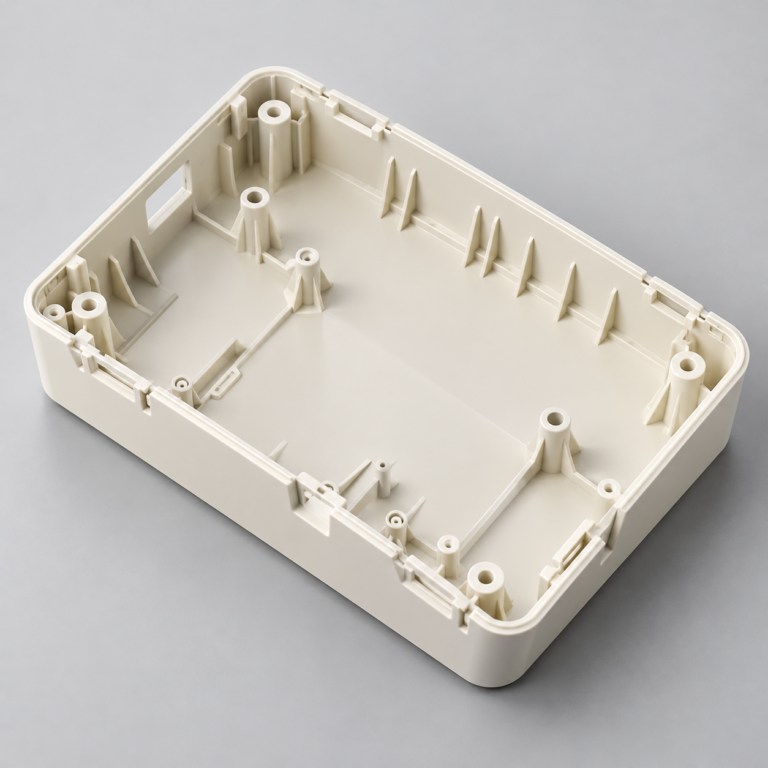
Injection Molding
Tooling and molding for your repeat plastic parts.
From prototype to production, coordinated manufacturing solutions for your custom parts.
View All Services →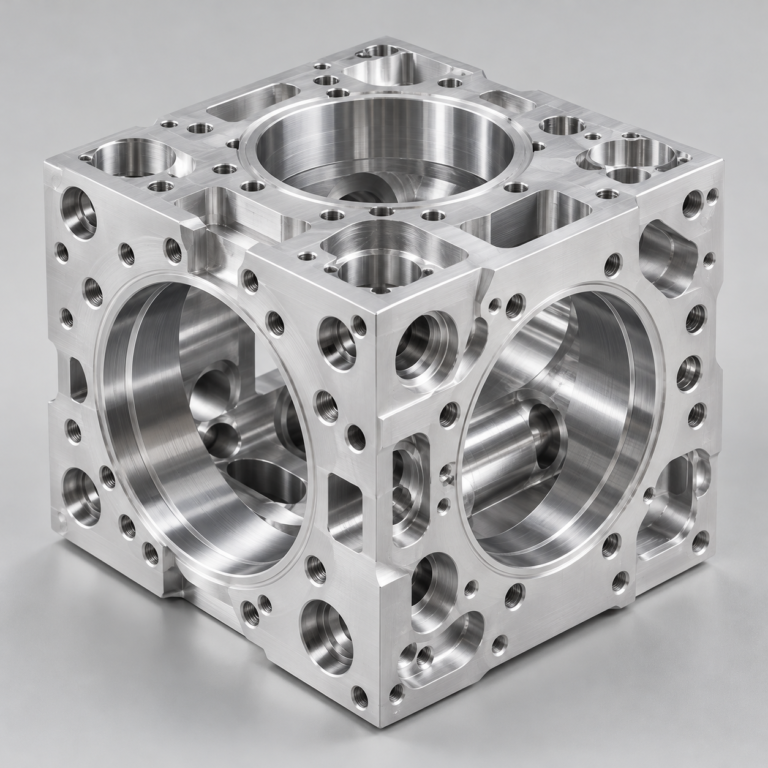
Precision parts for your tight tolerances and complex geometry.
Tooling and molding for your repeat plastic parts.
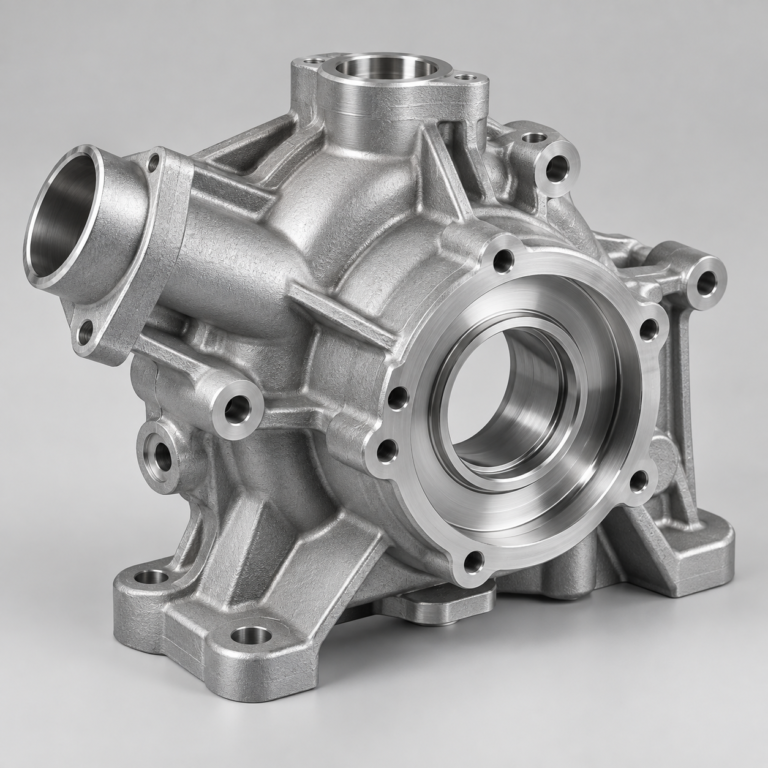
Metal casting options for your part and production volume.
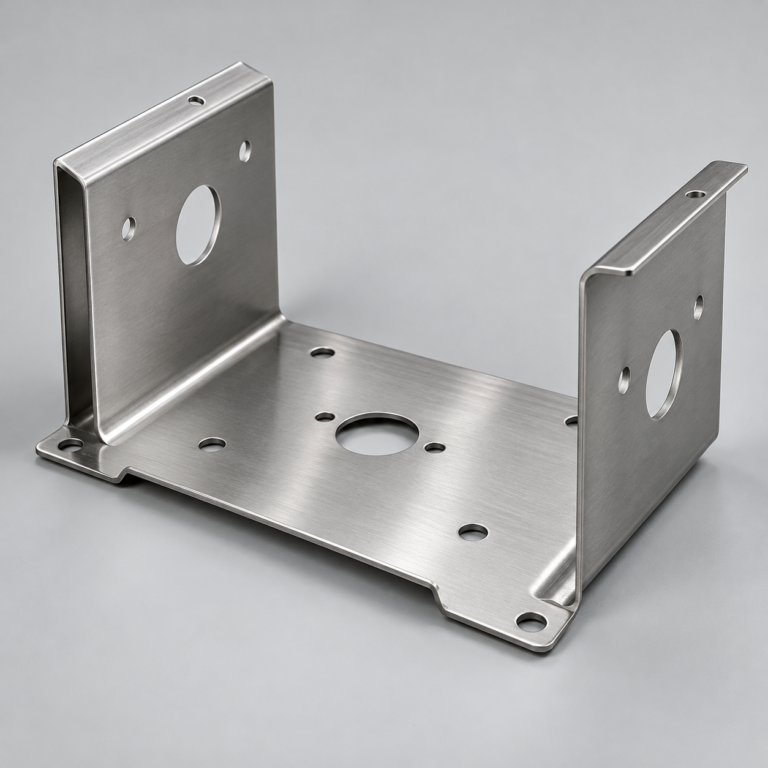
Cutting, forming and welding for your fabricated parts.
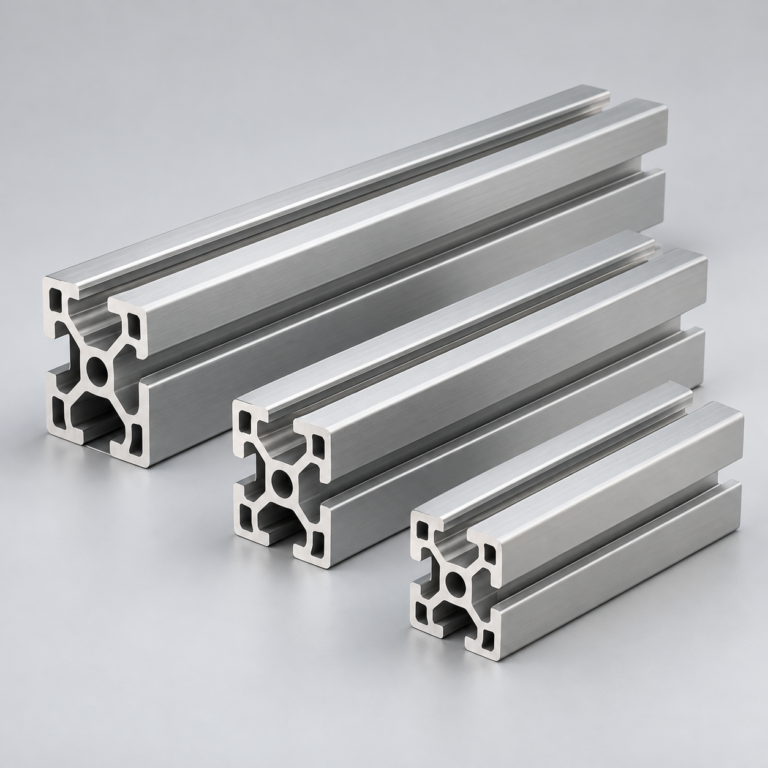
Custom profiles for your section, length and finish requirements.
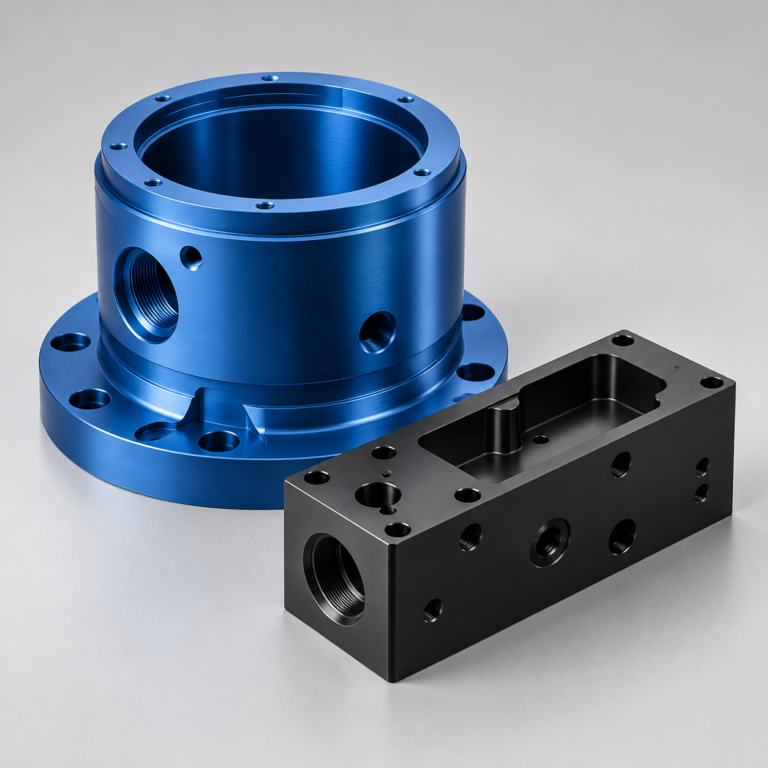
Finishes for your appearance, corrosion and wear requirements.
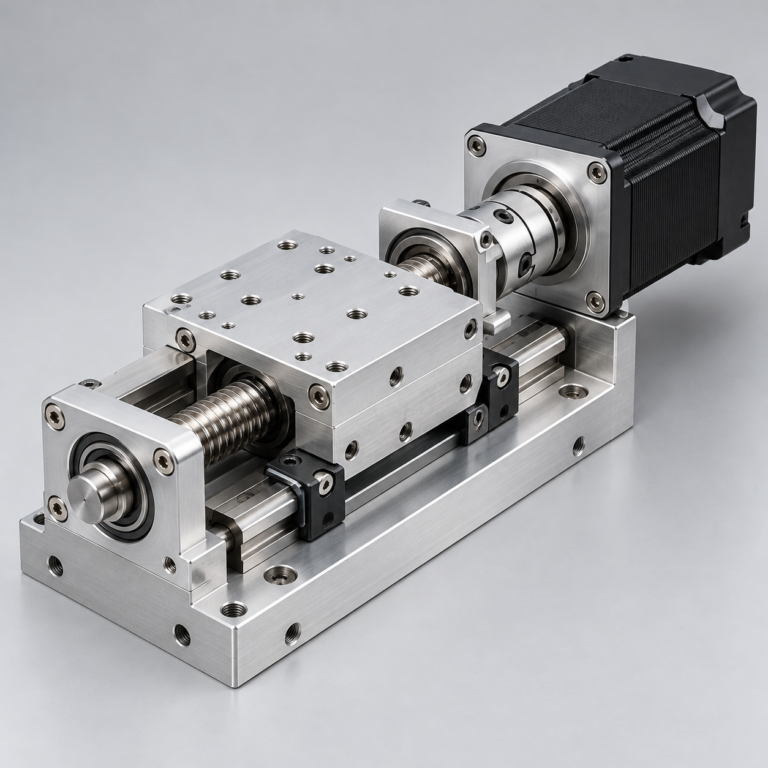
Sub-assemblies and final builds for your production program.
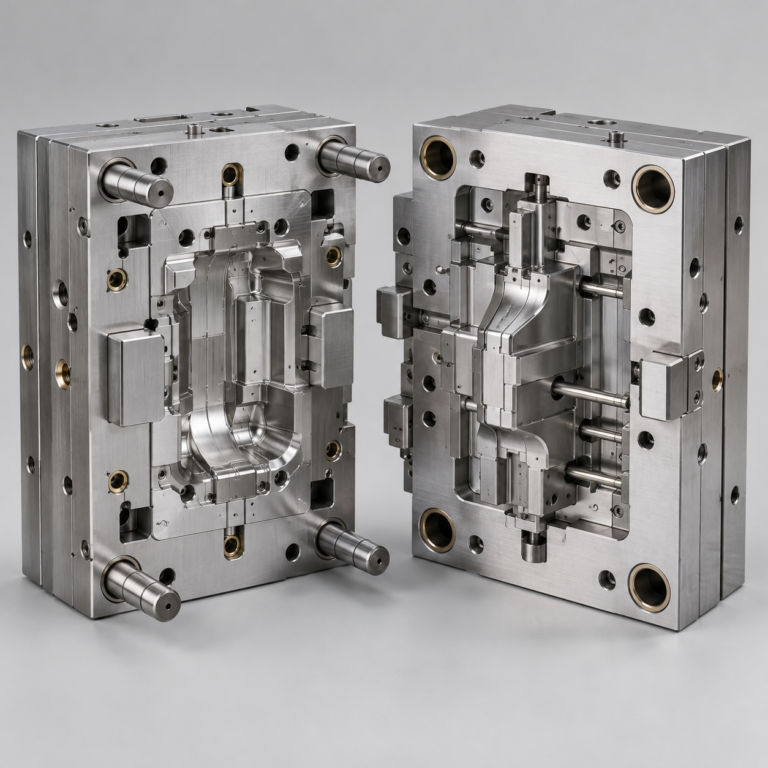
Production tooling built around your process and volume.
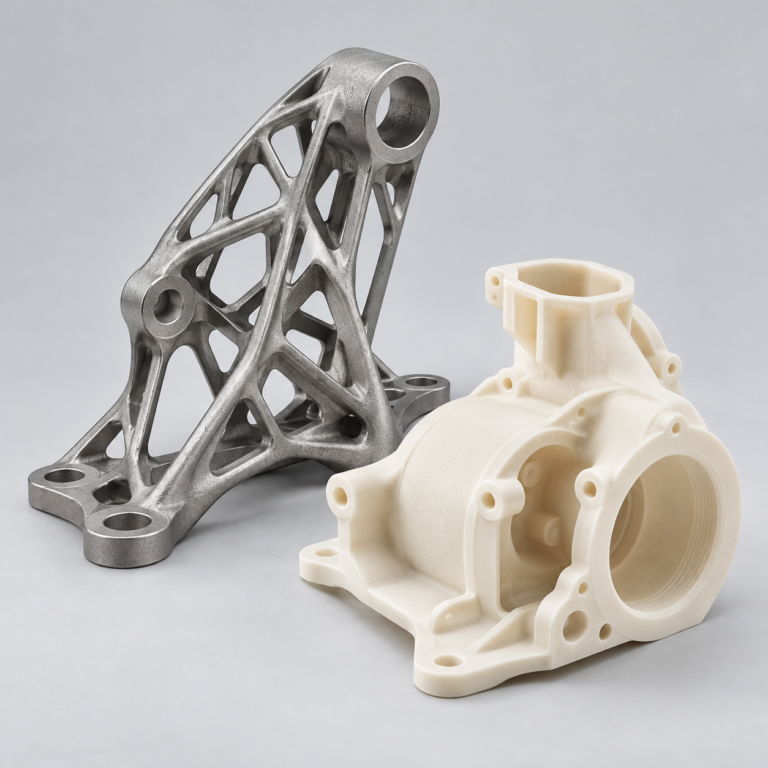
Prototype parts to check fit, function and design.
DFM, process planning and production support for your project.
Inspection, documentation, inventory and delivery planning for your program.
Choose air- or liquid-cooling components around your thermal and mechanical requirements.
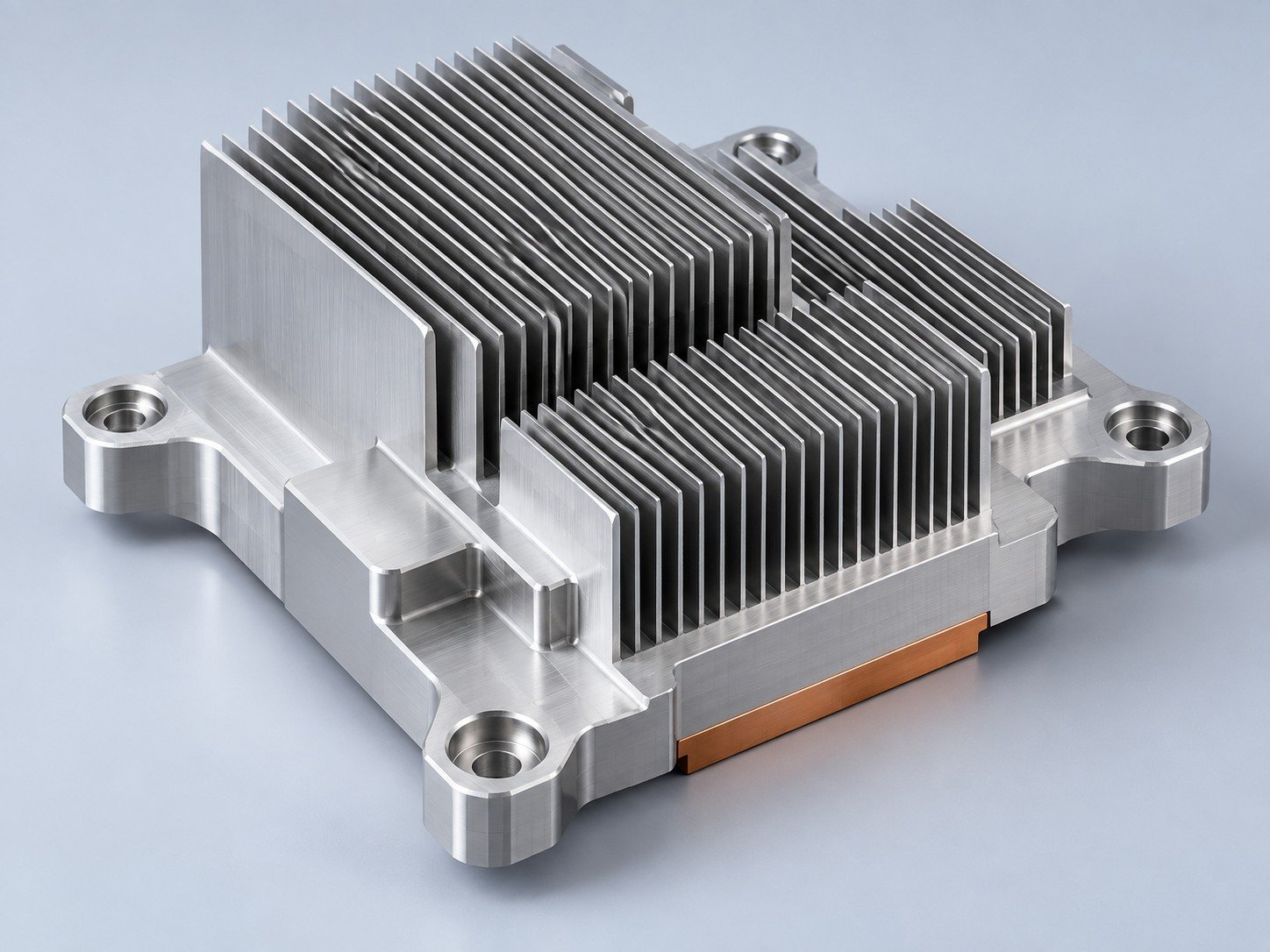
Manufacturing support for your cold plates, manifolds and cooling assemblies.
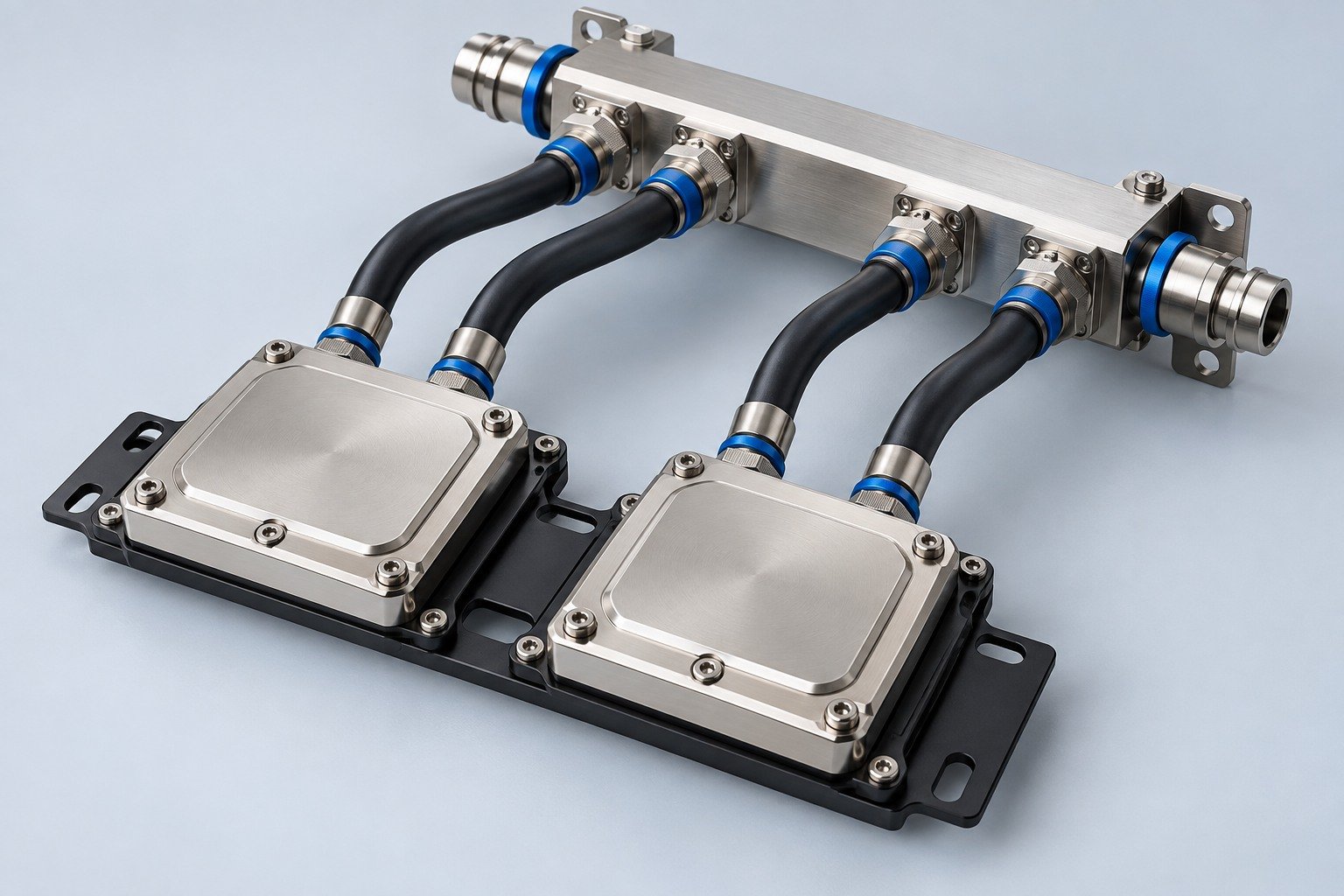
Find components for your power electronics, energy, laser and telecom application.
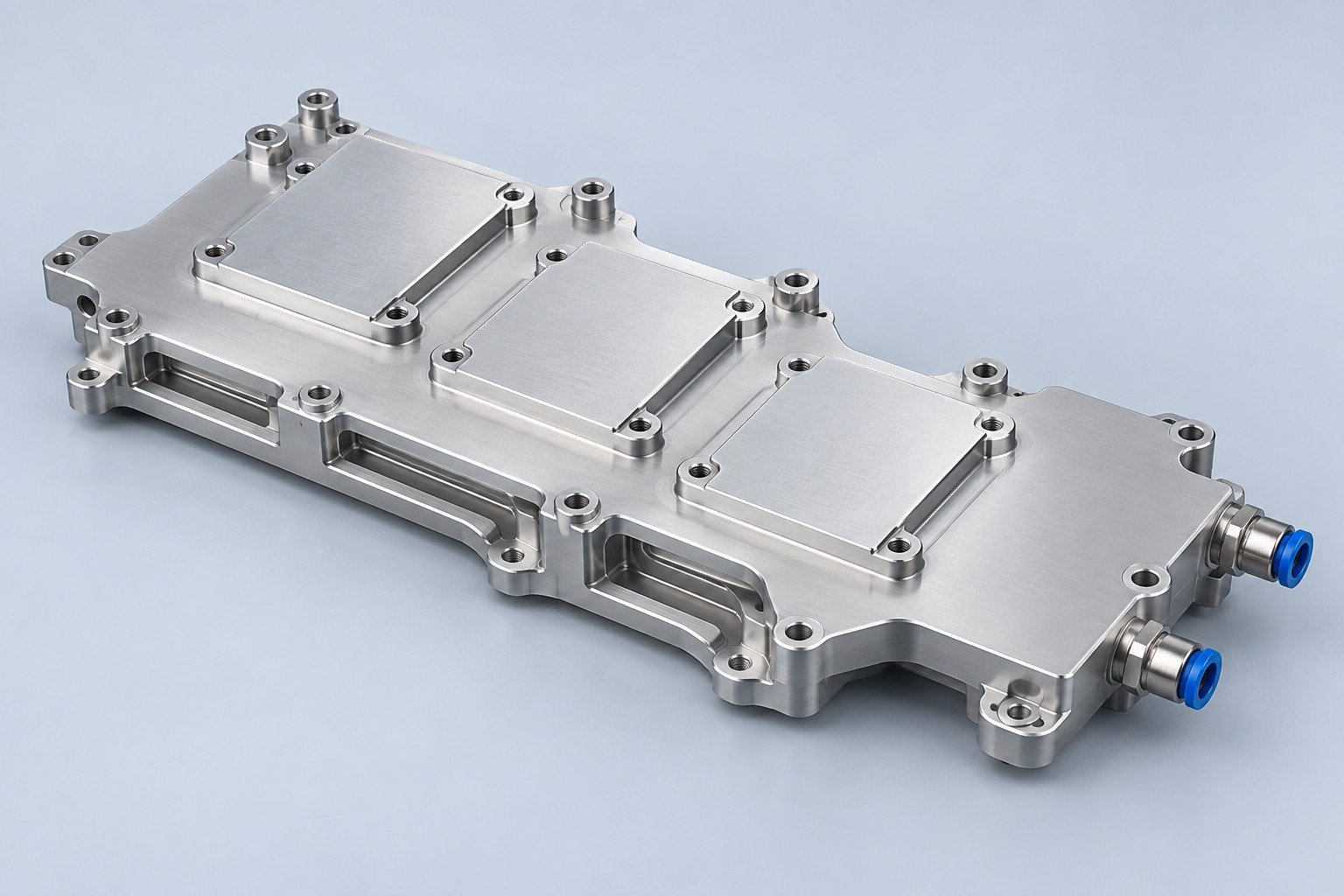
Components for your electronic systems.
Start with your functional and quality requirements.
Build around your operating environment.
From prototype to production, review material performance, manufacturability and cost for your part.
Review grade, temper and finish for your metal parts.
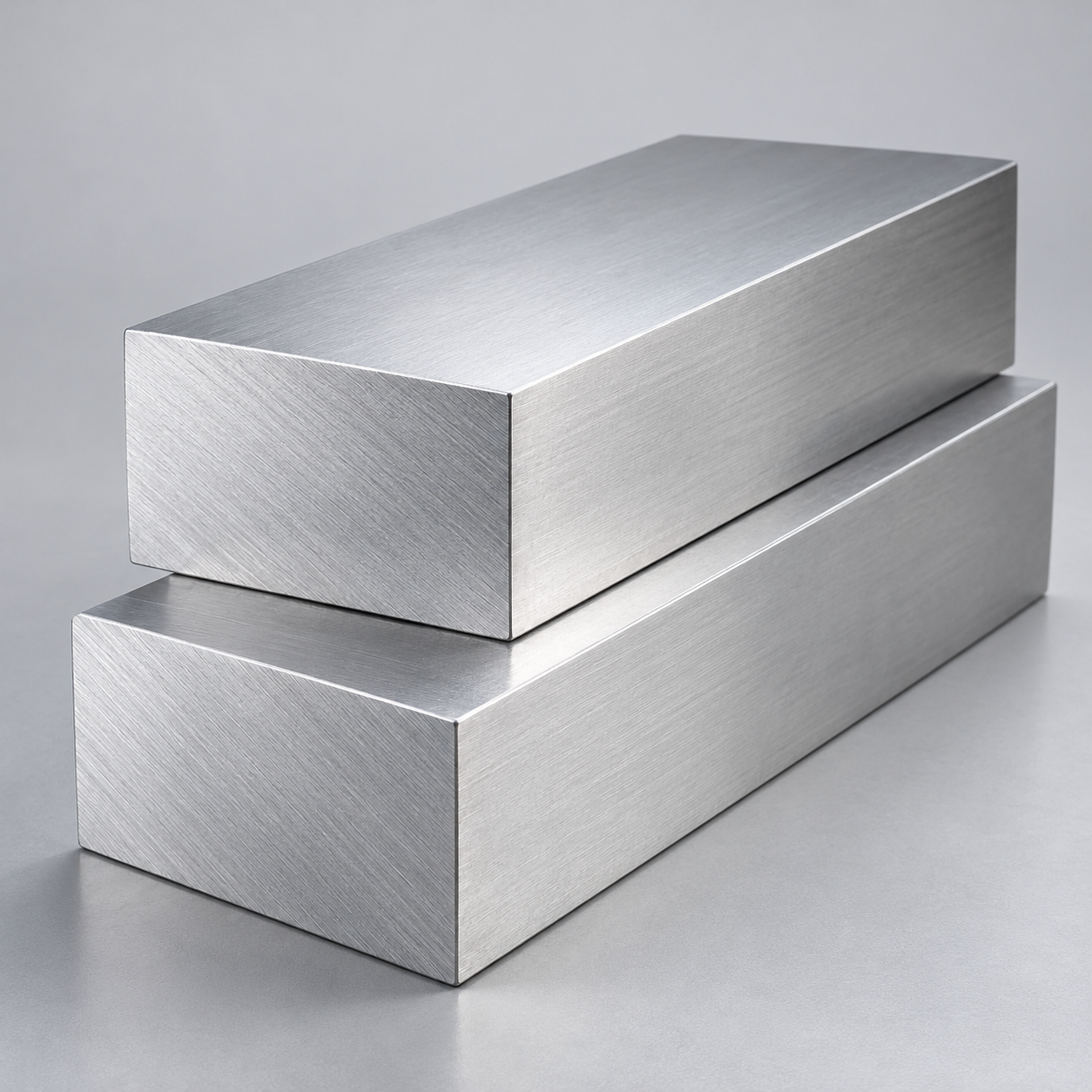 AluminumStrength, weight and machining›
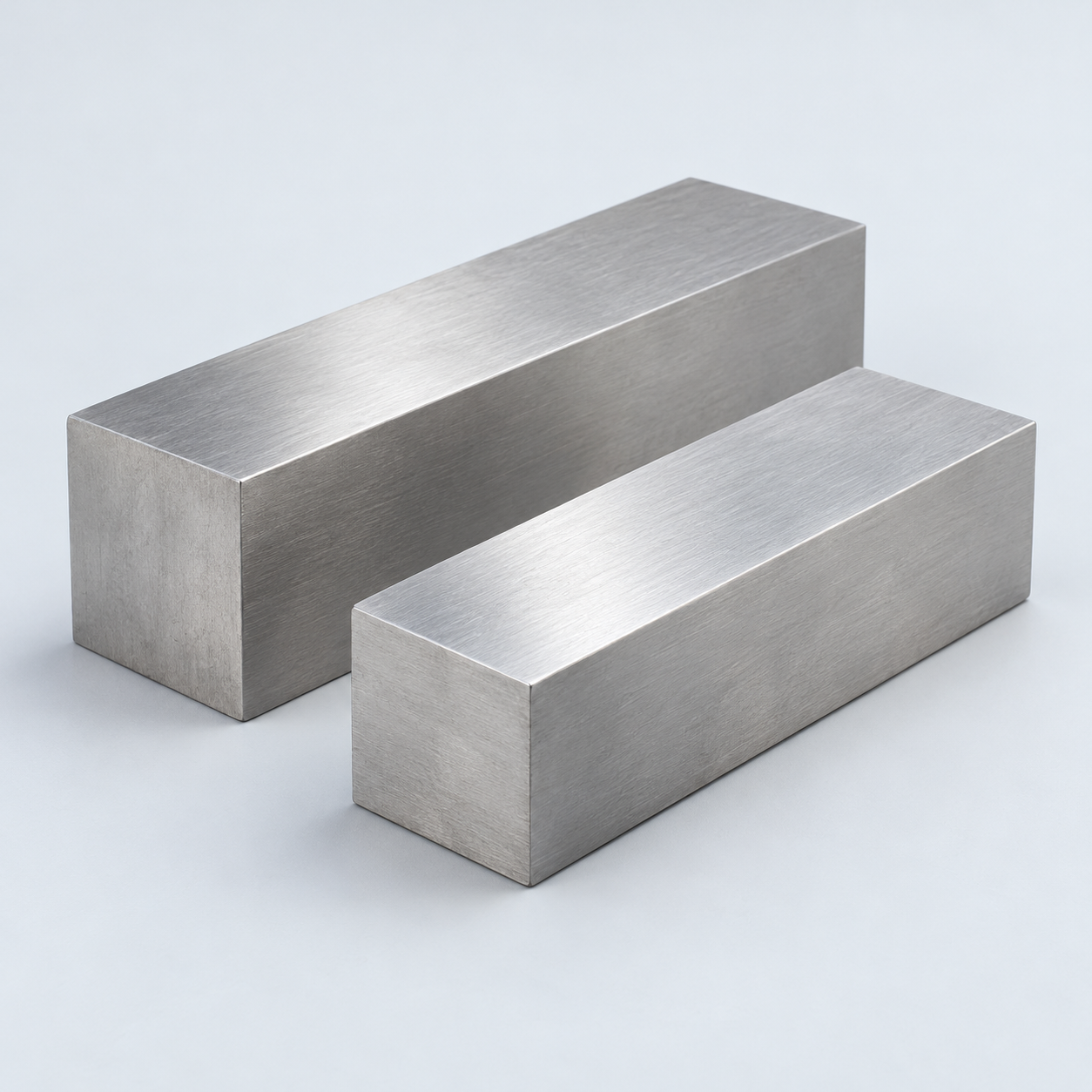 Stainless SteelCorrosion and finish requirements›
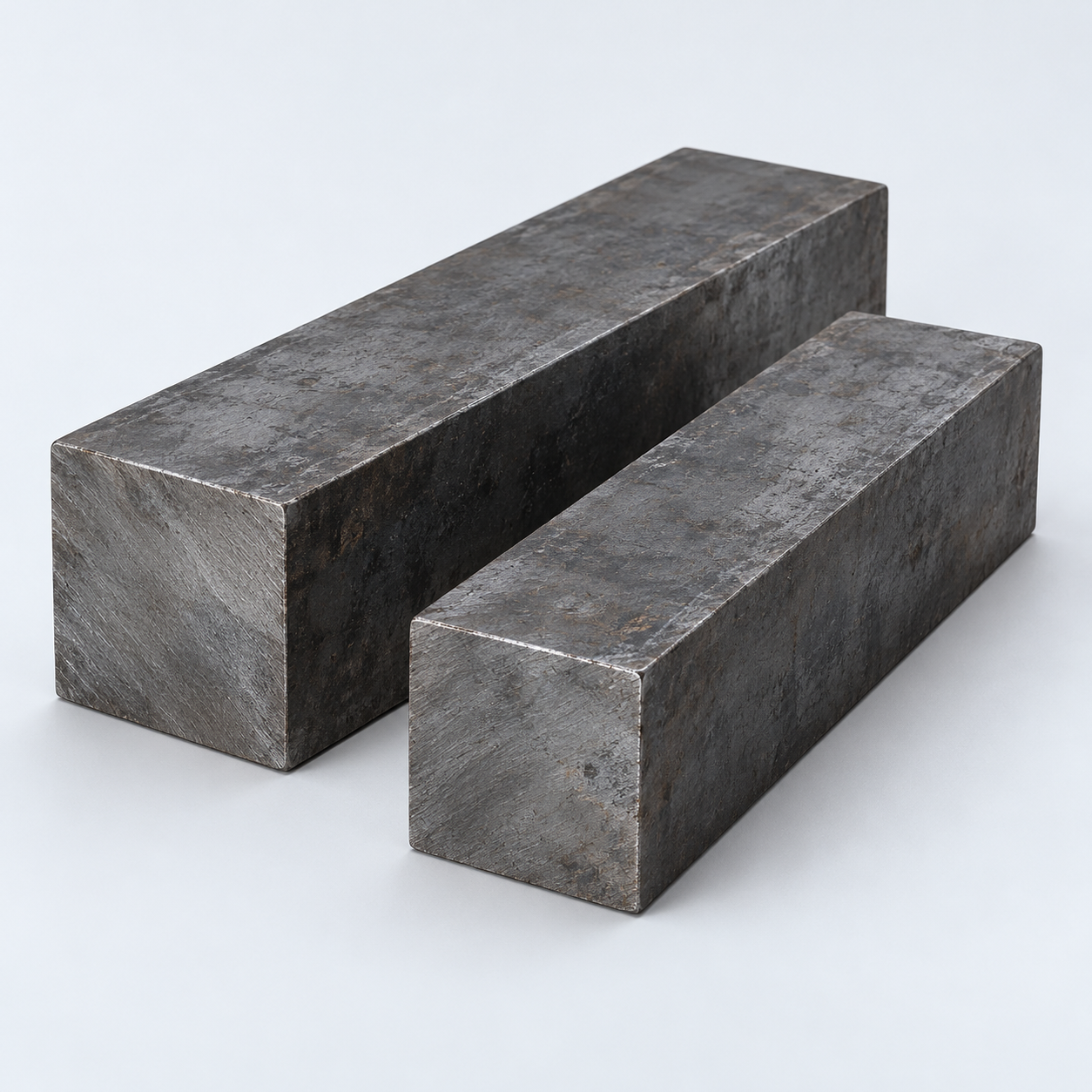 Carbon & Alloy SteelDiscuss grade and heat treatment›
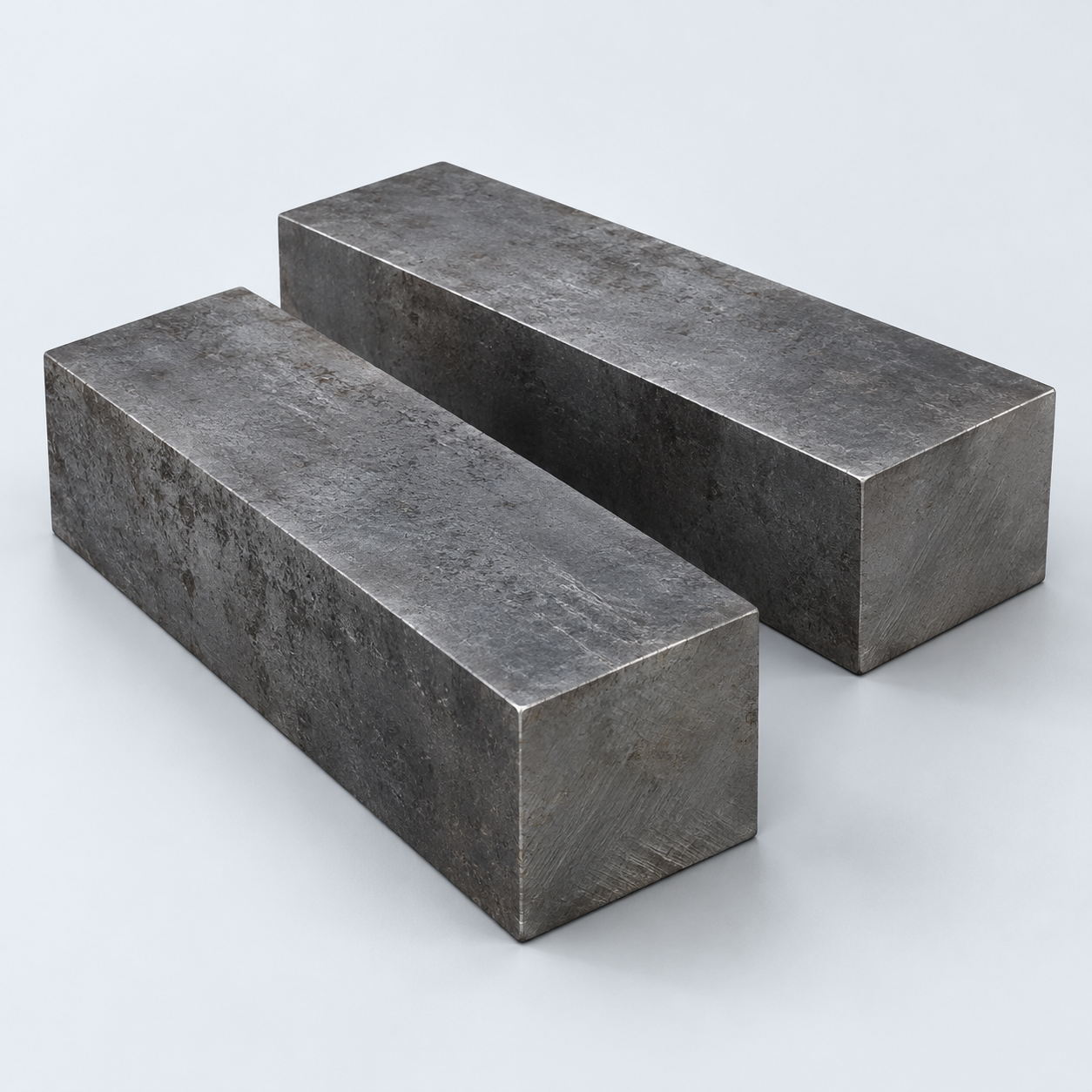 Tool SteelDiscuss tooling and wear needs›
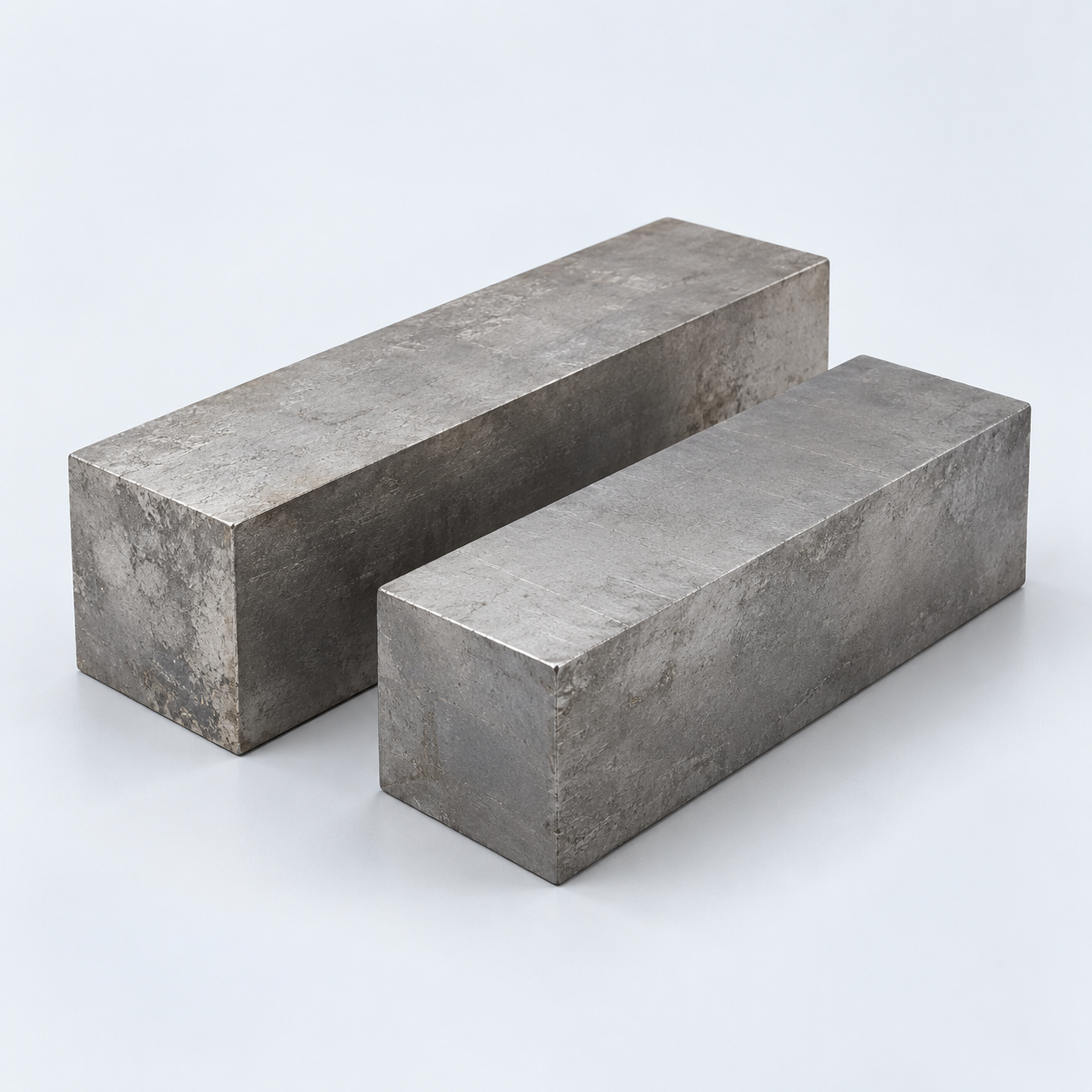 TitaniumReview grade and part geometry›
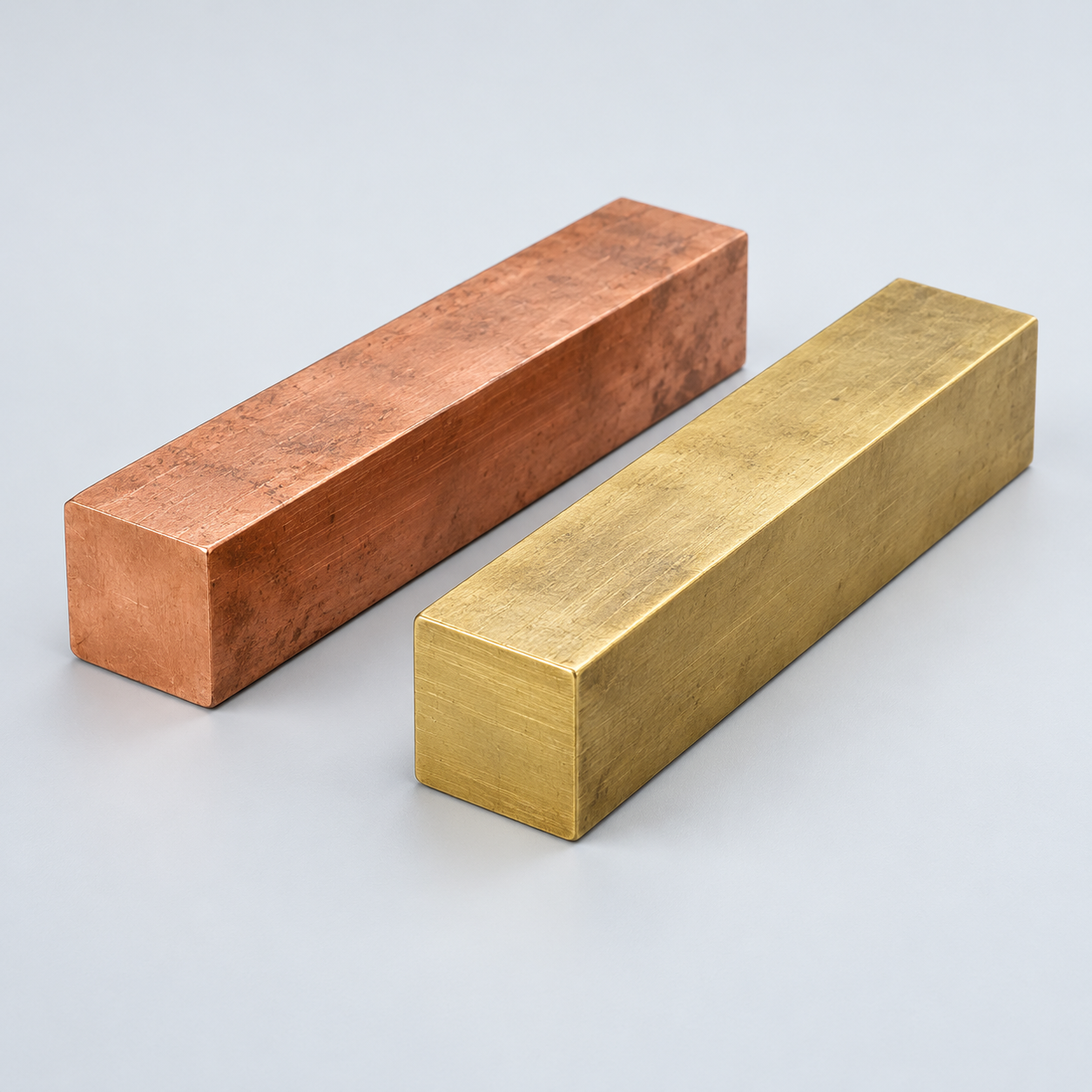 Copper & Brass & BronzeDiscuss conductivity and machining›
Match your polymer to function, process and environment.
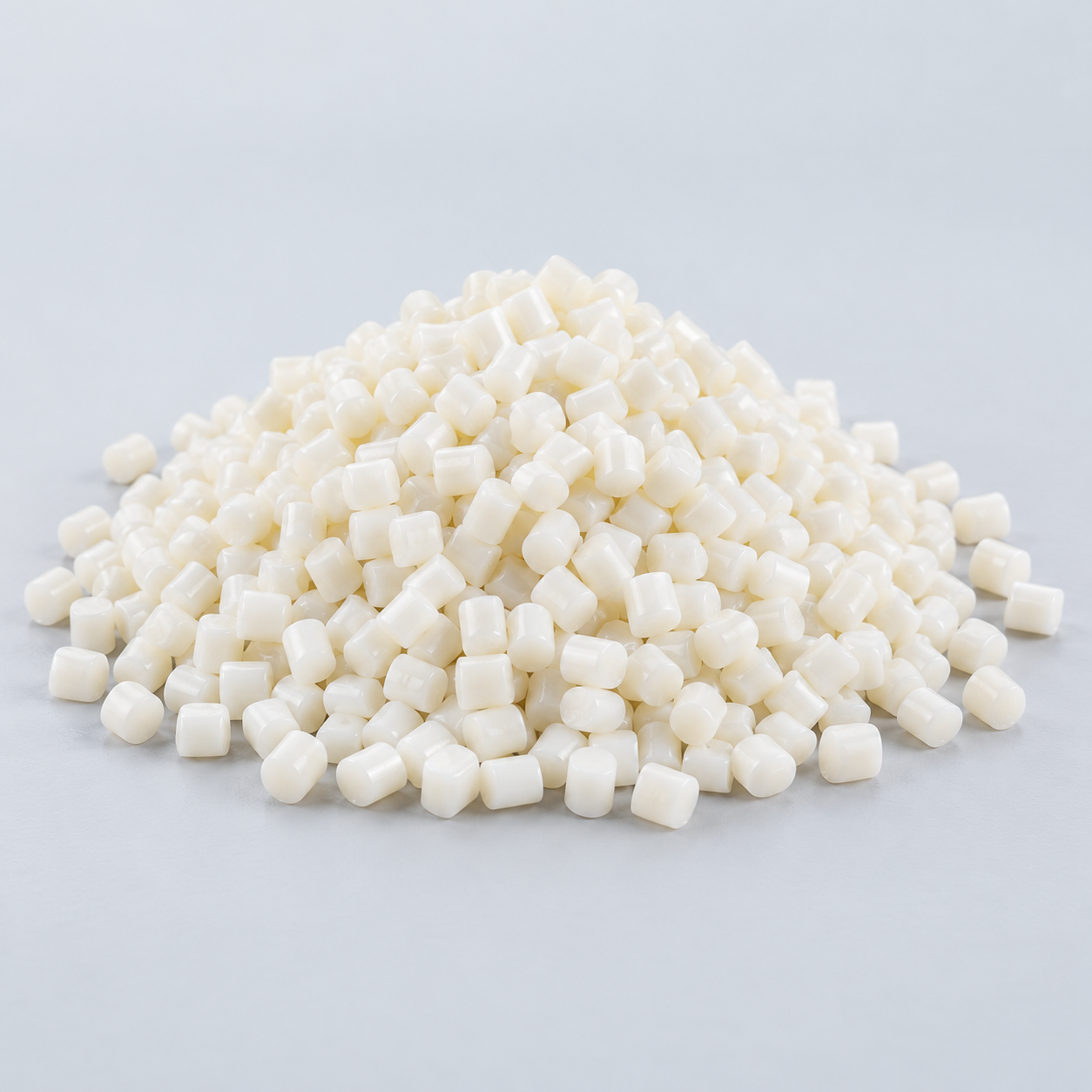 ABSReview enclosure and molding needs›
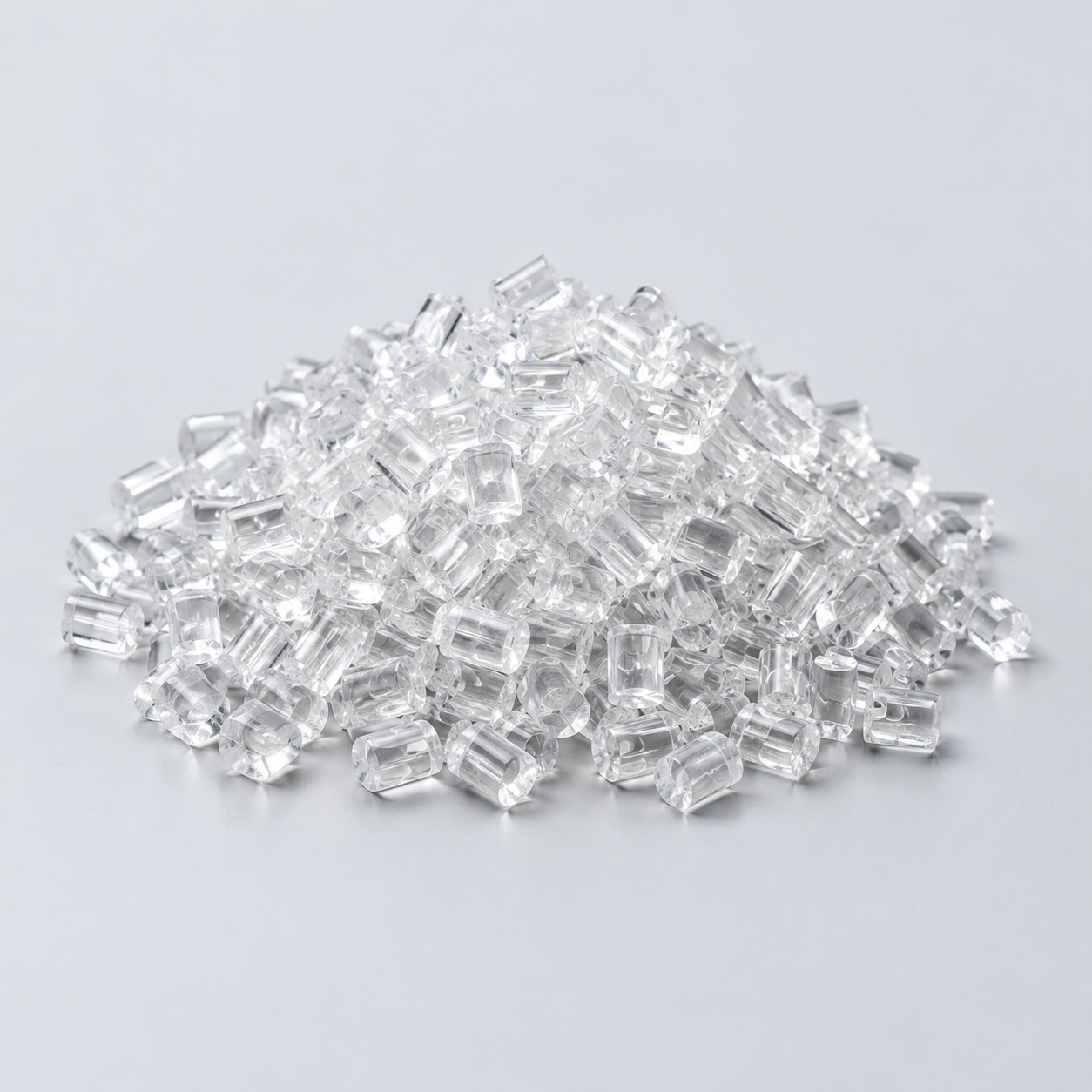 Polycarbonate (PC)Discuss clarity and impact needs›
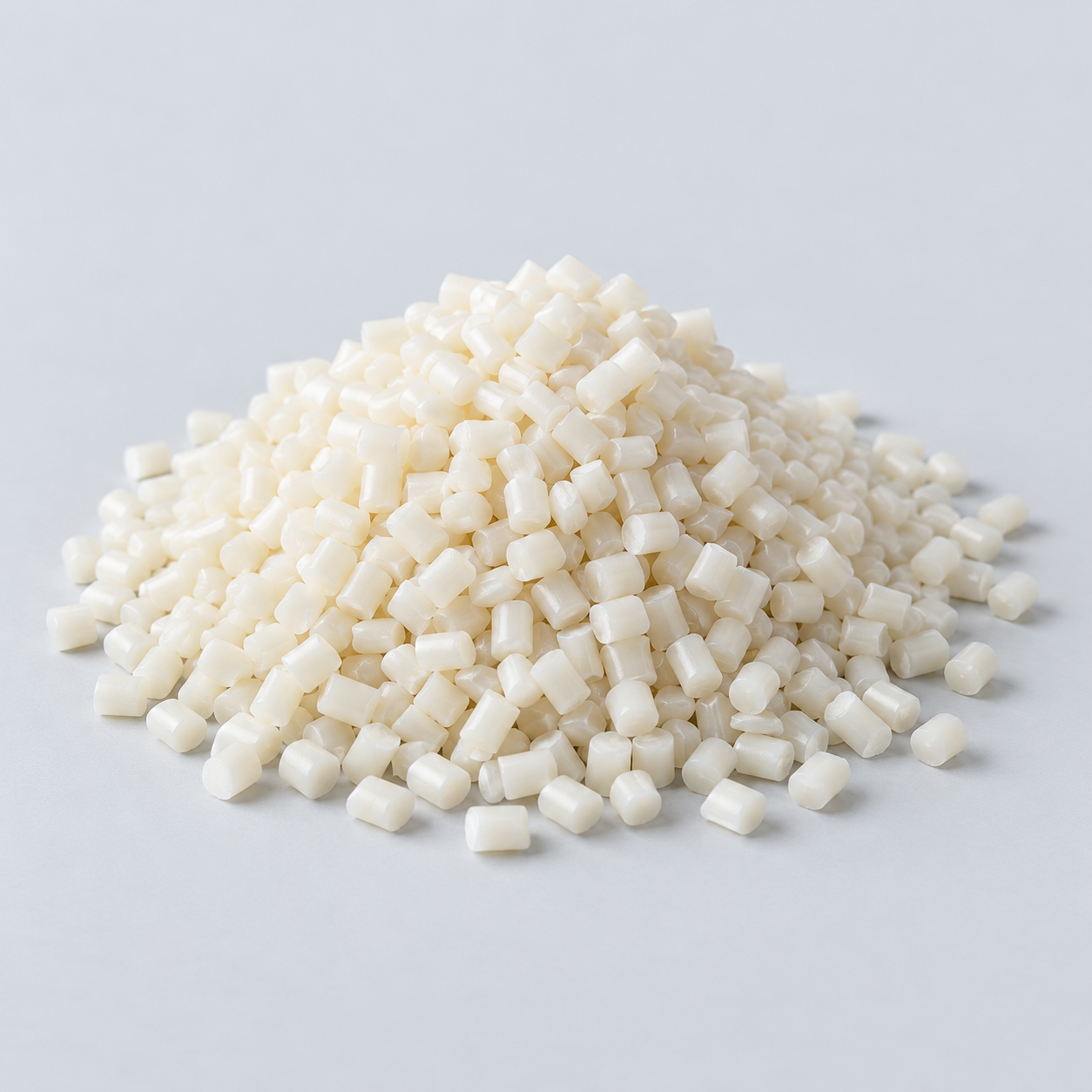 Nylon (PA)Review moisture and wear conditions›
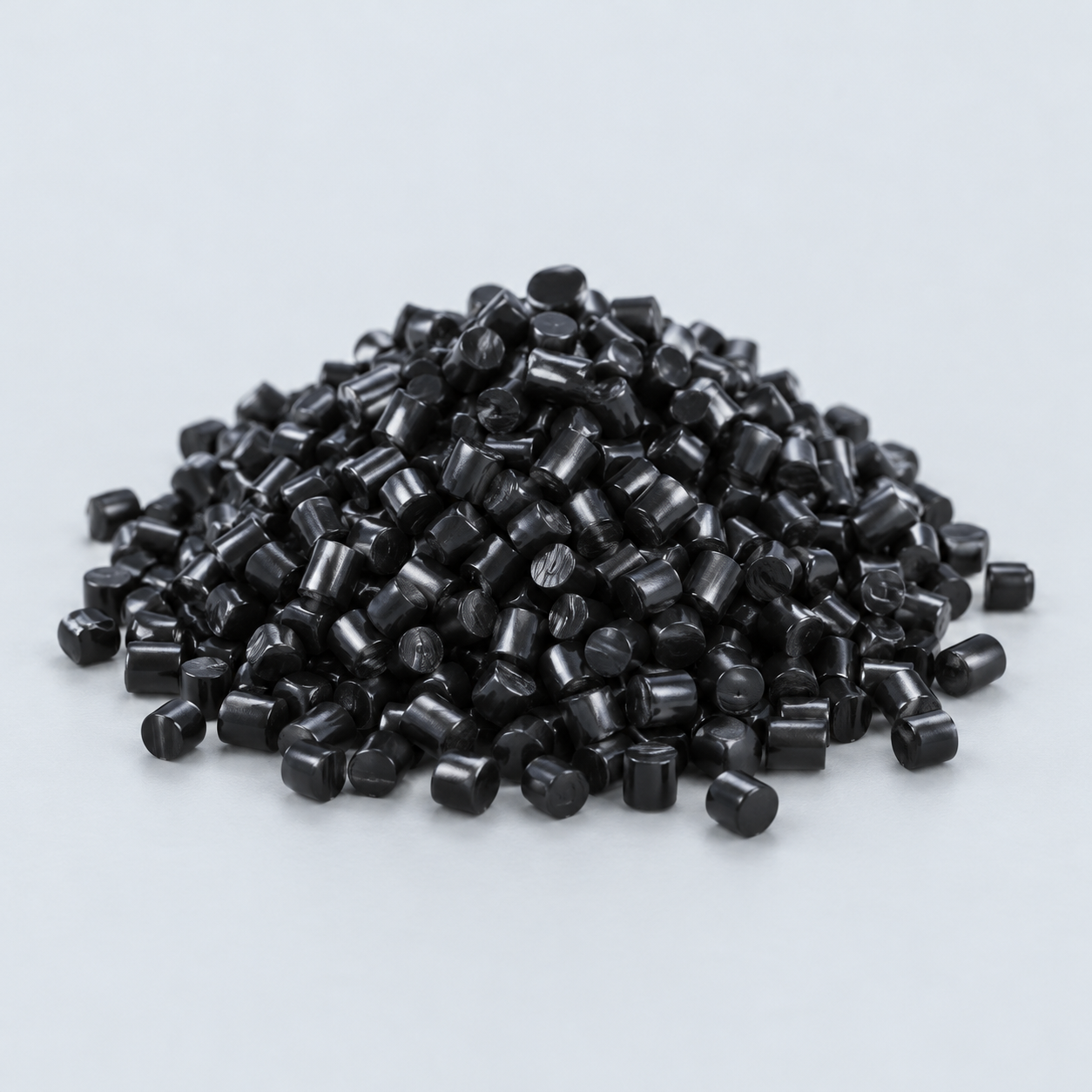 POM / AcetalReview fit and sliding features›
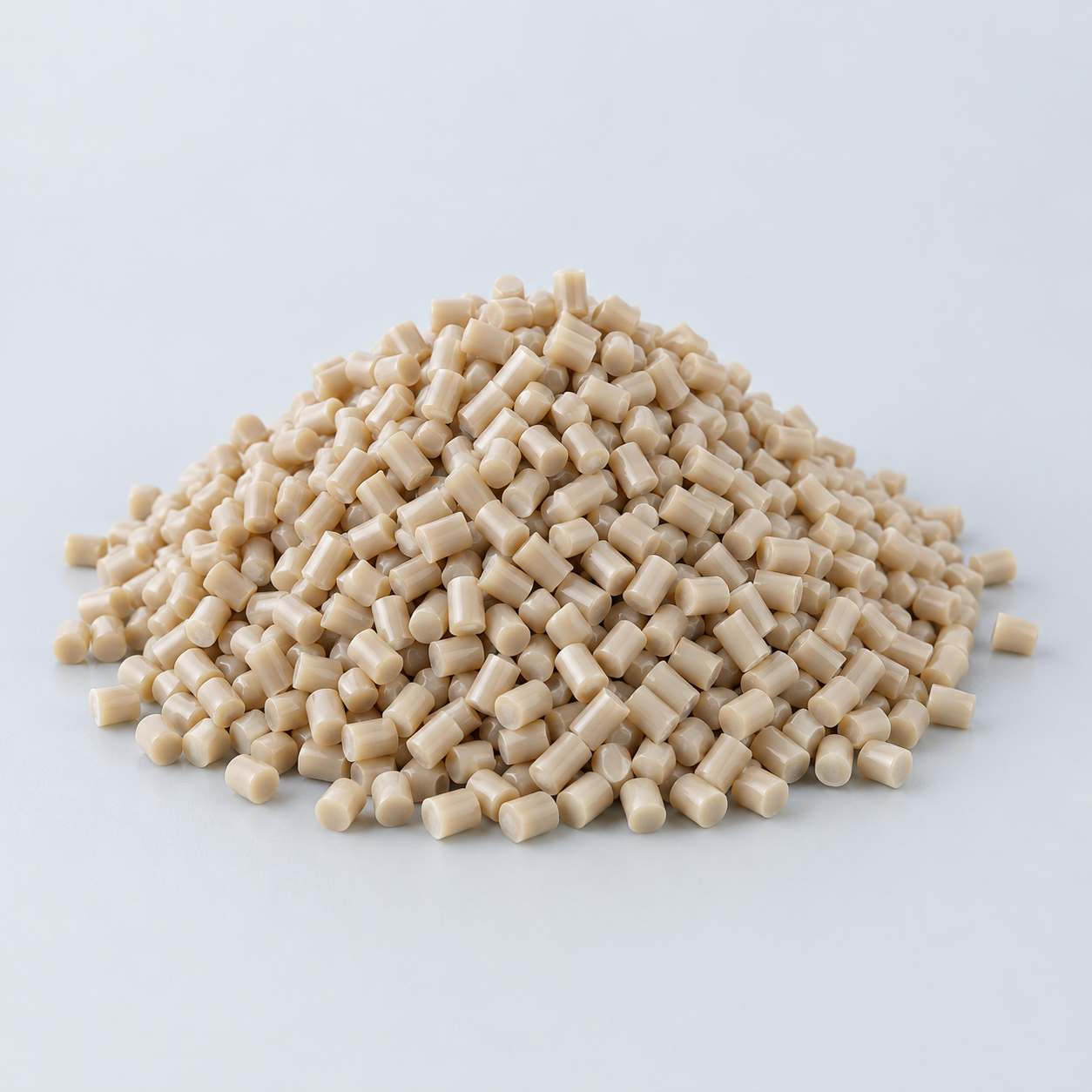 PEEKDiscuss operating conditions›
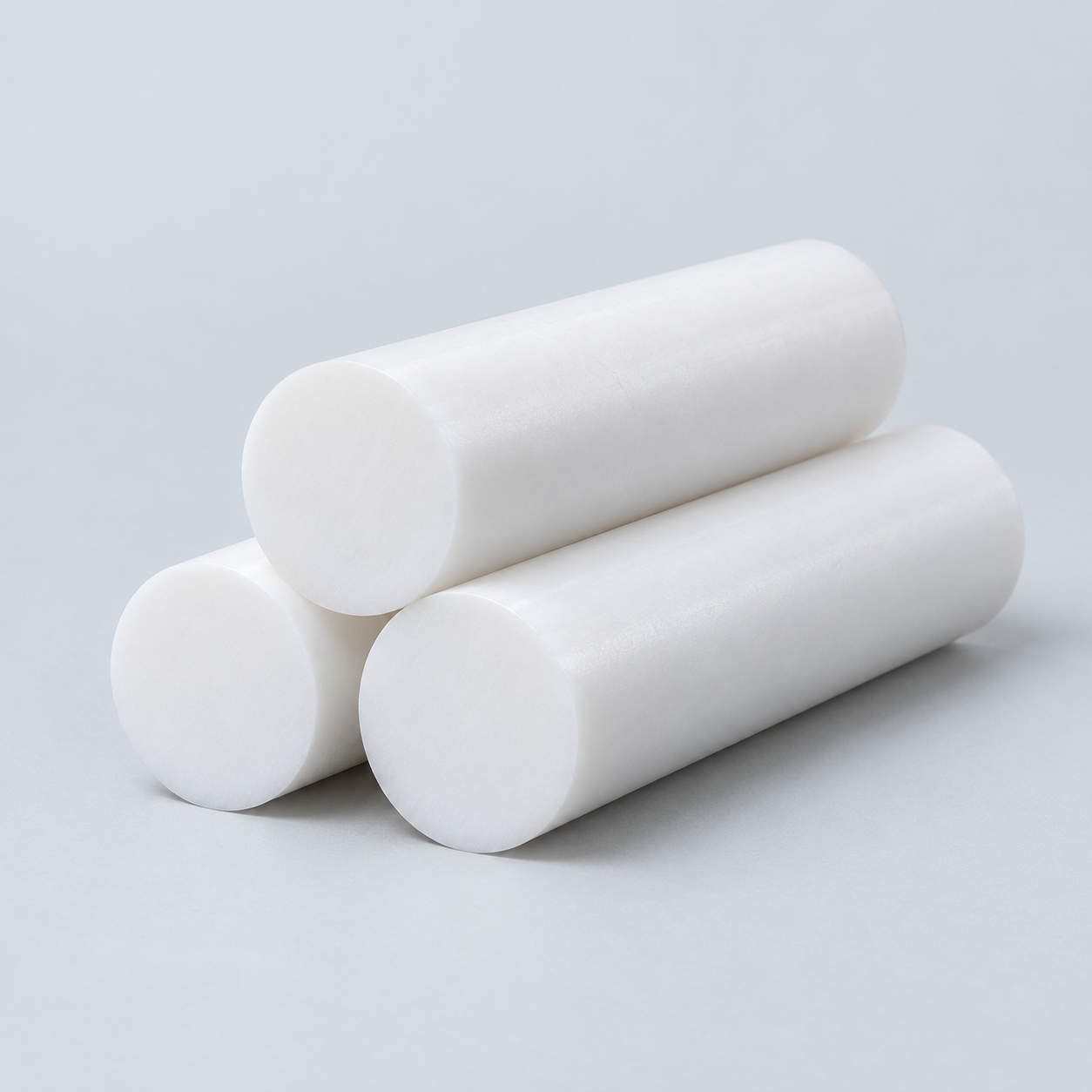 PTFEReview friction and chemical exposure›
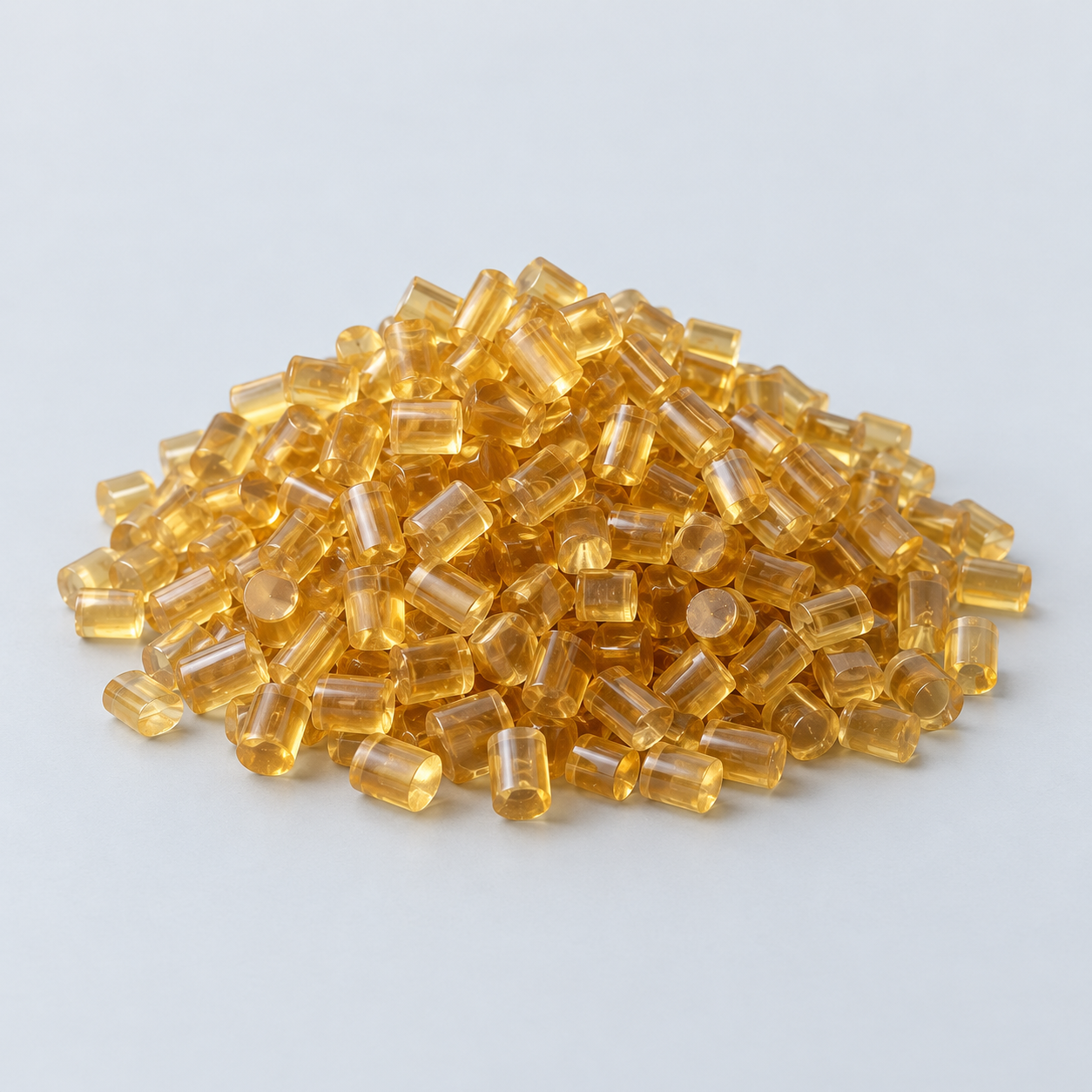 ULTEM / PEIDiscuss thermal and electrical needs›
Confirm grade availability and application requirements.
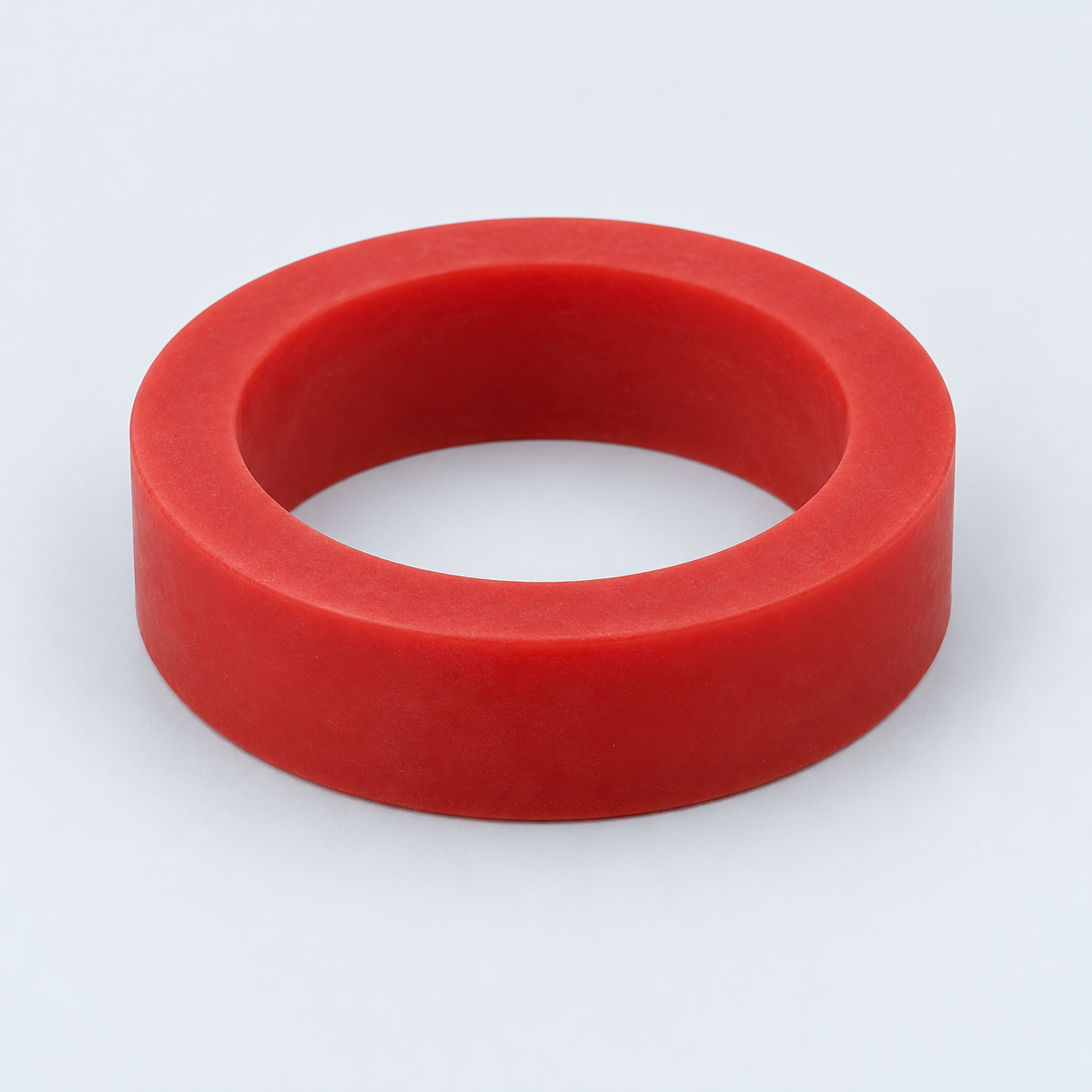 Silicone / LSRDiscuss flexible component needs›
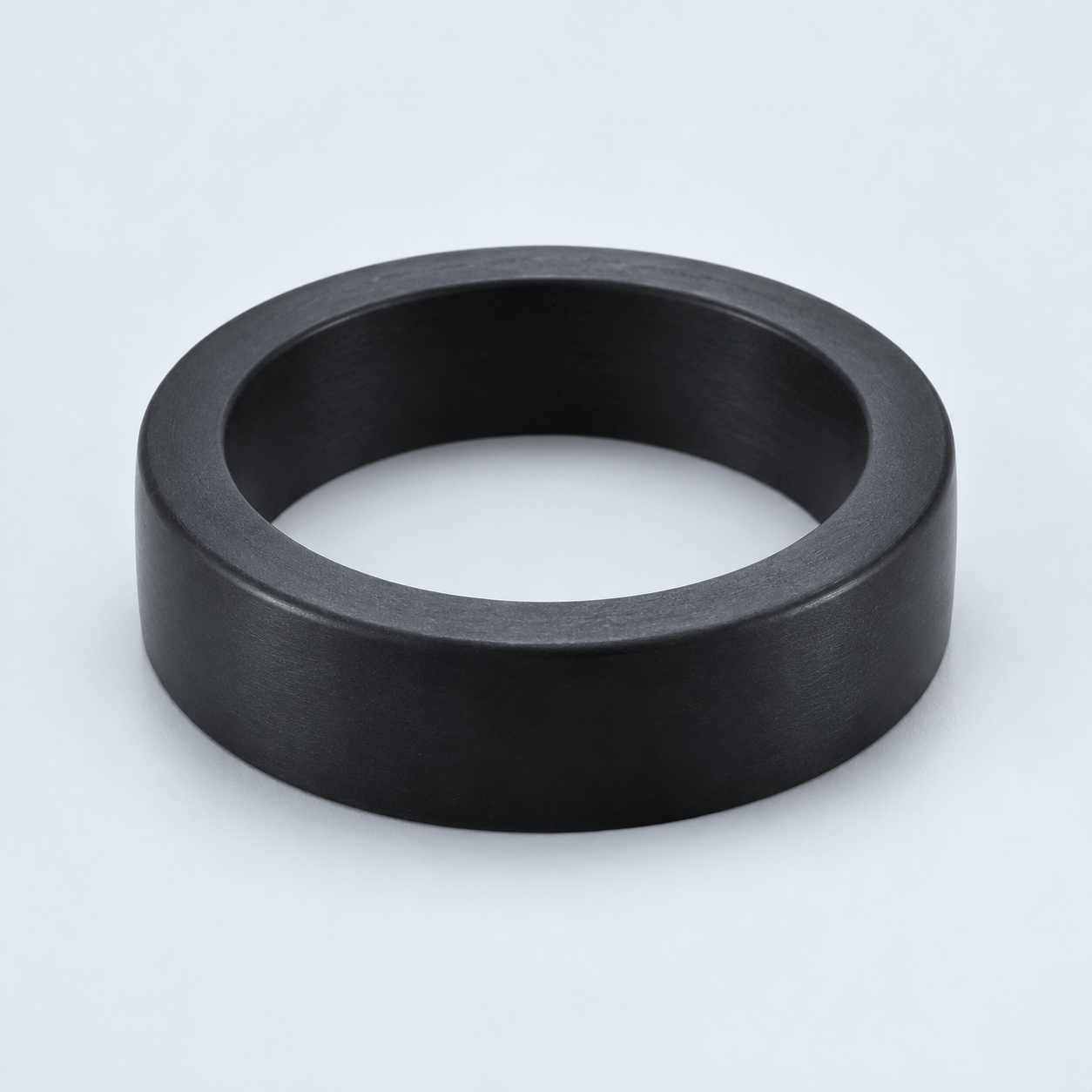 TPU / TPEReview flexibility and processing›
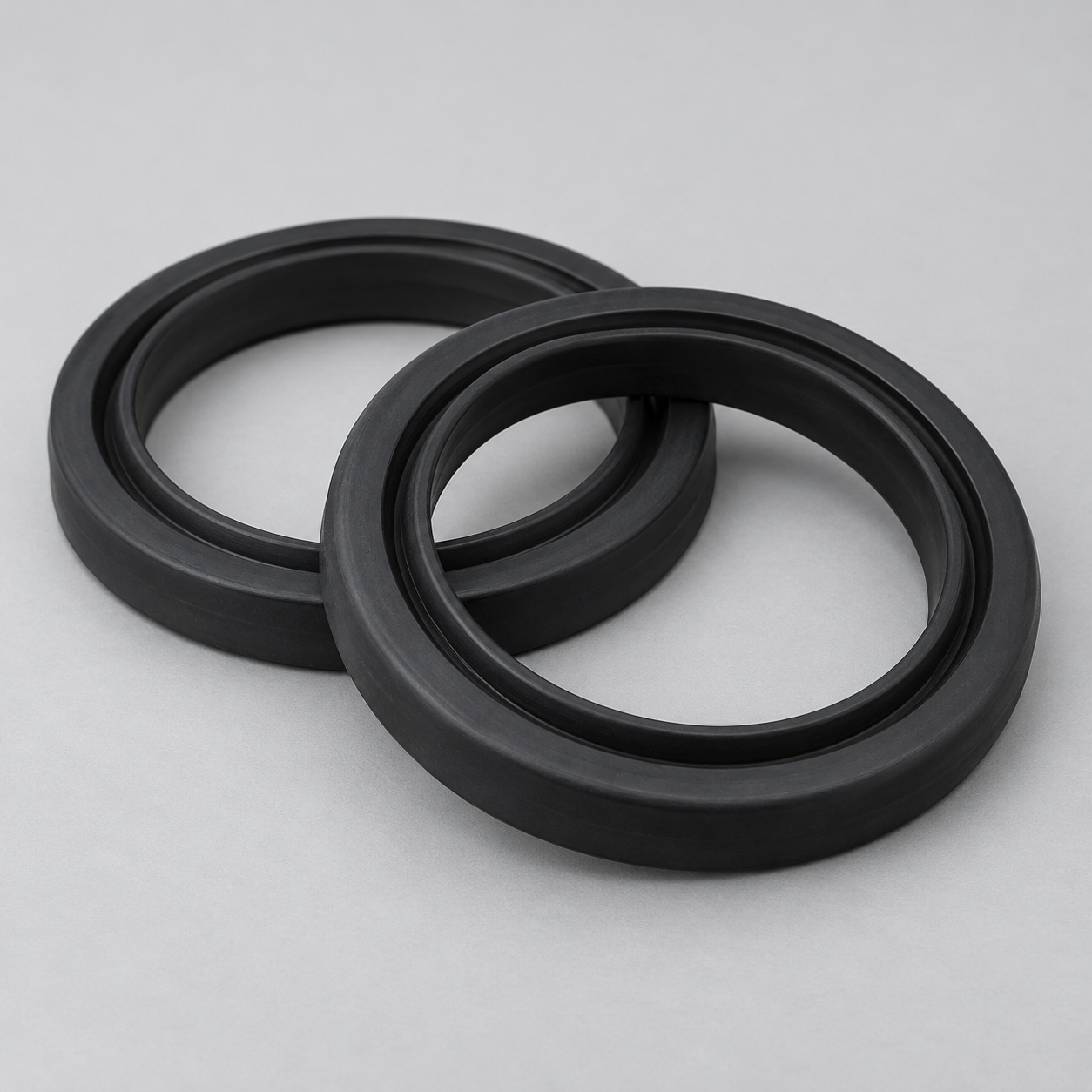 EPDMReview weathering and chemical exposure.›
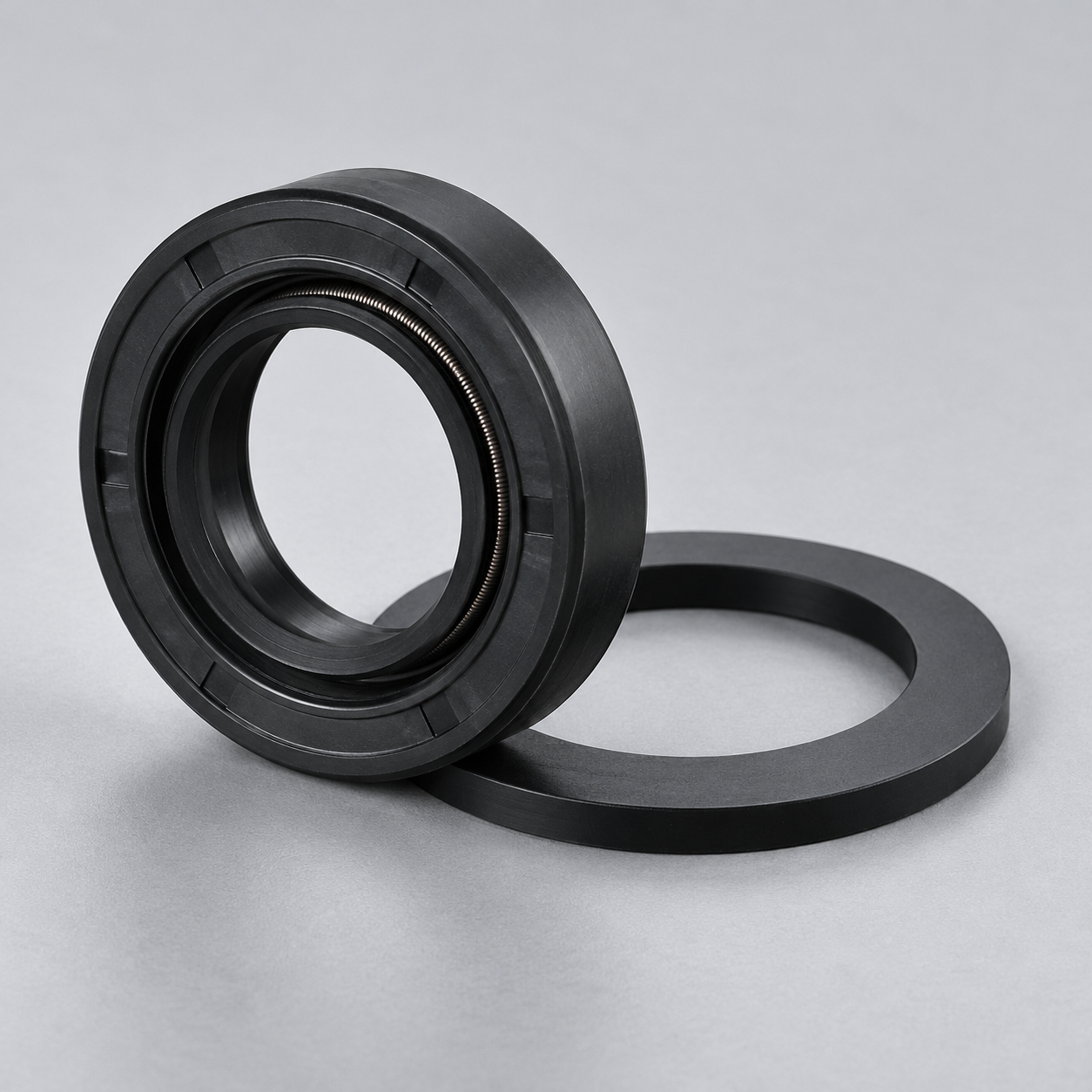 NBRReview oil and fuel exposure.›
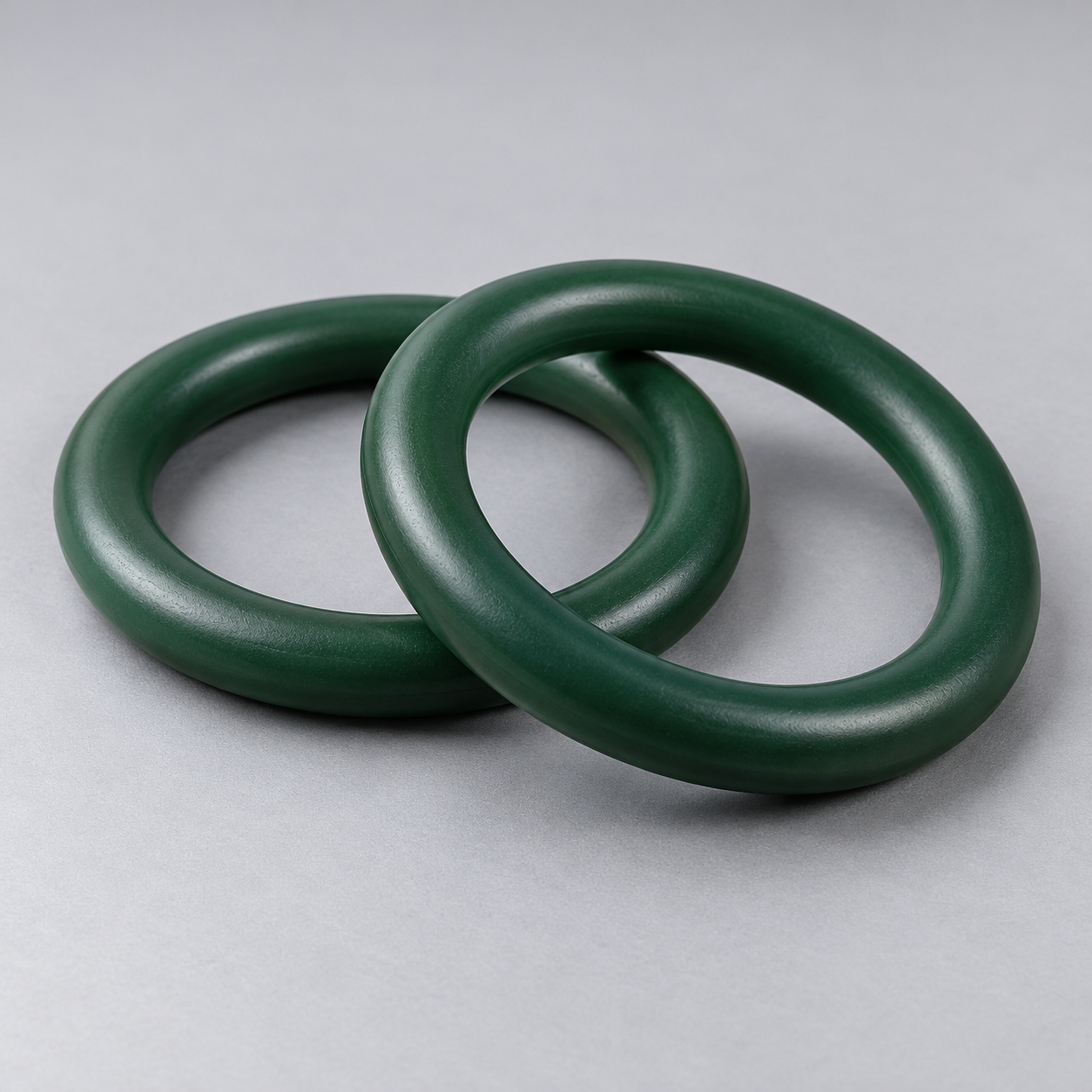 FKMReview temperature and chemical exposure.›
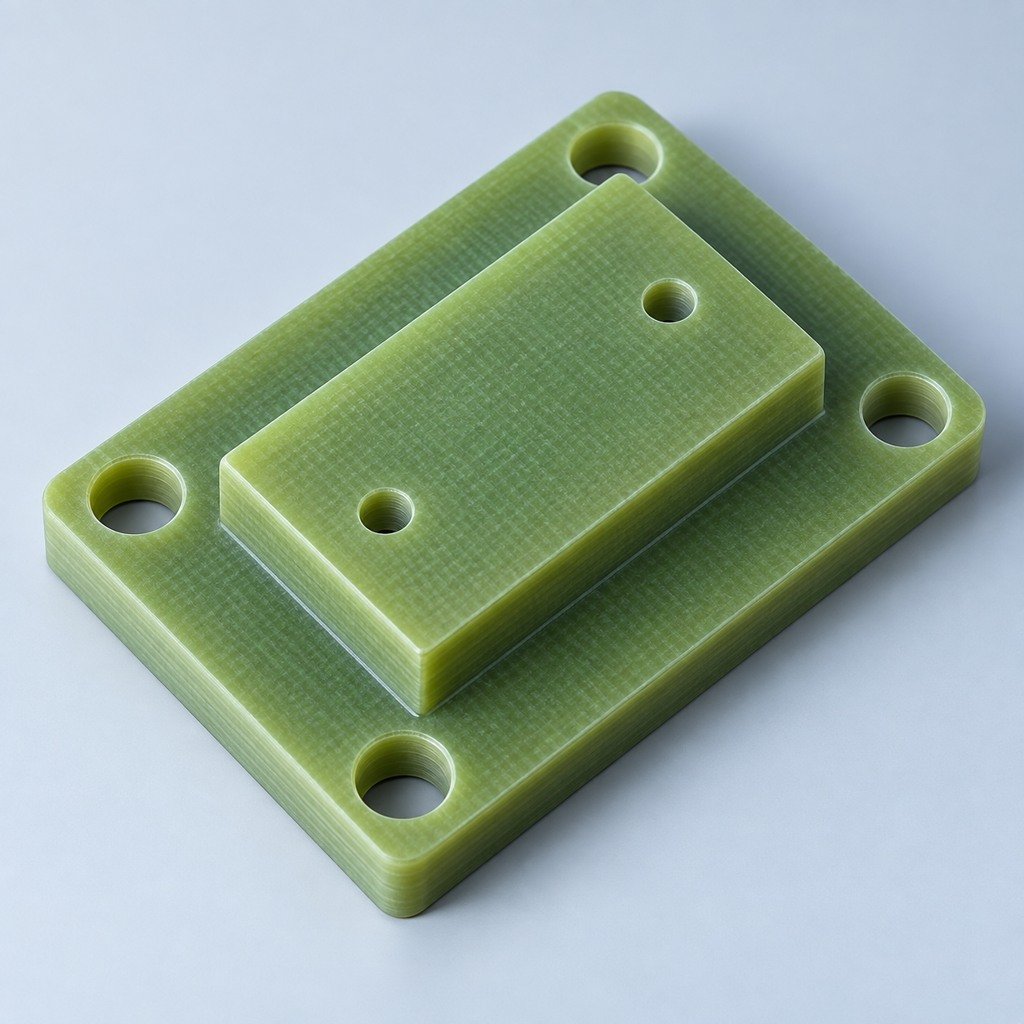 G10 / FR4Review insulation and laminate needs›
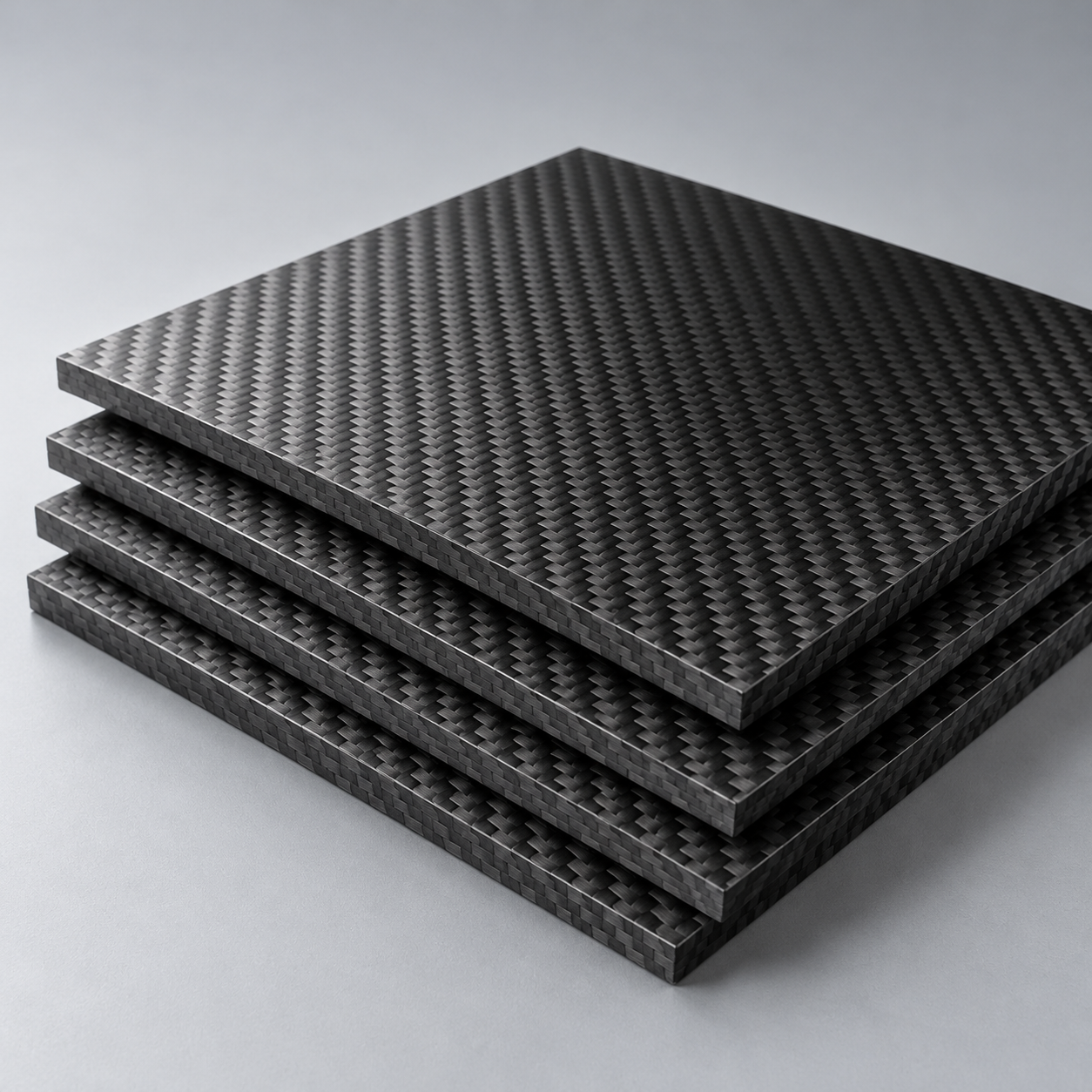 CompositesReview stiffness, weight and laminate.›Customer-Specified MaterialsConfirm your grade and requirements.›Other Specialty MaterialsDiscuss your application and grade.›
Practical guidance for your part geometry and material decisions.
Prepare your process, budget and sourcing questions.
Build your knowledge before production.
Learn who we are and how we operate.
Find our U.S. support team or start a conversation.

FOR YOUR FORMING, JOINING AND MACHINING DECISIONS
Compare 3003, 5083, 5754 and 7050 around the part you need to make. Connect the alloy, temper and stock form with your geometry, finish and acceptance requirements.
For your controlled drawing—not a raw-stock price list.
Bends, draws, flanges and sheet condition.
Joint geometry, heat effects and inspection.
Datums, removal depth, bores and fits.
Finish, material record and release baseline.
4 TOPICS, ONE CONTROLLED PART REQUIREMENT
Keep wrought stock distinct from casting alloys and proprietary tooling plate. Availability and the manufacturing route are confirmed for your project.

For 3003 aluminum sheet metal fabrication, review the gauge, temper and bend geometry. Custom 3003 aluminum parts may include formed covers and trays; define the critical assembled dimensions for your 3003 aluminum sheet metal parts.
Review the sheet route →
For 5083 aluminum CNC machining, specify wrought plate or another approved stock form explicitly. Custom 5083 aluminum parts need a clear material baseline; compare 5083 aluminum machining services on the same geometry, finish and inspection scope.
Review your machining inputs →
For 5754 aluminum sheet metal fabrication, connect the temper with forming and joining requirements. Custom 5754 aluminum parts and 5754 aluminum sheet metal components need the controlled product specification alongside the alloy name.
Review forming and joining →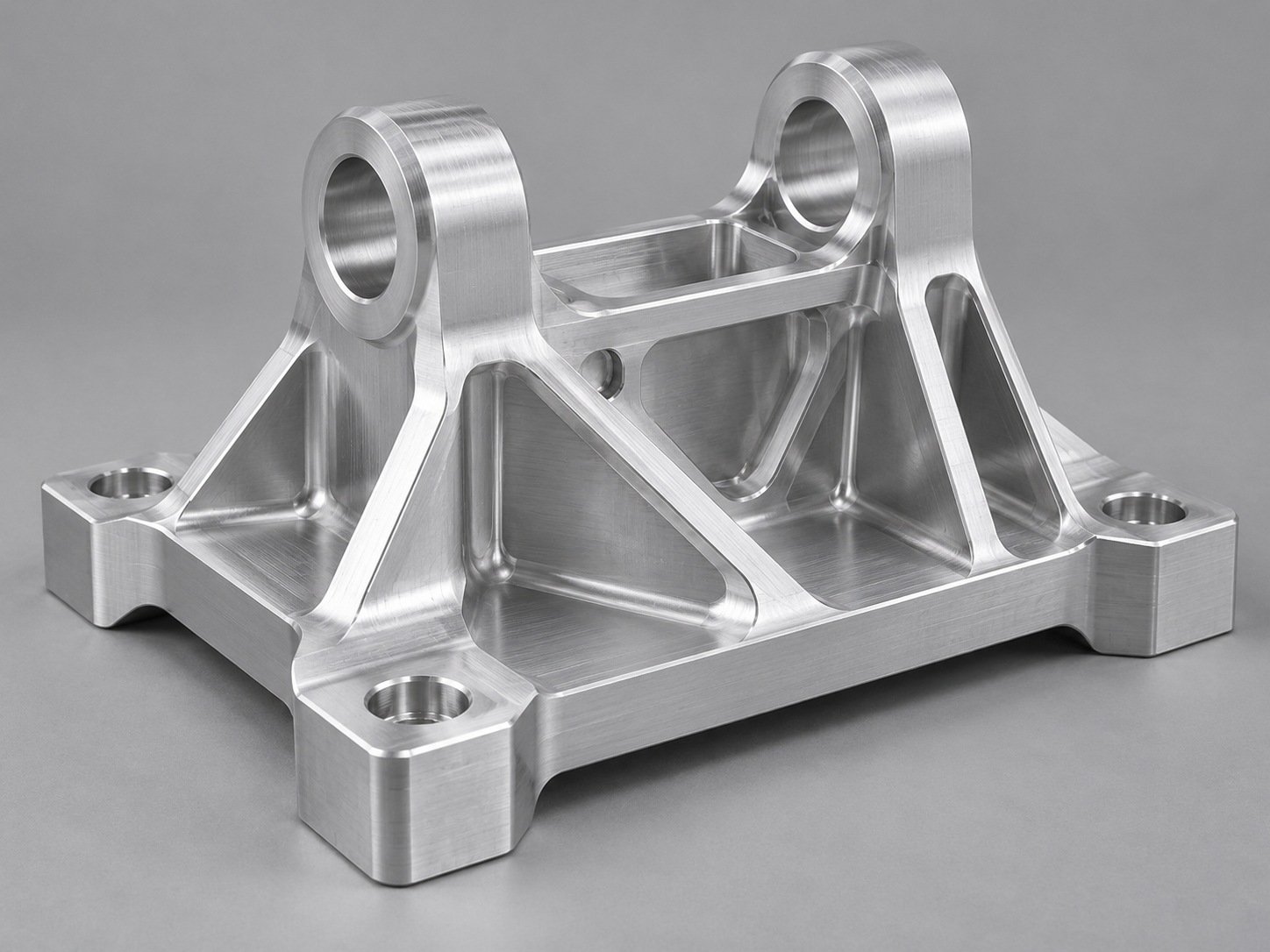
For 7050 aluminum CNC machining, state the plate condition and critical feature relationships. Custom 7050 aluminum parts require an agreed removal and inspection plan; compare 7050 aluminum machining services on the finished-part scope.
Compare material conditions →| Alloy | Selected composition limits · wt% | Route to evaluate | Your controlling inputs |
|---|---|---|---|
| 3003 | Mn 1.0–1.5% | Formed sheet covers and trays | Temper, gauge, bend direction and finished fit |
| 5083 | Mg 4.0–4.9% | Machined plate and welded components | Wrought versus cast stock, temper and joint requirements |
| 5754 | Mg 2.6–3.6% | Formed sheet and joined assemblies | Product standard, temper, forming and weld acceptance |
| 7050 | Zn 5.7–6.7%; Cu 2.0–2.6% | Precision-machined high-strength features | Full temper, stock specification, environment and critical dimensions |
Selected alloy chemistry limits identify material families; they are not lot test results or a complete composition specification. These route examples do not establish stock availability, component qualification or interchangeable alloys.
KEEP THE FULL MATERIAL CALLOUT
For 7050-T7451 CNC machining, retain the specified plate condition and purchase standard. Review material removal, support and unclamped inspection together.
7050-T7651 machined parts are a separate condition. Do not exchange tempers solely because one typical strength value is higher; corrosion, toughness, orientation and your governing specification also matter.
These values describe supplier reference material, not guaranteed finished-part performance or LK MFG machining capability.
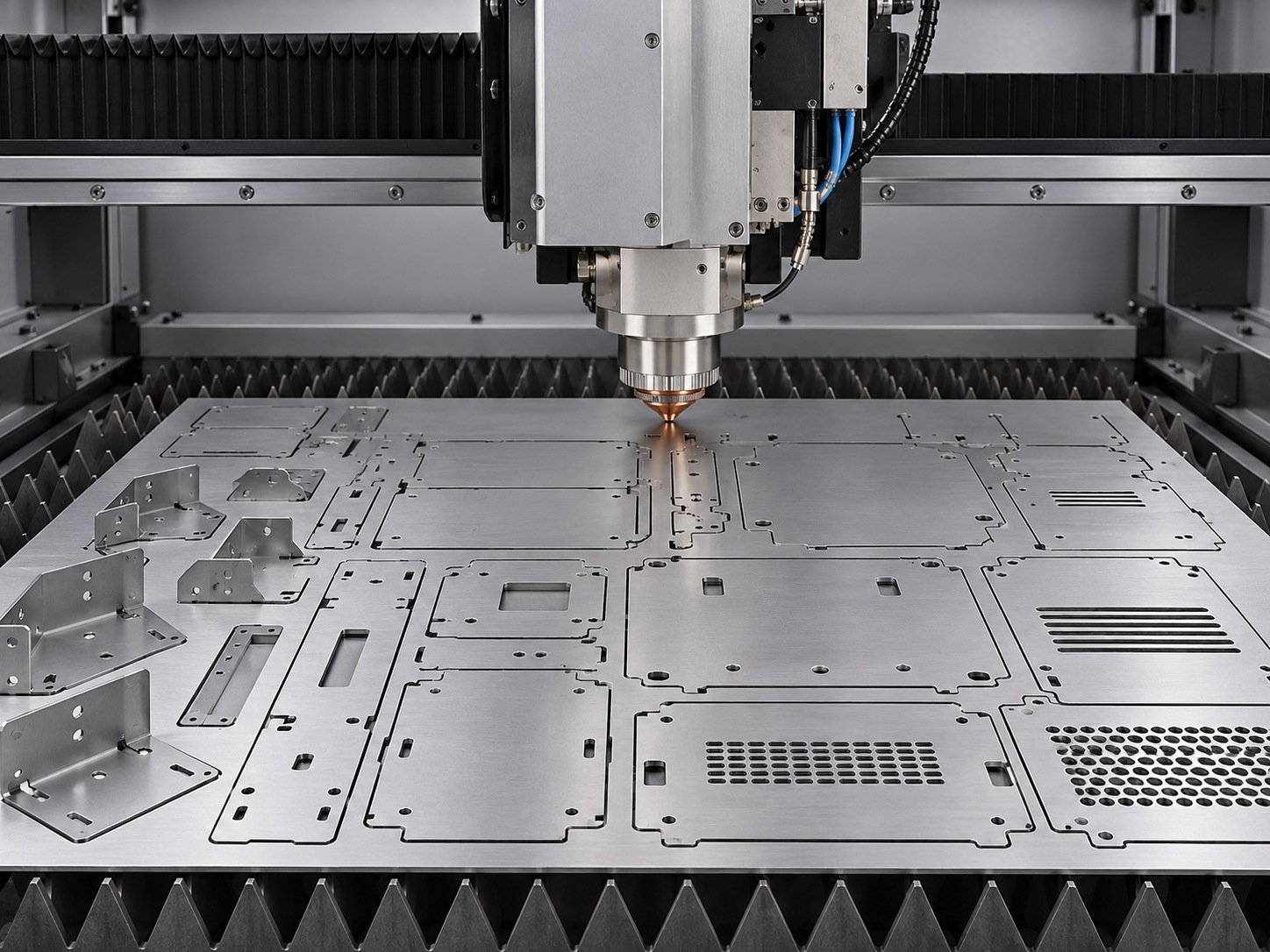
For 3003 aluminum laser cutting, define the flat pattern and edge condition. For 3003 aluminum bending, connect temper, thickness, grain and tooling. Review 3003 aluminum stamping parts against the actual draw and trial requirements.
Laser cutting →
For 5083 aluminum CNC milling, establish support and datum faces. For 7050 aluminum precision milling and 7050 aluminum 5 axis machining, review tool access, pockets and the required feature relationships.
CNC milling →
For 5083 aluminum welded fabrication and 5754 aluminum welded components, agree the joint, filler, procedure, heat effects and post-weld acceptance before committing to the route.
Welding & fabrication →For 5754 aluminum laser cutting and 5754 aluminum sheet bending, retain the same material and drawing baseline through blank cutting and forming. For 5083 aluminum sheet metal fabrication, confirm the stock condition and forming requirements separately from a machined-plate route.
Bending & forming → · 5-axis machining →RESOLVE THE DETAILS BEFORE QUOTING
Wrought sheet/plate, extrusion or an explicitly specified tooling product.
Alloy, full temper and purchase standard.
Bends, local strain, pocket depth and material removal.
Datums, threads, mounting faces and fitted bores.
Access, heat effects and assembled acceptance.
Visible zones, coating, masking and handling.

YOUR FINISH IS PART OF THE PART
Agree the preparation, anodizing or coating system, color reference and masked areas for the actual alloy. A different alloy or stock lot may change visible anodized appearance.
For powder-coated sheet parts, define texture, gloss, grounding and assembly faces. Approve a representative sample and state which dimensions are checked after finishing.
Name the show faces and approved appearance reference.
Control coating allowance, threads and masked fits.

Review access panels, bends, ventilation and mounting interfaces. An alloy does not establish a sealing or electrical rating.
Specify exposure, joint details, mating metals and any required class or project approvals. Material suitability is not certification.
State the controlled drawing, validation, traceability and customer approval requirements. No OEM qualification is implied.
Confirm design authority, supplier approval and required special-process evidence before accepting a supply route. No program approval is implied.
Stock form, temper, size, certificate and permitted alternatives.
Forming sequence, removal volume, tool access and setup count.
Welds, hardware, assembly and post-join checks.
Preparation, color changes, masking and appearance sample.
Trial/repeat quantities, inspection, packing and delivery.
Compare quotations for the same supplied part. A cheaper raw-stock offer does not include every forming, machining, finishing or inspection step.
Value engineering →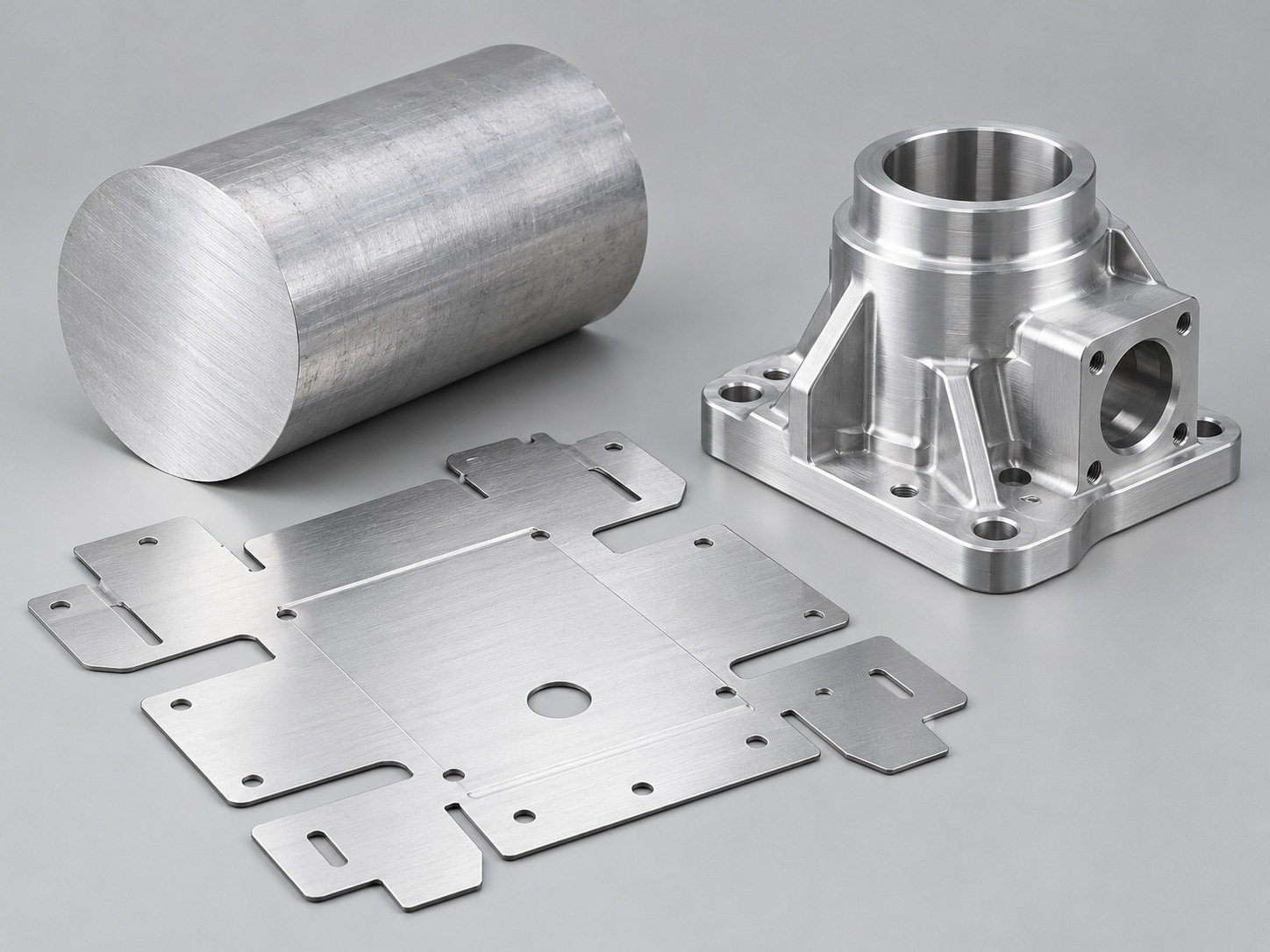
FOR YOUR RECEIVING TEAM
Alloy, condition, product specification and agreed lot identification.
Finished dimensions, datums, fits and assembly relationships.
Appearance, masking, weld condition and documented exceptions.
Required reports, identification, packing and drawing revision.
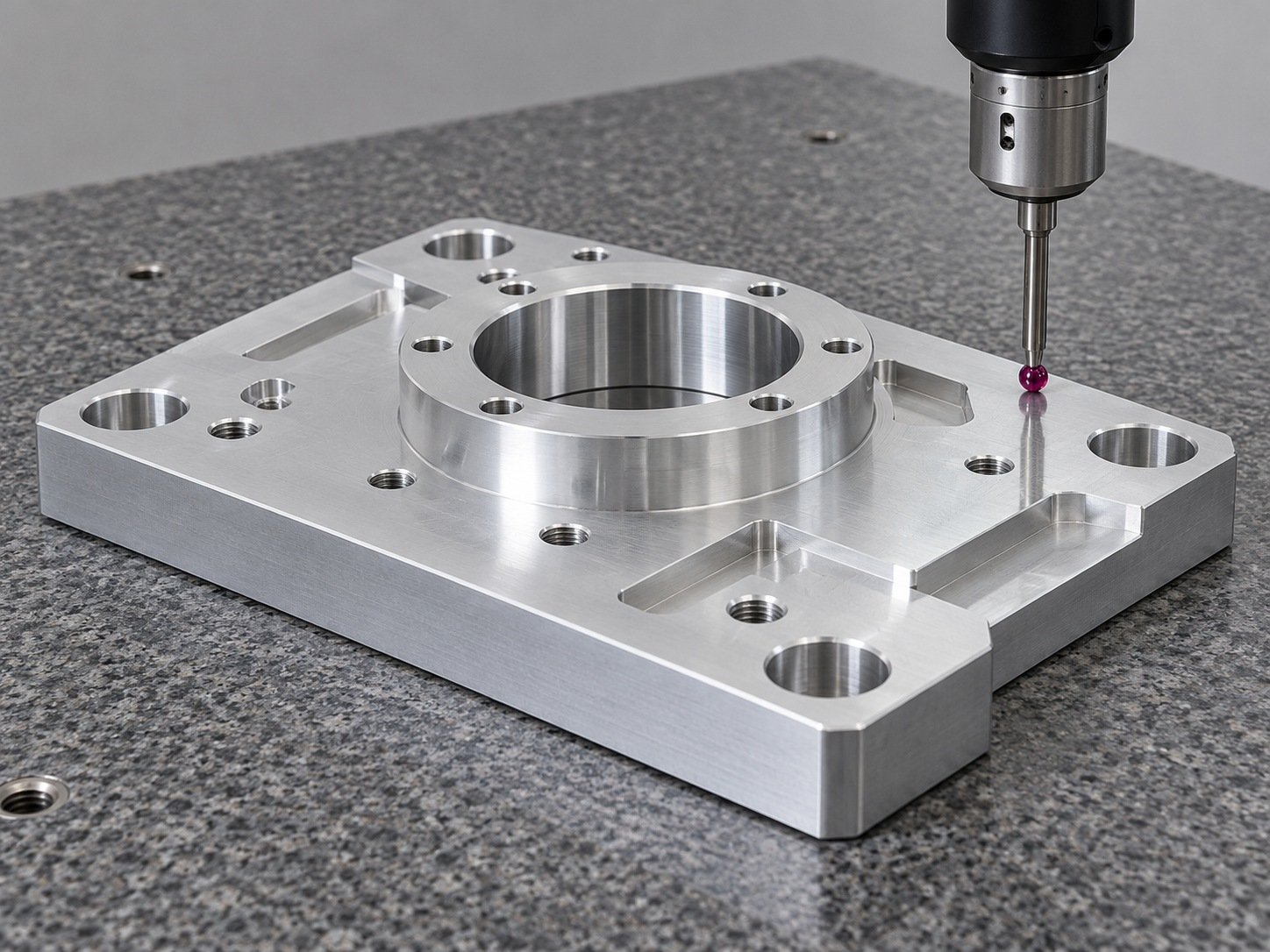
Resolve material alternatives and process questions before release.
State what fit, function, joints or appearance the first part must prove.
Record approved changes, material condition and required inspection scope.
For 3003-H14 aluminum fabrication, retain the specified gauge and forming direction. For 5083-H111 CNC machining, keep the stock form and certificate requirement explicit. EN AW-5754 sheet metal parts still need the full product standard and temper.
Prototype-to-production support →01 CAD + controlled drawing and revision
02 Alloy, full temper, stock form + purchase specification
03 Critical geometry, fits, surface texture + tolerances
04 Joints, finish, masking + appearance reference
05 Prototype/repeat quantities + requested schedule
06 Inspection, material documents + permitted substitutions
If the alloy is not yet fixed, share the load, environment, forming, joining and surface requirements that your selection must meet.
Material & Process Selection →Compare the specified temper and gauge with strength, forming, joining, corrosion exposure and finish. Do not carry a bend assumption or acceptance value from one alloy directly into the other.
It is commonly considered for formed sheet parts, but the actual result depends on temper, thickness, grain direction, tooling, edge condition and bend geometry. Review your inside radius and finished dimensions.
Compare the actual product form and condition, exposure, joints and required project approvals. Neither alloy name alone establishes marine certification or an acceptable welded assembly.
Yes, a machined route can be reviewed against the specified stock form, temper, geometry, supports, finish and inspection requirements. Wrought plate and cast tooling plate are not automatically equivalent.
Treat the proposed change as a design decision. Compare the applicable product specification, temper, gauge, forming, joints and finished acceptance requirements before approval.
A suitable welding route can be reviewed. Agree the joint, filler, procedure, heat effects, distortion control and post-weld inspection against the actual assembly requirements.
Use the governing product specification, temper, thickness, orientation, environment and critical feature requirements. A generic strength ranking does not approve a substitution.
No automatic interchangeability is implied. Keep the exact temper and specification; review the relevant strength, corrosion and toughness requirements with the responsible design authority.
Send the complete material callout and drawing, quantities, finish and evidence requirements. Identify any permitted alternative separately for review; listing an alloy is not confirmation of stock availability.
No single tolerance applies to every geometry or process. Mark the critical dimensions, datums, fits and measurement conditions for project-specific review.
Approved alloy, temper, product form and drawing revision.
Accepted geometry, finish, joints and documented exceptions.
Agreed inspection, identification, packing and delivery scope.