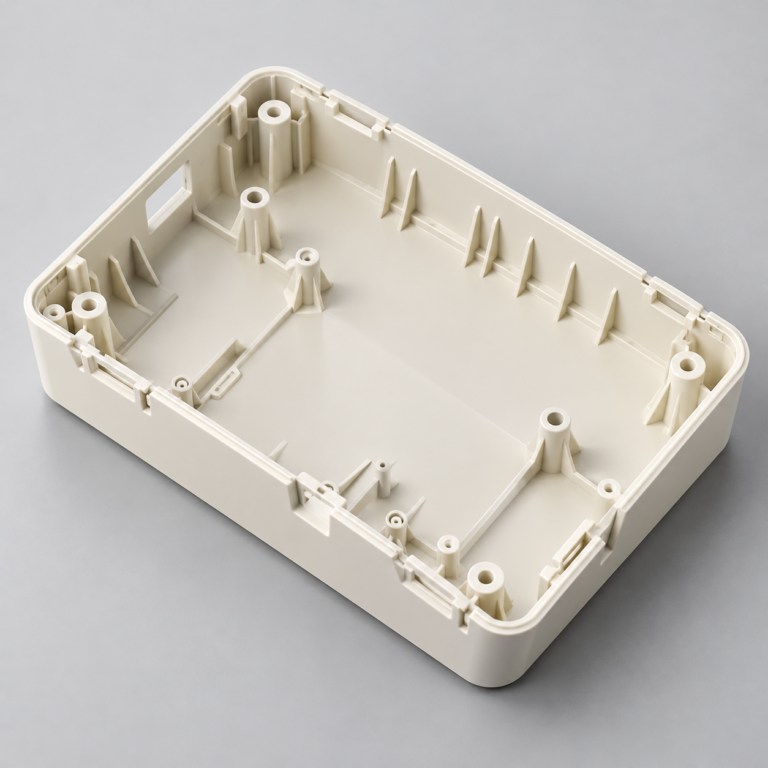
Injection Molding
Tooling and molding for your repeat plastic parts.
From prototype to production, coordinated manufacturing solutions for your custom parts.
View All Services →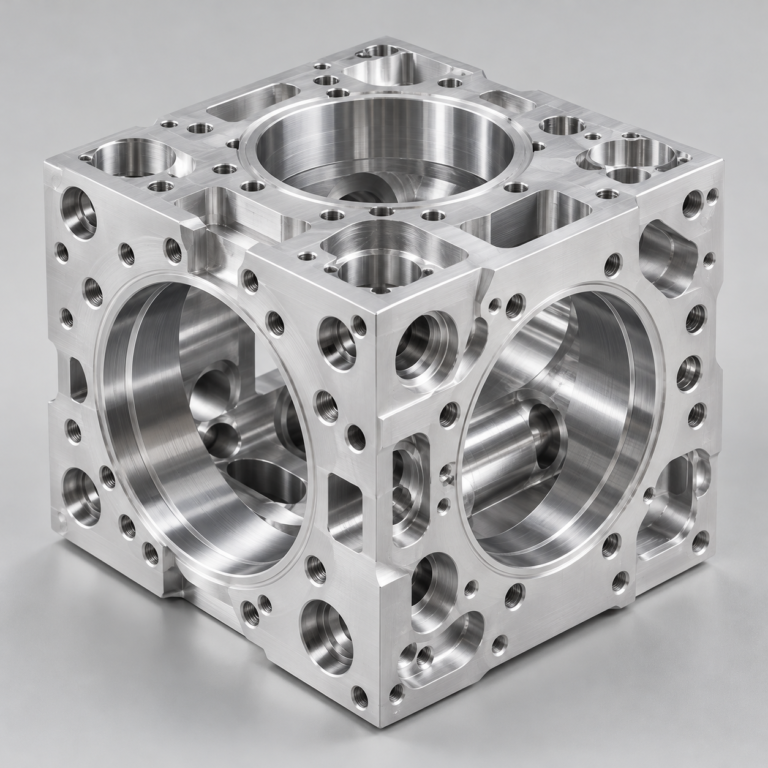
Precision parts for your tight tolerances and complex geometry.
Tooling and molding for your repeat plastic parts.
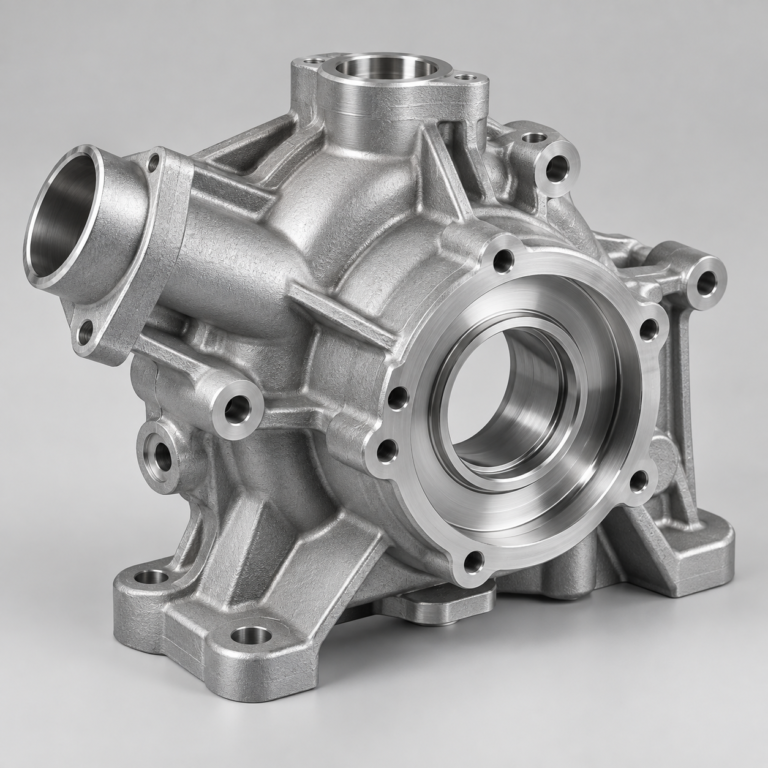
Metal casting options for your part and production volume.
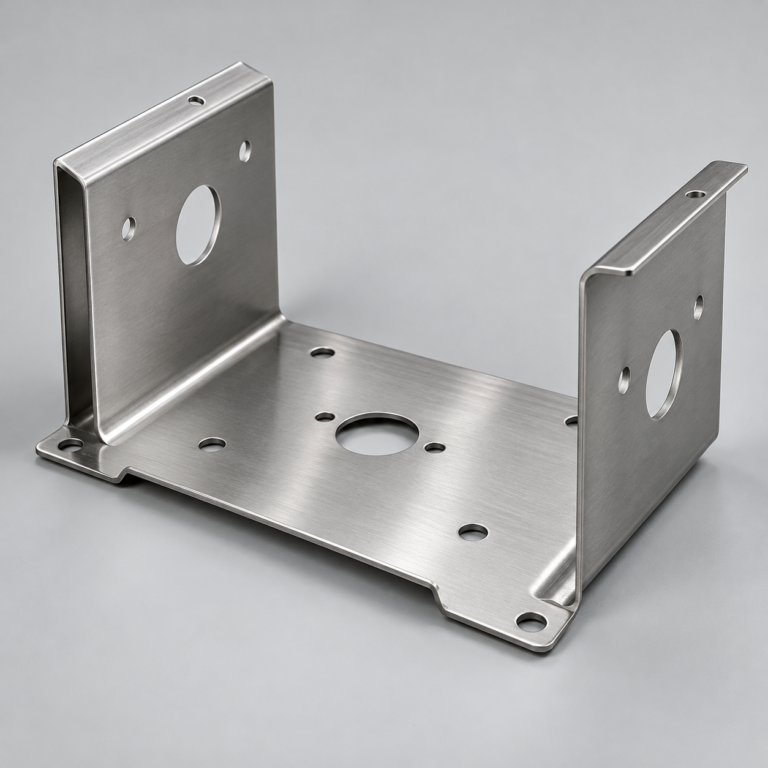
Cutting, forming and welding for your fabricated parts.
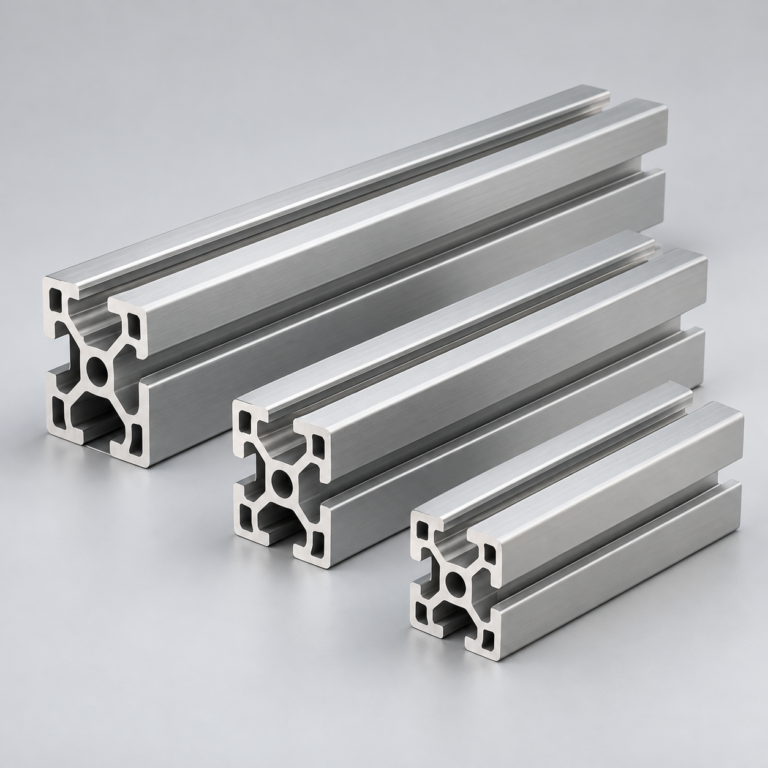
Custom profiles for your section, length and finish requirements.
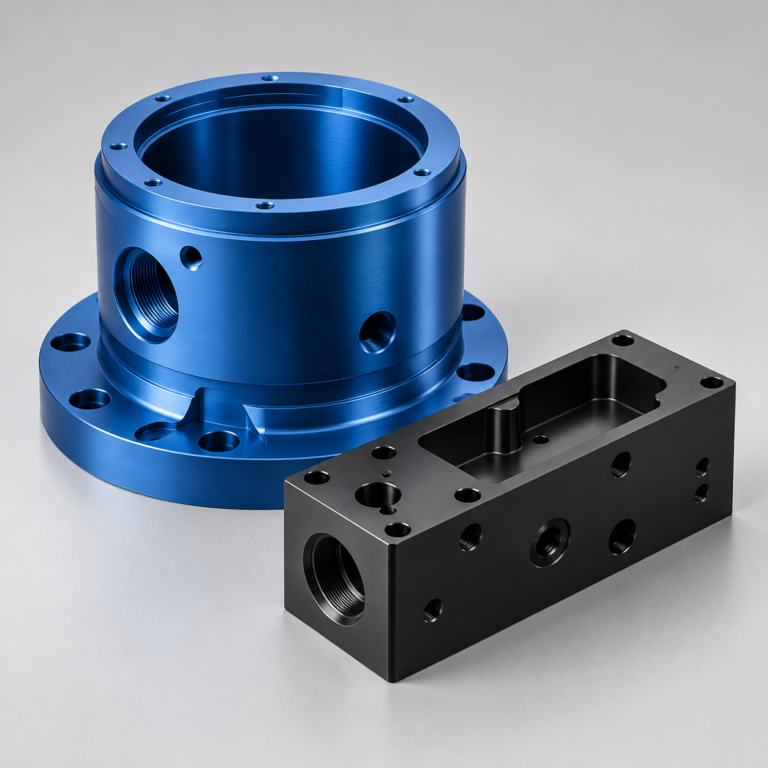
Finishes for your appearance, corrosion and wear requirements.
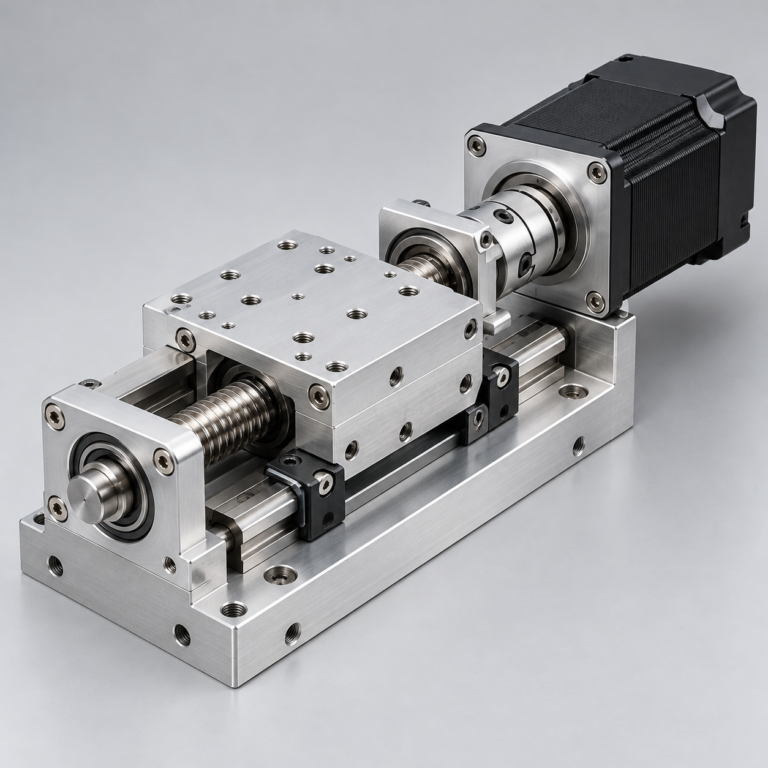
Sub-assemblies and final builds for your production program.
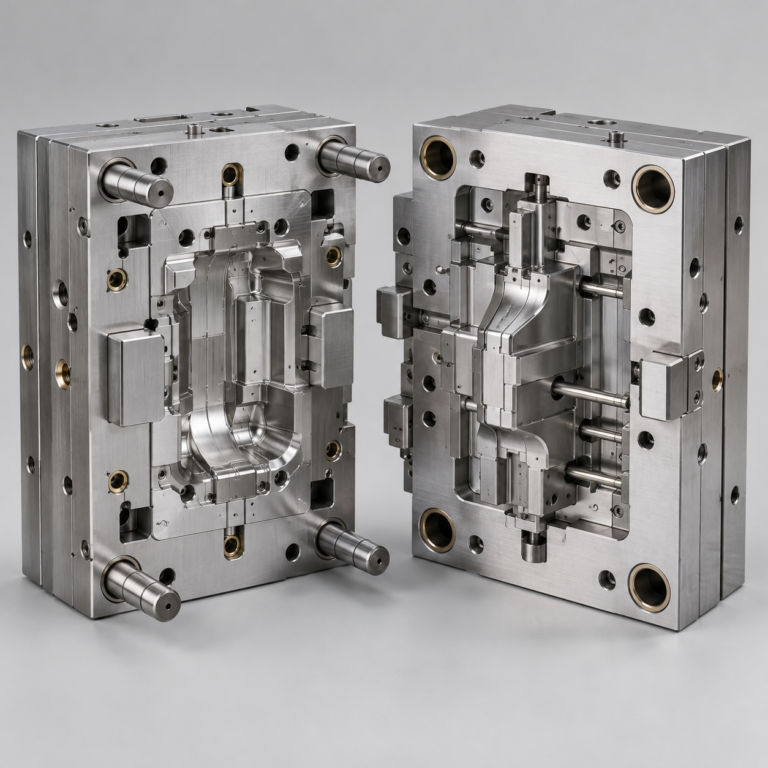
Production tooling built around your process and volume.
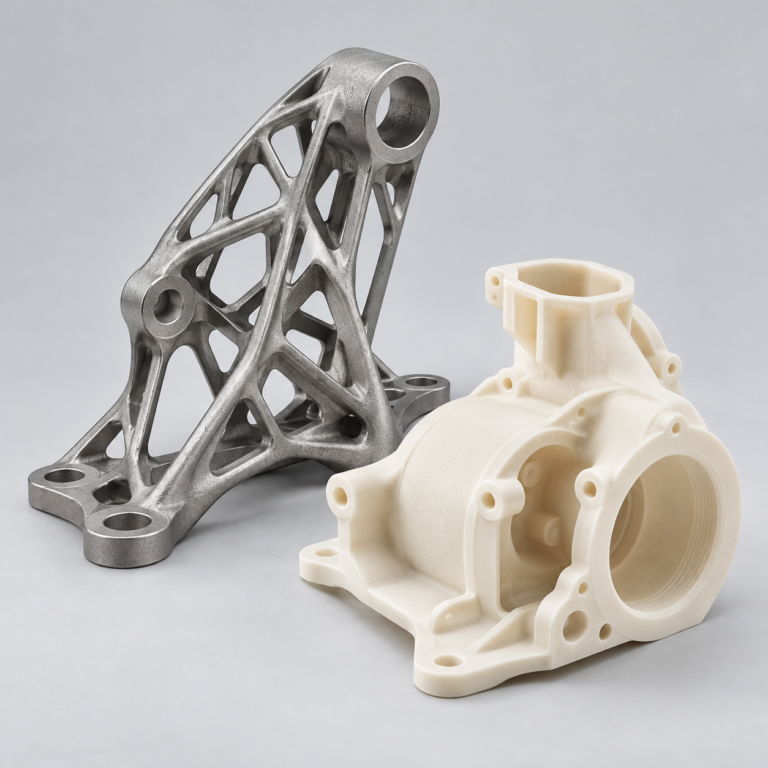
Prototype parts to check fit, function and design.
DFM, process planning and production support for your project.
Inspection, documentation, inventory and delivery planning for your program.
Choose air- or liquid-cooling components around your thermal and mechanical requirements.
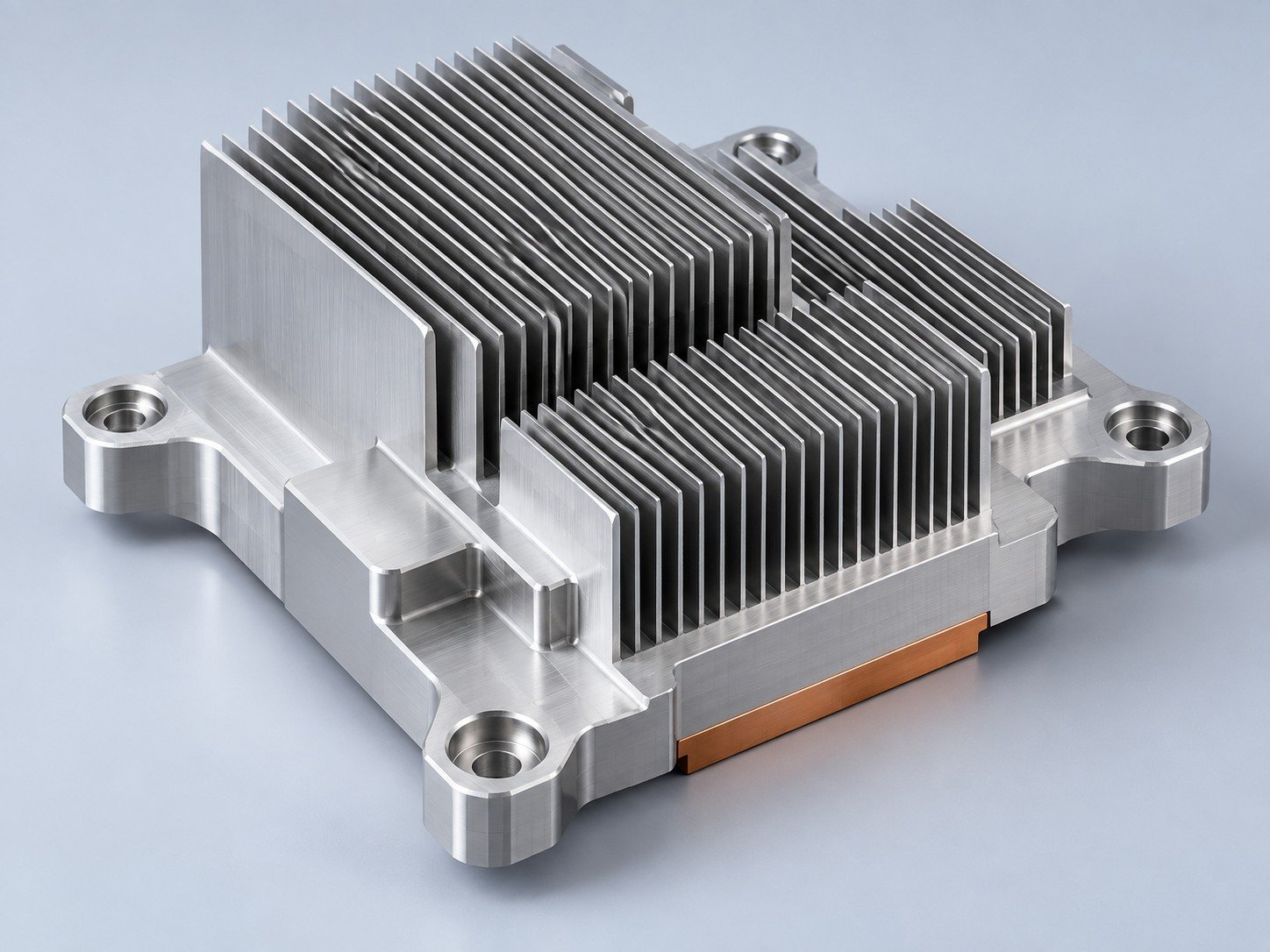
Manufacturing support for your cold plates, manifolds and cooling assemblies.
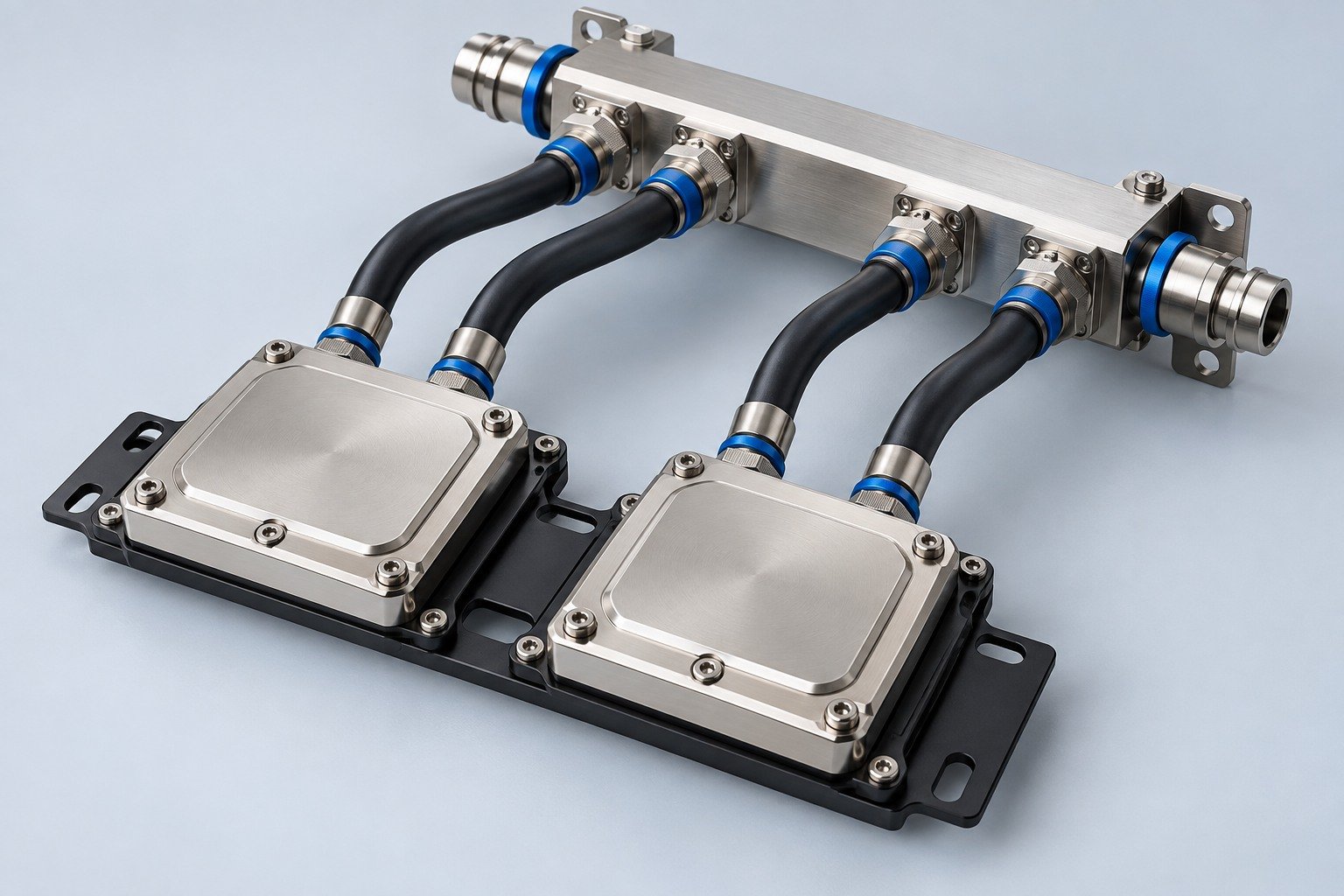
Find components for your power electronics, energy, laser and telecom application.
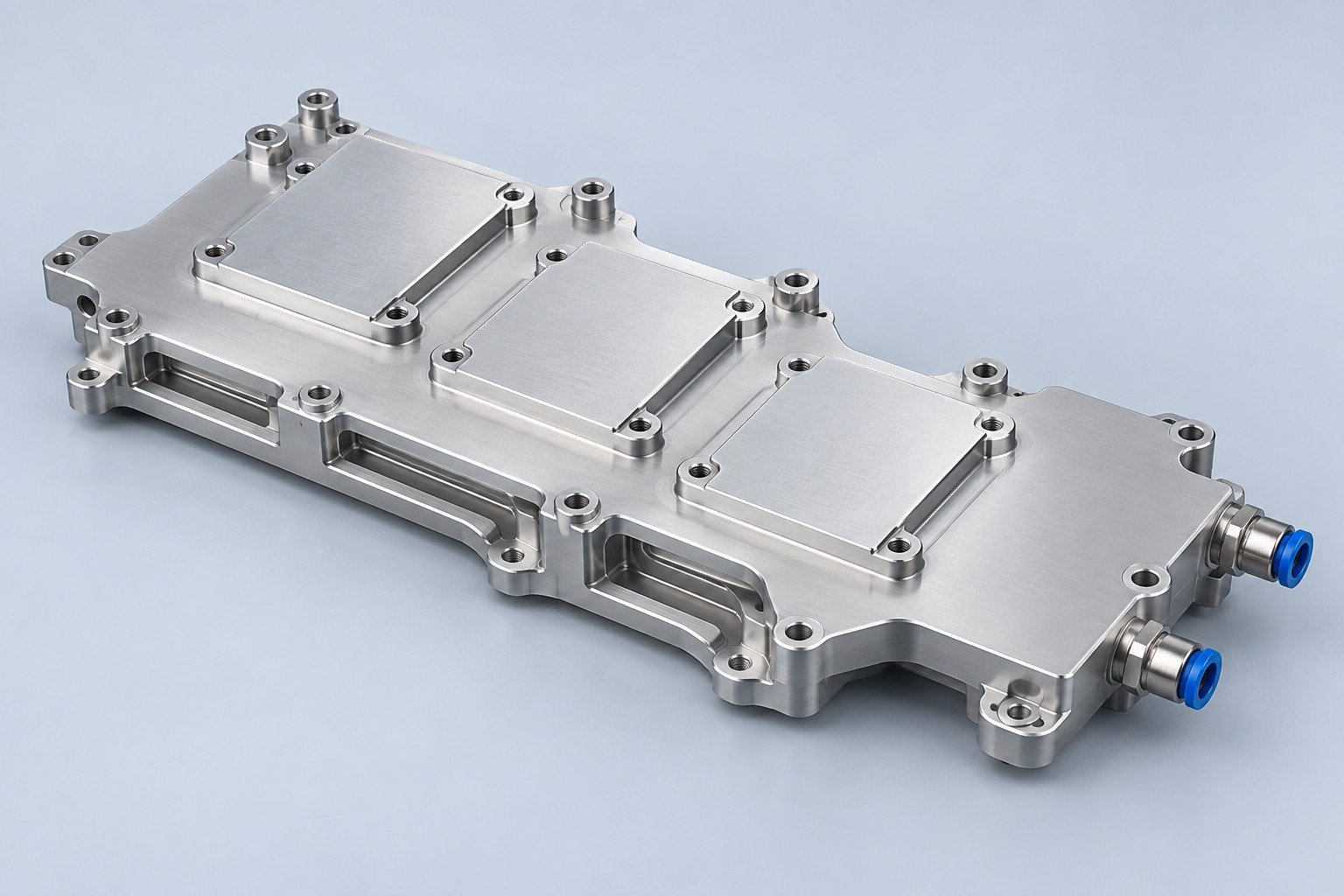
Components for your electronic systems.
Start with your functional and quality requirements.
Build around your operating environment.
From prototype to production, review material performance, manufacturability and cost for your part.
Review grade, temper and finish for your metal parts.
 AluminumStrength, weight and machining›
 Stainless SteelCorrosion and finish requirements›
 Carbon & Alloy SteelDiscuss grade and heat treatment›
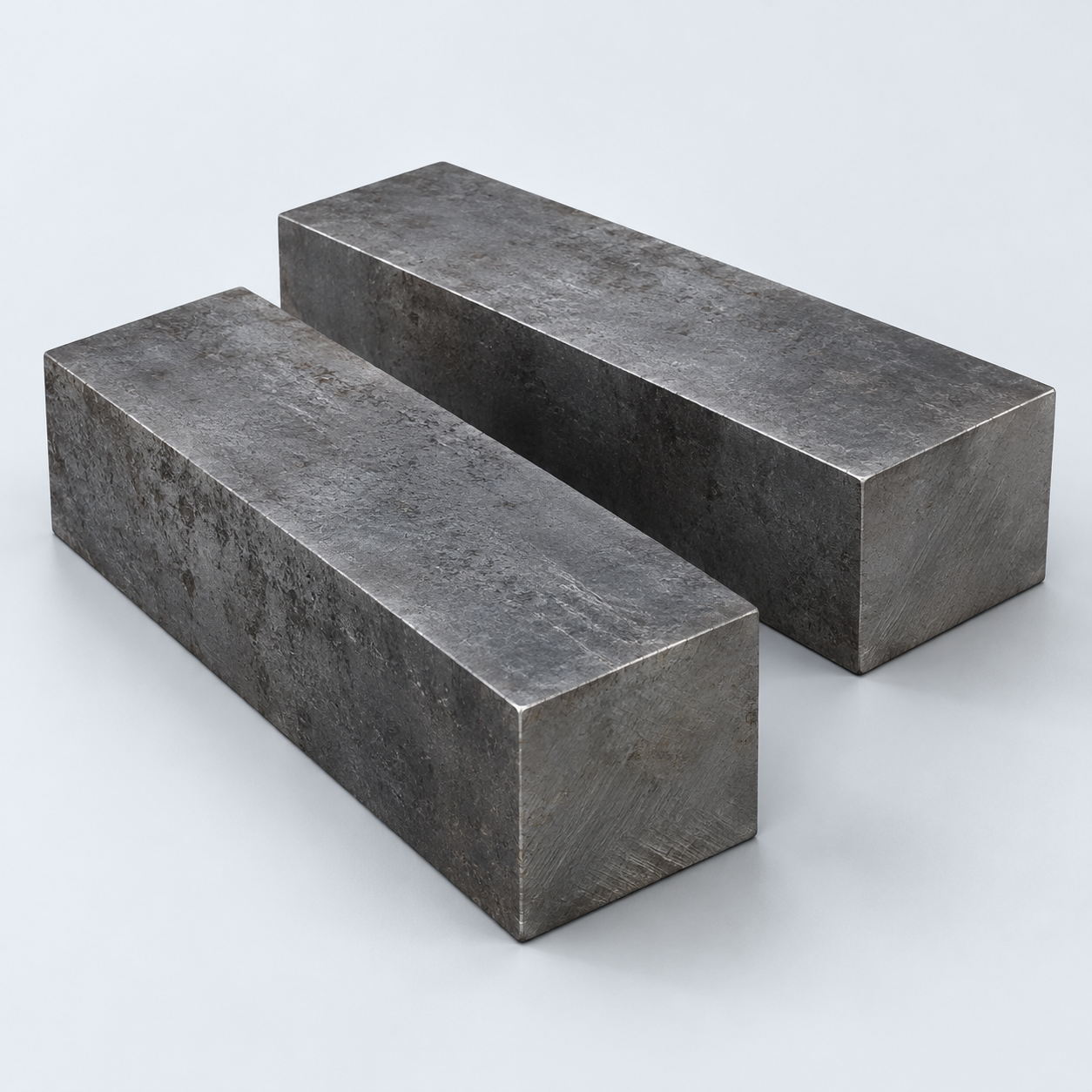 Tool SteelDiscuss tooling and wear needs›
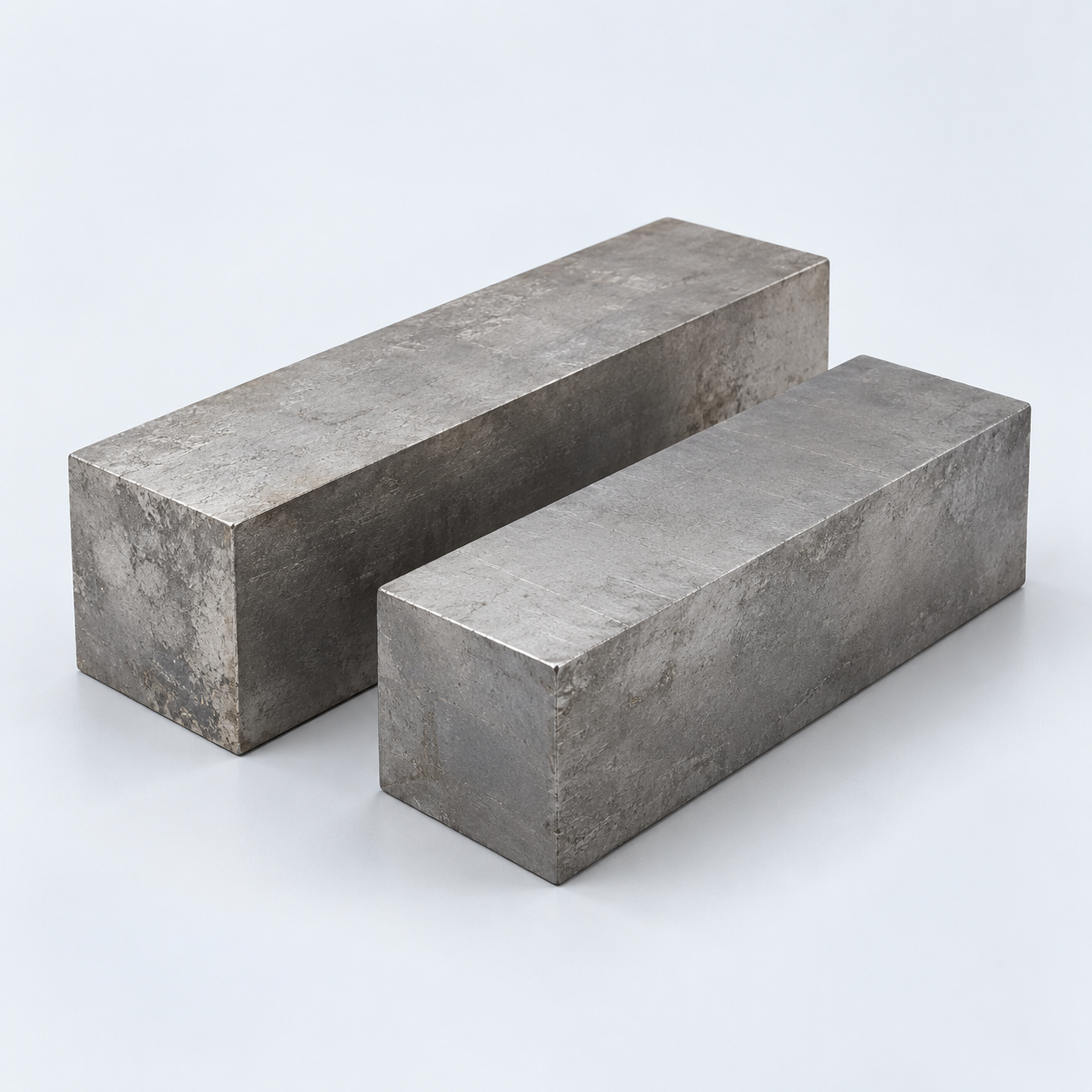 TitaniumReview grade and part geometry›
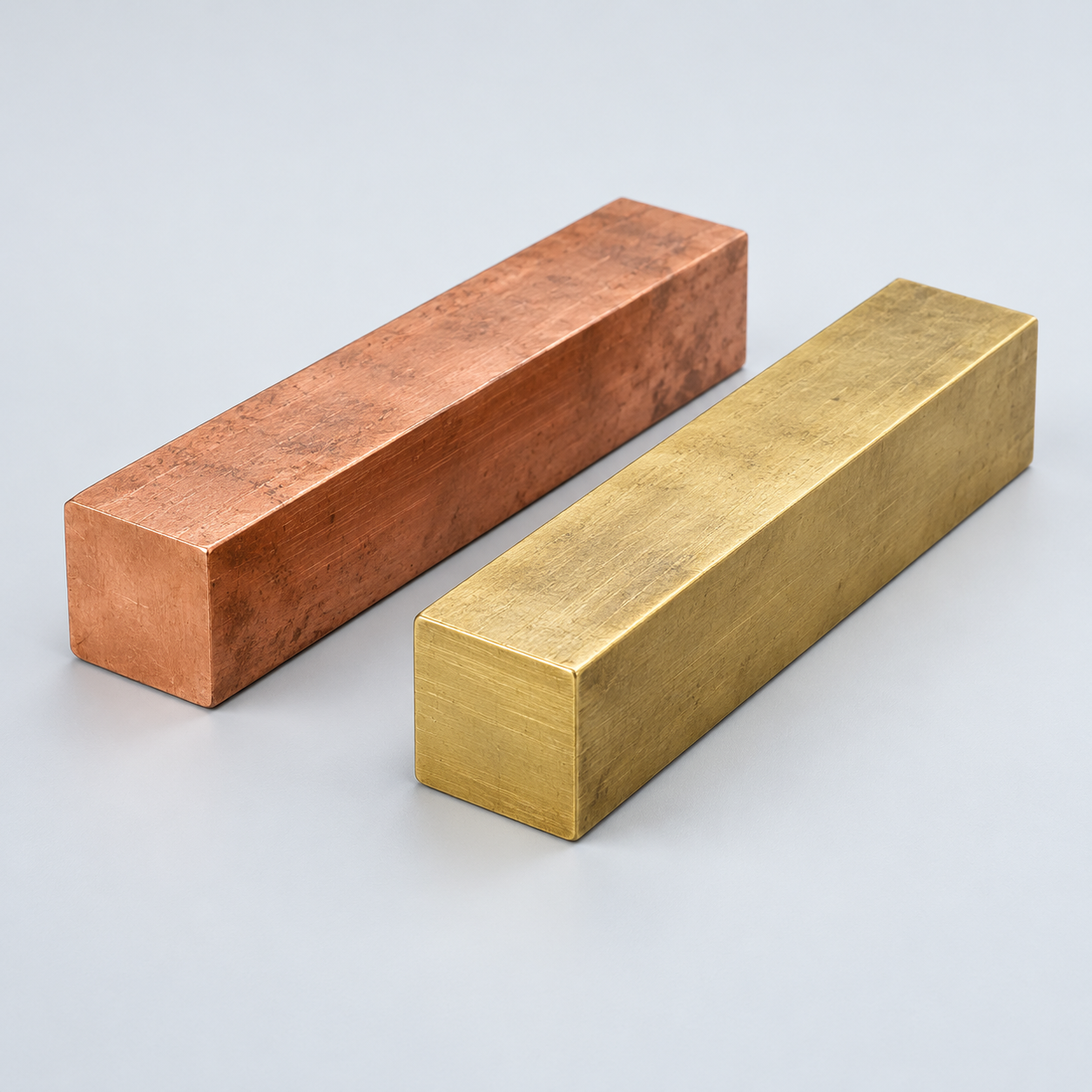 Copper & BrassDiscuss conductivity and machining›
Match your polymer to function, process and environment.
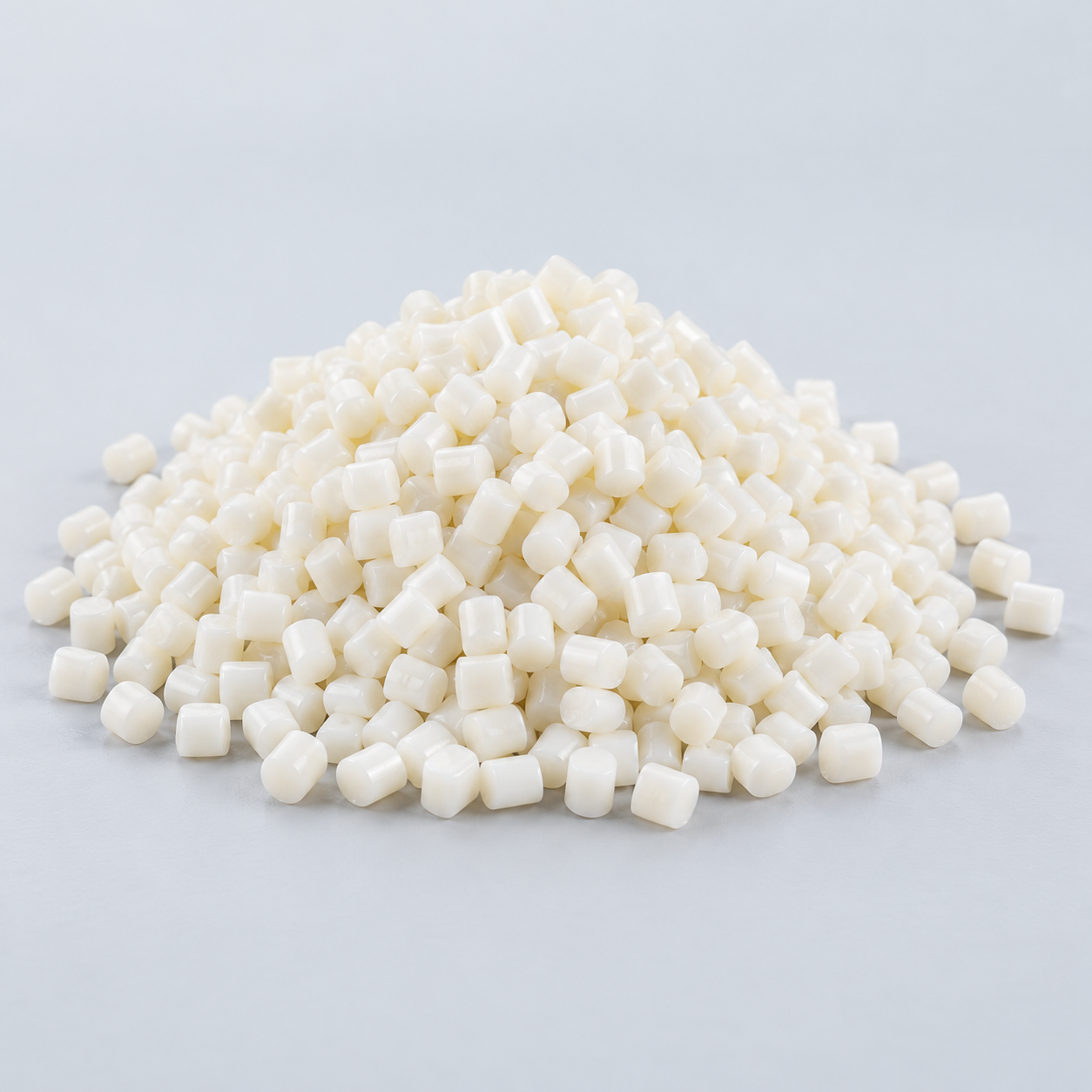 ABSReview enclosure and molding needs›
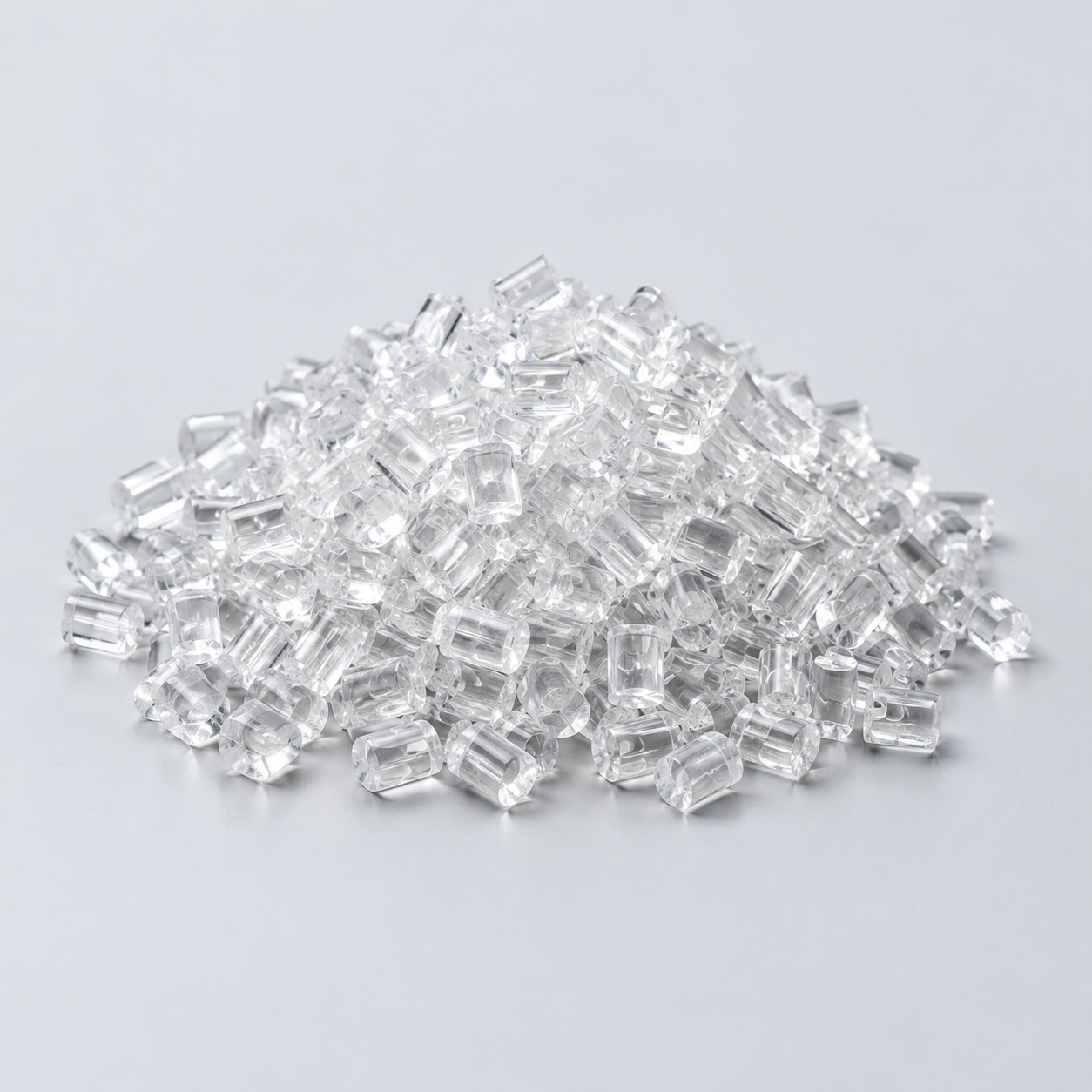 Polycarbonate (PC)Discuss clarity and impact needs›
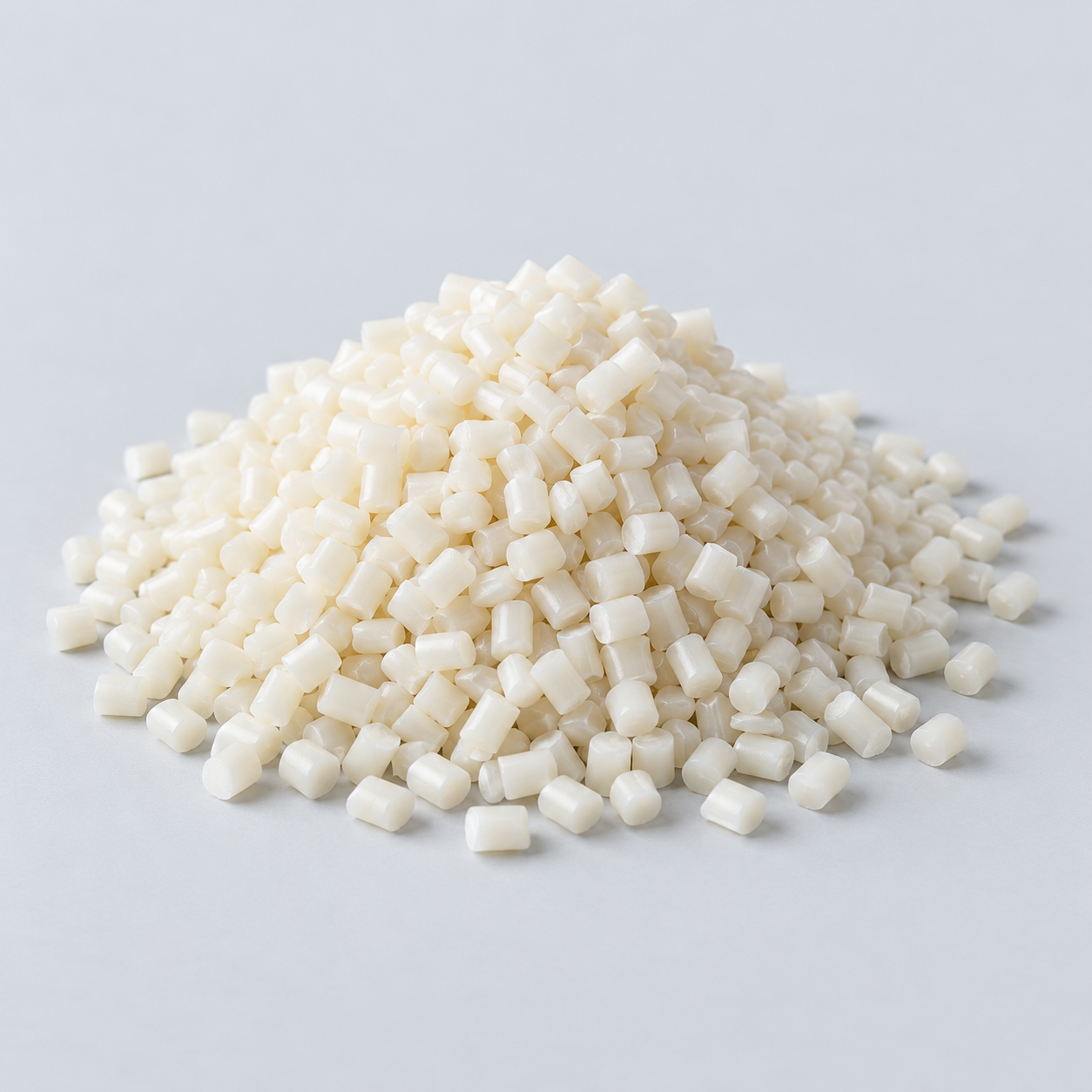 Nylon (PA)Review moisture and wear conditions›
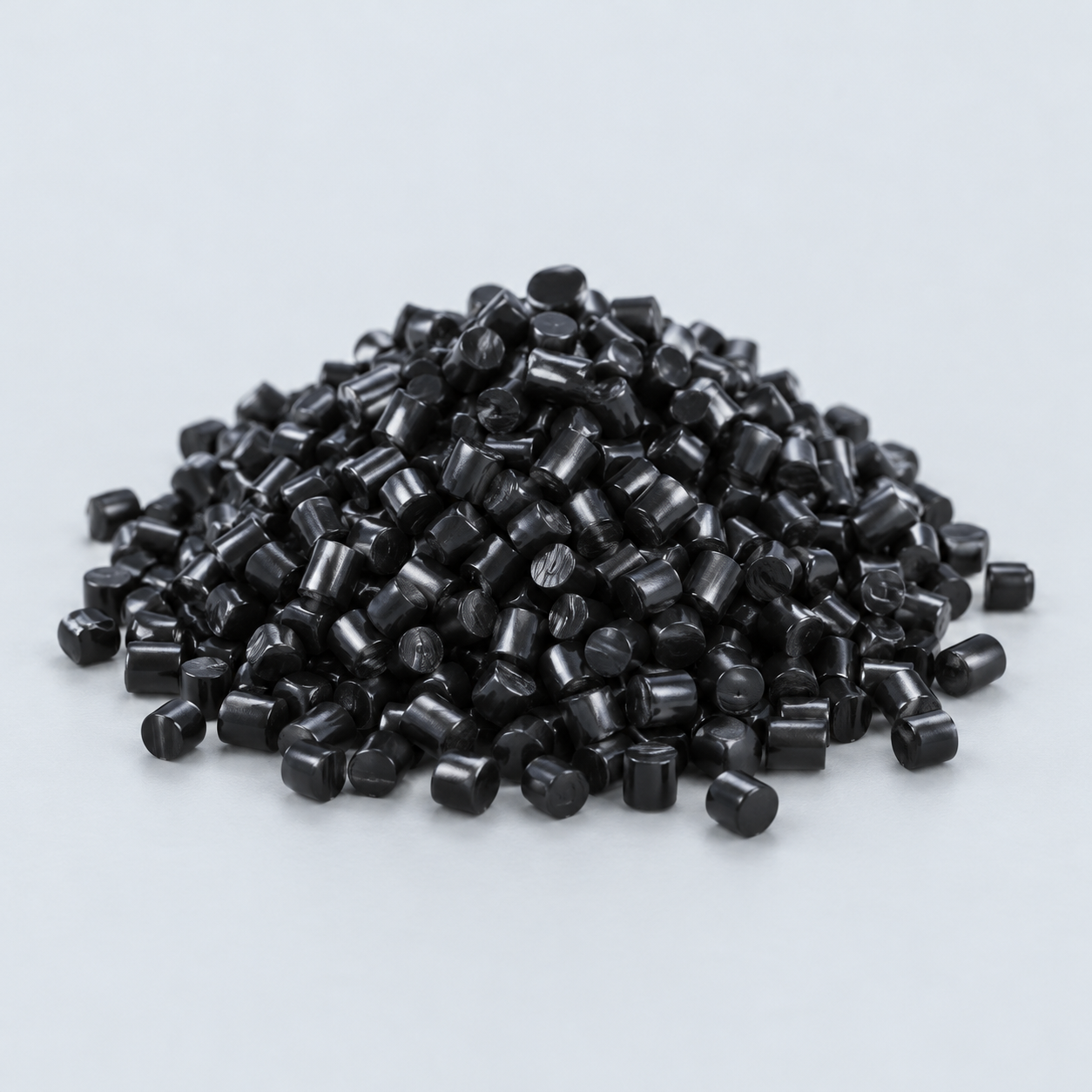 POM / AcetalReview fit and sliding features›
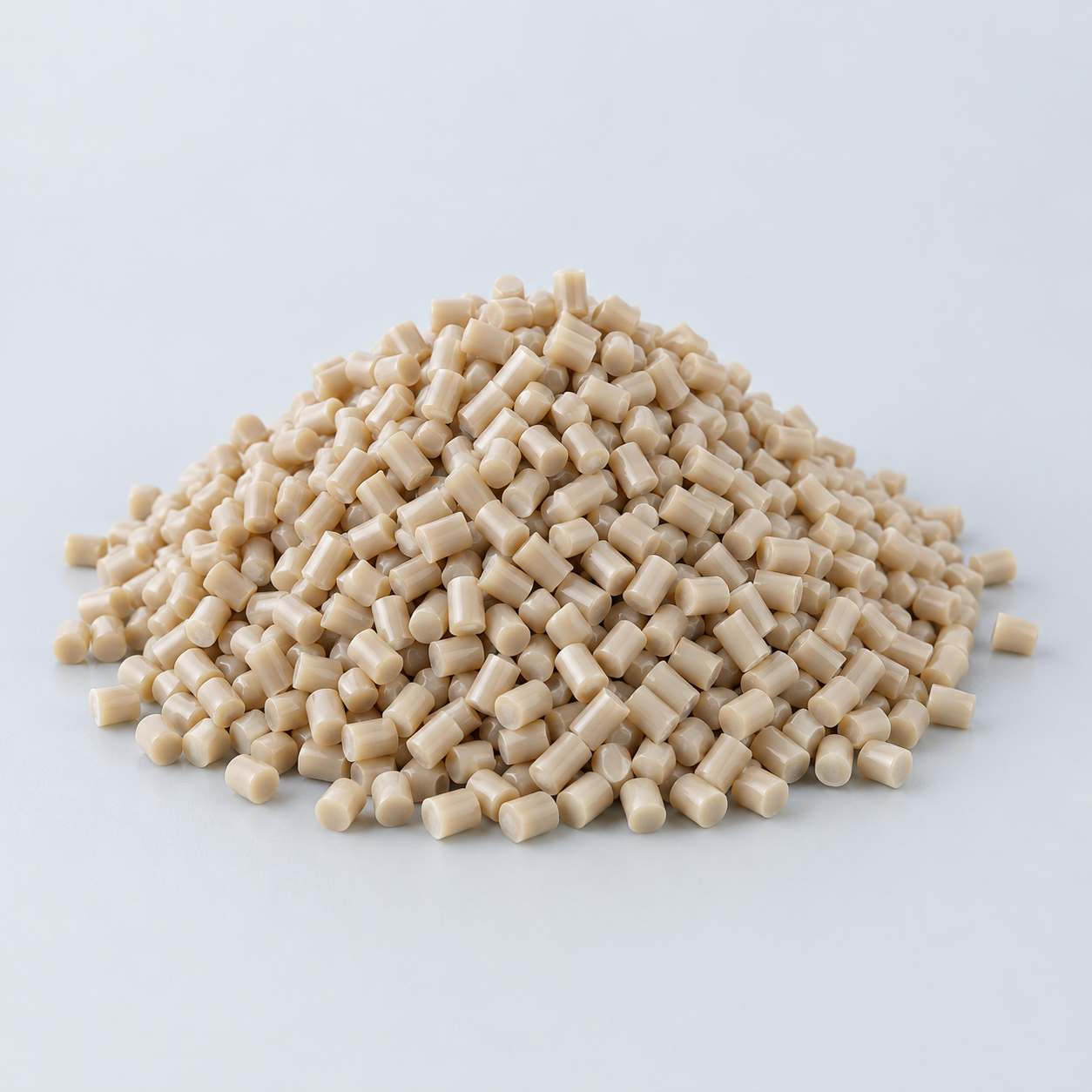 PEEKDiscuss operating conditions›
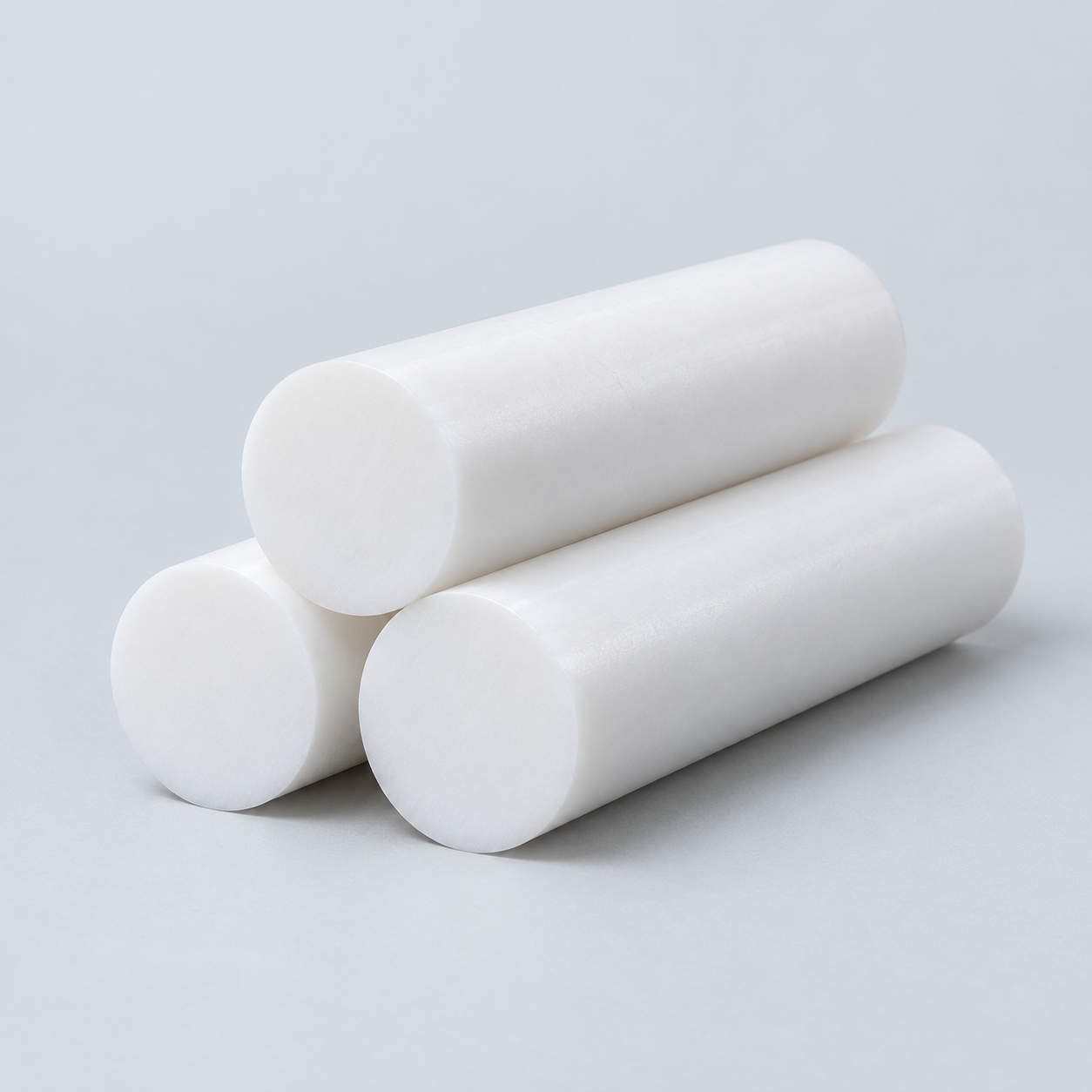 PTFEReview friction and chemical exposure›
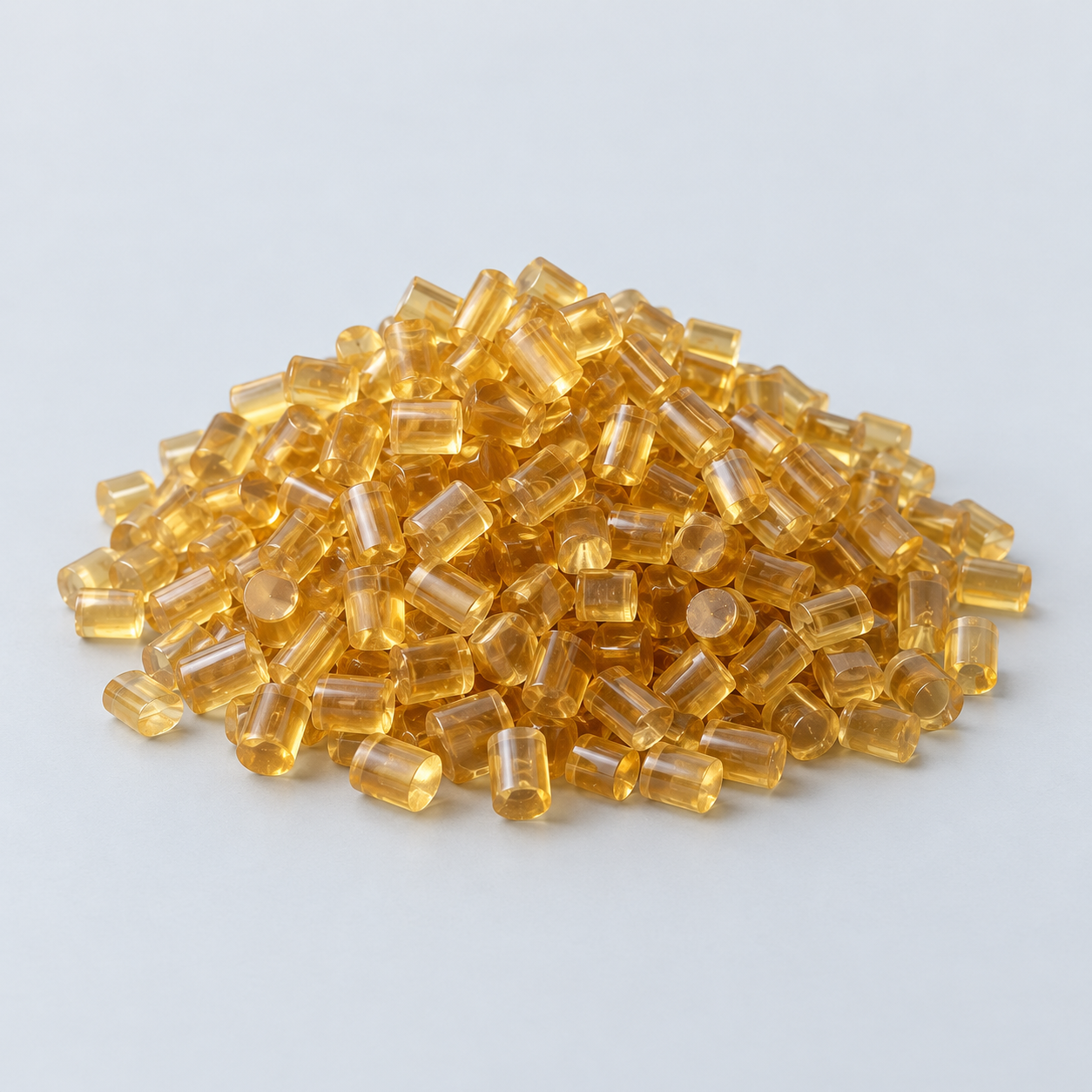 ULTEM / PEIDiscuss thermal and electrical needs›
Confirm grade availability and application requirements.
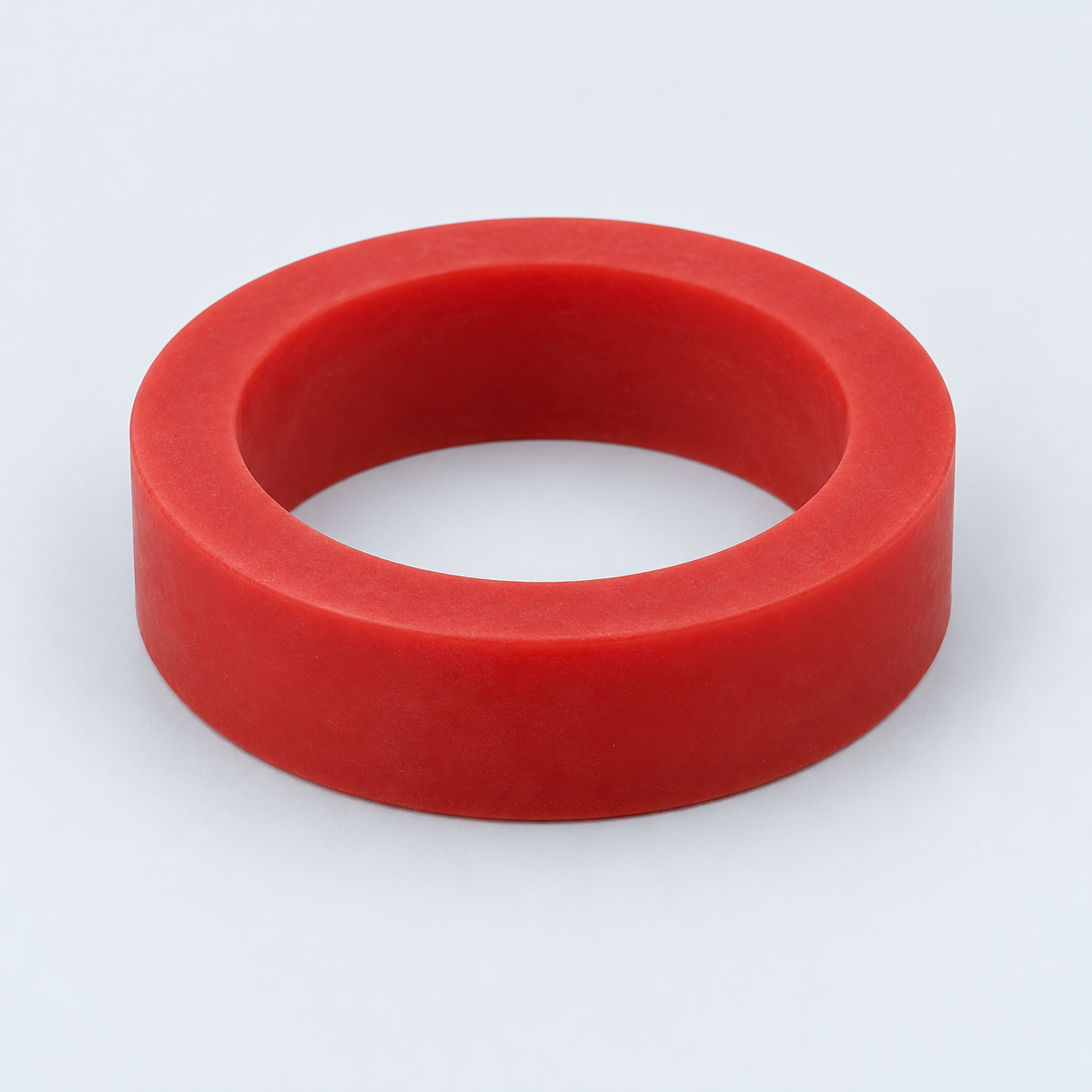 Silicone / LSRDiscuss flexible component needs›
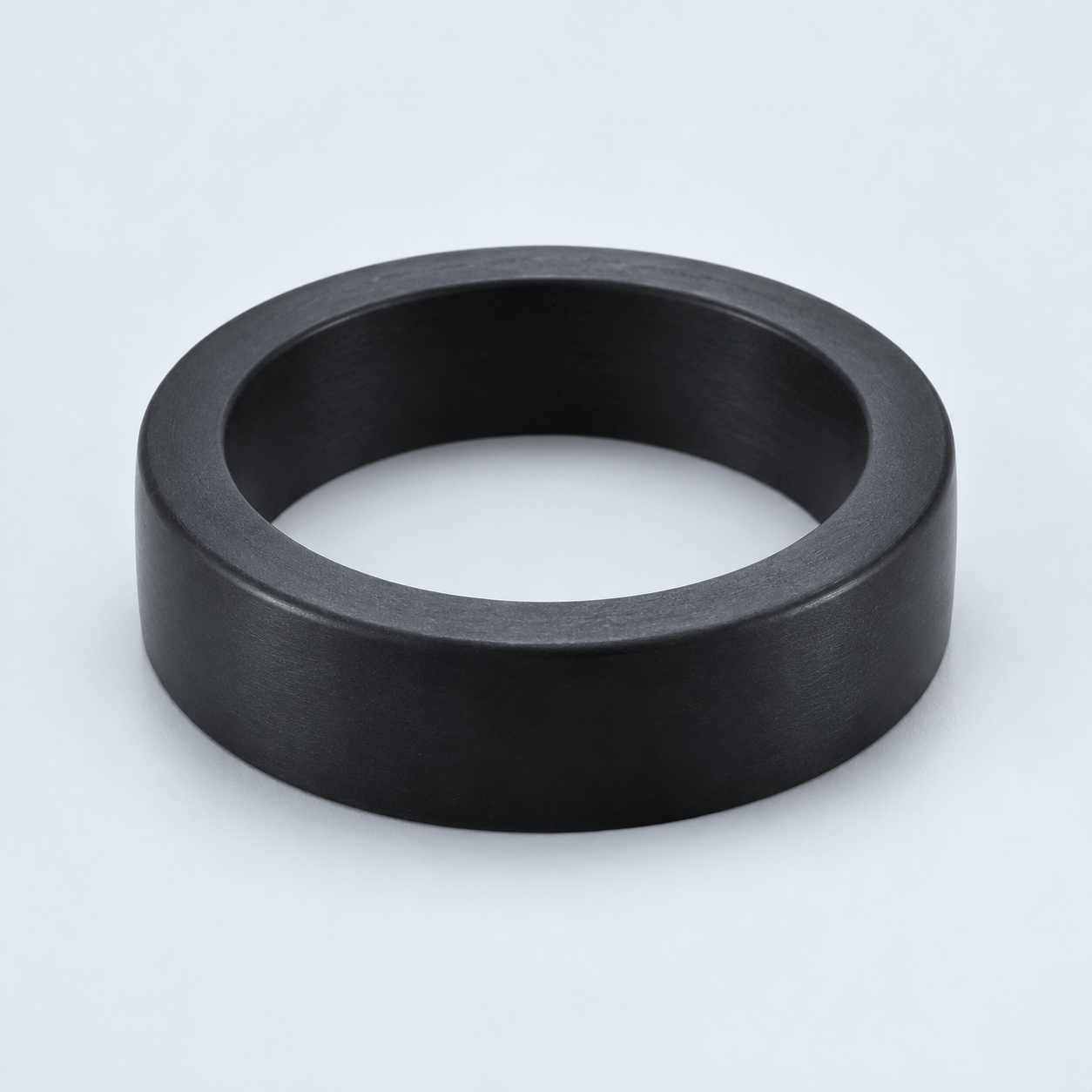 TPU / TPEReview flexibility and processing›
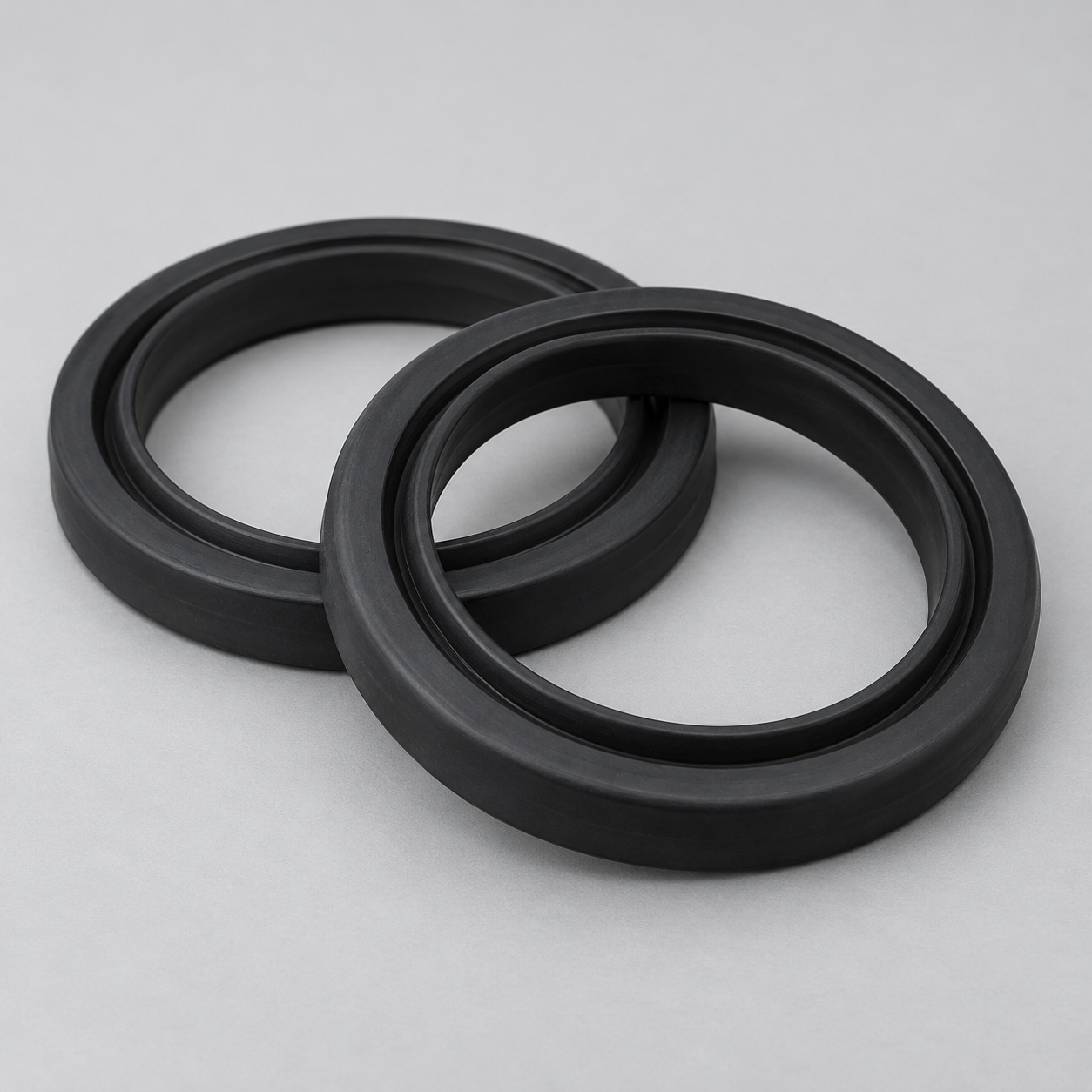 EPDMReview weathering and chemical exposure.›
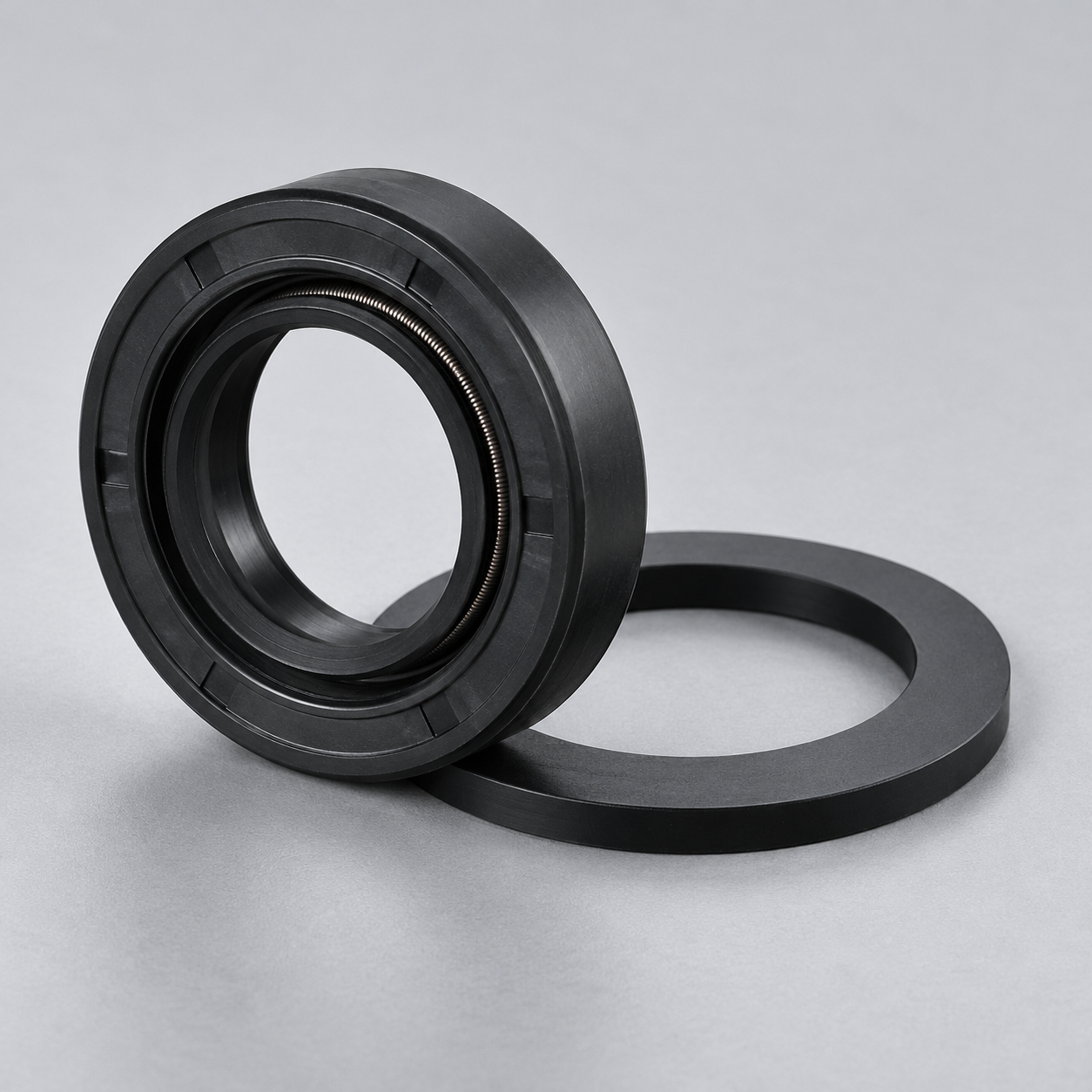 NBRReview oil and fuel exposure.›
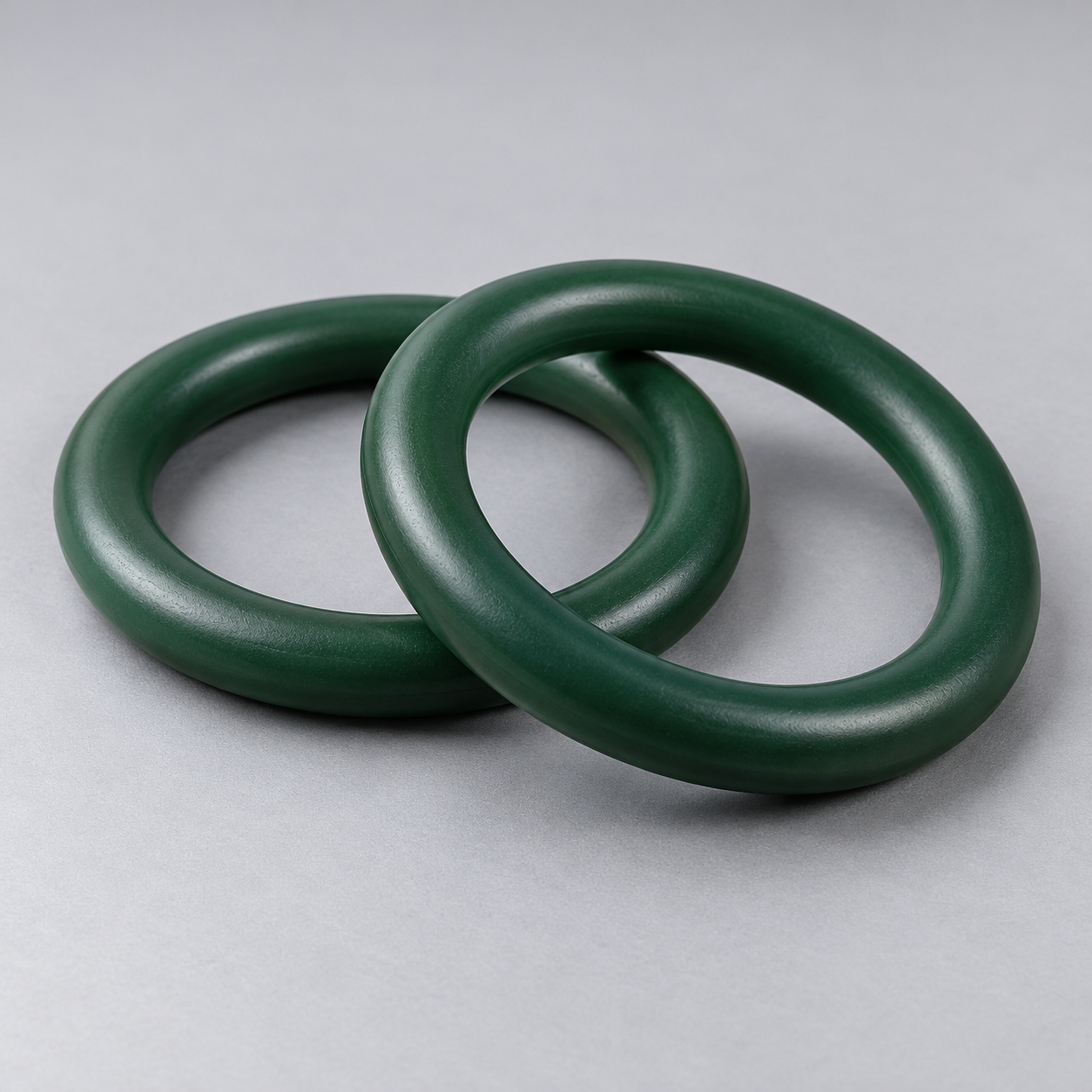 FKMReview temperature and chemical exposure.›
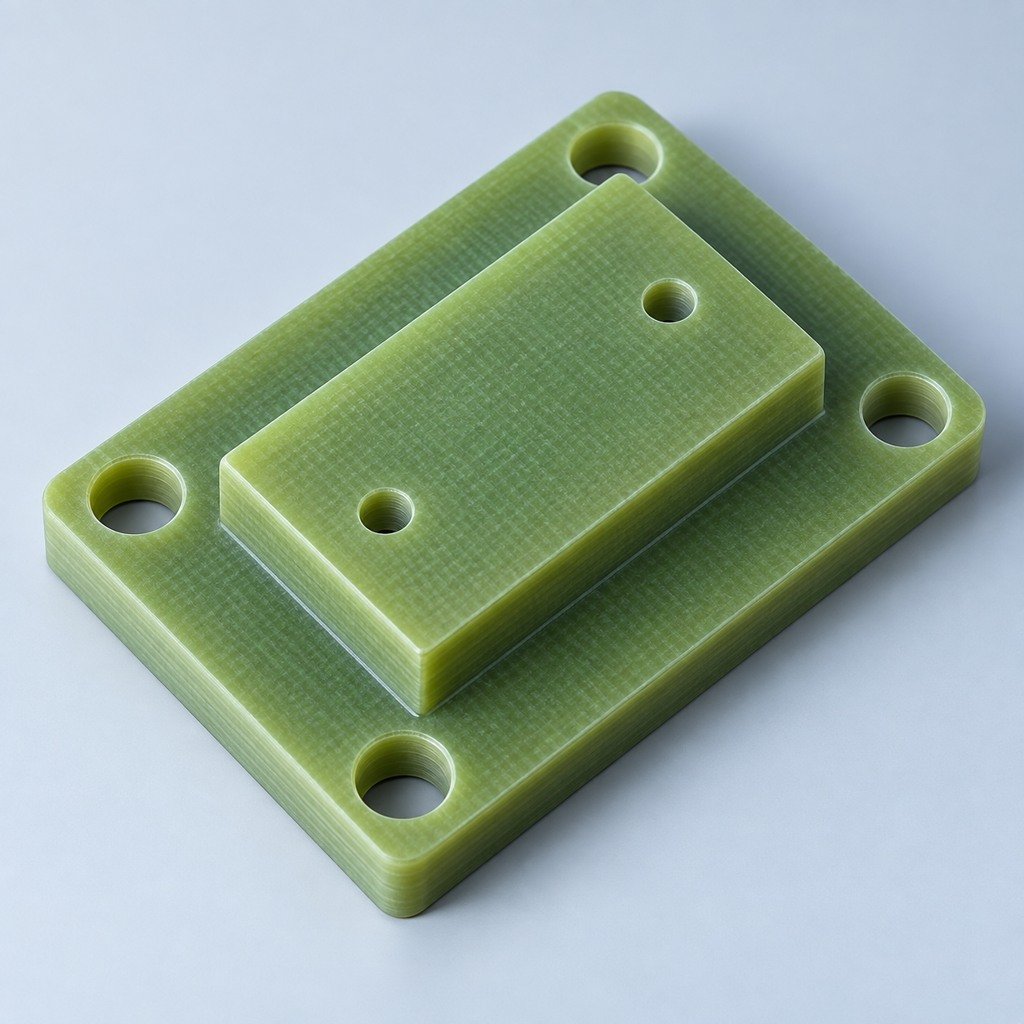 G10 / FR4Review insulation and laminate needs›
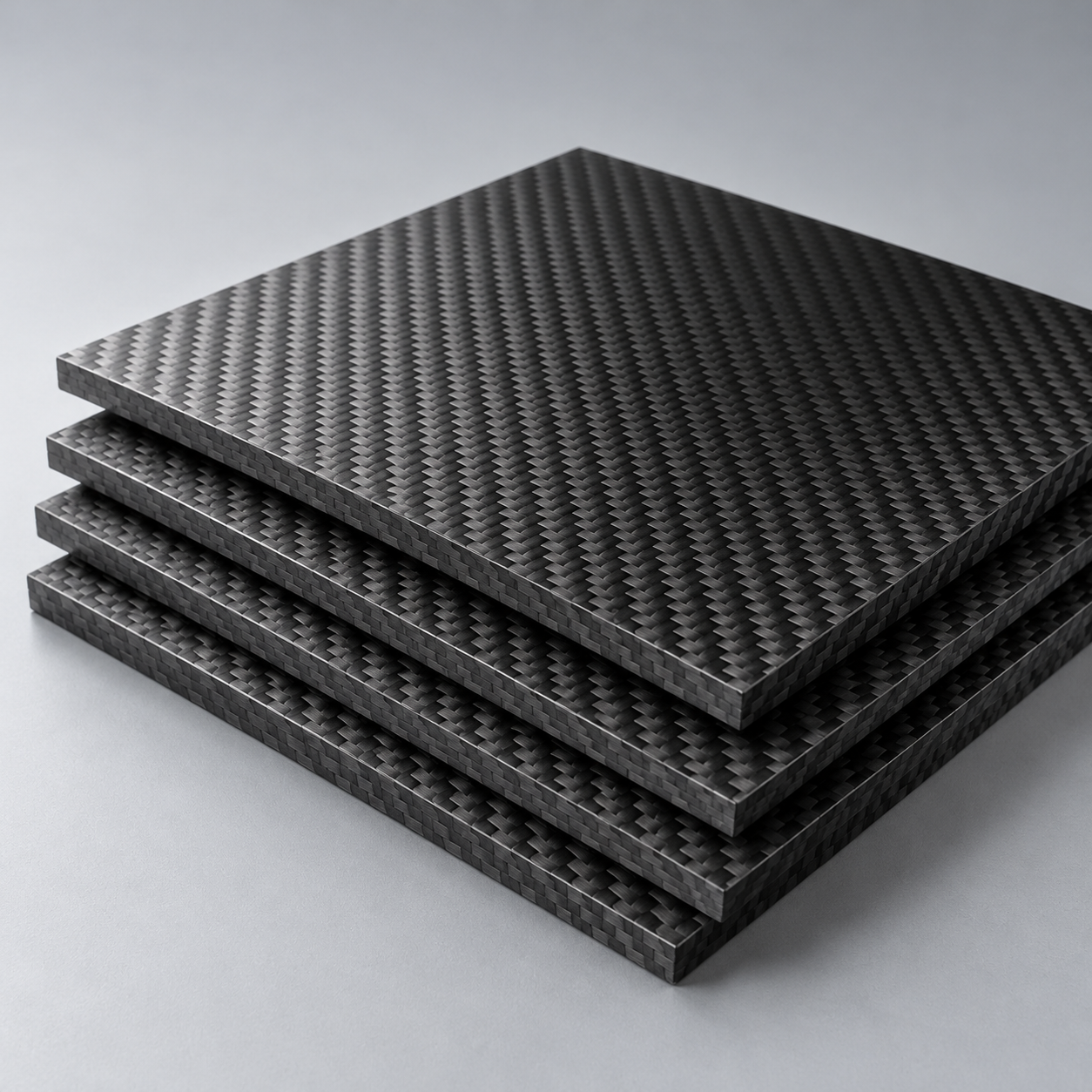 CompositesReview stiffness, weight and laminate.›Customer-Specified MaterialsConfirm your grade and requirements.›Other Specialty MaterialsDiscuss your application and grade.›
Practical guidance for your part geometry and material decisions.
Prepare your process, budget and sourcing questions.
Build your knowledge before production.
Learn who we are and how we operate.
Find our U.S. support team or start a conversation.
YOUR ALLOY. YOUR CONTACT SURFACES. YOUR FINISH REQUIREMENT.
Bring your alloy, finish callout and assembly interfaces into one review. Plan aluminum chem film around corrosion protection, paint preparation and any specified electrical contact requirements.
Start with 1 controlled drawing + alloy, finish requirement and quantity. Chemistry, processor and acceptance scope are confirmed for your project.
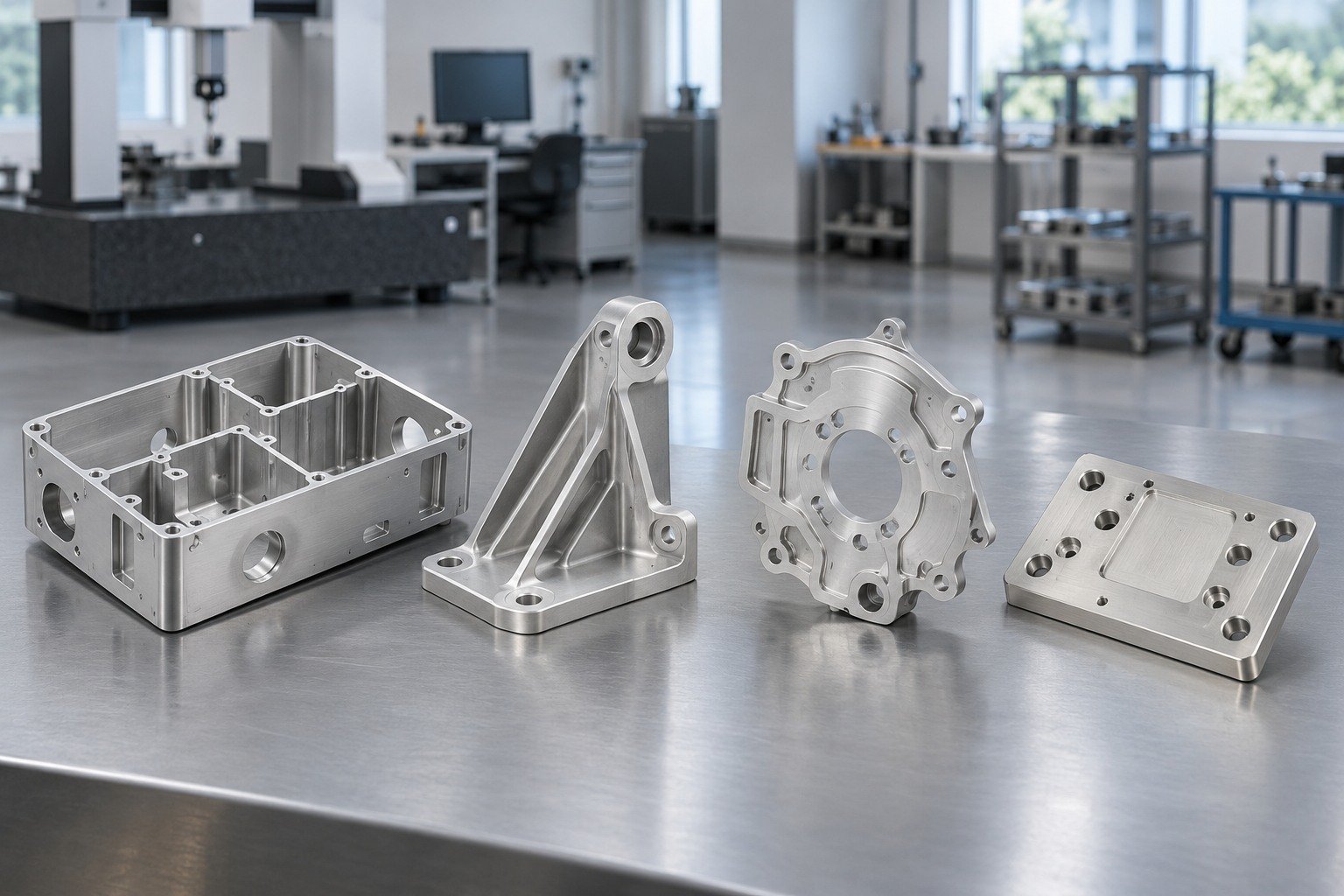
Identify the actual substrate
Define chemistry and purpose
Mark functional interfaces
Agree the supplied condition
Dallas-area project support
Connect the finish requirement to the way your part will be painted, handled and assembled.
Grade, temper and incoming surface.
Protection, paint base or electrical contact.
Specification, revision, type and class if required.
Protected fits and coating transitions.
Sample, tests, records and delivery condition.
This page focuses on aluminum chemical film. Select your component and review its functional surfaces before processing.
For chem film aluminum enclosures, identify cover joints, connector openings and grounding contacts separately from cosmetic faces.
| Your function | Cover joints, contact pads and connector interfaces. |
|---|---|
| Your condition | Film-only or the specified painted assembly state. |
| Your order | Trial, first order, repeat quantity and packing. |
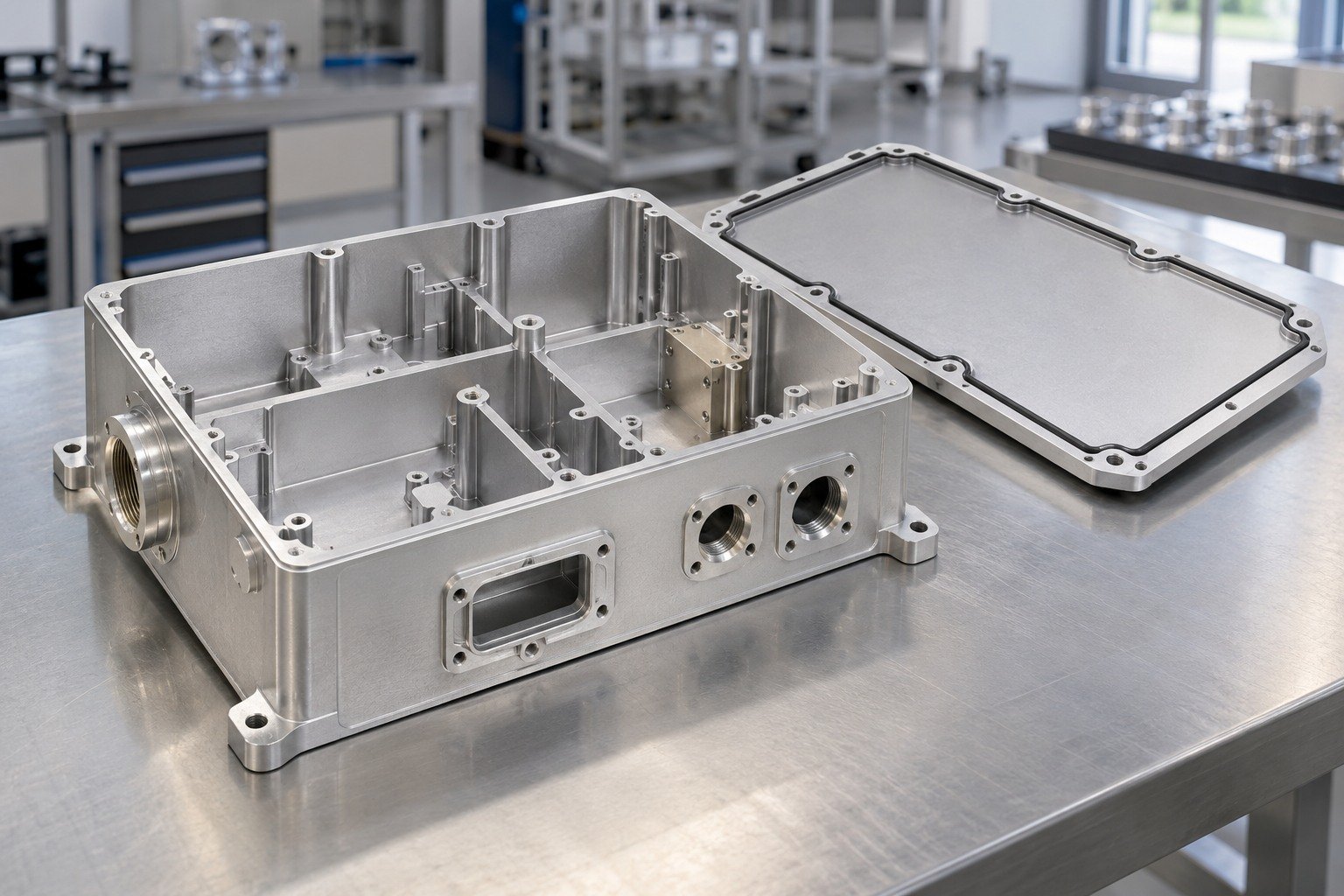
Conversion coating electronics housings requires a clear distinction between corrosion protection, a paint base and any electrical contact requirement. Specify each function on the drawing.
| Your substrate | Actual aluminum alloy, temper and incoming condition. |
|---|---|
| Your system | Chemistry, revision and any required type or class. |
| Your evidence | Approved sample, supplied state and specified results. |
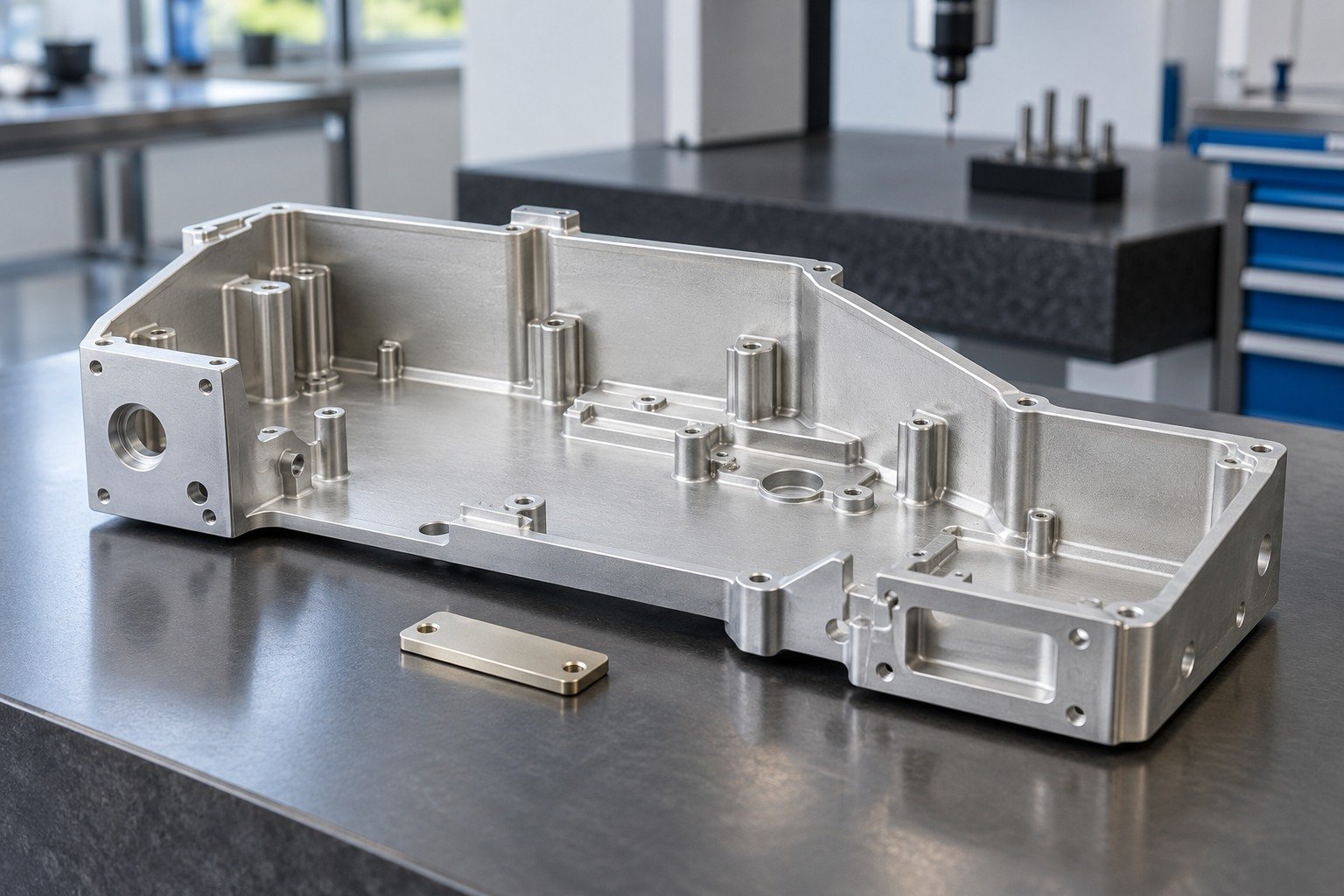
Mark surfaces excluded from treatment and areas that must remain free of later paint. A chem-film region beneath paint is not automatically an exposed electrical contact.
| Your drawing | Cover joints, contact pads and connector interfaces. |
|---|---|
| Your boundaries | Marked exclusions, contact pads, transitions and sequence. |
| Your agreement | Protected features, transition limits and inspection access. |
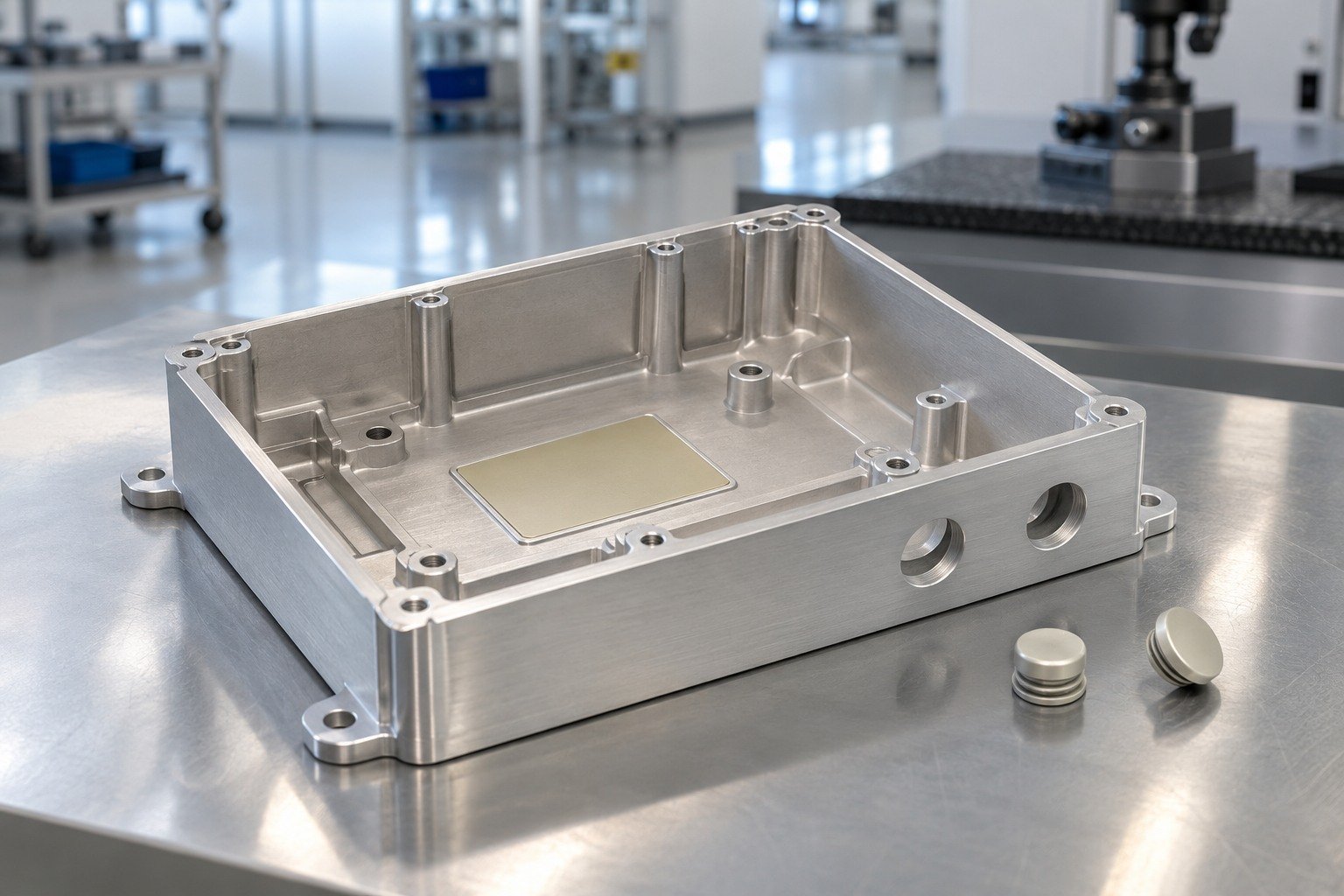
Agree contact locations, assembly conditions and any required resistance test. Color and a dimensional report do not establish contact performance.
| Your final fit | Cover joints, contact pads and connector interfaces. |
|---|---|
| Your condition | Film-only or the specified painted assembly state. |
| Your records | Part revision, finish requirement and release evidence. |
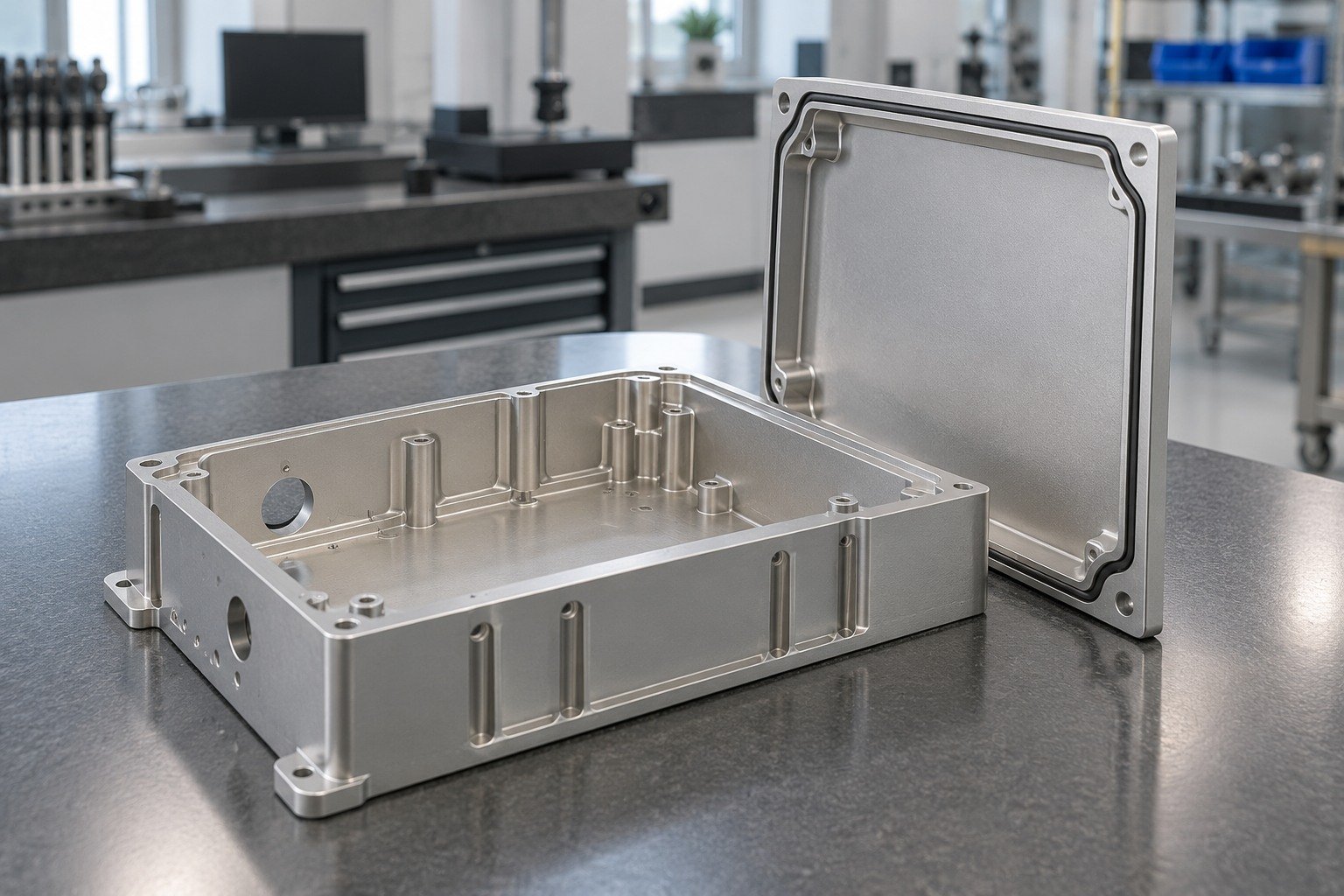
For conversion coating aluminum machined parts, review the actual alloy, surface finish and final-fit drawing together.
| Your function | Precision bores, sealing faces and mounting datums. |
|---|---|
| Your condition | Final measured condition after all specified finishes. |
| Your order | Trial, first order, repeat quantity and packing. |
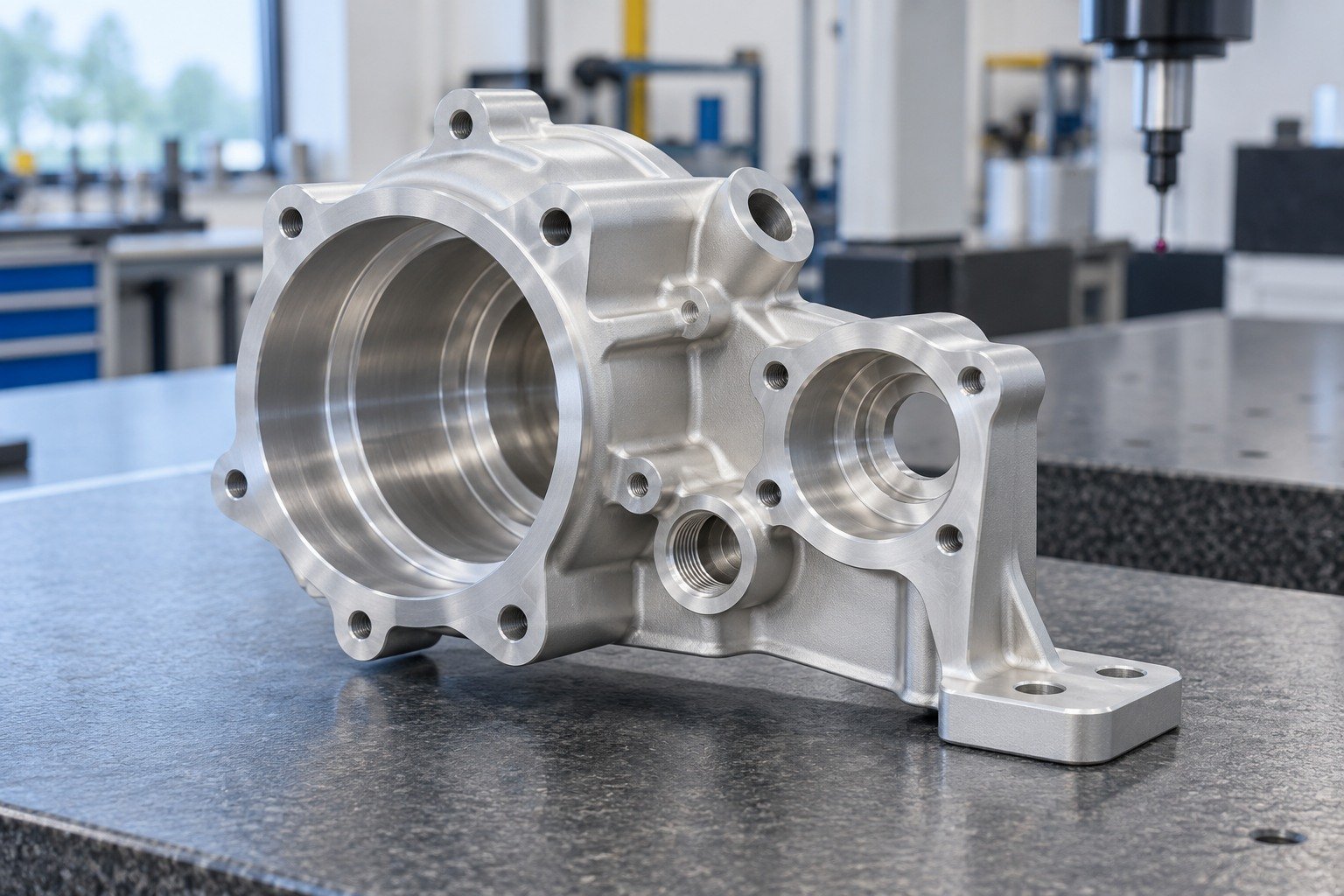
Define the conversion-film system and any subsequent paint or bonding operation. Review alloy and surface preparation rather than ordering by color alone.
| Your substrate | Actual aluminum alloy, temper and incoming condition. |
|---|---|
| Your system | Chemistry, revision and any required type or class. |
| Your evidence | Approved sample, supplied state and specified results. |
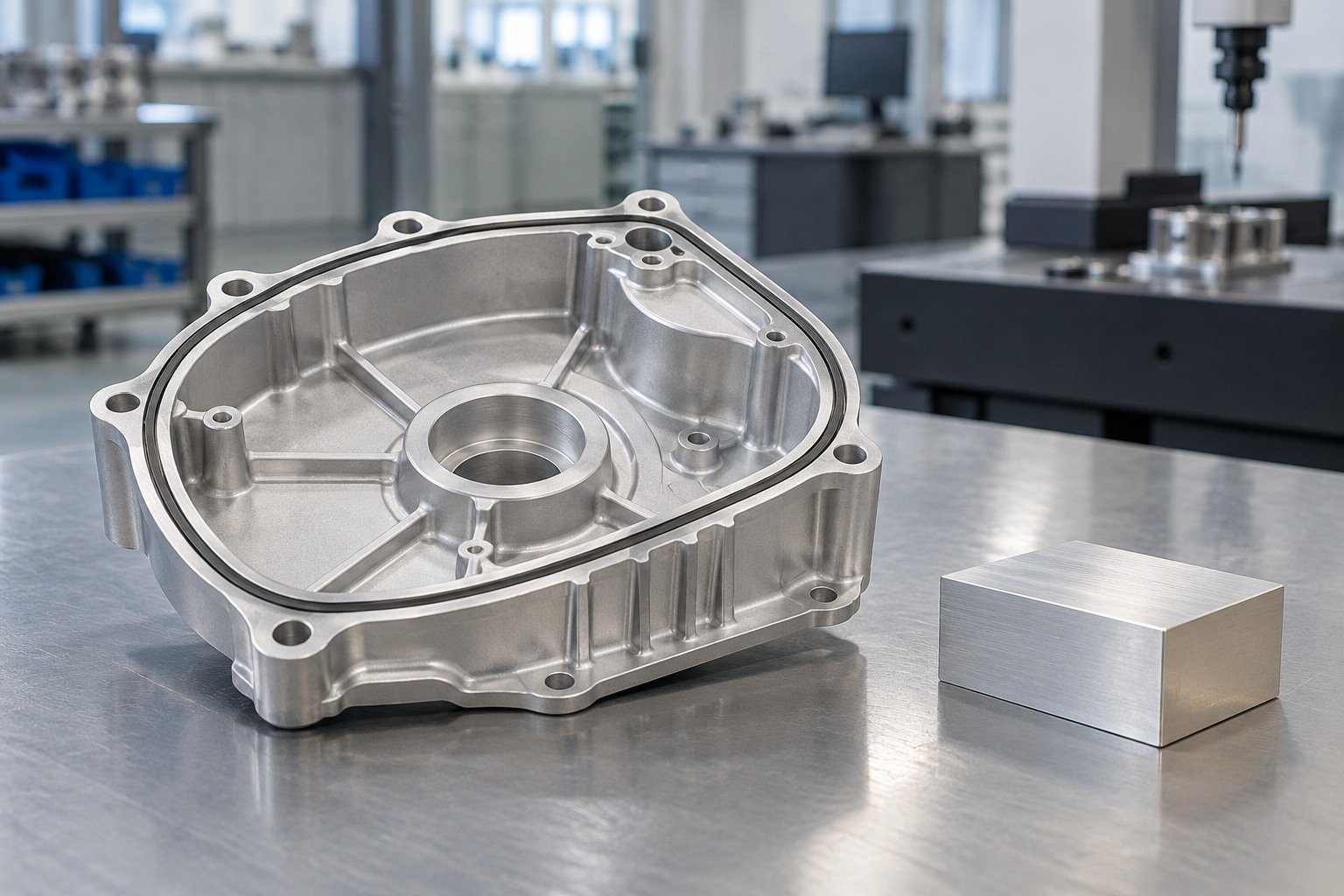
Identify excluded threads, bearing seats and sealing regions. Review masking compatibility, treatment access and permitted transition marks.
| Your drawing | Precision bores, sealing faces and mounting datums. |
|---|---|
| Your boundaries | Marked exclusions, contact pads, transitions and sequence. |
| Your agreement | Protected features, transition limits and inspection access. |
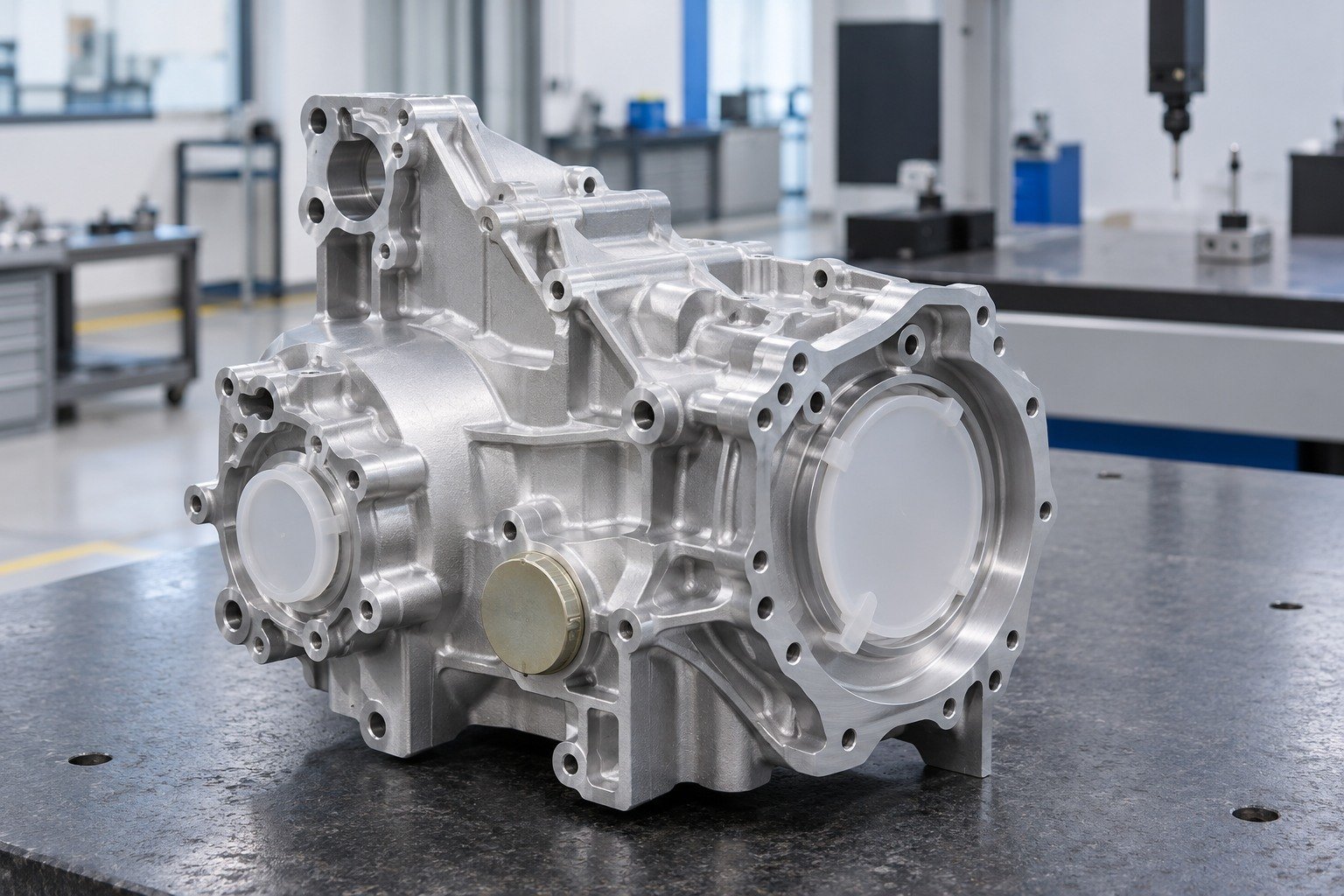
Verify critical dimensions and required surface condition in the supplied state. Avoid a blanket zero-dimensional-change promise for every feature and preparation route.
| Your final fit | Precision bores, sealing faces and mounting datums. |
|---|---|
| Your condition | Final measured condition after all specified finishes. |
| Your records | Part revision, finish requirement and release evidence. |
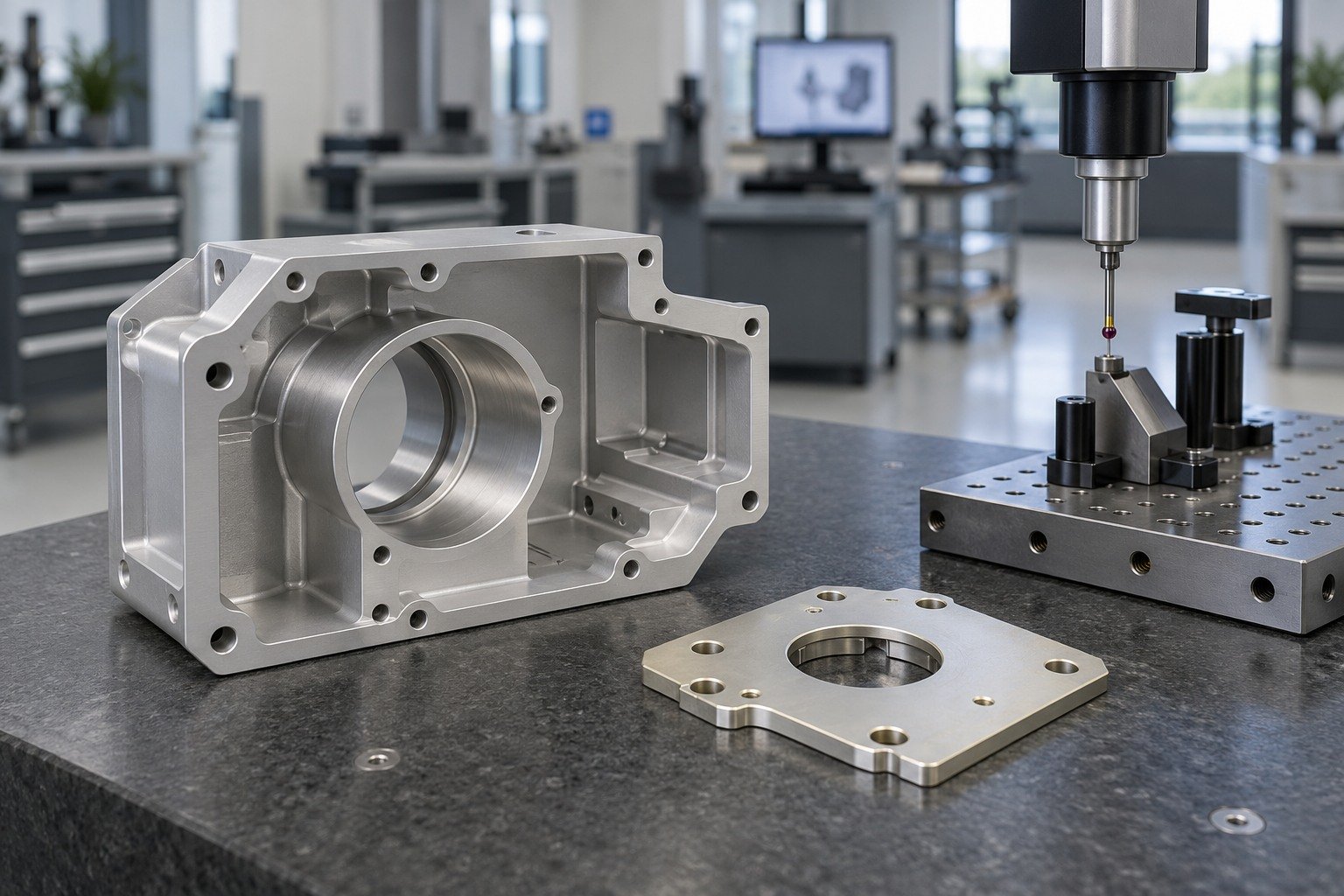
For conversion coating aluminum sheet metal, include formed edges, seams, inserts and visible faces in the finish review.
| Your function | Panel edges, fastener locations and hardware contacts. |
|---|---|
| Your condition | Treated panel or the agreed complete coated assembly. |
| Your order | Trial, first order, repeat quantity and packing. |
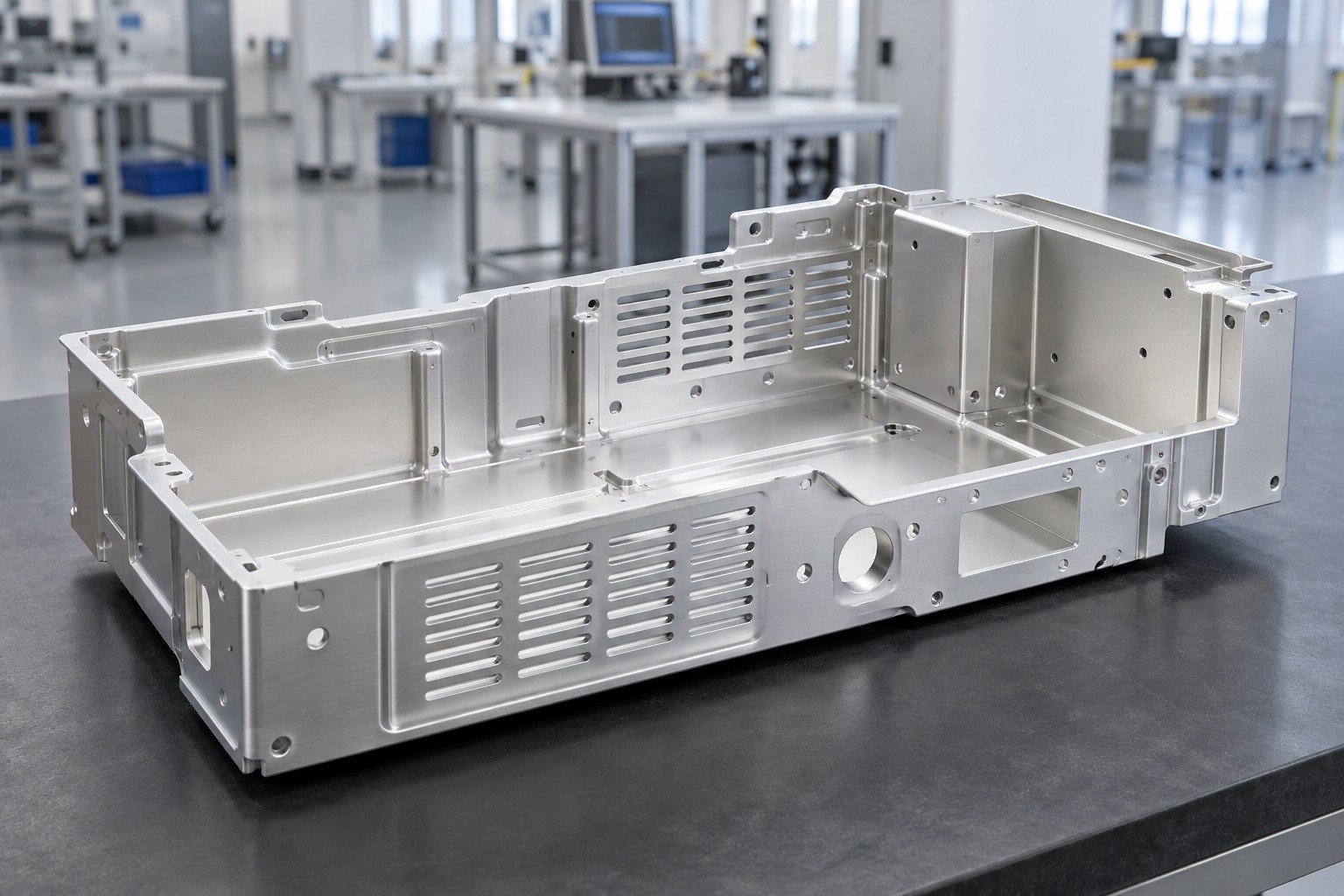
Choose the film requirement around the aluminum grade and downstream paint, powder coat or adhesive system. State whether hardware is installed before or after treatment.
| Your substrate | Actual aluminum alloy, temper and incoming condition. |
|---|---|
| Your system | Chemistry, revision and any required type or class. |
| Your evidence | Approved sample, supplied state and specified results. |
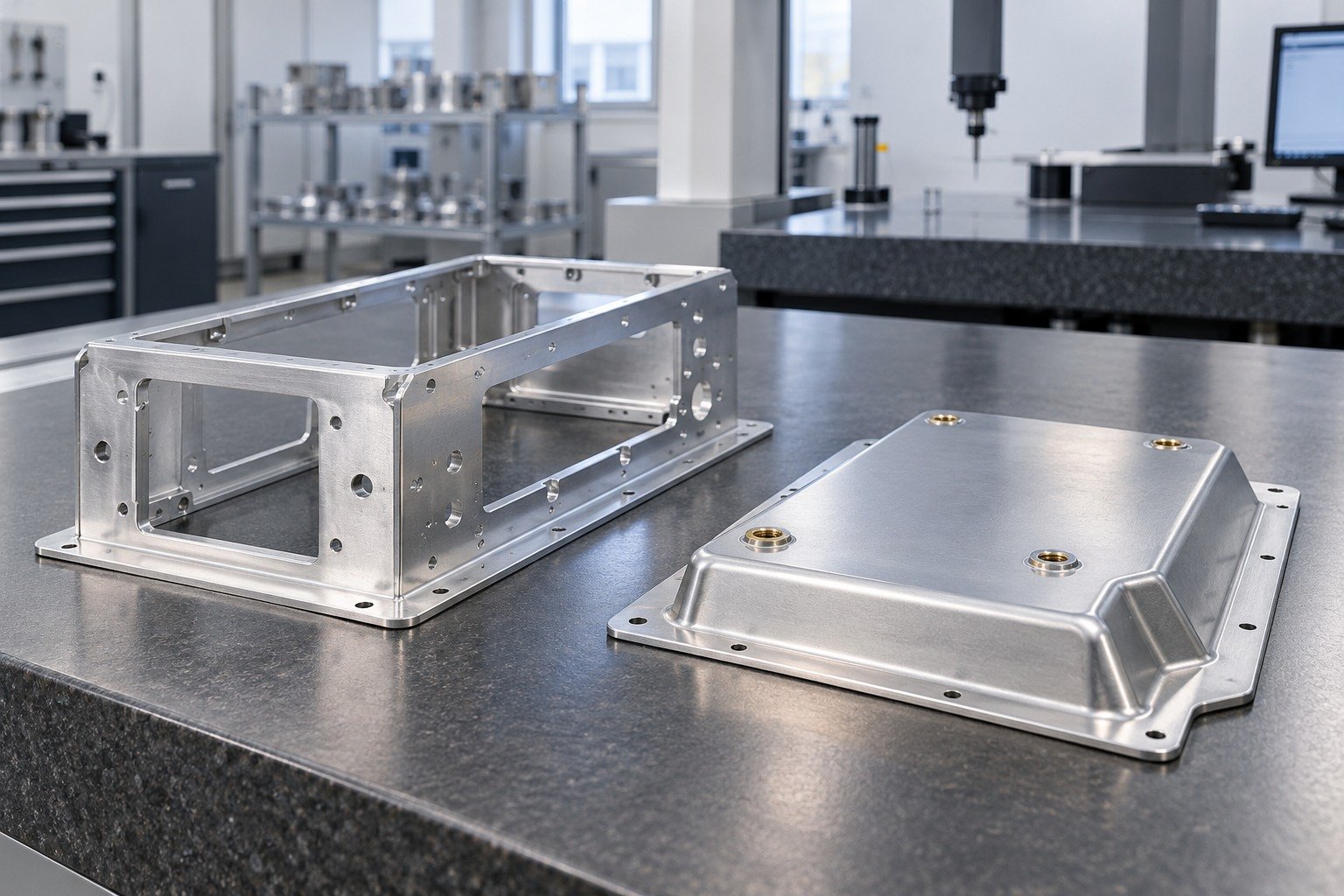
Mark dissimilar-metal hardware, threaded inserts and excluded mating areas. Agree assembly sequence, drainage and handling before release.
| Your drawing | Panel edges, fastener locations and hardware contacts. |
|---|---|
| Your boundaries | Marked exclusions, contact pads, transitions and sequence. |
| Your agreement | Protected features, transition limits and inspection access. |
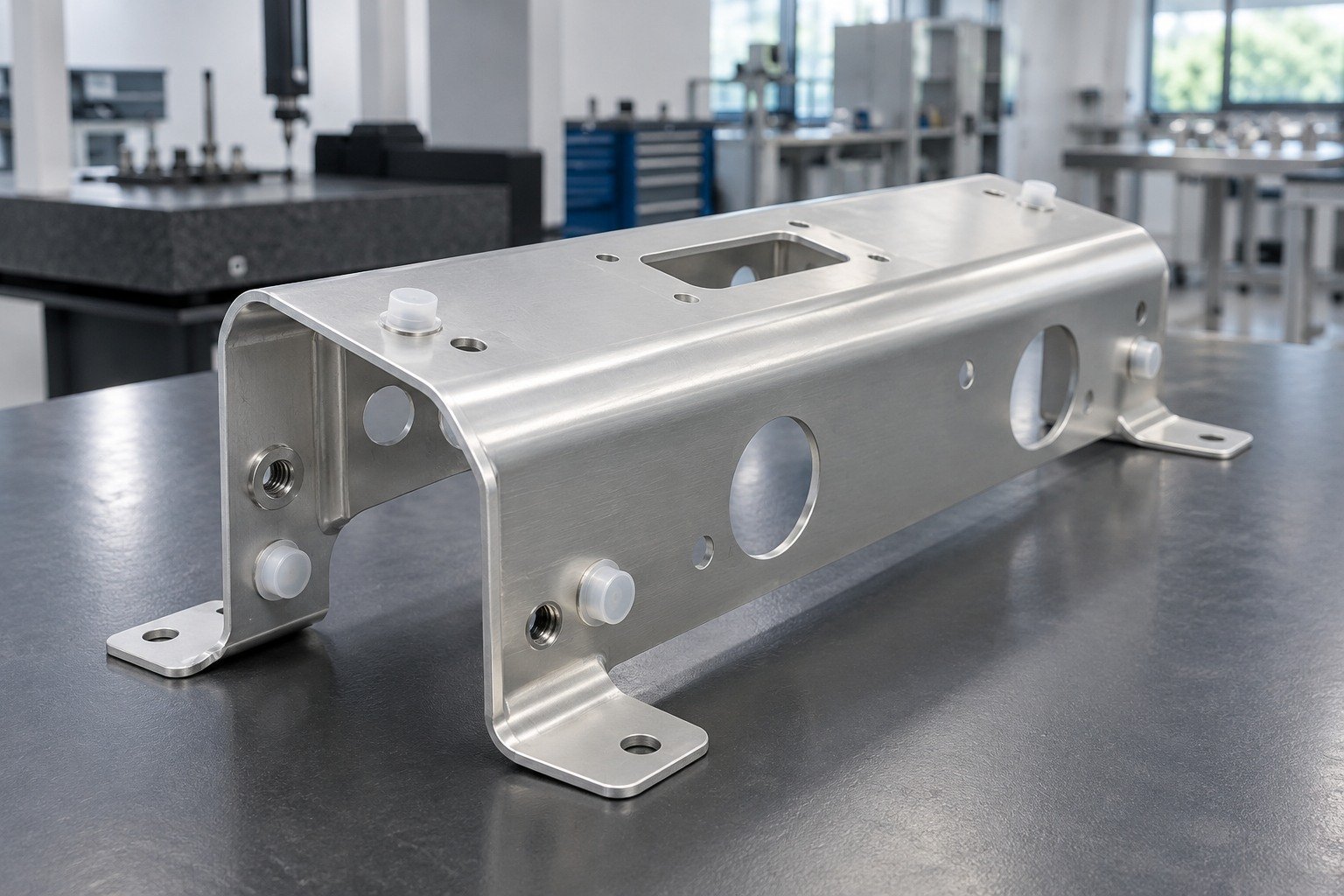
Approve visible-surface condition and any required coating adhesion or corrosion evidence using the agreed test plan and representative sample.
| Your final fit | Panel edges, fastener locations and hardware contacts. |
|---|---|
| Your condition | Treated panel or the agreed complete coated assembly. |
| Your records | Part revision, finish requirement and release evidence. |

Custom conversion coating for brackets and frames starts with the mounting points, service environment and finish boundaries.
| Your function | Mounting pads, bolted joints and locating features. |
|---|---|
| Your condition | Specified conversion film and downstream finish scope. |
| Your order | Trial, first order, repeat quantity and packing. |
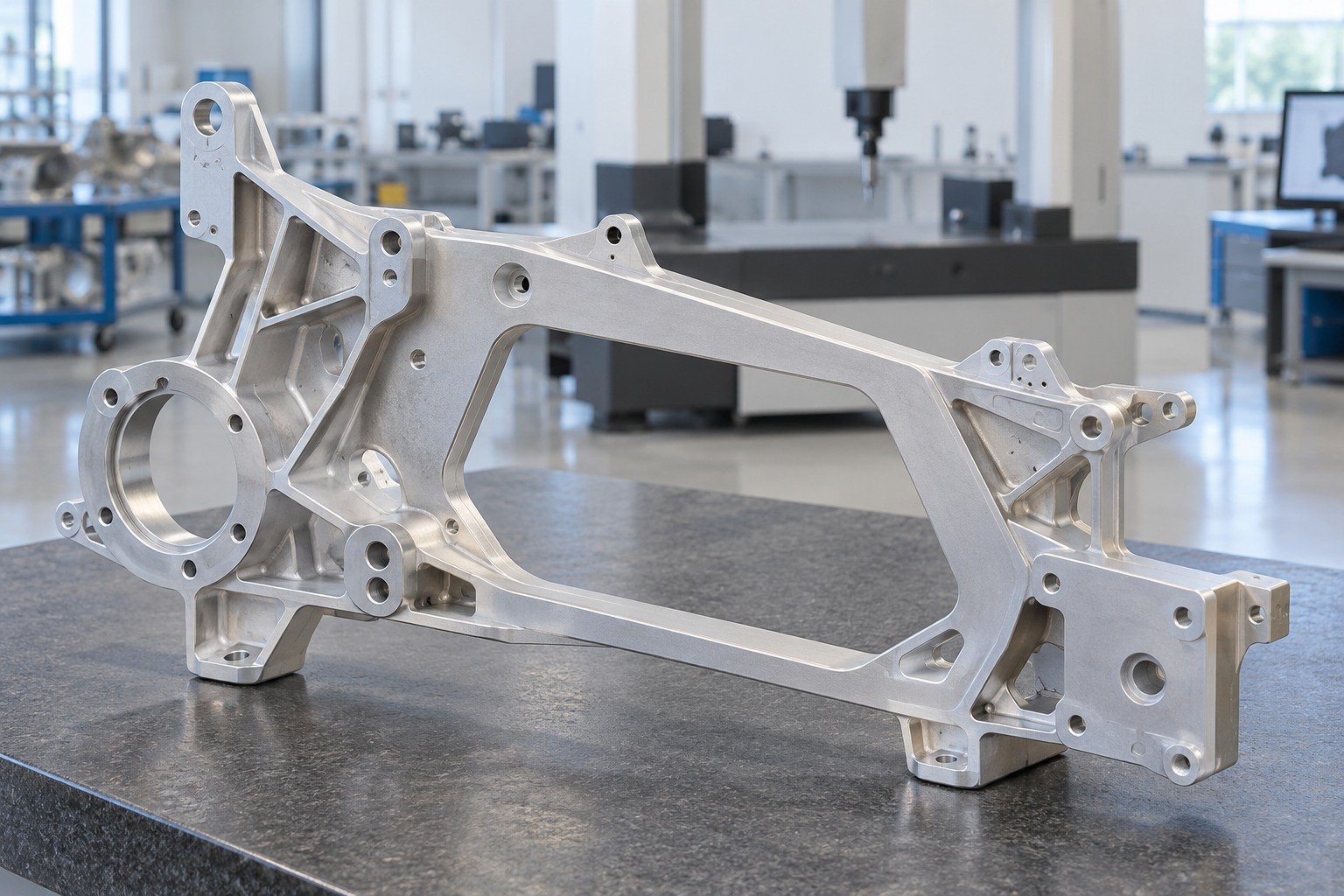
Review film chemistry and functional callout against the actual alloy and assembly environment. Strength and service life are not established by the film's appearance.
| Your substrate | Actual aluminum alloy, temper and incoming condition. |
|---|---|
| Your system | Chemistry, revision and any required type or class. |
| Your evidence | Approved sample, supplied state and specified results. |
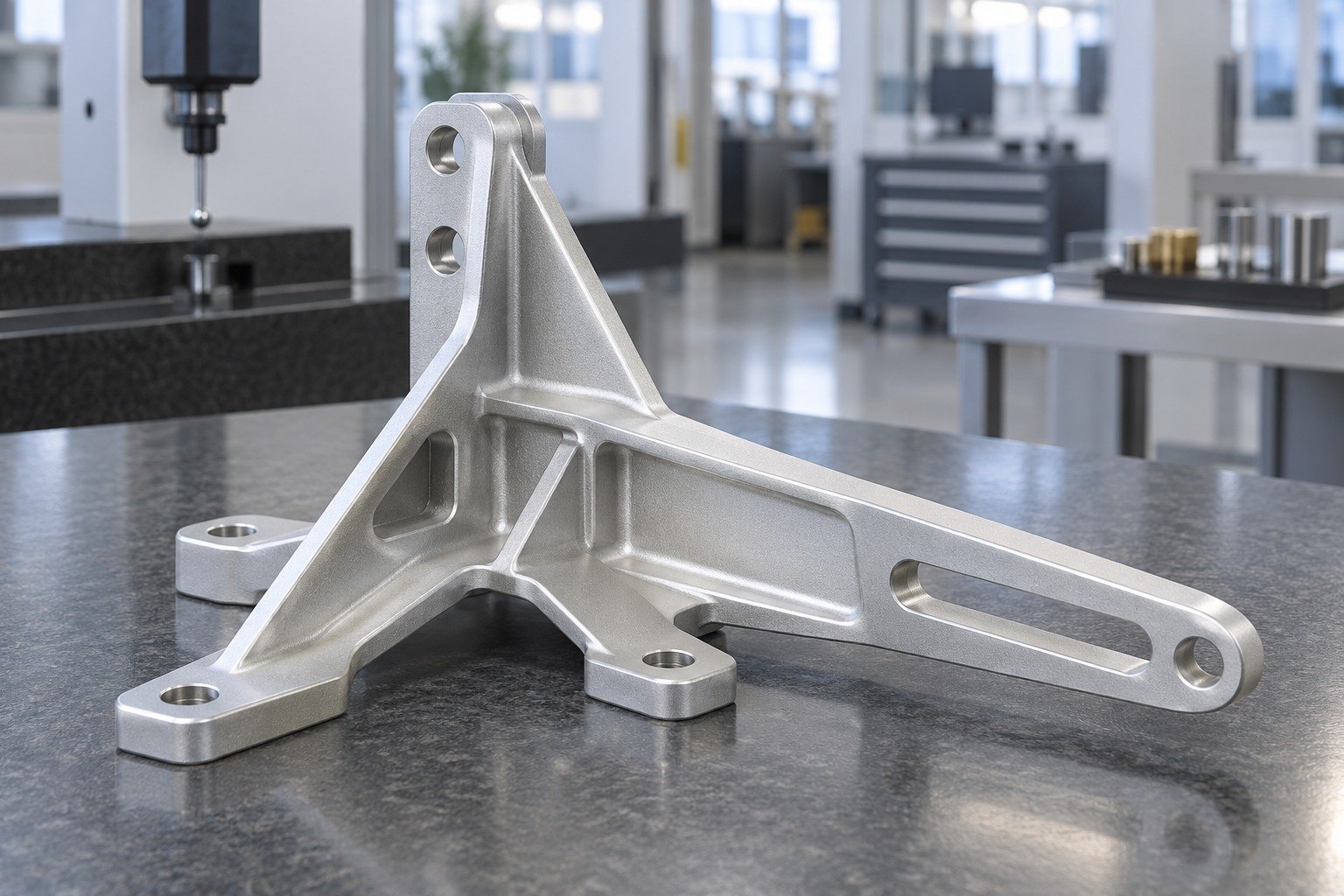
Show contact pads, fit regions and coating transitions. Distinguish treatment masks from later paint masks on the drawing.
| Your drawing | Mounting pads, bolted joints and locating features. |
|---|---|
| Your boundaries | Marked exclusions, contact pads, transitions and sequence. |
| Your agreement | Protected features, transition limits and inspection access. |
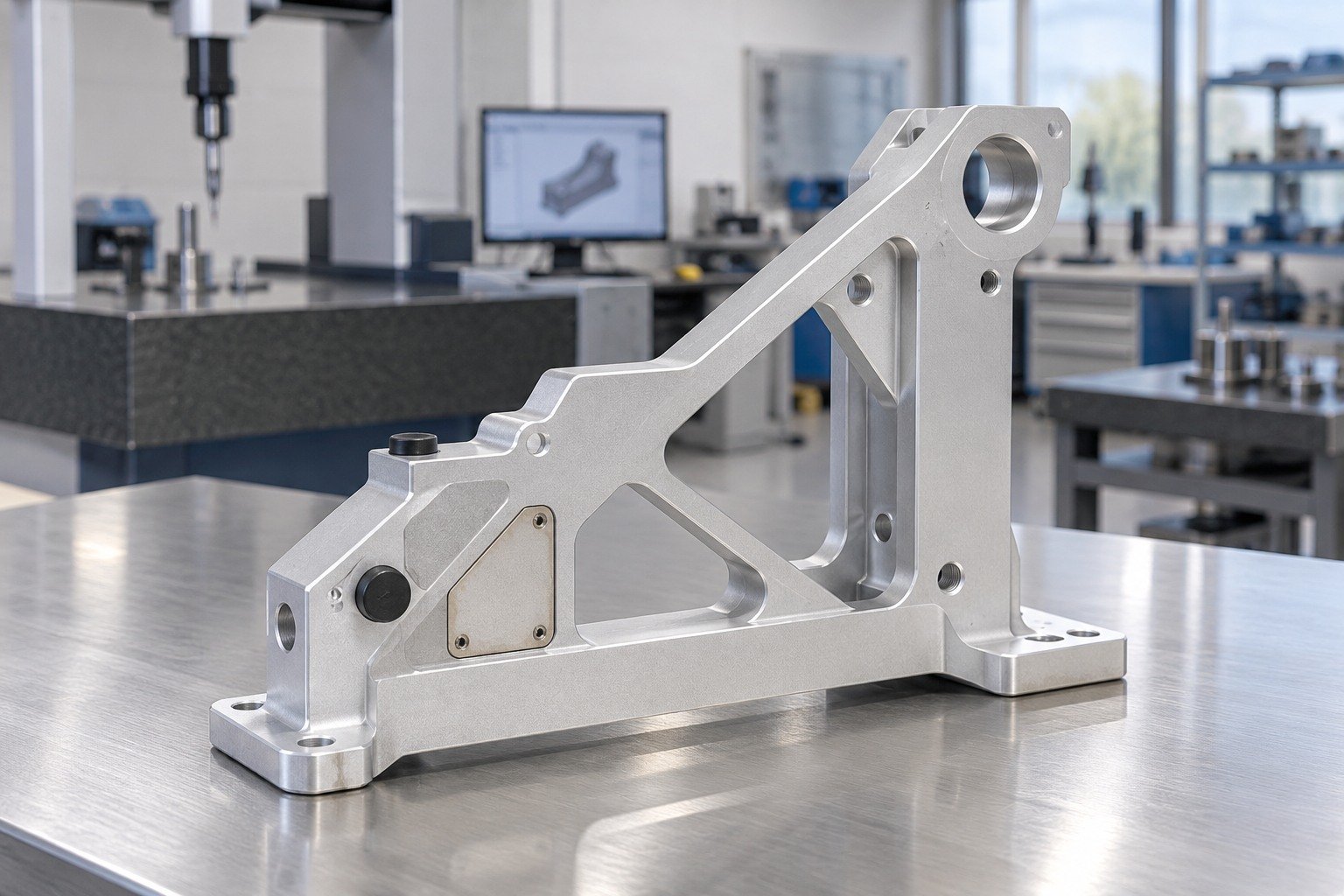
Check fit and surface condition separately from required corrosion or contact tests. State sampling and acceptable handling marks before production.
| Your final fit | Mounting pads, bolted joints and locating features. |
|---|---|
| Your condition | Specified conversion film and downstream finish scope. |
| Your records | Part revision, finish requirement and release evidence. |
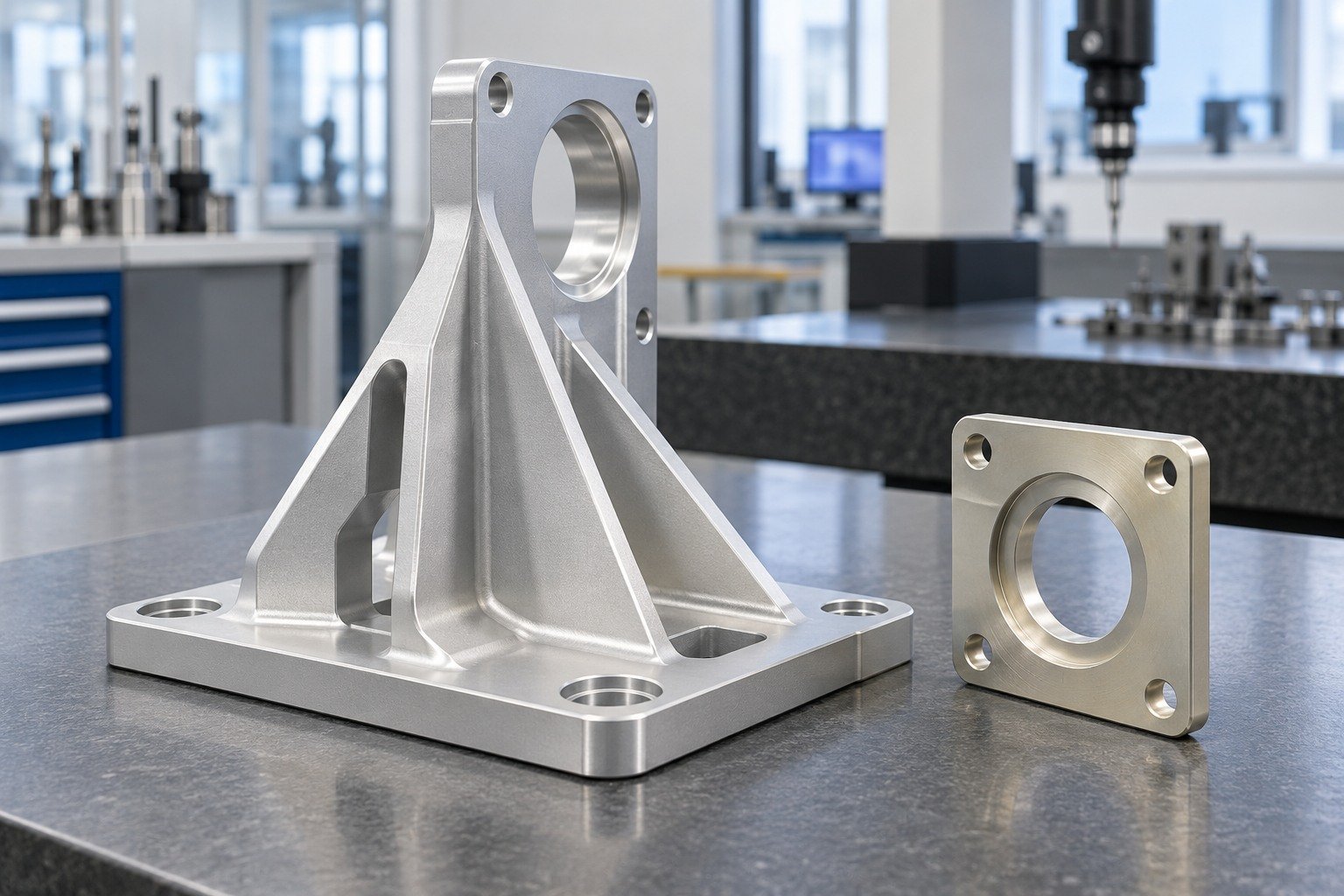
Aluminum heat-spreader and equipment interfaces need a review of mating faces, flatness and the complete finish stack.
| Your function | Mating pads, fastener lands and thermal interfaces. |
|---|---|
| Your condition | Film, paint exclusions and actual assembly arrangement. |
| Your order | Trial, first order, repeat quantity and packing. |
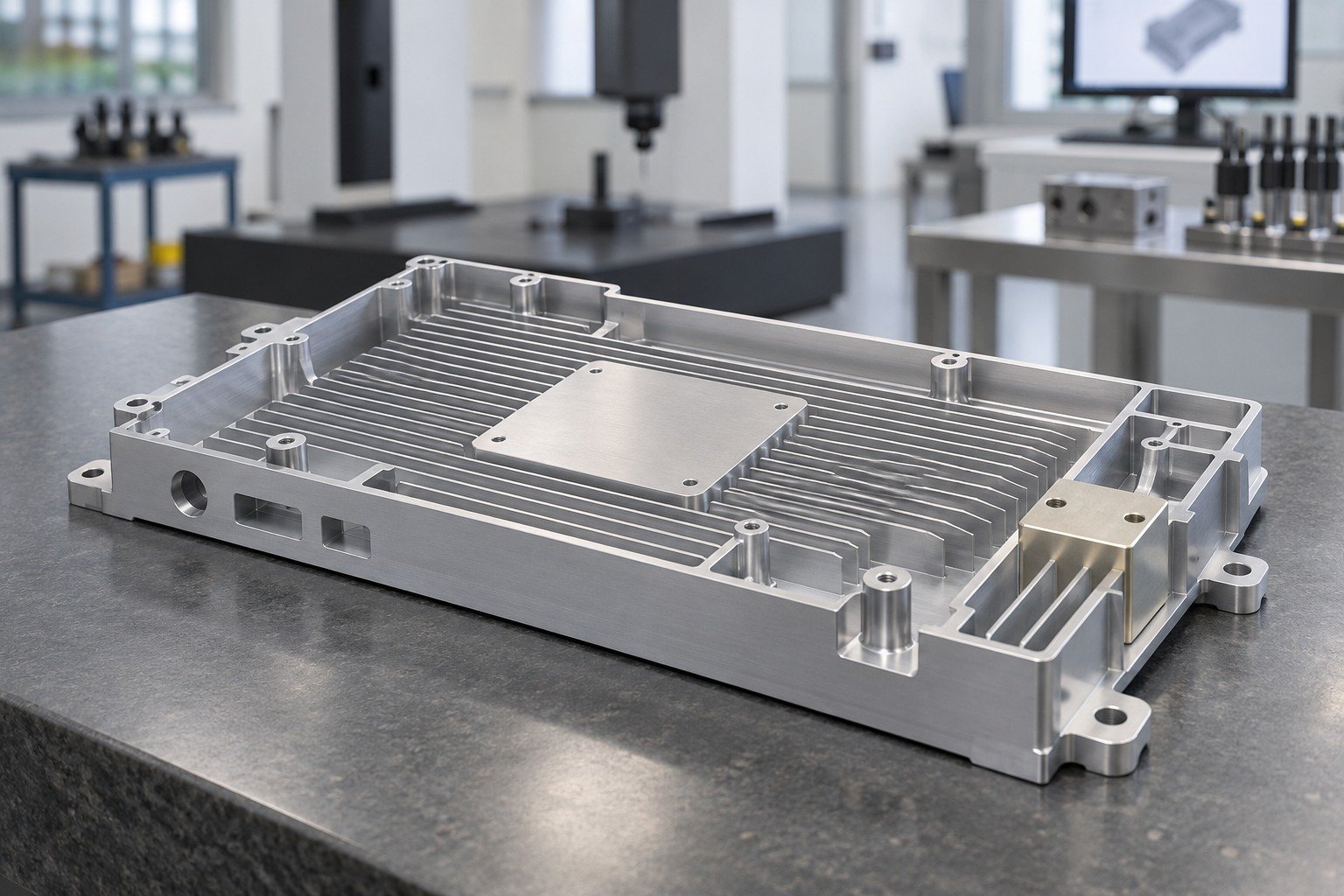
Review conversion coating thickness and interface requirements without assuming that every chemistry has identical thermal or electrical behavior.
| Your substrate | Actual aluminum alloy, temper and incoming condition. |
|---|---|
| Your system | Chemistry, revision and any required type or class. |
| Your evidence | Approved sample, supplied state and specified results. |
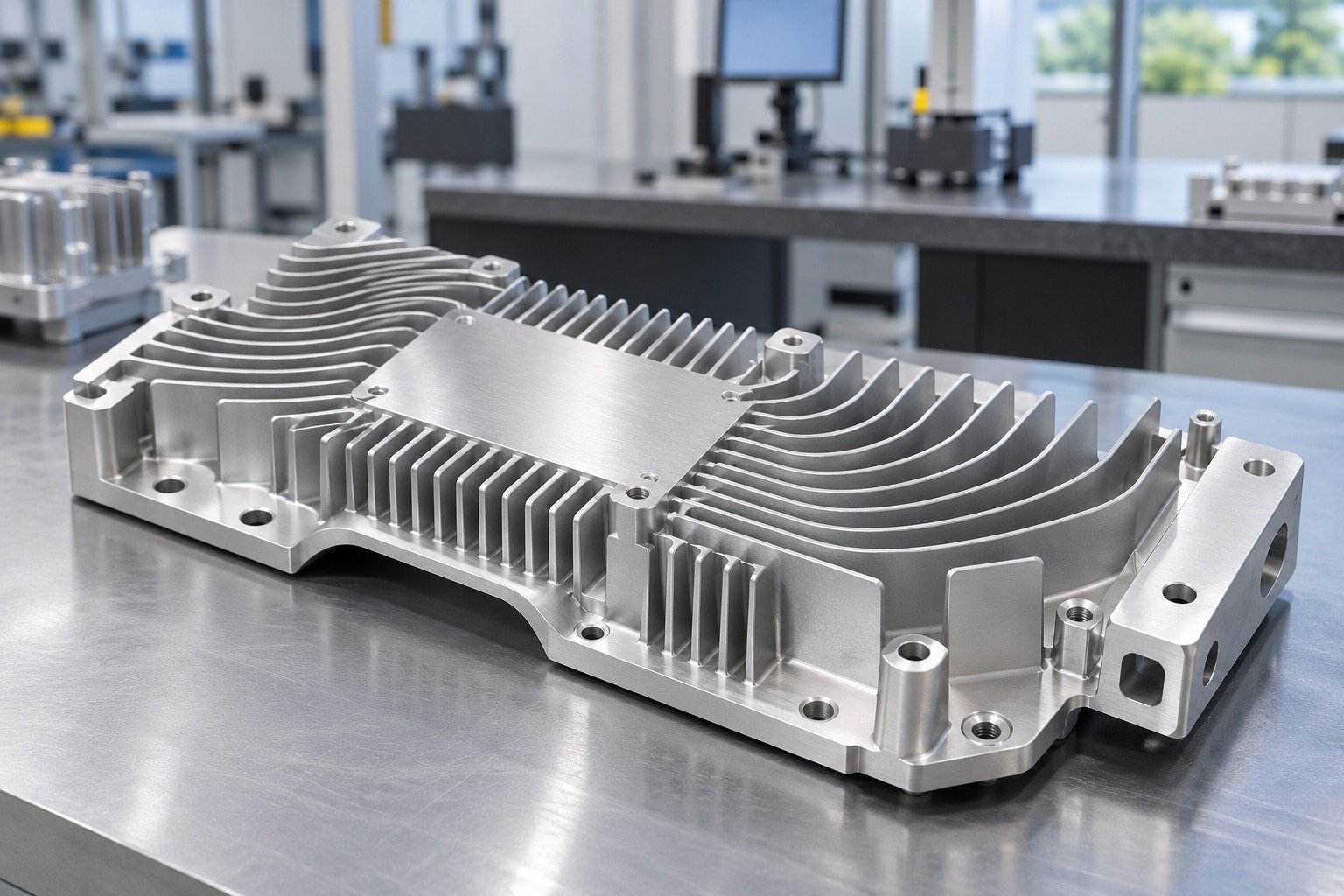
Mark interfaces requiring protection or special treatment. Include the mating material and any interface compound, gasket or subsequent coating in the review.
| Your drawing | Mating pads, fastener lands and thermal interfaces. |
|---|---|
| Your boundaries | Marked exclusions, contact pads, transitions and sequence. |
| Your agreement | Protected features, transition limits and inspection access. |
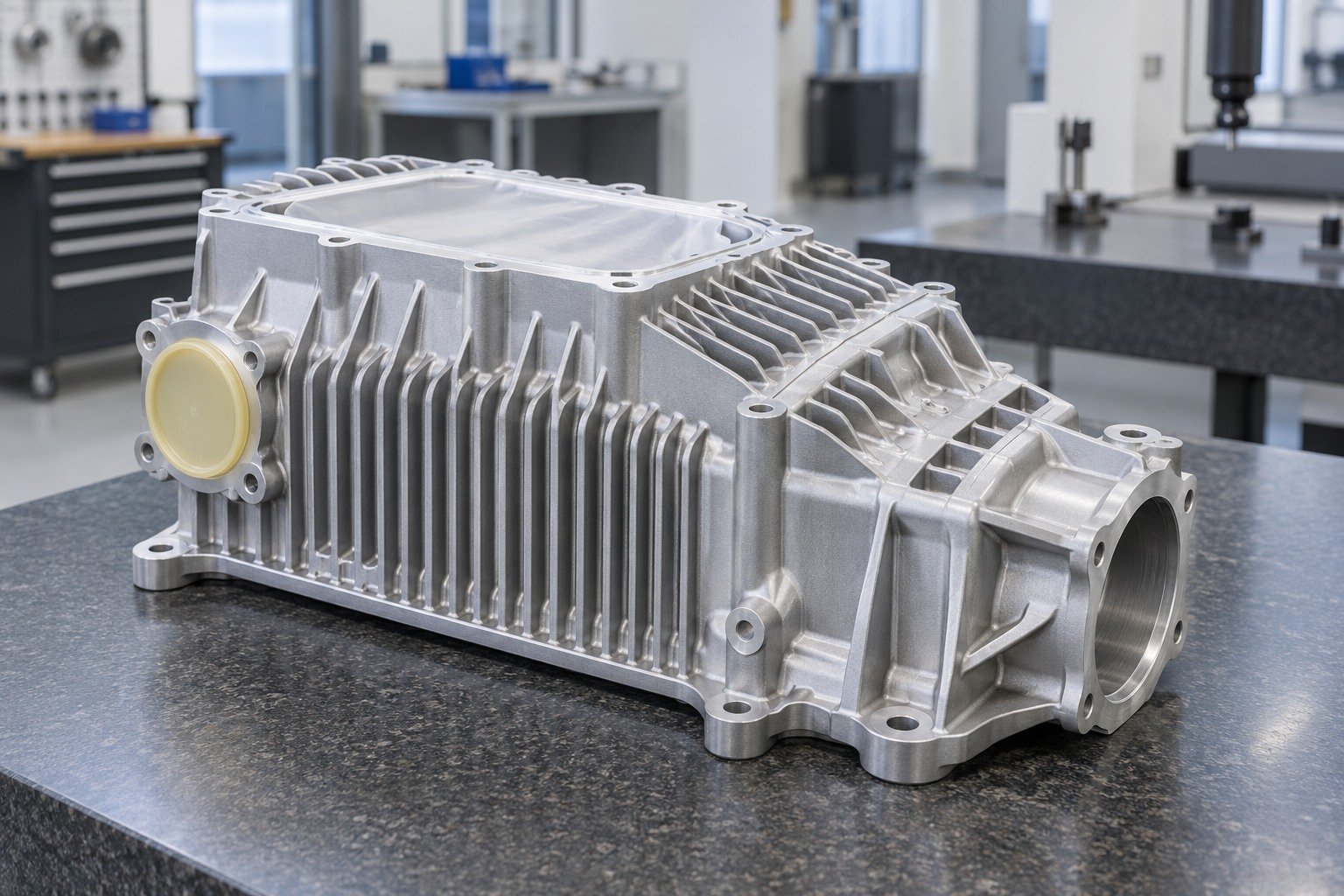
Agree the relevant final geometry and functional checks. A thin film alone does not establish thermal performance or bonding suitability.
| Your final fit | Mating pads, fastener lands and thermal interfaces. |
|---|---|
| Your condition | Film, paint exclusions and actual assembly arrangement. |
| Your records | Part revision, finish requirement and release evidence. |

Fixtures, instrument covers and locating plates often combine cosmetic, mating and contact requirements on the same component.
| Your function | Datums, cover fits and designated contact regions. |
|---|---|
| Your condition | Film-only areas and specified downstream coatings. |
| Your order | Trial, first order, repeat quantity and packing. |
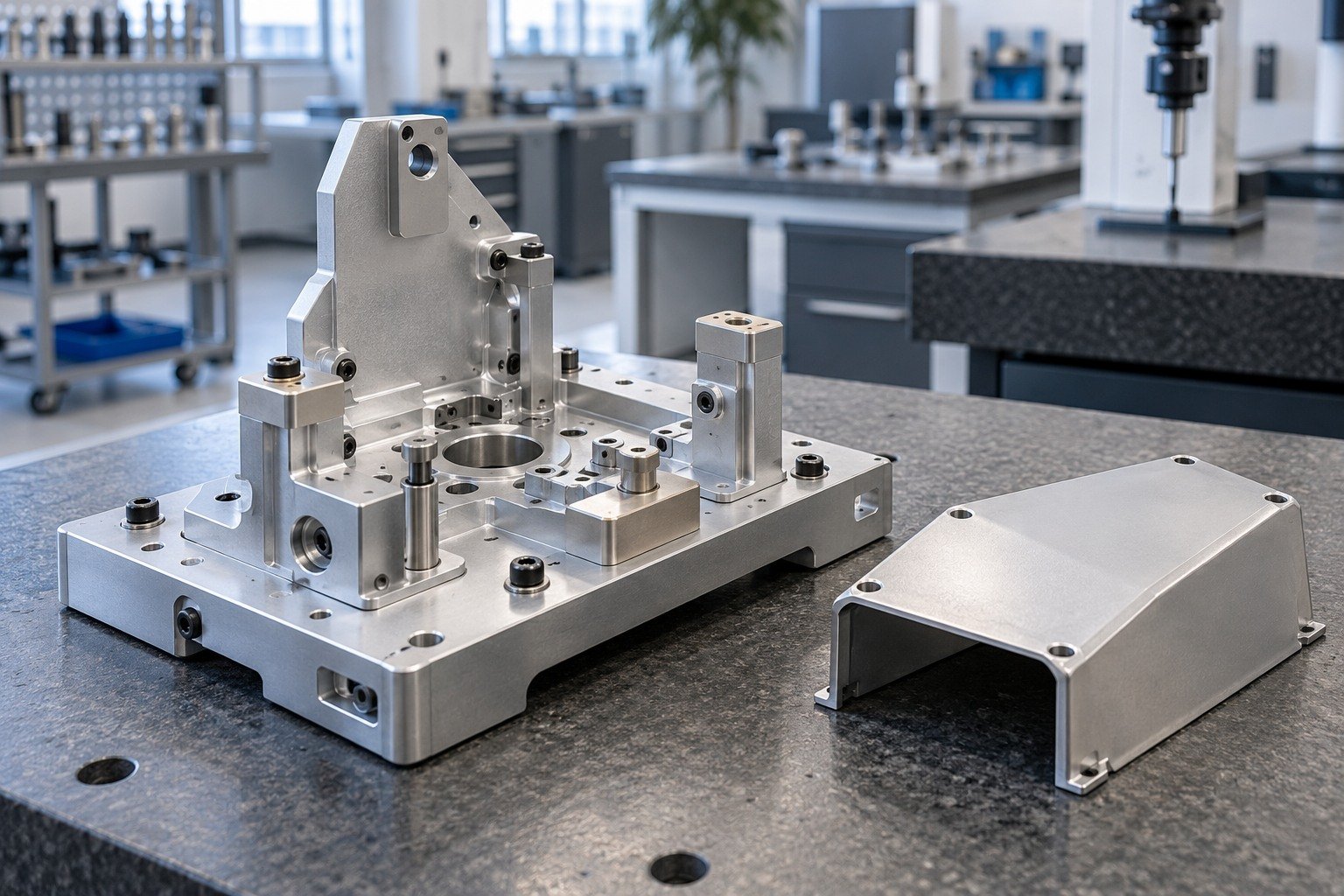
For aluminum conversion coating services, define substrate and finish callout before comparing chemistry or sample appearance.
| Your substrate | Actual aluminum alloy, temper and incoming condition. |
|---|---|
| Your system | Chemistry, revision and any required type or class. |
| Your evidence | Approved sample, supplied state and specified results. |
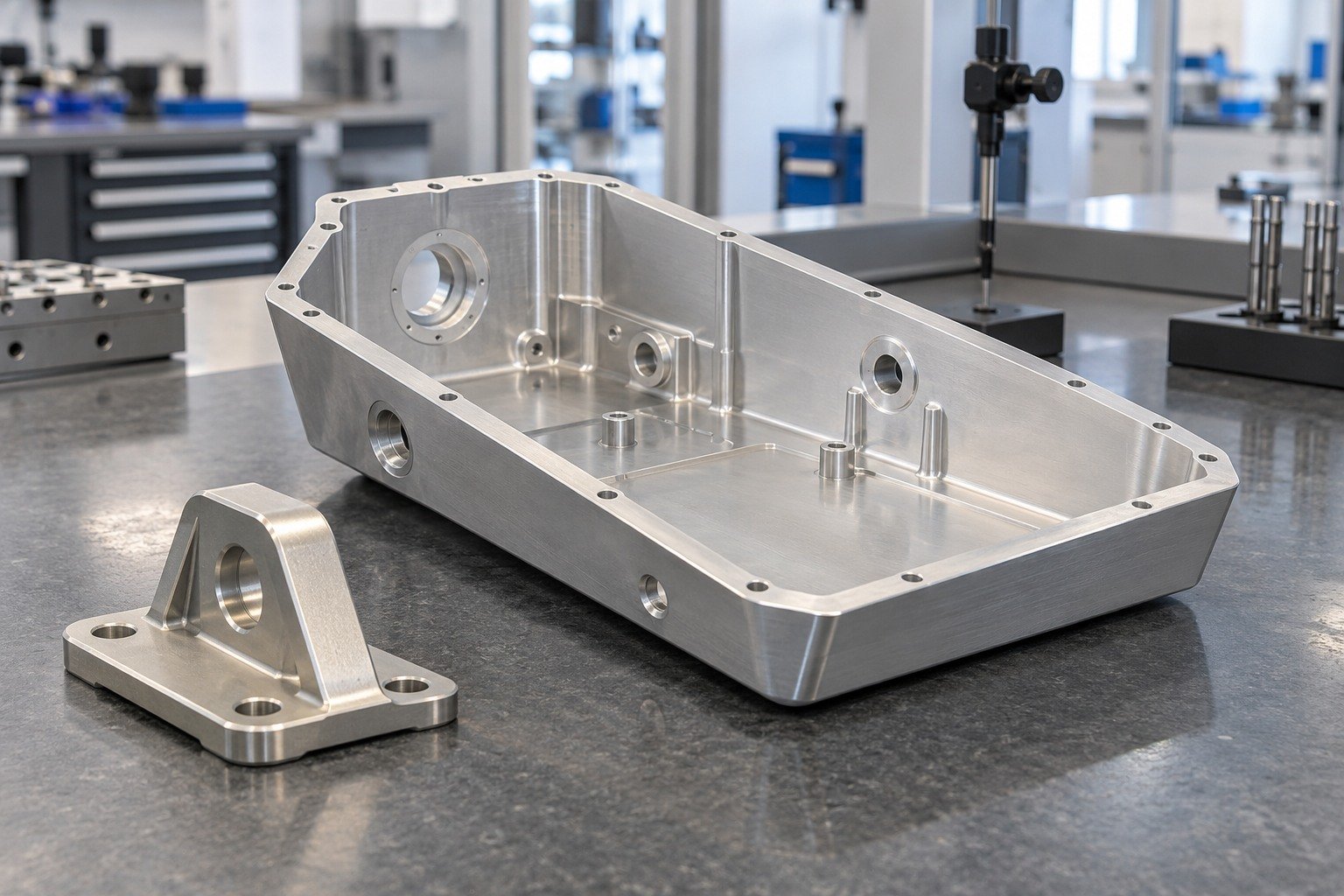
Mark surfaces that remain unpainted, areas excluded from conversion treatment and permitted support regions as separate instructions.
| Your drawing | Datums, cover fits and designated contact regions. |
|---|---|
| Your boundaries | Marked exclusions, contact pads, transitions and sequence. |
| Your agreement | Protected features, transition limits and inspection access. |
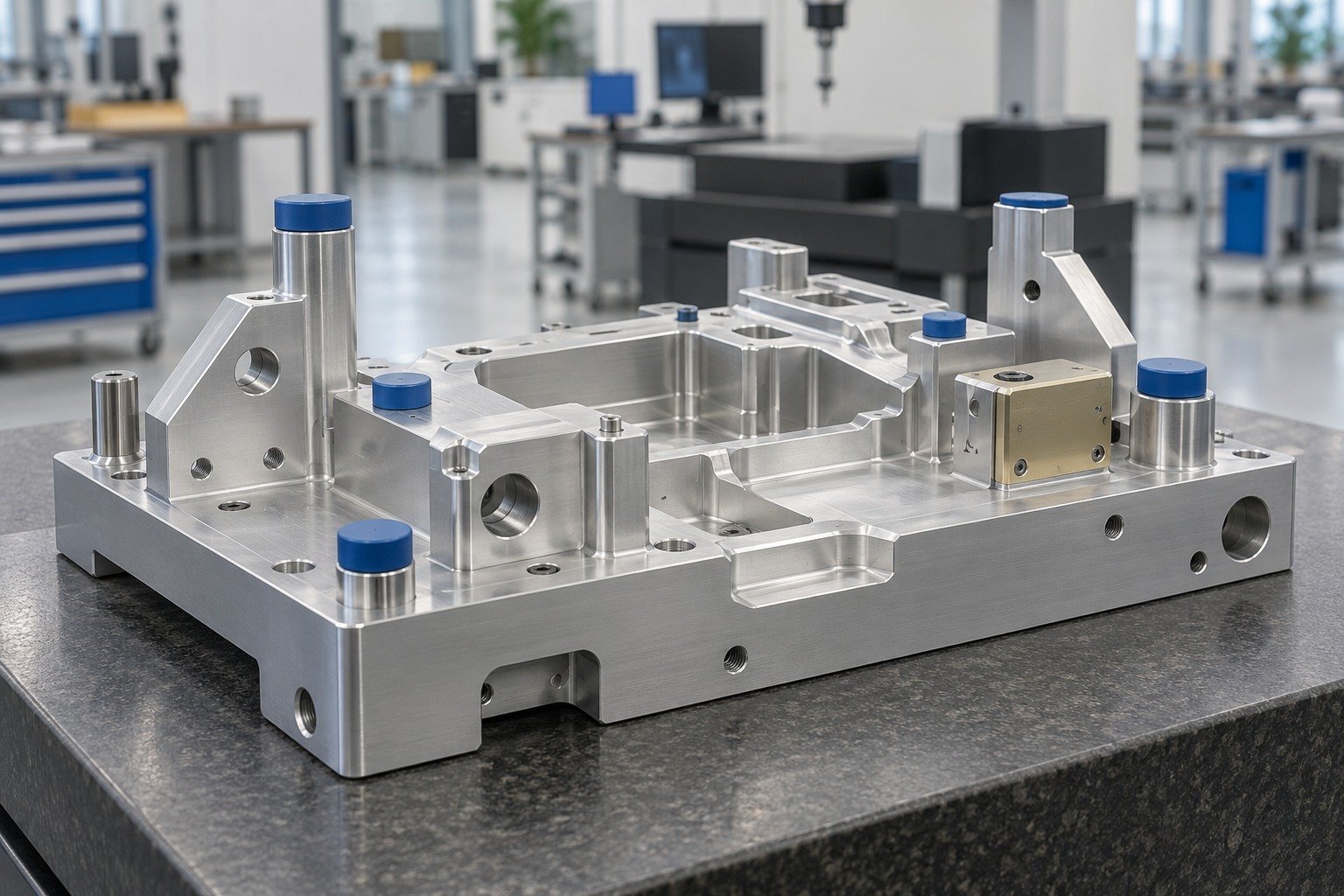
Review locating fit, visible condition and agreed functional evidence on the representative finished part, with protected packing for transport.
| Your final fit | Datums, cover fits and designated contact regions. |
|---|---|
| Your condition | Film-only areas and specified downstream coatings. |
| Your records | Part revision, finish requirement and release evidence. |
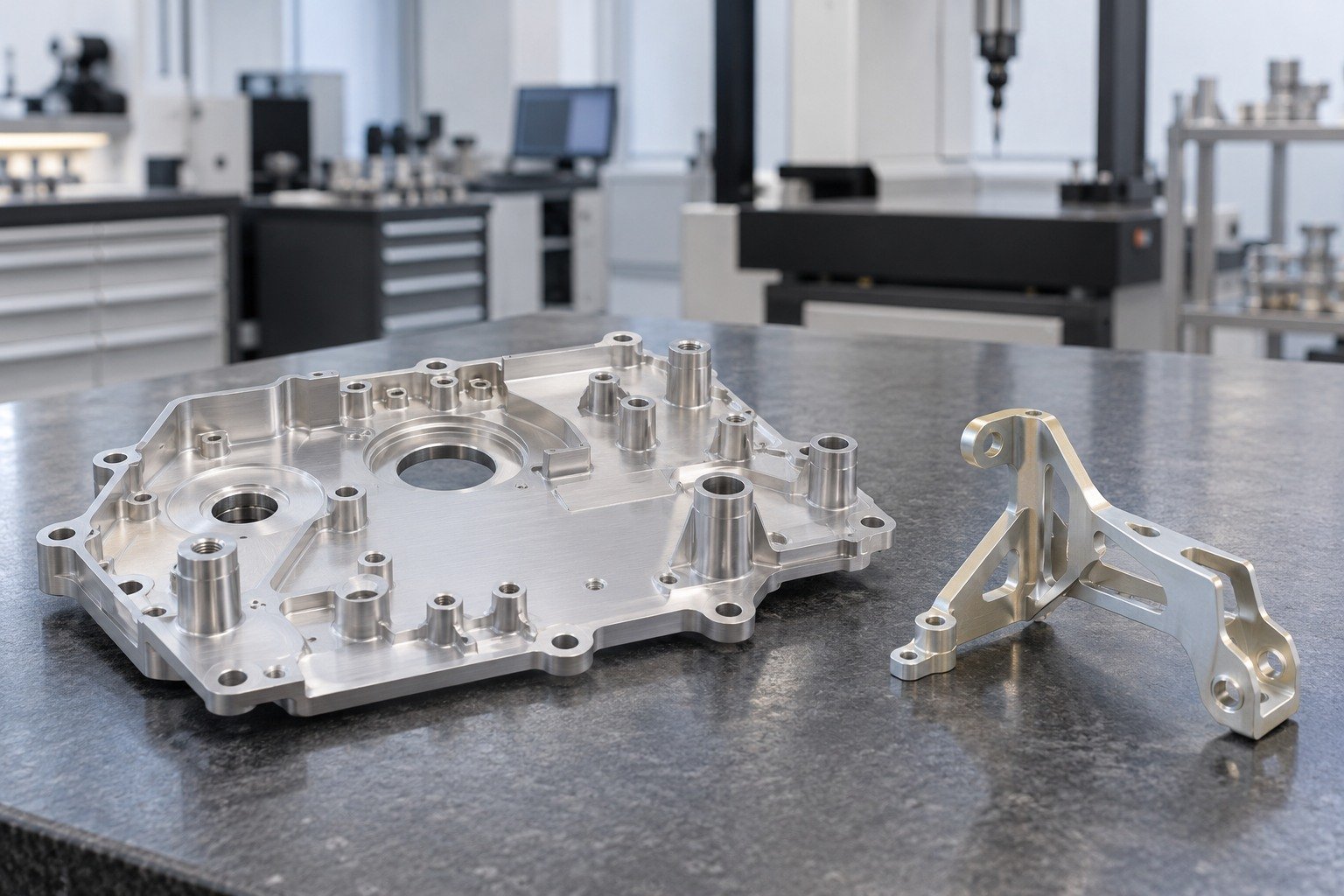
Chemical conversion coating services should be quoted against your actual drawing, substrate, end use and acceptance requirement.
| Your function | Your functional surfaces and assembly boundaries. |
|---|---|
| Your condition | Your specified chemistry, tests and delivery state. |
| Your order | Trial, first order, repeat quantity and packing. |
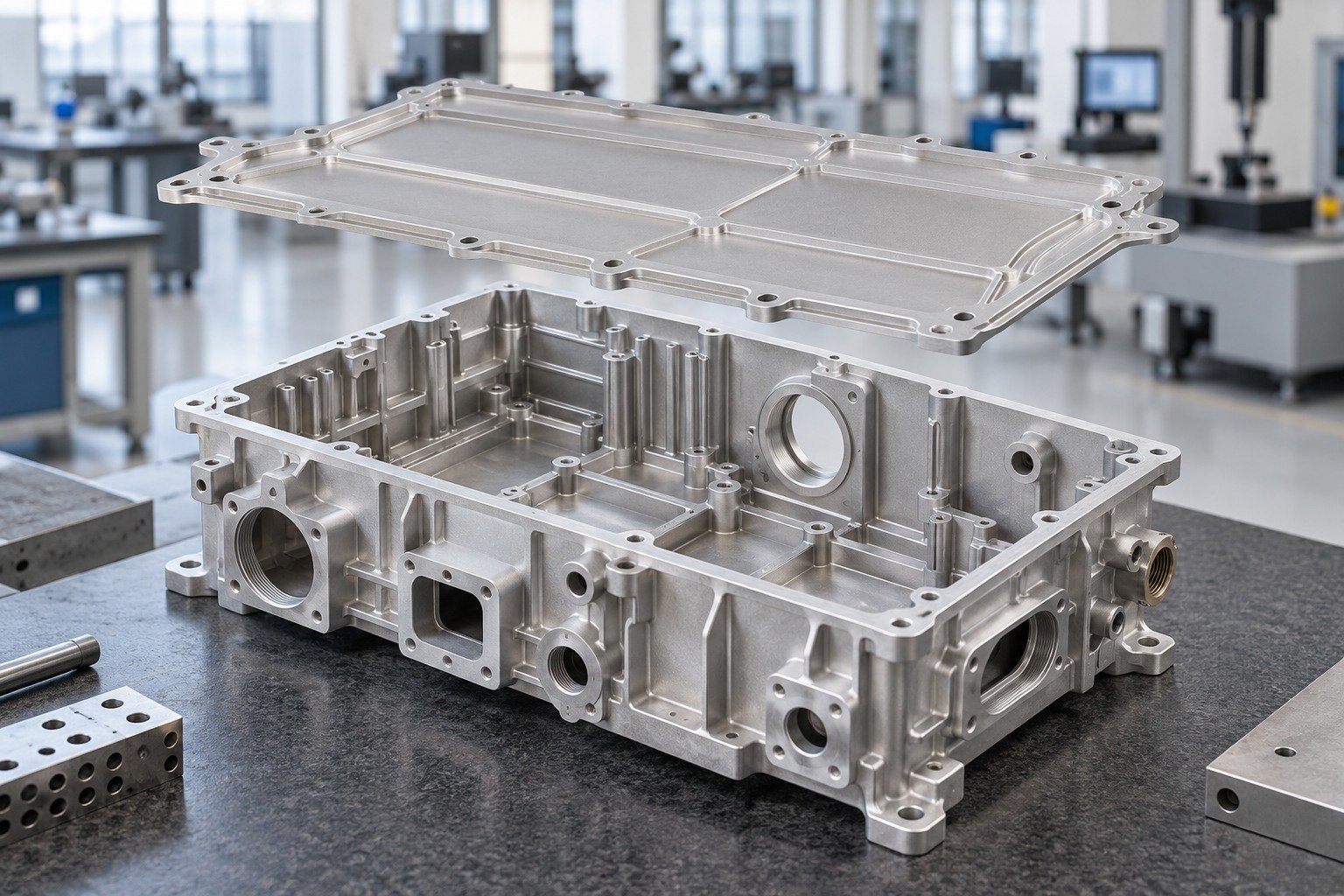
Chromate conversion coating services, trivalent systems and chromium-free pretreatments are not interchangeable labels. Confirm the exact system and processor before ordering.
| Your substrate | Actual aluminum alloy, temper and incoming condition. |
|---|---|
| Your system | Chemistry, revision and any required type or class. |
| Your evidence | Approved sample, supplied state and specified results. |
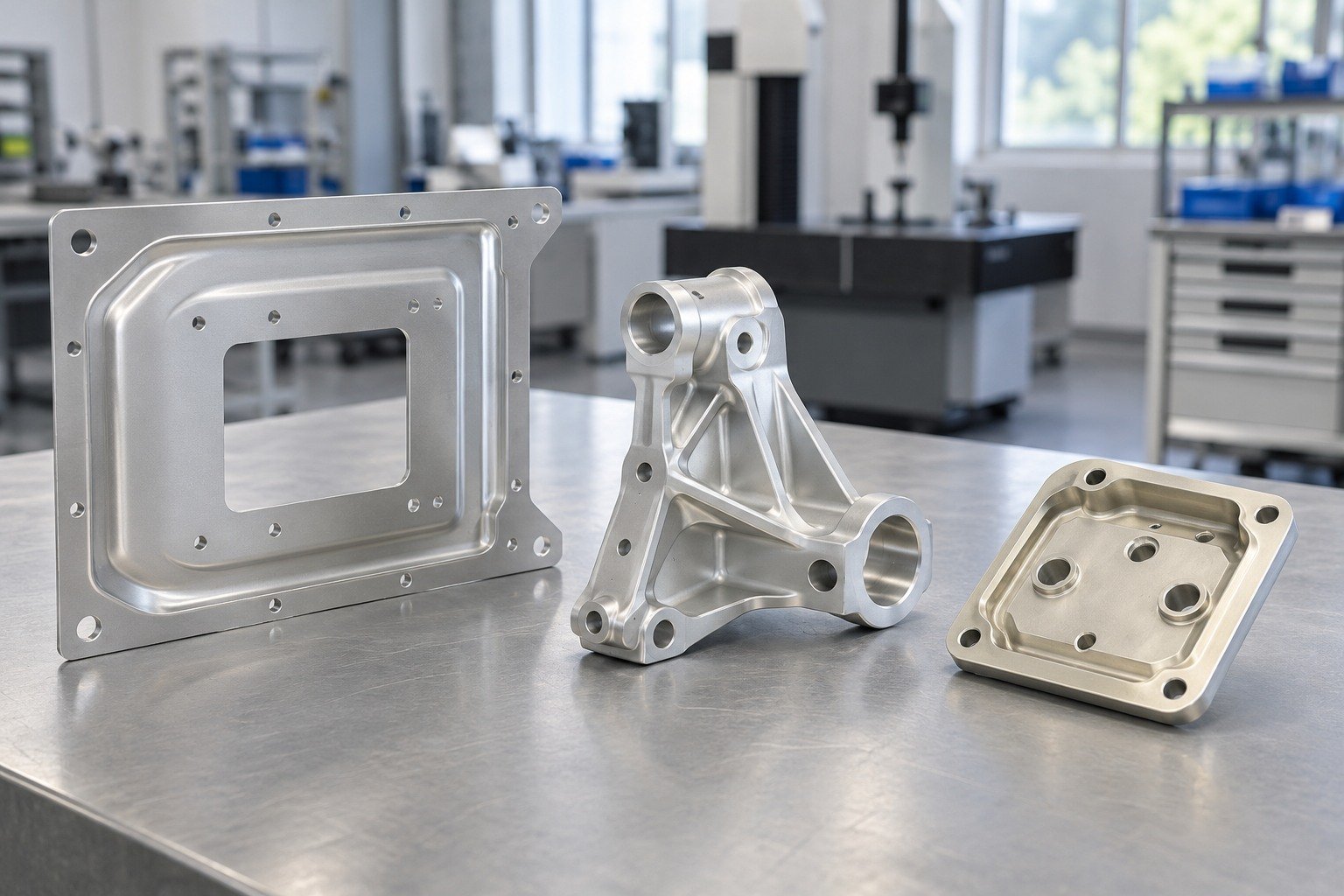
Identify inaccessible pockets, mixed materials, inserts, protected features and downstream finish boundaries. Resolve ambiguous notes before processing.
| Your drawing | Your functional surfaces and assembly boundaries. |
|---|---|
| Your boundaries | Marked exclusions, contact pads, transitions and sequence. |
| Your agreement | Protected features, transition limits and inspection access. |

Agree the sample, test method, acceptance limits, records and responsibility for any subsequent finish or assembly.
| Your final fit | Your functional surfaces and assembly boundaries. |
|---|---|
| Your condition | Your specified chemistry, tests and delivery state. |
| Your records | Part revision, finish requirement and release evidence. |
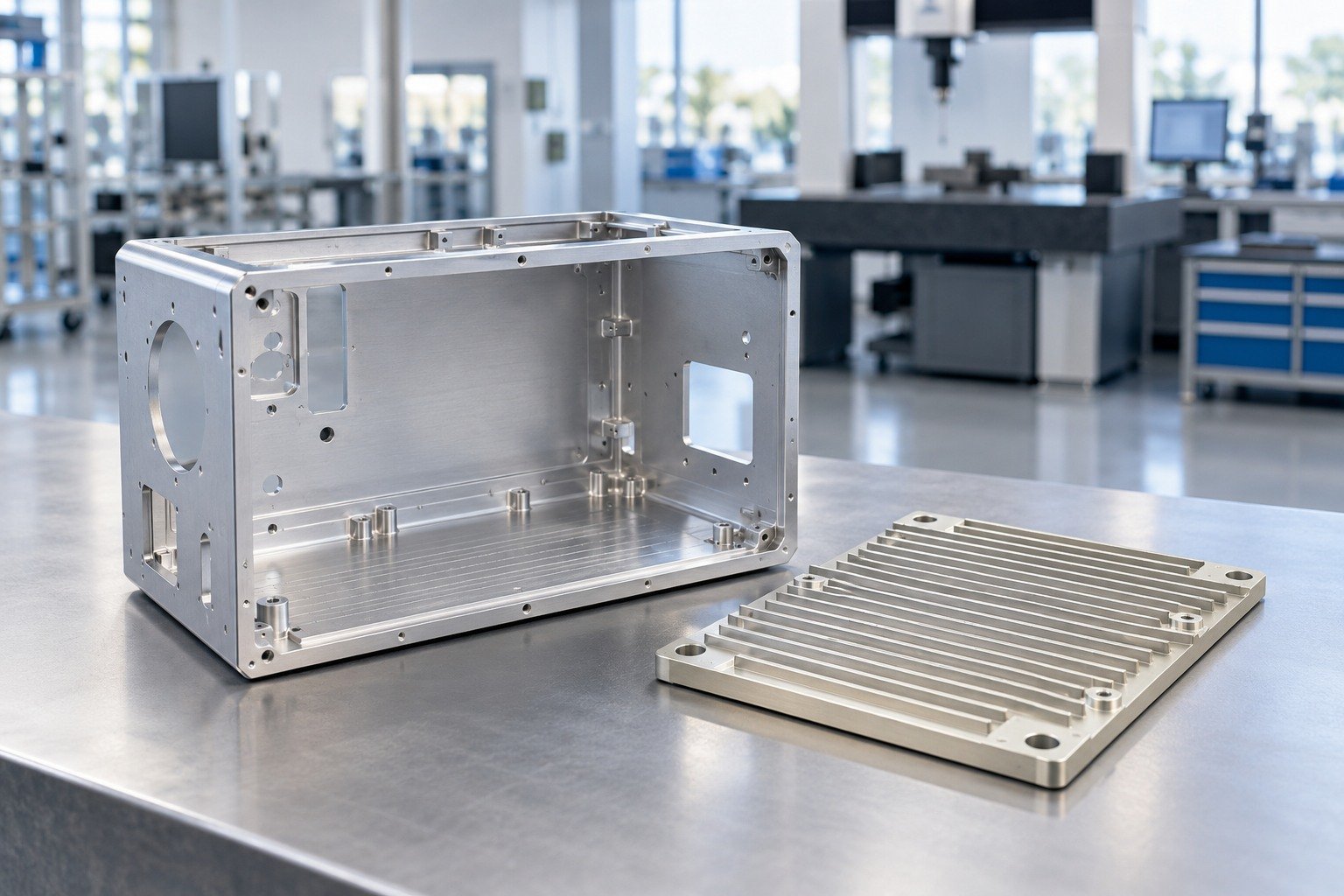
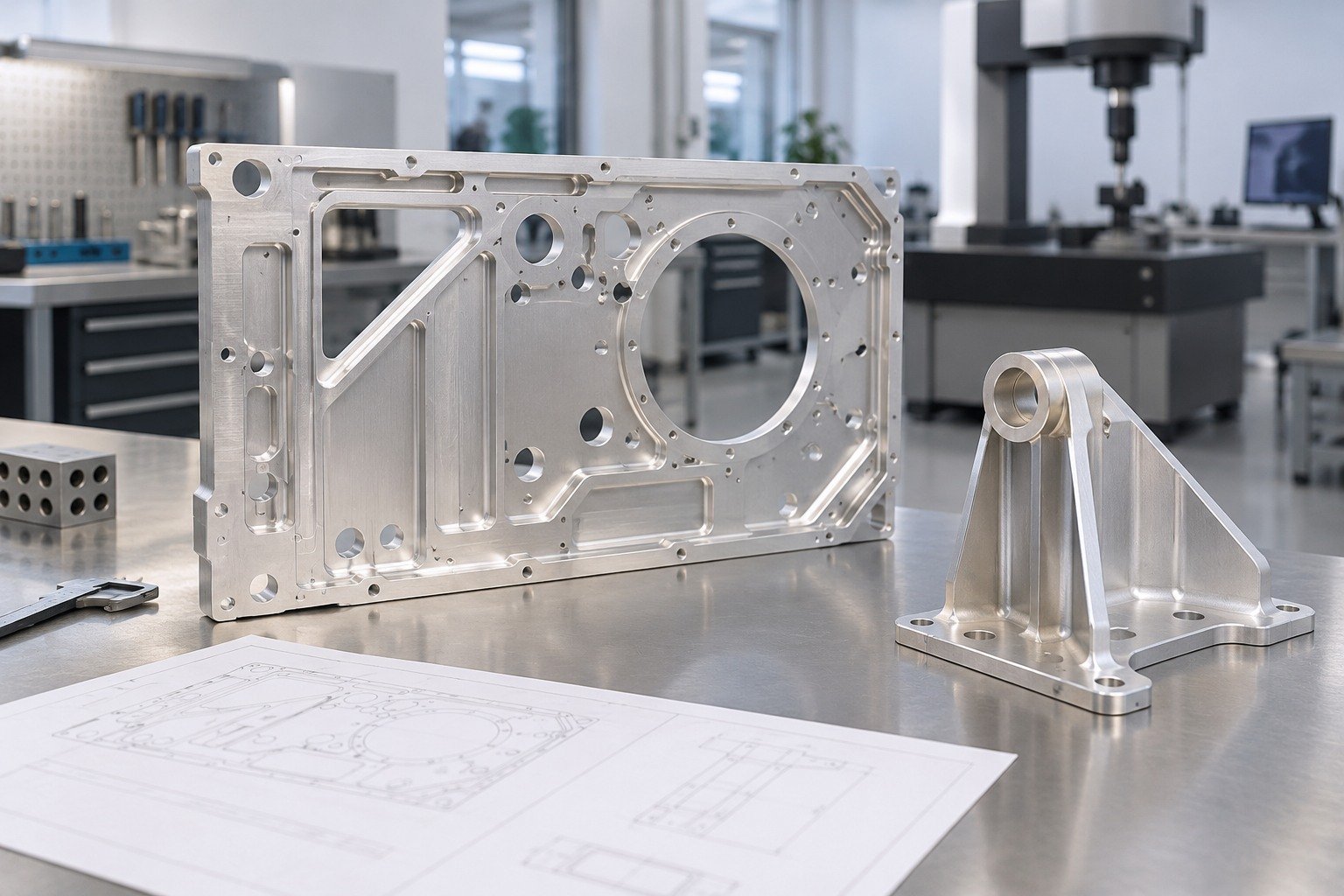
Provide the controlled drawing, material, service conditions and downstream finish.
Appearance alone does not identify chemistry, establish compliance or prove electrical contact performance.

Confirm the exact system, applicable revision and any required type, class or qualified-product requirement.
Appearance alone does not identify chemistry, establish compliance or prove electrical contact performance.
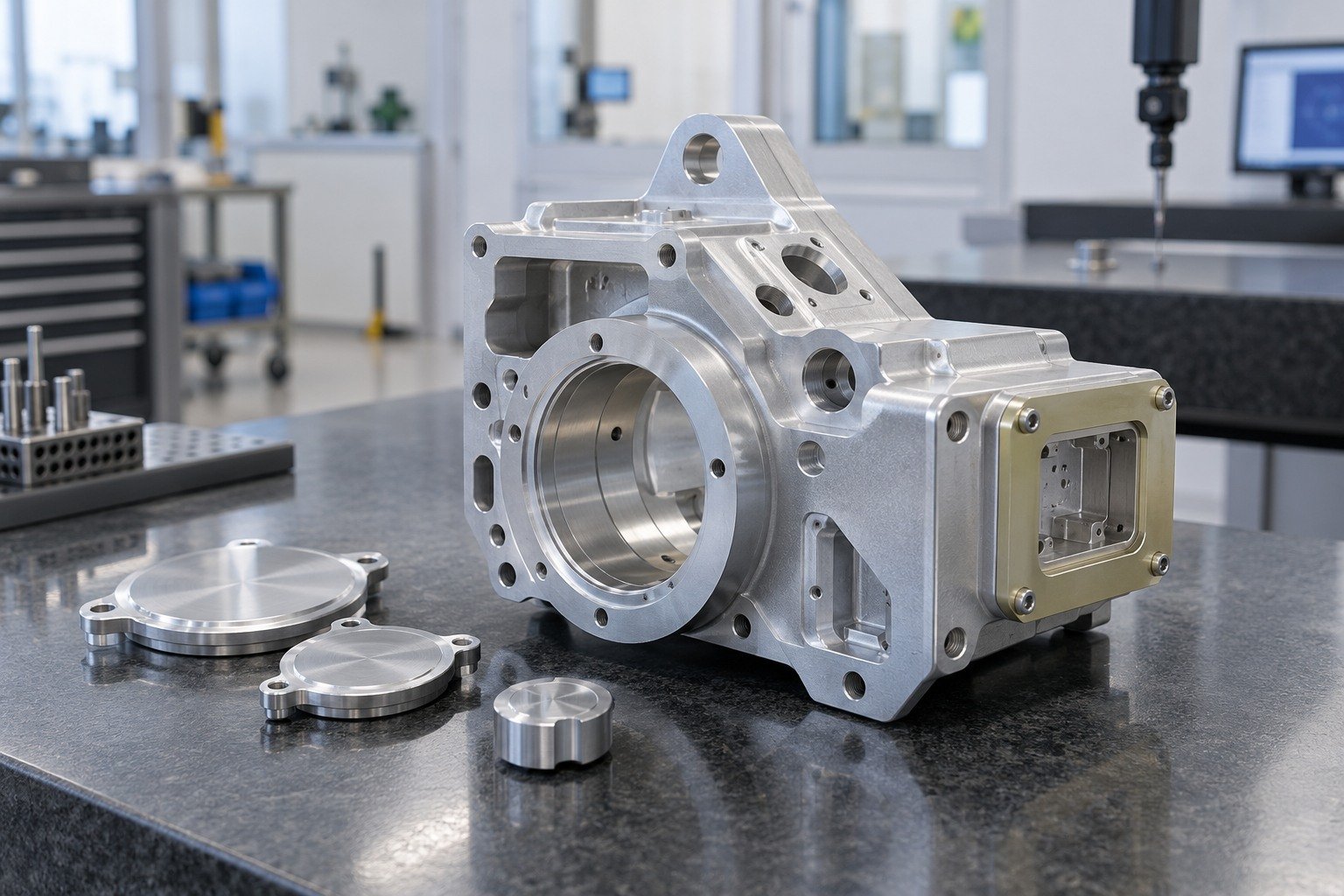
Define protected features, finish transitions, hardware sequence and handling.
Appearance alone does not identify chemistry, establish compliance or prove electrical contact performance.
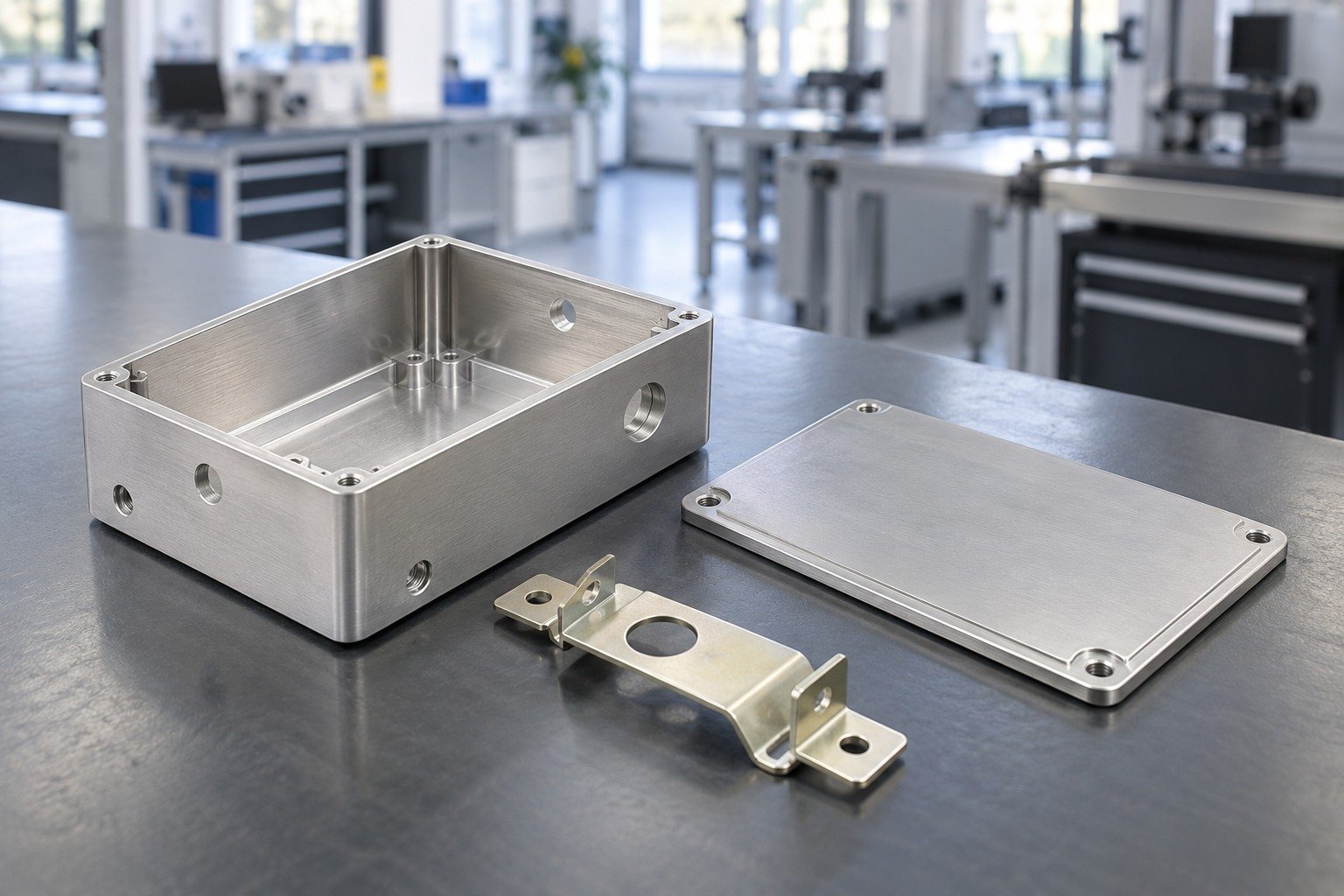
Review surface condition, fit and required functional evidence before repeat processing.
Appearance alone does not identify chemistry, establish compliance or prove electrical contact performance.
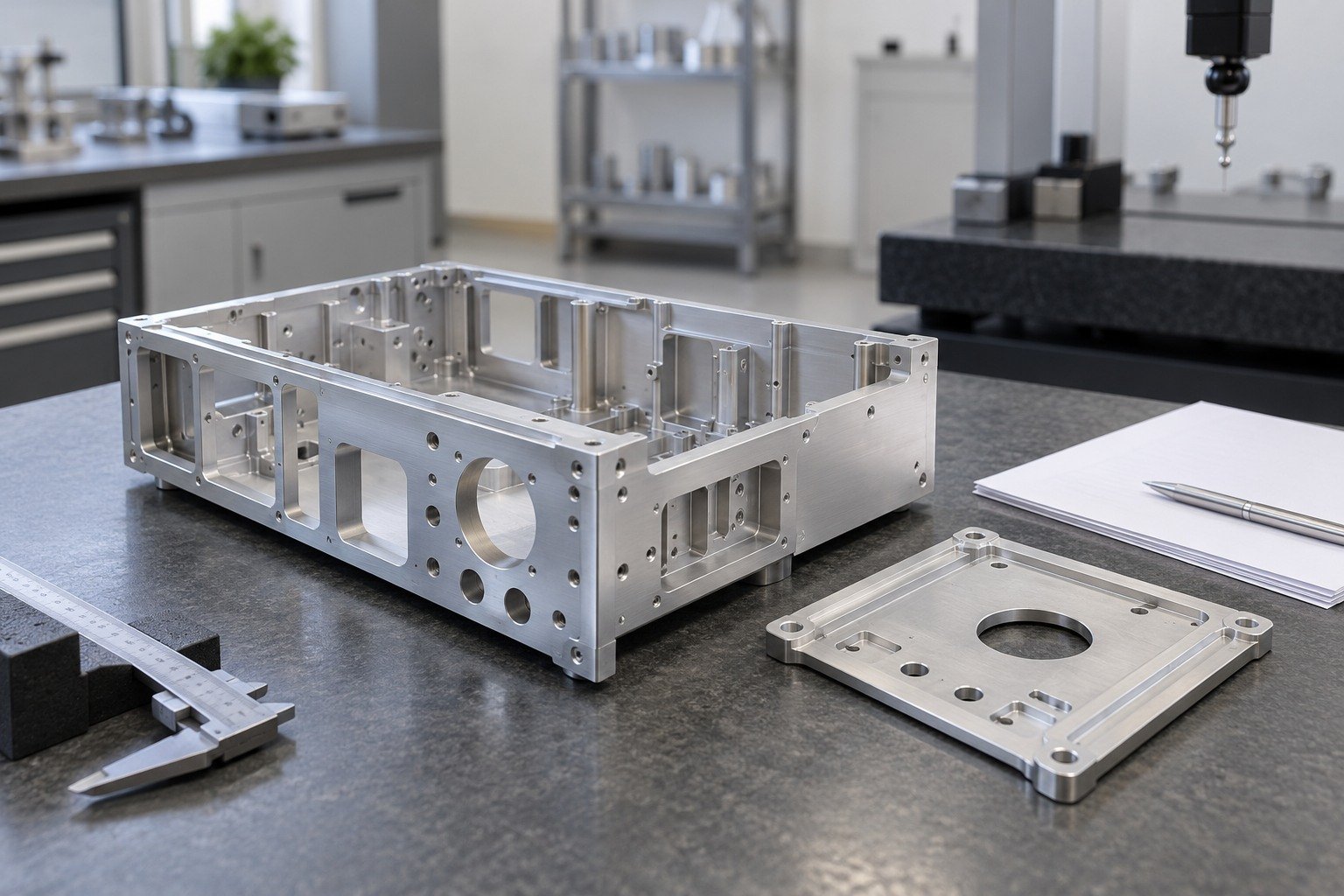
Record agreed changes, significant areas, sampling and release responsibility.
Appearance alone does not identify chemistry, establish compliance or prove electrical contact performance.
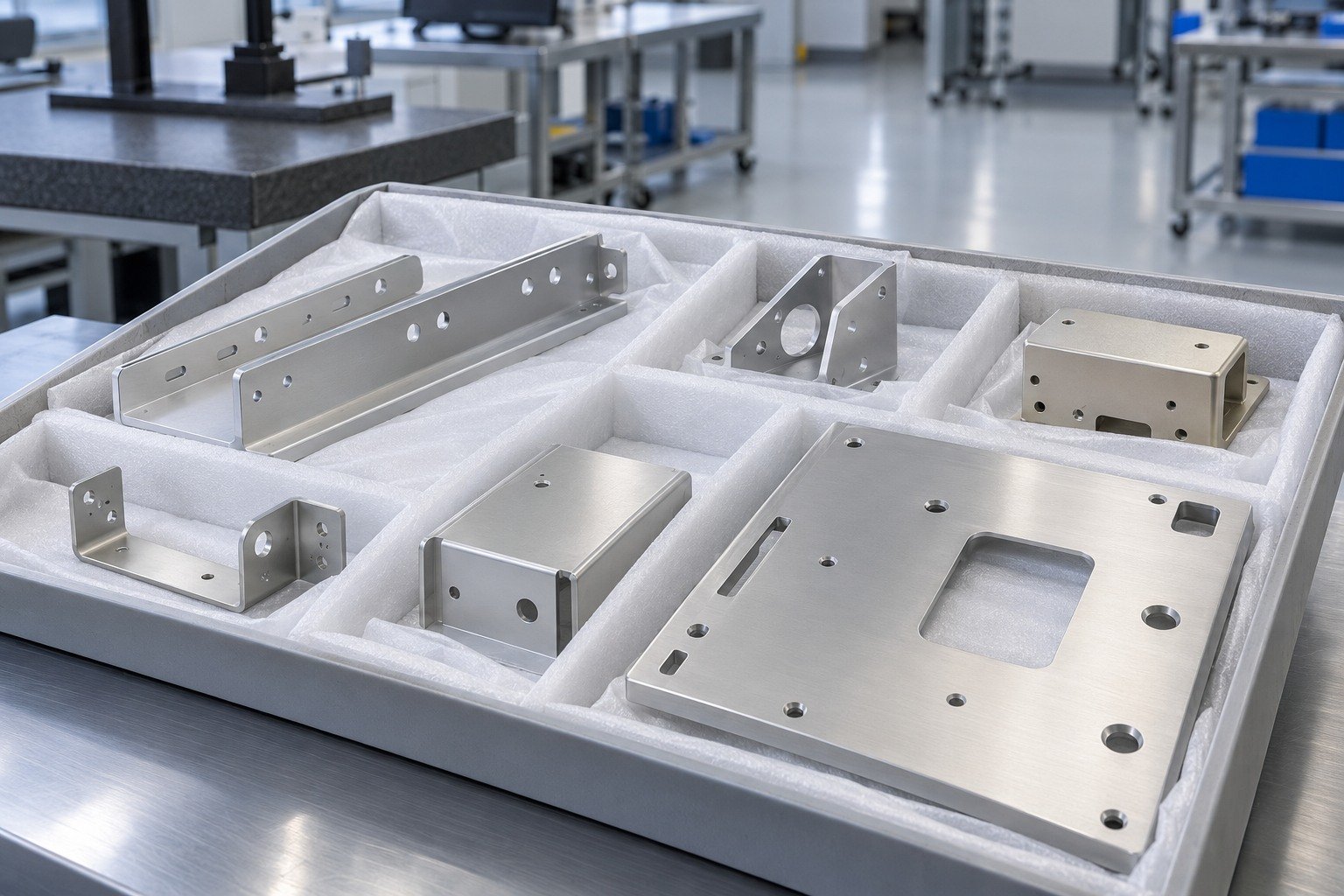
Control revision, substrate condition, processor, records and protective packing.
Appearance alone does not identify chemistry, establish compliance or prove electrical contact performance.
Identify the surfaces, preparation and measurement conditions that affect your finished assembly.
Alloy, temper, machining marks, prior finishes and contamination affect preparation. Specify the actual material instead of relying on the word aluminum.
| Your input | Grade, temper, incoming finish and prior processing. |
|---|---|
| Our review | Alloy-specific preparation and agreed sample condition. |
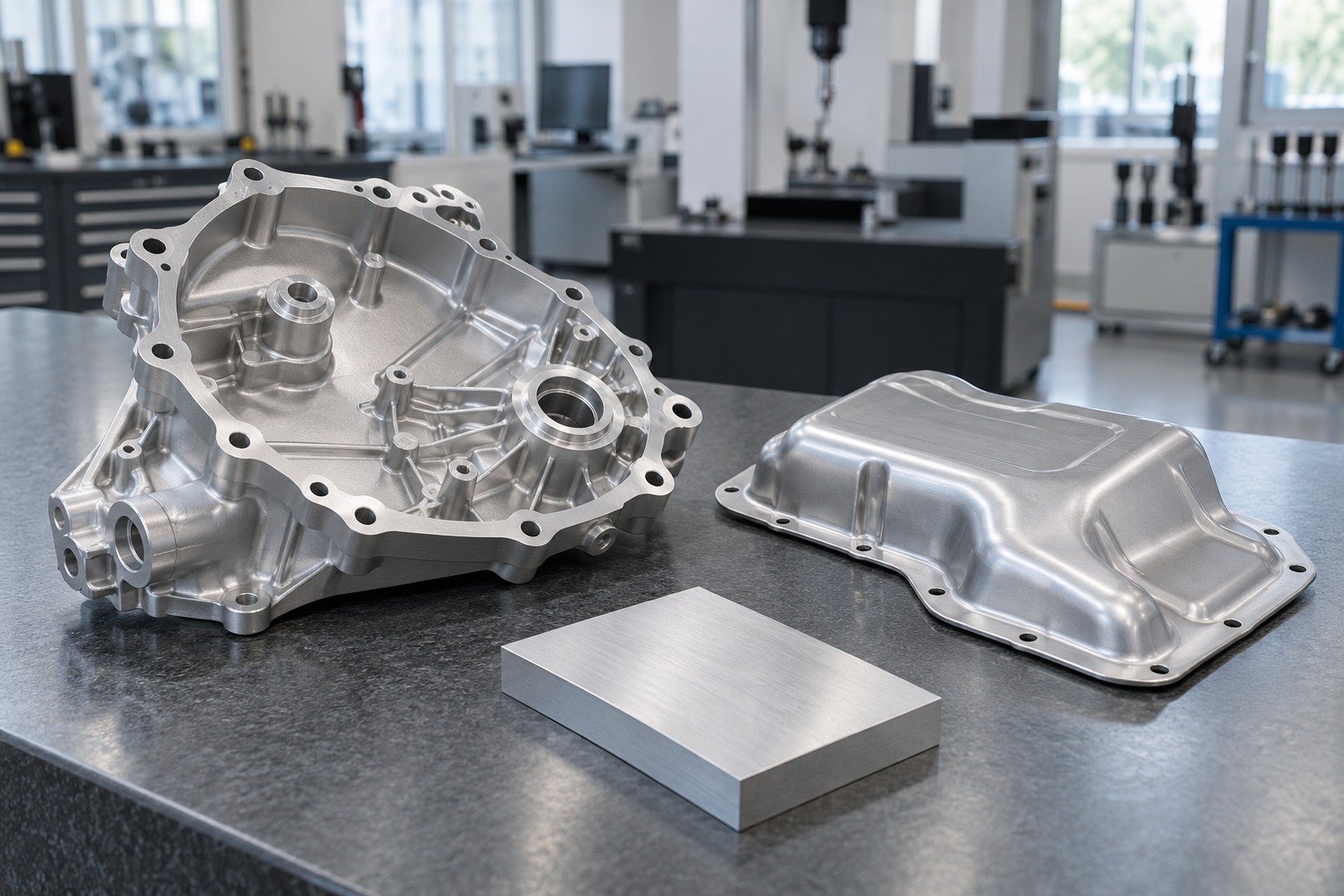
If your drawing specifies MIL-DTL-5541, confirm the applicable revision, type, class, qualified materials and required evidence. A specification name on this page is not a claim of processor approval.
| Your input | Exact specification, revision and functional requirement. |
|---|---|
| Our review | Chemistry, processor scope and acceptance evidence. |
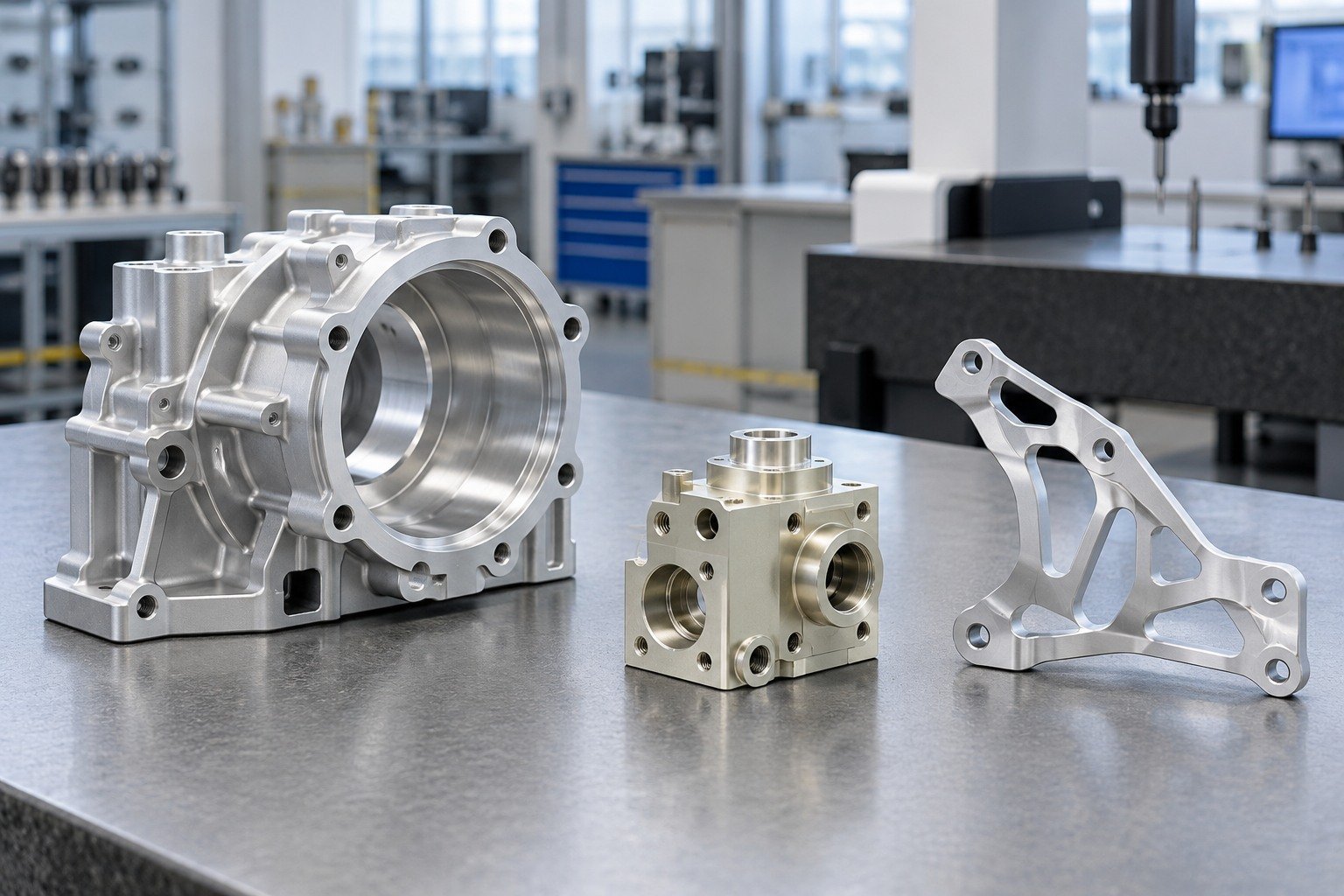
Conversion coating masking needs treatment-compatible methods and accessible boundaries. Mark untreated regions separately from areas that will receive film but no later paint.
| Your input | Fits, threads, contact pads and transition limits. |
|---|---|
| Our review | Mask feasibility, finish sequence and inspection access. |

Conversion coating electrical conductivity is an interface requirement. Define contact location, test arrangement, acceptance limits and the actual assembled condition.
| Your input | Contact area, mating material, load and test requirement. |
|---|---|
| Our review | Specified system, sample and agreed resistance evidence. |
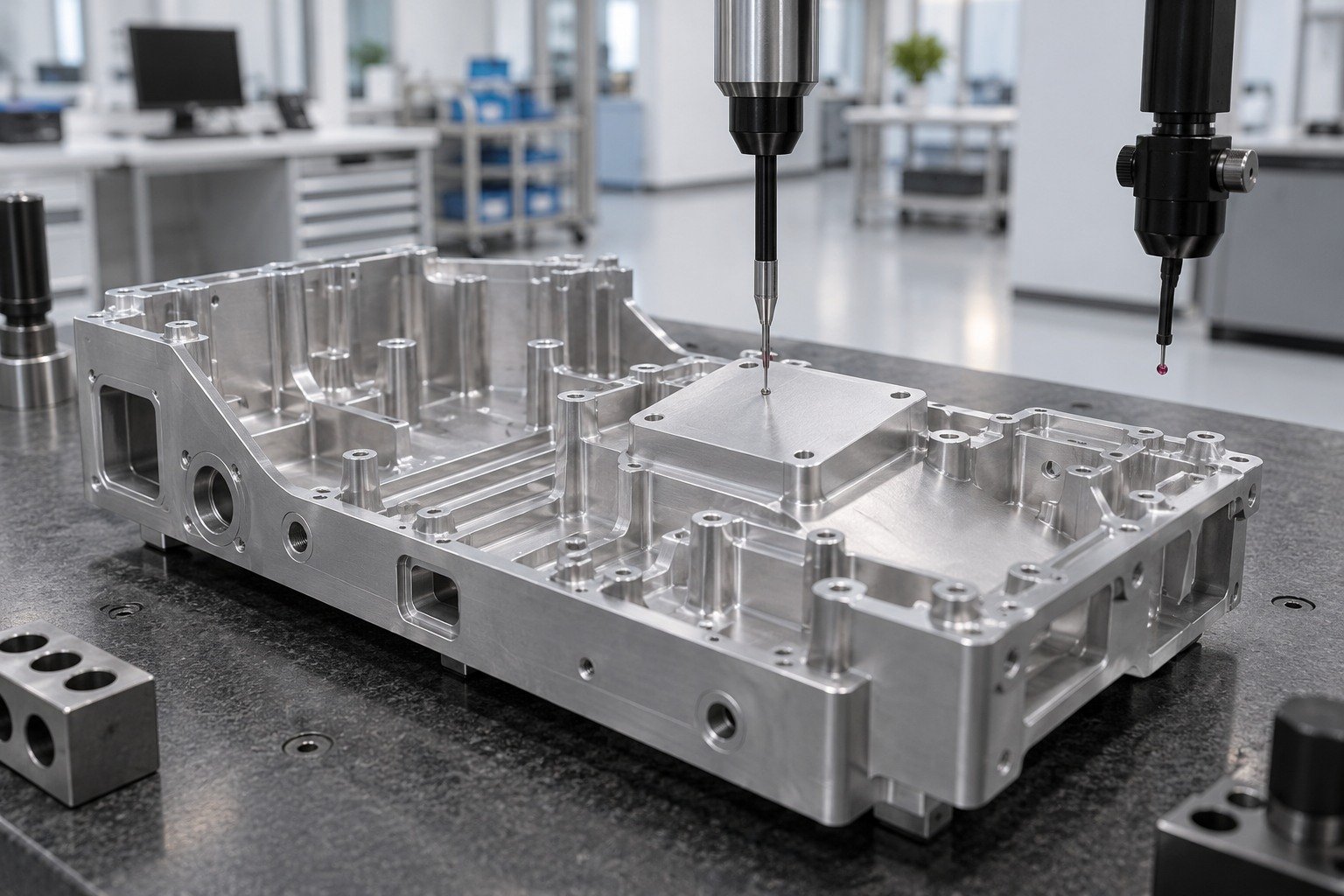
Conversion coating paint adhesion depends on preparation, chemistry, handling and the subsequent coating system. Confirm compatibility and the required adhesion evidence.
| Your input | Paint, powder coat or adhesive system and significant faces. |
|---|---|
| Our review | Compatible pretreatment, sequence and sample testing. |
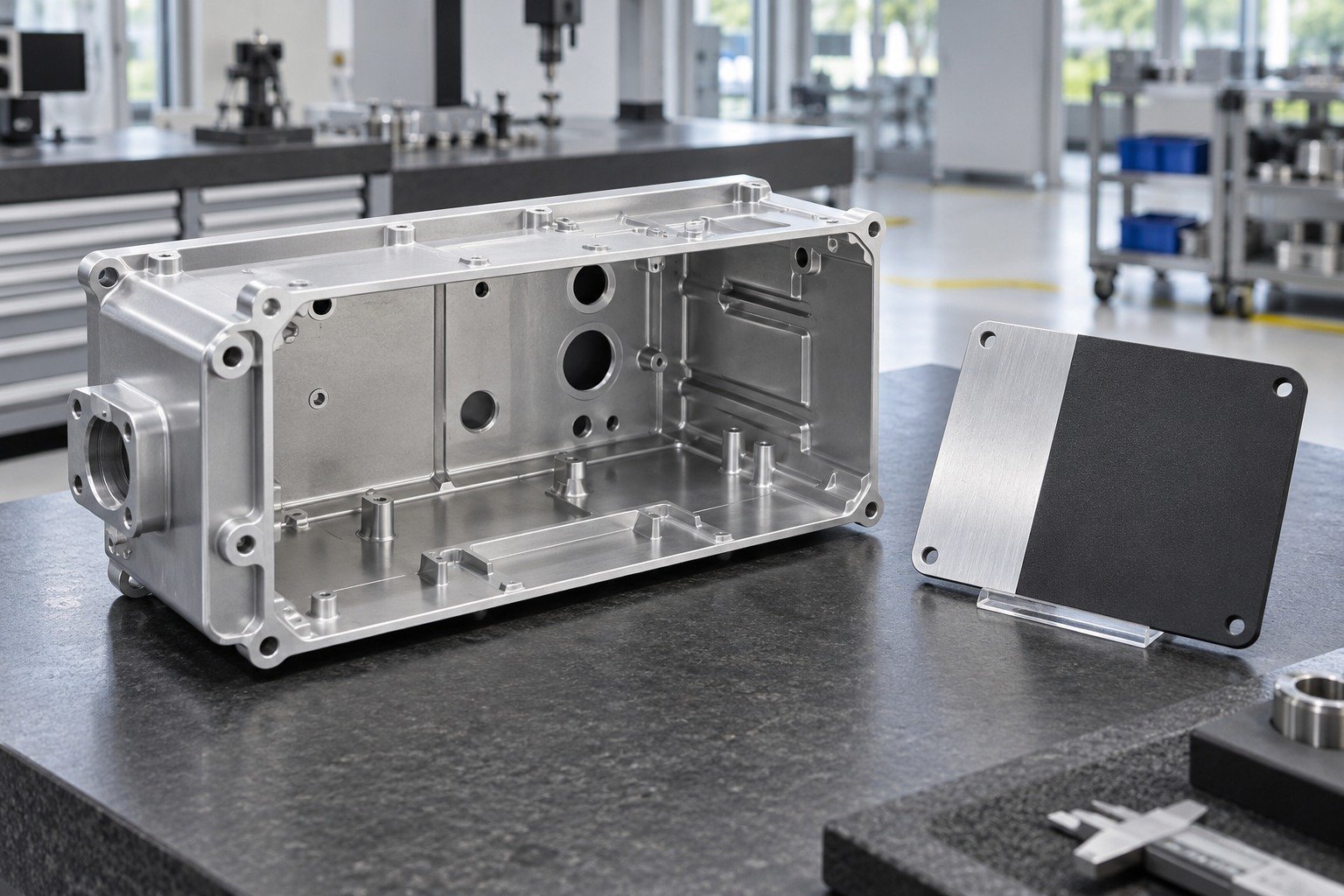
Does conversion coating change dimensions? The film is thin, but preparation and subsequent finishes still need review. Define critical fits and measurement state instead of a universal zero-change claim.
| Your input | Critical bores, datums, finish stack and mating parts. |
|---|---|
| Our review | Preparation effects, final geometry and measurement method. |
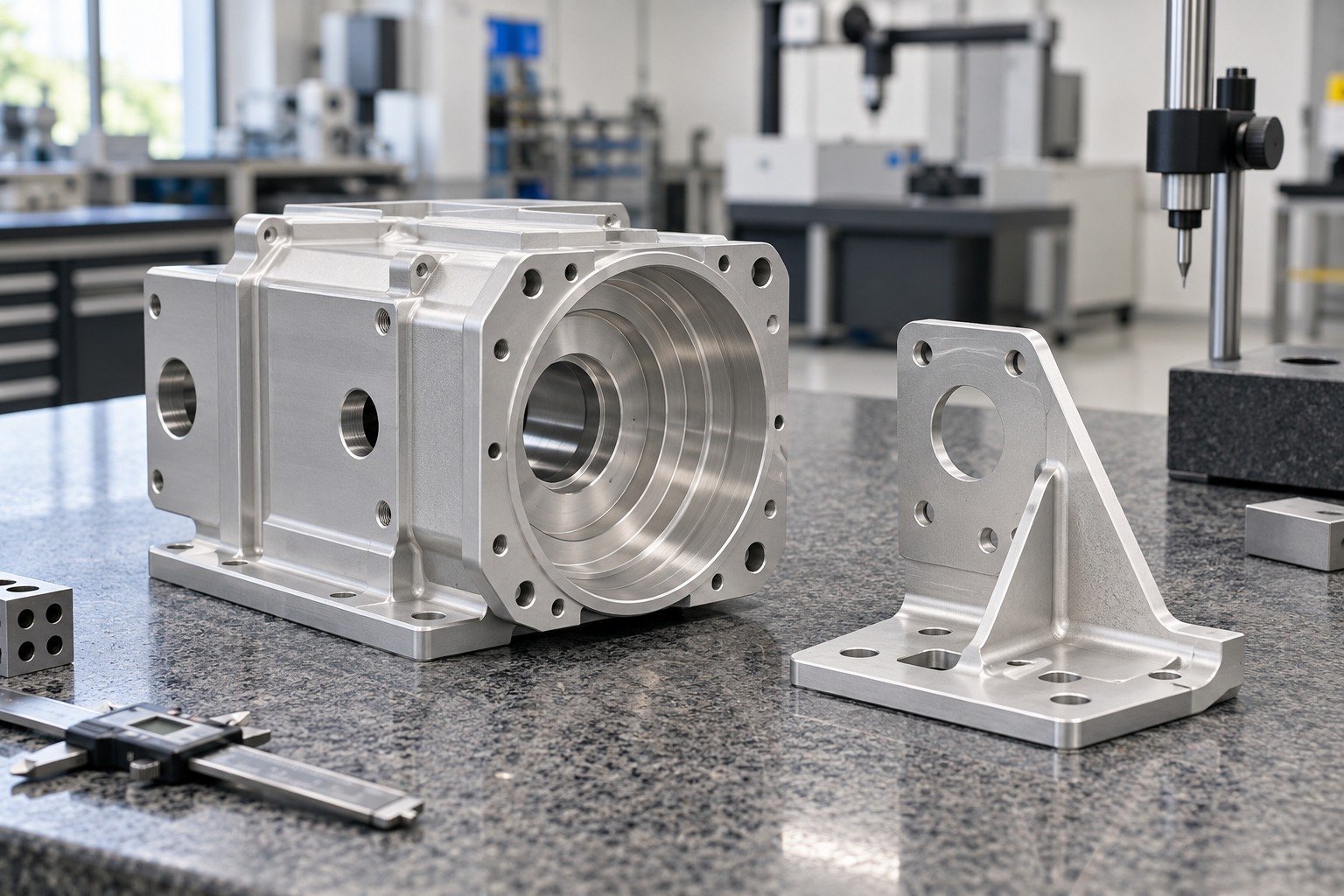
Clear conversion coating is not a cosmetic anodizing color specification. Alloy and processing can affect appearance. Agree acceptable variation and protect treated faces during handling.
| Your input | Visible faces, sample reference and acceptable marks. |
|---|---|
| Our review | Agreed appearance range, handling and packing. |
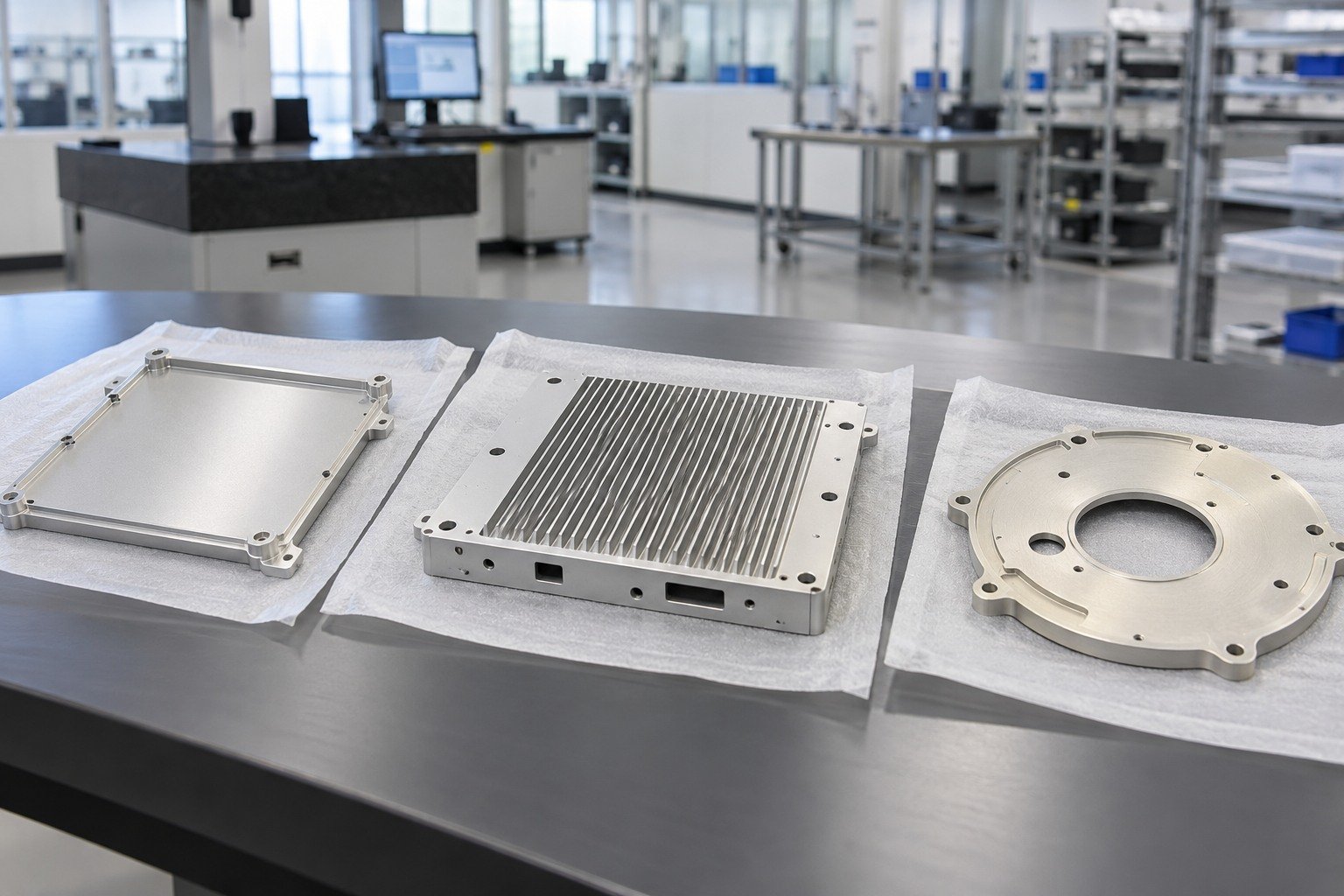
Conversion coating corrosion resistance, adhesion and electrical contact checks answer different questions. Specify the relevant test, locations and acceptance criteria.
| Your input | Required tests, sampling, limits and release records. |
|---|---|
| Our review | Feasible verification and responsible processor scope. |
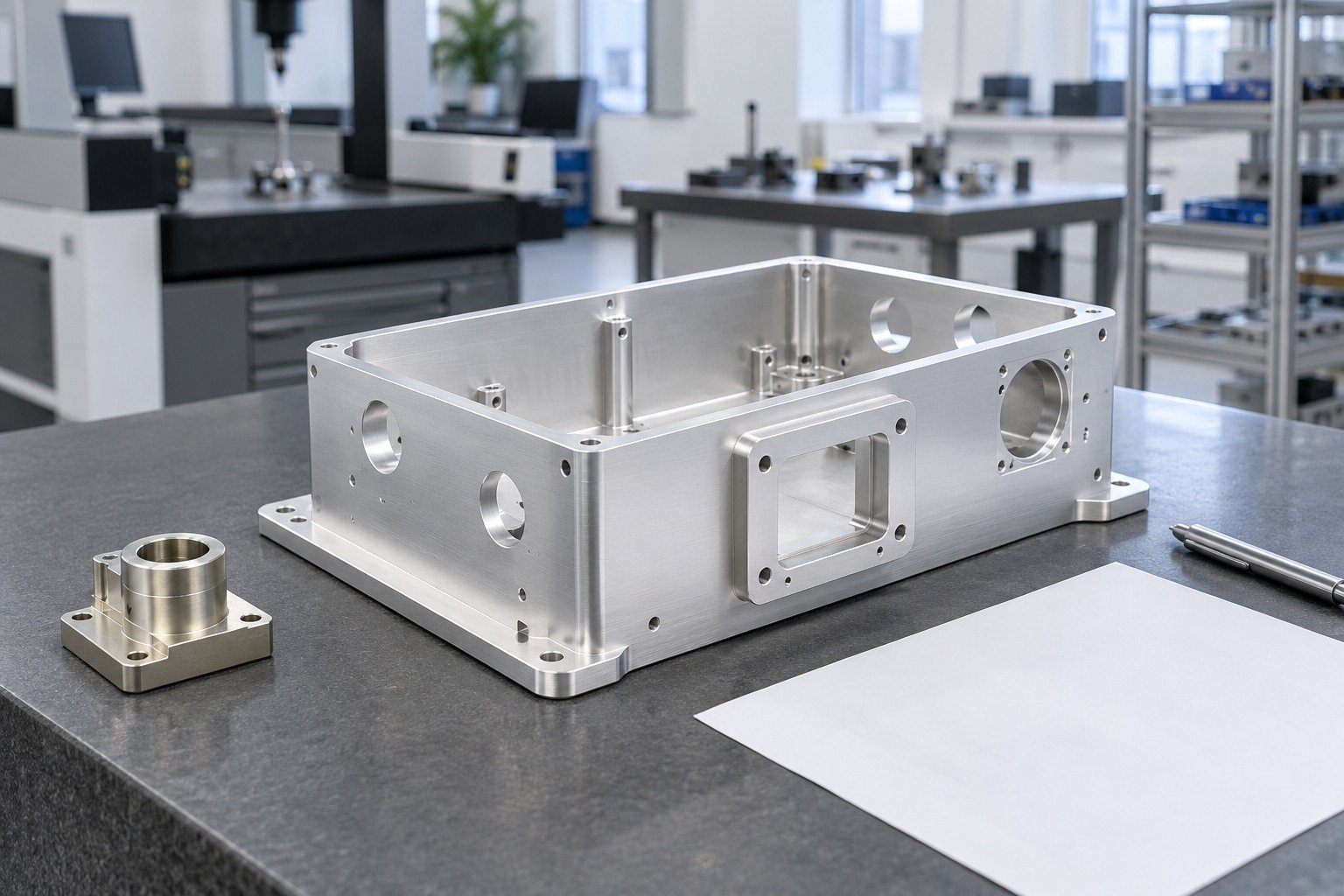
This page addresses aluminum chem film; steel phosphating and other conversion treatments require their own process review.
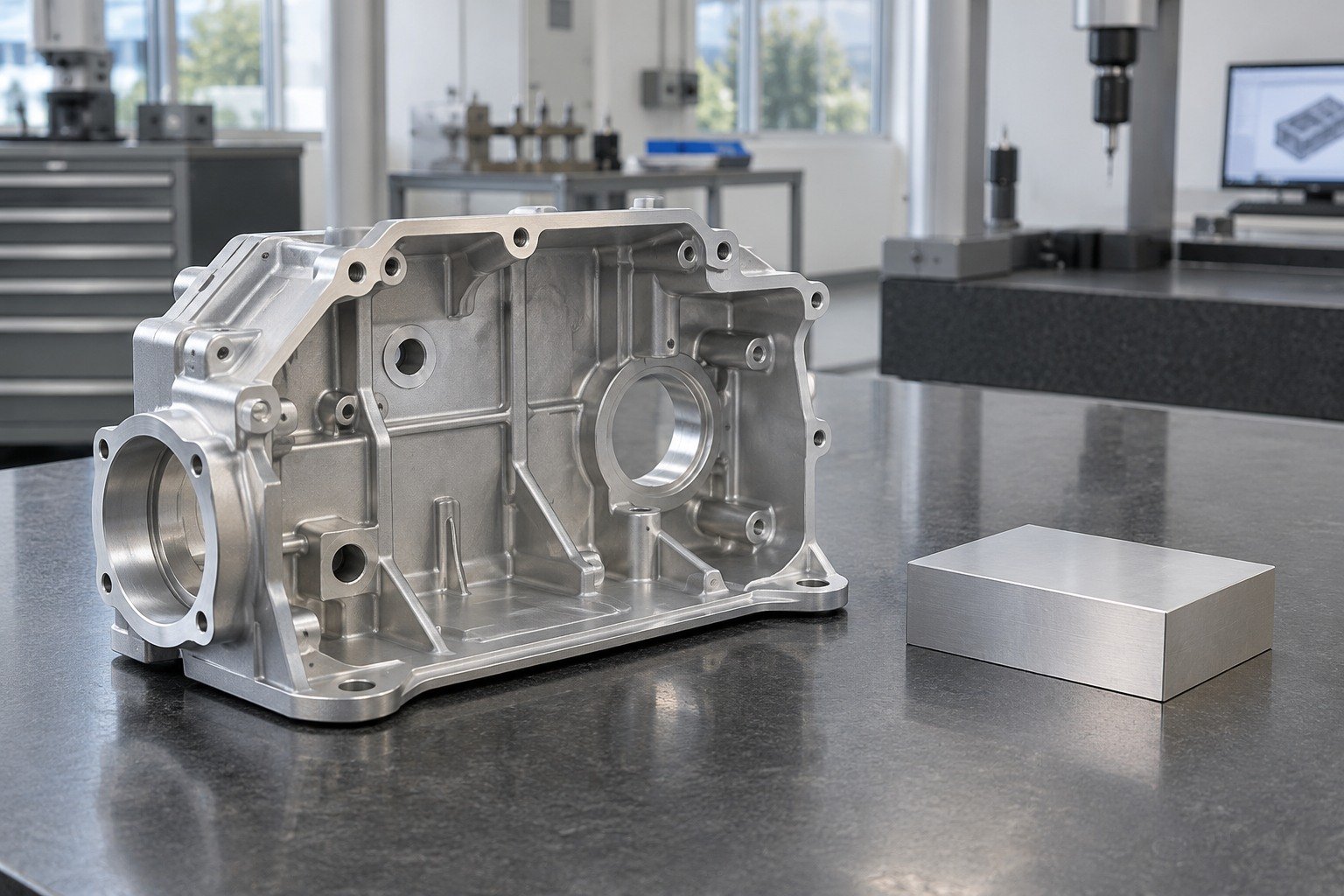
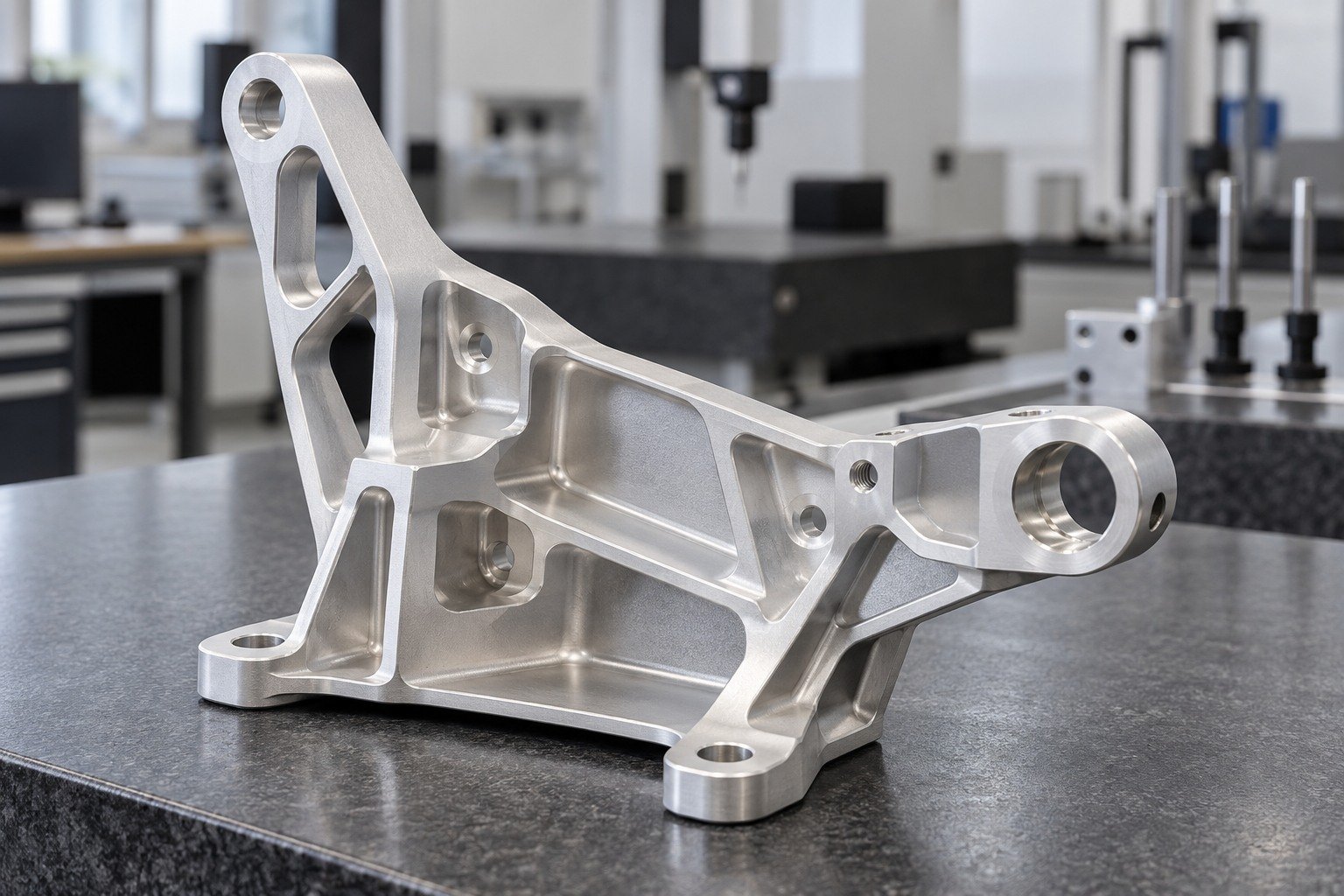
Conversion coating 6061 aluminum starts with the temper, machined surface and finish requirement for your part.
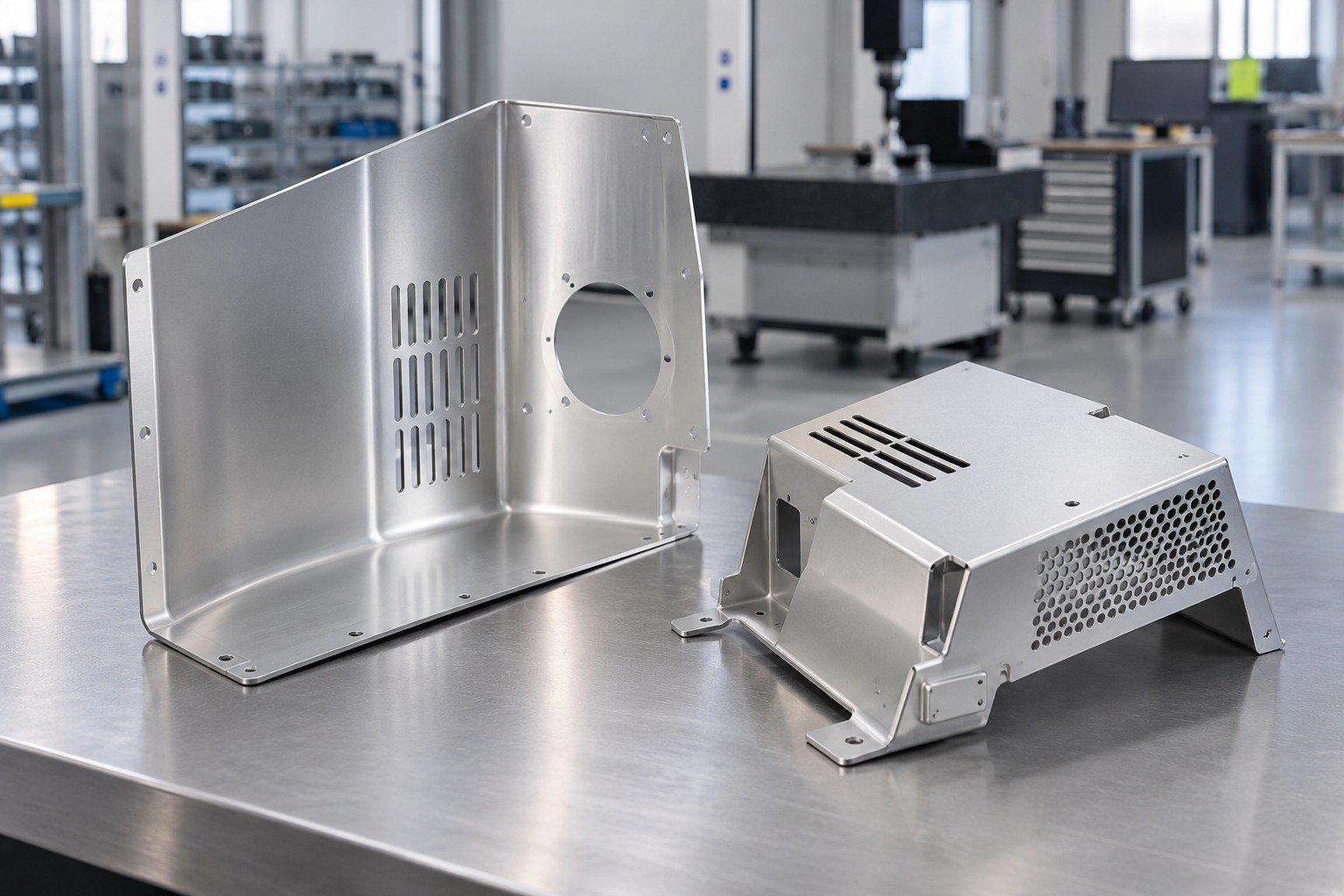
Conversion coating 7075 aluminum requires the actual alloy condition, preparation route and final acceptance plan.
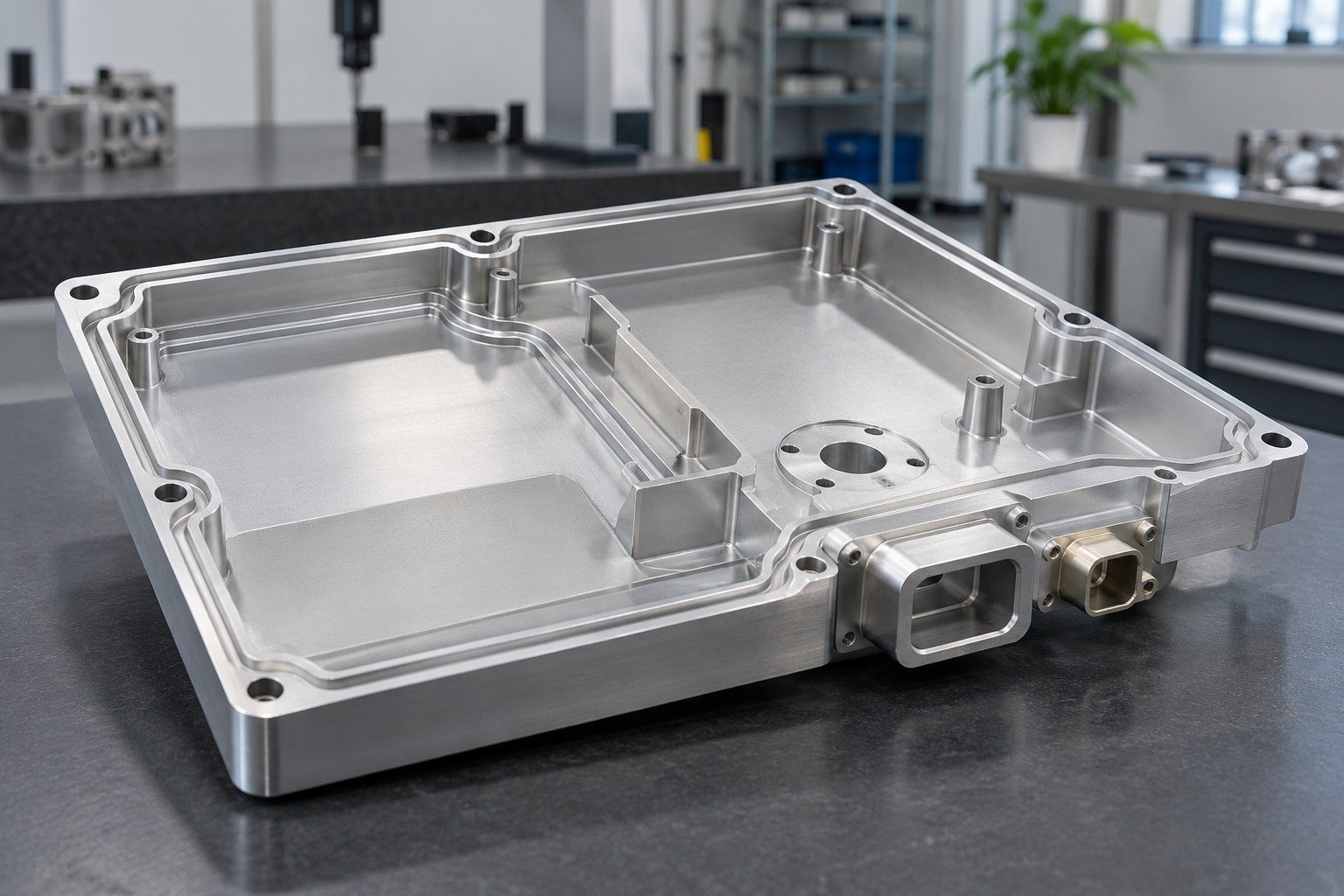
Review sheet grade, formed edges, seams and installed hardware before treatment.
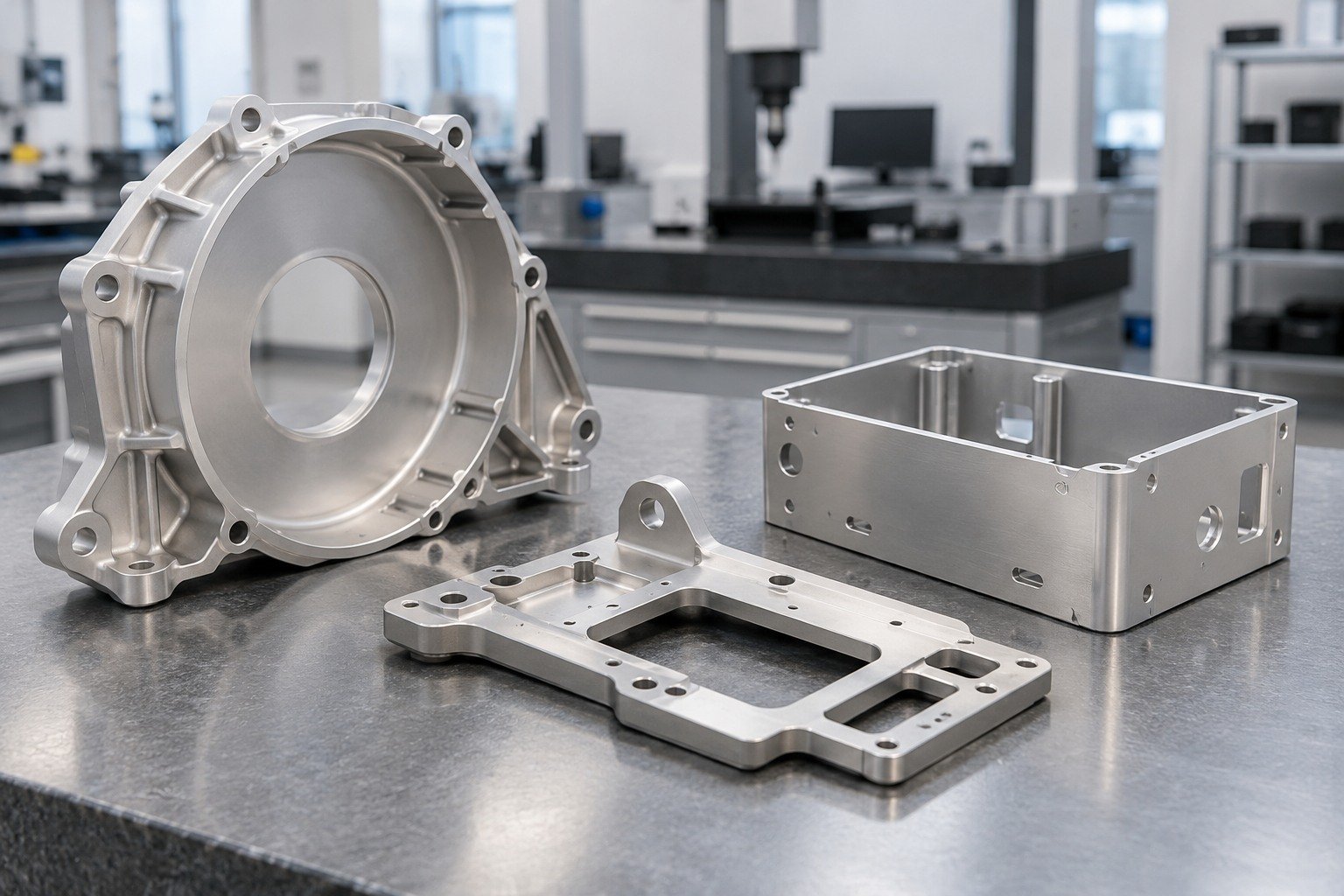
Bring bores, sealing faces, prior finishes and significant surfaces into the same review.
Trivalent conversion coating is one chemistry category for review. Confirm the specific system and required evidence.
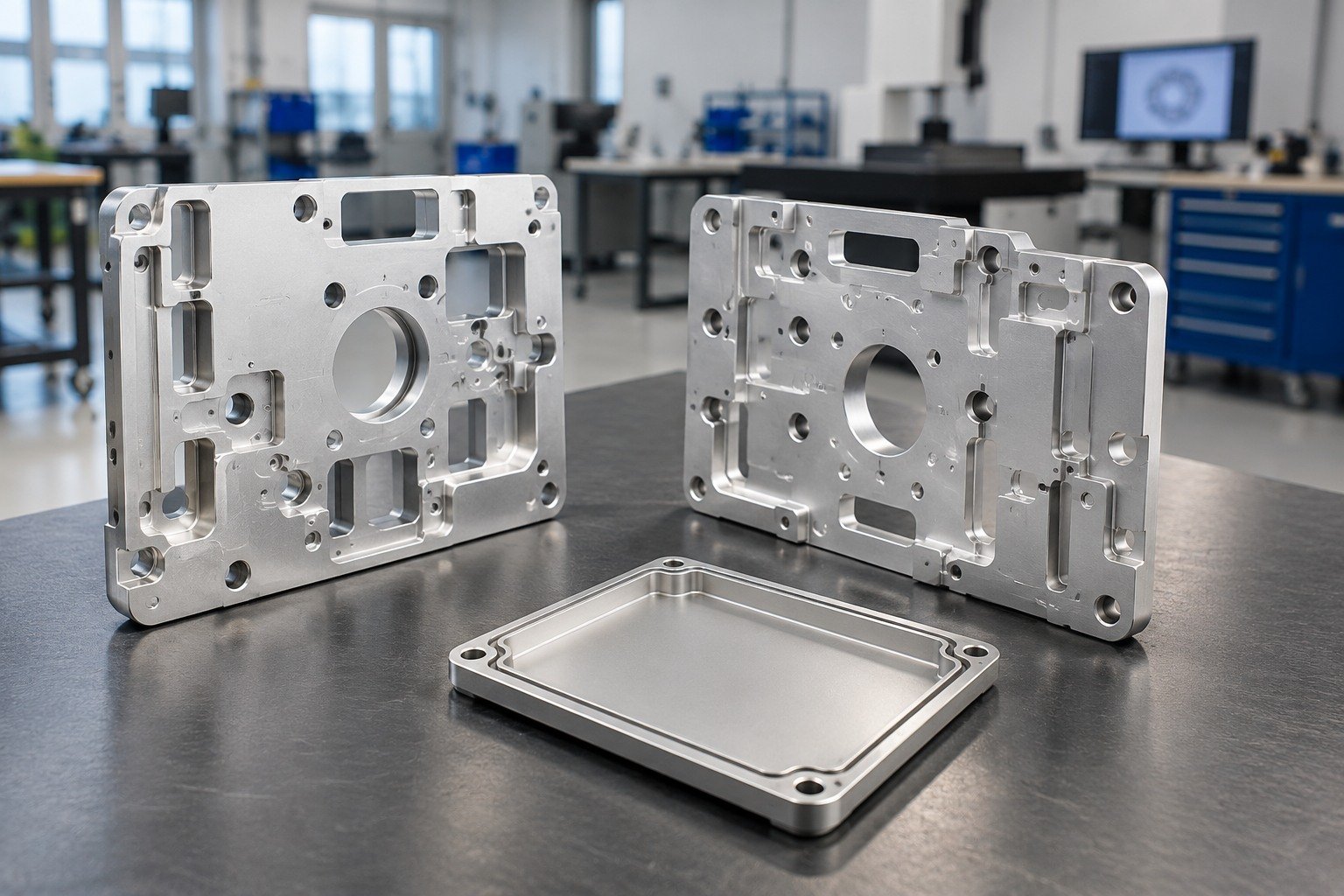
Non chromate conversion coating and hexavalent chromium free conversion coating are not identical terms. Specify the actual chemistry; availability and compliance evidence require confirmation.
Chromate conversion coating, trivalent chromate conversion coating and chromium-free pretreatments must be selected by specification and function. A clear or iridescent appearance does not identify the chemistry or prove regulatory compliance.
Use the same alloy, significant surfaces, chemistry, masks, tests and downstream work across quotations.
Define substrate, function and specification.
Review actual surface and required results.
Control revision, processor and packing.
PLANNING EXAMPLE — NOT A PRICE OR MINIMUM ORDER
Illustrative masking-planning count only. This is not a minimum order, price or processing-capacity claim.
Chemical conversion coating forms a surface film by reaction with the substrate. The actual preparation, chemistry, rinsing or drying route depends on the selected system.
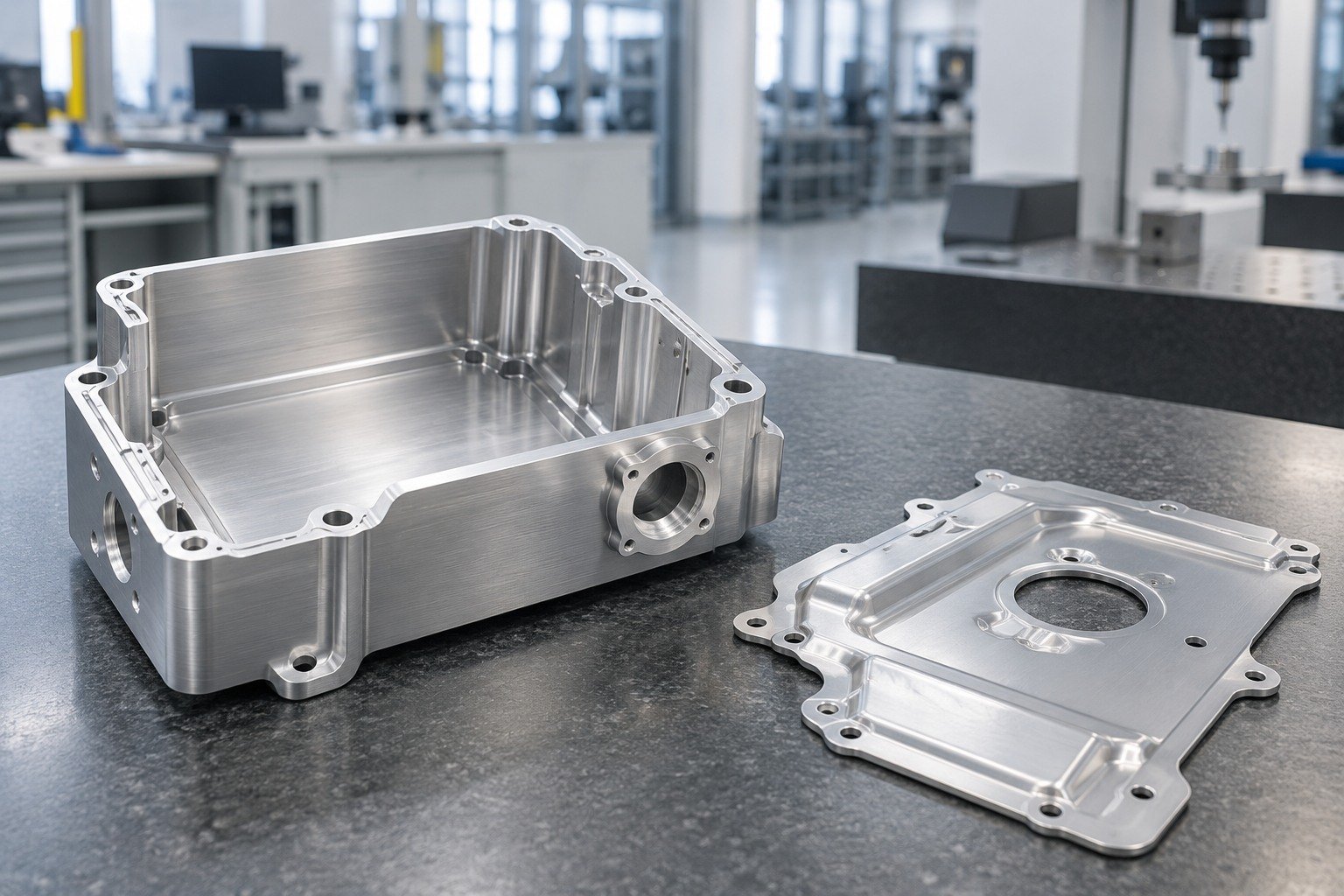
Confirm alloy, prior finish and the preparation required by the selected system.
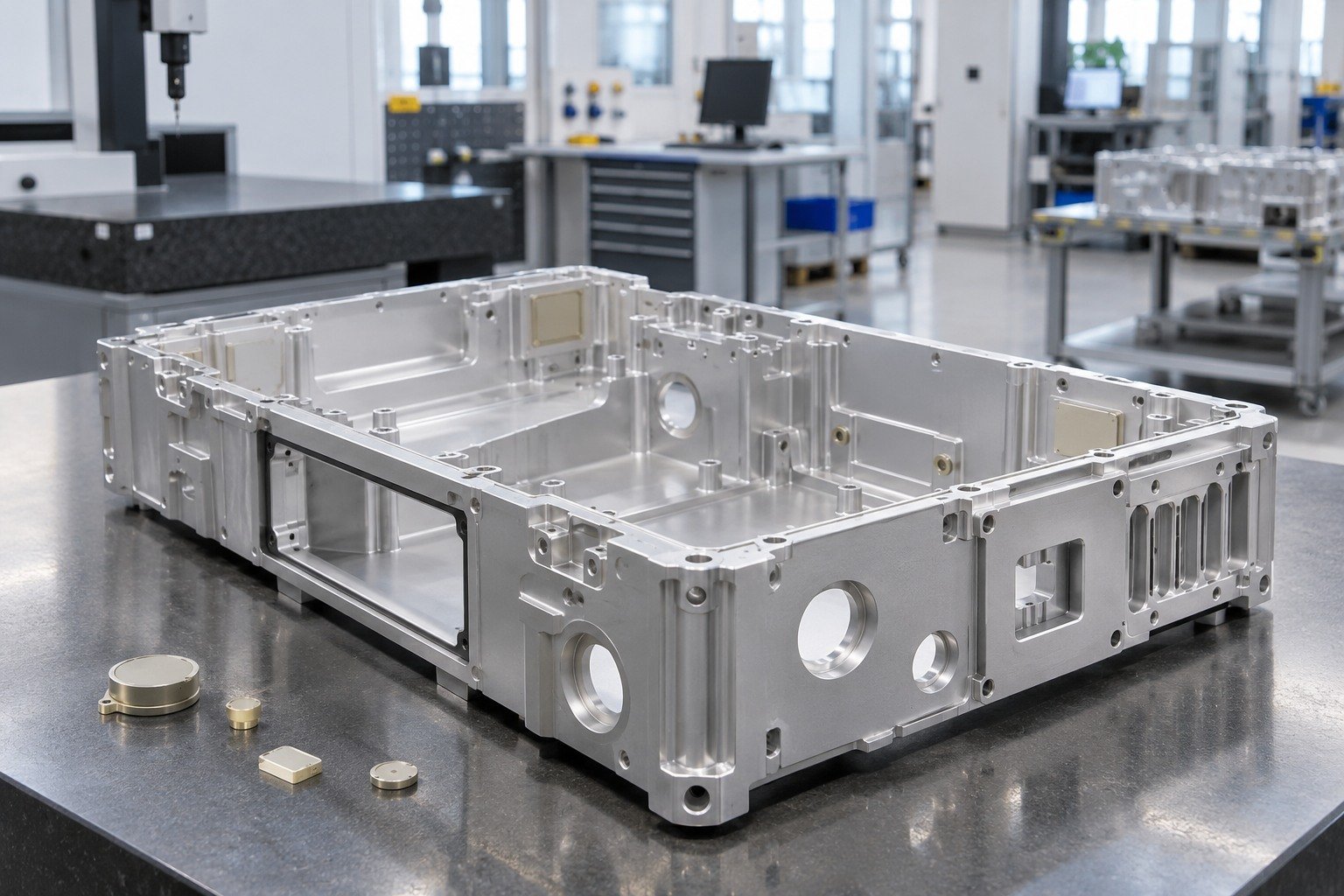
Apply agreed masks and process the specified significant surfaces.
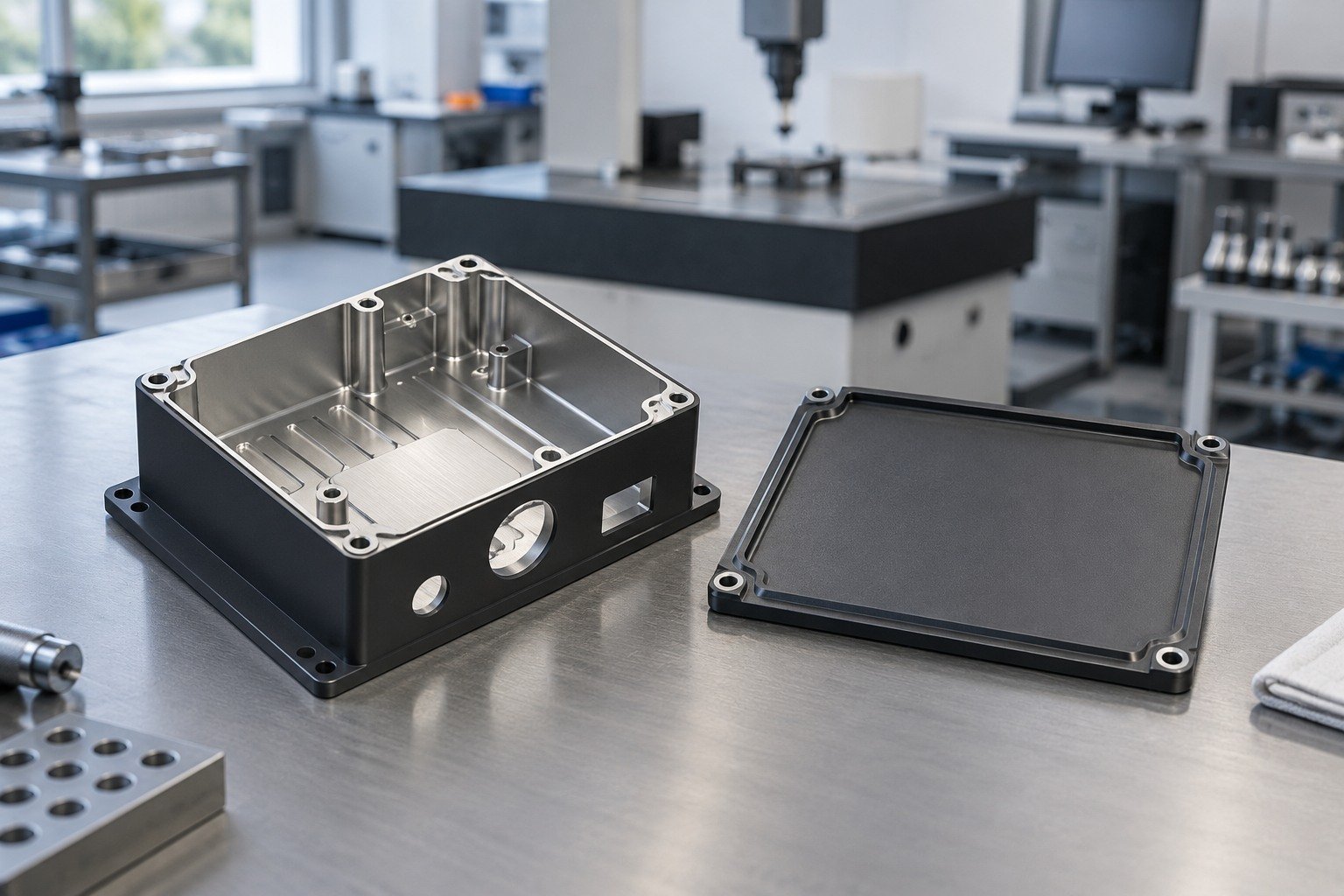
Follow the required system sequence and any agreed downstream coating operations.
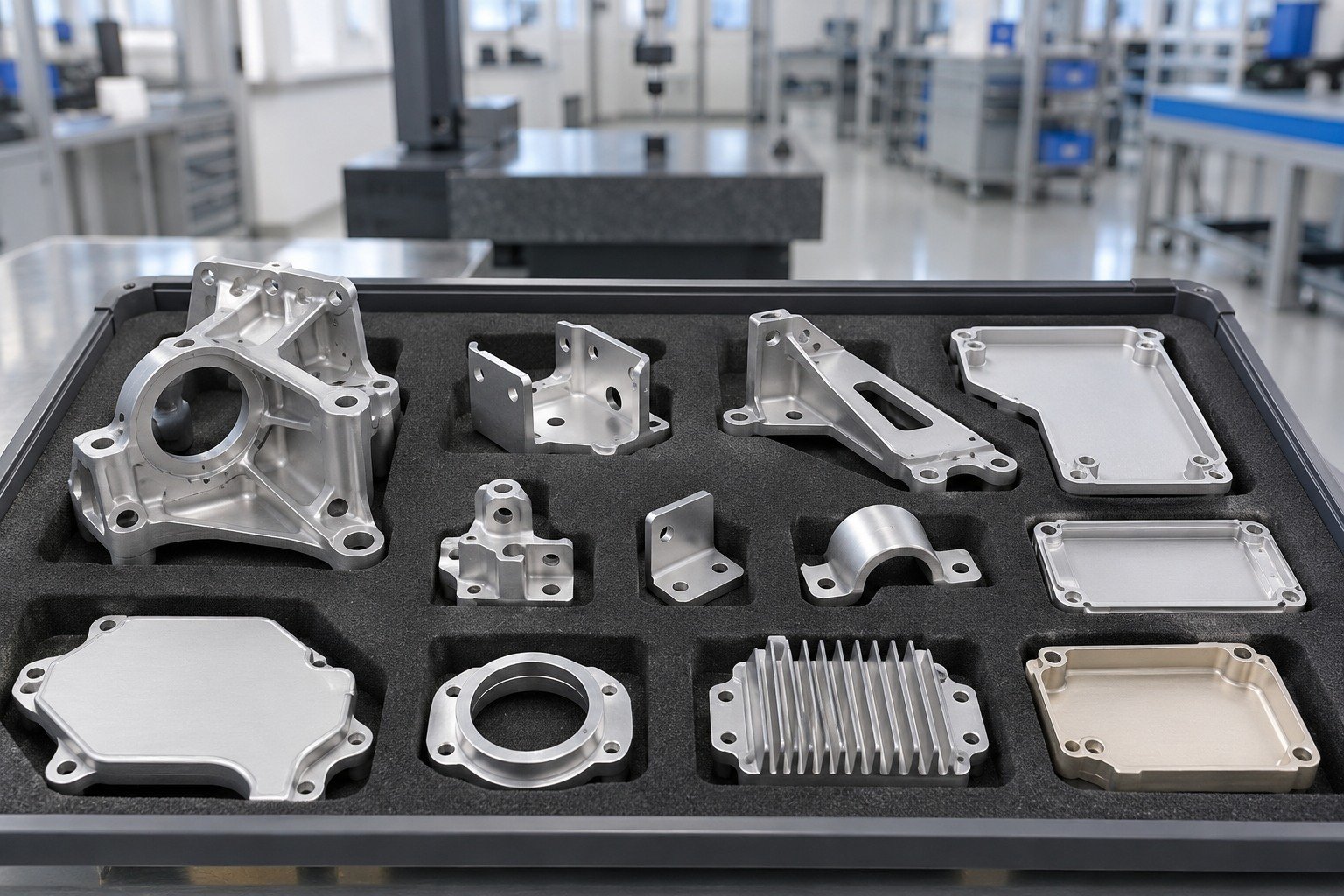
Verify the supplied condition and required records, then protect the parts for transport.
This general sequence is not a universal chemical process specification. Confirm the treatment system, processor, secondary work and acceptance scope in your quotation.
Define what your receiving team will inspect and which records must accompany shipment.
| Material & Revision | Aluminum grade, temper and controlled drawing. |
|---|---|
| System & Callout | Exact chemistry, specification and required class. |
| Masks & Interfaces | Protected areas and coating transition limits. |
| Surface & Fit | Approved condition, significant faces and final geometry. |
| Specified Tests | Relevant contact, adhesion or corrosion evidence. |
| Release Records | Sampling, applicable results and part protection. |
A photograph or dimensional report does not prove chemical composition, corrosion performance or electrical contact resistance. Agree applicable tests and acceptance limits before release.
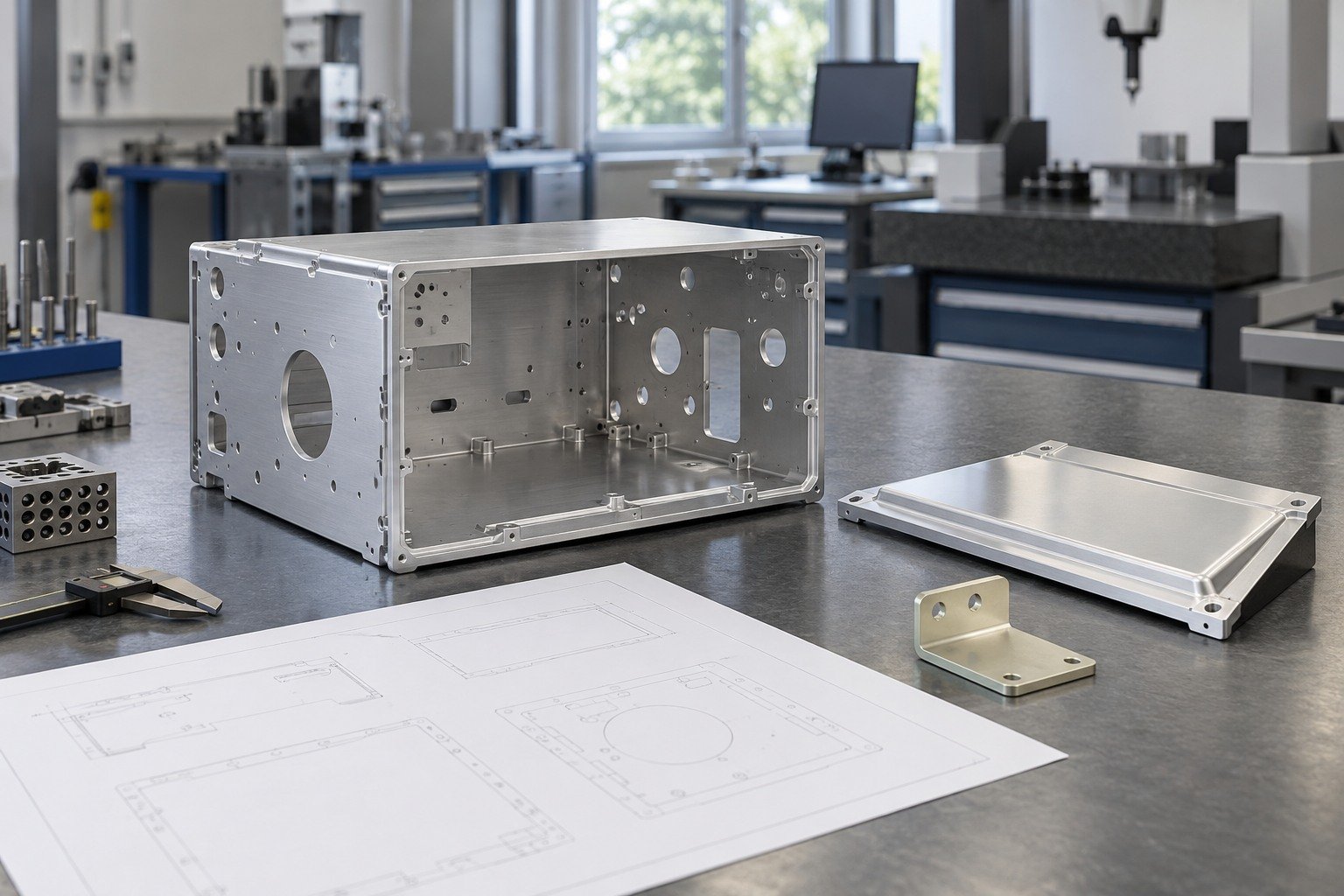
| Material & Revision | Aluminum grade, temper and controlled drawing. |
|---|---|
| System & Callout | Exact chemistry, specification and required class. |
| Masks & Interfaces | Protected areas and coating transition limits. |
| Surface & Fit | Approved condition, significant faces and final geometry. |
| Specified Tests | Relevant contact, adhesion or corrosion evidence. |
| Release Records | Sampling, applicable results and part protection. |
A photograph or dimensional report does not prove chemical composition, corrosion performance or electrical contact resistance. Agree applicable tests and acceptance limits before release.
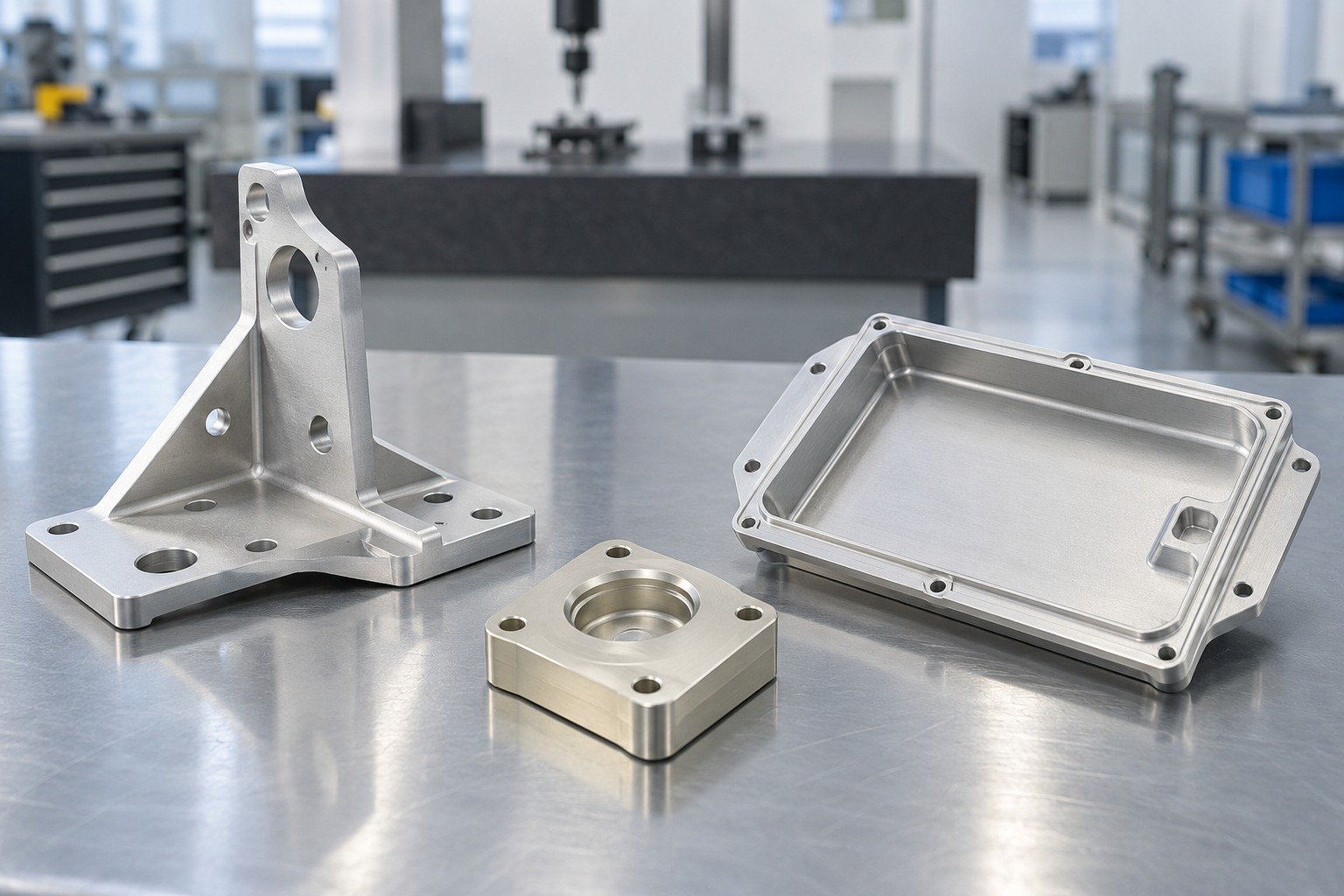
| Material & Revision | Aluminum grade, temper and controlled drawing. |
|---|---|
| System & Callout | Exact chemistry, specification and required class. |
| Masks & Interfaces | Protected areas and coating transition limits. |
| Surface & Fit | Approved condition, significant faces and final geometry. |
| Specified Tests | Relevant contact, adhesion or corrosion evidence. |
| Release Records | Sampling, applicable results and part protection. |
A photograph or dimensional report does not prove chemical composition, corrosion performance or electrical contact resistance. Agree applicable tests and acceptance limits before release.
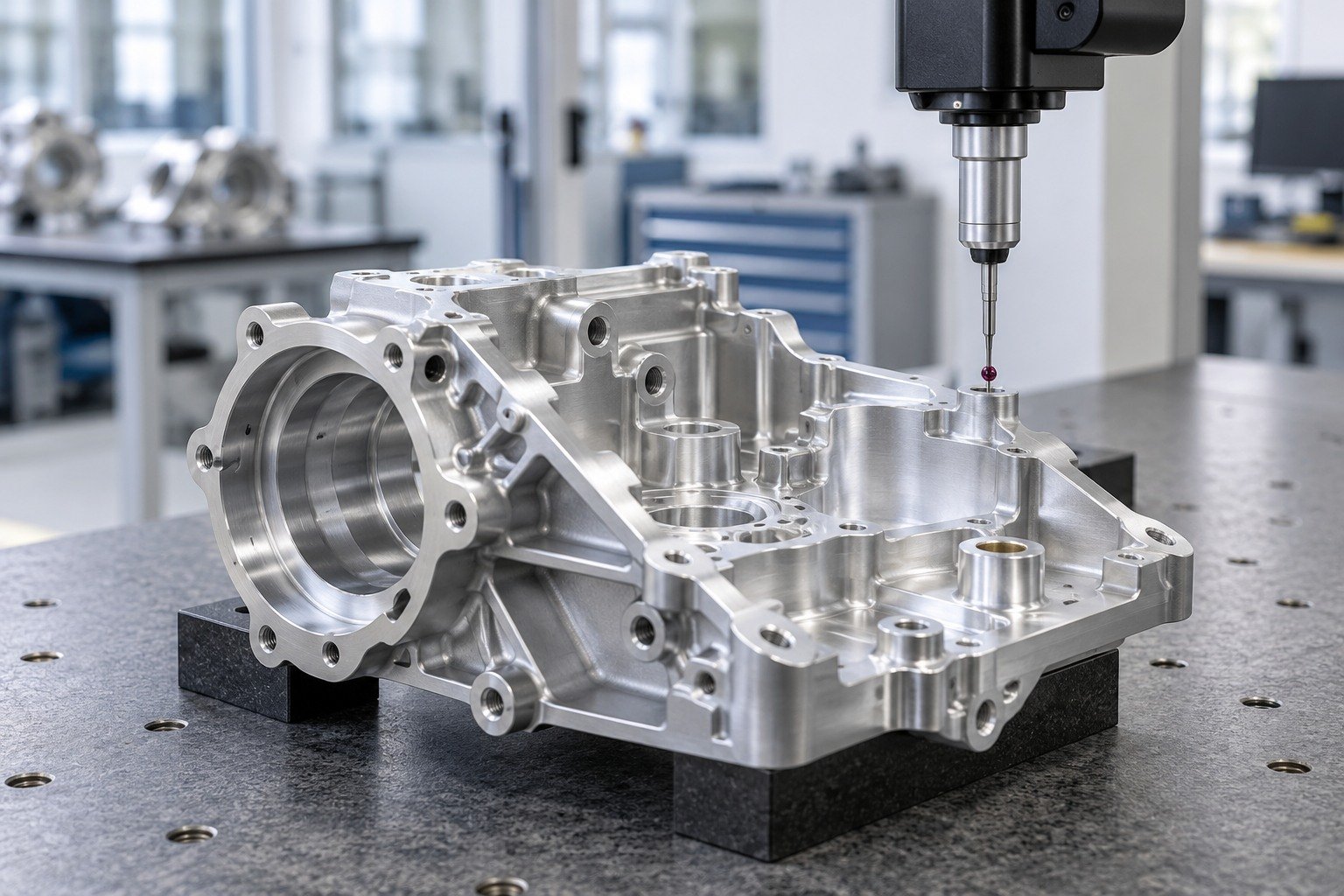
| Material & Revision | Aluminum grade, temper and controlled drawing. |
|---|---|
| System & Callout | Exact chemistry, specification and required class. |
| Masks & Interfaces | Protected areas and coating transition limits. |
| Surface & Fit | Approved condition, significant faces and final geometry. |
| Specified Tests | Relevant contact, adhesion or corrosion evidence. |
| Release Records | Sampling, applicable results and part protection. |
A photograph or dimensional report does not prove chemical composition, corrosion performance or electrical contact resistance. Agree applicable tests and acceptance limits before release.
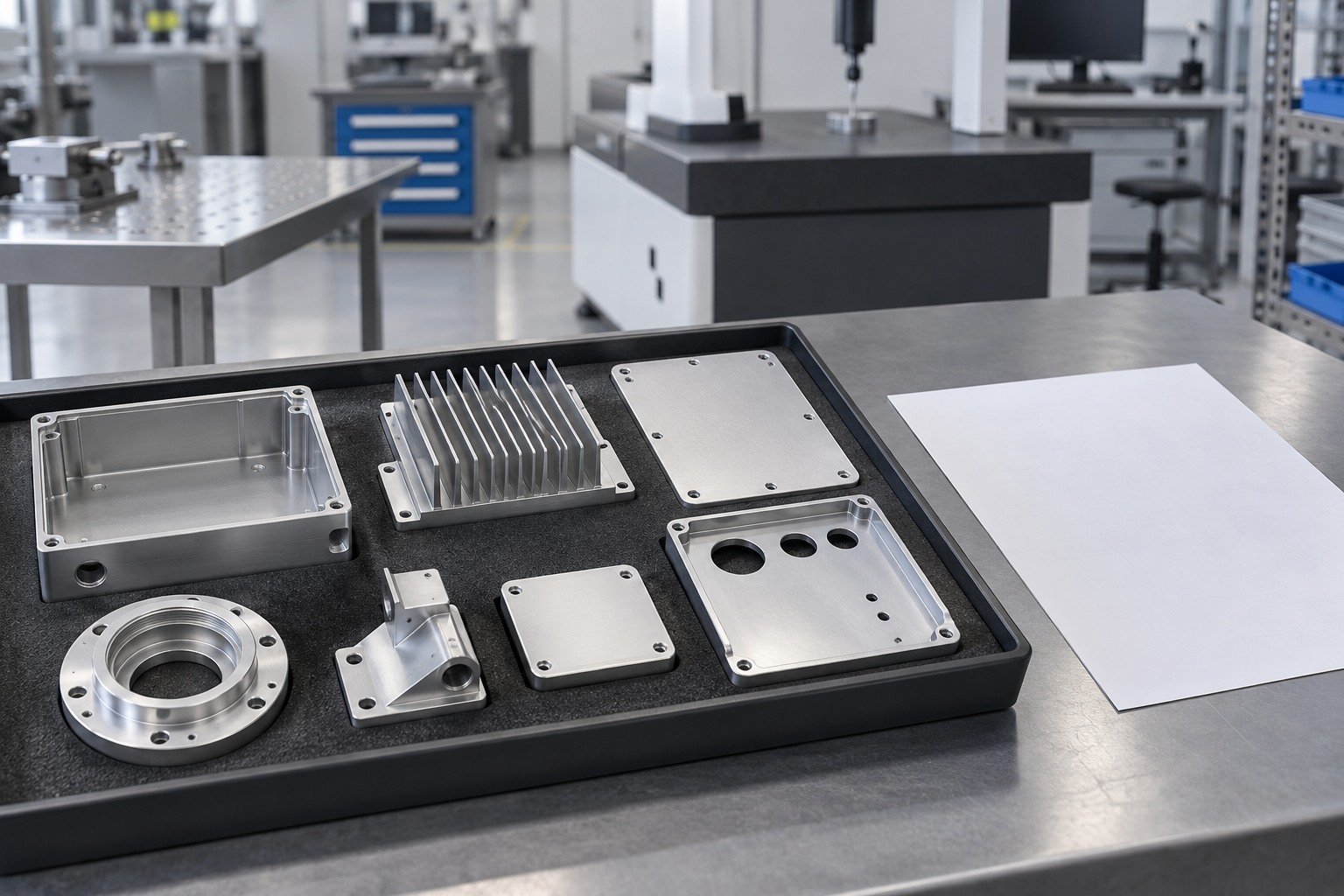

Separate contact pads, cover joints and cosmetic faces.
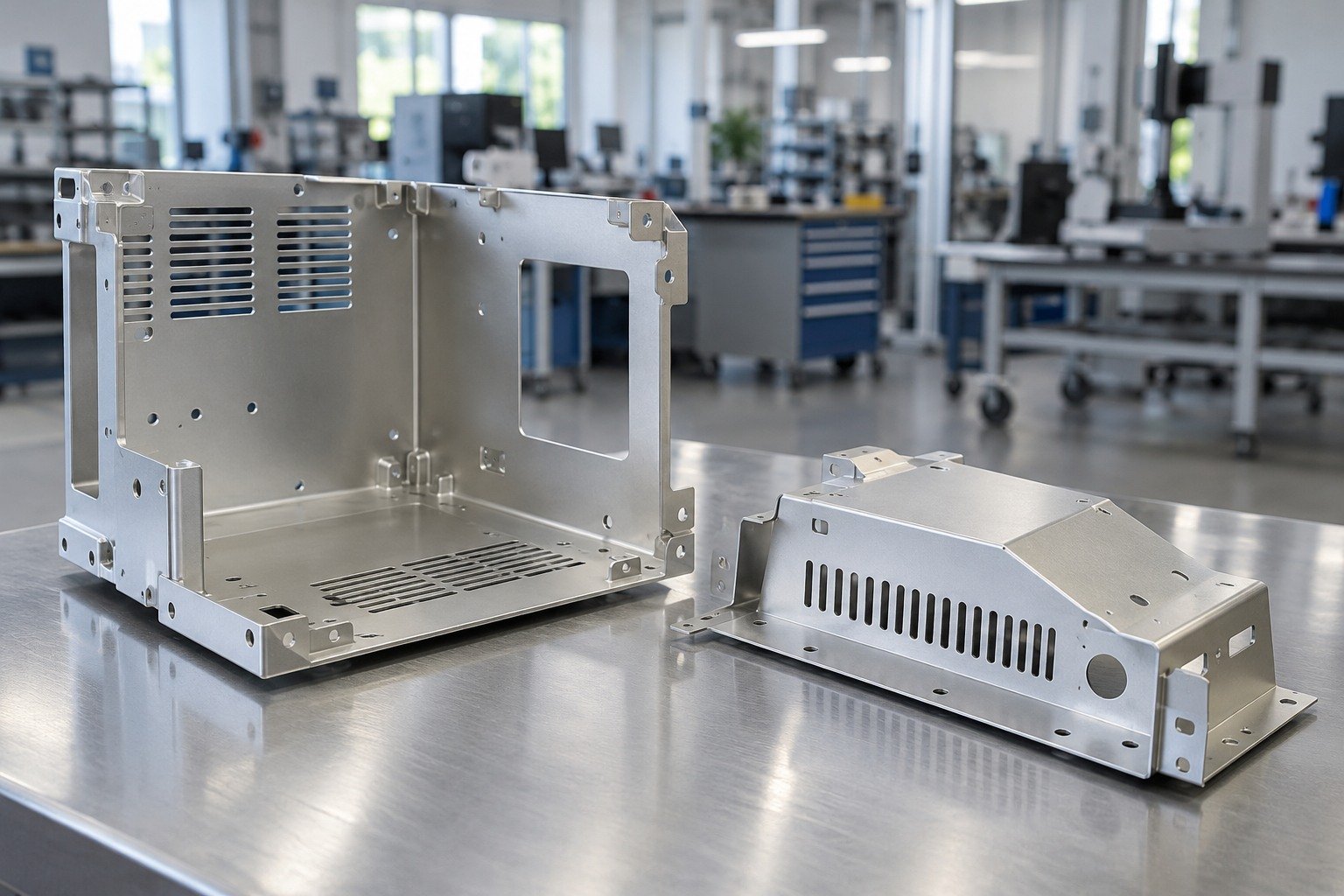
Review formed edges, hardware sequence and paint preparation.
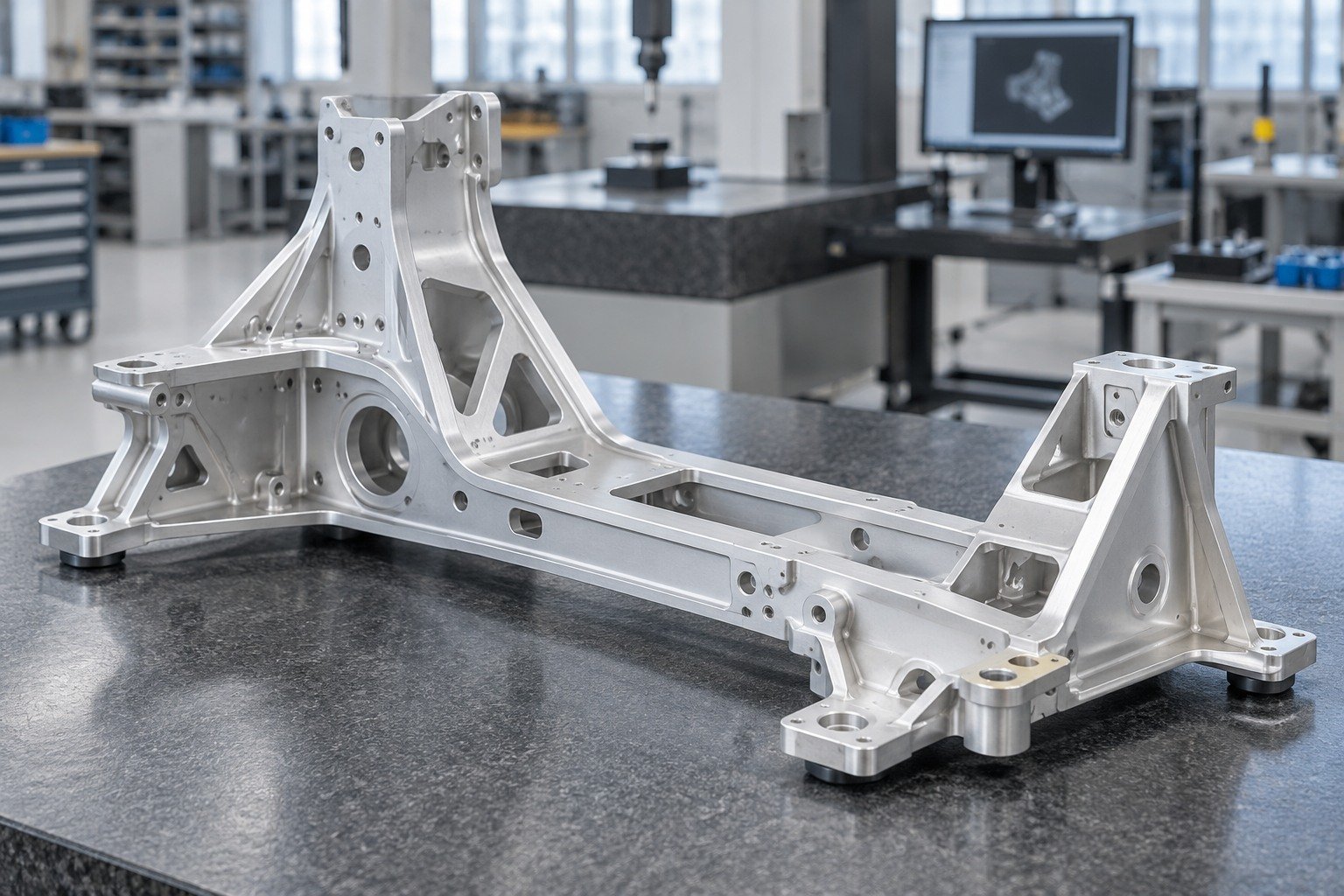
Identify bolted joints, locating pads and protected fits.
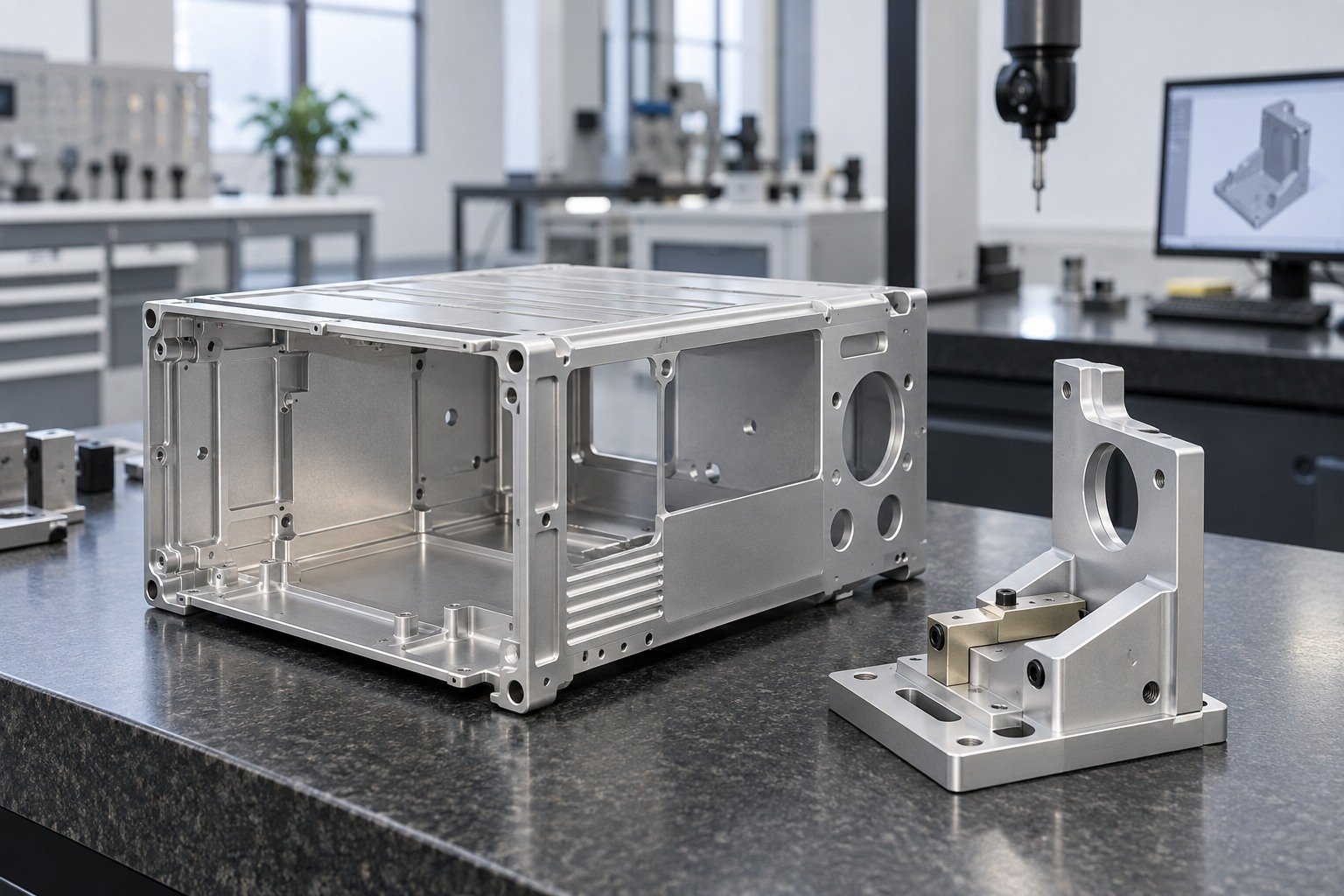
Define significant surfaces and the required supplied state.
Illustrative application concepts. Suitability and required evidence are project-specific; no customer case study or industry qualification is implied.
Coordinate your finish drawing, treated samples and delivery requirements.

Project communication and coordination.
Chemistry, scope and processor confirmed in your quote.
Agree sample checks and required documents.
Confirm handling protection and logistics.
For chem film coating services, separate part supply, treatment, subsequent paint or assembly, inspection and release responsibilities.
It is a chemical surface treatment that forms a film through reaction with the substrate. This page focuses on aluminum chem film for defined protection, paint preparation or contact requirements; other metals and chemistries need separate review.
Conversion coating vs anodizing should be decided around corrosion, wear, appearance, paint and electrical contact requirements. They are different processes. Review the complete finish stack, geometry and required evidence rather than treating them as interchangeable.
Use the exact terminology, specification and revision required by your drawing. Under MIL-DTL-5541, Type I and Type II distinguish hexavalent-chromium-containing and hexavalent-chromium-free systems. Type II does not automatically mean every chemistry is chromium-free or that all systems are interchangeable.
Define corrosion protection and electrical contact requirements separately. Confirm the specified class, significant areas, test conditions and required evidence with the responsible processor. This page does not claim approval to every class or specification.
Review treatment-compatible masking for excluded fits, threads and interfaces. Distinguish untreated areas from chem-film areas that must remain free of later paint. Mark boundaries and inspection criteria on the controlled drawing.
A suitable conversion film can serve as pretreatment for a compatible paint or coating system. Confirm preparation, chemistry, handling and the downstream coating's requirements, then approve the required adhesion and surface evidence.
Compare alloy, incoming surface, part geometry, chemistry, masks, quantity, tests, records and packing on the same scope. Review engineering, samples, processing, inspection and transport milestones; no universal minimum order, unit price or turnaround is promised.
Provide your drawing, alloy and temper, significant surfaces, finish specification and revision, required type/class, masks, downstream coatings, tests, quantities and delivery requirements. Identify who supplies the parts and accepts the finished condition.
Chemistry, interfaces, masks and required limits.
Actual surface, fit and specified evidence.
Processor, downstream work, records and delivery.
Confirm these together before releasing repeat production.