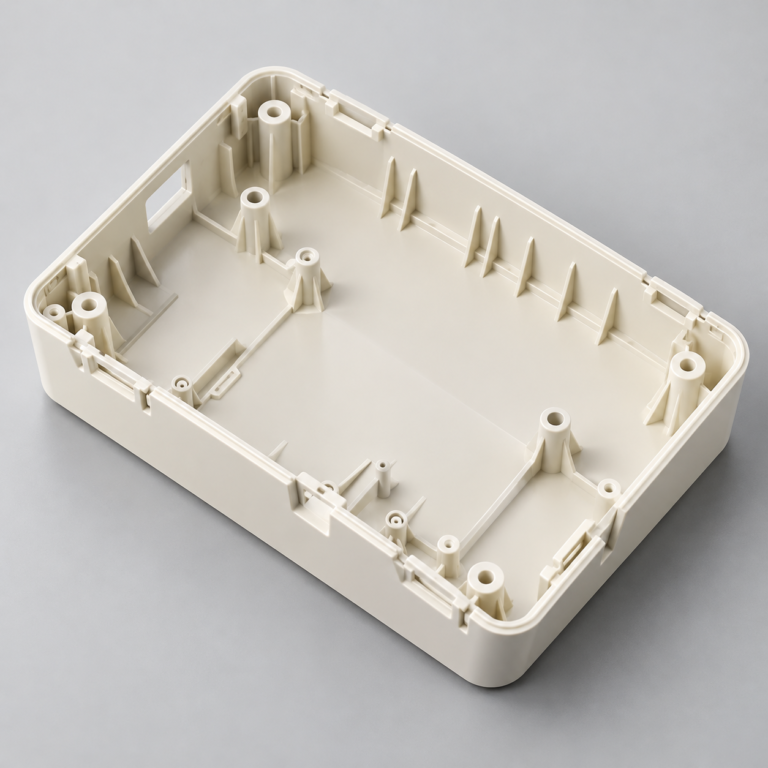
Injection Molding
Tooling and molding for your repeat plastic parts.
From prototype to production, coordinated manufacturing solutions for your custom parts.
View All Services →
Precision parts for your tight tolerances and complex geometry.
Tooling and molding for your repeat plastic parts.
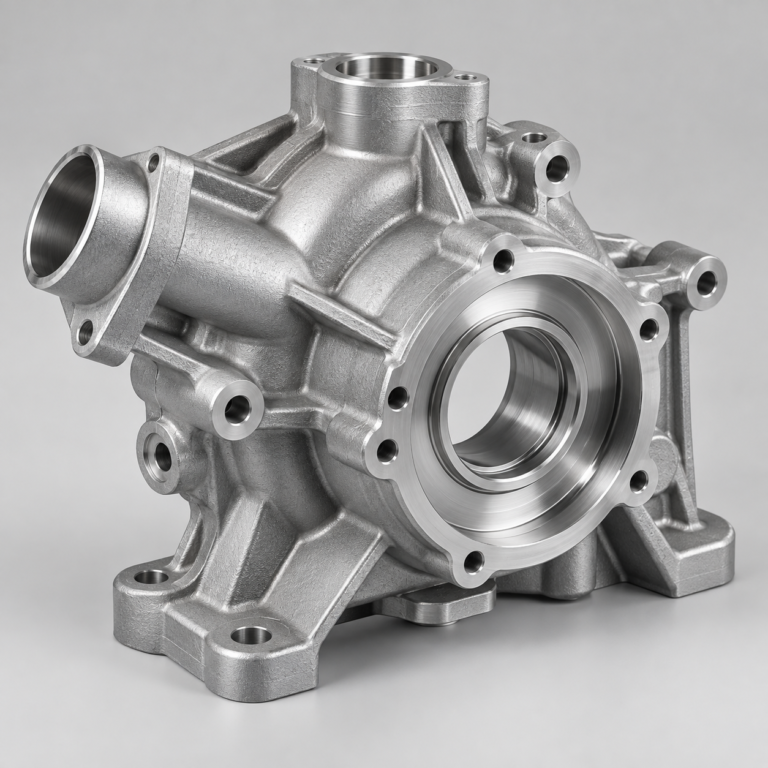
Metal casting options for your part and production volume.
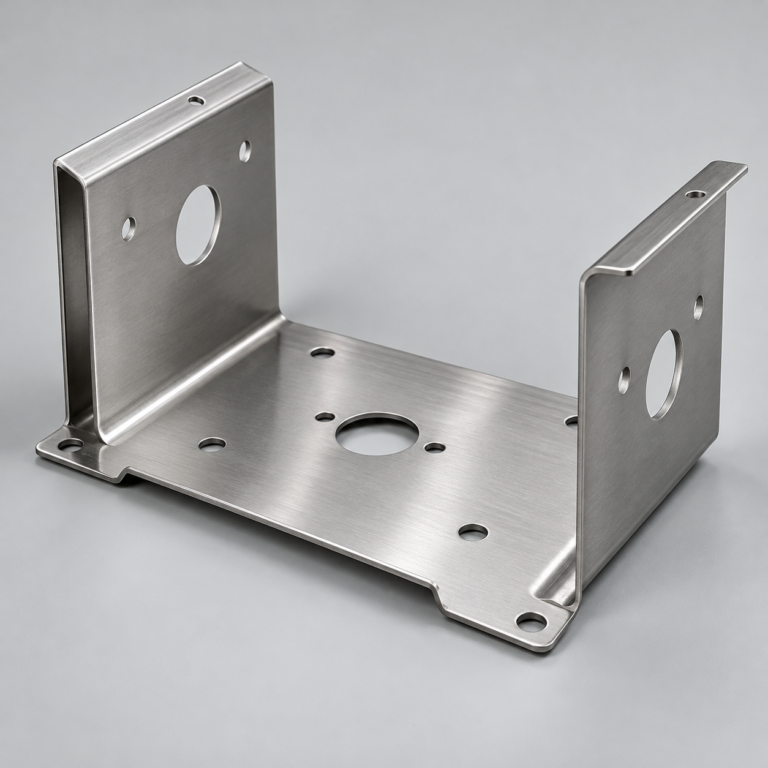
Cutting, forming and welding for your fabricated parts.
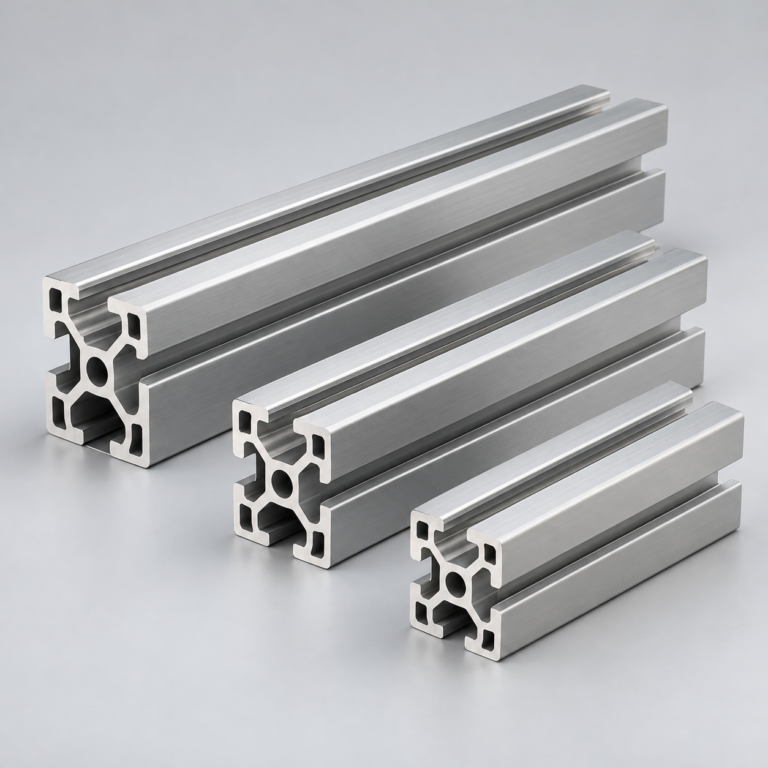
Custom profiles for your section, length and finish requirements.
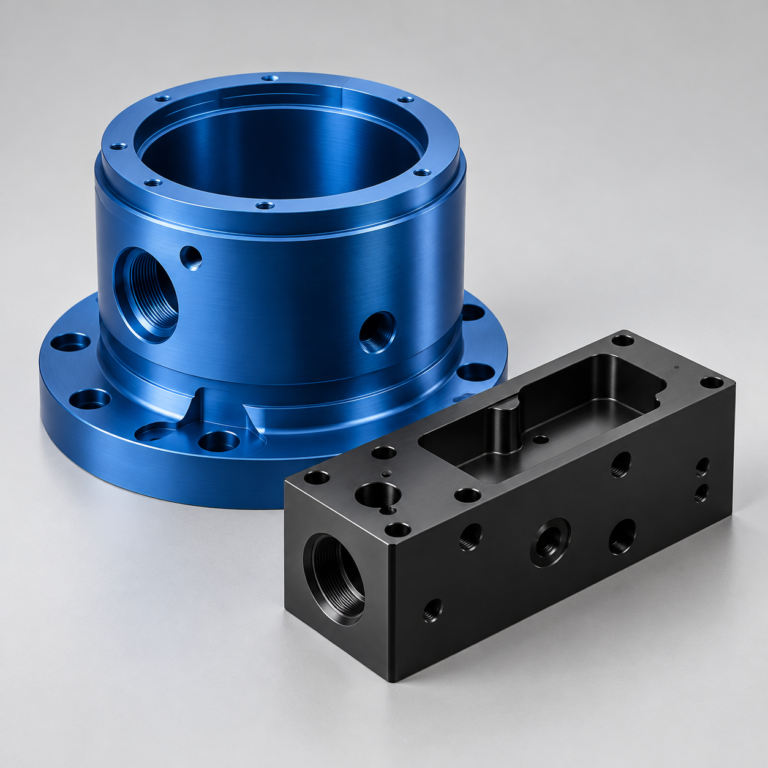
Finishes for your appearance, corrosion and wear requirements.
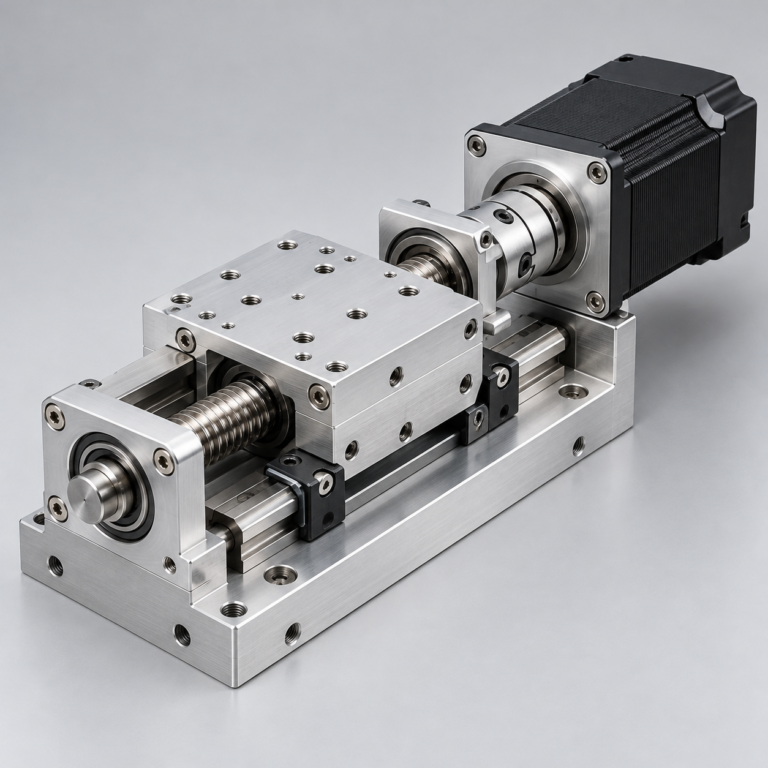
Sub-assemblies and final builds for your production program.
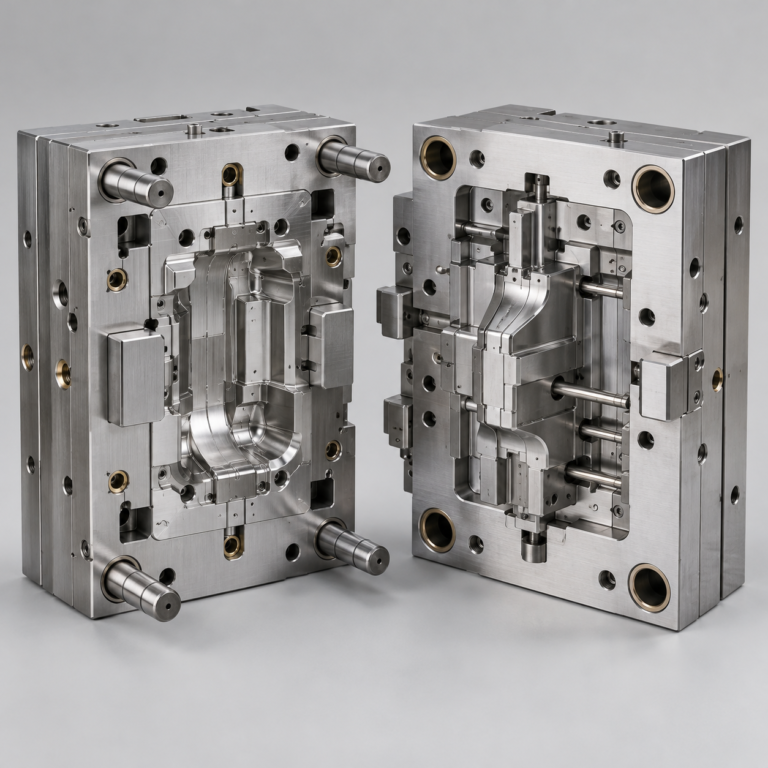
Production tooling built around your process and volume.
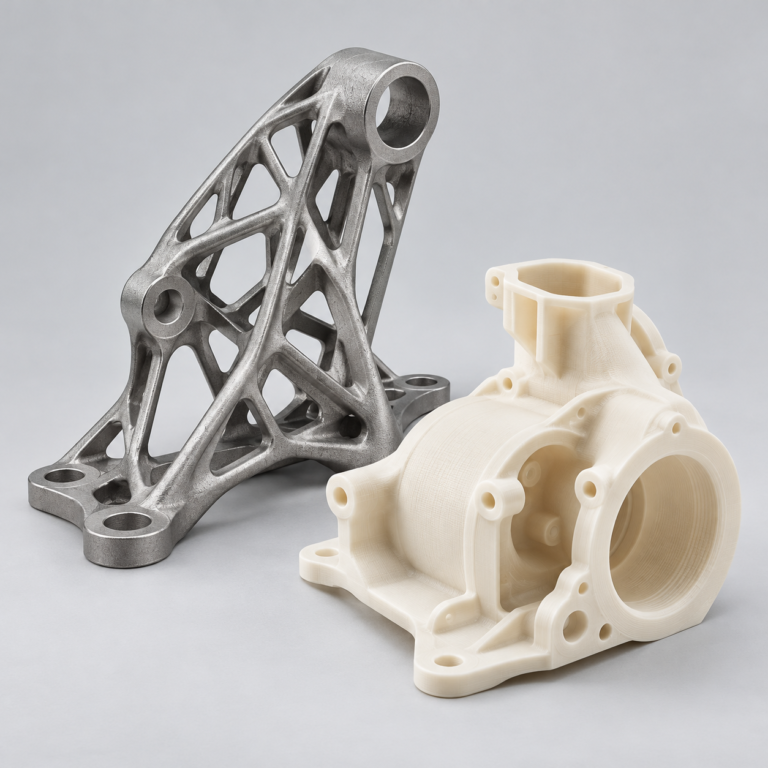
Prototype parts to check fit, function and design.
DFM, process planning and production support for your project.
Inspection, documentation, inventory and delivery planning for your program.
Choose air- or liquid-cooling components around your thermal and mechanical requirements.
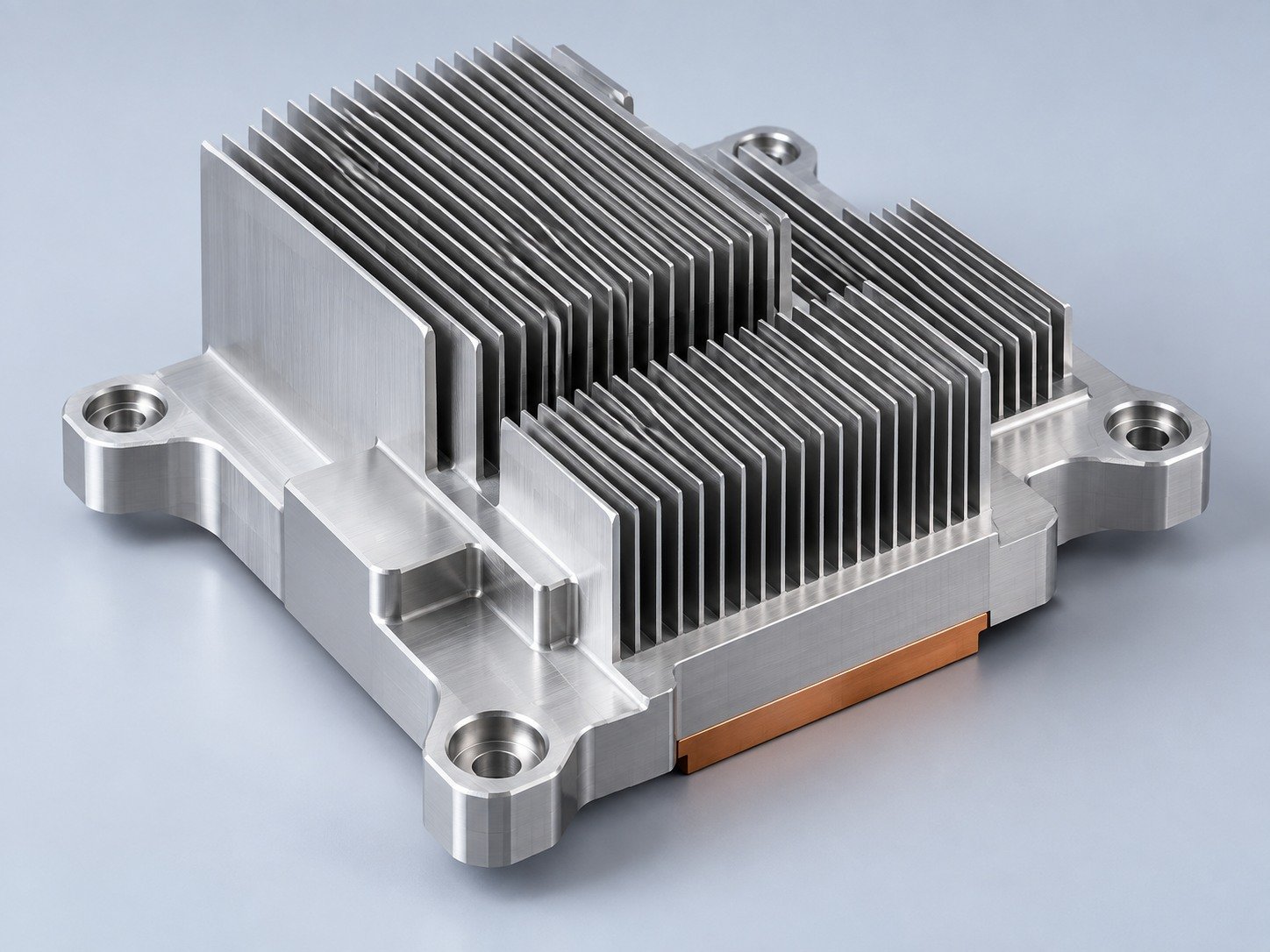
Manufacturing support for your cold plates, manifolds and cooling assemblies.
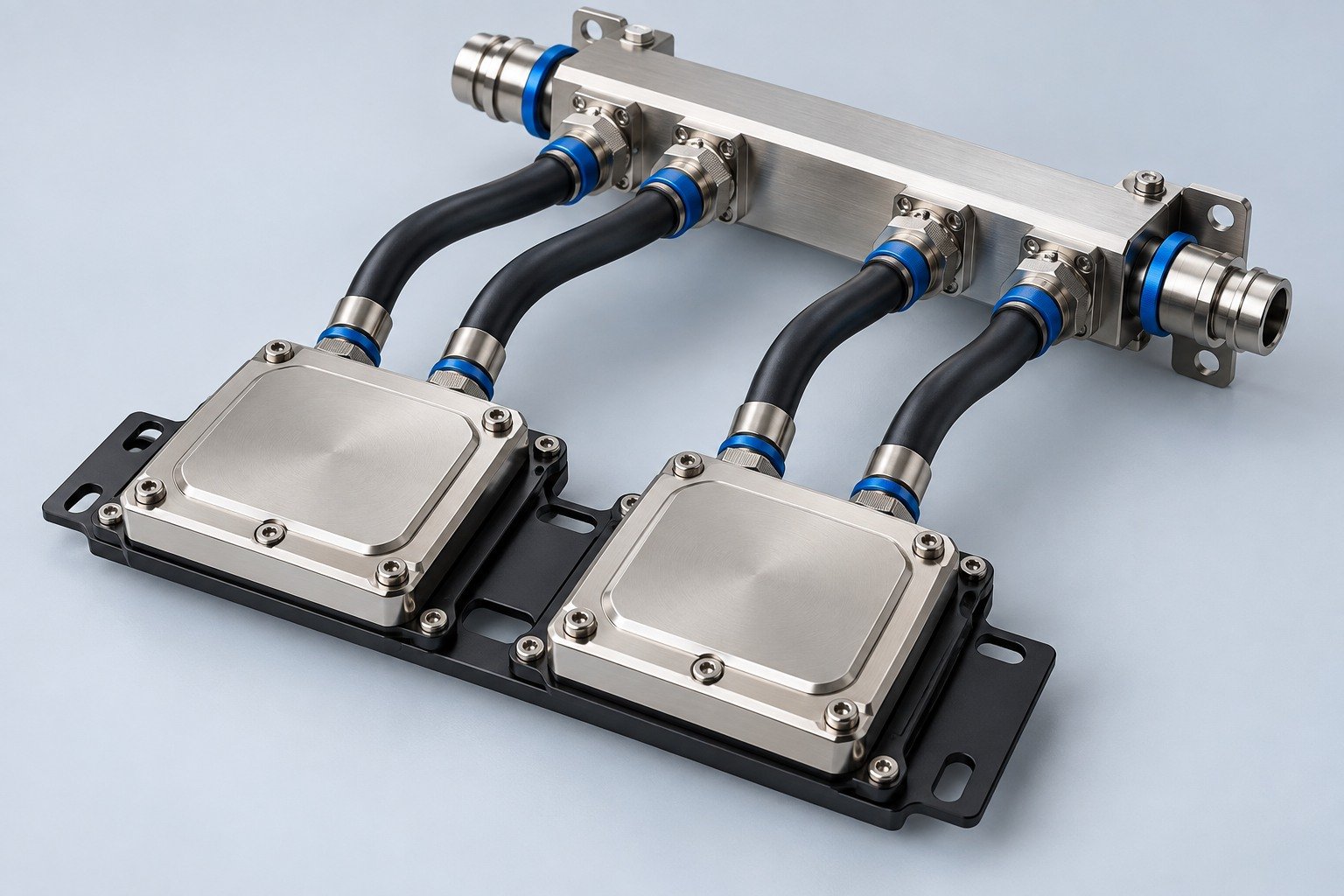
Find components for your power electronics, energy, laser and telecom application.
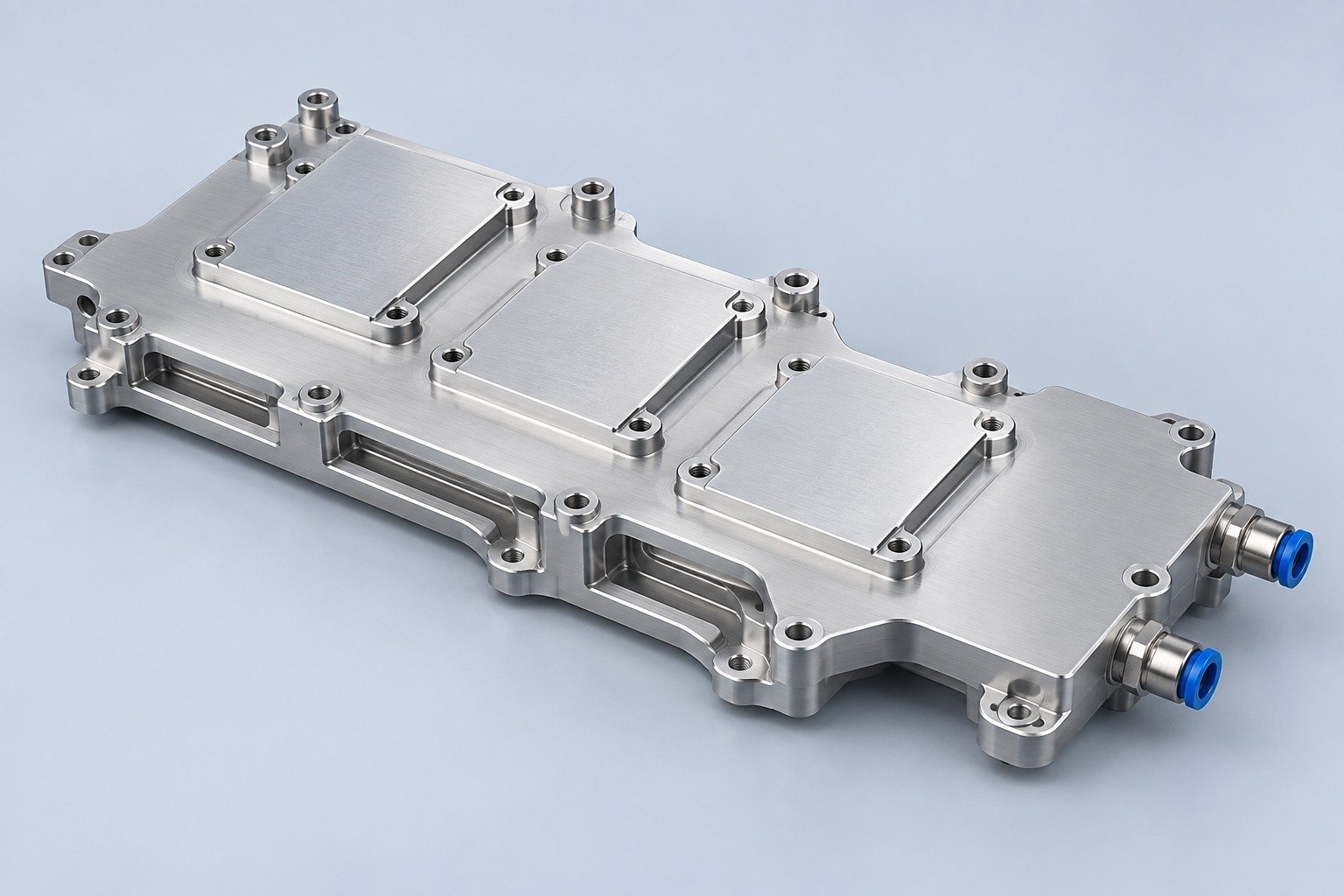
Components for your electronic systems.
Start with your functional and quality requirements.
Build around your operating environment.
From prototype to production, review material performance, manufacturability and cost for your part.
Review grade, temper and finish for your metal parts.
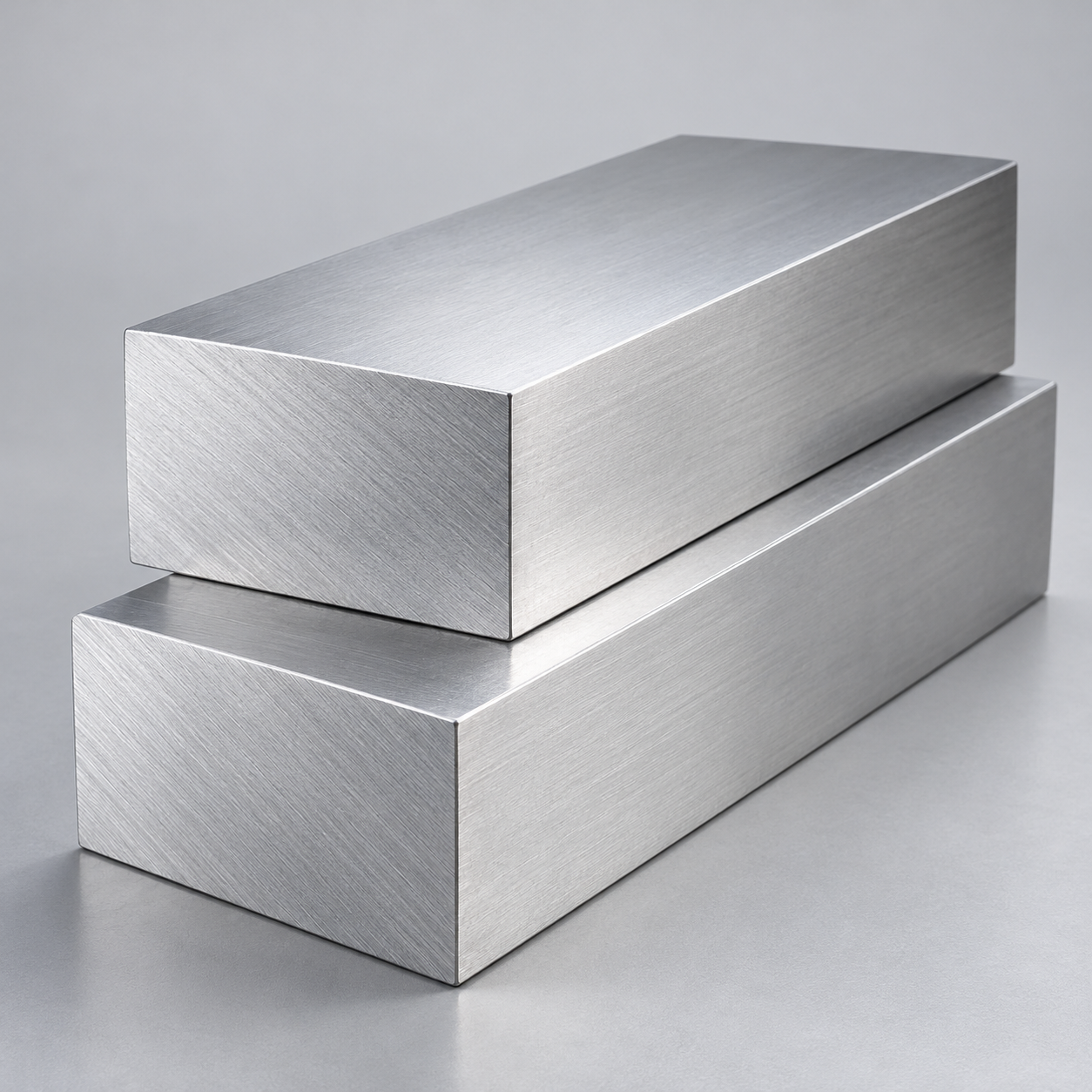 AluminumStrength, weight and machining›
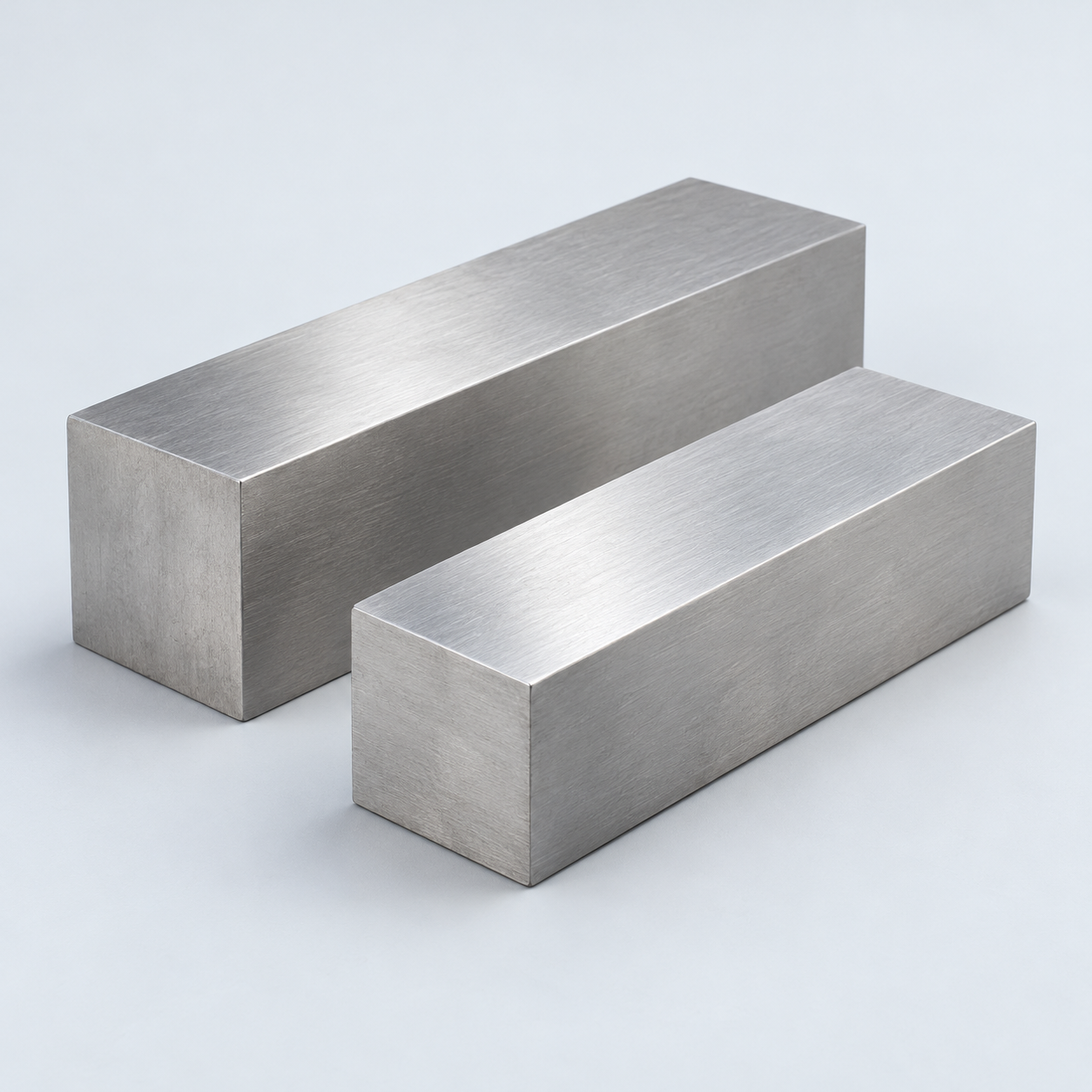 Stainless SteelCorrosion and finish requirements›
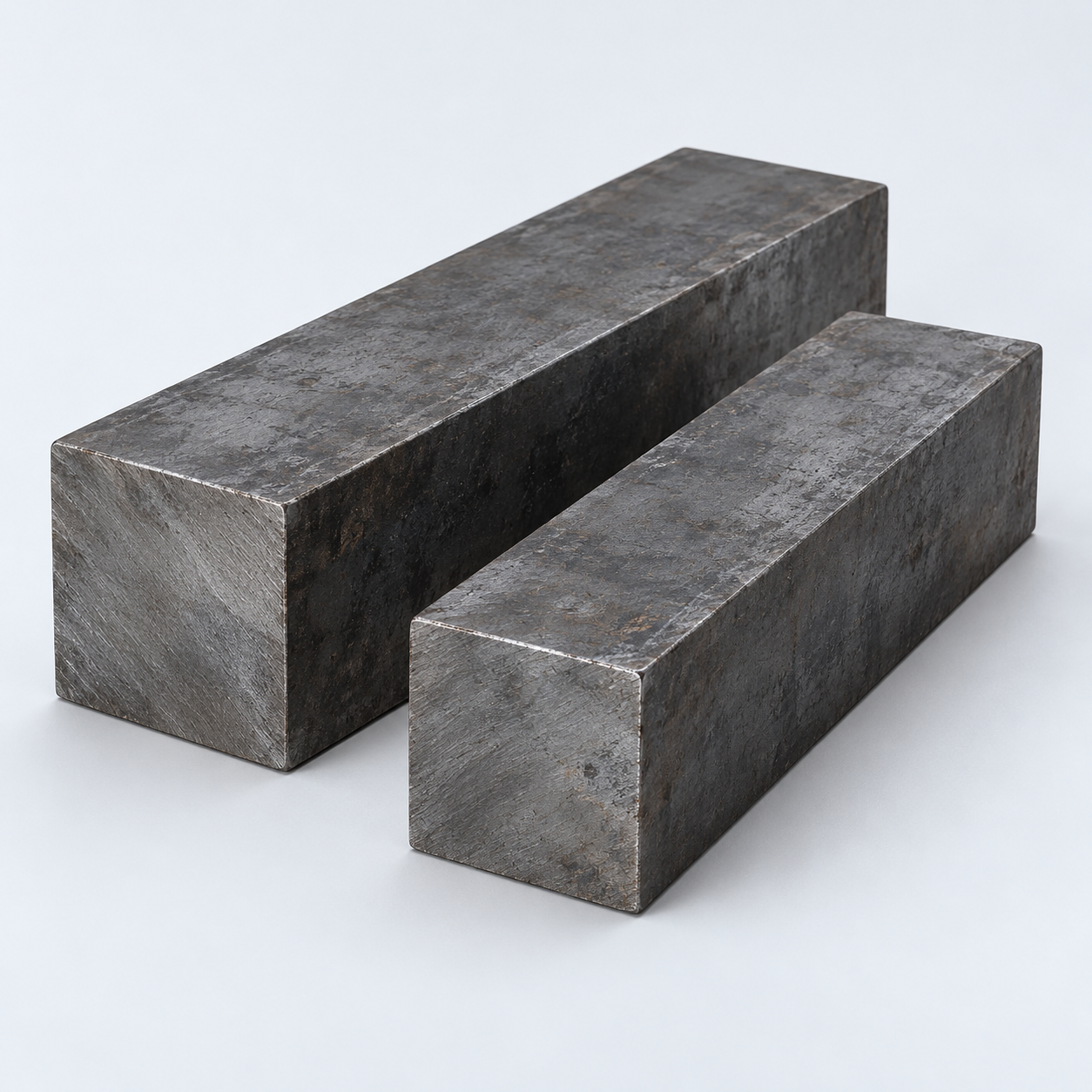 Carbon & Alloy SteelDiscuss grade and heat treatment›
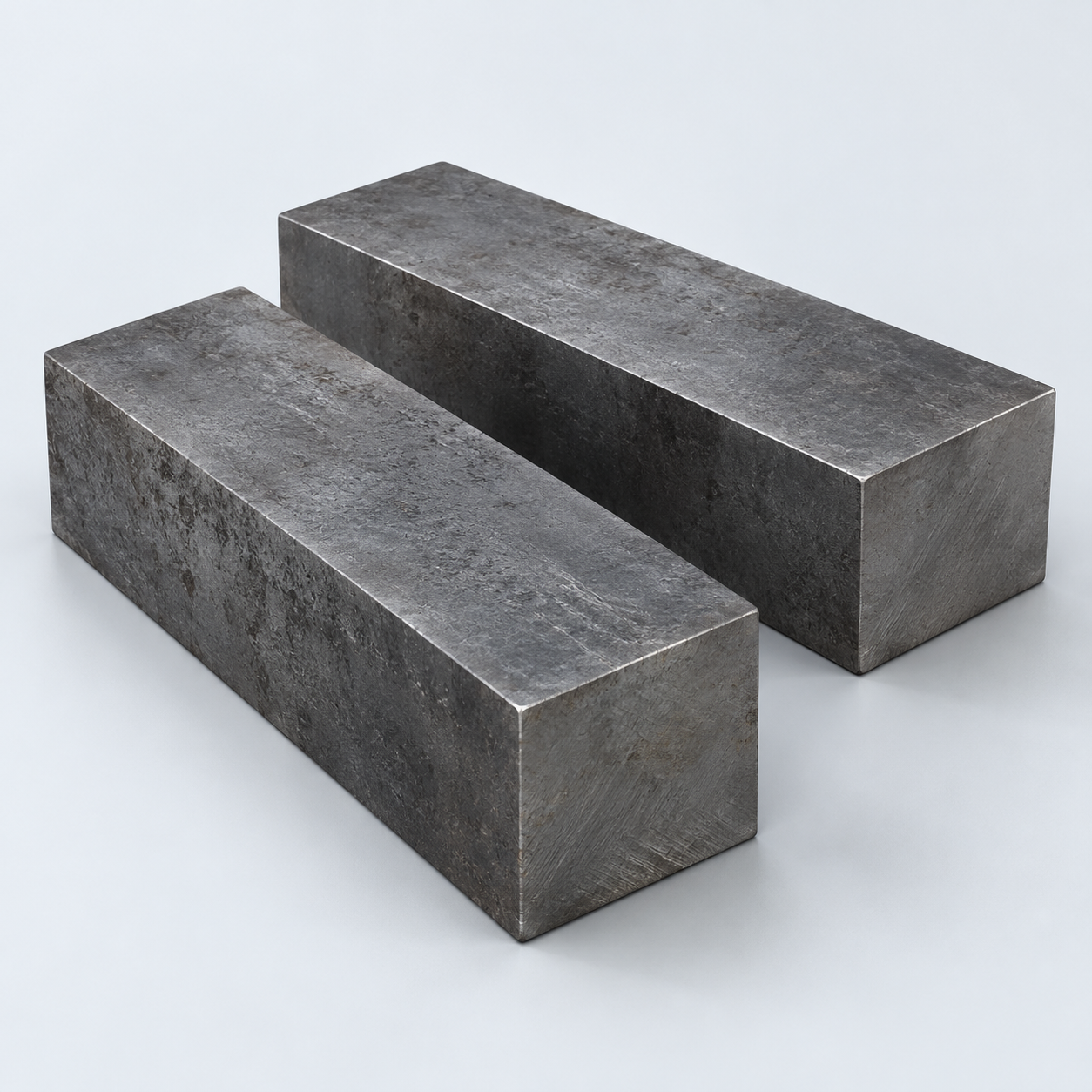 Tool SteelDiscuss tooling and wear needs›
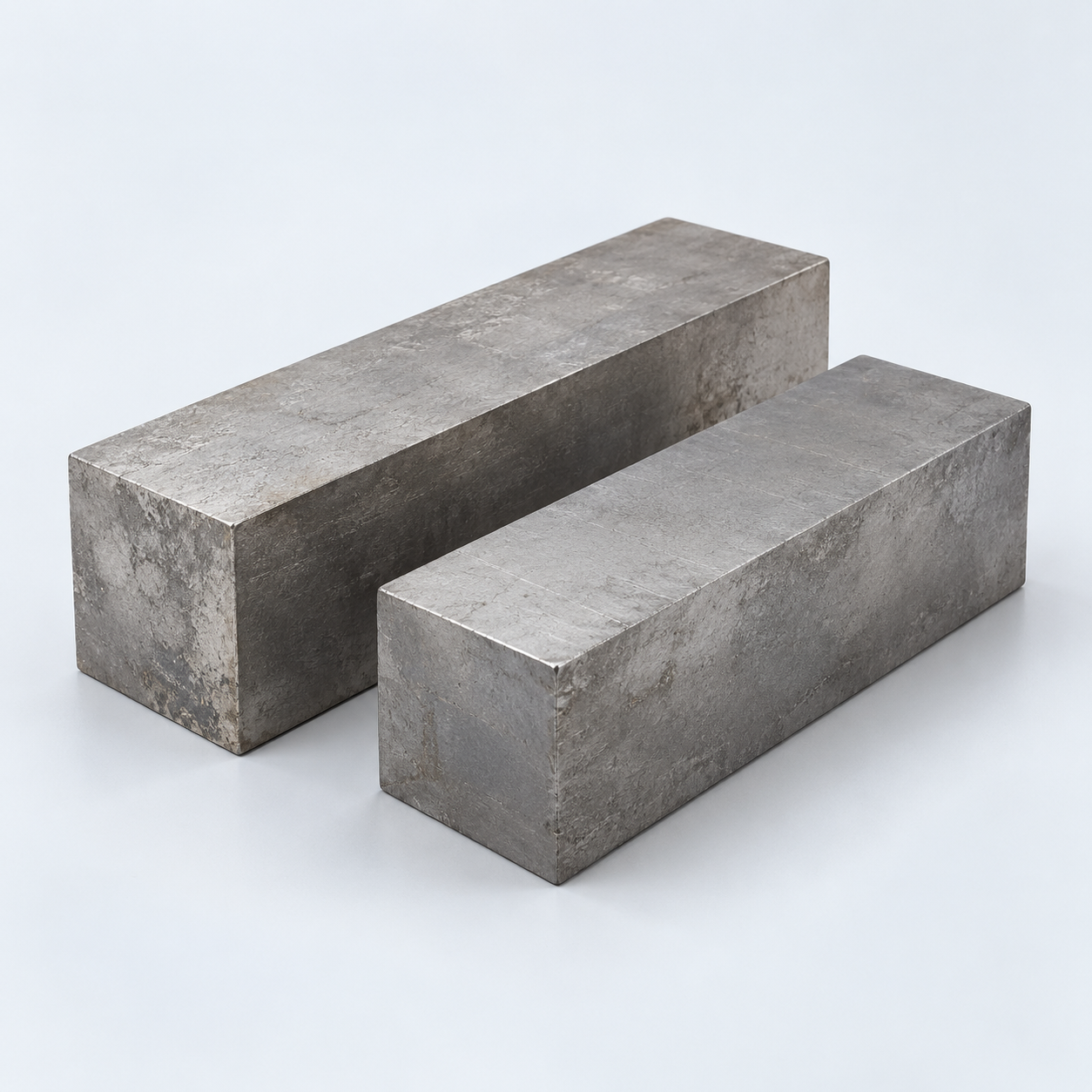 TitaniumReview grade and part geometry›
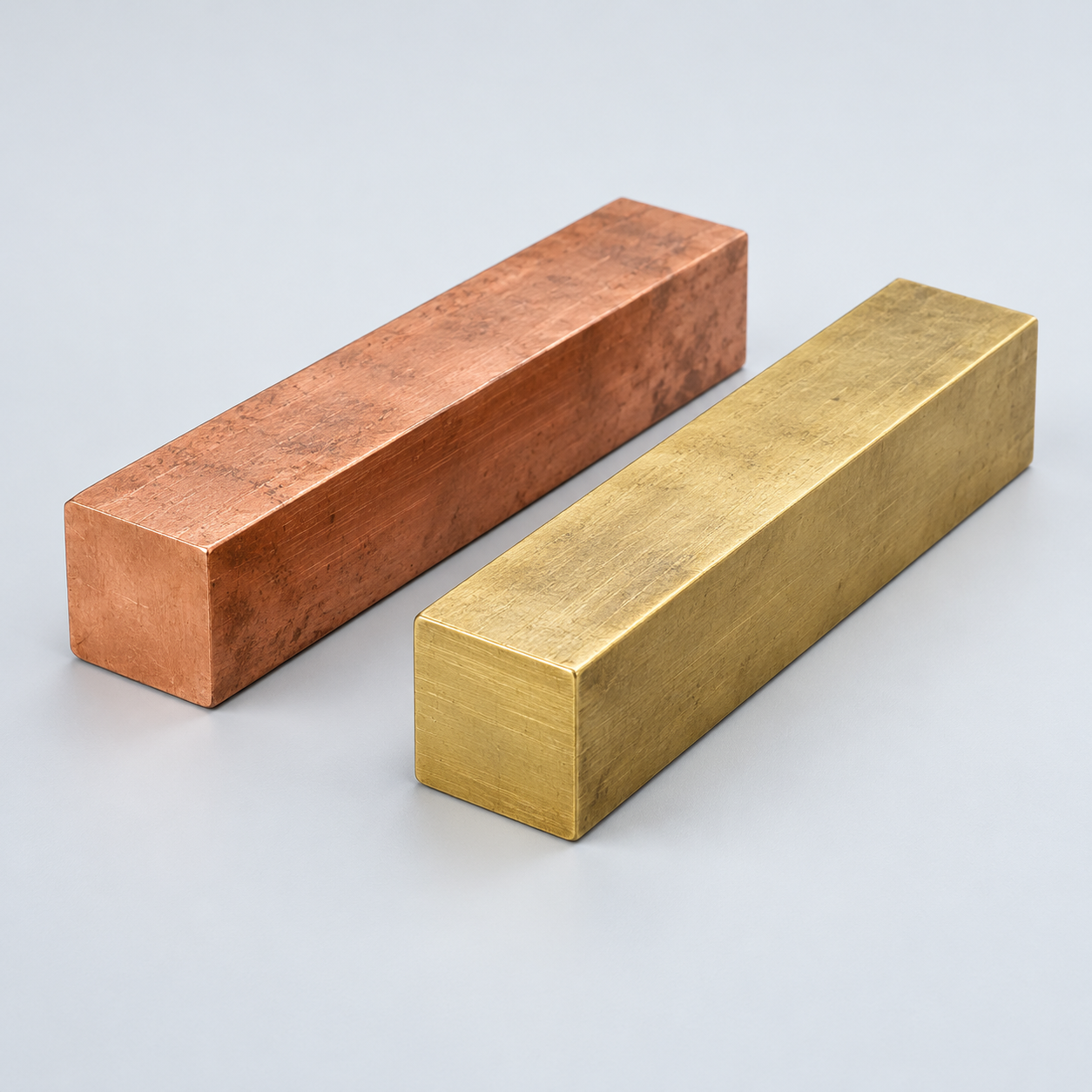 Copper & BrassDiscuss conductivity and machining›
Match your polymer to function, process and environment.
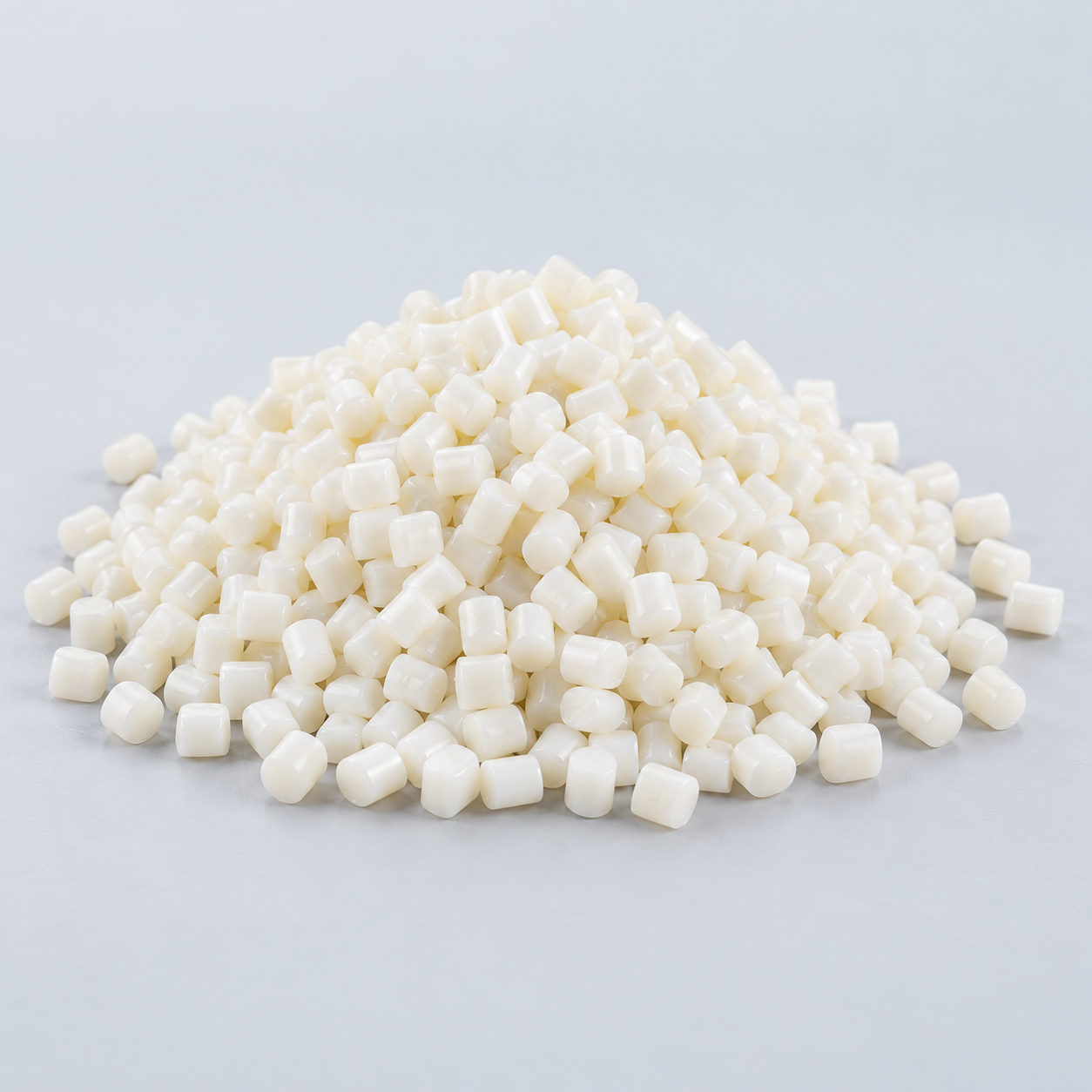 ABSReview enclosure and molding needs›
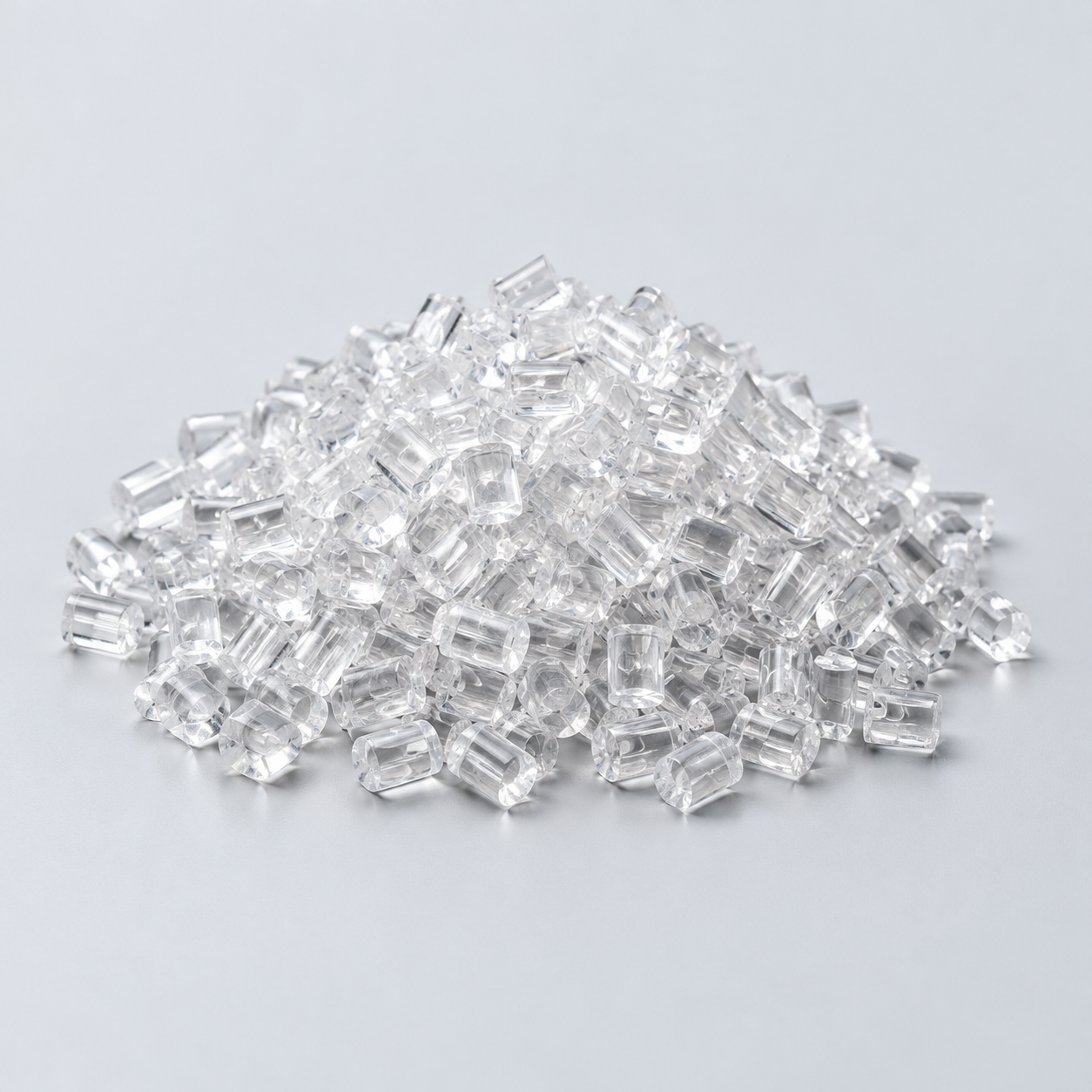 Polycarbonate (PC)Discuss clarity and impact needs›
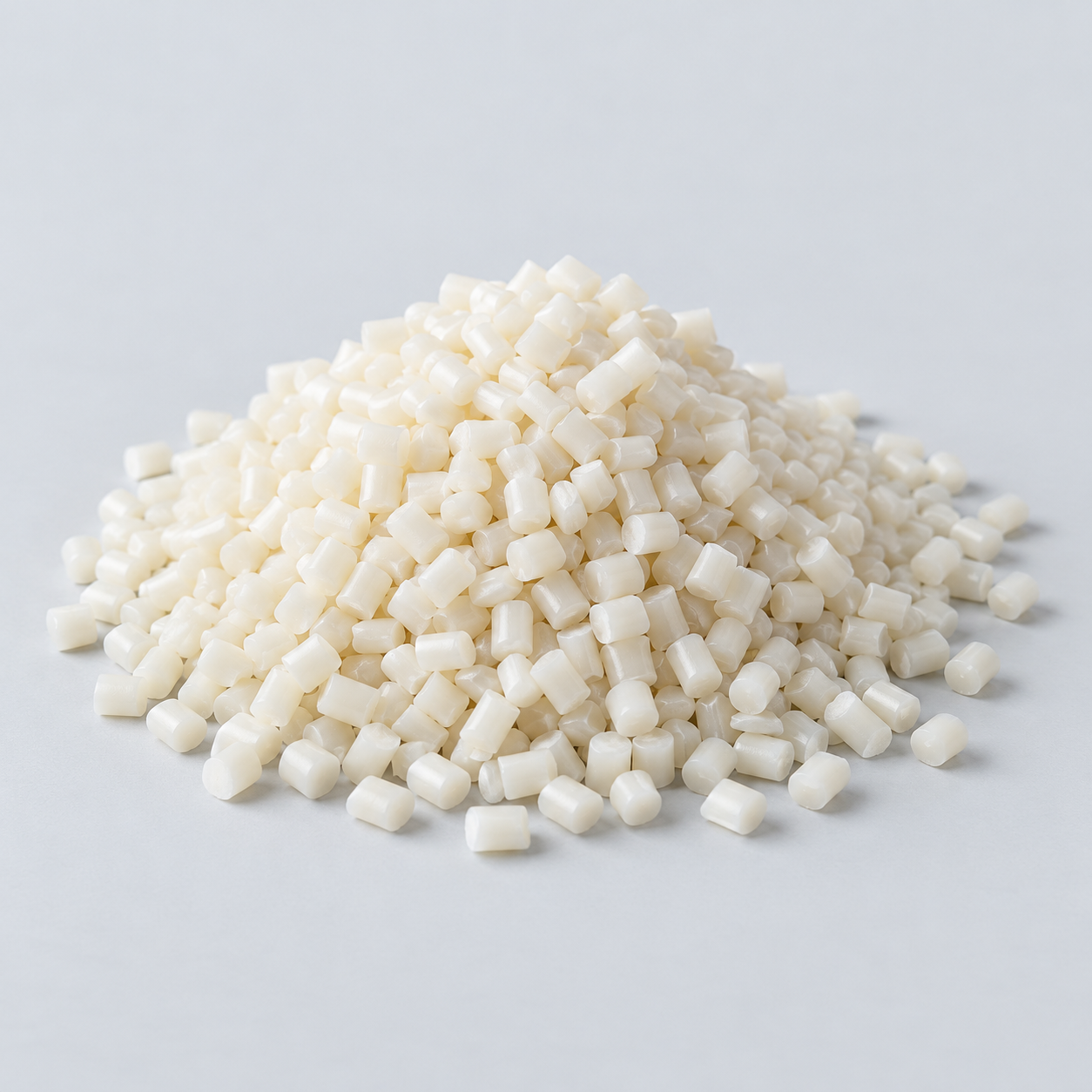 Nylon (PA)Review moisture and wear conditions›
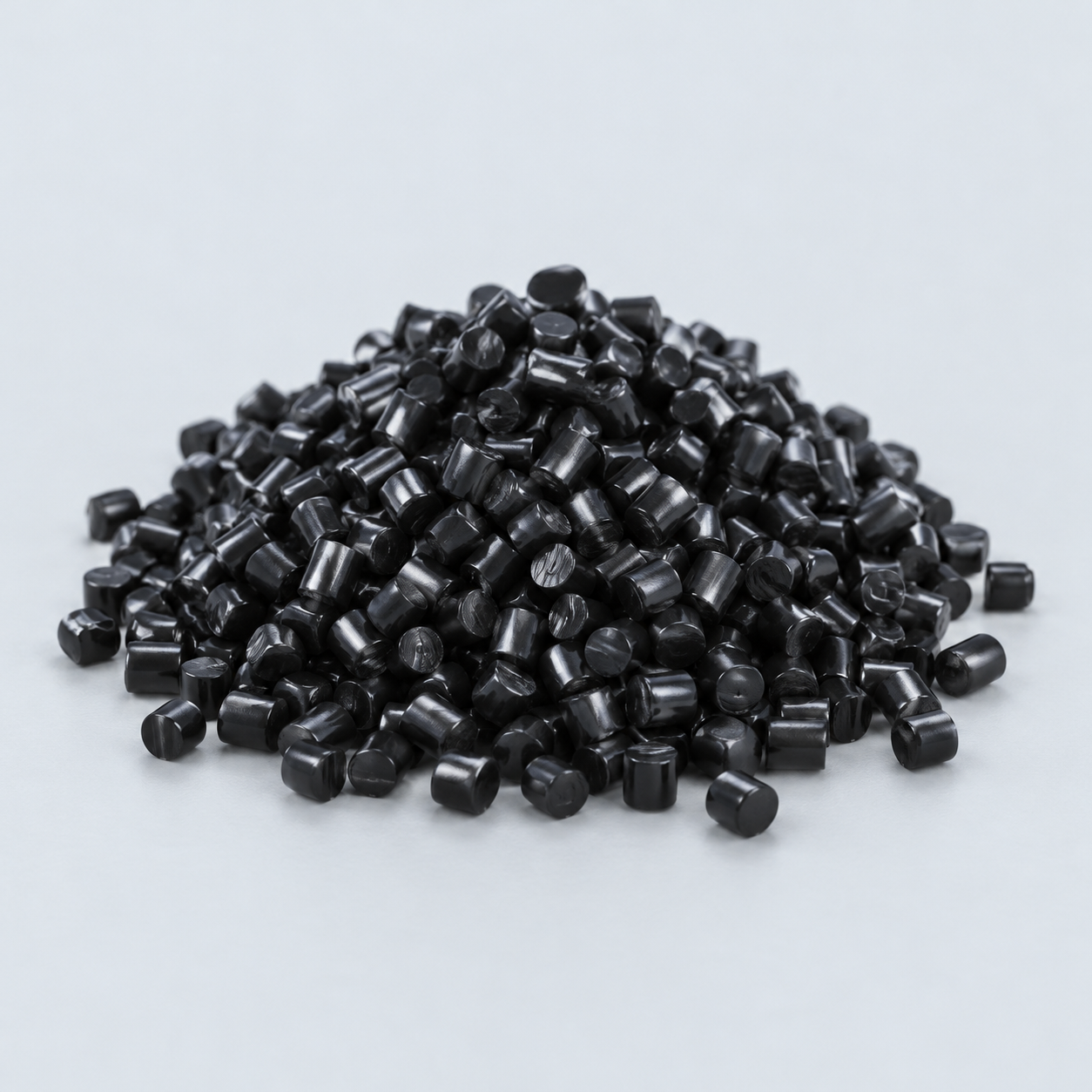 POM / AcetalReview fit and sliding features›
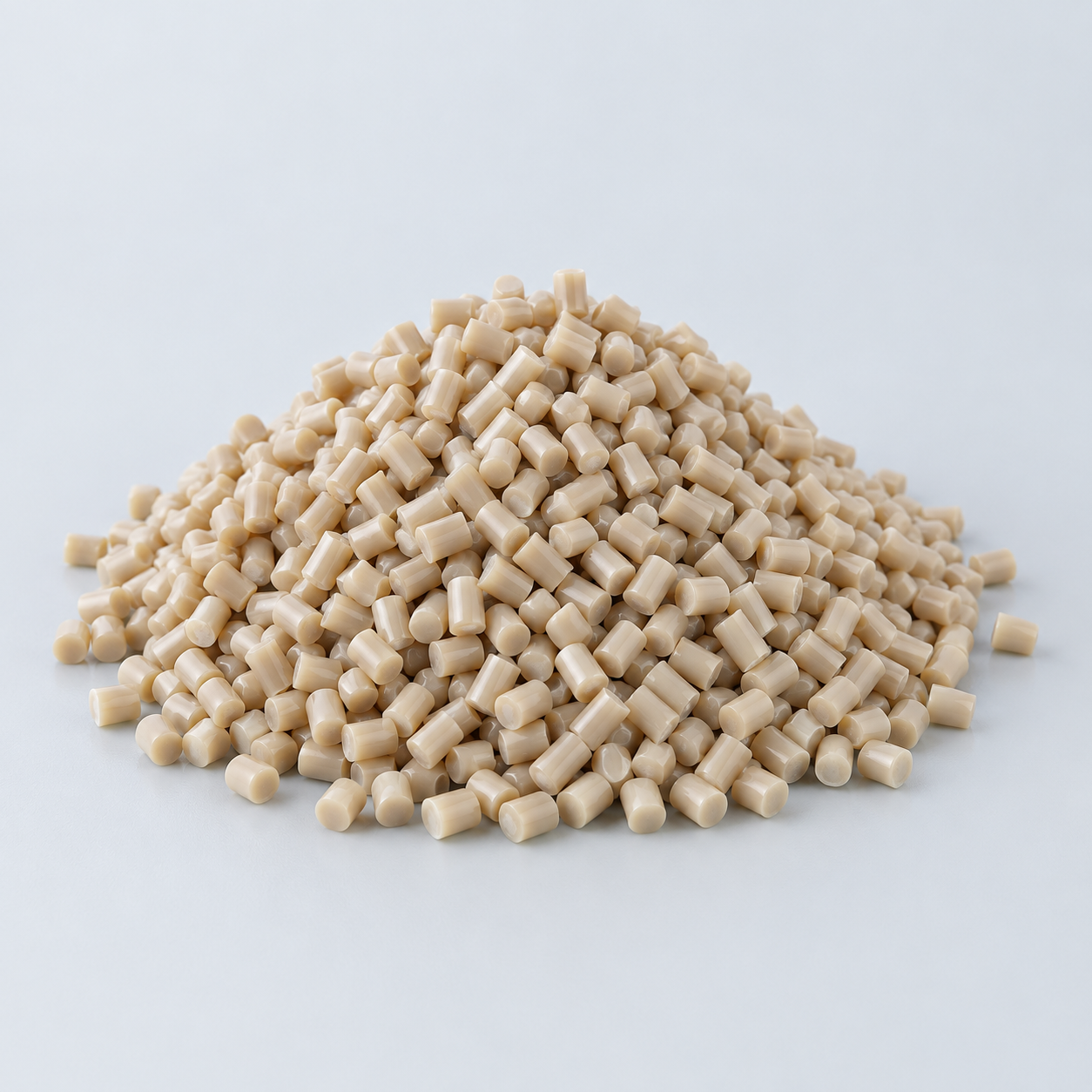 PEEKDiscuss operating conditions›
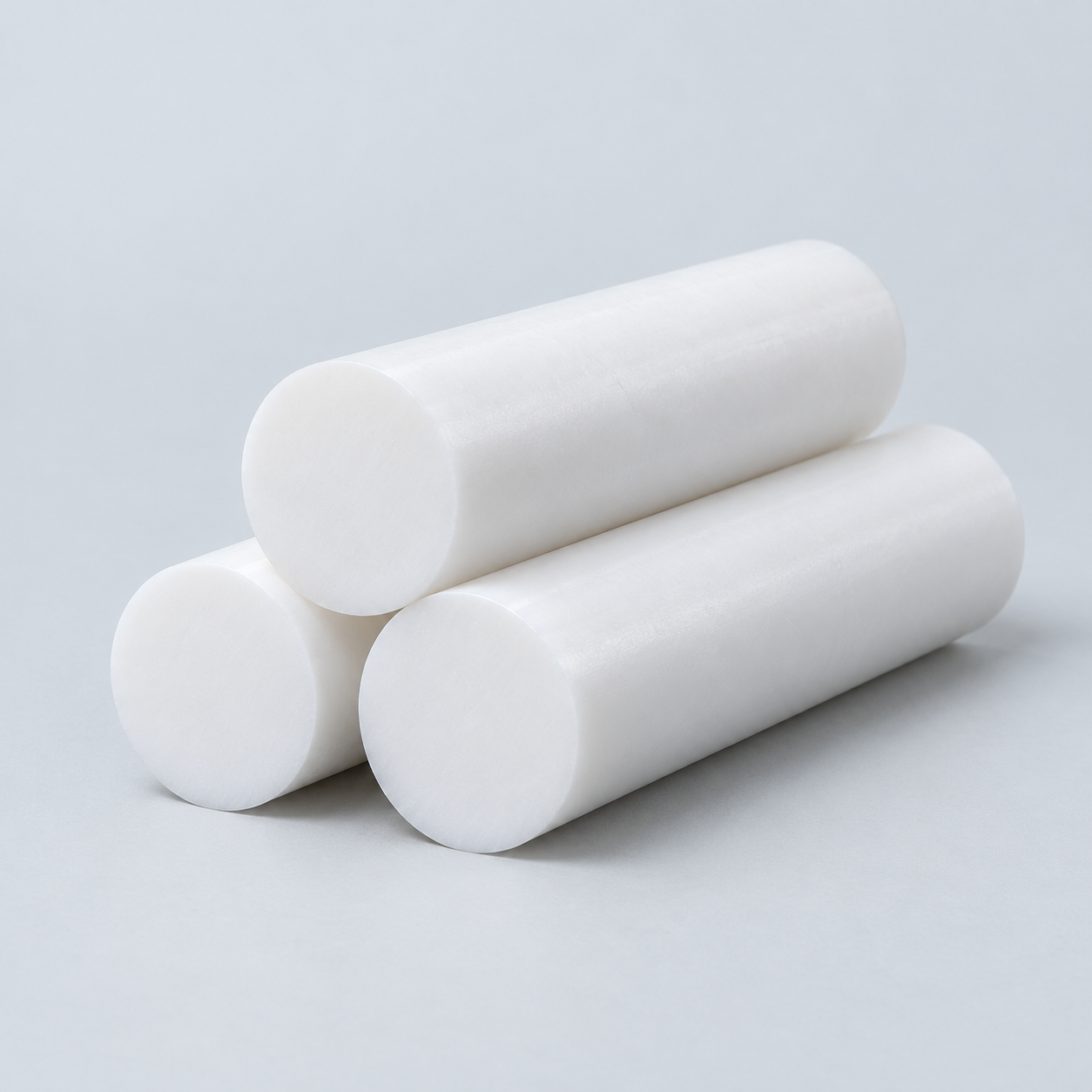 PTFEReview friction and chemical exposure›
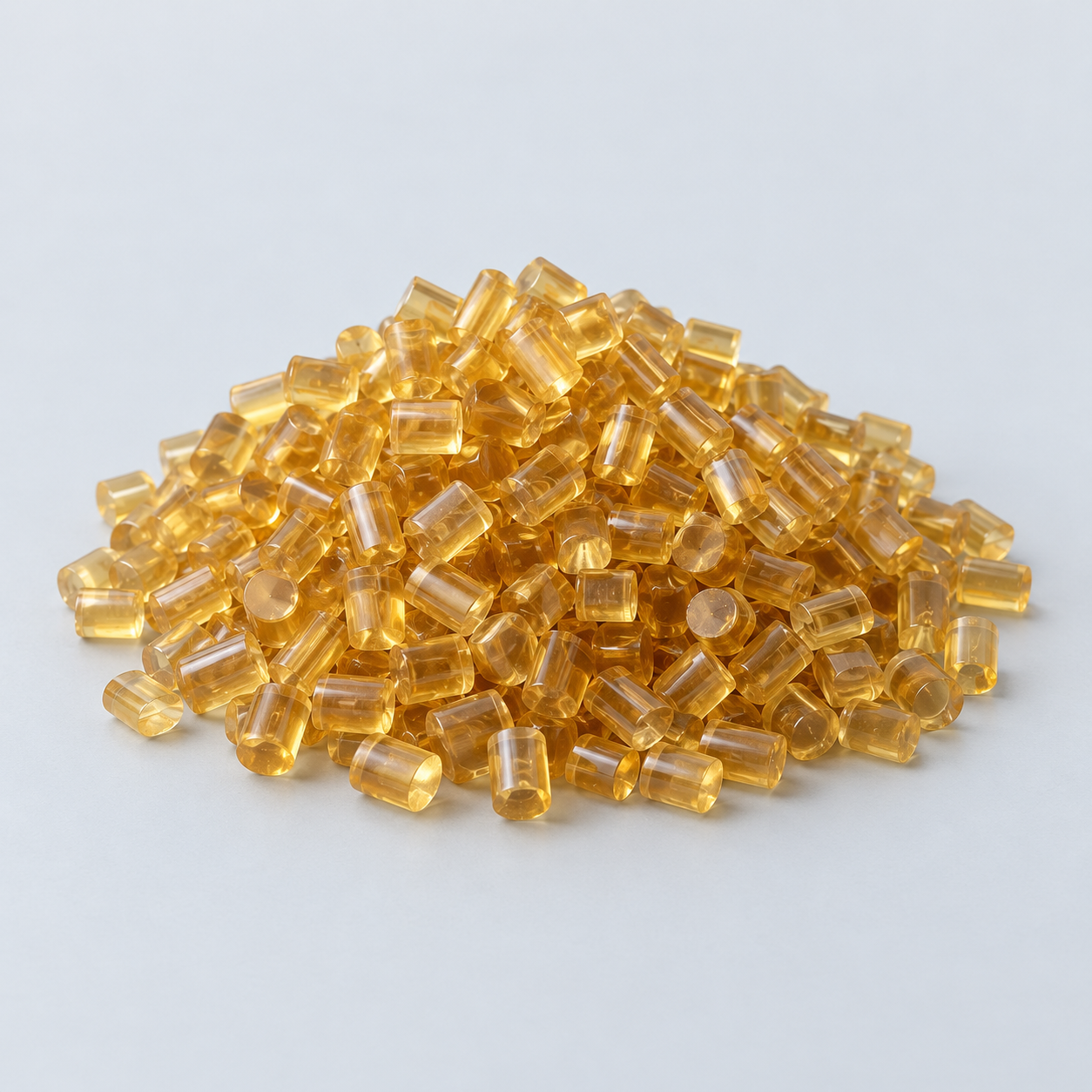 ULTEM / PEIDiscuss thermal and electrical needs›
Confirm grade availability and application requirements.
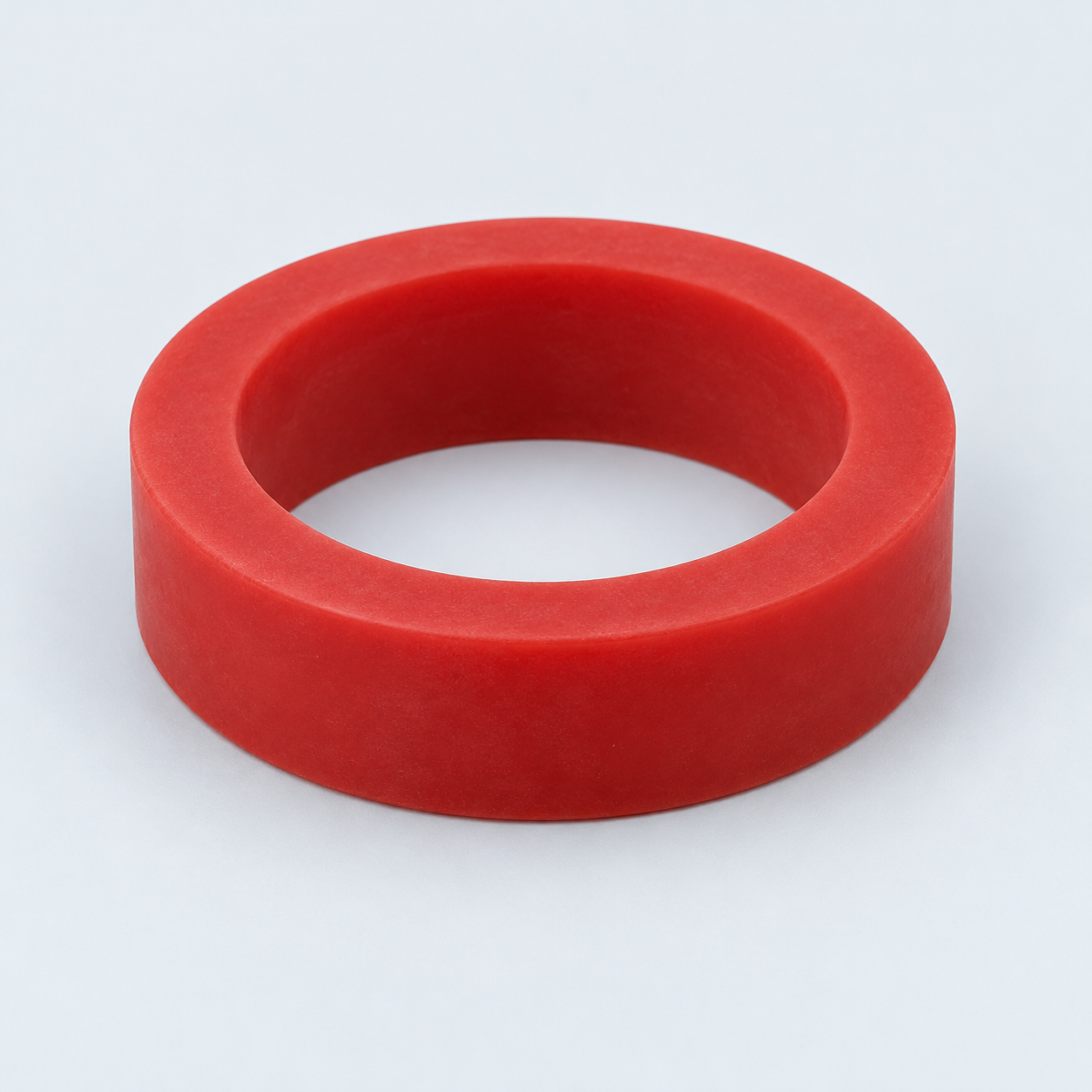 Silicone / LSRDiscuss flexible component needs›
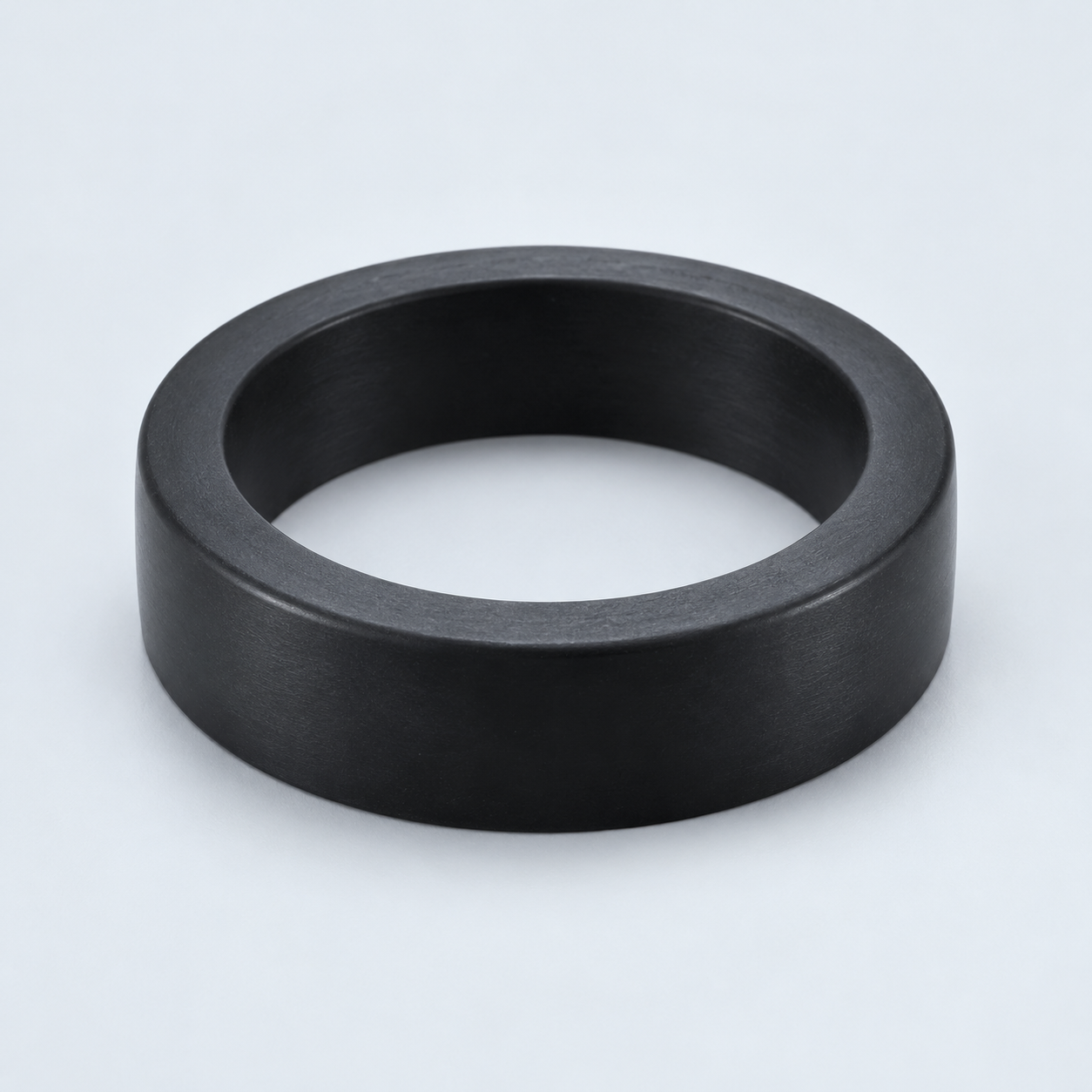 TPU / TPEReview flexibility and processing›
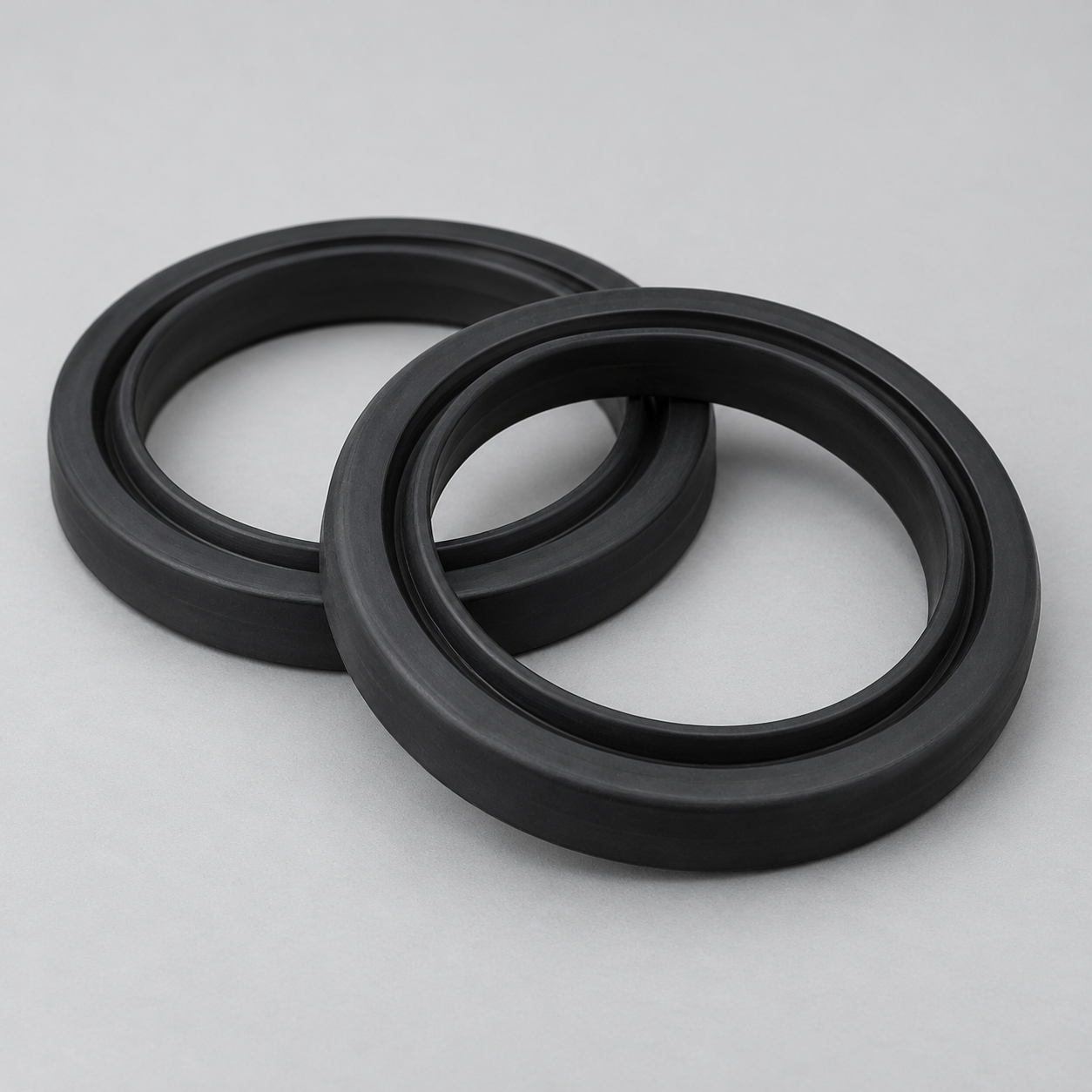 EPDMReview weathering and chemical exposure.›
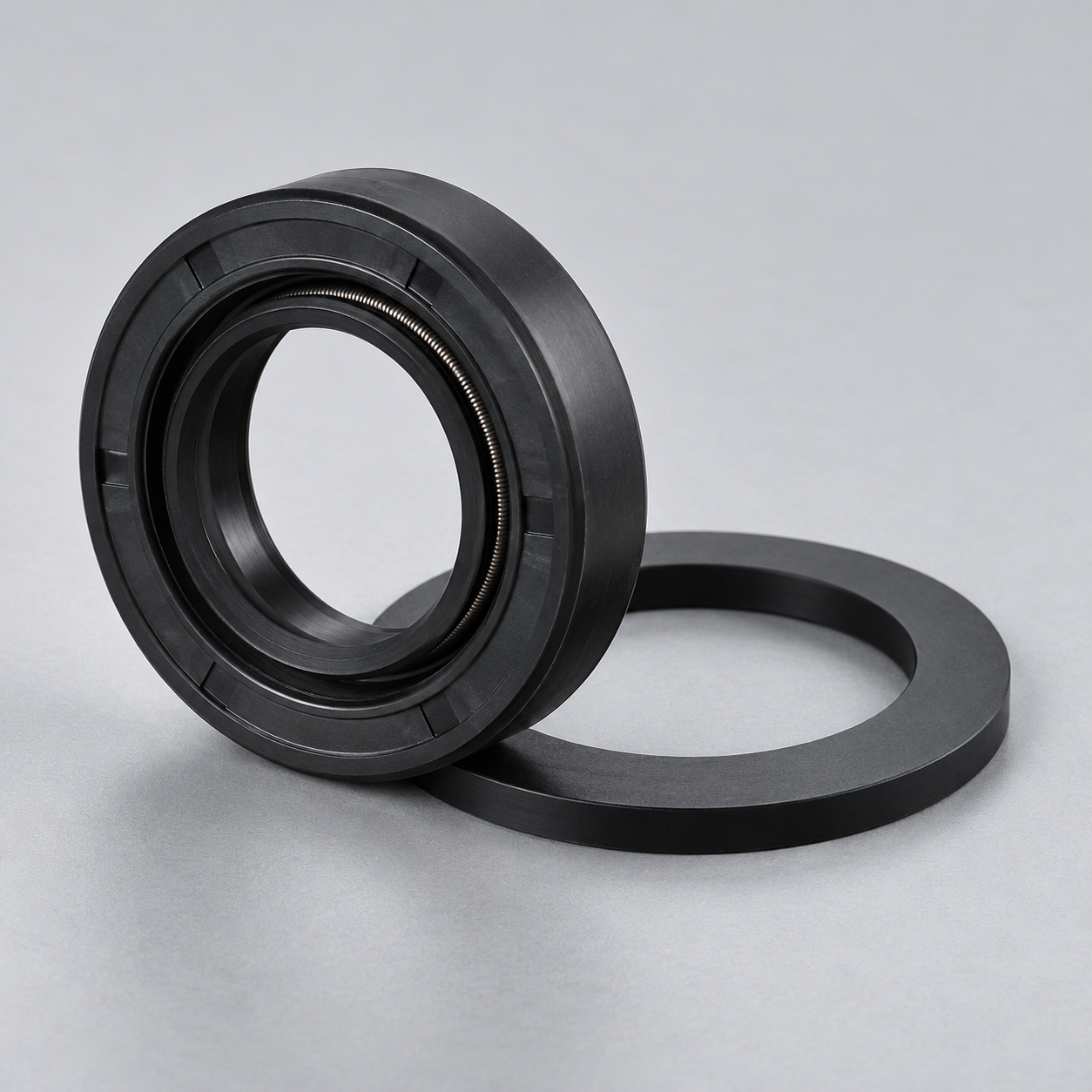 NBRReview oil and fuel exposure.›
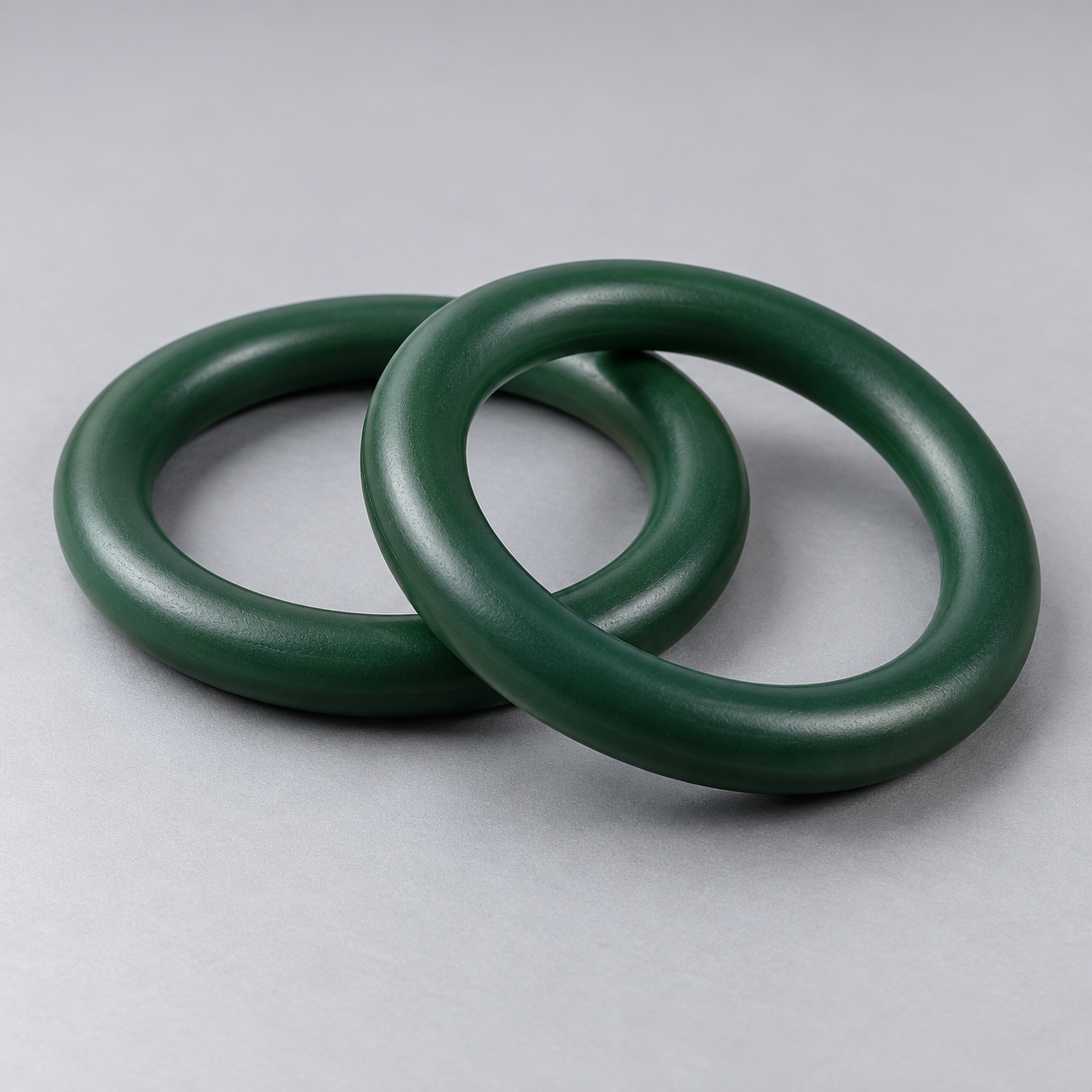 FKMReview temperature and chemical exposure.›
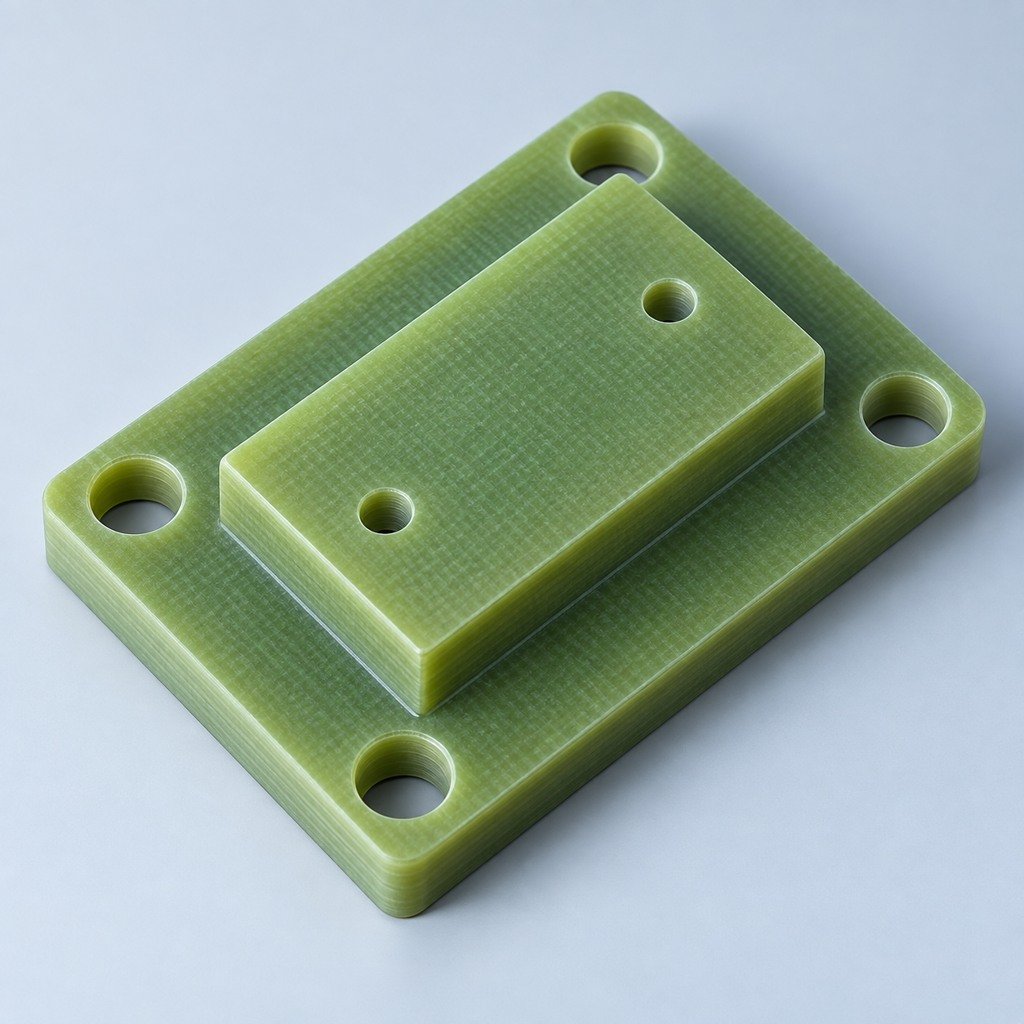 G10 / FR4Review insulation and laminate needs›
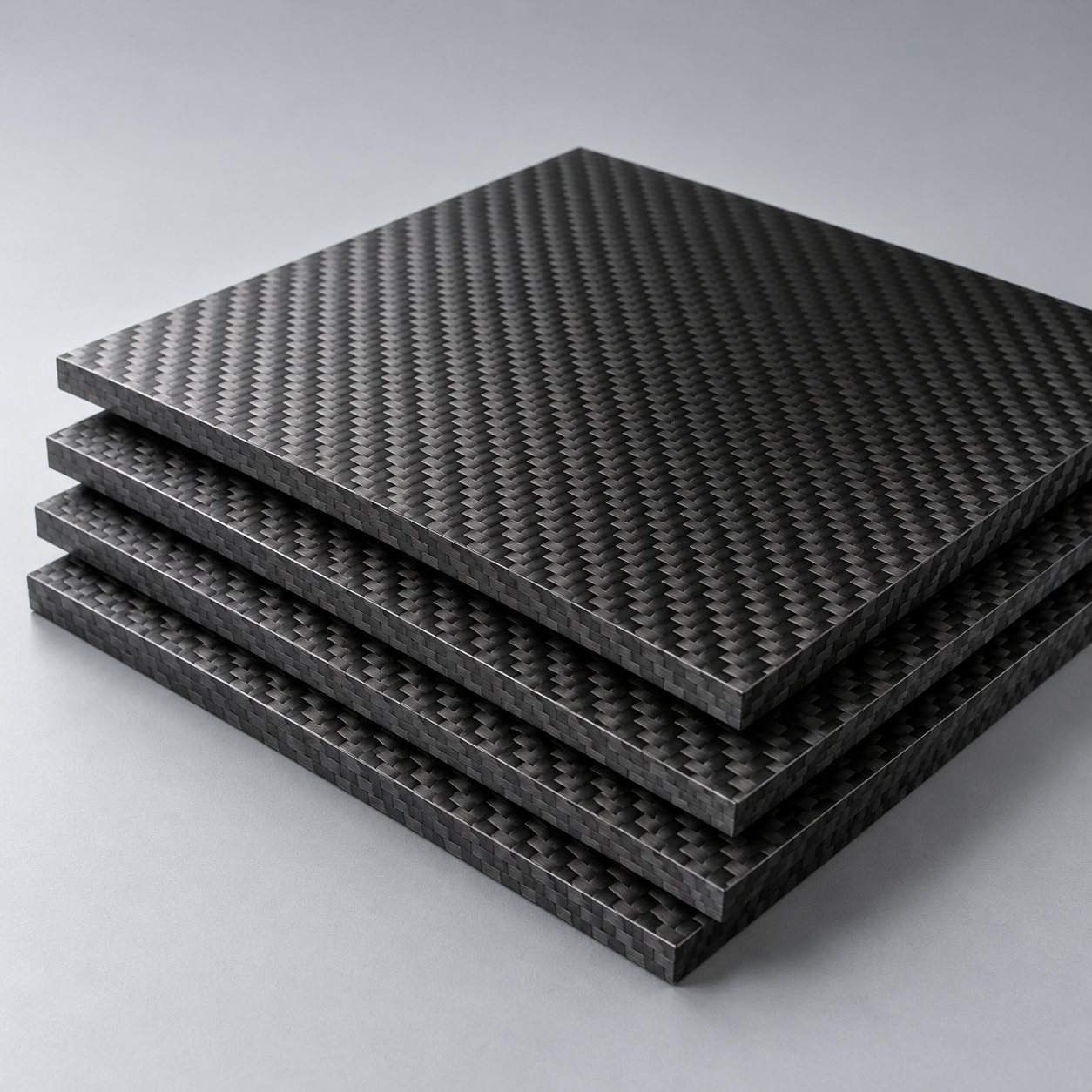 CompositesReview stiffness, weight and laminate.›Customer-Specified MaterialsConfirm your grade and requirements.›Other Specialty MaterialsDiscuss your application and grade.›
Practical guidance for your part geometry and material decisions.
Prepare your process, budget and sourcing questions.
Build your knowledge before production.
Learn who we are and how we operate.
Find our U.S. support team or start a conversation.
YOUR PART. YOUR EVIDENCE. YOUR APPROVAL REQUIREMENTS.
Define your manufacturing quality documentation package before production. Match FAI, PPAP, Control Plan, ISIR, COA and CoC requirements to your part, drawing revision, actual process and receiving needs.
Availability, formats, test scope, submission elements and charges require quotation review. No document type is automatically included merely because it appears here.
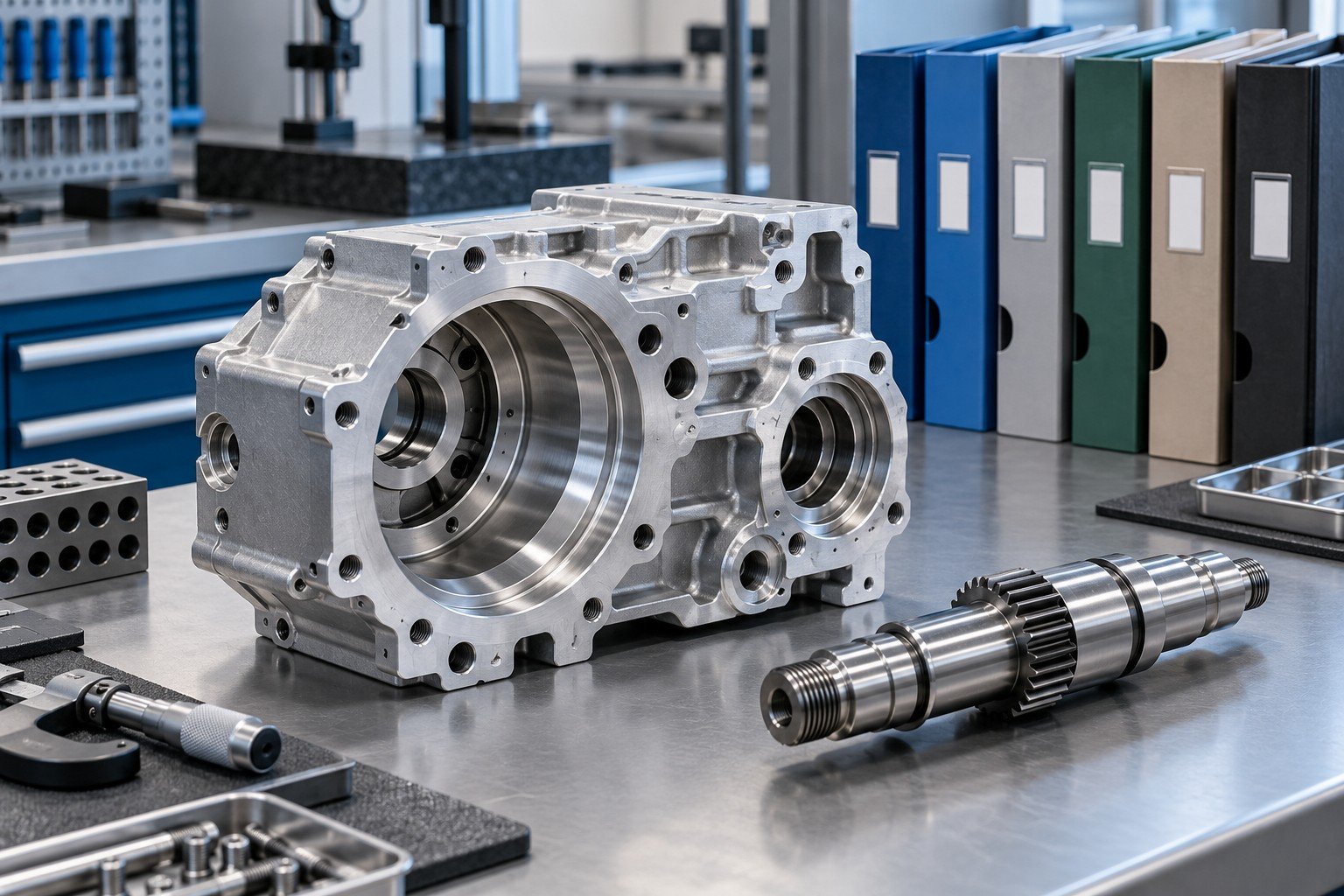
Part, revision, specification and required evidence.
Documents, templates, sampling and approval timing.
Records linked to your actual order and supplied identity.
For custom parts with inspection documentation, confirm what your receiving or approval team must actually verify.
Name each required document; avoid relying on “full quality pack” without a definition.
Separate characteristics inspected, sample quantity and the delivered lot.
Send customer templates, language, units and required reference standards.
Define reviewer, submission timing and who authorizes any exceptions.
Quality documentation for custom manufacturing should state which evidence each document provides and which decisions remain with your team.
A machined parts documentation package may need an agreed first-article report. Define the drawing characteristics, controlled revision, inspected samples, results and exceptions. A first-off check is not automatically a complete FAI.
| Your input | Controlled drawing, characteristic list, format and sample requirement. |
|---|---|
| Your record | Results identified to the relevant part, revision and sample. |
| Your review | Confirm deviations and required supporting evidence. |
| Scope boundary | An AS9102-style format does not establish AS9100 certification or aerospace approval. |
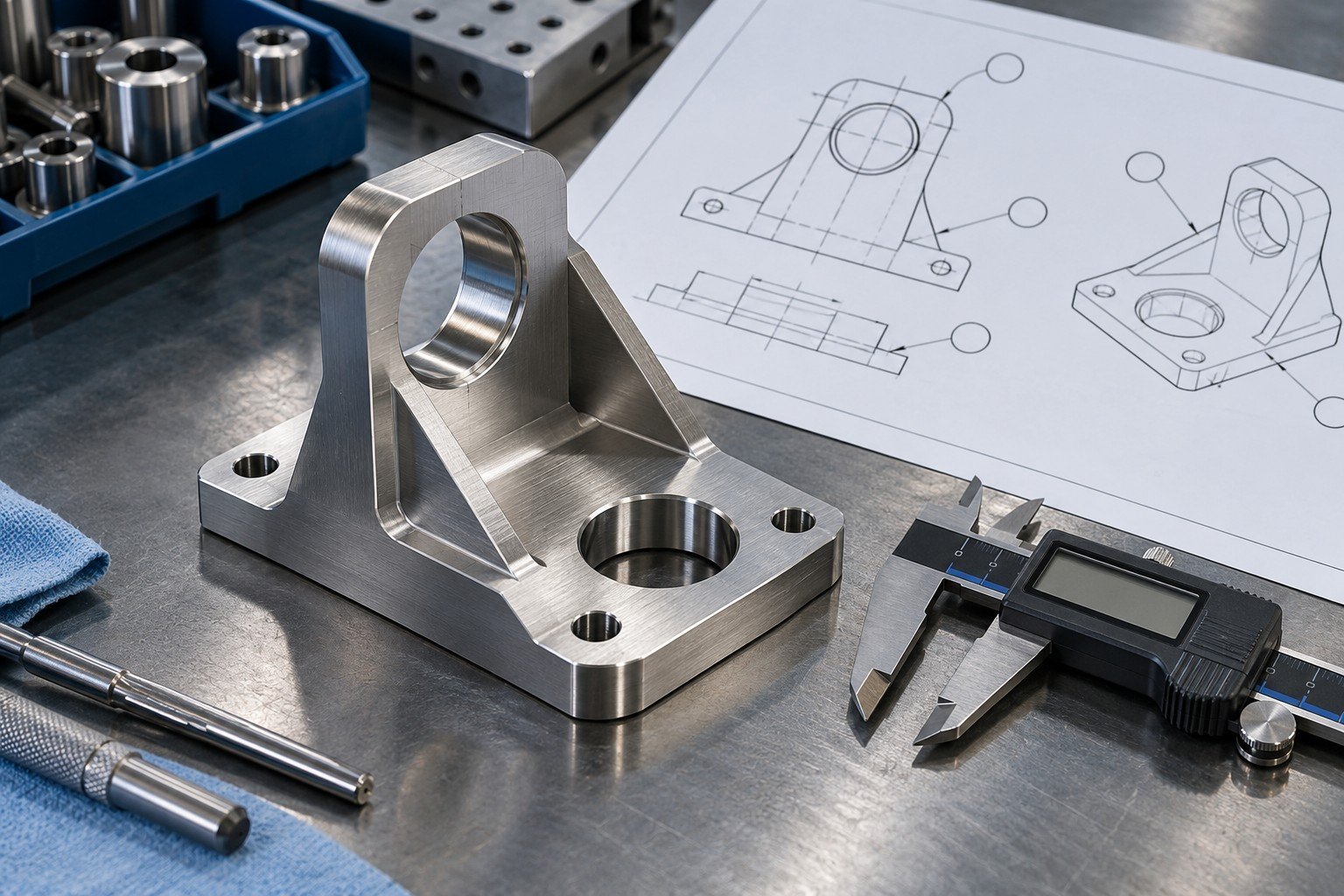
Your production quality documentation package may require PPAP support. Specify the customer requirements, submission level, required elements and acceptance timing; a label on a folder is not an approved PPAP.
| Your input | Customer templates, submission level and required elements. |
|---|---|
| Your record | Agreed dimensional, material, process and other supporting evidence. |
| Your review | Identify required customer authorization and open items. |
| Scope boundary | Neither all PPAP elements nor customer approval are promised for every order. |
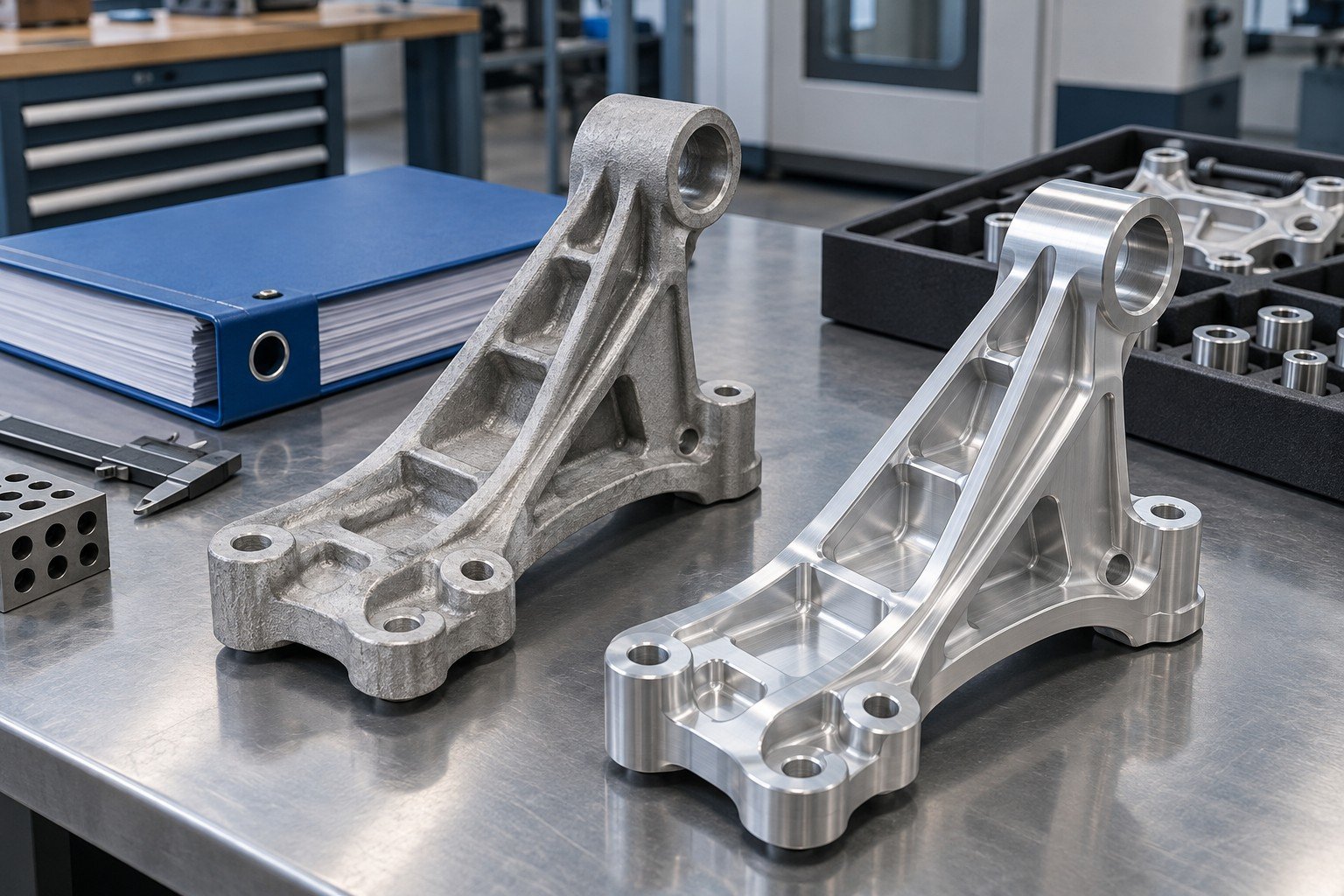
A control plan connects the process, characteristics, methods, sample or frequency requirements and reaction instructions. It is a planning document; it does not replace actual inspection results.
| Your input | Applicable process route, characteristics and customer requirements. |
|---|---|
| Your record | Agreed method, frequency, responsibility and reaction plan. |
| Your review | Align the plan with actual operations and controlled revisions. |
| Scope boundary | Special tests, capability studies and monitoring requirements need separate feasibility review. |
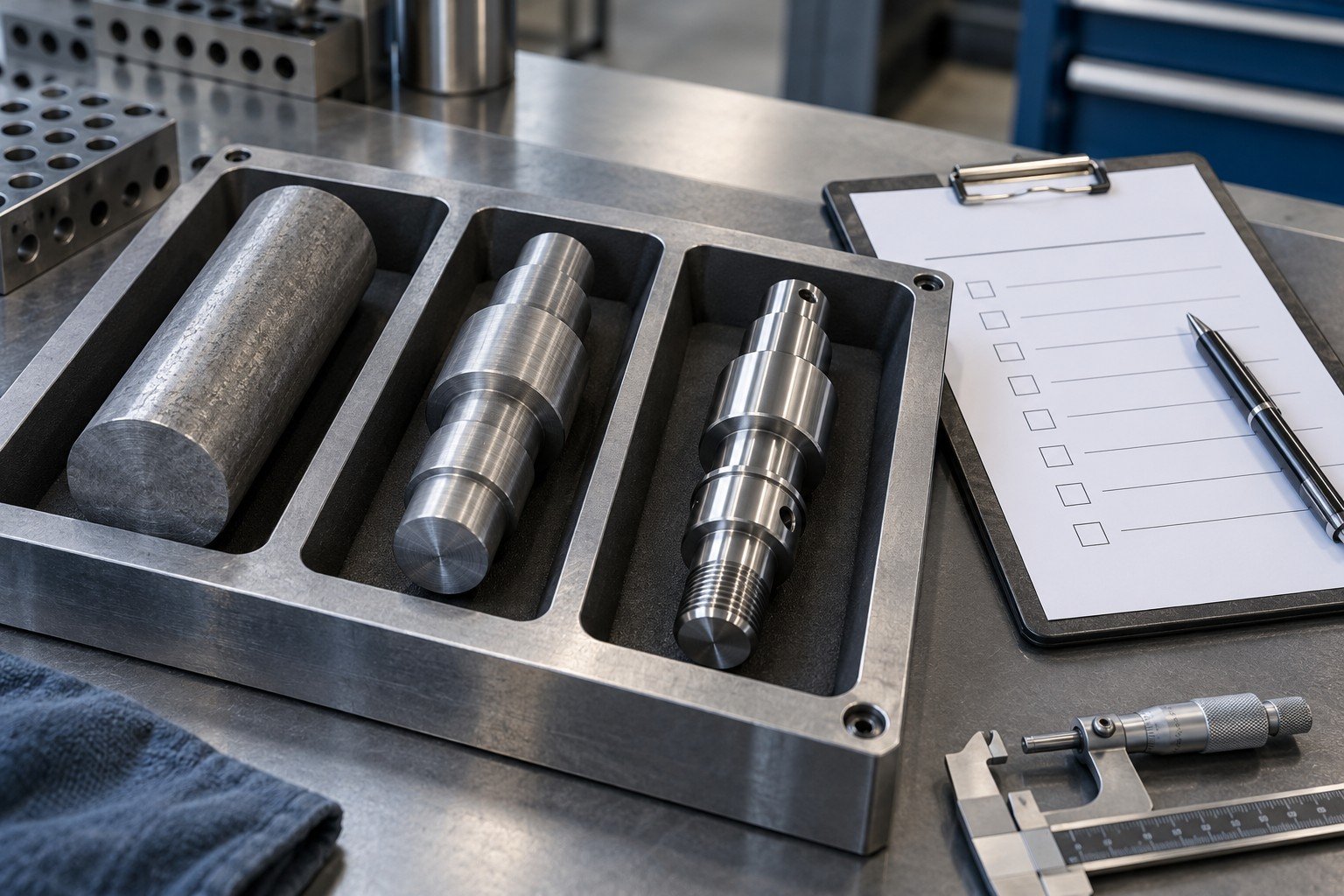
An initial sample inspection report supports the customer’s agreed initial-sample review. The required content depends on the customer and applicable format; ISIR, FAI and PPAP are not automatically interchangeable.
| Your input | Customer ISIR form, drawing revision and sample identification. |
|---|---|
| Your record | Agreed characteristic results and supporting sample evidence. |
| Your review | Record exceptions and the required approval response. |
| Scope boundary | An initial sample report does not by itself authorize all future production. |
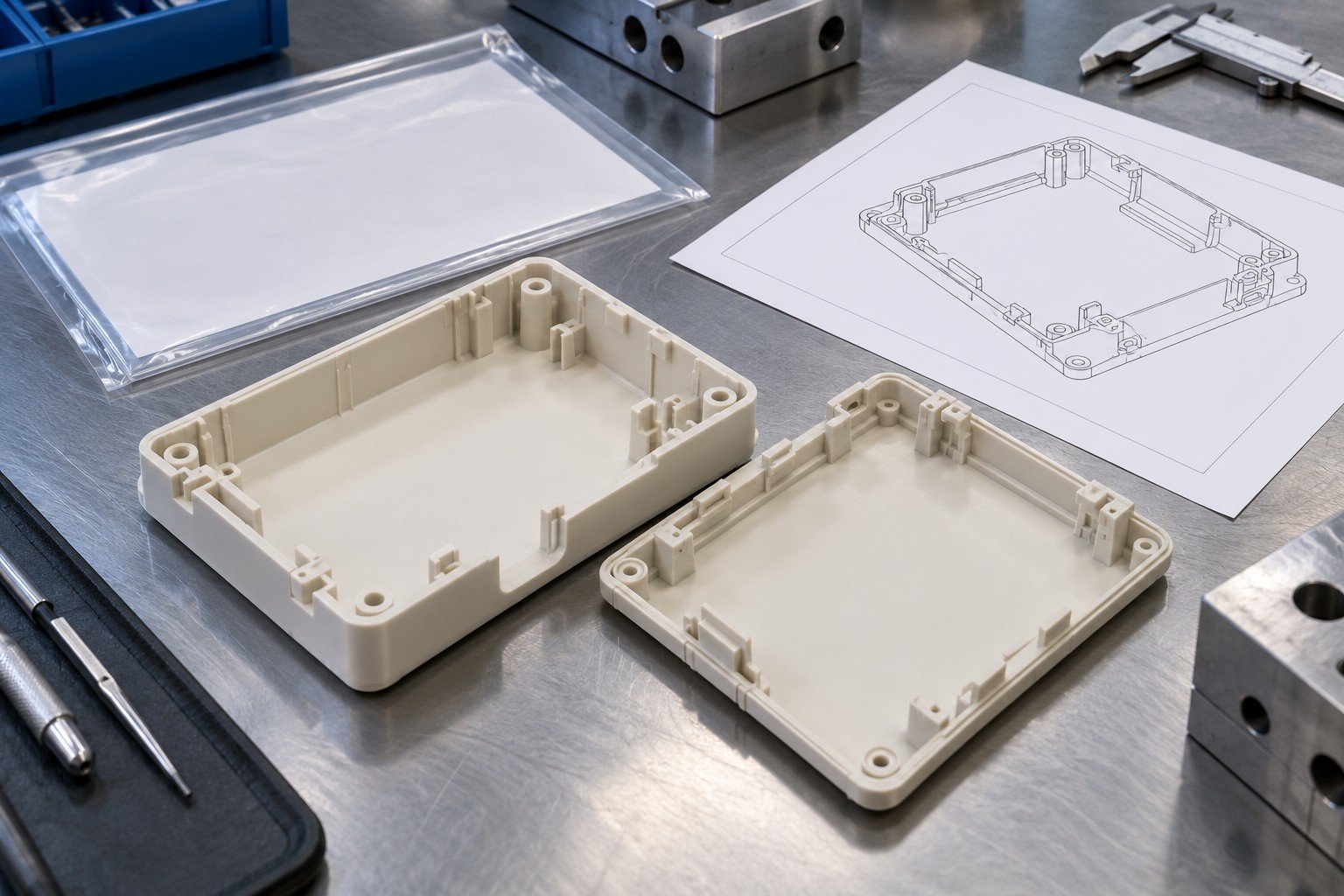
A certificate of analysis should identify its issuer, relevant material or batch, specification and stated analysis results. A material test report or mill test certificate may serve a different defined source or scope.
| Your input | Exact material grade, condition, required test or analysis and source requirements. |
|---|---|
| Your record | Available analysis evidence connected to the supplied material identity. |
| Your review | Check source, results, references and traceability relationship. |
| Scope boundary | A supplier COA does not imply independent retesting or every possible material property. |
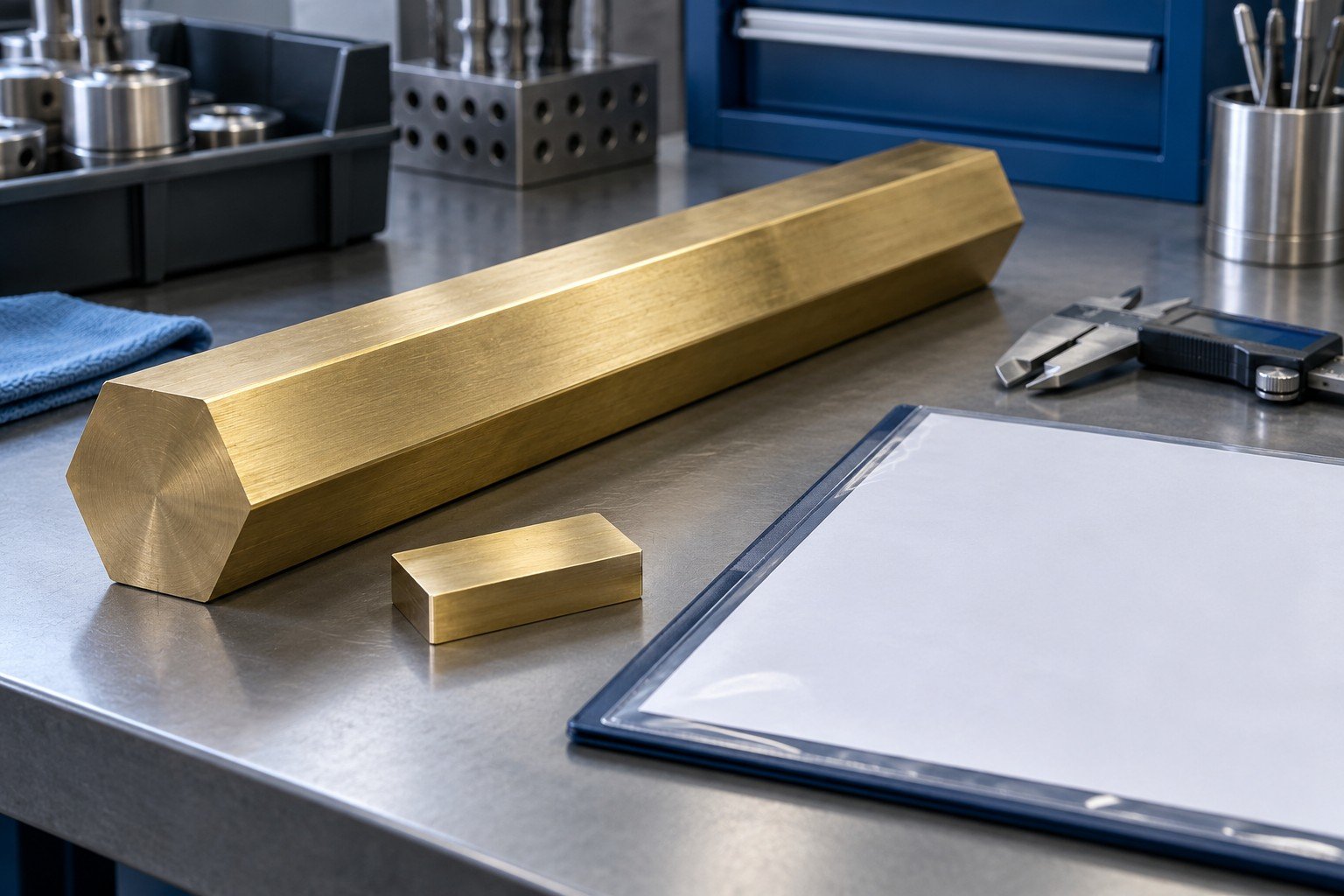
A manufacturing certificate of conformance is a declaration linked to the supplied items and stated requirements. It is different from a list of measured inspection results or an original material analysis.
| Your input | Order, part, revision, required declaration and delivery identity. |
|---|---|
| Your record | Agreed conformance statement and applicable references. |
| Your review | Resolve authorized exceptions and required signatory details. |
| Scope boundary | A CoC does not replace test results, source evidence or customer acceptance. |
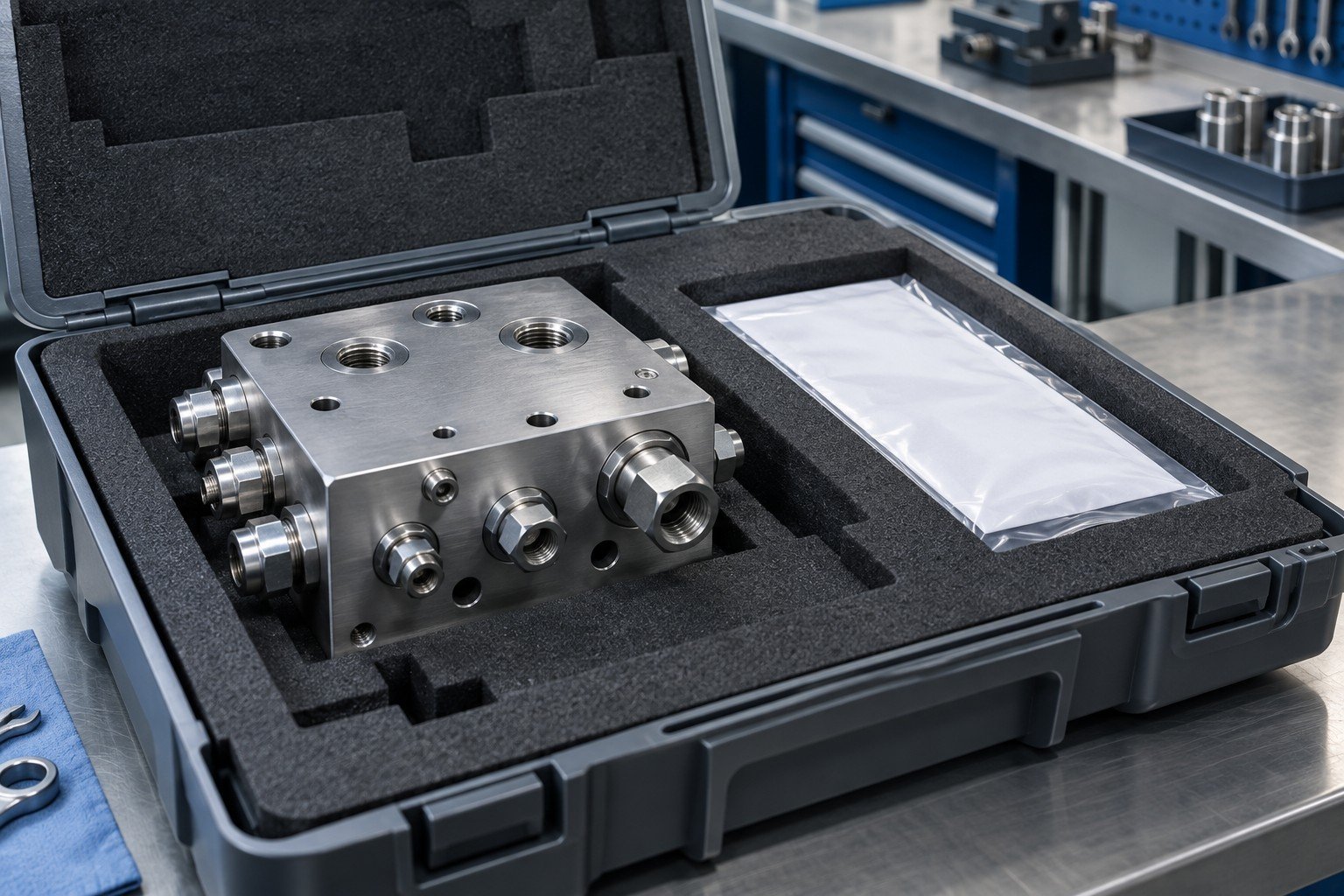
Use this comparison when reviewing supplier quality documentation requirements.
| CoC declaration | States conformance to the agreed requirements; identify order, item and applicable references. |
|---|---|
| Dimensional inspection report | Records agreed measured characteristics, requirements, sample identity and findings. |
| FAI / ISIR | Presents the defined initial-sample evidence in the agreed format. |
| PPAP package | Combines the agreed submission elements for the specified customer approval process. |
| COA / MTR / mill certificate | Reports the stated analysis or tests from the identified issuer and material source. |
| Control Plan | Defines the agreed process controls and reaction instructions; actual execution records remain separate. |
For certificate of compliance in manufacturing, specify the exact requirement and declaration wording. A generic certificate is not proof of compliance with every regulation, product standard or market rule.
Late requests may require extra inspection, source retrieval or new tests, and some evidence cannot be recreated reliably.
| Request | List the document and required coverage on the RFQ. |
|---|---|
| Decision | Confirm feasibility and any added cost before order release. |
Manufacturing quality documents must identify the applicable part and controlled revision, including approved changes.
| Request | Supply current drawing, specification and revision references. |
|---|---|
| Decision | Confirm how affected records and samples will be updated. |
A ballooned drawing inspection report can link characteristics to results. Characteristic coverage and sample quantity are separate decisions.
| Request | Define features, quantities, lots and relevant sampling requirements. |
|---|---|
| Decision | Confirm the exact inspection and reporting scope. |
Customer specific quality requirements can add fields, evidence, signatures or acceptance steps beyond a standard report.
| Request | Provide the actual forms and instructions during quote review. |
|---|---|
| Decision | Resolve unavailable fields and special requirements in writing. |
A material test report must relate to the supplied material. A copied report with the right grade name alone does not prove that link.
| Request | Specify source certificates and required material identity. |
|---|---|
| Decision | Review record availability before purchasing material. |
A heat treatment certificate or coating inspection certificate needs the relevant process, identity, requirement and evidence scope.
| Request | Name the required outside-process records and tests. |
|---|---|
| Decision | Confirm supplier availability and acceptance before processing. |
An inspection document package should not hide failed results, unverified characteristics or missing required records.
| Request | Define how exceptions are reported and escalated. |
|---|---|
| Decision | Identify the authorized disposition or customer approval. |
A manufacturing data book can mean different things. Define its contents, delivery format, confidentiality and retention requirements.
| Request | List deliverables, permitted recipients and retention needs. |
|---|---|
| Decision | Confirm actual availability; no universal permanent-retention promise. |
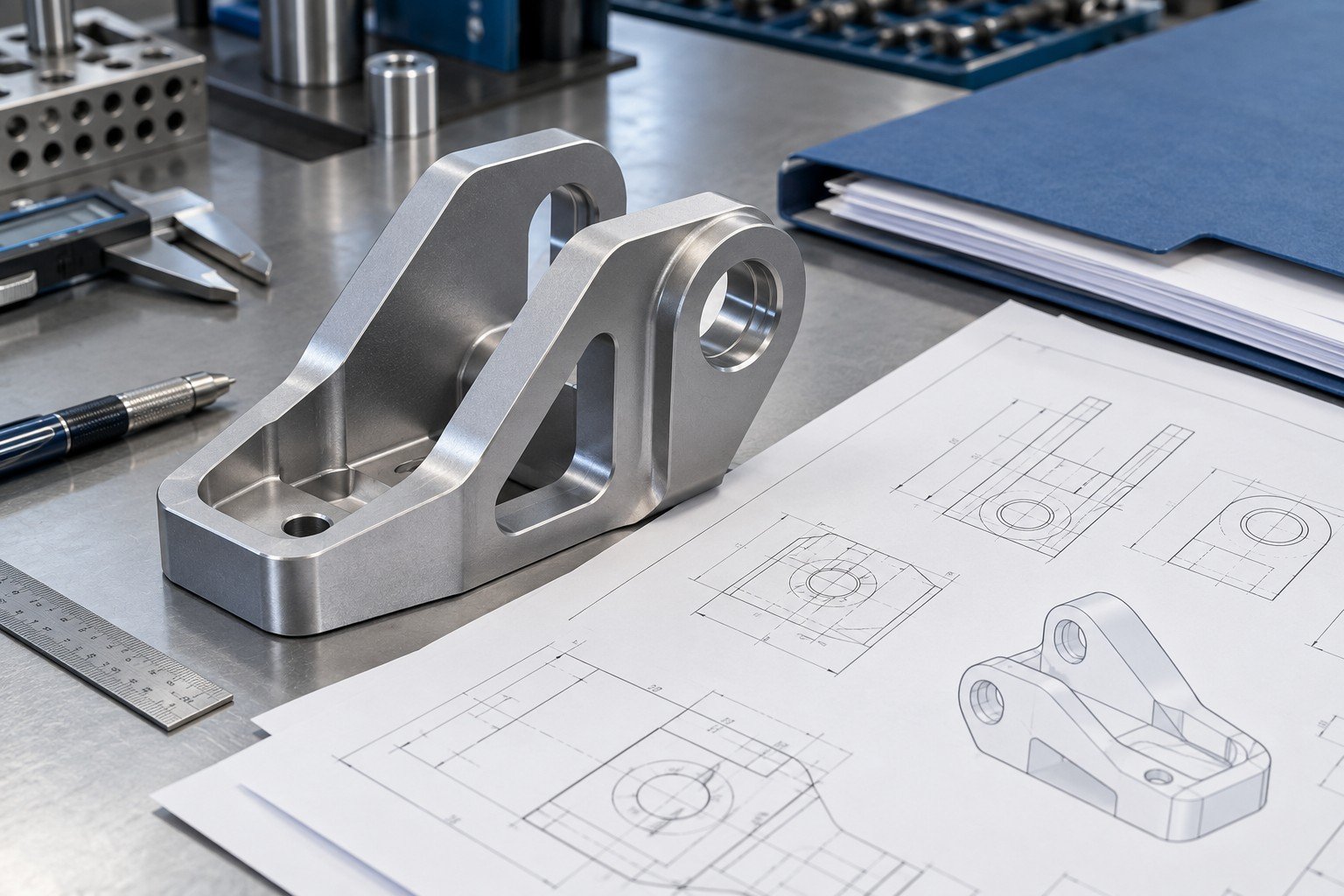
Quality documentation review starts with the drawing, specifications, document list, customer forms and approval timing.
| Agree | Document types, characteristic coverage, sample quantities and source requirements. |
|---|---|
| Confirm | Feasibility, responsibilities, price and submission milestones. |
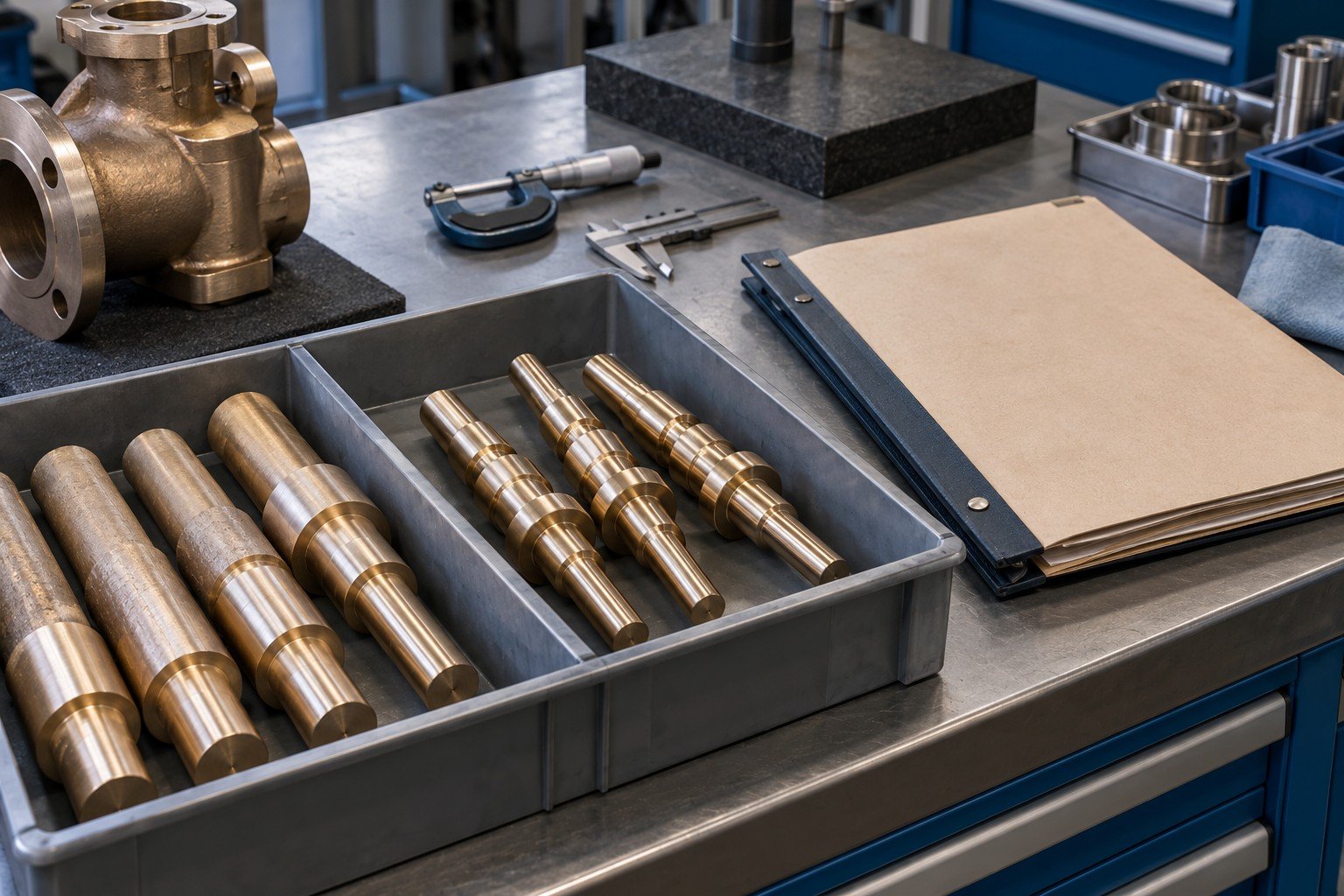
The relevant material, process and inspection records need to exist and connect to the correct items and revisions.
| Agree | Which records are created, by whom and at which operations. |
|---|---|
| Confirm | Changes, unavailable results, nonconformance and any required escalation. |
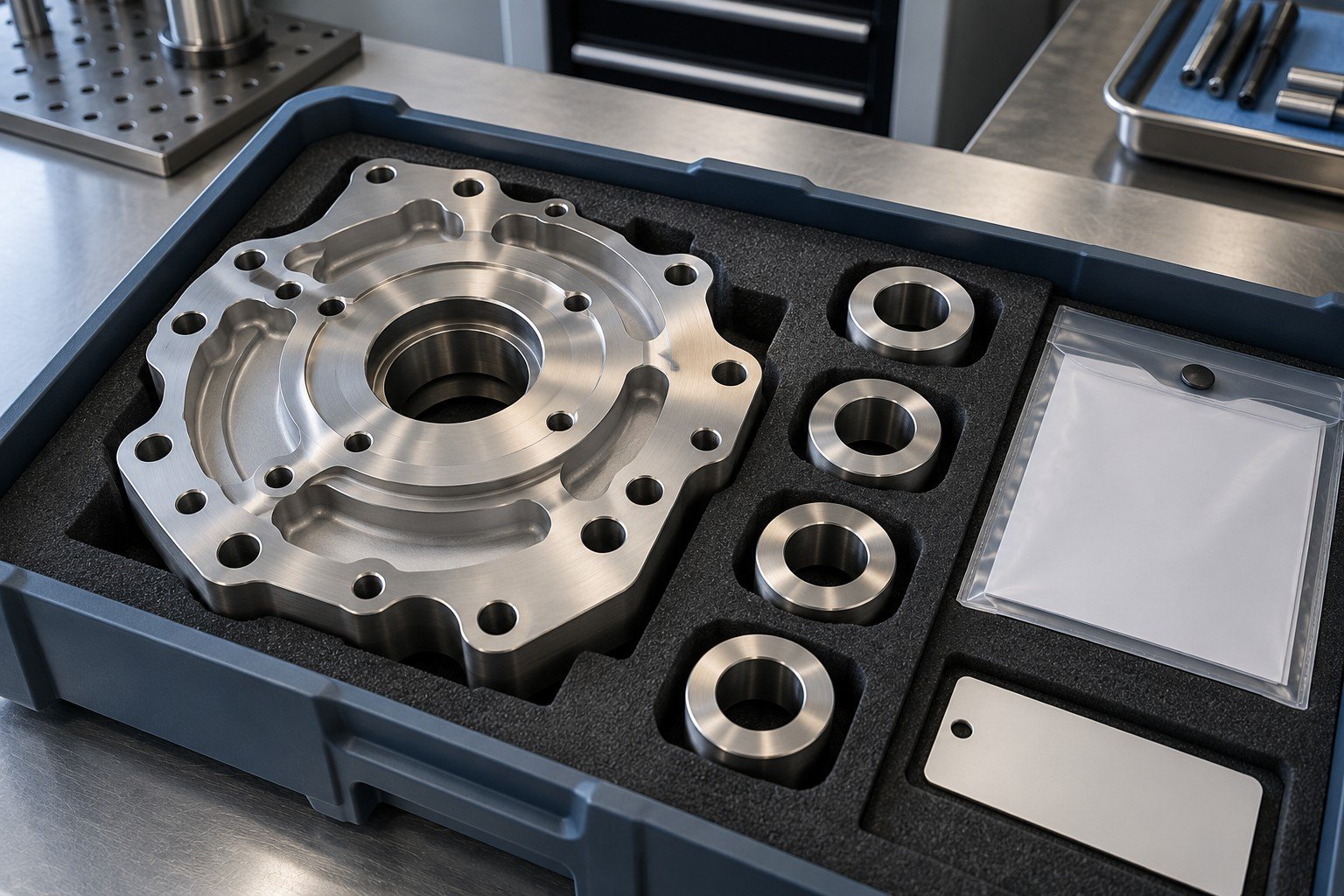
Reconcile required documents, identity, revisions, findings, authorized exceptions and delivery references.
| Agree | The record index, format, recipient and required release review. |
|---|---|
| Confirm | Open items, approval status and any authorized disposition. |
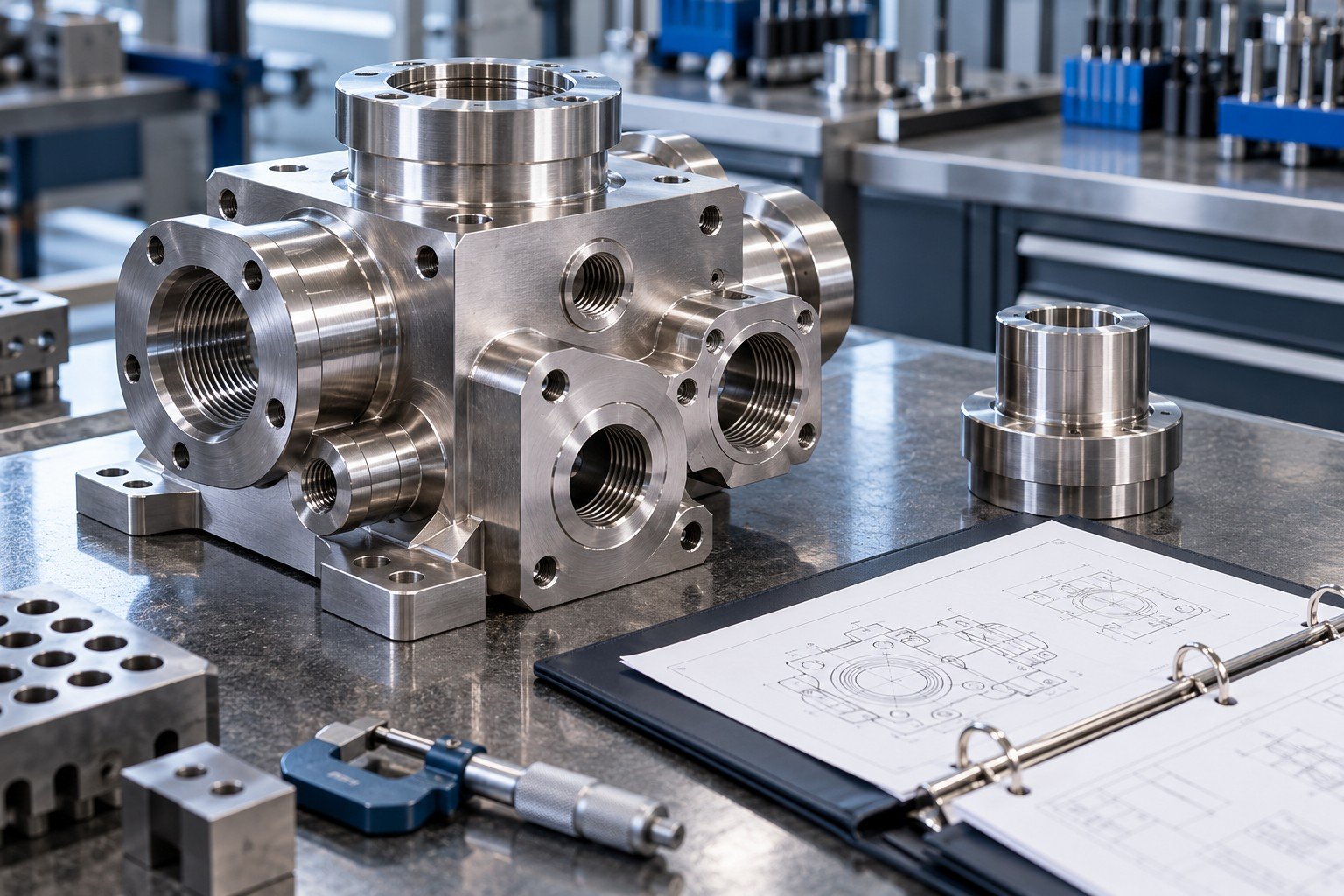
CNC machining quality documentation connects drawing characteristics, material source and agreed inspection results. Identify datum setup and reporting needs before production.
Explore your manufacturing route →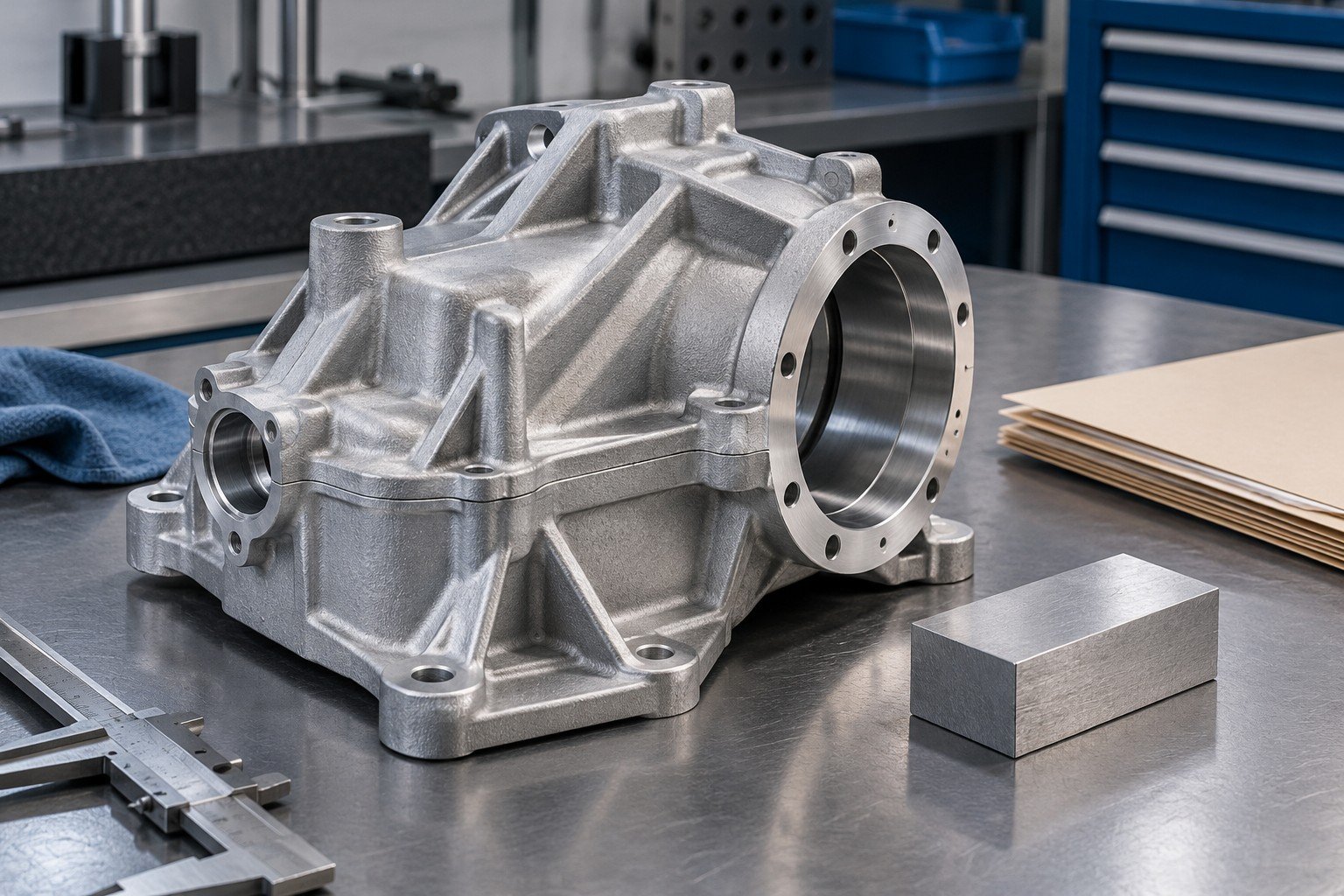
Casting quality documentation may need separate as-cast, machined, material and specified test evidence. A dimensional report alone does not establish internal soundness.
Explore your manufacturing route →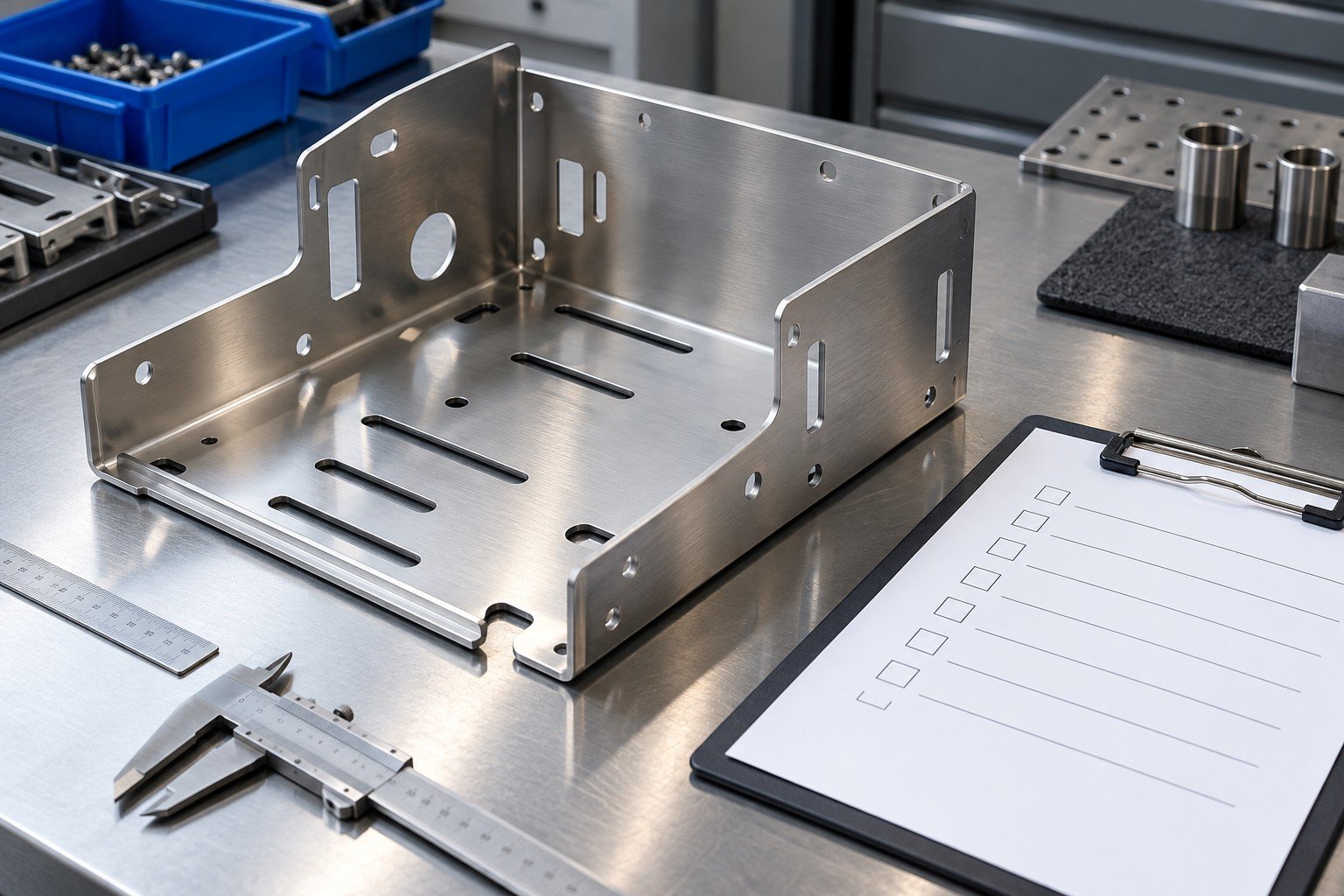
Sheet metal quality documentation should distinguish flat-pattern, formed and finished condition. Define critical hole positions, angles, welds or finish evidence where applicable.
Explore your manufacturing route →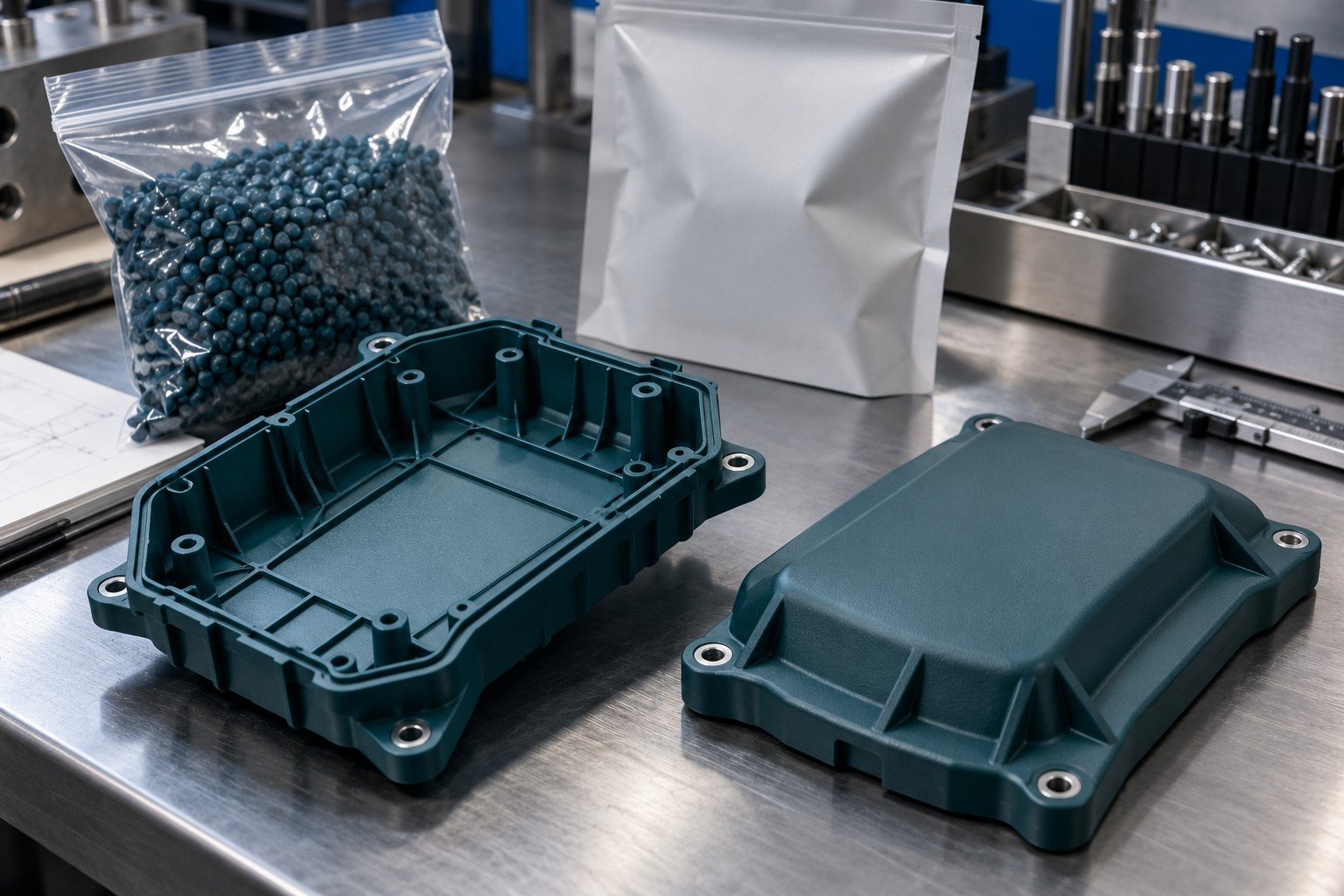
Plastic molding quality documentation can link specified resin, molded sample identity, cavity information and agreed dimensional or cosmetic checks.
Explore your manufacturing route →An orderly report still needs the correct context.
Identify the ordered item and applicable requirement revision.
Link the result to a defined feature, criterion or test.
Identify what was actually inspected or tested.
Provide the agreed method references, units and results.
Make departures, open items and approval status clear.
A neat template is not an inspection result. Images on this page illustrate document contexts and are not completed quality records.
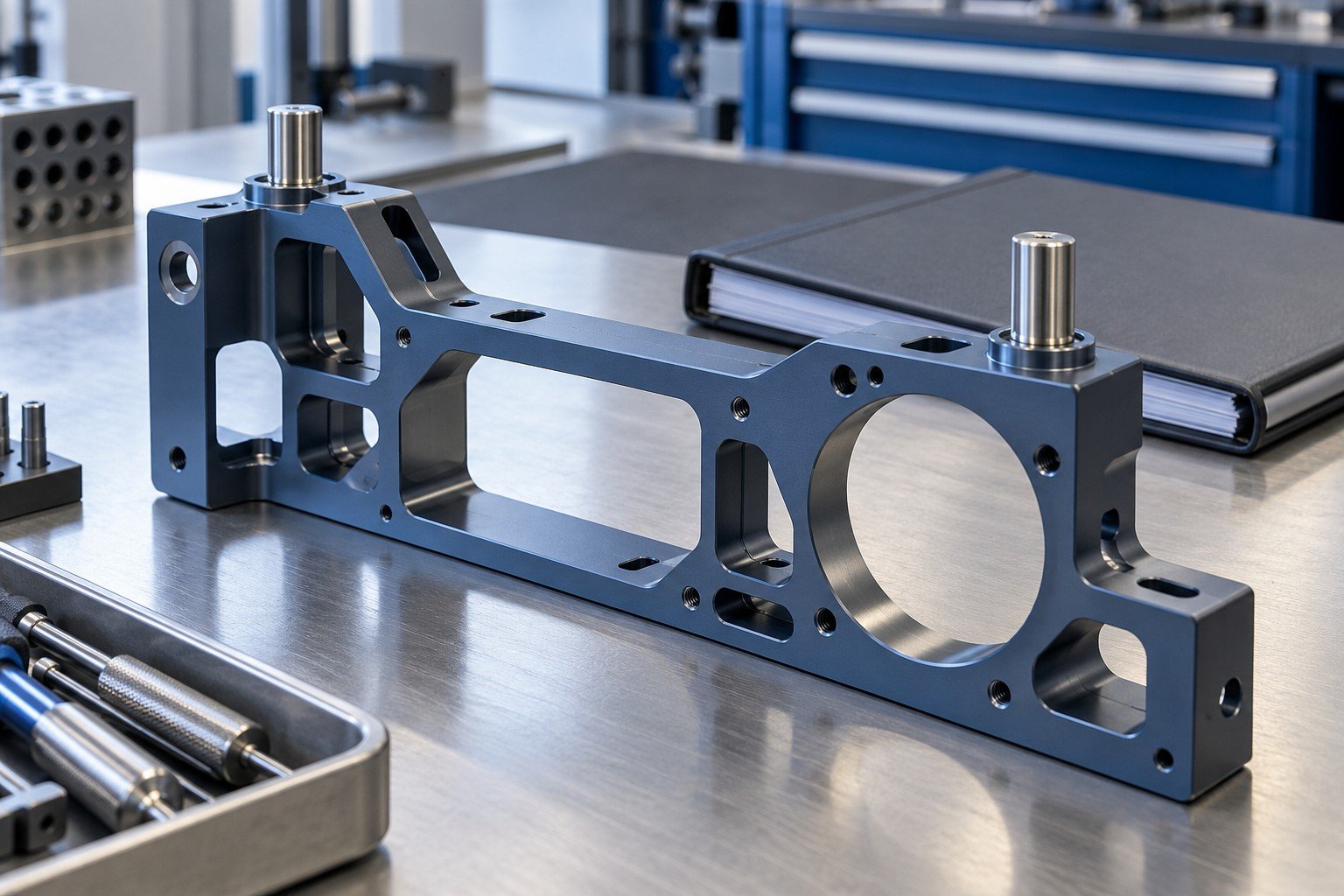
Define critical fits, datum references and inspection scope.
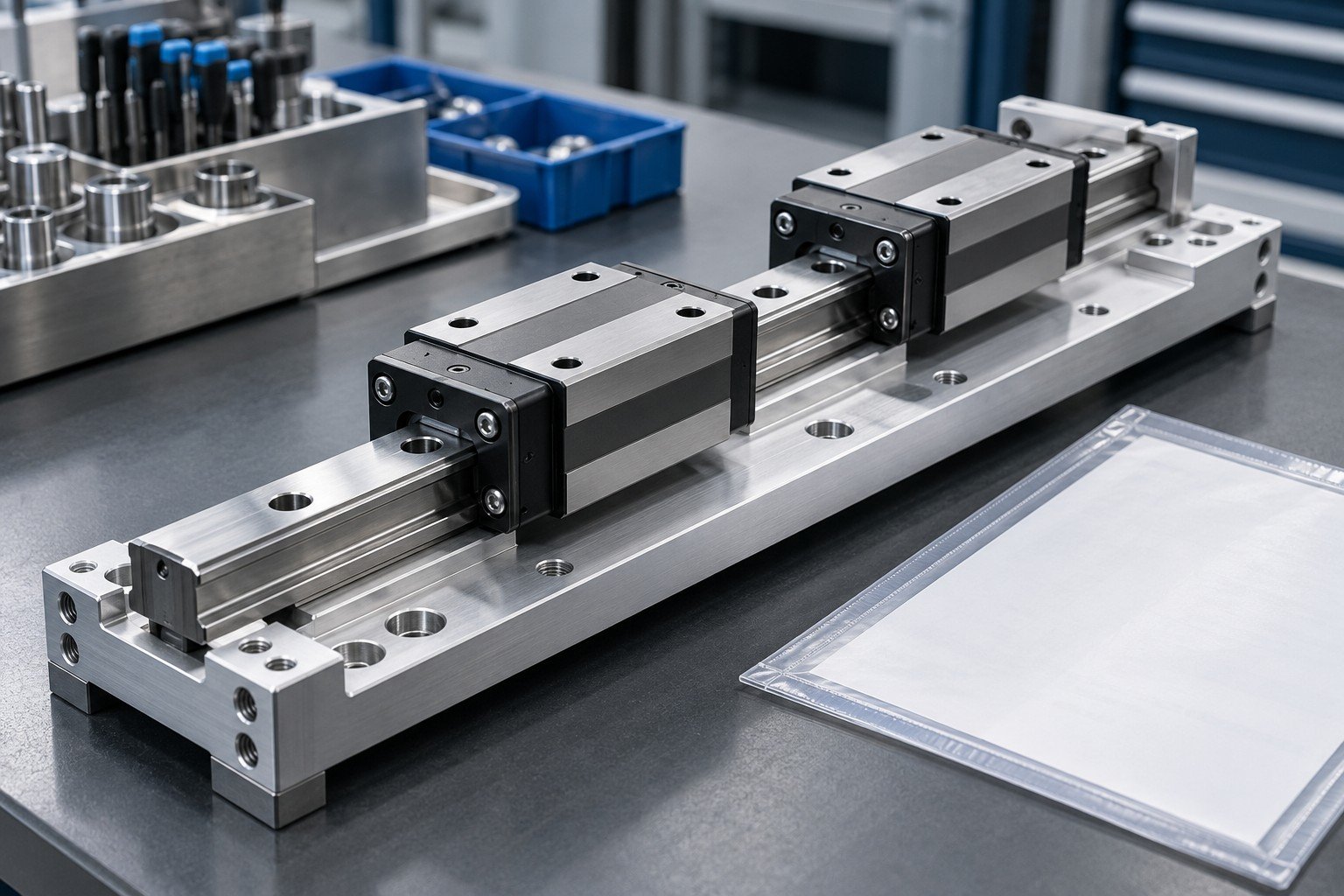
Connect dimensional, component and agreed functional evidence.
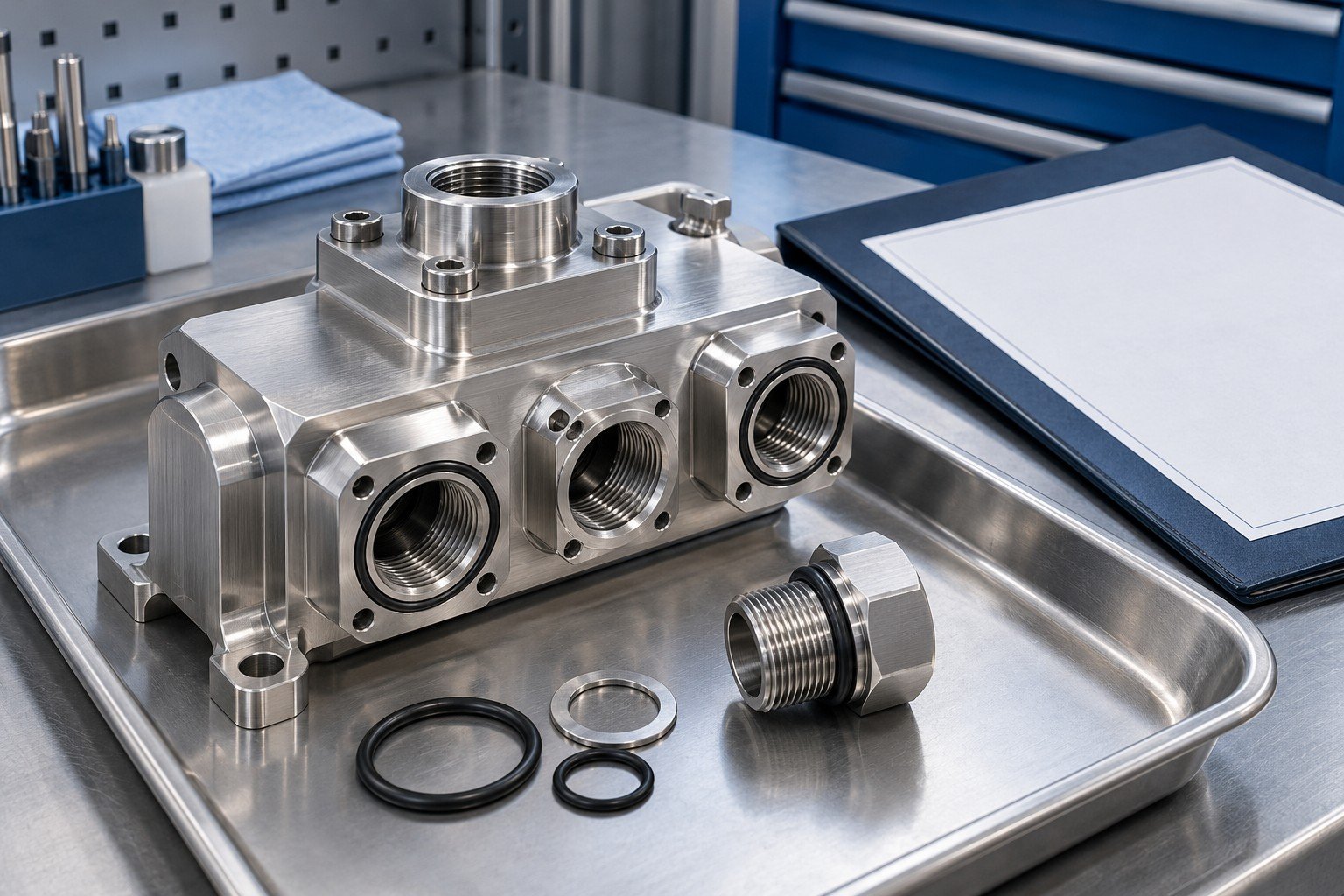
Review material, finish and any separately agreed pressure or leak test requirements.
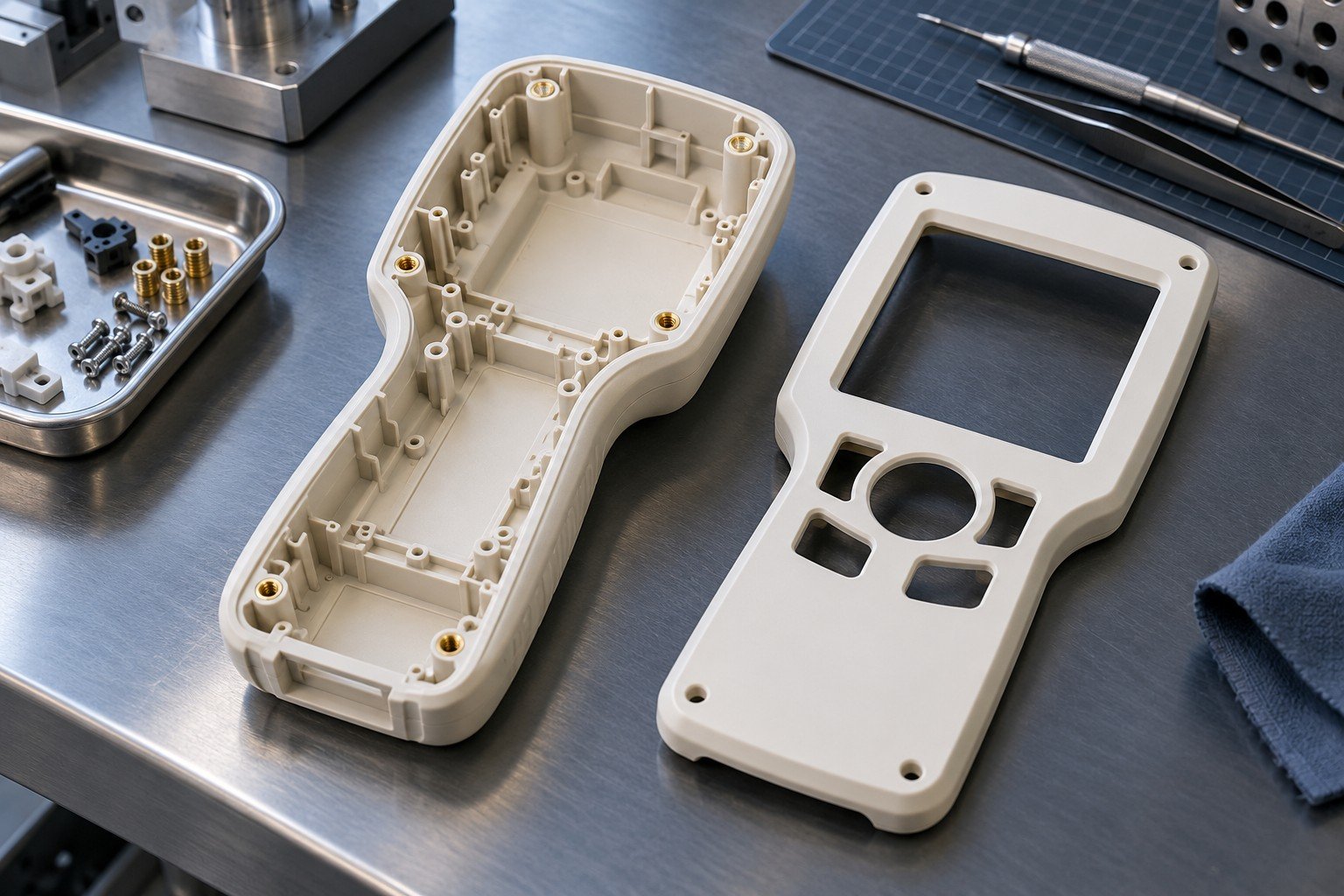
Align sample revision, resin or alloy and agreed cosmetic criteria.
Features, sample quantity, method and reporting.
Material and outside-process evidence availability.
Customer forms, package elements and review cycles.
“Full dimensional” does not automatically mean every part in the order. Specify both coverage and sample quantity; agree extra testing, document preparation and resubmission work separately.
Connect your order requirements, document questions and delivery review to the responsible team.
Clarify the document list, customer forms and open questions.
Confirm where relevant source and process evidence originates.
Coordinate samples, results and required customer decisions.
Agree the record index, recipient and shipment references.

For inspection documentation services tied to your manufactured parts, confirm the included scope. Standalone accredited testing or third-party certification services are not implied. Request an NDA before sending confidential files.
Correct part, revision, requirements and agreed document list.
Required results and source links, with exceptions visible.
Defined reviewer, approval status and delivery requirements.
Inspection evidence, conformance declaration and customer approval are separate items. Confirm the authority required for your order.
Specify the required dimensional report, material source evidence, CoC and any FAI, ISIR, PPAP or process records during RFQ. The correct list depends on the part, drawing, route, risk and customer requirements. The reviewed quotation confirms what is included.
A CoC declares conformance to the stated order requirements. A material test report presents the stated material analysis or test results from its identified issuer. They answer different questions and both require the relevant item or source linkage.
Ask the team to review what actual records exist and remain linked to your items. Extra inspection or tests may be needed, and missing original evidence may be unavailable. A new document must not fabricate results or reconstruct an unsupported material identity.
Its agreed index can include inspection results, source certificates, conformance declarations, initial-sample evidence, process records or customer-specific submission elements. No universal package applies to every order. Define the actual contents and formats before production.
Check the written quotation. Required characteristics, quantities, report format, tests and submission work may affect price and timing. Do not assume every report, source certificate or approval package is included in a basic part price.
List the exact documents, drawing and specification revisions, customer forms, characteristic and sample coverage, required source evidence, submission timing and reviewer. Confirm feasibility and include the agreed requirements in the accepted order scope.
No. A declaration and measured inspection findings have different purposes. If your receiving or approval team needs actual measured results, specify the relevant report and its coverage separately.
Submit your actual templates and instructions during quotation review. The team can assess required fields, measurement or source evidence, signatures and submission requirements. Any unavailable element or additional work needs agreement before commitment.
No. FAI and ISIR concern the defined initial-sample evidence, with content governed by the applicable requirements and agreed format. PPAP is a customer-defined production approval submission with its required elements. Specify the intended process and requirements rather than treating the names as interchangeable.
No. A control plan defines the agreed controls and reaction instructions. Actual inspection or process records document execution and findings. Review both where required; neither a blank plan nor a sample template proves your parts were inspected.