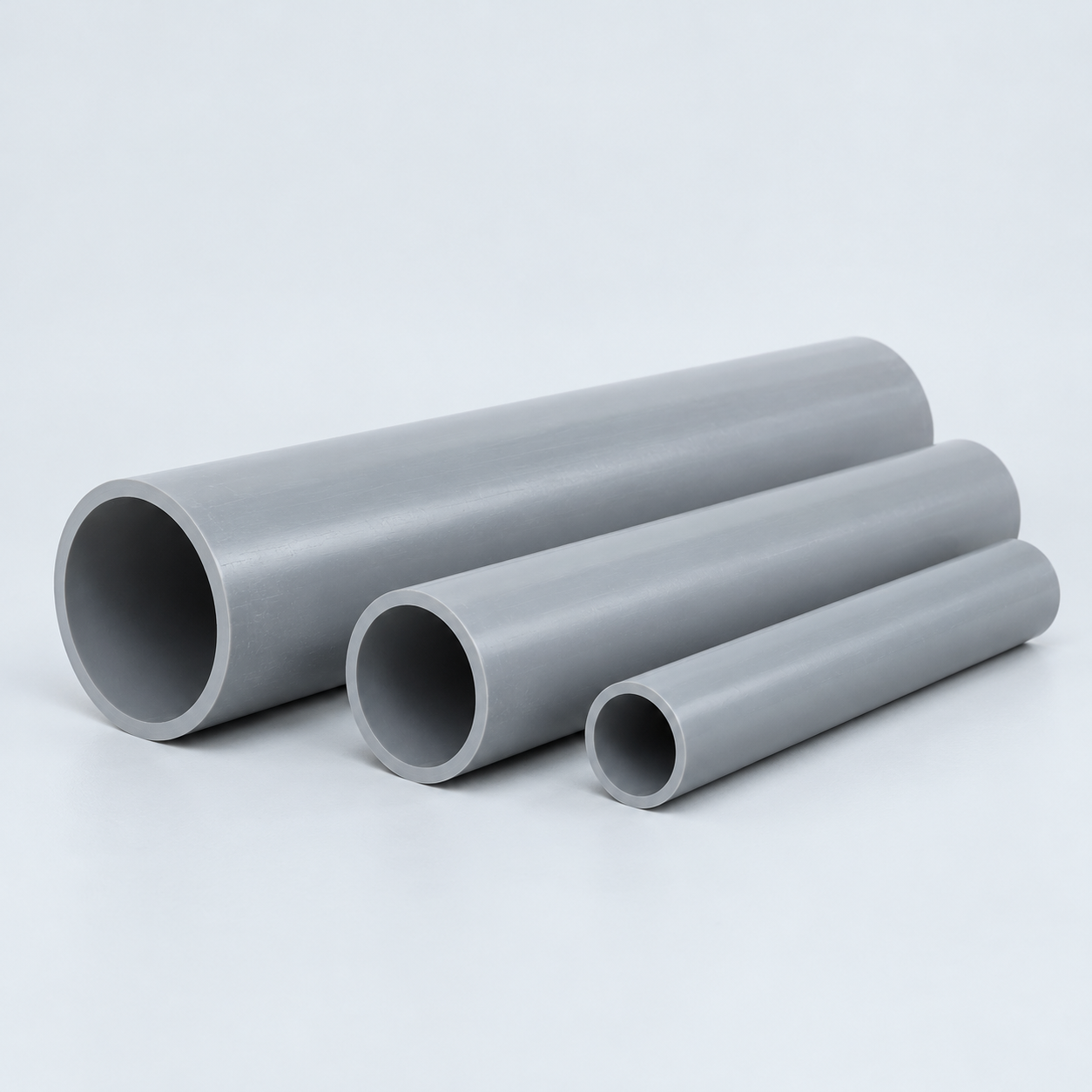
Injection Molding
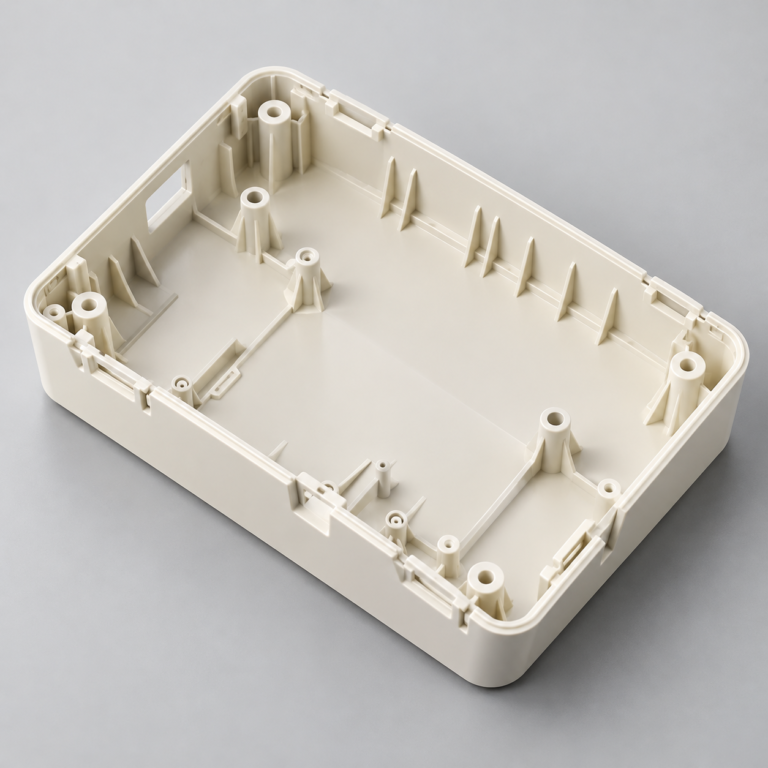
Tooling and molding for your repeat plastic parts.
From prototype to production, coordinated manufacturing solutions for your custom parts.
View All Services →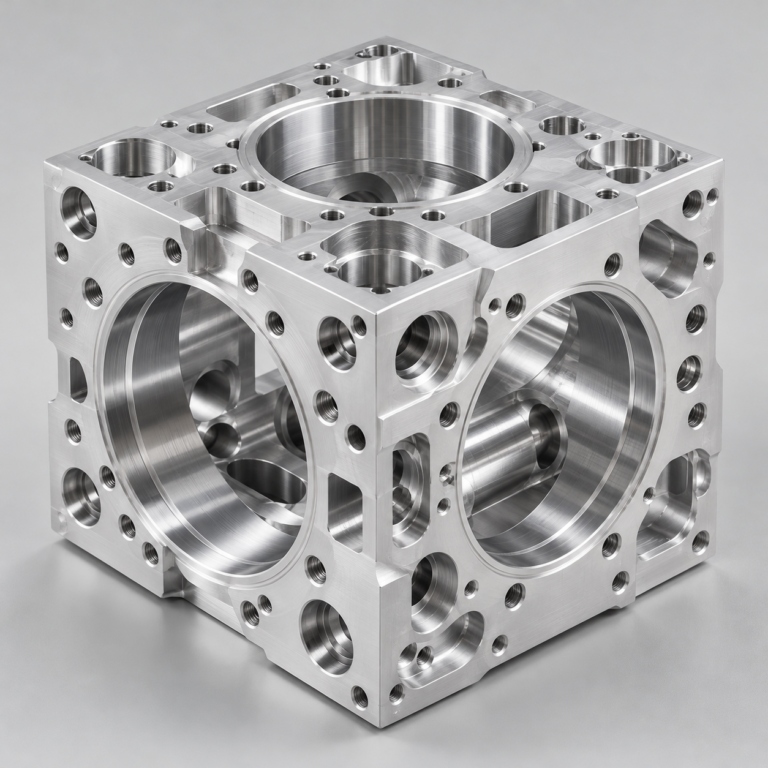
Precision parts for your tight tolerances and complex geometry.
Tooling and molding for your repeat plastic parts.
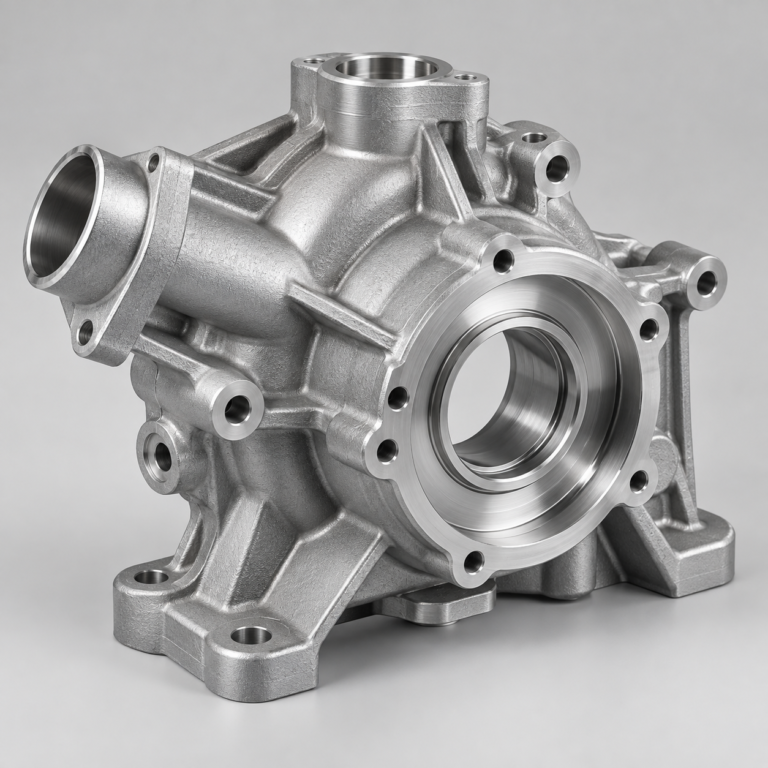
Metal casting options for your part and production volume.
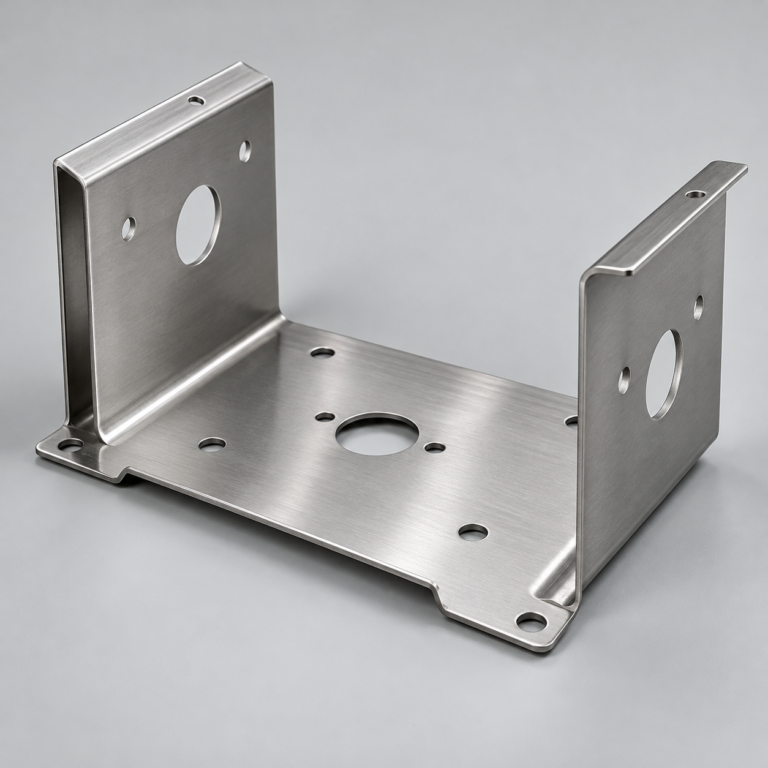
Cutting, forming and welding for your fabricated parts.
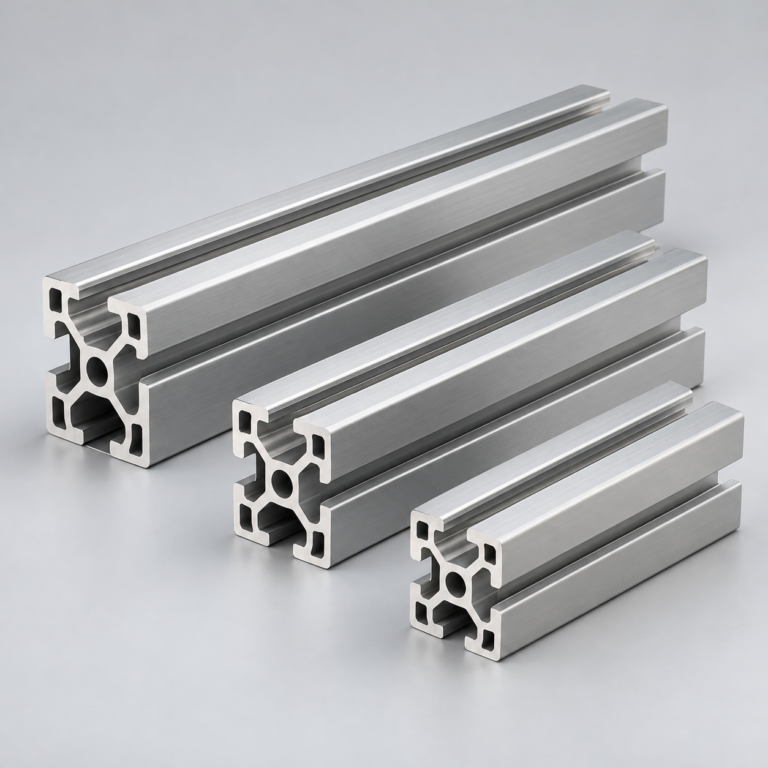
Custom profiles for your section, length and finish requirements.
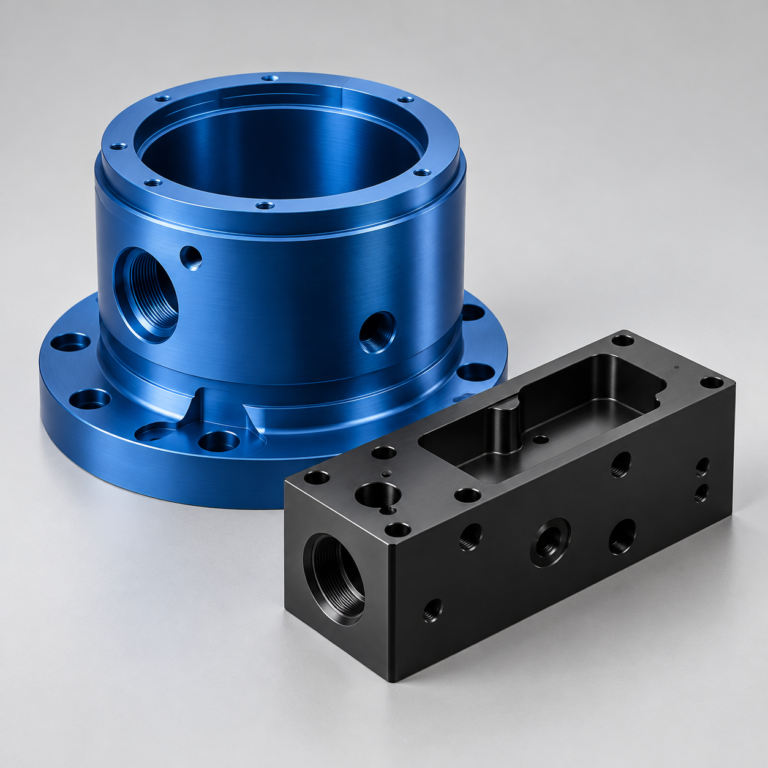
Finishes for your appearance, corrosion and wear requirements.

Sub-assemblies and final builds for your production program.

Production tooling built around your process and volume.
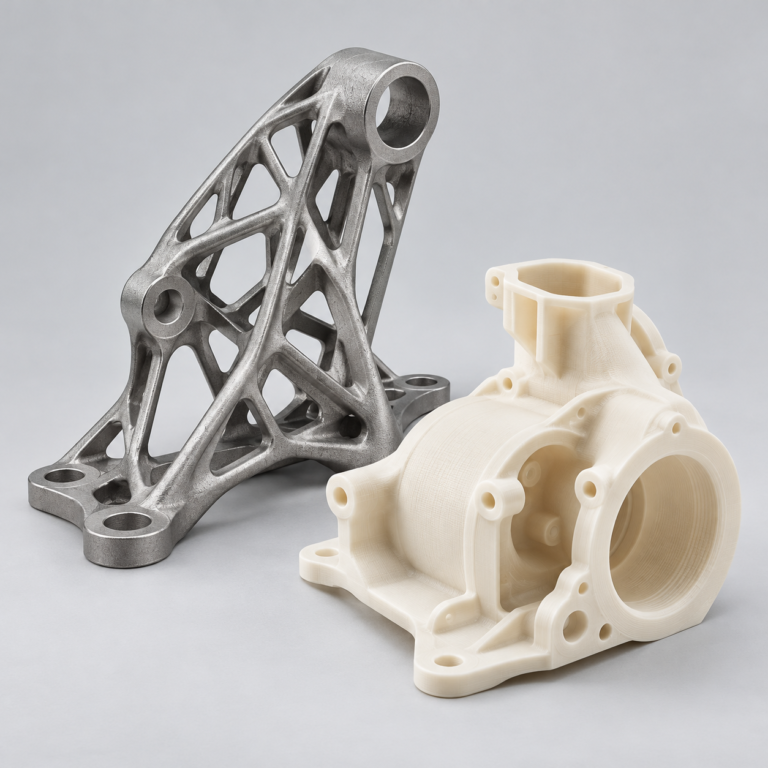
Prototype parts to check fit, function and design.
DFM, process planning and production support for your project.
Inspection, documentation, inventory and delivery planning for your program.
Choose air- or liquid-cooling components around your thermal and mechanical requirements.
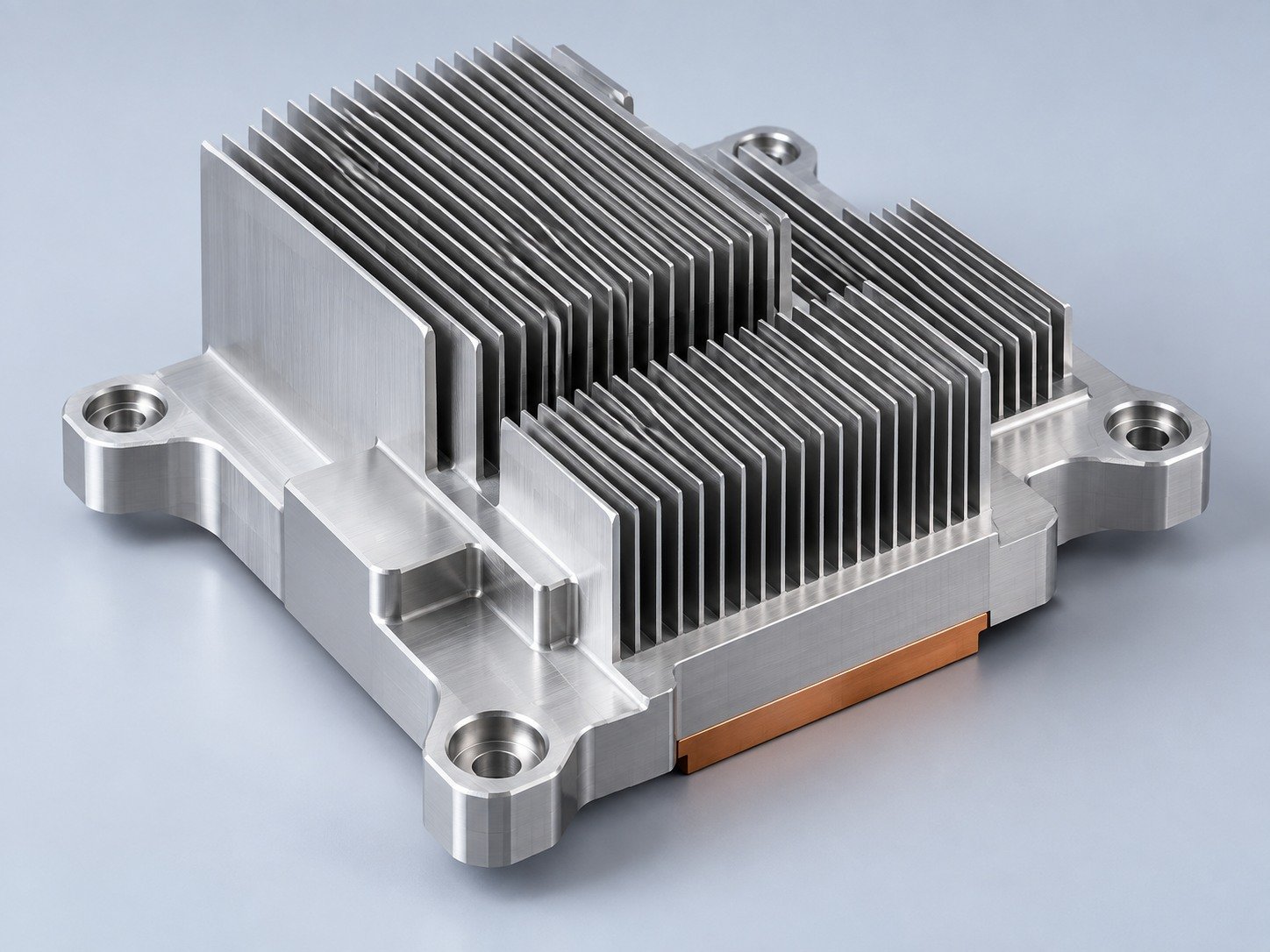
Manufacturing support for your cold plates, manifolds and cooling assemblies.
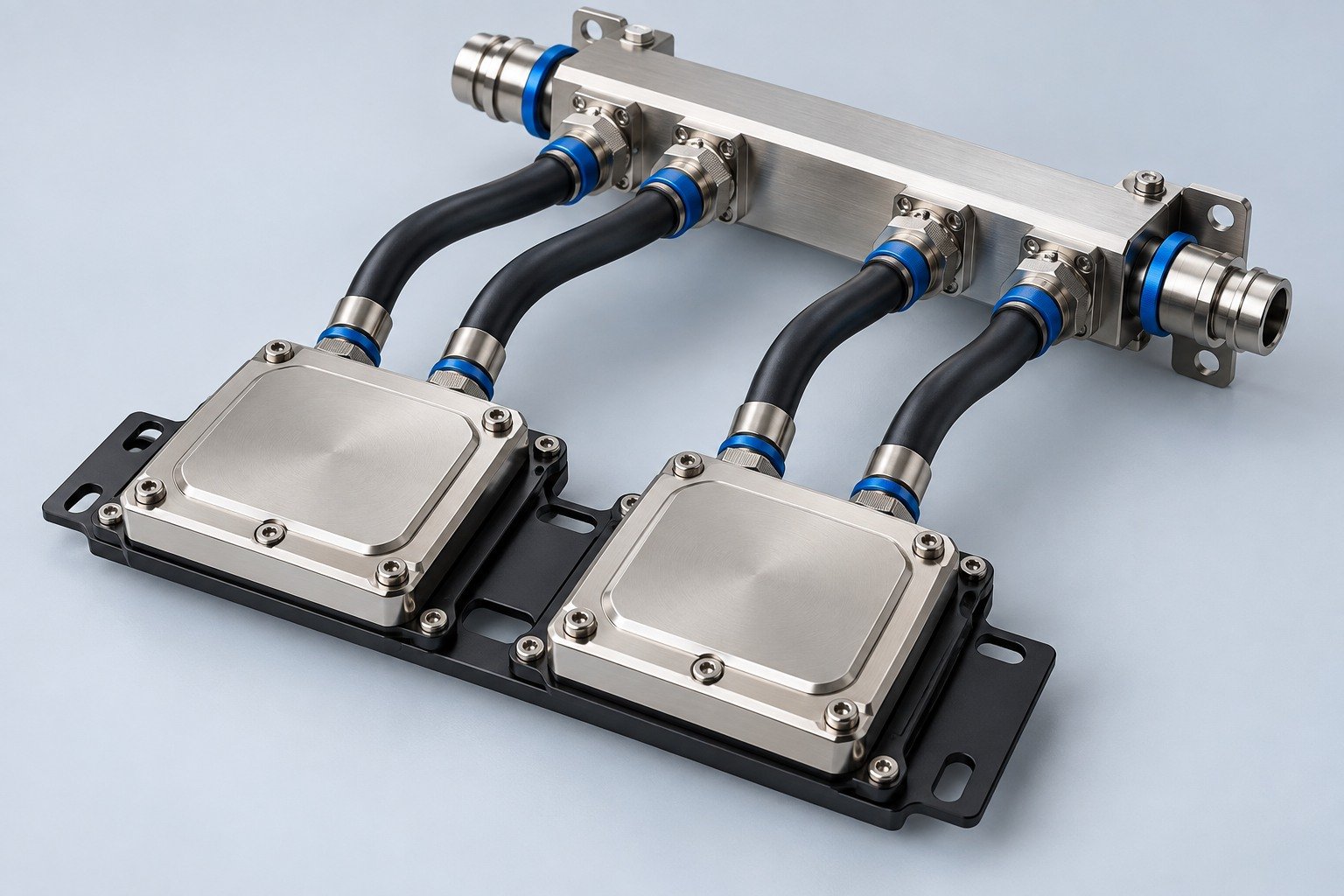
Find components for your power electronics, energy, laser and telecom application.
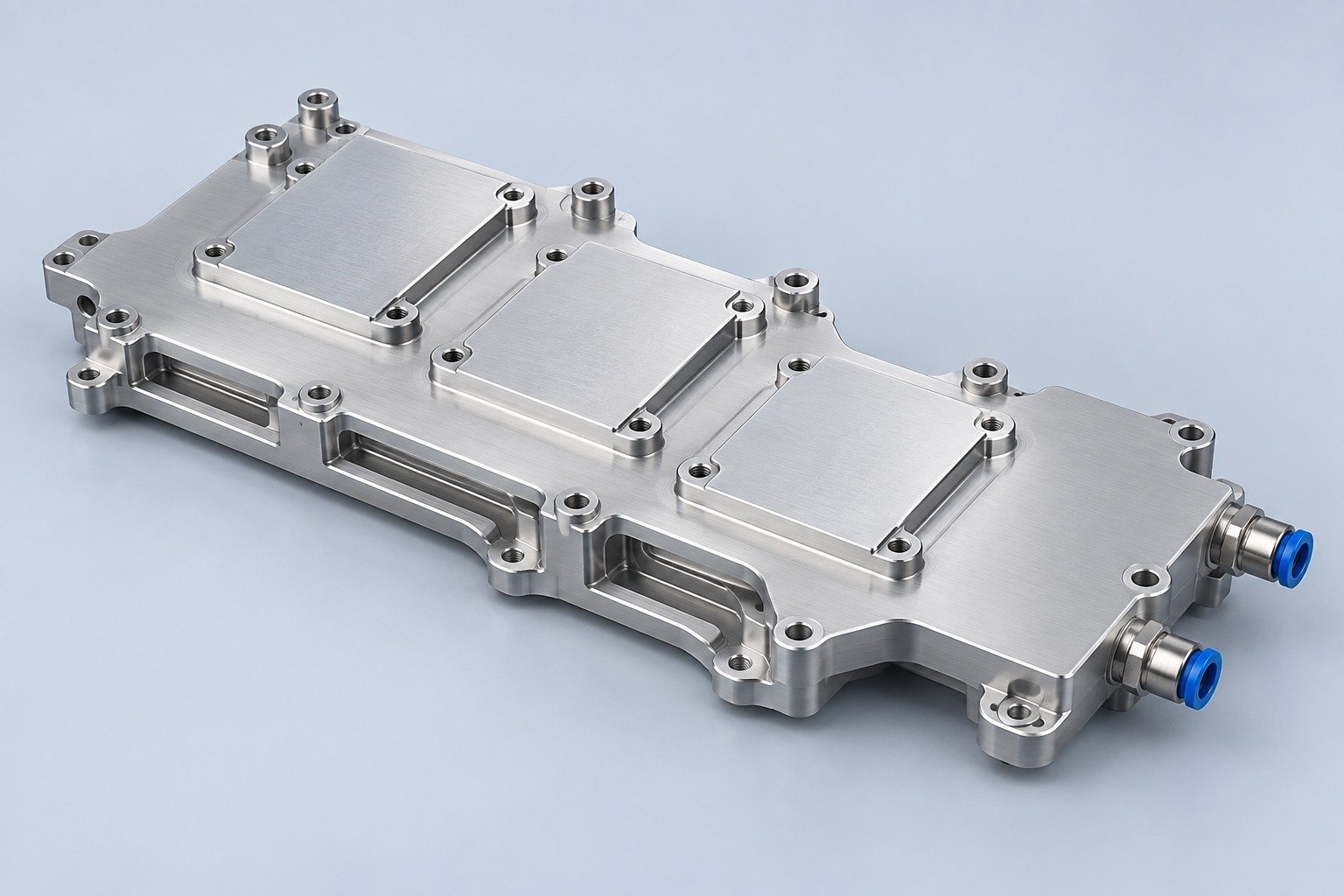
Components for your electronic systems.
Start with your functional and quality requirements.
Build around your operating environment.
From prototype to production, review material performance, manufacturability and cost for your part.
Review grade, temper and finish for your metal parts.
 AluminumStrength, weight and machining›
 Stainless SteelCorrosion and finish requirements›
 Carbon & Alloy SteelDiscuss grade and heat treatment›
 Tool SteelDiscuss tooling and wear needs›
 TitaniumReview grade and part geometry›
 Copper & BrassDiscuss conductivity and machining›
Match your polymer to function, process and environment.
 ABSReview enclosure and molding needs›
 Polycarbonate (PC)Discuss clarity and impact needs›
 Nylon (PA)Review moisture and wear conditions›
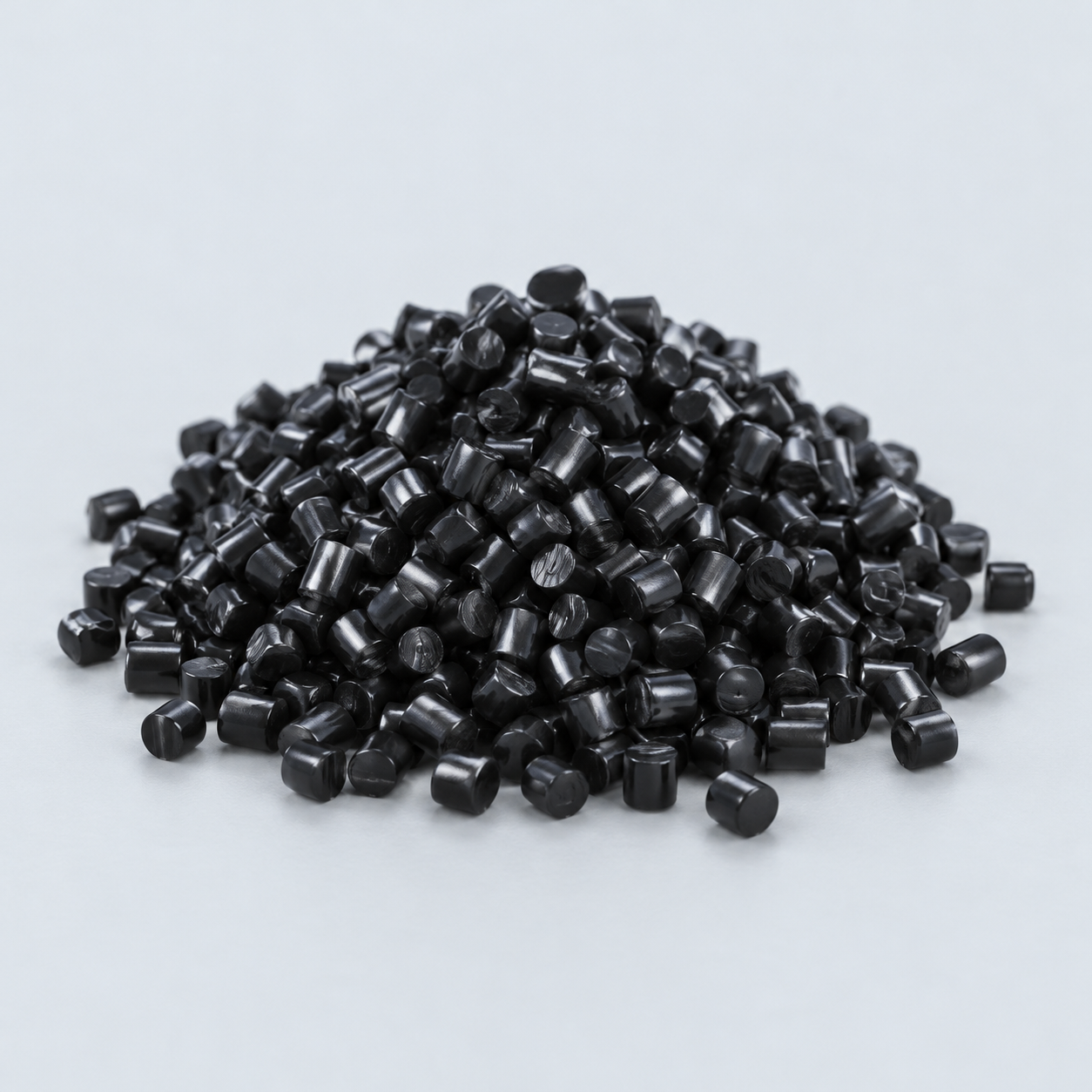 POM / AcetalReview fit and sliding features›
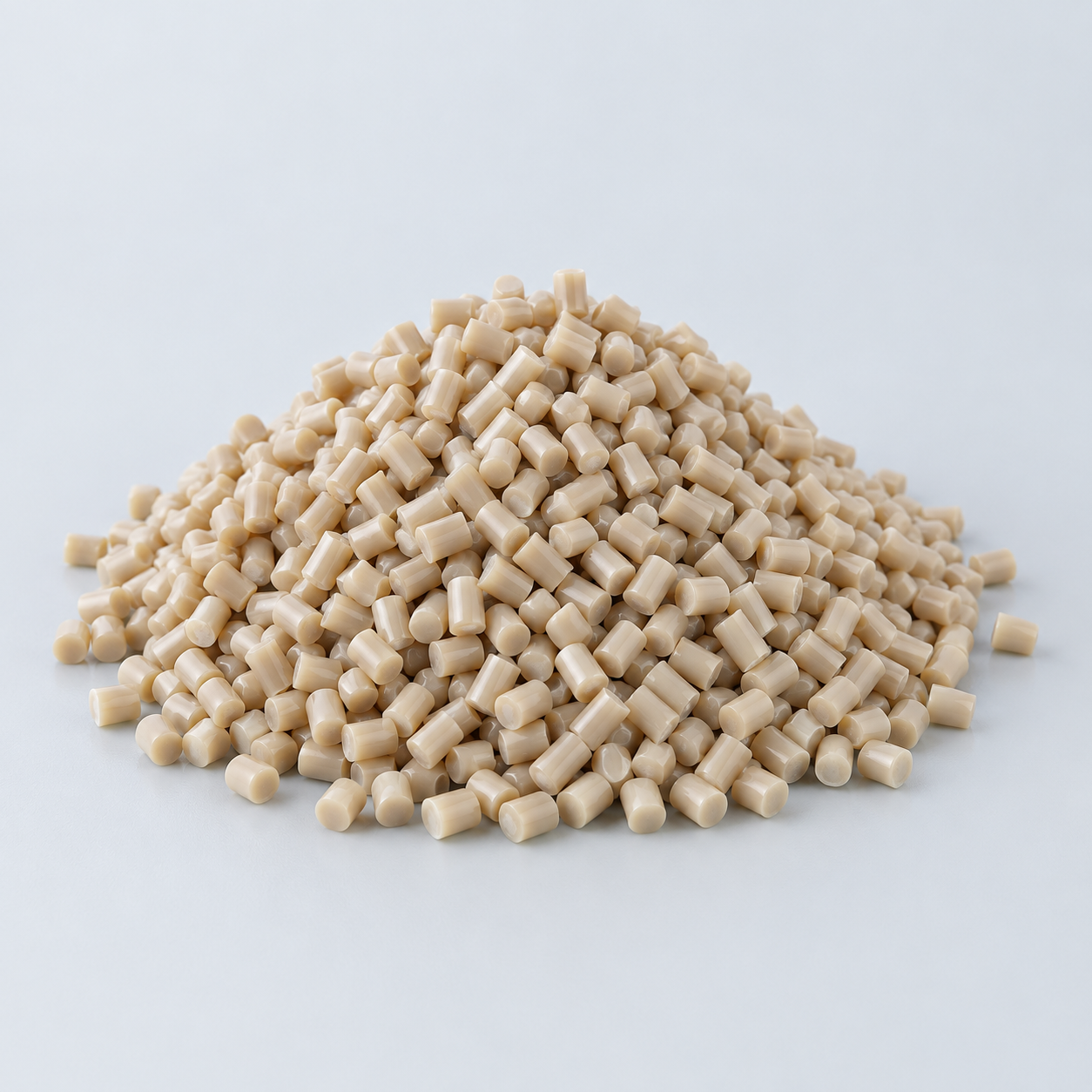 PEEKDiscuss operating conditions›
 PTFEReview friction and chemical exposure›
 ULTEM / PEIDiscuss thermal and electrical needs›
Confirm grade availability and application requirements.
 Silicone / LSRDiscuss flexible component needs›
 TPU / TPEReview flexibility and processing›
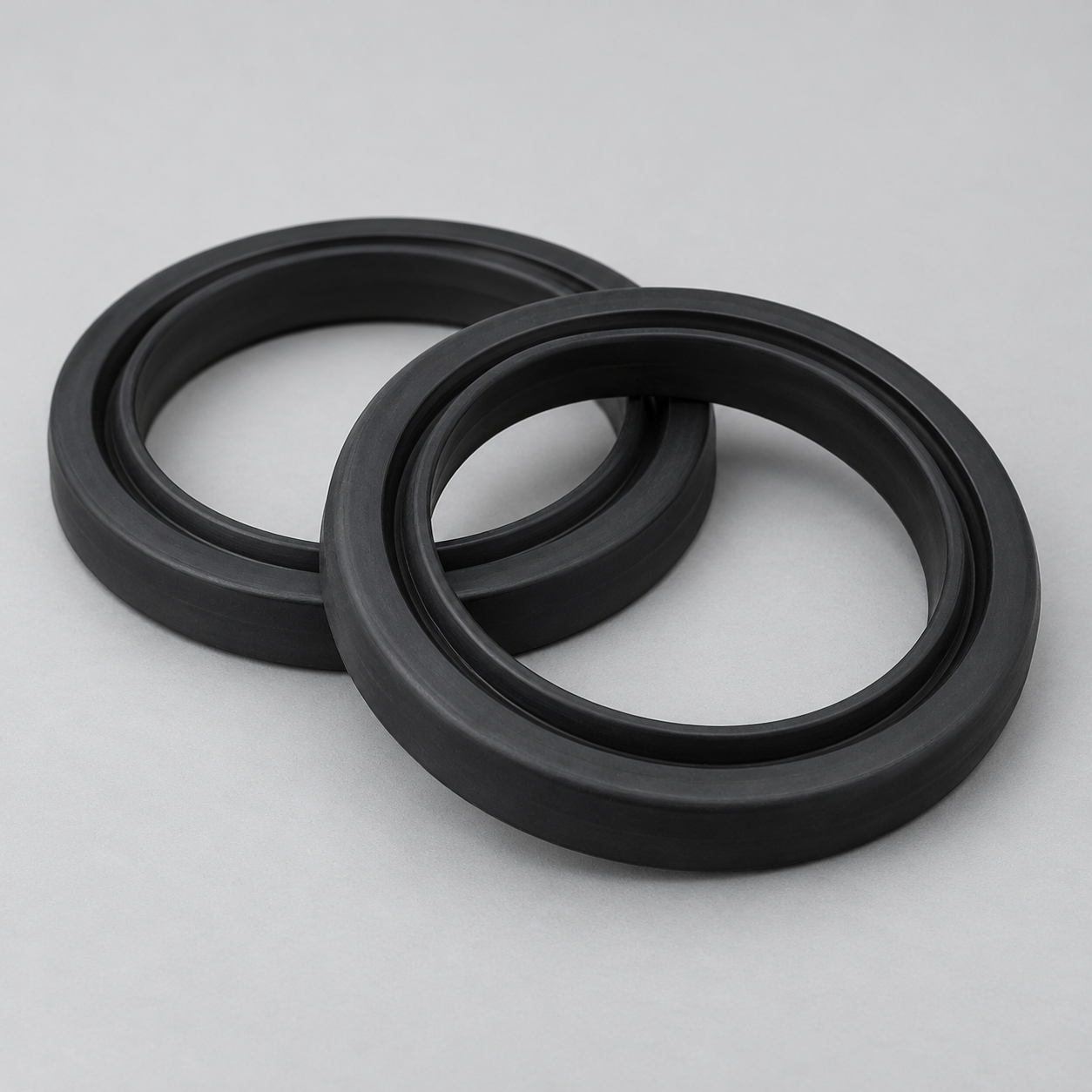 EPDMReview weathering and chemical exposure.›
 NBRReview oil and fuel exposure.›
 FKMReview temperature and chemical exposure.›
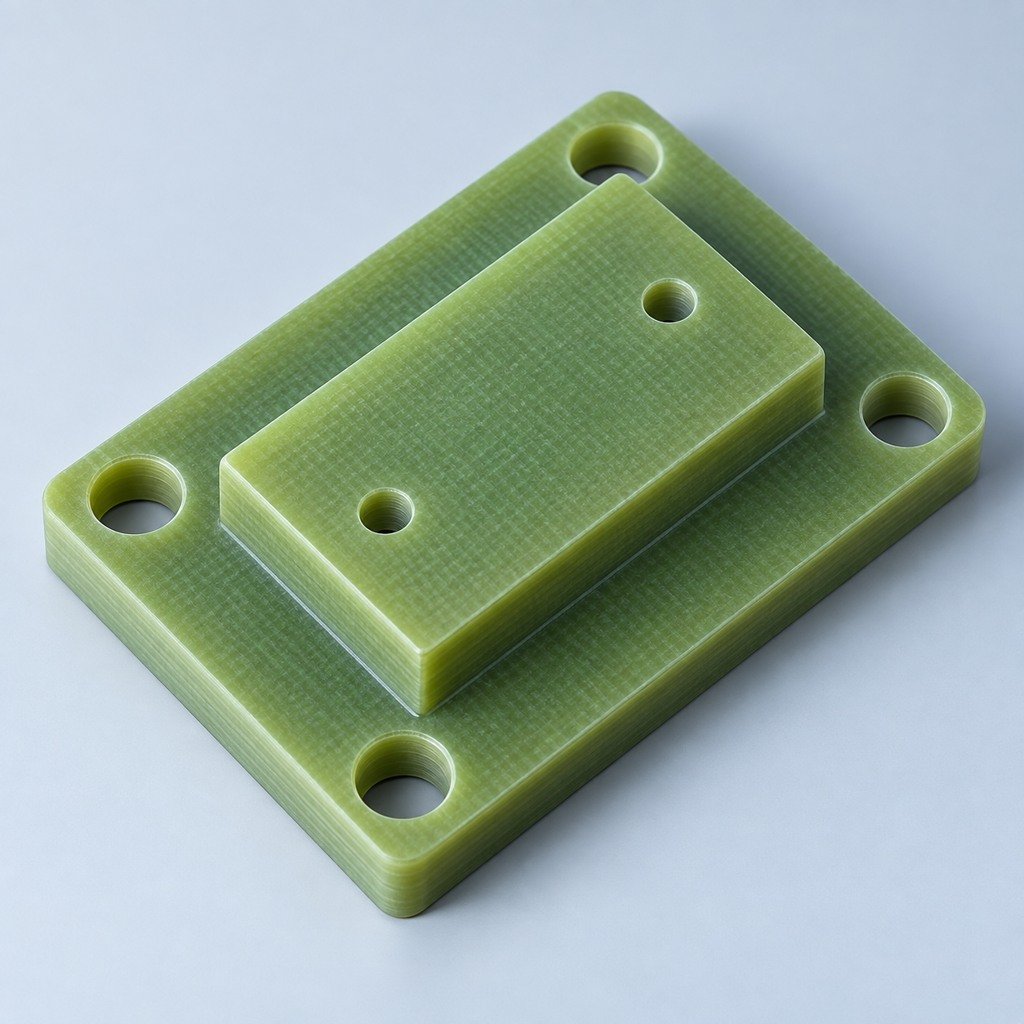 G10 / FR4Review insulation and laminate needs›
 CompositesReview stiffness, weight and laminate.›Customer-Specified MaterialsConfirm your grade and requirements.›Other Specialty MaterialsDiscuss your application and grade.›
Practical guidance for your part geometry and material decisions.
Prepare your process, budget and sourcing questions.
Build your knowledge before production.
Learn who we are and how we operate.
Find our U.S. support team or start a conversation.
YOUR MATERIAL IDENTITY. YOUR PART HISTORY. YOUR DELIVERY RECORDS.
Define how your supplied material, work order, operations, inspection and shipment records need to connect. Agree the required lot or serial-level scope before purchasing material, so the evidence request matches your actual part and order.
A material certificate, an internal lot number and a complete record chain are different things. Identification methods, record availability, retention and retrieval scope require project confirmation.
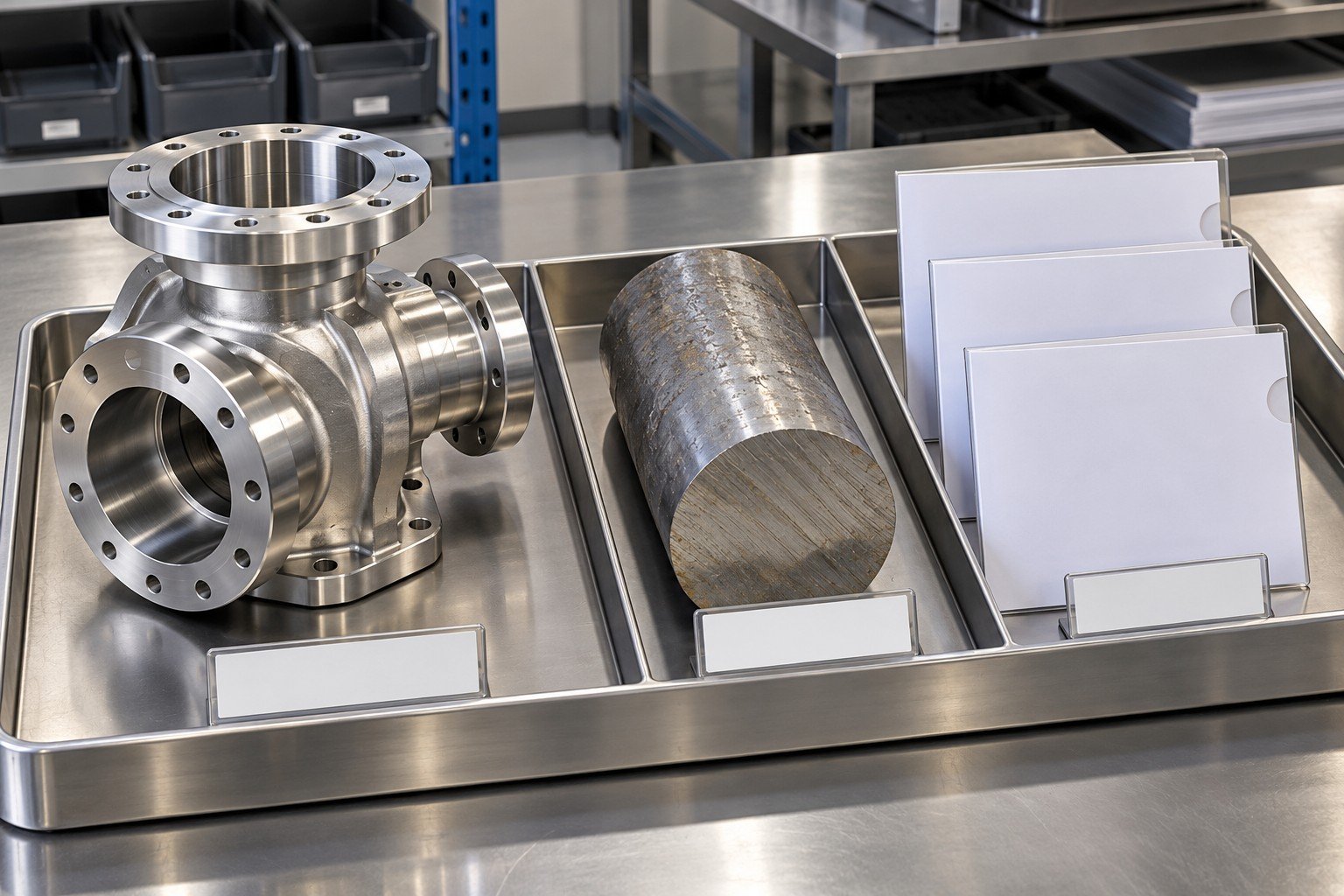
Supplier and source heat or lot
Part and controlled revision
Actual batch relationships
Sample and acceptance records
Delivered identity and documents
For manufacturing with material traceability, define the evidence and granularity your procurement decision requires.
Distinguish source heat, supplier lot, production lot and any individual serial.
Identify the material, operation, inspection and delivery records that must connect.
Specify the parts, outside operations and assembly items within scope.
Agree source reports, declarations, formats and delivery references.
Confirm retention, confidentiality, retrieval scope and responsibility.
For a traceable component supplier review, ask how the required relationships are established and retained.
| Source material | Original heat or supplier lot → receiving record |
|---|---|
| Work order | Material issue → part number and controlled revision |
| Operations | Production and outside-process batches → actual affected identities |
| Inspection | Sample or lot → requirement, findings and disposition |
| Shipment | Delivered identity → agreed records and release reference |
A traceability matrix for manufacturing records maps actual material, order, process, inspection and delivery relationships. This is a field guide, not a completed customer record or a claim that every order includes every field.
Material certificates for machined parts need a connection to the material actually received and used. A loose report with the correct grade name alone does not establish that connection.
| Identity | Supplier, grade, condition and source heat or material lot as applicable. |
|---|---|
| Record link | Connect the supplied report, physical identity and receiving record. |
| Handoff | Agree how identity is retained through storage, issue and cutting. |
| Your evidence | Specify the report type and required verification before procurement. |
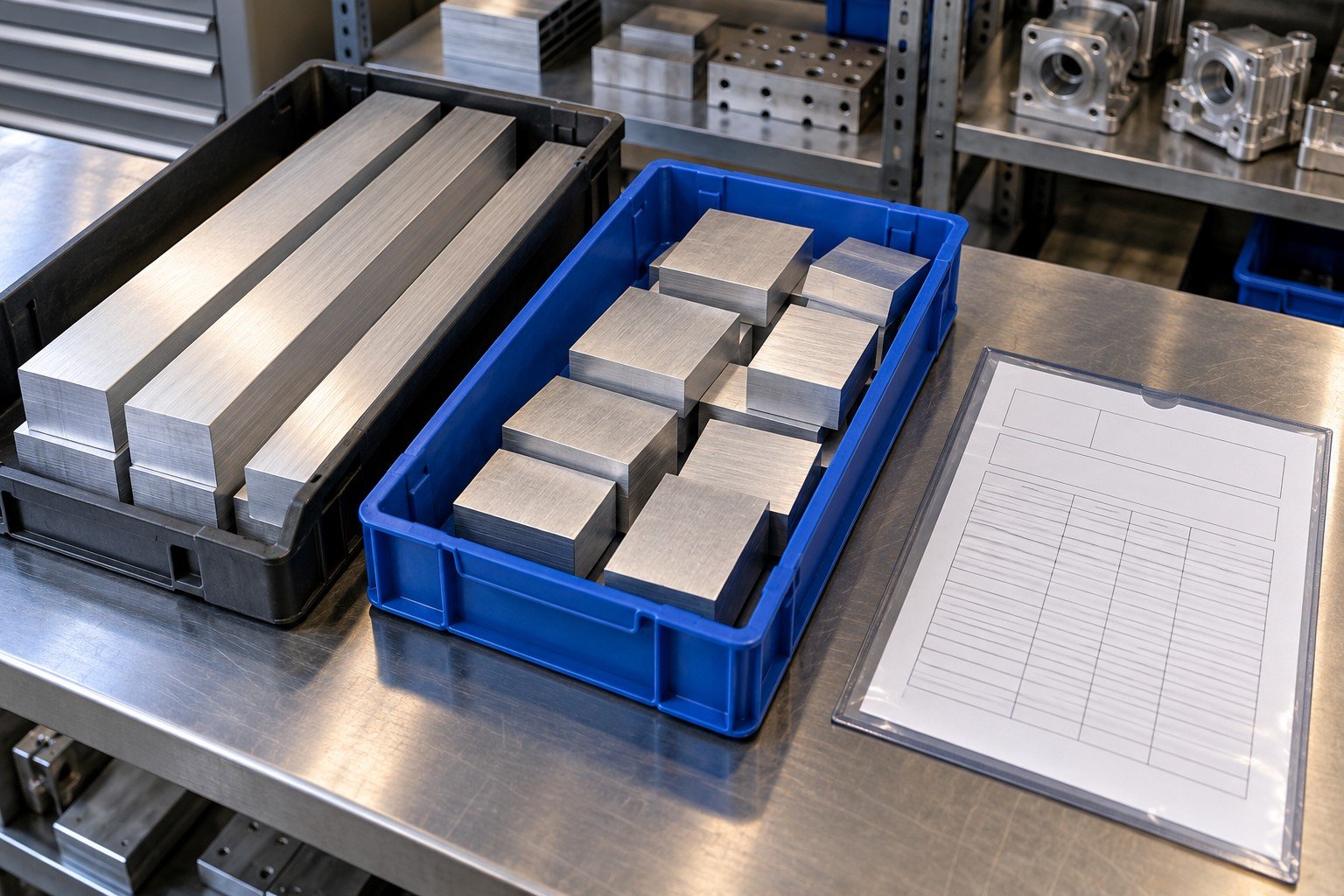
Heat number traceability and lot traceability address related but different identities. A source heat, supplier lot, machining lot and inspection lot may have different definitions and relationships.
| Identity | Retain the original source identifier and define internal identifiers separately. |
|---|---|
| Record link | Map the actual relationships, including one-to-many or many-to-many where relevant. |
| Handoff | Do not relabel an internally created number as the original mill heat. |
| Your evidence | Agree the source-to-order mapping and the scope of supplied records. |
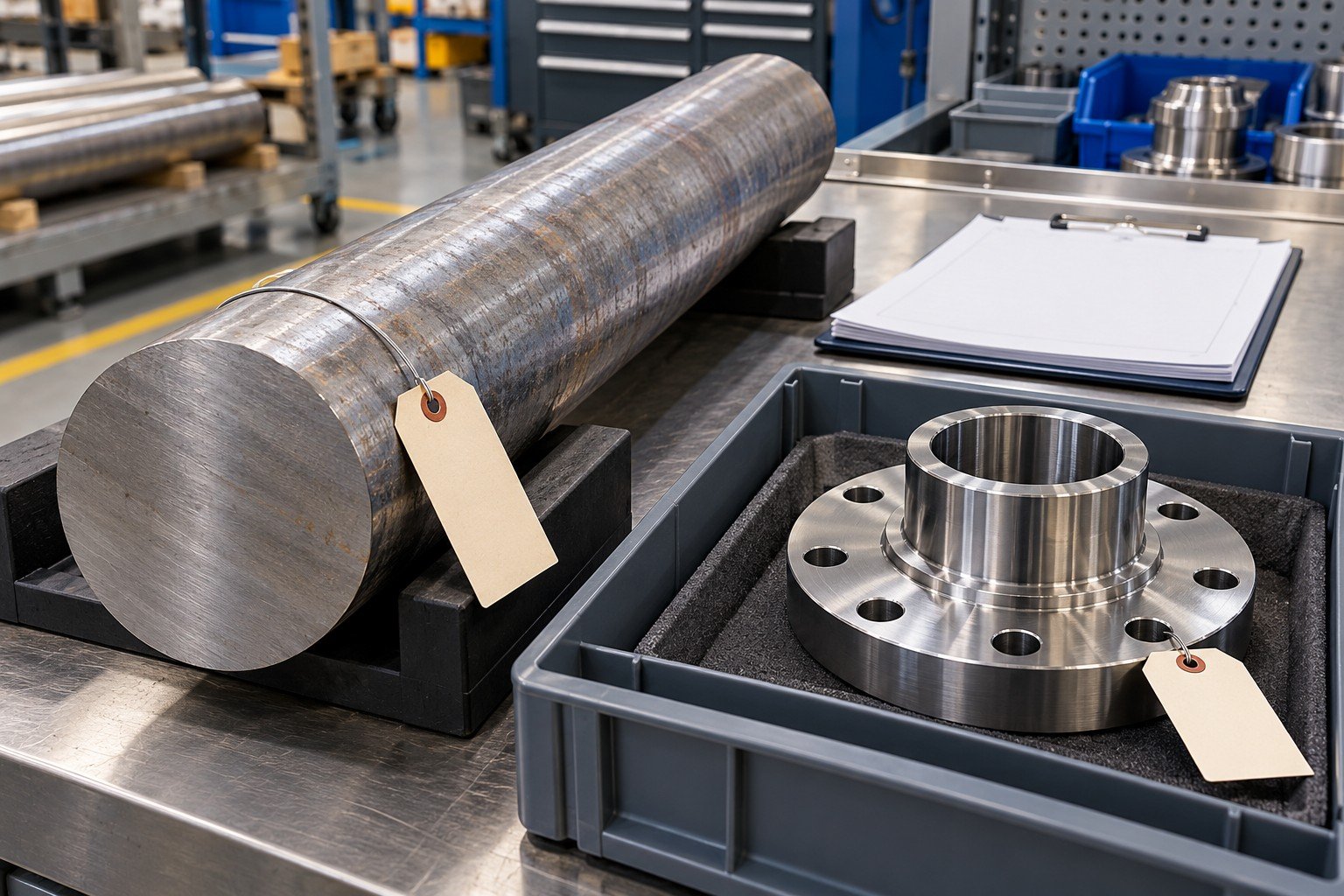
For custom parts with batch traceability, cutting and lot segregation need a defined method. Separate containers, identifiers, quantities and remnant records can support the agreed chain when actually maintained.
| Identity | Source stock, cut pieces, issued quantity and retained remnant. |
|---|---|
| Record link | Connect the division or issue record to the receiving identity and work order. |
| Handoff | Review split, merge or return-to-stock events without losing source relationships. |
| Your evidence | Quarantine uncertain identity for review; do not reconstruct it from appearance. |
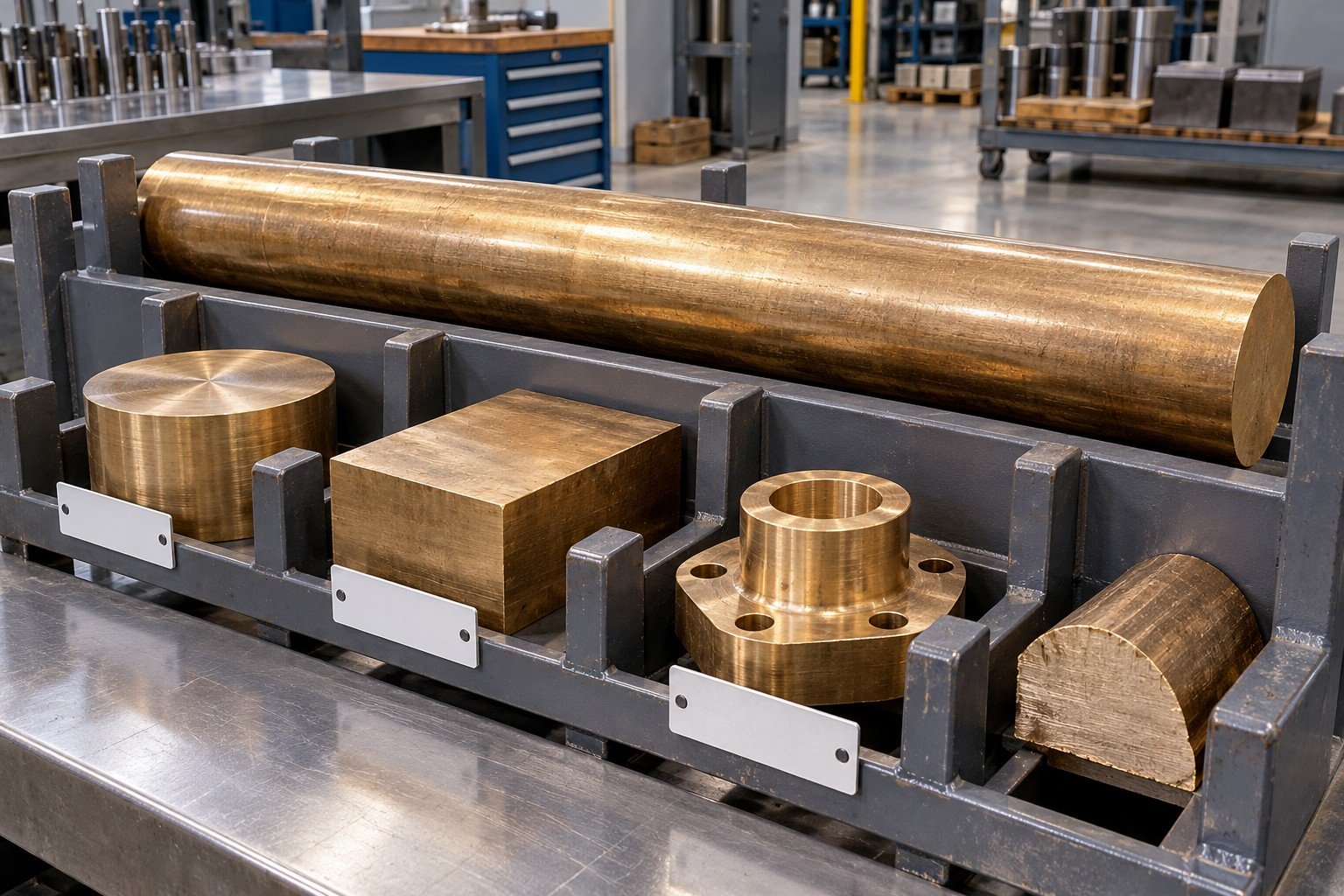
A manufacturing traveler can link the work order, part revision, operations and actual batch references. A blank template or an unlinked work order does not establish complete manufacturing traceability documentation.
| Identity | Part number, drawing revision, order and production lot. |
|---|---|
| Record link | Link material issue, applicable operations and the agreed inspection references. |
| Handoff | Review changes, rework and affected quantities against the controlled baseline. |
| Your evidence | Agree the available record fields; complete equipment raw logs are not automatically included. |
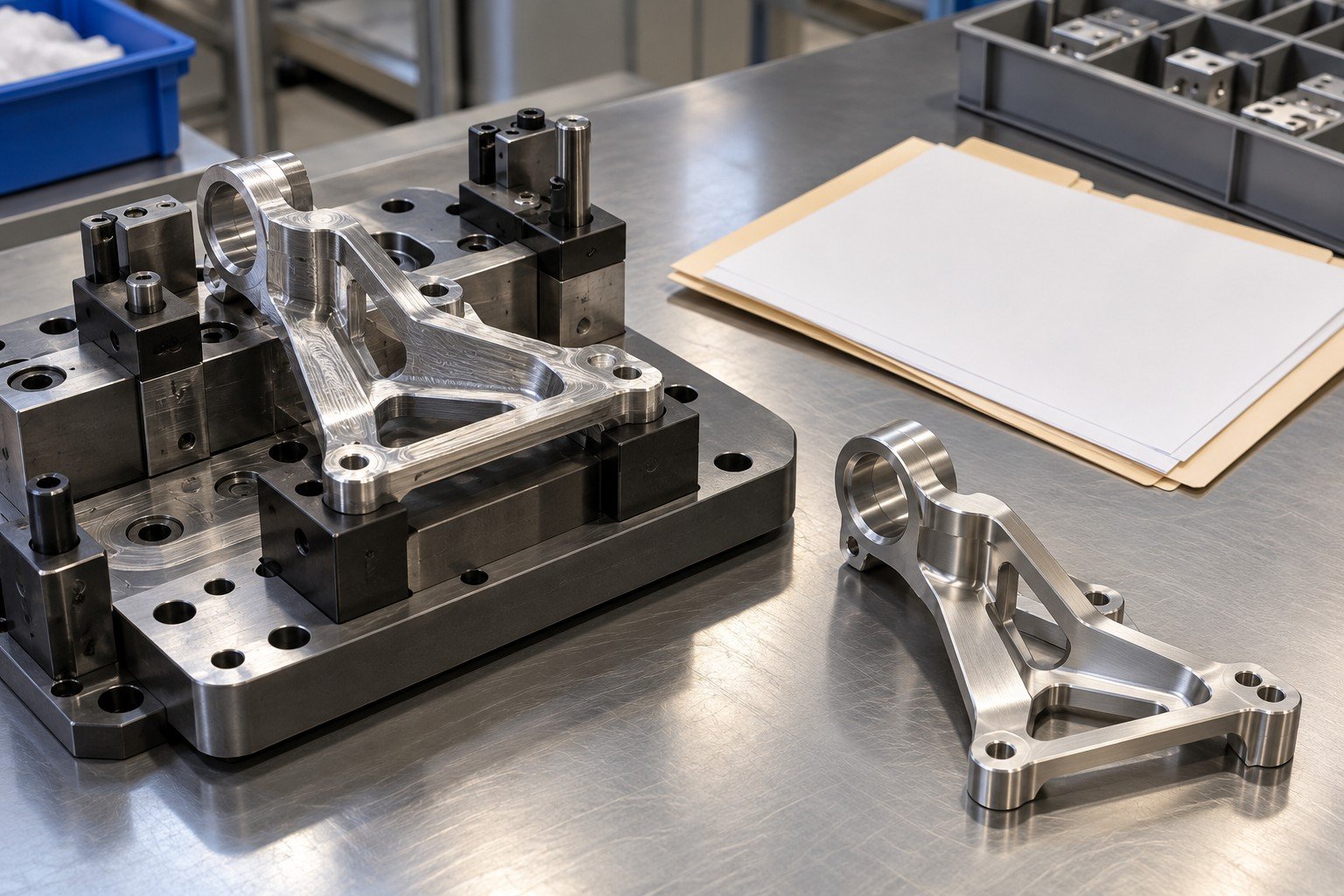
For heat treatment batch traceability or other outside work, connect the dispatched and returned identities with the relevant supplier process records and acceptance.
| Identity | Outgoing items, supplier process batch and returned quantity or identity. |
|---|---|
| Record link | Relate the outside purchase requirement, shipment, certificate and receiving acceptance. |
| Handoff | Review splits, substitutions, rework and any missing identity or documents. |
| Your evidence | Agree supplier records in advance; a certificate does not imply access to every raw parameter log. |
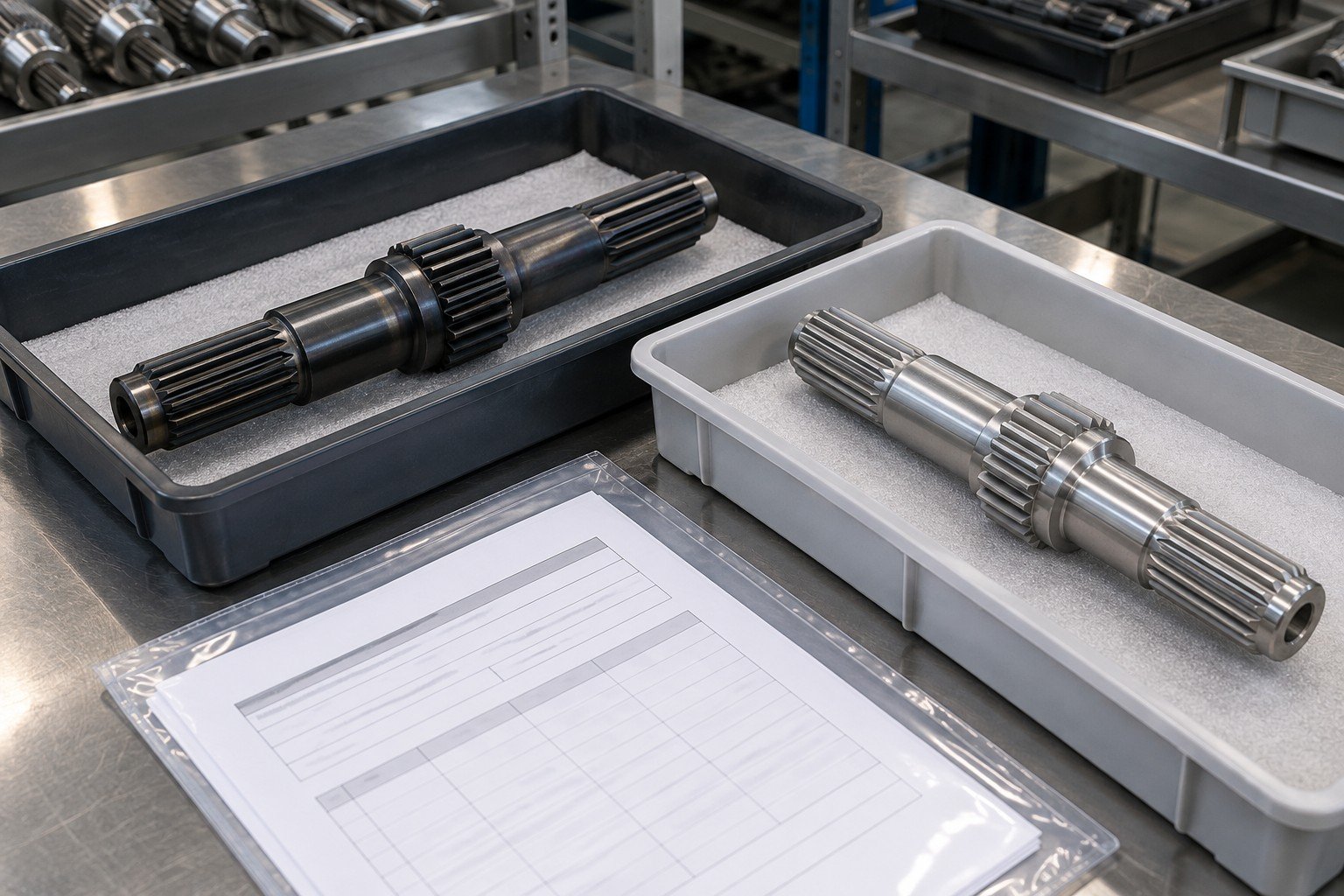
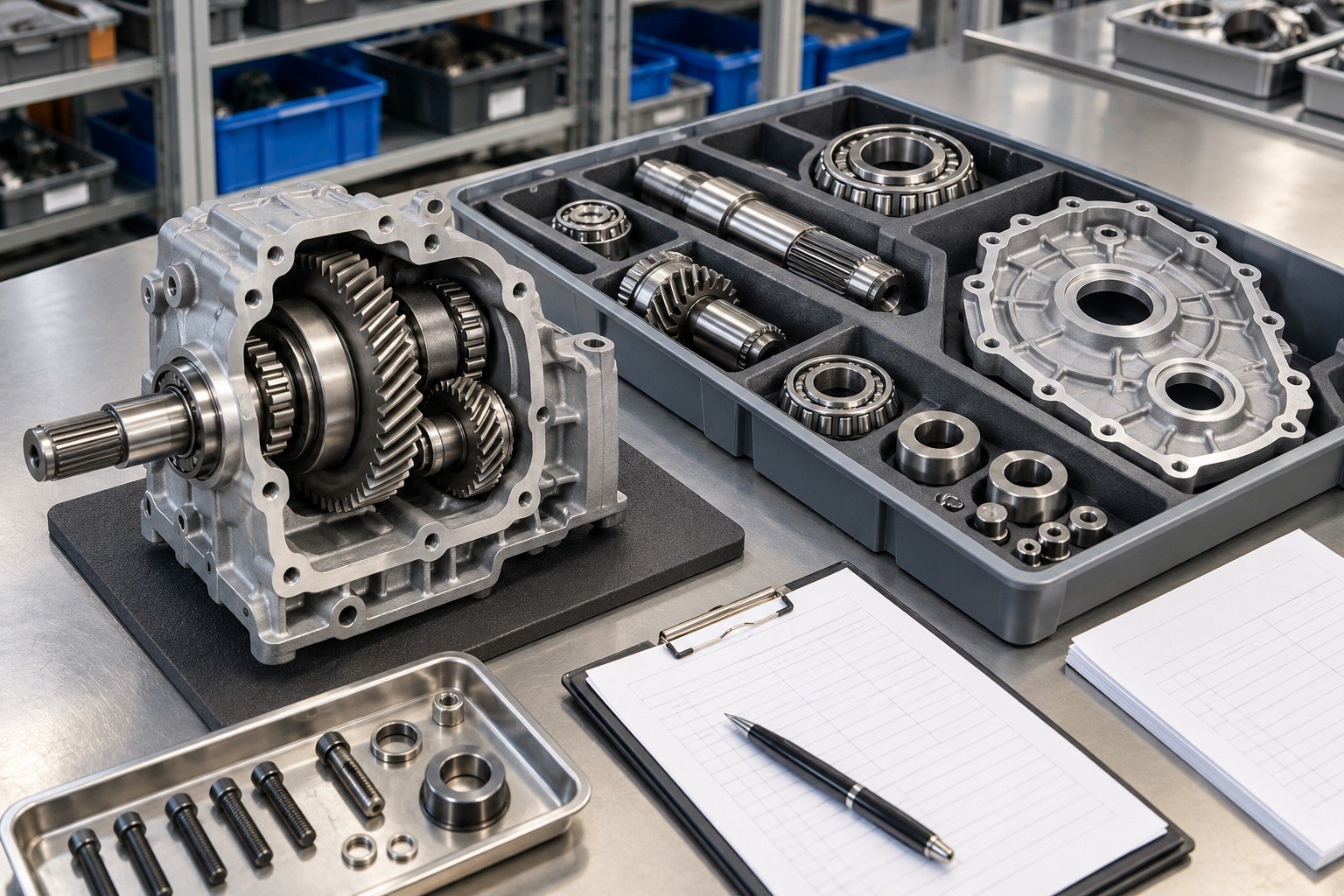
Assembly component traceability and component genealogy depend on the agreed component list and identity level. Not every low-value fastener is automatically tracked individually.
| Identity | Parent assembly revision and the specified component lots or serials. |
|---|---|
| Record link | Connect required component identities to the assembled parent. |
| Handoff | Record applicable replacement, rework or revision changes. |
| Your evidence | Agree which components require lot-level or individual identification. |
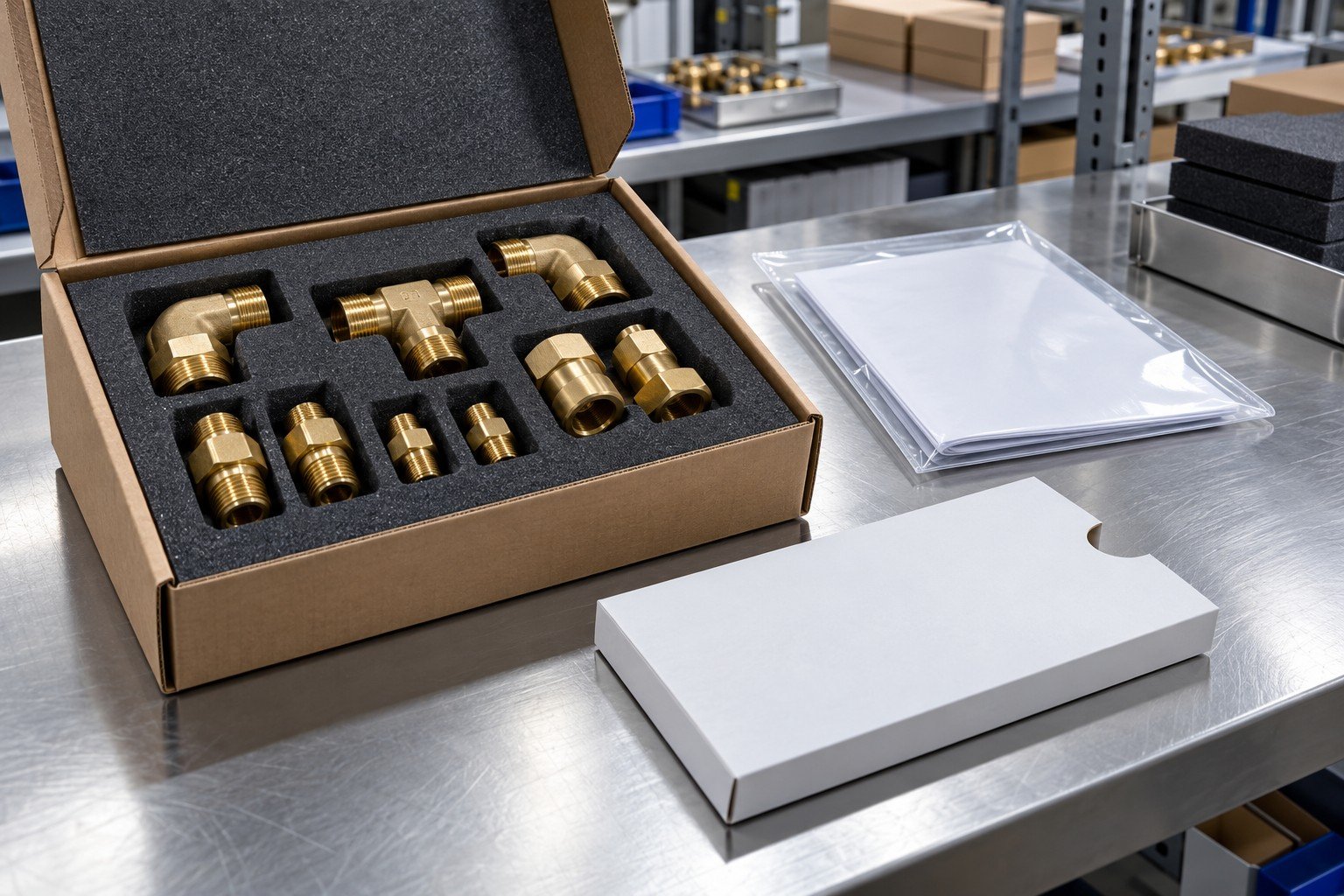
For certificate of conformity traceability, identify the part, revision, order, delivered lot and referenced records as required. A CoC declaration and an original material test report have different purposes.
| Identity | Delivered part, revision, quantity, package and shipment lot. |
|---|---|
| Record link | Relate the delivery identity to the agreed material, process and inspection evidence. |
| Handoff | Check document references and any authorized exceptions before release. |
| Your evidence | Specify the required record pack; a CoC does not replace original test results. |
Document availability, granularity, format and access need confirmation for your actual route.
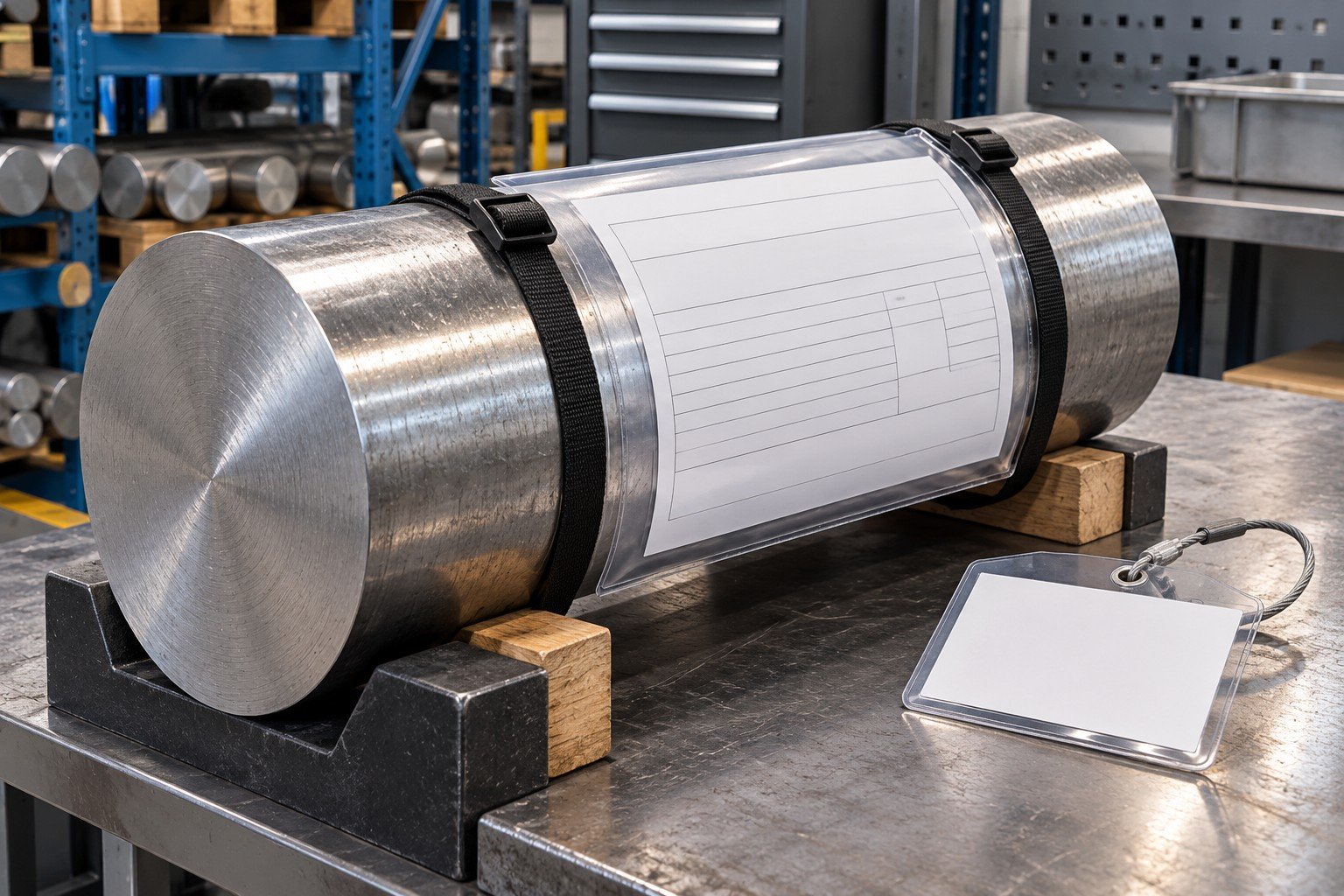
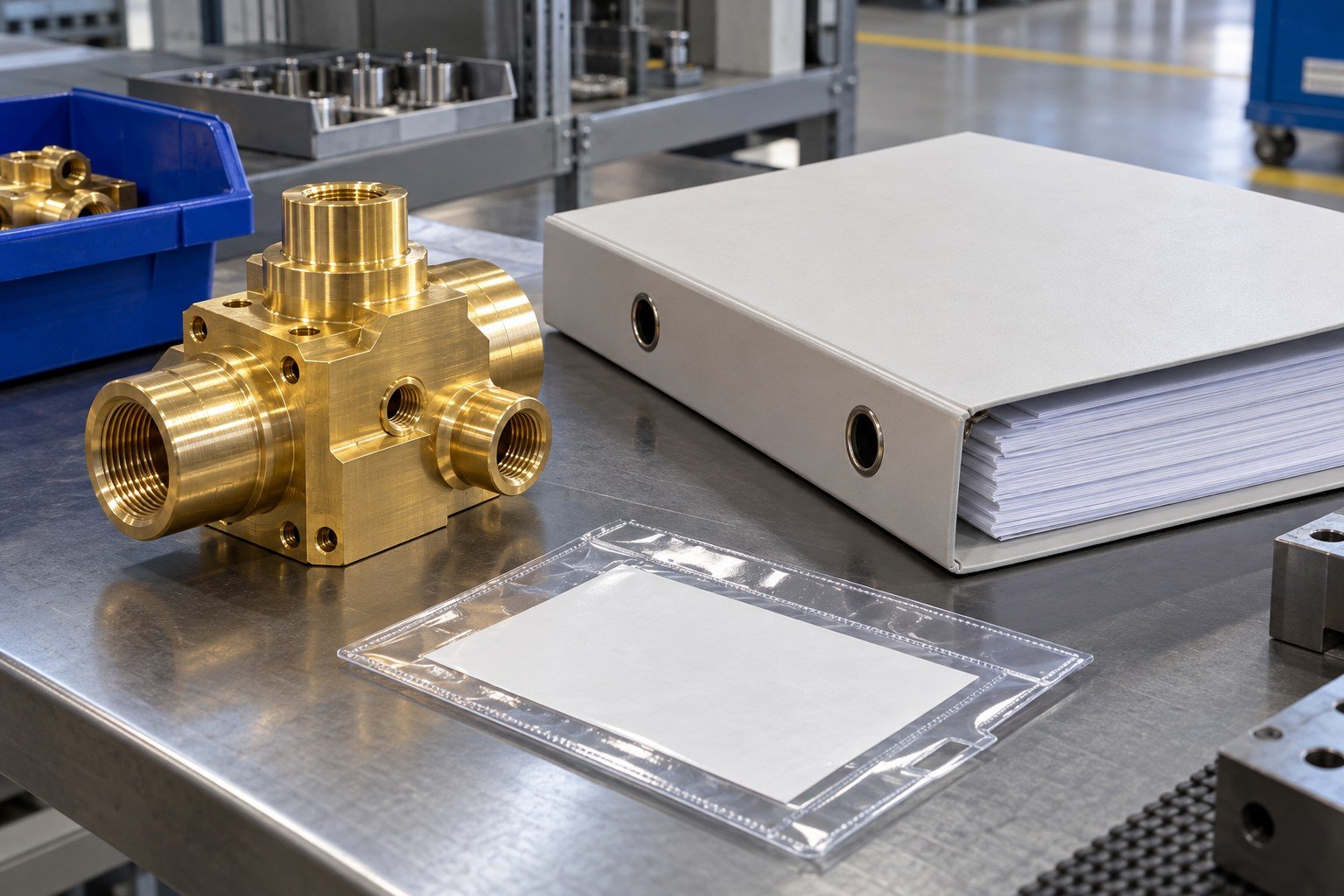
Specified source report or declaration, material identity, grade and condition as applicable.
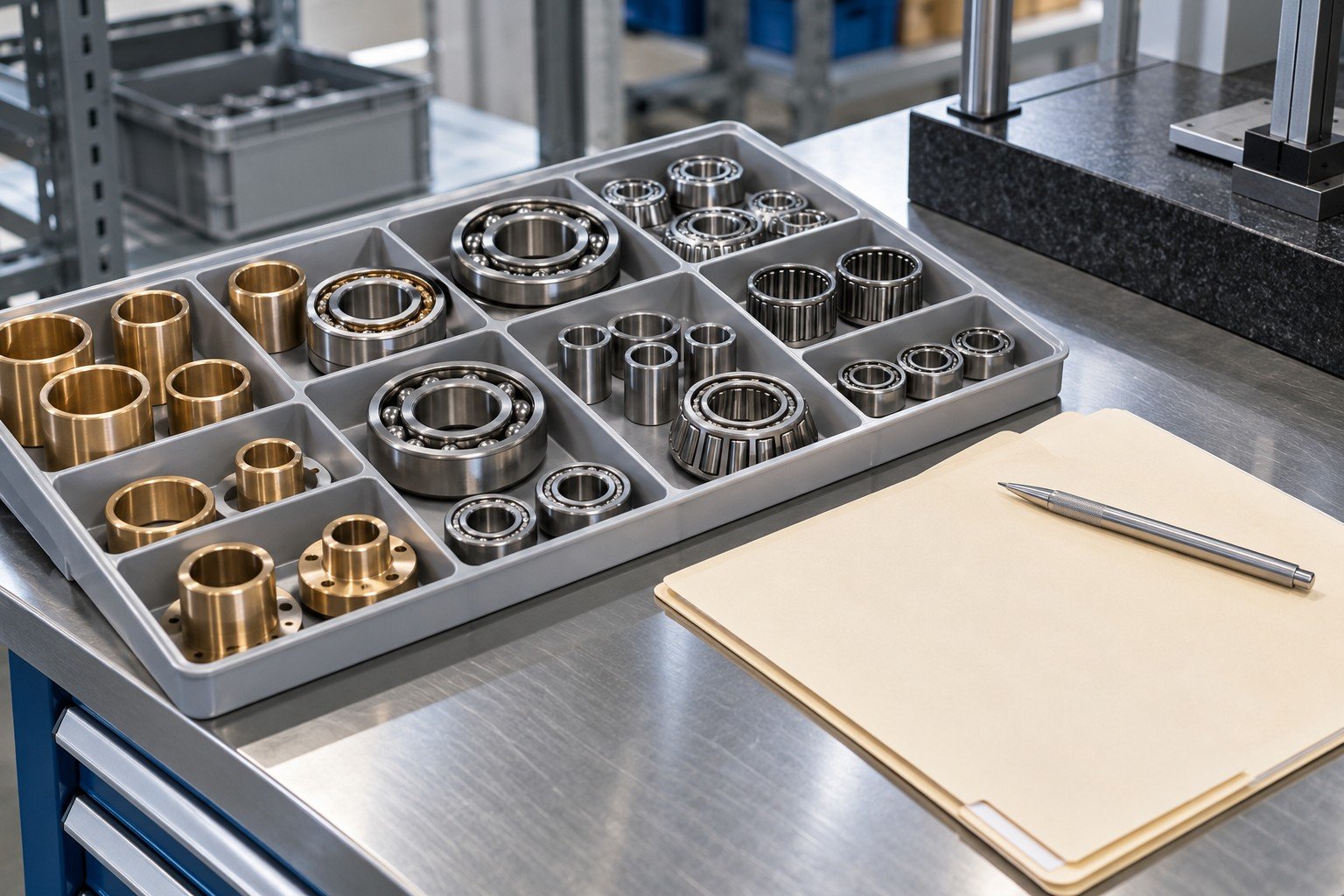
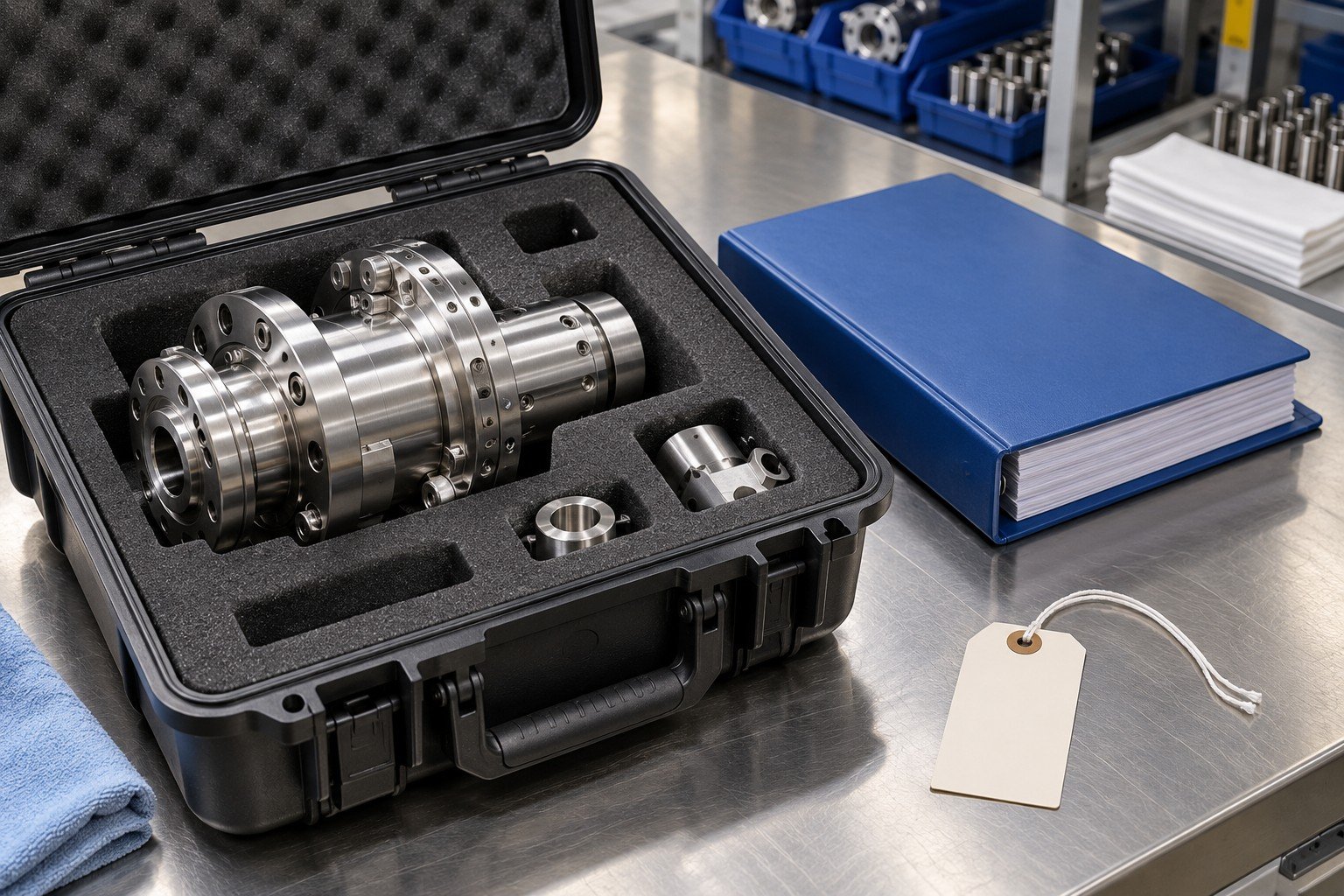
Received identity, quantity, storage or issue reference and any required acceptance.
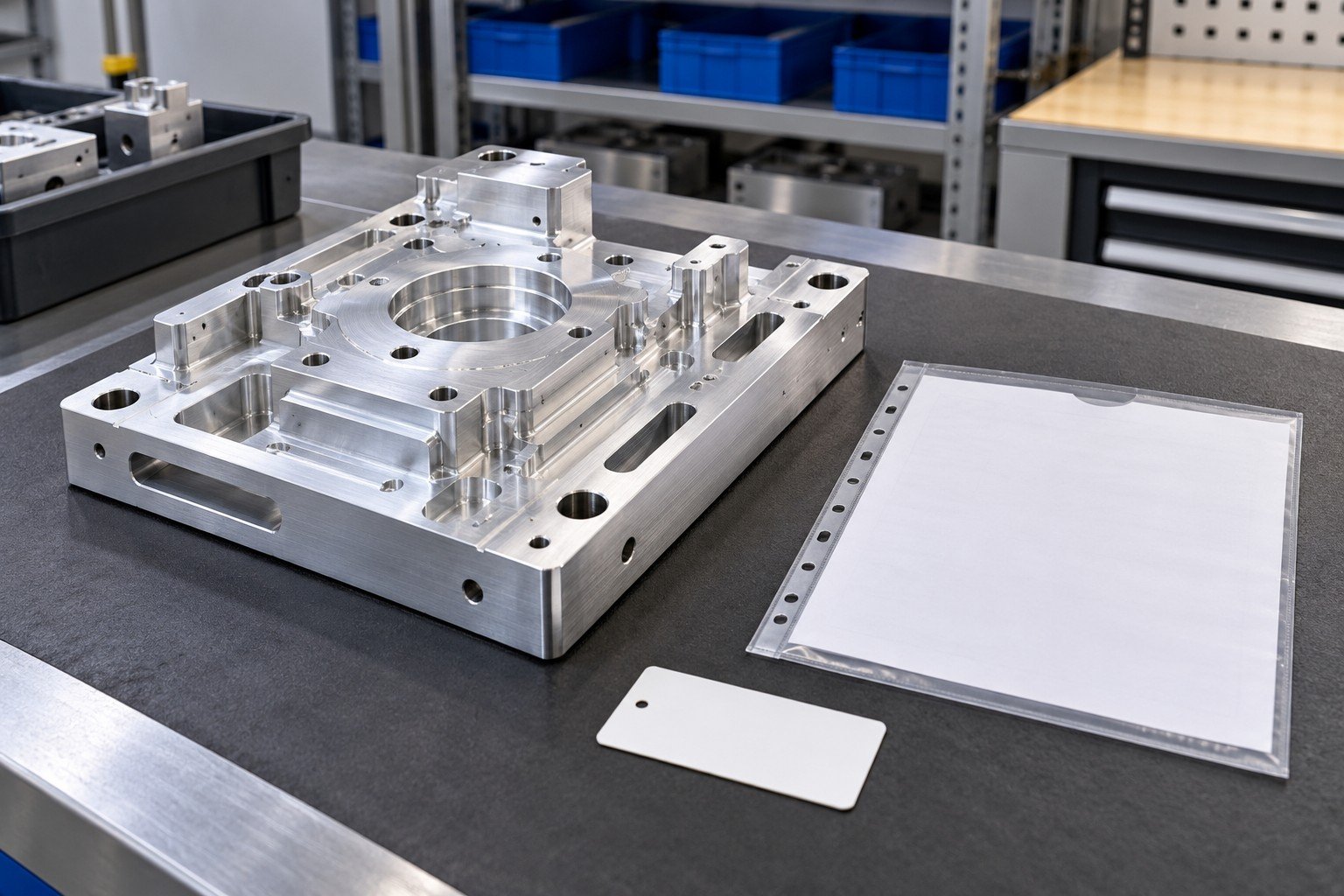
Part revision, production identity, operations and agreed change or rework references.
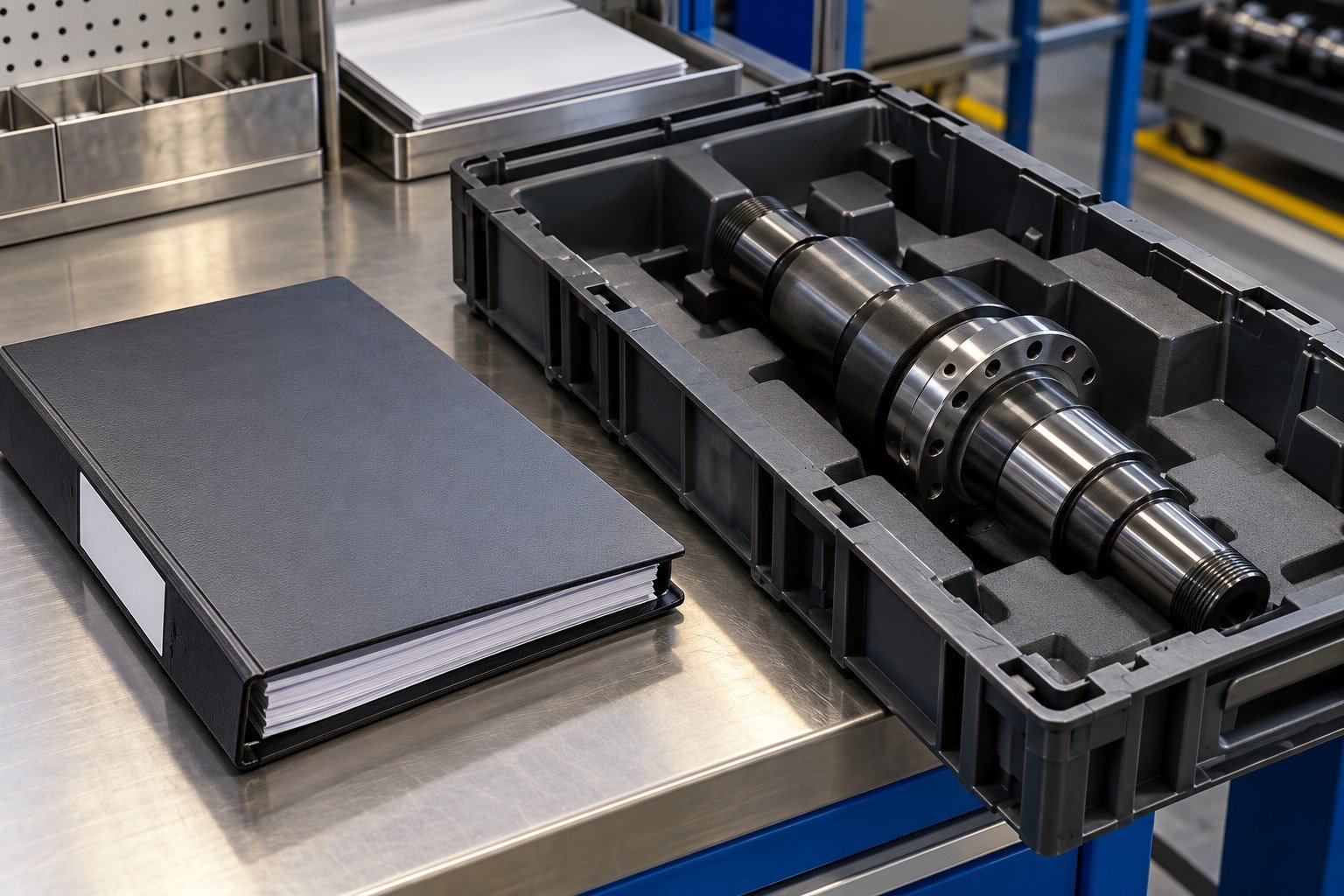
Outgoing and returned identities, supplier batch, applicable process records and acceptance.
Sample or lot identity, controlled requirements, findings and authorized disposition.
Delivered identity, quantity, package references and the agreed conformance or release documents.
Plan the identity handoffs before production rather than trying to create missing links after delivery.
An unmarked offcut or a disconnected document can leave the source uncertain. Identify and isolate the affected items for an authorized review; do not invent a replacement history.
| Your requirement | Required identity level, record links and handoff conditions. |
|---|---|
| Your response | Contain uncertain scope, review evidence and authorize the disposition. |
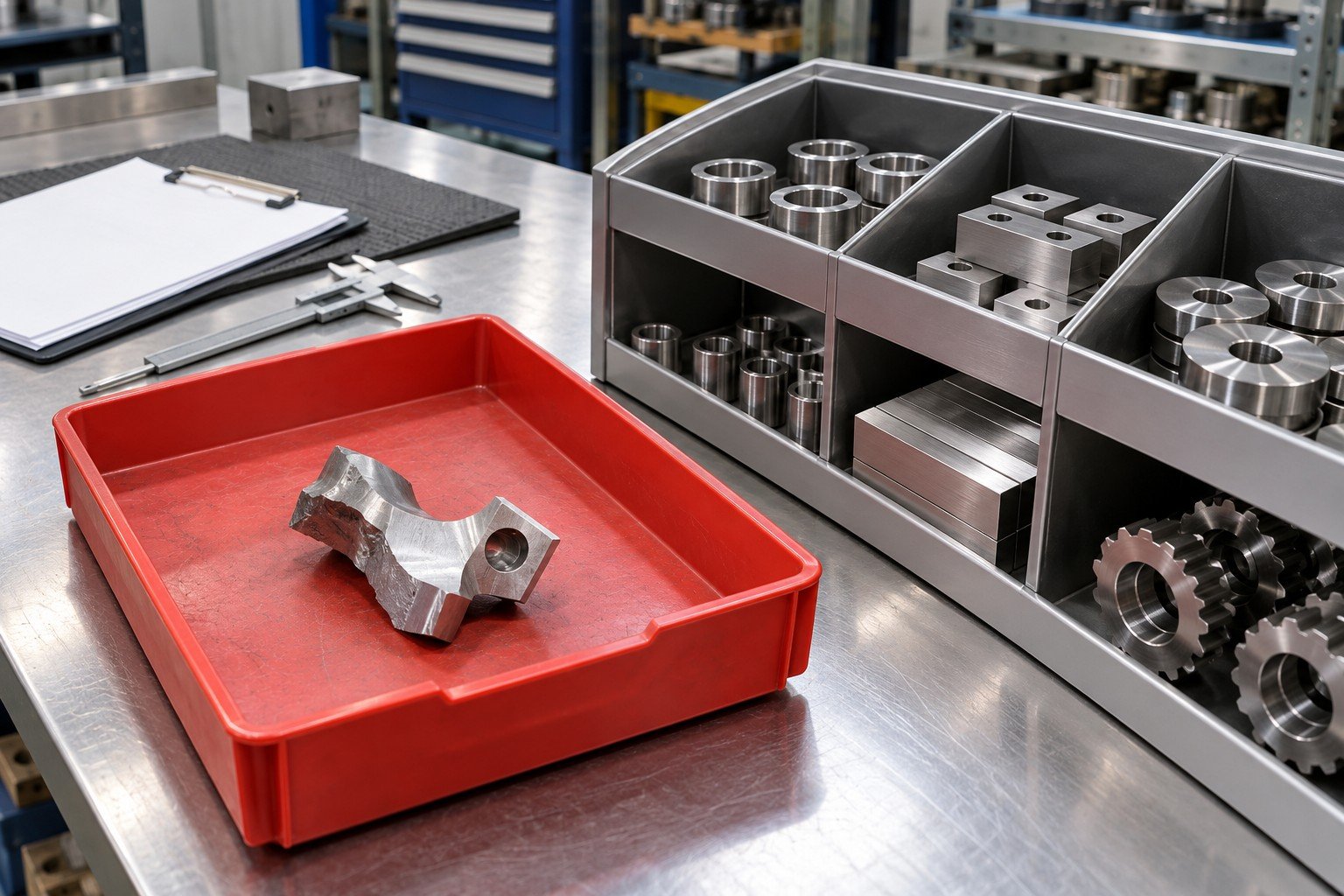
Lot segregation in manufacturing needs a usable physical and documentary method. Similar appearance or the same grade does not prove that two lots share the same source.
| Your requirement | Required identity level, record links and handoff conditions. |
|---|---|
| Your response | Contain uncertain scope, review evidence and authorize the disposition. |
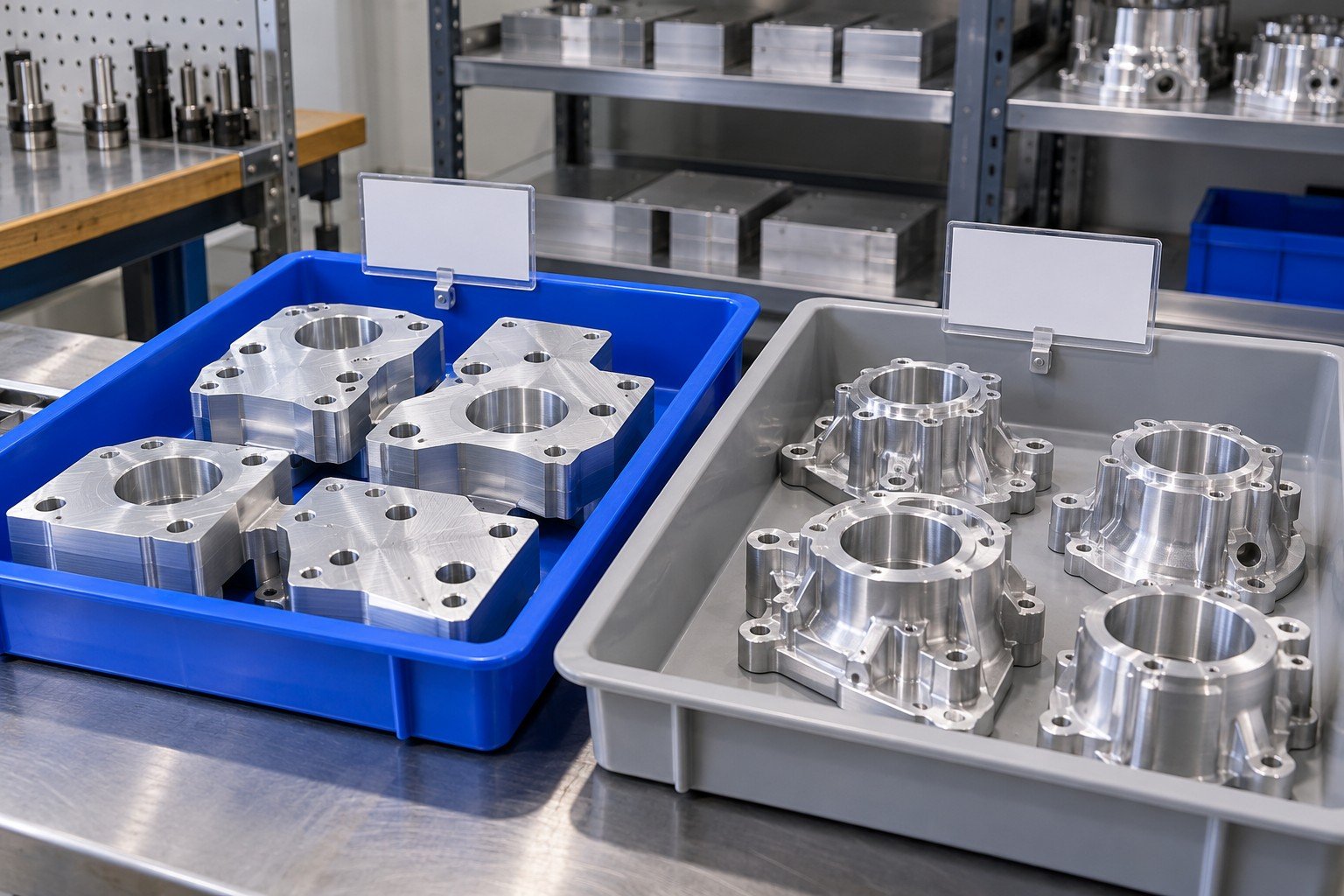
A source lot may feed multiple work orders, and an operation may combine inputs. Record the actual split or merge relationships at the required granularity.
| Your requirement | Required identity level, record links and handoff conditions. |
|---|---|
| Your response | Contain uncertain scope, review evidence and authorize the disposition. |
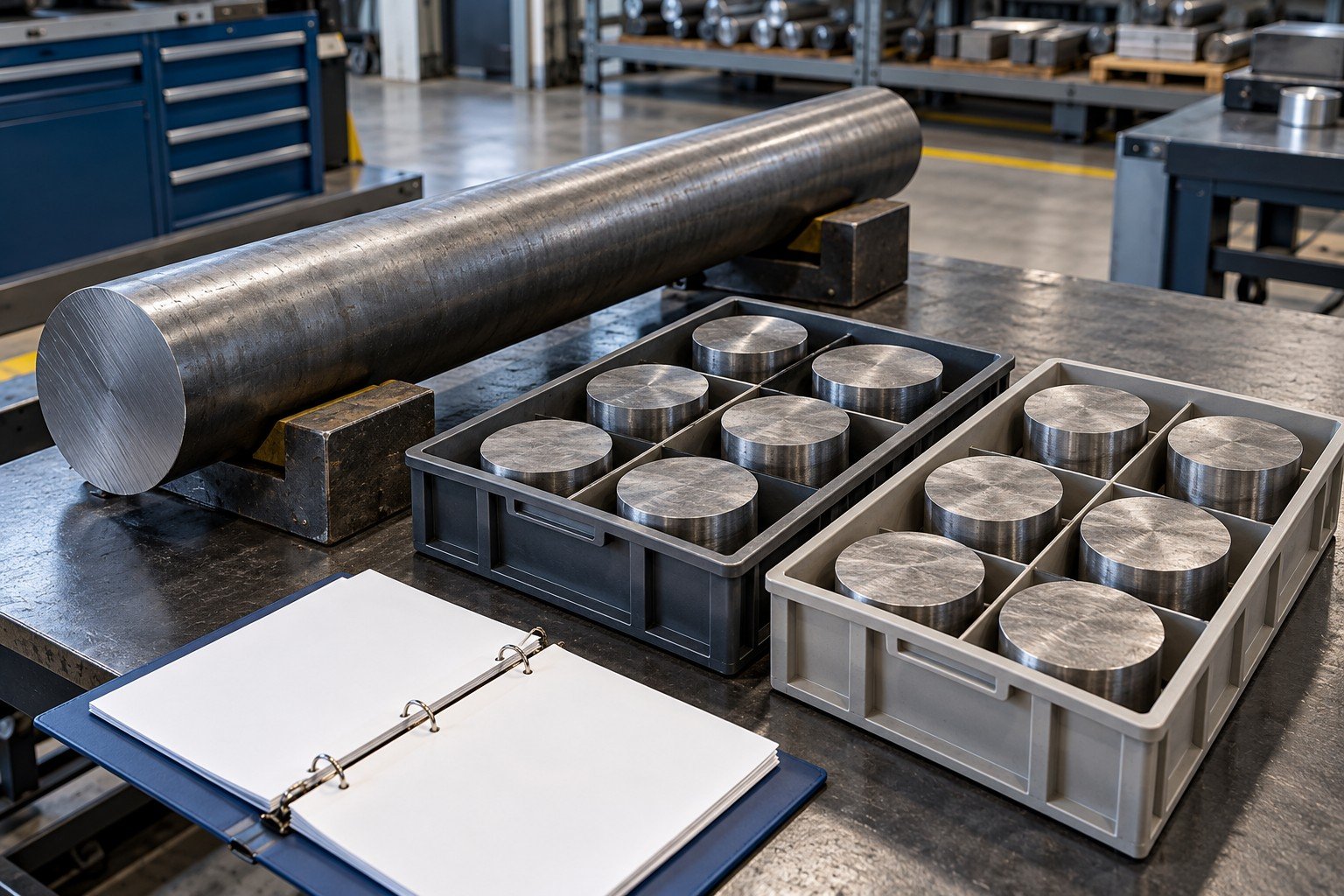
A part number without its effective revision may not describe the acceptance baseline. Review changes and the identities affected by rework or substitution.
| Your requirement | Required identity level, record links and handoff conditions. |
|---|---|
| Your response | Contain uncertain scope, review evidence and authorize the disposition. |
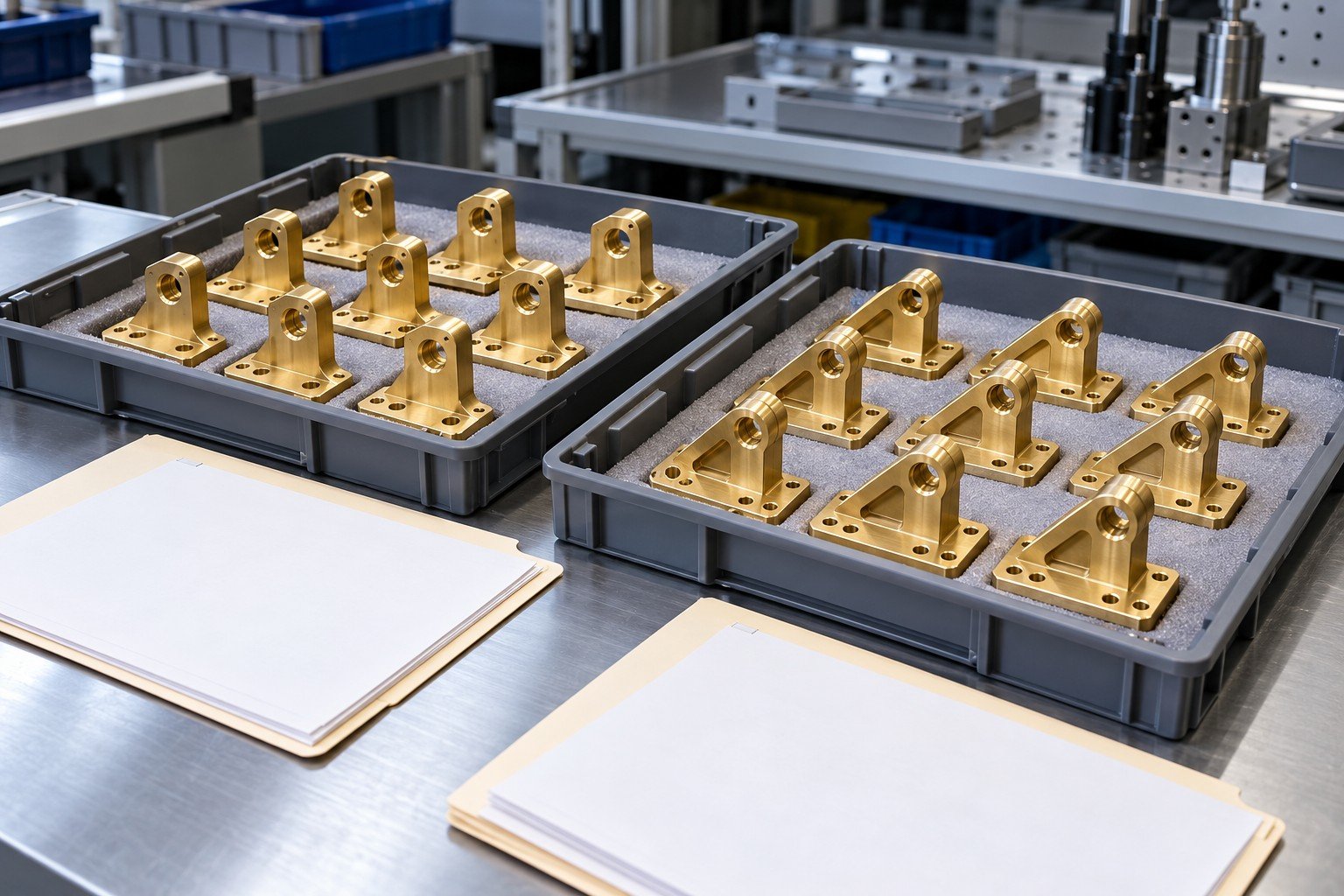
An external certificate without a clear returned-part link can leave a gap. Agree dispatch, supplier batch, return and acceptance references.
| Your requirement | Required identity level, record links and handoff conditions. |
|---|---|
| Your response | Contain uncertain scope, review evidence and authorize the disposition. |
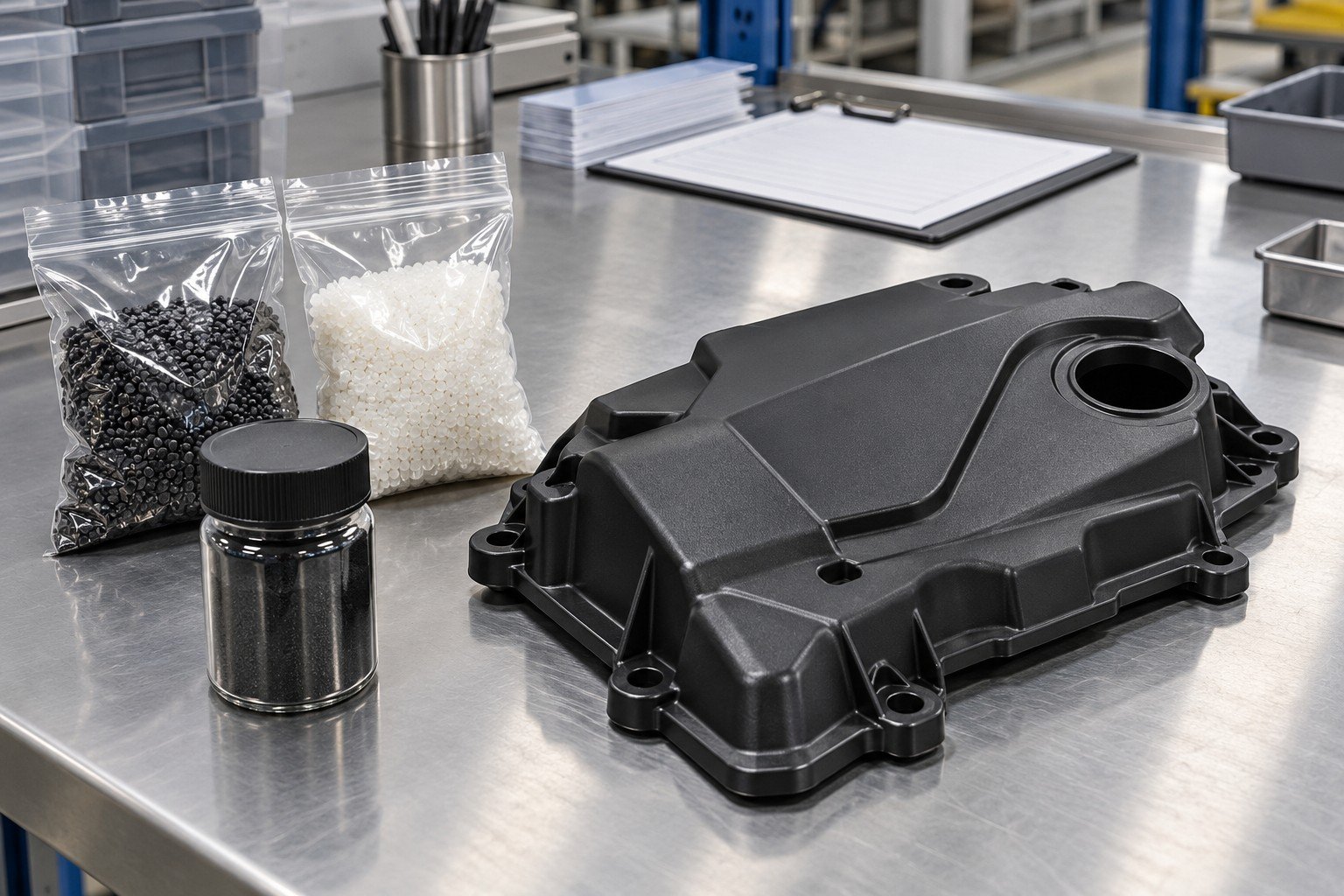
Plastic resin lot traceability may involve resin, colorant and agreed regrind references. A polymer batch identifier is not a metal heat number.
| Your requirement | Required identity level, record links and handoff conditions. |
|---|---|
| Your response | Contain uncertain scope, review evidence and authorize the disposition. |
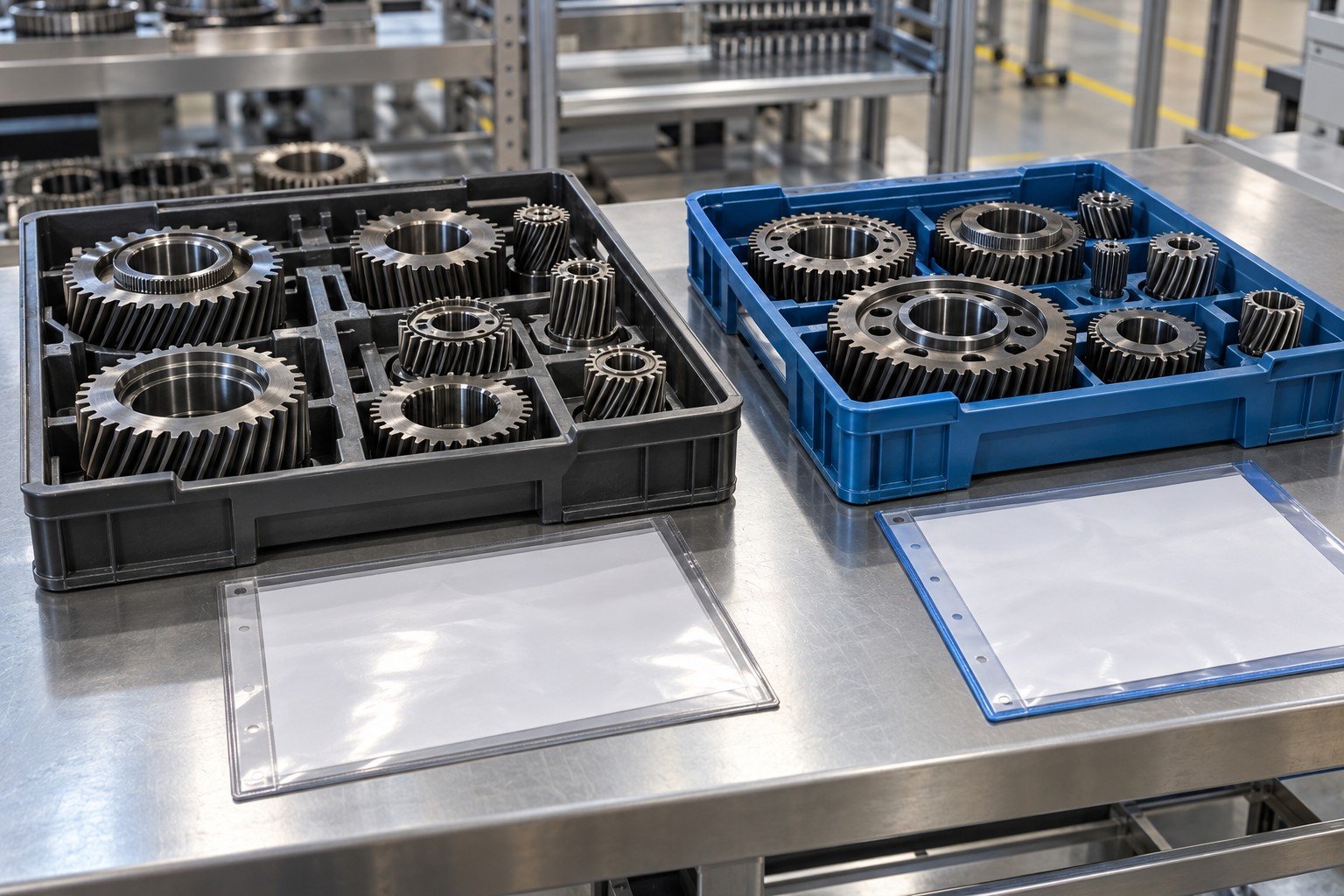
Part serialization traceability requires the identifier to connect with the specified records. Printing a number does not by itself create component genealogy.
| Your requirement | Required identity level, record links and handoff conditions. |
|---|---|
| Your response | Contain uncertain scope, review evidence and authorize the disposition. |
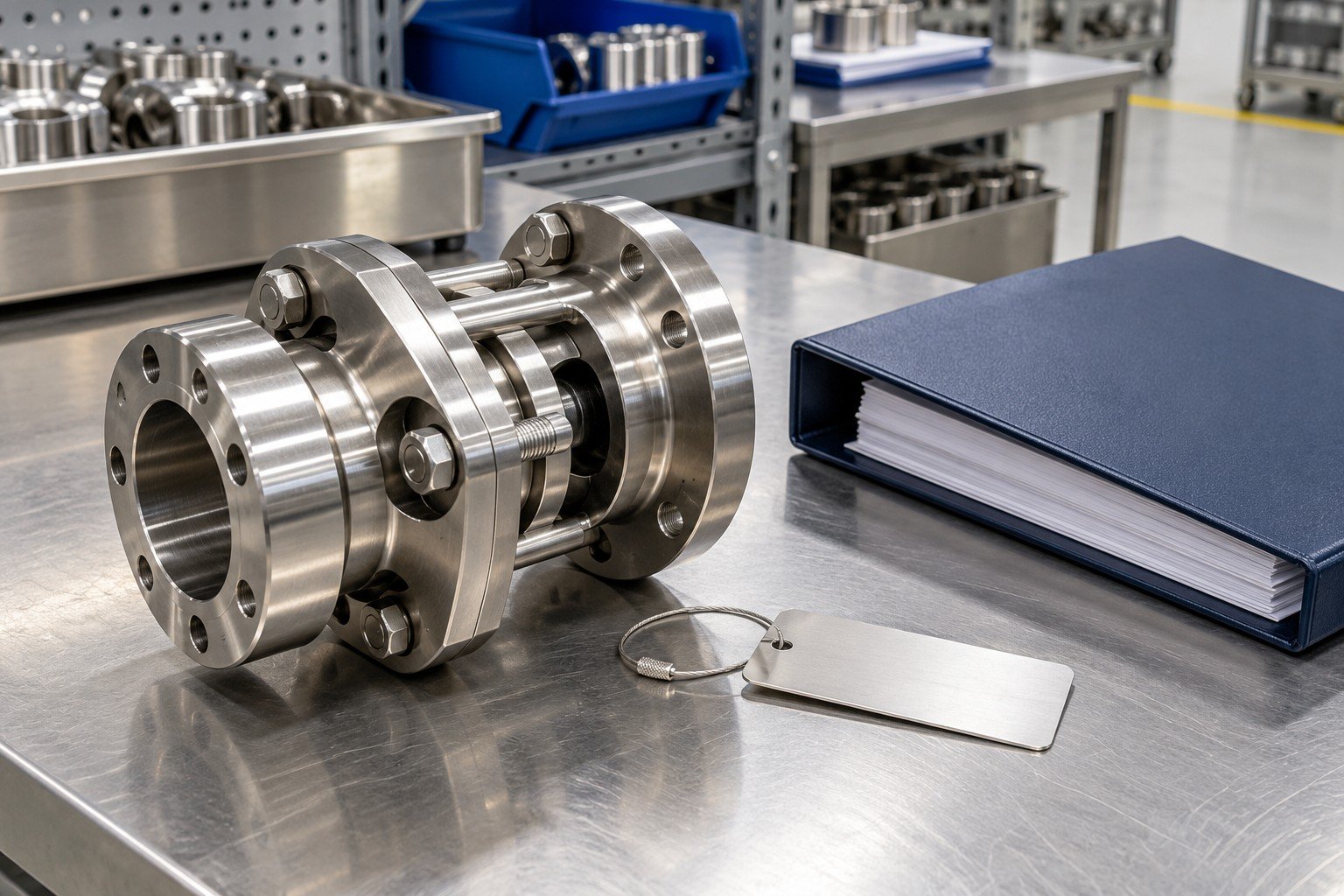
Material test report traceability needs the actual identity-to-record relationships. A conformance statement does not establish every original test or process result.
| Your requirement | Required identity level, record links and handoff conditions. |
|---|---|
| Your response | Contain uncertain scope, review evidence and authorize the disposition. |
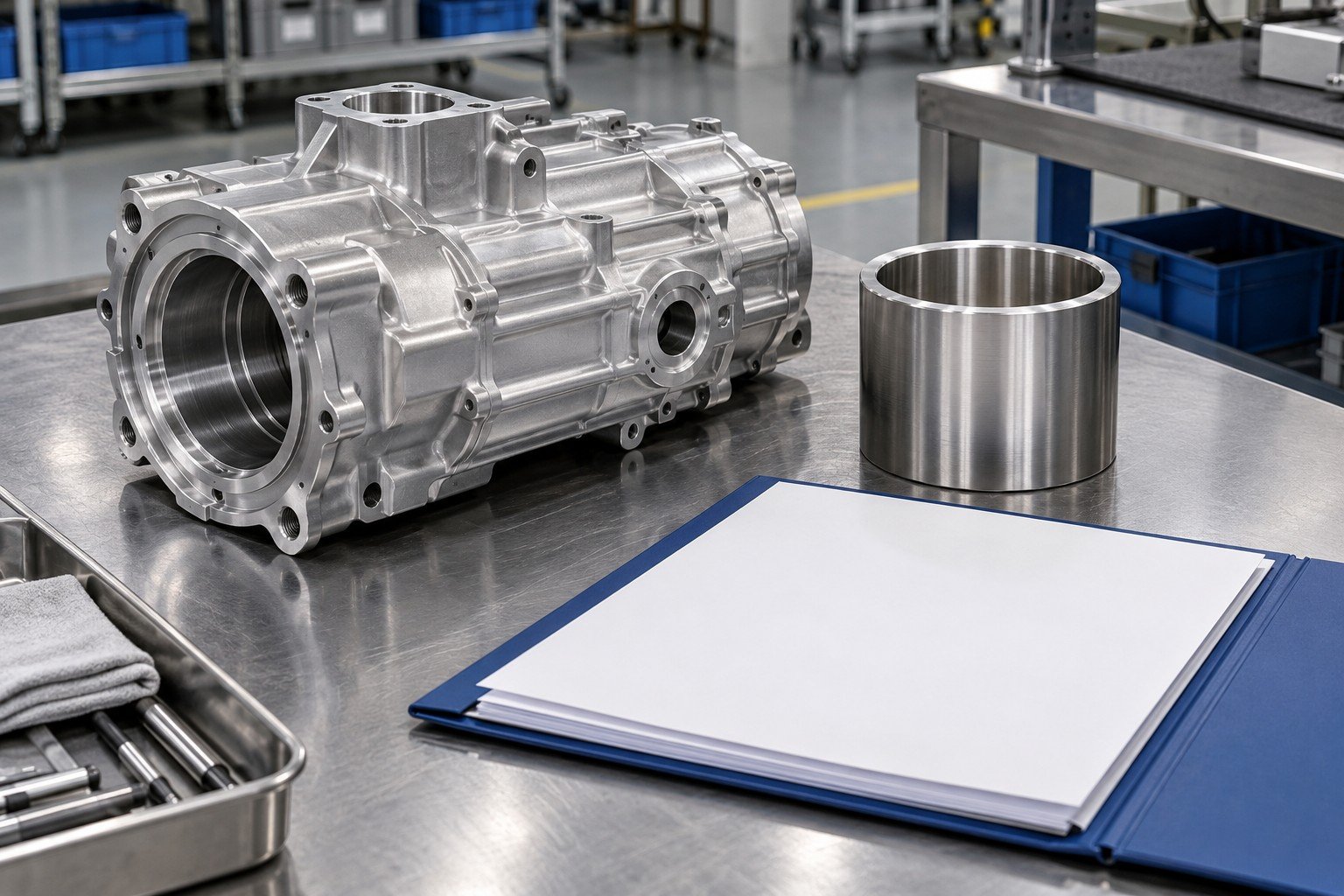
Batch traceability in manufacturing is a linked-record requirement, not simply a label on the final box.
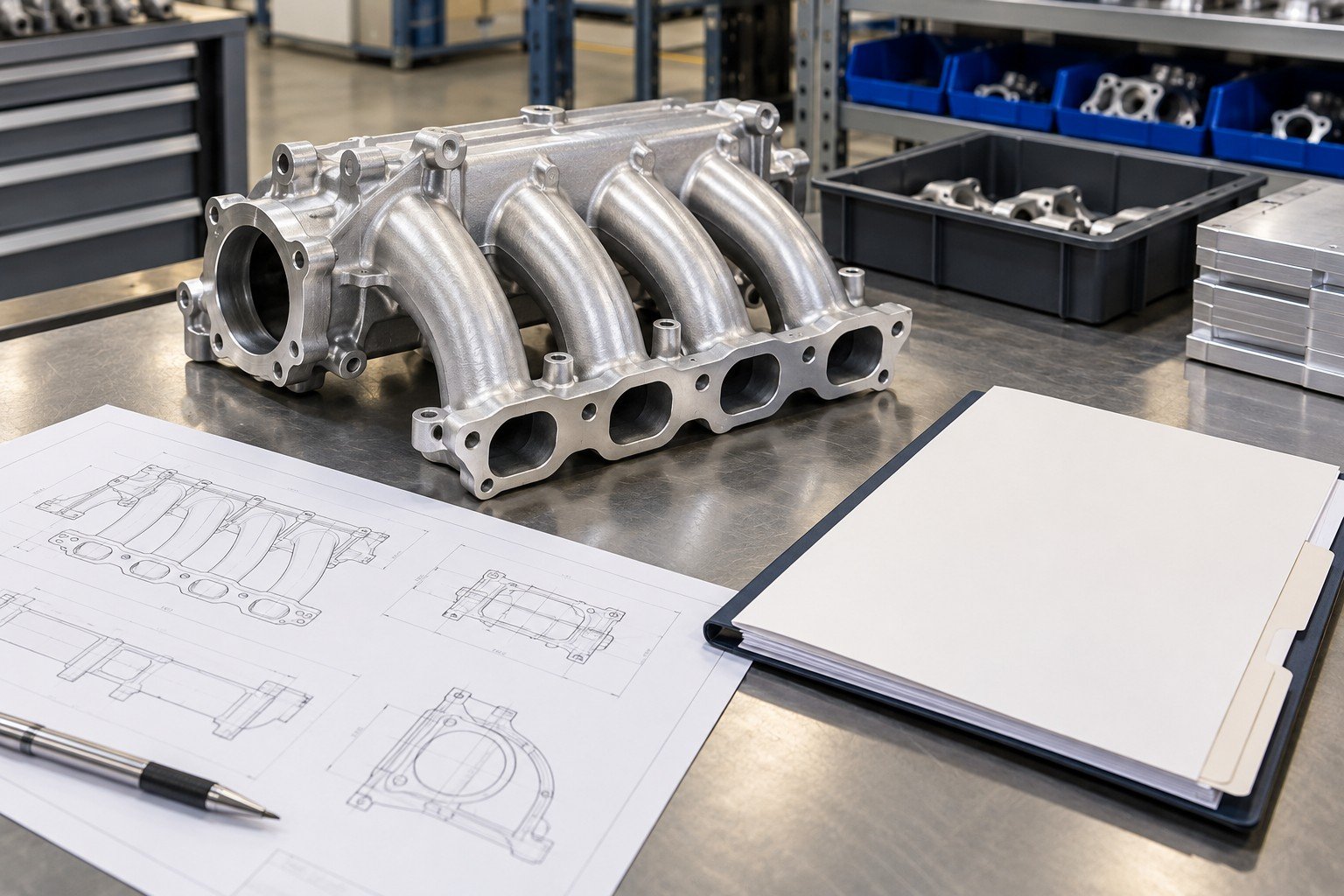
Agree the required identity level, documents, retention and delivery evidence.
Agree the identity and record relationship at each relevant handoff. The required detail is project-specific.
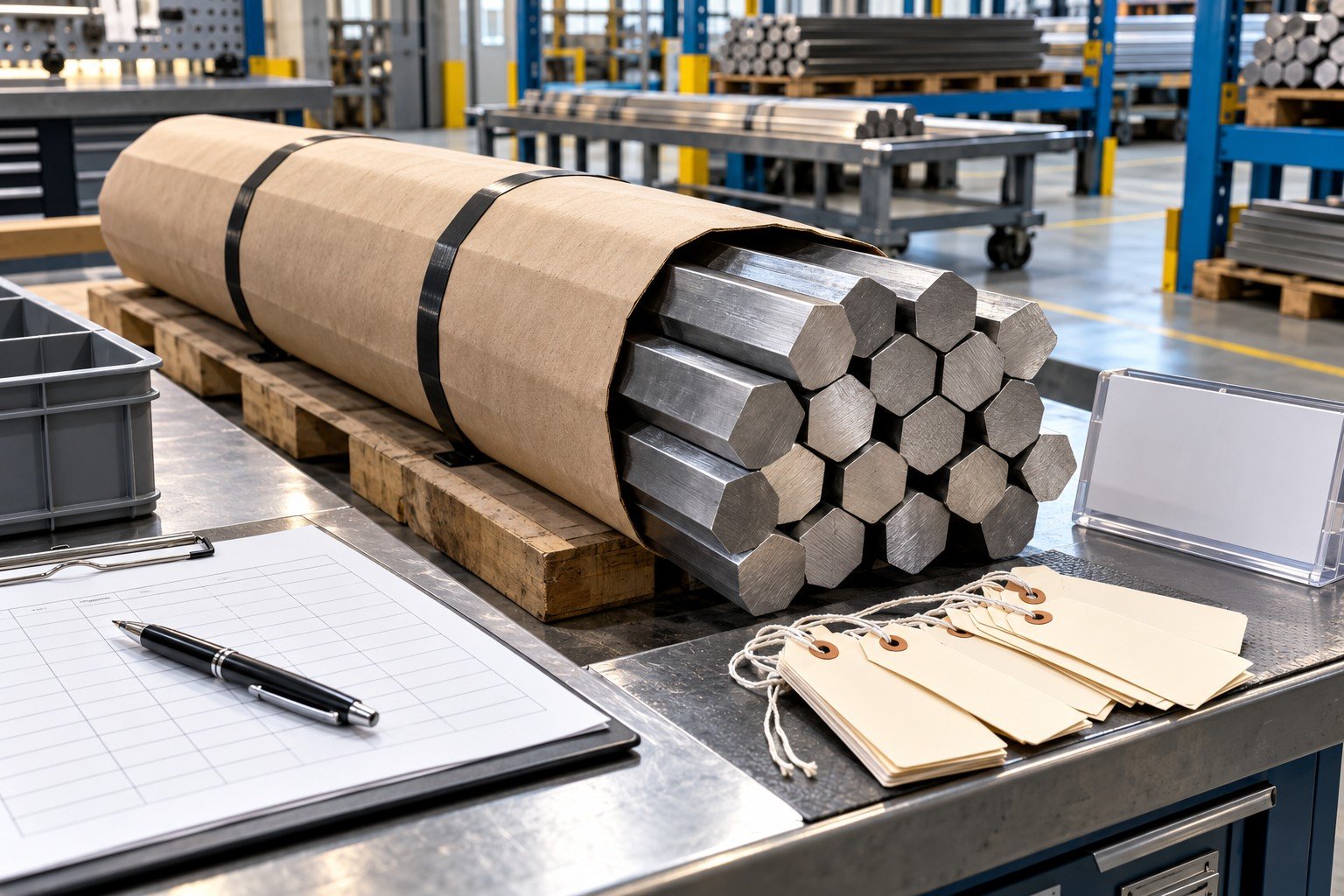
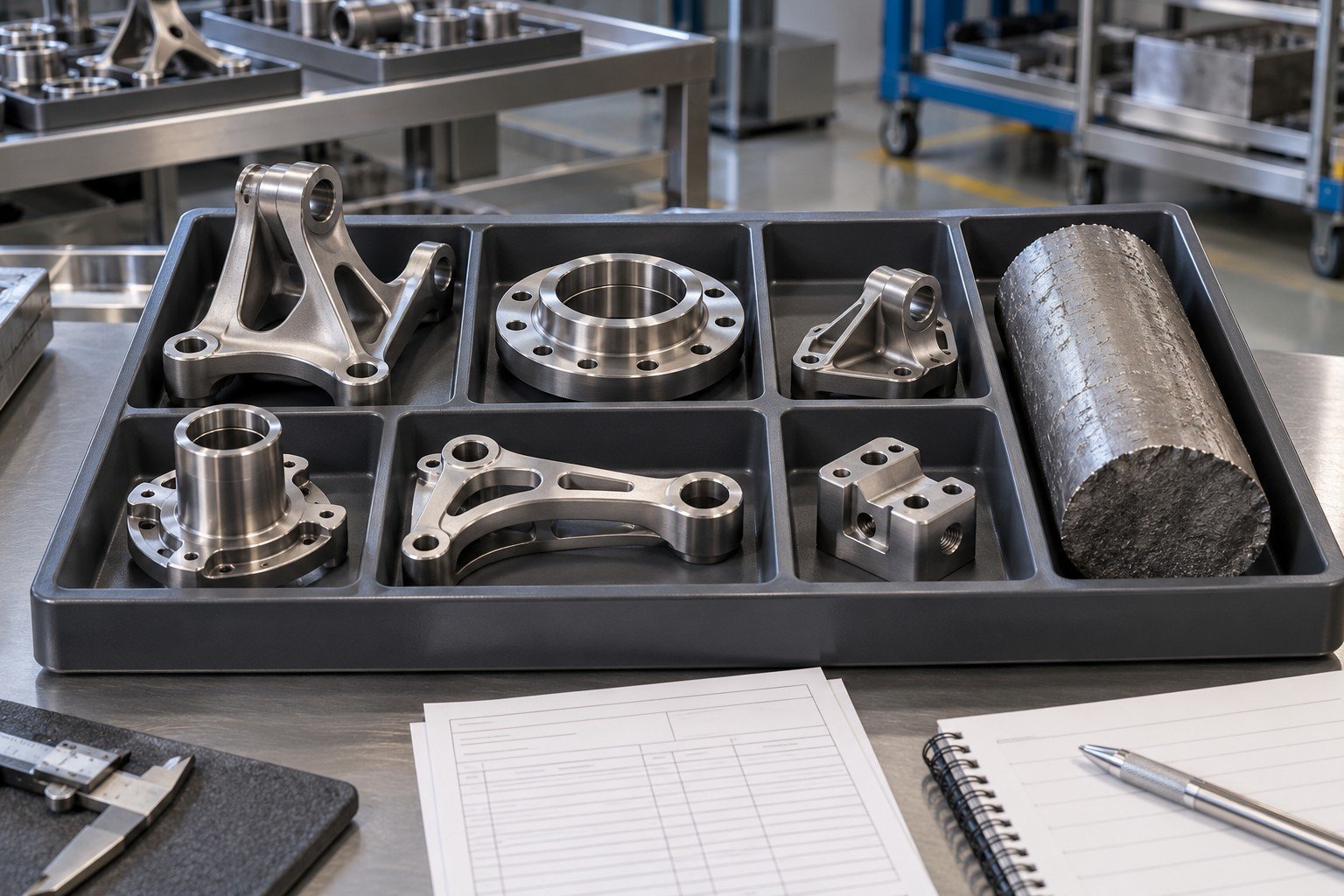
Connect supplied material identity to the relevant source and receiving records.
Agree the identity and record relationship at each relevant handoff. The required detail is project-specific.
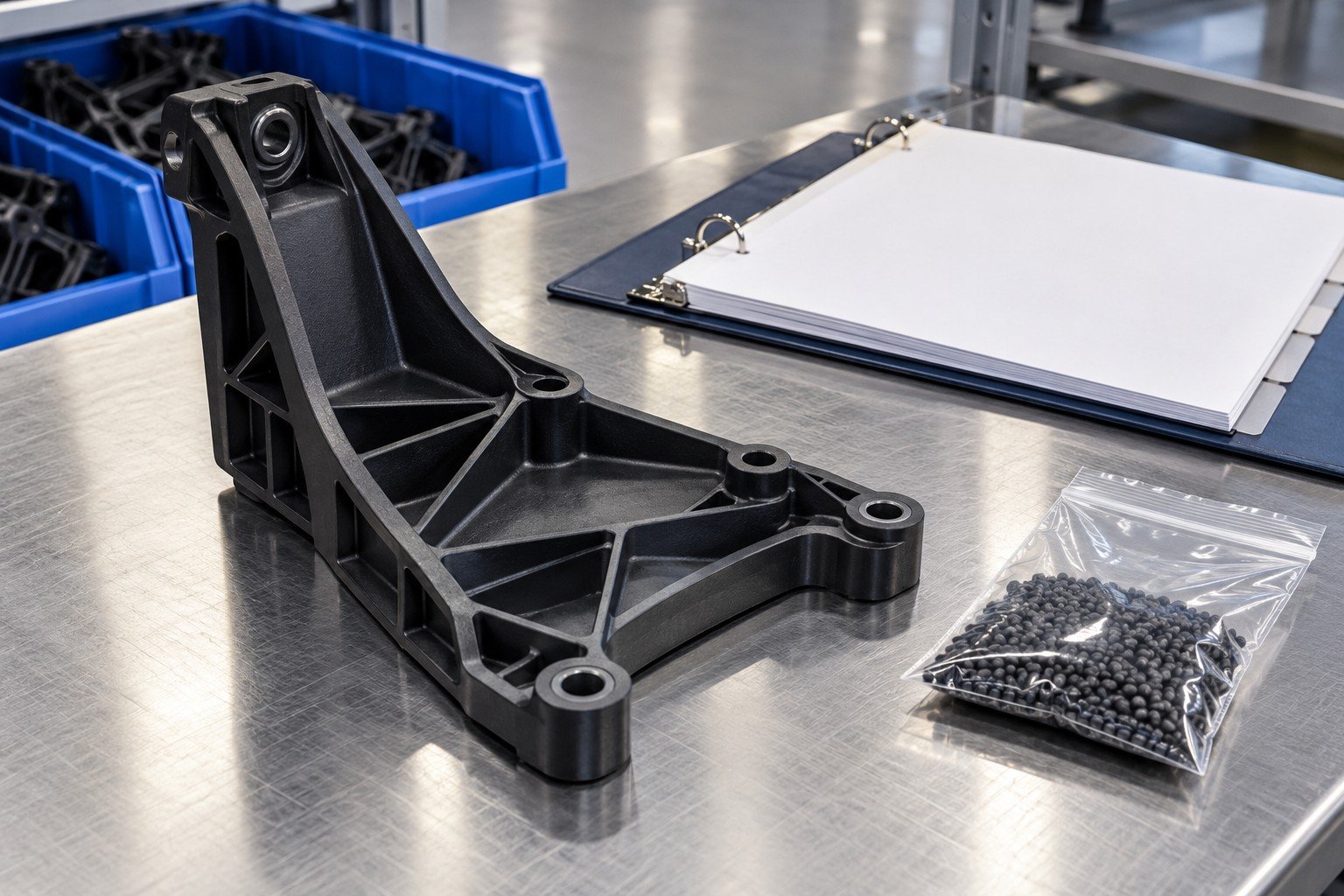
Transfer identity through cutting, issue, segregation and remnant handling.
Agree the identity and record relationship at each relevant handoff. The required detail is project-specific.
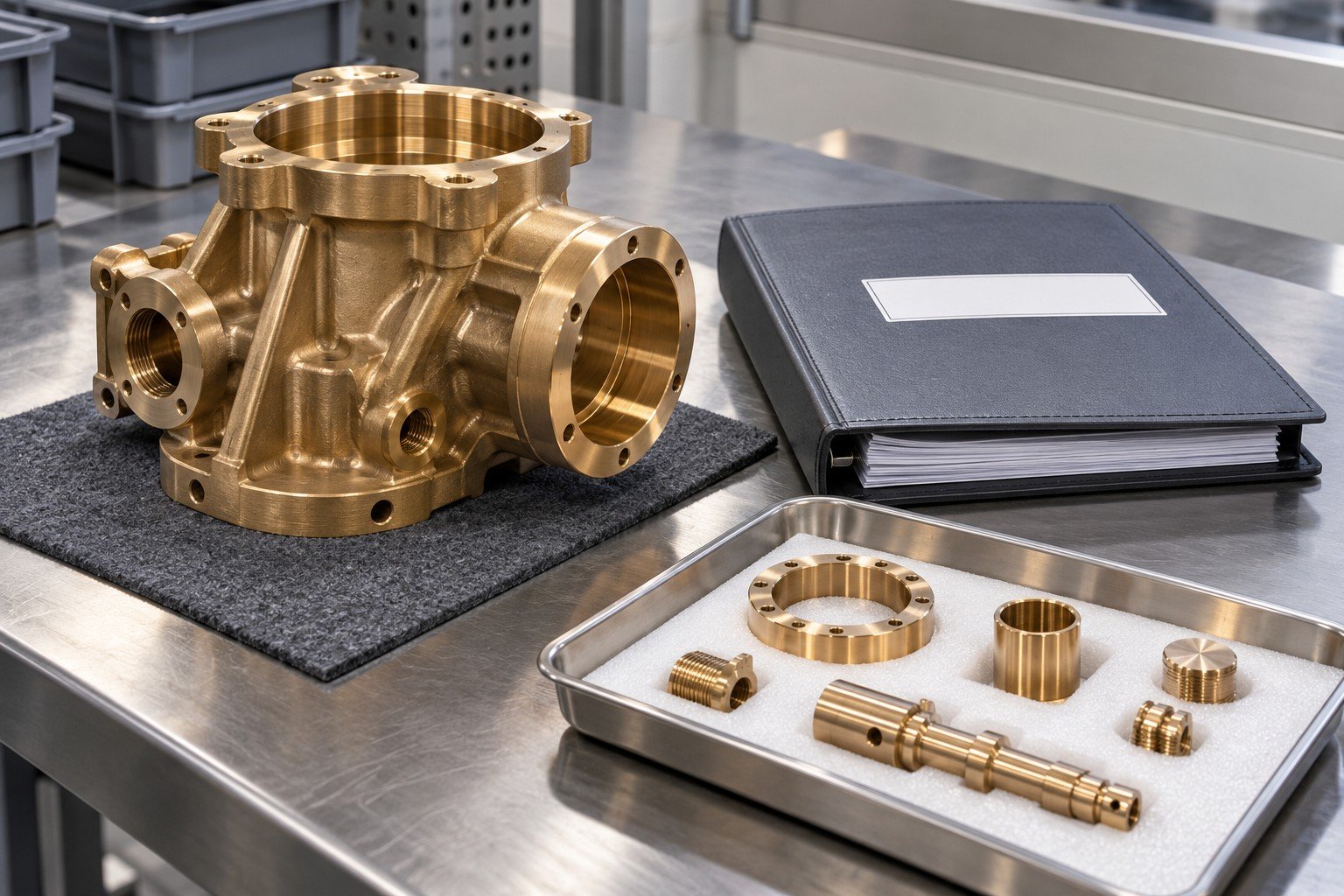
Link applicable operations, outside work and required parent-component relationships.
Agree the identity and record relationship at each relevant handoff. The required detail is project-specific.
Check the agreed material, process and inspection relationships and any gaps.
Agree the identity and record relationship at each relevant handoff. The required detail is project-specific.
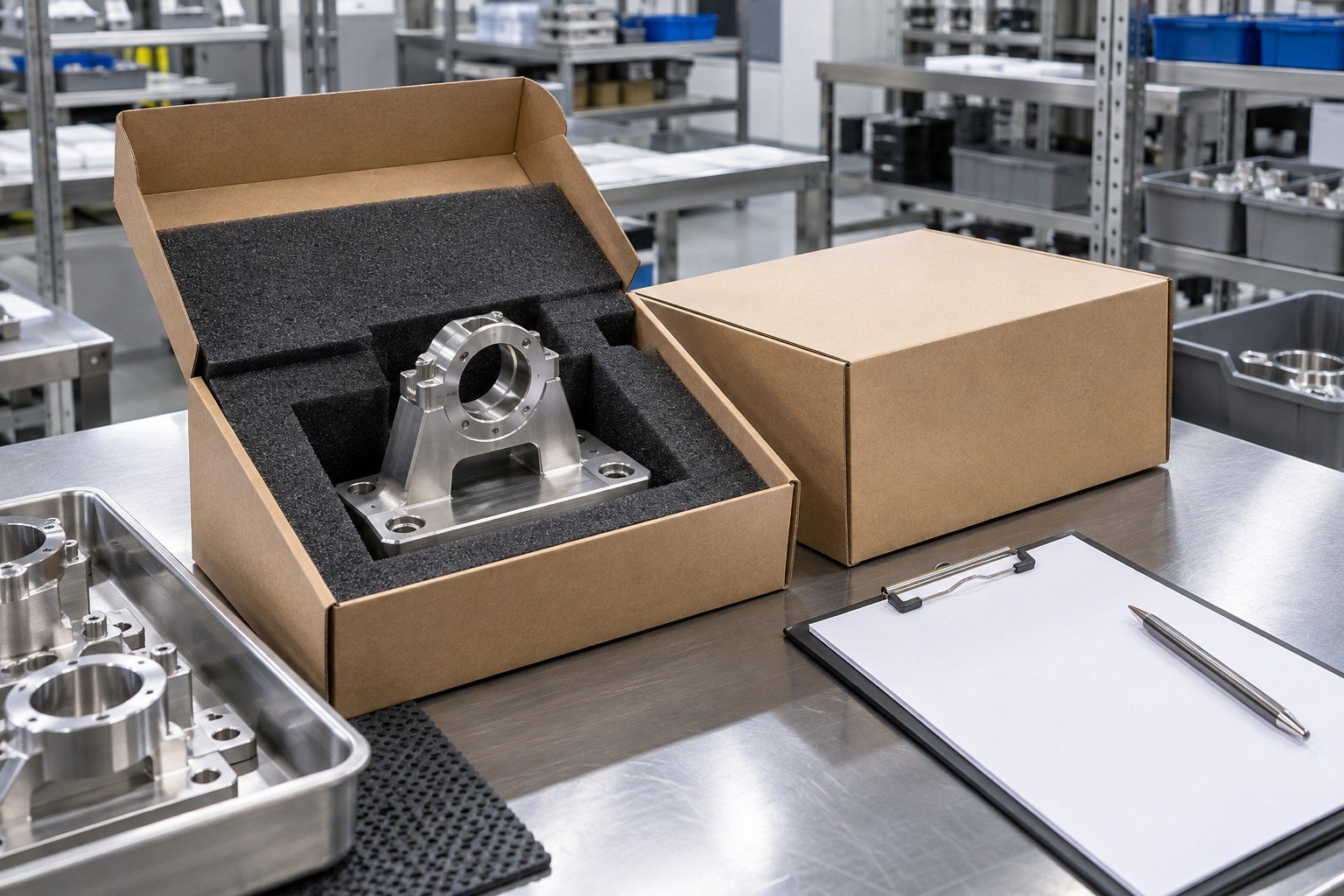
Connect the shipment identity to the required record pack and agreed retrieval scope.
Agree the identity and record relationship at each relevant handoff. The required detail is project-specific.
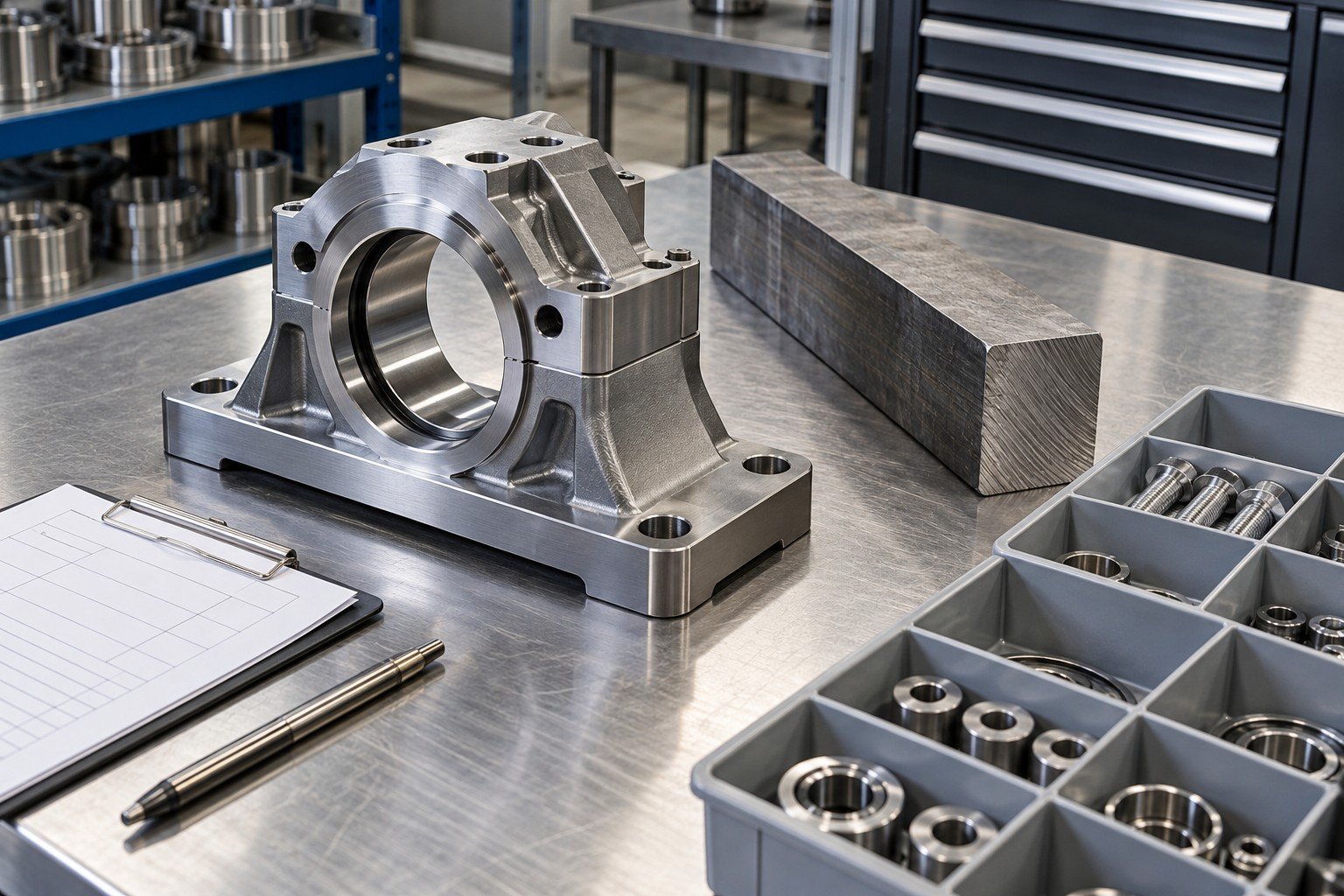
For CNC machining with material certificates, confirm source report availability and the actual material-to-order link before procurement. Metal material traceability does not itself prove every material property.
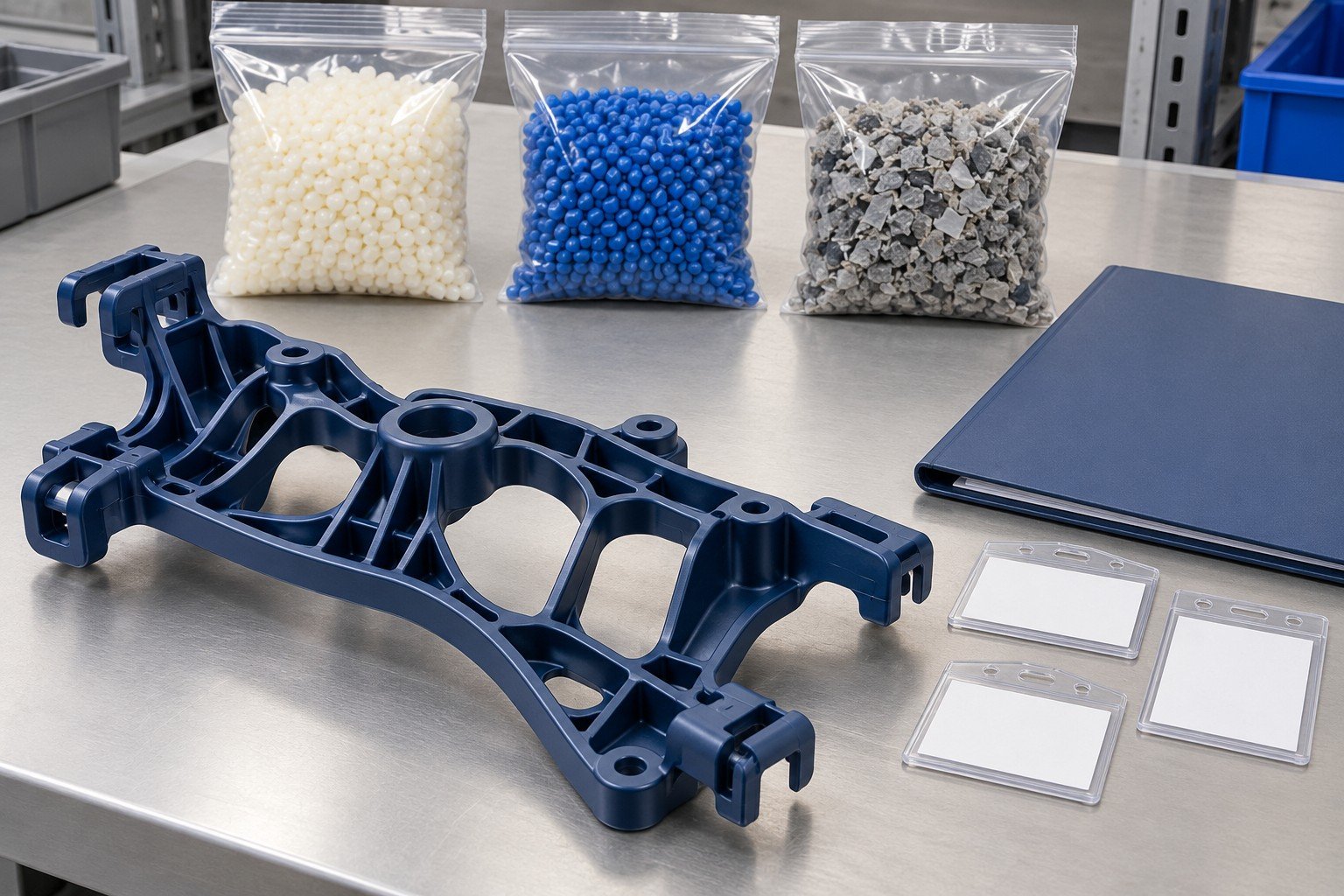
Review resin, colorant and specified regrind identities separately from the molded production lot. Agree the required relationship and available records.
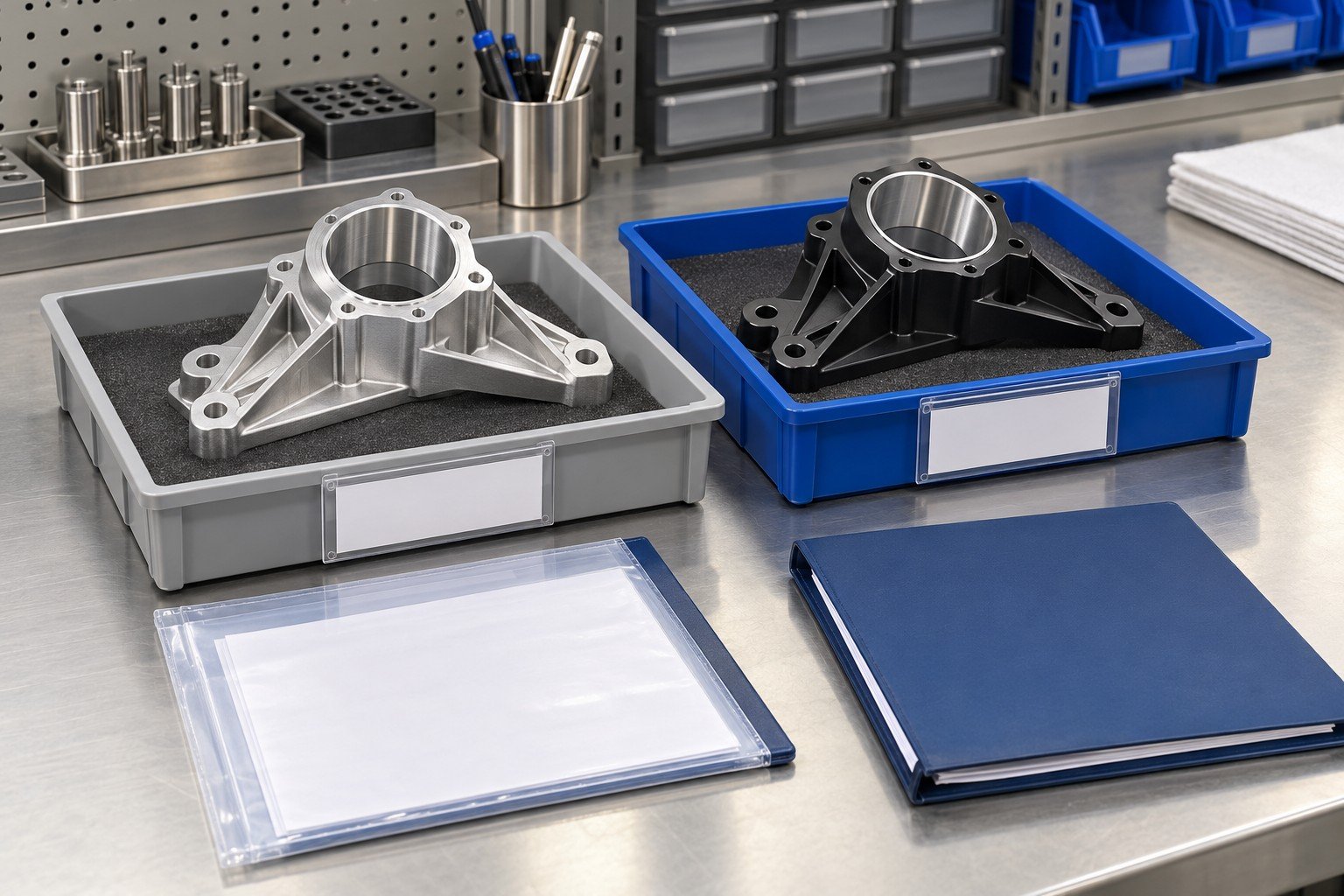
Connect the outgoing identity, supplier operation batch, returned items and required acceptance evidence.
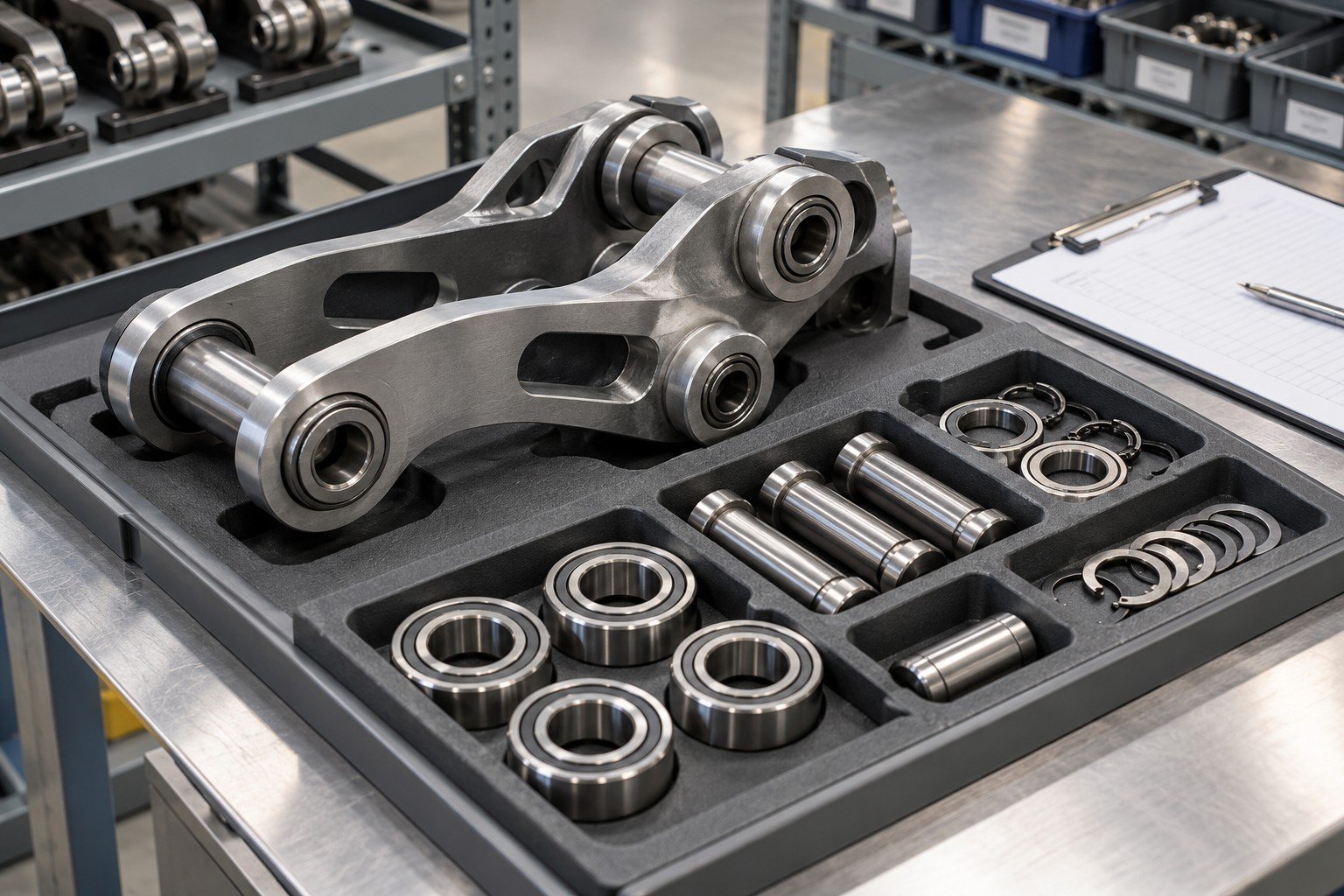
Define parent assemblies, required component identities, revisions and applicable replacement records.
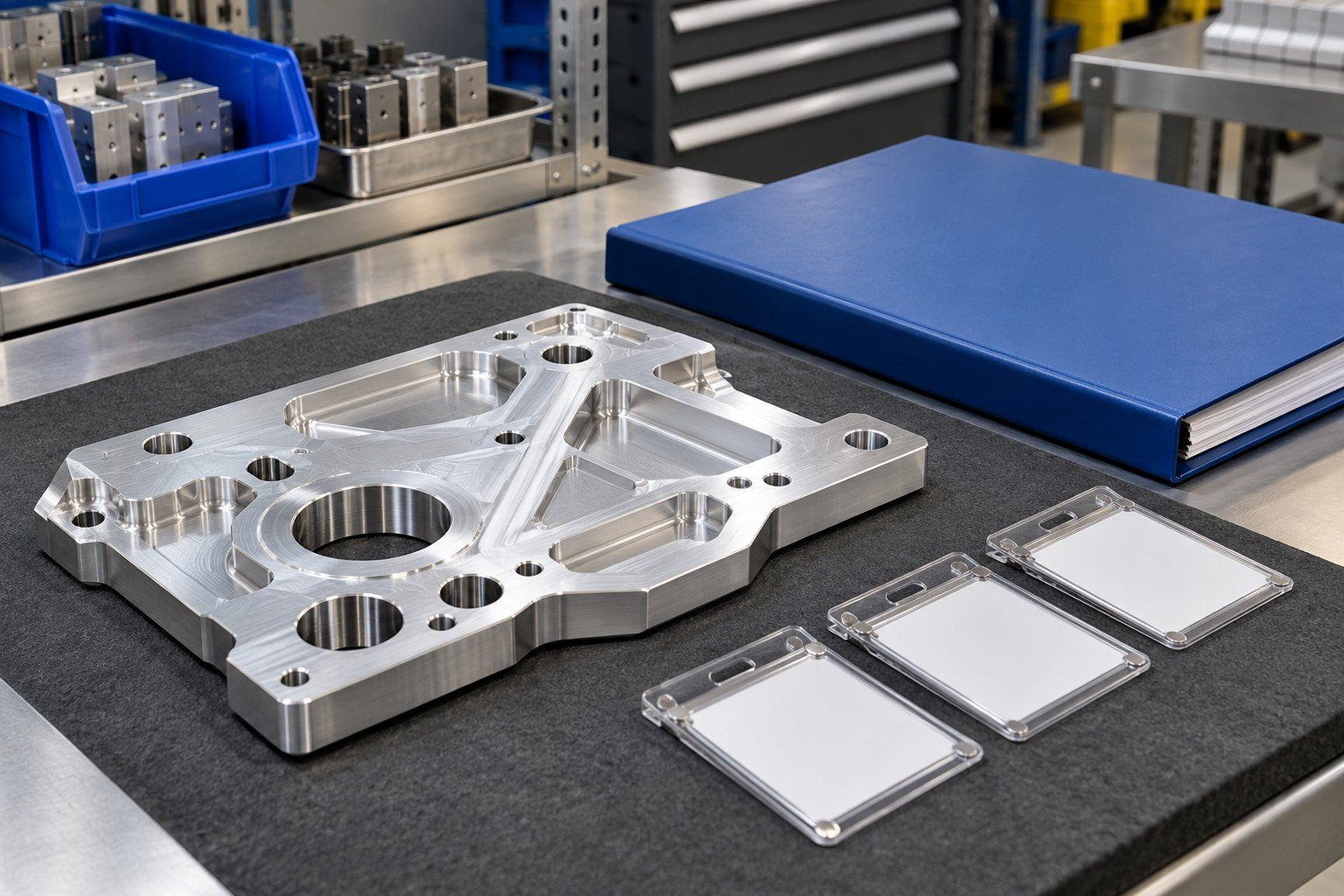
Lot-level traceability and individual serial-level traceability provide different detail. Define which parts or components need which level, and what records must connect to that identity.
| Object | Material, part, component or parent assembly. |
|---|---|
| Identity | Source heat, supplier lot, production lot or serial as agreed. |
| Relationship | Actual source-to-order and operation links. |
| Change | Split, merge, rework or replacement references. |
| Evidence | Required source, process, inspection and delivery records. |
| Access | Agreed retention, format and authorized retrieval. |
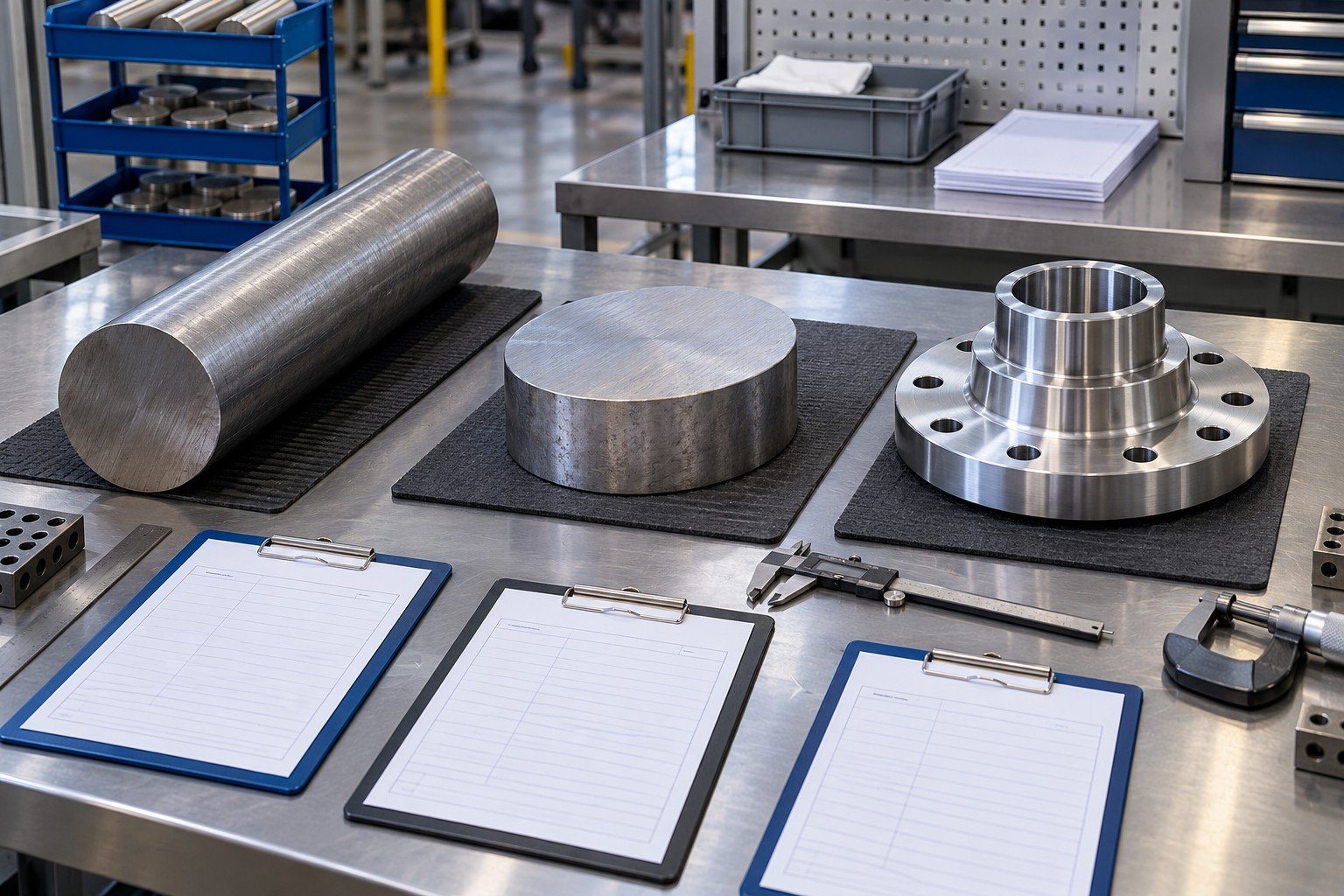
For machined parts with heat lot traceability, connect the source report, received stock, issue or cut pieces, work order and finished delivery identity at the agreed level.
| Object | Material, part, component or parent assembly. |
|---|---|
| Identity | Source heat, supplier lot, production lot or serial as agreed. |
| Relationship | Actual source-to-order and operation links. |
| Change | Split, merge, rework or replacement references. |
| Evidence | Required source, process, inspection and delivery records. |
| Access | Agreed retention, format and authorized retrieval. |
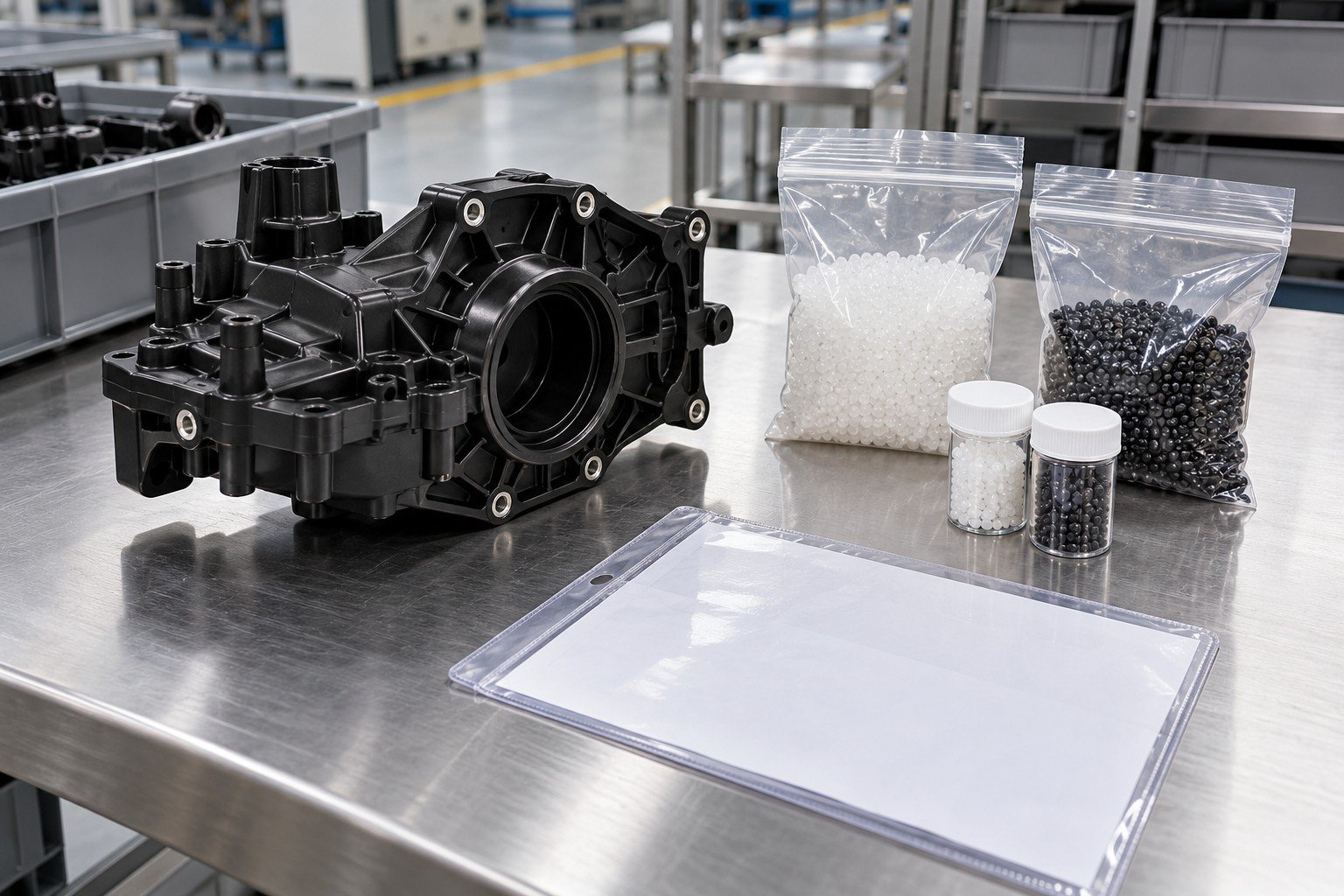
Review outside processes, resin or additive batches, assembly components and rework where applicable. Do not assume every operation automatically provides a complete raw-data history.
| Object | Material, part, component or parent assembly. |
|---|---|
| Identity | Source heat, supplier lot, production lot or serial as agreed. |
| Relationship | Actual source-to-order and operation links. |
| Change | Split, merge, rework or replacement references. |
| Evidence | Required source, process, inspection and delivery records. |
| Access | Agreed retention, format and authorized retrieval. |
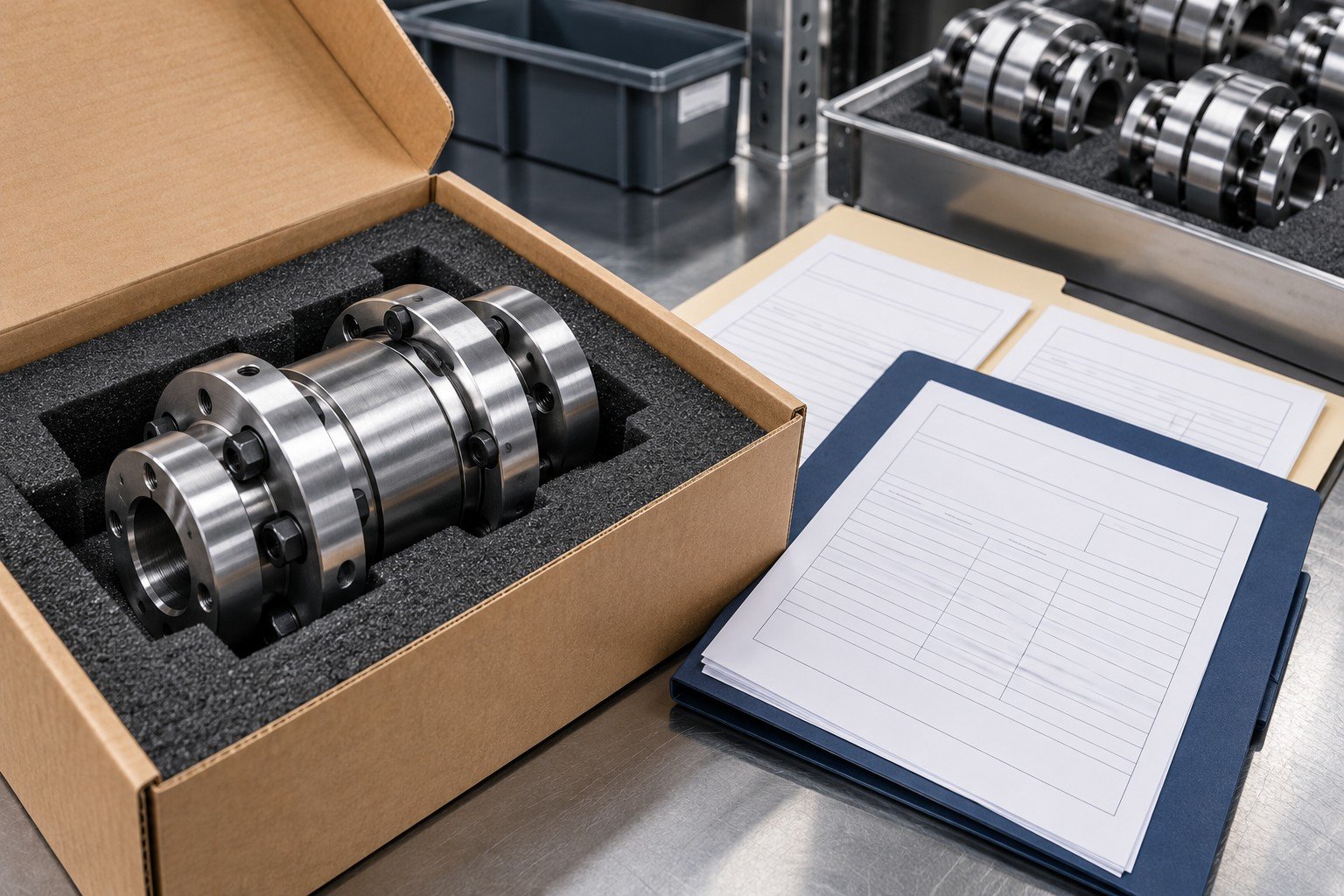
Define the applicable retention period, format, access, confidentiality and retrieval scope before placing the order. No universal number of years, instant retrieval or permanent retention is promised.
| Object | Material, part, component or parent assembly. |
|---|---|
| Identity | Source heat, supplier lot, production lot or serial as agreed. |
| Relationship | Actual source-to-order and operation links. |
| Change | Split, merge, rework or replacement references. |
| Evidence | Required source, process, inspection and delivery records. |
| Access | Agreed retention, format and authorized retrieval. |
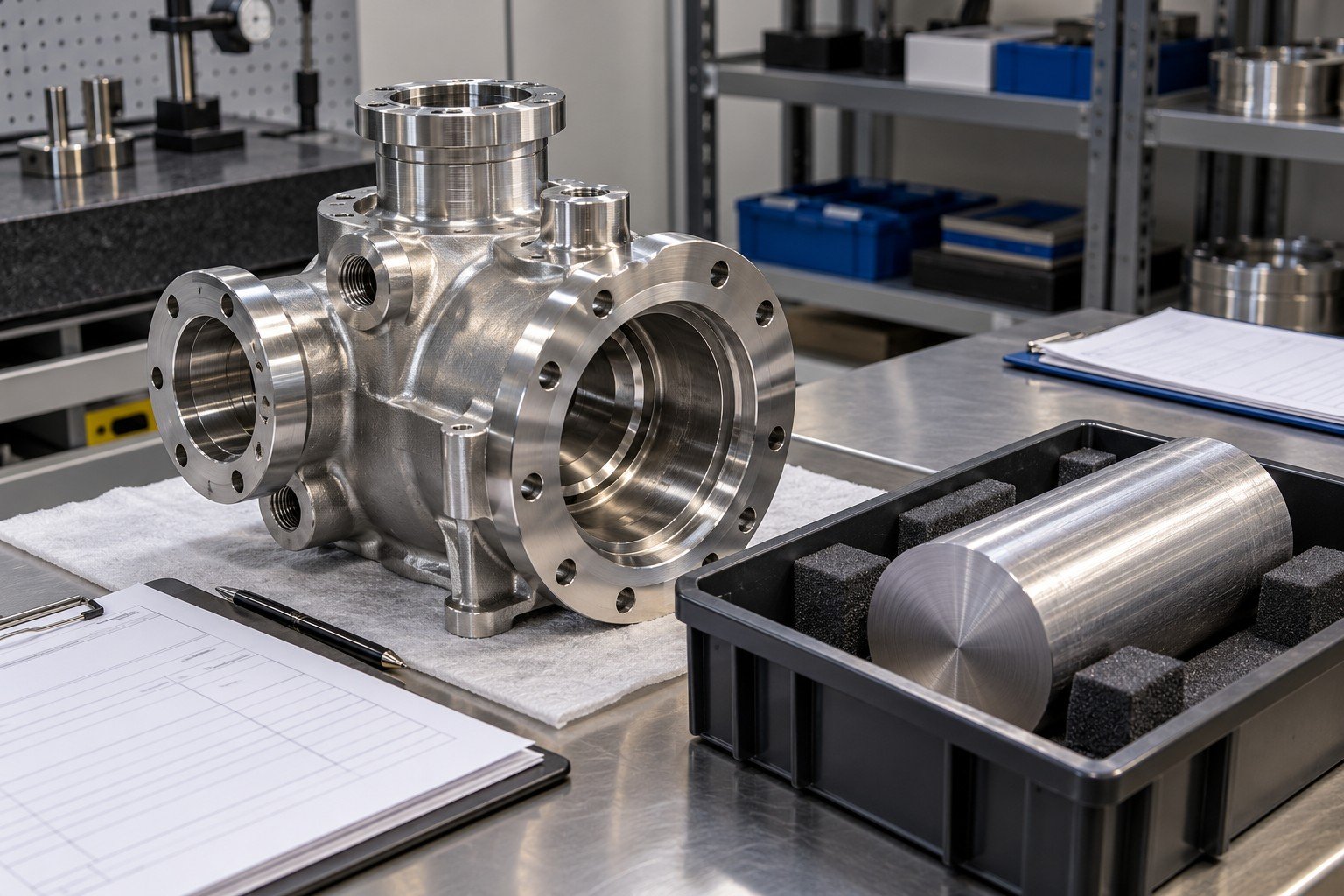
Review the source material, work order, revision and delivered lot relationships.
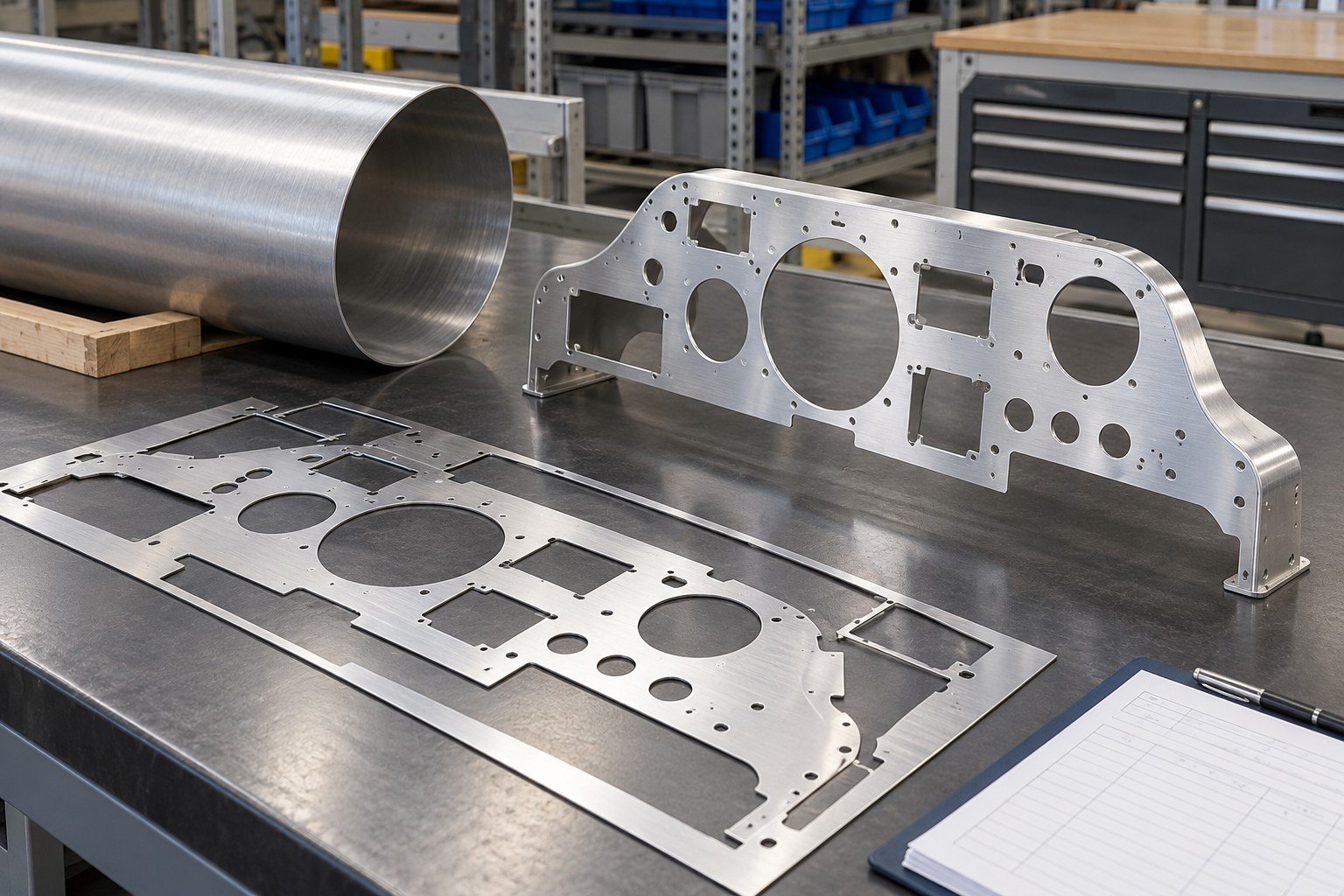
For sheet metal heat number traceability, define identity transfer through sheet issue, nesting, cutting and remnants.
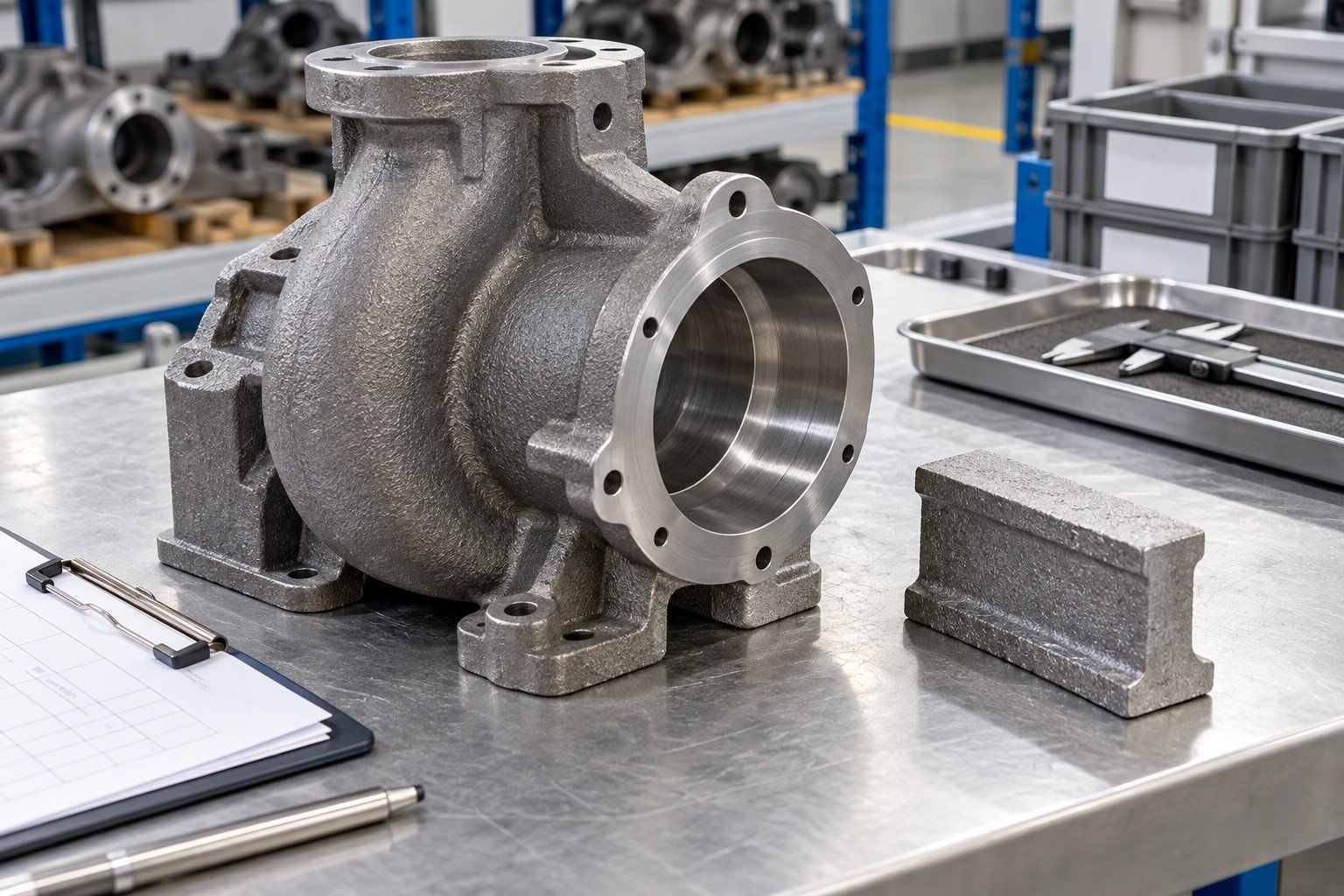
Casting material traceability needs the relevant supplier or casting identities and their relationship to later processing and delivery.
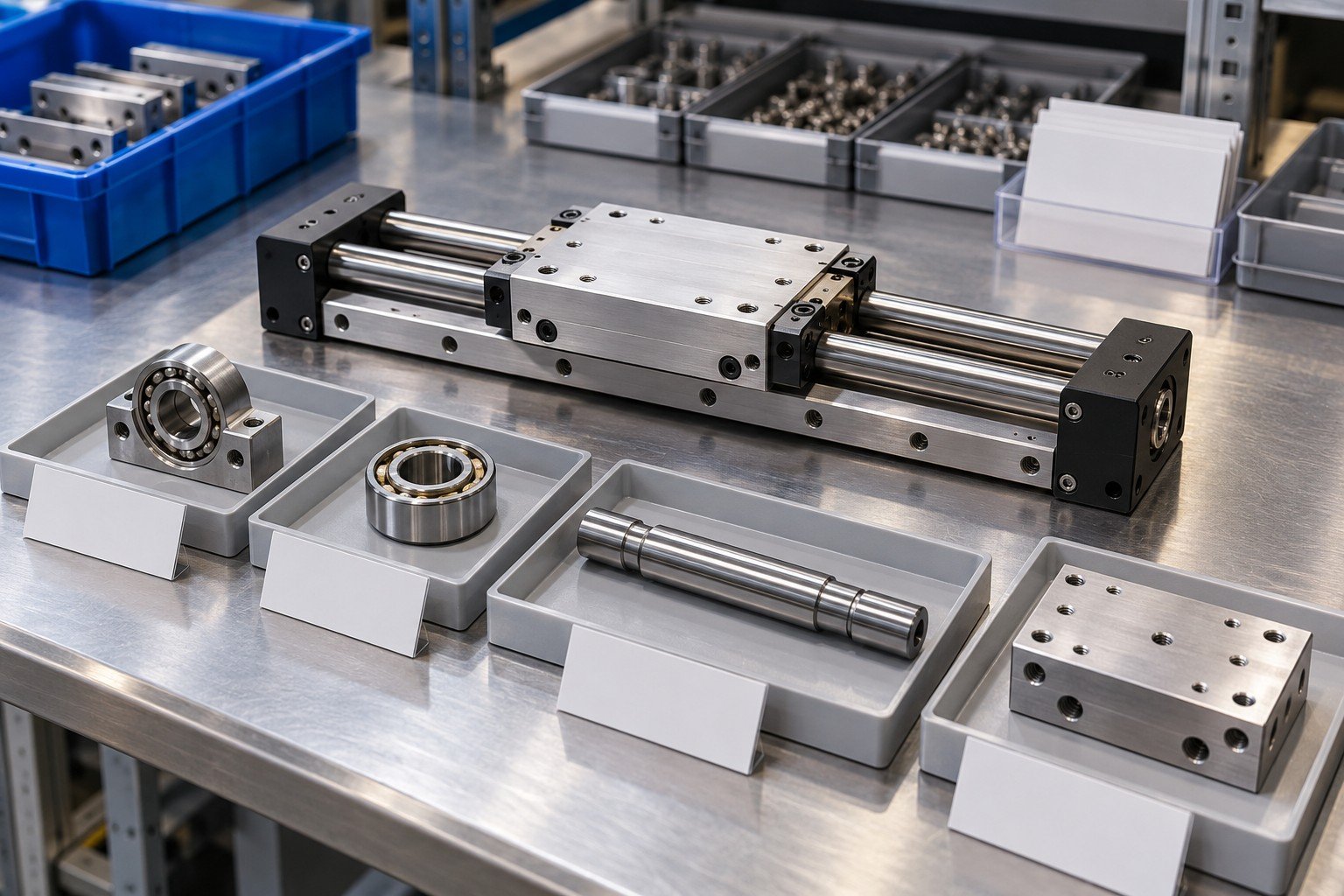
Specify required component lots or serials and their link to the parent assembly revision and replacement history.
Illustrative planning scenarios only. Actual records, identification level and retrieval capability require confirmation for your order.
The identity level, outside-process records, marking, retention and document pack affect the scope that must be reviewed.
Specify source heat or lot, production lot and any individual serial requirements.
Name source reports, process evidence, inspection links and delivery documents.
Agree retention, format, confidentiality and retrieval responsibility.
Required granularity and components
Identification and segregation method
Source and outside-process evidence
Retention, access and delivery format
ILLUSTRATIVE RECORD-REVIEW PATHS — NOT CUSTOMER DATA
Use the agreed records to review both relationships. This describes a review approach, not a promise of instant retrieval, complete lifecycle coverage or a verified company case result.
Connect your procurement requirements, documentation questions and delivery evidence to the responsible team.

Clarify the identities, components and records your review needs.
Confirm source evidence and any outside-process requirements.
Agree formats, references and available delivery documents.
Coordinate open evidence questions and authorized record requests.
Request an NDA before sharing confidential records. Define traceability before procurement; missing source relationships cannot be created merely by adding a new number later.
Required objects, source identifiers and lot or serial level.
Material, order, operation, inspection and delivery relationships.
Available documents, retention, confidentiality and authorized retrieval.
Product identity traceability and metrological traceability of measurement results are different subjects.
Review the link from the delivered part or lot to the work order, material issue or cutting record, received stock identity and relevant source report. Check the actual identifiers and relationships. A matching grade name or a copied certificate alone is insufficient.
A heat number identifies the applicable source melt or heat, while supplier, production, inspection or other lot identifiers can describe different groups. Definitions and relationships depend on the material, source and project records. An internal number must not be presented as an original mill heat number.
Lot traceability links a defined group to the required records. Serial-level traceability identifies an individual item and must still link that serial to its relevant records. Specify the required level and components; a serial number alone is not a complete history.
It can be supported by a defined identity-transfer and segregation method with actual receiving, issue, cutting and remnant records. Agree how pieces and remnants retain their source link. If identity is lost or mixed, isolate the affected scope for review rather than inferring the source from appearance.
Connect outgoing part or lot identity, the outside purchase requirement, supplier process batch, returned identity and required acceptance records. Specify available supplier certificates or reports in advance. A process certificate does not automatically provide every original parameter log.
Agree source reports or declarations, receiving identity, material issue or cutting records, work orders and revisions, relevant outside-process records, inspection links and shipment identity. The required documents and granularity depend on your actual order and route.
Not by itself. The report must connect to the actual material received and used and to the delivered identity through the required records. A certificate does not automatically establish every material property test or restore a missing physical identity.
Confirm the applicable contractual requirements and actual retention policy during order review. Agree the period, format, access, confidentiality and retrieval scope. No universal seven-year, ten-year or permanent-retention promise is made here.
Identify and isolate the affected scope, review available evidence and authorize disposition. Do not create a false chain by assigning a new source number or choosing a certificate based only on appearance. Any limitations need a transparent review.
No. Material or product traceability concerns identity and record relationships. Metrological traceability concerns a measurement result and its documented calibration chain to a reference, with associated uncertainty. A material heat number does not establish NIST traceability or measurement suitability.