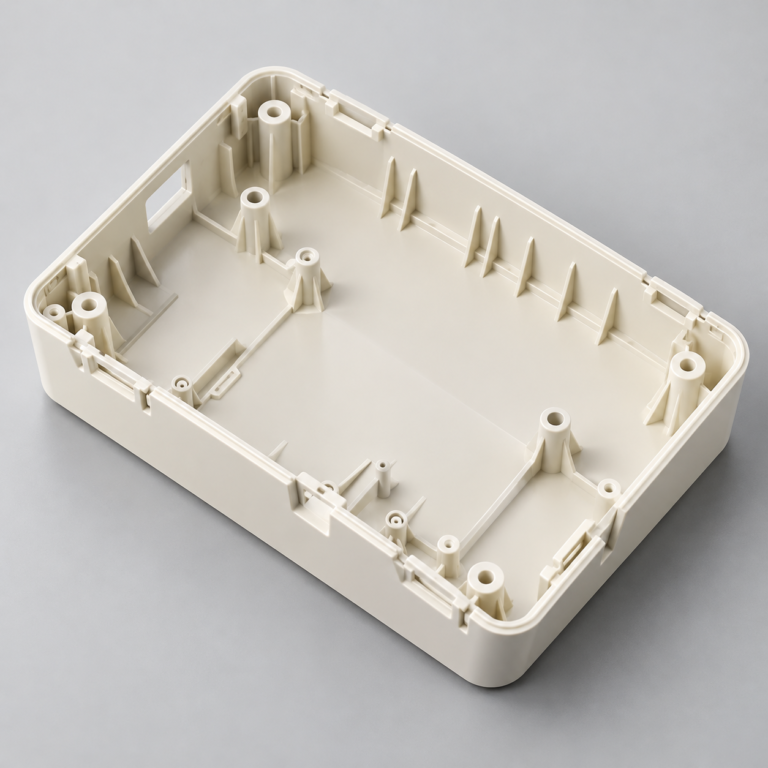
Injection Molding
Tooling and molding for your repeat plastic parts.
From prototype to production, coordinated manufacturing solutions for your custom parts.
View All Services →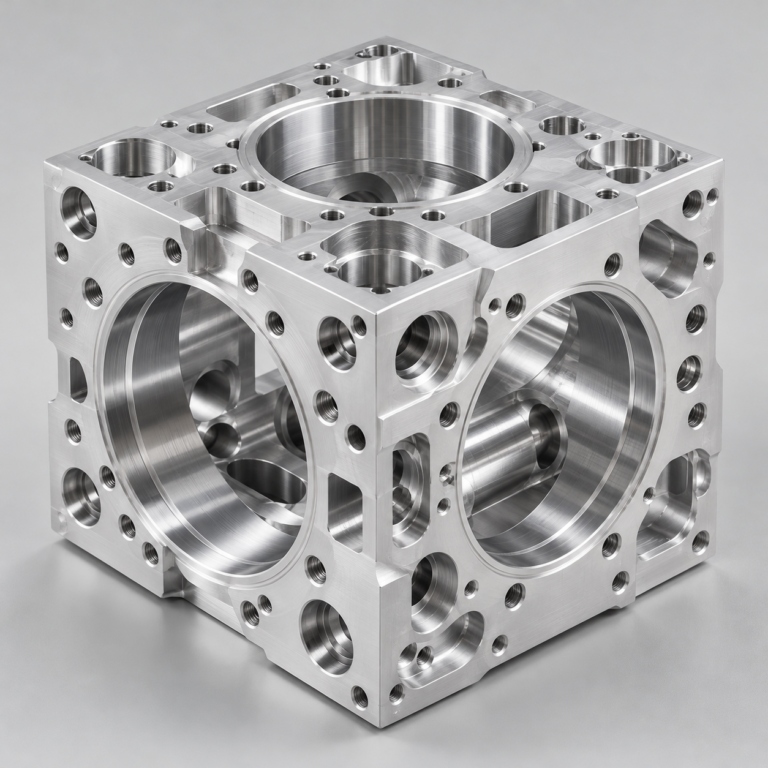
Precision parts for your tight tolerances and complex geometry.
Tooling and molding for your repeat plastic parts.
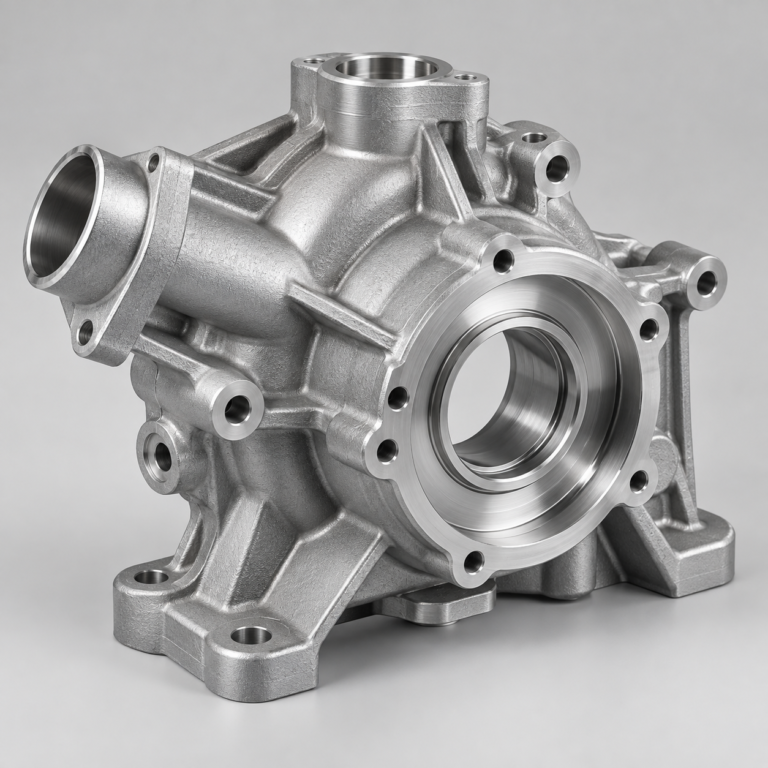
Metal casting options for your part and production volume.
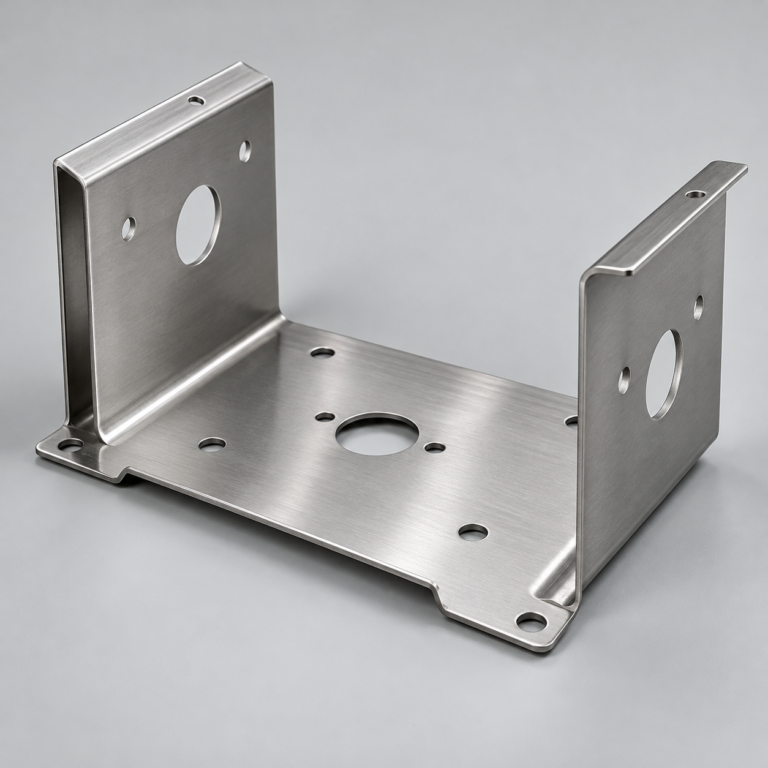
Cutting, forming and welding for your fabricated parts.
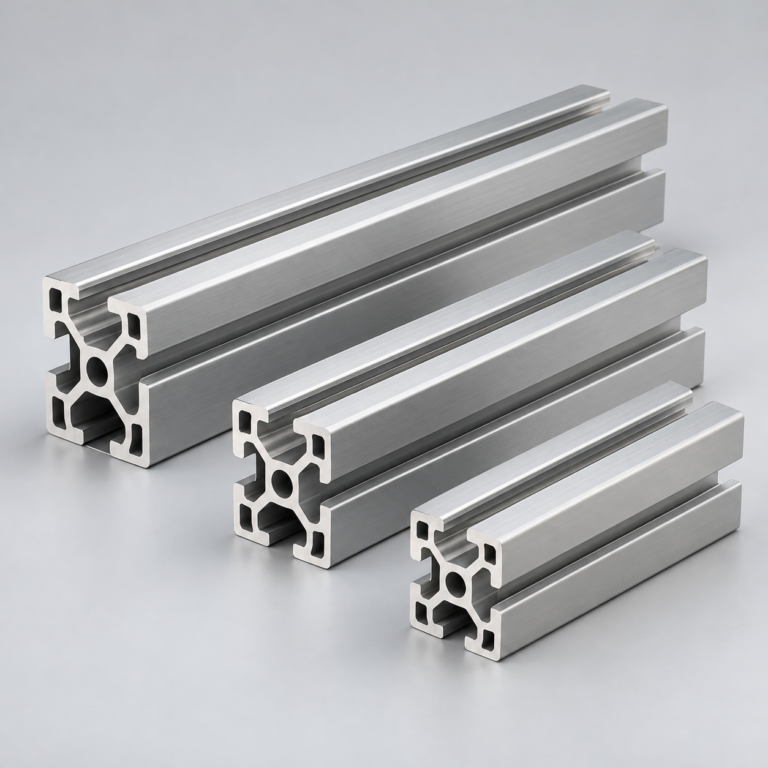
Custom profiles for your section, length and finish requirements.
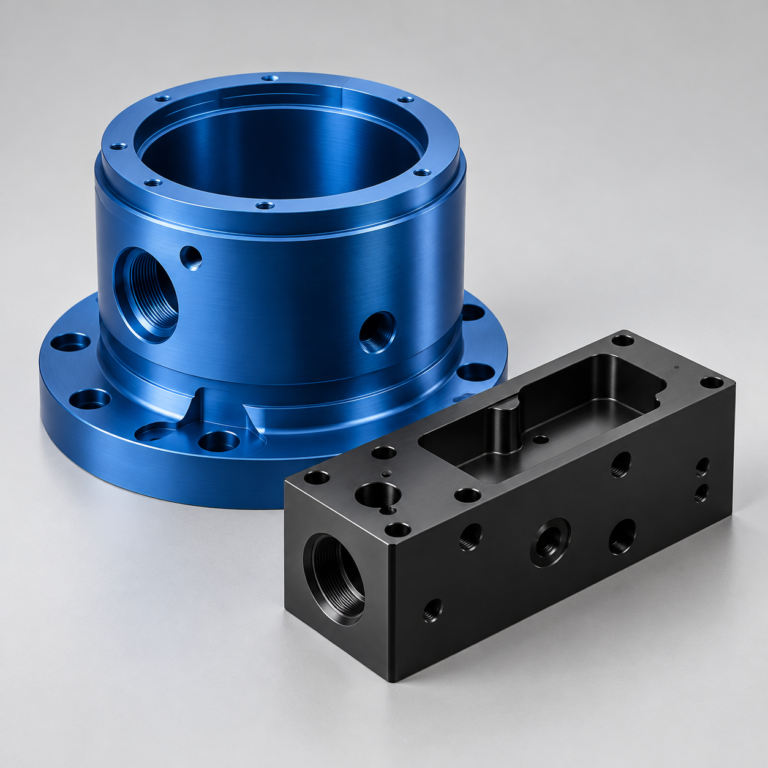
Finishes for your appearance, corrosion and wear requirements.
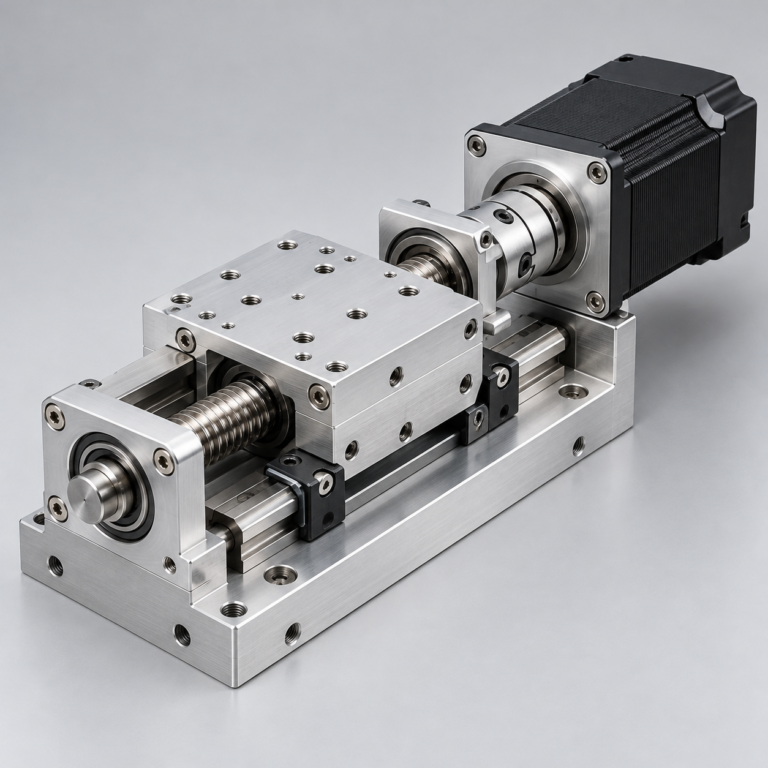
Sub-assemblies and final builds for your production program.
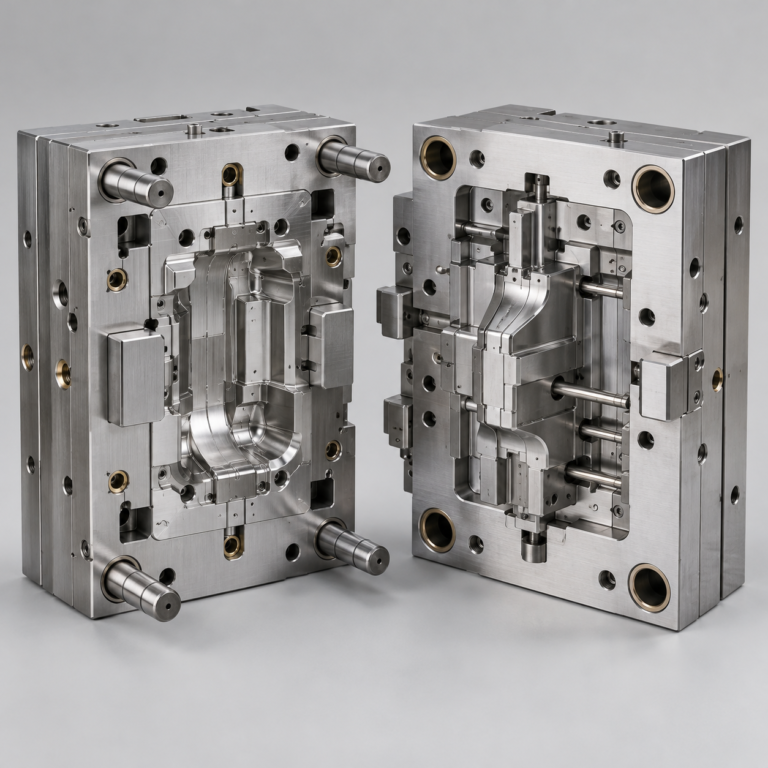
Production tooling built around your process and volume.
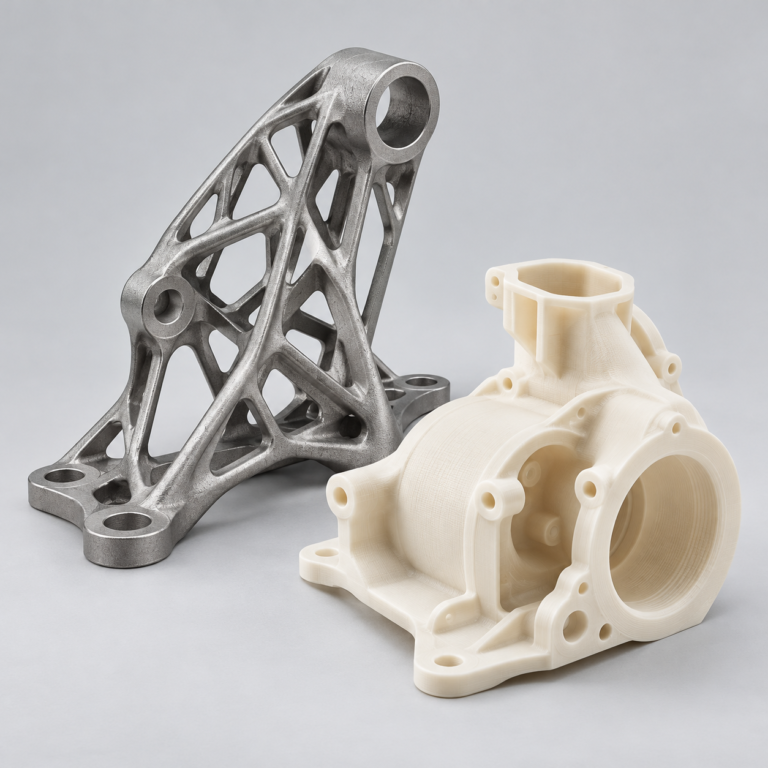
Prototype parts to check fit, function and design.
Choose air- or liquid-cooling components around your thermal and mechanical requirements.
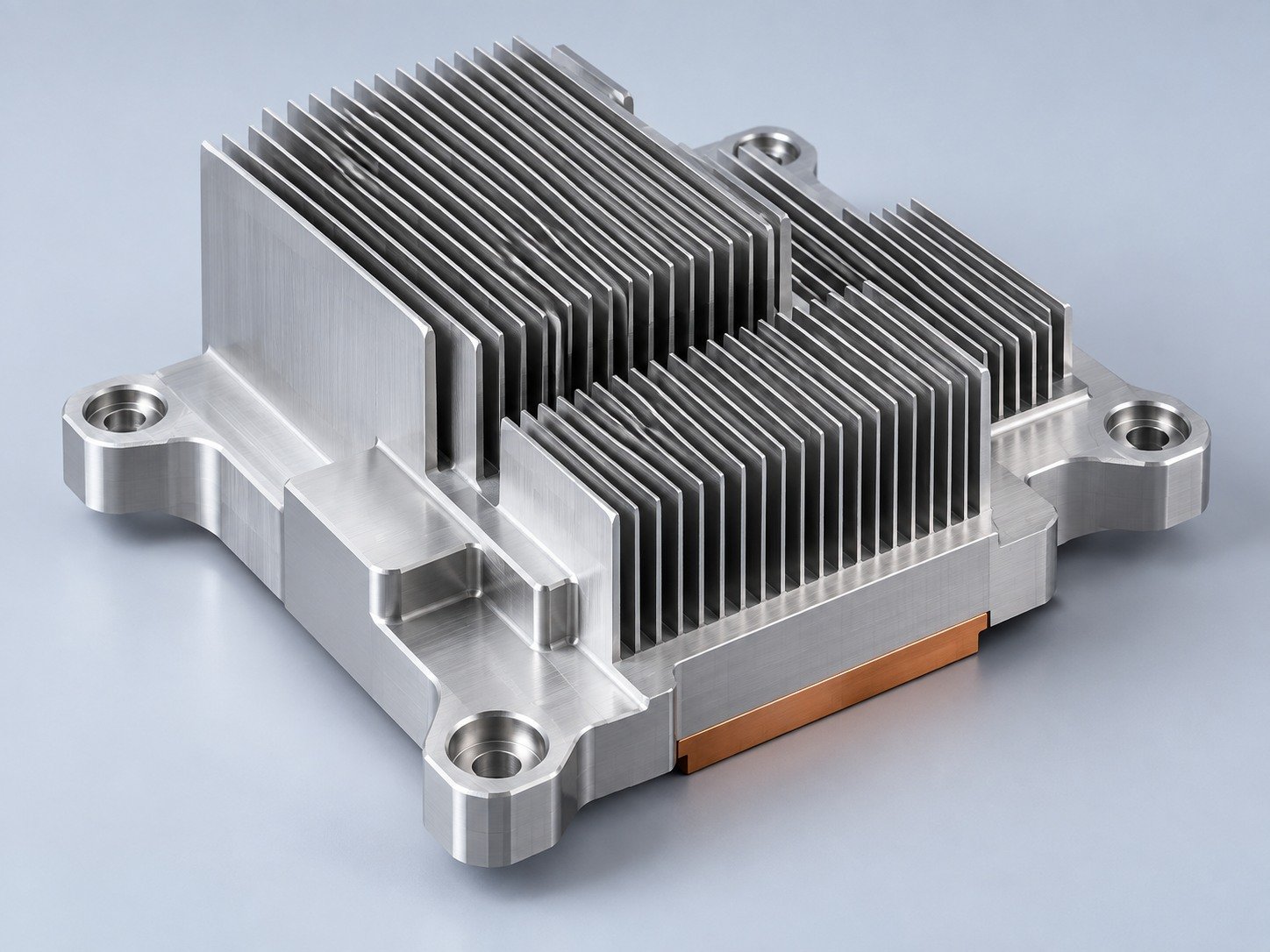
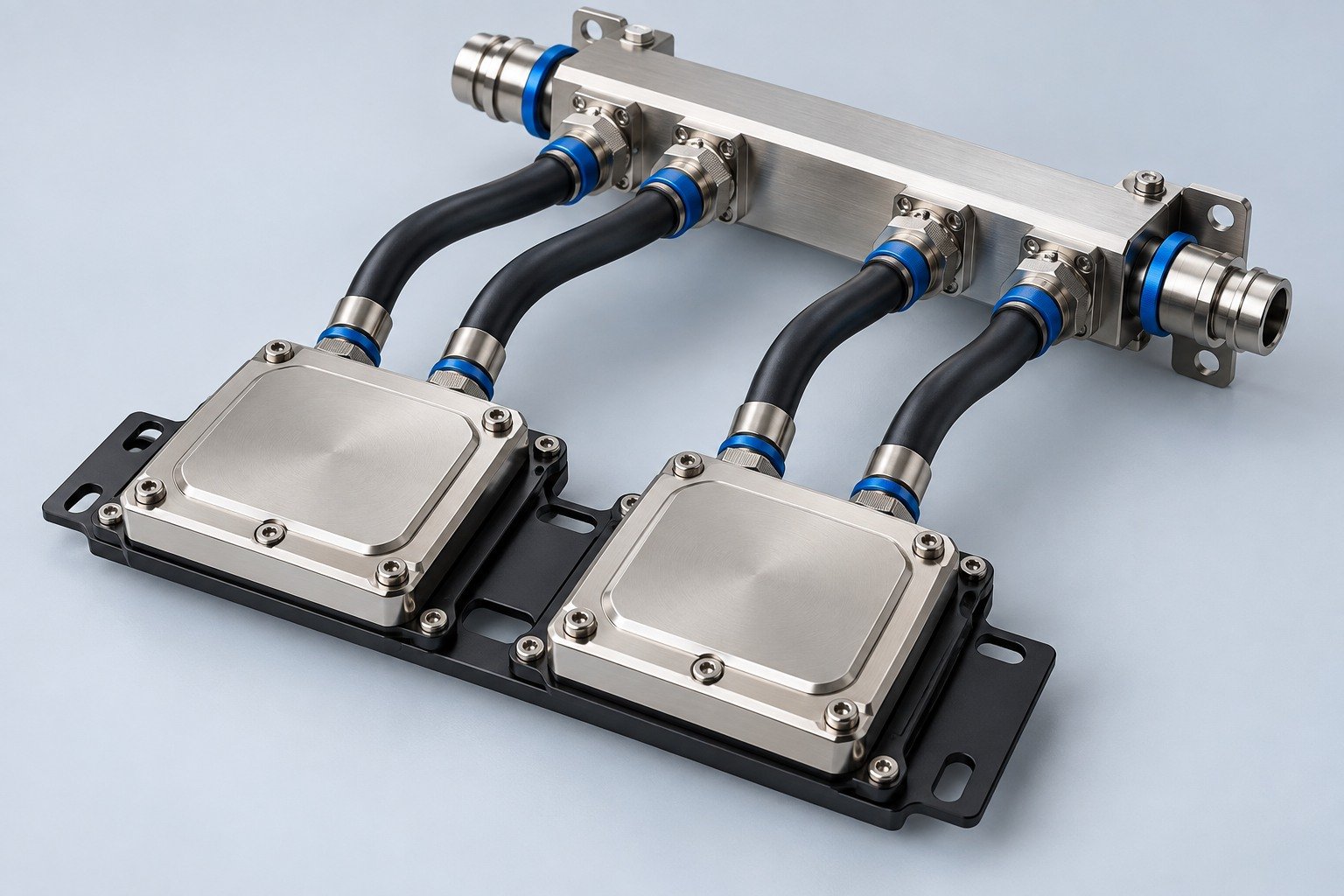
Manufacturing support for your cold plates, manifolds and cooling assemblies.
Find components for your power electronics, energy, laser and telecom application.
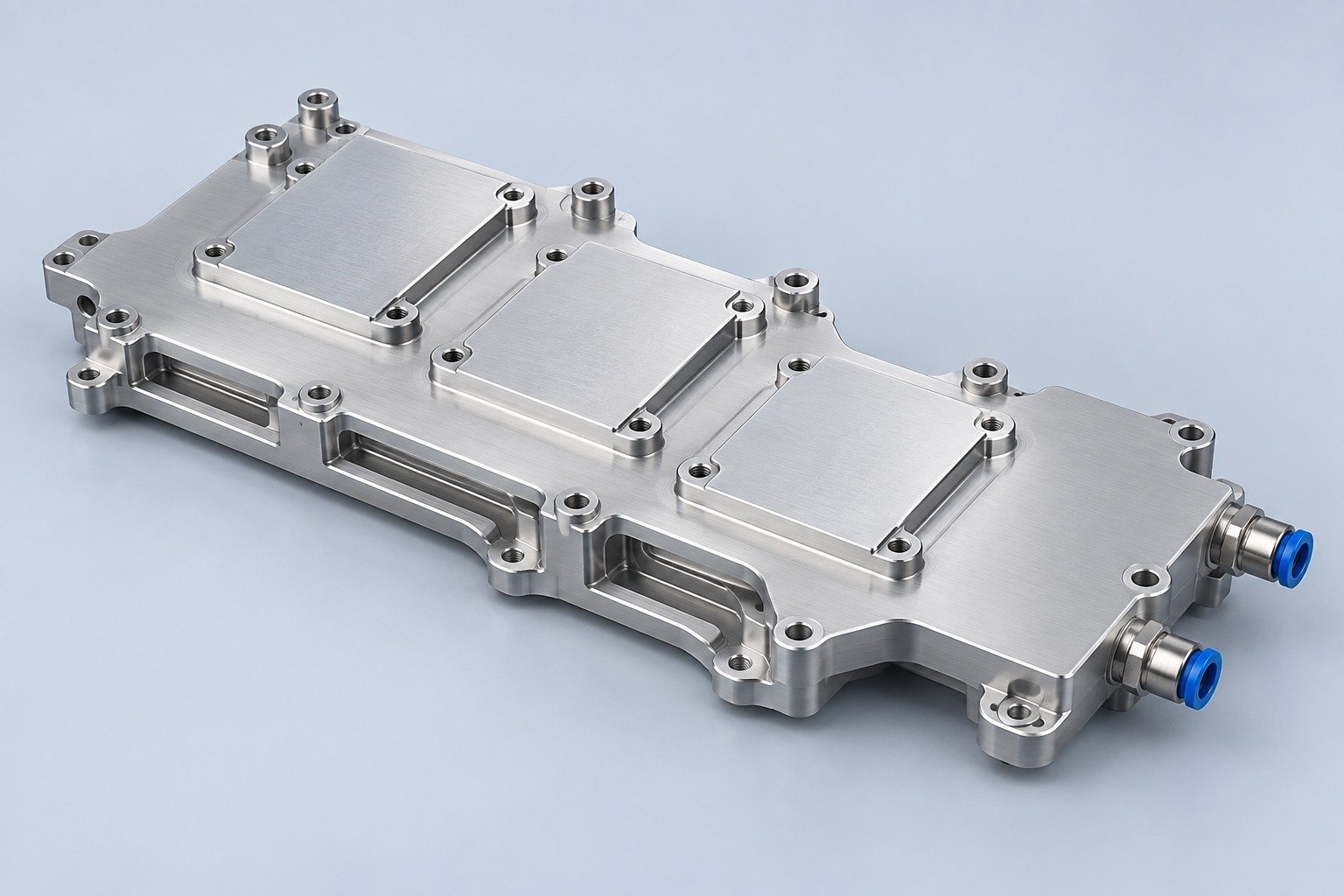
Components for your electronic systems.
Start with your functional and quality requirements.
Build around your operating environment.
From prototype to production, review material performance, manufacturability and cost for your part.
Review grade, temper and finish for your metal parts.
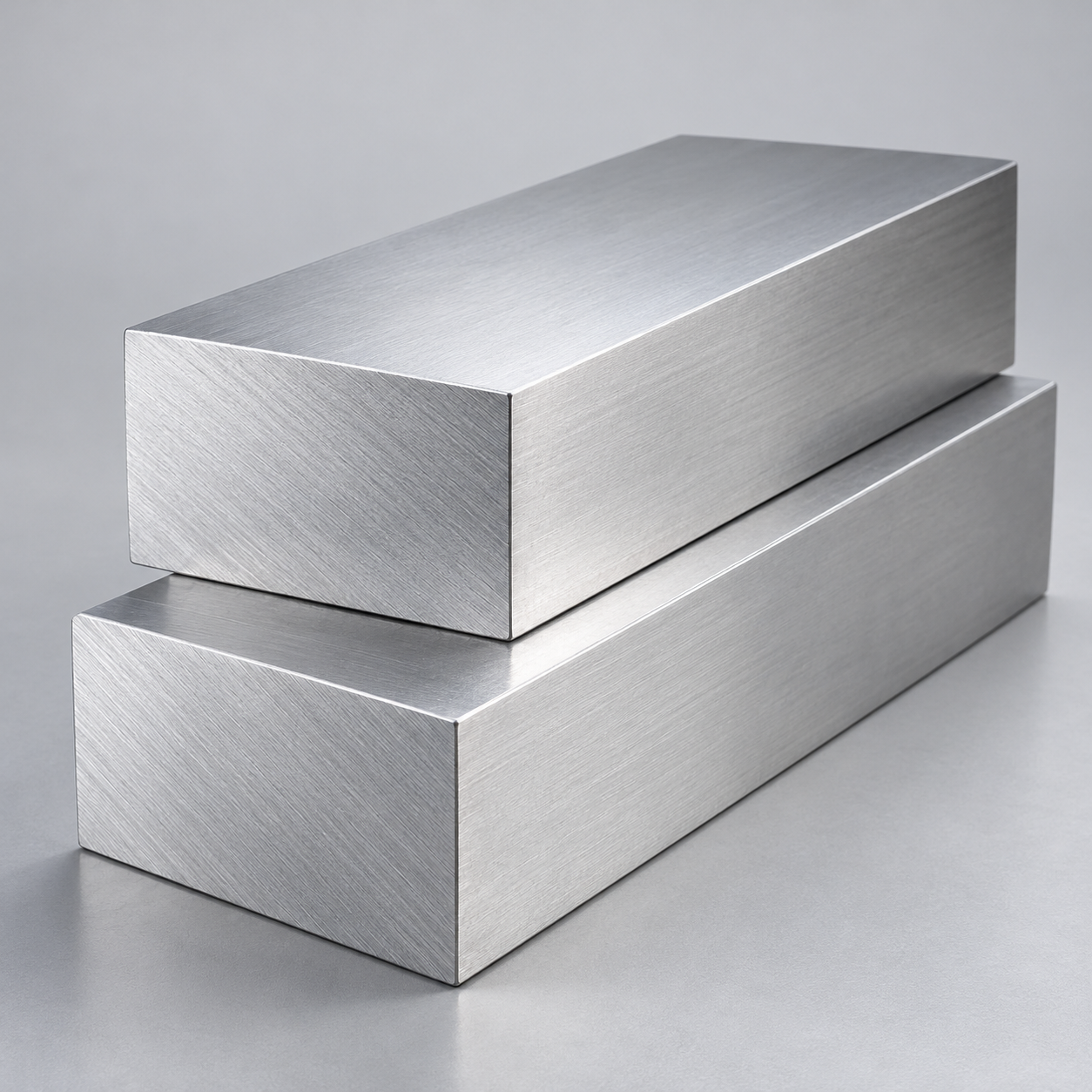 AluminumStrength, weight and machining›
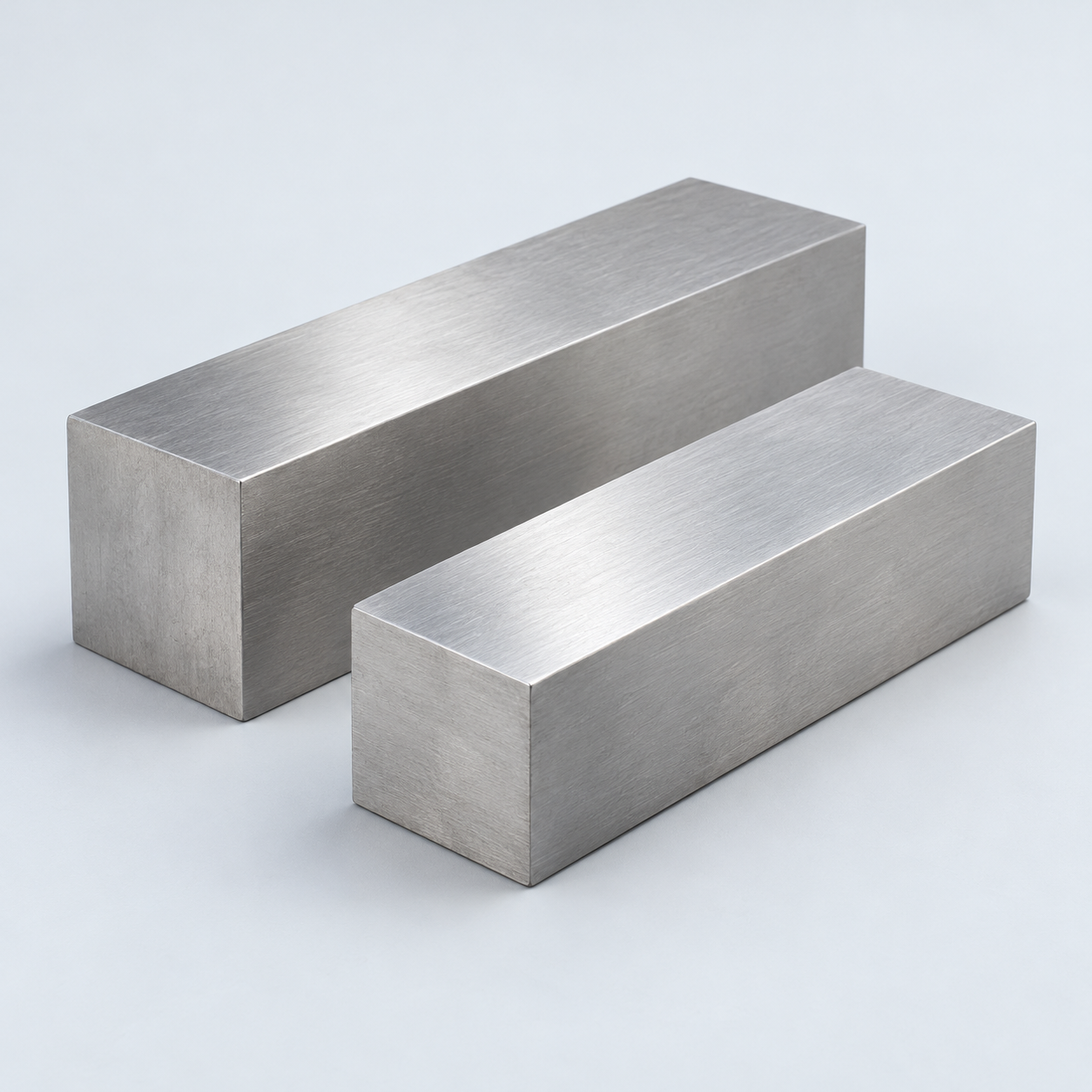 Stainless SteelCorrosion and finish requirements›
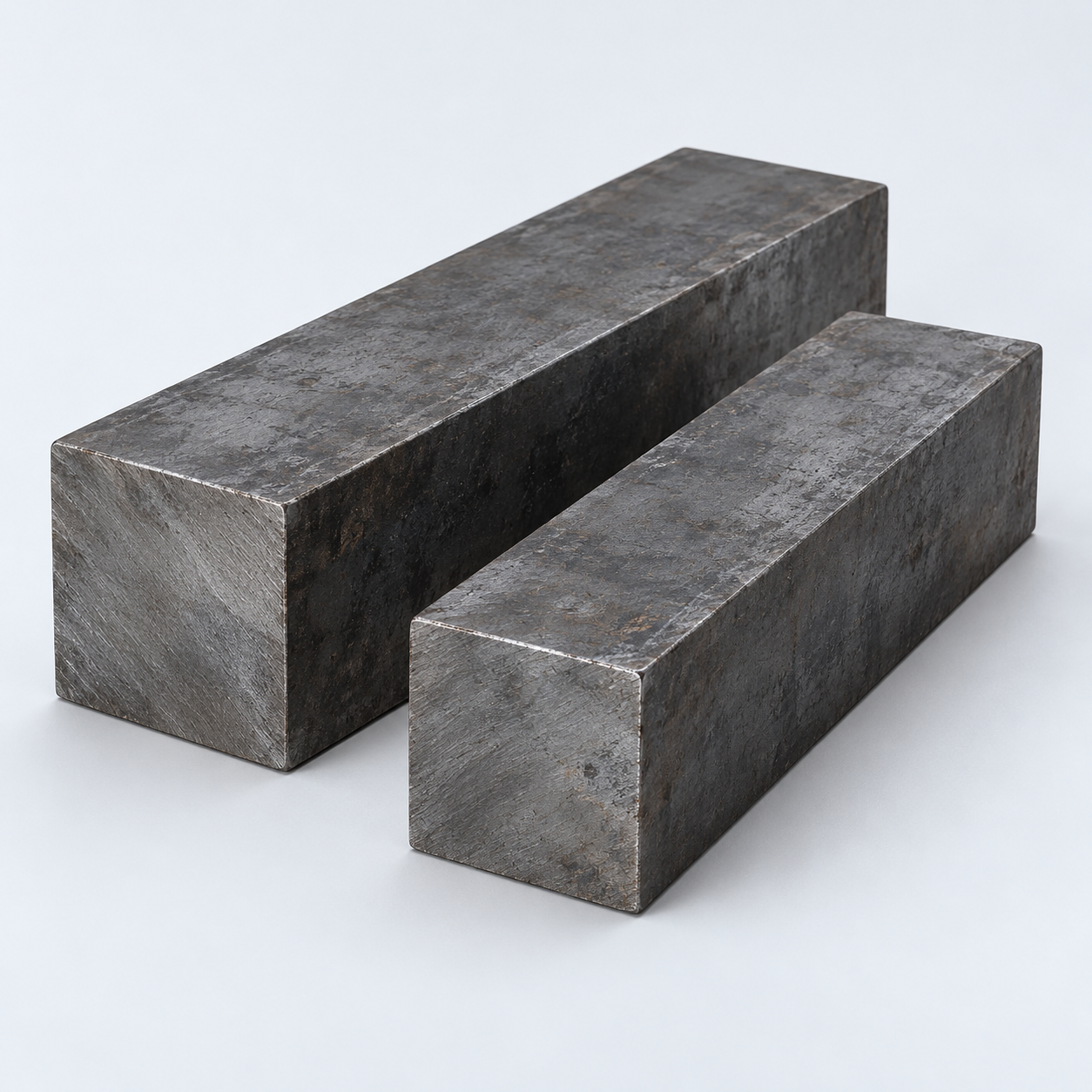 Carbon & Alloy SteelDiscuss grade and heat treatment›
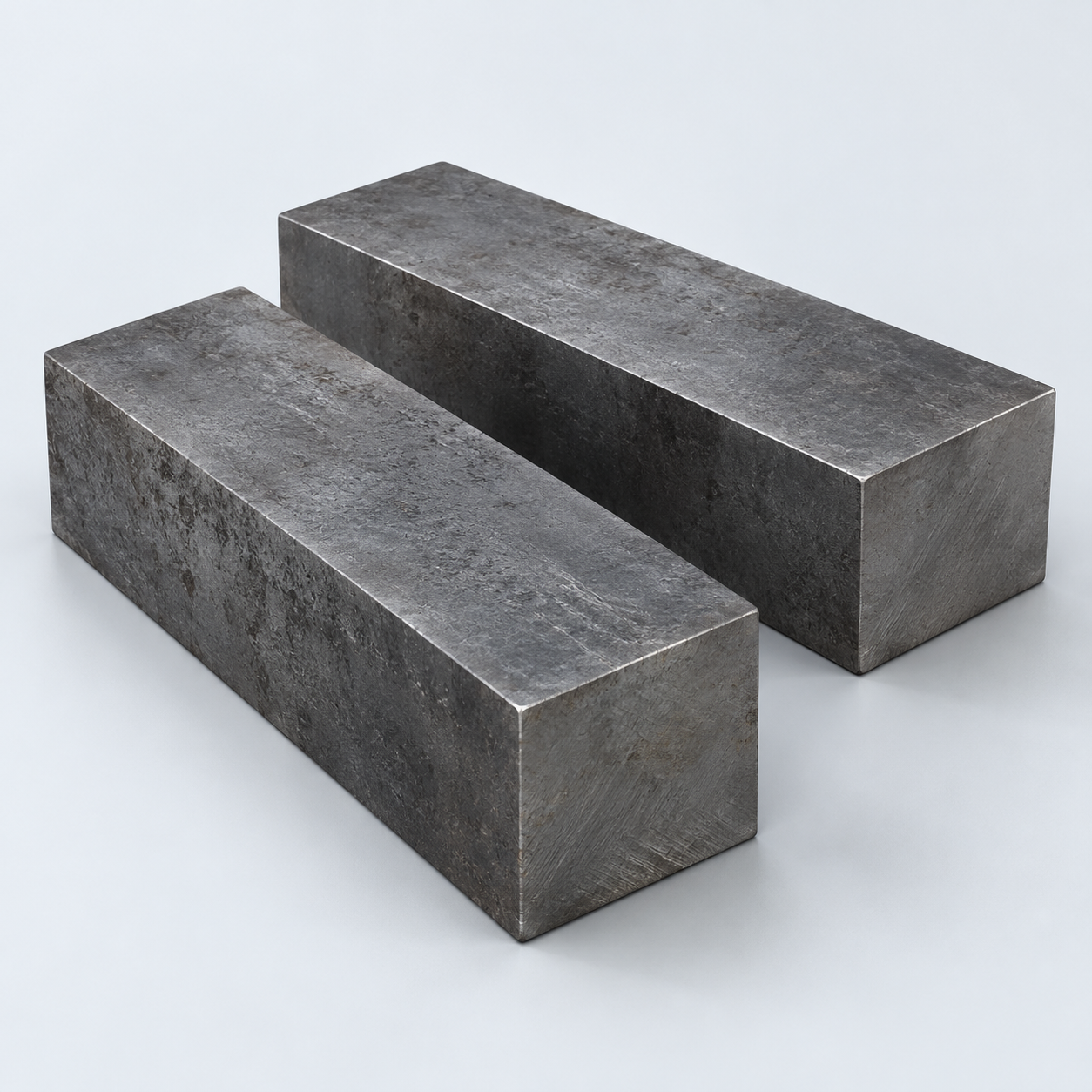 Tool SteelDiscuss tooling and wear needs›
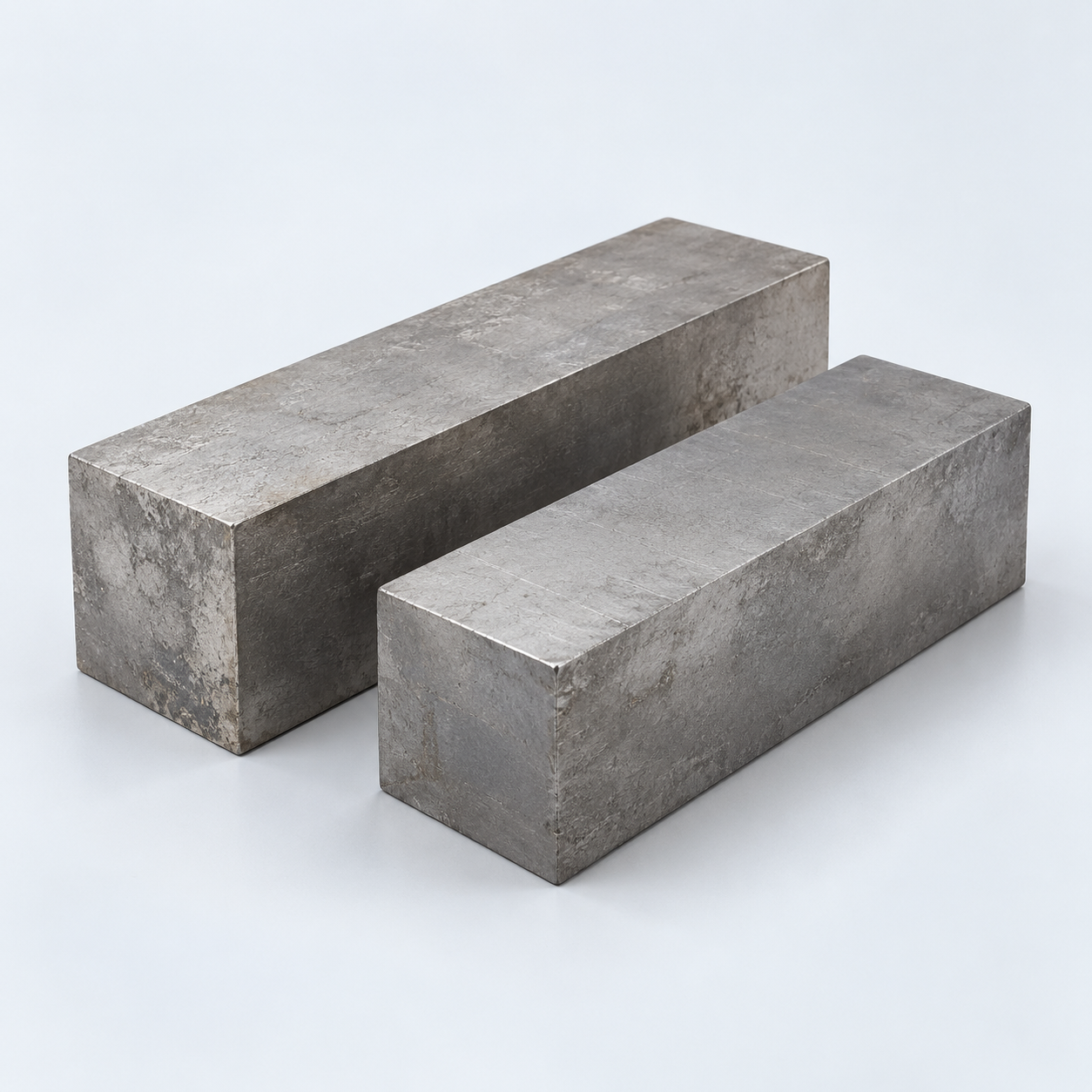 TitaniumReview grade and part geometry›
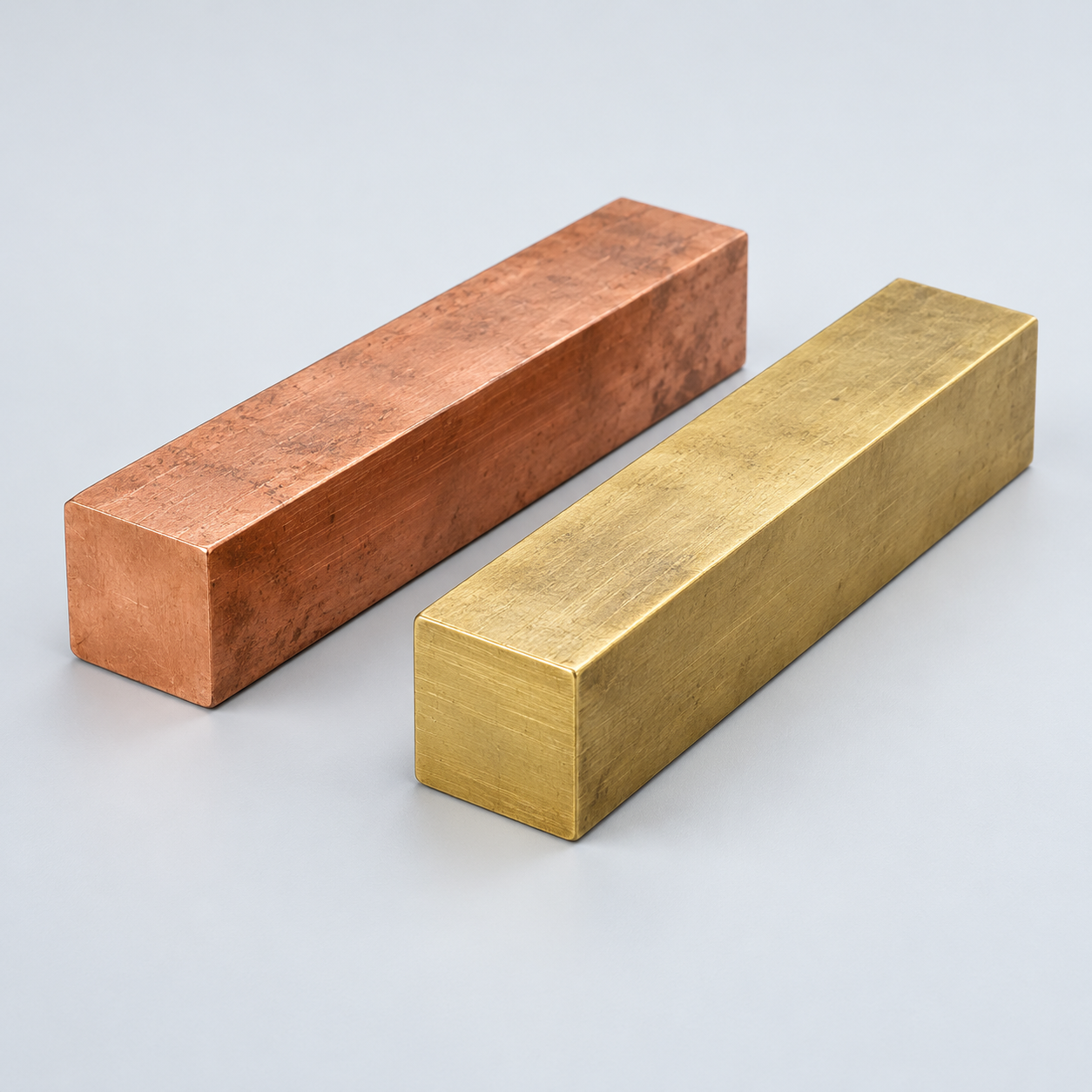 Copper & BrassDiscuss conductivity and machining›
Match your polymer to function, process and environment.
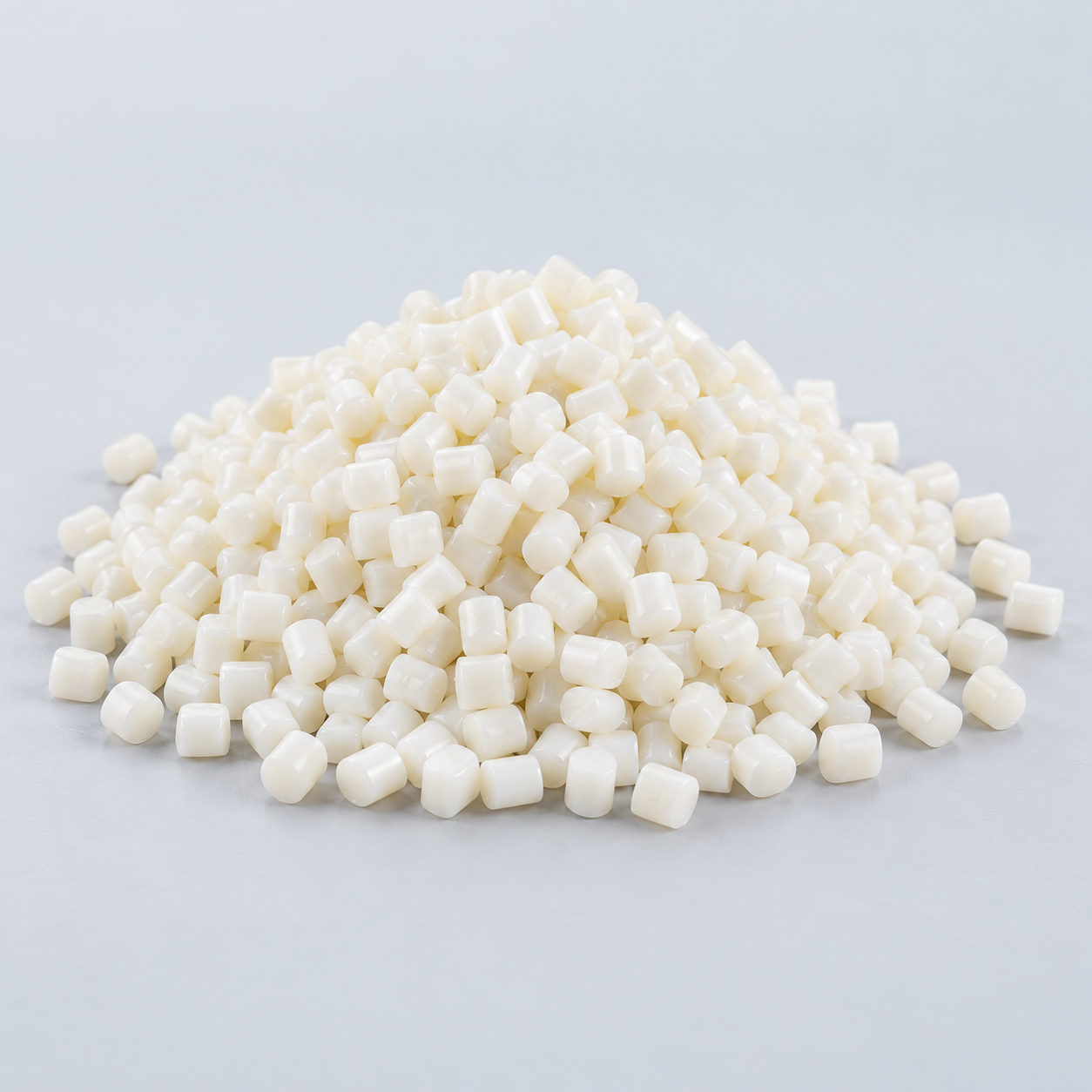 ABSReview enclosure and molding needs›
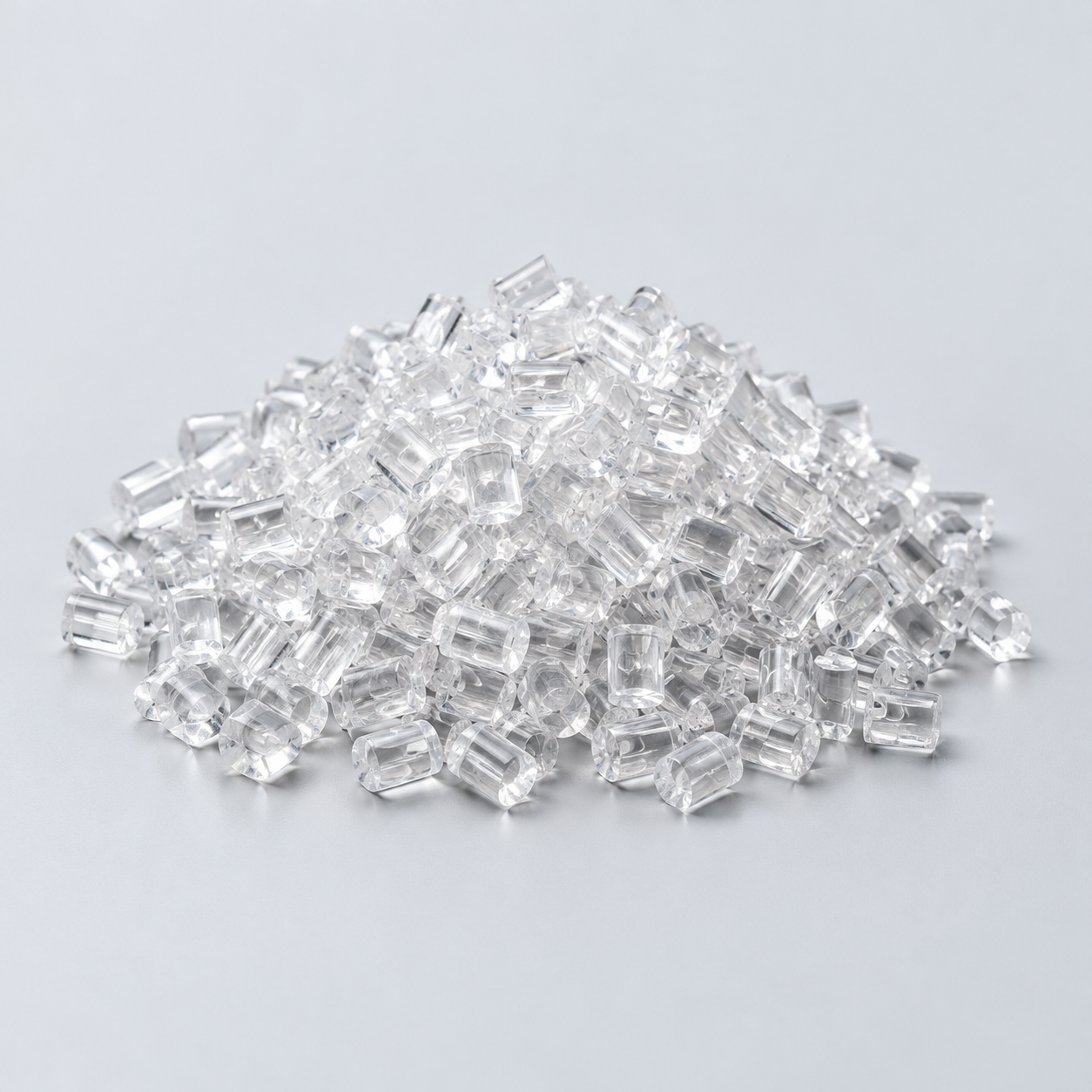 Polycarbonate (PC)Discuss clarity and impact needs›
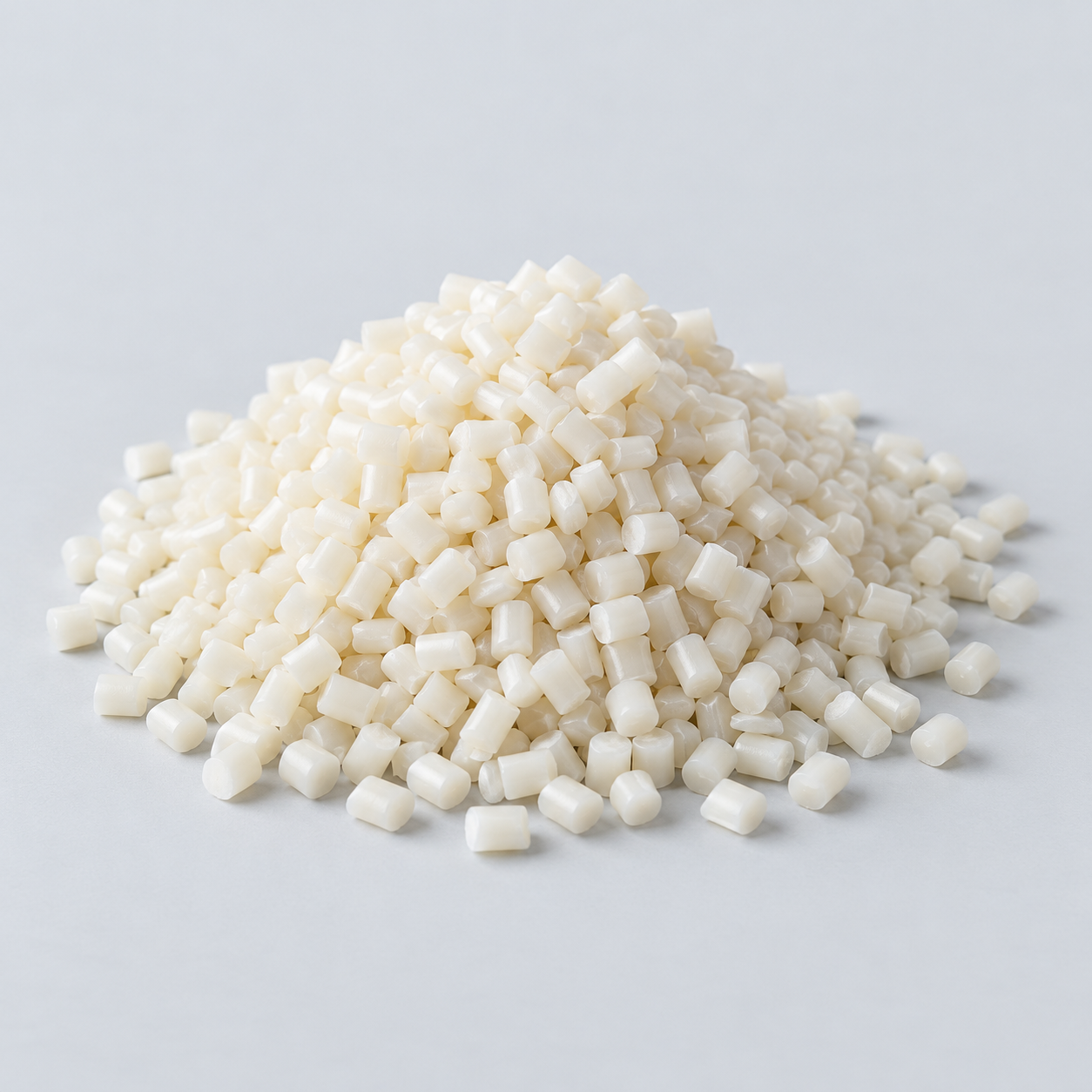 Nylon (PA)Review moisture and wear conditions›
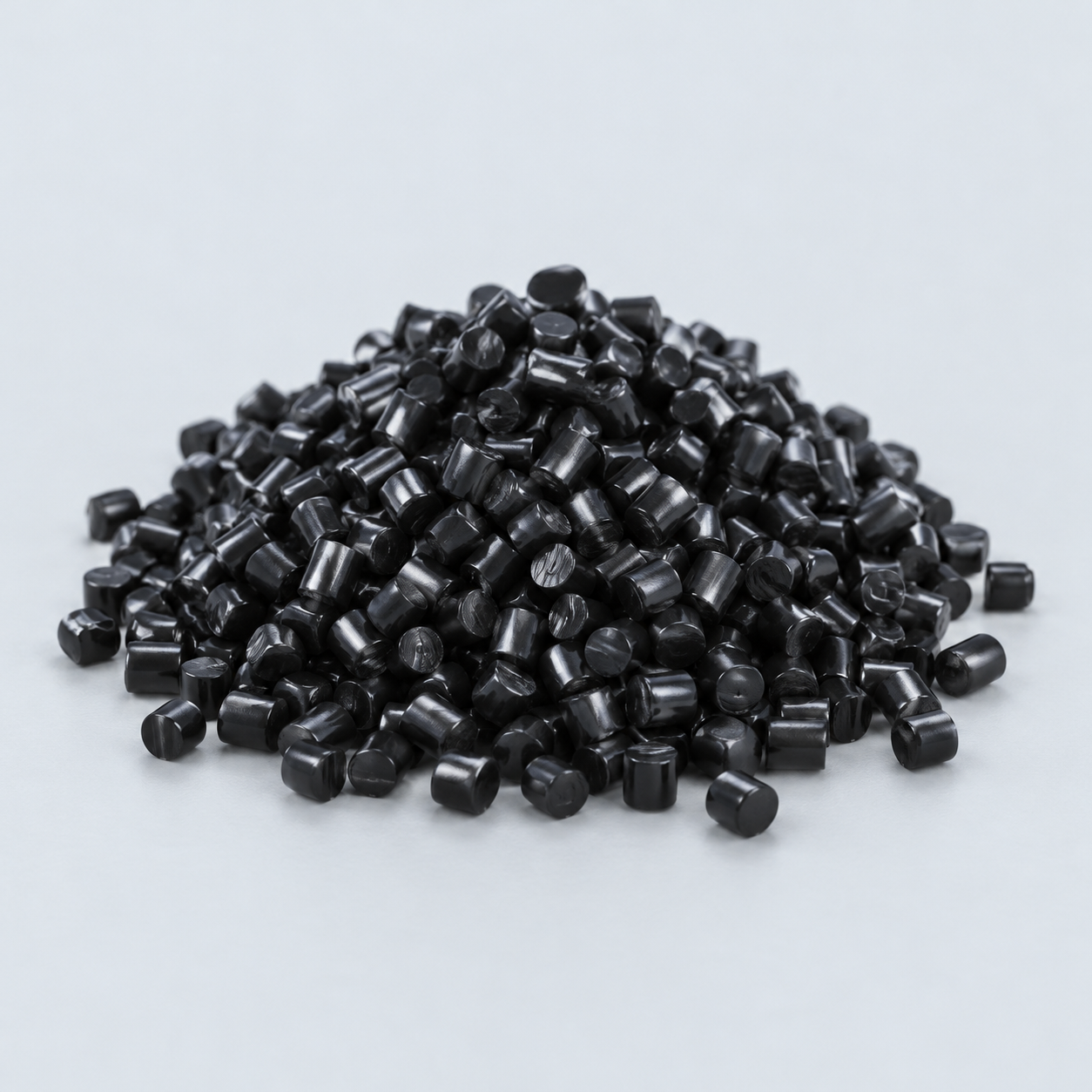 POM / AcetalReview fit and sliding features›
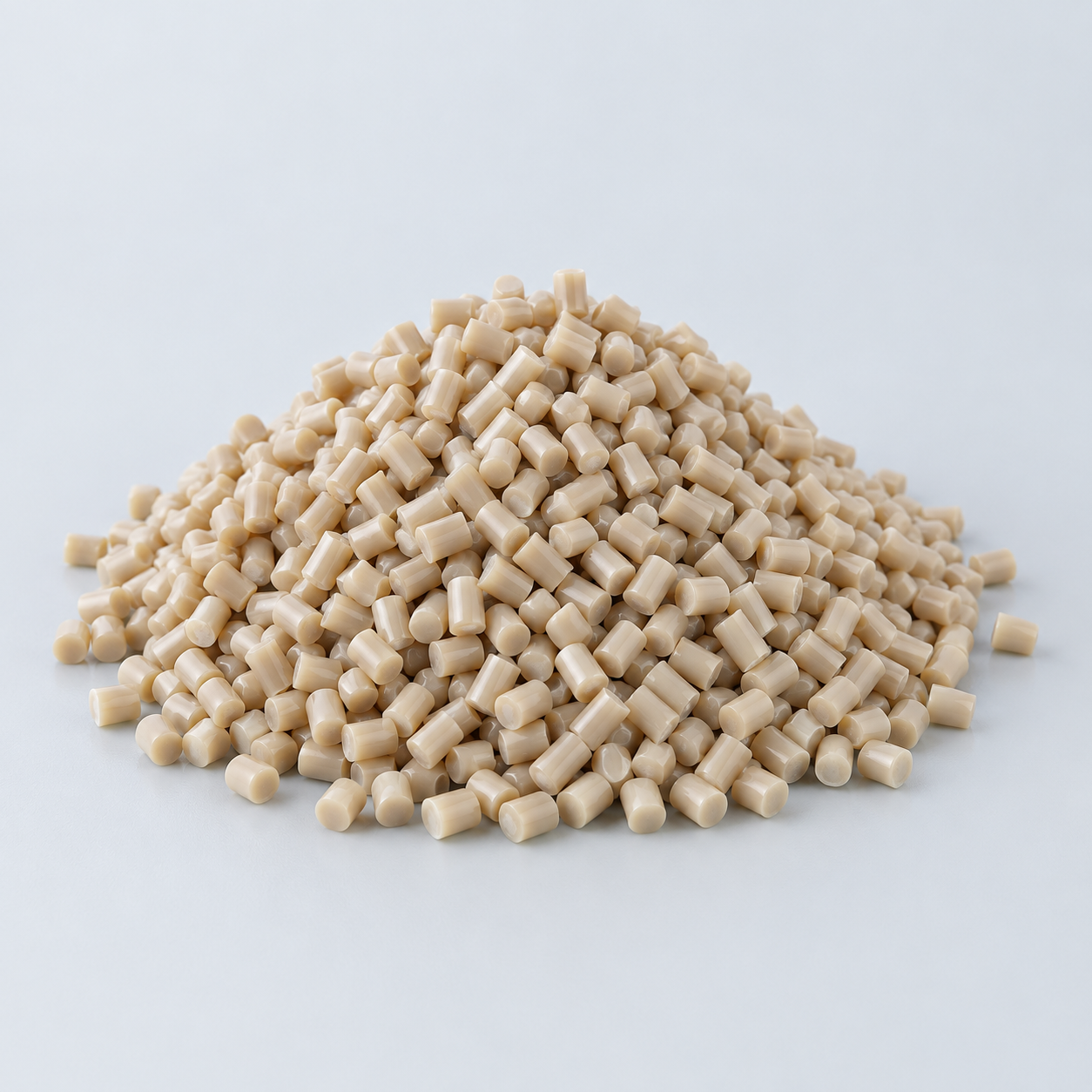 PEEKDiscuss operating conditions›
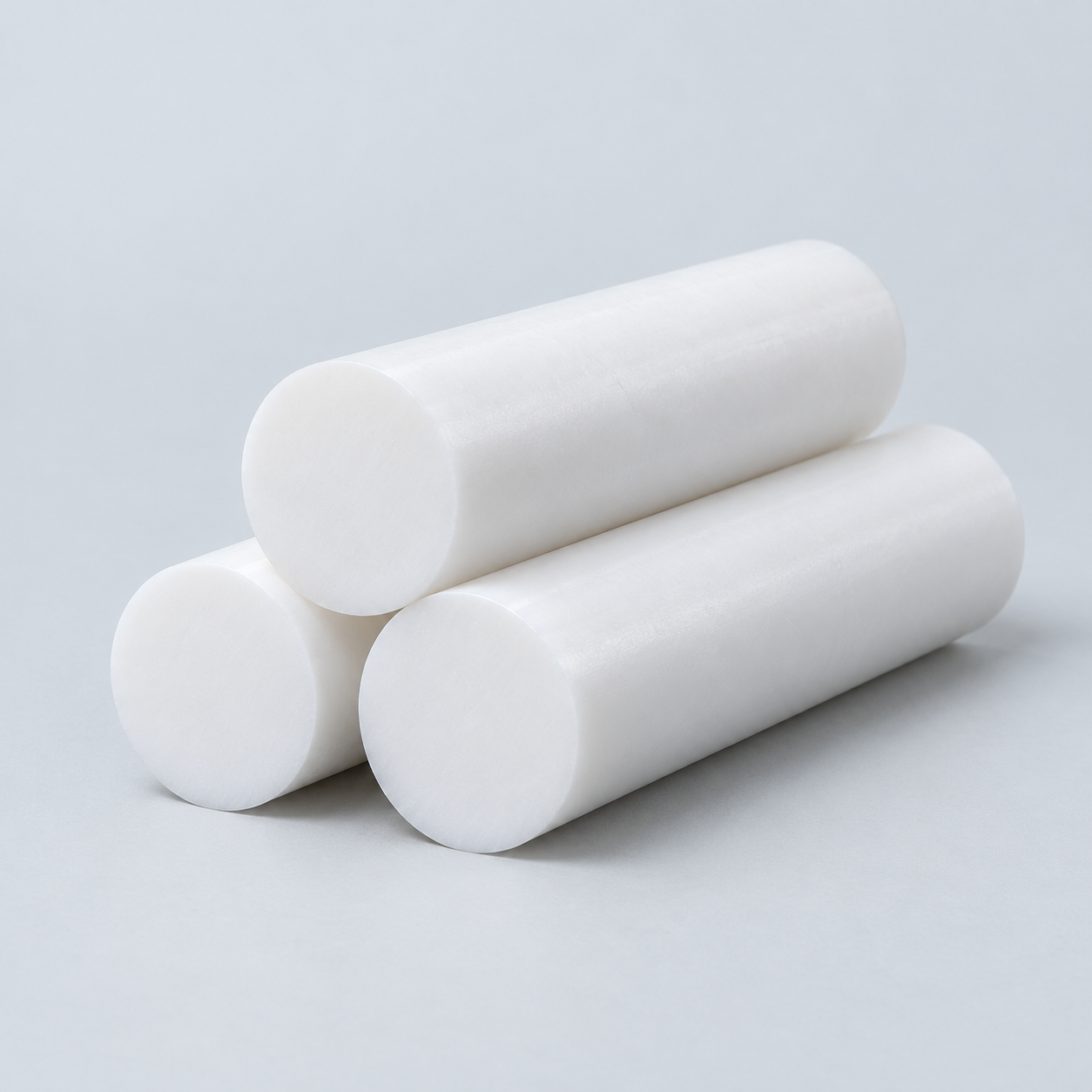 PTFEReview friction and chemical exposure›
 ULTEM / PEIDiscuss thermal and electrical needs›
Confirm grade availability and application requirements.
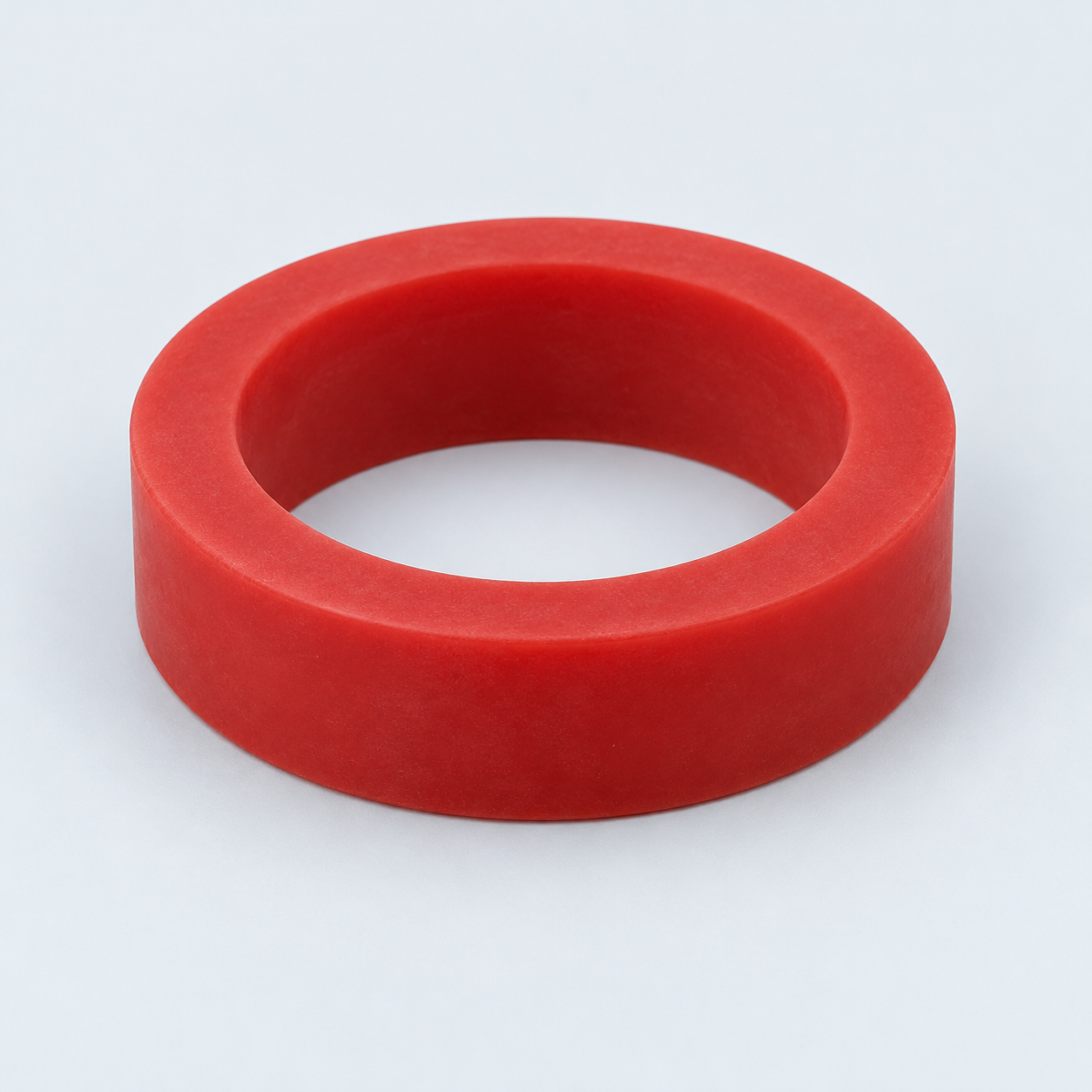 Silicone / LSRDiscuss flexible component needs›
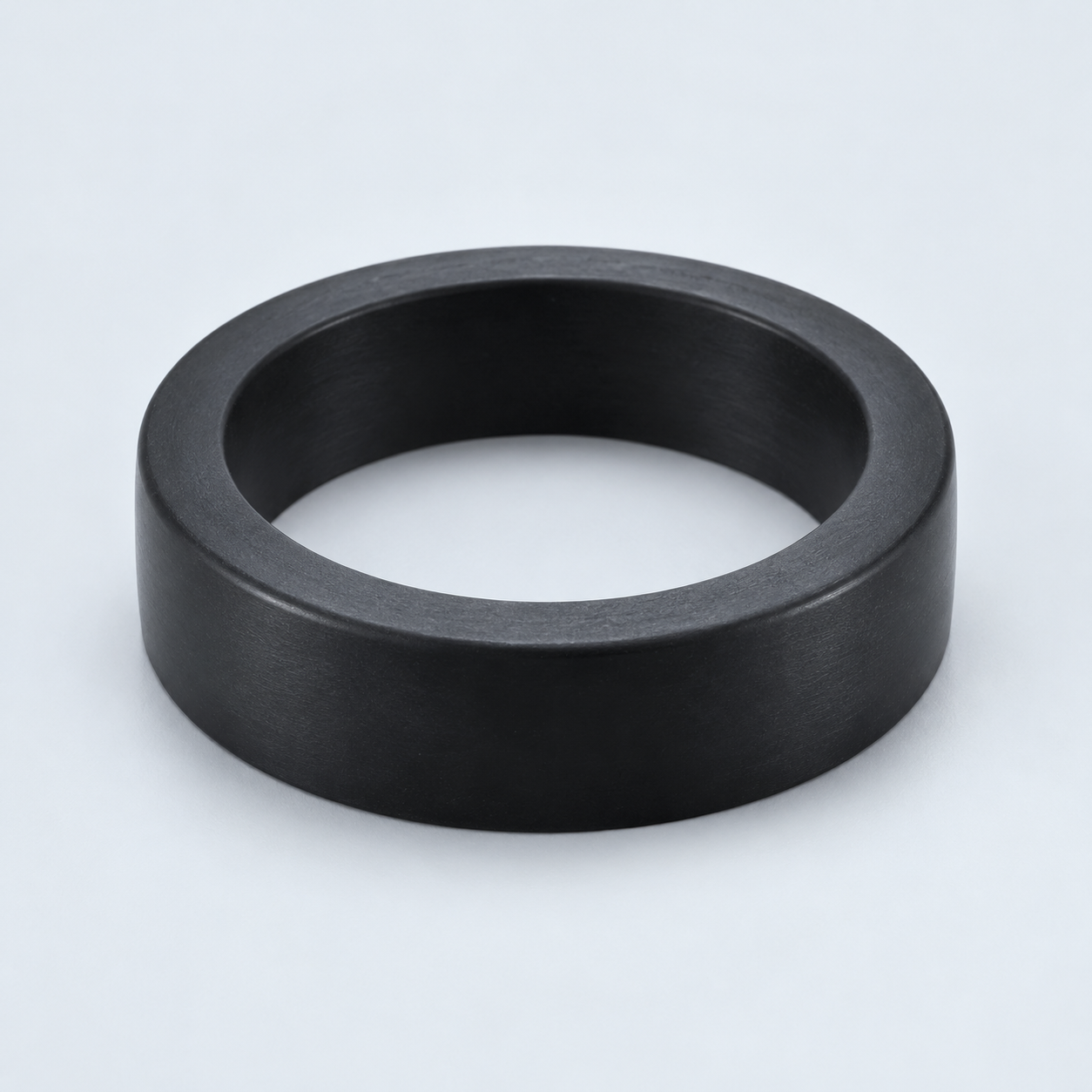 TPU / TPEReview flexibility and processing›
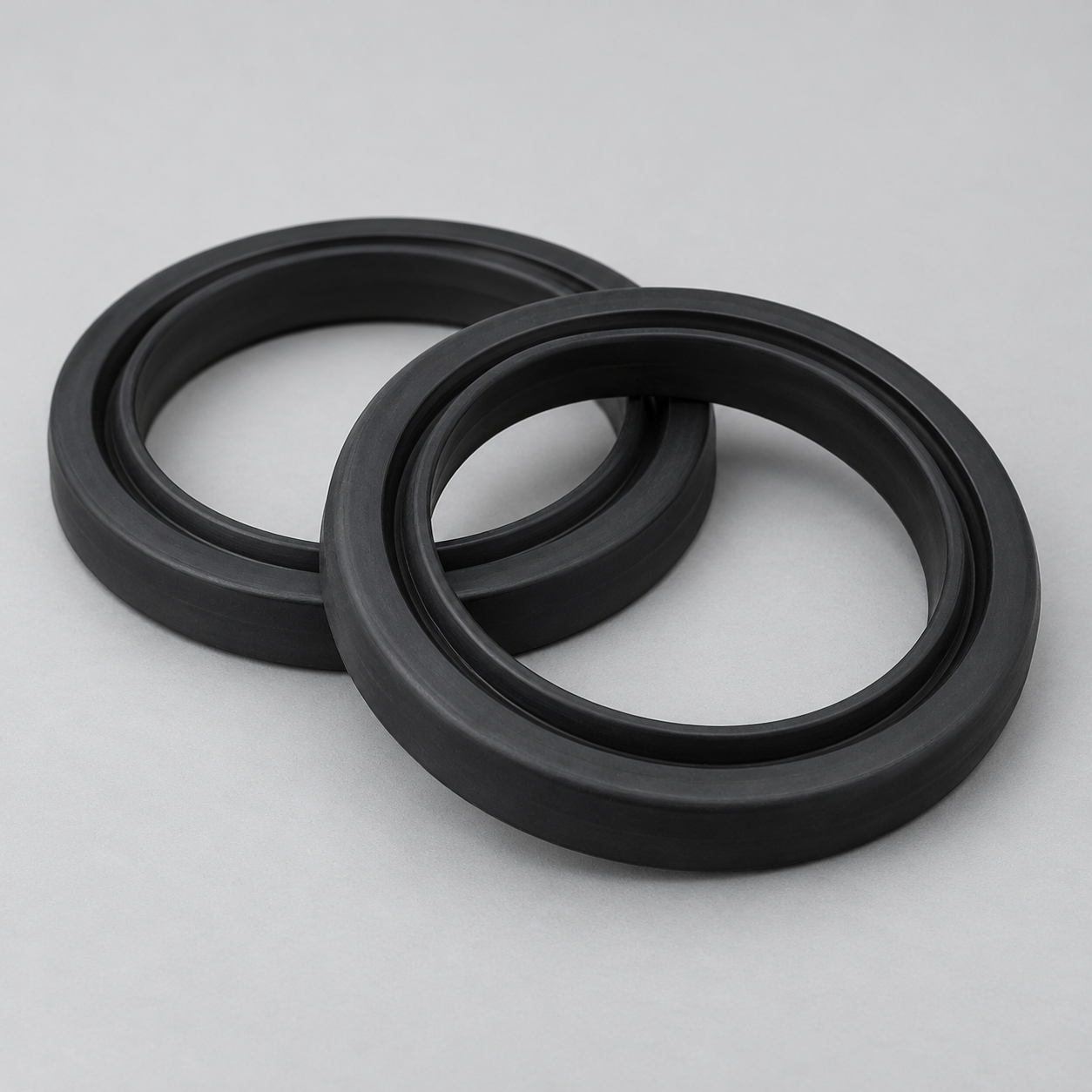 EPDMReview weathering and chemical exposure.›
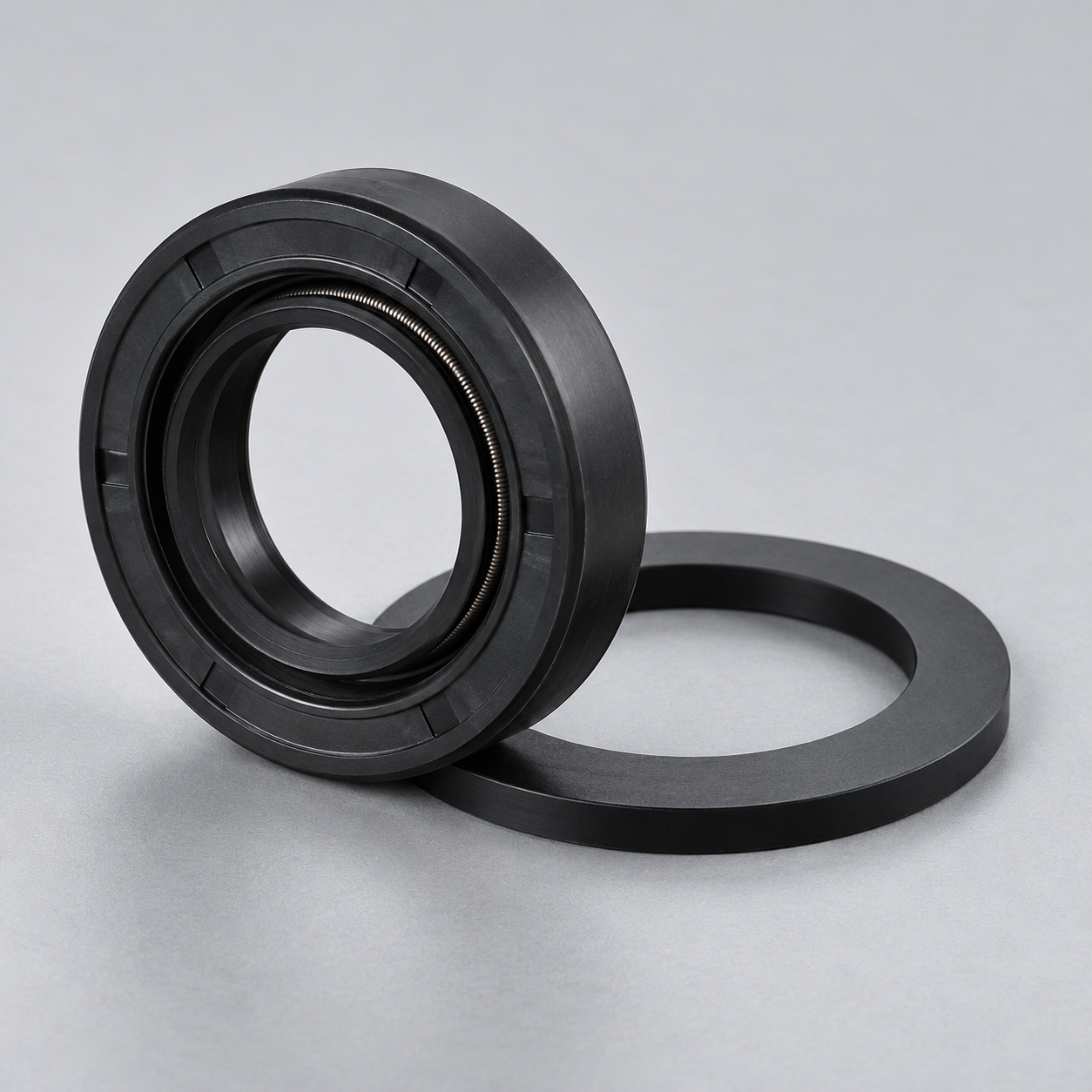 NBRReview oil and fuel exposure.›
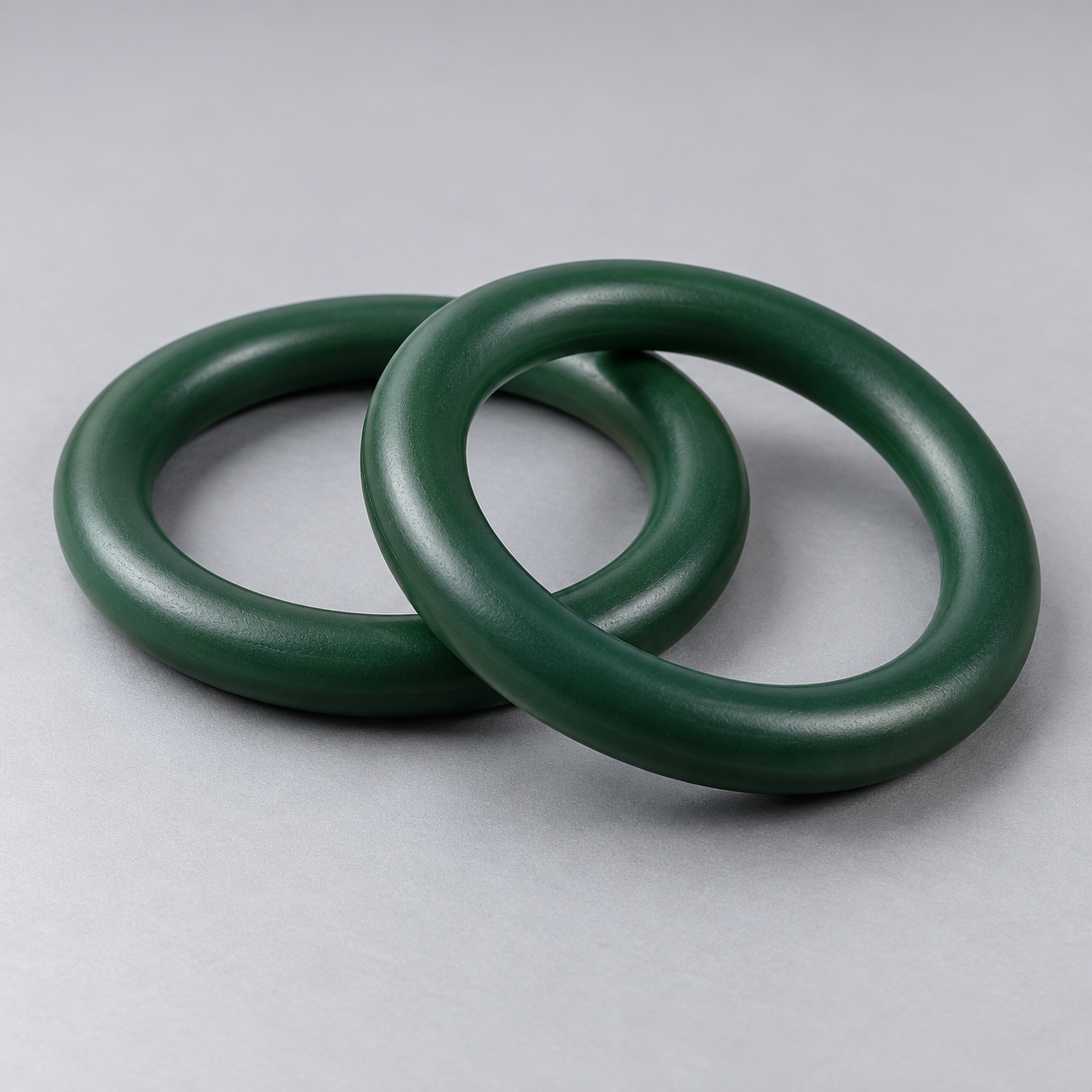 FKMReview temperature and chemical exposure.›
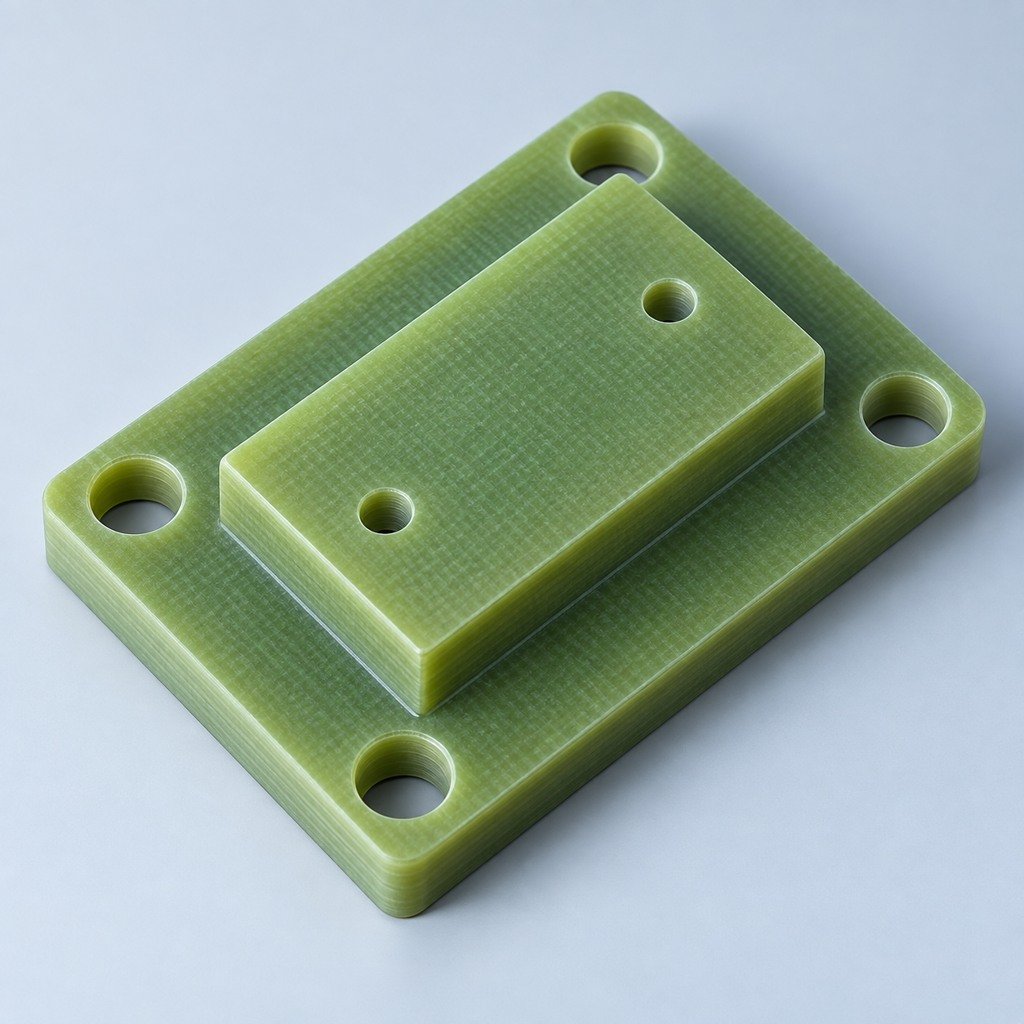 G10 / FR4Review insulation and laminate needs›
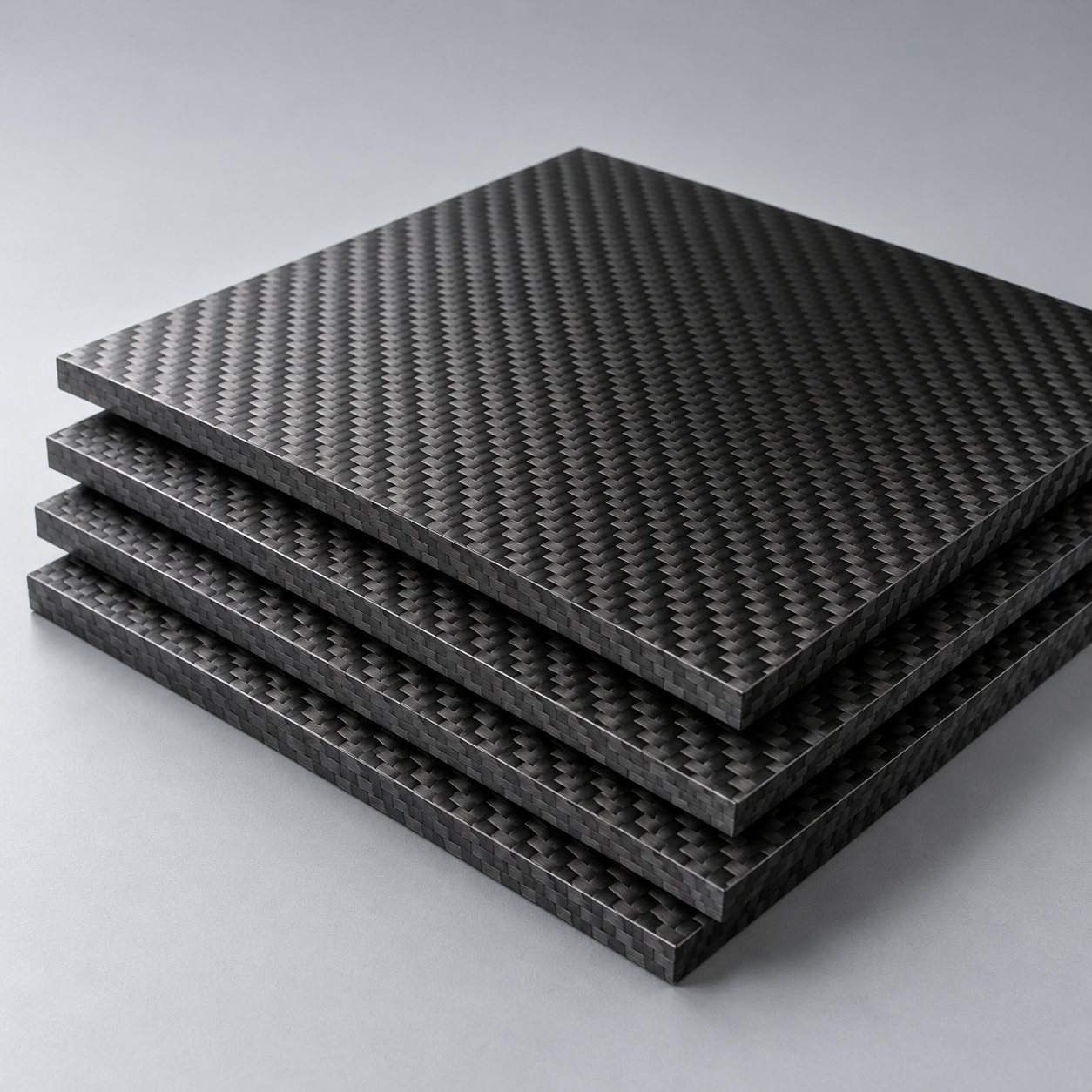 CompositesReview stiffness, weight and laminate.›Customer-Specified MaterialsConfirm your grade and requirements.›Other Specialty MaterialsDiscuss your application and grade.›
Practical guidance for your part geometry and material decisions.
Prepare your process, budget and sourcing questions.
Build your knowledge before production.
Learn who we are and how we operate.
Find our U.S. support team or start a conversation.
DIE CASTING TOOLING SERVICES
Turn your drawing into a defined die casting mold design, build and trial scope. Review the alloy, cavity layout, machine interfaces and acceptance before steel is cut.
5 casting routes. One clear tooling decision for your part.
Review Your Tooling Project →6 inputs for your quote ↓Design approval · Trial evidence · Ownership & handover
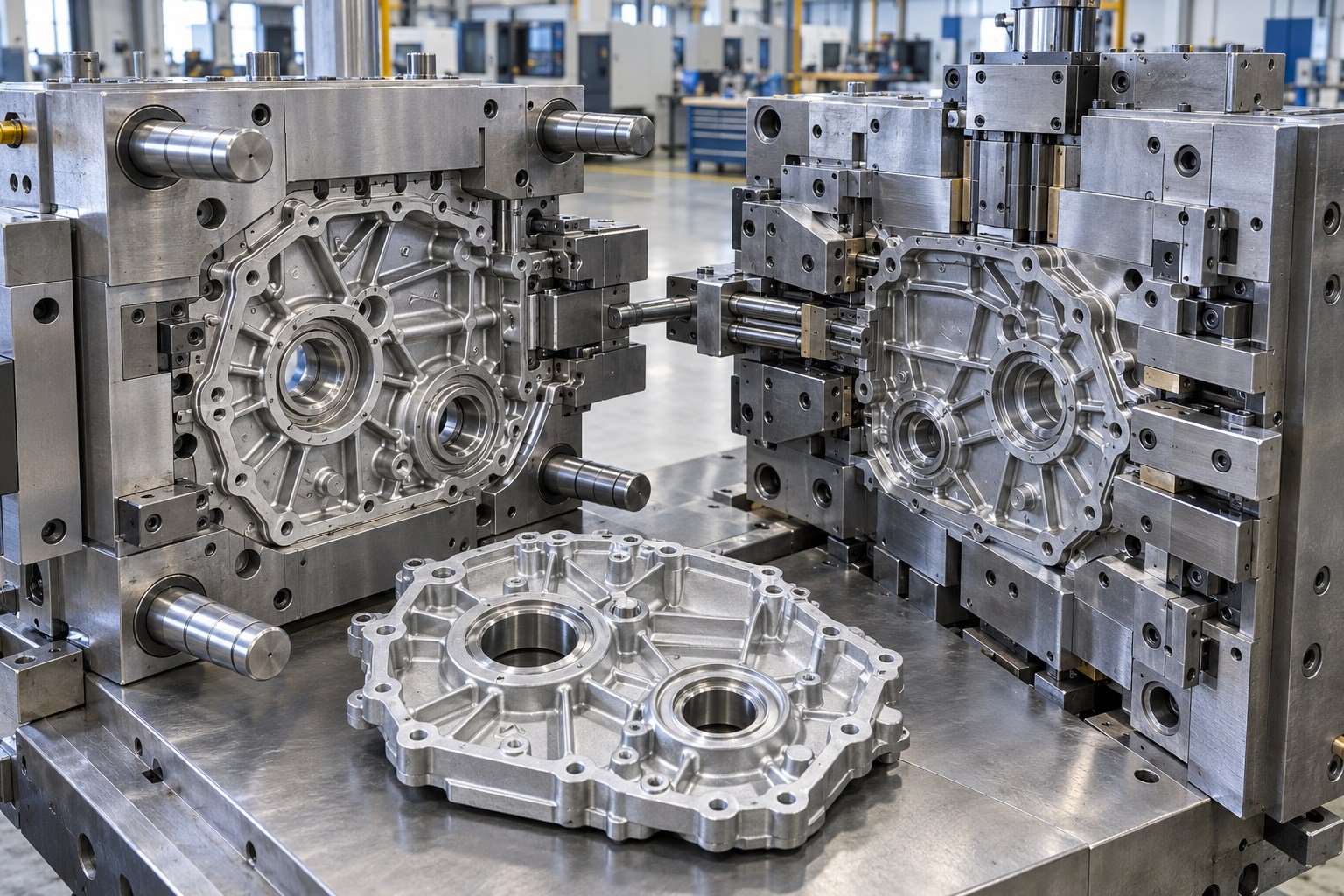
FOR YOUR CASTING PROGRAM
High-pressure dies, permanent molds, sand patterns and wax tools serve different processes. Compare the correct tooling scope.
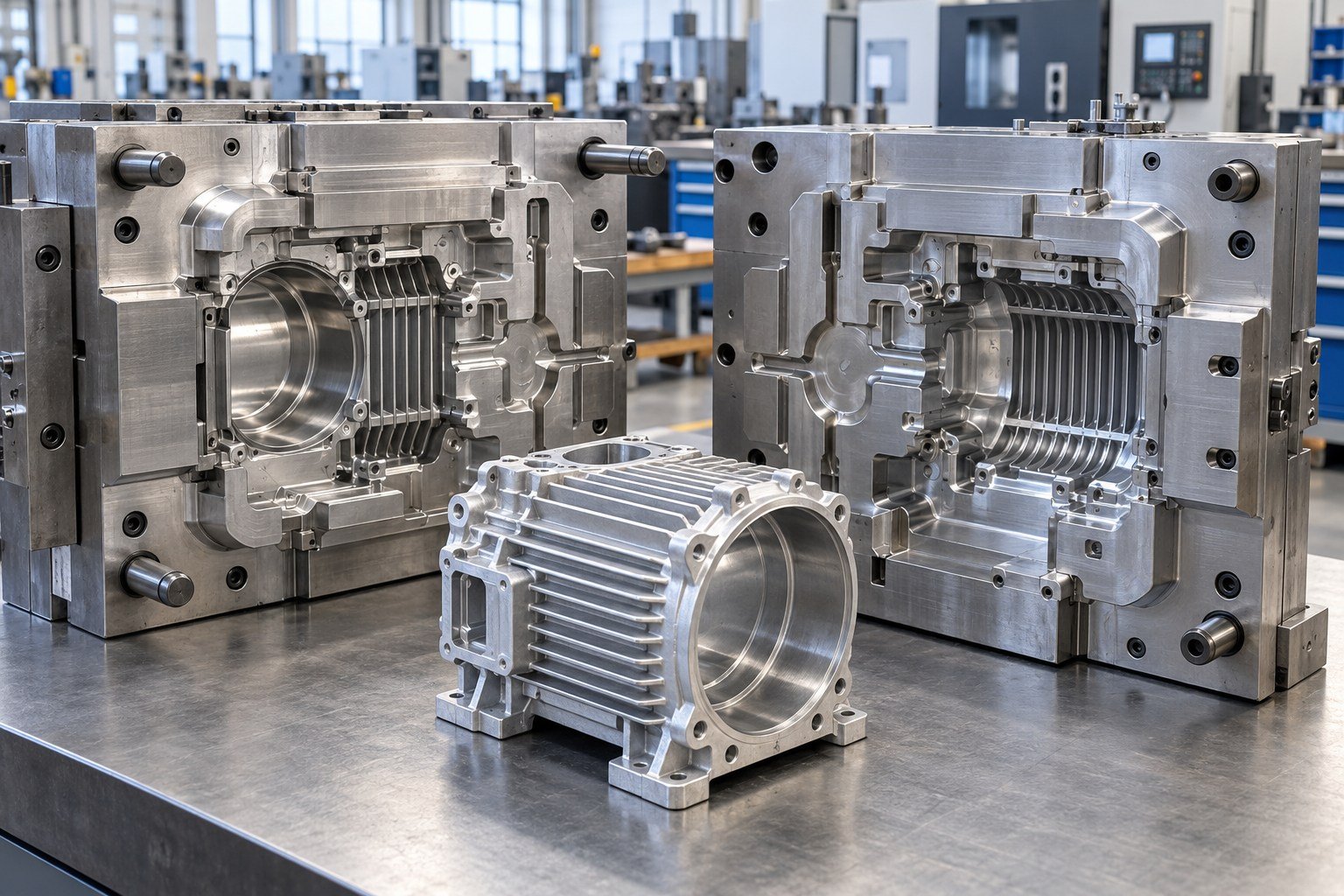
For your aluminum housing: review a cold-chamber die, thermal control and critical machining stock.
Explore Aluminum Die Casting →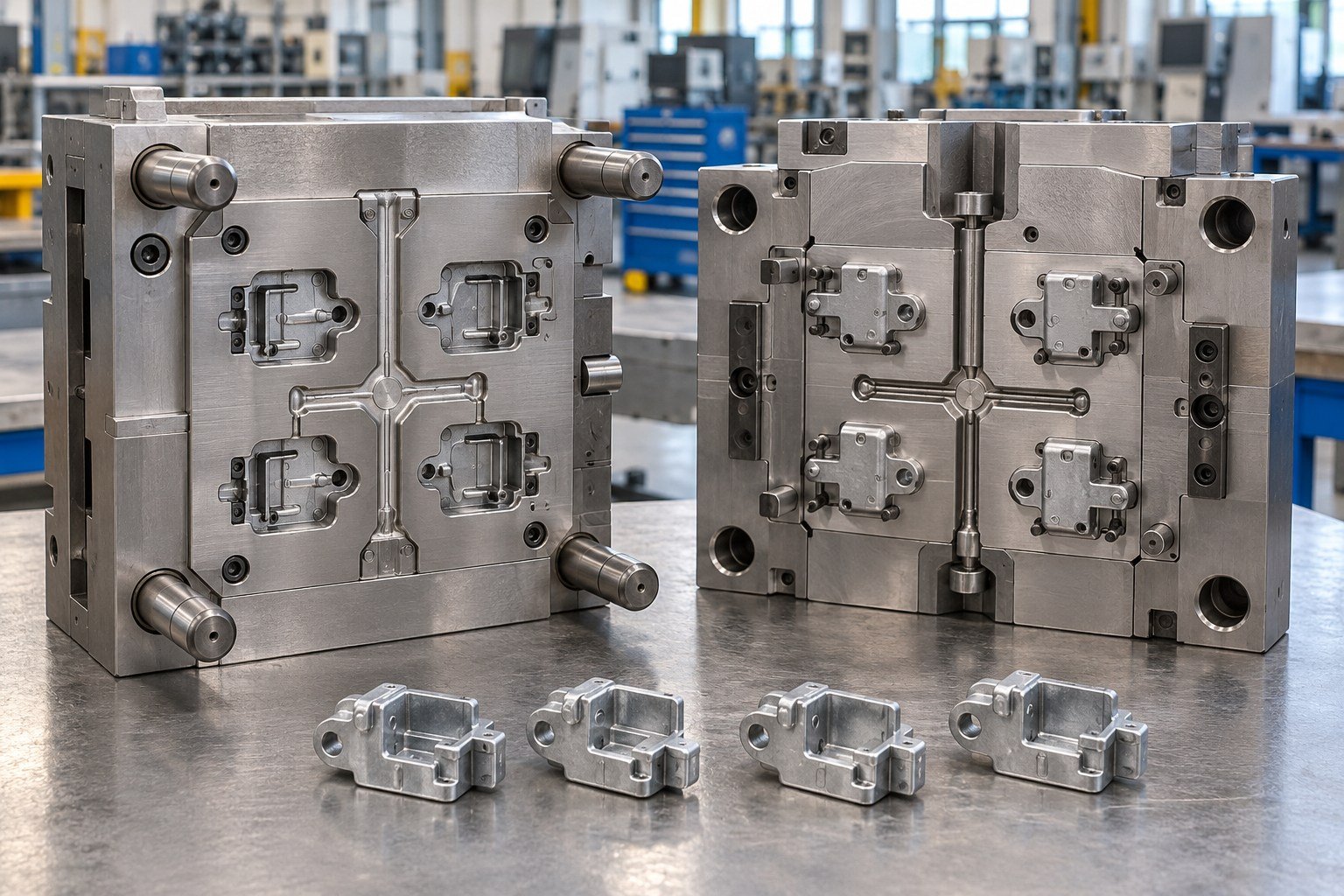
For your detailed zinc part: review cavity balance, thin features and the intended machine system.
Explore Zinc Die Casting →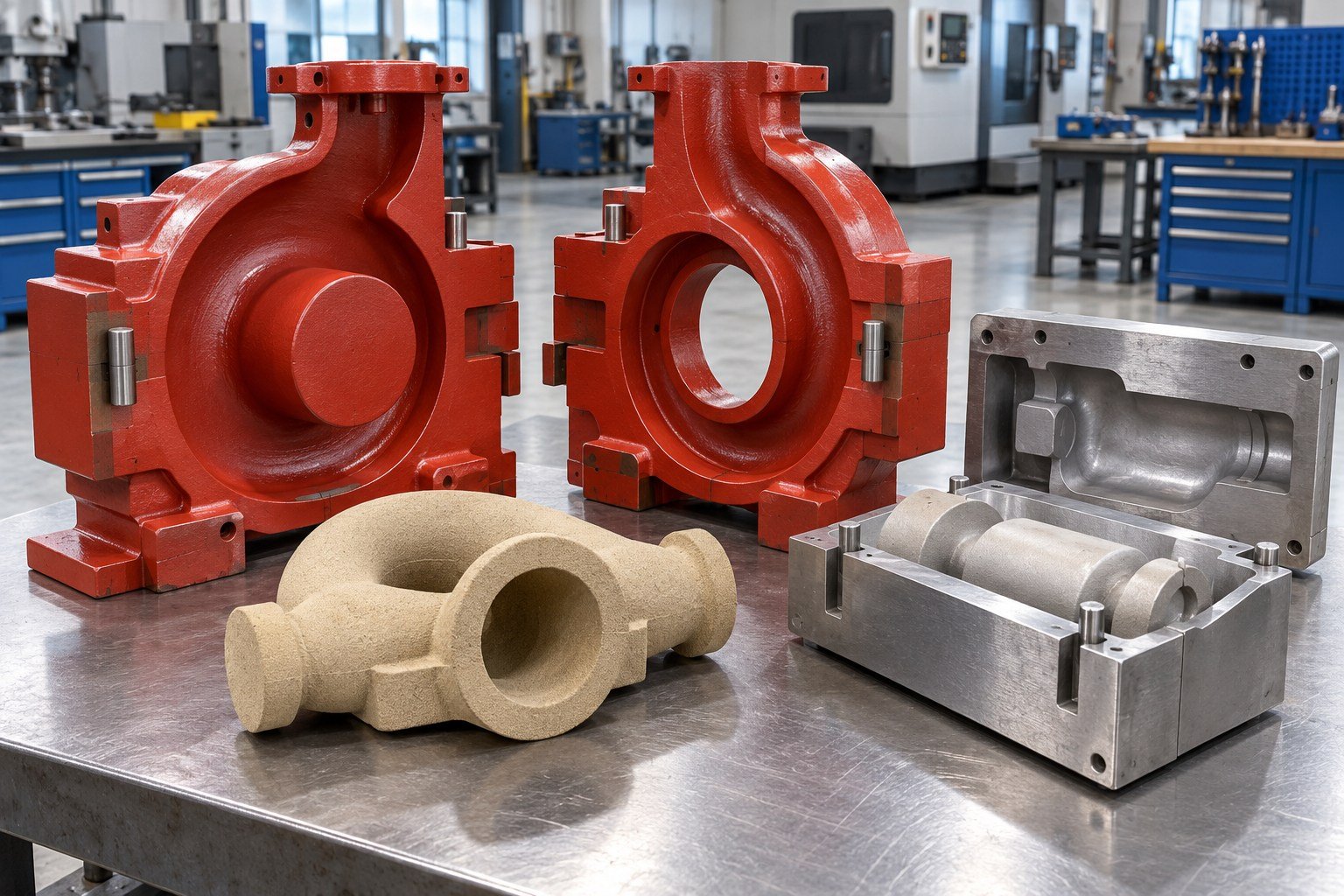
For your sand-mold route: define pattern equipment, core boxes and casting allowances.
Explore Sand Casting →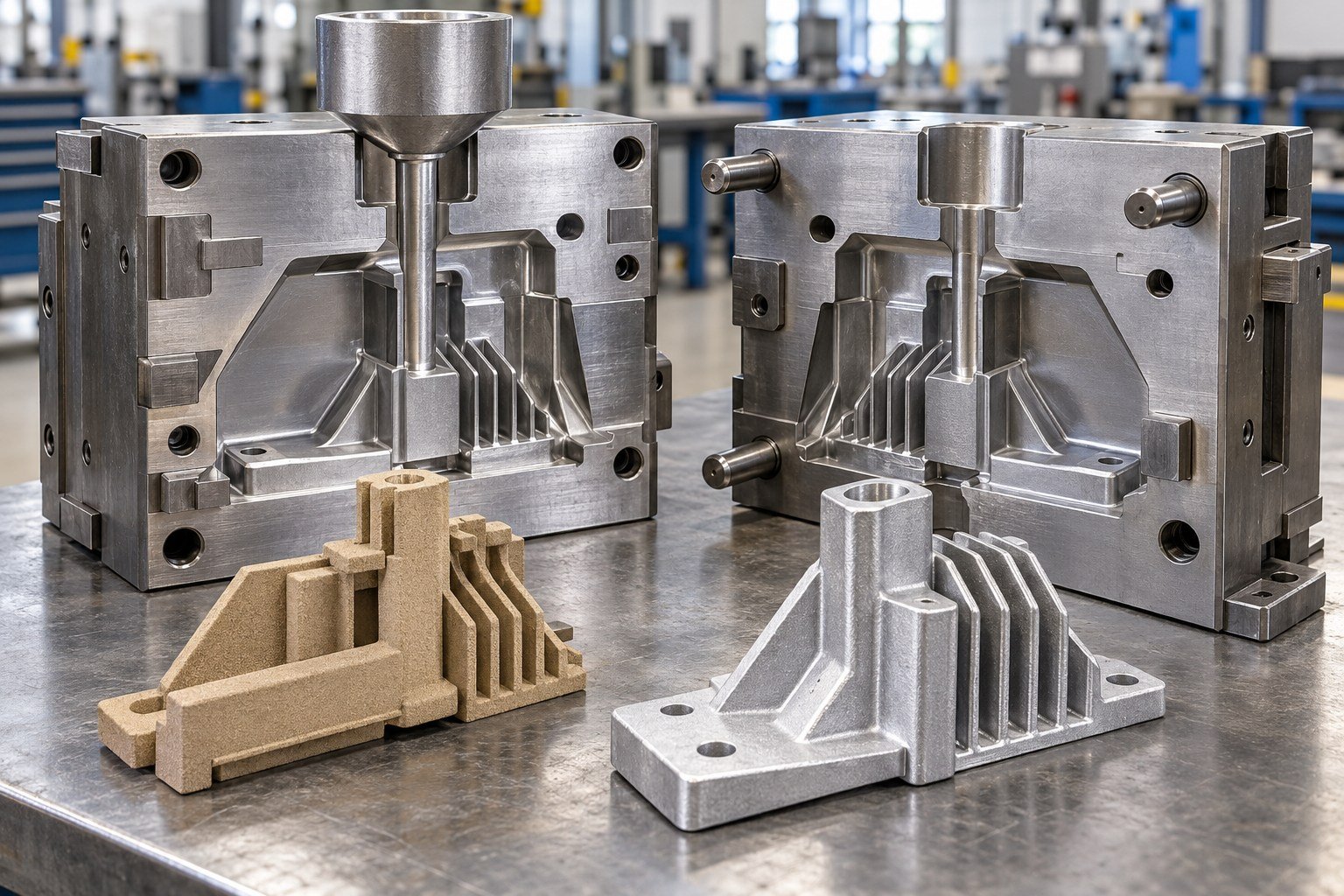
For your reusable permanent mold: review filling, vents, cores and safe part release.
Explore Gravity Die Casting →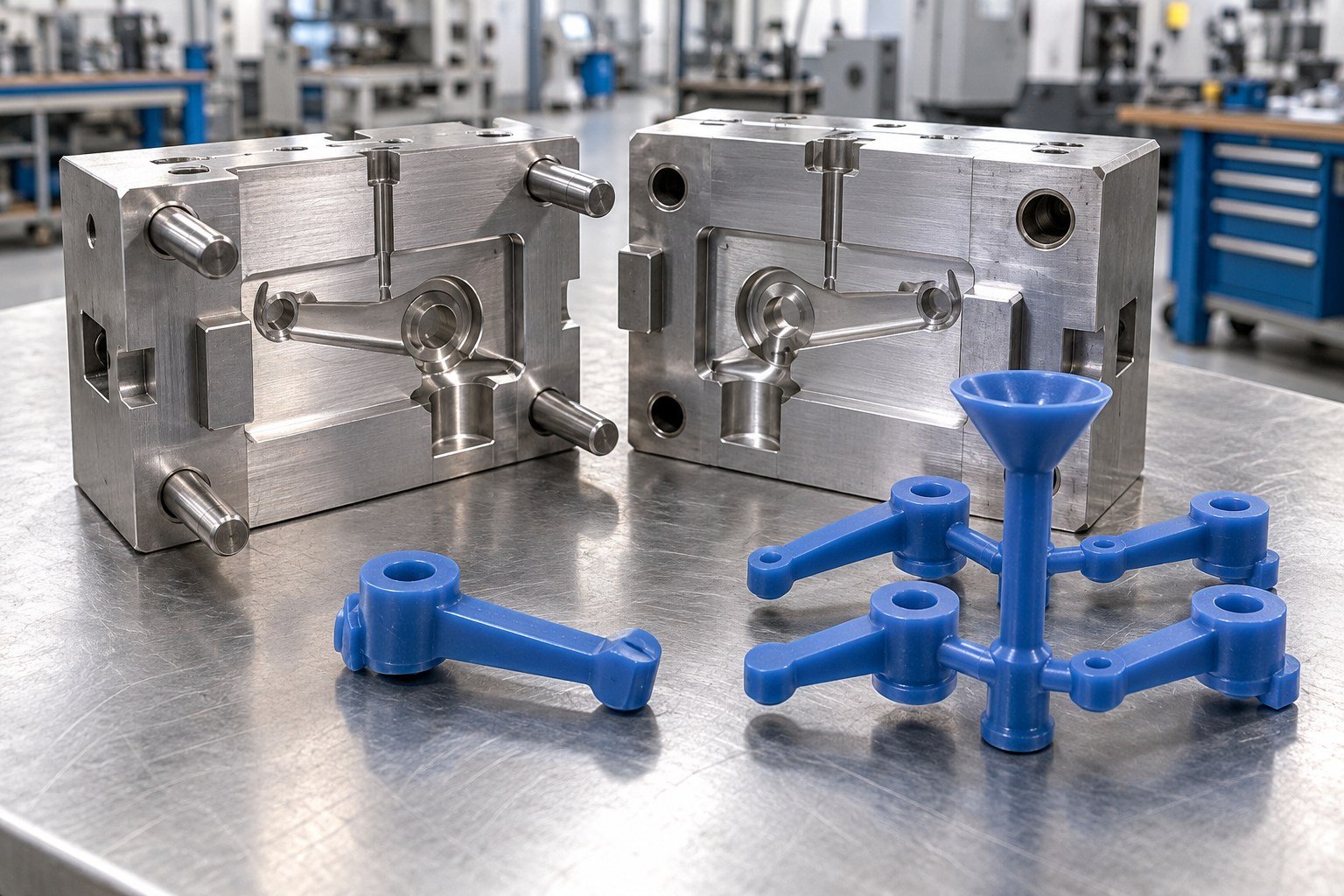
For your lost-wax route: define wax injection tooling, pattern handling and core requirements.
Explore Investment Casting →FOR YOUR CASTING PROGRAM
Each decision connects your part requirements to an explicit approval.
Confirm grade and casting route together.
Define cavities, slides and replaceable inserts.
Review mounting, opening and ejector interfaces.
Agree inspection and functional evidence.
Record storage, care and release conditions.
FOR YOUR CASTING PROGRAM
A lower die price is useful only when the build, trials and delivery cover the same requirements.
Separate design, die manufacture, trim tools, sampling, inspection, spares and freight.
Identify cast features, machined datums and sealing faces before approving the cavity model.
Record whether a correction is a tool issue or a product revision, then approve cost and timing.
Confirm maintenance access, wear parts, transfer records and who authorizes a repair.
FOR YOUR CASTING PROGRAM
Use these work packages to compare a die casting tooling supplier without mixing mold, part and secondary-tool charges.
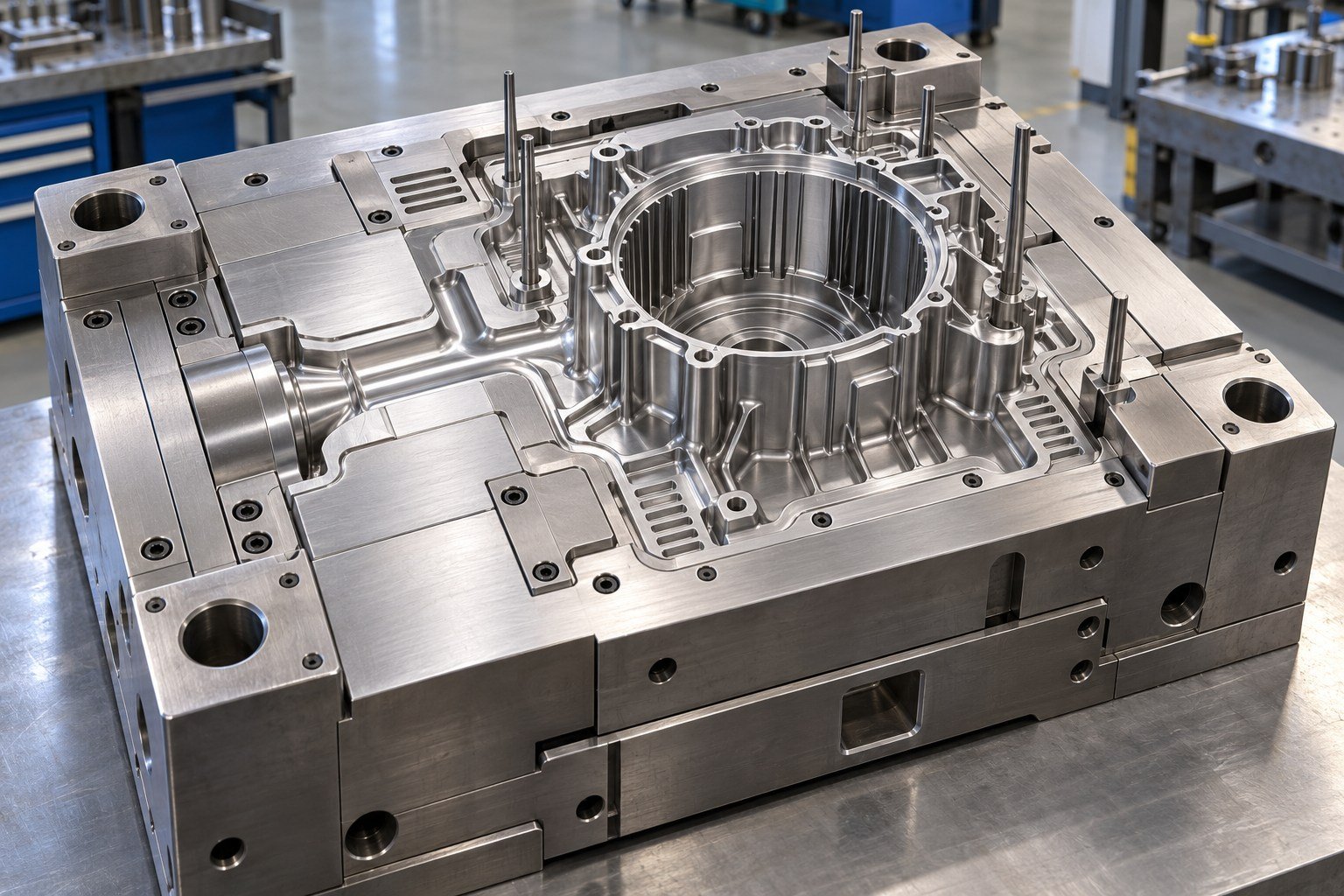
Specify core, cavity and wear details as separate construction decisions.
Review your tooling route ↓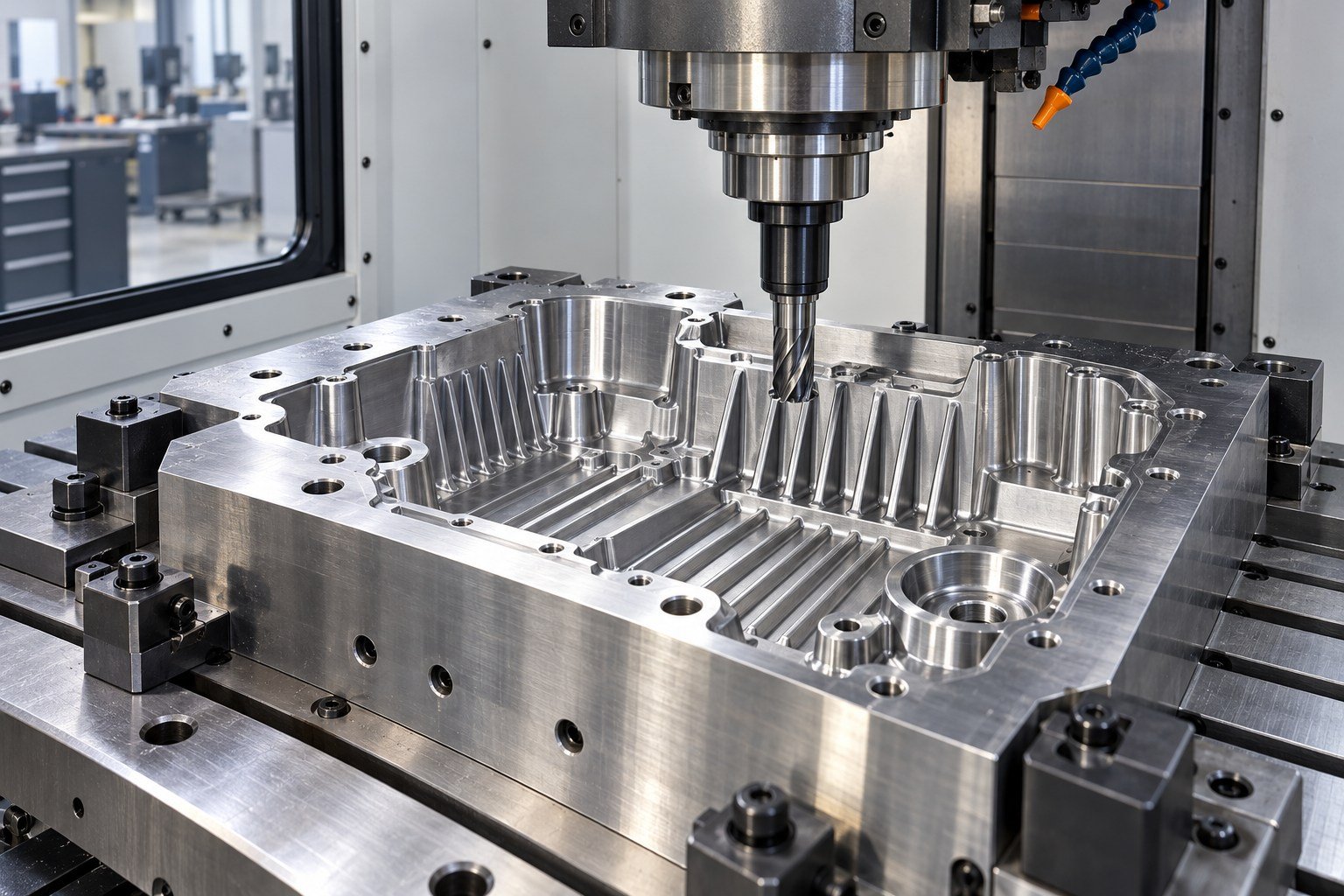
Connect machining, EDM, treatment and assembly checks to the approved design.
Review your tooling route ↓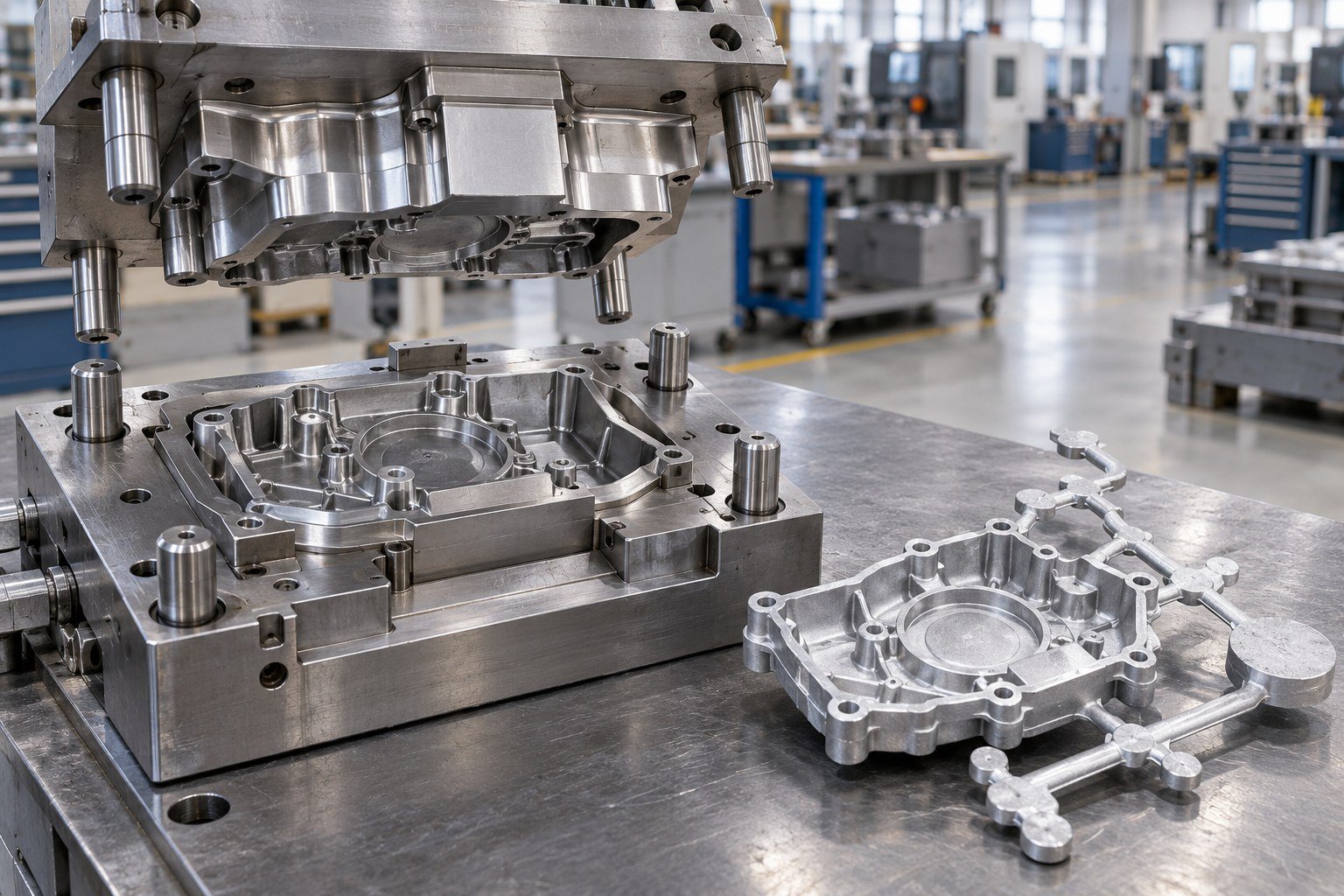
Quote gate and flash removal tooling separately, including support and acceptance.
Review your tooling route ↓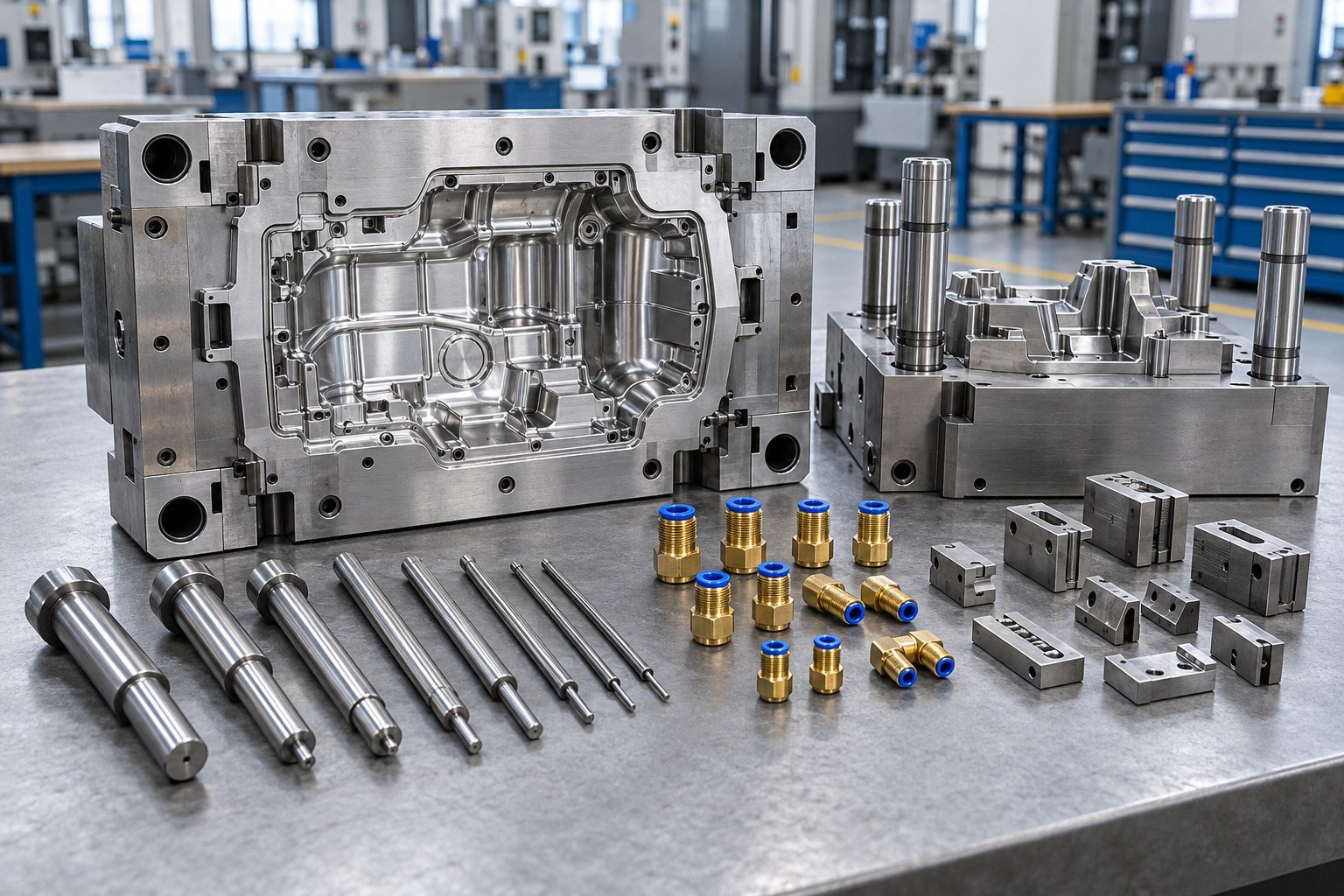
List the supplied tool, drawings, core pins, wear inserts and preservation requirements.
Review your tooling route ↓FOR YOUR CASTING PROGRAM
Manufacture, trials, corrections and shipping are separate schedule items. A single lead-time claim can hide the approval work.
Share controlled CAD, alloy, critical requirements, quantities and receiving-machine information.
Review parting, gates, overflows, venting, cooling, ejection and slides against your drawing.
Agree cavity steel, treatment, component checks and assembly milestones; review substitutions before use.
Identify trial parts by cavity. Record the alloy, process conditions, appearance and dimensional results to the quoted scope.
Approve each proposed tool change, its owner and the need for another trial. Keep product changes distinct from defect corrections.
Confirm ownership, drawings, spares, preservation, transport and any receiving-machine trial.
FOR YOUR CASTING PROGRAM
A steel name alone does not establish die life, cycle time or part quality.
Confirm supplier designation, condition and material evidence.
If H13 die casting steel is proposed, agree heat treatment and the application-specific acceptance requirements.
Review alloy, section size and the intended process duty.
Identify replaceable wear and heat-affected inserts.
Review cold chamber die casting tooling and the actual receiving machine.
Review hot chamber die casting tooling where appropriate for the alloy and system.
Magnesium die casting tooling requires a separate suitability and project-scope review.
Confirm mounting, shot, opening, cooling and ejector details.
Define split, draw direction and mold-making system.
Review core location, prints and removal.
Define wax shrinkage, release and handling.
Approve a casting sample, not the pattern tool alone.
Agree purpose, substrate and repair implications before treatment.
Identify connections, water requirements and maintenance access.
Agree preservation, identification and inspection.
Keep tool revisions and replacement-component records together.
FOR YOUR CASTING PROGRAM
Start with your process and alloy. Then review the tool, trial and delivery as one linked plan.
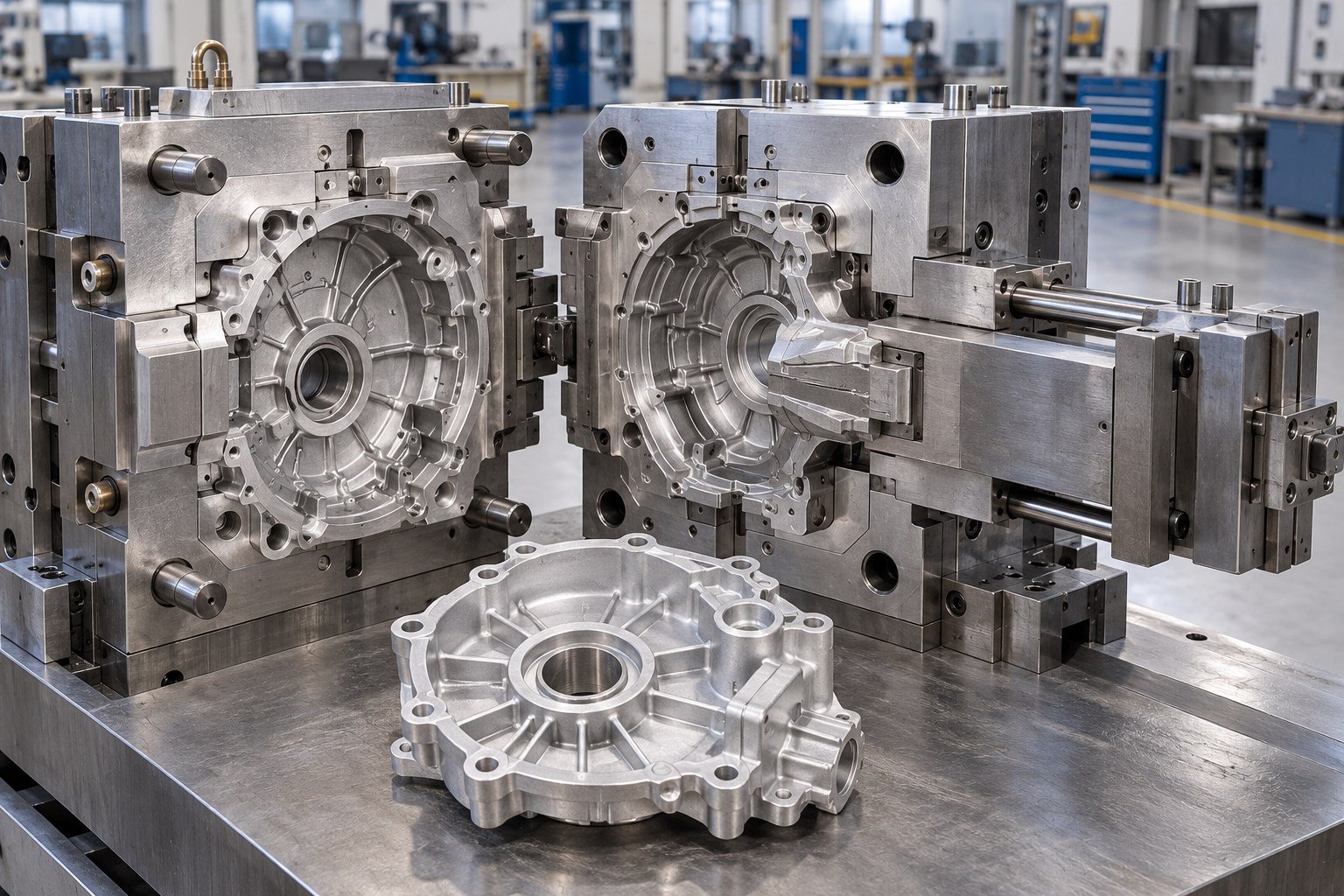
Review thermal load, gating, overflows and the features that will be machined after casting.
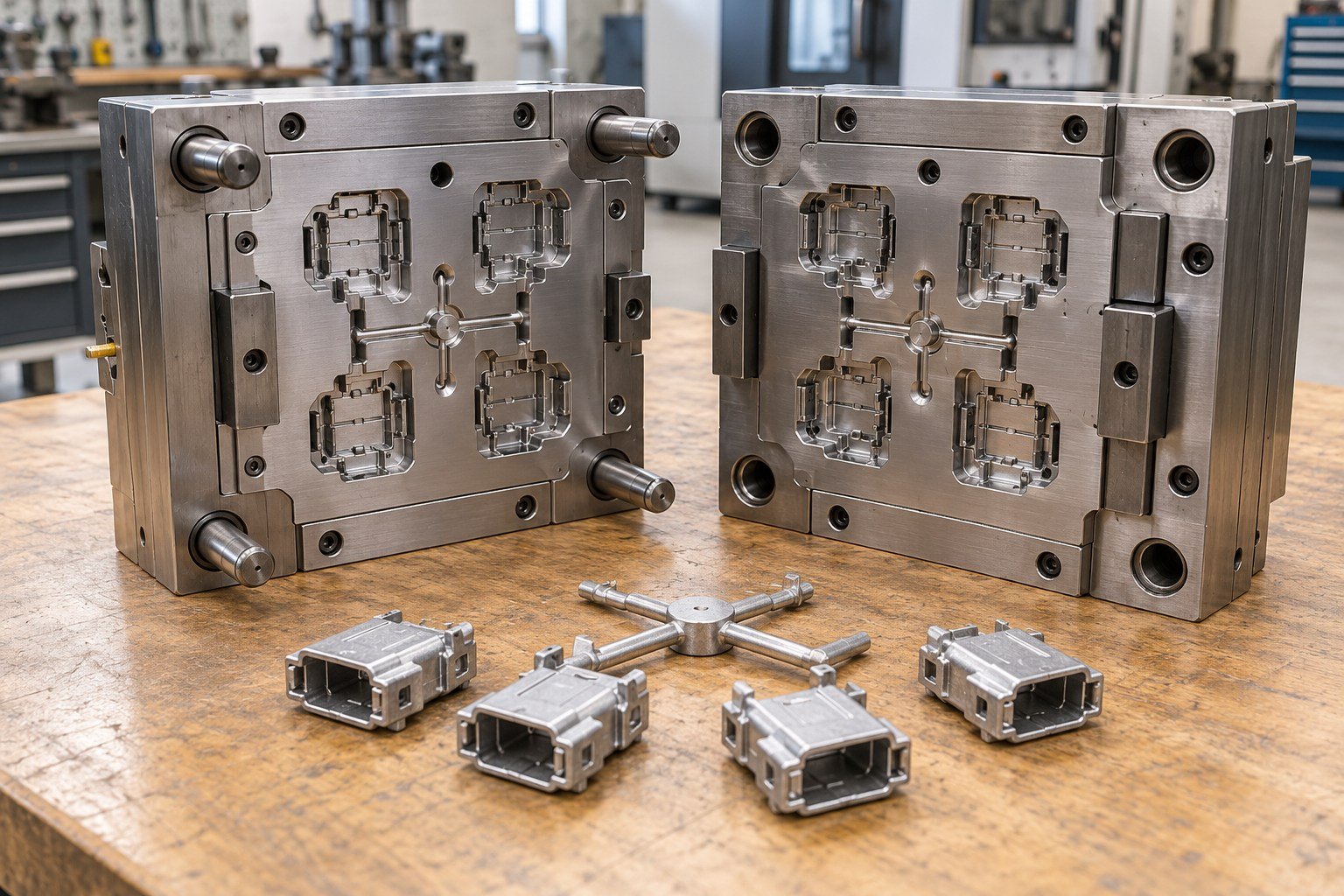
Connect fine details, cavity count and runner design to the zinc grade, machine and required finish.
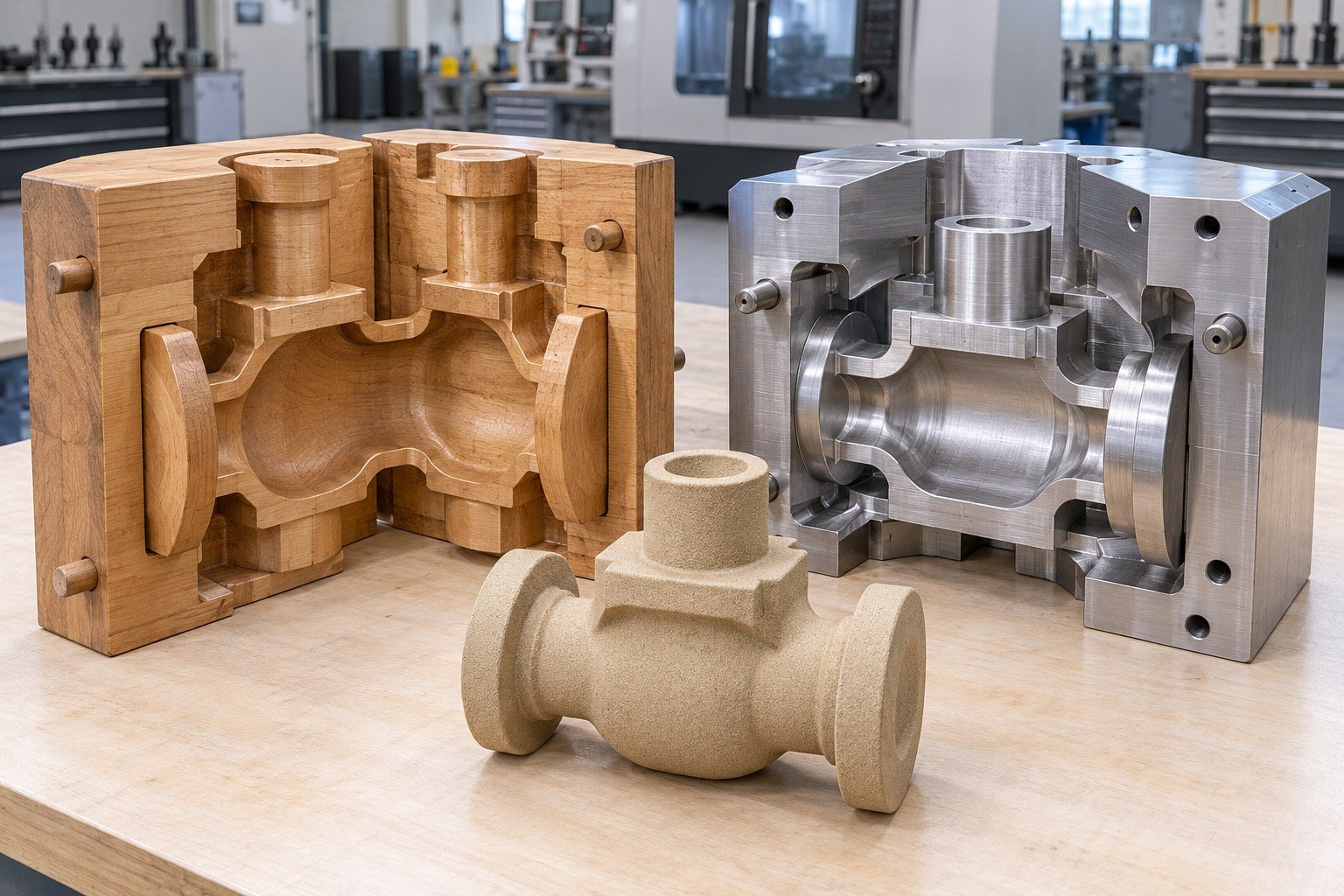
Sand casting tooling makes the mold or core; it is not a steel die into which metal is injected.
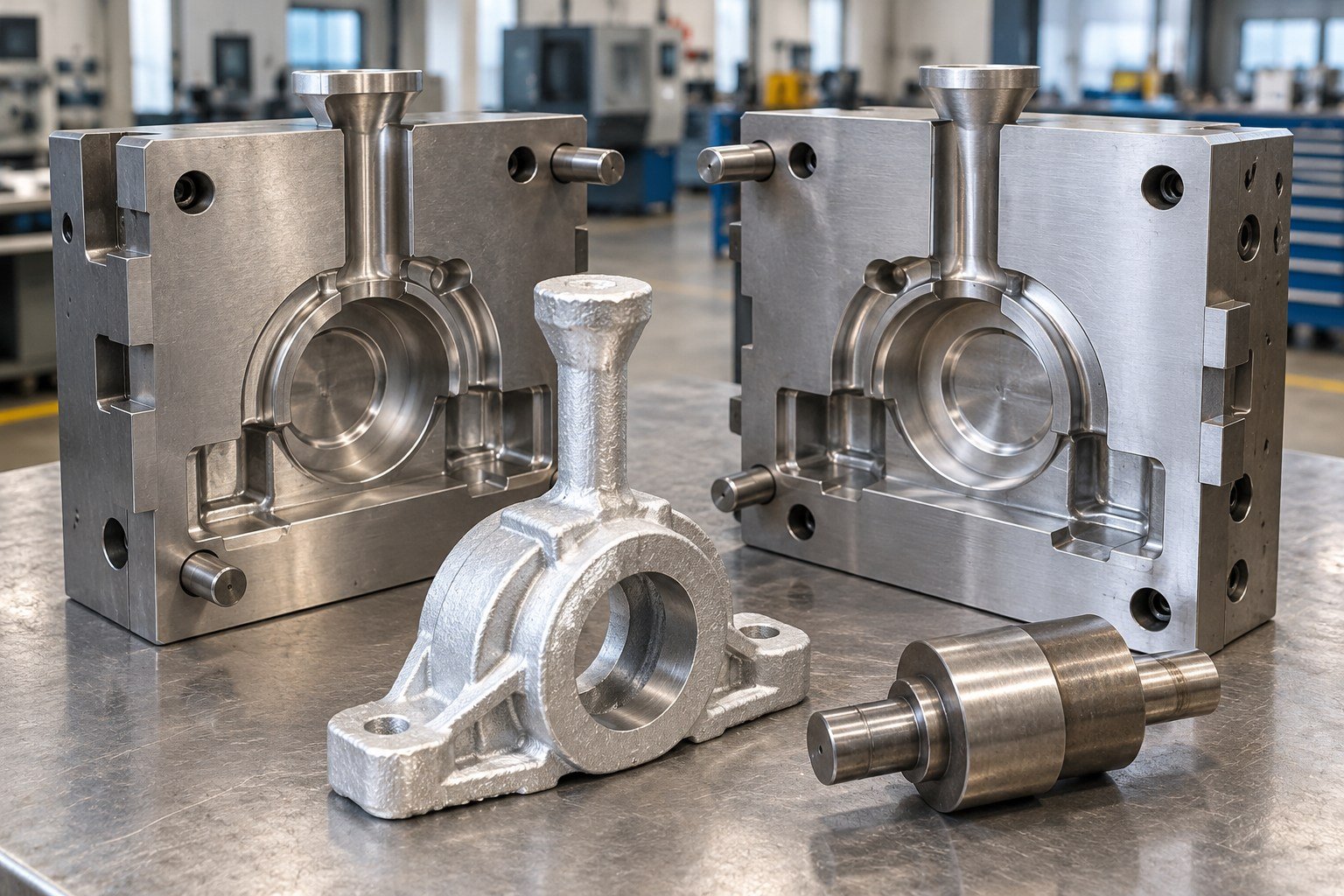
Gravity die casting tooling uses a reusable metal mold filled by gravity. Core arrangement and release need their own review.
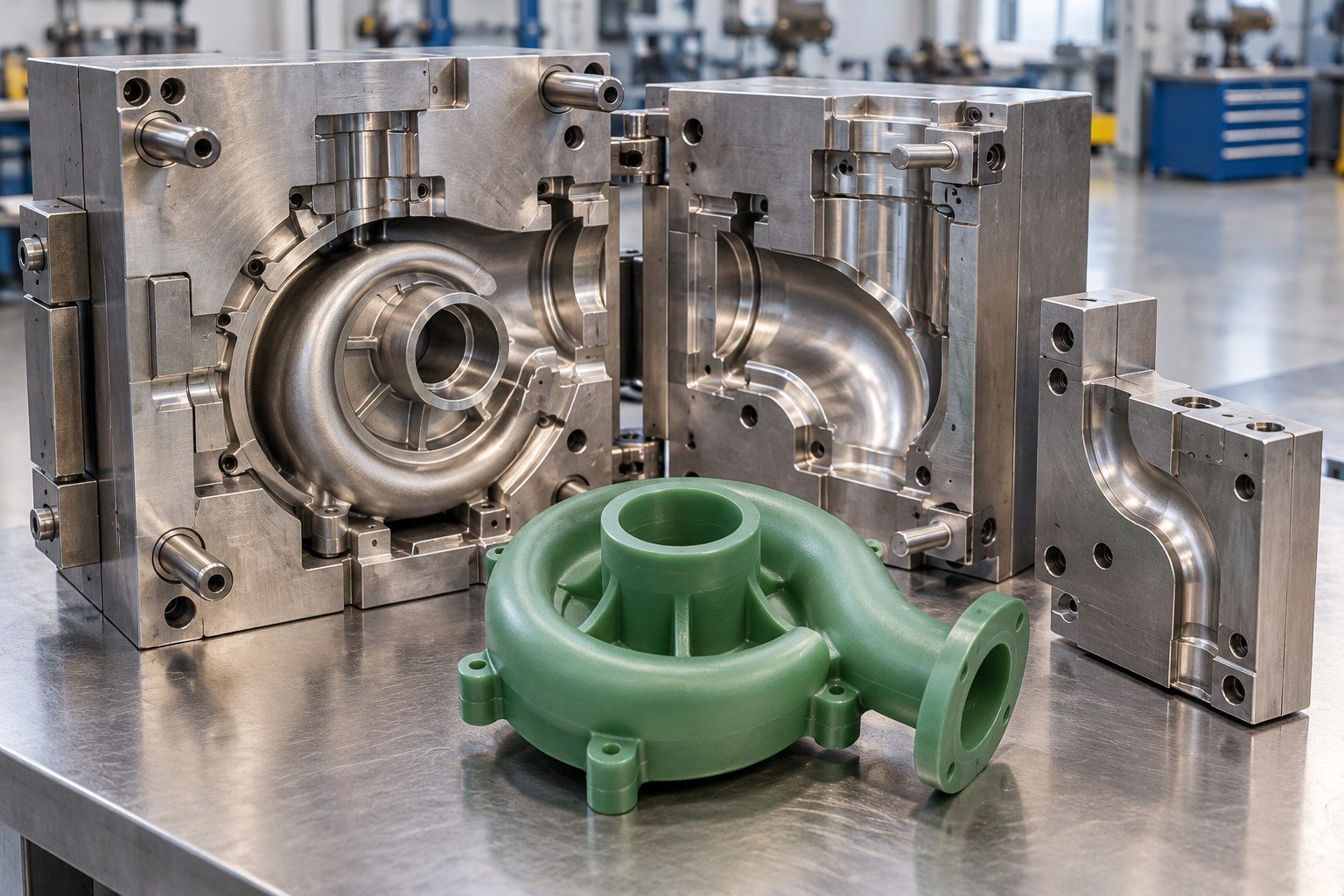
Investment casting tooling produces patterns. Metal is poured into the ceramic shell after the wax is removed.
FOR YOUR CASTING PROGRAM
Review the cast shape, secondary machining and mating interfaces together before freezing the cavity geometry.
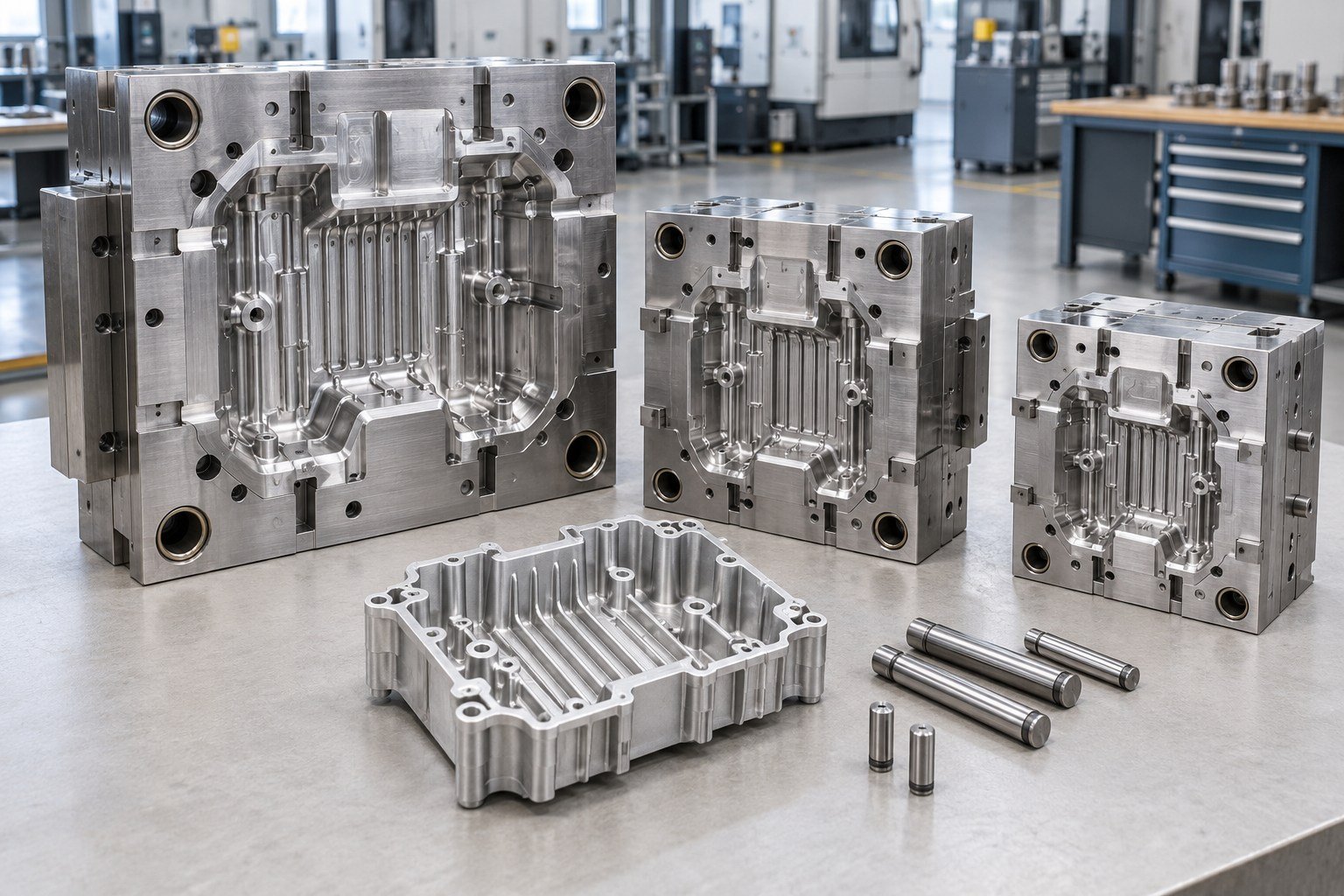
Keep the casting model, machining drawing and tool concept on controlled revisions. Changes to one may affect the others.
FOR YOUR CASTING PROGRAM
A general draft angle or tolerance promise cannot replace your part-specific review.
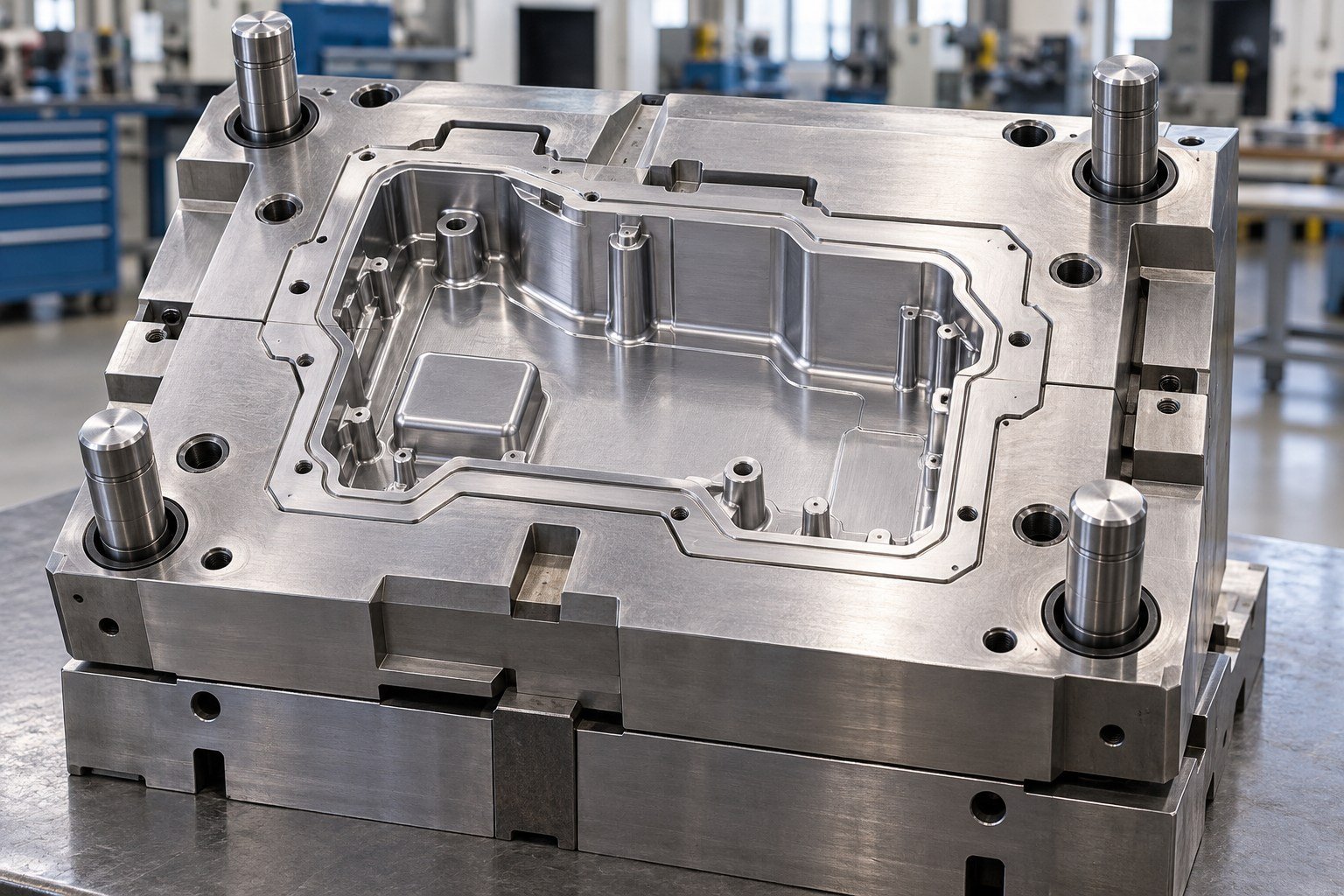
Use the parting line, shutoffs and draw direction to protect assembly edges and sealing areas.
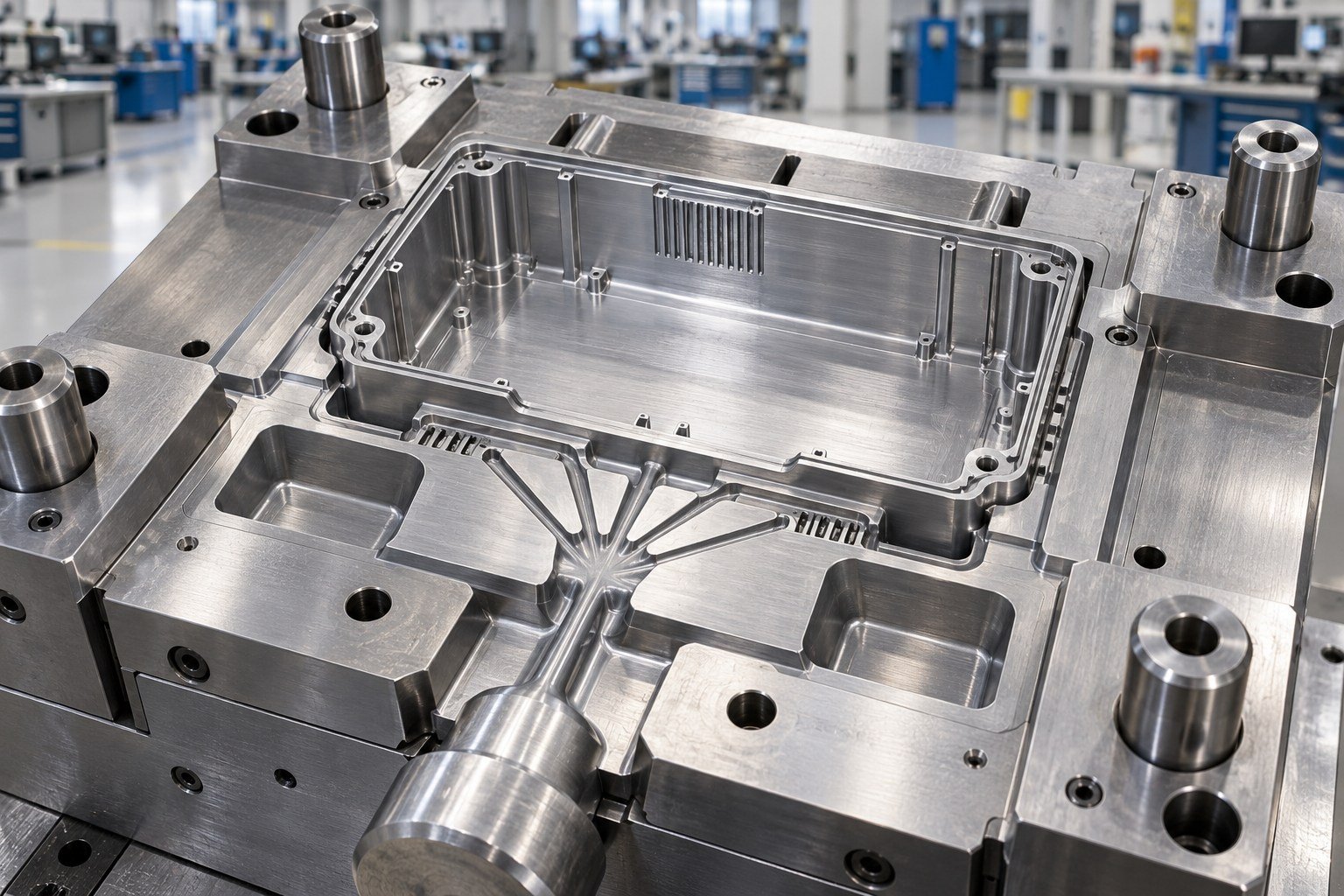
Die casting gating design affects filling, overflow placement and downstream trimming.
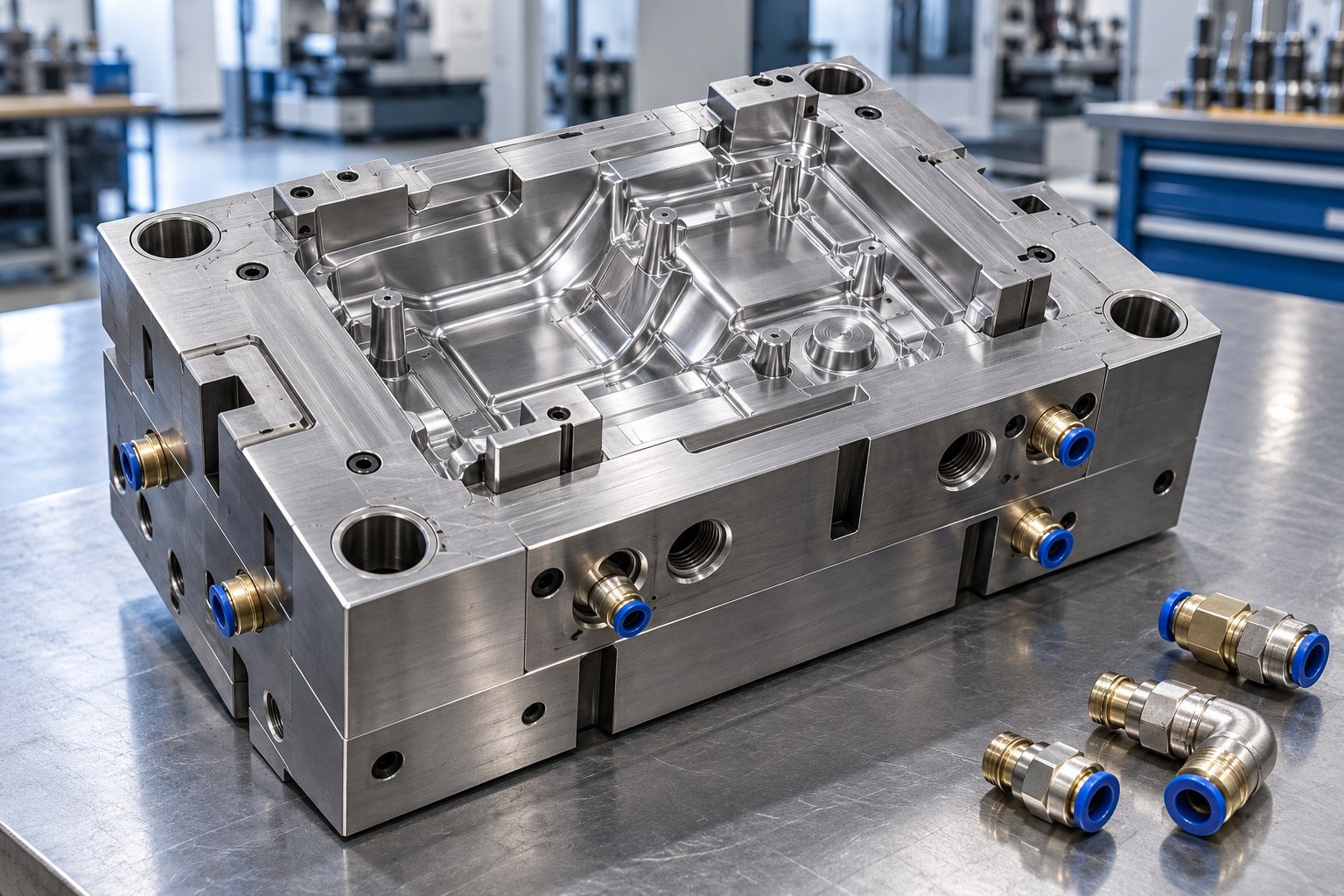
Die casting cooling channels need routing, connection and maintenance access appropriate to the die and process.
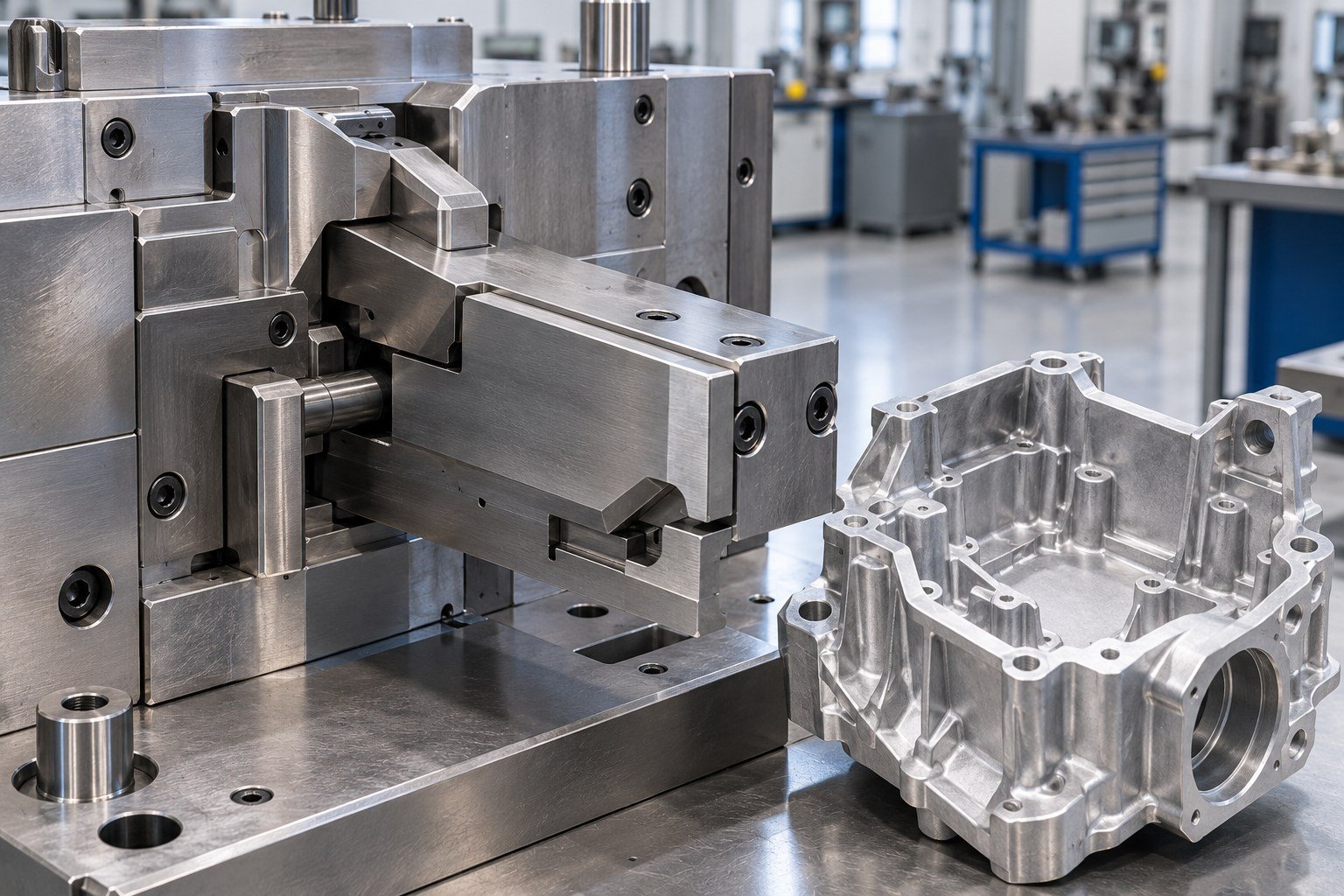
Review core pull travel, locking, support and ejection against the actual geometry.
FOR YOUR CASTING PROGRAM
New manufacture, repair and transfer require different inputs and acceptance.
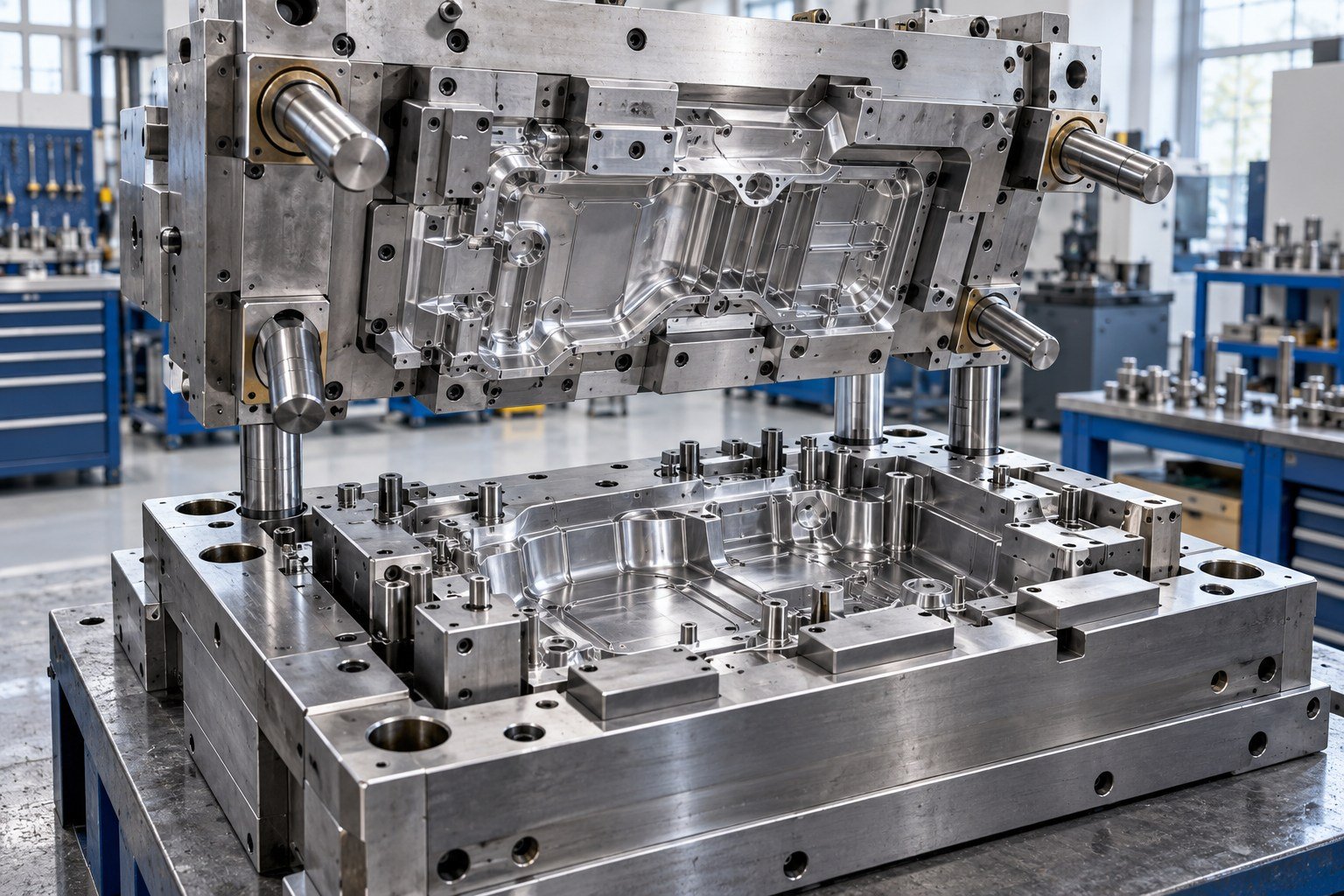
Compare unit-die concepts for die casting with a dedicated die only after the holder, inserts, capacity and ownership scope are defined.
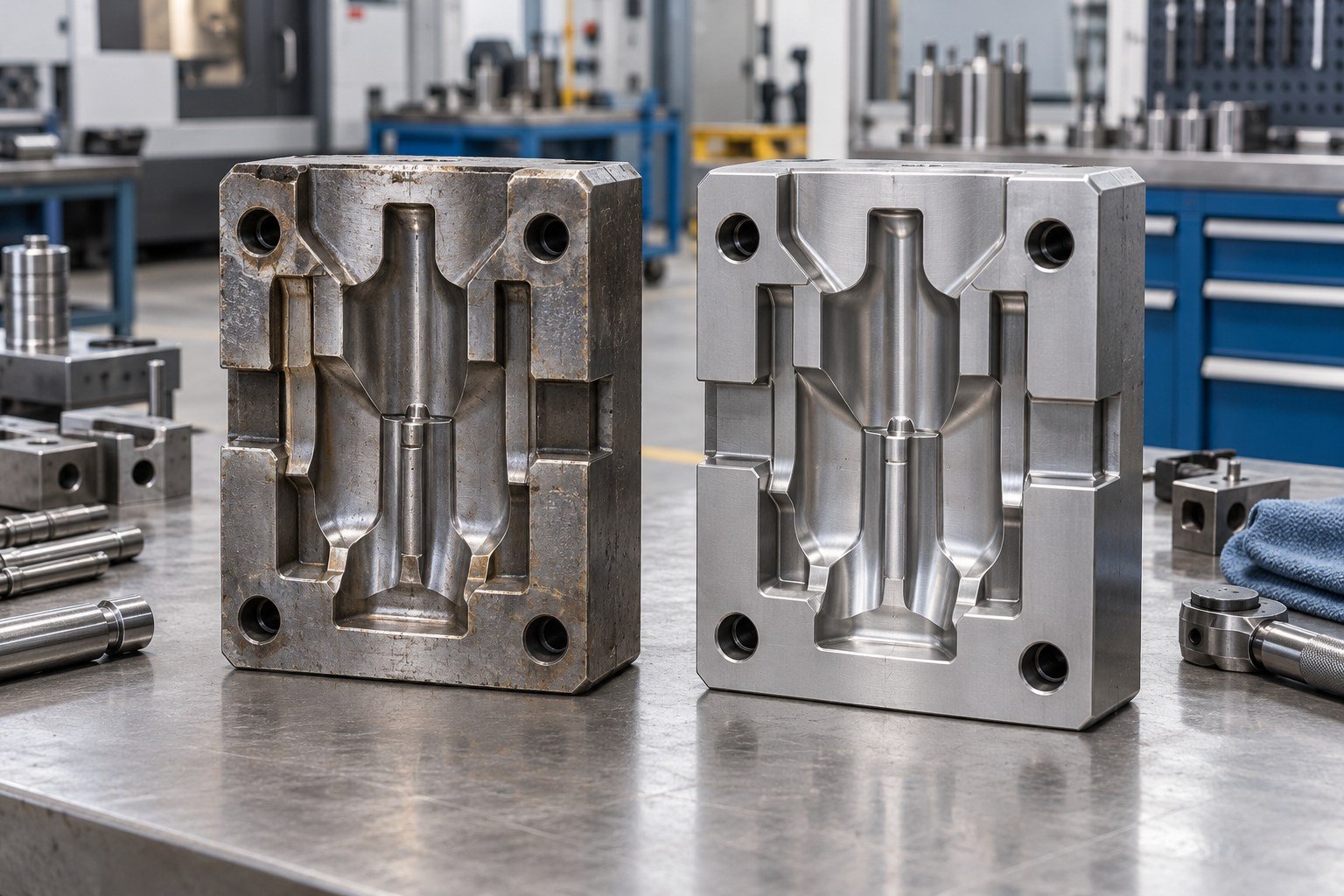
Die casting die repair should begin with condition assessment and an agreed correction plan.
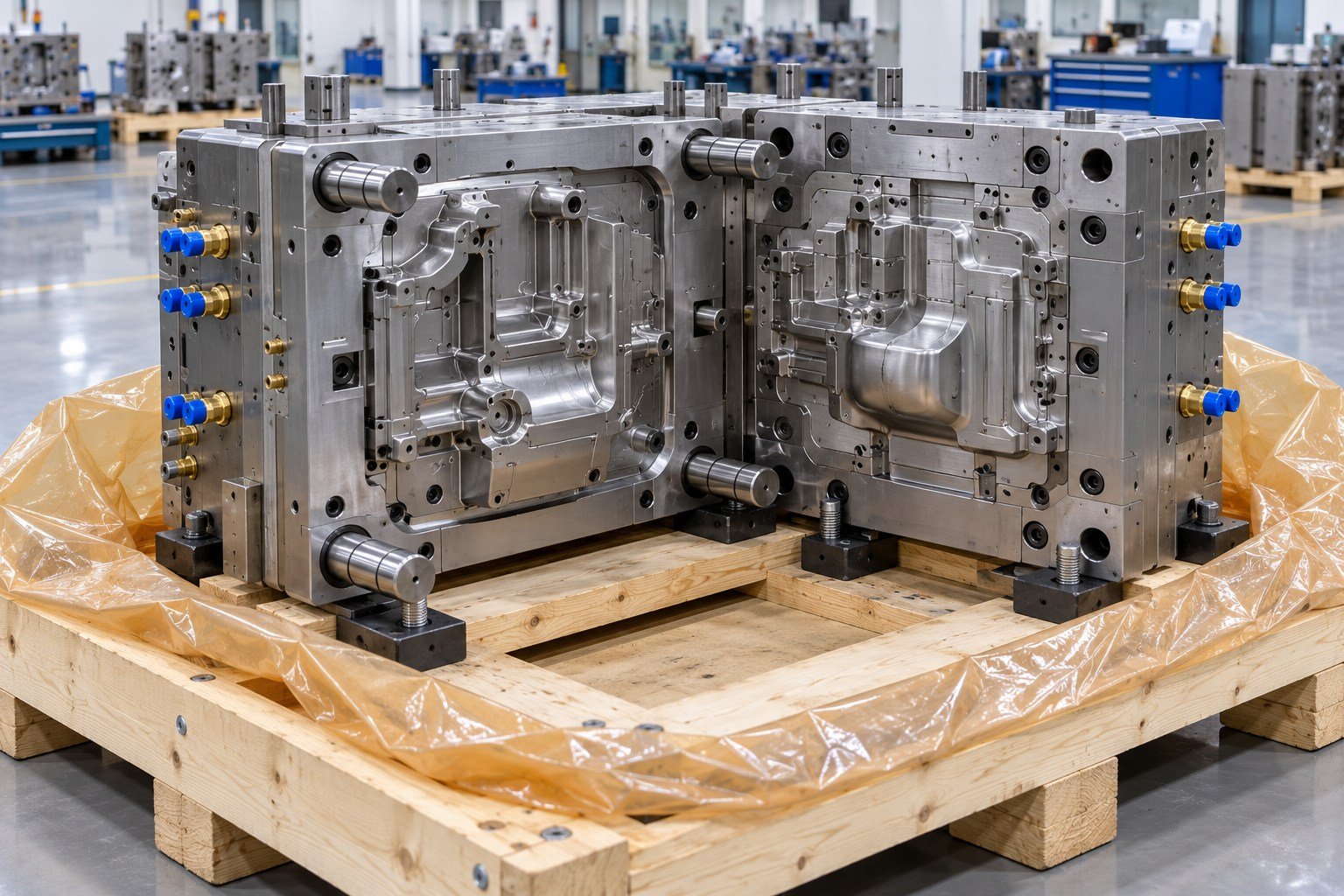
Die casting tooling transfer needs a condition review, interface check and commercial release agreement.
FOR YOUR CASTING PROGRAM
Neither a completed tool nor a visually good sample establishes every acceptance requirement.
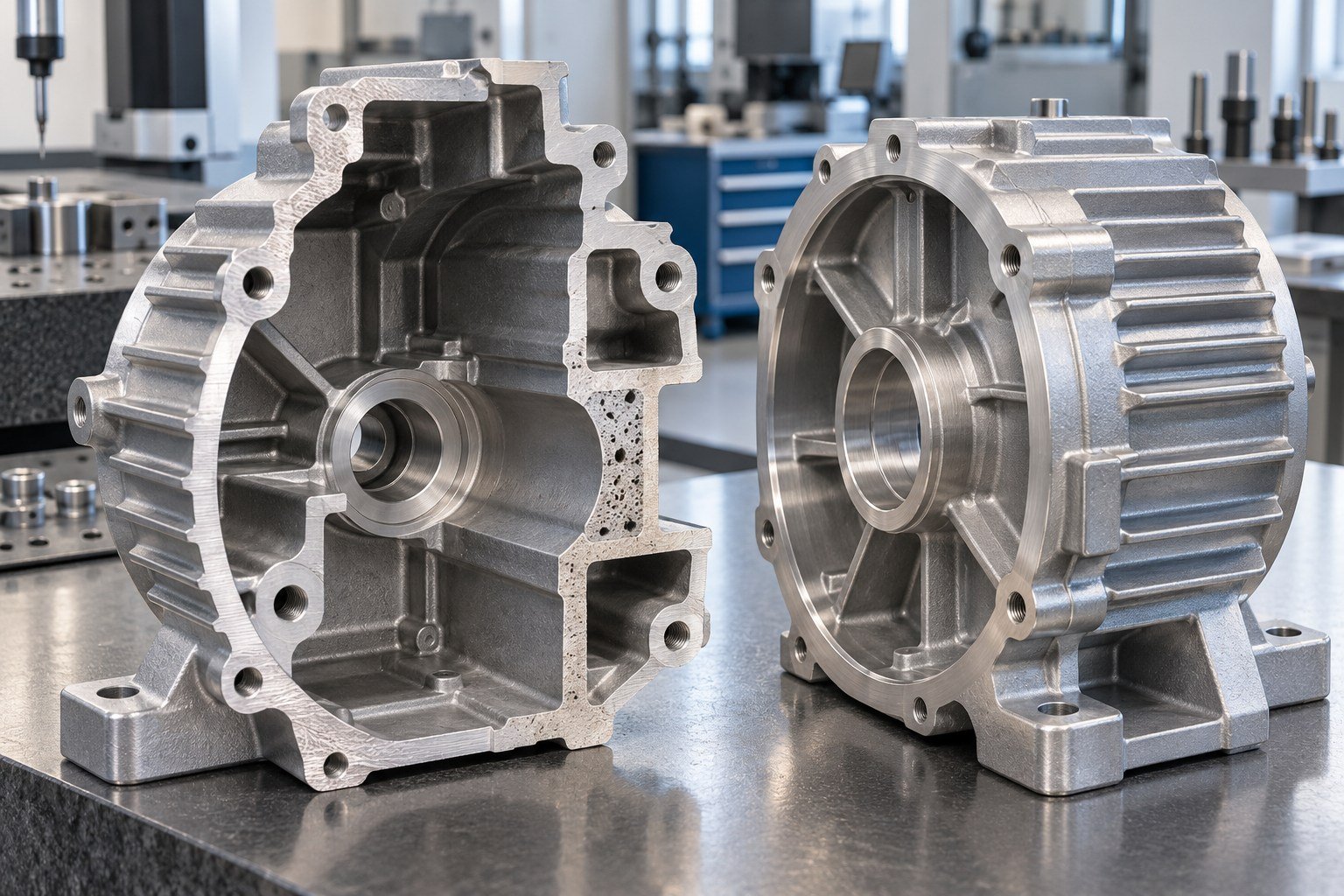
A visible or sectioned void is a symptom. Review filling, venting, thermal conditions and specified testing before authorizing tool changes.
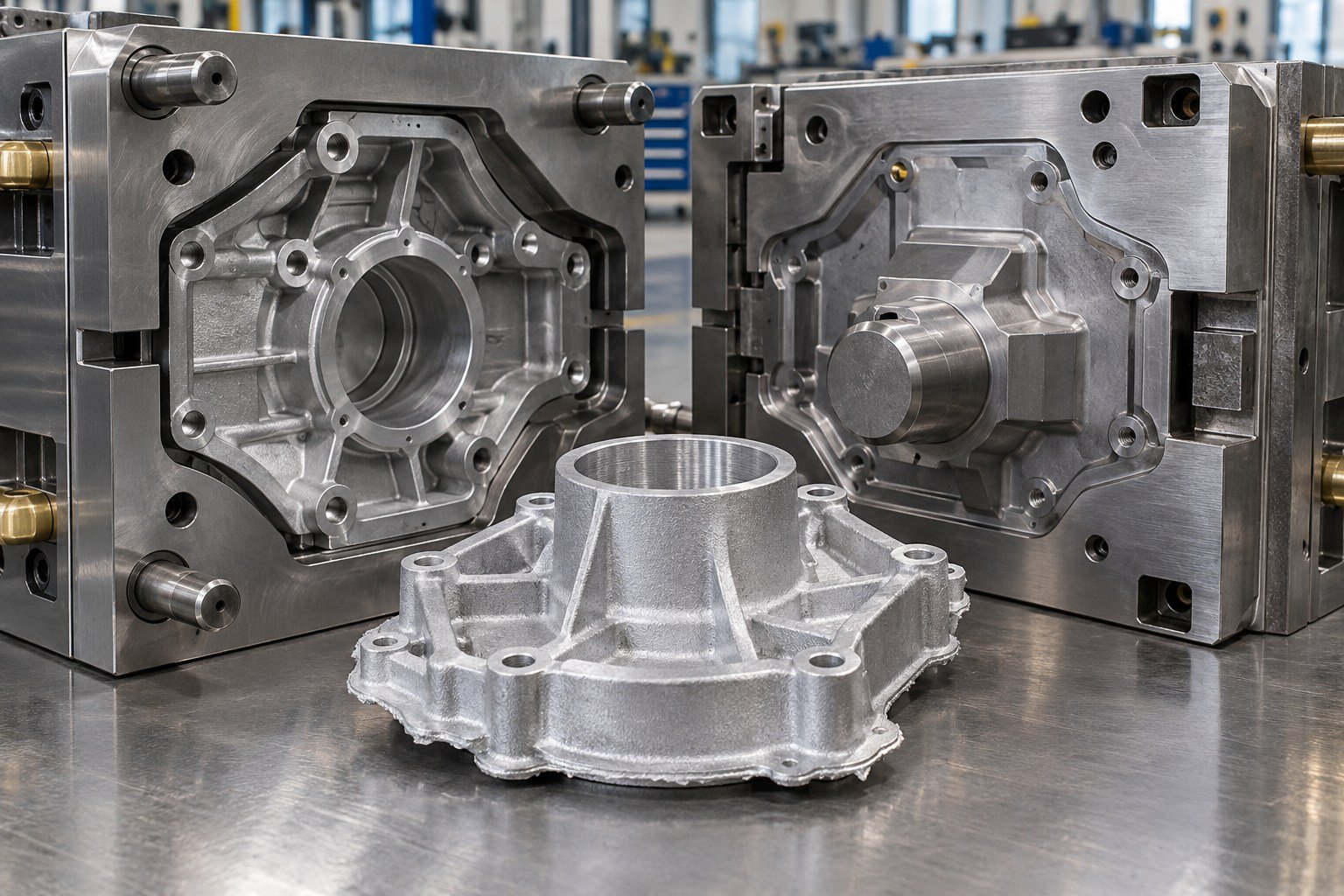
Review shutoff condition, closure, wear and recorded process settings against the agreed flash limits.
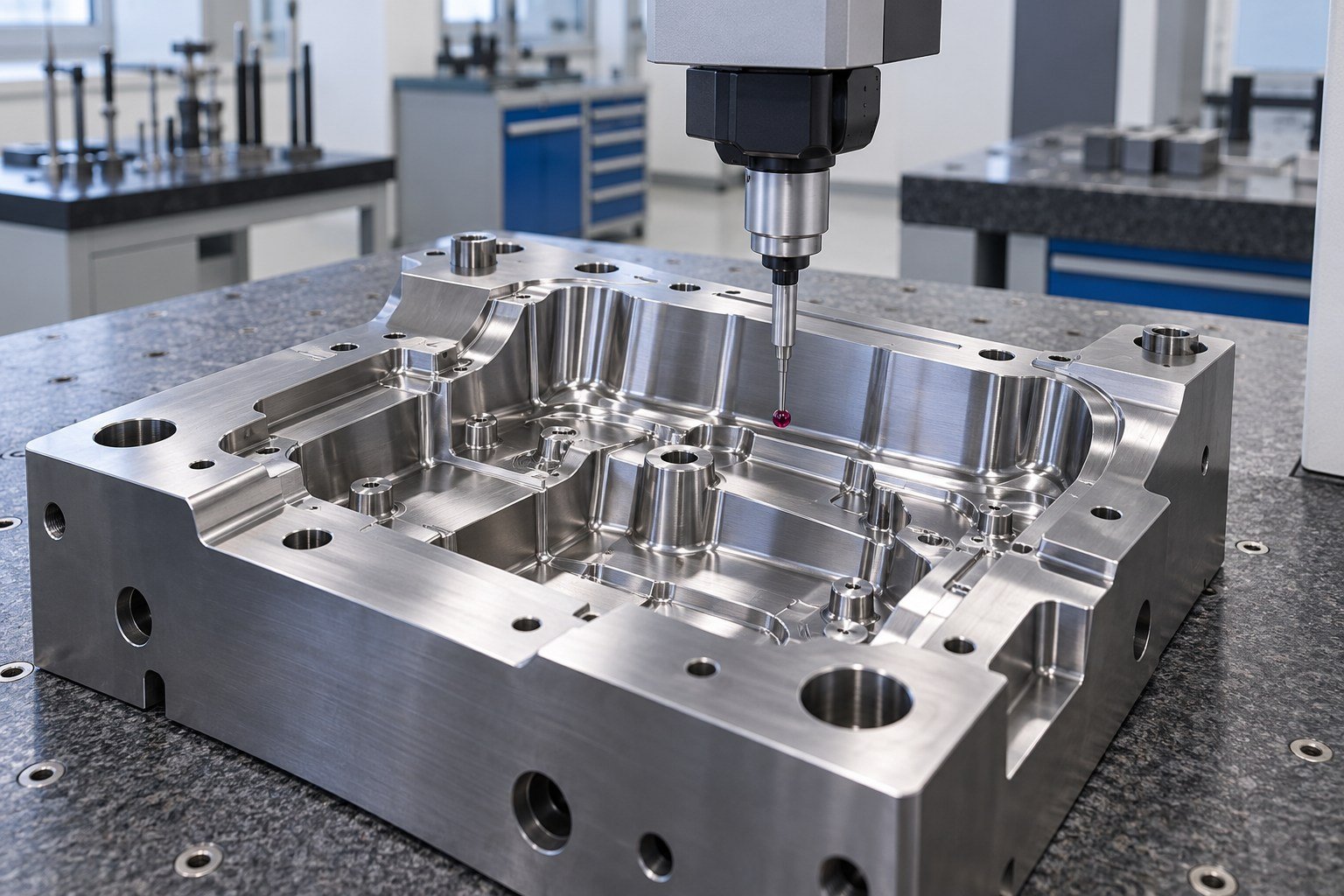
Die casting tooling validation should connect the approved tool design to the specified checks.
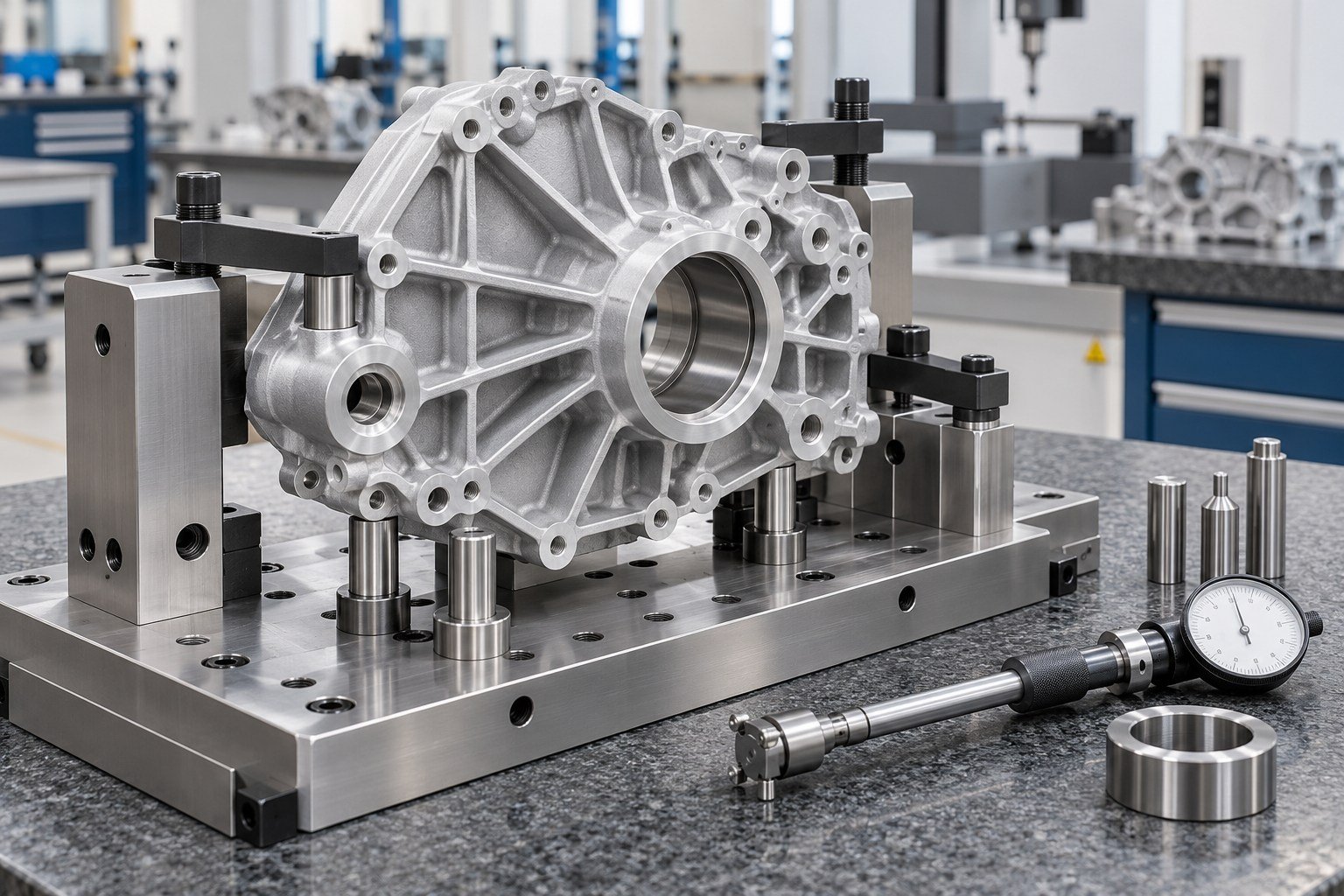
Measure the casting or machined part against the correct drawing and condition.
FOR YOUR CASTING PROGRAM
Define availability, responsibilities and charges before ordering. Concept images are not actual inspection reports.
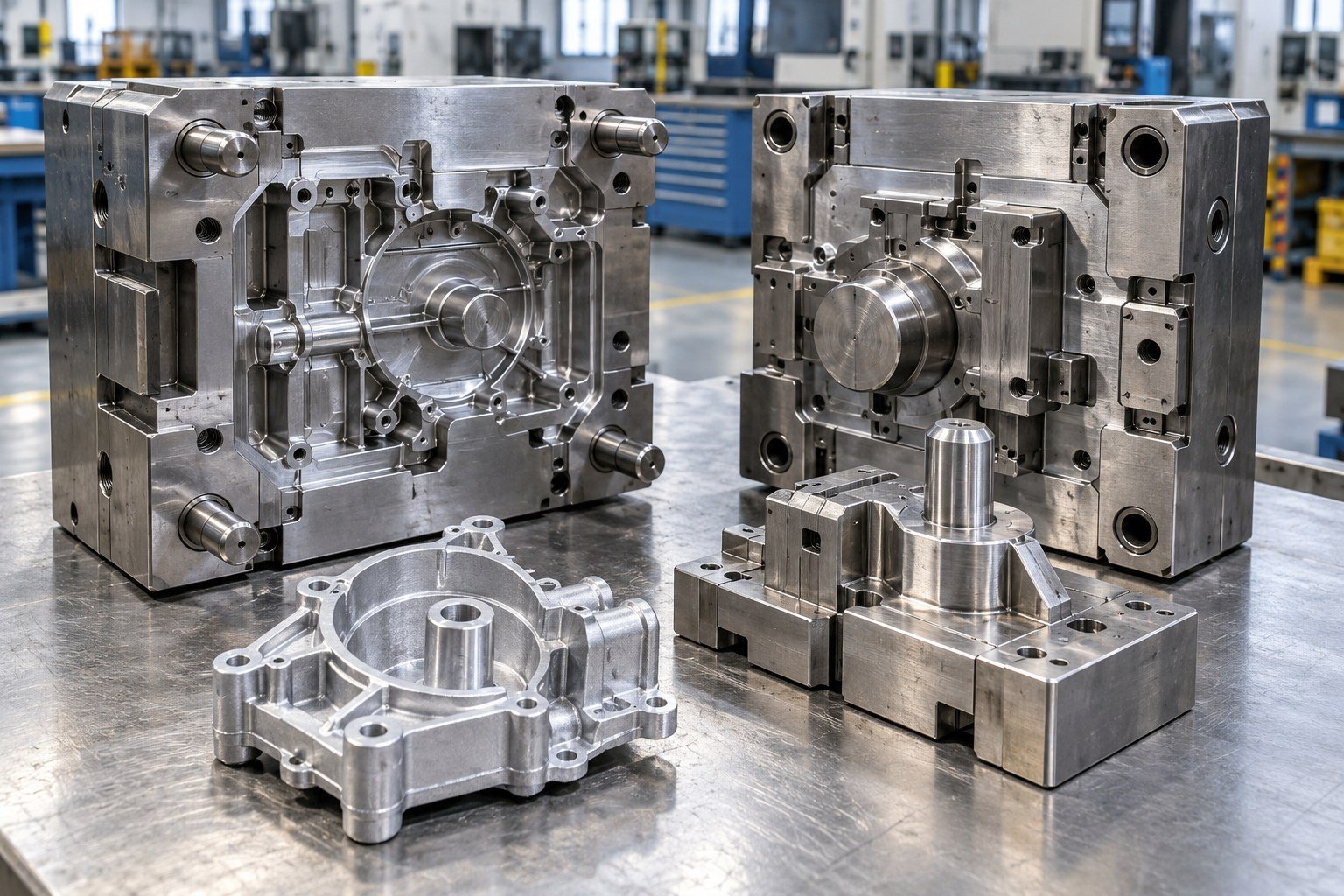
Capture the decisions that authorize tool manufacture.
Planning checklist only; not an issued inspection report or customer record.
Agree reviewer, evidence scope, open actions and release responsibility in your quotation.
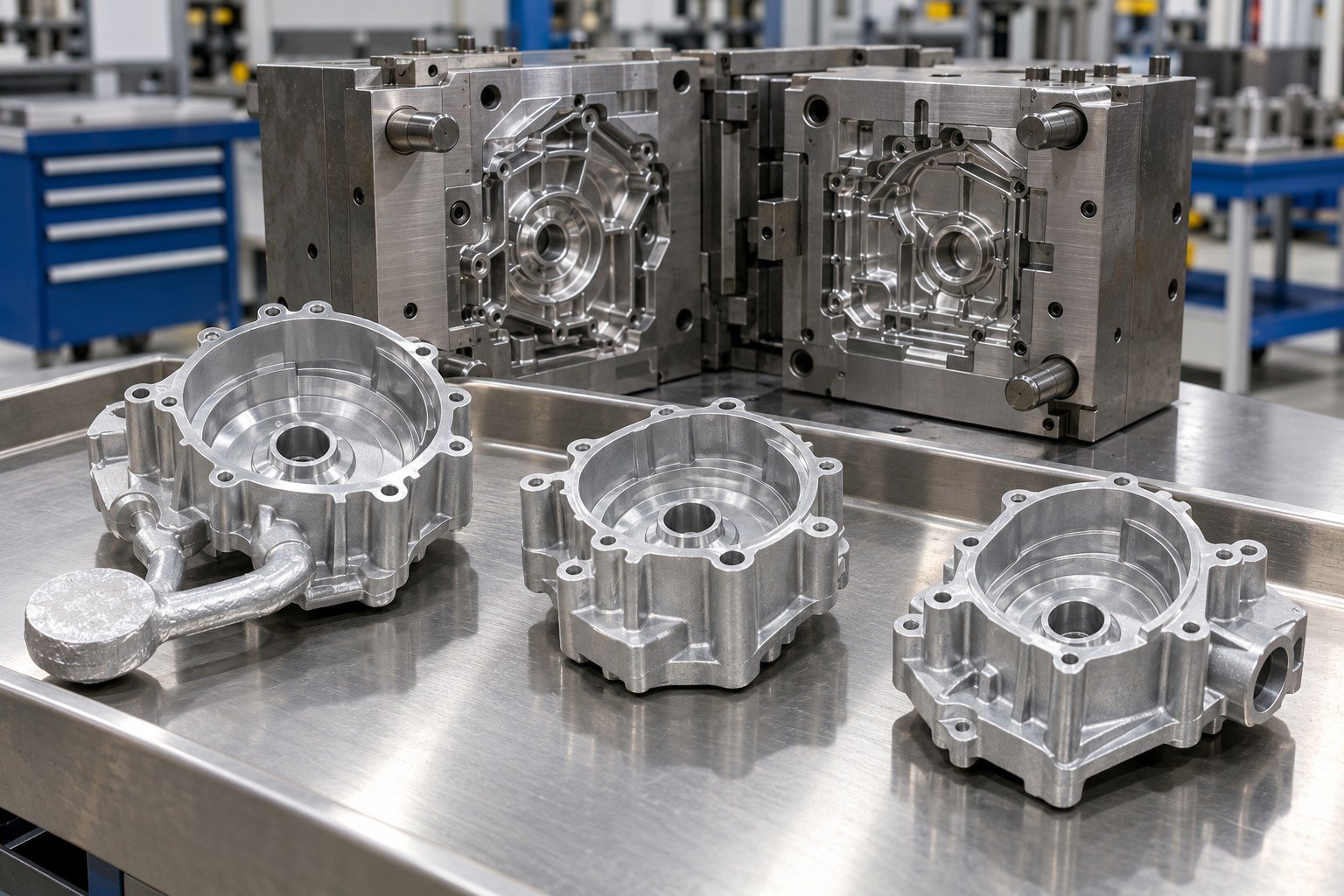
Connect trial results and corrections to identified parts and cavities.
Planning checklist only; not an issued inspection report or customer record.
Agree reviewer, evidence scope, open actions and release responsibility in your quotation.
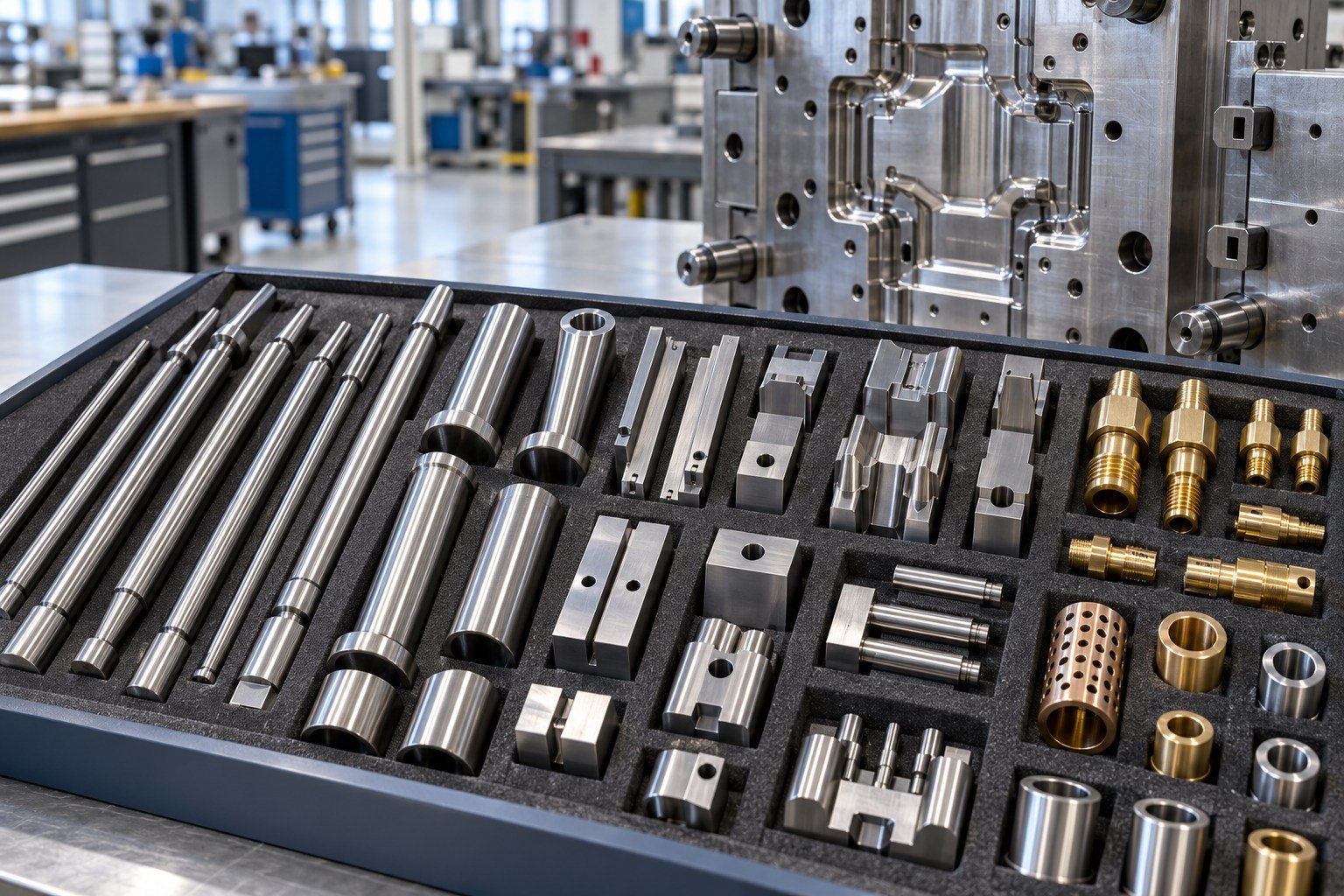
Make the supplied tooling and records checkable at delivery.
Planning checklist only; not an issued inspection report or customer record.
Agree reviewer, evidence scope, open actions and release responsibility in your quotation.
FOR YOUR CASTING PROGRAM
Industry names do not establish qualification. Your part drawing and acceptance plan define the work.
Identify bores, mounting datums and machining stock.
Review stiffness, interfaces and repeated assembly fit.
State customer validation and traceability requirements.
Define thermal surfaces, sealing and cosmetic zones.
Agree pressure, leak or cleanliness tests when needed.
Review plating, small details and gate witness limits.
FOR YOUR CASTING PROGRAM
China manufacturing and Dallas-area coordination connect drawing review, trial decisions and delivery planning.
Record who owns die casting tooling, what the payment covers and when release can occur.
Define inspections, cleaning, wear replacements, storage and repair authorization.
Agree drawing access, formats, revision control and supplied service information.
Identify spare inserts and what happens when wear, damage or a design change requires replacement.
FOR YOUR CASTING PROGRAM
Use your quote to turn these questions into project-specific decisions.
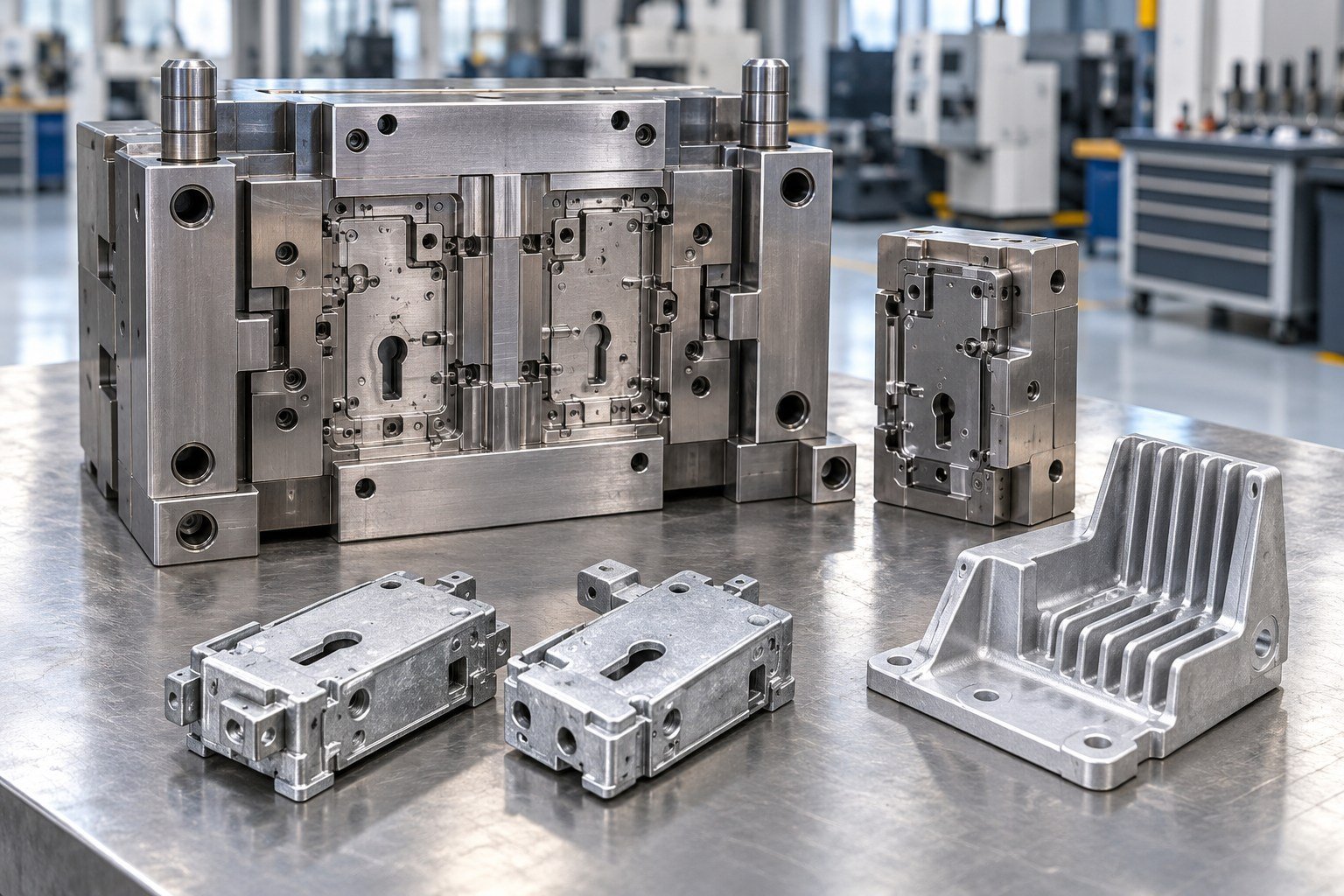
Die casting tooling is the die assembly used to form a metal casting, including the specified core, cavity, base, gating, thermal-control, ejection and moving components. This page also compares sand patterns, gravity molds and wax tooling; those are distinct tooling systems.
Die casting tooling cost depends on tool size, cavity count, slides, steel and treatment, thermal control, finish and the agreed trial and inspection scope. Request separate charges for the die, trim tools, sample parts, corrections, spares and freight. A universal price would not describe your project.
Ask for die casting tooling lead time from agreed design and order-release conditions. Separate design review, steel procurement, manufacture, first trials, corrections and transport. Customer review time and receiving-machine acceptance can also affect handover.
Die casting die life depends on alloy, geometry, tool steel and treatment, process duty, heat checking, erosion and maintenance. Agree the intended duty, wear exclusions and replacement obligations. A single shot count is not a guarantee for every die.
Ownership is a commercial agreement, not an automatic result of a tooling charge. Record tool identification, title, permitted use, design-file access, storage, maintenance responsibility and the conditions for retrieval or transfer.
Provide a STEP model or agreed native CAD, controlled casting and machining drawings, alloy, critical fits, appearance requirements and trial and annual quantities. Include receiving-machine details for a delivered tool. Request an NDA before sharing confidential files.
Die casting tooling forms molten metal; injection molding tooling forms a polymer. Thermal loading, material compatibility, gating, venting and equipment interfaces differ. Do not reuse a plastic mold specification for a metal casting tool without a separate engineering review.
Do not assume so. Alloy, temperature, machine system, gating, cavity construction and intended duty affect the specification. Aluminum die casting tooling and zinc die casting tooling need a process-specific review even when the part geometry is similar.
Sand casting normally uses patterns and core boxes to produce expendable sand molds and cores. Quote the pattern equipment, core tooling, mold-making system and casting allowances; do not specify a high-pressure steel die by default.
Investment casting commonly uses wax injection tooling to make patterns, with separate core or assembly tooling where required. A ceramic shell is made around the patterns; metal is not poured into the wax injection die. Agree approval of the final casting as well as the pattern.
State whether die casting trim dies, gate removal, machining fixtures and inspection fixtures are included. They are separate tools with their own support, access, dimensional and delivery requirements. Compare total program scope rather than the casting die price alone.
Share drawings, condition photos, service history, fault details and the receiving-machine specification. Agree assessment, dismantling, repair or adaptation charges and the trial needed for reapproval. Compatibility and commercial release conditions must be resolved before shipment.
FOR YOUR CASTING PROGRAM
A die casting mold manufacturer should make the supplied construction, evidence and exclusions clear.
DFM, tool concept and approved revisions.
Steel, treatment, cavities, slides and inserts.
Machine, cooling, ejection and mounting.
Trim dies, machining and inspection fixtures.
Sample quantity, alloy, conditions and repeat runs.
Measurements, functional tests and correction scope.
Drawings, storage, maintenance and release.
Spares, preservation, packing and receiving trial.