Injection Molding
Tooling and molding for your repeat plastic parts.
From prototype to production, coordinated manufacturing solutions for your custom parts.
View All Services →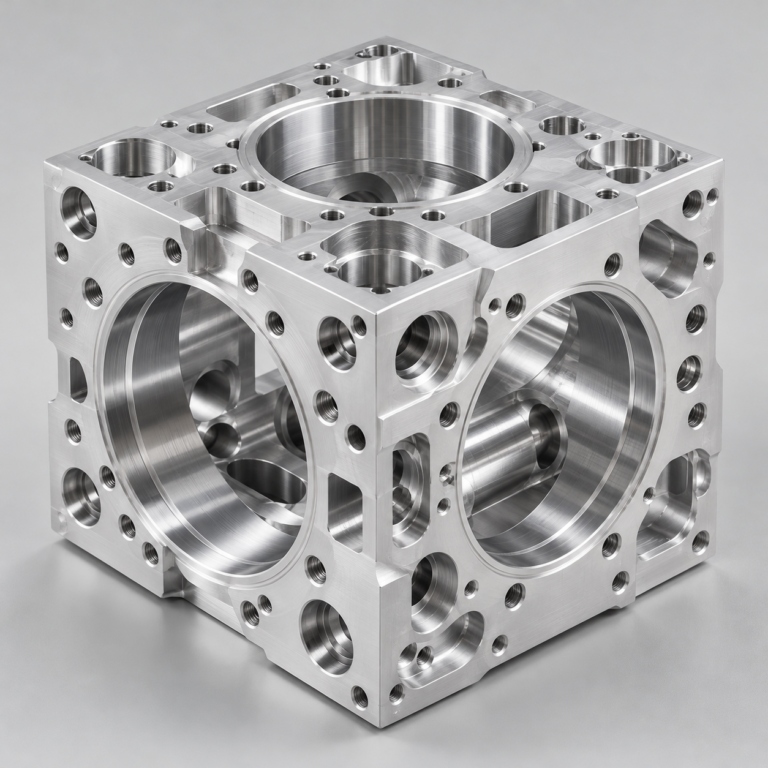
Precision parts for your tight tolerances and complex geometry.
Tooling and molding for your repeat plastic parts.
Metal casting options for your part and production volume.
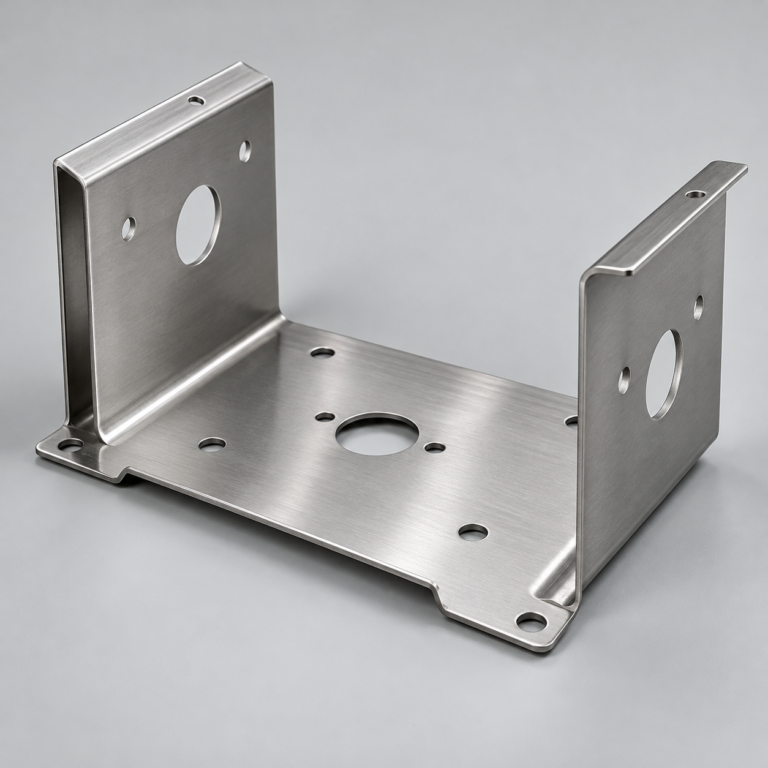
Cutting, forming and welding for your fabricated parts.
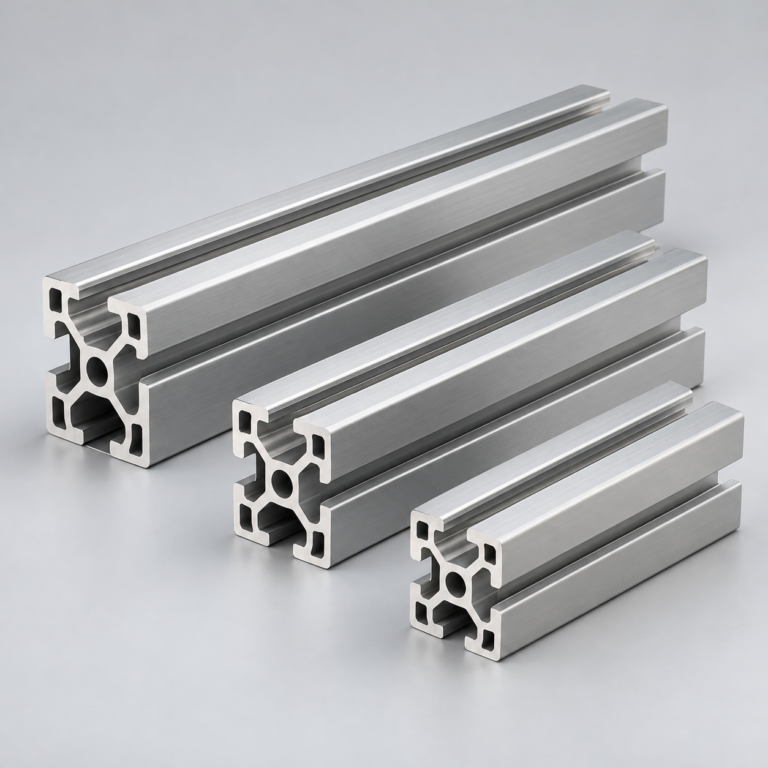
Custom profiles for your section, length and finish requirements.
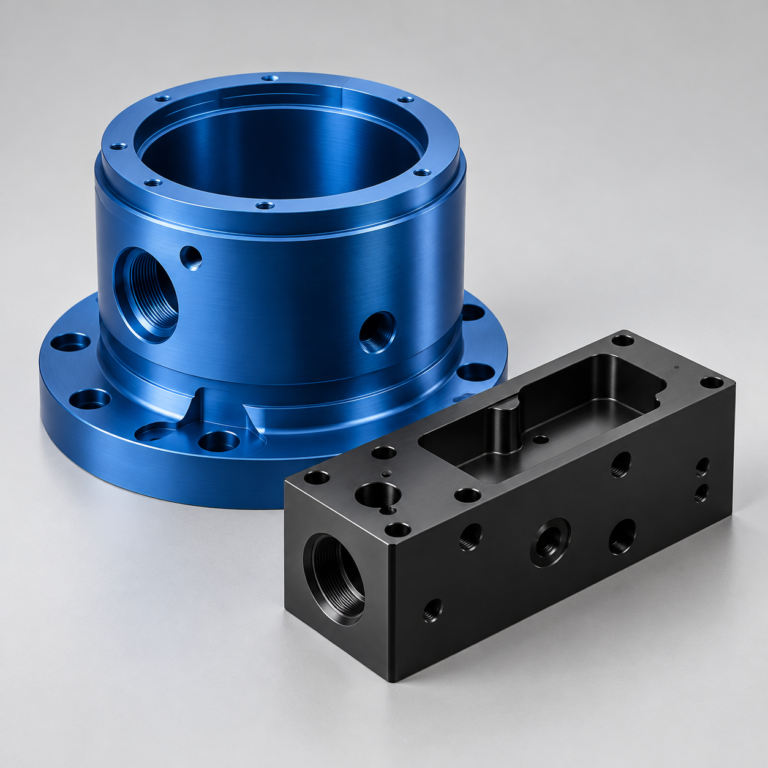
Finishes for your appearance, corrosion and wear requirements.
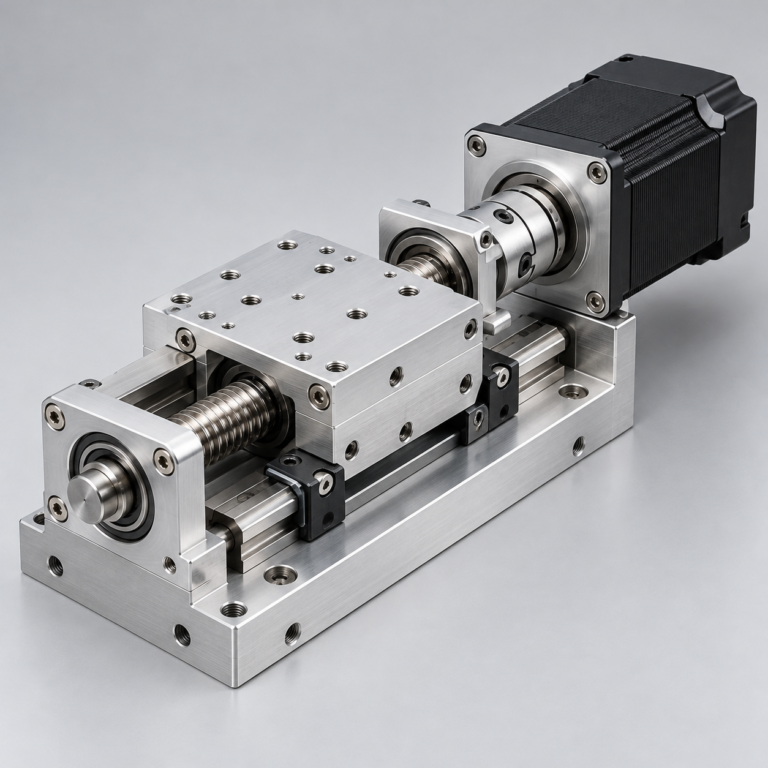
Sub-assemblies and final builds for your production program.
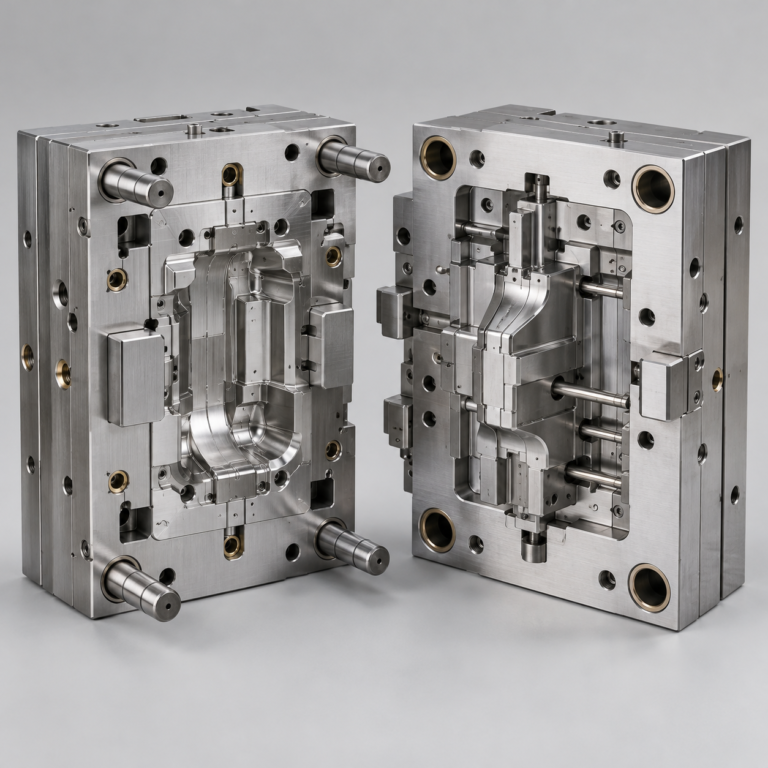
Production tooling built around your process and volume.
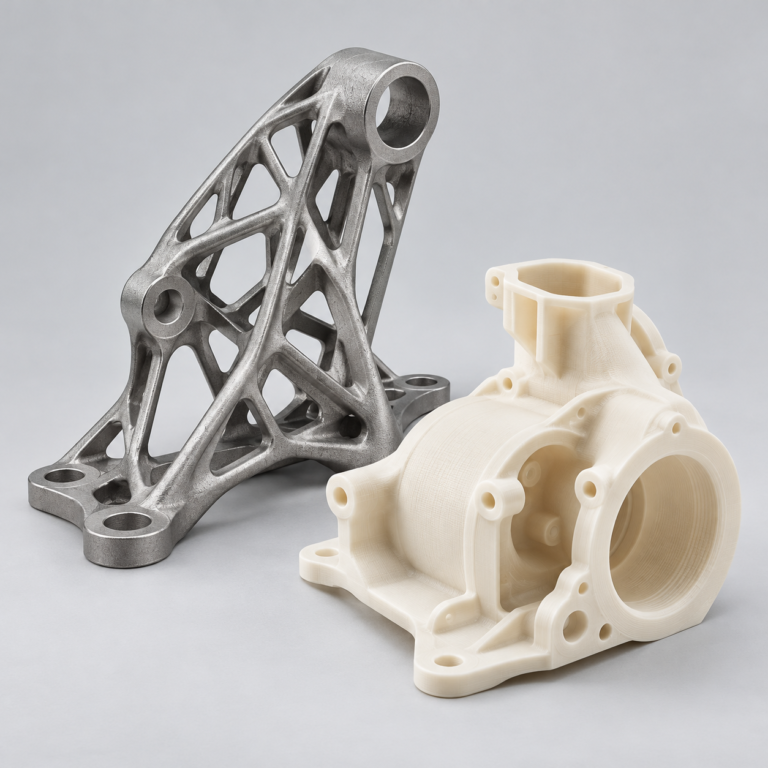
Prototype parts to check fit, function and design.
Choose air- or liquid-cooling components around your thermal and mechanical requirements.
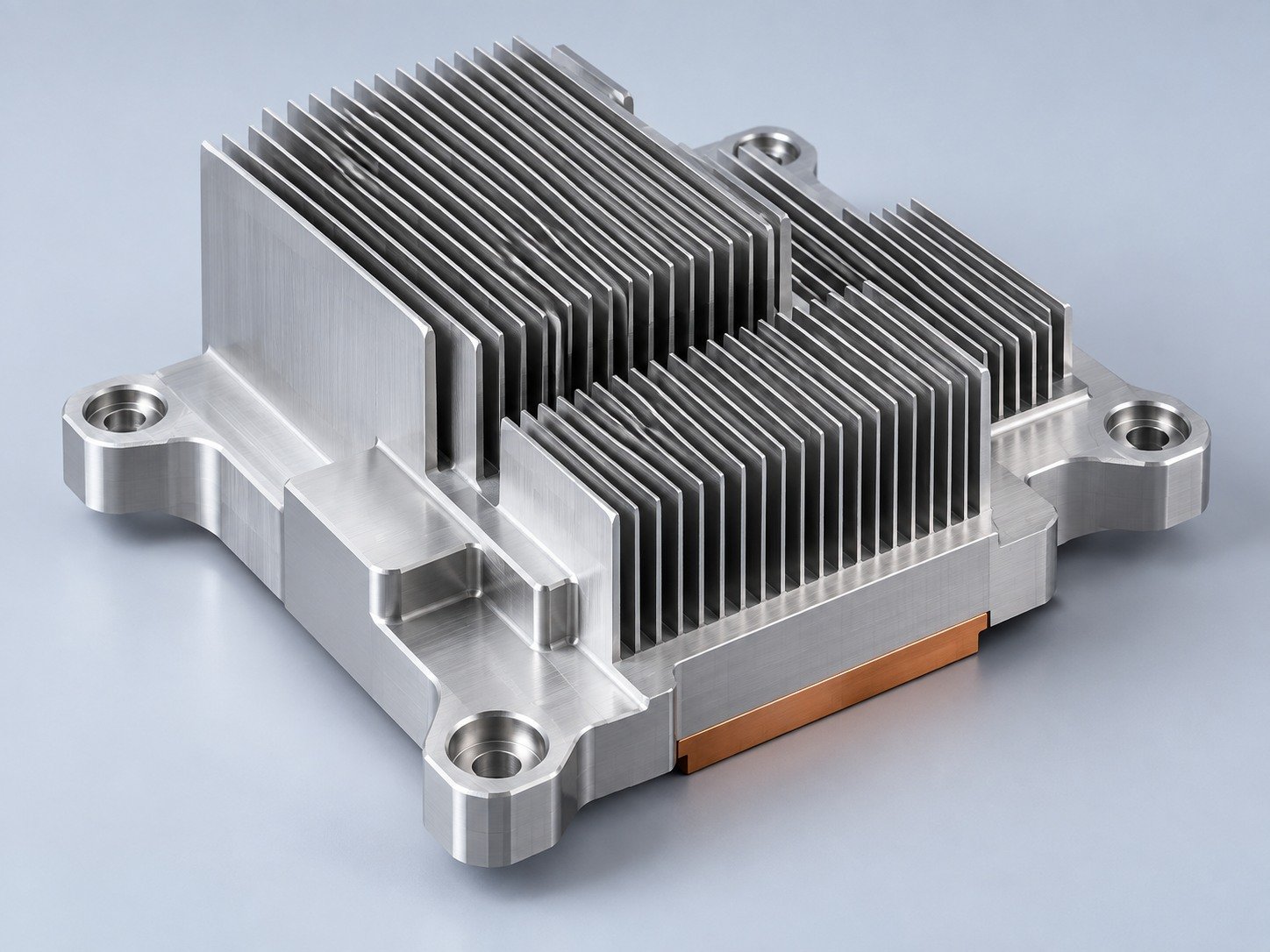
Manufacturing support for your cold plates, manifolds and cooling assemblies.
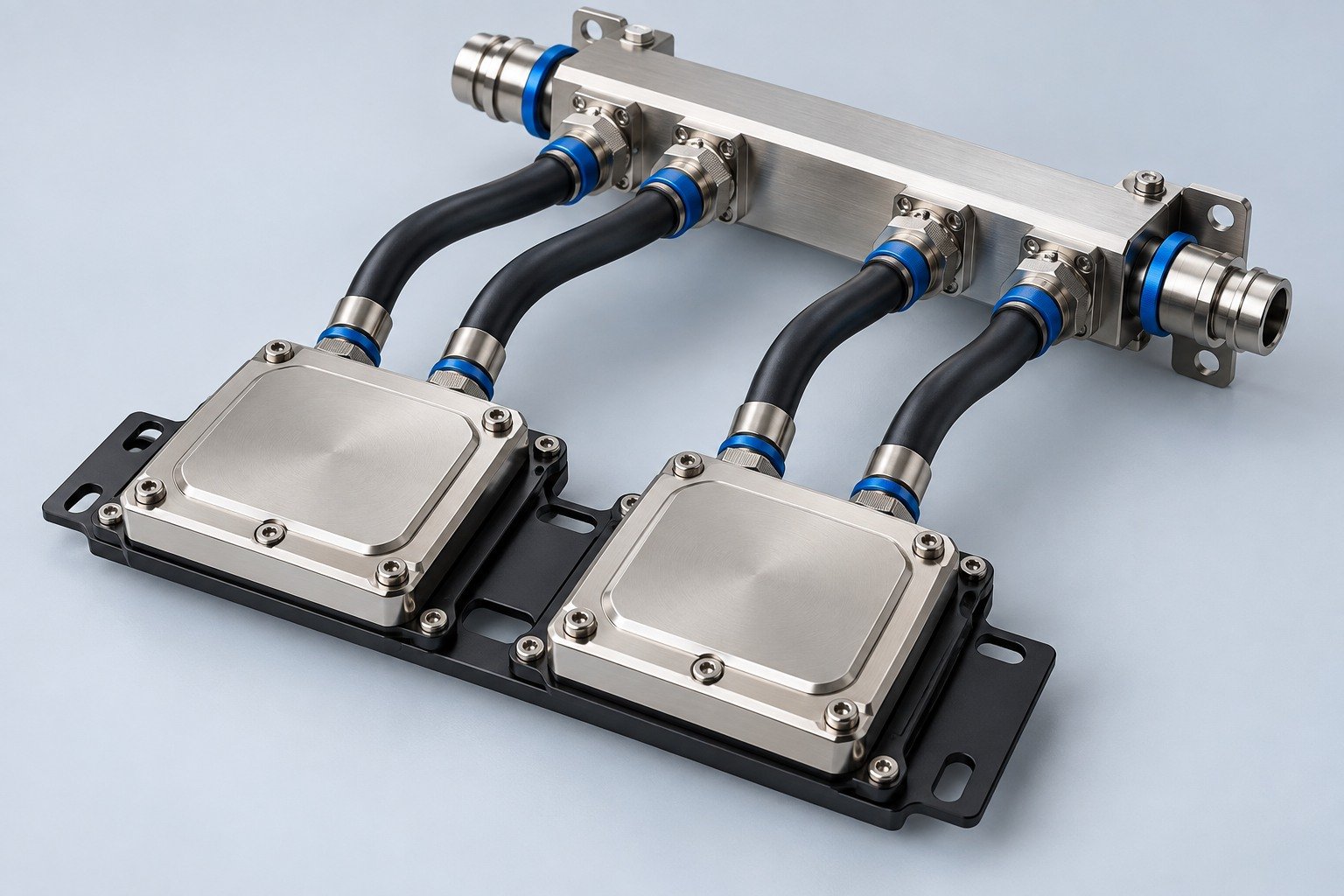
Find components for your power electronics, energy, laser and telecom application.
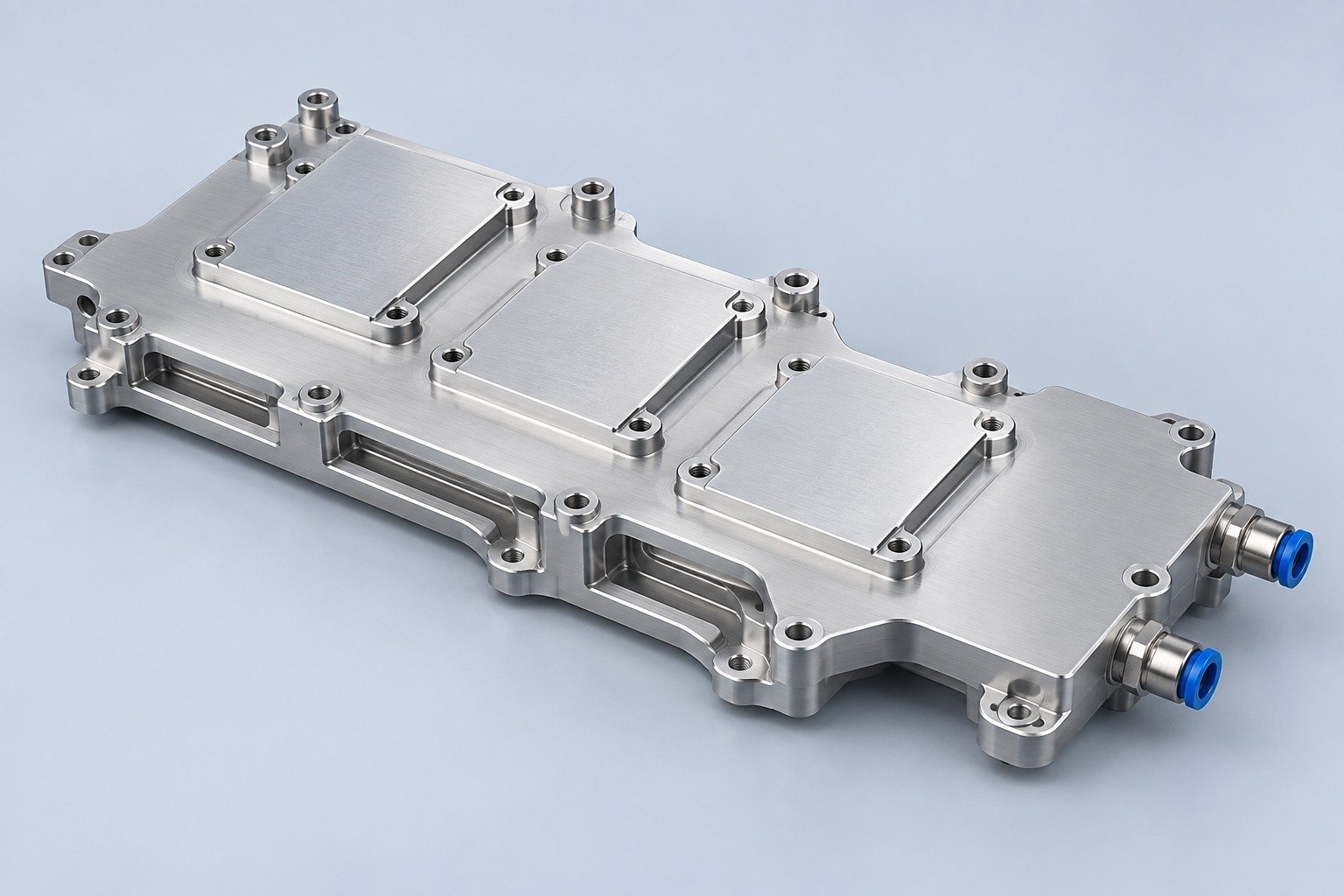
Components for your electronic systems.
Start with your functional and quality requirements.
Build around your operating environment.
From prototype to production, review material performance, manufacturability and cost for your part.
Review grade, temper and finish for your metal parts.
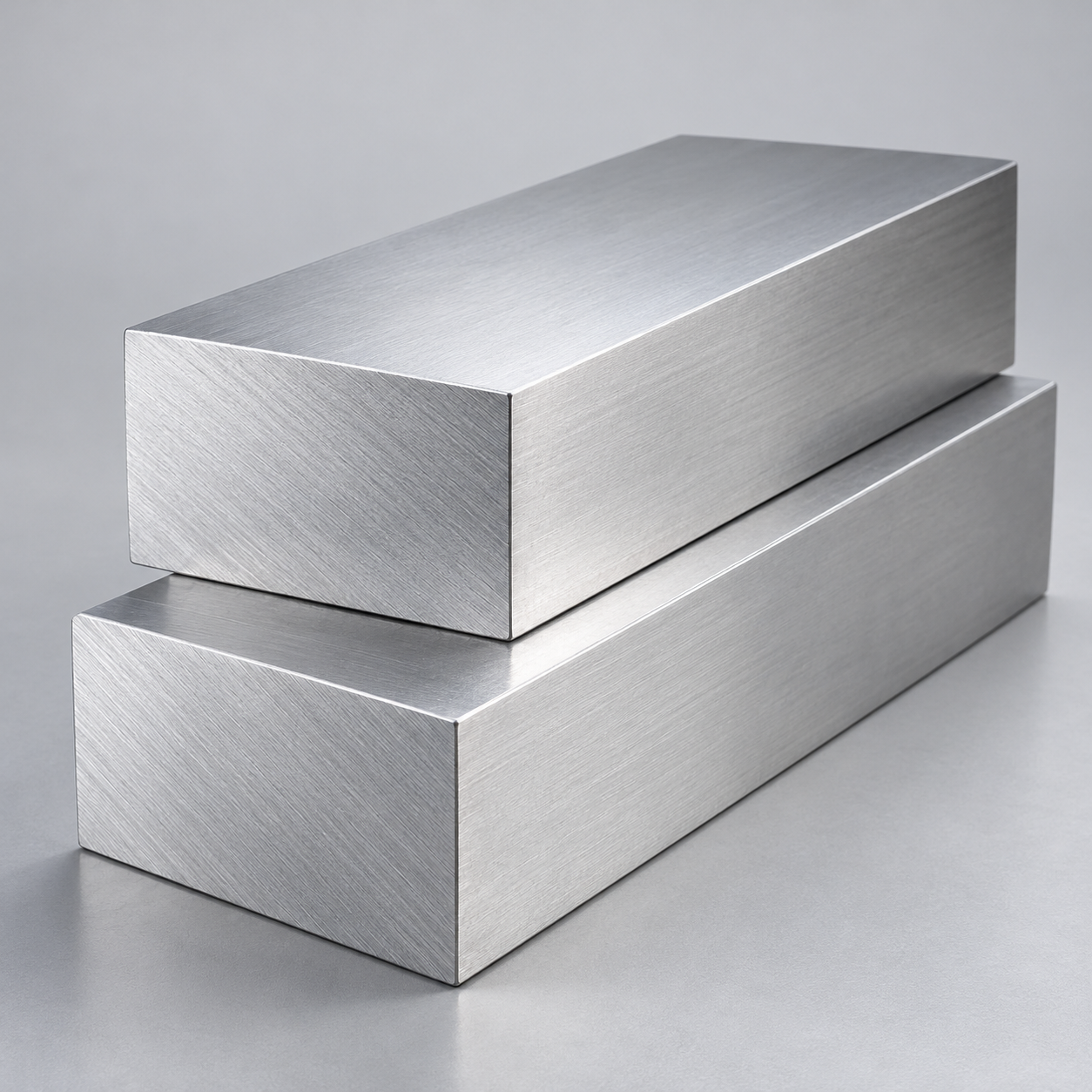 AluminumStrength, weight and machining›
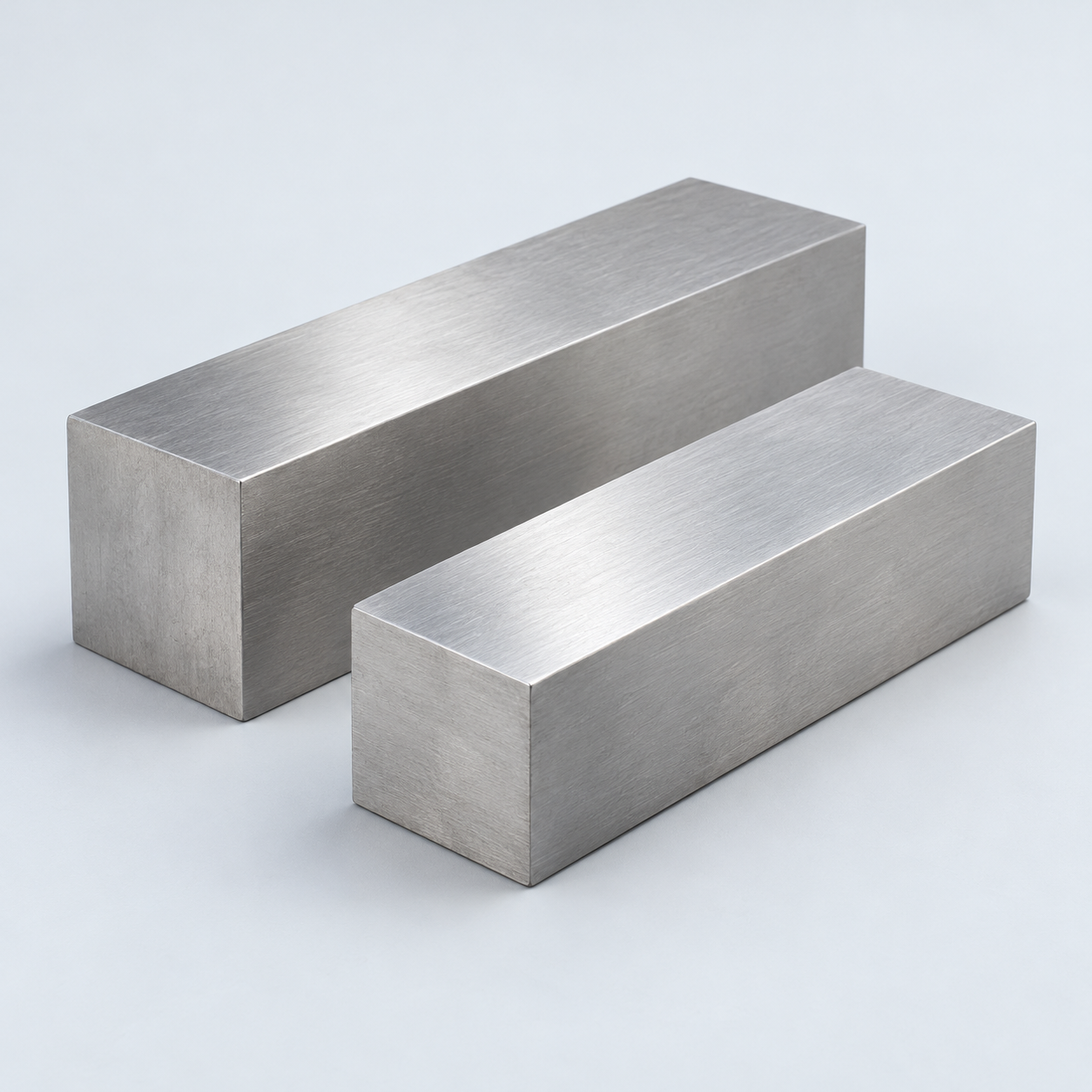 Stainless SteelCorrosion and finish requirements›
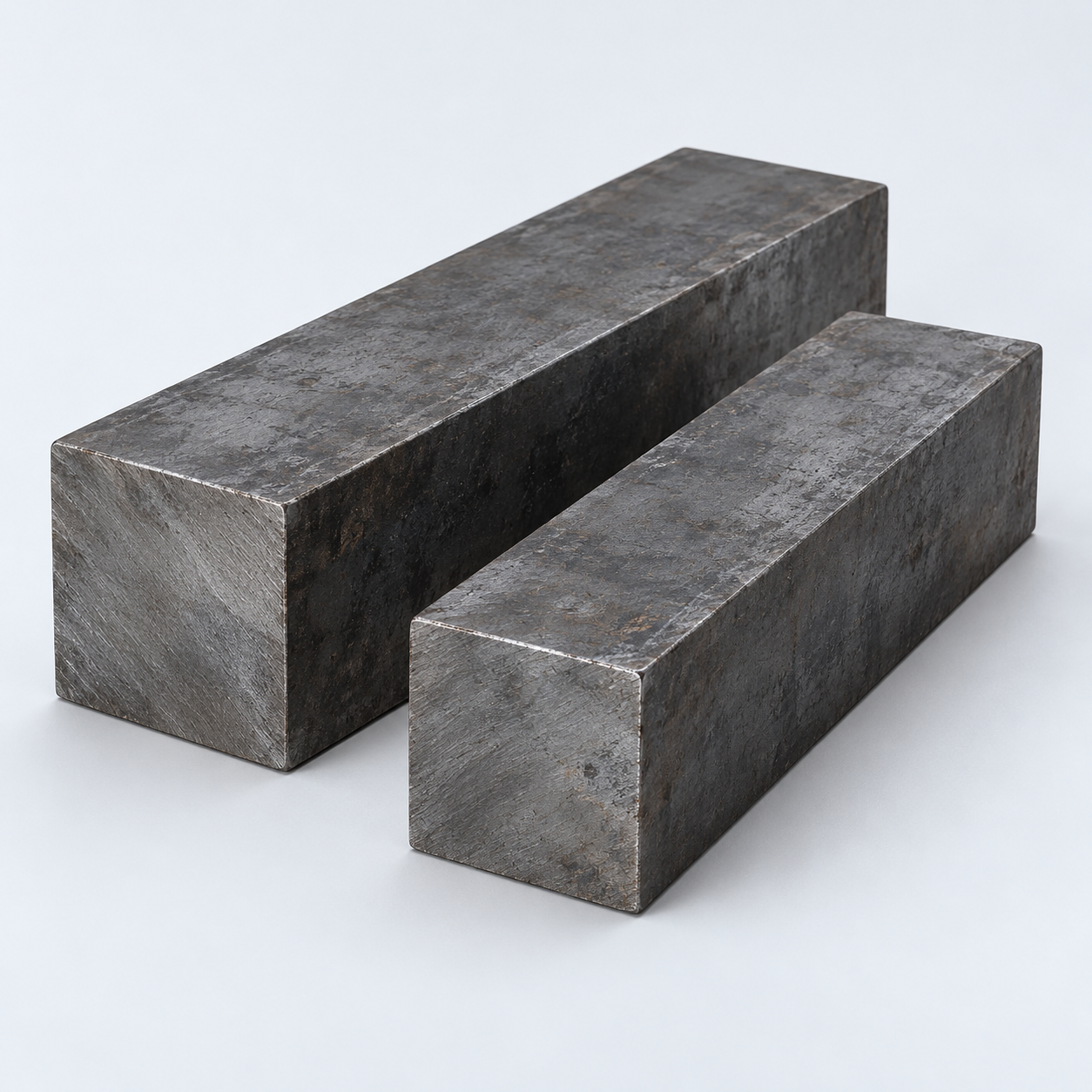 Carbon & Alloy SteelDiscuss grade and heat treatment›
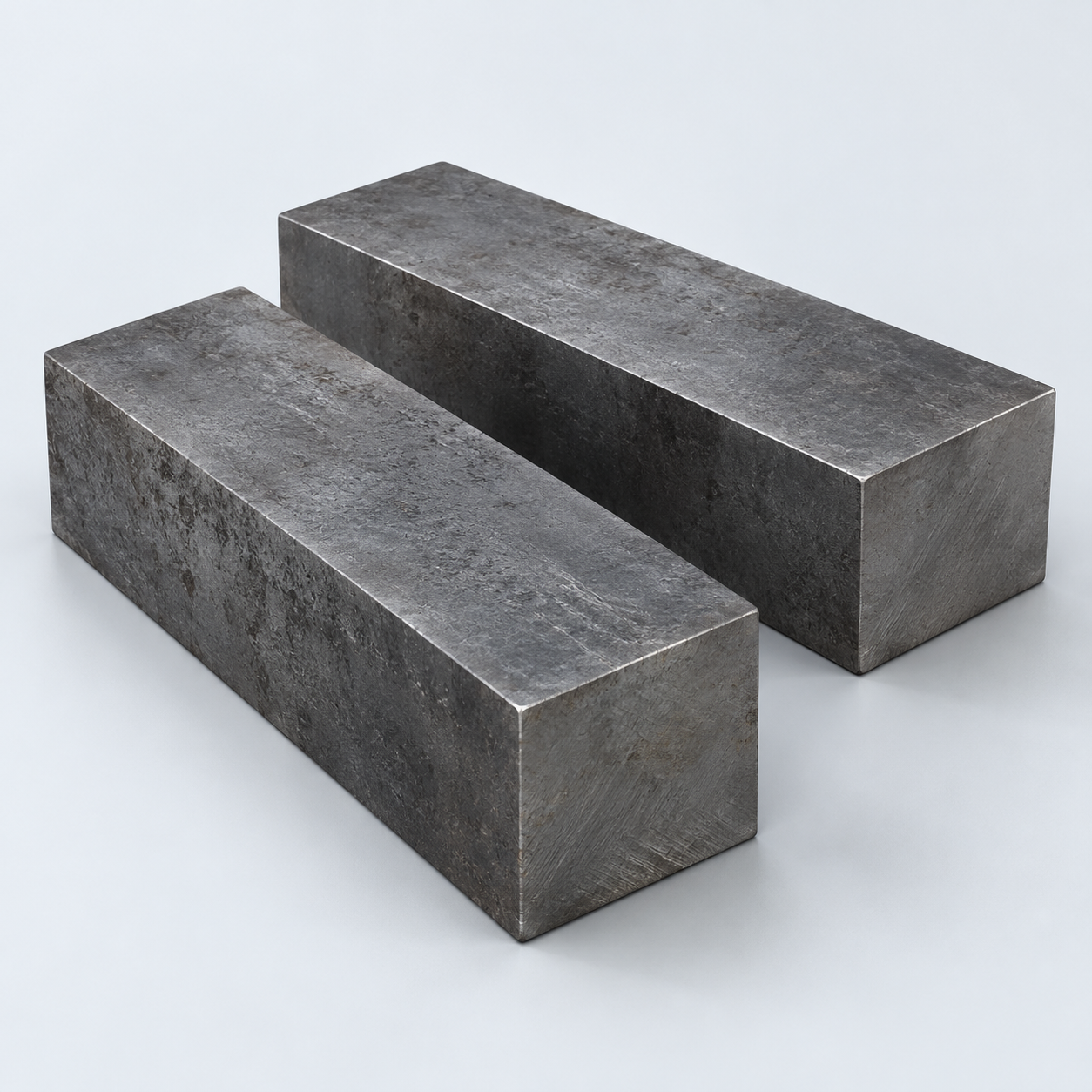 Tool SteelDiscuss tooling and wear needs›
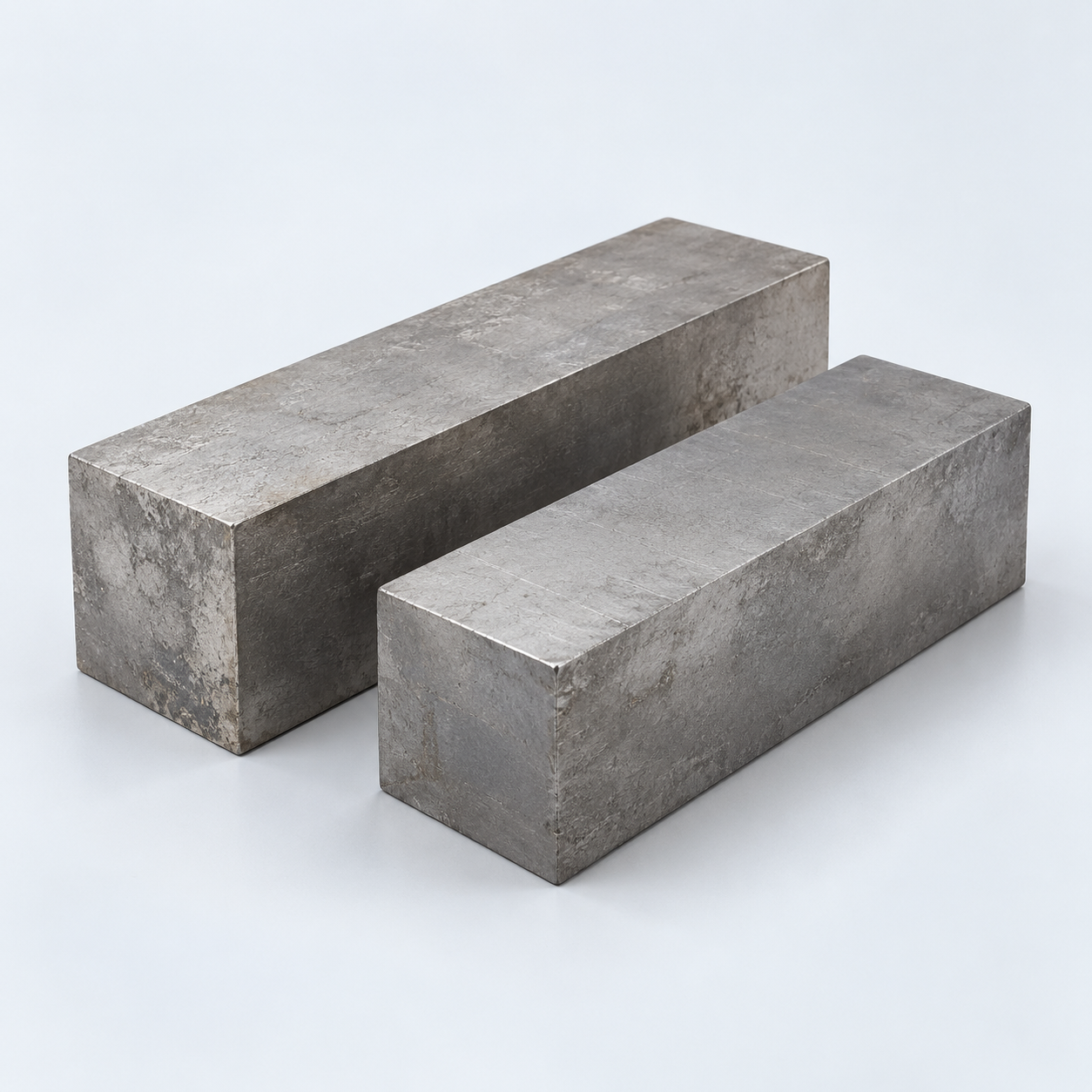 TitaniumReview grade and part geometry›
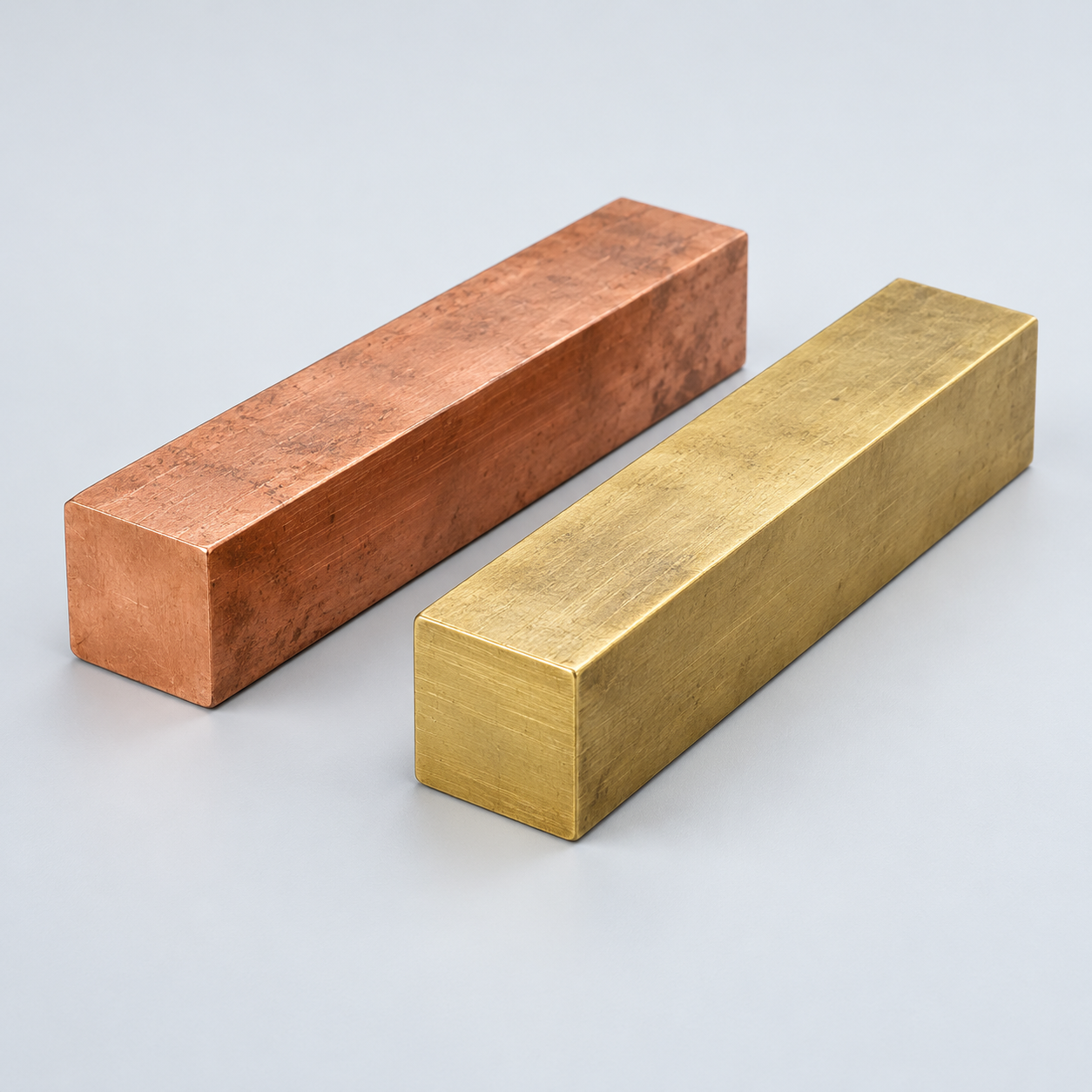 Copper & BrassDiscuss conductivity and machining›
Match your polymer to function, process and environment.
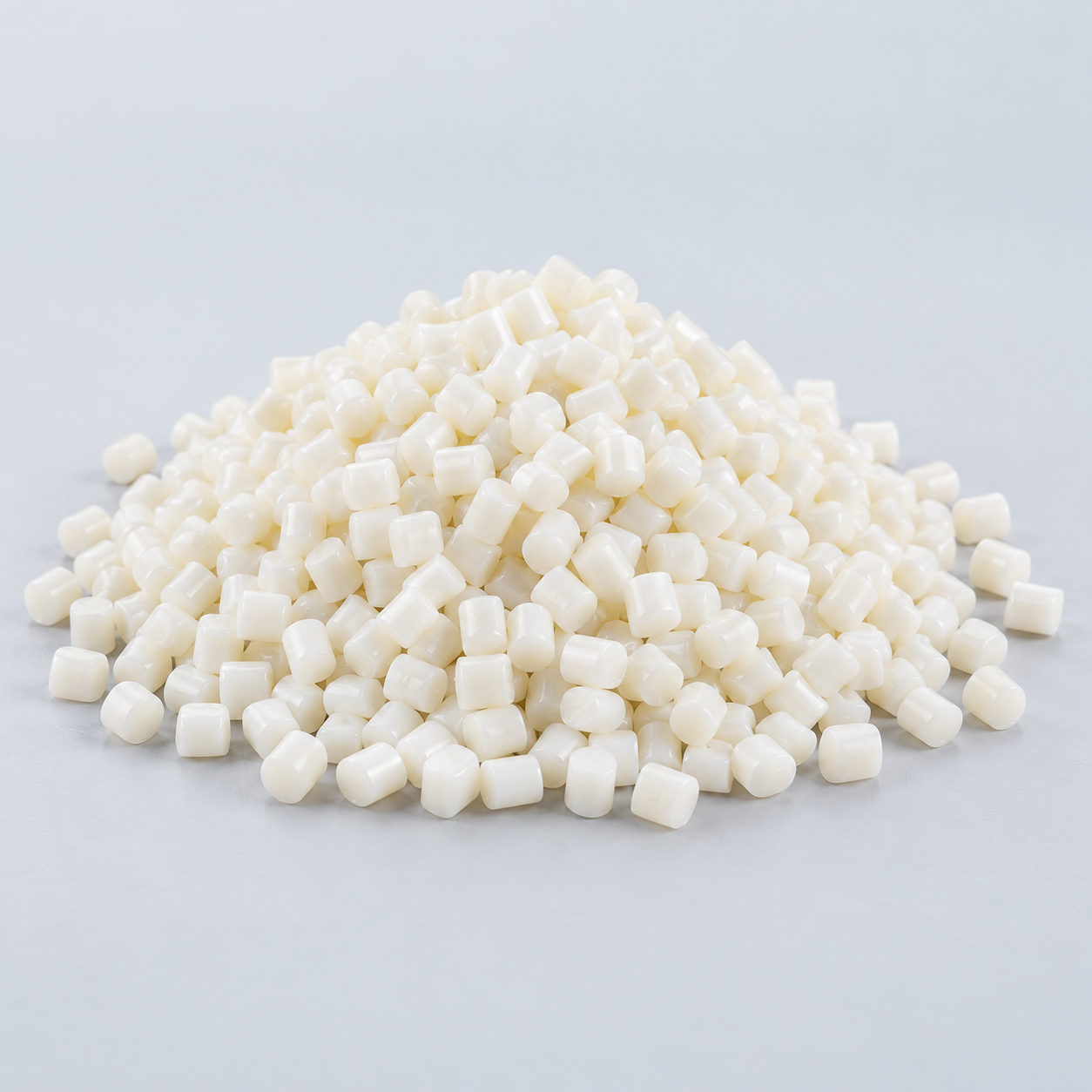 ABSReview enclosure and molding needs›
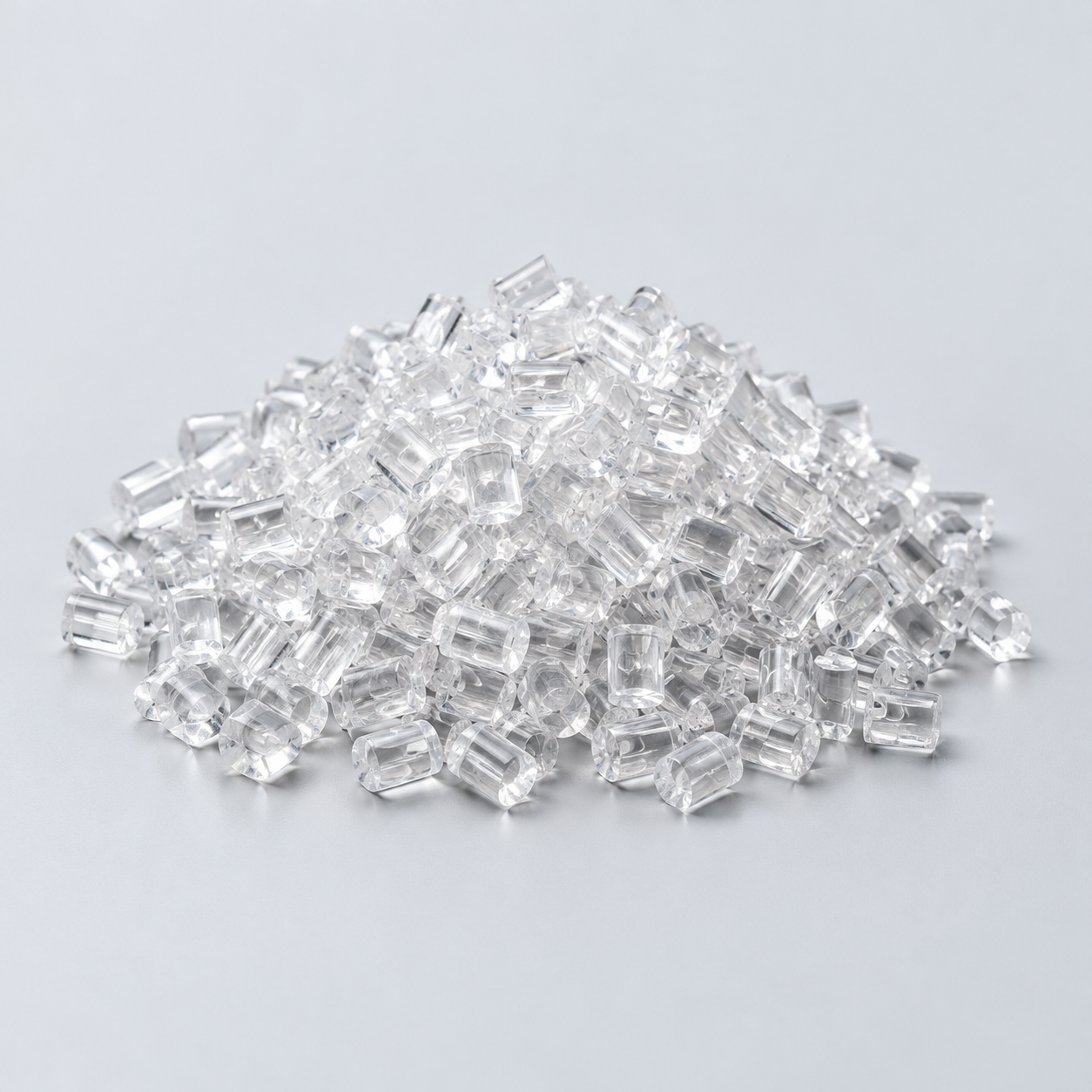 Polycarbonate (PC)Discuss clarity and impact needs›
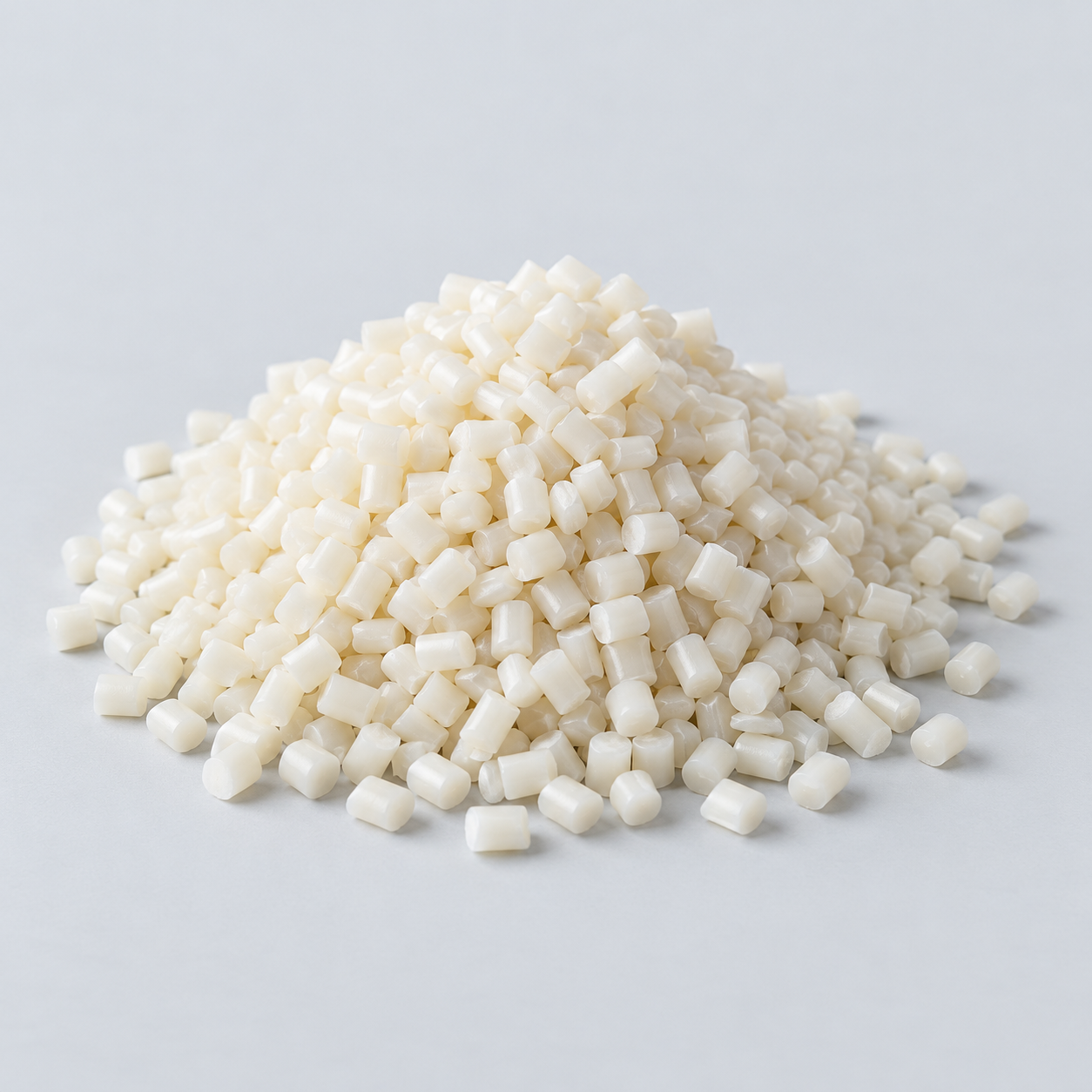 Nylon (PA)Review moisture and wear conditions›
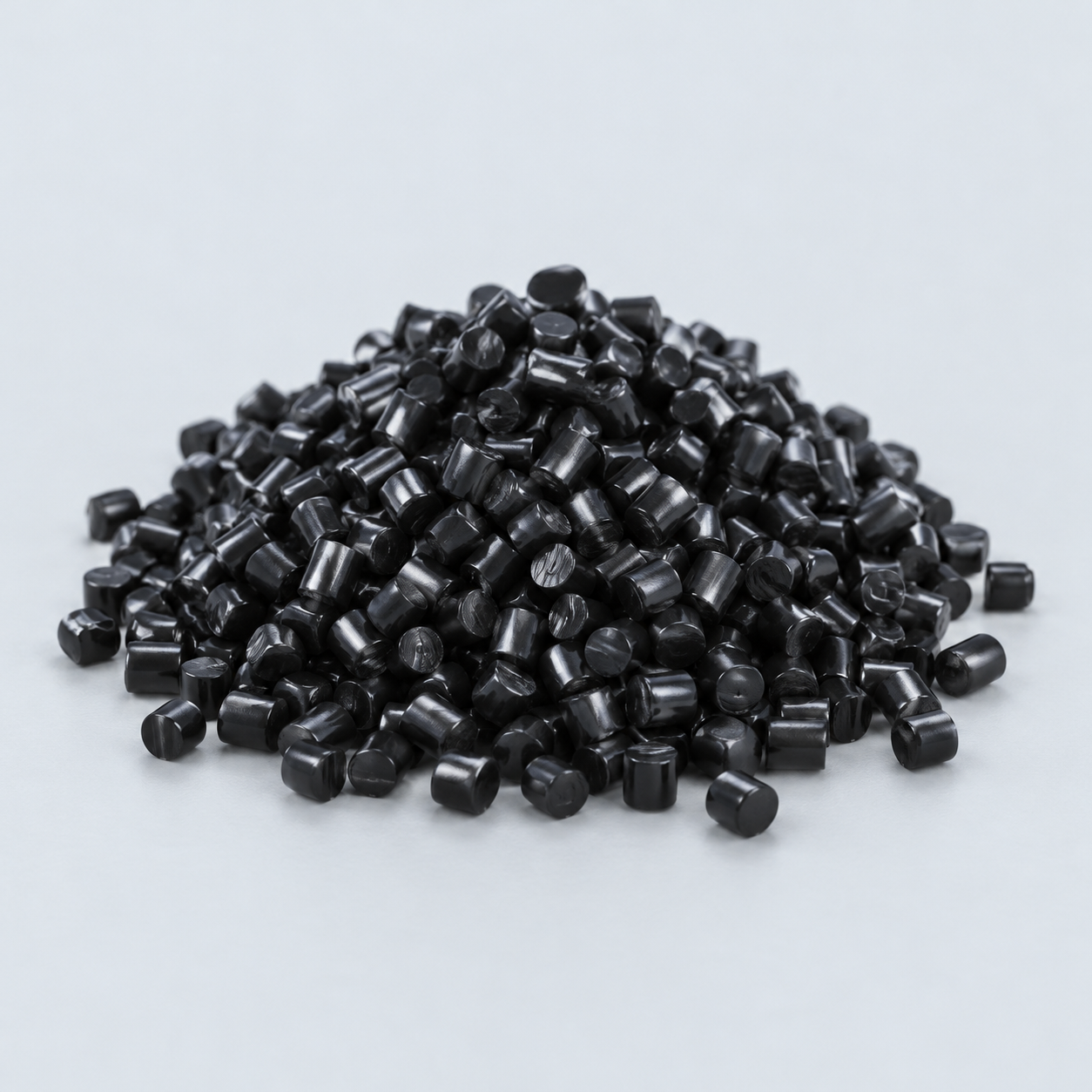 POM / AcetalReview fit and sliding features›
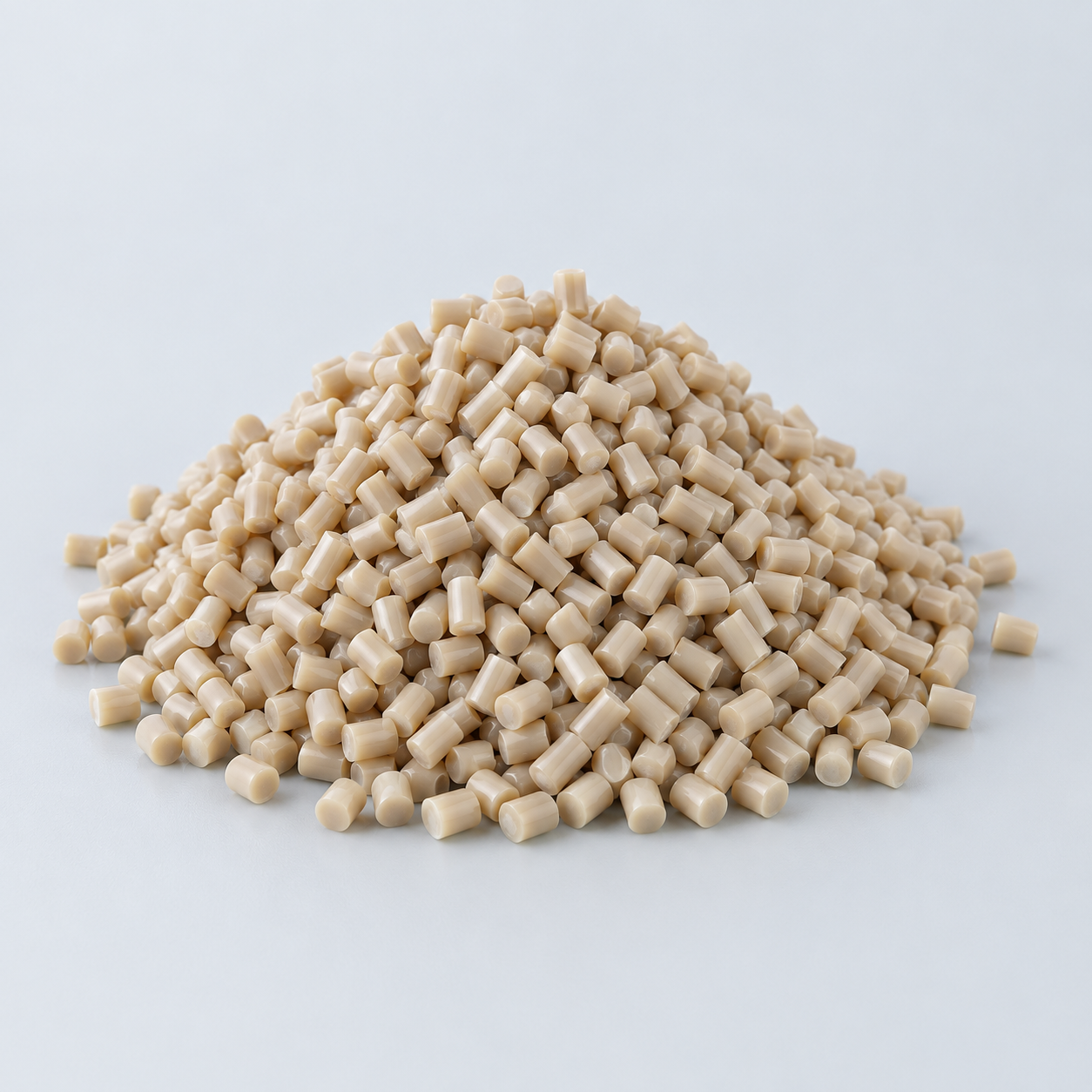 PEEKDiscuss operating conditions›
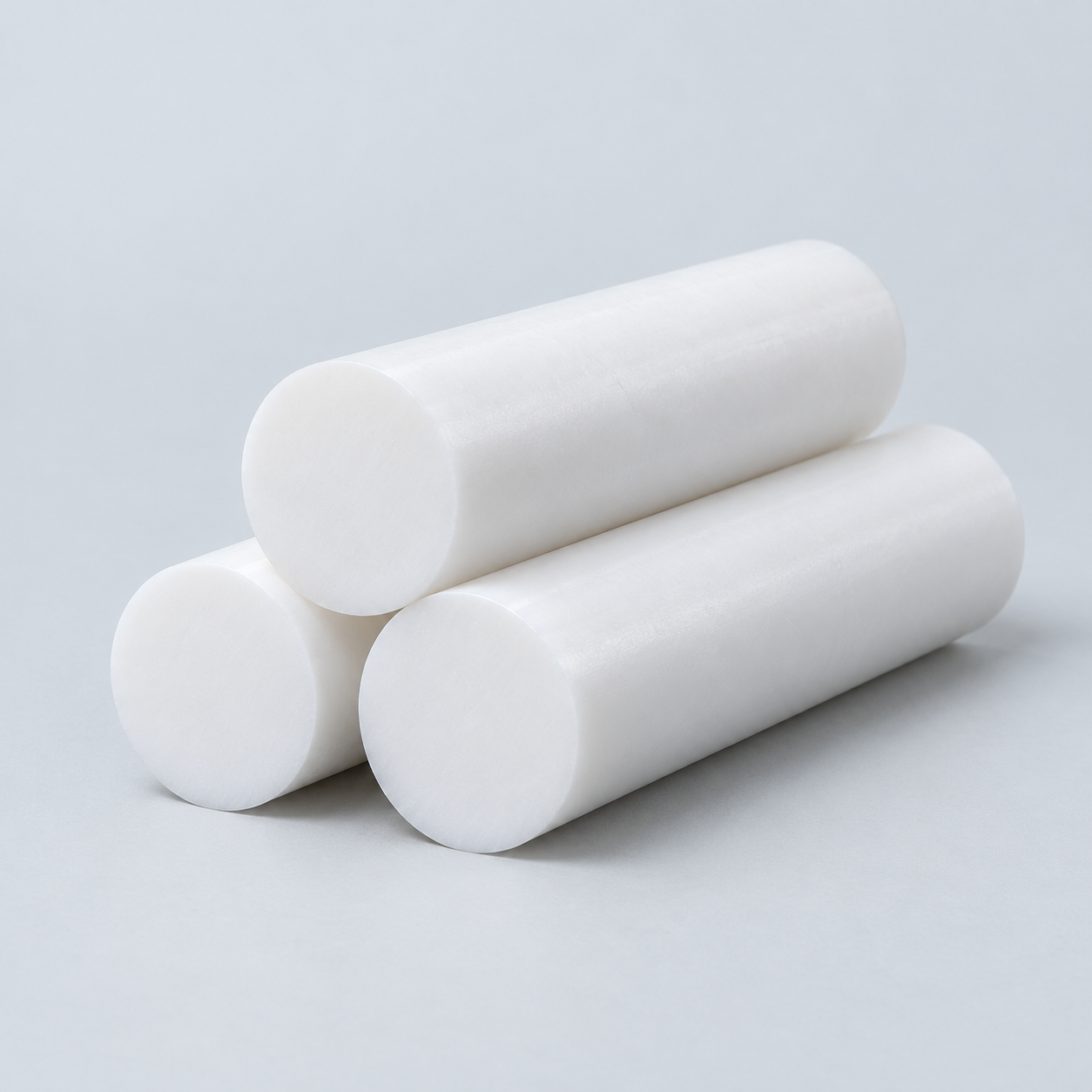 PTFEReview friction and chemical exposure›
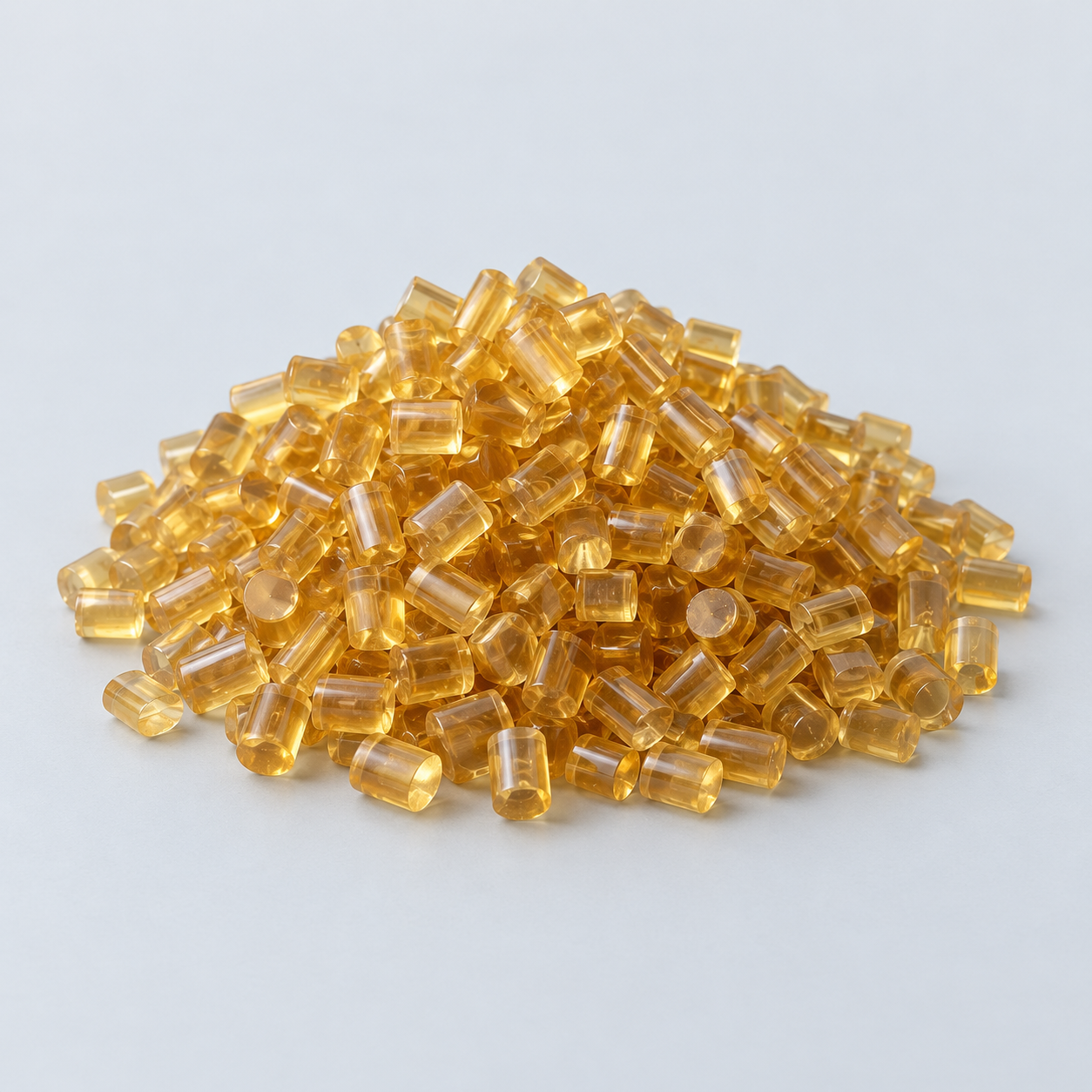 ULTEM / PEIDiscuss thermal and electrical needs›
Confirm grade availability and application requirements.
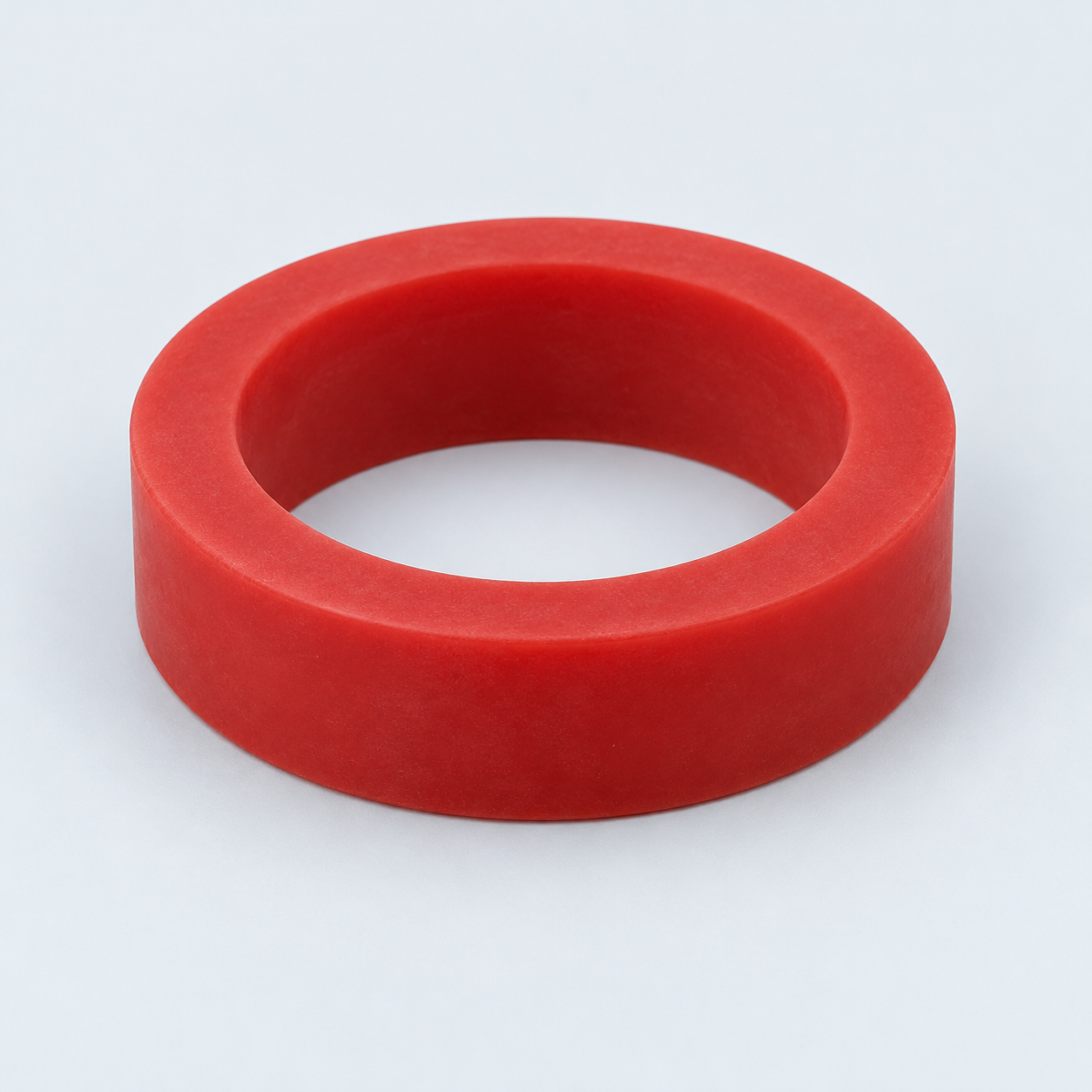 Silicone / LSRDiscuss flexible component needs›
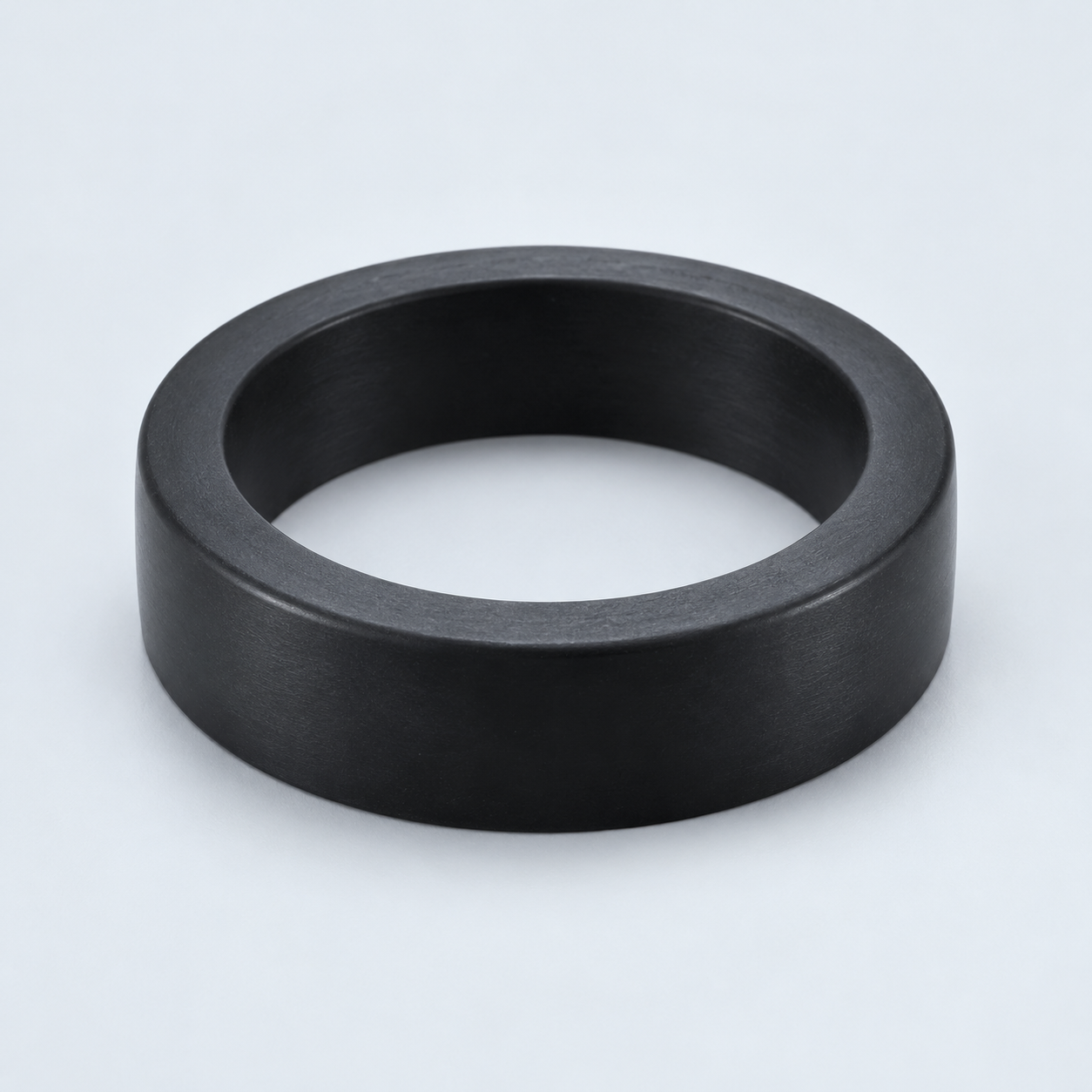 TPU / TPEReview flexibility and processing›
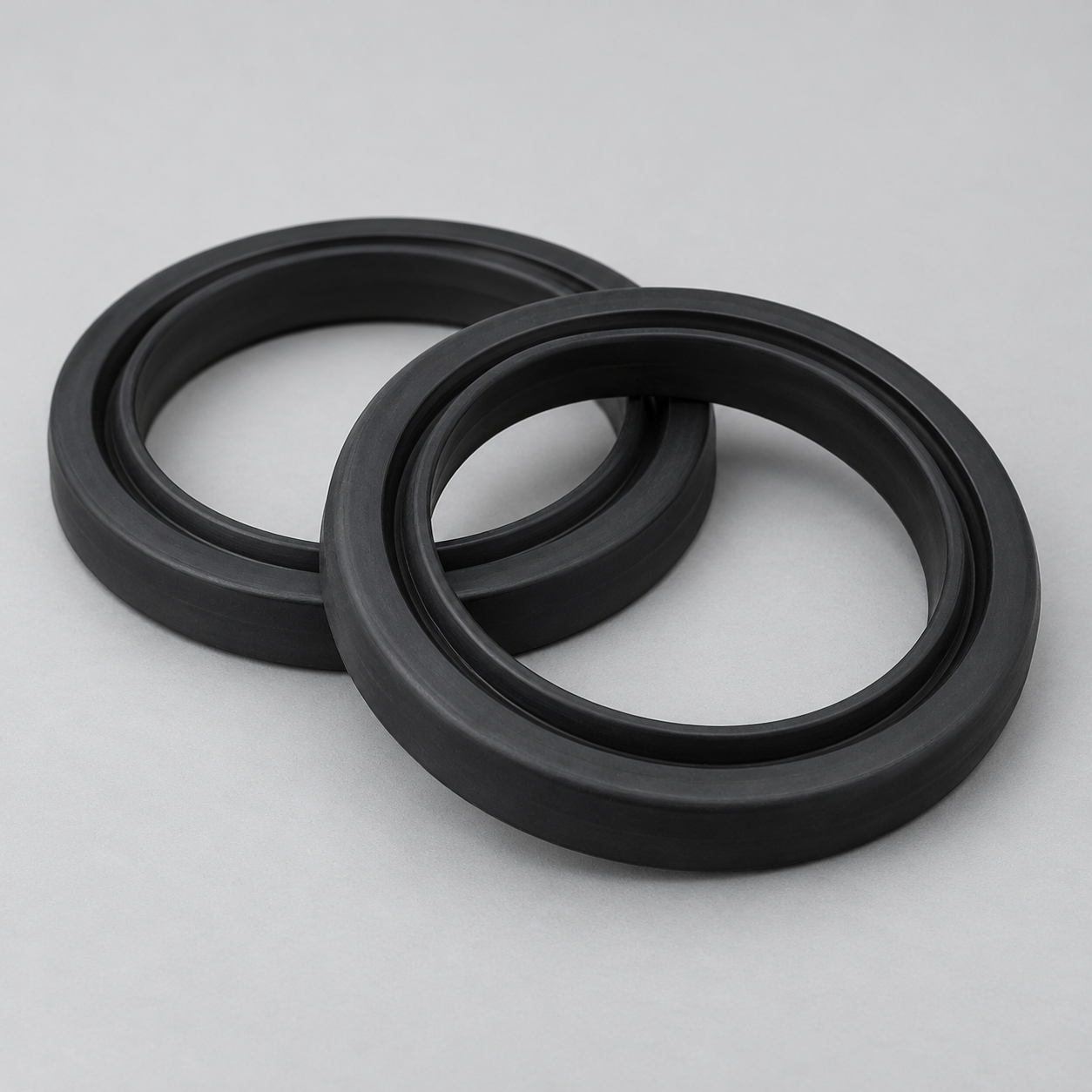 EPDMReview weathering and chemical exposure.›
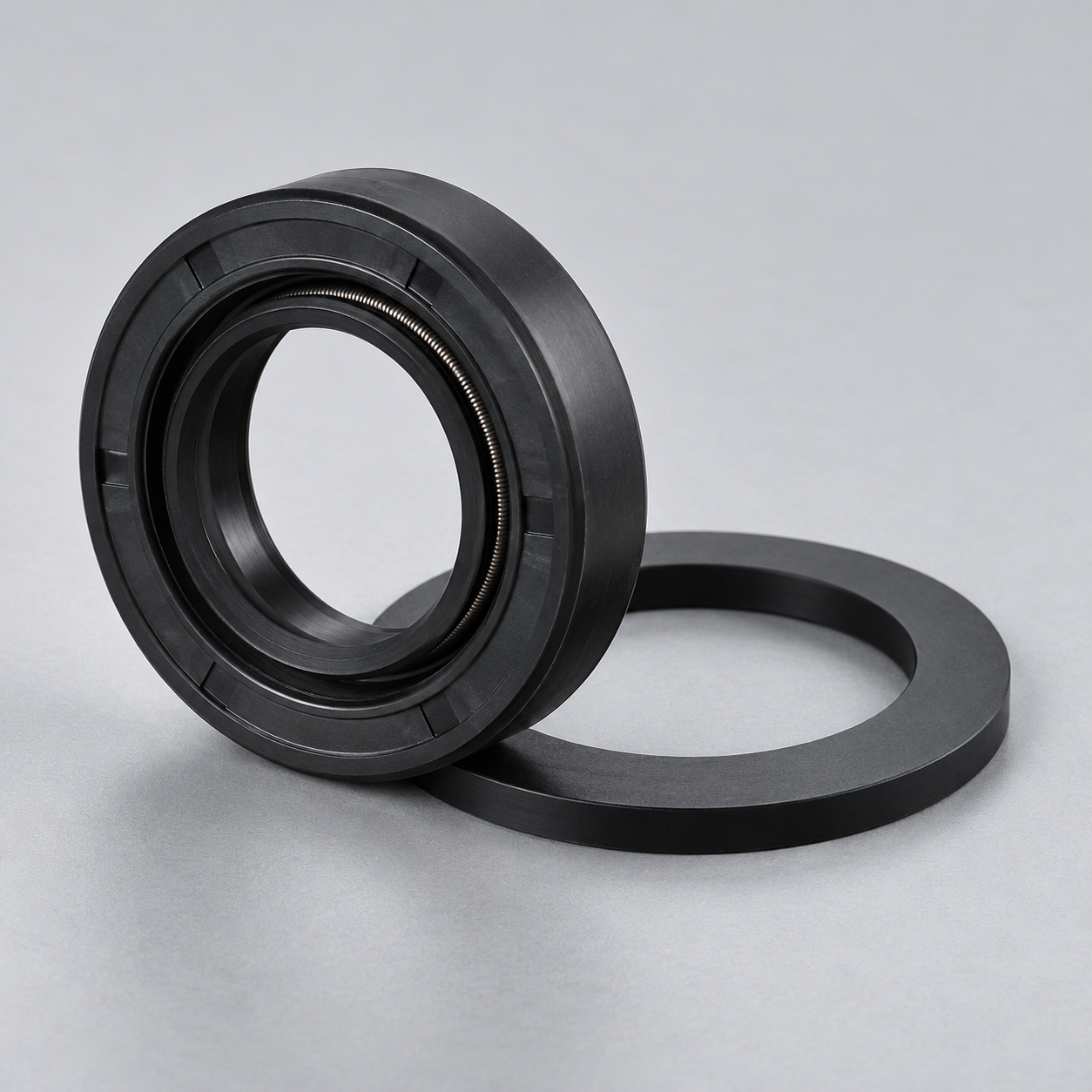 NBRReview oil and fuel exposure.›
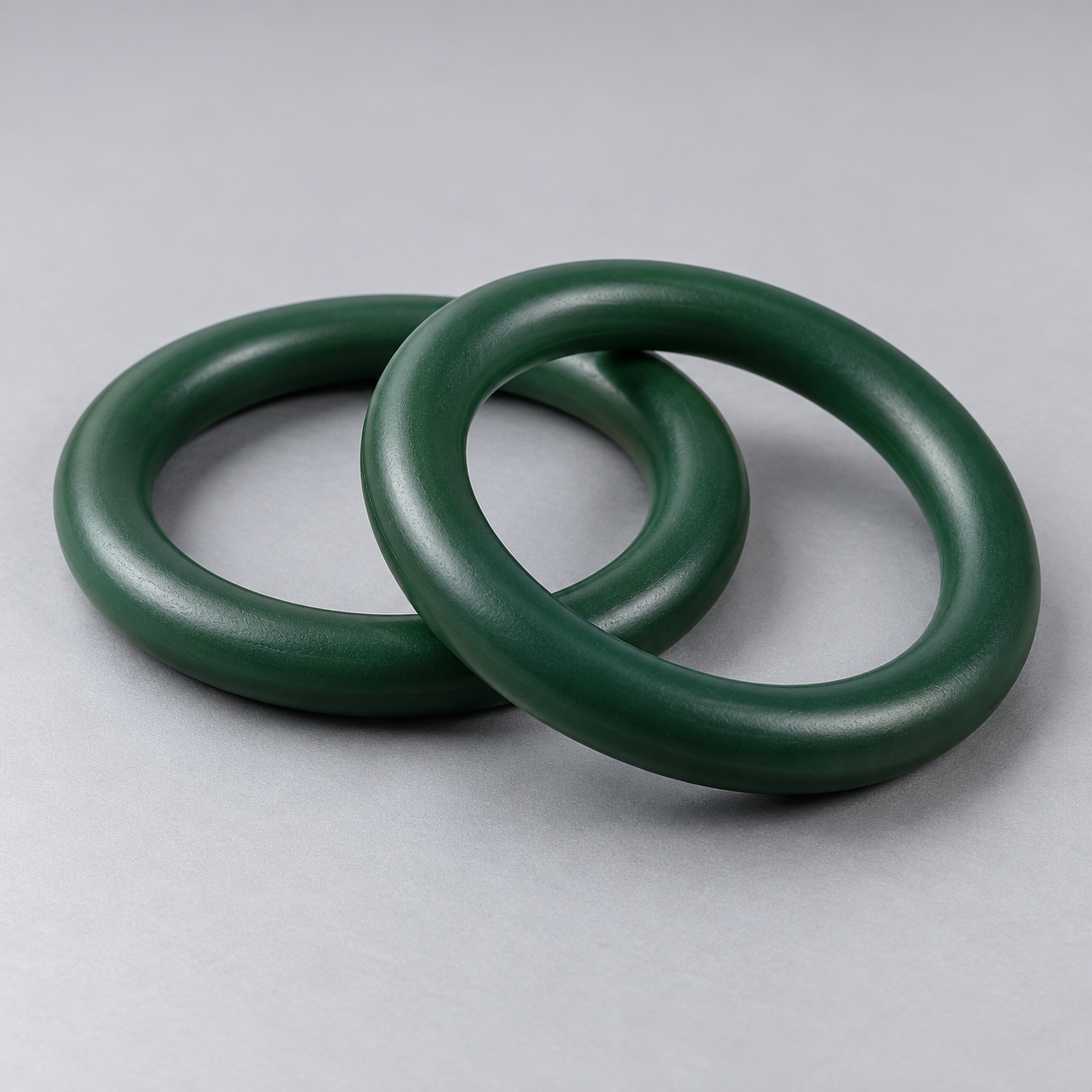 FKMReview temperature and chemical exposure.›
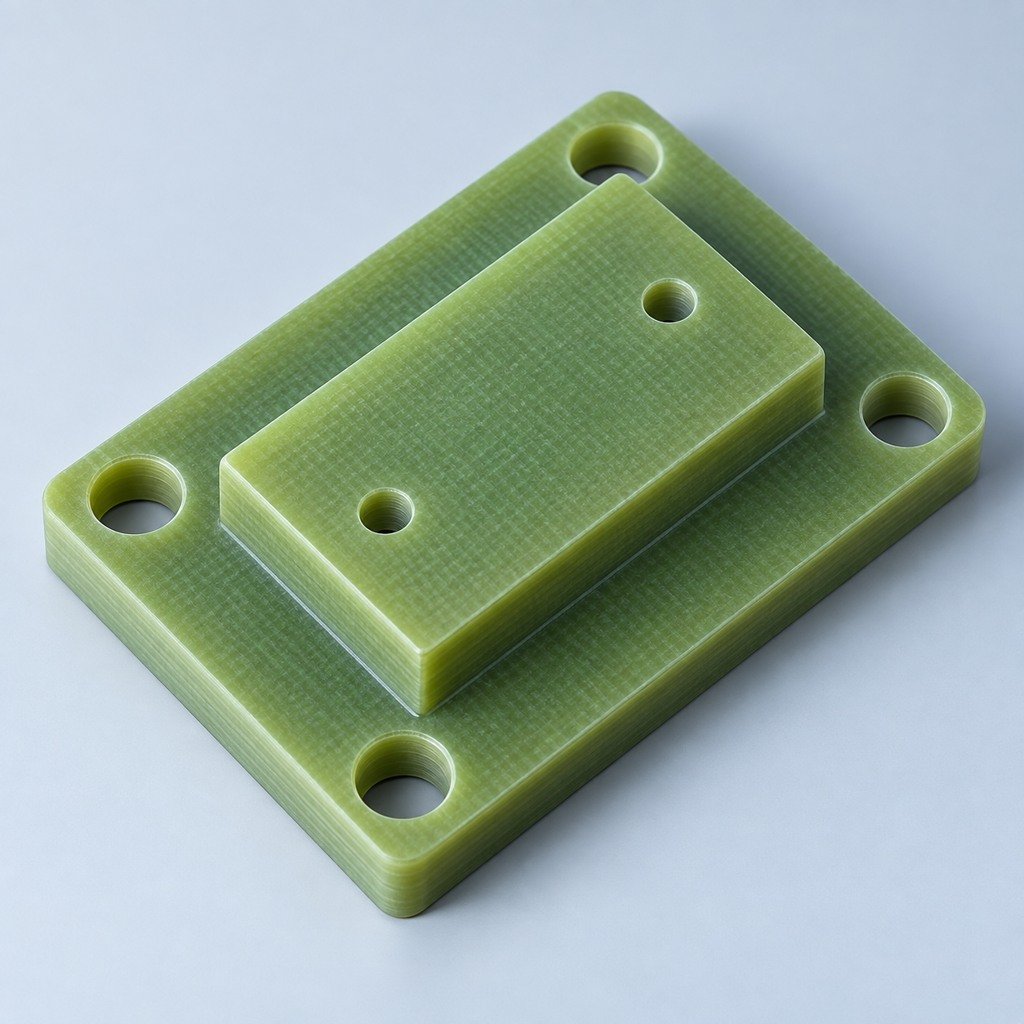 G10 / FR4Review insulation and laminate needs›
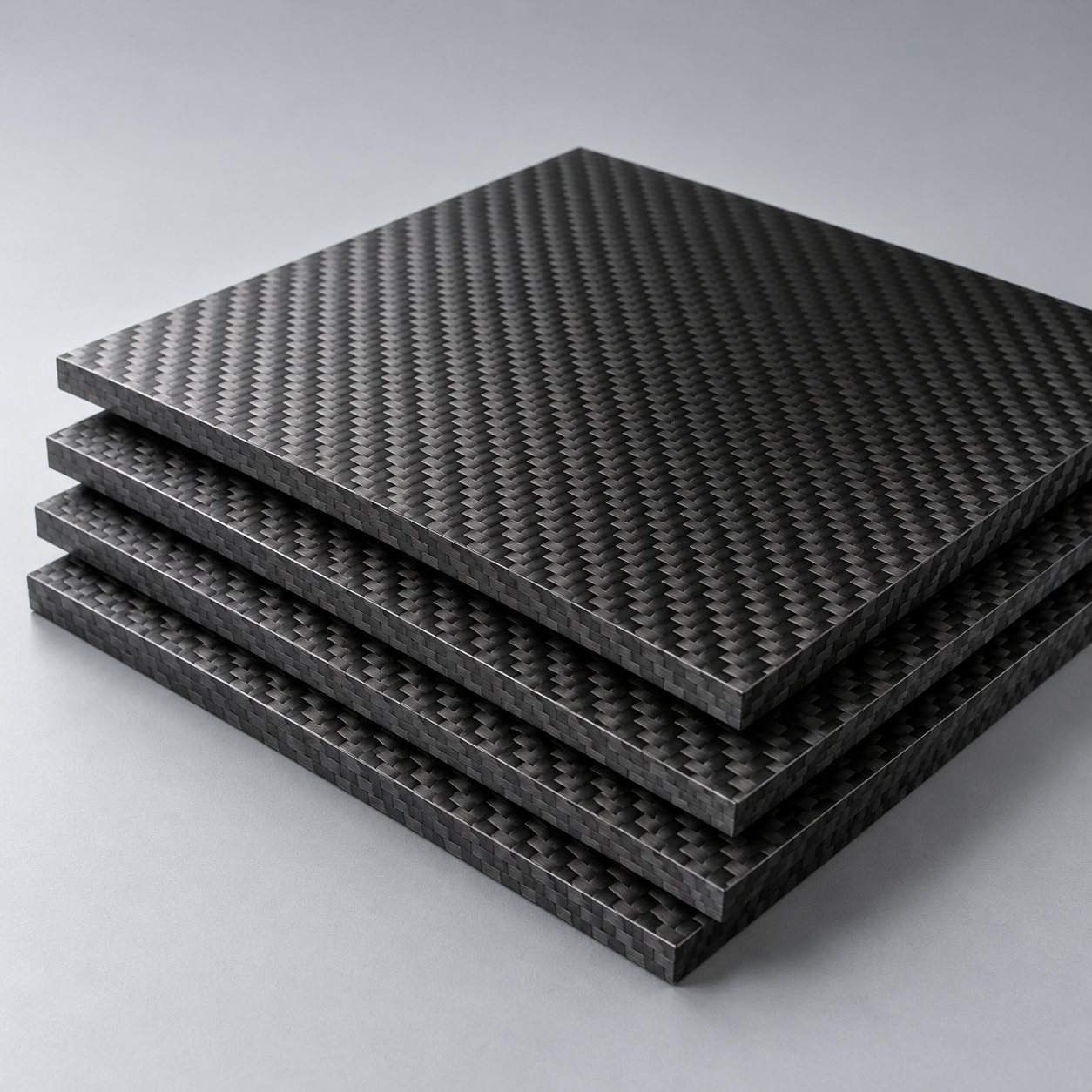 CompositesReview stiffness, weight and laminate.›Customer-Specified MaterialsConfirm your grade and requirements.›Other Specialty MaterialsDiscuss your application and grade.›
Practical guidance for your part geometry and material decisions.
Prepare your process, budget and sourcing questions.
Build your knowledge before production.
Learn who we are and how we operate.
Find our U.S. support team or start a conversation.
Choose the Tool Around Your Part
China Manufacturing. Dallas-Area Coordination.
Bring your part CAD, process, material and demand into one tooling review. Define trial samples, critical dimensions and ownership before you approve mold or die manufacture.
Choose your operation, then review the tool design, trial evidence and ongoing responsibilities. Final scope is confirmed in your quotation.
 01 / 04
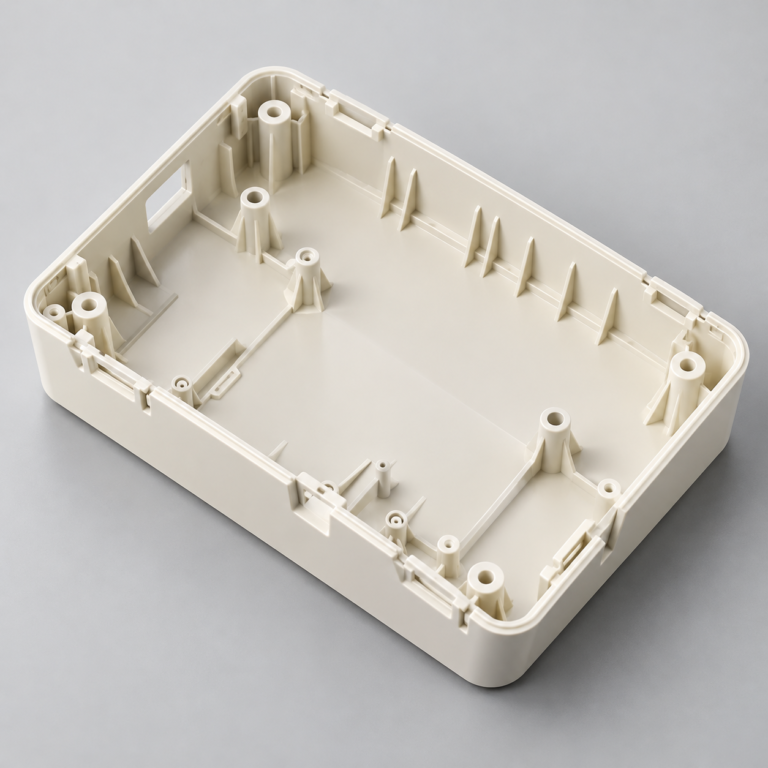
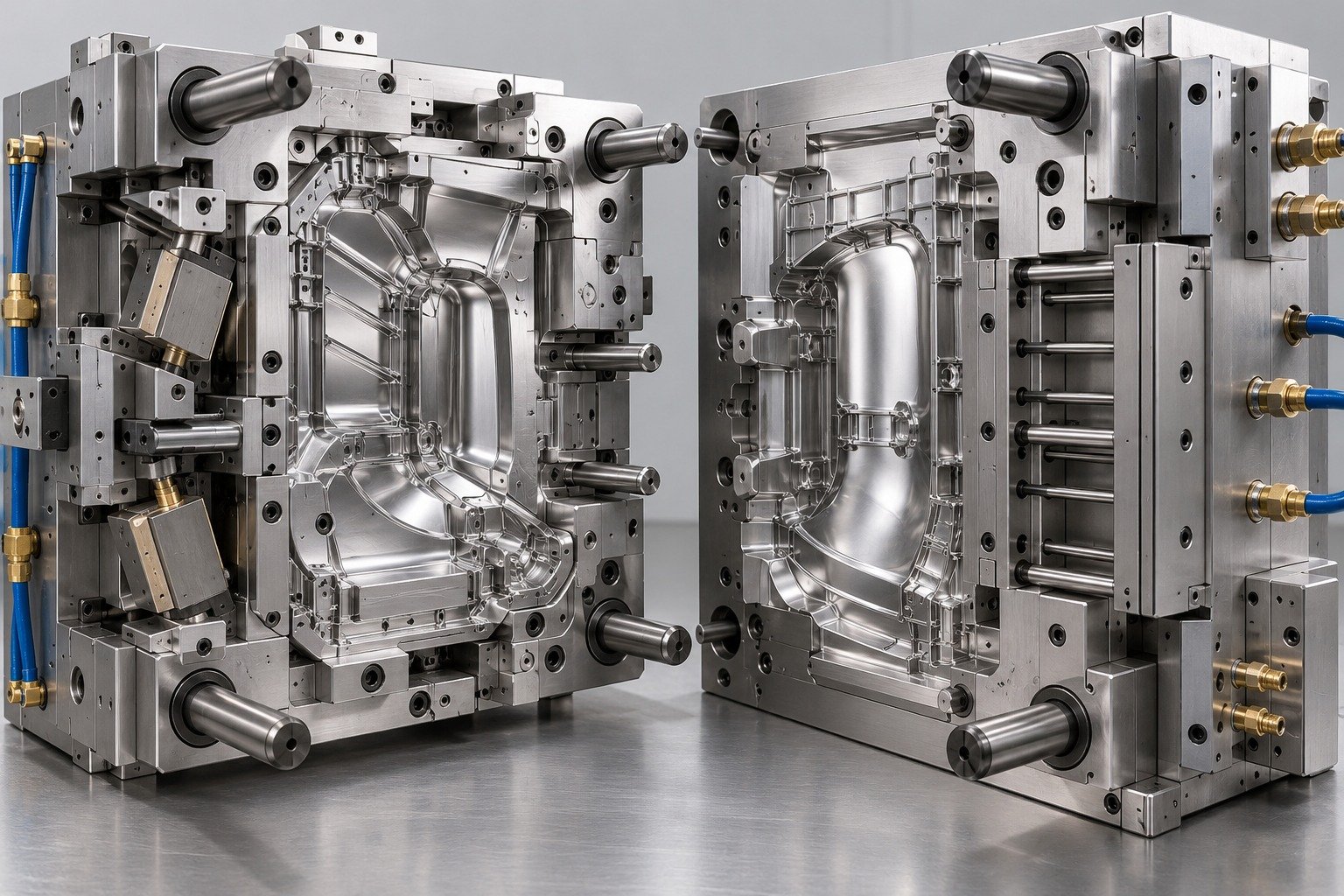
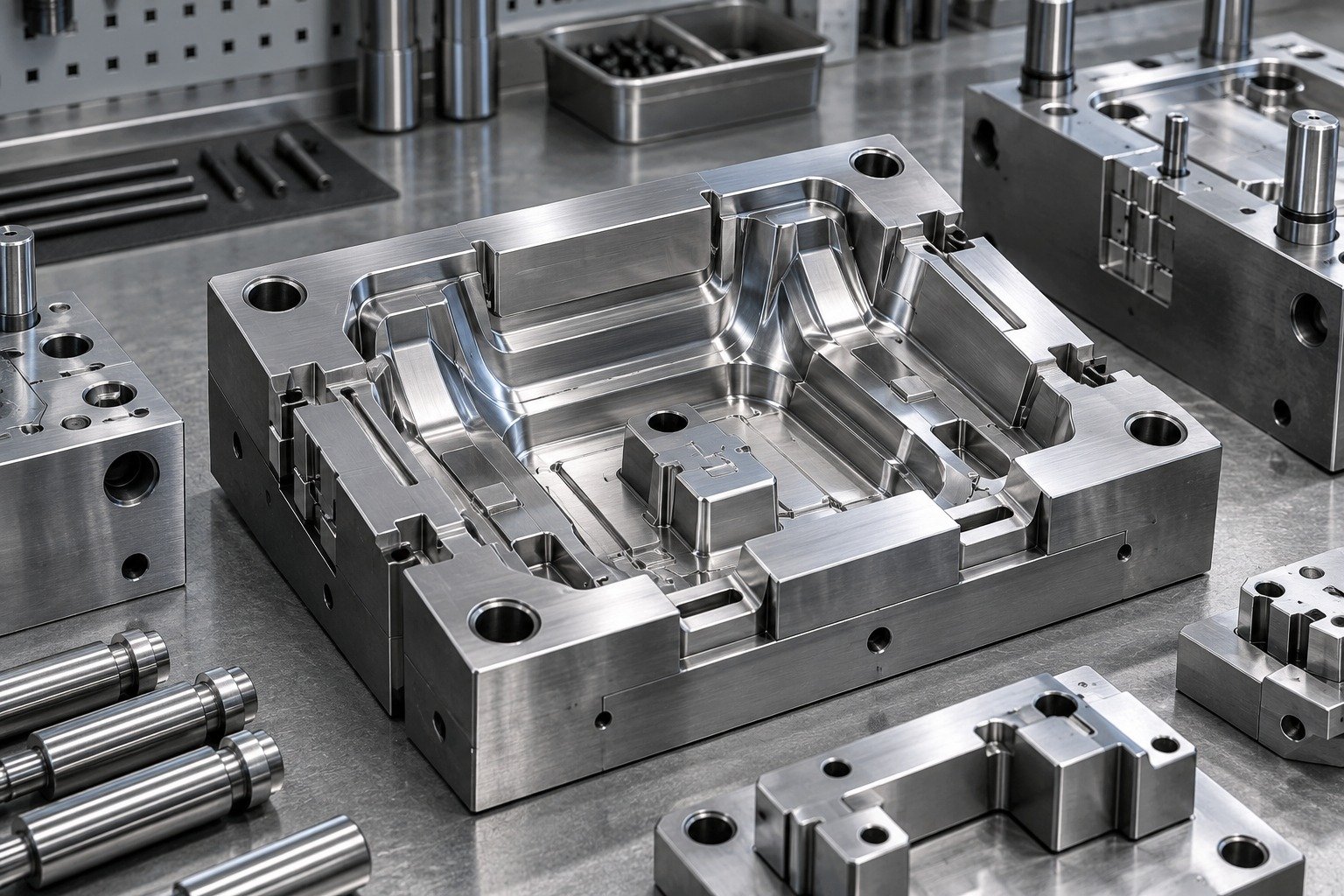
For your plastic part, review resin shrinkage, cavity layout, parting lines, gates and ejection together. Identify cosmetic faces and mating features before approving injection molding mold design.
Compare injection molding tooling cost on the same cavity count, steel specification, trial scope and included changes.
Explore Related Production →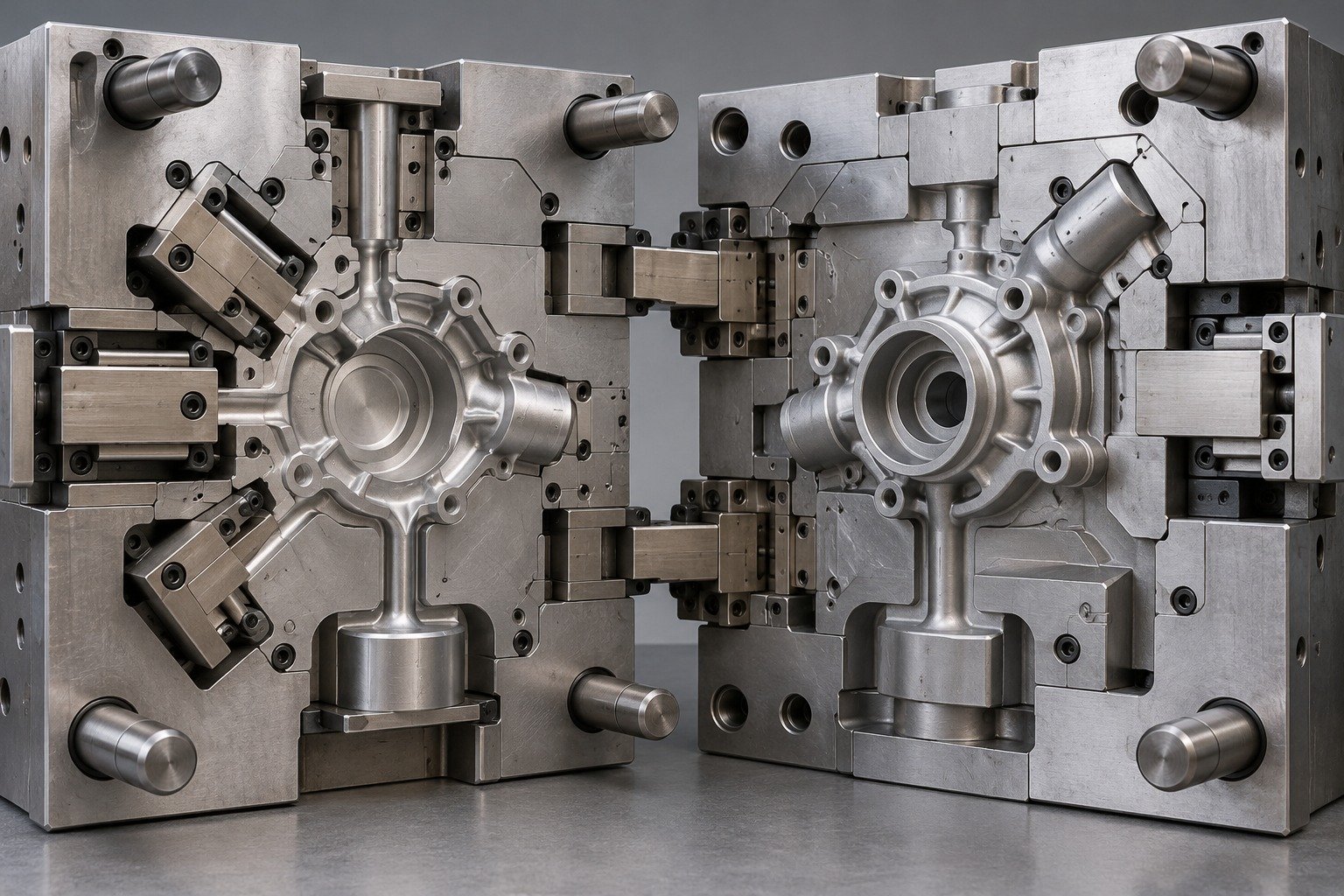 01 / 04
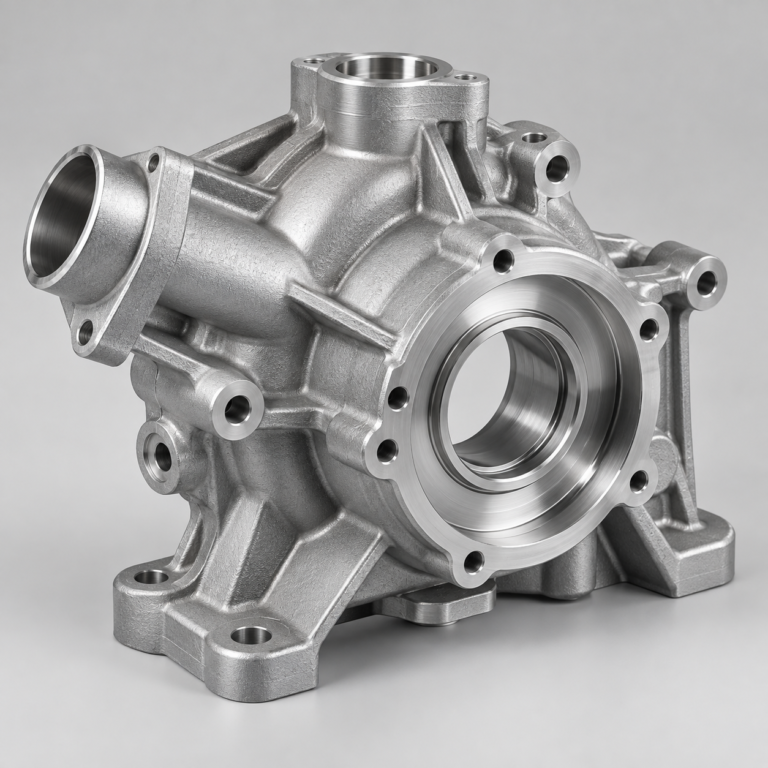
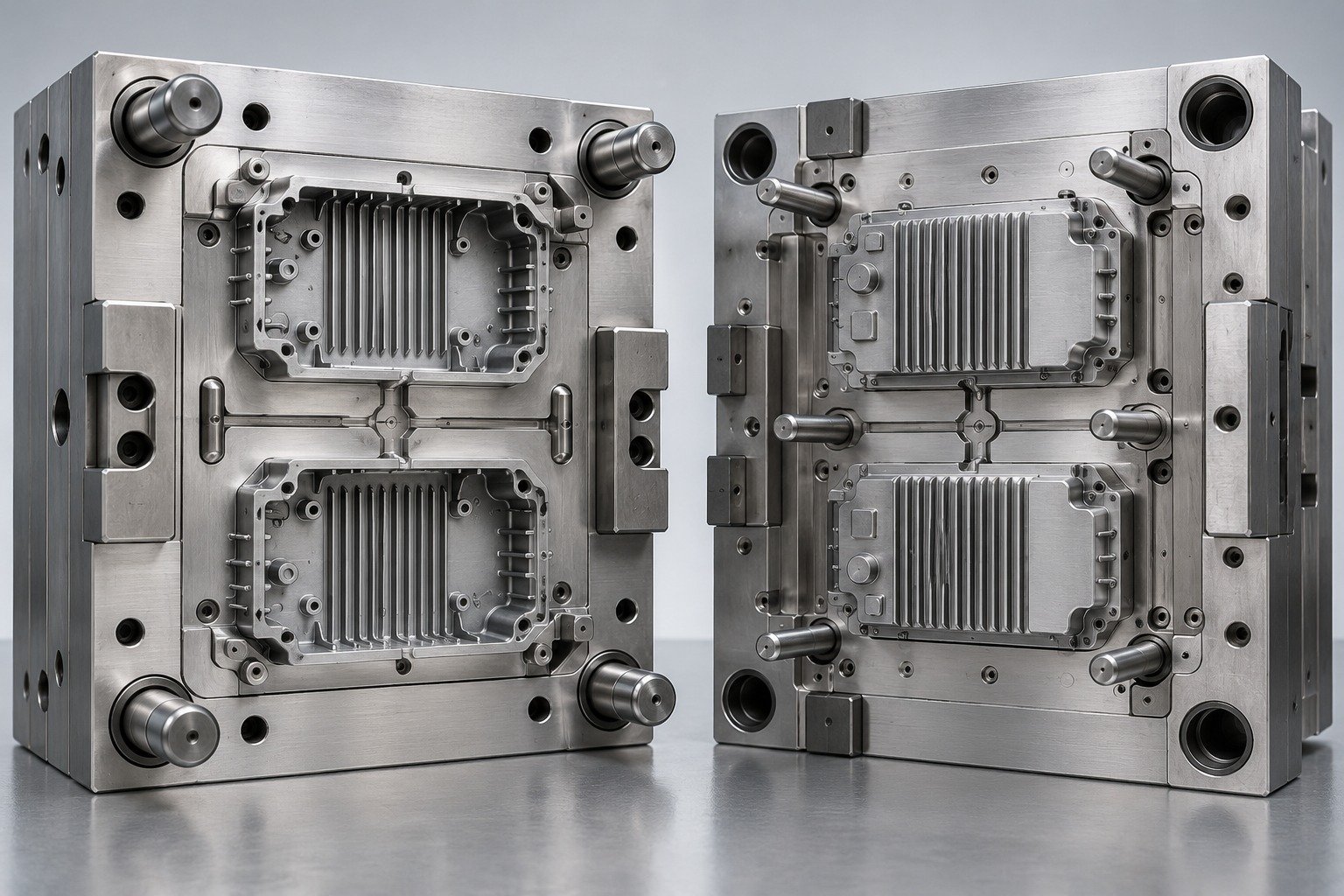
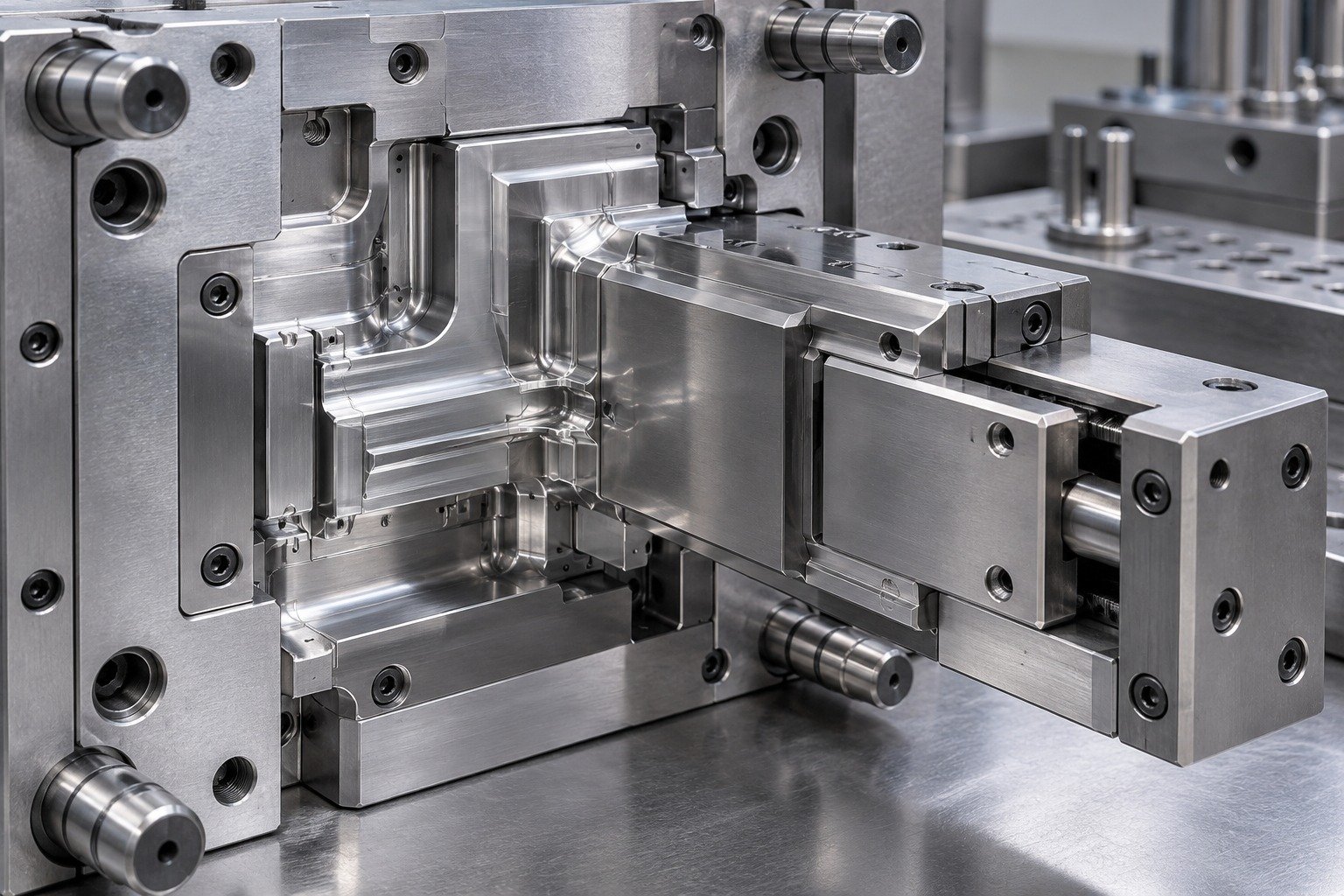
For your metal housing, review die casting mold design, slides, runners, overflows and ejection. Agree machining datums and any leak-test requirements on the finished part.
Separate die casting tooling investment, trim tooling, machining fixtures and trial parts in your quotation.
Explore Related Production →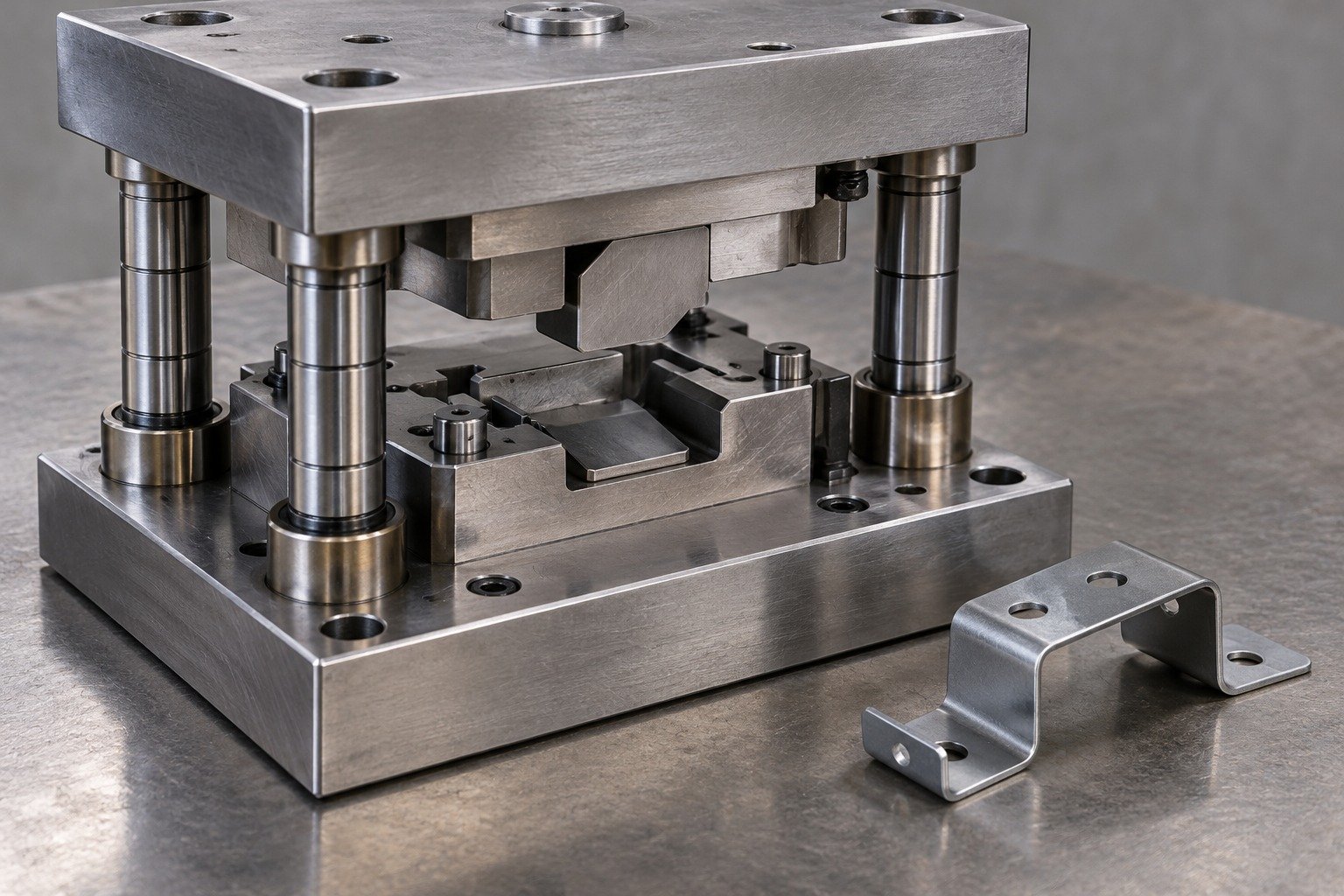 01 / 04
Use your drawing to review a dedicated blanking, piercing or forming operation. For custom stamping dies, confirm stock grade, thickness, part location and handling between operations.
Compare single-station tooling with a progressive route using the same part revision and expected demand.
Explore Related Production →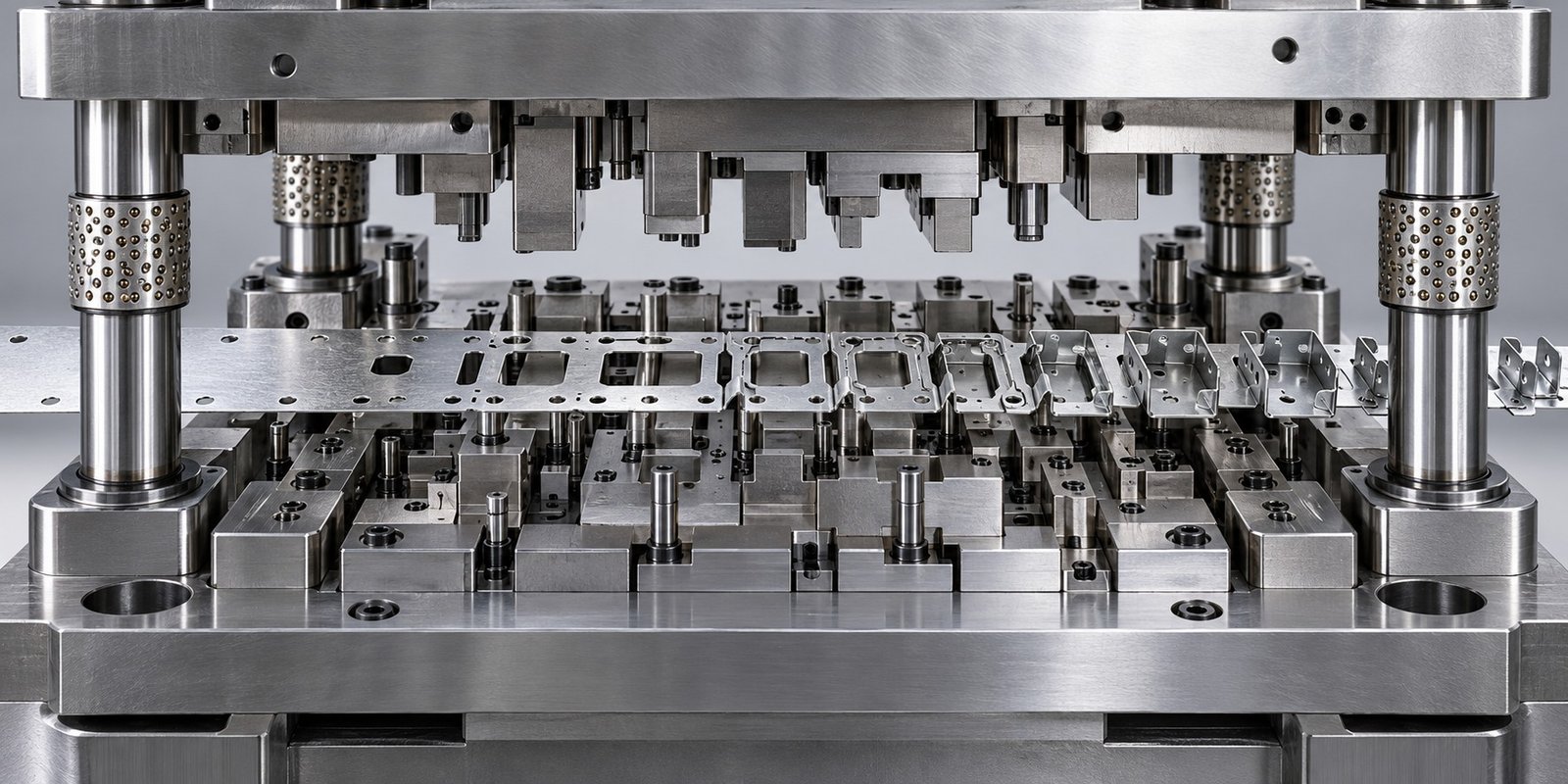 01 / 04
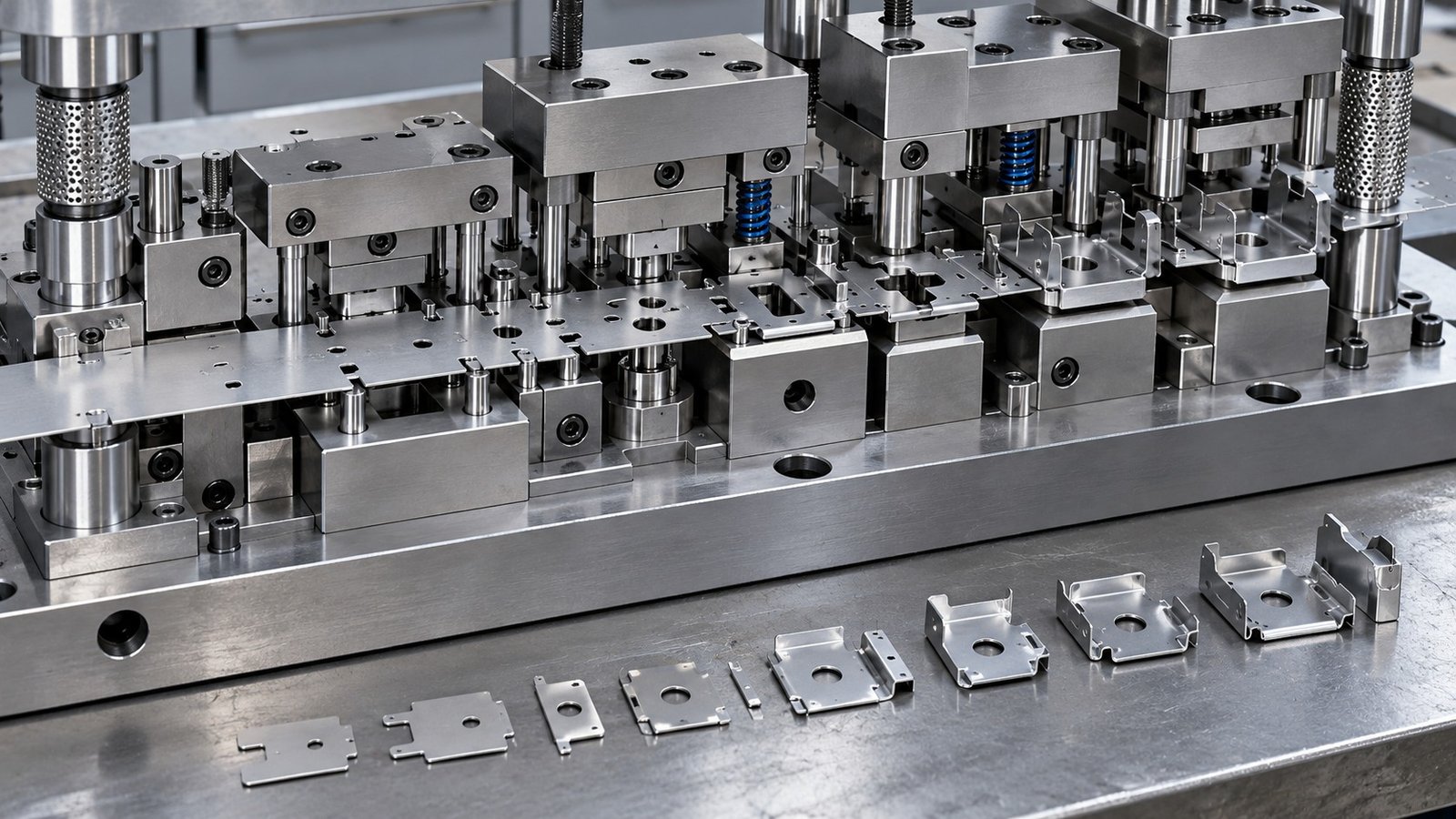
Review progressive stamping dies around feed direction, station sequence, pilot location and scrap handling. Identify dimensions affected by forming and springback before approving stamping die design.
Metal stamping tooling scope should identify setup, sensors where specified, trial material and acceptance records.
Explore Related Production →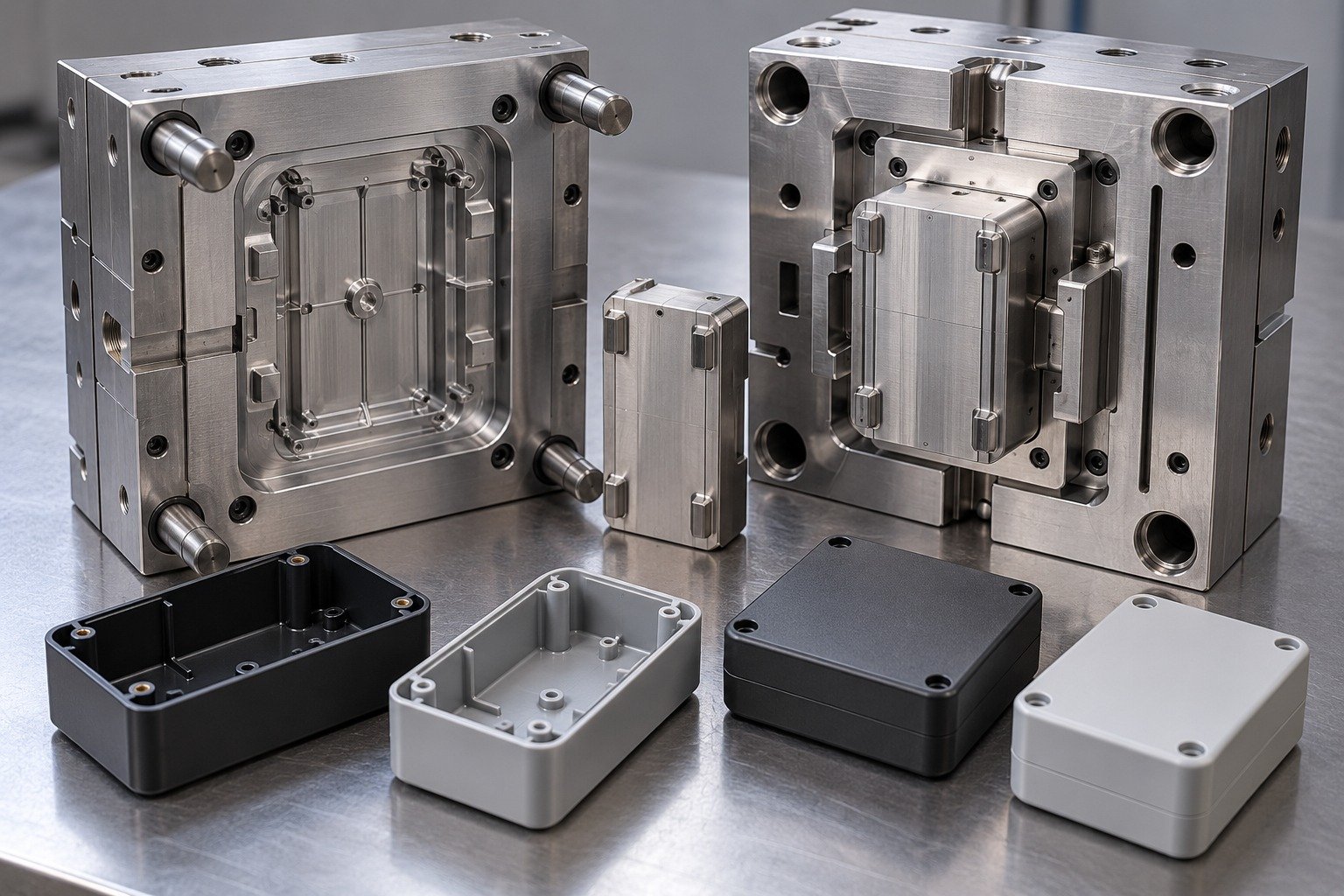 01 / 04
Use prototype tooling to evaluate your part or support a defined interim supply need. For an injection molding bridge tooling service, agree the resin, expected quantities and transition plan.
Soft tooling is not a universal material or life rating. Confirm the actual construction, maintenance and exclusions.
Explore Related Production →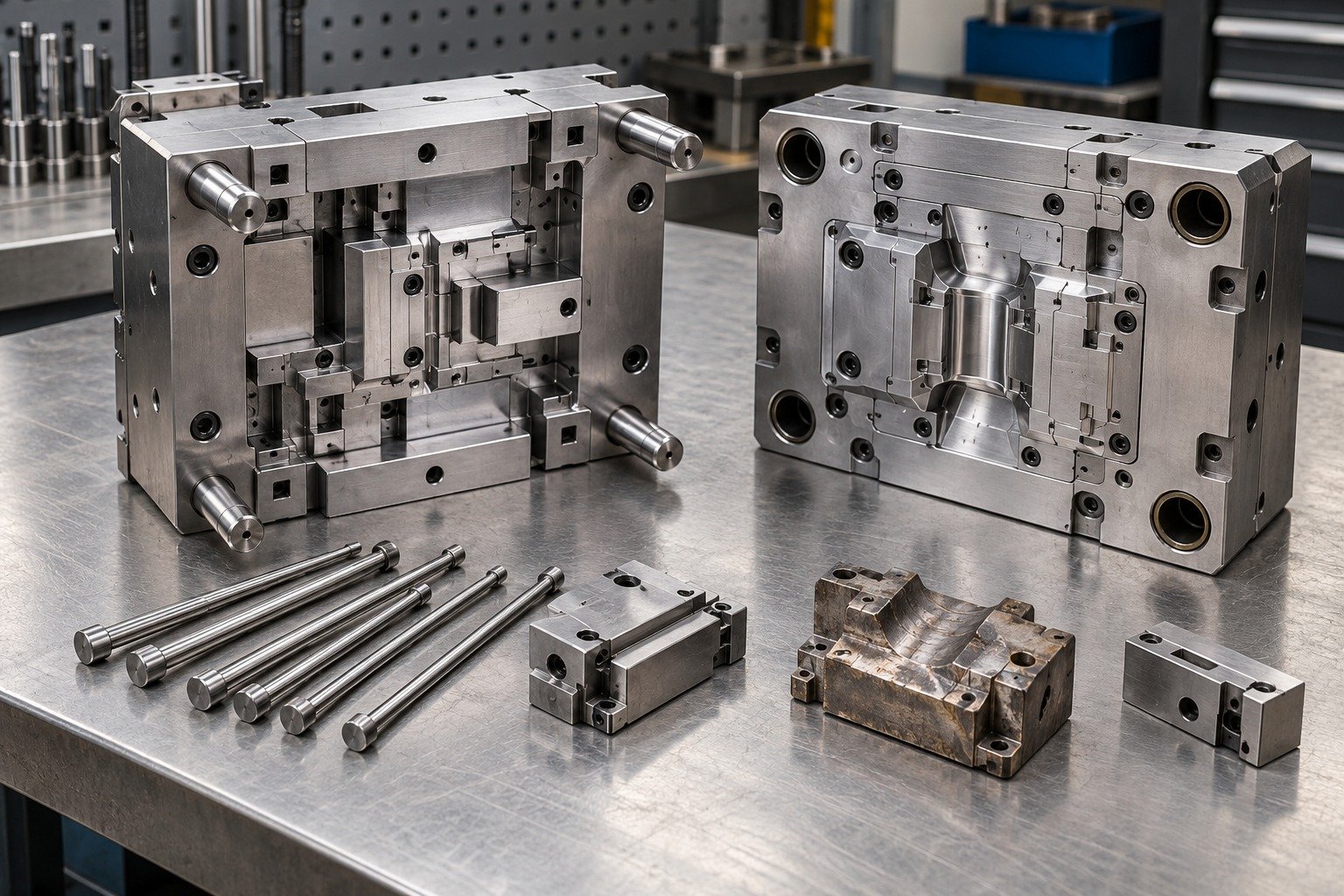 01 / 04
Share tool drawings, sample defects, shot or cycle history and previous repairs. Review wear, damage, inserts, ejection and cooling before agreeing repair feasibility and trial requirements.
Confirm who authorizes changes and how repaired tooling will be accepted before returning it to repeat production.
Explore Related Production →Tooling visuals are illustrative concepts. Your approved drawings and quotation define the supplied scope.

Use Dallas-area coordination to align your part revision, tool review questions and sample feedback with manufacturing in China. Confirm the responsible contacts and delivery scope in your quote.
Keep the approved part and tool drawings identifiable.
Agree trial dates, sample shipping and decision deadlines.
Record the defect, proposed correction and authorization.
Bring mating parts and measured feedback for discussion.
Illustrative tooling concepts show the questions to review; they are not customer case studies or proof of qualification.
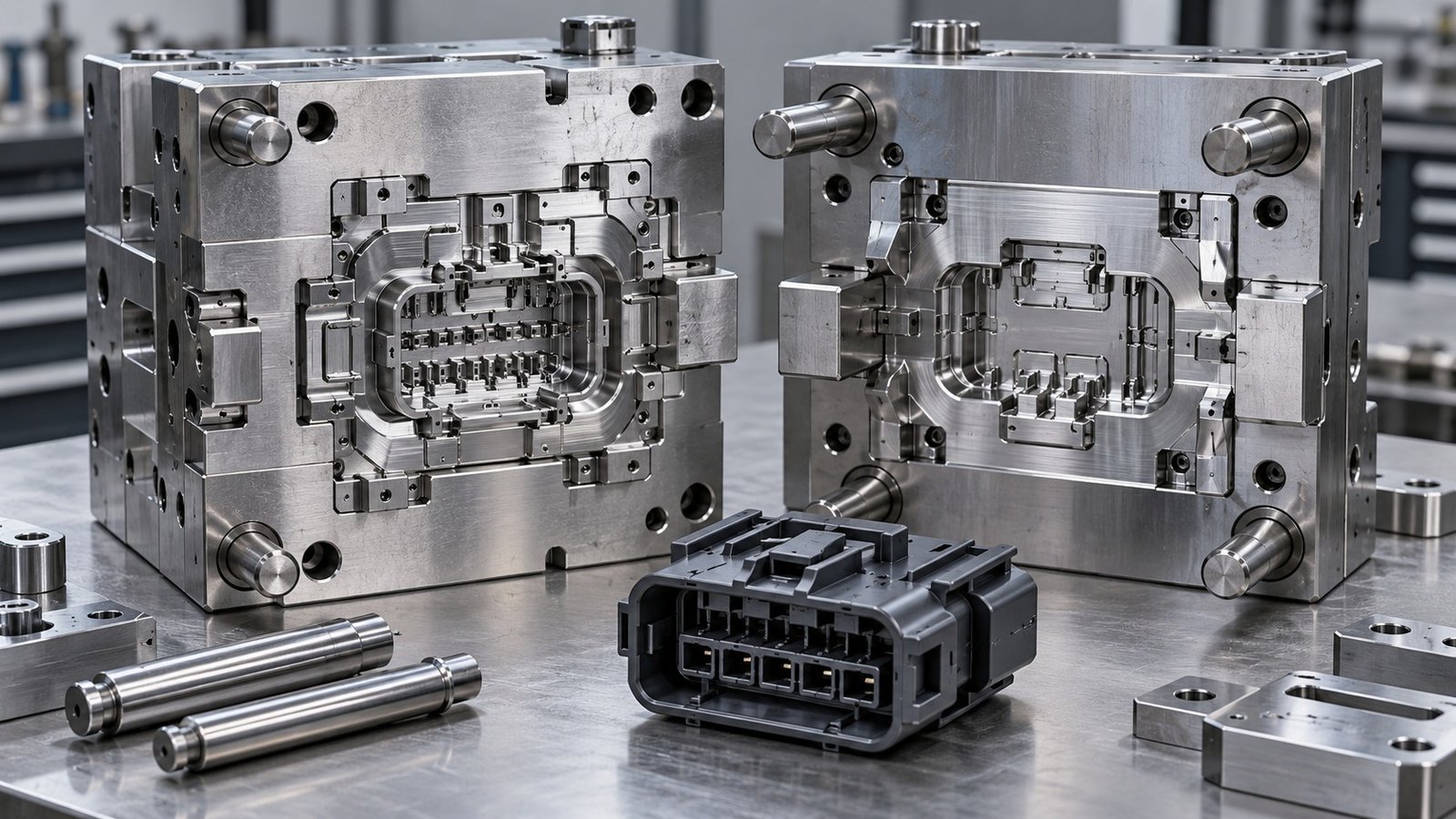
Review gates, pin features and demolding.
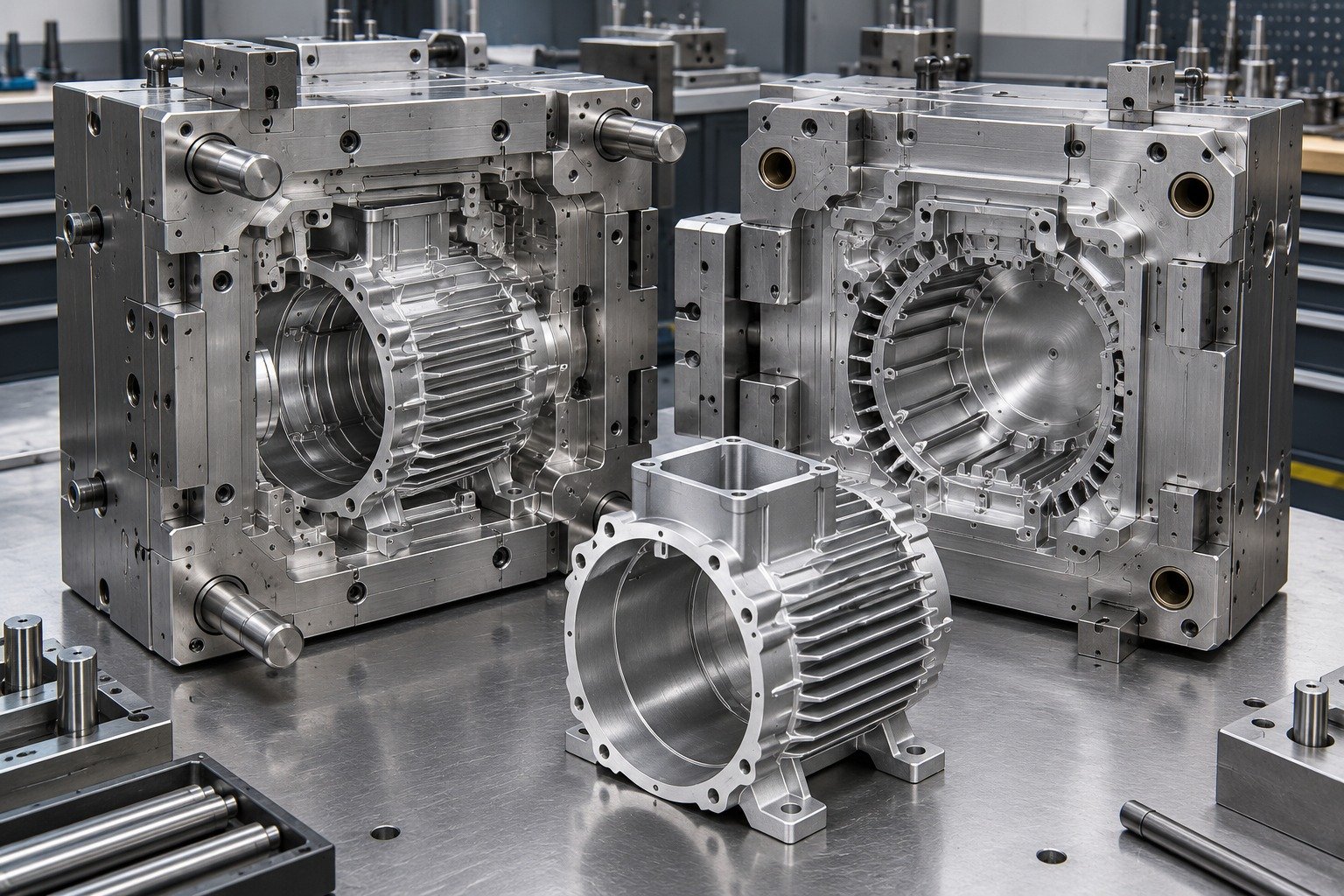
Review slides, thermal load and machined interfaces.
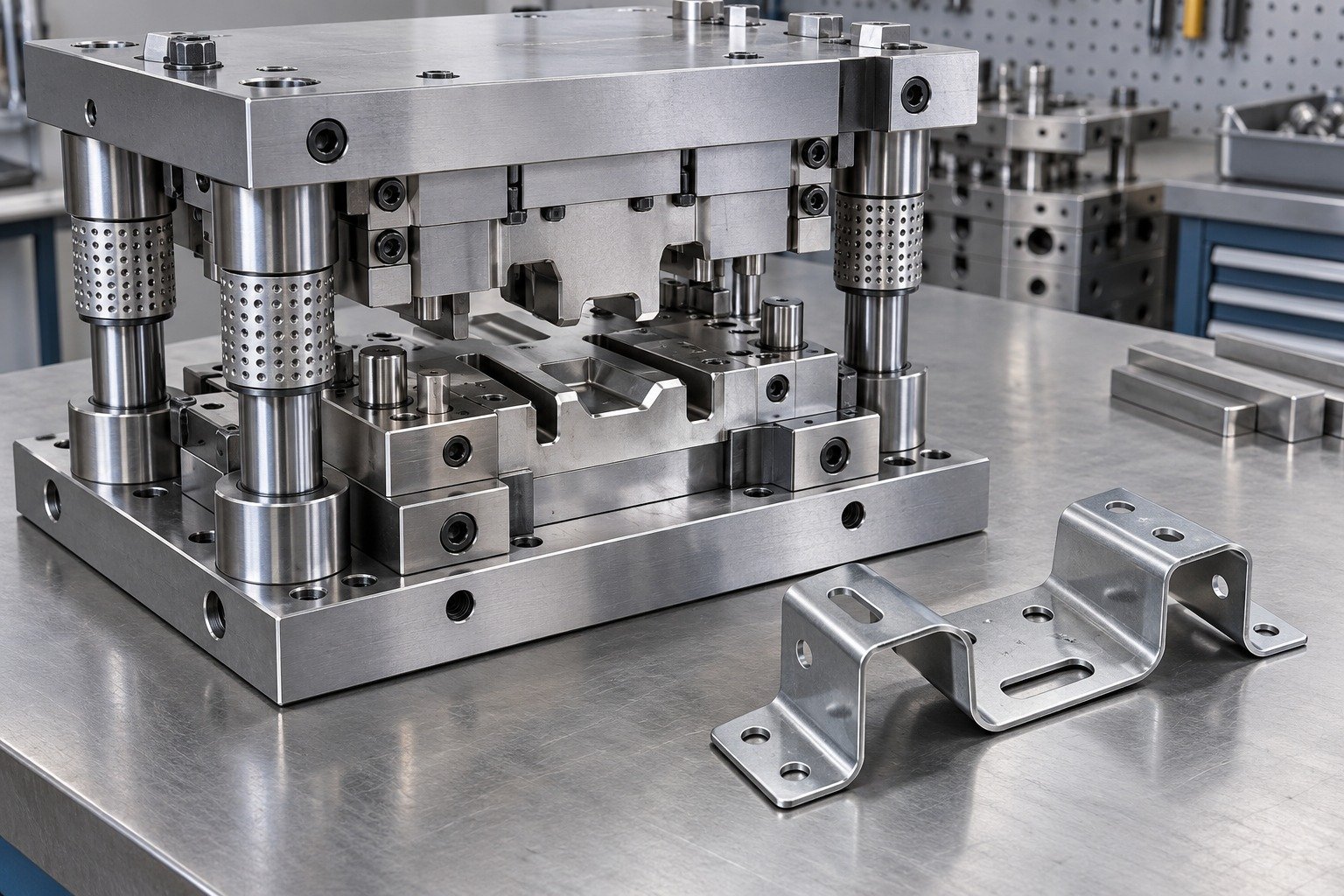
Review bend sequence, springback and locating.
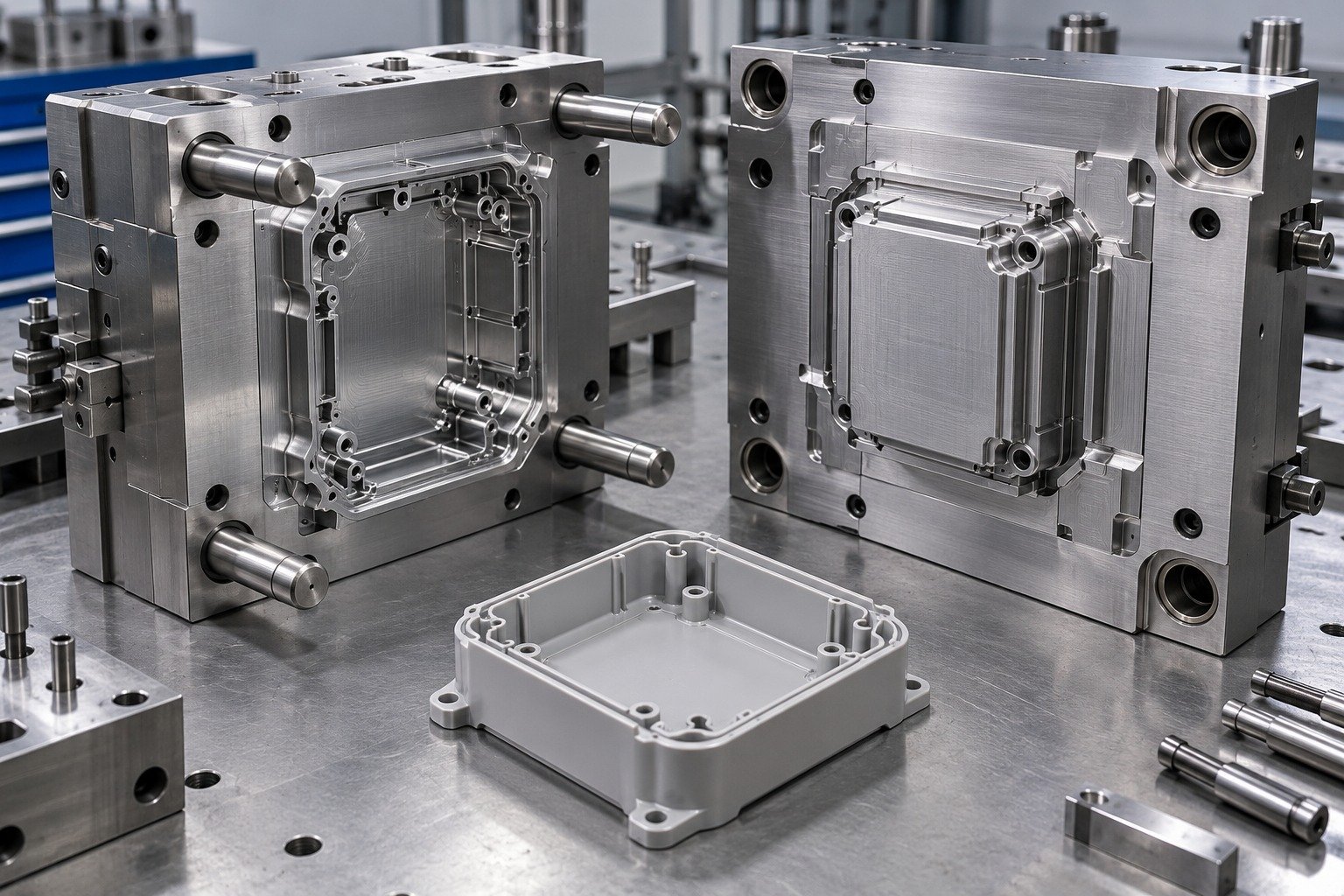
Review cosmetic faces, ribs and assembly fits.
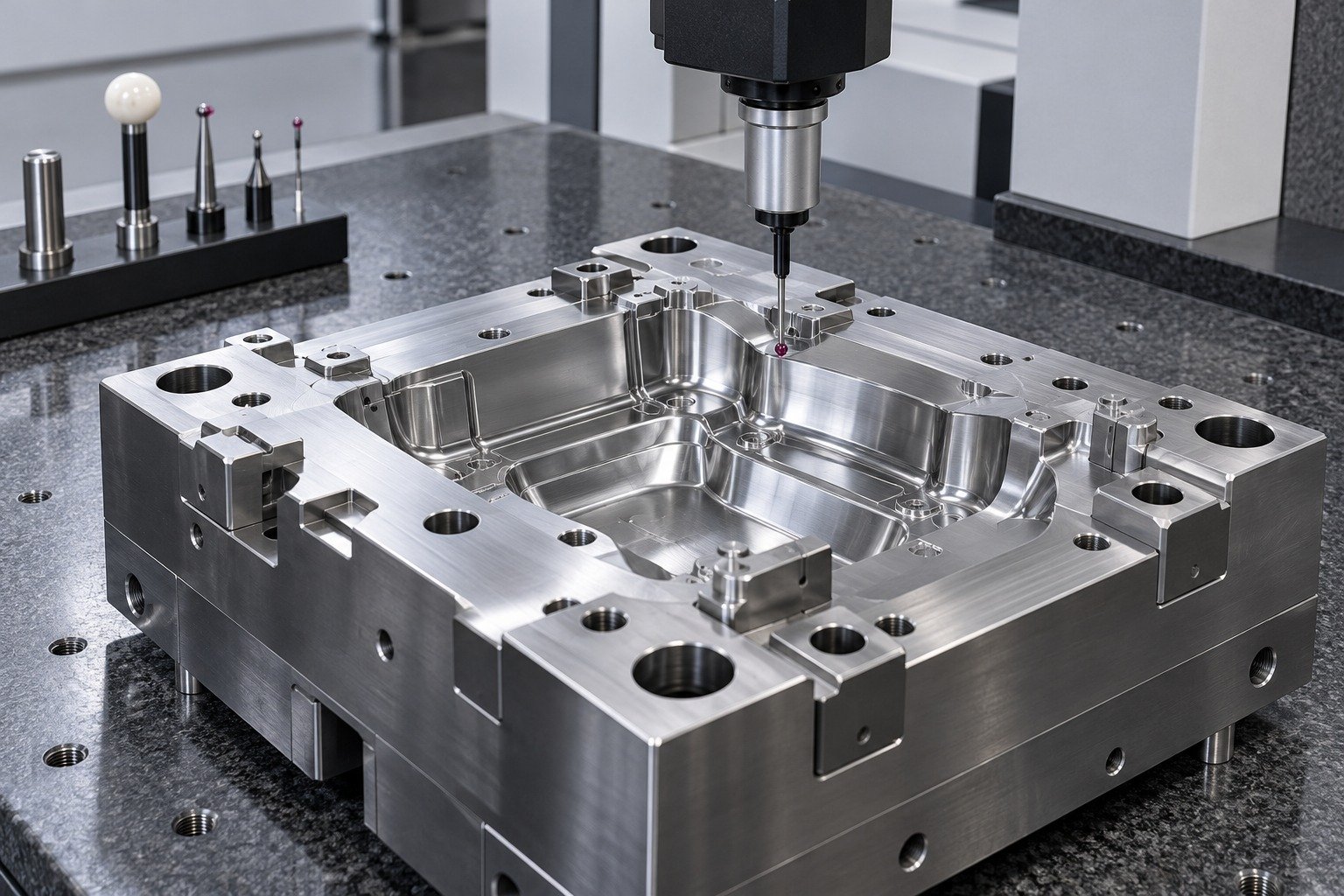
Define the sample drawing revision, critical dimensions and process conditions before your trial. A visually complete mold or die does not establish finished-part acceptance.
Trial quantity, reports, repeat trials and any validation work are defined in your quotation.
Agree these responsibilities before manufacture so cost, acceptance and repeat-order expectations are explicit.
Freeze the part revision, datums, shrinkage basis and approved changes.
Confirm tool material, inserts, cavity count and bought-in components.
Review press or molding-machine compatibility and installation scope.
Define samples, measurements and the process conditions to record.
Agree title, storage location, access, maintenance and transfer terms.
Define wear items, spares, revision control and reorder responsibilities.
Use a documented decision at each stage; tool manufacture starts from the approved scope.
Clarify the variables behind your tooling cost, trial plan and future supply.
Part geometry, resin, cavity count, steel and insert construction, gates, slides, surface requirements and trial scope affect the tool quote. Compare tooling separately from trial parts, inspection, revisions, shipping and repeat-part cost.
A single-station die performs its defined operation in one station. A progressive die advances strip through successive stations. Compare metal stamping dies against your part, material, press, handling and expected demand; higher tooling investment is not automatically the best route.
Confirm ownership, payment milestones, storage, drawings, access and transfer conditions in writing before ordering. A transfer also needs a condition review and compatibility check at the receiving facility; ownership alone does not prove production readiness.
Agree design approval, material procurement, manufacture, trial, measurement, correction and shipping milestones. Clarify which decisions depend on your feedback and which delays require a revised schedule. Your quote confirms project-specific dates.
Identify the drawing revision, critical features, material, process conditions, sample quantity and reporting scope. Record deviations and authorized corrections. Tool acceptance and part acceptance should have explicit agreed criteria.
Review the design uncertainty, sample goal, interim demand and production handoff. Specify tool construction and expected service conditions rather than treating soft tooling as a guaranteed life or material grade.
Provide tool drawings, defect samples, usage history and earlier repair records. Confirm investigation, proposed changes, wear parts, trials and approval responsibilities before repair. Replacement may be preferable when the condition or economics do not support repair.
Controlled model and drawing with revision and critical dimensions.
Resin or metal grade, stock condition and intended manufacturing process.
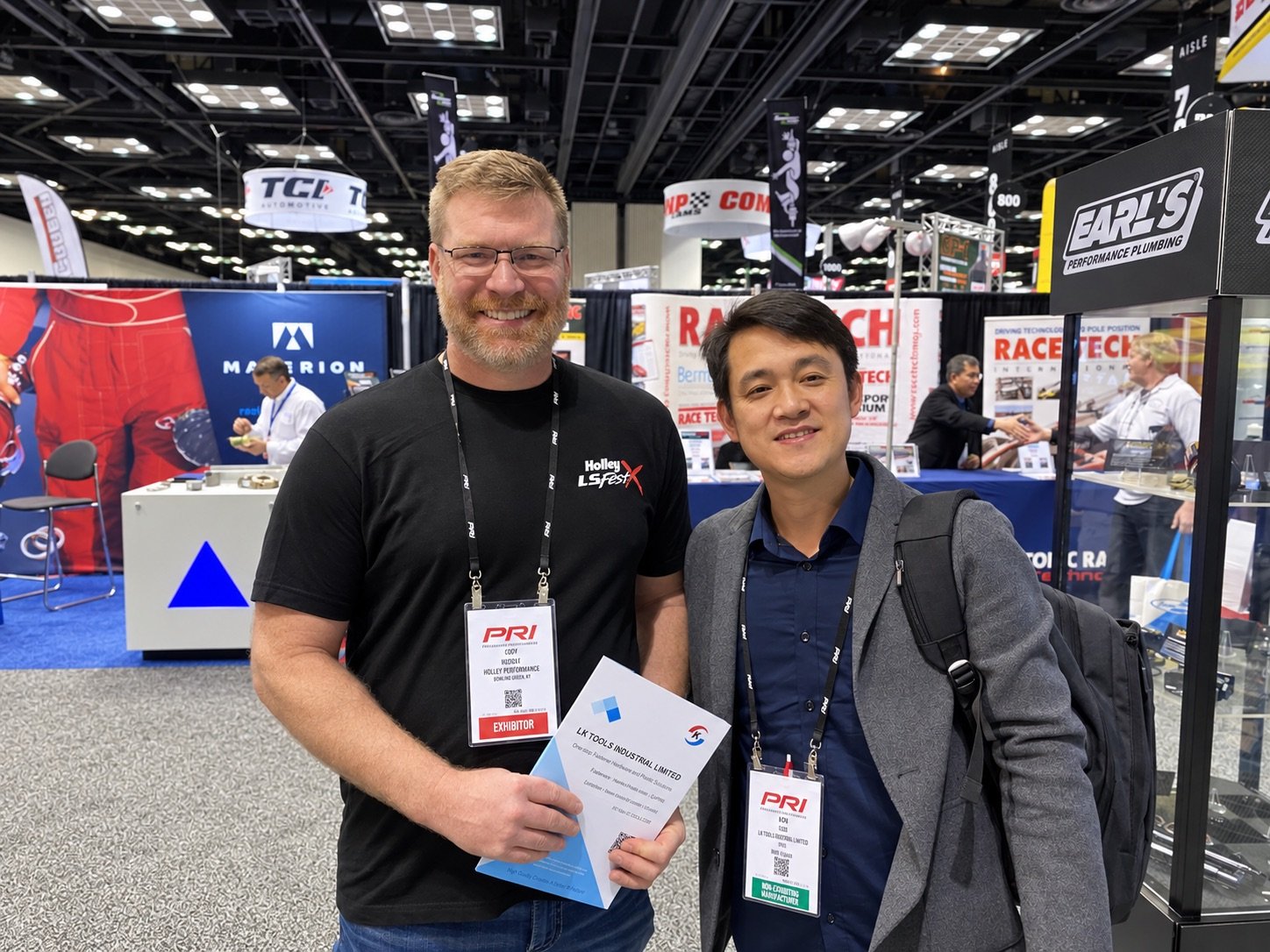
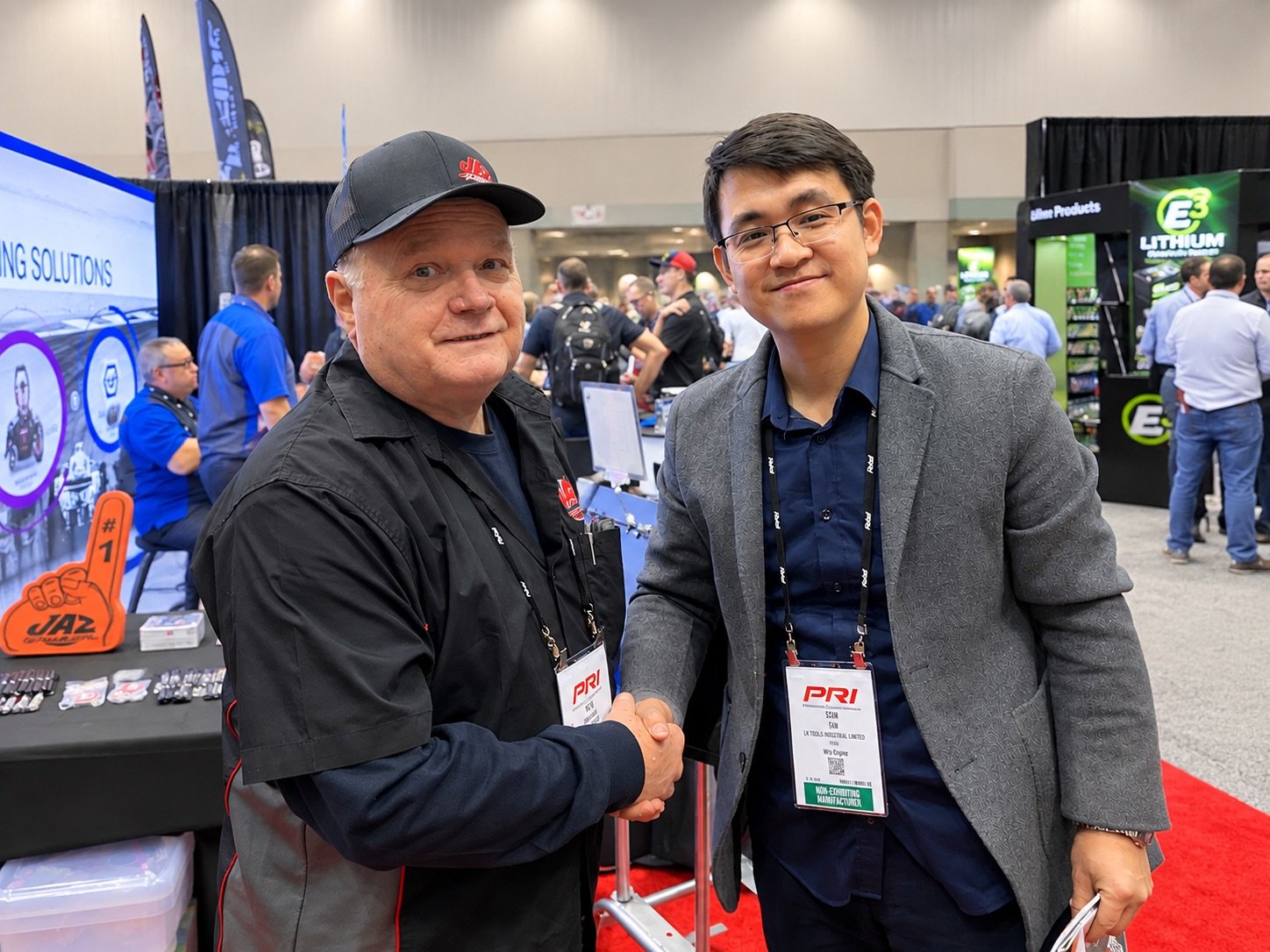
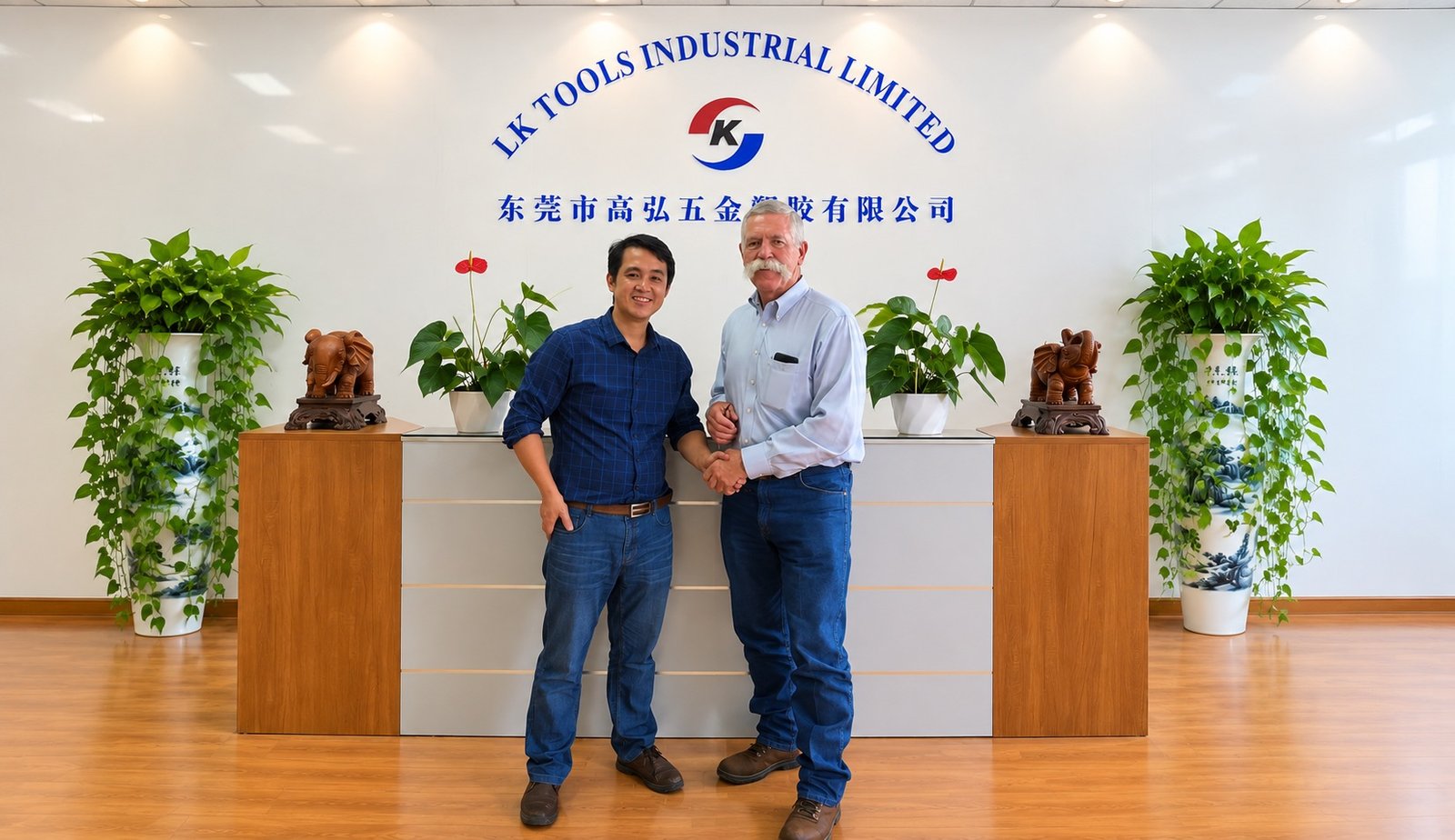
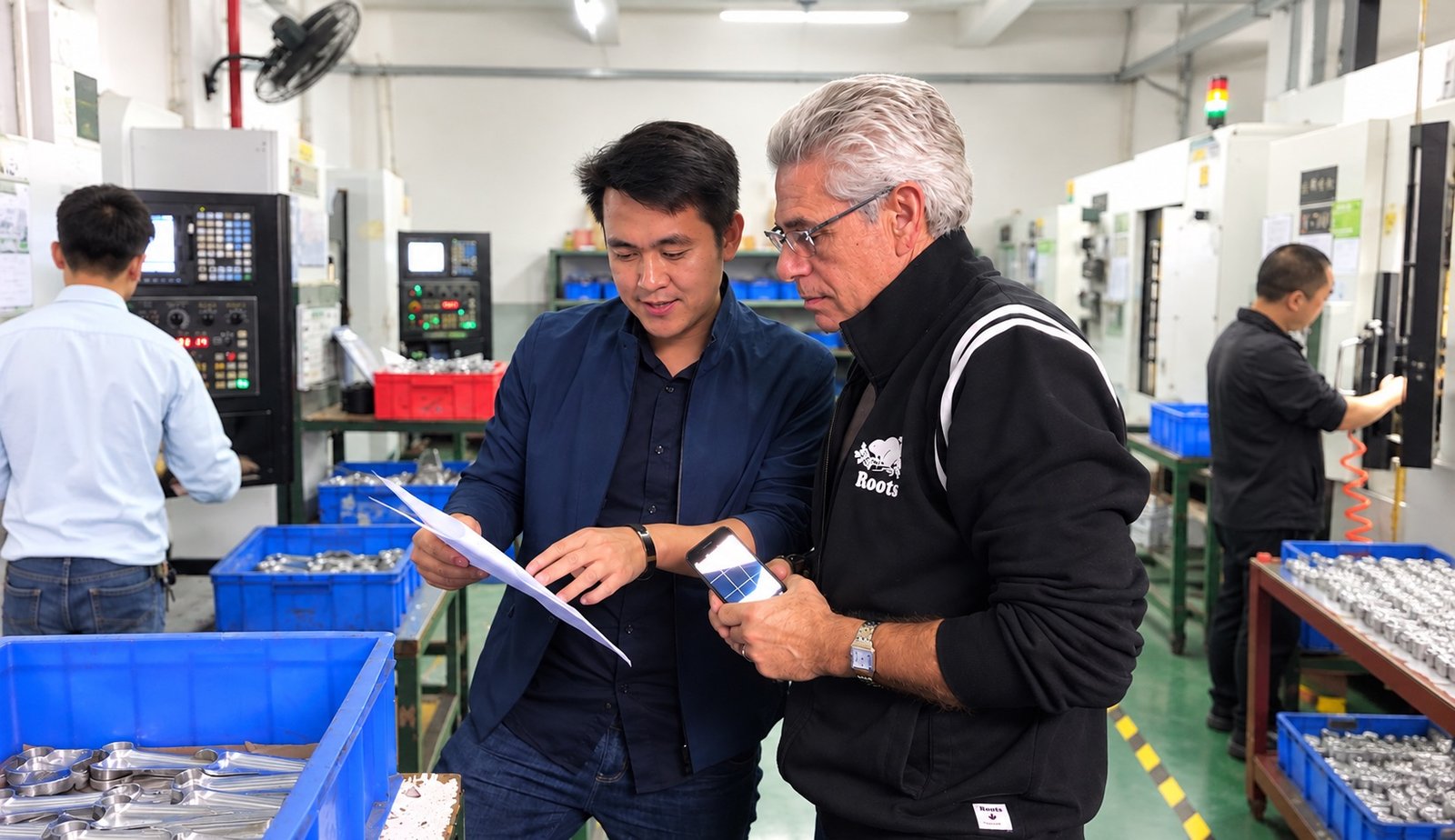
Photographs show actual LK customer visits. The adjacent checklist is quotation guidance, not customer testimony.
Use your drawing and project requirements to resolve the details before you commit.
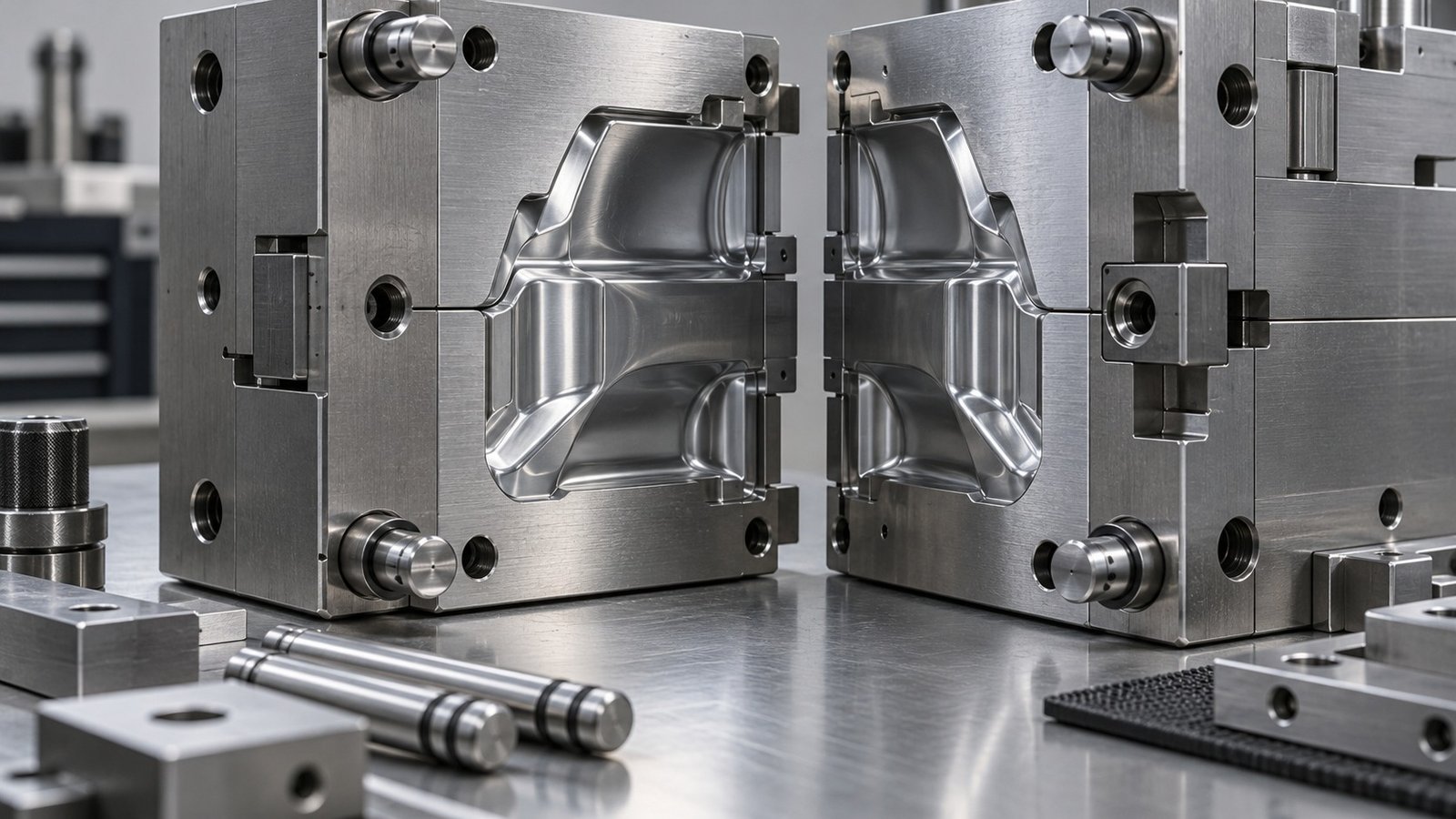
Review parting, gates and ejection together.
Mark resin, cavity layout, cosmetic faces and critical dimensions before tool design approval.
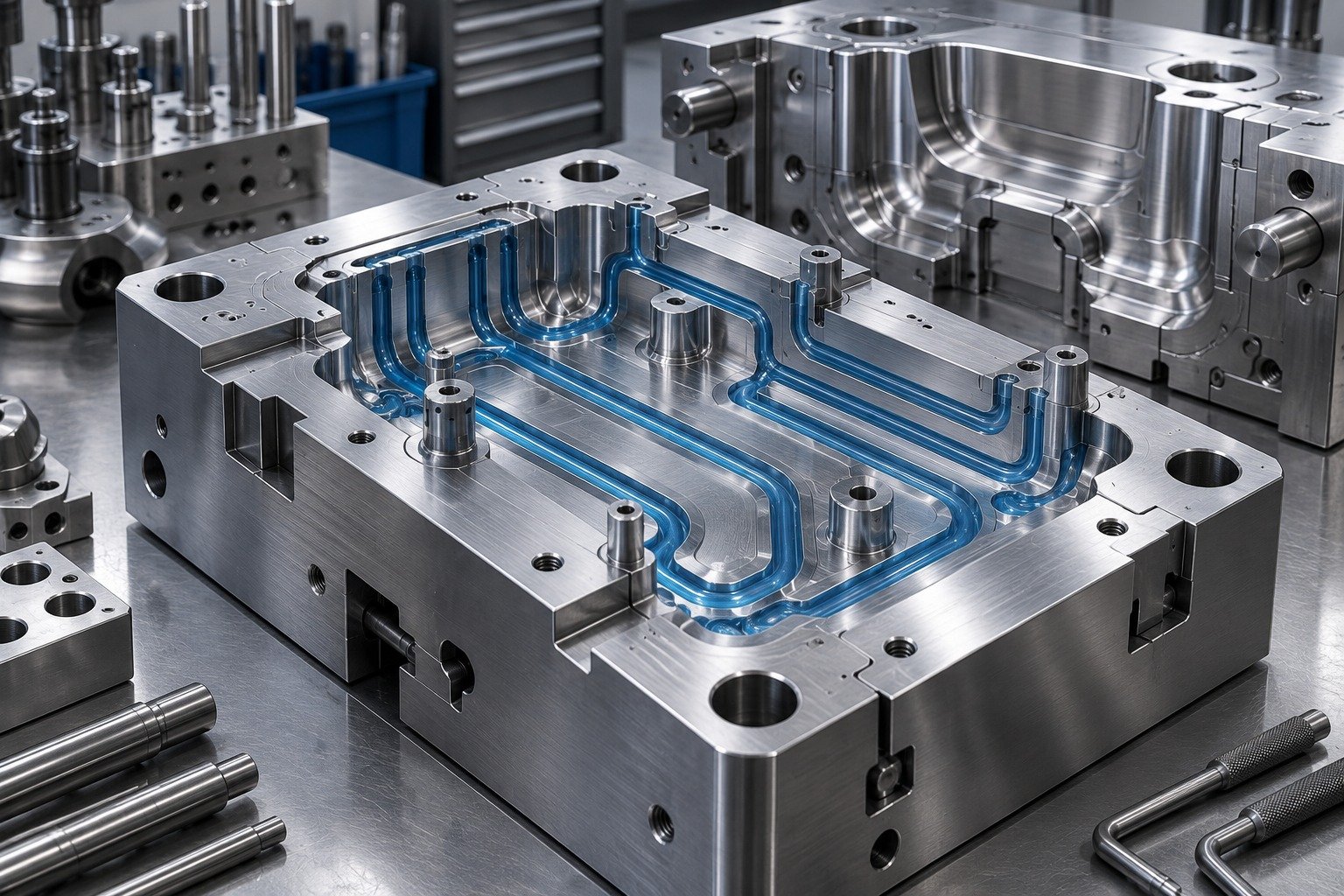
Connect casting flow to the finished interface.
Review runners, slides, ejection and secondary machining around your part requirements.
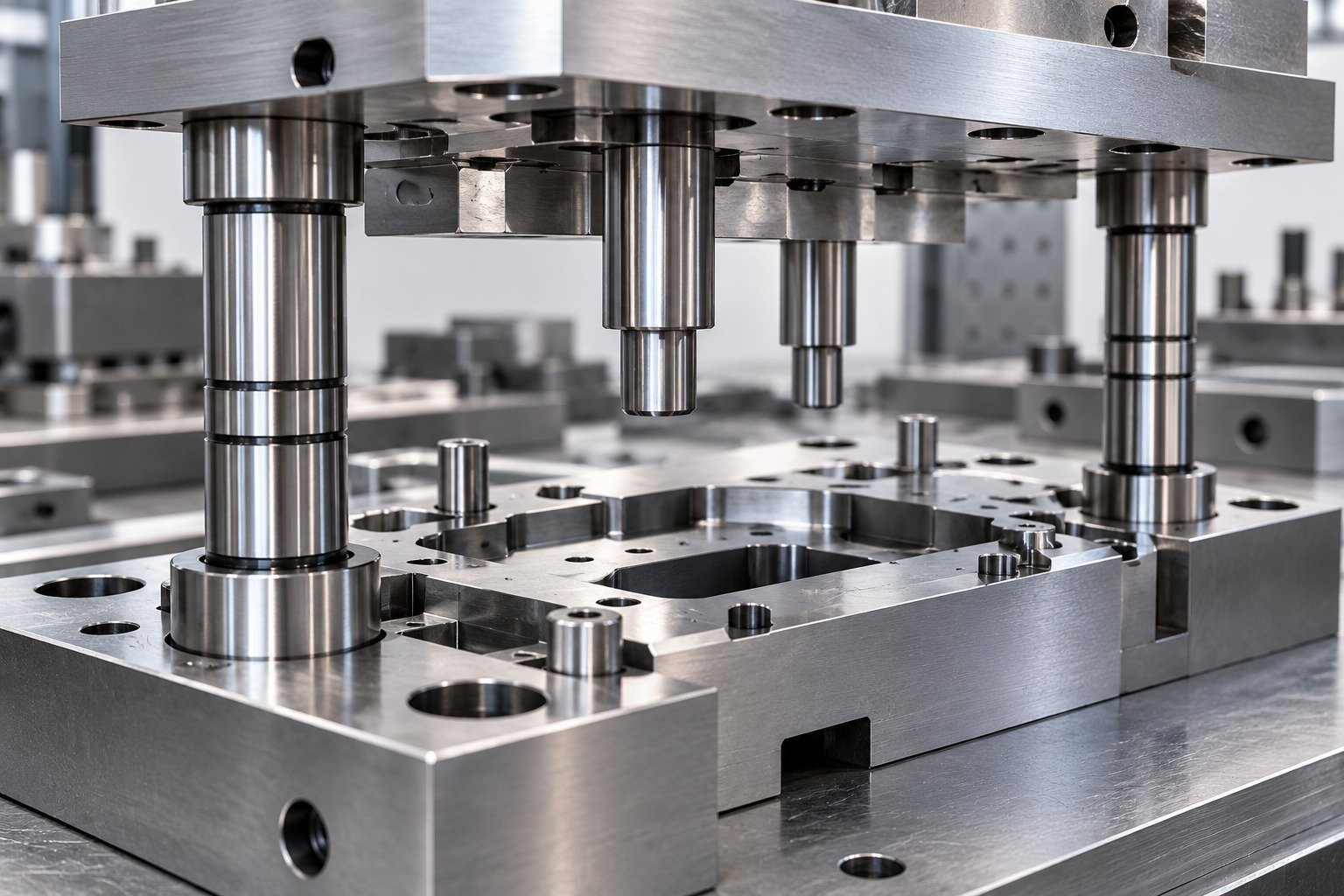
Review your strip or operation sequence.
Confirm stock, feed direction, locating, burr direction and formed-part acceptance.
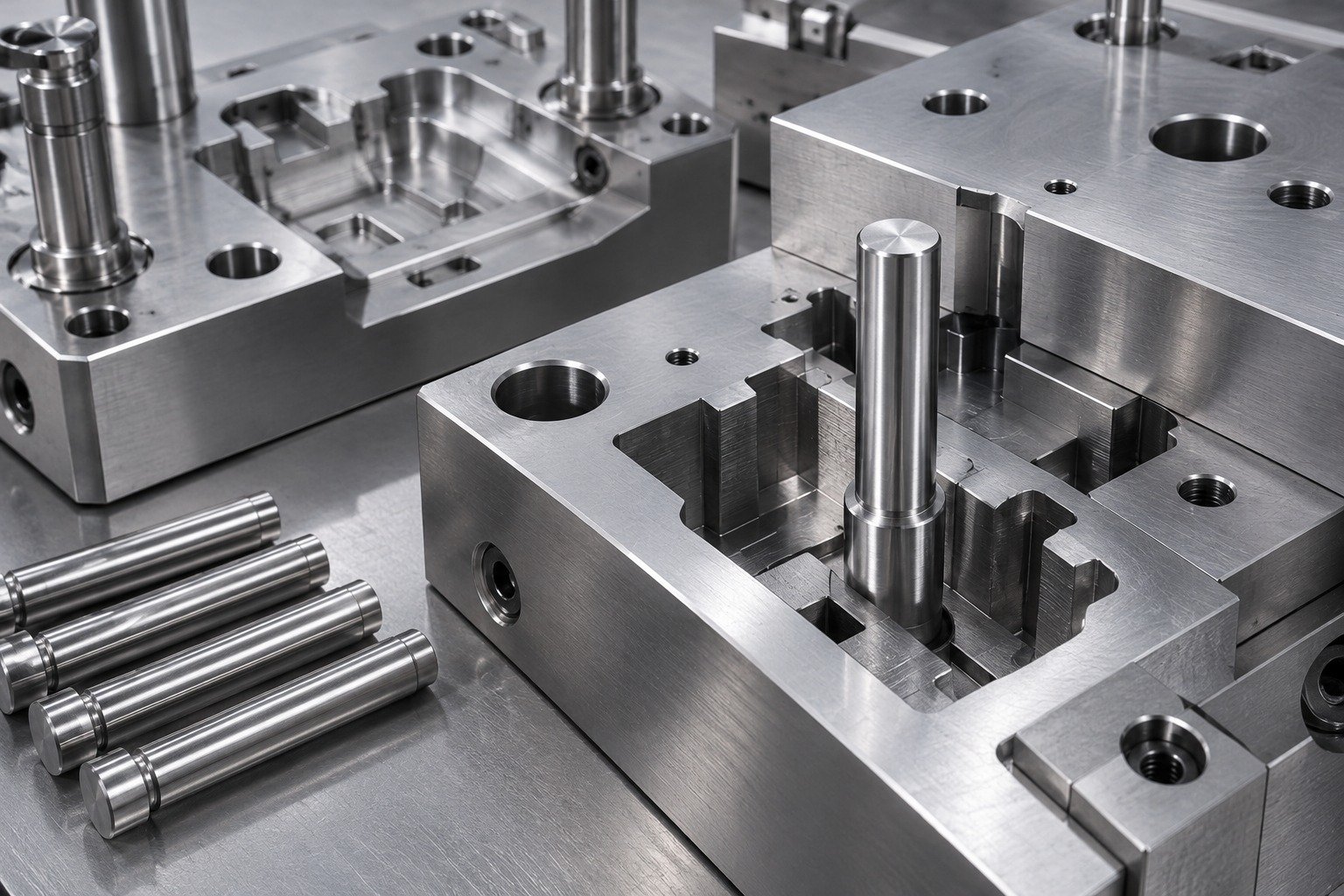
Make responsibilities part of the quotation.
Confirm drawings, maintenance, storage, spares and transfer conditions before manufacture.
Use your drawing and project requirements to resolve the details before you commit.
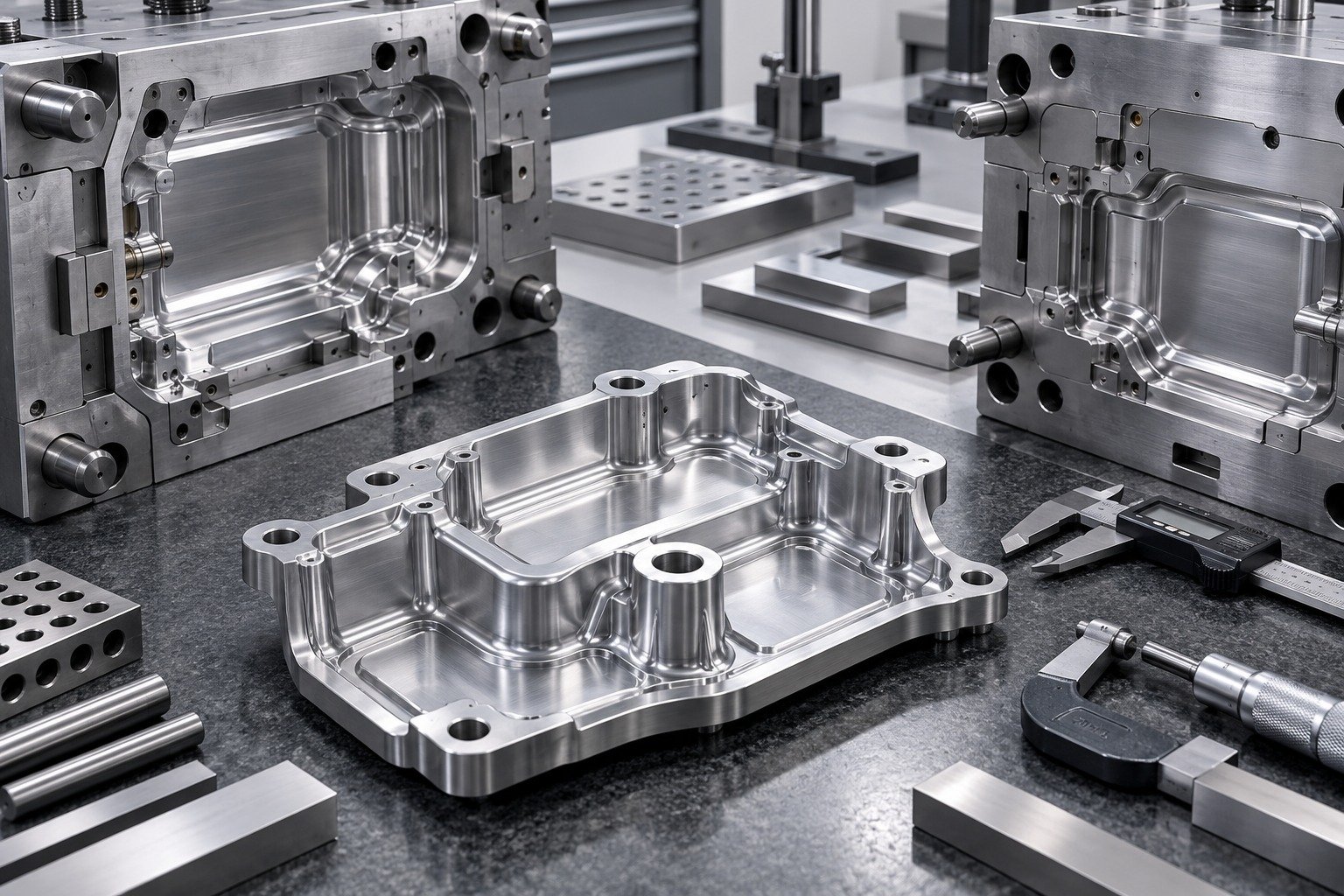
Measure the part against the agreed drawing.
Record process conditions, open deviations and authorized tool corrections.
Compare the same tool and trial scope.
Separate design, manufacture, trial material, revisions, reports and delivery.
Identify wear parts before repeat supply.
Agree inspections, lubrication where applicable, spares and service records.
Check condition and machine compatibility.
Confirm available drawings, remaining issues, receiving-machine interfaces and a trial plan.