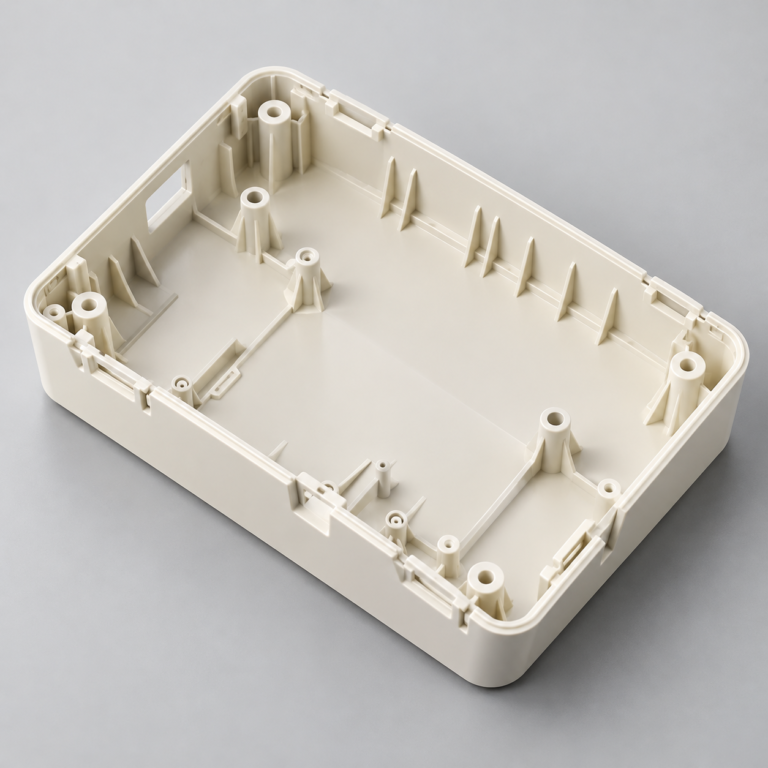
Injection Molding
Tooling and molding for your repeat plastic parts.
From prototype to production, coordinated manufacturing solutions for your custom parts.
View All Services →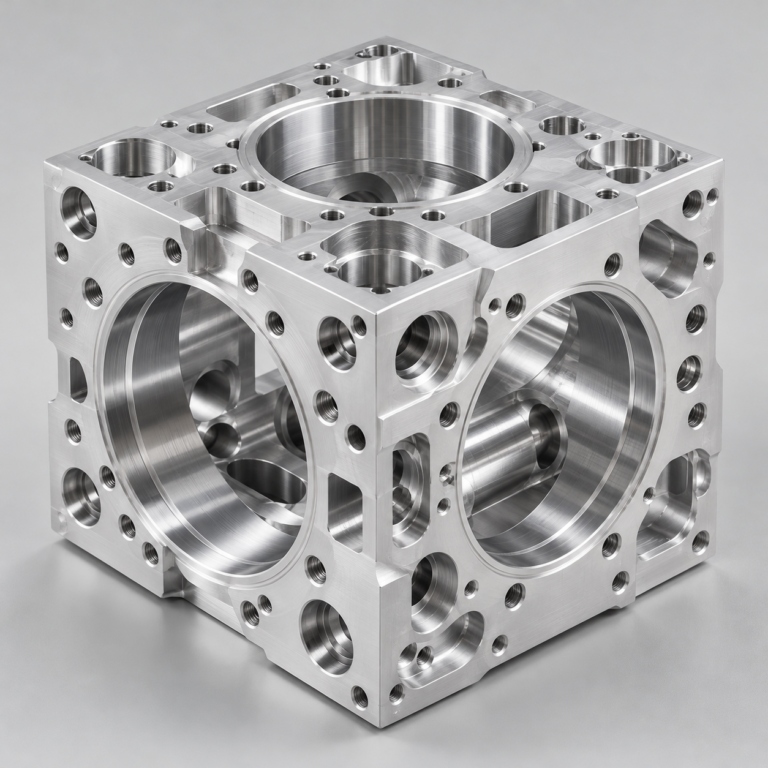
Precision parts for your tight tolerances and complex geometry.
Tooling and molding for your repeat plastic parts.
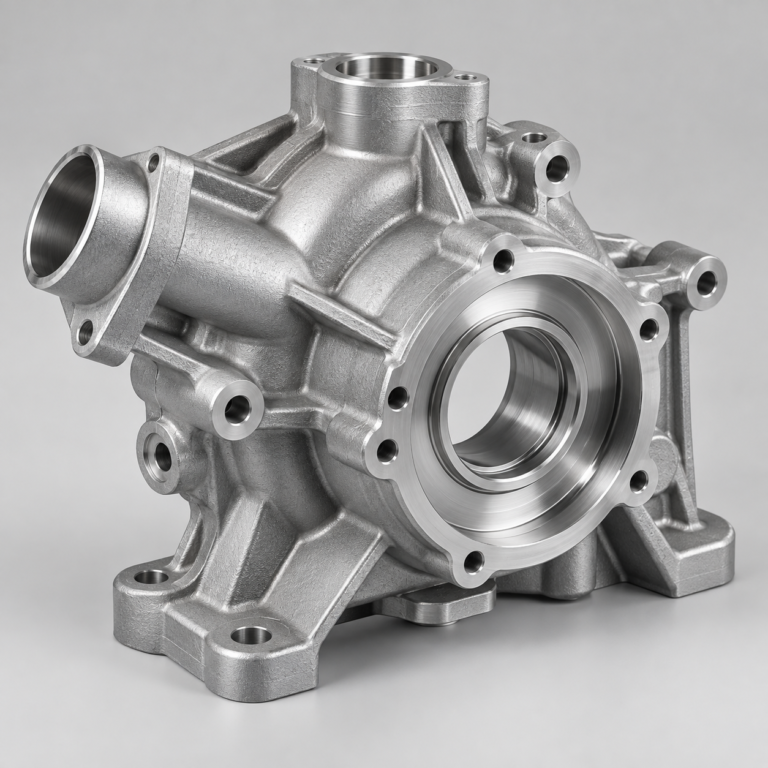
Metal casting options for your part and production volume.
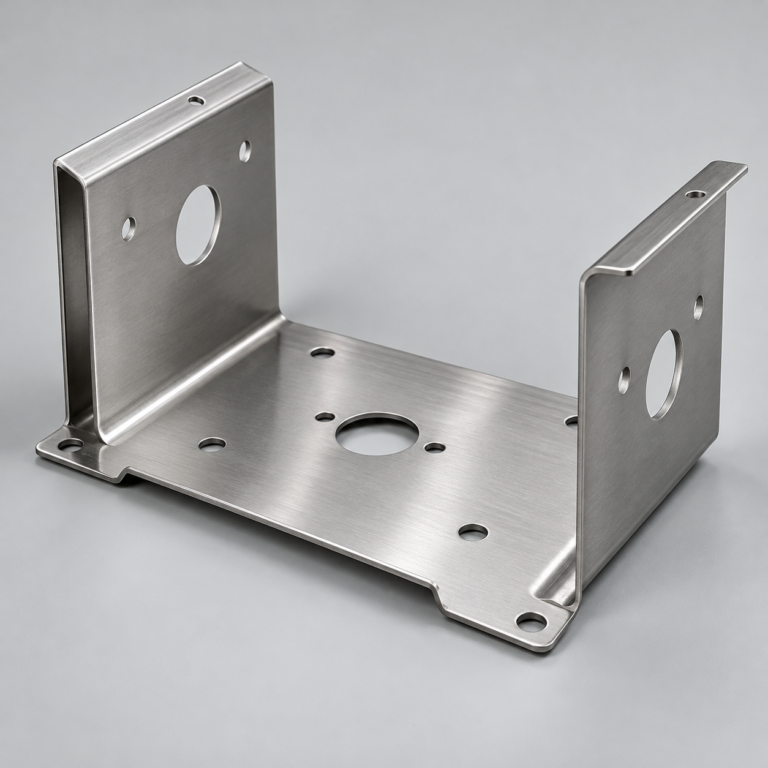
Cutting, forming and welding for your fabricated parts.
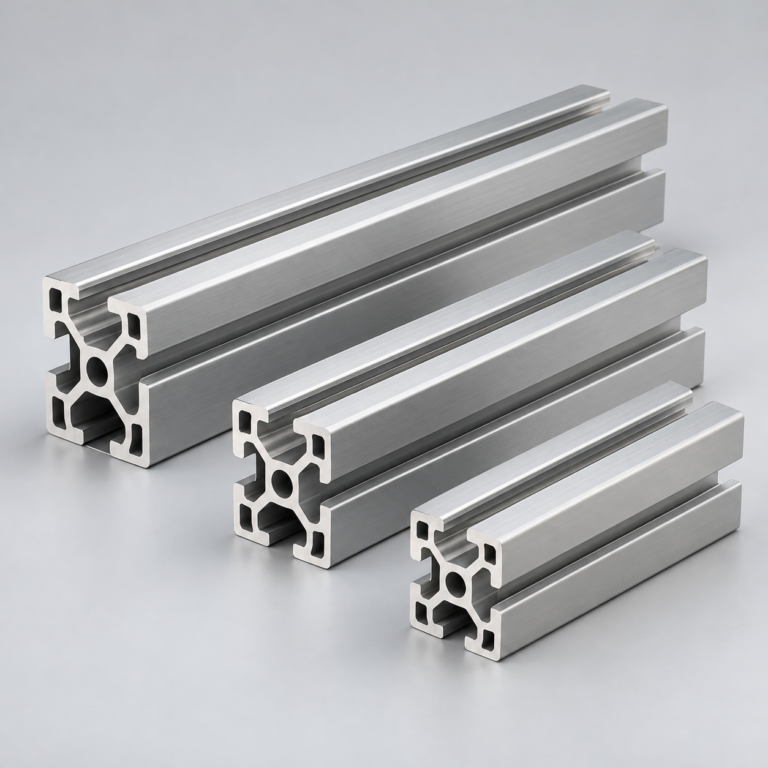
Custom profiles for your section, length and finish requirements.
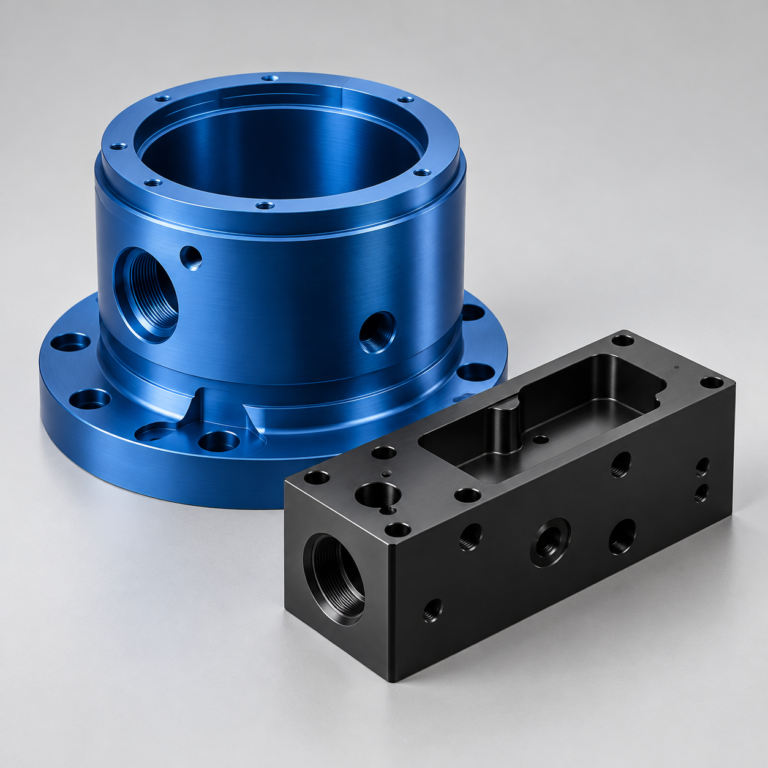
Finishes for your appearance, corrosion and wear requirements.
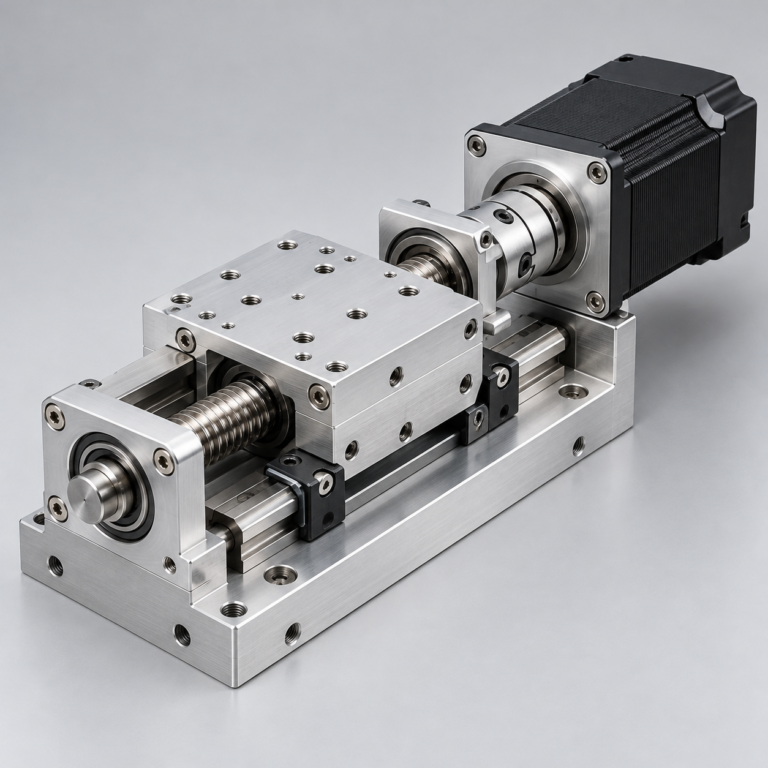
Sub-assemblies and final builds for your production program.
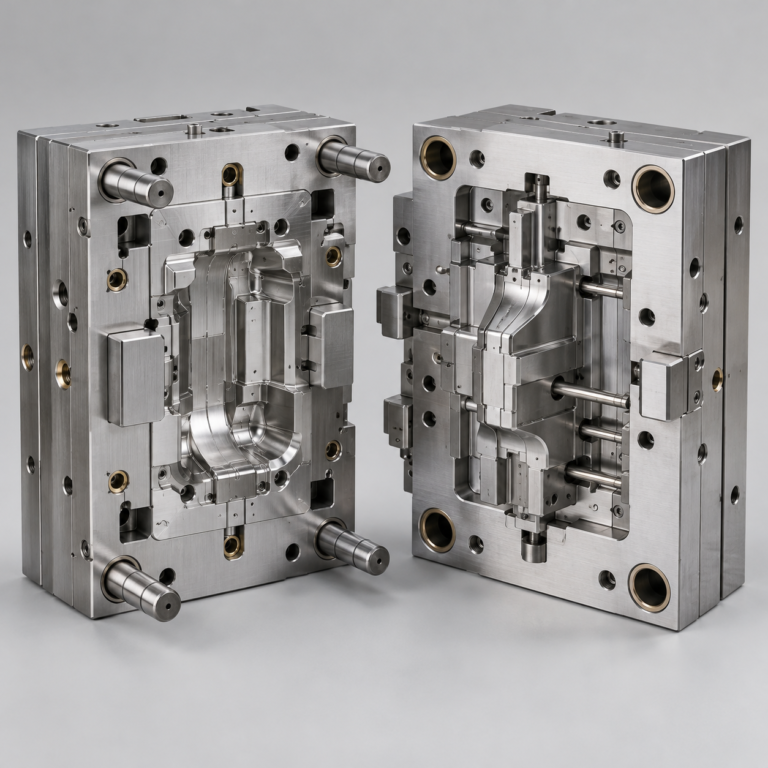
Production tooling built around your process and volume.
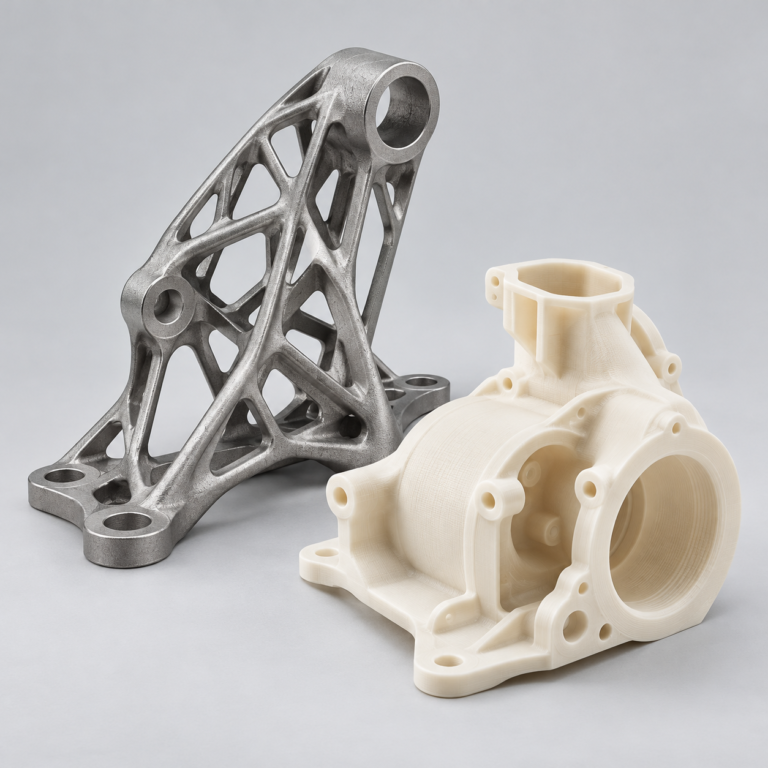
Prototype parts to check fit, function and design.
Choose air- or liquid-cooling components around your thermal and mechanical requirements.
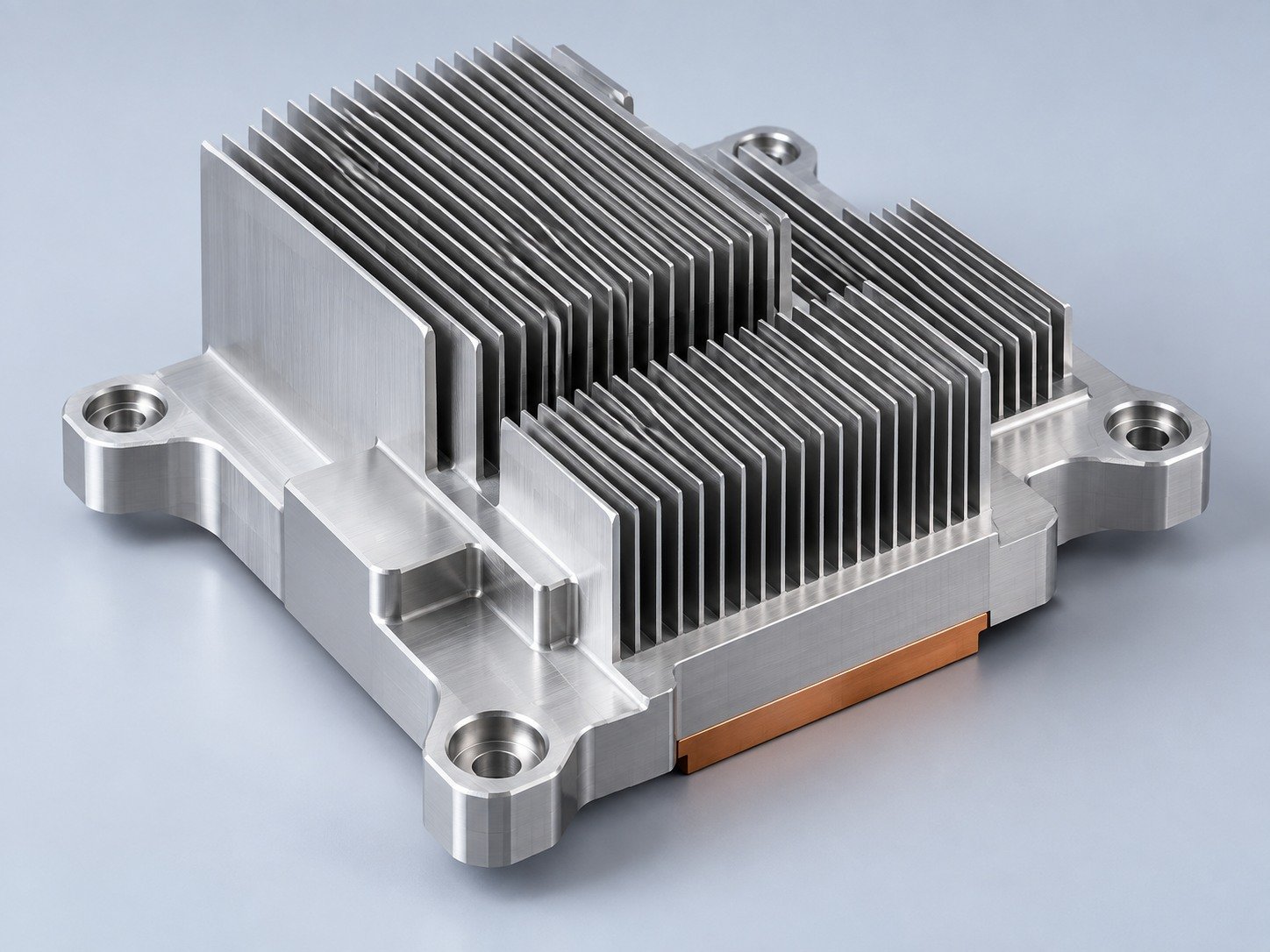
Manufacturing support for your cold plates, manifolds and cooling assemblies.
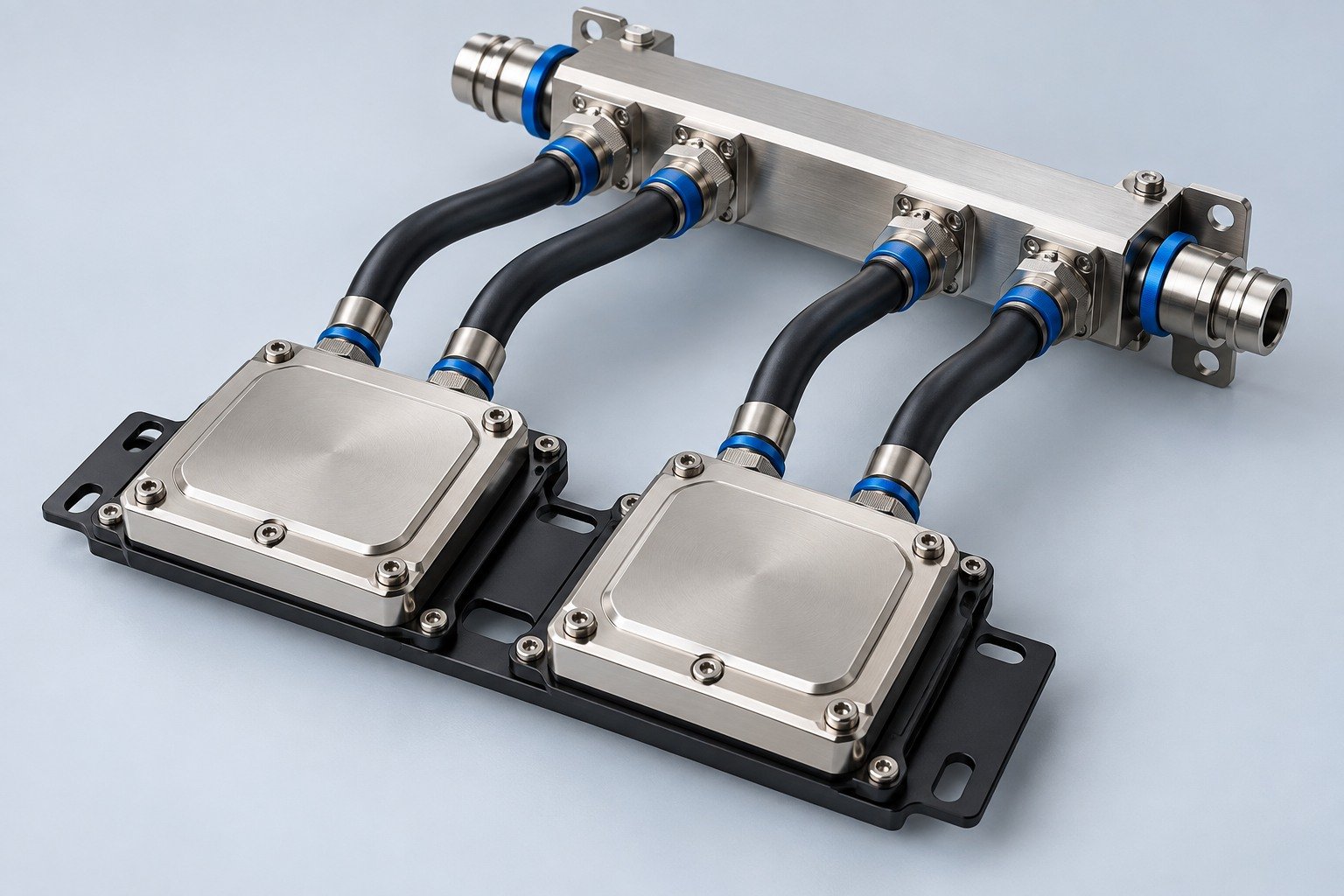
Find components for your power electronics, energy, laser and telecom application.
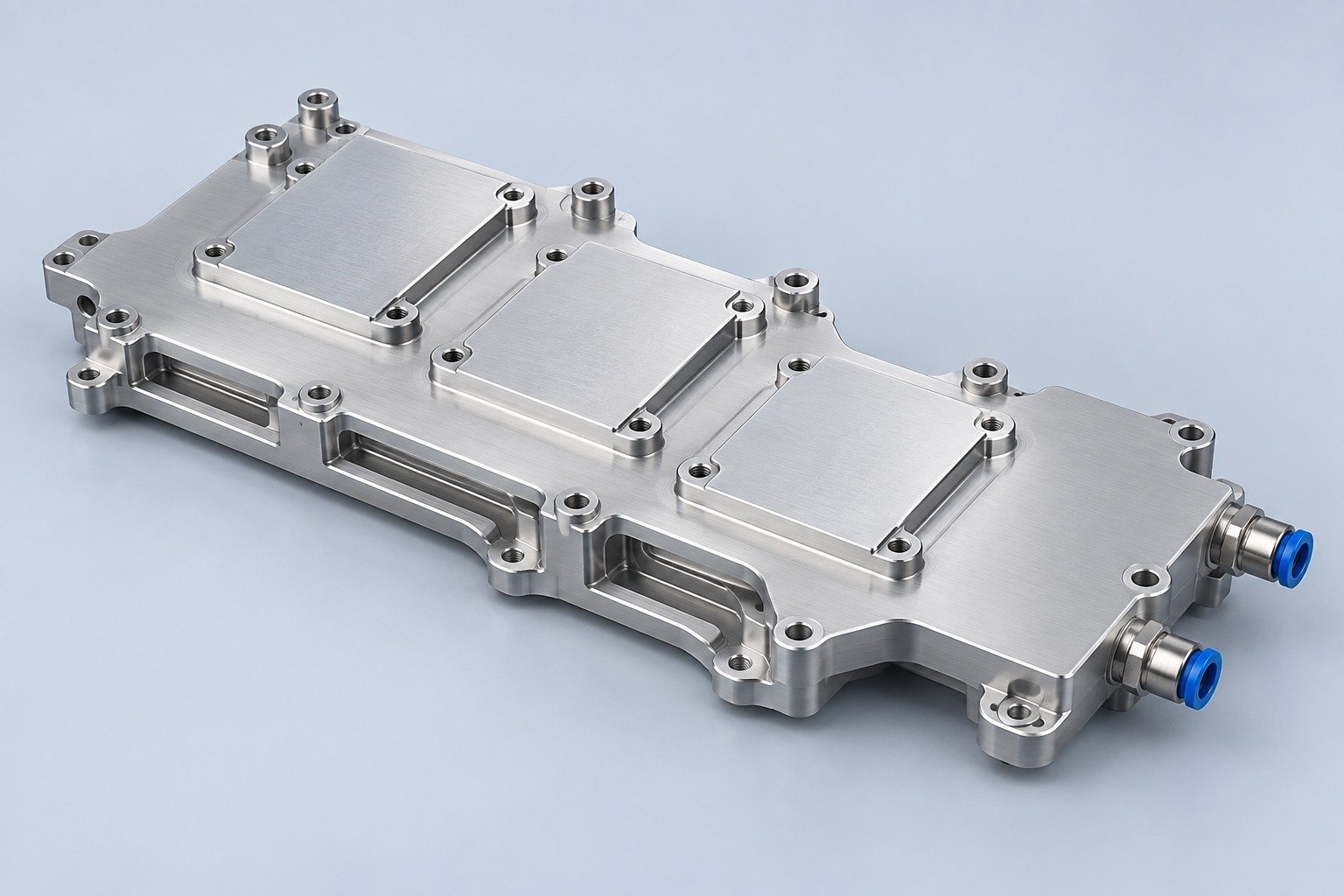
Components for your electronic systems.
Start with your functional and quality requirements.
Build around your operating environment.
From prototype to production, review material performance, manufacturability and cost for your part.
Review grade, temper and finish for your metal parts.
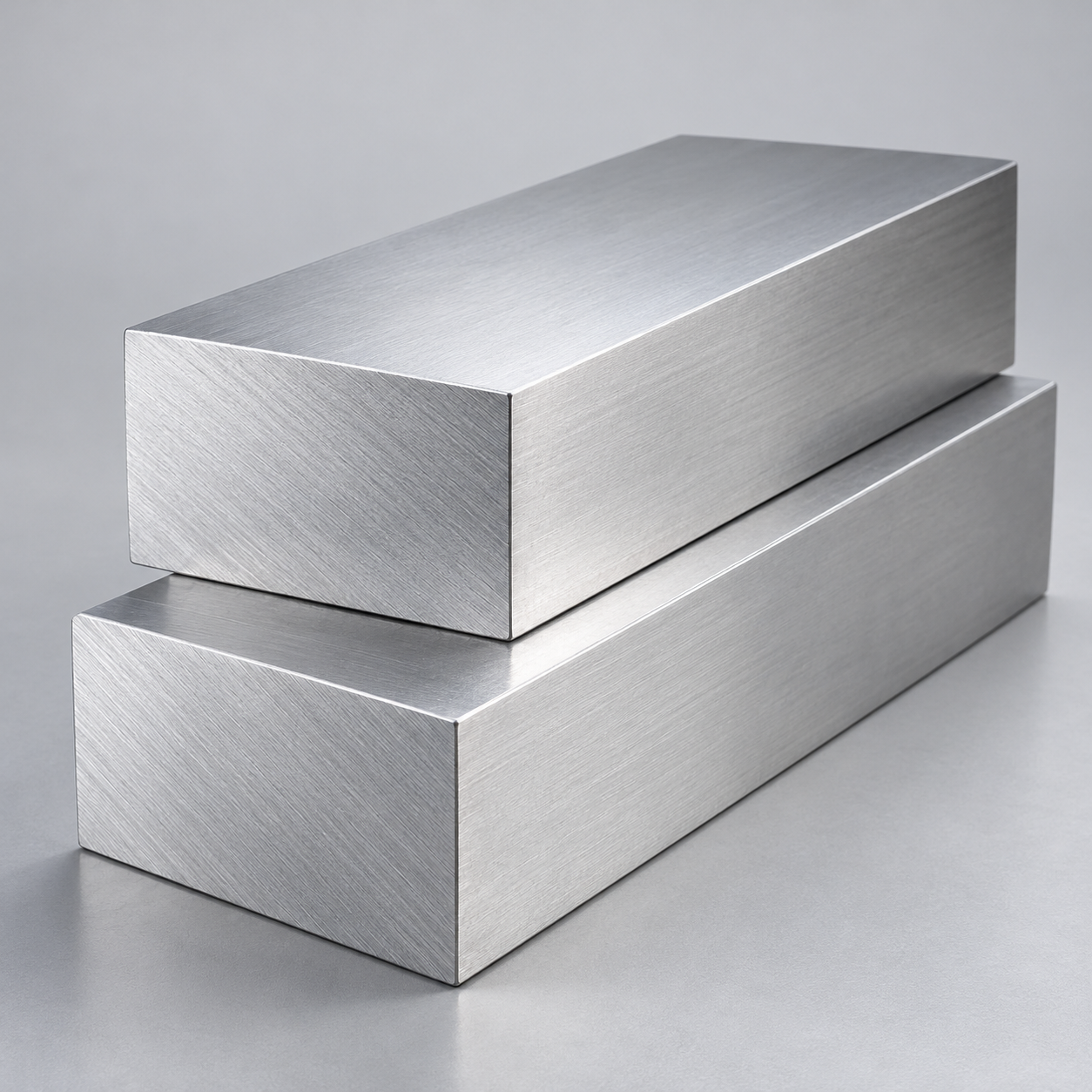 AluminumStrength, weight and machining›
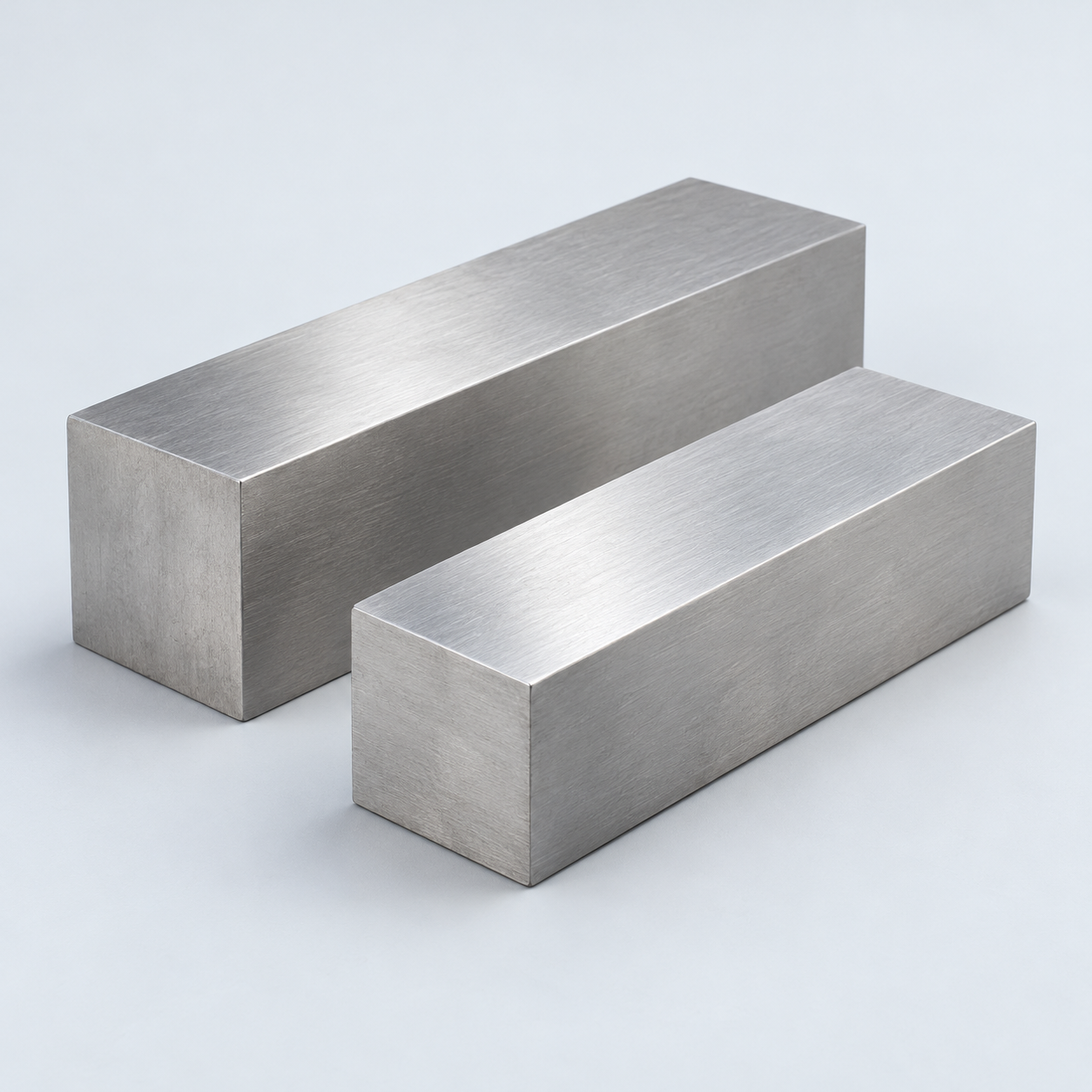 Stainless SteelCorrosion and finish requirements›
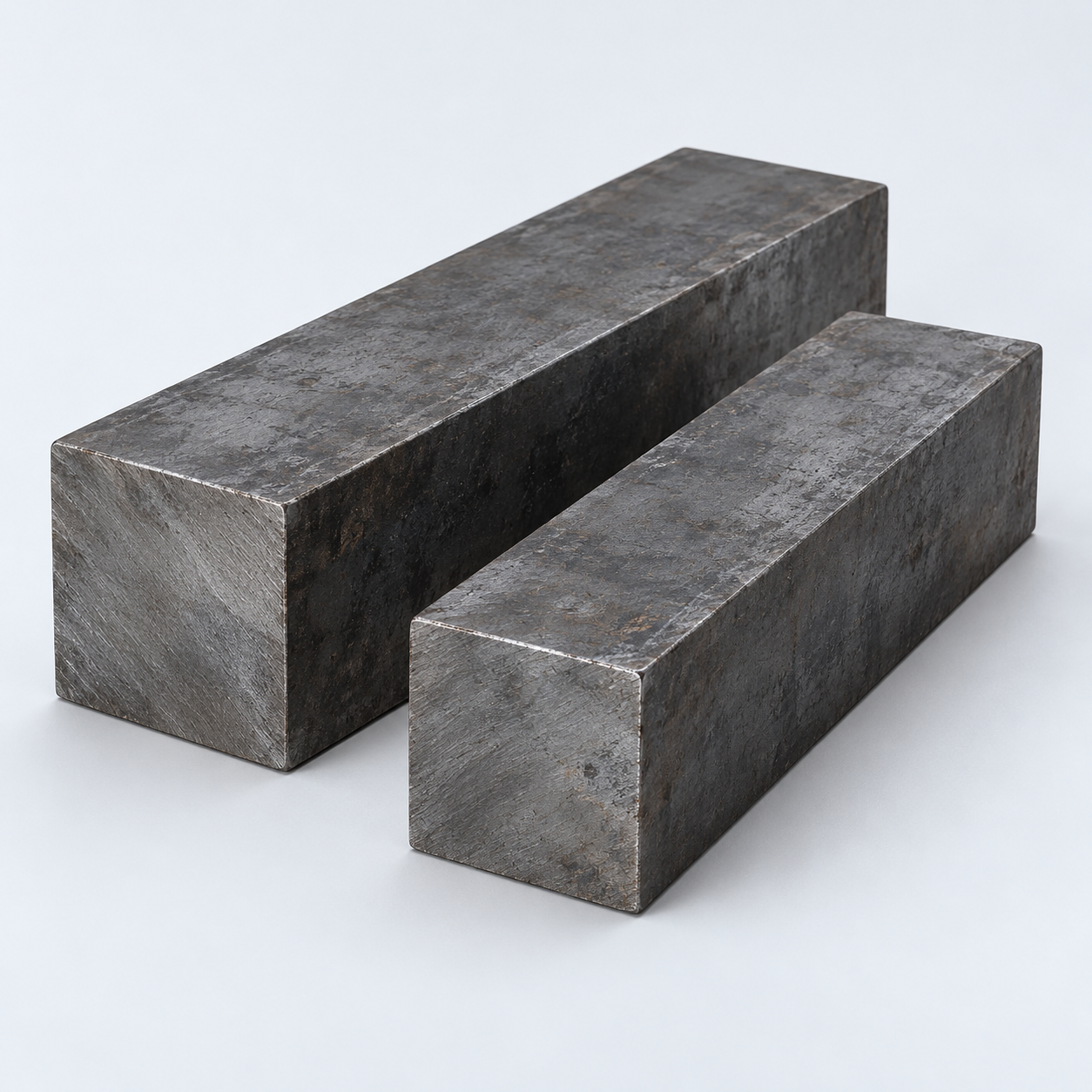 Carbon & Alloy SteelDiscuss grade and heat treatment›
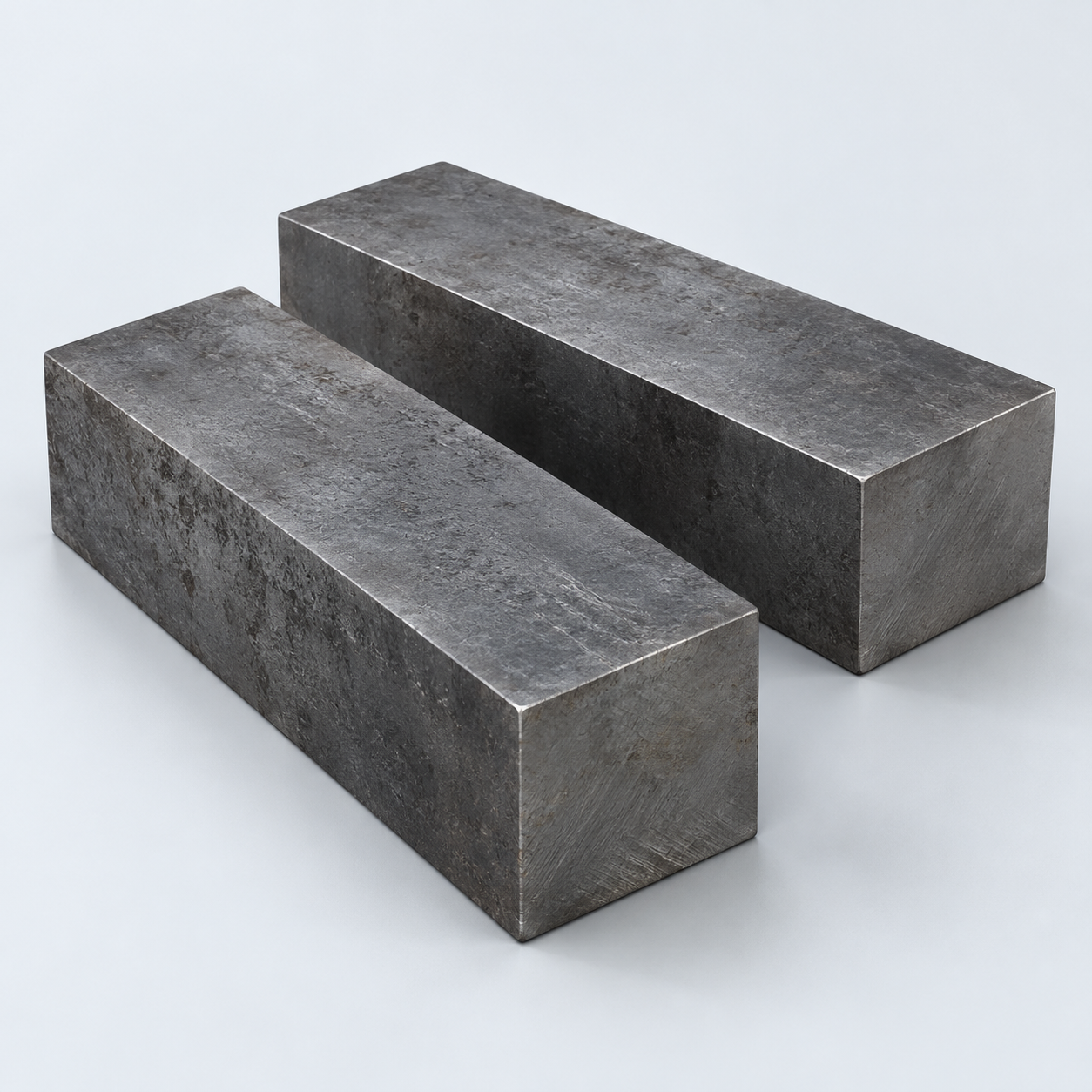 Tool SteelDiscuss tooling and wear needs›
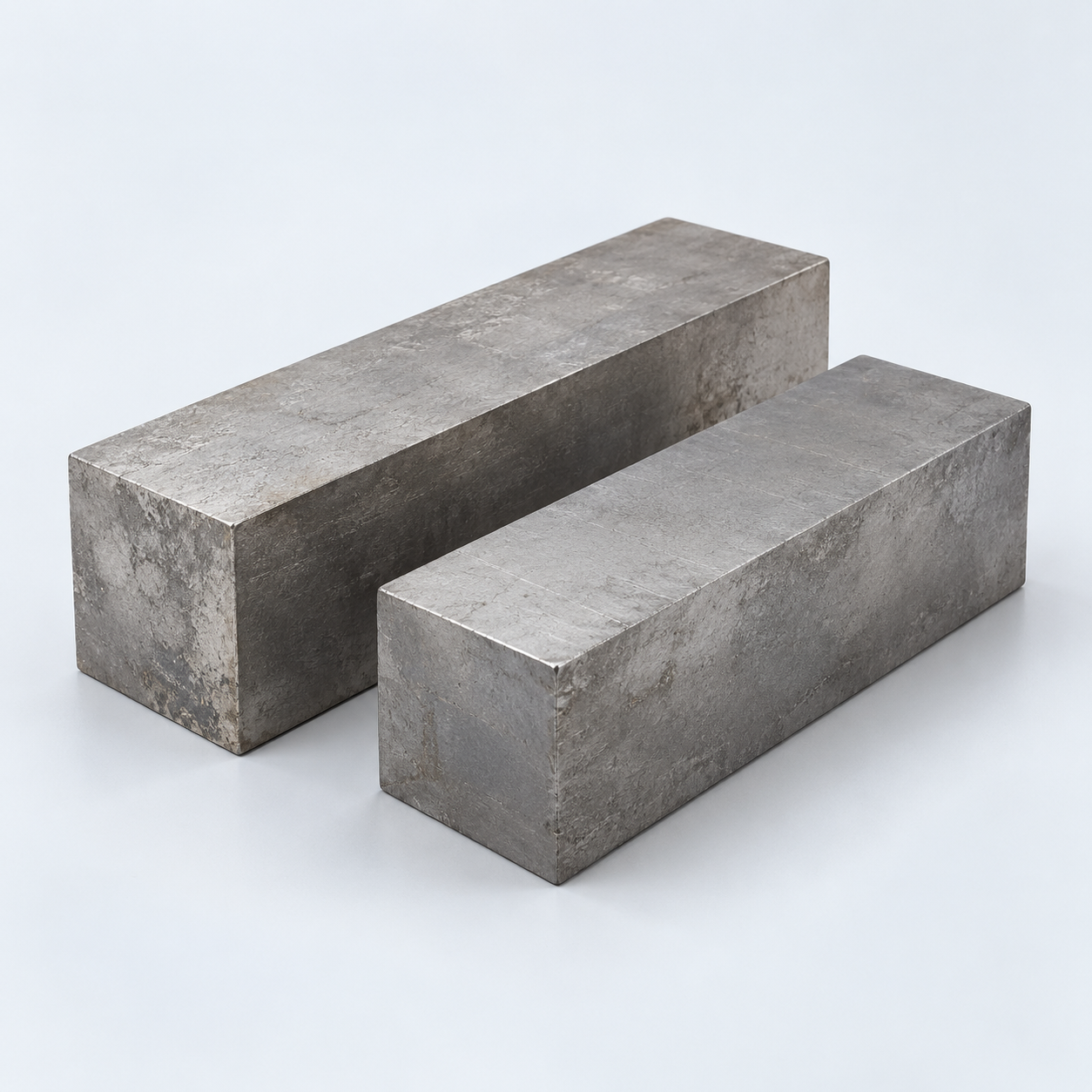 TitaniumReview grade and part geometry›
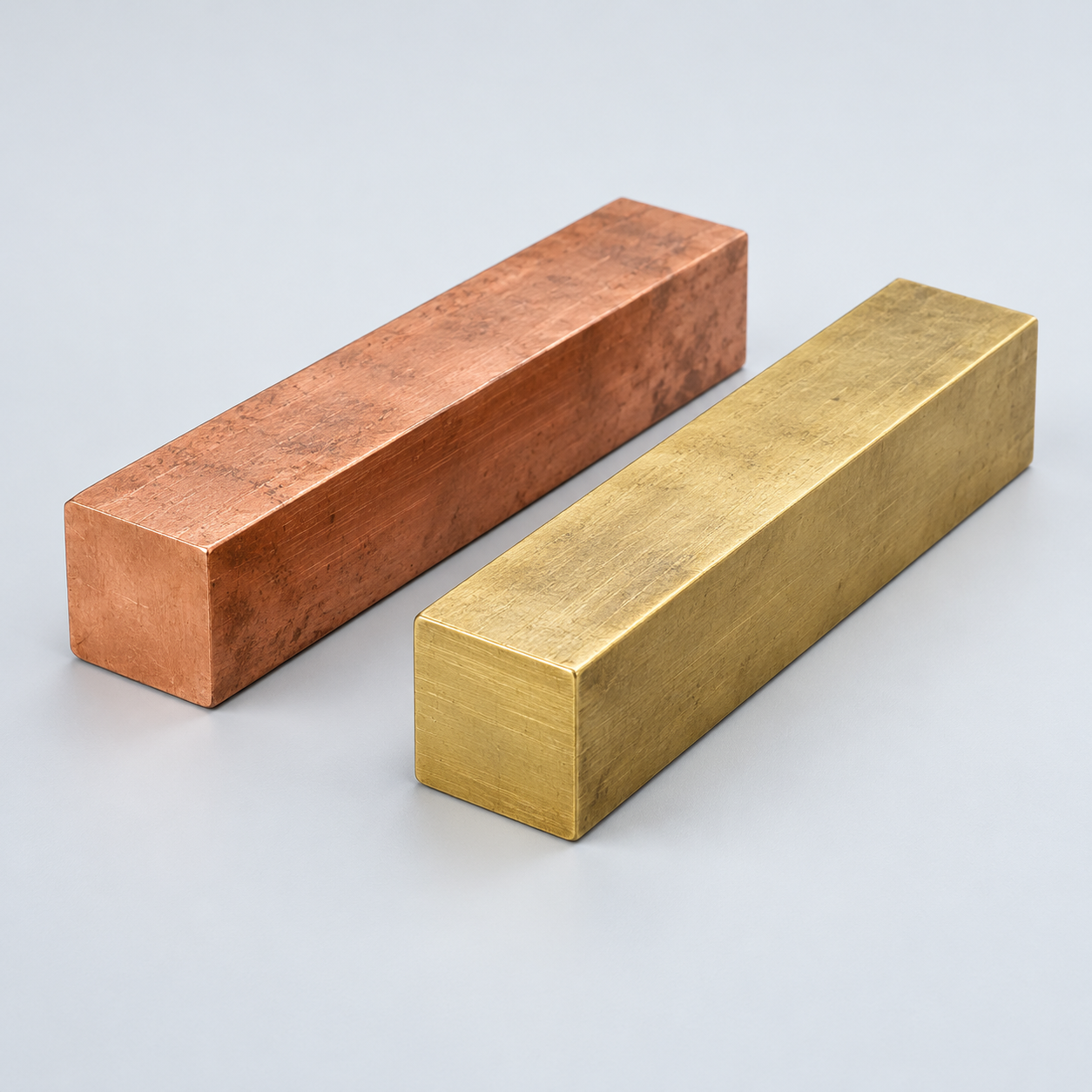 Copper & BrassDiscuss conductivity and machining›
Match your polymer to function, process and environment.
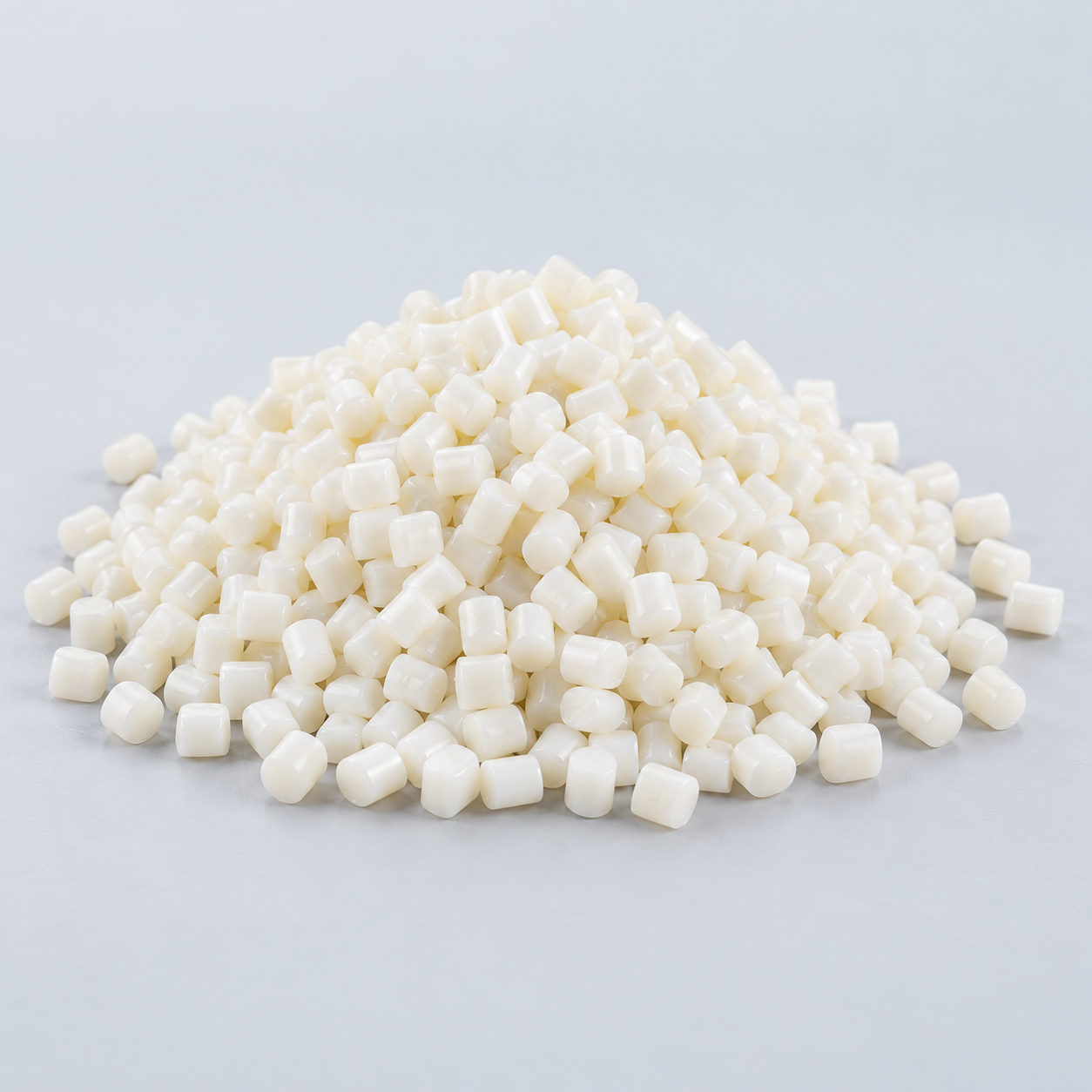 ABSReview enclosure and molding needs›
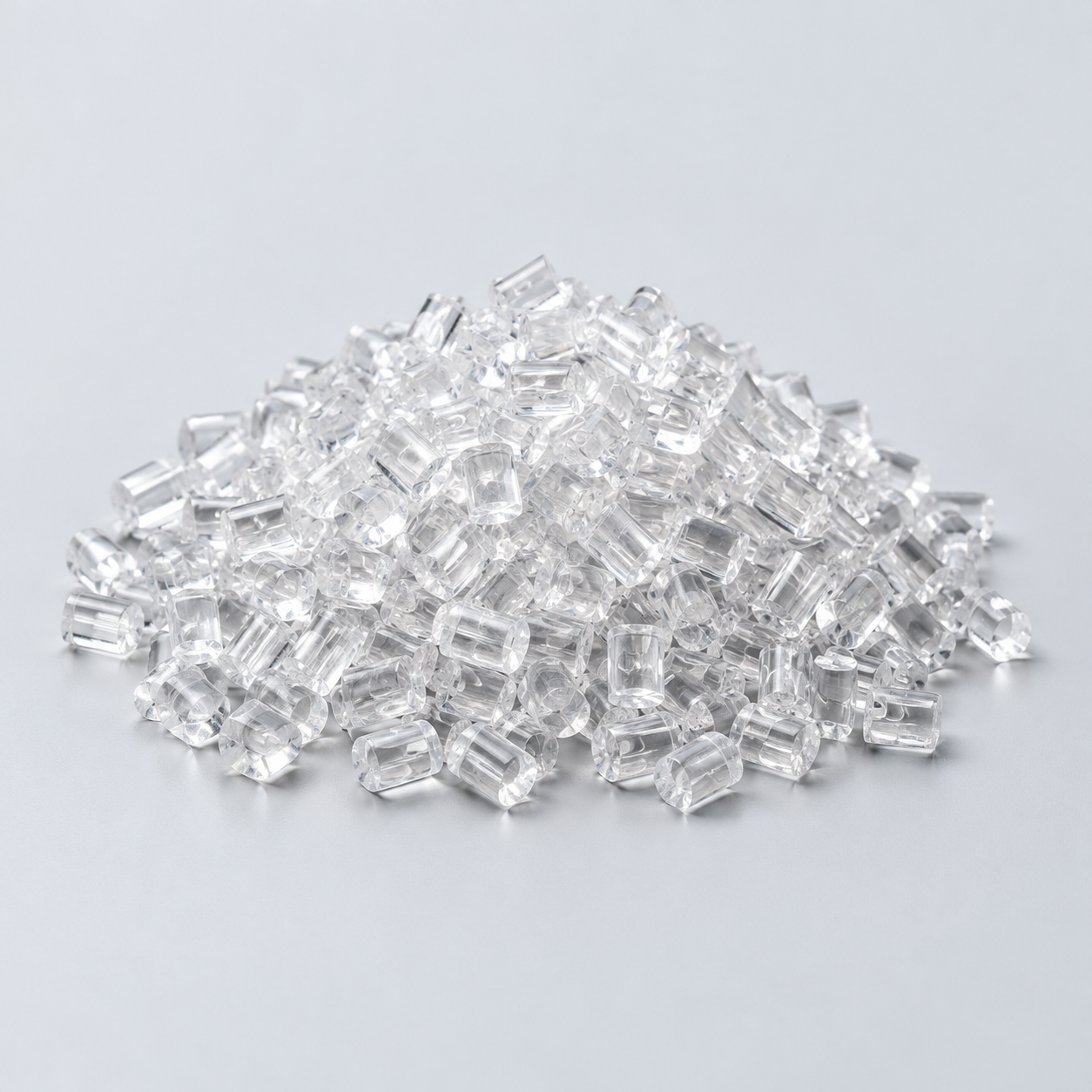 Polycarbonate (PC)Discuss clarity and impact needs›
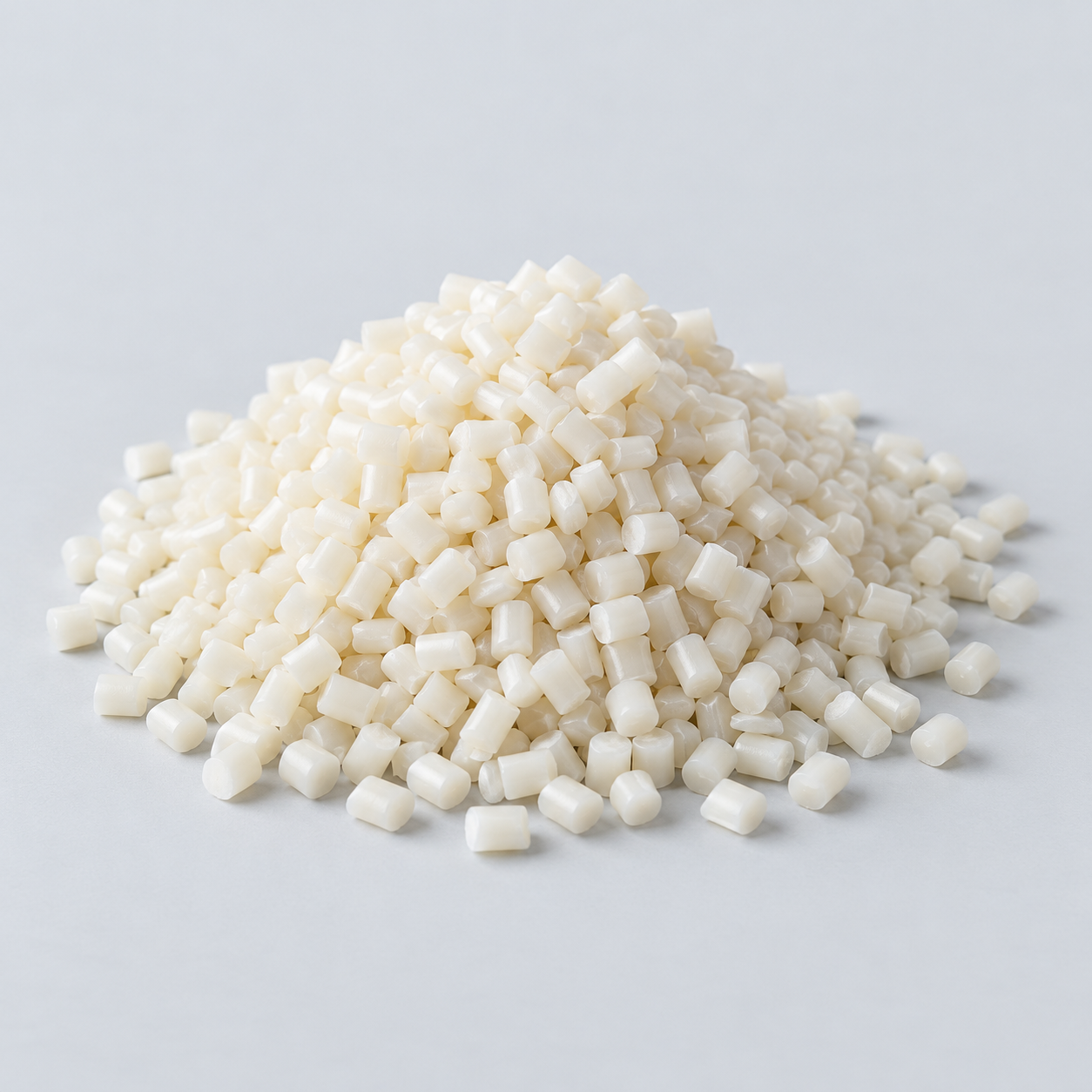 Nylon (PA)Review moisture and wear conditions›
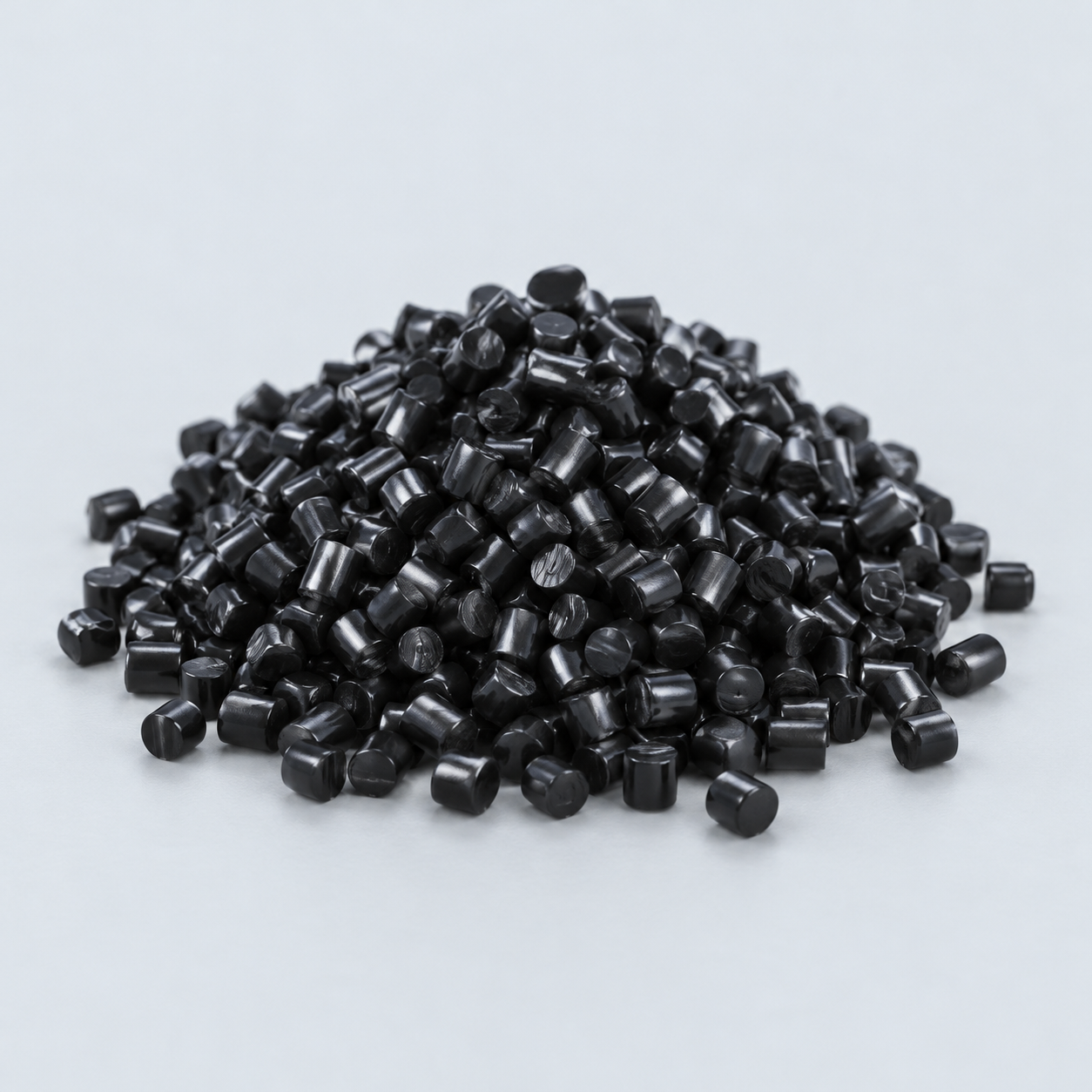 POM / AcetalReview fit and sliding features›
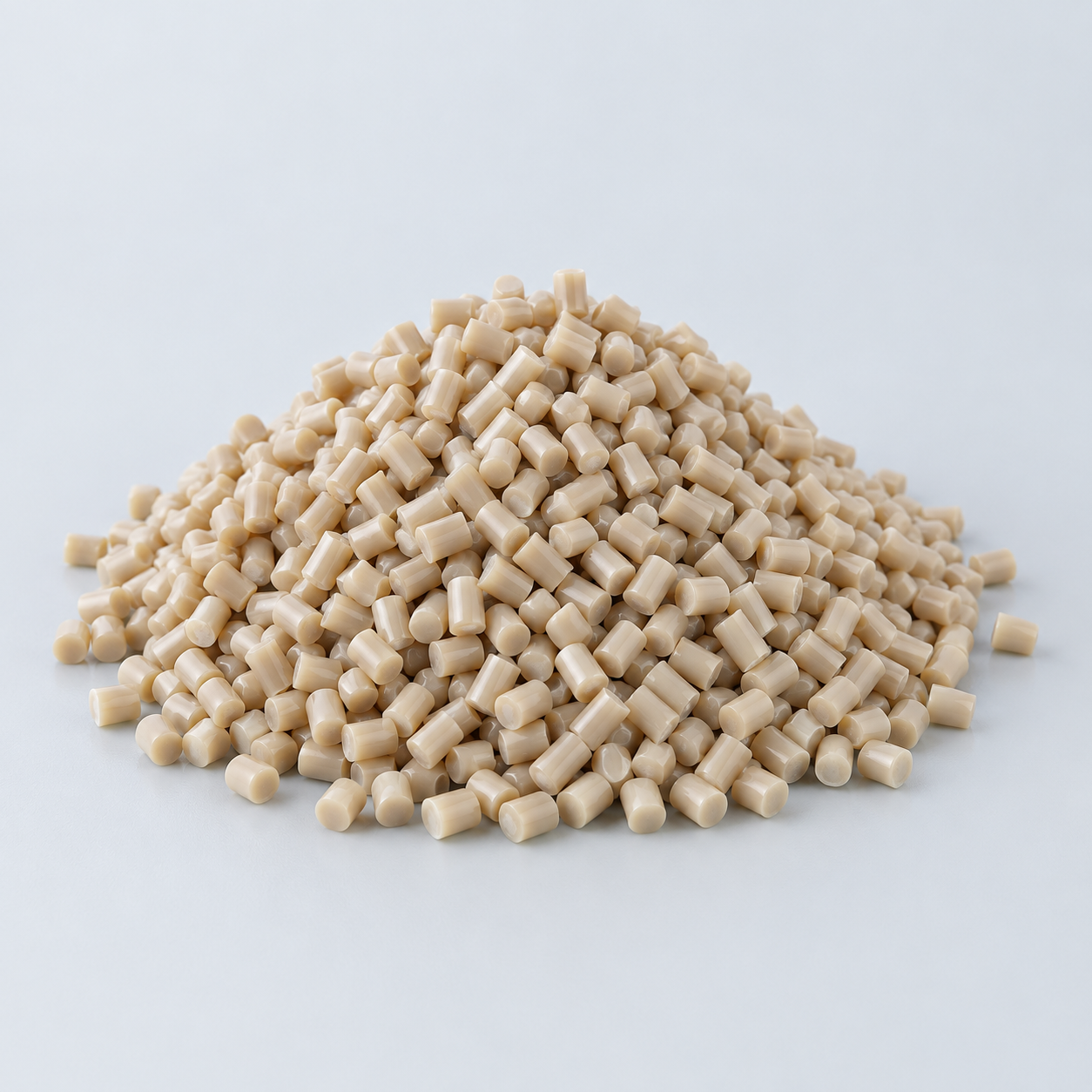 PEEKDiscuss operating conditions›
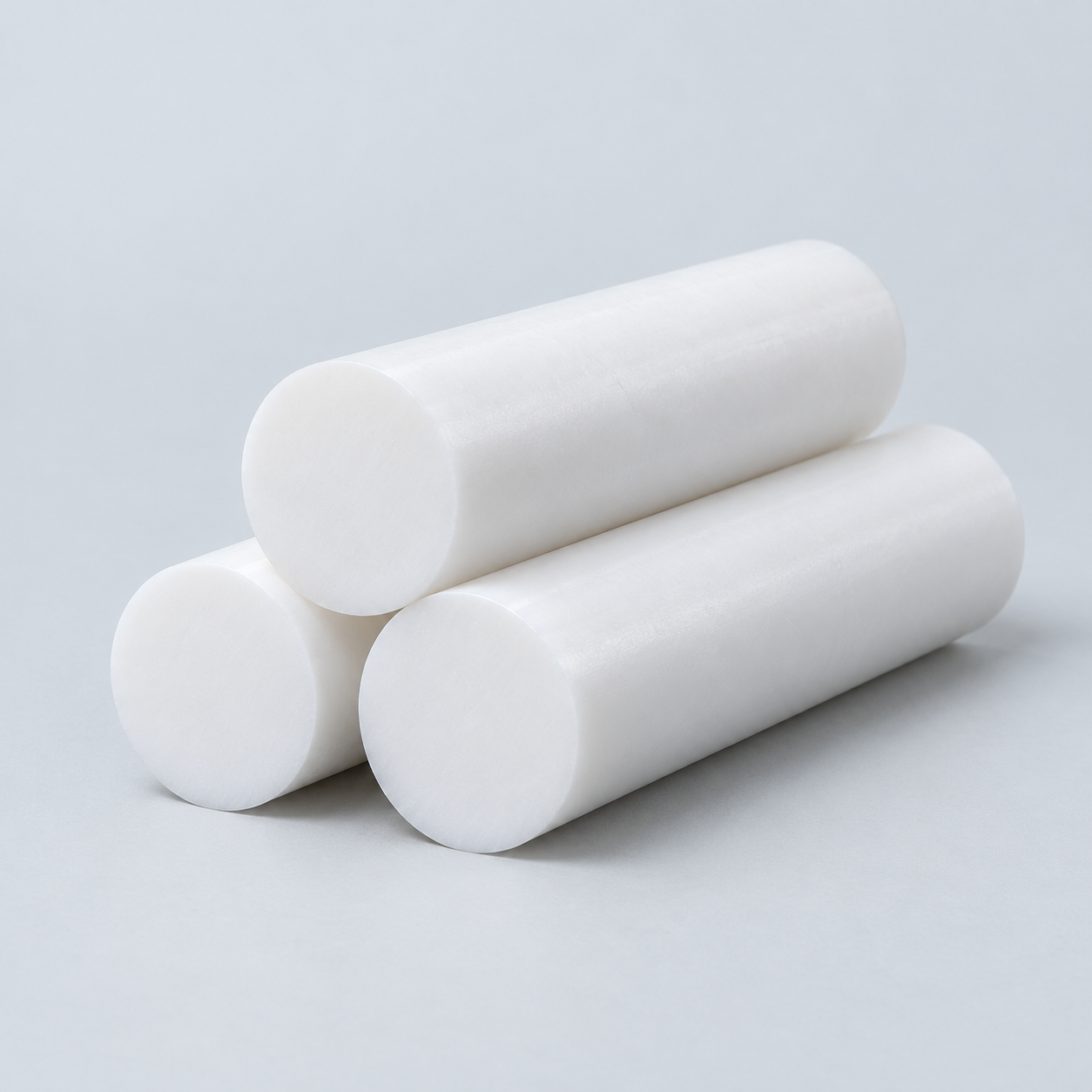 PTFEReview friction and chemical exposure›
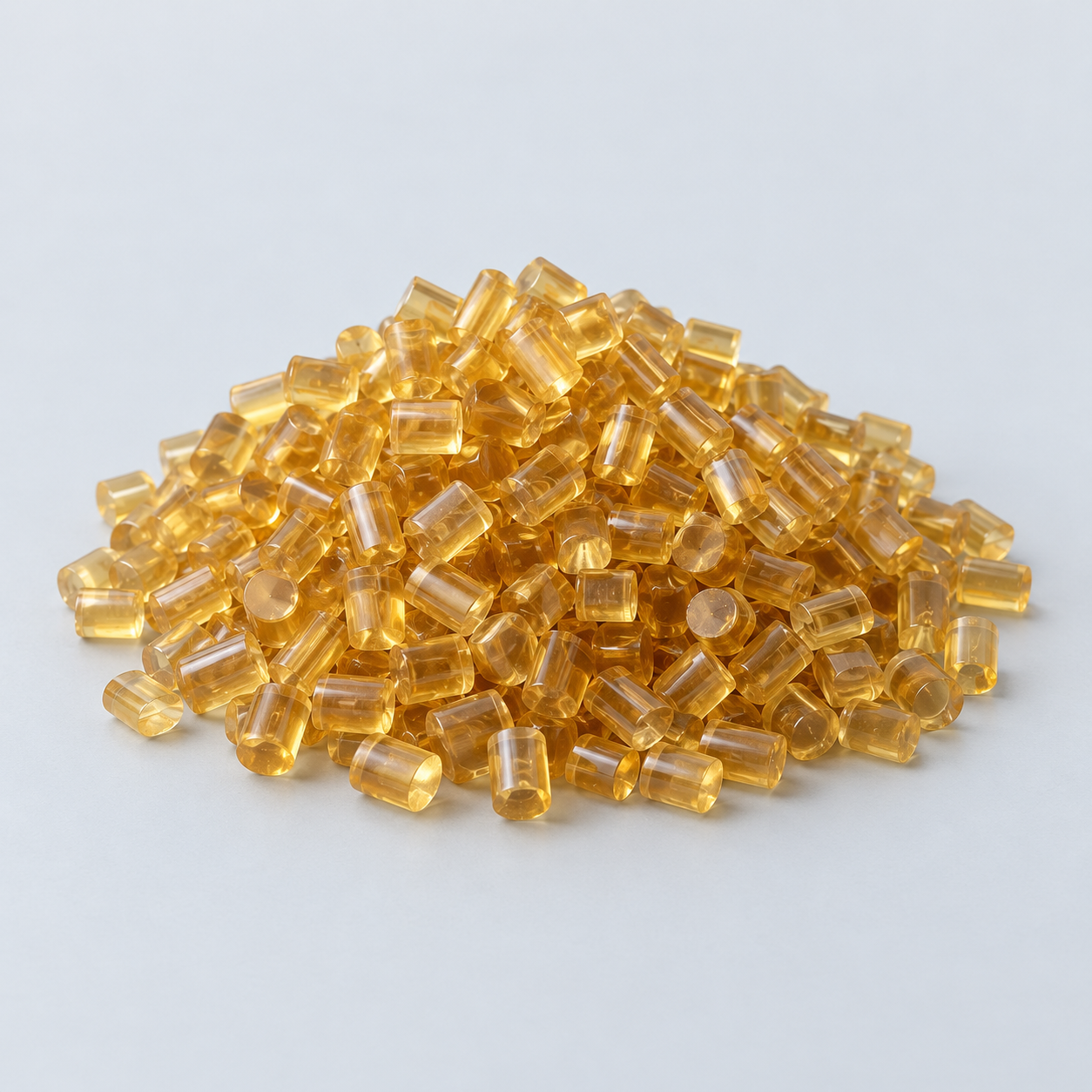 ULTEM / PEIDiscuss thermal and electrical needs›
Confirm grade availability and application requirements.
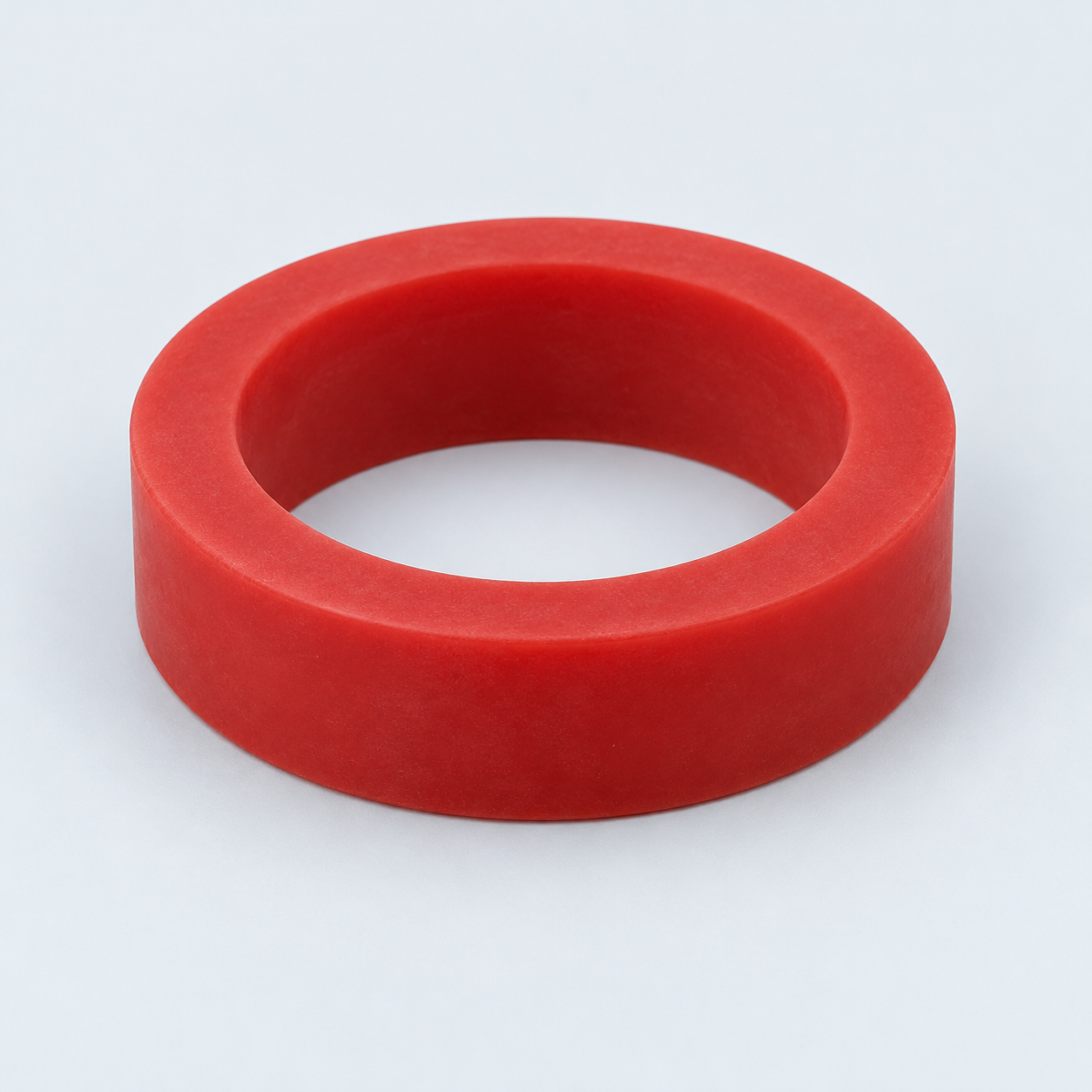 Silicone / LSRDiscuss flexible component needs›
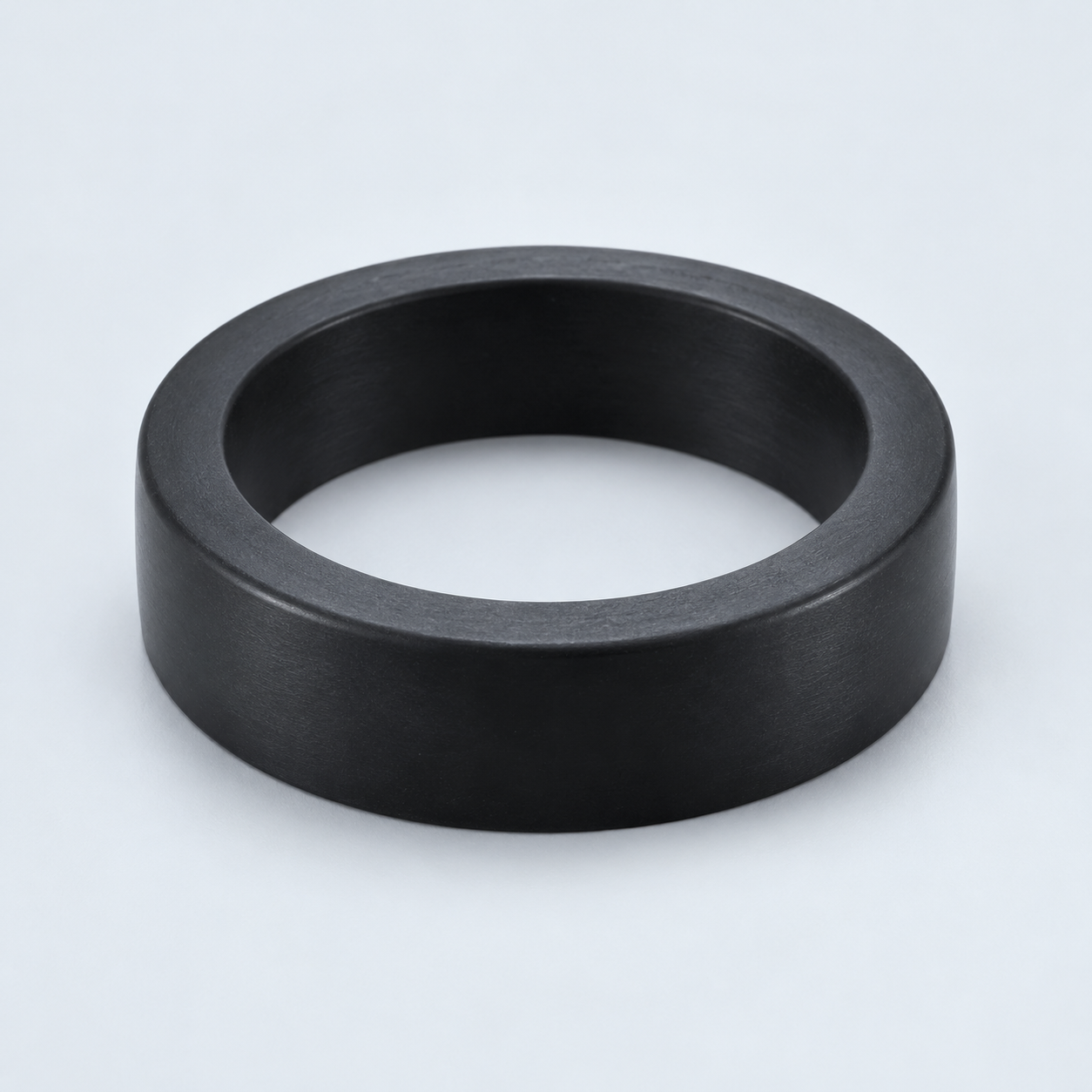 TPU / TPEReview flexibility and processing›
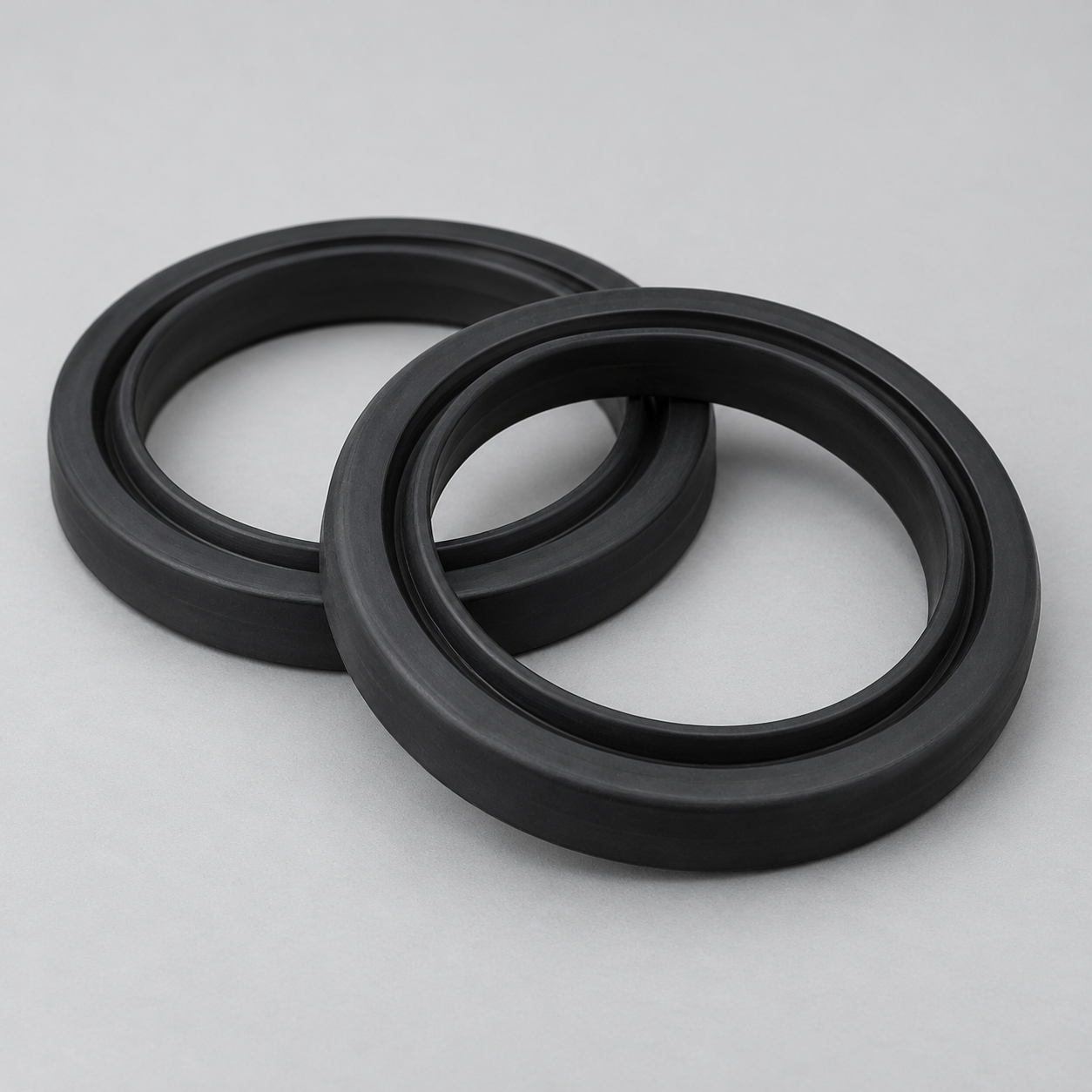 EPDMReview weathering and chemical exposure.›
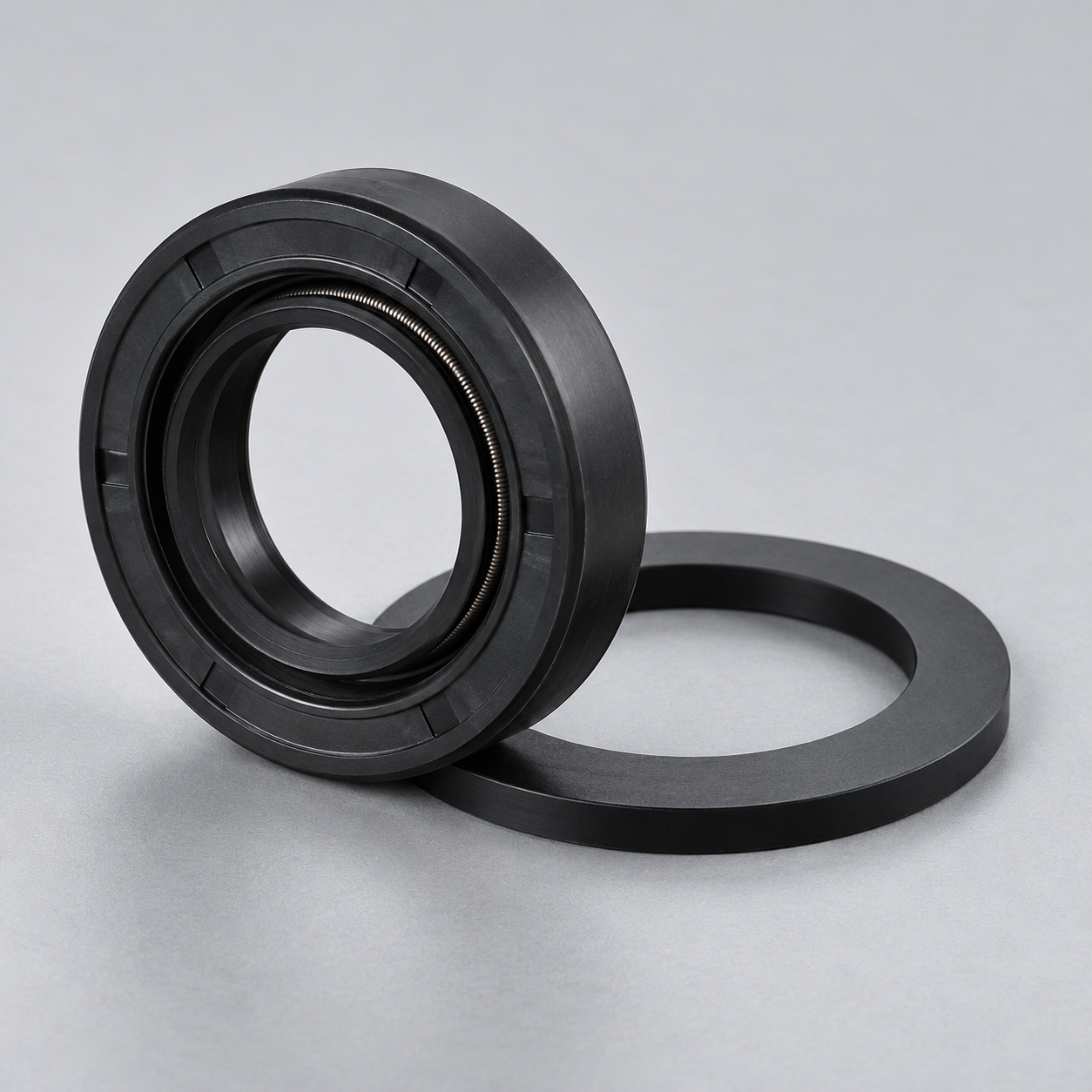 NBRReview oil and fuel exposure.›
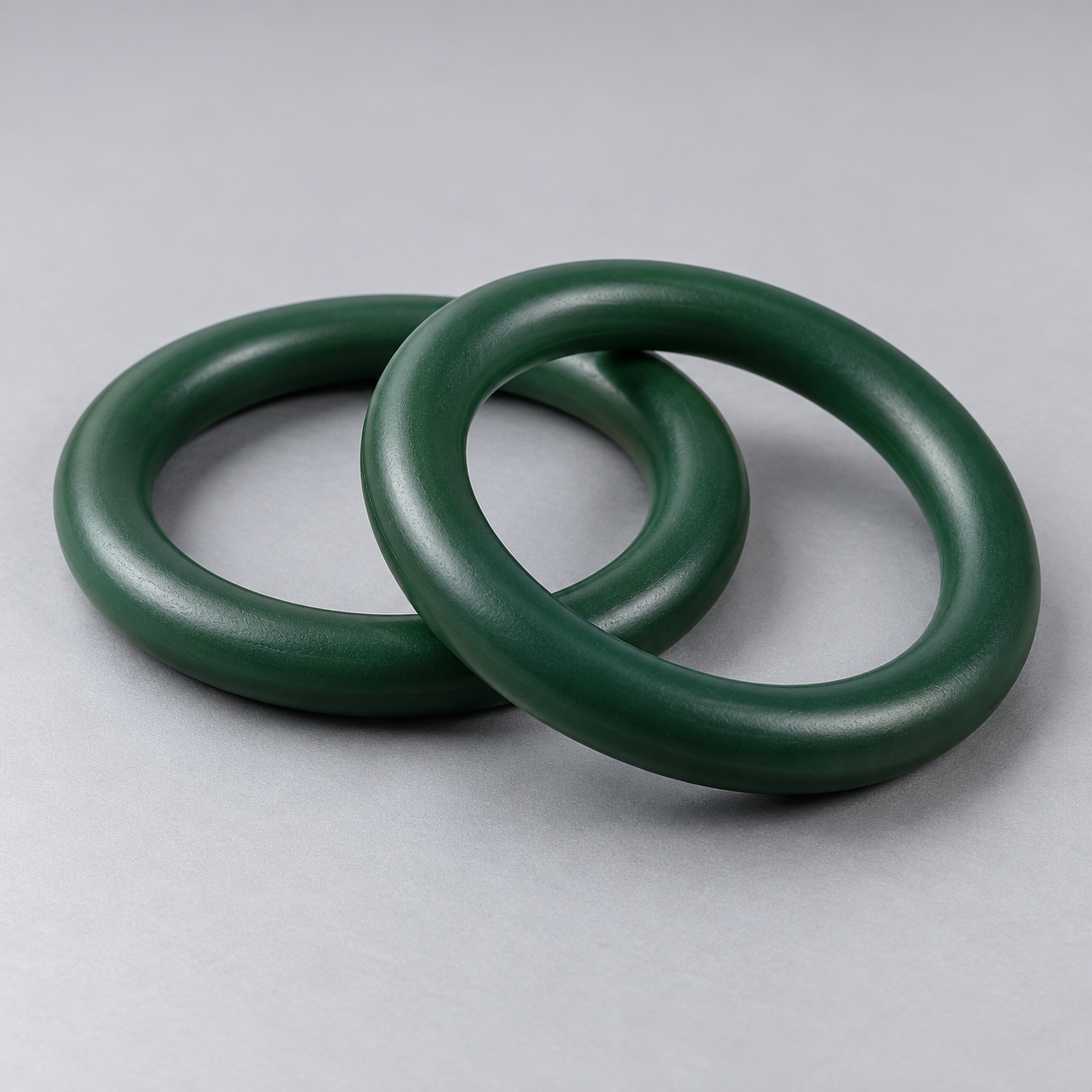 FKMReview temperature and chemical exposure.›
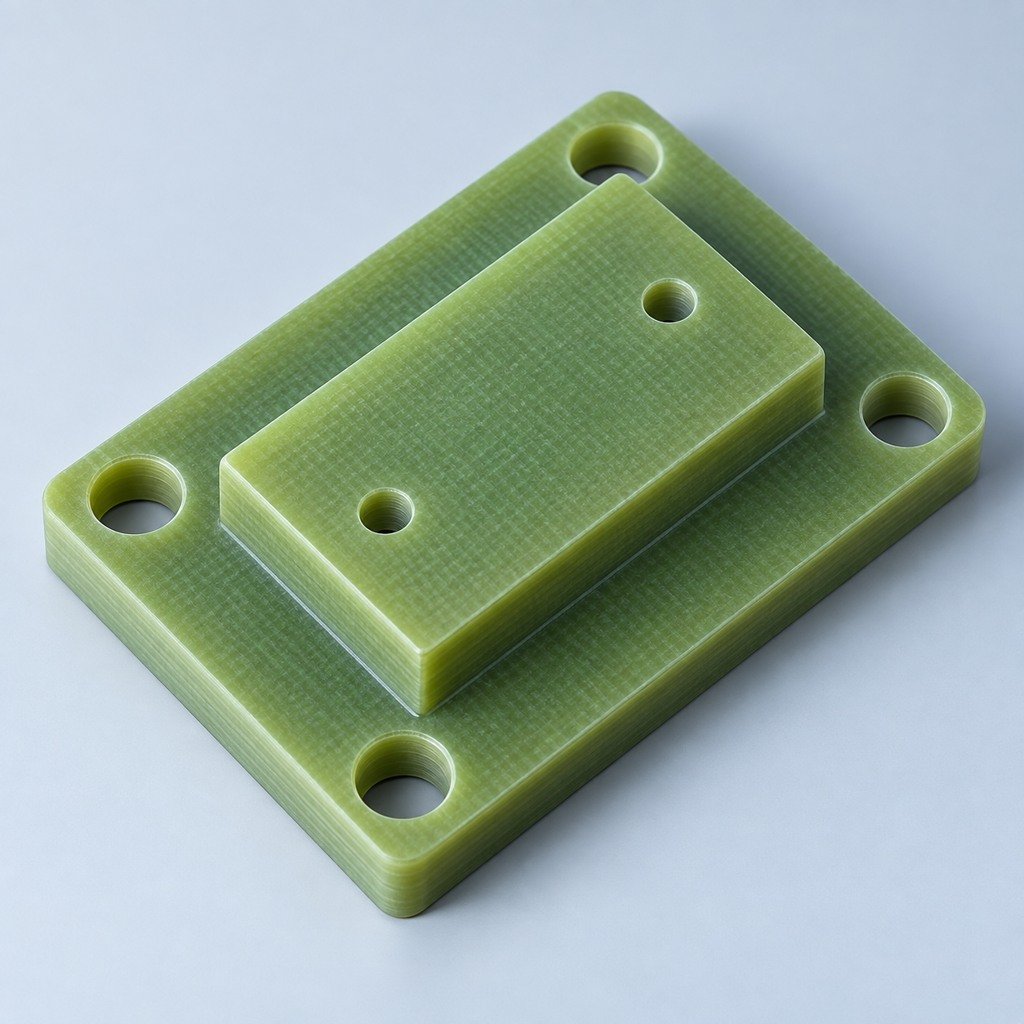 G10 / FR4Review insulation and laminate needs›
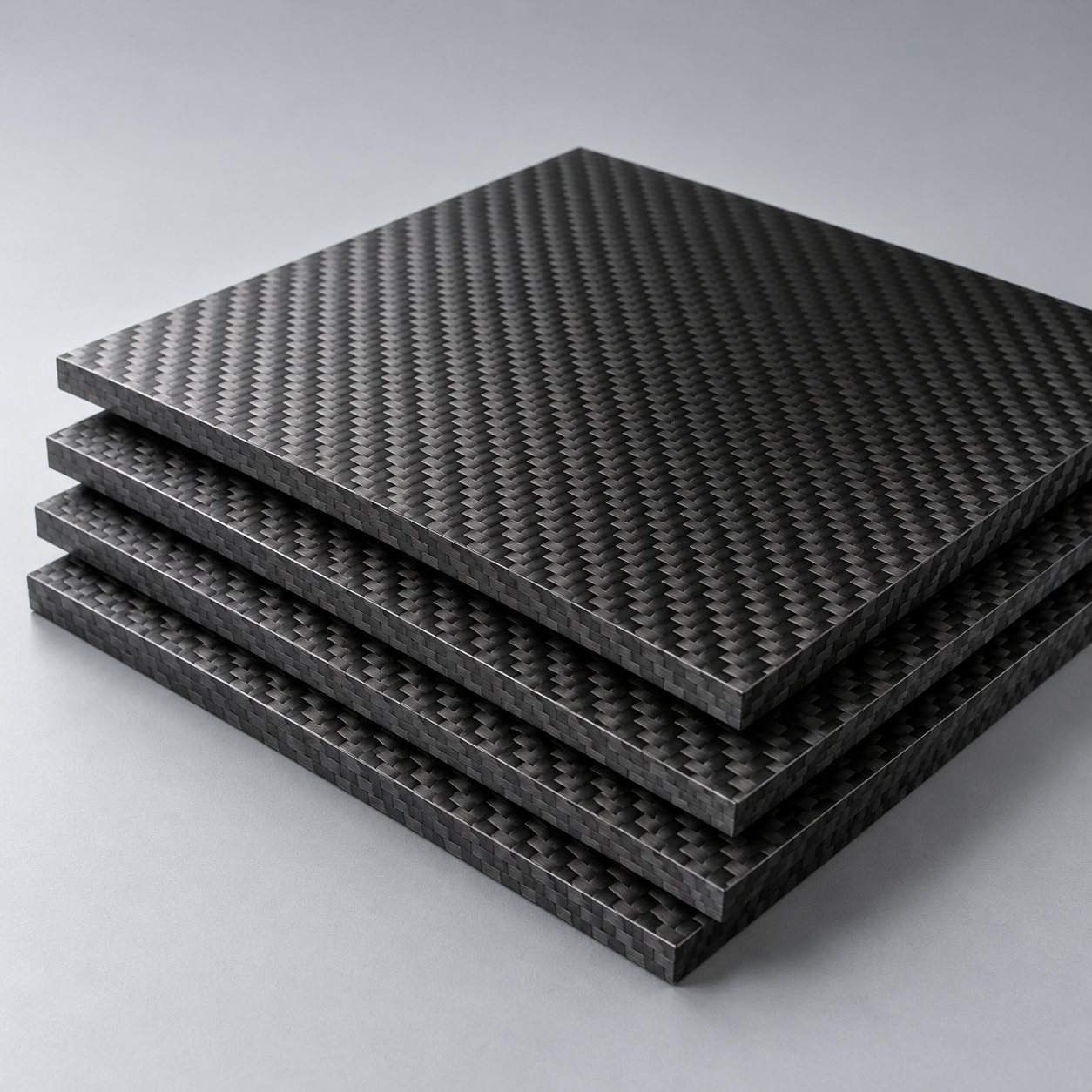 CompositesReview stiffness, weight and laminate.›Customer-Specified MaterialsConfirm your grade and requirements.›Other Specialty MaterialsDiscuss your application and grade.›
Practical guidance for your part geometry and material decisions.
Prepare your process, budget and sourcing questions.
Build your knowledge before production.
Learn who we are and how we operate.
Find our U.S. support team or start a conversation.
YOUR GEOMETRY. YOUR MATERIAL. YOUR FINISHED PART.
Plan custom metal 3D printing around your functional geometry, material and finished interfaces. Review build orientation, support access, post-processing and acceptance before your part is printed.
Start with 1 CAD model + 1 controlled drawing. Process, material and responsible production route are confirmed for your project.
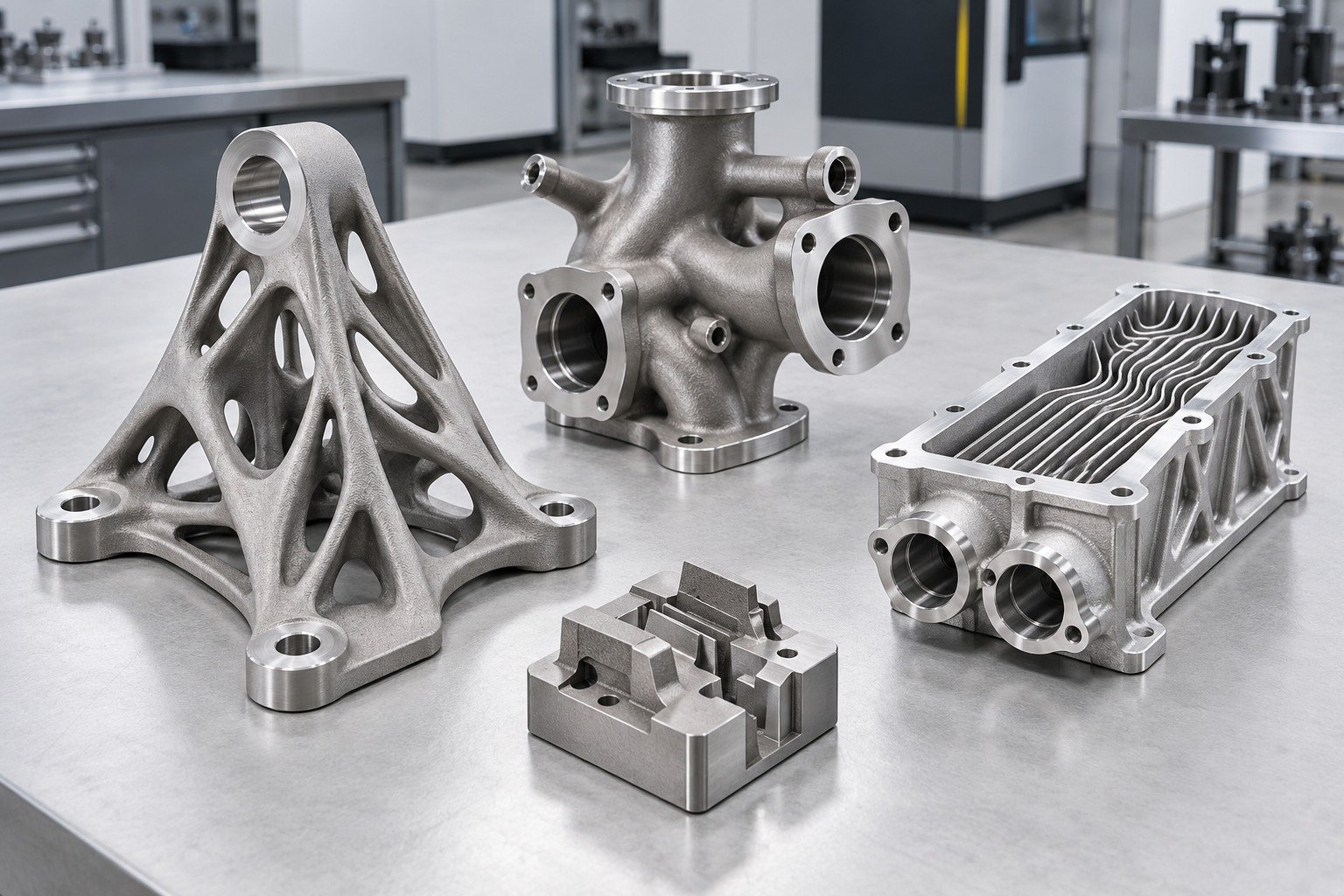
Match the route to your geometry.
Specify grade and heat-treatment condition.
Plan stock, datums and tool access.
Agree fit and required evidence.
Dallas-area project support.
Define function, finished condition and demand before comparing an as-printed price.
Loads, internal passages and support access.
Alloy, heat treatment, machining and surface.
Prototype, first order and repeat quantities.
Metal additive manufacturing services require a process-specific review. This page focuses on laser powder bed fusion; alternative routes need separate confirmation.
Mark load paths, mounting faces and fastener access. Compare your proposed geometry with the actual assembly, not a lightweight shape alone.
| Your function | Load direction, counterpart and stiffness requirements. |
|---|---|
| Your fit | Bolting pads, datums and fastener access. |
| Your release | Required sample checks and drawing revision. |
Material, process and secondary-operation feasibility are confirmed against your drawing.
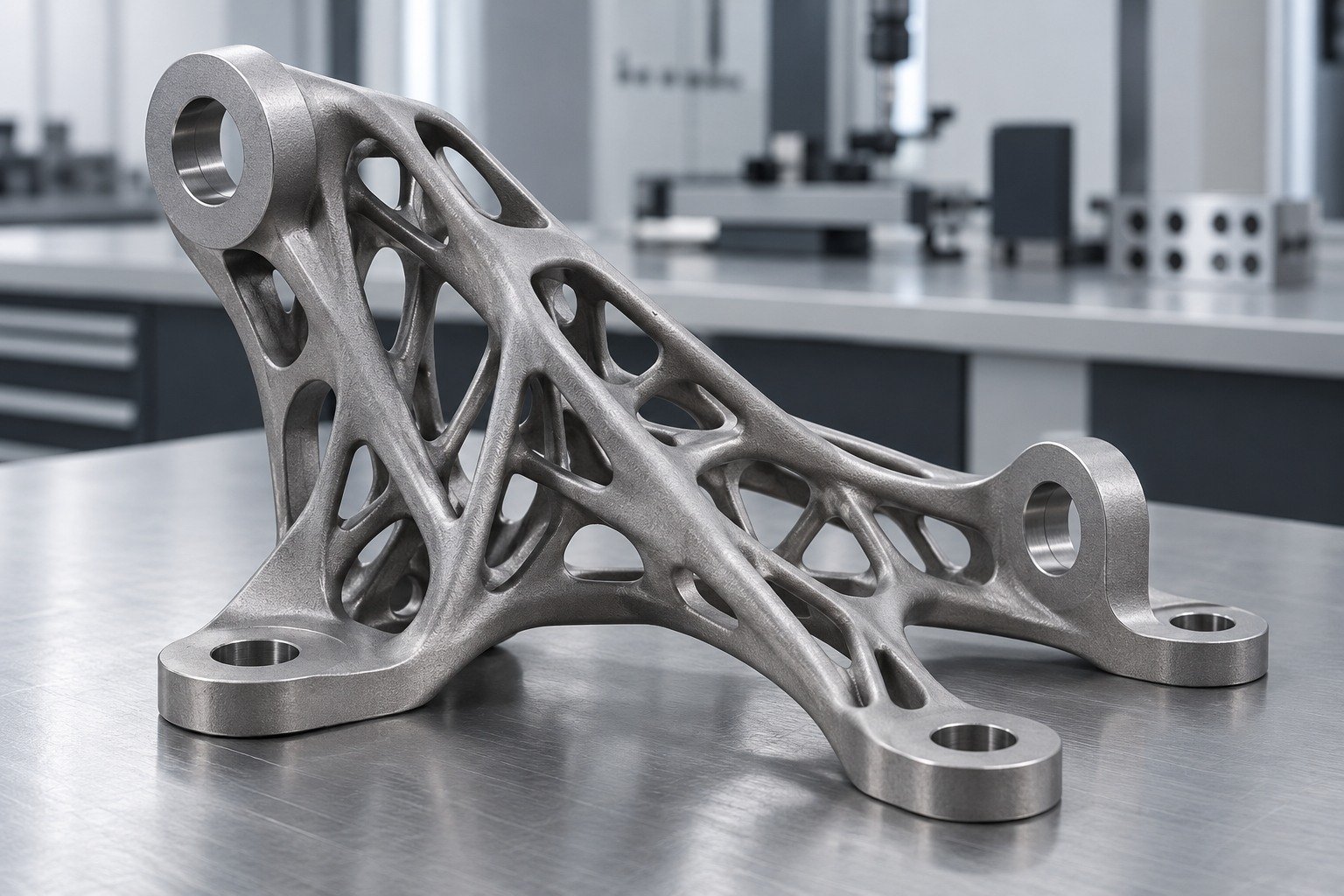
Metal 3D printing manufacturers should confirm the exact process, grade, material state and required records. A metal family name is not a complete specification.
| Your material | Exact grade, specification and required traceability. |
|---|---|
| Your process | LPBF route, build orientation and responsible producer. |
| Your condition | As-built, stress-relieved or specified heat treatment. |
Material, process and secondary-operation feasibility are confirmed against your drawing.
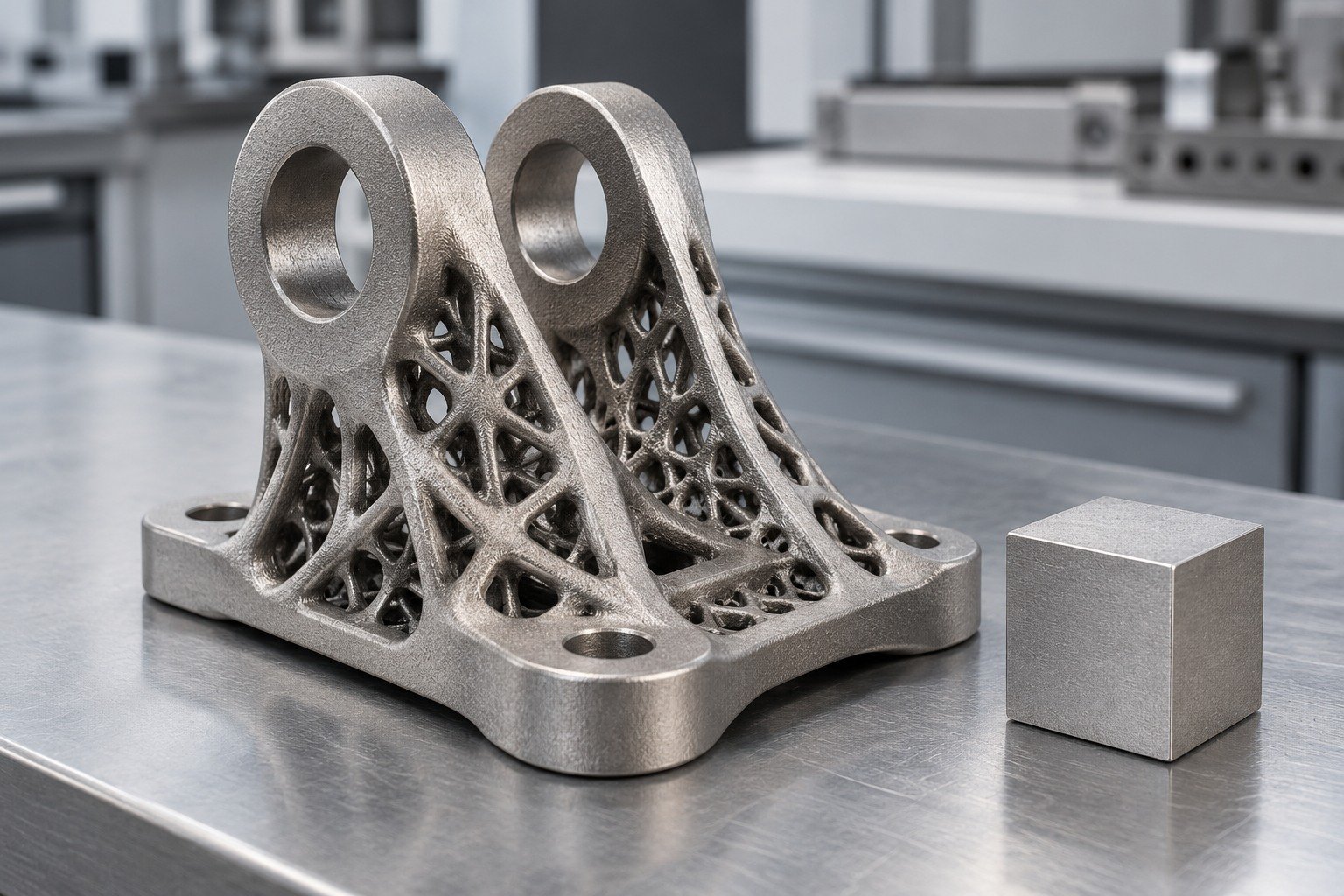
Metal 3D printing post processing can include support removal, heat treatment, CNC machining and finishing. Include only the operations agreed for your part.
| Your interfaces | Datums, machining allowance and final tolerance. |
|---|---|
| Your access | Support removal, cutting tools and powder evacuation. |
| Your sequence | Heat treatment, machining, finish and final inspection. |
Material, process and secondary-operation feasibility are confirmed against your drawing.
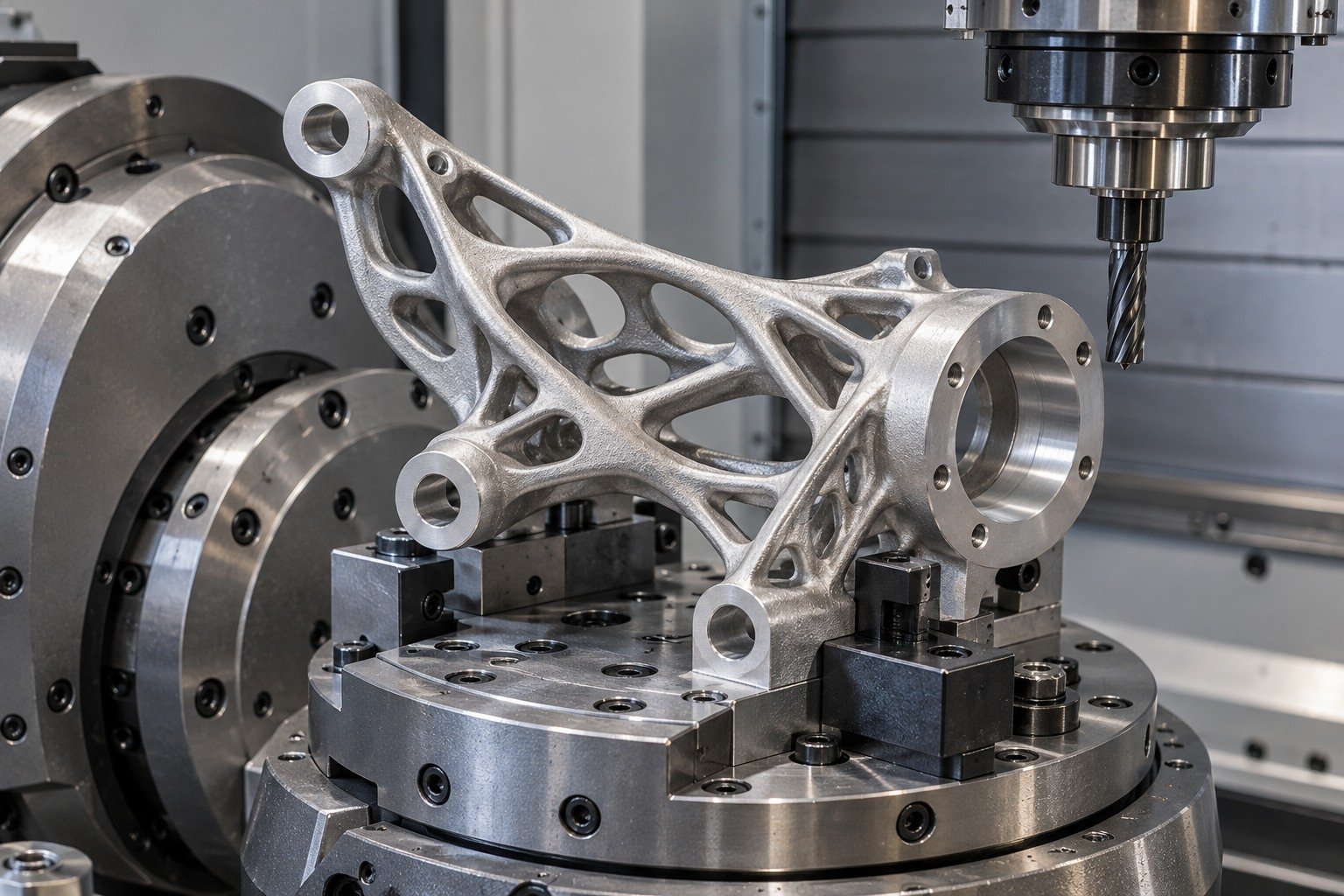
Agree dimensions, material evidence, surface condition and functional checks in the actual supplied state.
| Your dimensions | Final interfaces, datums and measurement state. |
|---|---|
| Your material | Required records and specified test methods. |
| Your function | Assembly, leak, flow or load checks as applicable. |
Material, process and secondary-operation feasibility are confirmed against your drawing.
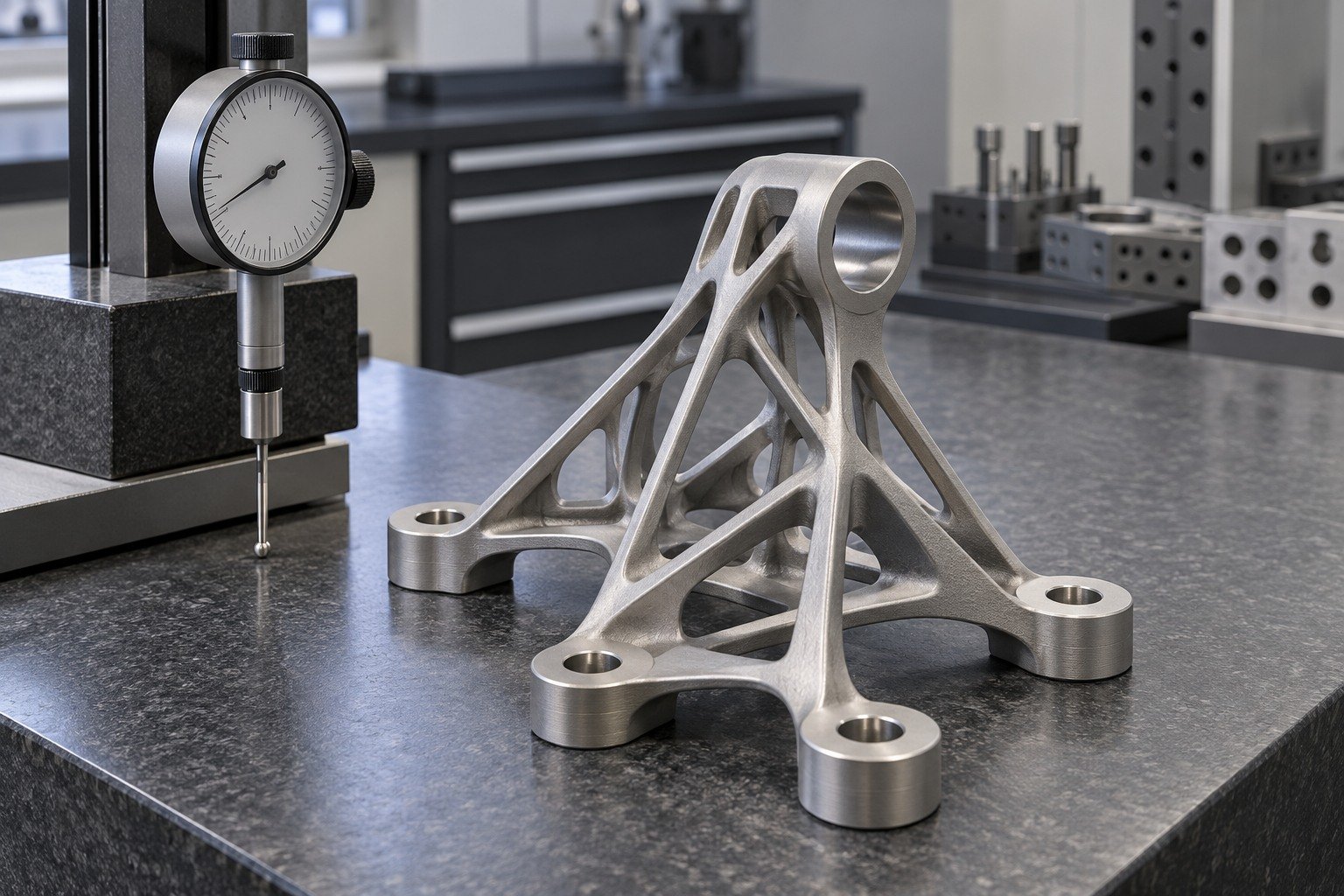
Define internal channels, ports and sealing faces. Plan powder evacuation and inspectable passages before approving the model.
| Your function | Fluid path, service conditions and pressure requirement. |
|---|---|
| Your fit | Ports, sealing faces and internal accessibility. |
| Your release | Powder removal and agreed leak/flow evidence. |
Material, process and secondary-operation feasibility are confirmed against your drawing.
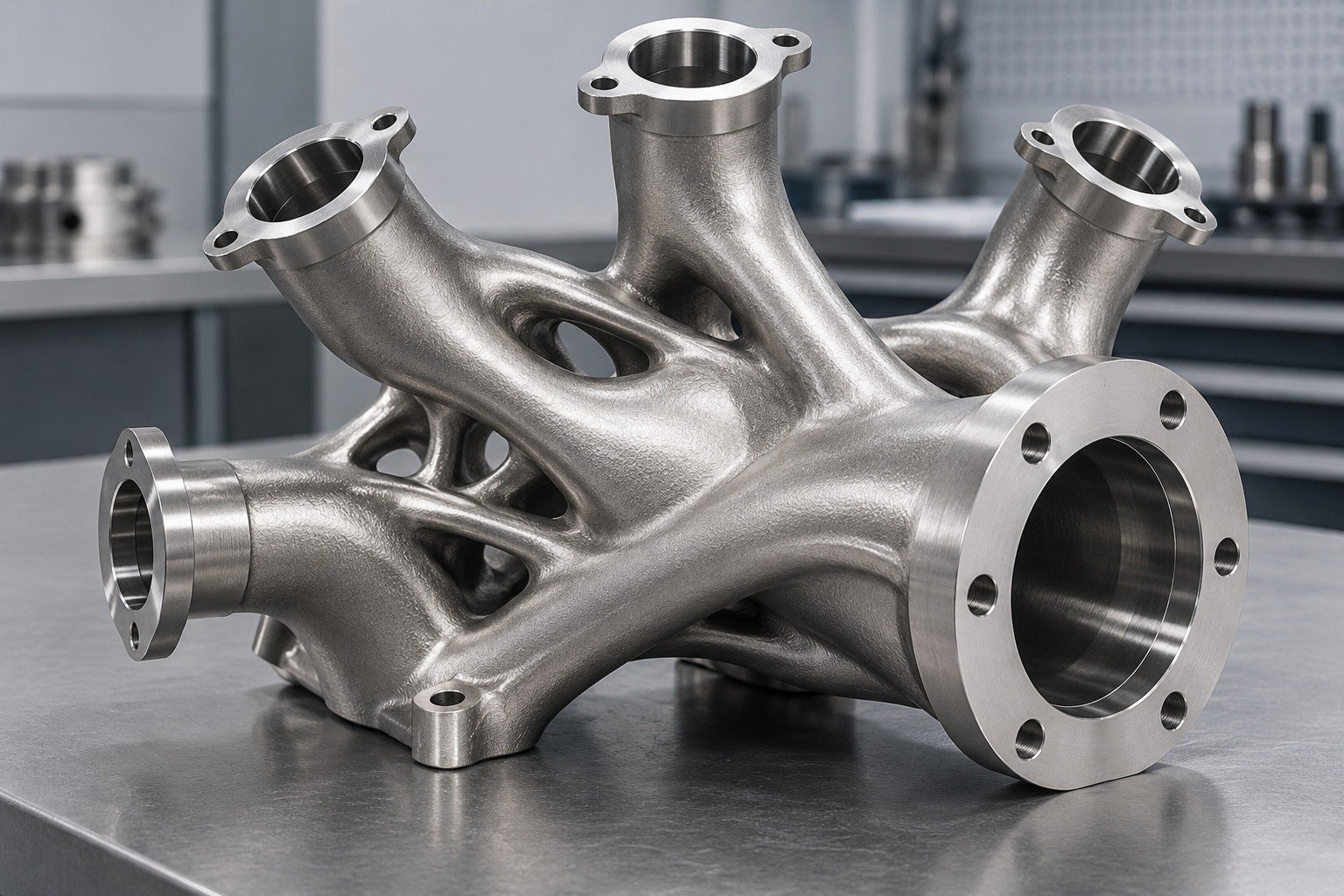
Metal 3D printing manufacturers should confirm the exact process, grade, material state and required records. A metal family name is not a complete specification.
| Your material | Exact grade, specification and required traceability. |
|---|---|
| Your process | LPBF route, build orientation and responsible producer. |
| Your condition | As-built, stress-relieved or specified heat treatment. |
Material, process and secondary-operation feasibility are confirmed against your drawing.
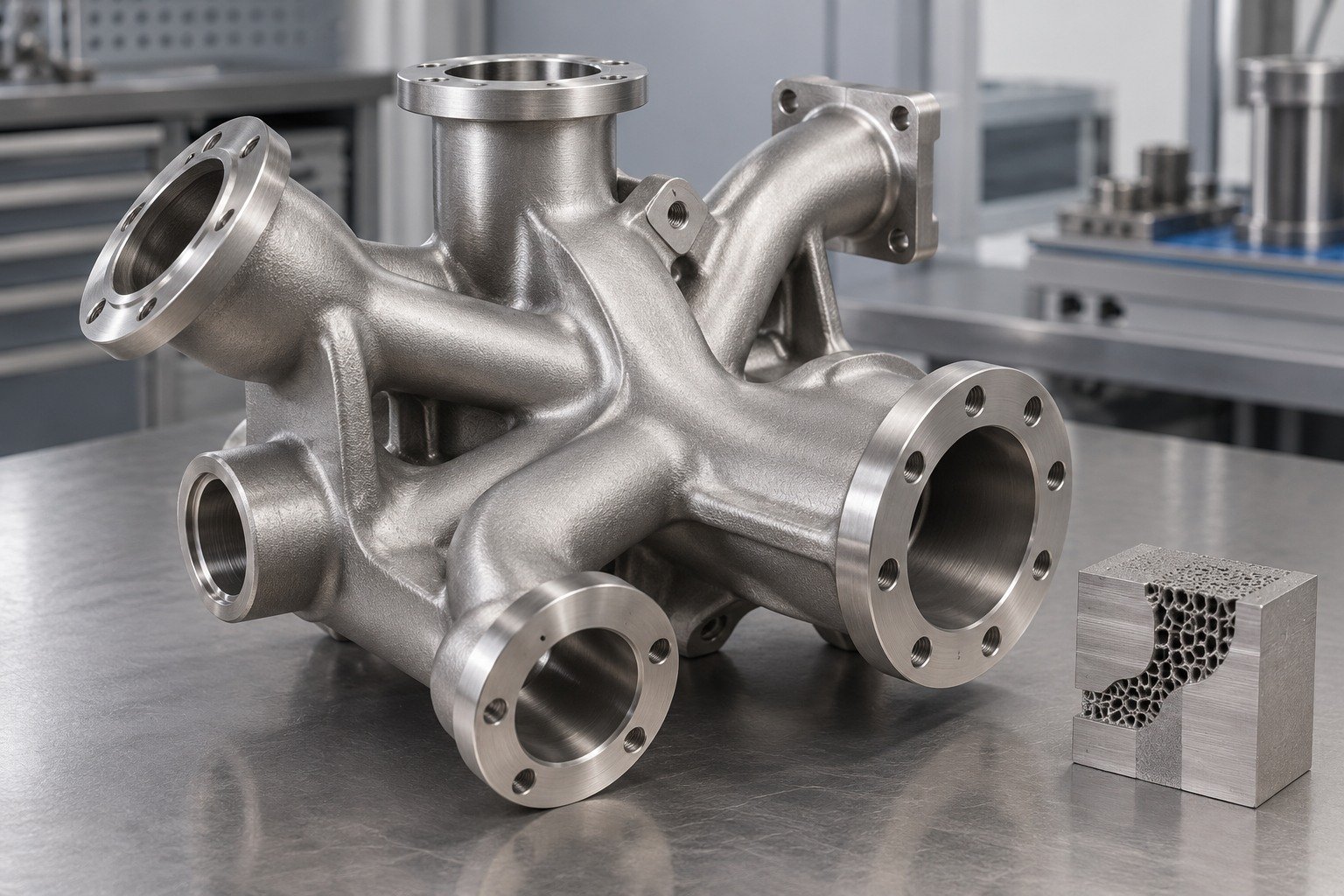
Metal 3D printing post processing can include support removal, heat treatment, CNC machining and finishing. Include only the operations agreed for your part.
| Your interfaces | Datums, machining allowance and final tolerance. |
|---|---|
| Your access | Support removal, cutting tools and powder evacuation. |
| Your sequence | Heat treatment, machining, finish and final inspection. |
Material, process and secondary-operation feasibility are confirmed against your drawing.
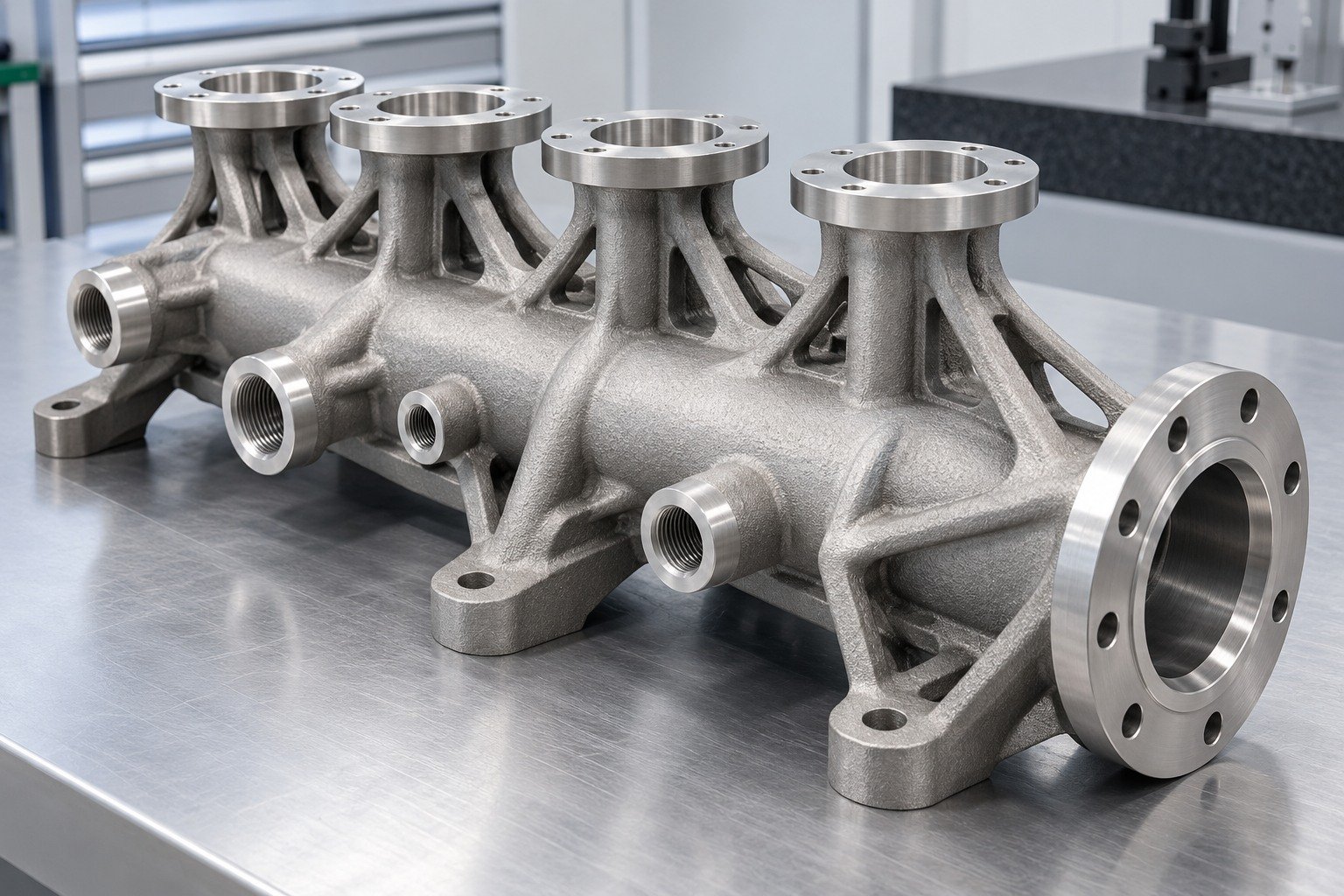
Agree dimensions, material evidence, surface condition and functional checks in the actual supplied state.
| Your dimensions | Final interfaces, datums and measurement state. |
|---|---|
| Your material | Required records and specified test methods. |
| Your function | Assembly, leak, flow or load checks as applicable. |
Material, process and secondary-operation feasibility are confirmed against your drawing.
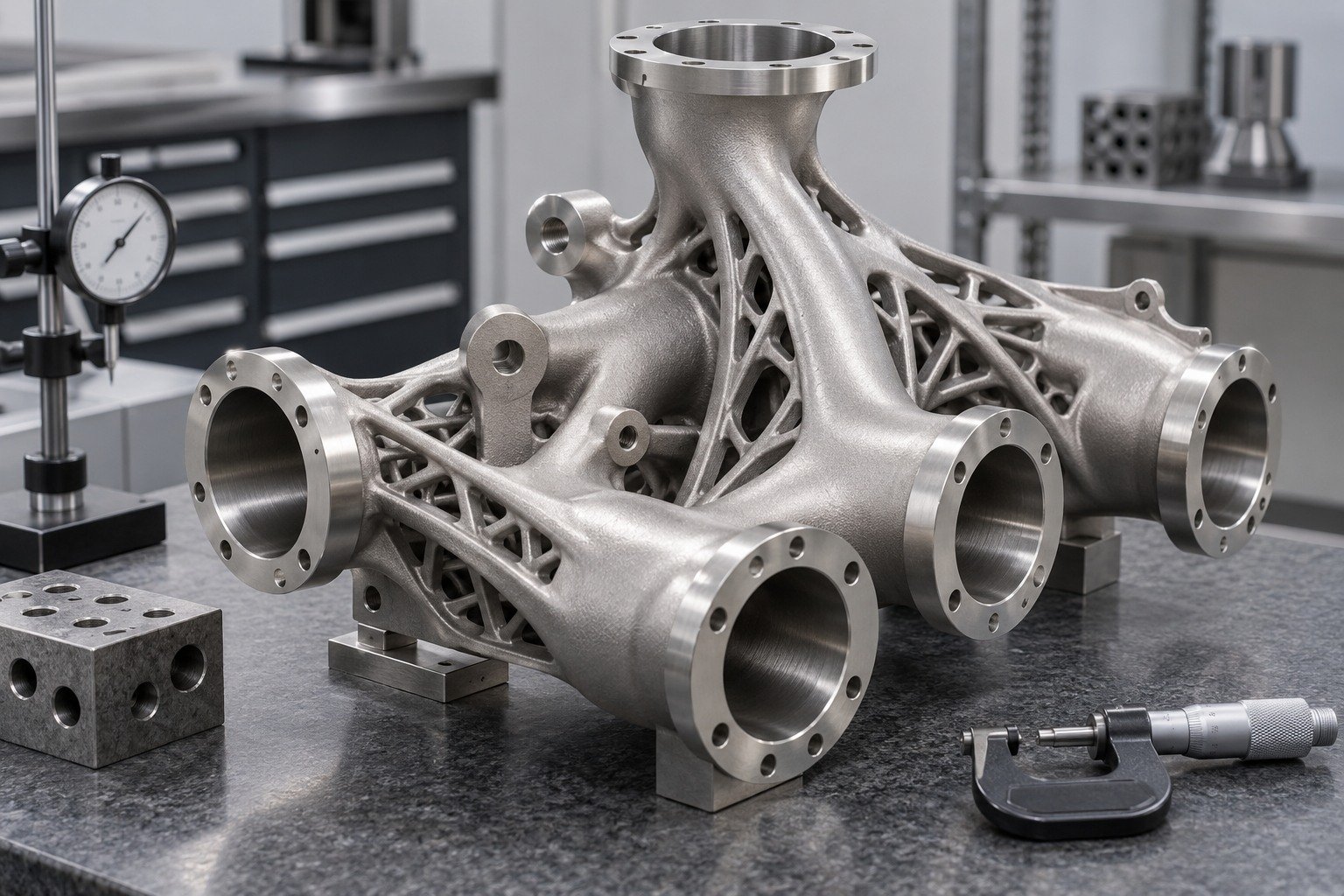
Identify thermal-contact faces, channel access and required pressure or functional tests. Complex geometry alone does not establish thermal performance.
| Your function | Heat path, working medium and exposure. |
|---|---|
| Your fit | Contact flatness and accessible channels. |
| Your release | Specified thermal, flow or pressure tests. |
Material, process and secondary-operation feasibility are confirmed against your drawing.
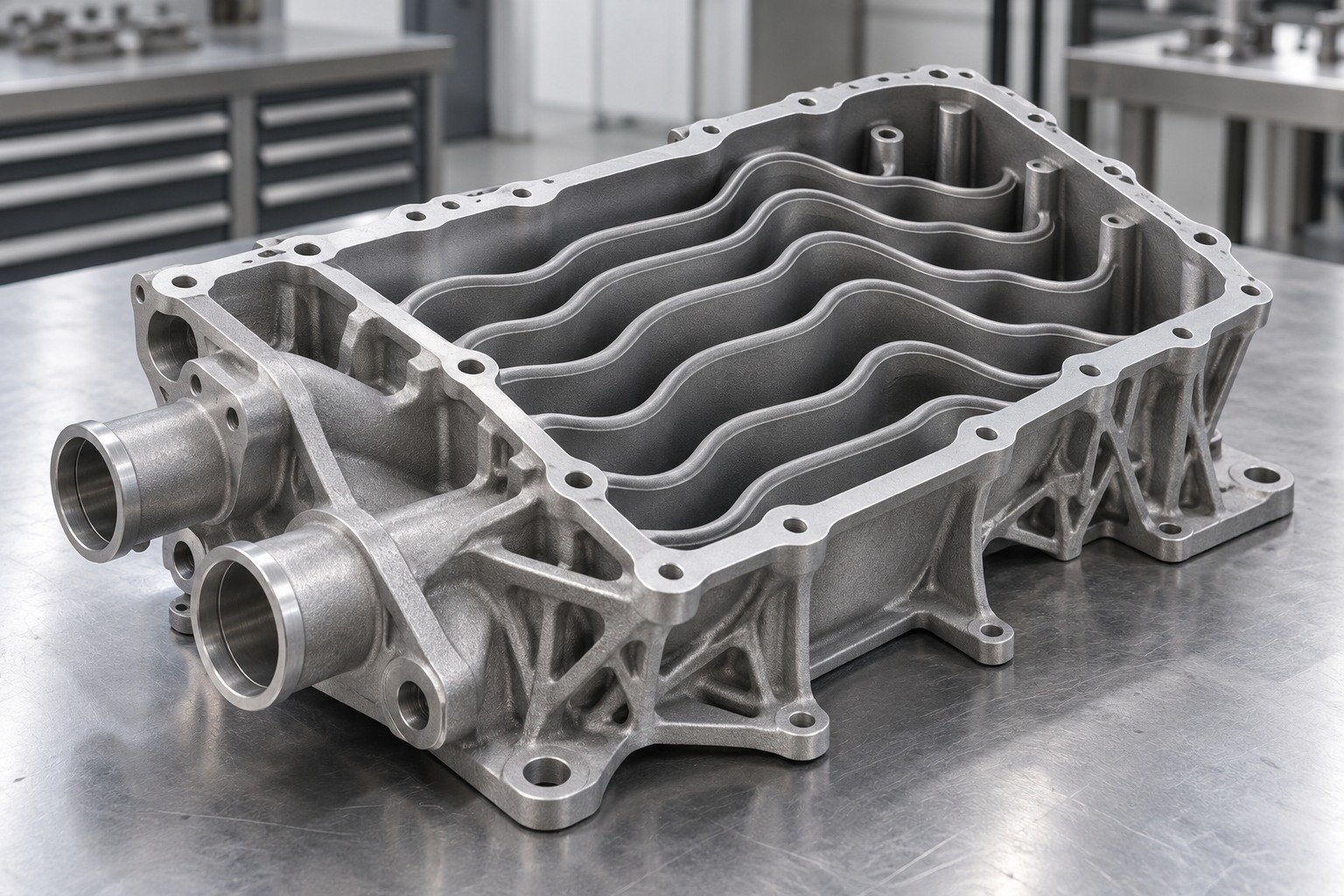
Metal 3D printing manufacturers should confirm the exact process, grade, material state and required records. A metal family name is not a complete specification.
| Your material | Exact grade, specification and required traceability. |
|---|---|
| Your process | LPBF route, build orientation and responsible producer. |
| Your condition | As-built, stress-relieved or specified heat treatment. |
Material, process and secondary-operation feasibility are confirmed against your drawing.
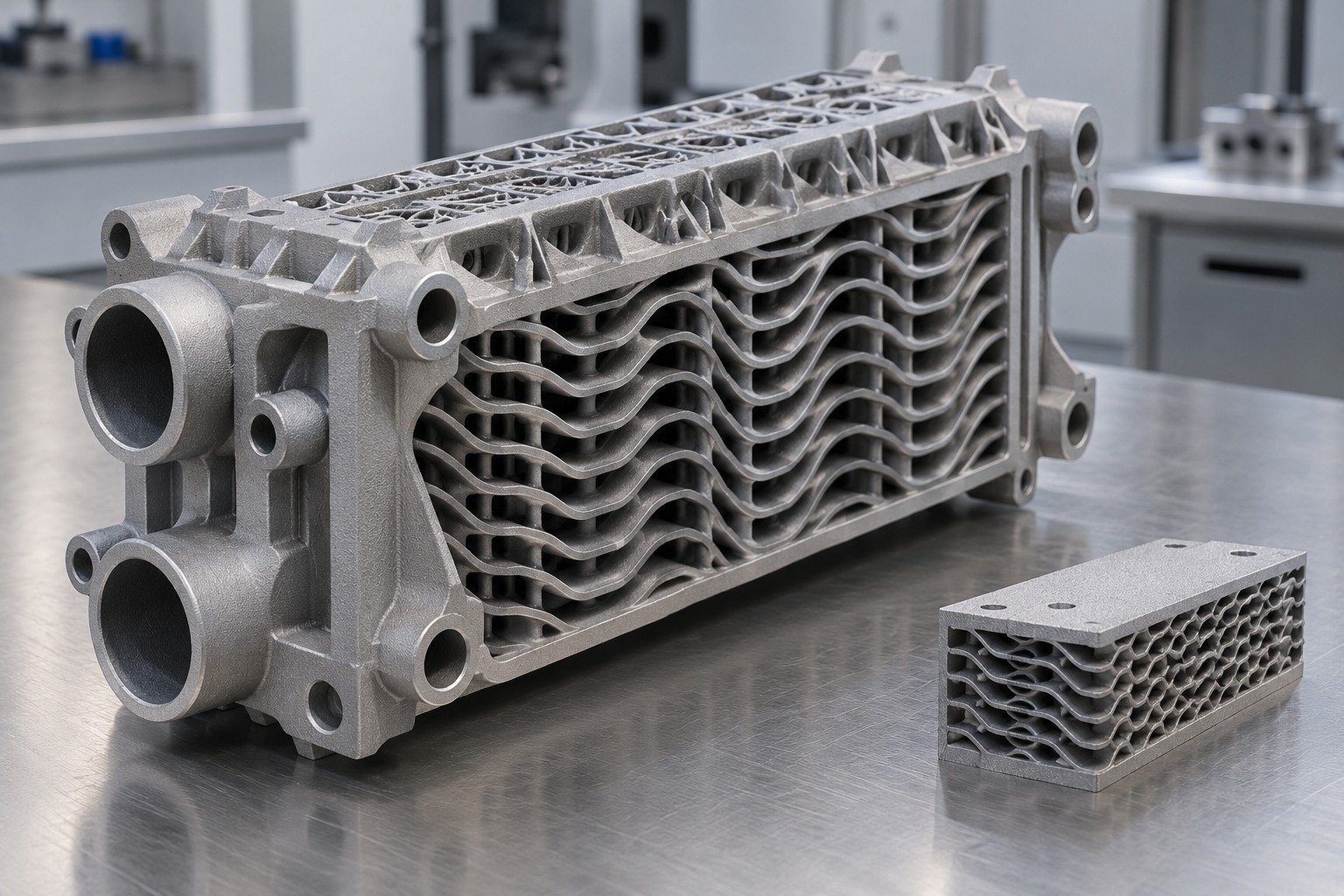
Metal 3D printing post processing can include support removal, heat treatment, CNC machining and finishing. Include only the operations agreed for your part.
| Your interfaces | Datums, machining allowance and final tolerance. |
|---|---|
| Your access | Support removal, cutting tools and powder evacuation. |
| Your sequence | Heat treatment, machining, finish and final inspection. |
Material, process and secondary-operation feasibility are confirmed against your drawing.
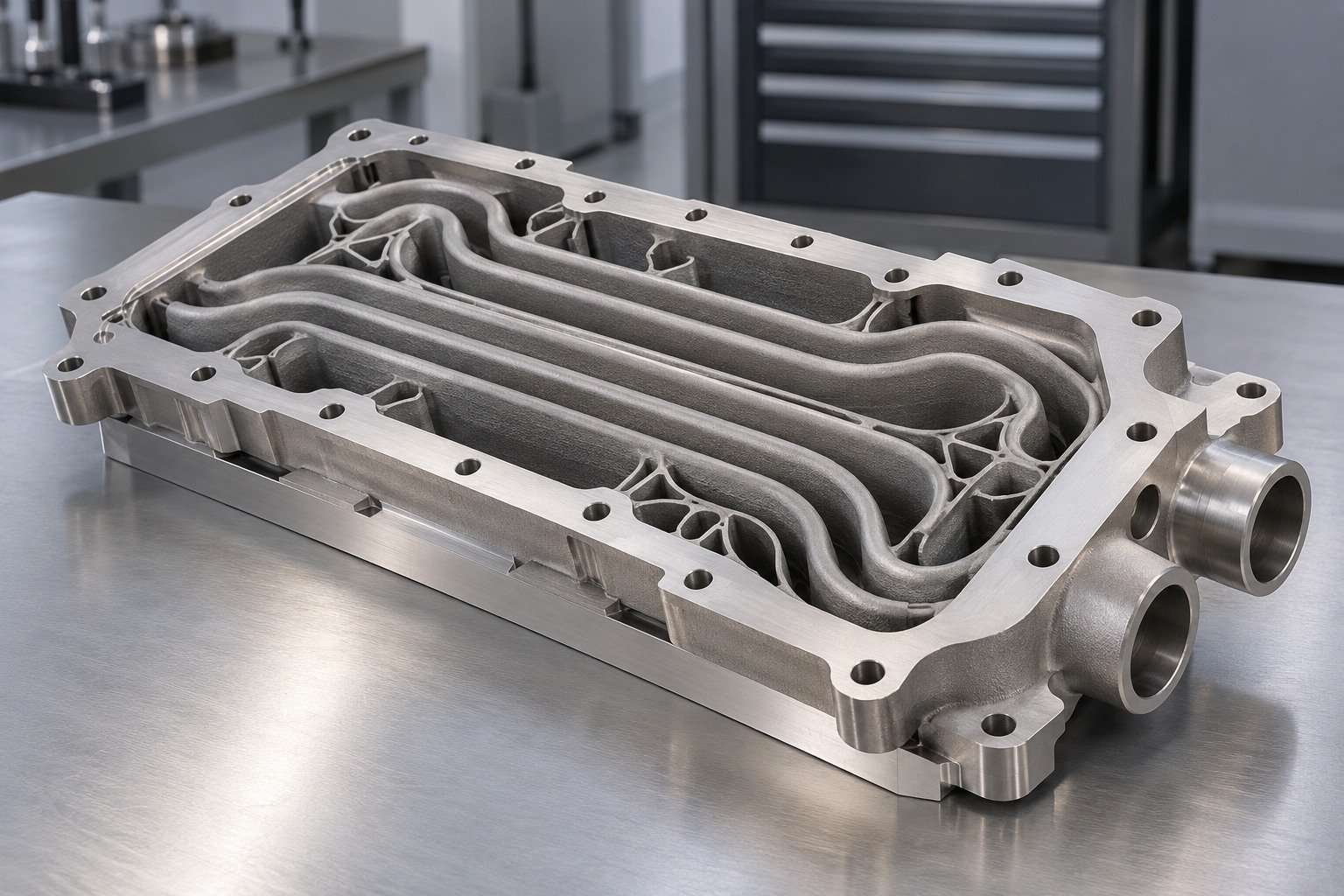
Agree dimensions, material evidence, surface condition and functional checks in the actual supplied state.
| Your dimensions | Final interfaces, datums and measurement state. |
|---|---|
| Your material | Required records and specified test methods. |
| Your function | Assembly, leak, flow or load checks as applicable. |
Material, process and secondary-operation feasibility are confirmed against your drawing.
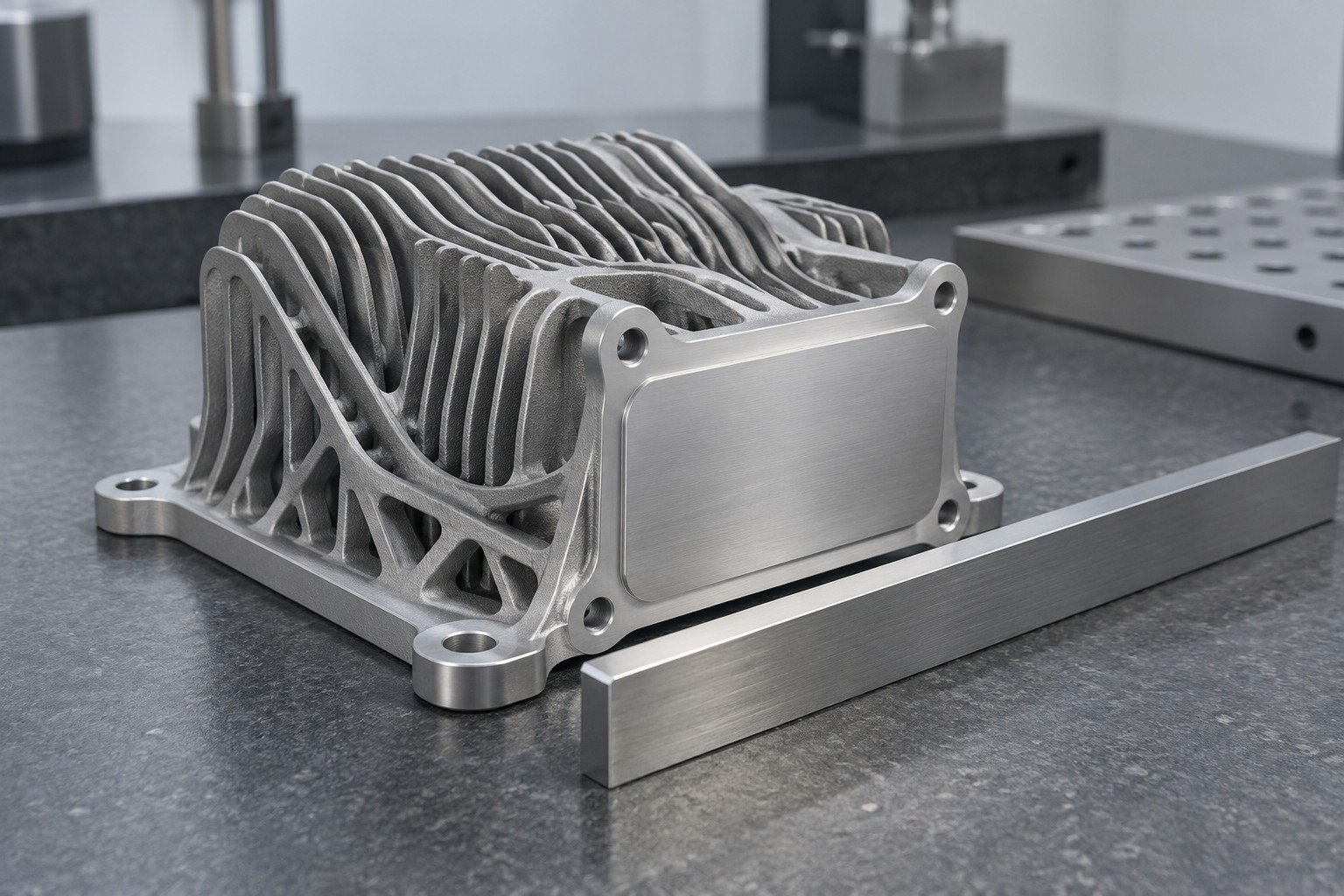
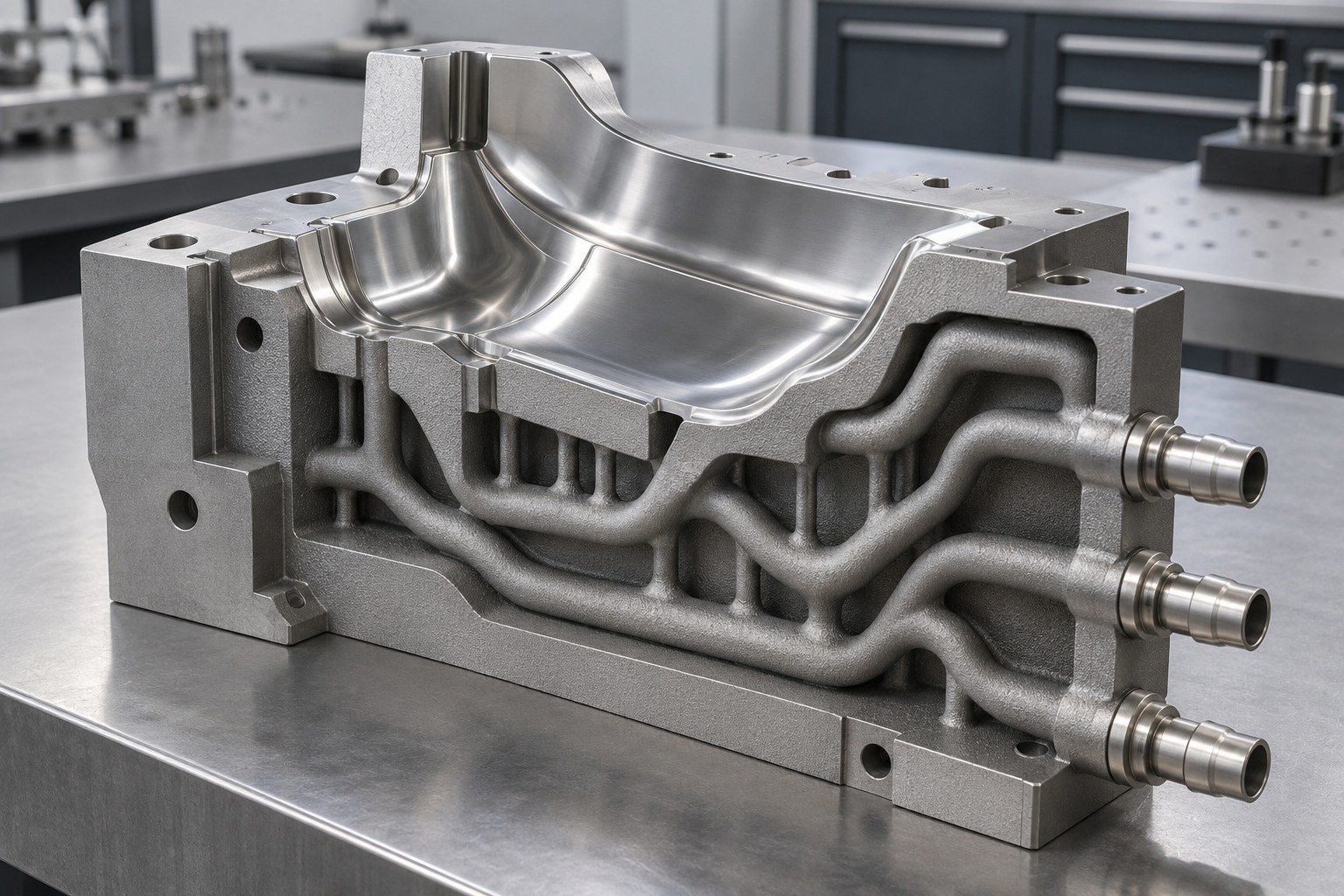
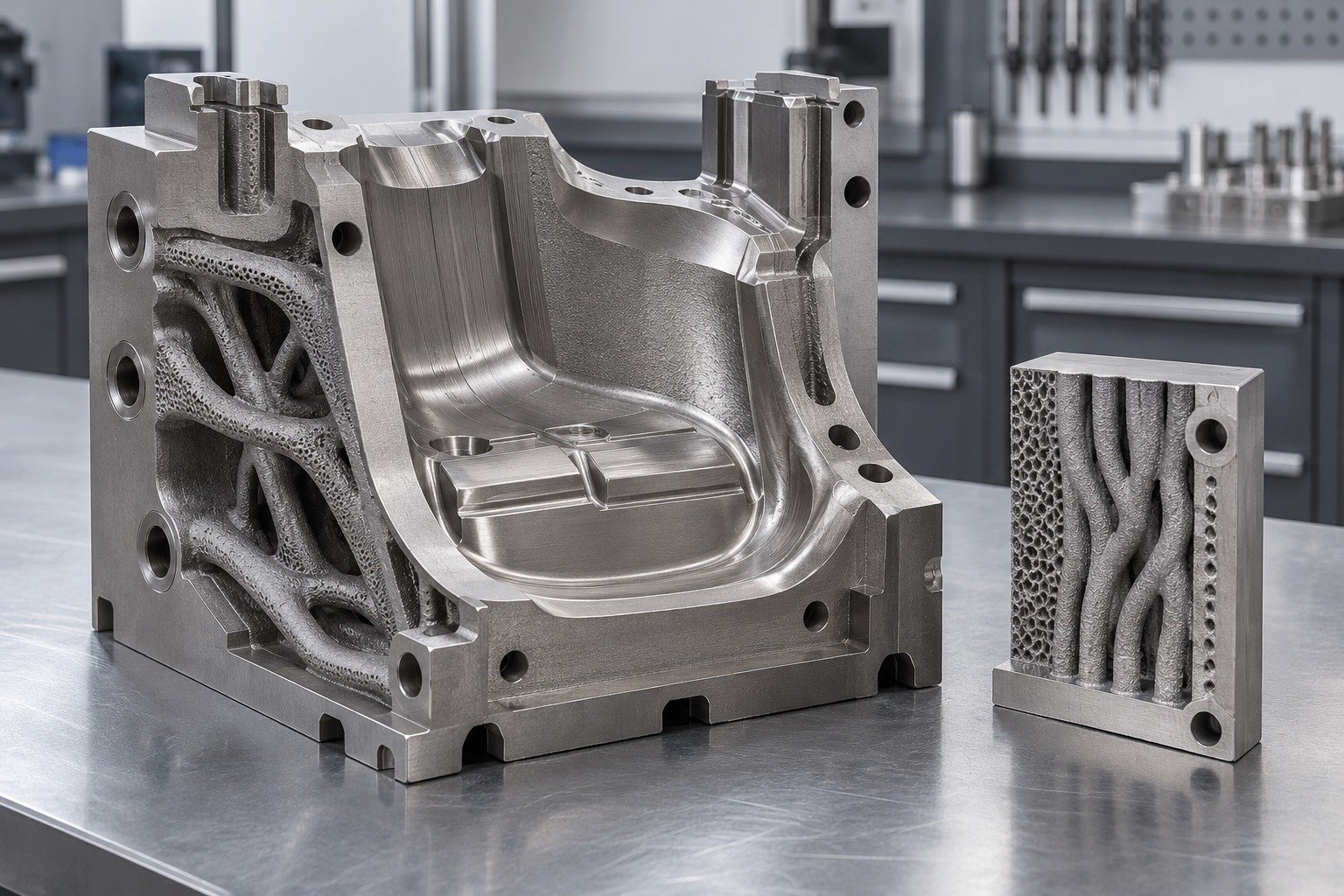
Identify working surfaces, cooling access and locating datums. Confirm material state and finish after all specified operations.
| Your function | Tooling duty, temperature and wear conditions. |
|---|---|
| Your fit | Locating faces, cavity finish and cooling connections. |
| Your release | Material state, final dimensions and tool trial scope. |
Material, process and secondary-operation feasibility are confirmed against your drawing.
Metal 3D printing manufacturers should confirm the exact process, grade, material state and required records. A metal family name is not a complete specification.
| Your material | Exact grade, specification and required traceability. |
|---|---|
| Your process | LPBF route, build orientation and responsible producer. |
| Your condition | As-built, stress-relieved or specified heat treatment. |
Material, process and secondary-operation feasibility are confirmed against your drawing.
Metal 3D printing post processing can include support removal, heat treatment, CNC machining and finishing. Include only the operations agreed for your part.
| Your interfaces | Datums, machining allowance and final tolerance. |
|---|---|
| Your access | Support removal, cutting tools and powder evacuation. |
| Your sequence | Heat treatment, machining, finish and final inspection. |
Material, process and secondary-operation feasibility are confirmed against your drawing.
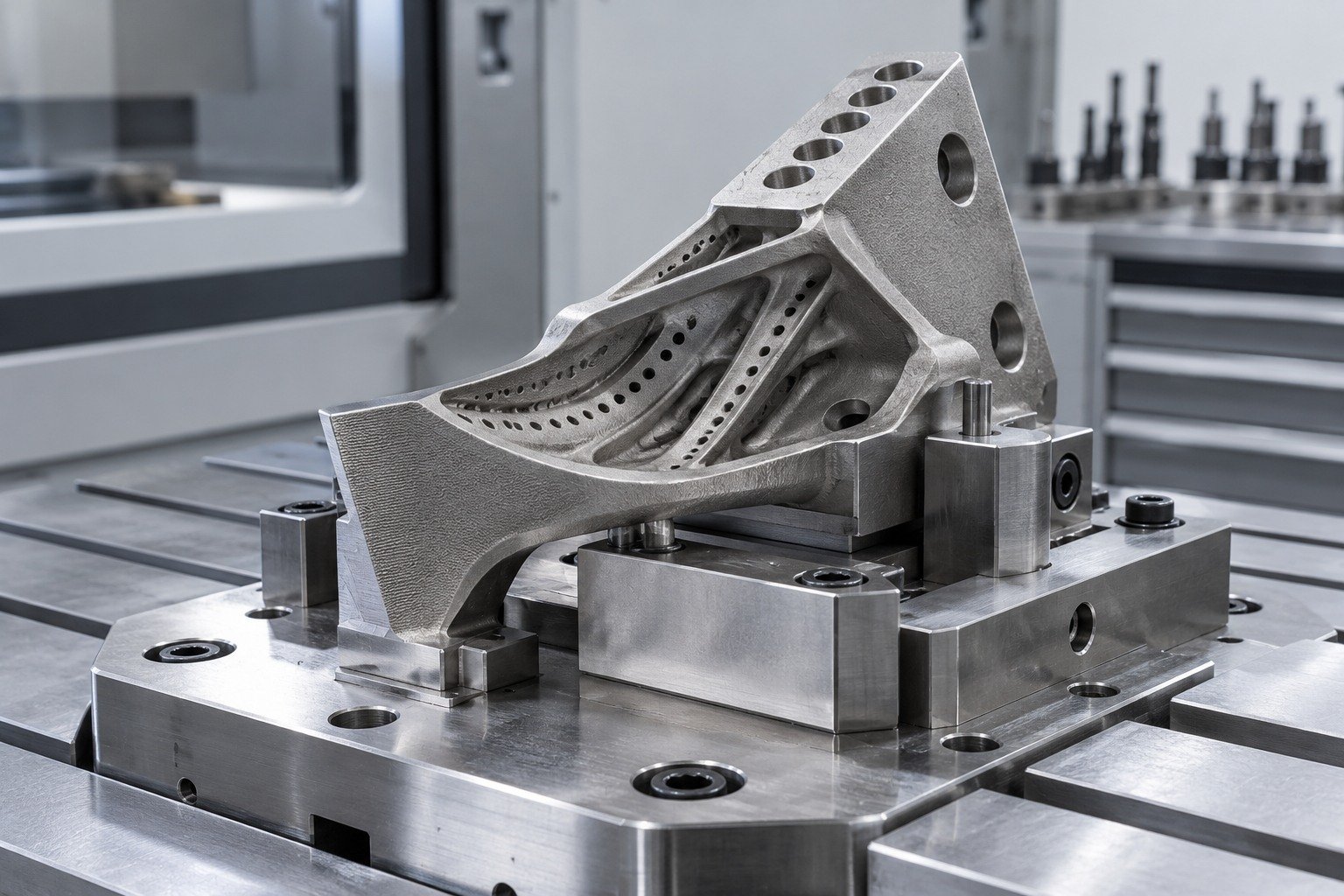
Agree dimensions, material evidence, surface condition and functional checks in the actual supplied state.
| Your dimensions | Final interfaces, datums and measurement state. |
|---|---|
| Your material | Required records and specified test methods. |
| Your function | Assembly, leak, flow or load checks as applicable. |
Material, process and secondary-operation feasibility are confirmed against your drawing.
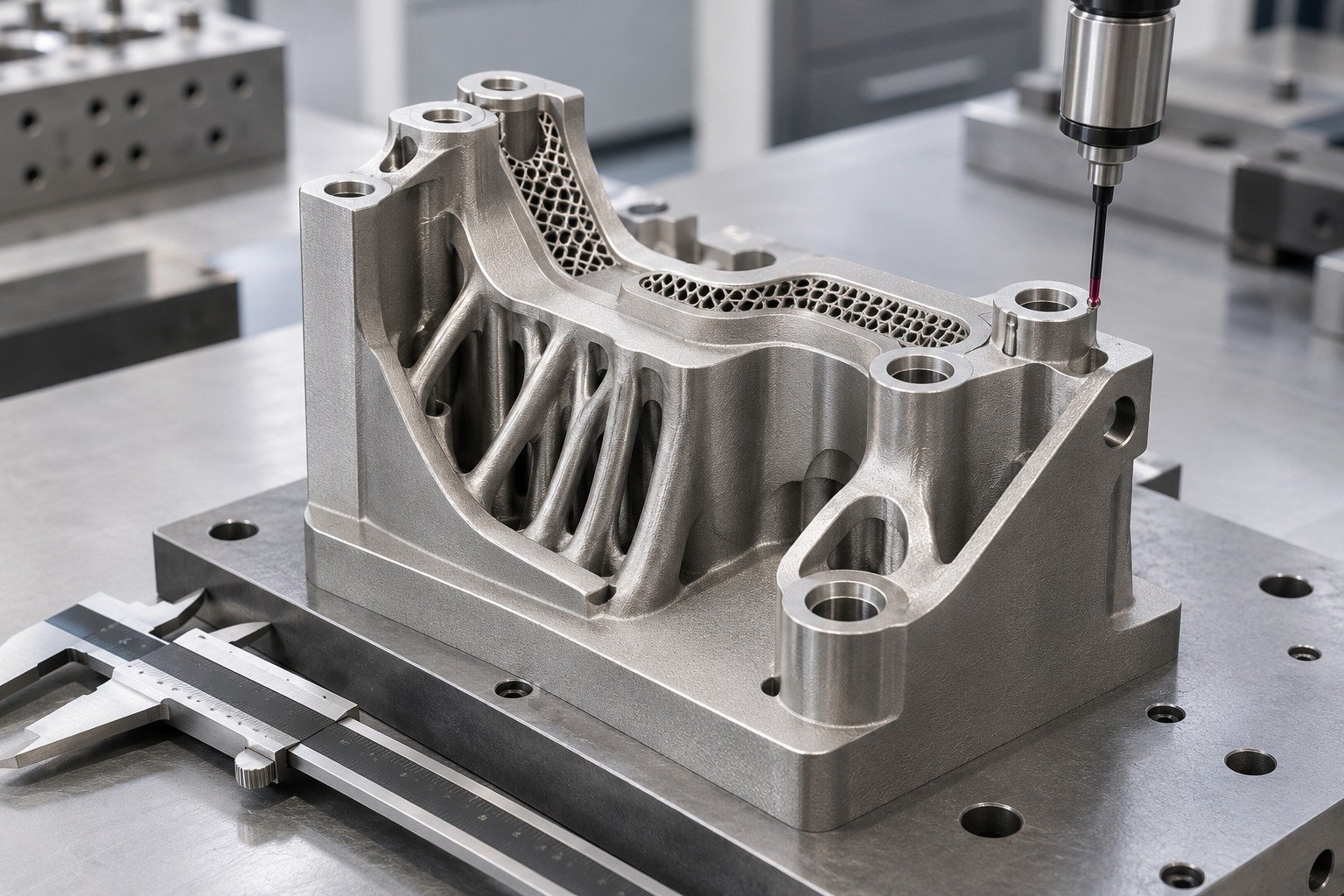
Material examples are review categories. Confirm actual availability and the specified delivered condition before ordering.
| Material for review | Buyer requirement | What to confirm |
|---|---|---|
| 316L / 17-4 PH stainless steel | Corrosion, strength and working environment | Exact grade, process and heat-treatment state |
| AlSi10Mg aluminum | Weight, thermal function and final fit | Alloy specification, orientation and secondary machining |
| Ti6Al4V titanium | Mass, loading and material evidence | Specified grade, condition and qualification scope |
| Inconel 718 / maraging steel | Thermal duty or tooling use | Actual process availability and treatment specification |
| Copper and special alloys | Thermal or electrical function | Separate capability and sample review required |
316L stainless steel 3D printing and 17-4 PH stainless steel 3D printing are different material decisions. AlSi10Mg 3D printing, Ti6Al4V 3D printing, Inconel 718 3D printing and maraging steel 3D printing require grade-specific confirmation; listing a material is not an availability or certification claim.
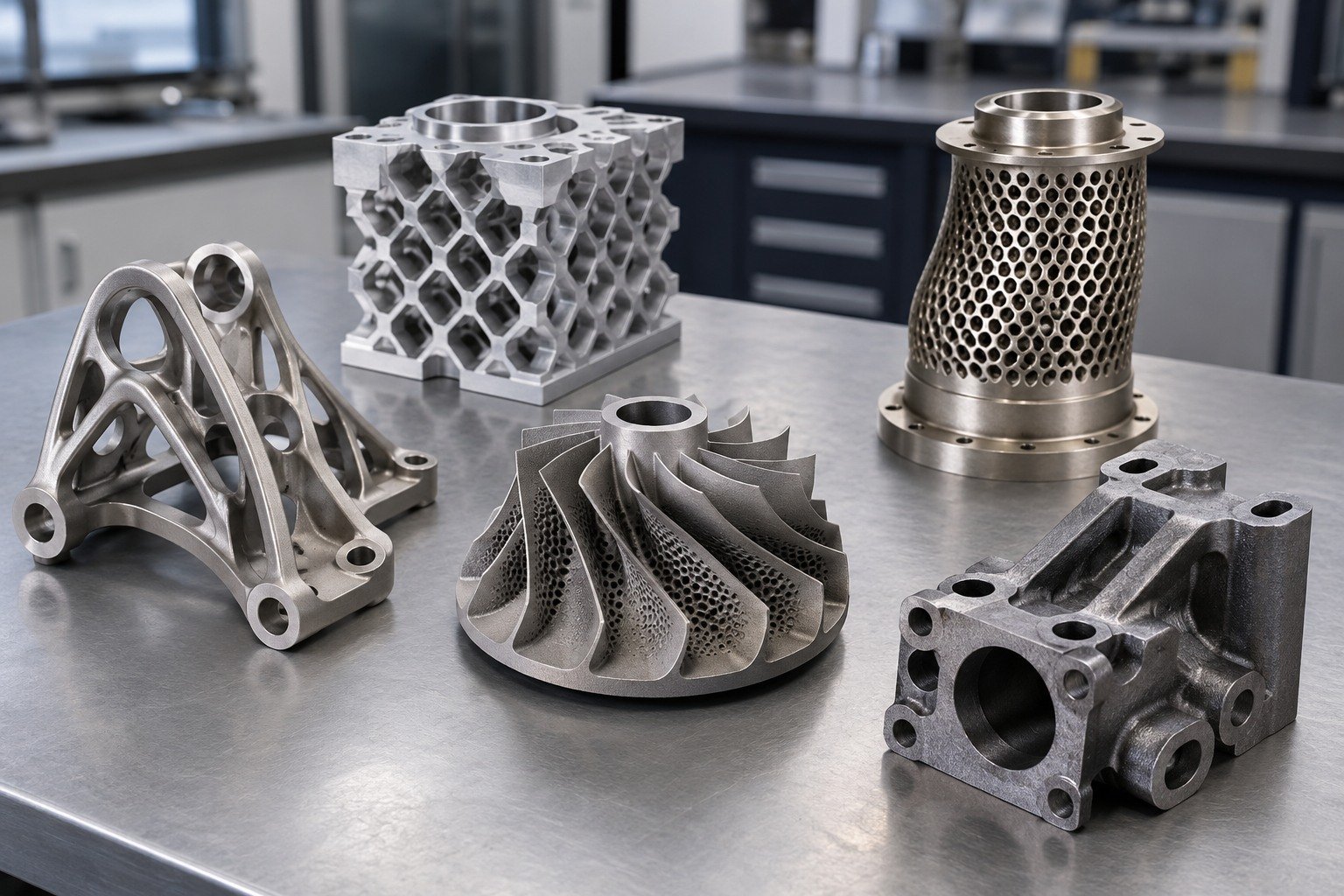
METAL 3D PRINTING DESIGN GUIDELINES
Review the features that can create trapped powder, inaccessible supports, distortion or unnecessary machining.
Metal 3D printing support removal needs accessible supports and defined contact zones. Build orientation affects support demand, surface condition and subsequent operations.
Functional faces and build direction
Allowed zones and removal access
Plate separation and fixturing
Representative sample and review
Required values and methods belong on your controlled drawing. Confirm feasibility, sampling and supplied state for your project.
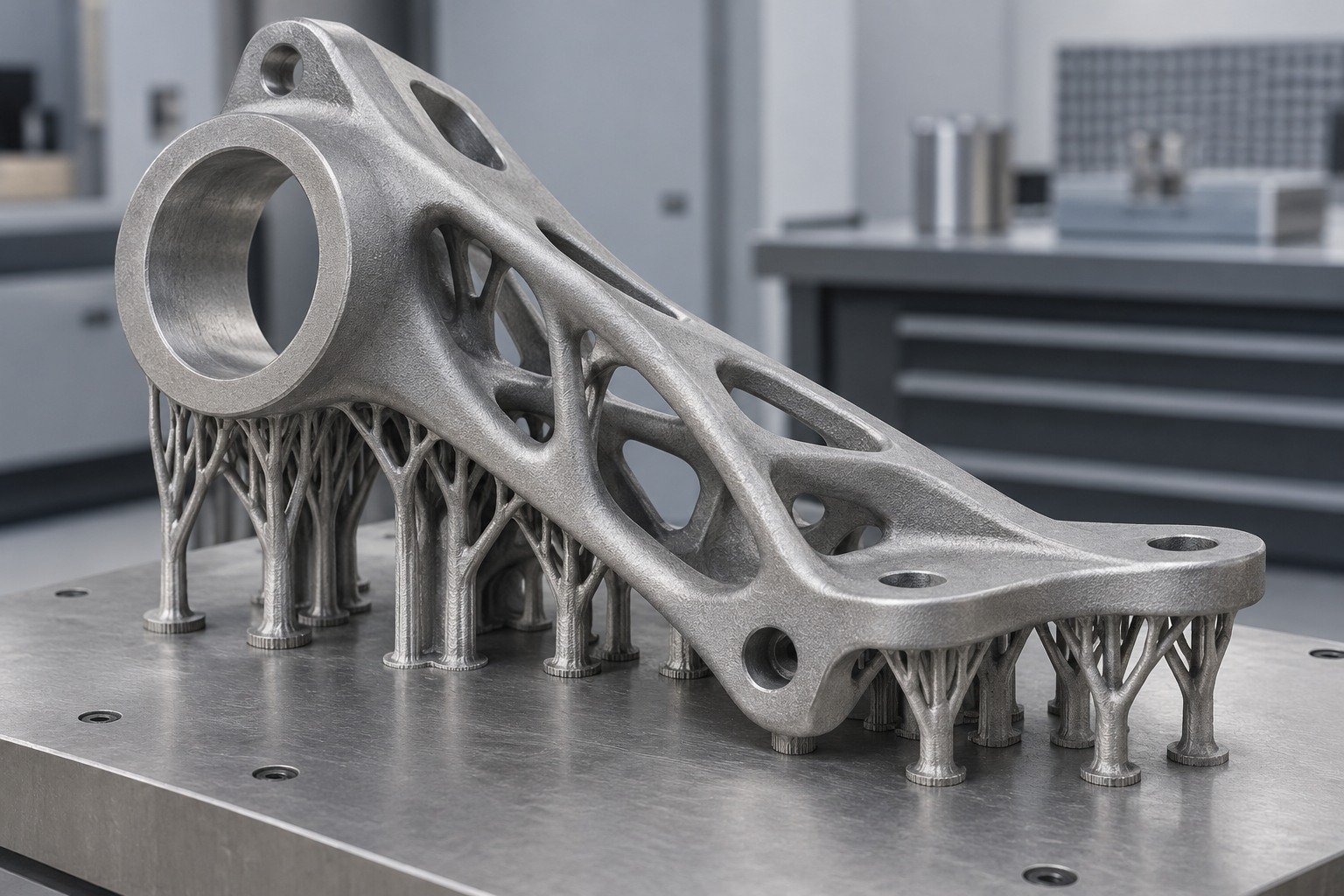
Thin walls, long unsupported features and abrupt sections require a process-specific review. Do not apply a universal minimum wall or overhang number to every alloy.
Actual thickness and section transitions
Long features and unsupported spans
Specified treatment and distortion review
Final measurement condition
Required values and methods belong on your controlled drawing. Confirm feasibility, sampling and supplied state for your project.
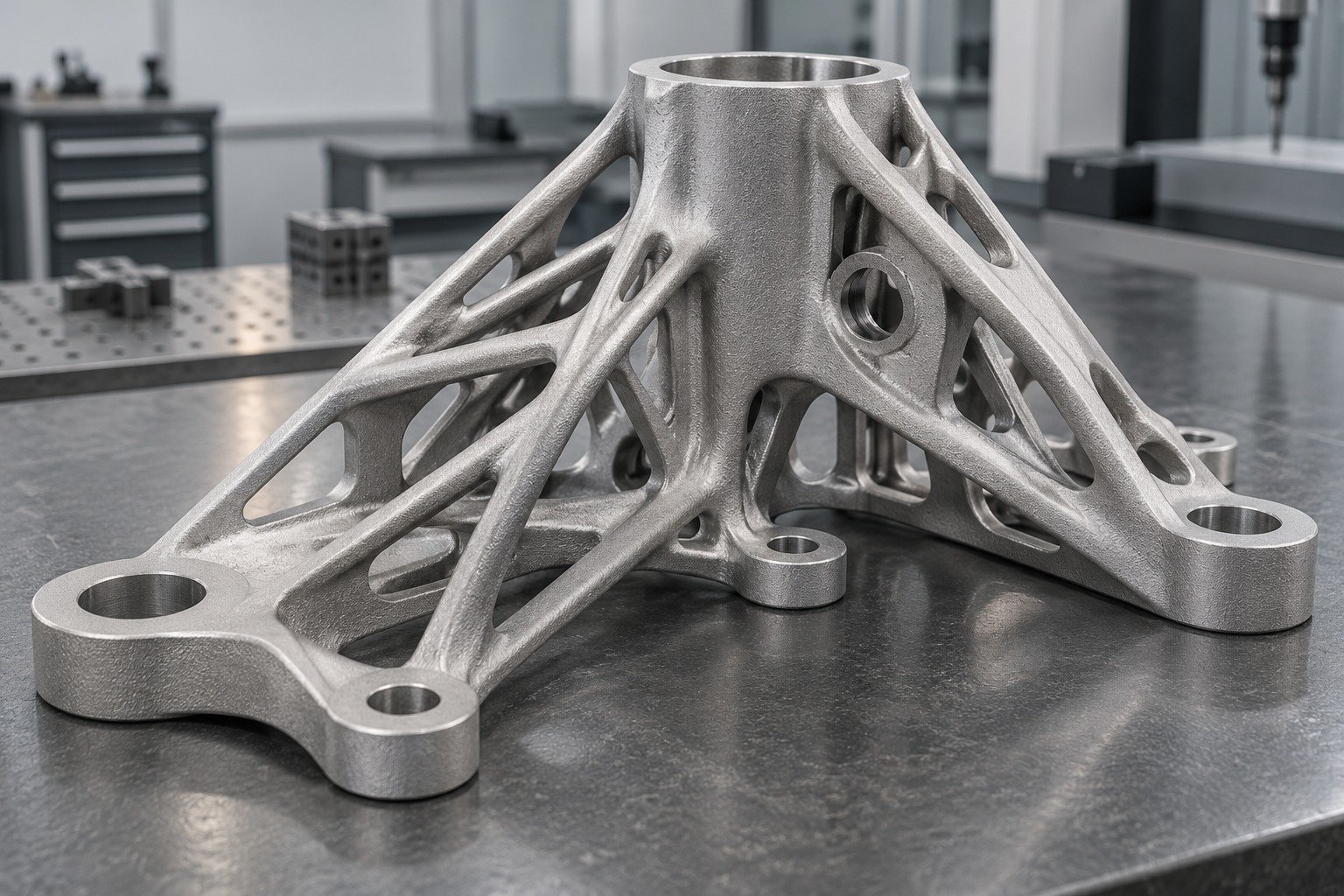
Define evacuation openings and cleaning access for channels, lattices and cavities. A sealed hollow model can retain powder; visual inspection outside the part does not prove internal cleanliness.
Accessible paths and channel connections
Lattices, blind passages and cavities
Agreed method and residual-powder limits
Accessible inspection or specified test
Required values and methods belong on your controlled drawing. Confirm feasibility, sampling and supplied state for your project.
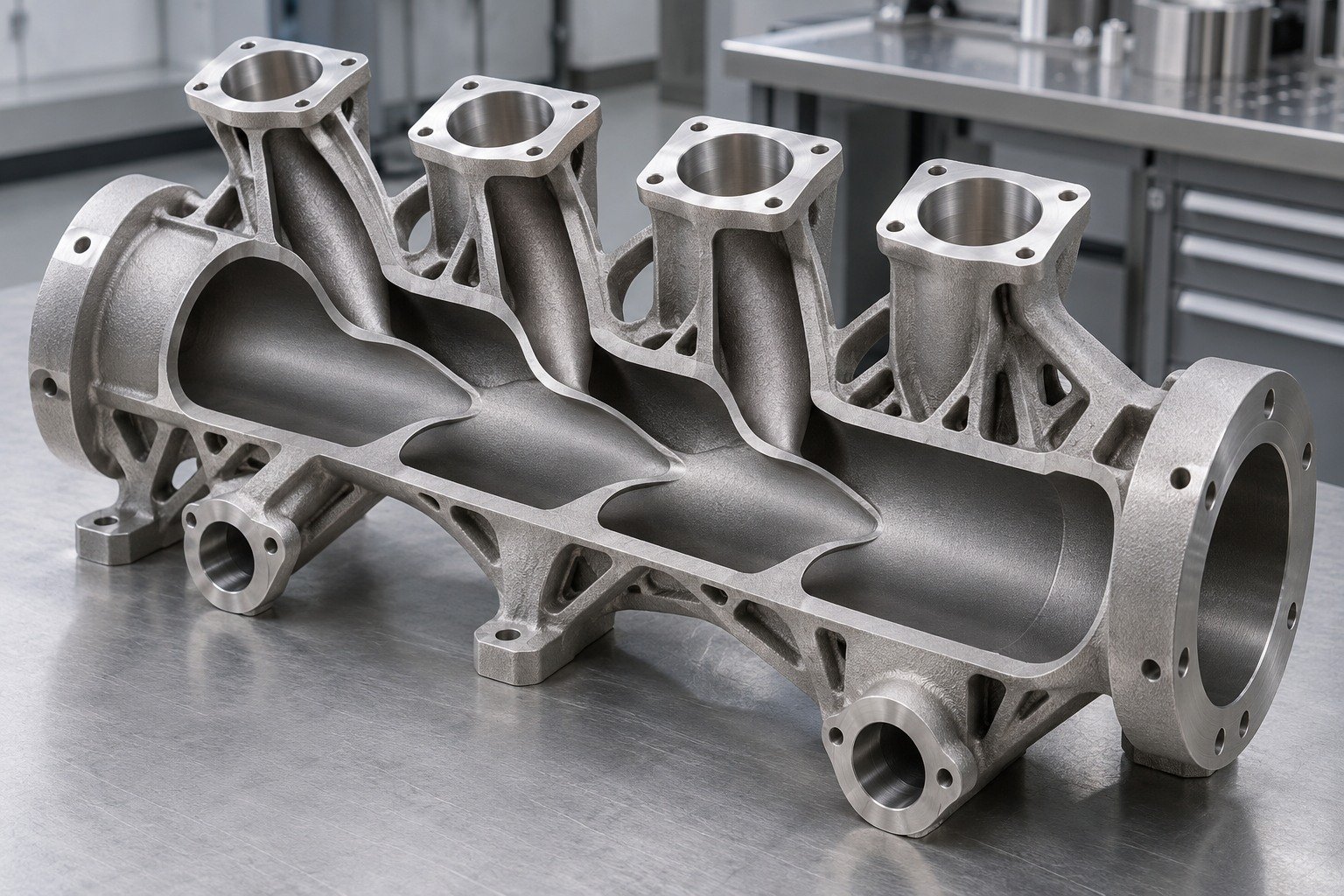
Metal 3D printing CNC machining needs accessible datums, fixturing and agreed stock. Review the state after heat treatment and support removal.
Locating and clamping surfaces
Feature-specific allowance
Bores, threads and sealing faces
Treatment, machining and final checks
Required values and methods belong on your controlled drawing. Confirm feasibility, sampling and supplied state for your project.
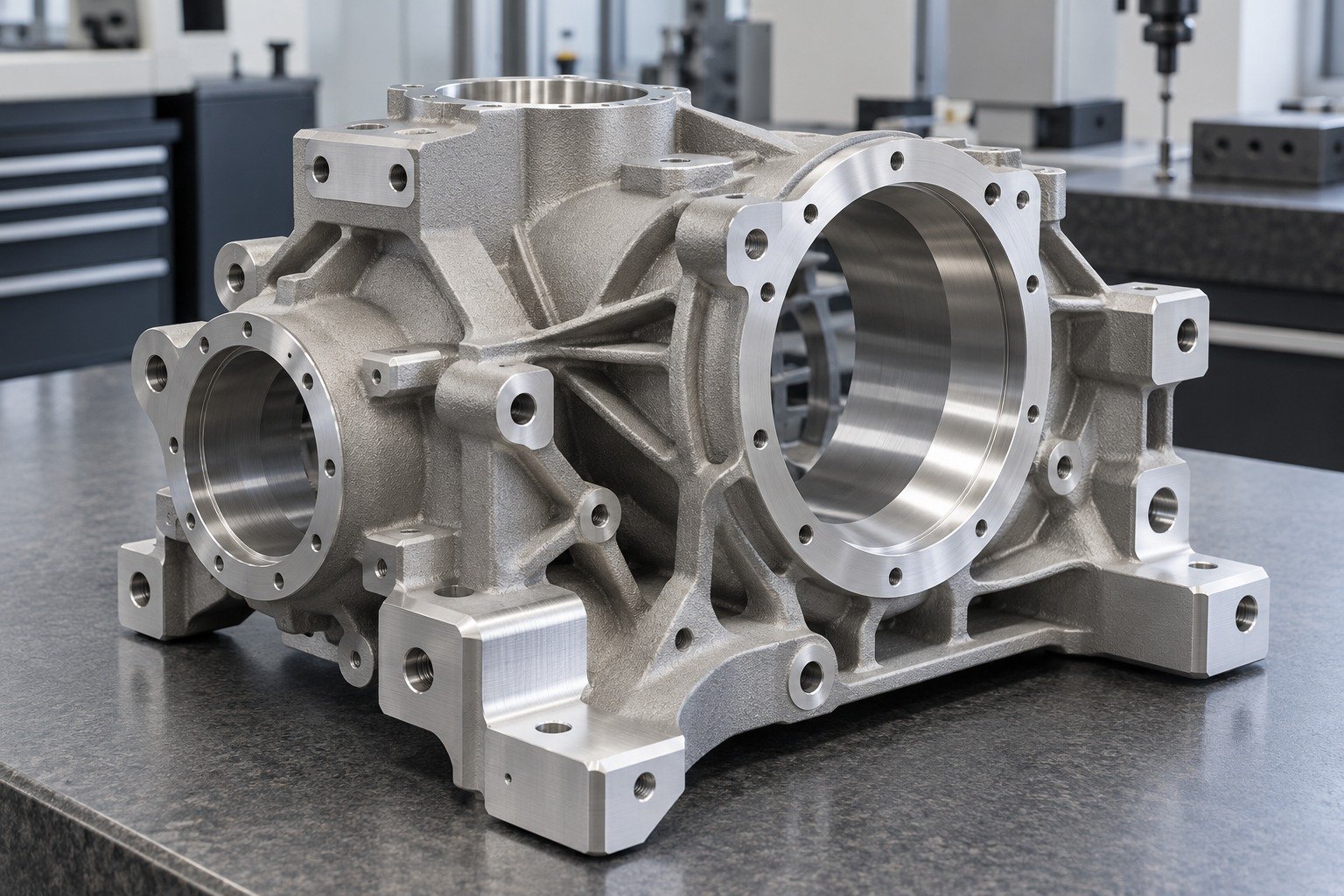
Specify the material state, critical features, test methods and acceptance limits before release. A density claim or photograph does not establish every service property.
Exact grade and treatment
Final dimensions and datums
Agreed sampling and equipment
Defined limits and release records
Required values and methods belong on your controlled drawing. Confirm feasibility, sampling and supplied state for your project.
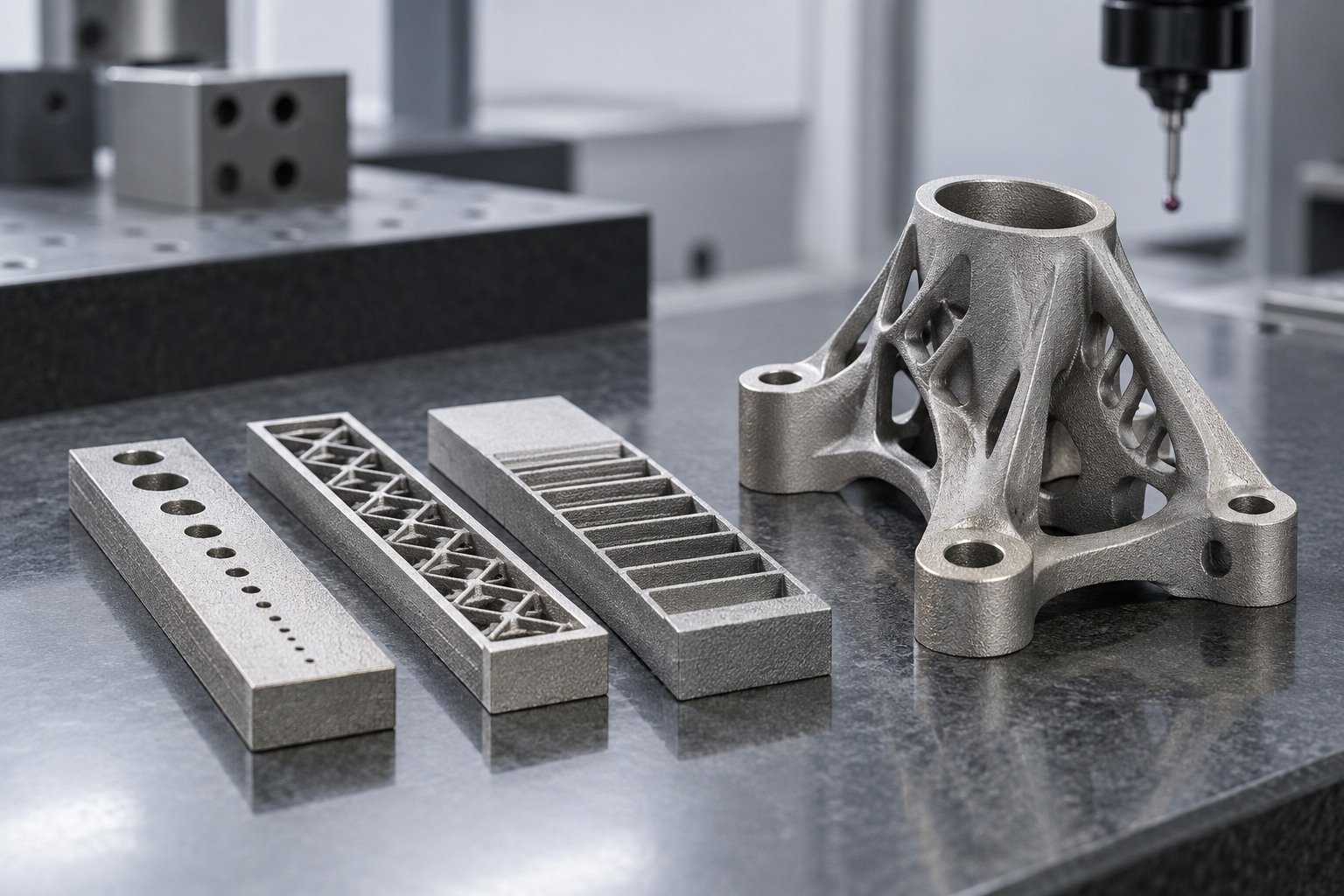
Metal 3D printing surface finish varies with orientation, support contact and post-processing. Define cosmetic zones, roughness requirements and final-fit surfaces separately.
As-built versus finished areas
Parameter, location and method
Bores, threads and mating parts
Handling and packing
Required values and methods belong on your controlled drawing. Confirm feasibility, sampling and supplied state for your project.
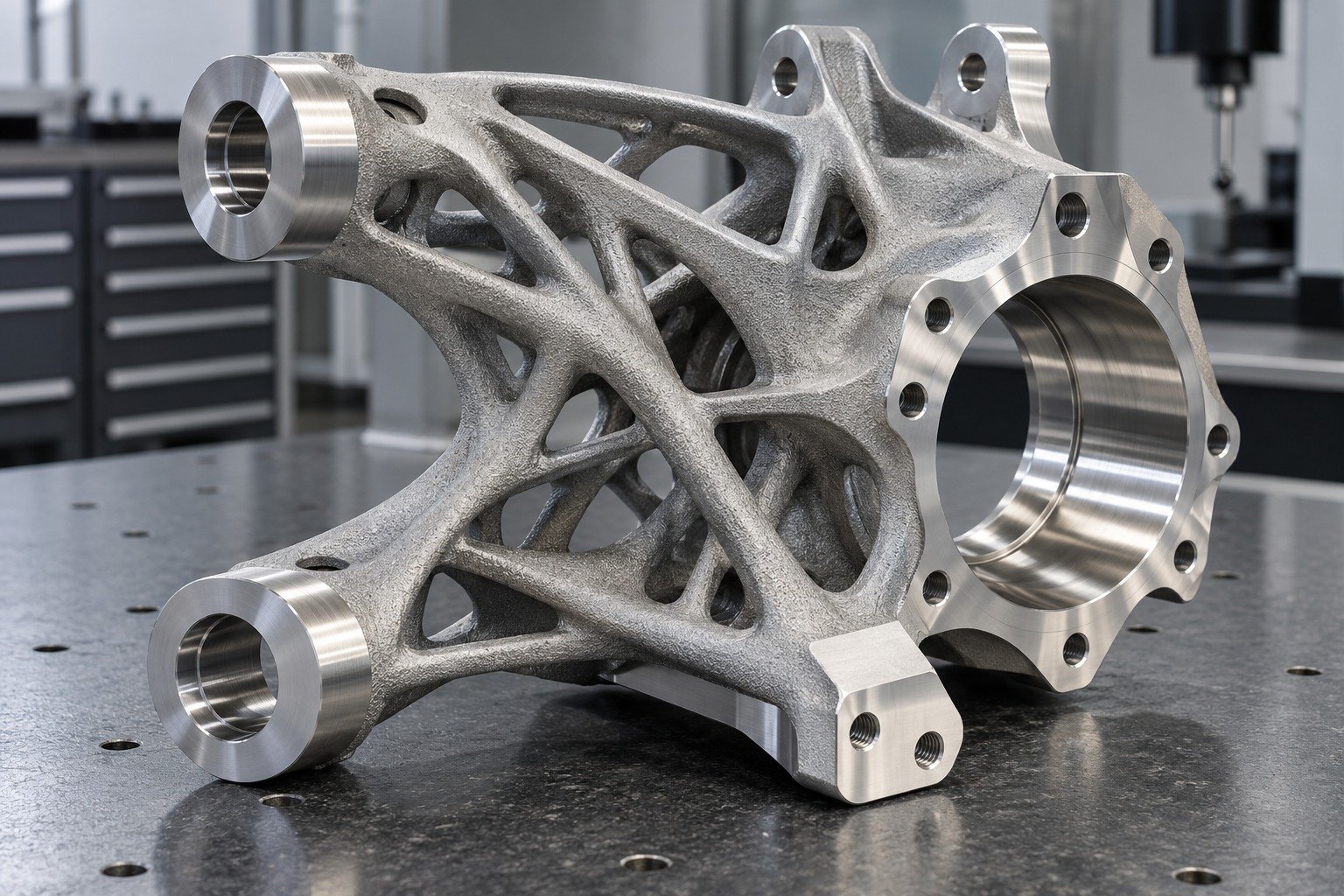
Define metal 3D printing tolerances by feature and delivered state, not one number for every surface.
| Part state | What your drawing identifies | Review focus |
|---|---|---|
| As-built | Printed walls, supports and machining stock | Orientation, support contacts and accessible powder removal |
| Finished | Bores, threads, sealing faces and assembly datums | Treatment, machining, finish and final measurement |
No universal tolerance or roughness is promised. Final values and inspection conditions require project review.
Plan printing and secondary operations as one delivered scope.
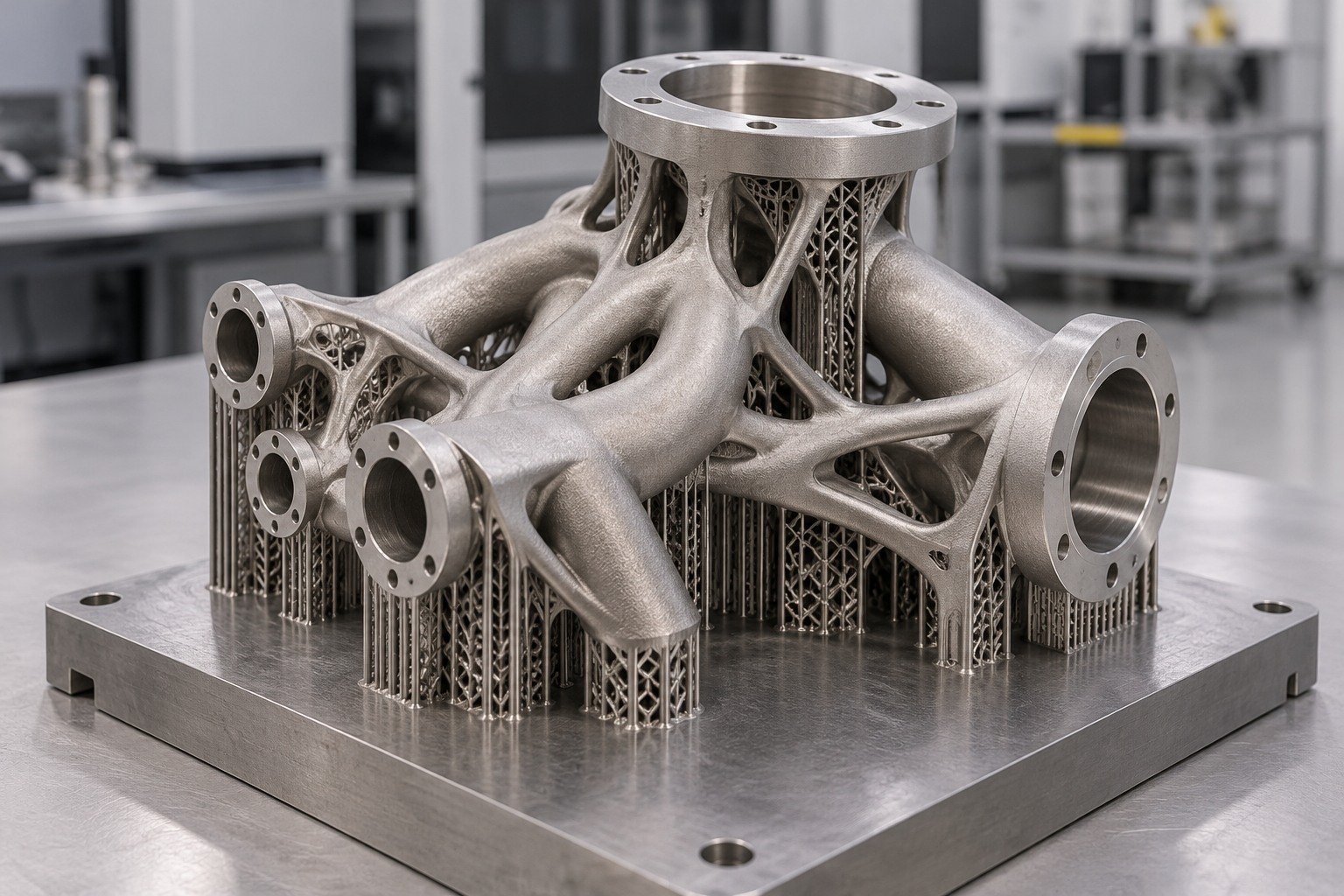
Reviewed orientation, plate separation and powder removal
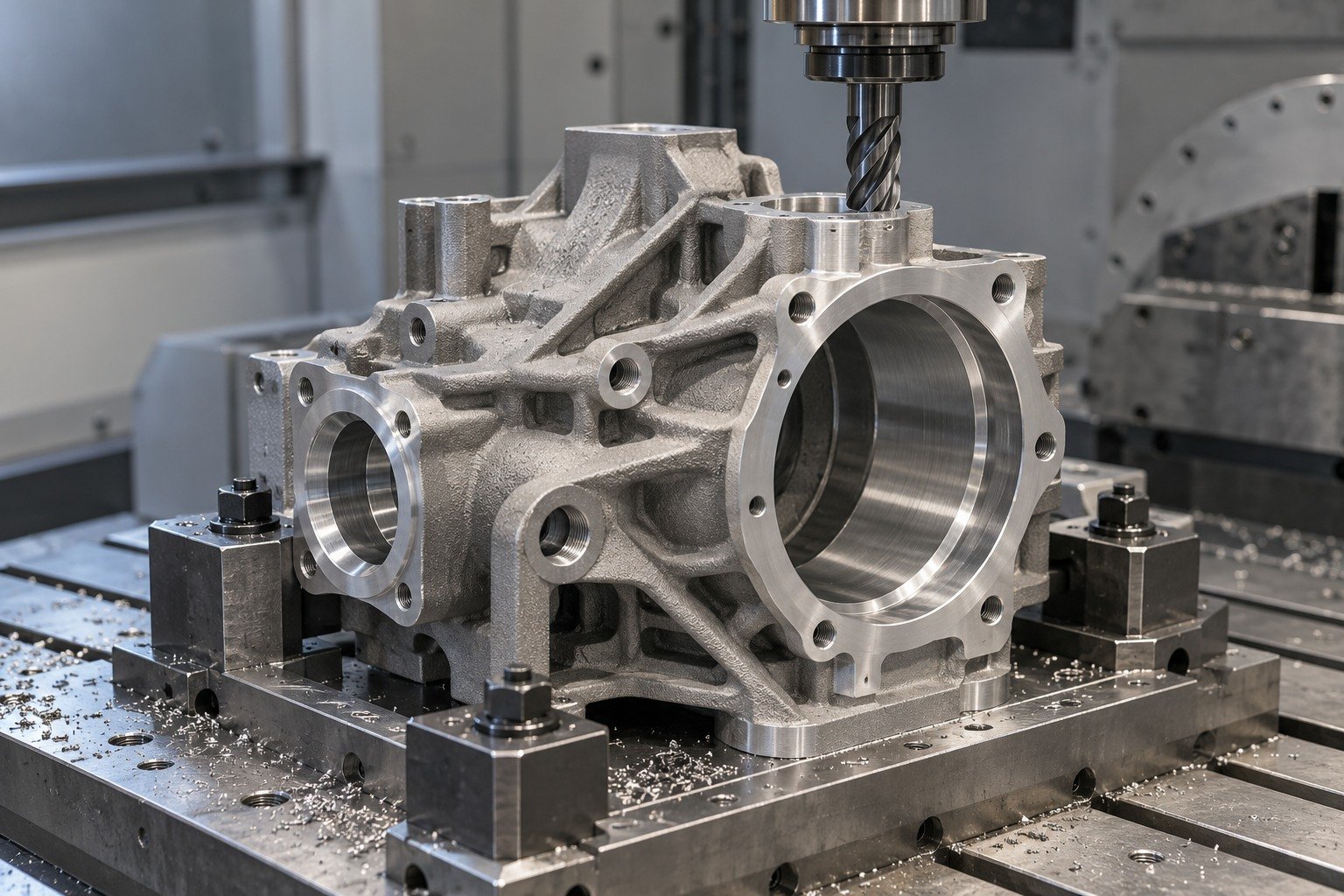
Specified treatment, datums and finished interfaces
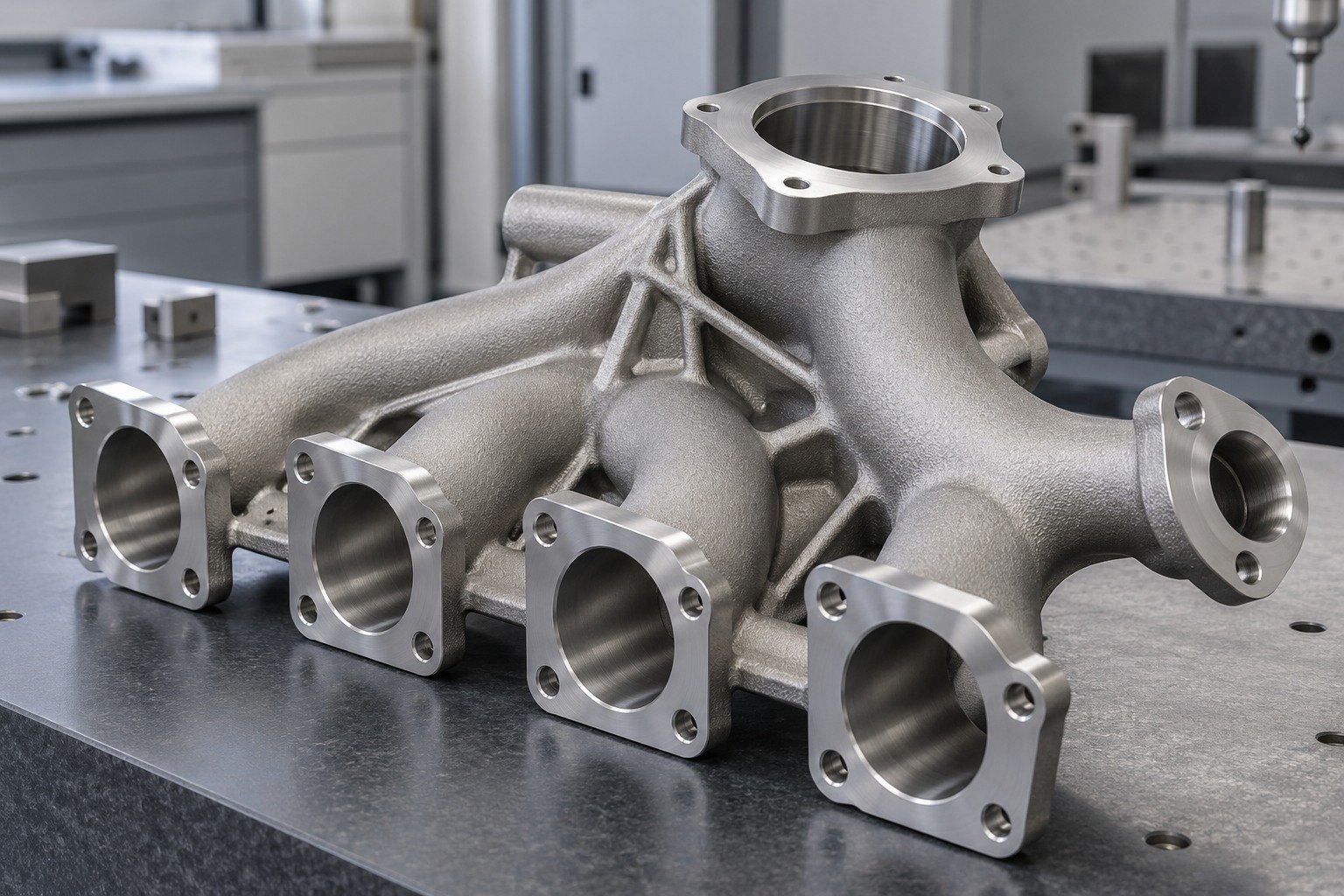
Agreed texture, final fit and release records
Heat treatment, HIP, machining and special testing are included only when explicitly specified and confirmed.
CNC machining →Define what your team needs to release the actual supplied part.
Confirm exact grade, process route, material records and required treatment before the build.
Special material, nondestructive, density or mechanical tests require agreed methods, sampling and explicit scope. No industry qualification is implied.
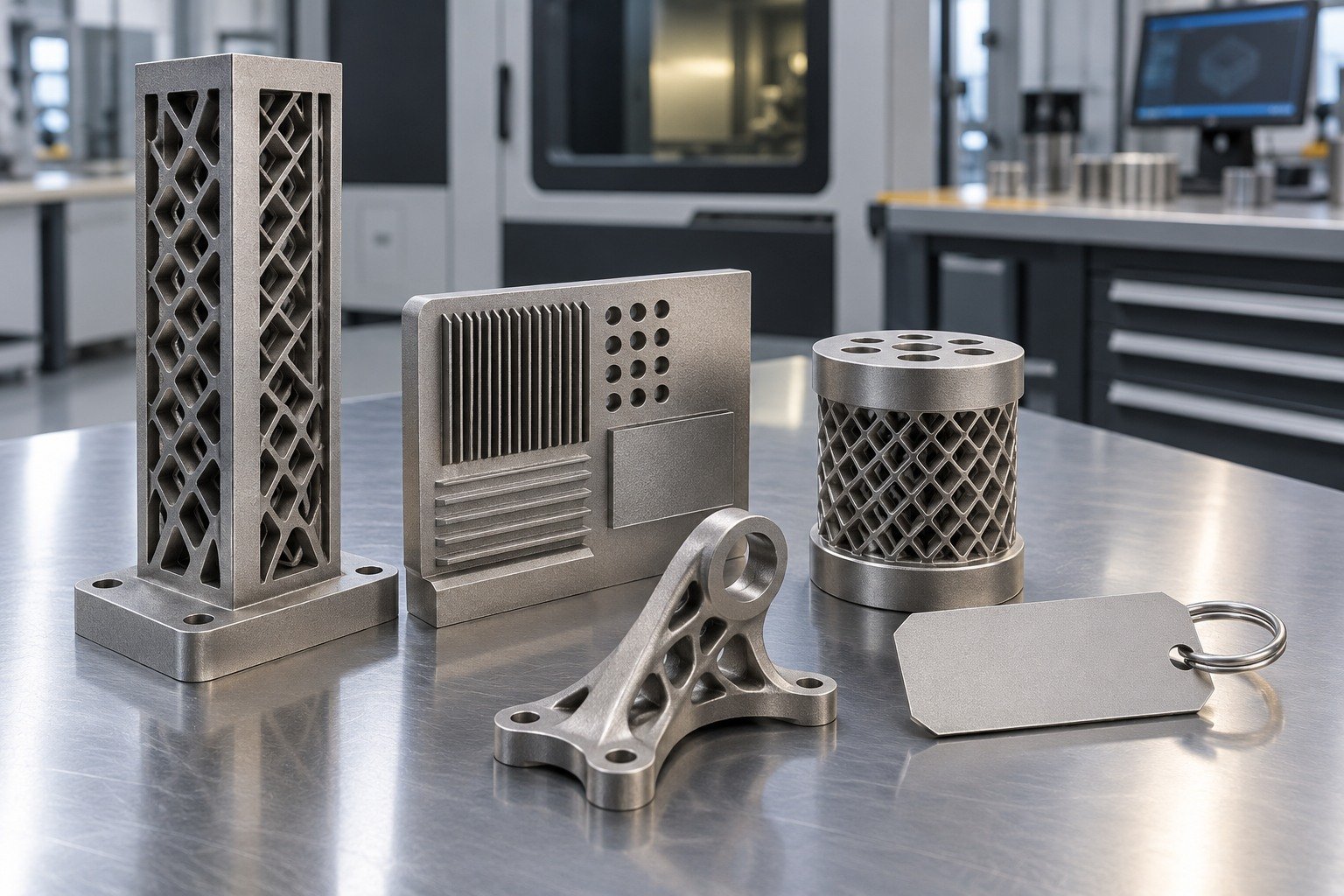
Review final dimensions, sample condition, powder-removal evidence and applicable functional tests.
Special material, nondestructive, density or mechanical tests require agreed methods, sampling and explicit scope. No industry qualification is implied.
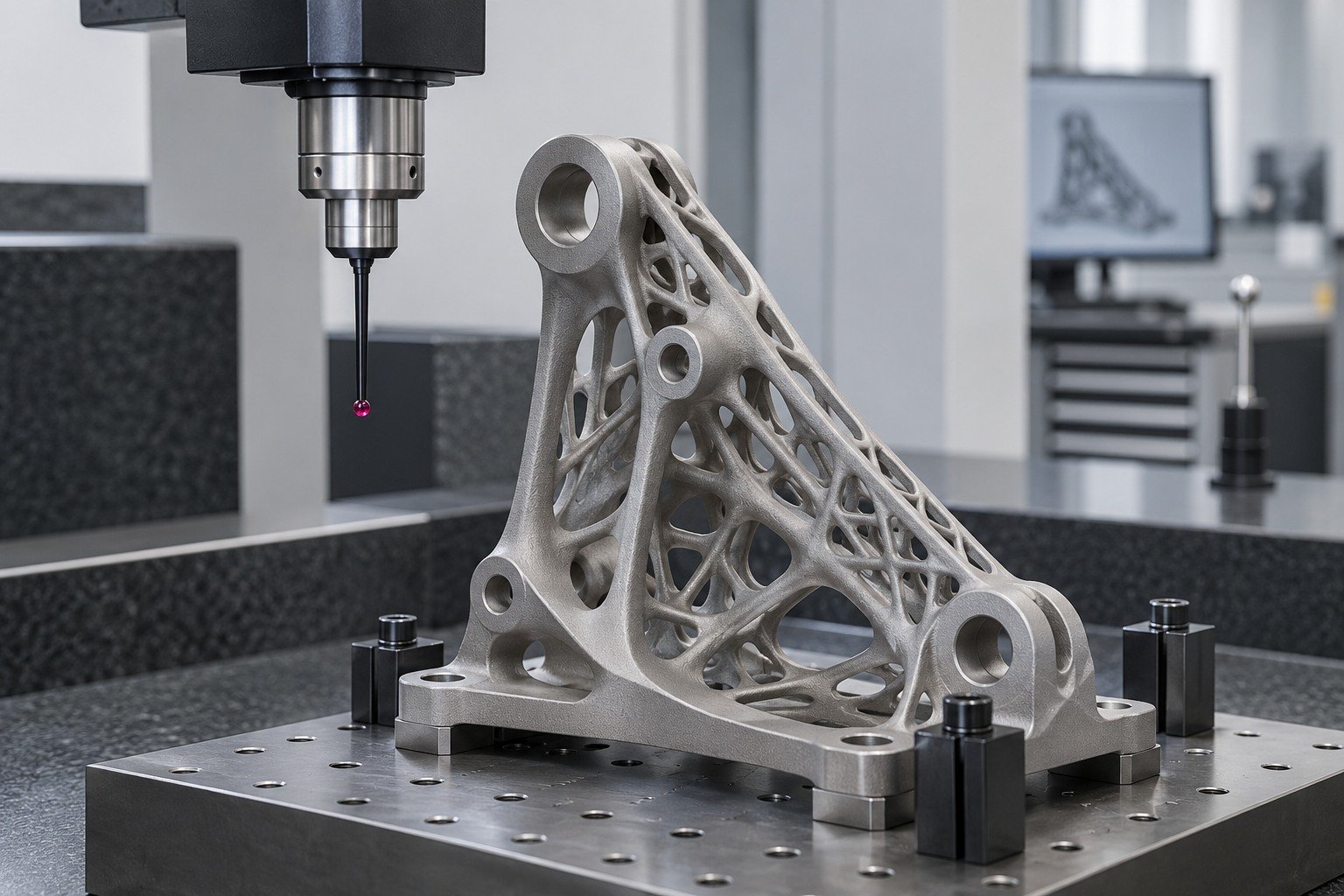
Link build identity, treatment, machining and sampling to the approved revision.
Special material, nondestructive, density or mechanical tests require agreed methods, sampling and explicit scope. No industry qualification is implied.
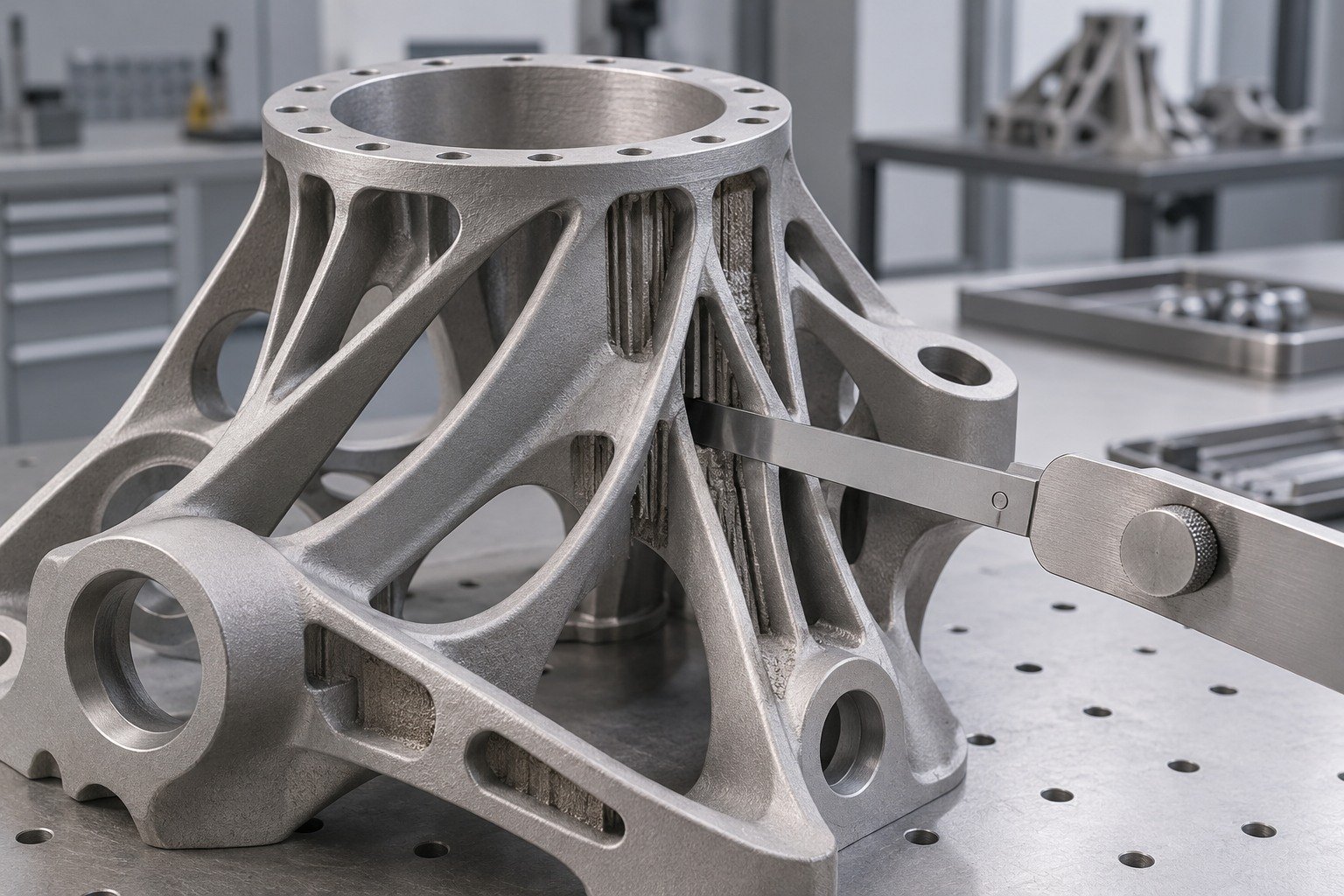
Review final results, open issues, protection and shipment records before dispatch.
Special material, nondestructive, density or mechanical tests require agreed methods, sampling and explicit scope. No industry qualification is implied.
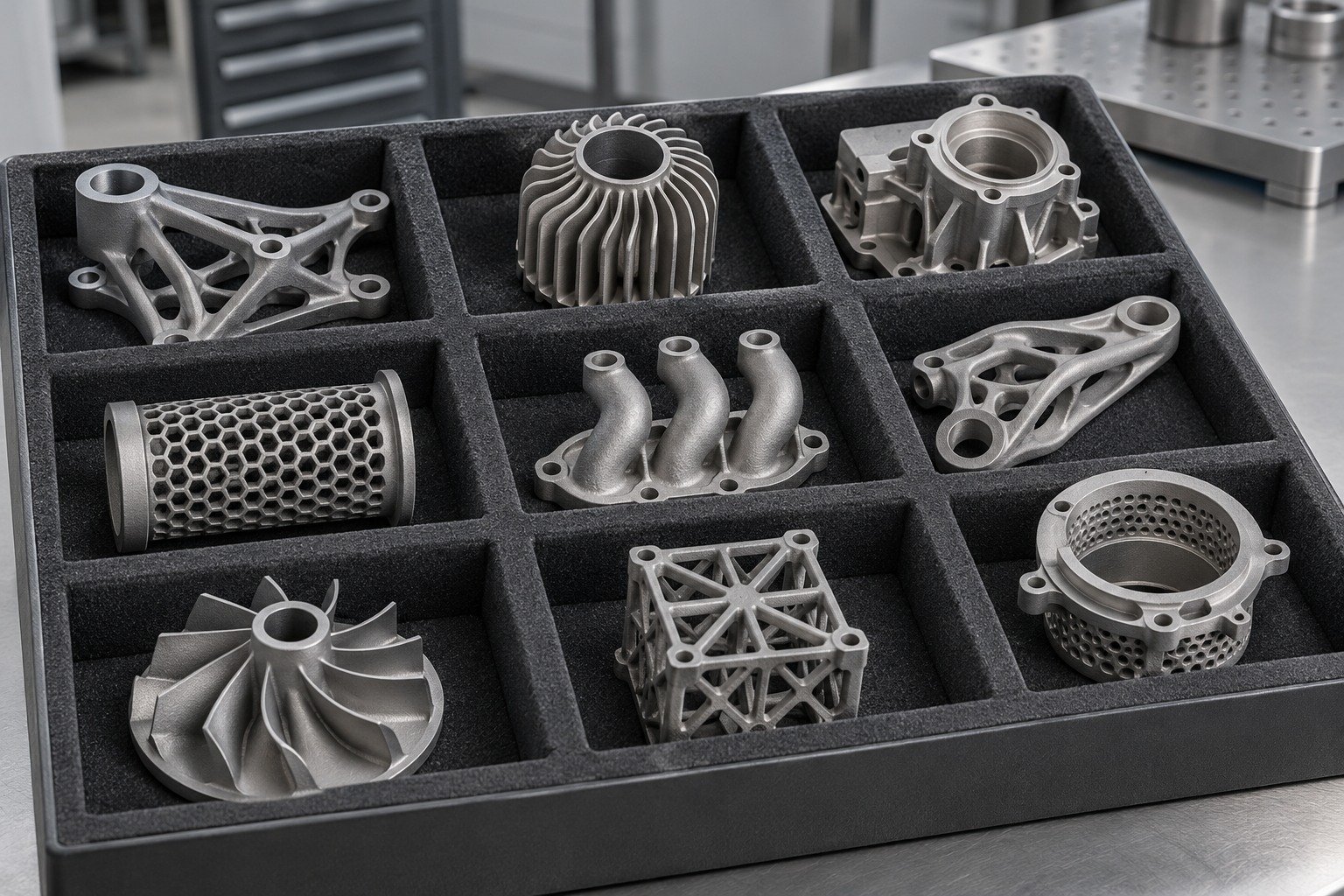
Review metal 3D printing cost across the same finished scope, not only printed volume.
RFQ EXAMPLES — NOT MINIMUM ORDERS
Prototype review
First-order comparison
Repeat-batch comparison
Build preparation
Printing
CNC machining
Finishing
Inspection
Delivery
Replace these examples with actual demand. Low volume metal 3D printing economics depend on build use, supports, material and post-processing, not quantity alone.
Compare metal 3D printing companies on delivered scope, change control and evidence.
Exact route, material availability and production responsibility.
Orientation, support strategy and approval of design changes.
Treatment, machining, finish, cleaning and inspection inclusions.
Approved revision, traceability, sample evidence and packing.

Coordinate CAD review, sample decisions and delivery through your project contact. Actual manufacturing location and responsible production route are confirmed in the quotation.
Share these inputs for a reviewed part quotation; an uploaded file is not an automatic manufacturing approval.
Direct metal laser sintering and selective laser melting are common terms associated with laser powder bed fusion. Names alone do not define material, machine parameters or acceptance. For a DMLS printing service, SLM 3D printing service or LPBF printing services, confirm the actual process and delivered state.
Send a usable CAD model and controlled drawing with units, datums, critical dimensions, material, treatment, surface and acceptance requirements. If supplying a mesh, agree resolution and the authoritative revision; the model alone may omit manufacturing requirements.
Yes, where geometry, material state, stock and access permit. Plan datums and machining allowance before printing. Confirm threads, sealing faces and fixture access rather than assuming every printed surface is directly usable.
Compare geometry, material, internal access, quantity, final tolerance and delivered cost. Metal rapid prototyping services may benefit complex geometry, while machining may suit accessible prismatic parts. Review support removal and finishing before choosing.
Material, build orientation, supports, build utilization, treatment, machining, cleaning, tests and quantity affect cost. Metal 3D printing lead time includes engineering, build scheduling, post-processing, sample approval and transport. Confirm actual milestones; no universal price or turnaround is promised.
No. Metal binder jetting services use a different route, including subsequent consolidation steps. DMLS 3D printing and other LPBF routes use different build mechanisms. Review geometry, shrinkage, material state and evidence separately; alternative availability needs confirmation.
A stainless steel 3D printing service, aluminum 3D printing service or titanium 3D printing service must be confirmed for the exact grade and supplied state. A copper 3D printing service or special alloy needs a separate capability review. Do not treat a general material list as an approved specification.
No. Confirm what is included in the quote: supports, powder removal, metal 3D printing heat treatment, machining, surface finishing, inspection and packing. Agree who approves changes and accepts the final part.