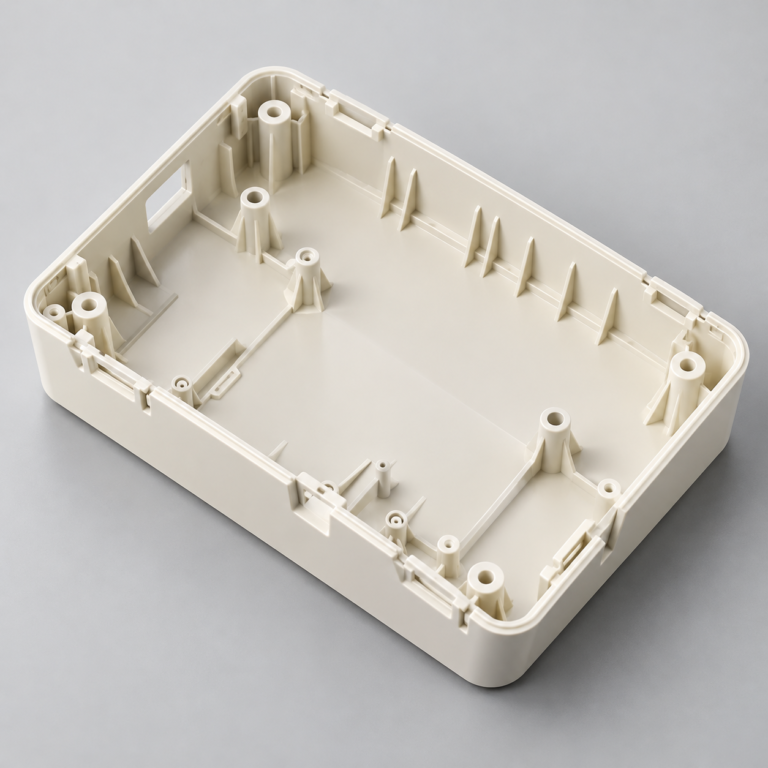
Injection Molding
Tooling and molding for your repeat plastic parts.
From prototype to production, coordinated manufacturing solutions for your custom parts.
View All Services →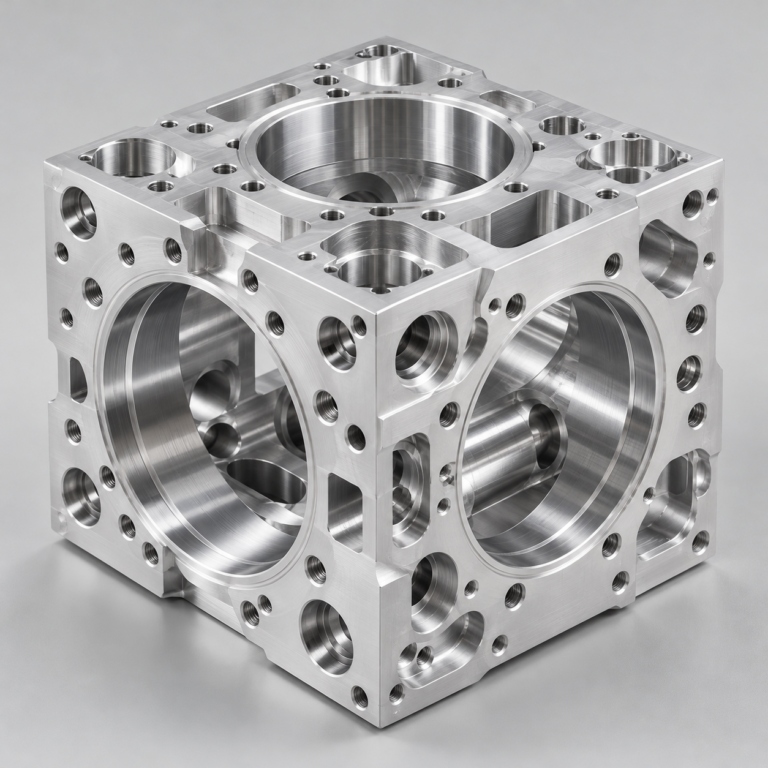
Precision parts for your tight tolerances and complex geometry.
Tooling and molding for your repeat plastic parts.
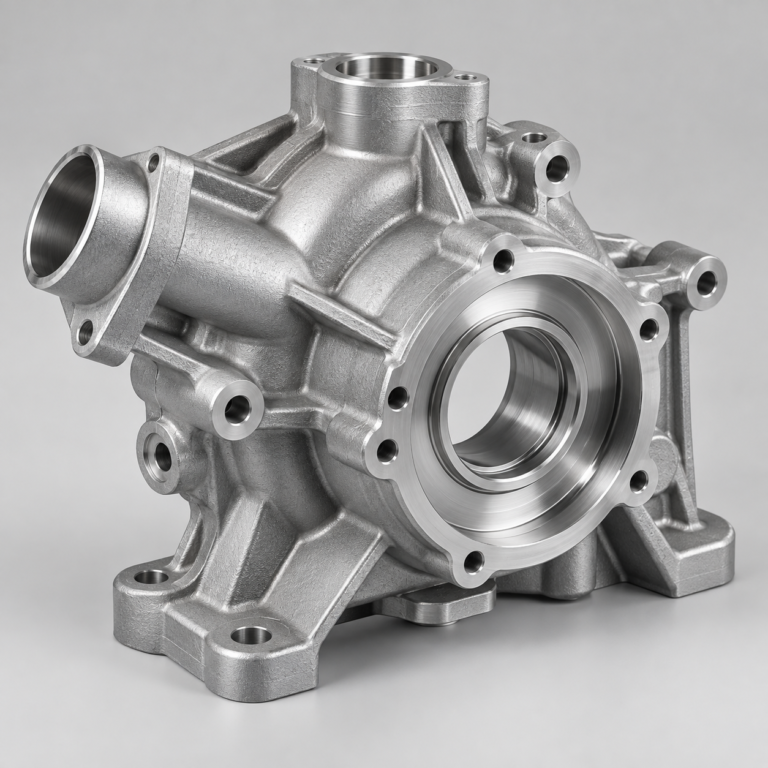
Metal casting options for your part and production volume.
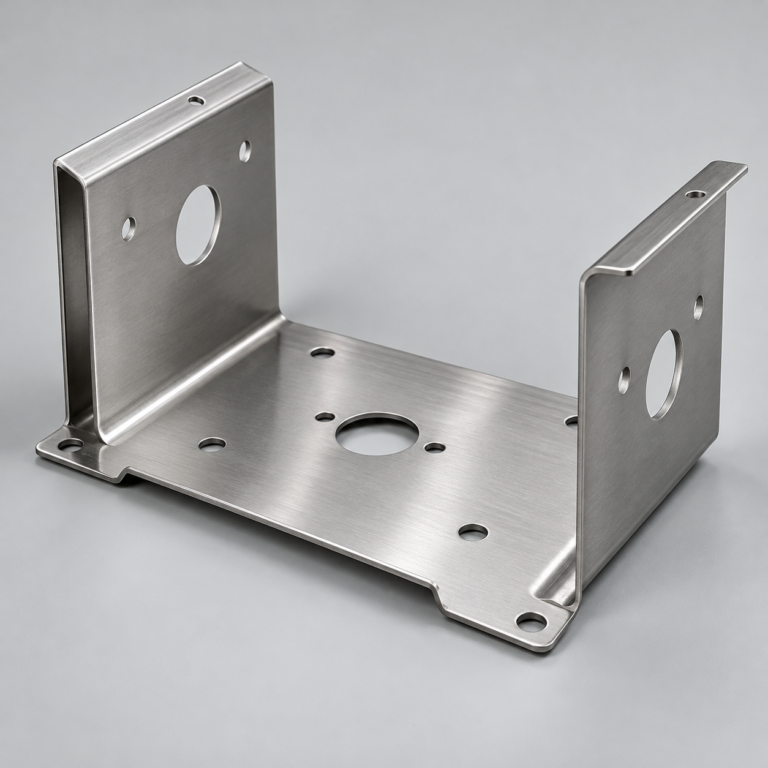
Cutting, forming and welding for your fabricated parts.
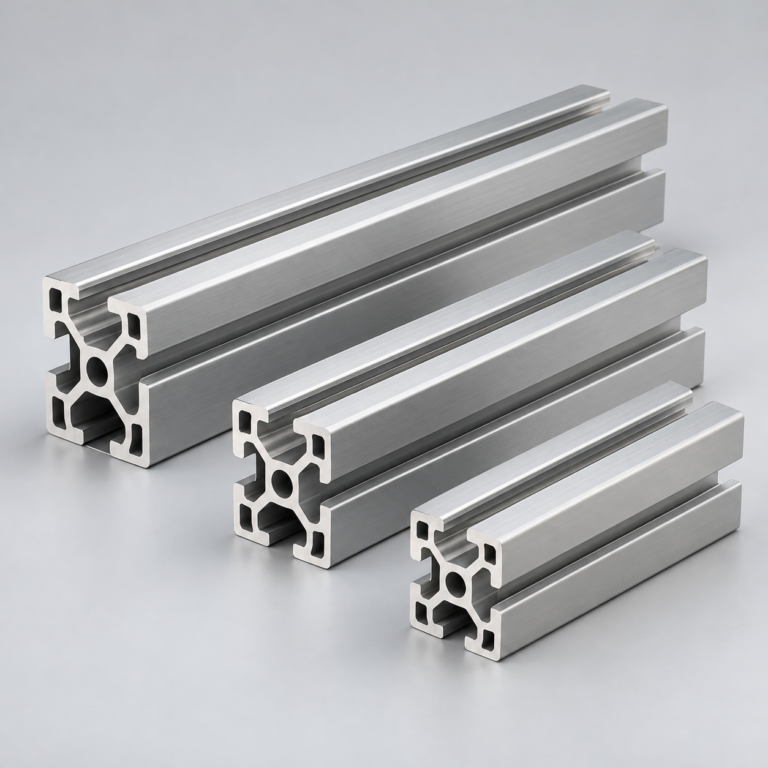
Custom profiles for your section, length and finish requirements.
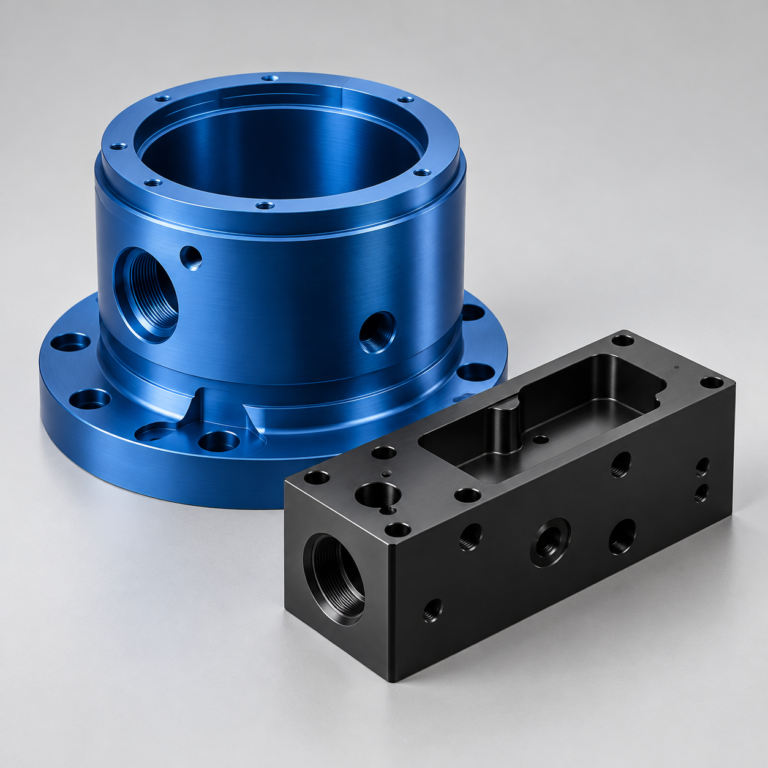
Finishes for your appearance, corrosion and wear requirements.
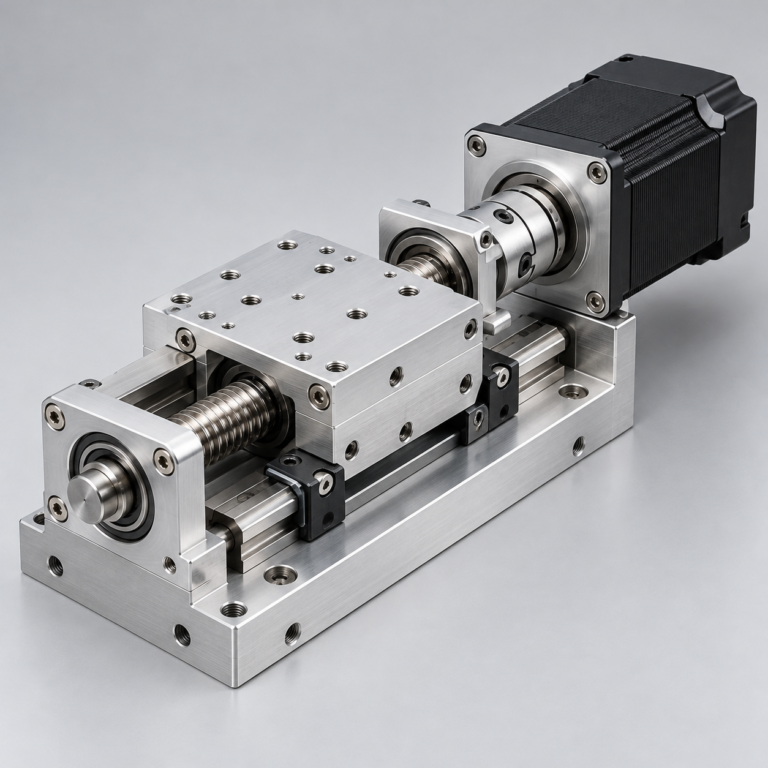
Sub-assemblies and final builds for your production program.
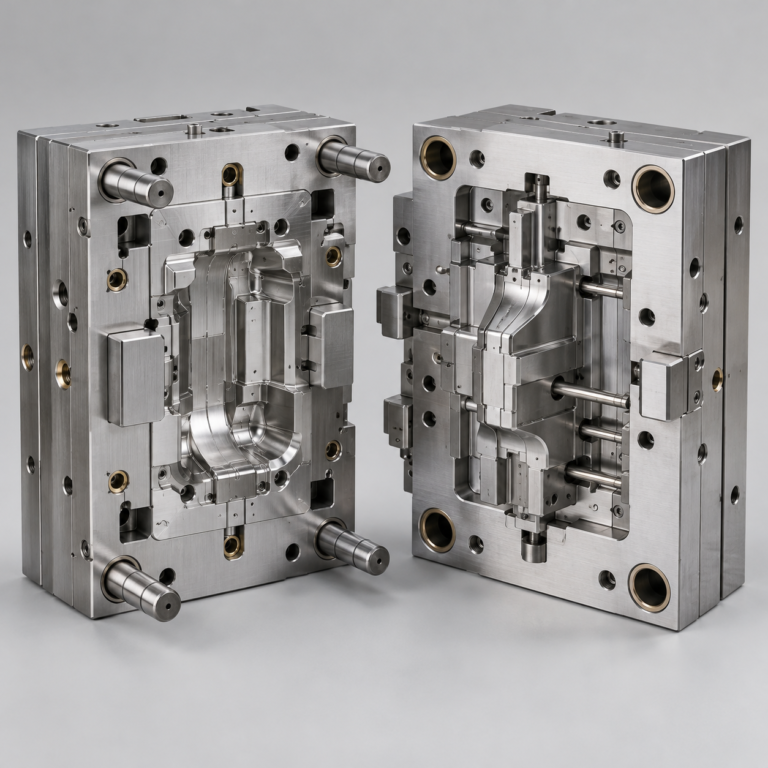
Production tooling built around your process and volume.
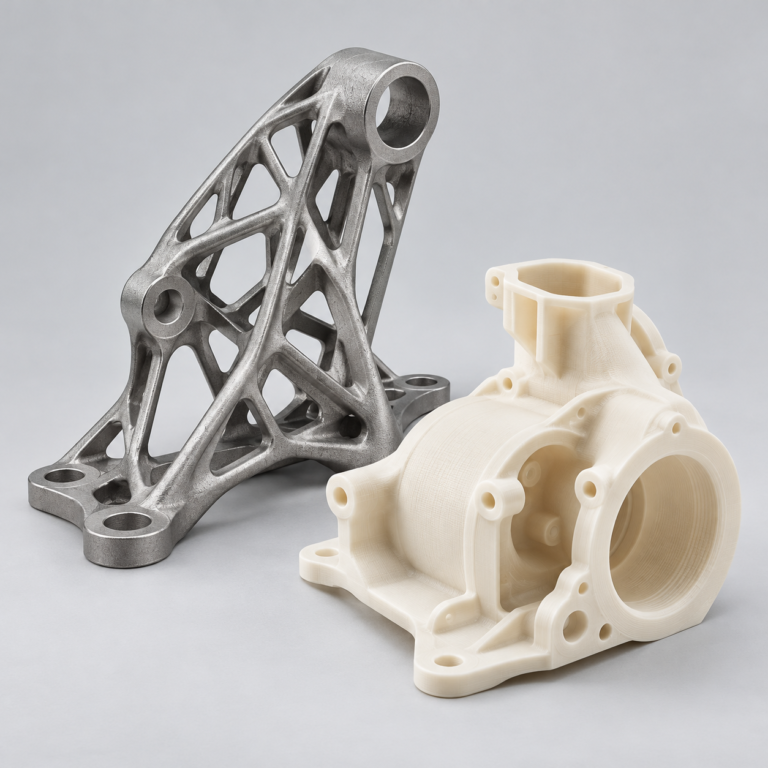
Prototype parts to check fit, function and design.
Choose air- or liquid-cooling components around your thermal and mechanical requirements.
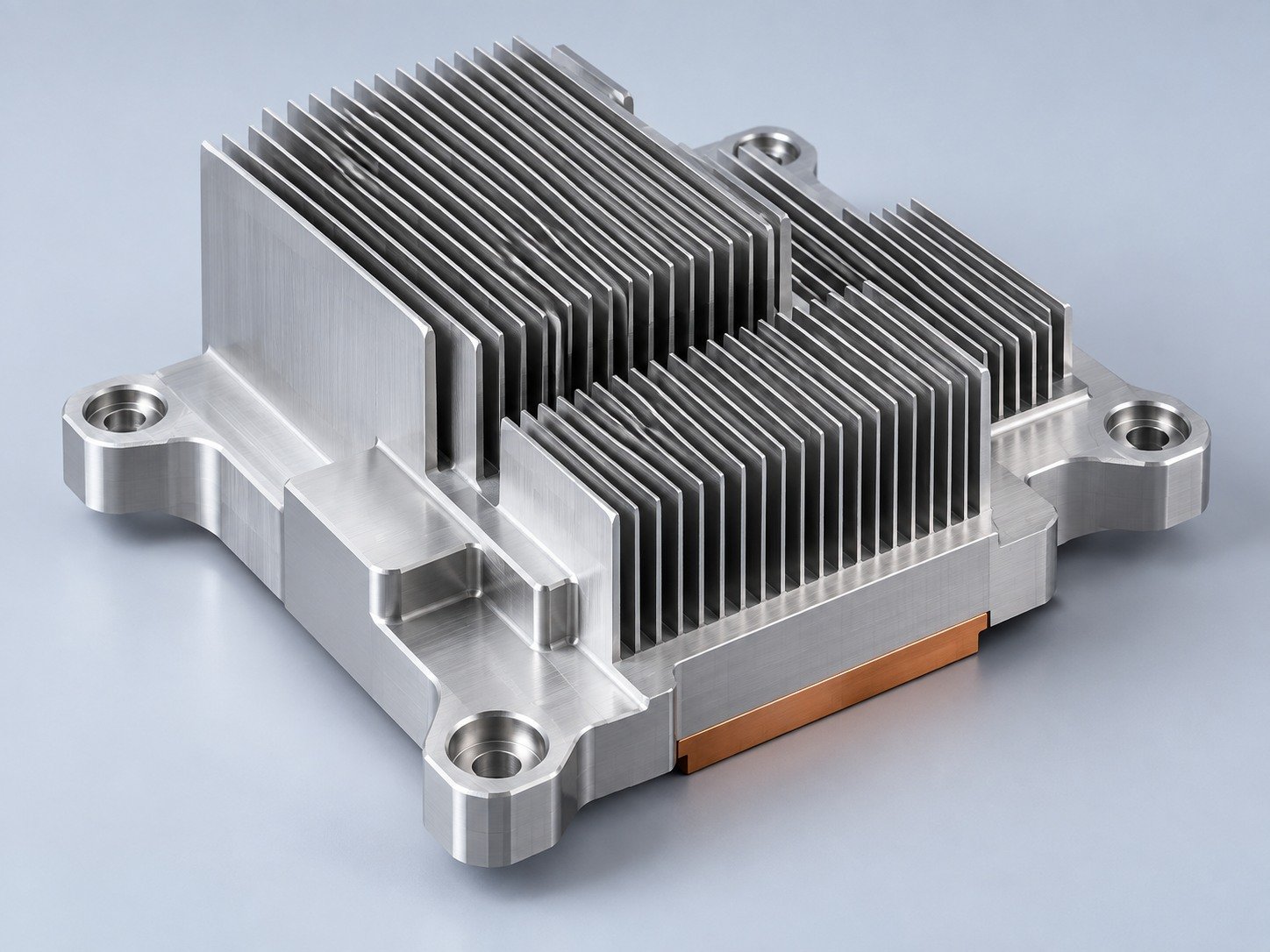
Manufacturing support for your cold plates, manifolds and cooling assemblies.
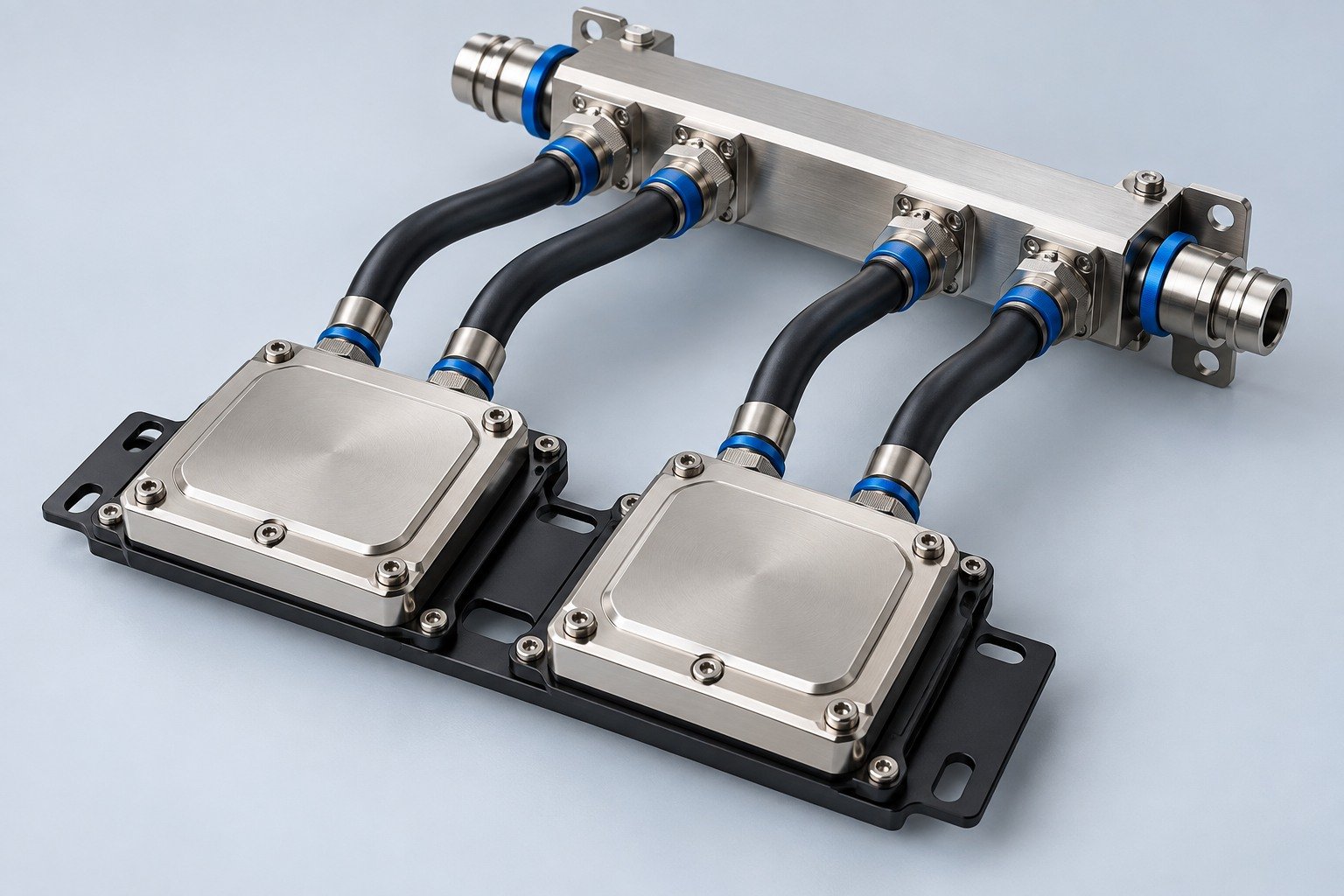
Find components for your power electronics, energy, laser and telecom application.
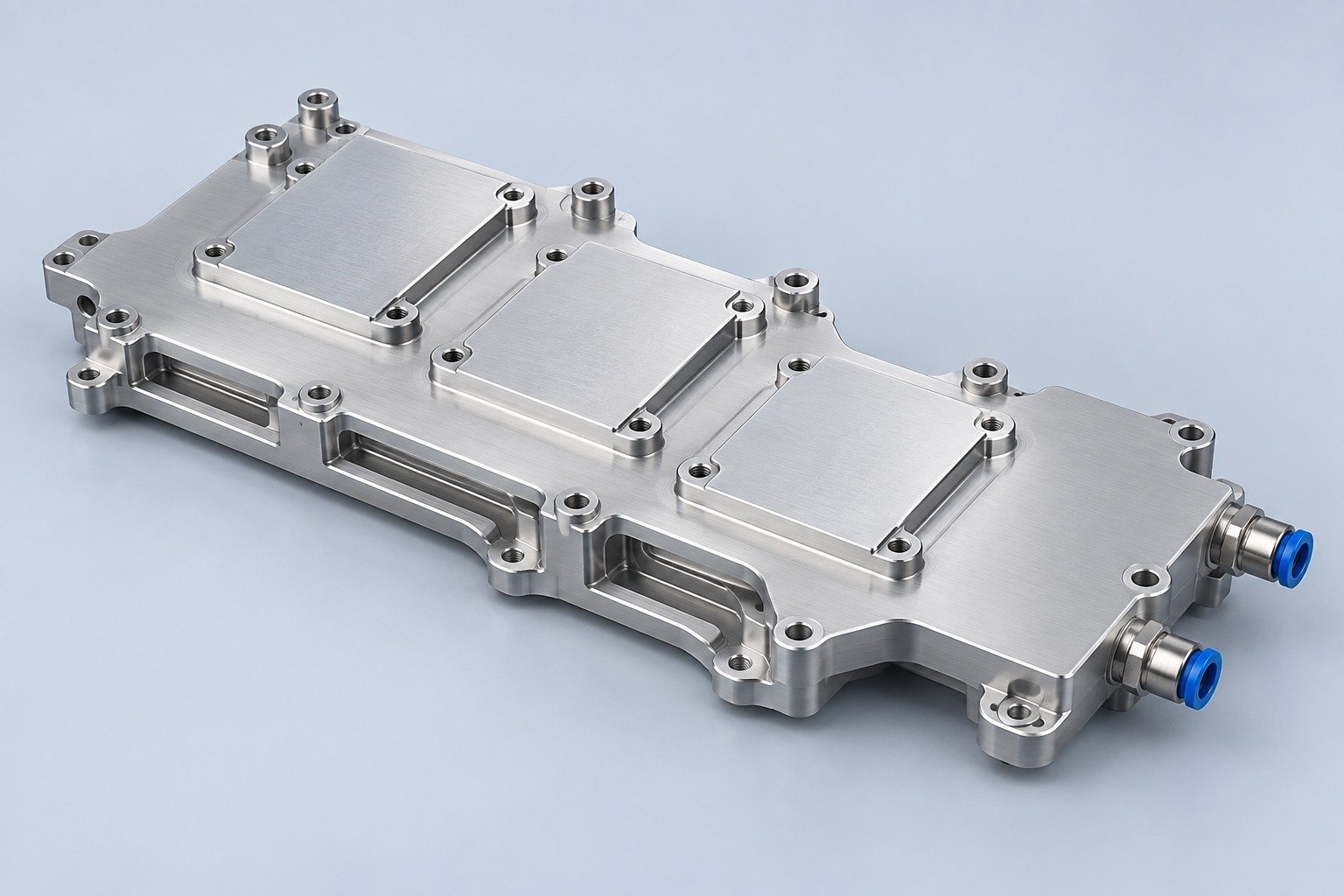
Components for your electronic systems.
Start with your functional and quality requirements.
Build around your operating environment.
From prototype to production, review material performance, manufacturability and cost for your part.
Review grade, temper and finish for your metal parts.
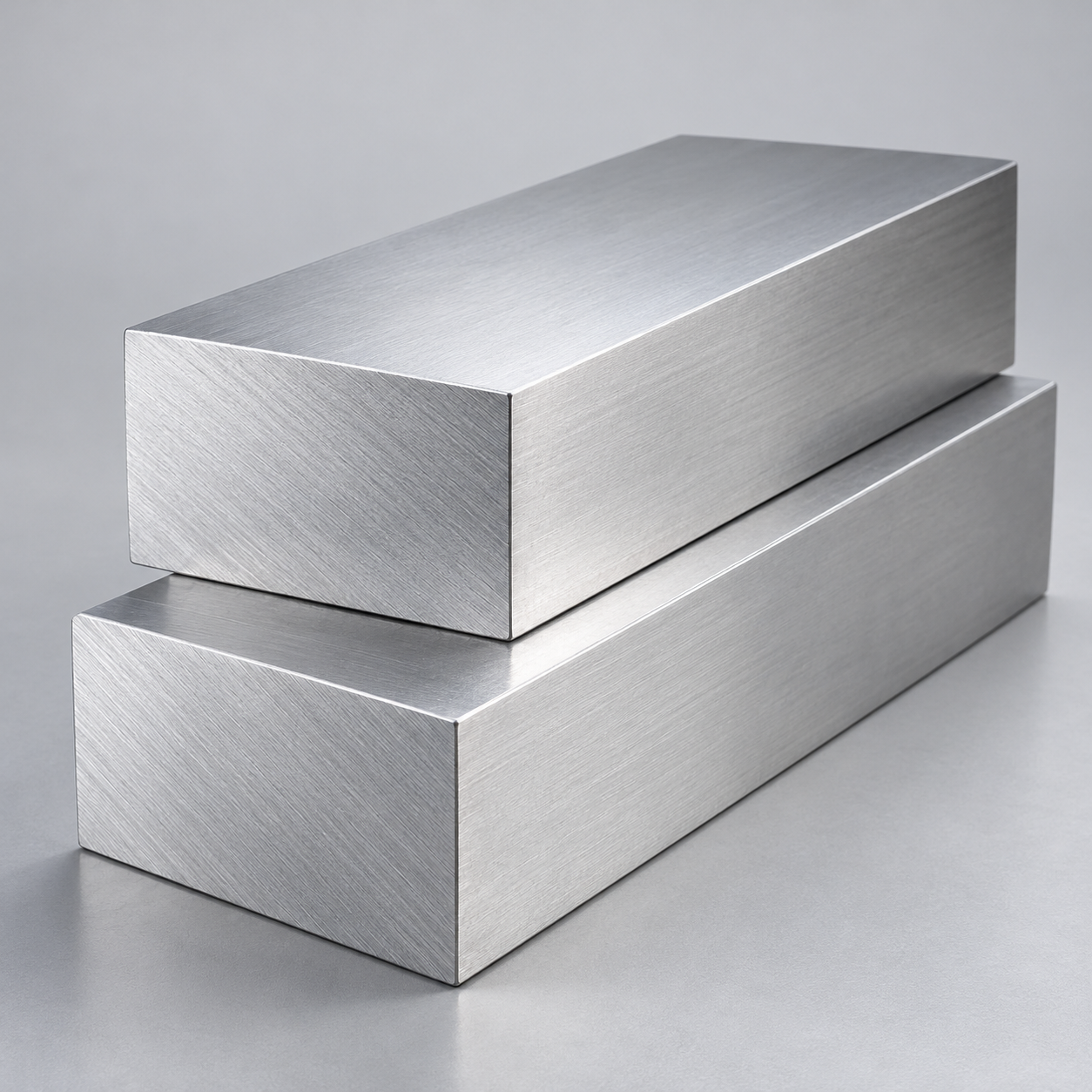 AluminumStrength, weight and machining›
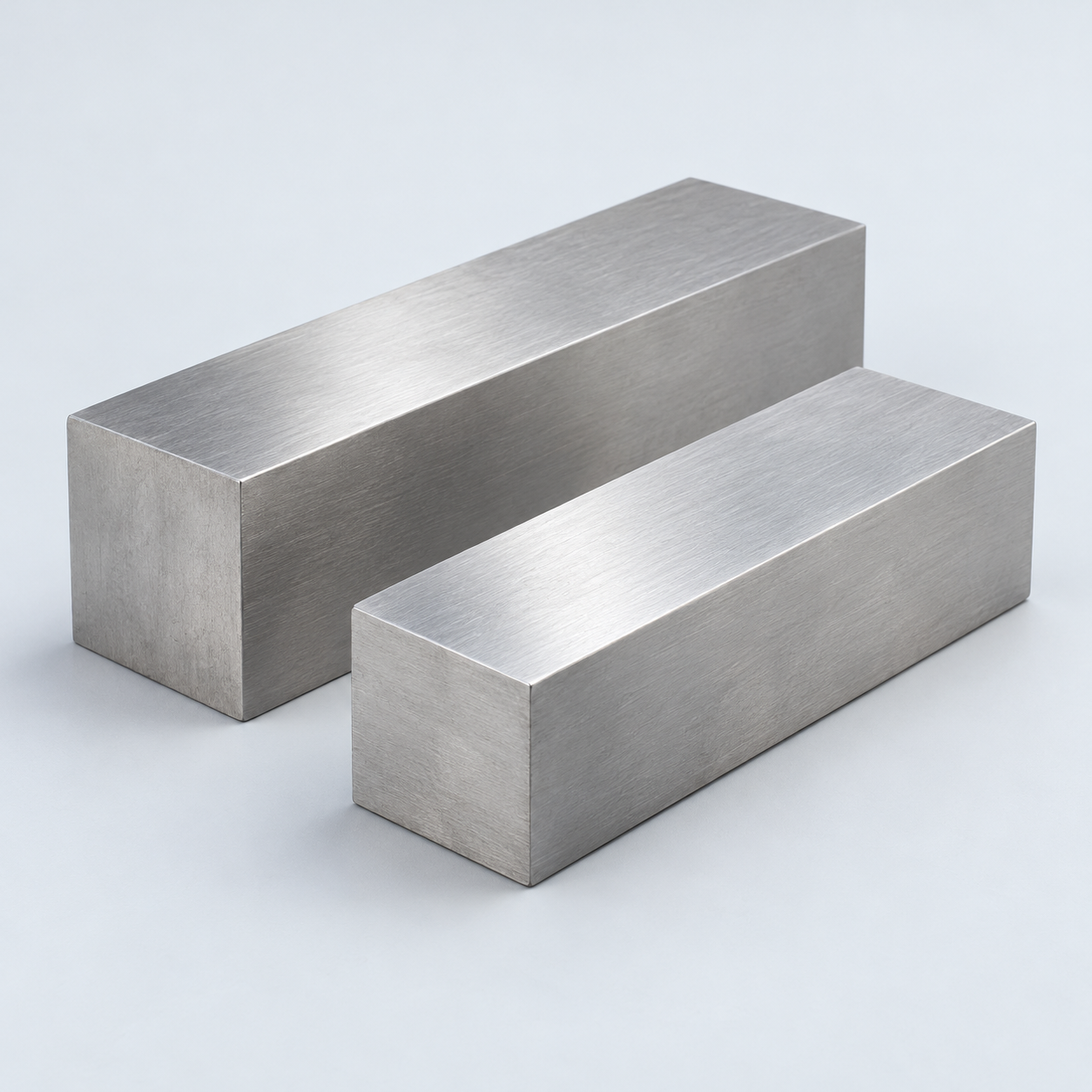 Stainless SteelCorrosion and finish requirements›
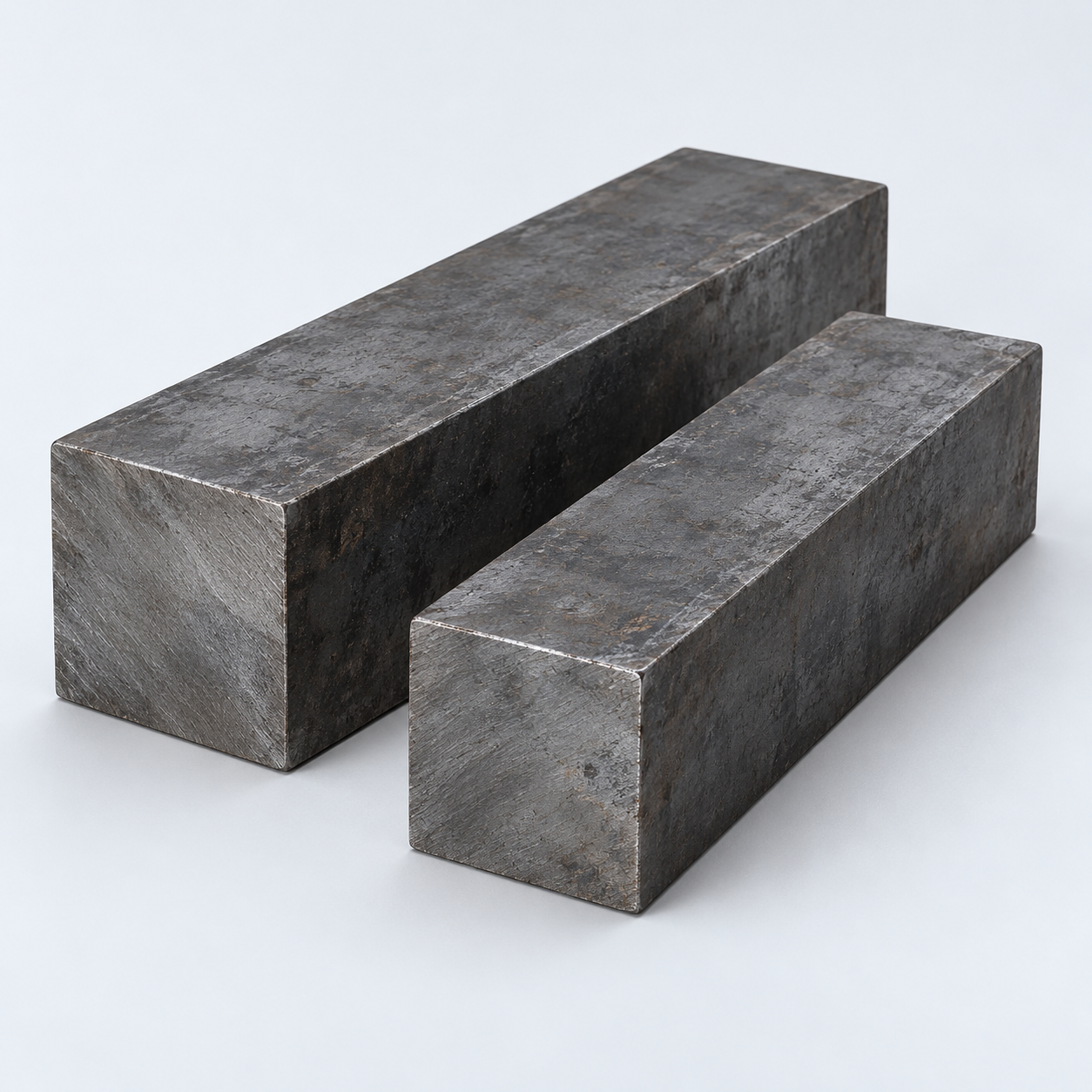 Carbon & Alloy SteelDiscuss grade and heat treatment›
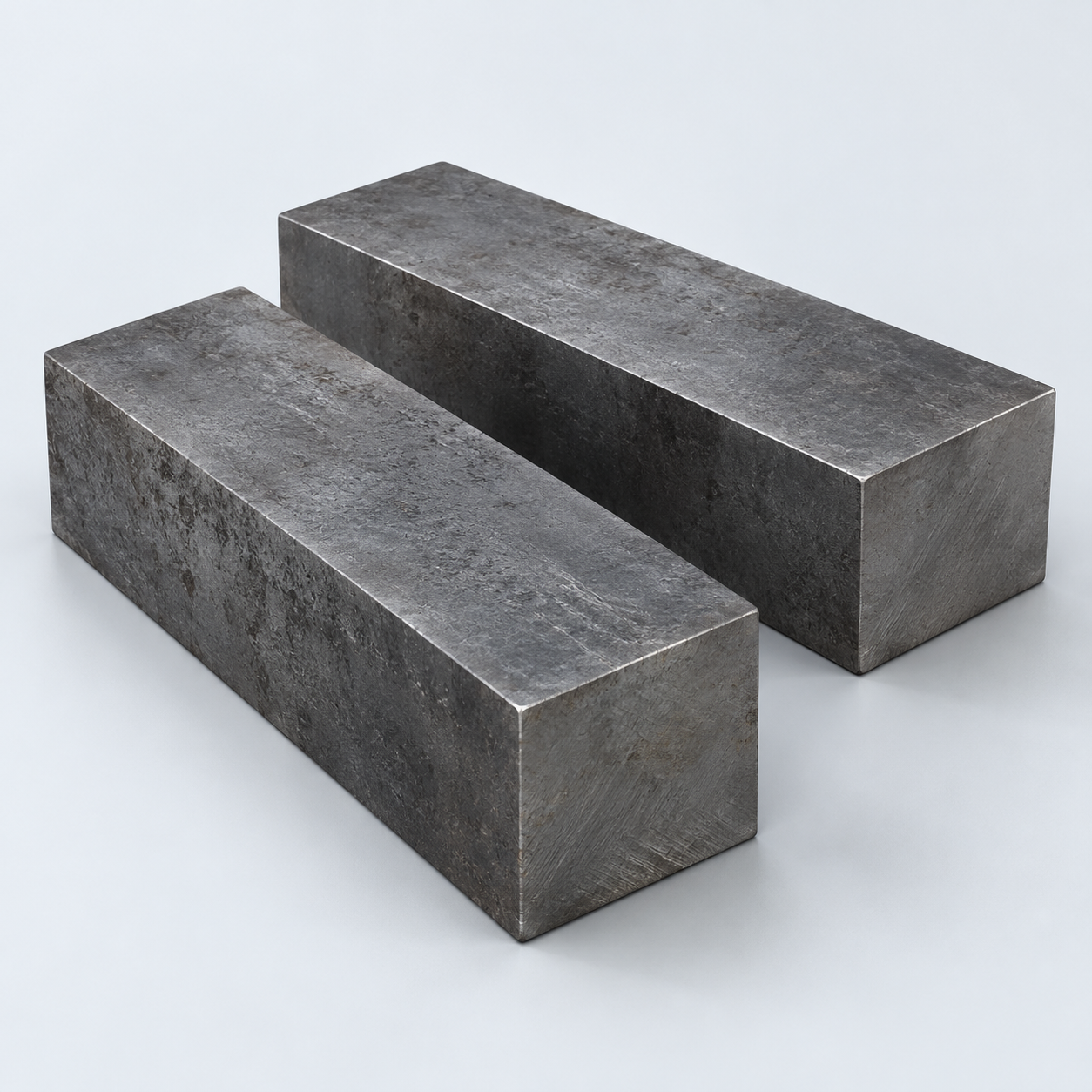 Tool SteelDiscuss tooling and wear needs›
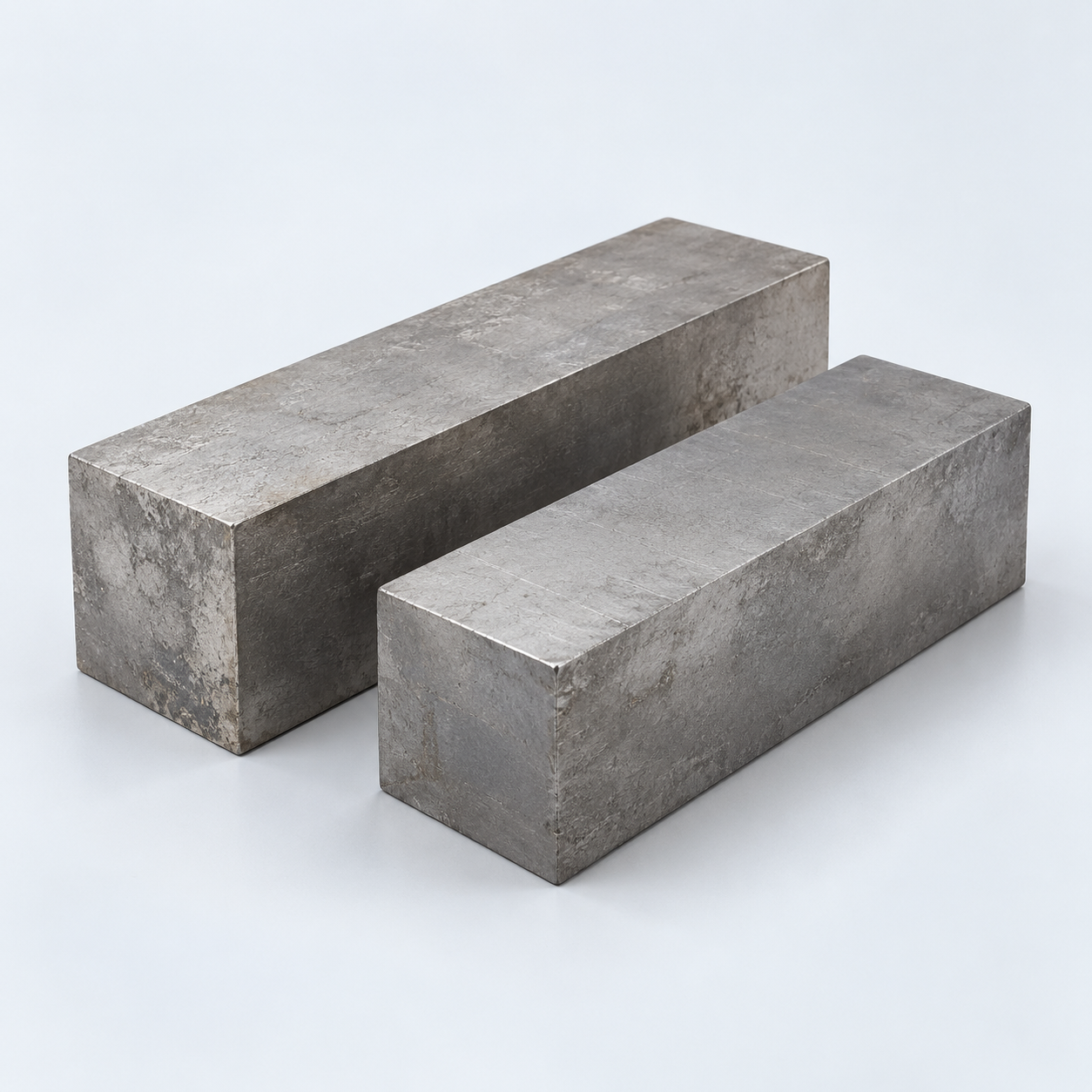 TitaniumReview grade and part geometry›
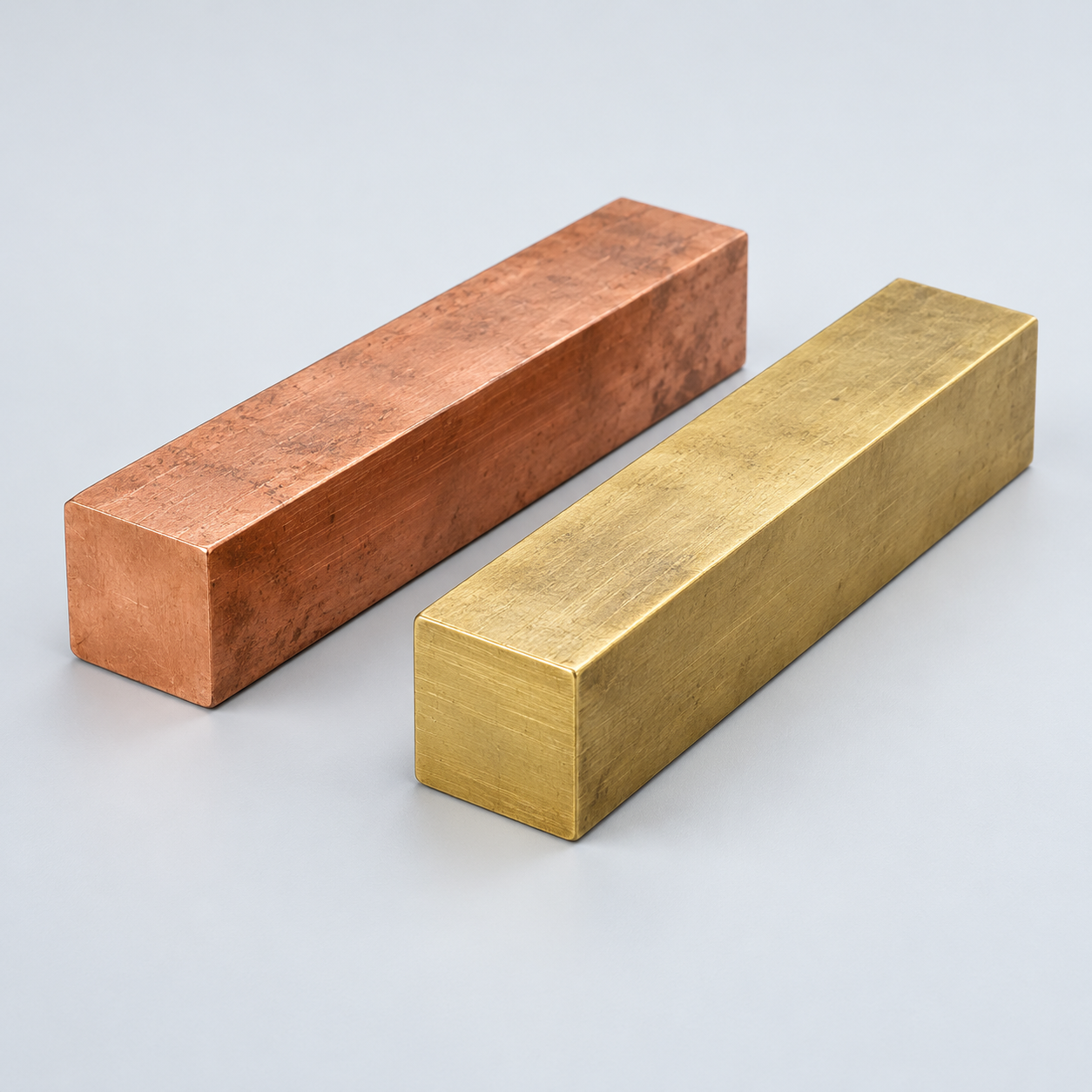 Copper & BrassDiscuss conductivity and machining›
Match your polymer to function, process and environment.
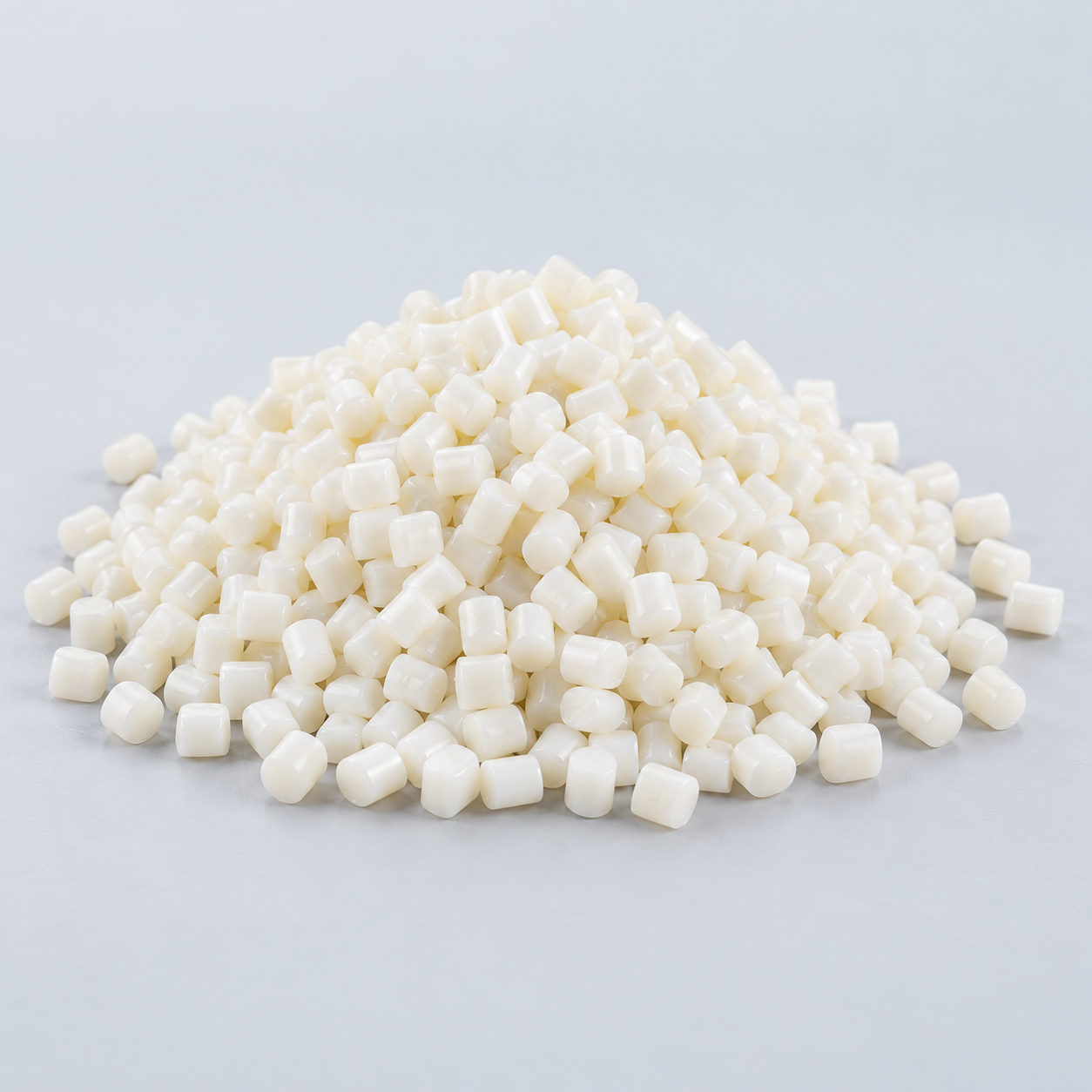 ABSReview enclosure and molding needs›
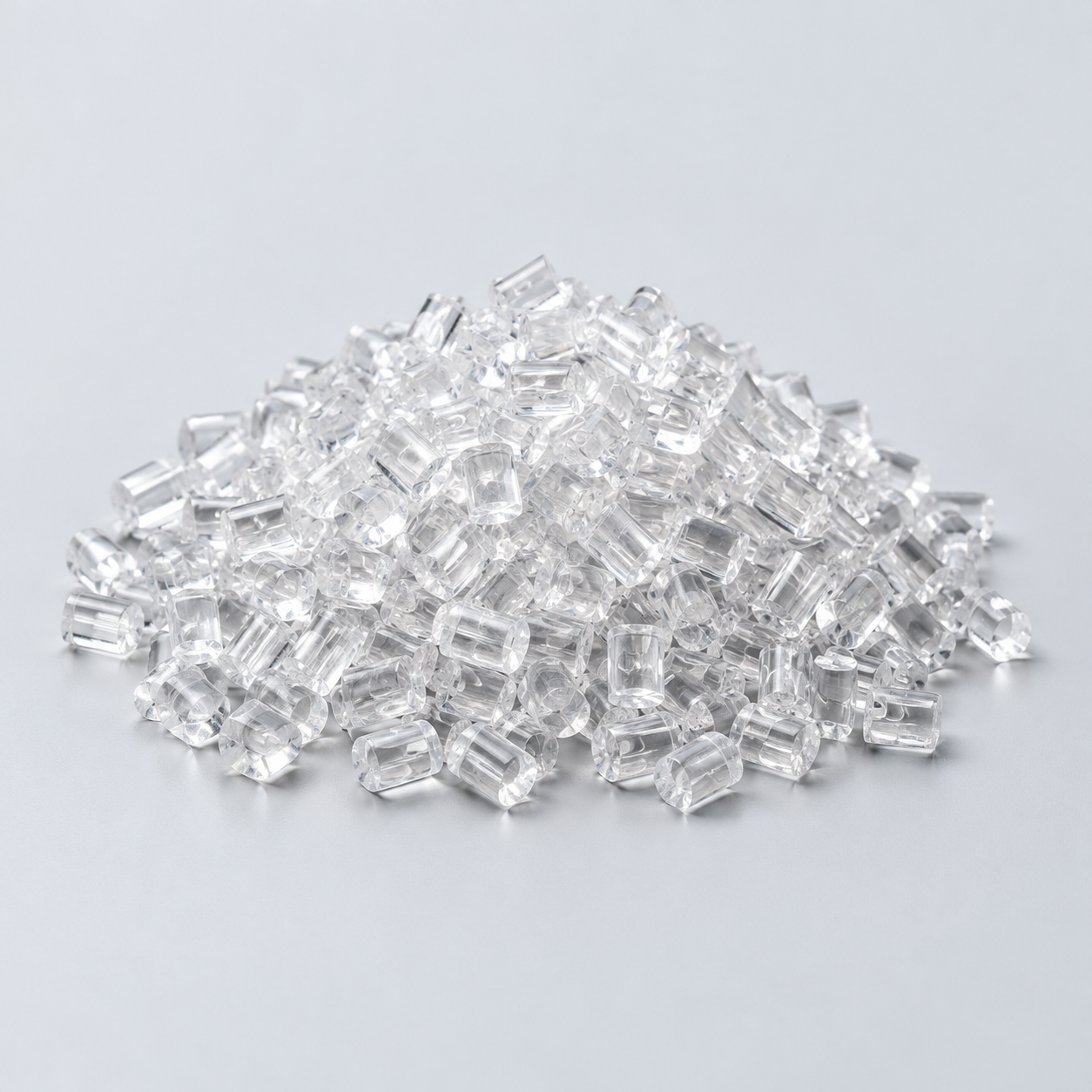 Polycarbonate (PC)Discuss clarity and impact needs›
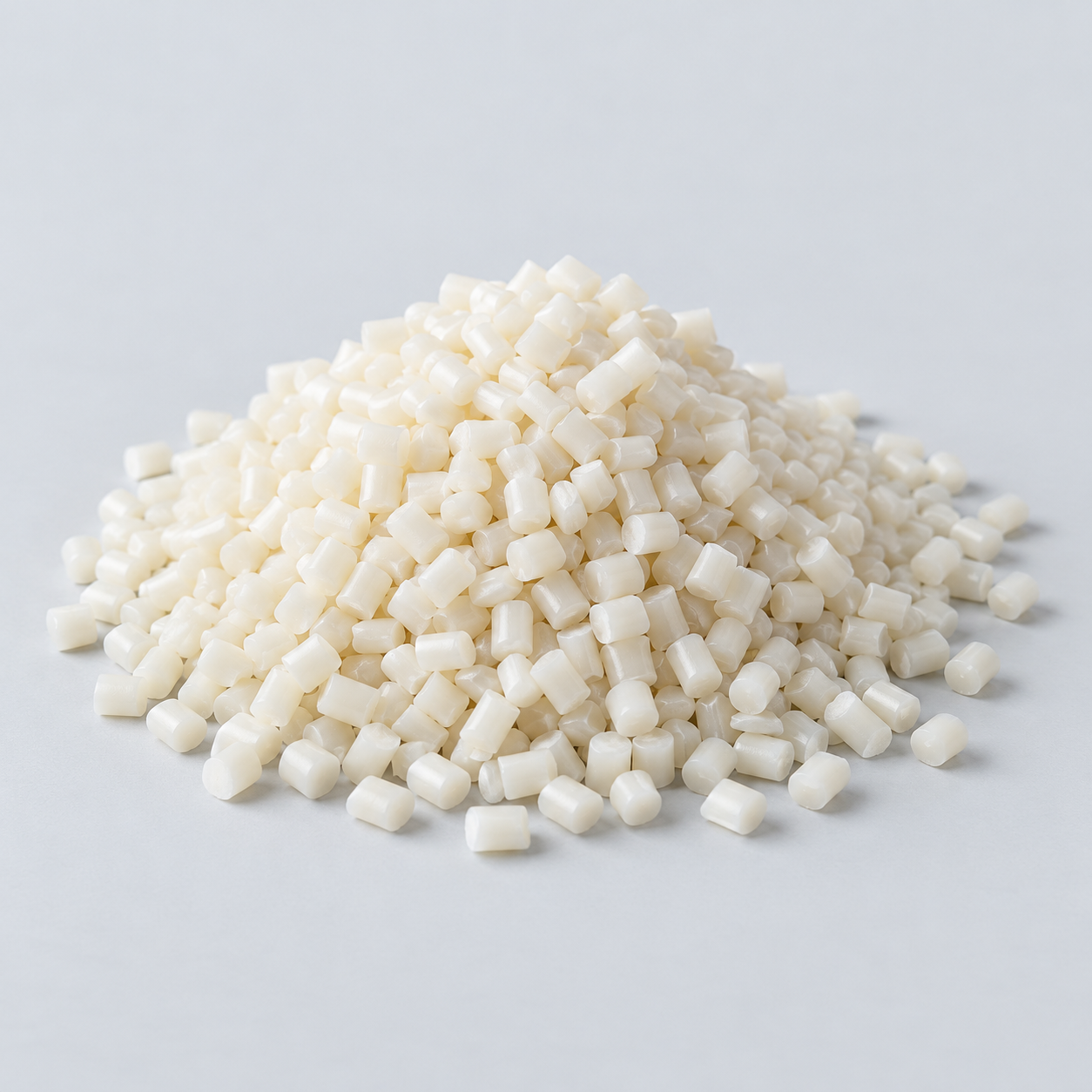 Nylon (PA)Review moisture and wear conditions›
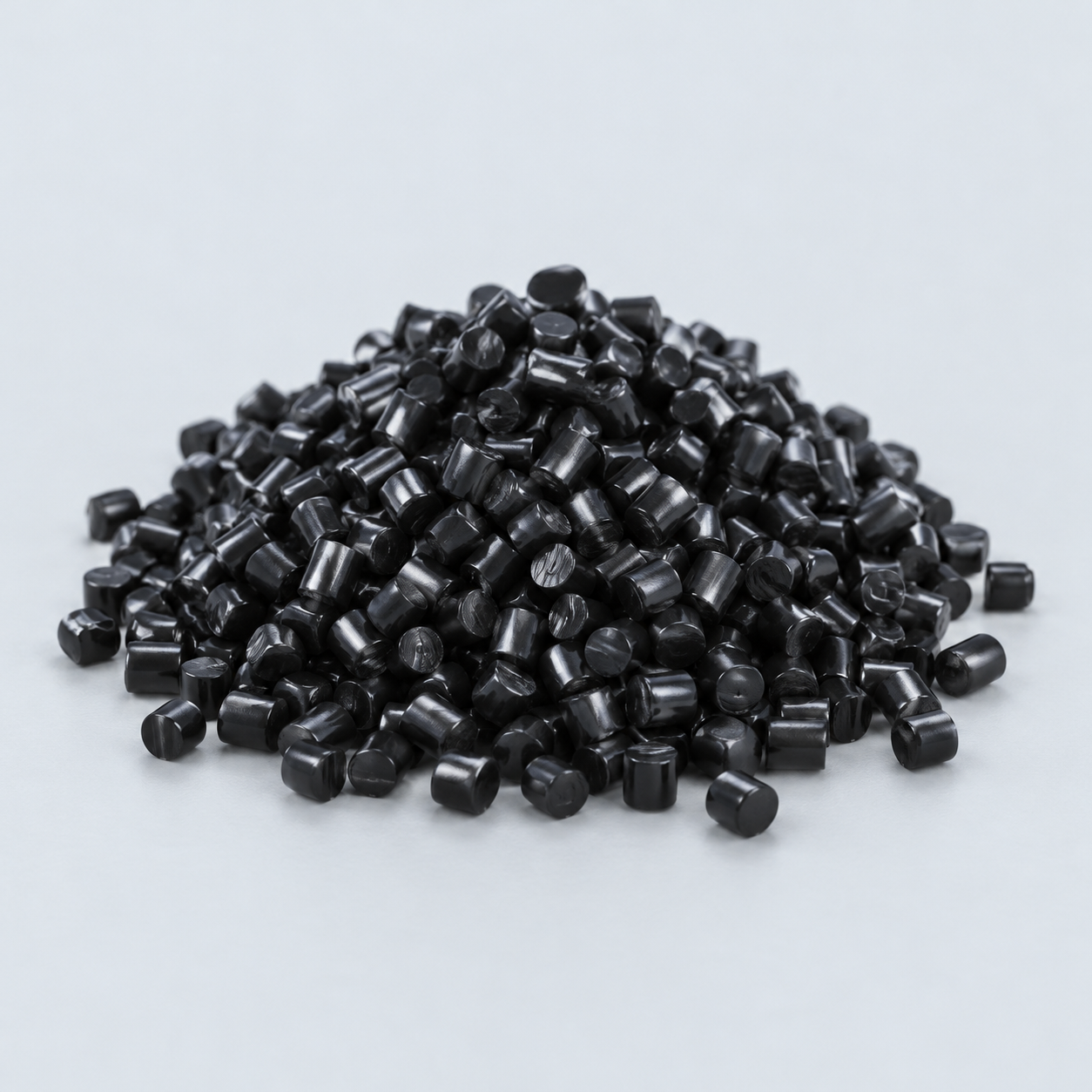 POM / AcetalReview fit and sliding features›
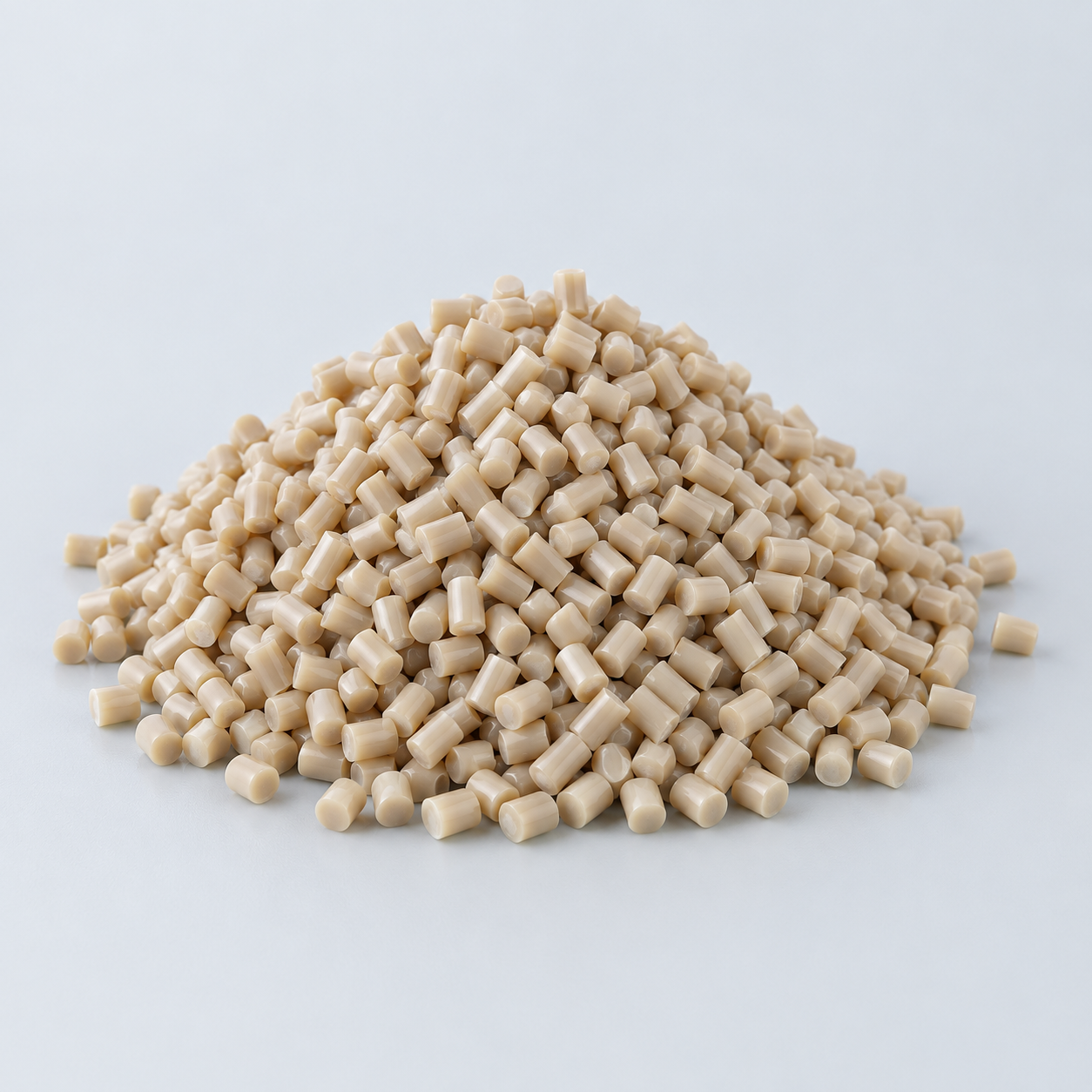 PEEKDiscuss operating conditions›
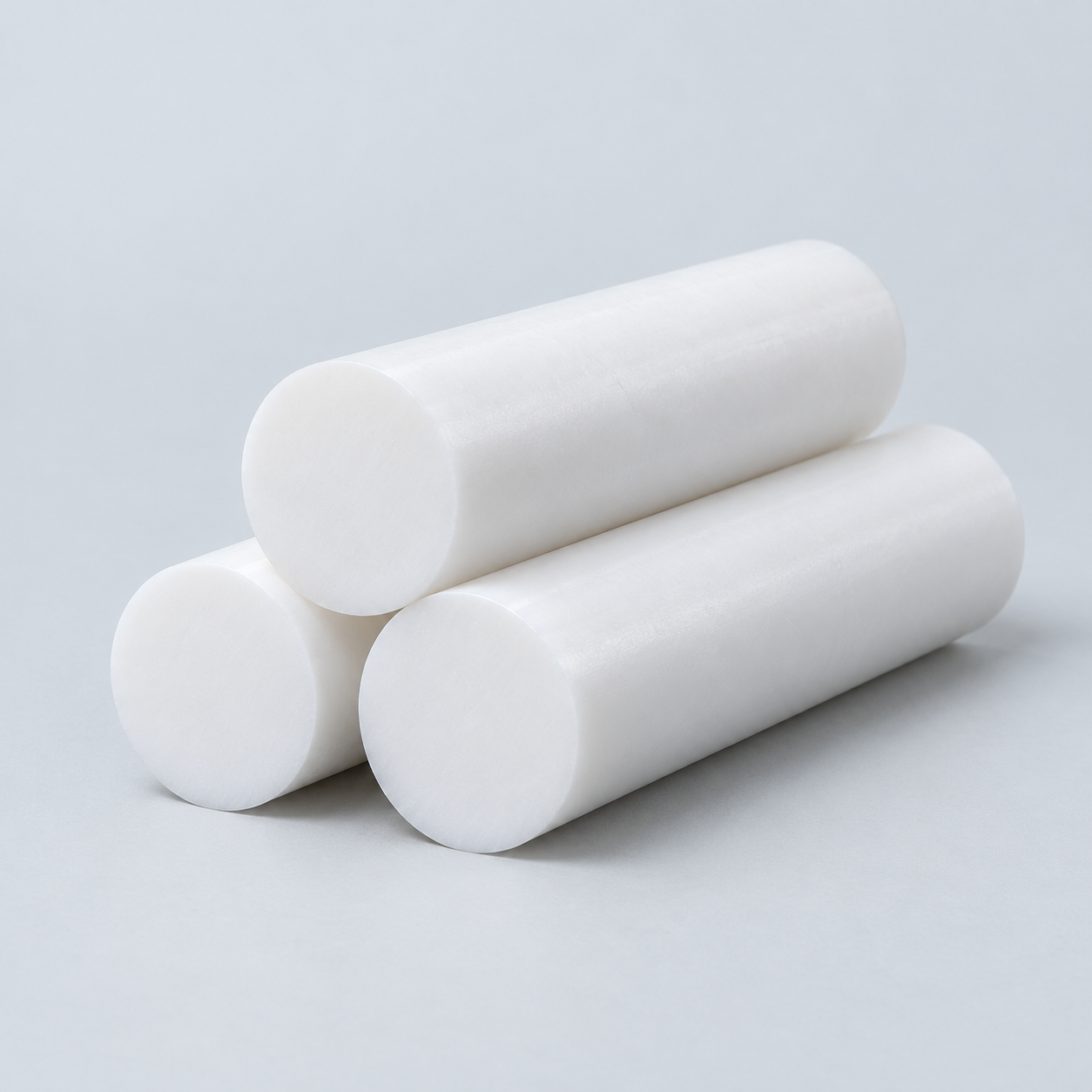 PTFEReview friction and chemical exposure›
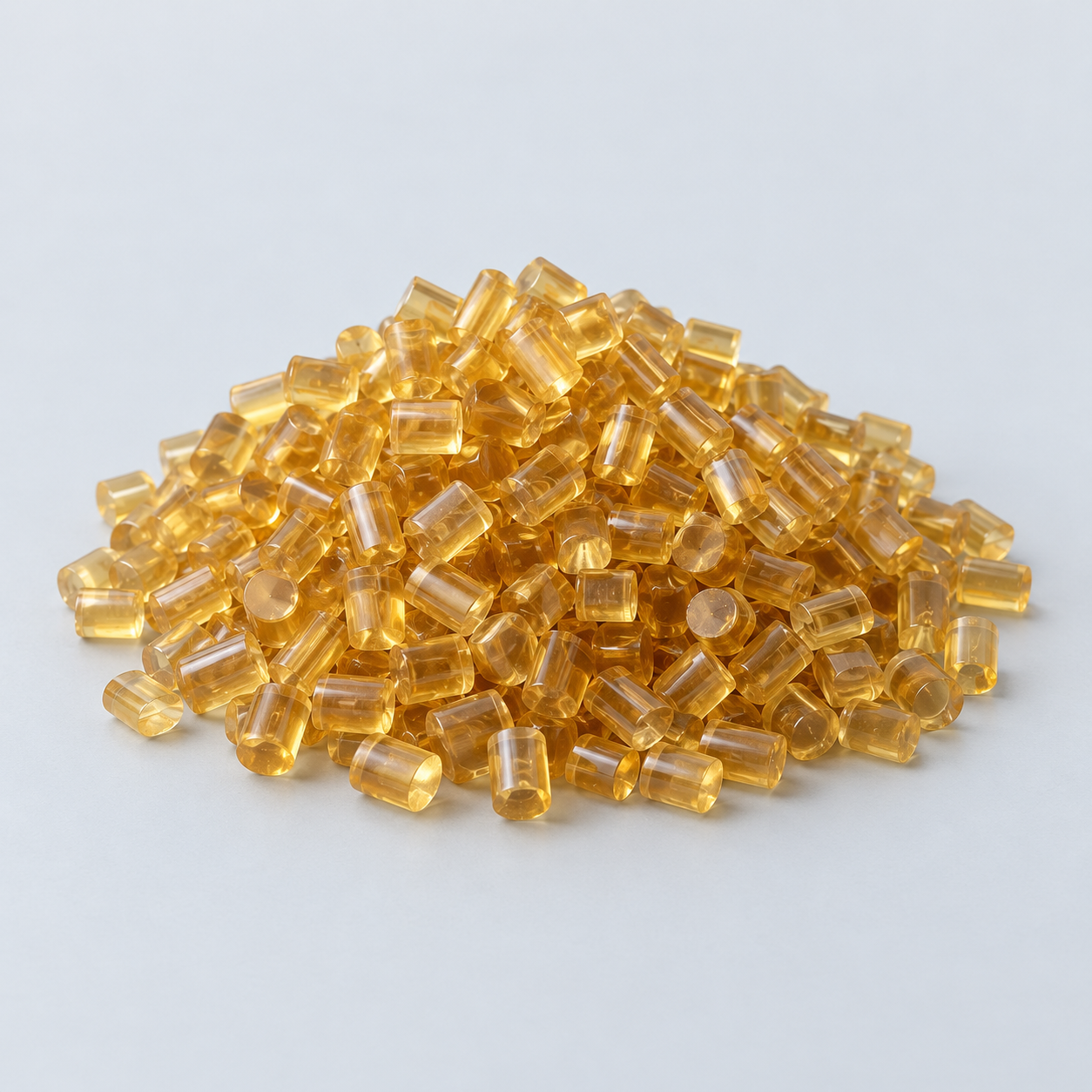 ULTEM / PEIDiscuss thermal and electrical needs›
Confirm grade availability and application requirements.
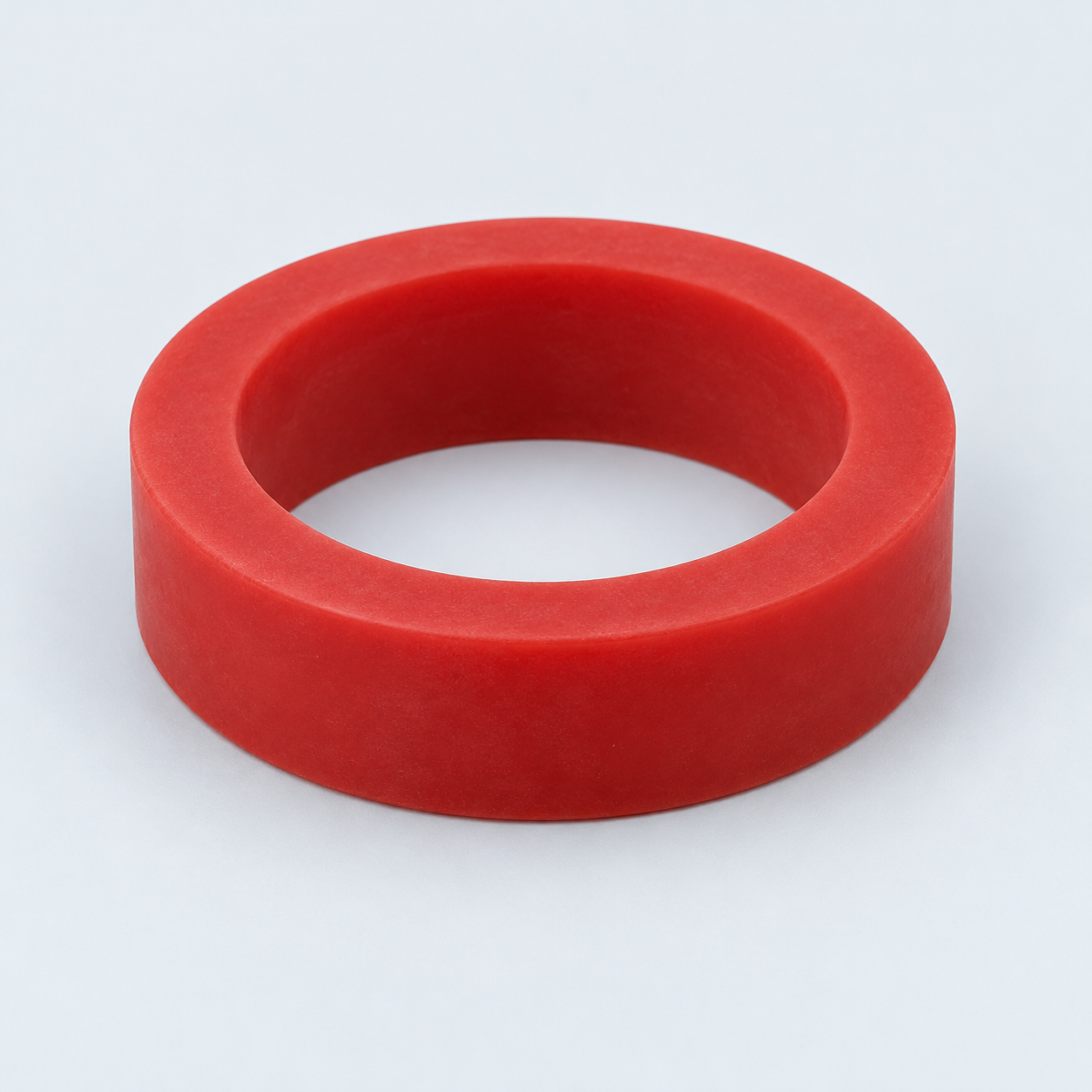 Silicone / LSRDiscuss flexible component needs›
 TPU / TPEReview flexibility and processing›
 EPDMReview weathering and chemical exposure.›
 NBRReview oil and fuel exposure.›
 FKMReview temperature and chemical exposure.›
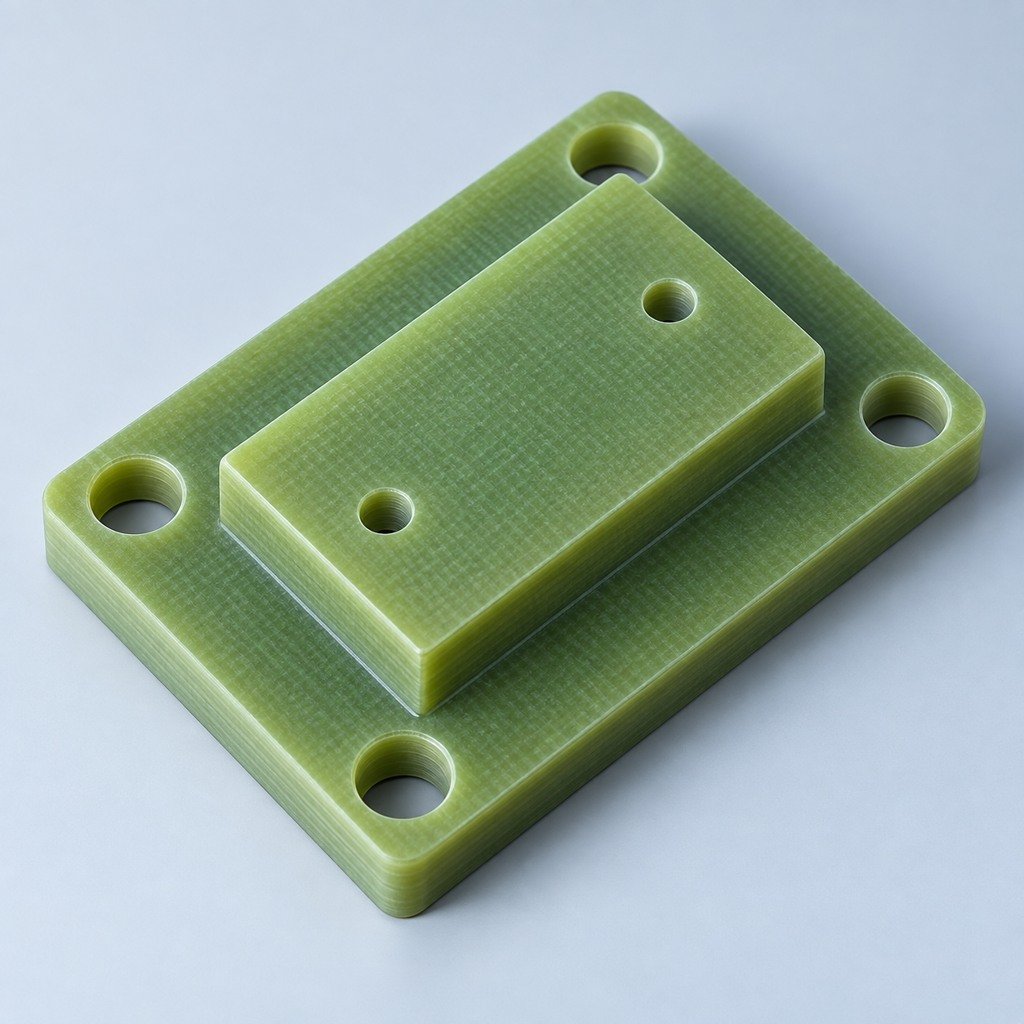 G10 / FR4Review insulation and laminate needs›
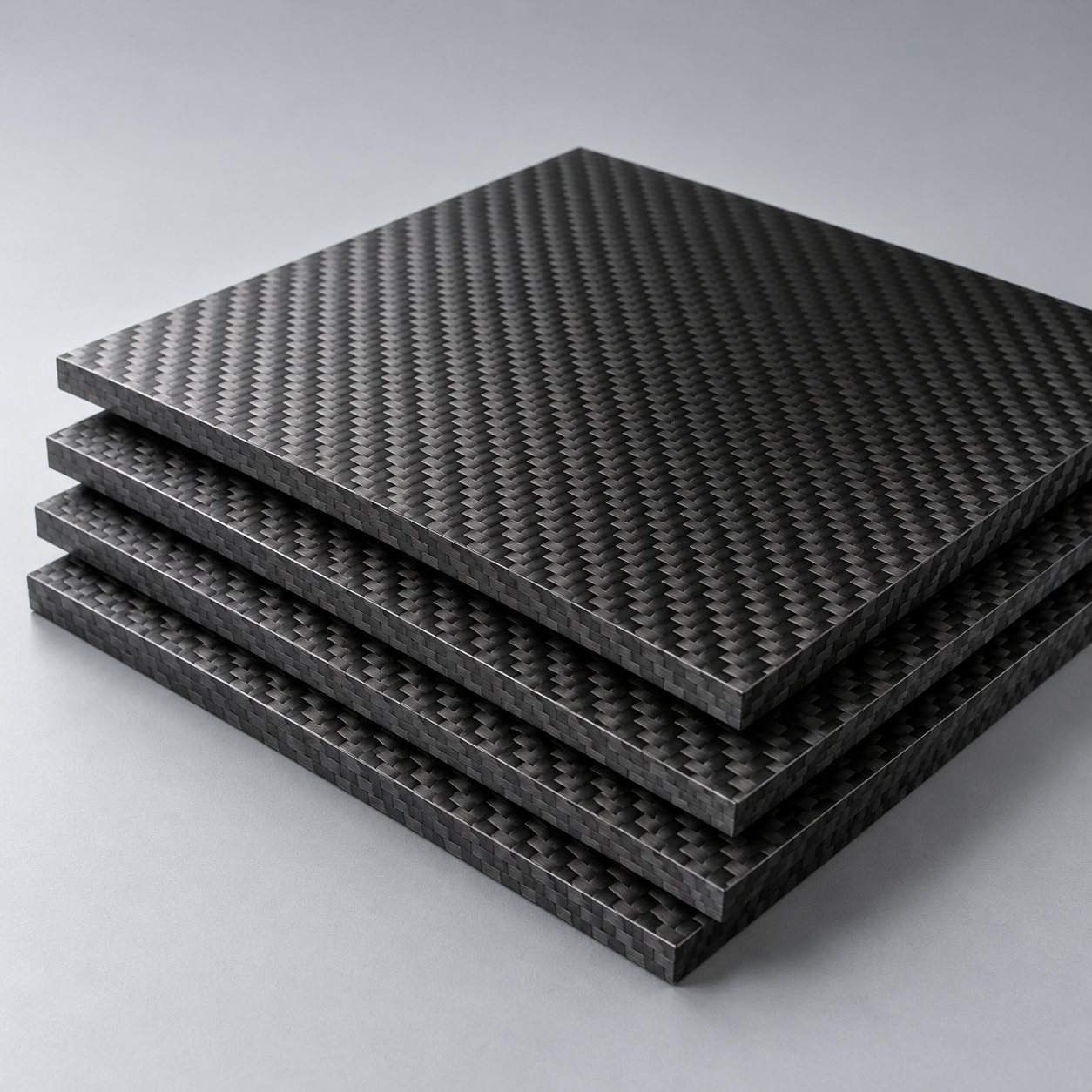 CompositesReview stiffness, weight and laminate.›Customer-Specified MaterialsConfirm your grade and requirements.›Other Specialty MaterialsDiscuss your application and grade.›
Practical guidance for your part geometry and material decisions.
Prepare your process, budget and sourcing questions.
Build your knowledge before production.
Learn who we are and how we operate.
Find our U.S. support team or start a conversation.
YOUR MARK. YOUR LOCATION. YOUR ACCEPTANCE.
Bring your material, finished surface, mark location and controlled artwork into one review. Plan readable identification around your assembly, downstream treatments and first-part approval.
Start with 1 controlled drawing + mark artwork, material and quantity. Actual process, accessible area and acceptance are confirmed for your project.
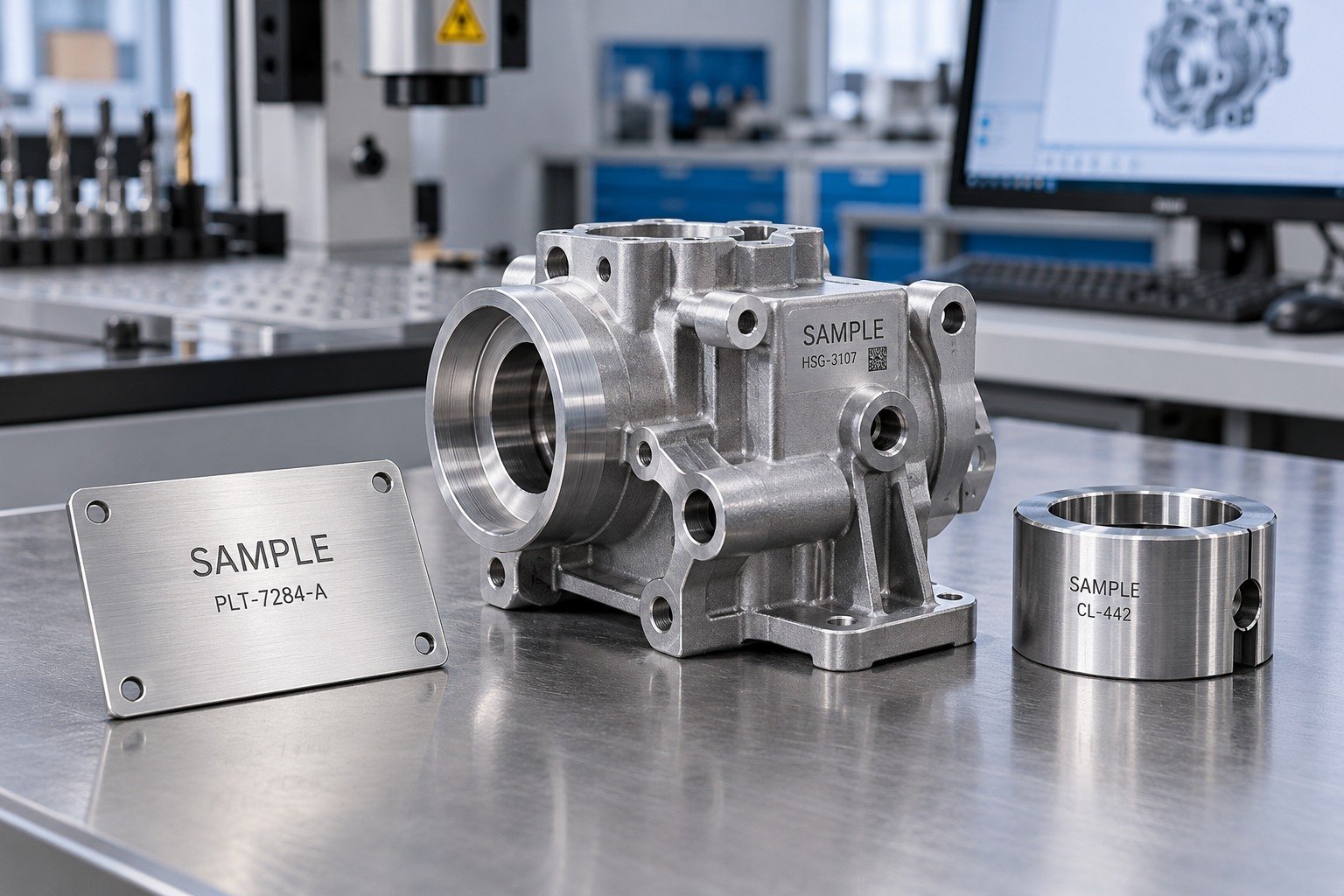
Identify grade and surface state
Control artwork and location
Keep marks off critical interfaces
Agree readability and durability
Dallas-area project support
Define the identification your production and receiving teams need to use.
Grade, coating and delivered surface.
Fixed artwork or controlled variable data.
Datum, orientation and accessible area.
Human reading or machine decoding.
Sample, inspection and service conditions.
Laser part marking services start with your actual part, surface and information. Review the intended result before choosing an engraving or marking route.
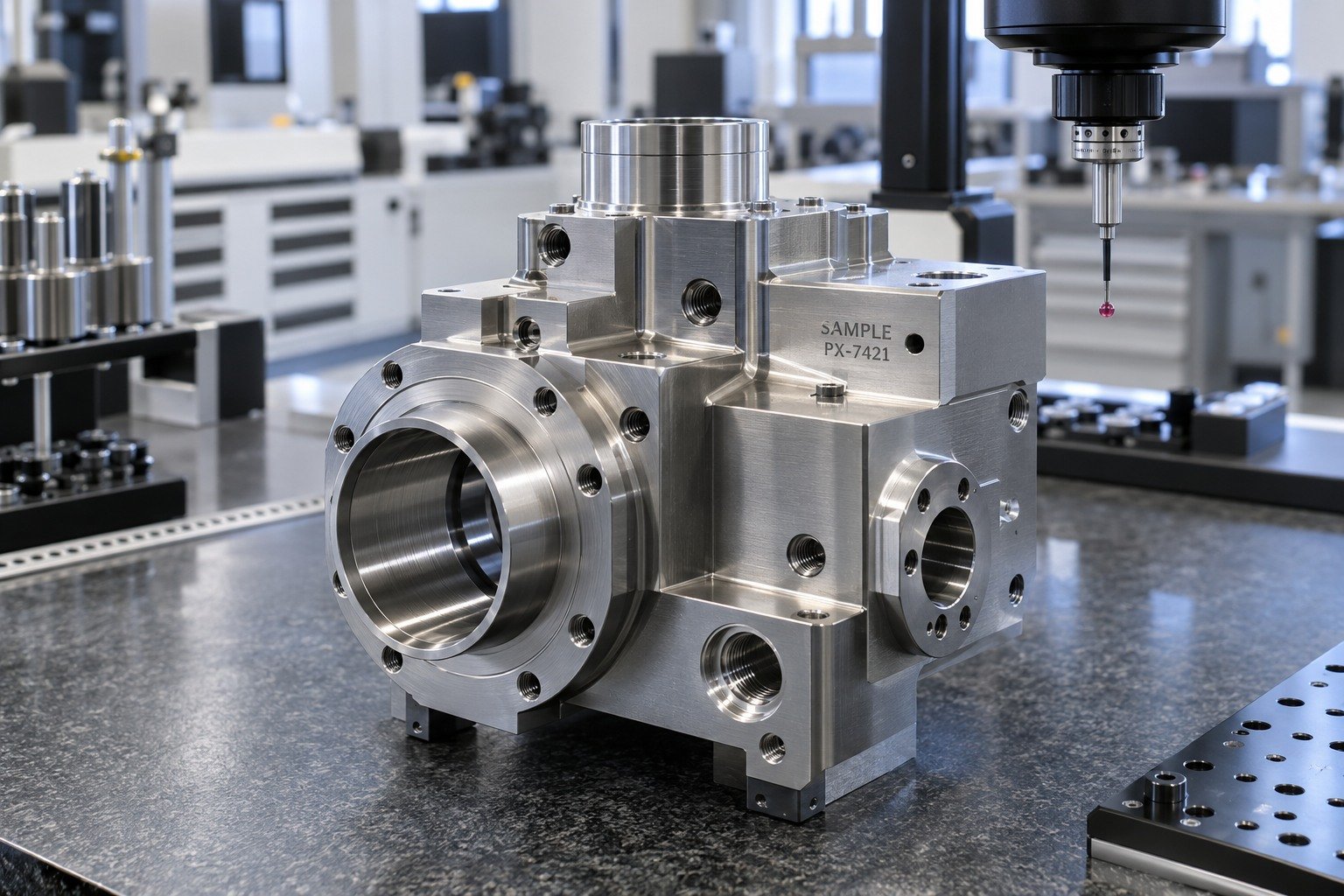
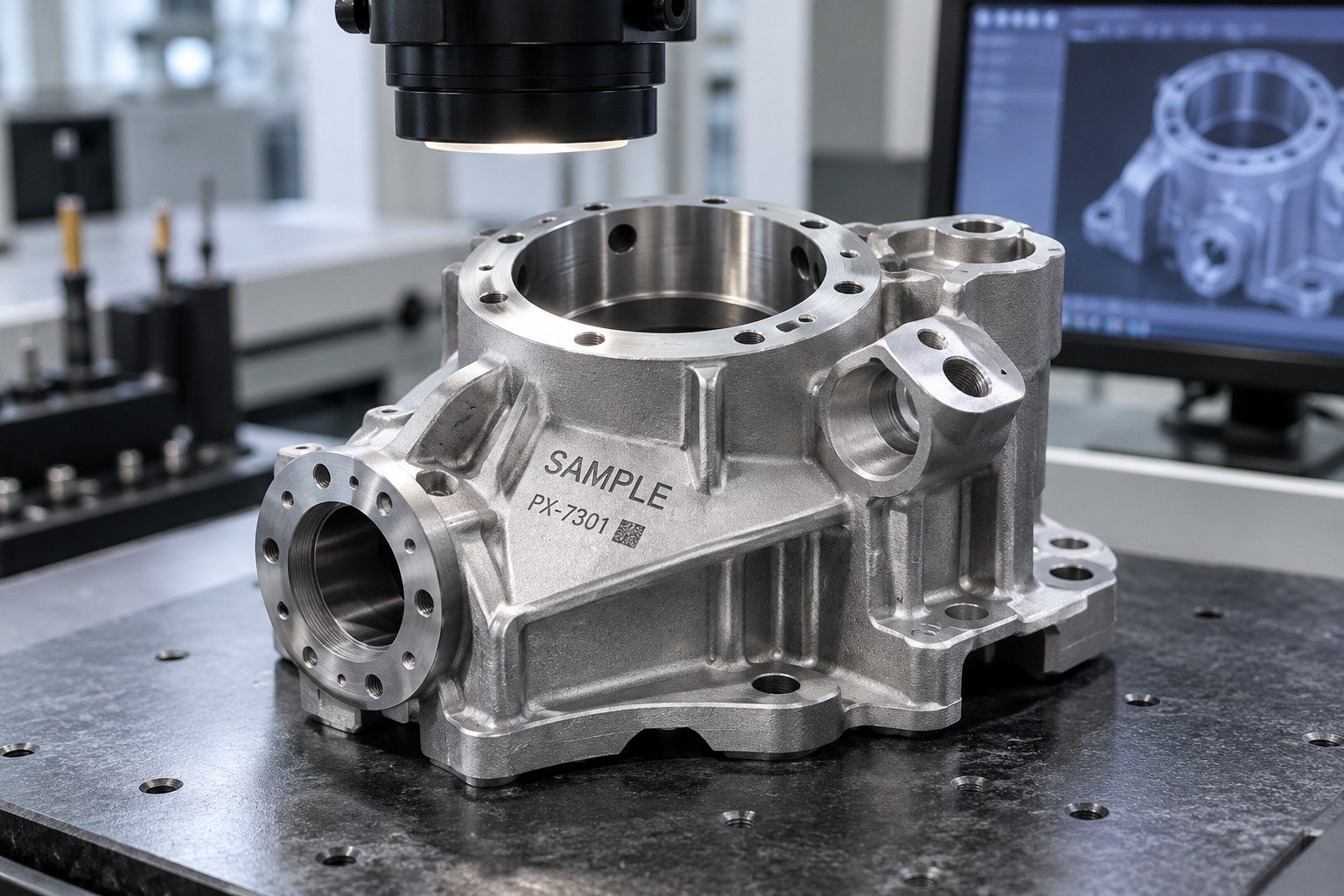
For laser marking machined parts, identify the accessible face and protect the function of bores, sealing lands and datums.
| Your function | Marking face, assembly orientation and critical interfaces. |
|---|---|
| Your condition | Actual alloy, machining texture and coating sequence. |
| Your order | Trial parts, first order, repeat quantities and data responsibility. |
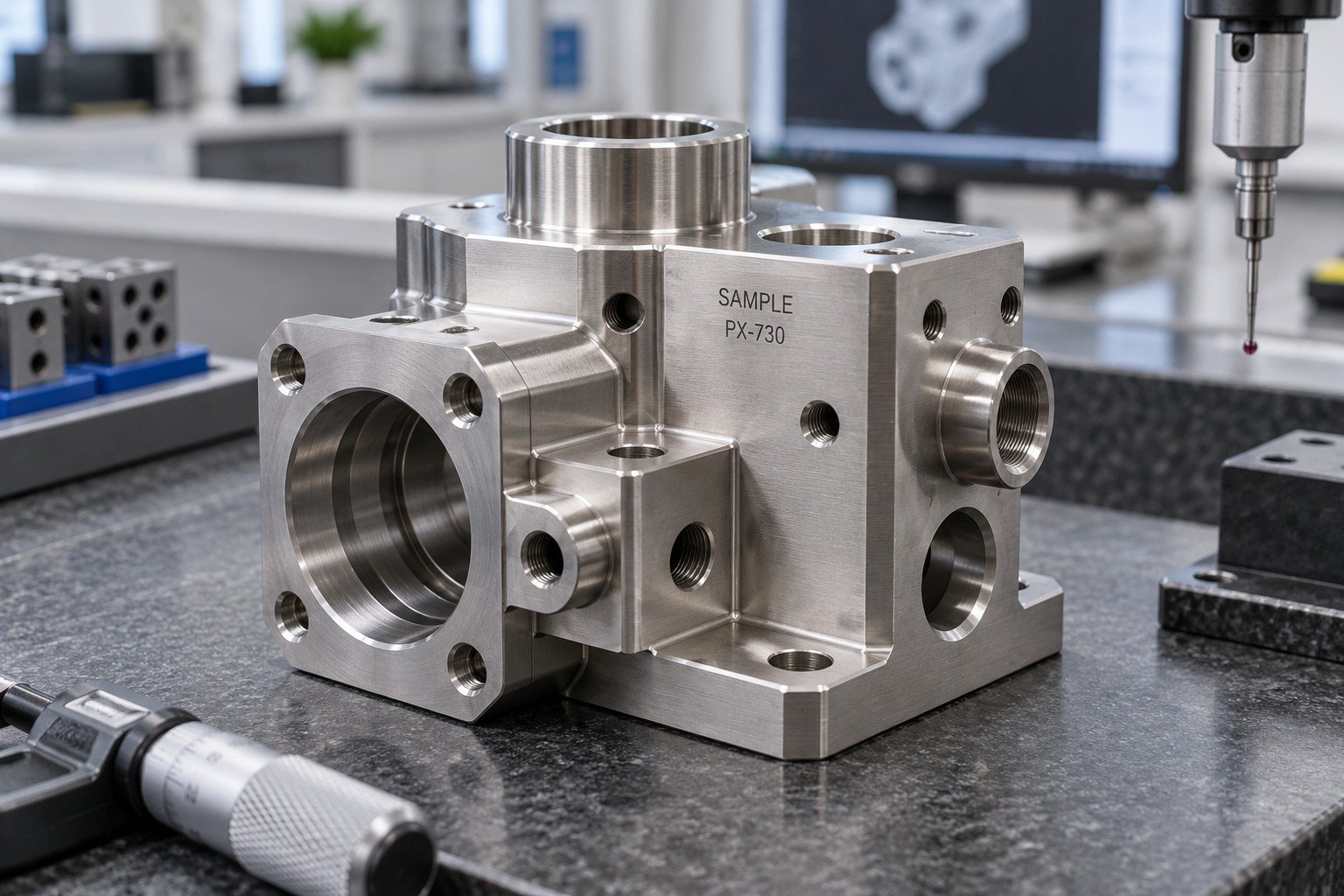
Precision laser engraving needs an agreed location, drawing and acceptance basis. Review the actual method and any depth requirement; do not assume that a visible mark has no dimensional effect.
| Your substrate | Exact grade, coating, prior treatment and delivered surface. |
|---|---|
| Your system | Method, mark contrast, depth if specified and downstream treatment. |
| Your evidence | Approved marked sample, required reading method and release records. |
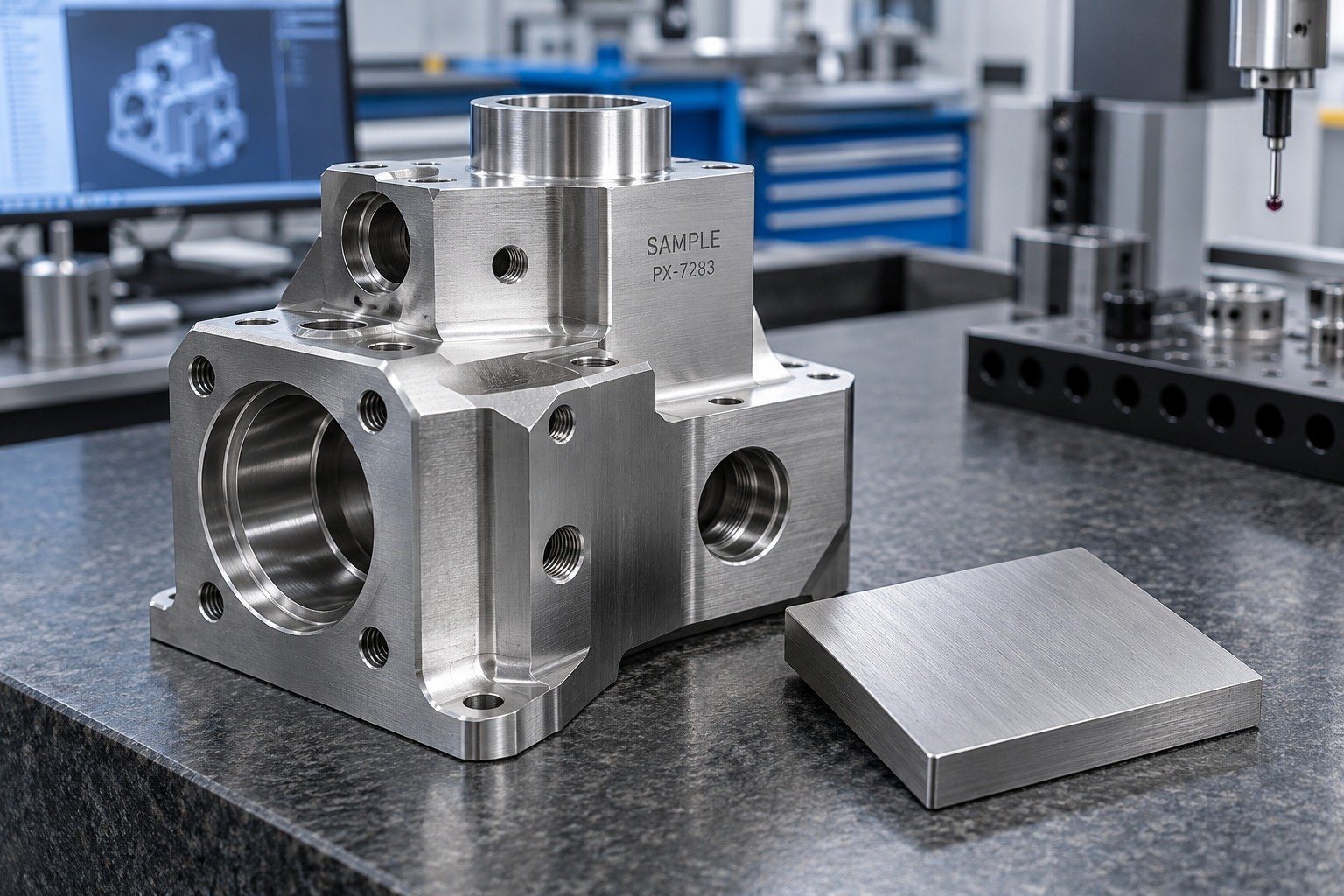
Dimension the marking zone from a drawing datum. Define the reading orientation and surfaces where no mark is permitted.
| Your drawing | Marking face, assembly orientation and critical interfaces. |
|---|---|
| Your boundaries | Controlled artwork, location, orientation and keep-out zones. |
| Your agreement | Marking area, datums, orientation and excluded functional surfaces. |
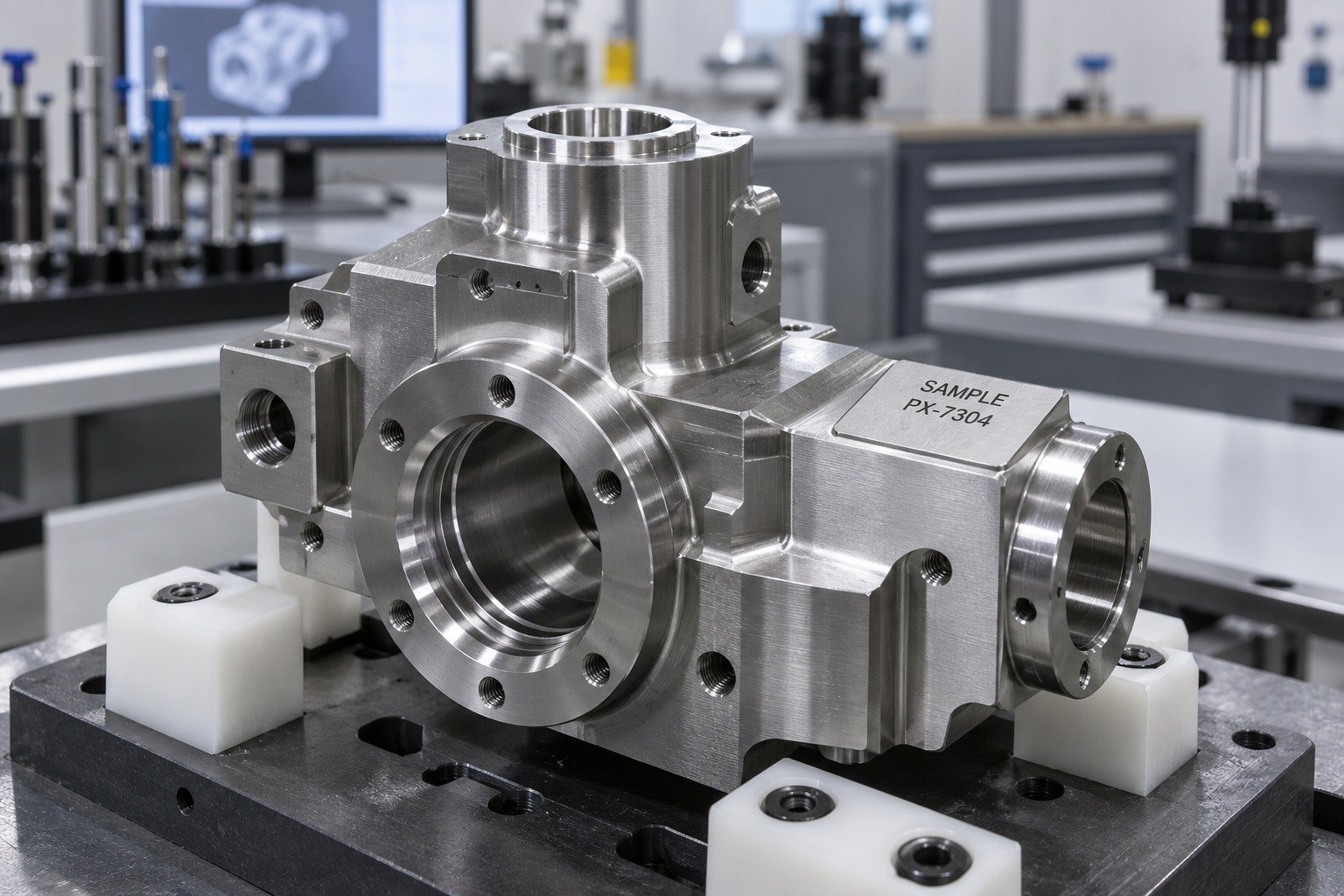
Approve the actual marked sample for your machined components. Check content, location, orientation and required reading performance, then verify any specified downstream-treatment or durability evidence.
| Your final fit | Marking face, assembly orientation and critical interfaces. |
|---|---|
| Your condition | Actual alloy, machining texture and coating sequence. |
| Your records | Drawing revision, artwork revision, variable-data records and inspection. |
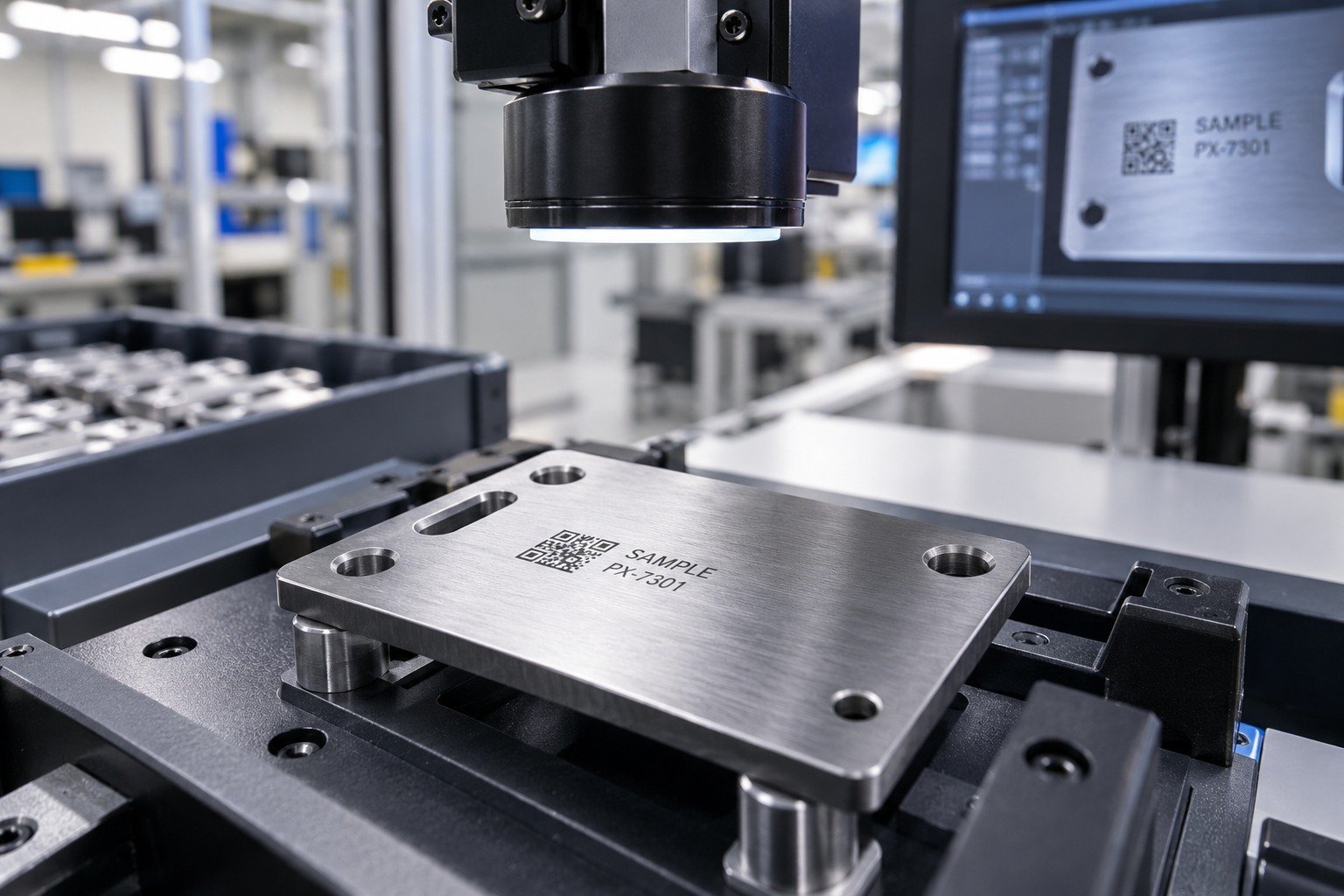
For laser engraving nameplates, separate fixed artwork from fields that change by part, lot or order.
| Your function | Plate layout, mounting holes and reading direction. |
|---|---|
| Your condition | Substrate, coating, surface color and plate thickness. |
| Your order | Trial parts, first order, repeat quantities and data responsibility. |
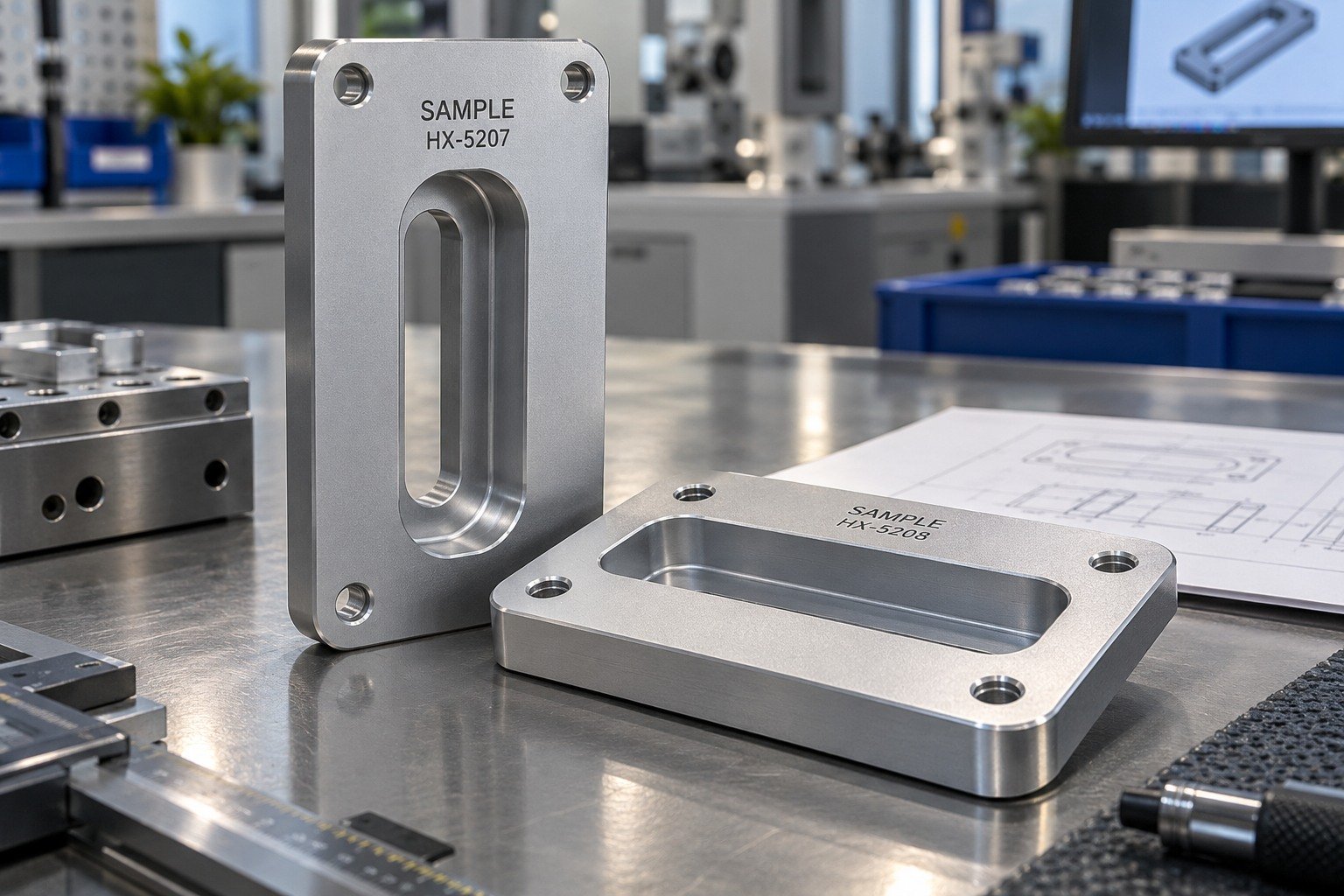
Metal laser engraving services require review of the actual plate and desired contrast. Agree the route and first-part sample before releasing a batch of labels.
| Your substrate | Exact grade, coating, prior treatment and delivered surface. |
|---|---|
| Your system | Method, mark contrast, depth if specified and downstream treatment. |
| Your evidence | Approved marked sample, required reading method and release records. |
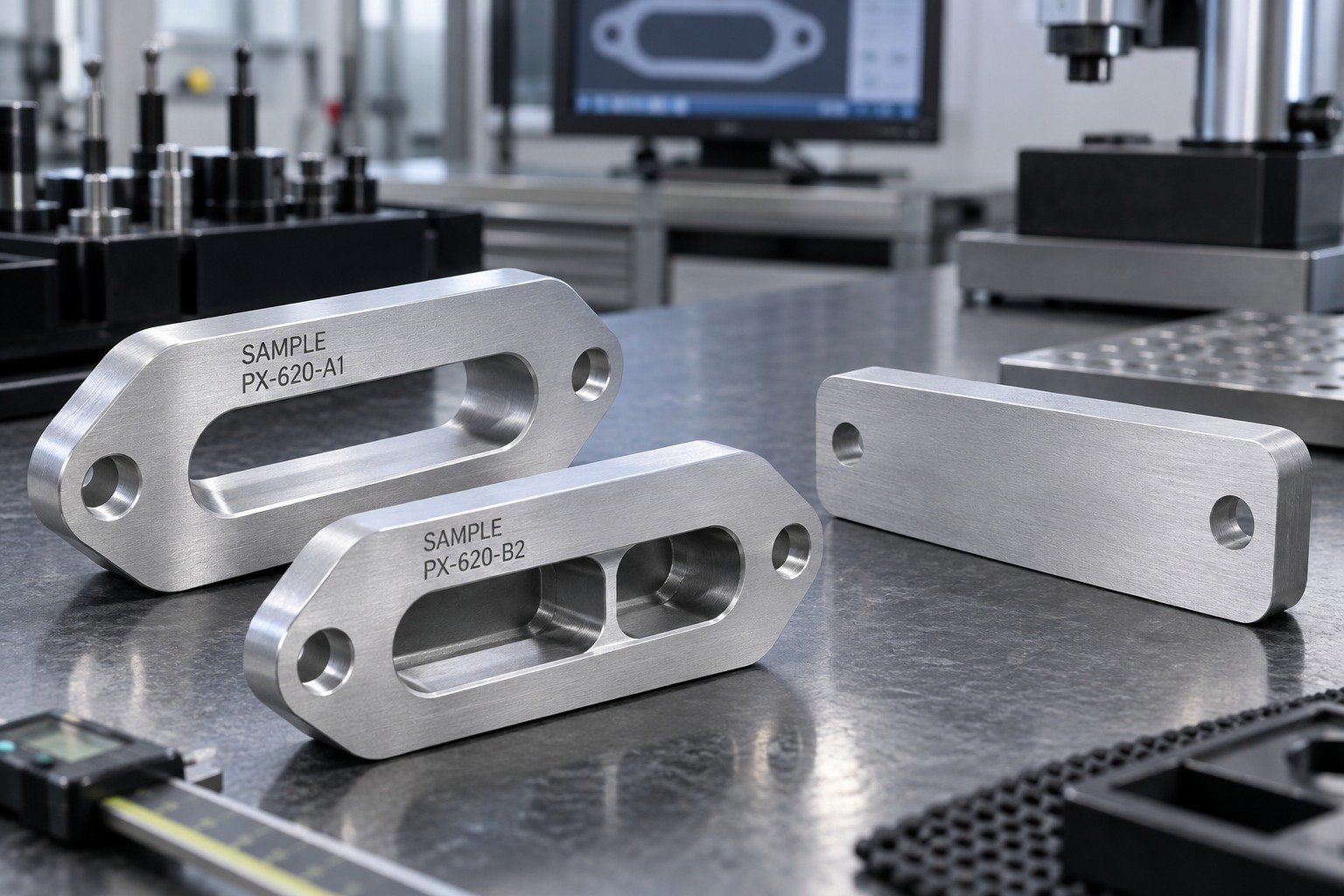
Supply controlled artwork and a field list. Define the exact text, layout revision and who checks variable data.
| Your drawing | Plate layout, mounting holes and reading direction. |
|---|---|
| Your boundaries | Controlled artwork, location, orientation and keep-out zones. |
| Your agreement | Marking area, datums, orientation and excluded functional surfaces. |
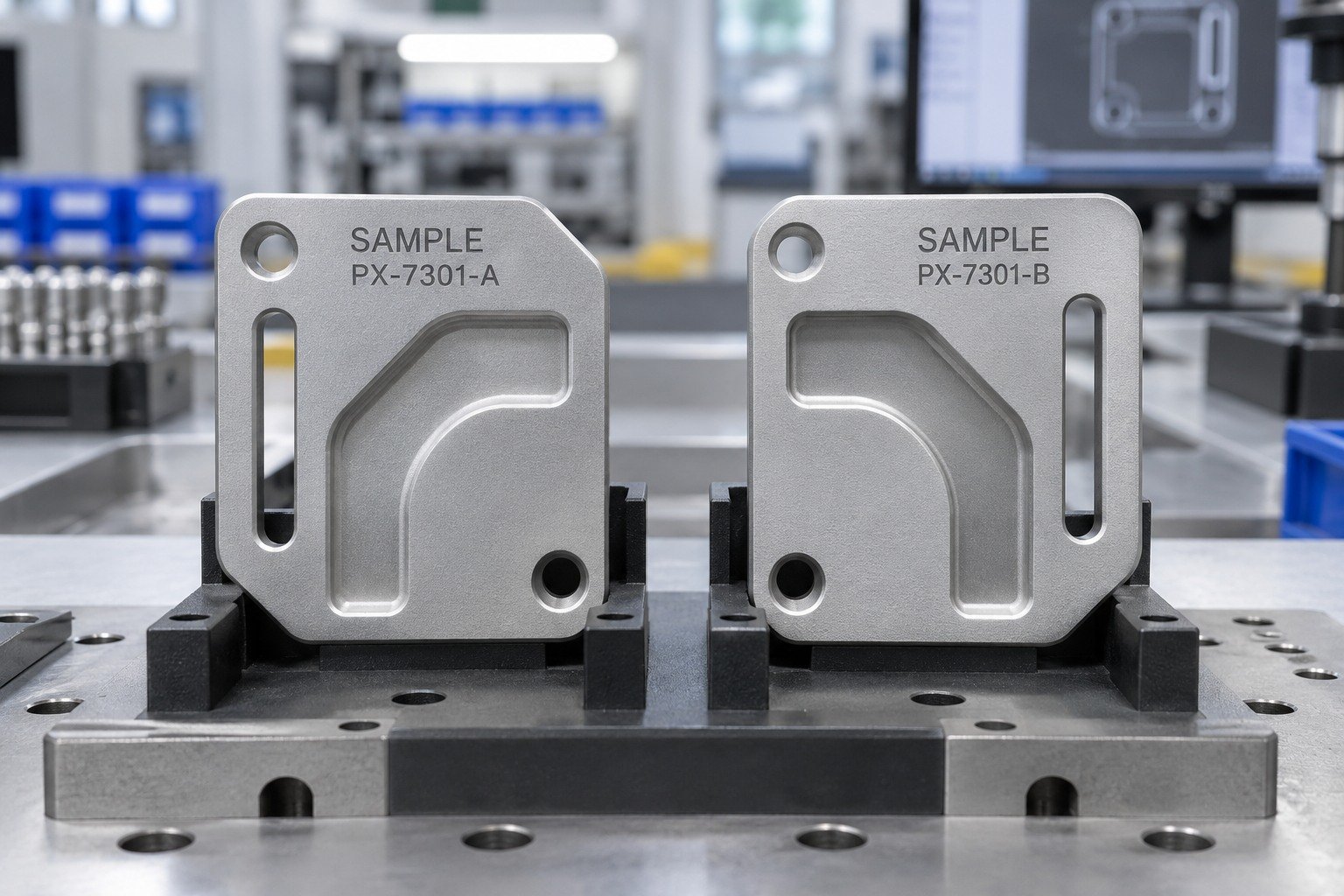
Approve the actual marked sample for your nameplates & tags. Check content, location, orientation and required reading performance, then verify any specified downstream-treatment or durability evidence.
| Your final fit | Plate layout, mounting holes and reading direction. |
|---|---|
| Your condition | Substrate, coating, surface color and plate thickness. |
| Your records | Drawing revision, artwork revision, variable-data records and inspection. |
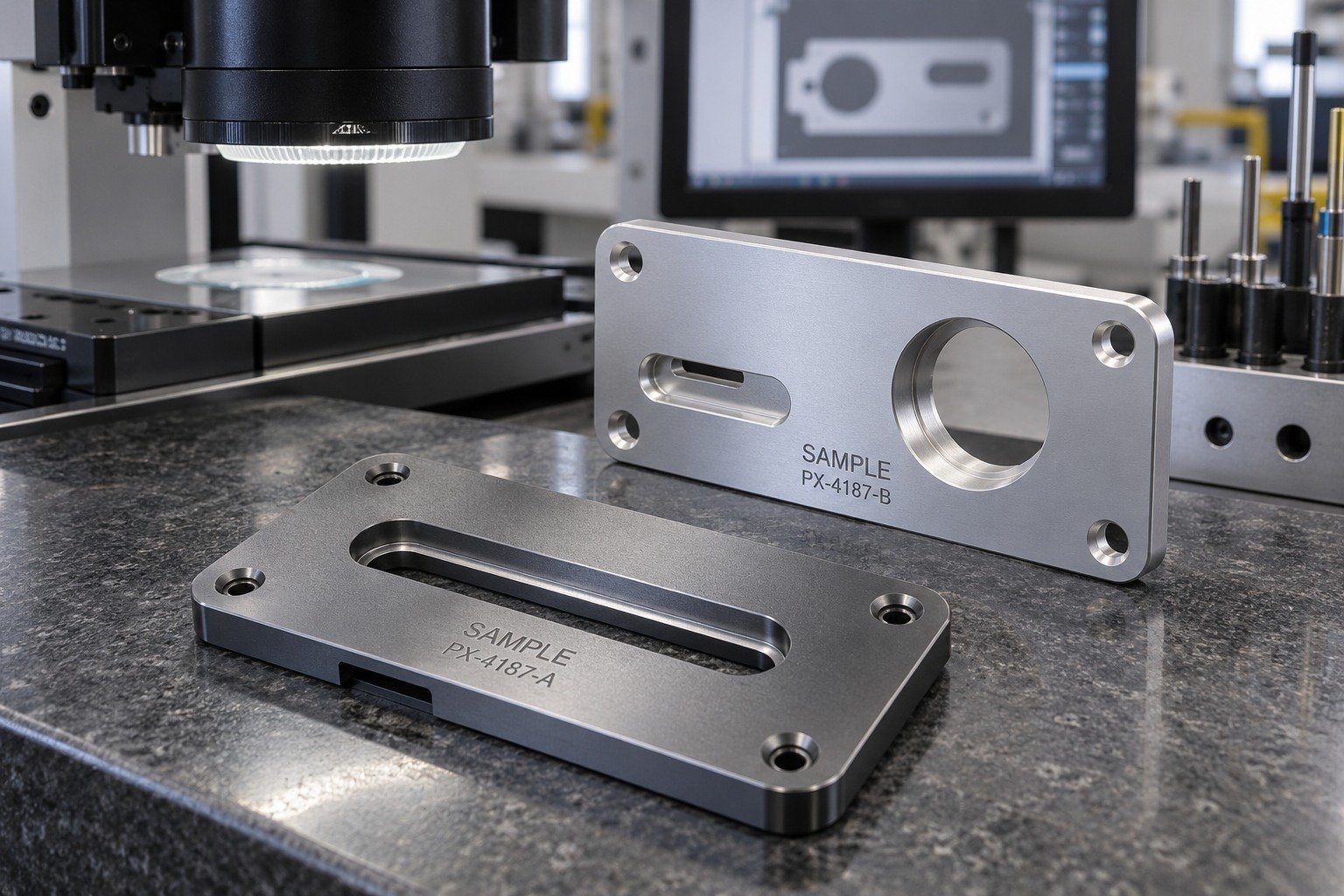
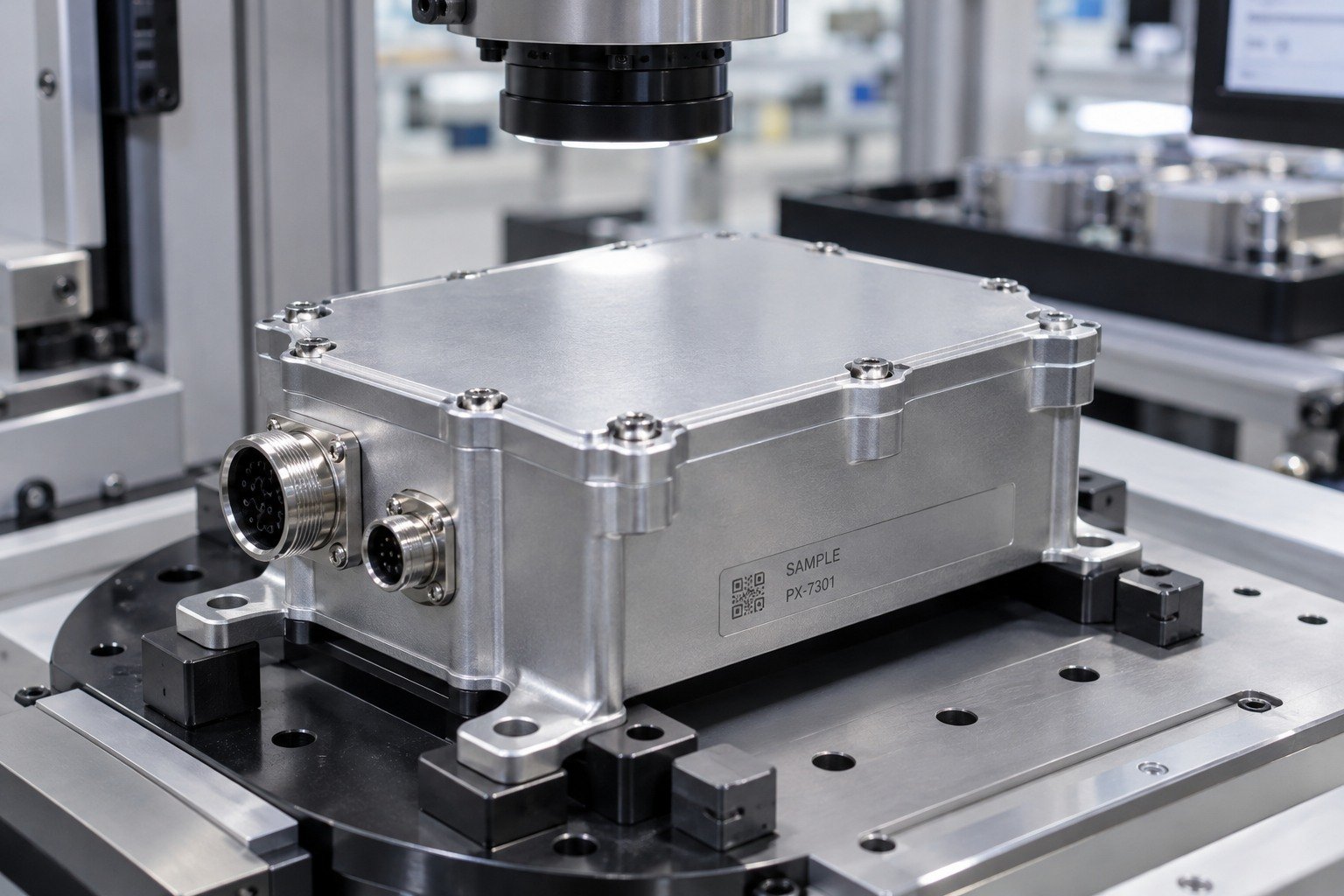
For laser engraving enclosures, review installed visibility, adjoining parts and the finish sequence.
| Your function | Visible face, installed view and clearance to other features. |
|---|---|
| Your condition | Alloy or polymer grade, coating and surface texture. |
| Your order | Trial parts, first order, repeat quantities and data responsibility. |
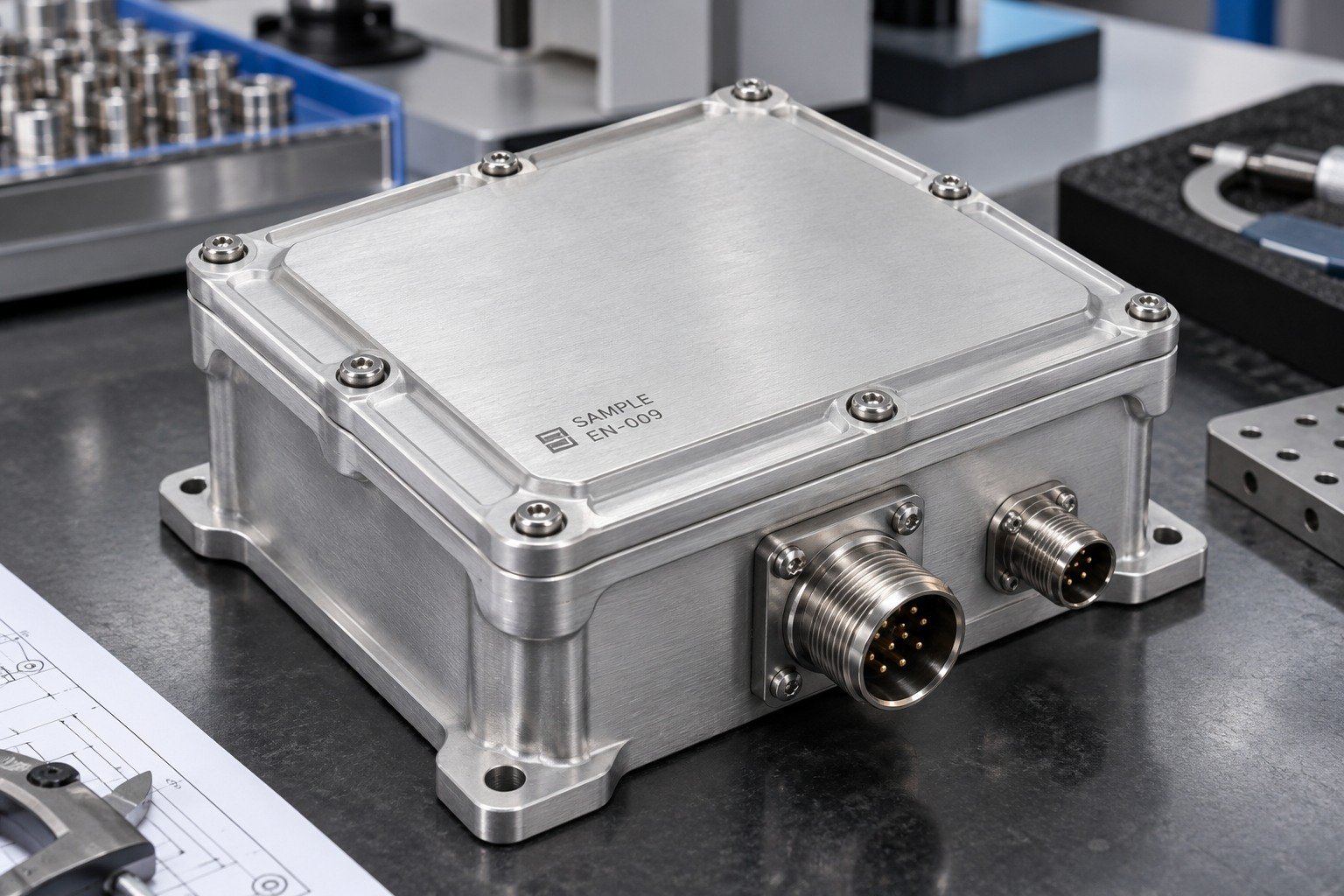
Review laser marking after anodizing against the coating, color and required result. Anodized aluminum laser engraving needs sample approval for the actual finish, rather than a generic contrast promise.
| Your substrate | Exact grade, coating, prior treatment and delivered surface. |
|---|---|
| Your system | Method, mark contrast, depth if specified and downstream treatment. |
| Your evidence | Approved marked sample, required reading method and release records. |
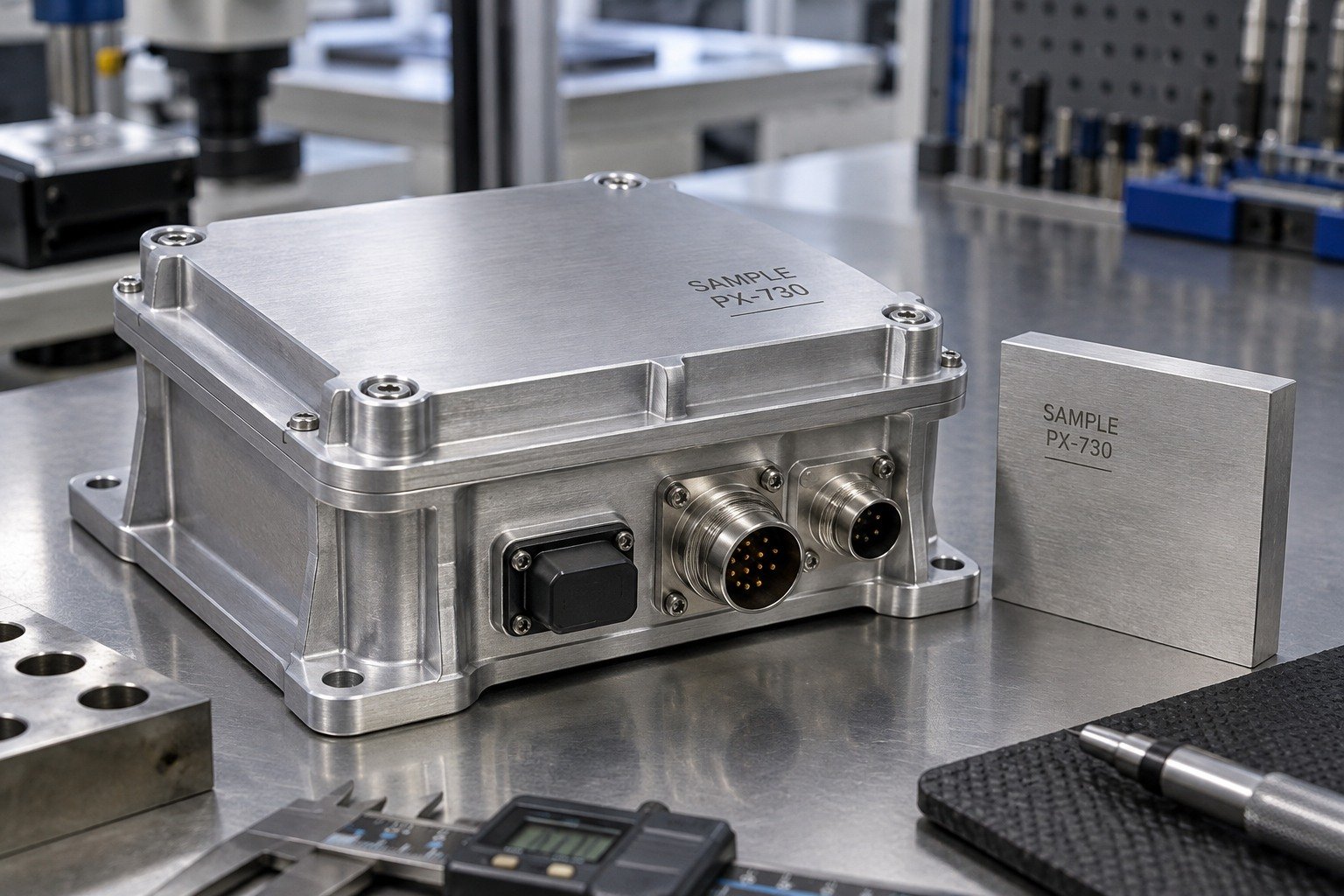
Show the marking zone and orientation in the installed view. Keep artwork clear of bends, openings, seal tracks and cosmetic transitions.
| Your drawing | Visible face, installed view and clearance to other features. |
|---|---|
| Your boundaries | Controlled artwork, location, orientation and keep-out zones. |
| Your agreement | Marking area, datums, orientation and excluded functional surfaces. |
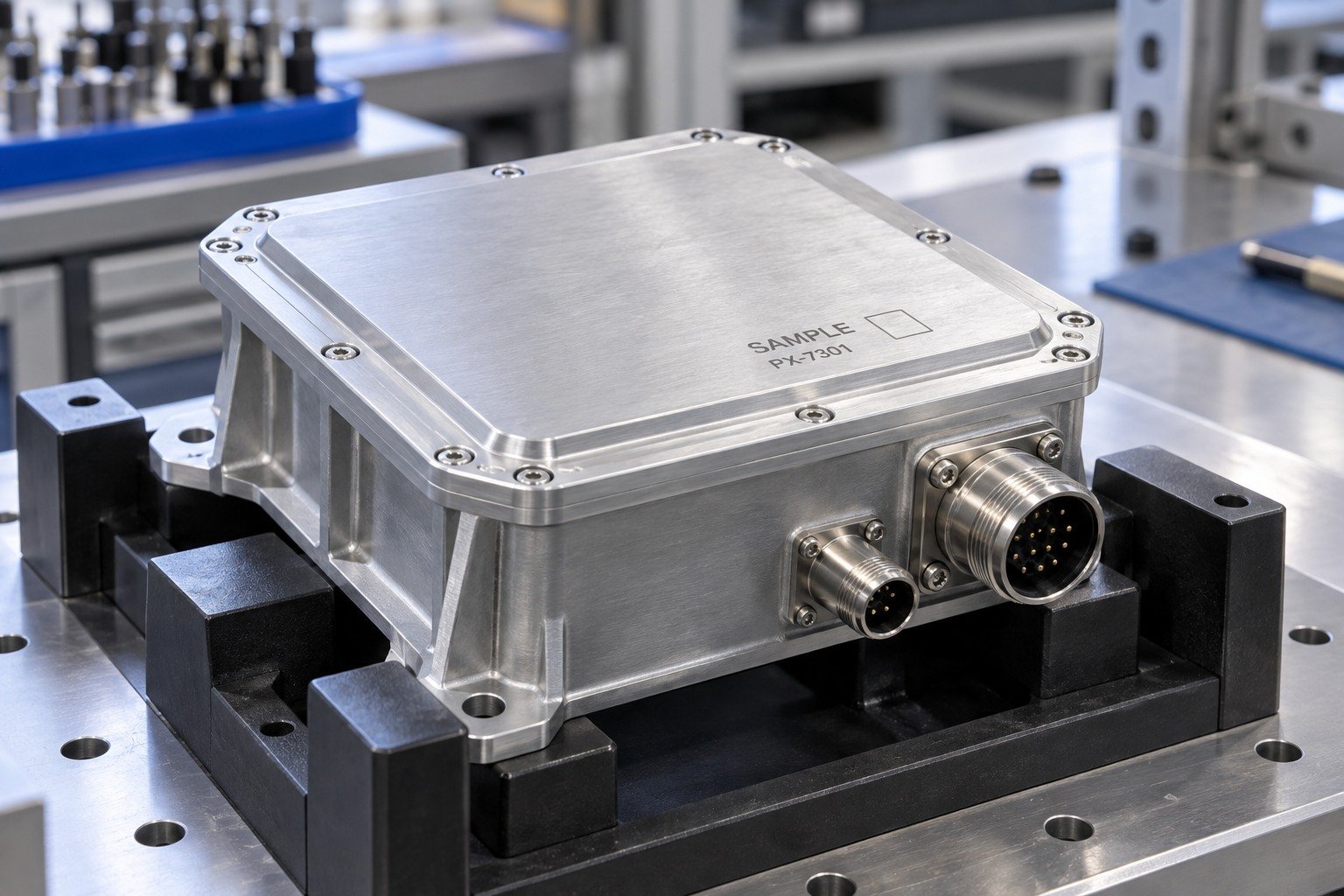
Approve the actual marked sample for your enclosures & covers. Check content, location, orientation and required reading performance, then verify any specified downstream-treatment or durability evidence.
| Your final fit | Visible face, installed view and clearance to other features. |
|---|---|
| Your condition | Alloy or polymer grade, coating and surface texture. |
| Your records | Drawing revision, artwork revision, variable-data records and inspection. |
For custom laser engraving services on collars or sleeves, show the accessible diameter and how the mark will be read.
| Your function | Marked band, angular orientation and assembly datums. |
|---|---|
| Your condition | Grade, surface texture and cylindrical geometry. |
| Your order | Trial parts, first order, repeat quantities and data responsibility. |
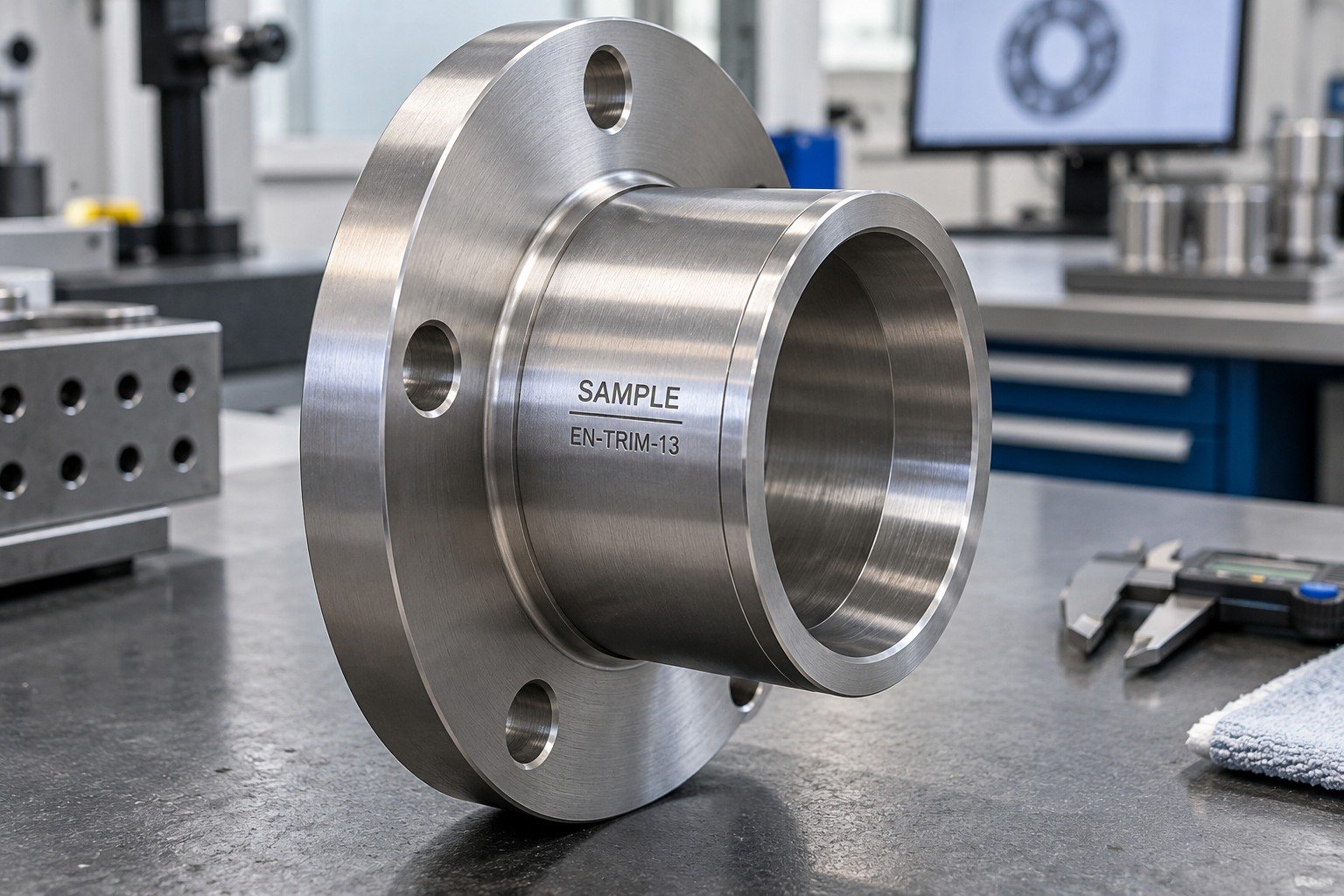
Curvature, access and fixture location affect the review. Confirm the available route for your actual part; a flat sample does not prove an equivalent mark on every curved face.
| Your substrate | Exact grade, coating, prior treatment and delivered surface. |
|---|---|
| Your system | Method, mark contrast, depth if specified and downstream treatment. |
| Your evidence | Approved marked sample, required reading method and release records. |
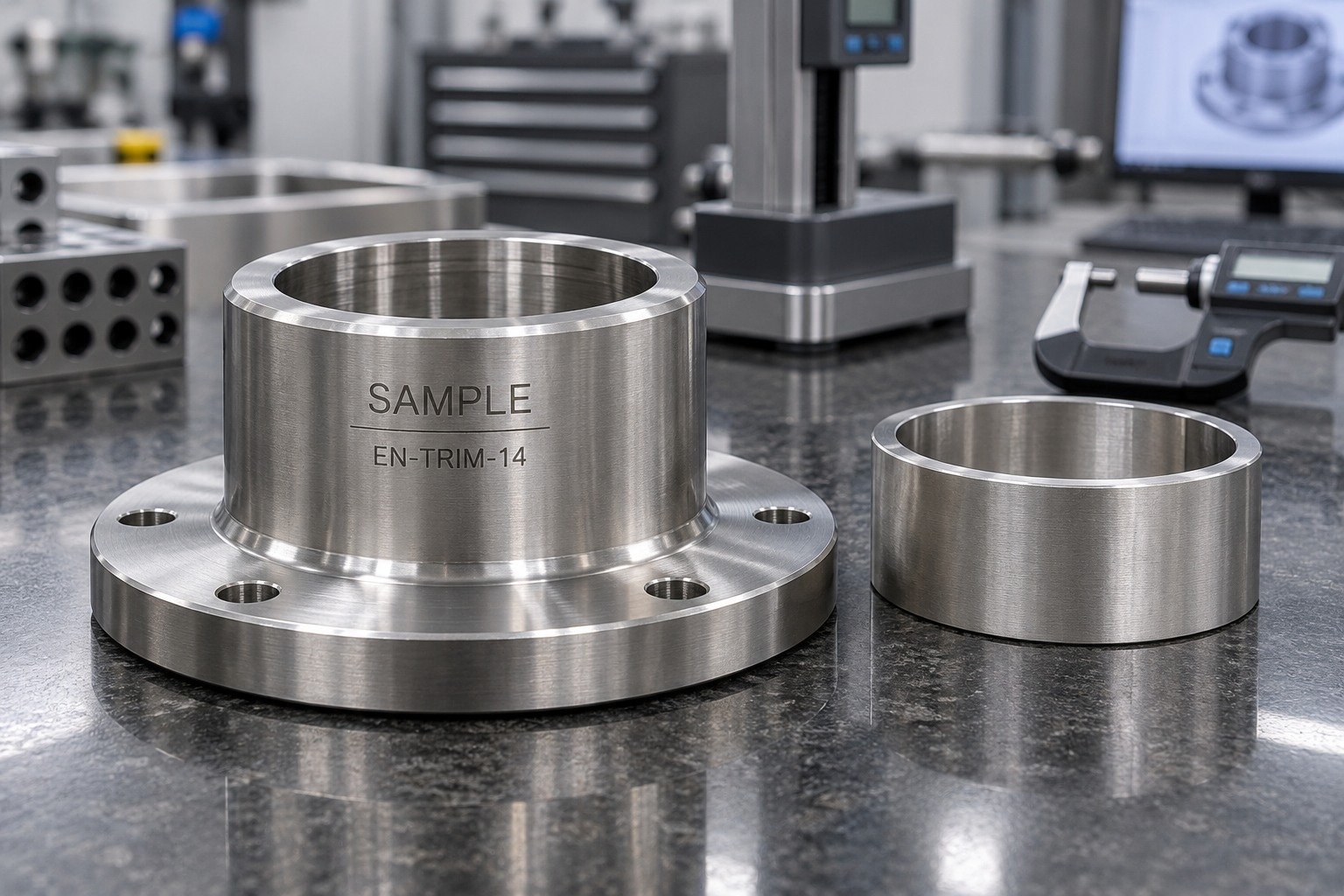
Define an angular datum or orientation feature when it matters. Review the required mark area without assuming unlimited wraparound access.
| Your drawing | Marked band, angular orientation and assembly datums. |
|---|---|
| Your boundaries | Controlled artwork, location, orientation and keep-out zones. |
| Your agreement | Marking area, datums, orientation and excluded functional surfaces. |
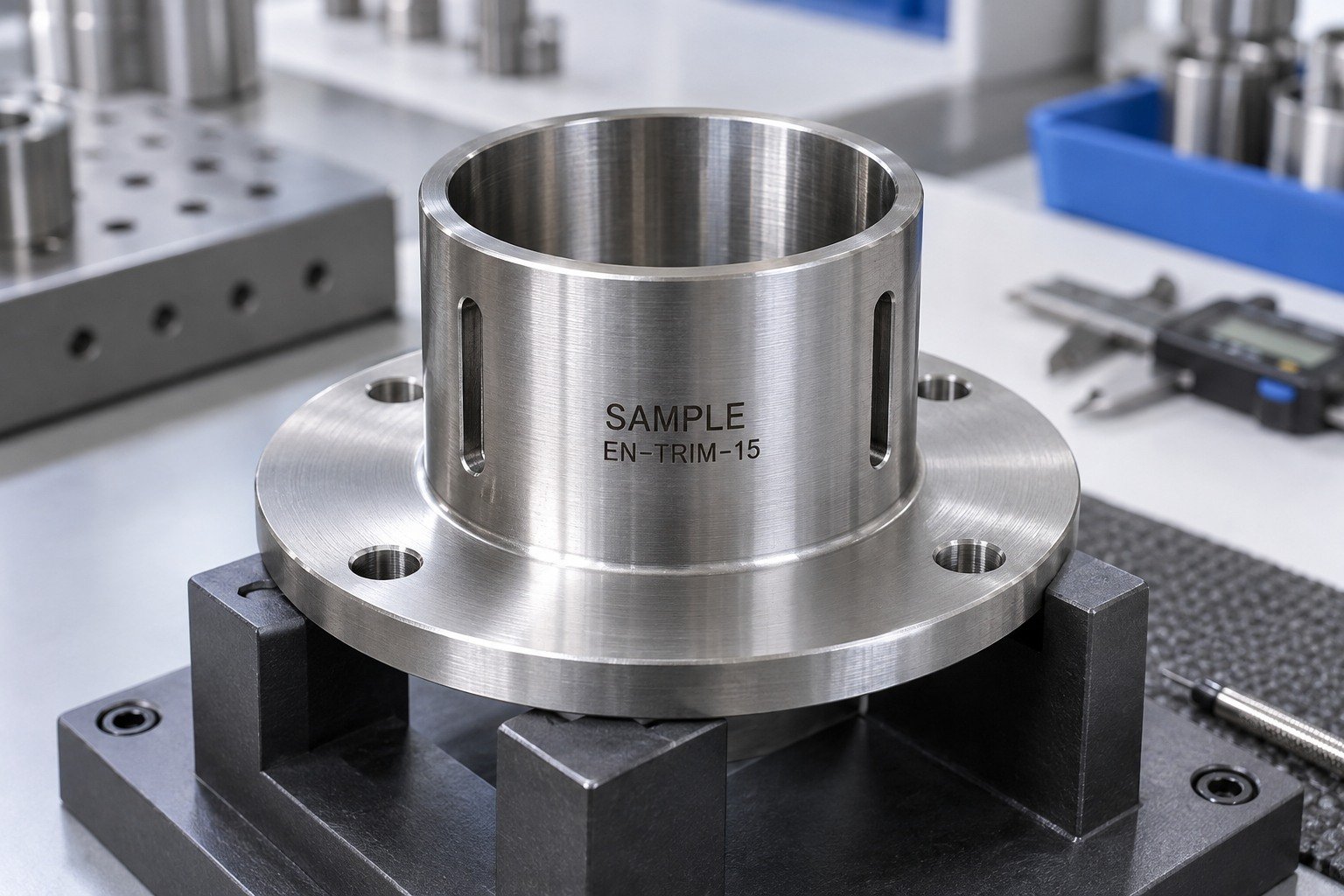
Approve the actual marked sample for your cylindrical parts. Check content, location, orientation and required reading performance, then verify any specified downstream-treatment or durability evidence.
| Your final fit | Marked band, angular orientation and assembly datums. |
|---|---|
| Your condition | Grade, surface texture and cylindrical geometry. |
| Your records | Drawing revision, artwork revision, variable-data records and inspection. |
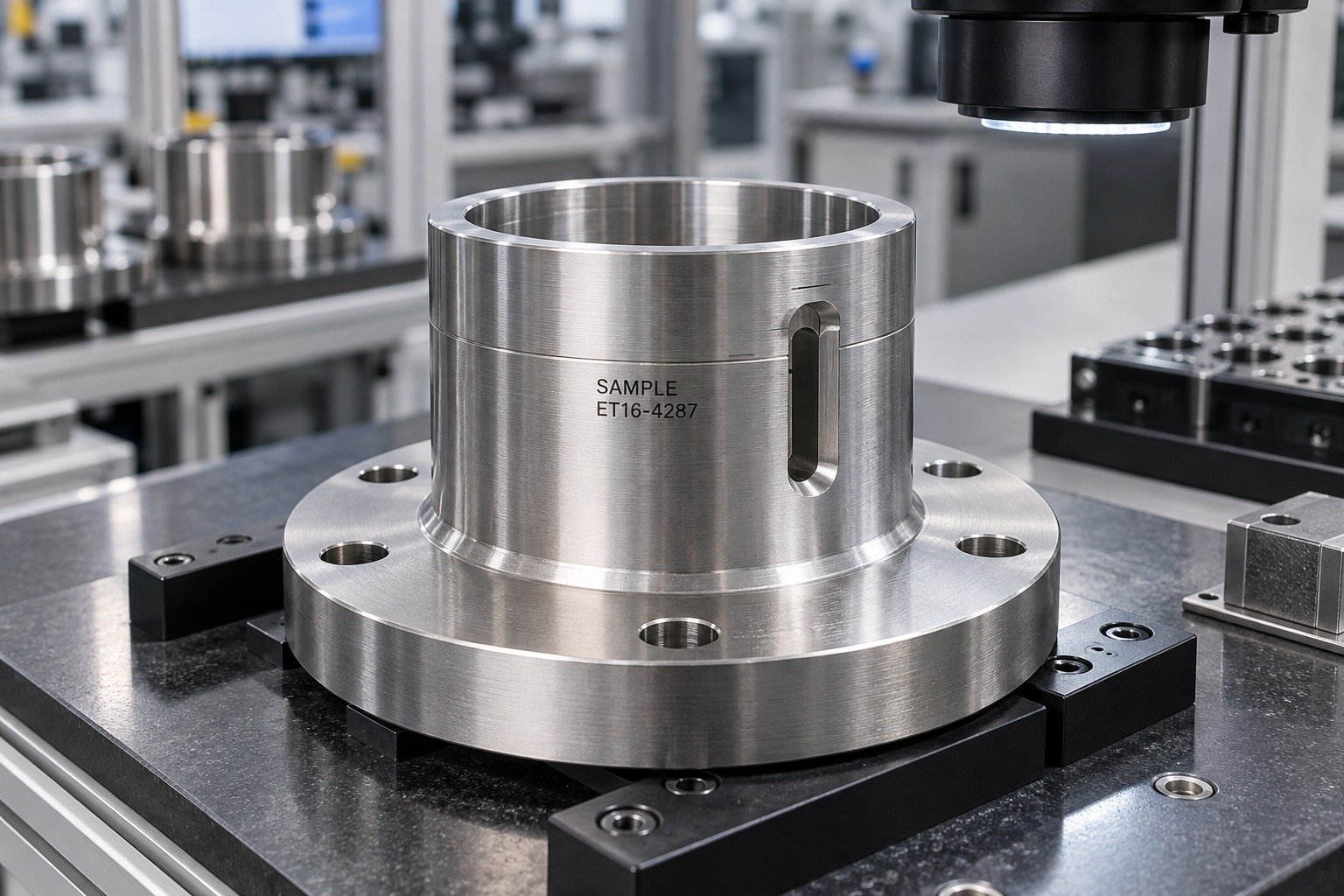
Serial number laser engraving requires a controlled sequence, responsibility for source data and a plan for rejected parts.
| Your function | Serial format, location and part-to-data association. |
|---|---|
| Your condition | Material, delivered finish and agreed marked sample. |
| Your order | Trial parts, first order, repeat quantities and data responsibility. |
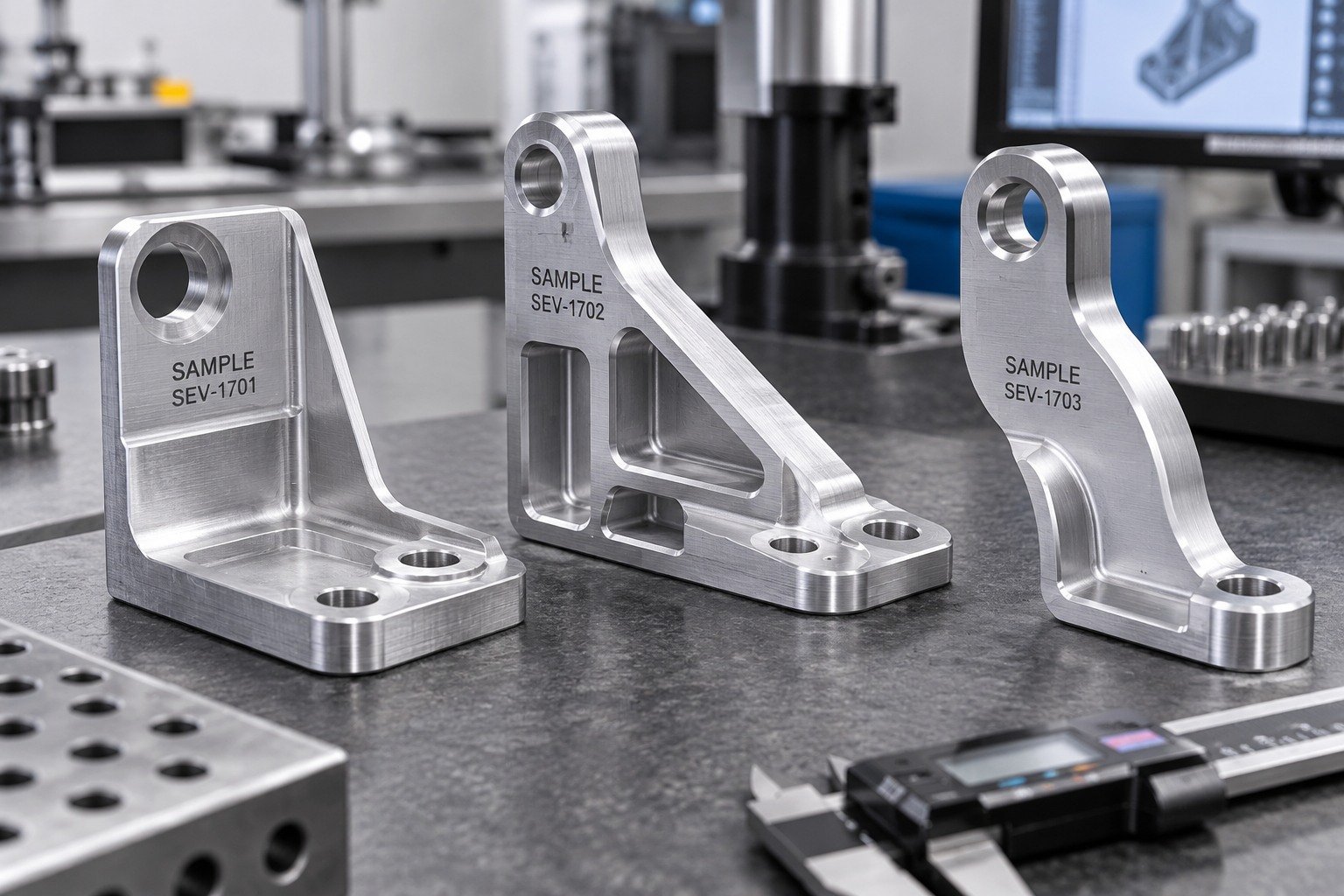
Contract laser marking should define fixed and variable fields, file revisions, duplicate prevention and release records. A mark alone does not establish a complete traceability system.
| Your substrate | Exact grade, coating, prior treatment and delivered surface. |
|---|---|
| Your system | Method, mark contrast, depth if specified and downstream treatment. |
| Your evidence | Approved marked sample, required reading method and release records. |
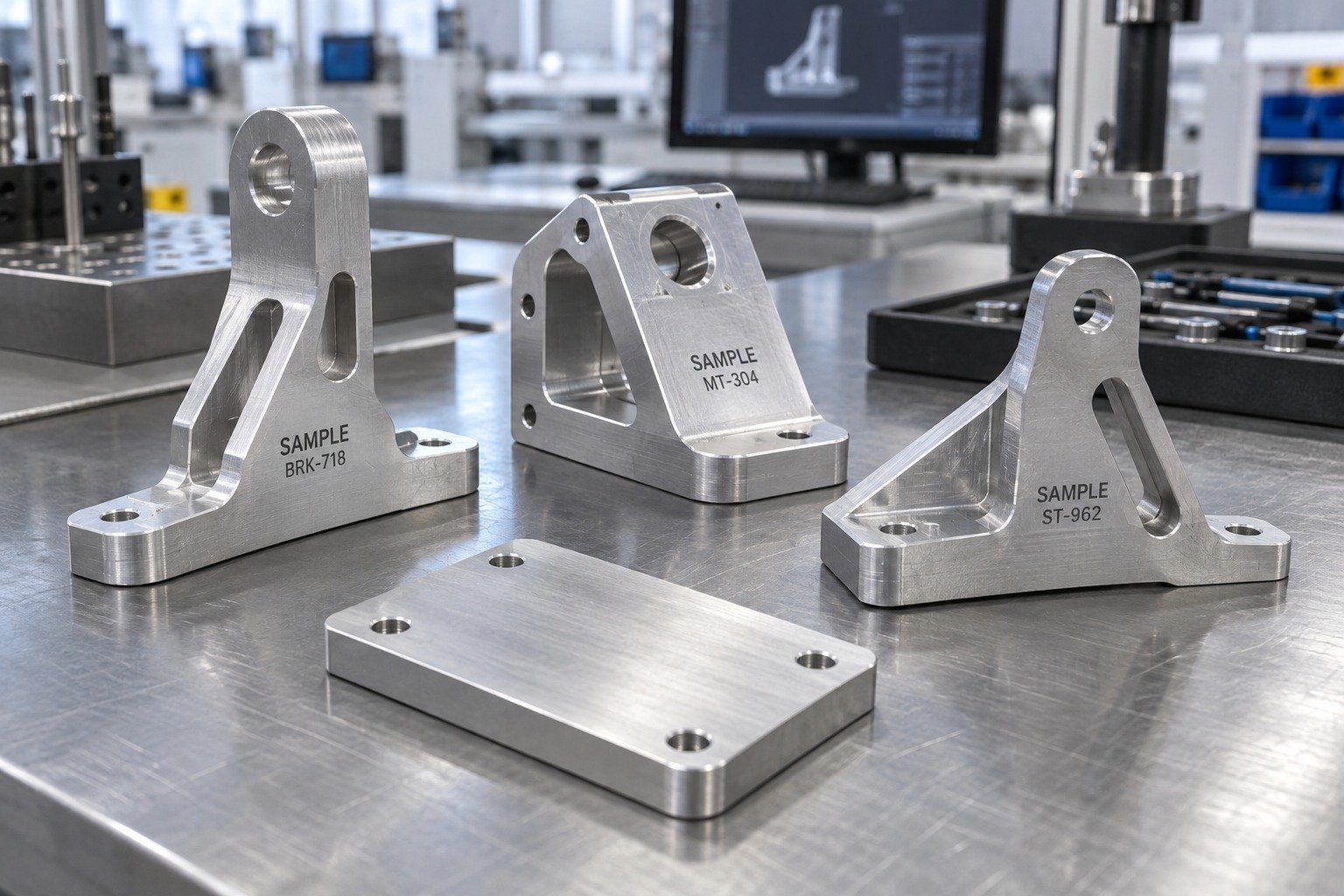
Provide the approved data file and numbering rules. Agree how missing numbers, rework and rejected parts will be recorded.
| Your drawing | Serial format, location and part-to-data association. |
|---|---|
| Your boundaries | Controlled artwork, location, orientation and keep-out zones. |
| Your agreement | Marking area, datums, orientation and excluded functional surfaces. |
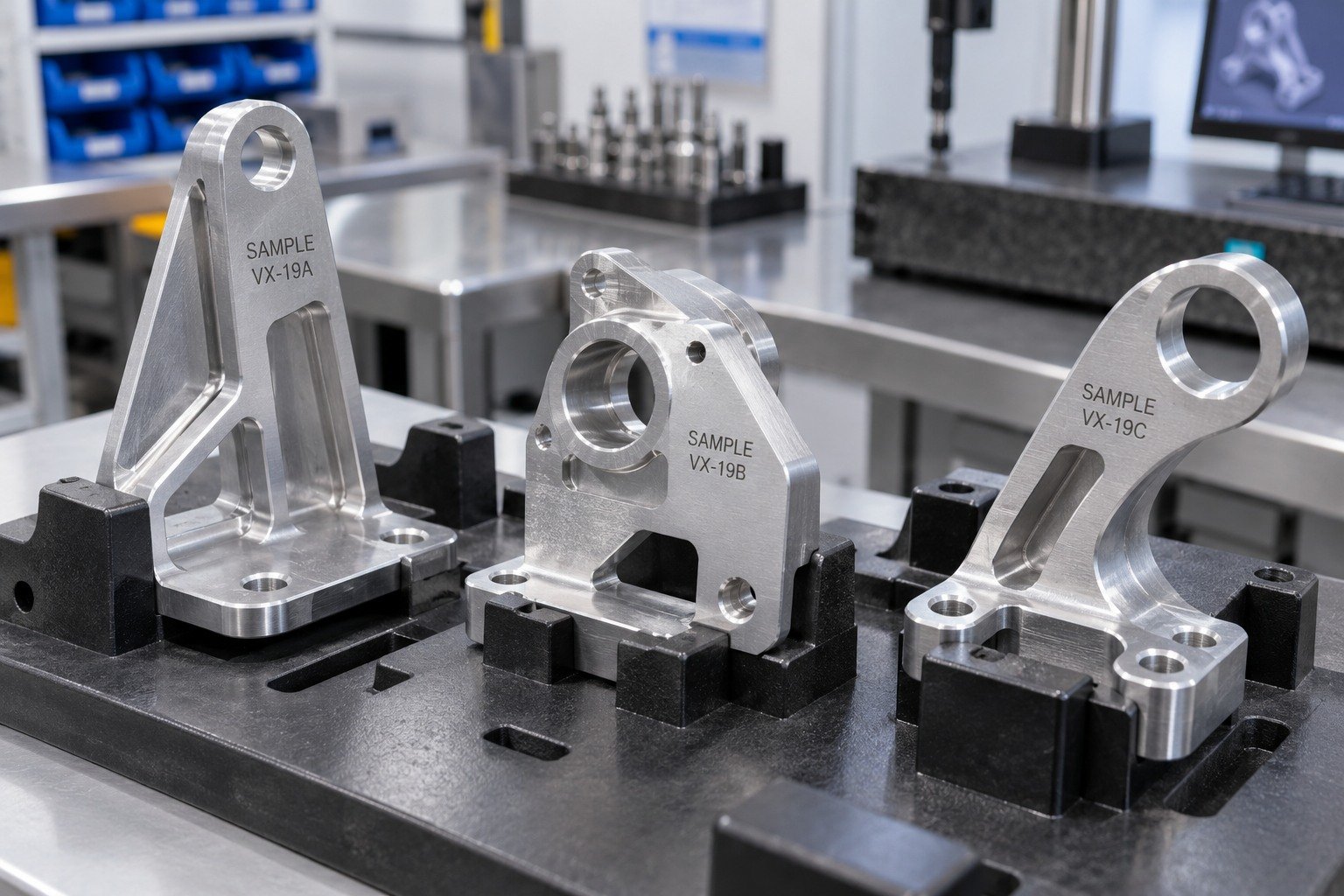
Approve the actual marked sample for your serial identification. Check content, location, orientation and required reading performance, then verify any specified downstream-treatment or durability evidence.
| Your final fit | Serial format, location and part-to-data association. |
|---|---|
| Your condition | Material, delivered finish and agreed marked sample. |
| Your records | Drawing revision, artwork revision, variable-data records and inspection. |
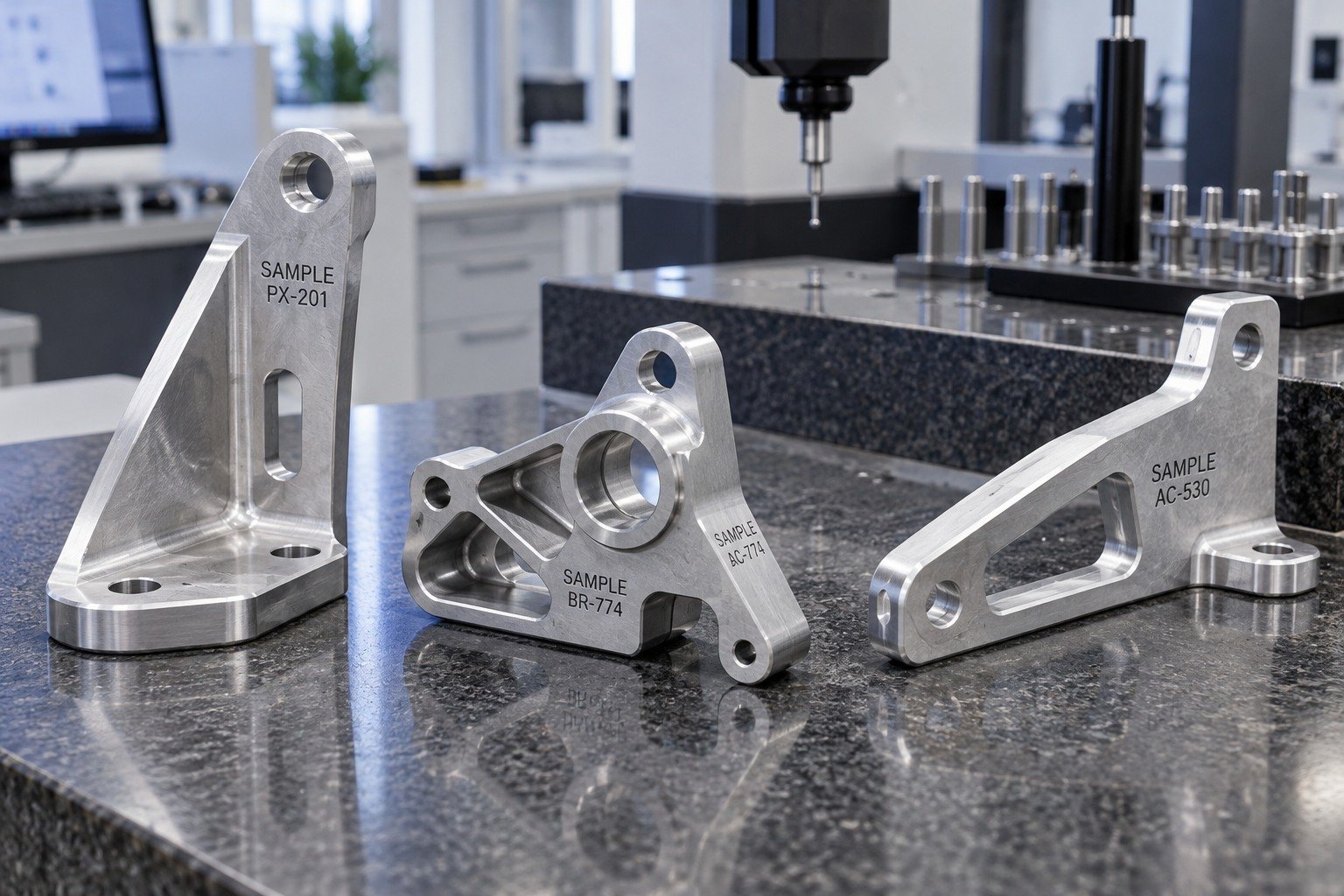
For barcode laser marking, data matrix laser marking or qr code laser engraving, specify the information, space and actual reading or verification requirement.
| Your function | Symbol area, orientation, quiet zones and reading access. |
|---|---|
| Your condition | Substrate, contrast, curvature and final surface. |
| Your order | Trial parts, first order, repeat quantities and data responsibility. |
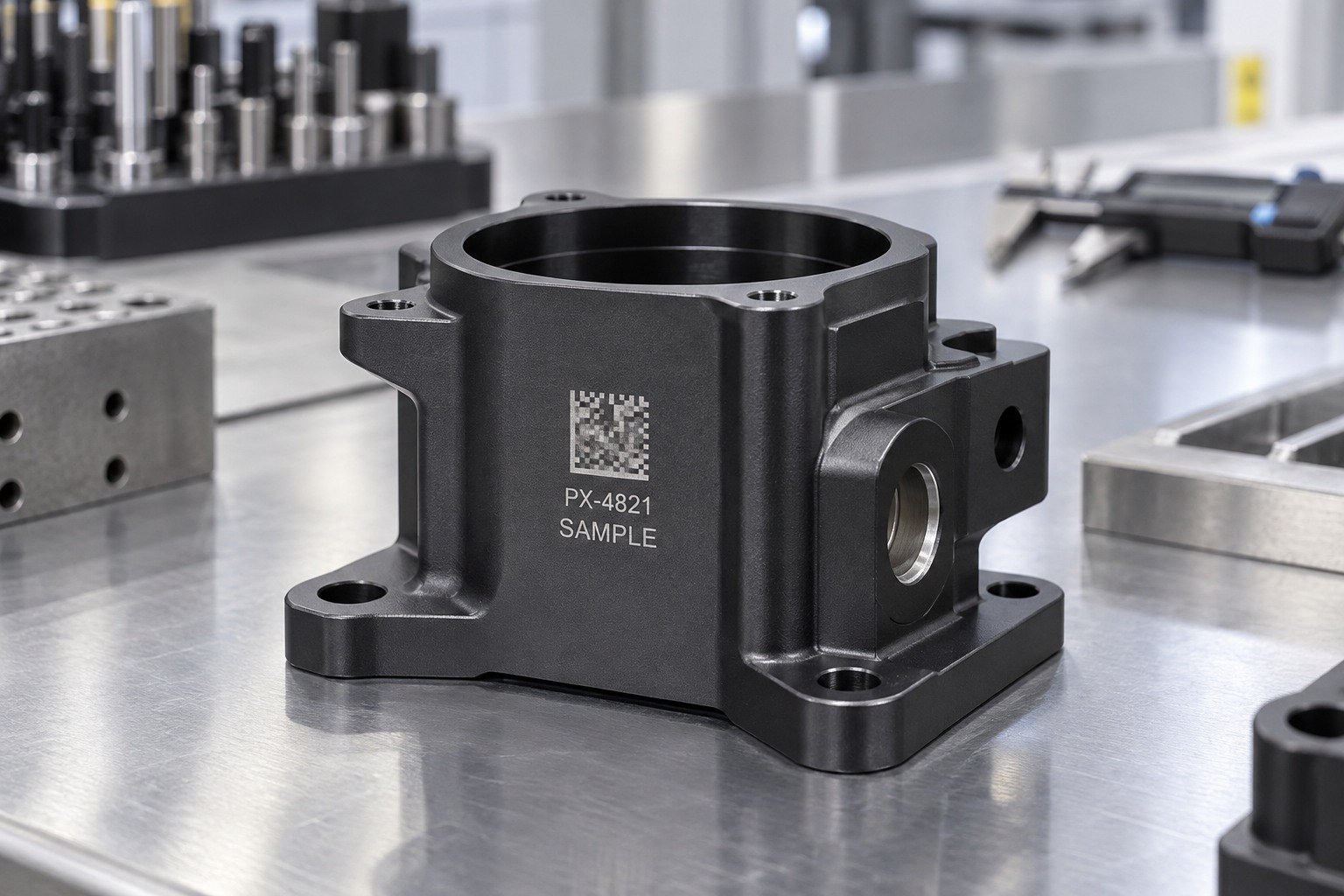
A photograph or successful read on one device is not a verified code grade. Agree the symbology, data, required verification method and any acceptance standard before production.
| Your substrate | Exact grade, coating, prior treatment and delivered surface. |
|---|---|
| Your system | Method, mark contrast, depth if specified and downstream treatment. |
| Your evidence | Approved marked sample, required reading method and release records. |
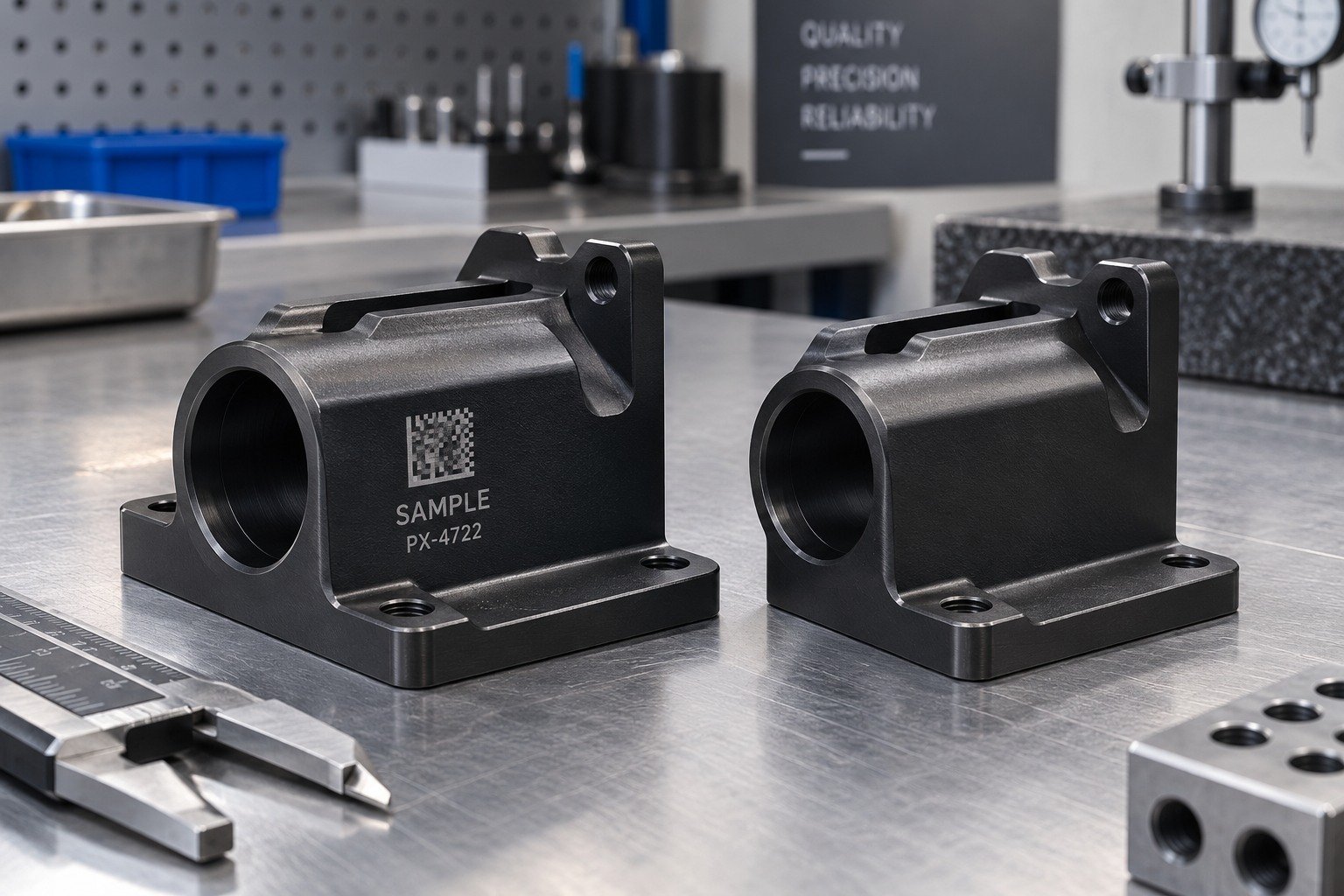
Supply the required encoded content and controlled layout. Review the available area and keep-out zones; do not shrink a code without approving the result.
| Your drawing | Symbol area, orientation, quiet zones and reading access. |
|---|---|
| Your boundaries | Controlled artwork, location, orientation and keep-out zones. |
| Your agreement | Marking area, datums, orientation and excluded functional surfaces. |
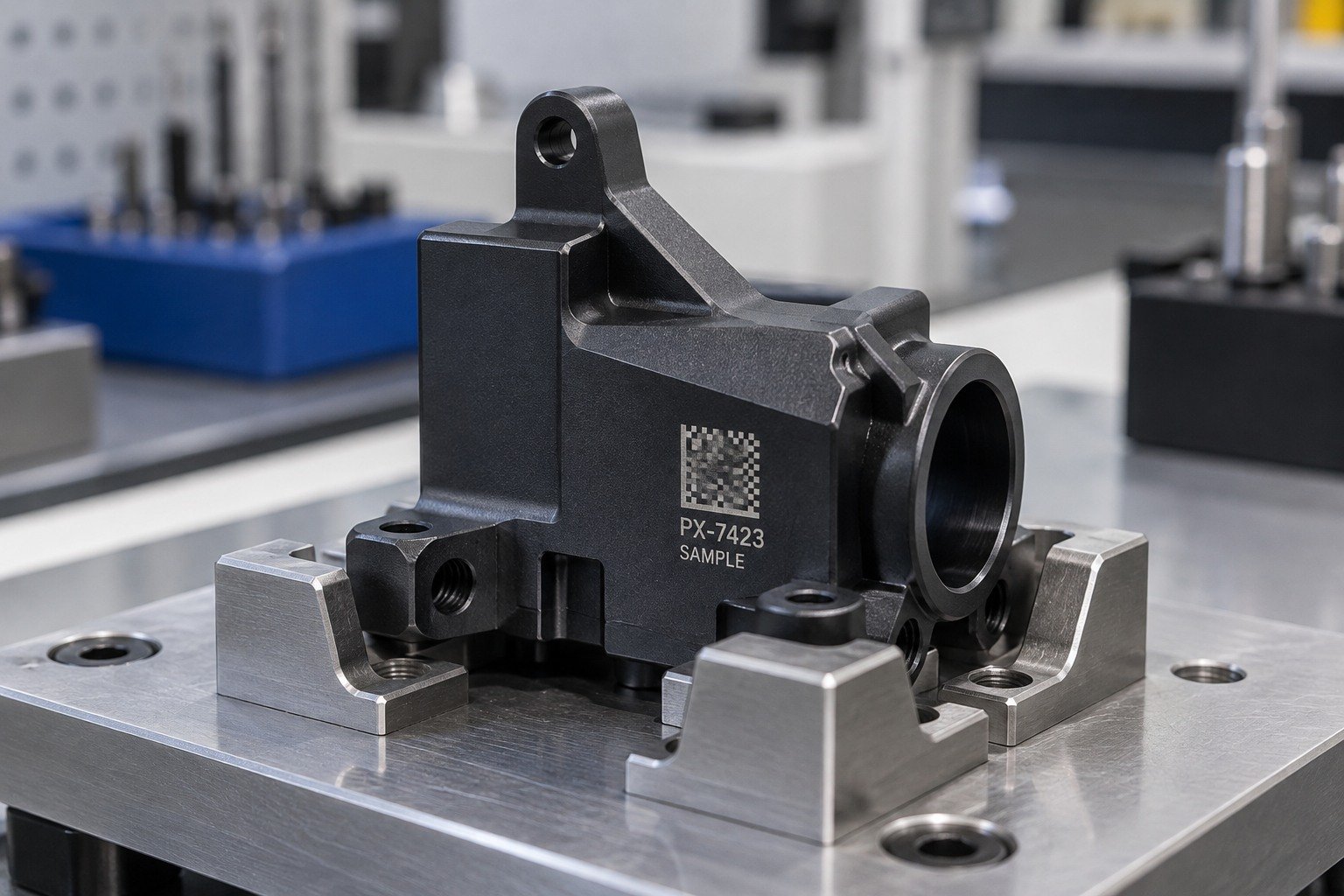
Approve the actual marked sample for your machine-readable marks. Check content, location, orientation and required reading performance, then verify any specified downstream-treatment or durability evidence.
| Your final fit | Symbol area, orientation, quiet zones and reading access. |
|---|---|
| Your condition | Substrate, contrast, curvature and final surface. |
| Your records | Drawing revision, artwork revision, variable-data records and inspection. |
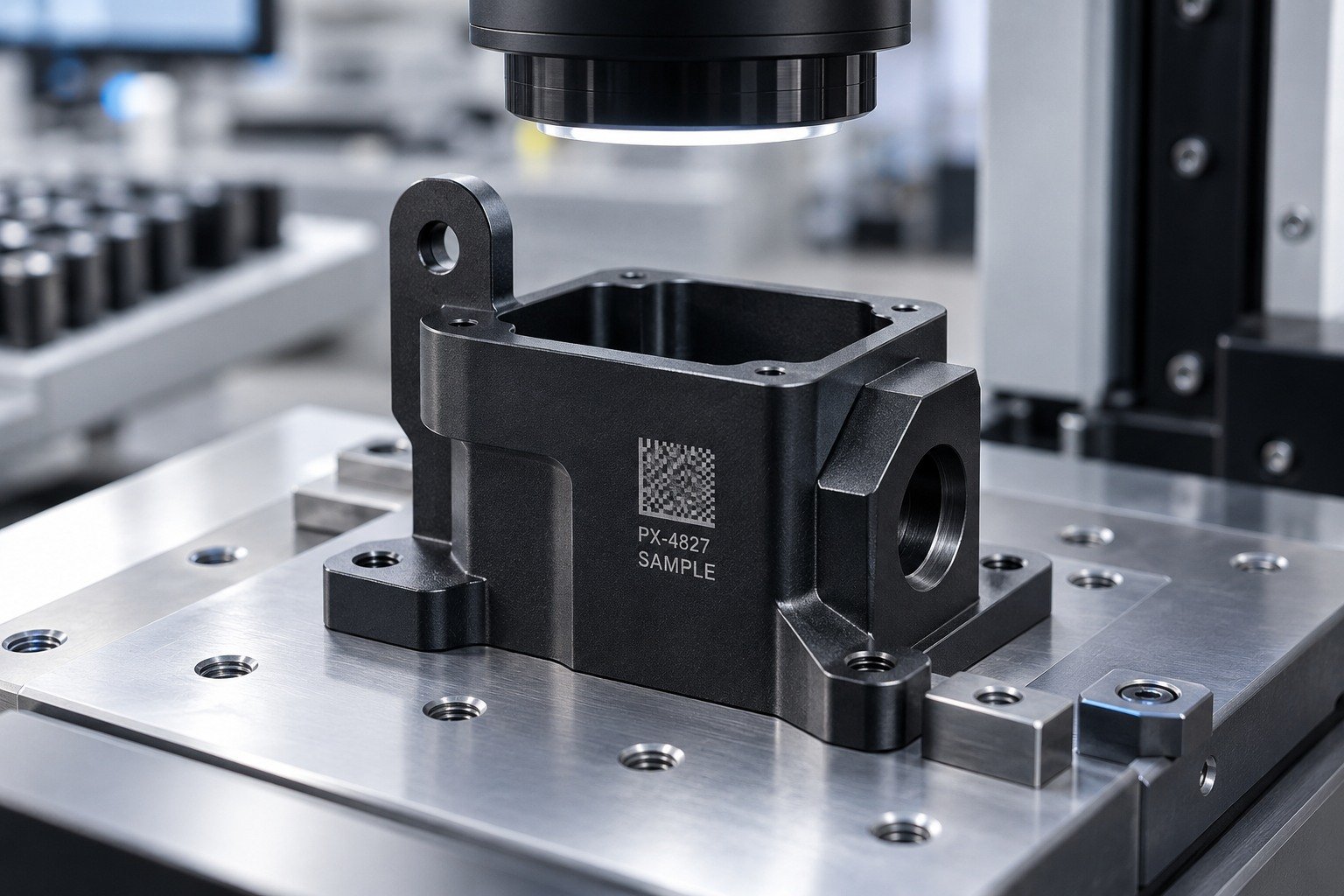
For industrial laser engraving services, send your controlled drawing, artwork and the surface that will actually be delivered.
| Your function | Your location, reading method and functional restrictions. |
|---|---|
| Your condition | Your material, surface state and downstream processing. |
| Your order | Trial parts, first order, repeat quantities and data responsibility. |
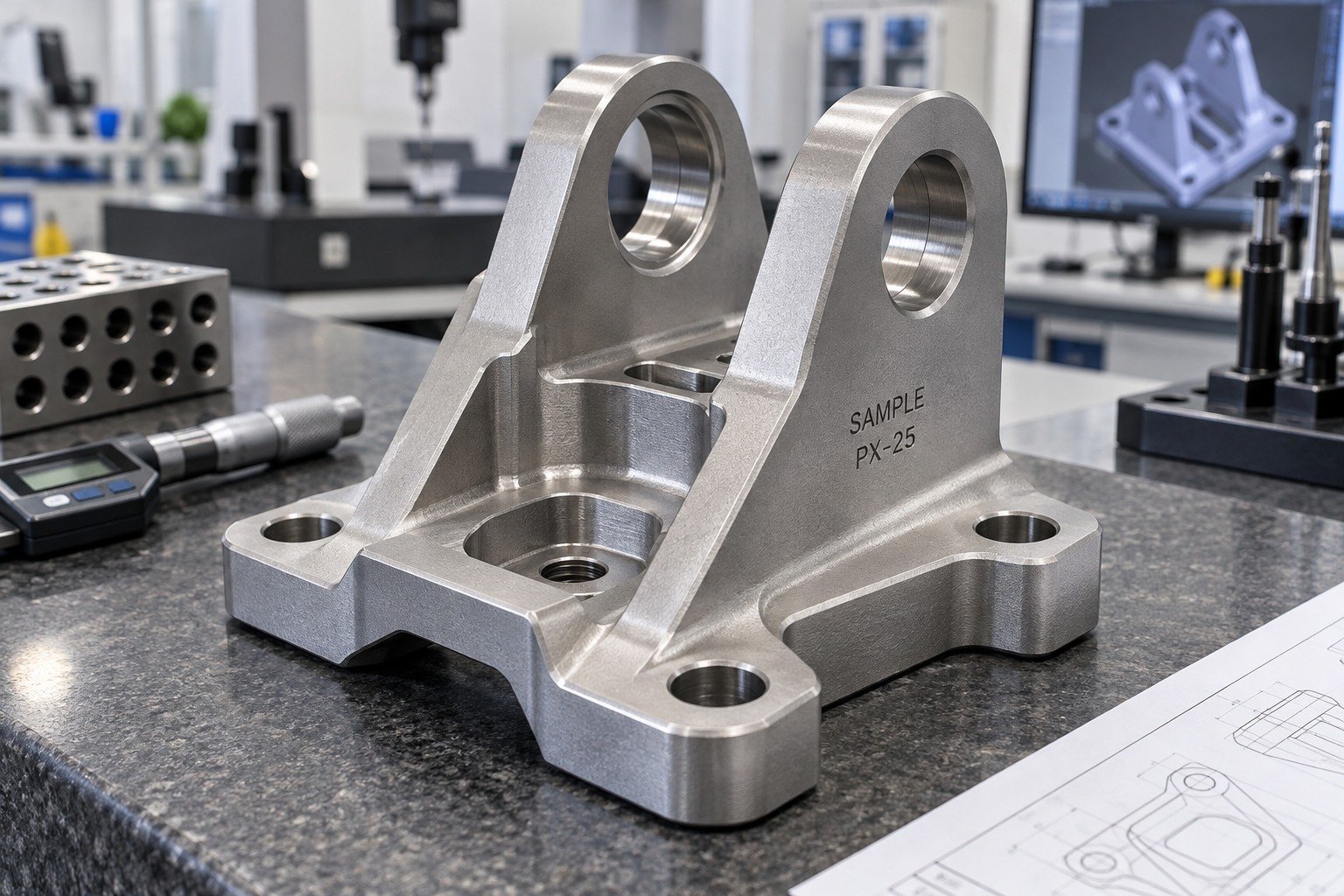
Compare a laser engraving company by the confirmed route, representative sample and acceptance records. Material names alone do not establish suitability or mark durability.
| Your substrate | Exact grade, coating, prior treatment and delivered surface. |
|---|---|
| Your system | Method, mark contrast, depth if specified and downstream treatment. |
| Your evidence | Approved marked sample, required reading method and release records. |
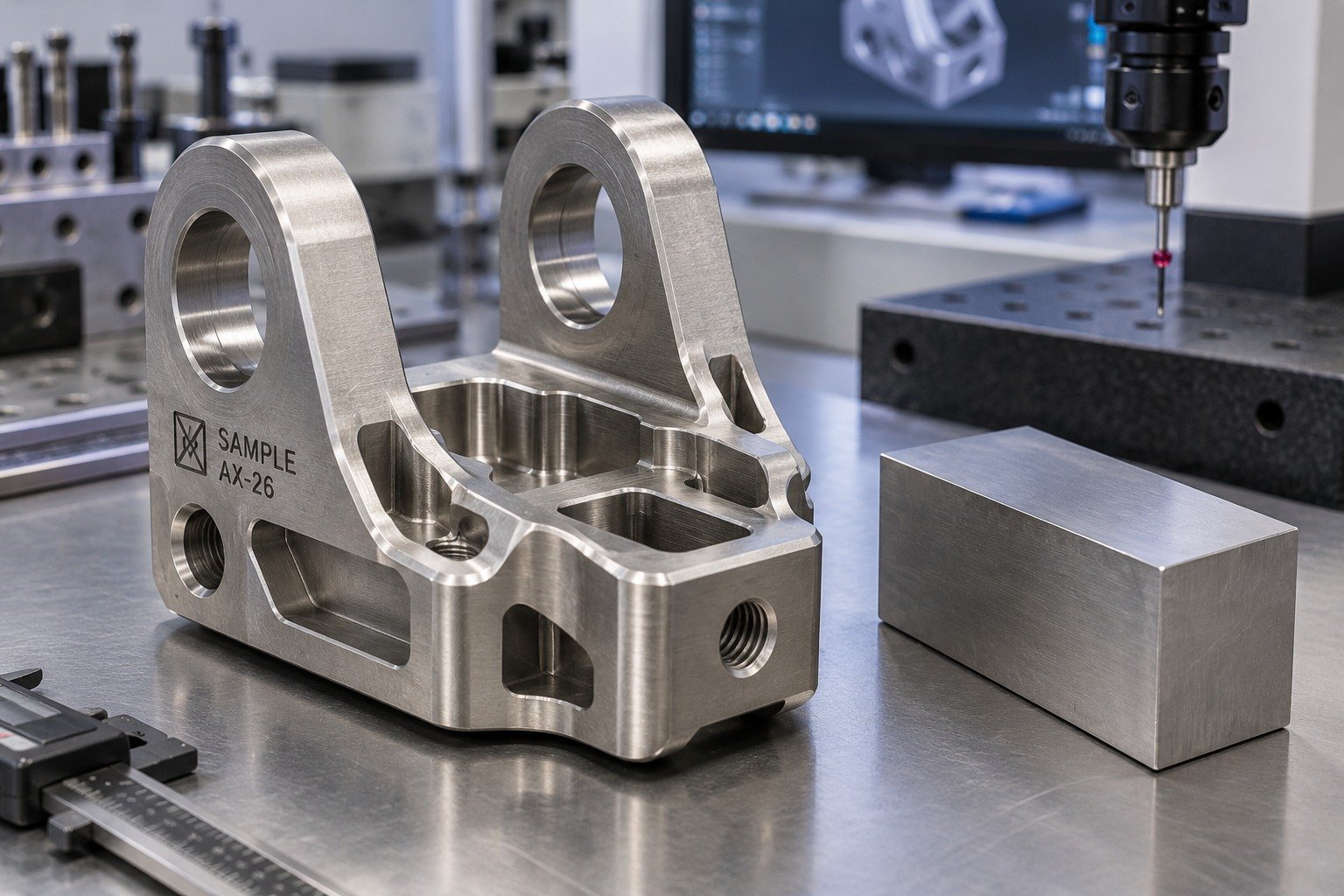
Define fixed content, variable content, orientation and exclusions. Agree the actual scope before releasing your parts.
| Your drawing | Your location, reading method and functional restrictions. |
|---|---|
| Your boundaries | Controlled artwork, location, orientation and keep-out zones. |
| Your agreement | Marking area, datums, orientation and excluded functional surfaces. |
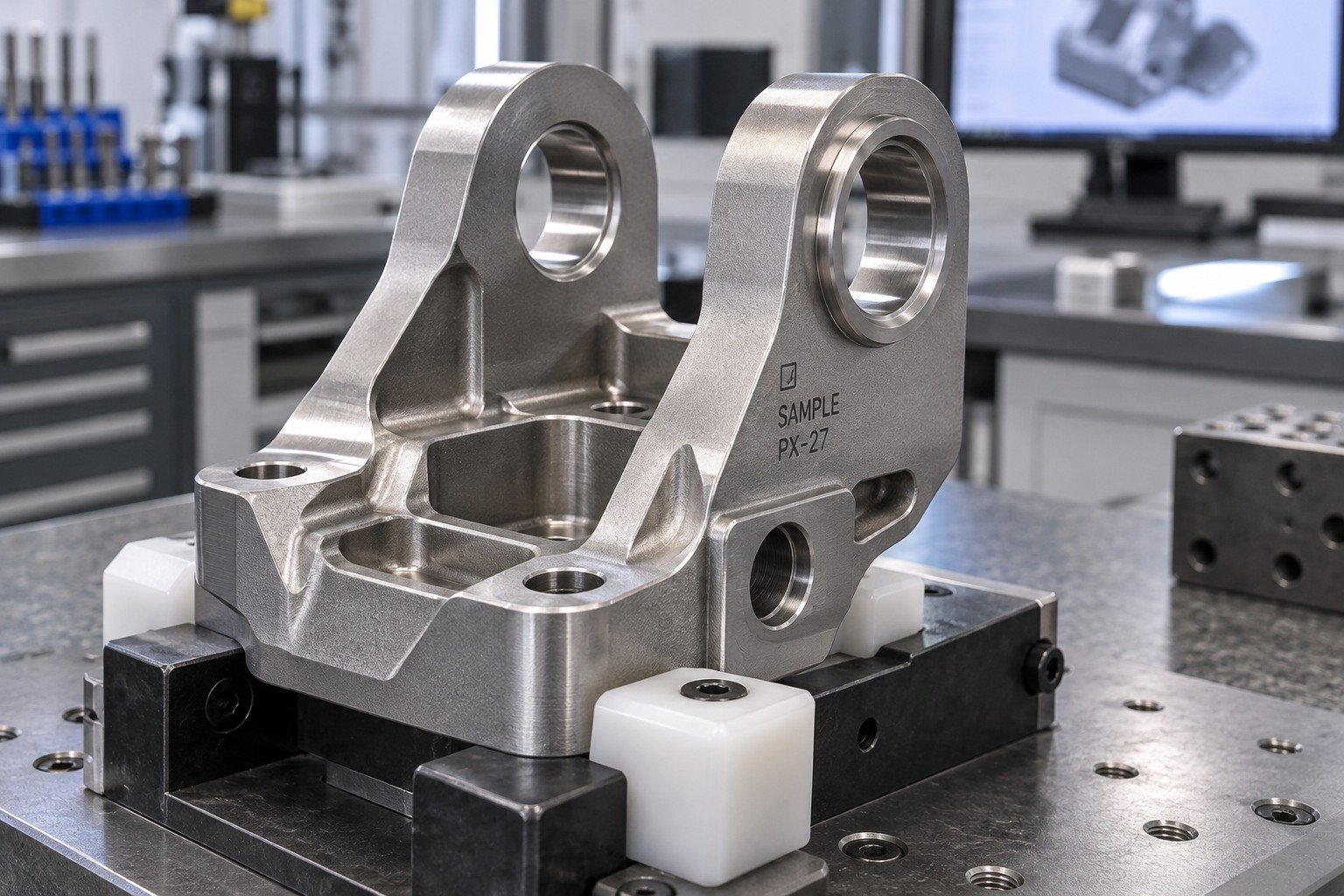
Approve the actual marked sample for your custom part. Check content, location, orientation and required reading performance, then verify any specified downstream-treatment or durability evidence.
| Your final fit | Your location, reading method and functional restrictions. |
|---|---|
| Your condition | Your material, surface state and downstream processing. |
| Your records | Drawing revision, artwork revision, variable-data records and inspection. |
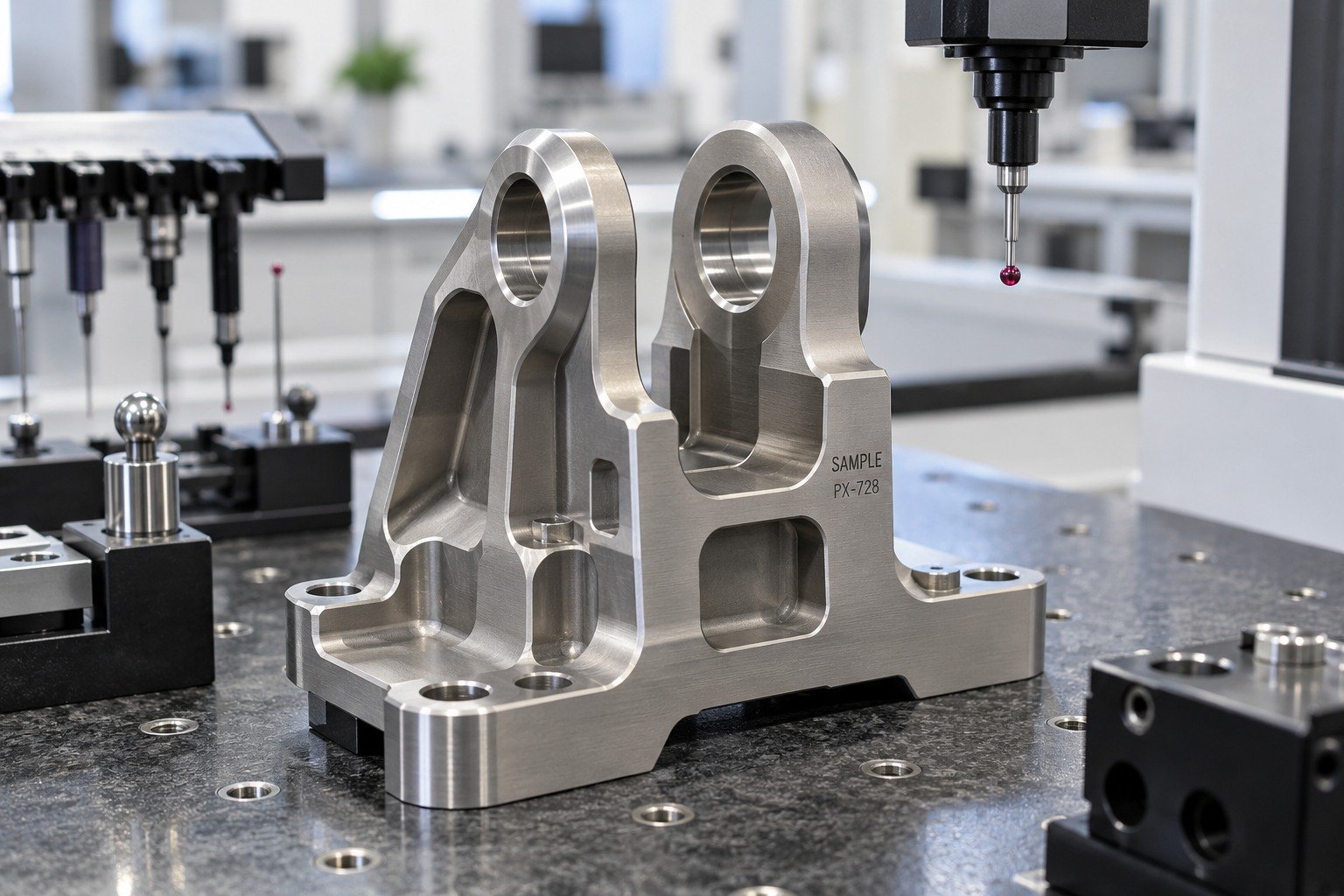
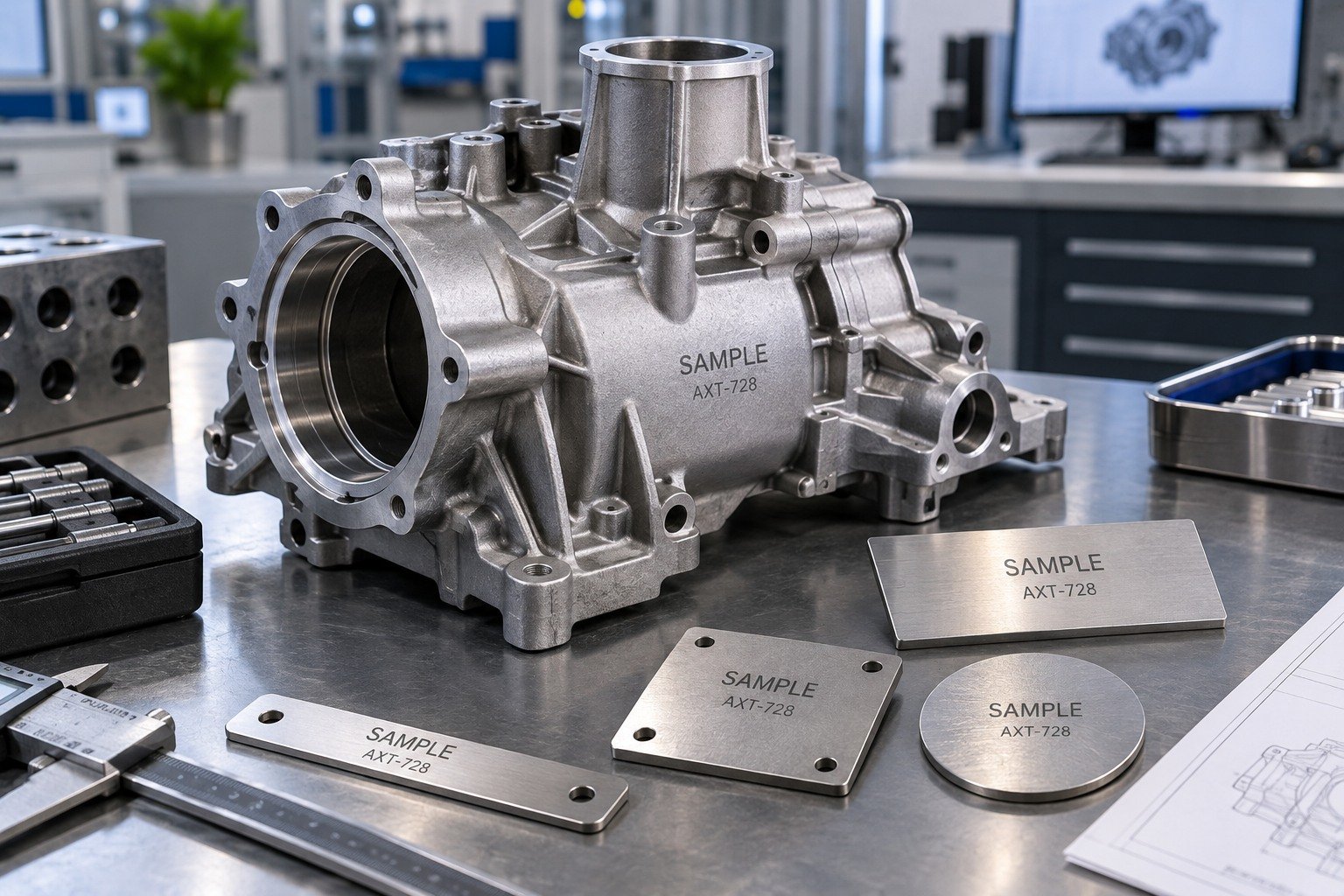
Provide material, finished surface, controlled drawing and intended use.
An attractive mark or a readable photograph is not proof of a verified code grade, corrosion resistance or long-term durability.
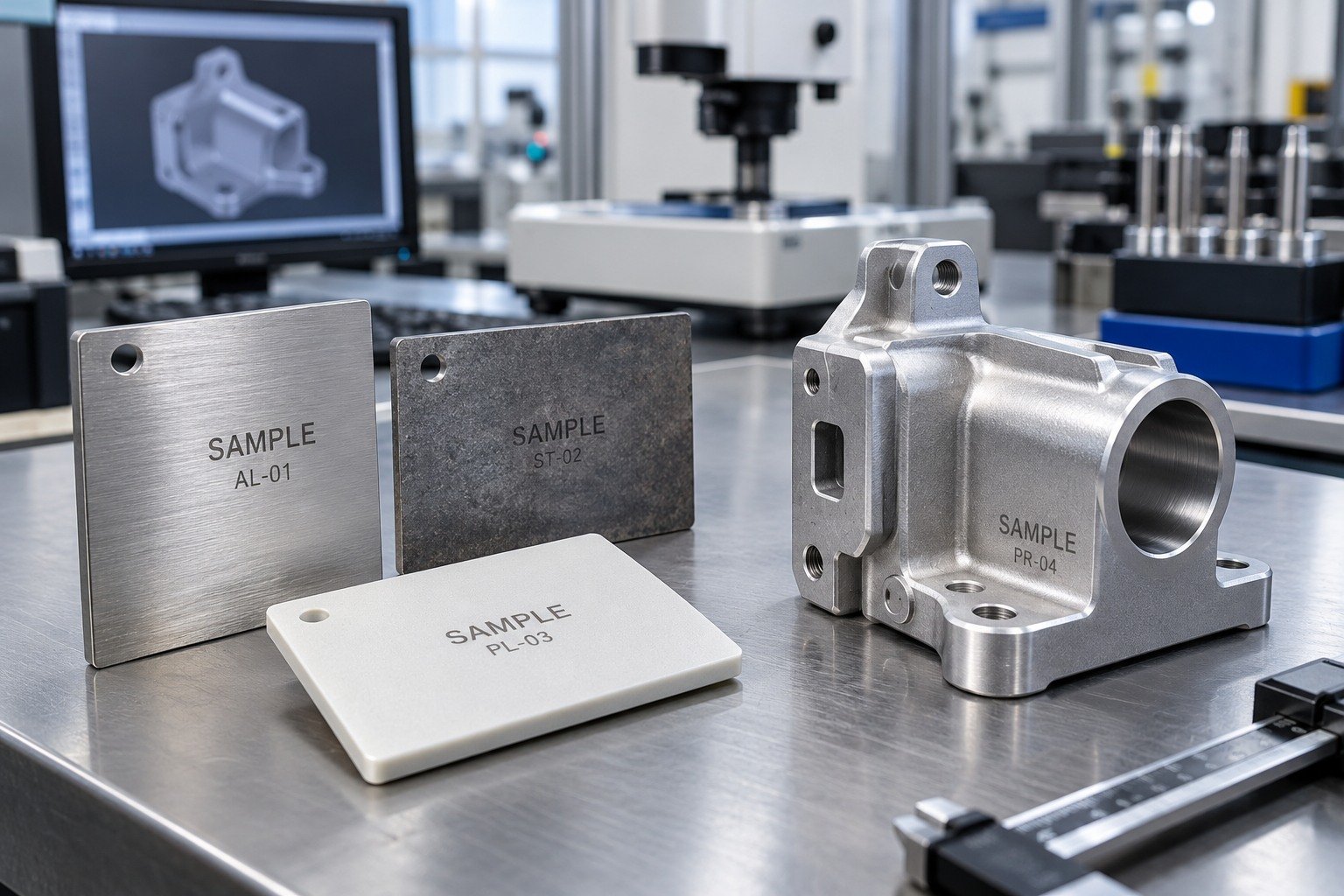
Review contrast, depth if required, access and subsequent processing.
An attractive mark or a readable photograph is not proof of a verified code grade, corrosion resistance or long-term durability.
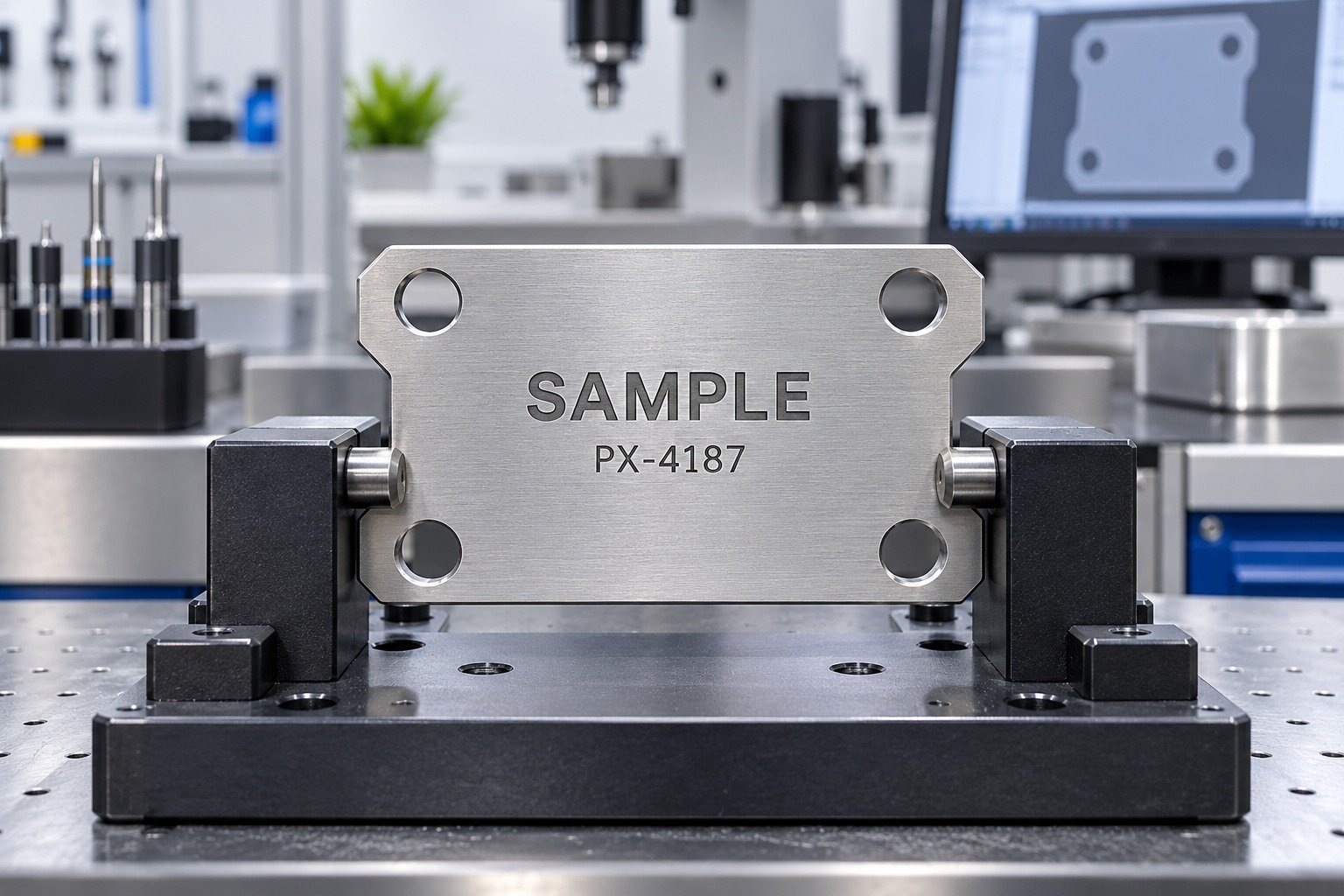
Approve artwork, variable-data responsibility, datums and orientation.
An attractive mark or a readable photograph is not proof of a verified code grade, corrosion resistance or long-term durability.
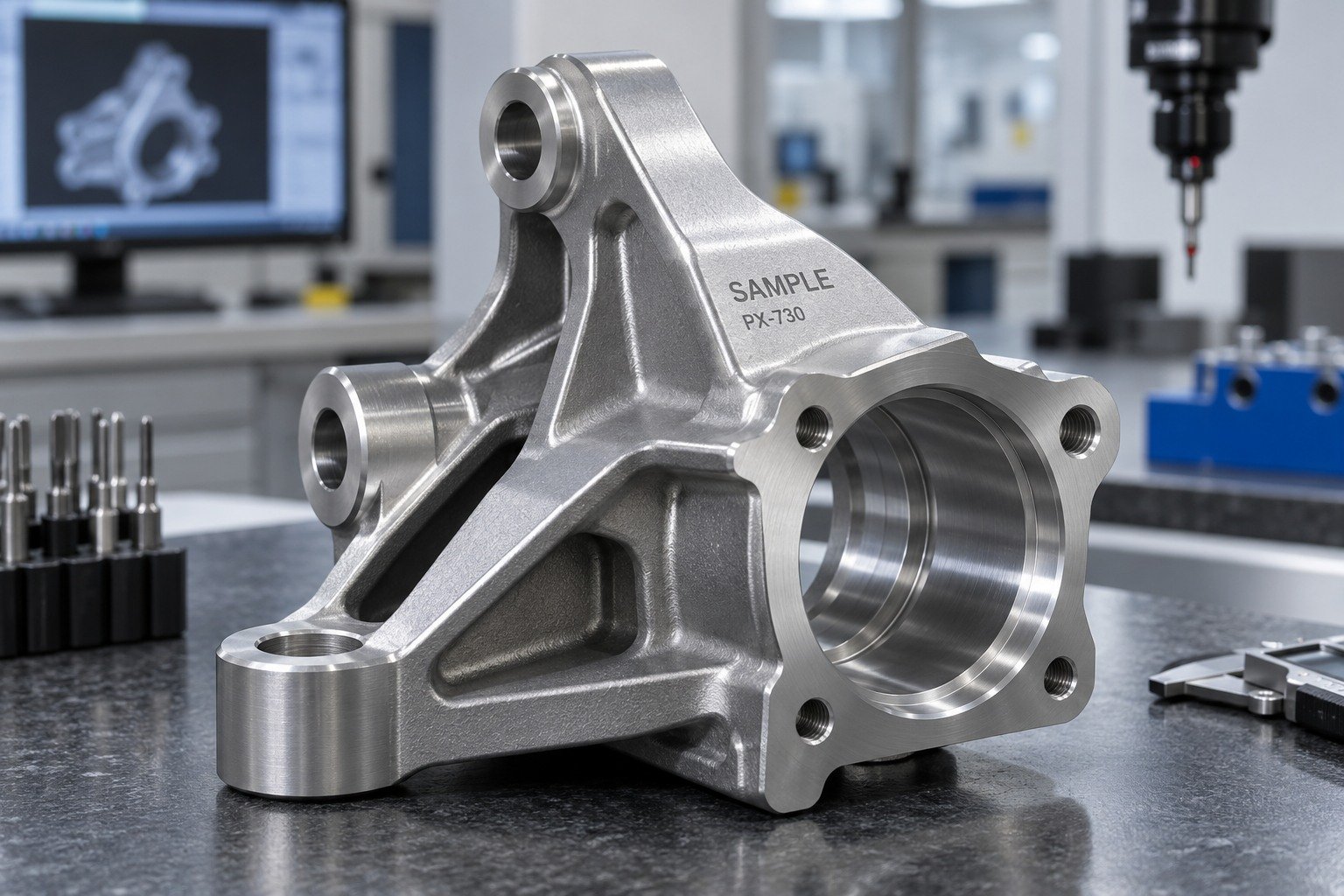
Check content, location and readability on a representative finished part.
An attractive mark or a readable photograph is not proof of a verified code grade, corrosion resistance or long-term durability.
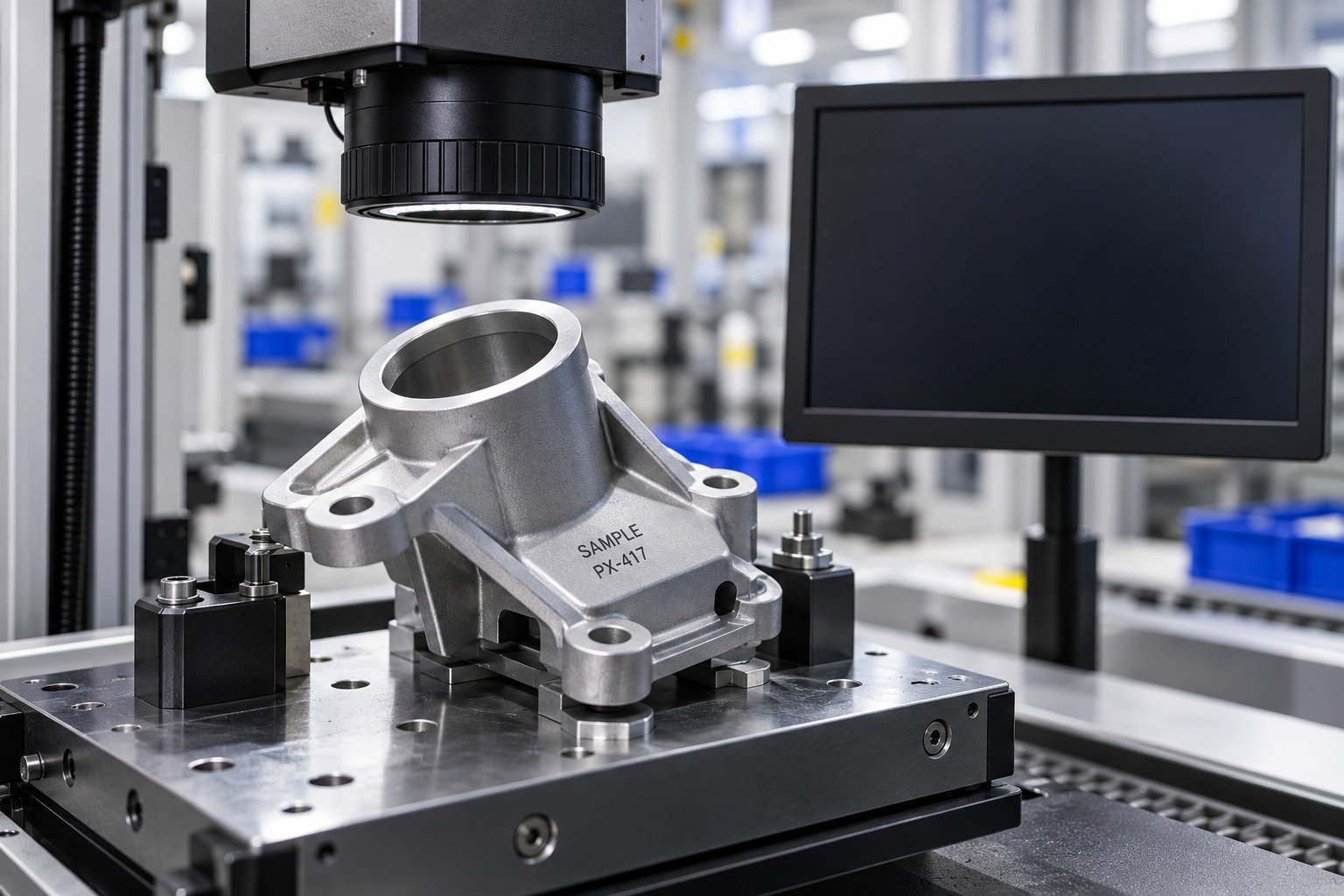
Define reading or verification methods, sampling and any durability tests.
An attractive mark or a readable photograph is not proof of a verified code grade, corrosion resistance or long-term durability.
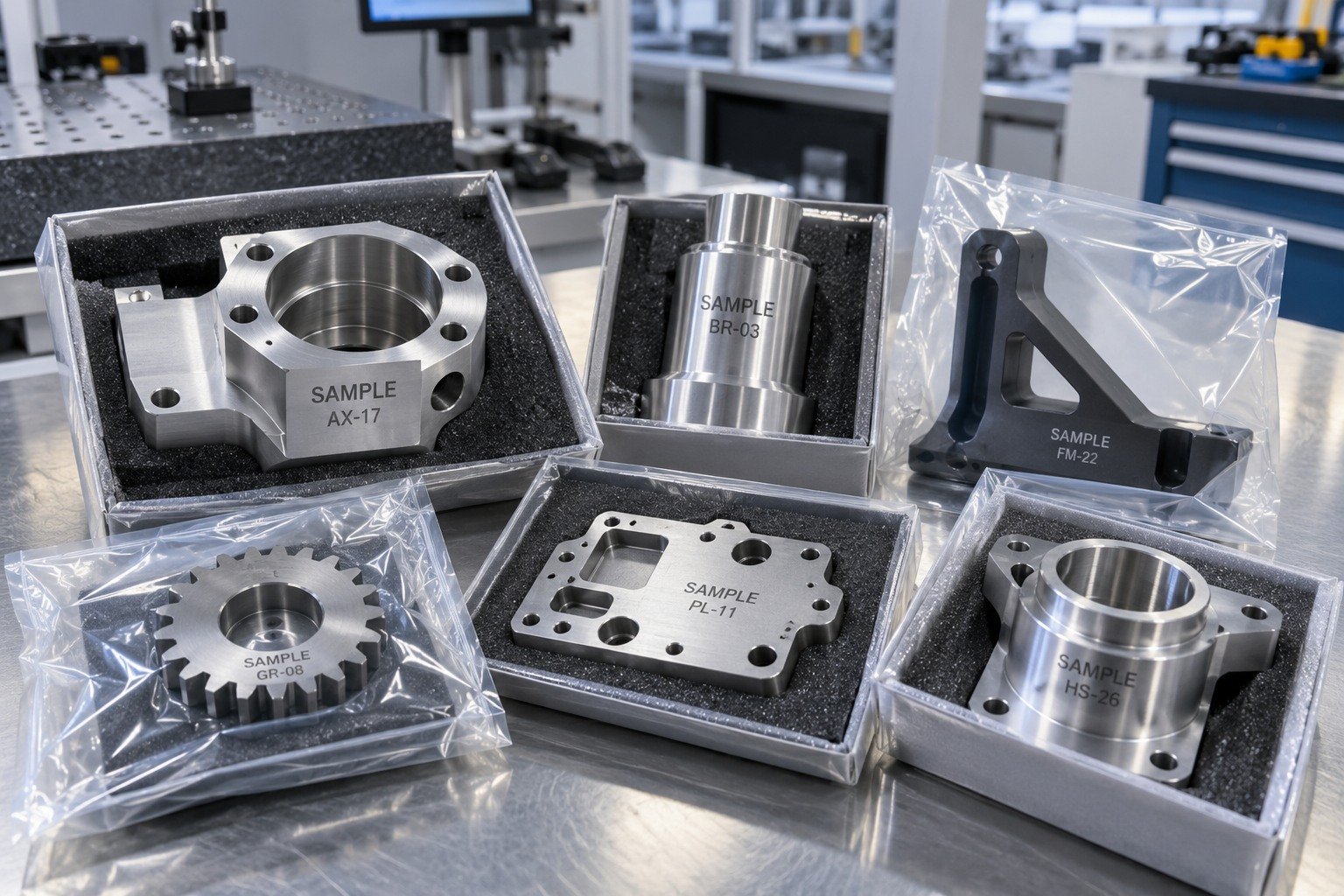
Control artwork, source data, part association and release records.
An attractive mark or a readable photograph is not proof of a verified code grade, corrosion resistance or long-term durability.
Review your substrate, information and final condition before approving the marking route.
Laser engraving metal, coated parts and polymers requires different review. Identify the exact grade, coating and prior treatment; do not use a bare-metal sample to approve every finished surface.
| Your input | Grade, coating, color and surface condition. |
|---|---|
| Our review | Route suitability and representative sample. |
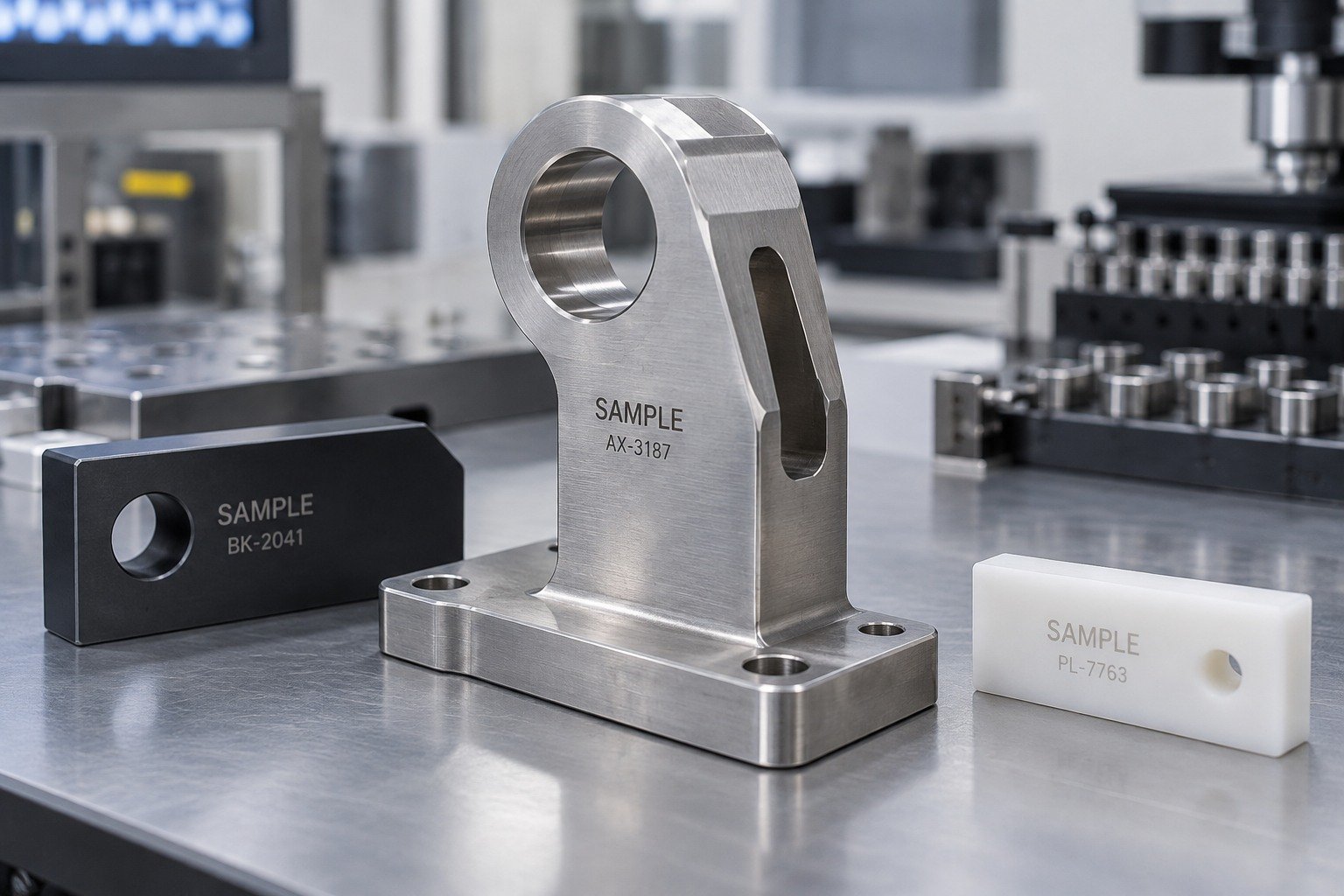
Show the mark zone relative to a datum. Keep it clear of sealing lands, bearing fits, threads and other restricted areas unless the controlled design permits it.
| Your input | Mark zone, datum and no-mark areas. |
|---|---|
| Our review | Access, location control and functional exclusions. |
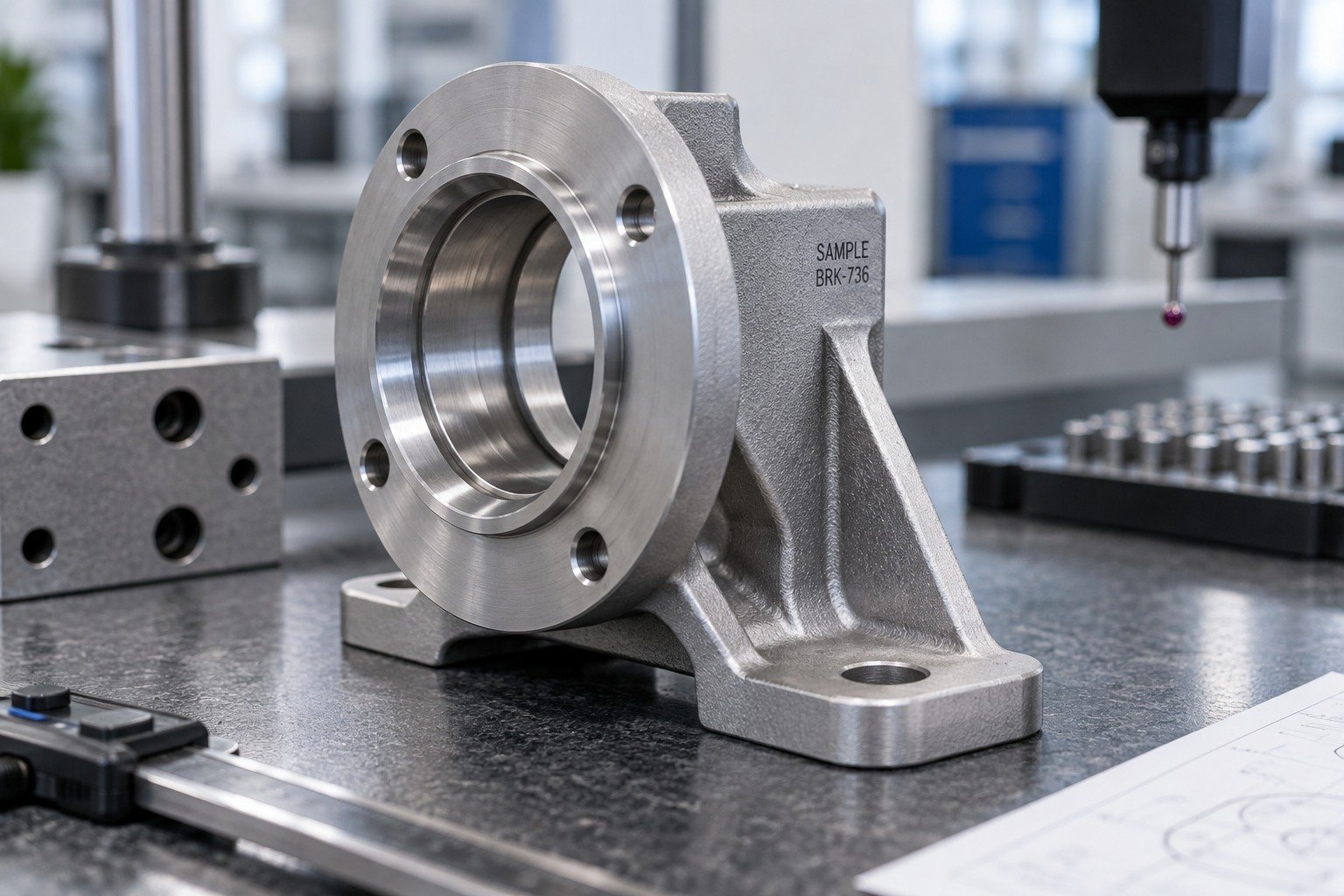
Separate fixed artwork from serial, lot or other changing data. Agree who supplies, validates and releases each field; define how rejected or reworked parts affect the sequence.
| Your input | Artwork revision, data file and responsibility. |
|---|---|
| Our review | Layout, sequence control and part association. |
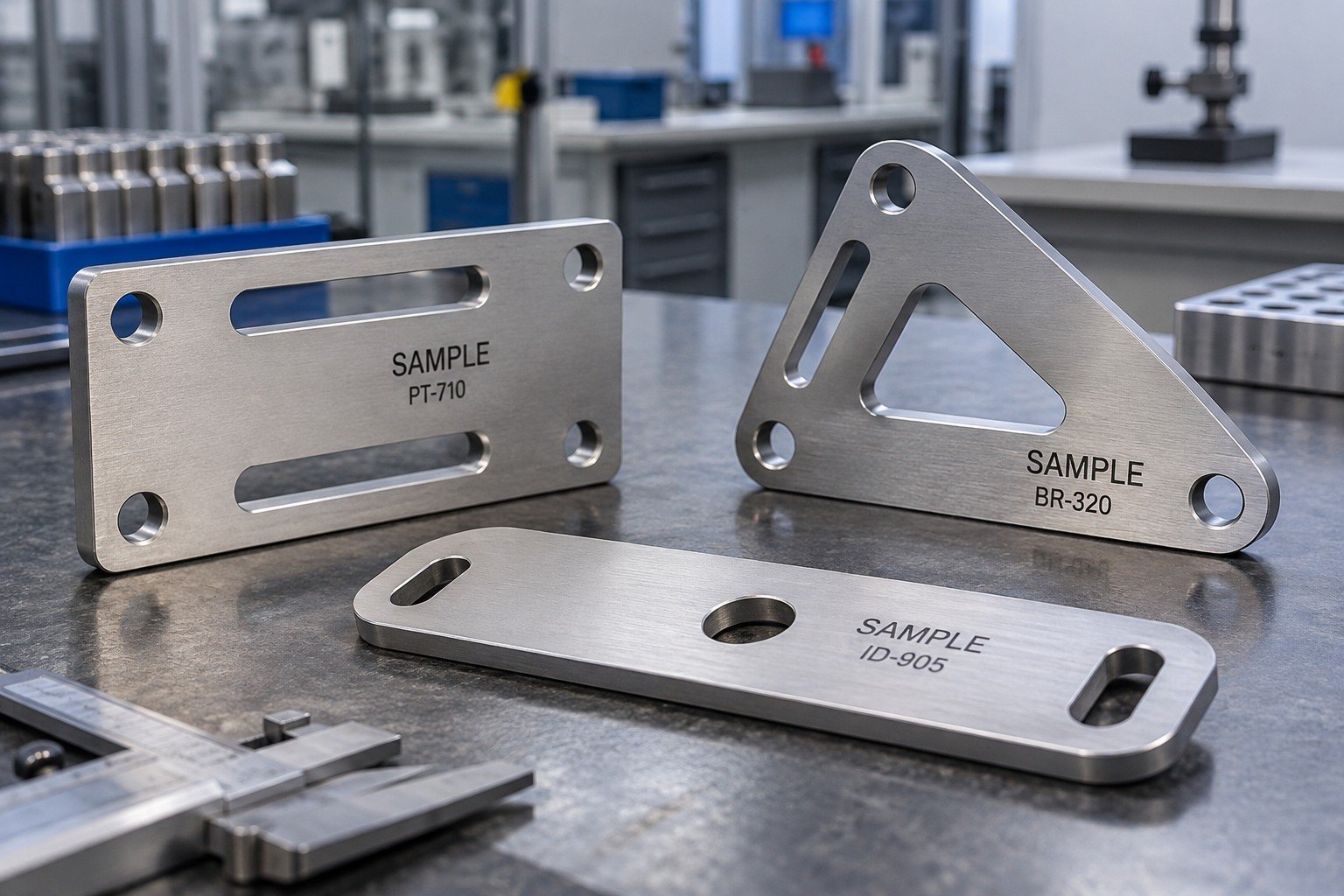
Laser engraving depth is a drawing requirement when function demands it. Removal, texture or heat effects must be reviewed for the actual material and feature; no universal depth or zero-change claim applies.
| Your input | Required depth, geometry and permitted changes. |
|---|---|
| Our review | Feasible process and feature-specific inspection. |
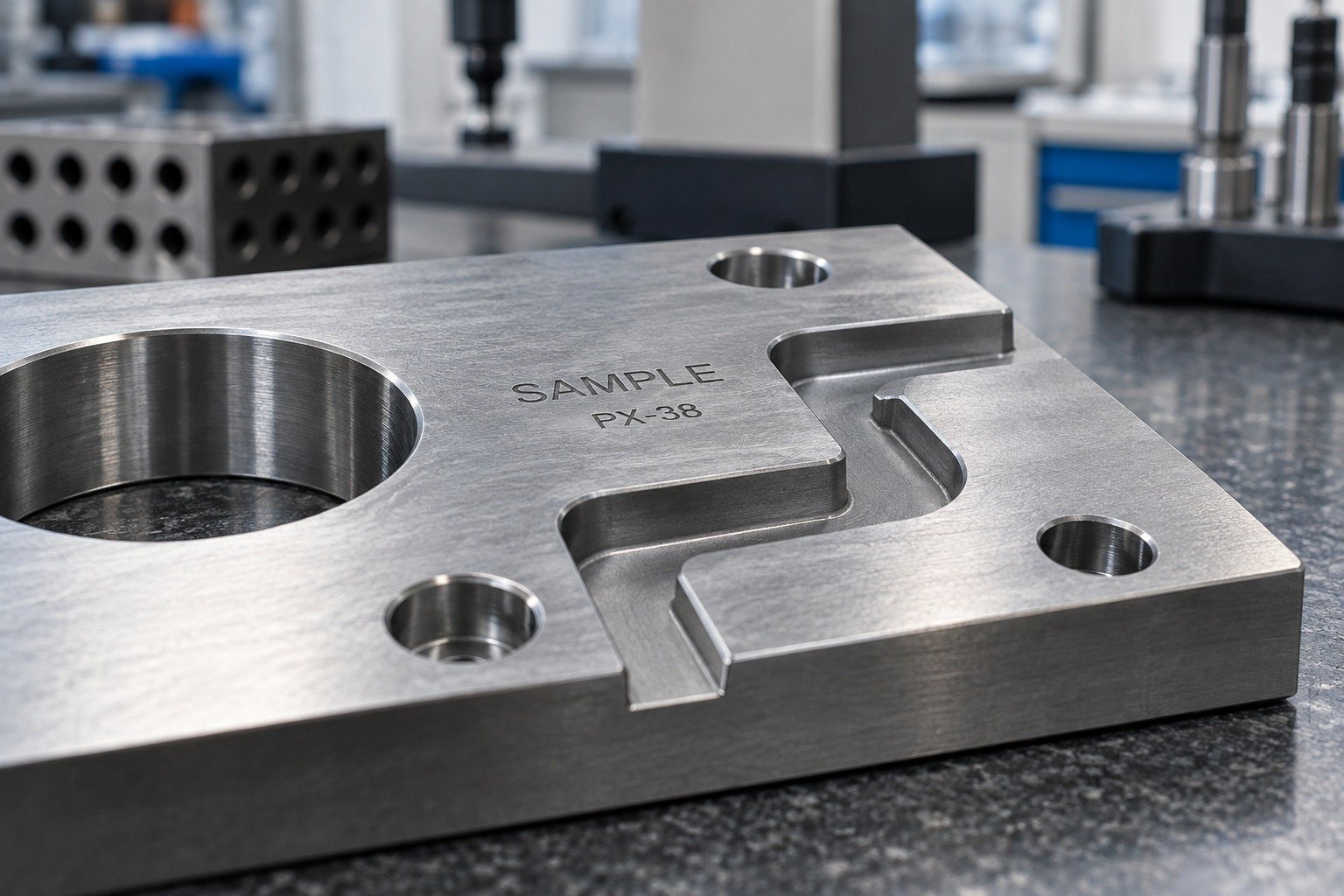
Humsfle-readable text and machine-readable symbols have different needs. Agree content, orientation, contrast and the actual verification method; a successful scan alone does not establish a specified code grade.
| Your input | Text or symbol, data, size and reading conditions. |
|---|---|
| Our review | Sample readability and agreed verification evidence. |
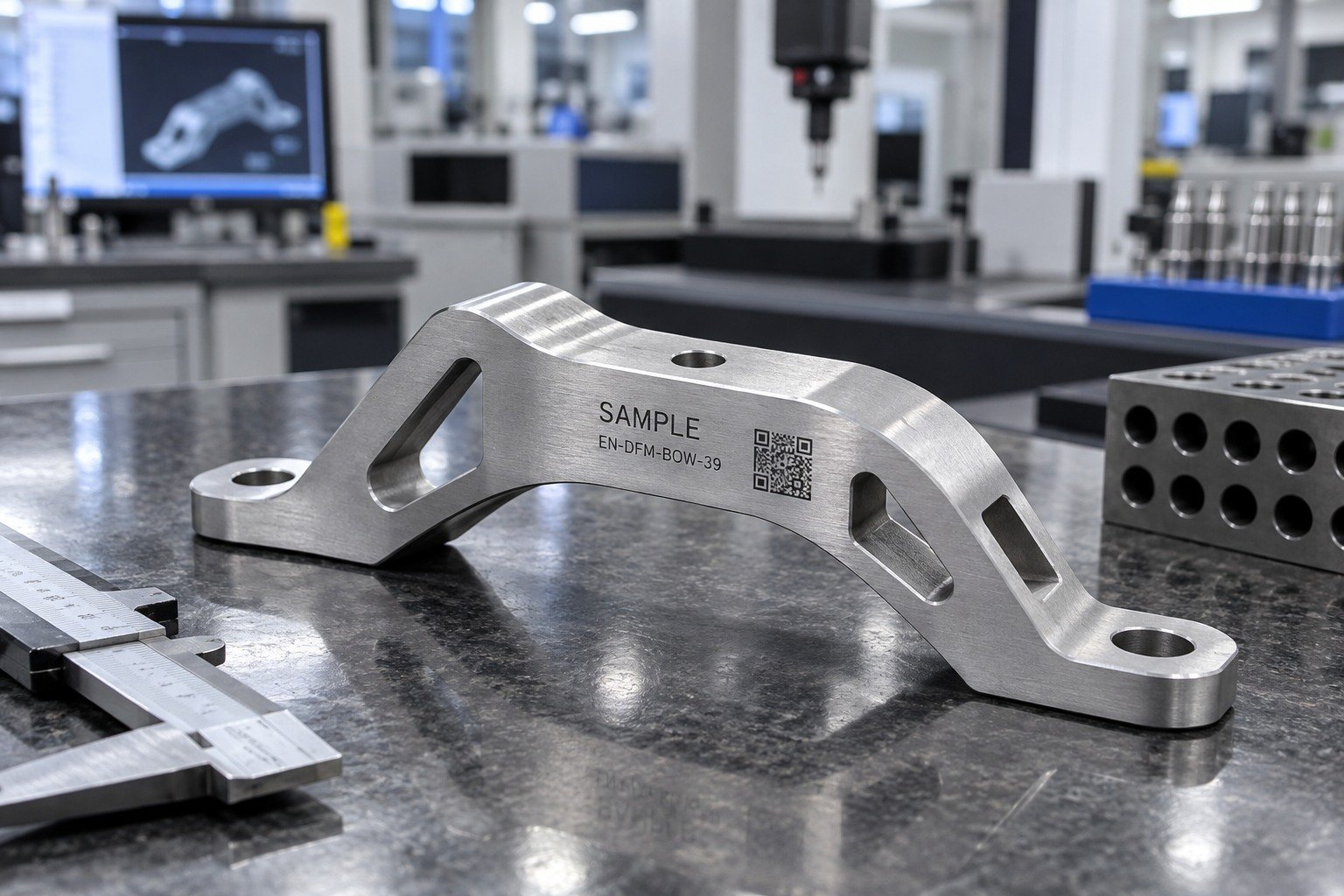
Cleaning, passivation, coating and wear may alter a mark. Review the real process sequence and approve the final delivered state rather than assuming all marks survive every treatment.
| Your input | Process sequence and service conditions. |
|---|---|
| Our review | Final-state sample and required durability tests. |
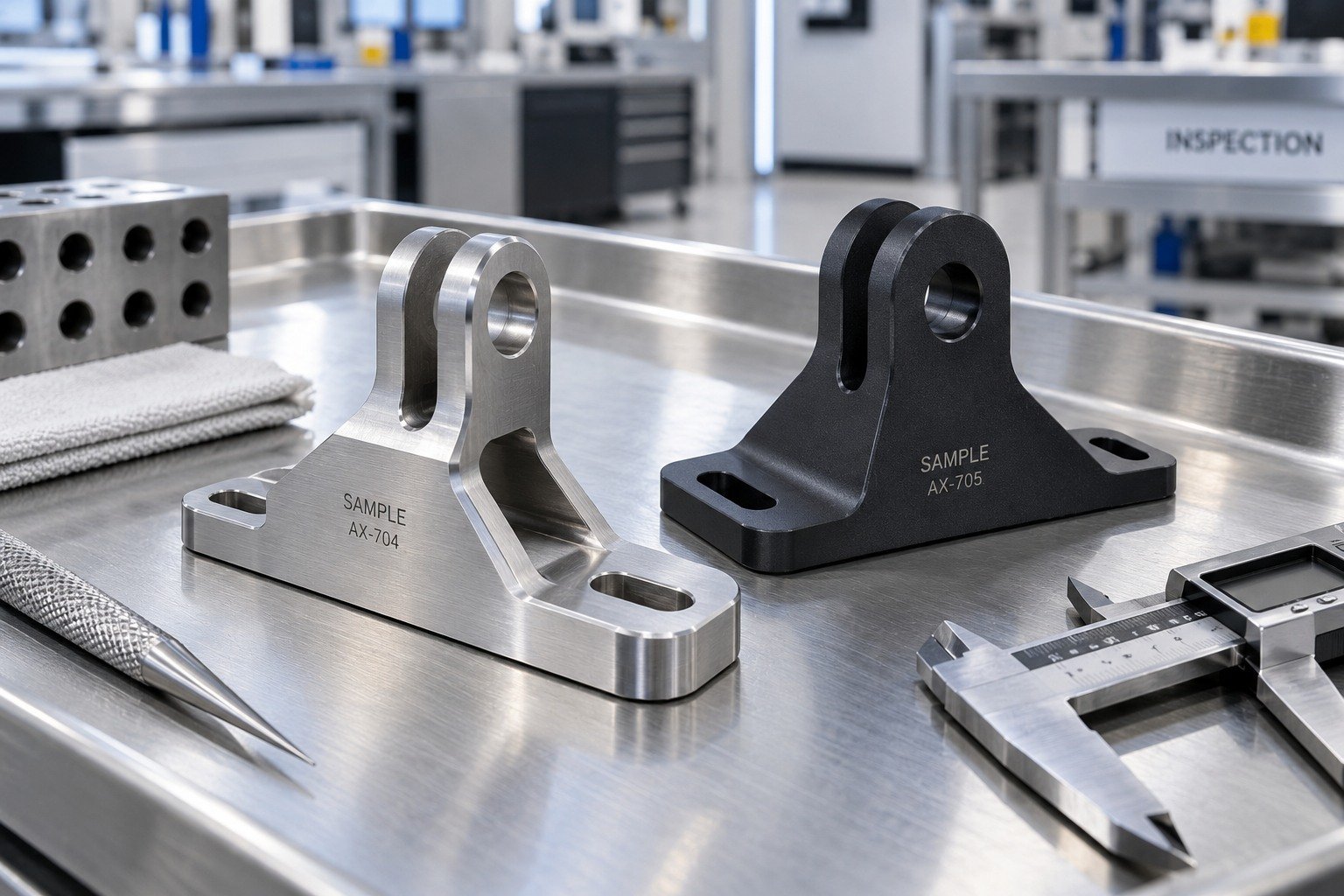
Curved faces, recesses and adjoining features can restrict marking or reading. Define orientation and access and agree fixture responsibility for the actual part.
| Your input | Geometry, marked band and orientation datum. |
|---|---|
| Our review | Accessibility, location control and sample feasibility. |
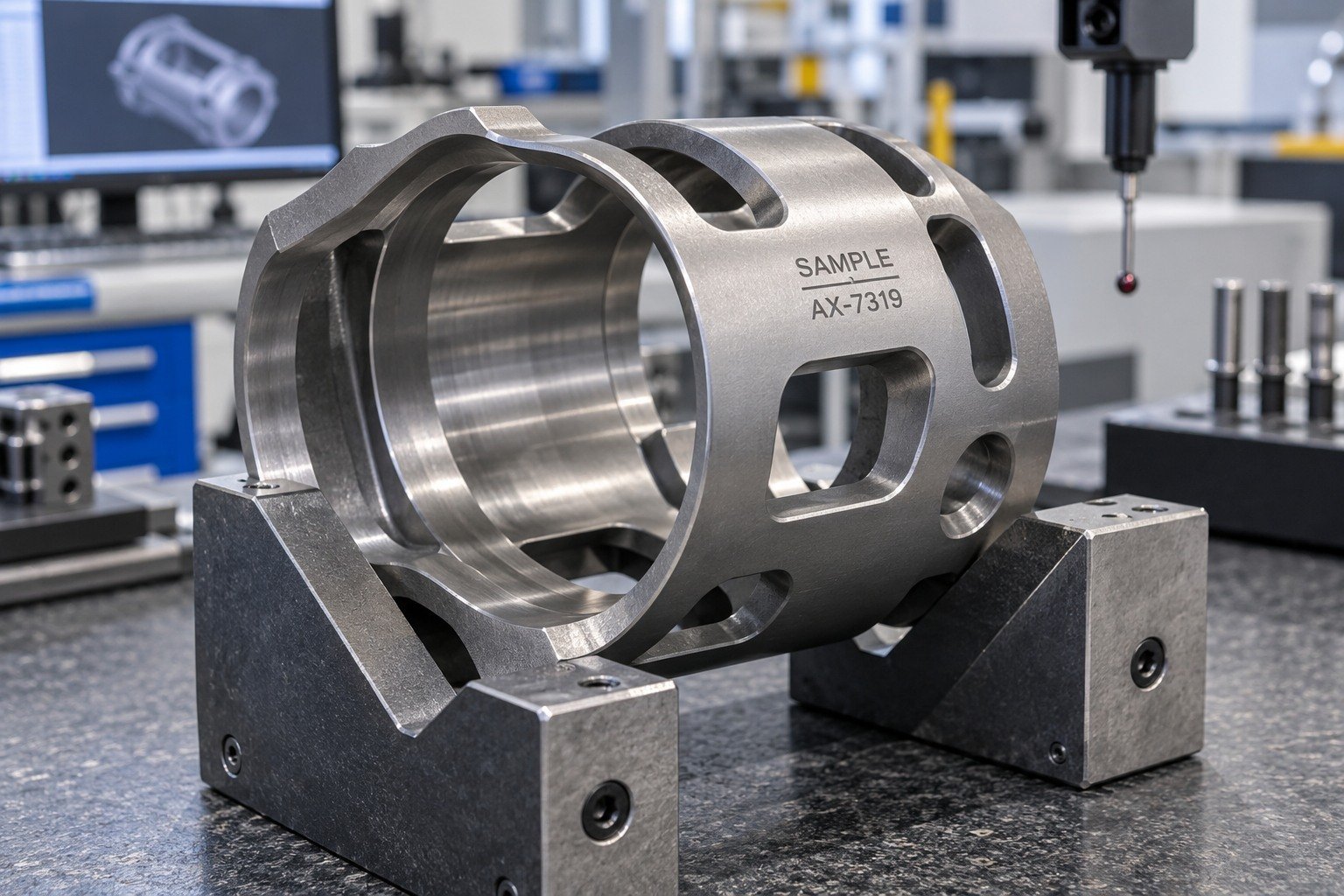
Control the drawing, artwork and approved sample. Define inspection, any functional or durability test and the release records your receiving team needs.
| Your input | Sample, acceptance method and record requirements. |
|---|---|
| Our review | Change approval, inspection scope and release evidence. |
Material categories are review inputs, not a guarantee that every route, color or mark is available.
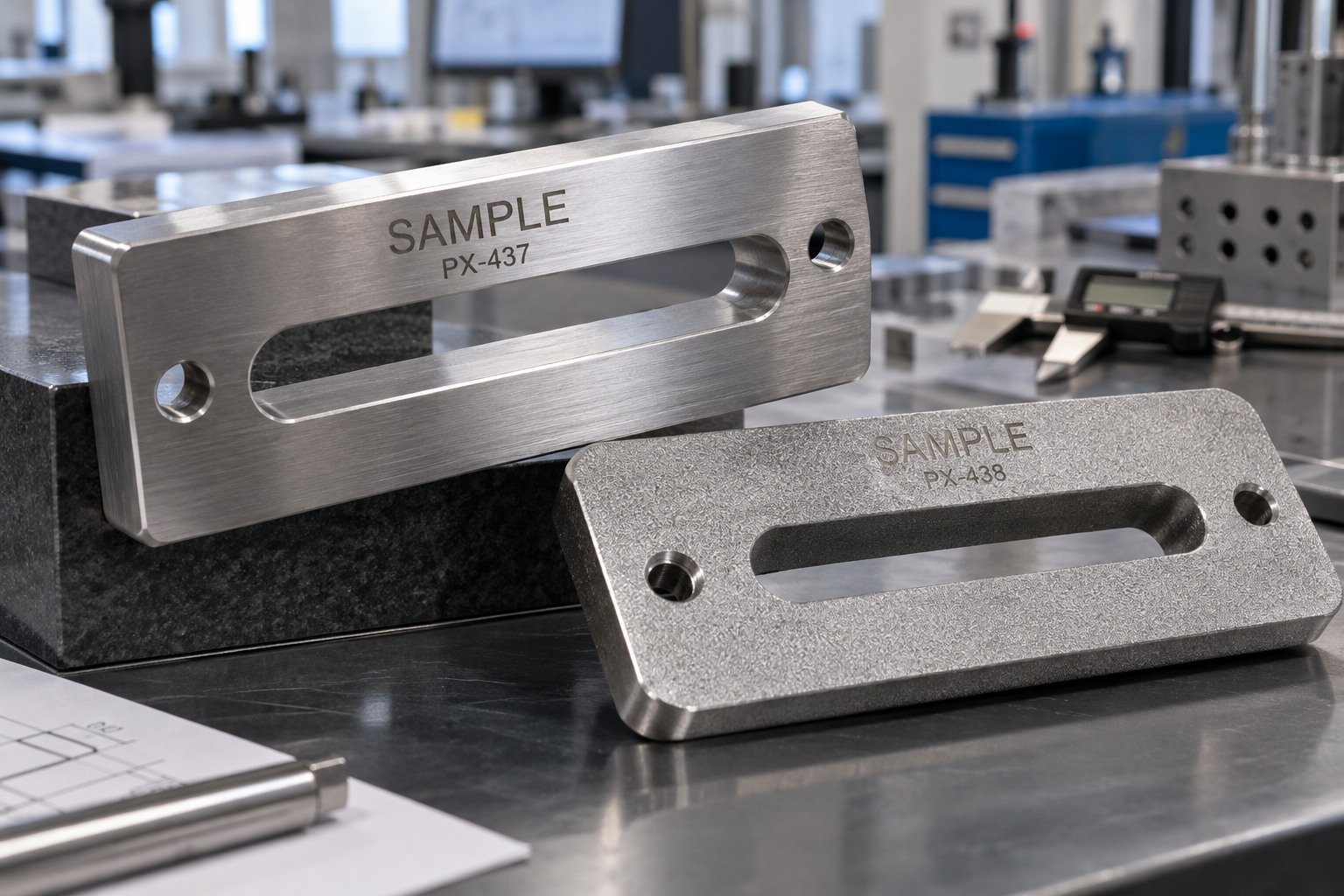
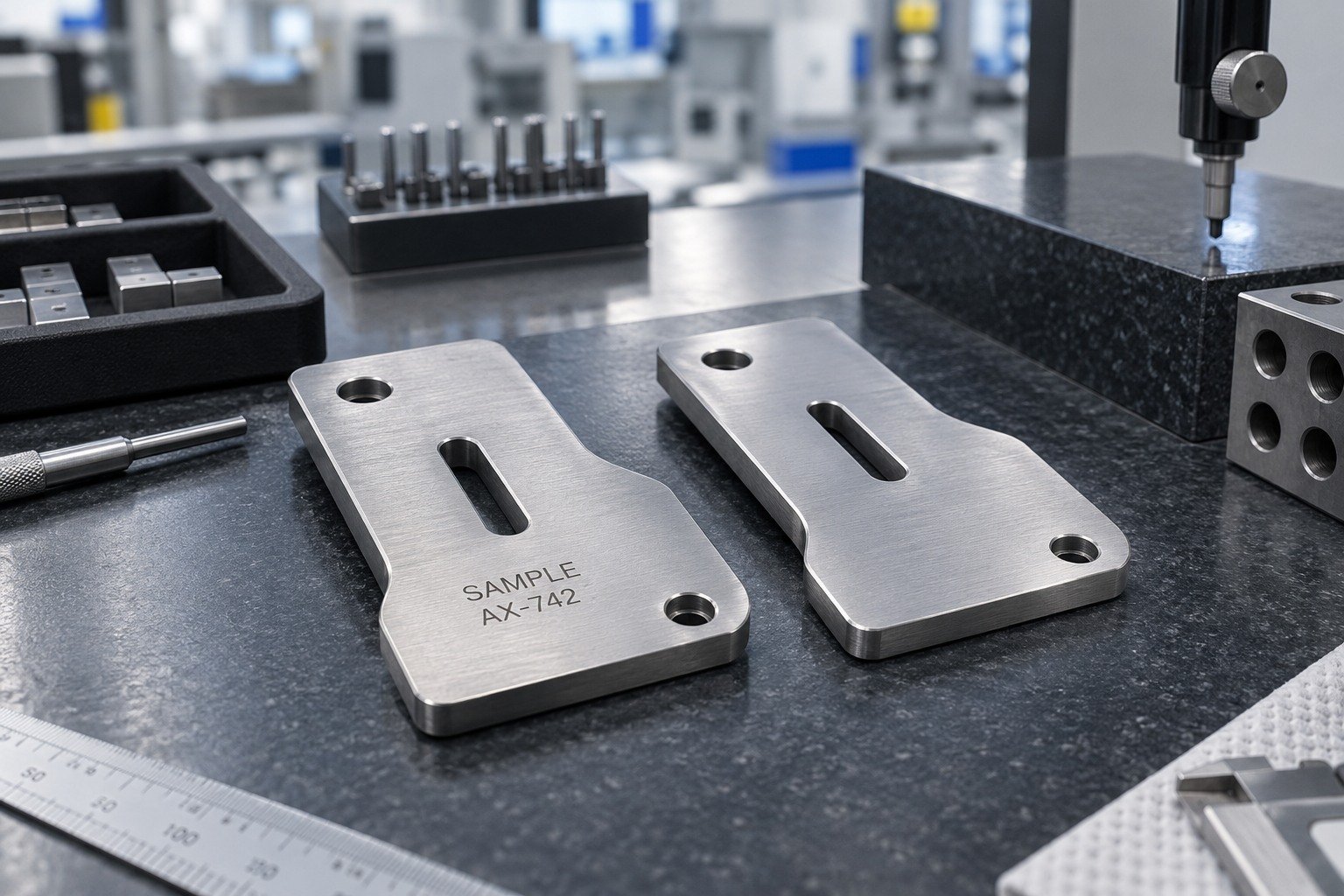
For laser engraving stainless steel, identify grade, finish and any cleaning or passivation sequence.
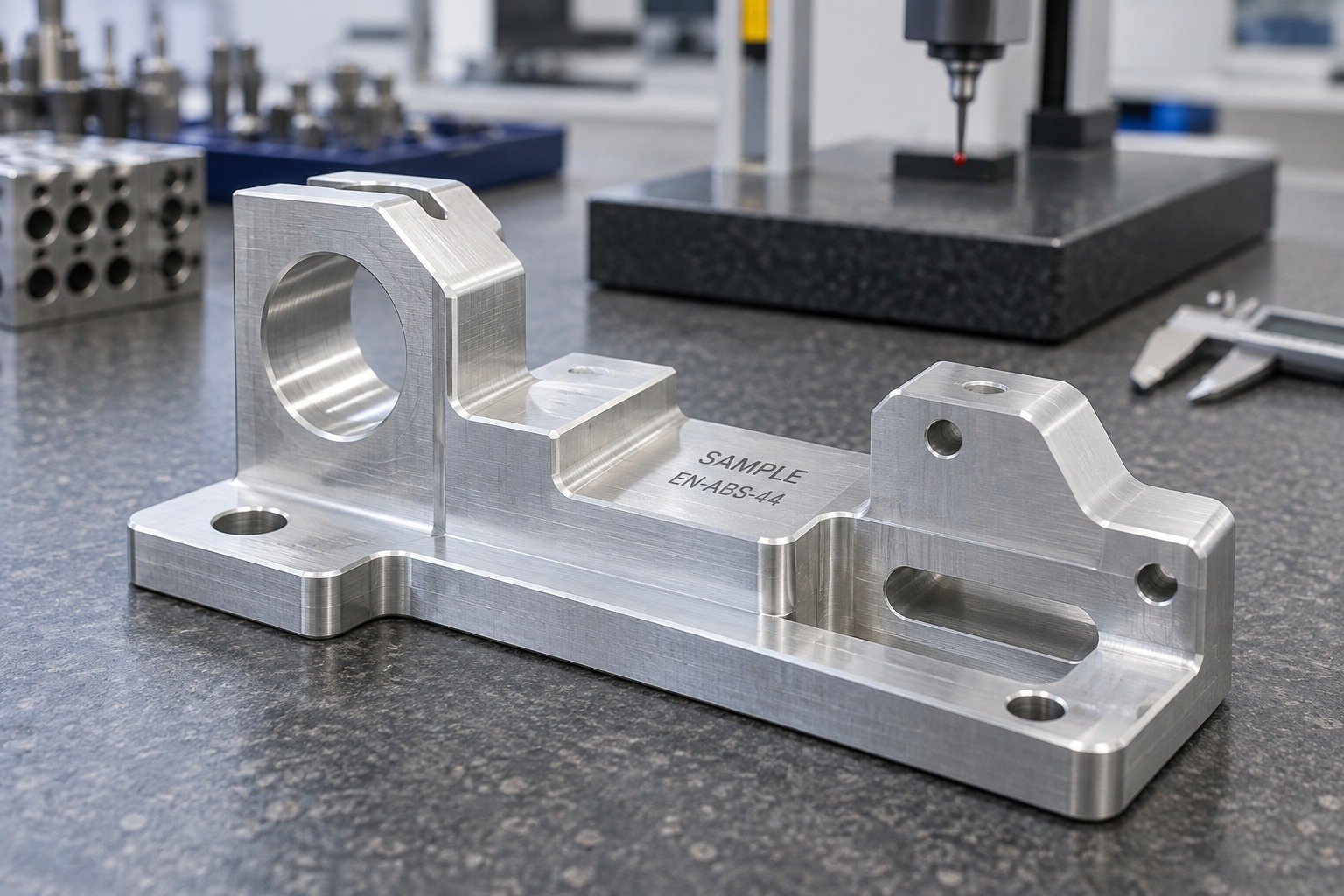
For laser engraving aluminum, review alloy, initial surface and required contrast or depth.
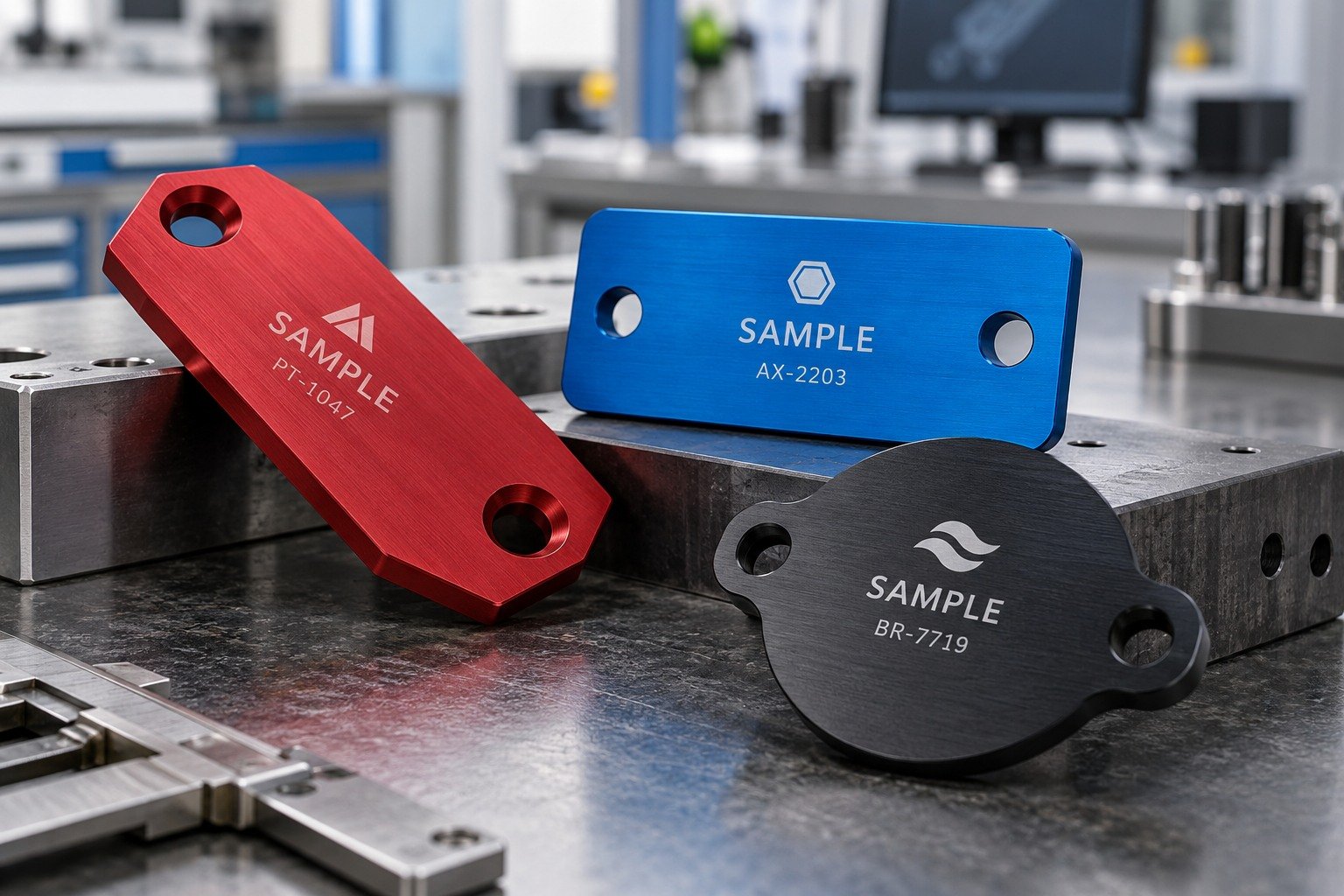
Confirm coating, color and whether the route changes or removes part of the surface system.
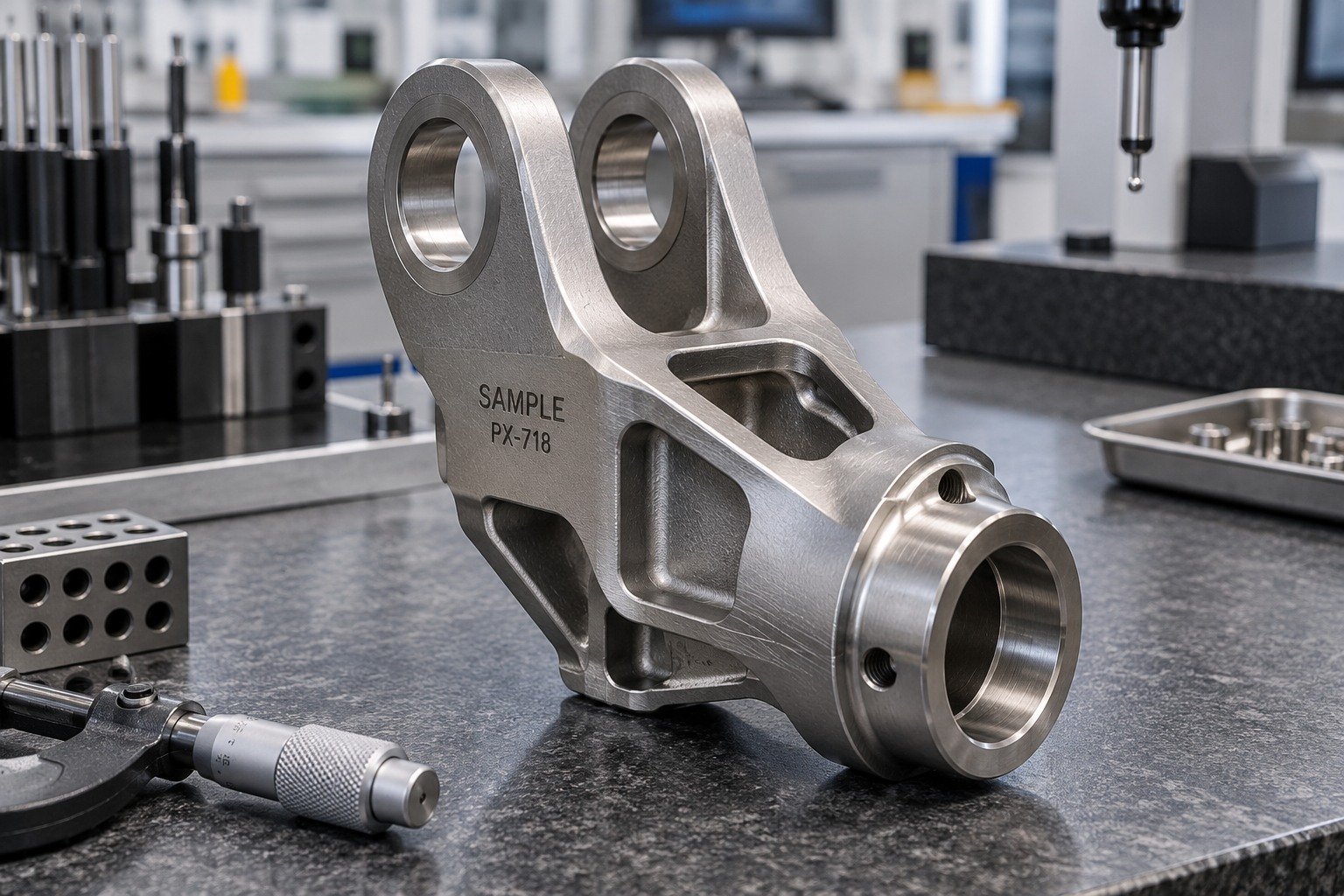
For laser engraving titanium, submit the exact grade and final-use requirements for feasibility review.
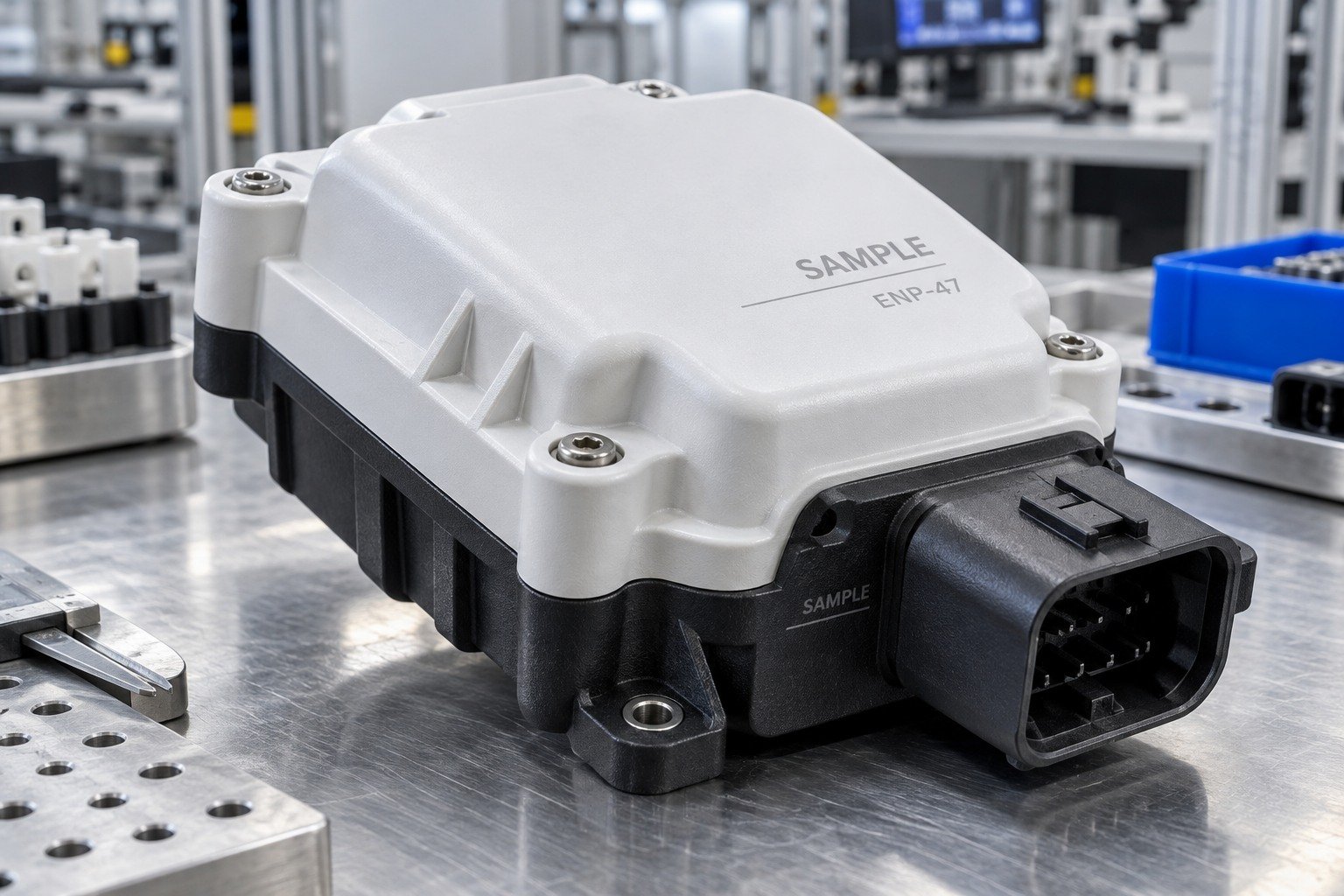
For laser engraving plastic parts, identify the resin grade, additives and color; sample response must be reviewed.
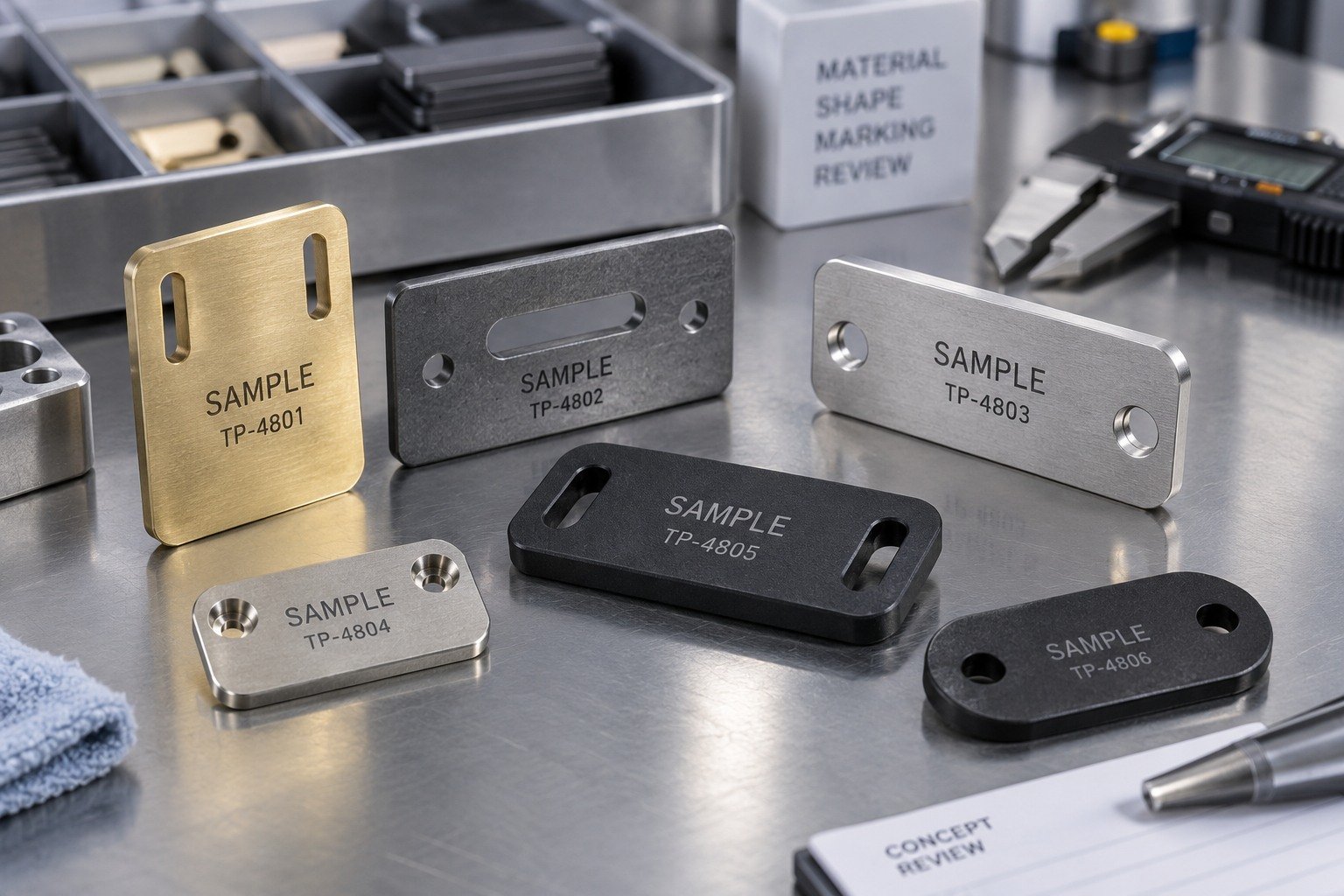
Review the exact substrate and finish rather than assuming a metal family or coating is interchangeable.
Laser marking, laser etching, laser annealing and laser ablation marking describe different effects or routes. Selection, availability and acceptance are confirmed for your actual part.
Your laser engraving quote should define substrate, artwork, variable data, location, sample approval and inspection.
Freeze the content, substrate and location.
Approve your actual final-state result.
Control revisions, data and delivery records.
PLANNING EXAMPLE — NOT A PRICE OR MINIMUM ORDER
Illustrative planning arithmetic only. Sampling, processing effort, price and minimum order are confirmed in your quotation.
Review the actual marking route and the final state your buyer will receive.
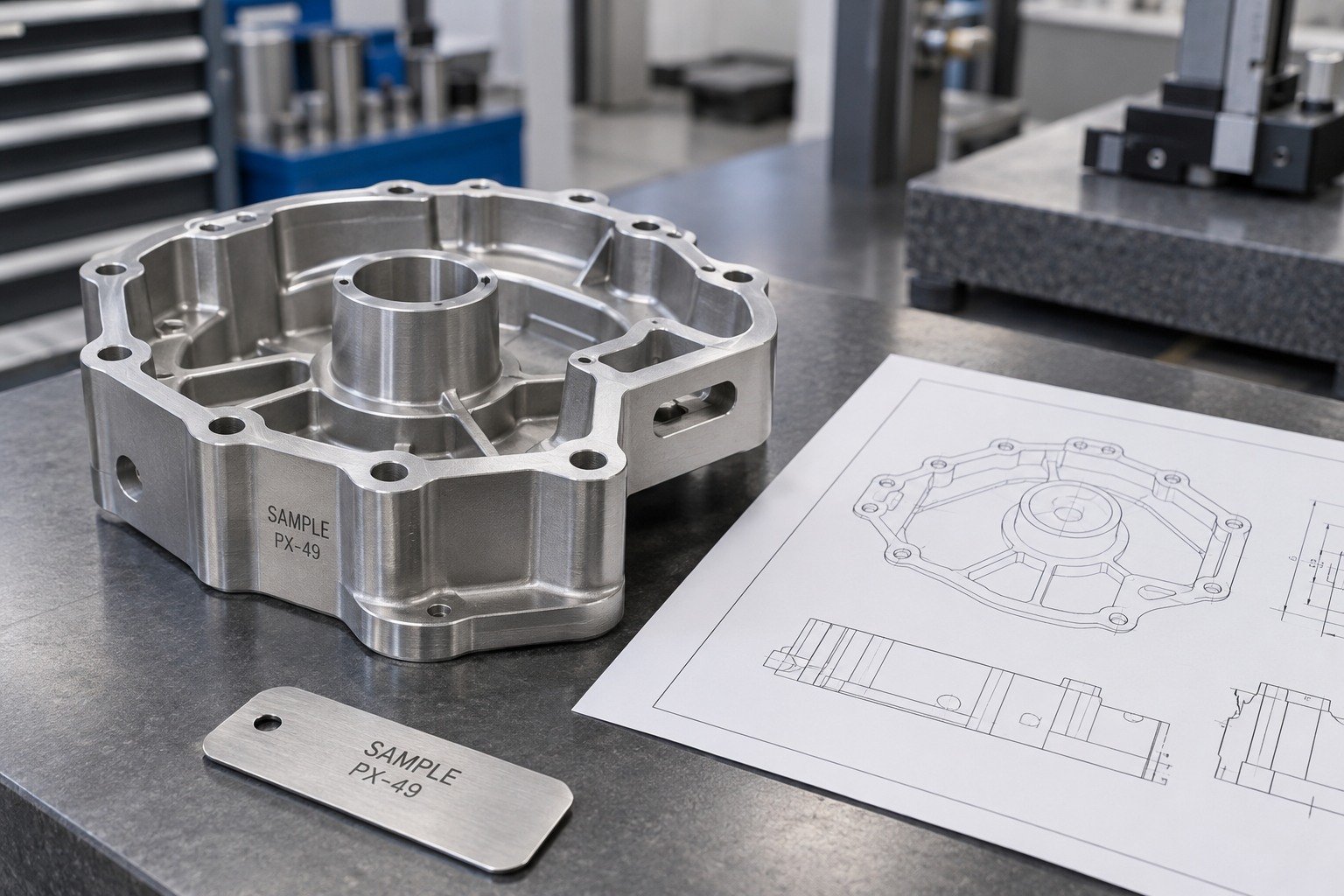
Confirm substrate, drawing, artwork, variable data and no-mark areas.
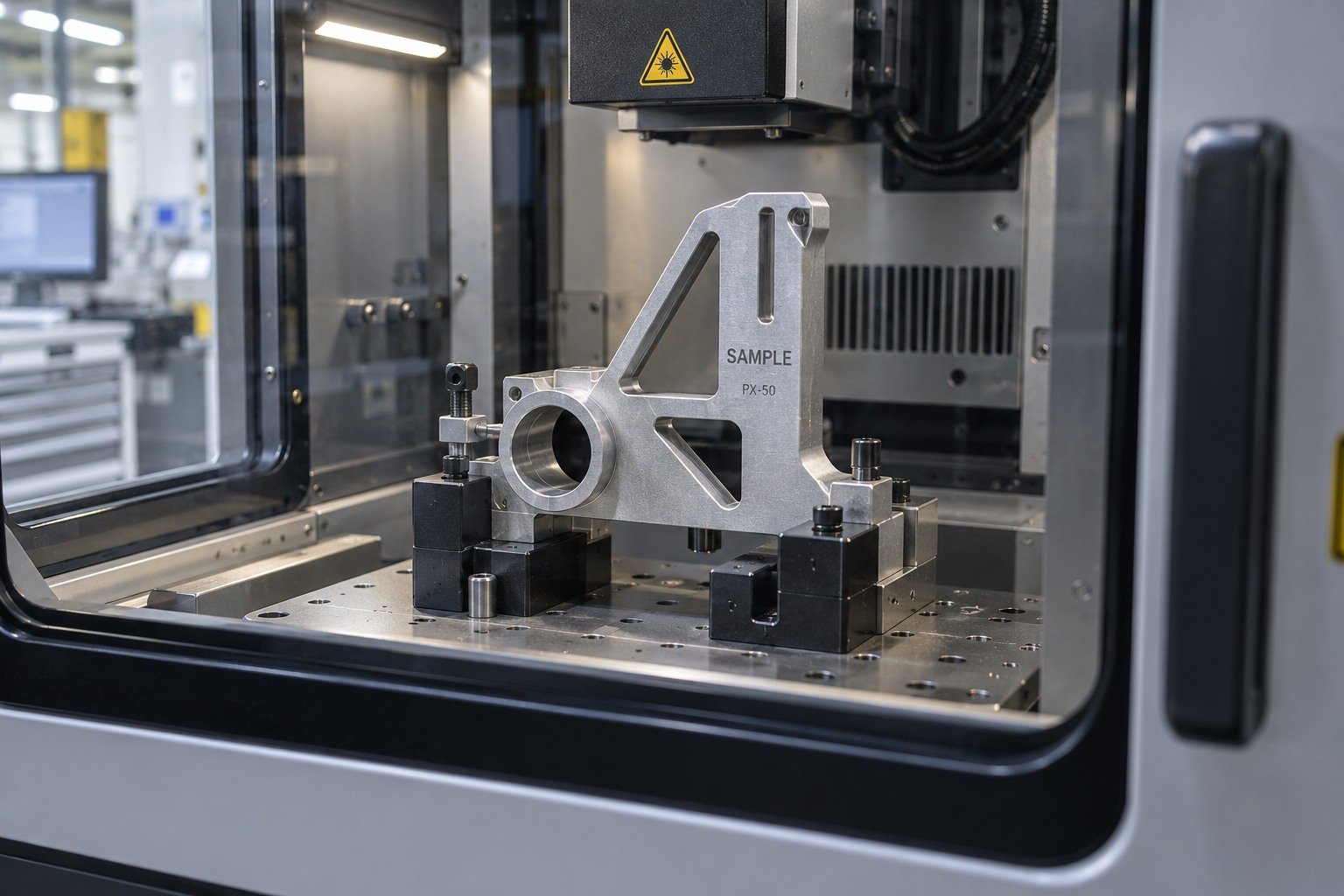
Use the agreed method on the specified accessible area with controlled orientation.
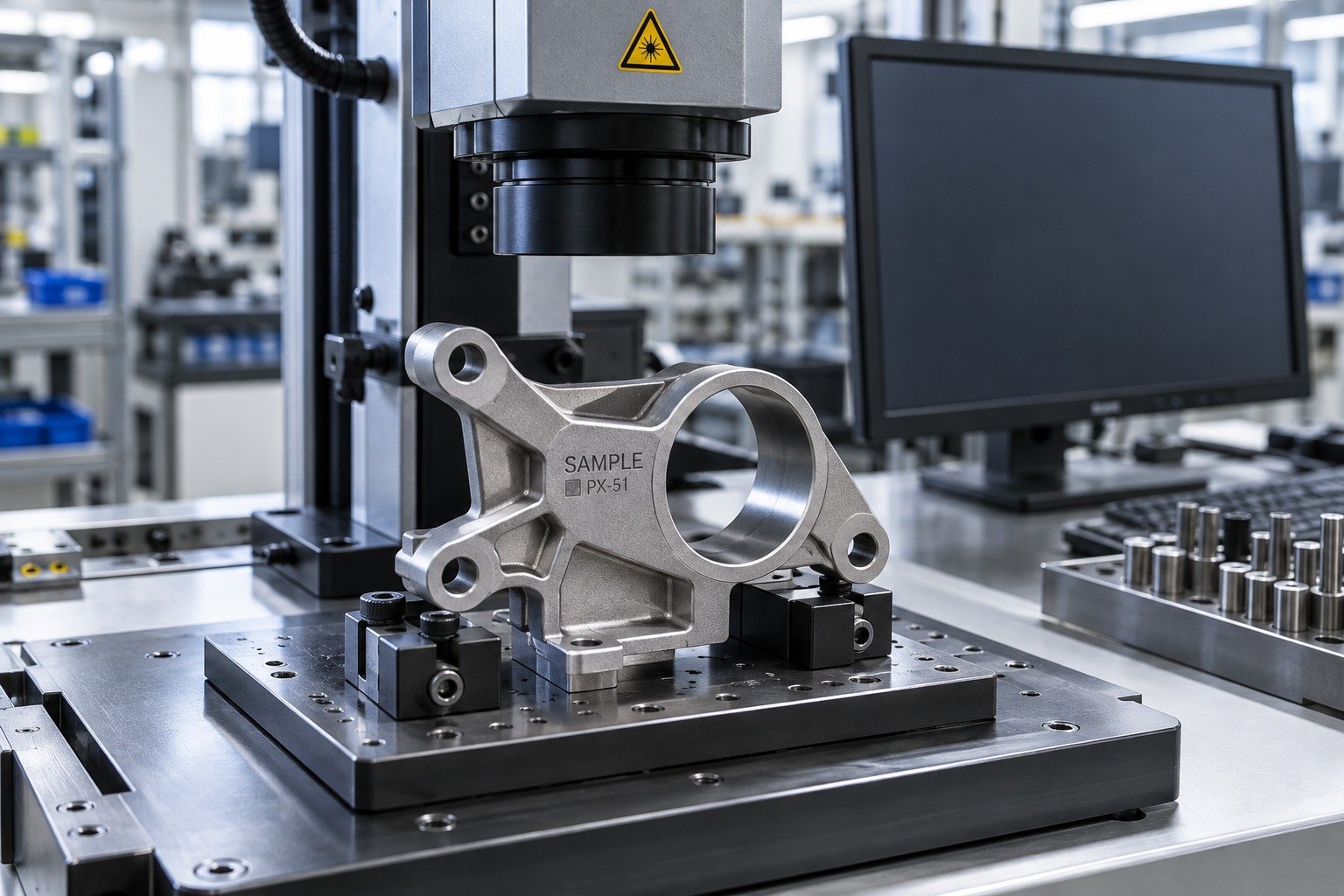
Check content, location and required readability or verification evidence.
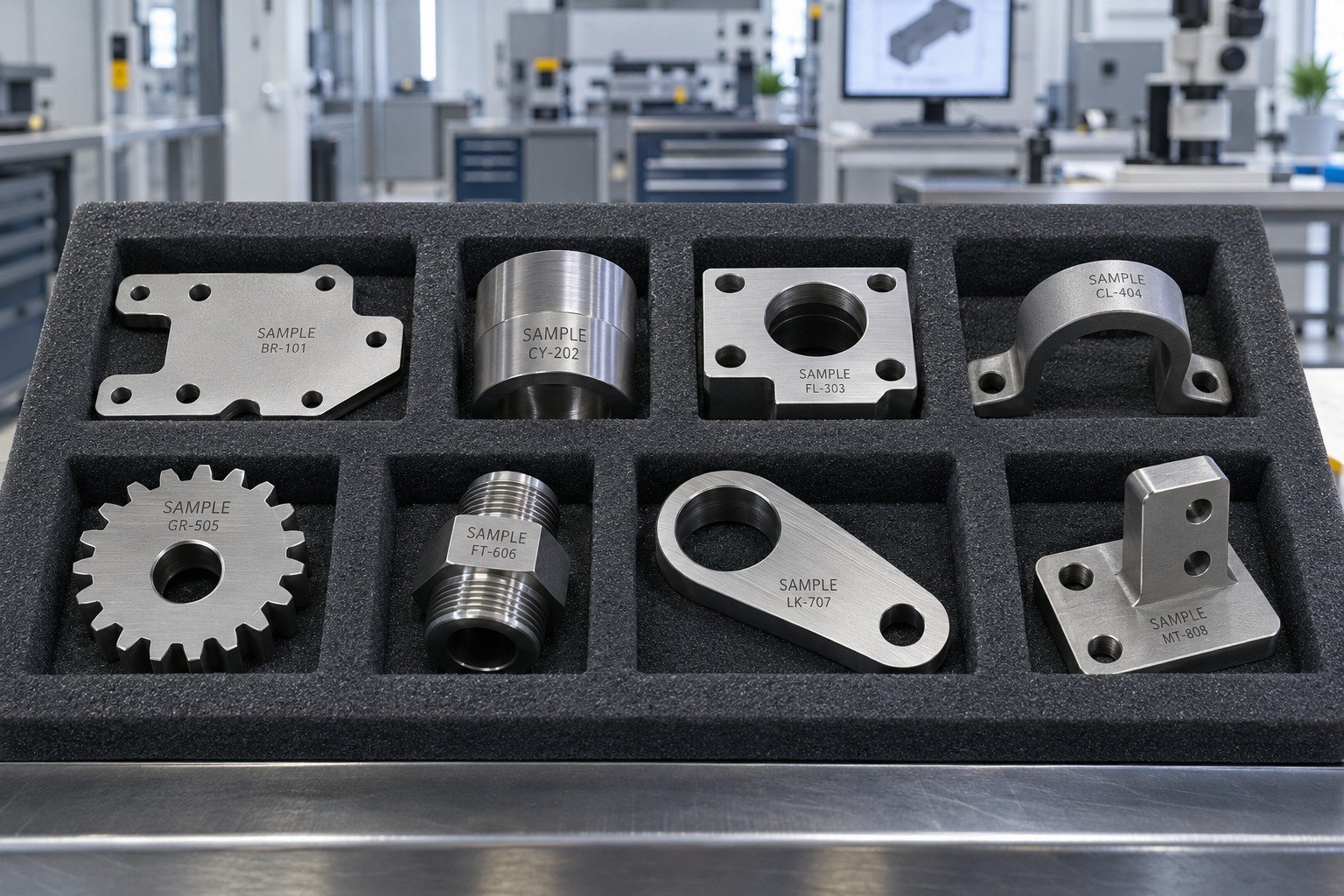
Retain agreed release records and protect the finished parts for delivery.
This is a purchasing sequence, not a machine operating recipe. Equipment, settings, actual method and any secondary processing are confirmed for your project.
Check the information and its final-state usability, not only how a photograph looks.
| Material & Finish | Exact grade, coating and final surface condition. |
|---|---|
| Artwork & Data | Approved revision, fixed content and variable fields. |
| Location & Orientation | Mark zone, datums and no-mark areas. |
| Reading Performance | Human readability or specified code verification. |
| Final-State Evidence | Required depth, fit or downstream-treatment checks. |
| Release Records | Part association, rework disposition and agreed records. |
Laser marking durability must be assessed against specified service conditions. A visual check does not establish corrosion, abrasion or code-verification performance.
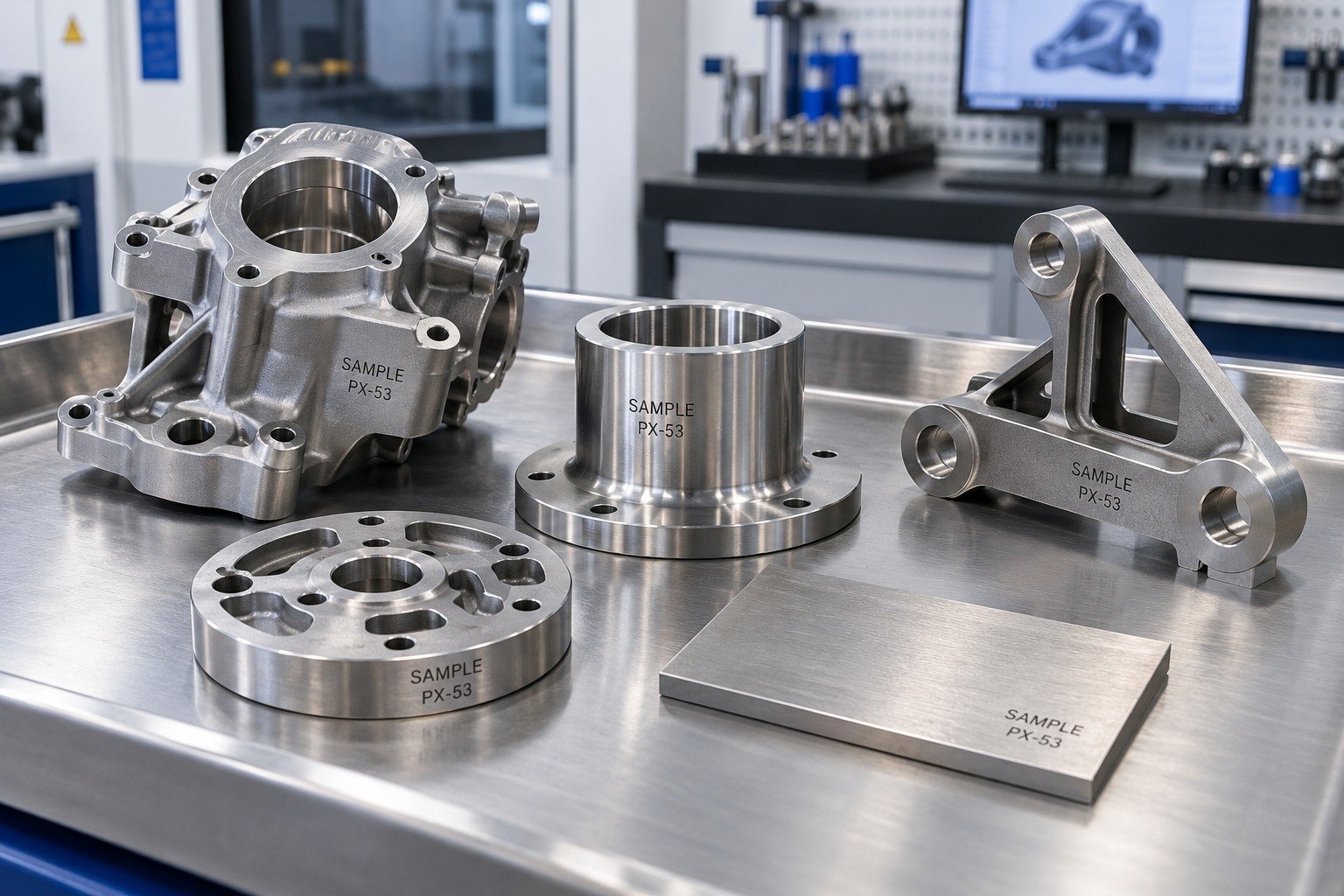
| Material & Finish | Exact grade, coating and final surface condition. |
|---|---|
| Artwork & Data | Approved revision, fixed content and variable fields. |
| Location & Orientation | Mark zone, datums and no-mark areas. |
| Reading Performance | Human readability or specified code verification. |
| Final-State Evidence | Required depth, fit or downstream-treatment checks. |
| Release Records | Part association, rework disposition and agreed records. |
Laser marking durability must be assessed against specified service conditions. A visual check does not establish corrosion, abrasion or code-verification performance.
| Material & Finish | Exact grade, coating and final surface condition. |
|---|---|
| Artwork & Data | Approved revision, fixed content and variable fields. |
| Location & Orientation | Mark zone, datums and no-mark areas. |
| Reading Performance | Human readability or specified code verification. |
| Final-State Evidence | Required depth, fit or downstream-treatment checks. |
| Release Records | Part association, rework disposition and agreed records. |
Laser marking durability must be assessed against specified service conditions. A visual check does not establish corrosion, abrasion or code-verification performance.
| Material & Finish | Exact grade, coating and final surface condition. |
|---|---|
| Artwork & Data | Approved revision, fixed content and variable fields. |
| Location & Orientation | Mark zone, datums and no-mark areas. |
| Reading Performance | Human readability or specified code verification. |
| Final-State Evidence | Required depth, fit or downstream-treatment checks. |
| Release Records | Part association, rework disposition and agreed records. |
Laser marking durability must be assessed against specified service conditions. A visual check does not establish corrosion, abrasion or code-verification performance.
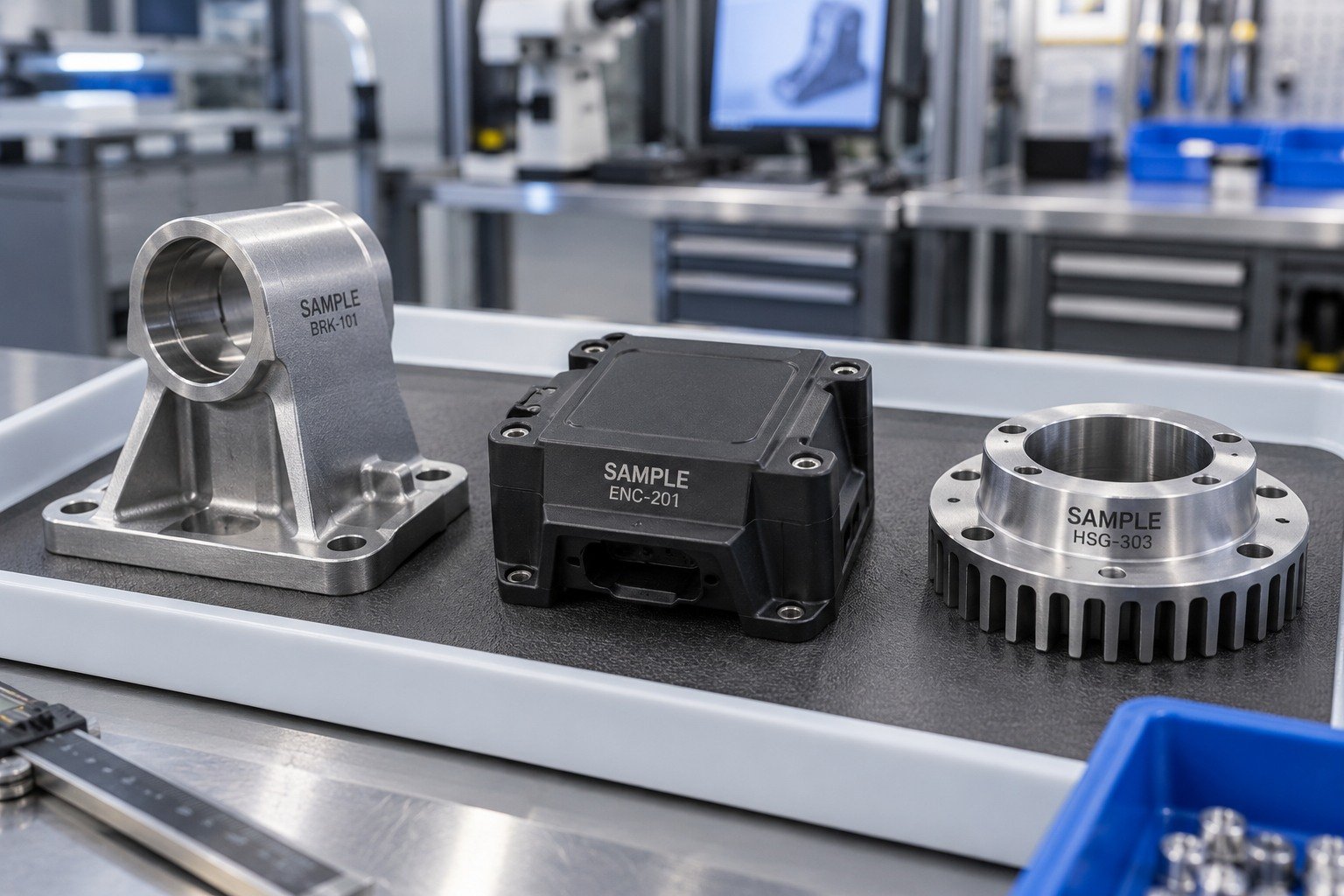
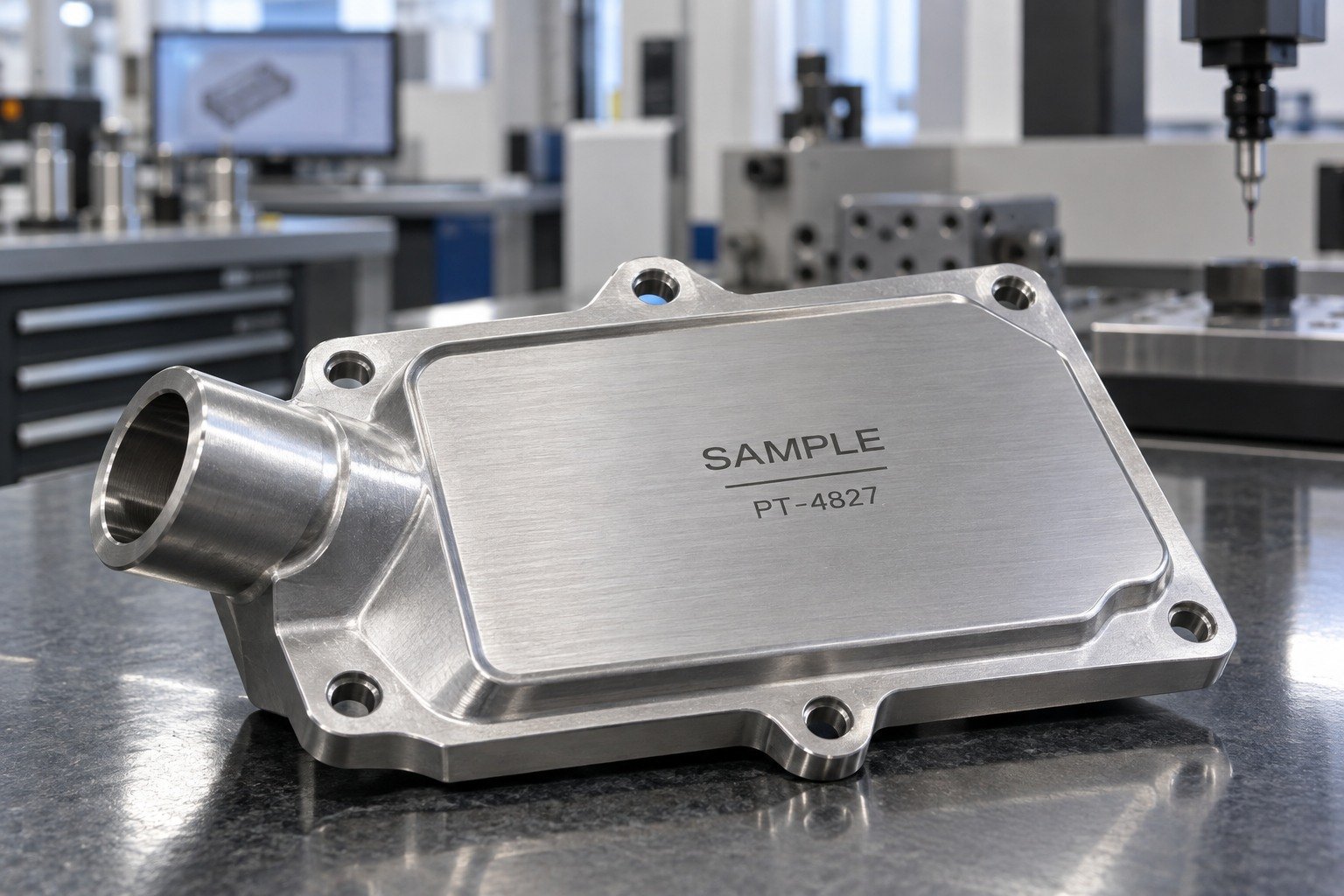
Keep controlled text and mounting orientation together.
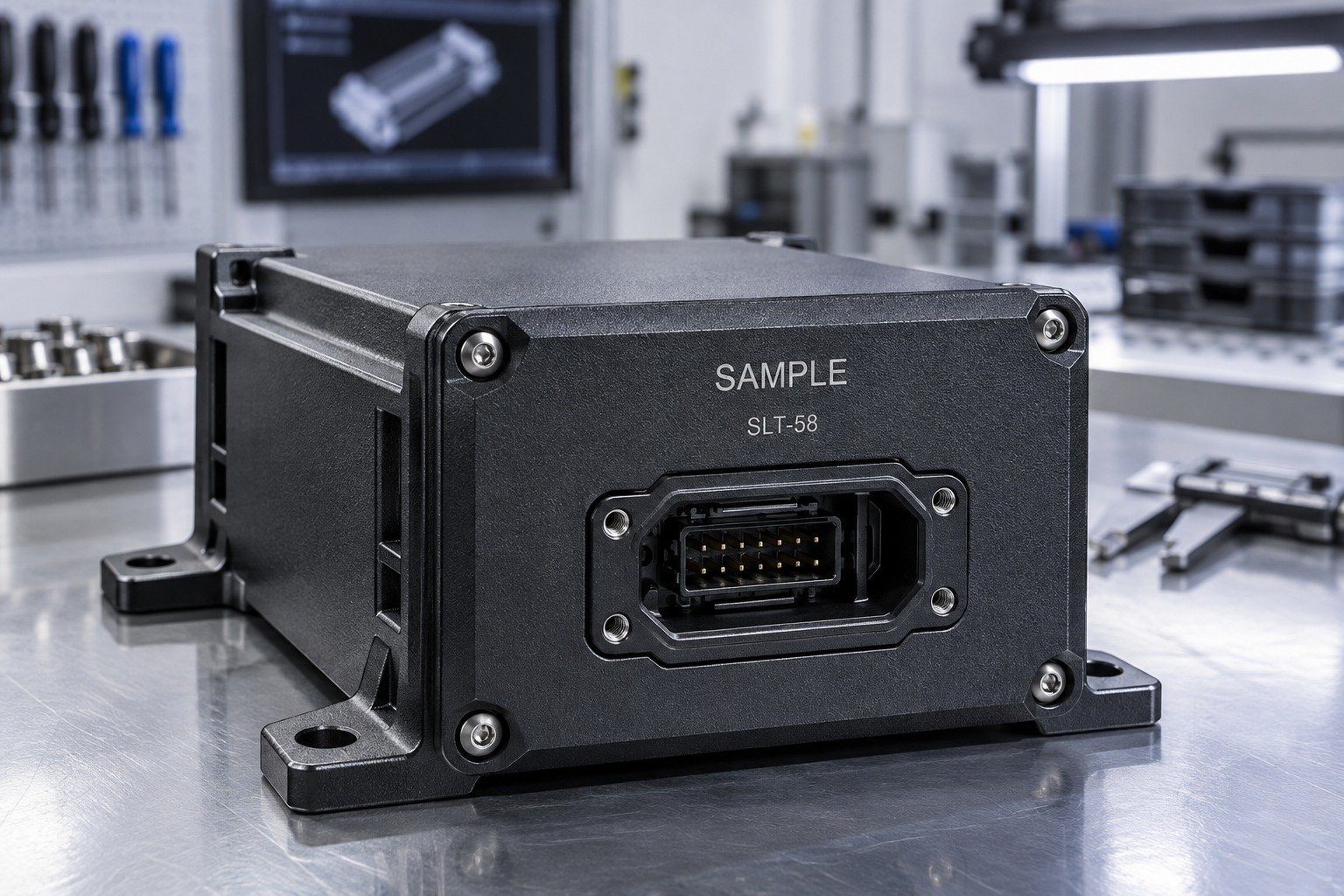
Place identification where it remains visible after assembly.
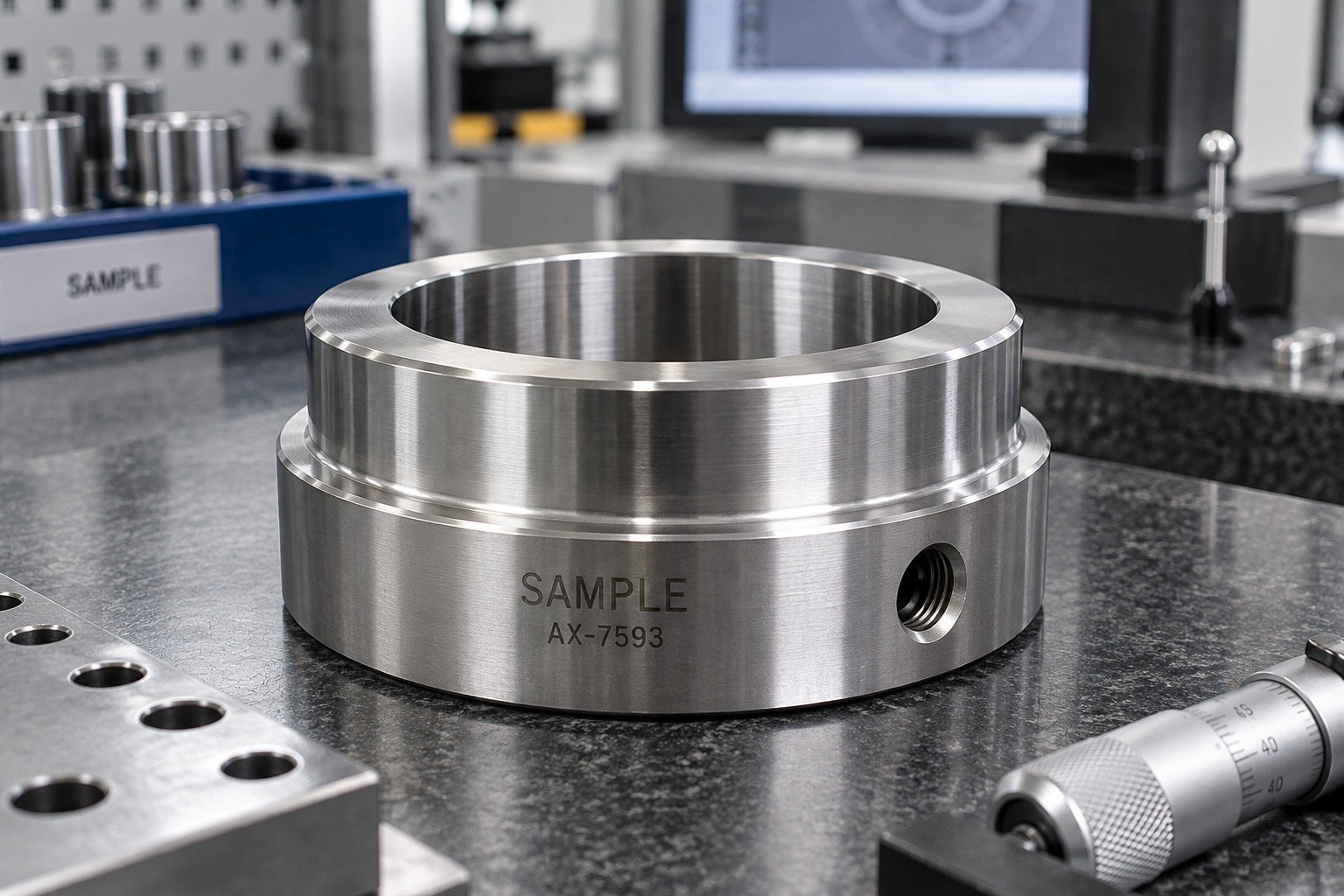
Define serial location without compromising working interfaces.
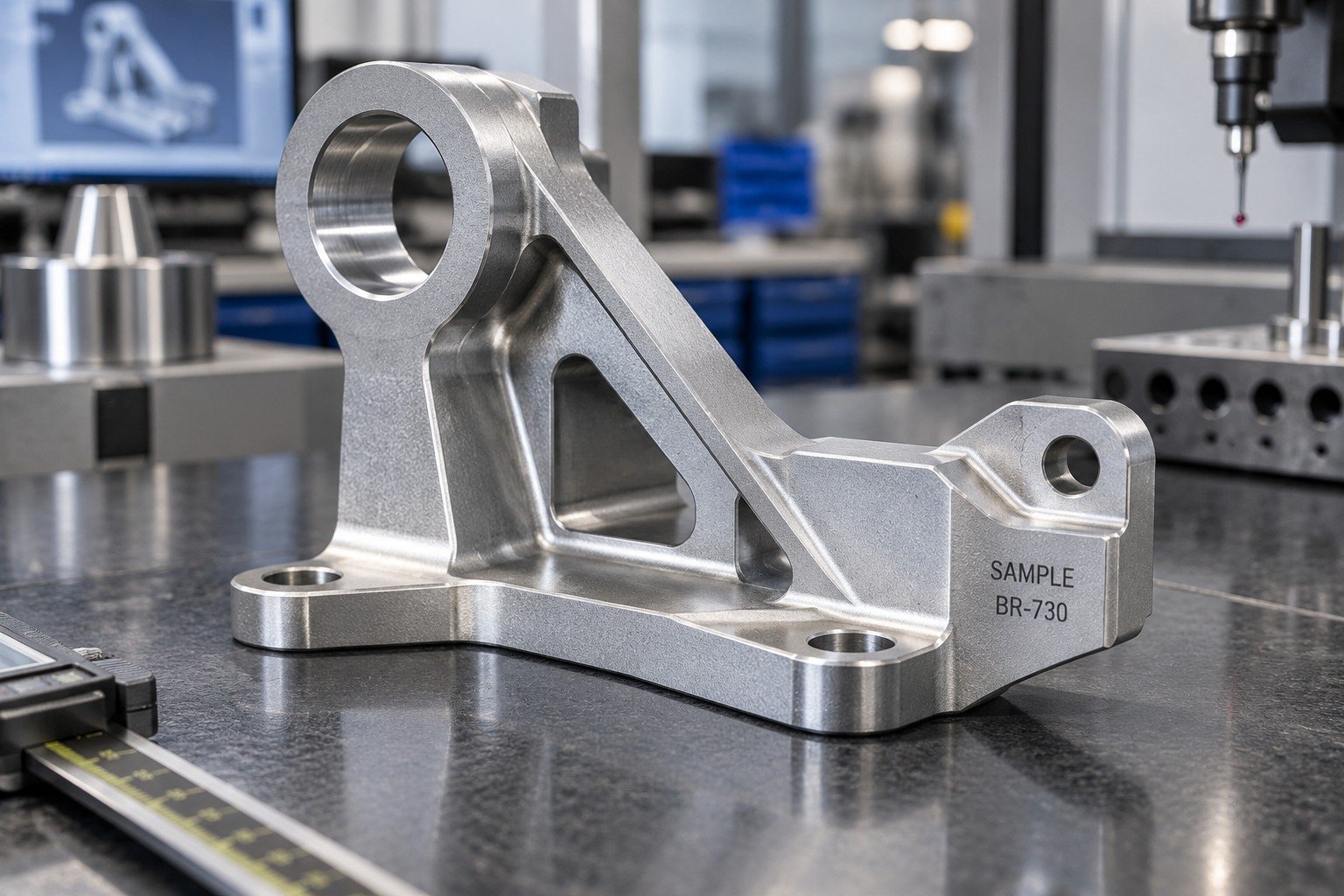
Keep part identification linked to the supplied revision.
Illustrative application concepts. Suitability and required evidence are project-specific; no customer case study or industry qualification is implied.
Coordinate your marking drawing, first-part samples and delivery requirements.

Project communication and coordination.
Material, method and processor confirmed in your quote.
Agree sample, reading and release evidence.
Coordinate part handling and receiving records.
For contract laser marking, separate part supply, artwork/data approval, processing and final inspection responsibilities.
It uses a laser process to create a mark by removing material. The actual route and resulting depth, texture and appearance must be defined for your substrate and required function.
Laser marking is a broader term for laser-produced identification. Engraving removes material, while other routes can change appearance through different effects. Specify your required result and final surface before selecting a method.
Terminology can vary between suppliers. Define substrate, mark location, content, required appearance and depth if it matters; approve the actual sample and agreed method rather than relying on the process name alone.
Artwork preparation, variable data, material, access, marked area, quantity, sample approval and inspection affect cost. Compare quotations on the same defined scope.
Durability depends on the actual mark, substrate and exposure. Define abrasion, chemicals, cleaning or other relevant service conditions and agree the necessary tests; no universal permanence promise applies.
Material removal or other surface effects may matter to your function. Mark no-go areas and critical features, specify permitted changes and verify any required dimensions after processing.
The route and settings can affect the surface. Review grade, function, finish and corrosion or cleaning requirements, and approve a representative final-state sample when those properties matter.
Review the actual alloy, anodized coating, color and desired result. Confirm a suitable route and marked sample; coating changes, contrast and durability are not identical for every surface.
Send a controlled part drawing, artwork in an agreed vector format, mark location and orientation, and a controlled data file for variable fields. File conversion and approval responsibilities should be agreed in your quote.
Material, contrast, font, geometry and the reading method affect legibility. Specify your available area and acceptance conditions and approve a sample; no universal minimum text size applies.
That depends on the material, marking route and passivation process. Agree the manufacturing sequence and inspect or test the actual final-state sample; do not assume every mark will remain acceptable.
Identify substrate and surface, mark zone relative to datums, orientation, artwork revision and variable data. Add depth, readability, code verification or durability requirements where needed.
Trial and repeat-order terms depend on setup, handling, sample approval and the actual scope. Submit your quantities and delivery needs for a project-specific quotation.
Substrate, mark location, orientation and exclusions.
Content, final-state readability and required tests.
Method, data responsibilities, inspection and records.
Confirm these together before releasing repeat production.