Injection Molding
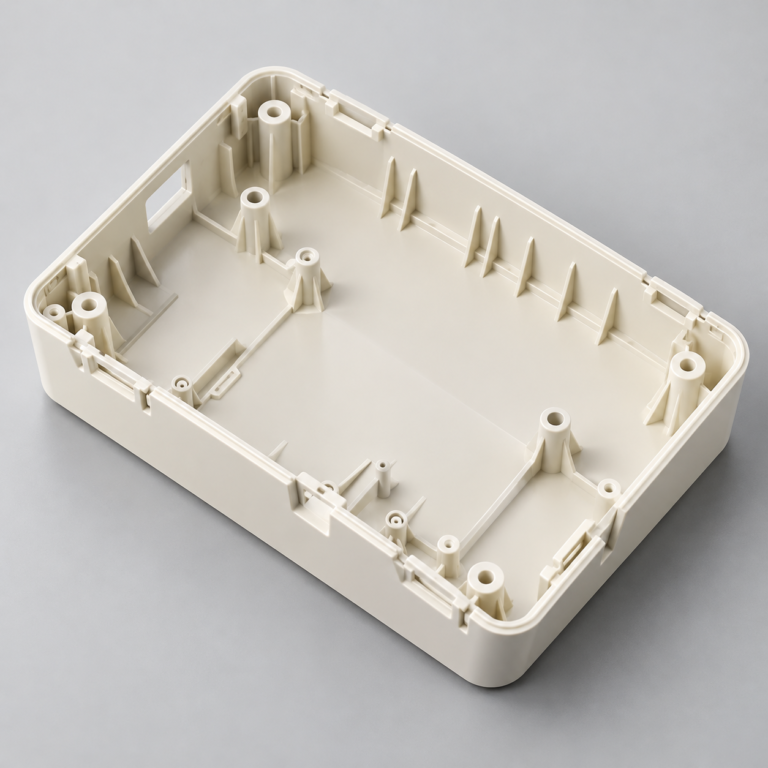
Tooling and molding for your repeat plastic parts.
From prototype to production, coordinated manufacturing solutions for your custom parts.
View All Services →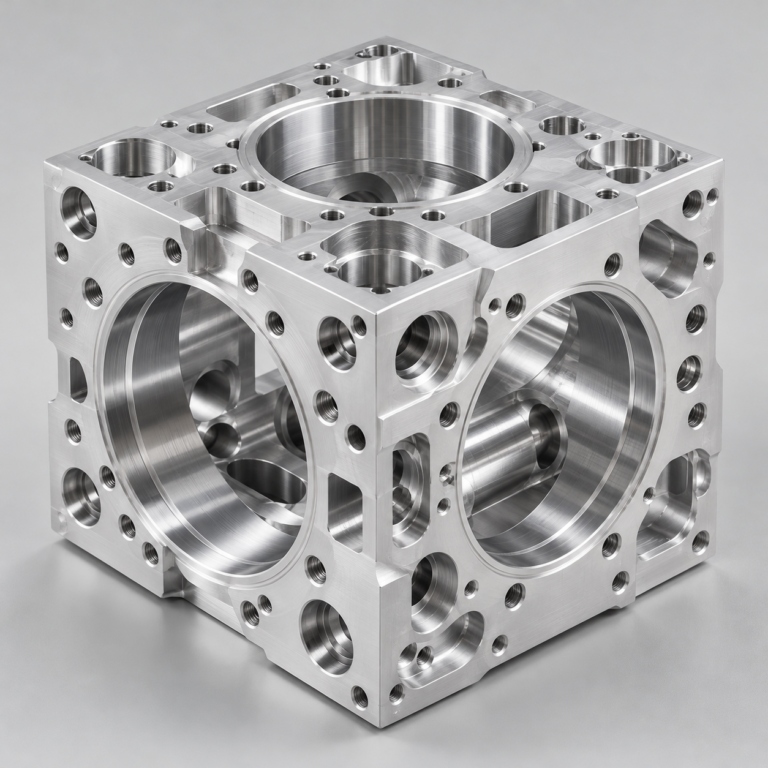
Precision parts for your tight tolerances and complex geometry.
Tooling and molding for your repeat plastic parts.
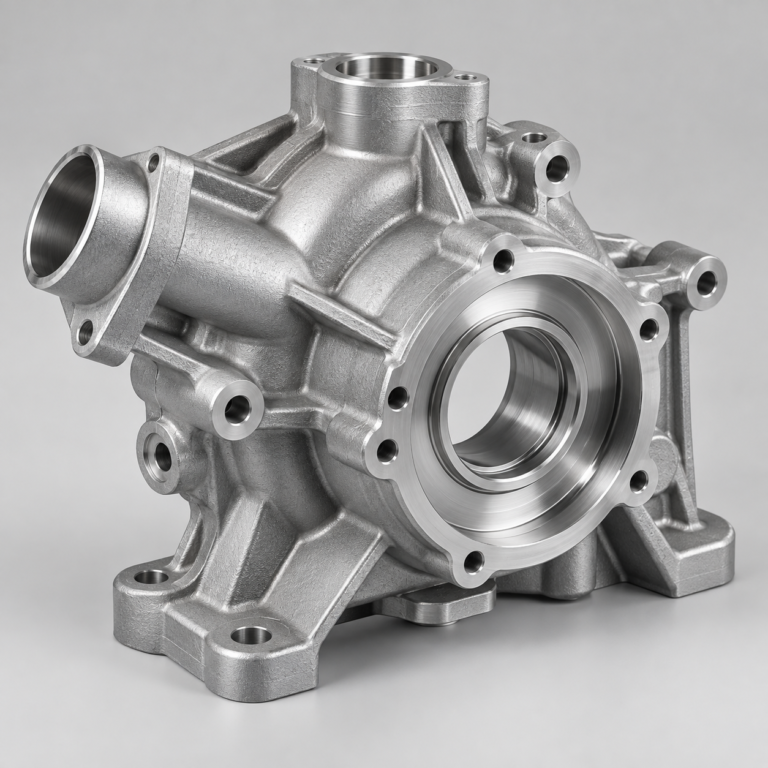
Metal casting options for your part and production volume.
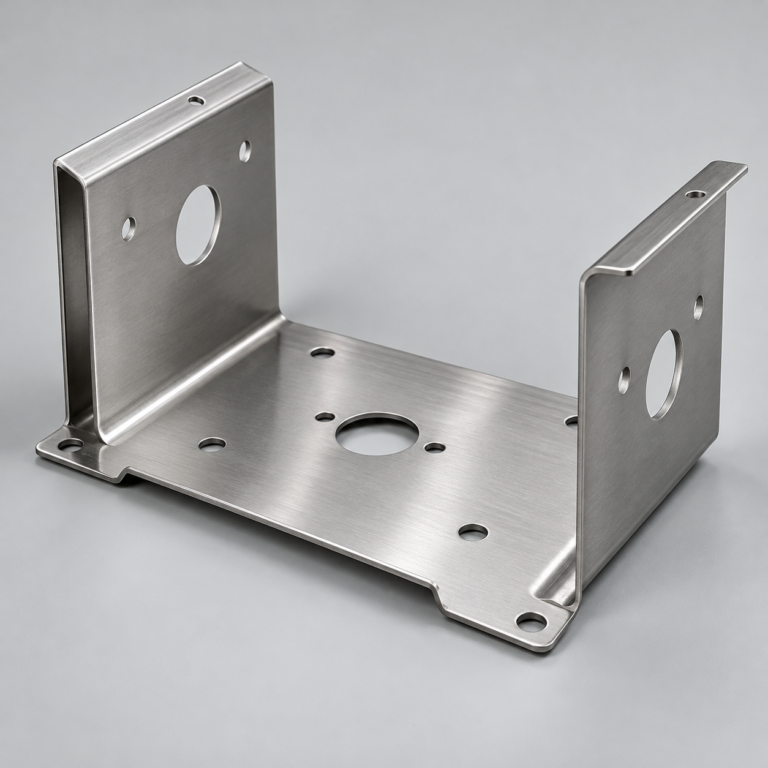
Cutting, forming and welding for your fabricated parts.
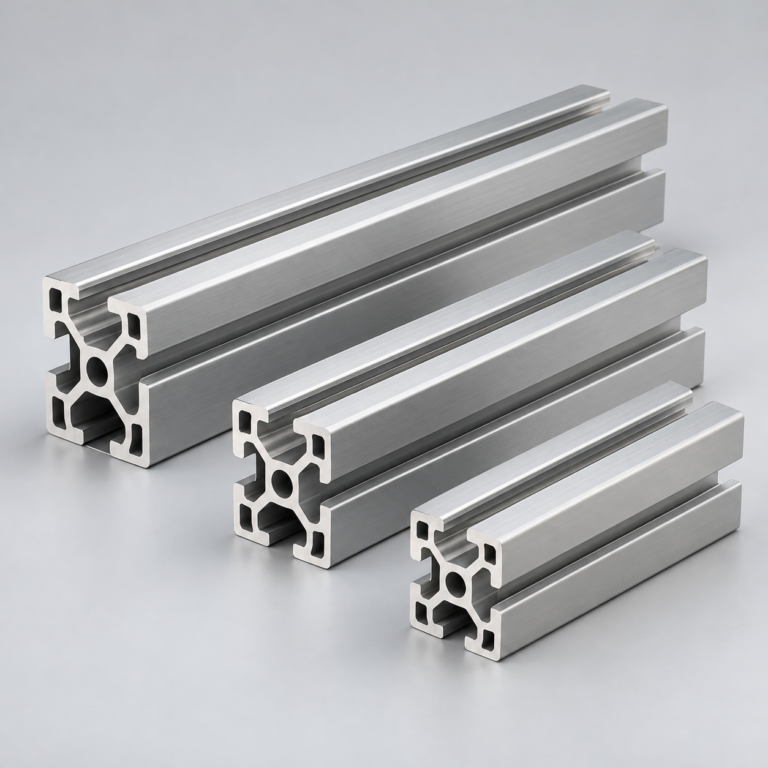
Custom profiles for your section, length and finish requirements.
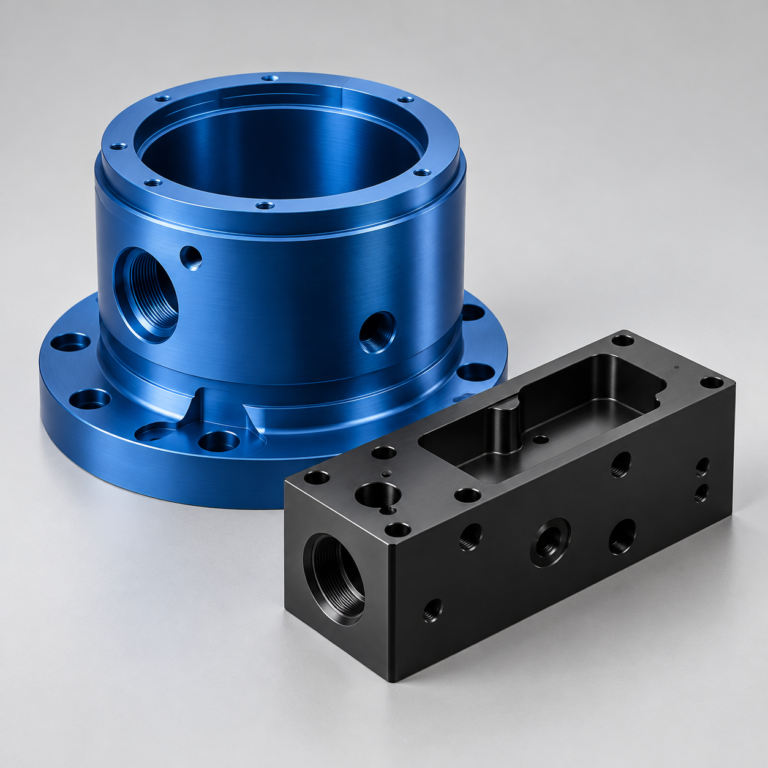
Finishes for your appearance, corrosion and wear requirements.
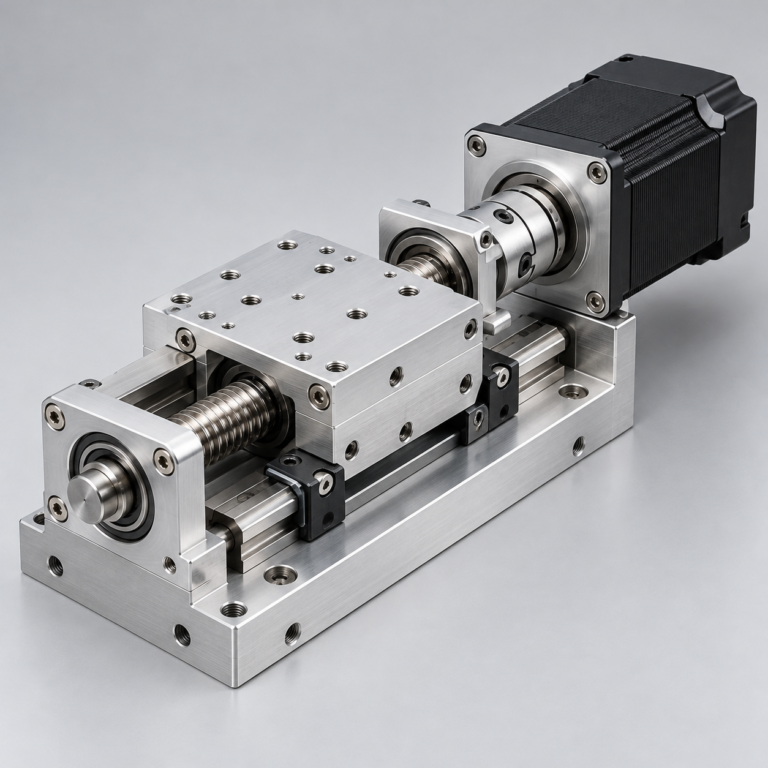
Sub-assemblies and final builds for your production program.
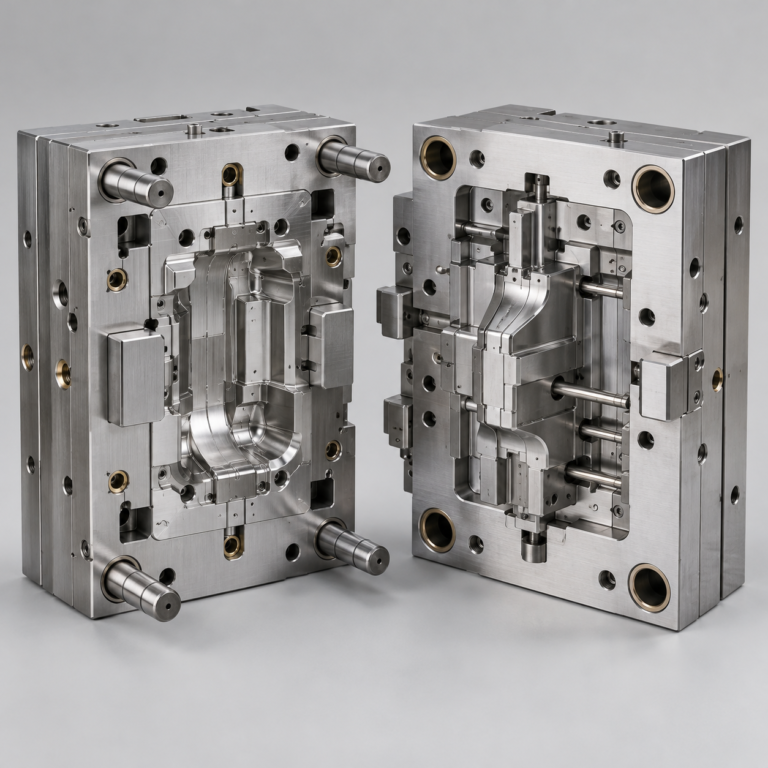
Production tooling built around your process and volume.
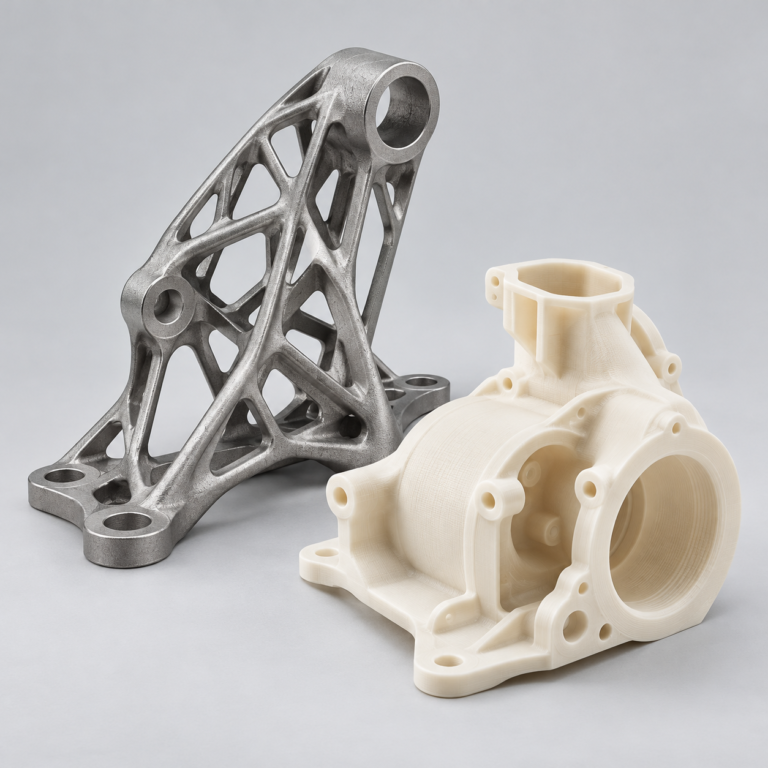
Prototype parts to check fit, function and design.
Choose air- or liquid-cooling components around your thermal and mechanical requirements.
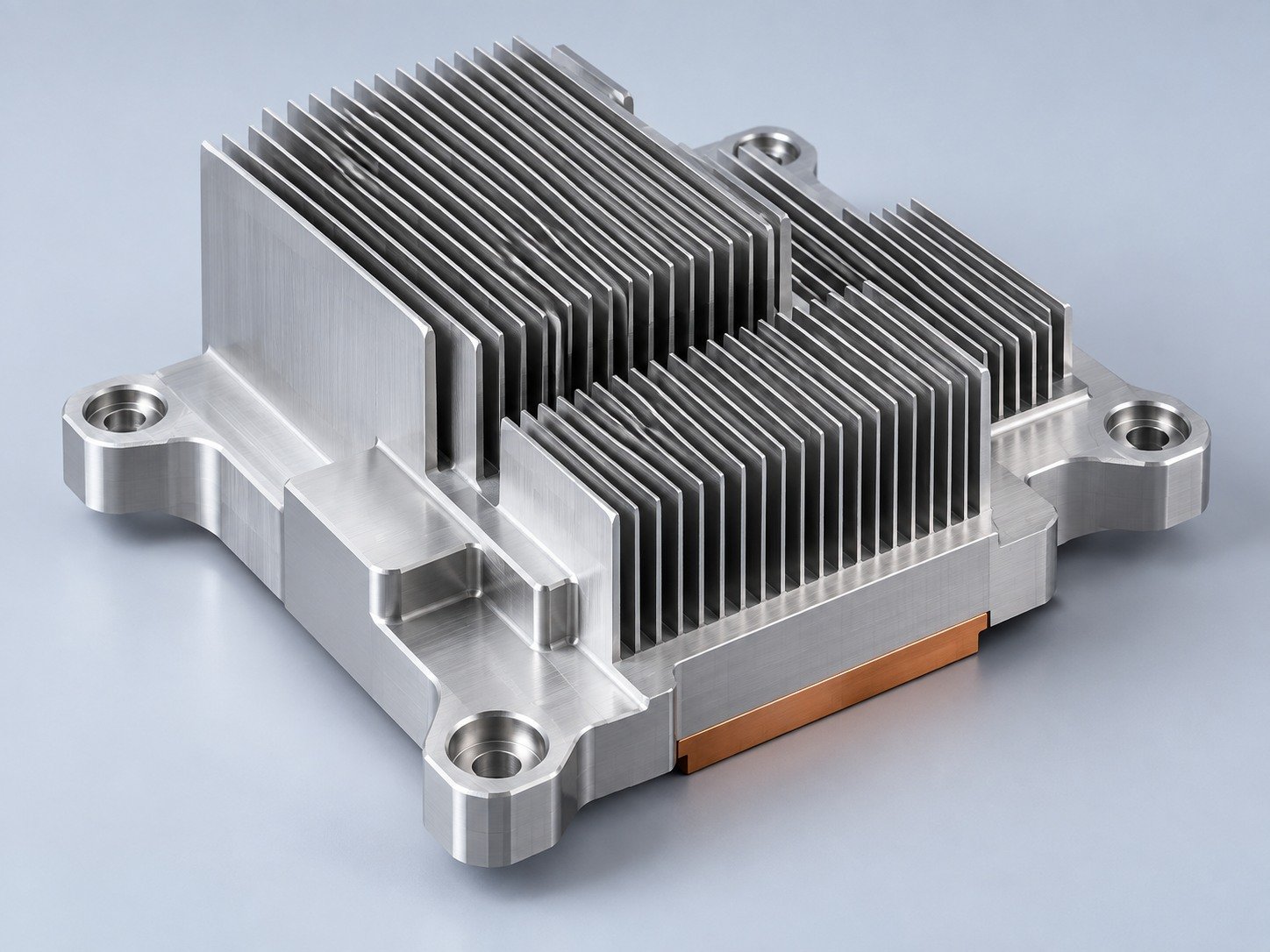
Manufacturing support for your cold plates, manifolds and cooling assemblies.
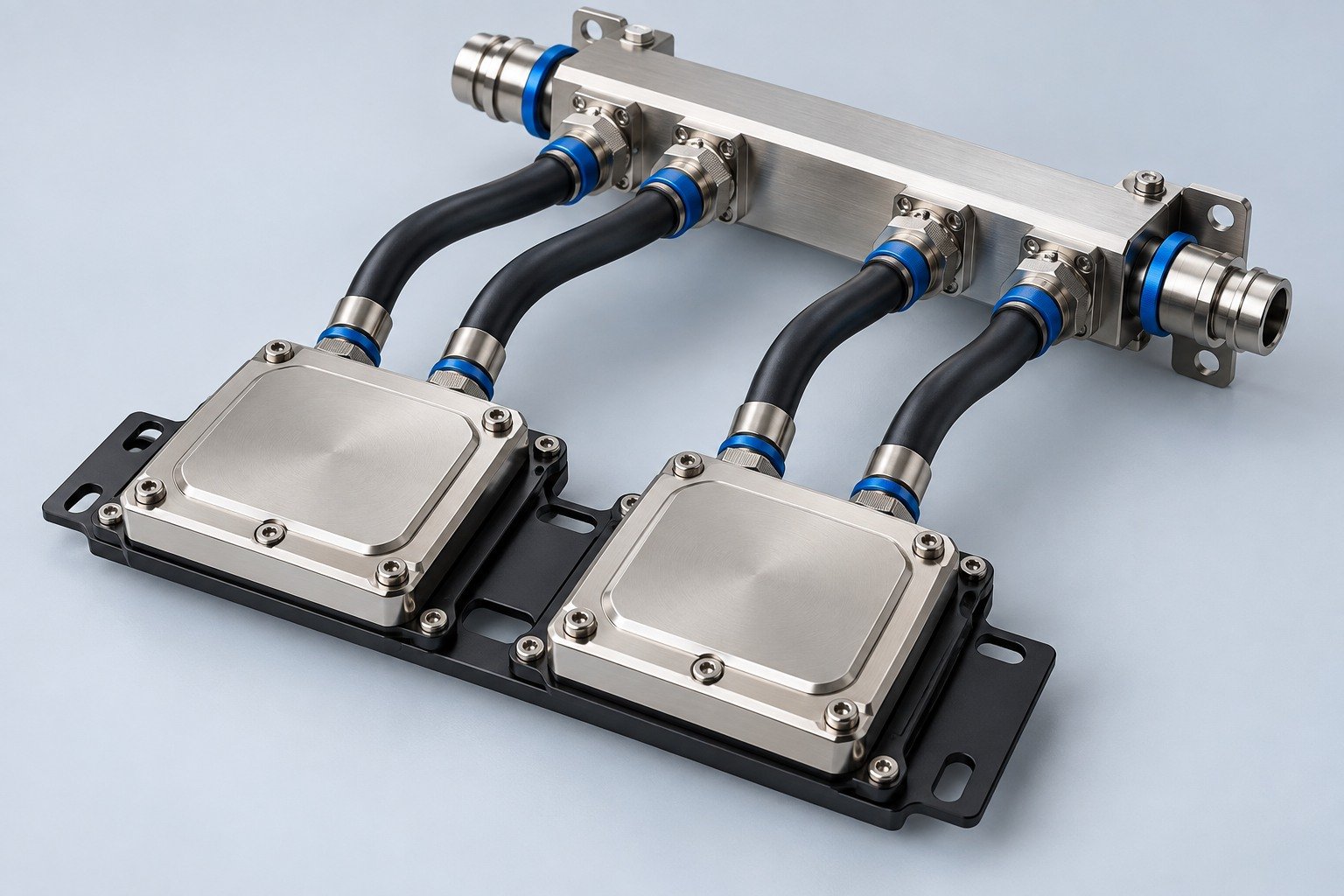
Find components for your power electronics, energy, laser and telecom application.
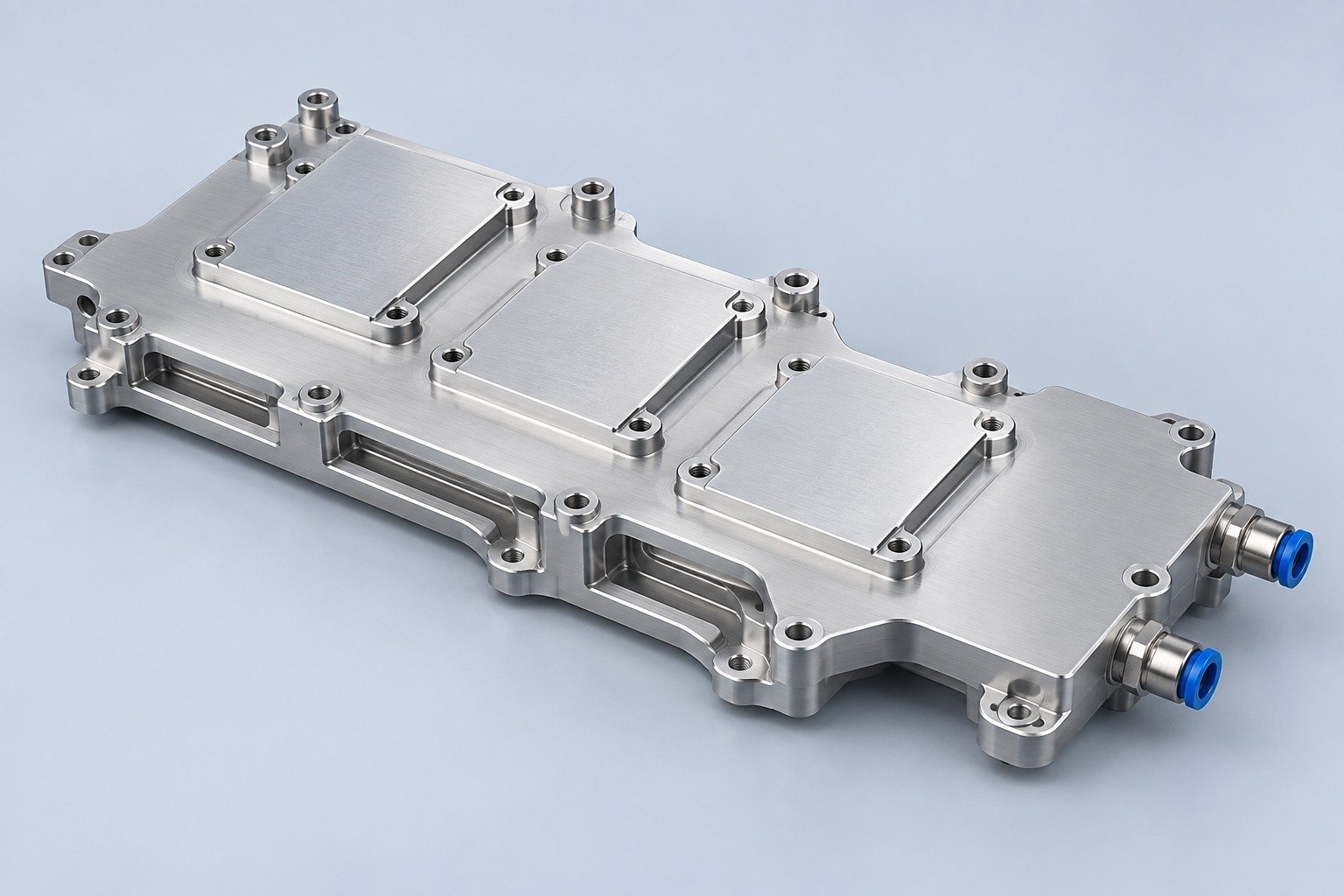
Components for your electronic systems.
Start with your functional and quality requirements.
Build around your operating environment.
From prototype to production, review material performance, manufacturability and cost for your part.
Review grade, temper and finish for your metal parts.
 AluminumStrength, weight and machining›
 Stainless SteelCorrosion and finish requirements›
 Carbon & Alloy SteelDiscuss grade and heat treatment›
 Tool SteelDiscuss tooling and wear needs›
 TitaniumReview grade and part geometry›
 Copper & BrassDiscuss conductivity and machining›
Match your polymer to function, process and environment.
 ABSReview enclosure and molding needs›
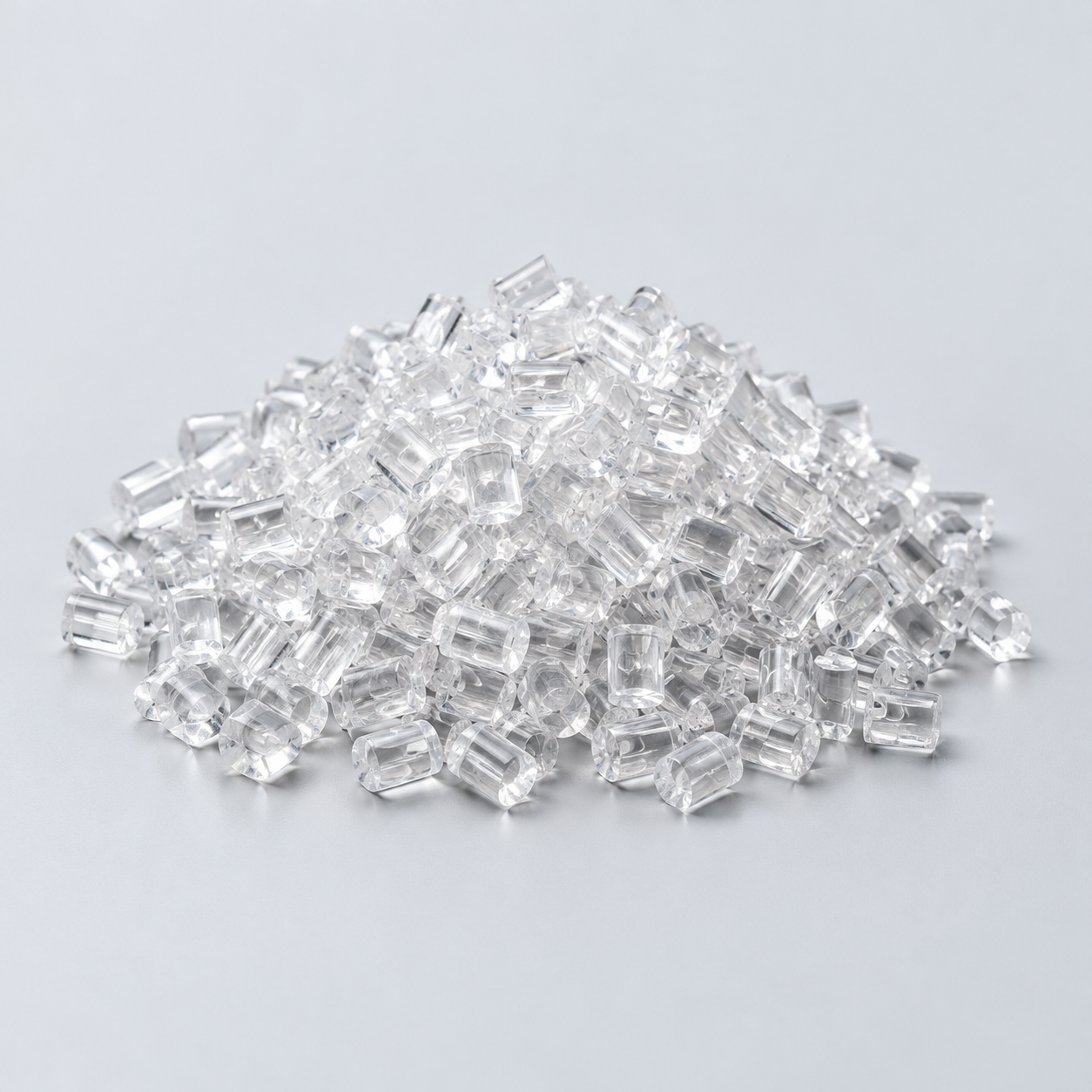 Polycarbonate (PC)Discuss clarity and impact needs›
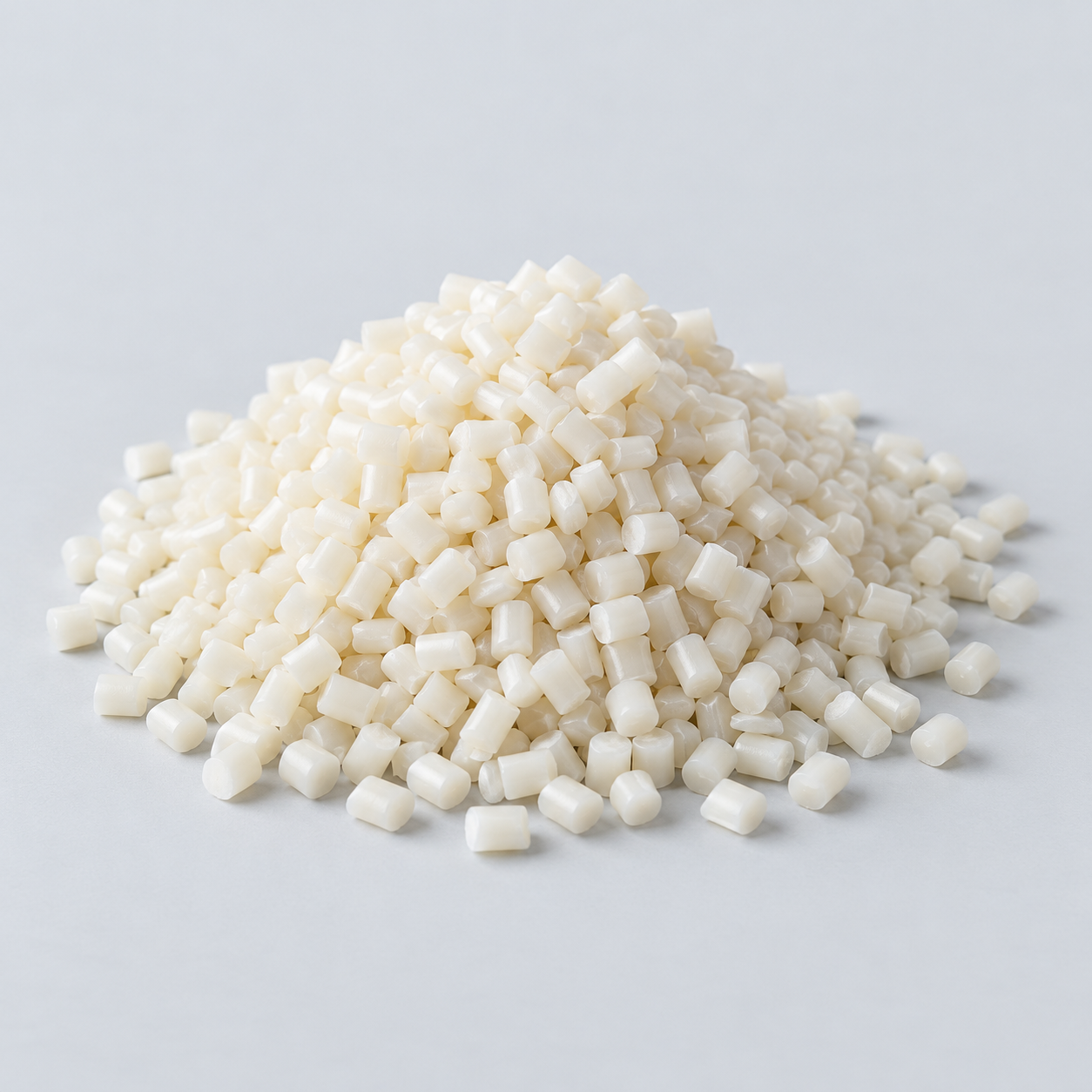 Nylon (PA)Review moisture and wear conditions›
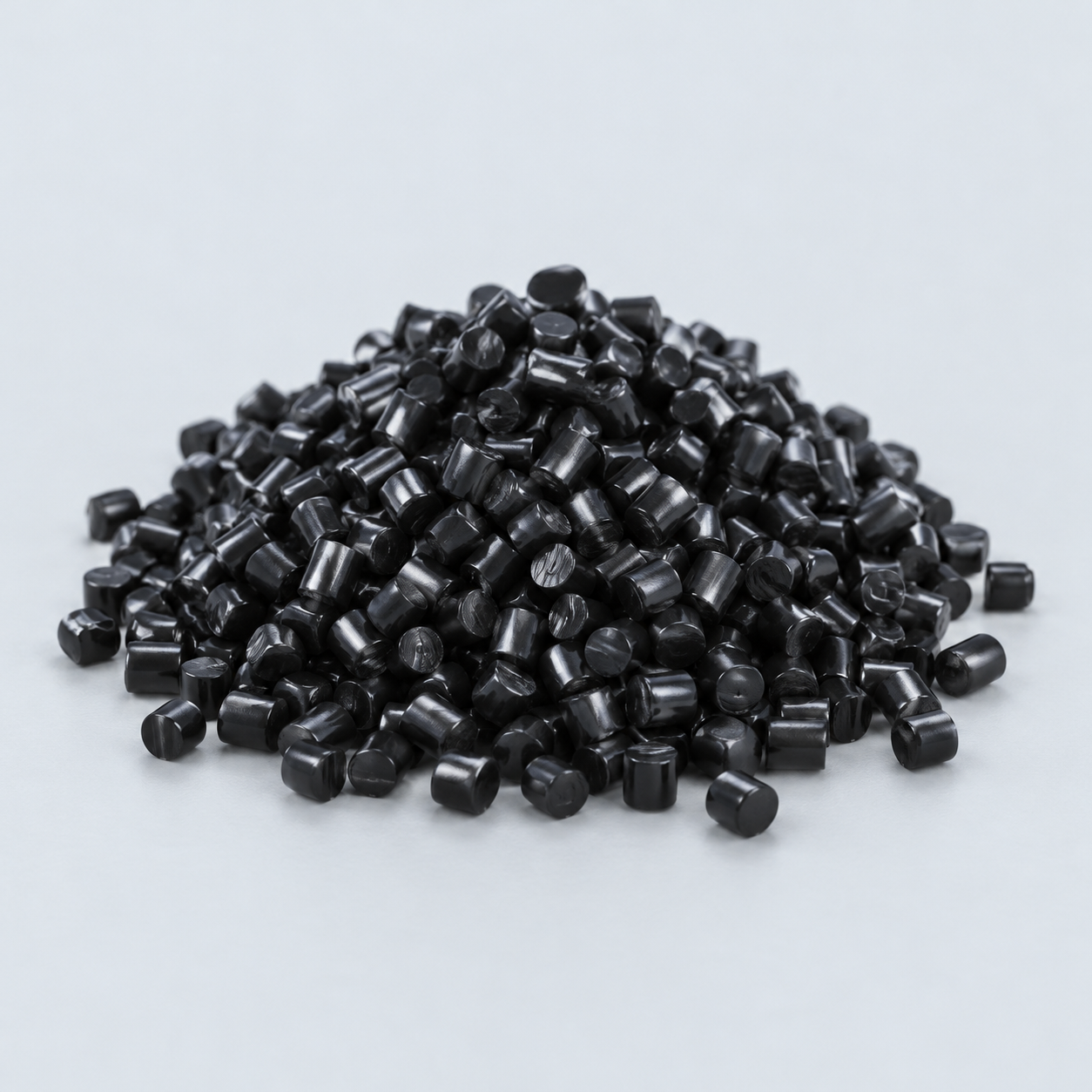 POM / AcetalReview fit and sliding features›
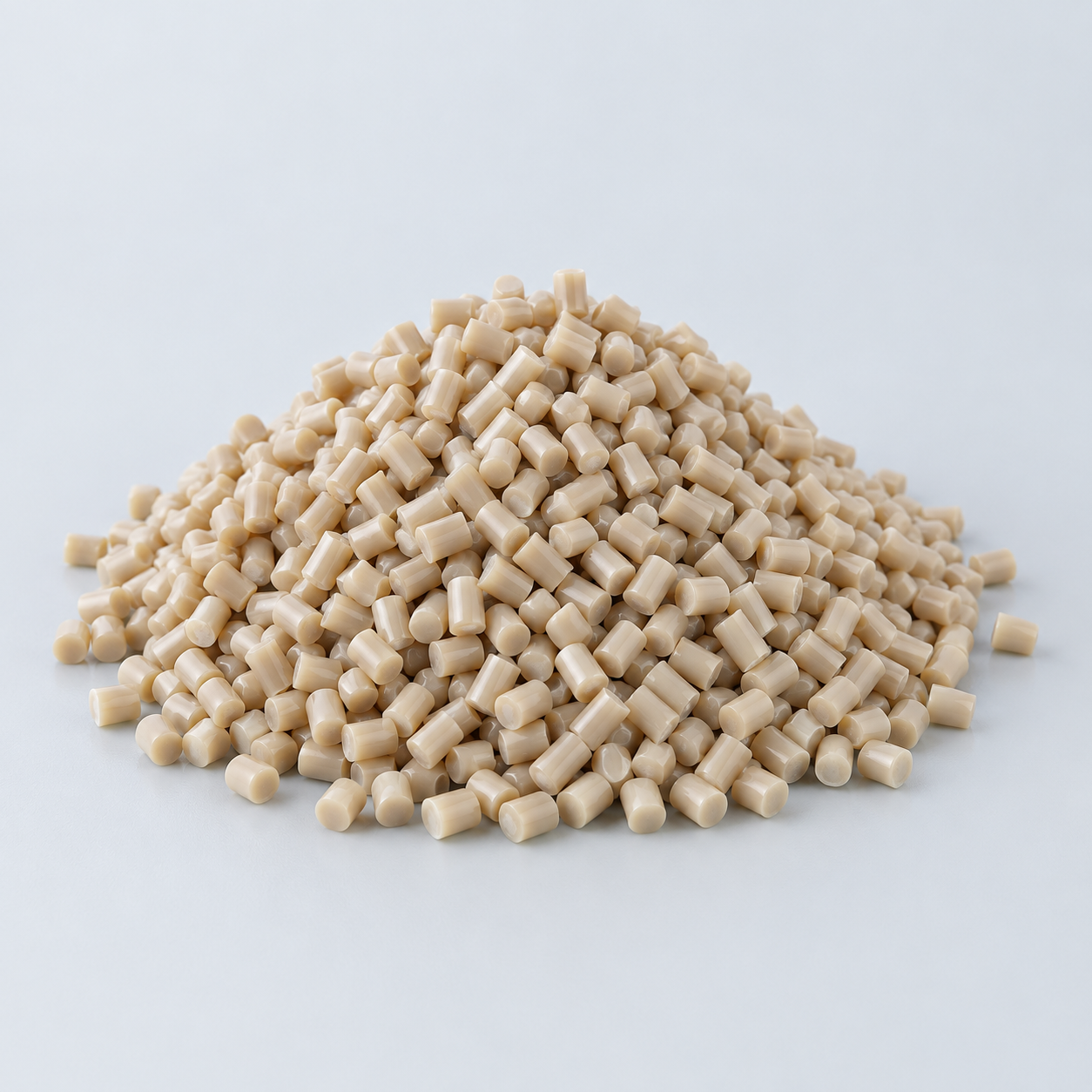 PEEKDiscuss operating conditions›
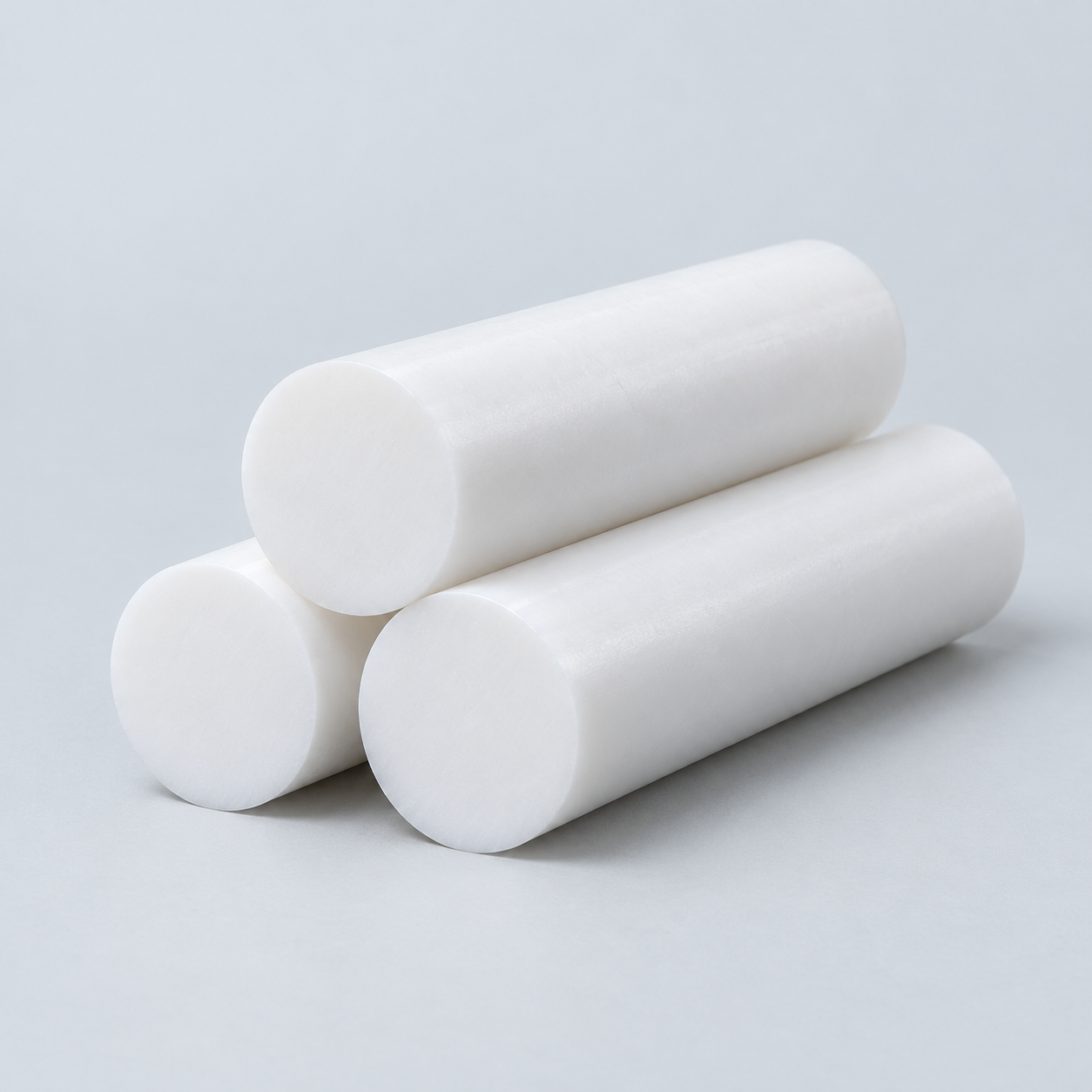 PTFEReview friction and chemical exposure›
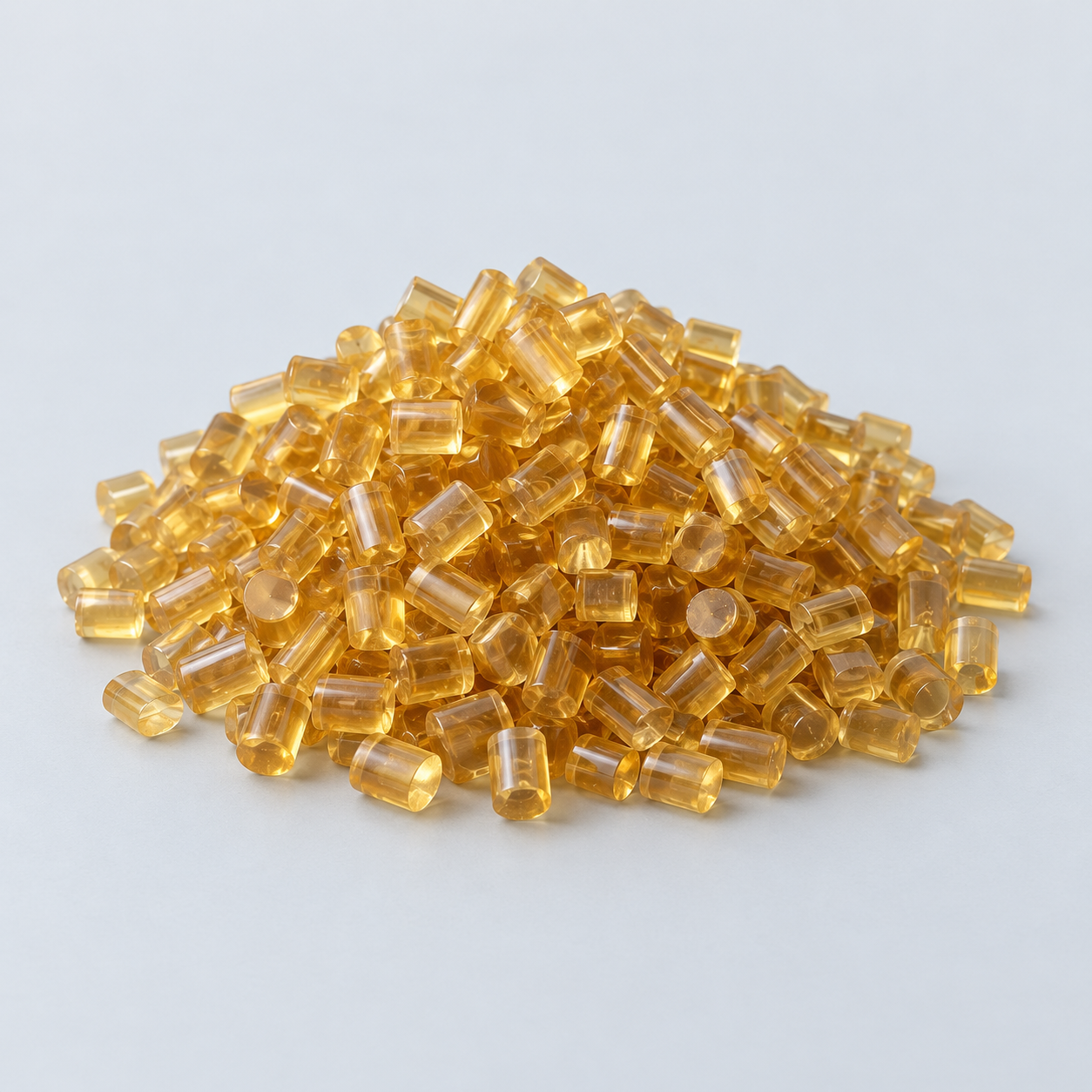 ULTEM / PEIDiscuss thermal and electrical needs›
Confirm grade availability and application requirements.
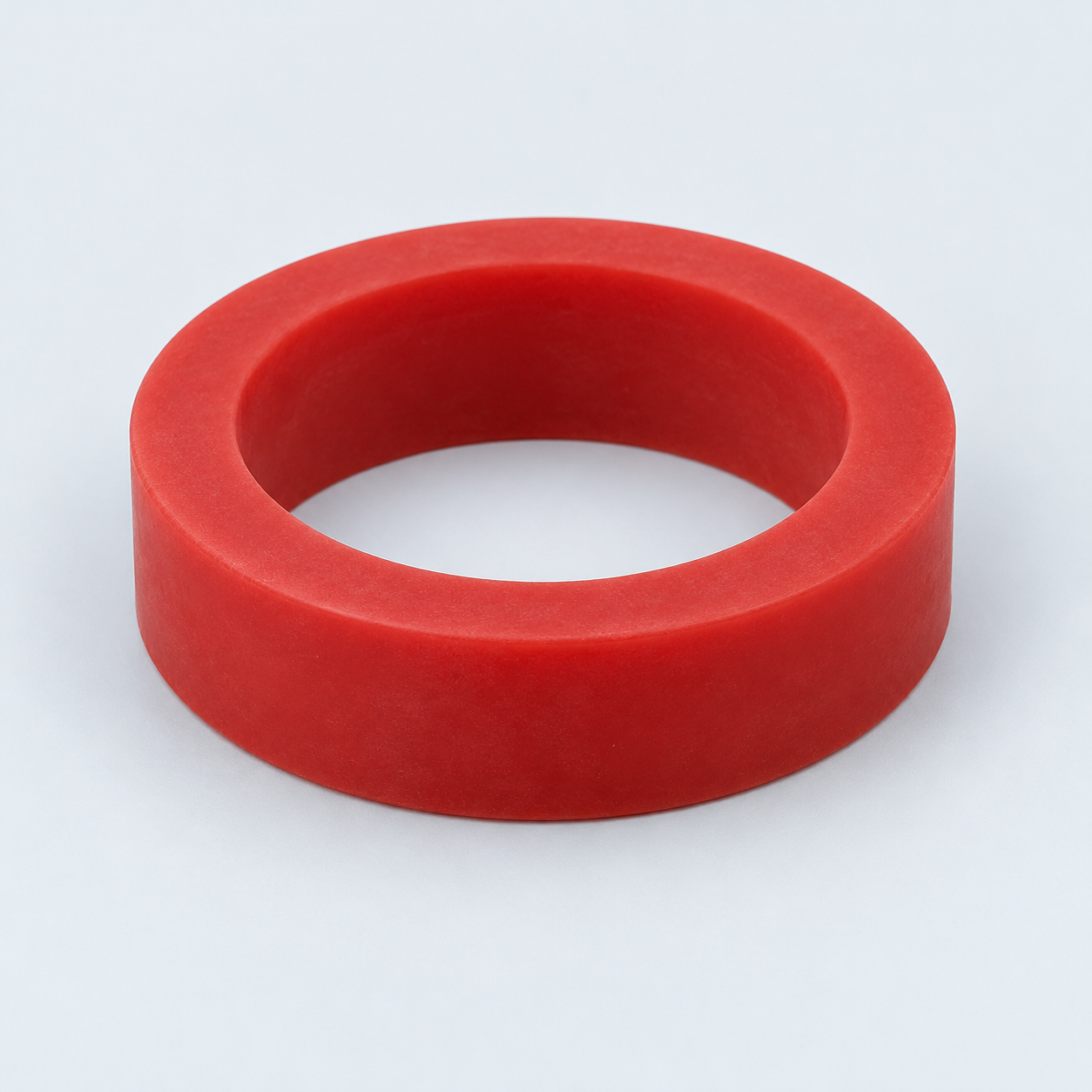 Silicone / LSRDiscuss flexible component needs›
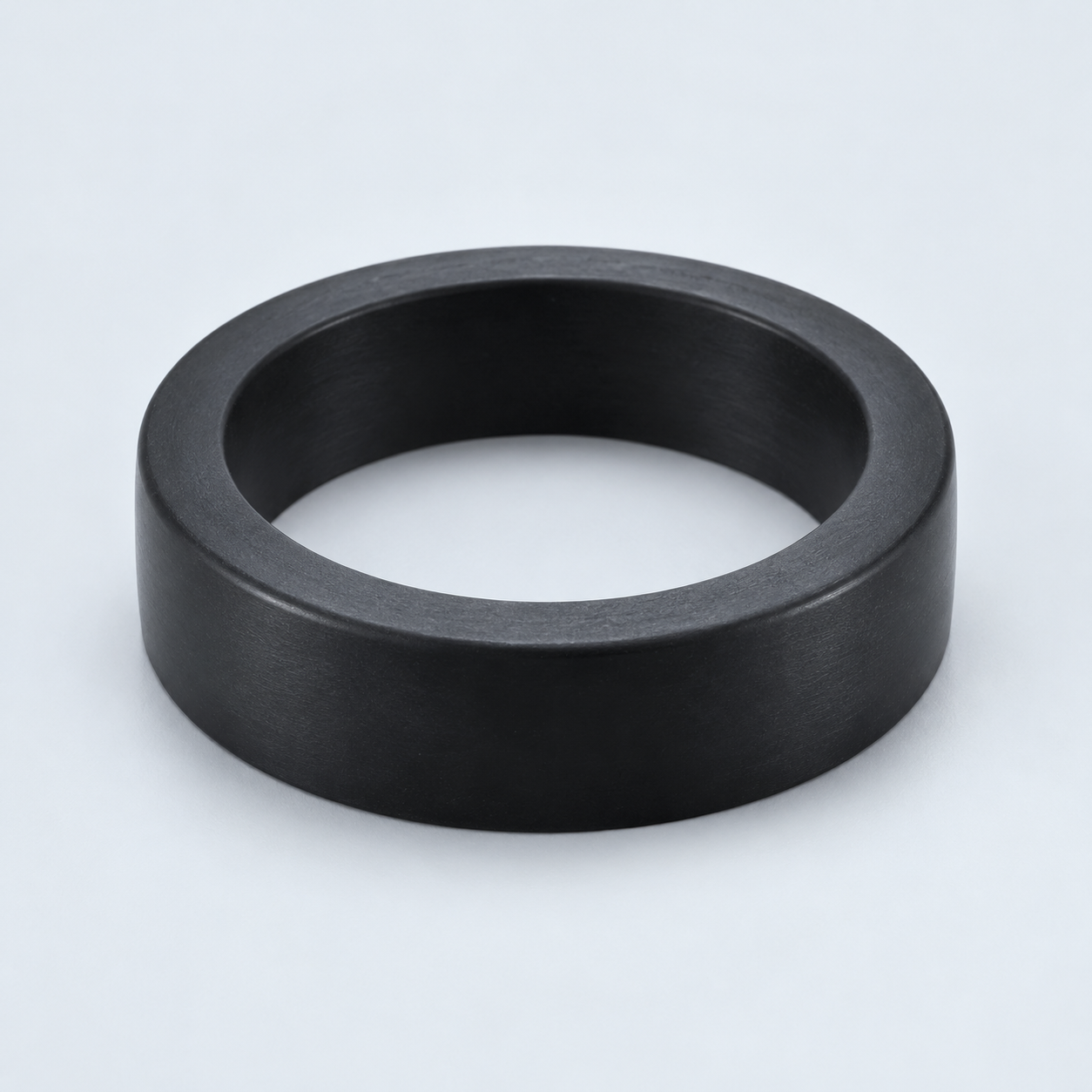 TPU / TPEReview flexibility and processing›
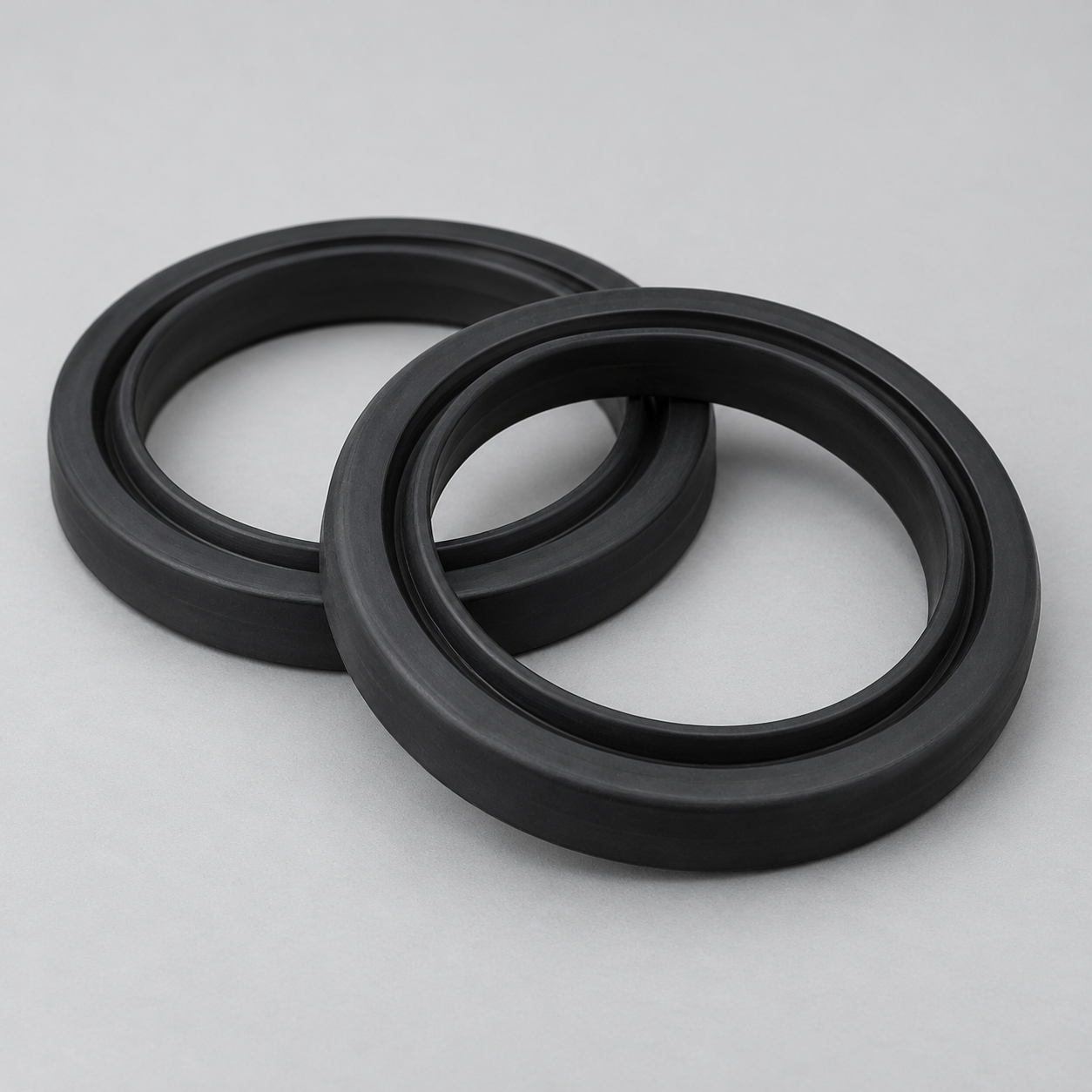 EPDMReview weathering and chemical exposure.›
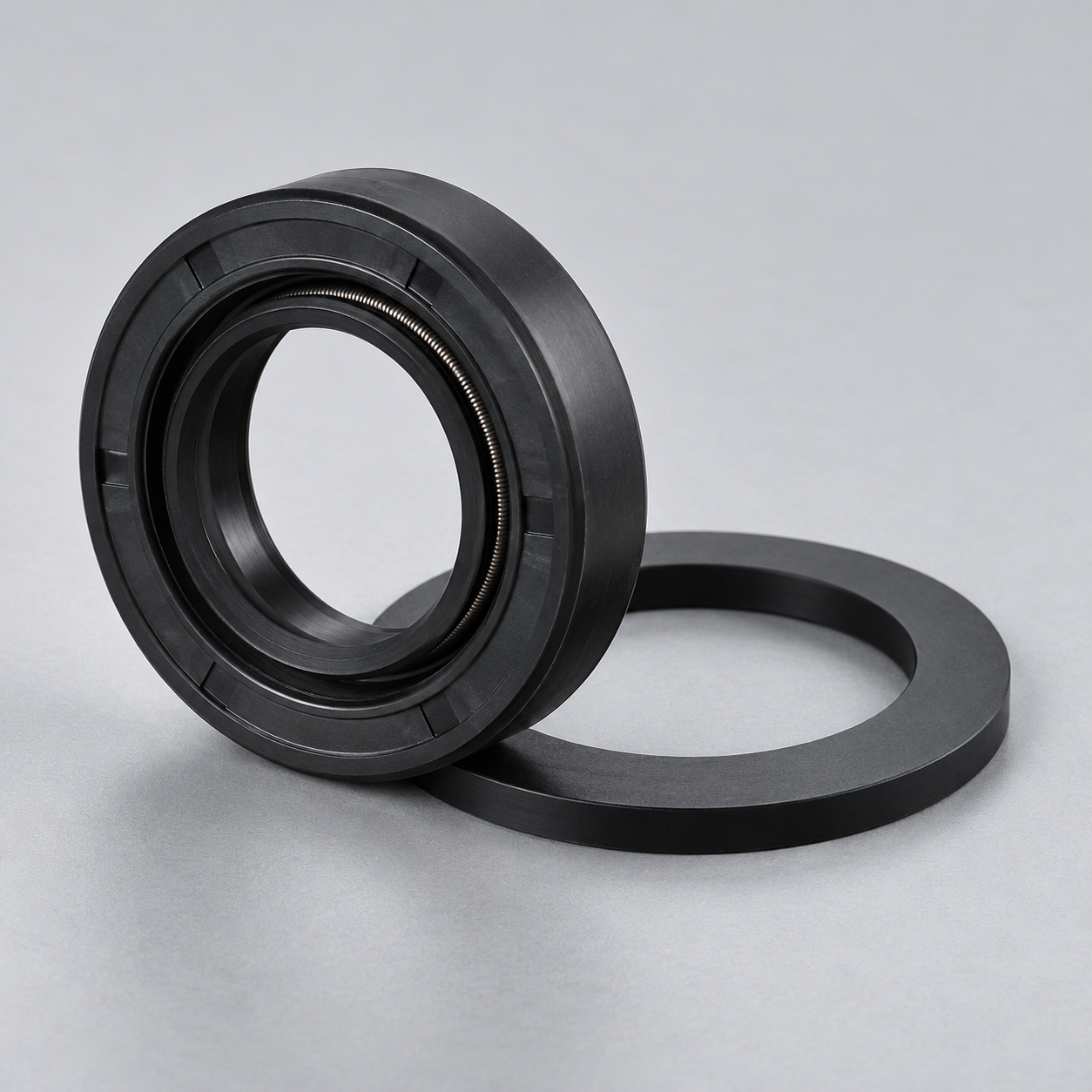 NBRReview oil and fuel exposure.›
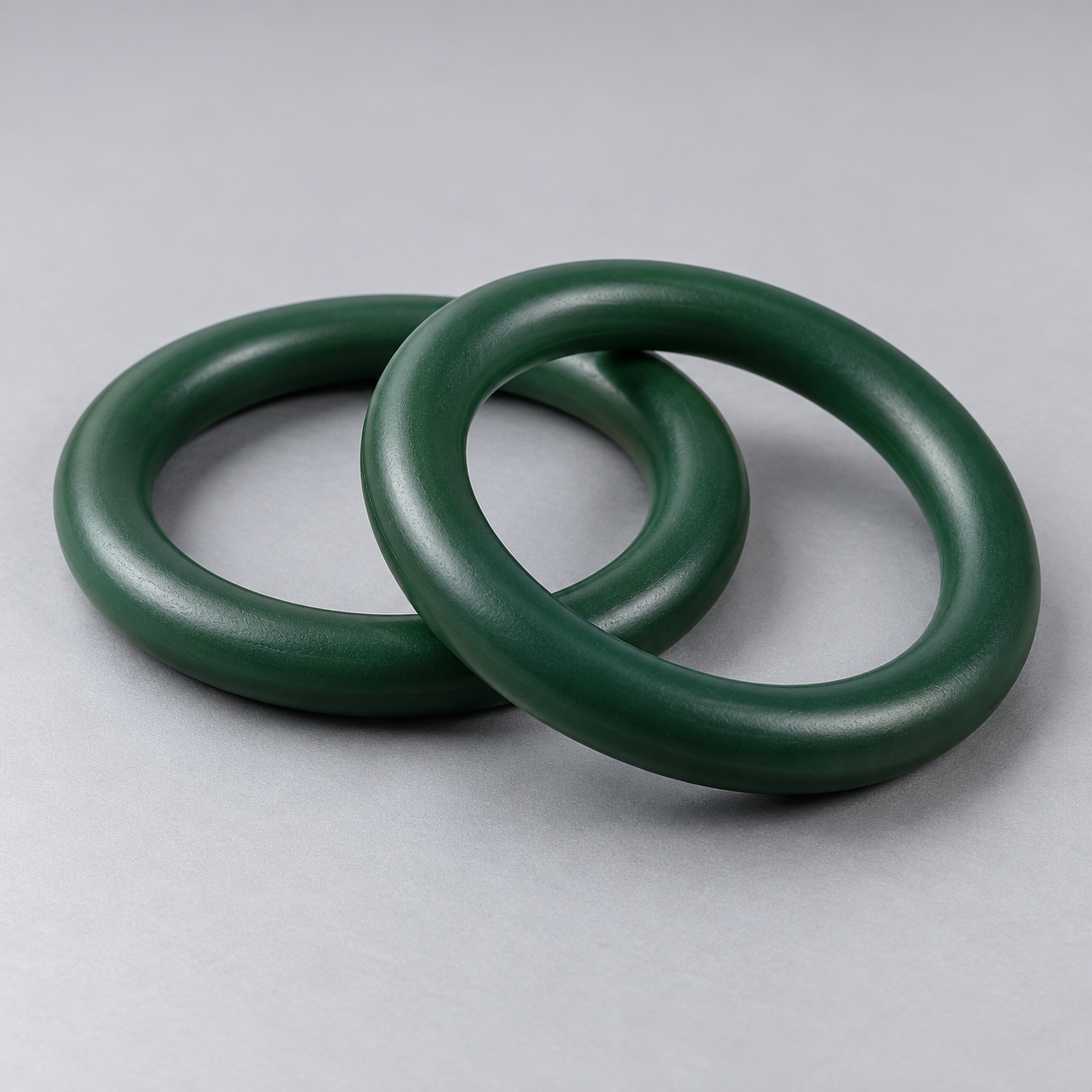 FKMReview temperature and chemical exposure.›
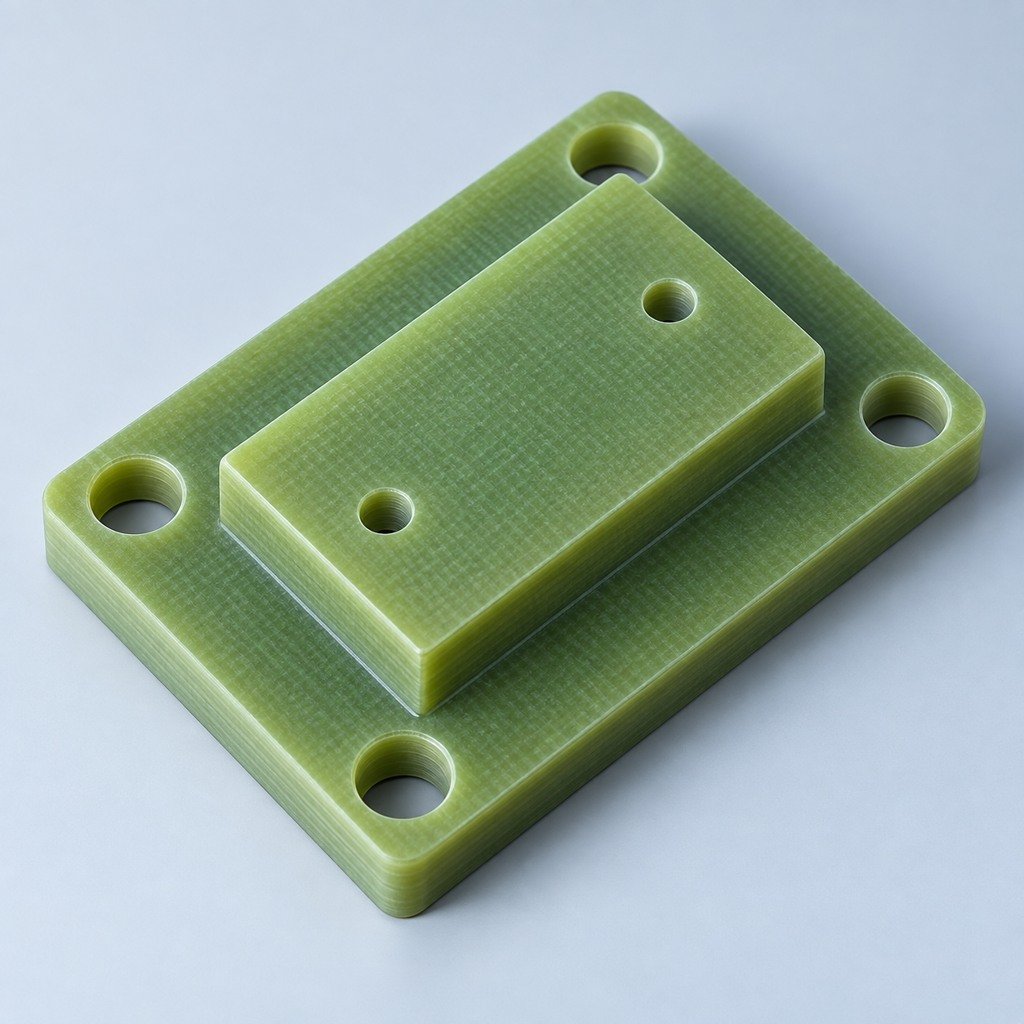 G10 / FR4Review insulation and laminate needs›
 CompositesReview stiffness, weight and laminate.›Customer-Specified MaterialsConfirm your grade and requirements.›Other Specialty MaterialsDiscuss your application and grade.›
Practical guidance for your part geometry and material decisions.
Prepare your process, budget and sourcing questions.
Build your knowledge before production.
Learn who we are and how we operate.
Find our U.S. support team or start a conversation.
FOR YOUR SEAL, FIT & FEEL
Discuss silicone injection molding services for your drawing, material grade and production needs.
Align fit, flash limits and sample approval before tooling. Your molding scope is confirmed after review.
Project scope confirmed after review. NDA available on request.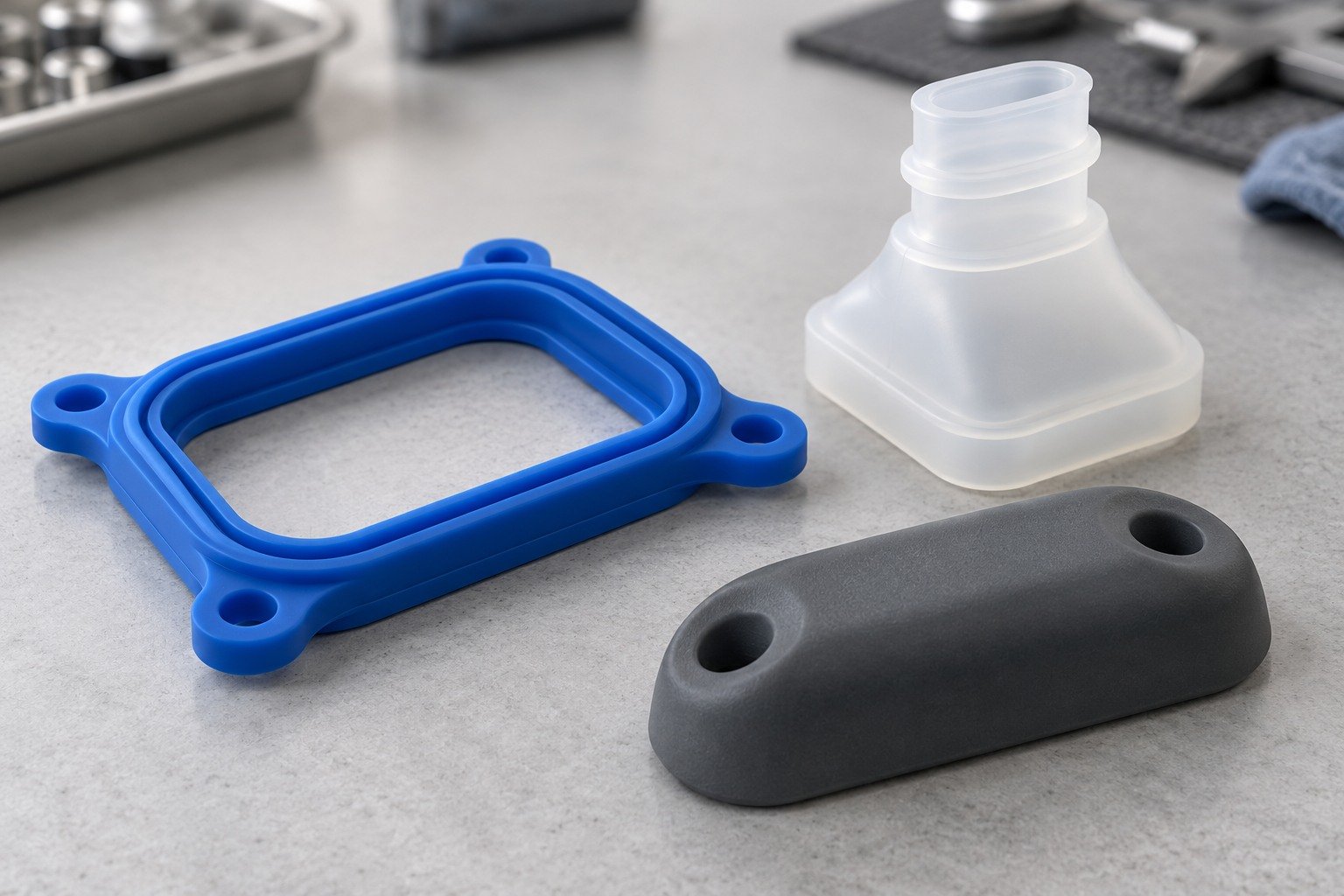
Review grade, hardness and service conditions.
Define your critical surfaces before tooling.
Agree inspection and functional checks.
U.S. communication for your project review.
Select your application, then review 4 topics that affect your part.
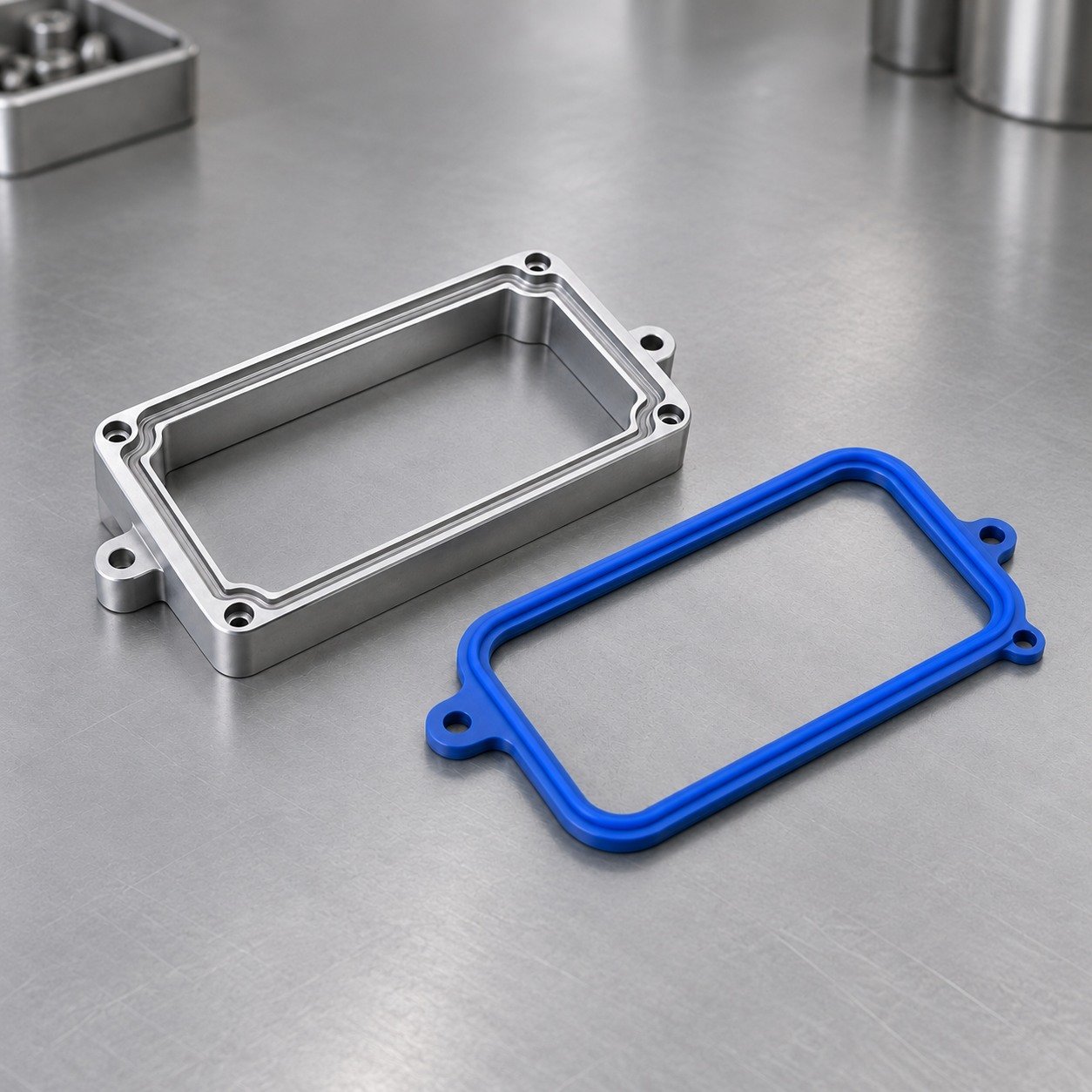
For custom LSR seals, share your groove, mating gap, medium and operating conditions.
Illustrative applications. Material and process suitability are reviewed for your project.
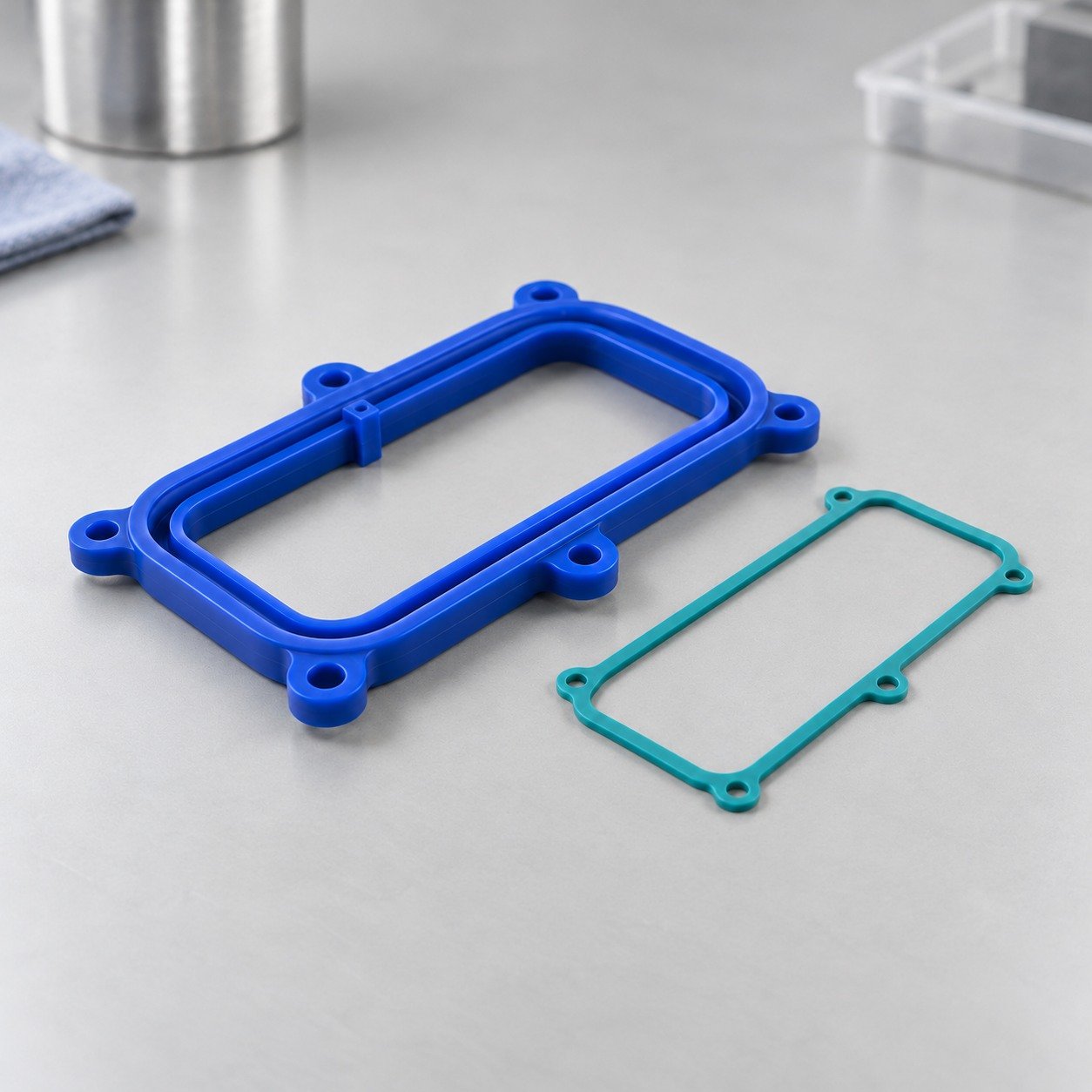
Review injection molded silicone gaskets against your groove, compression and operating environment.
| LSR Shore A hardness | Match hardness to your part’s function. |
|---|---|
| Grade & exposure | Check heat, fluids and cleaning conditions. |
| Compression set | Agree test conditions and recovery needs. |
| Color & cure | Confirm pigment and any post-cure. |
Illustrative applications. Material and process suitability are reviewed for your project.
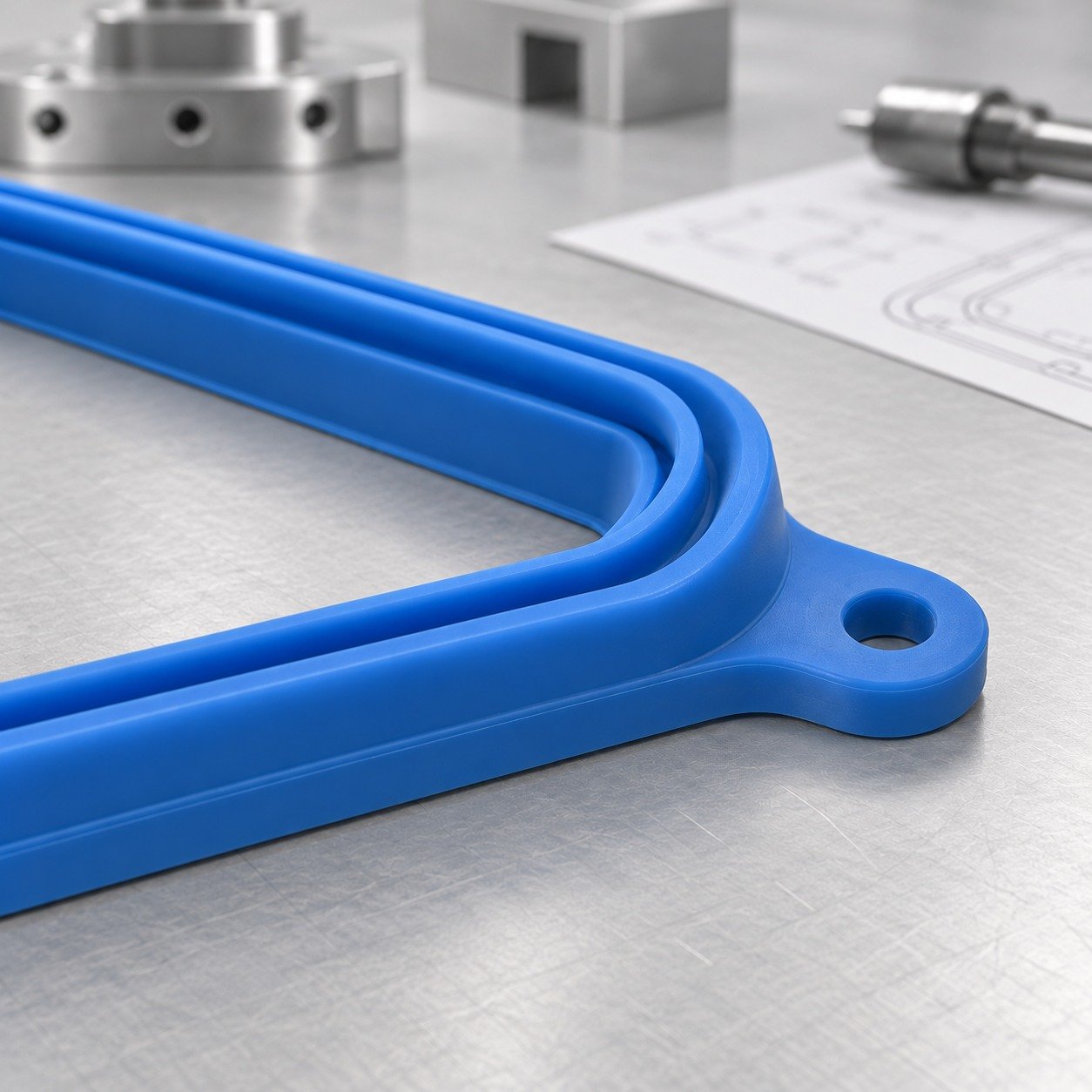
Review your sealing lips, parting line and gates before tooling. A visually clean edge alone does not establish sealing performance.
Illustrative applications. Material and process suitability are reviewed for your project.
Define your sample checks in the actual mating assembly.
Agree groove fit, compression and support.
Define medium, fixture, pressure and limit.
Set flash and gate-mark limits.
Confirm conditioning and lot records.
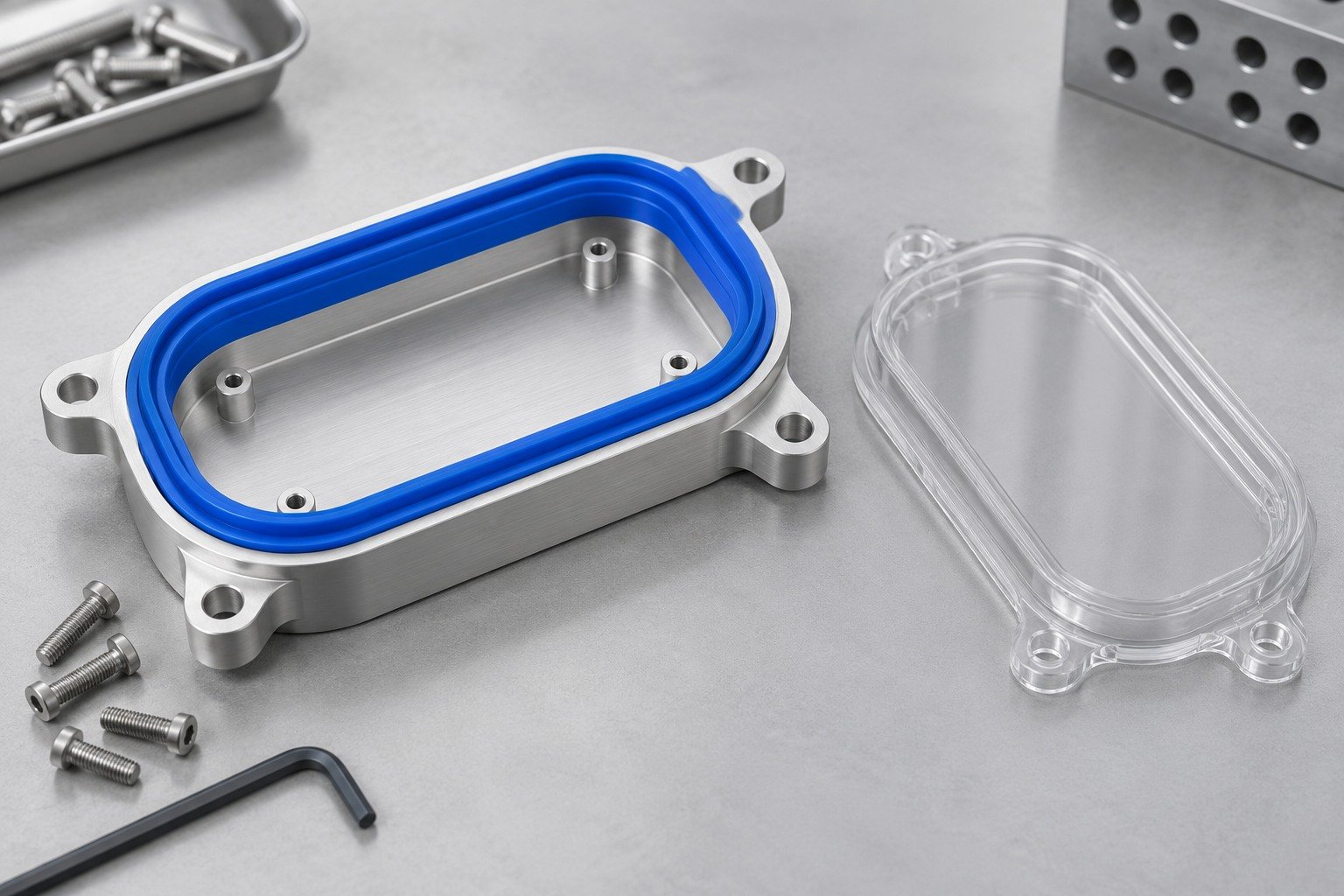
Methods, sample quantities and acceptance criteria are agreed for your project.
Define how your part will be checked.
Agree the number of samples for review.
Set fit, function and appearance requirements.
Illustrative applications. Material and process suitability are reviewed for your project.
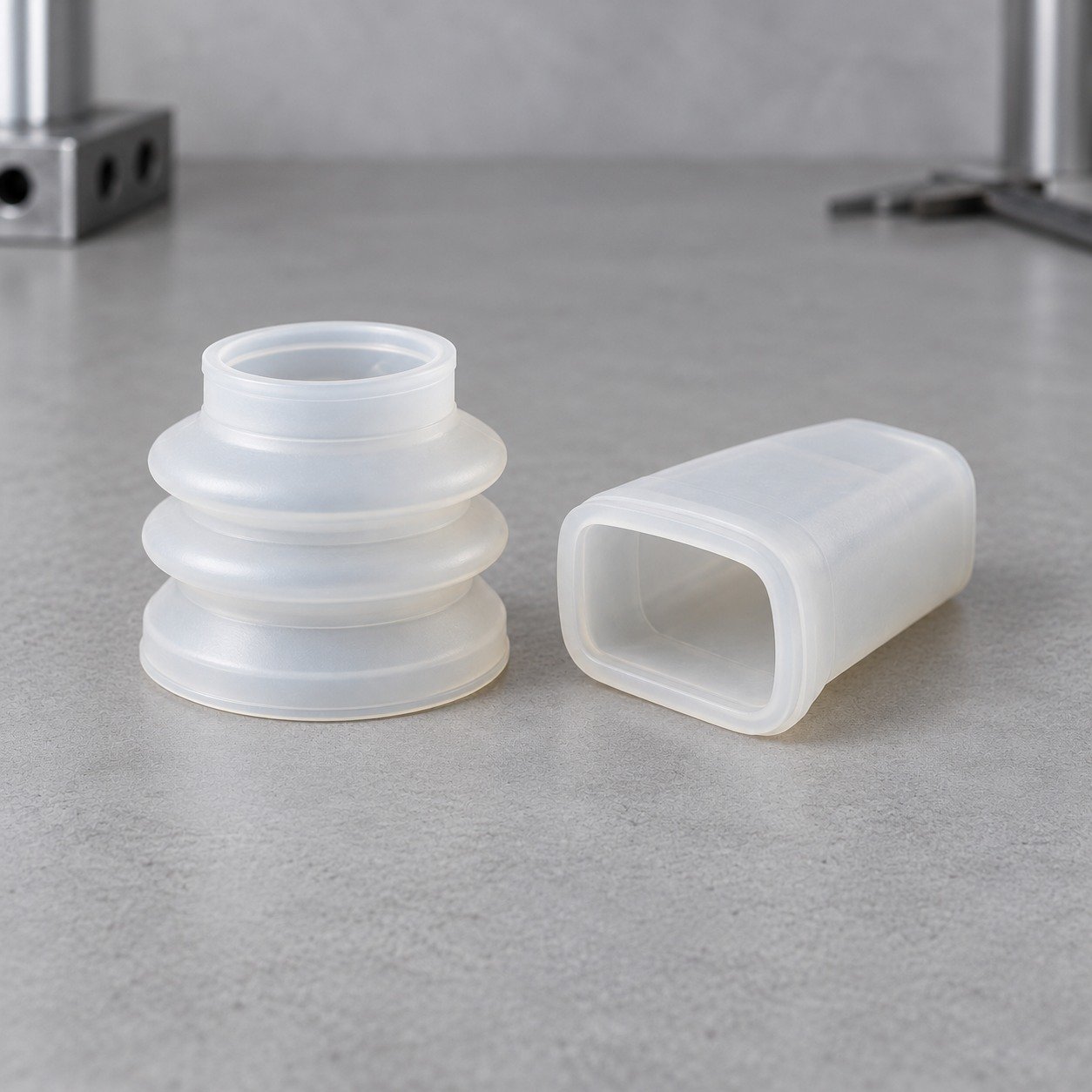
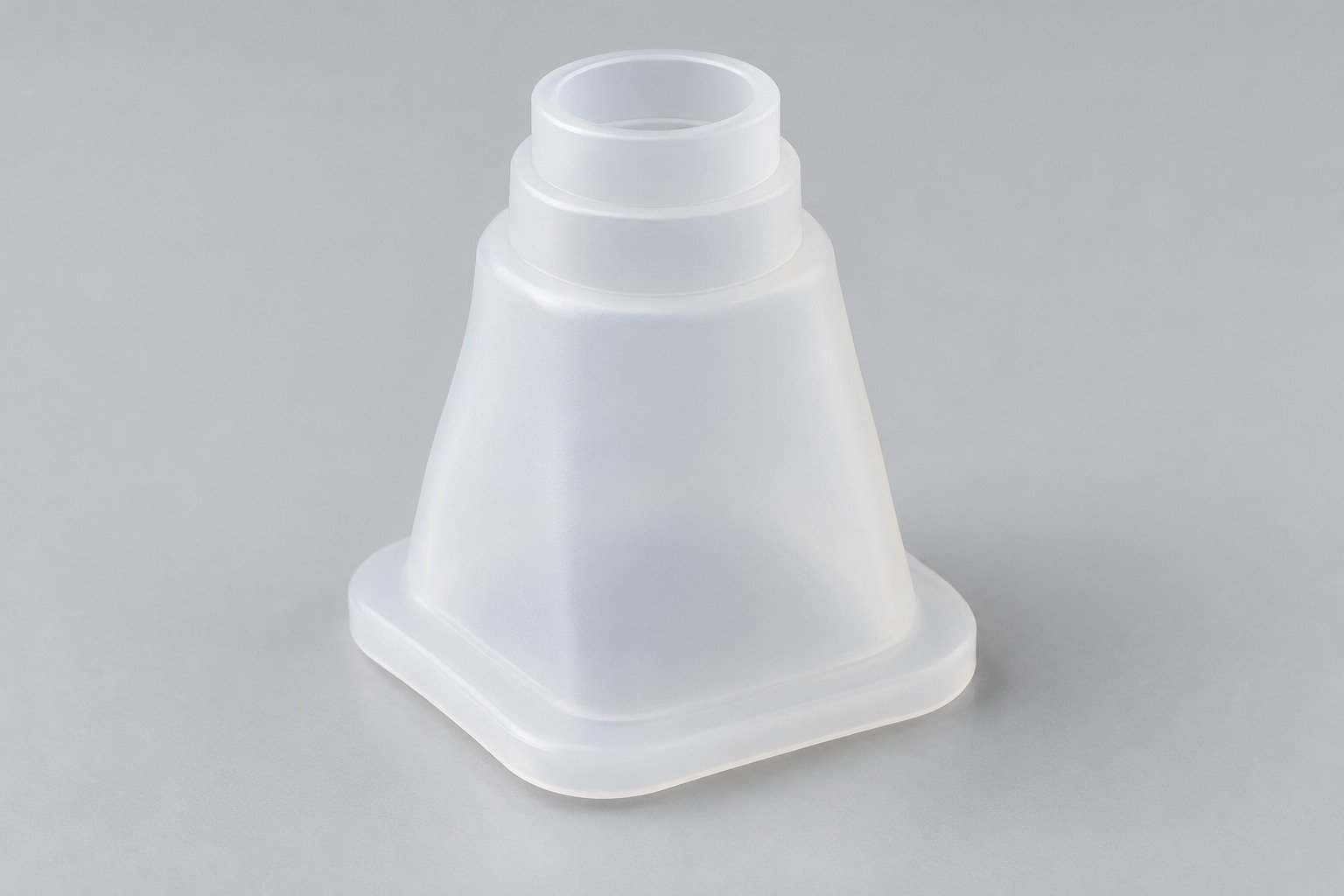
For molded covers and boots, identify mounting collars, clearances and the motion your part must accommodate.
Illustrative applications. Material and process suitability are reviewed for your project.
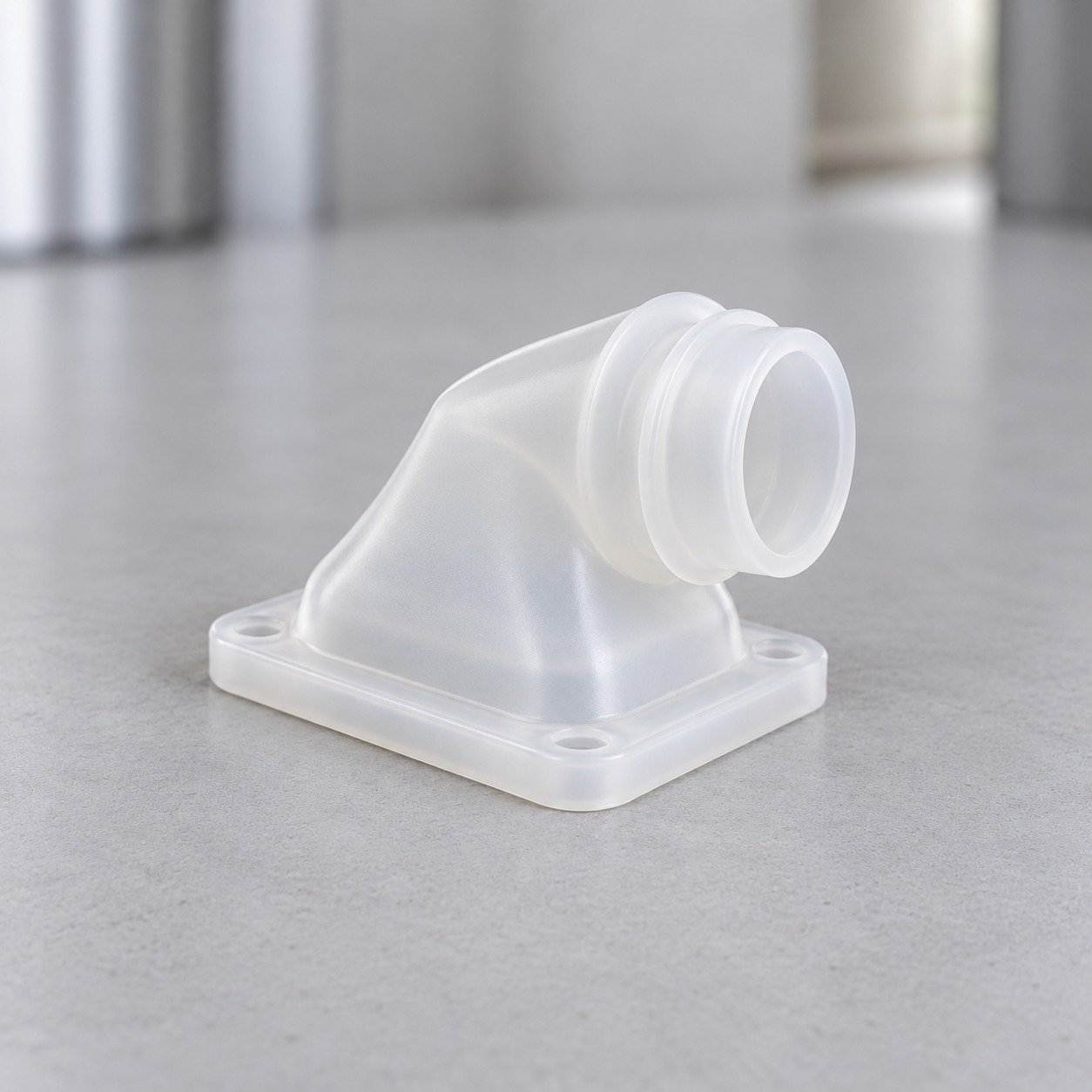
Custom liquid silicone molding starts with the exact grade, flex requirements and exposure, rather than translucency alone.
| Hardness & recovery | Define handling and flex needs. |
|---|---|
| Exposure | Share heat, fluids and cleaning conditions. |
| Color & translucency | Agree sample appearance limits. |
| Cure state | Confirm any post-cure before acceptance. |
Illustrative applications. Material and process suitability are reviewed for your project.
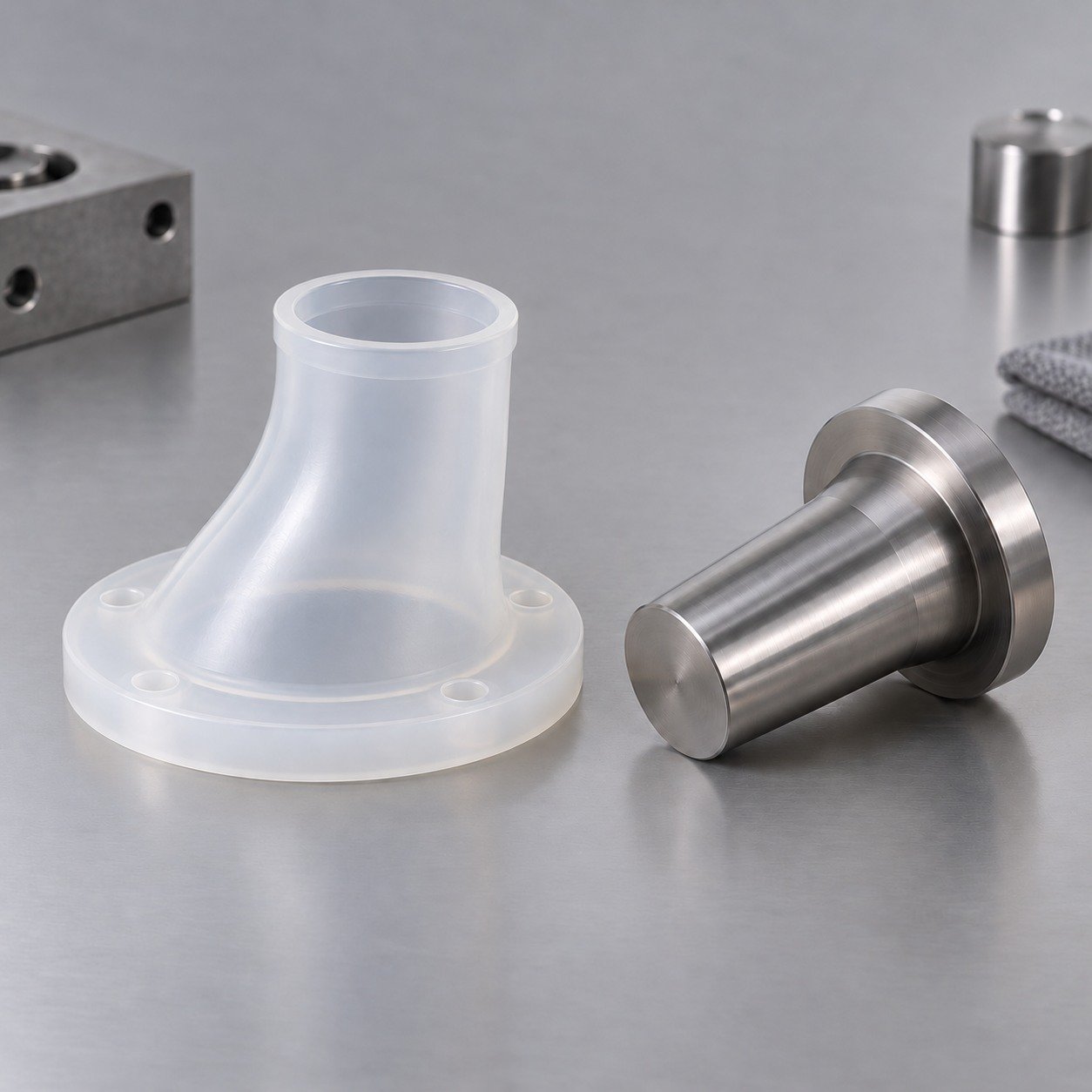
Review wall transitions, collar roots and removal from the mold. Smooth thickness changes can reduce concentrated strain.
Illustrative applications. Material and process suitability are reviewed for your project.
Define sample checks for your fit, flex and handling requirements.
Confirm mounting features, clearances and measurement support.
Define motion, loads, cycles and conditioning.
Agree flash, gate marks, color and surface limits.
Confirm grade, lot records and any post-cure before acceptance.
Methods, sample quantities and acceptance criteria are agreed for your project.
Define how your part will be checked.
Agree the number of samples for review.
Set fit, function and appearance requirements.
Illustrative applications. Material and process suitability are reviewed for your project.
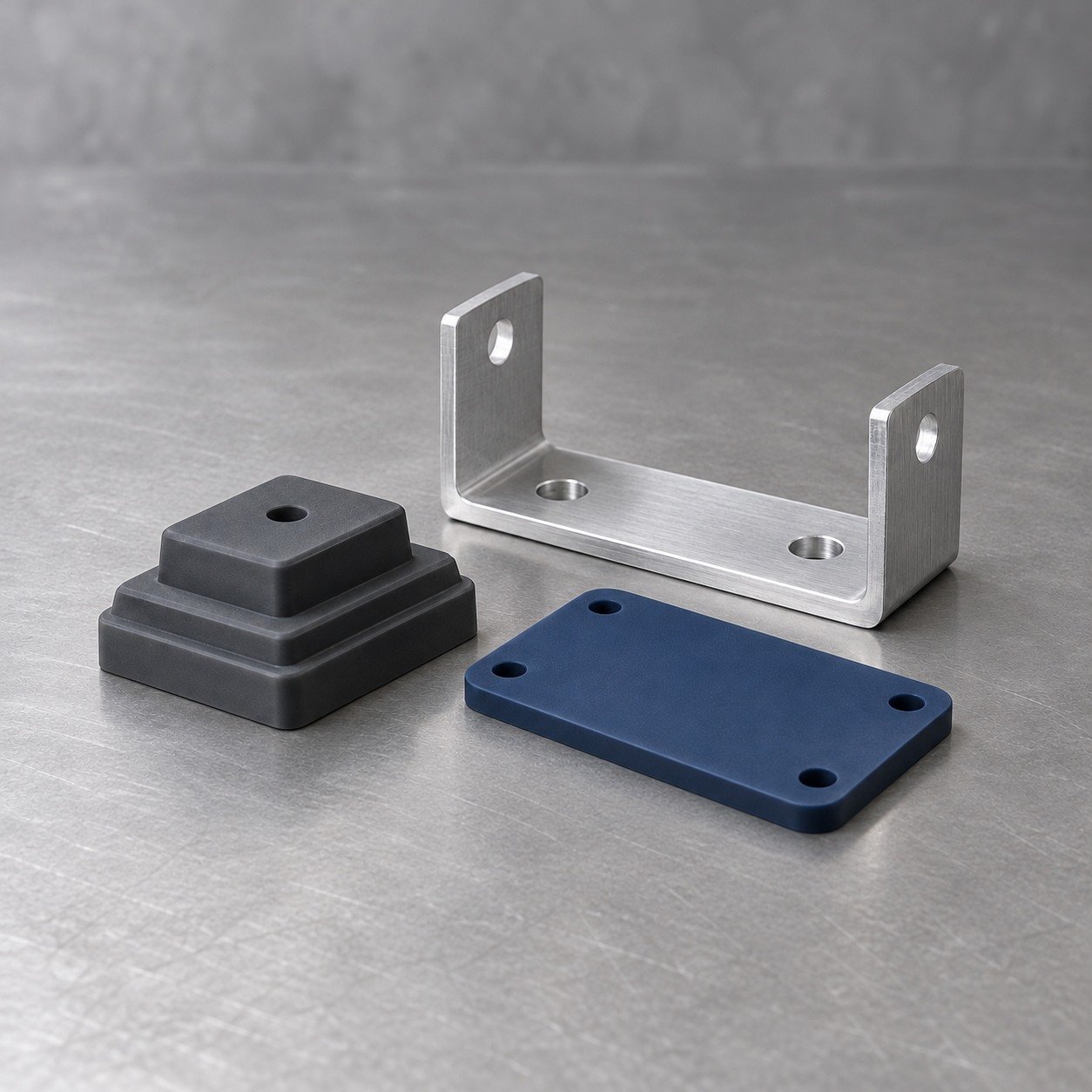
Your bumper or pad needs a defined mounting surface, load and permitted deformation.
Illustrative applications. Material and process suitability are reviewed for your project.
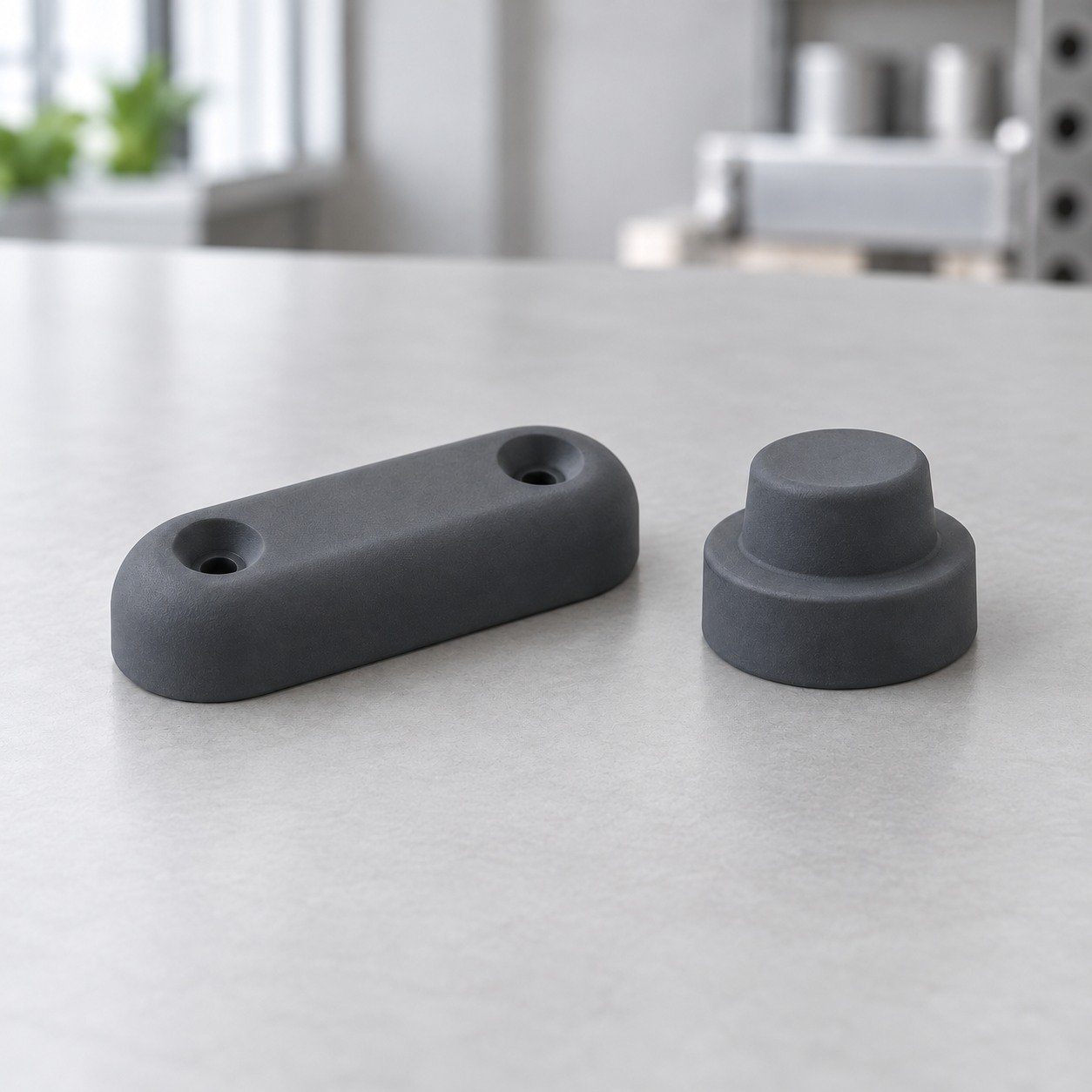
For molding silicone rubber parts, review exact grade and geometry together; Shore A alone does not predict damping or service life.
| Compression | Specify load, contact area and installed gap. |
|---|---|
| Recovery | Agree conditioning and repeat-load checks. |
| Environment | Define temperature, fluids and cleaning. |
| Appearance | Confirm color and surface requirements. |
Illustrative applications. Material and process suitability are reviewed for your project.
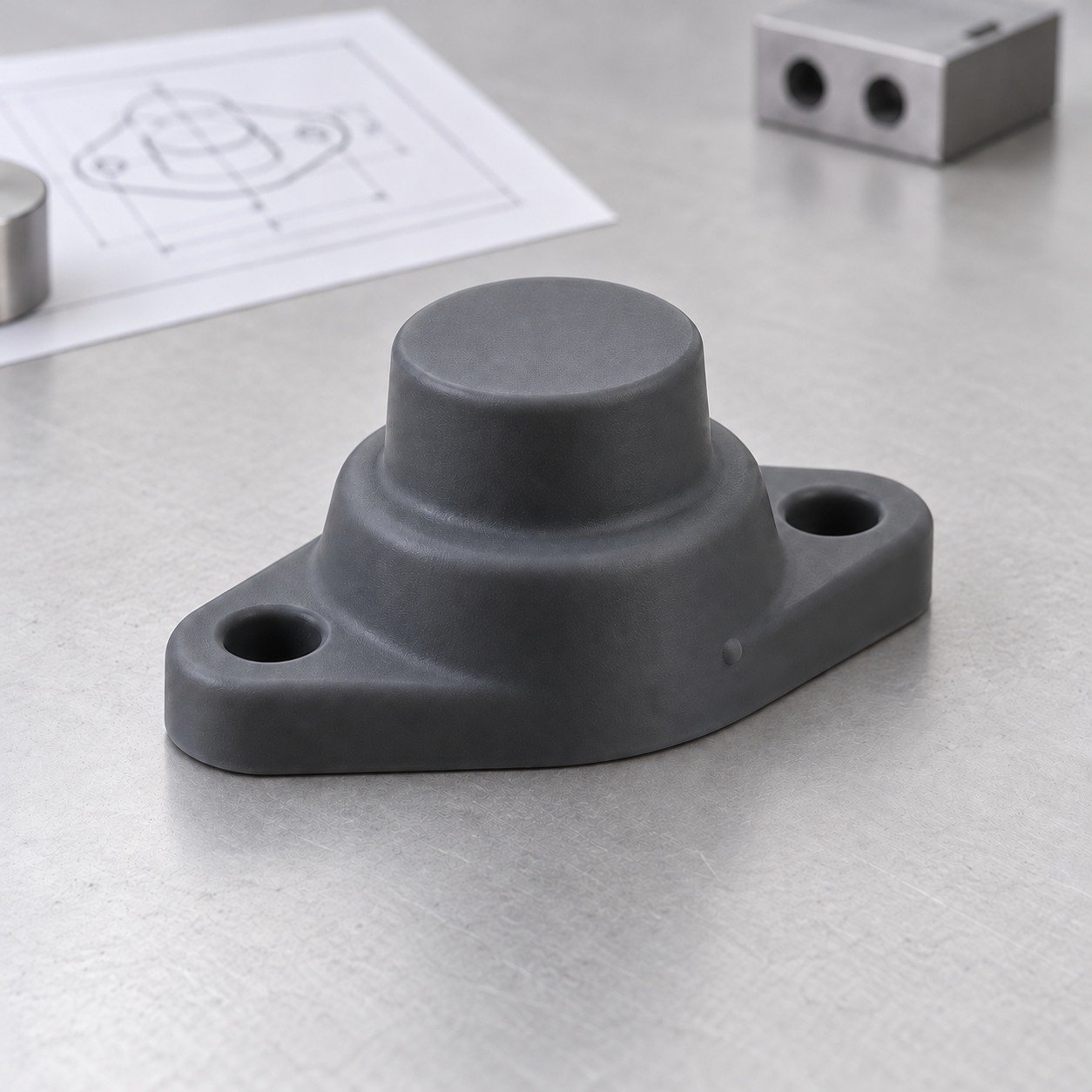
Review silicone molding tolerances for mounting holes, contact height and flat support surfaces with the measurement force defined.
Illustrative applications. Material and process suitability are reviewed for your project.
Review supported dimensions, deformation and recovery using an agreed fixture.
Check hole locations and contact height.
Define force, cycles and conditioning.
Set limits for flash and gate marks.
Agree grade, lot and cure-state evidence.
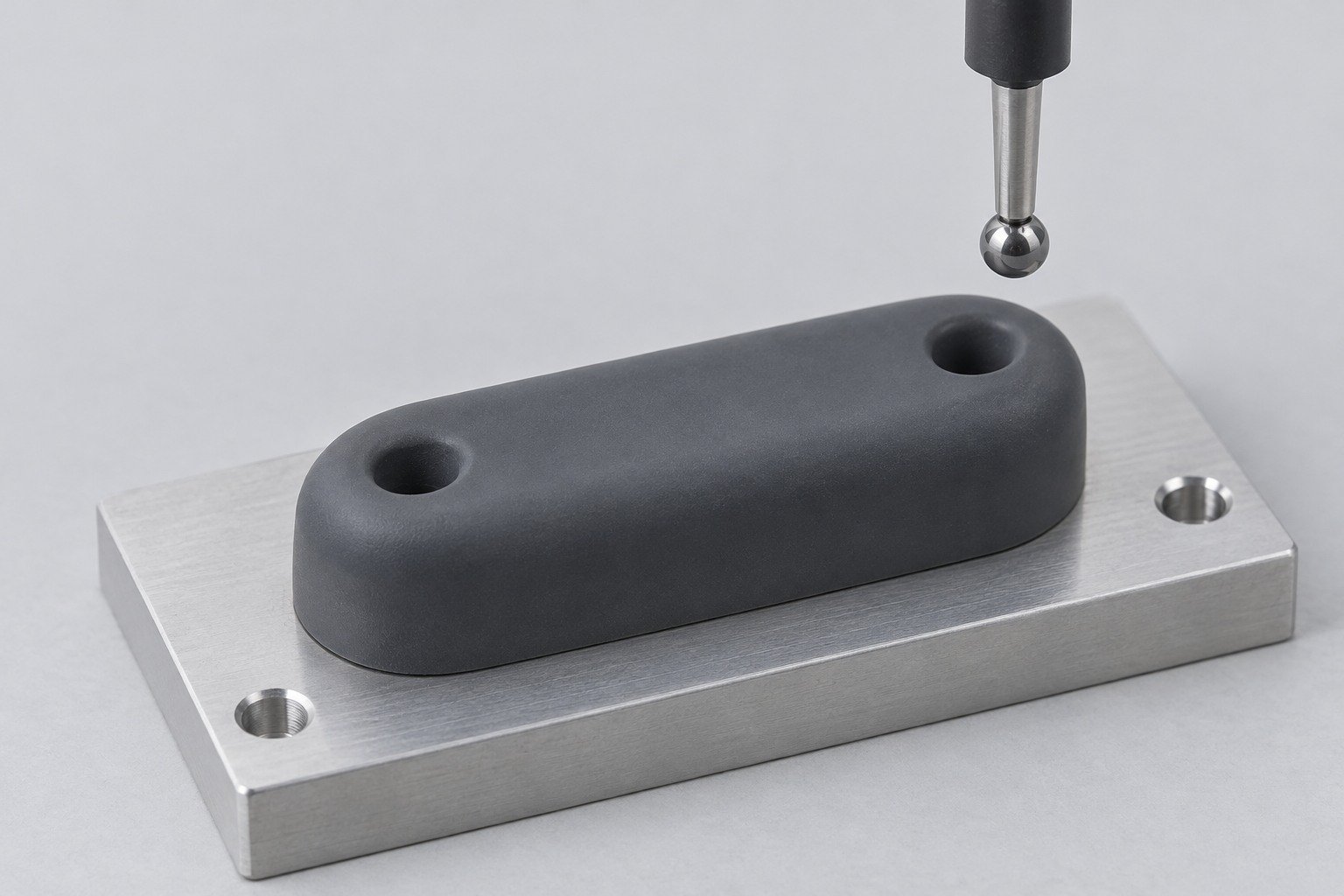
Methods, sample quantities and acceptance criteria are agreed for your project.
Define how your part will be checked.
Agree the number of samples for review.
Set fit, function and appearance requirements.
Illustrative applications. Material and process suitability are reviewed for your project.
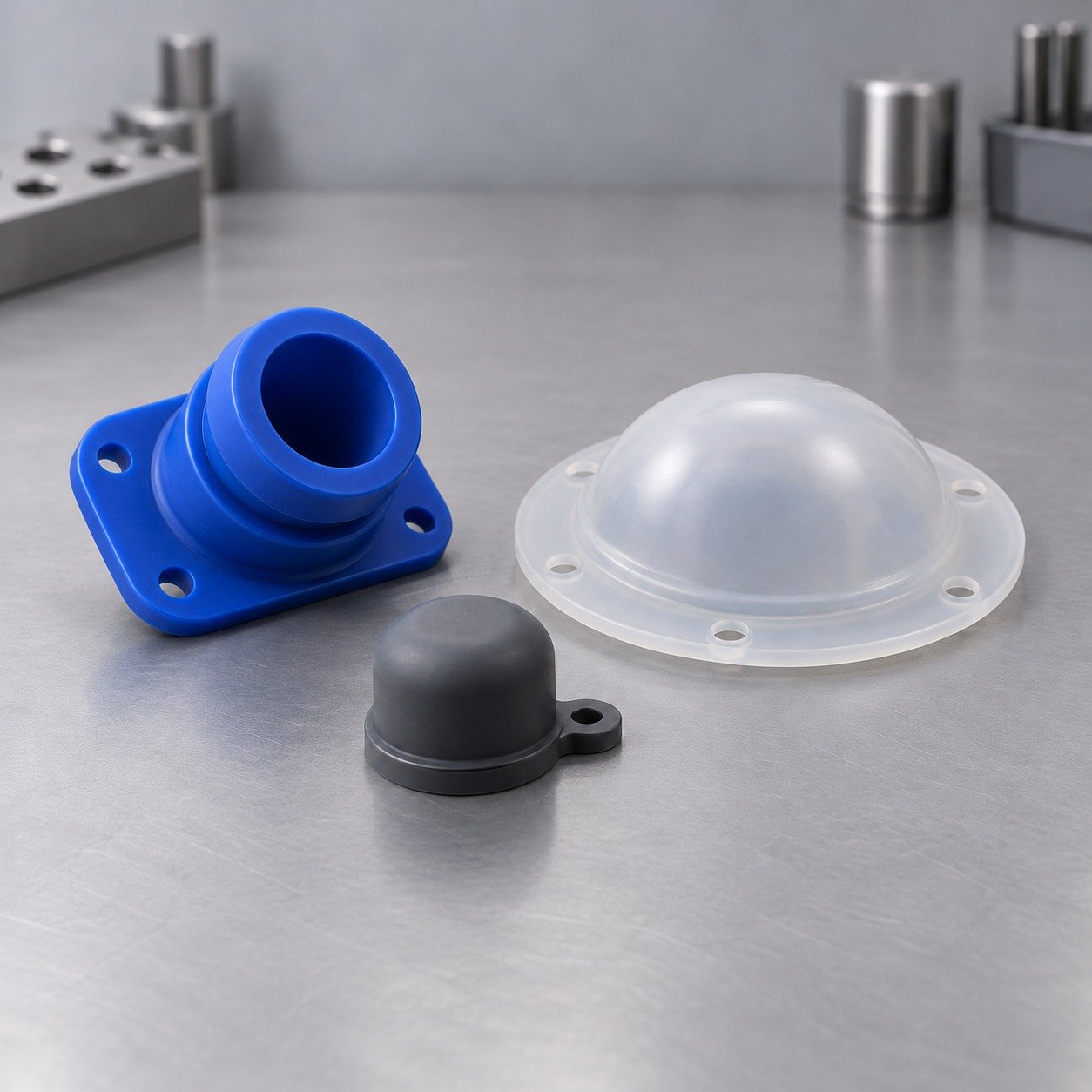
Custom silicone molding needs your drawing and application requirements. LSR connector seals, molded diaphragms or valves require their own geometry and validation review.
Illustrative applications. Material and process suitability are reviewed for your project.
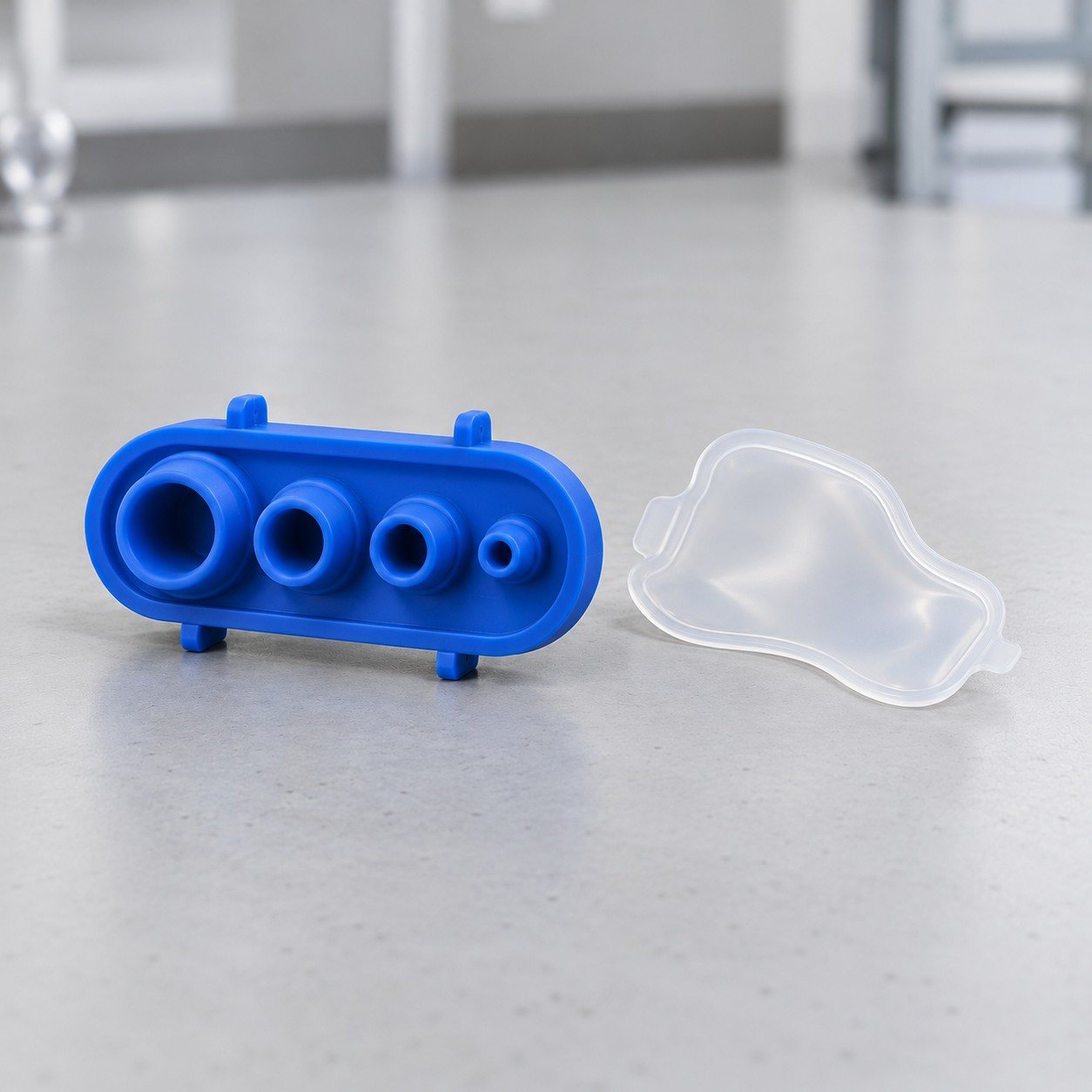
For platinum cured LSR molding, review supplier grade information, pigment compatibility and intended cure conditions.
| Exact grade | Avoid treating a material-family name as approval. |
|---|---|
| Hardness | Define the relevant test method and condition. |
| Exposure | Identify service and cleaning media. |
| Regulated use | Review requirements separately; do not assume qualification. |
Illustrative applications. Material and process suitability are reviewed for your project.
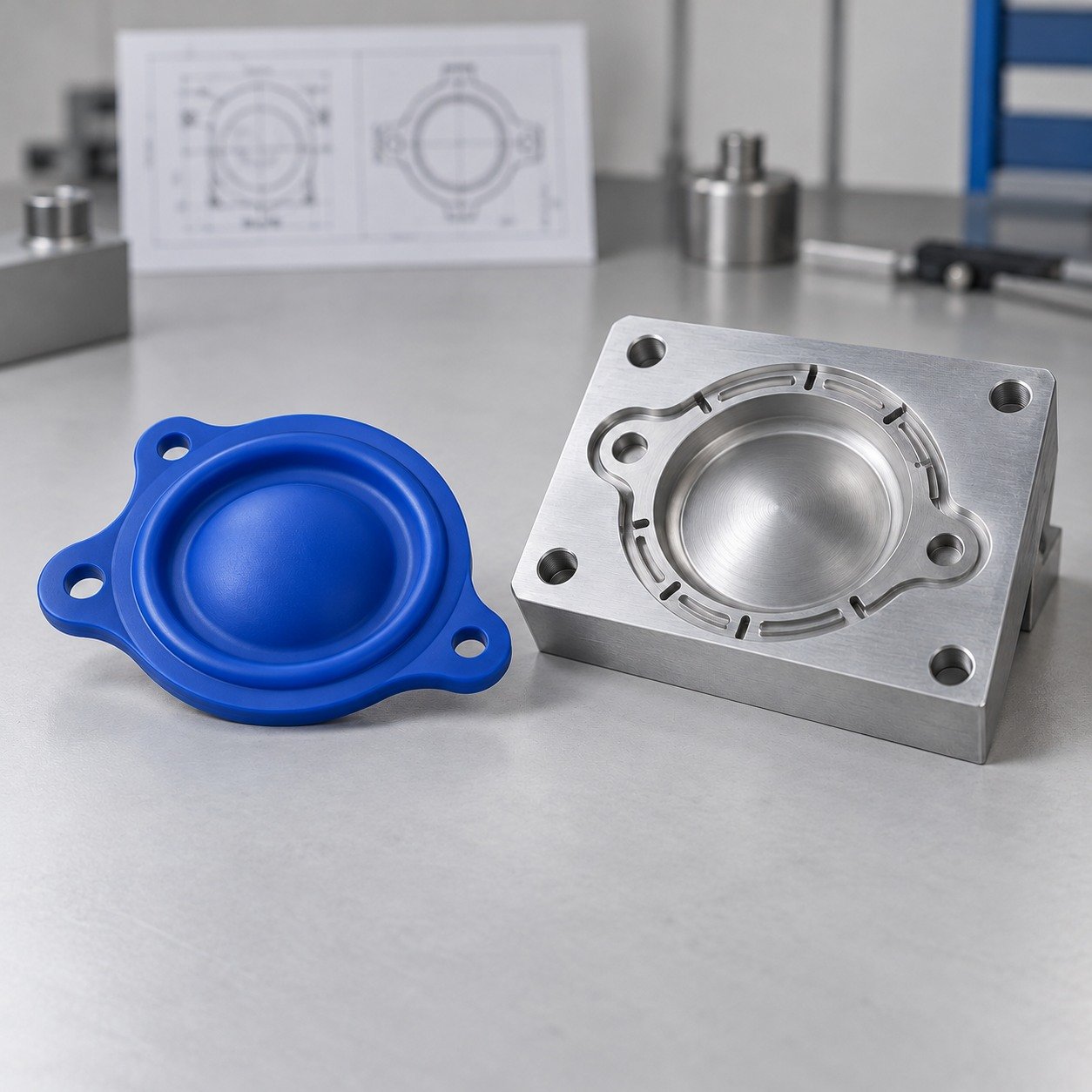
Review gates, venting, shutoffs and demolding for your geometry. LSR and HCR routes use different feed and tooling arrangements.
Illustrative applications. Material and process suitability are reviewed for your project.
Your sample must answer the fit and function questions that matter to your assembly.
Agree datums and supported measurement.
Define your fixture and operating conditions.
Agree flash, color and gate-mark limits.
Confirm material and release records.
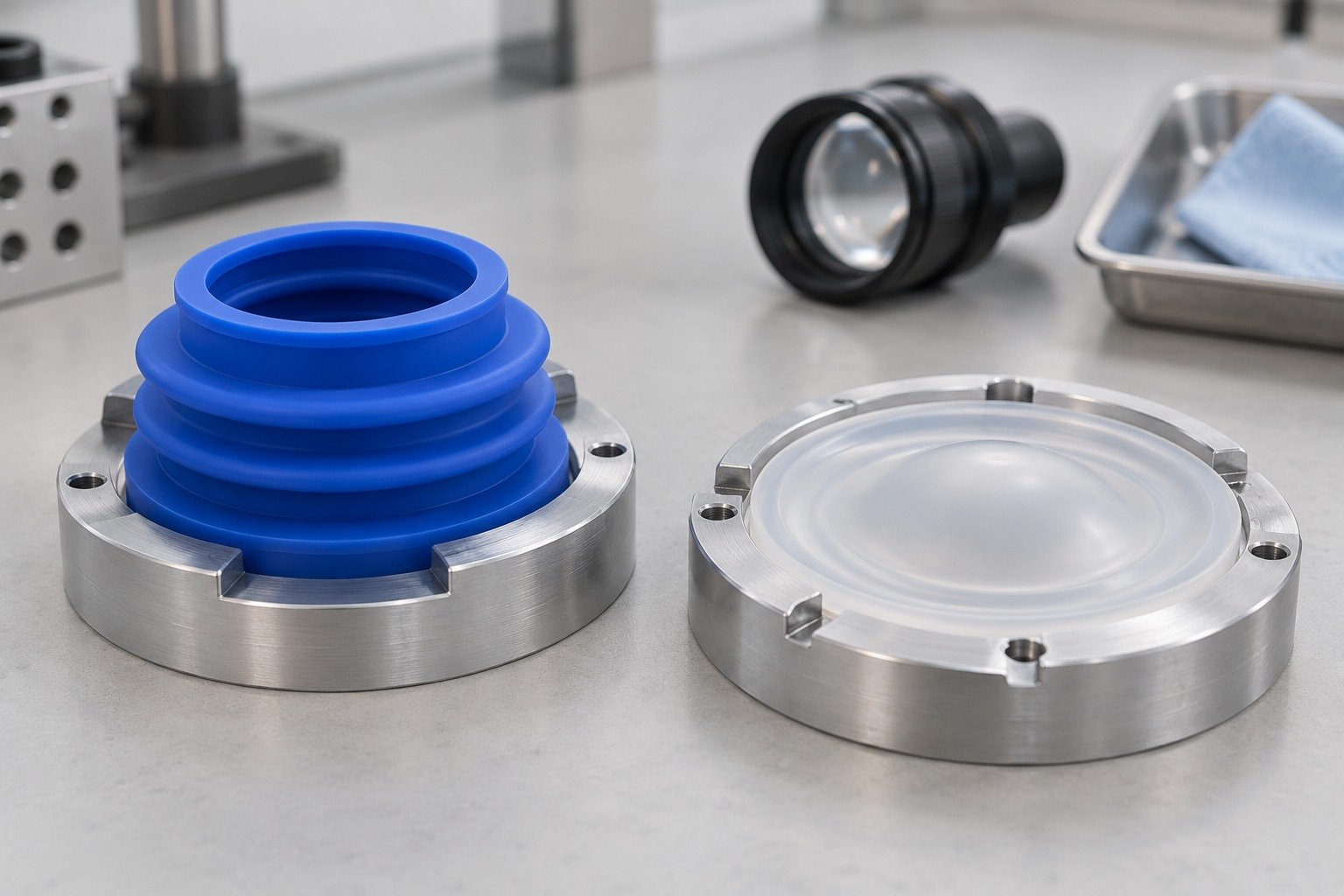
Methods, sample quantities and acceptance criteria are agreed for your project.
Define how your part will be checked.
Agree the number of samples for review.
Set fit, function and appearance requirements.
Illustrative applications. Material and process suitability are reviewed for your project.
Locate parting lines and agree flash limits around your critical seal faces.
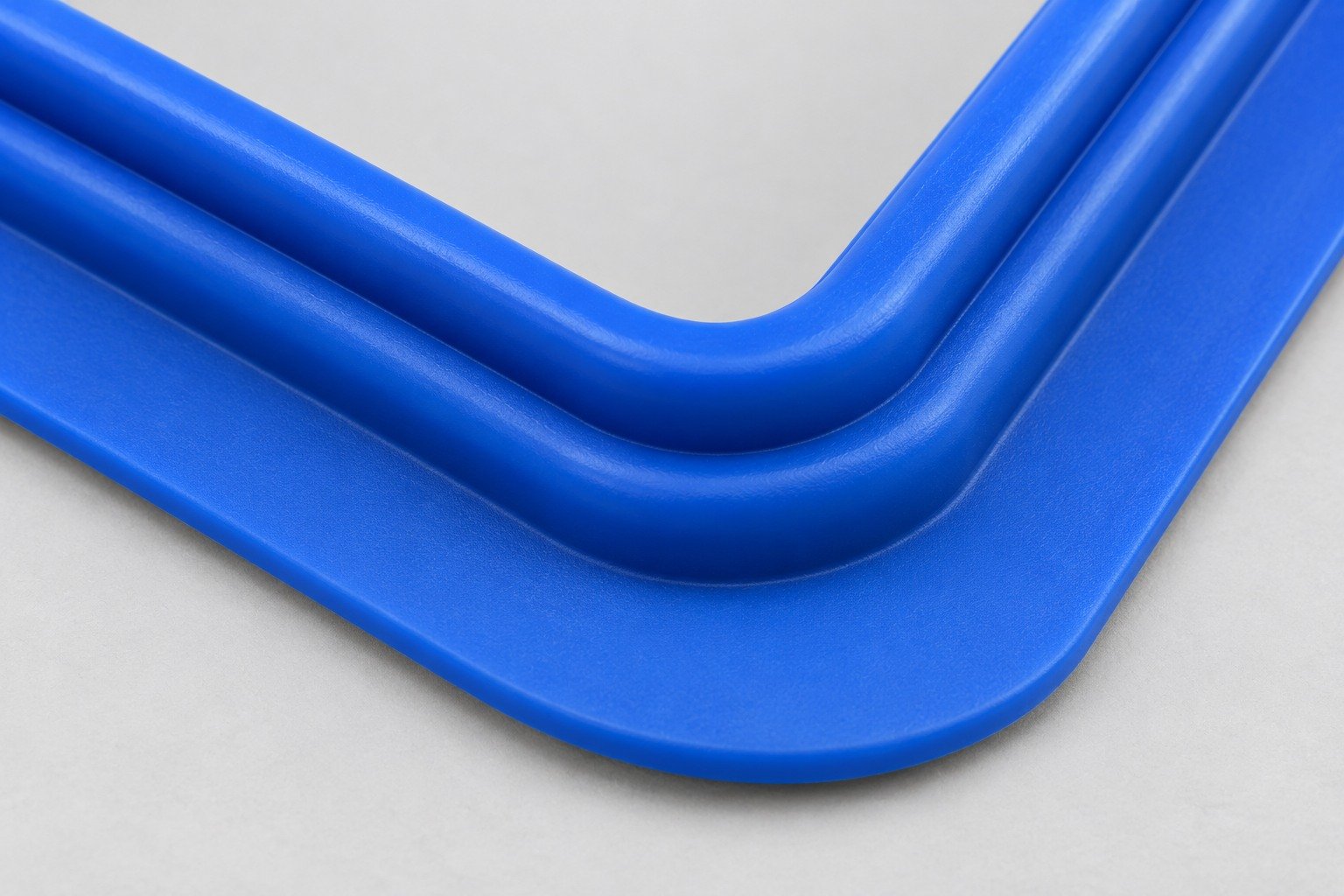
Review LSR mold design for gates, venting and safe demolding.
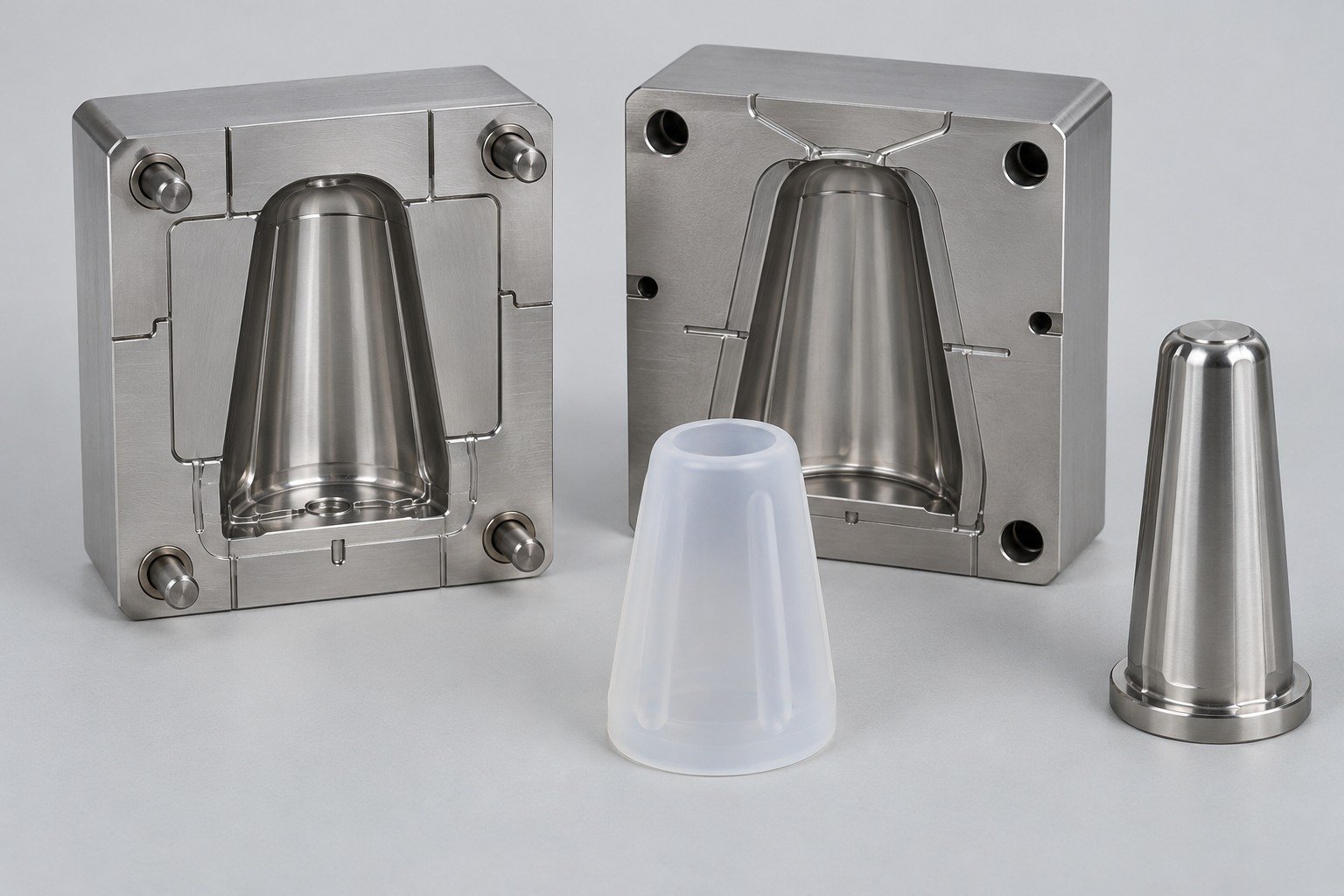
Agree silicone molding tolerances with grade, geometry and measurement conditions.
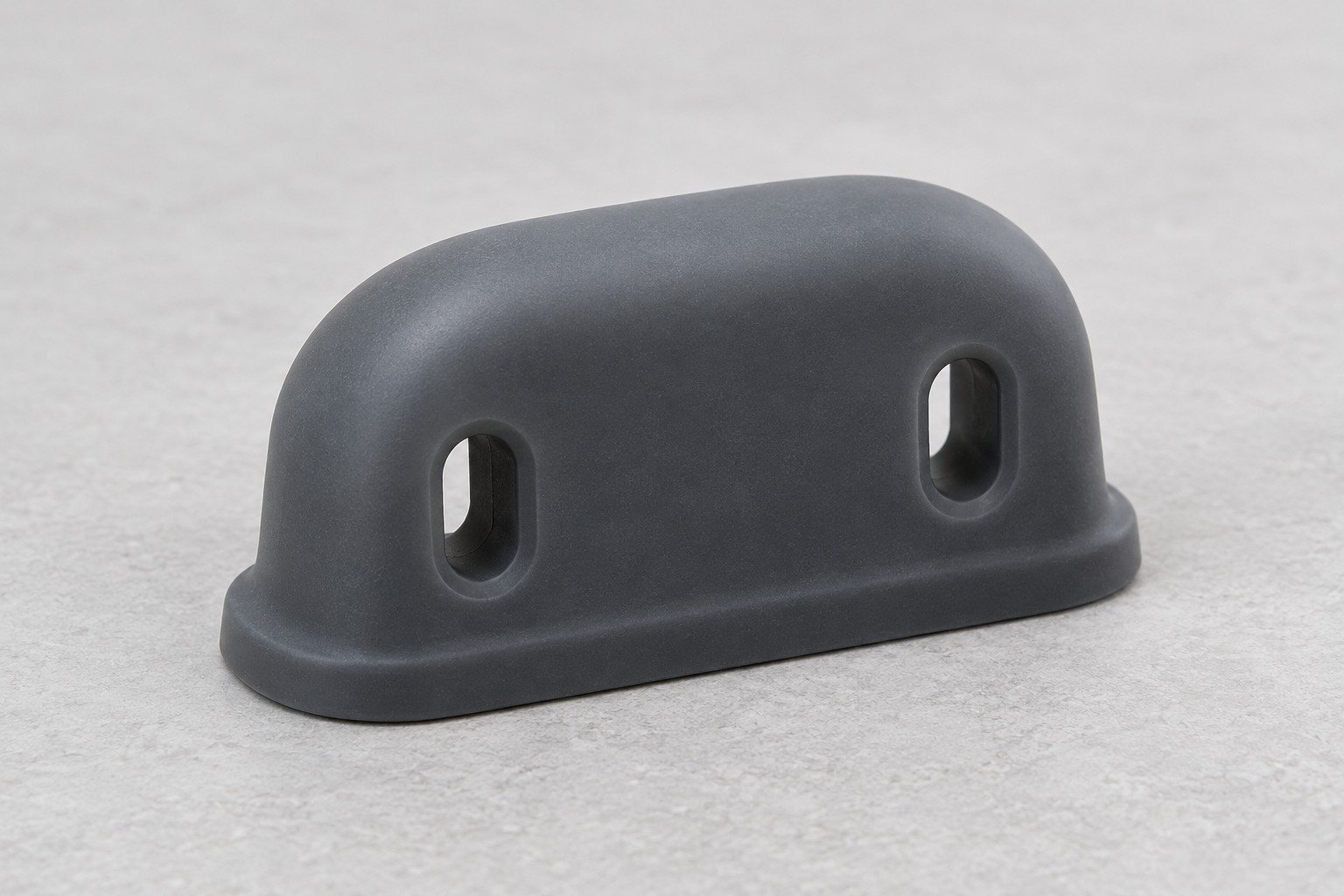
LSR is a two-part thermoset injected into a heated mold, where it cures into a flexible component. It does not remelt like a thermoplastic.
Post-cure when required by the material and application. Process resources are confirmed in your project scope.
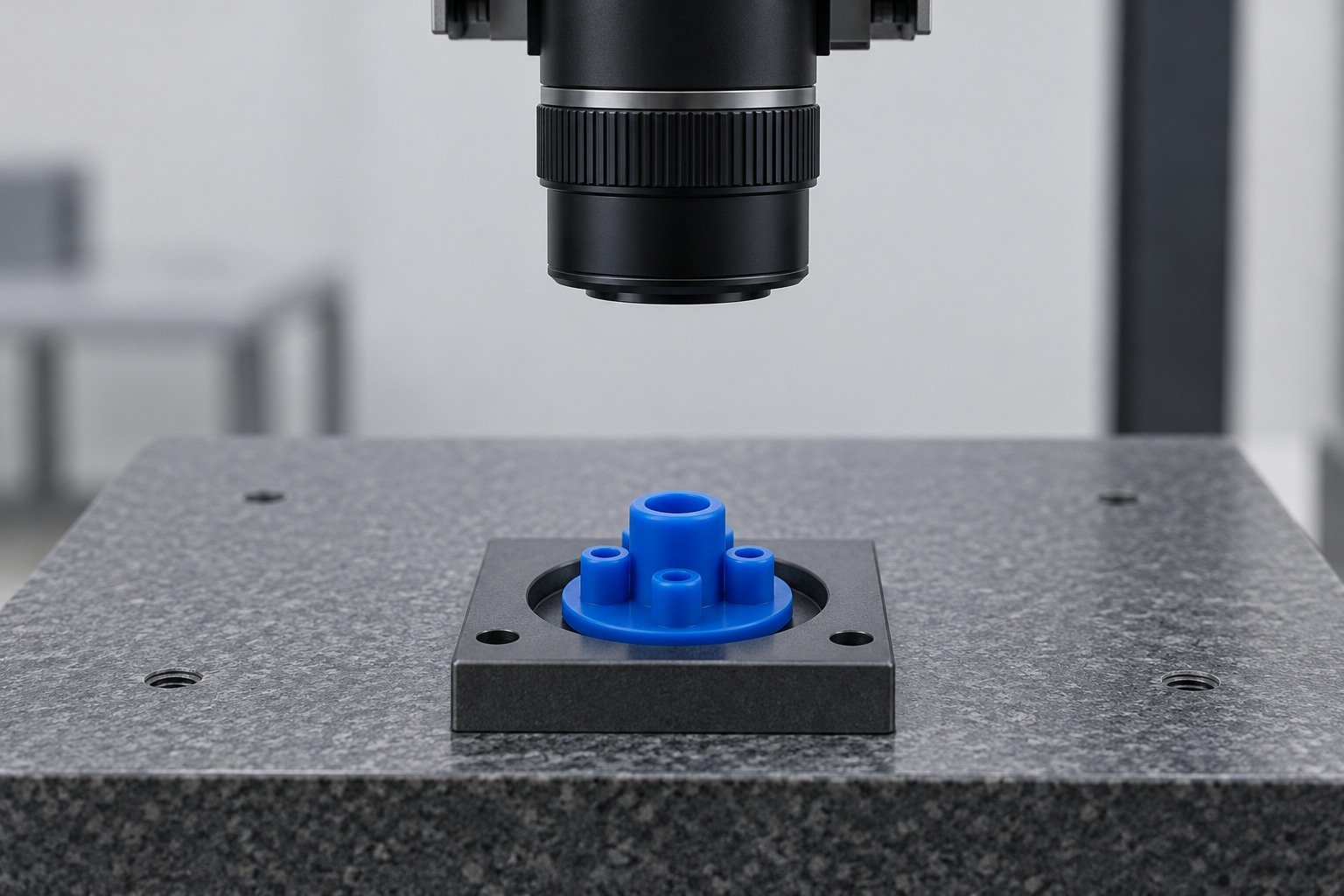
Confirm methods, sample quantities and acceptance limits before production.
Plan LSR molding prototypes around your agreed fit and functional checks.
Define support, conditioning and measurement force; contact pressure can deform a soft feature.
Agree grade, lot traceability and final cure state before inspection.
Inspection and functional validation have separate scopes. Confirm the method suitable for your part.
Sample Checks · Soft-Part Measurement →Your silicone injection molding cost depends on tooling, grade, quantities and required inspection.
Agree ownership, maintenance, storage and change terms.
Review low volume silicone molding against tooling and batch economics. Share first-order and annual quantities.
Define checks, traceability and release documents before ordering.
Separate tooling, sample and production milestones; confirm packaging and ship-to terms.
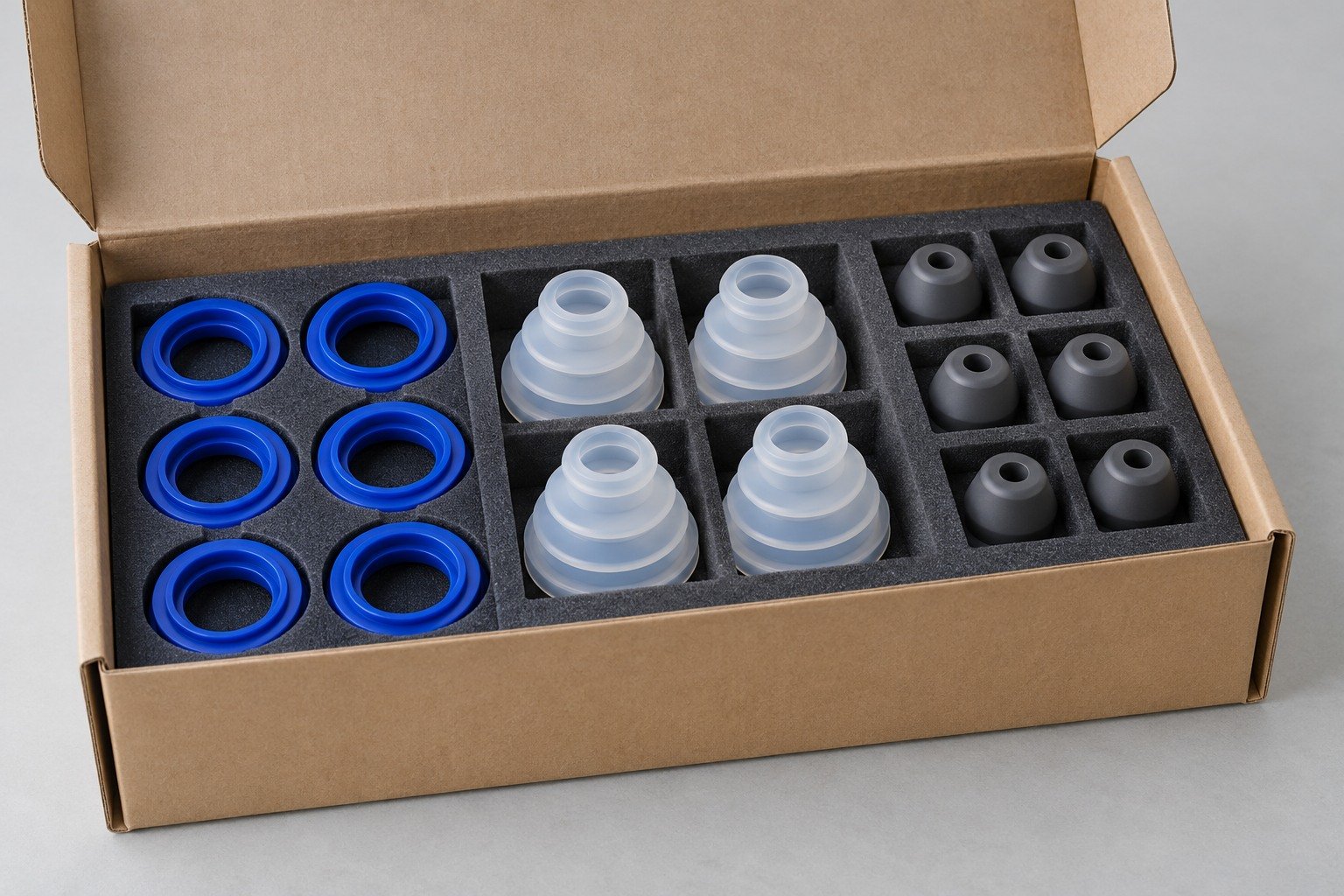
It depends on the grade and application. Confirm supplier guidance and any required post-cure before final inspection; do not assume every LSR part uses the same cycle.
Tool shutoffs, parting surfaces, venting and process settings influence flash. Mark critical seal faces and agree measurable acceptance limits; any finishing route is reviewed for your part.
Use agreed support, conditioning and measurement force. Contact tools can deform the feature; review optical or other suitable methods and record the cure state before comparing results.
Send part CAD and 2D drawing, exact grade and hardness, color, first-order and annual quantities, operating conditions, critical dimensions and acceptance requirements. Minimum order quantity and tooling timing are confirmed after scope review.
LSR uses a liquid feed and heated-tool curing. HCR uses a high-consistency silicone compound with different feed and process arrangements. Compare geometry, grade, quantity and tooling; HCR, RTV casting and multi-material work need separate scope confirmation.