

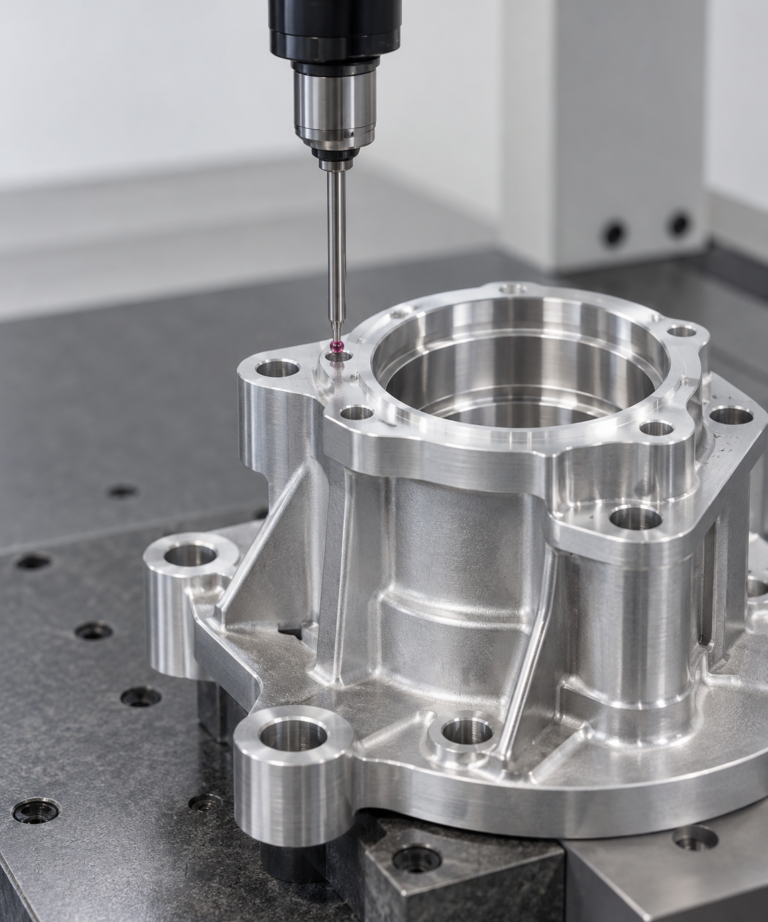


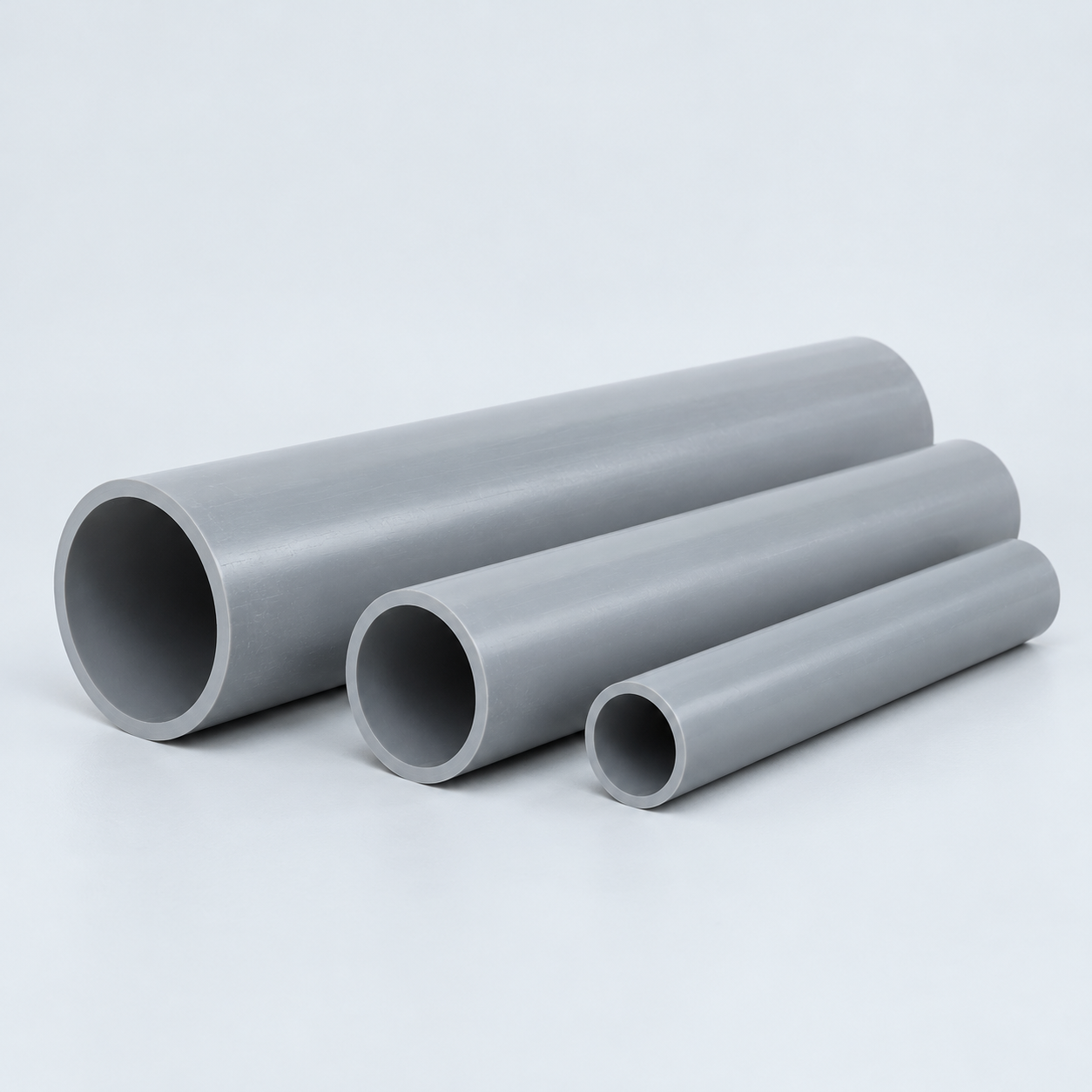

Repeat orders
Review demand history and approved part stability.
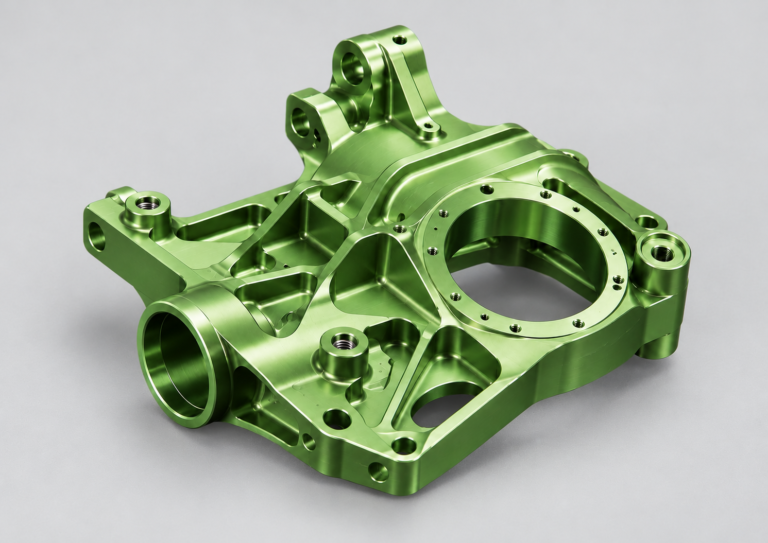
Precision parts for your tight tolerances and complex geometry.
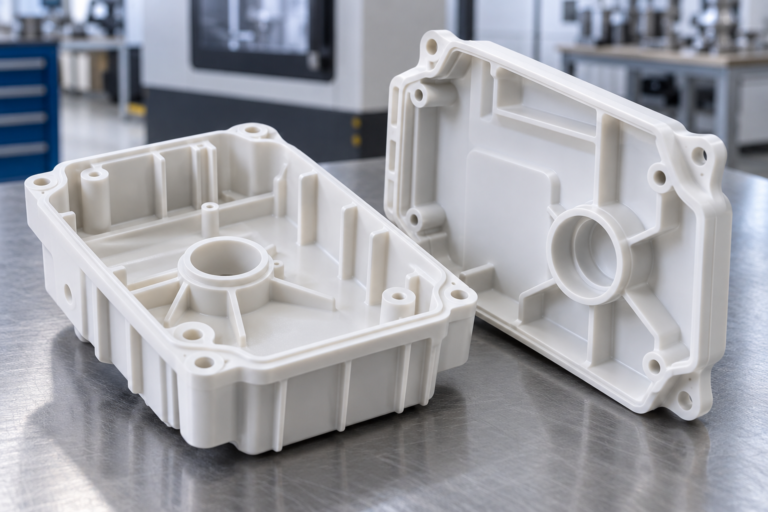
Tooling and molding for your repeat plastic parts.
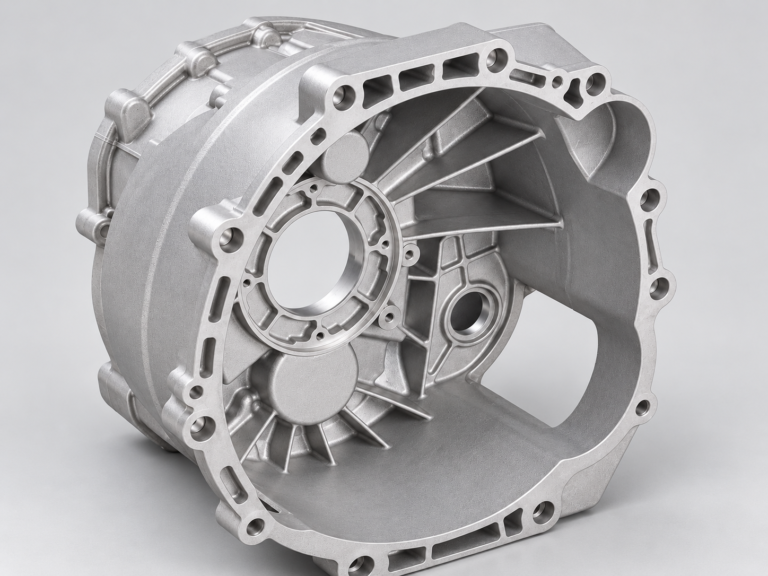
Metal casting options for your part and production volume.
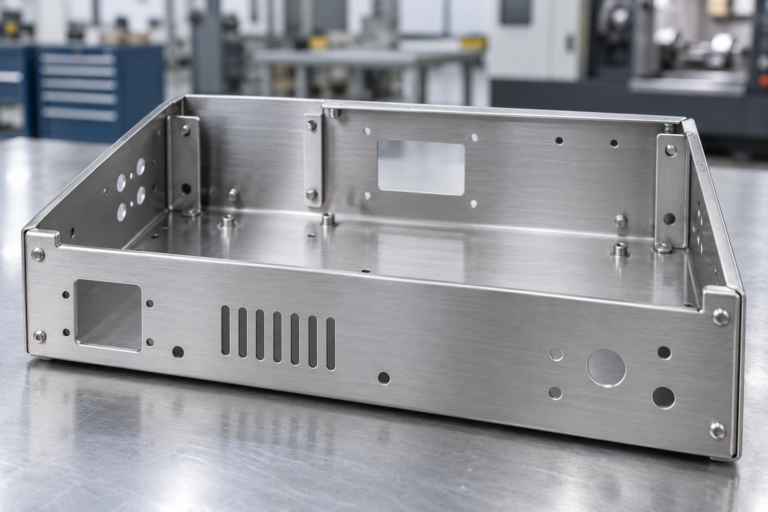
Cutting, forming and welding for your fabricated parts.

Custom profiles for your section, length and finish requirements.

Finishes for your appearance, corrosion and wear requirements.
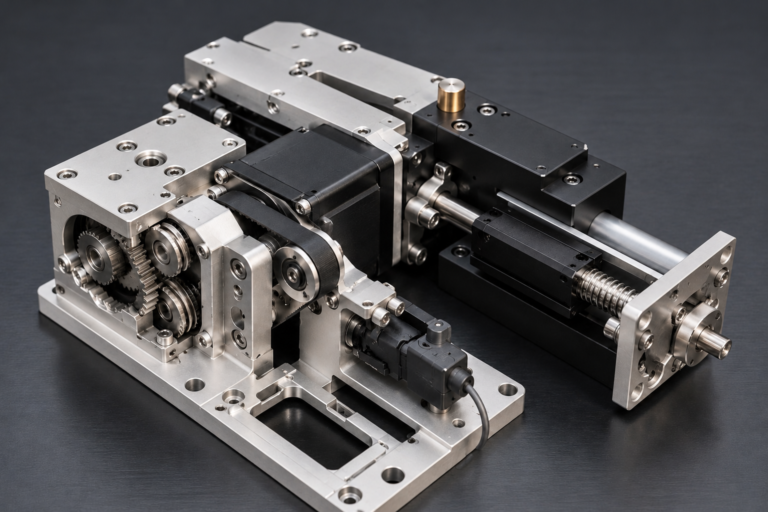
Sub-assemblies and final builds for your production program.
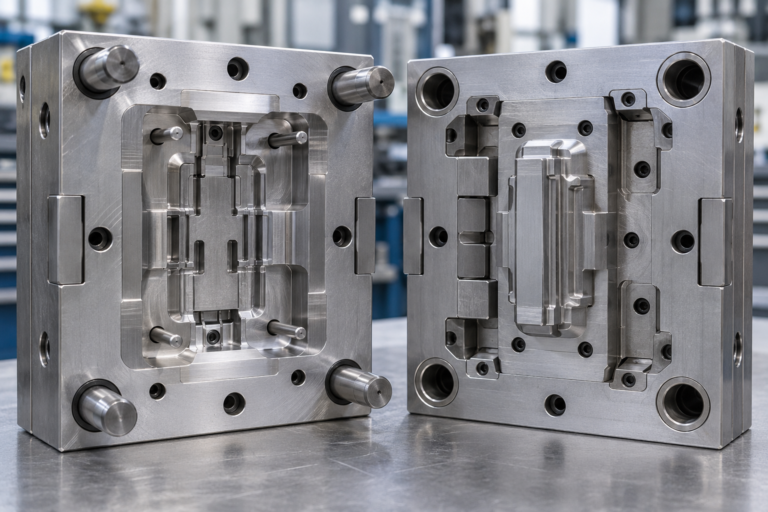
Production tooling built around your process and volume.
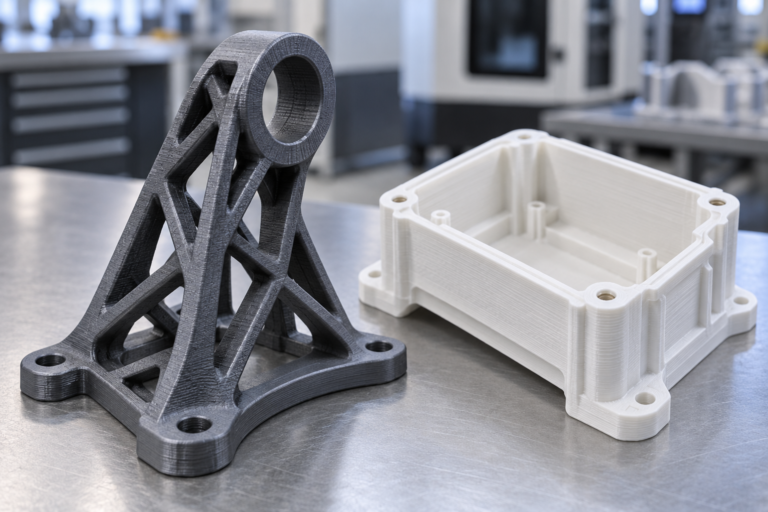
Prototype parts to check fit, function and design.
Choose air- or liquid-cooling components around your thermal and mechanical requirements.
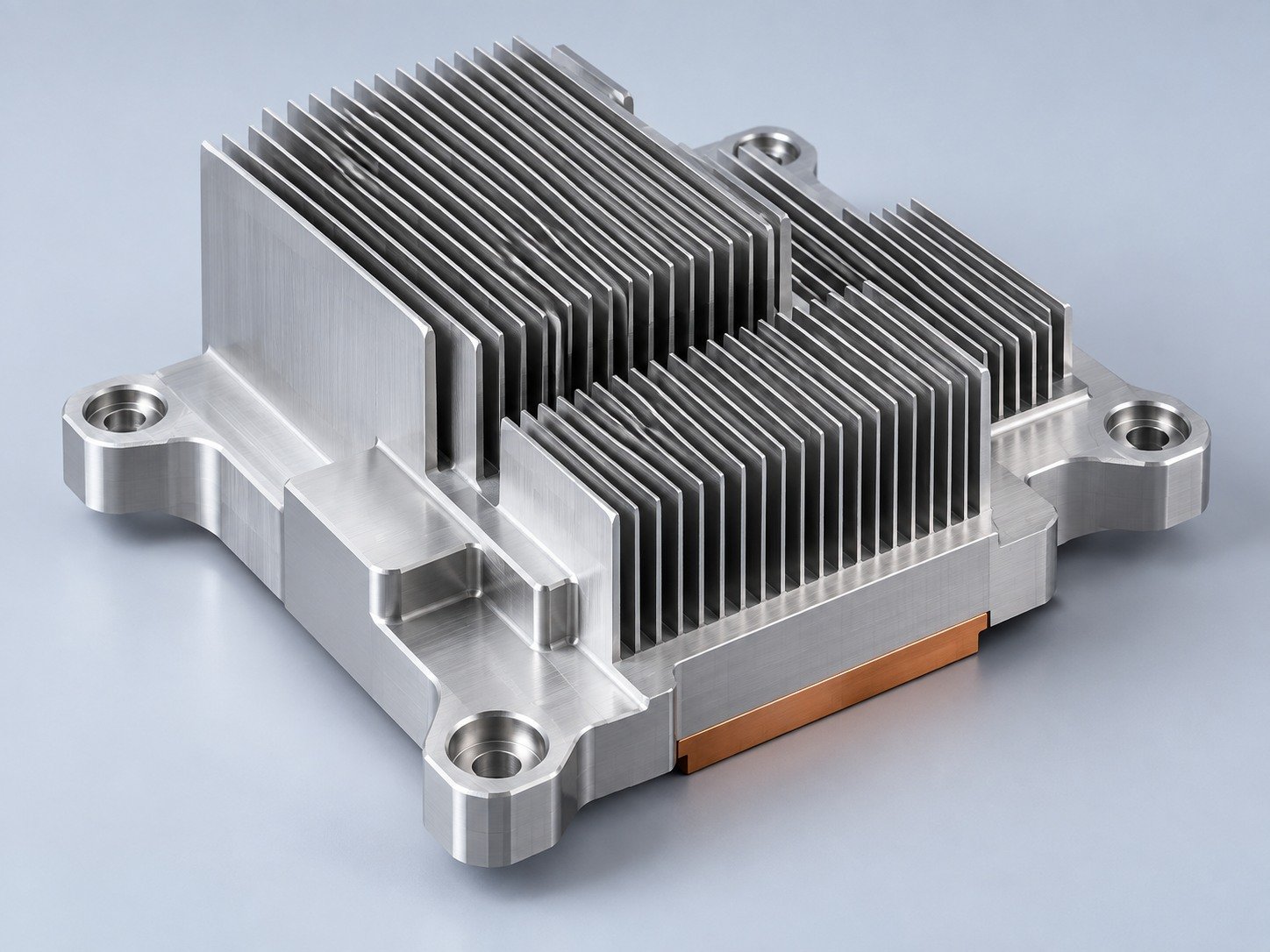
Manufacturing support for your cold plates, manifolds and cooling assemblies.
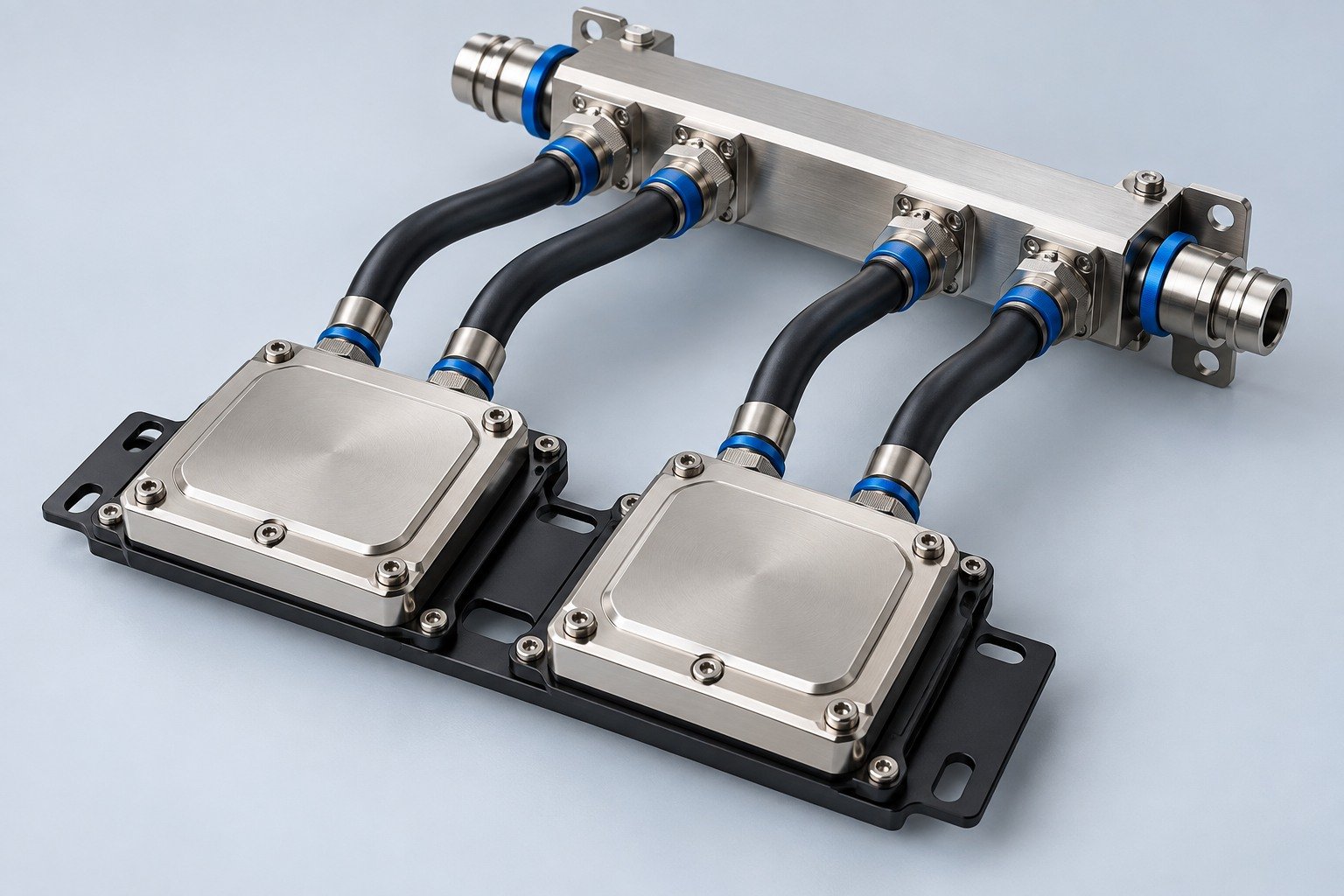
Find components for your power electronics, energy, laser and telecom application.
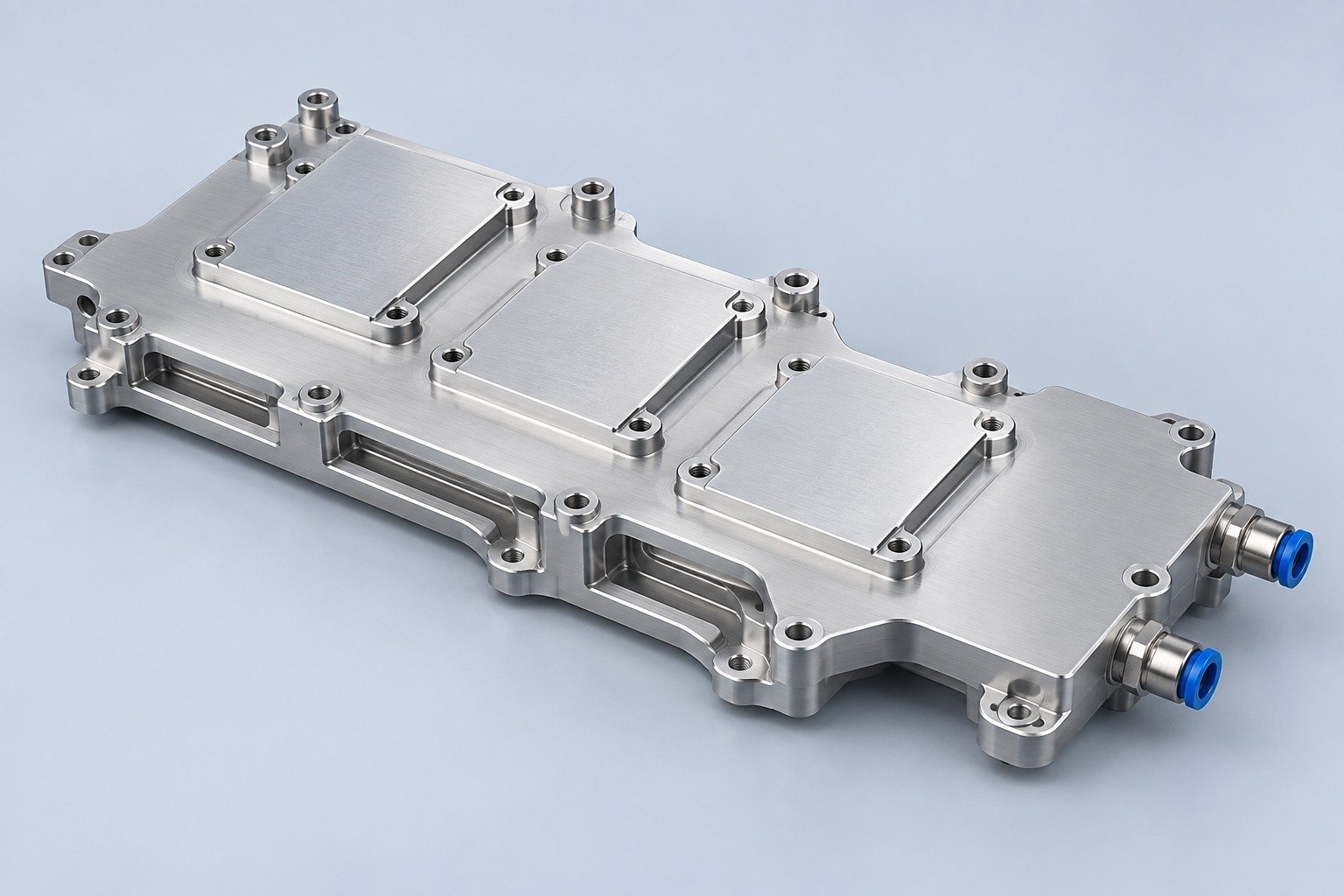
Components for your electronic systems.
Start with your functional and quality requirements.
Build around your operating environment.
From prototype to production, review material performance, manufacturability and cost for your part.
Review grade, temper and finish for your metal parts.
 AluminumStrength, weight and machining›
 Stainless SteelCorrosion and finish requirements›
 Carbon & Alloy SteelDiscuss grade and heat treatment›
 Tool SteelDiscuss tooling and wear needs›
 TitaniumReview grade and part geometry›
 Copper & BrassDiscuss conductivity and machining›
Match your polymer to function, process and environment.
 ABSReview enclosure and molding needs›
 Polycarbonate (PC)Discuss clarity and impact needs›
 Nylon (PA)Review moisture and wear conditions›
 POM / AcetalReview fit and sliding features›
 PEEKDiscuss operating conditions›
 PTFEReview friction and chemical exposure›
 ULTEM / PEIDiscuss thermal and electrical needs›
Confirm grade availability and application requirements.
 Silicone / LSRDiscuss flexible component needs›
 TPU / TPEReview flexibility and processing›
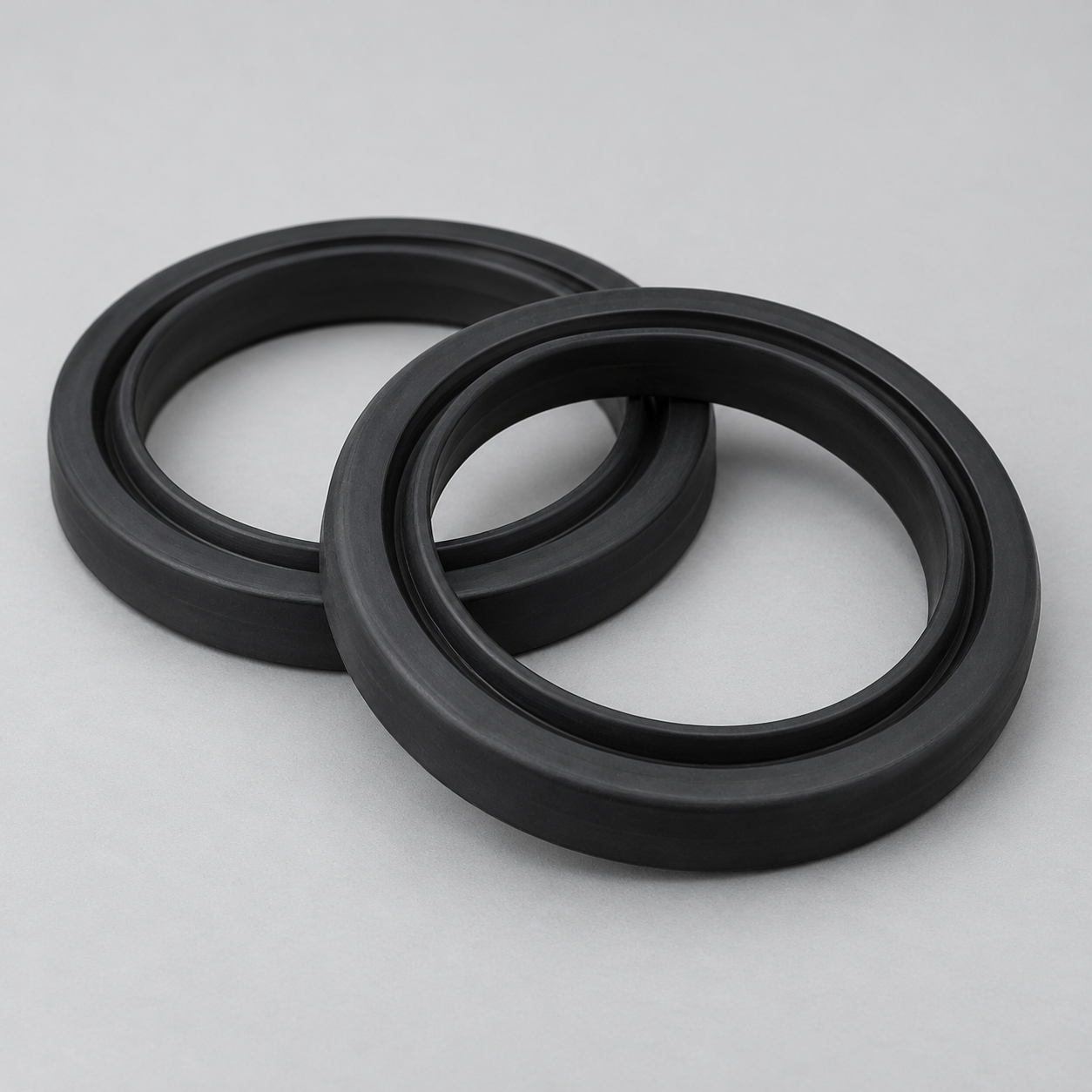 EPDMReview weathering and chemical exposure.›
 NBRReview oil and fuel exposure.›
 FKMReview temperature and chemical exposure.›
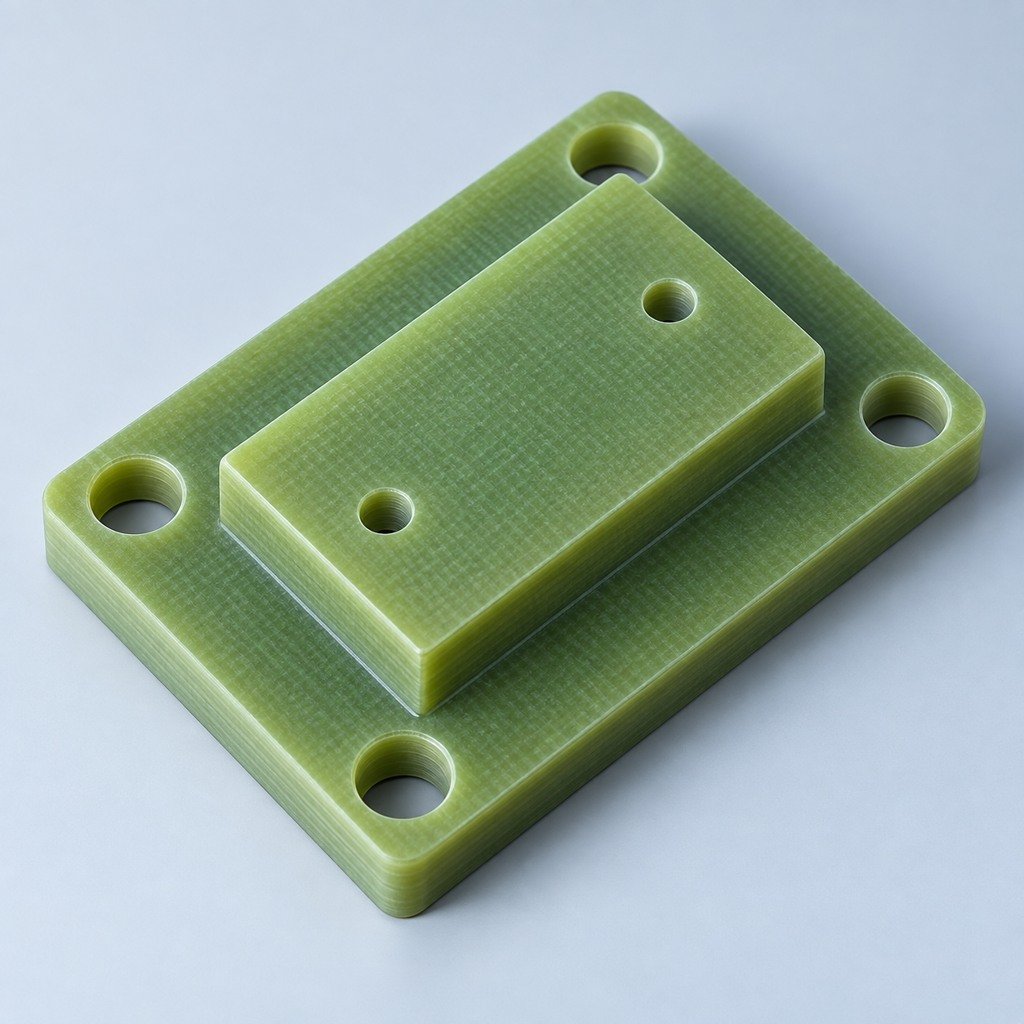 G10 / FR4Review insulation and laminate needs›
 CompositesReview stiffness, weight and laminate.›Customer-Specified MaterialsConfirm your grade and requirements.›Other Specialty MaterialsDiscuss your application and grade.›
Practical guidance for your part geometry and material decisions.
Prepare your process, budget and sourcing questions.
Build your knowledge before production.
Learn who we are and how we operate.
Find our U.S. support team or start a conversation.
INVENTORY & SCHEDULED DELIVERY FOR YOUR PARTS
Connect your forecast, approved revision and release schedule before deciding which parts to hold. Review production, replenishment and delivery as one plan for your repeat orders.
Share Your Forecast & Part List →Stock ownership, storage, quantities and release terms are agreed for your program.

INVENTORY OVERVIEW
Begin with usage, approval status and replenishment time. A forecast is an input to review, not a guarantee of demand. Agree which parts to hold and what triggers the next build.
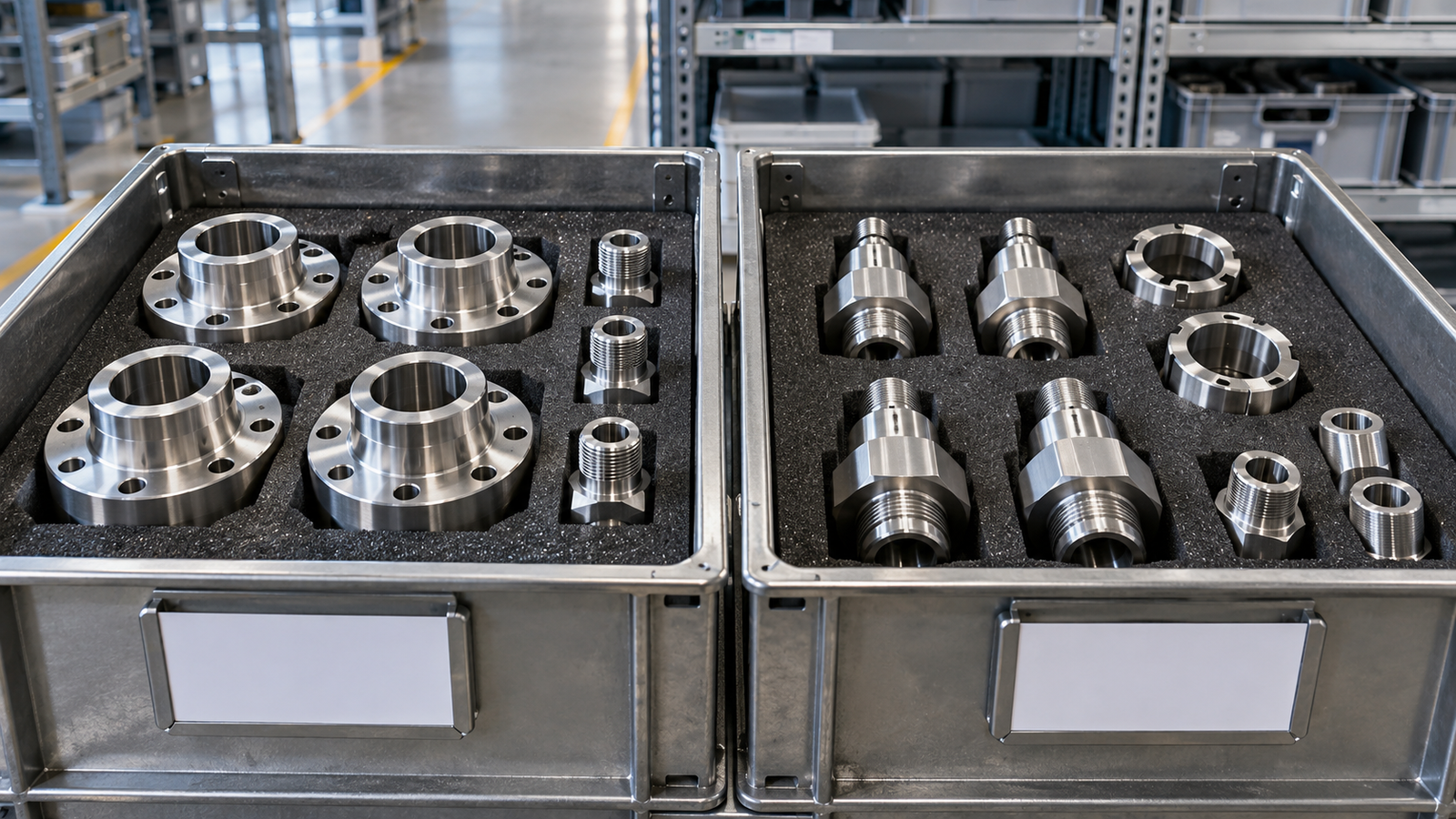
Review demand history and approved part stability.
Compare manufacturing and shipment time with your usage.
Define requested quantities, dates and release authority.
Keep each part, revision and lot separately identified.
Review irregular demand and the cost of holding slow-moving parts.
Agree destination, packaging and required receiving records.
Select one of 6 connected review topics.
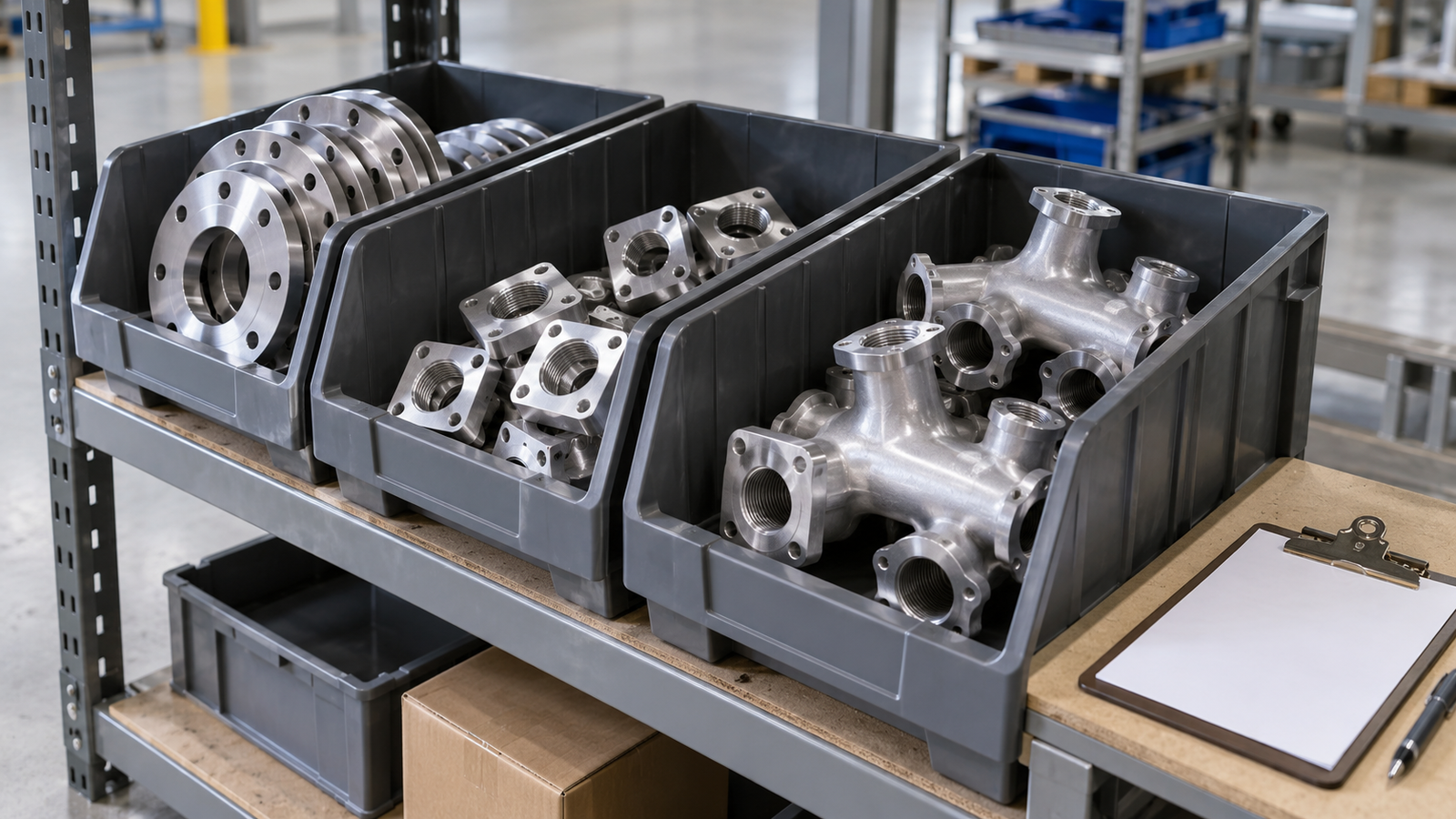
A defined stock decision with an owner and review interval.

A clearer view of when your next build must start.

A release plan your purchasing and receiving teams can follow.
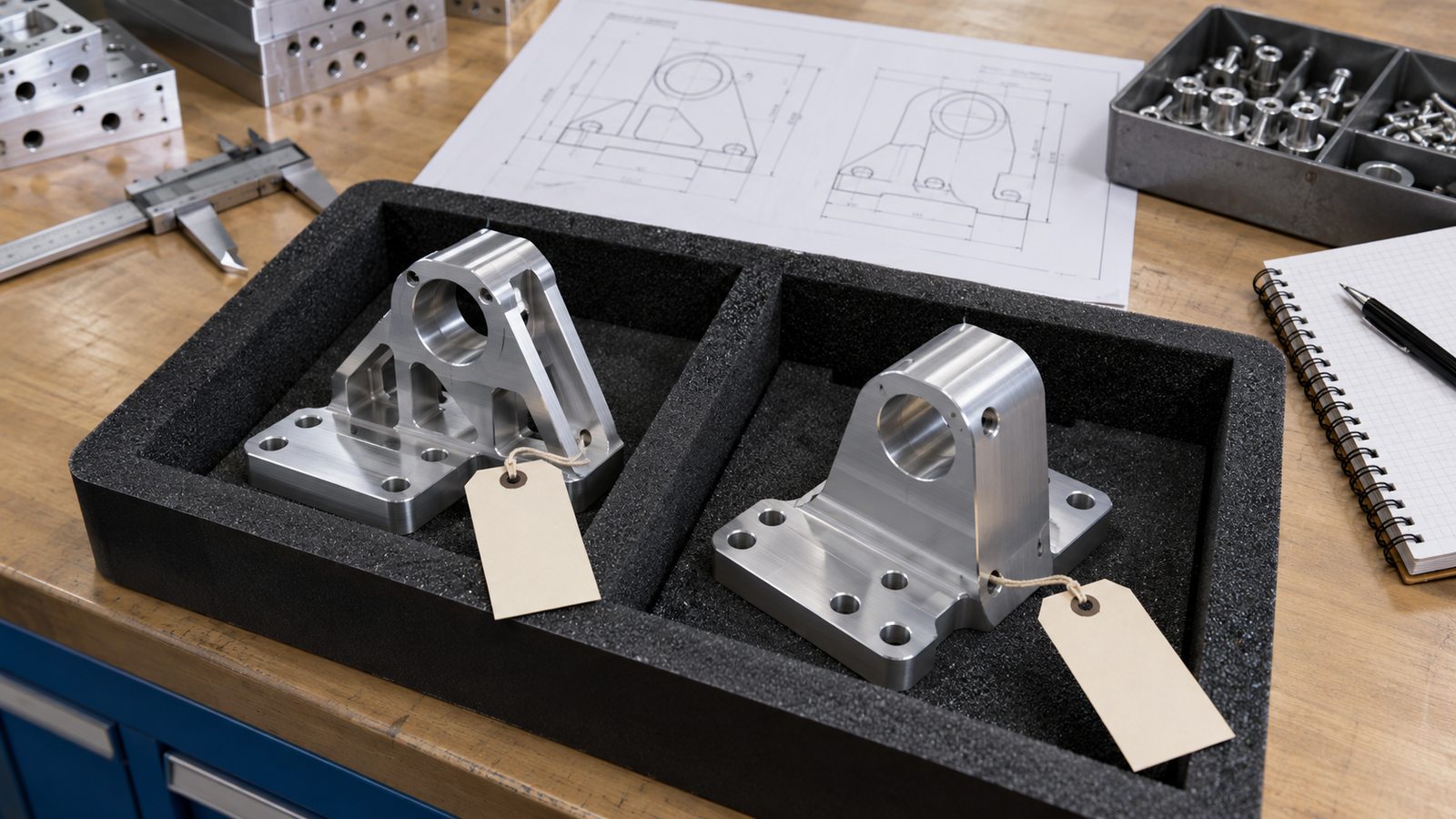
Less ambiguity about which parts your team may release.

An identifiable lot with the agreed supporting records.

Repeat supply based on current data rather than an unchanged assumption.
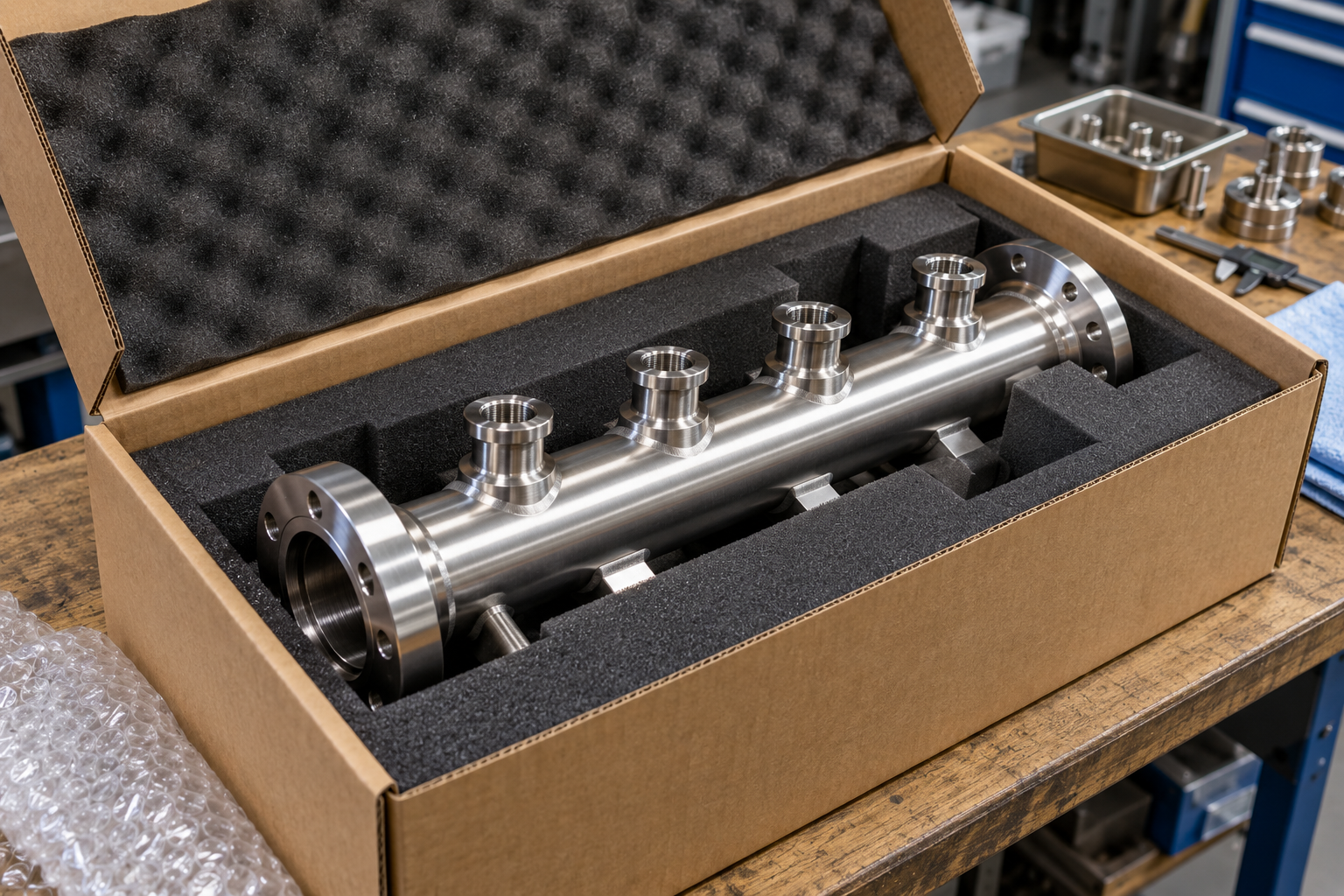
Review production after an approved order when demand is low or irregular.

Agree quantities, ownership and review rules for stable repeat demand.

Produce and release against an agreed quantity and delivery plan.
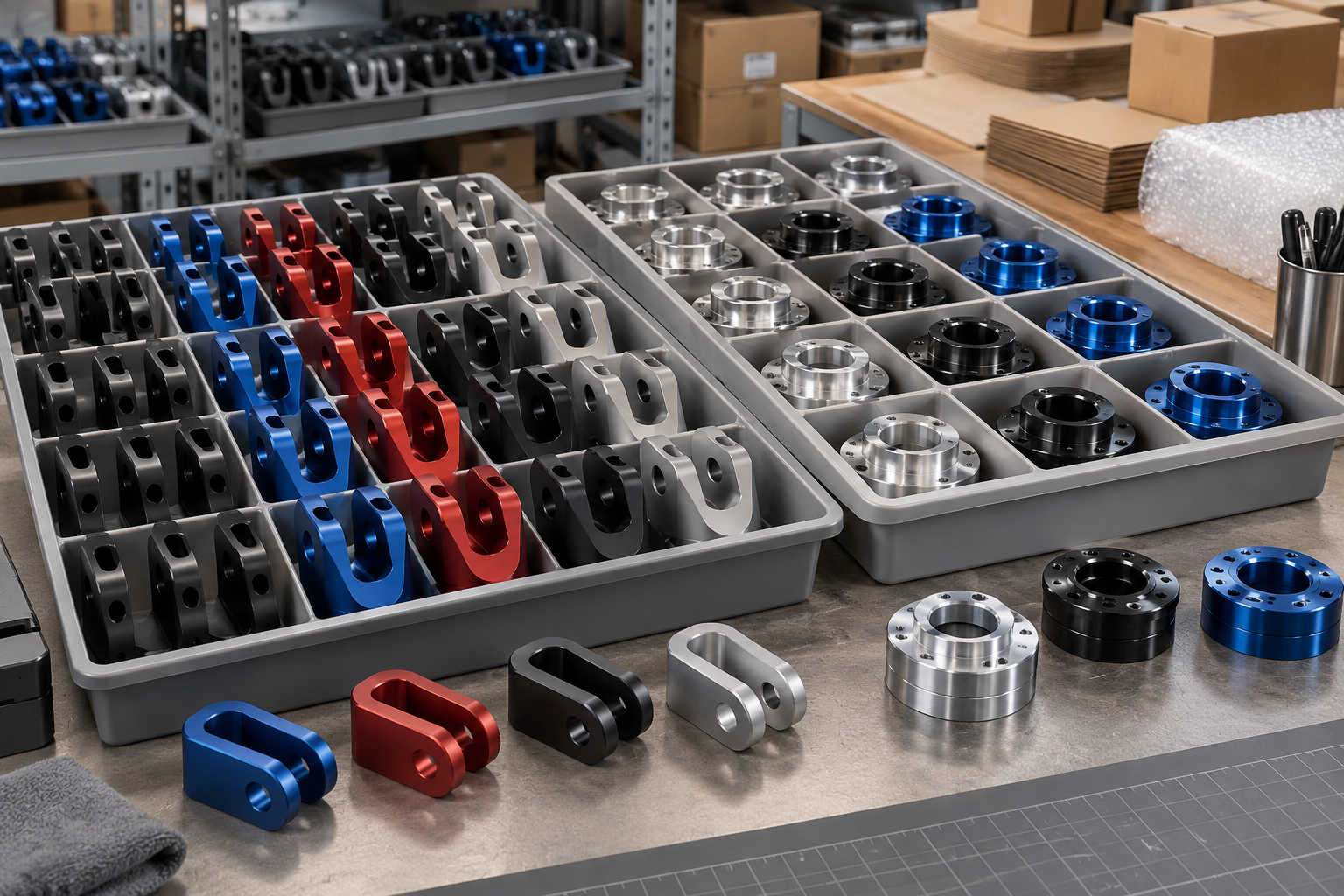
Review usage and remaining inventory before authorizing the next build.
Review part list, forecast and timing.
Confirm current drawing and specifications.
Agree stock, trigger and ownership.
Build and review the agreed evidence.
Check quantities, condition and lot records.
Pack and ship against an authorized release.
Update usage and agree the next build.
Keep the agreed records linked to your held parts and authorized releases.
Approved part drawing and revision.
Required MTR, COA or supplier evidence.
Agreed characteristics and acceptance results.
Customer-required approval evidence, when applicable.
Link your parts to manufacturing and receiving lots.
Part identity, protection and receiving format.

5 application groups with different storage, release and record needs. Confirm suitability for your specific parts and delivery scope.
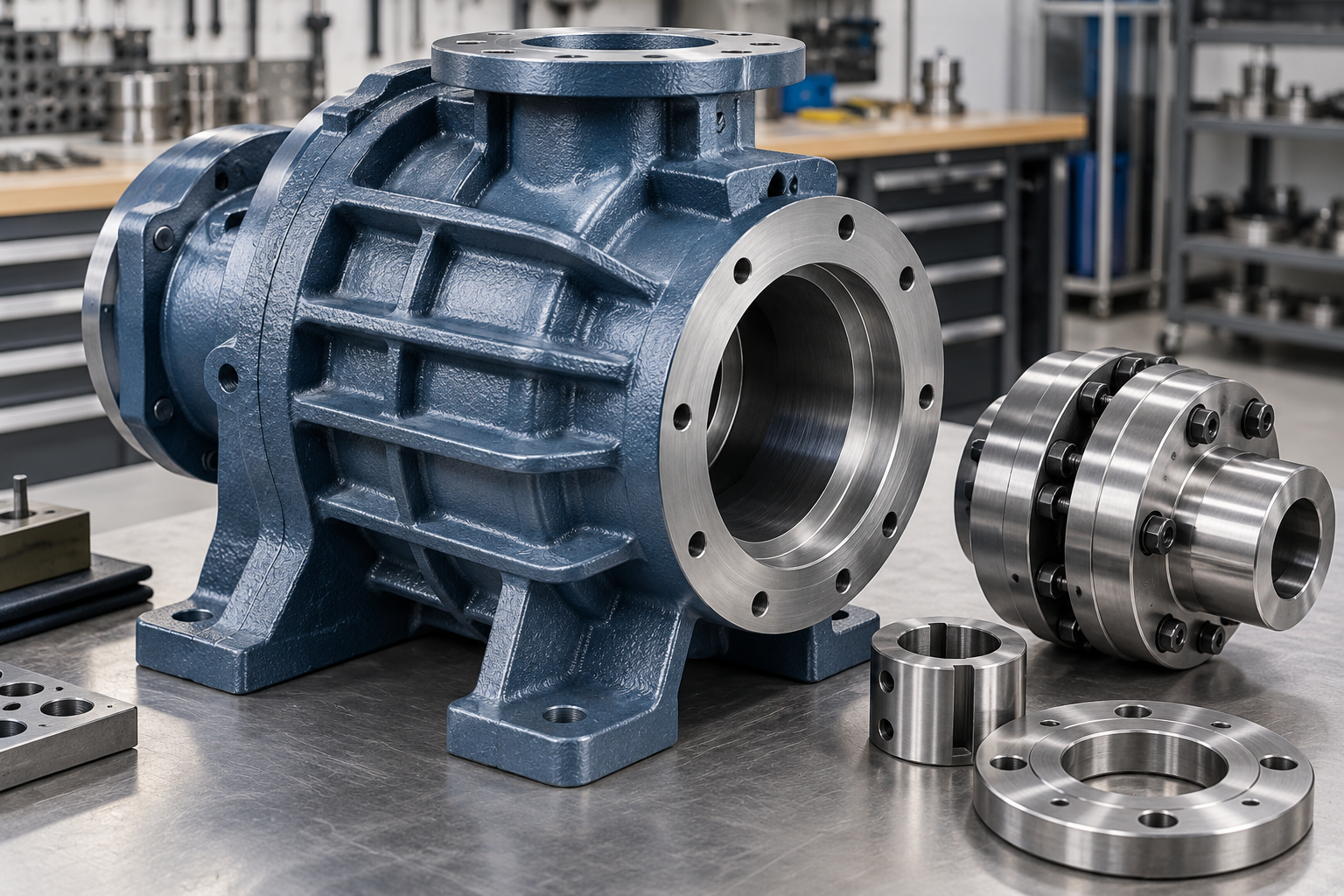
For your housings, shafts and brackets: connect part numbers and revisions to the agreed release quantities.
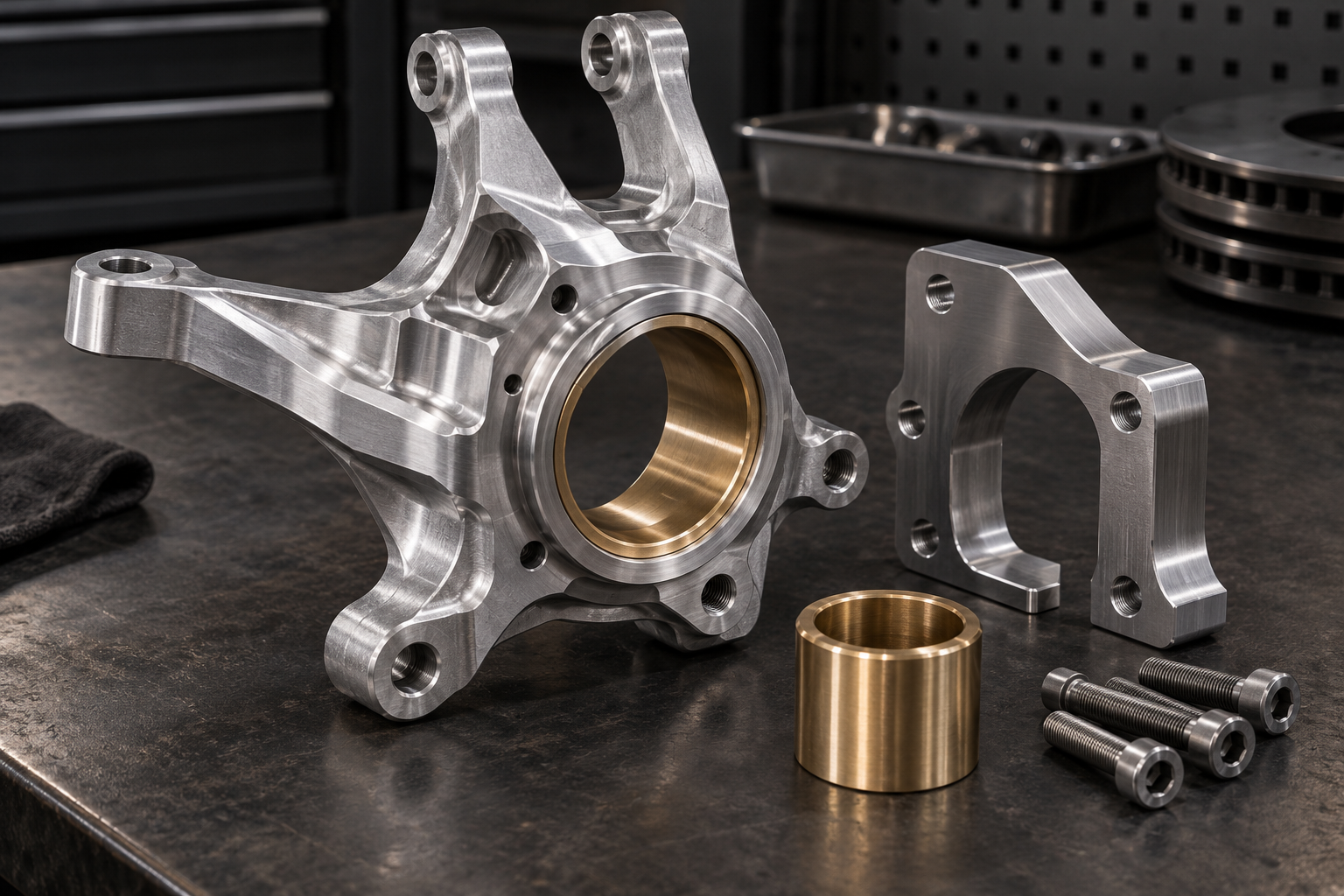
For your component program: define packaging, approved revisions and receiving requirements. No regulated qualification is implied.

For your heat sinks, plates and enclosures: agree surface protection and lot identification before storage.
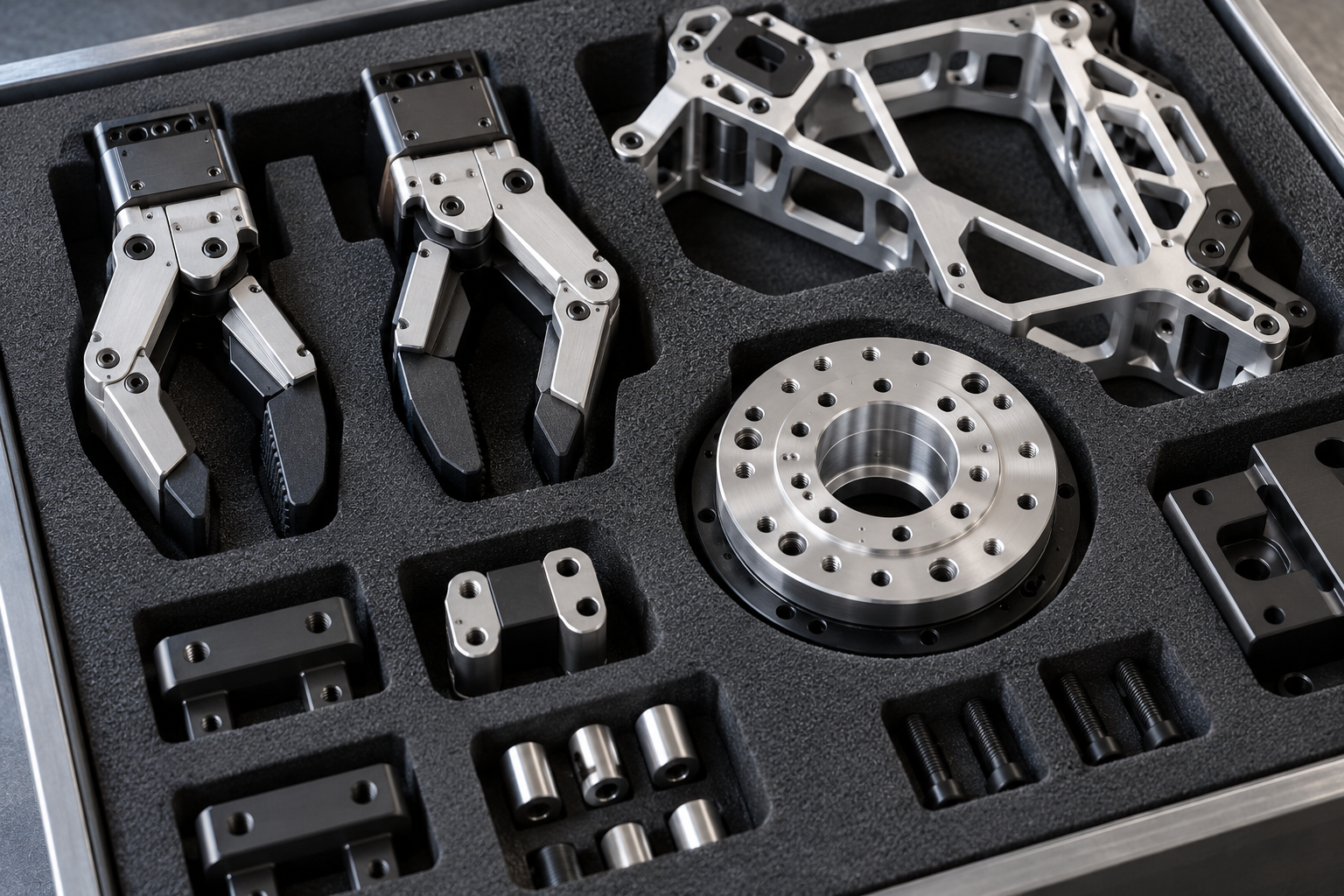
For your mounts, frames and precision interfaces: define revision controls and the inspection records that travel with each lot.
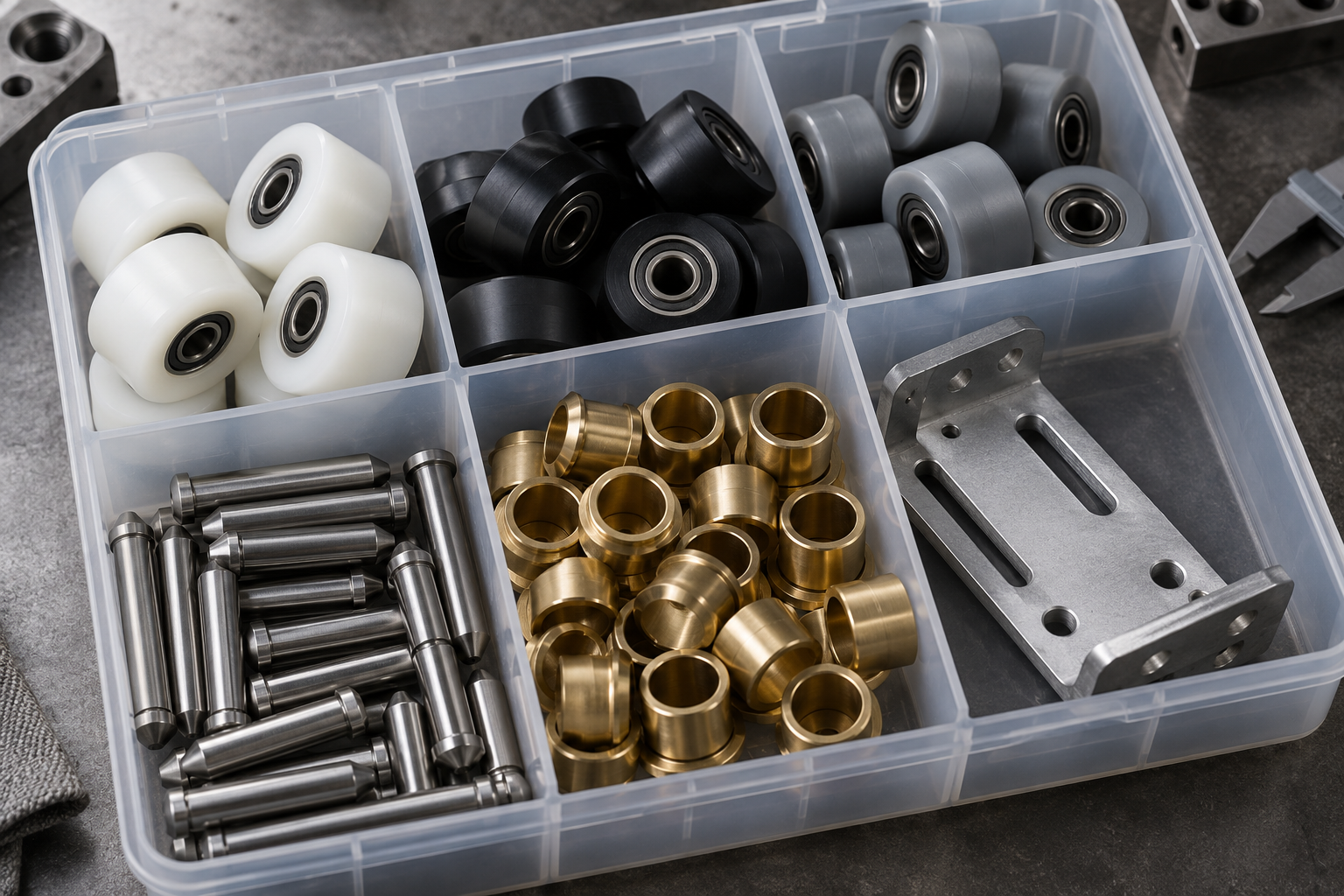
For your irregular demand: review forecast uncertainty, replenishment quantities and the risk of holding obsolete revisions.
No. Compare direct shipment with a project-specific warehouse or release plan. The right scope depends on demand, replenishment timing and commercial terms.
Review usage history, forecast uncertainty and replenishment time. Agree quantities and review intervals for your program rather than using one fixed stock rule.
Agree who authorizes a release, the quantities and delivery requirements. Review any changes before packing and shipment.
Keep revision identity with the stock and records. Agree the treatment of existing stock before an engineering change affects replenishment or release.
Review forecast changes with the stock owner. Storage, cancellation and disposition terms must be agreed for your program.
Specify required inspection and material evidence, its link to the lot and delivery format before production.
Review dates and packing. Each part, revision and lot must remain identifiable in the shipment and records.
The images illustrate inventory situations and handling. They do not document company stock levels or customer parts.
Illustrative concepts. Inventory availability and commercial scope are agreed for your program.
Review usage and adjust only through an agreed instruction.
Review quantities and ownership before adding stock.
Separate superseded stock and agree disposition.
Maintain physical and record identification.
Review protection, storage and receiving condition.
Agree the required evidence before production and release.