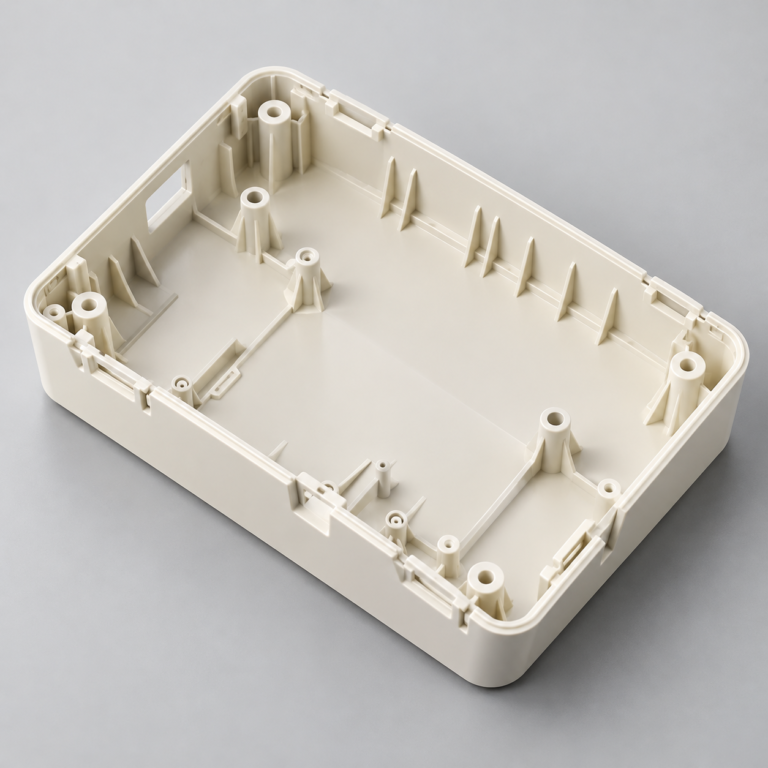
Injection Molding
Tooling and molding for your repeat plastic parts.
From prototype to production, coordinated manufacturing solutions for your custom parts.
View All Services →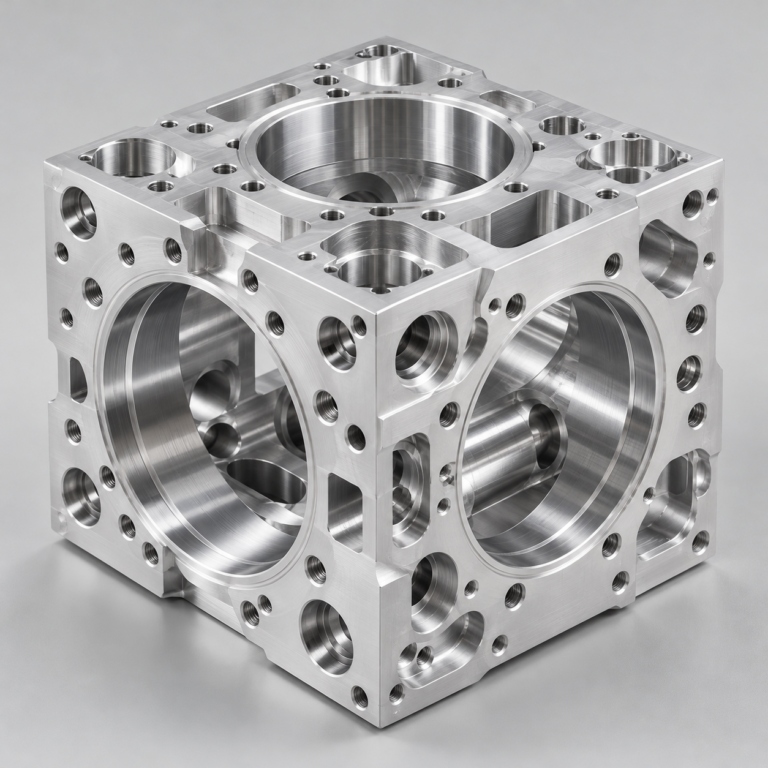
Precision parts for your tight tolerances and complex geometry.
Tooling and molding for your repeat plastic parts.
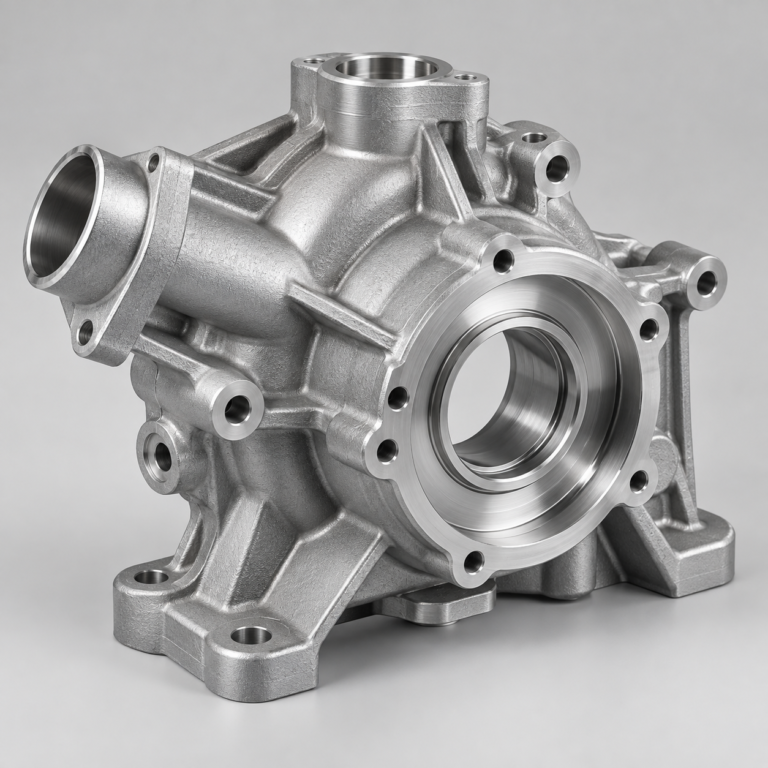
Metal casting options for your part and production volume.
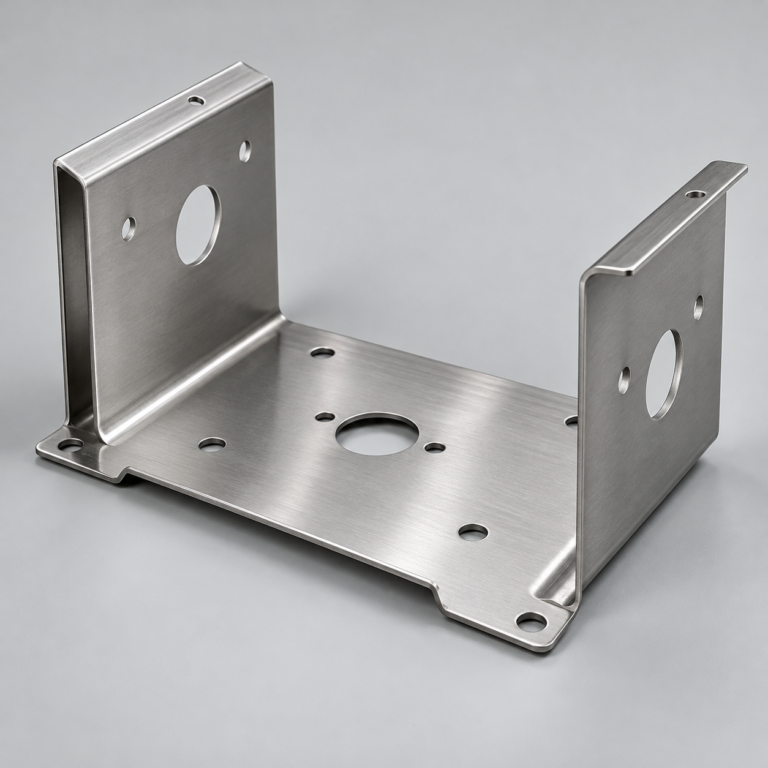
Cutting, forming and welding for your fabricated parts.
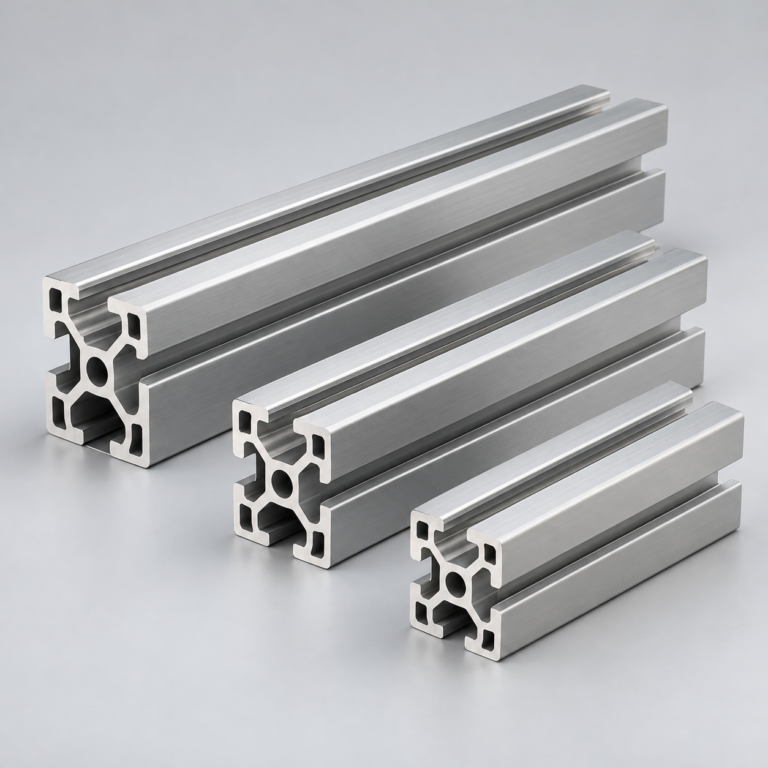
Custom profiles for your section, length and finish requirements.
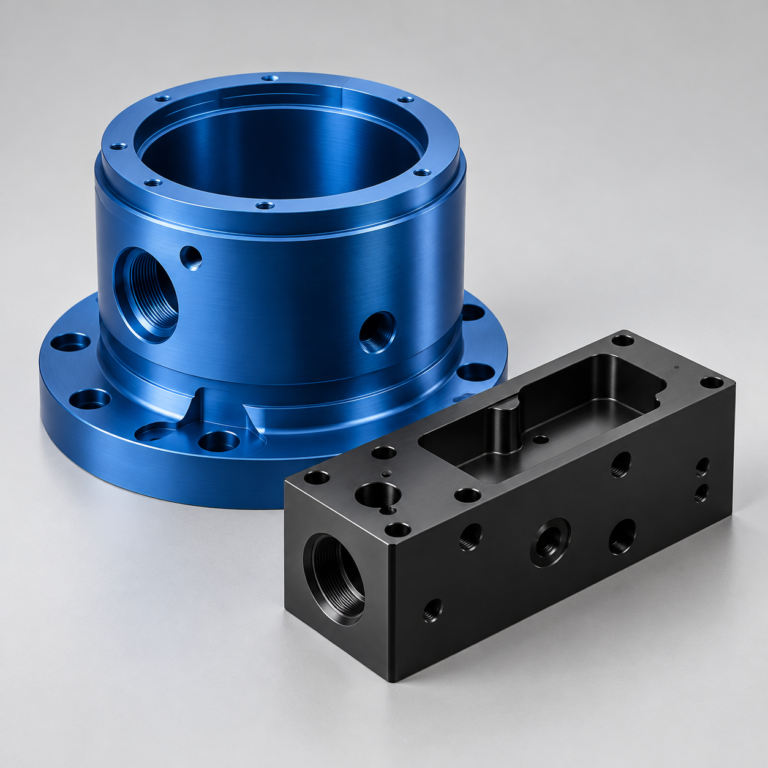
Finishes for your appearance, corrosion and wear requirements.
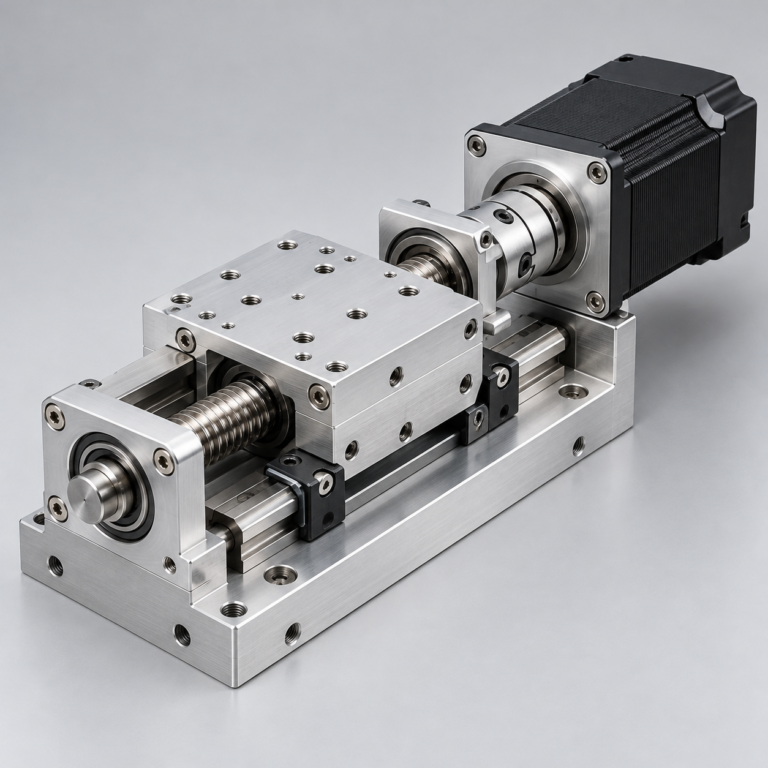
Sub-assemblies and final builds for your production program.
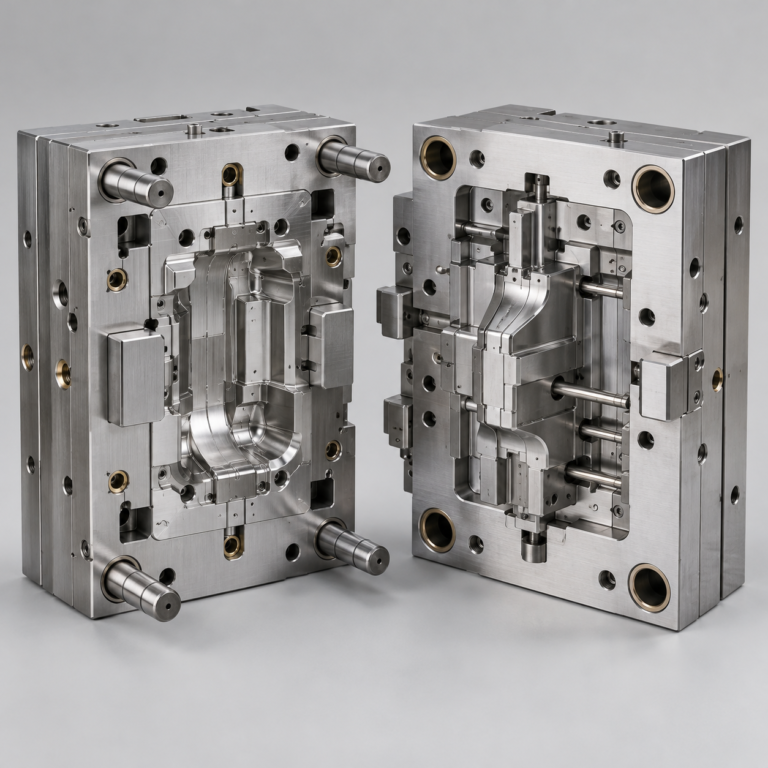
Production tooling built around your process and volume.
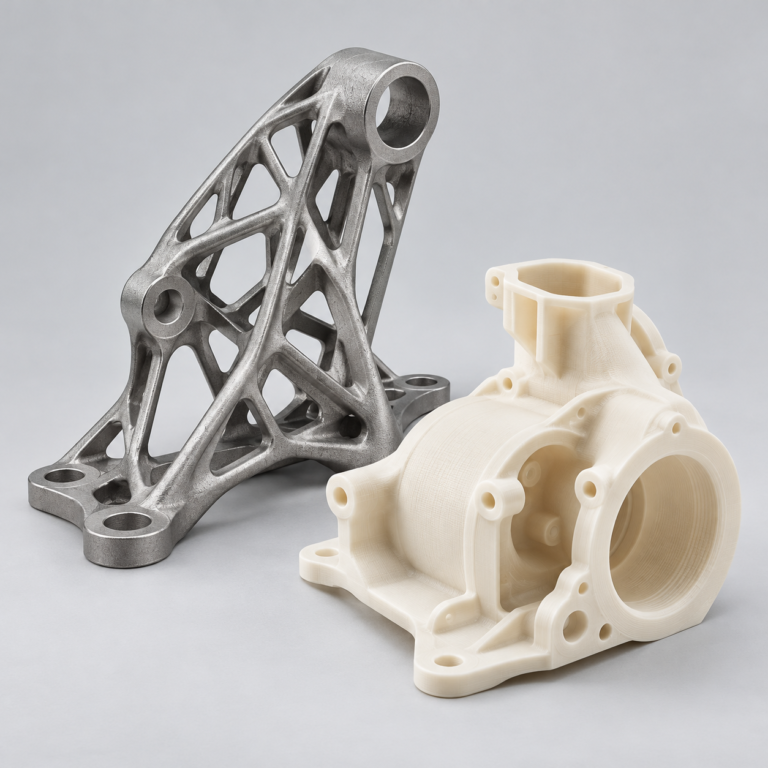
Prototype parts to check fit, function and design.
DFM, process planning and production support for your project.
Inspection, documentation, inventory and delivery planning for your program.
Choose air- or liquid-cooling components around your thermal and mechanical requirements.
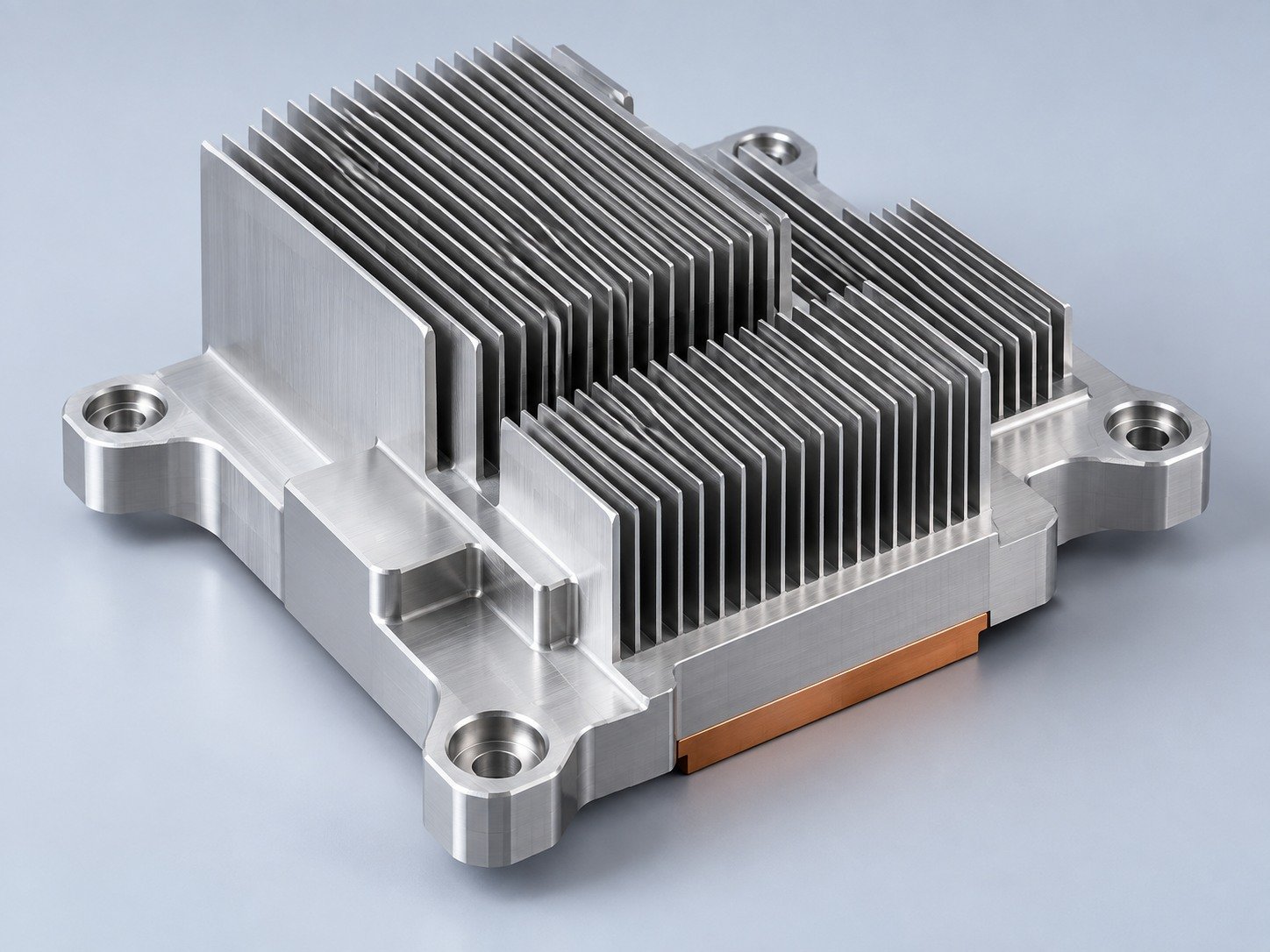
Manufacturing support for your cold plates, manifolds and cooling assemblies.
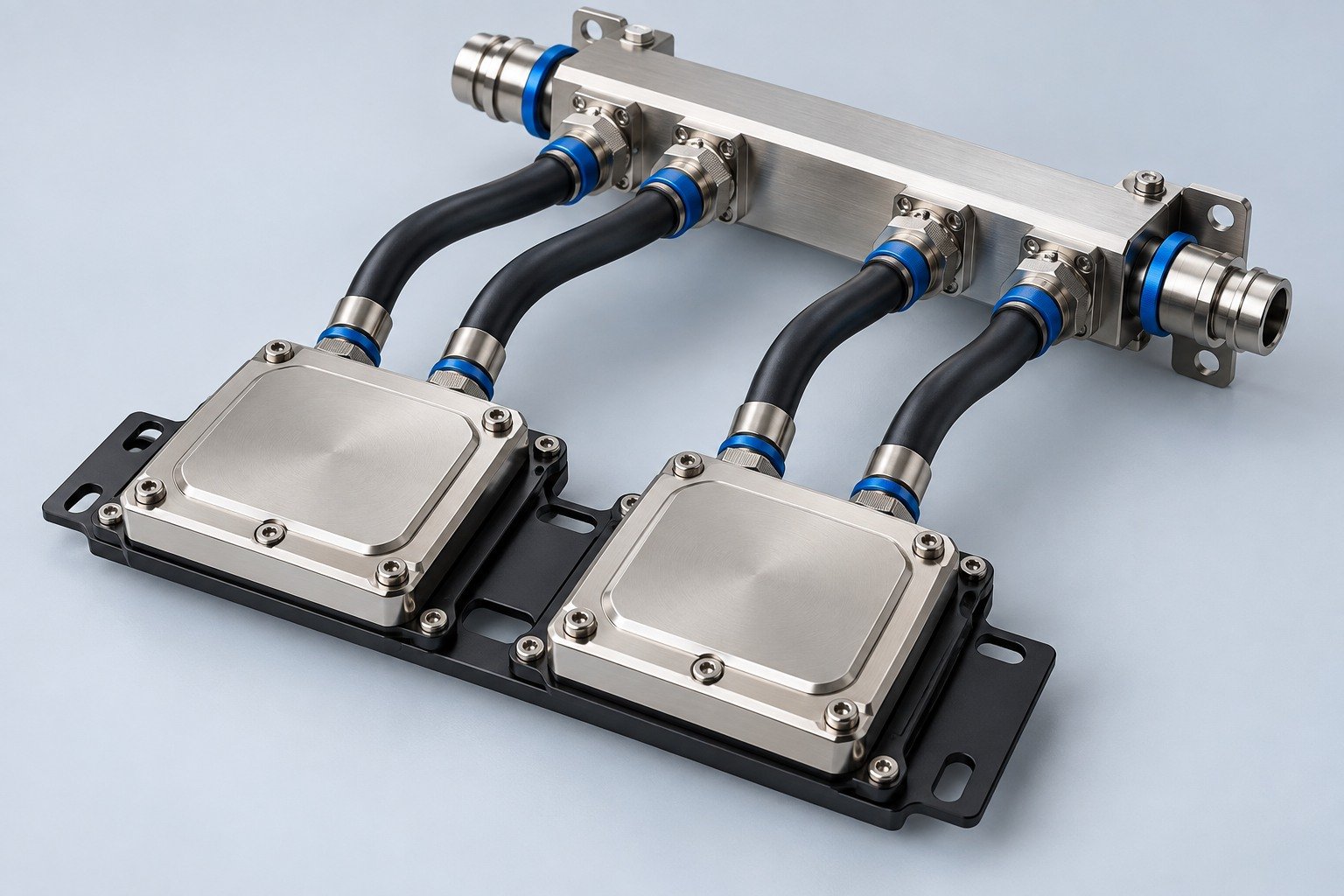
Find components for your power electronics, energy, laser and telecom application.
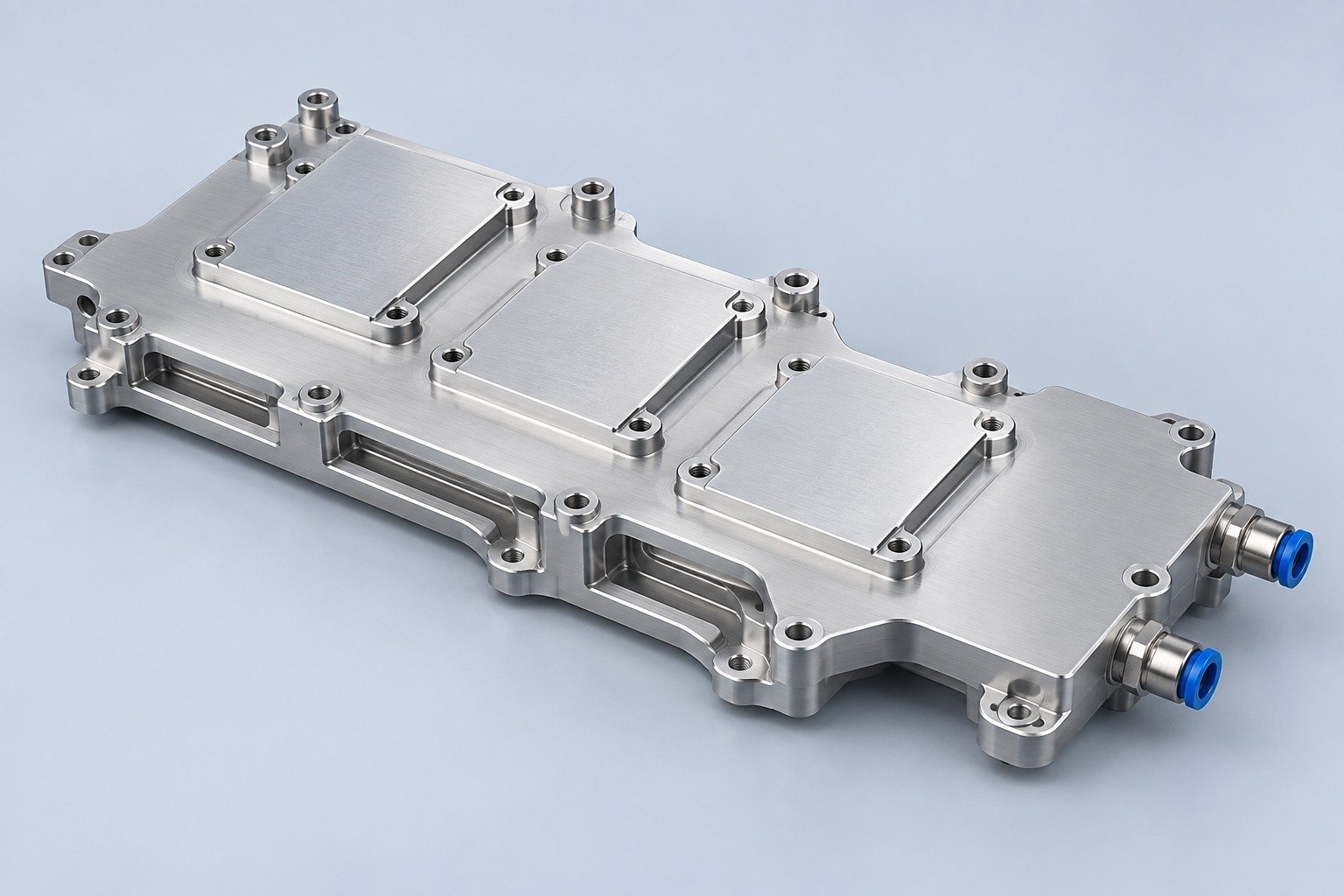
Components for your electronic systems.
Start with your functional and quality requirements.
Build around your operating environment.
From prototype to production, review material performance, manufacturability and cost for your part.
Review grade, temper and finish for your metal parts.
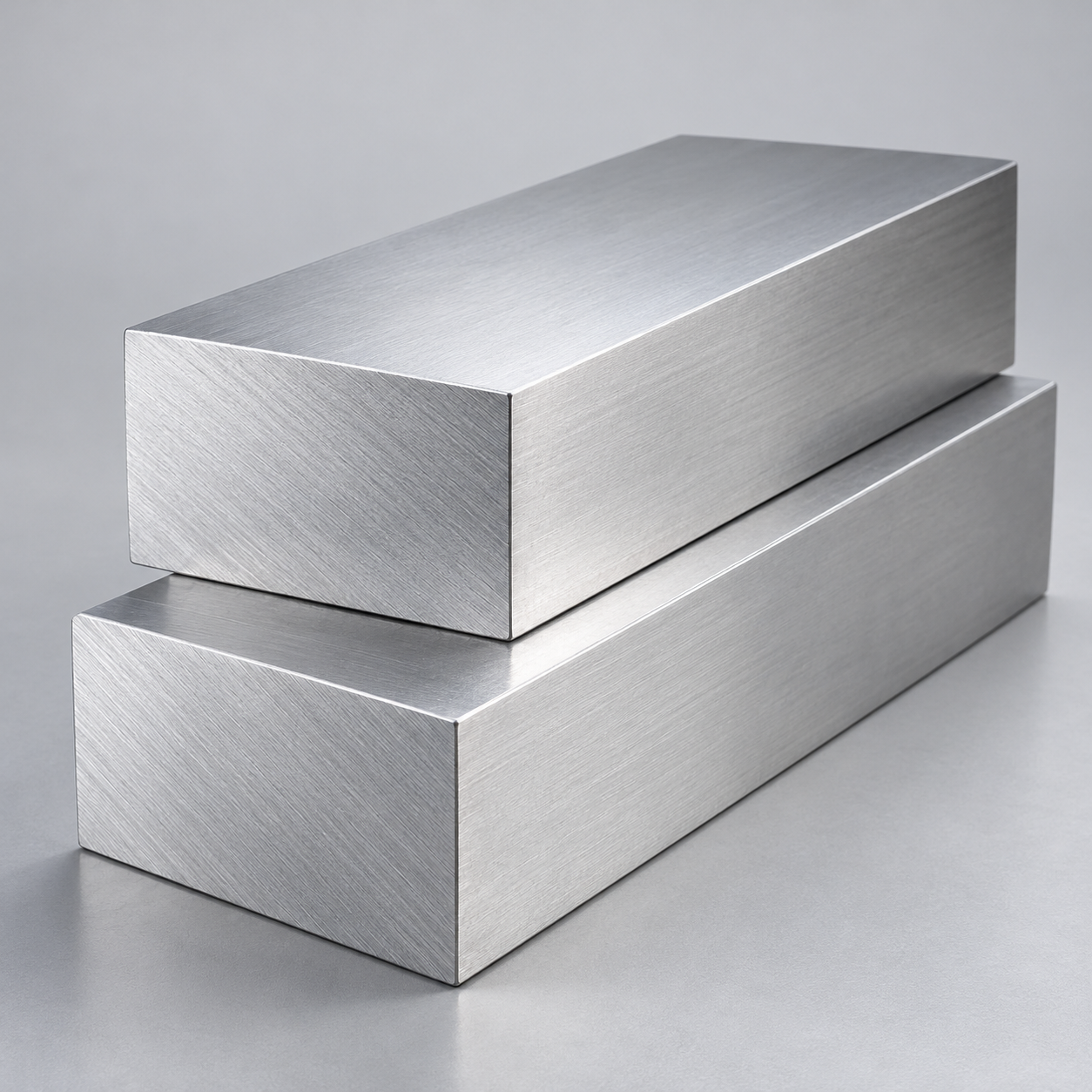 AluminumStrength, weight and machining›
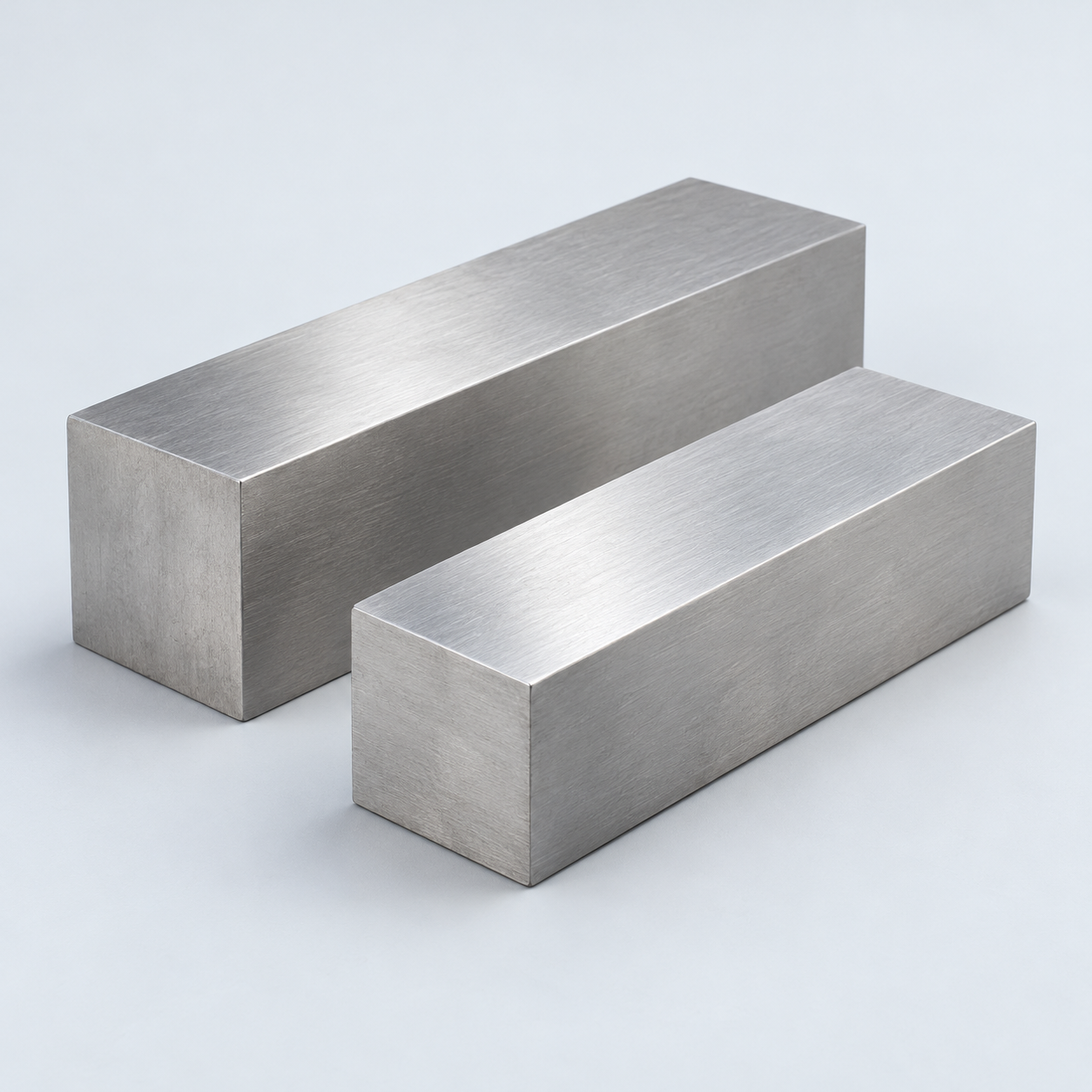 Stainless SteelCorrosion and finish requirements›
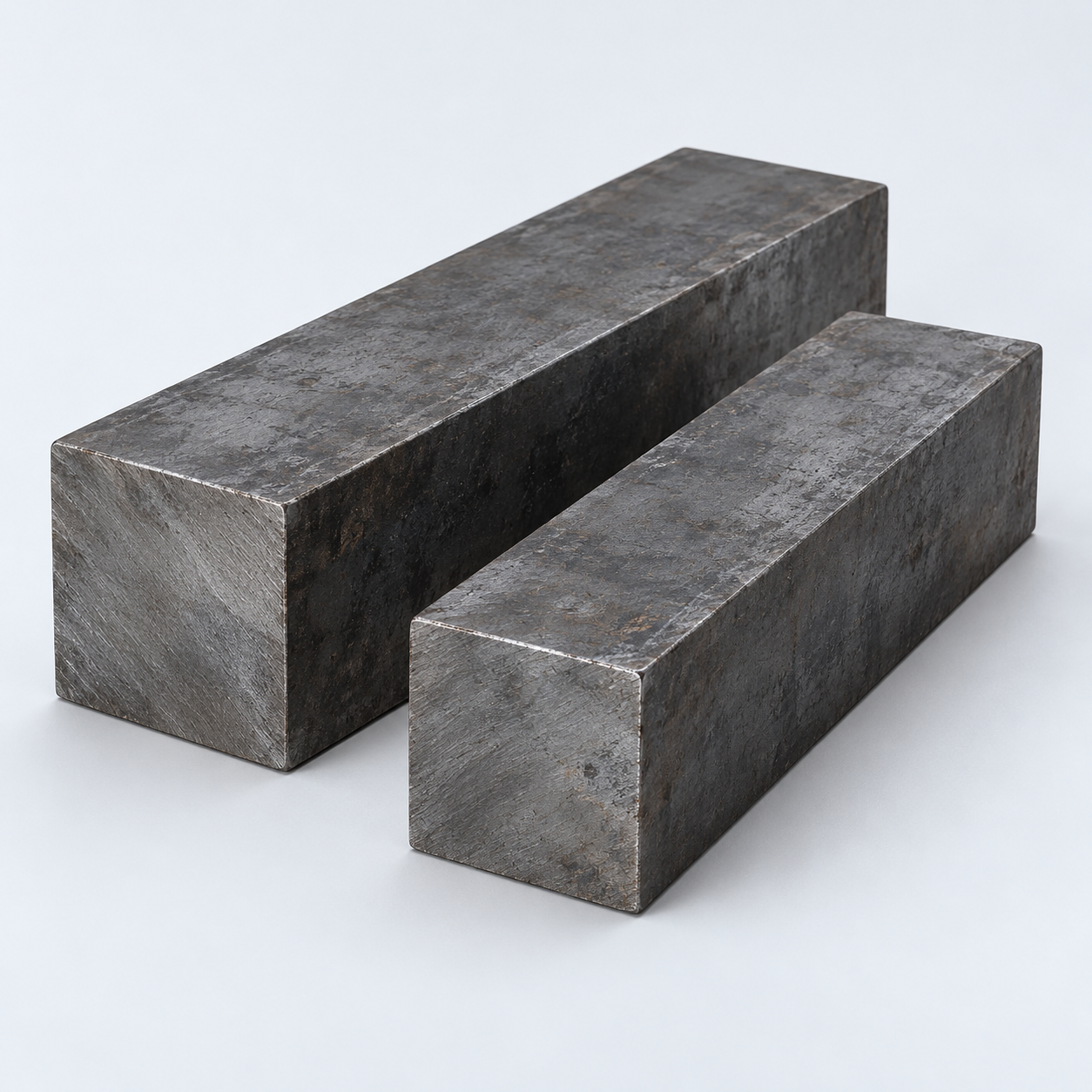 Carbon & Alloy SteelDiscuss grade and heat treatment›
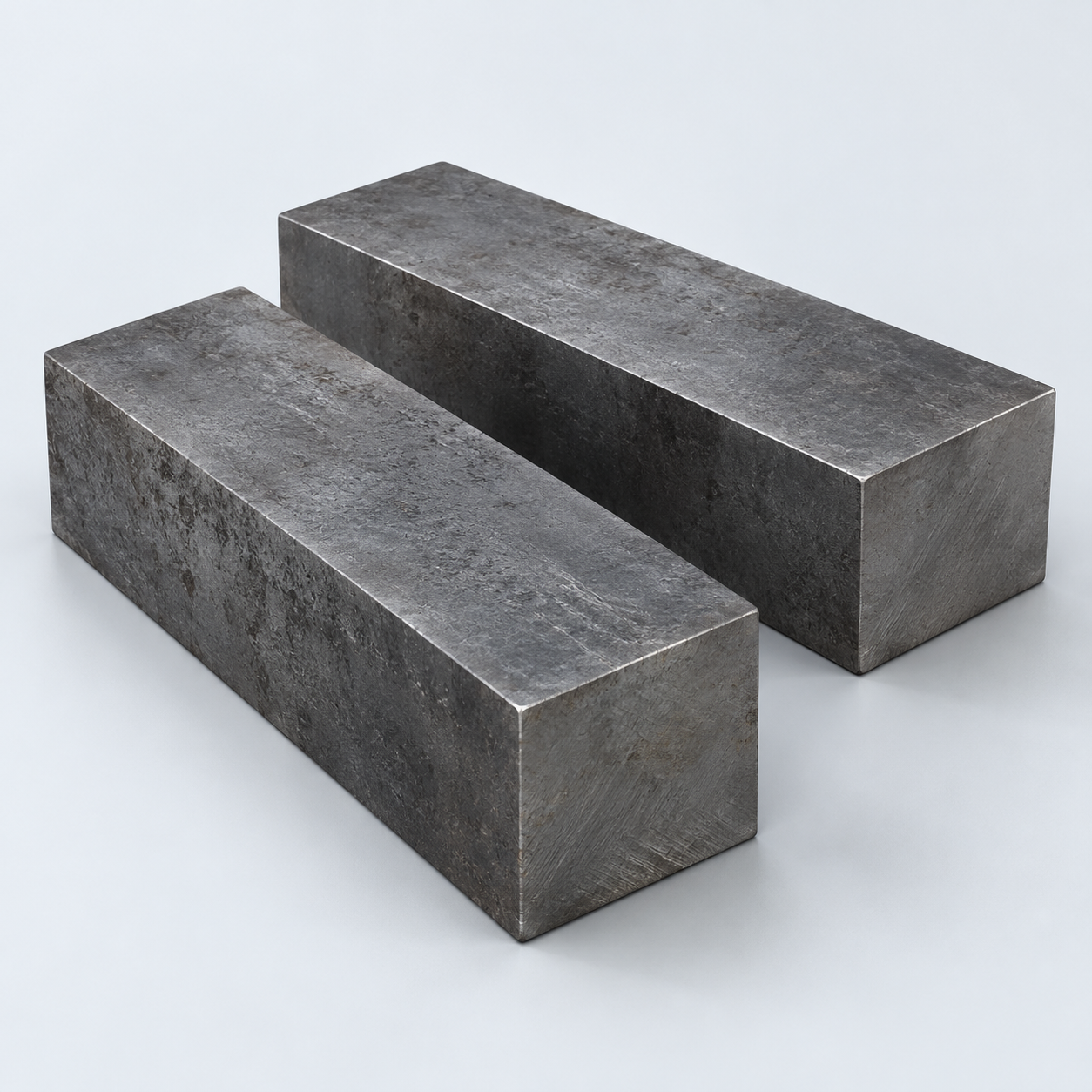 Tool SteelDiscuss tooling and wear needs›
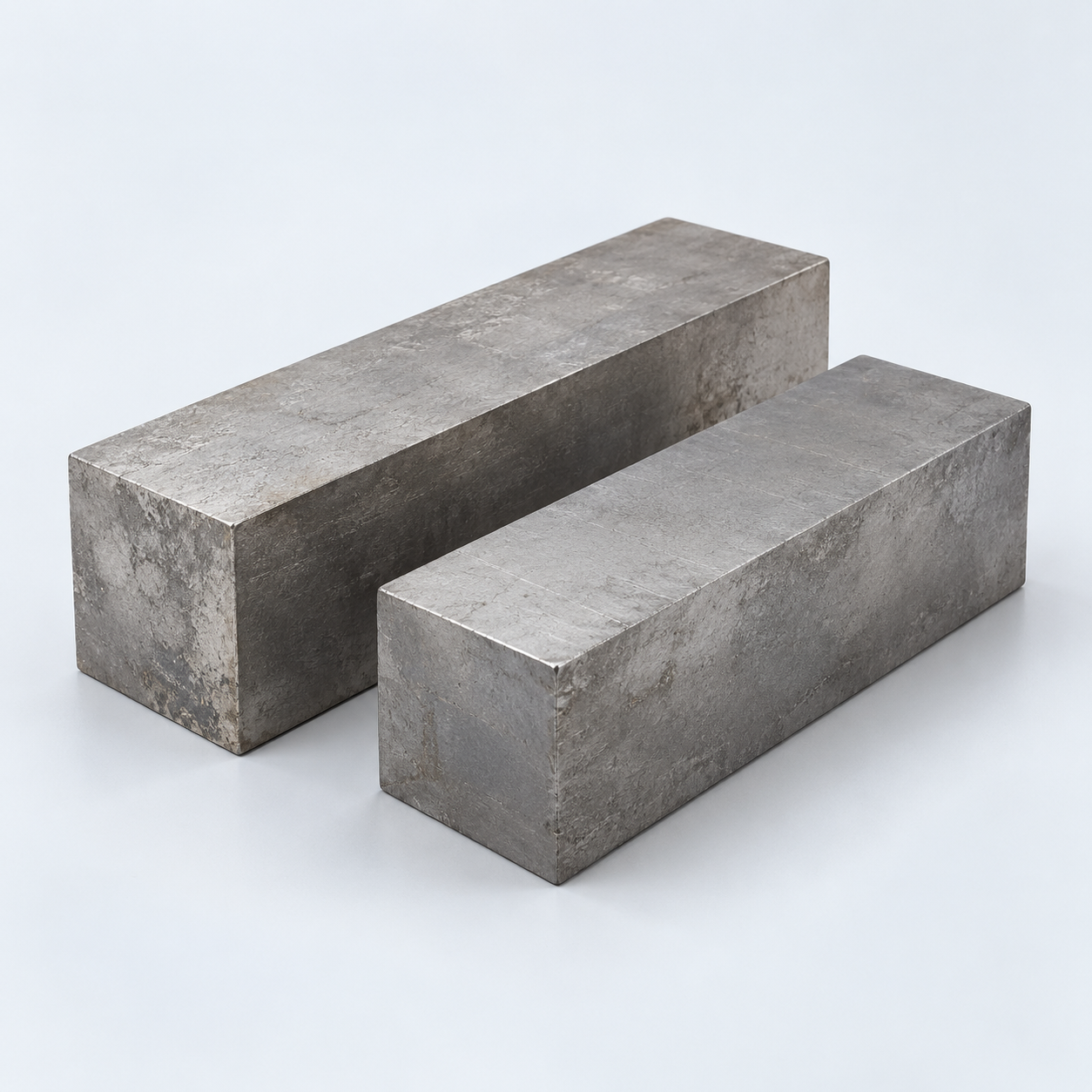 TitaniumReview grade and part geometry›
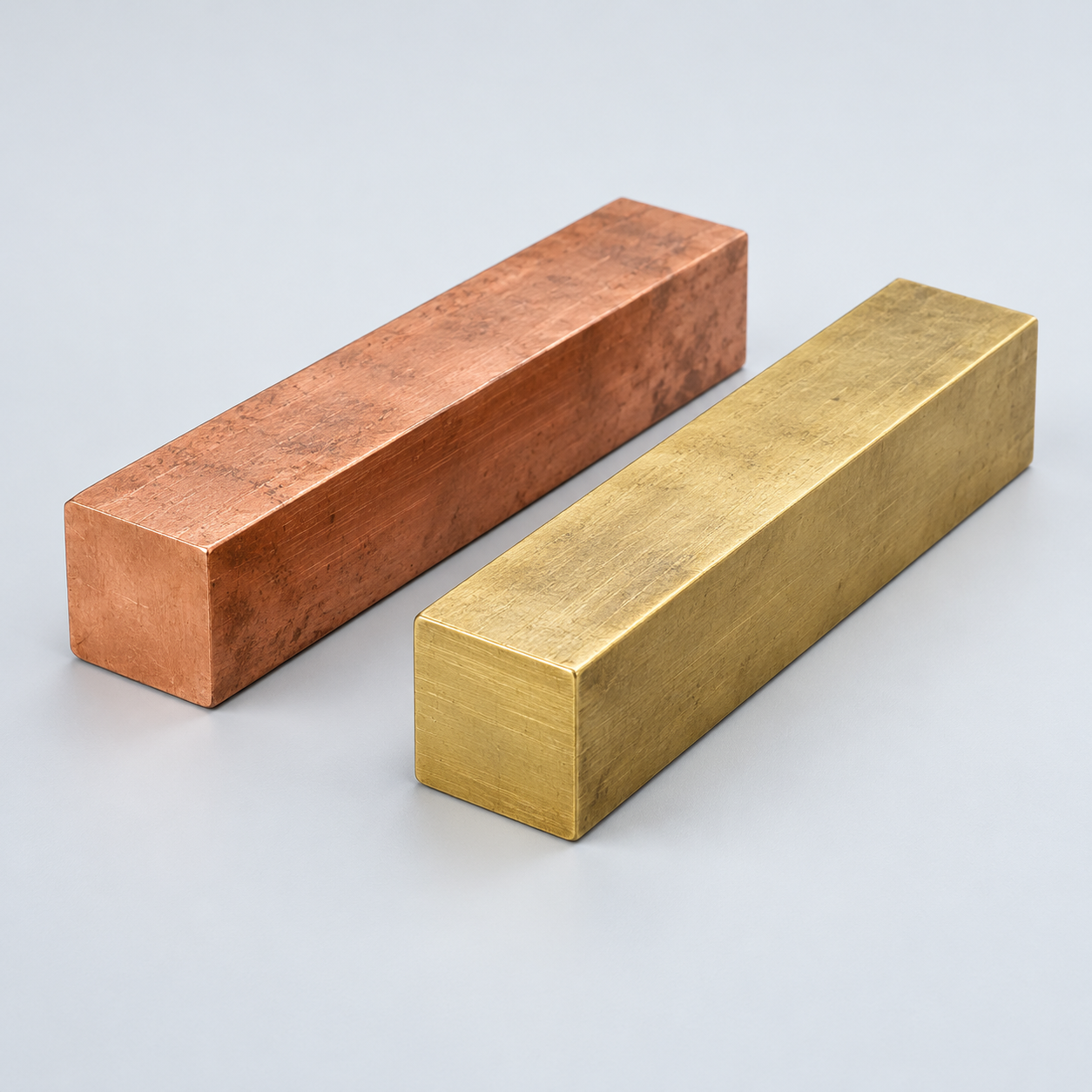 Copper & Brass & BronzeDiscuss conductivity and machining›
Match your polymer to function, process and environment.
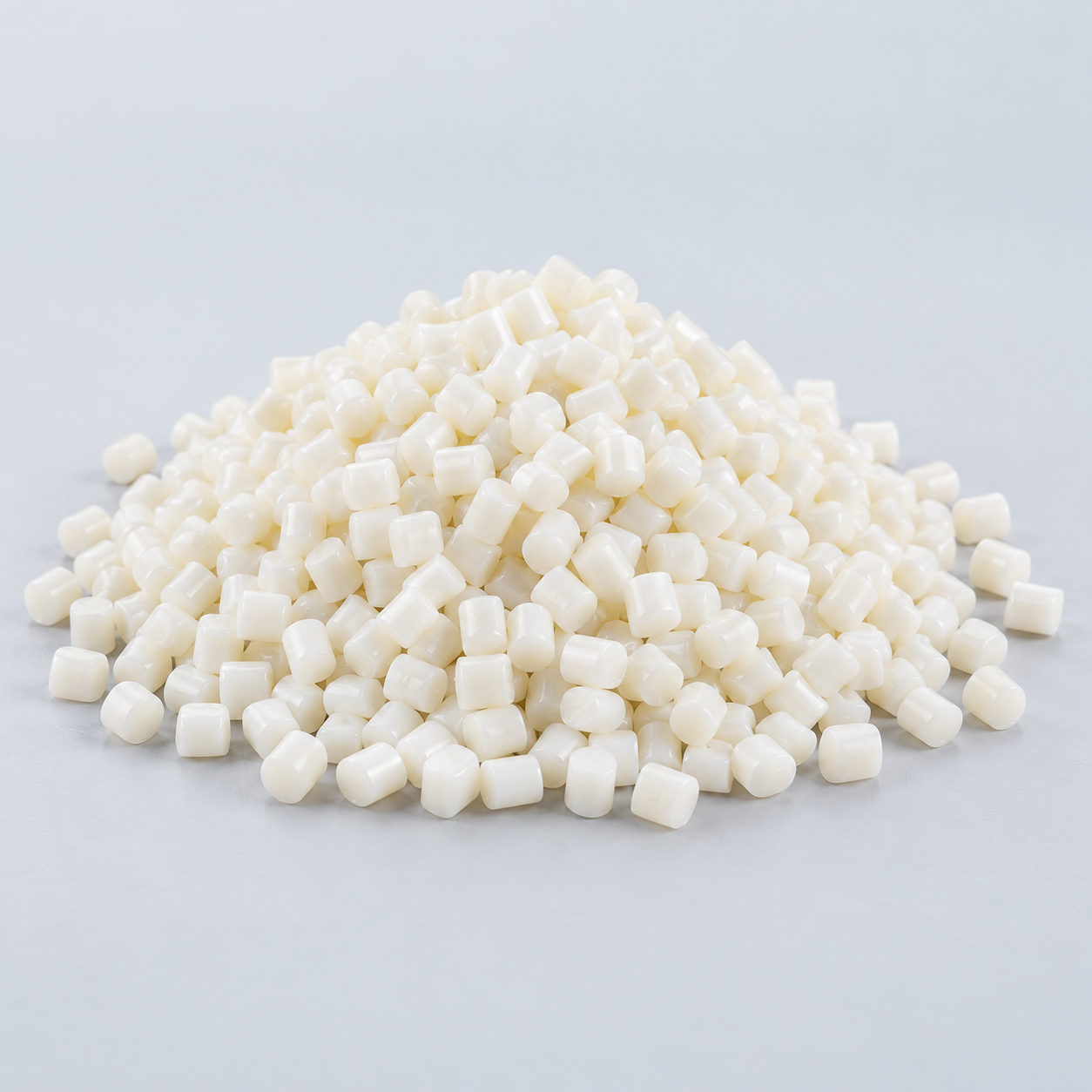 ABSReview enclosure and molding needs›
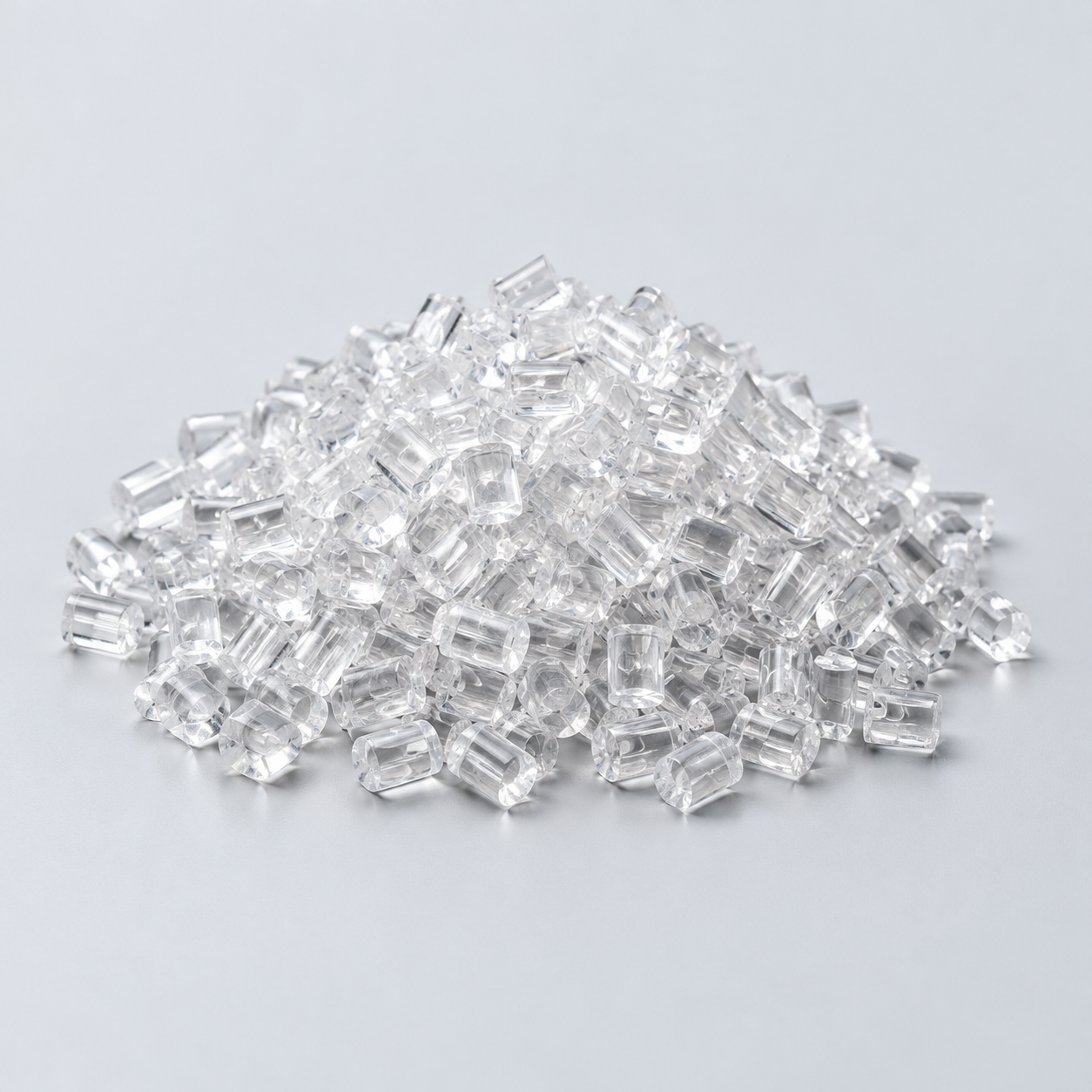 Polycarbonate (PC)Discuss clarity and impact needs›
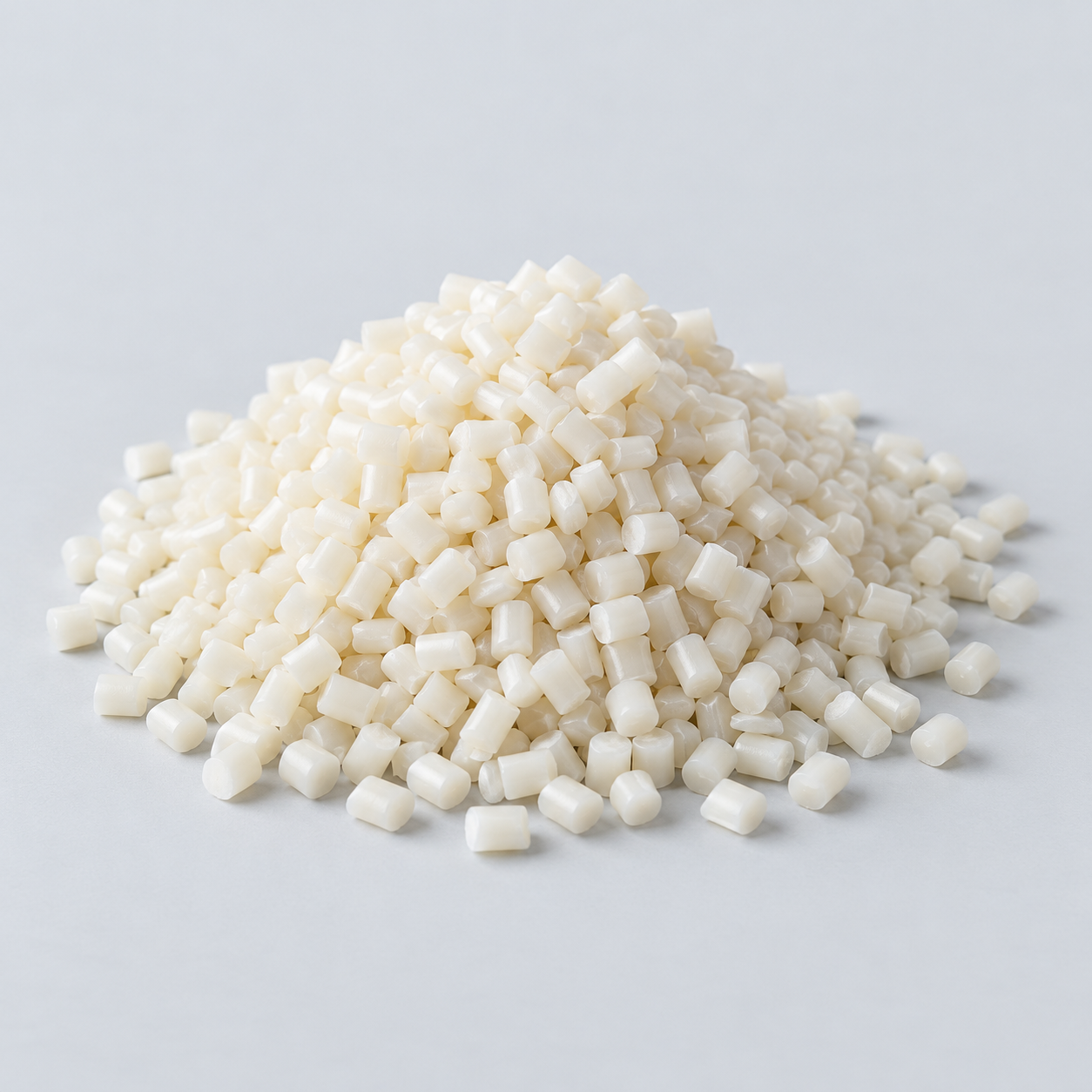 Nylon (PA)Review moisture and wear conditions›
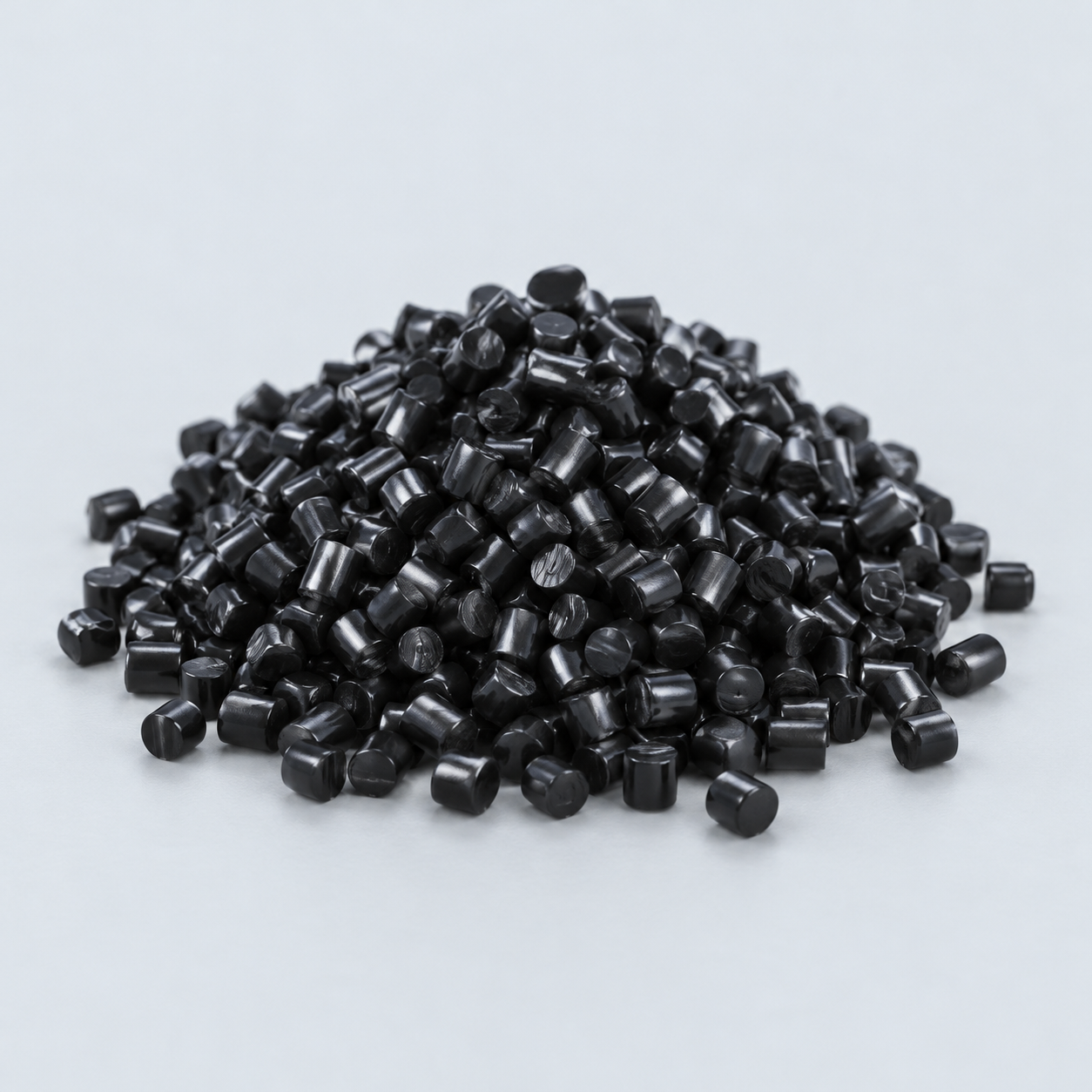 POM / AcetalReview fit and sliding features›
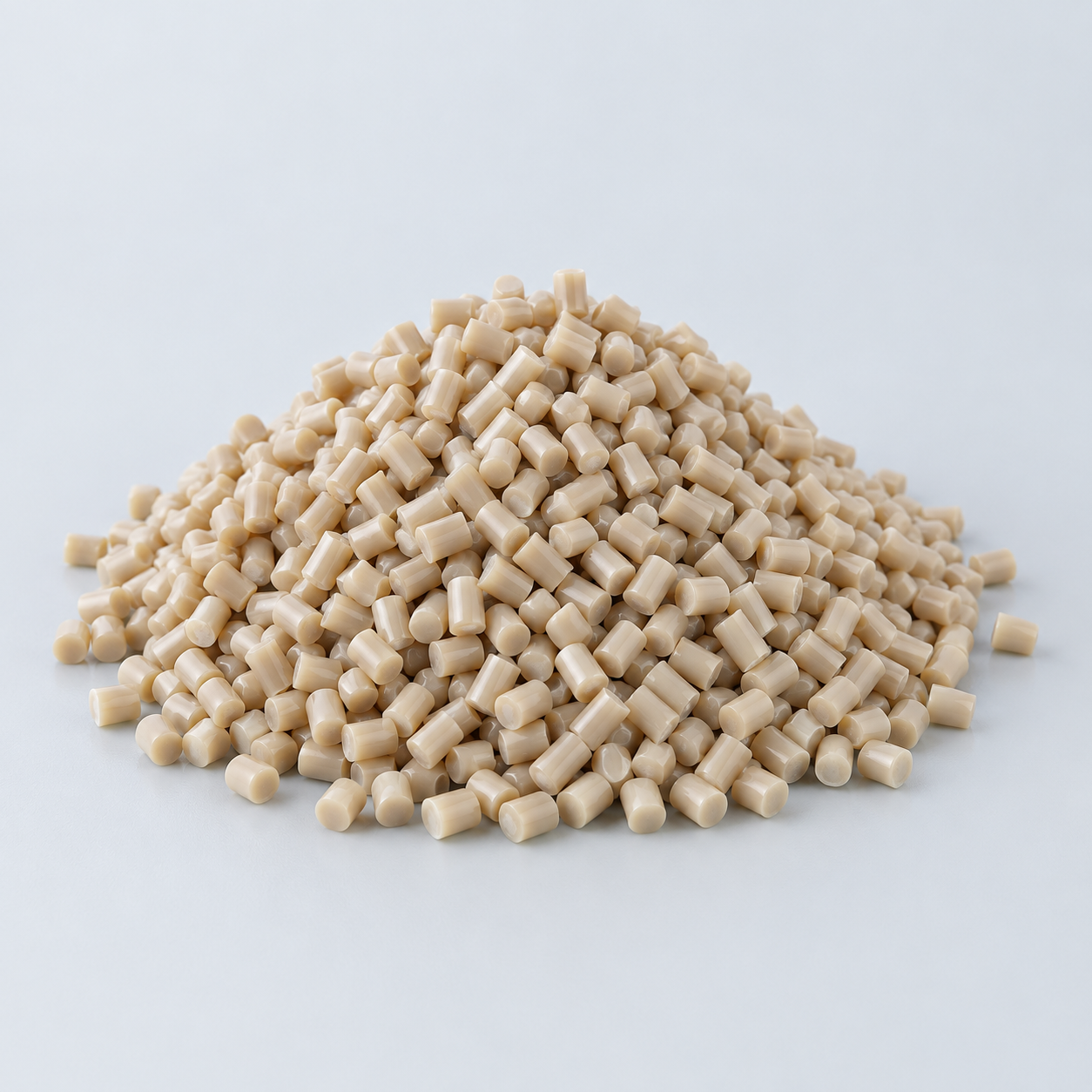 PEEKDiscuss operating conditions›
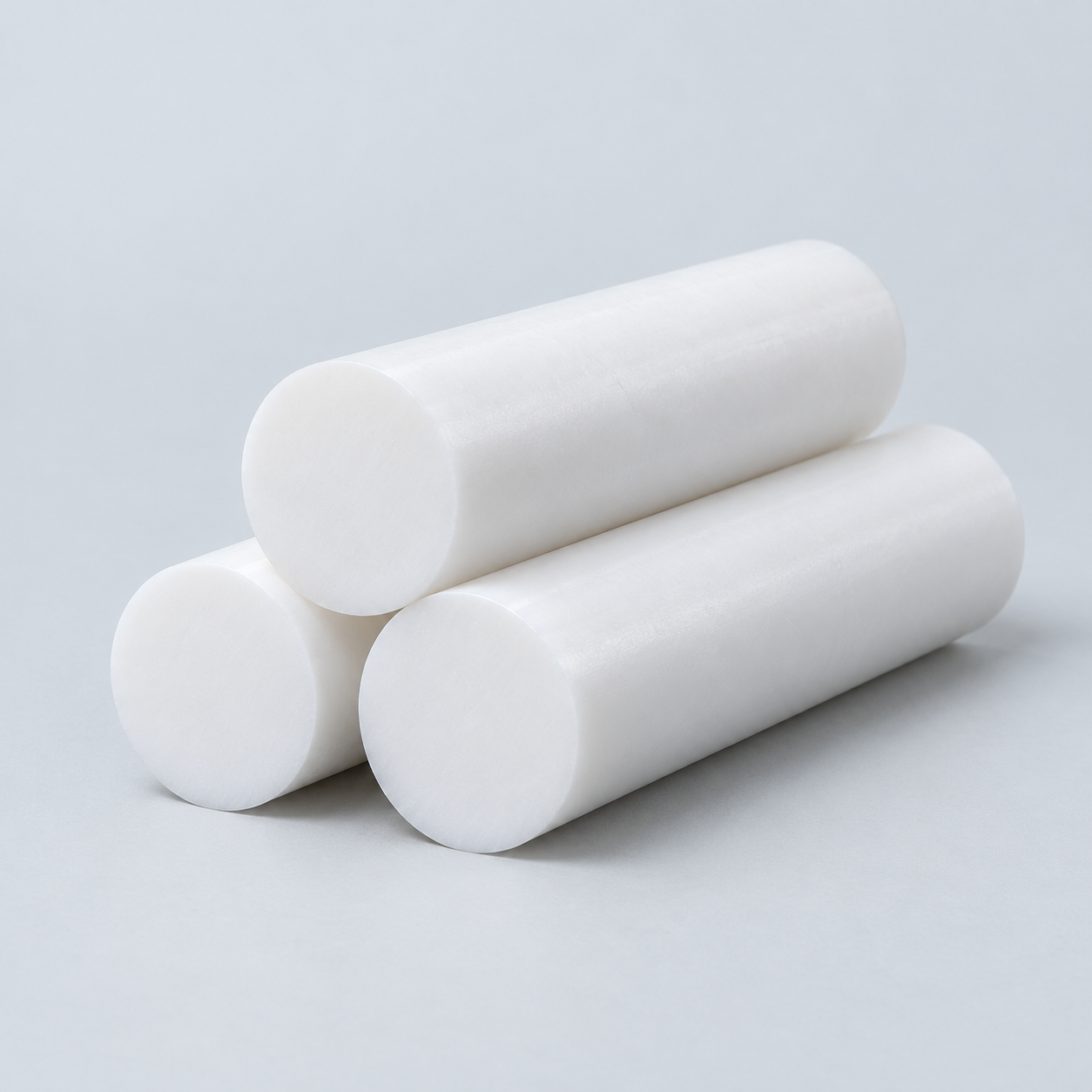 PTFEReview friction and chemical exposure›
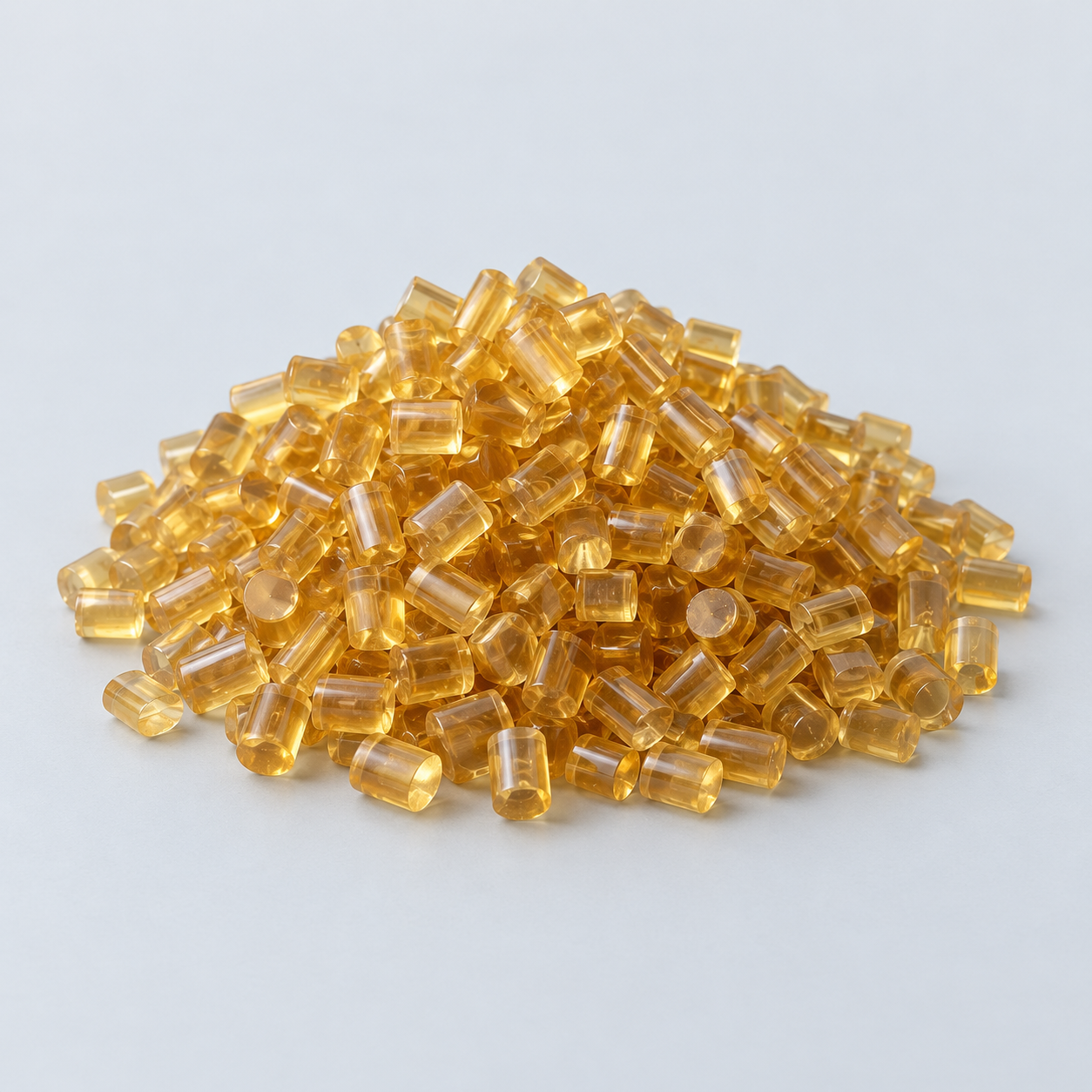 ULTEM / PEIDiscuss thermal and electrical needs›
Confirm grade availability and application requirements.
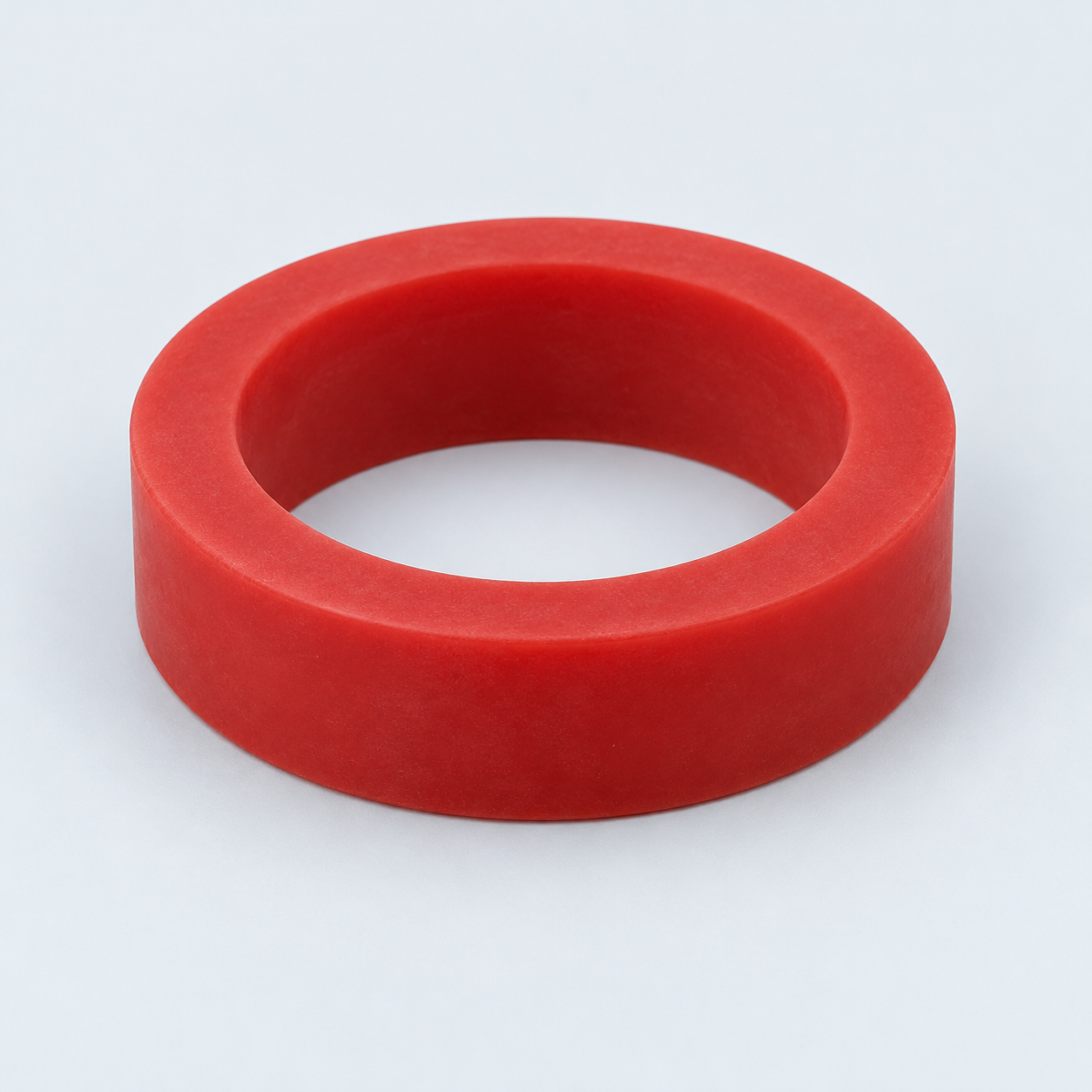 Silicone / LSRDiscuss flexible component needs›
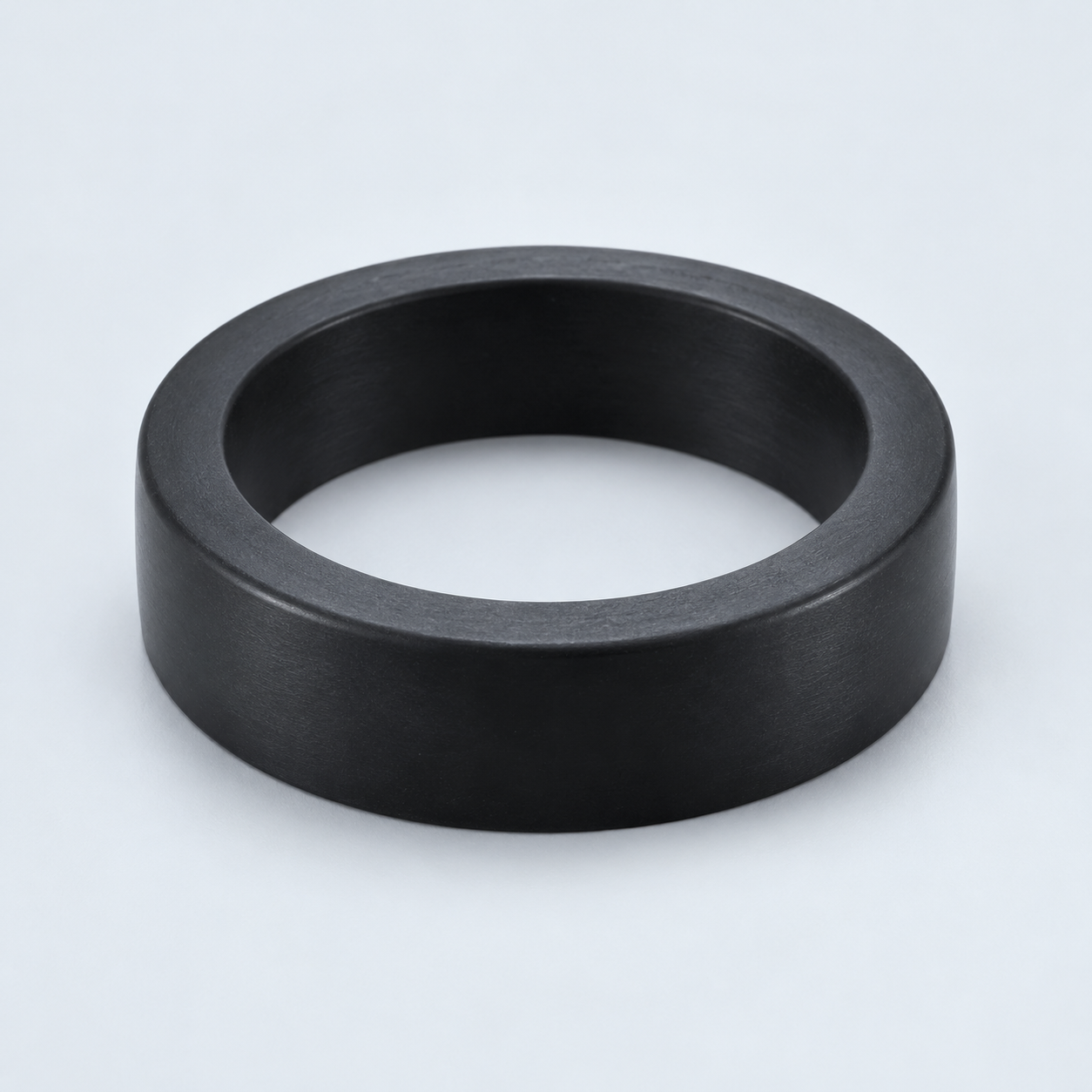 TPU / TPEReview flexibility and processing›
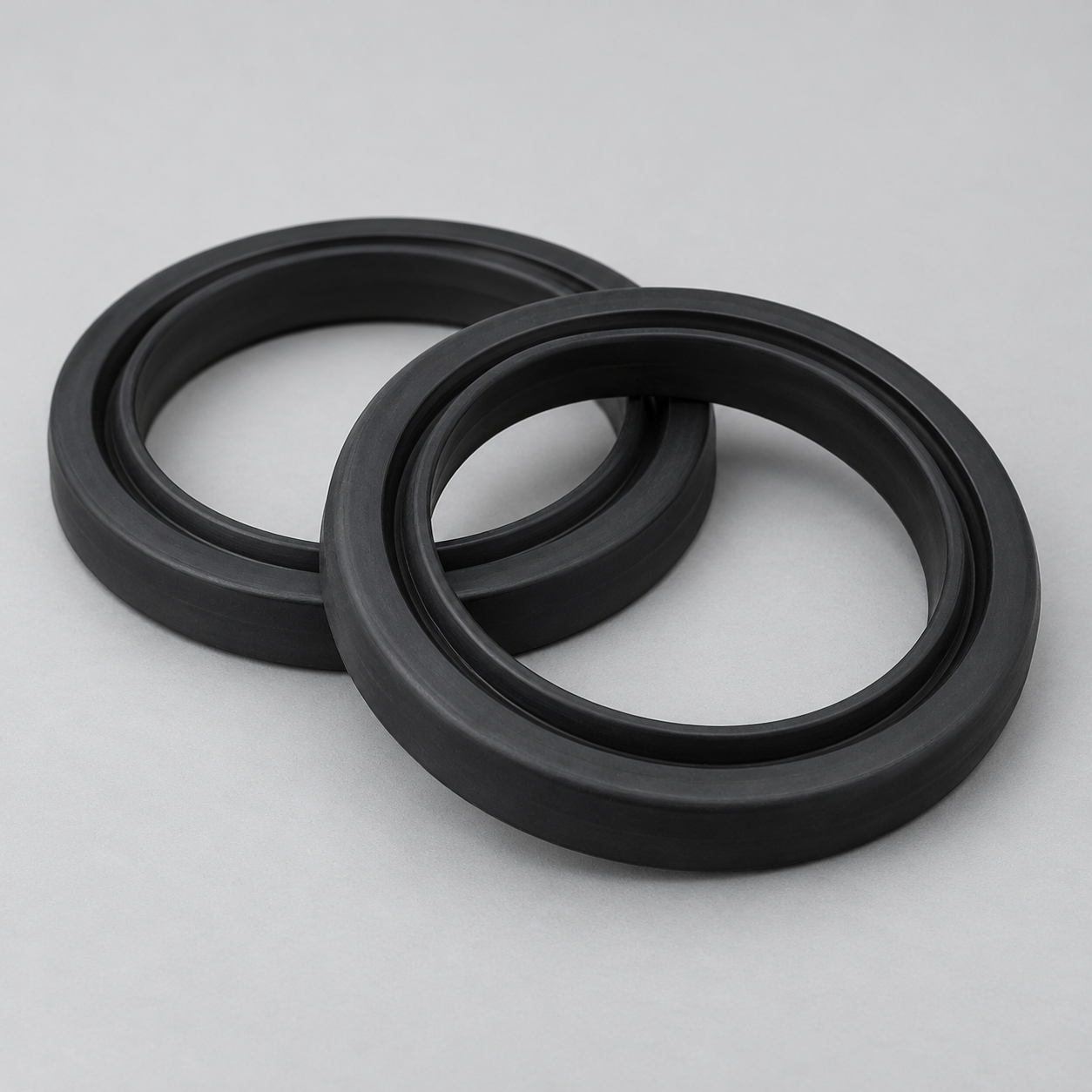 EPDMReview weathering and chemical exposure.›
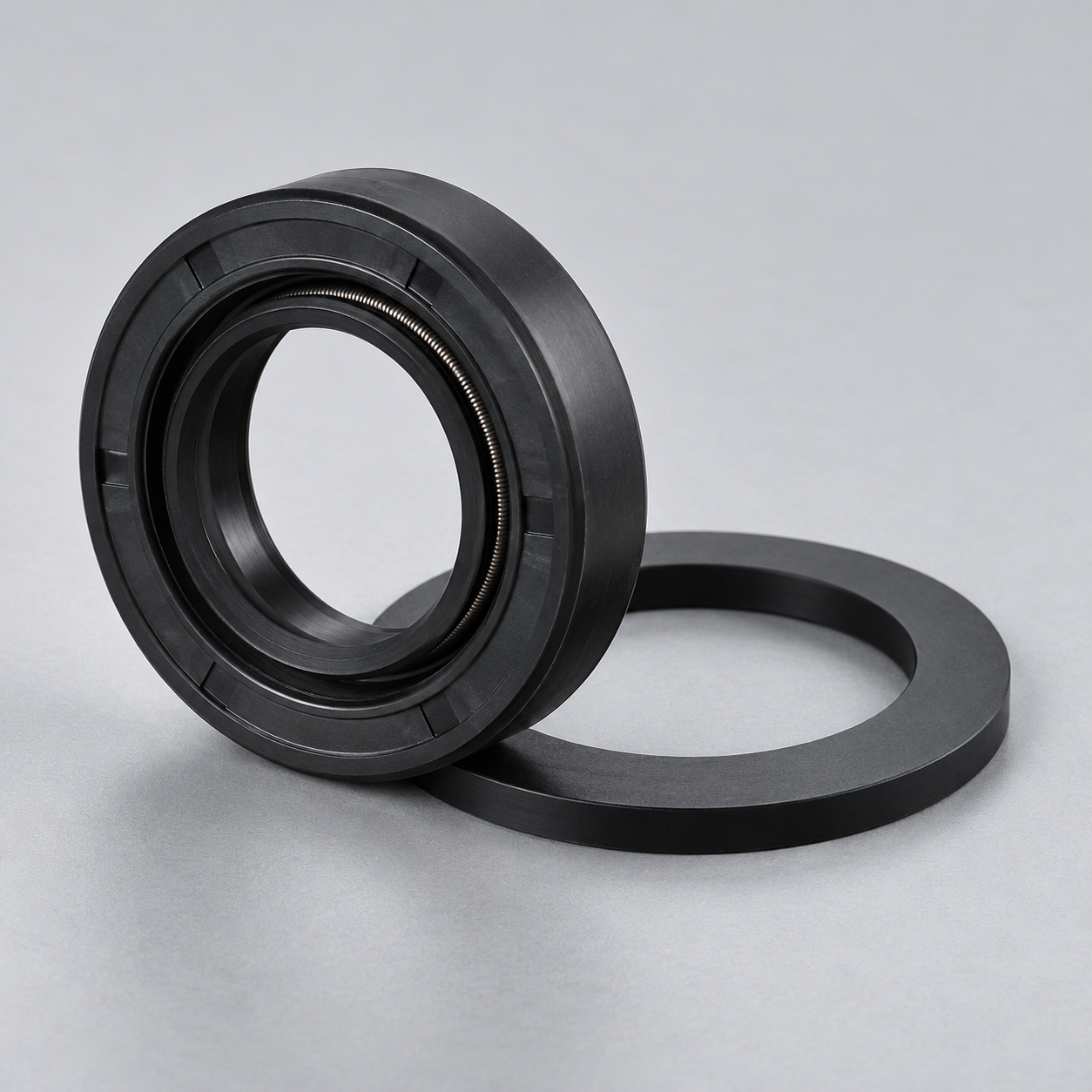 NBRReview oil and fuel exposure.›
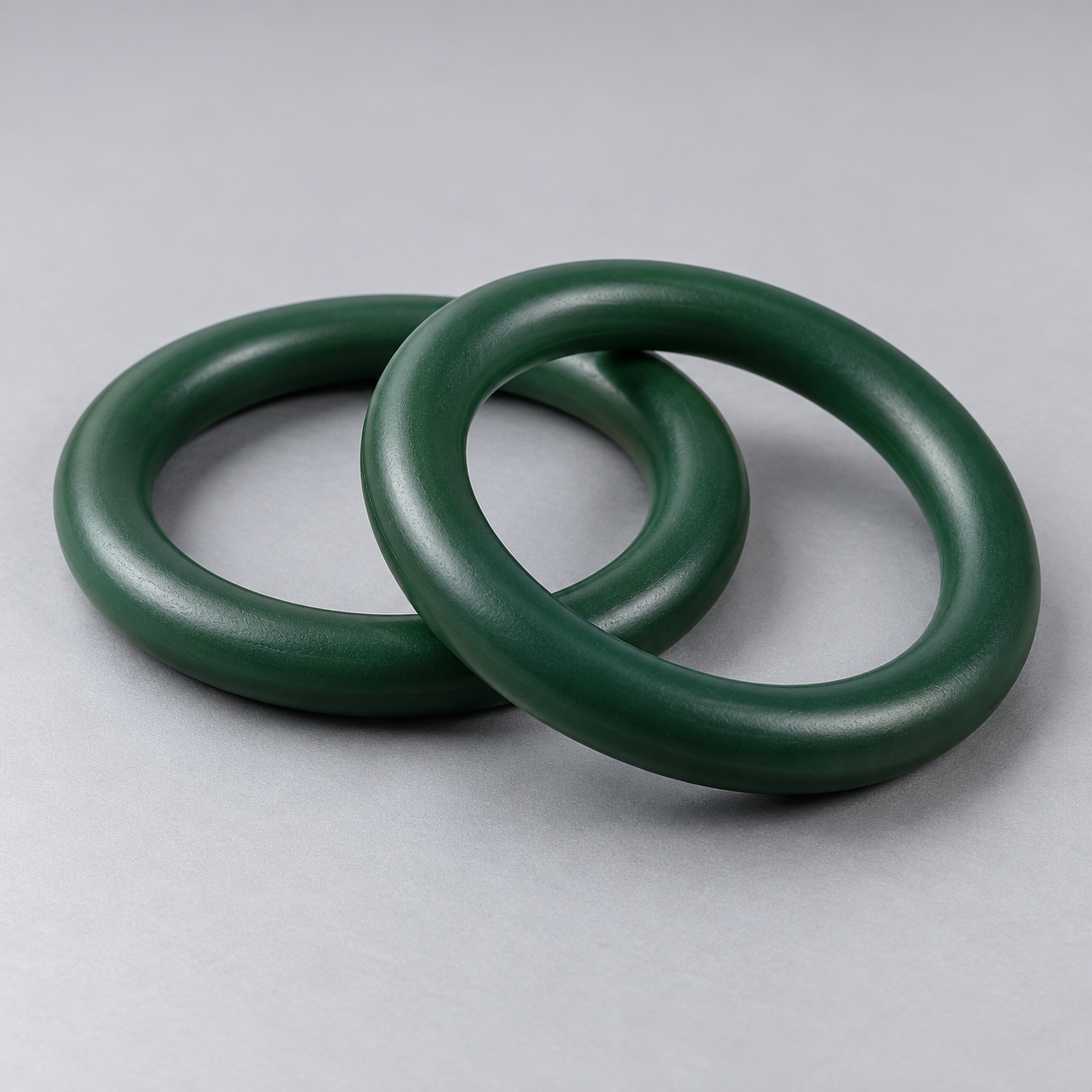 FKMReview temperature and chemical exposure.›
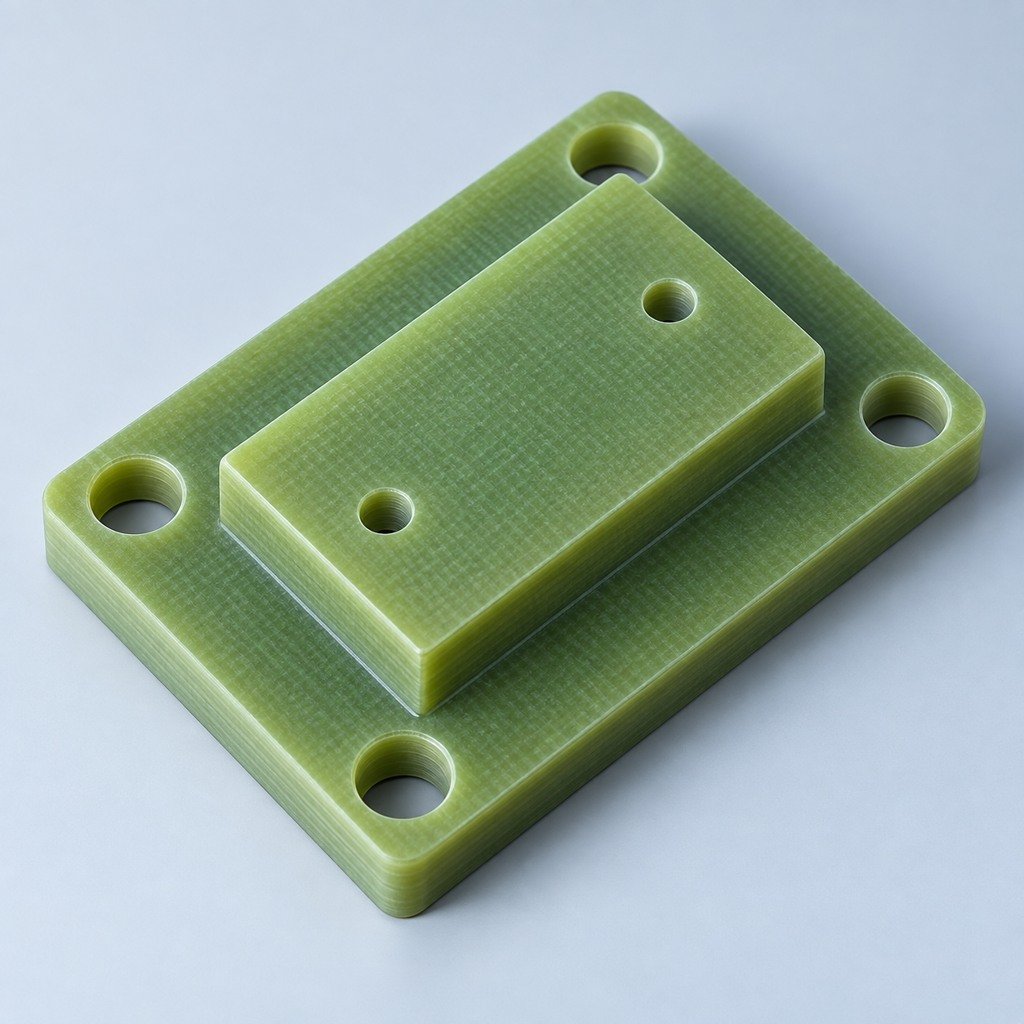 G10 / FR4Review insulation and laminate needs›
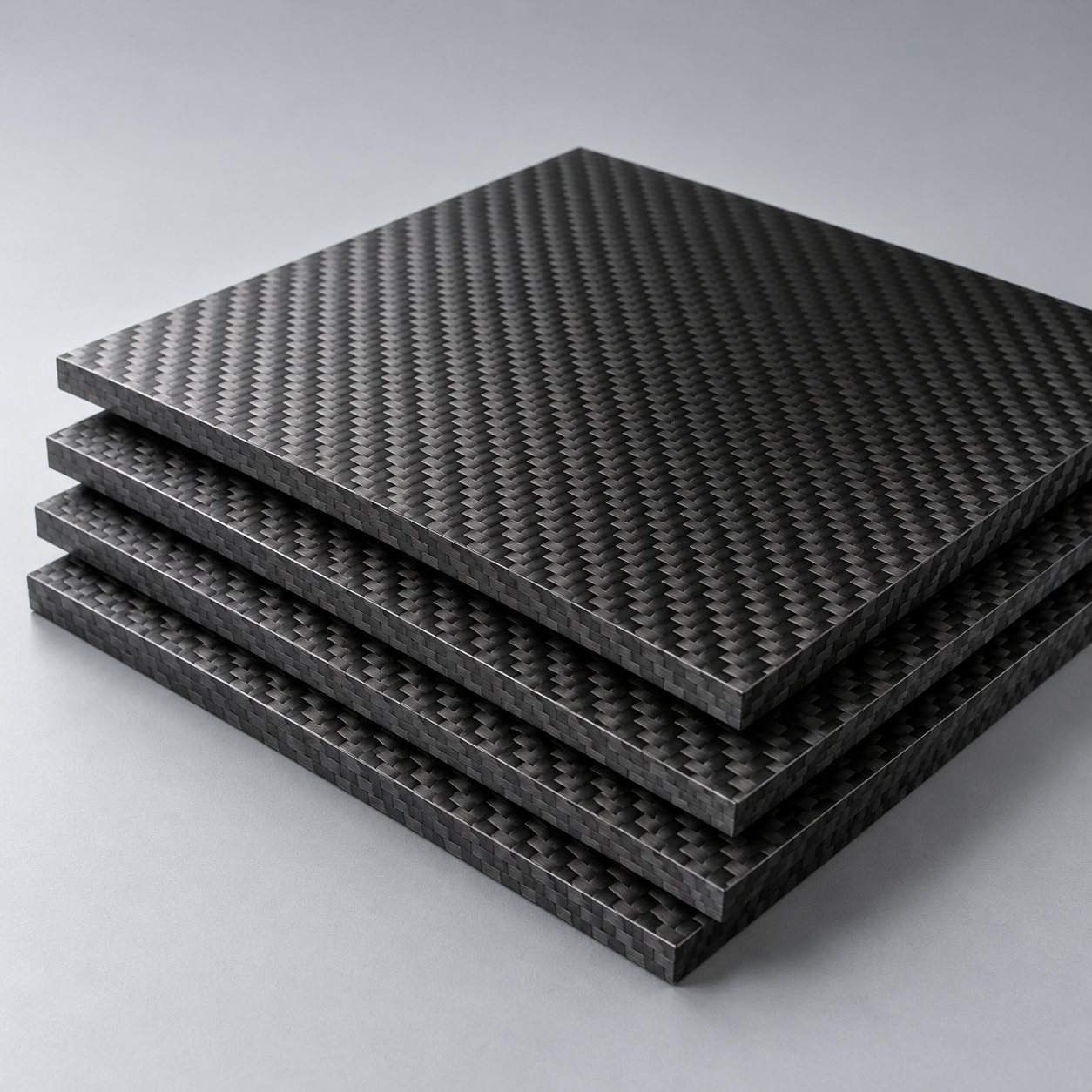 CompositesReview stiffness, weight and laminate.›Customer-Specified MaterialsConfirm your grade and requirements.›Other Specialty MaterialsDiscuss your application and grade.›
Practical guidance for your part geometry and material decisions.
Prepare your process, budget and sourcing questions.
Build your knowledge before production.
Learn who we are and how we operate.
Find our U.S. support team or start a conversation.
MATERIAL SELECTION FOR YOUR PART
Bring your CAD, performance targets, expected volume and operating environment. Compare material families, process fit, total part cost and approval documentation before committing.
Find Materials for Your Part →Upload Your Drawing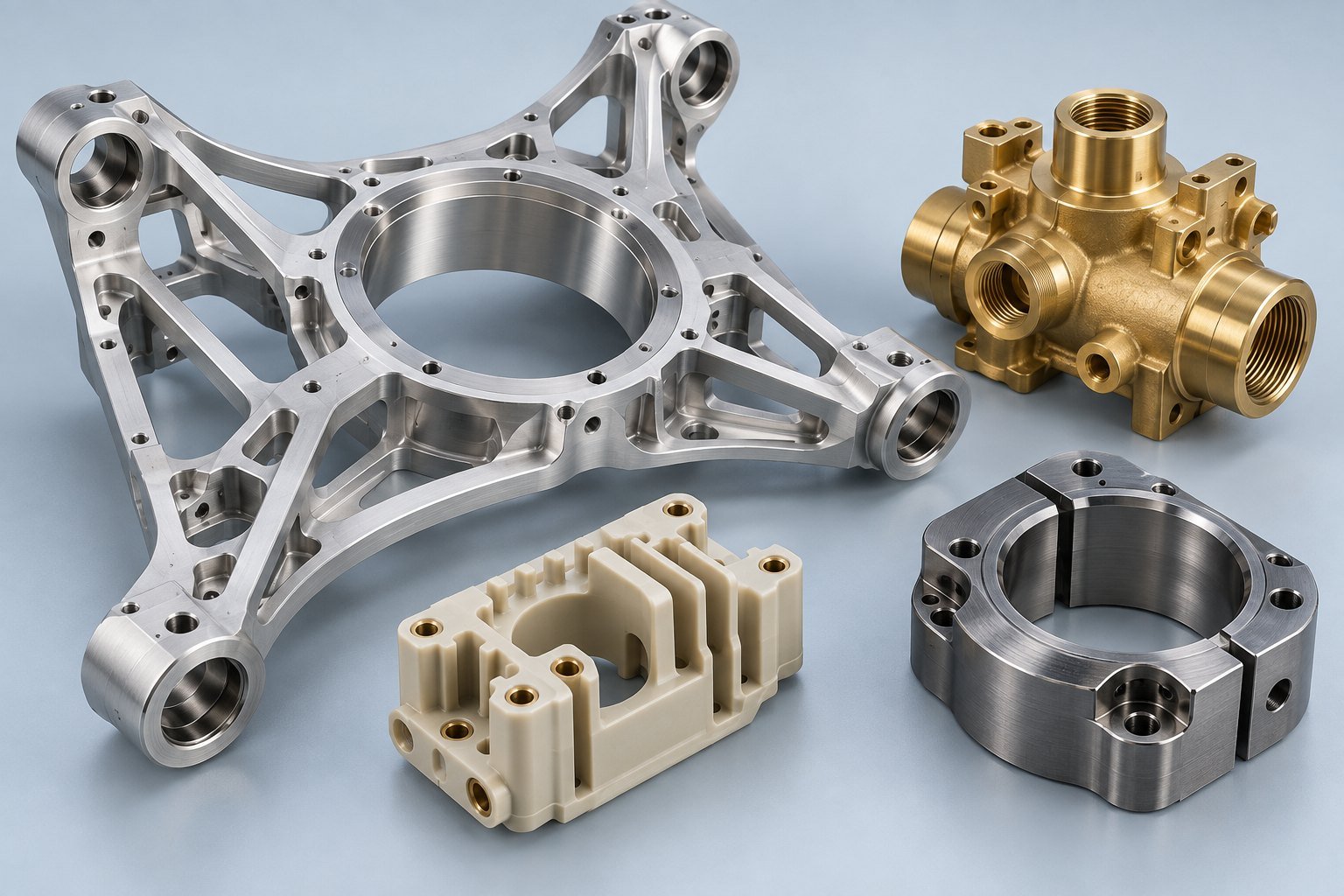
Discuss your requirements with our team
Focus on your service conditions
Connect material and geometry
Review the complete manufacturing route
Agree your acceptance records
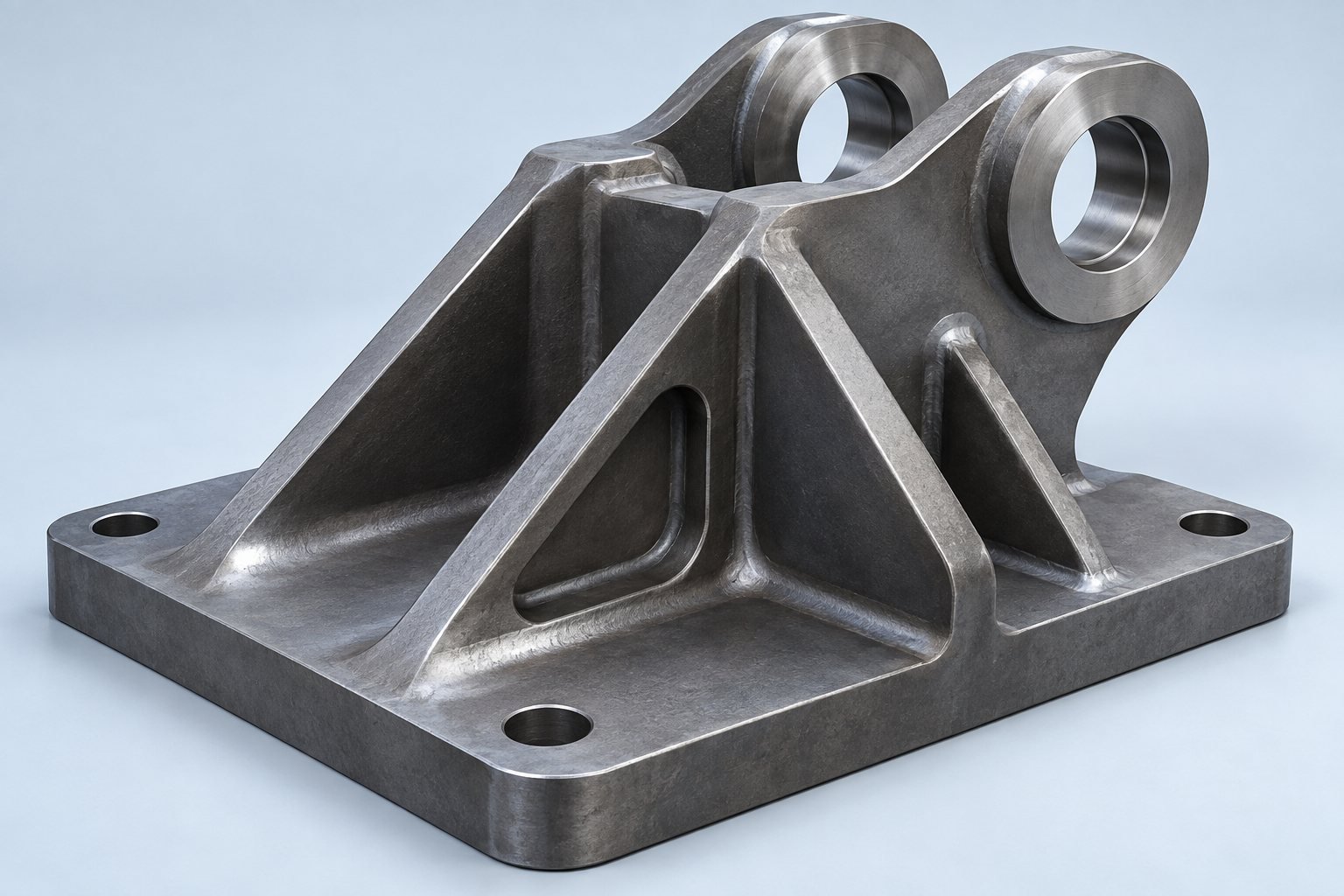
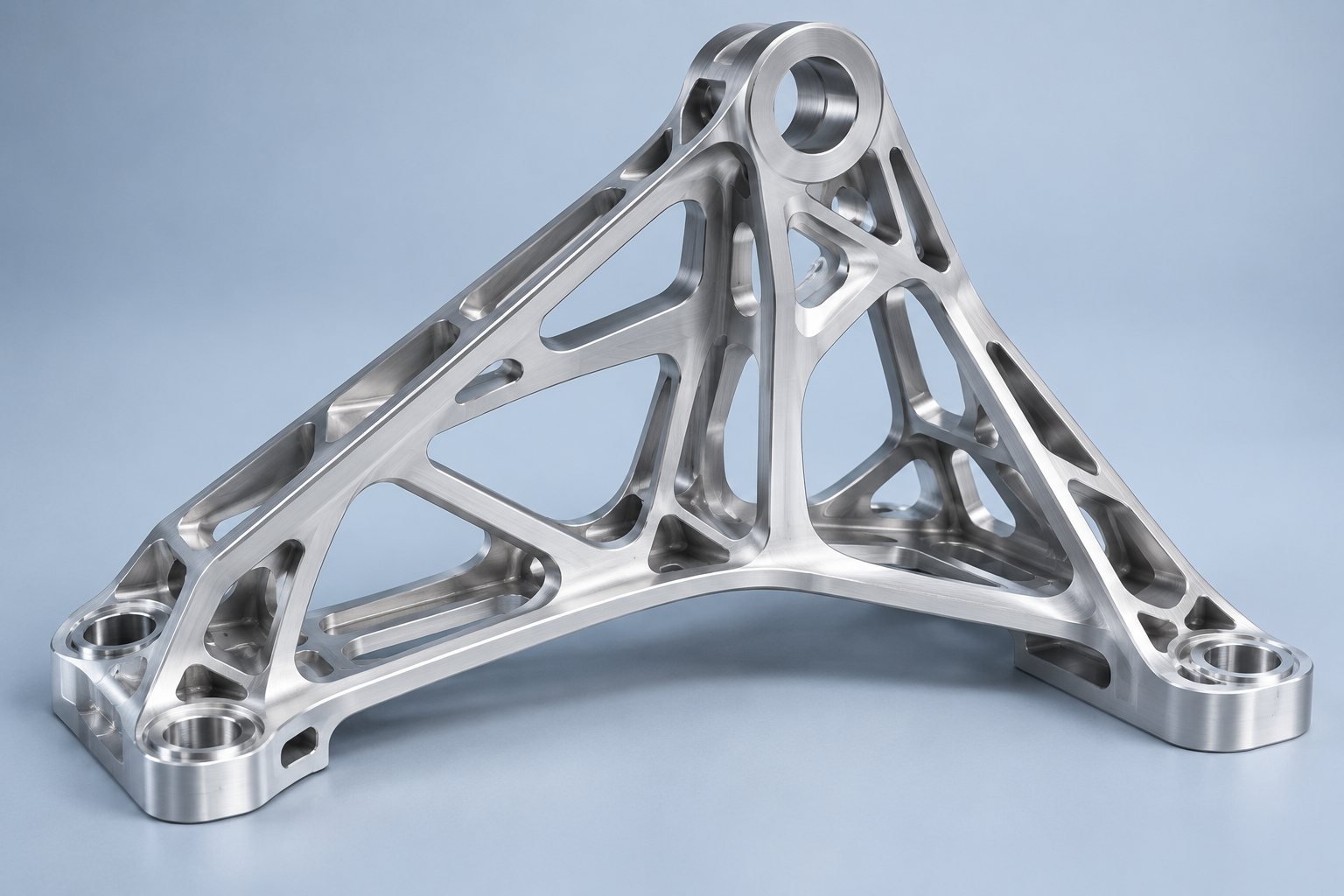
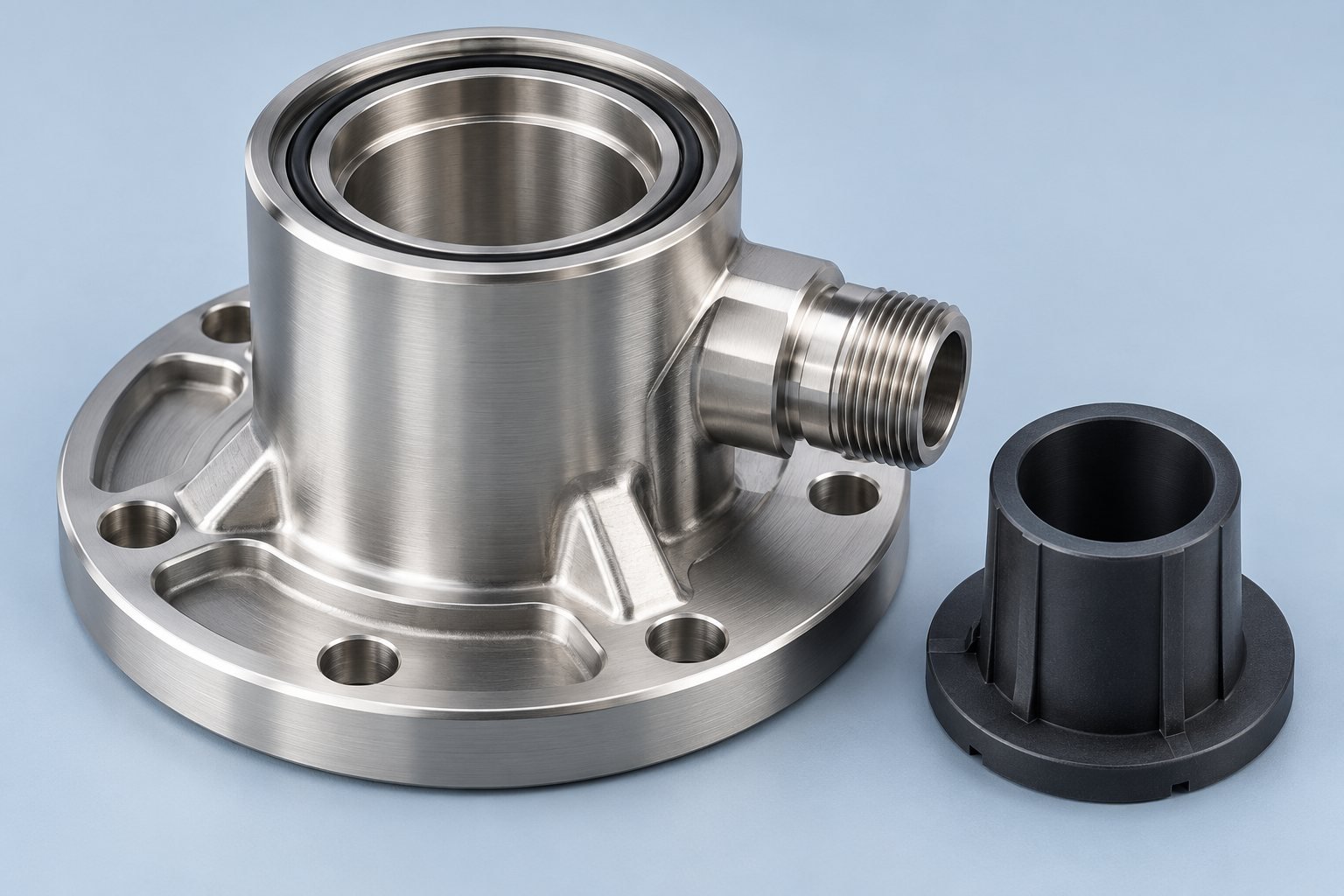
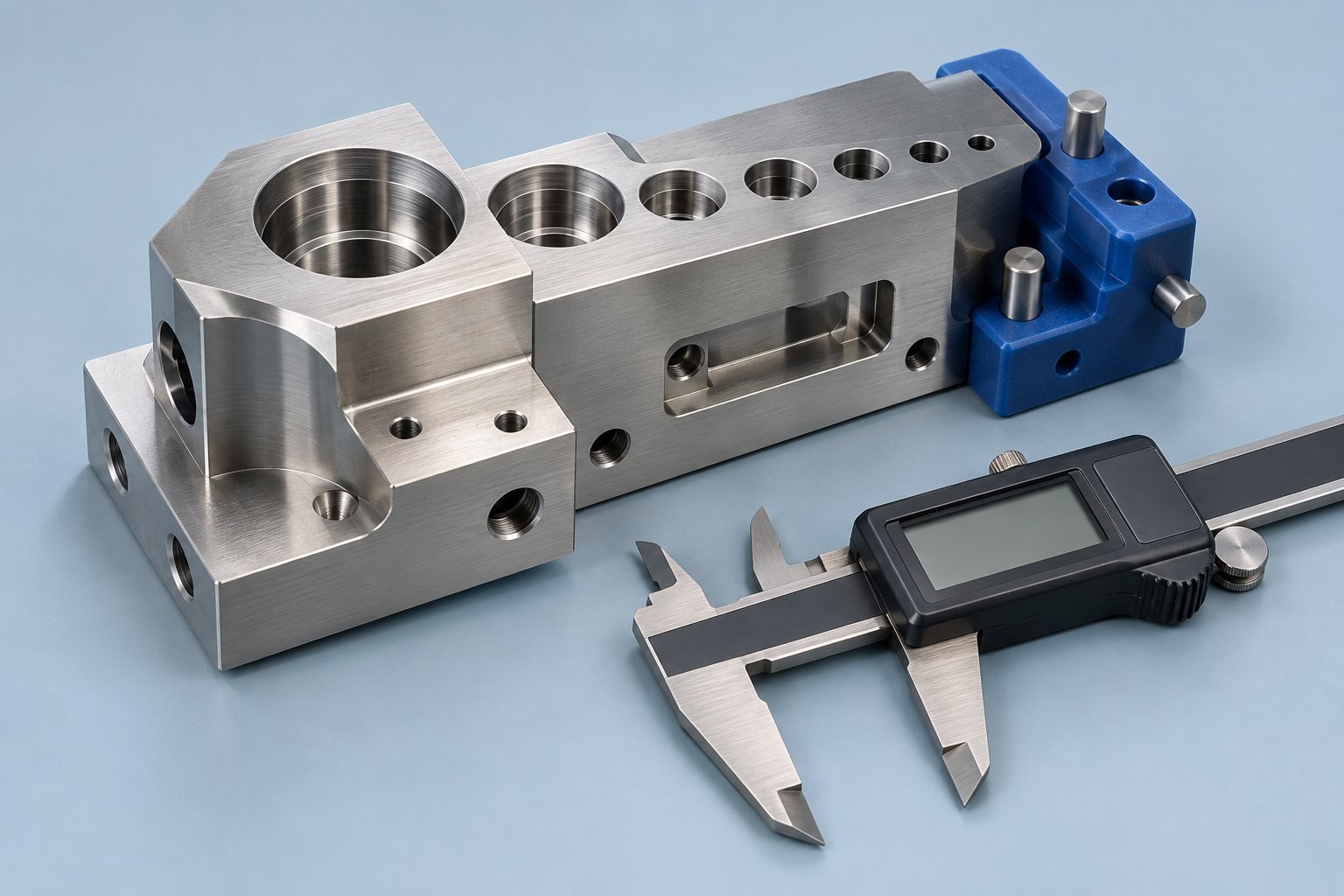
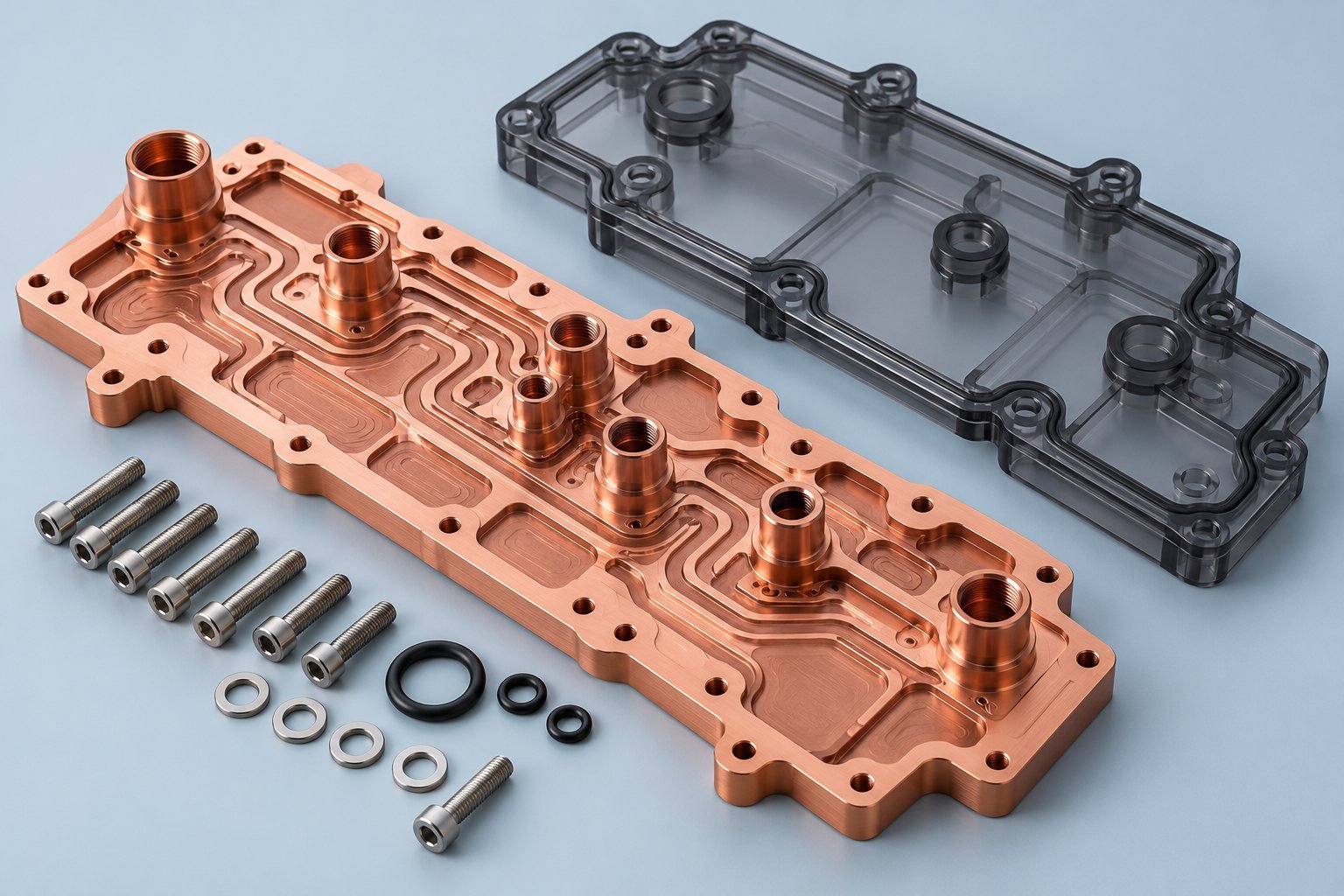
Component images are illustrative concepts, not customer parts.
START WITH YOUR REQUIREMENTS
Avoid costly issues and keep your project on track from the start.
Temperature, moisture, chemicals and outdoor exposure.
Load, stiffness, impact and expected operating life.
Fits, sliding contact, electrical and thermal paths.
Geometry, quantity, finishing and assembly.
Controlled grade, condition, inspection and documentation.
Review stiffness, mass, corrosion exposure and finishing for your machined or formed parts.
Grade & condition
Operating environment
Process compatibility
Protect critical function
Control avoidable cost
Agree acceptance needs
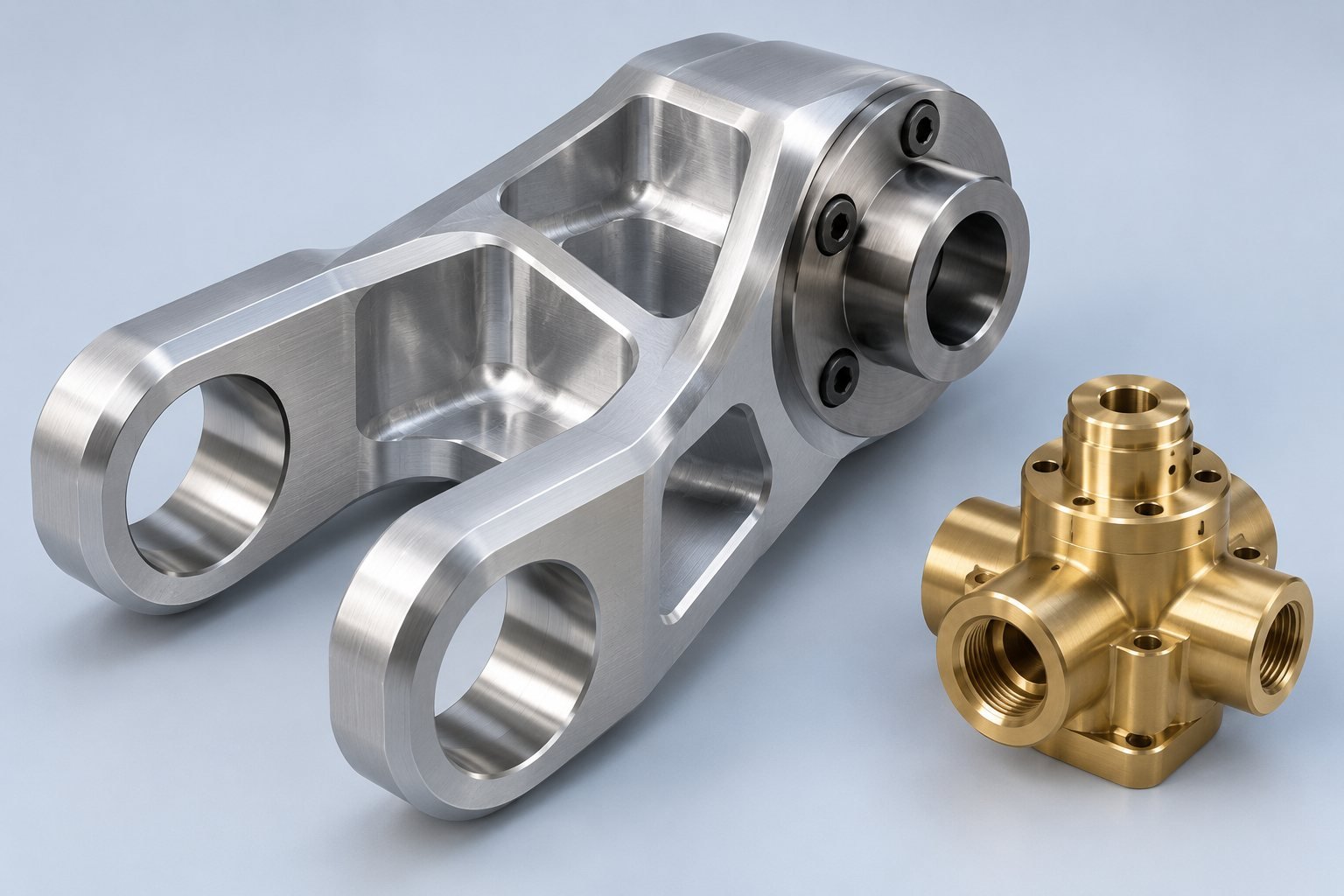
Balance impact, friction, moisture response and dimensional stability for your application.
Grade & condition
Operating environment
Process compatibility
Protect critical function
Control avoidable cost
Agree acceptance needs
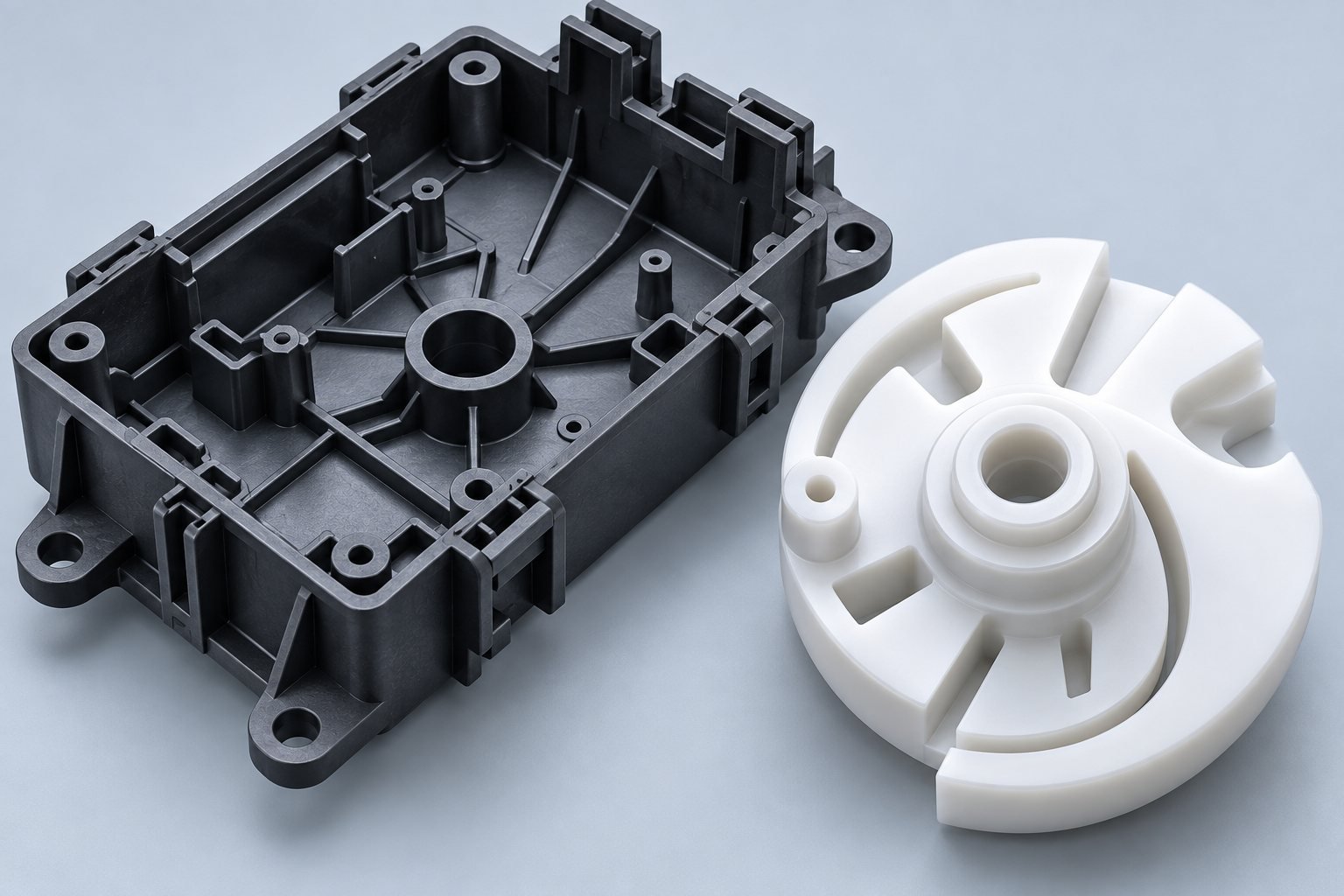
Specify temperature, chemicals and sustained load before choosing a resin grade.
Grade & condition
Operating environment
Process compatibility
Protect critical function
Control avoidable cost
Agree acceptance needs
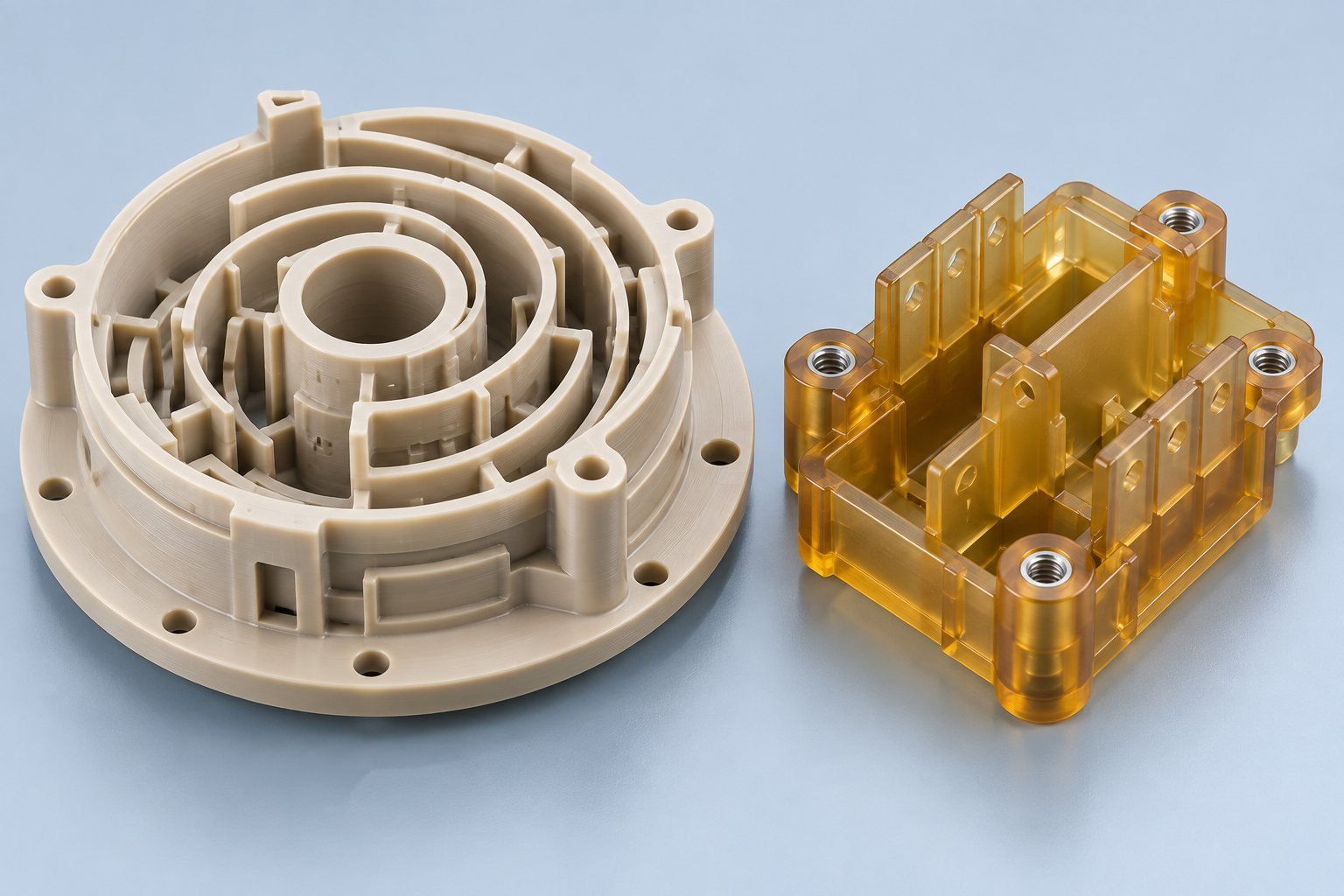
Define hardness, sealing geometry, compression and fluid exposure for your review.
Grade & condition
Operating environment
Process compatibility
Protect critical function
Control avoidable cost
Agree acceptance needs
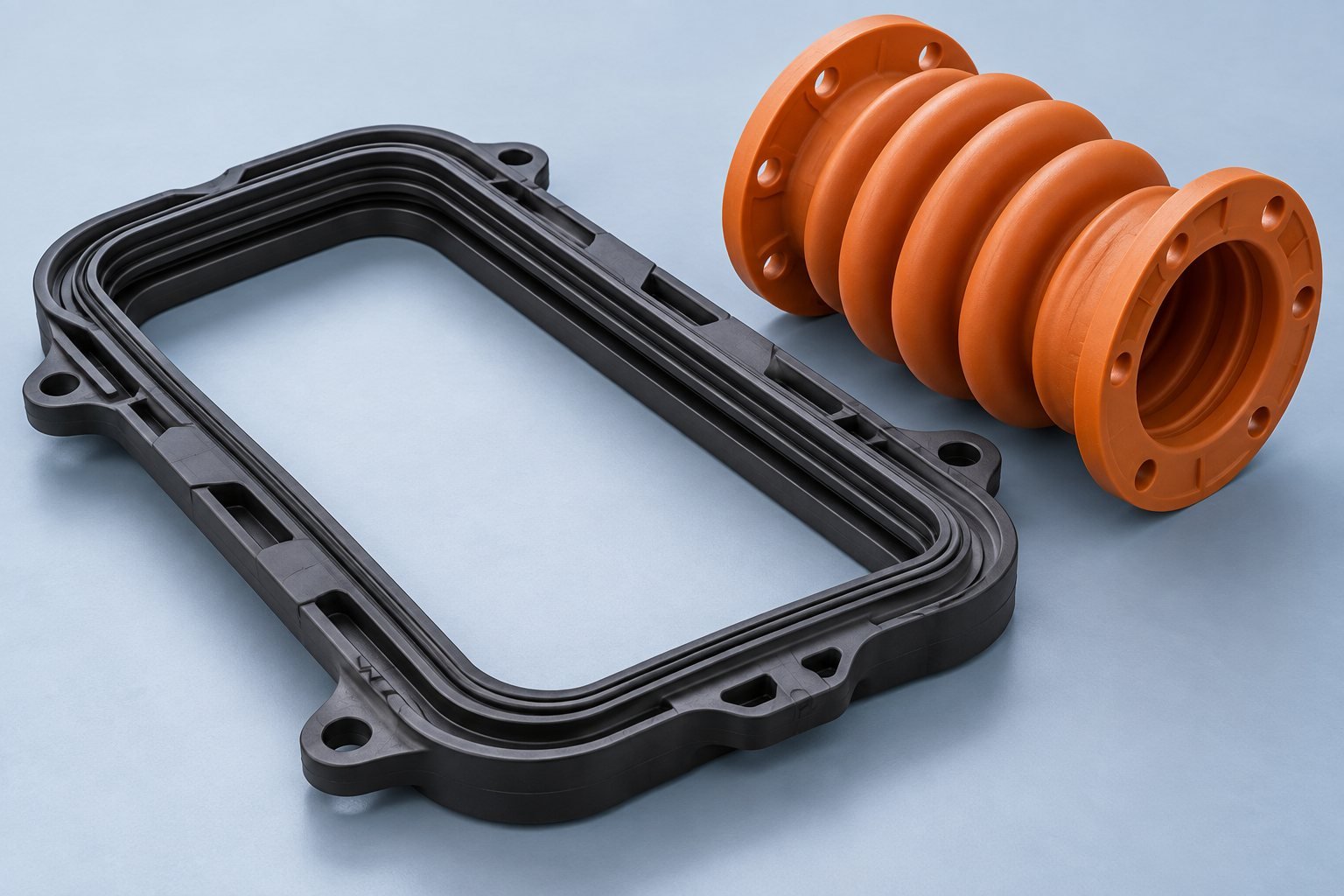
Send your exact specification and approved alternatives; confirm sourcing before release.
Grade & condition
Operating environment
Process compatibility
Protect critical function
Control avoidable cost
Agree acceptance needs
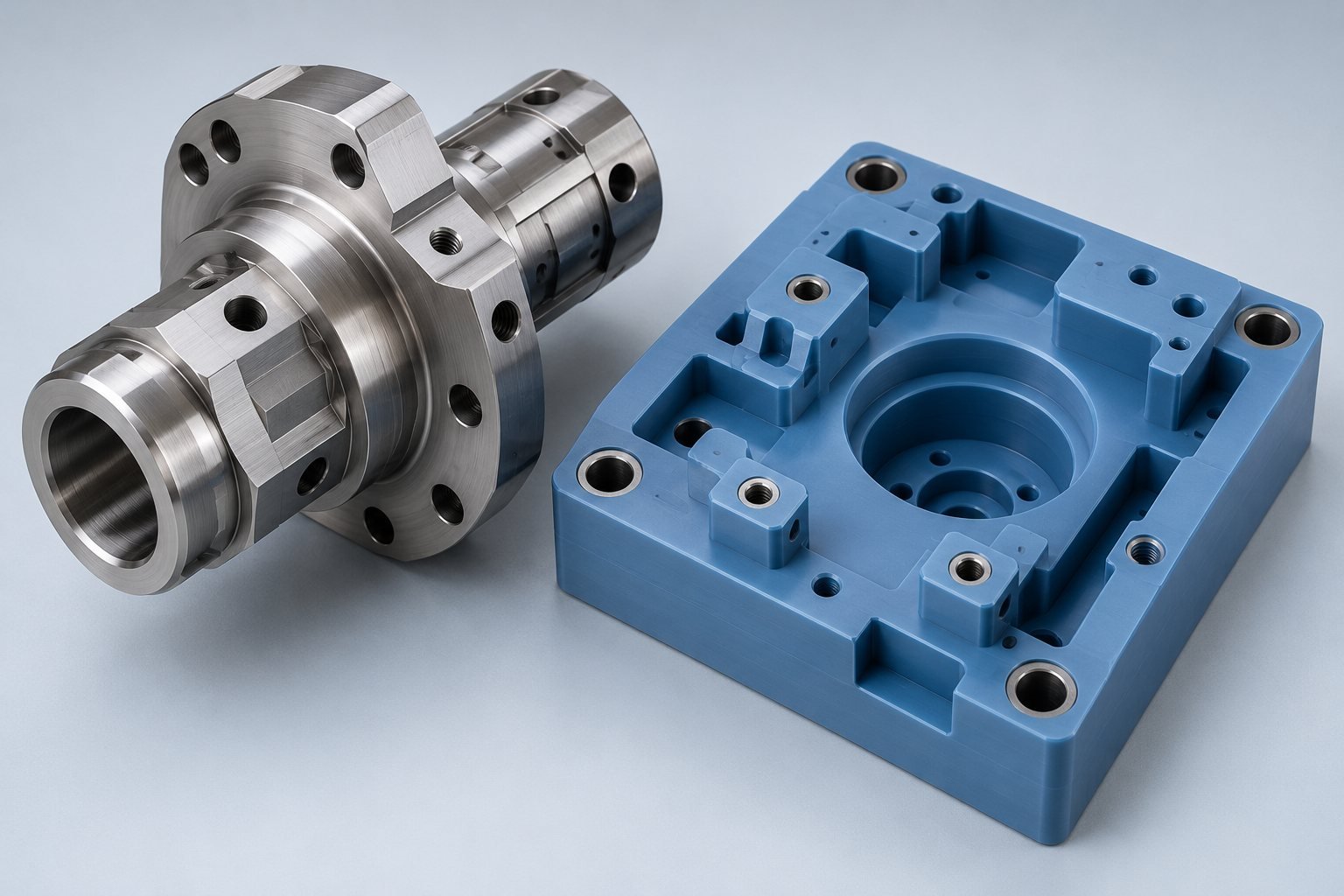
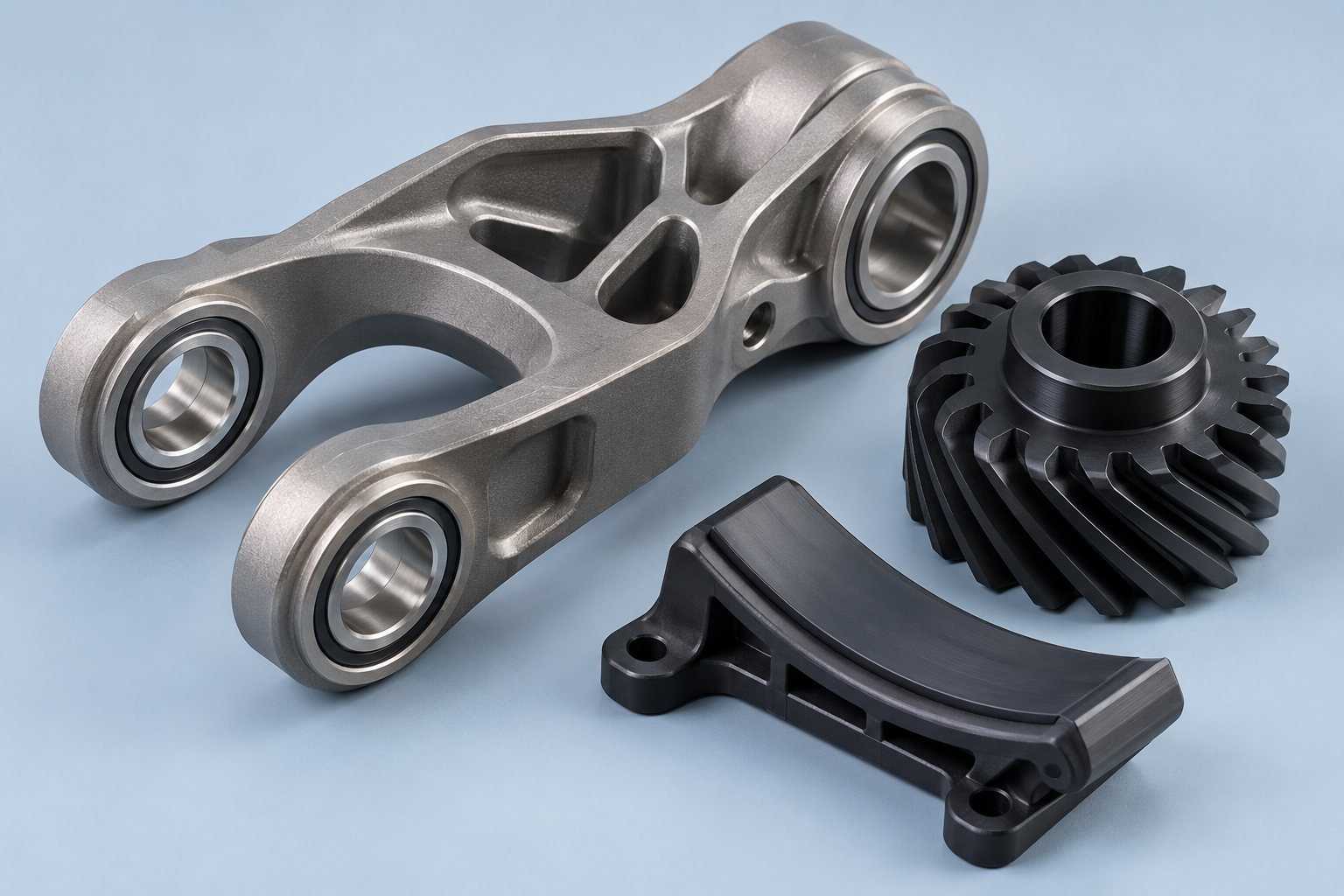
Review wear, stiffness and mating fits for your moving assembly.
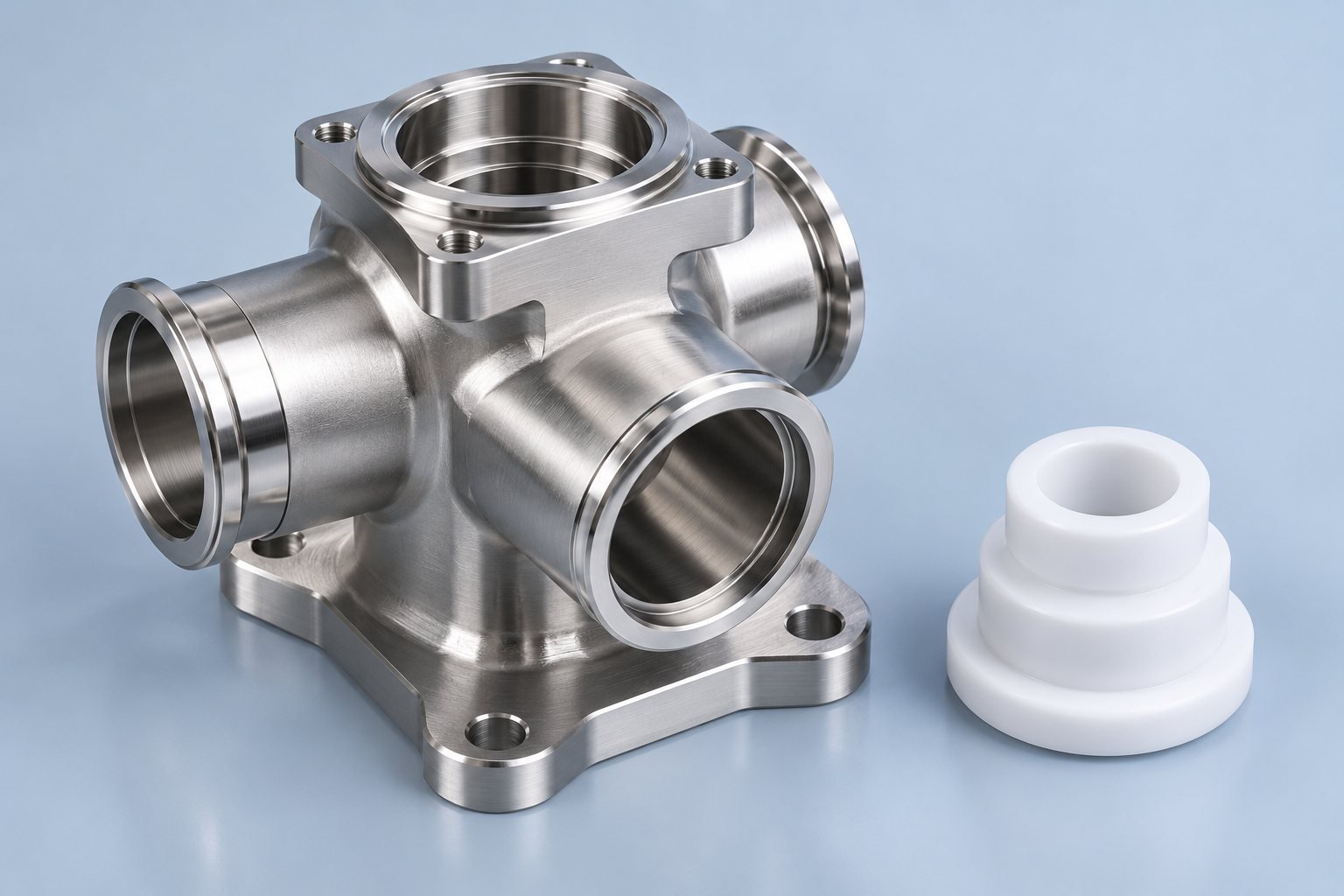
Identify pressure, sealing surfaces and chemical exposure.
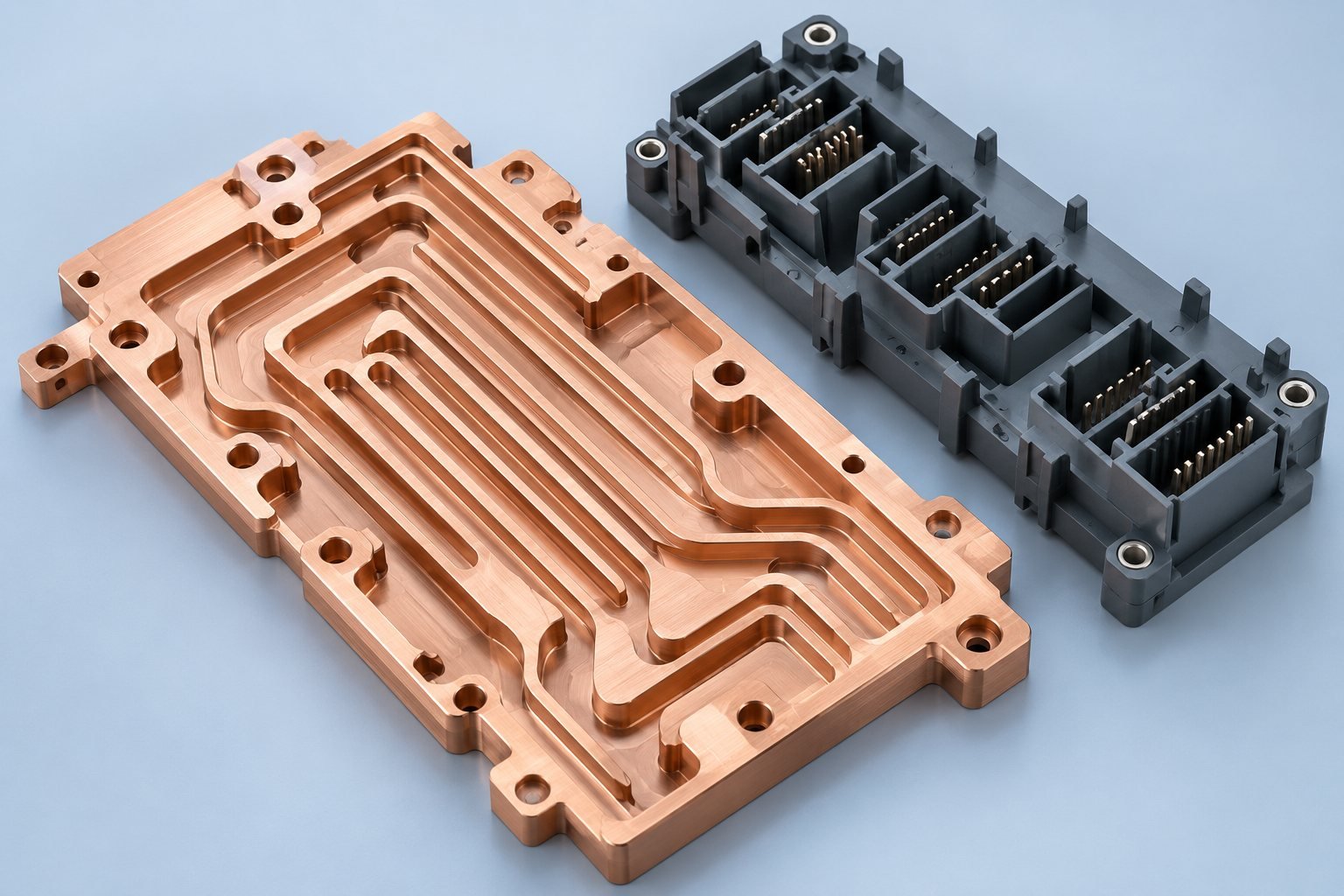
Balance insulation, conductivity and thermal paths.
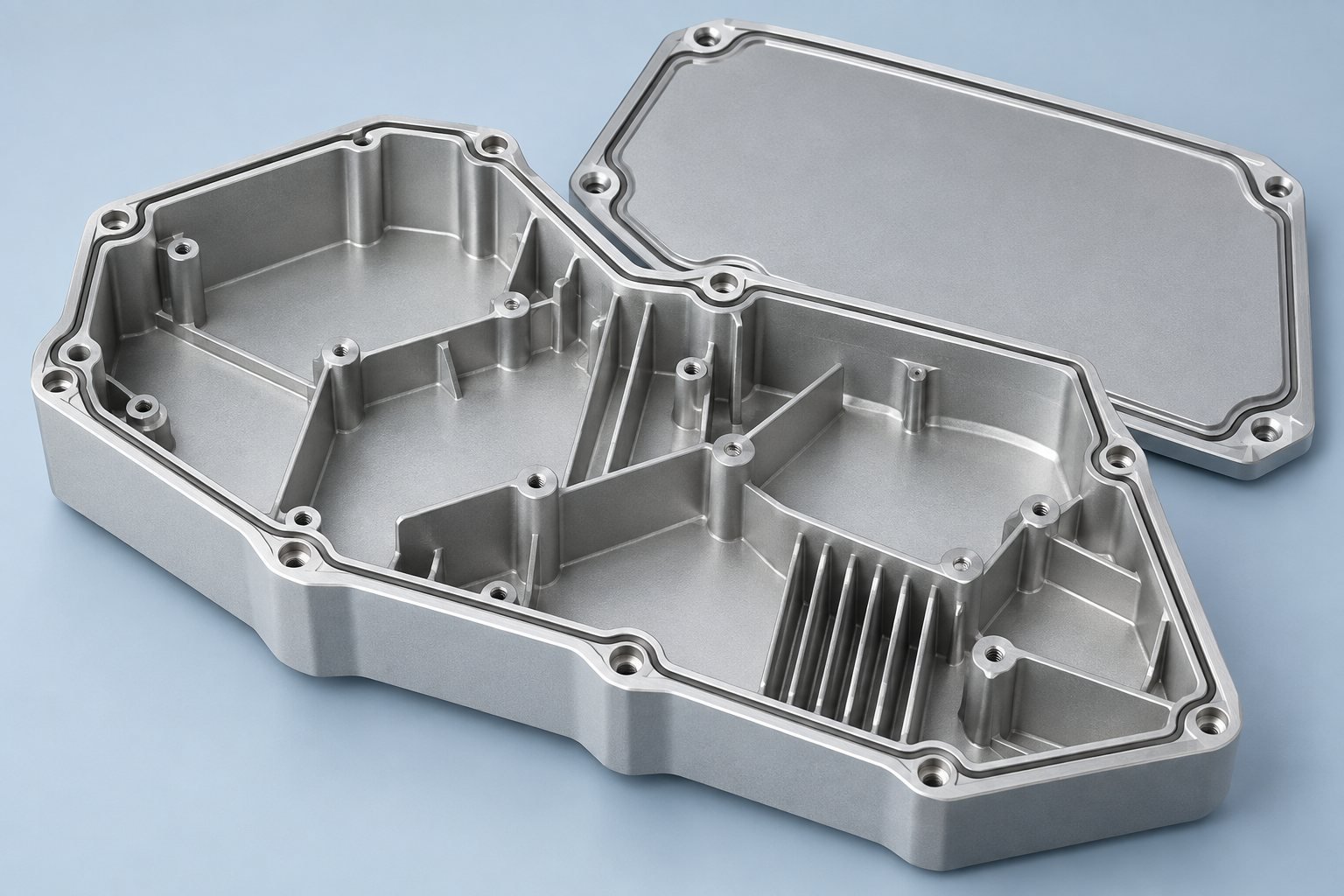
Connect impact, weight, assembly and surface appearance.
Share CAD, drawing revision, service environment and production quantity.
Confirm the exact grade, condition and application requirements for your part.
Review Your Material →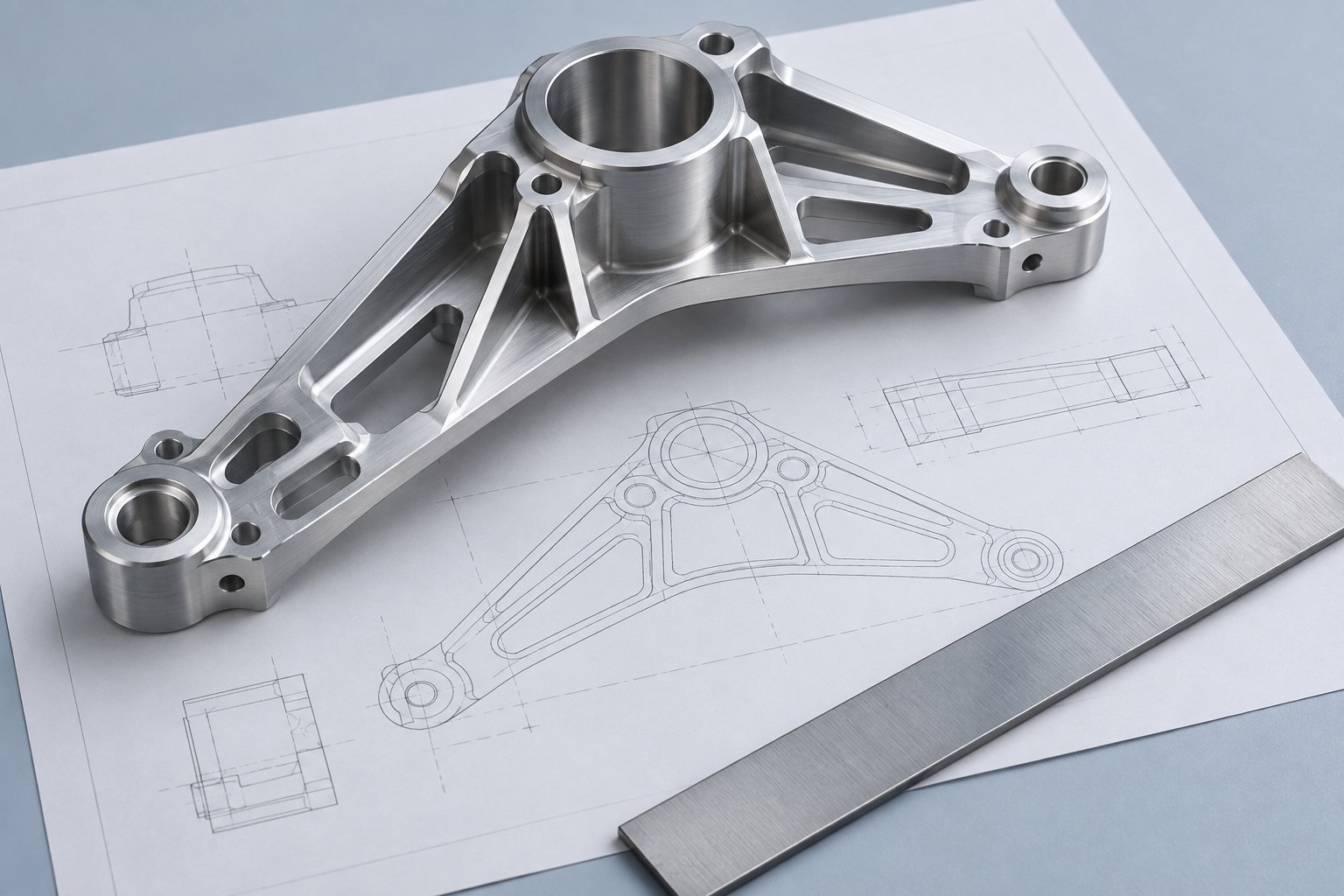
Identify the properties that control your part function and acceptance.
Confirm the exact grade, condition and application requirements for your part.
Review Your Material →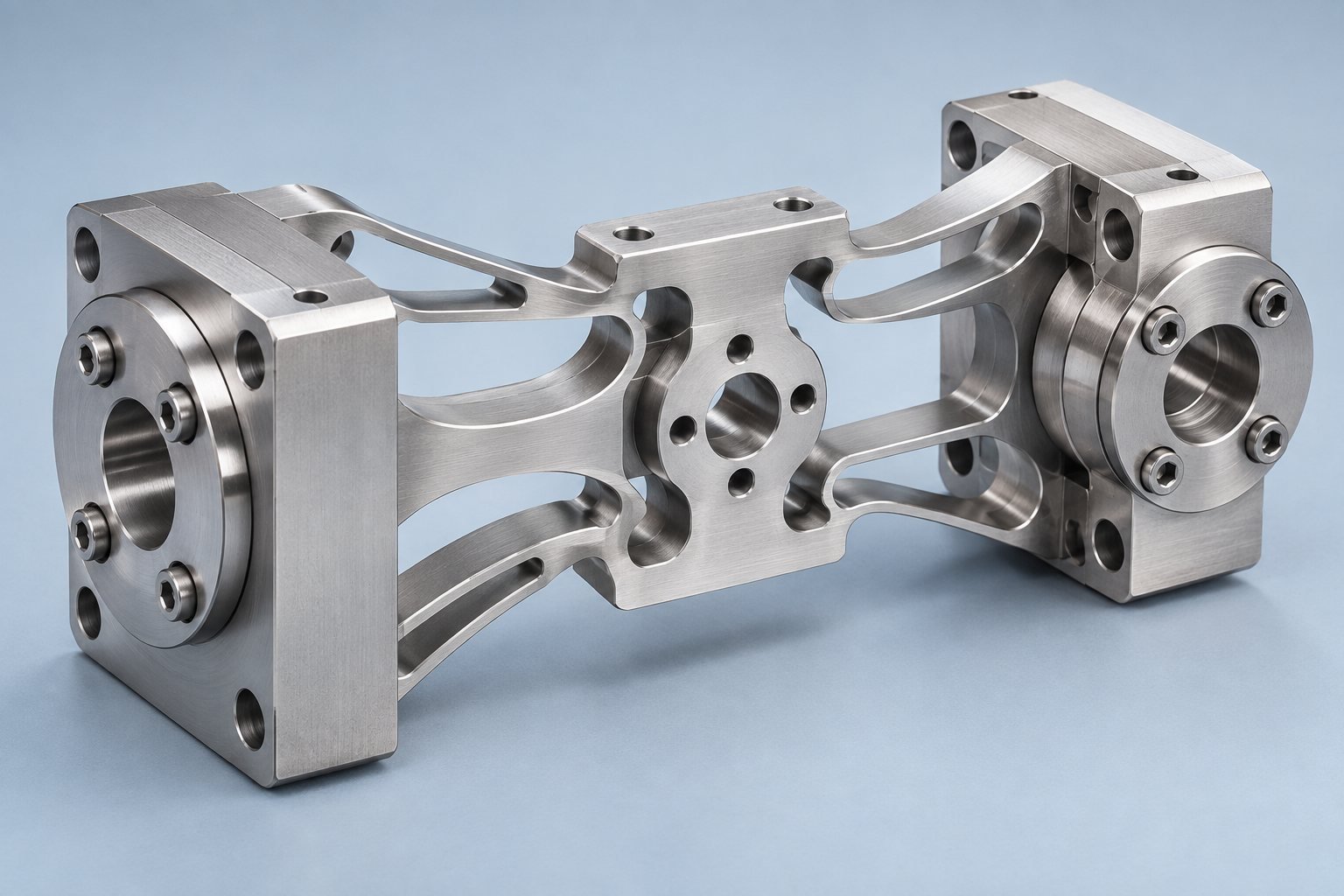
Review geometry, wall sections and material condition with the manufacturing route.
Confirm the exact grade, condition and application requirements for your part.
Review Your Material →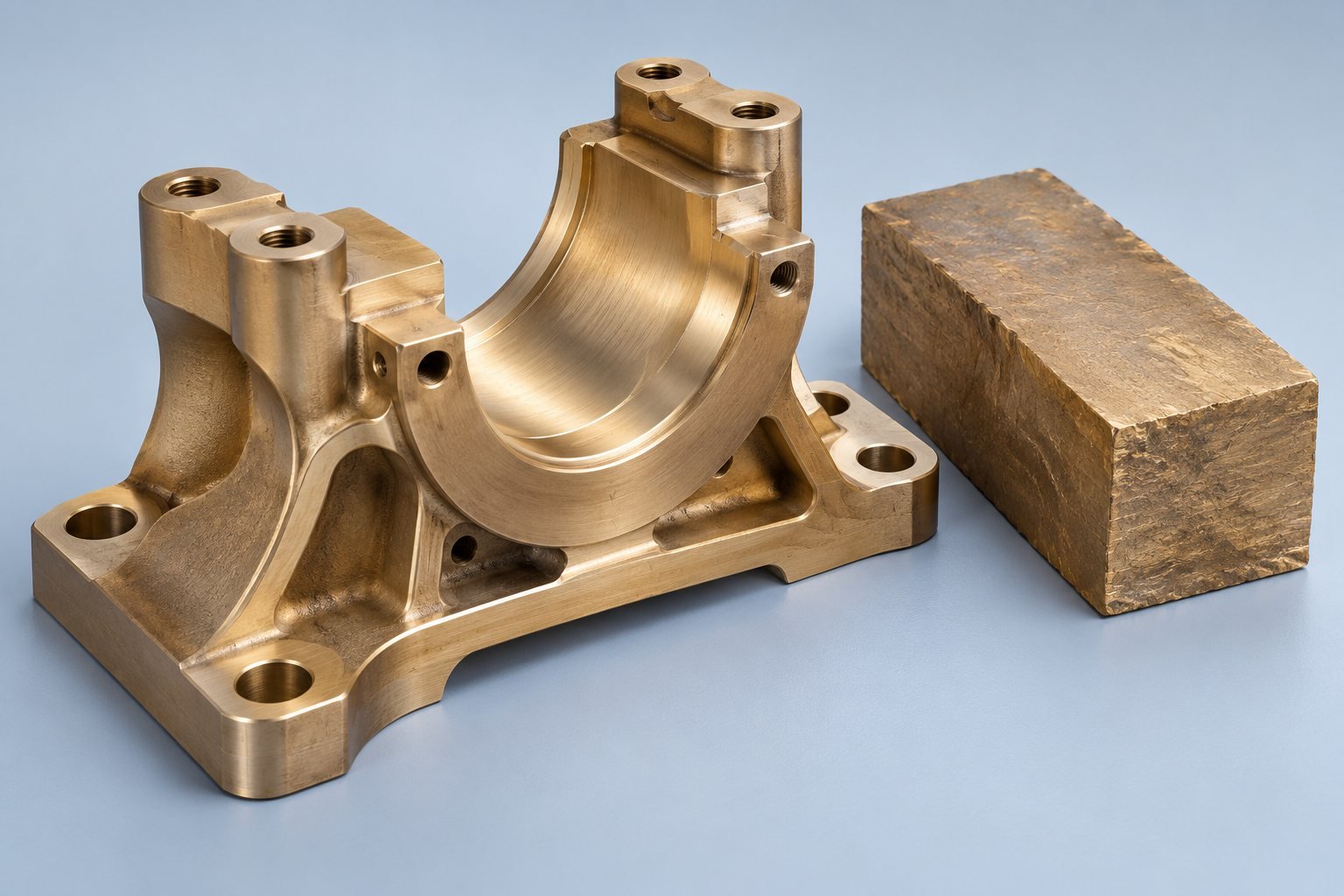
Compare feasible candidates against the same conditions and requirements.
Confirm the exact grade, condition and application requirements for your part.
Review Your Material →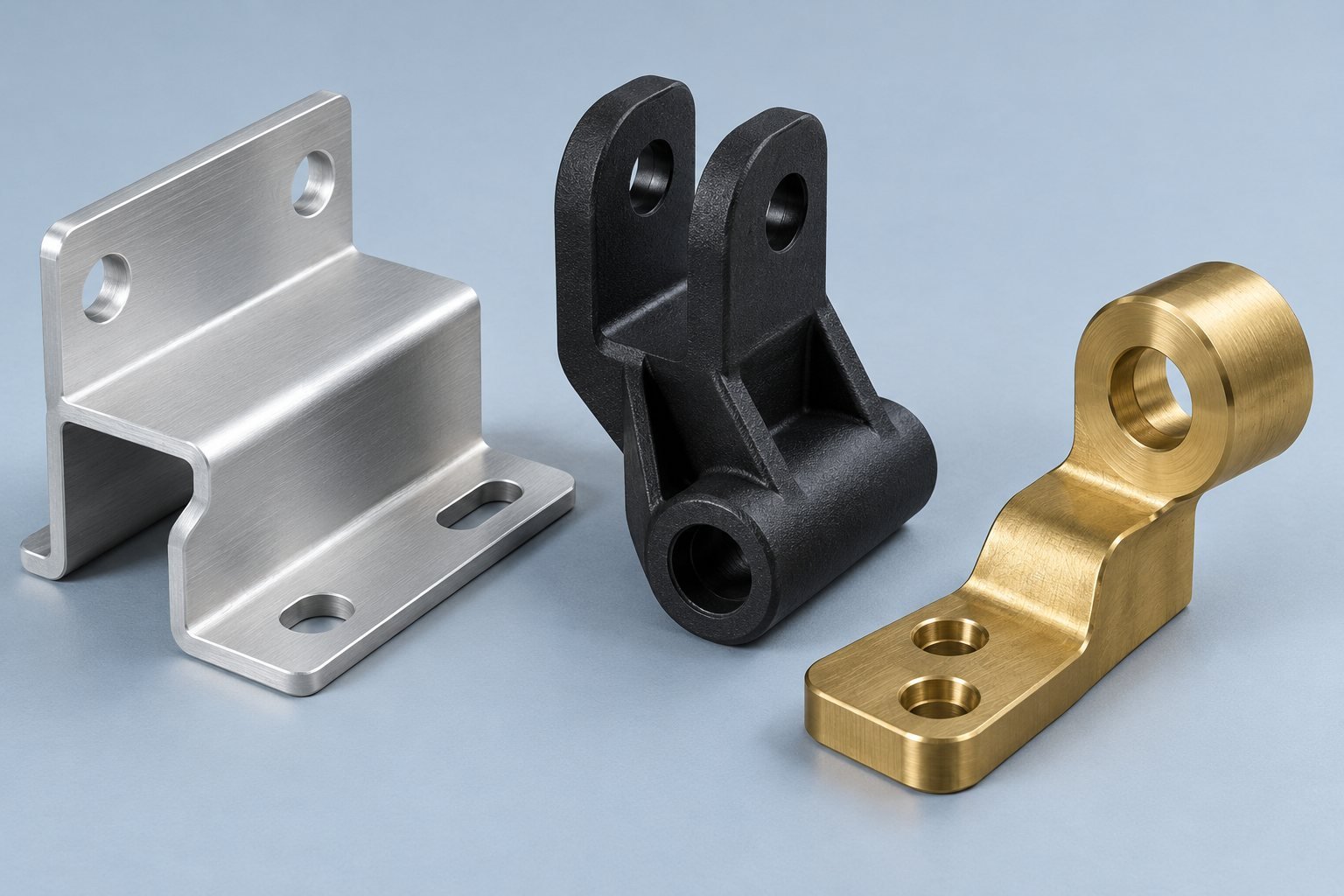
Agree grade, condition, supplier records and inspection scope before ordering.
Confirm the exact grade, condition and application requirements for your part.
Review Your Material →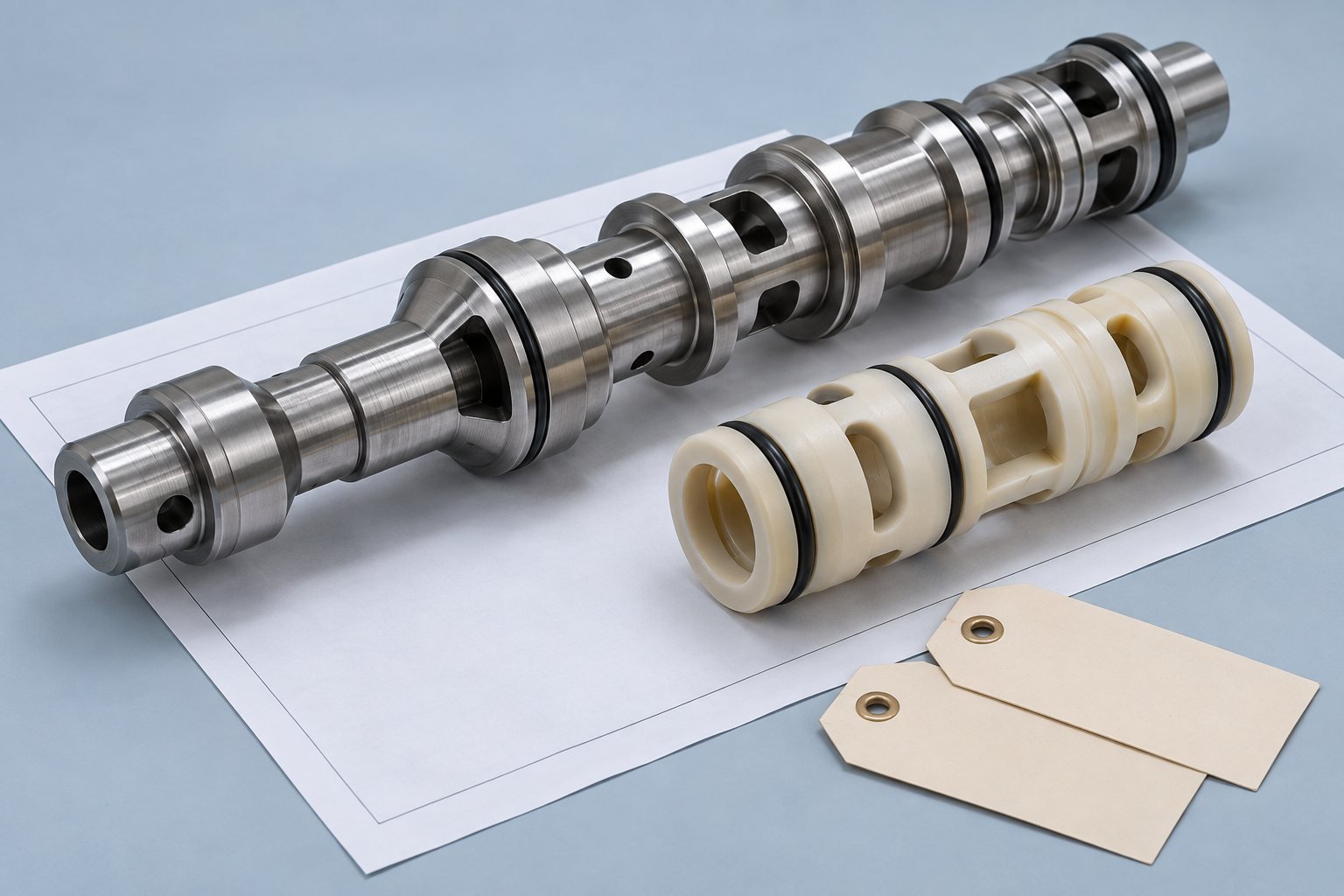
Confirm the quoted material and approved sample or inspection criteria before repeat production.
Confirm the exact grade, condition and application requirements for your part.
Review Your Material →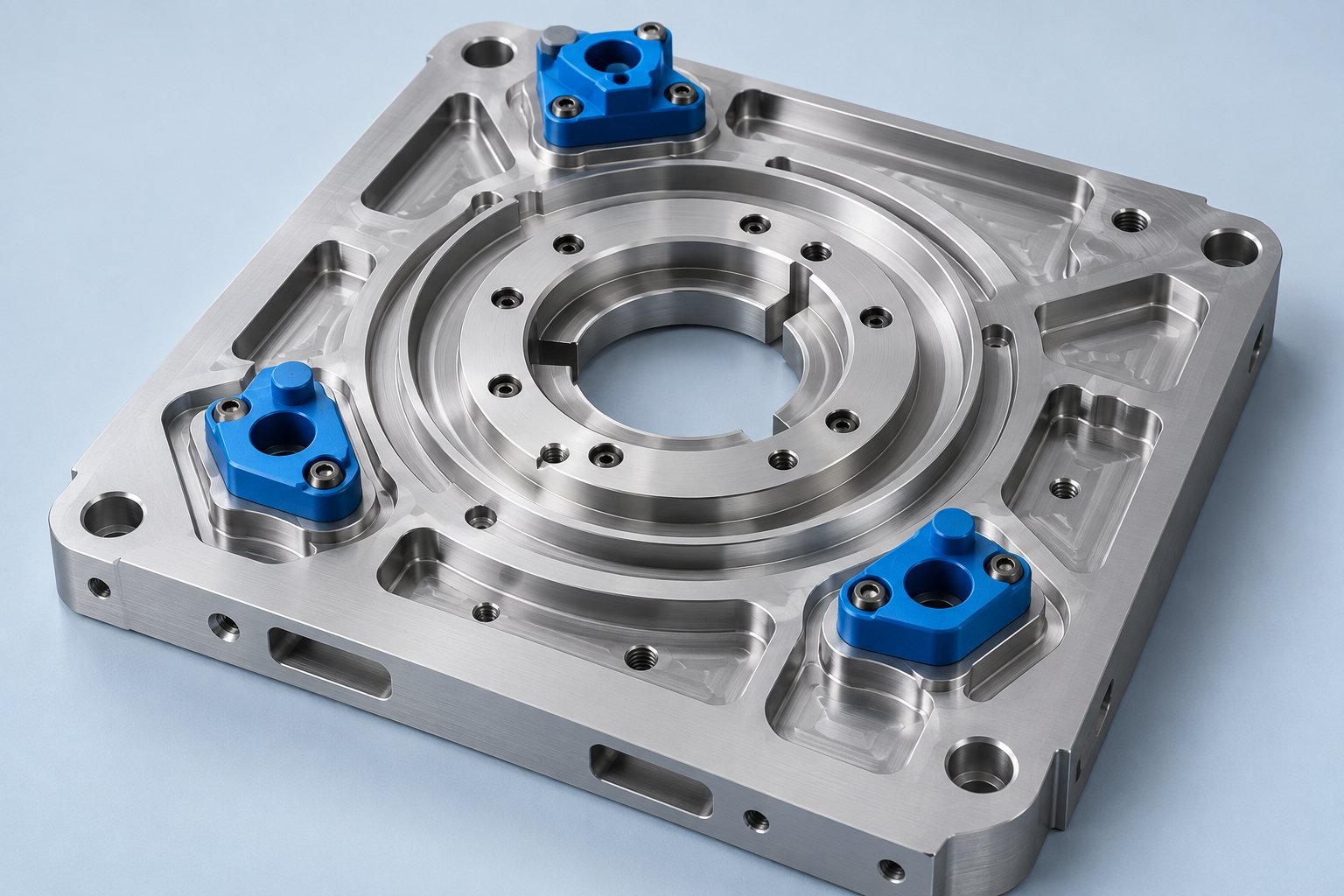
Separate strength, stiffness and impact needs; identify load direction and stress concentrations.
Grade & condition
Operating environment
Process compatibility
Protect critical function
Control avoidable cost
Agree acceptance needs
Review section geometry and material density together for your assembly mass target.
Grade & condition
Operating environment
Process compatibility
Protect critical function
Control avoidable cost
Agree acceptance needs
Specify fluids, humidity, salt exposure and contact with dissimilar metals.
Grade & condition
Operating environment
Process compatibility
Protect critical function
Control avoidable cost
Agree acceptance needs
Distinguish continuous temperature, short peaks and load at temperature.
Grade & condition
Operating environment
Process compatibility
Protect critical function
Control avoidable cost
Agree acceptance needs
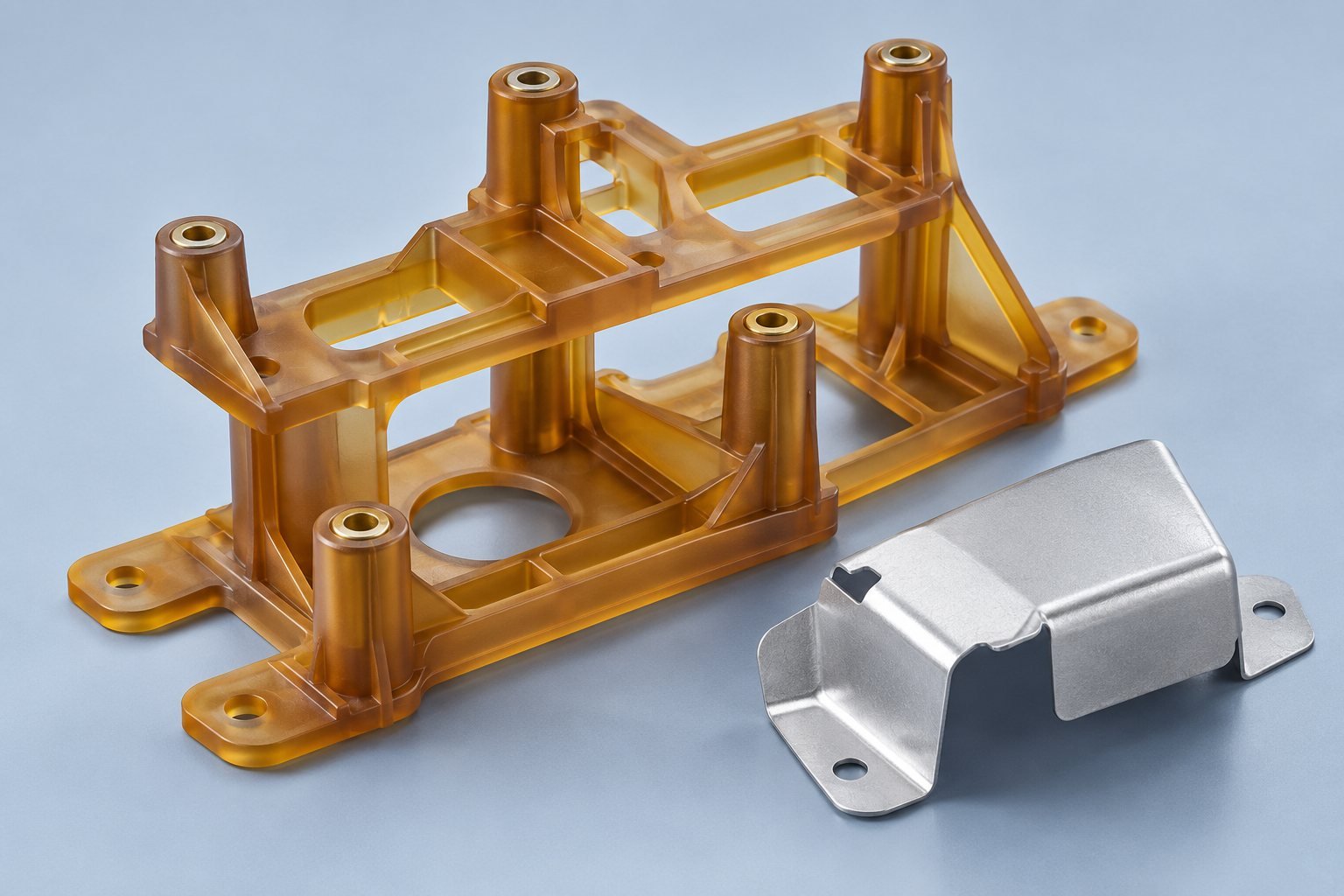
Define mating materials, lubrication, sliding speed and acceptable wear.
Grade & condition
Operating environment
Process compatibility
Protect critical function
Control avoidable cost
Agree acceptance needs
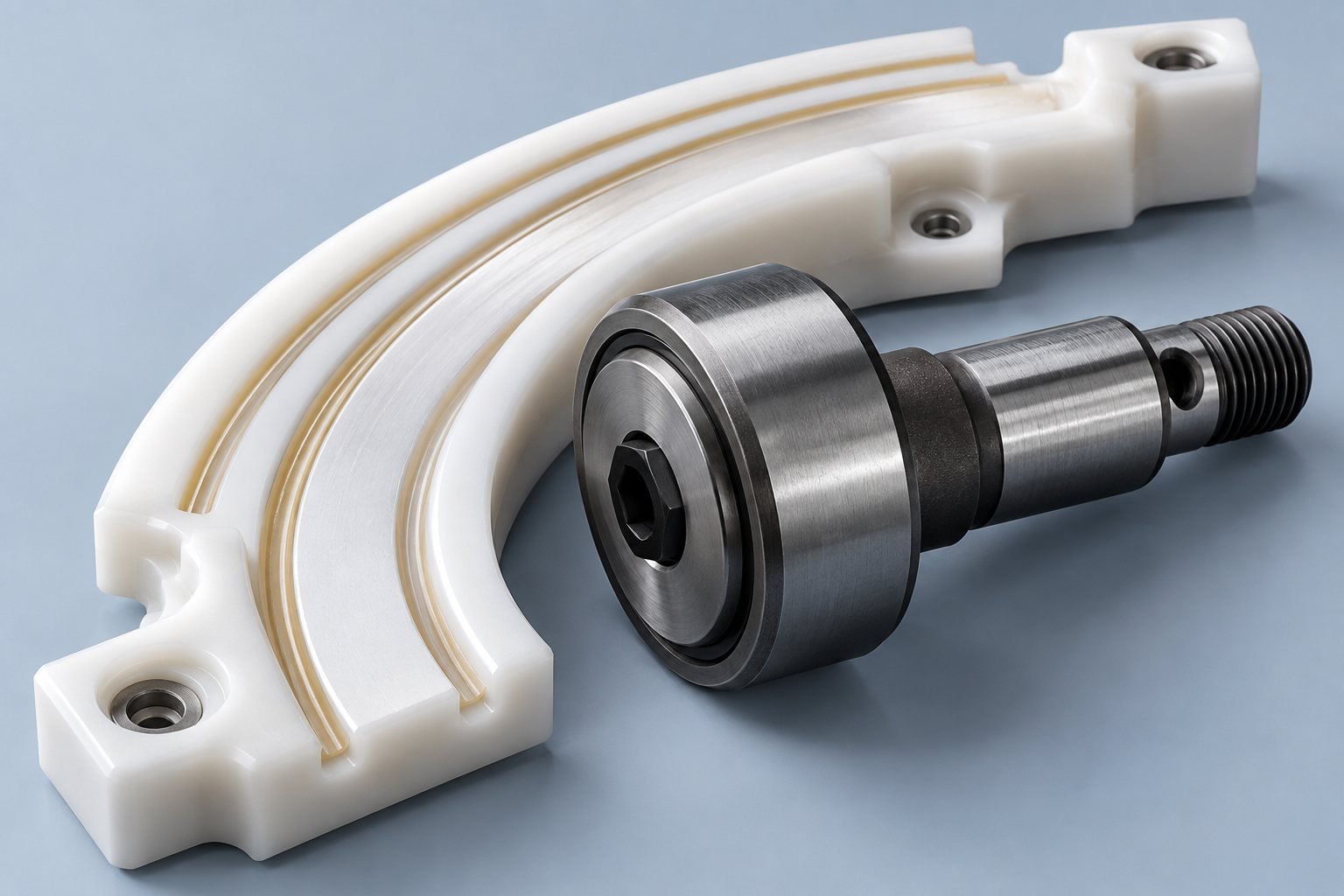
Identify whether your part must conduct, insulate or transfer heat.
Grade & condition
Operating environment
Process compatibility
Protect critical function
Control avoidable cost
Agree acceptance needs
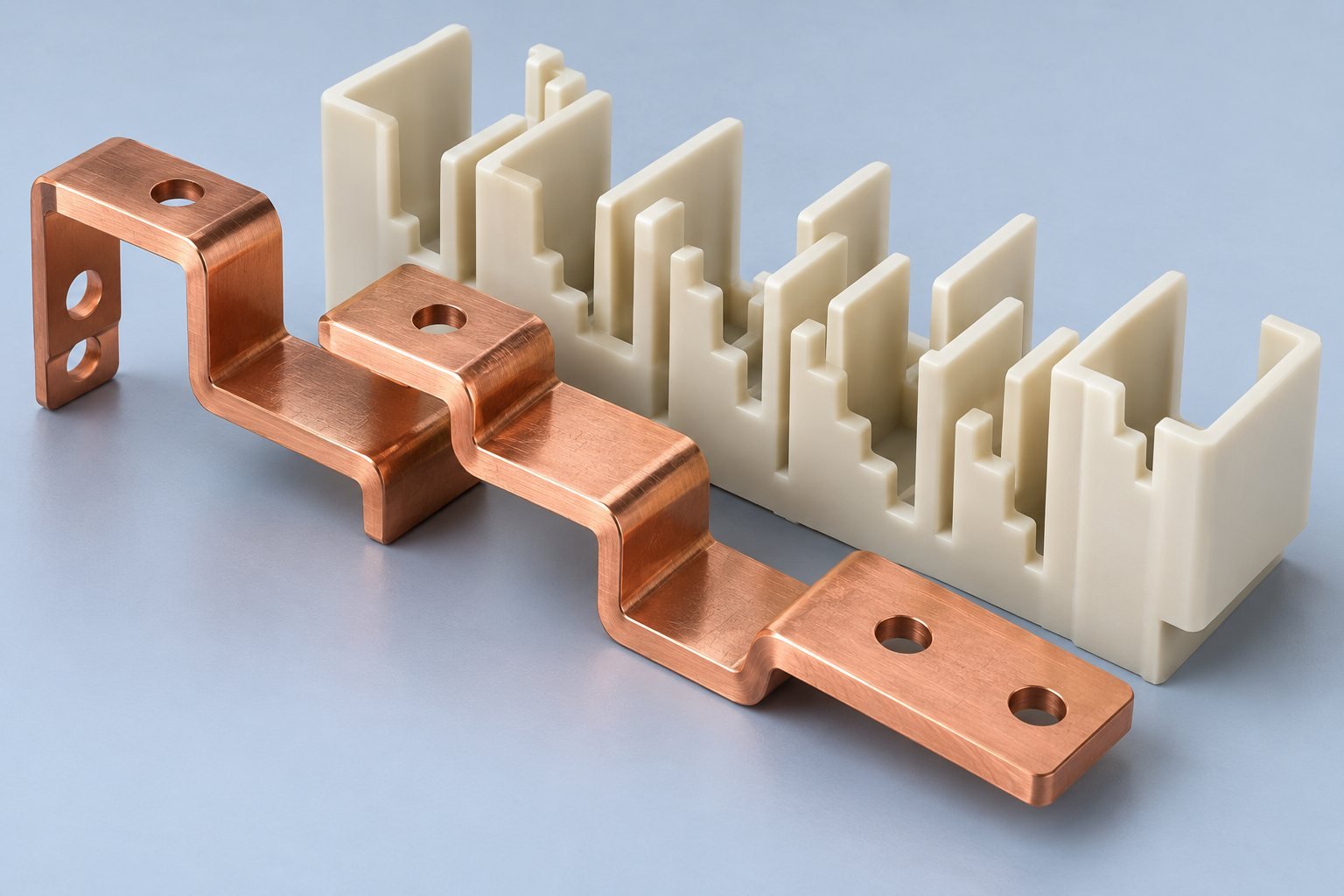
Agree visible surfaces, texture, color and finishing compatibility.
Grade & condition
Operating environment
Process compatibility
Protect critical function
Control avoidable cost
Agree acceptance needs
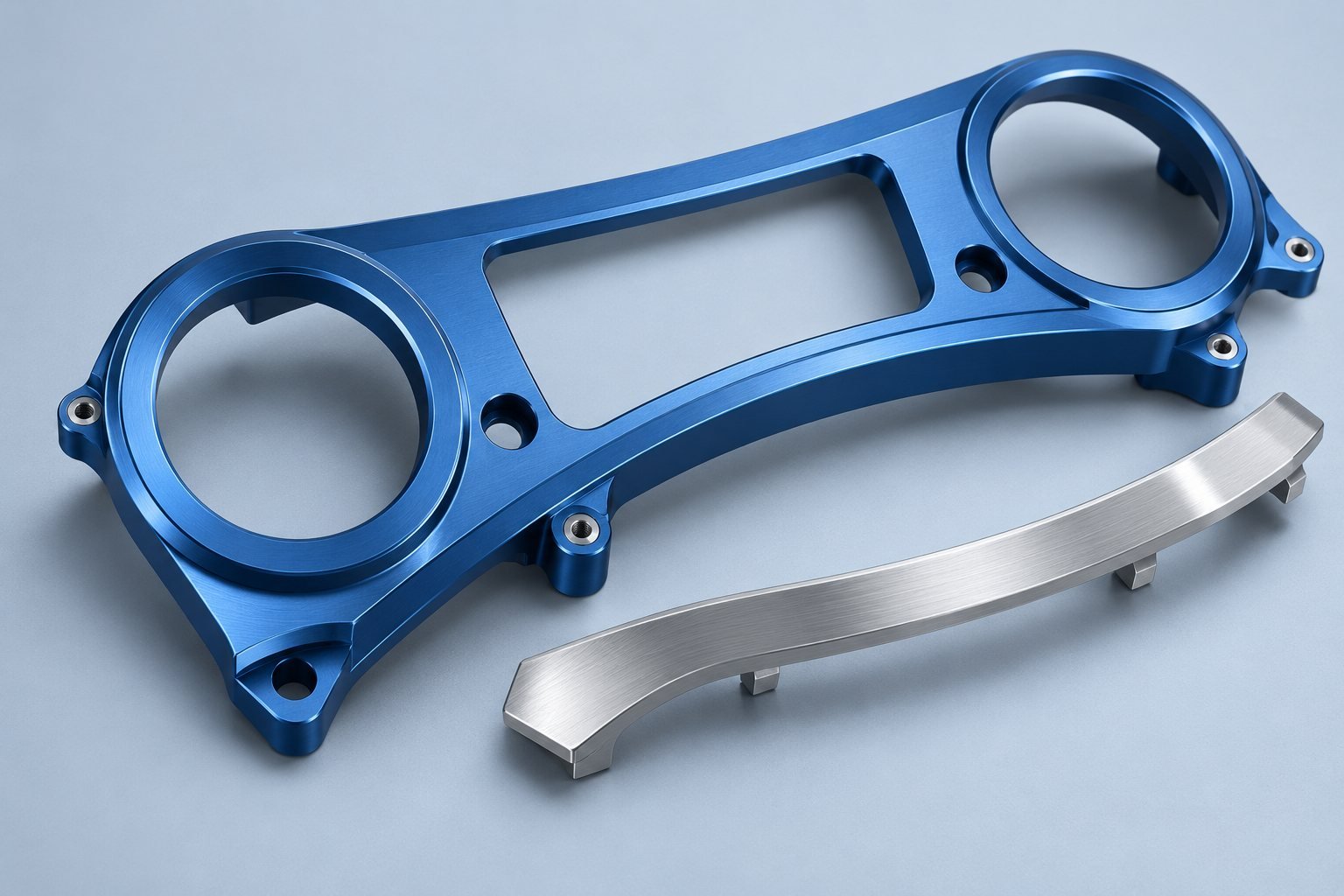
Search by material or grade, then compare process fit and the requirements that matter to your part. Results appear immediately below.
8 candidates listed below.
Open a material review or select up to three candidates to compare. Grade and condition require project-specific approval.
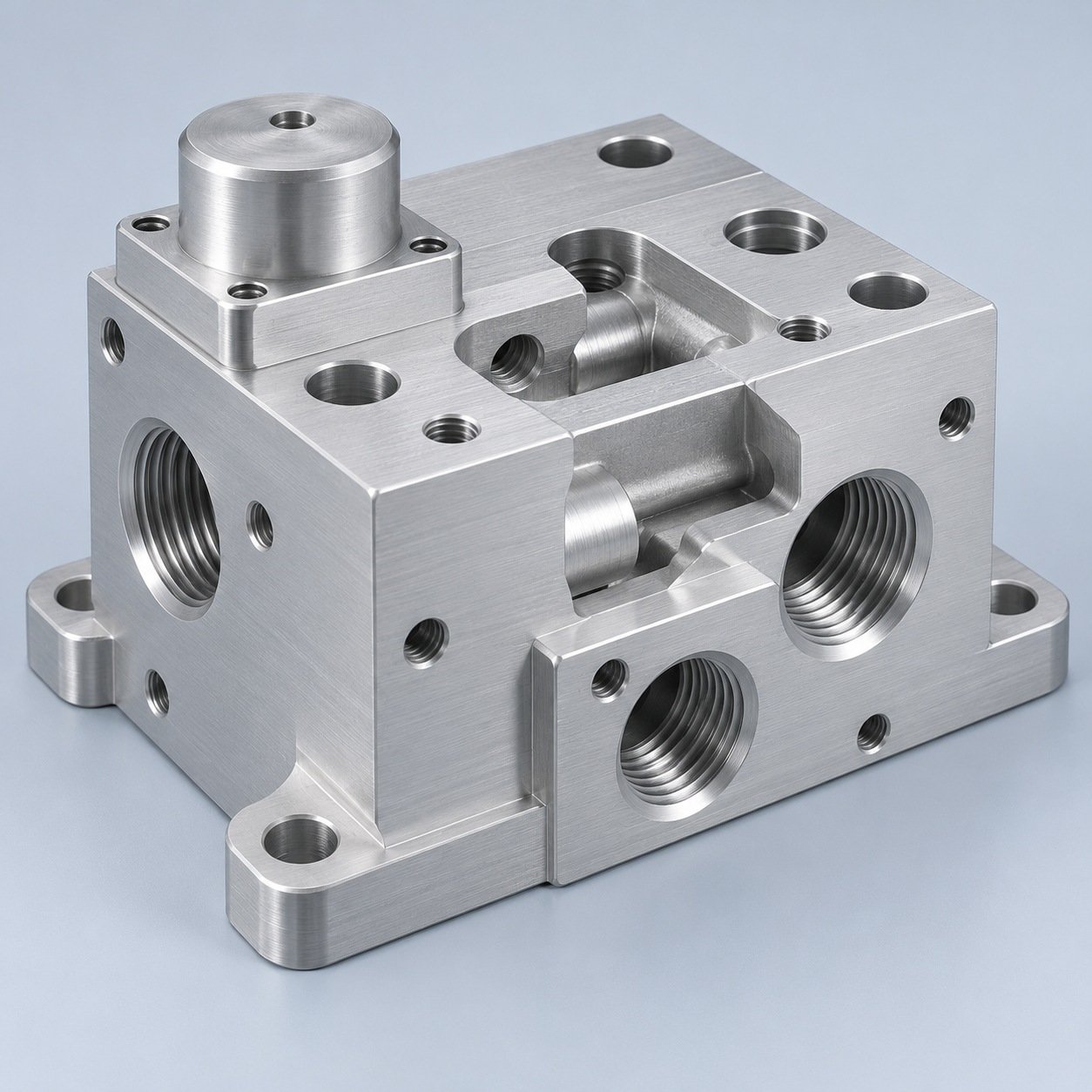
Aluminum alloy
Review your load, geometry and specified temper; confirm the stock form and finish.
Confirm strength requirements, weld condition where relevant and surface treatment.
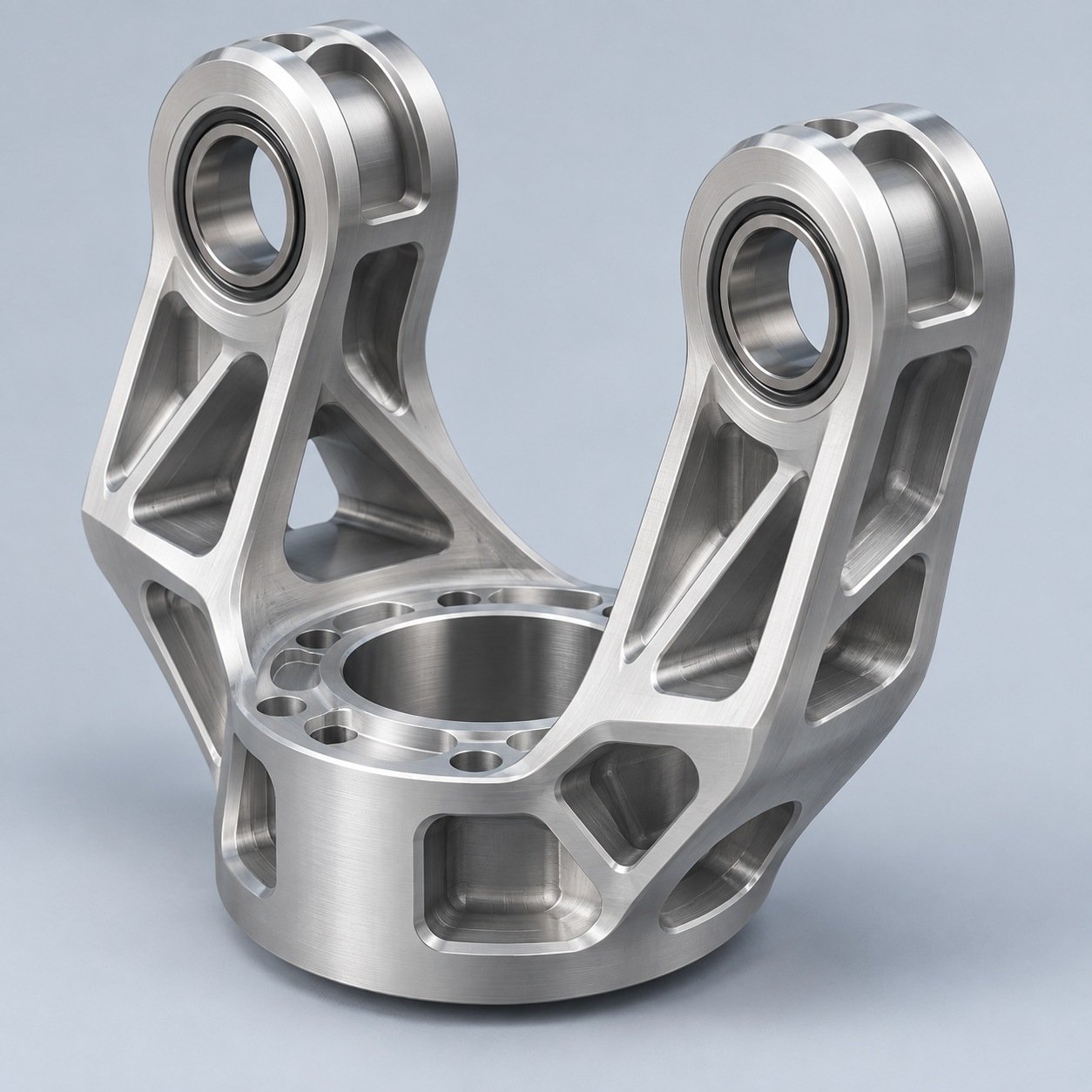
Aluminum alloy
A candidate for strength-focused machined components; review the exact condition.
Review corrosion exposure, section geometry and joining requirements.
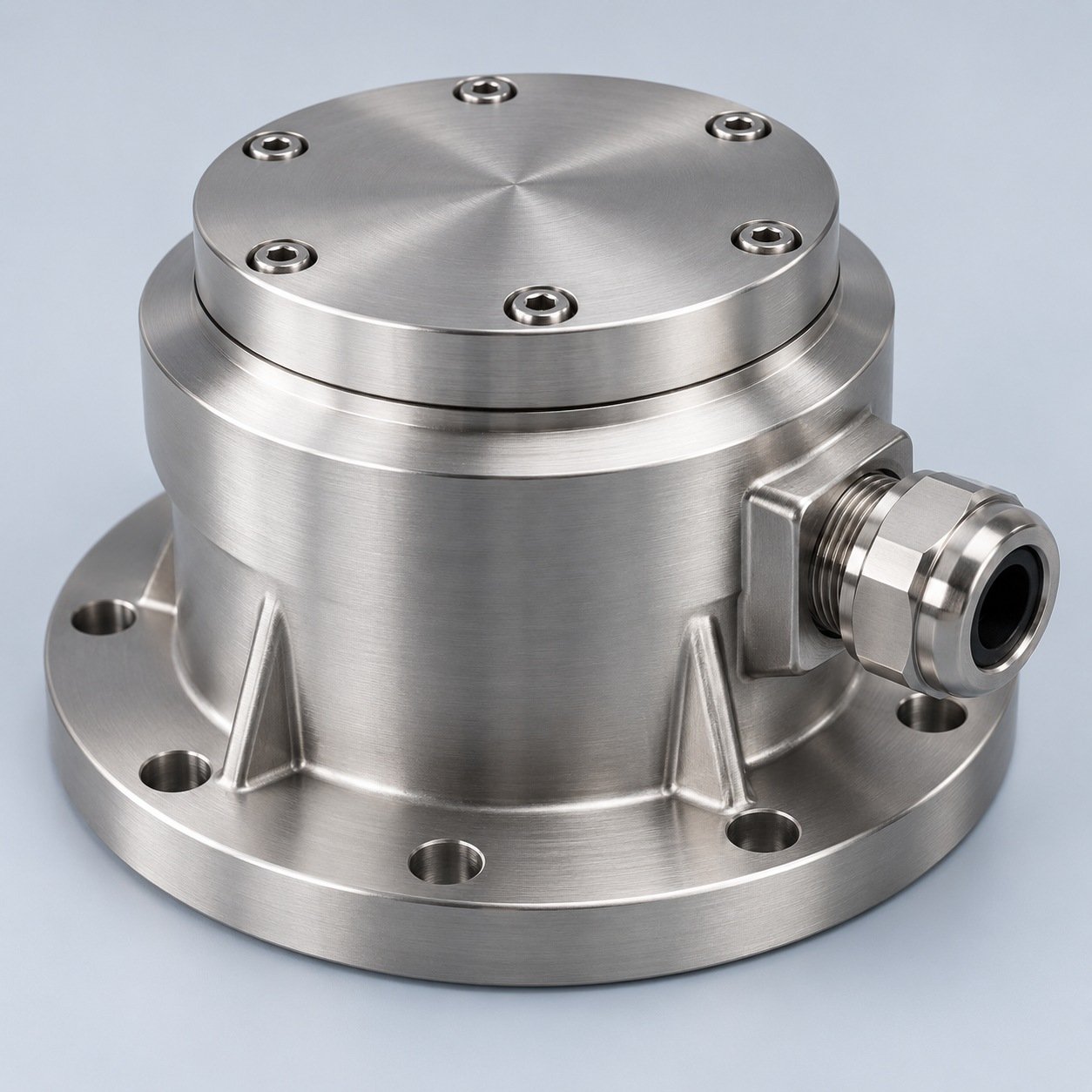
Stainless steel
Review your formed or machined component in its actual exposure environment.
Confirm chemical exposure, cleaning, finish and acceptance requirements.
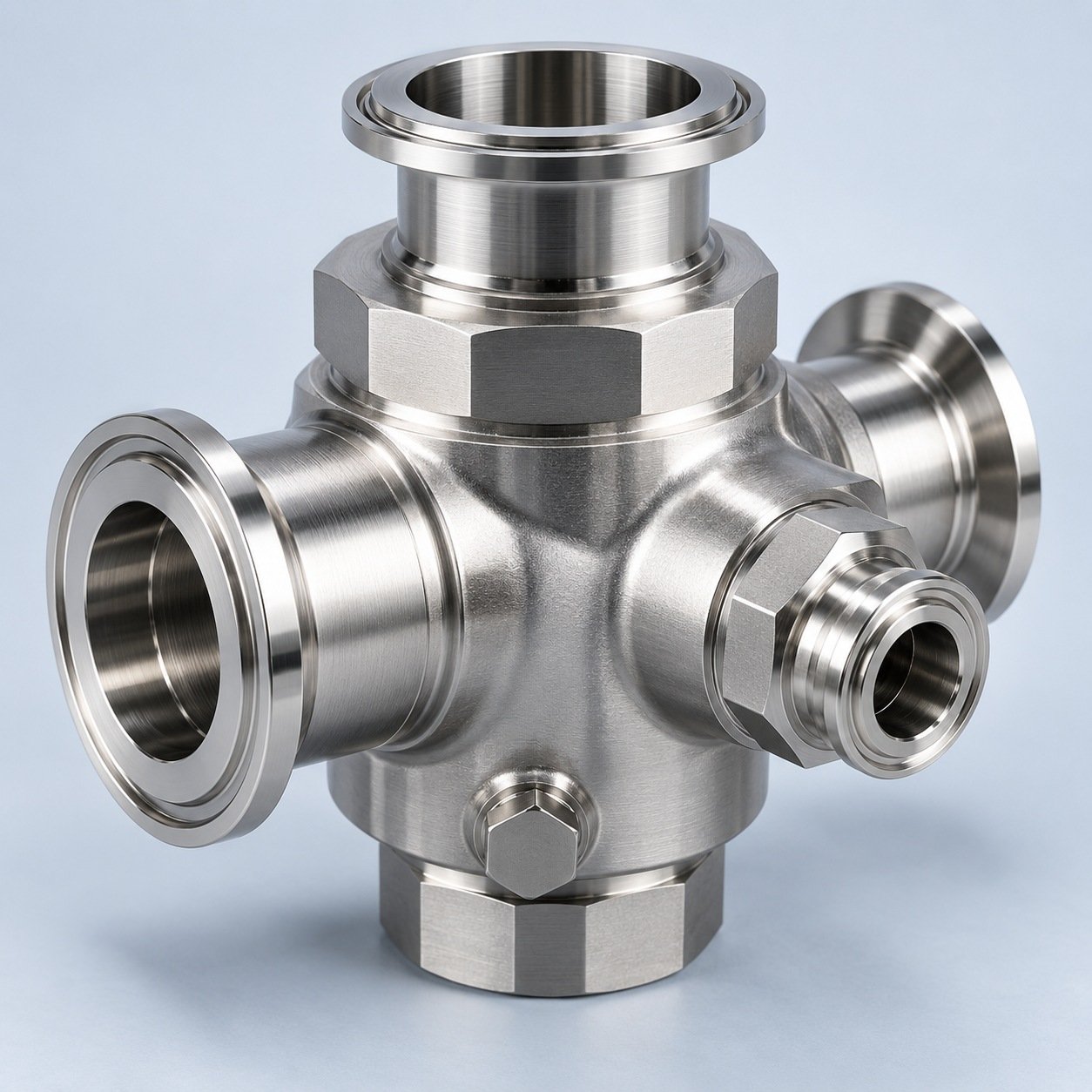
Stainless steel
Review the specified grade and condition for your fluid or environmental exposure.
Do not assume suitability for every chloride environment; confirm application conditions.
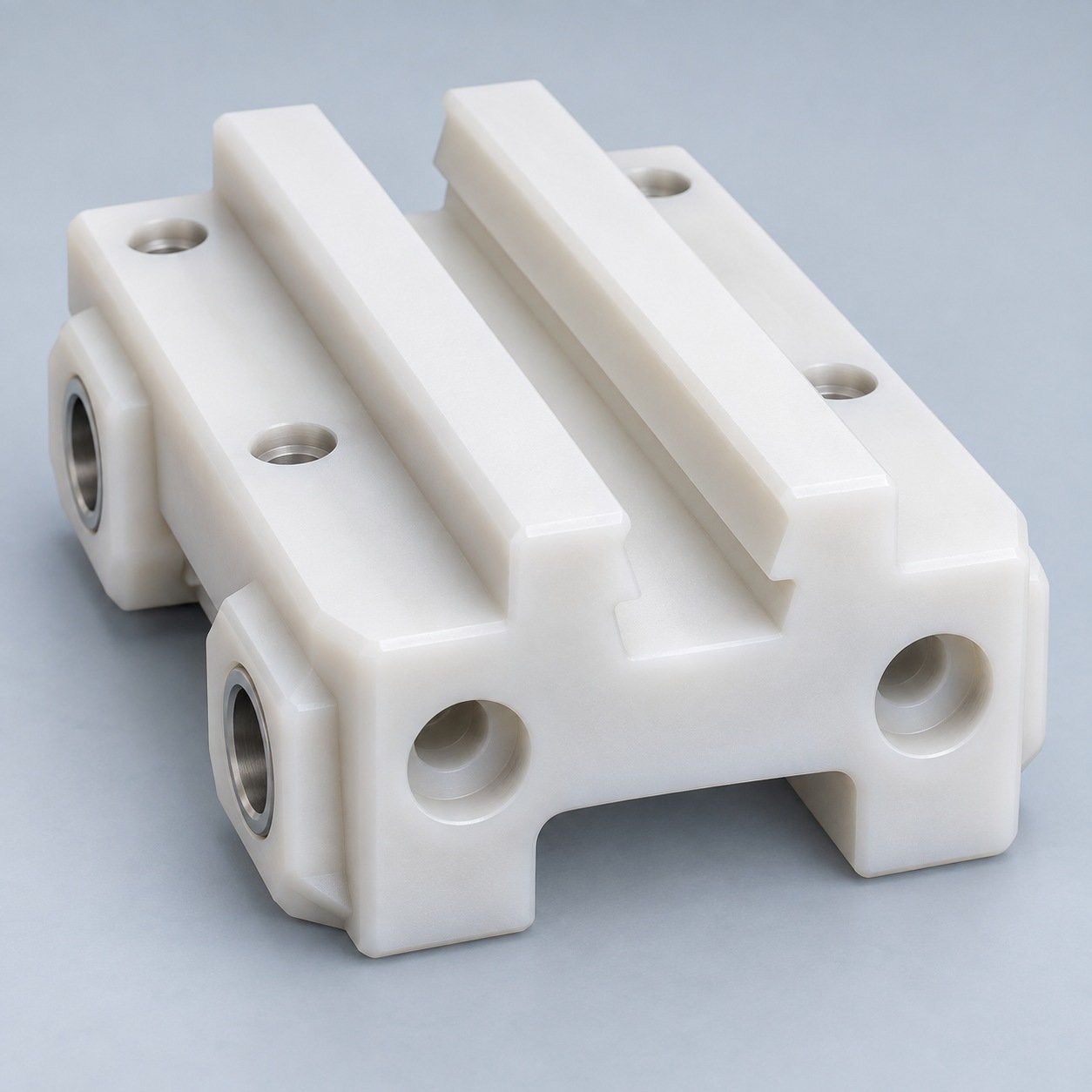
Engineering plastic
Review sliding interfaces, mating fits and the selected acetal grade.
Specify temperature, chemicals, dimensional stability and sustained load.
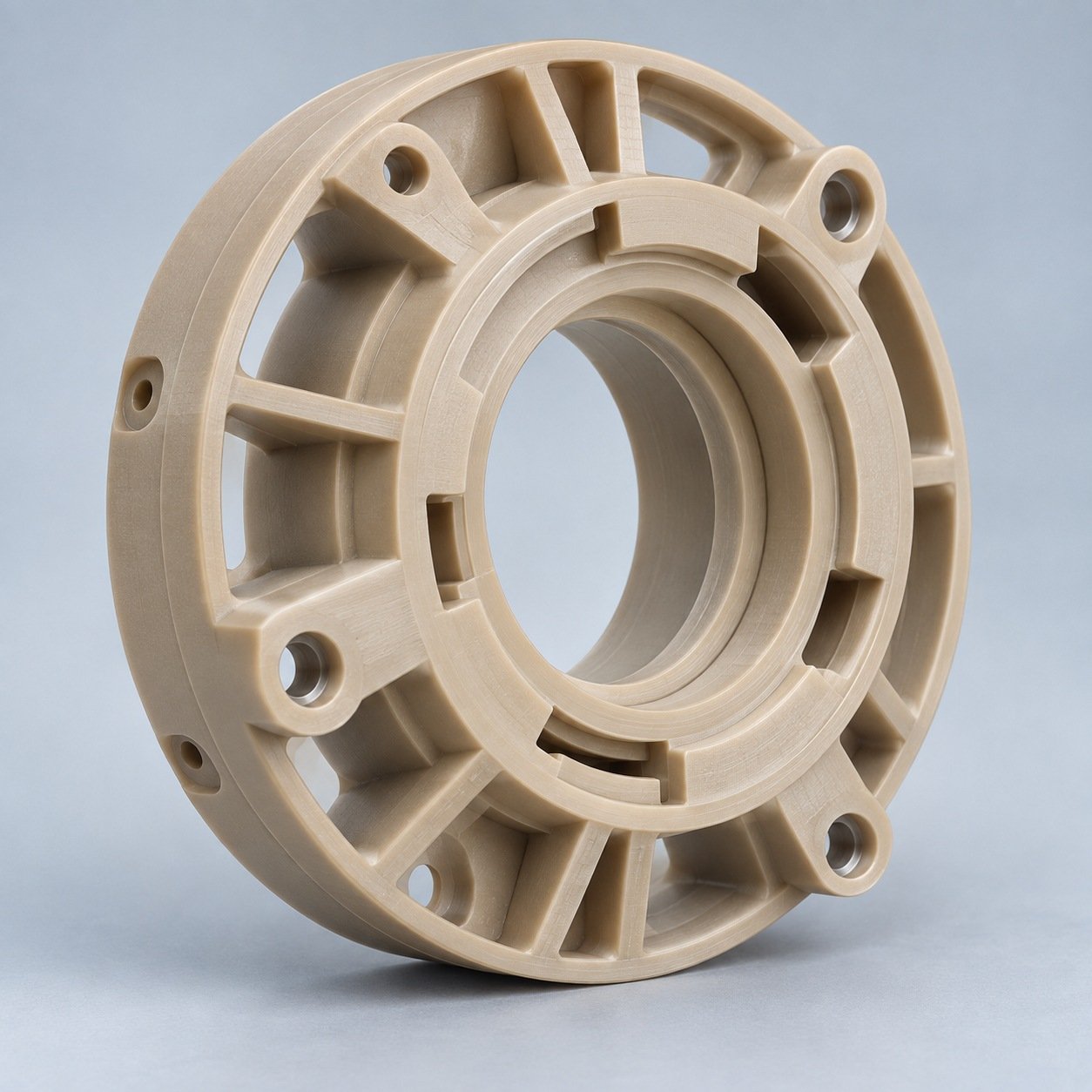
High-performance plastic
Review your operating temperature, chemical exposure and exact resin grade.
Unfilled and reinforced grades differ; confirm processing and required documentation.
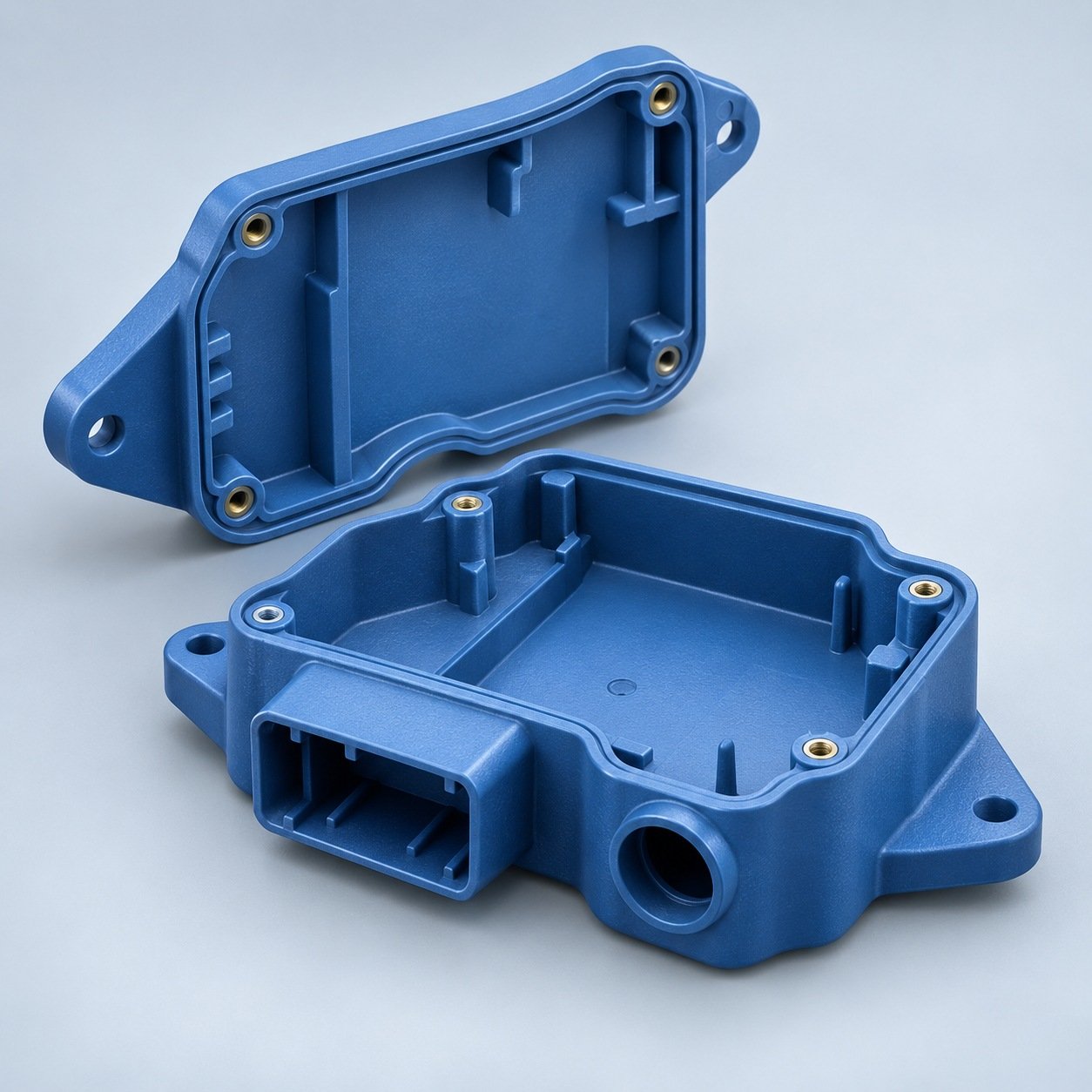
Engineering plastic
Review your enclosure geometry, impact needs and cosmetic requirements.
Confirm environmental exposure, grade, color and manufacturing route.
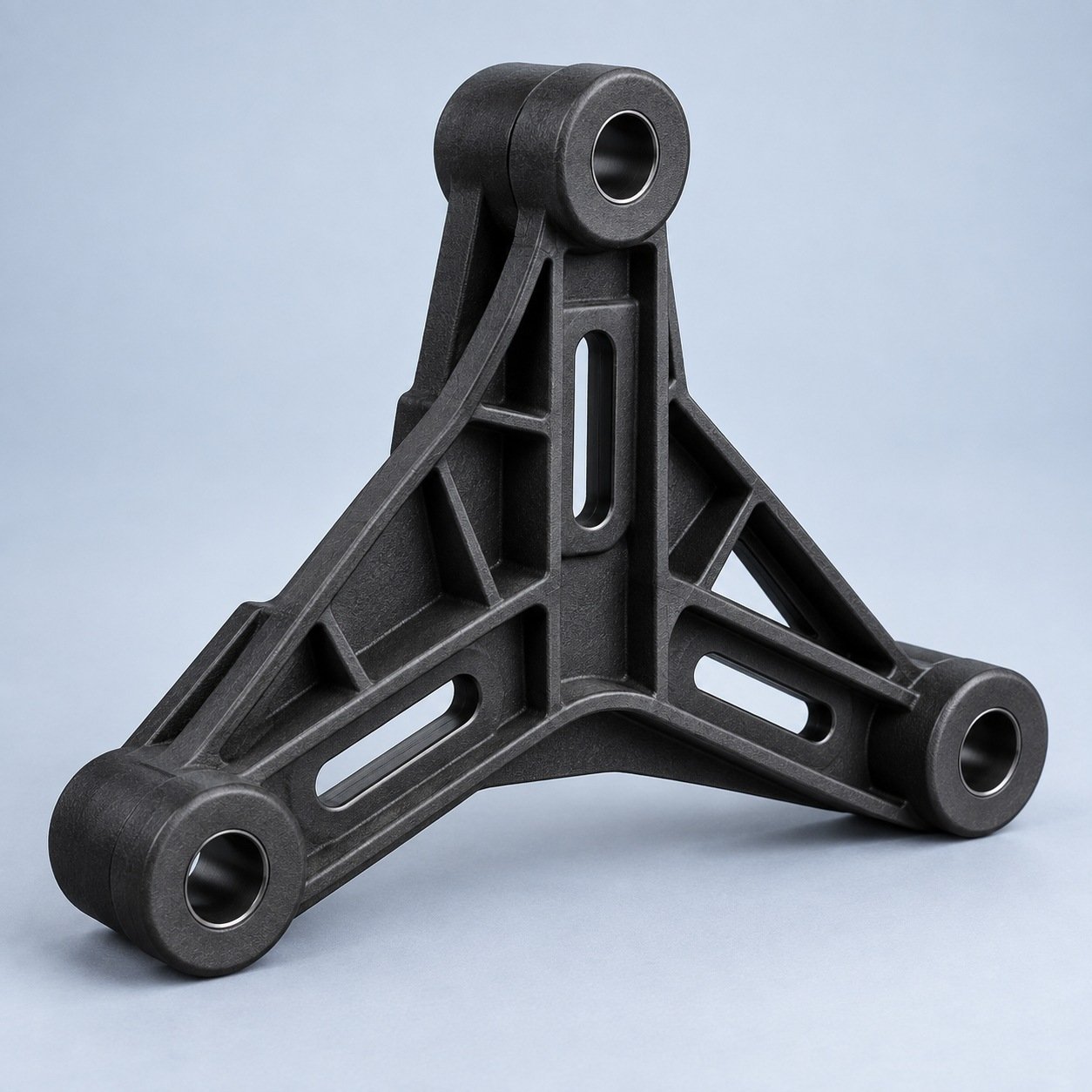
Engineering plastic
Review your load-bearing or moving polymer component with its conditioning needs.
Moisture, reinforcement and processing affect dimensions and performance.
No listed material matches this combination. Try a broader process or priority, clear the material name, or reset the filters. You can also send your requirements for a custom-grade review.
Discuss Your Exact Specification →Compare qualitative review needs using the same drawing and operating conditions. Obtain the exact grade data before design approval.
Select up to three candidates above.
| Material | Review focus | Confirm for your part |
|---|
Plan stock condition, cutter access and clamping around your critical features.
Confirm the exact grade, condition and application requirements for your part.
Review Your Material →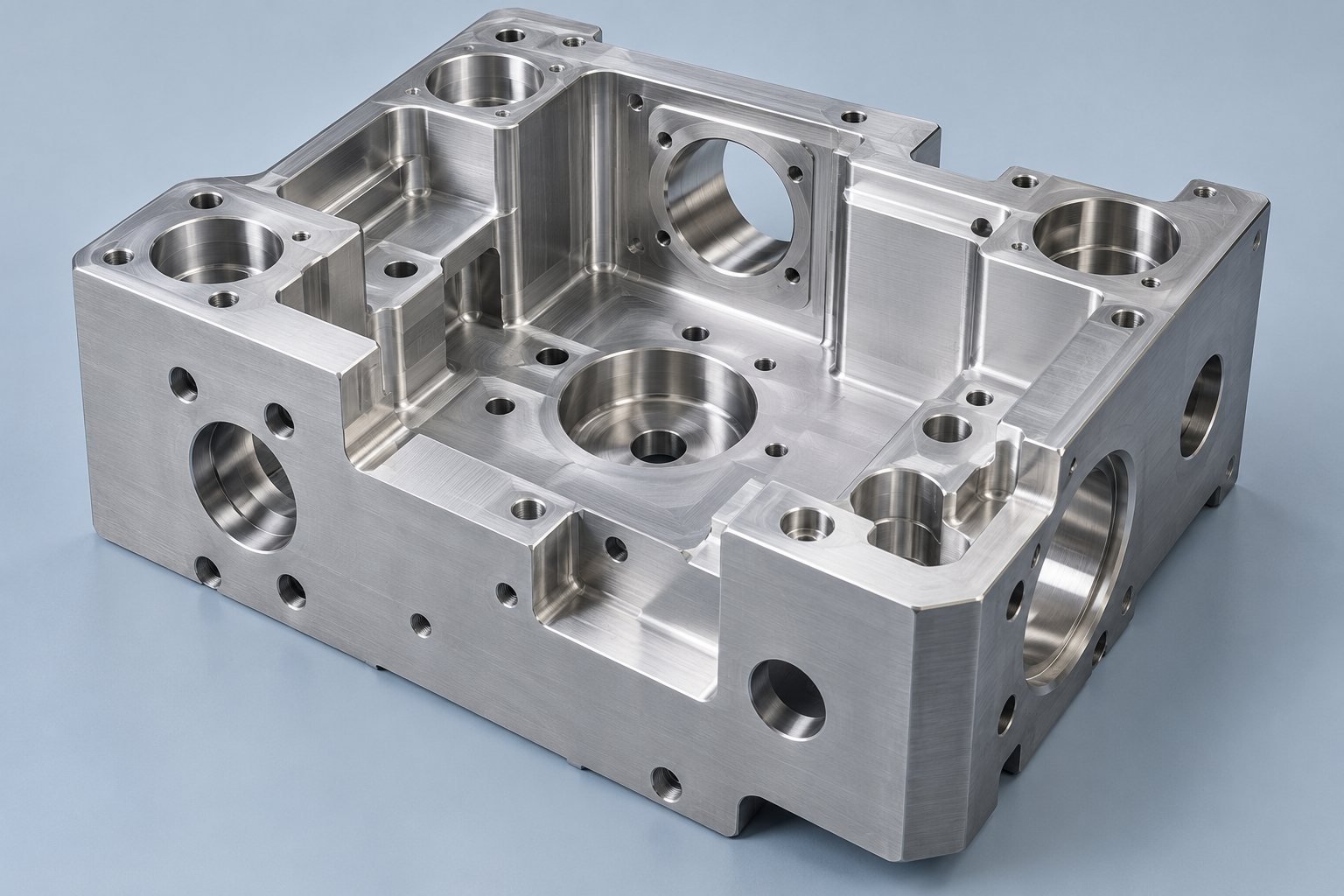
Review flow, shrinkage, moisture conditioning and reinforcement with your tool design.
Confirm the exact grade, condition and application requirements for your part.
Review Your Material →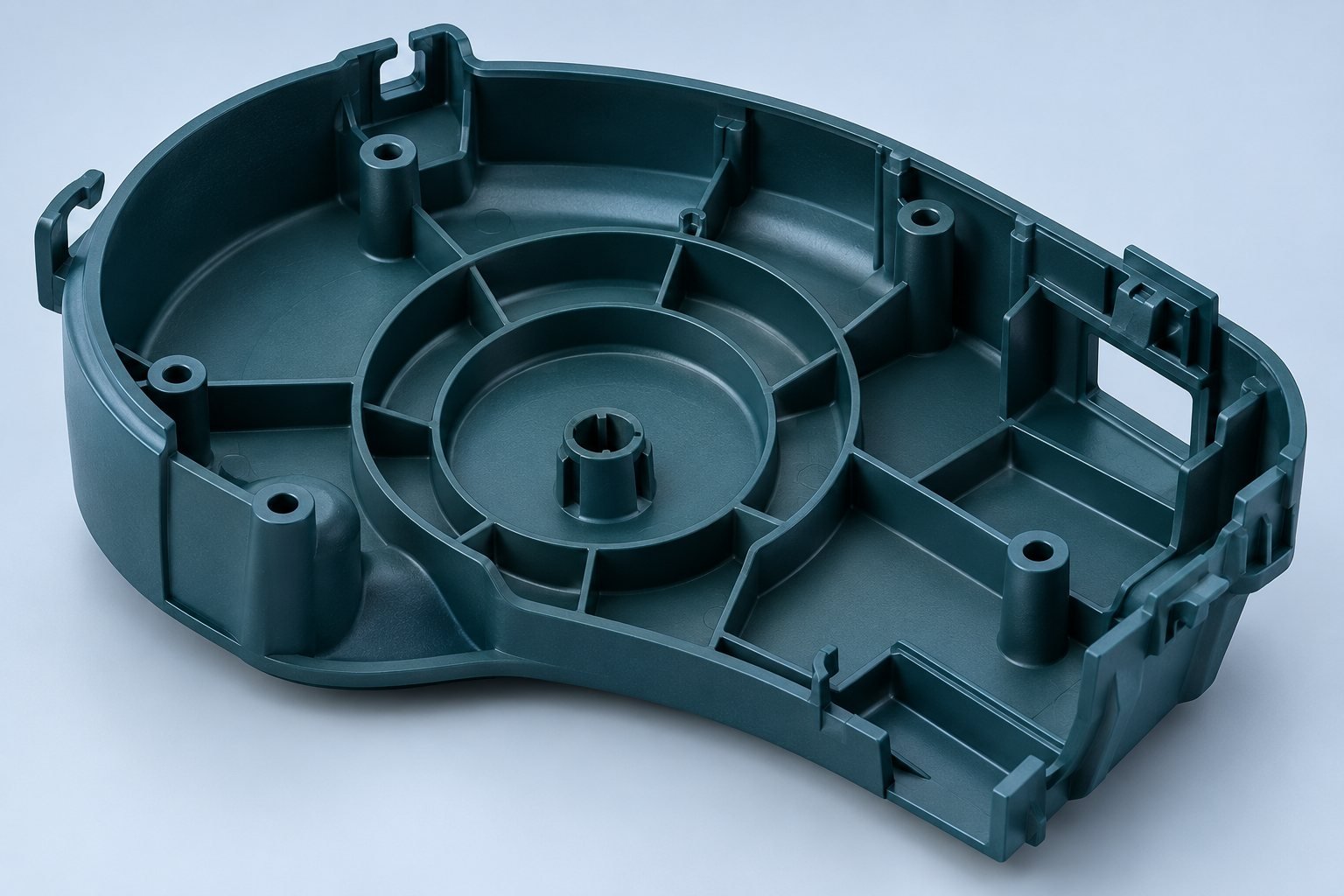
Match sheet grade, thickness, bend direction and joining requirements.
Confirm the exact grade, condition and application requirements for your part.
Review Your Material →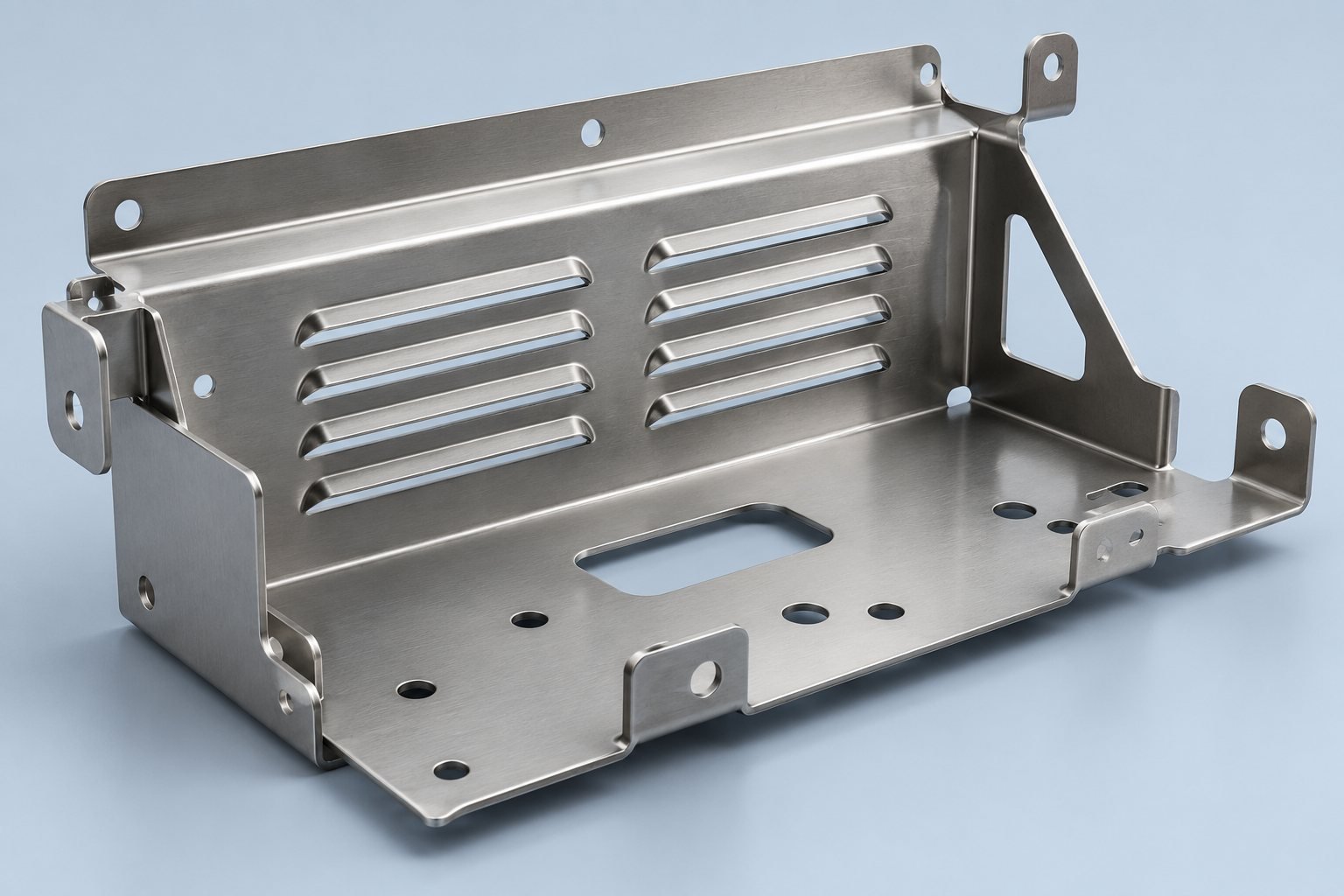
Review casting alloy, wall transitions, porosity-sensitive features and secondary machining.
Confirm the exact grade, condition and application requirements for your part.
Review Your Material →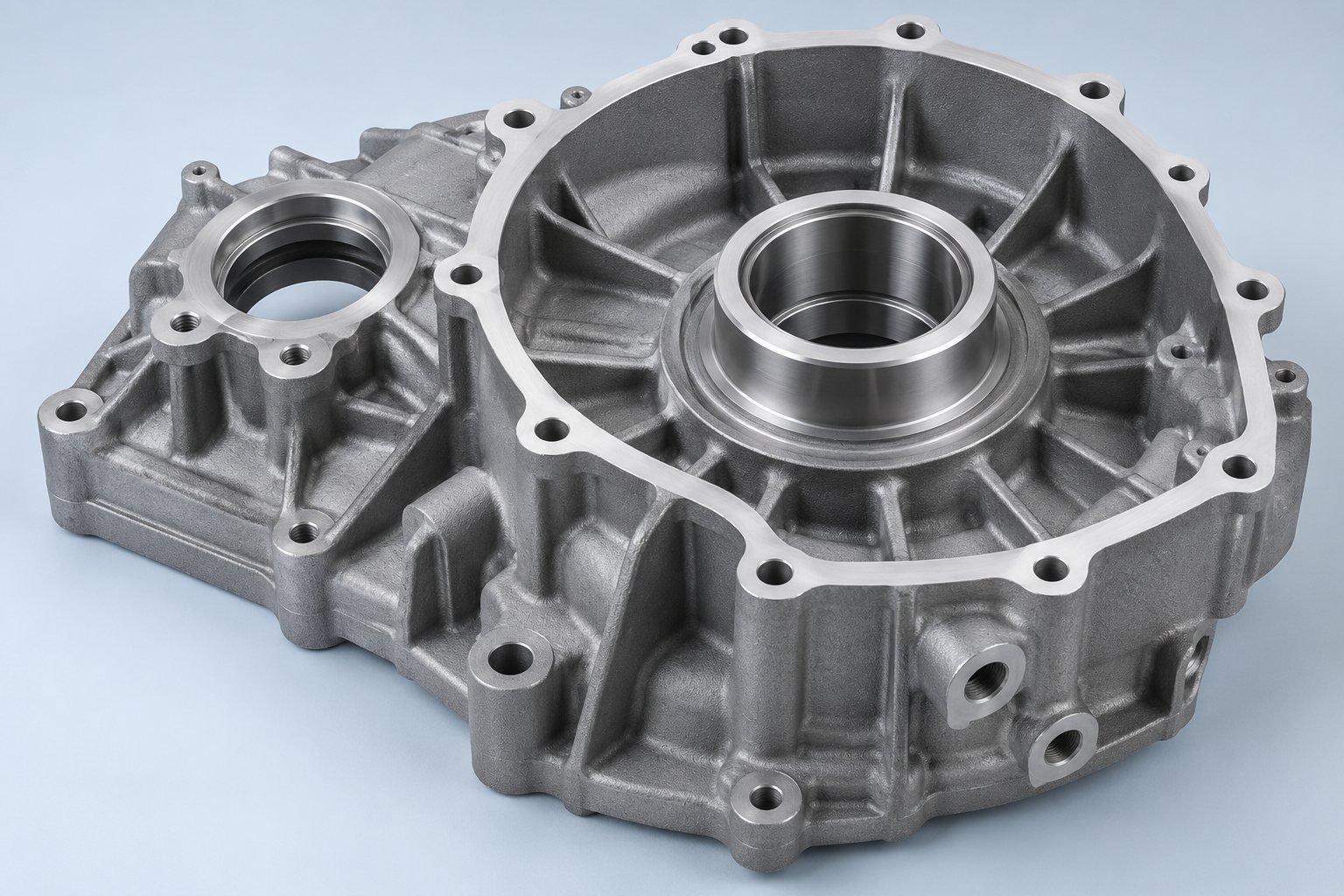
Treat print process, orientation and post-processing as part of the material specification.
Confirm the exact grade, condition and application requirements for your part.
Review Your Material →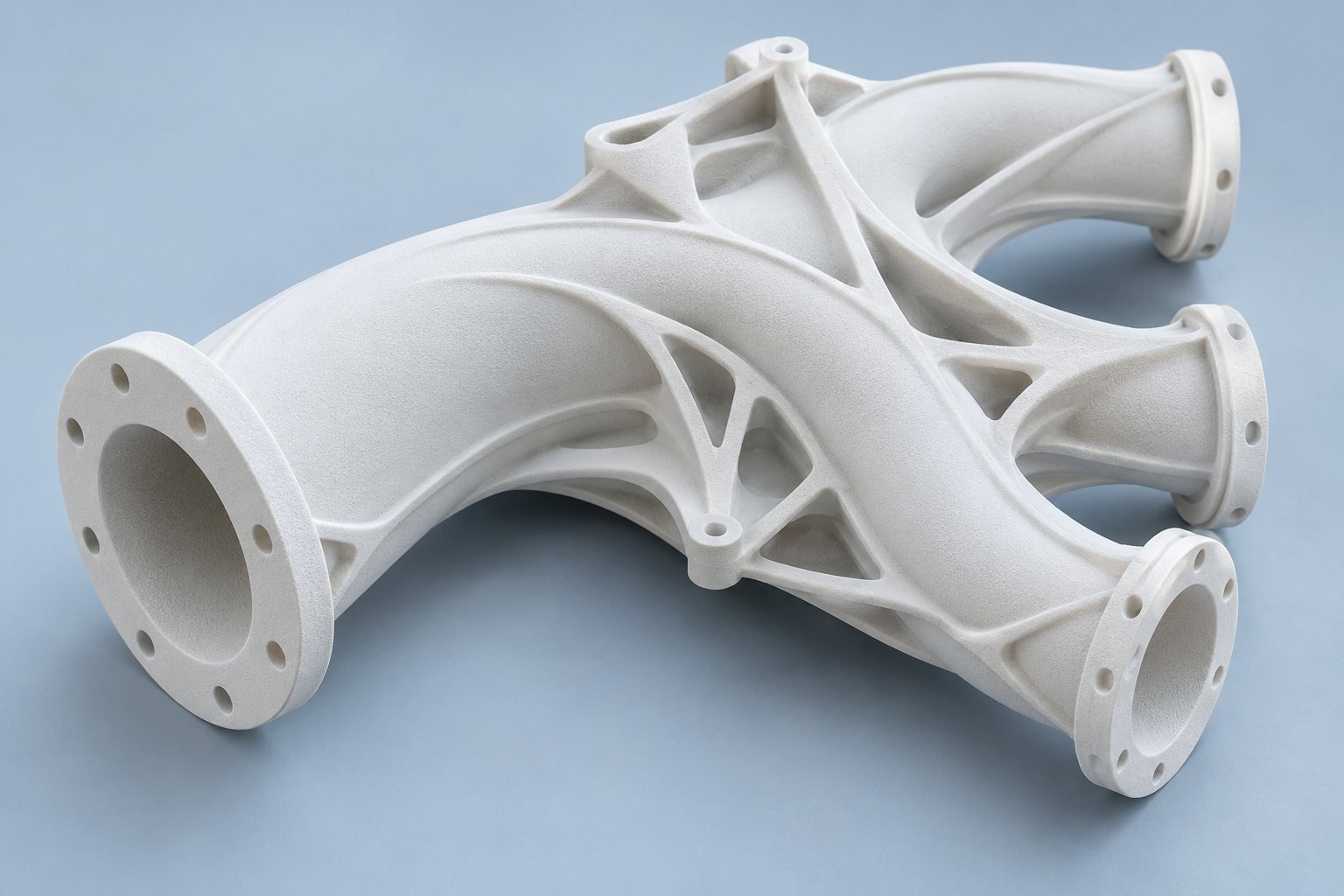
Review section consistency, die feasibility, temper and downstream machining.
Confirm the exact grade, condition and application requirements for your part.
Review Your Material →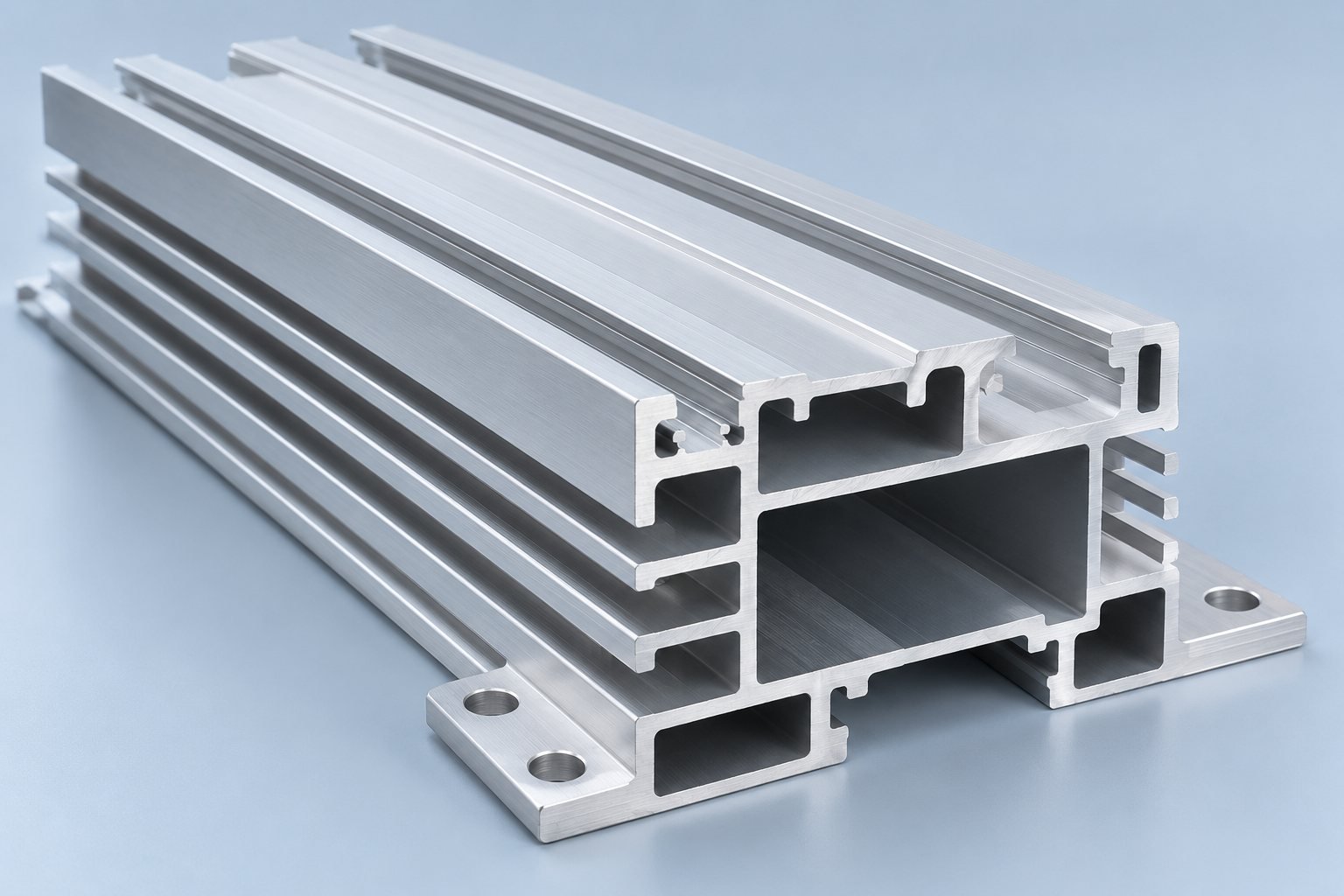
Check the complete exposure and mating-metal combination before selecting a finish.
Confirm the exact grade, condition and application requirements for your part.
Review Your Material →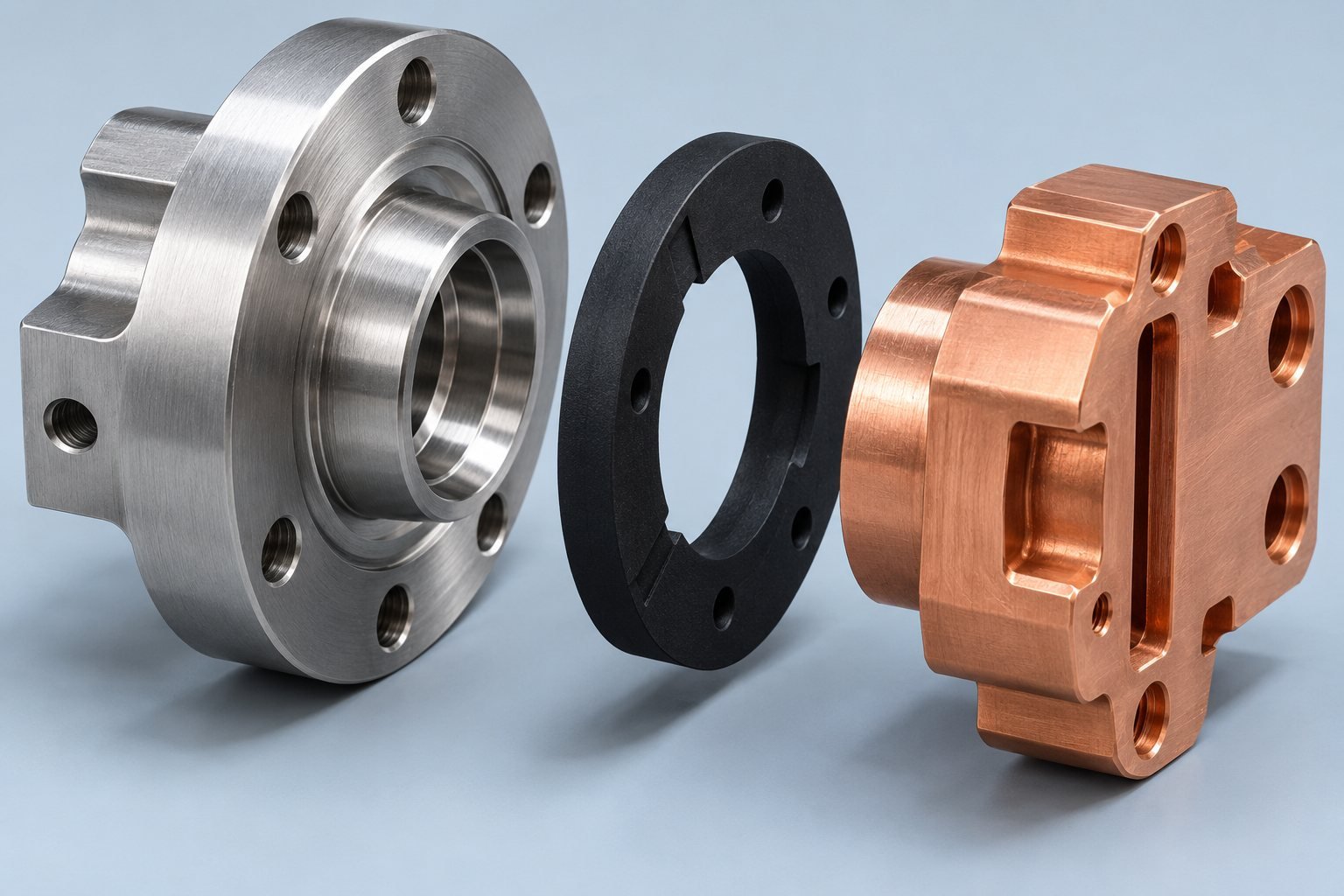
Review temperature with applied load and assembly constraints.
Confirm the exact grade, condition and application requirements for your part.
Review Your Material →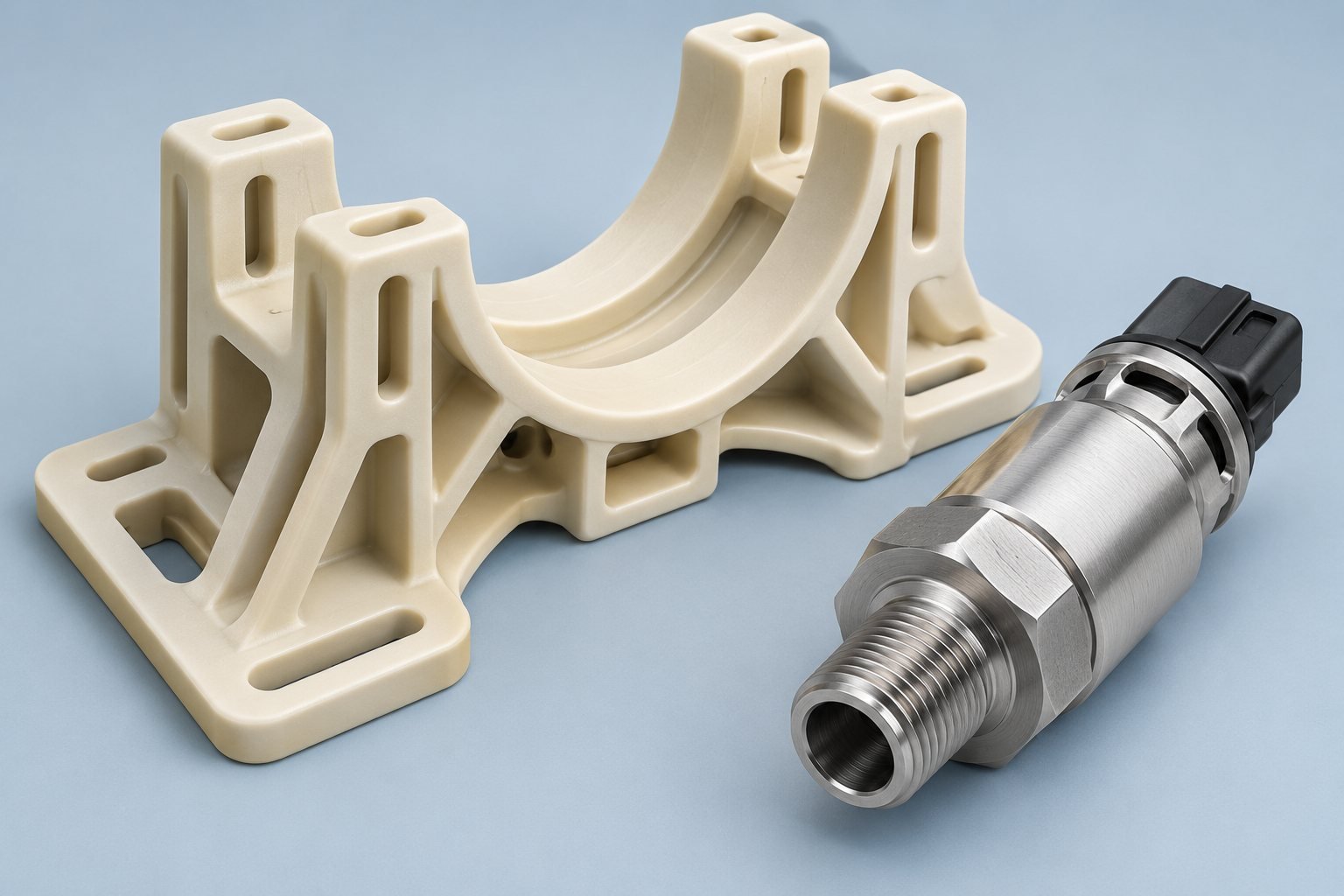
Choose the material pair and surface condition around the actual motion.
Confirm the exact grade, condition and application requirements for your part.
Review Your Material →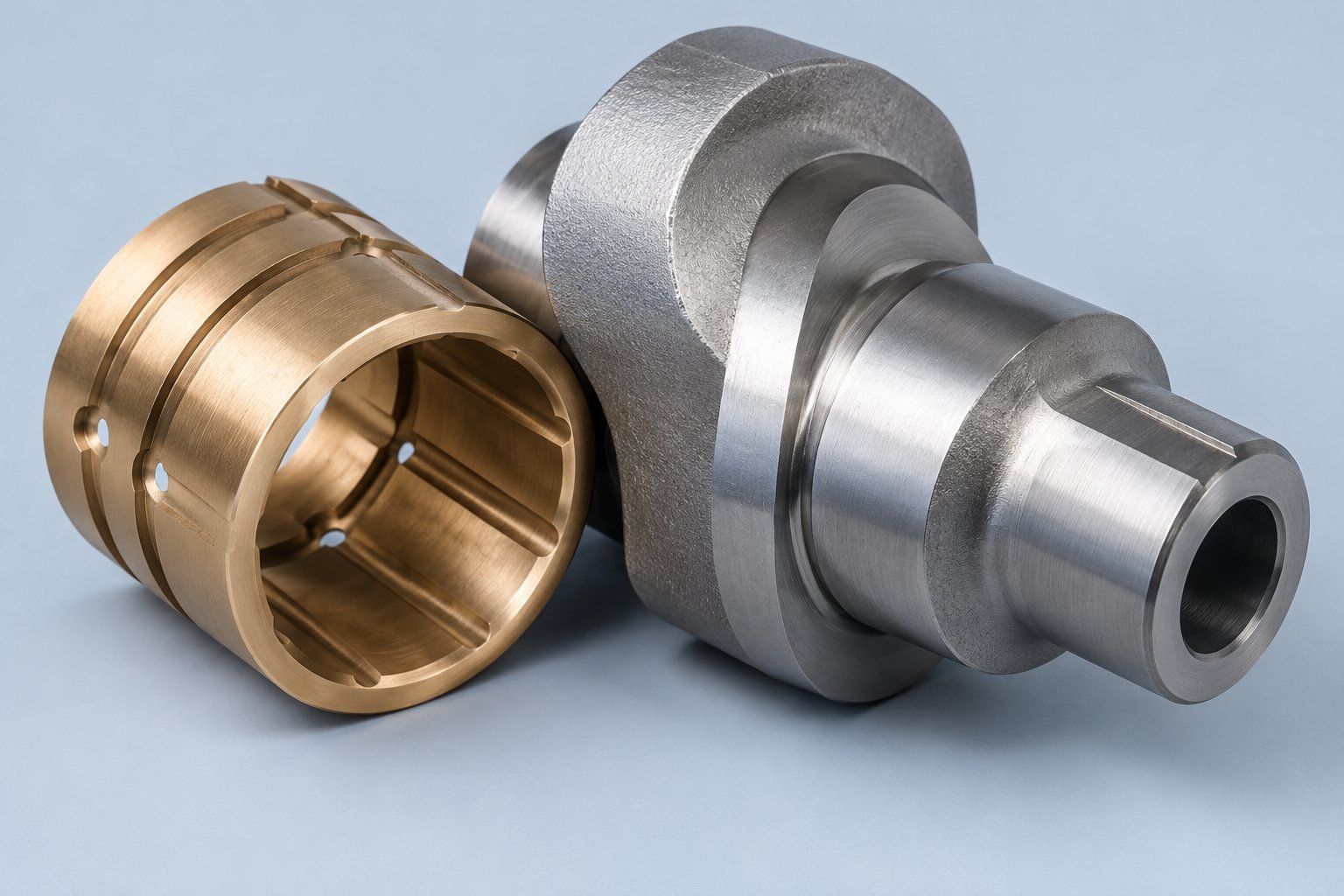
Account for time under load, particularly in plastic clamps and supports.
Confirm the exact grade, condition and application requirements for your part.
Review Your Material →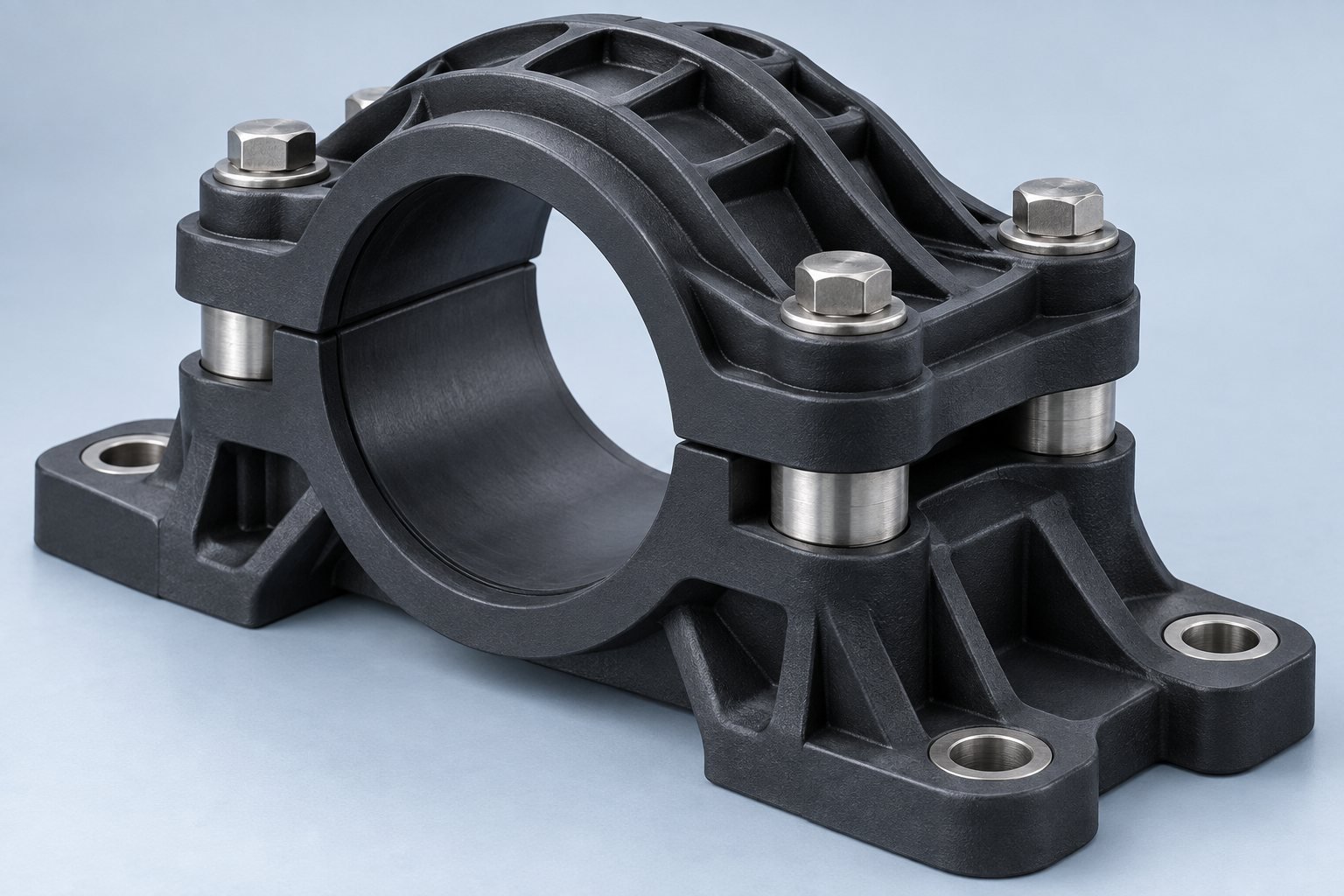
Review sharp corners, assembly stress, impacts and chemical exposure.
Confirm the exact grade, condition and application requirements for your part.
Review Your Material →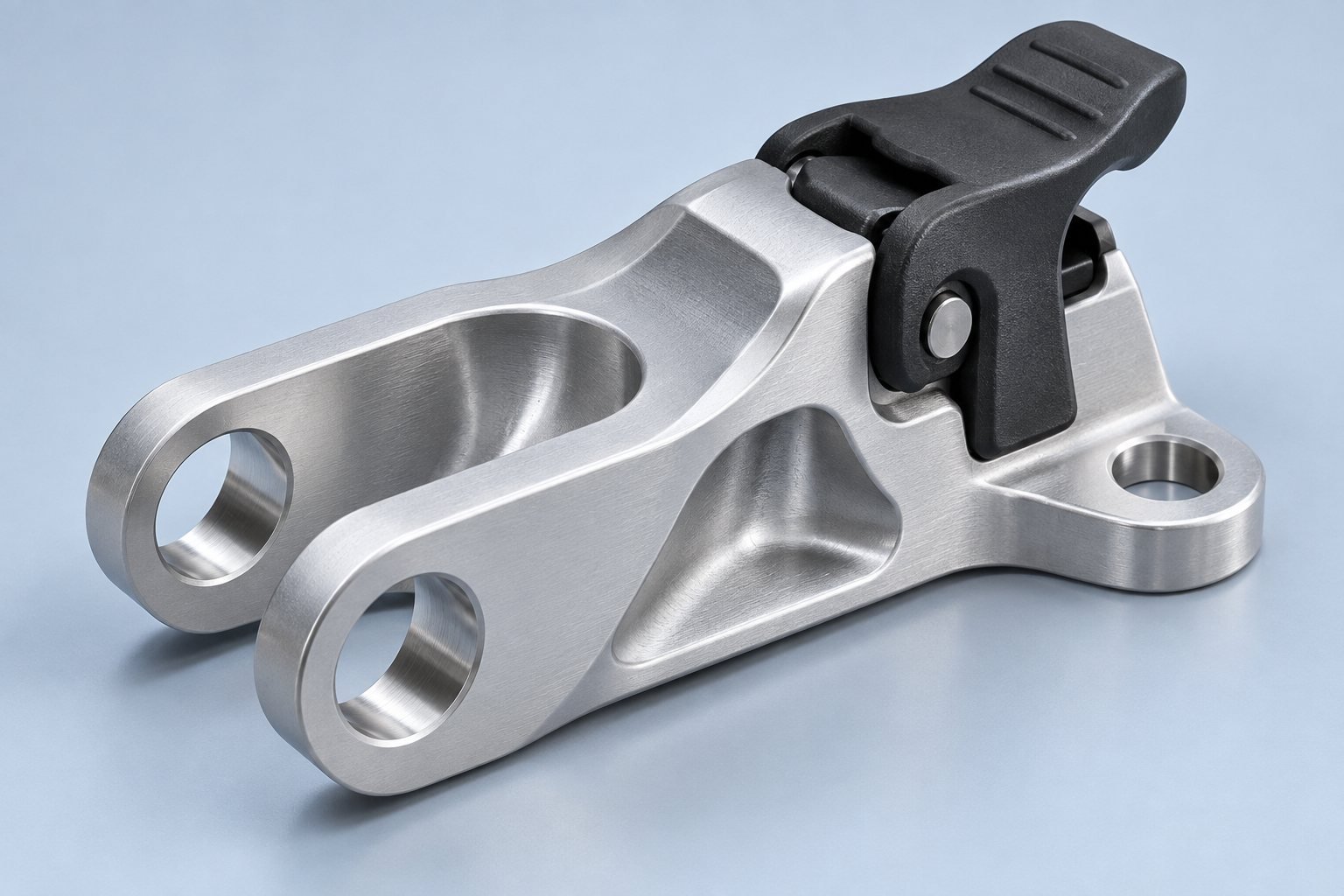
Define appearance acceptance and test the finish on the specified material condition.
Confirm the exact grade, condition and application requirements for your part.
Review Your Material →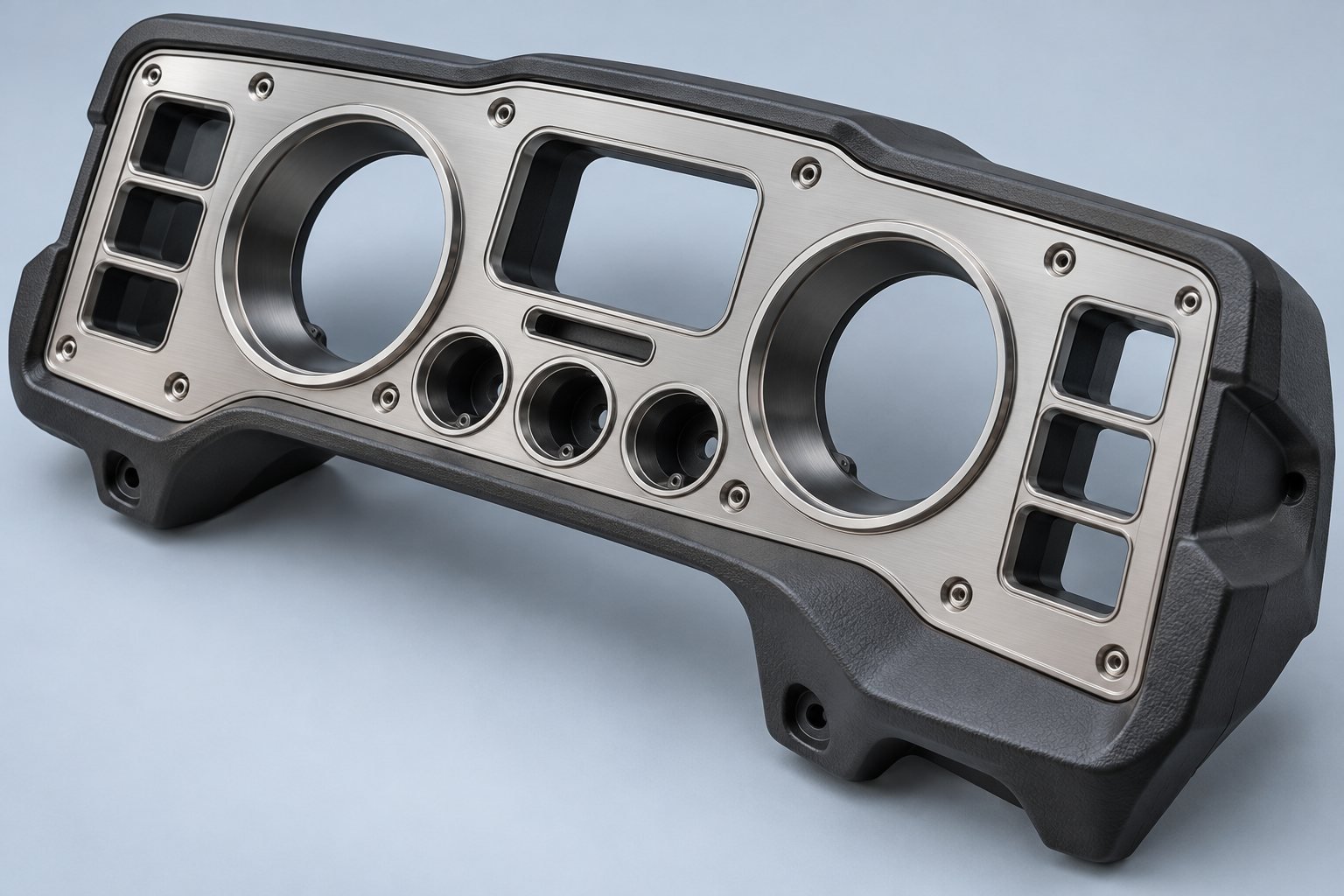
Review stock dimensions and material removed for your geometry.
Consider cutting, molding or forming effort and tooling needs.
Include finish, heat treatment, deburring and assembly requirements.
Confirm sourcing, lot quantities, testing and required records.
State the exact grade, condition and required records in your RFQ. Confirm available material records, lot identification and inspection scope with your quote.
Do not assume a material family name establishes certification or regulatory suitability for your finished part.
Identify insulation, conductivity, thermal interfaces and enclosure requirements for your equipment.
Specify motion, stiffness, wear and dimensional stability for your assembly.
State chemical exposure, sealing conditions and service temperatures for your components.
Provide your controlled specification and required acceptance records. Application naming does not establish certification or compliance.
YOUR QUESTIONS
Send your CAD, controlled drawing, quantity, environment, critical properties and required documentation. Include your preferred grade and approved alternatives.
Treat an alternative as a design change. Compare condition, relevant properties, process behavior and acceptance needs, then obtain approval before substitution.
Use the same operating conditions and functional requirements. Include geometry, stiffness, temperature, wear, finishing and total manufacturing cost.
Include those requirements in your RFQ. Grade availability and documentation must be confirmed for your project before ordering.
No. The finished part, material grade, manufacturing route and acceptance documentation require project-specific review.
Ready for review? Use the drawing-upload request below to share your requirements.